Military Report

In North Vancouver, in Lynn Valley  Seniors Care facility we heard it first. First sample of what was going to come. Covid-19 infections among staff and residents. Later came other Homes like that. In Ontario, Nova Scotia, New Brunswick, Quebec.  Vancouver was first, before the epidemic spread all over Canada. We were still innocent, still reading about faraway places. Life was to a large extend normal. Comparing to today—life was as nothing was happening. We were still innocent … .

The text above was the beginning of my first article on this subject. I published it here two months ago, exactly on April 2. Later, I wrote two more articles on this subject. It makes this one a fourth one.  I knew that I was going to continue this particular series, but I also hoped that by now I would be writing how the provinces and premiers assumed their responsibility and culpability. What instant steps they have taken and when will they start a serious process of assessment and formal inquires not only of what happened, but first of all why it was such a tragically spectacular failure. And how will they proceed with serious overhaul of Long Term Care Centres for Seniors (LTC). None of it happen. Even after the calls for inquires and commissions grew louder.  After they were forced by the sheer examples of  tragic deaths in their own provinces, under their own responsibility and charge. No.  They couldn’t even utter: I am, as premier of this province, very sorry that I have failed you in this matter.

Being premier of province doesn’t mean that you can only play the role of a solemn hero, of a stern father, who reminds the residents of their responsibility in difficult times. A father, who is even forced at times to chastised the residents, who don’t play by the rules. Out of care. It is a role they do have to play. But that’s not the only one. A pandemic and good governance is a very long play. There are many stories to be told in that play. One of them is called fortitude and solemnity in accepting, on behalf of the province, a responsibility of the mistakes. Even if there were many previous fathers of such mistakes.  But you are the “father’ now, you are the premier and you have to take the blame. And bow. That’s how a leader acts. What all the premiers did, was paying the role of consoler and politician. Not the leader. Not on this file. This tragically avoidable file. One that will haunt as for years to come.

It was the leadership of the Armed Forces to force the issue to the front. To make sure that it couldn’t be dressed in nuances, shadows and colours that would hide the obvious fact: the failure of the system. They have planted that ticking bomb called Army Report and made sure that the existence of the Report was leaked to the media in advance. That now no one, in any government provincial or federal , would dare to call it ‘stories’, ‘situations’, perhaps a hearsay of some witnesses. No. Now these are official facts. Prepared by trusted and respected by the nation institution of our Army. Trusted much higher than any political government of any political stripe. The same army the premiers of Quebec and Ontario called to help them run the awful places being called LTC. The same Army that went and did the dirty job.   As they would in any other , military battle. And, as in a traditional battle, they did risked their lives. Many of them got infected and are sick now. O hope  they will fully recover. In their cases I wouldn’t call it even ,infected soldiers’. I would call it ‘wounded soldier’. Wounded, because political masters sent them to fight a war, that was badly planned, with bad strategy. But good officers, while accepting the order and doing the fighting are sometime also very smart. And they outsmarted the masters. They outsmarted them with the Military Report on LTC. What every single one government Agency and government leaders failed to do – they did.  Now the milk is spilled. And the governments, the leaders have to clean it up.  Or resign. No, this is not too strong a wording or demand. We are taking about thousands of lives lost. Not only because Covid and coronavirus.  We will never know how many would have died (some – certainly) if the Centres were run properly, properly prepared for this and many other epidemics.  If there was proper, stringent oversight.  If the owners cared.  And if the governments wanted to see.

I write these words shaken to the core. I knew these people. Walked with them, chatted with them, consoled them, danced with some of them, sung old songs with them.  For many years, because they were friends of my Mom, who spent years in such a Home. They were wonderful.  Sometime like children. Sometime like the wisest of the wise.  People, who lived and huge majority of them wanted to live. Who knew, when bad things were happening to them. Who fiercely tried to protect their limited independence and protested even stronger, when their dignity was being assaulted.  Each and every one of them had their story. Unique. Often amazing.

My Mom during her last visit to Poland, in her old apartment

For their memory and memory of my Dear Friend, my Mom, who has showed an amazing heroism in her fierce battle and sometime difficult acceptance of  dementia and Alzheimer. I promise you, that you all were important to us. And I will do my utmost to not let this story to die, to be forgotten.  And will not let any premier or prime minister to forget it, either.

Natural Gallery of Art

by Bogumil Pacak-Gamalski (text in Polish, followed by English version; all pictures by author)

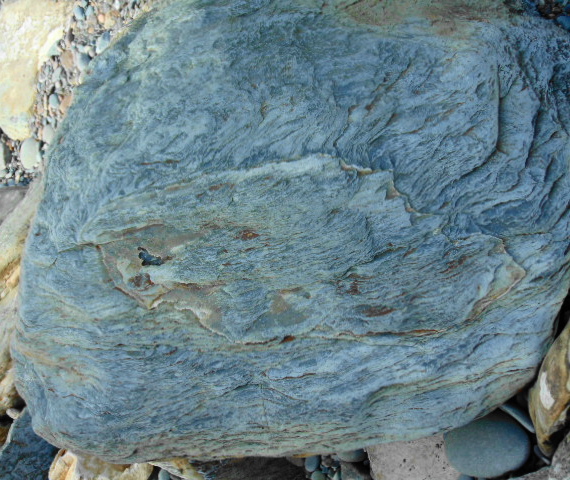
Kto z nas chodząc po górach nie zachwycał się kształtem niektórych grani, szczytów, skalnych nawisów? Inaczej patrzy się na panoramę Tatr z przełęczy na Krzyżnem podziwiając krajobrazowy widnokrąg tatrzański, a inaczej z bliska jego skalne detale. Widzimy wówczas głowy, paszcze, jakieś potwory, kły – wszystko, czego wyobraźnia zapragnie. Jak dziecko spoglądające w chmury o zaczarowanych kształtach.
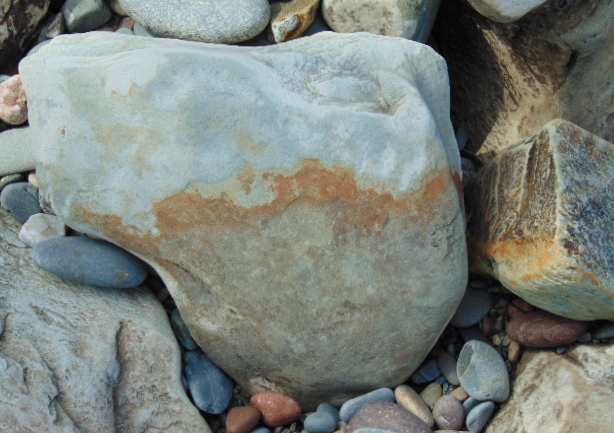
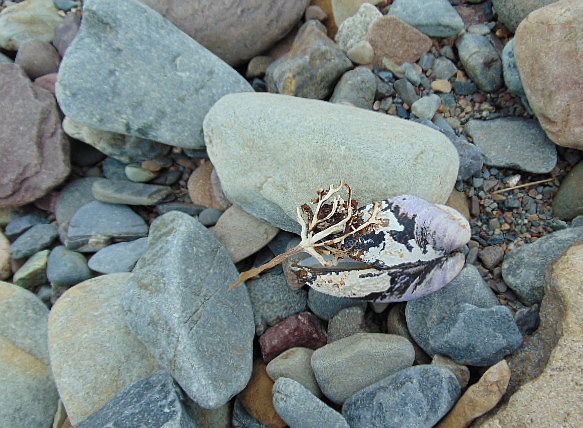
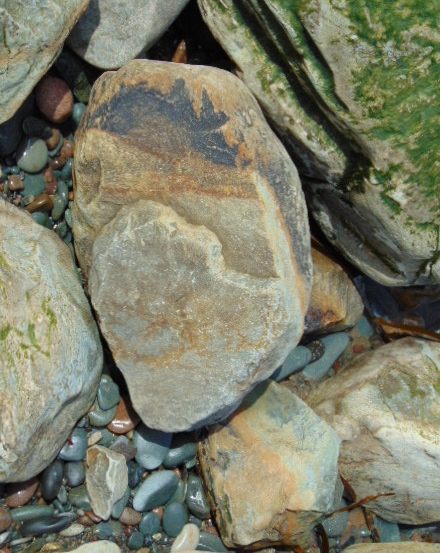
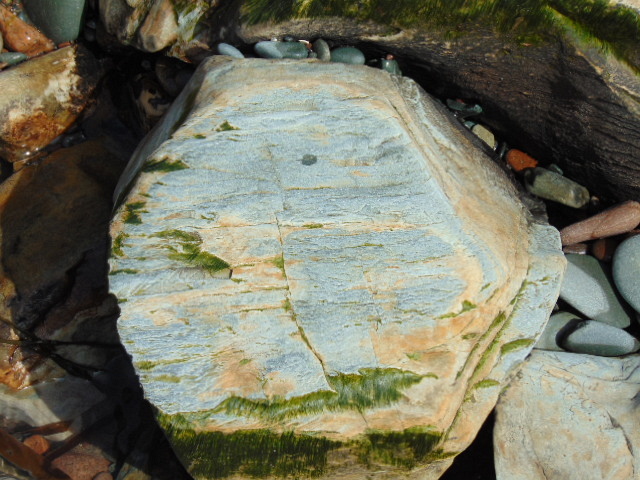
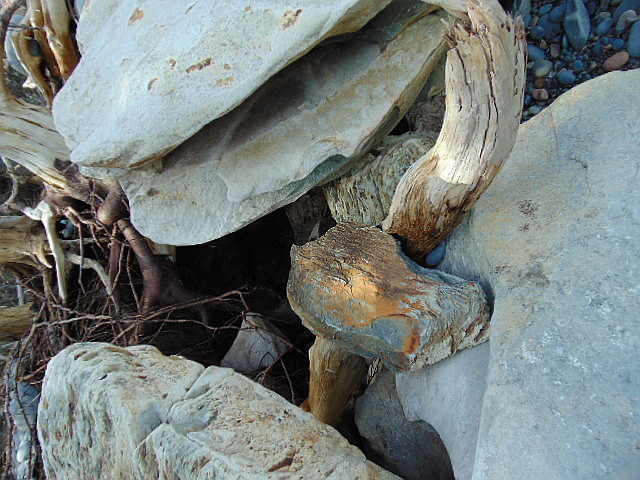
Ale jest jeszcze inny świat zaczarowanych skał. To świat głazów i ich okruchów, odprysków, zwykłych kamieni, które w odpowiednim świetle, środowisku wydają się też być magiczne. Inne, skromne, są  wewnątrz lądu, na polach i łąkach, inne nad rzeką i strumieniem. Ale najpiękniejsze bodaj tam, gdzie stykają się dwa żywioły Ziemi: prastary ocean i wyrosły z niego ląd.

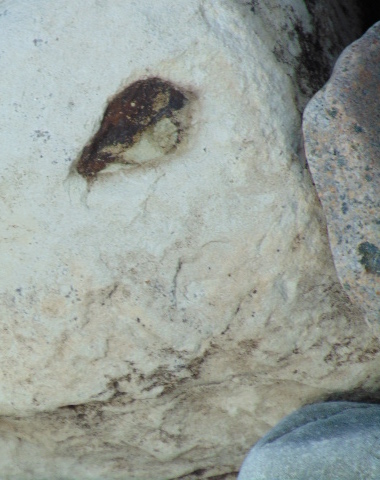
Te pogranicze światów potrafi stworzyć przepiękne galerie kolorów i kształtów. Wystarczy na moment wzrok zatrzymać, spojrzeć uważnie, wrócić w wiek dziecinny a ukaże się nam świat godny Luwru lub Ermitażu.

Na spacer fragmentami takich galerii i zgromadzonych tam naturalnych klejnotów natury zapraszam.  Trudno je znaleźć w znanych kurortach nadmorskich, na wyczesanych, ukształtowanych przez człowieka pięknych , piaszczystych plażach.  Ale wzdłuż dość jeszcze dzikich , skalistych wschodnich wybrzeży Nowej Szkocji – polecam bardzo.

If we ever go to truly high mountains, as we climb them, especially when we reach high passes – the views and vistas are unparalleled. The wide horizons of tall peaks, reaching clouds, the deep valleys below are breath taking. I was always taken by them, mesmerized. Be it in High Tatras in Poland, in Andes between Argentine and Chile,  even the peak of Mt. Cook in New Zealand or lush green, tropical volcanic peaks in French Polynesia. But none as beautiful as Canadian Rockies.  But when you look close at shapes of particular rocky formation next to you – to the detail – you could see faces of gargoyles, mythical creatures. Your imagination sets the limit. Try to remember childhood and watching clouds, their changing shapes. Then you would be able to notice the hidden mysteries of rocks.  

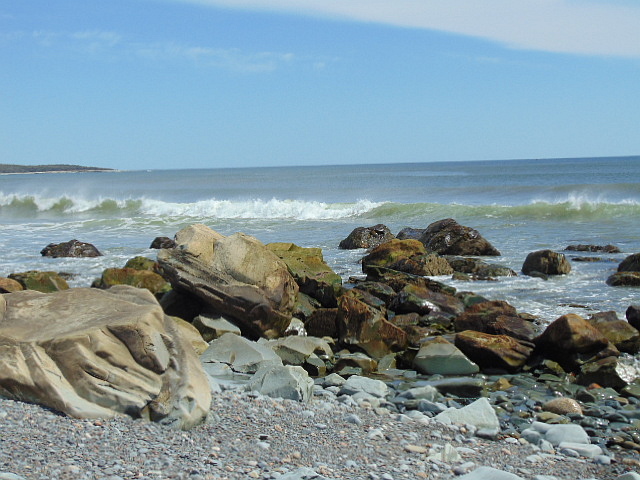
But there is another world of colours and shapes  that is particularly special. A place where two ancient worlds meet: the Ocean and the Land. To do that, it’s best to find not a popular touristy beach but more wild, natural, spot. Nothing could much the relatively unspoiled Eastern shores of Nova Scotia.

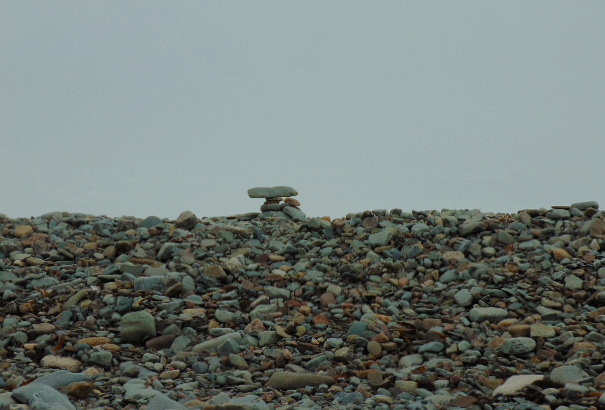
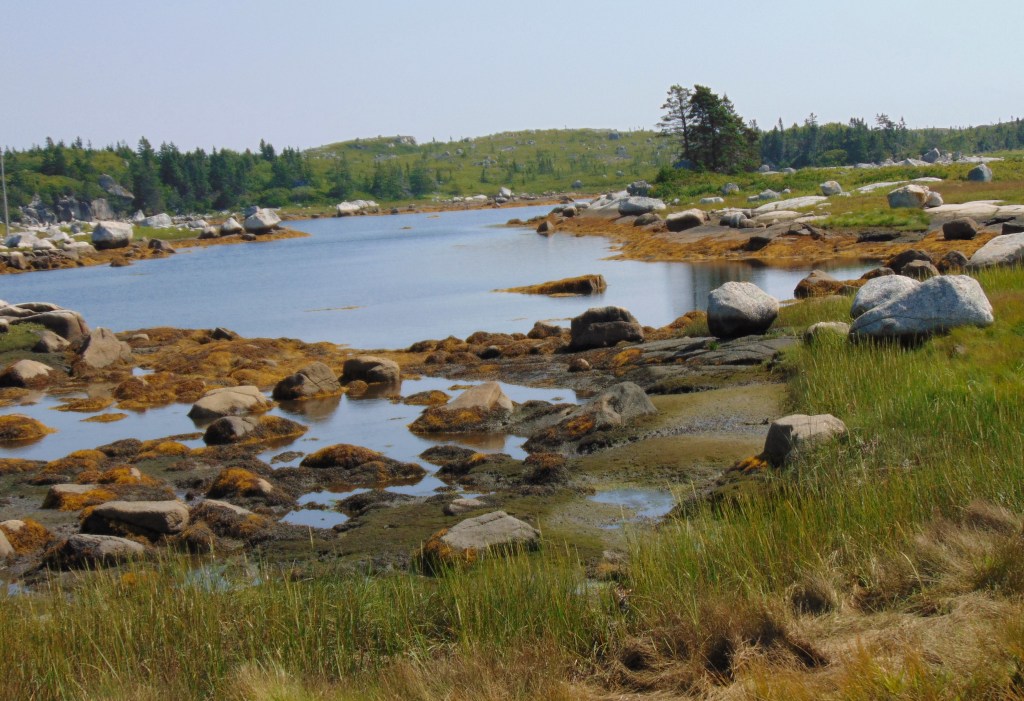
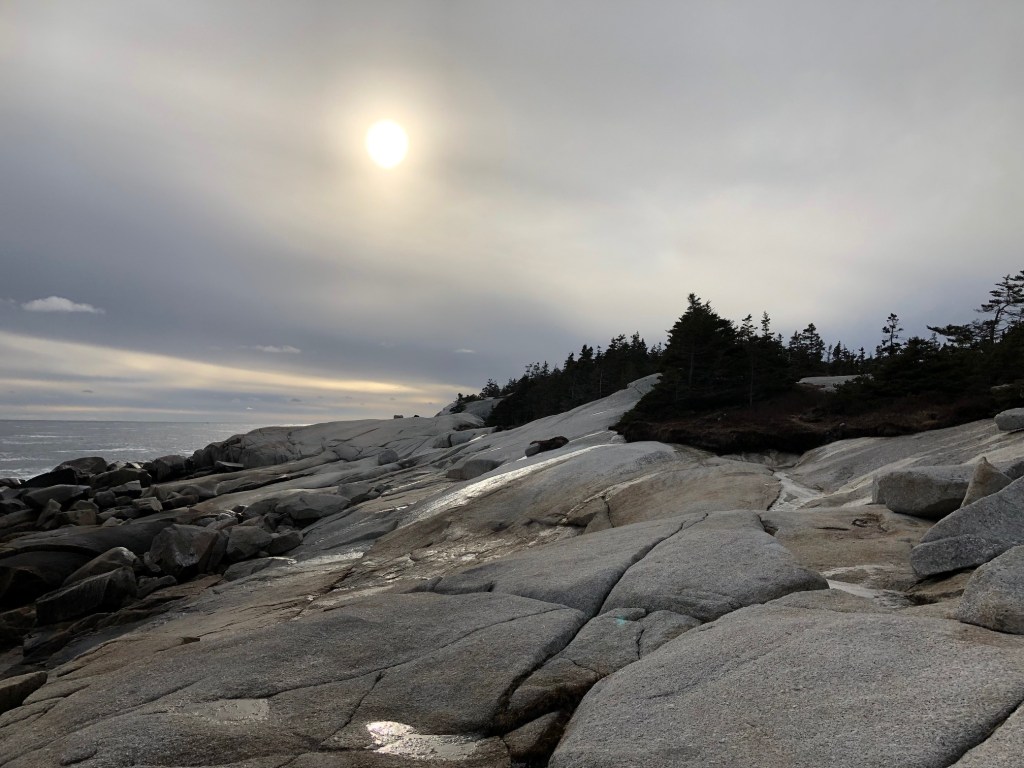
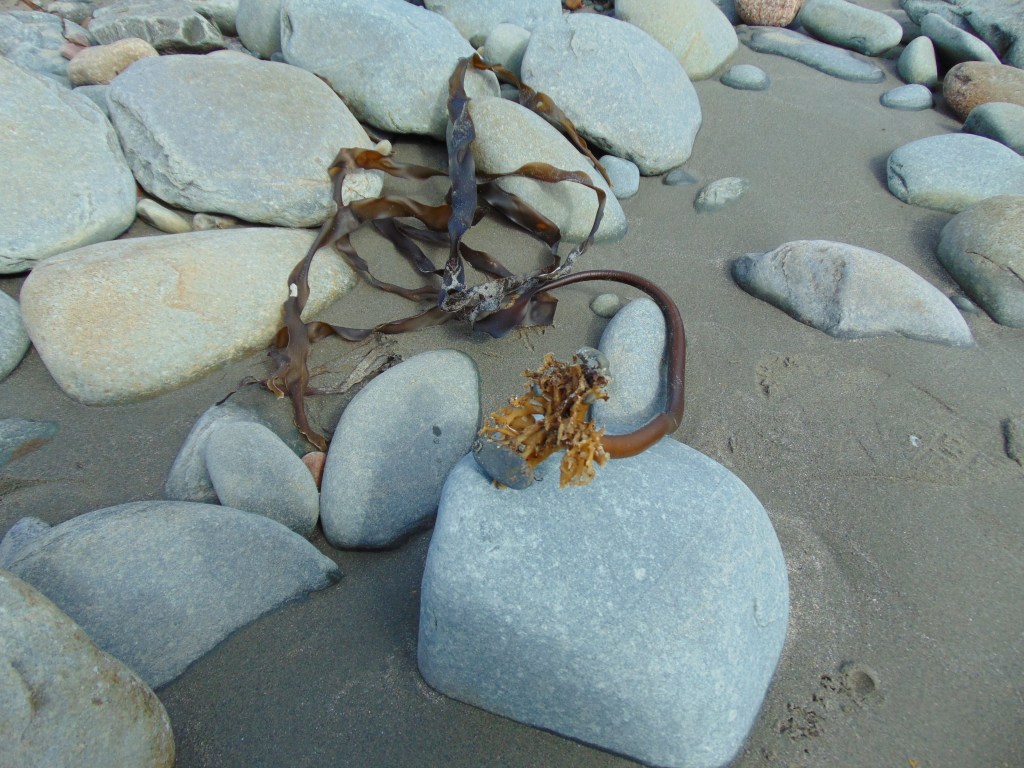
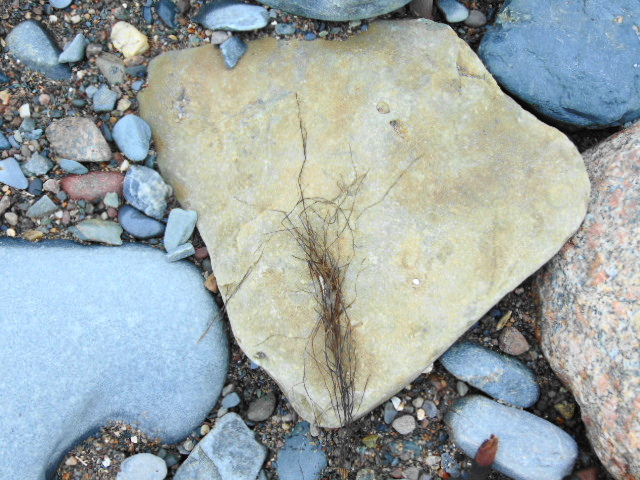
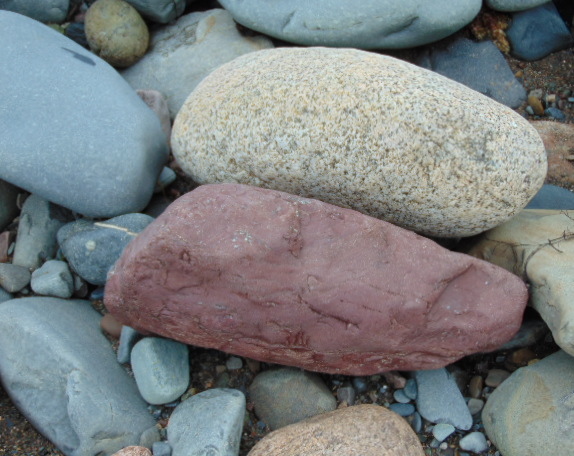
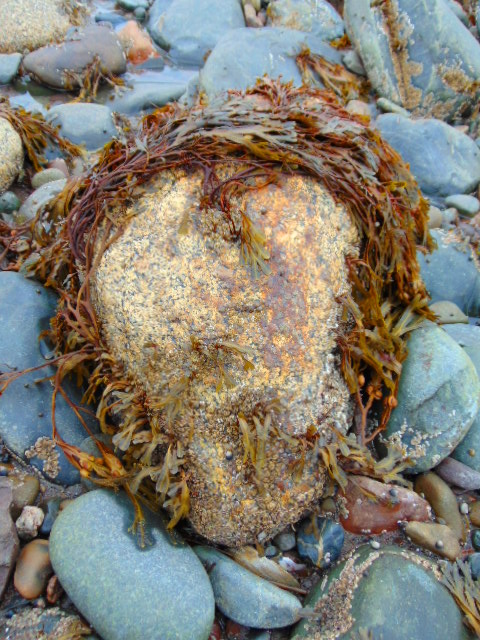
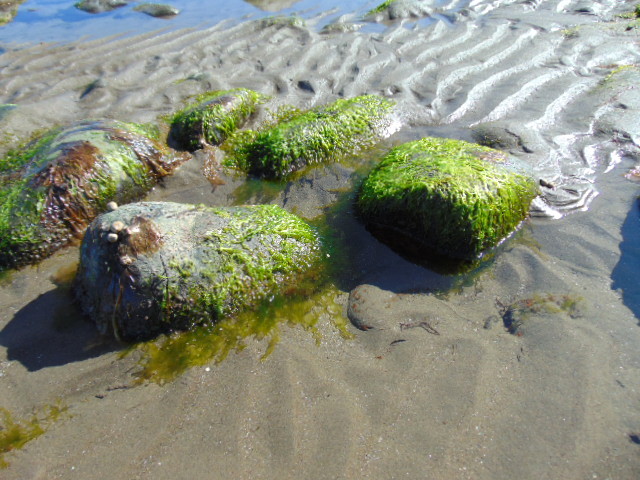
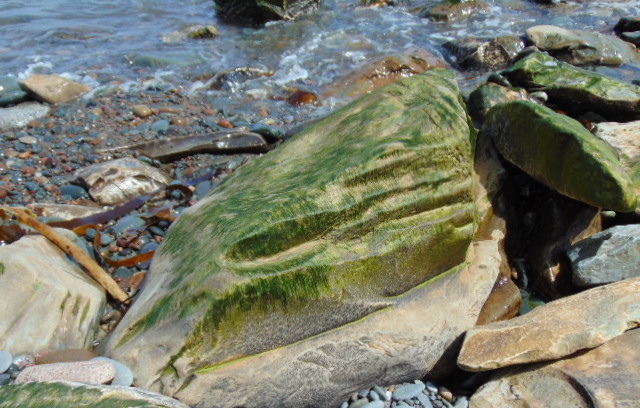
So let’s go for a short walk. I will try to take you to the amazing gallery of rocks tiny and huge, that are in constant battle with mighty ocean. The ocean that shapes and changes the land and rocks.

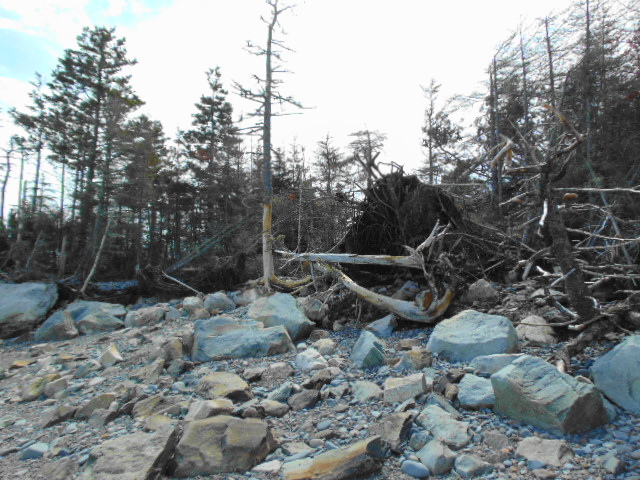
The first, I call ‘The Guardians of the Land’ / pierwsza galeria to ‘Strażnicy Lądu’

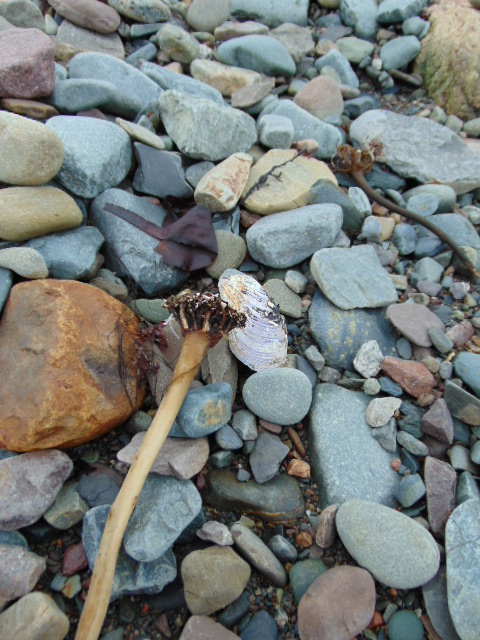
The second is ‘Things small and fluid’ / druga to ‘Rzeczy małe i zmienne’

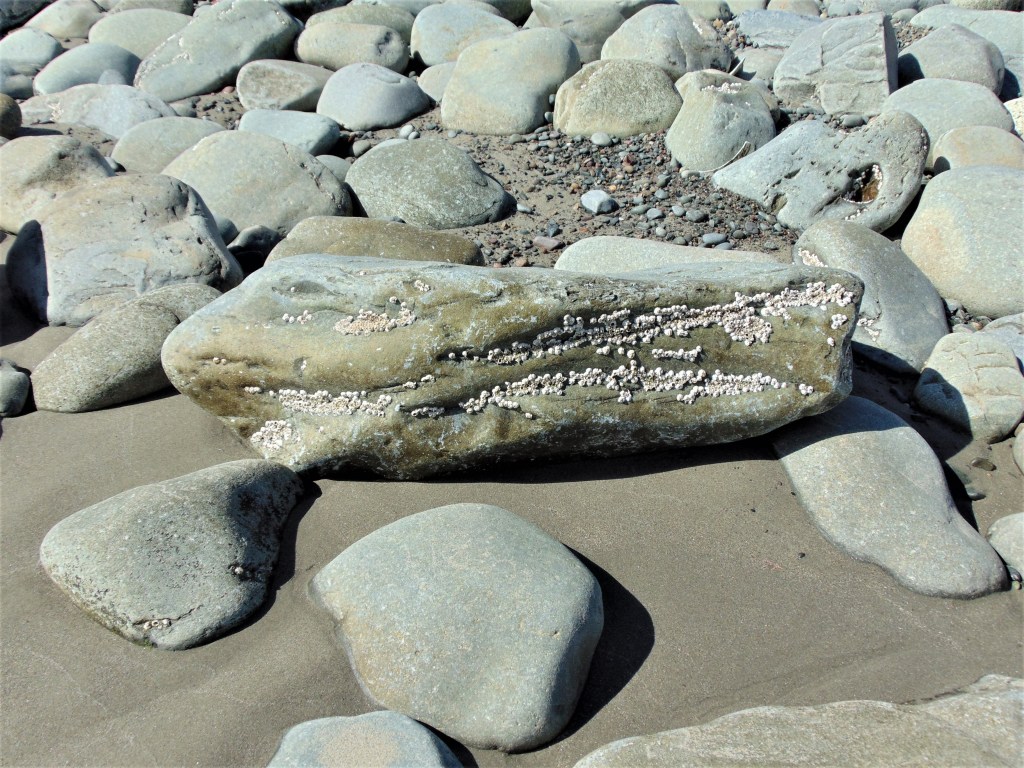
The third one is ‘Ancient Art’ / trzecia to ‘”Sztuka antyczna’

Church towers

by Bogumil Pacak-Gamalski

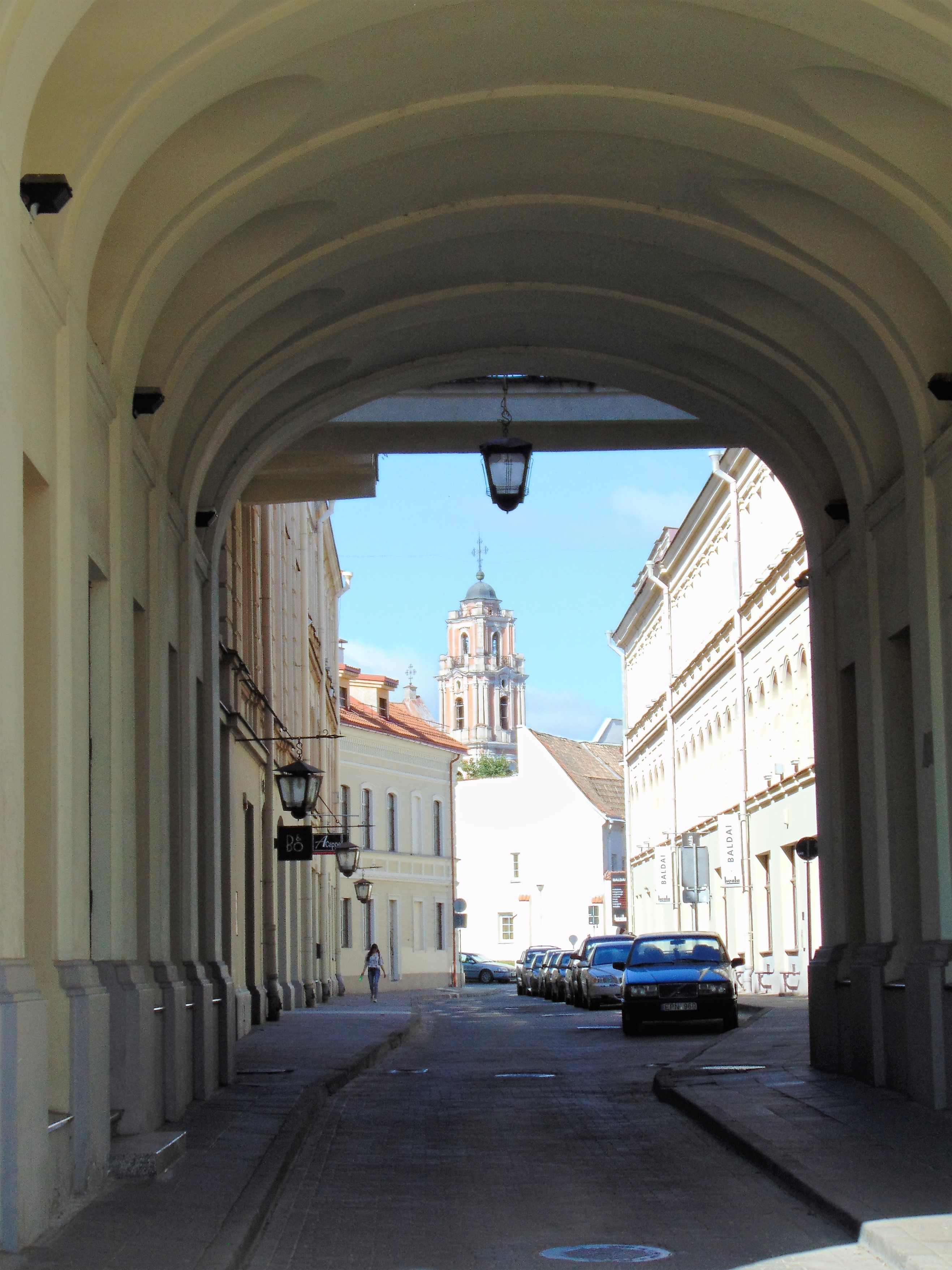
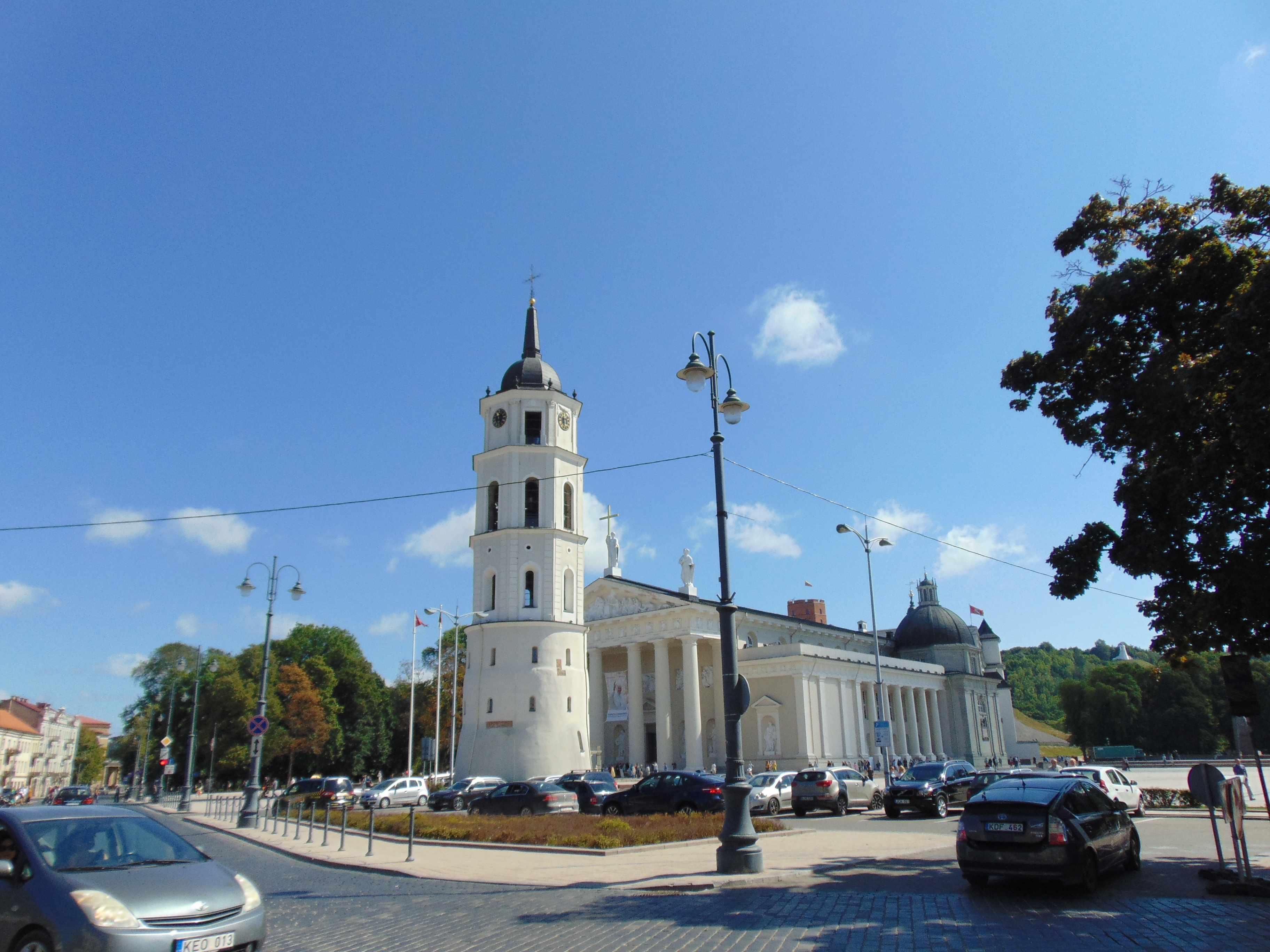
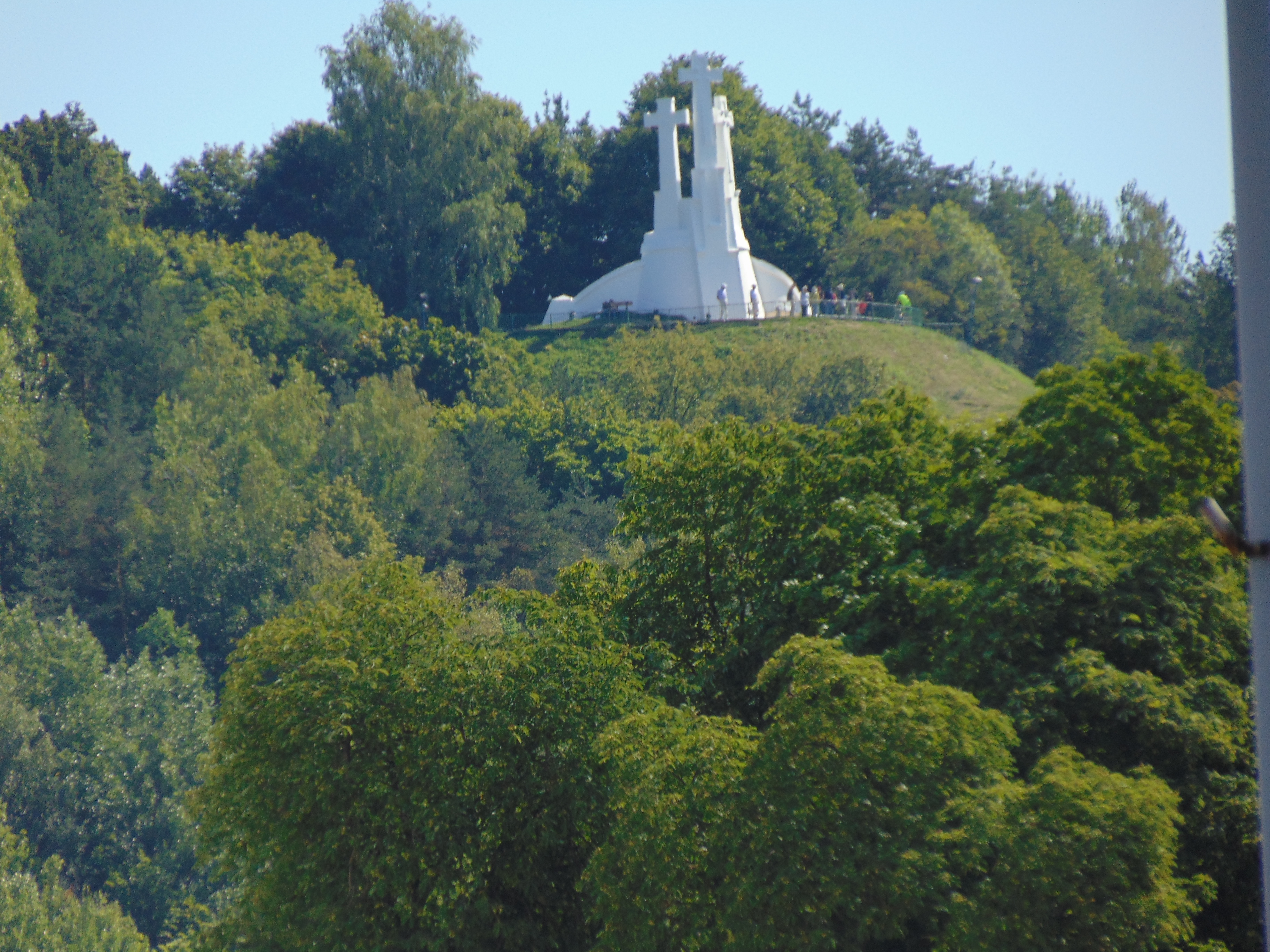
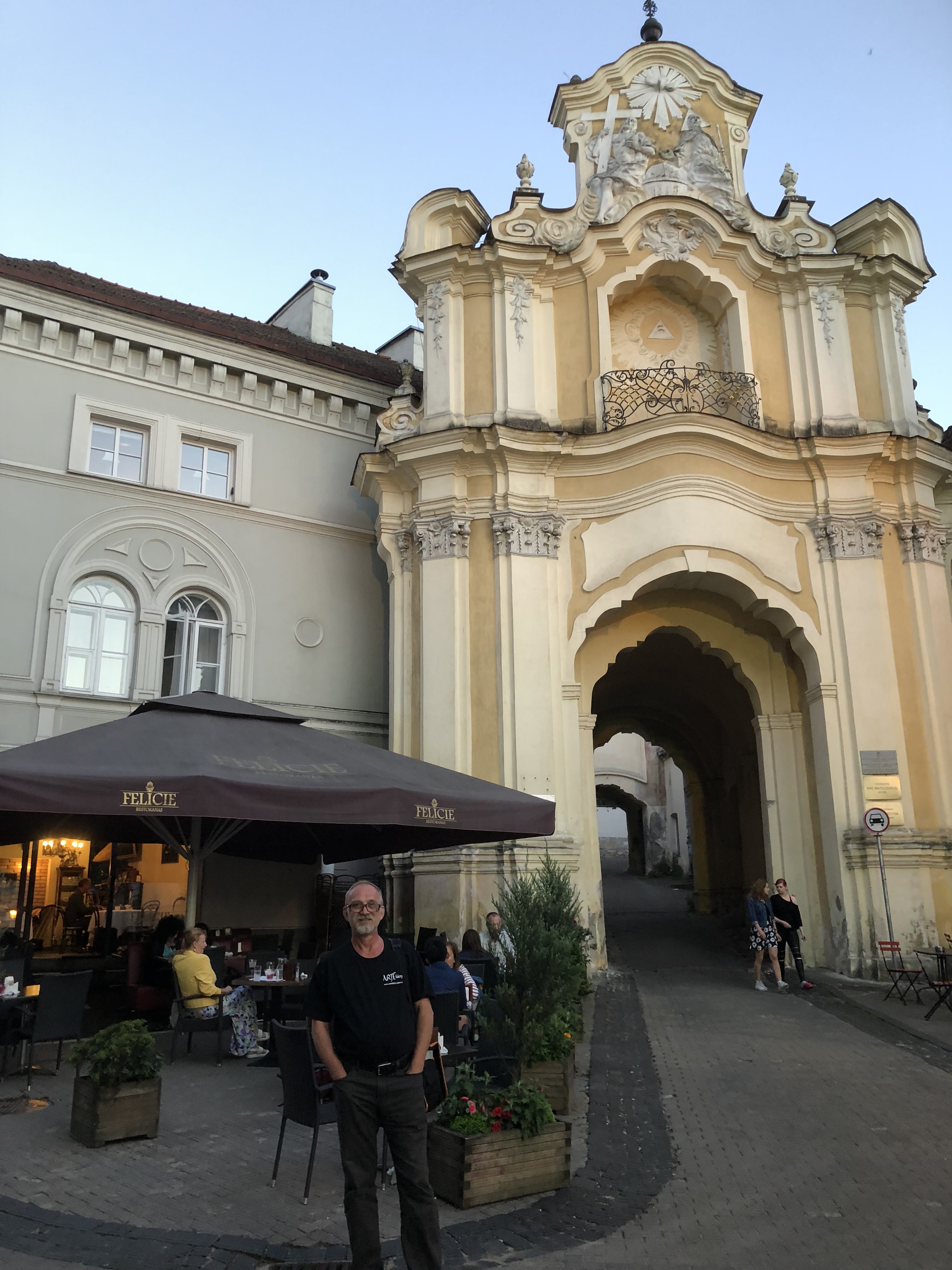
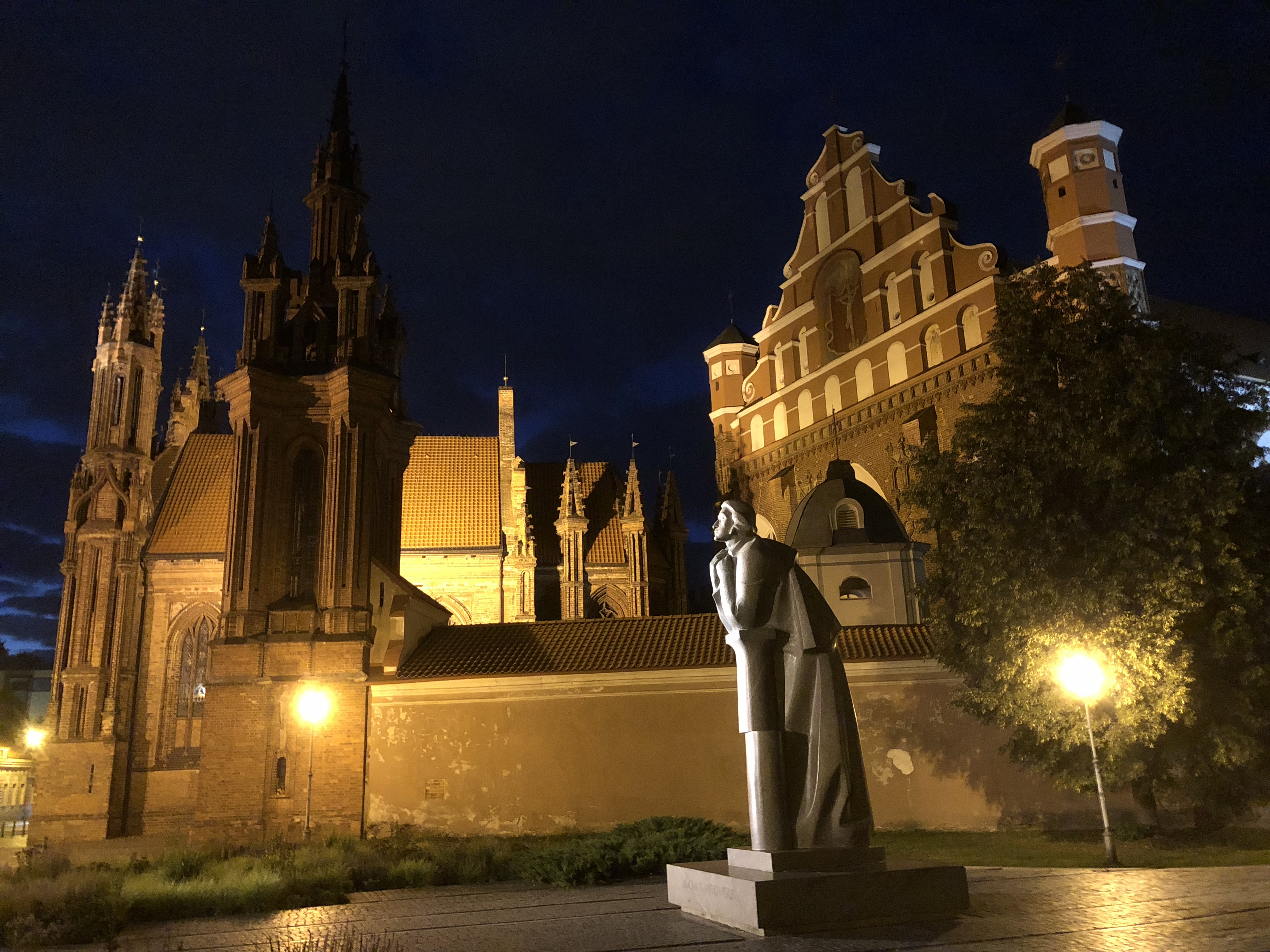
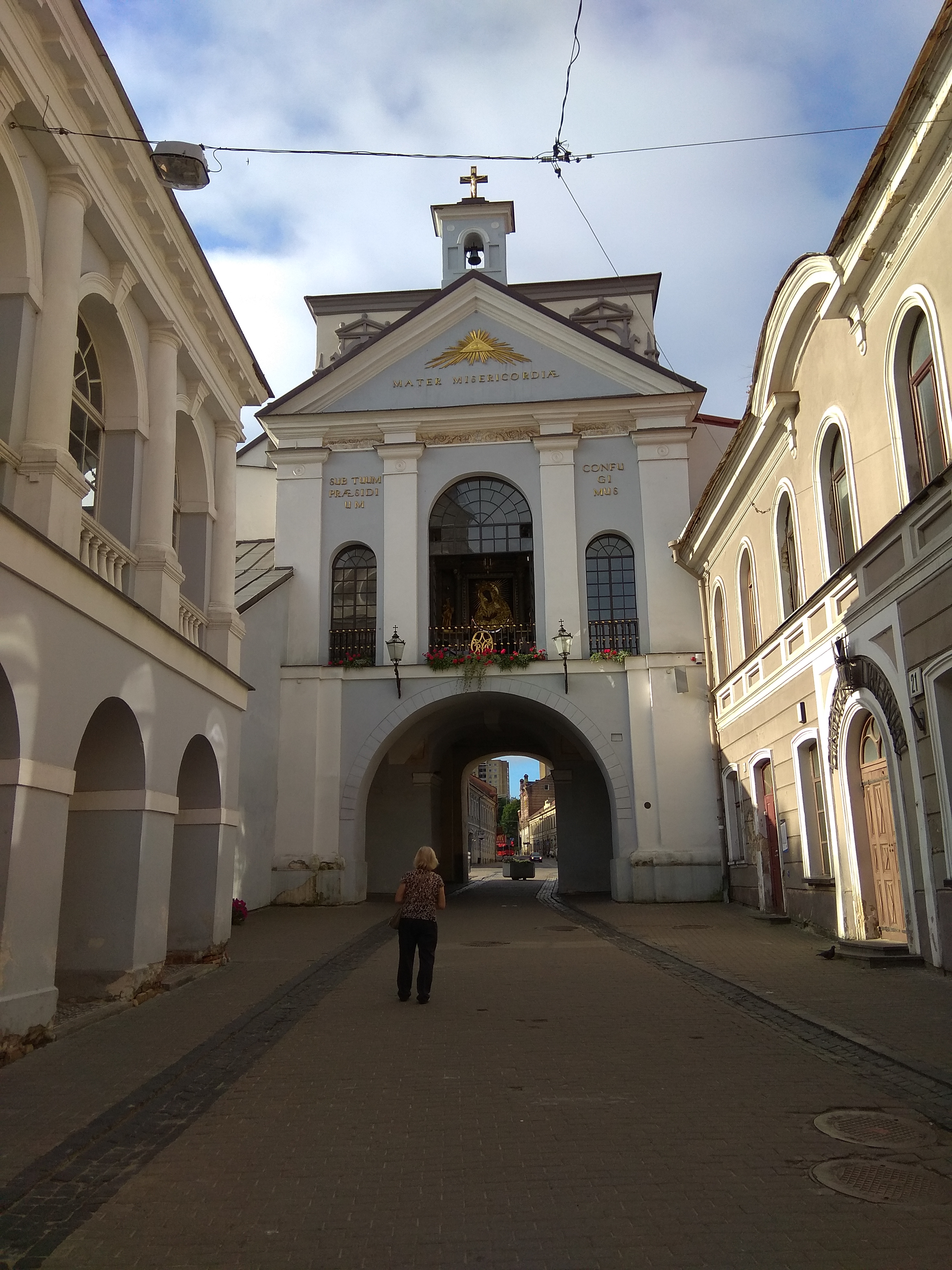
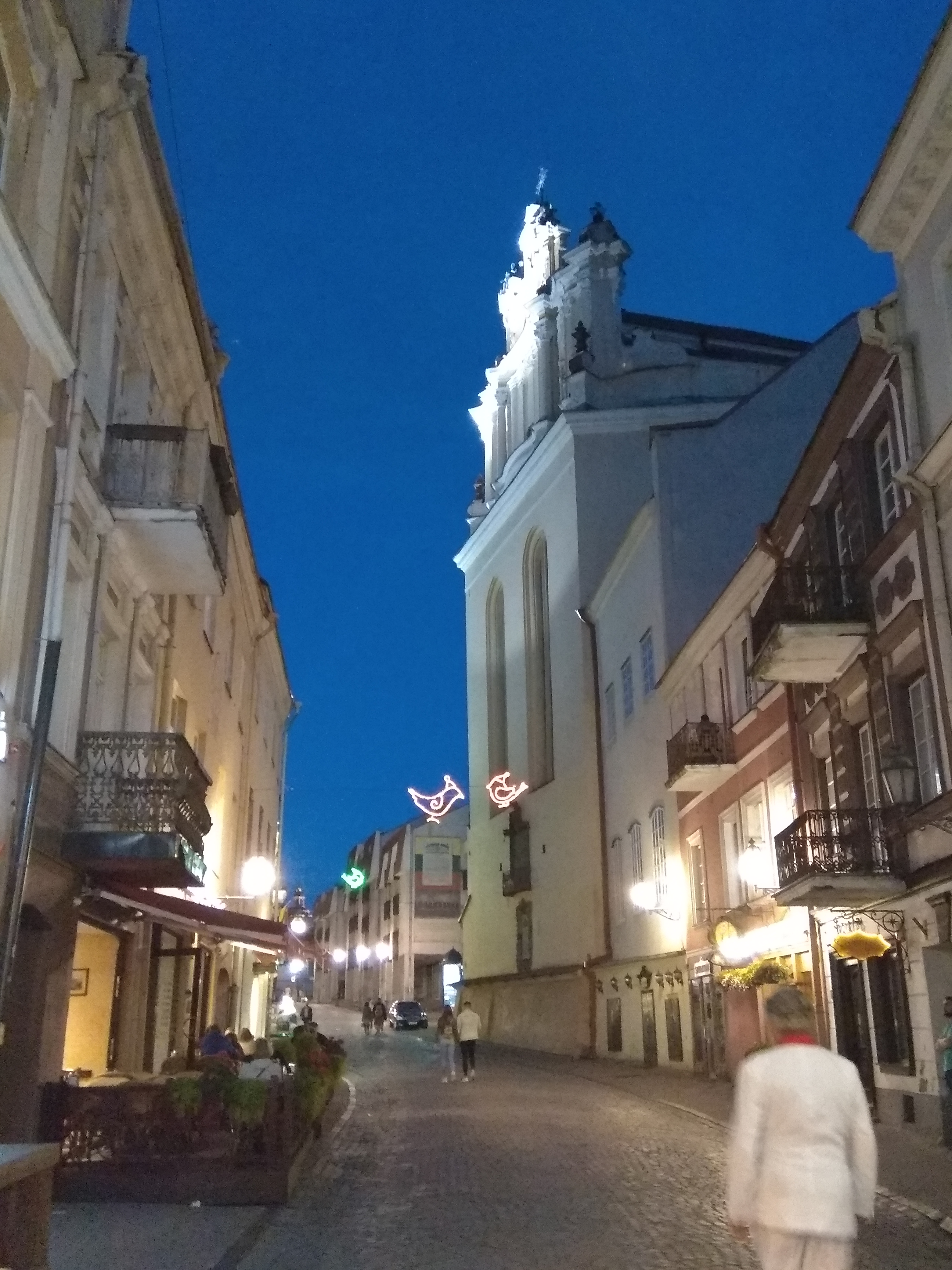
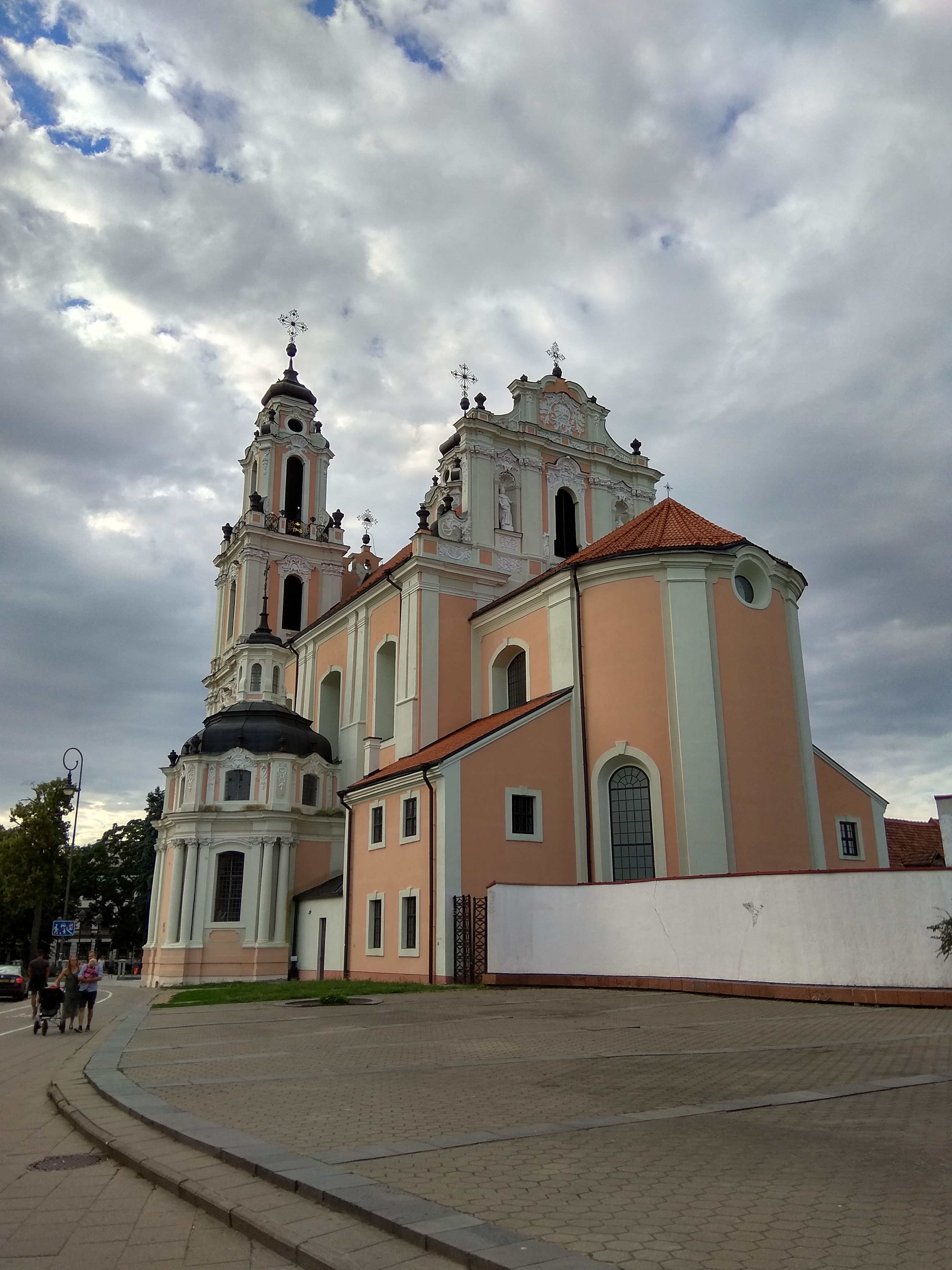
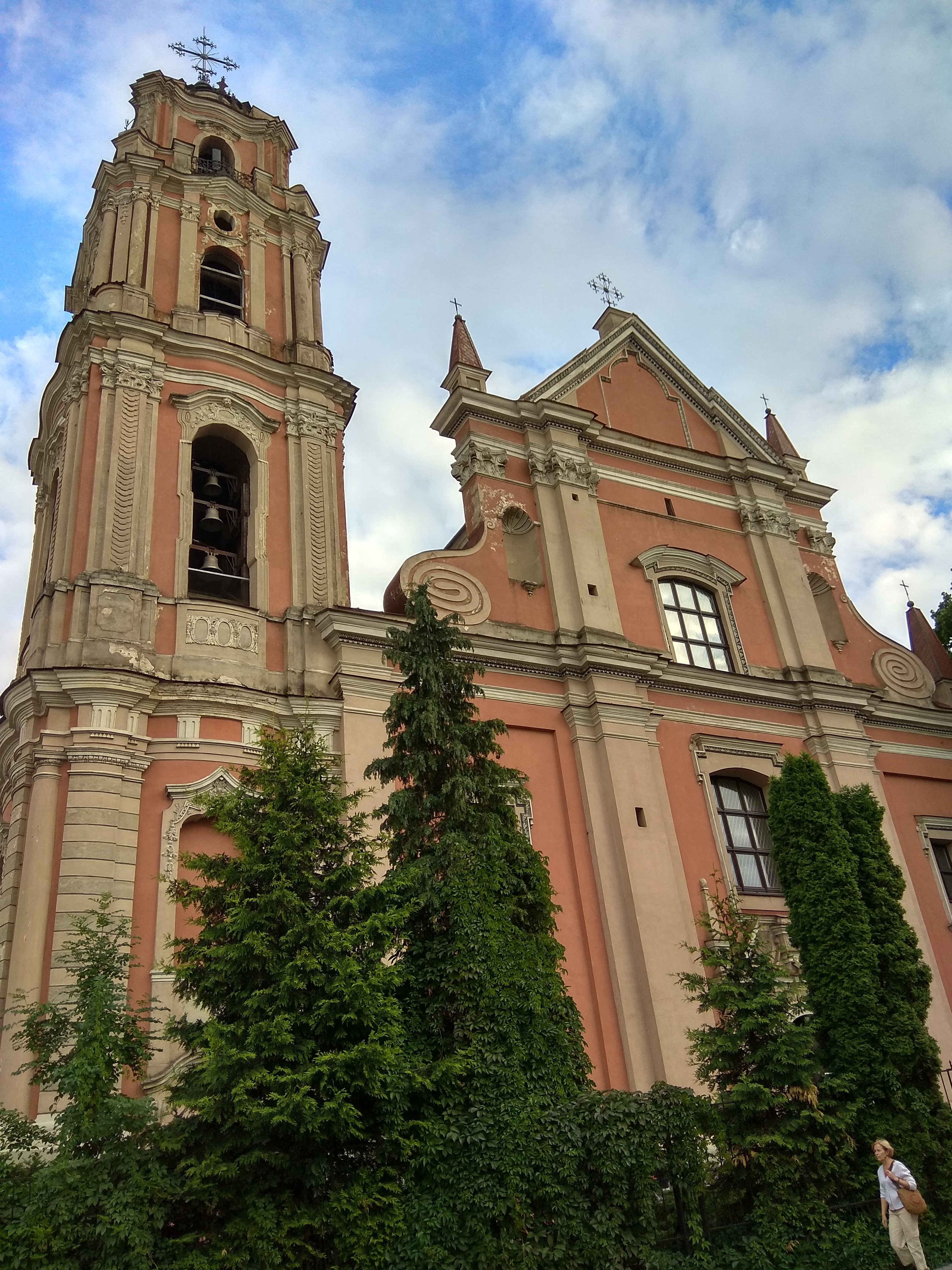
In my very early youth, what would you call now teenagers’ age, I had a mythical place I have never been before but new very well.  Wilno or as Lithuanians call it, Vilnius. It has a very strong connection to Polish history and identity (which, of course, doesn’t take anything away from the rightfully special connection it has with Lithuanians, the founders of the city in late medieval period) but it has also very strong and immediate connection in my own family. On top of that, two of my most cherished – at that time – national heroes were, in many ways, identified with that magic city: great romantic poet Adam Mickiewicz and founder of modern Poland, Marshal Joseph Pilsudski.  Wilno was often called a Rome of northern Europe, as it was built on seven hills surrounding it. It was also called a City of Churches.  And it still remains one. Wherever you go in the proper, old Wilno, you can see  church towers. In a way, if you don’t know the city very well, you could be advised to study pictures of its churches and then just look around for a familiar church tower and you will know where you are.

We wczesnych latach nastoletnich Wilno było moim magicznym miejscem na długo za nim mogłem tam po raz pierwszy pojechać.  Z wielu względów: duża część rodziny z tym miastem miała swoje silne związki, nie było chyba szerszego spotkania rodzinnego, gdyby coś o Wilnie się nie mówiło; Mickiewicz i Piłsudski: dwóch moich wtedy bogów prawie a ani o jednym ani drugim trudno cokolwiek mówić bez wymieniania tego grodu Giedymina; no i naturalnie silny, atawistyczny niemal bunt przeciw moskiewskiej okupacji Wilna (tak przez całą młodość traktowano odebranie Polsce Wilna po Jałcie w moim środowisku, nie wiele się wtedy mówiło o Litwie, bo każdy z nas wiedział, że ani Ukraina ukraińska ni Litwa litewska, no i w 13 letniej patriotycznej, anty-partyjnej łepetynie nie pojawiała się nawet myśl, że Litwini nie chcieliby dalej kontynuować tego cudownego związku Rzeczypospolitej Obojga Narodów…).

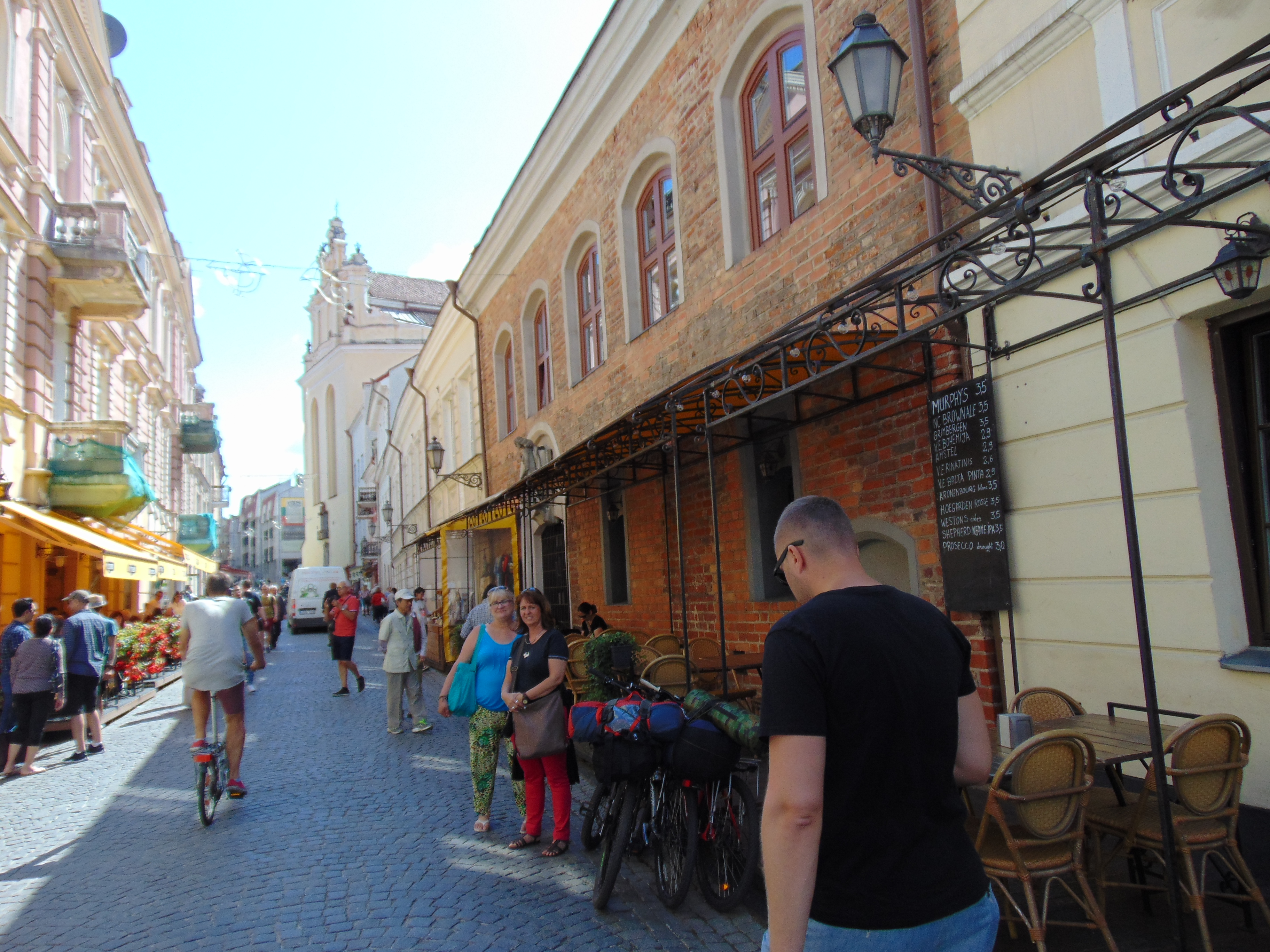
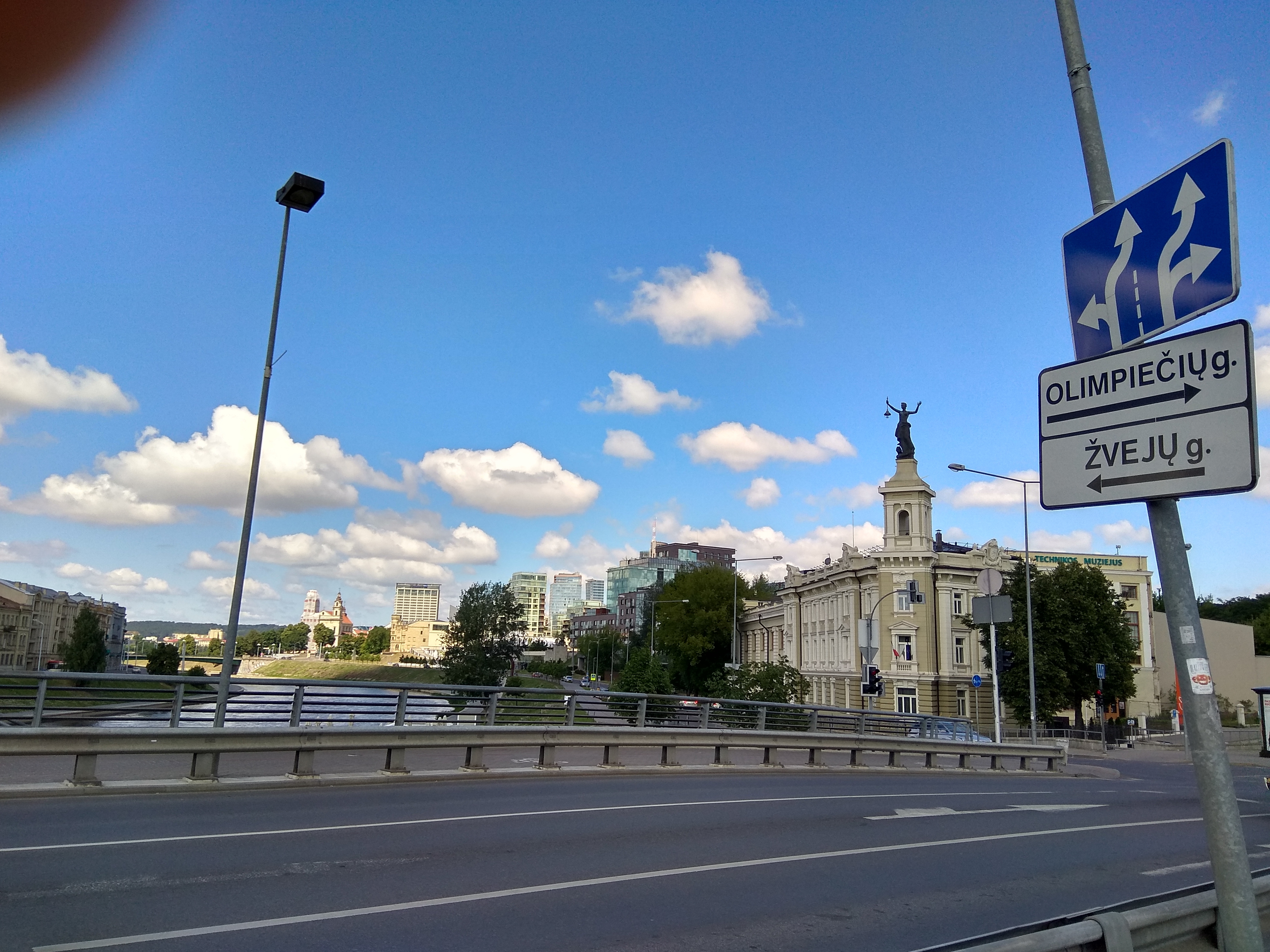
A Wilno to mili moi Miasto Wież Kościelnych. Nie potrzeba mapy, wystarczy pooglądać album zdjęć kościołów starego Wilna a mowy nie ma zagubieniu się na dłużej (co po prawdzie wyjątkowo łatwo w wijących się zaułkach, wąskich uliczkach i licznych bramach): w perspektywie ulicy lub za pierwszym zakrętem zawsze zobaczysz jakąś wieże kościelną lub cerkiewną. Zdjęcia poniżej z mojej ostatniej wizyty w 2018.

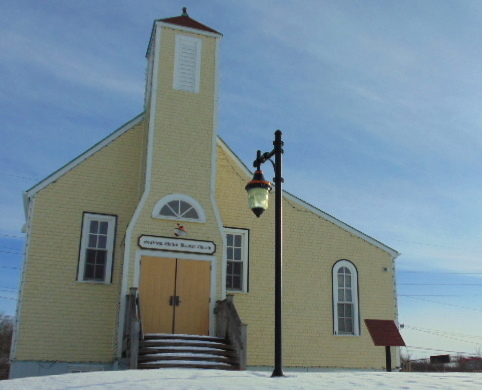
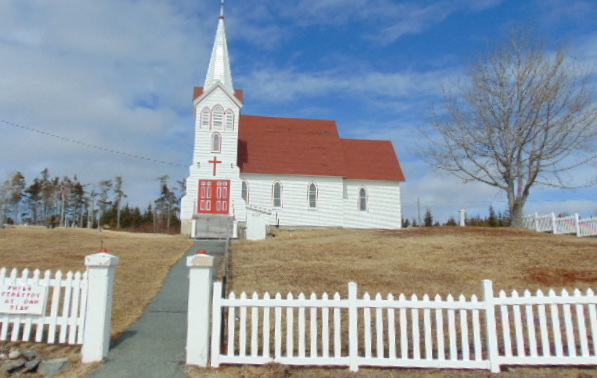
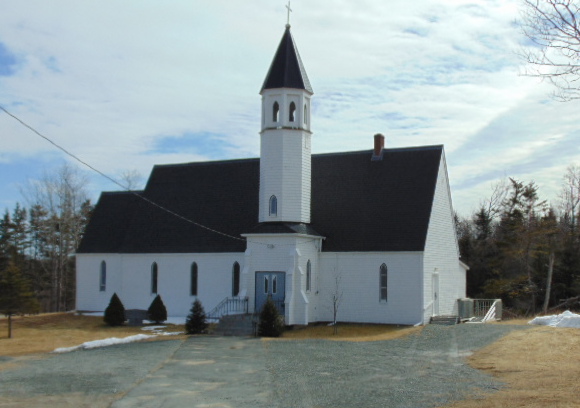
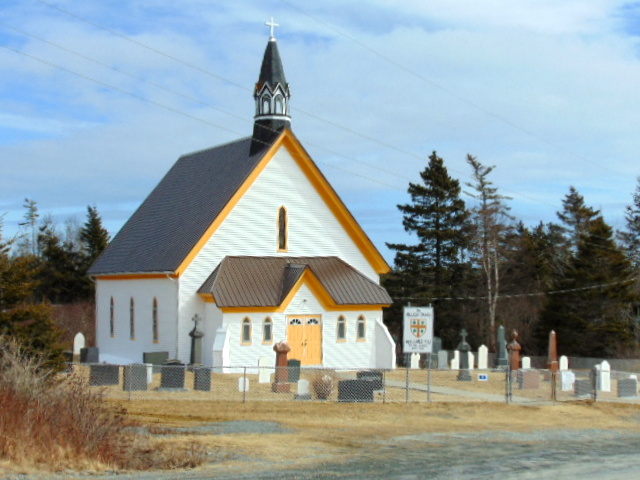
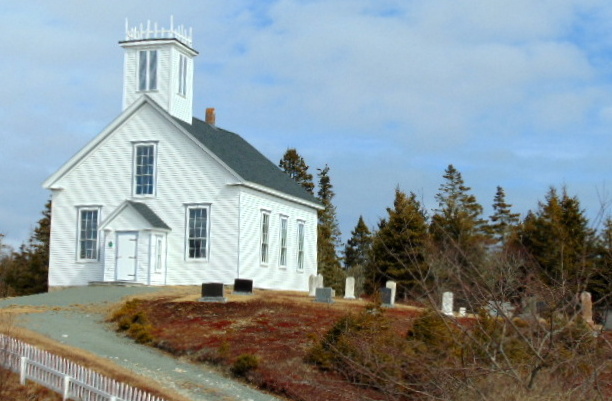
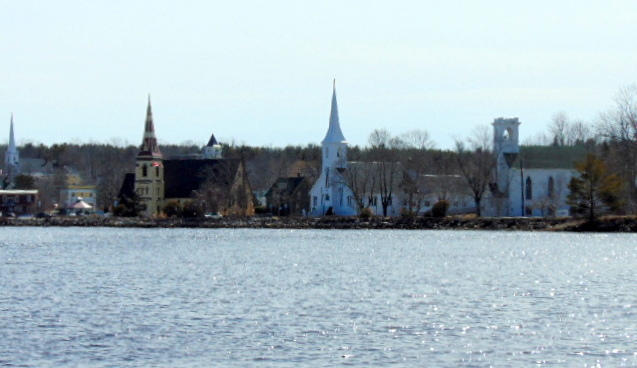
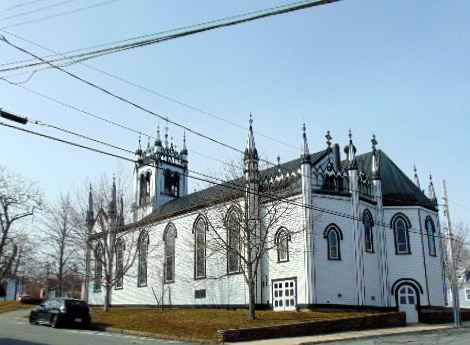
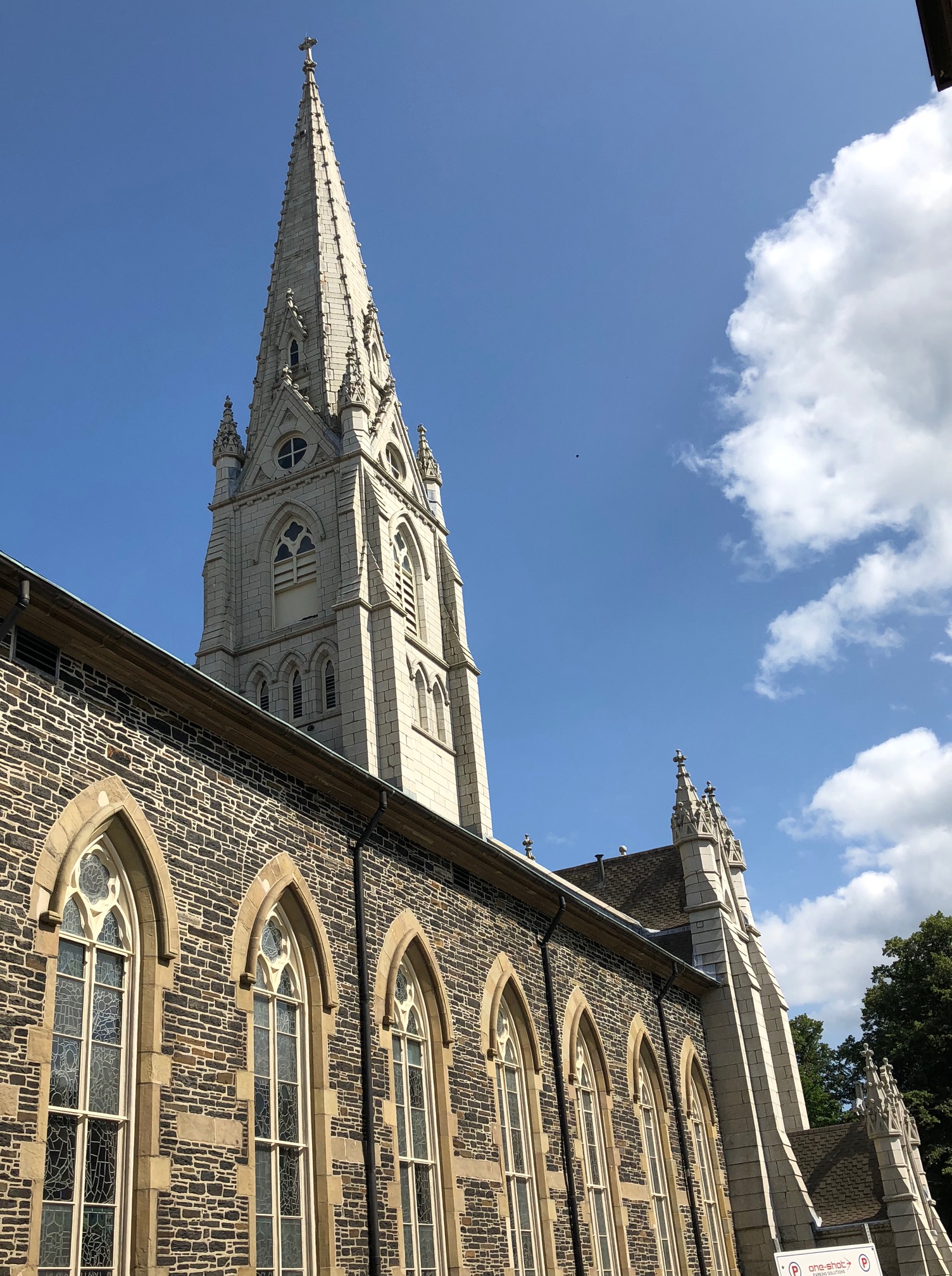
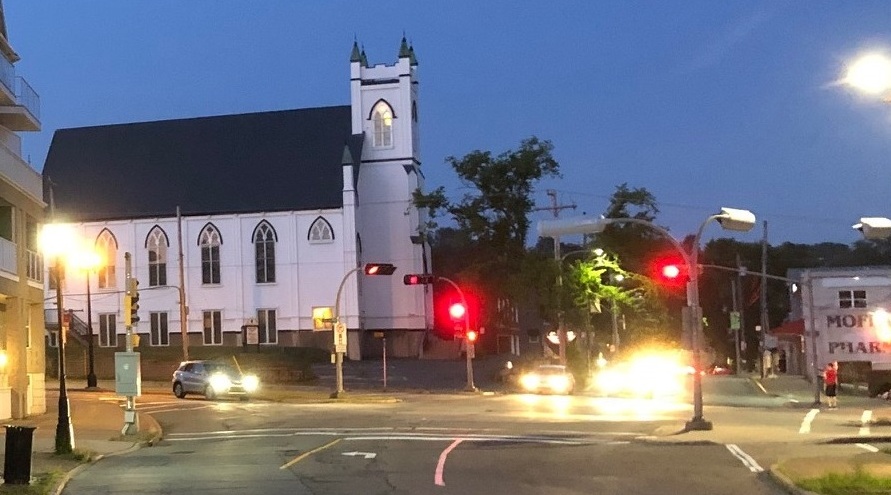
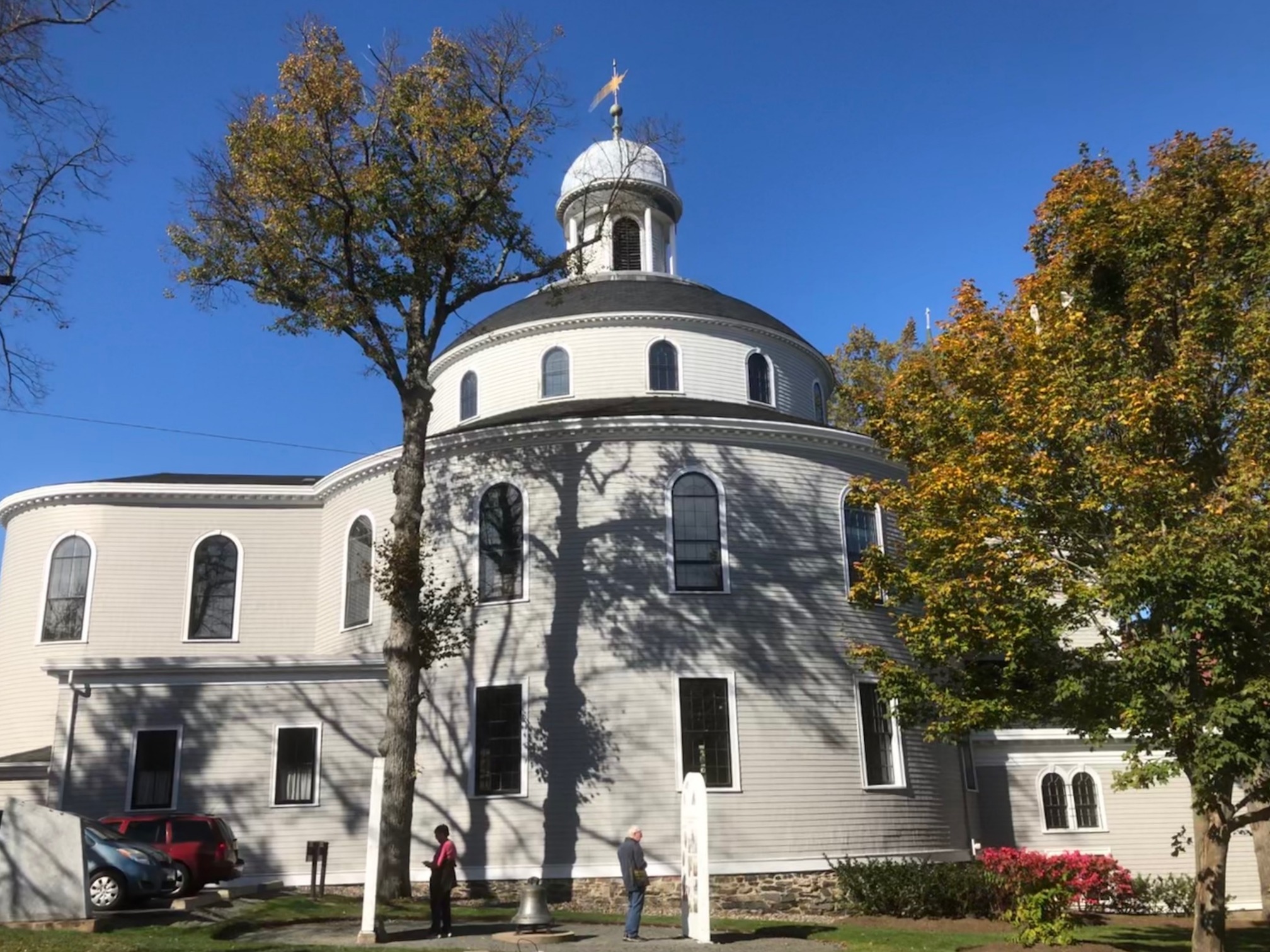
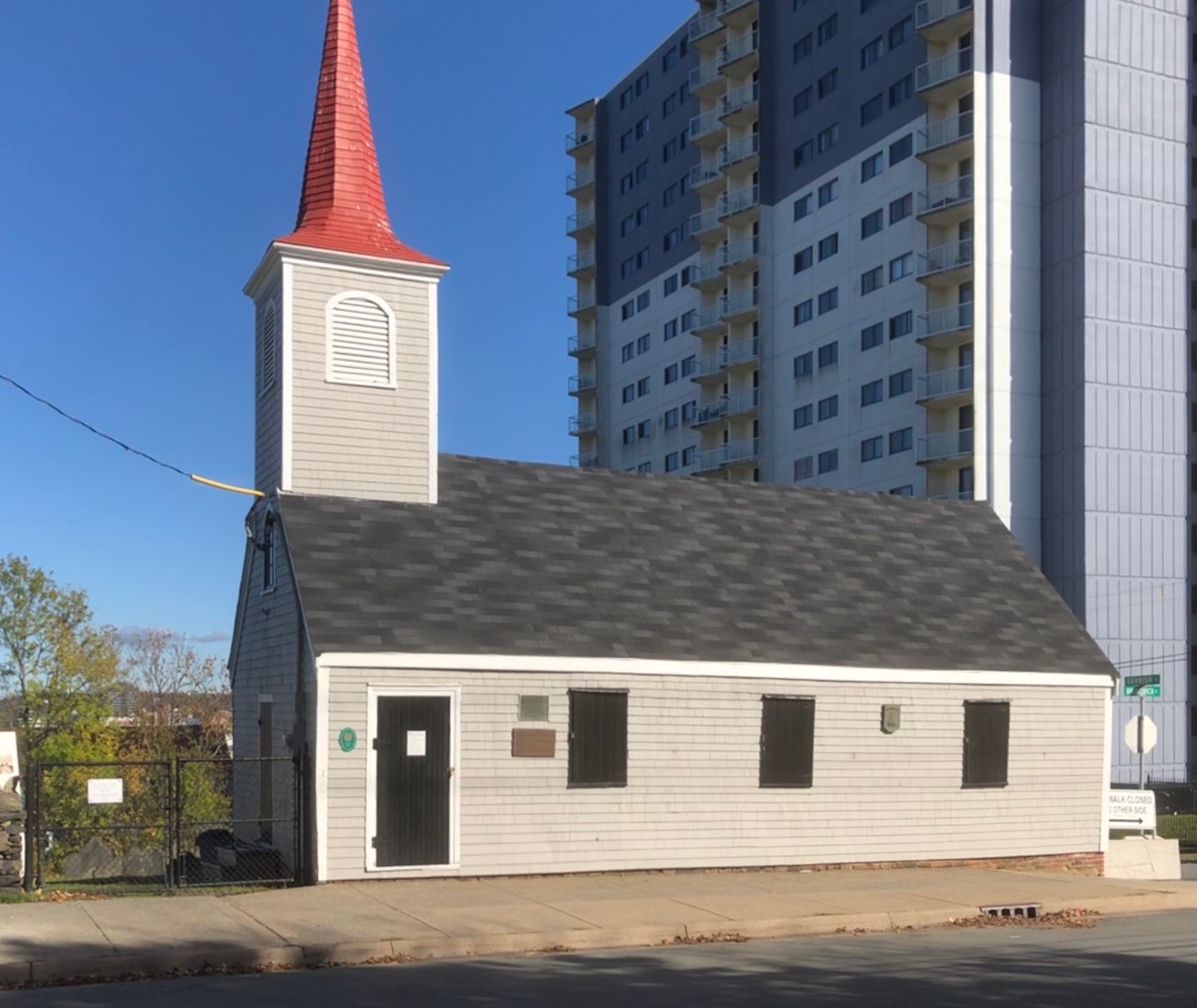
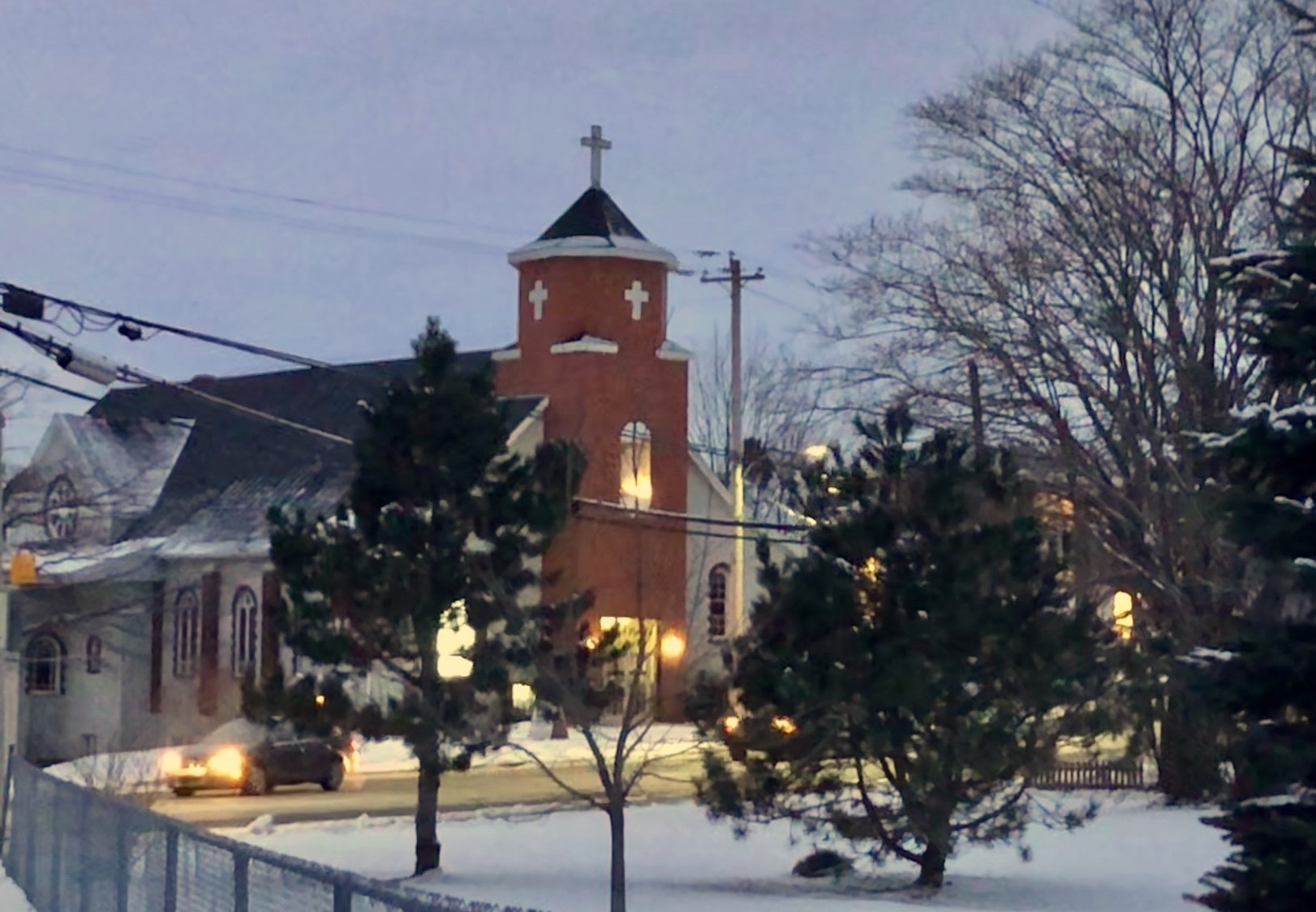
But if Wilno churches represent northern gothic (St. Ann’s church is a an absolute gem of this architecture) and Polish renaissance and baroque – opposite is true to Nova Scotia sacral architecture.  But Nova Scotia, as Wilno in Lithuania, is truly a province of Church Towers.  No (with a very few special exception in Halifax, Pictou, Mahon Bay) classic examples of gothic, baroque or any other very specific period.  Nova Scotia’s churches are local, pastoral style.  Modest or even poor, full of warm and humility.  Like it’s early settlers, be it French or Scottish, Anglo-Saxon or from Holland and Germany. Not to mention exceptionally poor black settlers from XVII century onward.

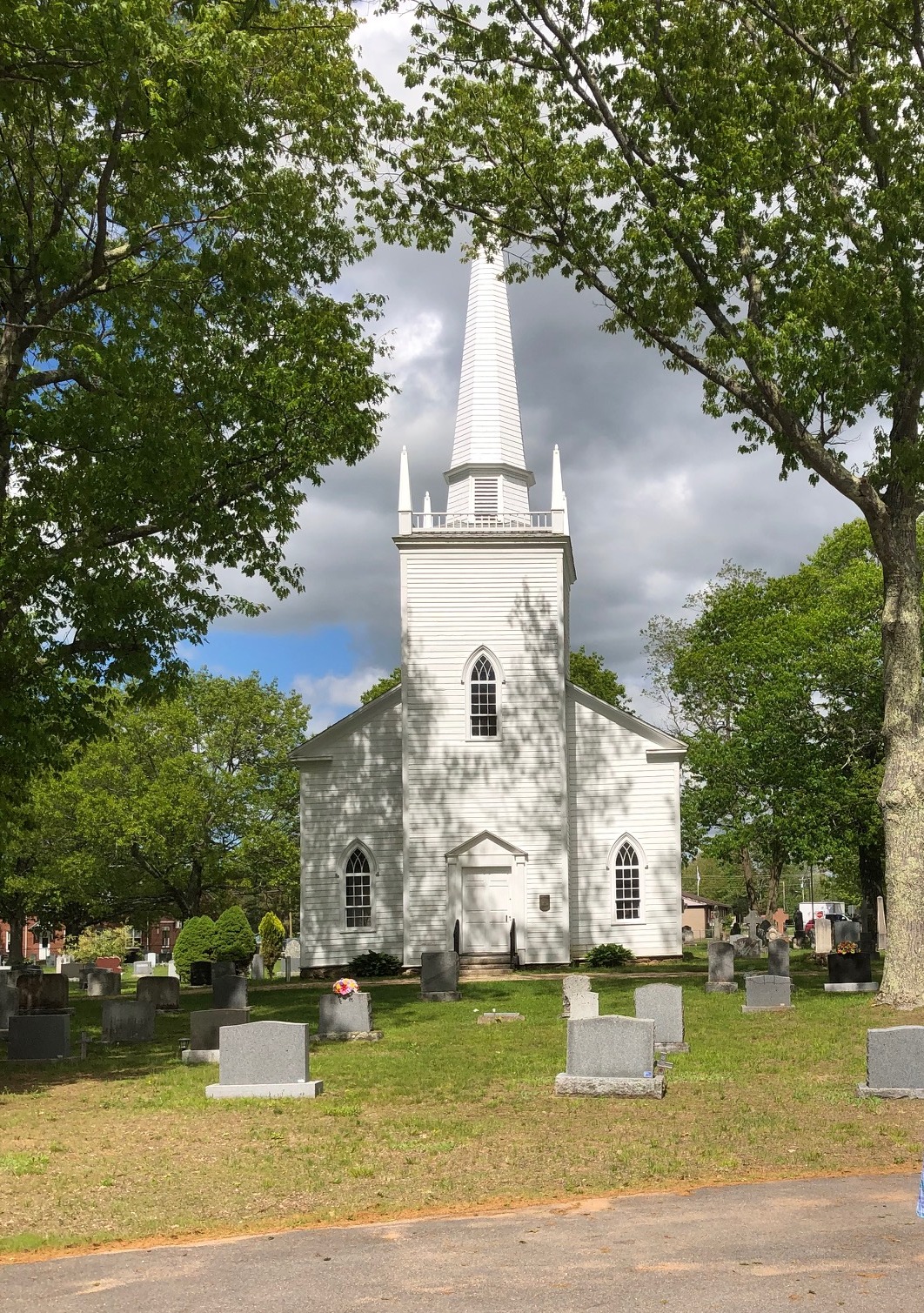
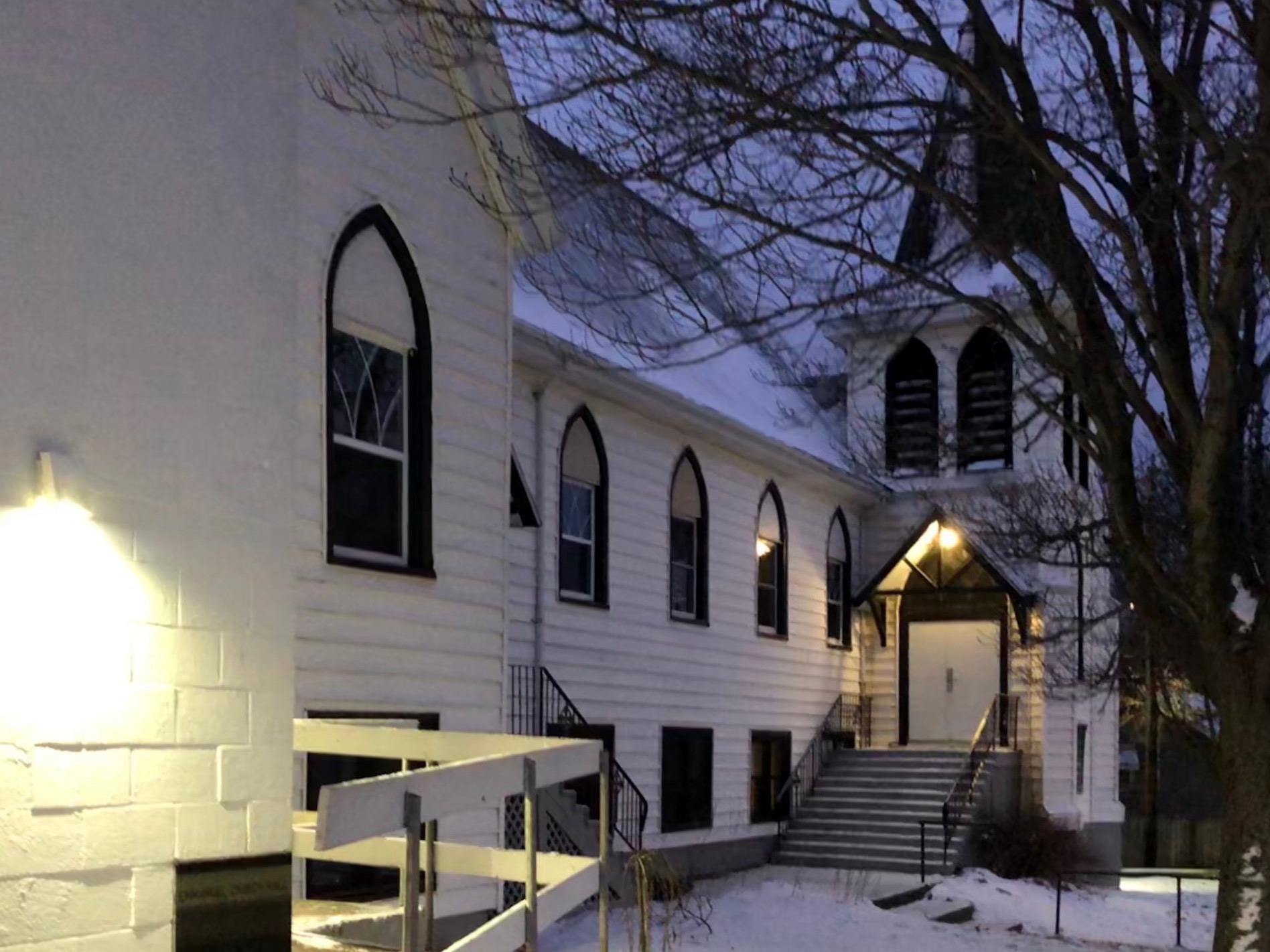
No matter which route you take while travelling through this province – one of the first sites you will notice is little churches, usually on a little hill. Often white, wooden or simple masonry. They look like guardians of the village, town.  They are as silent keepers of the history of this place since European settlement. Mostly catholic (old French settlements), protestant (Presbyterian , Episcopalian, if from Scotland or Lutheran and Calvinistic if from continental Europe) and Baptist if in Black settlements.

Jeśli Wilno to północny gotyk, renesans i specyficzny barok Wielkiego Księstwa, o tyle architektura kościółków Nowej Szkocji nie ma z tym nic wspólnego. A jest tu ich masa. Każda osada, wioska, miasteczko posiada takie, widoczne z daleka, klejnociki lokalnej architektury sakralnej. Mówiąc po porostu: wiejskie kościółki. Urocze, stare, zadbane. Na ogół drewniane i większości malowane biała kredą. Są naturalnie wyjątki w Halifaxie, Pictou czy Mahon Bay, gdzie pokaźne budowle kościelne maja specyficzny i konkretny styl architektoniczny – ale reszta tej pięknej prowincji to właśnie one, te wiejskie kościółki są ciekawym i ciepłym miejscem turystycznej atrakcji. I zbiorem lokalnej historii. Więc bardzo polecam zatrzymania sie w podróżowaniu i obejrzenie ich dokładne. Warto. Zdjęcia poniżej to tylko nieliczne przykłady tych budowli w Halifax, Dartmouth, wzdłuż wschodniego wybrzeża w kierunku do Cape Breton, Mahon Bay i Lunenburgu na południu i z Middletown na zachodzie.