A poet from my cafe – Ricky Castanedo Laredo

Bogumil Pacak-Gamalski

You all know that a lot of my own poetry a lot of times starts life in one of my notebooks in one of my favored cafes: in Vancouver’s “Melriches”, in New Westminster’s in “Moodswing”, In Halifax in “Trident Bookstore Cafe”, in Warsaw in “Miedzy nami” Cafe on Bracka Street. Sometime in cafes in Frankfurt, Berlin, Hamburg.

Of course between coffees and cakes I get to to know all my baristas and waitresses from these cafes. We talk about things. Sometime we talk about literature or just about life. After all – life is literature, that was not written in a book yet. Not entire life anyway, just a little tidbits of it.

But I have not known yet any barista from such cafe, who was a poet. I mean – I do understand that a lot of people sometime write a short poem here and there – that does not make them a poet, though, just the same as someone, who plays guitar or piano is not neccessarily a composer.

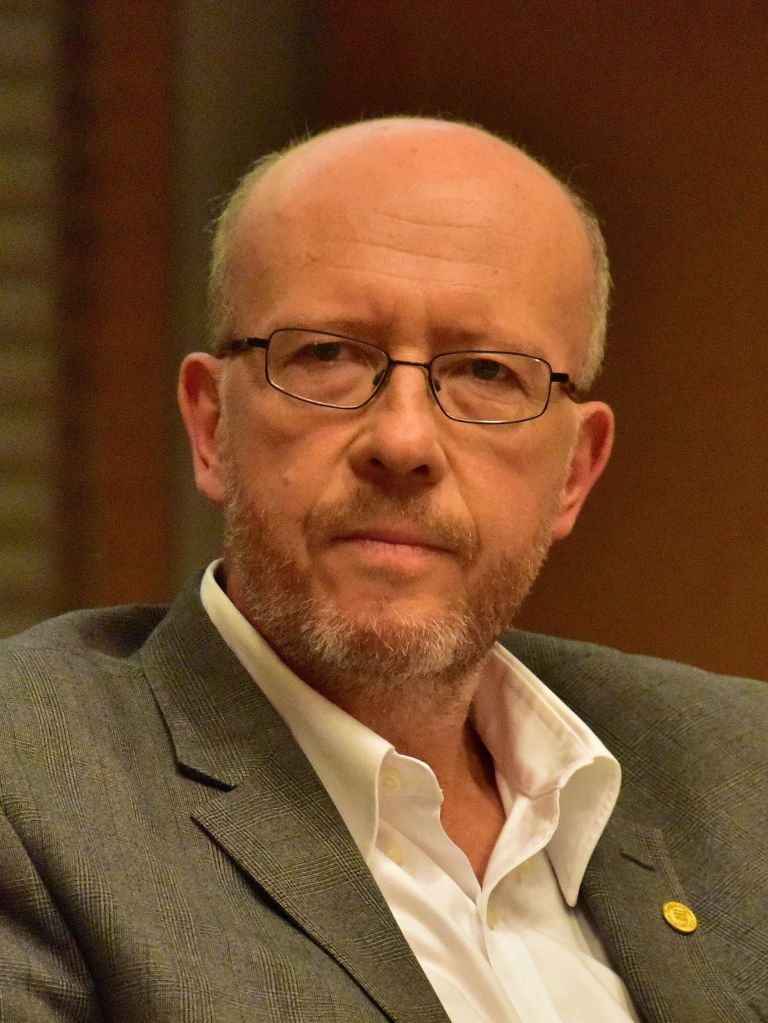
Ricky is my barista in the “Moodswing” cafe on the Front Street in New West. (clik for a link https://www.moodswingbar.com/)

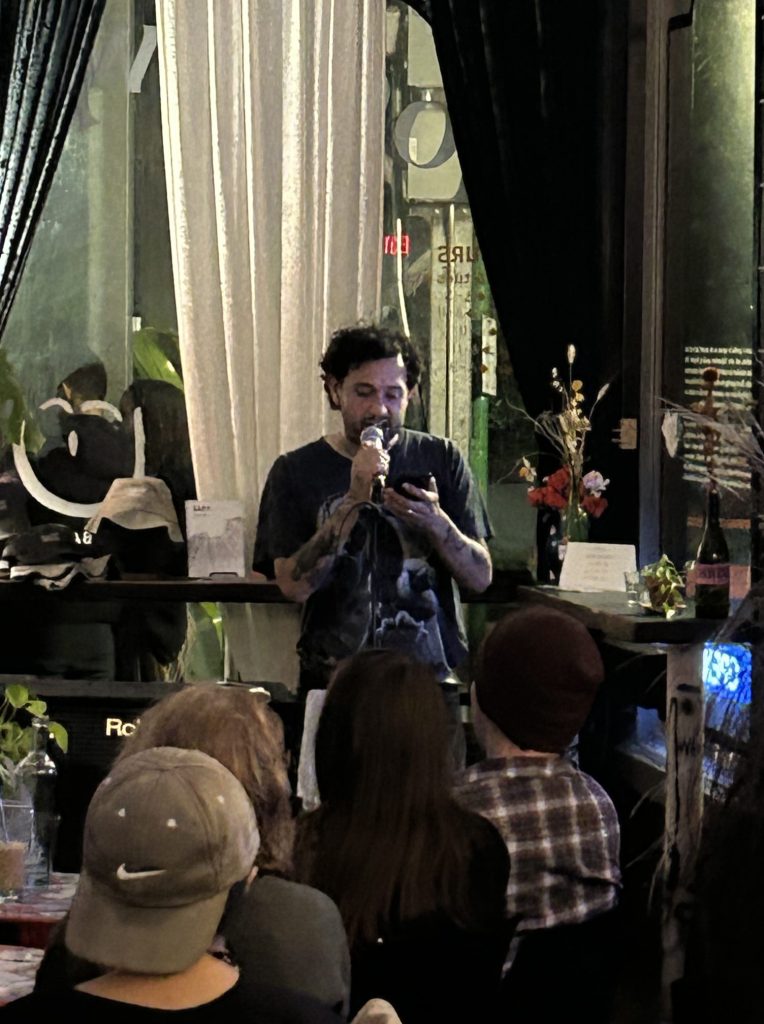
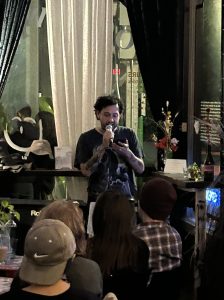
Sometime in these cafe some poets gather and have their poetry slam. Sometimes I partake. Well, the last one was a surprise for me since I didn’t expect it, just came for my daily coffee. At the end I did find on my phone one of my poems and recited it. But … the surprise came later. Ricky Castanedo Laredo, my barista, came to the mike and recited his. I liked it very much. I knew that he is a co-editor in one of local artistic magazines but never suspected that he also publishes his own poetry.

Therefore, ladies and gentlemen, without further ado, welcome to the poetry of Ricky Laredo

turn the world upside down

turn the world upside down
press your hands through the pane
the pain, unforgiving in it’s weight
both in breath and titanic
we must be afraid all of the time

unease, real as the slam of car doors in the woods
the slice of metal against blood
the ache of earthlings looking for a place to die
a heaven, a place by the sea
a place where I am not afraid all of the time

remembers your grandmothers hands
and her last words
pressure wash the memory
turn the world upside down
as the engine outside bellows
the keys live in the cupboard should you
ever need them

I can’t hold this all in mind
like the light you emit that only invites
the moths inside
I want to erase the path that leads you back
to me, and scuffs the traces
of my exoskeleton

turn the world upside down
I hope I don’t have enough time to do that for you
to stabilize the illusion
before they wipe the footage

shelf

I wanted a shelf for perdition
for all the lint from my pocket
a resting place from transition
like keys and debt and death
who’s lumbering outside?
who peers through the window?
we are surrounded every day
you leave through the back door
you bend out of frame
wired like wind through the house
at night I see you galloping
proving me wrong for the last time
yearning under darkness

shade grown

speak of faith in distant moments

necking shrines pouring

the umbre out

underneath the bells

underneath the pain

underneath the heavy

of death’s

aching jowl

repeat and return

throw shade and

bear witness because

you shouldn’t lose this

but what if I’m better off without

the world

respite if just for a day

fingernails on the bend

of my arm

envious of your youth

and

I cast a long shadow across the bed

I’m flowering

turbulent

shade grown

keep the fan on

even when it’s cold outside

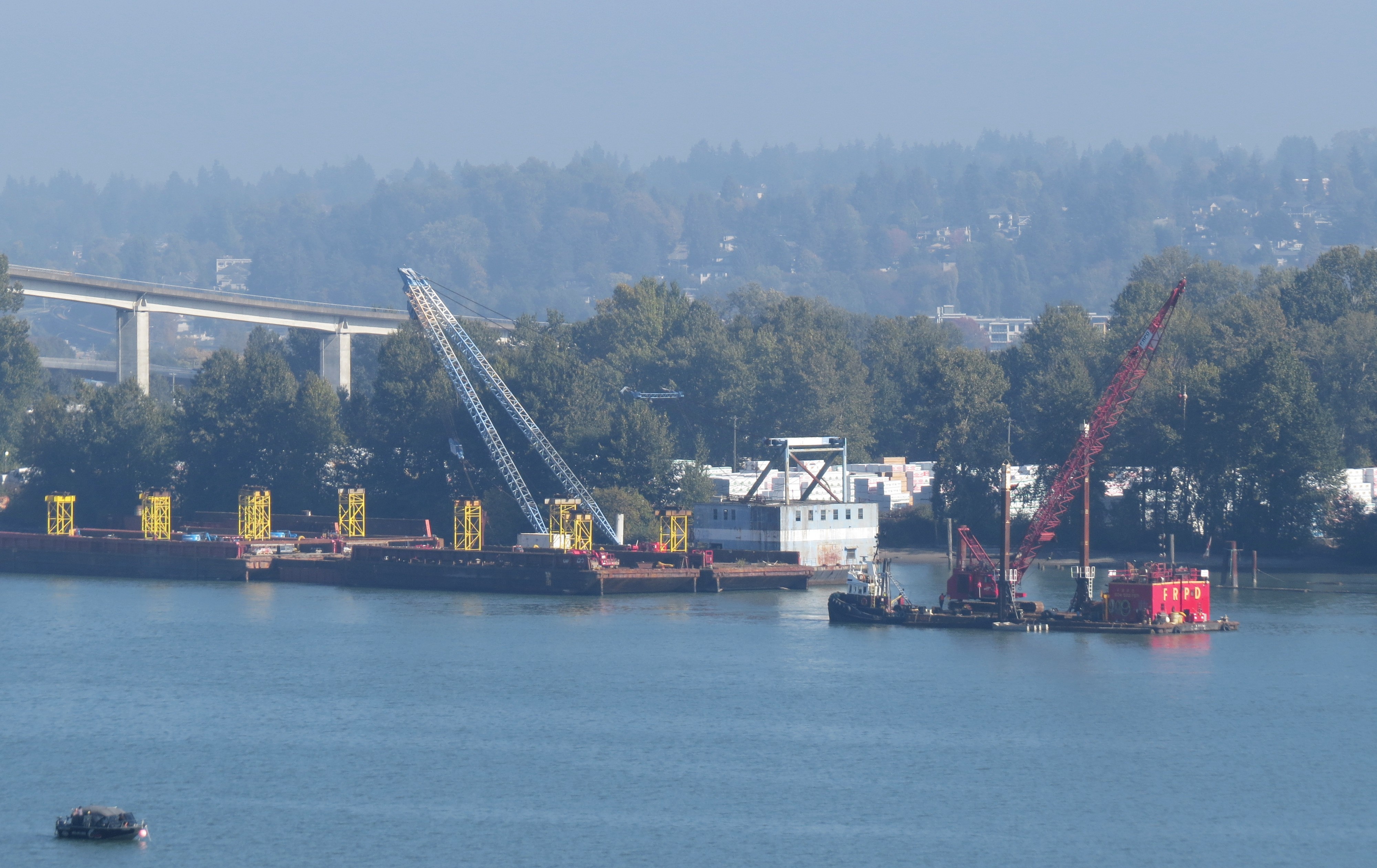
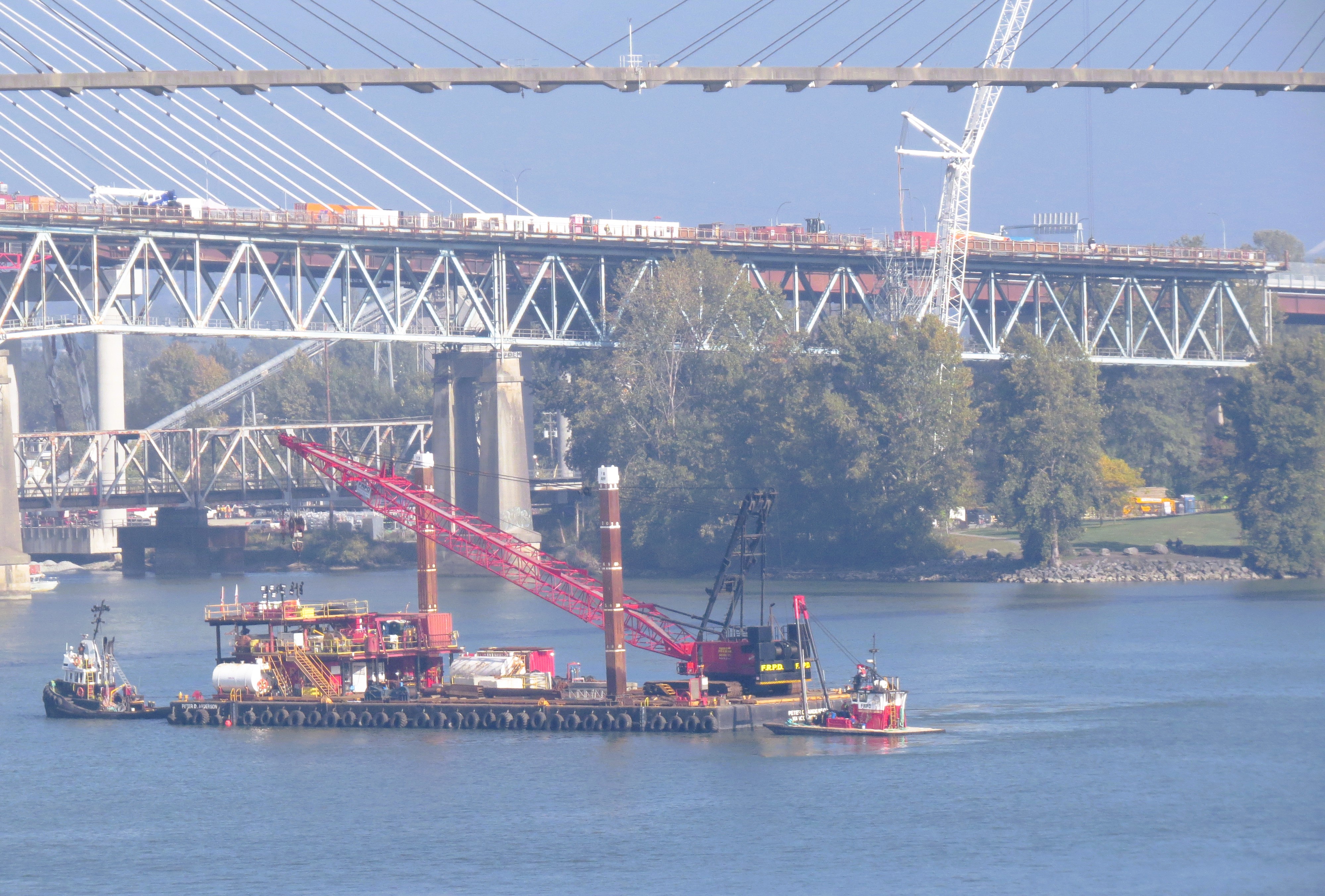
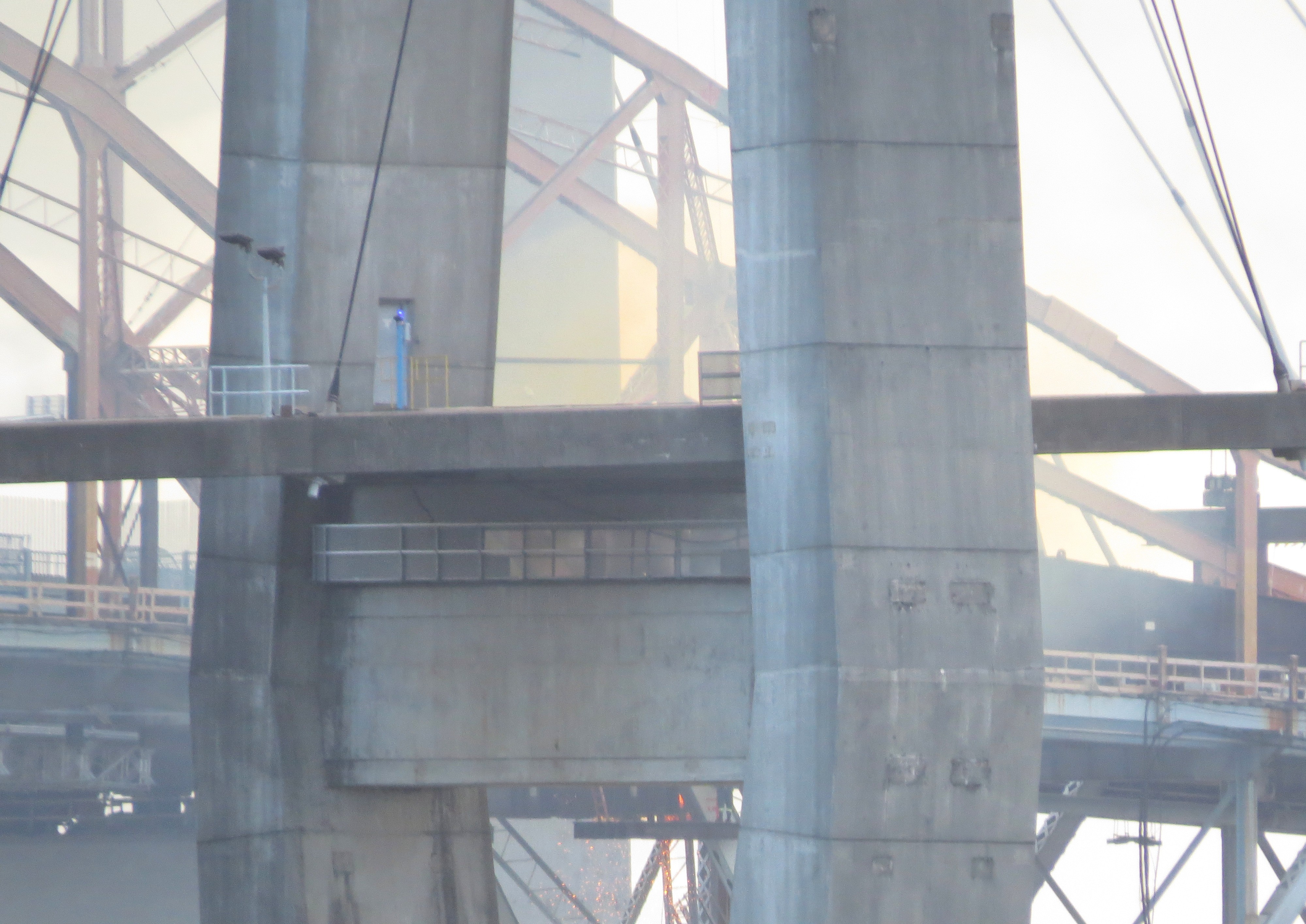
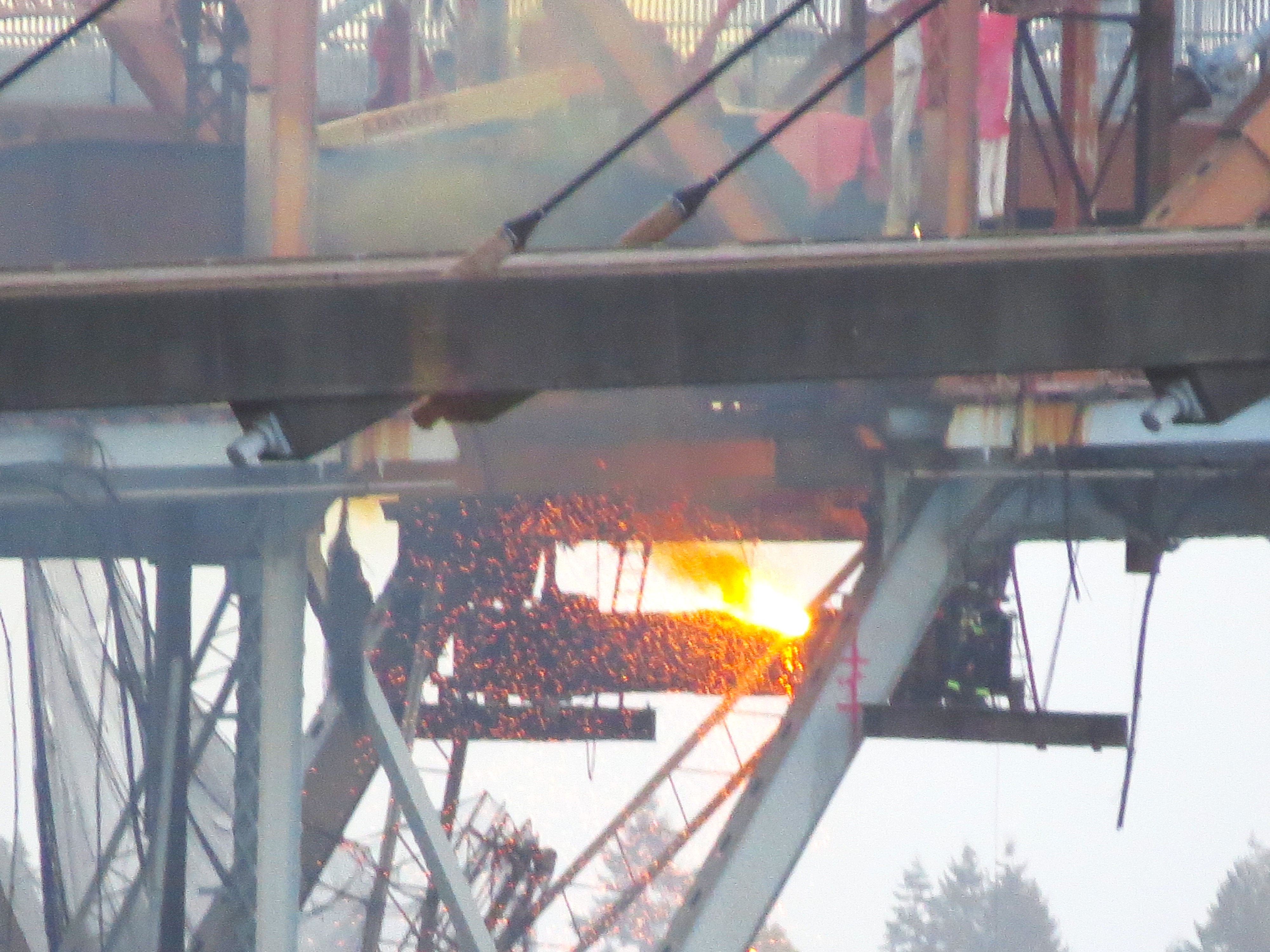
Ważna historia Greater Vancouver – Pattullo Bridge. I zamknięcie tej karty historii.

Ważna historia Greater Vancouver – Pattullo Bridge. I zamknięcie tej karty historii.

Bogumił Pacak-Gamalski

Nocą jacyś tacy (pewnie cwaniacy) przylecieli i most ukradli. Był i ni ma. Koniec, kropka.

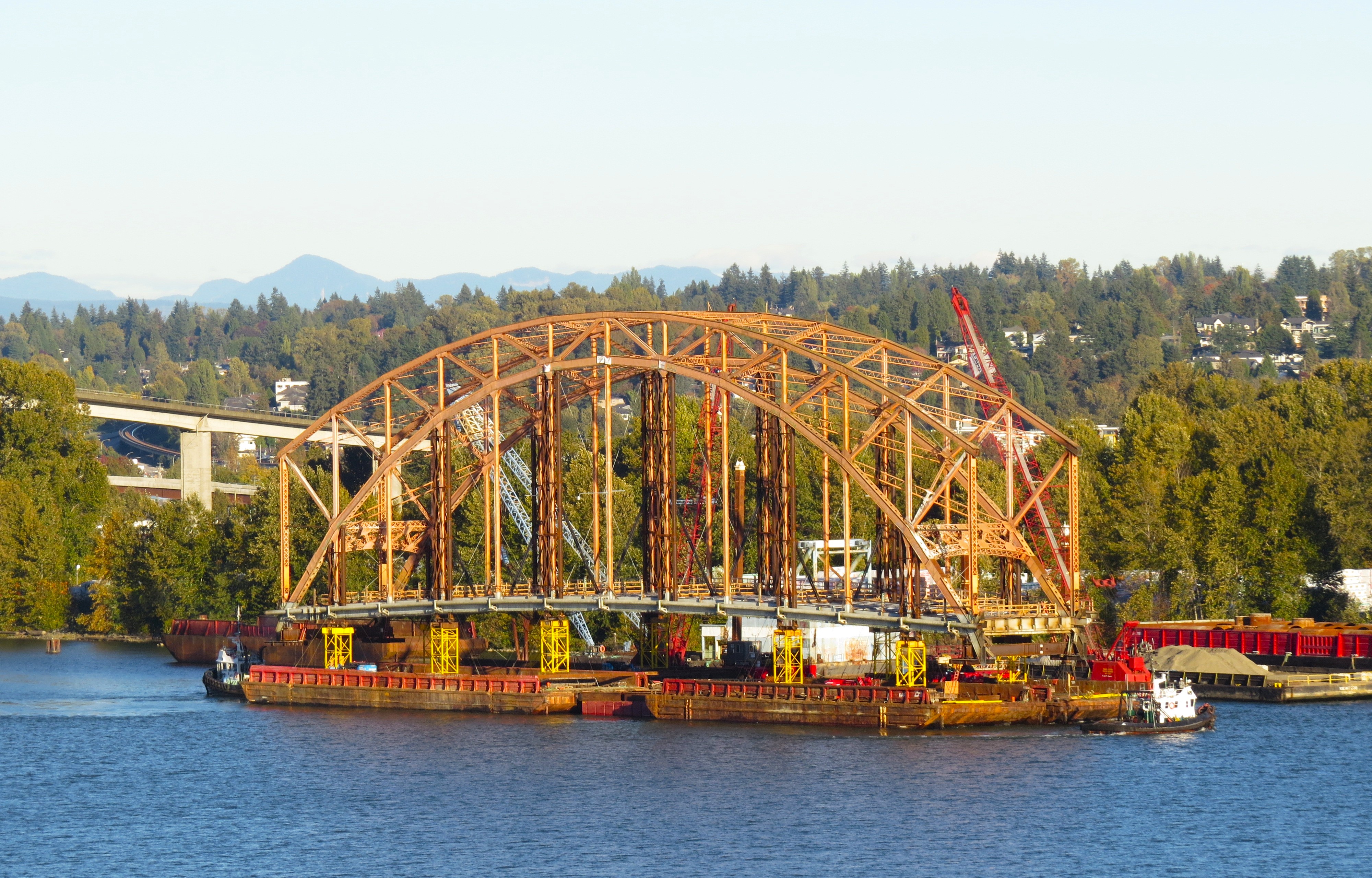
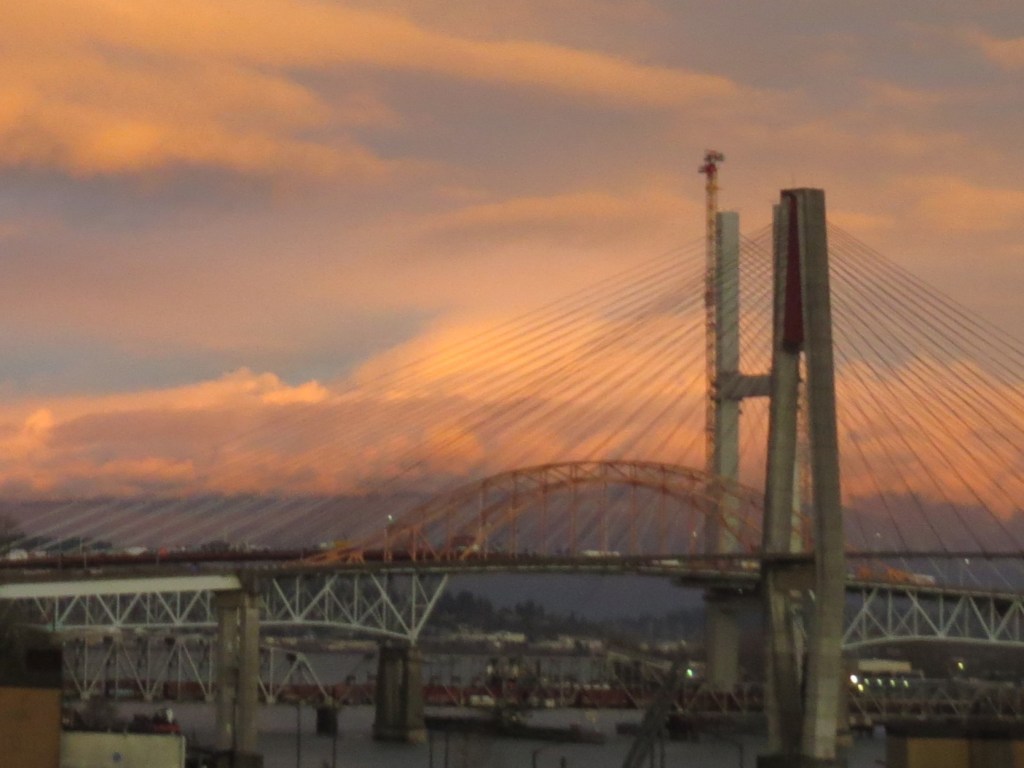
Tak, można by zacząć żartobliwie. Ale to nie żart (choć nikt nie ‘ukradł’) – charakterystyczny, półkolisty kształt czerwono-rdzawego łuku mostu był od prawie wieku najbardziej bodaj znanym widokiem dla milionów ludzi. I miliony nim codziennie lub czasami przejeżdżało samochodami.  Ci z wielkiego Surrey jadący do pracy lub na zakupy na prawy brzeg, czy ci jadący z New West, Vancouveru i wszystkich miast prawobrzeżnych jadący na lewy brzeg: do Surrey, na spacery do White Rock lub do Doliny (Langley, Abbotsford, Hope i reszty Kanady). A było to siedmnaście lat zanim zbudowao Most Granville w Vancuoverze.

Nic dziwnego – to najstarsze (jeśli pominąć krótka bardzo historię mostu dla samochodów na moście kolejowym –o tym poniżej dwa słowa) połączenie nie tylko Surrey i Vancouveru. W tym miescu właśnie istniała przeprawa od początków osadnictwa białego człowieka  w Lower Mainland. Stąd, przy lewym brzegu Fraser w osadzie Brownsville było połączenie czółnem na brzeg prawy, do New Westminster, jego stacji kolejowej i do portu morskiego. Przyjeżdżali tu wozami z towarem nie tylko farmerzy z dzisiejszego Surrey i Doliny, ale i farmerzy z USA trasą dilżansową (Coach Road), resztki tej trasy to dzisiejsza Old Yale Road. I właśnie tą osadę Brownsville wybrano na miejsce, gdzie rozpoczęo konstrukcję nowego mostu, w sąsiedztwie starszego mostu kolejowego (ciekawostką jest, że ten do dziś istniejący most kolejowy przez pierwsze kilka lat miał dwa pokłady – na dolnym była droga dla samochodów, czyli był pierwszym historycznie rzecz ujmując. Ale Pattullo był pierwszym całkowicie zaprojektowanym z myślą o ruchu samochodowym.

Most otworzono w roku 1937. Trudno by znależć kogokolwiek dzisiaj, kto widziałby lewy lub prawy brzeg bez tej charakterystycznej, półkolistej czerwonej konstrukcji zawiaszonej nad rzeką. Choć jacyś 96-100 latkowie mogliby. Jeśli wczesne dzieciństwo spędzili w New Westminster lub w Brownsville – jest to możliwe.

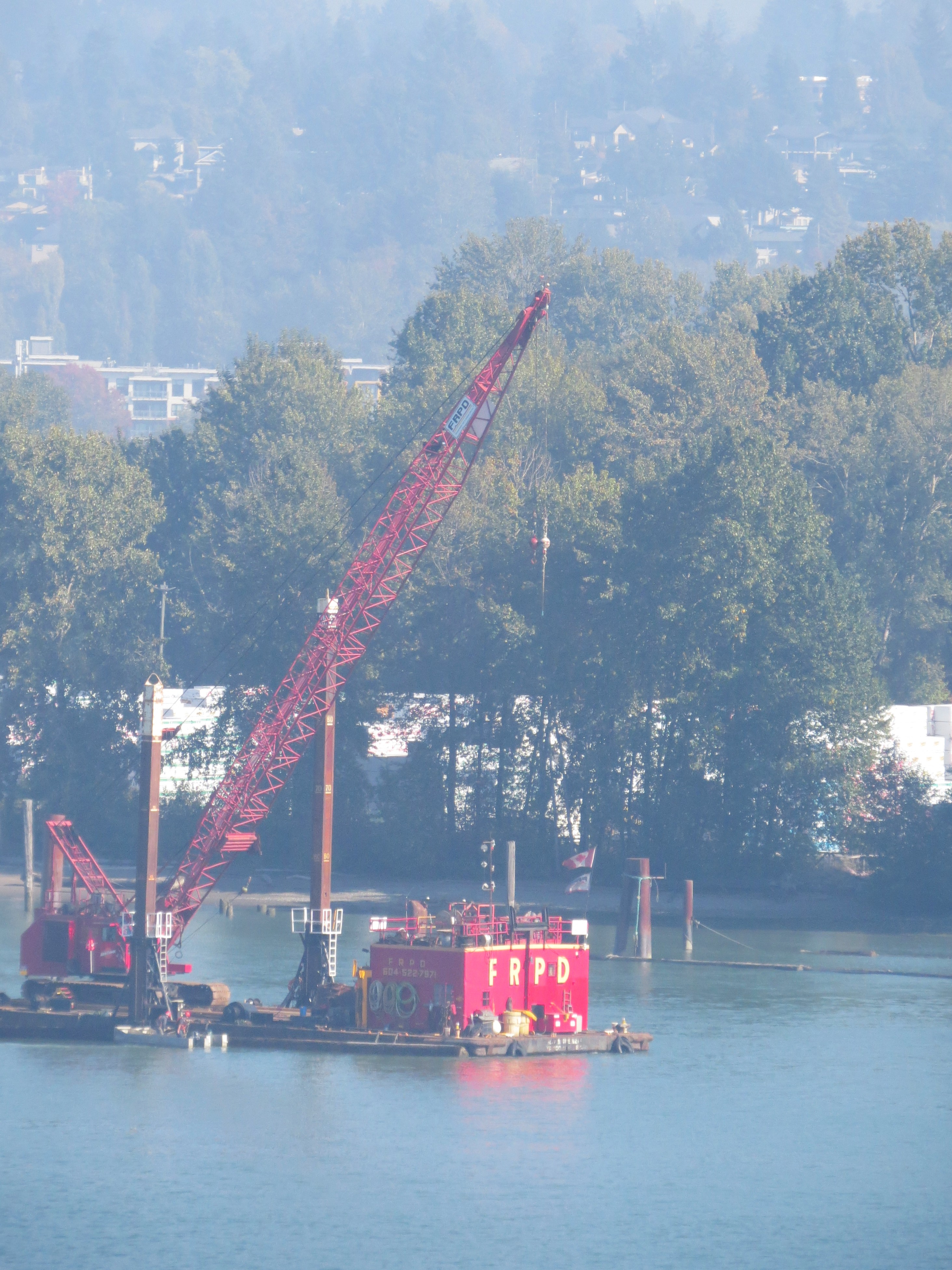
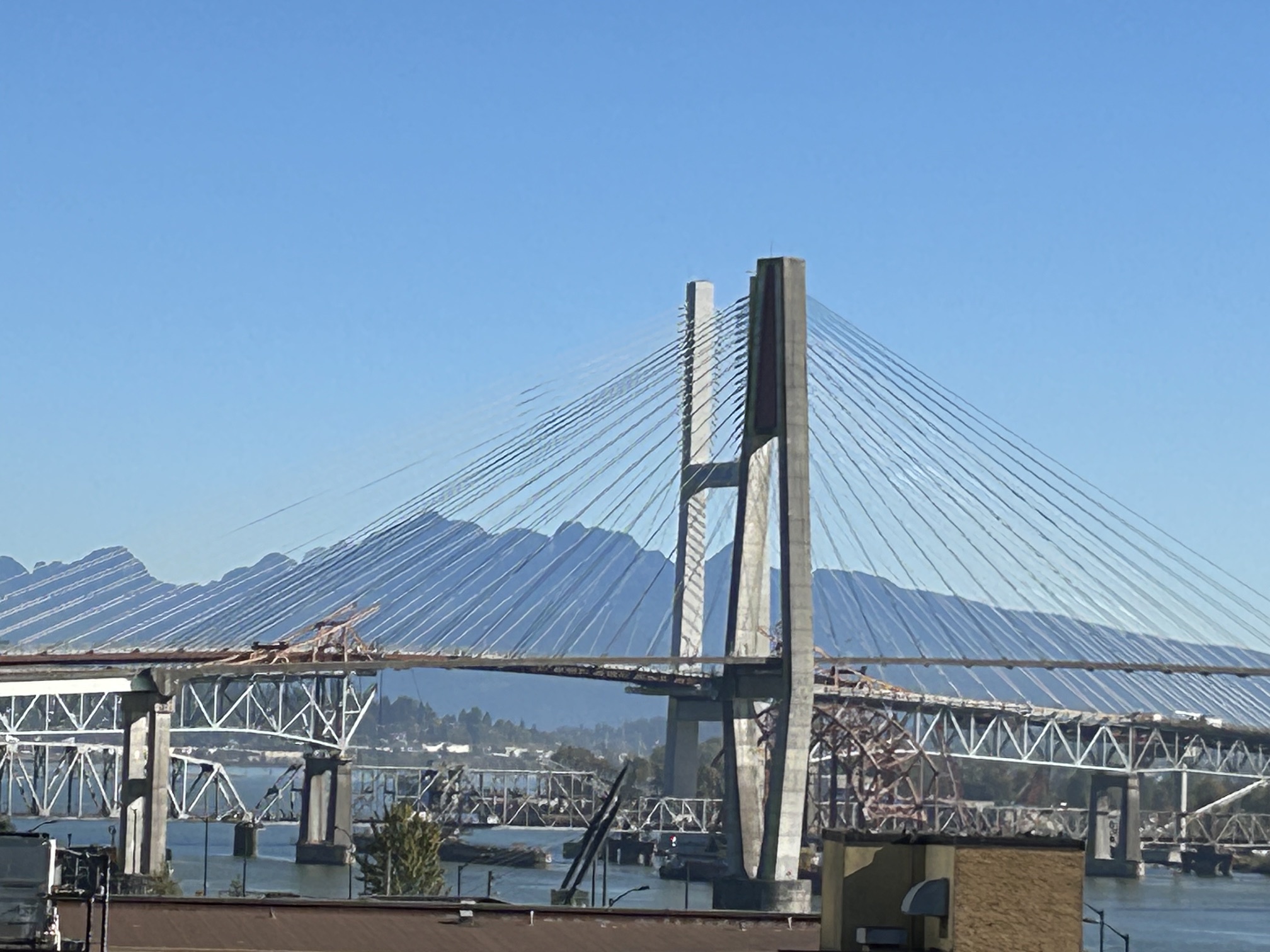
Ja osobiście pamiętam go od ponad trzydziestu lat, czyli od mojej przeprowadzki z Alberty do Lower Mainland. Sam pokład mostu ciągle jest, choć systematycznie rozmontowywany, ale bez tego z daleka widącego wielkiego przęsła i jego charaktrystycznego koloru – przestał być mostem, tak jak samochód bez podwozia nie jest samochodem. Został zwykłą kladką, która lada moment zniknie.

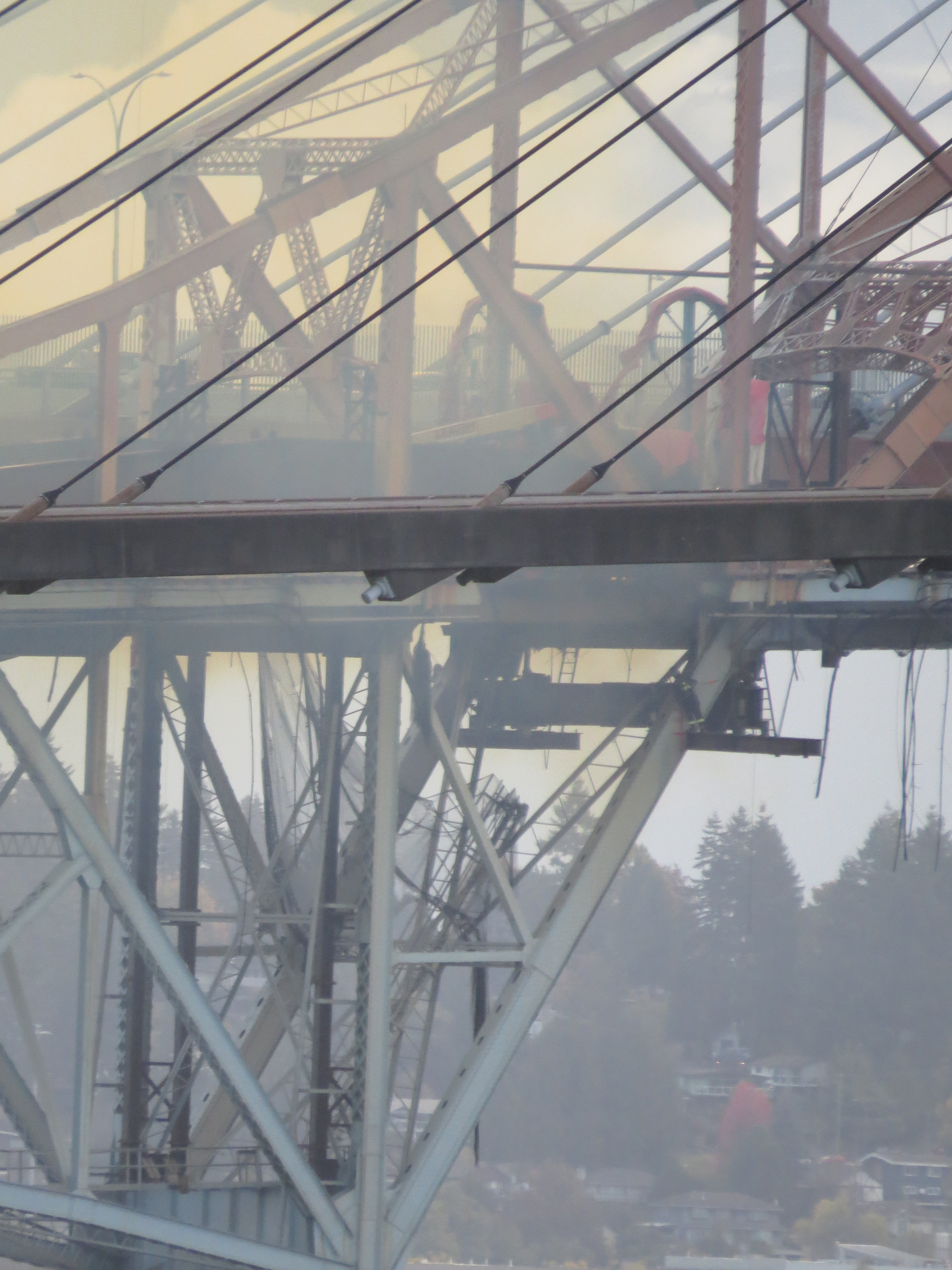
Poniżej fotoreportaż z zamknięcia tej ciekawej historii rzeki, jej dwóch brzegów. I raz jeszcze przypomnienia wagi tej rzeki dla powstania, rozwoju i istnienia tej olbrzymiej, tętniącej życiem aglomeracji Greater Vancouver. Rzeki, która ciągle jest bardzo pracowitym szlakiem handlowym, przemysłowym. I żywym – jeszcze dziś wczesnym popołudniem chodząc wzdłuż jej brzegu zauważyłem rzucające się w jej nucie dwa jesiotry. Bo to też dom dla tych prawdziwie prehistorycznych ryb.

Chciałoby się przypomnieć słowa wielokroć zapisywane w ulubionych przeze mnie „Dziennikach” Zofii Nałkowskiej: I znów zaszła zmiana w polu mojego widzenia…

… a tak wyglądał w dniach glorii

Yesterday, yesteryear and eons ago

Bogumil Pacak-Gamalski

Walks into yesterdays. Most of my walks lead to trails of the past. Truly, these are the only remnants of familiar vistas, touches, smells and shapes. I go through city parks and kick rotten molds of brown and yellow leafs. Maybe some zephyr will still rise them up – once in the air they will start again whirling round and round: let them feel the fresh air so different from the decayed air of autumn, be full of promise. Just yesterday they were still green, vibrating on the tiny branches of the trunks of their home tree. They rustled in unison with the flutes and clarinets of birds, sojourning on tree branches.

The autumn wind chased me from home, too. It led me to funny memories of my second happiest day of my life: the day of our wedding.  The second, because the first one happened years earlier, when I saw you the very first time. A little gay pub, right by the bridge on 14 Street in Calgary. It was a slow evening. I sat on one end by the bar and two guys were sitting at the other end. No one else. I was overtaken by his face and kept looking at him. The other guy finally spoke to me: let me introduce you to my brother, his name is John. That was it. Never let him off my sight until he died in my arms decades later. It truly is just magical how you can recognize a soul mate right away, when you are lucky enough to meet him.

Years later we got formally married in Surrey. I wasn’t particularly excited about that ceremony. Was a bit angry at society that we couldn’t do it in the 80ties, although Canada truly was the first country to introduce (Holland, for procedural reasons, was able to beat us with their first official marriage license – ours didn’t pass the parliamentary procedures in time to be officially first, and took the formal second place in the world) marriage equality. Therefore I didn’t want the ceremony to overshadow our union that existed for many years already. But truth to be told: I was overtaken with emotions, when I had to say ‘yes’ to the City Clerk in front of my family, John’s family and so many friends. That was magical. 

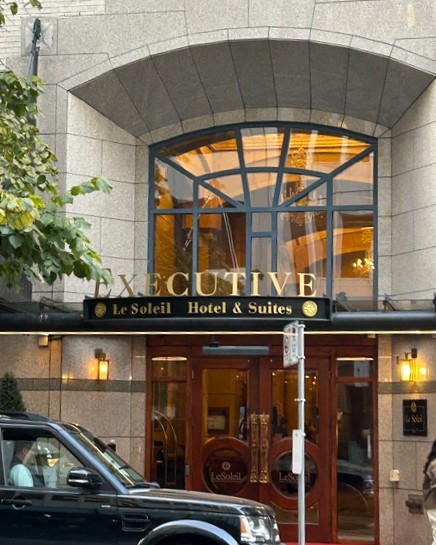
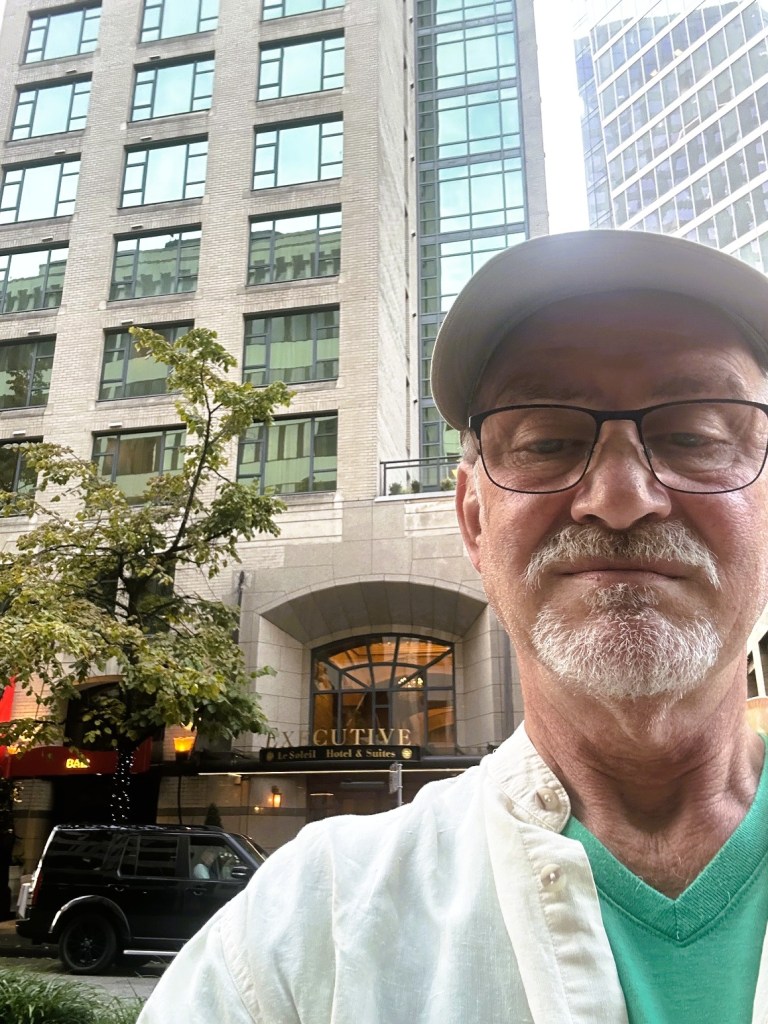
Right after our wedding we were send off by our families to special, beautiful boutique hotel right in centre of Downtown Vancouver, steps from Art Gallery on Robson.

So the autumn wind chased me today to that hotel. Our formal first night as a formally married couple happened there. It didn’t dampen or made less important our first meeting and years of being together. It made it somehow stronger, if possible.

After that I walked to our Davie Street through the Nelson Park and the little enchanted walkway on Mole Hill. Was I sad at times? I am sad and happy all the time. It is just the way it is. It took me a while to get to the point of not being just sad all the time, of actually despising being alive. I don’t cling to it, to that life of mine, but I don’t detest it anymore. I have learnt to love Love. From songs, from poems, movies, from observing couples walking together holding hands.

We walk through galleries of life:

a picture on the wall here,

a bust of lovely youth there.

We enter concert halls of life:

a longing cry of violin here,

bravado of mature pianist there.

What do we do at night,

between long lonely hours

from crimson dusk to pinky dawn?

We dream of kiss, of love.

We wait in our nightly sleep

for a white dove to sit on our pillow.

A dove that brings a song

of upheavals and song of peace.

Song dreamt of by cosmic

choir of see-trough angels,

who cry and rejoice in unison

For such is Cosmos: a star is born

                               when a star dies.

            On y way back home I have stopped for my cup of Americano in ‘my’ café ‘Moodswing’ on Front Street in New Westminster. My second home, so to speak. A places where many my poems were written, many books read.

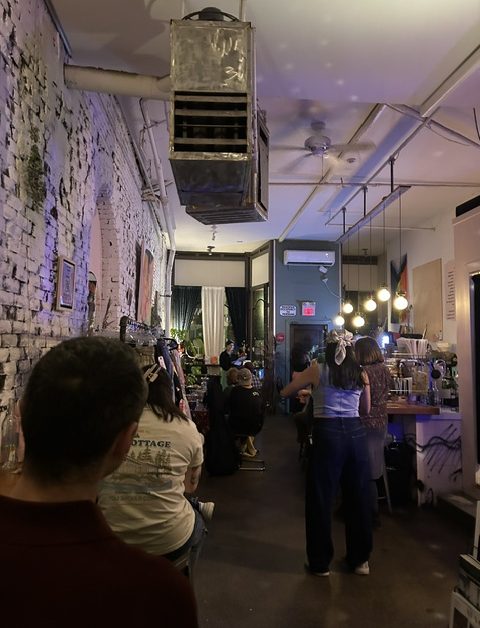
I was at first a bit disappointed: the narrow room was full of people. After searching a little bit, I have found a spot to sit right by the wall, by narrow shelf that can hold a cup. As I was sitting and looking through my back for my wallet, so I can go and order at least my coffee, Ricky the co-owner arrived with my hot coffee the way I like. Nice gesture, since I didn’t have to go through the throng to the ordering spot (there is no table service in there if you order just the coffee, which suits me fine) for it. A kind gesture, knowing that he must be very busy.

I thought it was some sort of meeting that happens there from time to time. But next thing I see there is a woman reciting poetry, than a young fellow goes to the mike and does the same. Than Ricky goes there himself and recites his poem! For all these months I was sitting there writing my things and our typical talks – he never mentioned that he writes poetry, too! Later I gave him a verbal lashing for hiding it from me, LOL.  He promised me to show me more and I probably will publish it here, on my blog.

So, as it happens it was a poetry slam. I just never noticed any info about it – I hardly ever read the board with announcements. Just like to have small chats, drink my coffee and write in my notebook He asked me if I will read something mine. Didn’t have any with me, but than remember that I can search on my phone my blog and found something there. It was probably the very first time I read publicly my poem from … my phone screen, LOL.  How modern, ha ha ha. Of course the first in English that I found and the one I read was rather long and difficult one, full of historical parables to of Hannibal and Alexander the Great, all dedicated to French genius Andre Gide. Hopefully it didn’t look like I was a pompous ass.

Below is the poem dedicated to Andre Gide.

Winter time in a small village in Pyrenees.

Night comes quickly and darkness covers

the valleys and peaks. Suddenly, the windows

off a small stony church lights up in delicate

orange glow. From the top of the church steeple

comes the song of its bells: big bam! Big bam!

big!, big! big! Bam! Bam! Bam! Baaaam-mmm!

The air vibrates with each tone of the big bell

and sends  bronze-coloured sounds to the valleys.

Archangel Michael blows into long, golden trumpet.

The music envelopes the meadows, climbs up the hills.

The call of God, the call of the Shepherd: 

come and be enlighten in the mystery of life

 and promise of death merciful that claims us all.

They run – the tired travelers, the herds of goats.

They cry and hope, as the trumpet sounds again

and dies suddenly like the last drop of now empty goblet.

The church becomes a masjid and archangel becomes muezzin,

that intones to all: Allāhu ʾAkbar. In Pyrenees Hannibal’s army

stop their march and rise their tusks and trunks: they sense the pitch

of the hymn and the psalm as the far flung peaks of Alps slowly

cover the church, the mosque and streams in the valleys.

The curtain call of History. Birth and death of Love.

Moodswing Café, 29. 05.26

B. Pacak-Gamalski

Grzegorz Braun – karykatura posła

Bodaj wczoraj lub dzień wcześniej ogladałem, na żywo, transmisję z procesu sądowego tej nienawistnej poczwary polskiej polityki, posła (sic!) Grzegorza Brauna.

Ta podła kreatura zachowywała się okropnie. Trafiłem akurat na fragment, gdy przesłuchiwano w charakterze świadka profesora Uniwersytetu w Ottawie (Kanada), pana Jana Grabowskiego. Akademika specjalizującego się w historii polskich Żydów, w szczególności okresu Holocaustu 2 wojny światowej i w pierwszych latach po wojnie.

Nigdy nie negowałem metodologii prof. Grabskiego ani jego wyjątkowej znajomości tematu, ale często nie zgadzałem się z jego konkluzjami. Nie będę powtarzał mojej argumentacji – wyłuszczyłem ją obszernie kilka dobrych lat temu w cyklu tematycznym na moim blogu. Wszak dojście do innych konkluzji i oceny etycznej i moralnej nie jest wszak w jakikolwiek sposób zaprzeczeniem dorobku naukowego Grabowskiego w tej materii. Naturalnie, że nie jest jedynym badaczem tego obszaru historii, a jednym z licznych historyków polskich, izraelskich i z innych państw, którzy tym olbrzymim i horrendalnym okresem się zajmowali. Ale jest, ze względu na zebrany materiał dowodowy, jednym z ważniejszych.

                Na wokandzie sądowej pan Grabowski był tylko świadkiem prokuratury oskarżającej posła Brauna o akty przemocy i wandalizmu. Chodziło w szczególności o ustalenie faktów i przebiegu zdarzeń z dnia, gdy kilka lat temu[i] miała miejsce prelekcja Jana Grabowskiego organizowana przez Wydział Historii Uniwersytetu Warszawskiego. Prelekcja, która de facto nie odbyła się, gdyż zaraz po wstępie profesora tenże faszysta Braun podbiegł do mównicy i po chuligańsko zdementował mikrofony i urządzenia nagłaśniające. W wyniku powstałego zmieszania i strachu wystąpienie akademika przerwano i nie mogło już w takiej sytuacji być kontynuowane. Niewątpliwie do zwiększenia zamieszania i konsternacji wspomogło też głośne przypominanie Brauna, że dokonuje ,interwencji poselskiej’. Pomyliły mu się widać wieki, bo od czasów I Rzeczypospolitej, gdy pojedyńczy szlachtura mógł sejm zerwać jednym  ‘nie pozwalam’[ii] minęly bezpowrotnie kilkaset lat temu. Niemniej okrzyk ‘przeprowadzam interwencję poselską’ mógł niektórych autentycznie wprowadzic w konsternację.

Wyobraźcie sobie państwo 460 posłow biegających po różnych miastach w Polsce, niszczących mikrofony i zrywających spotkania-zebrania mieszkańców tych miast! Sodoma i Gomora, LOL! Na szczęście chyba 99.5 procent posłow RP aż takimi wariatami nie jest. W każdym bądź razie nie do tego stopnia, by ich trzeba było zamykać w wariatkowie. Tak, rozumiem, że wielu czytelników może się ze mną w tej kwesti nie zgadzać i chętniej jednak by cały Sejm do wariatkowa (na wszelakij słuczaj, jak mawiają starożytni Rosjanie). Wracjamy wszak do tematu, bo nie było to zajście ani wesołe ani zabawne.

Prawdą jest, że Braun to wąż przebiegły i szczwany. Na szczęście polskie sądy już odzyskały w dużej części swobodę i niezawisłość, którą im odebrano w ciemnej nocy lat 2015-2022. Dzięki temu sędzia był bezwzględny wobec oburzających chwytów Brauna, który uważał, że uczyni z wokandy sądowej teatr polityczno-ideologiczny. Na przekór jego usilnych prób, tym razem mu się to nie udało. W pewnym momencie wyczerpał cierpliwość sędziego i tenże nakazał mu opuszczenie Sali sądowej na pewien okres czasu.  W czasie tej ‘banicji’ reprezentowało oskarżonego aż trzech obrońców-adwokatów. Po powrocie na sale rozpraw nieco skonfundowany poseł starał się mitygować. Ale naturę chuligana trudno nawet samemu okiełznać. Szczęściem przytomności i już chyba pewnej irytacji sędzia wielokroć informował świadków, że na niegrzeczne pytania oskarżonego nie mające nic z konkretem sprawy odpowiadać, lub wręcz ich zaczętą już odpowiedź przerywał, dając krótkie wyjaśnienie. Żal mi trochę było adwokatów oskarżonego, którzy zachowywali się przyzwoicie, a ich klient systematycznie swoimi perorami ośmieszał, żenował i niweczył wszelkie szanse na jakąkolwiek skuteczną strategię obronną.

Ileż padało z jego ust obraźliwych słów, które ze względu na kontekst jego wypowiedzi były szkalujące i szczujące. Hasła ‘Polak’, ‘patriota’, ‘Żyd’, ‘Szkop, ‘Niemiec’, ‘folkzdojcz’, ‘komuch’, ‘Ruski’, ‘Wołyń’, ‘Eurokołchoz’ były rzucane, jak piłeczki pingpongowe. I nic z przedmiotem sprawy nie mające wspólnego. Zwykła odrażająca natura tego człowieka, który gdy mówi, to pluje błotem.

Nie potrafię w jakikolwiek logiczny sposób wytłumaczyć i zrozumieć takich osobników.  Poza jedna ewentualnością: nienawiść traktowana , jako choroba psychiczna zżarła jego mózg kompletnie. Ale wtedy trzeba być konsekwentnym – taki osobnik, jako niebezpieczny dla otoczenia winien być izolowany w zamkniętym zakładzie psychiatrycznym na czas nieograniczony.

Co jest bardzo smutne, to świadomość, że ktoś go na posła wybrał. Ktoś na niego głos oddał. Świadczy to o degrengoladzie pewnej (nielicznej, wierzę) części naszego społeczeństwa. Części, która jakby zapomniała, że największa część ofiar Holocaustu, to byli polscy obywatele, polscy Żydzi. To nie byli przybysze z kosmosu – to byli nasi sąsiedzi, nasi sklepikarze, nasi poeci, malarze, pisarze, kompozytorzy. Nasi, polscy Żydzi.

Pod tym łączem jest przekierowanie do mojego tekstu z października 2022 roku, który syntetycznie i dość jasno wyraża moje prywatne, osobiste rozumienie Zagłady i procesu emocjonalnego, który jako Polak musiałem przejść. To część trzecia cyklu, jaki wówczas pisałem i jako ostatnia najbliżej oddaje nie tyle racjonalne ile emocjonalny stan mojego rozumienia tamtych złych czasów.

Smutek i Brak. Cisza, którą trzeba wypełnić prawdą. – > > Pogwarki < <

[i] 30 maja, 2023 roku

[ii] liberum veto

Wiersze jeszcze, bo jednak wróciły

Wiersze jeszcze, bo jednak wróciły

Bogumił Pacak-Gamalski

Staffowsko jakoś za oknami. Stukają te jego krople w okno, jakbym nie zauważył, że pada. A był i spacer po moich kafejkach dwudniowy. Cóż poza piciem kawy w kafejce robić? Kiedyś pisałem wiersze, teraz mi się nie chciało. Myślę: na co mi to? Komu to potrzebne? Odpowiedzi nie było – ale wiersze się znalazły i się w kajecie zapisały. Stare przyzwyczajenia.

I tak po prawdzie, gdy chce się powiedzieć, wyrazić szczerze, prawdziwie, a nie po prostu wymądrzać – to poezja jednak najlepszym zdaje się narzędziem. A może nie? Choć powiadają, że milczenie, to złoto. Więc gdybym był mędrcem, może bym i milczał. Ale nie jestem.

Callas

Słuchałem Callas cudowną,

gdy skrzydłem niosła dźwięki

nad łąkami operowych

scen niczym diamentów tren.

I byłem i płakałem z nią,

gdy w Nagasaki łkała;

gdy była dziką Carmen

w Andaluzji wzgórz i róż.

Byłem z nią wstępującą na

stos i szeptałem: Normo,

ogień miłości lepszy wszak

od ognia całopalnego.

Na nic prośby i błagania!

Primadona by żyć – umrzeć

musi nim dzień brzaskiem wstanie

Bogumił Pacak-Gamalski, 2026

Do filologa

Czy wiesz, że słowa to nie zbiór liter?

Słowa to czerwień krwi na ustach,

to drżenie rąk, gdy dotkną jego

ręce jej skórę, jak marmur białą.

Czy wiesz, że litery to nie znaki

alfabetu a muzyka dźwięków

wyznających miłość, czułość.

Słowa to ptaki i obłoki wysoko.

Czy wiesz, że pamięć to nie czas przeszły,

pamięć żyje w nas teraz, codziennie.

Jest jak blask słońca i lampa księżyca,

co oświetla mroki naszych nocy.

To czas teraźniejszy, nieustanny.

Czas otwartych szkatuł i walizek.

Każdy moment, chwile złożone

starannie w równą kostkę bielizny.

B. Pacak-Gamalski, Moodswing Cafe, 25.09.26

Jeszcze

Chciałbym byś mi grał jeszcze

na skrzydłach wiatrów i chmur.

Byś śpiewał falami białych plaż,

gdy słońce zaszło już i piana u stóp.

By jeszcze porwał mnie wiatr, jak kartkę

wersów kilku, jak obietnic garść;

pieśń odległych mórz, uśpionych zatok,

dębów starych, wysmukłych palm.

Jeszcze czuję dotyk twoich rąk

splecionych w warkocz czułości,

potok pocałunków, westchnień czar.

Choćbyśmy mieli nawet sto lat.

Jak muzyka Mozzarta, jak Goethego

wiersz, jak obraz Salvadora Dali,

Chopina muzyka – tym wieku i lat

nie policzysz: są zawsze młode.

B. Pacak-Gamalski, Melriches Cafe, 23.09.26

Chilliwack Lake and Farmers Market

Chilliwack Lake and Farmers Market

Bogumil Pacak-Gamalski

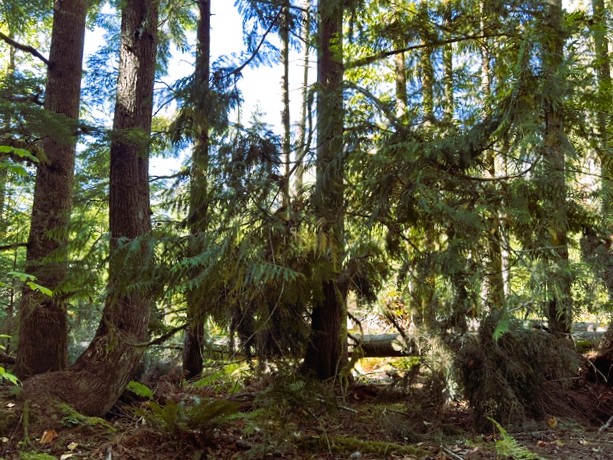
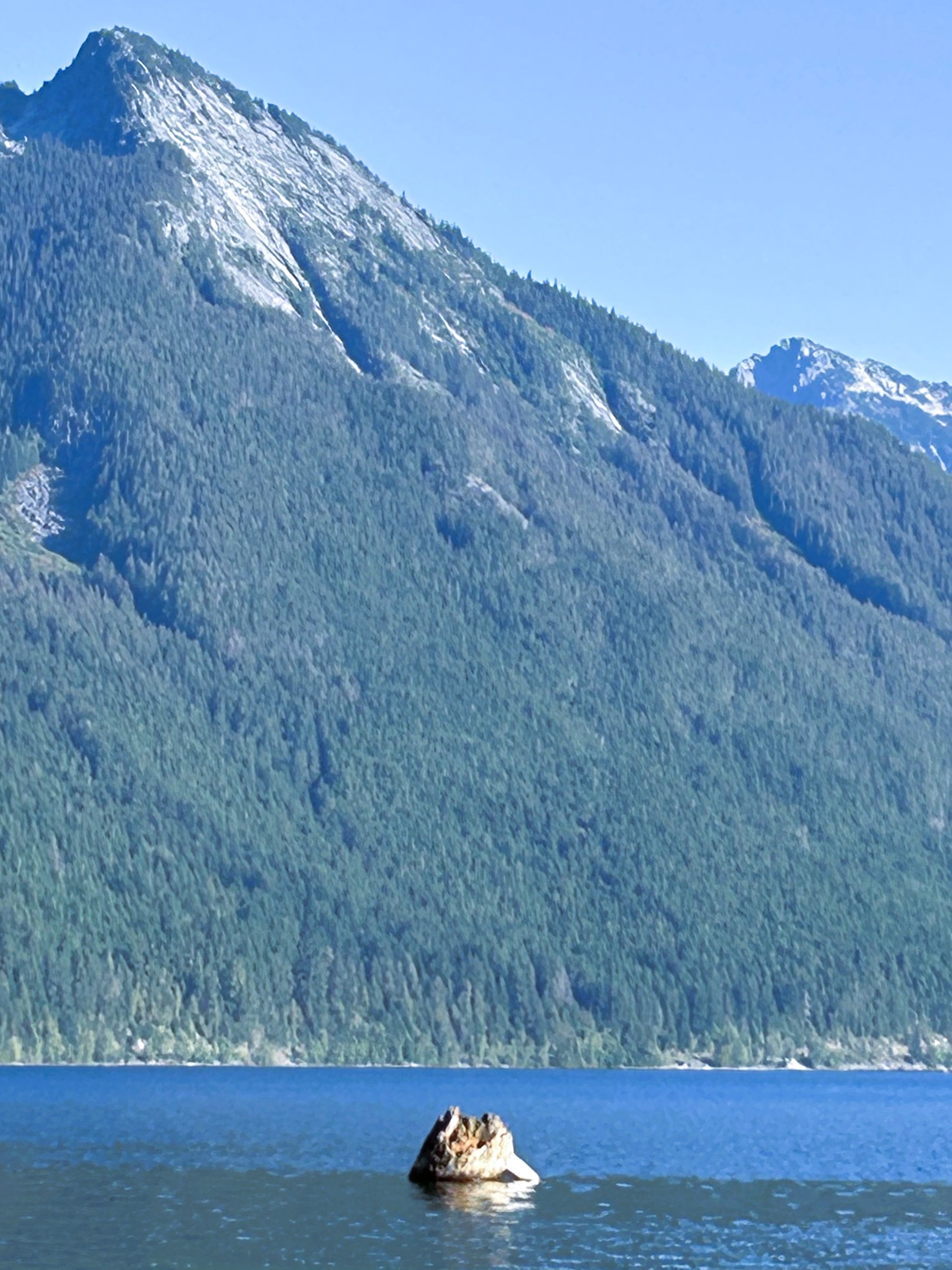
Taking advantage of a good weather few days ago we went to try our luck in mushroom picking and hoping for a good swim in Chilliwack Lake high in the hills.

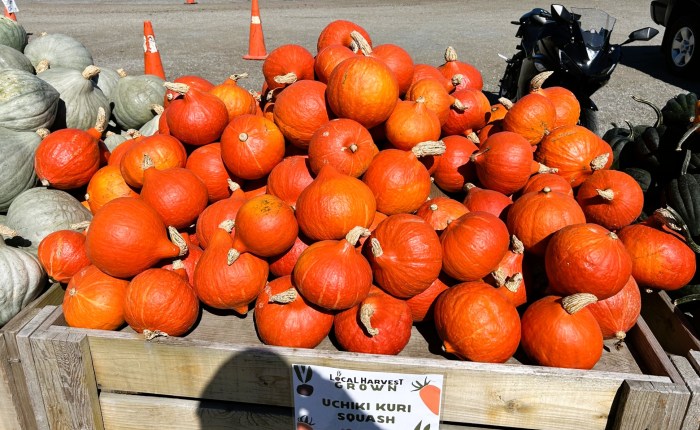
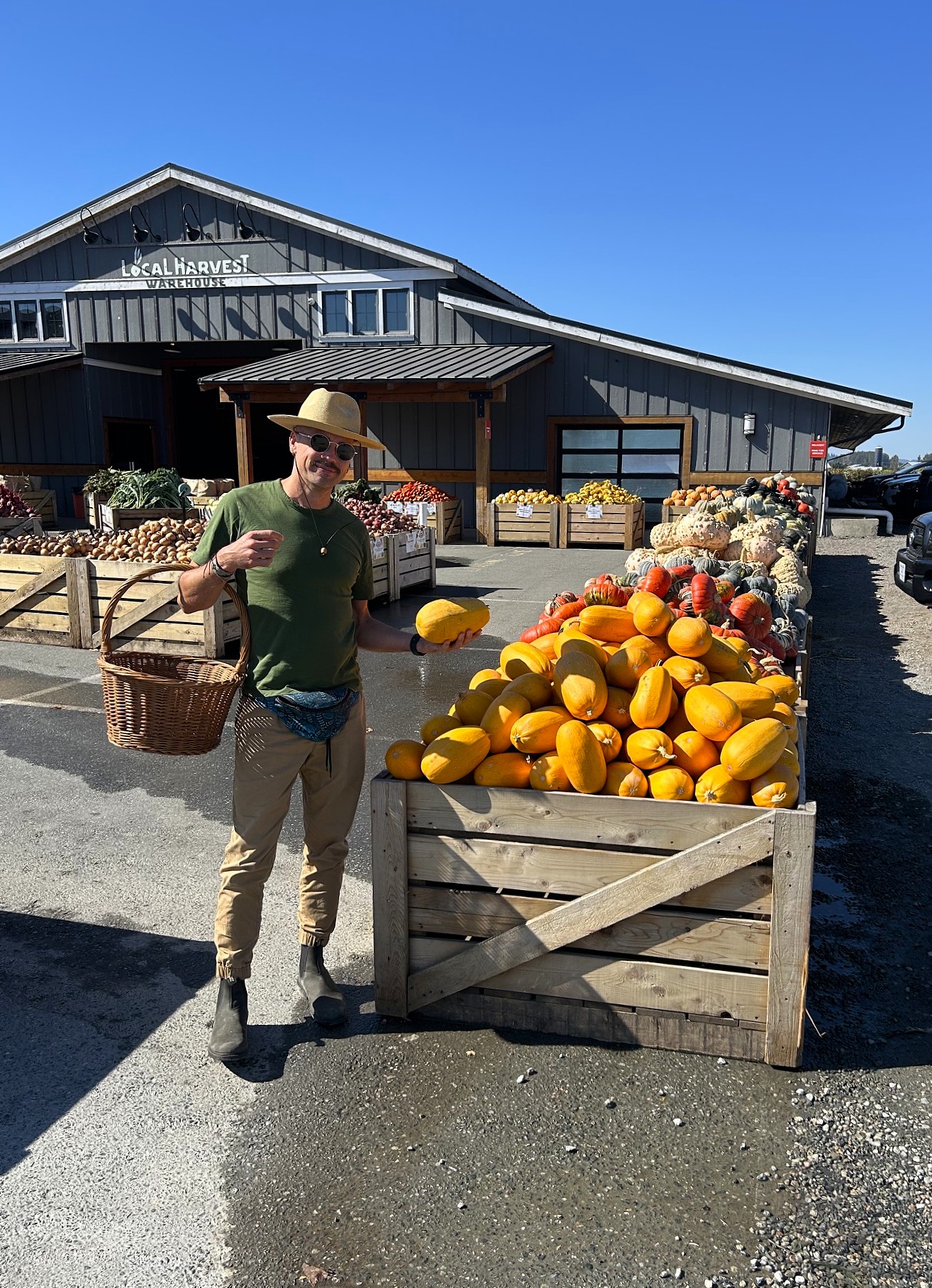
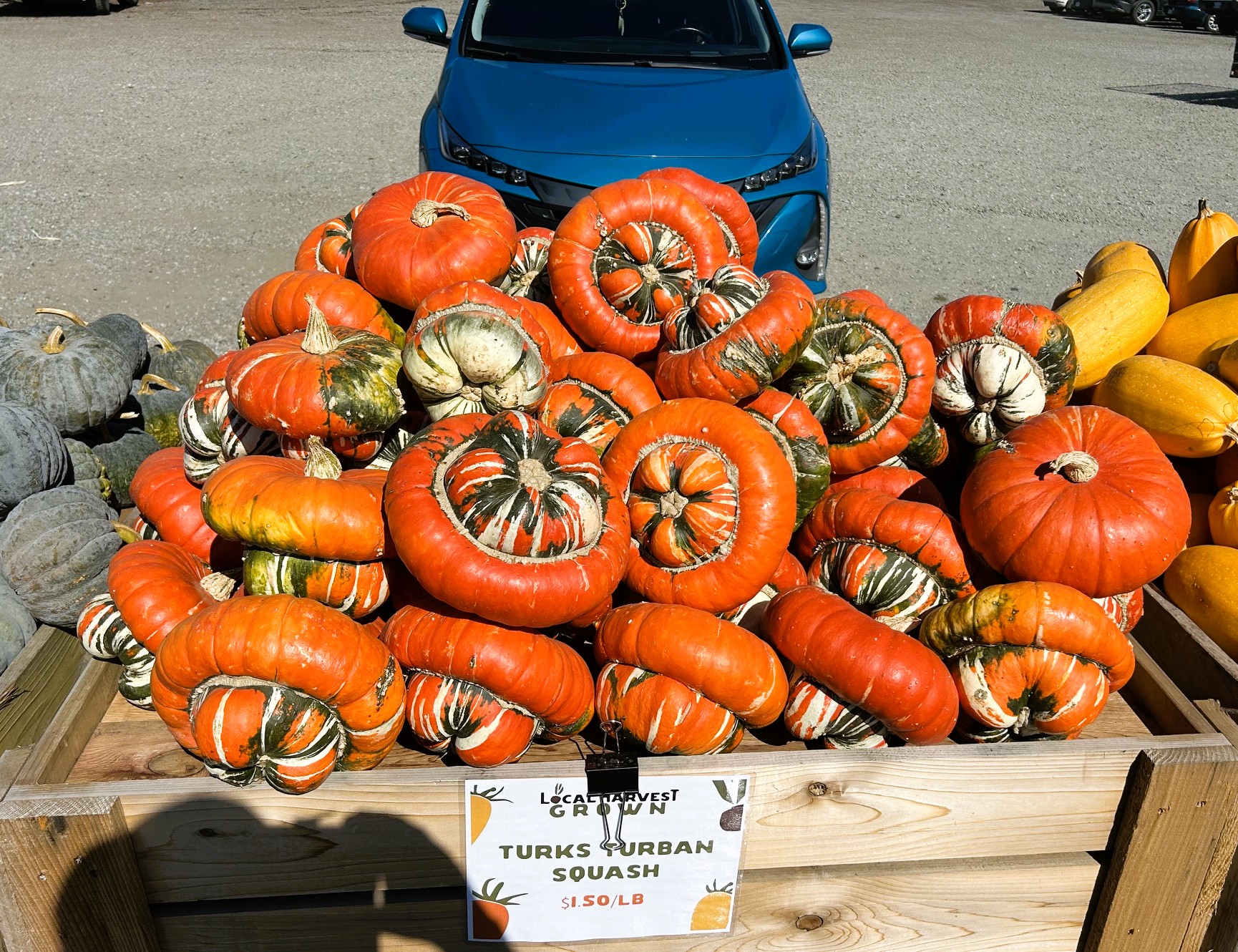
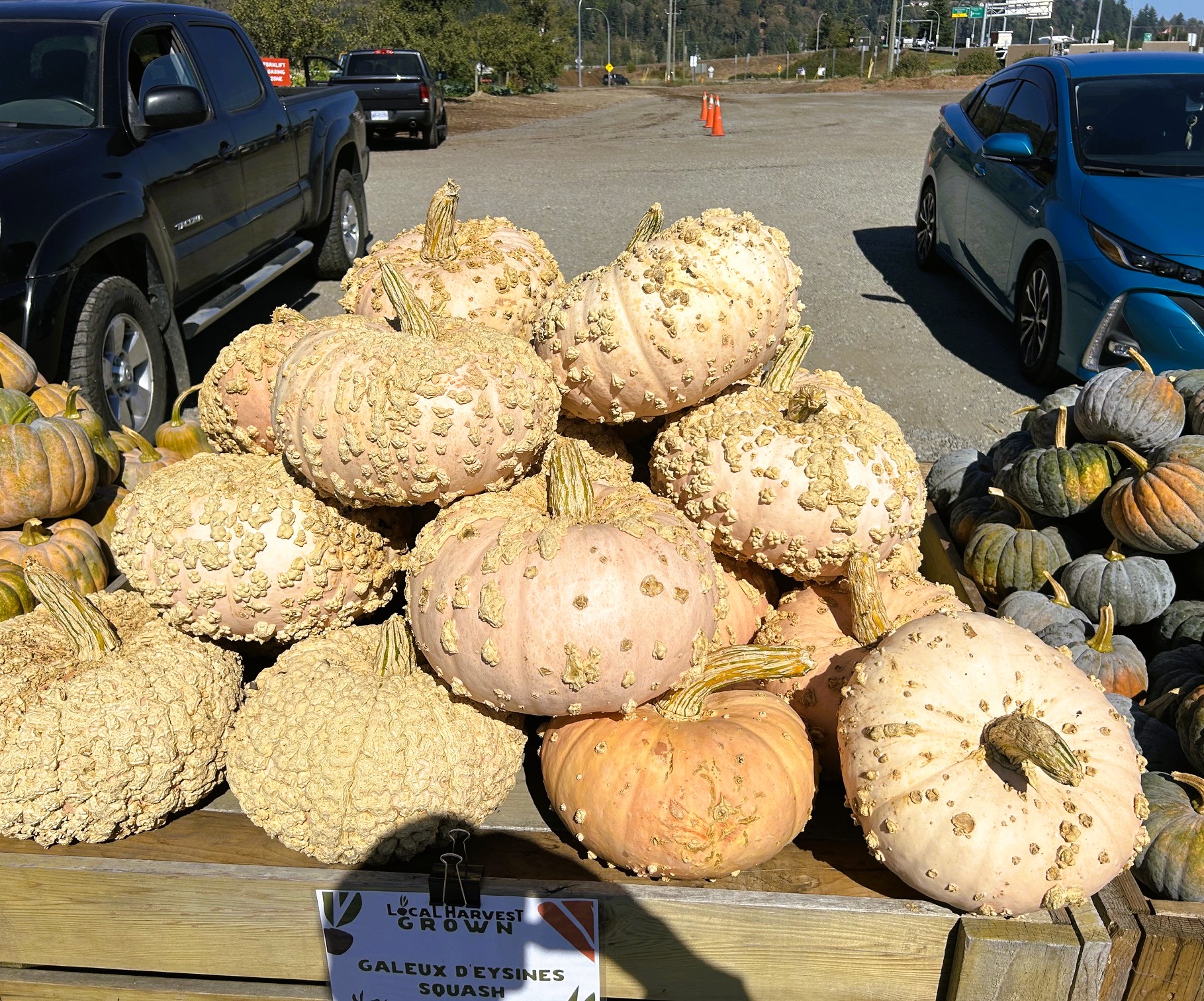
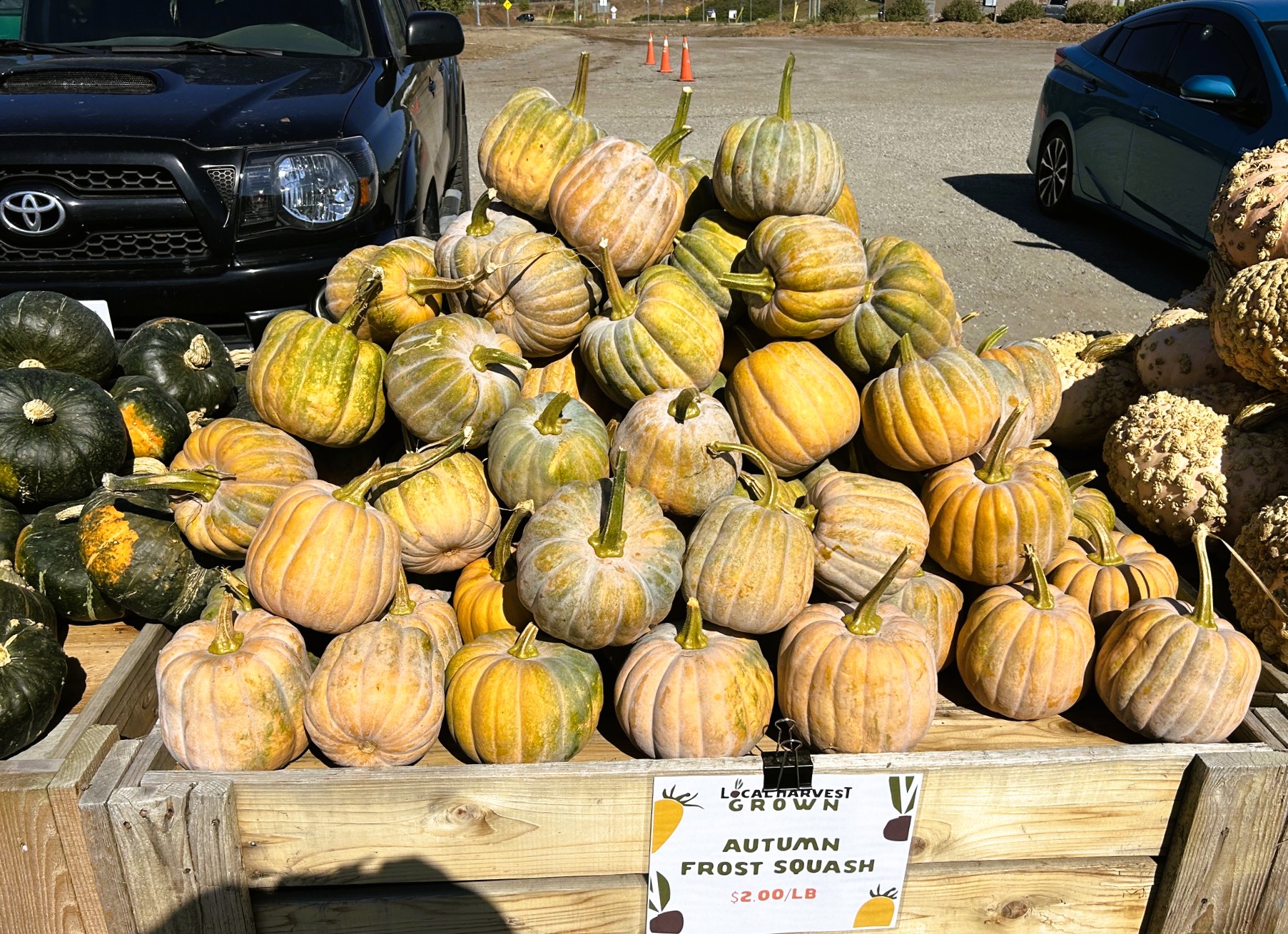
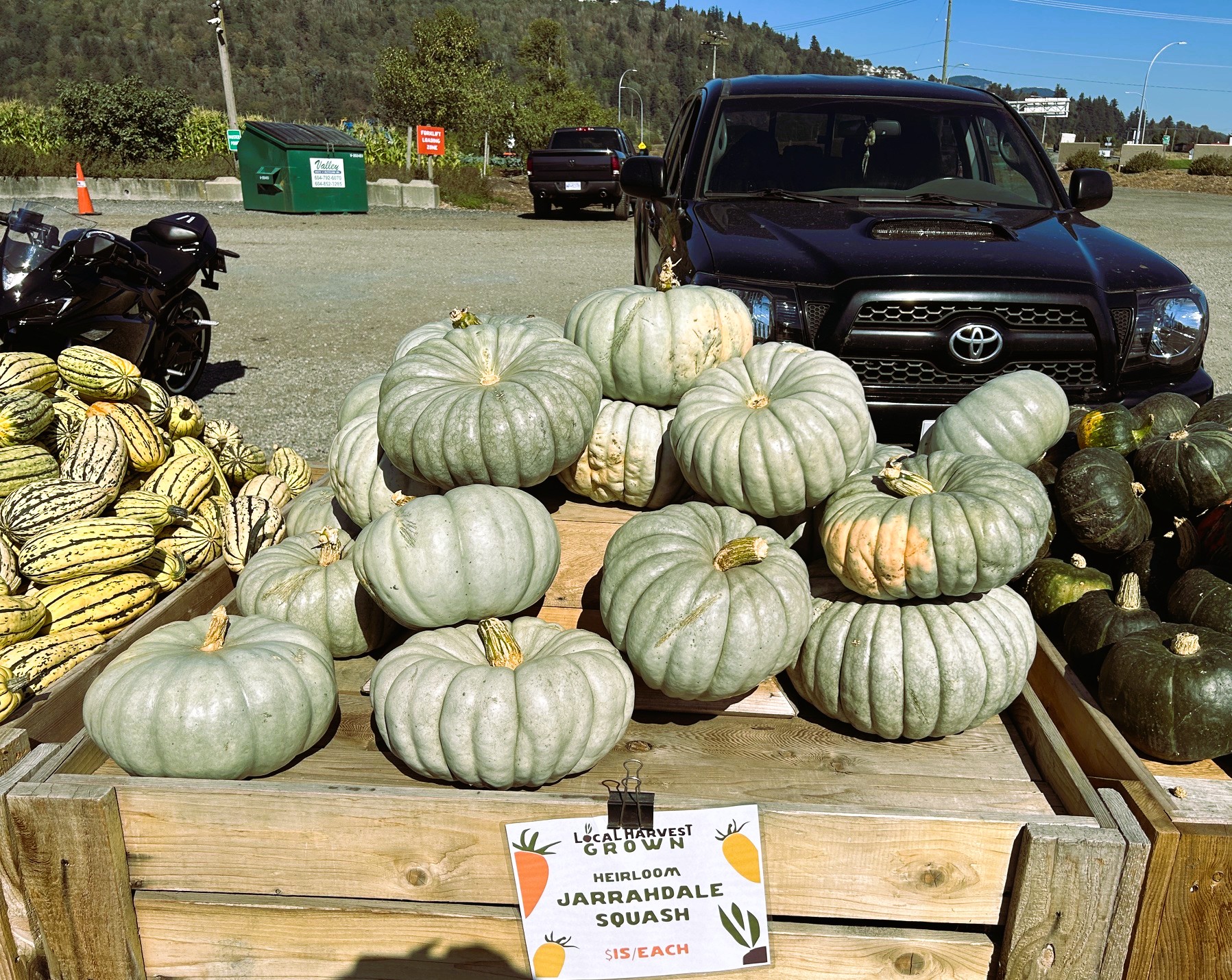
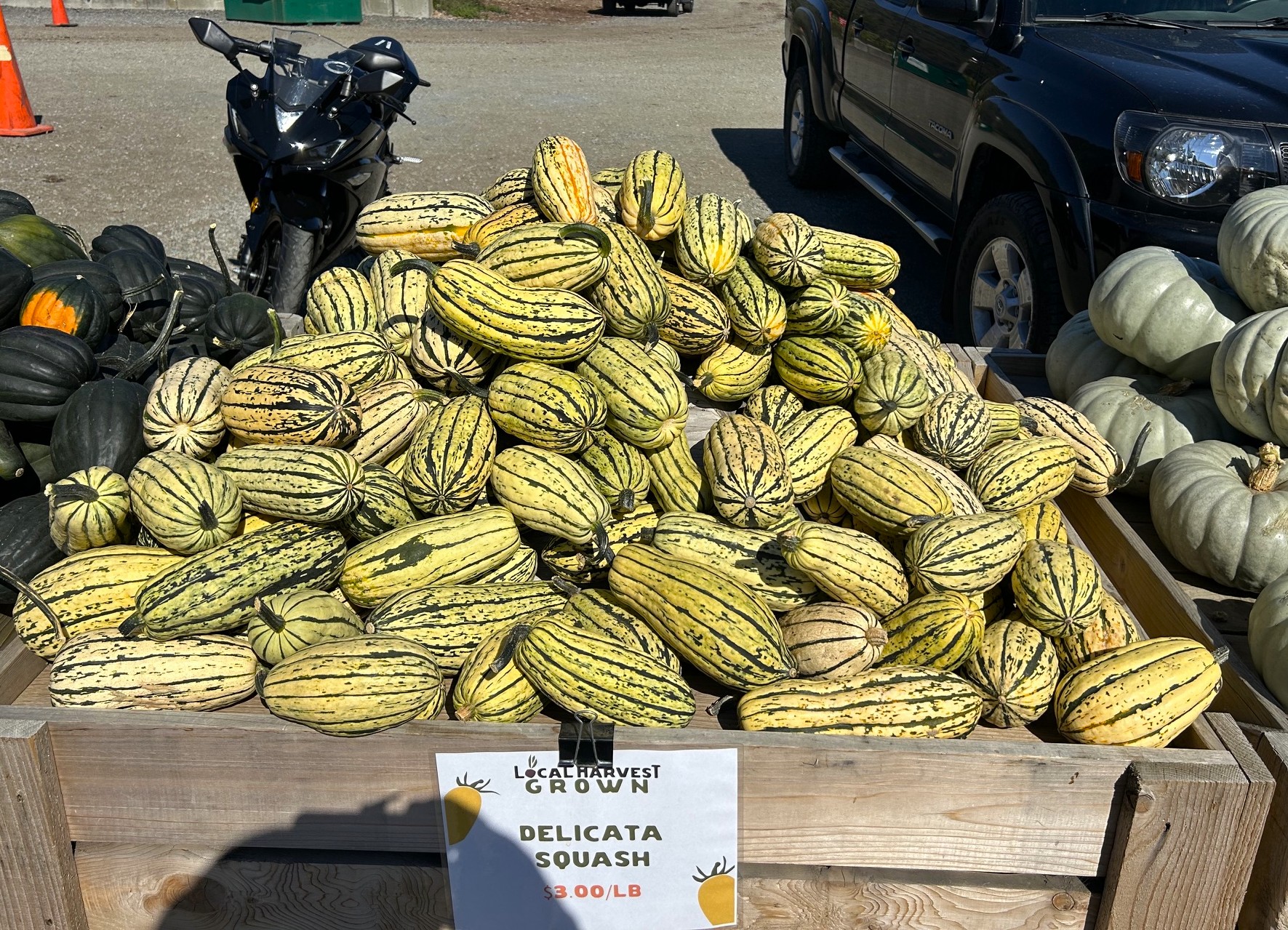
Before w went to the lake and forest there was a must t stop at Farmers Market on Lickman Road. What a rich exposition of Fall fruits and vegies! They almost look fake, just for show, LOL. Of course we went to the local bakery for few snacks for the way.

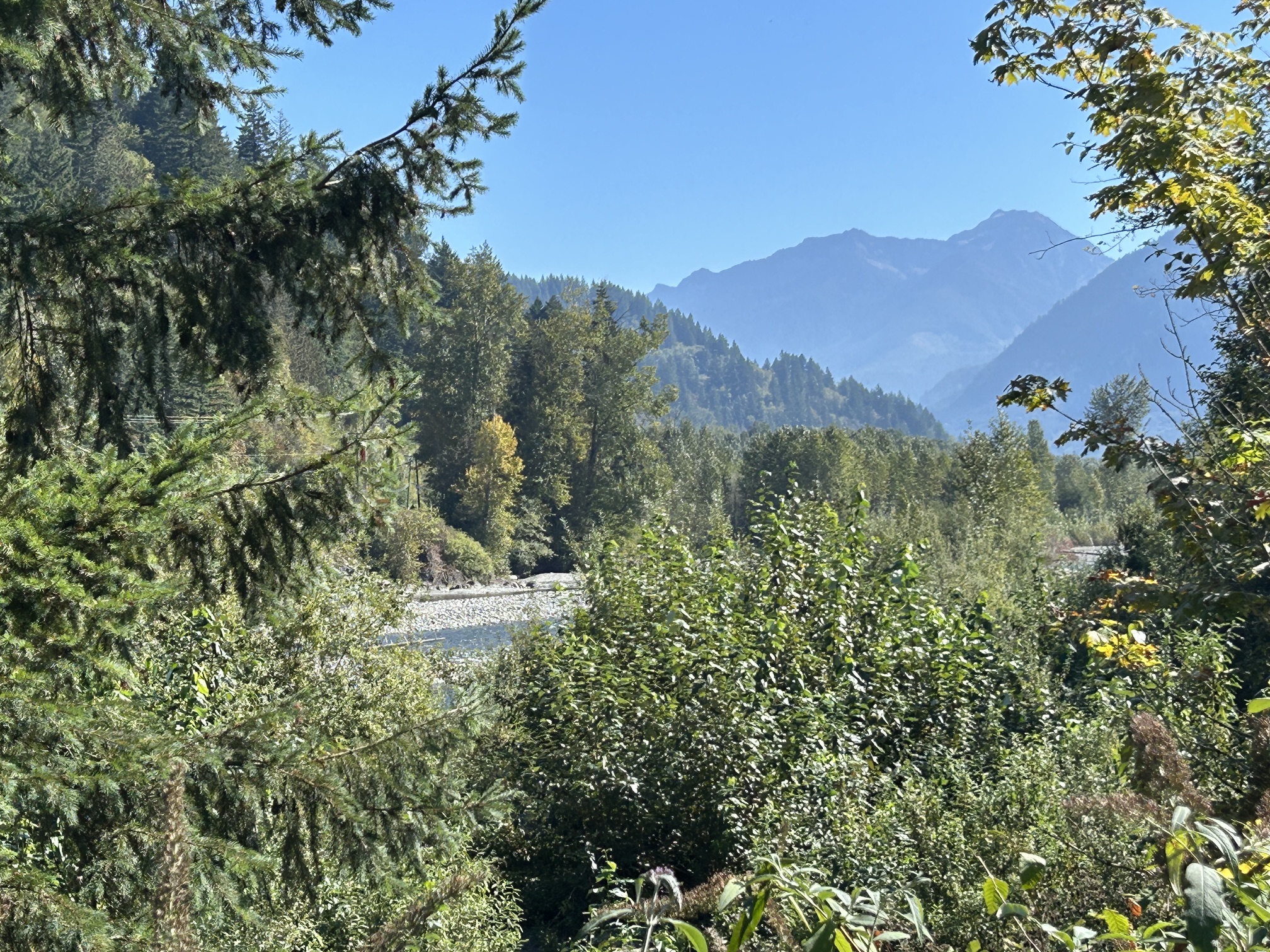
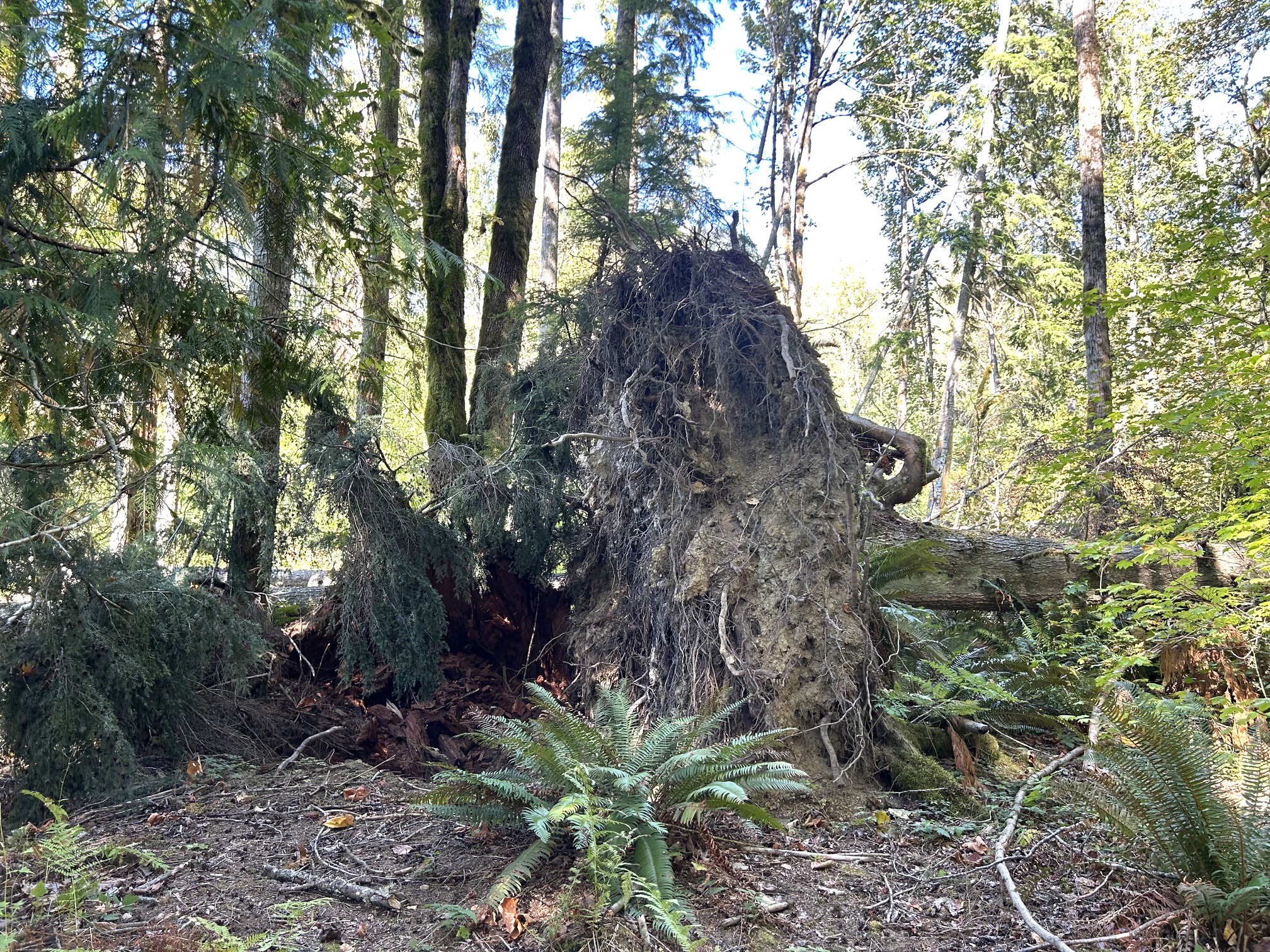
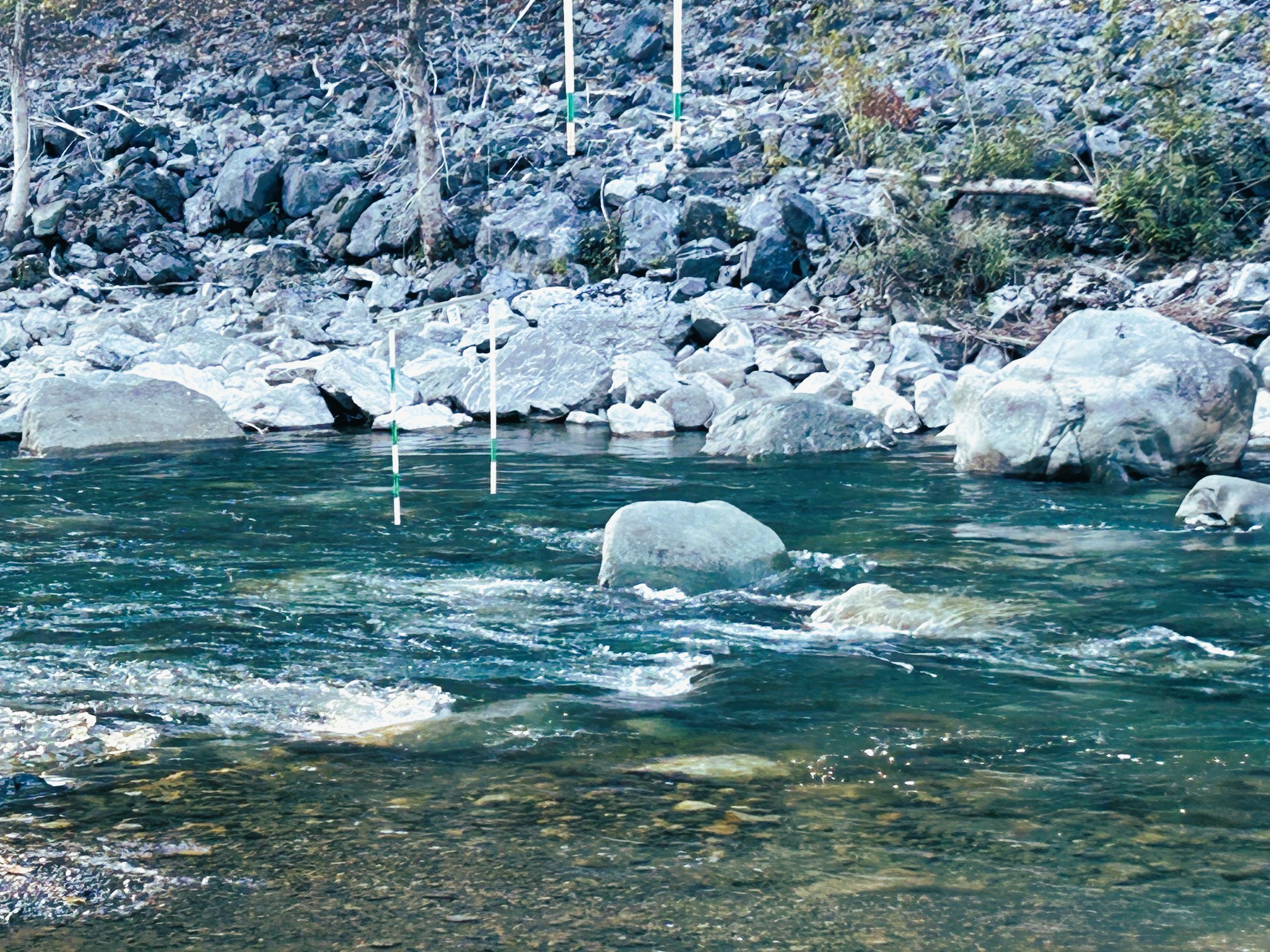
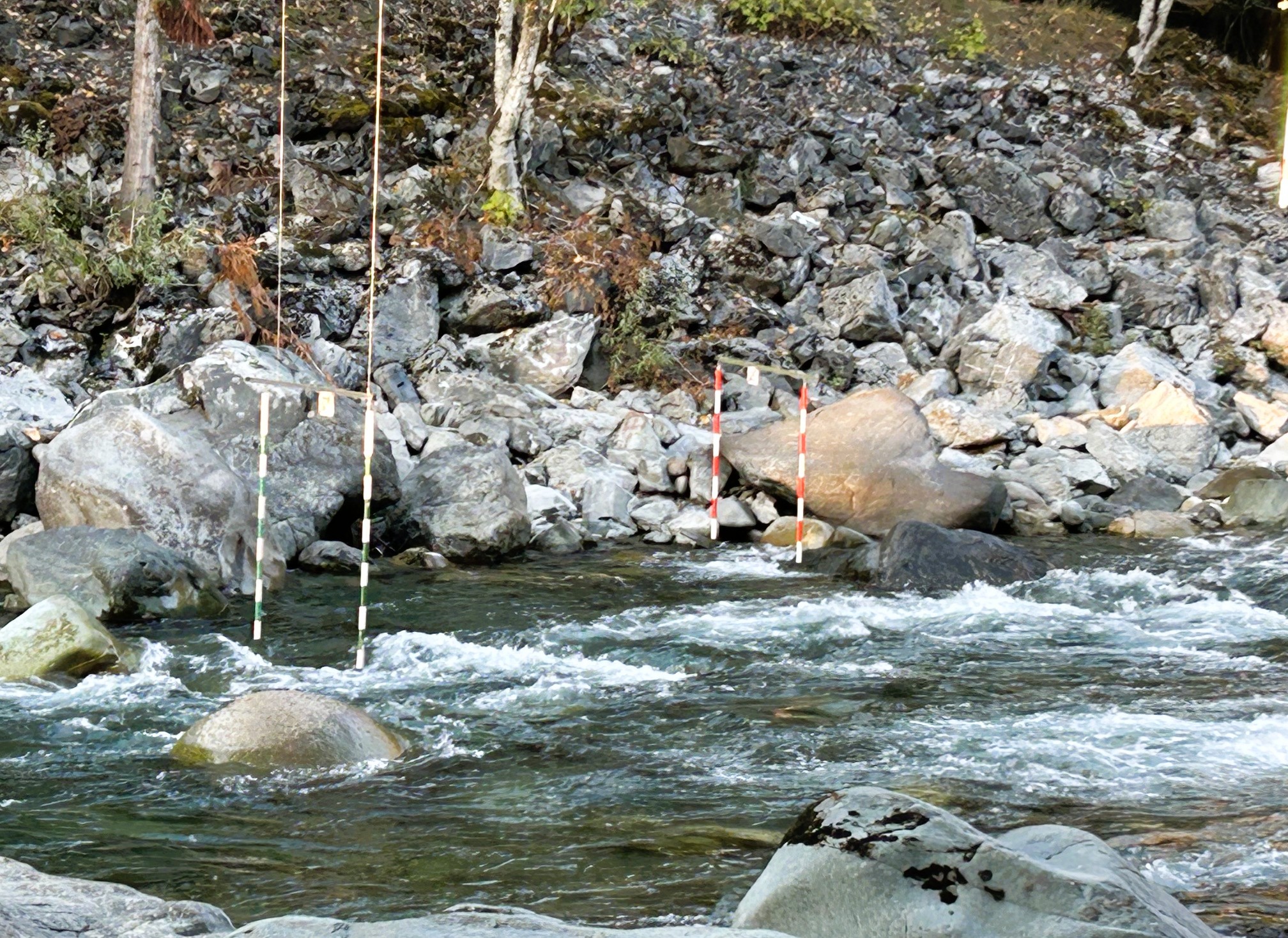
After the shopping we tok the ol’ Vedder Road up to familiar Chilliwack Road meandering alongside the Chilliwack River. We stop in two spots to try our luck in mushrooms. Sadly, it was so dry everywhere that at both attempts we just say few very dry and small eatable mushrooms – not enough even for a small pot of soup, and we gave up.

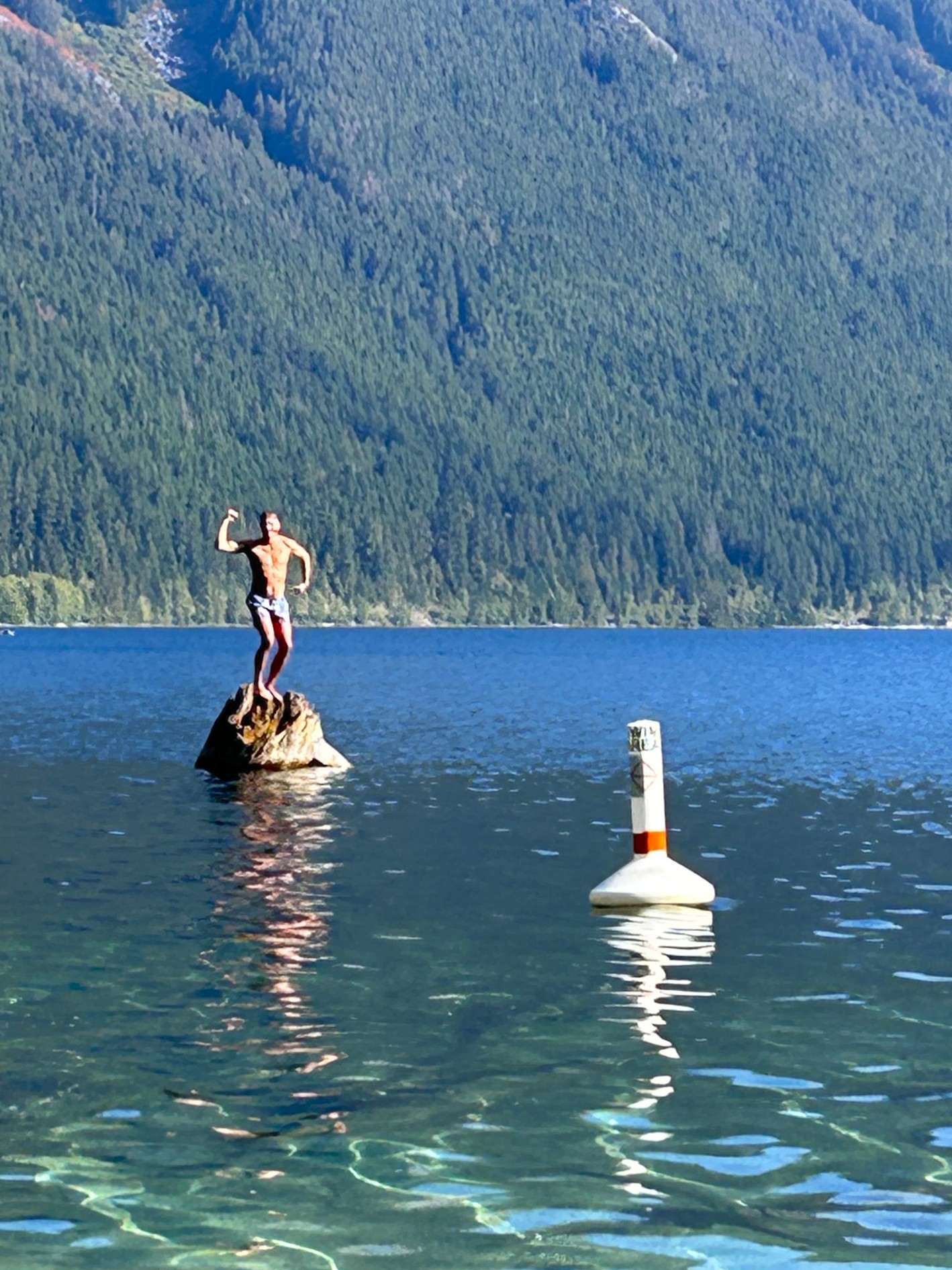
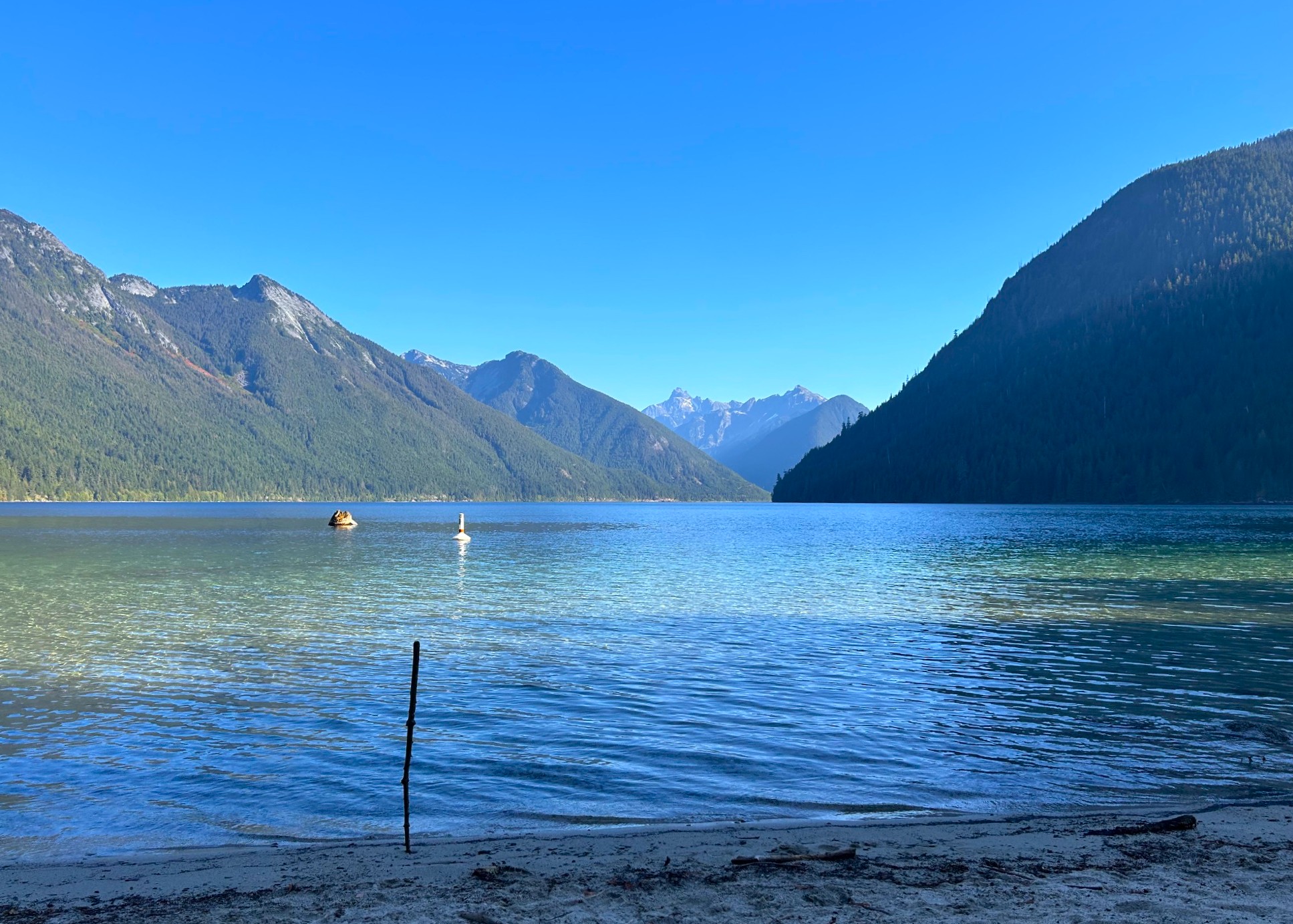
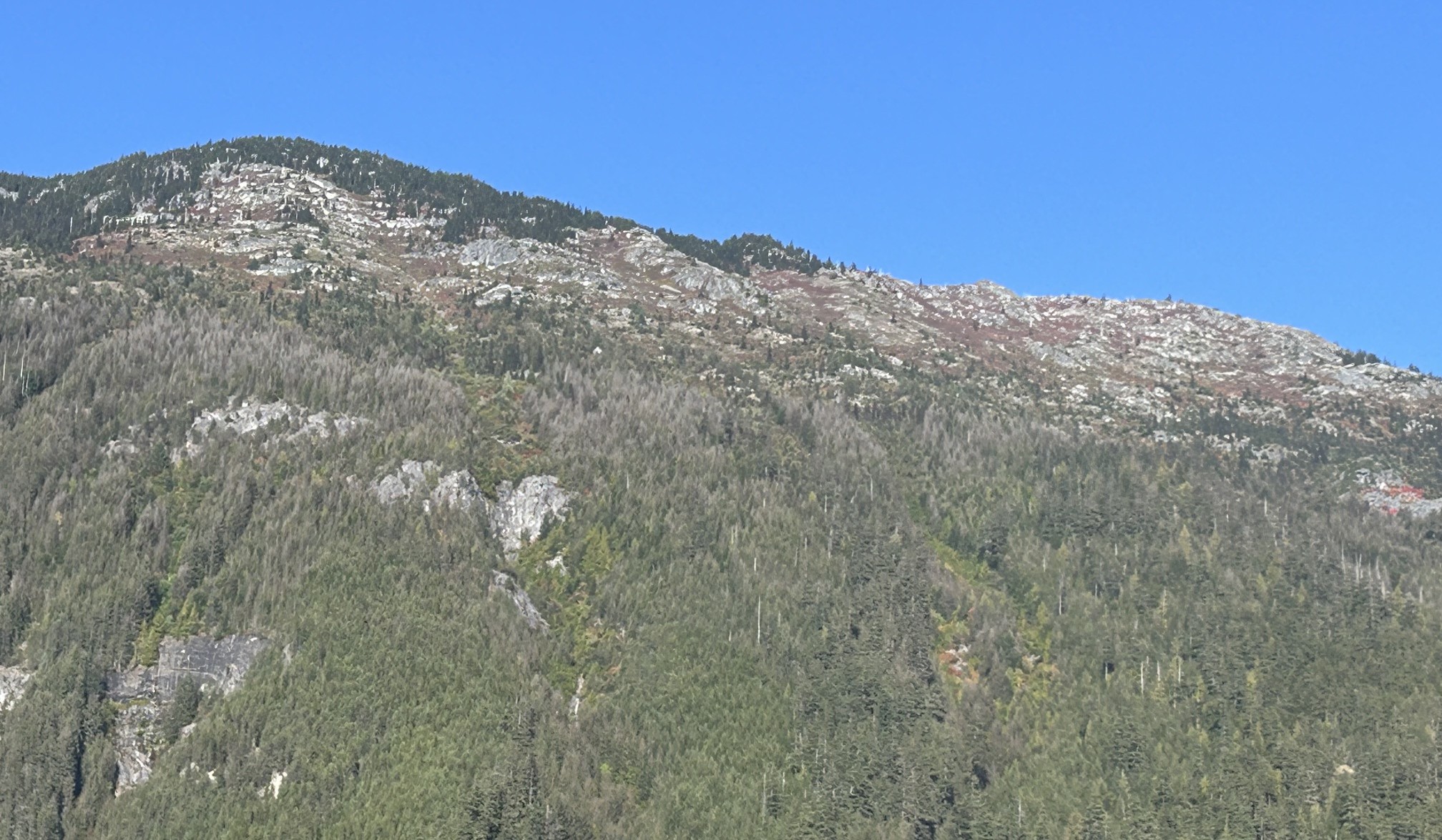
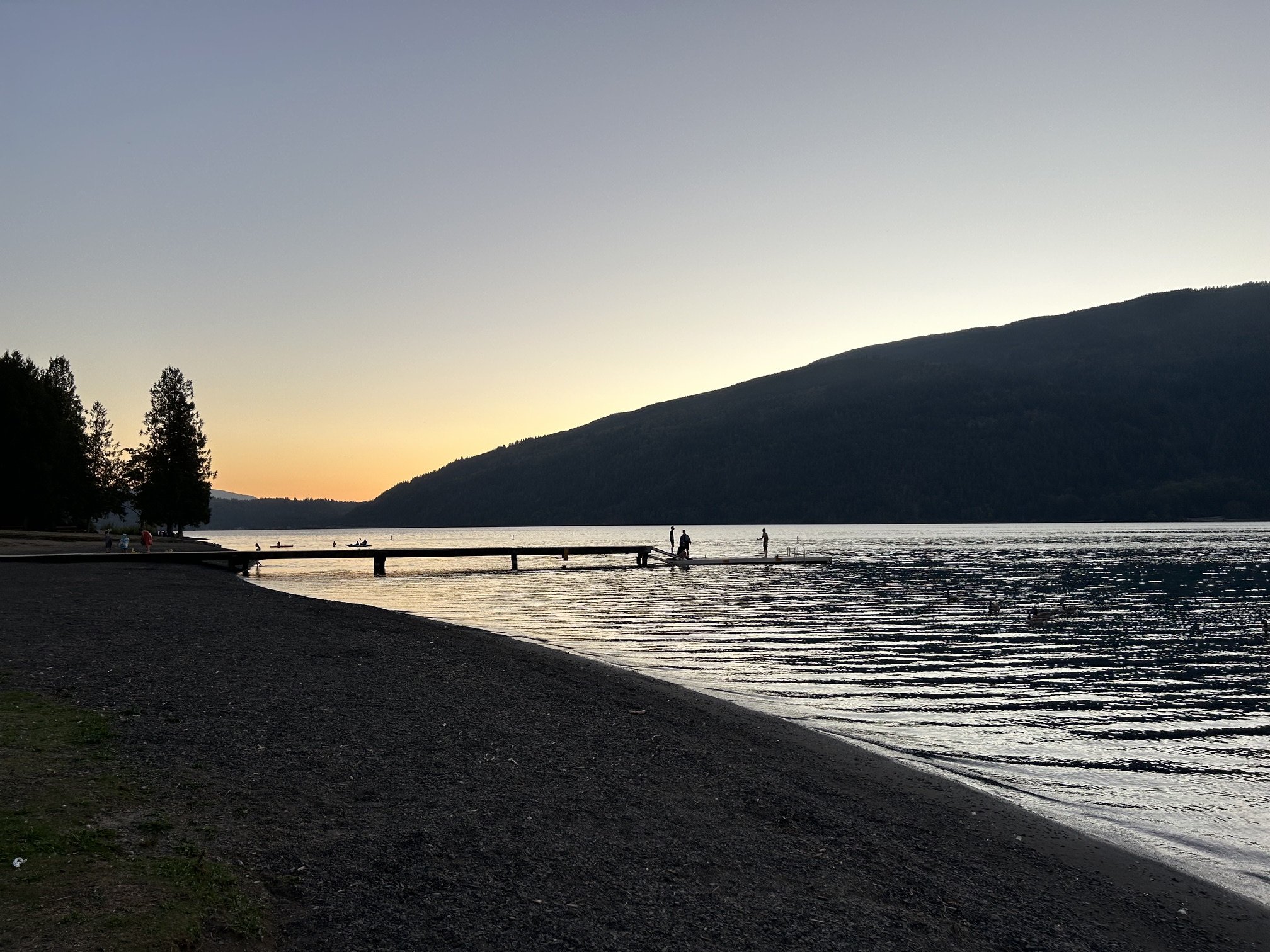
The lake – that’s a different story altogether. Hardly and wind bluse-green water smooth and inviting. Hardly anyone on the sandy beach. Since the lake originates in icefield I was thinking that it would be very cold. Not so! Water was wonderful and a refreshing swim gave us energy and washed away the dust from the forest. We stayed until there was no more sun and chilly mountainous air filled beach.

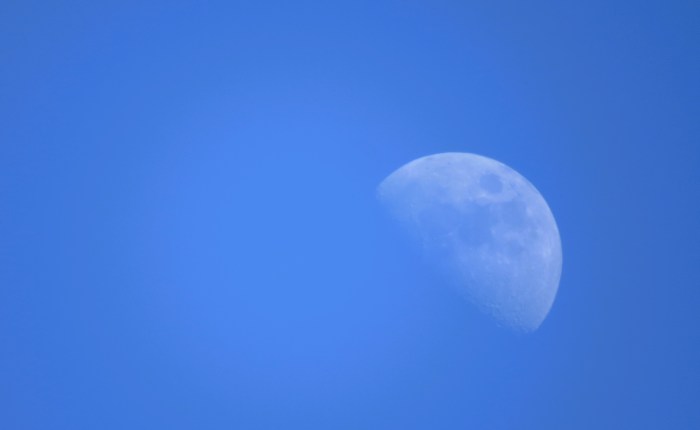
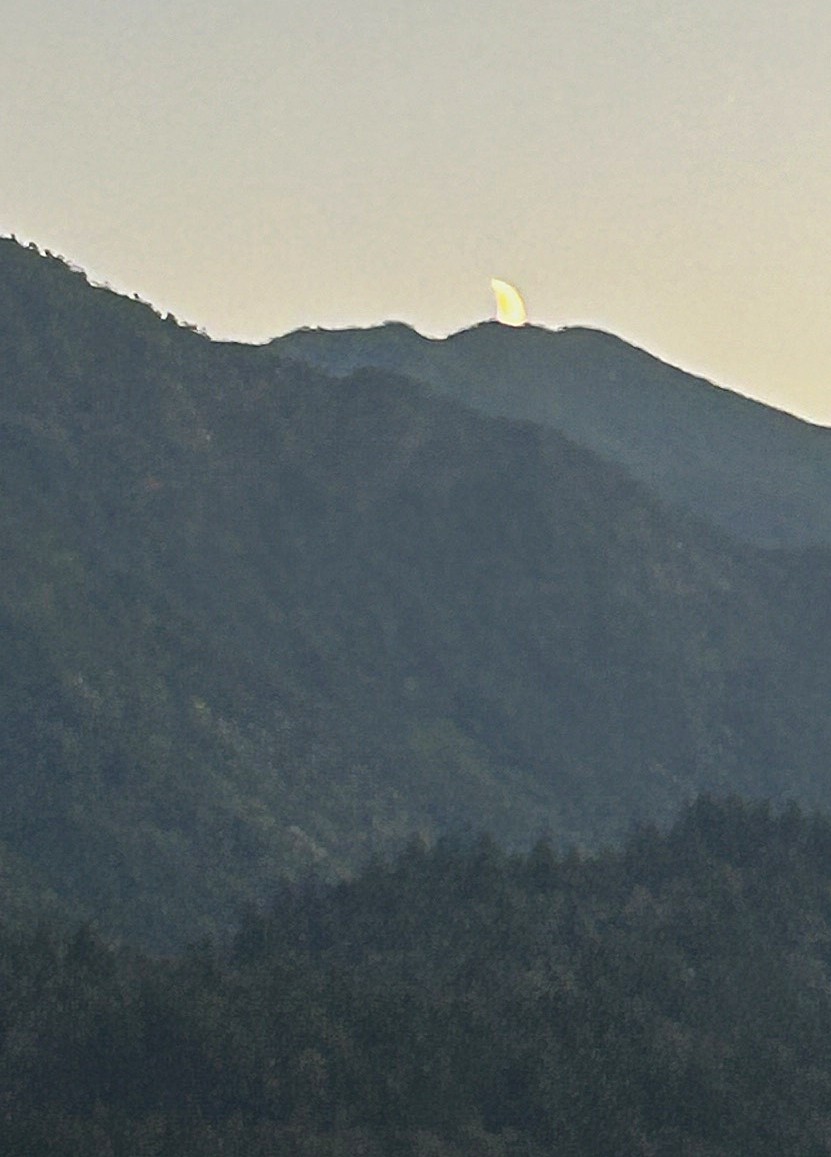
On the way back we took different route using o Yarrow for a nice evening walk on the beached of Cultus Lake. It was almost poetic – including the moon, which showed up from the peaks of the mountain and said: OK fellas, it is getting late and dark, and time for you to go home. And we did driving back through the very old community of Yarrow, which did not change that much (as everything else) in past few decades.

Wizyta w Port Moody

Wizyta w Port Moody

Bogumił Pacak-Gamalski

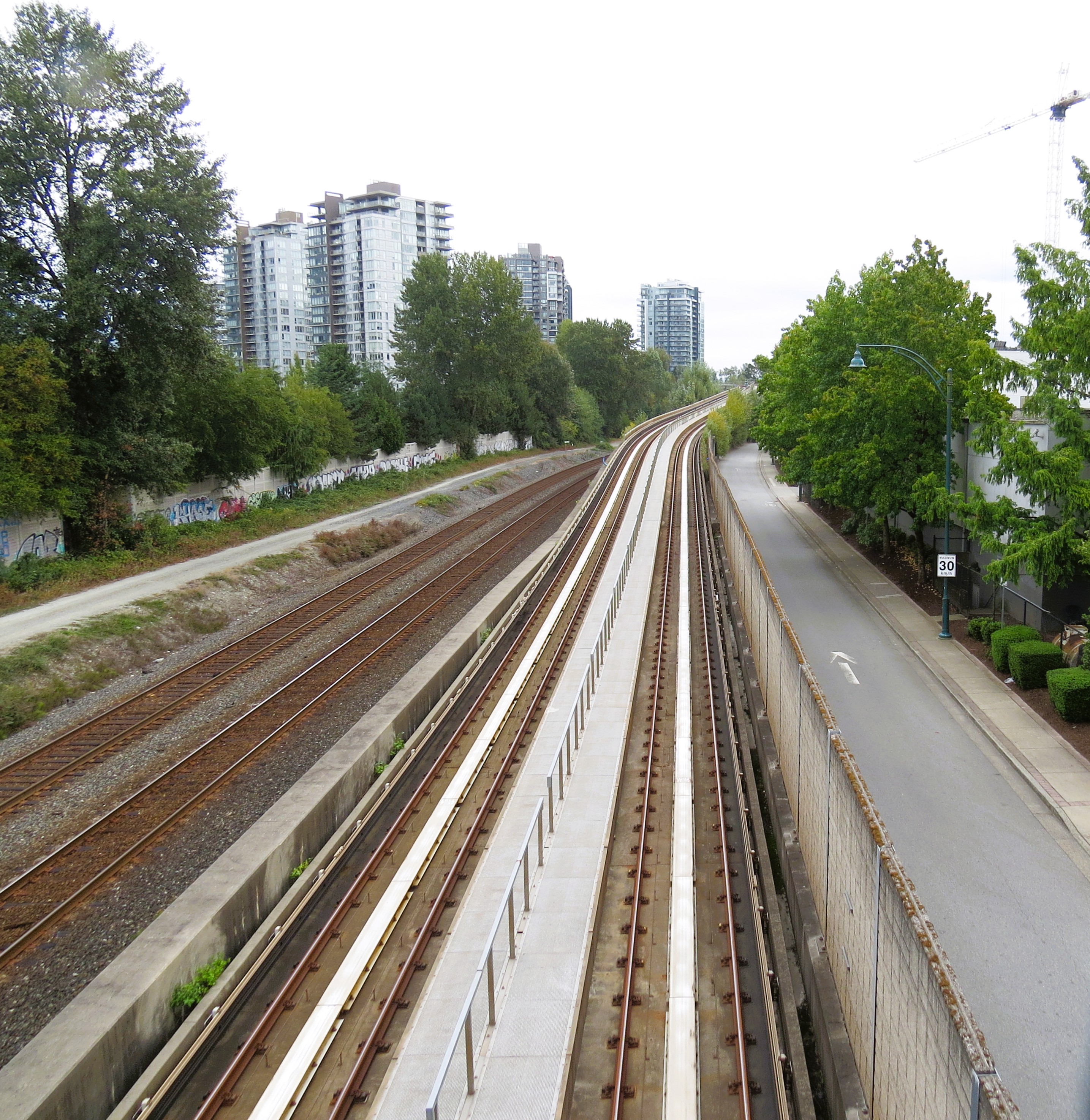
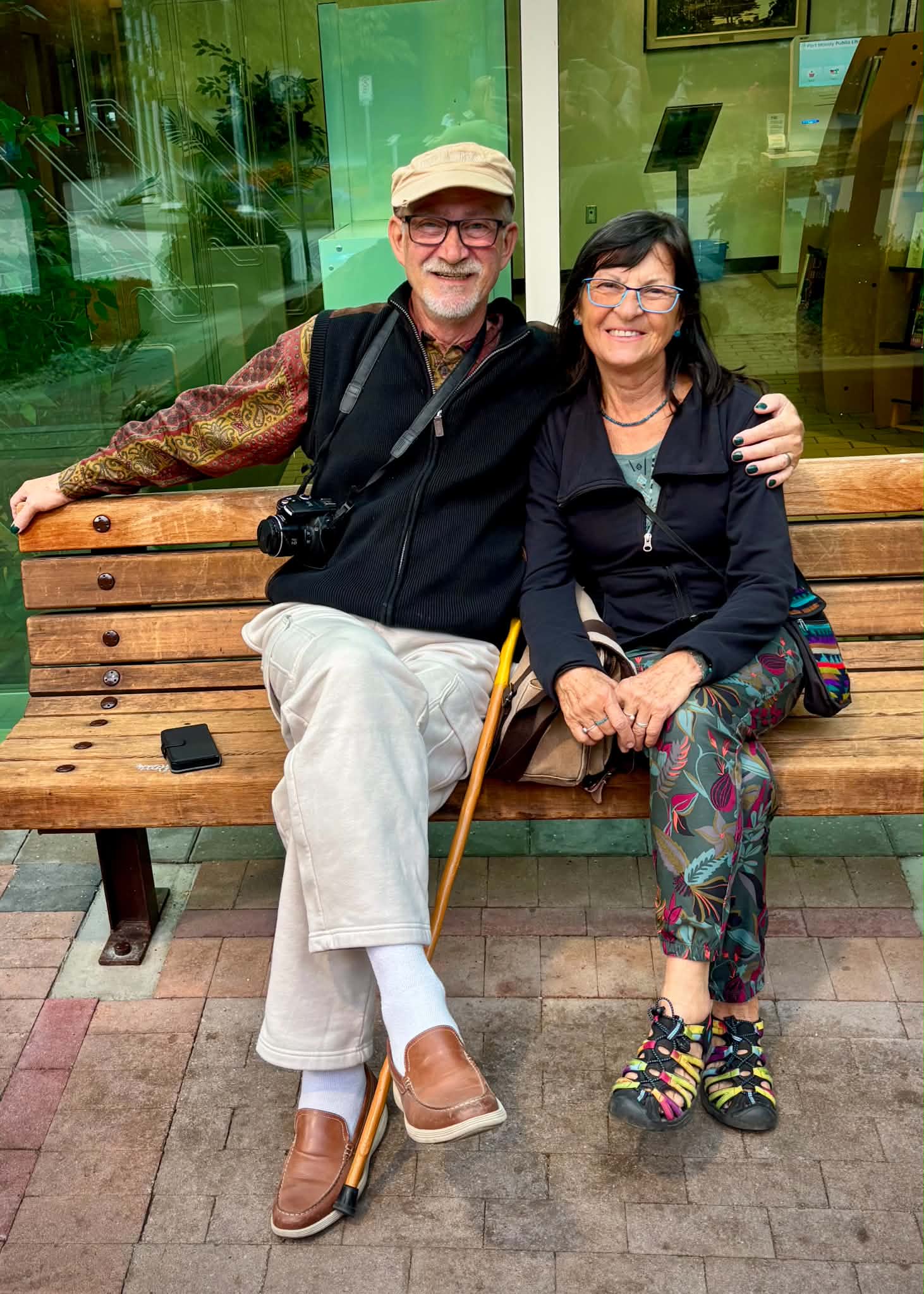
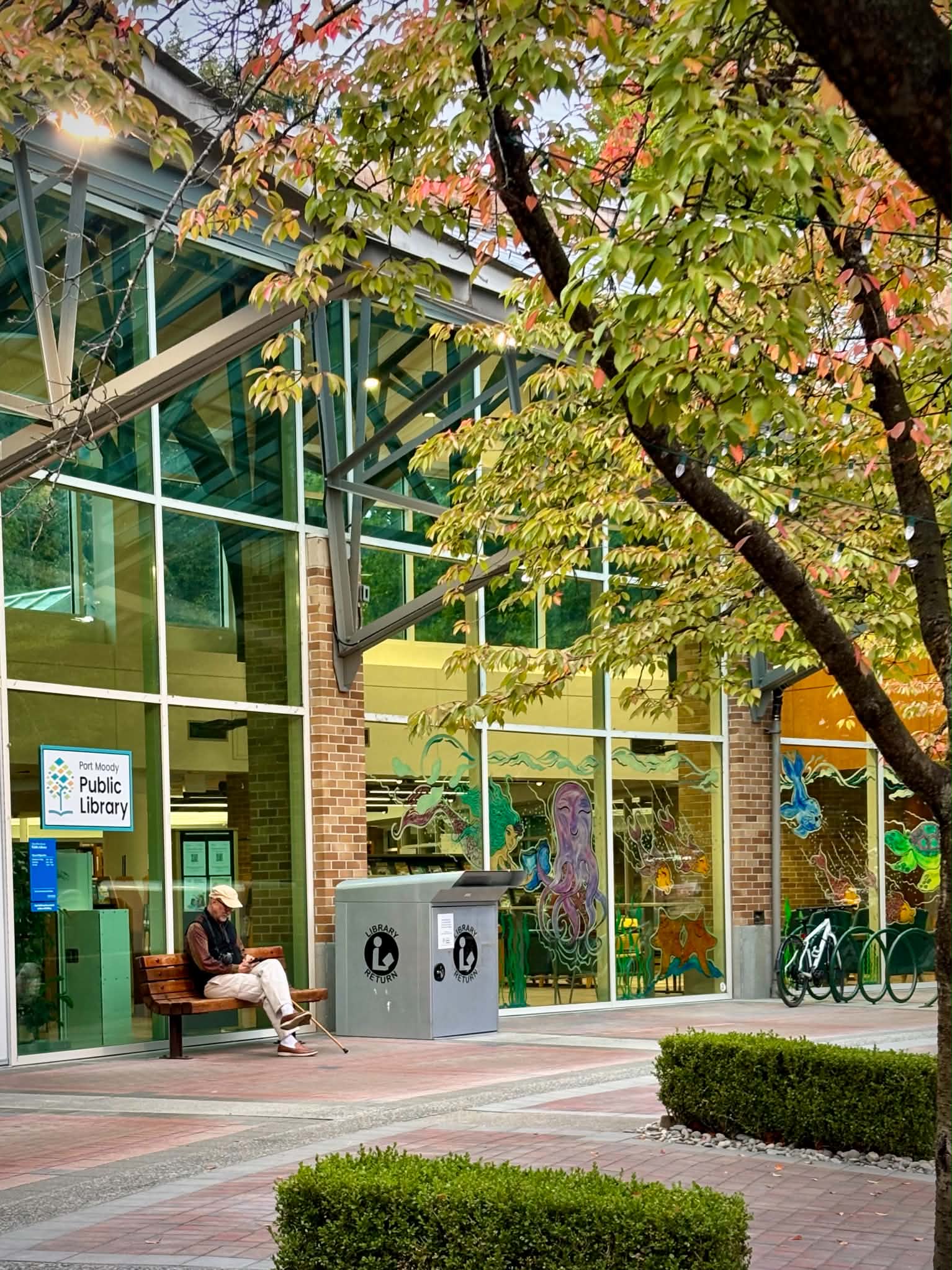
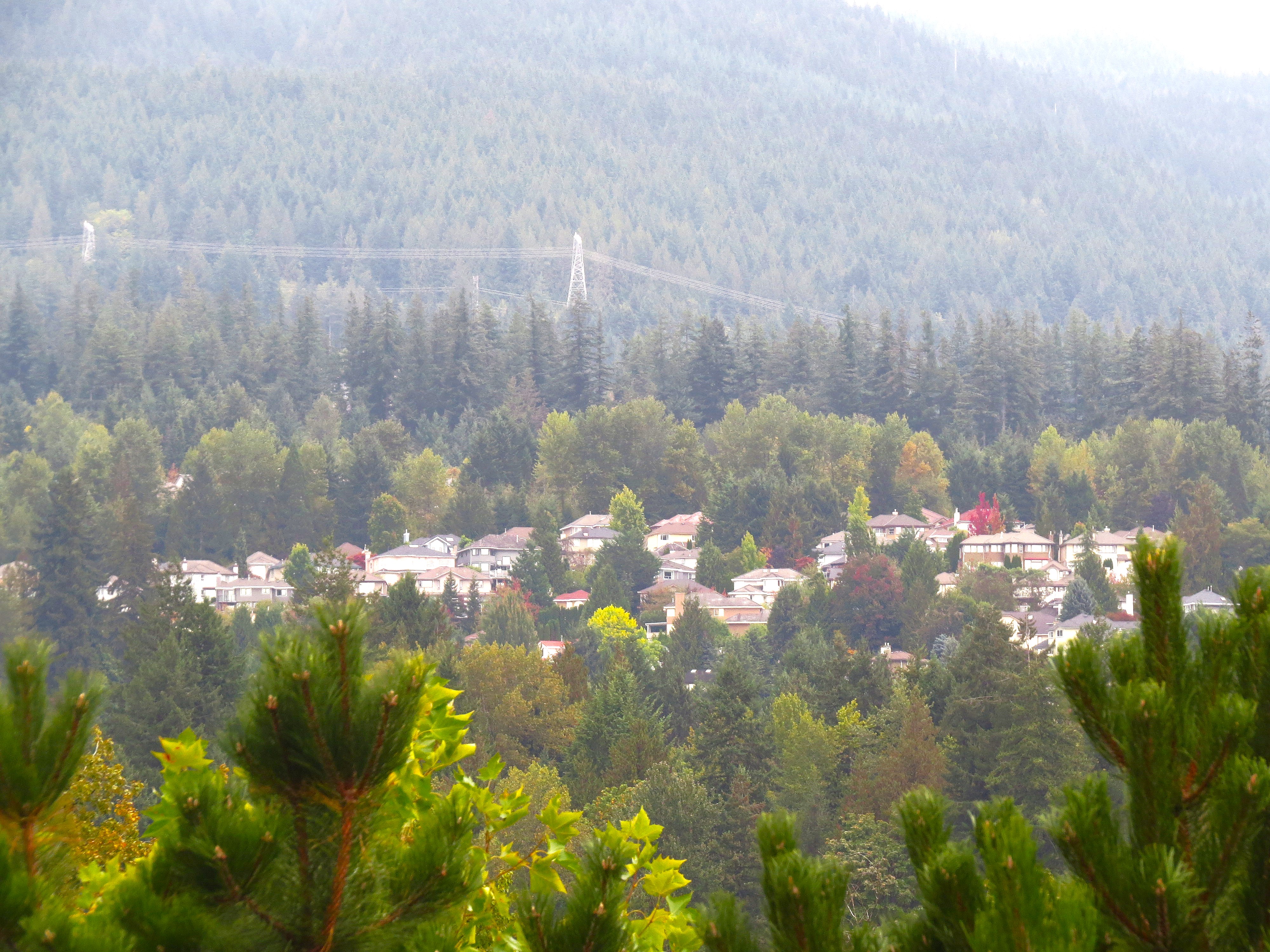
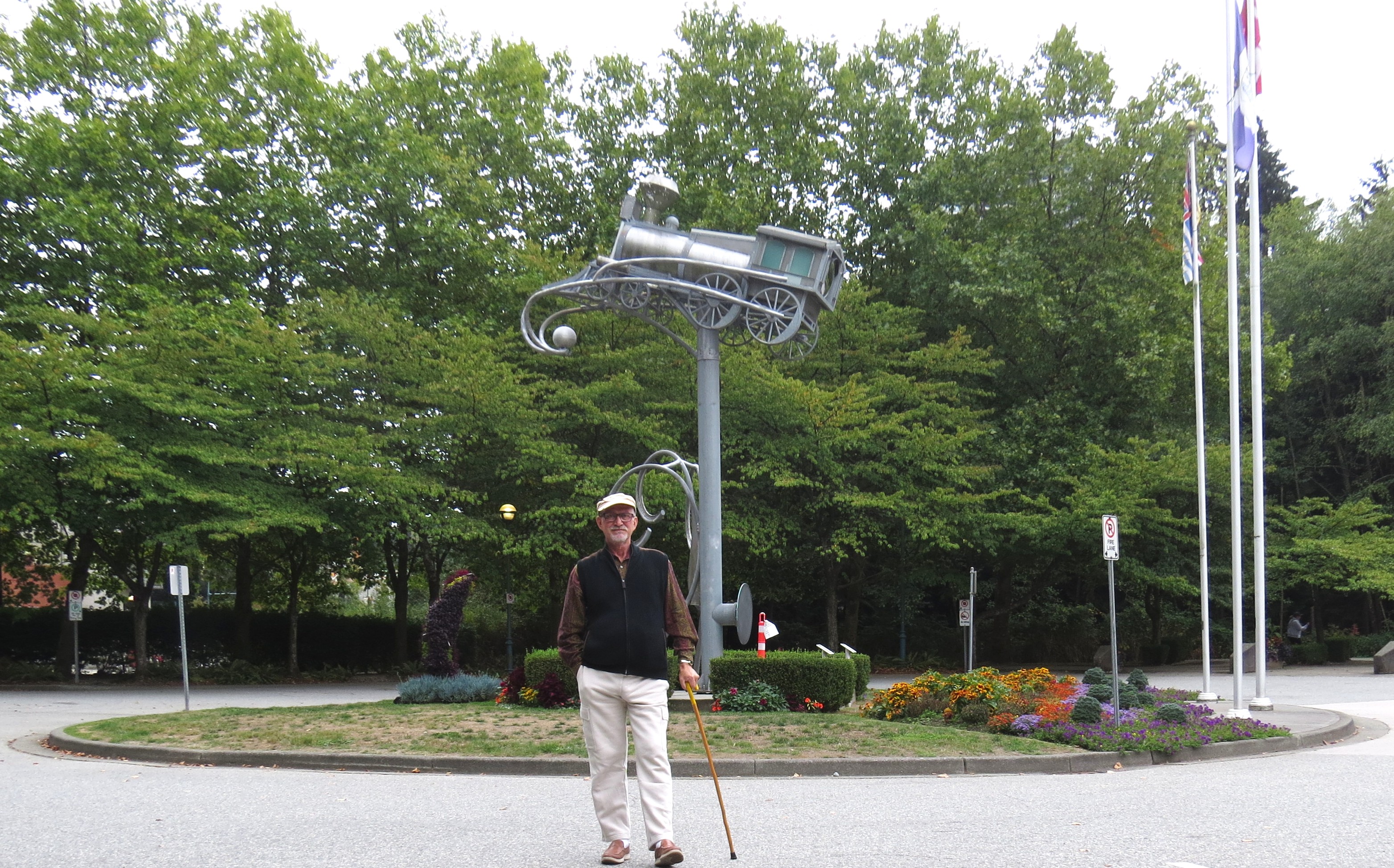
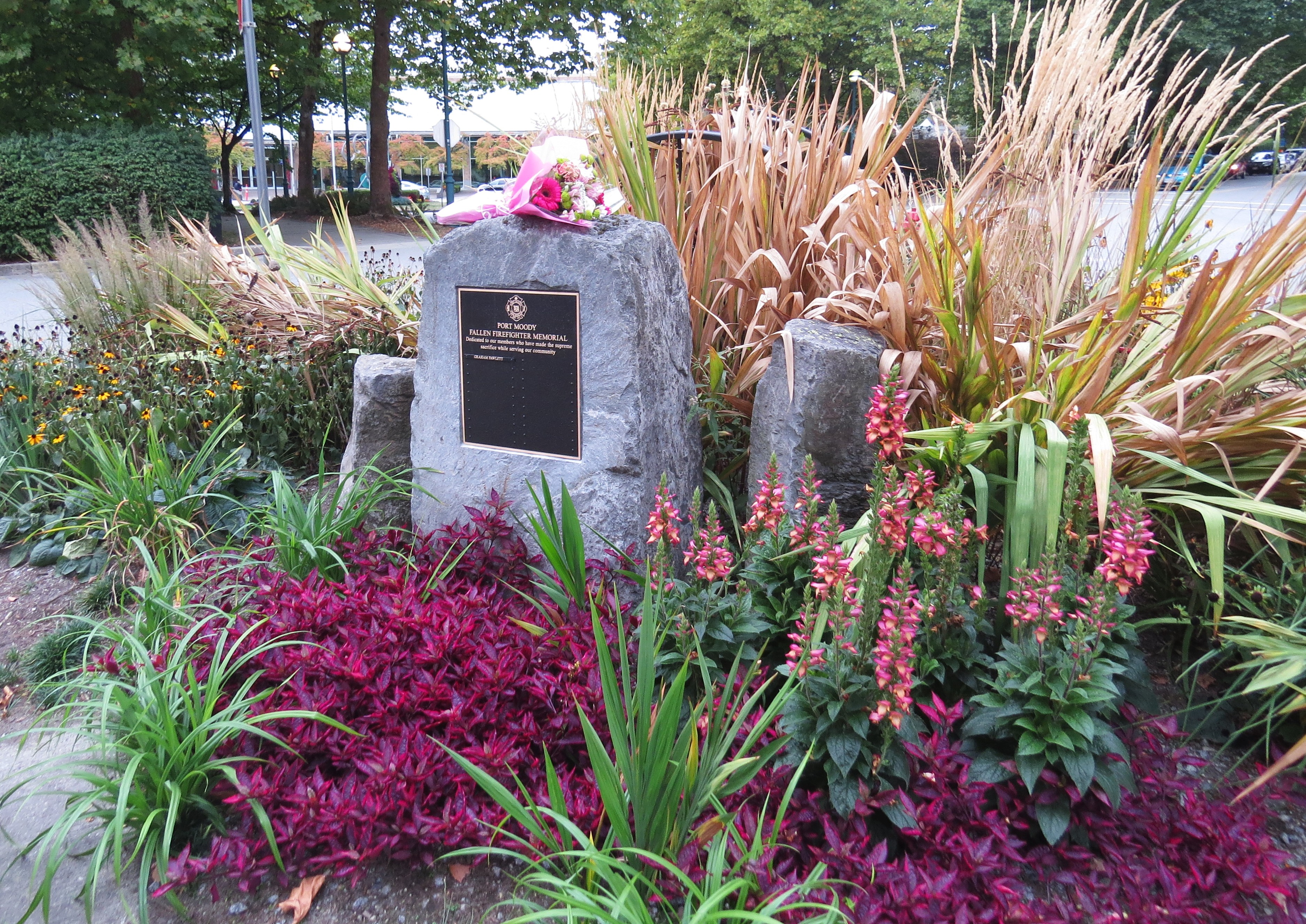
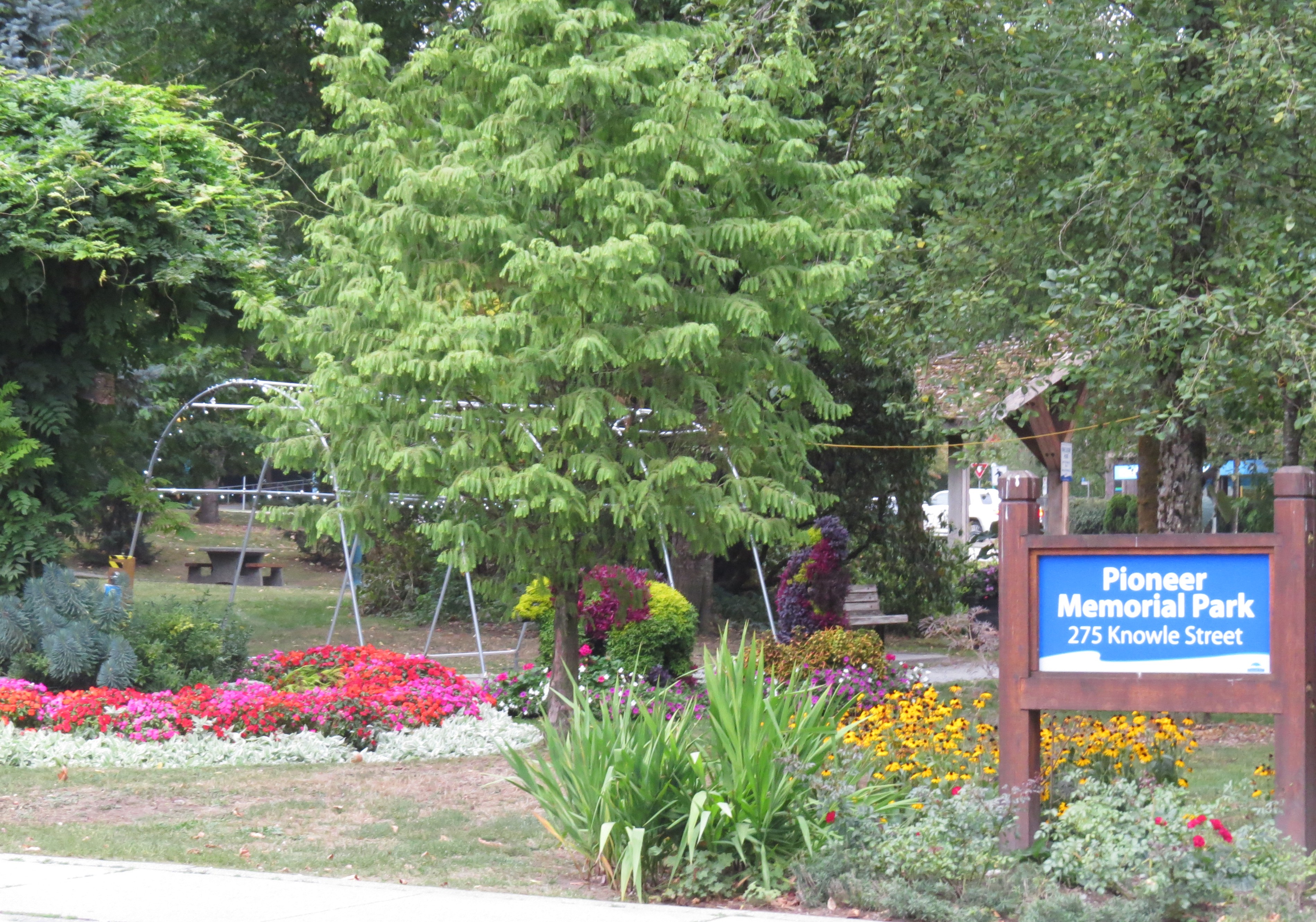
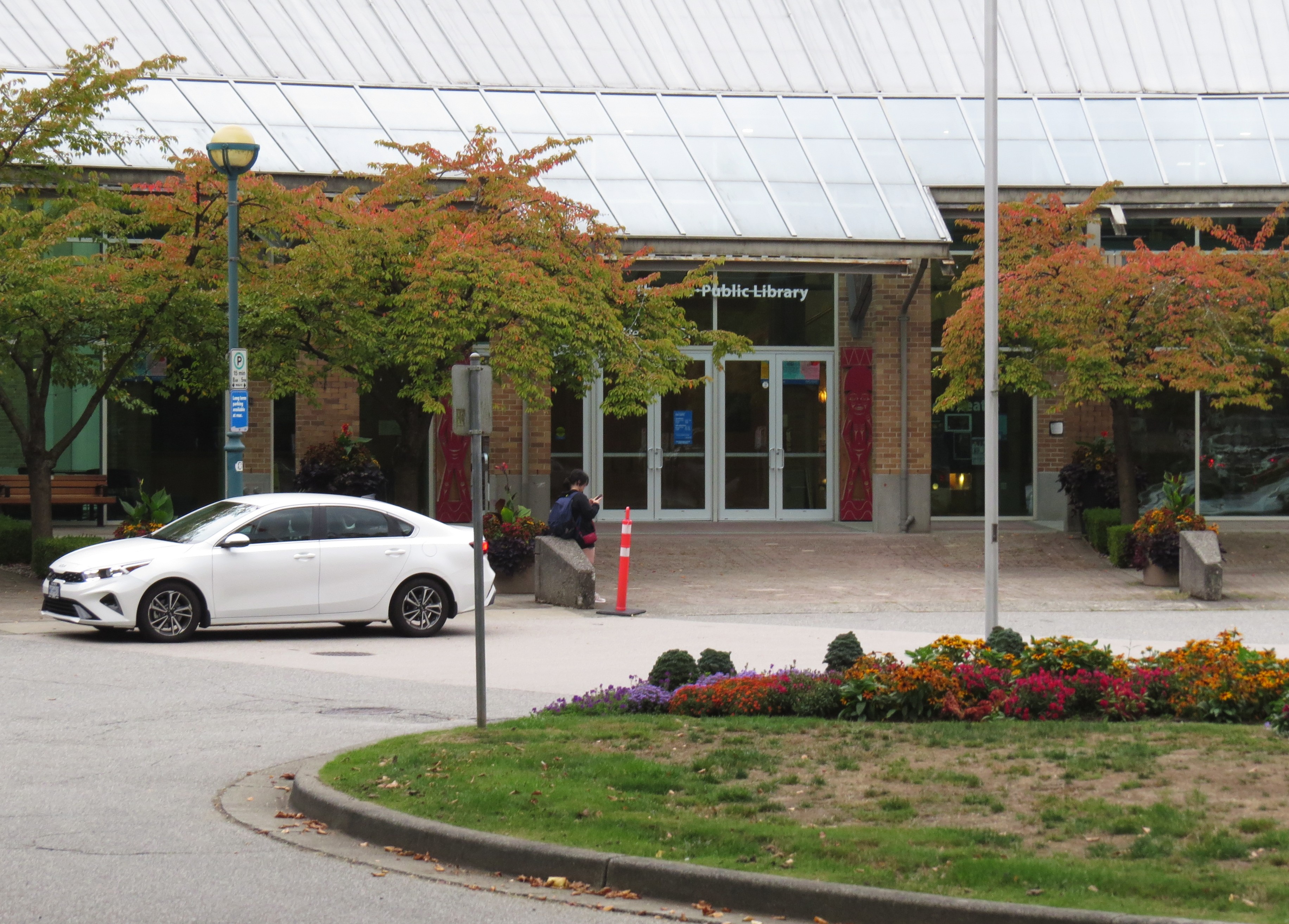
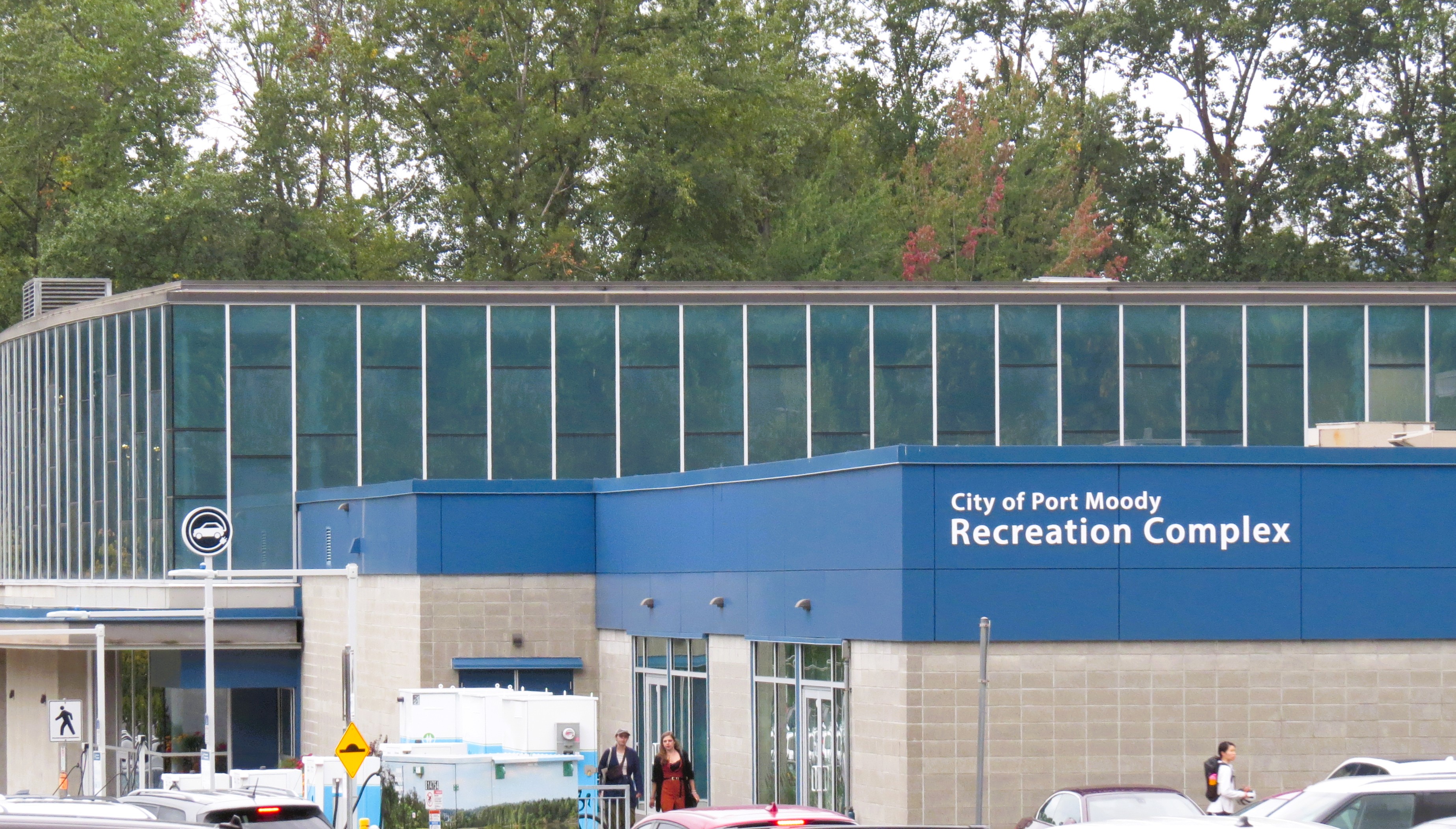
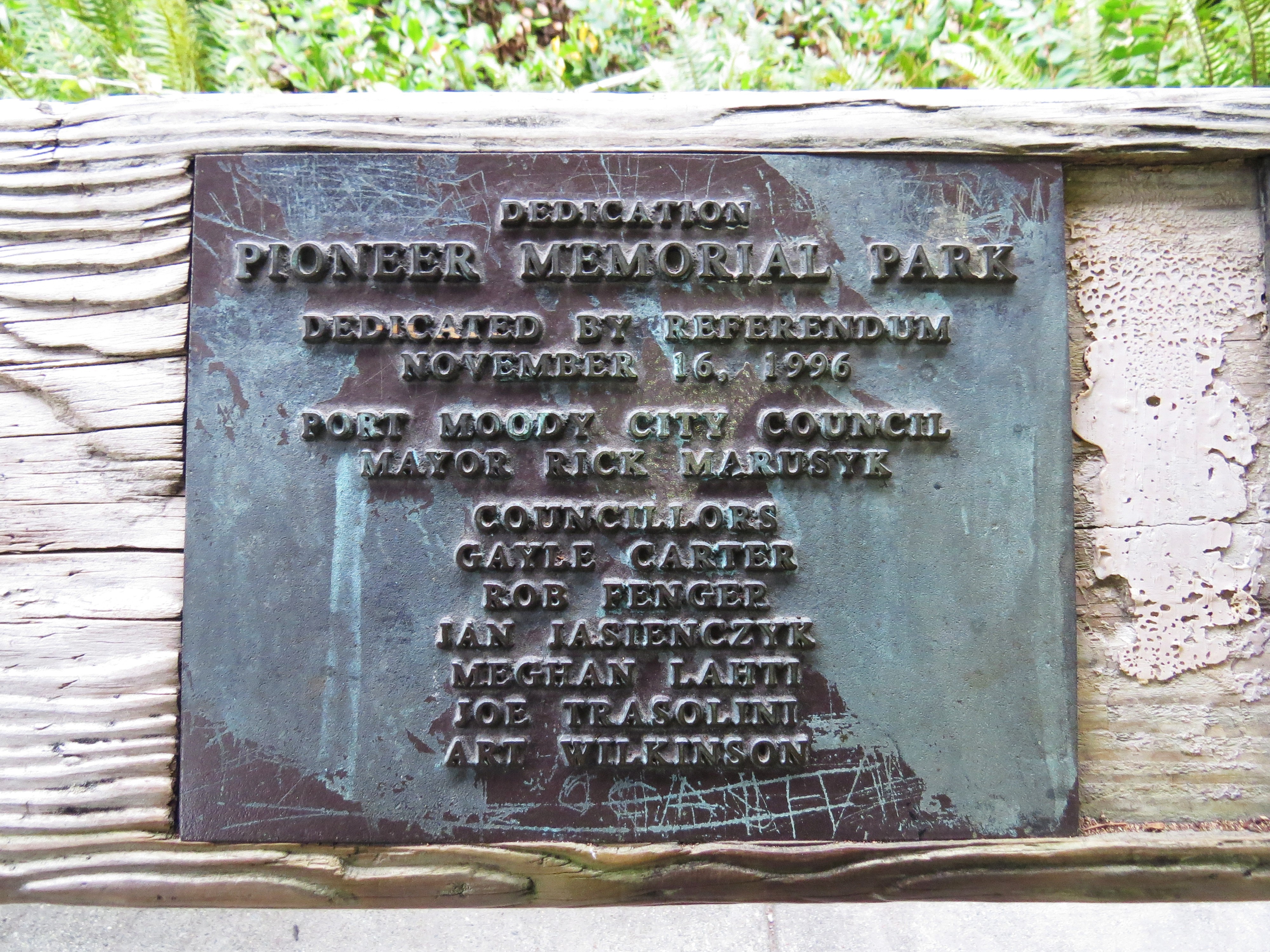
Kilka dni temu wybrałem się nową trasą Skytrain[i] do Port Moody. Ostatnie chyba miasto w granicach metropolii vankuwerskiej, które koniecznie chciałem odwiedzić. Było to zawsze miejsce urocze, do którego bardzo chętnie jeździłem jeszcze w latach 90., gdy mieszkałem bardzo blisko, w North Burnaby. Wtedy to było nie więcej niż 10 minut jazdy samochodem, do końca fiordu Burrard, gdzie to miasteczko się zaczynało. Z Johnem, z Mamą – bardzo tam spacery lubiliśmy. W latach późniejszych już tego wieku jeździłem tam też często z Surrey. Robiliśmy tam wystawy obrazów polskich malarzy w uroczej galerii przy Bibliotece Miejskiej, koło Parku Pionierów. Potem tuż obok, do budynku dla osób starszych, gdzie lat później przeprowadziło się kilkoro znajomych i przyjaciół: historyk sztuki profesor Anna Gradowska, kompozytor Ryszard Wrzaskała, aktor Jerzy Kopczewski ‘Bułeczka’. Dziś nie ma wśród nas ani jednej z tych osób.  Ale chciałem miejsca moich spotkań z nimi i rozmów odwiedzić, poszeptać z cieniami.

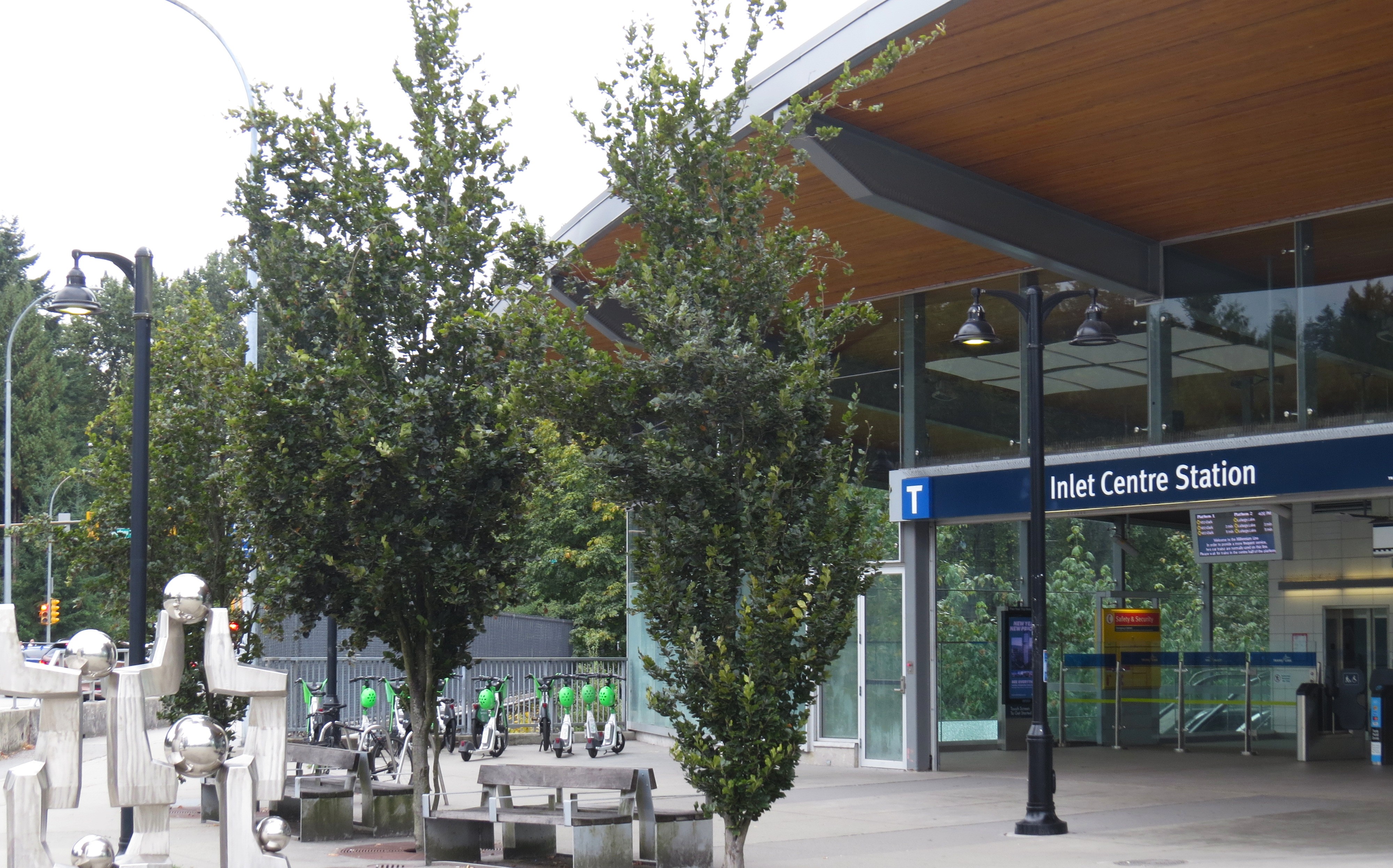
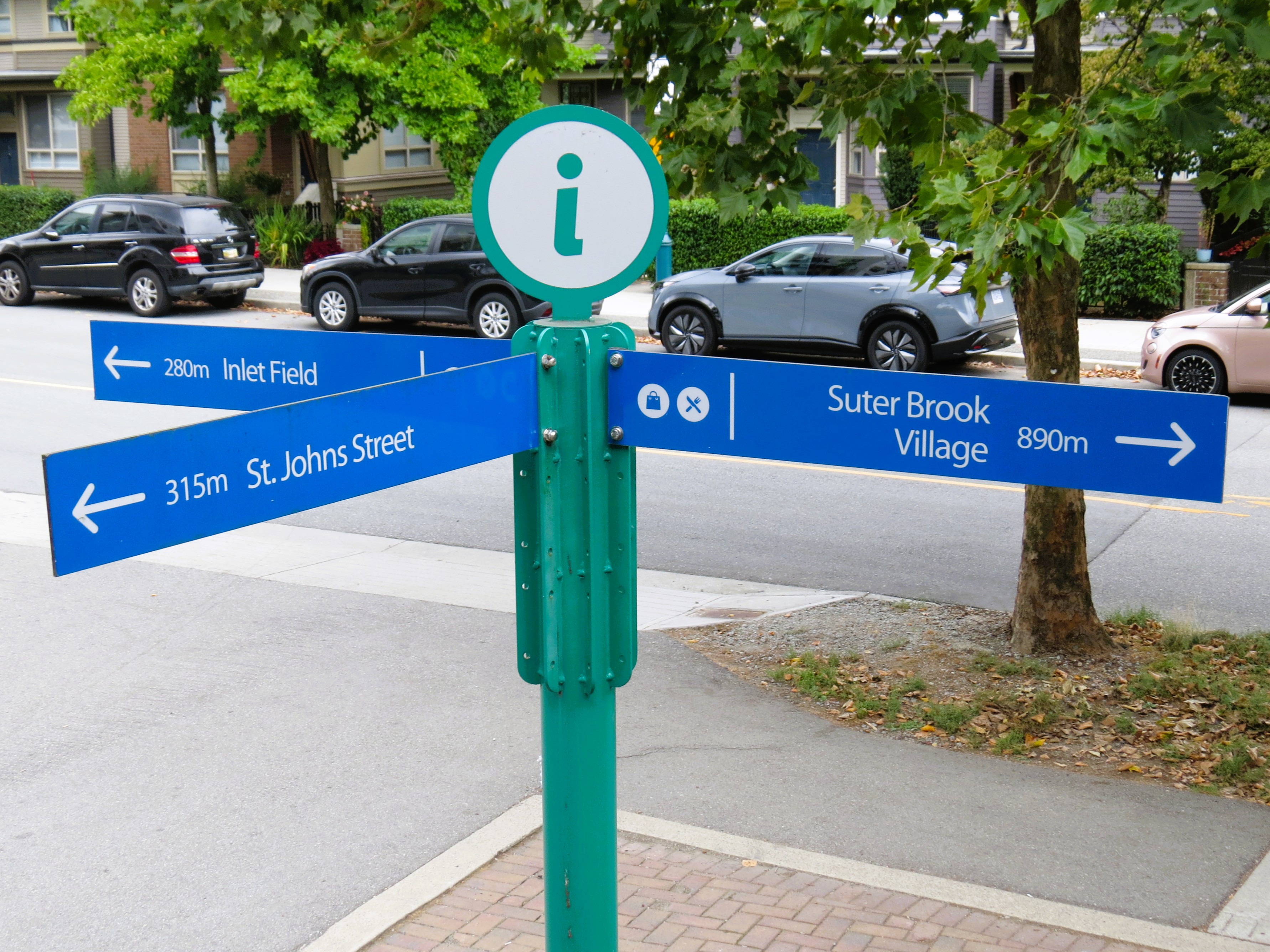
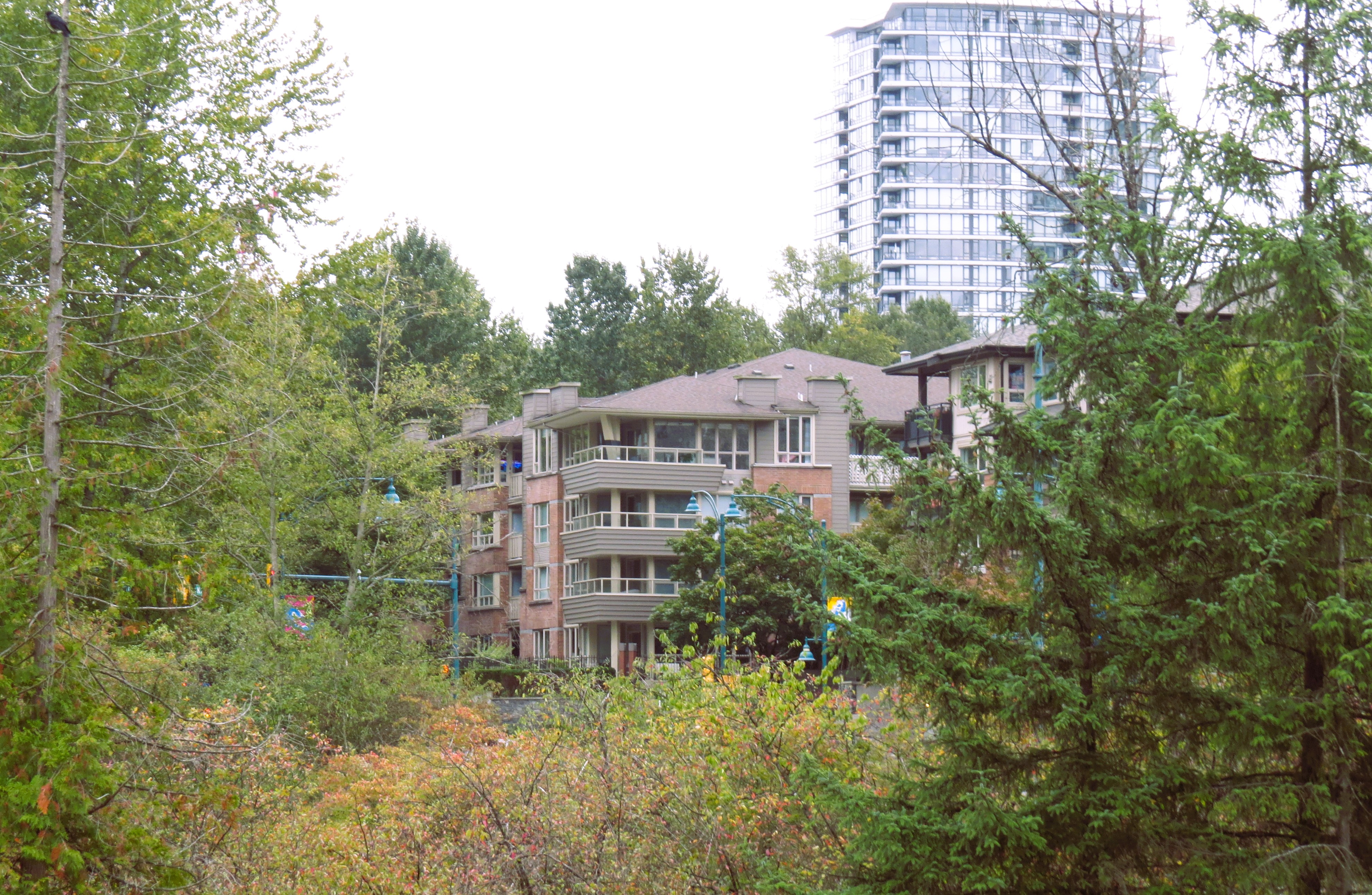
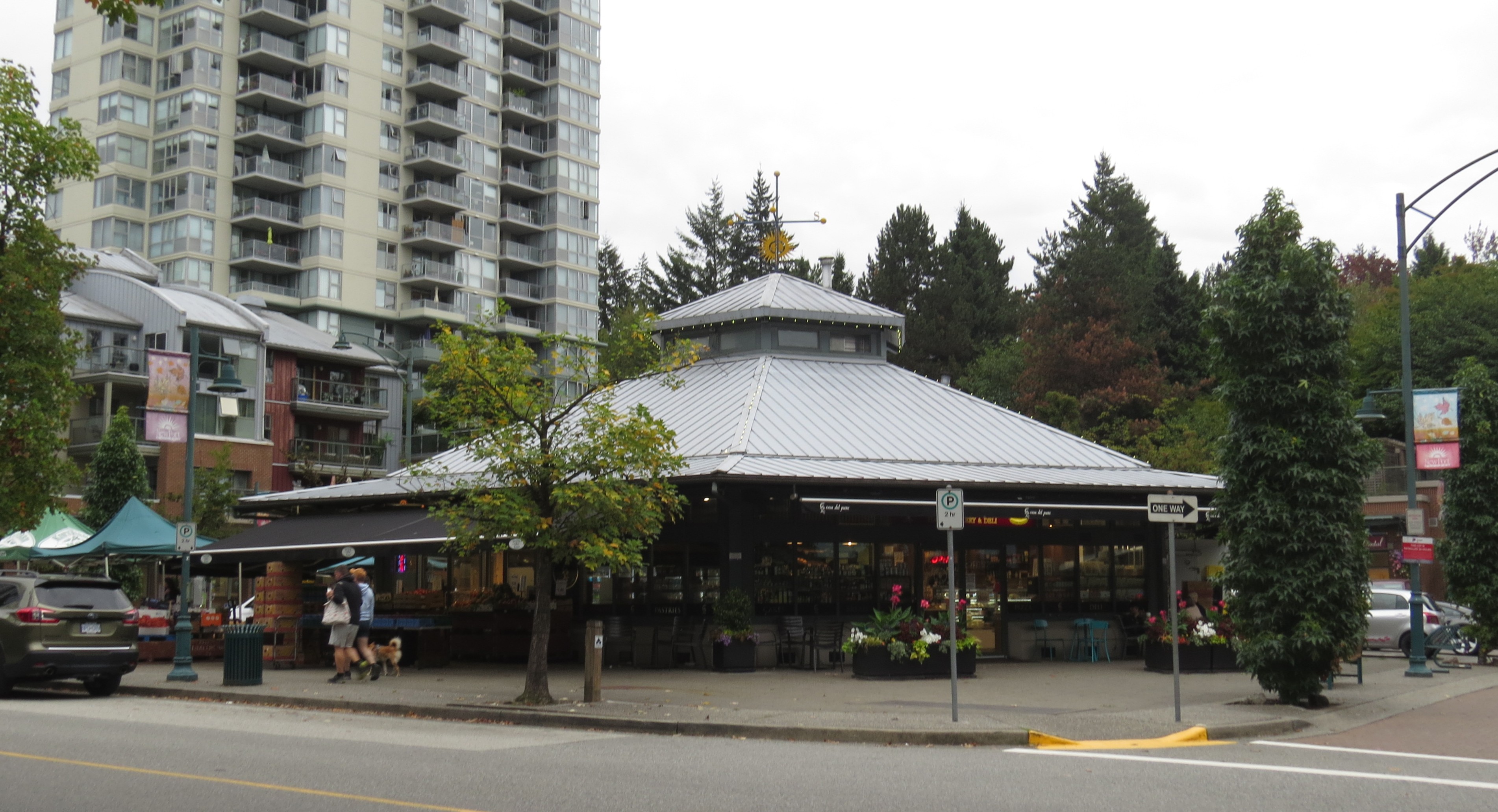
Dziś z uroczego miasteczka wyrosło duże miasto. Wysiadłem na stacji ‘Inlet’ zakładając, że z niej do inletu (fiordu) będzie najbliżej. Naturalnie, że byłem w błędzie i blisko nie było. Wszystko zabudowane nowymi ulicami, setkami wysokich domów – czułem się jak w dżungli, której nie znałem. Jako, że wiek XXI to mogłem wszak używając nieco mapki na telefonie w końcu dotrzeć do tych miejsc znajomych, gdzie resztki ‘tamtego’ Port Moody znalazłem.

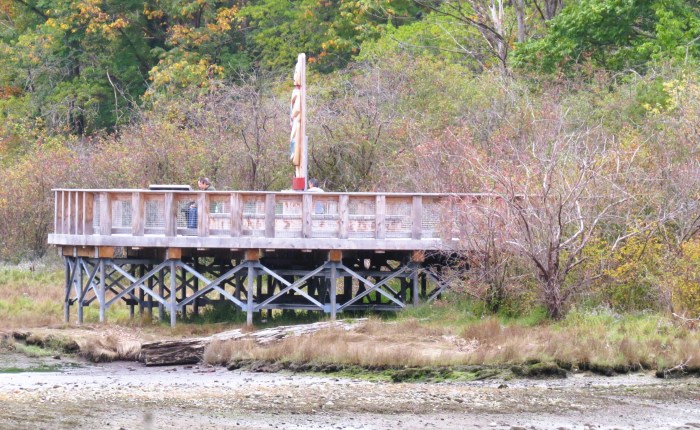
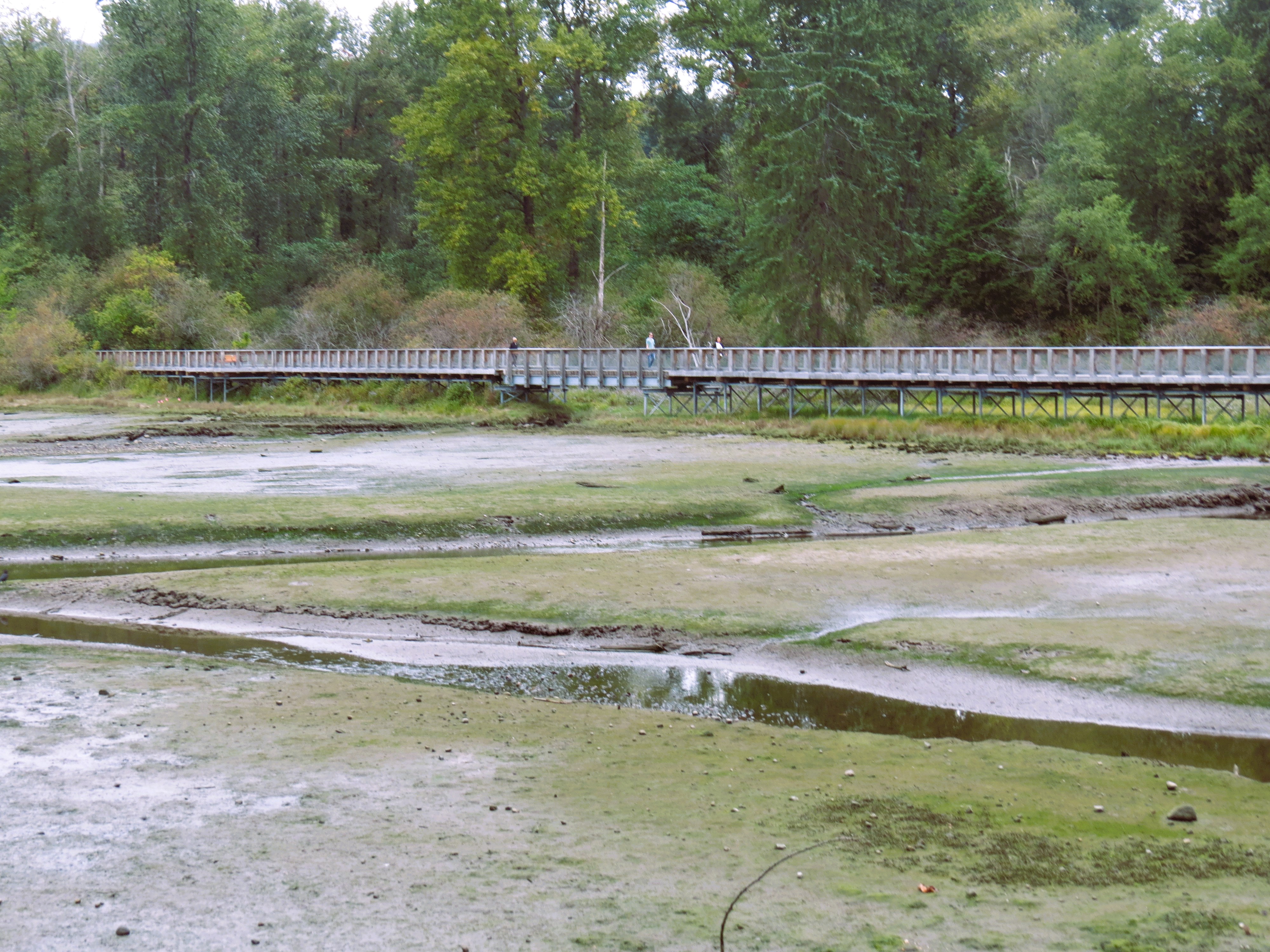
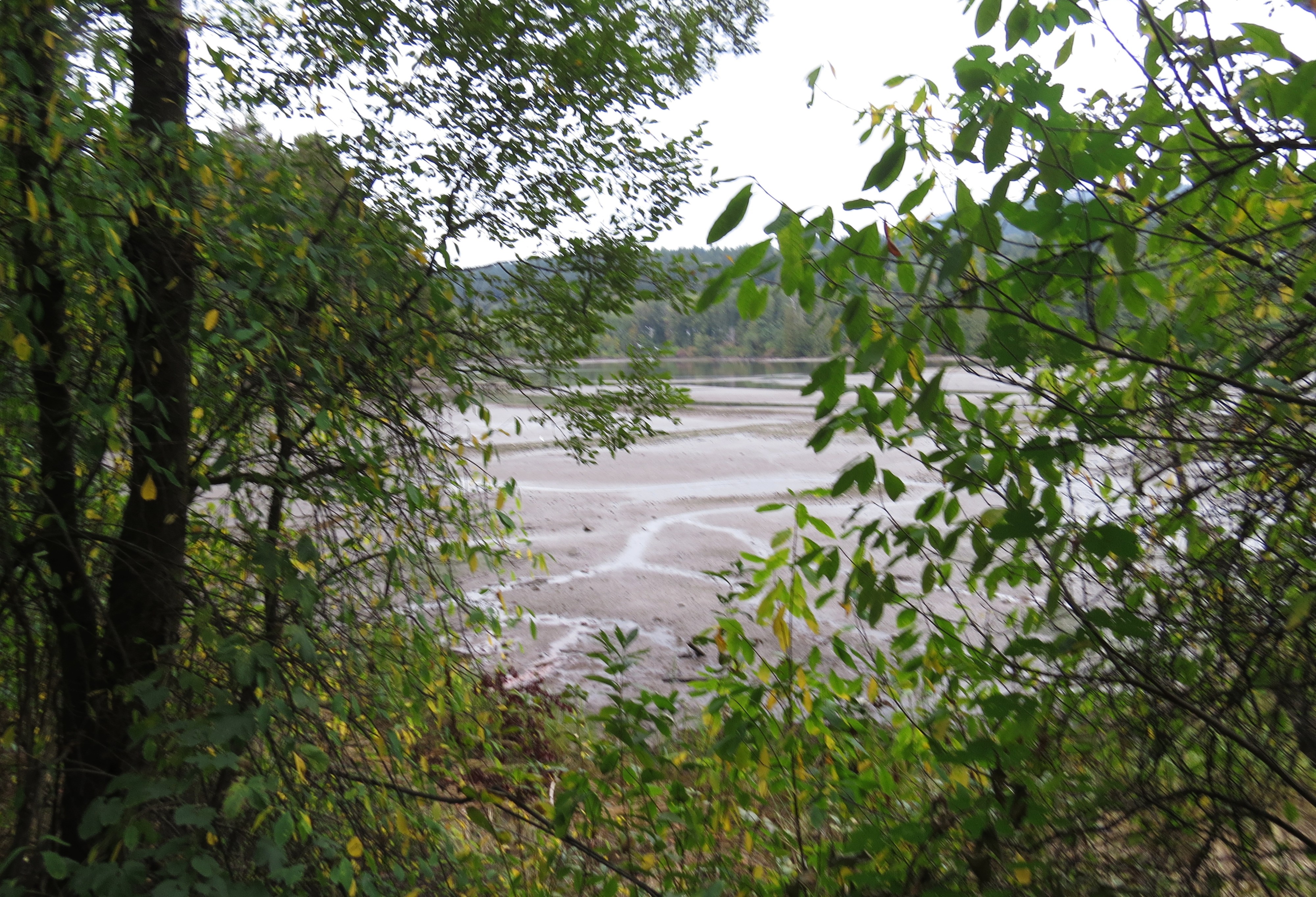
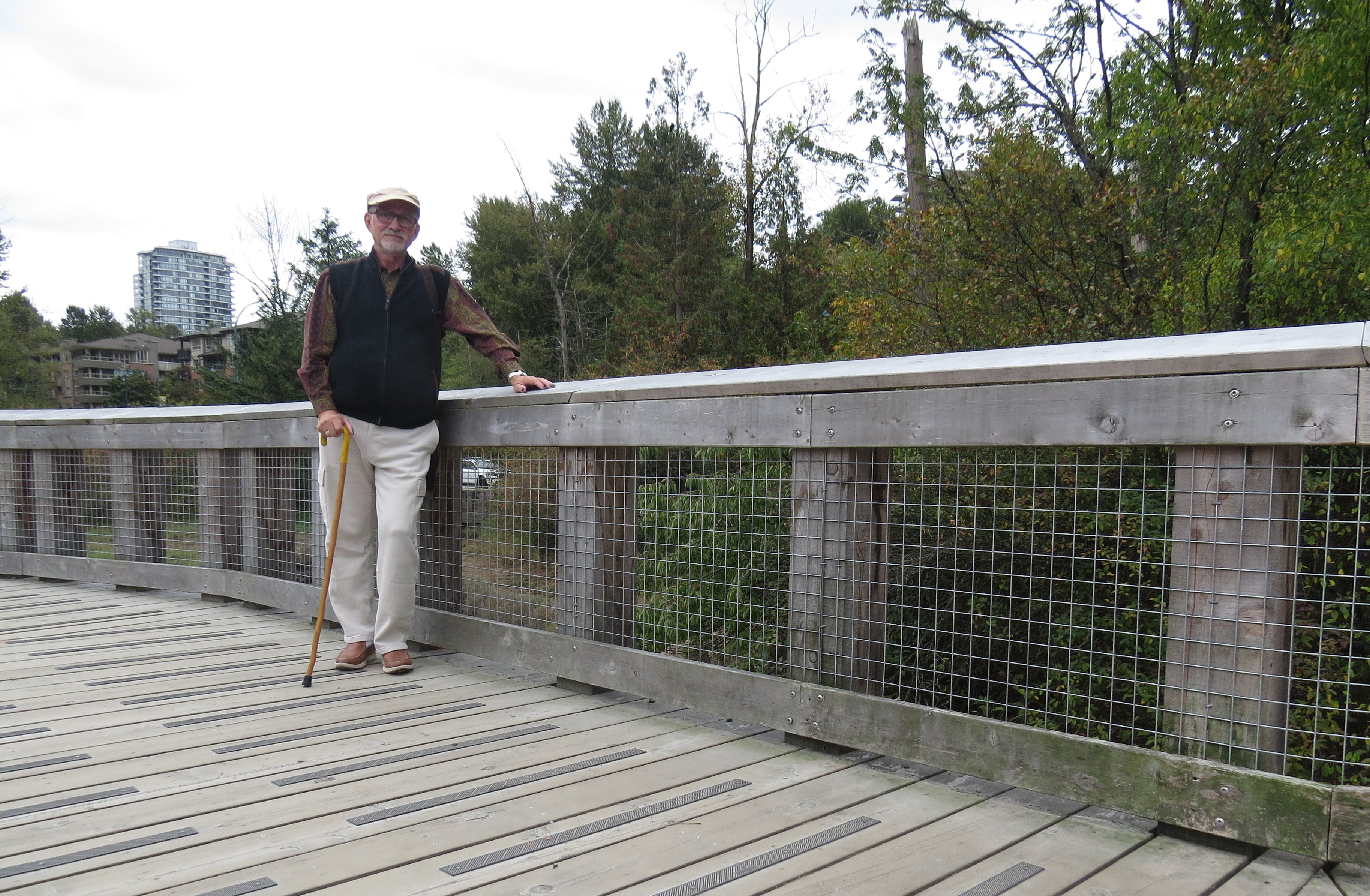
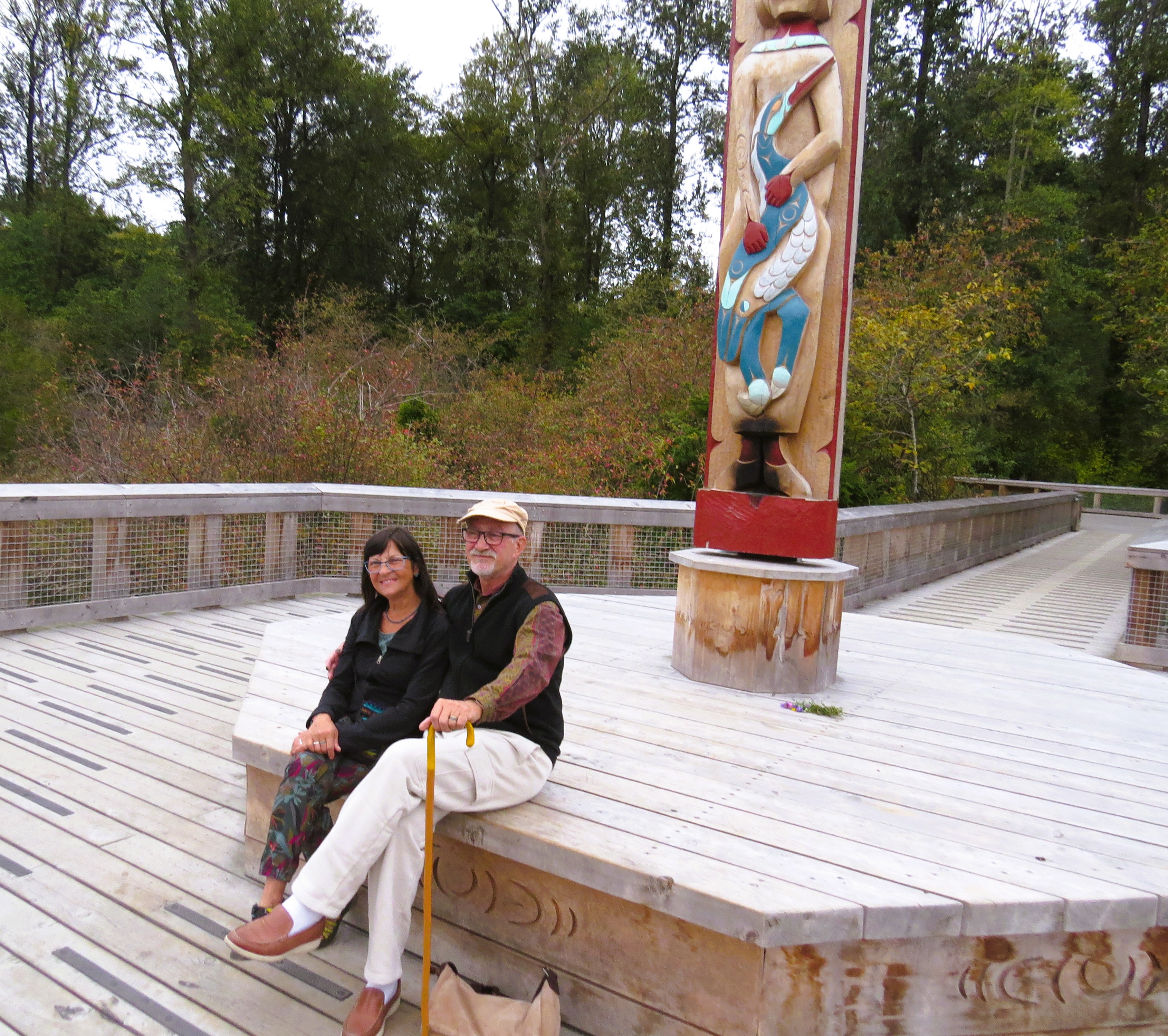
Cała nowa i bardzo długa trasa brzegami inletu z mostkami, drewnianymi poręczami była przeurocza i warta spaceru. Miło było też znajome kąty jednak odnaleźć, na dobrą kawę w końcu zajść, a choć po ‘mojej’ kawiarence już śladu nie zostało, ani po restauracji greckiej z pianinem, gdzie Rysio Wrzaskała dał grupie przyjaciół ostatni koncert publiczny. Pamiętałem też, że po tym publicznym koncercie, w wąskim gronie odprowadziliśmy go do jego apartamentu, gdzie nam dalej grał na pianinie. To był człowiek-muzyka i generalnie estradziaż par excellence. Pomyślałem, że byłem wówczas w ciekawym okresie ‘polskiego Vancouveru’ – grupy fantastyczne, szalenie interesujący ludzie, pasje do sztuki, do dyskusji, do twórczości. Poglądy wielu z nas miało diametralnie inne  – ale właśnie pasja do kultury i sztuki nas łączyła ponad polityką i własną filozofią egzystencji. Nie odnalazłem w tym obecnym ‘polskim’ Vancouverze już tej atmosfery odkąd tu wróciłem dwa lata temu. Choć pewnie gdzieś coś się jeszcze dzieje… .

Mimo to … a właśnie! Mimo to, ad hoc telefonicznie zorganizowane spotkanie z serdeczną przyjaciółka z tamtych bardzo już odległych lat Jolą Drożdżeńską, z którą łączyła mnie bliska znajomość już chyba ze 30 lat, a która w Port Moody mieszka, była fantastycznym i radosnym spotkaniem. W zasadzie od pierwszych słów rozmowa się tak toczyła, jakbyśmy ją wczoraj ledwie przerwali. Sprawiło mi to wielką radość. Więc dzięki i temu też spotkaniu, na końcu tej wycieczki poczułem się, jak w dawnym miłym i swojskim Port Moody.

I pewnie jeszce tam przed ostatecznym rozstaniem pojadę, bo to autentycznie urocze miaseczko. Ostatecznie mogę udawać, że tego nowego nie widzę.


[i] Evergreen Extension of Millenium Line

Dawn of Generation and Change of Guards

Bogumil Pacak-Gamalski

September marks a time of somber thoughts, reflections. I am a Pole, Canadian Pole, European Pole – but Pole to the core, through and through. September is not only about approaching fall, of yellow and brown leaves, flowers fading and days getting shorter every evening.

For a Pole of my generation September is reminiscence of great and terrible world war, the one with number ‘2’ attached to it. Always, for as long as I remember: the national martyrology, almost a quasi religion: dark, mournful, full of pain. Yet, it is a true heavy feeling, not something you do because it is polite or out of obligation. No, it is not faked and it is not just laying wreaths at the bottom of some cenotaphs. It is happening at homes and inside the deep crevices of your soul.

The war was still inside us, our parents and grandparent lived through. It is true that there were also official circuses and commemorations to impress someone, to score some political points. Nonetheless, even these theatrical motions were performed by these people, who after returning home still had to go themself through these somber and sad moments. No one could escape it. After all, they were not remembering some magnificent Middle Age battle or campaign. No, the Second World War was a private Loss for everyone. It was such a total war, it touched all who lived through it and it touched their children. When I was a child – it touched me, touched my sisters, my cousins, all my friends. Us, young people, who were not even alive during the years 1939-45. We were all born mostly in years 1947-65, the majority of us during the 1950’s.

For generations of my grandparents it was particularly tragic and painful memory. They lived through the Bolshevik revolution of 1917, through the rebirth of Polish state in 1918, the victorious Polish-Soviet war of 1920. Now they are all gone, the last one was my grandma Wanda, who died in 1972.

But the truth is that for my generation all these previous wars were an ancient wars. Yes, exciting (particularly the battles for independence and the heroic Warsaw Battle against the Bolsheviks, which save Western Europe from communist oblivion) but at the end it was an ancient history, like the Greeks battle of Troy.

  Yet, that war, the last world war – was still alive everywhere; in my childhood not all cities and towns were fully rebuilt. Finding partial ruins or bombed house was not difficult, the same as partially rusted shells in forests, on shallow shores of rivers, streams. Nor was surprising finding every day fresh flowers on some streets, where Nazis did some executions by firing squad or public hanging. These flowers were a daily routine. They marked places were their friends, their lovers, sons or daughters perished. For our parents, and grandparents these people were their friends, lovers, husbands, wives and children.

By the time I was fifteen I used to go on my own need almost once a week to lay a flower (sometime stolen from a city flowers box – sorry, did not have always in my pocket an extra five or ten zlotych[i]) on an exact street corner in front of an enormous building of National Opera, where a young Warsaw poet was shot in 1944 – Krzysztof Kamil Baczynski[ii]. He was shot almost fifteen years before I was born. Yet for me, he was my slightly older friend, very dear and close. Now – I am old but still think of him as my friend. More, I think that I actually loved him as person. Is it possible to be in love with someone, whom you never met and who died years before you were born? I think – yes, it is.  After all I am still in love with Alexander of Macedonia, and that boy-king died not centuries but millennia ago!  

Back to the subject though, the subject of changing guard, of generational exchange. We are on the last leg of a run through life. Mind you, it is not yet the proverbial ‘one leg in the grave’. We are still running. No, it is not an Olympic sprint anymore. Some might still have a desire to dance and to fall in love with another person if they are single, some are still working – but almost all are in a official retired age, but we are also the next echelon of humanity that starts to leave the train of life on a regular pace. It is normal course, nothing tragic, part of the journey. The cycle of generations continues.

Of course there must be a caveat: It is true that there are still very few among us, who remember the war as seen through their eyes, but those were eyes of very young children. They are now in their late nineties or over a hundred years old. My oldest cousin was born still in Vilno (now capital of Lithuania, then a large Polish city) in 1944. But he is gone now, too. It is next to impossible that he could have remembered anything of the actual war and he never pretended that he did.

The reality and the fact is that for practical reasons people, who lived during that war are gone. Now it is us, the next echelon of humanity that’s starting to leave the train of life on a rather regular pace.  It is normal cycle of the generations.  In a few years, maybe a decade, we will cease to be intellectually and emotionally the engine of the society. Matter of fact we are no longer the main engine, just the extra smaller ‘enginette’. When we will stop being that canister of our memories of post-war reality a silent social revolution will take place, silent, yet very powerful change will occur.

We are the last ones, who were personally affected by the war. A war with silent battlefields, and silenced guns – a war, which long shadows still lingered on our streets; in our neighborhoods, in our homes and during family gatherings.  

The next generation – our children, nephews and nieces are free from the shackles and chains of that trauma. There are even free for most part from the memory of the abnormal reality of about forty years of living in the grey and absurdly tragicomical reality of PPR – Polish People Republic, a quasi-sovereign state in the years 1945-199o. Mind you – that quasi independent state was the only Poland I knew, were I was born, went to school, had my first romances. At the same time it must be stressed that this Polish state was sort of abnormality among all other Soviet satellites. There were even officially sanctioned other political parties that were not ideologically communist (unheard of in other Soviet satellites), there was a powerful Catholic Church, which resisted and maintained its independence with very powerful Church hierarchy, to a shock of the very first non-Italian pope in hundreds of years who was … a Polish cardinal – Karol Wojtyla, better known later as John Paul II. Stalin must have turned in his grave, LOL. Polish universities were of high scientific standards and a place of vigorous political and ideological debates – if not during formal classes then certainly on the corridors and courtyards. It comes to no surprise that the amazing first free trade union called ‘Solidarity’ was born in that ‘communist’ country. I had a small part in it being this union organizer in Warsaw. Even more important is that we, Poles, spoke freely at homes and on the streets. With caution – but freely. It was our daily rejection of the absurdity and abnormality of the Soviet system. In some strange way I could say that to a certain degree my generation of that Poland was perhaps freer than young people on the other side of the Iron Curtain. Not in laws and privileges given to us, but in cherishing and clinging to our internal freedom.

We also believed in certain civic decency. At that time a young intelligent Pole could not and would not call himself/herself a fascist.  That was a Rubicon we would never cross[iii], regardless whether you were even an ultra right in your political views. In our eyes fascism was synonymous with Hitlerism. That was as plain as the difference between night and day.

The II world war changed that word, that rightwing ideological view forever. It wasn’t, as in the pre-war times anymore that fascist view was tolerated. Before the last war fascism was interchangeable with ultra nationalism, with hurray type of patriotism. That changed after the experience with that total war. Just Italian Il Duce[iv], Spanish Franco or Portugal Salazar could not have achieved what Hitler achieved with that movement. He himself made it synonymous with crimes unspeakable, horror indescribably. It was an abandonment of humanity beyond any scale.

Fascism was the gate to the Factory of Death of Humanity. A Gate that had its name: Arbeit macht Frei.  Auschwitz, Buchenwald, Dachau. All of these names, places have one denominator: fascism.

That what my generation knew, understood. It came as the biblical Commandment you shall not kill, that we knew instinctively, that those who do kill are fascists, as simple as that.

An individual thief, a murderer, rapist – that is not the same. Those are individual crimes against society, crimes that could be judged, adjudicated and punished. Aberrations that, by proper education, could be avoided or corrected, minimized. 

Fascism was a symbol of Gates to Hell, to Hades.

                What I wrote above comes from one’s plea, one’s need to exalt in the reader of the next, younger generation this simple truth of History: fascism must be stopped, must be ostracized, must be condemn eternally. We, my generation and the generation of my parents knew that by heart, by true experience of what it is if it will ever get a free ride in public life, in public discussions. Yes, it could be discussed and taught in schools, universities as a painful lesson of history – a very tragic lesson. But it has to be stopped of having a right to be part of any public political platform of dangerous propaganda.

There are all these fascist or semi-fascist parties, movements, fascinations all over in Europe now: in France, even in one Land in Germany (sic!), to my horror in my dear Poland – has all the world gone crazy?

Wake up my dear Citizen, wake up and stop this aberration, this sickness that will devour your heart and mind. Don’t’ listen to these lies about patriotism that these people constantly spew from their mouths. The love of one’s country also means the love of all citizens of your country. But they profess only love of these citizens, who represent their sick minds. Only the whites, preferably the tall, only those born in very particular geographic location. So on and so on, to the exclusion of everyone else. But we all came from one and the same seed: the short ones and the tall, the white and the black, the blond and the brunette (and the red-hired too, of course), them of whatever sexual orientation, left-handed and right-handed, poor or rich, weak or strong, the Jew and the Gentile, the Muslim and the Christian (and Buddhist, of course) and don’t forget the ever more numerous non-believer.

Once you start making distinctions, selections, you are giving a moral right for others to judge you, to deselect you – to cast you aside. For what reason, you may ask?  Yes, I will answer that question. Remember – when I was mentioning that horrible place, the apogee of fascist thought: Auschwitz? When a train arrived to that Hell on Earth carrying hundreds, maybe thousands new prisoners there was a man there awaiting them. He was a medical doctor called The Angel of Death or simply Josef Mengele. He examined the prisoners and with one flick of his hand he decided, who will be killed instantly and who will live for a while. Thousands upon thousands of people went through that decision. Every time you start making these distinctions among other human beings – you start growing inside you a new Doctor Mengele – the Angel of Death. That is exactly what being fascist means.  

post scriptum

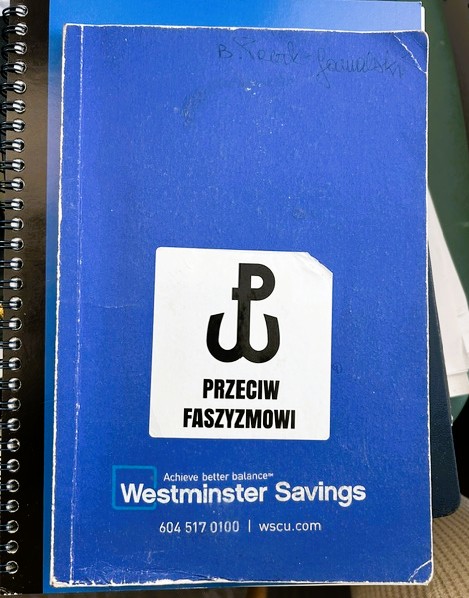
The picture that is attached to the article is somewhat symbolic. It is a simple exercise book, a typical ordinary school book to write in. I used it for some time now to write some of my texts, my poetry. I hardly ever leave home without carrying one of this type of notebooks. Have many of them laying around near my bed, my table. An old habit. That one is with the graphic symbol of Warsaw’s fighters in 1944 during Warsaw Uprising against fascism, the print below the graphic simply says: against fascism.

I started using that notebook around the time of first full term ultraright government in modern Poland in 2015. The first text in that notebook deals with growing dangers of far right politics and ideologies. This text you are reading now is the on the very last pages of that notebook. I think that the cover of the notebook is a fitting symbol of the same subject: protect freedom, protect rights of all. Otherwise a state becomes a gulag, prison.               


[i] ‘zloty’ is a Polish currency

[ii] Krzysztof Kamil Baczyński – Wikipedia

[iii] Crossing the Rubicon – Wikipedia

[iv] the popular title given to Italy’s dictator, Mussolini
Staw Saren (Deer Lake) i Wioska Burnaby

Staw Saren (Deer Lake) i Wioska Burnaby

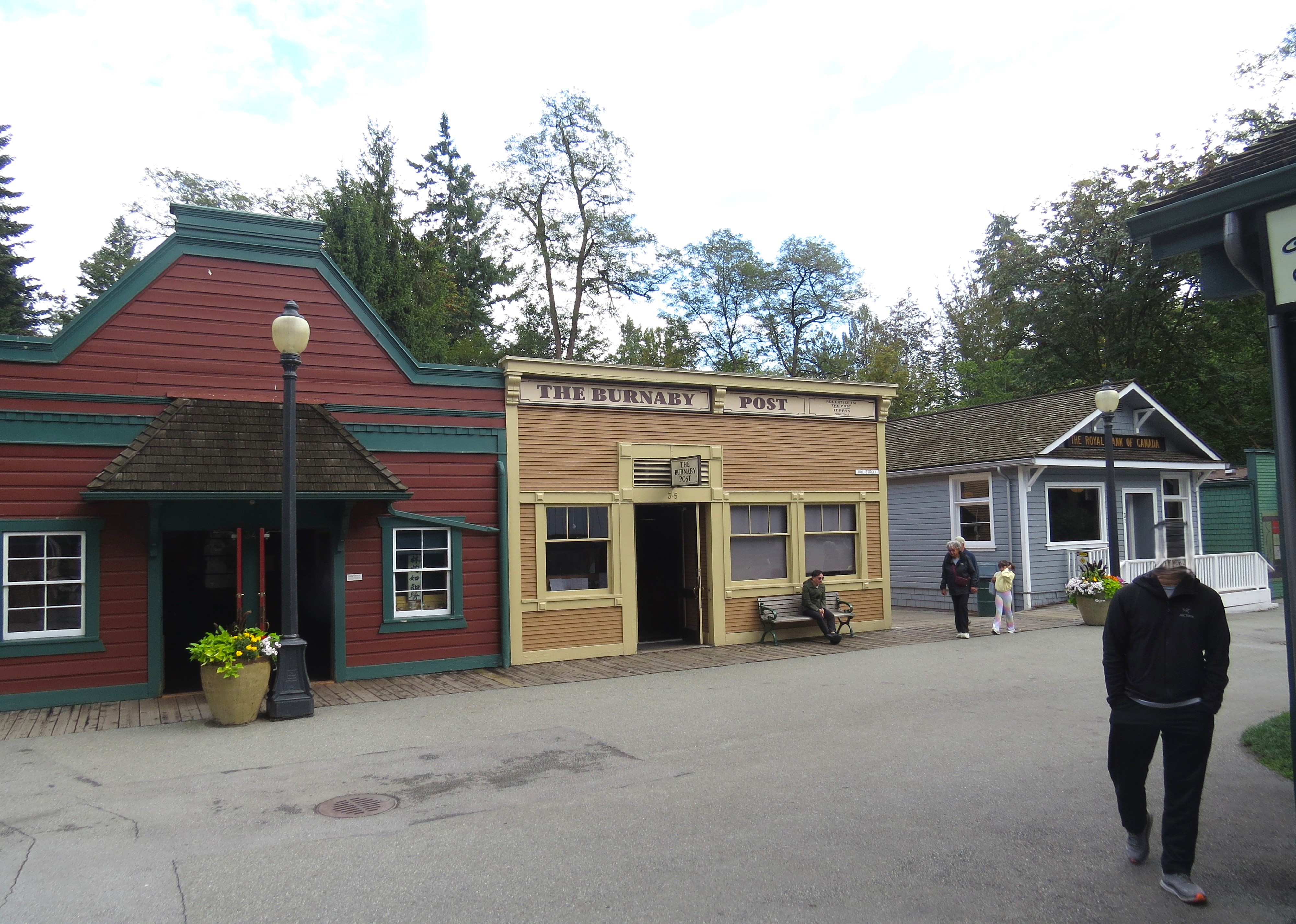
W poprzednim stuleciu, gdy mieszkaliśmy w Burnaby (czyż nie brzmi to tajemniczo, gdy się pisze: w poprzednim stuleciu, gdy byłem tu i tam … LOL) często jeździliśmy na spacery do nieco dalej niż do  jeziora Burnaby – jedno skrzyżowanie dalej było urocze Shadbolt Centre, skansen starej, oryginalnej Wioski Burnaby (pierwsze osadnictwo zbiorowe w Burnaby), a zaraz za tym przecudowne jezioro Deer Lake. Ileż spacerów tam było z Johnem, potem z mamą, gdy sprowadziłem ją z Polski.

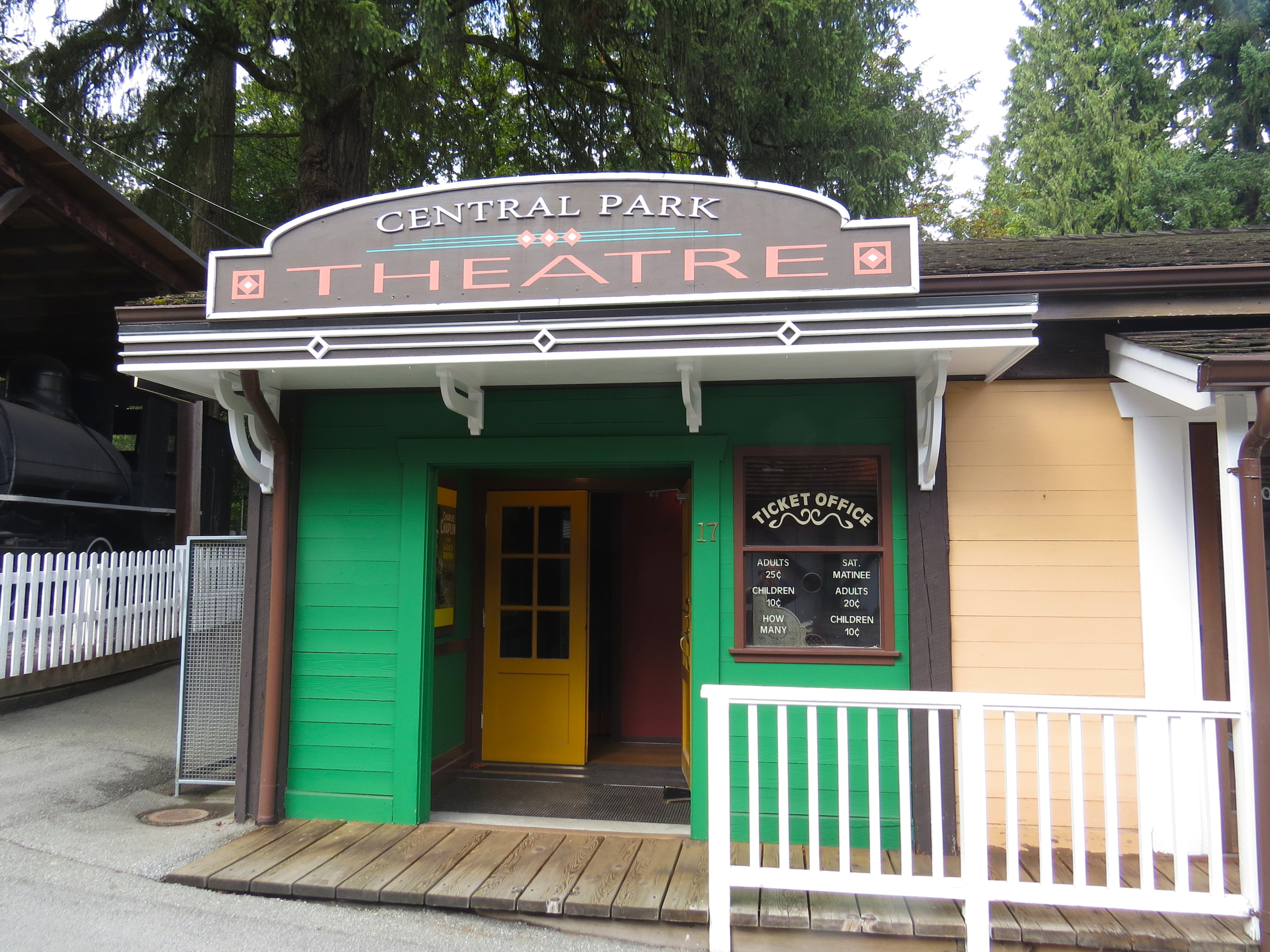
W nieco późniejszych latach, mieszkając już w Guildford w tymże Shadbolt Art Centre[i] organizowaliśmy w ramach klubu artystów „Pegaz” koncerty muzyczne polskich pianistów, wystawy malarskie i rzeźbiarskie, i raz lub dwa wystawialiśmy tu przedstawienia Teatru Polskiego z Surrey, który wówczas założono w Surrey i który był bardzo aktywny i świetnie prowadzony.

Teraz nie potrafiłbym powiedzieć kiedy byłem tam osatni raz. Cieżka i długa choroba mamy ostatnie moje lata w Kolumbii Brytyjskiej bardzo ograniczyła moją aktywność wydawniczą, publicystyczną i zdecydowanie moje długie spacery daleko od domu.
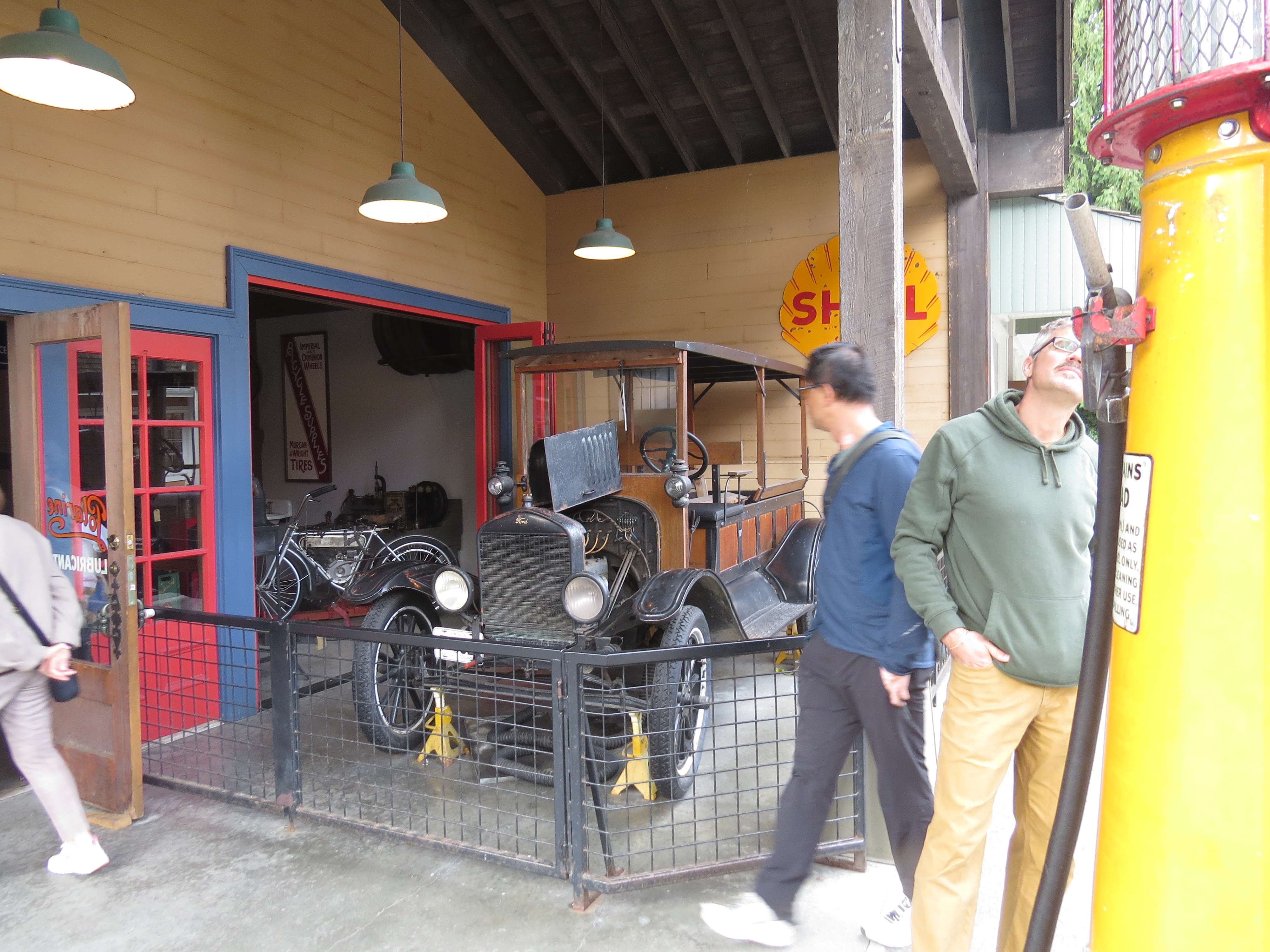
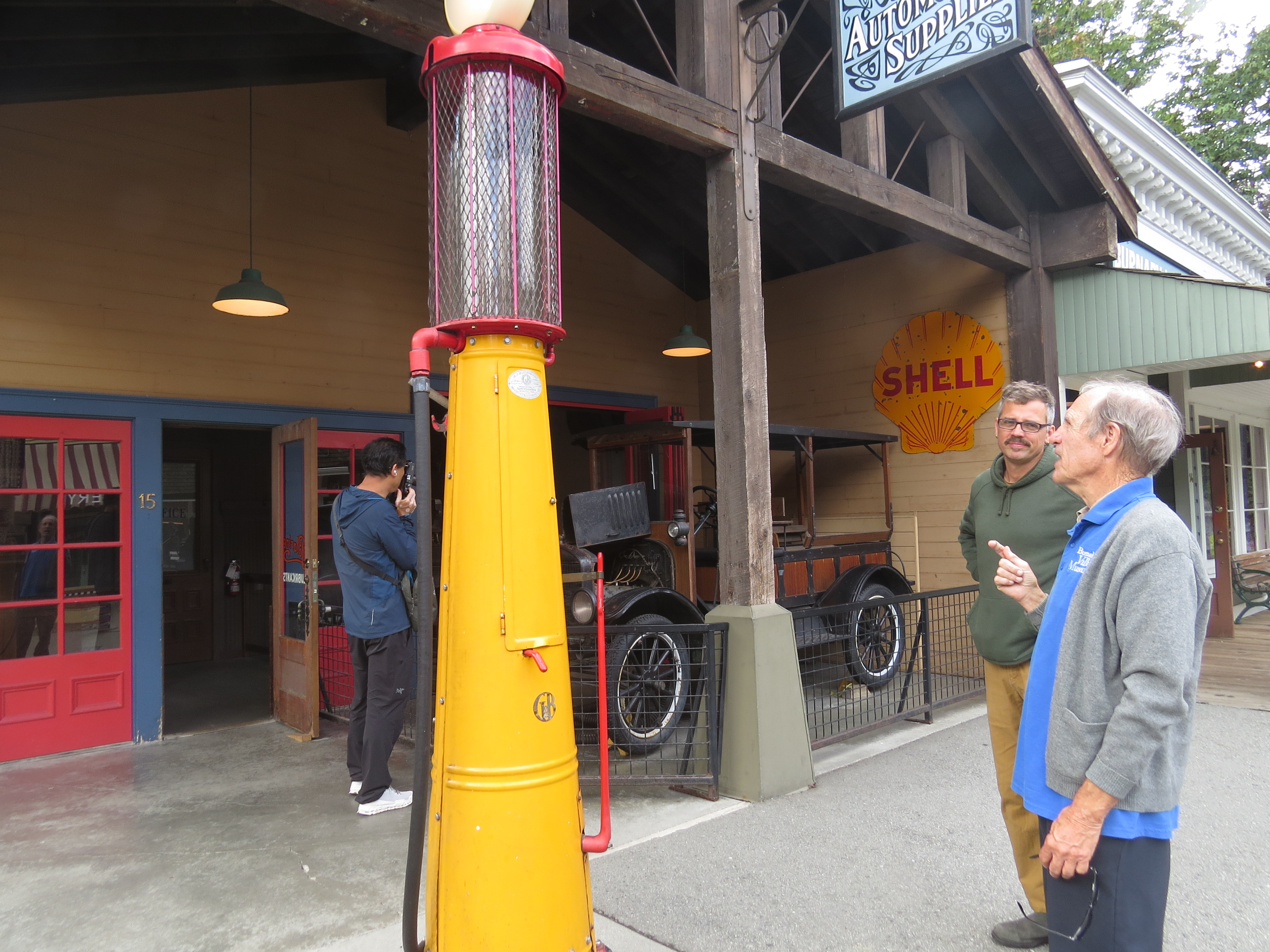
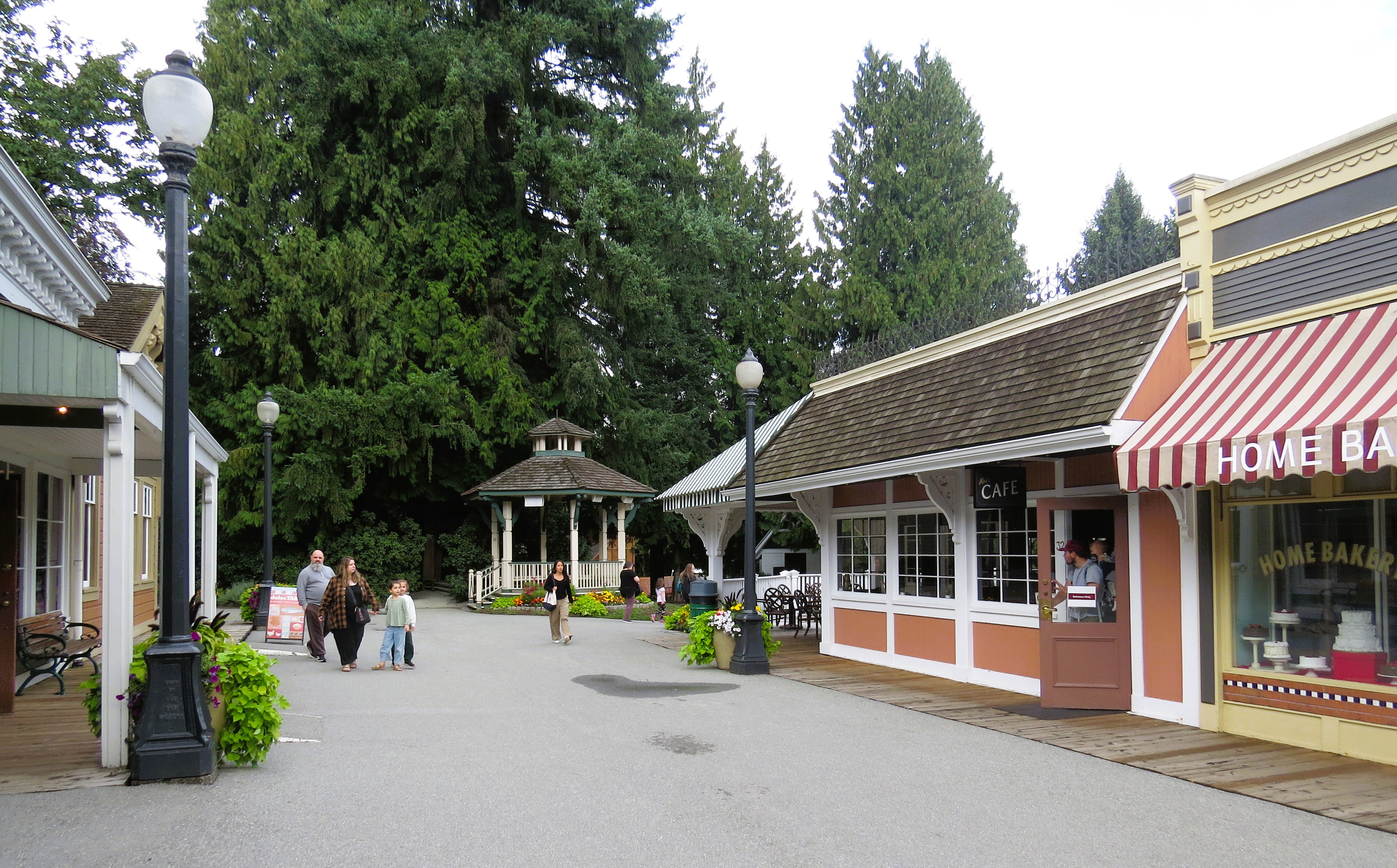
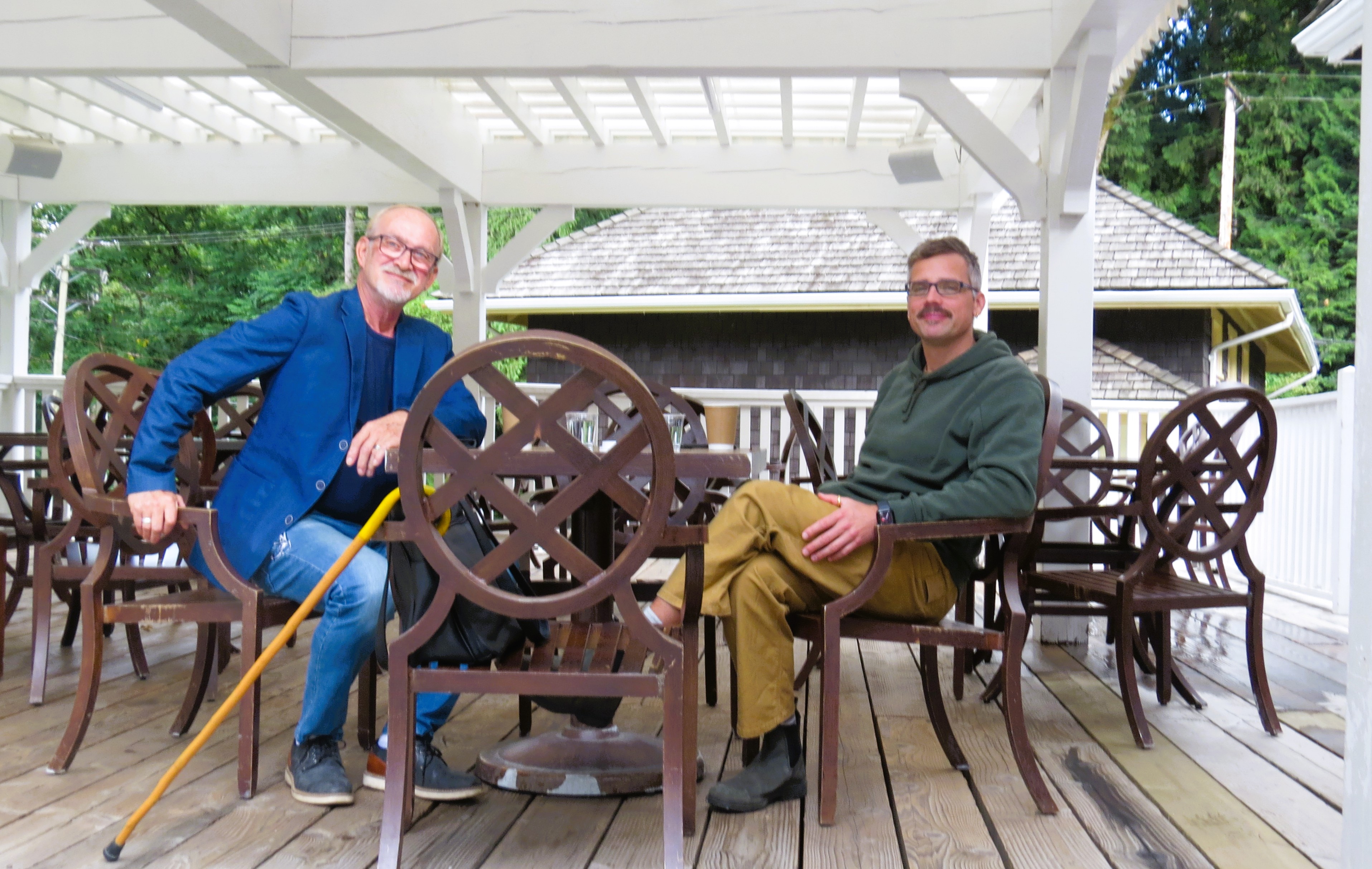
Ale od czasu powrotu do Wielkiego Vancouveru z Nowej Szkocji wielokroć myślałem o pojechaniu na ten spacer. No i dwa dni temu wybraliśmy się z przyjacielem właśnie tam. Starą Wioskę chyba trochę rozbudowano, bardziej dla uciechy i wygody turystów upiększono, wypucowano. Wszędzie spotkać można było stosownie do epoki ubranych przewodników, maszyny stare pracowały. I fajna kawiarenka z kawą i słodyczami, kanapkami.
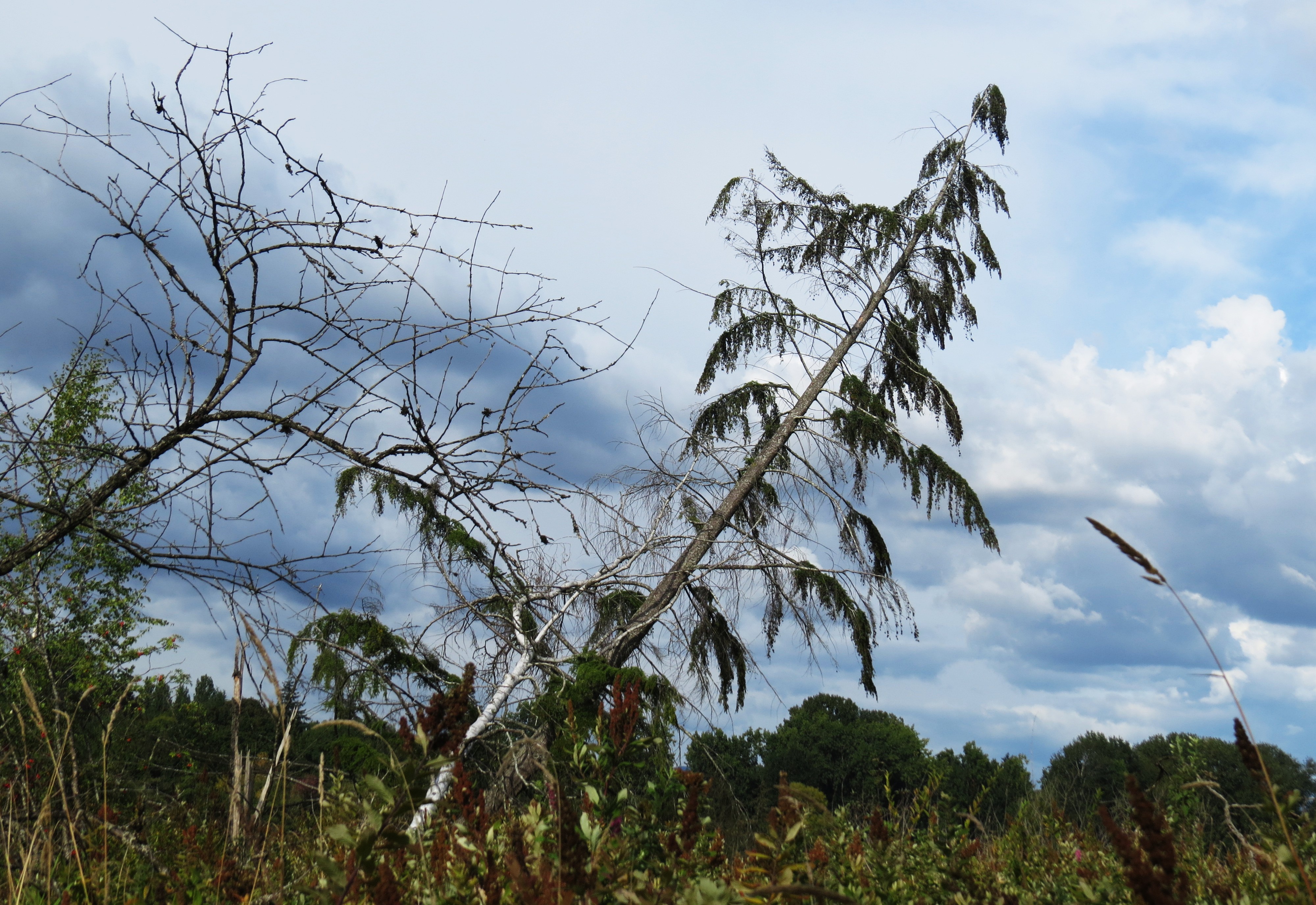
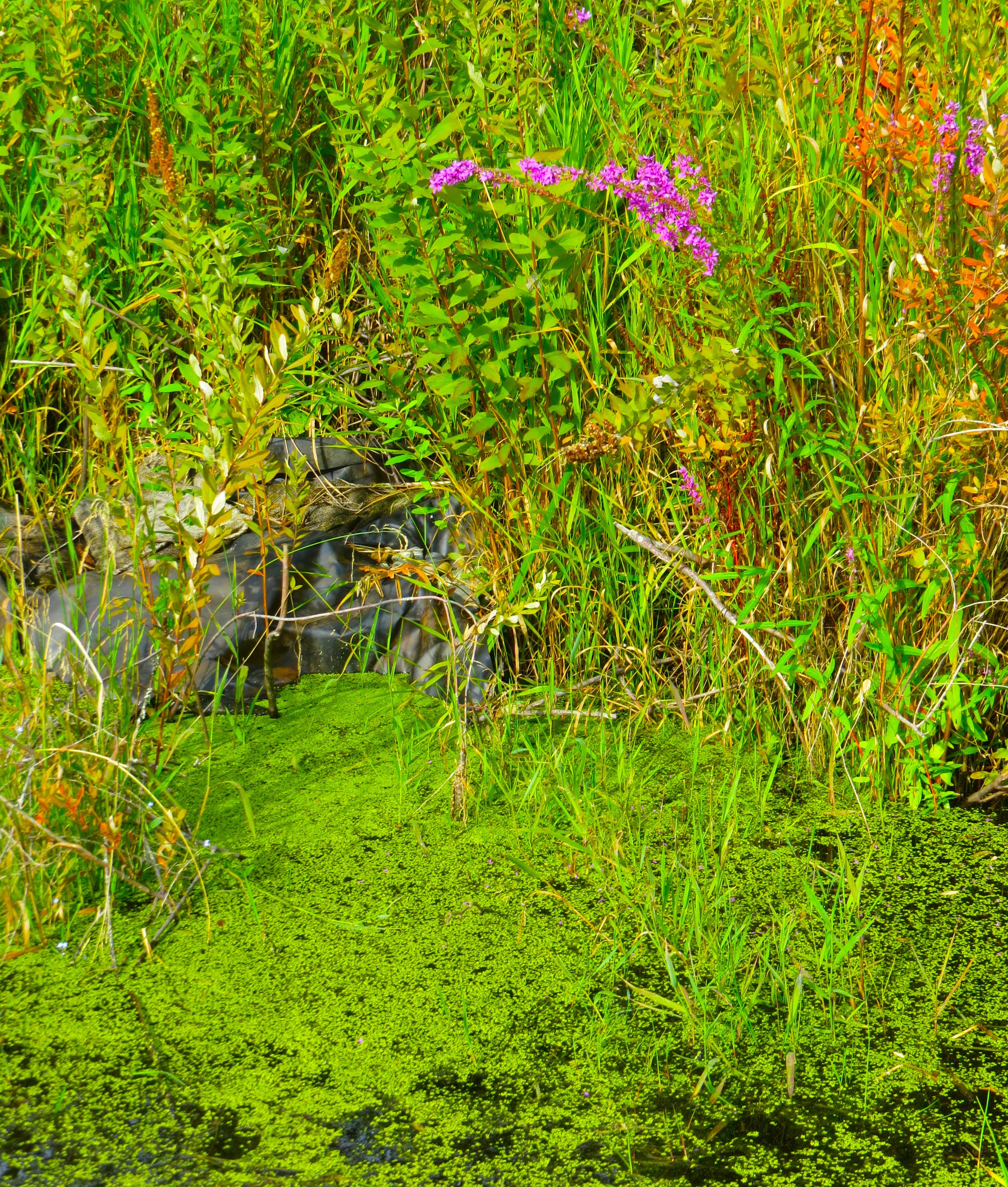
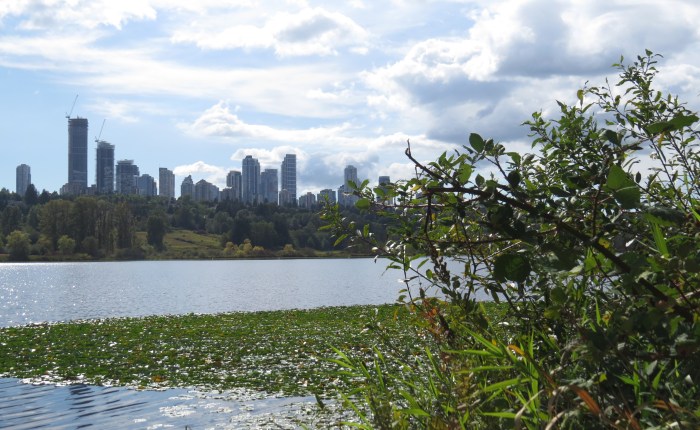
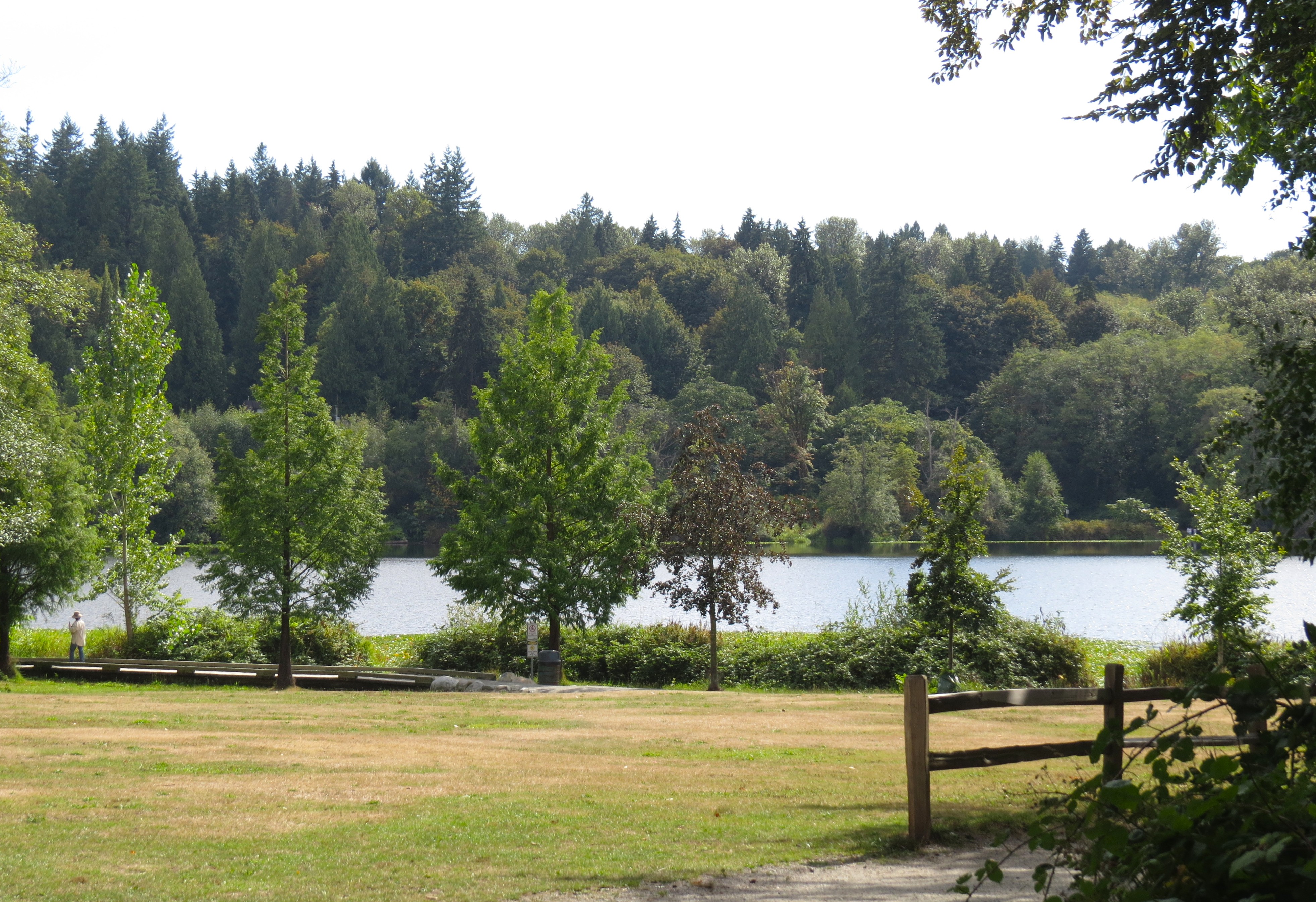
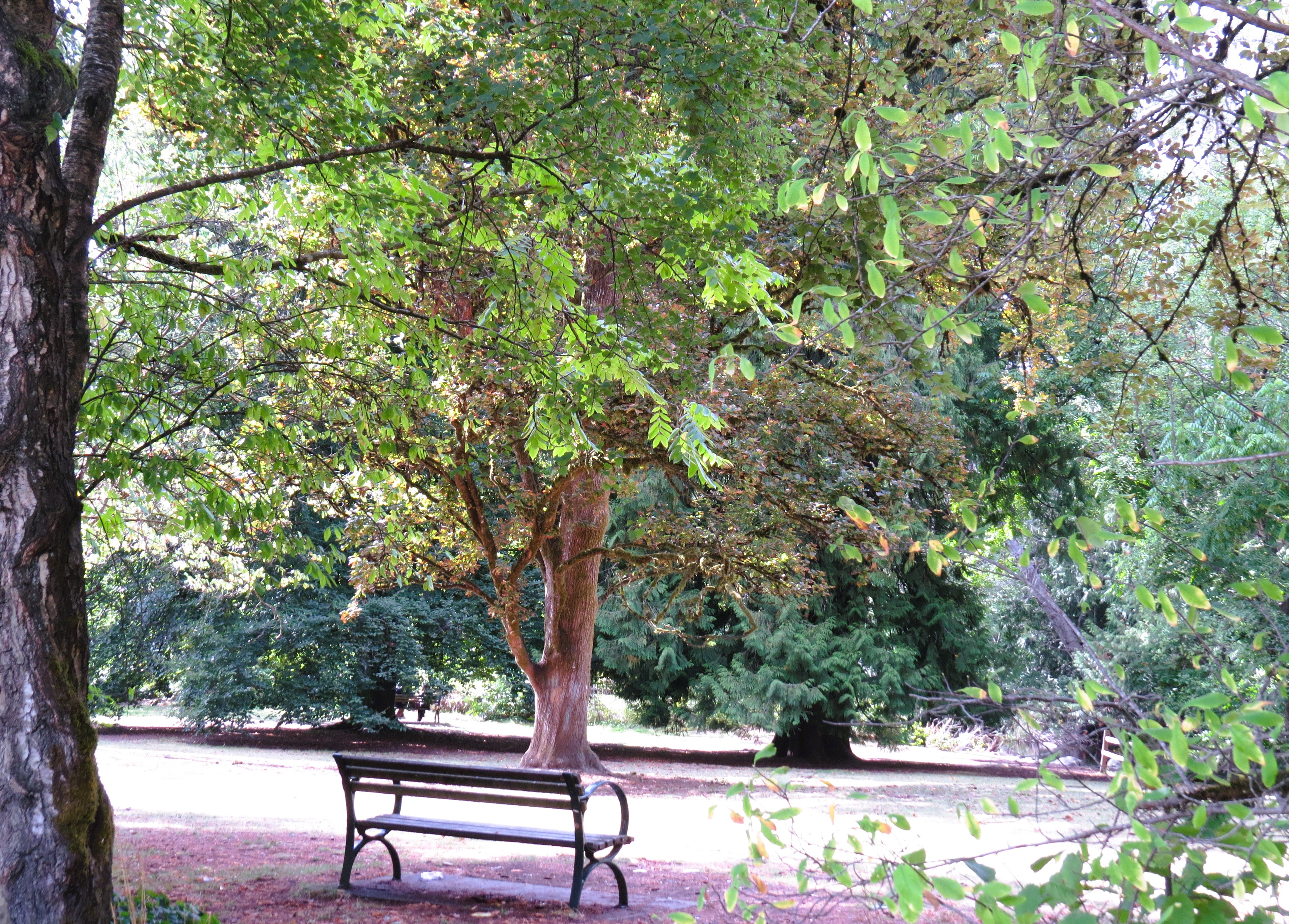
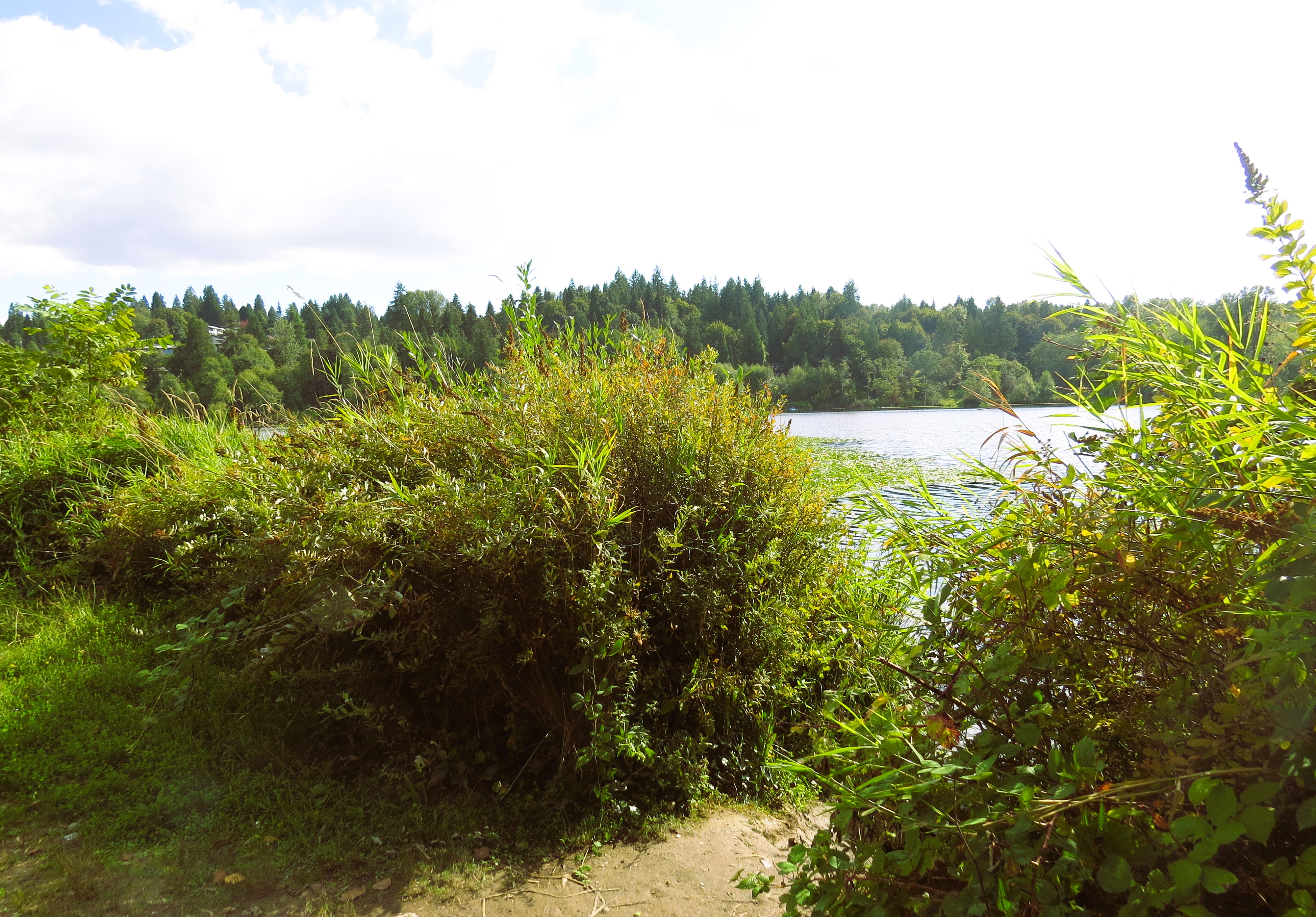
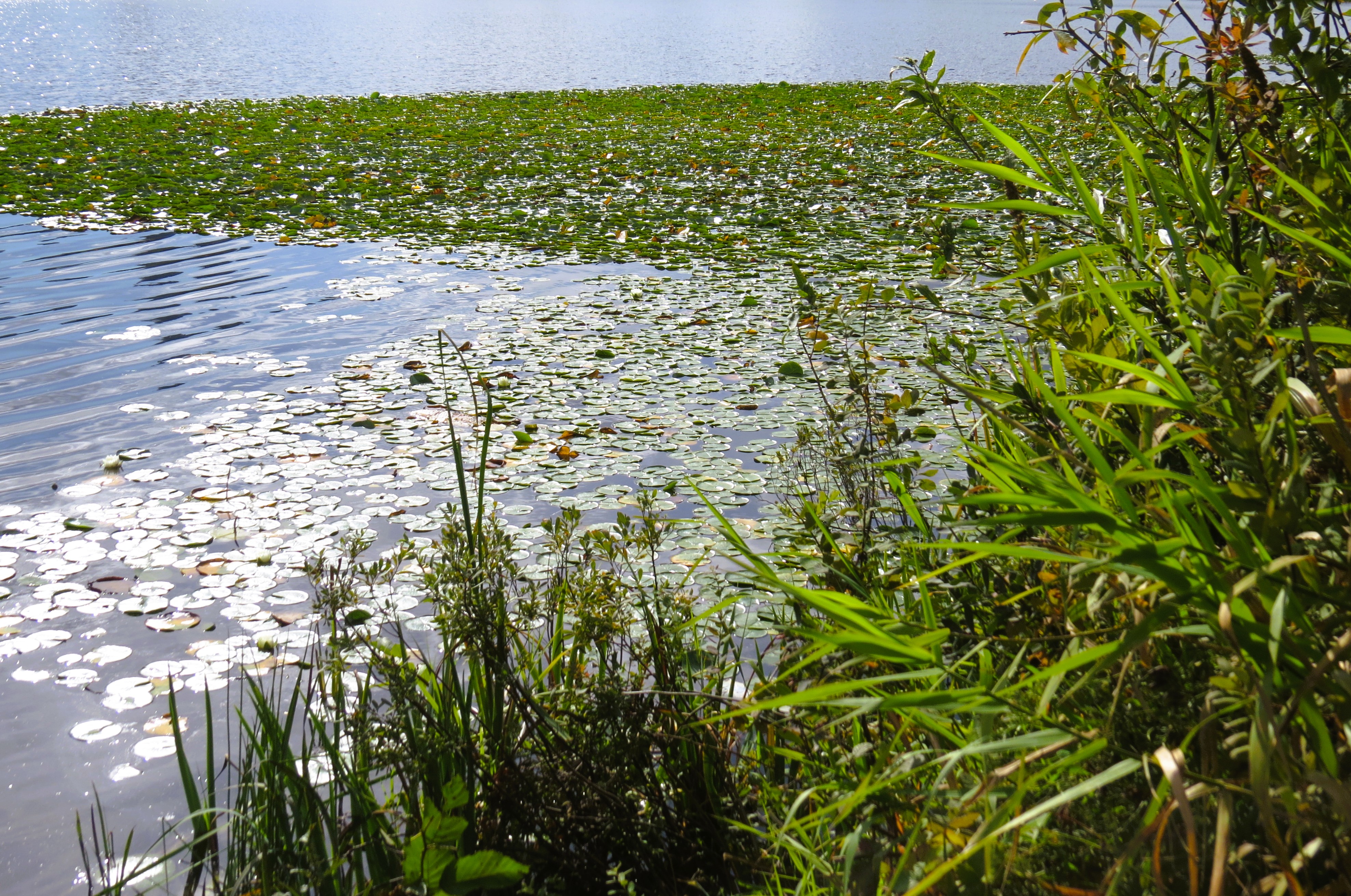
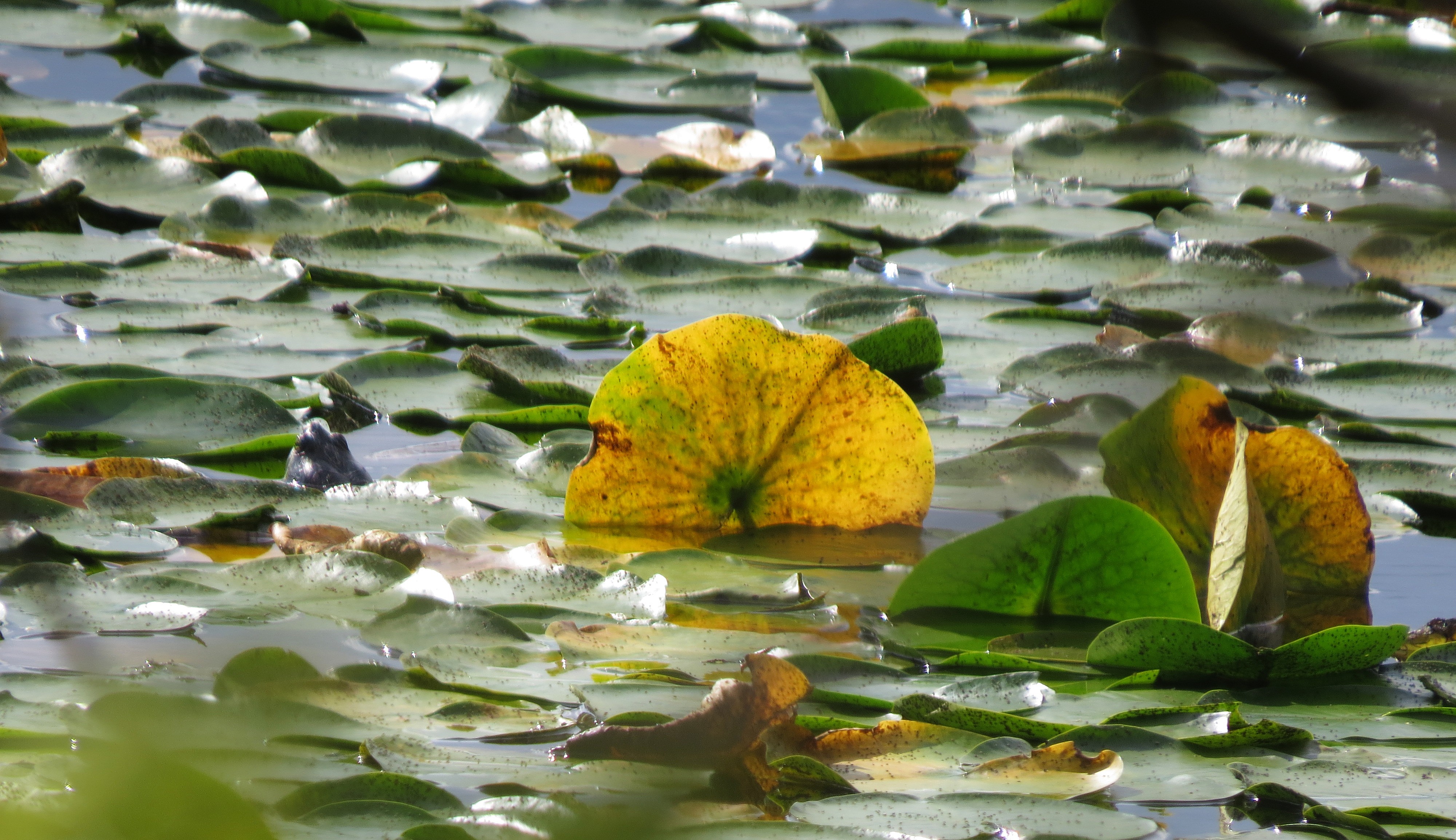
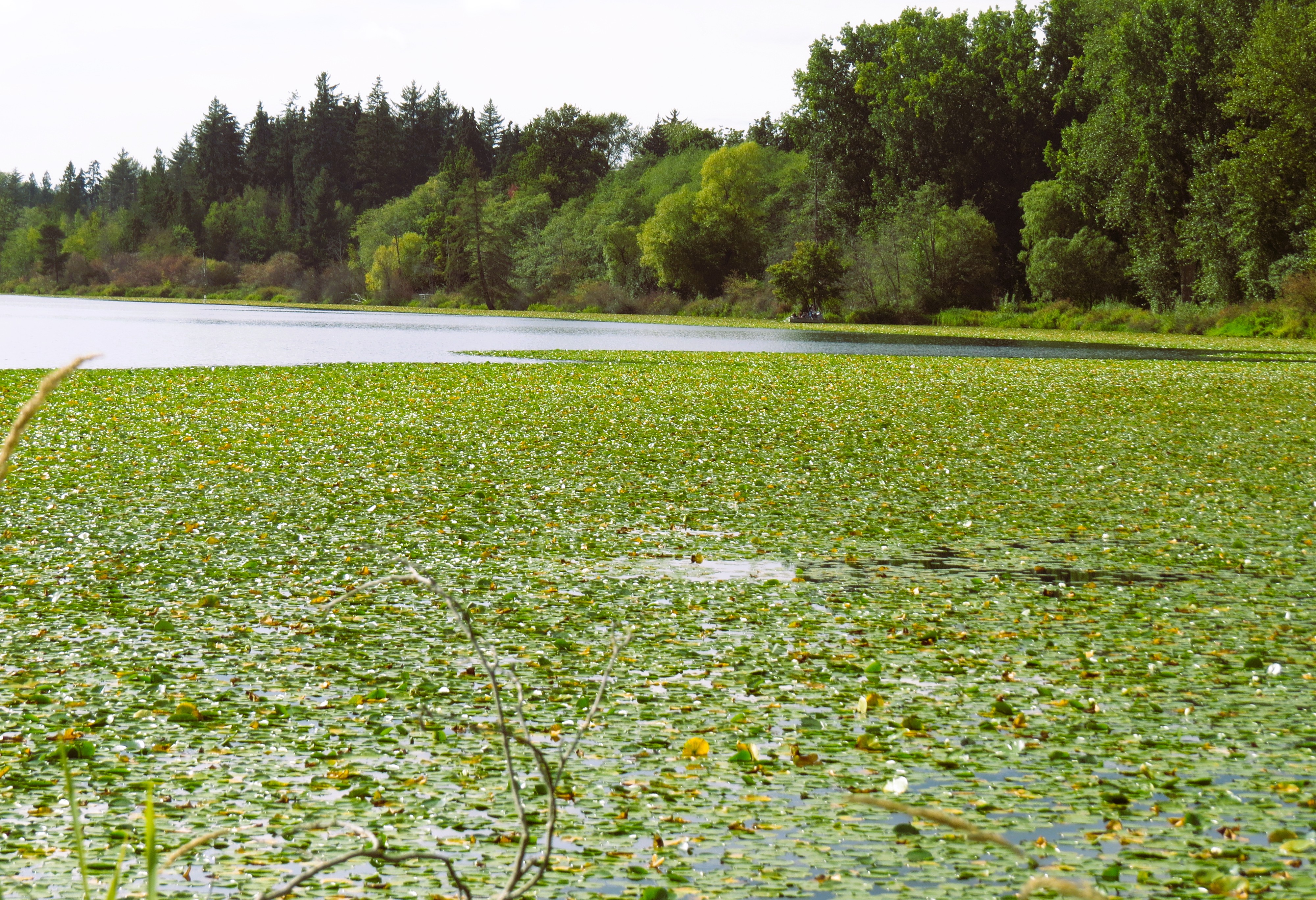
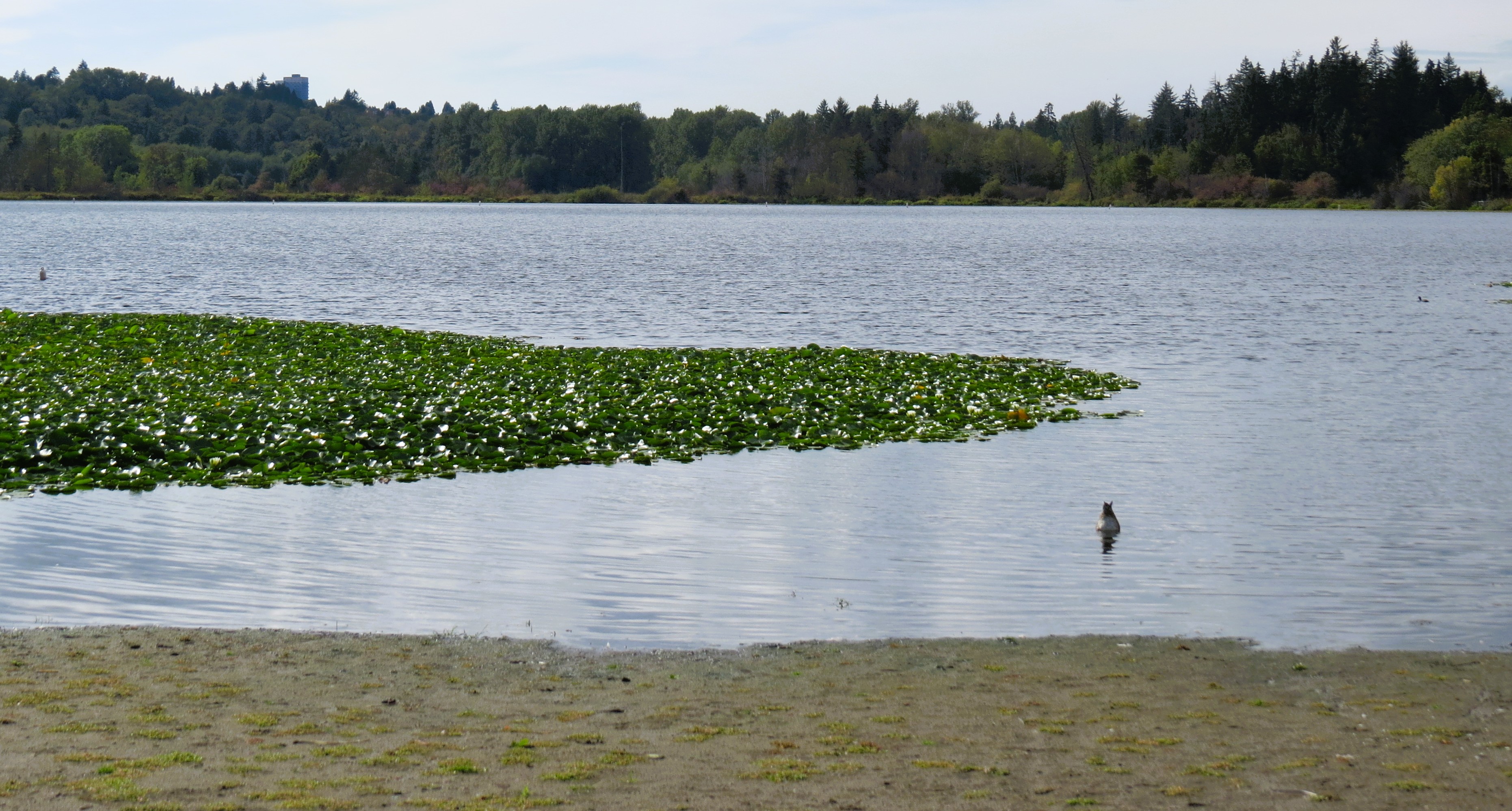
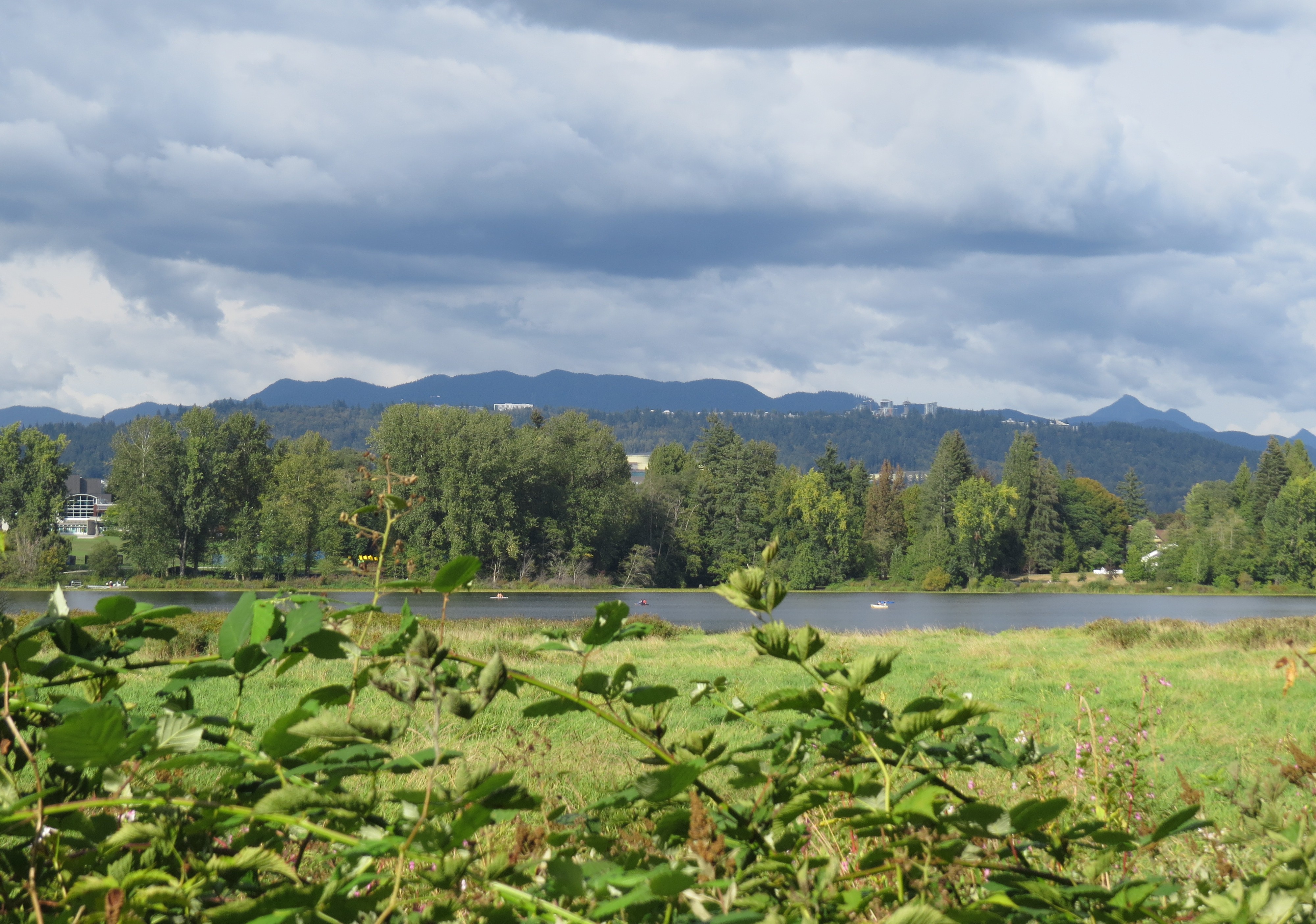
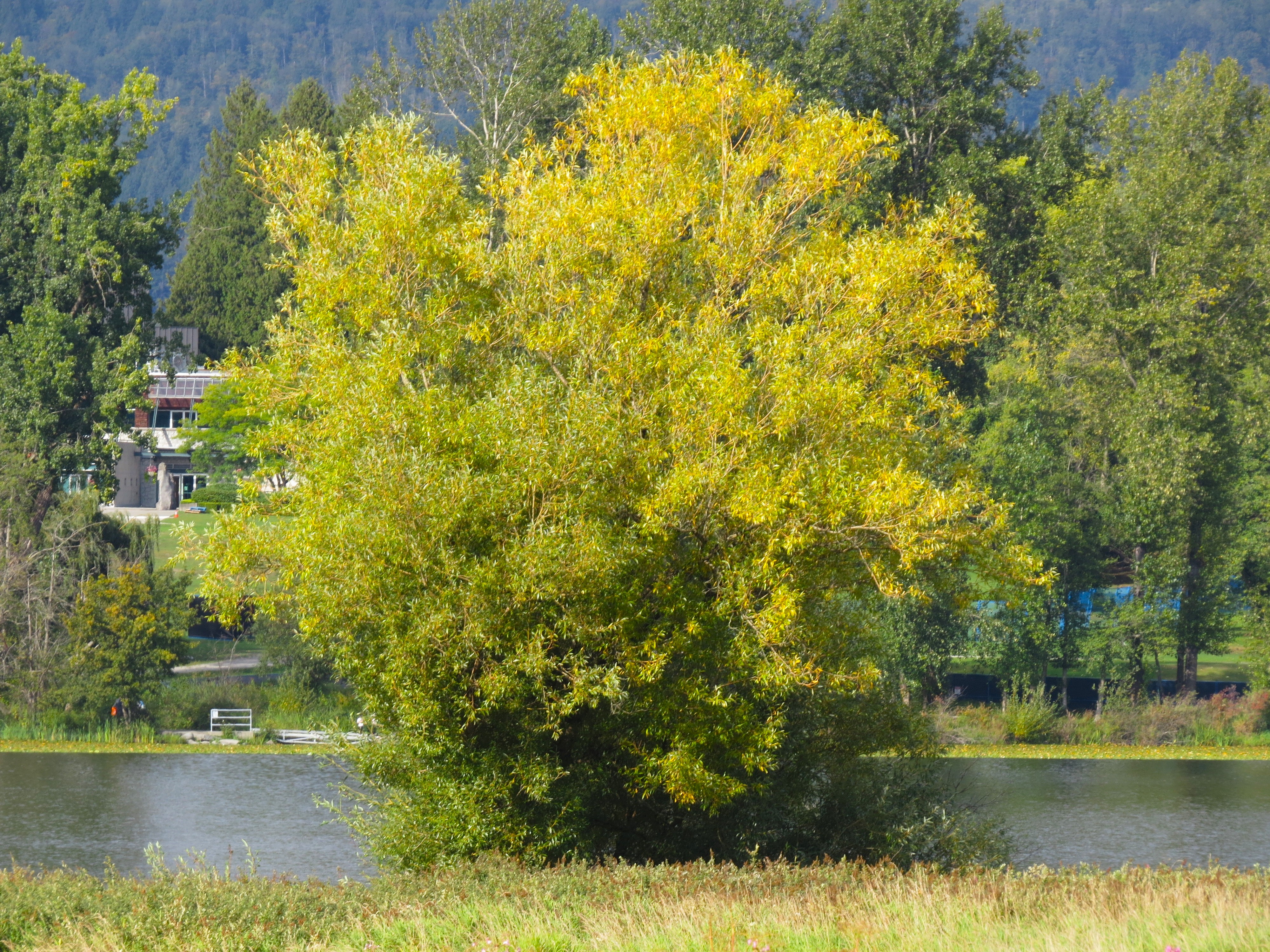
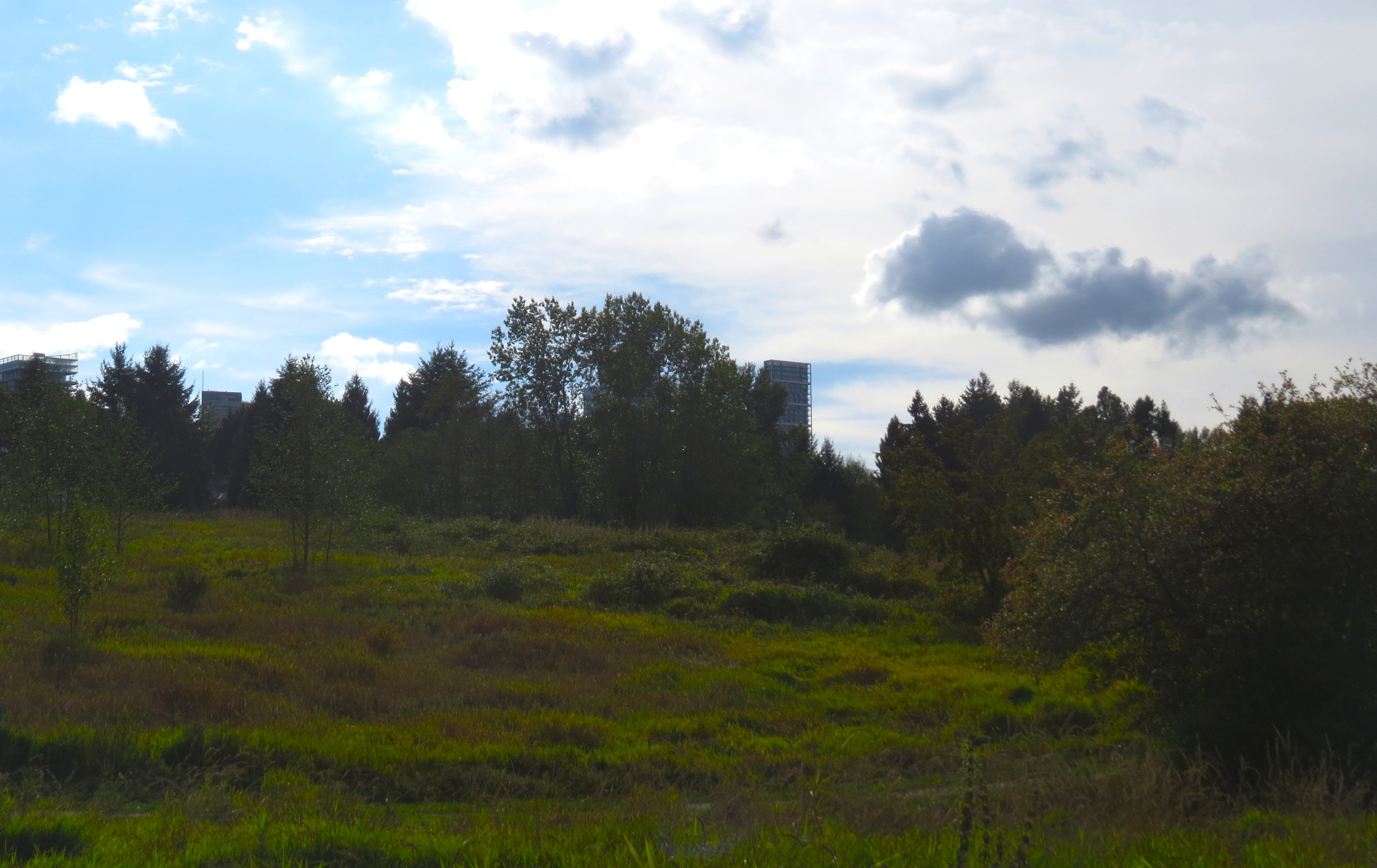
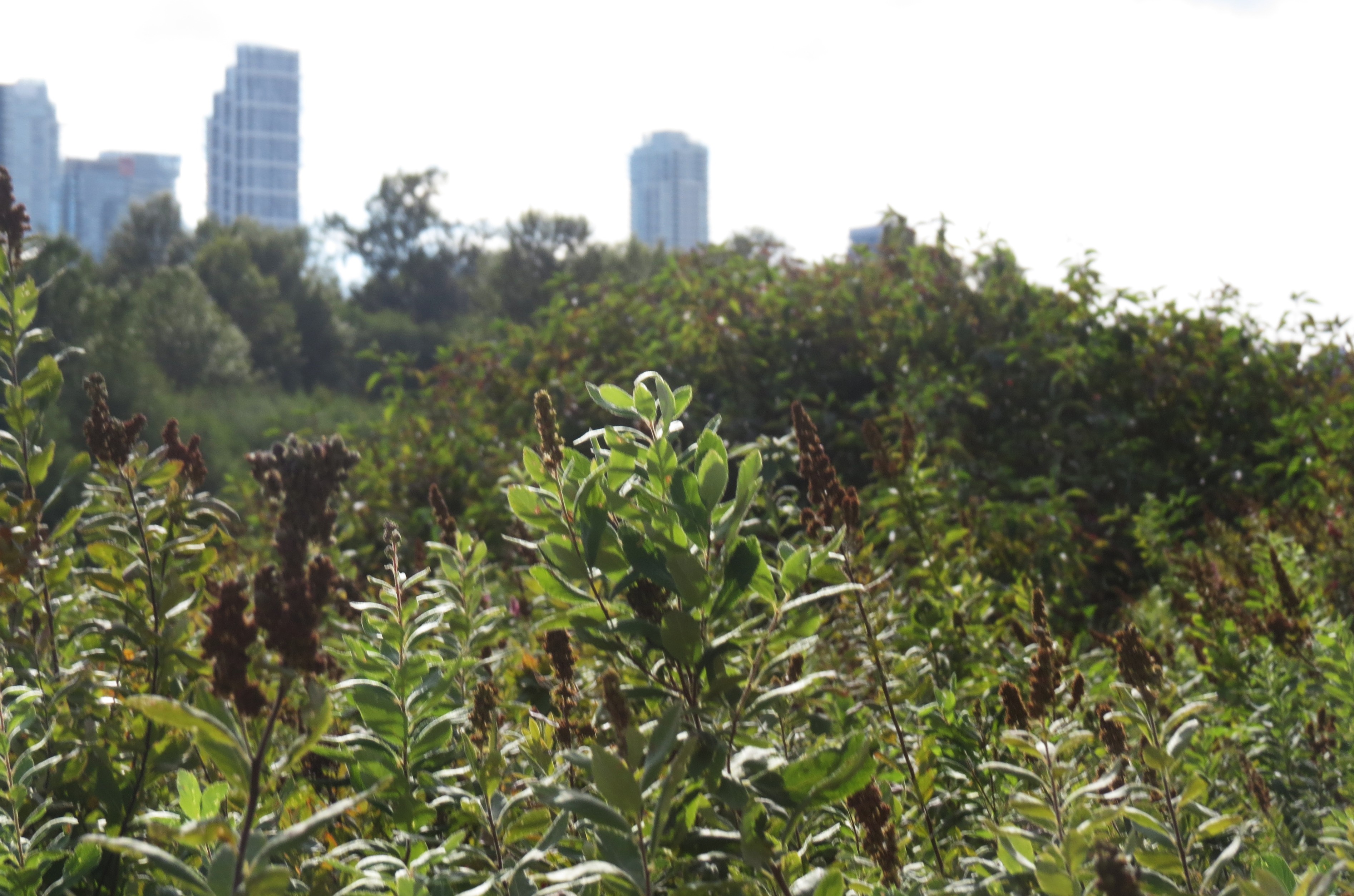
Ale najpiękniejszy był spacer na około tego cudownego jeziora z masą nenufarów, szuwarów. A z dala wielkie wieżowce obecnego Metrotown, których wtedy też nie było, LOL. Powyrastały, tak samo, jak w Surrey, w New Westminster. To już przecież ćwierć kolejnego stulecia. W większości wypadków tej nowej zabudowy ,do nieba’ nie lubię i mi się nie podoba. Nie przez fakt, że takie wysokie. Nie, przez fakt, że w przeważającej części są to wielkie proste badyle bez jakiegokolwiek kunsztu architektonicznego. Badziewie budowlane. Żeromski, gdyby to zobaczył, to by nigdy nie napisał „Przedwiośnia”, LOL.  Te, które są ciekawe – lubię i z przyjemnościa na nie patrzę.

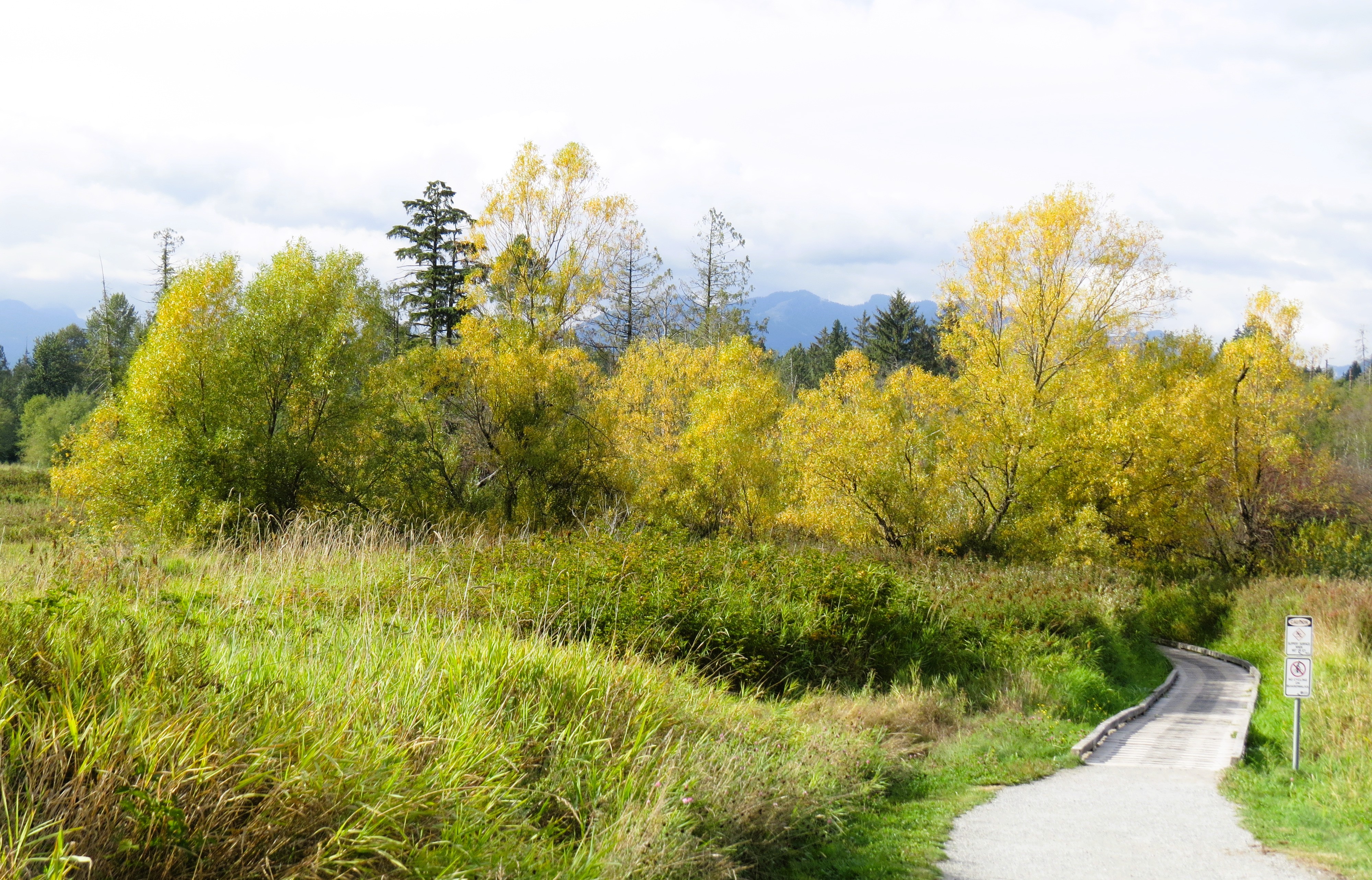
Ale, ale – ani te ciekawe, ani te brzydkie nie urastają nawet do pięt naturalnego piękna przyrody. Gdzież im do radości spaceru wokół zielonego stawu, wśród starych drzew, szuwarów, lilii wodnych, rzęsy, krzewów – a kudy!

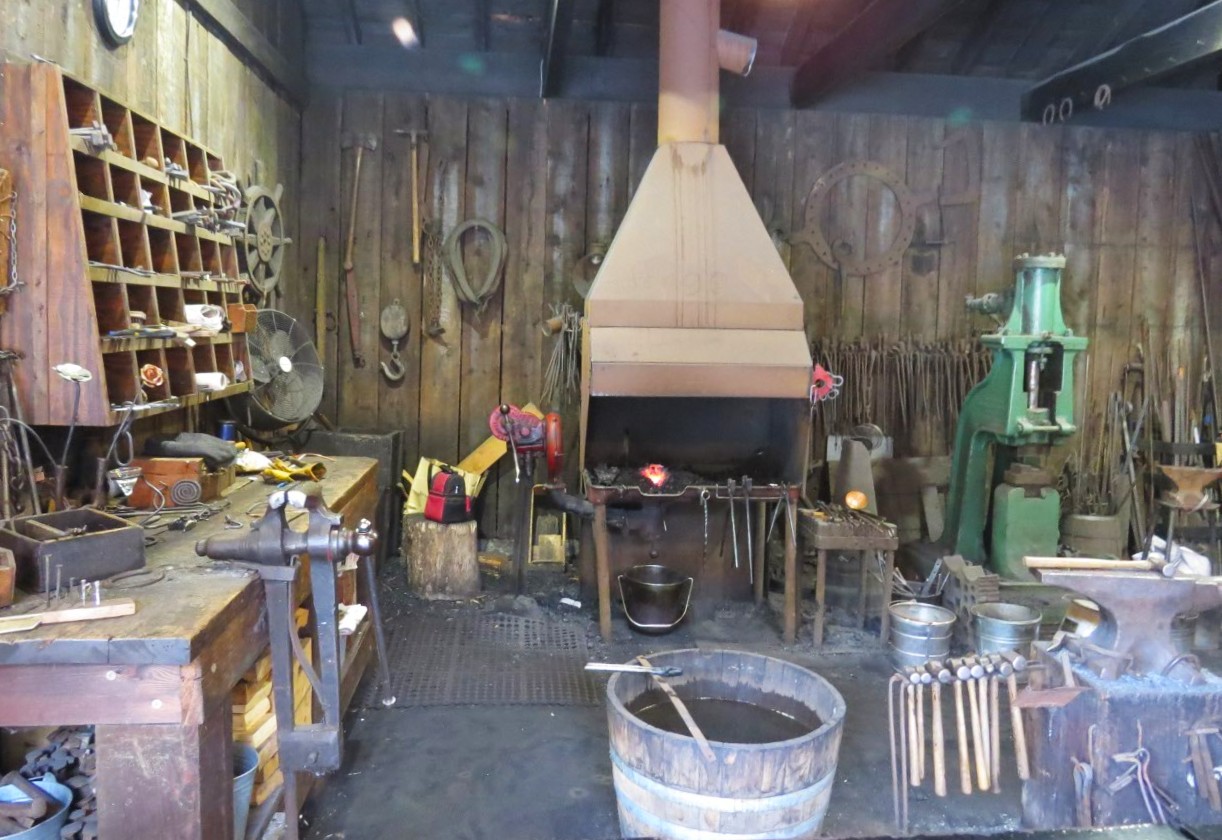
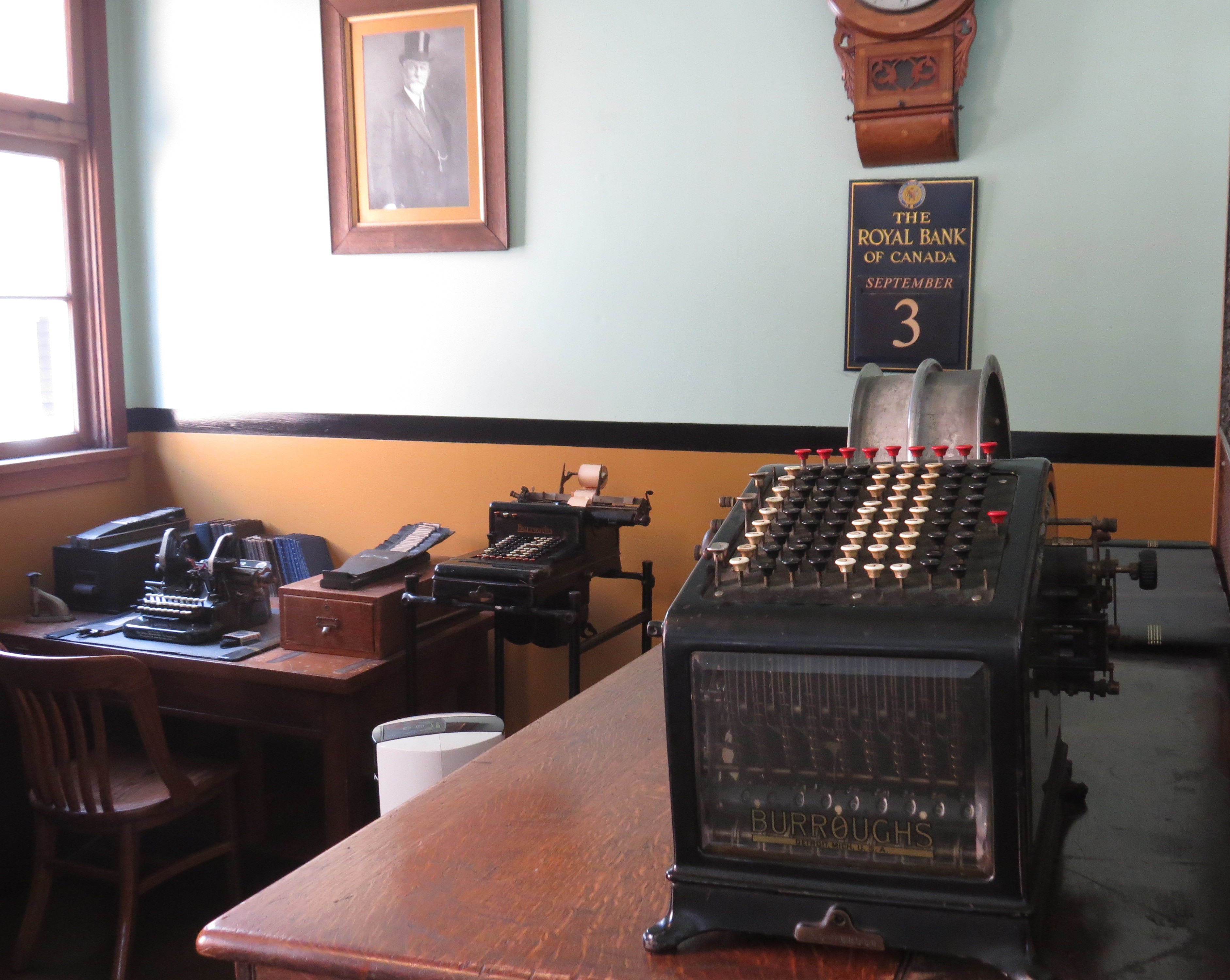
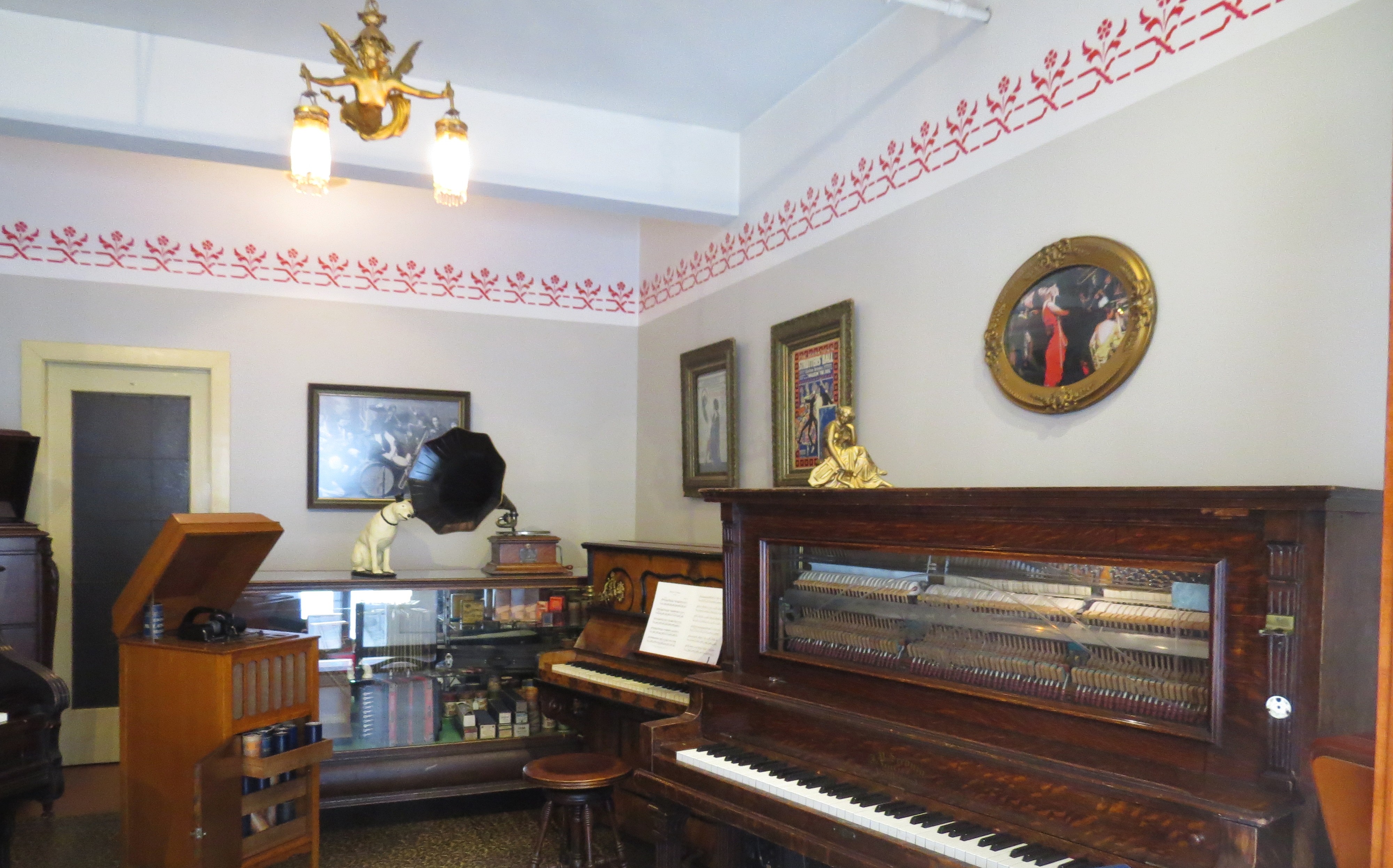
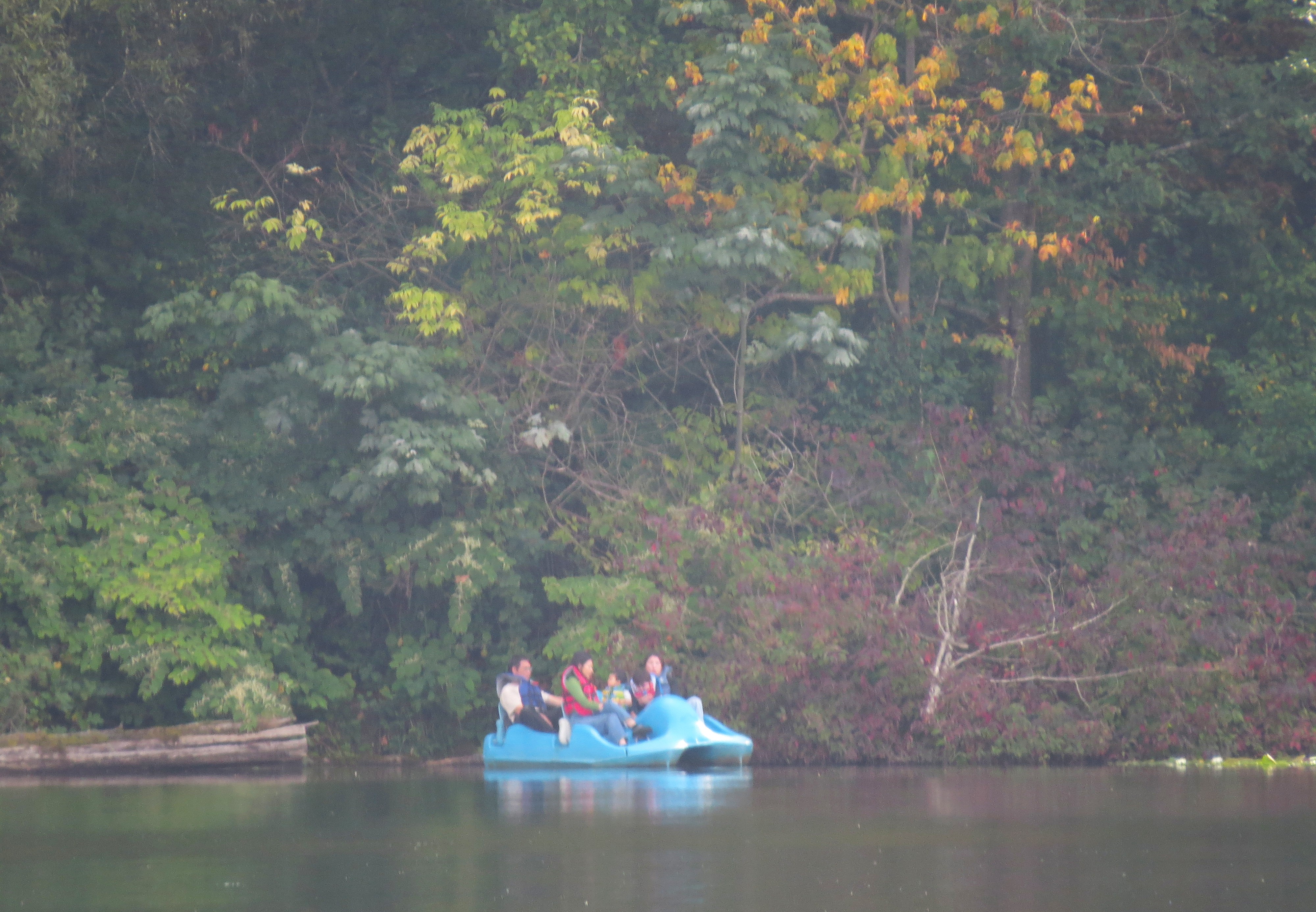
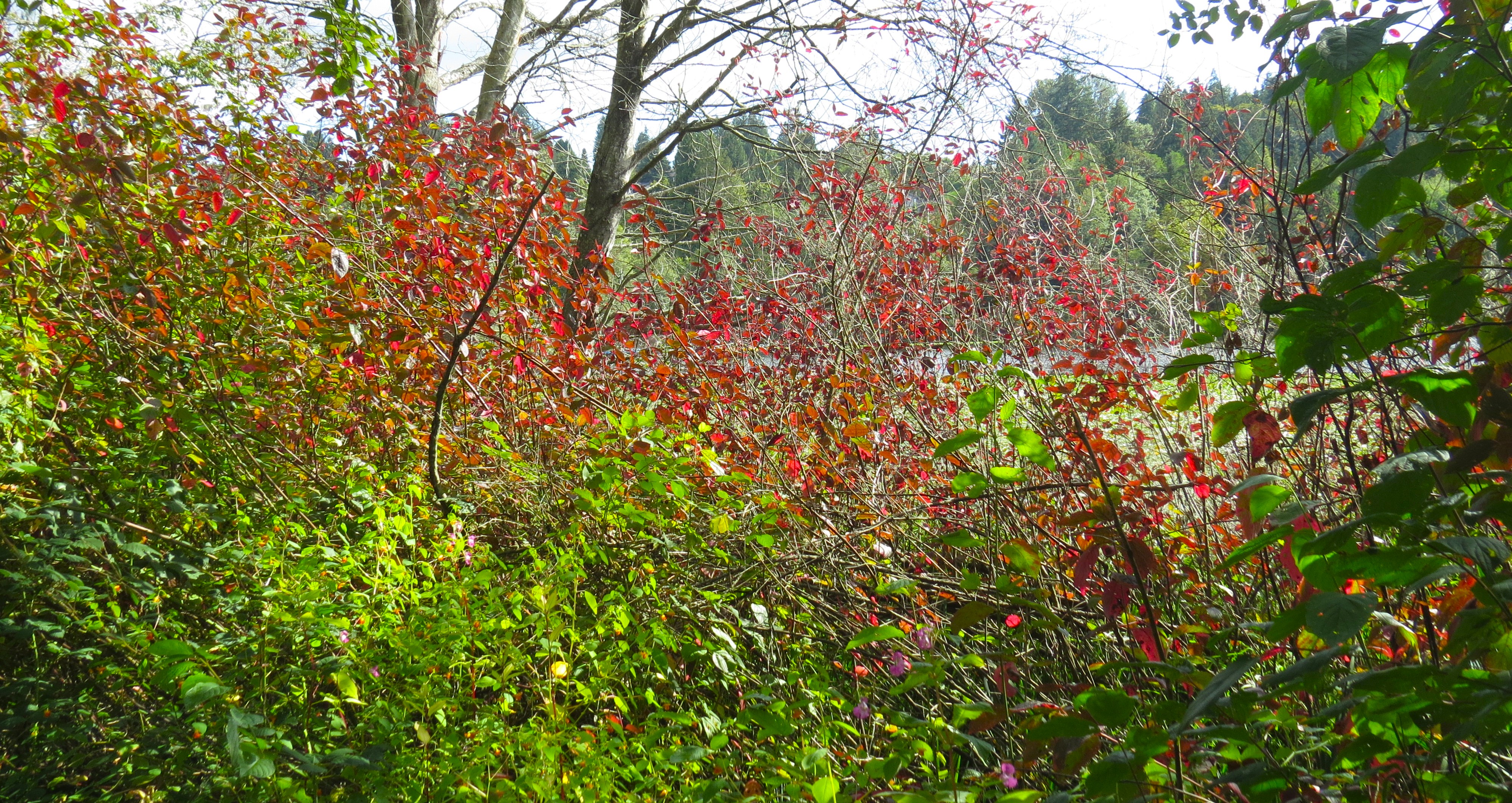
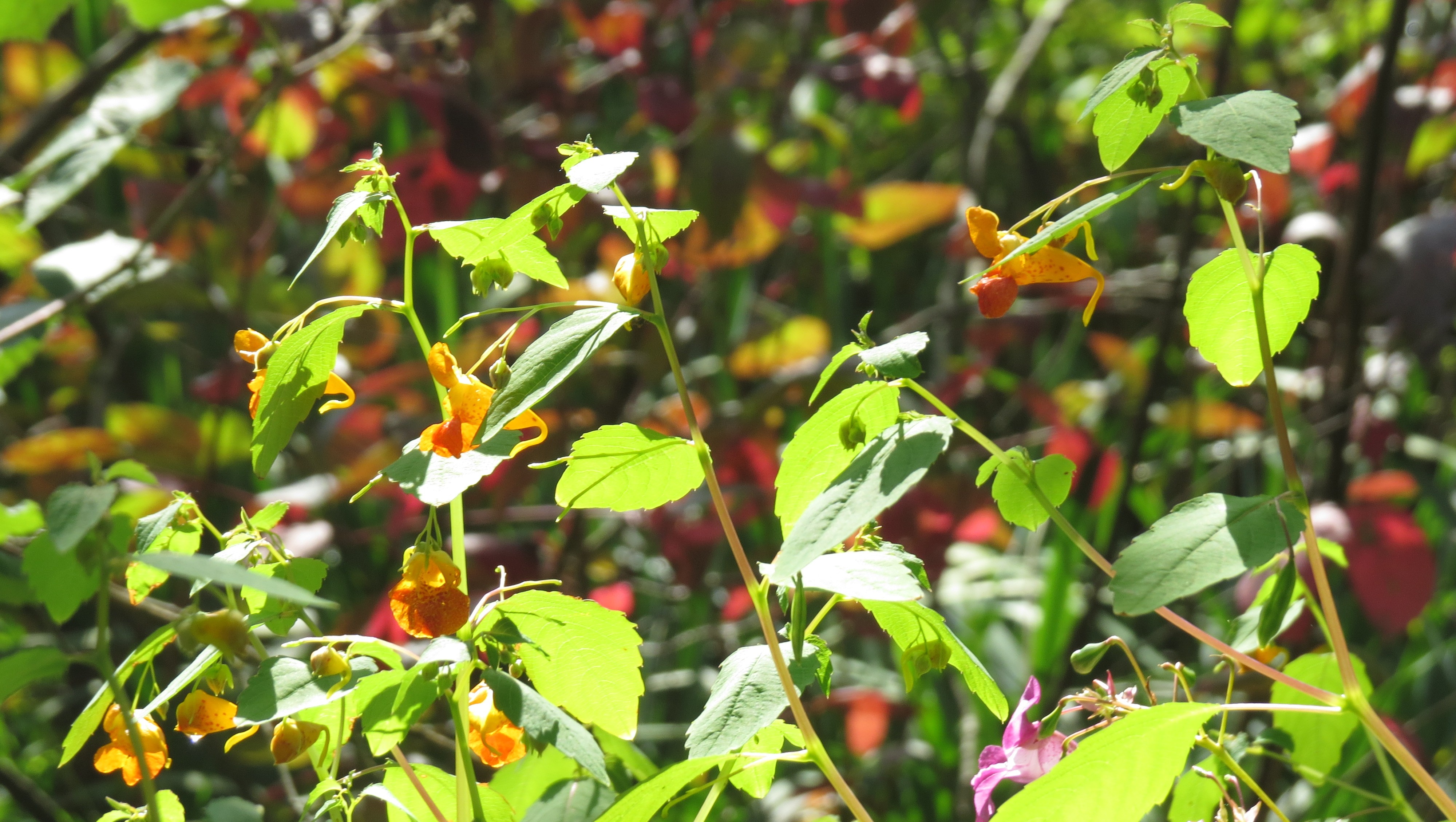
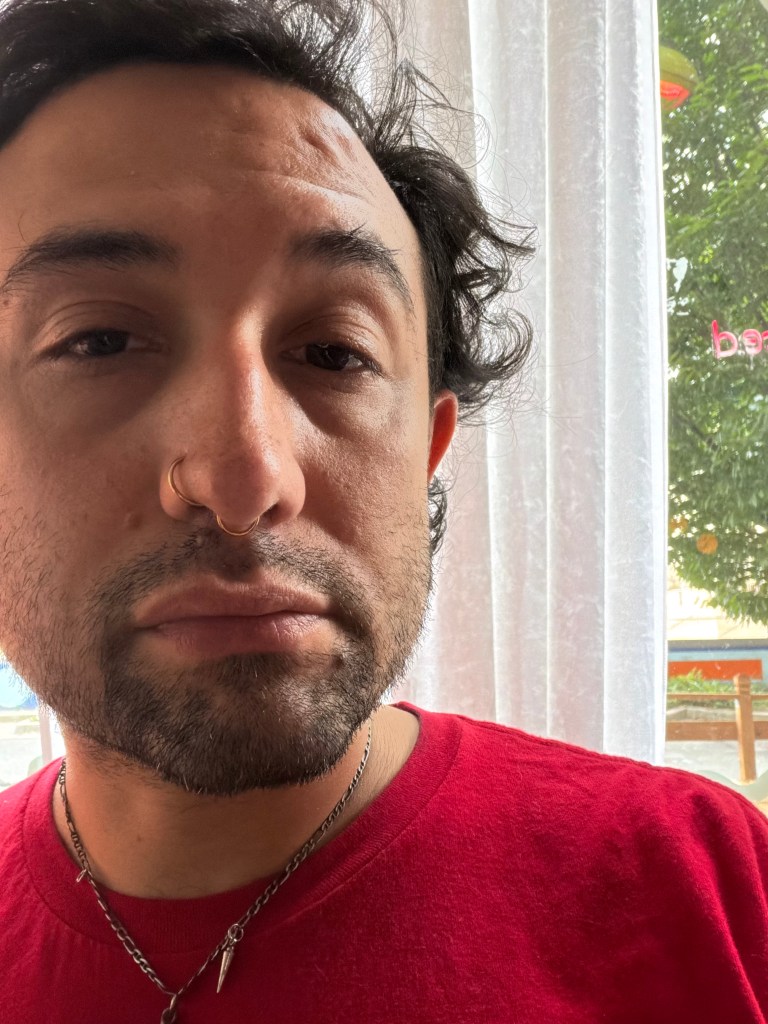
Z tej perełki zdjęć trochę więc.


[i] Arts & Culture Facilities | City of Burnaby