Majówka konstytucyjna

Majówka konstytucyjna

Mój Trzeci Maj? Chorągwie, szturmówki, mównice i miód oratorski płynący z biało-czerwonych ust? Z biało czerwonych ust?! Czyliżby usta mogły by być białoczerwone?! A skądże! Ale czerwone usta i biała piana słowotokiem z nich się lejąca, to przypadek nie rzadki.

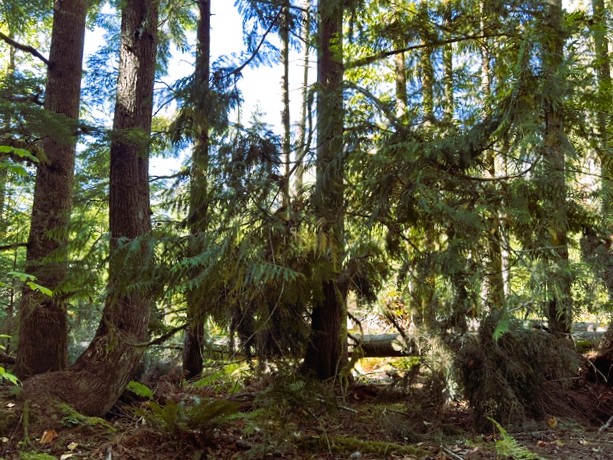
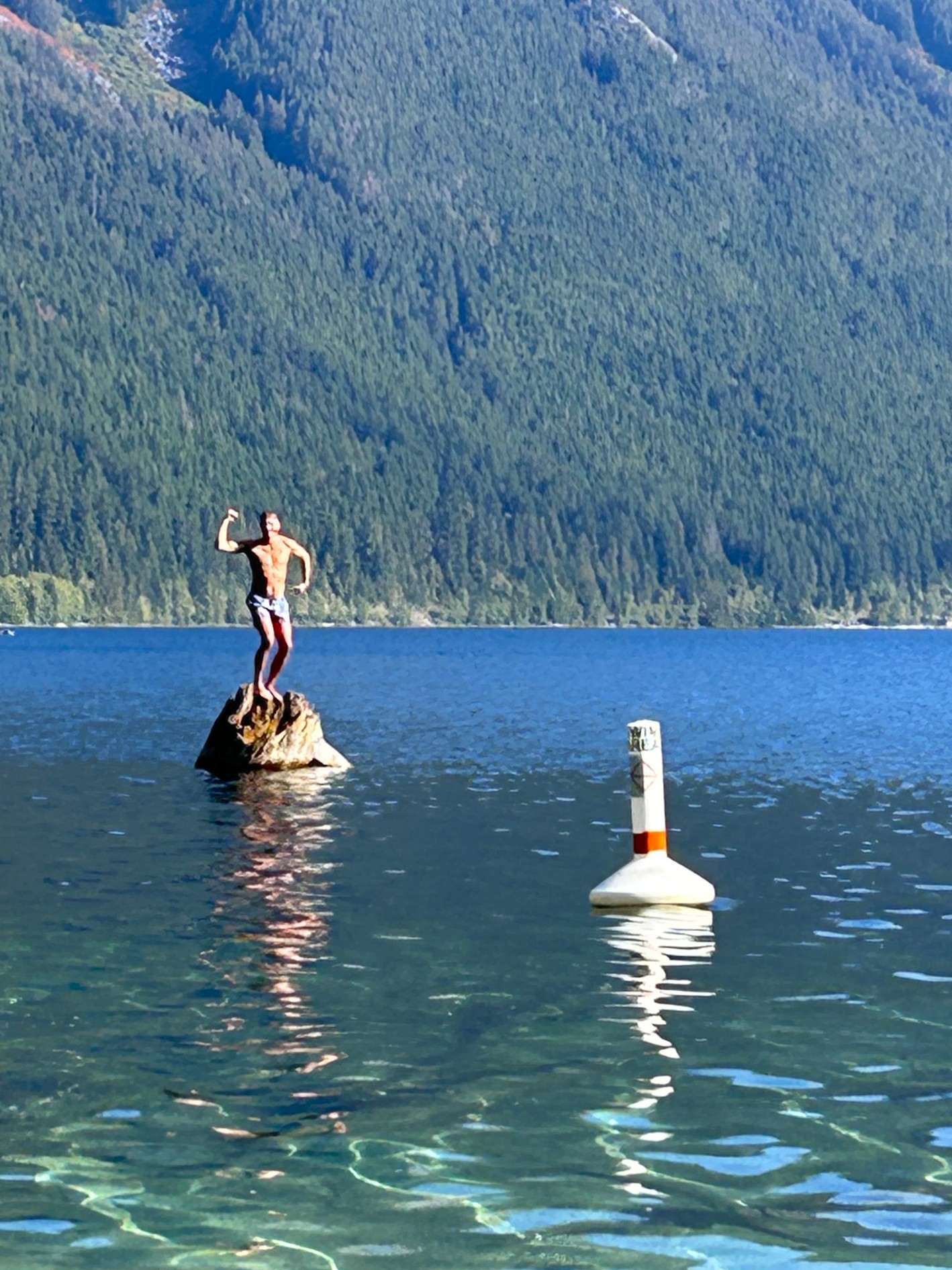
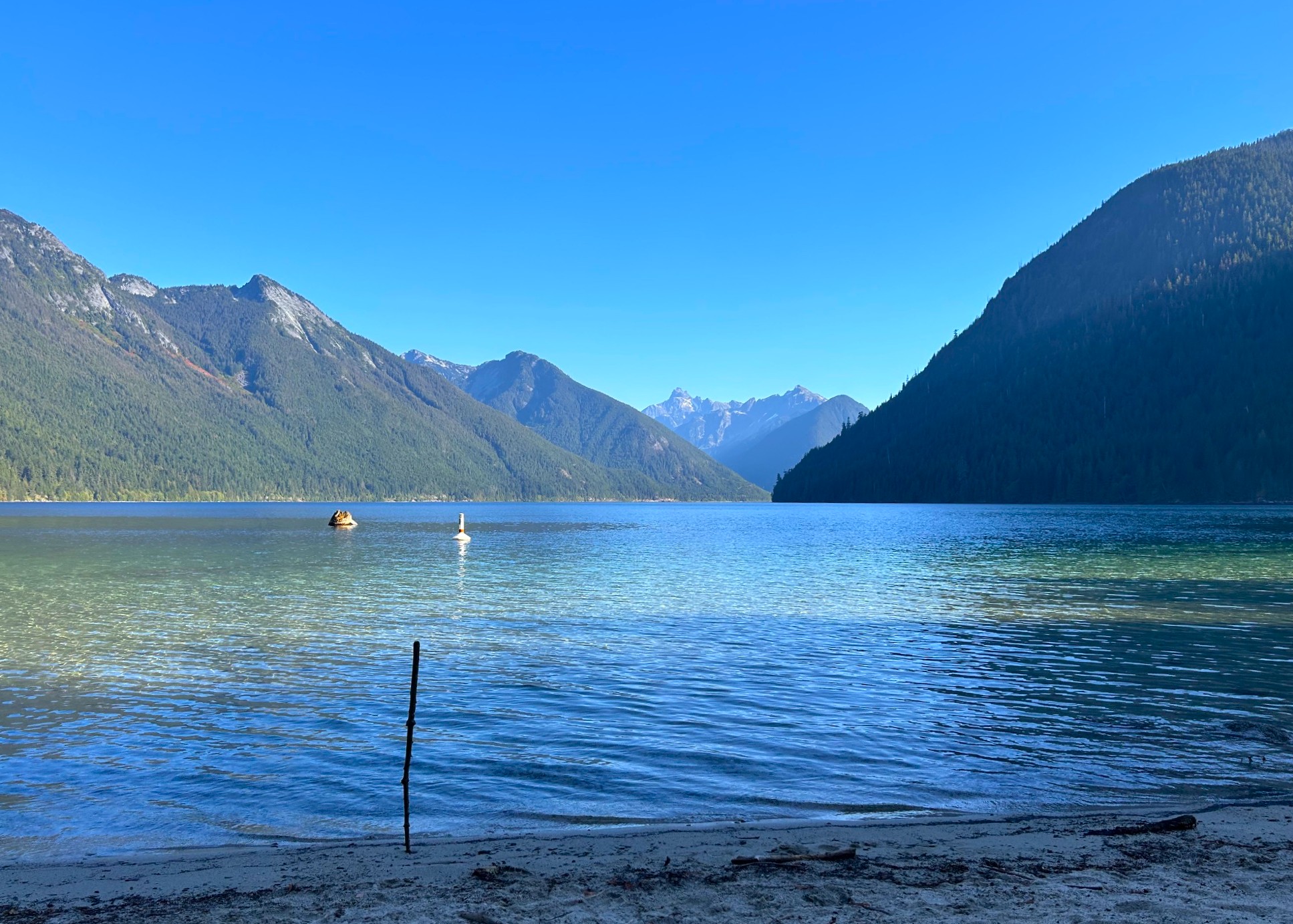
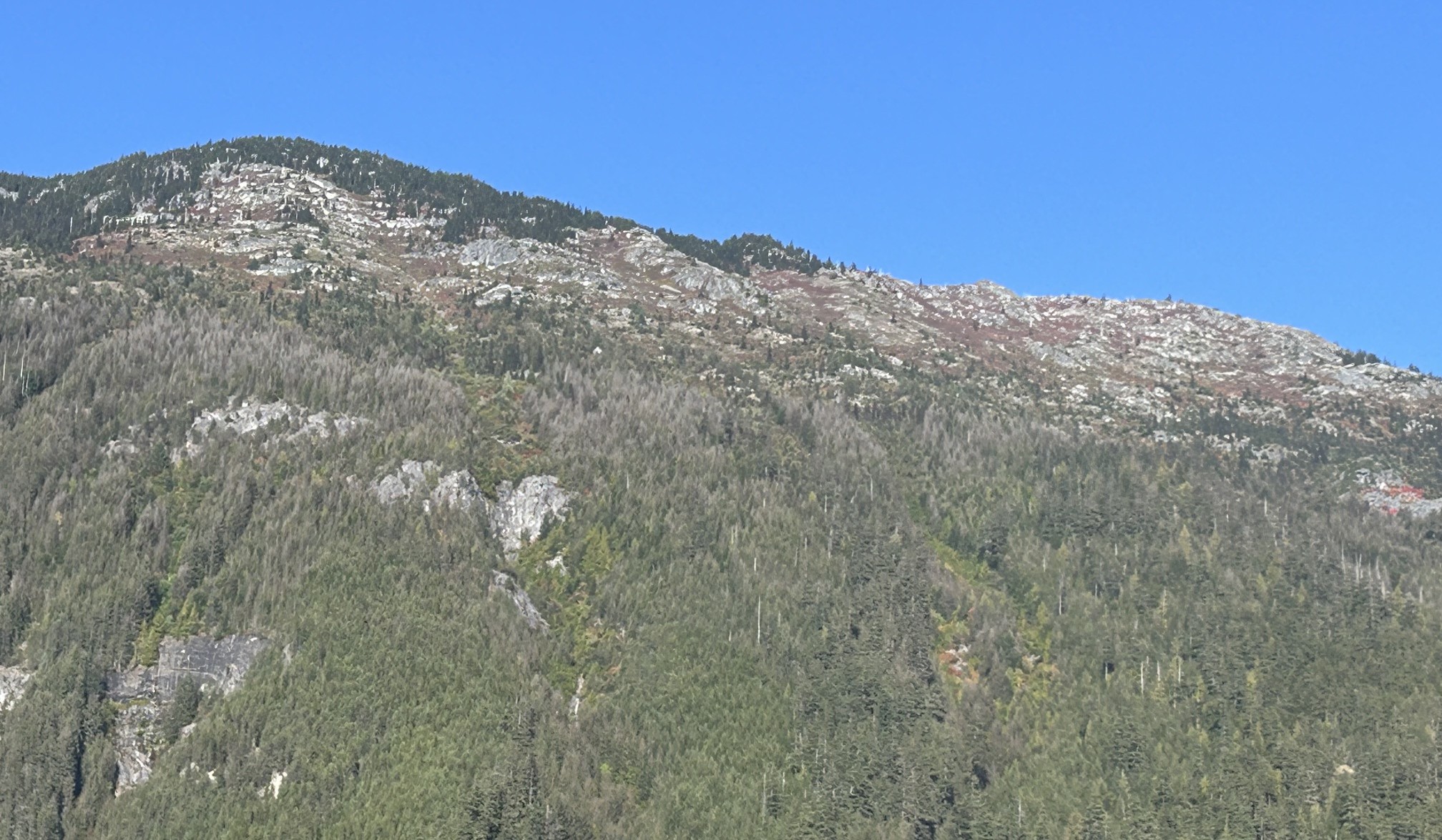
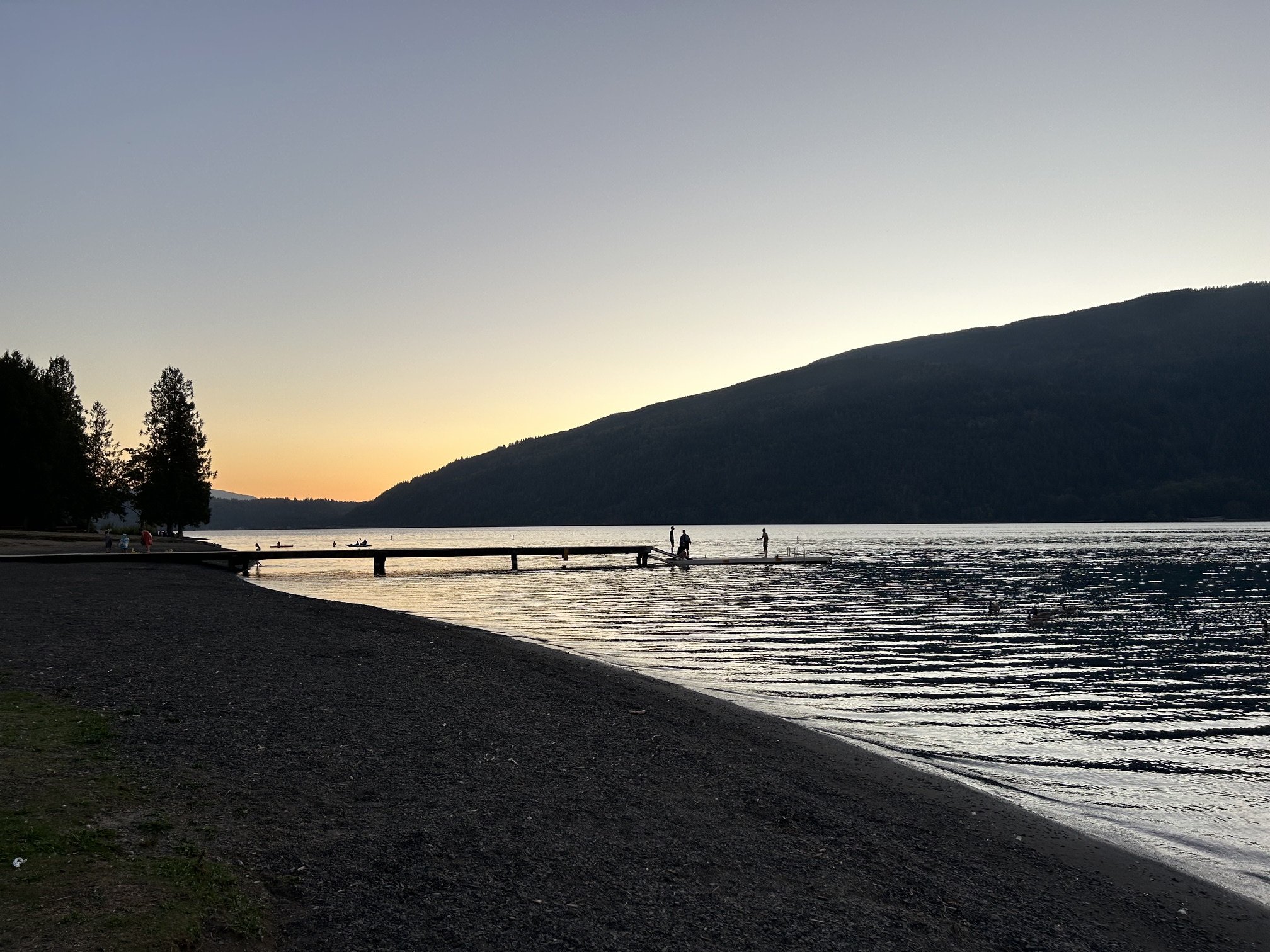
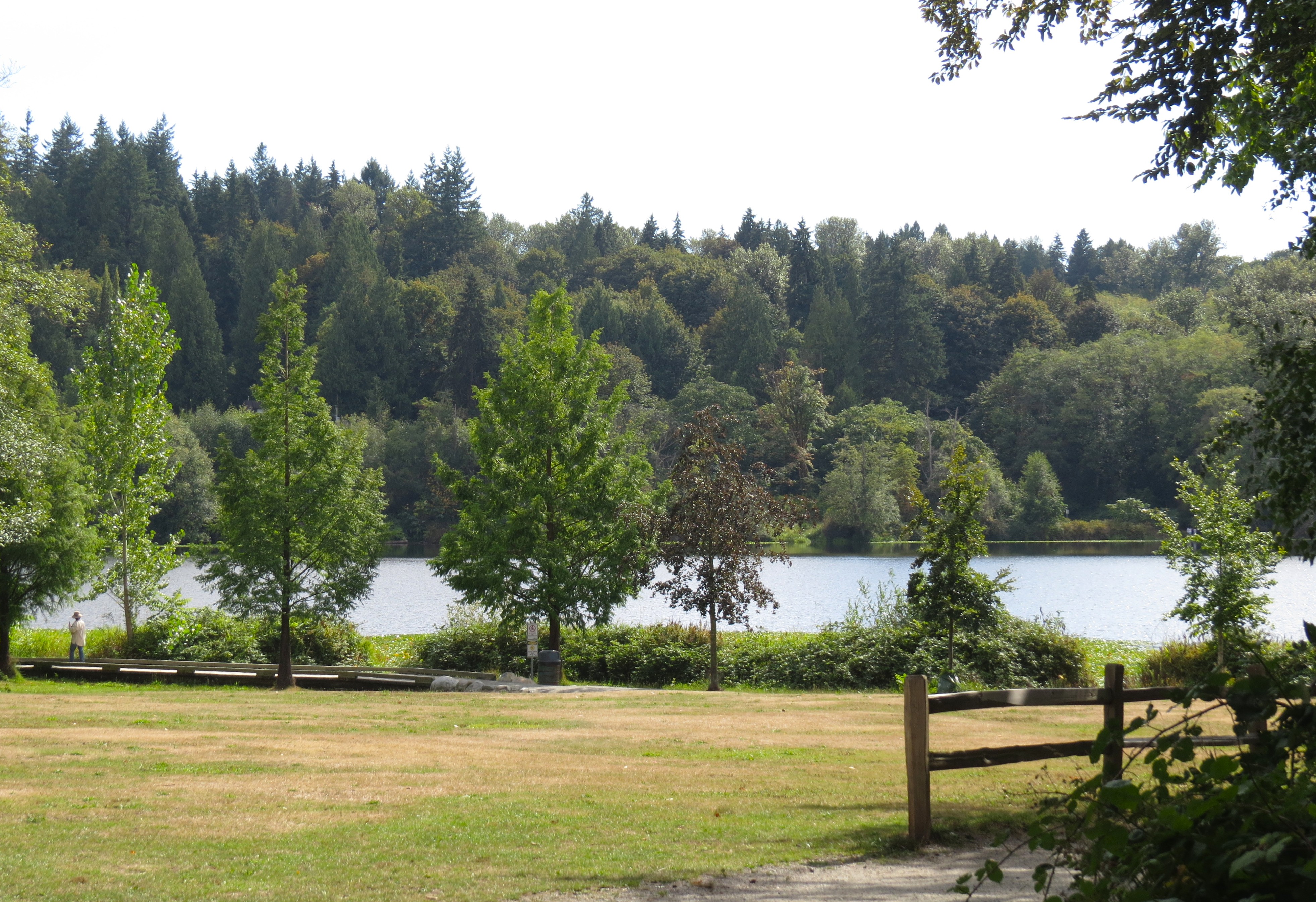
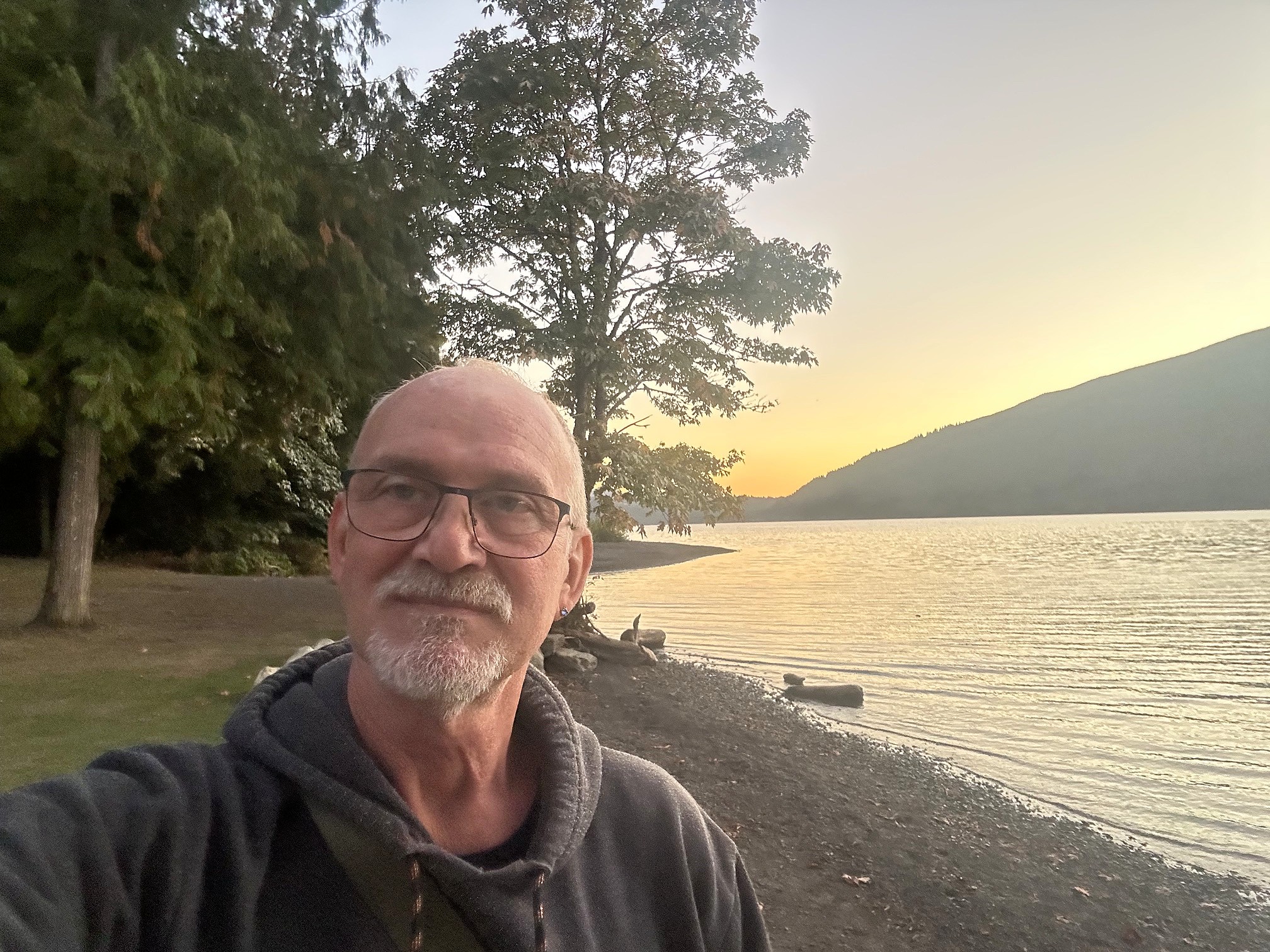
By w tą pułapkę ponentną nie wpaść – wsiadłem na rower, jechałem kilkanaści lub kilkadziesiąt kilometrów przez miasto, brzegiem fiordu, przez park prastary … na plażę opalać się i w wodzie (brrr, zimna jednak ciągle, LOL) baraszkować, pływać.

Czy patriotyczne to było? Opatrzność jedna wiedzieć może. Czy można być patriotycznym w mokrych gaciach? Bo ja wiem? Jak można ze szturmówką w bezpiecznym kraju pierś nadymać i brzuch wciagać wołając gromko: ‘jestem Polak-patriota!’, to pewnie można i w mokrych gaciach. Aliści nie wołałem – choć o dniu nie zapomniałem. Zrobiłem z Trzeciego Maja majówkę miłą.

Czytałem też ciągle zaczętego dni kilka temu Jorge Borgesa. Po raz wtóry jego pisma krytyczno-literackie, a nie jego wspaniałą twórczość poetycką. Jezu, jaki on elokwentny i inteligentny. Kiedyś (o ile pamiętam) gdy to czytałem, to byłem zachwycony jego erudycją i uwagami. Teraz mnie zmęczył. Chciałem krzyknąć: Jorge, idź się napij szklankę calvadosu i popuść sobie i mnie. Toż to nieprzyzwoite tak w głowach nam mącić. Zwłaszcza, gdy się jest na plaży, a obok ciałka że hej do oglądania i w zasadzie z praktycznego punktu widzenia – w negliżu. Nie trzeba nawet wodzy fantazji popuszczać. Zwyczajnie: na plaży, na patelni podane.
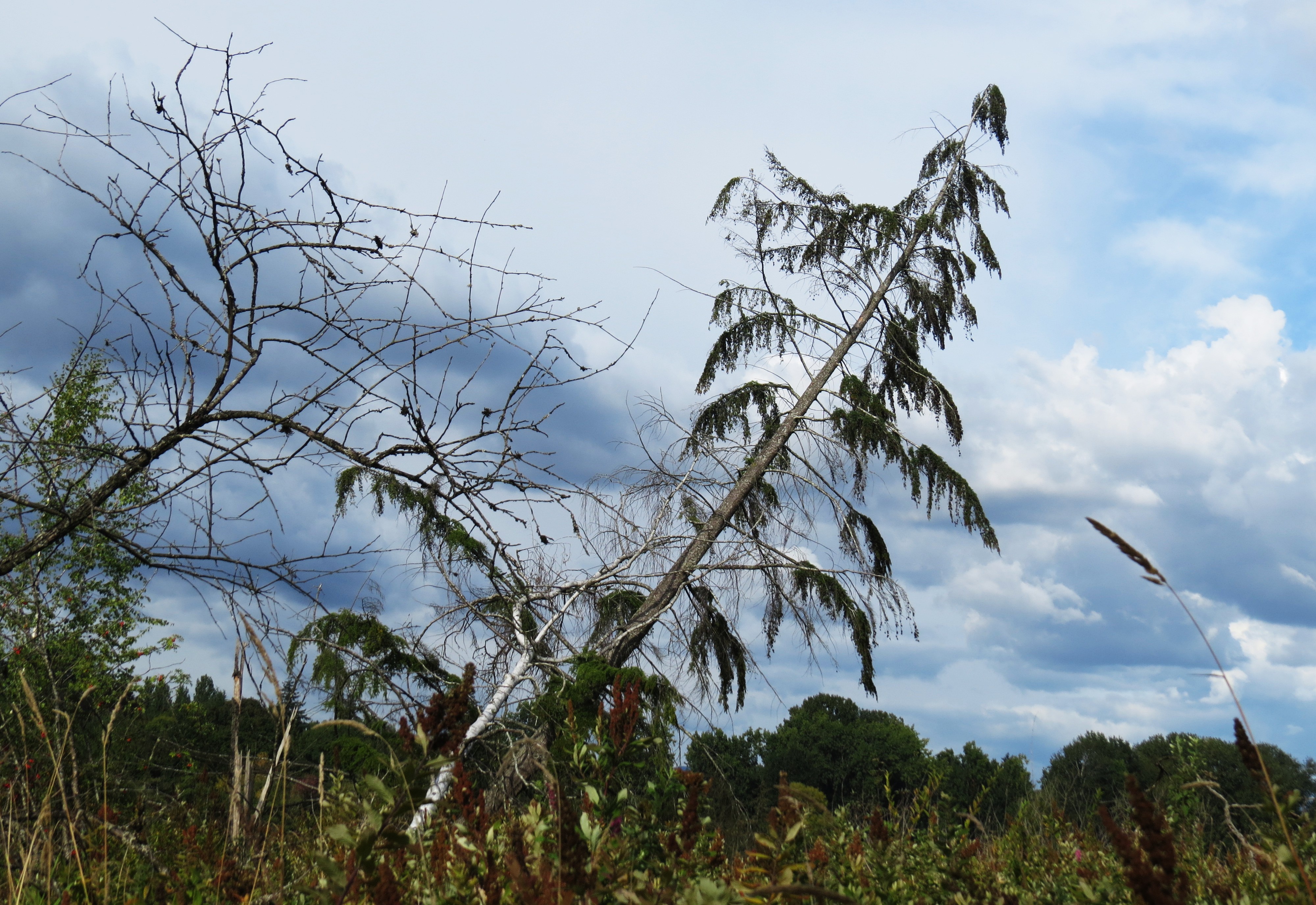
Więc Jorge zamknąłem byłem (zdaje się coś pokrzykiwał, wygrażał z oburzeniem) w plecaku i by awantur nie robił tom go był owinął ręcznikiem.  Niech ma – to Vancouver, a nie Buenos Aires. I Pacyfik, a nie Atlantyk.
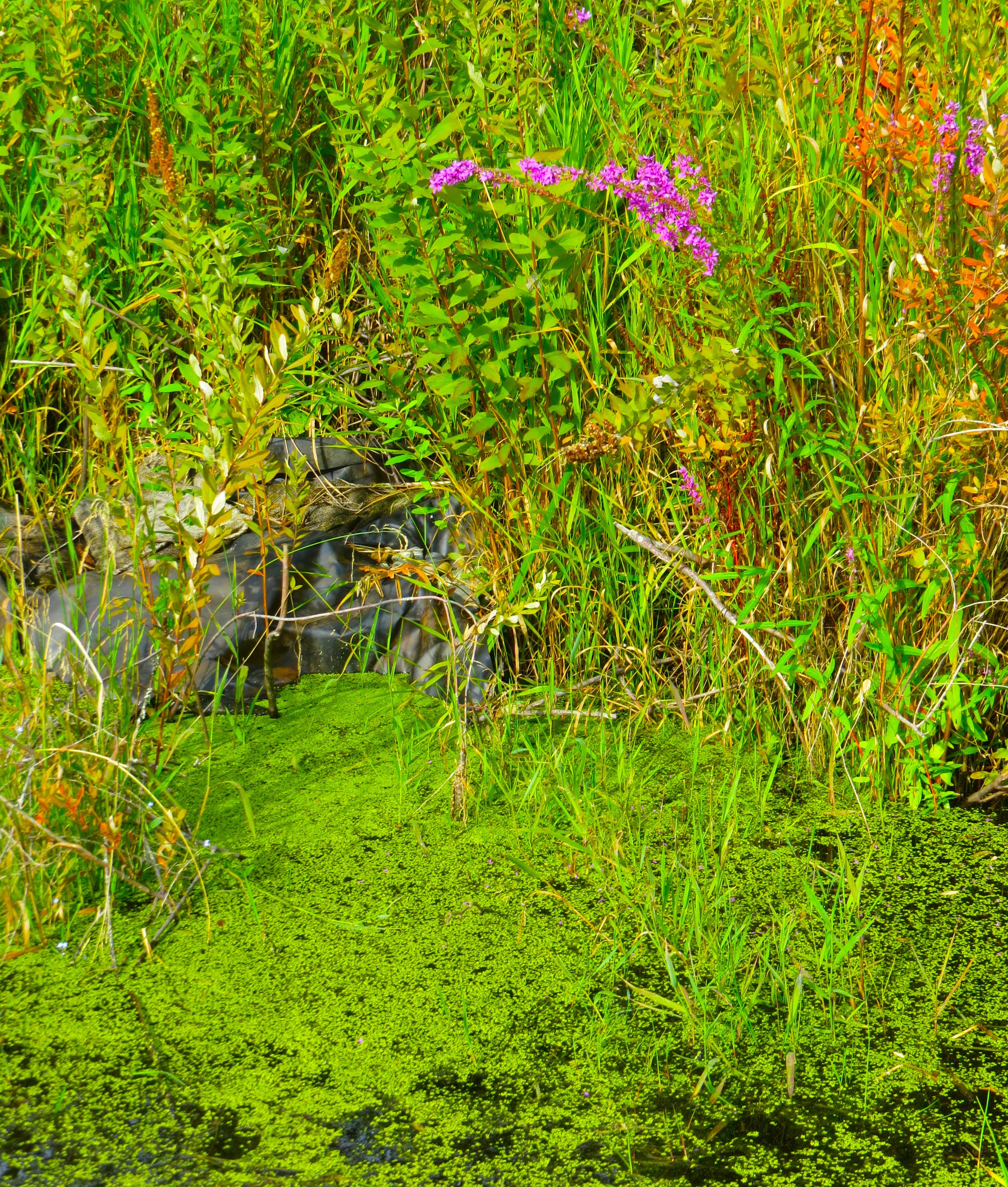
A 3-ci Maj?  No po to jest – byśmy mieli wolne i byśmy byli wolni na robienie tego, co nam się spodoba.

Myślę, że Stasiu Poniatowski, by sie zgodził i też by na tą plażę ze mną poszedł. Podobno (tylko podobno) miał w młodości skłonności, LOL. Ale kochani, nie wpadajcie w panikę – każdy kiedyś miał lub mieć będzie skłonności do kogoś lub czegoś. I chwała za to wszystkim bogom wszystkich epok!

Lęk

Lęk

LĘK

A czasem, czasem naprawdę nie wiem,

czy nie żal tej czystej bieli kartki,

nie zabrudzonej żadnym słowem.

Kartki milcząco cicho płaczącej.

Czy nie żal tuszu w długopisie i

tej pieśni nie śpiewanej i głuchej?

Smutek dusi, chwyta zaciśnietą pięścią za serce i czujesz jego palce, kostki chwytające aortę. Potem maszeruje, jak pająk do góry i wyciska z oczu suche łzy. Suchy płacz pozbawiony krzty wilgoci, mokrości, wilgotności. A płacz mimo to.

Nie ma komu cokolwiek opowiadać, nie ma z kim prowadzić rozmowy. Trzeba by było wszystko tłumaczyć, wyjaśniać od początku, a to nie to samo – to wykład by był, przemówienie wybrakowane nieobecnością ciepła i serdeczności współbycia, współrozumienia.

A ciągle mam tyle rzeczy, wierszy

do powiedzenia i ciągle chcę

usłyszeć tyle nowych zaklęć, słów.

To tak, gdy mówisz tylko półzdanie,

a ktoś myśl podejmuje, rozwija.

Wspólny spacer wspólnymi drogami.

Znają cię, ty znasz ich. Współistniejstwo. Przerwane, zamknięte, utracone. Może siedzi gdzieś nad jakąś rzeczką powolnie płynącą zakolami kujawskimi, piaskowymi, biednymi łąkami mazowieckimi? Może wartkim strumieniem, kaskadą huczącą w Kordylierach kanadyjskich? Możę było, a już nie ma? Wszystko zamienia się w cmentarz, gdy umierają ludzie. Więdną kwiatki łączane, milkną ptaszki, które wczoraj wiły pośród nich gniazda.

A przecież gdzieś życie musi istnieć jeszcze, z każdego szarego badyla listek jeszcze musi się wykulić, zazielenić. Samotność prowadzi długie rozmowy z cieniami. Trzeba je tylko rozpędzić w cztery strony świata, a samotność przestanie być sama. Będzie biegać po tych łąkach, po tych uliczkach, łapać motyle i potem wypuszczać je z garści.

Trzeba się tylko obudzić, wstać z łóżka tej samotności. Niech samotnością być przestanie. Wtedy i wiersze głuche usłyszą melodię, zatańczą leśmianowską łąką.

OLYMPUS DIGITAL CAMERA

Vaisakhi Parade in Surrey, BC

Vaisakhi Parade in Surrey, BC

Traditional for many years now, the Vaisakhi celebrations and parade organized by Khalsa Order in Surrey, draws an amazing crowd of people. That Order of Sikh religion was born by the end of XVII century in India. But for many years now, there is no other place on this planet, were the celebrations are gathering so many participants as in Surrey, in British Columbia.

In past twenty years or so, I have gone to the parade few times admiring the colorful display of their culture. Since my life in Canada is nearing the end – I decided again to see it, and never before have I seen so many participants! Early estimates are of 4500 000 – that is almost half a million people, all organized and served by almost 5000 volunteers! Just amazing.

It started in the temple Gudwara Sahib Dasmesh Darbar by 128 Street and 76 Avenue. There were prayers, huge portraits everywhere of their famous Gurus (religious leaders akin to the Popes in Christianhood), martyrs and mementos of their struggle in India.

Multitude of kiosks served free food to all, who attended the parade. There were stages with traditional music, dancing and singing. And of course beautiful and colorful dresses of woman and men. They all looked very attractive in them. One of th big stage offered lessons of how to wrap their traditional turbans out of very long orange ribbon.

Of course it is not only cultural and religious aspect. One can not forgot that it is also very much a political struggle. Their aim was always to create a separate state on the Indian subcontinent as their religion does not represent the Hinduism teachings nor that of later invading forces of Muslim faith (the Mouguls – stretching from todays Afghanistan, Bangladesh, Pakistan and from th other side the Iranian form of Islam, the Safavid Iran and it’s current version). That created certain tensions and terrorist acts that were perpetrated by some leaders of the Khalsa movement in Canada – exactly in Surrey, but also some in Kamloops and Cowichan Valley – Duncan – on the Vancouver Island). The largest terrorism act ever perpetrated in Canada , was that of exploding large Boeing passenger plane off the coast of Ireland in June 1984 and all 329 people died. The Canadian Sikhs organization Babbar Khalsa was directly involved , as a response to Indira Gandhi (famous Prime Minister of India) atrocities against Sikhs in India. Indira Gandhi herself was later murdered by Siks in India. That terrible terrorist bombing of that Air India flight from Canada to England remains the largest in the history of Canada and one that was totally and probably willfully mismanaged by RCMP investigation, court proceedings and everything and everyone else. A side effect of it was also an assassination plot against Premier of British Columbia Ujjal Dosanjh, which he survived but received almost deadly blows to his skull. It is worth nothing that Dosanjh himself is a Sikh by faith but condemns the violence in the struggle of Sikhs to gain independence in India.

It is believed that now most of Khalsa Order and movement is conducted by peaceful, democratic means. The most known Canadian politician, who is Siks is definitely the former leader of federal NDP, Jagmeet Singh. He is very outspoken in the fight to end poverty in Canada and establishing different tax regime and minimum hourly wage of $20.00. He is very much outspoken about his opposition to terrorist activity and achieving political goals by way of brutal force.

Vaishaki celebration in Surrey, BC (18 of April, 2026)

Thomas Mann in another part of the forest

Thomas Mann and Klaus Mann – father and son – have brought me back to reading novels. I have mentioned long time ago, that I have given up that old habit quite a few years ago. 

After you consume rather large amount of certain dishes – you got tired of it. You recognize the same sauces, the same spices and little culinary tricks repeated by all writers.

Granted, I am not very verse in all the current new titles – but it takes more than one generation and at least and epoch to change it substantially. I do still browse through the new titles a bit at the beginning, a bit in the middle, and the epilog. It is very predictable, even if put nicely together. 

But Klaus Mann, whom I have not read that much in years gone long ago, sparked my interest again in novel. I have written about it on these pages very recently, therefore I will not expand on it again.

Suffice to say, due to my own tragedy of immense Loss, his treatment and writing on the subject of love brought back to me the beauty of love, the sorrow of its end – and absolutely undisputable power of that amazing feeling. No loss is ever going to be greater than the experience of love, and no price is too big to pay for it later.

His stories in three short novels, of Alexander the Great and of two friends and the absolute and delicate way he wrote and composed it were exquisite.  His tenderness of portraying these feelings gave me strength to write about them from my own perspective, my own experience. Somehow Klaus Mann became my friend, my confidante. My writing about Love and Loss was like meeting him in a café in Berlin or in Paris, perhaps even in New York and just talking about it. About his searches and mine. Books (good books) do that sometimes to you. Hence my posts were not per se reviews of young Mann’s books, but a case of mutual conversation, in a manner of speech, naturally. Below are links to this texts of mine:

Sprawa zakochania się w tekście literackim – > > Pogwarki < <

Vancouver sunsetting, Vancouver’s English Bay – > > Pogwarki < <

Na szczytach Olimpu z moim Hefajstionem – > > Pogwarki < <

Our talks in Babylon – > > Pogwarki < <

That prompted me to look for his big volume of memoires “The turning point. Thirty-five years in this century”[i].  I went to our Main Library in Vancouver to get that book. They didn’t have it on the shelf but brought it to me from some sort of warehouse room were some books spent for some reasons a solitary life. Not for eternity, mind you, LOL. Maybe it needed some fixing, repairs?  It was not in the best shape. After all – that book was published … 84 years ago! Since I liked Thomas already and knew that he wrote about French writer Andre Gide, who happens to be my very much liked writer – I asked for that book, too. This time it was supposed to be on shelf not in some purgatory warehouse. I got the coded number, went to right spot – and the book wasn’t there. Returned to that young library assistant, who got me the big book of Mann memoires and ask him if he could find me that book. He said with a smile: of course, just follow me. I did. But he was going to big section called “English Literature”. So, I stopped him and asked why is going there, instead to were Mann’s book should be. His answer just astonished me and made me giggle a bit. The answer was: well, this book is in English in our catalogue.

God have mercy!  – I almost shouted.  Instead, I just explained to him –  My dear young man, you have that book in English language, but it is a German writer. Therefore it is, as it should be, in “World Literature “section. The same as Victor Hugo, Pablo Neruda, Dostoyevsky and hundreds of other writers, who were of other nationalities and wrote in other languages

Let me remind you again dear reader – that young and pleasant fellow was an assistant in the Main Library in a very big metropolitan city. O, tempora, o mores …

Back at the right section he did re-checked the shelves from top to bottom and the book really wasn’t there.  Too bad, but of course it was not his fault. We were just about to leave when he noticed a book at the bottom and happily announced: there it is! That book about your Gide!  I have noticed that book earlier. No, it was not written by Klaus Mann. That was the reason I went to him to help me searching for the right one. That one he pointed to was by another well known writer and  I have read his book many, many years ago, when I was working on series of articles about the history of gay-themed literature written often by gay writers or scholars.

By then I was truly tired mentally and physically and my leg was hurting. His jumping the gun and prematurely announcing that fateful: I know proved that he didn’t know and didn’t listen, arrogantly thinking that he did.

 Was he an arrogant? Maybe that would be too harsh a judgment. But I wish he listened more acutely and paid more attention to question being raised. After all, he was a library assistant. And I did ask him about a book by Klaus Mann. Not another (albeit very famous in his own right) author.

When I went home I reached to my bookshelves and retrieved from there my copy of Andre Gide “L ‘Immoraliste”[ii] and read it again. What a pleasure. 

At the end I was not angry. Actually, it was sort of amusing. I think that it was a good chance (remember – Main Library in major city) of him being a graduate of some university’s (or college, the very least) Humanities Faculty. My librarian in my Junior School was not the nicest lady. But she knew her stuff.  It meant she knew books. O tempora, o mores, my dear Cicero, LOL.

                Wouldn’t be myself if I have missed the possibility of being … arrogant about well know book. Yes, the very voluminous volume of Klaus Mann (with the help of his dear sister, Erika) autobiography “The turning point. Thirty-five years in this century”.  I have borrowed it and had to read it. Well, almost. I did huge portion of it, admittedly. Many scholars admire the book. I thought it was an awful way of writing autobiography. There are few ways to do it interestingly – he just mixed them all together, filled with thousands of totally unimportant details of country, cities he lived in (especially as a very young lad, well before becoming a writer), complicated  and not that influential on himself familial connections: just way too much to consume, page after page. I wish it was half as thick. All in a total contrast to a very concise way of writing his novels. There were certainly paragraphs, sections very important to know about him and his world, but at the end it was a dinner that had way too many side dishes. At times, you felt like a guest at a dinner, who just thinks o himself: is it ever going to end? If I still want to read his book about Andre Gide, it is for one reason only: Gide. Thomas was the last good writer (he was a good writer, as I said), who went to Paris and to spent time there and to get to know the great Gide. Gide was already very mature and older writer, decades older then young Mann.  Thomas told him, he will write a book about great Andre Gide. Gide, who knew Paul Verlaine and Arthur Rimbaud! All of it, young bisexual Klaus Mann, his adored French poet bisexual Andre Gide and his connection to scandalizing stars of homosexual Paris in XIX century of the decadent period.  A story from my forest, and a forest I spent many years of writing about and reading about all of them (except Klaus Mann, whom I just met his year, LOL).  Just like that absolutely glorious book published many years ago here in Canada: “Meanville , in another part of the forest”[iii].             


[i] “The turning point/thirty-five years in this century”, Klaus Mann, pub. by M.L.B. Fisher, New York, 1944

[ii] A. Gide, “Immoralista”, trans. by Izabella Rogozinska; wyd. Zielona Sowa; Krakow, PL, 2006

[iii] “Meanwhile in another part of the forest. Gay stories from Alice Munro to Yukio Mishima” edited by A. Manguel and C. Stephenson; pub. by Alfred A. Knoph Canada; 1994, Toront

Moje Wyznanie

Moje Wyznanie

CREDO

I to czas mój, moja chwla tu powoli dobiega kresu. Tu – na tym kontynencie, który przyjął mnie otwartymi na ościerz drzwiami. Drzwiami, przez które weszło życie i miłość, która ofiarowała niepojęte, upragnione szczęście spotkania człowieka, który dopełnił brakującą całość największych pragnień.

                Teraz muszę wracać tam, gdzie te pragnienia się narodziły. Muszę pójść ulicami, zaułkami wielkiego miasta nad starą rzeką. Nie, nie żądałem za dużo, nie sięgałem szczytów niedostępnych człowiekowi. Jeśli człowiek, stworzył bogów na Olimpie, to człowiek miał prawo do boskich marzeń.

A wtedy, w tamtym kraju, gdzie byłem chłopcem było szaro, było biednie, było po prostu brudno. Ale w tamtym biednym kraju grał w parkach Chopin, tam w bibliotekach czekały książki Platona i o Platonie, o tych olimpijskich bogach, ich tragicznych miłościach. Tam starzy aktorzy podszeptywali też ze scen, że może być inaczej, nie tak szaro-brudno. Stare ciotki mądre choć biedne, potwierdzały te mądrości.

Bez tego wszystkiego, bez tamtego tam dzieciństwa i młodości nie miałbym tak wielkich marzeń i pragnień. I być może bym nie pojął, nie poznał tego szczęścia, które tu później mnie spotkało.

Cóż zaś jest stałego w tych wielkich tragediach greckich? Upadek, utrata.  Wszyscy herosi, bohaterzy ludzcy i boscy tego doznają. Doznają największych zwycięstw, najwyższych wzlotów, najgorętszych miłości, by je potem stracić. Dlatego, że strata wielka i wielka klęska nie pozwalają tym marzeniom umrzeć, stracić wartość i znaczenie dla kolejnych pokoleń.

Dlatego muszę wrócić, by najmłodszym to potwierdzić, opowiedzieć o tym. Bo nie ma już starych, pięknych ciotek, nie ma profesorów, aktorów i pisarzy tej miary, którzy to we mnie zaszczepili. Ten święty ogień, któremu nie wolno zgasnąć. Pragnień i marzeń, którym nie wolno pozwolić usnąć, które dadzą ci szansę doznać szczęścia największego i straty najboleśniejszej.

Bez tego nie ma boskości, a człowiek jest stworzony do boskości.

Stań odważnie przed lustrem i pokłoń się odbiciu w zwierciadle. Dojrzyj, co ono pokazuje – oto on, bóg złamany, zasmucony, może rozczarowany przez moment. Ale bóg! On, potężny, godny łez i pocałunków. Ty.

Rower, ocean, słońce i wrona

Rower, ocean, słońce i wrona

Długa wycieczka rowerowa do miejsc miłych i drogich. Nie pierwsza odkąd tu wróciłem, pewnie nie ostatnia. Tyle wspomnień z czasów bardzo odległych, z osobami bardzo drogimi, hen, gdzieś sprzed blisko dwudziestu laty. Od Waterfront rowerem wzdłuż wybrzeża w kierunku Stanley Parku. Ale zanim pojechałem tą trasą wzdłuż wody, tą pod mostem wiszącym – musiałem podjechać do Rose Garden. Tu mama z Irenką Kropińską podjeżdżały z Domu Kopernika, wzdłuż Kingsway trolejbusem #19. On pod sam Rose Garden właśnie pętlę robił. Robi dalej, tylko już nie ma tego Domu Kopernika, nie ma Irenki, i nie ma Mamy. A Ogród Różany pozostał…

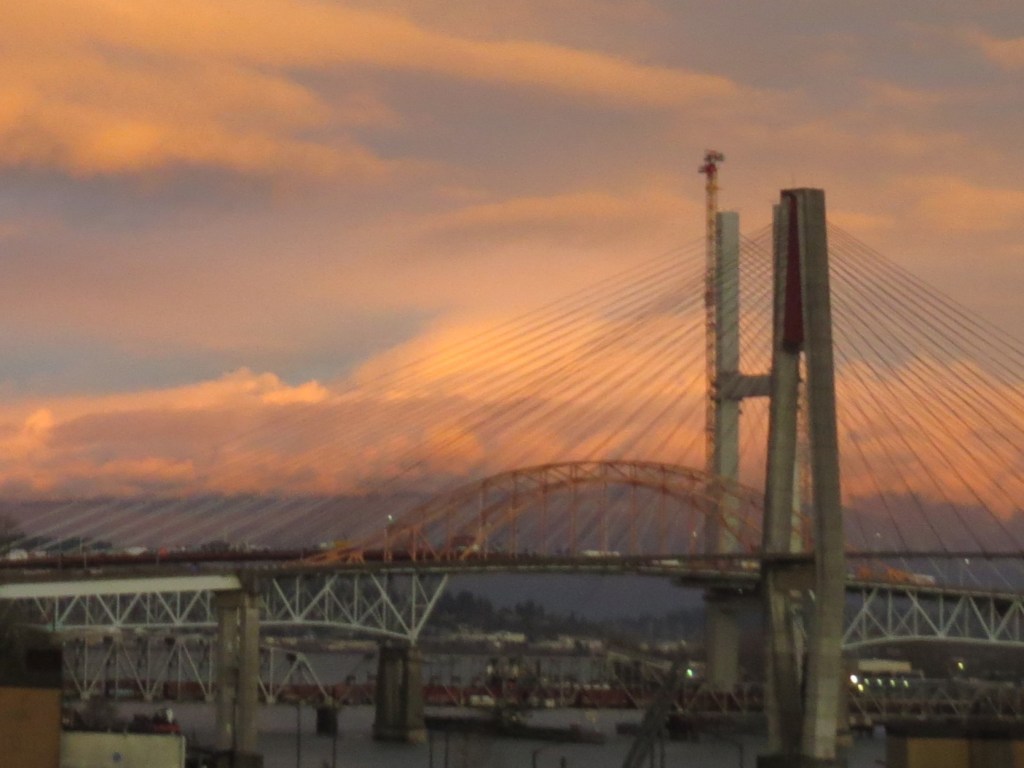
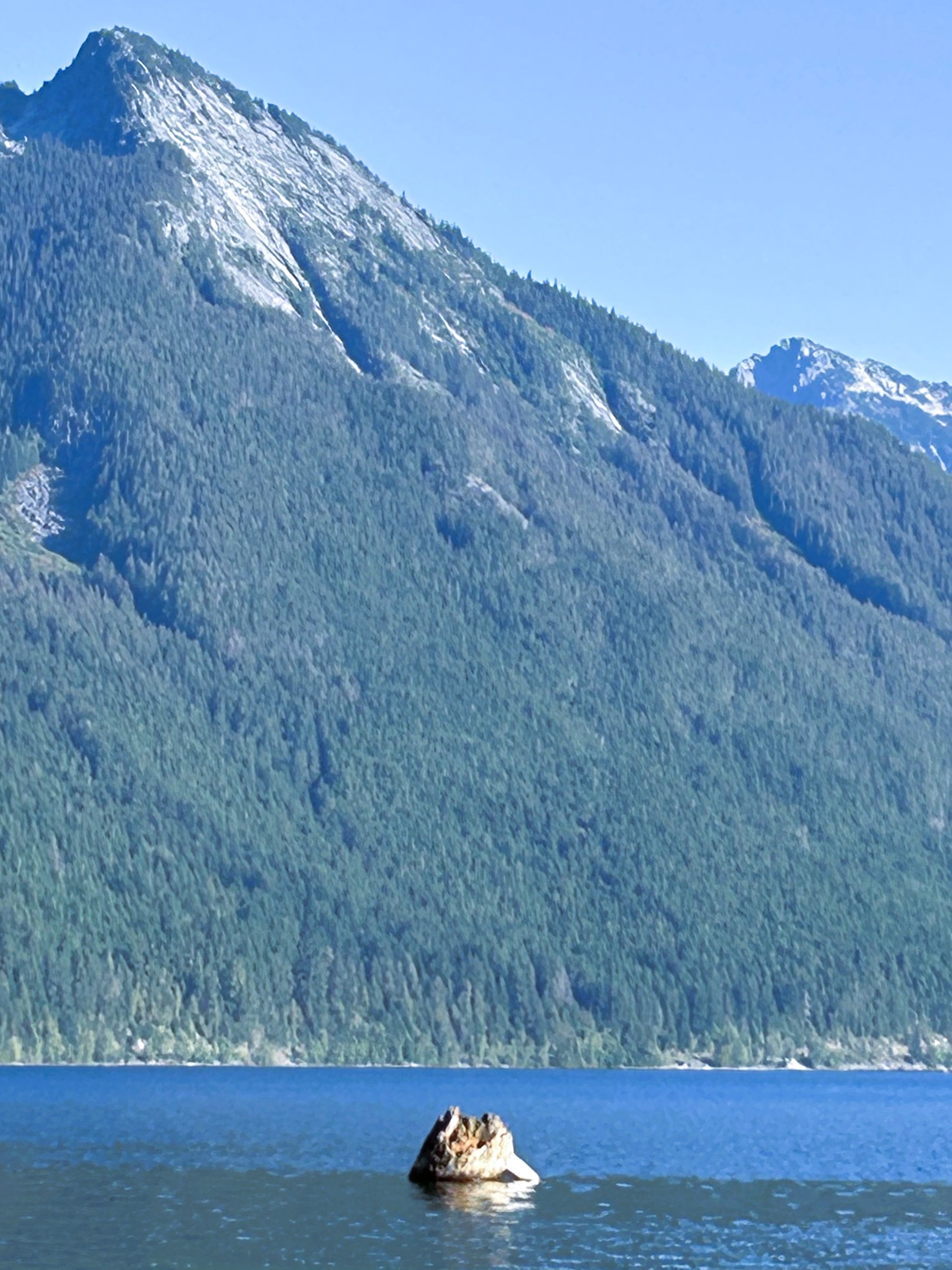
Z tego Ogrodu wróciłem na trasę ścieżką betonową wzdłuż początków Fiordu Burrard. Zatrzymałem się przy moim ukochanym Siwash Rock, rzuciłem okiem na wiszący nad nami mostem Lions Gate. Zaprojektowanym porzez tego samego architekta, który podobny bardzo zbudował między Dartmouth a Halifax – tamtym lubiłem chodzić na piechotę, jeśli miałem czasu więcej.

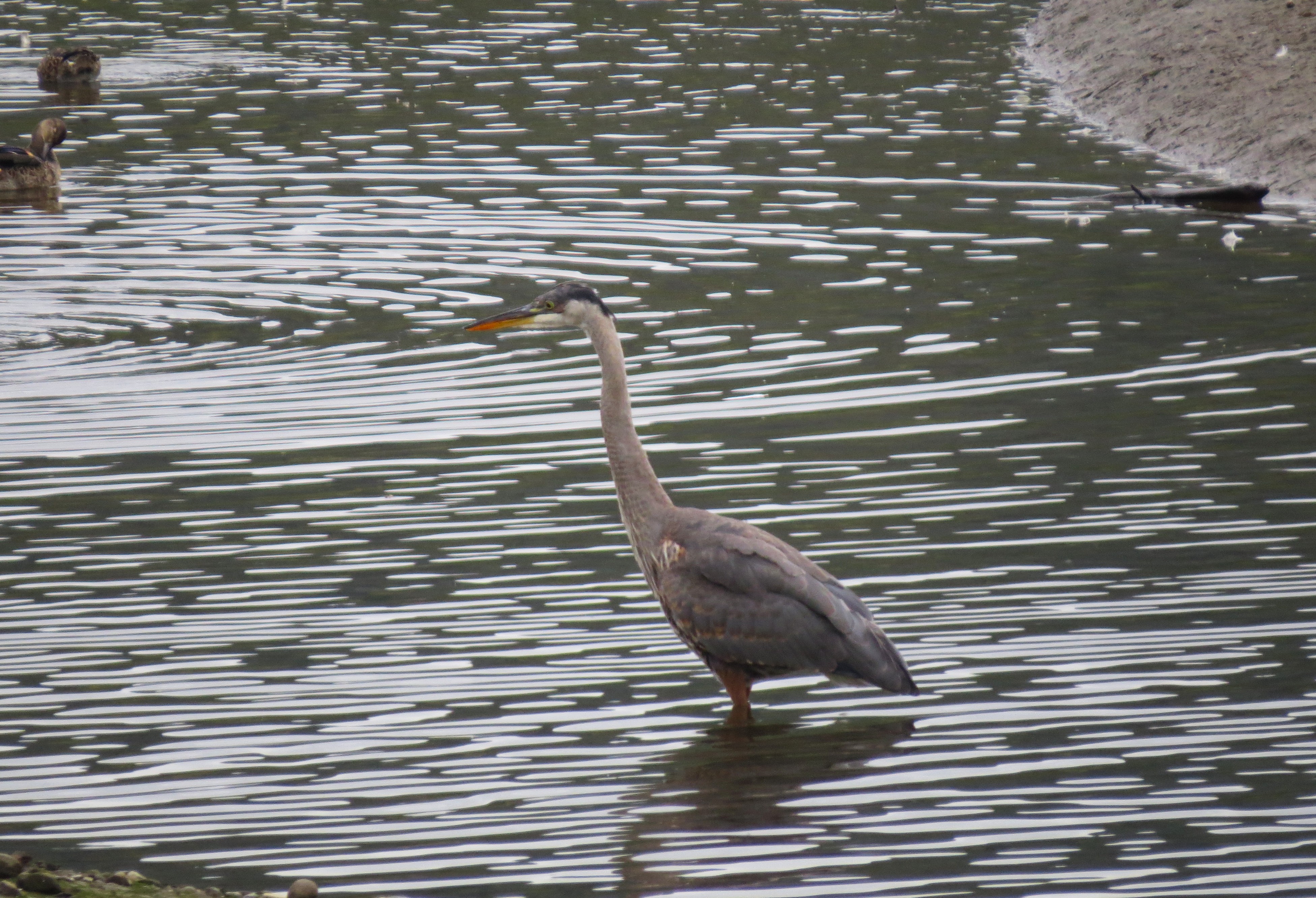
Tak, jak wczoraj w Central Park w Burnaby – ludzi co niemoc. Ale moc jednak znaleźli, grupami i pojedynczo. Dojechałem do Trzeciej Plaży, ulubionej mojej Mamy. Zdarłem z siebie wierzchnie ubranie, ległem na piasku i żałowałem, że kąpielówek na zmianę nie wziąłem. Ale do wody wlazłem. Zimna, brrr. Sporo ludzi na plaży się wylegiwało, nikt wszak do wody się nie skorzył. A ja łaziłem, brodziłem. Szkoda, że tch kąpielówek nie brałem, to bym jednak popływał chwilę. Dzieciaki zbierały muszle, mewy się wydzierały i kłóciły o jakieś rozgwiazdy, czapla opodal ze stoickim spokojem stała na swoich długich nogach niezbyt z tego harmidru zadowolona. Na drugim końcu plaży jacyś Meksykanie grali coś na bębenkach i coś na przenośnym rożnie smażyli.

Potem podjechałem do swojej kawiarni Melriches na słodki łakoć i na kawę. I coś tam skrobałem w brudnopisie.

Mamy nie ma, Irenki też, nie ma Johna. A ja jestem. Niby po co? Po prostu tak? Zwyczajnie? Bez sceny operowej, bez omdlewających hrabianek i książątek wybladłych, w perukach upudrowanych?

A tu jednak tak samo: mewy wrzeszczą strasznie i tłuką się o jakąś małżę, ta czapla stoicka niczym posąg Apollona. Jest jej kompletnie obojętnie czy to ja, czy Apollo, czy jakaś Baba Jaga choćby.

Podleciała wrona mądra, zakrakała ze zrozumieniem w te słowa: nie zwracaj na te idiotki uwagi. One są zwyczajnie patetyczne w tej swojej głupocie. Jedyny szczyt, jak w życiu osiągnęły to szczyt Ignorancji. Patrz na tych, co wiedzą – i dlatego najczęściej milczą: wrony właśnie, wieloryby i delfiny. Ponoć mrówki i szczury też. Te są jednak tak małe, że ich rozmowy są trudne do usłyszenia.

Czy jest tak samo w twoich wędrówkach? Nie, nie jest. Są te same skały, drzewa i plaże. One żyją dużo dłużej i ciekawiej; drzewa sięgają na przykład chmur i stamtąd widza dużo dalej; wieloryby i delfiny znają głębie oceanów olbrzymich i brzegi wszystkich kontynentów.

Człowiek? Człowiek jest też ciekawy. Ale nie jest stale ten sam, ważne jednak jest by pamiętał kim był wczoraj. I kim był dekady temu. Jest słabszy fizycznie z upływem czasu, ale silniejszy mentalnie z tym upływem lat. Jeśli tylko pamięta. Więc pamiętaj – zakrzyczała wrona i odleciała.

Wszyscy kiedyś odlatują, odlecimy i my. Tą naukę wrona zapomniała mi powiedzieć. Ale za te inne byłem jej wszak wdzięczny. I to by było na tyle dzisiaj. A dzień był ładny. To też warto docenić.   

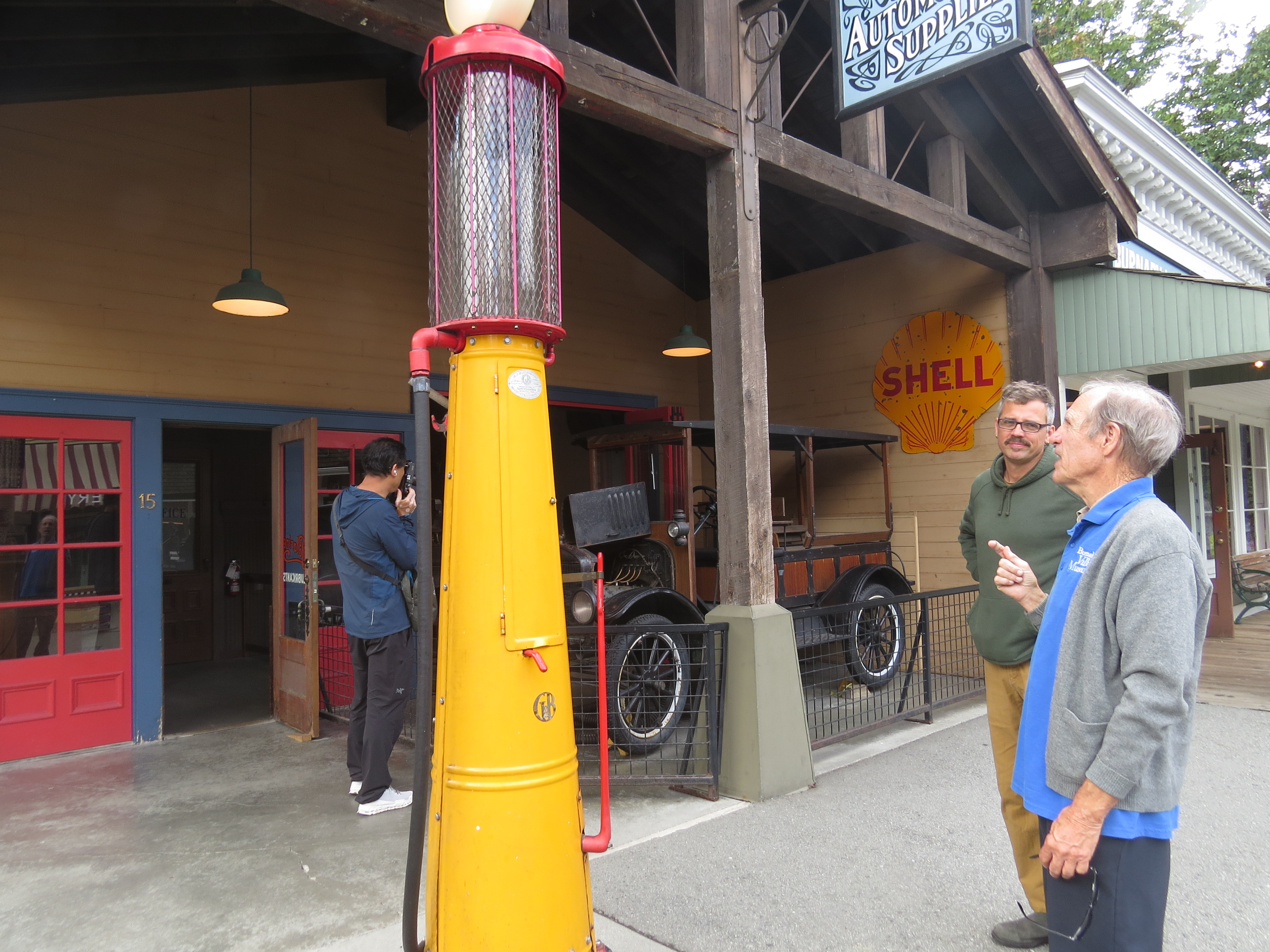
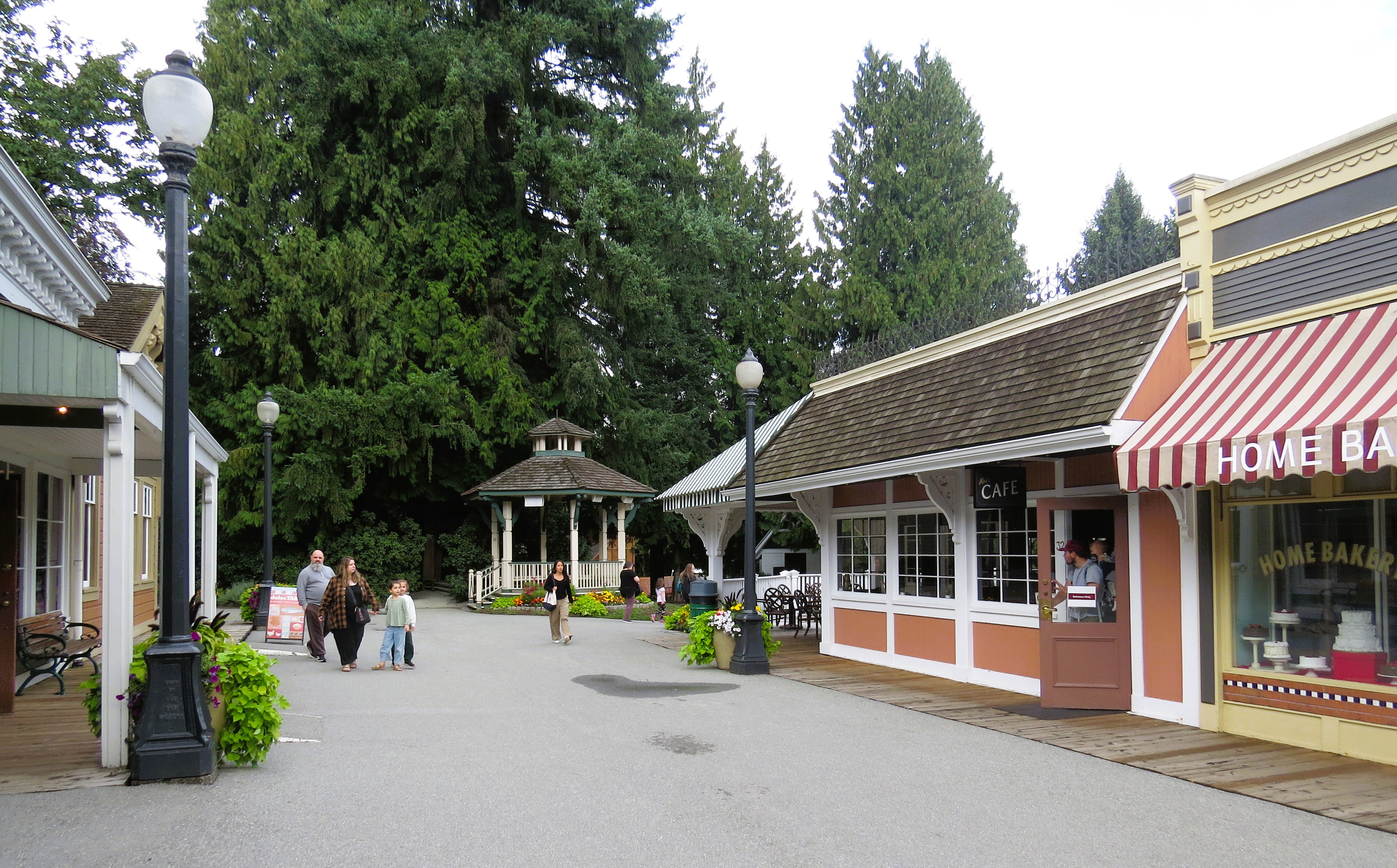
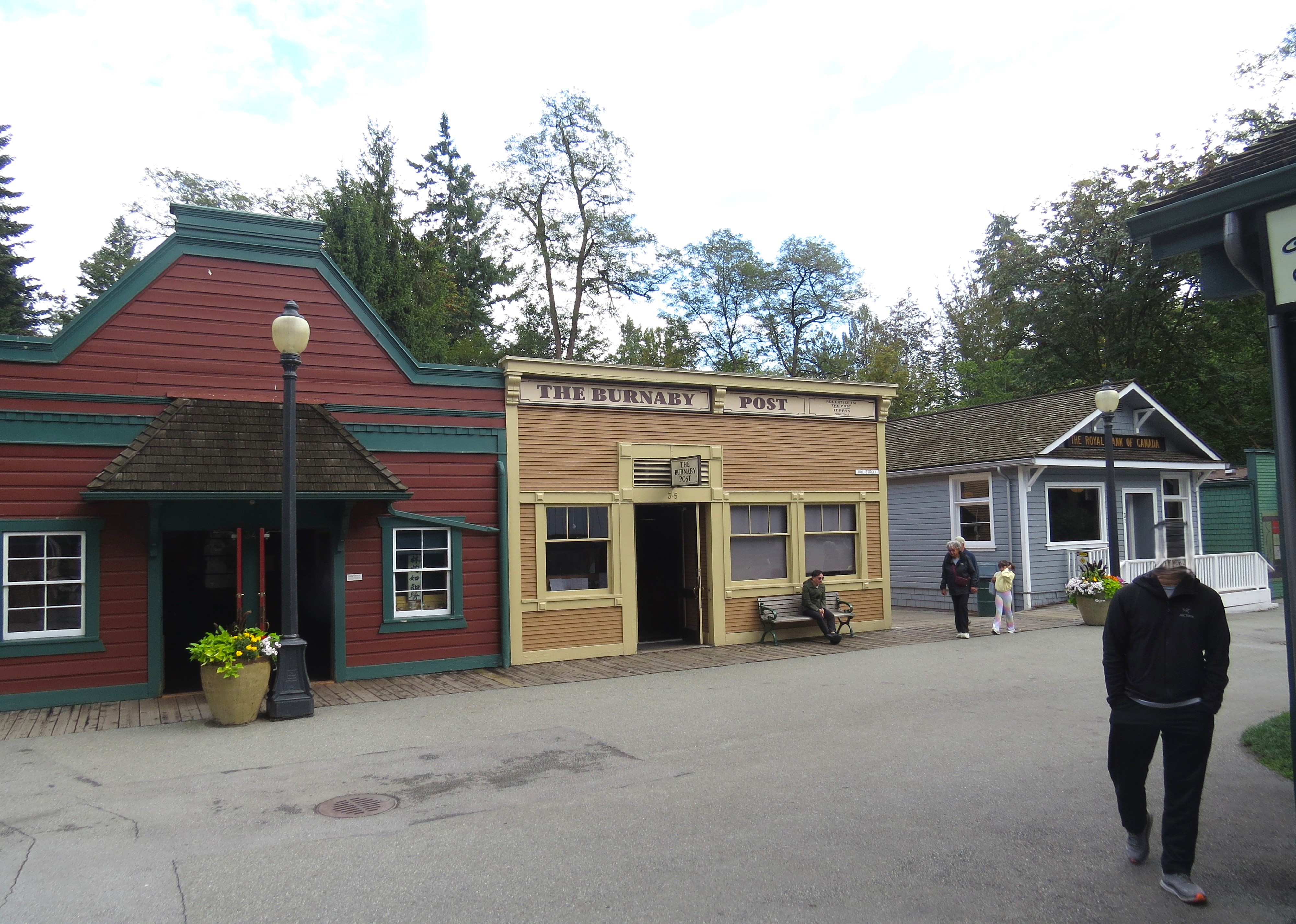
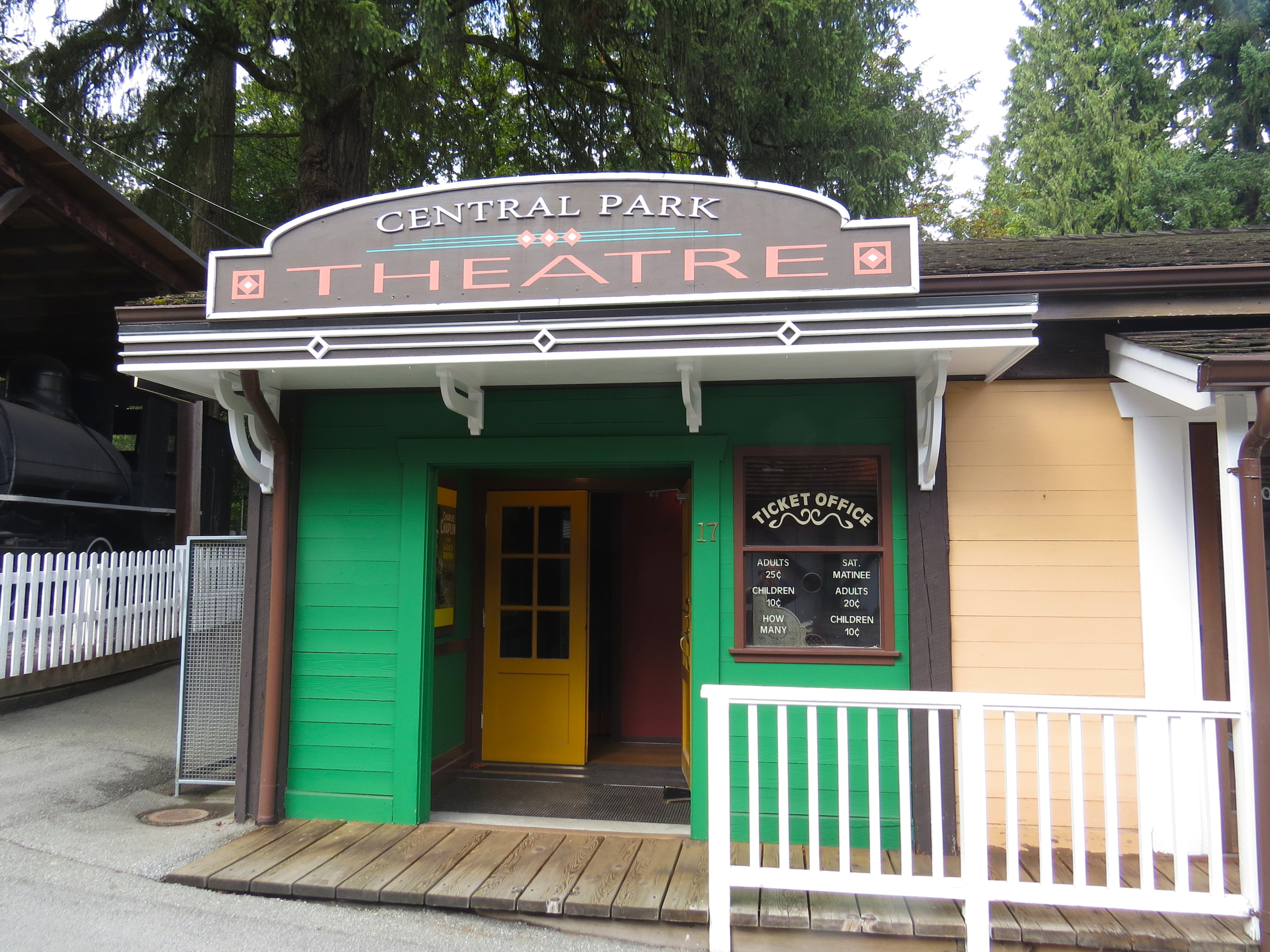
Spacer w Central Park w Burnaby

Spacer w Central Park w Burnaby

Wielkanoc tego roku jest cudowna. Tak jakby wykrzykiwała swoje pierwotne, przedchrześcijańskie znaczenie, swoją starosłowiańską pieśń odnowy, odrodzenia. Ciepło, jak w czerwcu, kwiaty wariują, ptaszki te mniejsze w tych krzewach skaczą i i śpiewają swoje piosenki wabiące partnerki – chodź, zobacz, jakie piękne gniazdko nam wyszykowałem!

Rower ‘pod pachę’ więc wziąłem i do kolejki w kierunku mego kochanego Central Parku w Burnaby. A tam ciżba, szerokimi alejkami aż trudno jechać i trzeba bardzo uważać tyle rodzin, spacerowiczów! A wszyscy uśmiechnięci, zadowoleni. No to i ja zadowolony. Bo uśmiech jest zaraźliwy, bardziej niż ponurowatość i gburstwo. Dobrze, że miałem plecak, to mogłem powoli wszystkie warstwy ubrania ściagać, aż w samych portkach zostałem siedząc w pełnym słońcu wpół pasa nagi. Dzieciaki zachwycone ogladaniem wielkich karpi podpływających do samego brzegu głównego jeziorka w parku. Mama też lubiła te karpie oglądać, gdy tu przjeżdżaliśmy.

Siedzę na ławce tak pół w negliżu i usmiecham się do tej dzieciarni. Pani w średnim wieku siada obok i zaczyna bardzo długa rozmowę. Kiwam głową, uśmiecham się grzecznie … i po chwili orientuję się, że kompletnie jej nie słucham, nie mam pojęcia  co i o czym mówi. Ale dalej się uśmiecham i głową potakuję, ha ha ha. Ona zadowolona, że ma słuchacza wolnego, ja zadowolony, że nie zwracam uwagi na jej szczebiot. Wilk syty i owca cała, a o to w końcu chodzi. Na tym całe tomiska filozofii od tysięcy lat się zasadzają. Zwykłe, proste.

Do stwau ppodchodzi grupa osób w średnim wieku. Słyszę, że rozmawiają po polsku. Miło. Uśmiecham się do nich, ale milcząco. Nie chce mi się jakichś  banalnych gadek zaczynać. Patrze tylko szybko czy znam te osoby, kilka twarzy jakby znajomych, ale nie kogę połaczyć ani z miejscem ani z nazwiskiem. Jedna pani zauważa, że sie patrze, uśmiecha się i mówi: dzień dobry panie Bogumile.  Odpowiadam zaskoczony i skinam głową: dzień dobry pani.  Ale rozmowy podjać nie mam ochoty. Słyszę jeszcze jak podchodzi do swojej grupki i lekko kierując głowę mówi im: to pan Bogumil Pacak-Gamalski tam na ławce. Usmiecham sie i ponownie, ale szybko zaczynam czytać z zajeciem książkę, którą ze sobą zabrałem. Naprawdę, po prostu nie che mi sie rozmawiać z nikim. Chcę patrzeć, obserwować. Wszystko to, ta sielanka wiosenna trochę przypomina oglądanie wystawy impresjonistów francuskich gdzieś w Paryżu, lub obrazów Chełmońskiego w galerii w Krakowie.  Ot i tyle. Dzień dobry, miłego dnia życzę.

Na szczytach Olimpu z moim Hefajstionem

Na szczytach Olimpu z moim Hefajstionem

Moje nieustające fscynacje z historią Aleksandra Macedońskiego w wersji przekazanej nam przez Klausa Manna. Eh, Klaus, Klaus, coś ty mi narobił, narozrabial w tej głowie? Przecież znałem tą historię tak dobrze  od dziesięcioleci chyba już. A ty mi tu takie tam inne odcienie, półcienie, zamglenie we mgle sentymentu podsuwasz pod oczy, a z oczu naturalnie wciska mi się to w duszę.  /… /

(pisane w Craft Cafe na bulwarze nad rzeką Fraser w New Westminster)

szkic Hefajstiona w muzeum w Madrycie (ze zbiorów Wikepdii)

Klaus, jak wiedzieć mogłeś, że Aleksander przez dni kilka okrywał całunem pocałunków miłości całe ciało Hefajstiona? Że nie pozwolił dworzanom i żołnierzom oderwać cię od tego ciała, które było strumieniem jego życia właśnie, tego samego niepokonanego nigdy Aleksandra? Aleksandra, który zwyciężył armie całego świata. Aż śmierć tego umiłowanego generała, przyjaciela, kochanka jego nie pokonała. Życiodajnym strumieniem płynącym z macierzyńskiej Pel[i]i? Które było kwiatami Babilonu? Które było złotem Gangesu i Brahmaputry? Które było kolumnami Persepolis[ii]?

Jak wiedzieć mogłeś, że wszystkie stolice świata, tobołki pełne pereł, diamentów, złota i szmaragdów nie mogły kupić biletu powrotnego dla Hefajstiona?

to nie to, czy ten co odszedł dał ci życie

to to, że on był życiem

pytanie jest czy oddałbyś swoje

bo kochałeś

i łzy milczące napłynęły,

bo znikąd rady ni pomocy

dostać nie mogłeś

i byłeś bezbronny i słaby,

jako najniższy z niewolników,

a łzy same popłynęły z oczu

/B. Pacak-Gamalski/

                I otworzyła się brama w ścianie mojego Czasu: bogowie, lub herosi za ich pozwoleniem, przenieśli mnie w te dni okrutne, dni żegnania mego Hefajstiona. Dni, kiedy kładłem się obok niego, podłączonego do sieci różnorodnych elektronicznych czujników wyświetlających na ekranach wykresy symboli przypominających starą grekę z dni Arystotelesa i jego ucznia, Aleksandra; przez usta wpuszczono długiego węża[iii] , który wśliznął się do jego płuc i w równomiernych odstępach wdychał w nie powietrze. Dwa dni i dwie noce byłam do tego łóżka przytroczony siłą niepojetą.  Opowiadałem mu wszystkie dni naszego życia, wszystkie dekady naszych domów i mieszkań, podróży kontynentalnych i lokalnych; wąwozy, góry, wybrzeża oceanów, nasze plaże i nasze balkony.

Próbowano, namawiano, tłumaczono, że muszę odpocząć, pojechać do domu przespać parę godzin. Na końcu do małego pokoiku  przy tej wielkiej sali ICU[iv] wniesiono  jakąś kozetkę i namówiono mnie bym dał sobie czas na krótki sen, obiecując zawiadomić mnie natychmiast o jakiejkolwiek zmianie sytuacji. Uległem namowie i położyłem się. Natychmiast zasnąłem. Gdy się obudziłem zerwałem się z przerażeniem, że spałem.  Pobiegłem błyskawicznie do pokoju mego Hefajstiona z wyrzutem wobec medyków, że pozwolili mi  tak długo spać. Uśmiechnęli się lekko i smutno, jeden z nich odpowiedział: spałeś niecałe piętnaście minut.

Potem zebrało sie konsylium. Poprosili bym siadł przy ich stole: kardiolog, neurolog, pulmonolog i doktor od psychologii. Pani psycholożka była dla mnie, choć nie sądziłem, że jestem chory. Reagowałem dość – zdaniem moim – normalnie  na sytuację w jakiej się znalazłem.

Mówiono ciepło i monotonnie, cicho ale stanowczo: twoje płaty mózgowe na moment nie drgnęły, zostało tylko ciało – bezbronne, że powinienem dać zgodę, by ciebie od tych próbek, od tych węży odłączyć, by twoje ciało mogło też usnąć, bo jest zbyt zmęczone. Pani psycholożka wyjaśniła, że twój duch był świadom życia ostatni raz w moich ramionach, gdy czekałem na karetkę wtulając cię w moje pocałunki, moje wdmuchiwanie w ciebie powietrze. I że wtedy, bez paroksyzmów niemocy odleciałeś w przestrzeń poza naszą.

Nie, nie zerwałem się tak, jak Aleksander i nie wymordowałem tych bezsilnych medyków od ciała i duszy. Rozumiałem, że nie mogę twojego pięknego ciała męczyć ponad miarę, że muszę się nad samolubność i egoizm własny wznieść. Dałem tą zgodę z jednym zastrzeżeniem: po odłączeniu od tych sączek, macek i próbek ja muszę tam wejść i sam z nim tylko pozostać. Co zrobiono i zasłoniono szczelnie kotary, by wzrok kogokolwiek nie ośmielił się mnie i ciebie, Hefajstionie widzieć.

Leżałeś piękny, spokojny, bez drżenia, bez wstrząsów, bez drgań. Łagodny – czekałeś. Położyłem się obok, wtuliłem w ciebie. Całowałem od stóp poczynając, w górę aż do ust, nosa, oczu. Byłeś znowu sobą – kolumną i filarem mojego spokoju. Nawet nie wzbraniałeś od pieszczot ostatnich. Jak dekady wcześniej, gdy oddałeś się kompletnie nad jakimś strumieniem u podnóża wielkich gór – grzbietu Ameryk. Nasza droga od naszej Macedonii do naszego Babilonu. Nasze piękne życie. Nie mogę swoim zwyczajem być zbyt dumny Hefajstionie, muszę za nie podziękować wszystkim bogom wszystkich czasów: archaicznego, antycznego i nowożytnego. Nawet jeśli tych bogów nie było.

Może bogami są wszystkie dusze, które po odłączenu się od ciał, zamieszkują na najwyższych szczytach Atlasu, Himalajów, Kaukazu, Kordylierów, Olimpu i Karkonoszy?


[i] Stolica Mcedonii w czasach Aleksandra Wielkiego

[ii] Stolica starożytnej Persji

[iii] Wąż był symbolem helleńskiego boga sztuki lekarskiej, Asklepiosa

[iv] Intensive Care Unit (oddział intensywnej terapii)

Our talks in Babylon

It is the most beautiful time of the year in Vancouver, particularly in the West End and around the Lost Lagoon, the charming gateway to Stanley Park. On a sunny day is all a song, a poem. The time of flowering umbrellas of rosy cherry trees, of majestic magnolias, and the tiny flowers of children sprouting from the soil in multitude of colours. The singing birds returned to their nests, their homes on the branches of massive trees. Their colossal migration almost done, they are back at home. A reflection comes to mind: just as my migration finishes. Back home, all the way from the shores of mighty Atlantic, across the vast continent.

With a book in hand I read familiar story of another traveler: Alexander, the young king of Macedonia. I have read many accounts of the ancient story written by historian and writers. The story of conquests and of battles and a story of searching for love.

Yes, there were numerous battles small and great; there were many corpses of his soldiers and generals – but all of it does not matter. In the annals of history of man there are always battlefields and dead bodies strewn on the banks of some great rivers, on the shores of some seas.

But the quest for love is different than the quest for land, or hegemony. The quest for love is worthy of all and every battle and the only thing when murder and death are excusable. For what is greater than She after all? She gives meaning to live and She excuses death.

Alexander and Hephaestion

hunting a stag

                As I read the story again[i] – the battles and the fallen soldiers and generals do not matter to me. It is the travel through lands unknown bringing chances of love and romances that matters to me. How had it changed him? Each culture enriched him, each lovemaking, with a woman or man made him different, too. He was no longer Alexander of Macedonia, no longer even Macedonian nor Greek. He was the Great Alexander. Man, who could have had anyone and anything. Did he? Did he quenched his thirst, filled his hunger?

At the very end: was it one, big irony that his conquer had defeated him? Whom should I ask? Gilgamesh[ii] or the great poet Rumi[iii] of XCCC century Persia?

Indeed funny, that it brings me to these names. Not to Shakespeare, or even Dante Alighieri – they are just famous copiers of stories of ancient Love Immortal, or very much deadly indeed – Love Mortal.

The story, a tale perhaps, as told by no one other than Klaus Mann (himself a hunter of love) brings me my own memory. As he (Mann) of Alexander’s stay in Babylon – the cradle of civilization – he recounts the young king visit and tribute to Ishtar[iv], who was so instrumental for the fate of Gilgamesh.  Moreover, he mentions Alexander visit to the temple of Marduk [p. 89]. The temple was from the times of king Nebuchadnezzar[v] .

I have never been a sculptor. Yet, in the equally ancient time of my childhood, being maybe a boy of twelve, maybe thirteen, I did with my own hands sculpted from the red clay of Masovia a small figurine of Marduk sitting on a large throne, with his beard coiffure intricately in layers – the way the Bavylonians did in the time of Nebuchadnezzar. Ha! A friend of my father (who was, unlike me, a formally trained sculptor) grabbed that sculpture of mine, called it ‘marvelous’ and took it to some local small museum somewhere in or around Olsztyn in Masurian forest. Never seen it since, nor heard of it again, LOL. Perhaps it still is on some dusty shelf there (where exactly?), LOL. Sufficient to say I have never sculpted again. There is certainly enough of Rodins in Louvres of the world.

                The old gods of Syria and Mesopotamia did not touched me and Marduk wasn’t exactly a god of love, more a god of war and revenge. Nonetheless, a god. But let’s go to our Alexander. Our lovely, terrifying, amorous, beautiful and merciless Boy-King in his quest for love. Love – the only thing that is immortal in the lives of silly kings and heroes through our entire history.

Mann states: ‘He wanted to be loved, and nothing was more important to him.’ [p. 89] .

I am not a sculptor, I am just a poet. Let me try to say it clearly in versed form:

In the Gardens of Semiramis love grew

in rows on cascading steps  of all colours;

of aromas conquering their souls and hearts.

Was it forever mine to claim, cherish, to behold?

When my king will lead me to battle

and I will be slain by a sword or an arrow –

I will be happy to say: I have been loved

and I was in love. My destiny was fulfilled.

(by B. Pacak-Gamalski, March 2026)

Alexander galloping through Asia on his beloved Bucephallus comes to Egypt. There he wants his lover to be made a god. Immortal. Hephaestion is denied the transformation (as given previously for Alexander himself) and is forced to be contained with a lesser denomination as a hero. But it is of no use for him, he already was given the ultimate prize, the highest possibly – a love eternal from his Beloved himself – Alexander. When he dies Alexander weeps for days as he lays on the body of his friend and lover, when he dies. Soon after that tragic death, Alexander dies himself. Did he loved as much the young eunuch boy, so beautiful Bagoas? He did likely in the moment they were kissing, but his soul was already given totally to Hephaestion.

Gods are not very forgiving to people for their all-consuming great loves. It threatens the love and adoration they expect from men toward the gods, not other mortals. But gods are blind, too. They think too much of themselves, perhaps they love themselves too much? For everything is mortal: people, heroes and gods. The only thing immortal is Love itself.

I should know a bit about it, for I have met Love once in my short journey. Au Wiedersefen, Herr Mann, goodbye my dear god-like Alexander.   


[i] Klaus Mann “Alexander”, pub. Hesperus Press Ltd; London, 2007

[ii] Gilgamesh | Epic, Summary, & Facts | Britannica

[iii] Rumi – World History Encyclopedia

[iv] Ishtar | Goddess, Worship, & Facts | Britannica

[v] Nebuchadnezzar II | Biography, Accomplishments, & Facts | Britannica