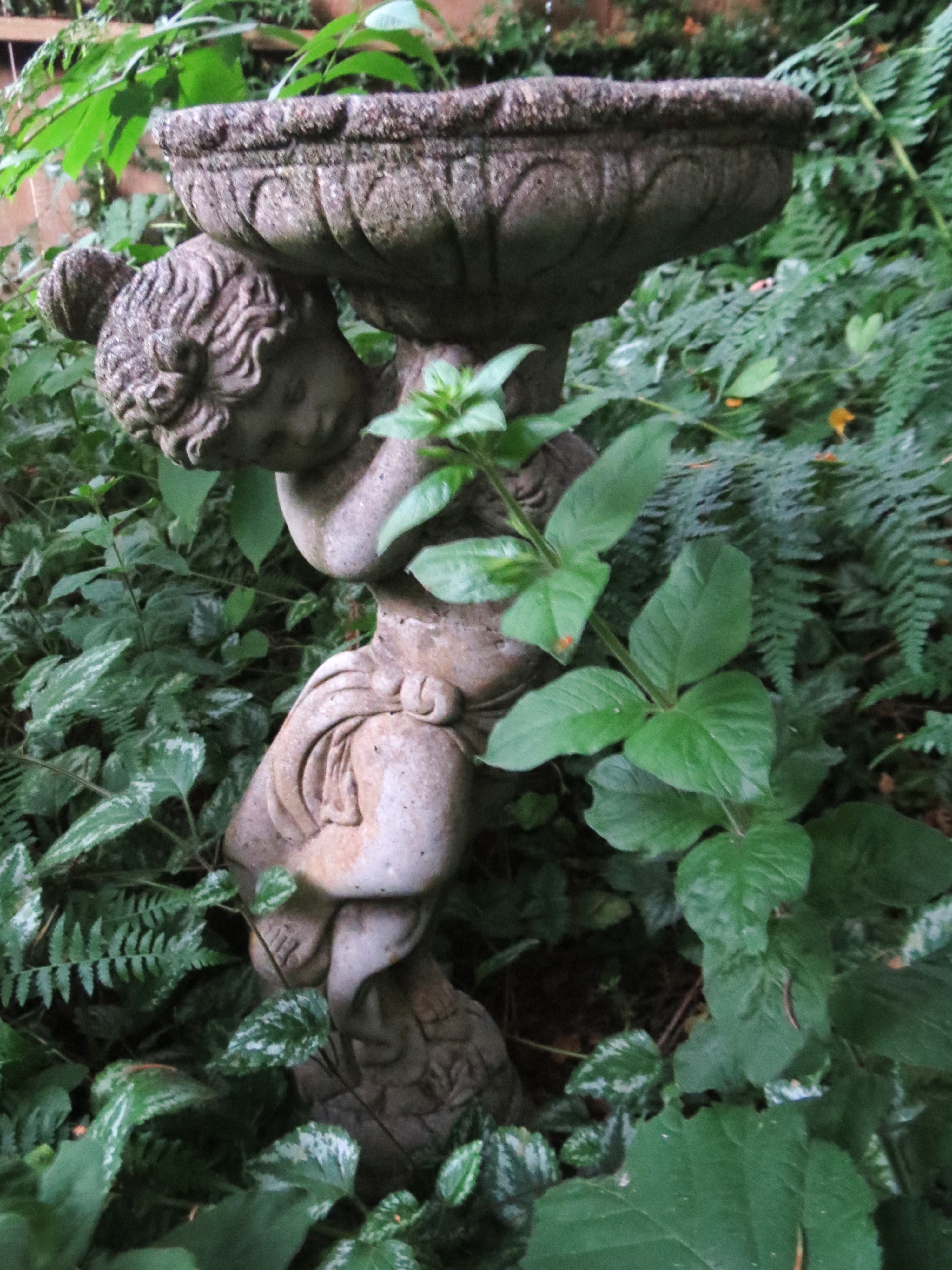
O zaczarowanej chatce w zaczarowanym ogrodzie

O zaczarowanej chatce w zaczarowanym ogrodzie

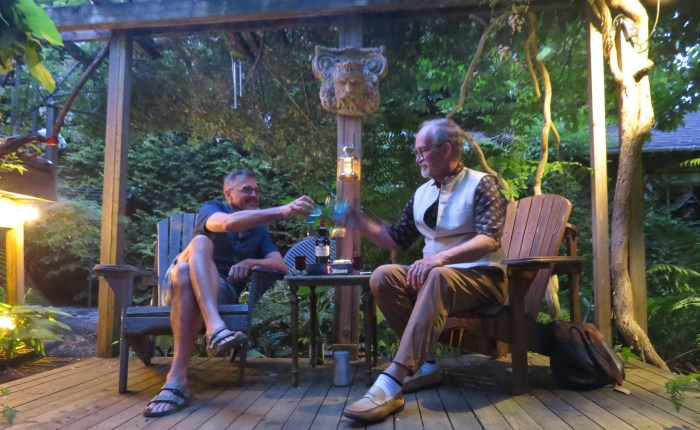
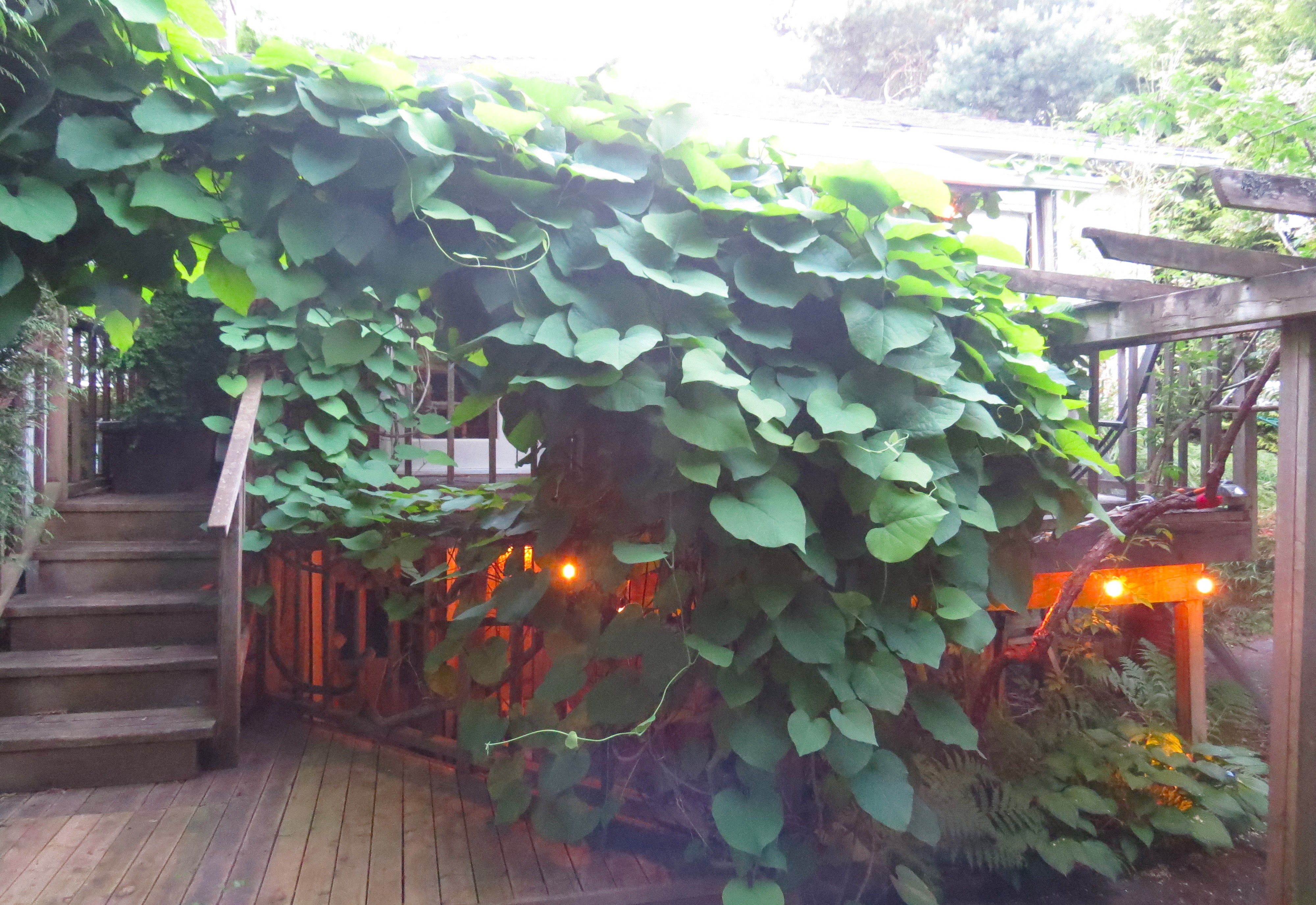
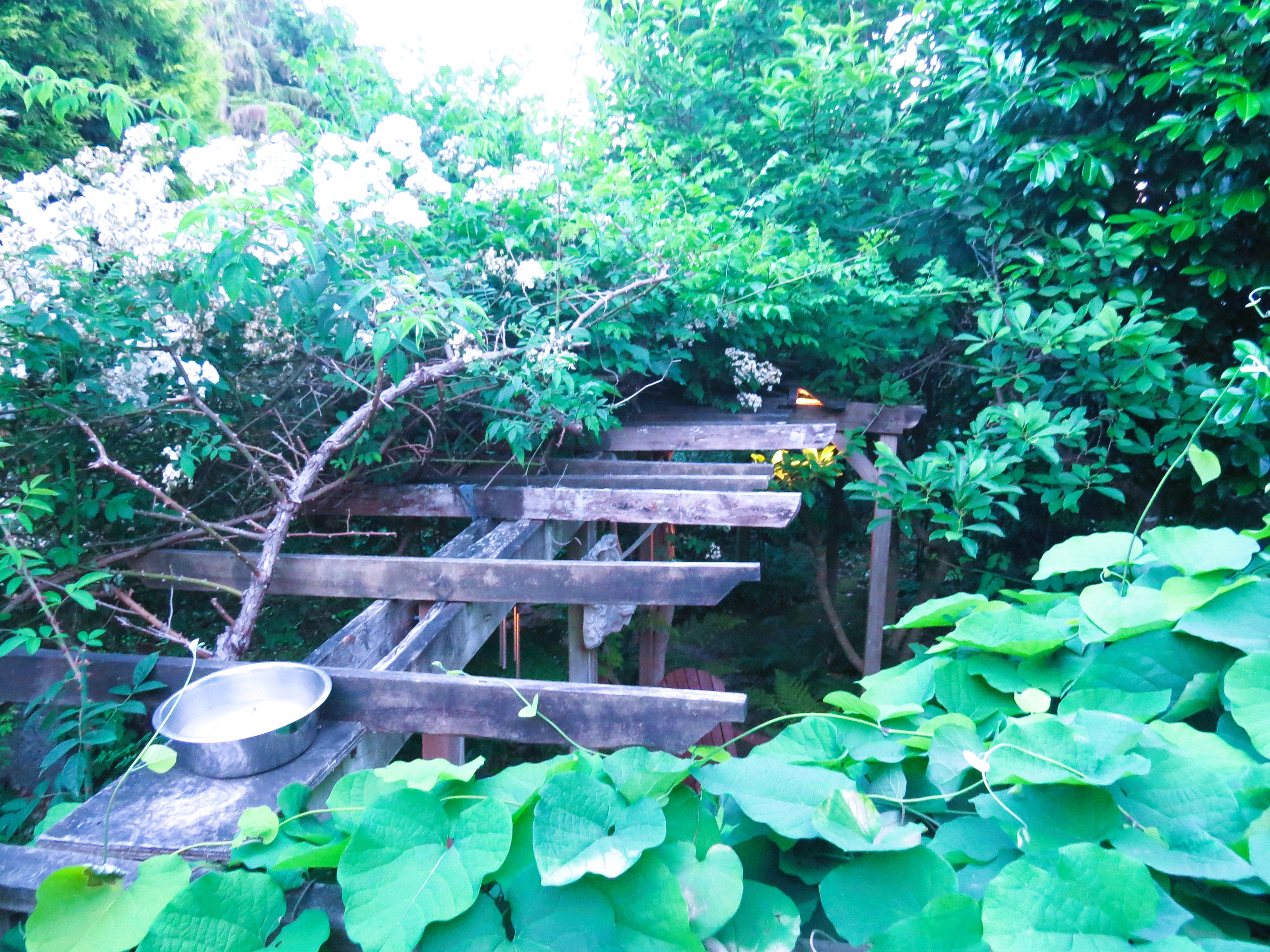
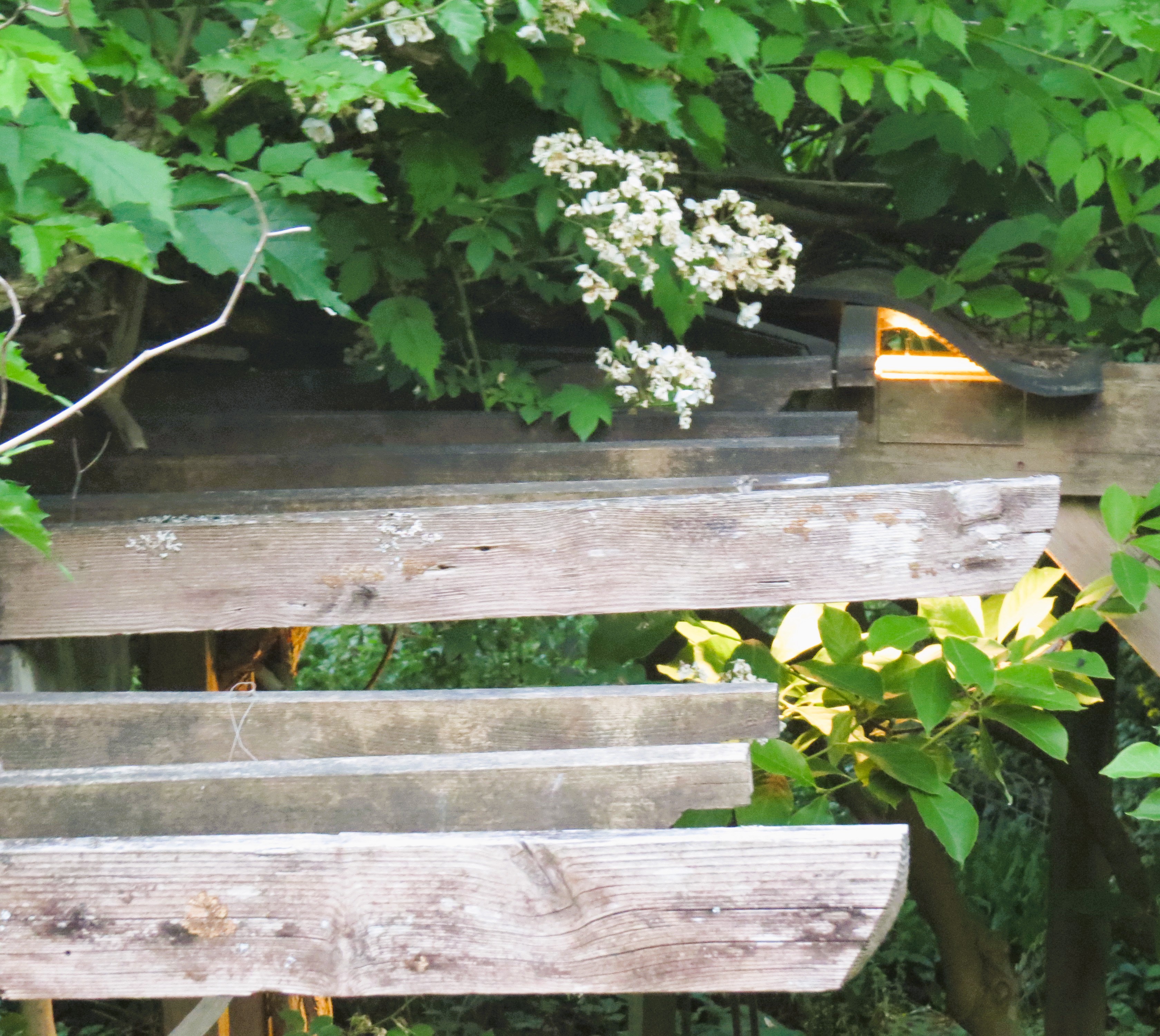
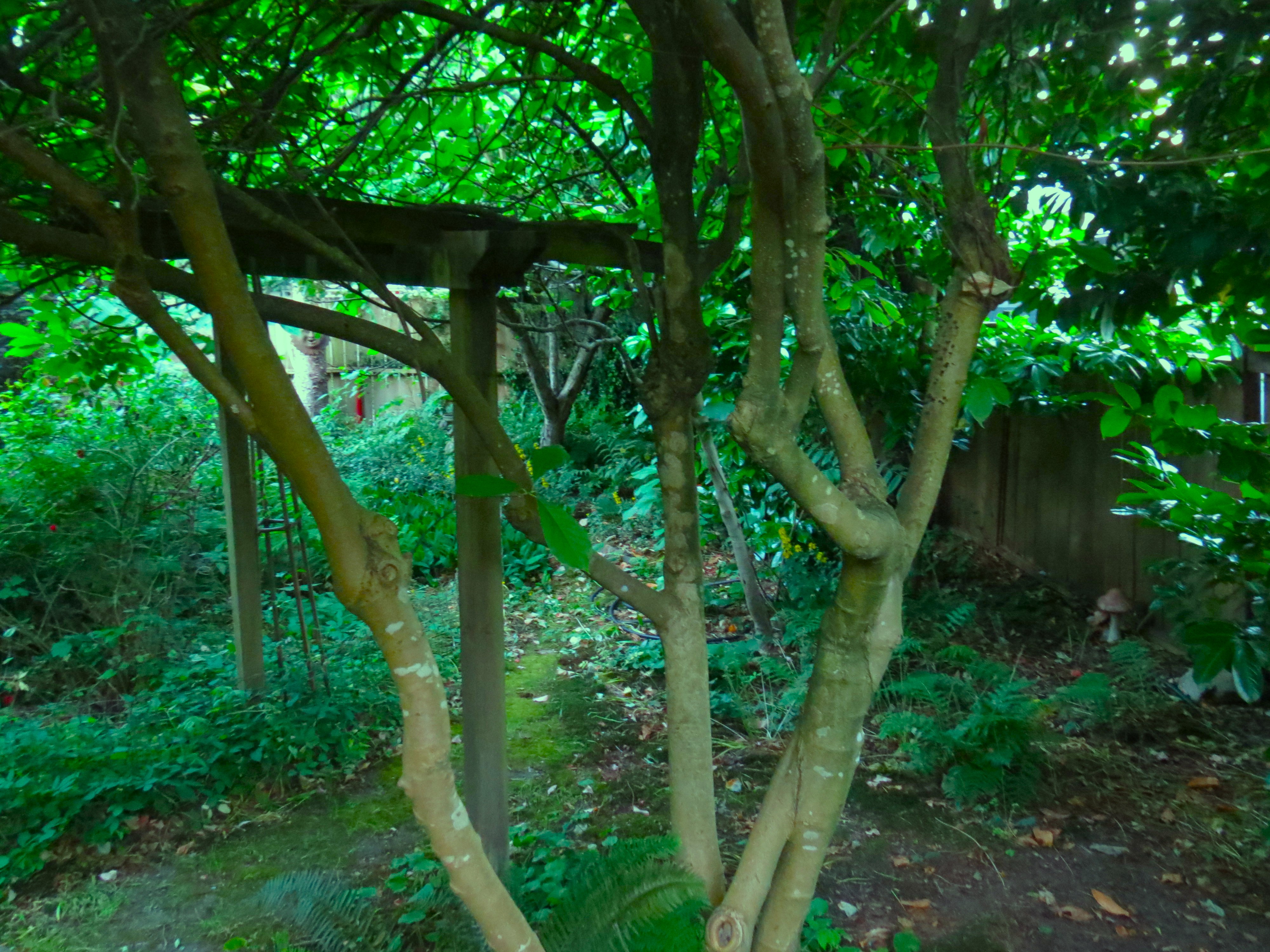
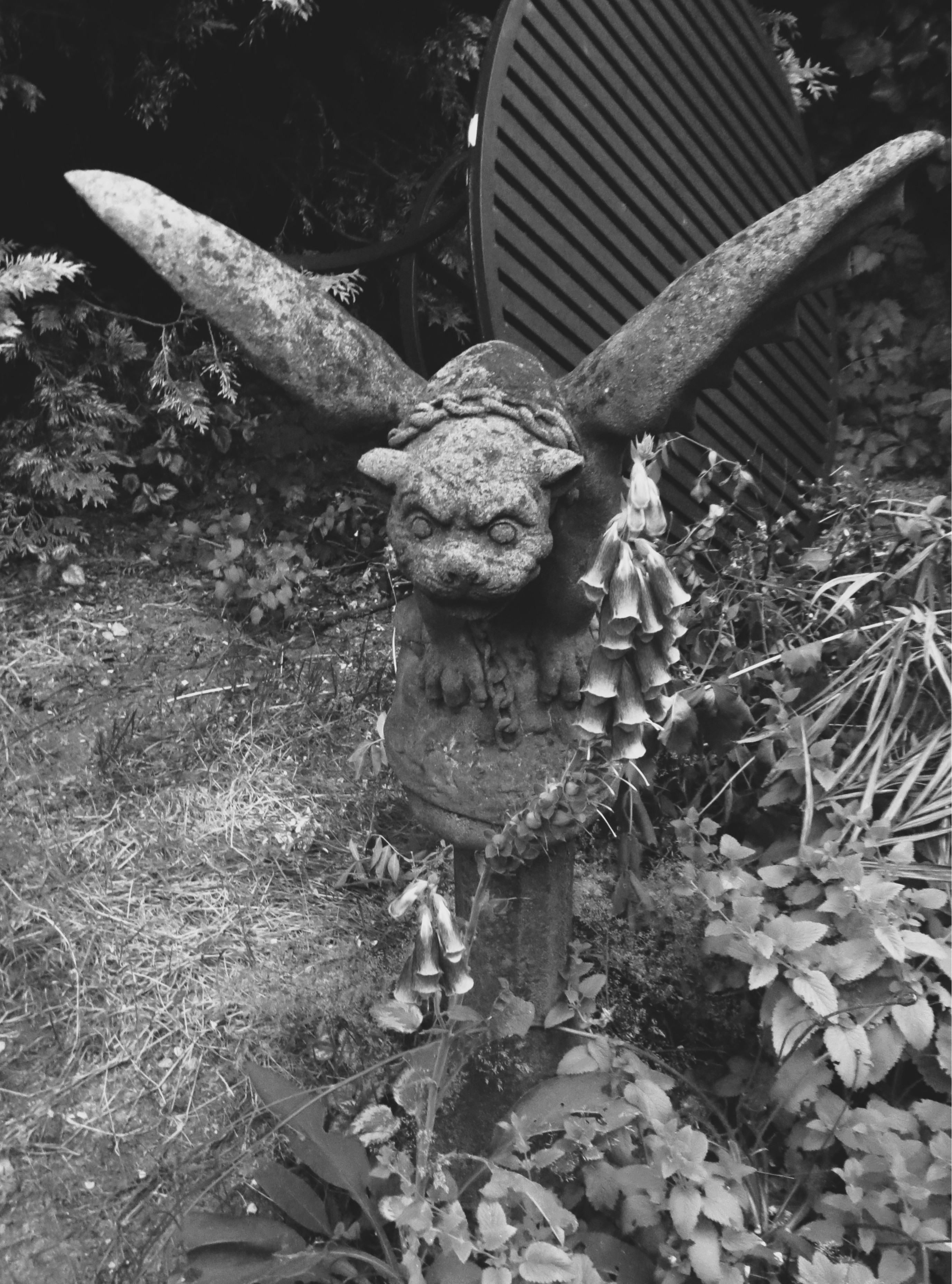
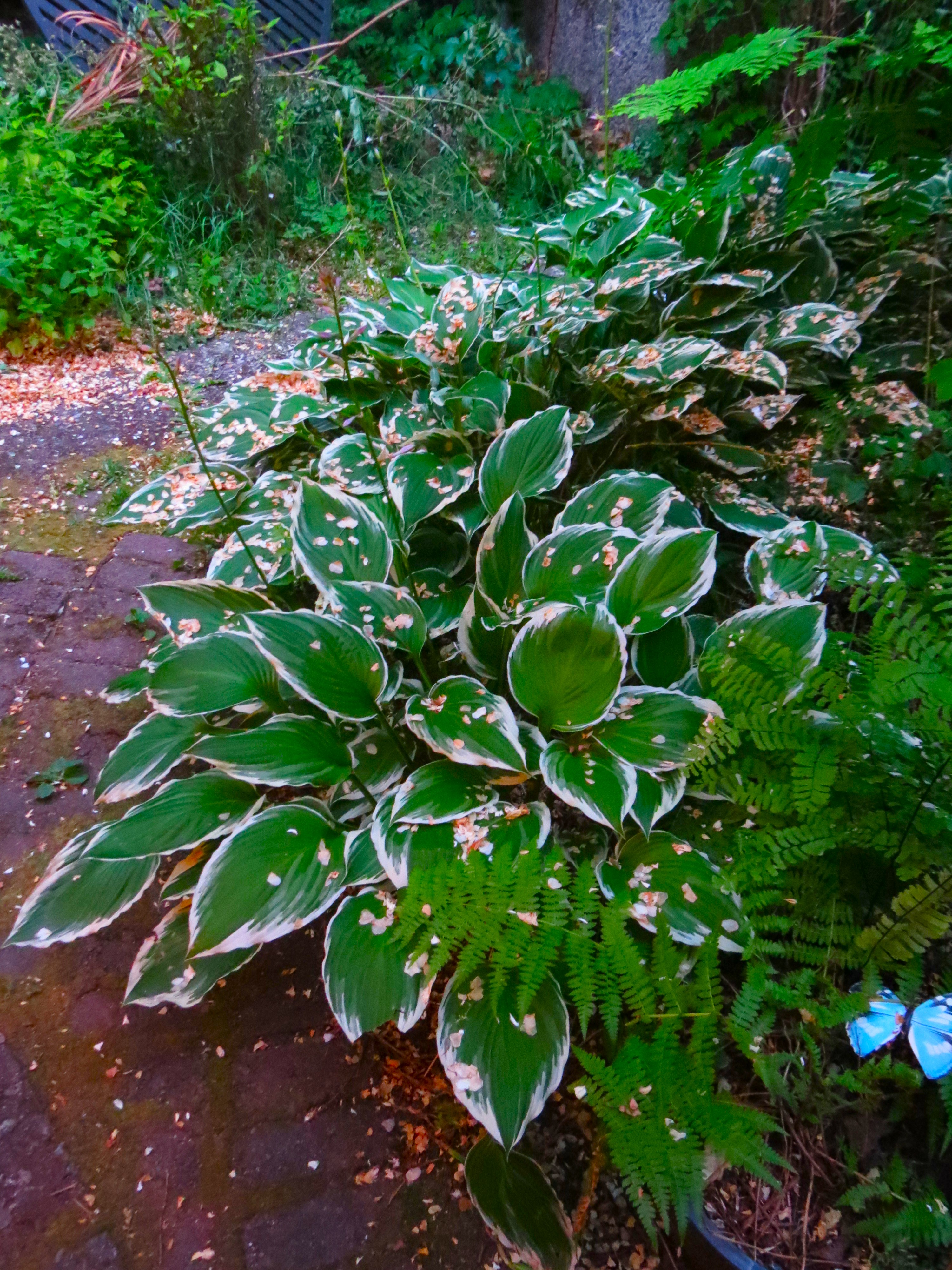
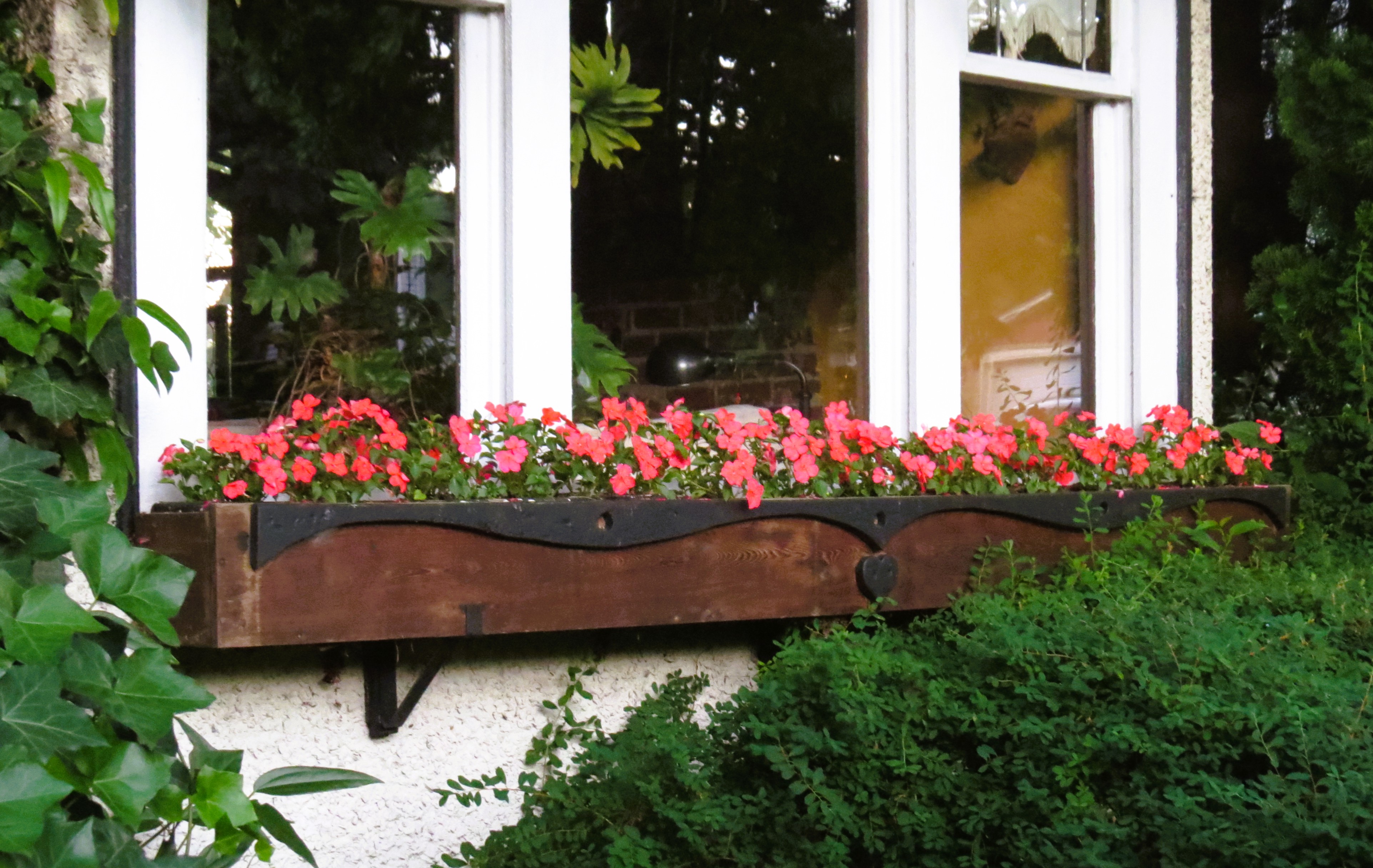
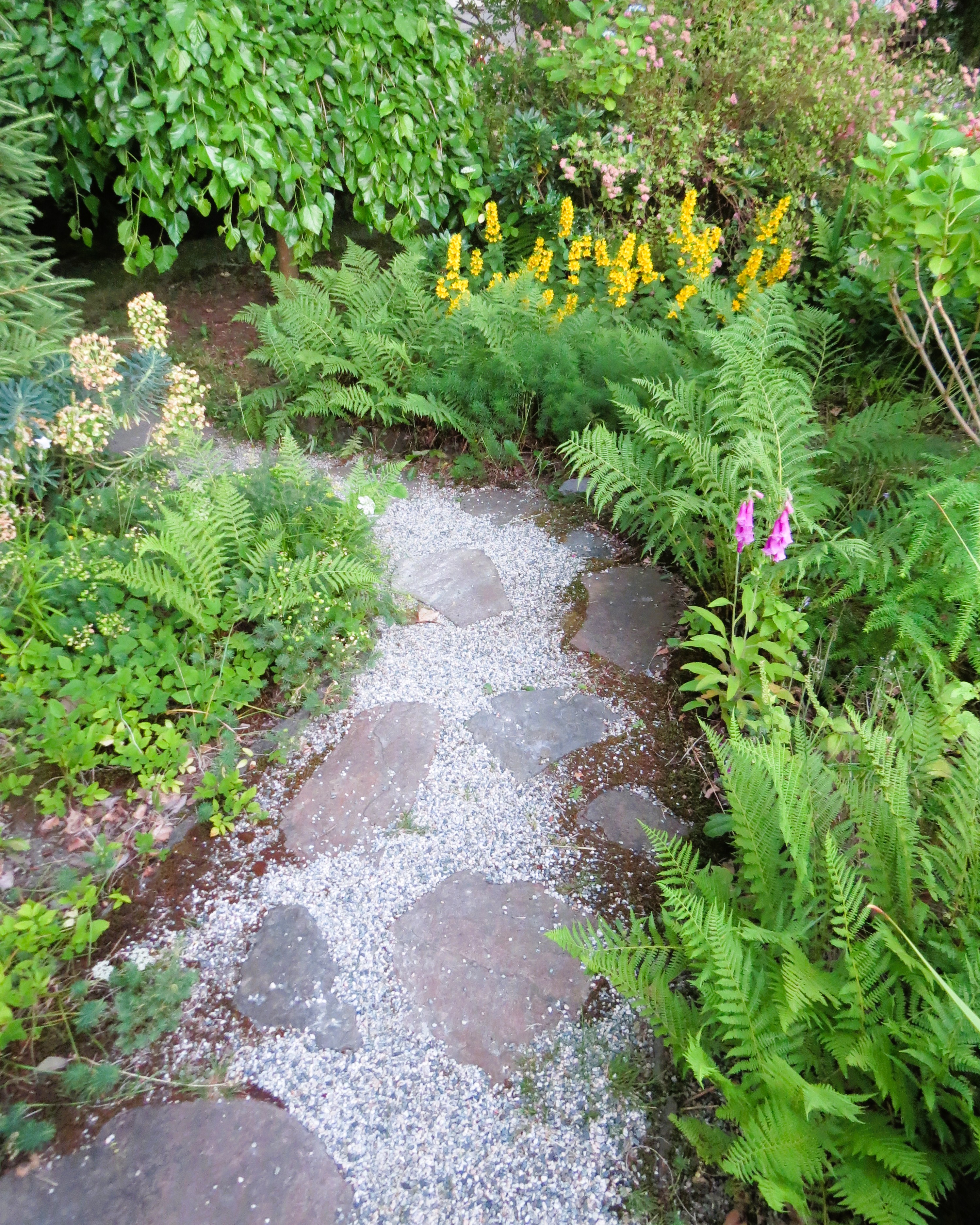
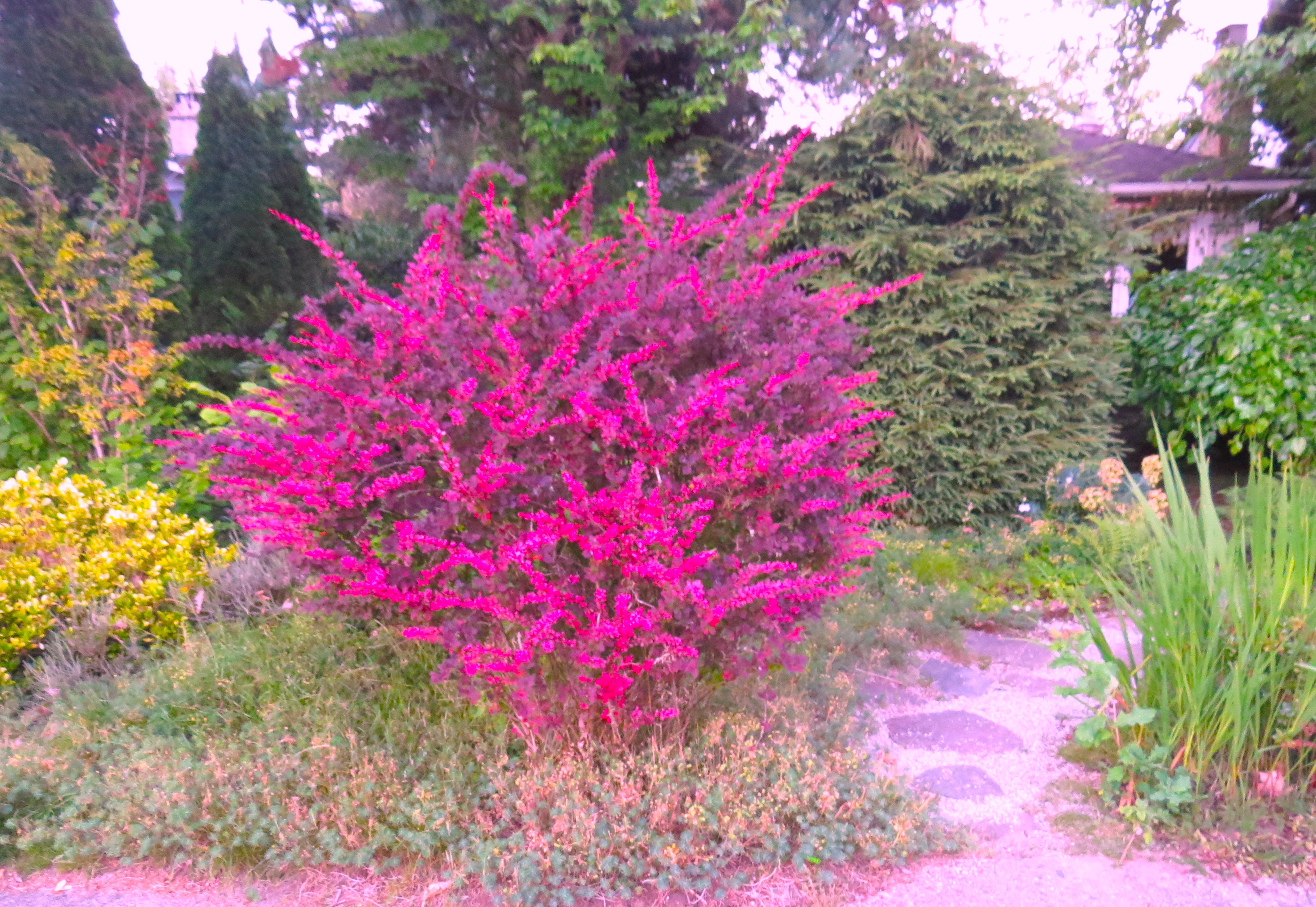
Chatka na Kórzej Łapce

Na uliczce Kórzej Nożki

stała chatka babci Jagi.

Wiodły do niej wąskie dróżki

z mapy starej ciotki Blagi.

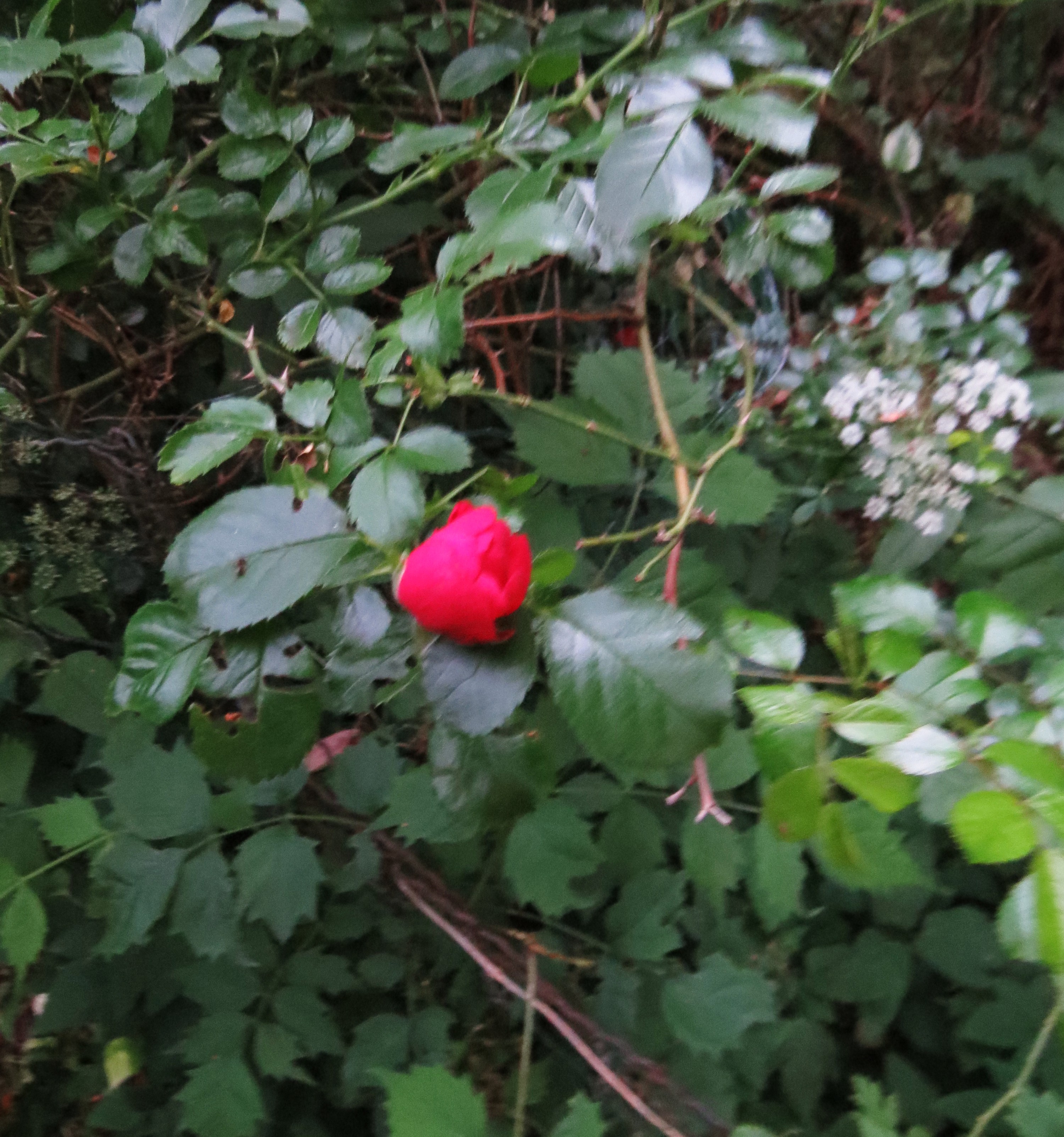
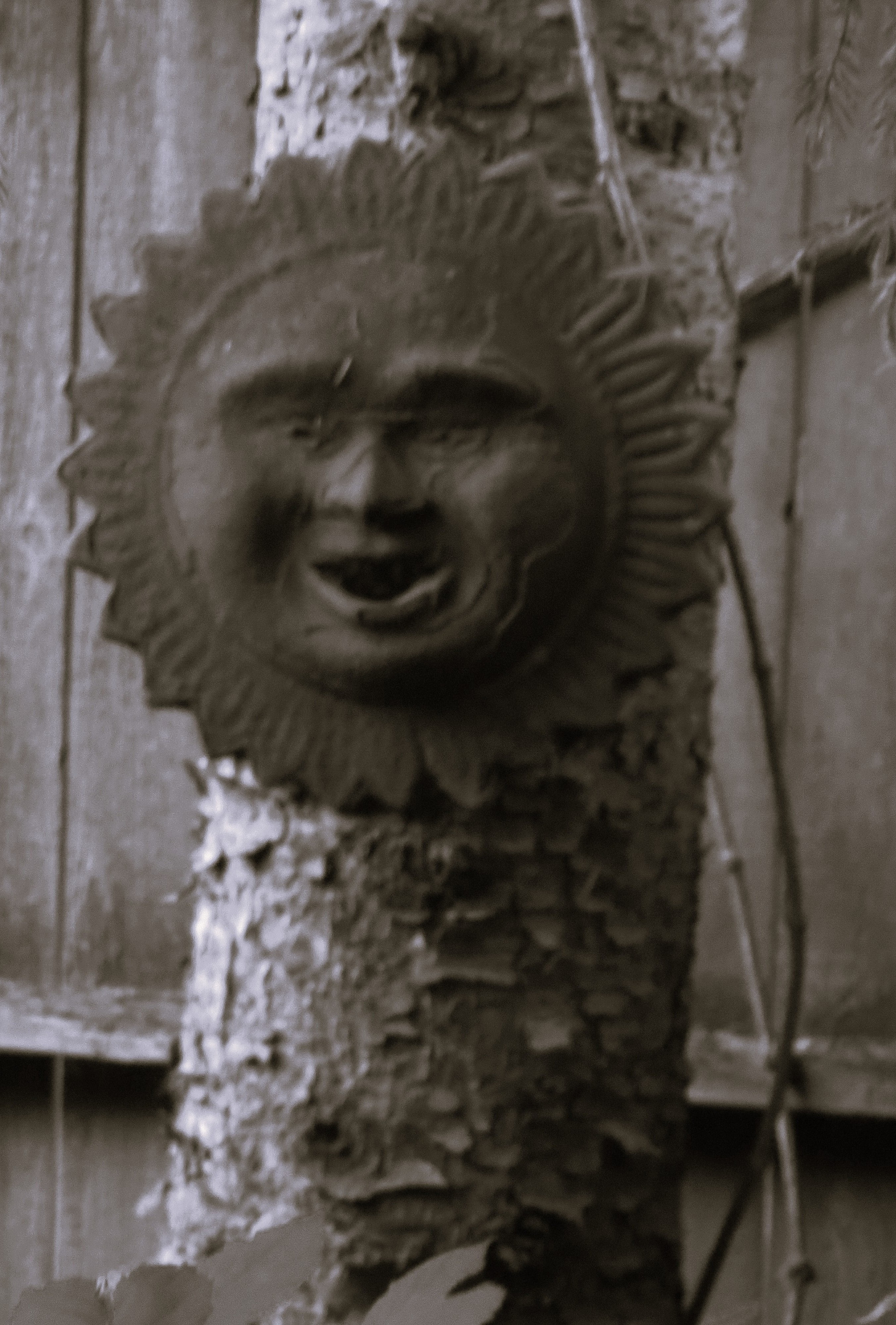
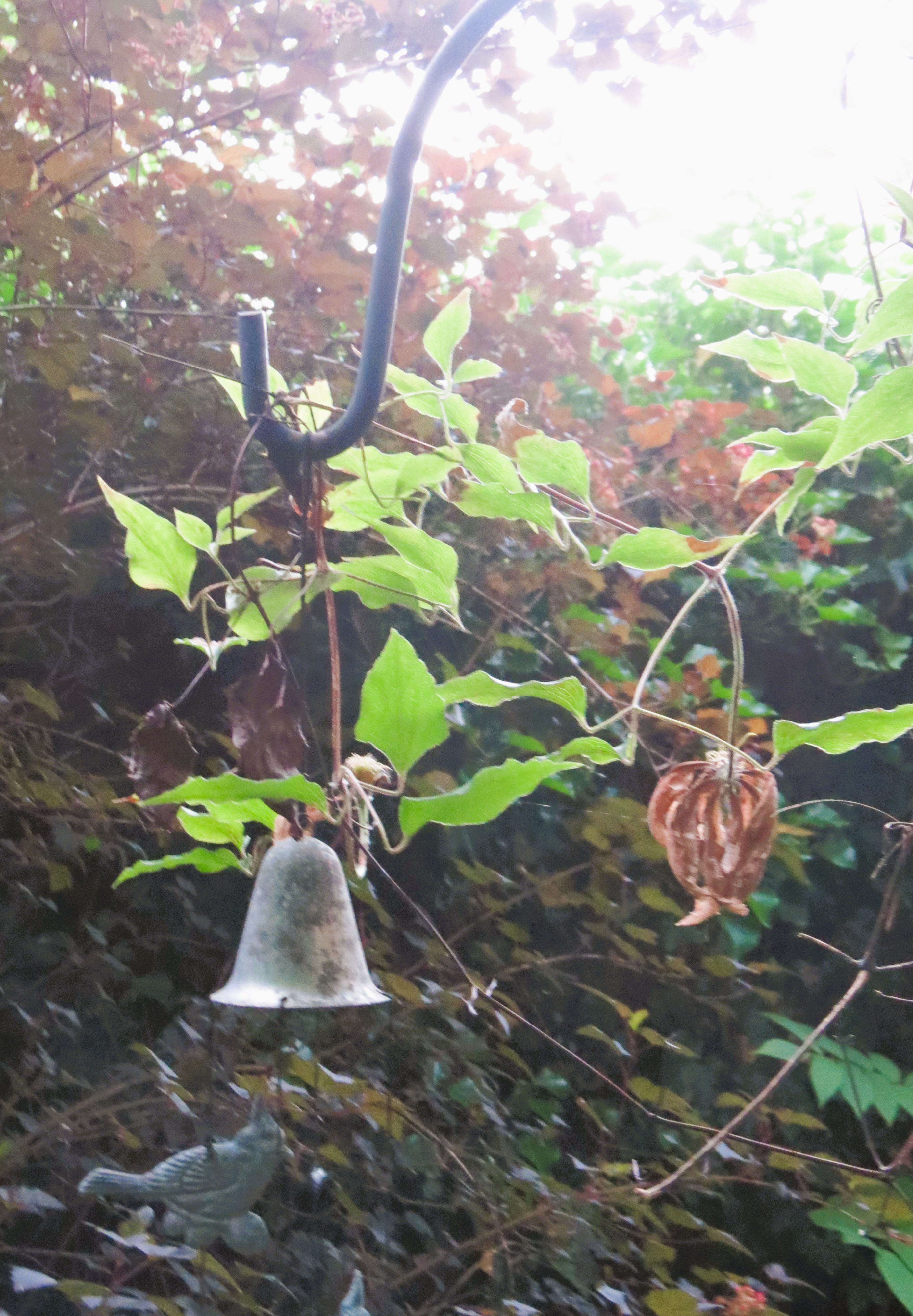
Tu zajączek stał drewniany,

ówdzie pszczoła szklanna bzykła,

tam zaś  śpiewał ptak blaszany,

i gdzieniegdzie rybka mykła.

Ciotka Blaga z babcią Jagą

urządziły dziś przyjęcie.

Dobrze znaną wszystkim magią

dla papużek na zajęcie!

A z papużek jedna dała

cały koncert pana Bacha.

Klawiatura czarno-biała

ciotki Blagi, wuja Stracha.

Na uliczce Koziej Nóżki,

tuż na rogu Białej Brzózki.

(B. P-G, 2026)

Andre Gide and the long trails he led me through

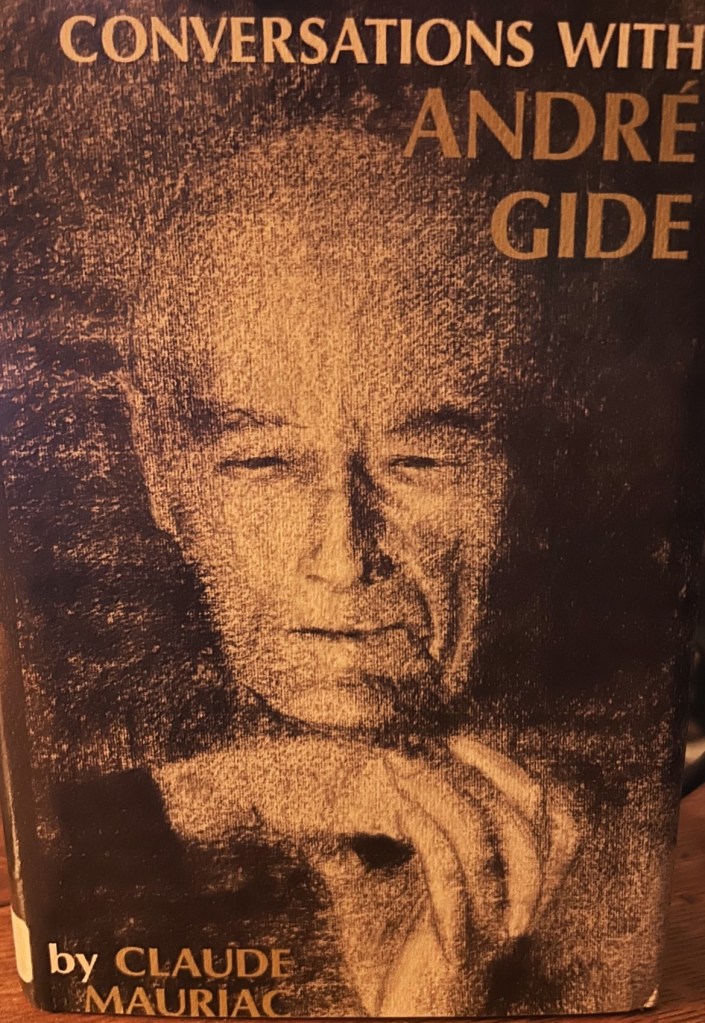
On Claude Mauriac Coversations with André Gide

Introduction:

Andre Gide as a guide – but to what light, what knowledge?

Andre Gide not himself with his books, his amazing literature, but Gide as seen in his twilight years through conversations and observations of a young Parisian, Claude Mauriac. No, no that more famous father, François Mauriac[i] (a writer, critic and member of French Academy and Nobel laureate in literature). Claude followed his father’s footsteps, who also interviewed Gide and wrote about him extensively.

All of it and all of them reminded me how amazingly important for continental Europe was the French literature since Moliere, and especially in revolutionary XIX and first half of XX century.  Italian, Spanish, or German literatures had its episodes, individual, singular writers, the same as English from across the Channel. But none of them had such an impact on literary styles, thought, as did French literature as a whole at the same time frame.

I remember vividly that right after I stopped reading Mickiewicz, Kraszewsk and Krasicki[ii]  – I went straight to Stendhal[iii].  I’m talking about a 10-12 year old boy in a peculiar cocoon called ‘Polish People Republic’[iv].  Yes, it meant communist.  France for us was modern Athens. Of course, I had to re-read a lot of it again in a two-three short years to better comprehend it – but by the time I was fifteen, I knew by memory all the streets of Paris, from Montmartre to Montparnasse. It was very helpful when I eventually ended up in Paris for a visit with Kot Jelenski[v] – a true bridge-navigator between French high culture and Polish literary/art achievements.

                The story with reading about Gide goes a few weeks back. I was trying (still unsuccessful) to get from our Library a book by Klaus Mann and his talks with Andre Gide. He was the last one to have this type of talk with the great writer. That book simply vanished from Vancouver Library – last time I was actually told that: disappeared. I went finally to get that book by older Mauriac –  François. Remembered seeing it on shelf of the Library, but this time that book was gone, too. LOL.  Machiavellian conspiracy?!

 But they had this book by the younger Mauriac and I took it. It might have been a good idea. He was very young and very much taken by Gide, and his own criticism was not blinded by arrogance or pre-conceived notions, as could have been the case with his father writings. Even more intriguing is the fact that older Mauriac was about the same age as Gide. Claude Mauriac, being more than generation younger, would not dare to contradict, or argue with Gide. I knew he would have listen and absorb – therefore his recollections would be more crystal, so-to-speak, taken with reverence.

While reading these ‘Conversations’[vi] in Moodswing Cafe[vii] a strange thought came to me or, more aptly – an observation. Strangely perhaps, because on the surface it is totally disconnected from that book and it’s subject. Somehow though, it feels that I need to include it in that short essay.

Here we go:

some people, mostly the artistic type, or at the very least working on some sort of public stage while doing it, dress very differently on that stage than off that stage. I am definitely not talking about actors, as these professionals play a role, not themselves. No, my observation is about any type of performer, who presents their own skill/art in a public space. They often dress very differently than they are off that stage. Why? Are they victims of ‘Dr. Jekyll and Mr. Hyde”[viii] syndrome? I doubt it.  Yet, it seems to me that they think as their artistic persona would be too peculiar, too extravagant for normal, ordinary life. Extravagant?! Obviously that ‘artistic’ part is very important and it shows that they are fuller, happier and more confident in that ‘stage attire’ than in ordinary, boring clothing.

They should allow themselves that freedom of dressing a bit differently simply because ‘it’ is them and ‘it’ would show confidence and joy. Being an artist does not make you better than others, but it does give you the privilege, the right to be a little bit of a peacock. Perhaps not with fully displayed tail – but a colorful peacock nonetheless.

I think that Gide helped me to have that thought, observation. Certainly monsieur Cocteau[ix], who comes up in Mauriac’s story very often would think that. I do not shy from this ‘perversion’ definitely.

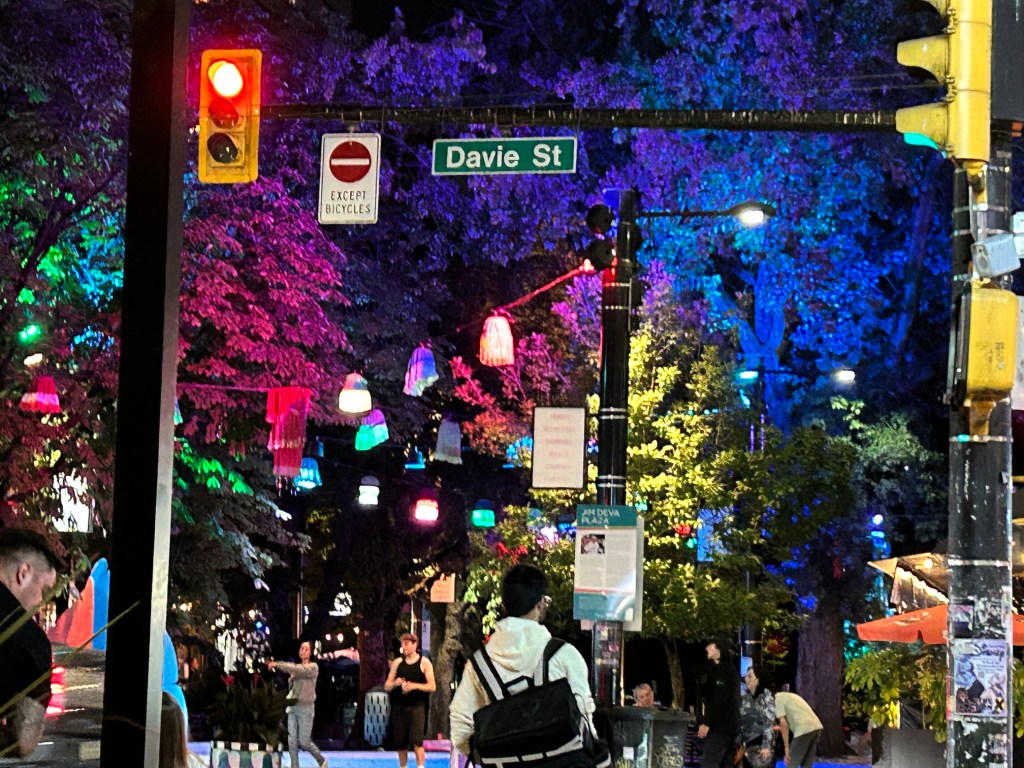
(Next day in Melriches Cofee bar on Davie Street)

Well, back to the subject, the book of Claude Mauriac.

 As I said I wouldn’t have borrow that book if not for the simple fact, that the other, written by his famous father was not at the library.  Yet, being as it was, I have found out that it worked very well. That Claude, young aspiring critic and journalist did not come to Gide to discuss, analyze a famous writer style, body of work. He came timidly with open mind and heart to observe, to learn about Gide from Gide, without pre-conceived notions about Gide as a man. Obviously, the age difference added to his deference.

                Did he understand the peculiarity of aging Gide homosexuality? Yes, he knew of it very well, Gide never hid it, but did he knew the emotional price paid by an aging homosexual artist – even in liberal Paris of the 30ties – who was single, did not have a partner? Of course he did.

 Gide still analyzed, re-lived his tragically ended marriage ( her sudden death), a marriage never fully ‘consummated’. If you are not sure of the torture, perhaps you should read the gem of literature, the „Immoralist”[xi].  It had tremendous effect on me decades ago, when I read it first time.

Claude Mauriac was not only young (o, so very young!), he was (as his father) staunchly, almost fervently Catholic. But he did try very hard not to let himself be judgmentally opinionated in his dogmas, especially noticing that his own famous father (also fervently Catholic) did not allow himself to judge Gide writings through his sexuality or otherwise private conduct. Au contraire – he held him in high esteem.

Yet, I must say without a hint of trepidation, that I sensed very strongly, that Claude was drawn mysteriously not only to Gide’s admired writings but also to his suggestive handsome looks and his, at times, flirtatious behavior. And I also do remember the ancient times when I was at Claude’s age, and how intellectually attractive were my much older friends. One must assume that admiring these much older friends intellectual prowess easily translates into physical allure. It goes without saying that intellectually accomplished men (and women), who are artists or people formally associated with art ventures do age gracefully, and barring serious illness, they do retain physical attractiveness rather well. That ‘attractiveness’ should not be confused with just mere and banal ‘good looks’.

On p. 160 of that book Claude re-examines his feelings toward Gide and vice versa. He now recognizes Gide acting as a clever gamer, he sees his ‘perfidy’ to be friendly toward him – a boy, a budding young journalist. But is it a fair examination of Gide’s acting by Claude himself?  I don’t think so. I think and I assume it, because I believe that Claude wrote that book honestly. I also believe (although he doesn’t state it as an explice) that at times, through the extended vacation in southern France, he often was jealous of his father closeness and long friendship to Gide. Closeness that took away Gide attention to Claude only. That he might have been at times in the shadow of these two towering figures of contemporary French high culture. Granted – it offered him an extra security that the father might have offered just by being close, but it did steal the singular attention of Gide that might have been his otherwise. If he did not have these feelings, he would have been indeed very abnormal young man, and I don’t think that he was ‘abnormal’, LOL.  François Mauriac and Andre Gide were undeniably first class stars of French literary culture; they knew and admired each other accomplishments for decades. Hence, vis avis that Claude persona and personality fades into shades of words, of importance of their lively discussions.

(following day, back in Moodswing Café)

I have become more and more attune to Andre Gide again. Yes, it started with Claude Mauriac Journal , but it took me much farther. It is now me at times, who talks with Gide. Sometime I argue with him, sometime I adore him … and yes, sometime I just want to shout at him: shut up already, Andre. You are not god or, at the very least, you are not the only god of European Olympus! Another false claimant to Homer’s lyre.

Alas, truth to be told, I do love Andre. When Claude Mauriac takes him to visit deathly ill dear friend Paul Valery[xii] and he is not sure what his friend was whispering to him, I feel sorry for Andre. When he returns for a second visit … he is half an hour late. Valery is dead. Claude is overtaken by the look of broken, crying Gide. Was he crying for Valery? Undoubtedly, but mostly he was crying for their youth, for ‘that’ Paris. He was crying for himself. Selfishness? Perhaps … but truly, who is not selfish at the very core, the very center of our ego, our soul?  When you cry after dear lover’s death – you cry over your loss much more than the loss of another person (of course the ‘other person’ would be your lover, but the asserted ‘yours’ is the key to that loss: something, someone was yours, belonged to you and now was taken away).

Egotist? I remember years ago reading F. Scott Fitzgerald  “Short Stories”[xiii] and loved it so much. It was his greatest literary achievement and it prompted me to read his first full novel “This Side of Paradise”[xiv] from 1920. Many have called it an absolute portrait of the generation and its first section is titled The Romantic Egotist. How appropriate! These short stories and the novel portray a generation that just went through the unthinkable loss of millions in that devastating war of 1914-1918. Generation that was hungry for life, love, excess – ALL of it.

Dear Andre, did you know during your talks with this improbable youth called Claude Mauriac, that his world (as well as yours – once again) is just about to collapse under the pitiful actions of his admired earlier presidency of Maréchal Pétain, the Lion of Verdun, who become the Mouse of Vichy? No, of course you did not. After all you went to Tunis and Algiers. Did you enjoy the young bodies of the Arabian boys? Of course you did. After all it wasn’t the first time, was it? But you still should have told some of it to young Claude. He was naïve …

                Gide dies soon after Valery. I’m personally taken by these moments and his sad, somber realizations. Am I now waiting for my death? Is my return to Warsaw a Gide’s return to Paris after the war years in Africa? Return to die…

(following day, back in Melriches Café on Davie in Vancouver)

Ah, yes – it is very hard to leave this place again, these streets, buildings, even shops, stores. Perhaps it is most difficult leaving the parks and their trails. Everything is so dear for me there. Everything? If life is everything – than yes, it is.

Our love, that I will never find again, my writings. Despite many shorter and longer returns to Poland, my dearest Poland, the undeniable fact remains that I was twenty two years old boy, when I left her. Now I am close to Andre Gide’s age, when Claude Mauriac wrote his Journal and become emotionally attached to that famous French writer. Andre died in Paris few years later, in 1951.

Regrets? No, have I not left my dearest Poland, I would have never found him – My Boy, My Life, My Soul. Things like that do not happen twice. Yet – Poland is my first love of books, of literature, of poetry, music. When I finally landed in Canada (after a year in London and two years in Italy) I was a truly fully developed man spiritually and intellectually. Back in the old communist Poland young people had to develop fast and mature fast. Of course, there was time for first kisses and romances – but a romance is not That Love you dream of, when you are that young. That one was waiting for me here, in Canada. Do I believe that things are preordained somewhere for us?  That I don’t know and I am not going to be wasting time trying to answer such a theoretical question – cosmology was never my strength.

I do have one regret, though. Back in the 80ties I went to Paris to visit Kot Jeleleński[xv], an amazing intellectual and art lover. Art lover is one description – but of course he must have been a great lover romantically, too. After all, he was a lover of improbable Leonor Fini[xvi] and improbably beautiful Stanislao Lepri – an Italian aristocrat. He did, in pre-war Poland, had a friendship with Polish great poet Kamil Baczyński (a hero of Warsaw Uprising, where he died fighting German occupiers)  – I forgot to ask him if he ever made love to beautiful Baczyński? But I would like to think that they kissed at the very least, both of them were very handsome boys.  That is a side thought only, pleasurable but of no consequence. Yet, my regret is that I should have asked Kot to take me to the streets and cafes in Paris which Gide frequented. Kot was Parisian bare none. It is my great regret. You don’t ask just a tourist guide for places and stories like that. Stories like that could be told only by art lovers. Or artists themselves.

Who, if not Konstanty Jelenski  could have told me the true shades of Gide? Jelenski, the ever arbiter elegentiae, the guardian of Polish and European literature? How did he survived the death of his love – Stanislao, the gorgeous Italian?  I didn’t know that Kot at that time was dying himself of incurable cancer. Being as elegant in every meaning of the word, he never shown anyone his physical ailments. Let’s talk about art, not of something as ghastly as death – he would have probably answered.

Our lovers die too soon.

I have talked for a long time with Giedroyc[xvii] in Maisons-Laffitte near Paris, editor-in-chief of highly influential literary and political monthly “Kultura” – but our talk was all wasted on politics instead about literature. Those were the times, but we should have known that even during war, talking about art and love is more important than politics! One that could have put us back on these important tracks was another editor of ‘Kultura” – Józef Czapski. Tall as a skyline physically and intellectually, himself a lover of young Russian poet Nabokov and later of Ludwik Hering – but Czapski was not in Paris, when I visited Giedroyc. Maybe Czapski met Gide, he could have due to his aristocratic connections he mingled o lot in the ‘society’ circles of Paris. Eh, the occasions and talks we missed…

                When Oscar Wilde took Gide to a hotel in Algiers, Wilde rented two rooms and in both rooms was a local Algerian boy. Naturally, the boy was rented, too. They both delighted in their boys. Yes, I know my dear Reader that you are aghast – but trust me, I am certain that both of these writers delighted in these Algerian boys. They definitely were not terrified of these boys. Not only that – to your surprise  (no doubt) I must tell you that it was not illegal – the age of consent was not 18, not even 15. It was at that time …thirteen.  O tempora, o mores! Did you, dear Reader give a sigh?! Did you just say, with wiping sentimental tear off you check: the good, old times? No? You didn’t? I thought you did – because that is what you usually say, when you comment on current times, don’t you?

O, please spare me the debacle. I am not going to Algiers tonight, or any other time. And the age of consent in Algiers now is the same as in Poland or in Canada. Even in Paris, LOL. Not sure about Texas or the Temple in Utah – religions and individual states laws and customs are very different in the ‘land of the free’ south of the border. They are Christians, too (I think?) but they are the Later Saints … or is it Latter-day saints? Maybe it is just very special Latte or Cappuccino; it is all too complicated for a simple guy as me.

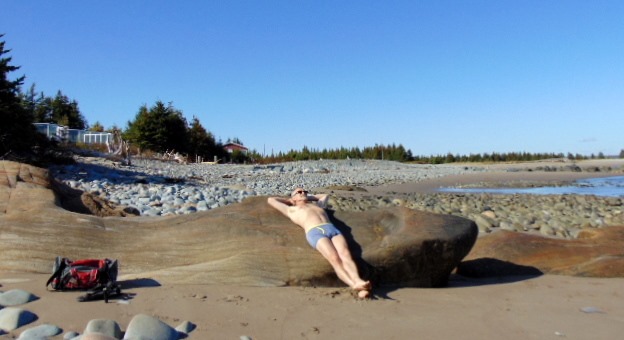
Thinking of Gide for few more days and thinking of him I wrote two pieces of poetry: one in Moodswing Café in New Westminster and one … sunbathing on nude beach and swimming in Mud Bay of South Surrey’s Crescent Beach.  I think it necessary to finish this essay, which no longer is an essay only about Andre Gide, with these poems. Maybe I should even dedicate it to his memory and talent.

 To you Andre, to the memory of great man of letters from France.

Winter time in a small village in Pyrenees.

Night comes quickly and darkness covers

the valleys and peaks. Suddenly, the windows

off a small stony church lights up in delicate

orange glow. From the top of the church steeple

comes the song of its bells: big bam! Big bam!

big!, big! big! Bam! Bam! Bam! Baaaam-mmm!

The air vibrates with each tone of the big bell

and sends  bronze-coloured sounds to the valleys.

Archangel Michael blows into long, golden trumpet.

The music envelopes the meadows, climbs up the hills.

The call of God, the call of the Shepherd: 

come and be enlighten in the mystery of life

 and promise of death merciful that claims us all.

They run – the tired travelers, the herds of goats.

They cry and hope, as the trumpet sounds again

and dies suddenly like the last drop of now empty goblet.

The church becomes a masjid and archangel becomes muezzin,

that intones to all: Allāhu ʾAkbar. In Pyrenees Hannibal’s army

stop their march and rise their tusks and trunks: they sense the pitch

of the hymn and the psalm as the far flung peaks of Alps slowly

cover the church, the mosque and streams in the valleys.

The curtain call of History. Birth and death of Love.

Moodswing Café, 29. 05.26

B. Pacak-Gamalski


It’s almost seven in the evening.

The sun just starts to burn its glory.

I talk to young Adonis I just met in the water,

when we were swimming close by.

Back on the hot rocks  of the beach

he asks me about a book I’m reading.

That book is about Andre Gide and young

 Claude Mauriac, who wrote that book.

No, I don’t suppose that my Adonis knows

who was Gide and I explain that he was seventy

at that time and fabulously-scandalously gay,

but Claude was barely twenty one and staunchly catholic.

Definitely believing being straight as an arrow,

straight as the priest, who presided piously over Holy Mass

in the church they attended with Gide and Claude’s father

in the southwestern France,  in Malagar, close to Garonne’s

fast moving waters and not far from Spain’s Pyrenees.

Not sure if all that did not scared him: Malagar, big river Garonne,

 close to Spain. A thought might have crossed his mind:

is he crazy per chance? And he moved few steps to the left.

Yet, he stroke a pose of Greek efeb to accentuate

his graceful, but  muscular body. I pretend

not to read his mind and just admire his statuesque’s

shapes. Like a monument in Louvre or in Athens.

Michelangelo must have painted or sculptured him.

Gide and Claude in France? Who are they?

And who cares on a nudist beach

in the company of Greek efeb?!

Crescent Beach in South Surrey, 30.05.26

B. Pacak-Gamalski


[i] François Mauriac | Nobel Prize-Winning French Author | Britannica

[ii] A. Mickiewicz – great Polish poet, author of national epopee “Pan Tadeusz; Jozef Kraszewski, a popular author of many historical novels in the late XIX century; Ignacy Krasicki, bishop and writer called a Polish La Fontaine, satirist and critic of an old feudal system, XVIII century

[iii] Stendhal (orig. name: Marie-Henri Beyle) French novelist, precursor of realism and psychological portrait

[iv] Quasi sovereign satellite of Soviet Union block of states created after the 2 w.w. (1944) – the most liberal and free from the entire soviet Block. It ended in 1989 by peaceful free election led by ‘Solidarity” movement.

[v] Konstanty Jelelenski – eminent Polish émigré in Paris after the end of 2 world war; one of the three founding intellectuals, who organized and run the famous Paris “Culture’ periodic – an extremely influential magazine among intellectual and literary elite and not only for Polish people in the West, but mostly for people in communist Poland, where it widely distributed  as ‘bibula’ (illegally)

[vi] Conversations with A. Gide; by Claude Mauriac; tr. M. Leback; pub. George Braziller Inc. New York 1965; s. 235

[vii] Services 4 — Moodswing Coffee + Bar

[viii] The Strange Case Of Dr. Jekyll And Mr. Hyde | Project Gutenberg

[ix] Jean Cocteau – a prominent French poet, performer and avant-garde style movement instigator

[x] Melriches Coffee, 1244 Davie St, Vancouver, BC. | Make that happy connection!

[xi] The Immoralist | French Novel, Existentialism, André Gide | Britannica

[xii] Paul Valéry – Wikipedia

[xiii] The short Stories of F. Scott Fitzgerald; pub. By Charles Scriner’s Sons, New York, 1989, p. 776

[xiv] https://www.ebsco.com/research-starters/literature-and-writing/side-paradise-f-scott-fitzgerald#this-side-of-paradise-by-f-scott-fitzgerald

[xv] Konstanty Jeleński — Wikipédia

[xvi] Leonor Fini at Weinstein Gallery

[xvii] Jerzy Giedroyc – Wikipedia
Lęk

Lęk

LĘK

A czasem, czasem naprawdę nie wiem,

czy nie żal tej czystej bieli kartki,

nie zabrudzonej żadnym słowem.

Kartki milcząco cicho płaczącej.

Czy nie żal tuszu w długopisie i

tej pieśni nie śpiewanej i głuchej?

Smutek dusi, chwyta zaciśnietą pięścią za serce i czujesz jego palce, kostki chwytające aortę. Potem maszeruje, jak pająk do góry i wyciska z oczu suche łzy. Suchy płacz pozbawiony krzty wilgoci, mokrości, wilgotności. A płacz mimo to.

Nie ma komu cokolwiek opowiadać, nie ma z kim prowadzić rozmowy. Trzeba by było wszystko tłumaczyć, wyjaśniać od początku, a to nie to samo – to wykład by był, przemówienie wybrakowane nieobecnością ciepła i serdeczności współbycia, współrozumienia.

A ciągle mam tyle rzeczy, wierszy

do powiedzenia i ciągle chcę

usłyszeć tyle nowych zaklęć, słów.

To tak, gdy mówisz tylko półzdanie,

a ktoś myśl podejmuje, rozwija.

Wspólny spacer wspólnymi drogami.

Znają cię, ty znasz ich. Współistniejstwo. Przerwane, zamknięte, utracone. Może siedzi gdzieś nad jakąś rzeczką powolnie płynącą zakolami kujawskimi, piaskowymi, biednymi łąkami mazowieckimi? Może wartkim strumieniem, kaskadą huczącą w Kordylierach kanadyjskich? Możę było, a już nie ma? Wszystko zamienia się w cmentarz, gdy umierają ludzie. Więdną kwiatki łączane, milkną ptaszki, które wczoraj wiły pośród nich gniazda.

A przecież gdzieś życie musi istnieć jeszcze, z każdego szarego badyla listek jeszcze musi się wykulić, zazielenić. Samotność prowadzi długie rozmowy z cieniami. Trzeba je tylko rozpędzić w cztery strony świata, a samotność przestanie być sama. Będzie biegać po tych łąkach, po tych uliczkach, łapać motyle i potem wypuszczać je z garści.

Trzeba się tylko obudzić, wstać z łóżka tej samotności. Niech samotnością być przestanie. Wtedy i wiersze głuche usłyszą melodię, zatańczą leśmianowską łąką.

OLYMPUS DIGITAL CAMERA

Na szczytach Olimpu z moim Hefajstionem

Na szczytach Olimpu z moim Hefajstionem

Moje nieustające fscynacje z historią Aleksandra Macedońskiego w wersji przekazanej nam przez Klausa Manna. Eh, Klaus, Klaus, coś ty mi narobił, narozrabial w tej głowie? Przecież znałem tą historię tak dobrze  od dziesięcioleci chyba już. A ty mi tu takie tam inne odcienie, półcienie, zamglenie we mgle sentymentu podsuwasz pod oczy, a z oczu naturalnie wciska mi się to w duszę.  /… /

(pisane w Craft Cafe na bulwarze nad rzeką Fraser w New Westminster)

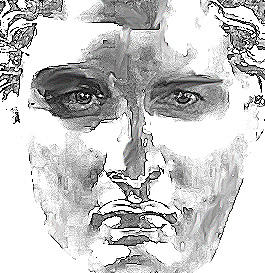
szkic Hefajstiona w muzeum w Madrycie (ze zbiorów Wikepdii)

Klaus, jak wiedzieć mogłeś, że Aleksander przez dni kilka okrywał całunem pocałunków miłości całe ciało Hefajstiona? Że nie pozwolił dworzanom i żołnierzom oderwać cię od tego ciała, które było strumieniem jego życia właśnie, tego samego niepokonanego nigdy Aleksandra? Aleksandra, który zwyciężył armie całego świata. Aż śmierć tego umiłowanego generała, przyjaciela, kochanka jego nie pokonała. Życiodajnym strumieniem płynącym z macierzyńskiej Pel[i]i? Które było kwiatami Babilonu? Które było złotem Gangesu i Brahmaputry? Które było kolumnami Persepolis[ii]?

Jak wiedzieć mogłeś, że wszystkie stolice świata, tobołki pełne pereł, diamentów, złota i szmaragdów nie mogły kupić biletu powrotnego dla Hefajstiona?

to nie to, czy ten co odszedł dał ci życie

to to, że on był życiem

pytanie jest czy oddałbyś swoje

bo kochałeś

i łzy milczące napłynęły,

bo znikąd rady ni pomocy

dostać nie mogłeś

i byłeś bezbronny i słaby,

jako najniższy z niewolników,

a łzy same popłynęły z oczu

/B. Pacak-Gamalski/

                I otworzyła się brama w ścianie mojego Czasu: bogowie, lub herosi za ich pozwoleniem, przenieśli mnie w te dni okrutne, dni żegnania mego Hefajstiona. Dni, kiedy kładłem się obok niego, podłączonego do sieci różnorodnych elektronicznych czujników wyświetlających na ekranach wykresy symboli przypominających starą grekę z dni Arystotelesa i jego ucznia, Aleksandra; przez usta wpuszczono długiego węża[iii] , który wśliznął się do jego płuc i w równomiernych odstępach wdychał w nie powietrze. Dwa dni i dwie noce byłam do tego łóżka przytroczony siłą niepojetą.  Opowiadałem mu wszystkie dni naszego życia, wszystkie dekady naszych domów i mieszkań, podróży kontynentalnych i lokalnych; wąwozy, góry, wybrzeża oceanów, nasze plaże i nasze balkony.

Próbowano, namawiano, tłumaczono, że muszę odpocząć, pojechać do domu przespać parę godzin. Na końcu do małego pokoiku  przy tej wielkiej sali ICU[iv] wniesiono  jakąś kozetkę i namówiono mnie bym dał sobie czas na krótki sen, obiecując zawiadomić mnie natychmiast o jakiejkolwiek zmianie sytuacji. Uległem namowie i położyłem się. Natychmiast zasnąłem. Gdy się obudziłem zerwałem się z przerażeniem, że spałem.  Pobiegłem błyskawicznie do pokoju mego Hefajstiona z wyrzutem wobec medyków, że pozwolili mi  tak długo spać. Uśmiechnęli się lekko i smutno, jeden z nich odpowiedział: spałeś niecałe piętnaście minut.

Potem zebrało sie konsylium. Poprosili bym siadł przy ich stole: kardiolog, neurolog, pulmonolog i doktor od psychologii. Pani psycholożka była dla mnie, choć nie sądziłem, że jestem chory. Reagowałem dość – zdaniem moim – normalnie  na sytuację w jakiej się znalazłem.

Mówiono ciepło i monotonnie, cicho ale stanowczo: twoje płaty mózgowe na moment nie drgnęły, zostało tylko ciało – bezbronne, że powinienem dać zgodę, by ciebie od tych próbek, od tych węży odłączyć, by twoje ciało mogło też usnąć, bo jest zbyt zmęczone. Pani psycholożka wyjaśniła, że twój duch był świadom życia ostatni raz w moich ramionach, gdy czekałem na karetkę wtulając cię w moje pocałunki, moje wdmuchiwanie w ciebie powietrze. I że wtedy, bez paroksyzmów niemocy odleciałeś w przestrzeń poza naszą.

Nie, nie zerwałem się tak, jak Aleksander i nie wymordowałem tych bezsilnych medyków od ciała i duszy. Rozumiałem, że nie mogę twojego pięknego ciała męczyć ponad miarę, że muszę się nad samolubność i egoizm własny wznieść. Dałem tą zgodę z jednym zastrzeżeniem: po odłączeniu od tych sączek, macek i próbek ja muszę tam wejść i sam z nim tylko pozostać. Co zrobiono i zasłoniono szczelnie kotary, by wzrok kogokolwiek nie ośmielił się mnie i ciebie, Hefajstionie widzieć.

Leżałeś piękny, spokojny, bez drżenia, bez wstrząsów, bez drgań. Łagodny – czekałeś. Położyłem się obok, wtuliłem w ciebie. Całowałem od stóp poczynając, w górę aż do ust, nosa, oczu. Byłeś znowu sobą – kolumną i filarem mojego spokoju. Nawet nie wzbraniałeś od pieszczot ostatnich. Jak dekady wcześniej, gdy oddałeś się kompletnie nad jakimś strumieniem u podnóża wielkich gór – grzbietu Ameryk. Nasza droga od naszej Macedonii do naszego Babilonu. Nasze piękne życie. Nie mogę swoim zwyczajem być zbyt dumny Hefajstionie, muszę za nie podziękować wszystkim bogom wszystkich czasów: archaicznego, antycznego i nowożytnego. Nawet jeśli tych bogów nie było.

Może bogami są wszystkie dusze, które po odłączenu się od ciał, zamieszkują na najwyższych szczytach Atlasu, Himalajów, Kaukazu, Kordylierów, Olimpu i Karkonoszy?


[i] Stolica Mcedonii w czasach Aleksandra Wielkiego

[ii] Stolica starożytnej Persji

[iii] Wąż był symbolem helleńskiego boga sztuki lekarskiej, Asklepiosa

[iv] Intensive Care Unit (oddział intensywnej terapii)

Our talks in Babylon

It is the most beautiful time of the year in Vancouver, particularly in the West End and around the Lost Lagoon, the charming gateway to Stanley Park. On a sunny day is all a song, a poem. The time of flowering umbrellas of rosy cherry trees, of majestic magnolias, and the tiny flowers of children sprouting from the soil in multitude of colours. The singing birds returned to their nests, their homes on the branches of massive trees. Their colossal migration almost done, they are back at home. A reflection comes to mind: just as my migration finishes. Back home, all the way from the shores of mighty Atlantic, across the vast continent.

With a book in hand I read familiar story of another traveler: Alexander, the young king of Macedonia. I have read many accounts of the ancient story written by historian and writers. The story of conquests and of battles and a story of searching for love.

Yes, there were numerous battles small and great; there were many corpses of his soldiers and generals – but all of it does not matter. In the annals of history of man there are always battlefields and dead bodies strewn on the banks of some great rivers, on the shores of some seas.

But the quest for love is different than the quest for land, or hegemony. The quest for love is worthy of all and every battle and the only thing when murder and death are excusable. For what is greater than She after all? She gives meaning to live and She excuses death.

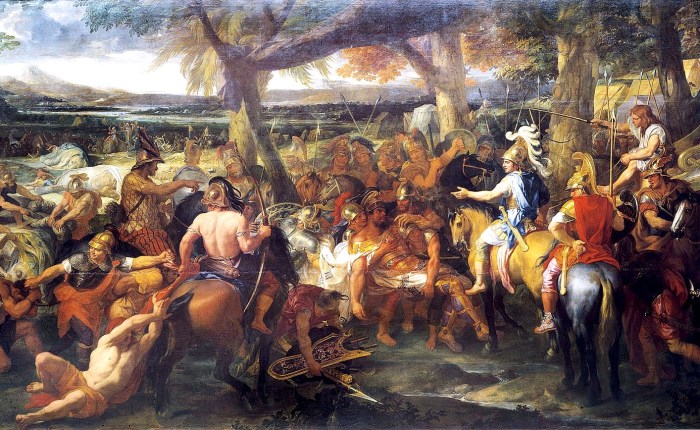
Alexander and Hephaestion

hunting a stag

                As I read the story again[i] – the battles and the fallen soldiers and generals do not matter to me. It is the travel through lands unknown bringing chances of love and romances that matters to me. How had it changed him? Each culture enriched him, each lovemaking, with a woman or man made him different, too. He was no longer Alexander of Macedonia, no longer even Macedonian nor Greek. He was the Great Alexander. Man, who could have had anyone and anything. Did he? Did he quenched his thirst, filled his hunger?

At the very end: was it one, big irony that his conquer had defeated him? Whom should I ask? Gilgamesh[ii] or the great poet Rumi[iii] of XCCC century Persia?

Indeed funny, that it brings me to these names. Not to Shakespeare, or even Dante Alighieri – they are just famous copiers of stories of ancient Love Immortal, or very much deadly indeed – Love Mortal.

The story, a tale perhaps, as told by no one other than Klaus Mann (himself a hunter of love) brings me my own memory. As he (Mann) of Alexander’s stay in Babylon – the cradle of civilization – he recounts the young king visit and tribute to Ishtar[iv], who was so instrumental for the fate of Gilgamesh.  Moreover, he mentions Alexander visit to the temple of Marduk [p. 89]. The temple was from the times of king Nebuchadnezzar[v] .

I have never been a sculptor. Yet, in the equally ancient time of my childhood, being maybe a boy of twelve, maybe thirteen, I did with my own hands sculpted from the red clay of Masovia a small figurine of Marduk sitting on a large throne, with his beard coiffure intricately in layers – the way the Bavylonians did in the time of Nebuchadnezzar. Ha! A friend of my father (who was, unlike me, a formally trained sculptor) grabbed that sculpture of mine, called it ‘marvelous’ and took it to some local small museum somewhere in or around Olsztyn in Masurian forest. Never seen it since, nor heard of it again, LOL. Perhaps it still is on some dusty shelf there (where exactly?), LOL. Sufficient to say I have never sculpted again. There is certainly enough of Rodins in Louvres of the world.

                The old gods of Syria and Mesopotamia did not touched me and Marduk wasn’t exactly a god of love, more a god of war and revenge. Nonetheless, a god. But let’s go to our Alexander. Our lovely, terrifying, amorous, beautiful and merciless Boy-King in his quest for love. Love – the only thing that is immortal in the lives of silly kings and heroes through our entire history.

Mann states: ‘He wanted to be loved, and nothing was more important to him.’ [p. 89] .

I am not a sculptor, I am just a poet. Let me try to say it clearly in versed form:

In the Gardens of Semiramis love grew

in rows on cascading steps  of all colours;

of aromas conquering their souls and hearts.

Was it forever mine to claim, cherish, to behold?

When my king will lead me to battle

and I will be slain by a sword or an arrow –

I will be happy to say: I have been loved

and I was in love. My destiny was fulfilled.

(by B. Pacak-Gamalski, March 2026)

Alexander galloping through Asia on his beloved Bucephallus comes to Egypt. There he wants his lover to be made a god. Immortal. Hephaestion is denied the transformation (as given previously for Alexander himself) and is forced to be contained with a lesser denomination as a hero. But it is of no use for him, he already was given the ultimate prize, the highest possibly – a love eternal from his Beloved himself – Alexander. When he dies Alexander weeps for days as he lays on the body of his friend and lover, when he dies. Soon after that tragic death, Alexander dies himself. Did he loved as much the young eunuch boy, so beautiful Bagoas? He did likely in the moment they were kissing, but his soul was already given totally to Hephaestion.

Gods are not very forgiving to people for their all-consuming great loves. It threatens the love and adoration they expect from men toward the gods, not other mortals. But gods are blind, too. They think too much of themselves, perhaps they love themselves too much? For everything is mortal: people, heroes and gods. The only thing immortal is Love itself.

I should know a bit about it, for I have met Love once in my short journey. Au Wiedersefen, Herr Mann, goodbye my dear god-like Alexander.   


[i] Klaus Mann “Alexander”, pub. Hesperus Press Ltd; London, 2007

[ii] Gilgamesh | Epic, Summary, & Facts | Britannica

[iii] Rumi – World History Encyclopedia

[iv] Ishtar | Goddess, Worship, & Facts | Britannica

[v] Nebuchadnezzar II | Biography, Accomplishments, & Facts | Britannica

Rozmowy z tobą

Rozmowy z tobą

Rzeki życia
Rzeka wielka, muskularna, stalowo-szara
rzeka, której bulwarami przechadzam się

teraz w nasiąkłym od wody powietrzu –

jest mi dziwnie bliska i wyraźnie obca.

Woła mnie zachrypniętym głosem

starej aktorki, która niegdyś grała

Marię Stuart i Desdemonę – a dziś

tylko wiedźmę kuszącą Makbeta.

Macham na nią znudzoną ręką

obojętności. Jakie królestwa

możesz mi obiecać, jakie korony

niepotrzebne? Vene, vide. Vici?

Tak, widziałem, zwyciężyłem i byłem

zwyciężonym.  Jakaż słodka to była

niewola! I jak gorzka zwrócona

później wolność niedosycenia.

Jeszcze zbyt wcześnie ofiarowana,

a już za późno na oczekiwania.

W górze rzeka atmosferyczna

siąpi i nasącza włosy i duszę.

B. Pacak-Gamalski, 18.03. 2026, New Westminster

Czasem wiersz jest najlepszym sposobem ‘rozmowy z lustrem’, wiwisekcji splątanych węzłów życia. Tłumaczyłem na tych łamach kilkakroć w przeszłości, że wiersz nigdy nie powinien być pisany dla wszystkich (zwłaszcza nie dla wydawców, krytyków, dla ludzi-czytelników). ‘Ludzie-czytelnicy’ to liczba mnoga, a wiersz to liczba indywidualna. Wiersz należy zawsze i bezwzględnie pisać tylko do jednego czytelnika, słuchacza, adresata. To musi być intymna rozmowa dwóch podmiotów: wiersza i czytelnika. Jeśli masz coś intymnego do powiedzenia przyjacielowi nie możesz tego robić na wiecu. Nawet spotkanie autorskie nie zwalnia nas z tego obowiązku. Każdy słuchacz musi wiedzieć, czuć, że ten wiersz teraz czytany jest właśnie dla niego. Bo w wierszu odsłaniamy swą całkowitą bezbronność, swoje najkruchsze ego. Swoją słabość, która jest jedyną siłą, jaką posiadamy.

Naturalnie jest poezja pompatyczna, do ludzkości, do narodu. Bzdura. I ta najbardziej pompatyczna jest zawsze tylko dla jednego czytelnika – tego, który ją teraz czyta lub słyszy. Inaczej jest blagą, oszustwem oczekującym na akceptację tłumu. Każde spotkanie ze sztuką jest przeżyciem prywatnym, intymnym.

Inne epoki, czasy odległe inną miały miarę i oczekiwania. XIX i XX wiek kompletnie to wywróciły i odrzuciły. Dały wolność jednostce, temu ja i ty, które jest początkiem i końcem kontaktów międzyludzkich.

Od czasów niespodziewanej i nagłej śmierci mojego męża wiersze, które piszę są rodzajem kontynuowania moich rozmów z nim. W okrutnym czasie tuż po tej Stracie z naturalnych względów były tym – opisem Straty, jej okrucieństwa i pustki, aktem niezgody, oskarżaniem bogów i siebie, że do tego dopuściliśmy, że Czasu nie zatrzymaliśmy. To było naturalne. Ale Kosmos i bogowie mnie nie opuścili, nie zdradzili. Tragedie indywidualne godne eposów antycznych zdarzają się stale. Czemu? Nie wiem. Fatum? Czy istnieje coś takiego? Też nie wiem.

Do życia – innego zupełnie i nieznanego mi przedtem – jednak wróciłem. Ciągle zachwyca mnie moment, zachwyca – też mimo wszystko – człowiek, jego piękno i jego ból, jego kruchość i potęga. I odtąd te wiersze, to zapis moich rozmów z nim – mom najbliższym przyjacielem. To mój pierwszy indywidualny, pojedynczy czytelnik-słuchacz. Gdy wiersz wychodzi ‘w świat’ (publikacja, spotkanie poetyckie) – tą rozmowę podejmuję z każdym indywidualnym czytelnikiem. To moja cicha rozmowa z tym czytelnikiem/czką. Inaczej bym się nie odważył pisać.

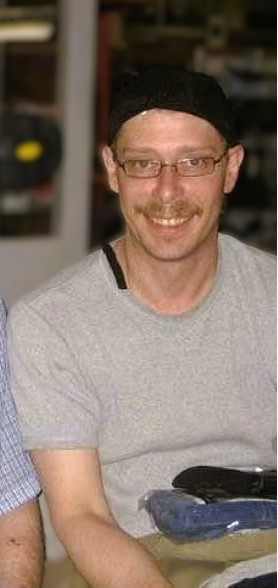
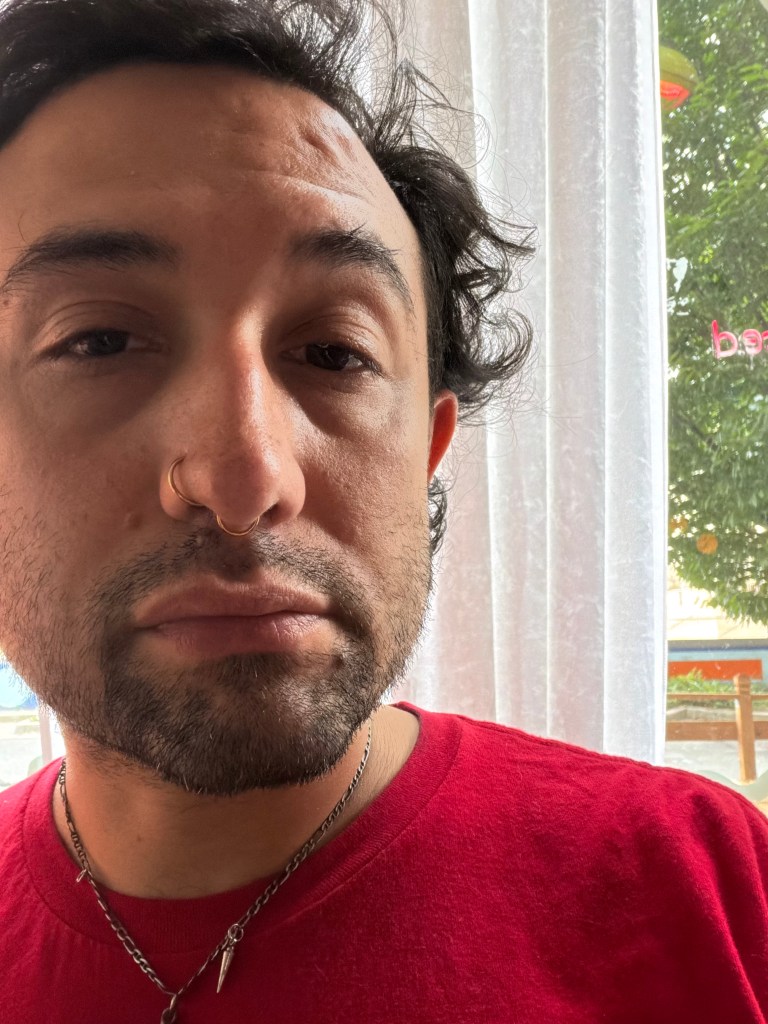
post scriptum: zamieszczona fotgrafia-portret, to zdjęcie mojego męża

Dzieci poezji i parków

                                                                                                                                             Melriches, March 12.26

Ulica Egzystencji

Uśmiechy ludzi mijanych na chodniku.

Obojętne spojrzenia innych na tymże.

Życie, ludzie mają swoje dzienne sprawy.

Mogą być też zwyczajnie zmęczeni tym dniem.

Późne popołudnie to wszak czas powrotów

z pracy, nie lubianej przez większość – współczesnej

formy pańszczyzny ich przodków. Wymianie

uległy jedynie nazwy, nie zasady.

Wczoraj śnieg wrócił. Mokry. Brudna breja

biało-szara zaległa uliczki między

starymi kamieniczkami i nowymi

wieżowcami, gdzie skryli się mieszczanie

ze wzrokiem utkwionym w szklanych ekranach

telewizorów, zawsze obecnych ręcznych

telefonach, tabletach, komputerach.

Te kamienice i wieżowce nie mają

znaczenia dla bezdomnych. Szukają tylko

jakiegoś nawisu nad parterami tych

kamienic, szklano-stalowych wieżowców.

Miejsca, gdzie mogą usiąść na swoich workach,

które wypełnia ich dobytek, ich wózkach.

Nie zwracają uwagi na mieszczan, którzy

mijają ich obojętnie, przyzwyczajonych

do ich egzystencji: tak widać być musi.

Biedacy i mieszczanie. Dwie Egzystencje.

Idę więc tą ulicą Egzystencji,

i jednak się uśmiecham. Mimo kropelek

deszczu, znajduję w moim mieście kwitnące

magnolie, zawilce i żonkile żółte.

Opodal alejki Kreciego Wzgórza

skromny krzaczek różany z jednym kwiatem,

płonącym żółtym płomykiem-latarenką.

Odwiedziłem wcześniej mój Kościół – Bibliotekę.

Zwrócić jedną książkę i pożyczyć drugą.

Taka wymiana opłatka komunijnego.

Komunia Święta to my. Jesteśmy Komunią,

jesteśmy komunardami paryskimi.

I uśmiecham się znowu popijając

kawę w ulubionej kawiarni na Davie.

Dobrze jest być komunardem. Nie, nie chce być

ani Robespierrem, ani Maratem. Nie.

Wolę być zwykłym komunardem biegnącym

od kawiarenki do kawiarenki paryskiej

z bagietką w jednej ręce, drugą z butelką

taniego wina, krzyczącym: Liberté!

Fraternité! Eh, Egalité zgubiłem!

Nigdy nie będziemy równi, czymś się jednak

odróżniać musimy, aby nie było nudno.

Mój smutek i żal? Moja tęsknota gdzie?

Zawsze są ze mną, dzieci się nie porzuca.

Bogumił Pacak-Gamalski, Vancouver, 2026

While wandering through the streets of our city …

While wandering through the streets of our city …

Question

So, tell me how it is,

tell me now who am I?

Where I am and why?

Time is timeless, so they say,

with no beginnings, no end,

why was it short for us?

It begun one day, to end

with no excuse offered?

The flower was sentenced

to flourish with vibrant colours

only for one day, one night.

Why the gift begun a sentence

so cruel, that I was left wandering,

weeping, dying slowly, to be resurrected

at night over and over again?   

Years have passed and the broken

Sisyphus still pushes the boulder

of broken promise to the top of

the Mountain of Death, which

many called Life by mistake.

You, the false cartographer of maps!

Who gave you the power, the utter

arrogance, to name the Columns of Men

by erroneous name and promise?

What is the geography of humans

without the light, the love, the need

to be with other, who makes them whole?

So cruel is your ungodly design

to mark two separate frail human

bodies and fuse them into one soul –

than separating them by sending

the Angel of Death to take one only,

while leaving the other to be alive

 in grief overwhelming and soulless.

B. Pacak-Gamalski, Vancouver, 19.02.26

Loganberry

Loganberry

Every boy and every girl need to have a poet, who reminds them of the power of love. Something they absolutely must be certain of, something that hangs like a heavy, sweet fruit from the low branches that you are forced to reach, pick in your hands and sunk your teeth into it. Absorb the sweet aroma, let juices flow from your lips to your soul.

Let me be the poet, who will take you to the garden and show you the delicate foliage of the ancient orange shrubs and their sweet berries. The loganberries.  

A sweet logan berry

hangs from your lips

like a promise of heaven.

What is heaven, you ask?

Heaven is like a kiss,

silent yet powerful.

Heaven is red like

quivering lips of logan berry.

Heaven is when you are

becoming someone’s berry.

A red, live, pulsating Loganberry.

How would I know, how would I dare to foretell stories like that? Because I am a poet and if poets know anything – they do know love, her ways and her magic. Poets know long walks by the small banks of streams, where the berries are plentiful in late summer evenings, and they see there pairs of young lovers picking the berries and placing them in the mouth of their beloved ones. Poets, being poets, go home and write a poem about it. After all, that is all they know how to do. Hoping to explain the ways of love to some young boy or girl. They are like the loganberry – all they know is how to grow and become sweet and inviting, hoping that some girl or boy will pick them and taste them. The rest is mystery like the morning mist climbing the shores of small stream.