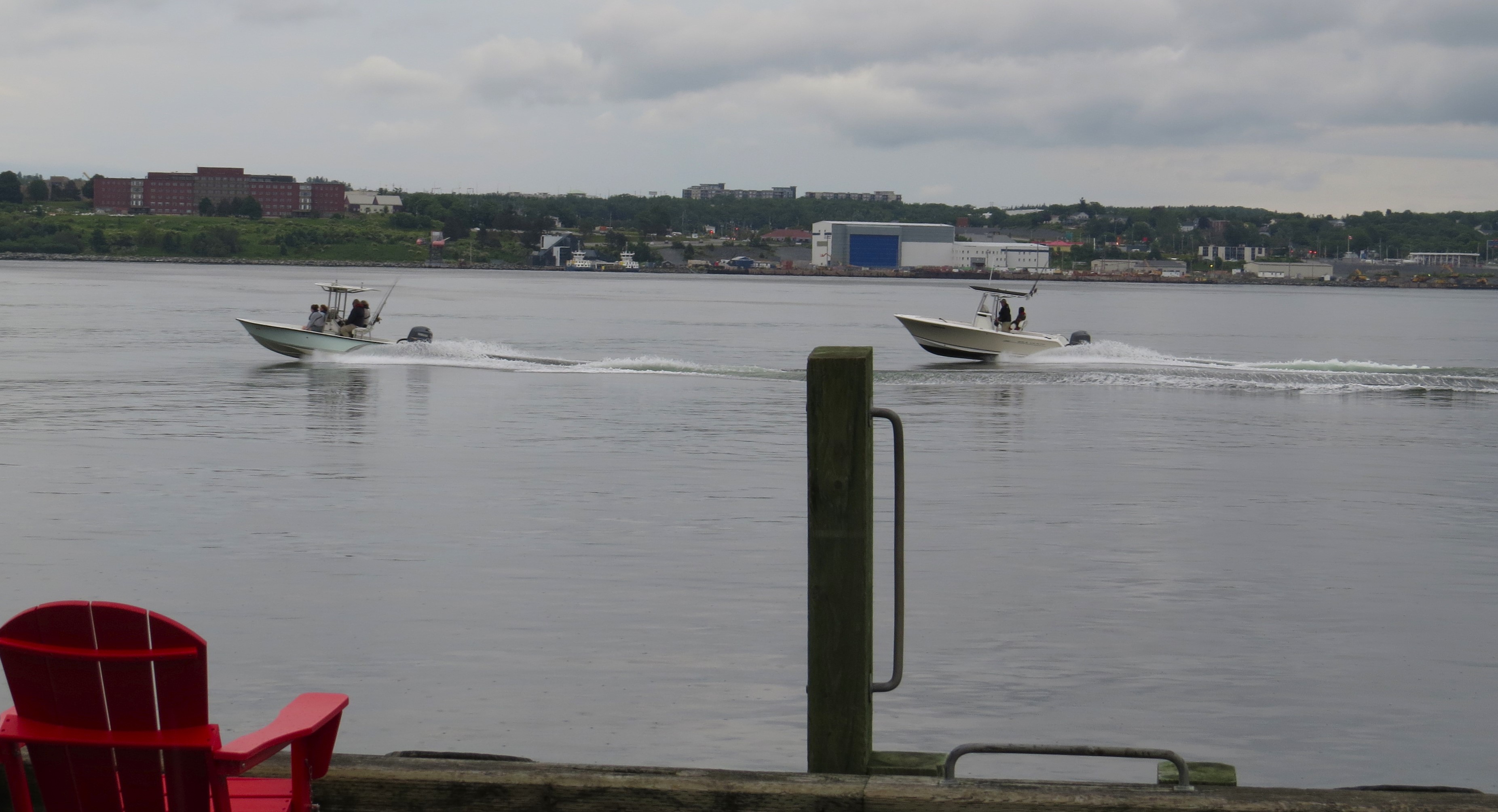
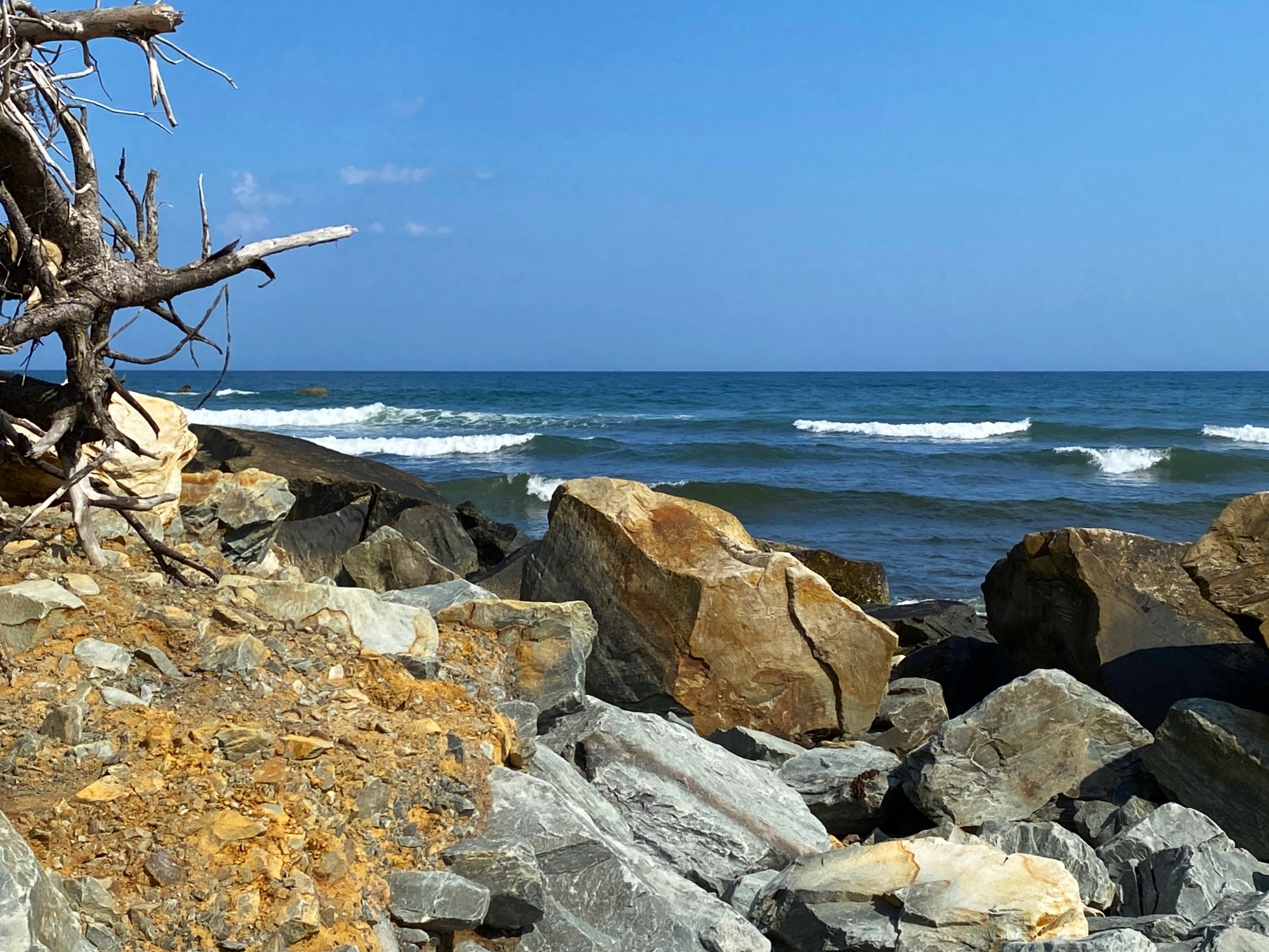
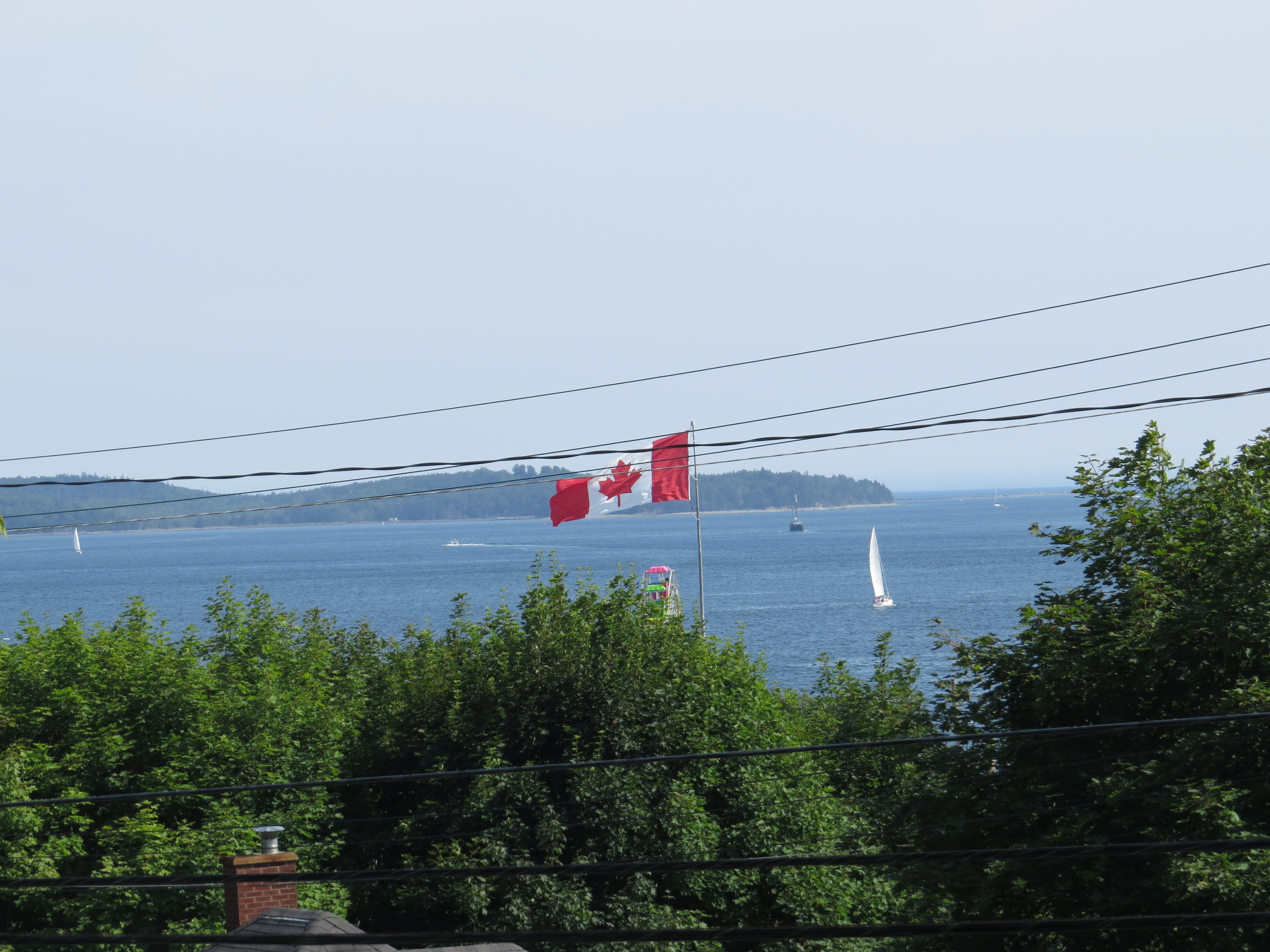
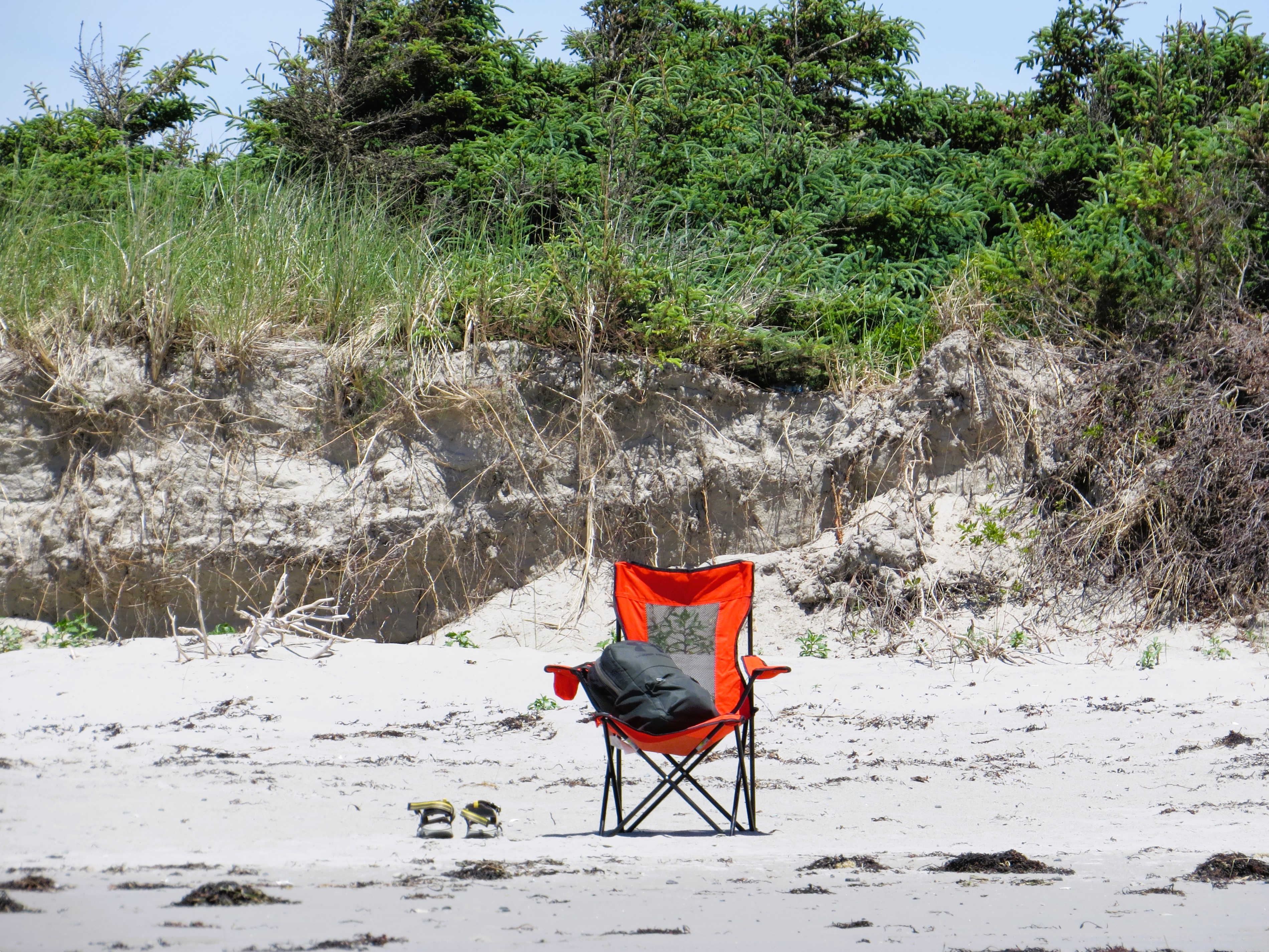
LEAVING – ODJAZD

The fought of going. The fought of leaving. Home? Love? Friends?

Not really – I gave it to all the subjects mentioned above all I had: my heart, my love, my cherishing of all of the things and all the people, the places that makes up this country – Canada.

Now the country has nothing more to offer to me, to give. It already did. Besides, it is just a half of me that’s leaving; the other half stays here forever. With him.

My dear Canada, I’m leaving with you the ashes of that other half of me: my Love Eternal, my John.

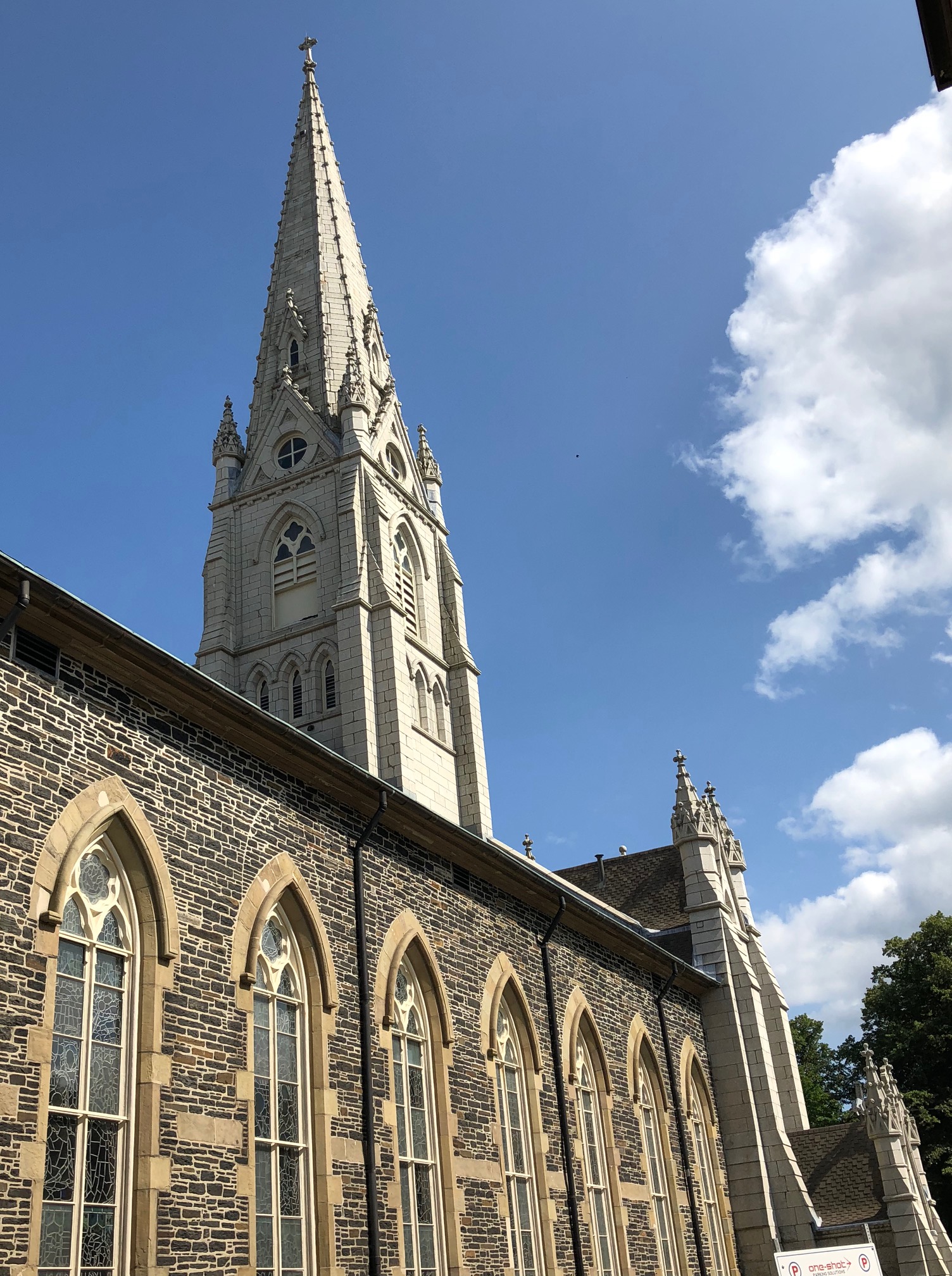
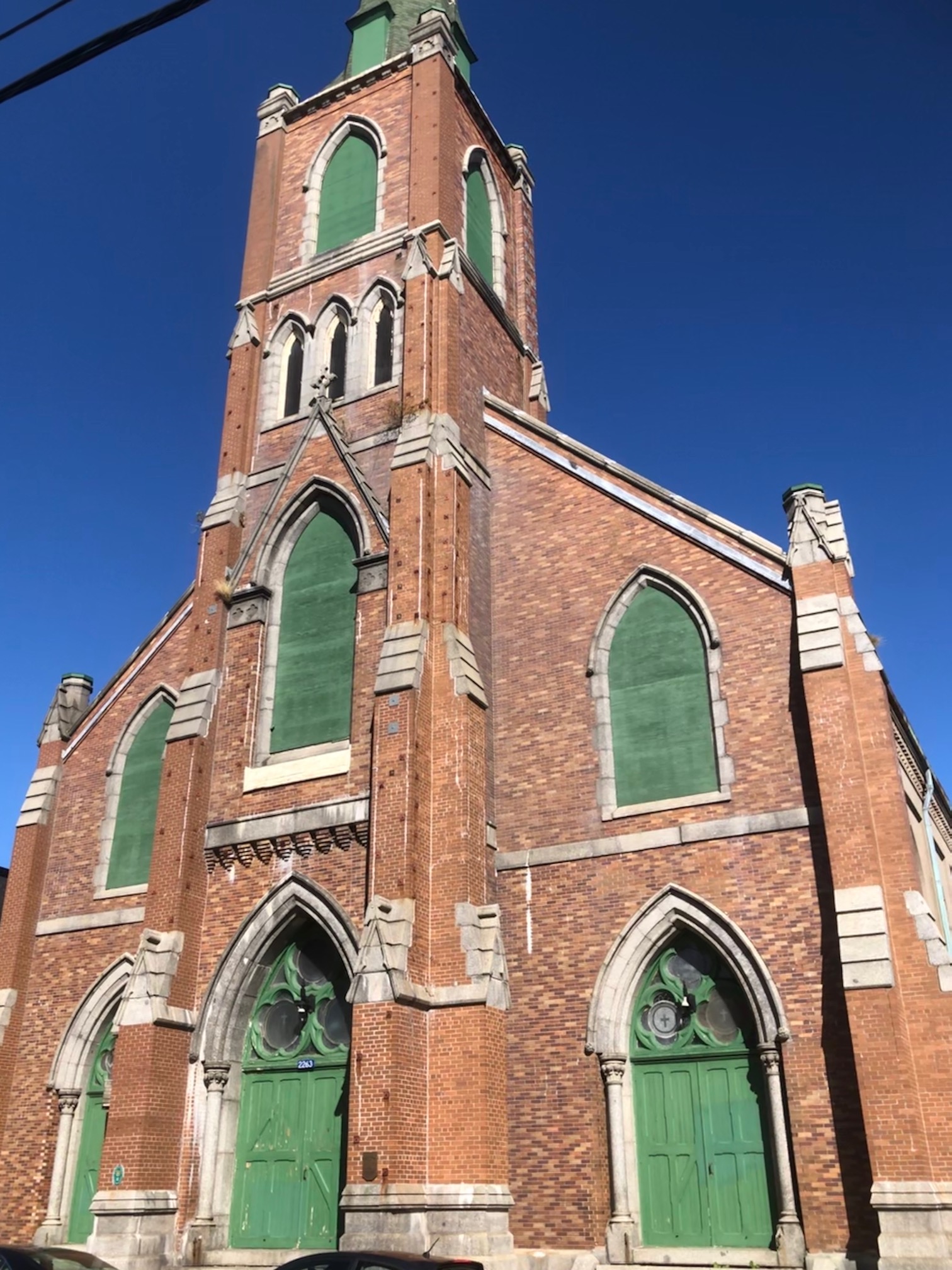
                On a little hill in Pictou is a sadly-sweet old cemetery, with his parents, his brother.  The cemetery, where I know the names of half of those buried there. Some are very old, ancient almost, with names of his cousins, grandparents, aunts and great aunts. Some of them I met decades ago, like great-aunt Theresa on the French, Cormier side, who was born on French speaking Les Îles-de-la-Madeleine[i]. The one, who visited your parents back in Priddis[ii] in the 1990’s and gave me the beautiful old book of the story of Evangeline[iii], her expulsion with thousands of other Acadians from Nova Scotia to the swamps of Louisiana, who gave Louisiana their ‘cajun’ character and French Quarters of New Orleans with its Cajuns/Creole[iv] language. Many years later, when I lived in Dartmouth in Nova Scotia, I have followed the trails of that expulsion, their towns, Catholic churches. I followed the entire Trail of Evangeline and her tragic return to Nova Scotia from Louisiana to her dying lover. Henry Longfellow wrote this famous long poem apparently under the spell of famous epic poem by Mickiewicz “Pan Tadeusz” (Sir Thaddeus)[v]. Sadly, Longfellow did not possess literary genius of Mickiewicz – but if he didn’t write it, I would have never known the story of Evangeline. Tragic and beautiful, and it is a testament of very important history of Nova Scotia and later entire Canada and the beginning of the long love-hate affair between the British and the French. Still very much alive, and treacherous as ever.

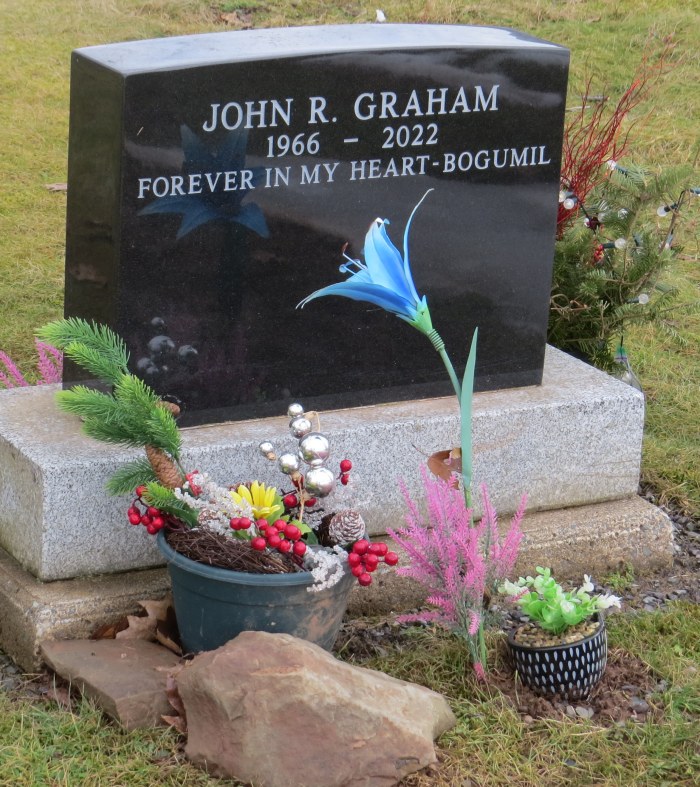
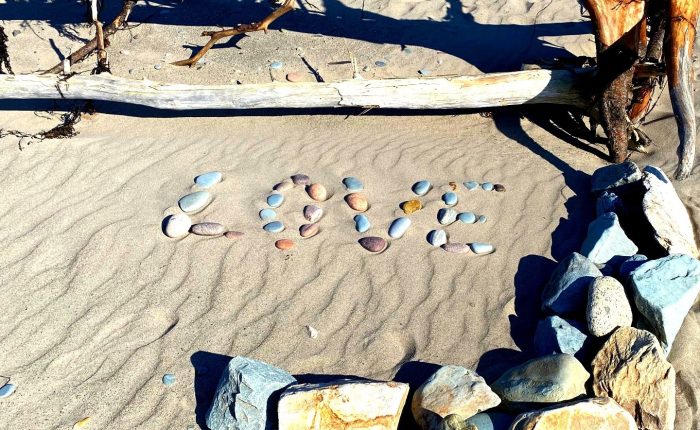
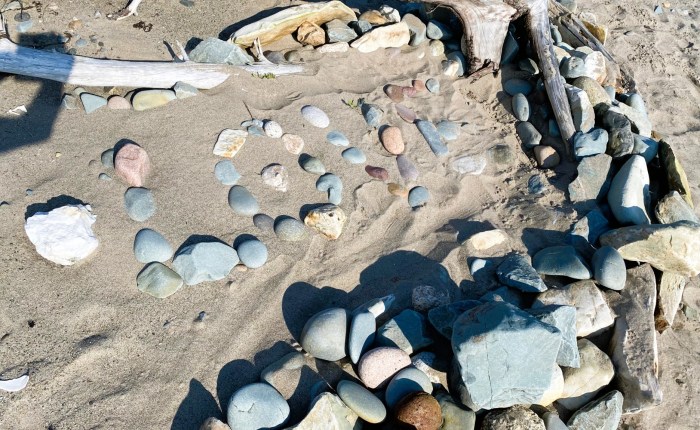
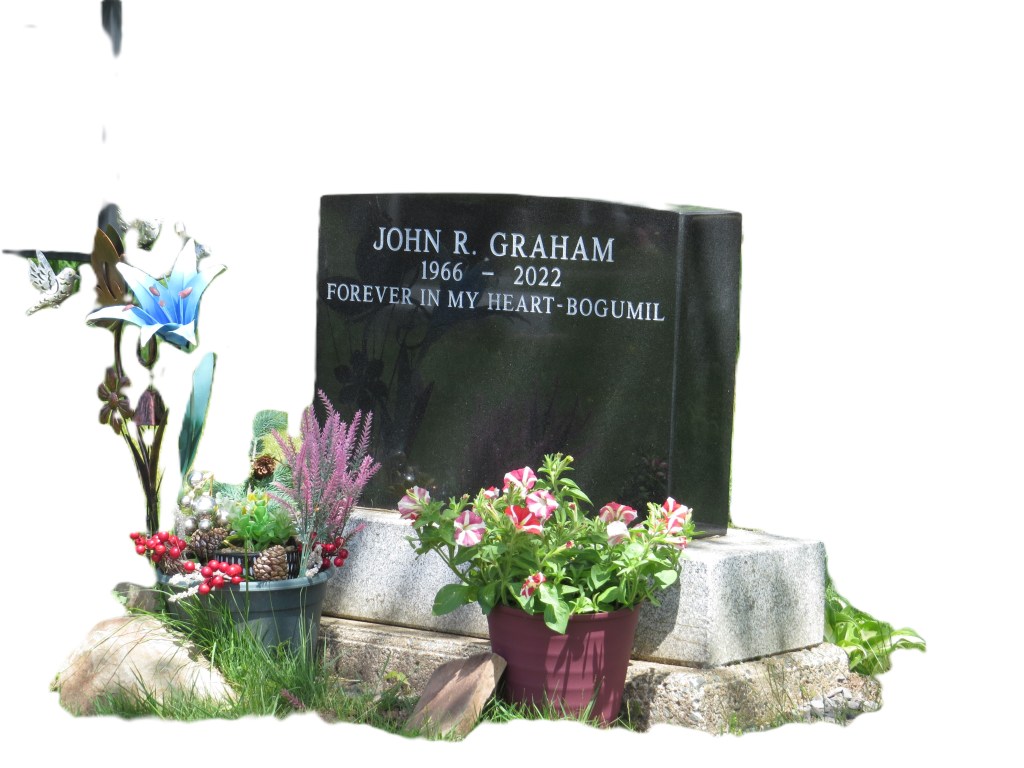
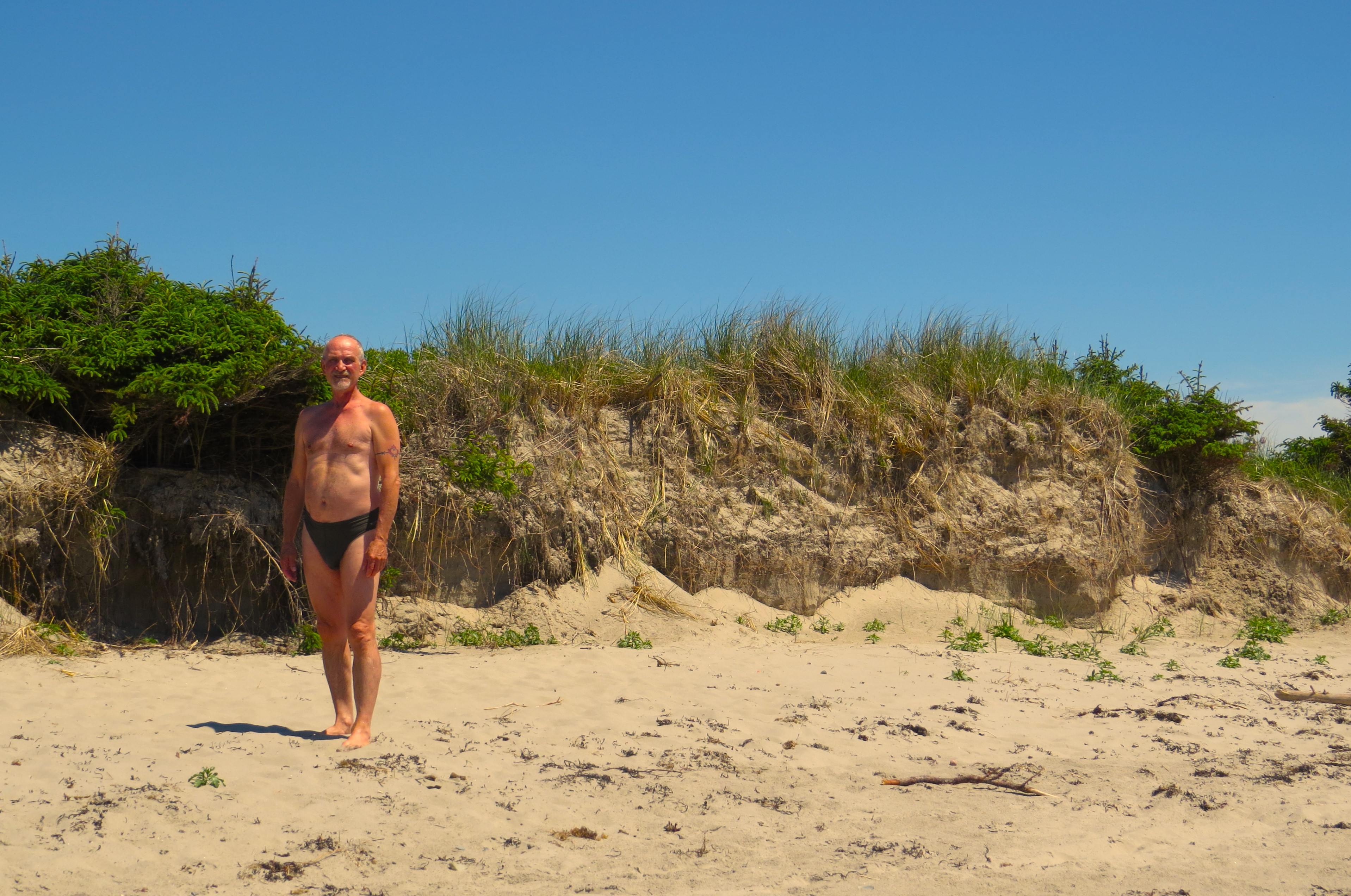
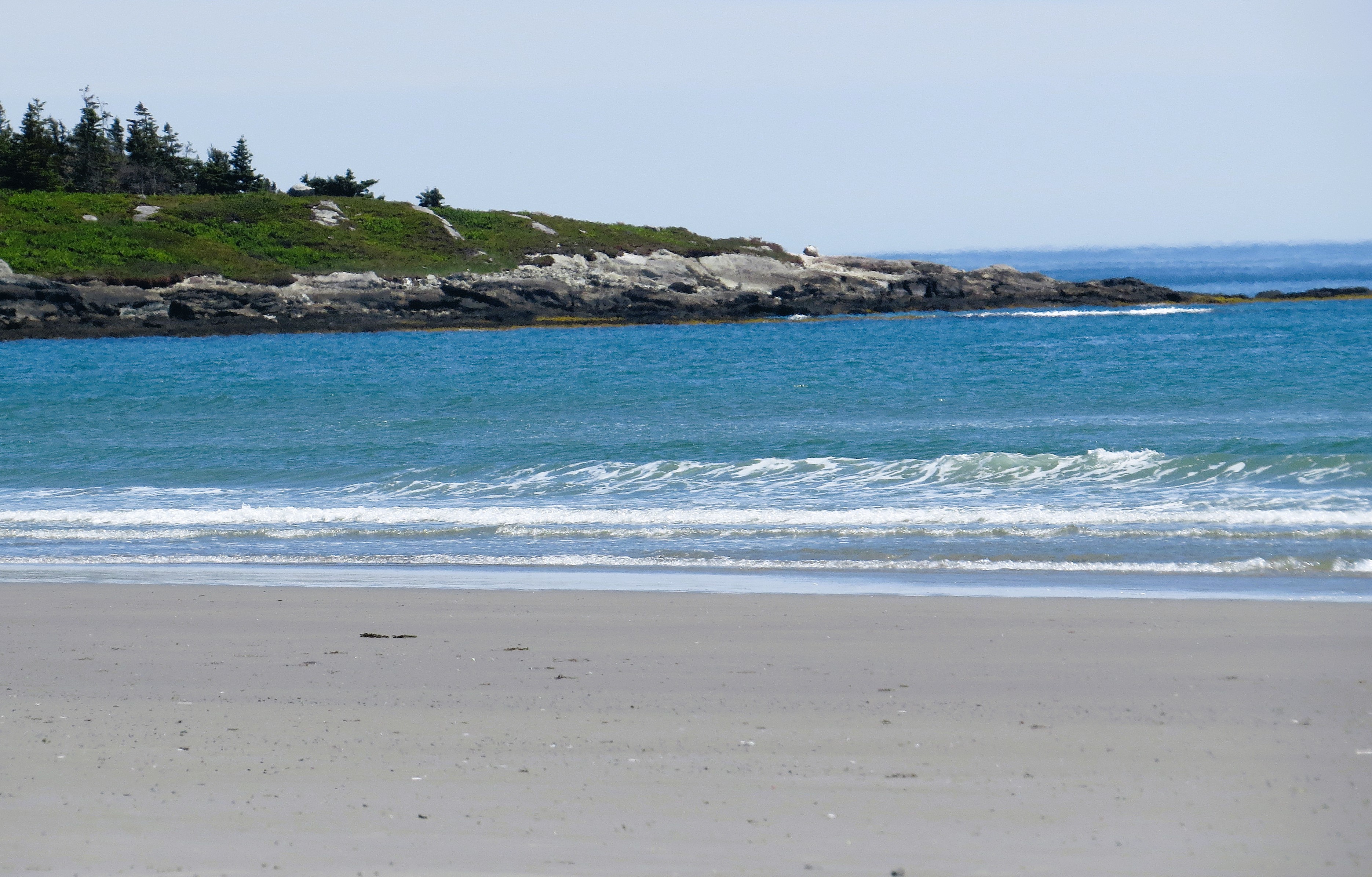
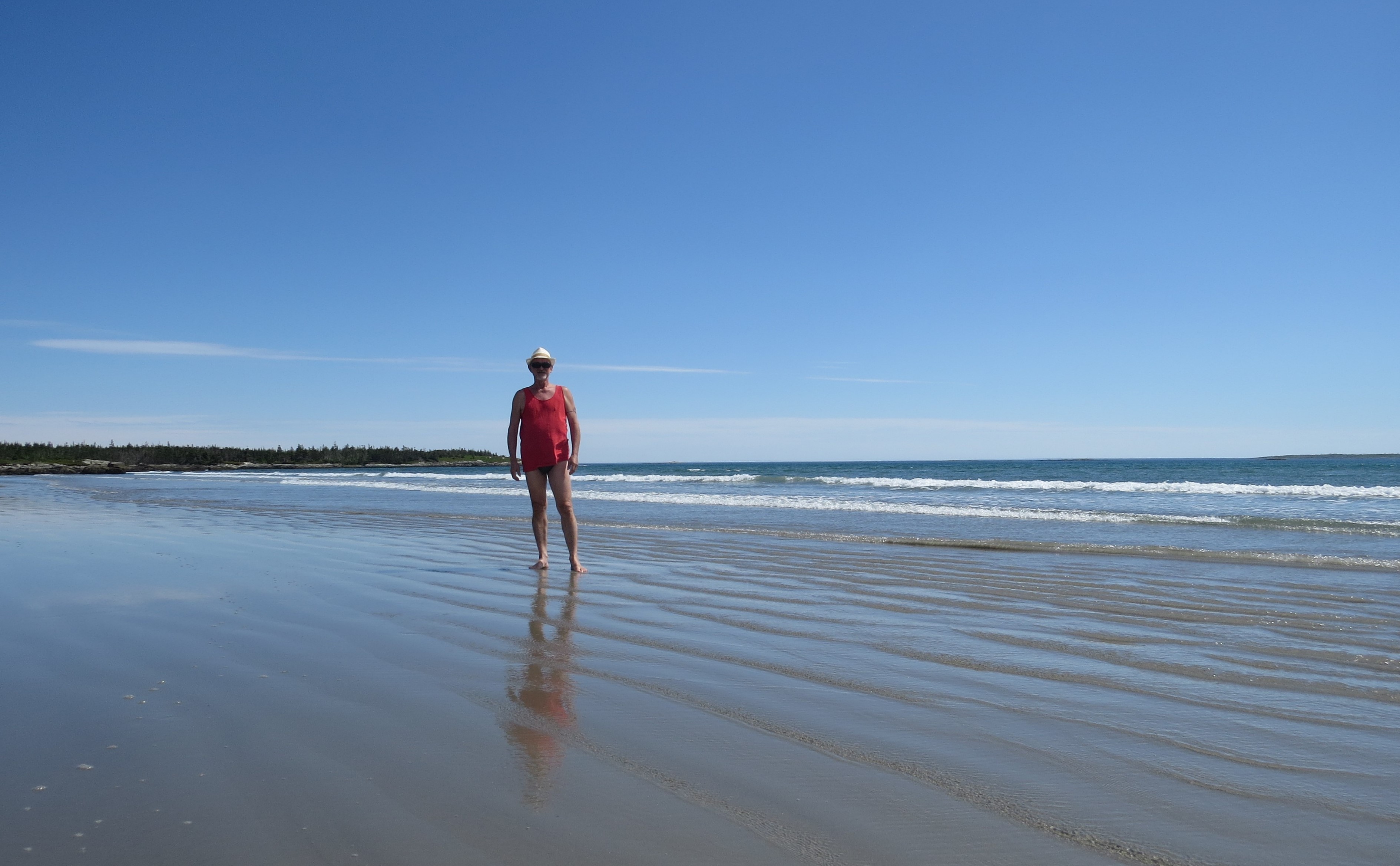
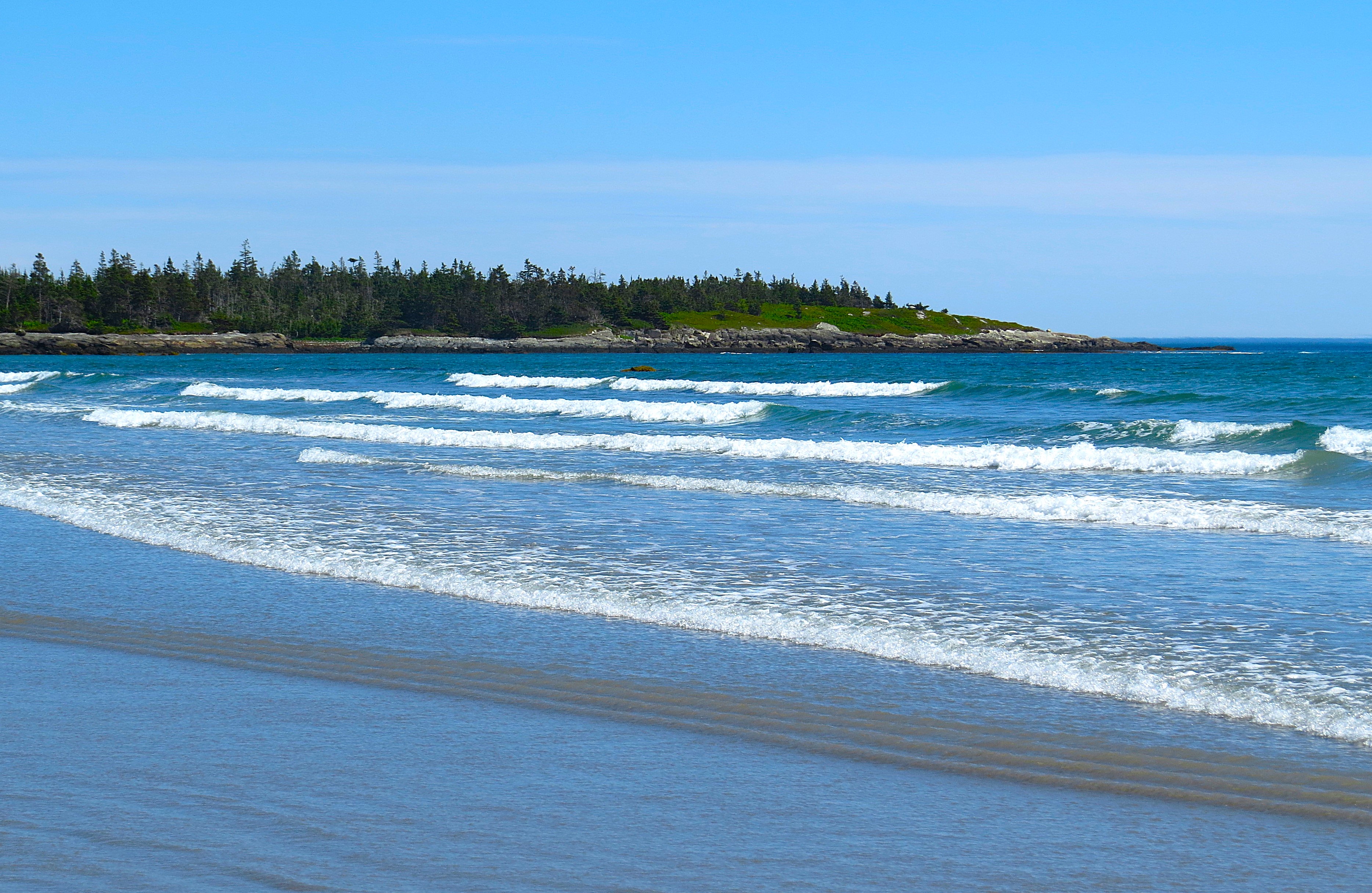
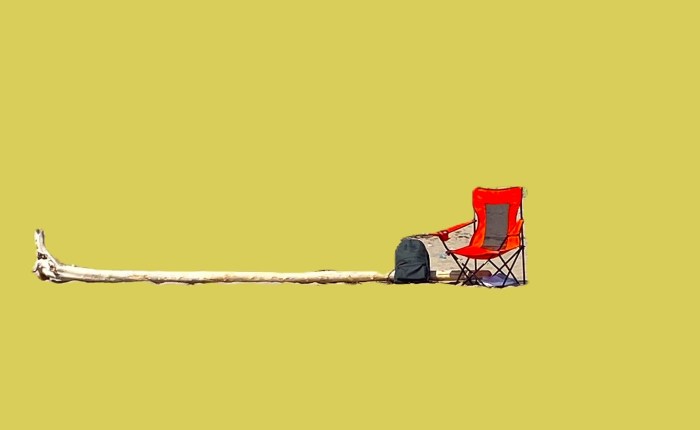
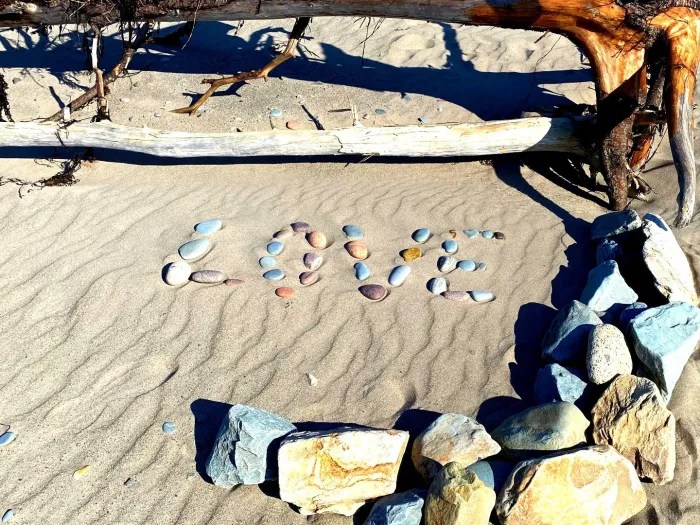
So, back on that little cemetery in Pictou, I have left your ashes in the familial embrace of generations of your family buried there. Part of my heart is buried there, too. That part will never leave my Canada, and will stay there till end of times. As the description I left on that gravestone (forever in my heart) will be the non omnis moriar of our Love in times, when no one will remember you or me. Just as I have build that Monument to Love from heavy rocks and dead tree brought to that deserted and secluded beach in Lower East Chezetcook. I have spent on this wild beach many days on end – just me and our Love. No names, just Love. Therefore it could be anyone’s love, as it should have been. Love belonging to those who had her, who lost her, and those who seek her. The only reason to simply ‘be’ that I had. The only thought, that I dreamt of, the only desire – and I had it here, in Canada: my Home, my country.

Now she has nothing to give, to grant me.
I’m going back to an older, original home. Across an ocean that I grew so fond of in Nova Scotia, to the old place, a place where my dreams and desires stronger than just my sheer will to live, begun. Place, where I still might catch the fleeting glimpse of that boy.  Will I? I don’t know.

But I do know I owe it to the old country. Maybe there I will still recognize things that I can give to the old meadows, rivers, towns and cities, the tiny Baltic Sea? Maybe.


Idę Marszałkowską do Placu Konstytucji. Znajoma kawiarenka po lewej stronie. Stoliki na zewnątrz, ale ja idę na ulubione pięterko i siadam na szerokim parapecie okiennym. Nikt mnie tu nie zna i nawet gdyby ktoś, kogo znałem by się tu pojawił pewnie ani on/ona ani ja nie rozpoznalibyśmy się. Tak mi się wydaje, choć  kto wie? Ludzie aż tak się nie zmieniają, zwłaszcza dorośli. Jest możliwe, że bym nie poznał jednak dalszego znajomego z lat jeszcze 70. i 80. poprzedniego stulecia. Tak po prawdzie nie pamiętam, nawet czy to było na Konstytucji czy kawiarnia ‘Charlotte’ na placu Zbawiciela? Ale jak wejdę, to rozpoznam bez wątpienia. Było też fajne miejsce na Brackiej, kafejka ‘Między nami’. To szczególnie lubiłem już w ostatnim 10-leciu. Miałem tam miłe spotkania z ciekawymi ludźmi ze świata literatury i sztuki. Czasem zaskakujące i nieprzewidziane, jak choćby te ze wspaniałym Omarem Sangare[vi] – aktorem, poetą, akademikiem i organizatorem słynnej Sceny i Festiwalu Jednego Aktora United Solo na Theatre Row (obok Broadwayu) w centrum Nowego Jorku. Poznaliśmy się bodaj sto lat temu na jego prezentacji własnej sztuki „Krytyk teatralny” podczas wizyty w Vancouverze. O ile pamięć mnie nie myli było to chyba na scenach Centrum Kultury Żydowskiej koło Oak Street (może jednak w teatrze na Granville Island? nie pamiętam, a nie chce mi się sprawdzać). Bardzo mi przypadł do serca. Po latach odnowiliśmy znajomość właśnie w Nowym Jorku. W międzyczasie opublikowałem w moim roczniku artystycznym[vii] odpowiednio przykrojoną do potrzeb publikacji, jego pracę magisterską na temat … Otella szekspirowskiego. A, przypomnę tylko, że Omar Sangare to z krwi i kości polski 100% czarnoskóry aktor, urodzony w Stalowej Woli. Tata jego pochodził zaś z Afryki, a w Polsce studiował. Otóż podczas mojej wizyty w Warszawie i on tam wrócił, zdaje się miał występować gościnnie w Teatrze Syrena. Chyba tam się właśnie przypadkowo spotkaliśmy. Ja zdaje się wychodziłem ze spotkania w polskim MSZecie (te ministerstwo jest zadziwiająco blisko … Trybunału Konstytucyjnego, LOL), a on wychodził z “Syreny” i prawie na siebie wpadliśmy. Umówiliśmy się naturalnie w tej uroczej kawiarence na Brackiej. Dużo opowiadań, wspomnień. Innym razem spotkałem się tam z dziennikarzem i pisarzem Krzysztofem Tomasikiem[viii] – ciekawą postacią, zajmującym się historią znanych osób z kręgów LGBTQ. Naturalnie miał masę pytań bardzo konkretnych, ale nie na wszystkie chciałem odpowiedzieć. Zwłaszcza o osobach z bardzo wysokiej i publicznej ‘półki’ kultury polskiej. Niektóre z tych osób pełniły bardzo wysokie oficjalne funkcje w znanych przybytkach sztuki, a publicznie same comnig-outu nie dokonały. On uważał, że powinienem, bo oni sami ‘nam to winni’. Ja mówiłem, że ‘ja’ to nie ‘’my’ i sytuacja każdego człowieka jest inna. Zawsze jestem i byłem przeciwny outowania kogoś bez zgody tej osoby. Ale Tomasika szczerze szanuję, bo to wyjątkowo zasłużony historyk, badacz i publicysta spraw związanych z historią osób i środowiska LGBTQ+ w Polsce. Moje ukłony dla niego.

Oczywiście zaraz obok była bardzo długo, (zdaje się już nie istniejąca), słynna kawiarnia ‘Alhambra’, gdzie podawano cudowną kawę ‘po turecku’ i było to jedyne znane i popularne miejsce schadzek gejów warszawskich, kiedy słowa ‘gej’ jeszcze nie było w polskim słowniku ani slangu. To były czasy mojej wczesnej młodości i pierwszy lokal, gdzie wchodziłem i siadałem za stolikiem z jedną ‘małą czarną’, którą niemiłosiernie długo piłem (na zamówienie drugiej nie było mnie stać przecież!). Tutaj kilka razy widziałem i z wielką czułością obserwowałem kultową postać polskiego baletu i już ciszej warszawskiego światka gejowskiego – kochaną, uwielbianą ‘Stasię’: pana Stanisława Szymańskiego, pierwszego solistę Baletu Opery Warszawskiej. To był tancerz par excellence – on żył baletem i oddał mu wszystko. Przez sam fakt, że w tamtych czasach był często pokazywany w TV polskiej – uwielbiany był przez masy Polaków w całym kraju. Jakkolwiek widziałem potem wielu technicznie po prostu fenomenalnych tancerzy  ze światowych scen  – nikt nie wydawał się żyć tak tańcem, jak wtedy Szymański. Dla nas był bogiem sceny, Apollem, który dla widza zszedł z Olimpu i tańczył dla nas, oczarowanych.  I ja, młodziutki chłopak, szczeniak mogłem kilka razy obserwować tego Apolliona właśnie w tej ‘Alhambrze’. Wydaje mi się, że kilka razy się do mnie smutno, ale miło jednak, uśmiechnął.  Do ‘Alhambry’ wszak raczej nie wrócę, bo nie mam umiejętności cofania czasu, ale na Bracką na pewno. Może jakąś inną cafe-dziupelkę też poznam nową, tej na Brackiej jednak nie zostawię.

Oczywiście mam pamięć Warszawy innej, wcześniej o wiele, wiele lat. Warszawy chłopca, potem młodzieńca: ‘Solidarności’, podkładania ulotek w Empiku przy Nowym Świecie w latach 70. ubiegłego wieku, ulotek wystukiwanych na rozklepotanej starej maszynie do pisania. Ale to było już tak dawno. Tamten chłopak to już historia. Ja bym go poznał, on chyba mnie nie. Może szybciej poznalibyśmy się i zrozumieli z dużo wcześniejszym chłopcem, który przyjechał z mamą parowym pociągiem do Warszawy Głównej. Miałem krótkie spodenki i pamiętam świetnie nieliczne ocalałe kamienice na Ochocie i w Centrum, gdzie ciągle były wyraźnie widoczne dziury po pociskach niemieckich, czasem połowa kamienicy była zamieszkana, a z drugiej połowy zostały tylko resztki ruin. Potem poszliśmy pod ten olbrzymi Pałac Kultury z tymi brzydkimi i straszącymi młodego chłopczyka figurami muskularnych robotników. Natomiast fontanny wokół tego Pałacu były cudowne. Z siostrą i innymi dzieciakami kąpaliśmy się w nich niczym w jakimś miejskim basenie. To była moja jedyna wizyta w Warszawie, kiedy jeszcze mieszkaliśmy w Toruniu. W bardzo krótkim czasie przenieśliśmy się w okolice Warszawy.

Potem to już nie dojeżdżałem WKD do przystanku Warszawa Ochota, ani  Warszawa Centralna. Potem dolatywałem przez pół wieku samolotami z zupełnie innego kontynentu. Czterdzieści cztery lata, mickiewiczowsko to brzmi, prawda? LOL. Wszystko zresztą przez tego Mickiewicza po prawdzie. Do szkoły jeszcze nie chodziłem, a już ‘Świteziankę’ czytałem. Przez mamę, bo go kochała, jak wariatka. A takiego małego brzdąca, jakim wtedy byłem, szaleństwami łatwo było omamić. No i tym tułaczem zostałem. Ale – w przeciwieństwie do Adama – Zajazdu ostatniego ani pierwszego na Litwie nie opisałem.

Więc z tych późniejszych przyjazdów zza oceanu, tych wielokrotnych krótkich powrotów, Warszawę na dorosło, dojrzale już pokochałem. To moje miasto. Bo tam właśnie były te pierwsze szalone i najważniejsze lata wczesnej młodości. Marzenia, tęsknoty, pragnienia. Co zrobię więc i gdzie pójdę na mój pierwszy spacer po tym ostatecznym powrocie?  

Na pewno pójdę na swoją ławeczkę na pagórku w Parku Ujazdowskim. Stamtąd dobrze widać i jeziorko obok i z daleka mogę pomachać ręką Perseuszowi wykutemu w czarnym marmurze. Ileż tam godzin spędziłem na drugiej ławeczce, na tyłach Ambasady Francuskiej, właśnie obok tego zgrabnego Perseusza[ix]. Uśmiechał się do mnie ladaco i zaglądał przez ramię w mój notes czytając com w nim nabazgrał. Więc dla przekory nic o nim nie pisałem. Niech się dąsa na swoją Andromedę, a nie na mnie. Ci dawni Grecy, to zawsze byli tacy kombinatorzy – żony ładne mieli, a za chłopakami latali, jak psy. Nawet w czasach najdawniejszych, długo przed wszystkimi Platonami i Sokratami. Przecież Perseusz sam był prapradziadem Herkulesa, a proszę mi wierzyć, że to już bardzo dawno temu, gdy Herkules w stajniach Augiasza się za sprzątającego podnajął.

Tamtemu człowiekowi, który opuścił Polskę czterdzieści ponad lat temu zawdzięczam bardzo dużo, ale ja dzisiejszy, to już nie ten sam człowiek. Ktoś inny i gdzie indziej zmienił mnie i ukształtował silniej niż nawet tamte marzenia, tęsknoty, romanse. Ktoś w Kanadzie – mój mąż, kochanek i przyjaciel miał na mnie wpływ najsilniejszy, najtrwalszy. Przez ten związek zaznałem ból największy i szczęście niewyobrażalne. Spełnienie kompletne.

.  
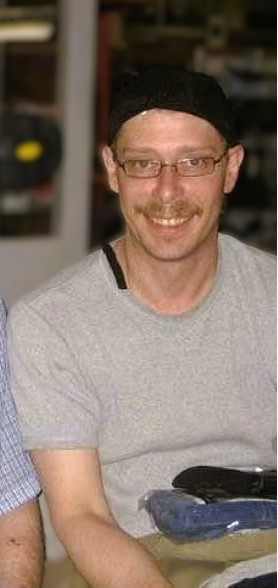
Jesteś królem

Jesteś Pieśnią nad Pieśniami,

jesteś w szczytach Kaukazu,

gdzie Stary Anioł z długą brodą

podał ci rękę, byś mógł

bezpiecznie zejść żlebami

do dolin zielonych,dolin

z mruczącymi ruczajami,

które wiodły do domu

Persefony, domu światła

 i dobroci. Mądrości i

 ciepła, które płynęło z

twych oczu, jak te kaukaskie

strumyki. Jestem tylko twoim

cieniem, twoim towarzyszem

zbierającym gałęzie do

domowego ogniska, które

będzie nas chronić przed chłodem

nocy, gdy zapuka do drzwi.

Jesteś moją tęczą. Tęczą

 z wodospadów Iguazu

chłodzącą twarz i plecy od

skwaru tropikalnych nieb.

Jesteś, gdy cię nie widzę. ale

czule czuję ciągle. Ostatnią

myślą przed snem, rano pierwszym

uśmiechem Zefira brzasku.

Ja jestem administratorem,

jestem dowódcą naszych wojsk,

jestem szambelanem dworu.

Ty tylko królem. Niczym więcej.

/dzień później/

To, co napisałem nie podoba mi się. Nie oddaje nawet połowy ani korzeni tej tęsknoty do powrotu, ani jej siły. Zasadniczy powód, to pewnie fakt, że … nigdy z tej ‘Polski’ nie wyjechałem. To ‘komunistyczna’ Polska wyjechała z ,mojej Polski’. Dlatego ta ‘moja’ Polska była ze mną bez przerwy: przez Włochy, Calgary, Vancouver i Nową Szkocję w Kanadzie; przez wszystkie wyspy zaczarowane Polinezji, jej atole, muszle, pochylone nad ciepłym Pacyfikiem tak samo, jak skromne wierzby pochylały się nad rzeczkami wałęsającymi się gdzieś w piaszczystych łąkach Mazowsza. Dnia chyba nie było, bym choć przez chwilę o niej, tej szarej Polsce nie wspominał. Aż stały się duże, kolorowe, piękne, zasobne. Bo tak się przeobraziła ta moja Polska, gdy ja odwiedzałem po 1990 roku.

Ale wtedy miałem już w tym olbrzymim kraju-kontynencie, który opierał się brzegami aż o trzy oceany[i] swój nowy Dom, mój Dom. Życie, pracę, działalność społeczną, pisanie, edytowanie, redagowanie, wydawanie. I coś jeszcze, najważniejsze. Miałem przede wszystkim Jego.

On był wszystkim. Był ‘moją Polską’, ‘moją Kanadą’, ‘moim wierszem’. Był o niebo lepszym moim alter ego. Tego, o którym marzyłem w mojej wczesnej młodości w Polsce. Więc może gdy wracam do Polski, wracam też do niego? Bo wracam do źródeł tych marzeń, które później on tu, w Kanadzie zrealizował, urzeczywistnił.

Przecież nie jest w pojemniczku szarych prochów na małym cmentarzyku Stella Maris nad cieśniną św. Wawrzyńca.

Jesteś we mnie. Na zawsze. A ja z tobą. Bo przecież gdzieś się jeszcze muszę odnaleźć. Jak tylko się pozbieram, spakuję i rozpakuję, zabiorę cię na spacer do Parku Ujazdowskiego, a potem do łabędzi w Łazienkach.

(pisane dnia następnego)
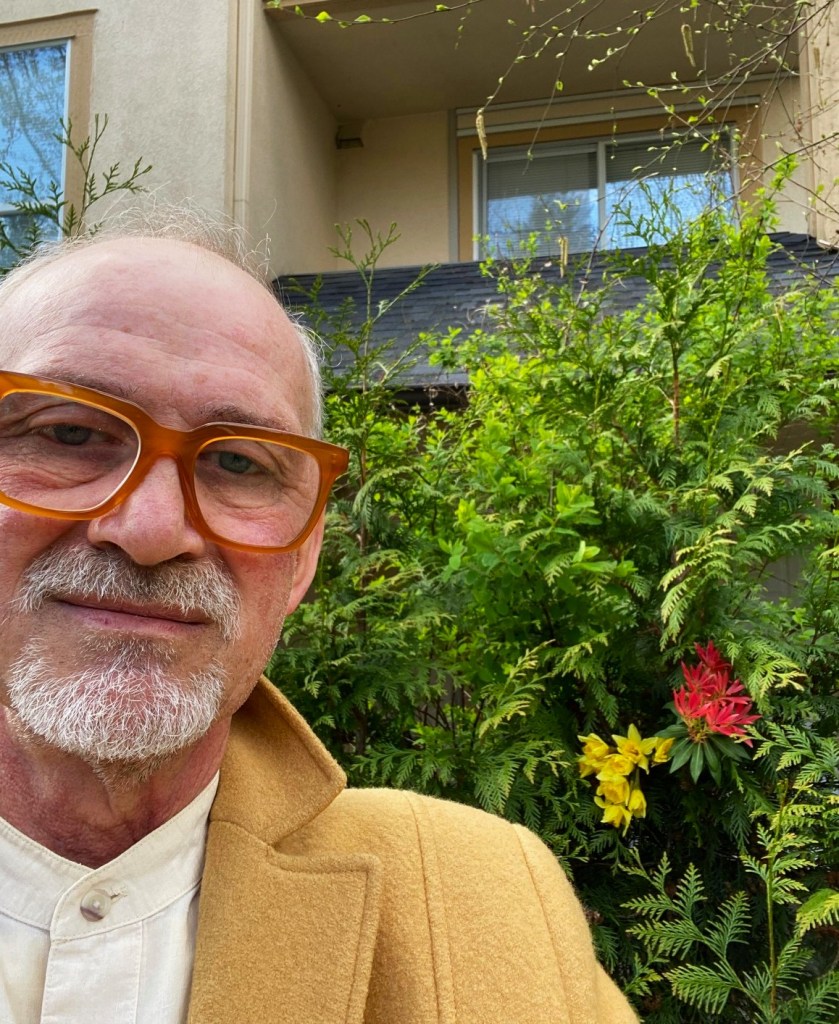
Następnego dnia pojechałem z wieczora do naszego ostatniego domu w Surrey, gdzie mieszkaliśmy do czasu wyjazdu do Nowej Szkocji. Szedłem powoli wzdłuż znajomego murku, dotykałem dłonią chropowatej powierzchni białego piaskowca. Siadłem cicho na narożniku murku, tuż przy metalowej furtce do naszego ogródka. Tam często rano piliśmy pierwszą kawę, której nikt lepiej niż ty nie zaparzał. Mnie do obrządku rannej zwłaszcza kawy nie wolno się było zbliżać. LOL. Siadaliśmy potem z tą kawą w naszym ogródku, nasz ‘synek-kotek’ Babu przychodził też, robił ranny obchód ogródka, ocierał z podniesionym ogonem o nasze nogi. Potem wracał z godnością, wchodził położyć się na kanapę w saloniku visa ‘vis kominka. Czekał cierpliwie, gdy skończymy kawę i w końcu podamy wielmożnemu księciu jego śniadanie. Potem wracał powoli po schodach do naszej sypialni, która była przecież i jego sypialnią, kładł się na swoim łóżku (nam po prostu było wolno spać też w tym jego łóżku) i zasypiał. No bo kto by pomyślał, by zrywać się tak wcześnie, jak ci jego służący-tatusiowie?

Więc w tym mroku tego wieczora posiedziałem tam trochę. Posłuchałem szeptu naszej brzózki sięgającej teraz dachu. Znalazłem ją kiedyś maleńką, wyrwaną z korzeniami na jakimś śmietniku wokół domków obok. Zasadziłem, czule dbałem, gadałem z nią też. I odżyła. przetrwała i jest w swoim domu, w którym nie ma już nas. Ale ona trwa.

Babu też już nie ma. Był naszym dziecka od drobniutkiego szkraba, który mógł się na dłoni zmieścić, gdy podarowała go nam jeszcze w Burnaby w 1994 roku moja kuzynka. Był z nami dwadzieścia lat. To kawał życia. Odszedł na naszych rękach po krótkiej, ciężkiej chorobie.

Potem byłem tą noc przy mamie, przytulałem ją, gdy zasnęła zmęczona w ten ostatni sen. Dziś rozumiem, że są momenty i czas, gdy tego snu wyczekujemy, gdy jesteśmy już zmęczeni i nie mamy już niczego do obdarowania, oferowania, najbliższym.

Ty jeszcze miałeś czas długi przed sobą i masę podarunków dla wielu, gdy kładłem moją głowę przy twojej, opowiedziałem szeptem do twojego ucha naszą długą i piękną przygodę życia. Potem musiałem w końcu pozwolić na wyłączenie tych okrutnych maszyn. Moje nienasycenie, mój głód ciebie i tak stawał się tylko spełnianiem żądań zachłannego kochanka, zbyt przecież dumnego by cierpieć, a jedynie godnego darowywania życzeń. A ty po prostu chciałeś już też zasnąć. Twoje ciało było już też zmęczone. Dopiero ciche słowa neurologa i psychologa, którzy spokojnie i taktownie wyjaśnili mi, żeś umarł jeszcze przed szpitalem, w moich ramionach, zanim dojechała karetka pod dom. Więc jednak w moich ramionach, tych które znałeś, kochałeś i które kochały ciebie.

Teraz nie ma ramion dla mnie.

A może to nie jest pełna prawda, może ciągle czuje przy sobie twoje ciepłe ramiona, twoje mądre spojrzenie, twą czułość? Mój Solomonie, mój Aleksandrze, mój Gilgameszu, moja Beatrycze…

(dwa dni później)

I czy to już wszystko, co mogę powiedzieć? Czy czara się wypełniła? Chyba jednak nie, wszak w każdej pełnej czarze, gdy ją dotkniesz kilka kropel ubywa. Robi się znowu miejsce na kilka nowych. W niczym to jednak nie zmienia faktu, że czara jest pełna. Tak było, jest i będzie. Tako było powiedziane przez przypadkowego boga Uta-Napiszita, który wykrzyknął w Ur mezopotamskim: znalazłem życie!

Przypadkowi bogowie, przypadkowi kochankowie, przypadkowi żałobnicy. Tylko poeci są prawdziwi, bo to wszystko zapisują, opowiadają. Tyle, że im nikt nie wierzy. A potem? Potem to i tak jest zawsze za późno.

Dziś jest ciepły wieczór jednego z późnych dni sierpniowych, koniec lata. Chciałbym by było to już moje ostatnie lato tu, w Kanadzie.

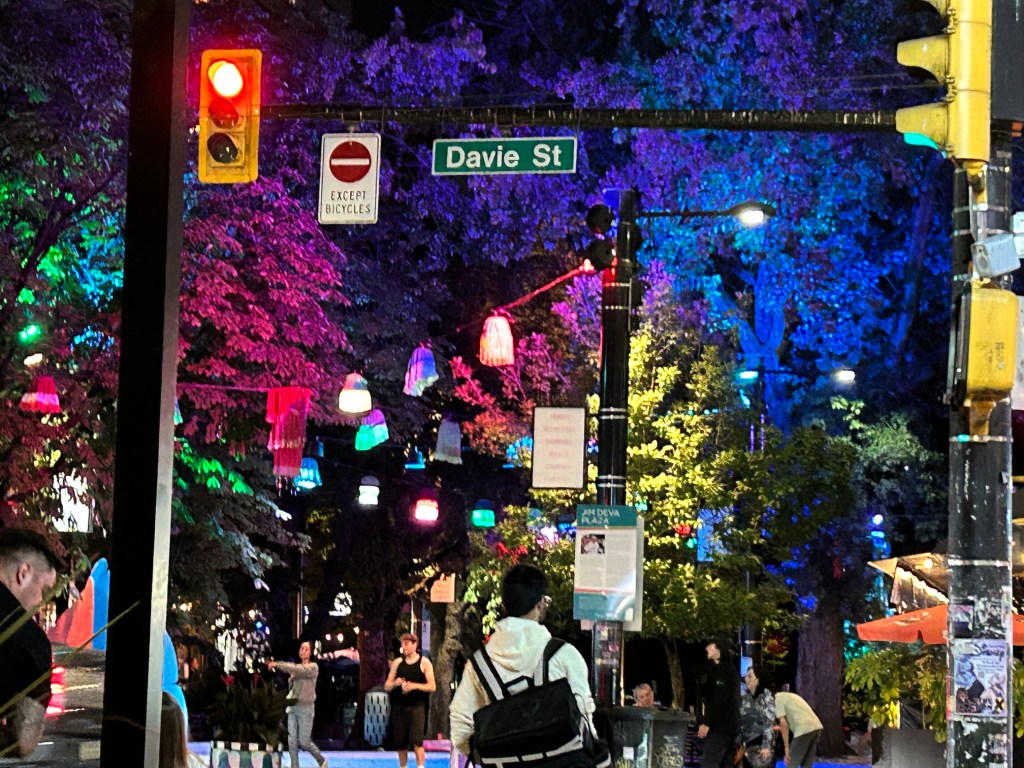
Nie mam już jej co dać, ona nie ma już nic mnie do ofiarowania. Wsiadłem w kolejkę i pojechałem do centrum Vancouveru, na moją Davie Street. Naszą cudowną, zaczarowaną Davie Street. Tu należeliśmy tylko do siebie. Nawet jeśli gdzieś, kiedyś jakaś zabawa, gra się zdarzyła, była to nasza zabawa, nasza gra.. Inni przypadkowi gracze byli tylko tym trzecim i czwartym do brydża. Ale to był tylko nasz brydż, przez całe życie. I ten dzisiejszy wieczór jest tylko nasz i tylko o nas. Ten ciepły, sierpniowy wieczór na naszej Davie z naszego Vancouveru. Uśmiecham się do tej myśli i jednocześnie łzy zbierały się pod powiekami. Bo to te same uczucie, nie ma radości i szczęścia bez bólu. Tak też ułożone. Chodzi o to, by ta radość zawsze wynagradzała każdy ból w dwójnasób. Moja wynagradzała.

[i] północną, zachodnią i wschodnią granicę Kanady wyznaczają oceany: Arktyczny, Pacyfik i Atlantyk

[i] island in the Gulf of St. Lawrence

[ii] ranchland between Calgary and foothills of Kananaskiss Country

[iii] Evangeline: A Tale of Acadie by Henry Wadsworth Longfellow – Poems | Academy of American Poets

[iv] Cajuns – Wikipedia

[v] Pan Tadeusz

[vi] Omar Sangare – Wikipedia, wolna encyklopedia

[vii] Strumień Rocznik Twórczości Polskiej – Wikipedia, wolna encyklopedia

[viii] Krzysztof Tomasik – Wikipedia, wolna encyklopedia
[ix] Perseus – Wikipedia
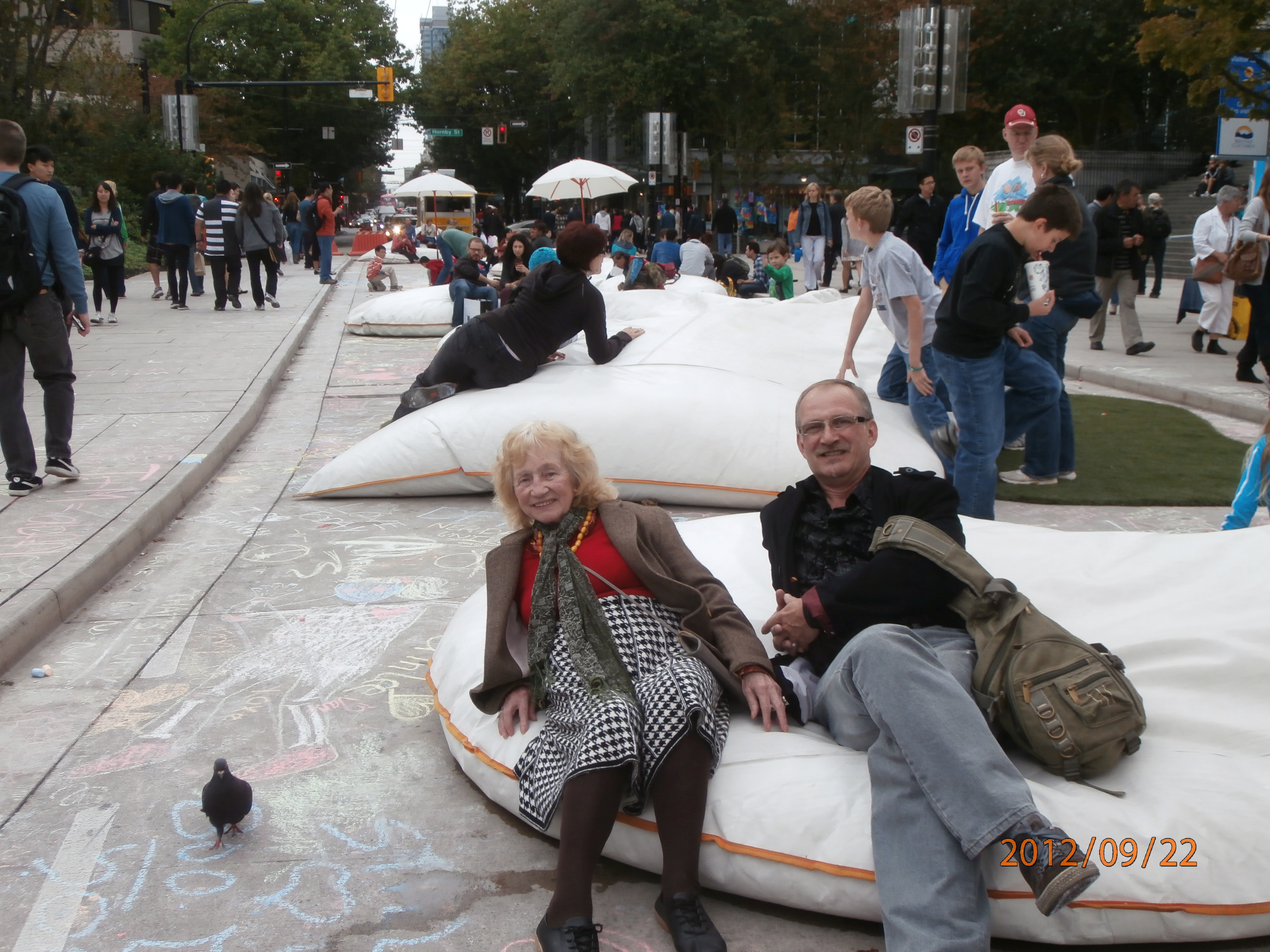
My Three Loves

My Three Loves

My Three Loves never left me. I have never left them, nor have I forgotten them. Through all my early years as a teenager, in an old country on the old continent, country that was greyer than the buildings sorrowing people, who lived there.

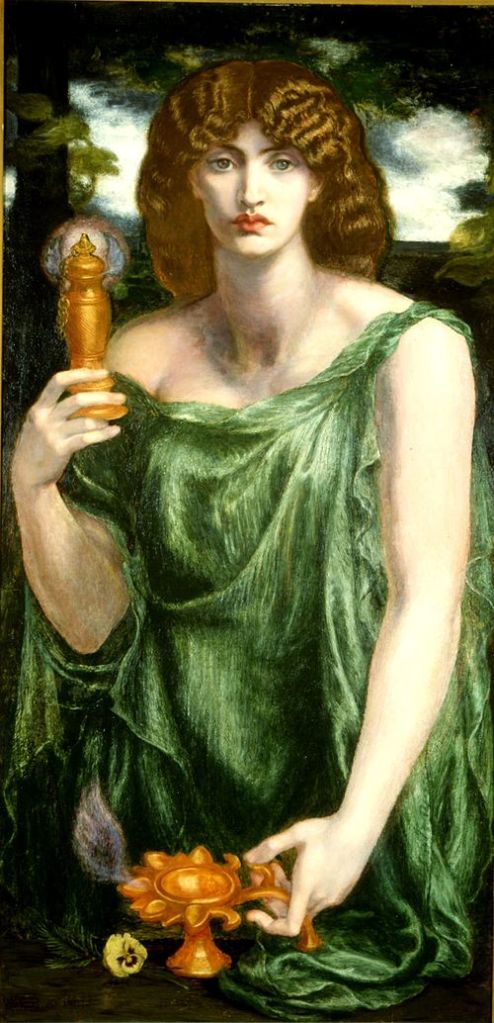
Mnemosyne

(by Dante Rossetti)

But my first love that had sprouted in my heart made it flowering, singing above the roofs of these grey buildings. The city of grey buildings, that rose from the ashes of the worst war that fell upon humankind. Yet – my first love gave it a warm embrace that belongs to the titanic Mnemosyne, mother of all the muses, daughter of Uranus and Gaia[i]. She was not the most sympathetic and meek of Titans with a slightly twisted taste in romantic escapades, after all she also bedded Zeus himself, who was logically speaking … her brother. But who’s blaming anyone? Not the Greek gods (or any gods, god forbid!) for their erotic (diss)behavior. I am merely a human, nothing more. For me then, in the grey city of my grey youth, Mnemosyne was the mother of Muses. That cleared her of any other crimes or indiscretions. Who would anyway, any other way? Surely, not when you are fifteen, seventeen or twenty! Love disregards all and any boundaries. And I was in love! Purely platonic, but fearless and furious; intellectually and emotionally on equal basis. And that love, otherwise called ‘friendship’, stayed with me my entire long life. I have never left her, she stayed with me in my traveling luggage all these decades.

My two other loves happened years after the first one. The next one happened almost unknowingly to my senses. It happened in that old country, still very much grey and poor, but on a threshold of new-found freedom, with dreams and appetites for brighter and greener fields ahead. A boy was borne of familial spring, just like the nymphs chasing after the image of Hyacinthus immortalized by songs of his Olympian lover – the God of Love Itself.  But beware of love offered by gods, my dear boy! They never end well for lesser lovers. I’ll tell you a story here, later on, in the last chapter, of the price I paid for asking for, and being granted the Love Immortal. The grief is as deadly, as the disk of Apollion that killed his lover – Hyacinthus. But wait, I take back these warnings and the words of sorrow and grief. For Love Eternal outlasts grief and sorrow. Each time and every time. Lament is temporary and is a sign of temporarily losing your perspective. If you grief losing a lover – the lover’s love will come back to you in time, for love can’t be solitary. It will seek and enter the other lover’s soul, because Love needs a nest.  

Alas, we went too far in this true fable, the allegoric story of my ordinary life and my Loves Immortal.

Boy was born in the Old Country, as I said. We all rejoiced. Remember walking with my parents, his older sister (a child herself), and the little boy in a walking stroller, a long walk through the countryside near Warsaw, through fields and meadows, to an old palace of some aristocratic imminence and a beautiful stream running through the meadows. Of course, we all loved the new boy. But I had no idea how important, how encompassing, and not always easy at all, that love would be. Didn’t have to wait very long, though, just few more years, few more of my returns to that old familial country and I knew. It was unspoken, unexplained, but very clear. She sprung not suddenly and unexpectedly, didn’t come from ‘the bolt in the sky’ (as it did happen in my last Love Eternal).

It was warmly growing inside me, flowering with tenderness. He was still a child, whom I could carry on my shoulders, as we walked through the streets of that old city that used to be so grey in my youth. But now the city was truly beautiful, transformed by modernity and embracing Western Europe. With that, it embraced the traditions of old Greece, of Zeus and Plato, and Plato’s talks with the boy Phaidros. The sweet youth, who desired his teacher, the old Socrato, and a thought that there must be something wrong with him, since his beloved teacher would not accept the gift of his pupil’s young body. But Socrates was wiser than simple desire. He knew that the boy deserves better than a tired body of not very attractive nor a rich old teacher. That in itself, without any further arguments, proves that Socrat was perhaps in love with that youth and choose of his own will a chanced possibility of better future for Phaidros. A sacrifice, if you will.

Not unlike relationship between Herr Aschenbach and sweet adolescent Tadzio, in “Death in Venice”[ii]. Sweet, tender and innocent – until one afternoon Aschenbach runs away from Tadzio to a park, exhausted and ashamed of himself collapses on a bench and hears himself saying aloud the dreaded proclamation: I love you. But once you say it aloud there is no escape, no turning time back. Ha! That ‘thing’: your desire, your dream could be the abyss of torment. Bliss and condemnation eternal.

What happened in that novella, if it happened and why, is totally irrelevant to our discourse on Love Immortal.  If you want to – buy or borrow that booklet from a library. It is not very long, but definitely it is master class of literature.

Hence – back to our story, my Second Love eternal to that boy from an old capital in Central Europe. Years (not that many in my calendar, but must have felt like an eternity in a teenager’s life of that boy) have passed and that boy, in a pivotal time of transformation into adulthood, comes to me in the New World, across the vast ocean and entire continent in search of his destiny(?), his ways through life. In short: in search of himself. At that time I was already well established, secured and totally committed and enthralled with my lifetime Love Eternal, one that consumed me happily, engulfed, and enthralled me without any hesitation. The one that was romantic and erotic. That boy from the Old Country came here exactly for these reasons, too. Firstly, he knew that I love him dearly and sincerely and I would not offer him anything that would be false, or based on pretense or judgment; would protect him, in as much as I could, from any harm that a sudden freedom can bring too.

That was the time, when my Love for that boy transformed to my Love Eternal: when he stopped being a boy from an Old Country, a nephew, for whom you care enormously – he became my Prodigal Son. Without any too strict connotation to the biblical story (of course, if needed, mistakes and transgressions would be forgiven – what proper father would not?). With another number of years the boy become a mature, well established, and educated man. For any parent, biological or emotional, it sounds like a solid reason to be proud. I am.

My Third Love

How should I name you, how should I call you, by what name? Who you are, who you were, where are you?

I can call you by my name for you are me. I can call you by your name for I am you. I can call you Love for you are My Love. Encompassing all my days and nights. Quivering like a blade of grass on summery meadow. Quivering and fluttering like my heart, when I call your name. I won’t be scared whispering to you: I love you – I will be brimming with pride, when I say it. You, who crossed the continent with me, to be with me. When I asked you, where we should settle for our sunset years, you answered: anywhere where you are going to be, because you are my Home.

When we met at the foothills of majestic Cordillera, bellow the amazing peak of Assiniboine Mountain, on the meadows flowing from the enormous Mount Temple, when we walked in the shadow of Mount Robson I wanted to hold your hand in mine. Wanted to show you how beautiful you look in the glory of these peaks surrounding you. Wanted to ask the angels floating around these peaks to come down and embrace you in their warm, godly wings. Just as I would, if I was a god. Maybe we were the gods? Didn’t we possess the most important attribute of deity: Love Eternal? Love that is everlasting. The Black Angel of Mercy in Hyde Park on Manhattan told us so, when we went on sunny October day to visit him.

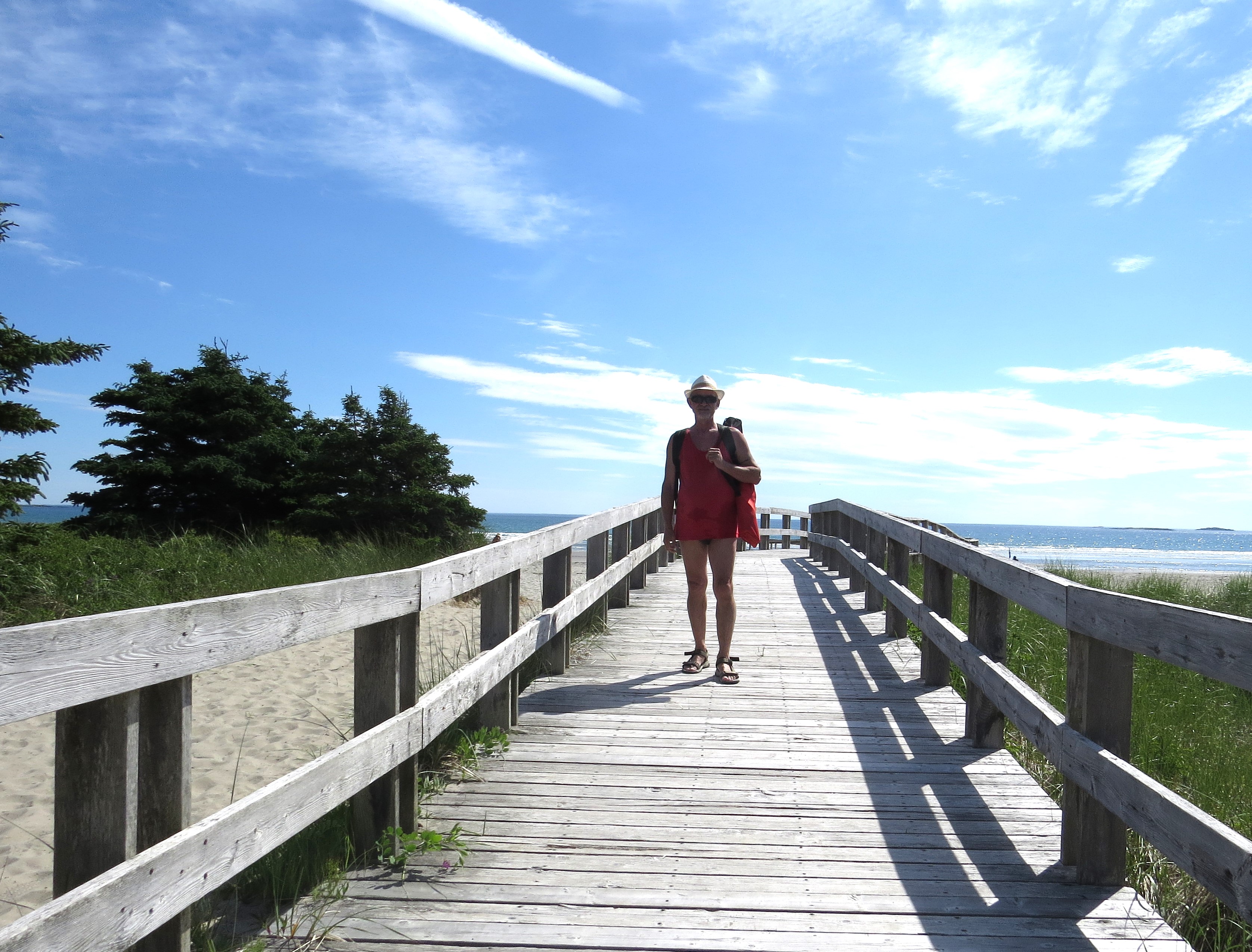
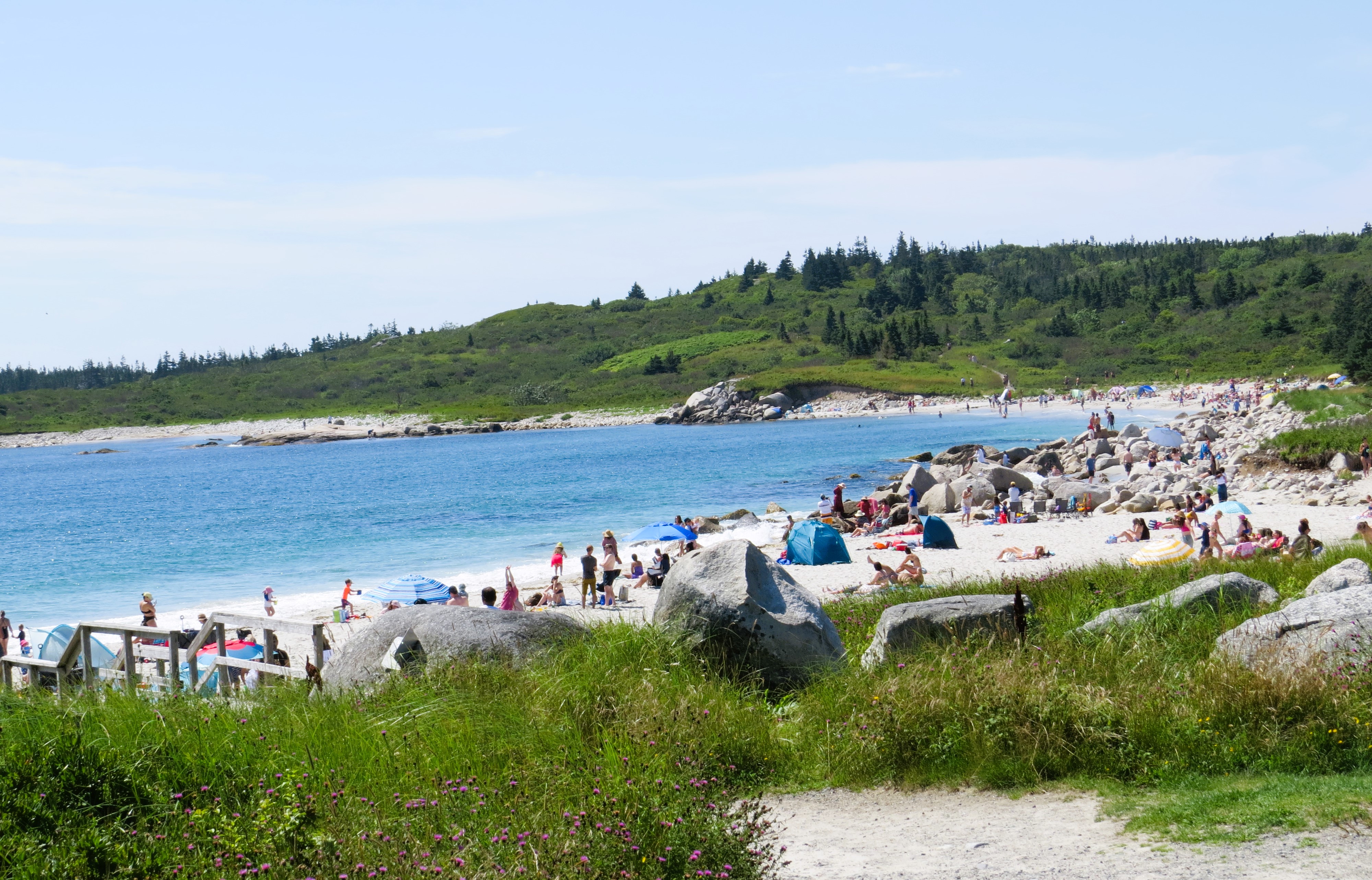
When we walked the beaches of Northern Pacific in Tofino telling the anemones the story of our love – they danced in waves of happiness; when we walked the white beaches of Eastern Shore on Atlantic coast of Nova Scotia – the eagles danced above our heads and parasailors smiled seeing us traversing the beach.

You – my Third Love were the epitome of love, the Mount Everest of being alive. If I ever would lose the sense of smell – I would still remember the smell of your skin. If I ever lose my sight – I would still clearly see your eyes. If I ever lose my memory – I would want to not know who I am at all, because I would be nothing without the memory of Our Love.


[i] parents of Zeus

[ii] a novella by Thomas Mann
A day the life changed

A day the life changed

You did talk to me last night, first time in a while. Yes, it was a strange night, followed by strange day. Or was it the other way around?  When you are alone, without a set schedule or watch, things do get mixed up easily. Dates especially: Mondays become Fridays, Fridays Tuesdays. So what happened to Wednesday, you ask? Who cares what happened to Wedneday, perhaps I left it on a beach, or on a bench in some park? Maybe it is still in the shower when I saw it last time I was taking a shower? What? Do I not take a shower every day? Maybe not, maybe sometime I take a bath, who cares? You really are asking way too many questions and it is my story anyway. Be quite, just listen.

No, not you, Babycake – I’m talking to my alter ego. You wouldn’t ask such stupid, mundane questions.

But the day or the night when I was still in bed, when I was sleeping, I dreamt of you, I talked to you. Have not done it in a while. I thought that you just let it go, these talks of ours across the boundaries of life and death. Thought maybe there is some allotted time that you can do that and maybe you have used it up? I don’t know. Remember? I am the one still left alive, never been consciously to the other side.

None of it is important really, anyway. I have dreamt of you in my sleep. It woke me up and there you were, next to me. No, I couldn’t see you, but you were there talking to me, you were saying something important.  You said that I have to understand that I am alone. That adjective ‘alone’ stood up as a mountain, a wall impregnable, forest too dense to walk out of it. I was getting used to be ‘alone’ in an adverb form.

Since I came back to our home, our former life here, in this city, this province, I have become very busy in many aspects: walks, friends, beaches, concerts, plans. It was just hard to go back to our home, our street. So I did it very seldom, hoping that it will allow me to function as normal as possible. And it did. Had evenings in bars, laughter, maybe a flirt or two. It seemed normal, I was spared any regrets. It was almost as I would finally get across that invisible line of Doctor Time, who heals old wounds; whose grief becomes first bearable, then transforms itself into a memory. Memory that is sad, but also happy that we did have our time, we found each other among the millions of people. As I was told many times, that it will get easier.

You think that was an expectation too easy, perhaps? I am not, after all, just a single guy ready for the picking and ready for harvesting. Is there anything wrong with it, isn’t it logical, practical?

I have reached to my writings of the early days after you were gone, to the first winter after you were gone and my constant visits to the gravesite in Pictou. Yes, that old ancestral town, where we were going to build our home, and spent the rest of our lives in that home.  We did not.

(notes from my writings after John’s passing by the end of November 2022)

Pictou

                One year. It is hard as hell. Came to Pictou to spent time on the cemetery where we put your ashes. It’s windy, very cold. Desolate place. There was no one else there, on the cemetery. I know – it is only a stone with your name on it. Yours, your parents, and your baby brother you never had a chance to know. And now, there is also your oldest brother Fraser, who was laid there just few months ago.

Cleaned around a bit, threw away old winter flowers, and fixed things. Fixed things? How to ‘fix things’? Nothing can be fixed, when everything is broken.

Yes, I know that you are not there, not under the ground. You are with me. Forever. I have engraved on that stone myself that you are forever in my memory. I looked at the letters and smiled. In my memory, really? That’s what it all came to? Our Love, our life: to be remembered? How silly words could be, when they try to describe emotions, feelings. But still hoped that many years from now, when all of us, who knew you and me, would be gone – a stranger would wander to that gravesite and he would think, that the guy who is buried there was indeed ‘non omnis moriar’, that part of him lived in that other guy’s heart. Nice thought.

You and that Love of ours are engraved not on the stone, but in my soul.

Me? I don’t remember who I was before I met you. I was just waiting. Waiting and searching for you – and I have found you.

                Now, now it is almost three years later. I am here, back to our good life on the shores of the other ocean.  Were we had home, a nest, were we had dozens of friends, people we cherished and who cherished us. Some were ours; others were exclusively yours or mine.  The two halves of Us were surprisingly very independent and strong, if only by the constant knowledge that the other half is there to make it whole.

I don’t have that knowledge anymore. The other half is gone, it is just me left. Those many people I have known, and who sought my presence are still here. Not all of them, granted. Some have left either this life (as you), or this city. But some are still here. None seem to really need me. I am not sure I need them. Of course there is some curiosity, some friendly waving of a hand: how nice to see you again, you are looking good … and so on. I thought that I would need to search for them myself, that I would want it very much. But if I’m always finding excuses and ‘important things’ that prevent me from doing it – am I really?

I have one important friend and, strangely enough, one with the shortest amount of time we spent in this city before we left for Nova Scotia.  Less than a year, I think. After my dearest nephew had to go back to Poland, but still this young and very mature nephew was my angel in the first month after John was gone. Then my niece with her husband and son came to stay with me. But he, that younger friend of mine from Vancouver, somehow helped me in the dark months after I was left alone in Halifax. The rest seemed like eternity. Eternity of being in hell, or waiting for the hell’s gates to be opened, to swallow my world. At these dark times that younger friend kept me connected to the world and people by phone. Our long conversations were instrumental of me getting the skeleton of myself back into me.

That is how I did return. To the place of Our home, our happiness. These places somehow were the strongest magnet for me. I submerged myself in going alone, for days on end, on long walks through parks, streets,  squares, building  were we lived, were my mom lived, were I was with my sisters, my nephew and niece. Places that were calling me. Yes, places, much more than people.

I think that we all have these special places, sometime in many countries, on different continents. Special places that act as an anchor on a ship of life. Where we can drop that anchor and stay safely in some magical Bay of Memories.

It is also a time to untie that line across the sides of our two separate boats: mine and the one belonging to my younger dear friend. He has journeys to make across the sea himself, his journey, not ours. That is also a part of me being alone. My boat is rusted a bit, engines are old. It will still make it though, the last long sailing, perhaps passing the Cape of Hope (not the Cape of Horn), back to original shipyard of its maiden voyage. Then I will rest.

After that rest, I will go alone on many walks to many places (some might not exist materially anymore, but will in my world) that will call me. Solitary walks. It will be like existing in two different dimensions.

One day (no, not in my sleep) perhaps suddenly, out of the blue, I will see you taking the same trail or road and walking toward me, and I will stop being alone. I do hope so. Even in a faint split second before the big Nothingness.

It is what it is. Could be silent, but even than it is not nameless.

Yet, we will not call that name today. We know what it is. Sad but proud; weeping but not hysterical. Sad but understanding; resigned but not broken.

Thinking – strangely enough – about two old movies, that made an enormous effect on me as a very young boy. One with Lamberto Maggiorani in “Bicycle Thief” [i] and incomparable Gulietta Masina in “La Strada”[ii]. Dreams and loves. Devotion and standing by your loves no matter what. Beyond the beyond.

Words. Many words.

The soft and the tense.

Words that can pierce,

be sharp but still true.

They are an umbrella

on a rainy day:

it does not bring sunshine,

does not clear the sky,

but it saves you from being wet.

Perhaps there is even a chance

that such an umbrella

will take a flight with you

to the clouds, to the skies.

It is better to be silent

than to use the thread of words

for making a garment

of lies and half-truths.

Walk silently through

the park filled with good words

where leafs whisper

the promise of a kiss and

touch of fingertips and eyelashes.

Words should never be

like grains of sand in a desert

or they will lose their meaning.

It is good to thread them

on strands of necklaces,

make earrings of them –

it makes them easily accessible,

without the need to always

use a coin for new ones.

Words, you see, are like

years and days: they are

 on very limited number.

The story lives

in your heart and soul,

not in thesauruses.

Words are the keys

to books unwritten, yet.  


(Polish vrsion – both were written simultaneously, not a translation)

Słowa. Dużo słów.

Te łagodne i te nastroszone.

Słowa, które mogą kłuć,

być ostre, ale prawdziwe.

Które leczą a nie jątrzą.

Są jak parasol w słotny dzień:

nie przynosi słońca,

nie przepędza chmur,

ale chroni przed zmoknięciem.

Jest nawet szansa, że jak

w starym filmie porwą cię

w podróż w chmury,

na spacer po niebie.

Lepiej milczeć niż szyć

z nici słów opowieść

kłamstw i fałszu.

Milczący – przechadzaj się w ciszy

parku pełnego dobrych słów.

Jak liście pod nogami szeleszczące

obietnicą pocałunku,

dotyku palców i rzęs.

Słowa nie powinny być rozrzutne,

by nie tracić swej wartości.

Warto je nizać na nitkę

naszyjników i zausznic –

masz je wtedy zawsze pod ręką,

nie musisz trwonić monety

czasu na stale inne, nowe.

Bo słów, jak lat i dni

jest ograniczona ilość.

Opowieść mieszka w sercu i duszy –

nie w tezaurusie.

Słowa to klucze do ksiąg,

jeszcze nie napisanych.


[i]Bicycle Thieves (1948) – Film Review. Italian neo-realist classic.

[ii]La Strada (1954) – IMDb

Czas już żegnać się … a ja nie potrafię

Czas już żegnać się … a ja nie potrafię

W kwietniu 1999 roku poszliśmy w wielkiej arenie General Motors w Vancouverze na koncert Andrea Bocceli. Siedzę teraz i słucham jego dysku ,Romanza’[i].  I krzyczę bezgłośnie.  Bo to wszystko wraca: nasze koncerty, nasze podróże, nasza miłość, nasze marzenia.

Ostatnią ścieżką na dysku jest oczywiście duet „Time to say goodbye” Sary Brightman z Bocellim.  Ileż razy słuchaliśmy tej porywającej i strasznie smutnej piosenki … czas się żegnać już.  A przecież nie był! Nie jeszcze i nie tak.

I podła pogoda za oknem dziś, deszcz w silnych podmuchach wiatru, nie zastanawiając się wiele pomyślałem: posłucham „Romanzy” Bocelliego. I było OK, uwielbiam jego głos, jego interpretacje. Zapomniałem o tej ostatniej ścieżce dyskowej i kompletnie mnie powaliło, gdy popłynęła ta pieśń i Sara Brightman w duecie z Bocellim.

Sara, którą uwielbiał za jej niezapomnianą kreację w roli  Christine Daaé  w „Upiorze w Operze”. Był aż trzykrotnie na tym przedstawieniu: raz jeszcze w Calgary i potem dwukrotnie w Vancouverze, ze mną, ze swoją mamą jeszcze w Calgary i z moją później w Vancouverze.

A teraz, z tym ponurym deszczem zbliża się ten dzień fatalny w listopadzie. Dzień, w którym nadszedł ‘czas powiedzenia żegnaj’. Przeklęty dzień.  W jakiś sposób umarłem wówczas też.

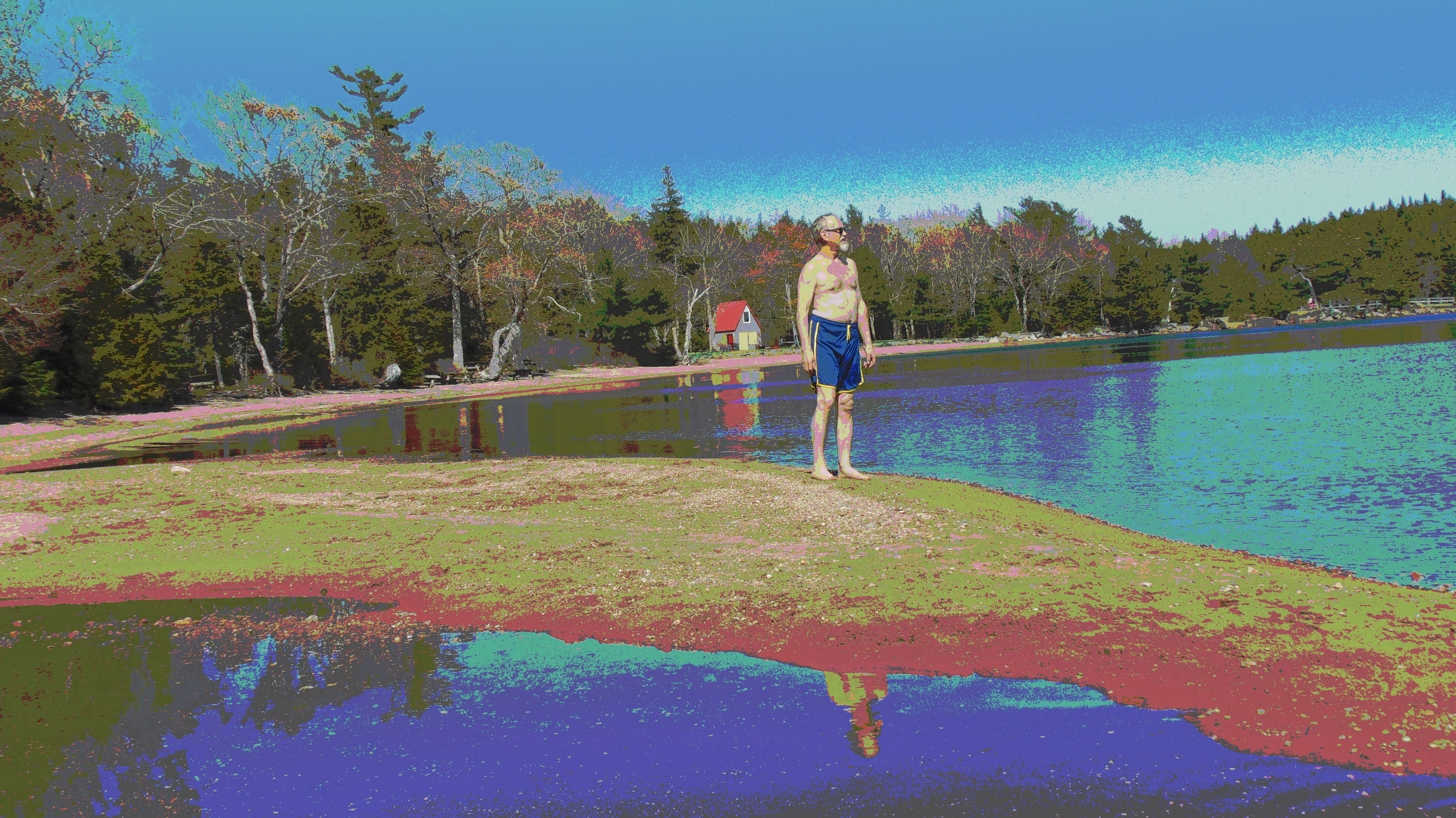
Miesiąc wcześniej, gdzieś o tej porze października jak dziś, wymusiłem na nim przejażdżkę samochodem.  Pojechaliśmy na plażę, pierwszą plażę, na którą pojechaliśmy po przeprowadzce do Nowej Szkocji kilka lat wcześniej.  Wybrałem trasę piękną jesienią przez Cow Bay Road, prowadzącą malowniczą drogą nad wybrzeżem, wzdłuż lasów zielonych jeszcze, aż do tej Haven Beach i słodko-słonych rozlewisk jeziorno-bagiennych przed plażą. Był zadowolony. Ja też. Wiedzieliśmy, że nas czas się kończy. Nie sądziłem, że tak szybko. Zdjęcia poniżej z tego dnia właśnie.

Nigdy, przenigdy nie pogodziłem się z tym. Nie potrafię do dziś.  I nigdy już sobą, takim, jakim byłem, być nie potrafię i nie będę.


[i] „Romanza”, producer PolyGram Group Canada Ltd. (based on 1996 Insieme Srl).

Alone – state of being

Alone – state of being

You did talk to me last night, first time in a while. Yes, it was a strange night, followed by strange day. Or was it the other way around?  When you are alone, without a set schedule or watch, things do get mixed up easily. Dates especially: Mondays become Fridays, Fridays Tuesdays. So what happened to Wednesday, you ask? Who cares what happened to Wedneday, perhaps I left it on a beach, or on a bench in some park? Maybe it is still in the shower when I saw it last time I was taking a shower? What? Do I not take a shower every day? Maybe not, maybe sometime I take a bath, who cares? You really are asking way too many questions and it is my story anyway. Be quite, just listen.

No, not you, Babycake – I’m talking to my alter ego. You wouldn’t ask such stupid, mundane questions.

But the day or the night when I was still in bed, when I was sleeping, I dreamt of you, I talked to you. Have not done it in a while. I thought that you just let it go, these talks of ours across the boundaries of life and death. Thought maybe there is some allotted time that you can do that and maybe you have used it up. I don’t know. Remember? I am the one still left alive, never been consciously to the other side.

None of it is important really, anyway. I have dreamt of you in my sleep. It woke me up and there you were, next to me. No, I couldn’t see you, but you were there talking to me, you were saying something important.  You said that I have to understand that I am alone. That adjective ‘alone’ stood up as a mountain, a wall impregnable, forest too dense to walk out of it. I was getting used to be ‘alone’ in an adverb form.

Since I came back to our home, our former life here, in this city, this province, I have become very busy in many aspects: walks, friends, beaches, concerts, plans. It was just hard to go back to our home, our street. So I did it very seldom, hoping that it will allow me to function as normal as possible. And it did. Had evenings in bars, laughter, maybe a flirt or two. It seemed normal, I was spared any regrets. It was almost as I would finally get across that invisible line of Doctor Time, who heals old wounds; whose grief becomes first bearable, then transforms itself into a memory. Memory that is sad, but also happy that we did have our time, we found each other among the millions of people. As I was told many times, that it will get easier.

You think that was an expectation too easy, perhaps? I am not, after all, just a single guy ready for the picking and ready for harvesting. Is there anything wrong with it, isn’t it logical, practical?

I have reached to my writings of the early days after you were gone, to the first winter after you were gone and my constant visits to the gravesite in Pictou. Yes, that old ancestral town, where we were going to build our home, and spent the rest of our lives in that home.  We did not.

(notes from my writings after John’s passing by the end of November 2022)

               One year. It is hard as hell. Came to Pictou to spent time on the cemetery where we put your ashes. It’s windy, very cold. Desolate place. There was no one else there, on the cemetery. I know – it is only a stone with your name on it. Yours, your parents, and your baby brother you never had a chance to know. And now, there is also your oldest brother Fraser, who was laid there just few months ago.

Cleaned around a bit, threw away old winter flowers, and fixed things. Fixed things? How to ‘fix things’? Nothing can be fixed, when everything is broken.

Yes, I know that you are not there, not under the ground. You are with me. Forever. I have engraved on that stone myself that you are forever in my memory. I looked at the letters and smiled. In my memory, really? That’s what it all came to? Our Love, our life: to be remembered? How silly words could be, when they try to describe emotions, feelings. But still hoped that many years from now, when all of us, who knew you and me, would be gone – a stranger would wonder to that gravesite and he would think, that the guy who is buried there was indeed ‘non omnis moriar’, that part of him lived in that other guy’s heart. Nice thought.

You and that Love of ours are engraved not on the stone, but in my soul.

Me? I don’t remember who I was before I met you. I was just waiting. Waiting and searching for you – and I have found you.

               Now, now it is almost three years later. I am here, back to our good life on the shores of the other ocean.  Were we had home, a nest, were we had dozens of friends, people we cherished and who cherished us. Some were common, ours; others were exclusively yours or mine.  The two halves of Us were surprisingly very independent and strong, if only by the constant knowledge that the other half is there to make it whole.

I don’t have that knowledge anymore. The other half is gone, it is just me left. The many people I have known, and who sought my presence are still here. Not all of them, granted. Some have left either this life (as you), or this city. But some are still here. None seem to really need me. I am not sure I need them. Of course there is some curiosity, some friendly waving of a hand: how nice to see you again, you are looking good … and so on. I thought that I would need to search for them myself, that I would want it very much. But if I’m always finding excuses and ‘important things’ that prevent me from doing it – am I really?

I have one important friend and strangely enough one with the shortest amount of time we spent in this city before we left for Nova Scotia.  Less than a year, I think. After my dearest nephew had to go back to Poland, but still this young and very mature nephew was my angel in the first month after John was gone. Then my niece with her husband and son came to stay with me. But he, that younger friend of mine from Vancouver somehow helped me in the dark months after I was left alone in Halifax. The rest seemed like eternity. An eternity of being in hell, or waiting for the hell’s gates to be open to swallow my world. At these dark times that younger friend kept me connected to the world and people by phone. Our long conversations were instrumental of me getting the skeleton of myself back into me.

So I did return. To the place of Our home, our happiness. The places somehow were the strongest magnet for me. I submerged myself in going alone, for days on end, on long walks through parks, streets,  squares, building  were we lived, were my mom lived, were I was with my sisters, my nephew and niece. Places were calling me. Yes, places, much more than people.

I think that we all have these special places, sometime in many countries, on different continents. Special places that act as an anchor of ship of life. Where we can drop that anchor and stay safely in some magical Bay of Memories.

It is also a time to untie that line across the sides of our two separate boats: mine and the one belonging to my younger dear friend. He has journeys to make across the sea himself. His journey, not ours. That is also a part of me being alone. My boat is rusted a bit, engines are old. It will still make it though, the last long sailing, perhaps passing the Cape of Hope (not the Cape of Horn), back to original shipyard of its maiden voyage. Then I will rest.

After that rest, I will go alone on many walks to many places (some might not exist materially anymore, but will in my world) that will call me. Solitary walks. It will be like existing in two different dimensions.

One day, No, not in my sleep, perhaps suddenly, out of the blue I will see you taking the same trail or road and walking toward me, and I will stop being alone. I do hope so. Even in a faint split second before the big Nothingness.   

My Canada – A Tribute

My Canada – A Tribute

VANCOUVER

My Canada from ocean to an ocean, from the shores of Atlantic to the shores of Pacific, from Halifax to Vancouver. My Canada intrinsically tied to my John, our Love; his gift to me. Through our meeting and romantic story straight form the pages of Petrarka ‘Beatrice”, from the ancient lovers of Greeks and Macedonians, of Mesopotamians, of Sumerians.

Would I have loved thee if I never met John? Likely, for what there is not to love about thee, Canada? But it would have never consumed me as much, would have never made me such a fervent and ardent lover of this country. My personal private love of John’s Canada for ever etched in my soul and mind.

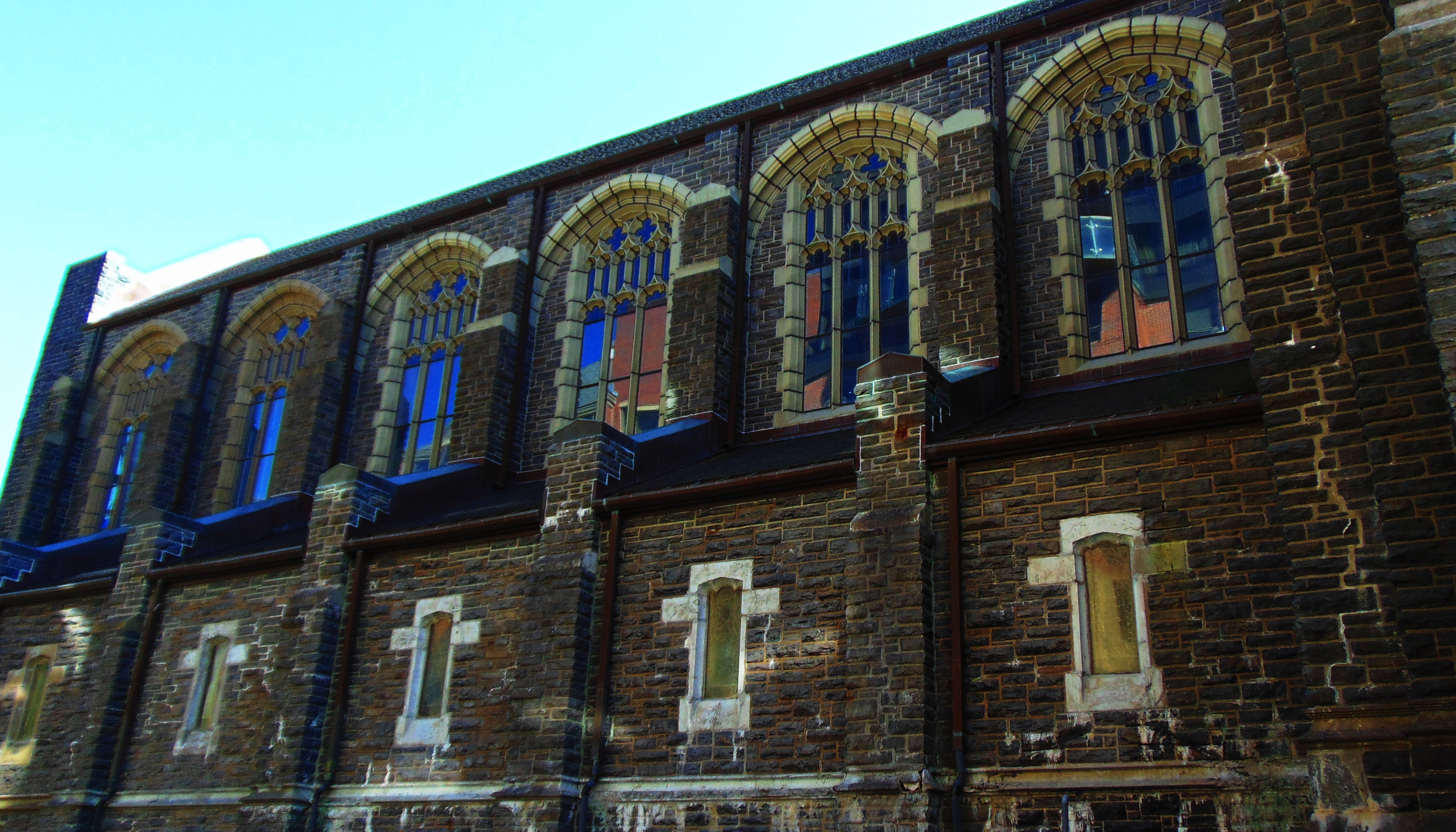
Halifax Atlantic Fleet

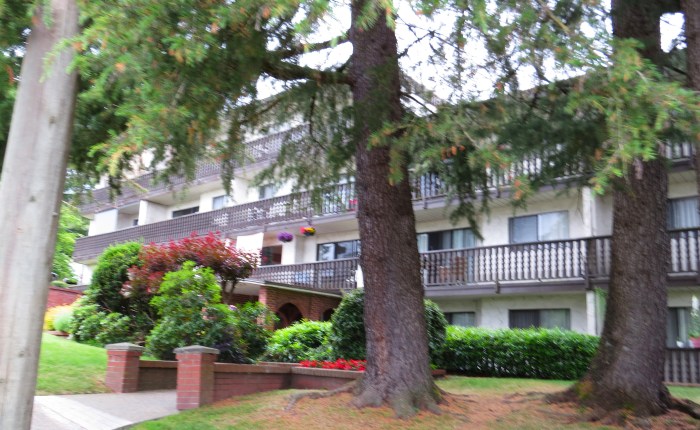
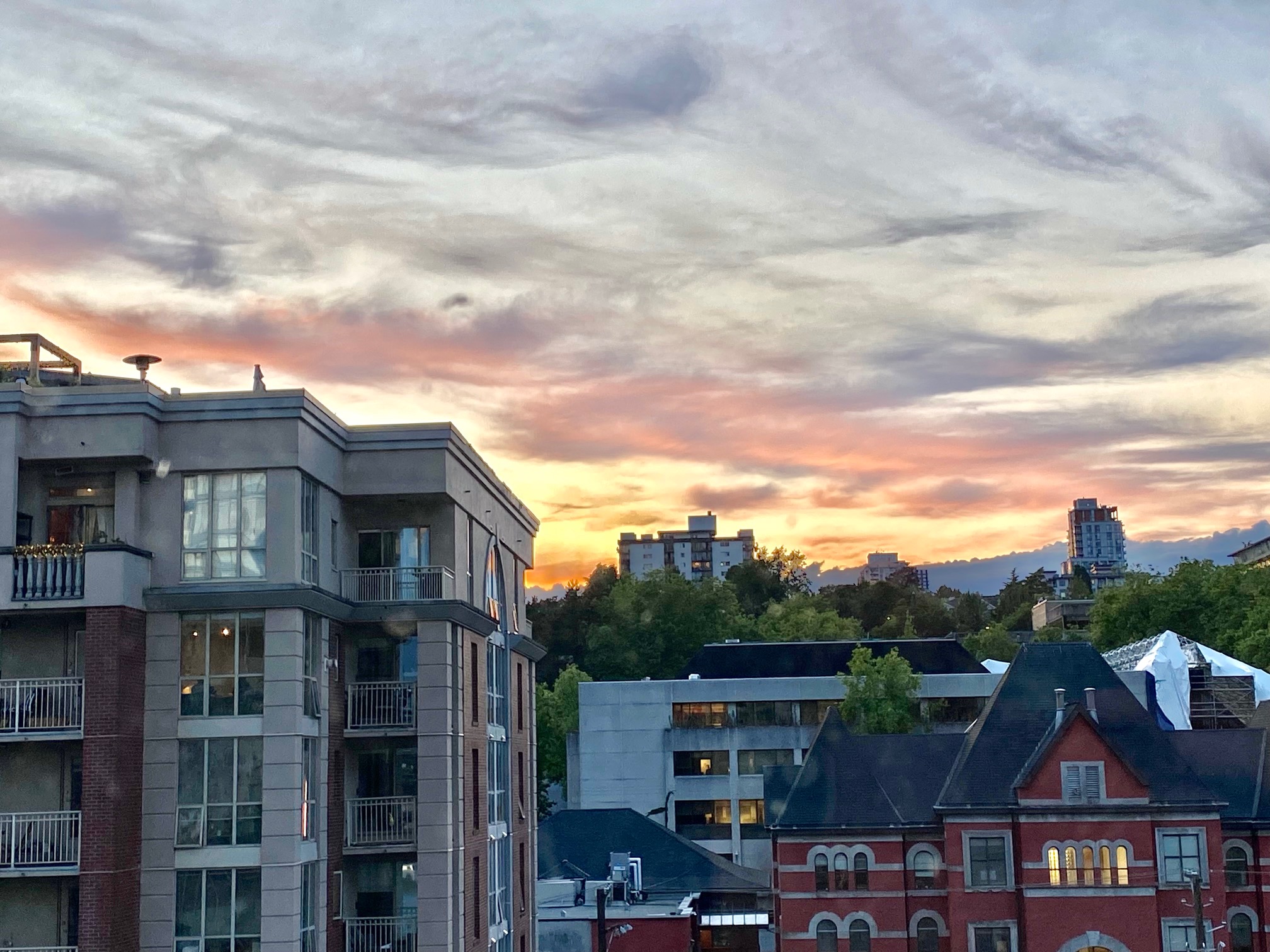
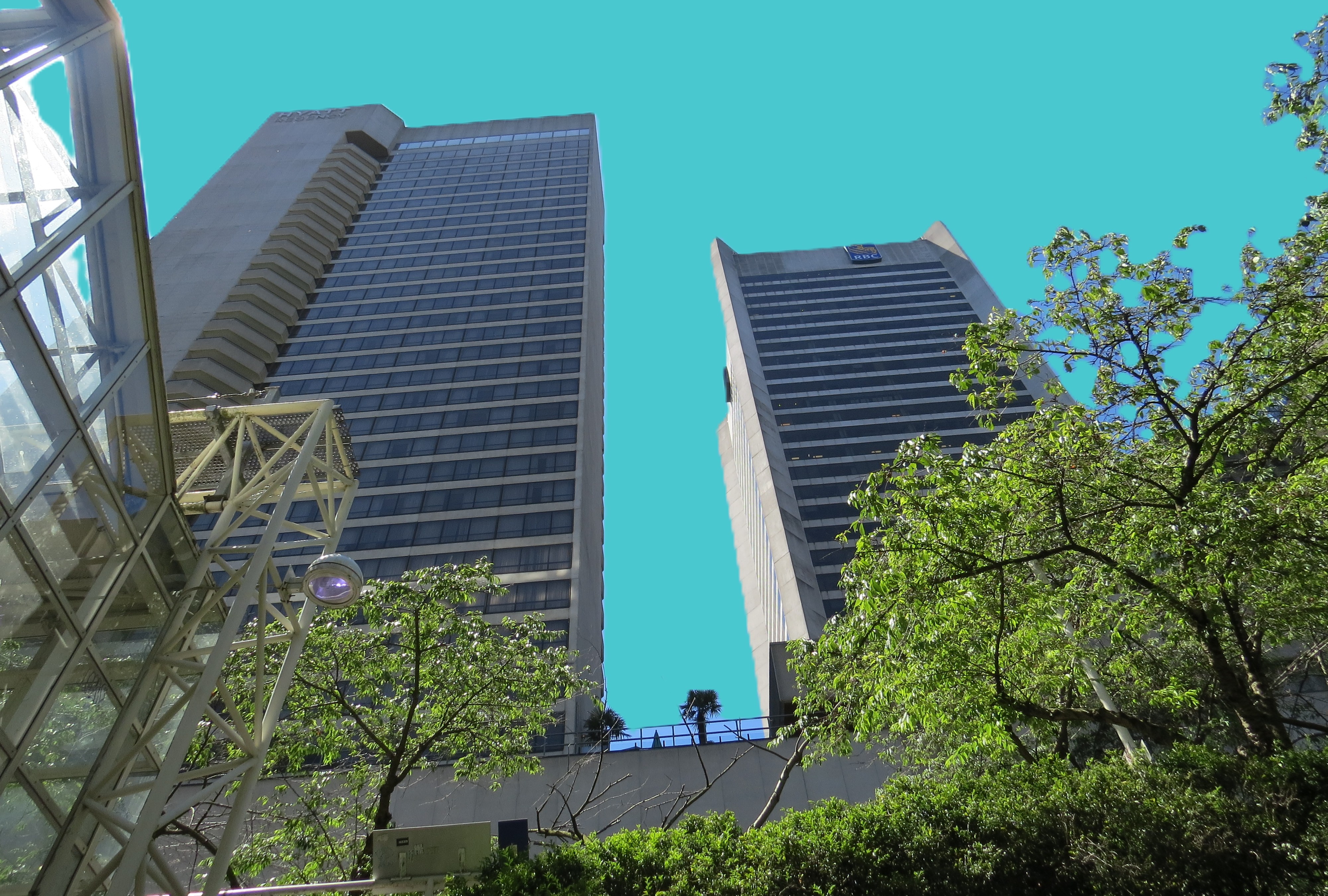
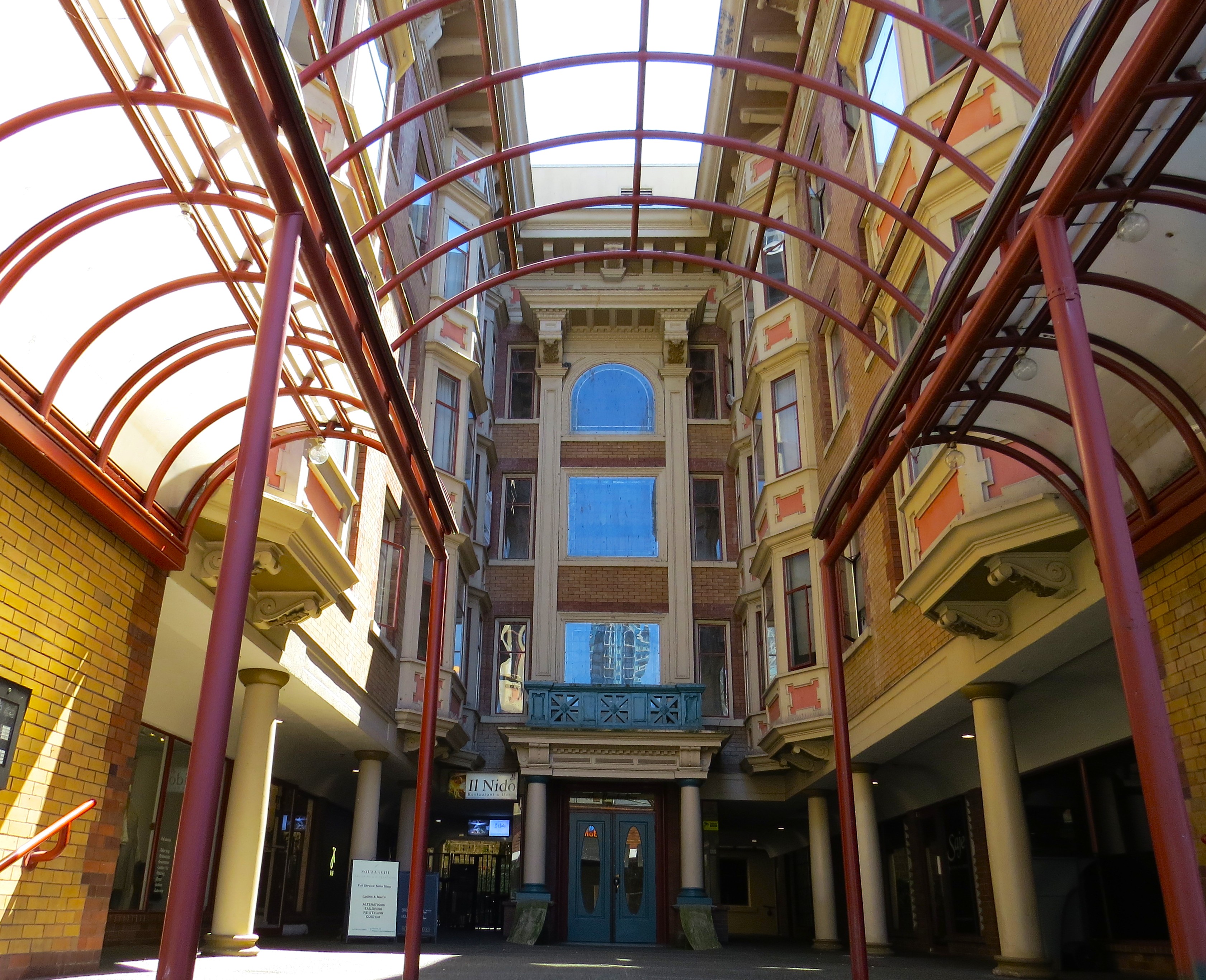
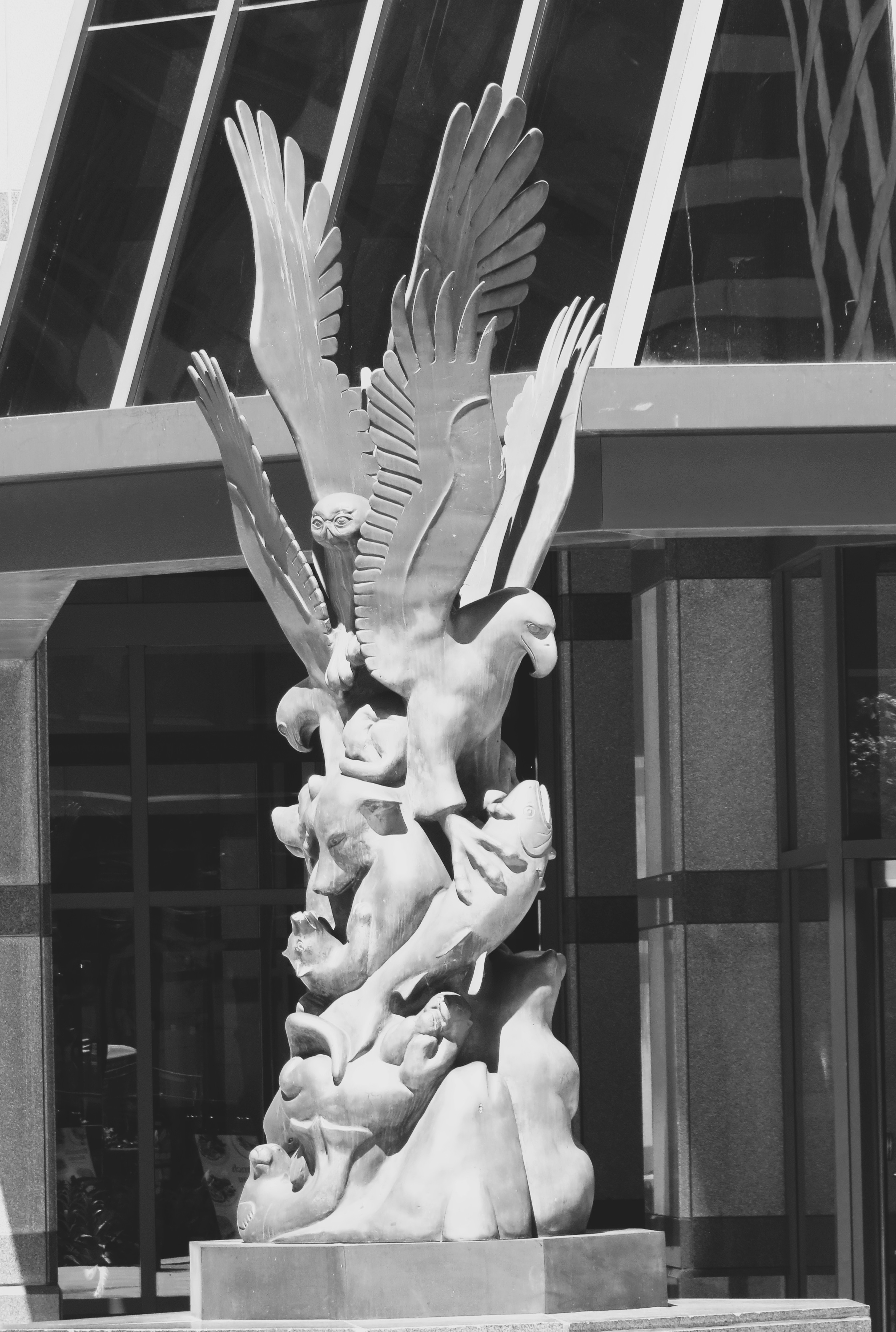
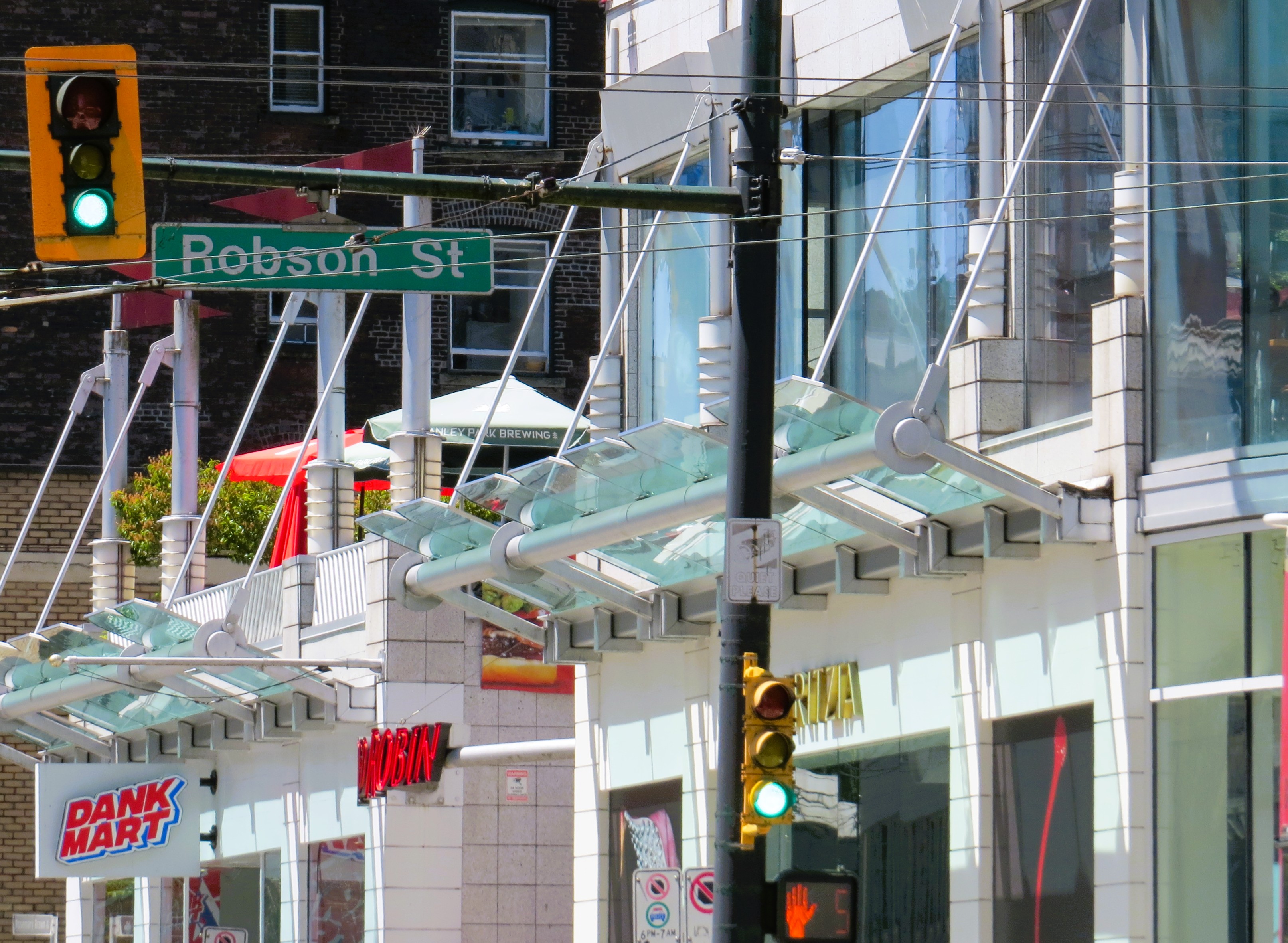
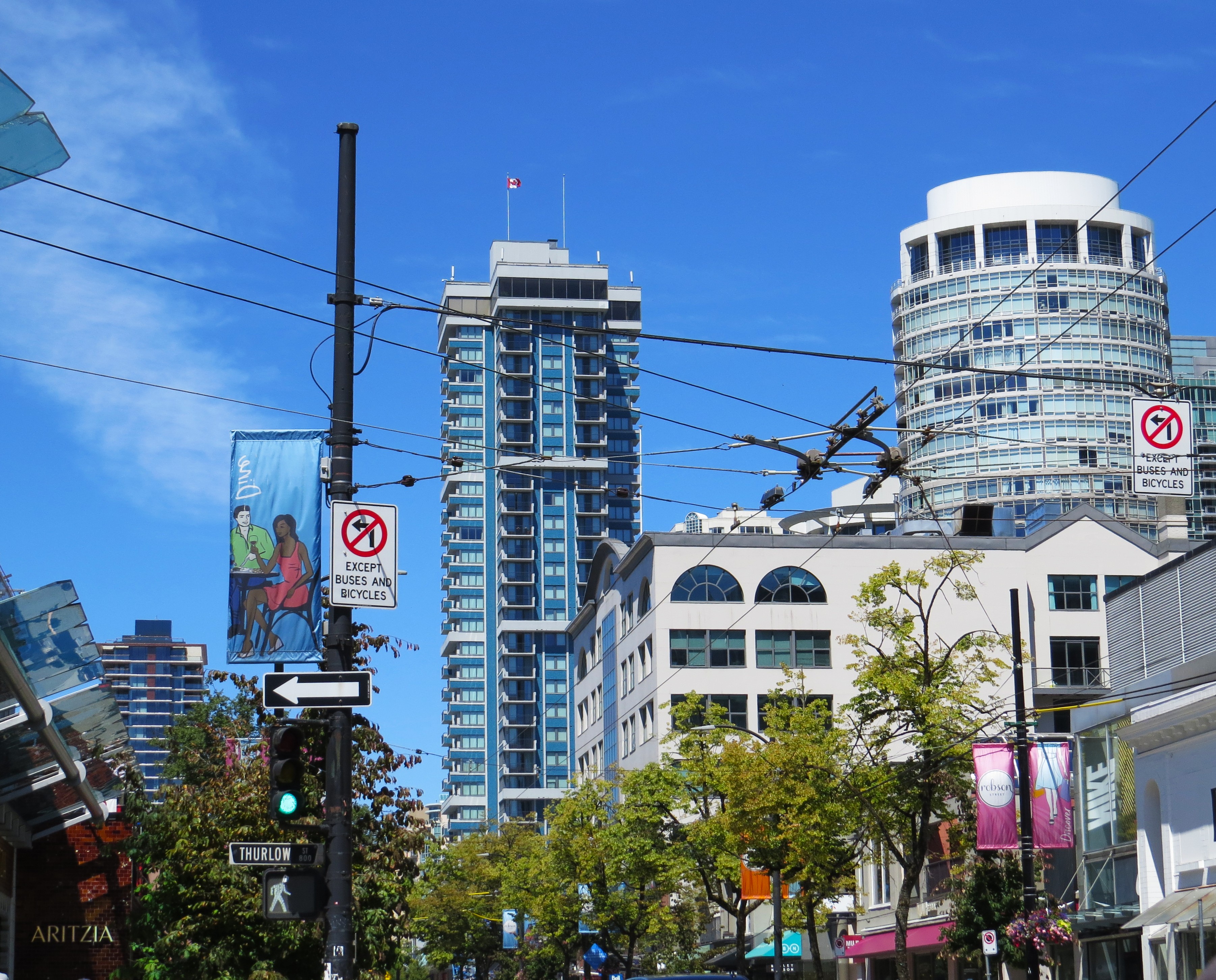
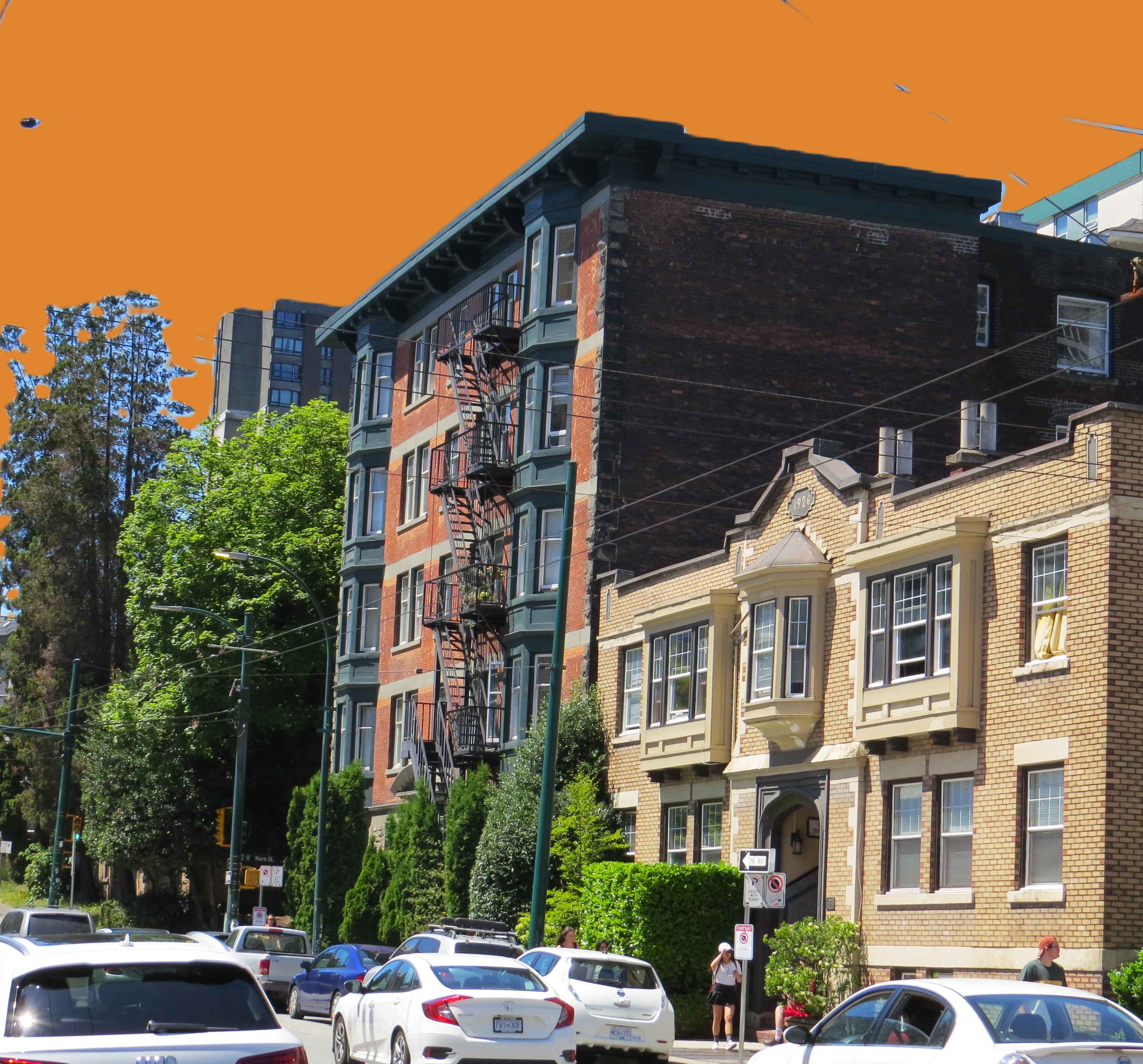
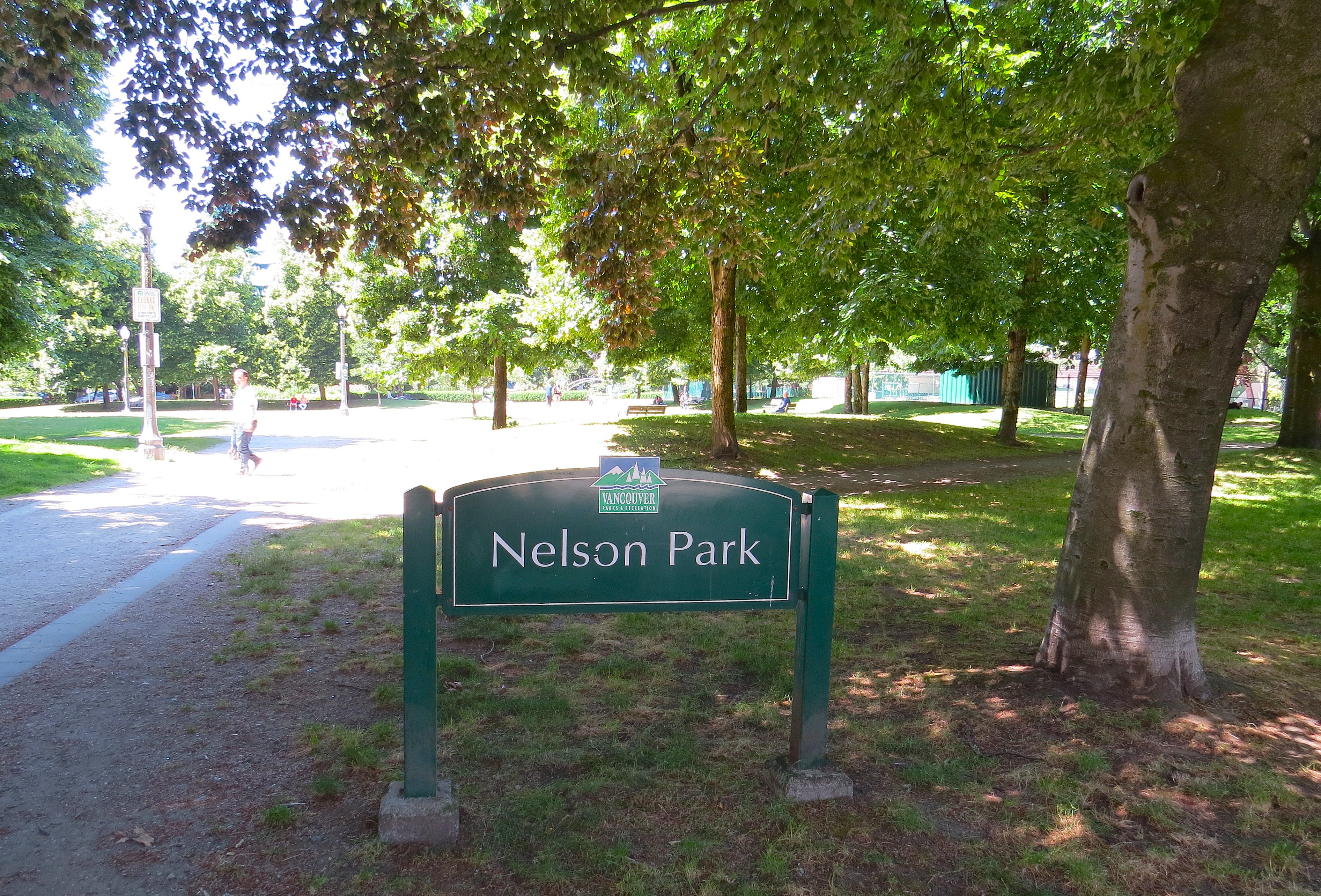
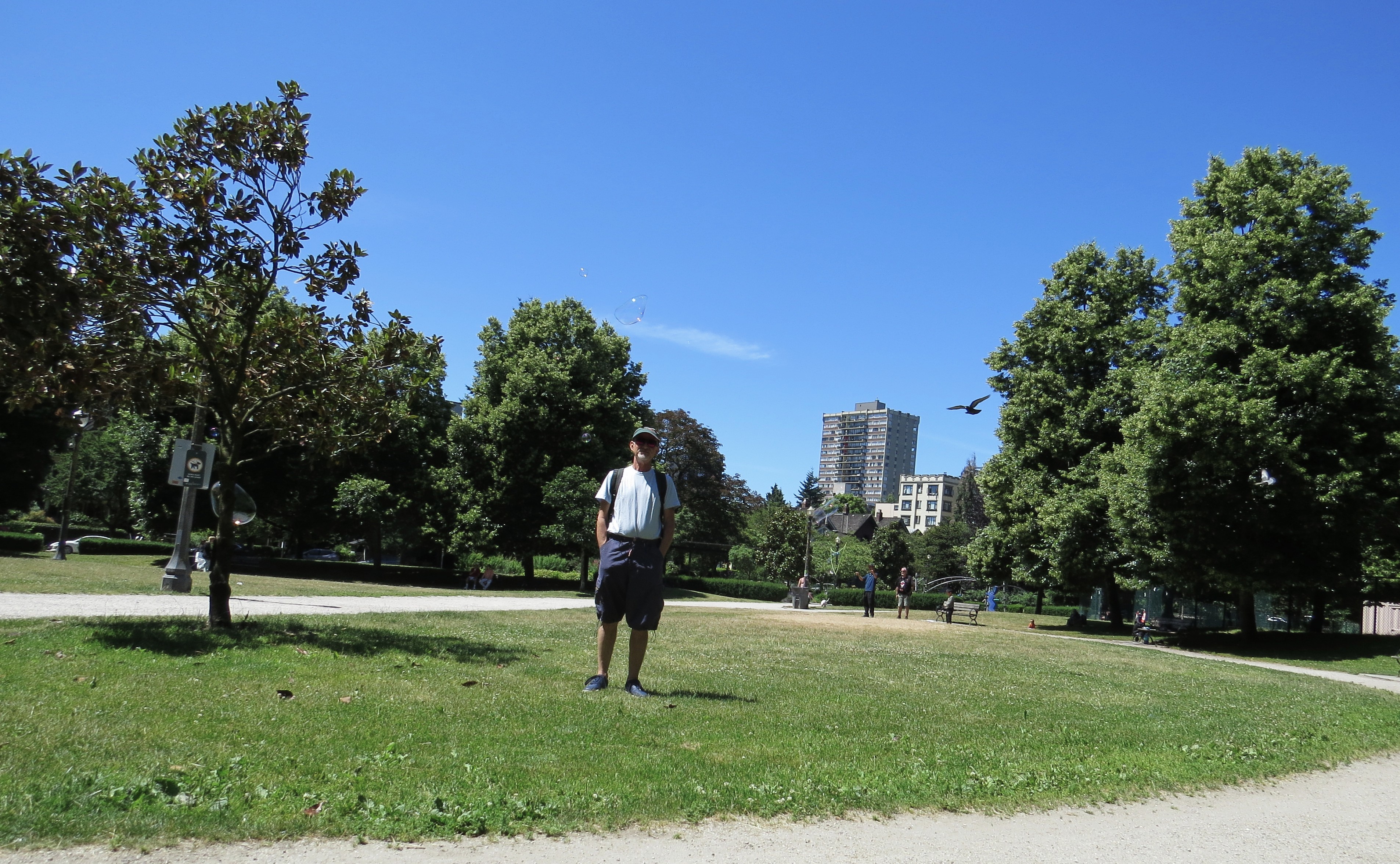
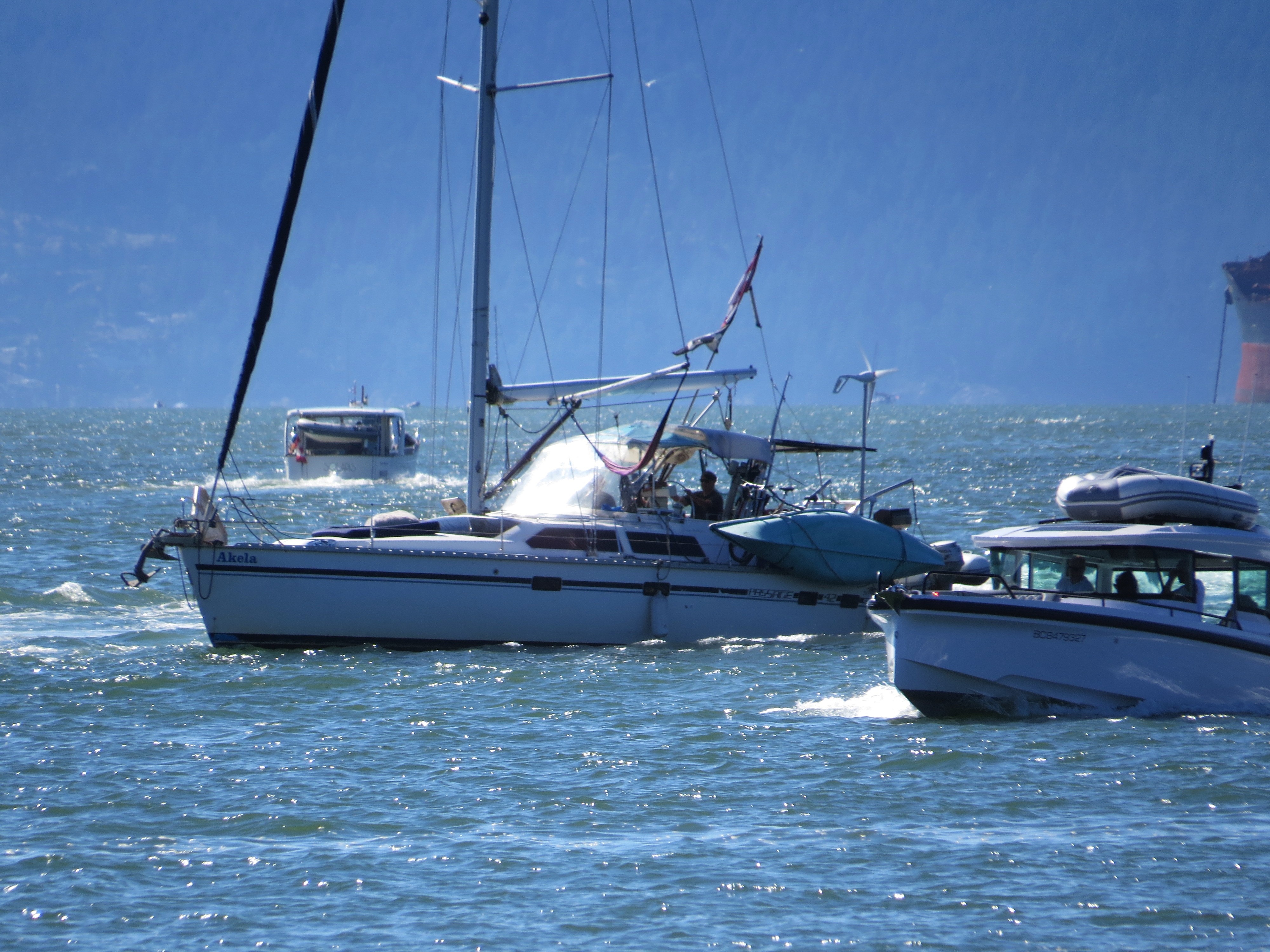
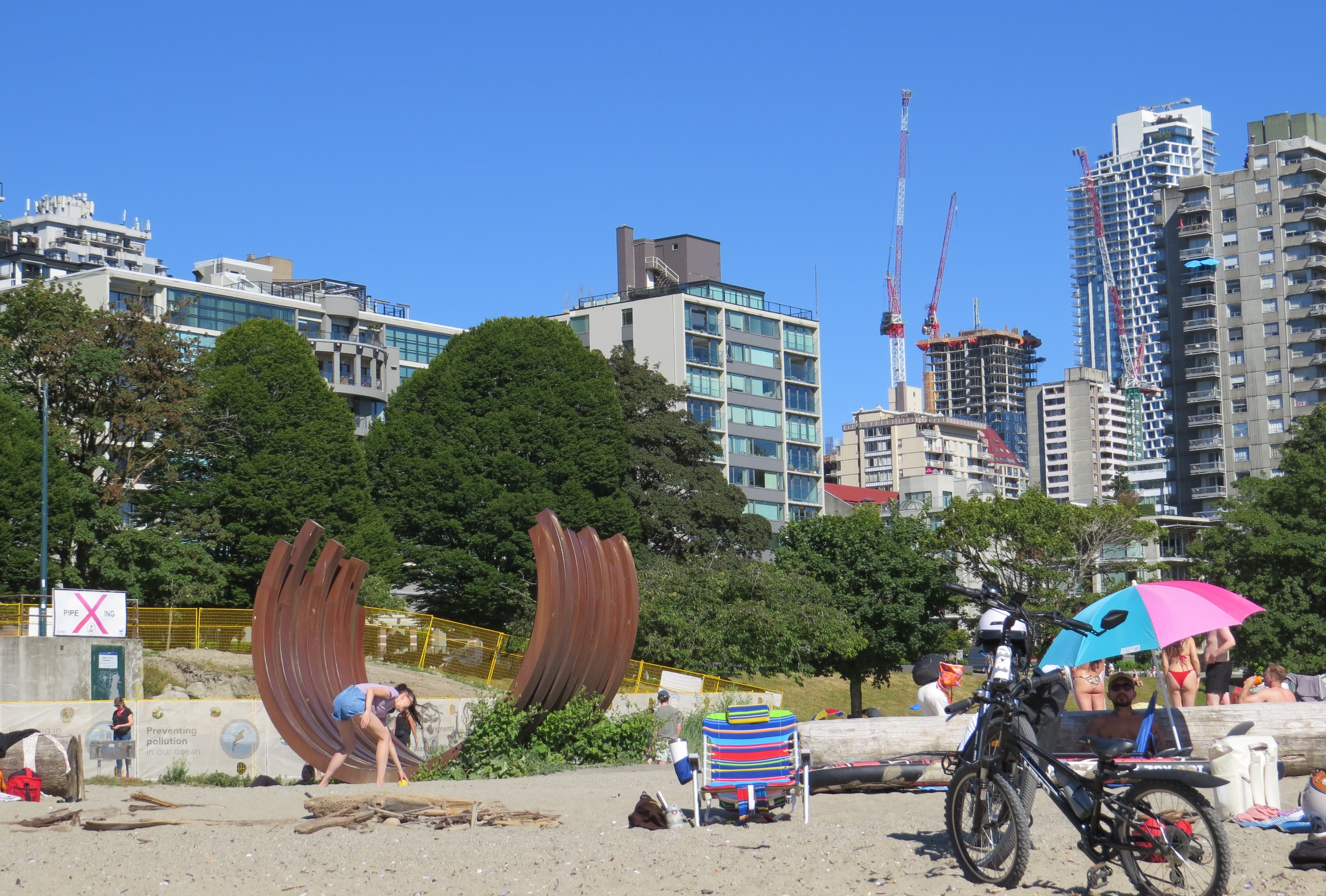
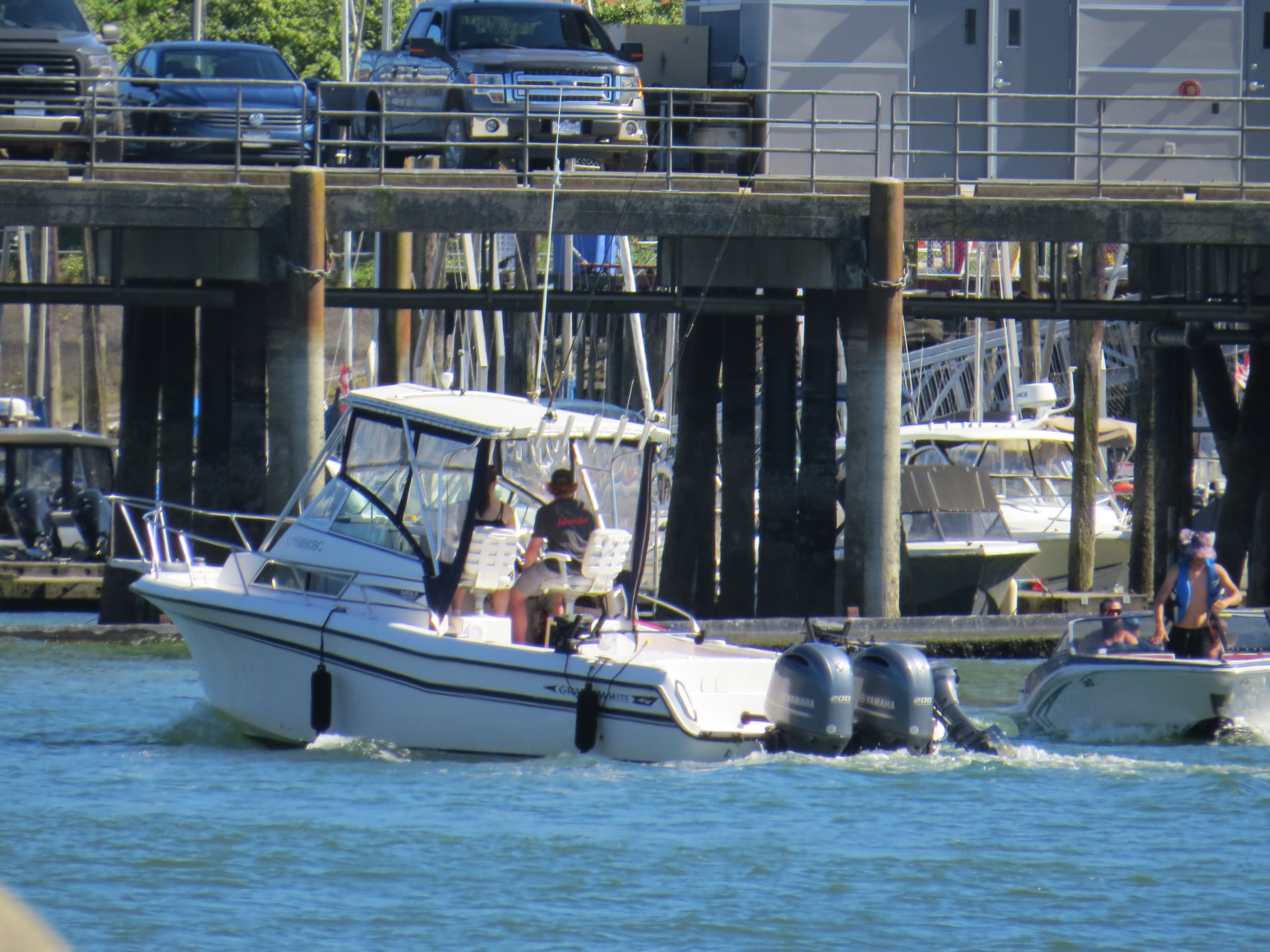
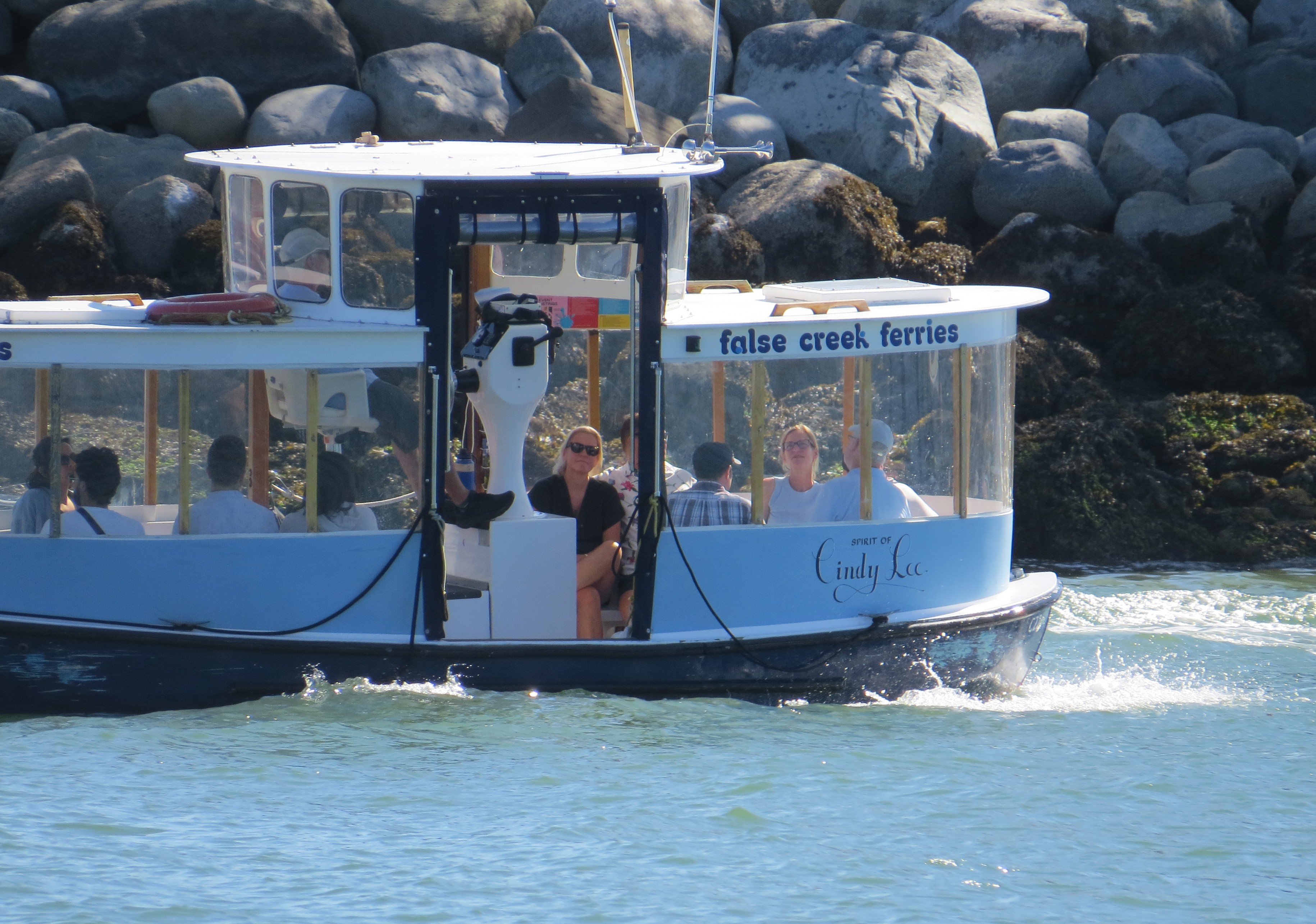
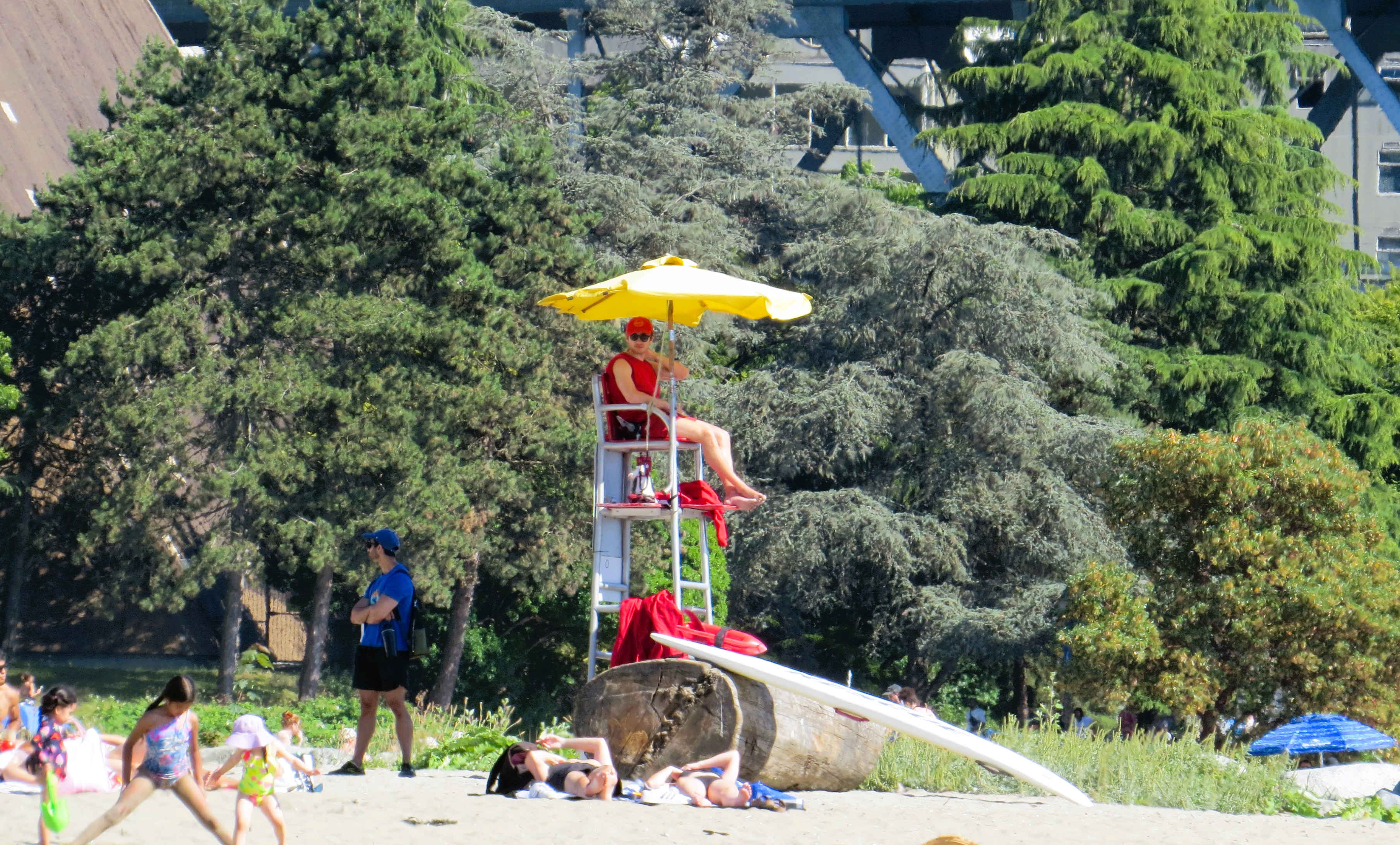
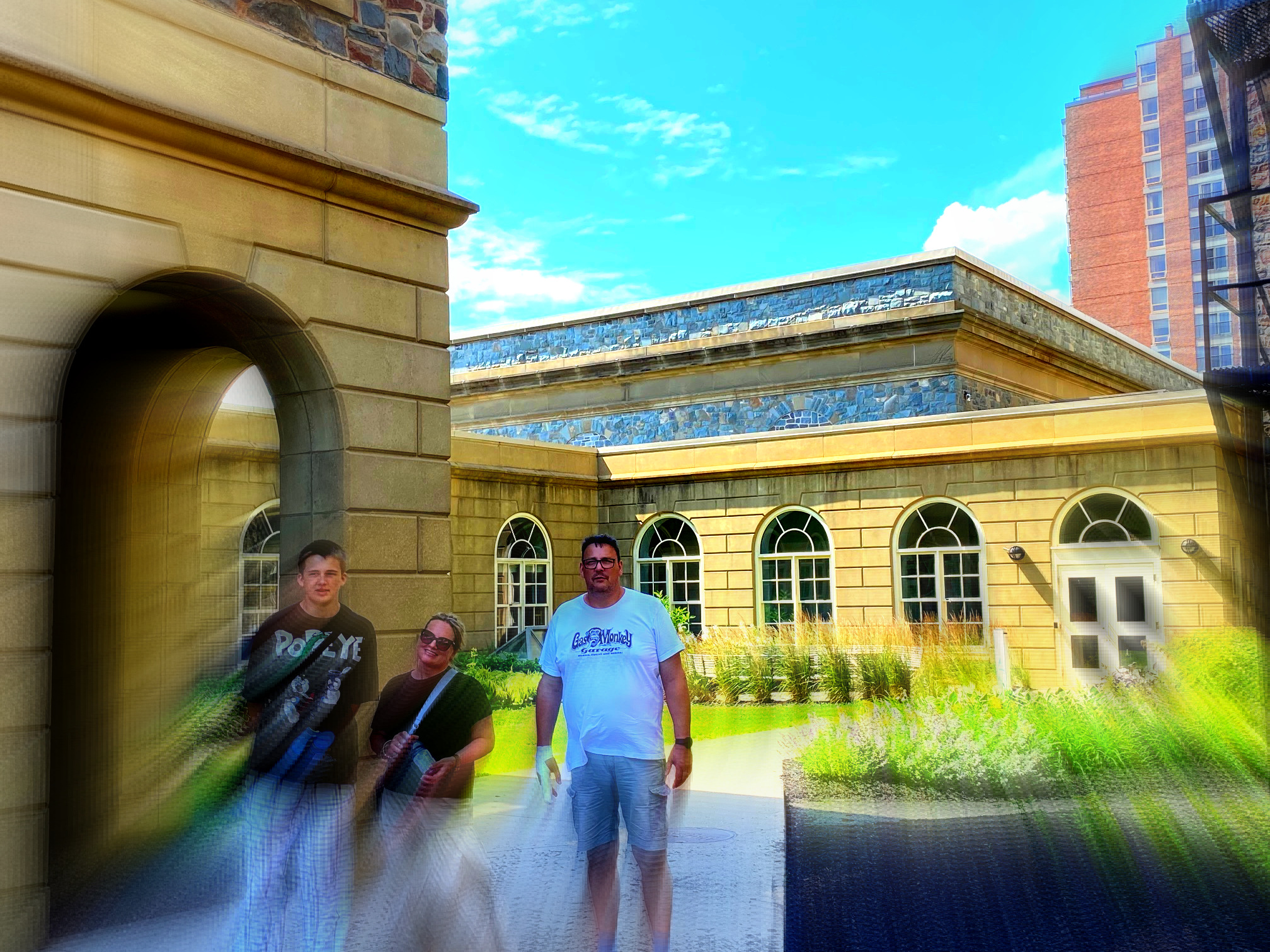
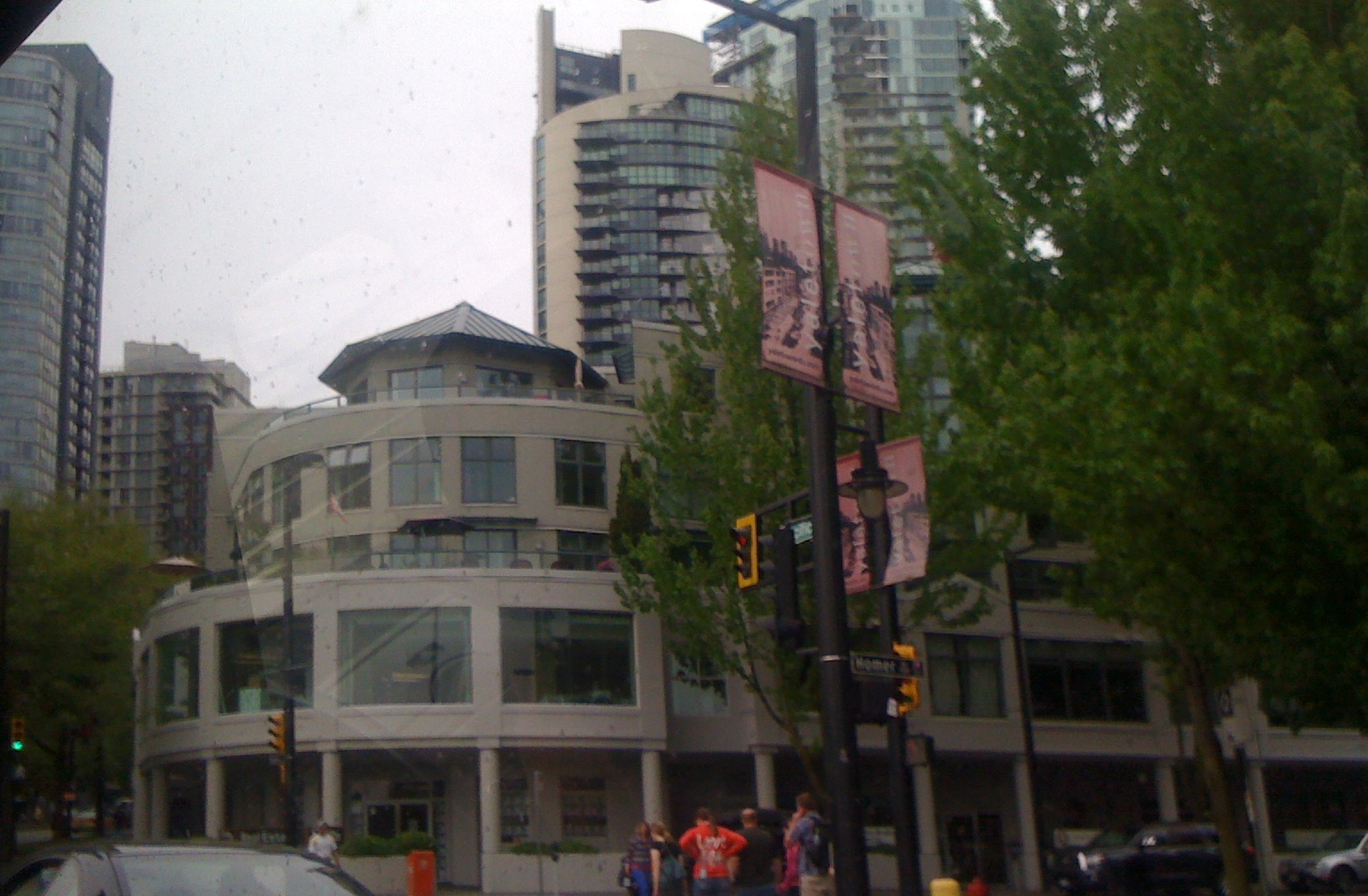
Let’s start with were it all begin in earnest, from our first own home belonging only to us. We met and fell in love almost on the slopes of towering peaks of Rocky Mountain. But it wasn’t till 1994 when we came here, to Greater Vancouver to start a new life in our first own apartment – our Home. On Capitol Hill in North Burnaby. But truly – for us here it is just one big Vancouver. A galery past and recent pictures of that amazing city on the shores of Pacific.

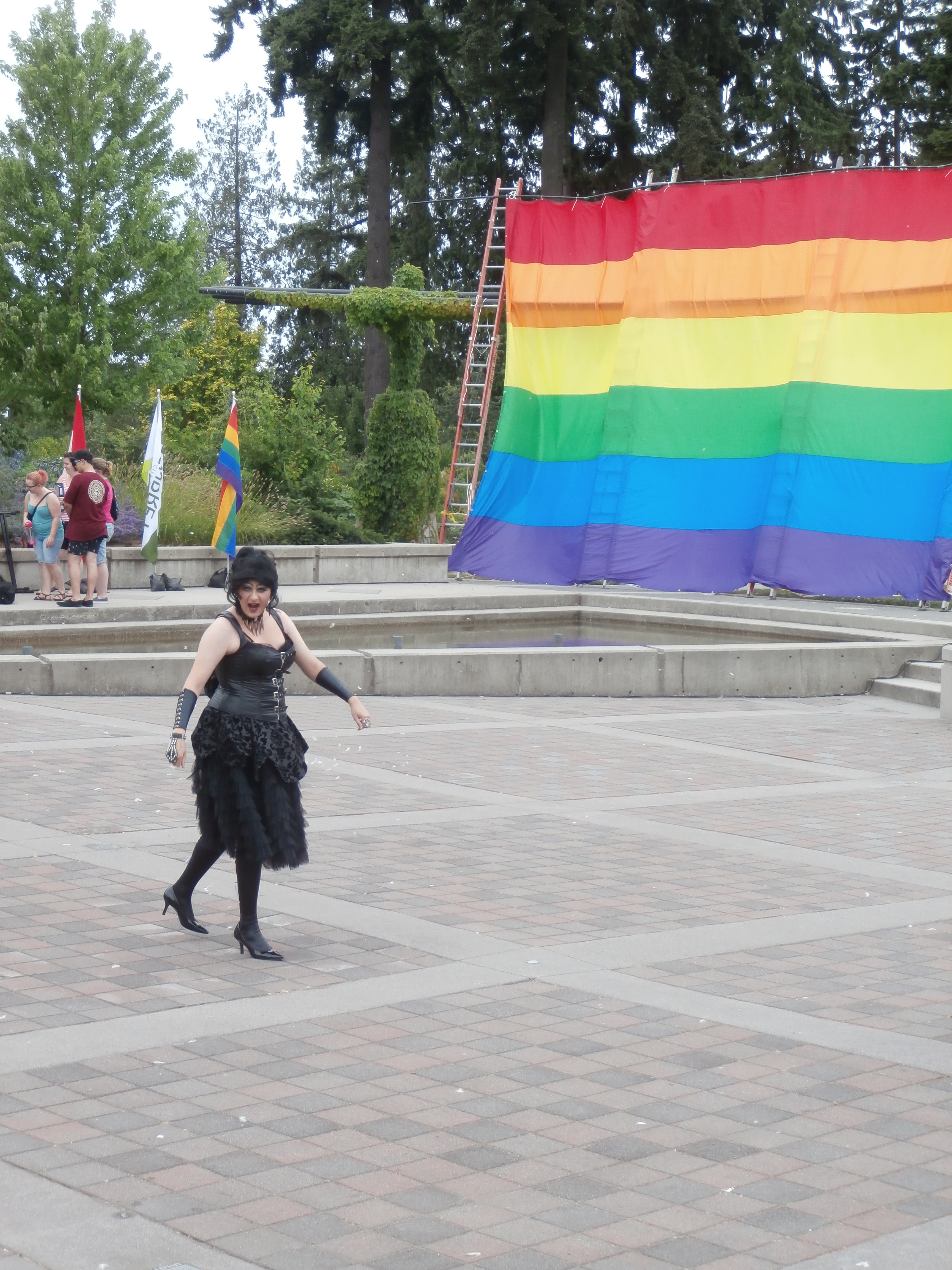
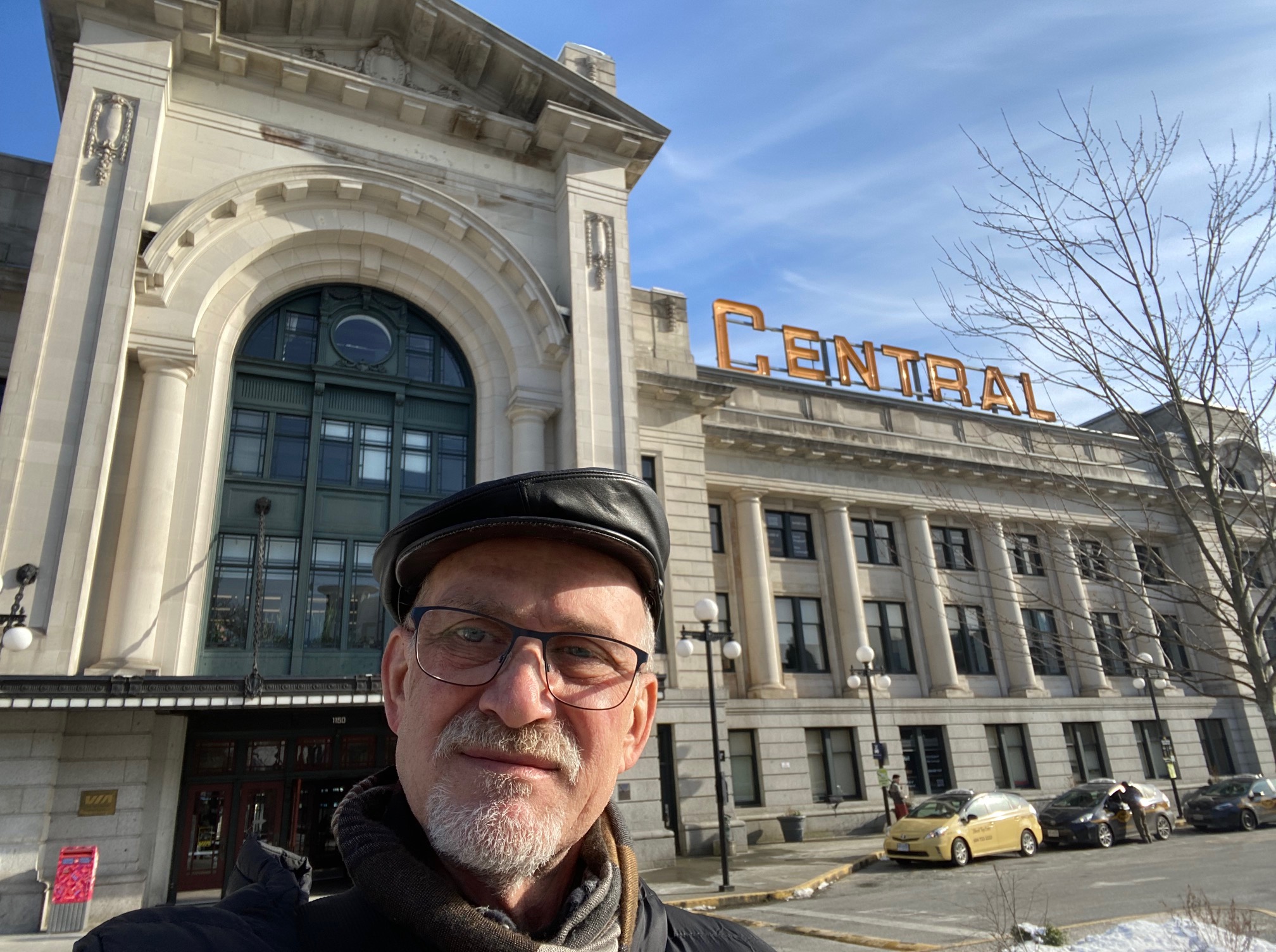
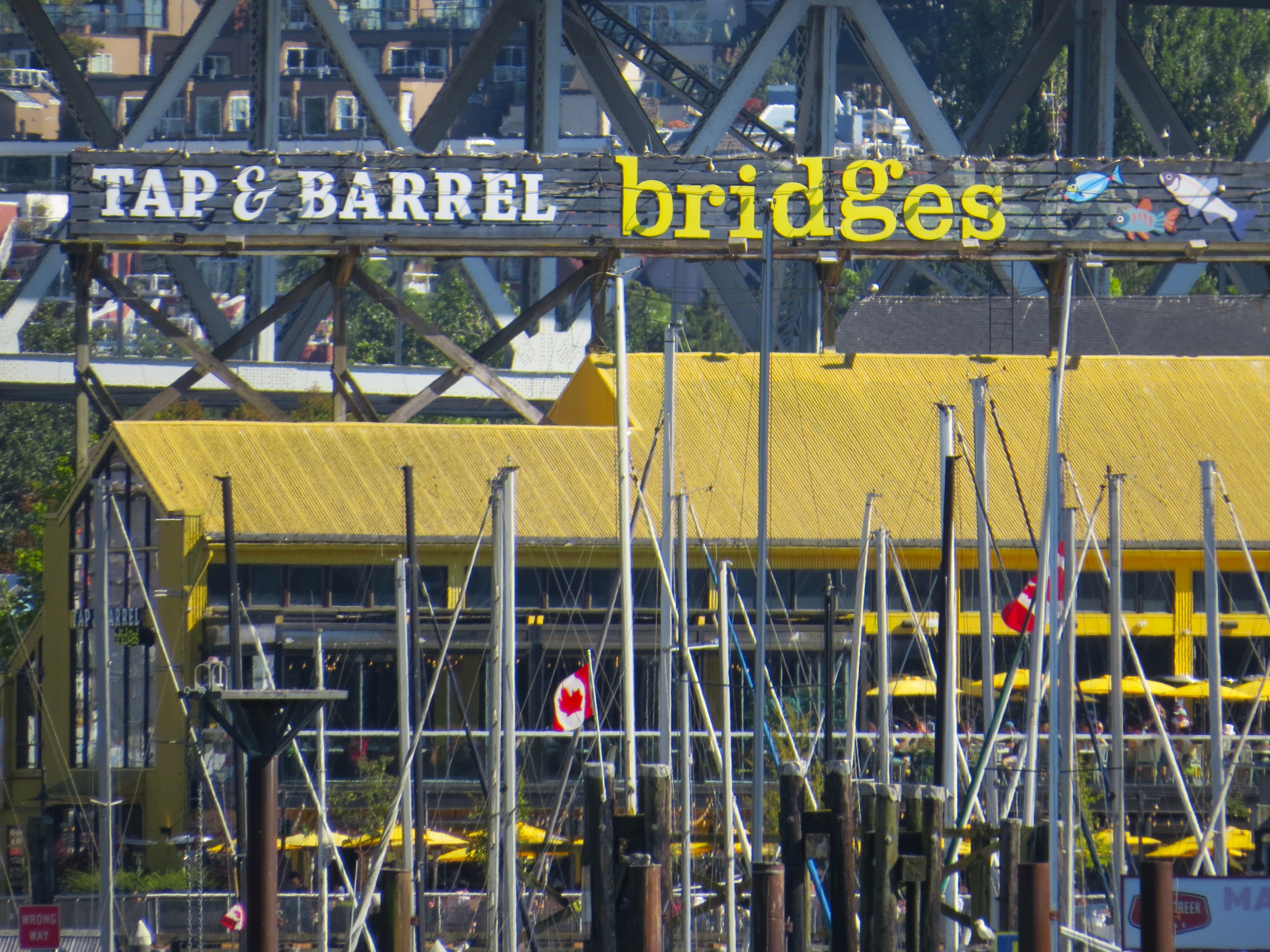
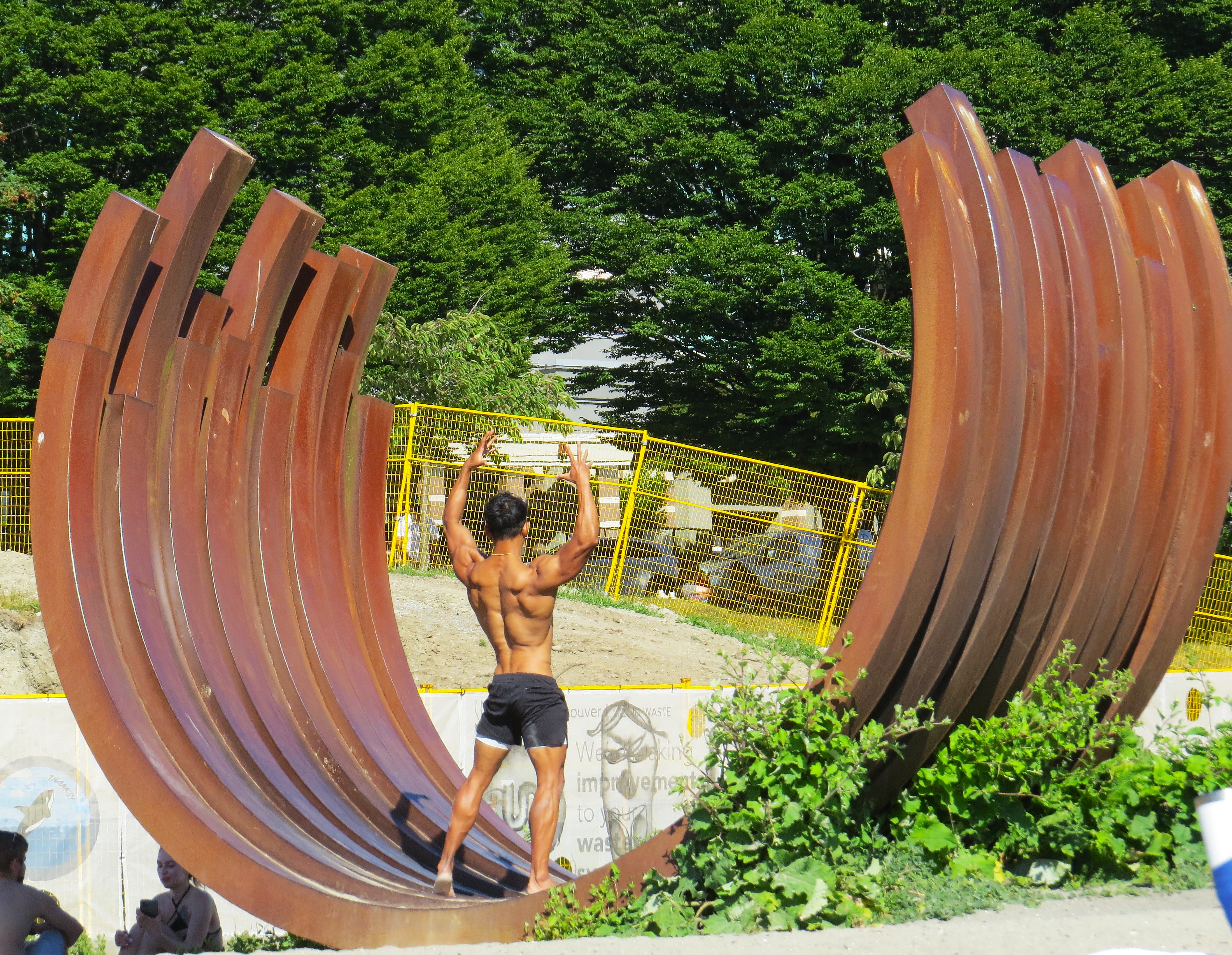
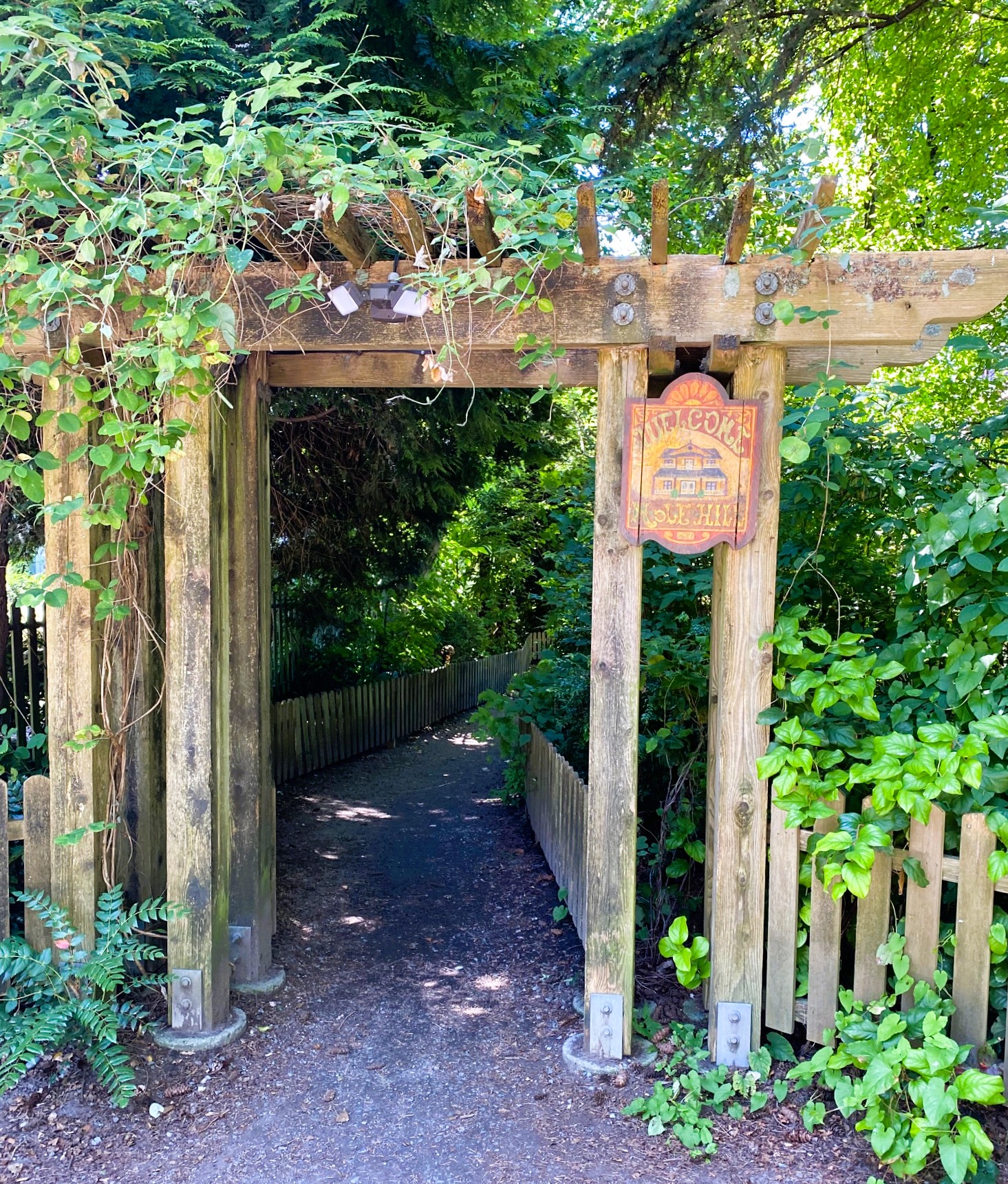
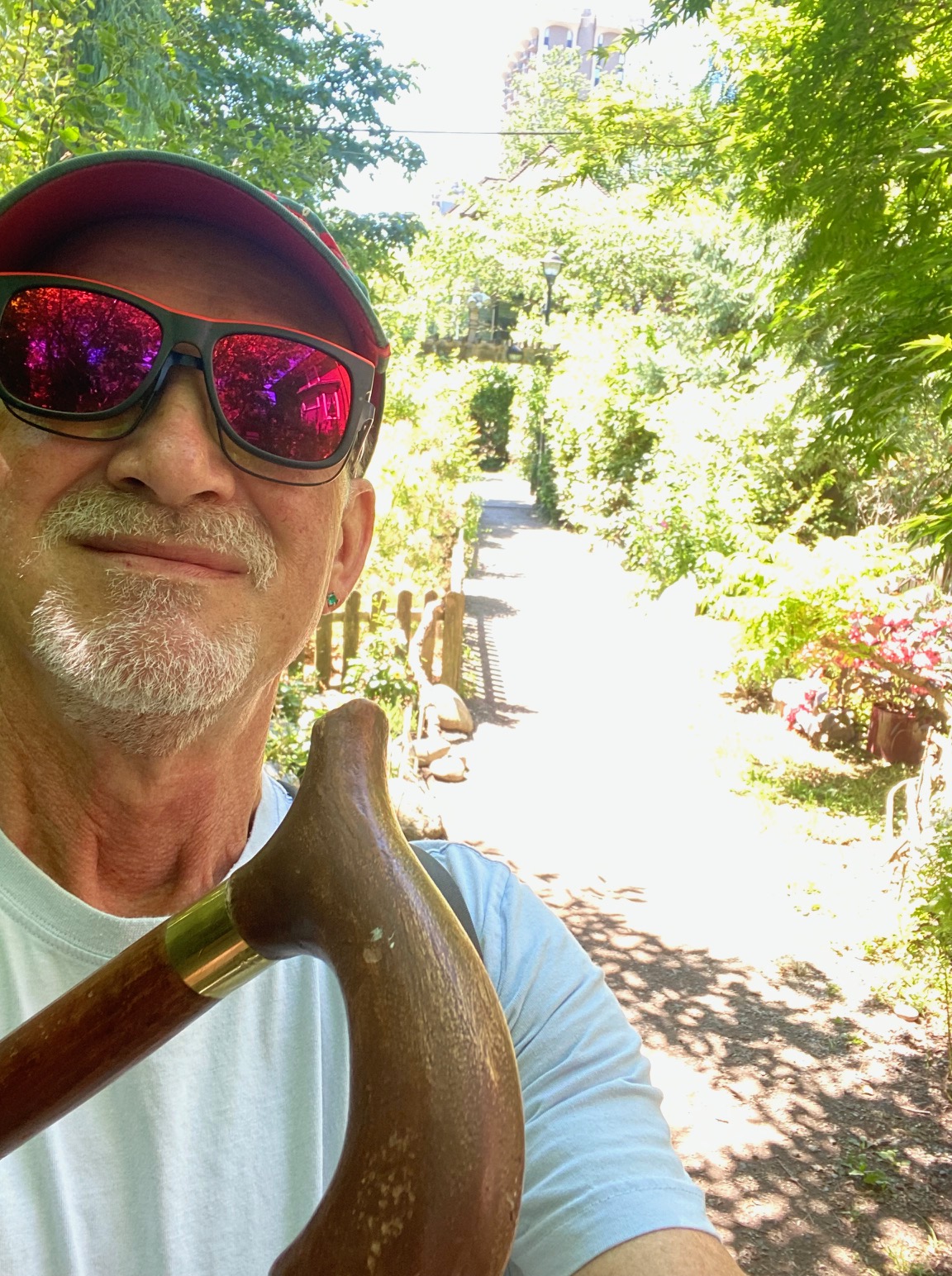
I just noticed that most of the pictures are of people much more than places … . But it is true – it is the people dear or important to you that makes a place – Home. A true home. Where you ar not a tourist, you belo g there, you are IT. My family, dear friends from work and my art promotor activities with poets, actors, musicians from Canada and Poland.

and Atlantic with Halifax – where it all begun for Canada, for entire North America de facto.

Thus end my own journey across the continent, from West to East, and back to West. My Journey of Love, love gifted to me by my own personal love, John. He was, still is in some way, my love to Canada, love of Canada. It begun some odd forty years ago. It didn’t change, it grew stronger perhaps. In a world of growing tensions, being ripped apart, sold to the highest bidder by two megalomaniacs, one from New York and Florida, other from murderous shadows of Kremlin – this country remained true to it’s Canadian core: polite, smiling, carrying. My Canada – a gift that I received from John. Gift of love to good, country, good people. Caring – as he was.

Ballada włóczykija

Ballada włóczykija

Siadamy na parapecie okna – ja i Zosia Nałkowska. Patrzymy, obserwujemy ulicę i przechodniów. Ona wie, że na mnie to nie robi wrażenia, ale siada zalotnie i poprawia uważnie szwy na nylonowych pończochach. To jest jej bardziej potrzebne niż mnie. I doceniam to, nie uważam za próżność.

Obserwujemy, jakie zmiany zaszły w polu jej widzenia[i]. Postrzega, że zauważyłem tą niewinną czynność poprawiania pończoszek na jej zgrabnych, długich nogach. Grozi mi palcem filuternie i śmieje się:

Ja wiem, że na was to nie robi znaczenia, wy nawet nas nie zauważacie, a nam zapach flirtu jest bardzo potrzebny. Chcemy być zauważone.

Pani Zofio kochana – takiej kobiety, jak pani jest niemożliwością nie zauważyć – odpowiadam w proteście.

Nałkowska poważnieje trochę, odwraca wzrok do szyby i patrzy, gdzieś w dal:

Naturalnie, że macie nienaganne maniery. Jak Andrzejewski, jak Iwaszkiewicz, ale to tylko maniery a nie potrzeba życia, mój drogi panie.

Po krótkiej chwili milczenia mówi tak, jakby mówiła do siebie, nie do mnie:

Wie pan, to ciekawe, bo wy jesteście bardzo podobni do nas czasem, w szyku, geście, w uwielbianiu niewinnego flirtu. A Marysia Dąbrowska, która winna być do was podobna – kompletnie na te falbanki uwagi na zwraca. Mmmm, ciekawe zaiste.

Właśnie miałem jej starać się to wytłumaczyć, odrzucić na bok banalność starych spostrzeżeń. Odwróciłem twarz do niej … i nic. Nie było śladu po niej. Rozpłynęła się we mgle czasu.

Ciekawe jakby potoczyłaby się moja rozmowa z Gombrowiczem w Warszawie czy w Buenos Aires? Niby tak, niby napisał ten „Kronos”[ii], tak chroniony przez Ritę, skrywany, że gdy wiele lat po jego śmierci w końcu go wydano prawie cały literacki półświatek padł na kolana: co za szczerość, co za odwaga (po śmieci, co prawda, ale chyba odwaga, bo spiż mógłby się nieco ukruszyć). A ja mam tyle do niego pytań, na które ani w Kronosie ani w Dziennikach nie odpowiedział. Nie wiem, co jest w sumie ważniejsze: fakty czy przemyślenia? Gdzie jest granica etyki, a gdzie tylko szablon środowiskowego savoir faire?

Gombrowicz był wielkim pisarzem, full stop. Więc musi być pytany, rozpatrywany inaczej. Skandalik tu i tam, portowy chłopak na randce ze starzejącym się pisarzem, lęk o tantiemy i opinie – to ważne.  I jednocześnie tylko drugorzędne. Istotne jest wejrzenie, podglądnięcie jego intelektualnej, filozoficznej barwy.  Intelektualiści akademiccy często nijak nie potrafią zrozumieć intelektualizmu artysty. To się odbywa na innych zupełnie piętrach. Pisarz (niekoniecznie literaci, których jest dużo więcej) prowadzi nade wszystko nieustanną dyskusję z samym sobą. I stały głód życia, nigdy niezaspokojony.

A przecież rozmów z Nałkowską ani z Gombrowiczem nie odbyłem. Zmuszony jestem, nolens volens, na własną wiwisekcję, własne poszukiwanie siebie, kim jestem często podświadomie, w czasie samotnych spacerów i poza ścianami mojego mieszkania, a niezauważalne dla mnie publicznego.

               Naturalnie, że żyję. Przejechałem znów cały kontynent, by to życie ożywić, odnaleźć nasze ślady. Ślady naszej miłości, twoje ślady. Twojego uśmiechu, twojej dobroci. Spić z twoich ust czarę mojego szczęścia, które miałem, znałem. Nawet w dni niepogody wiedziałem, że je mam. W dni niepogody było też pogodnie, w dni zimowe było ciepło.

Wszystko, co robię pozostaje niedokończone, a constant jest tylko pustka. Przeraźliwa, obezwładniająca. Wszyscy wokół są mili i dobrzy, a mimo, że znam ich – mówią gwarą dziwną, trudno rozpoznawalną, zagmatwanymi metaforami. Monette[iii] mi to przypomniał.

Więc siadam i ballada jakaś spływa na kartkę spod długopisu w formie sobie tylko znanej. Pisałem tak, jak bardzo dawno temu na kawiarnianych serwetkach w kafejkach mojej, nieistniejącej już też, Warszawy.  Słowa po słowie, bez zwracania uwagi na formę, konstrukcję. Ballada, jako forma śpiewana przy ognisku, butelce wina. Obok ten chłopak lub ta dziewczyna. No właśnie tak.

Apetyt na czereśnie

Jest głód jeszcze

– a brak apetytu.

Jeszcze nęcą czereśnie,

że nie za późno, nie za wcześnie,

choć nie wiem, czy to nie we śnie.

Z zapomnianych nocy letnich,

Szekspirowskich westchnień, żądz.

Niedosycenie świata,

znudzenie śmiercią,

która się ociąga –

– tragizm ubrany w suknię farsy.

Śmiech, jak zgrzyt zardzewiałego

gwoździa na szybie okna.

Ależ tak, wiem:

te czereśnie jeszcze,

jeszcze płatki dzikiej róży,

jak wargi drżące,

spocone lekkim syropem

woni i obietnicy. Czego?

Dzwoni telefon. Odbieram: słucham.

Dzień dobry, tu Stamtąd. Miał pan wrócić, czekam, a po panu nawet śladu. My tu wiemy: i czereśnie i róże są na dole i są w górze. I wargi drżące, lepkie – ale miał pan być, trzeci sezon mija. Co z tego, że czereśnie?  Pestki nawet nie zostały. Róże, jak wargi rozchylone? Proszę przyjeżdżać, lub zwrócić cenę biletu. A róże proszę pana nie mają warg, tylko płatki.

I trzask, słuchawka upadła na widełki i rozmowa się skończyła. Kto dzwonił, skąd dzwonił? Bies czy anioł? Pojęcia nie mam. Takie telefony, co się kładzie słuchawkę na widełki nie mają wyświetlacza numerów, które dzwonią. Nawet nie wiedziałem, że mam jeszcze taki pod ręką. Widać miałem, bo rozmawiałem?

(pisane innym razem i odnalezione w notesach – na ten sam temat)

Niecierpliwość rosnąca każdego dnia, przysypiająca krótkimi nocami z nadzieją, że jutro będzie lżej. Oczywiście nie jest.

Wyszedłem na spacer, rzecz zwykła. Nie wziąłem parasola. a siąpi. Naturalnie, że nie jestem z cukru, nie roztopię się. Ale jestem okularnikiem i te protezy wzroku zaraz spryskane kropelkami wody – i zły humor popsuł cały spacer.

Zachodzę do znajomej kafejki obok, zamawiam expresso. Dobre. Mocne, jak siekiera. Czy pomaga? Raczej nie, ale trzeźwieje i przywraca do rzeczywistości, tej powypadkowej. Może nawet nie tej pół-inwalidzkiej rzeczywistości po wypadku, a po prostu zwyczajnej rzeczywistości starzejącego się samotnego pana. Starzenie, jako-takie też mi po prawdzie nie przeszkadza. Tylko ten tytuł ‘samotnego’ jest przykry, niespodziewany, nieoczekiwany.  Czy Gombrowiczowi dokuczała samotność? Z Ritą musiał być samotny, nie była jego miłością, pasją. Była – i to wszystko. Tak, jak byli chłopcy z portowych dzielnic. Im więcej ich było – tym bardziej samotność dokuczała. Nie miał tego luksusu pasji i spełnienia, jaka była udziałem jego dobroczyńcy literackiego – Kota Jeleńskiego.

A ty, jaki jesteś? – pytam siebie. Odpowiadam Johnowi, mojemu Chłopcu, odpowiadam zapisem z pierwszych tygodni od jego odejścia. Może miesiąca, dwóch. Nie mam dokładnej daty tego zapisu, ale łatwo z tekstu mogę to kalendarzowo określić. Mówię mu, że był architektem ‘mnie’, jakim jestem, nie odrzucając niczego z mojej konstrukcji wcześniejszej – dobudował piętra, pokoje, wykusze.

               Wiosna. Jest ciepło. w alejach parku rozmawiam z Tobą. Miła rozmowa. Dodałeś mi znowu otuchy. Nikt, tak jak Ty, tego robić nie potrafi. Twoje naturalne ciepło i dobroć są zaraźliwe. Jesteś jakimś dziwnym mnichem, który bez hałasu, heroizmu po prostu daje siebie. Tak zwyczajnie, trudno to nawet zauważyć, bo jest tak naturalne, jak oddech powietrza.

Ale brak mi strasznie Twojej fizycznej obecności. Przynosiła spokój mojej skołatanej głowie, kłębowisku myśli. Wprowadzała ład.

Zabierałeś tak mało miejsca w świecie. Niezauważalny pyłek na drodze, maleńki trybik w wielkiej maszynie. Gdy ja zmagałem się z tymi wielkimi kołami historii, ty po prostu dbałeś, aby kawa była smaczna, a obiad ładnie podany. Dzięki tym drobiazgom ta wielka deus ex machina mogła funkcjonować.  Teraz, bez tego maleńkiego trybiku maszyna zatrzymała się. Zatrzymał się mój świat – ten wielki i ważny świat. Bez tego jednego trybu wielkie koło Historii stanęło w miejscu. I jestem zagubiony.

Czasem, w momentach najzimniejszych otulam się szalikiem naszych wspomnień i jest cieplej, mogę funkcjonować.

Czy to coś zmienia, czy odpowiedziałem na poszukiwania Gombrowicza? Znalazłem piętro, gdzie funkcjonuje umysł i duch artysty?

A może wystarczy kubek

dobrej czarnej kawy

z Buenos czy z Warszawy

może wszystko jest jak czubek

wiedzy niedostępnej , trwałej

która wiemy że jest.

Poeta zrobił gest

czułości pełnej i całej.

Jakaś konkluzja, kwintesencja życia i jego sensu? A skądże! Życie polega na pytaniu, na drodze, na ruchu. Szukaniu siebie. W tym Gombrowiczowi pisanie ‘Kronosu’ bardzo pomogło. Trzeba te wszystkie detale zapisać, by między linijkami tekstu znaleźć część siebie. Ten opis zdarzeń i czynności do pewnego stopnia jest bezużyteczny dla zrozumienia, kim się jest. Zwykłe pamiętniki lub dzienniki są dobre dla badaczy, którzy muszą wszystkie filiżanki, kubki i krawaty ułożyć równo na długich półkach w chronologicznej ciągłości.

Dla zrozumienia, kim twórca był – są kompletnie bezużyteczne. Wiadomo, że życie musi być wypełnione czynnościami: trzeba wstać z łóżka, wypić kawę, podrapać się po głowie i po  … tak, tam też, po dupie.  Pójść do pracy lub na spacer. Ale najistotniejszym zajęciem jest poszukiwanie siebie, uczenie się siebie, poznawanie siebie.

Kilka miesięcy temu napisałem wiersz krótki, który wtedy wydał mi się pozytywnym zrozumiem, gdzie jestem w tym momencie. A to nie przykuwa kajdanami do celi, przeciwnie – daje solidne zrozumienie się w tym etapie życia. Samookreślenie.

Coś się przebudziło we mnie,

jakaś uśpiona joie de vivre,

jakiś prezent życia, może zryw

co było, przetrwało niezmiennie.

Przez dzieciństwa łąki nad rzekami,

przez młodości loty nad szczytami,

po dojrzałość rozerwaną oceanami,

aż do czasów, gdy zostajemy sami.

Poszukiwanie siebie, uczenie się siebie jest bodaj najcenniejszym zajęciem twórcy. Poemat, fuga, balet, obraz nie musi być źródłem wiedzy dla publiczności o prywatnym ego twórcy. Zawierają w swej formie przekaz czysto artystyczny, czytelny na różne sposoby przez odbiorcę.  Ale dla badacza twórczości X lub Y są możliwością spojrzenia przez dziurkę od klucza we wnętrze twórcy, wnętrze duszy tego artysty, ujrzenia go In statu nascendi. Dla twórcy – a byłbym ryzykował twierdzenie, że jest to proces uczenia dostępny dla każdego człowieka i bardzo pomocny w mierzeniu się z wyzwaniami życia – to niezbędny proces poznawania się, odkrywania tego centrum, jądra, kim jesteśmy. Gdy odkryjemy tą drogę, to o ileż bezpieczniej przetrwać wielkie burze i kataklizmy życiowe. To nasz azymut i busola.


[i] Zofia Nałkowska przez wiele lat prowadziła Dzienniki i szereg jej nowych zapisów zaczynała od zwrotu: i znów zaszła zmiana w polu mojego widzenia.

[ii] „Kronos”. Witold Gombrowicz, Wydawnictwo Literackie, Kraków, 2013, s.460.

[iii] Paul Monett – poeta i pisarz czasów epidemii AIDSa w Ameryce Północnej.

Journey across Canada – Wielka podróż kontynentalna

Journey across Canada – Wielka podróż kontynentalna
Edmundston, New Brunswick

Another big journey. Fitting in as it was, as it allows me to say slowly a goodbye to my country – Canada. Would have been most likely My Country to the very end, but Fates wanted otherwise. I will be eventually going to the country of my childhood and youth.  That is another story though, and a reader who follows my Blog – knows it.

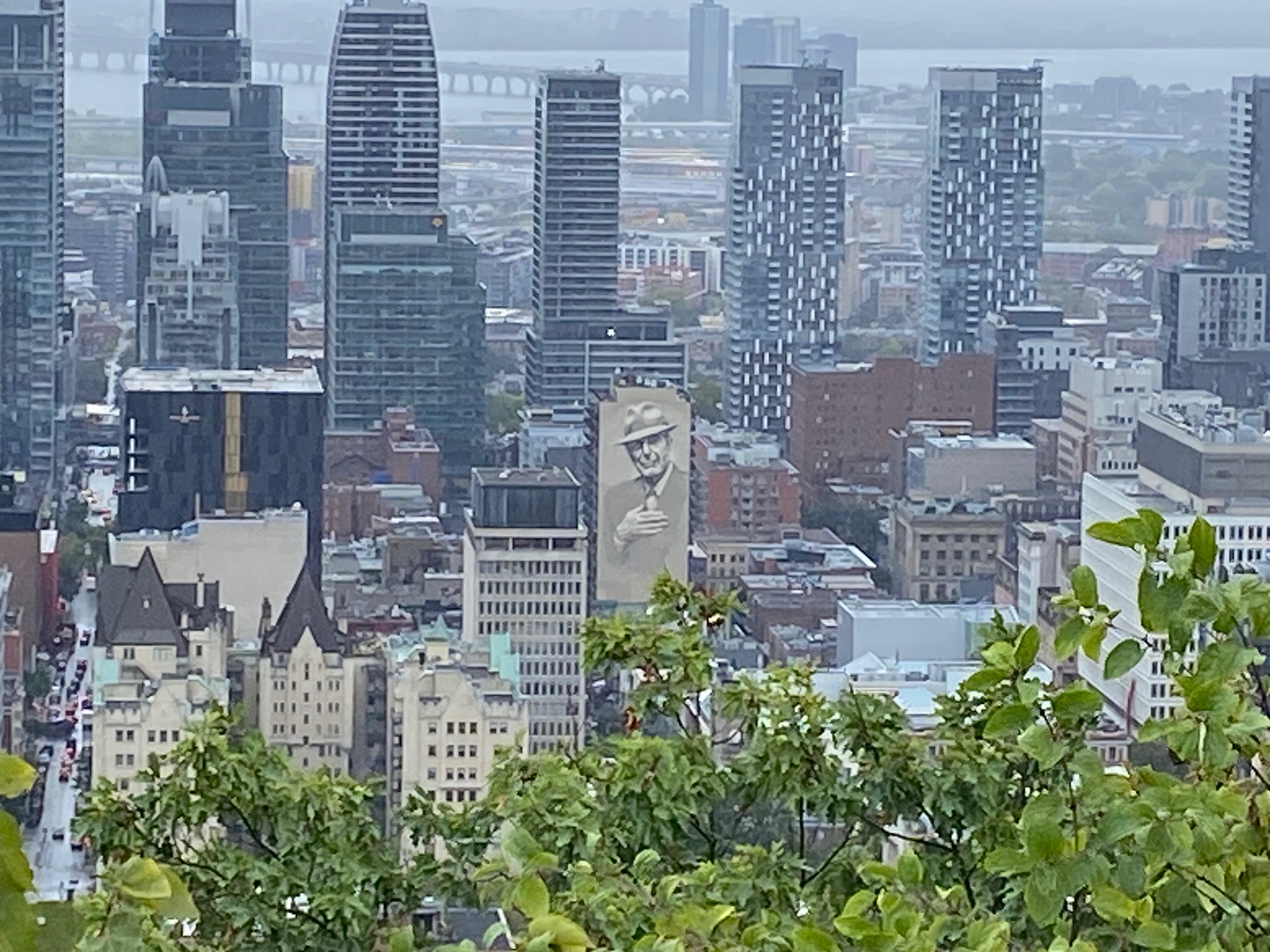
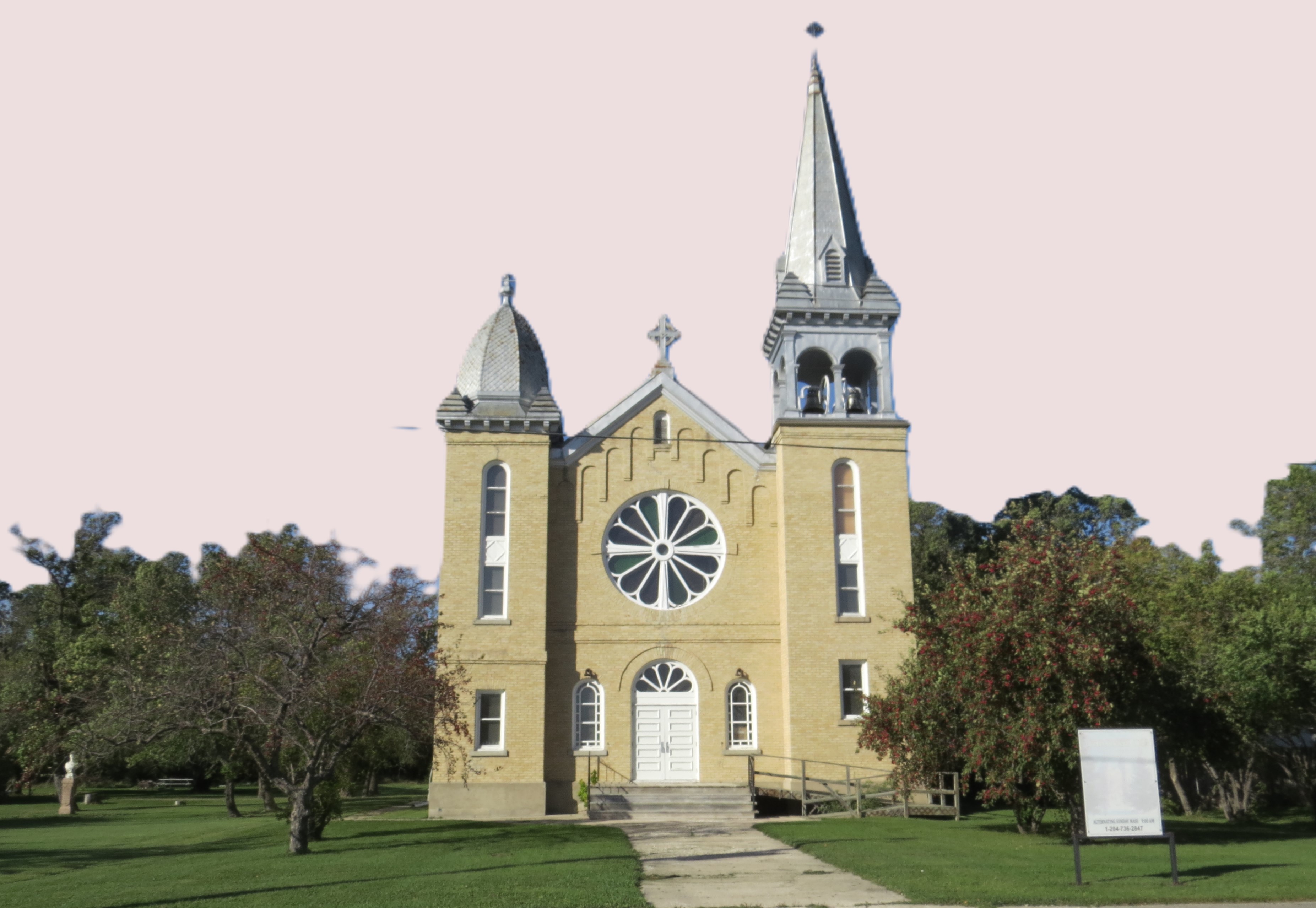
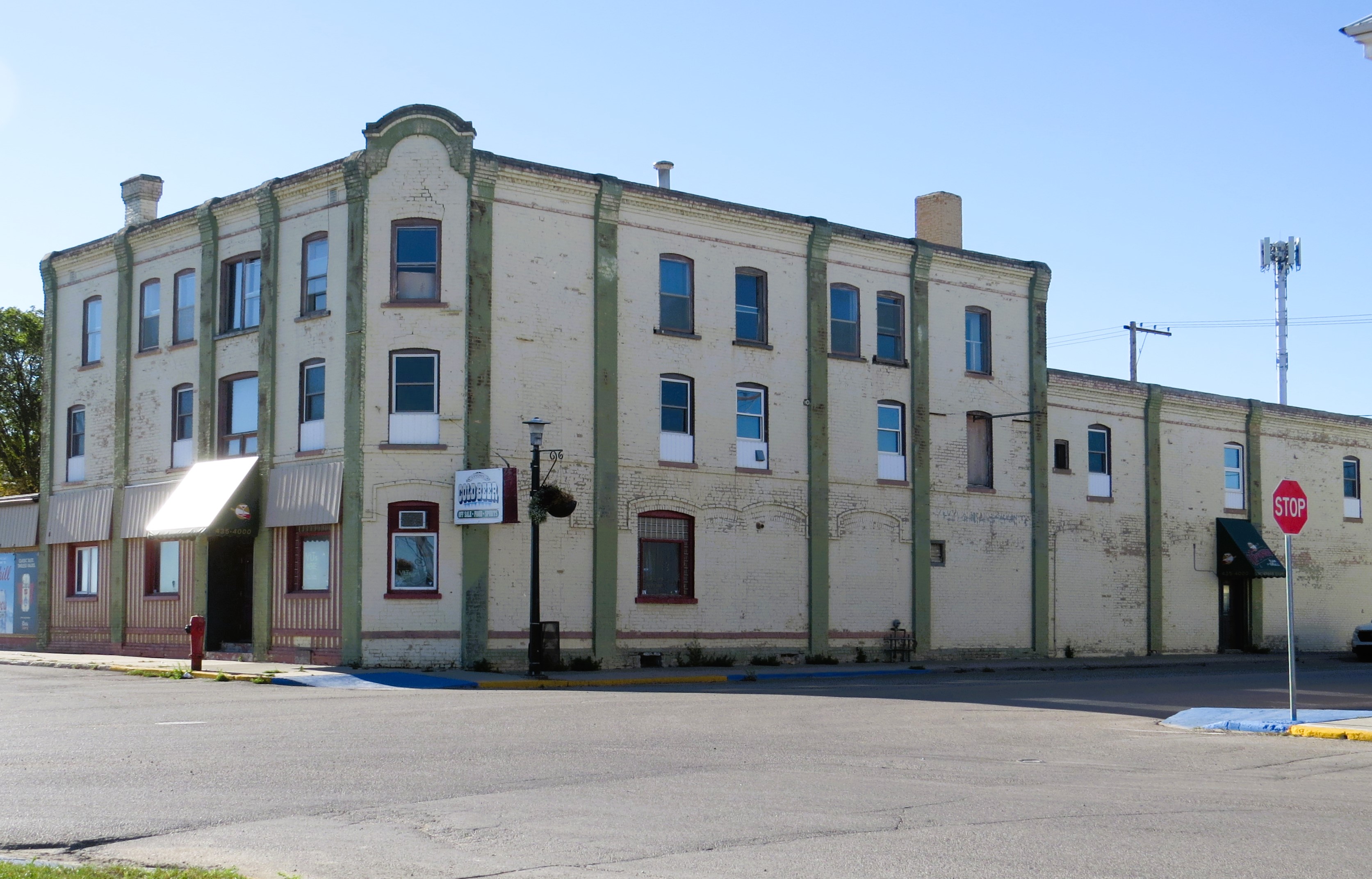
The Story today is Canada, it’s nature and huge expanse. It started by driving from Halifax in Nova Scotia, through New Brunswick, and finally to grand old Montreal. A city built at the mouth of powerful St. Lawrence, surrounded by smaller rivers and water channels. The proper old Montreal was itself an island of land (not a very large one) constricted from all sides by flowing faster or slower water. Hence the grand city is very dense, streets are narrow. It reminds me a bit of an old Paris, an island around Notre Dame, and on the other side closed by the old medieval Royal Seat of Louvre as it was, long before becoming one of the most famous museum and gallery.

From Montreal the highway took me through the capital, Ottawa. It has changed tremendously since I have been here about seven years ago. Not that long ago – but it did. A maze of new skyscrapers.

Pass Ottawa and Petawawa (a city of storied military history) the highway takes us through Ontario’s Cottage Country and numerous small towns and settlements. A glorious Fall colours od forest and Laurential Mountains.

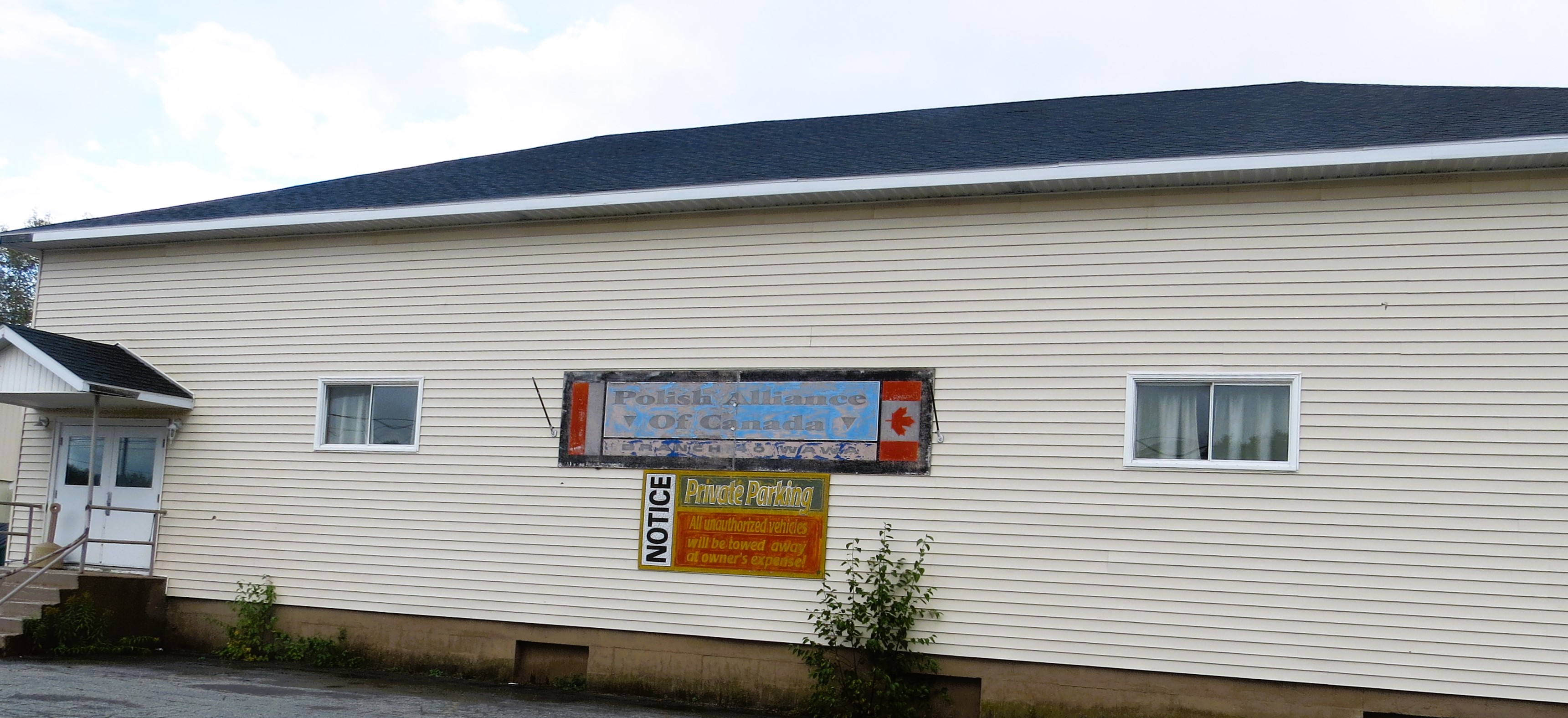
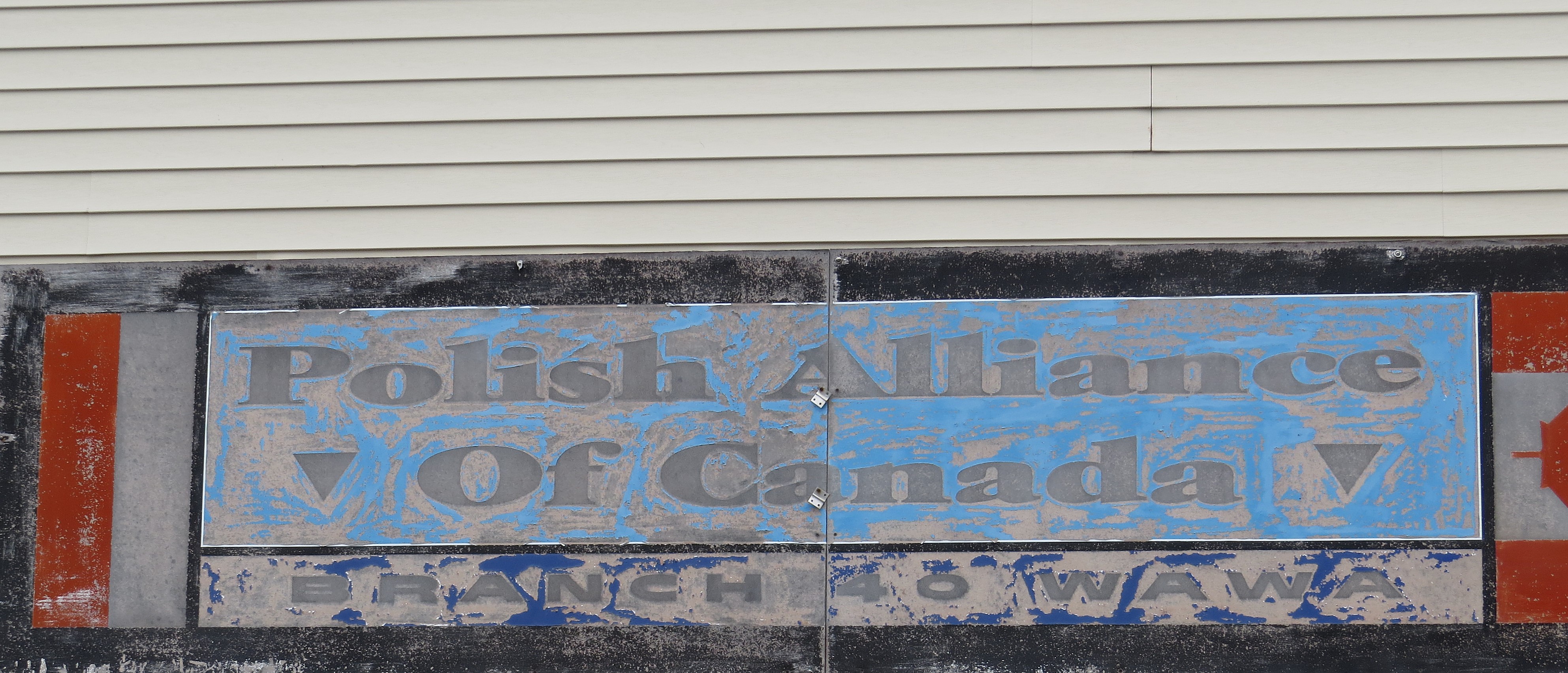
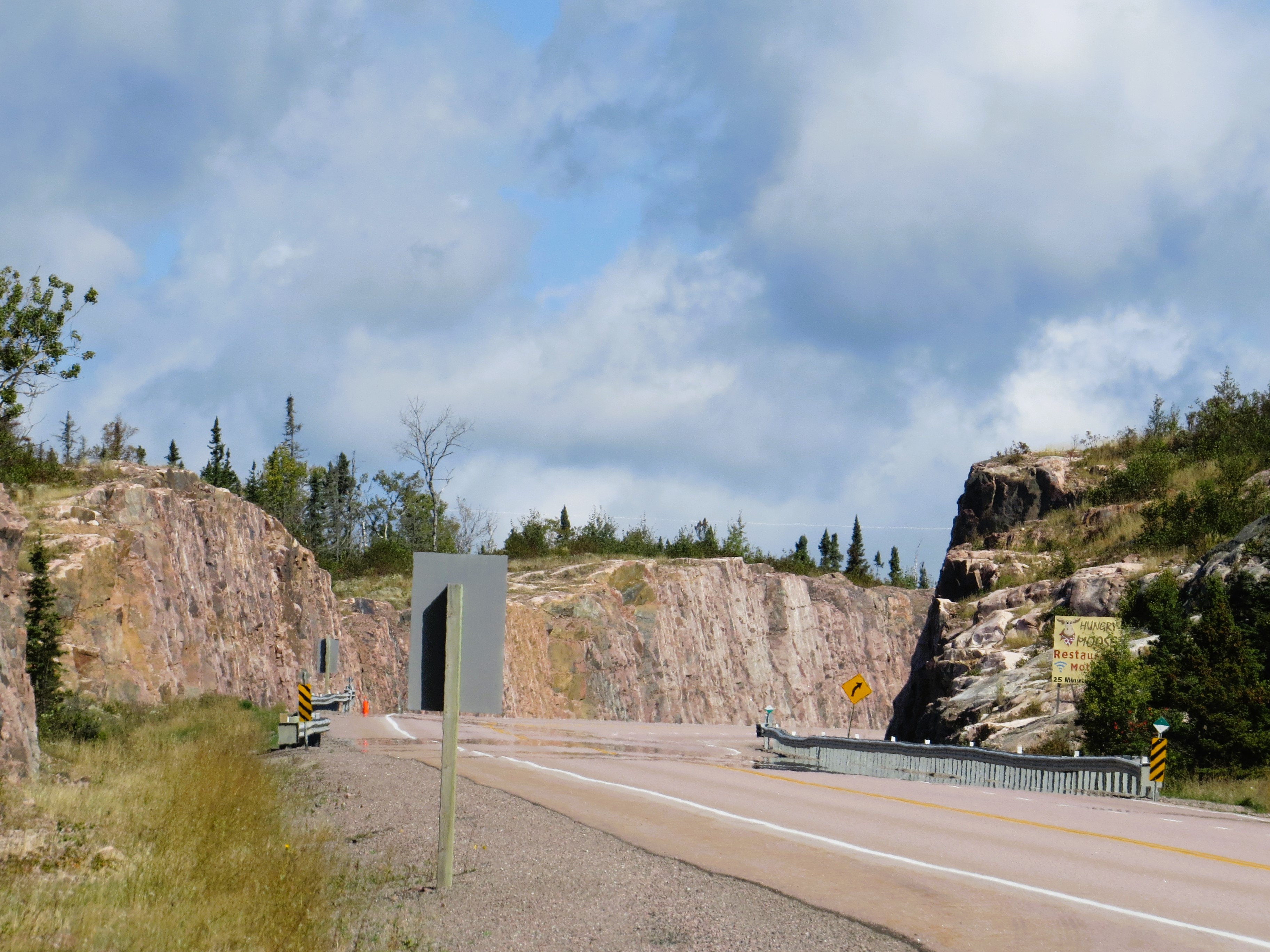
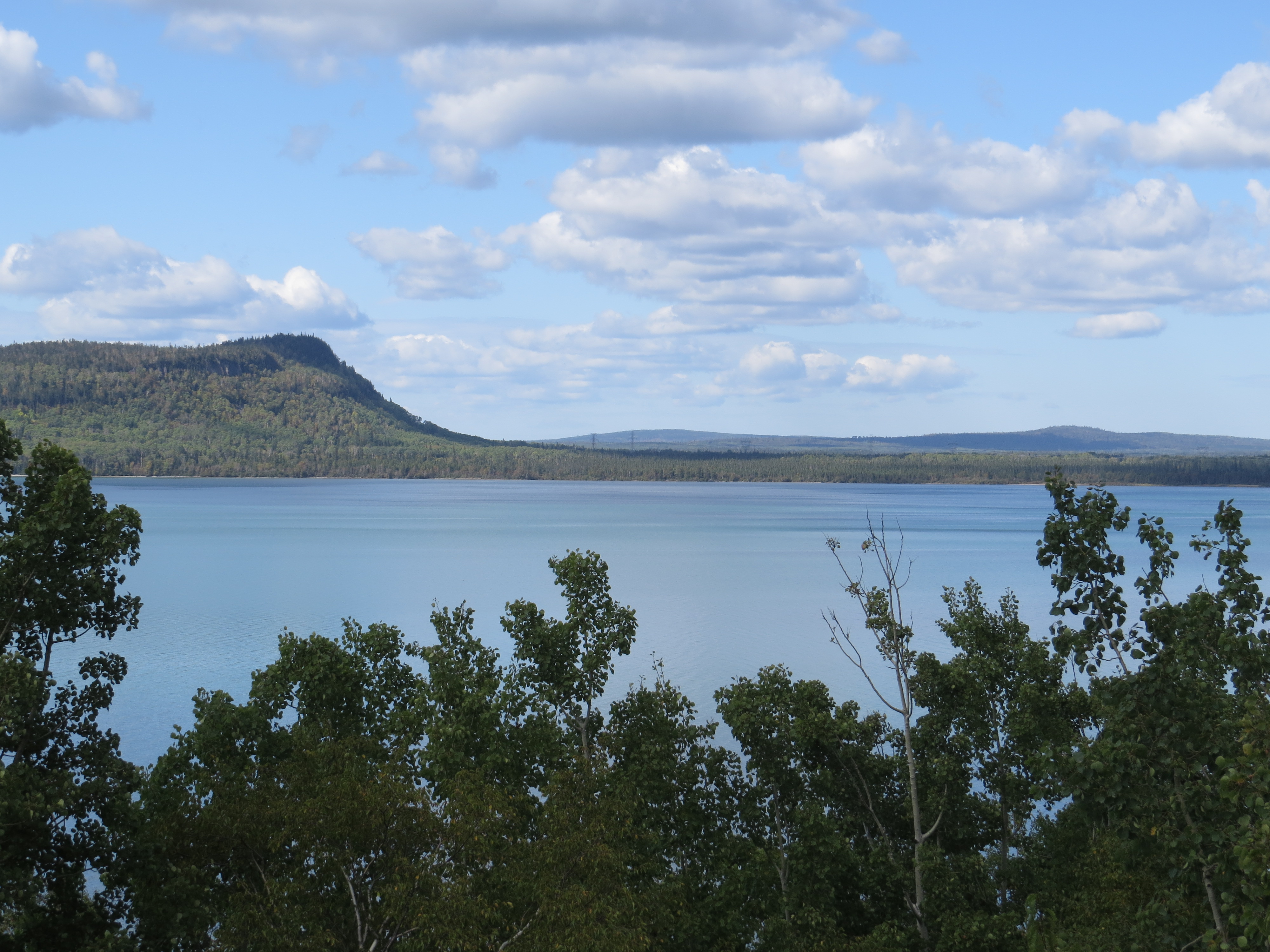
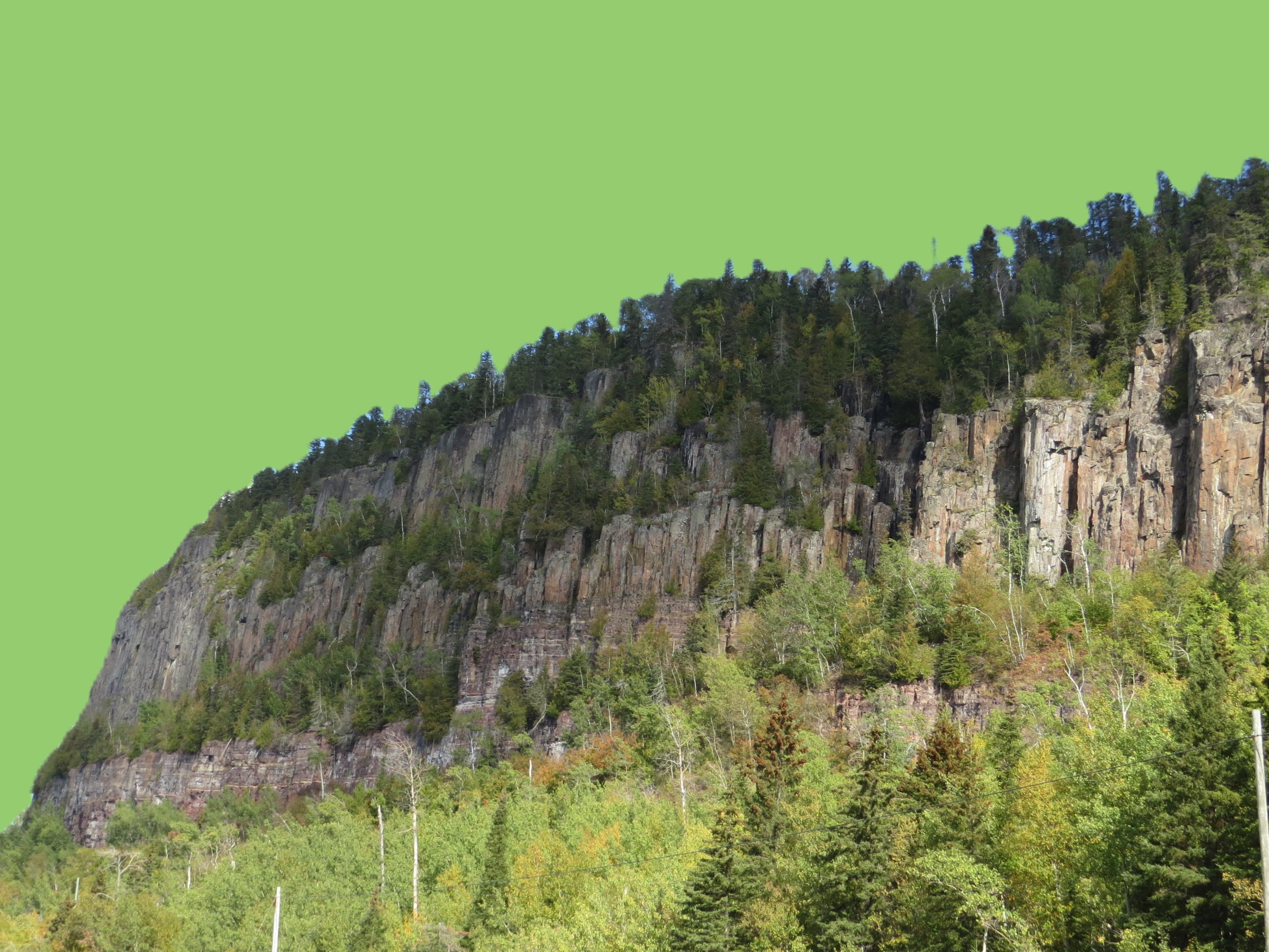
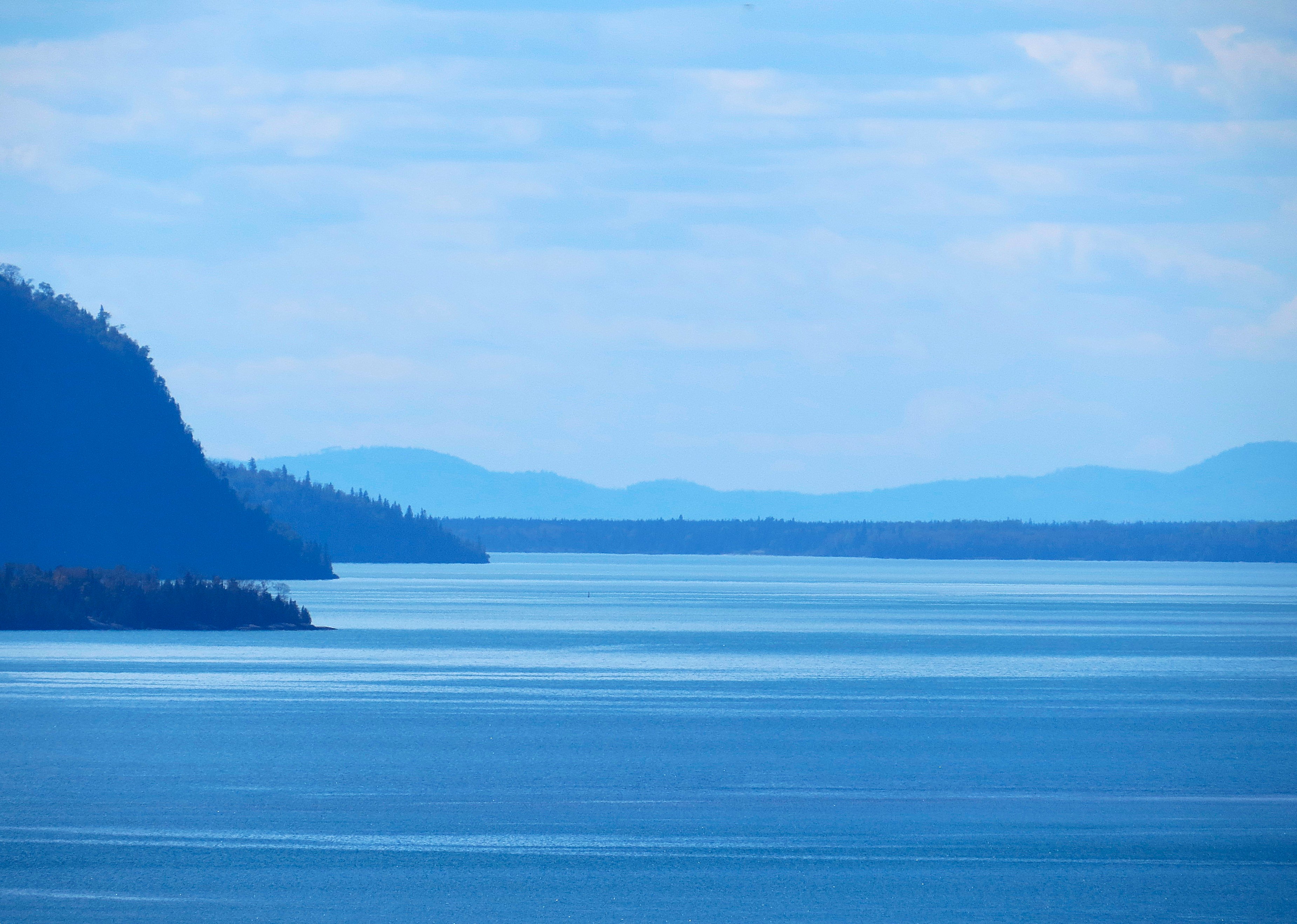
But nature’s through splendor awaits us a bit further, the road will lead us through enormous in size Northern Ontario, alongside the shores of enormous Lake Superior. And a visit to an old Polish settlement of Wawa – in shortened version it simply means ‘Warszawa’ – the capital of Poland. We will finish in the prairies of Manitoba and Saskatchewan.

(in Polish / po polsku)

Gdy ma się dwie ojczyzny, dwa domy rodzinne, odjazdy z jednego z nich z nich bywają trudne, bolesne. Zwłaszcza, gdy oddzielone są olbrzymią przestrzenią oceanów i pasm górskich.

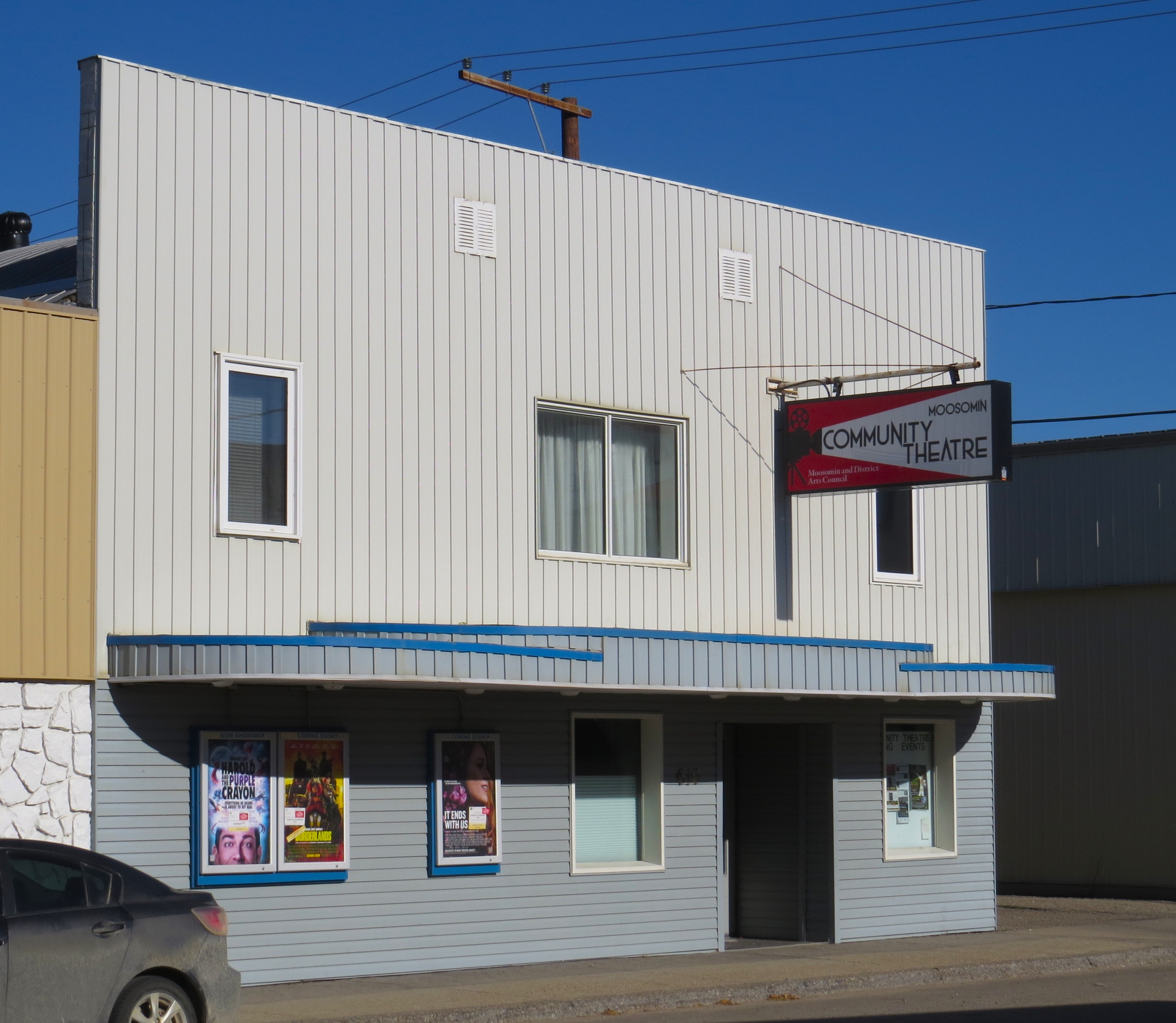
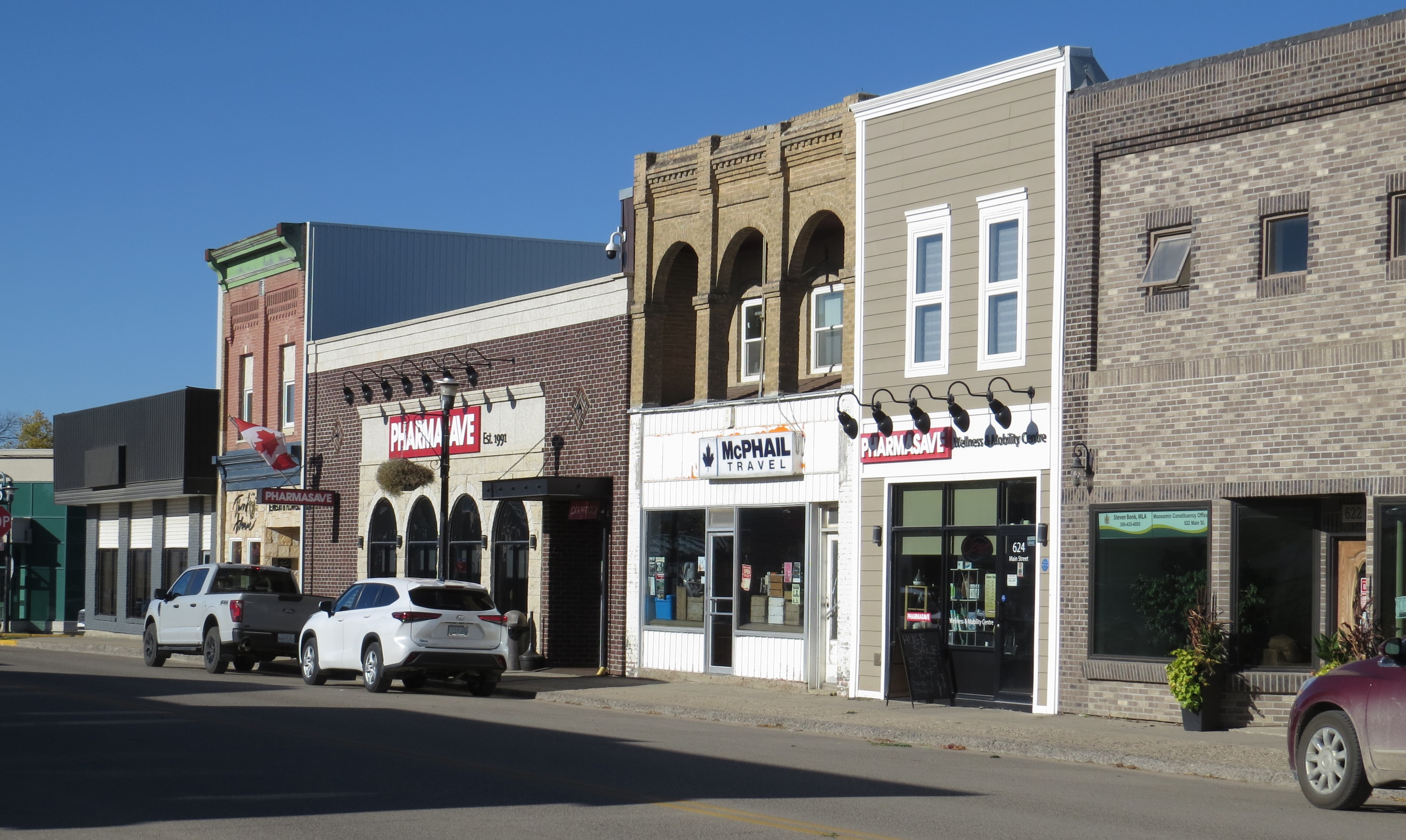
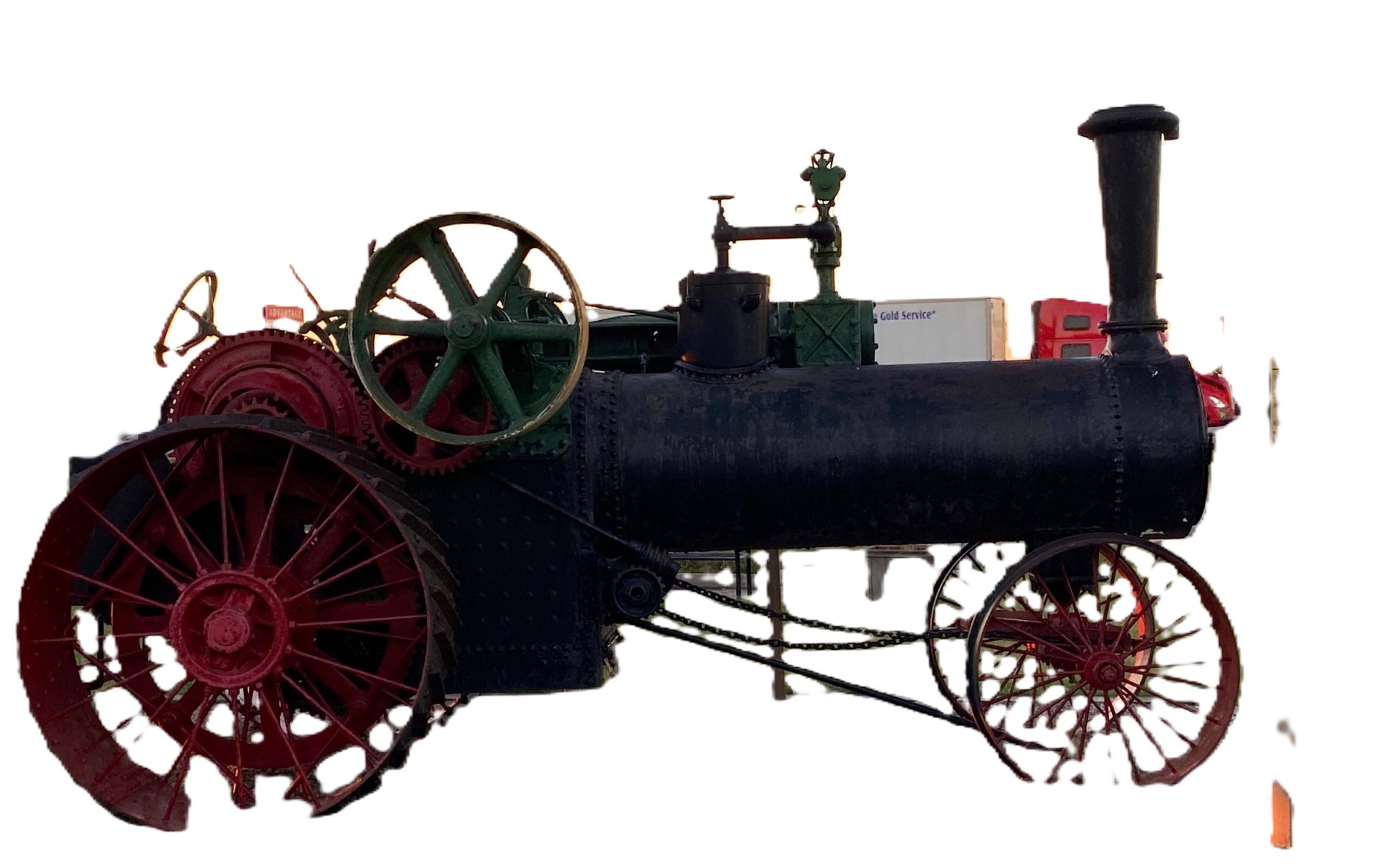
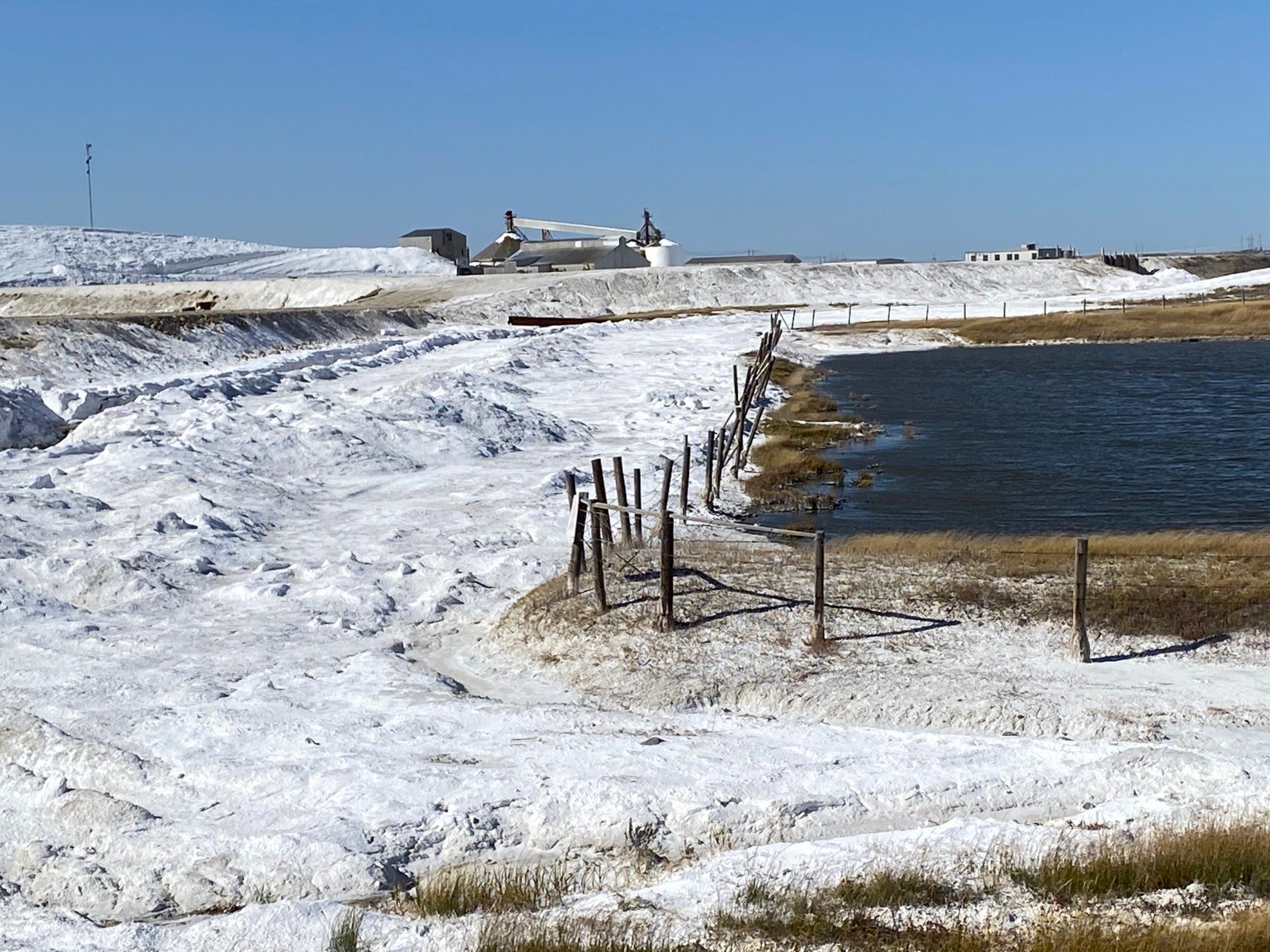
Tym razem wracam do tej pierwszej ojczyzny dzieciństwa i młodości. Za mną zostaje całe dorosłe – długie już – życie w tej drugiej, w Kanadzie. Więc i pożegnalna wielka podróż przez Kanadę. A podróż przez ten wielki kraj, to podróż kontynentalna dosłownie: od jednego oceanu do drugiego; przez pasma wielkich i mniejszych masywów górskich; olbrzymie rzeki, wzdłuż jezior, które łatwo by nazwać bez zbytniej przesady morzami; przez puszcze niekończące się, prerie wielkich łanów pszenicy, kukurydzy. I prerie białe od potasu i odkrywkowych kopalń. Naturalnie nie sposób takiej podróży odbyć w dwa lub trzy dni. Jest wielodniowa, a powinna być wielotygodniowa. Drugi raz taką tu odbywam. Od Halifaksu do Vancouveru.

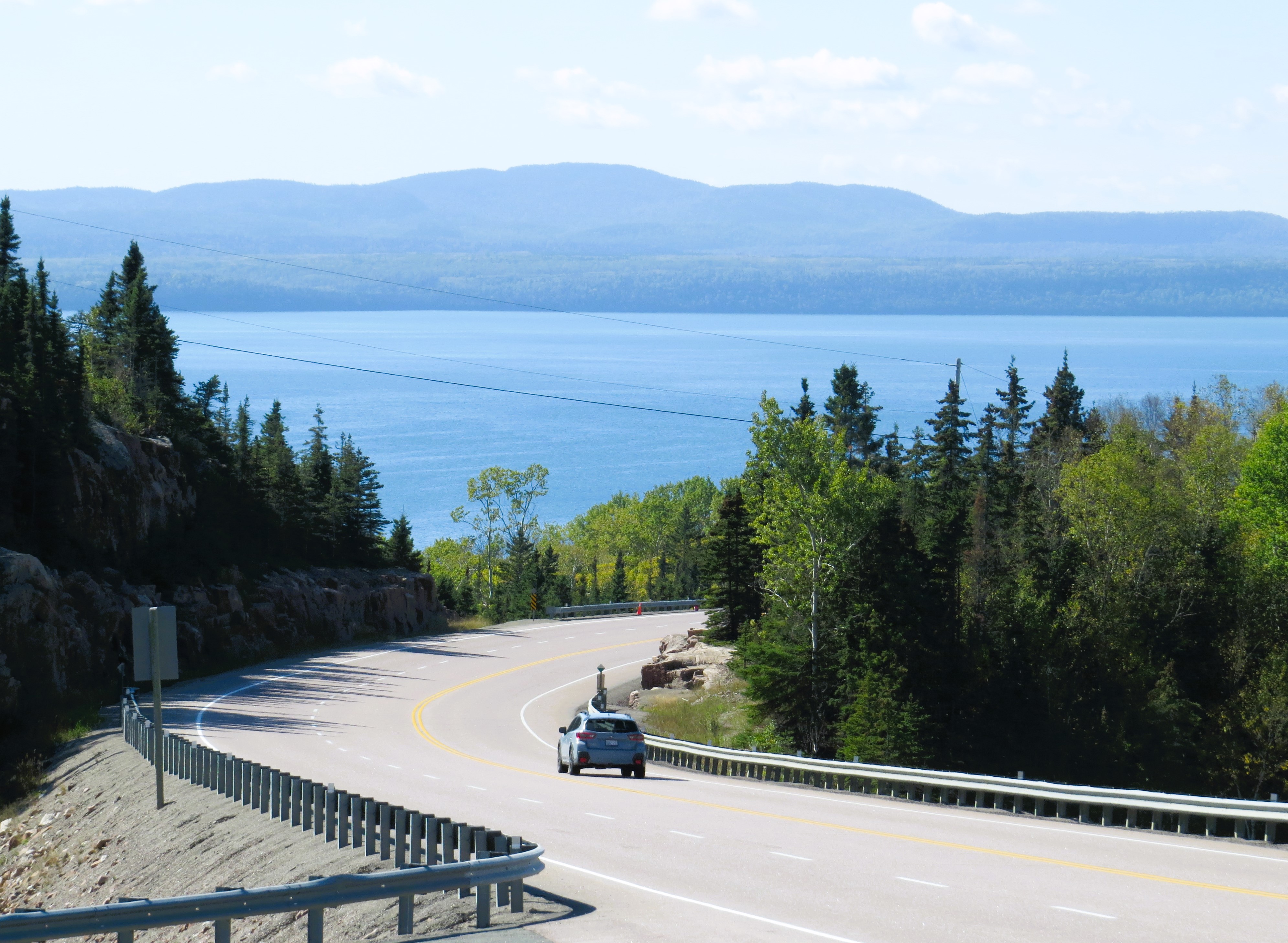
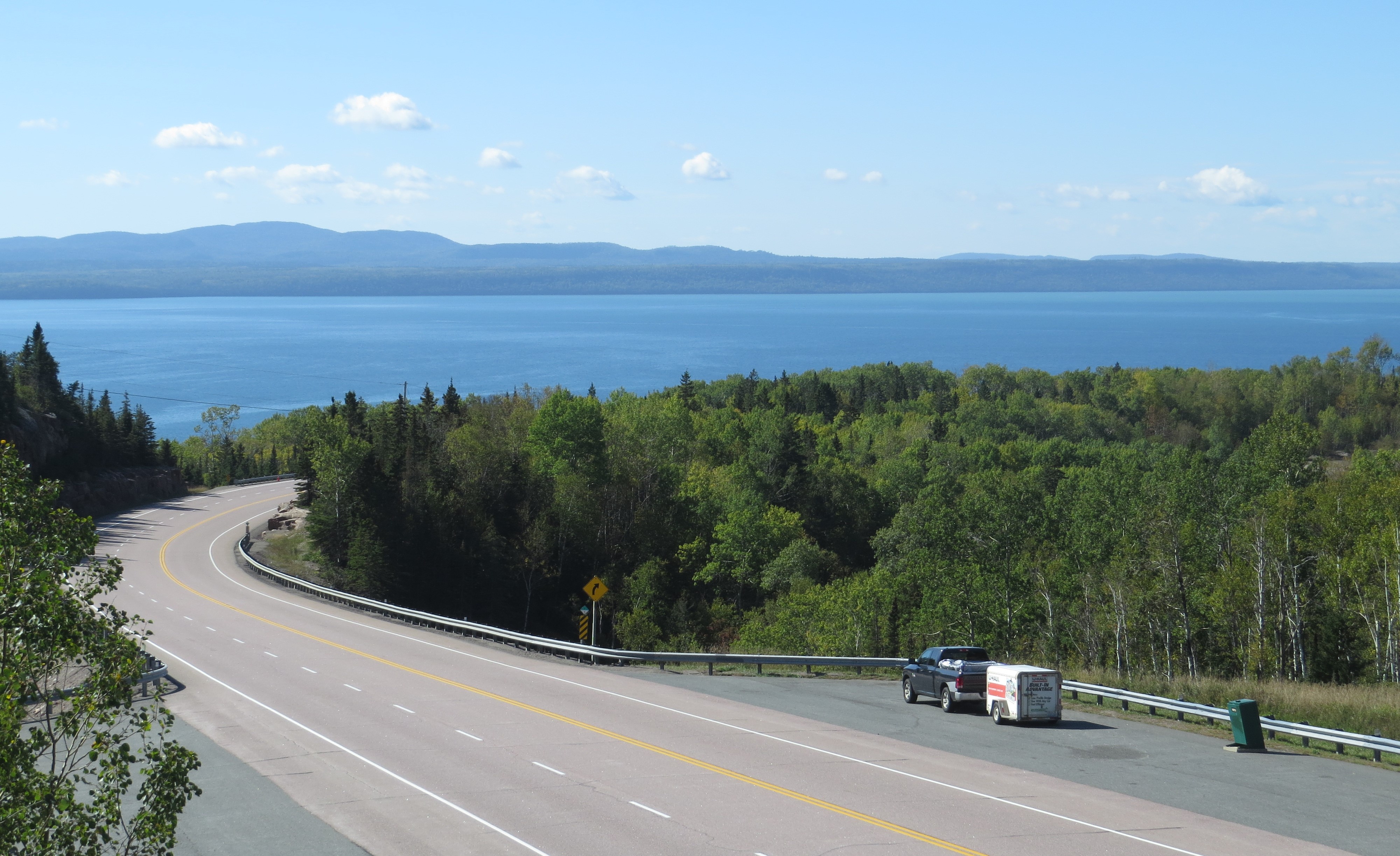
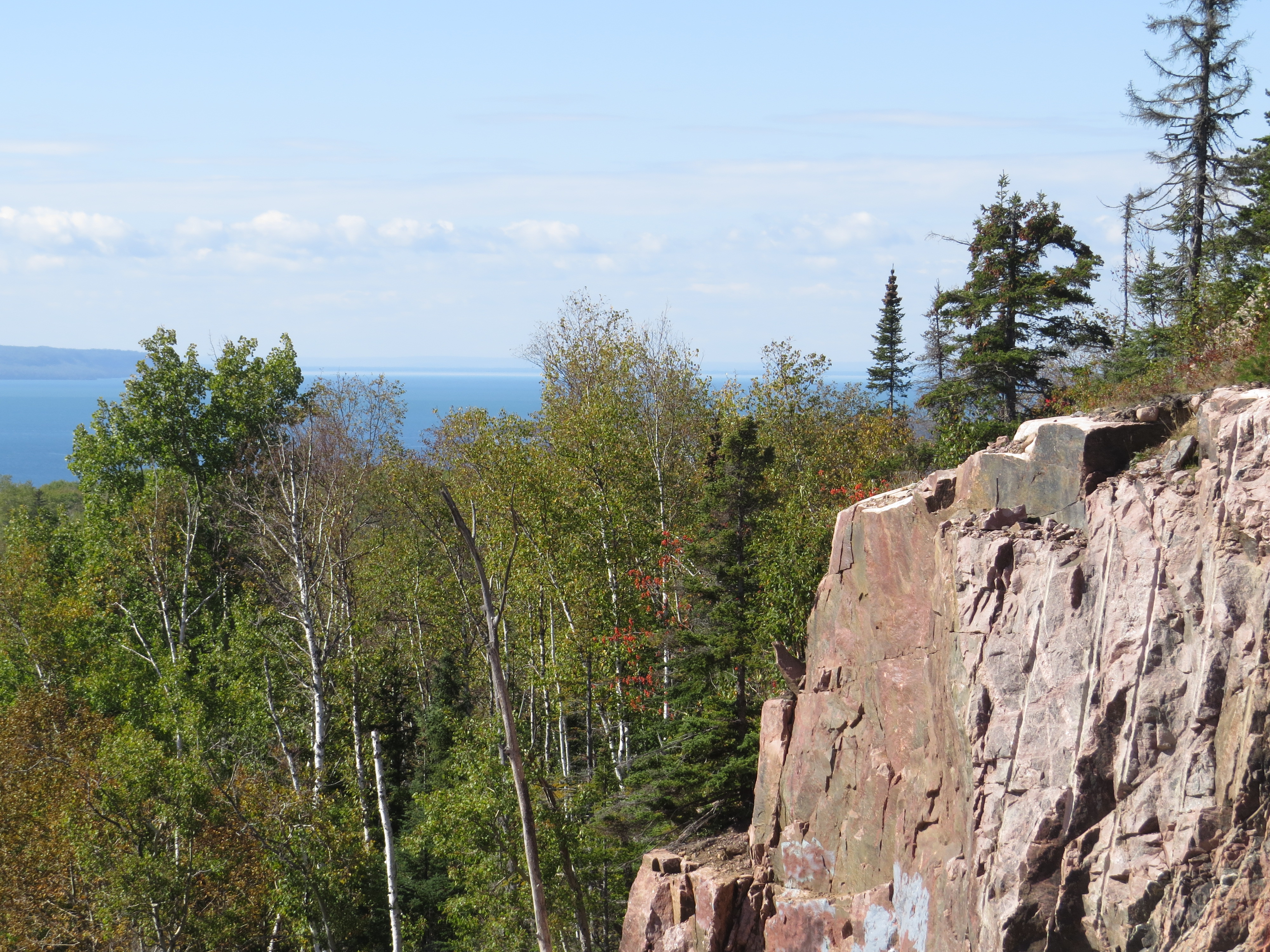
Zdjęcia załączone obejmują trasę od Halifaksu, przez Nowy Brunszwik, Montreal i Quebec, rejon Ottawy, Północne Ontario, trasę wzdłuż wybrzeży jeziora Superior, założone w XIX wieku przez polskich osadników urocze miasteczko … Wawa. Tak, Wawa od Warszawy. Z Wawy zjazd w dół kręta szosą wśród skał i niekończących się małych jeziorek (słowo ‘małych’ w kontekście Kanady jest właściwe, ale małymi de facto nie są) aż do Kenory. A potem Manitobą i w Sakatchewan – otwarta, płaska niekończąca się preryjna przestrzeń. I wiatrach (częstych) te morza pól wzbijają tumany kurzu i tumany białej soli potasowej. Inny świat.

Montreal

Northern Ontario, Wawa and Lake Superior

Prairies / Prerie

Moon – once more

Moon – once more

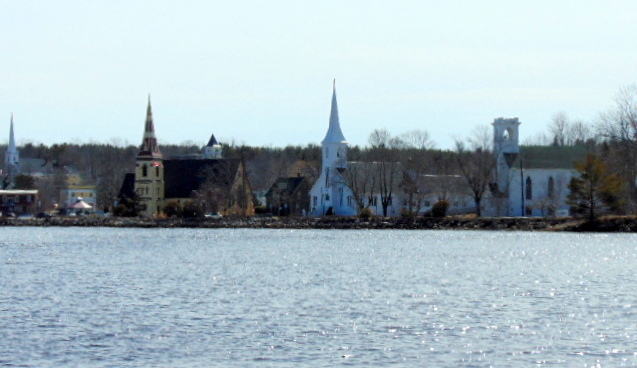
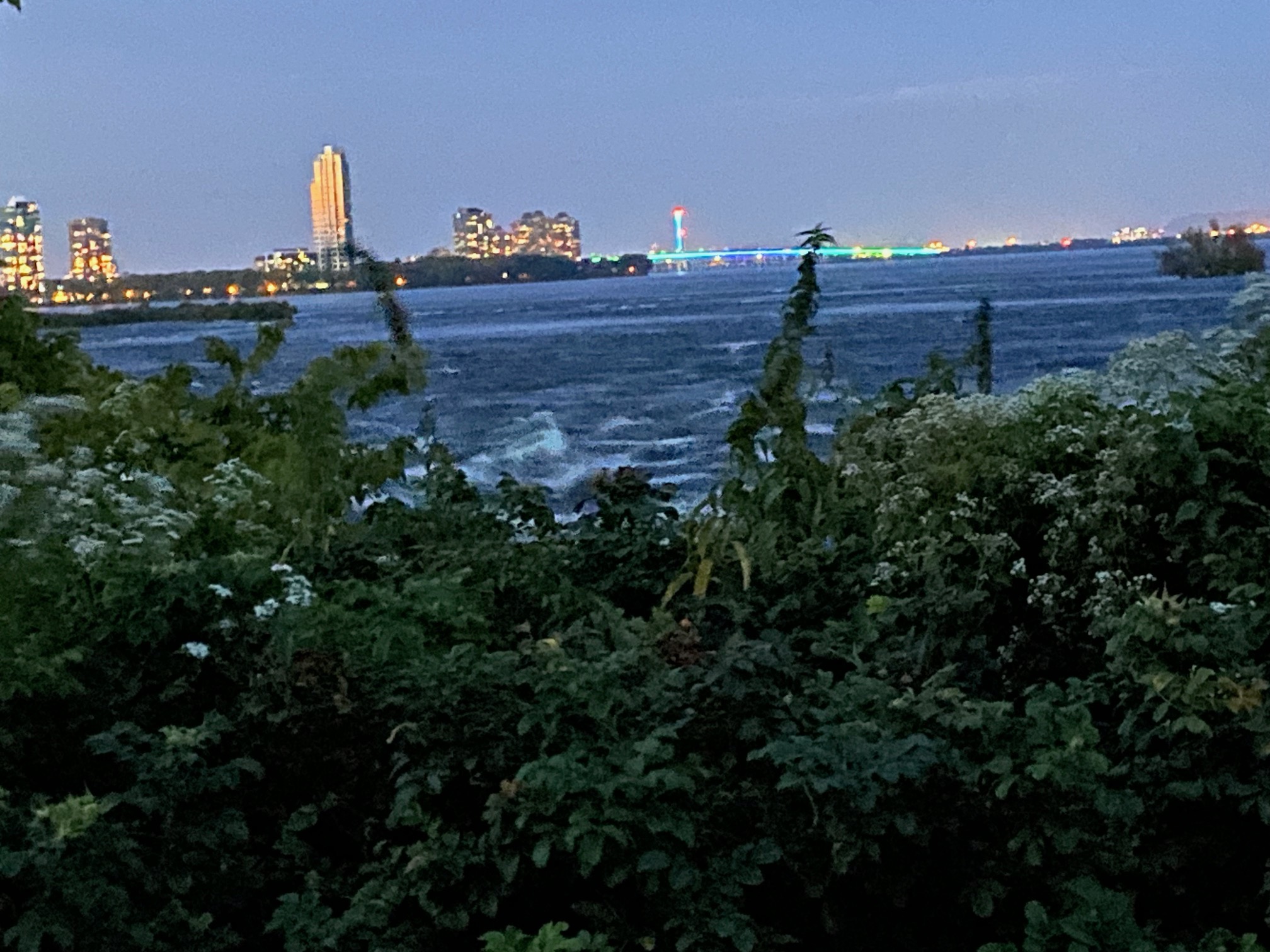
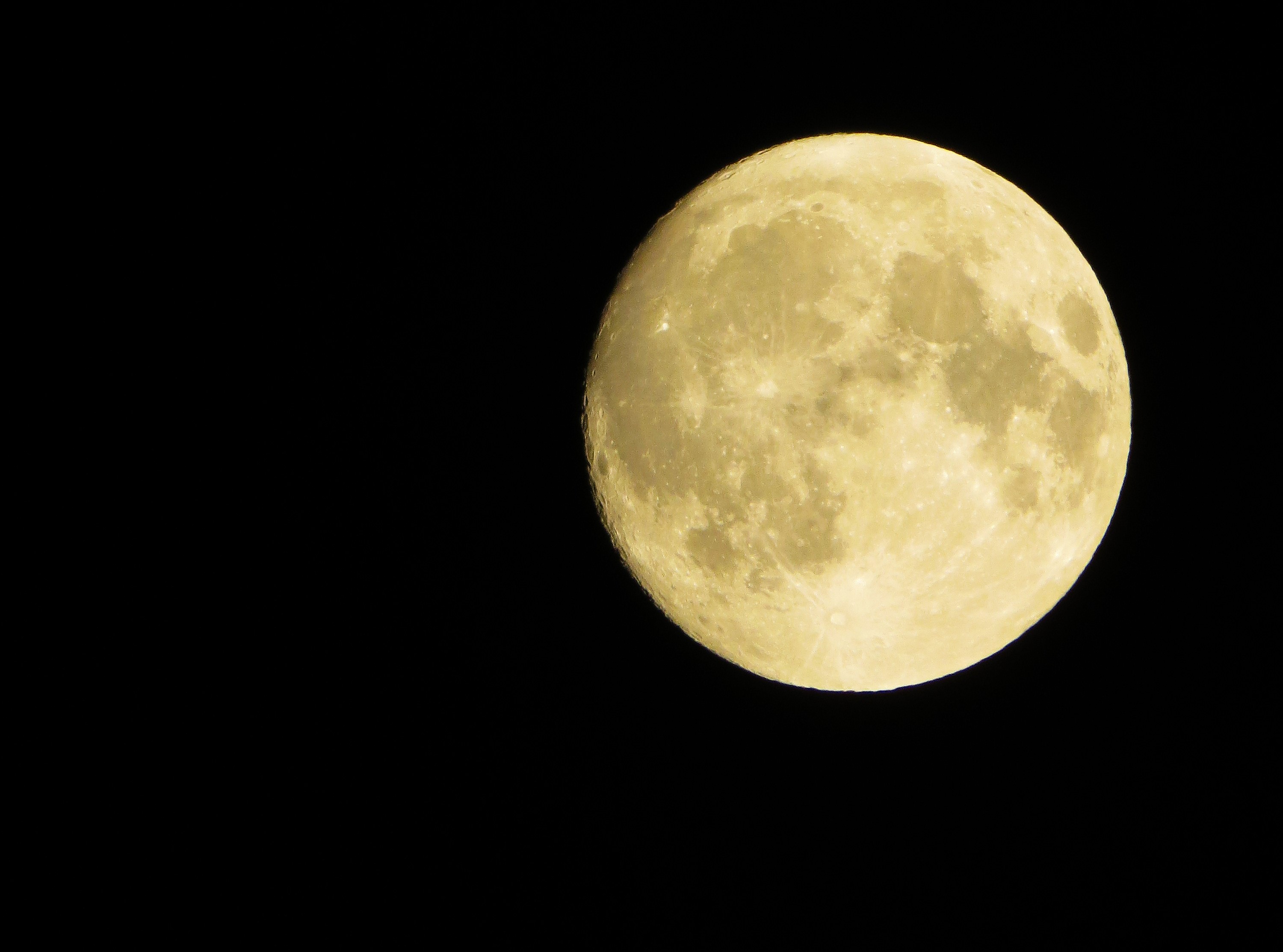
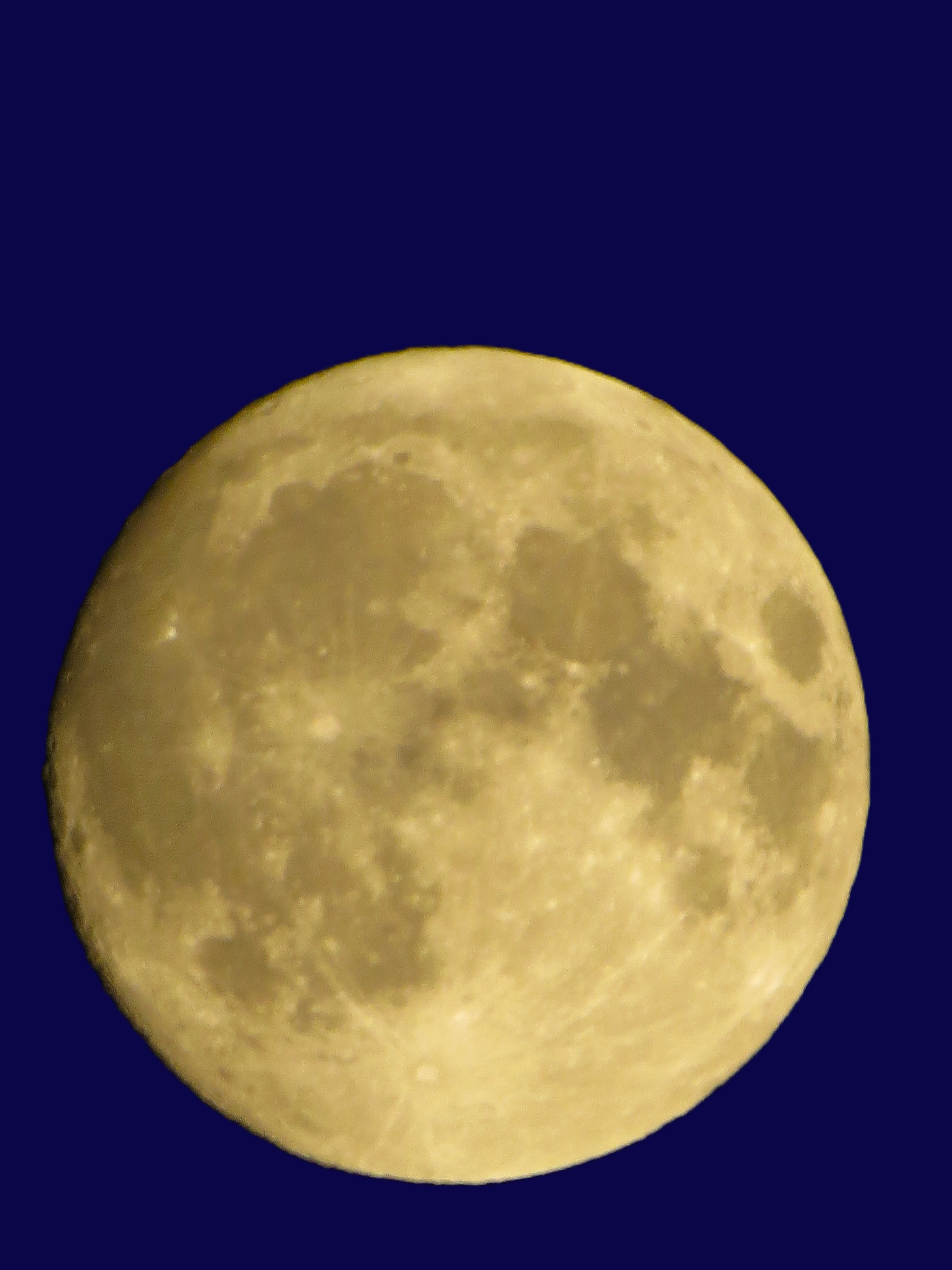
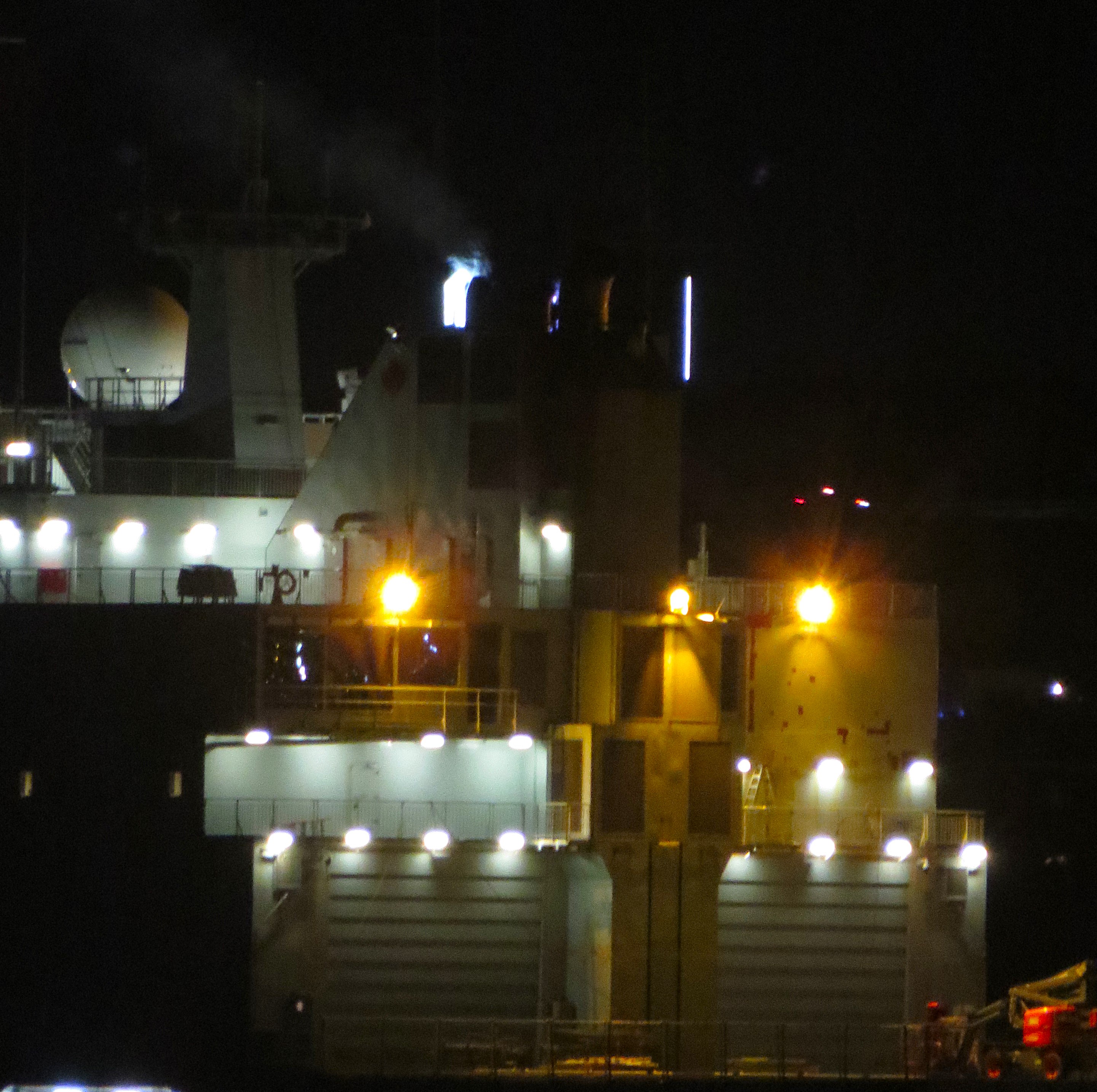
I know I have said in previous post my goodbye to the Moon in Halifax. But today, while sitting at night time on My Rocks, the Moon yelled at me: hey! I have seen your post the other day. If you are saying ‘goodbye’ than might as well take my full portrait, not just part of my face. And he did smiled broadly and showed me his round full face. Wont be any closer soon, so here we go once more and few pics of Halifax’s waterfront as seen from Dartmouth.