Czasem wiersz jest najlepszym sposobem ‘rozmowy z lustrem’, wiwisekcji splątanych węzłów życia. Tłumaczyłem na tych łamach kilkakroć w przeszłości, że wiersz nigdy nie powinien być pisany dla wszystkich (zwłaszcza nie dla wydawców, krytyków, dla ludzi-czytelników). ‘Ludzie-czytelnicy’ to liczba mnoga, a wiersz to liczba indywidualna. Wiersz należy zawsze i bezwzględnie pisać tylko do jednego czytelnika, słuchacza, adresata. To musi być intymna rozmowa dwóch podmiotów: wiersza i czytelnika. Jeśli masz coś intymnego do powiedzenia przyjacielowi nie możesz tego robić na wiecu. Nawet spotkanie autorskie nie zwalnia nas z tego obowiązku. Każdy słuchacz musi wiedzieć, czuć, że ten wiersz teraz czytany jest właśnie dla niego. Bo w wierszu odsłaniamy swą całkowitą bezbronność, swoje najkruchsze ego. Swoją słabość, która jest jedyną siłą, jaką posiadamy.
Naturalnie jest poezja pompatyczna, do ludzkości, do narodu. Bzdura. I ta najbardziej pompatyczna jest zawsze tylko dla jednego czytelnika – tego, który ją teraz czyta lub słyszy. Inaczej jest blagą, oszustwem oczekującym na akceptację tłumu. Każde spotkanie ze sztuką jest przeżyciem prywatnym, intymnym.
Inne epoki, czasy odległe inną miały miarę i oczekiwania. XIX i XX wiek kompletnie to wywróciły i odrzuciły. Dały wolność jednostce, temu ja i ty, które jest początkiem i końcem kontaktów międzyludzkich.
Od czasów niespodziewanej i nagłej śmierci mojego męża wiersze, które piszę są rodzajem kontynuowania moich rozmów z nim. W okrutnym czasie tuż po tej Stracie z naturalnych względów były tym – opisem Straty, jej okrucieństwa i pustki, aktem niezgody, oskarżaniem bogów i siebie, że do tego dopuściliśmy, że Czasu nie zatrzymaliśmy. To było naturalne. Ale Kosmos i bogowie mnie nie opuścili, nie zdradzili. Tragedie indywidualne godne eposów antycznych zdarzają się stale. Czemu? Nie wiem. Fatum? Czy istnieje coś takiego? Też nie wiem.
Do życia – innego zupełnie i nieznanego mi przedtem – jednak wróciłem. Ciągle zachwyca mnie moment, zachwyca – też mimo wszystko – człowiek, jego piękno i jego ból, jego kruchość i potęga. I odtąd te wiersze, to zapis moich rozmów z nim – mom najbliższym przyjacielem. To mój pierwszy indywidualny, pojedynczy czytelnik-słuchacz. Gdy wiersz wychodzi ‘w świat’ (publikacja, spotkanie poetyckie) – tą rozmowę podejmuję z każdym indywidualnym czytelnikiem. To moja cicha rozmowa z tym czytelnikiem/czką. Inaczej bym się nie odważył pisać.
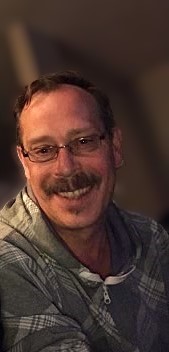
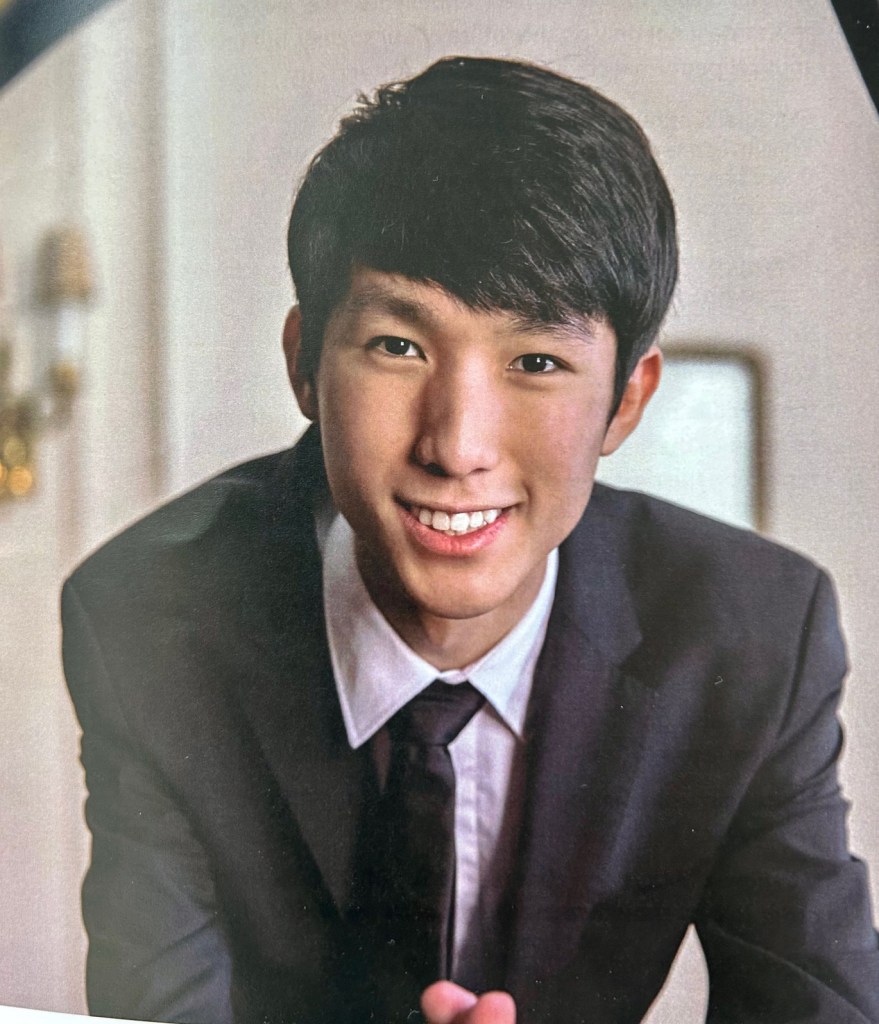
post scriptum: zamieszczona fotgrafia-portret, to zdjęcie mojego męża
Doprawdy nie chce się brudu dotykać i pisać o polityce. Ale jest wokół nas, dotyka brudnymi łapami, wrzeszczy, pijana bełkoce wieczorami, wszczyna burdy po wódce w barach i bramach kamienic. Zatacza się z panienkami lekkich obyczajów pod Grand Hotelem w Sopocie, pod Bristolem i Europejskim w Warszawie.
Chcąc czy nie chcąc – dotyka nas i naszego życia. Spokoju po dniu pracy lub lęku: co będzie jutro? Lęku niestety. Lęku i złości. Ile trzeba łajdactwa w sobie nazbierać, by wykorzystując niezasłużenie otrzymane funkcje i wysokie pozycje we władzach kraju, by stać się tak bezczelnym i zadufanym w sobie, by ten spokój nasz, te prawo do odpoczęcia nam niszczyć?
Kraj ma wielką wojnę na granicy od Białorusi aż po Bieszczady, zresztą Białoruś w łapach okrutnego satrapy odgrodzona od nas zasiekami z drutu kolczastego. To nie są żarty – to codzienna rzeczywistość naszych granic wschodnich.
Wielkie, okrutne wojny zapaliły się od pocisków i bombardowań szalonego Pomarańczowego Starca i zbrodniarza wojennego z Izraela: od starożytnej Persji po cały Bliski Wschód. Netanjahu ostrzelał pociskami z białym fosforem ludność cywilną wbrew prawom wojny, które zabraniają używać tej okrutnej amunicji, jeśli istnieje ryzyko, że spadnie na terenach, gdzie może być ludność cywilna. A to dokładnie zrobił ten zbrodniarz wojenny, grabarz Gazy i Palestyńczyków.
Zbrodniarze naszego świata: Putin, Netanjahu i Pomrańczowy Starzec stoją nad olbrzymią beczką prochu z zapalonymi lontami. Beczki każdego z nich kryją ładunki atomowe i jądrowe. Czy podpalą? Uważam, że nie zawahają się, jeśli dojdą w swych schorowanych mózgach do wniosku, że ich plany się chwieją i mogą paść na śmietniku historii. Czym się różnią tysiące ofiar od milionów? Niczym prócz zer. Bo taką wartość w ich umysłach ma ludzkie życie: zera.
W takim świecie, w takim zagrożeniu znajduje się Polska. Naturalnie nie tylko Polska. Ale ona też. Bezpośrednio w każdej chwili zagrożona od Putina, najmłodszego z tych trzech starców, bo tylko 73-letniego jeźdźca Apokalipsy.
I w tejże Polsce toczy się od tygodni już szalona, nienormalna wojna polityczna o rozbudowanie i wzmocnienie polskich wojsk. Za czyje pieniądze, z kogo zasługi? Za jaką cenę? Od tygodni całych, od awantur sejmowych, nienormalnych spotkań z nienormalnym prezydentem i absurdalnej argumentacji skrajnej prawicy stetryczałego Kaczyńskiego. Do tego dołączył ostatnio ten tłusty wieprz ze stanowiskiem Prezesa Narodowego Banku Polskiego. Wlazł po prostu nachalnie w samo centrum dyskusji politycznej o podstawowych dla państwa sprawach. Prezes Banku, nie poseł, nie minister, nie senator, nie premier. Urzędnik państwowy. Banku, który od wielu już lat każdego roku ogłasza deficyt rzędu miliardów złotych. Nagle mówi, że znajduje miliardy, które mogą być użyte na rozbudowę armii i uzbrojenie. Więc jeśli gdzieś pod tapczanem te miliardy znalazł, to zgodnie z prawem musi tą nadwyżkę przelać na budżet państwa do dyspozycji rządu. Takie jest prawo, idioto. I w dodatku możesz być pociągnięty do odpowiedzialności karnej za składanie niezgodnych z prawdą raportów dla ministra finansów. Więc zaczyna się wić, jak żmija tłusta i pocić. Nagle wpada na pomysł: sprzedajmy rezerwy polskiego złota i będą pieniądze! Cudownie! Zastawimy drugą hipotekę na ten sam dom, który już ma hipotekę (owe deficyty Narodowego Banku Polskiego to właśnie ta pierwsza hipoteka). Genialny idiota, czy idiota zwyczajny? Jak to jest, że politycy bardzo prawicowi tracą mózgi i wszelką racjonalność, gdy prowadzą wojnę polityczną o władzę w państwie? Jest wszak coś, co nazywa się najzwyczajniej racją stanu. Gdzie spory polityczne nie maja prawa głosu, gdzie interes podstawowy państwa, to absolutny priorytet. Nieprzekraczalny, niedotykalny.
Otóż rząd wypracował w dyskusjach z Unią Europejska olbrzymią pożyczkę na wyjątkowo dogodnych, wieloletnich procentach ( 3%!). Bagatela, tylko 150 miliardów euro[i], lub 185 miliardów złotych. Tak, to jest pożyczka, daj wam boże jednak a takich warunkach taka pożyczkę dostać od jakiegokolwiek banku. Nawet nie na prawie 200 miliardów, ale na głupi milion – sam stanę w kolejce.
Szanowny (tak, to figura retoryczna, bo potwierdzam, że nie szanuje pana) Panie (P)rezydencie, stoimy być może w sytuacji, w jakiej Polska była między 1937 a 1939 okiem. Nie ma czasu ni miejsca na kłótnie i spory polityczne. To by się równało zdradzie narodowej. Gdyby pan prezes Narodowego Banku Polskiego znalazł legalne i konstytucyjne miliony polskich złotówek – ma pan już zapewnienie rządu, że też je zużyje na obronność Polski. Wiem, że pan nie znajdzie, bo z próżnego i Salomon nie naleje, ale gdyby … Tu pieniądze mamy już teraz. Czekające, gotowe. Trzeba tylko pańskiej kontrasygnaty a odpowiednim akcie sejmowym. Proszę stanąć na wysokości zadania Zwierzchnika Polskich Sił Zbrojnych. Albo wrócić na Wybrzeże do Grand Hotelu.
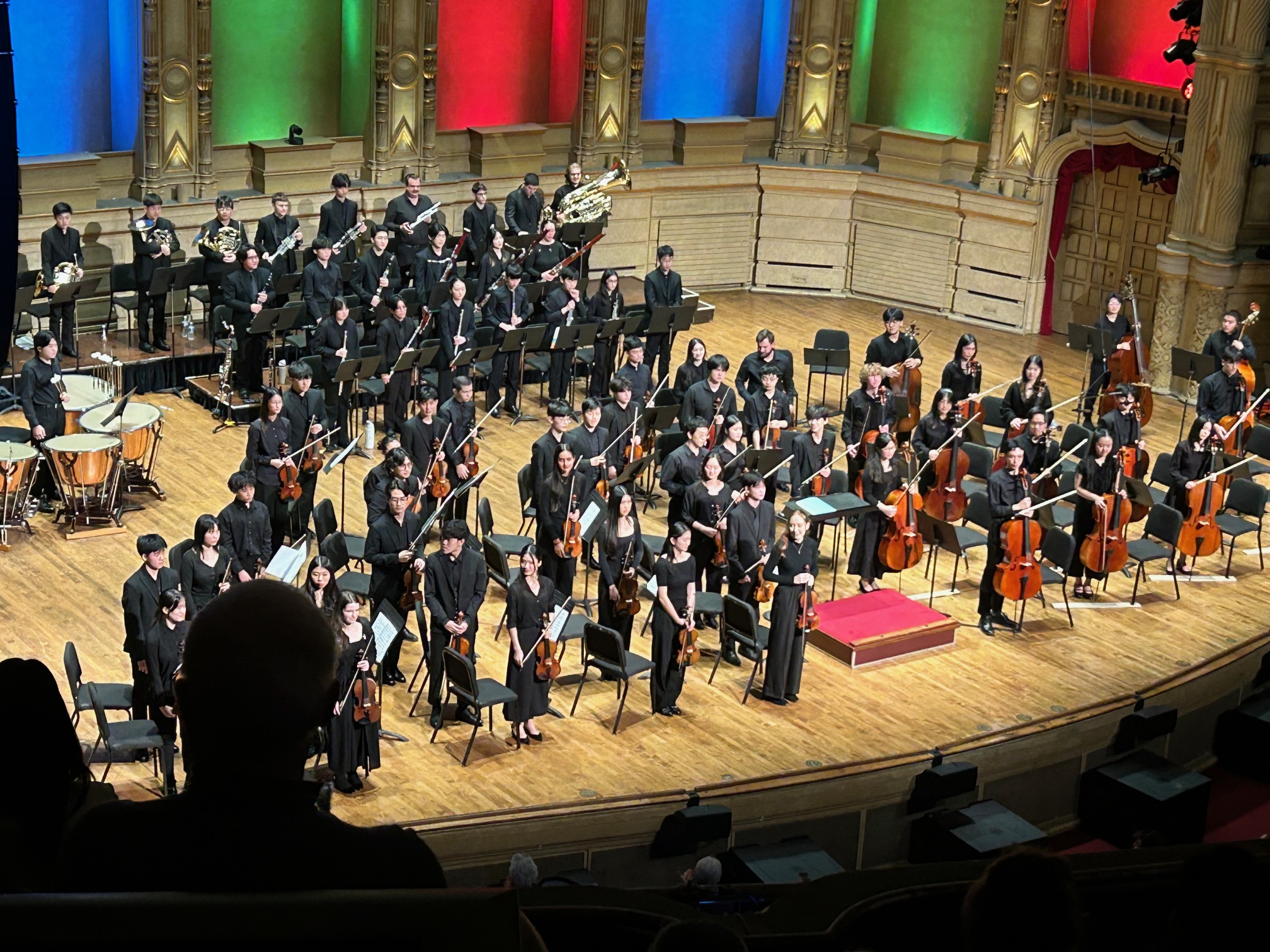
Bardzo dawno temu, bodaj w 2018 byłem z moim Johnem na koncercie Akademii Muzycznej[i]. w ‘Orpheum’ w Vancouverze Pamiętam świetnie, bo grali nie takie łatwe ‘Requiem”[ii]. W Akademii tej często wówczas gościłem i znałem wielu z młodych studentów z całego świata, wielu wykładowców. Wykładała tam wówczas (wykłada w dalszym ciągu w tej samej uczelni) dobra znajoma, pianistka polska Krystyna Tucka. I naturalnie zacny Kim Sun Lee, z którym prowadziłem często długie rozmowy.
Z przyjemnością więc poszedłem do tej naszej filharmonii posłuchać, jak się ci znajomi studenci na formalnym koncercie zachowają, czy nie ulegną zbyt dużej tremie. A nie ulegli, koncert był bardzo udany.
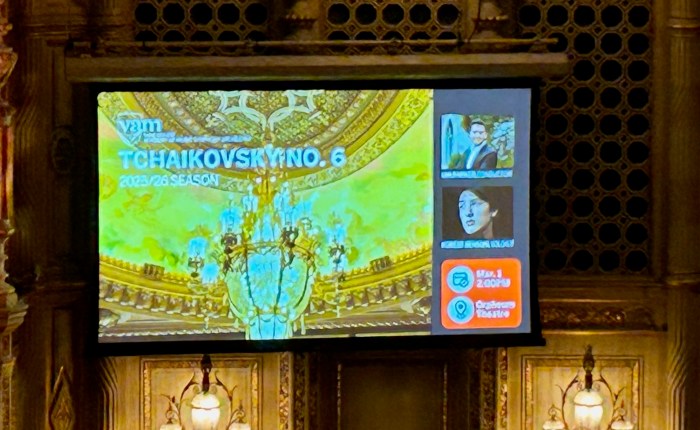
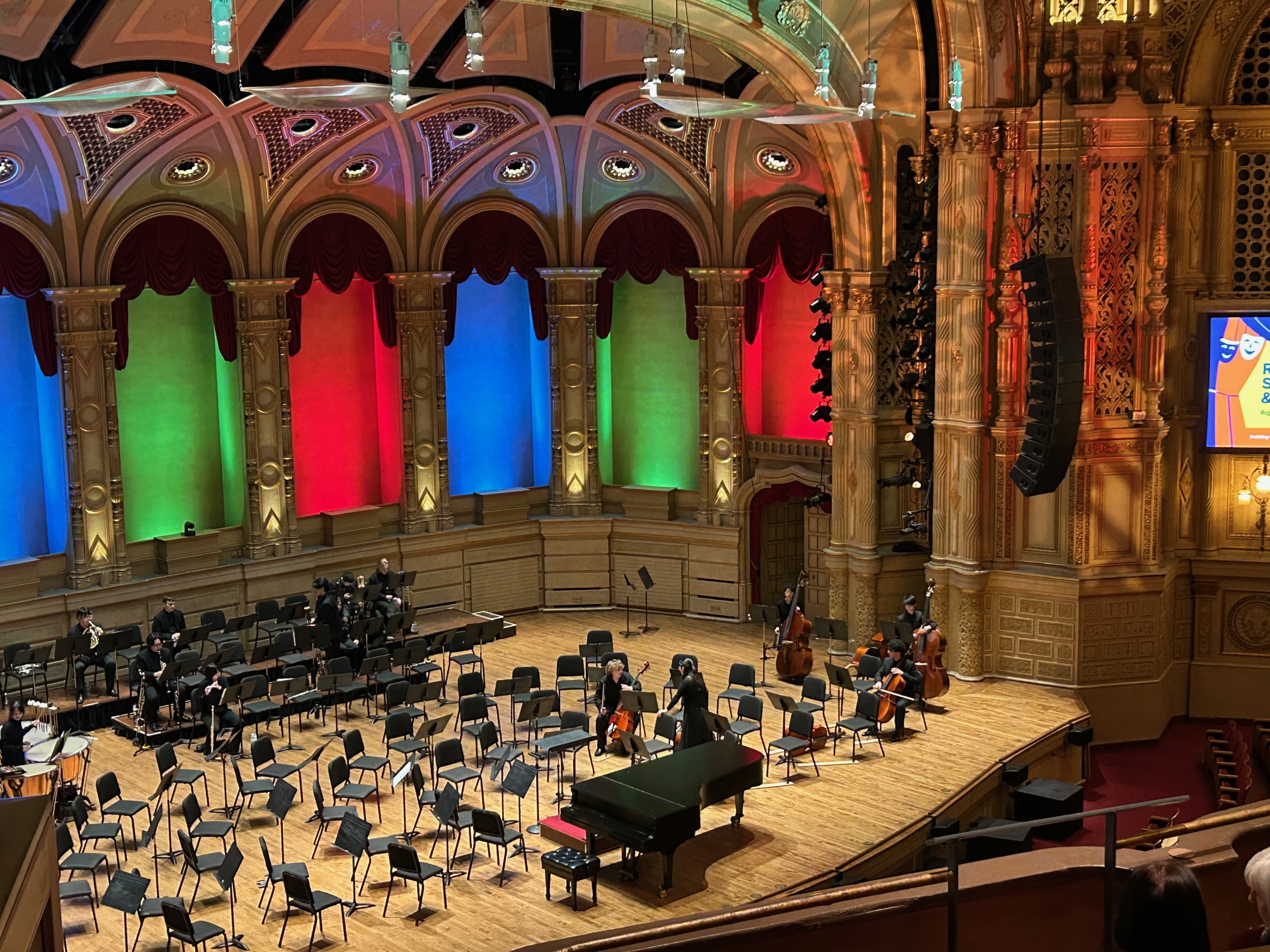
Minęło osiem lat i 1 marca 2026 w tymże samym Orpheum jestem znowu, by słuchać tegorocznych studentów Akademii Muzycznej. Tym razem program jeszcze trudniejszy, obejmujący różne style i epoki muzyki. I, naturalnie to jest już też następna generacja młodych muzyków.
Miejsce, swoim zwyczajem, zająłem na pierwszym balkonie w pierwszym rzędzie, na ostatnim fotelu. Stary zwyczaj, bo i widok całej sceny dobry i siedzą z boku mam możliwość robienia w trakcie swoich notatek, co później ułatwia spisanie wrażeń koncertowych.
Dodatkową miłą atrakcją była część pierwsza z pianistą Forestem Bensonem[iii]. Słyszałem o nim już coś, ale nigdy nie słyszałem jego gry.
Benson grał uroczą uwerturę z Magicznego Fletu Mozarta; Koncert Fortepianowy Nr5 F-dur, Op.103 Saint-Saensa.
Początek Uwertury Mozarta był zbyt delikatny, zbyt nieśmiały. Ale pianista szybko poczuł ducha tej radosnej muzyki, nadał jej właściwy nastrój i tempo.
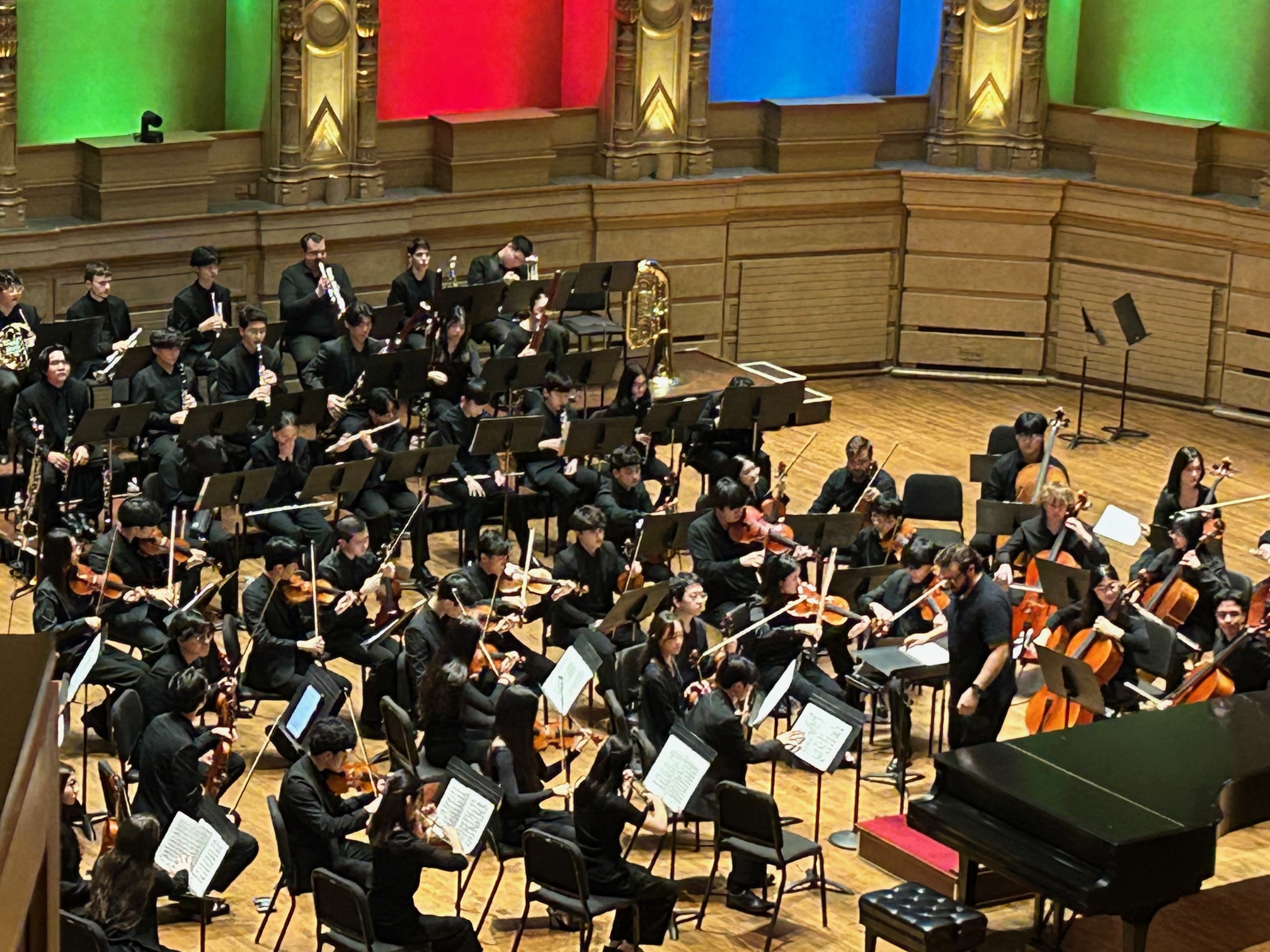
Muzyka Saint-Saensa nie jest łatwa, to przedział epok muzycznych, przechodzenie z jednej do drugiej. Pełny koncert pianistyczny, więc z całą orkiestrą. I robi to bardzo dobrze. Nie stara się być gwiazdą, a raczej częścią tej muzyki, wespół z orkiestrą. Co mnie trochę zaskoczyło, to prawie niewidoczny kontakt dyrygenta (Ian Parker, ntb. z bardzo dobrym i cenionym życiorysem prowadzenia orkiestr) z pianistą. Oczywiście, że są obok: pianista słyszy orkiestrę, dyrygent słyszy pianistę. Tylko czasem warto ten kontakt wzrokowy ułamkiem sekundy utrzymać, wzrokiem dać znać kiedy i jaki akcent podkreślić. Gdy się jest kapitanem okrętu nie należy zakładać, że Pierwszy Oficer czyta w myślach kapitana … . Nie mogę powiedzieć, że wykonanie by było lepsze, gdyby ten kontakt był zauważalny. Po prostu nie wiem, bo nie istniał przez większość gry. Może to moje stare przyzwyczajenia jedynie. Na usprawiedliwienie dyrygenta należy jednak przypomnieć, że pianista – choć młody – już z pewnym uznanym dorobkiem, zaś cała orkiestra to … młodzież muzyczna i na pewno więcej kontroli i opieki wymagała niż fortepian. Z sekcji orkiestrowych zdecydowanie należało pochwalić waltornie i oboje, dobre były skrzypce i altówki, na właściwym poziomie wiole i kontrabasy. Szczególnie duże uznanie oddaje młodemu muzykowi za bębnami – świetnie operował młoteczkami i jego ‘divertissementa-kanonady’ były majstersztykiem.
To było małe, urocze tête-à-tête przed daniem gównym, małe soirée zanim otworzą się wielkie drzwi do bogatego salonu jadalnego. Dziś serwują 6 Symfonię h-moll Czajkowskiego. Symfonię, nomen-omen, nazwaną ‘Patetyczną’. Kompozytor nie wiedział jeszcze, że będzie ona ostatnią większą kompozycją. Na jego niebie zbierały się już czarne chmury spisku potężnych przyjaciół samego kompozytora, ale i przyjaciół dworu carskiego. Romantyczna miłość do syna potężnego arystokraty rosyjskiego zakończyła się sfingowanym pojedynkiem, w którym Czajkowski zgodził się być zastrzelonym[iv]. Nie nawiązując do romantyczno-tragicznych przyczyn śmierci Czajkowskiego, Ian Parker bardzo ładnie w słowie wstępnym wyjaśnił, że nazwa ‘patetyczna’ w języku rosyjskim ma nieco inne brzmienie, bardziej smutne i tragiczne niż w rozumieniu popularnym, et winno być odczytane, jako wielka, wspaniała, podniosła. Chyba wystarczyło takie objaśnienie.
Pierwsze adagio –Allegro non troppo. Dobrze bardzo zagrane. Zwłaszcza solo klarnetu przejmujące; kotły utrzymują i poniekąd narzucają bardzo dobre tempo. Dobra synchronizacja całej orkiestry, zapomina się, że to orkiestra młodych studentów – to po prostu muzycznie dojrzała orkiestra. Równe granie jednej sekcji instrumentalnej udziela się pozostałym sekcjom instrumentalnym. Odnosi się wrażenie, że sami to doceniają i słyszą, dodaje im to skrzydeł, pewności lotu. Przez moment tylko odnosi się wrażenie, że trąbki i tuba opowiadają jakby inna historię, LOL. Ale to moment tylko.
Allegro con grazia trochę słabsze, brak ‘łagodności’, czułości tej muzyki, choć nie jest zagrane nagannie. Może pomieszały się szyki kto i kiedy dźwiękowi pozwala, jak ptaku ulecieć? Na szczęście nadchodzi moment uroczego walca, który – jak to walc – który wszystkie instrumenty łagodnie i tanecznie po sali balowej, niczym wodzirej elegancko prowadzi.
Przychodzi finał. Adagio lamentoso. Jak w każdej szanującej się symfonii te ostatnie allegro musi nawiązać muzycznie do części pierwszej, podjąć główny temat muzyczny.
Odniosłem wrażenie, że ta krótka pauza między molto vivace a adagio lamentoso zbyt była krótka. Nie można z walca radosnego ot tak, przeskoczyć do lamentu. To dwa odległe świata emocjonalne, dwa kosmosy uczuć. Być może niezbyt wyraźnie odczytali ruch ręki dyrygenta, pospieszyli się? Gdy jedna sekcja zacznie, wszyscy muszą kontynuować. To tylko drobna uwaga, bom bardzo wyczulony był na ten utwór i jego całą otoczkę historyczną. Przy tym adagiu-lamencie powróciła myśl o młodym Czajkowkim, jego tragicznym romansie… .
Wracajmy do muzyki wszak. Ten finał grany był bardzo dobrze. To była jakby zapowiedź, przepowiednia tragedii, która zawisła nad życiem kompozytora. Fatum płynące, jak jęk, płacz w cieniu kanonady rewolwerowej.
Młodszy brat Piotra, Modest Czajkowski miał powiedzieć, że ta symfonia była ‘elegią po zabitym kochanku’. O tym właśnie myślałem smutno, gdy słuchałem ostatnich taktów tej symfonii w Orpheum.
Czy tak było naprawdę? Teorie jedynie, pół-słowa, szczątki wspomnień rozsiane po carskich i sowieckich archiwach, tak, jak pół-słowa i pół-prawdy o kochanym Fryderyku i jego miłościach i miłostkach …
Na samym końcu pozostaje muzyka: piękna, szlachetna, smutna i radosna, porywająca i powalająca. Ot, sztuka.
Po koncercie spacer sobie zrobiłem w kierunku naszej Galerii Sztuki. Muzyka musiała się wlec za mną, niczym rozwiana peleryna romantycznego kompozytora. Bo tu nagle inna kultura, inna cywilizacja i inna muzyka grana na elektrycznych organach. Japońska artystka, i to w kimono klasycznym, grała przeuroczo przed Galerią. Posłuchałem, podziękowałem grzecznie, grosik wdowca do puszeczki wrzuciłem i poszedłem dalej stukając kijkiem po chodniku.
Two stories in one. Bridges, for example. We know in Vancouver, that bridges are the backbone of our transportation. Fraser River is like an impenetrable natural border that separates two entities of our great multi-cities community: huge, deep, unforgivable. There is one equally mighty – it is, of course, the Burrard Inlet with one arm ending in Port Moody, the other in the Indian Arm fiord.
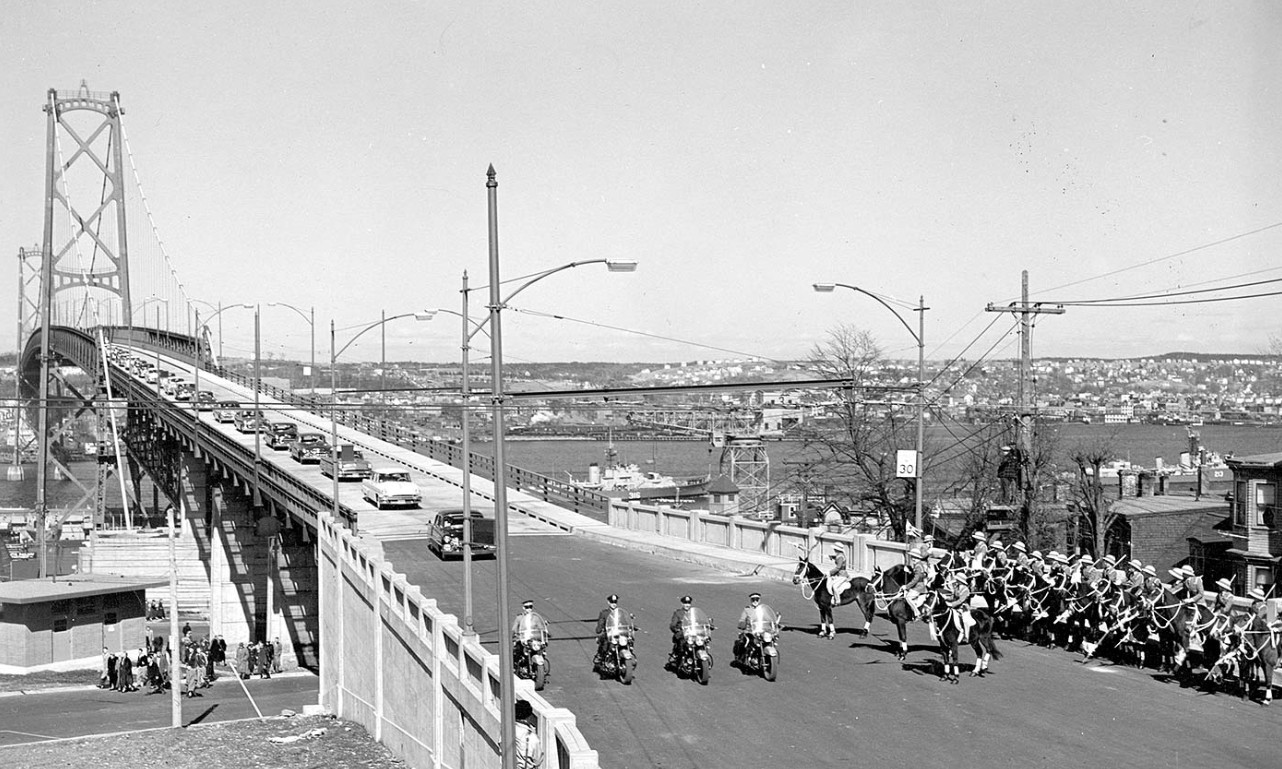
It starts with the poster-like Lions Gate Bridge – hanging over the entrance from English Bay to Burrard Inlet. Its name comes from two characteristic peaks of Coastal Mountains, resembling heads of two huge lions resting atop. Strangely enough, I have seen every morning and every evening almost identical bridge from the windows of our apartment in … Dartmouth. On the other end of Canada, by another ocean – Atlantic. It connects Dartmouth and Halifax. Drove, biked and walked across it probably hundreds of times. The similarity of these bridges was striking. Not by accident – that in Halifax and the one in Vancouver were designed by the same architect, Philip Pratley. In 1938 in Vancouver, and in 1955 in Halifax.
But for the majority of Vancouverites (that includes the majority of the multitudes of cities and town that make up the Greater Vancouver) it is Fraser River. If not for the bridges spanning the River (and a tunnel, very busy and vehemently disliked by travelers) – there would not be any Greater Vancouver. As simple as that.
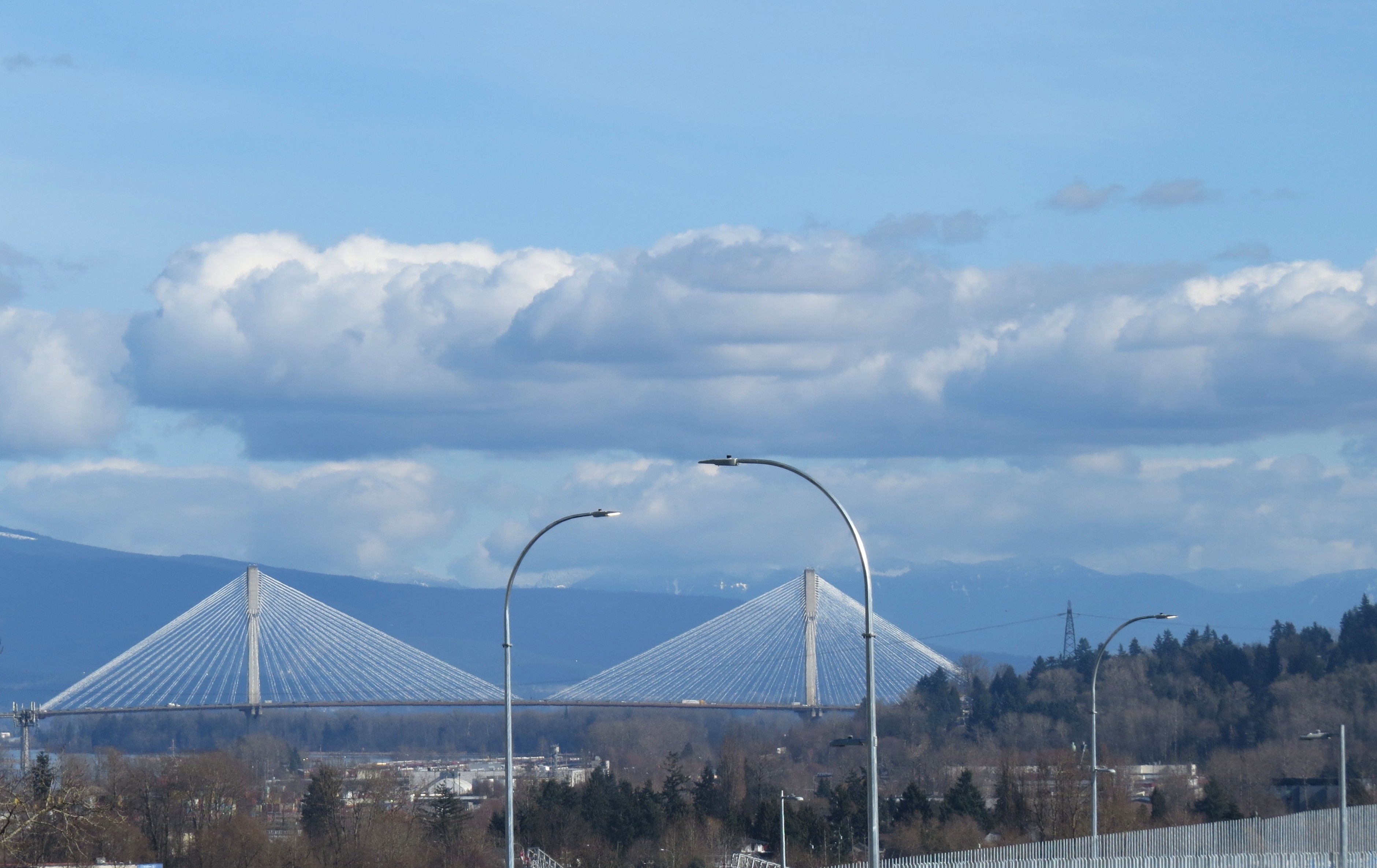
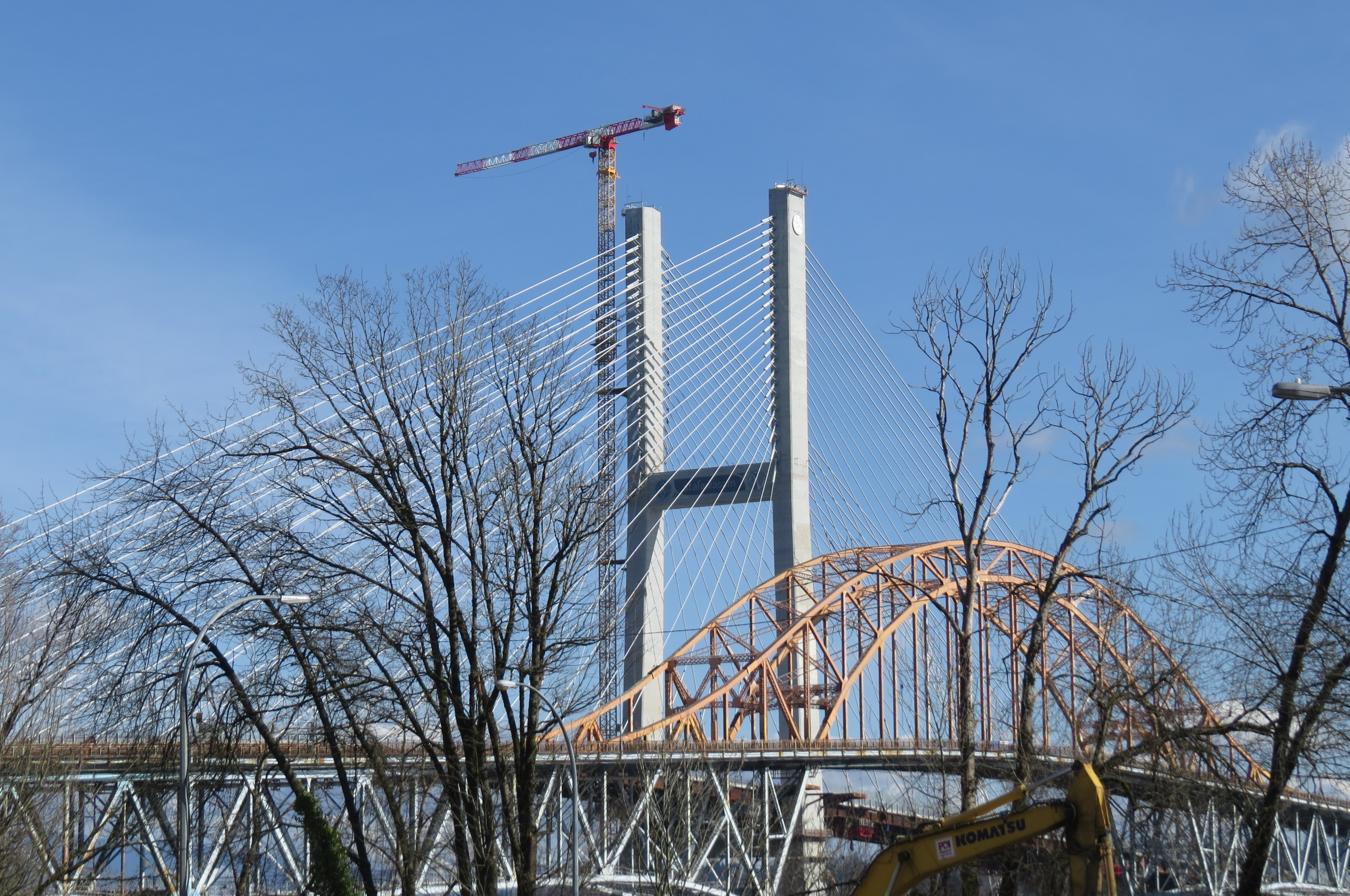
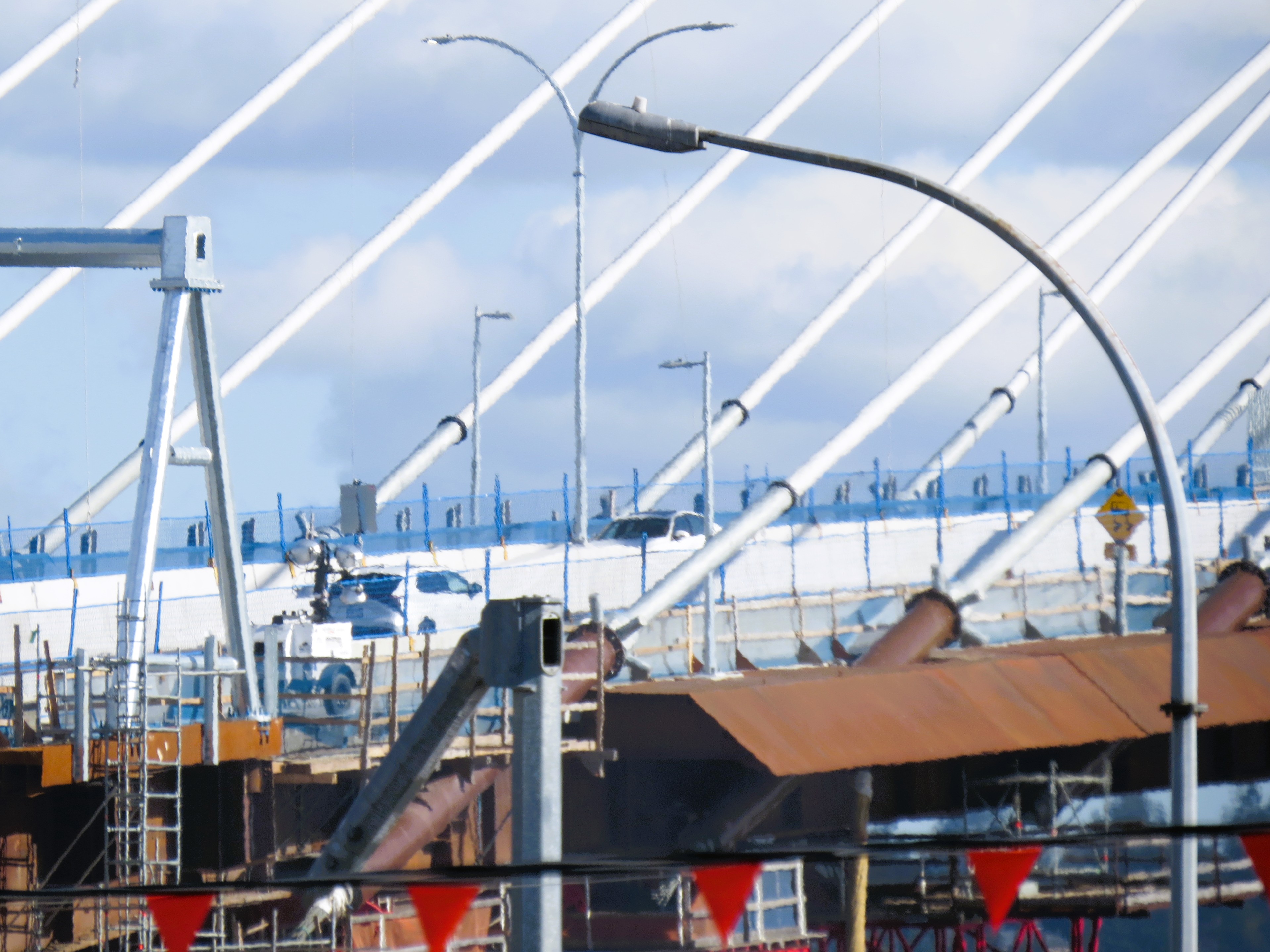
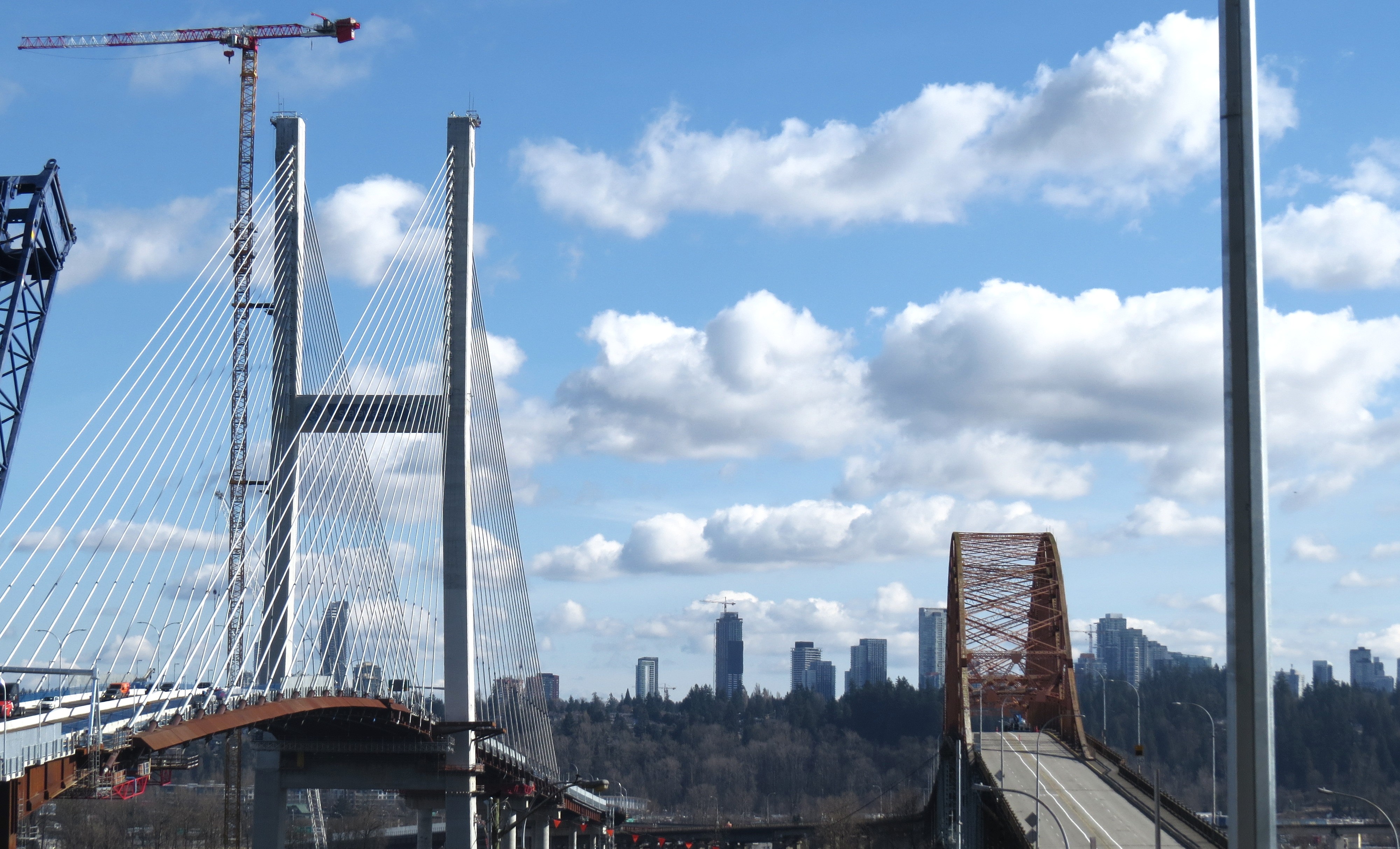
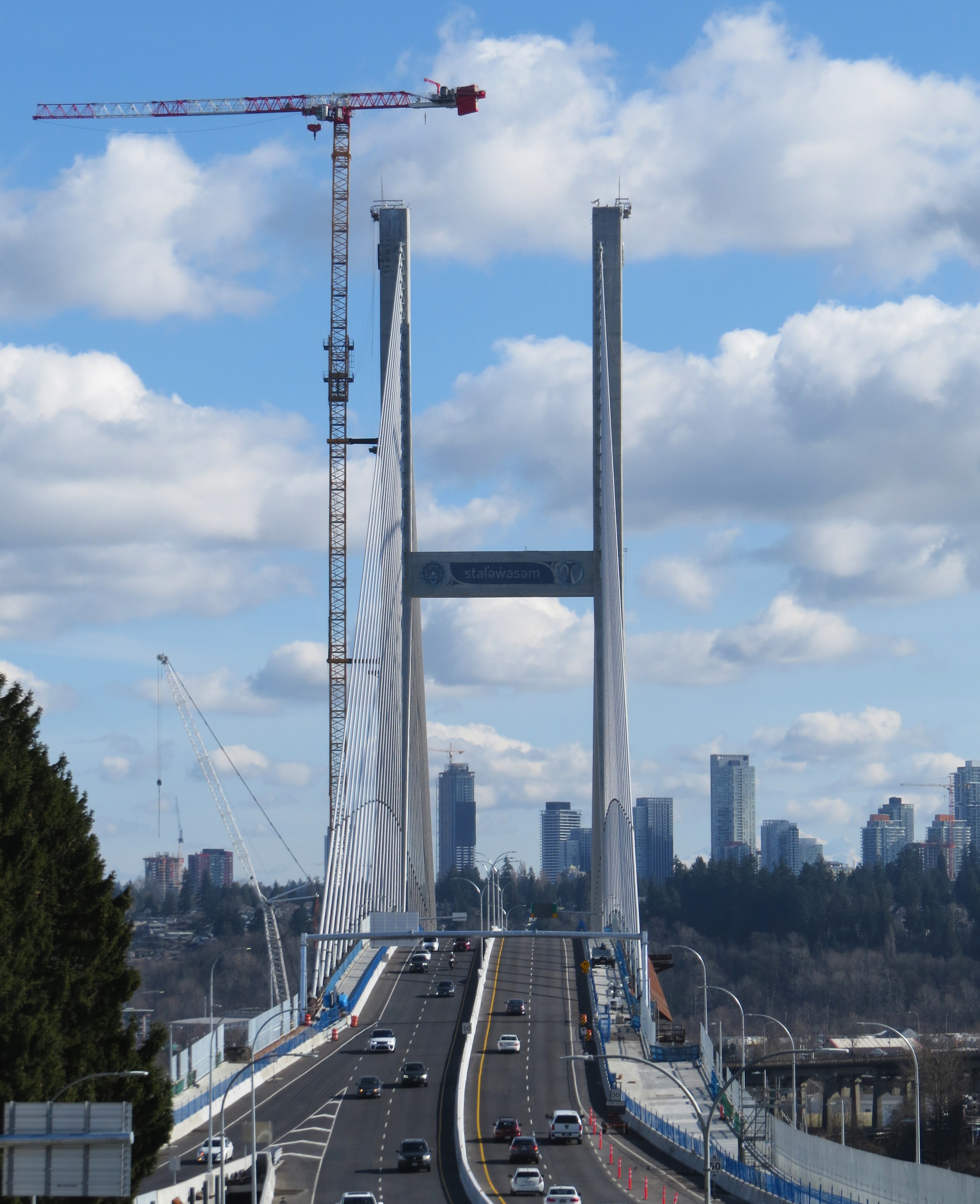
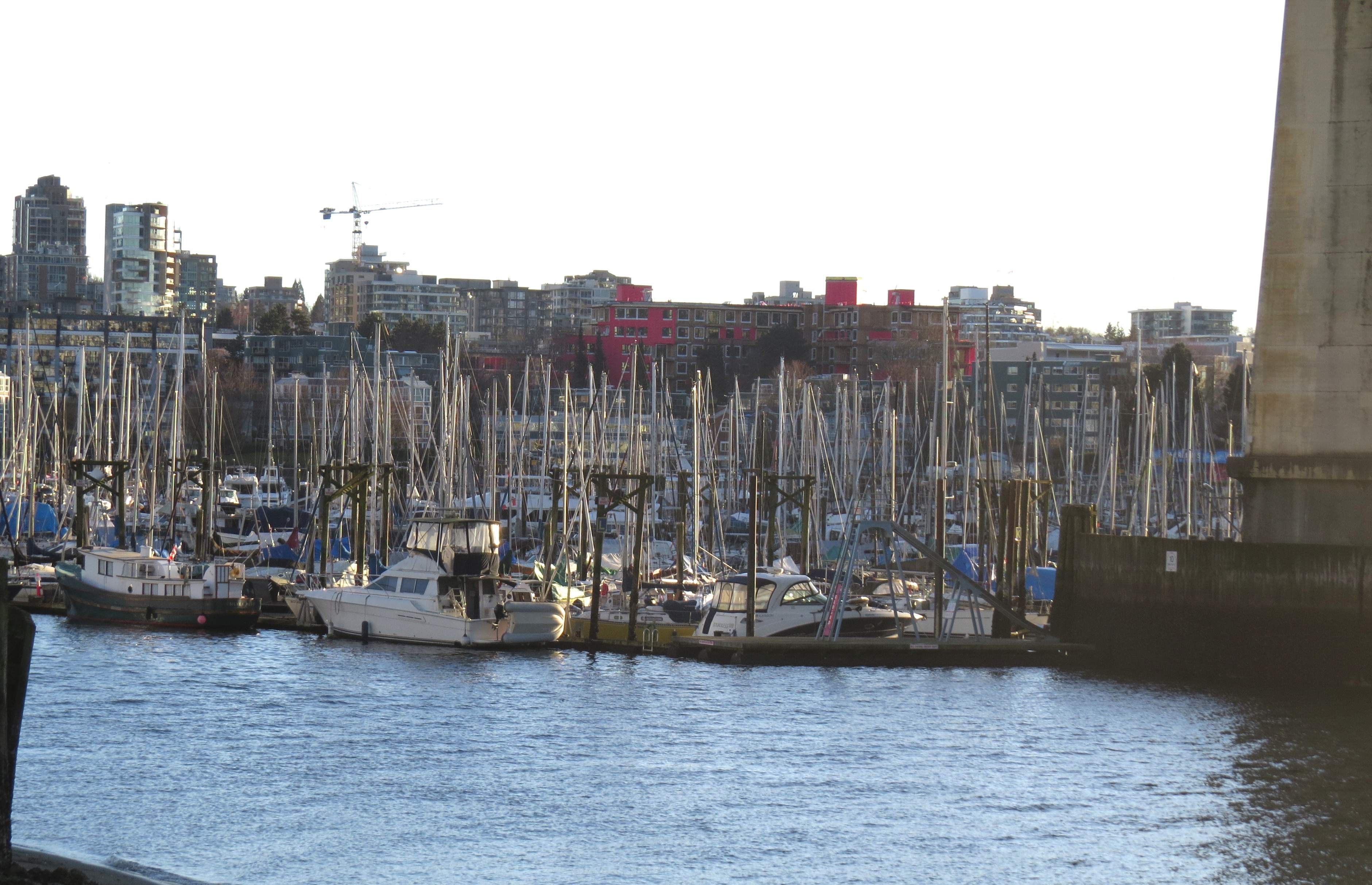
Relatively new and modern Alex Fraser Bridge, oldest – Patullo, newest and impressive Riverview Bridge, Port Mann, and Golden Ears (connecting to Pitt River Bridge).
Three of these bridges are very close to my heart: the oldest and first, Patullo; the Riverview, since I watched its ‘birth’ and Port Mann.
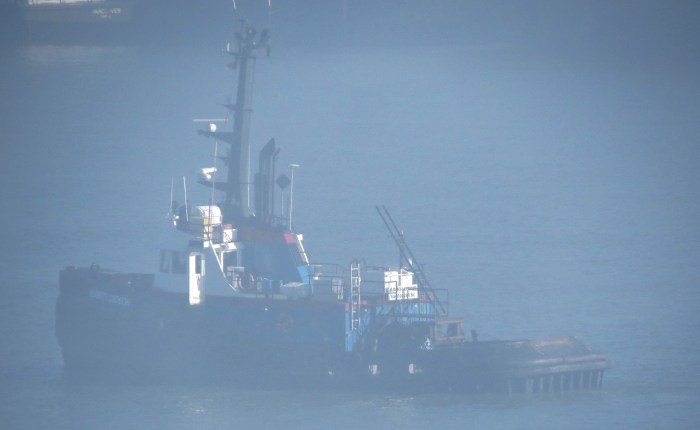
Patullo – the oldest and first one to connect not only huge Surrey to Vancouver’s ports but originally to connect the USA farmers to trains and Vancouver’s ports – simply put: to international trade and shipments. Since I remember it was too old and too small twenty years ago. It outlived its purpose even before the monumental urban transformation of Central Surrey. And now, the other day, I witnessed the beginning of its dismantling starting on Westminster side.
Port Mann – seen it being build in 2012 and remember using the first, older one that was built in 1964, well before my time in Canada before. The current one is by far the most picturesque, especially when you see it from a distance – it appears like huge sails spanning the river.
Also remember, when the construction of Golden Ears Bridge finally connected Surrey and Langley toward Lougheed Highway, and across Pitt River to Maple Ridge.
/last picture – the opening of A.L. Macdonald Bridge in Halifax in 1953/
Lots of memories during my current, last sojourn in a place and land I have spent majority of my life. Thanks to my dear friend, who also likes travels, long walks – we visit many jewels of this amazing jungle of man-made structures of steel and cement and rich array of huge natural parks, beaches, protected areas of wilderness in the middle of this huge land of Greater Vancouver.
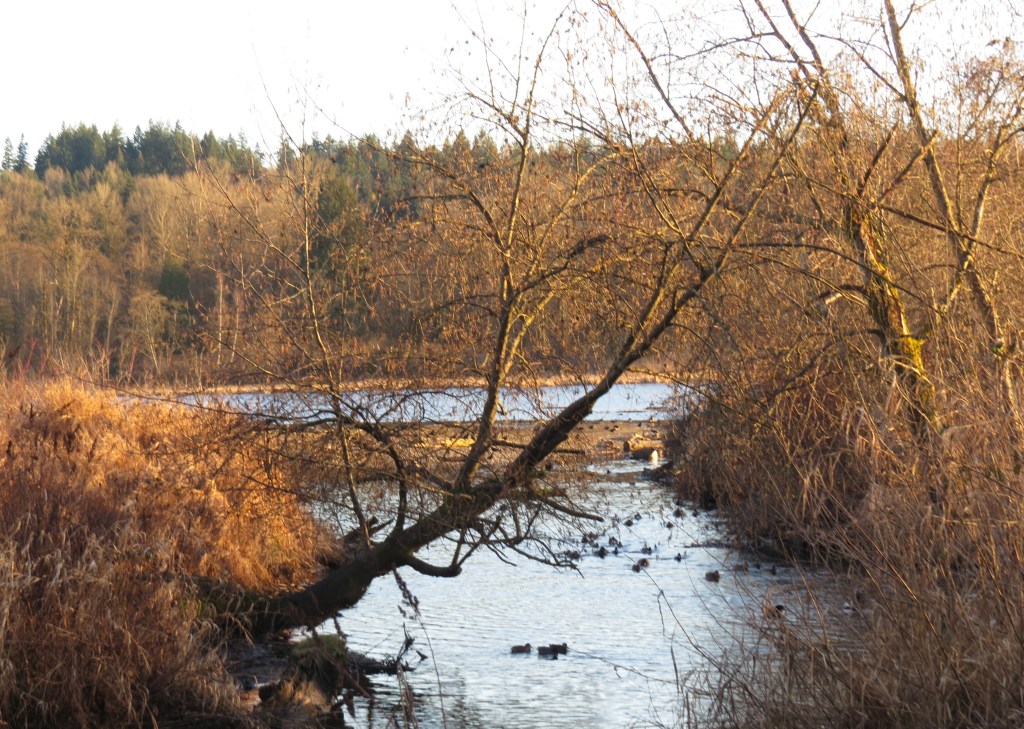
One of very dear to my heart is a vast wetland and marches of Burnaby Lake. I used to come here with my husband and my mom for long walks. But have not visited it since late 1990ties, when we moved to Capitol Hill in Burnaby, after our move from Calgary. It is sort of out of the way, tucked in a low laying valley. The other day I talked with my friend about it and he remarked that he has not been there for years, too, and asked suddenly: why don’t we drive today there? We did.
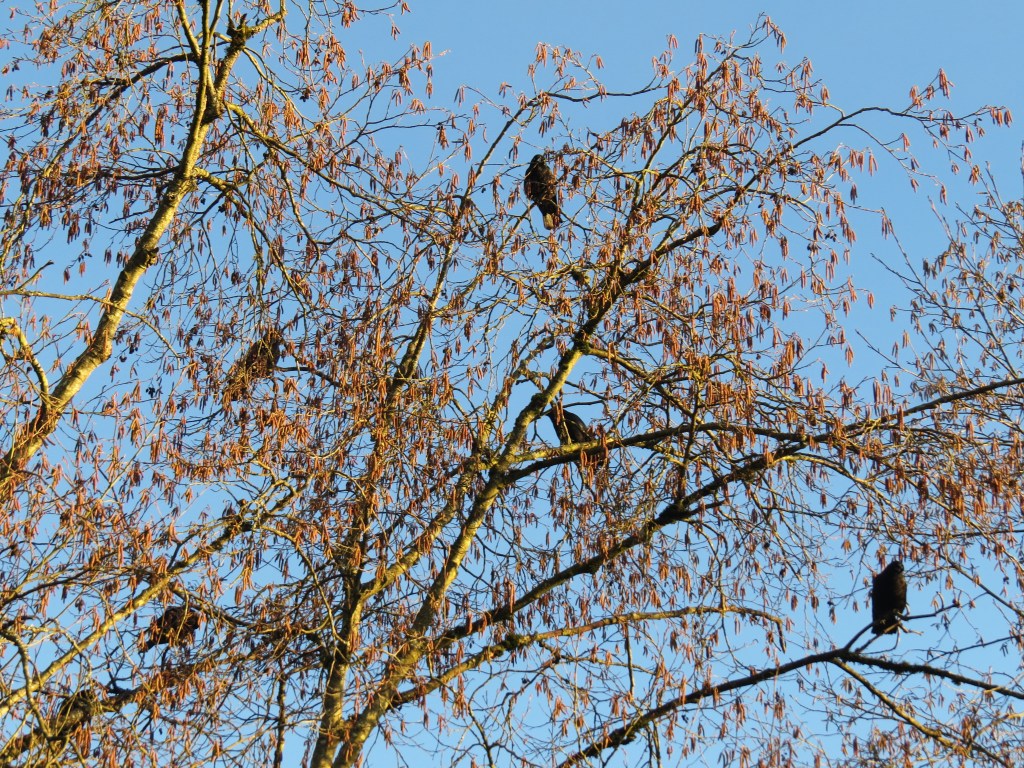
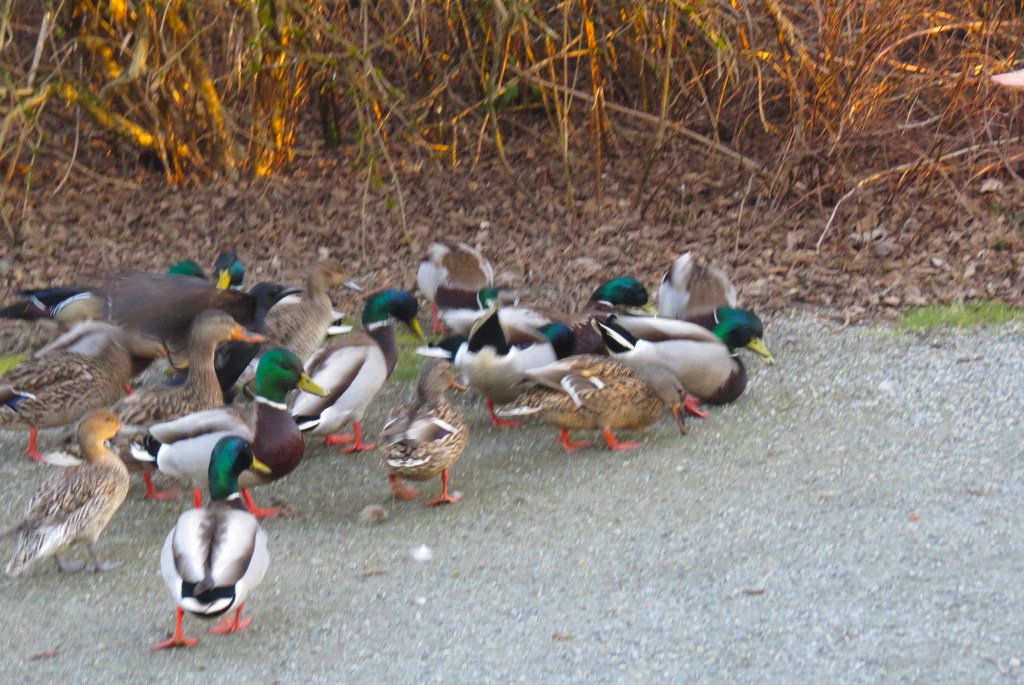
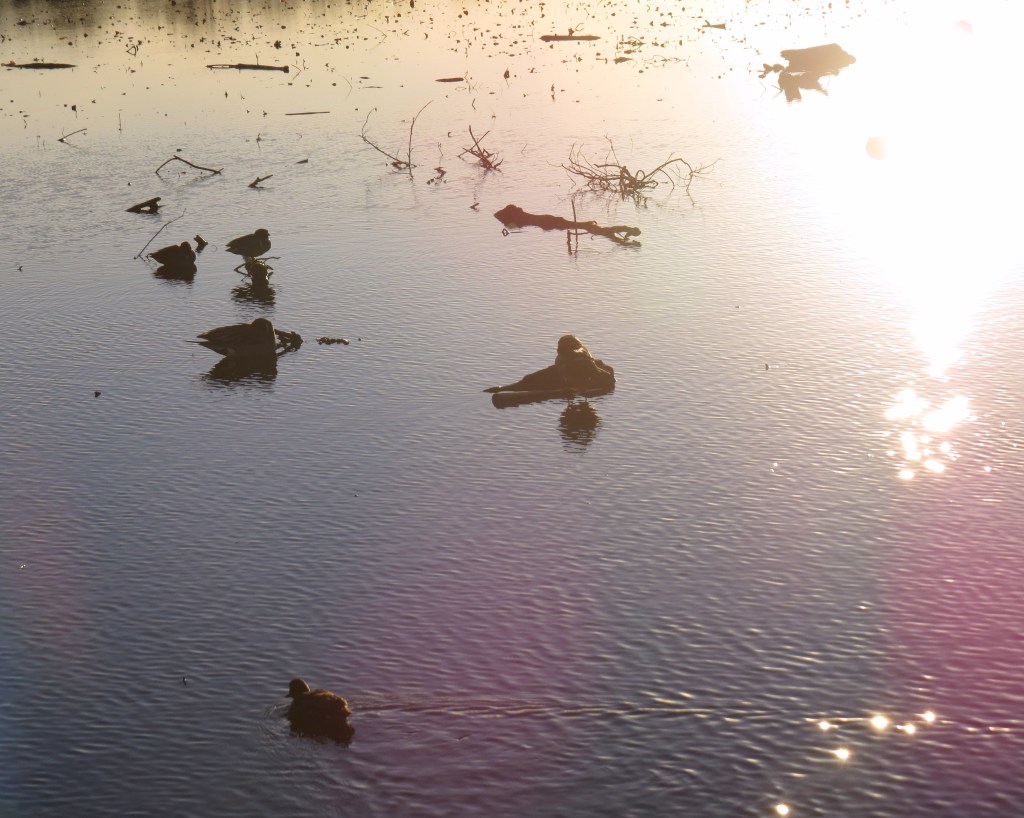
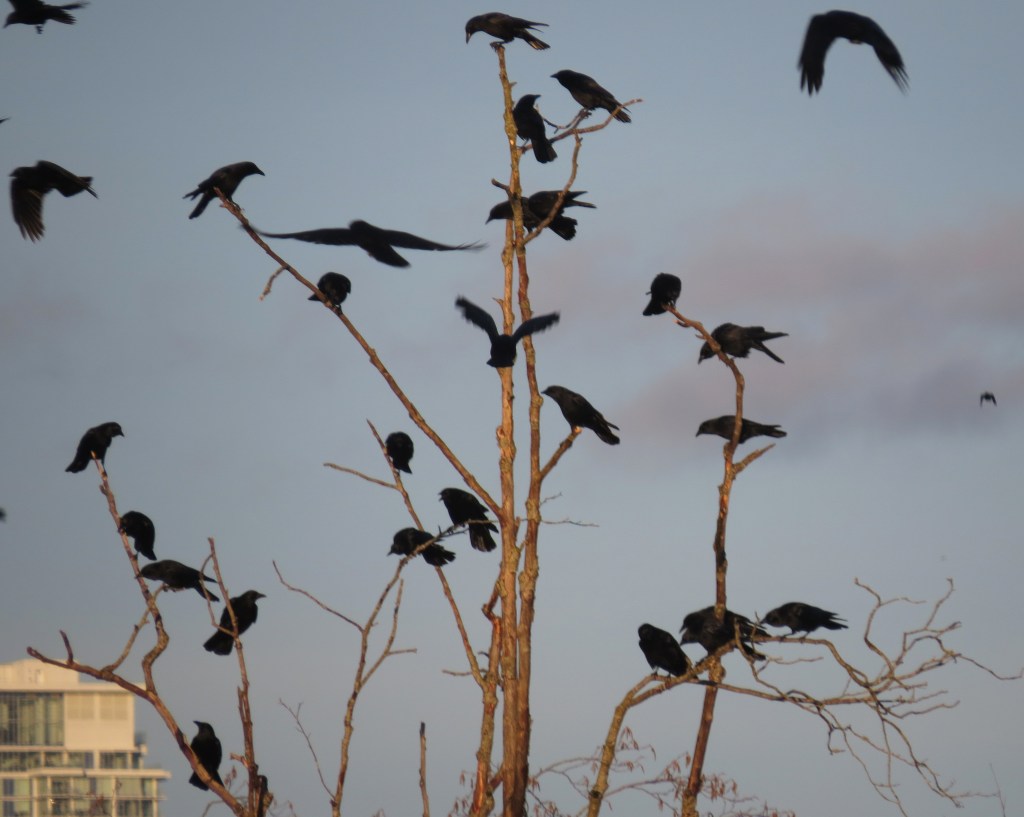
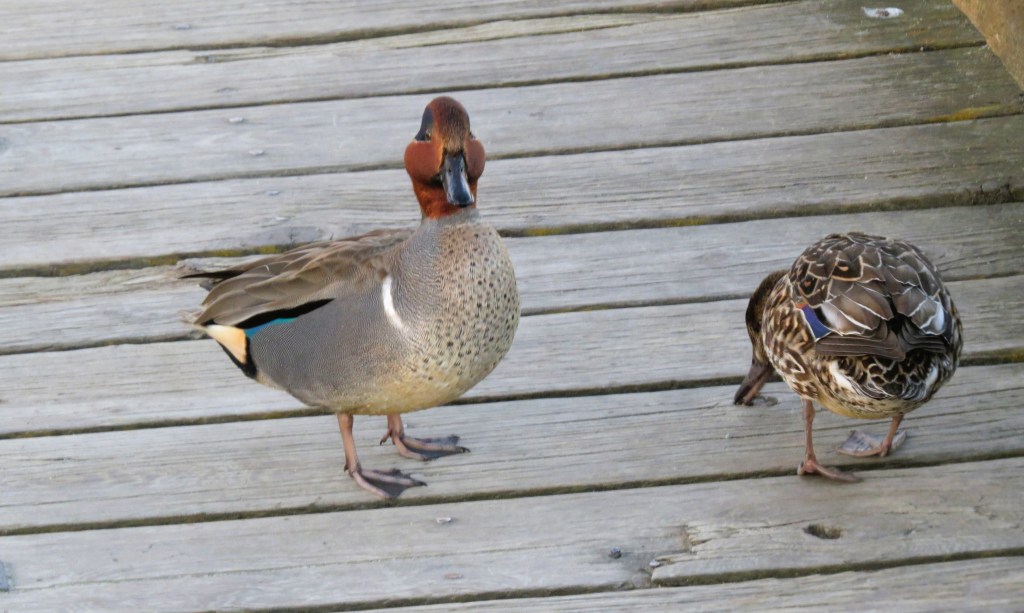
A kingdom of waterfowl and main gathering of thousands of crows for their daily ‘parliament’, that gathers here from all over Greater Vancouver. Nice, long trails for miles to walk, bike. We enjoyed it very much.
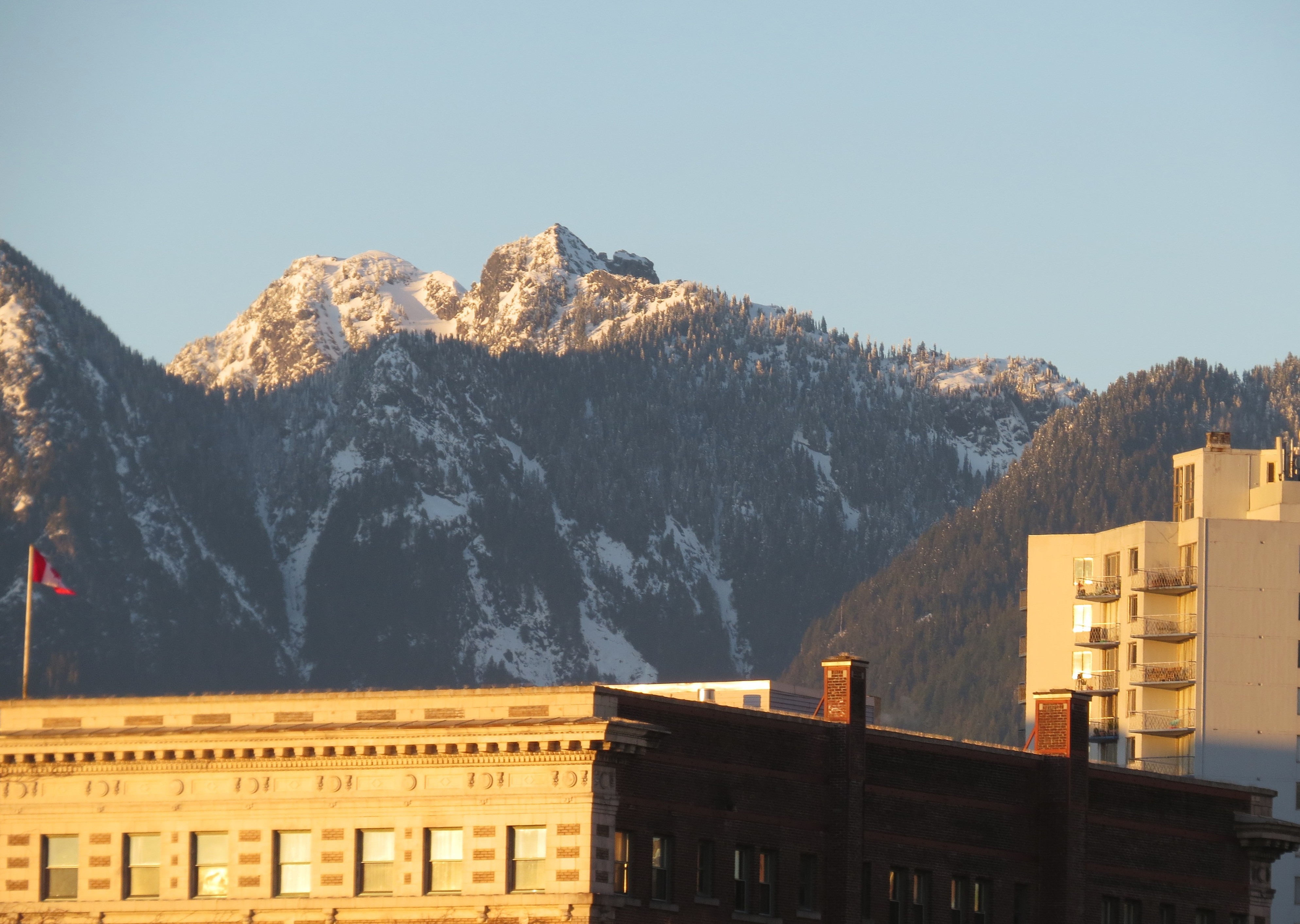
The city that was calling me gently with clear morning promising sunshine in late March. I know these calls; I have heard them many times and many years ago.
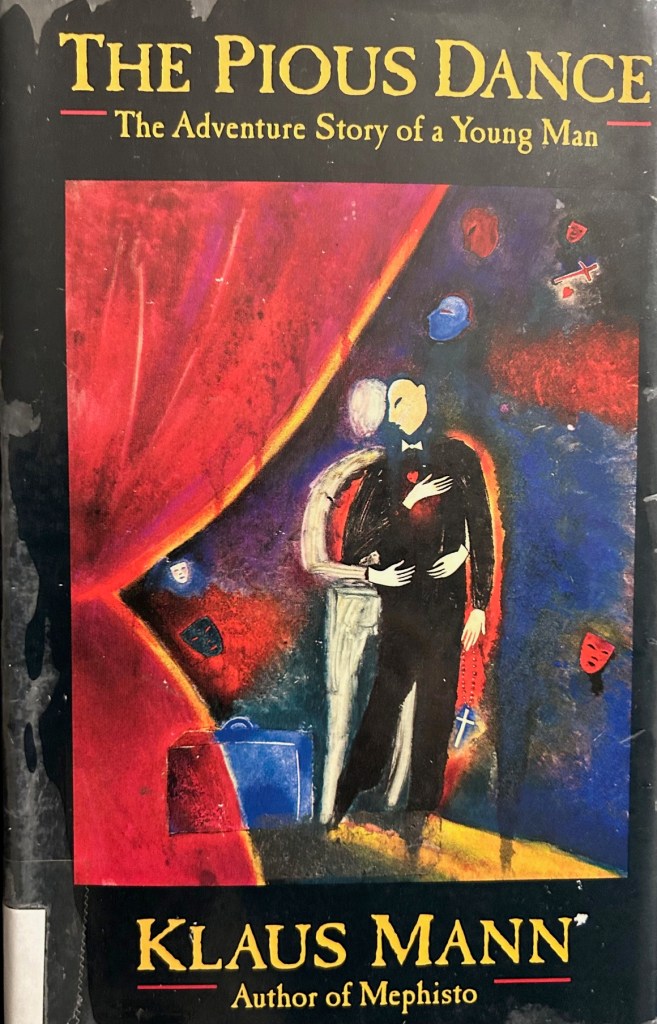
I did – dutifully – answered them then, and I answered it now. It all started with innocent trip to the architectural gem of our Main Library. While there, I finished reading that wonderful semi-autobiographical novel by Klaus Mann[i].
Few days earlier I was so taken by the soft lyricism of the young protagonists love in the fragment, when one of them, taking advantage of the other’s sleep, gives his lover a long story of their love eternal in a most evocative way, full of softness, gentle care and naked emotion, that can come only from a very young person before life gives them a lesson of hiding the power of emotions. Ah, adulthood is so cruel! And for all the wrong reasons, for it kills or silences, what is the most beautiful and within in our lives.
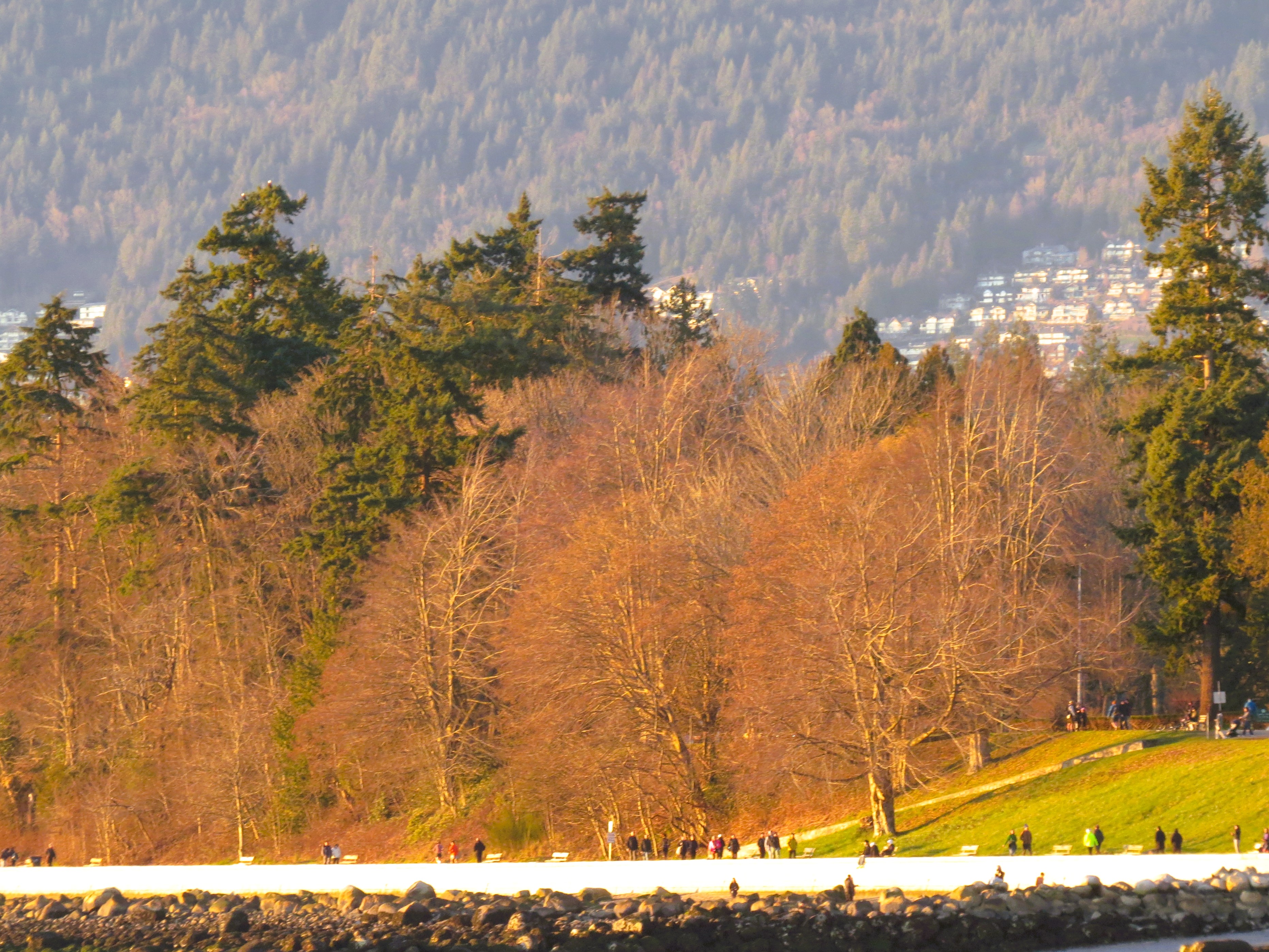
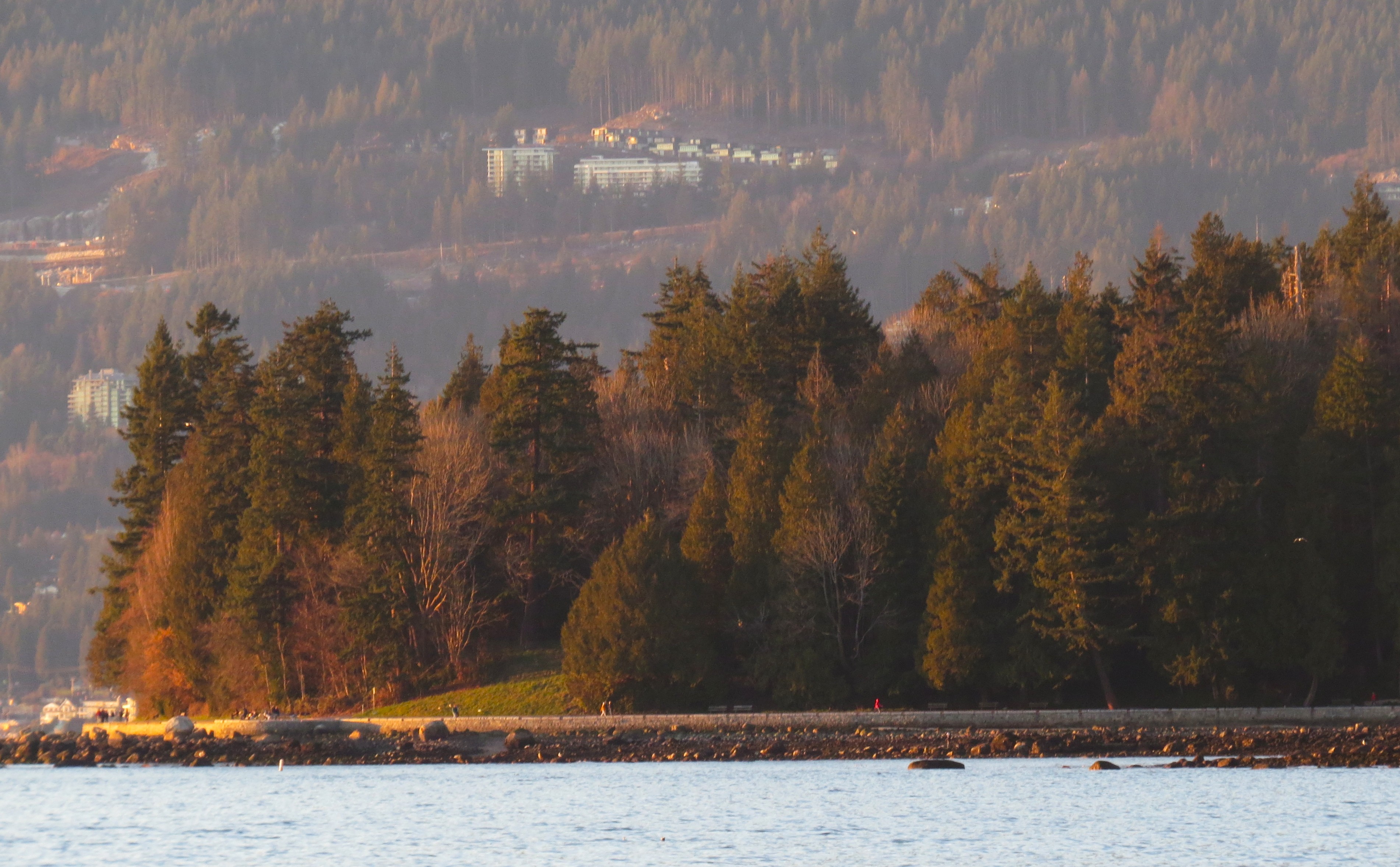
While reading it again in the Library – that sweetness of these feelings, feelings I remember so well, overtook me. I felt like Luis Amstrong was singing to my ear that beautiful song of his, “What a wonderful world”. Therefore, when I went for a long walk toward Burrard Bridge and further to English Bay beaches toward Stanley Park – I felt like singing and smiling to the world and passers-by.
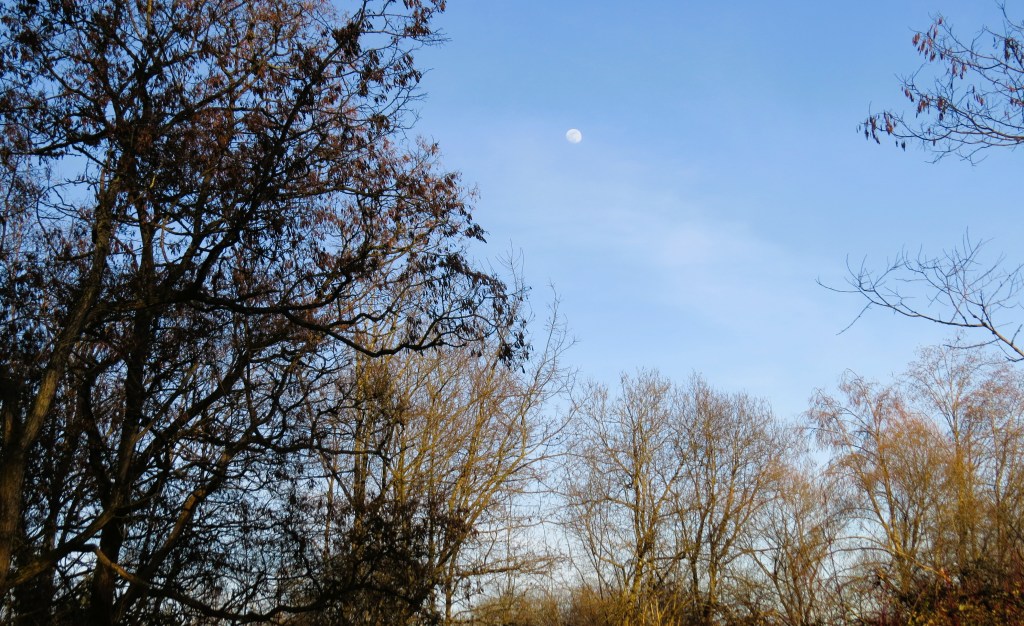
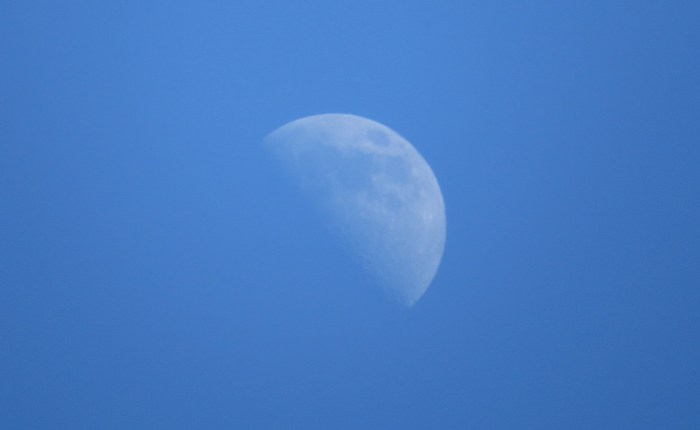
Of course, I can’t forget to mention the start of the day, that clear morning with the promise of sunshine! I was not the only one happy about it. The Moon, despite a broad light, didn’t want to miss saying ‘hi!’ to the Sun and I waved to him from my balcony.
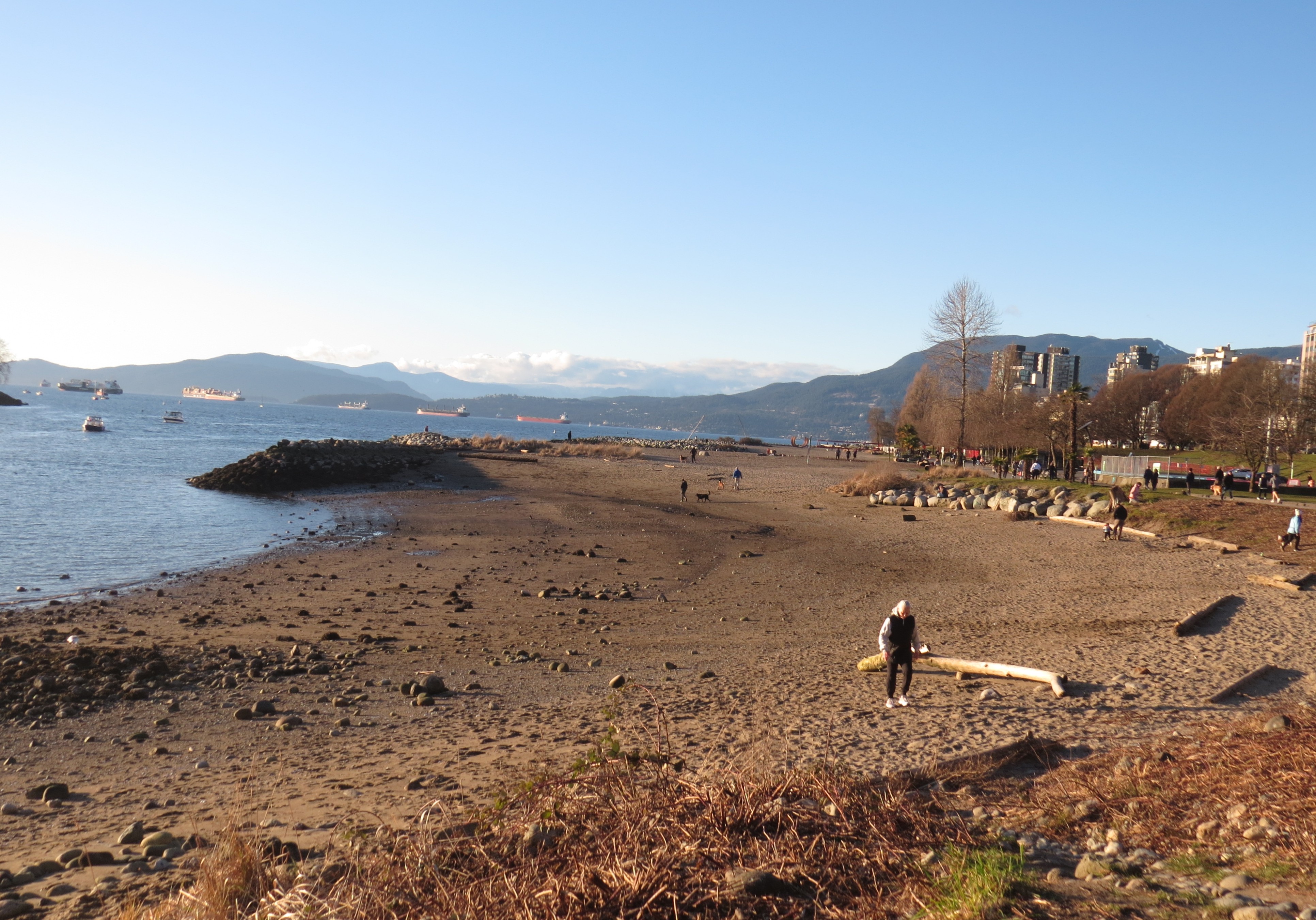
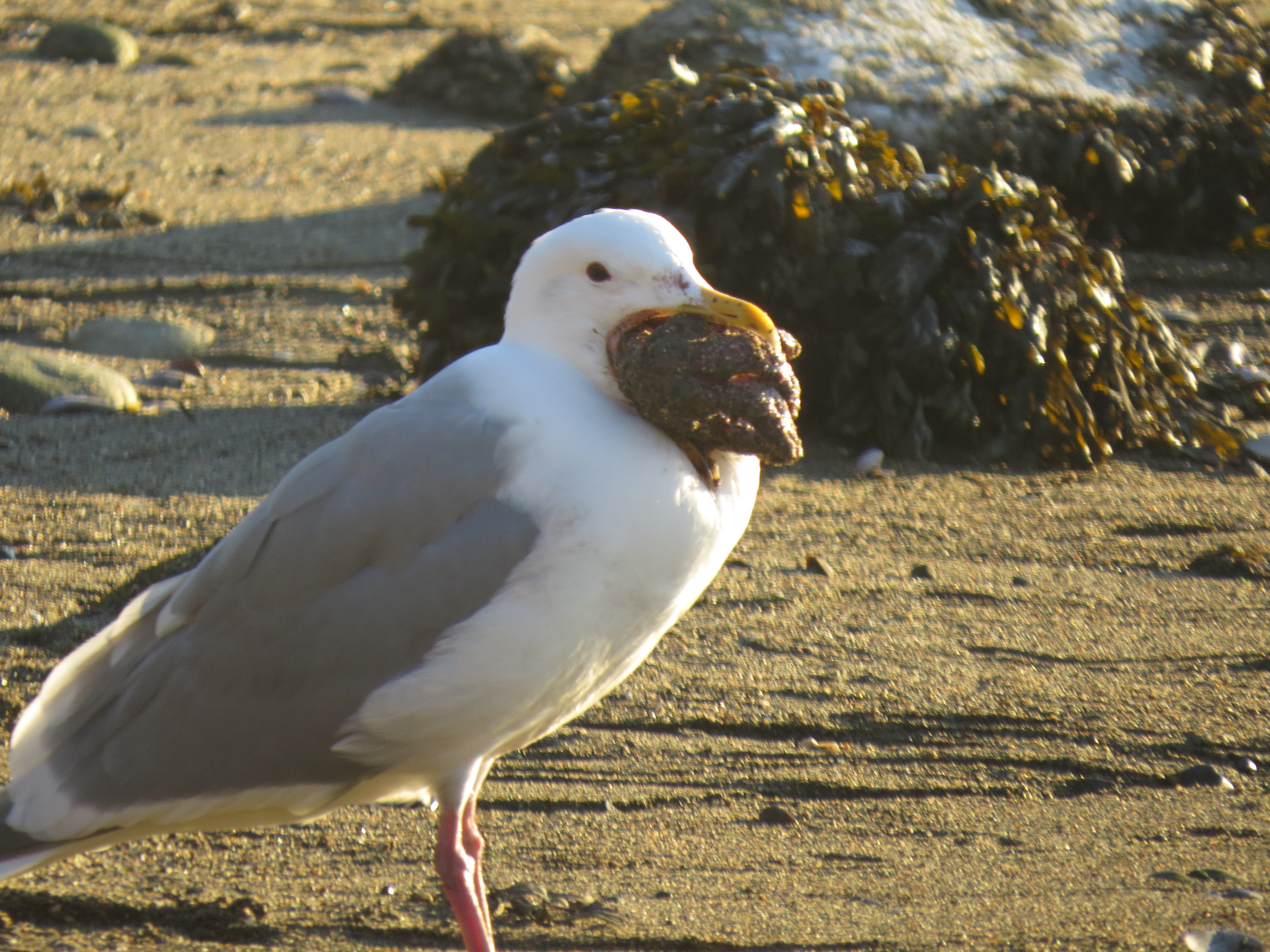
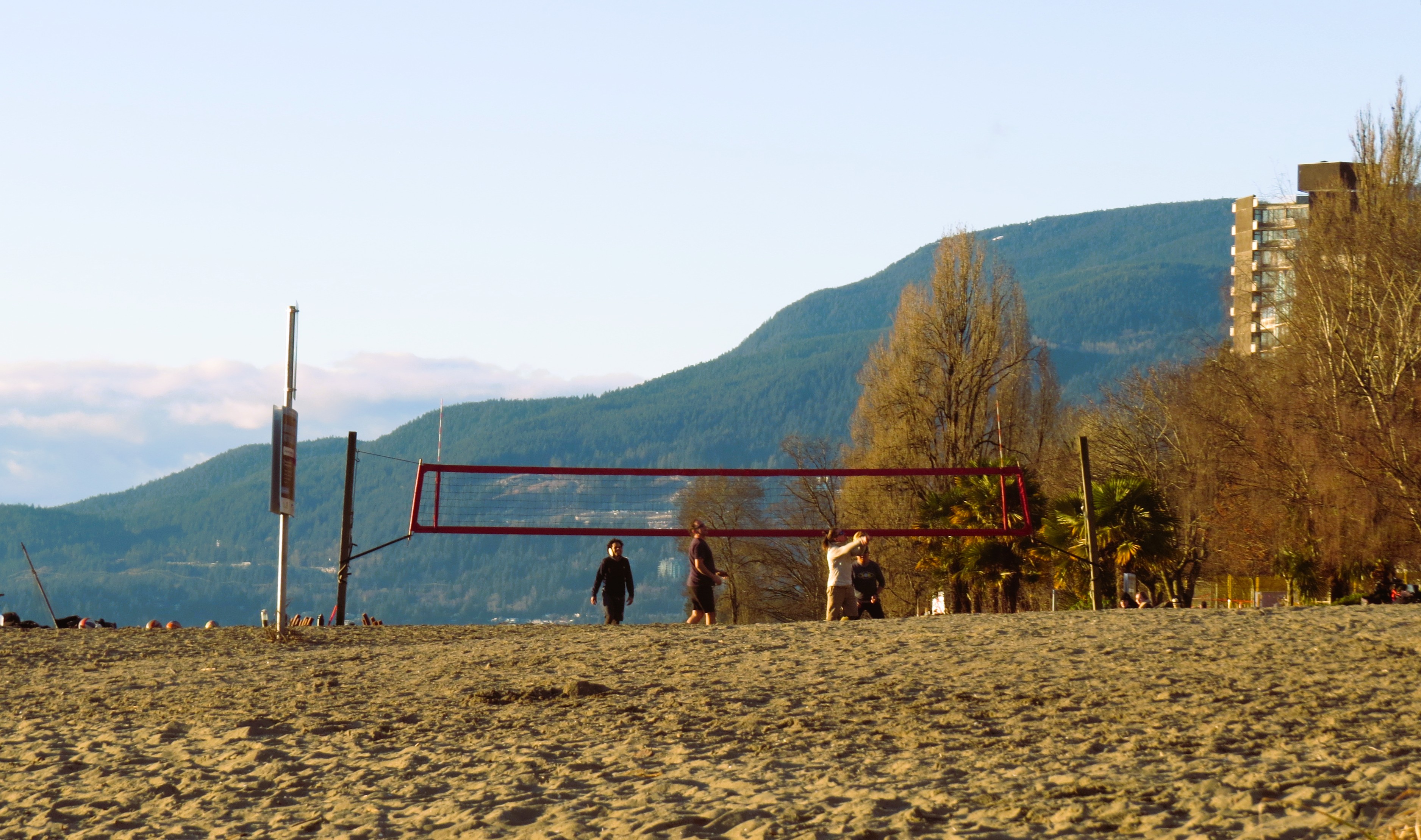
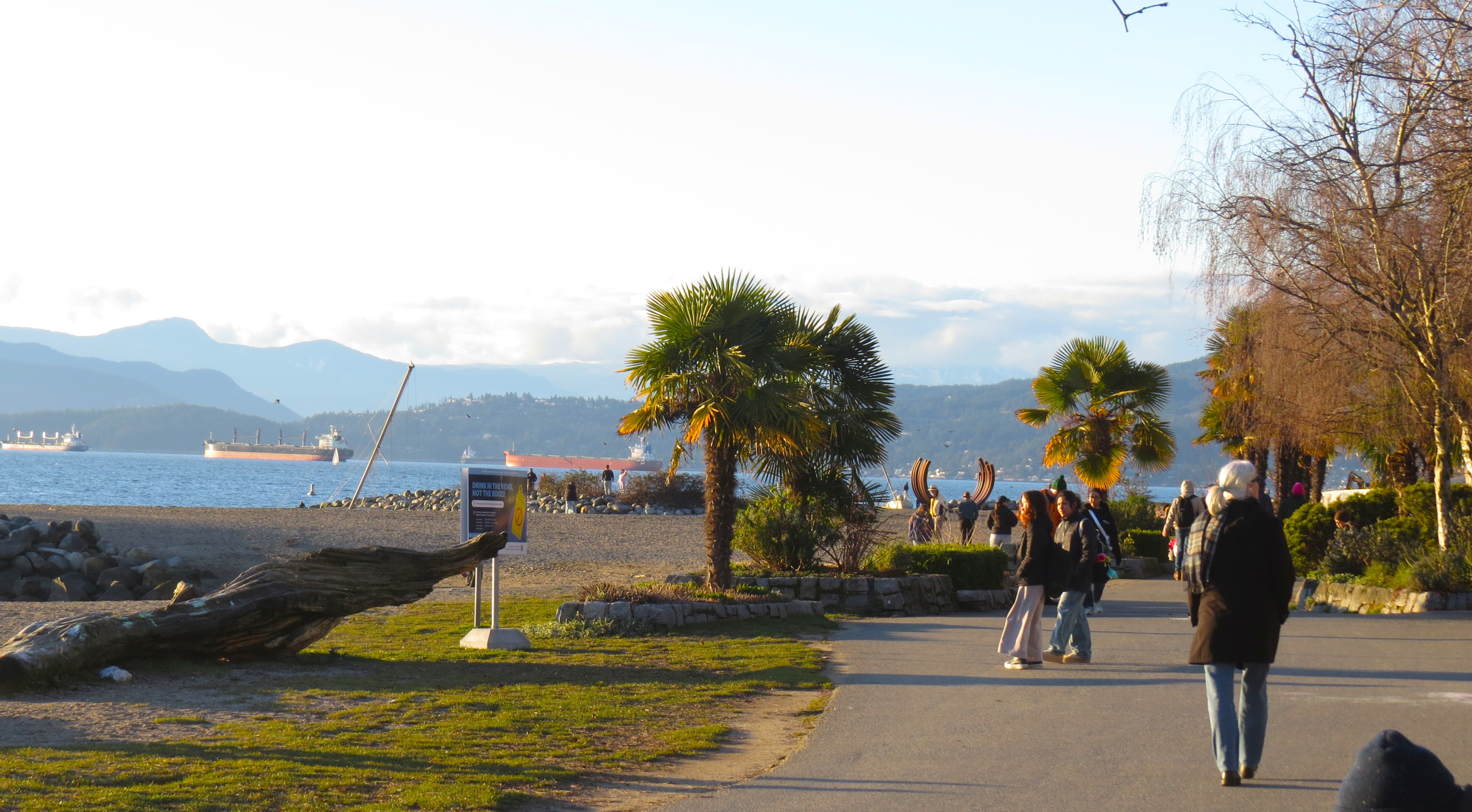
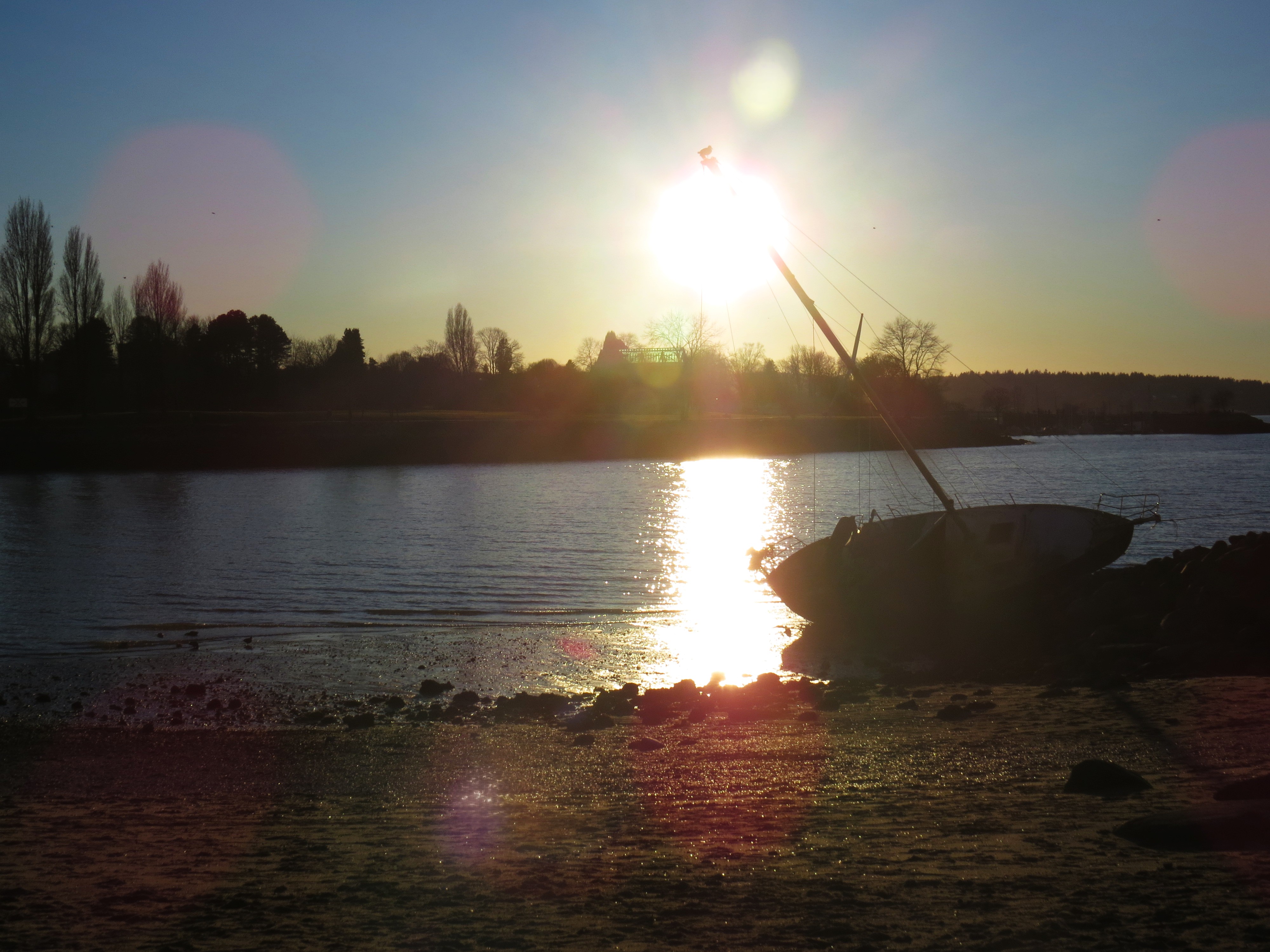
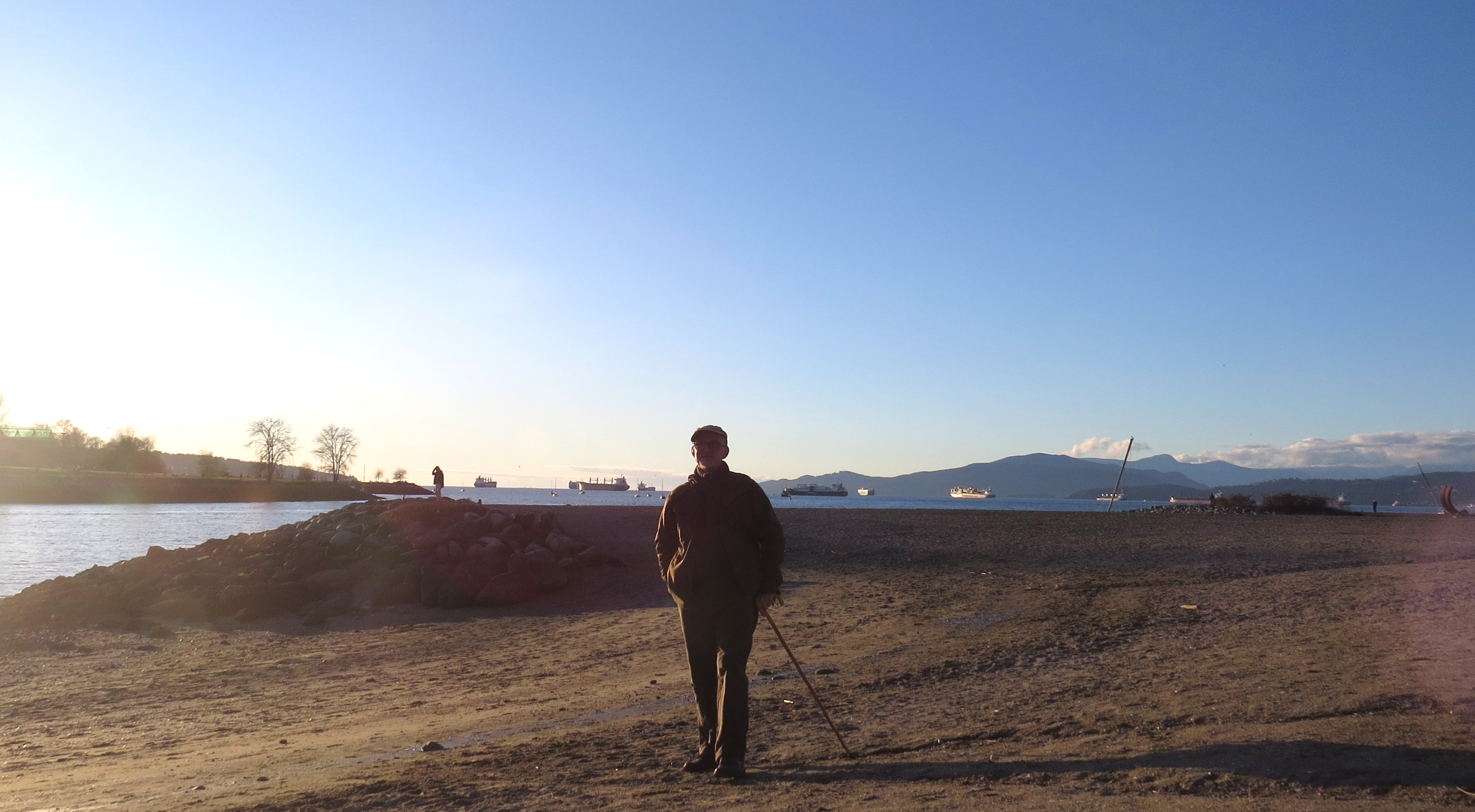
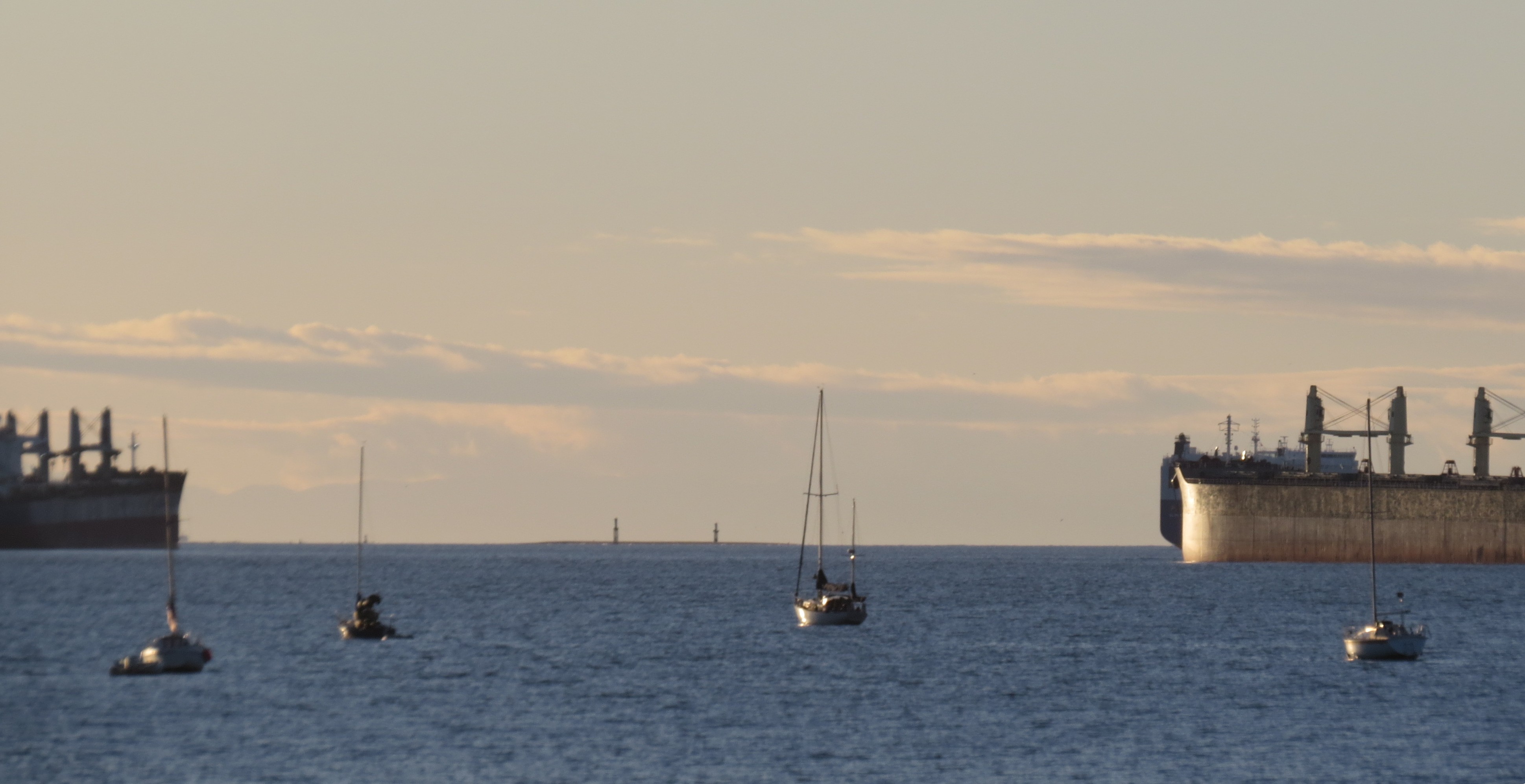
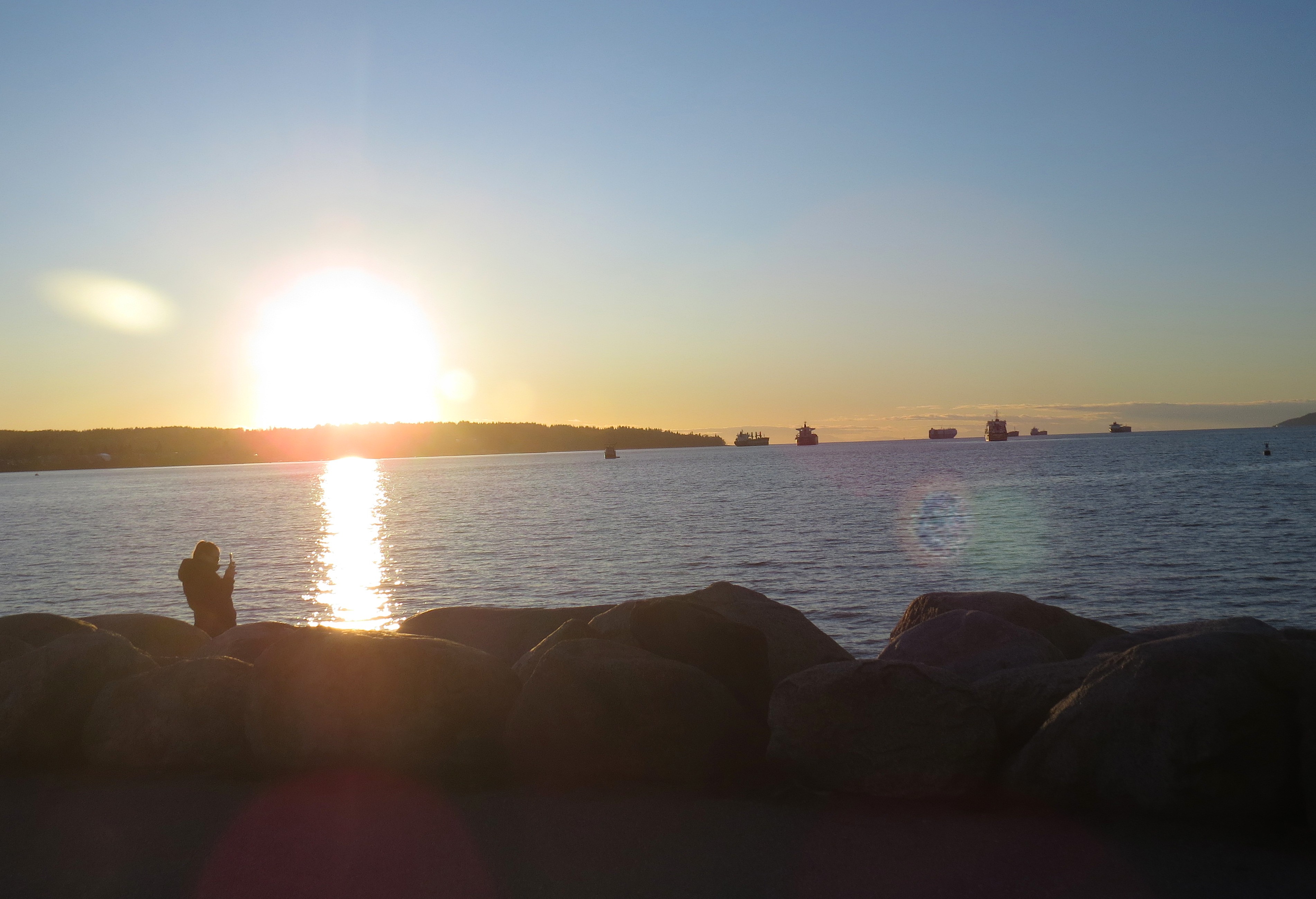
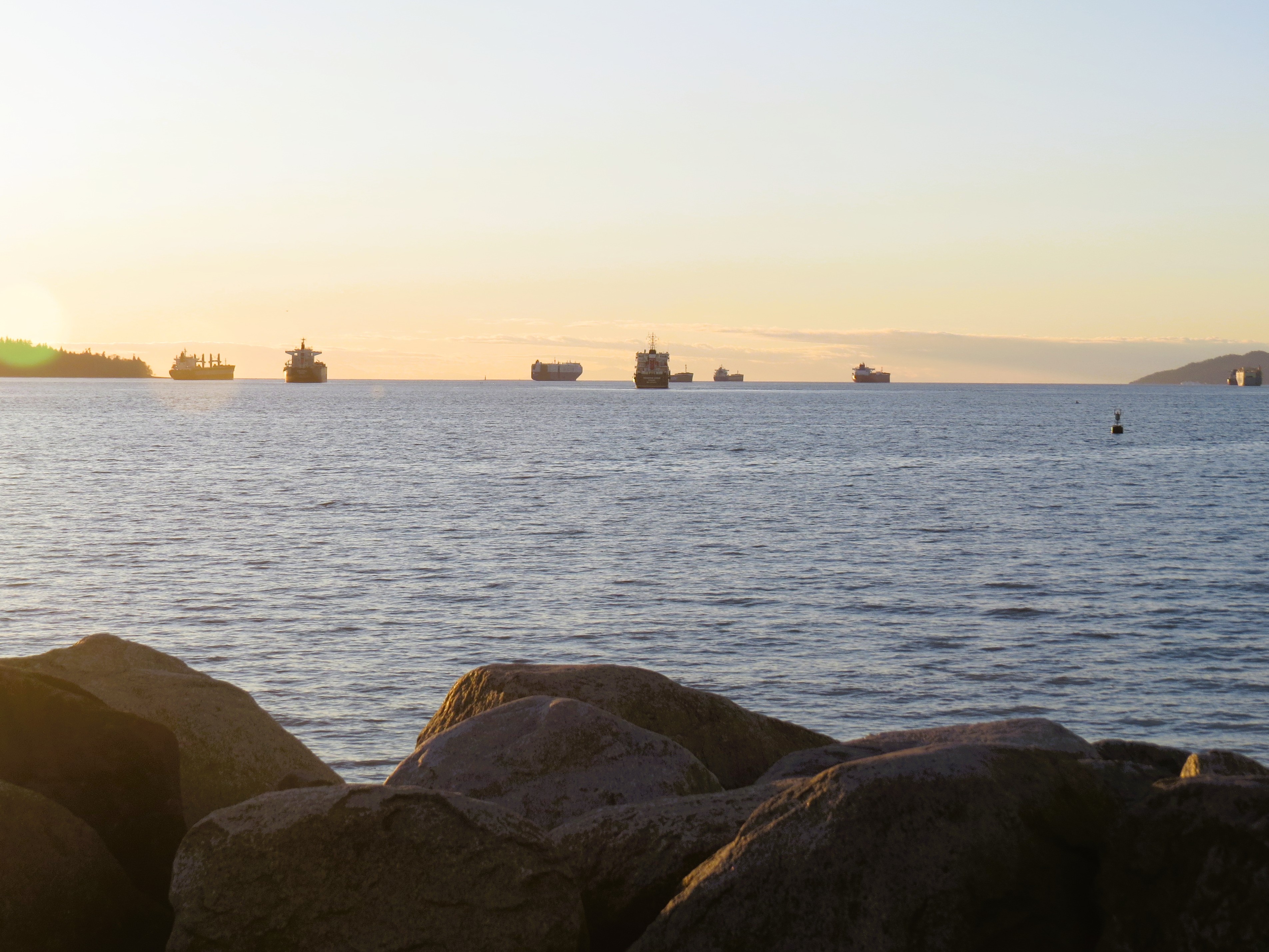
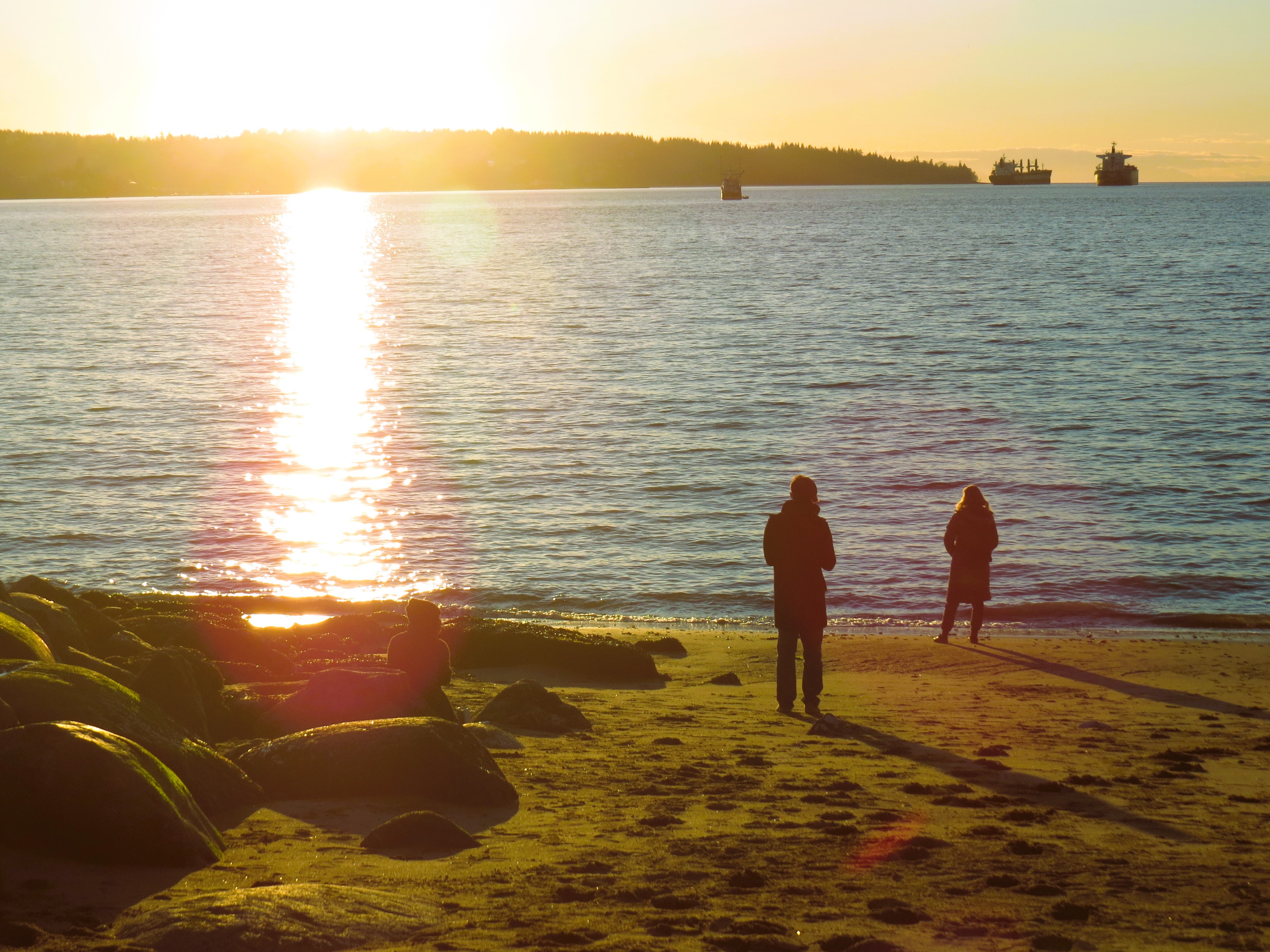
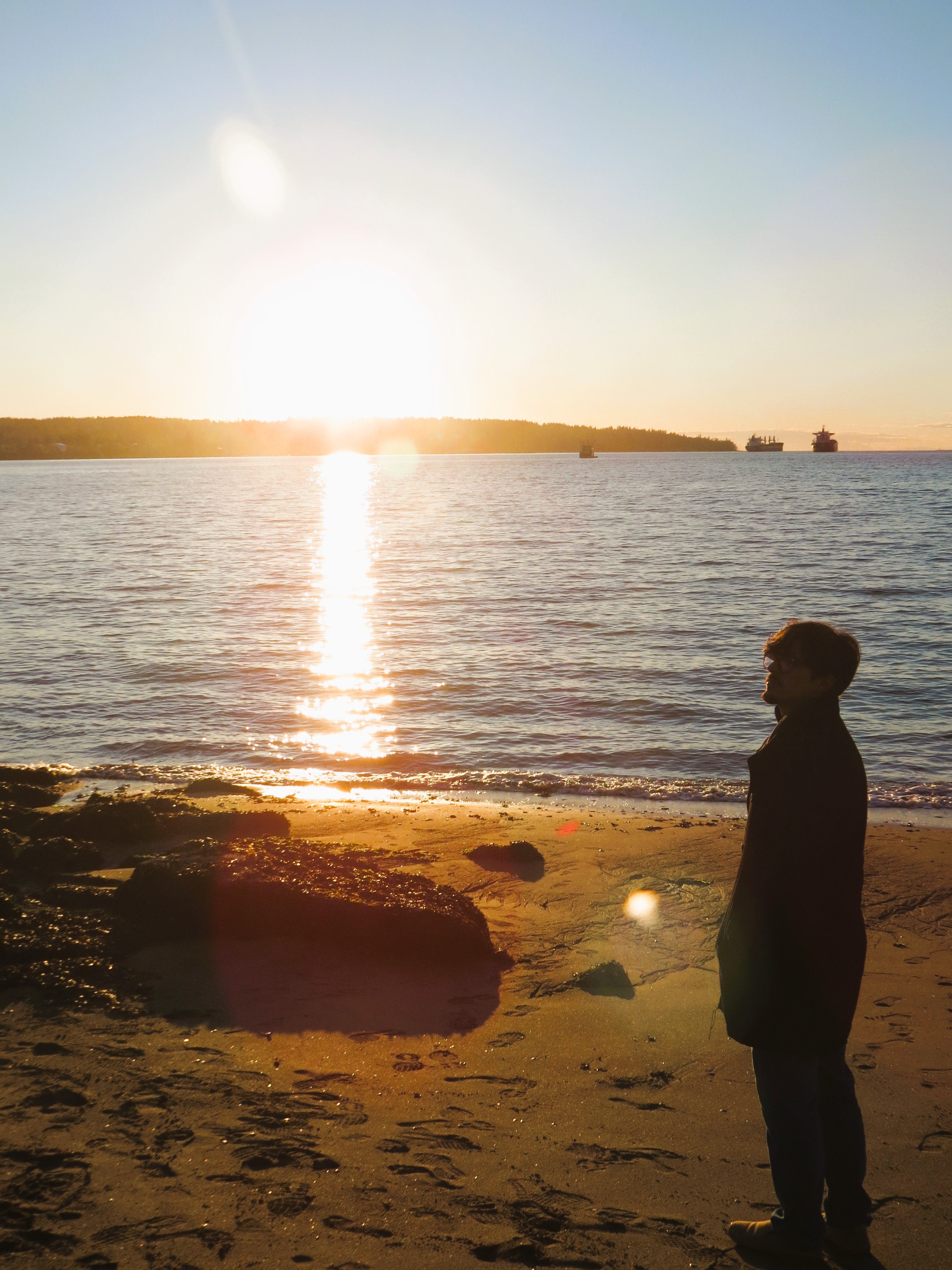
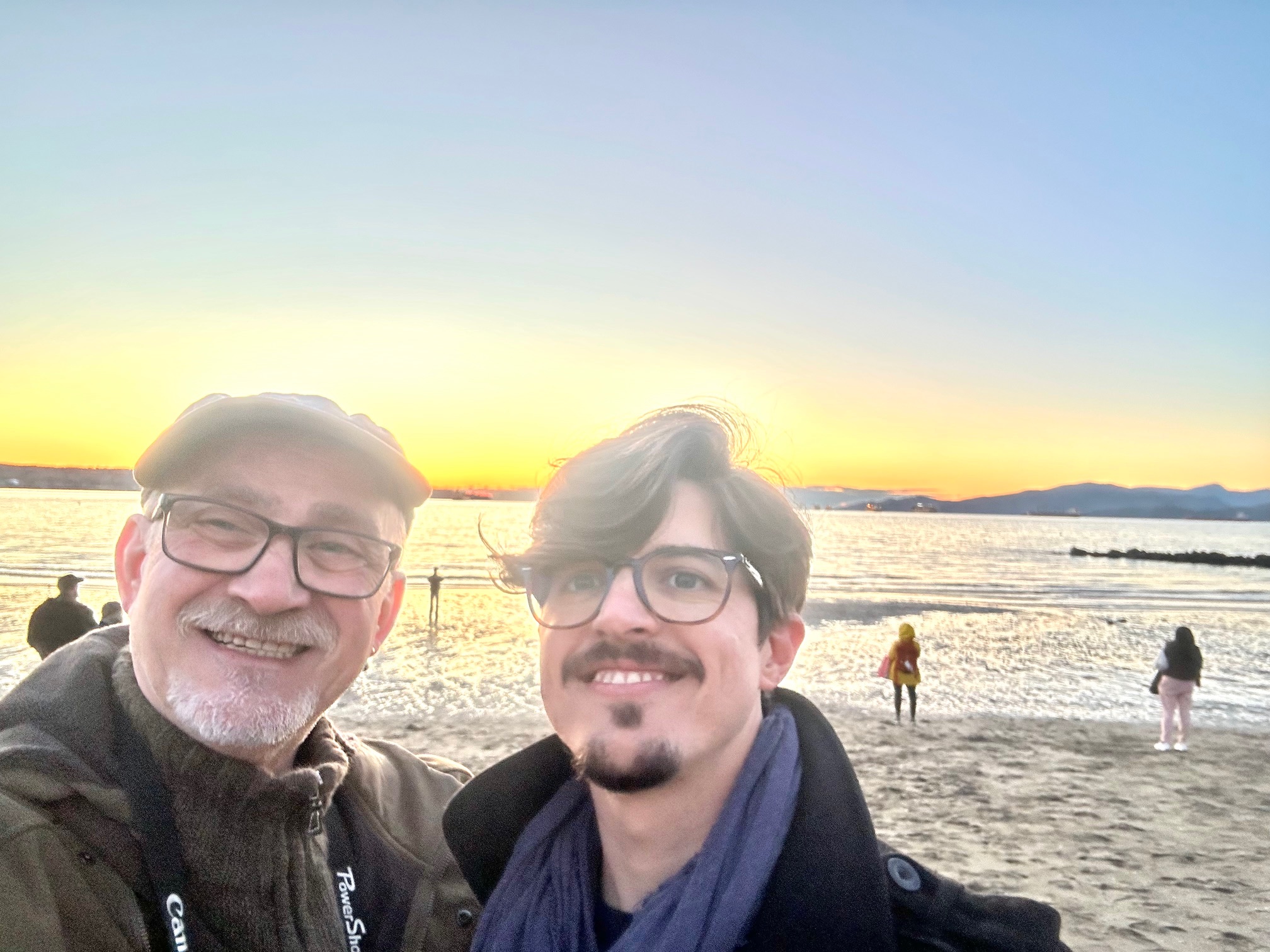
I walked on the beaches with my camera, smiled to ships, the ocean and the people. A young fellow, who lives in far away Brazil was doing the same. We joined our smiles and our amazement. A story ensued. He lives in Rio, I was there many years ago, when I was his age. We continued our walks together for long time. From the beach, uphill Davie. Long talks and walks, good company. The world is smiling, when you smile at it.
[i] “The Pious Dance – the Adventure Story of Young Man” by Klaus Mann
Czasem literatura, zwłaszcza ta mi już znana sprzed wielu laty, potrafi mnie nagle zaskoczyć, zatrzymać w pół kroku. Każe wrócić kilka kartek, raz jeszcze je przeczytać. I odczytać tą samą treść raz jeszcze, powoli, z zastanowieniem rosnącym we wzruszenie niepomierne.
To stało się już w końcowej fazie powieści syna wielkiego literackiego noblisty Tomasza Manna –Klausa. Zwłaszcza, ze jest to w dużej mierze powieść autobiograficzna. W autobiografii trudniej ulec wzruszeniu szczeremu. Wzruszeniu nie bibliofila, nie intelektualisty, a zwykłym człowieczym, czytelnika, który po prawdzie za powieściami od lat nie przepada. Nie oszukujmy się – mimo nielicznych prób oryginalnych – napisano już gdzieś i kiedyś, wszystko, co jest do napisania. Ktoś gdzieś, kiedyś się urodził, chodził do jakichś szkół, zakochał się, może wałczył na jakiejś wojence i na niej poległ ze zdumionym westchnieniem-pytaniem: to już? Może nie walczył, a pracował w biurze, może miał romans w tym biurze, może był odkrywcą, mordercą, filozofem, świętym nawet? Wszystko już było zapisane i opisane piórem bardziej lub mniej płodnym i wyrosłe spod talentu większego lub mniejszego. Gdyby te książki wszystkie w szeregu ustawić to, kto wie? Może nawet w Kanadzie od brzegu Atlantyku do brzegu Pacyfiku by miejsca nie starczyło? Coś na ten temat wiem, bom ją dwukrotnie od brzegu do brzegu przejechał.
A tu nagle te kilka kartek. Zapis krótki rozmowy młodego kochanka-przyjaciela do śpiącego miłośnika równie młodego. Przez to, że adresat rozmowy-wyznania śpi, przeto wyznanie szczere, pozbawione sztuczności, garniturku poprawności.
To wyznanie-opowieść byłbym i ja tym razem przeoczył, lub przeczytał pobieżnie. Ot, taki zwykły kolejny fragment powieści. A nie przeoczyłem. Bo i ja jestem od kilku lat innym człowiekiem, który sam siebie – tego nowego – odszukuje, poznaje. Wracam myślami do początków piękna wzruszonego, do delikatności i czułości niezwykłej, która w zdumieniu dotyka miłości napotkanej. Pragnie jej i boi się jej jednocześnie. Bo pamiętam teraz, że się wtedy jej bałem, mimo, że tak jej pożądałem. Bałem się by jej nie zrobić krzywdy, nie zadać bólu. I słusznie, że się tego bałem, bo teraz wspominając każdy dzień z tej wieloletniej drogi wspólnej – poznaję, że ból taki czasem zadawałem nie myśląc, że bólem być mógł. Ani ja ani on nie byliśmy doskonali, choć ja przez fakt prosty, że starszy byłem dobrych kilka lat – pewnie tego bólu zadałem więcej.
Ale ten fragment powieści-wspomnień Klausa Manna, ta rozmowa-wyznanie wróciło mnie tak silnie do pragnień wyznania tej miłości raz jeszcze. Mój Chłopiec też śpi. I choć mój się nie obudzi – mogę mu tą powieść, moimi słowami opowiedzieć. We snach stale wszak rozmowy z nim prowadzę. Więc mu tą, jako naszą opowieść, swoimi słowami opowiem.
‘Swoimi’ w cudzysłowie, bo to jednak zapis Klausa Manna, tyle, że przeze mnie na polski przetłumaczony. Przetłumaczony bardziej z myślą o uchwyceniu tej pięknej czułości słów niż sensu srickto tłumaczenia formalnego.
tłumaczenie z angielskiego frag. powieści Klausa Manna „The Pious Dance – the adventure story of a Young Man”[i]
O – powiedział Andreas – opowiem ci wiele rzeczy, wszystko, co wiem. Wydaje mi się, drogi Nielsie, że wiem o nas wszystko. Jesteśmy parą dzieci, które wbiegły w las i nie mogą się odnaleźć w drugiej stronie tego lasu. Jedno z nas ma głowę wypełniona myślami i mgłą niepewności – ale drugi ma tak piękne włosy! Zaczarowana noc wypełniona gwarem, ciągotą i brakiem pewności umiejscowienia, zakotwiczenia. Niewidoczny księżyc skryty gdzieś za czarnymi chmurami. Nawet gwiazdy zgubiły swą pewność i sens, swój nieosiągalny cel, gdy podmuchy zefiru rzucają nimi w tę i we w tę. Pewnie to światełka z pobliskiej gospody, z oddali słychać warczenie psów obwieszczających swe proste sekrety. Słychać kumkanie żab. Wołałam twe imię, które jest Ugolino[ii]. ‘Ugolino!’ – wołam w przestrzeń. Gdzieś w tej pustce może i ty wołasz moje. Słyszę twój mruczący słodko głos z oddali. Ja jestem Kaspar. Ale nasze imiona nie odnajdują się, wiatr bawi się w kotka i myszkę ich sylabami, przerzuca nimi, jak piłeczkami: spotykają się i omijają w kirze powietrza. Kaspar nie widzi cię. Ugolino, jesteś osobny, zagubiony, zanikasz w cieniach krzewów – czasem jesteś w jednym miejscu, znienacka niczym drzewo nieruchome, ale on ponownie nie może cię rozpoznać; twój drzewny spokój jest tak inny od twojej ruchliwości i on przebiega ponownie obok. Ale ty jesteś stale jego azymutem, celem – gdyby nie ty, byłby zgubiony, Ugolino. Powiem ci wszystko. Nie powinieneś tego wiedzieć, ale twoje powieki zamknął sen, więc nie zrozumiesz tego. Noce były burzliwe i niespokojne. Opowiem ci o wszystkim, co przeszedłem tamtych nocy.
§
Było cicho, jakby ten młodzieniec w łóżku spał. Miał spokojna twarz i oddychał równomiernie. Głos opowiadającego spływał po śpiącym tak delikatnie, by go nie zbudzić.
-Jesteś lepszy ode mnie, gdyż jesteś bardziej ode mnie niewinny- szeptał w jego twarz- i stąd bardziej niż ja jesteś wybrany. Teraz wiem, że spokojne usta znaczą więcej przed Bogiem niż usta mówiąc. Świątobliwy człowiek więcej niż człowiek uczony. A kochające ciało jest wartościowsze od wykształconej głowy. A tancerz wartościowszy w oczach Boga od pisarza lub malarza. I, że ty jesteś bez skazy.
§§
To, drogi Ugolino, jest mój sekret, moja słodka pieśń – to bajka mojej młodości i moich burzliwych czasów – musimy być niewinni, a nie rozważni. Być wierzącymi, ale nie dumnymi. Kochający, nie pytający. Świat jest do bycia w nim, nie do jego zrozumienia. Tylko ciało i mieszkająca w nim dusza zbliża nas do Boga, a nie rozumujący umysł. To moja pieśń, słuchałem jej za dnia, żyłem nią nocami. Nie znam innej. Nie wiem, czy potrafię wymalować tym obraz, ale gdy nadejdzie ostatnia godzina, będę mógł powiedzieć: dziękuję za to, że teraz tu jesteś, zobaczyłem wiele. Mogę jej szepnąć: dziękuję moja droga czarna godzino, żeś o mnie nie zapomniała. Ja nigdy nie zapomniałem o tobie. Ta czułość, jaką miałem dla ciebie oczyściła moje występki. Ale ciało, którym mnie obdarowałeś, ta fizyczna skorupa, którą dałeś i którą oczarowałeś przytroczyła mnie do ziemi w radości i smutku. Bo z tym, z moim ciałem, kochałem wszystkie ukochane ciała wszystkich mężczyzn. Oto, dlaczego chodzę bezlicznymi ulicami z ciekawości i pożądania, ulicami, które się dla mnie otwierają – ponieważ pożądanie i ciekawość pozostały wierne. Droga godzino: kochałem życie, jak mi nakazałaś – było piękne.
§§§
Głos mówiący do śpiącej twarzy zamilkł. Andreas skończył opowieść i wsłuchiwał się tylko w głęboki ton oddechu leżącego obok przyjaciela. W międzyczasie zapadła głęboka ciemność.
Ale w tej ciemności głos odżył ponownie, słowa niczym krople spłynęły po ciele śpiącego.
Jakie to było dziwne, – rzekł głos do ciała – jak dziwne. Zanim cię spotkałem. Jakie poplątane drogi musiałem przejść. To była tortura. Ale głos przyrzekł mi kiedyś, że znajdę światło i zrozumienie. Czy teraz je znalazłem? Czy w końcu zrozumiałem? Ale serce boi się mi odpowiedzieć.
[i] z angielskiego tłumaczenia powieści dokonanego przez Laurence’a Senelick’a
[ii] trudno być pewnym, czy Mann użył tego imienia wspominając Dantego i Virgila, którzy nawiedzają w Piekle owego średniowiecznego tragicznego brygadiera Pisy o imieniu Ugolino. (przyp.mój)
Kiedy w 2025 roku Eric Lu wygrał słynny Warszawski Międzynarodowy Konkurs Pianistyczny im. Fryderyka Chopina, strasznie chciałem usłyszeć go ‘na żywo’. Nic, jakiekolwiek idealne i wyczyszczone nagranie studyjne nie zastąpi bycia na koncercie. To atmosfera i przeżycie jedyne w swoim rodzaju. Słuchacz staje się, bezwiednie poniekąd, ‘częścią’ tego wydarzenia, tej muzycznej epopei.
Ale słuchając jego gry z nagrań właśnie, bardzo mnie zainteresował. Kogokolwiek i cokolwiek nie grał – grał trochę jakby inaczej, były rysy delikatne specyficznego rodzaju interpretacji utworów. Trudno nazwać takiego pianistę ‘dobrym’. Ktoś, kto doszedł już do ćwierćfinału tego Konkursu dobrym być musi. Koniec, kropka – inaczej w ćwierćfinale nie będzie. O finale nie mówmy, tutaj pojęcie ‘dobry’ brzmi śmiesznie i nie adekwatnie. W finale pianista-interpretator musi uchylić rąbka i ukazać kawałek przynajmniej duszy artysty.
Na I Konkursie w 1927 nie przyznano V i VI miejsca; na XII w 1990 nie przyznano I (!) i powtórzyła się identyczna sytuacja na kolejnym w 1995; w 2005 na XV Konkursie odmówiono przyznania II i V miejsca; w 2010 nie przyznano VI miejsca. W kolejnych trzech Konkursach przyznano wszystkie czołowe nagrody. I chyba słusznie. Ta ‘tradycja’ nie przyznawania trochę mi się nie podoba. Jeszcze I miejsce mogę zrozumieć – nikt ponad wszystkich się nie wyróżnił, nie był Primus inter pares. Ale z tej kilkuosobowej grupy, którzy kolejne eliminacje przeszli nie wyłonić kolejnych szczebli finalistów wygląda bardziej na braki porozumienia wśród jurorów, a nie braki muzyczne uczestników. To raczej braki jurorów, które bywają często efektem zbyt nadmuchanego własnego ego.
Natomiast bardzo dobrą tradycją Konkursu jest dobieranie Jury spośród wybitnych światowych pianistów (w olbrzymiej większości), a nie muzykologów i akademików. Bardzo często są to byli finaliści poprzednich konkursów szopenowskich. O ile w latach wcześniejszych w samym składzie sędziowskim (głównie, jako Przewodniczący) zasiadali dyrygenci, teoretycy, muzykolodzy, o tyle od 1985 funkcje te pełnią wyłącznie znani pianiści, na ogół zawsze też finaliści tegoż Konkursu z lat wcześniejszych. Przewodniczącym jest zawsze polski pianista. Poza właśnie tym ostatnim XIX Konkursem, gdy Przewodniczącym był amerykański pianista Garrick Ohlsson. Ohlssona pamiętam do dziś z jego porywającej gry w 1970, a byłem wówczas ledwie początkującym nastolatkiem, smarkaczem w krótkich spodniach, LOL.
Innym wyjątkowym wydarzeniem z prac jury Konkursu, które świetnie pamiętam, był wielki skandal jurorów X Konkursu (1980), którzy usunęli (!) z finału Konkursu świetnego chorwackiego pianistę Ivo Pogorelića. Zwycięzcą tego Konkursu był znany wietnamski pianista Đặng Thái Sơn. Na znak protestu z Jury wycofała się wówczas argentyńska pianistka i wcześniejsza laureatka, wielka Martha Argerich. Lokalną ciekawostką jest, że tenże laureat X Konkursu, Dang Thai Son, mieszka obecnie u nas, w Kanadzie. A Pogorelić zrobił świetną karierę pianistyczną, w czym nagłośnienie tego skandalu X Konkursu niewątpliwie mu pomogło, LOL. Od siebie dodam, że bardzo mi się wówczas te jego interpretacje Chopina podobały. Tak jak masom melomanów wtedy w Polsce (otrzymał specjalną Nagrodę Publiczności).
Ale muzykę miałem wokół siebie w zasadzie od urodzenia. Olbrzymie pianino Steinway’a mieliśmy w głównym pokoju w Toruniu i jako berbeć uwielbiałem się pod nim bawić. Nie mam pojęcia, jak to mojemu dziadkowi Emanuelowi się udało, ale w czasie repatriacji z Wilna fortepian udało się załadować na jedną z furmanek i Sowieci pozwolili go zabrać, choć futra i widoczne kosztowności kradli, jak szaleńcy… .
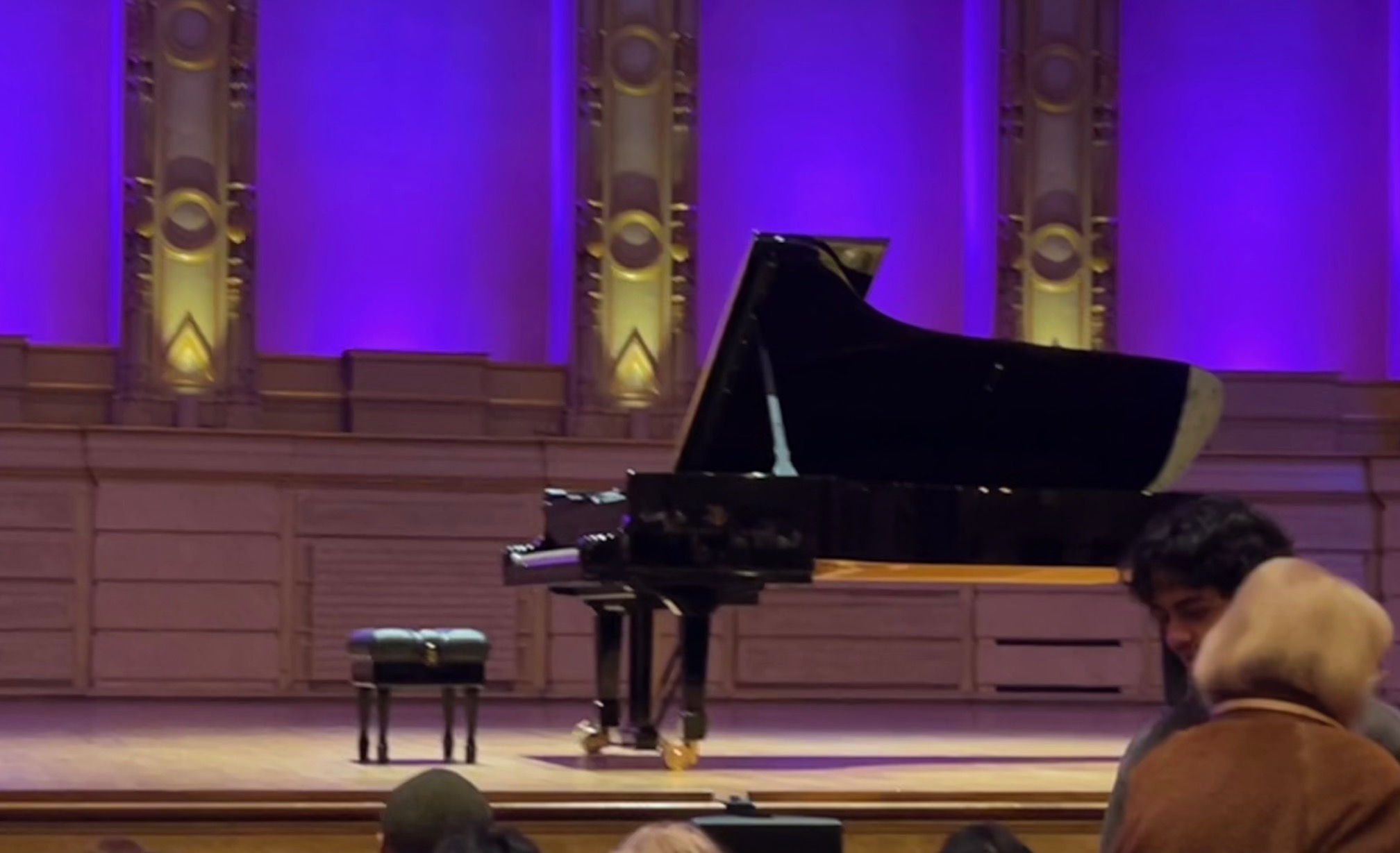
A dziś koncertowy Steinway, to więcej niż 100 000 dolarów kanadyjskich i biedne Towarzystwo Chopina w Vancouverze[i] prowadzi zbiórkę na zakup własnego, bo w Orpheum[ii] w Vancouverze muszą wypożyczać ich instrument. No, dosyć wspomnień sprzed wielu, wielu laty z Filharmonii Warszawskiej lub sprzed czarno-białego telewizora, przed którym siedzieliśmy z babcią zapisując na karteczkach własne oceny poszczególnych pianistów.
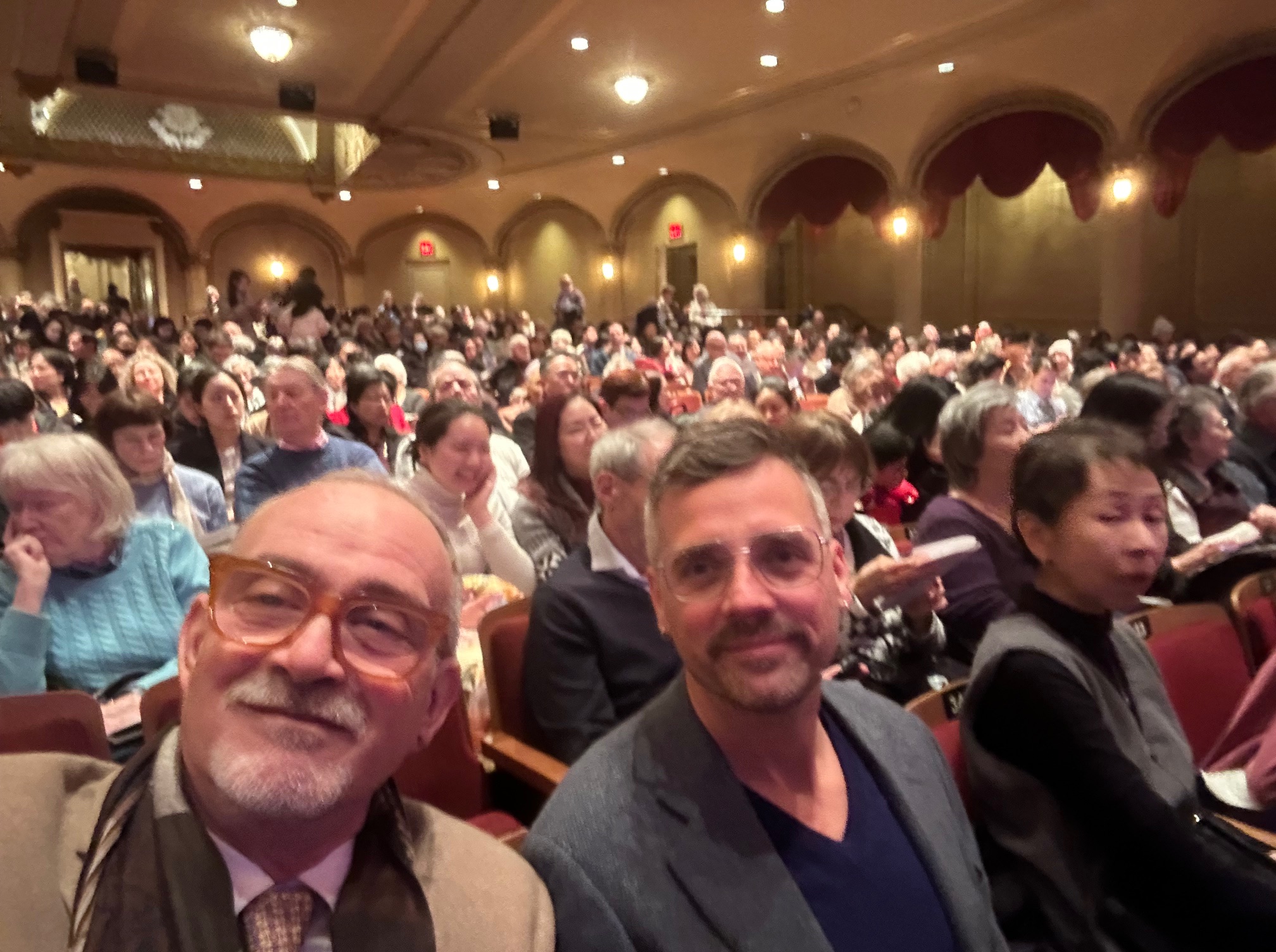
Wracamy do starego Orpheum. Pogoda była podła, a kolejka do wejścia ciągnęła się spory kawałek (teatr przy głównym wejściu ma strasznie małe foyer i dostać się do środka zabiera sporo czasu) – ale warto było każdej zmarzniętej i zmokniętej chwili. Jednocześnie umożliwiało to spotkane kilku znajomych, czasem chwilkę rozmowy: niezastąpiony Prezes Towarzystwa Chopinowskiego Patrick May, którego zawsze z radością spotykam, Iko Bylicki – menadżer tego Towarzystwa, jakże dla kultury muzycznej Vancouveru zasłużonego. Rozmowa z nimi krótka bardzo, bo jako organizatorzy koncertu naturalnie szalenie są zajęci. Wielką przyjemnością było spotkać starego dobrego znajomego, wychowawcy wielu pokoleń muzyków w Vancouverze, profesora Lee Kum Sing – Pamiętam szereg długich rozmów w korytarzach tej Akademii z tym zacnym pedagogiem młodych muzyków. Teraz właśnie słucham jego nagrania Largo z 3 Koncertu Beethovena i wydaje mi się, że odnajduję podobną subtelność gry, jaką wykazał się młody Eric Lu. Chyba sam się nieco starzeję, bo wolę dziś słuchać ‘muskania’ klawiszy niż puszczenie na klawiaturę tabunu koni …
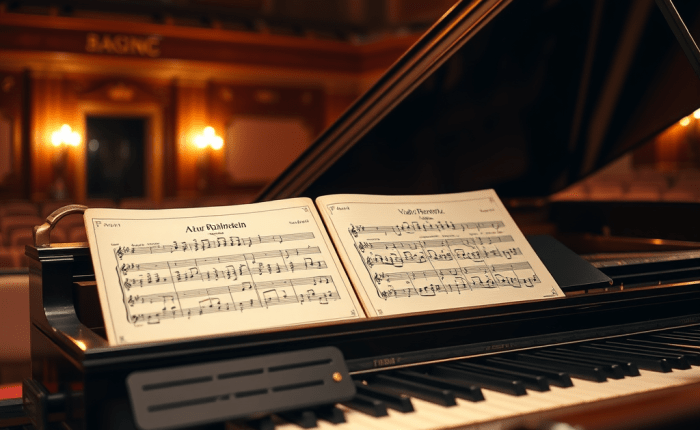
Ale czas siąść. Czas słuchać muzyki, która zaraz popłynie ze sceny. Właśnie wychodzi na nią młodziutki, szczupły pianista, kłania się publiczności, my go witamy brawami, on siada za fortepianem. Otwiera nieco innymi utworami niż się spodziewałem: dwa nokturny Schuberta, nr 1 f-moll, opus 142 i nr 2 As-dur , opus 142. Nokturn w f-moll smutny, nostalgiczny – jakby adekwatny do deszczowego spaceru na ten koncert. Ten nokturn ukazuje jasno, jak grać będzie. On te klawisze pieści, muska – one mu czule odpowiadają dźwiękiem. Trochę zaskoczony, że pianista siada na krześle, nie na typowej ławeczce fortepianowej, która zdecydowanie nieco ułatwia używanie wszystkich mięśni, w tym tych wokół kręgosłupa, swobody ramion. Jako, że po nokturnach ławeczkę przystawiono do instrumentu, zachodzi podejrzenie, że zwyczajnie nie mogli jej zwyczajnie za kotarami znaleźć … To głupstwo jednak nieistotne.
Po nokturnach Lu gra jeden z wczesnych polonezów (fis moll, op.44) Fryderyka, skomponowany jeszcze w czasie studiowania w Warszawie. Brzmi w nim nieco modny wówczas styl brillant[iii], który w dojrzalszym okresie paryskim Chopin odrzucił.
Uczta zaczyna się jednak po nokturnach i polonezie – przepiękna, romantyczna Ballada nr.4, f-moll, op.52. To już romantyzm bez ogródek – au revoir barok i klasycyzm. Lu zaczął grać pięknie, delikatnie, dźwięki wyważone, pełne. W całkowitej unii z nogami lekko tylko muskającymi pedały. Nie było tu żadnego wbijania tych pedałów, maksymalnego przedłużania lub wyciszania dźwięku. Muzyka płynęła, jak strumień po łące nad ranem lub o zmierzchu. To ballada dość trudna: wiele tematów muzycznych, zmian tempa. Tą balladą kupił już mnie kompletnie. Słuchaj i to wszystko! Nie wypatruj czy gdzieś zauważalny błąd, zgubienie czegoś – słuchaj sercem a nie rozumem. Więc posłuchałem tej rady na szczęście. Po to w końcu na ten koncert poszedłem – słuchać, marzyć i śnić sen muzyki, a nie po to by ten tekścik pisać. Ale nie napisać nic nie mogłem. Nie mogłem, bo Eric Lu mnie oczarował swym stylem delikatnym, ale nie kruchym, nie słabym. To pianista, który na pewno jeszcze jest u początku swej drogi muzycznej. Wszak artysta, który zdecydowanie ma coś do powiedzenia, coś do przekazania słuchaczom. Nie jest zdecydowanie jednym z wielu dobrych pianistów. Słowo ‘dobry’ w ogóle tu nie pasuje. To artysta, który muzykę kocha, czuje. I to się udziela słuchaczowi. Tego typu spotkania muzyczne wykonawcy i odbiorcy, są zawsze wyjątkowe, są przeżyciem emocjonalnym.
W drugiej części grał jeszcze jednego Poloneza (op.71, nr 2) i Nokturn nr1, op.27. Jednak perłą najczystszej bieli była jego Sonata h-moll, op.58, tworzona z przerwami w Nohant w posiadłości George Sand. Iwaszkiewicz opisał ten moment jego życia przeuroczo w swej znanej sztuce[iv], wielokroć wystawianej i filmowanej.
ad endum:
drodzy i mili rodacy w Vancouverze – wspomóżcie zacne i zasłużone bardzo Towarzystwo Chopina w ich marzeniu zakupu koncertowego fortepianu godnego najlepszych pianistów. Po tylu latach ich pracy, tylu koncertach – warto ten prezent im dać w podzięce. Jeśli ktoś może 10 000 tysięcy – fantastycznie; jeśli ktoś może tylko 10 lub 100 – też fantastycznie. Pamiętacie starą średniowieczną bajkę/legendę polską o wdowim grosiku? Czasem te skromne 10 talarków bardziej wartościowe niż te 1000, bo dane z serca i potrzeby ducha. Lubimy tradycję, lubimy historię polską: więc powtórze za Janem Czarnoleskim w jego „Pieśni o spustoszeniu Podola”: dajmy, a najprzód dajmy! Poniżej podaję link do tej zbiórki. Jest tam oryginalna propozycja ‘kupienia’ jednego (lub więcej) klawiszy tego konkretnego fortepianu. Cena klawisza nie jest olbrzymia, ale nie jest też skromna. Dla skromniejszych darczyńców podaję, że można wpłacić każdy ‘wdowi grosik’ bez używając tych klawiszy a robiąc tradycyjną dotację (zwykły przelew lub czek) – kliknij tutaj : Support | The Vancouver Chopin Society. Dla oryginalnej propozycji zakupu ‘klawisza’ (tu donacja jest ustalona specyficzna ceną) link tutaj: Homepage – The Vancouver Chopin Society
[ii] siedziba vankuwerskiej Orkiestry Symfonicznej w stylu ‘północno-amerykańskiego baroku’ – uroczy teatr muzyczny przypominający mi trochę ‘bombonierkę’ toruńskiego Teatru im. W. Horzycy






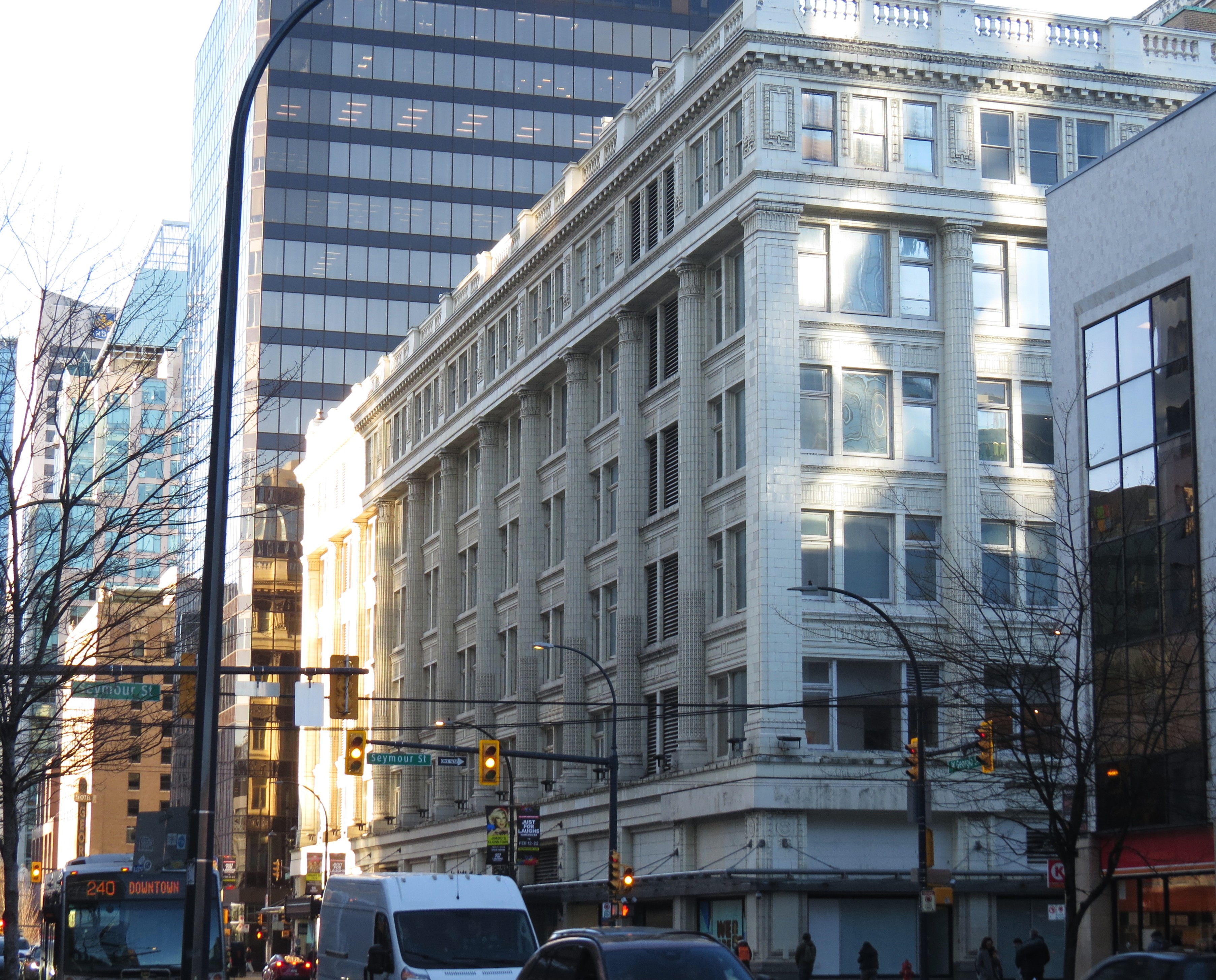
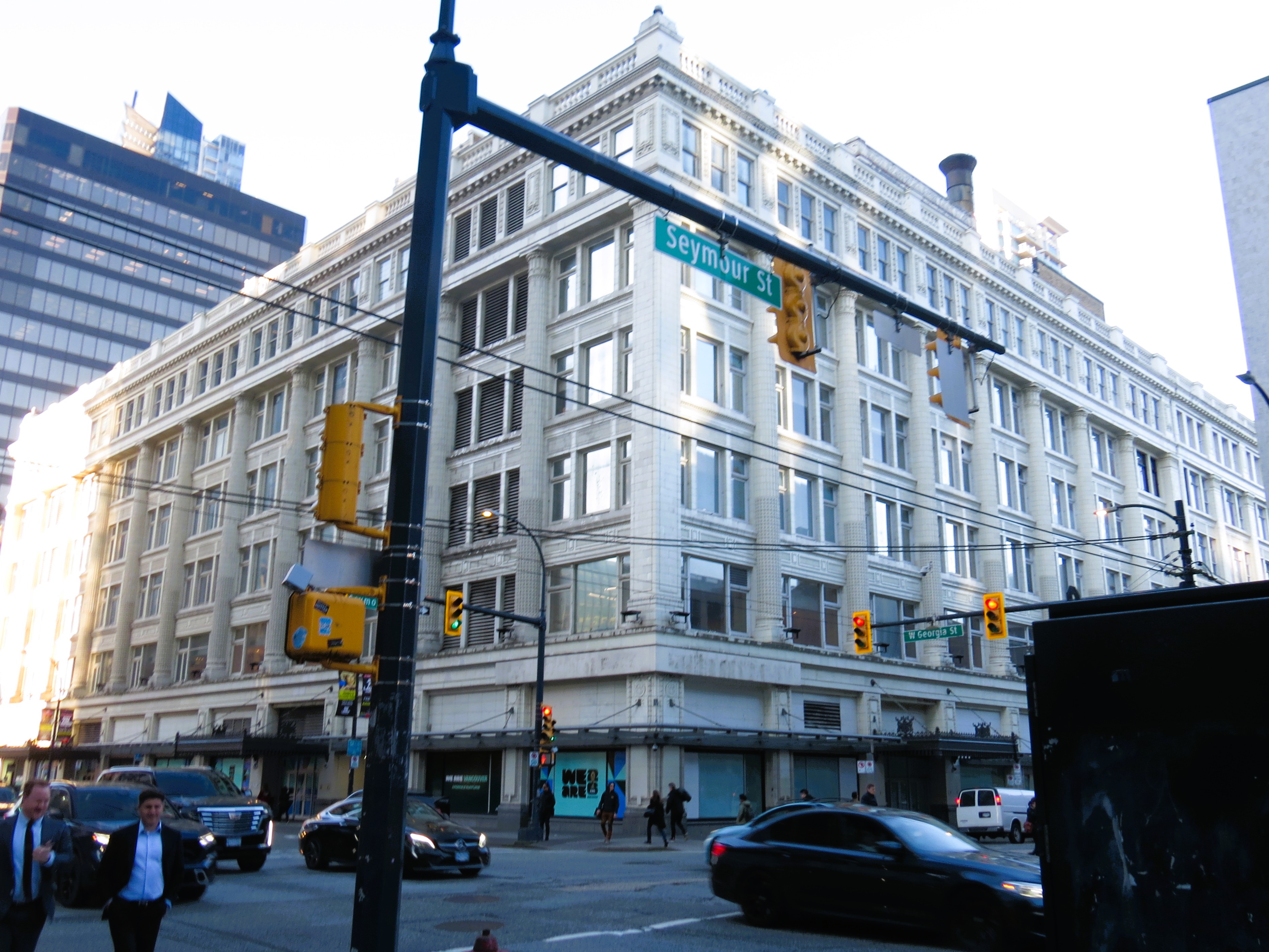
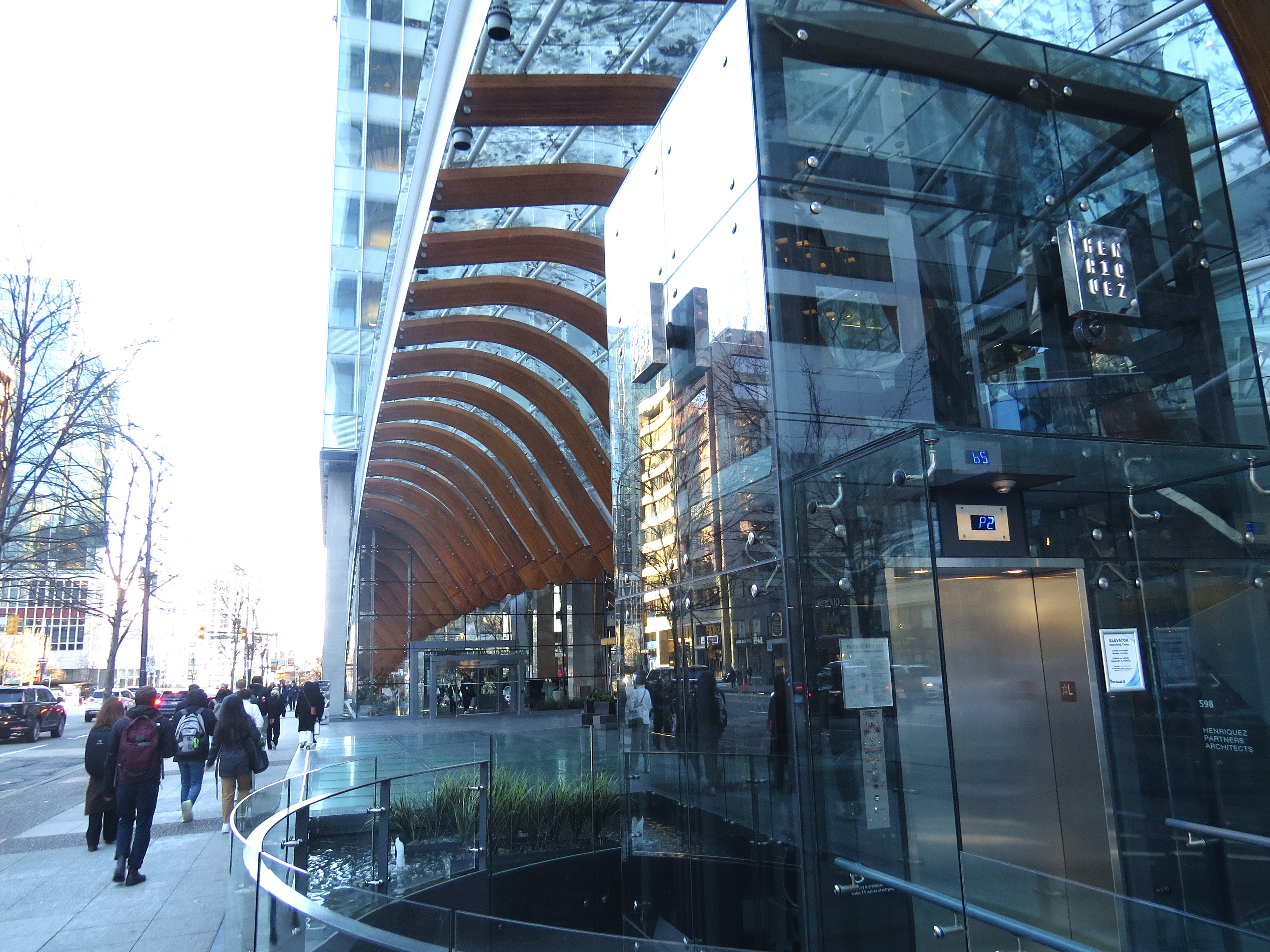
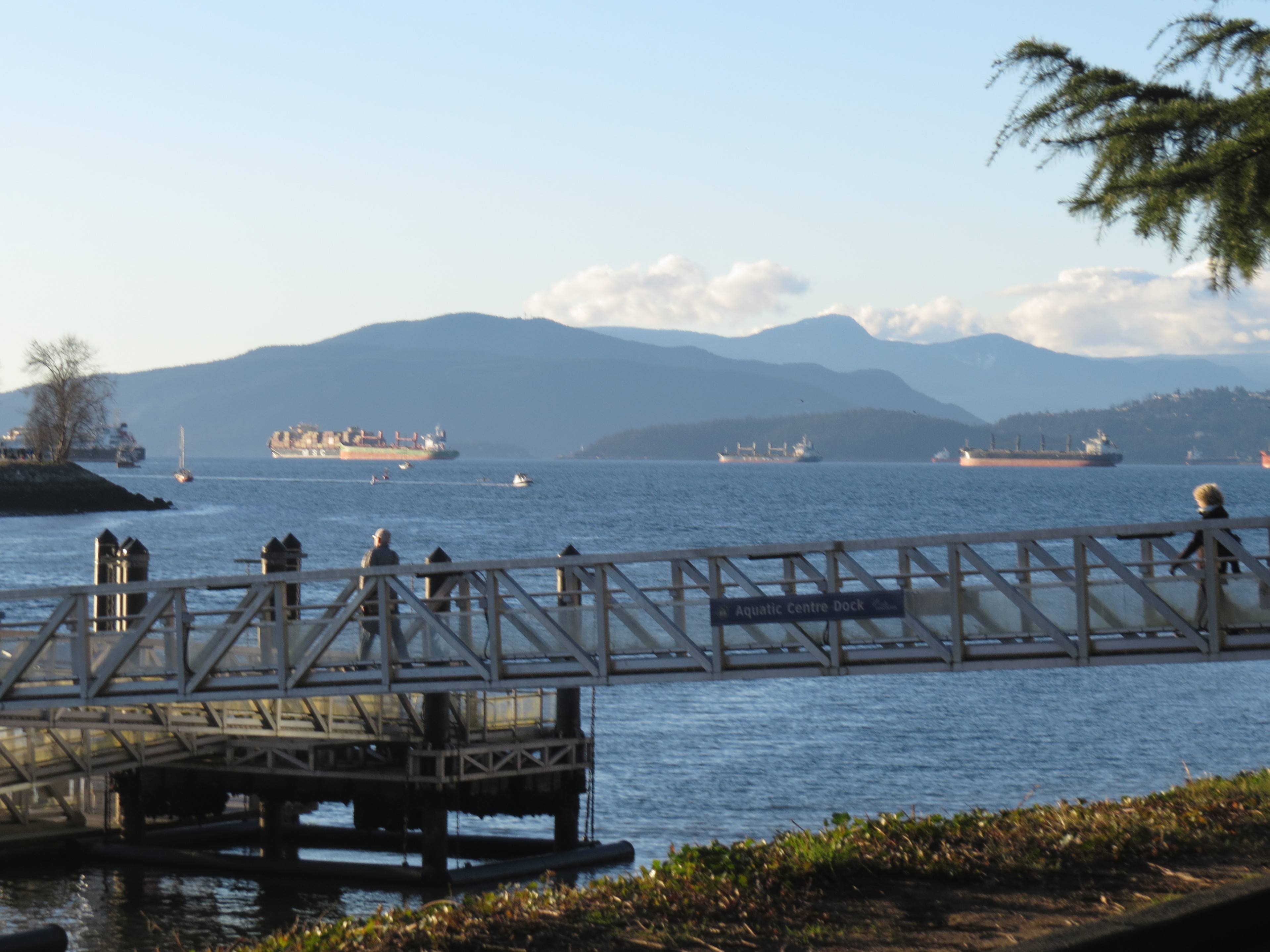




 > > Pogwarki < <