by Bogumil Pacak-Gamalski
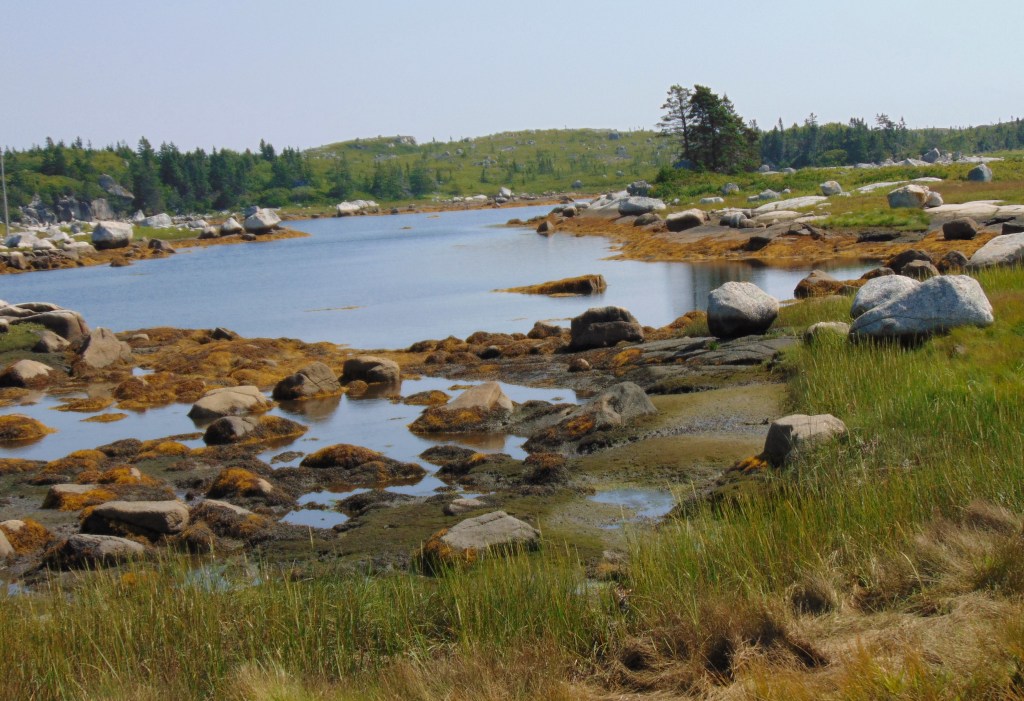
One of my favored trips in Nova Scotia always involved the Eastern coast. The old highway 207 (via Portland Street in Dartmouth) will take you alongside very picturesque coastline, countless little communities and unparalleled vistas of little and large bays, coves dotted by little rocky islands. It starts with the western end of wonderful salt marshes of Call Harbour (on the edge, but still in Dartmouth) and one of the best beaches in Greater Halifax – the Haven Beach with open view of huge Cow Bay.
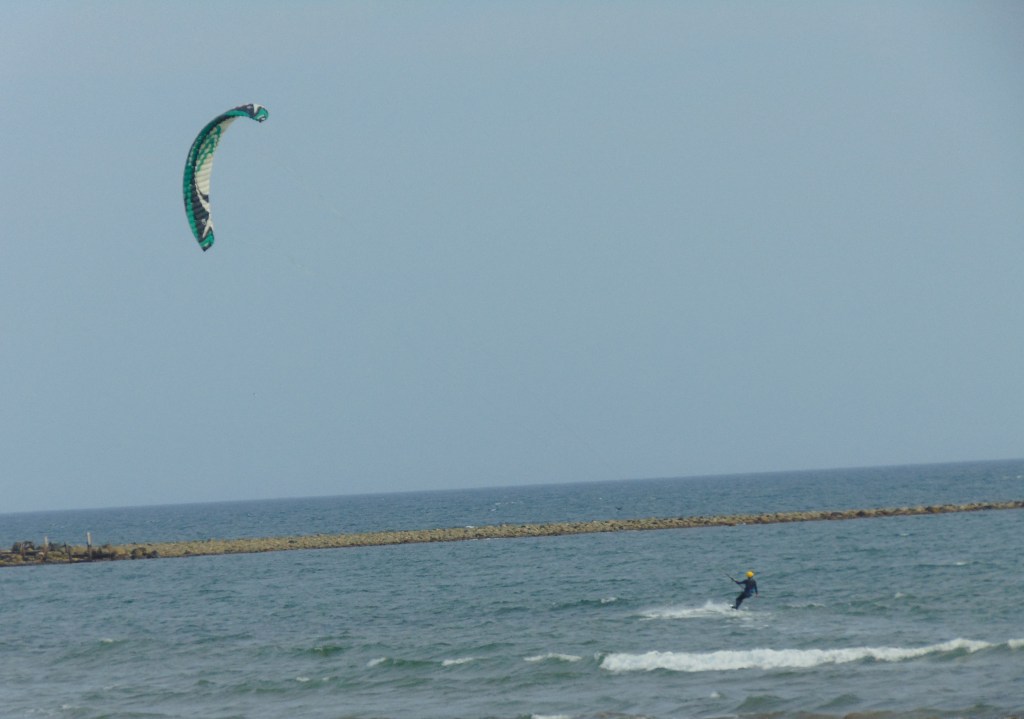
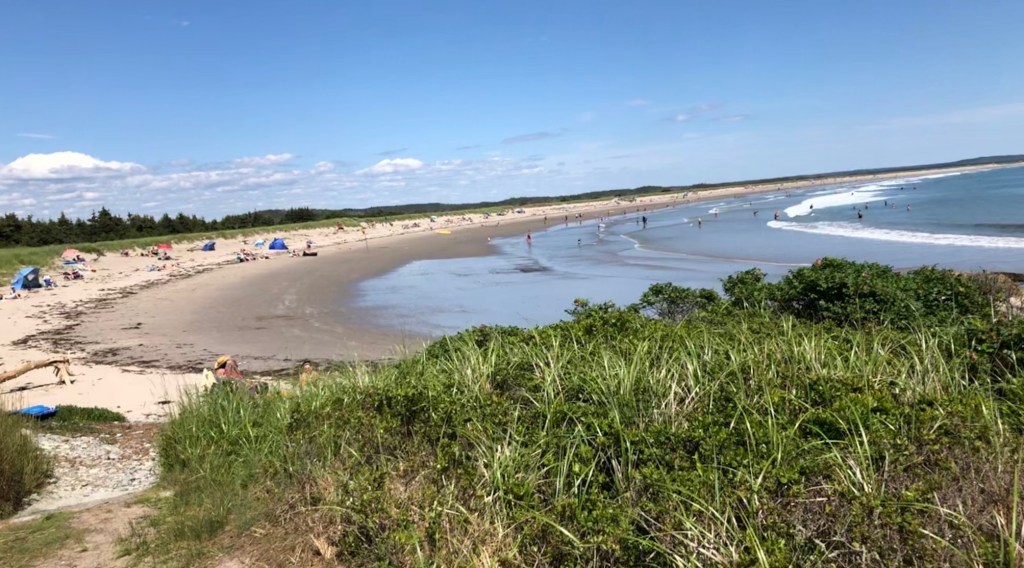
Continuing on the windy, forested highway 207, on the outskirts of Western Lawrencetown, you have to keep an open eye for a small road toward the ocean – Conrad Road. It will take you to an absolute jewel of amazing ecosystem of lakes, marshes, sand dunes and, yes, wonderful, sandy beach. Access could be difficult, as there is really no parking spots and you simply have to park on the side of narrow road and during summer time it could be a long walk to the entrance to the beach via long, wooden walkway. Perhaps for the best. It is a delicate ecosystem and constant crowds of tourists could easily do serious damage to the shoreline. Also, there is no sign directing from the highway to the beach (I suspect the locals took care of it, as I remember from previous years, there was one), so watch out for that small street signage. This is my favorite spot for relaxing walks, swims. A bit further, right of the edge of the highway, is a long, rocky beach – paradise for surfers and surfer-paragliders. Sometime just watching the colourful sails as they zigzag the blue sky is an adventure in itself.
From Lawrencetown you drive up through old Acadian (French) settlements of West Chezzetcook and Head of Chezzetcook, where you join the Highway 7. Continue to Musquodoboit Harbour and stop by the old Railway Station (now a museum) to take a short walk. Avail yourself of wonderful local ice cream by the Station or a lunch opposite the station. On the edge of the small centre (almost opposite the station) take a right turn into E. Pestpeswick Road, follow the churches steeples to the very end of the road (few miles) and end up on another beautiful beach – Martinique Beach. You will know where to stop – right under the huge rainbow flag of a big guesthouse. Well, you will stop there anyway – unless your car is a mini submarine – the road ends basically where the ocean begins.
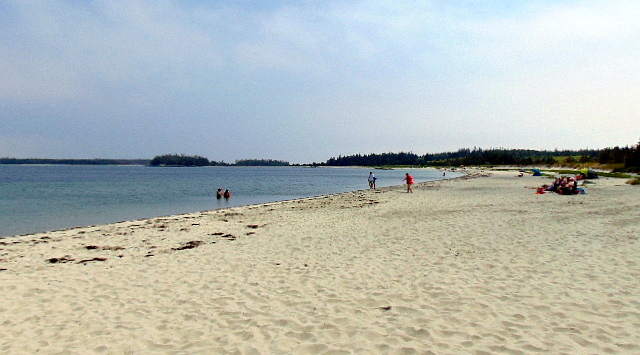
From Martinique Beach, via the same highway (no other choice anyway), continue to next heaven for beach lovers. That one is my absolutely favored from all of the beaches in Nova Scotia. And there is plenty of them on all sides of this hybrid of an island and peninsula, which forms Nova Scotia. That part of the journey is long, but worthwhile. All the way to community of Spry Bay. Right past Spry Bay is an entrance (visibly marked) to Taylor Provincial Park. Follow the road to wooded but well marked entrances to parking spots and down you go to gorgeous sandy beach. It is one of best, sheltered by natural harbour waters on the coast. One end forms rocky formations as smooth as almost man-made – the other is endless sand and sandy bottoms of the sheltered bay. Waters are usually a bit warmer there, than elsewhere.
If you had enough for one day and want to go back to Dartmouth/Halifax, take the first exit, in industrial town Sheet Harbour, when you reach wonderful East River entering the ocean. Just before the bridge is highway 224 that can take you through the heart of a valley forming the centre of Nova Scotia, with many farming communities. Follow it to Shubenacadie (close to large Mi’kmaq indigenous clan and site of former infamous Residential School) and take large, four lane highway 102 that will take you quickly right back to Dartmouth and Halifax. Or, on the other side of the bridge take 374. I prefer the latter, as it takes you across amazing wilderness – watch out for large animals, I encountered there very close a bear once – straight to Pictou County and historic towns of Stellarton, New Glasgow and at the end, to the county’s capital, historic town of Pictou. That end of Nova Scotia was settled from here thanks to the natural harbour. To this day many descendants of first sailing ship “Hector” live there. One of them is my husband. After living most of our lives in westernmost provinces of Canada (Alberta and British Columbia) – we moved here few years back.
But if you continue on the same highway 7 past Sheet Harbour, you will reach very remote communities with their undeniable rugged charm. From now on there is no other highways or roads. Small, little gravel roads will take you to nowhere in the wilderness. Eventually, around community of Stillwater, the road will take you sharply to the west, along many wonderful lakes and forested hills. Follow it straight to one of most picturesque town of Antigonish, site of St. Francis Xavier University. The university and absolutely breathtaking maze of bays, coves and multitudes of little islands in them, makes the otherwise little town a gem of the northern coast.
Modern and very comfortable highway 104 will take you from there to New Glasgow in Pictou County and up, toward New Brunswick border and city of Truro, where you will join highway 102 to Halifax. I have taken that trip once in one day. It is possible. But impossible to have time to enjoy the sites, the scenery, beaches. To have an opportunity to really absorb it all – I suggest minimum of two nights stay during the travel.
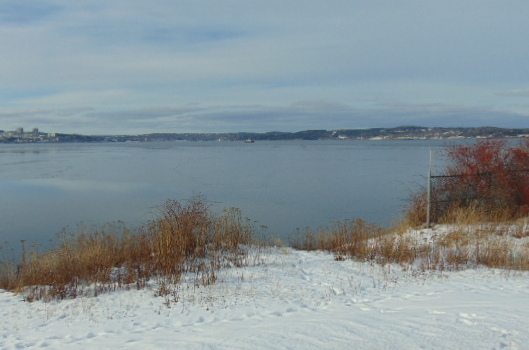
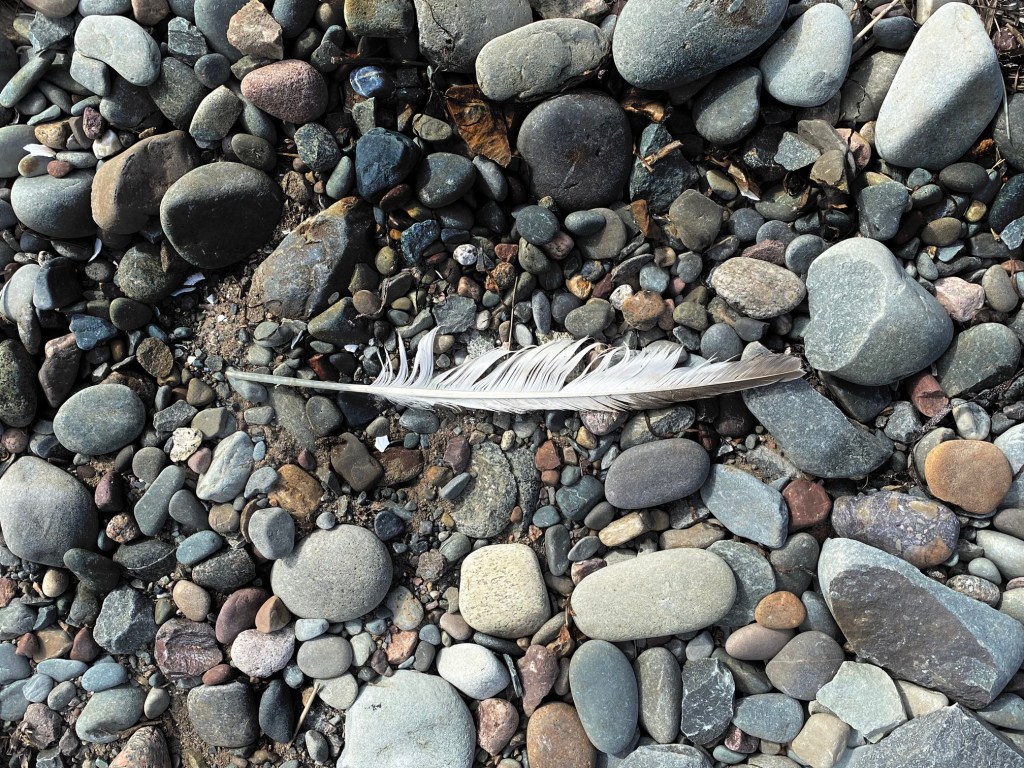
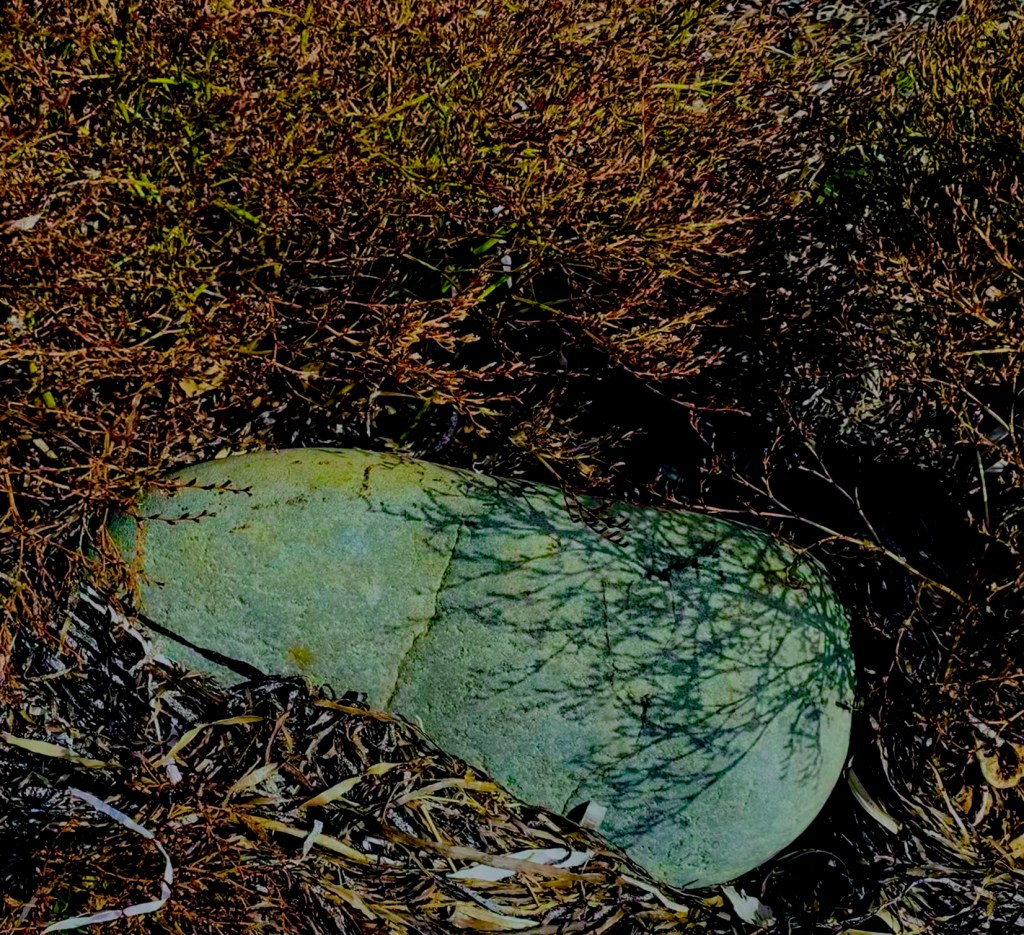
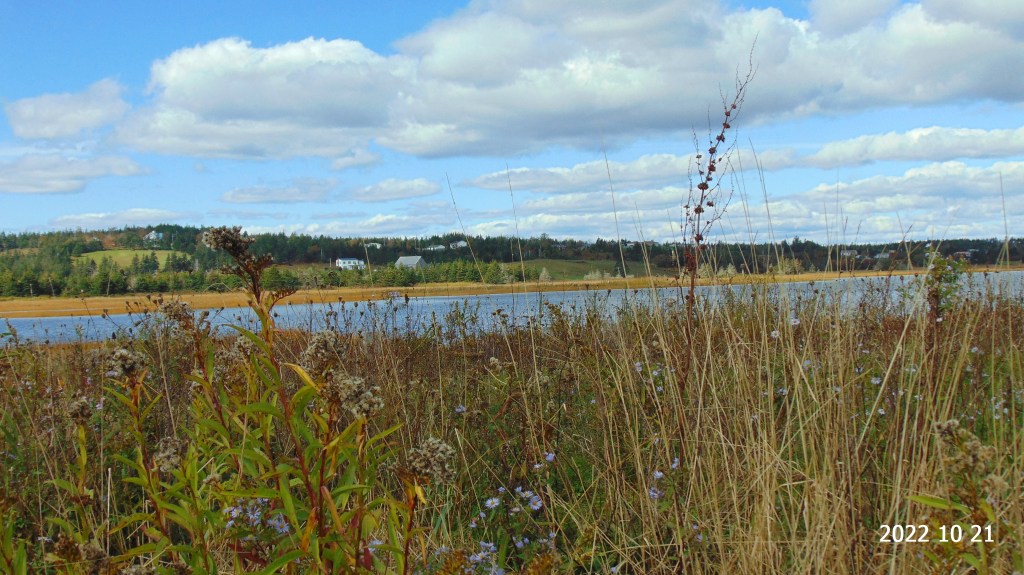
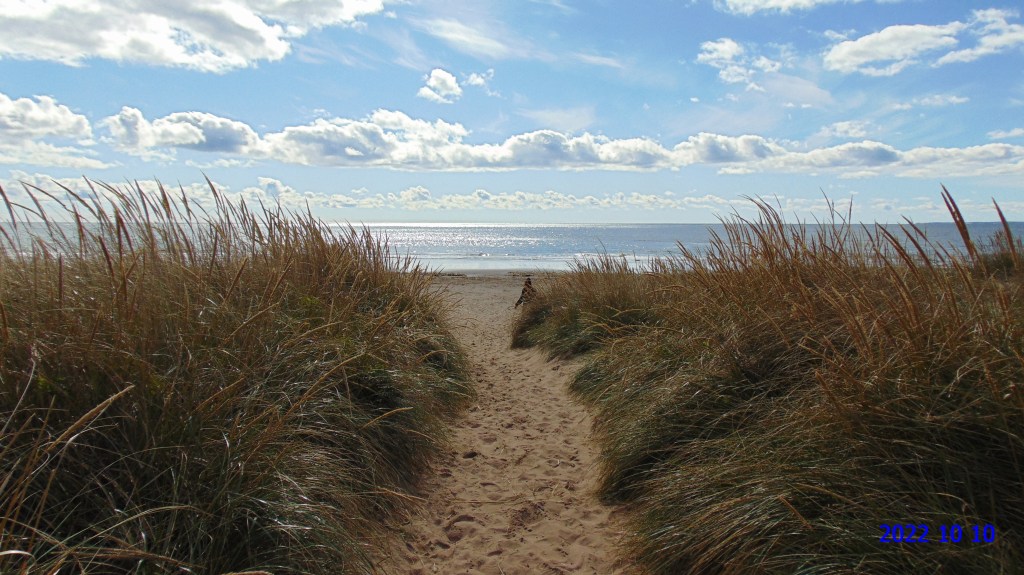
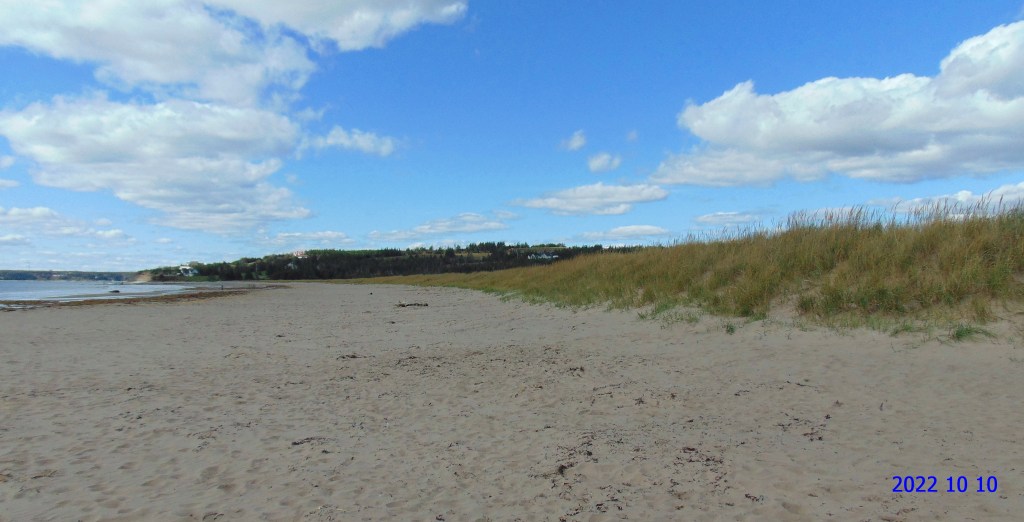
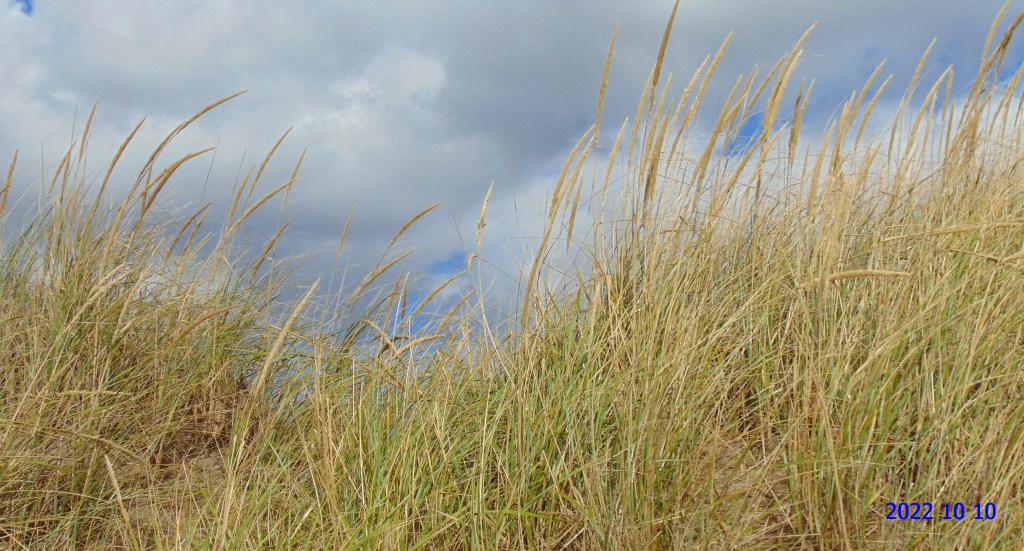
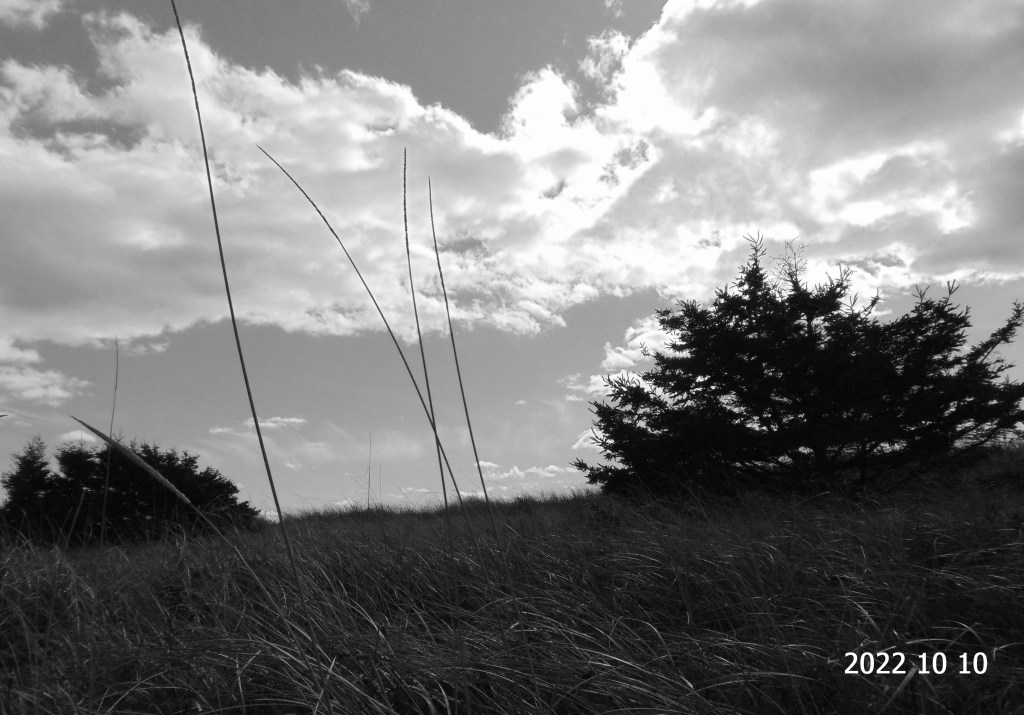
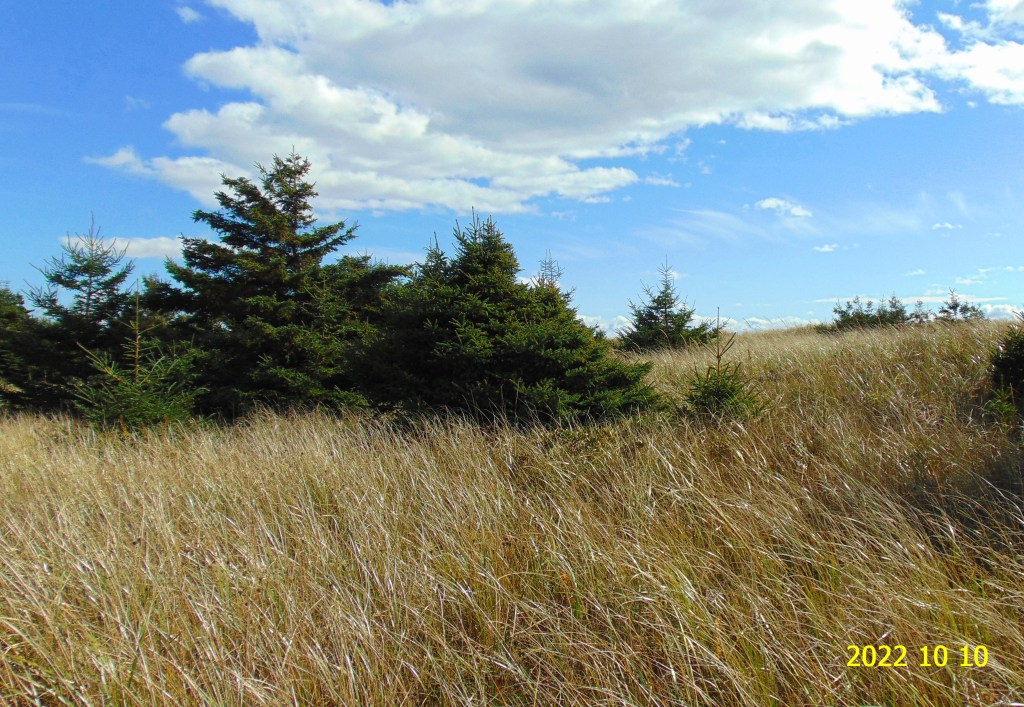
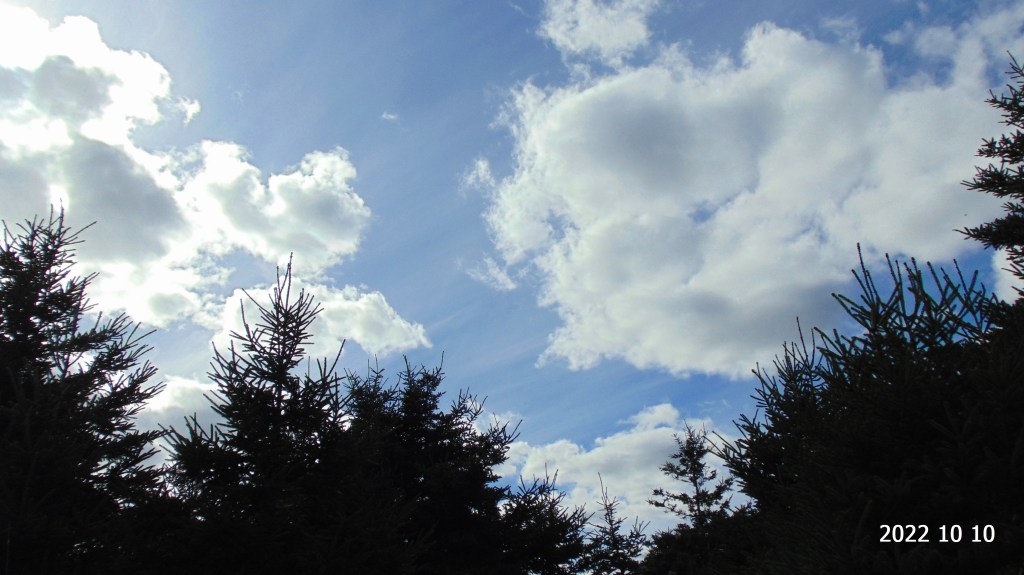
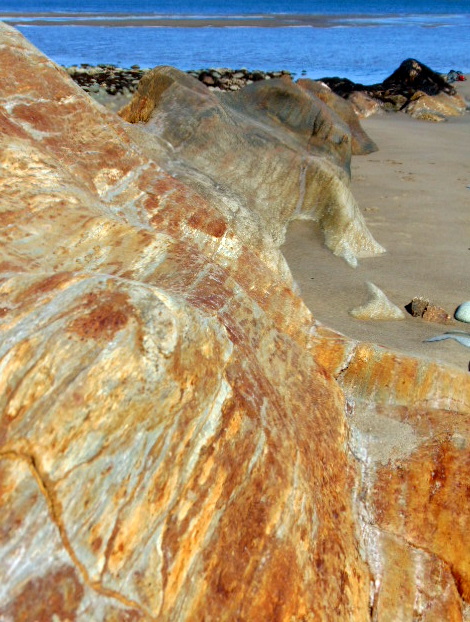
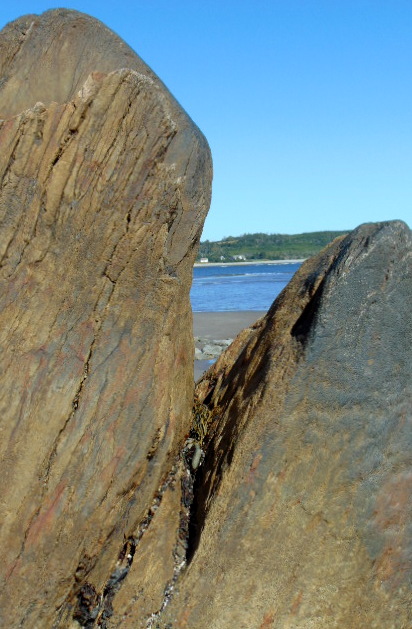
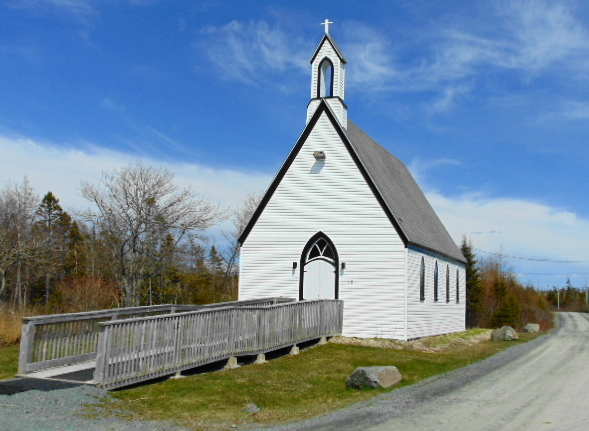
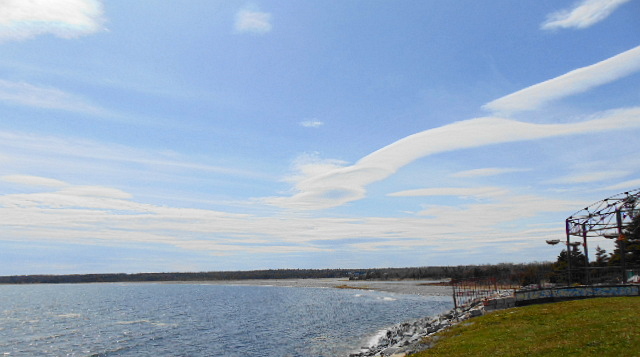
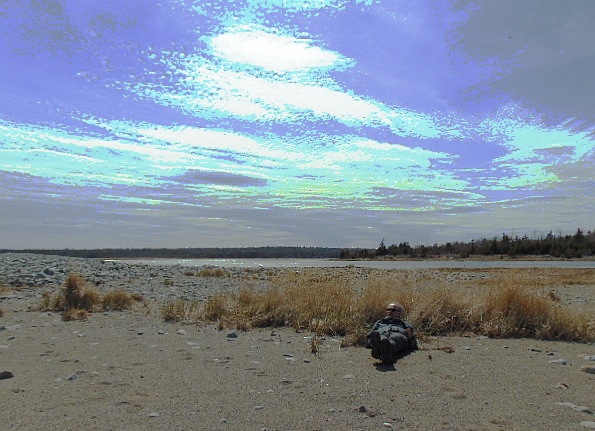
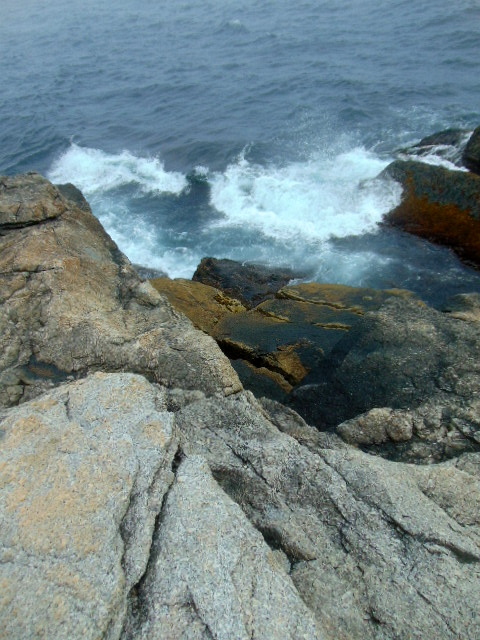
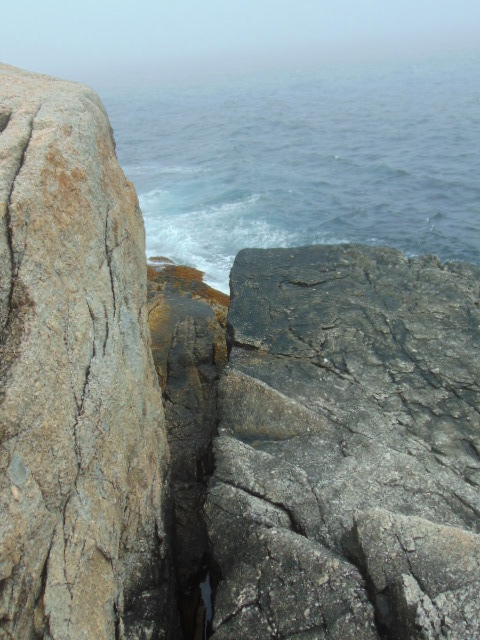
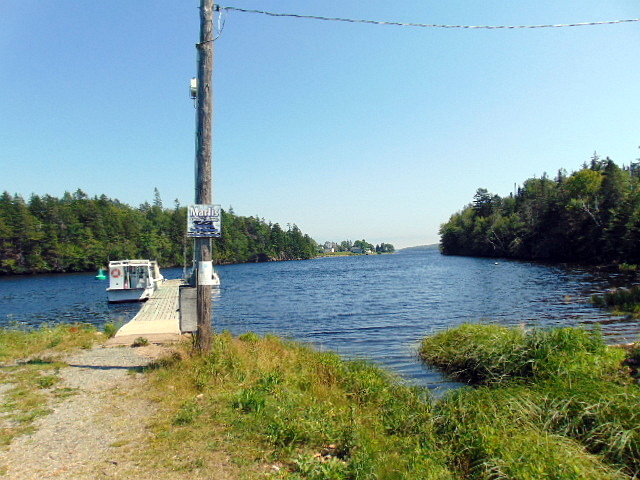
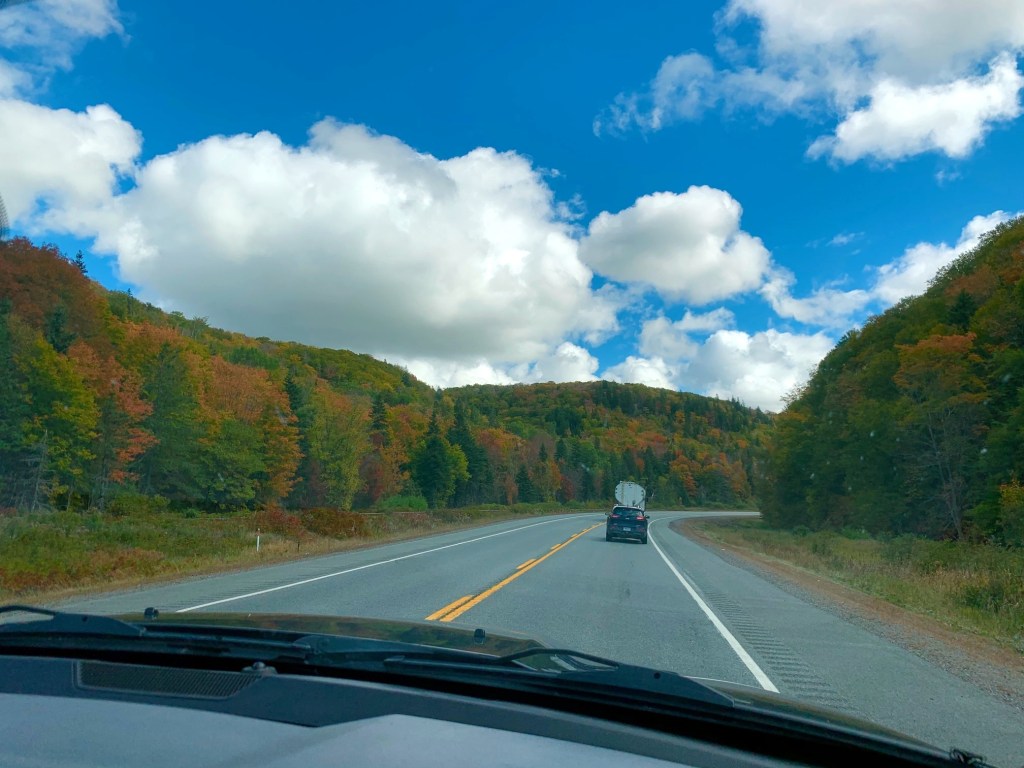
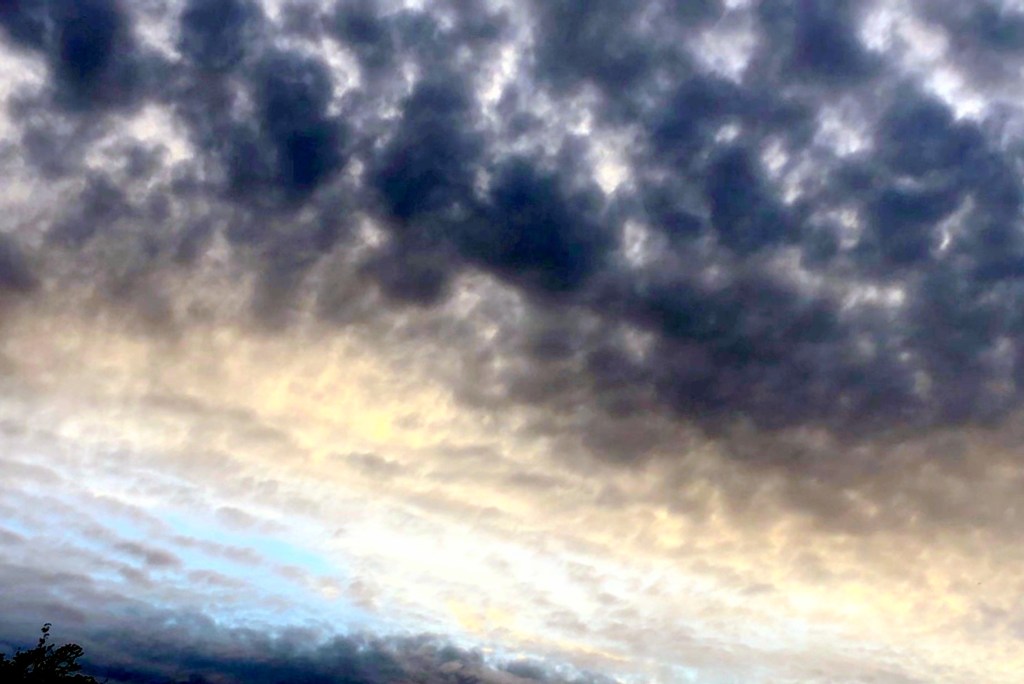
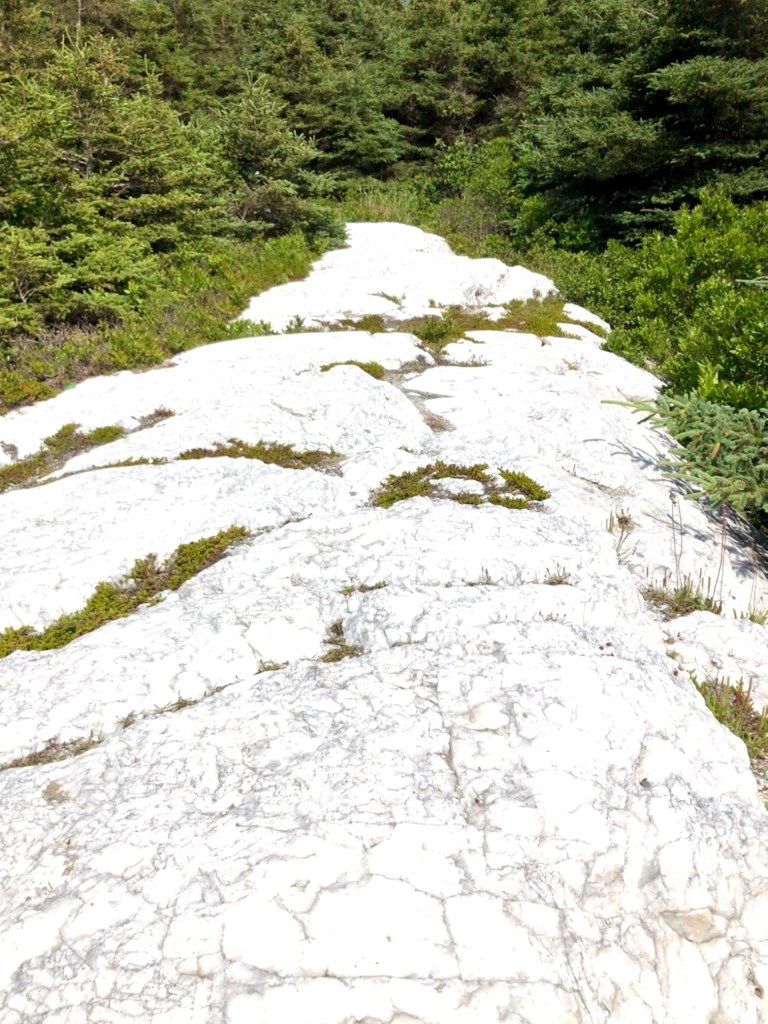
From my many travels on this highways, I have picked few pictures (from hundreds taken, of course – sometime I long to the times of old cameras with roll of film, when the limits of the shots were very limited. Making the ‘click’ was not as an automatic decision as it is now, LOL) to show the different way the land, the water and the sky interfere with each other. Some are of wide horizon, some of tiny detail. Hope they will portray the sense and taste of the Eastern shore of Nova Scotia and the gems it has to offer.





























 > > Pogwarki < <
One thought on “Of clouds, water and land – travels with camera on East coast of Nova Scotia”