Bogumil Pacak-Gamalski
Visitors coming from afar to Halifax are familiar with typical marching routes: the Waterfront, of course, next to it is the core of old historic Halifax stretching from the Citadel, all the way down to Morris Street (which is more or less the length of the pedestrian waterfront). Uphill, it goes not much further than South Park Street or Public Gardens. There is typically few short excursion if you use a taxi or other private transportation: likely the Fort Needham Memorial Park commemoration of the great Halifax Explosion, next to the cemetery with gravesites of Titanic passengers and possibly (in the same neighborhood) the Africville Park. Frankly, there is not that much more to see (from the tourist point of view).
One that should be seen much more and should be mentioned in all tourist info is the wonderful Point Pleasant Park. It offers beautiful trails and few very historical (like Prince of Wales Tower) stops and a visit to the shoreline with important monuments to those, who perished at sea. To get there would likely require also some sort of public or private transport, although it is not an impossible feat to walk to it using comfortable South Park Street, starting right from under the gate to Public Gardens.
But one most often forgotten is a pearl of architectural designs, a maze of walkways, and very historical on a continental, or even international scale. Many visitors see small tidbits of it throughout Downtown Halifax. But it truly should be viewed as a whole, separate excursion.
I am talking about the main campus of Dalhousie University. The west side starts alongside Coburg Road, the east on South Road, the south ends on Oxford Street, and the north side ends on Robbie Street. And between them are many smaller streets and pathways. All of it is well designed, well visible, and offers a unique perspective.
There are not many universities in any city in the world that are grouped altogether, in one large spot, tight in the center of a city. Usually, you would have the main campus (often behind some sort of wall or fence) near downtown, and the rest scattered all over the city in separate buildings.
In Halifax, it seems that the entire university, being almost a town of its own, is all in one spot. I often think of Oxford as a similar (bigger and older) comparison. But, of course, Oxford in… Oxford. Not in London. A much closer example and more alike is Boston with Cambridge and Harvard Universities. Much larger and more internationally renowned but being concentrated in a condensed part of a city. In some ways, it actually is a separate city next to Boston.
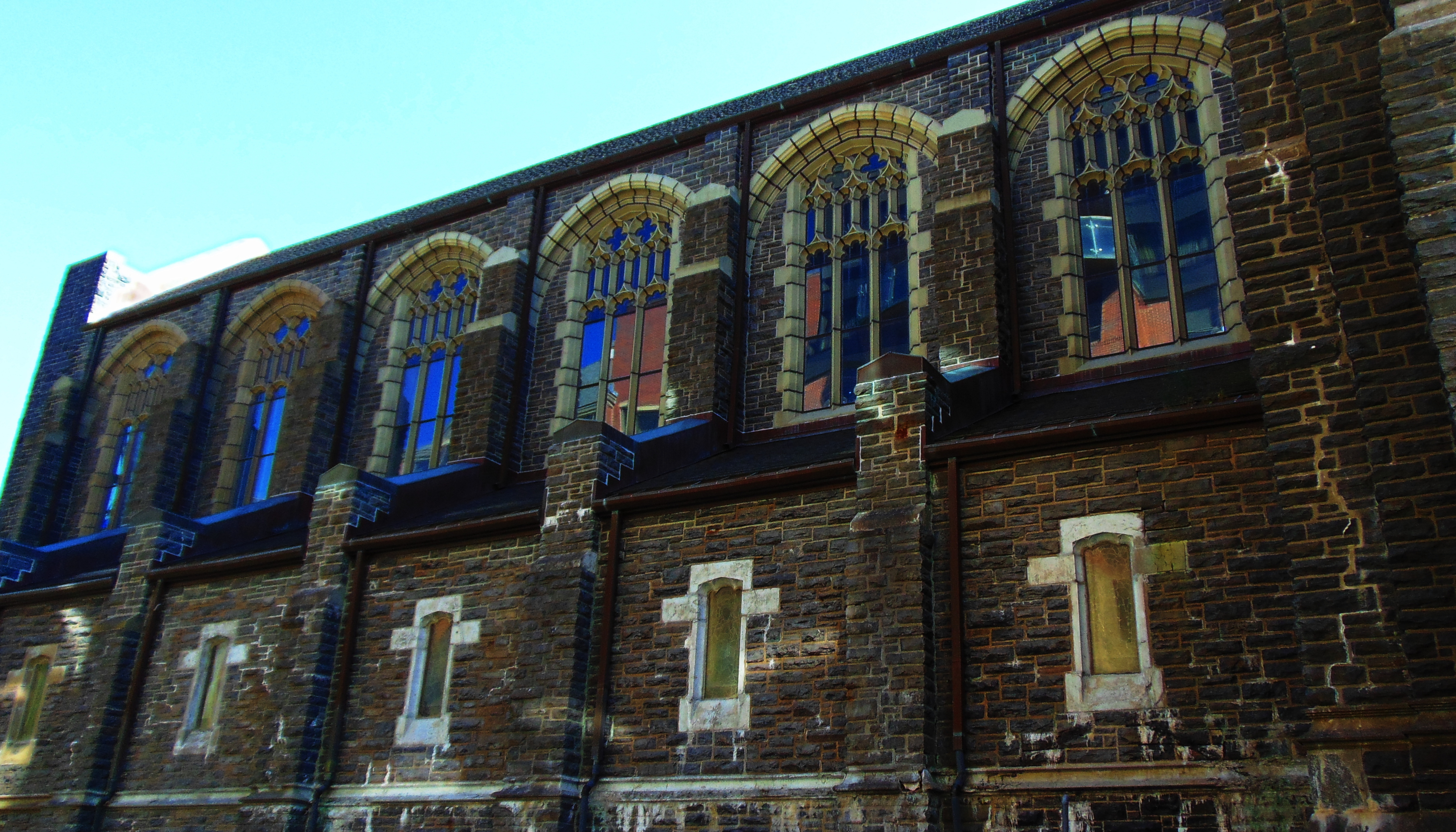

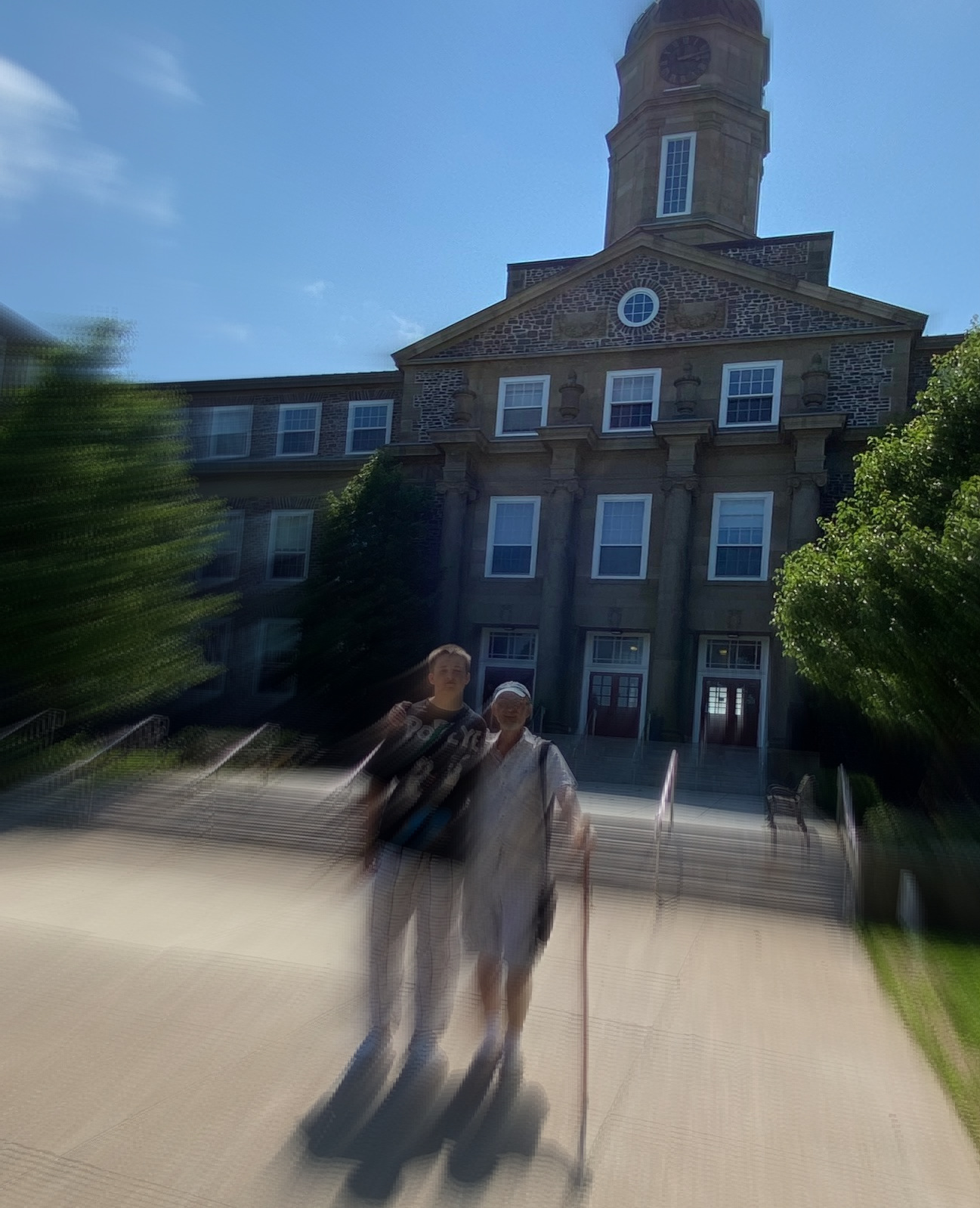
As far as Halifax is concerned – I would strongly recommend it to anyone to explore. It could be a lovely and leisurely stroll. You could easily start it from either end: either from a little park opposite the Public Gardens, right where there is a nice statue of the famous Scottish poet Robert Burns. Don’t forget to enjoy the wonderful architecture of Anglican Cathedral in front of it and pay attention to its enormous stained glass neo-gothic windows. From there take College Street and just continue. You are now in the middle of Dalhousie. My preferable starting point is from the other end. Starting at the corner of Coburg and Oxford streets. It also marks the historical beginning of Dalhousie University – Kings College (or more accurately – Kings University, the first university in what now is USA and Canada).
That walk and exploration could be done in less than two hours or it could be easily your entire afternoon. Depending on how much time you have.



 > > Pogwarki < <
One thought on “Dalhousie University in Halifax – an overlooked tourist destination”