Musings on music, art and it’s poetry and echo of Jean-Luc Therrien concert

Bogumil Pacak-Gamalski

When I was a young admirer of classical music, I sought well established, famous musicians. To be at a concert of someone known to be a master, virtuoso of an instrument. To listen to music played the way the music ought to be played. Orchestral or solo, chamber type or powerful experience of full orchestra in a symphony directed by an admired director!  Ah, for young, hungry for excellence youth – that was the pinnacle. I am glad I did it. Solid base, fundament is very helpful. For as long as you are not too timid (I wasn’t) to allow yourself to freely like or dislike certain composition, specific type of music. Art is not a religion. Art is freedom foremost. Of course, it didn’t hurt that I lived in a big city, that was very well known for its affinity for music and no shortage of good concert halls, musicians –  Warsaw. Even in communist times (or perhaps in spite of it), culture flourished in Poland. And (that must be acknowledged) it was affordable, fully supported by the government. The results were not always pleasant for the authorities but wonderful for the public. Art schools of all sorts and levels were also heavily subsidized by the communists. And art was our escape from the dreary and boring life around. There was no shortage of exceptionally talented people in every field of culture. The most difficult task was for writers, the easiest for musicians. Visual arts were somewhere in between. With written or spoken word your intentions (freedom, truth) were clearly visible, audible. So writers and poets had to manipulate, use so called ‘writing in between the lines’ technique. But musicians could escape they eye and furry of the censor much easier.  Particularly (as often was the case) if the censor was not very perceptive or of more feeble then intellectual mind. As it is often the case with censors.

That solid base allowed me to be comfortable to change my tastes in music and musicians. With time I preferred live concerts with younger, knew players, voices, sounds. The masters, after all, are always within arm’s reach on the vinyl, CD’s, online.

It is a marvelous journey to observe a young player blossoming, becoming mature musician. How his playing changes and goes through a metamorphosis. It is thanks to these players that an old, sometime very old, sheet of music that you have heard so many times – becomes alive again, young, vibrant. As it should. The composer might be gone long time ago but the music must be kept alive, current. Otherwise a concert is like a visit in a museum – interesting, enriching but often too long, tiring at the end. Canons are important for technical reasons, not for spirited interpretation. The overwhelming desire must be always kept on the essence of art and being an artist: what story I have to offer to the listener? What is my commentary on beauty or philosophy, ethics and esthetics to a contemporary listener? Of course, the trick is to remain respectful and true to the notes written often very long ago. Being always aware that circumstances and habits change with epochs. But human soul, dreams, emotions remain the same for millennia. Therefore you must try to find in the composition and your study of the composer biography, that inner message, the emotion that should be immortal. The story of human condition. And you, the pianist, violinist, trumpeter, flautist, guitarist must tell the story in your own voice. We, the audience must believe that you are telling us your own story. Just like Hamlet on the theater stage should no longer belong only to Shakespeare – you must become that Hamlet and it must be a contemporary voice. It must be your desire, your despair or triumph that will move us.

Just playing good, properly adhering to the tempo, intervals, tonality, melody will not do much for art. It might be proper, might be even elegant. But it lacks creativity. Just because you go every Sunday to a church to attend mass, know the hymns, the prayers – does not make you pious. In this way art and religion are very similar indeed: they require fervor and passion in the ultimate consumption.

Have been lucky to observe, over the years, many carriers and artists. Known some of them personally, with some have even become friends (that is rewarding but also difficult for someone who writes about their art). Some exceptional, others less but still truthful to their search. Still, others have given up the stage for the safety of teaching careers in musical schools, in academia. Stage is not for everybody. It could be a terrifying place. But it also offers the freedom to fly, to soar. Just make sure that your wings are strong. Rewards could be amazing.

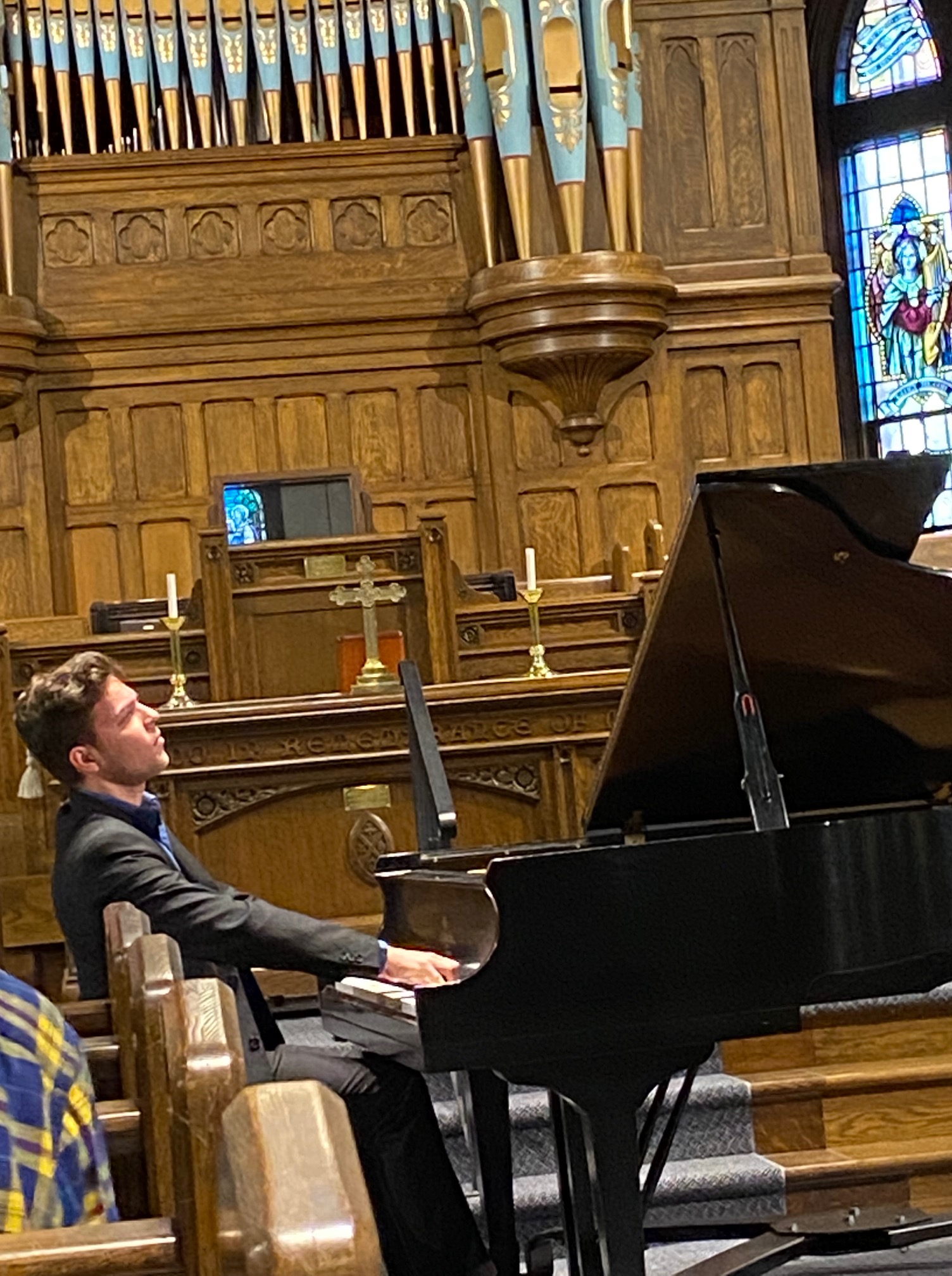
On April 30th, at the evening, I drove over hundred kilometres from Halifax to Lunenburg to listen to a young pianist, Jean-Luc Therrien. He was just about to end (except for one more concert in Antigonish) his tour of Debut Atlantic, well established artistic venue supported by Canada Council for the Arts. Afterwards, I planned to write a review of the concert. But life, at times, has other plans for us and I had to postpone writing it. To a point that typical review becomes obsolete. Your own memory and emotions are no longer as vivid as a day or two later.  Yet, I wanted to mention it and the pianist, for it was a very good musical experience. Worth mentioning.

Alas, on that day I drove to Lunenburg in search of that young passion in music, for new musical meeting with new pianist. Almost like on a first date: with a bit of tension and trepidation but excited and looking forward to it.

The setting was similar to my previous concert outing in Halifax, in St. Andrew United Church, with acclaimed pianist Richard-Hamelin and a young cellist Cameron Crozman. Again, Therrien concert was in an old, Central United Church, with beautiful stain glasses, settled in district filled with gorgeous old churches.

It was such a shame that the venue wasn’t either advertised properly to local community (considering the fact that Lunenburg and its neighbour, Mahon Bay, are  small towns with densely populated smaller downtowns) or the locals are interested only in tourist dollars, not in supporting and admiring culture. The small audience that gathered inside was definitely not disappointed. And the young, smiling and very pleasant pianist did not show lack of enthusiasm for music or respect for listeners.

Perhaps the opening piece, Prelude et dance op.24 by Jacques Hétu was the most difficult to play. Not only for the fact that this Canadian (from Quebec) contemporary composer is probably not very popularly known. It is composed with extensive pedal work and requires a strong, modern piano. I’m afraid that the old, venerable grand piano of Heitzman (best Canadian piano maker in XX century) could not fully reproduce the sound that Hétu intended. Yet, definitely it was a very interesting composition and I listened to it with great interest.

The next part paid off any misgivings in multifold. Third part of great Suite bergamasque – one of the most played and loved Clair de Lune. Heard it so many times played by the greatest pianists. But chased away any thoughts of any comparisons, which would have been unfair. Let the young man play it the way he hears it in his soul. And he did. Maybe a bit timid at the very first phrases but the rest was beautiful. So poetic. With that interpretation he sold me. The rest of the concert I just enjoyed myself.

Jean-Luc Therrien is definitely an emotional pianist. His music comes not only through his fingertips but also from his heart and soul. It is not yet pristine and fully disciplined technically, but it flourishes by full emotional immersion of the pianist. You can always improve your technical skills if talent, luck and perseverance gives a long stage career. But that God’s given touch of emotionality cannot be learnt, it must reside in your soul from the very beginning.

That was seen also in somewhat diabolic prelude of Debussy: the F-sharp minor “What the west wind saw” – fast paced and full of arpeggios composition not for timid pianists.

Therrien finished this part by playing one of the giants of romanticism (Debussy personal hero) Franz Liszt Mefisto Waltz No.1. I must admit that I never liked that composition and do not see it as a musical achievement of this great Romantic pianist and composer.  Therefore can’t offer my personal opinion on Jean-Luc Therrien play of it. It sounded proper – that’s all I can say.

Second part of the concert was difficult and challenging for any pianist. Introduction of modern Canadian composer from Alberta, David McIntyre in “A wild innocence“. It was very short and technically interesting. But in a whole – lacking artistic musical purpose. I suppose, since the entire tour is organized traditionally  by Canadian Council of Arts – the repertoire must include domestic contemporary composers.

True challenge and musical artistic genius was brought by the final piece, Sergei Prokofiev Sonata no.2 op. 4. It is very transformative music composed in times of great upheavals and changes in artistic expression. It is also affected by personal sorrow of Prokofiev due to sudden and tragic death of his close personal friend. Yet, as a true artist, the composer packed the score with much deeper, philosophical discord of great changes on the horizon of humankind. It has parts that seem almost too easy, almost not worthy the title ‘classical music’. Somewhat reminds me of music by Gershwin on the other side of Atlantic at the same time. But it is all misleading. The ‘easiness’ of these parts underscores the other parts of the compositions. One compliments the other. It speaks in new language, different of languages of Debussy, of Liszt, Chopin and Mozart. I thought that Therrien played it splendidly. Emotionally and with great musicality. I could clearly see young Prokofiev overwhelmed with sadness of losing very close friend and escaping to memories and happy times, melodies and finding somehow peace in the finale were he brings all the rhythms, all the movements of previous parts into conclusion. With somewhat stoic understanding, even moments of lightness: nothing is forever, nothing is given in perpetuity. Neither in private life nor in world habits, styles, epochs.  
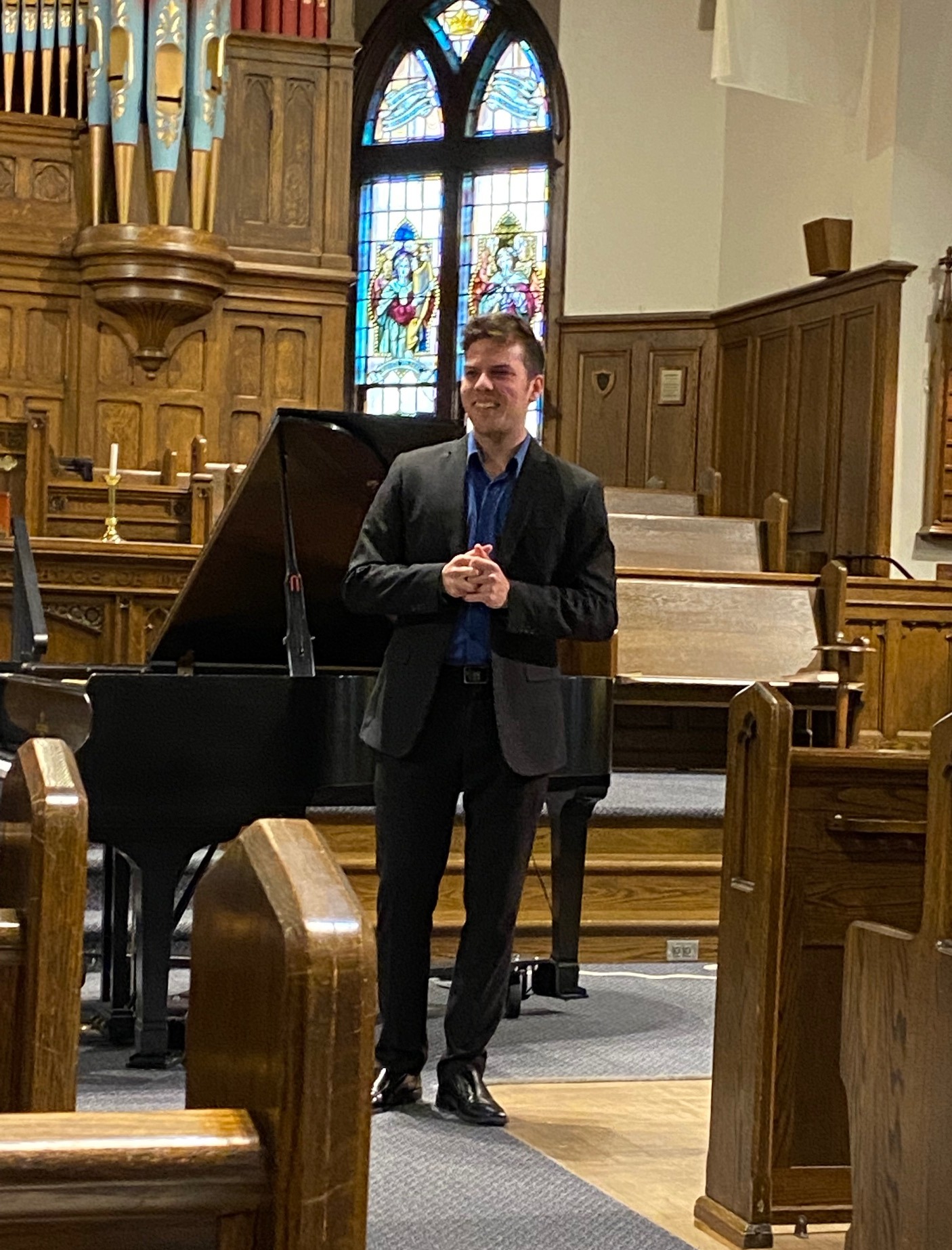
It was very nice that the small group of listeners  wanted to show the pianist how much they enjoyed his concert and did everything not to stop clapping and almost forced him for a bis. He definitely gave us all big joy and pleasure. The pianist obliged and play a small piece of Robert Schuman’s music. Elegant but not empty. In times of Schuman, in between musical epochs, compositions had to be formed elegantly, while a good composer still could enrich them with true meaning, thought or emotion. Many things could be said about Schuman as a composer – but never that his compositions were not a good music.

Therrien recorded two CD that are worth mentioning: Piano Preludes by American-Spanish label Orpheus Classical ( Claude Debussy Book 1 of Preludes and Franz Liszt Symphonic Poem no.3, S.97 (nota bene: Liszt was the father of this musical form). Therrien arranged it himself for solo piano.

Second of these recording is a CD produced by French label Klarthe. It contains an array of fantaisies by many composers played by duo of Jean-Samuel Bez (violin) and Jean-Luc Therrien (piano, of course).

Of these two recordings, I particularly liked the ‘Piano Preludes’ produced by Orpheus Classical.

Angst

Bogumił Pacak-Gamalski

Jest coś przerażająco pustego w naszej cywilizacji. W gruzach własnych kłamstw i pożarów runęły stare Kościoły, etyki, zasady. Nie, nie były szczere ani prawdziwe. Nie opierały się ani na dobrze ani na szacunku wobec innego, drugiego. Ale ofiarowywały pewną nadzieję, pewien schemat postępowania i oczekiwań, które czyniły życie znośniejszym.  Małe cele możliwe do osiągnięcia, nawet ucieczkę w elizjum  metafizyki służenia Czemuś, wartości przerastających szarą i nieruchomą egzystencję.

Dwa światy

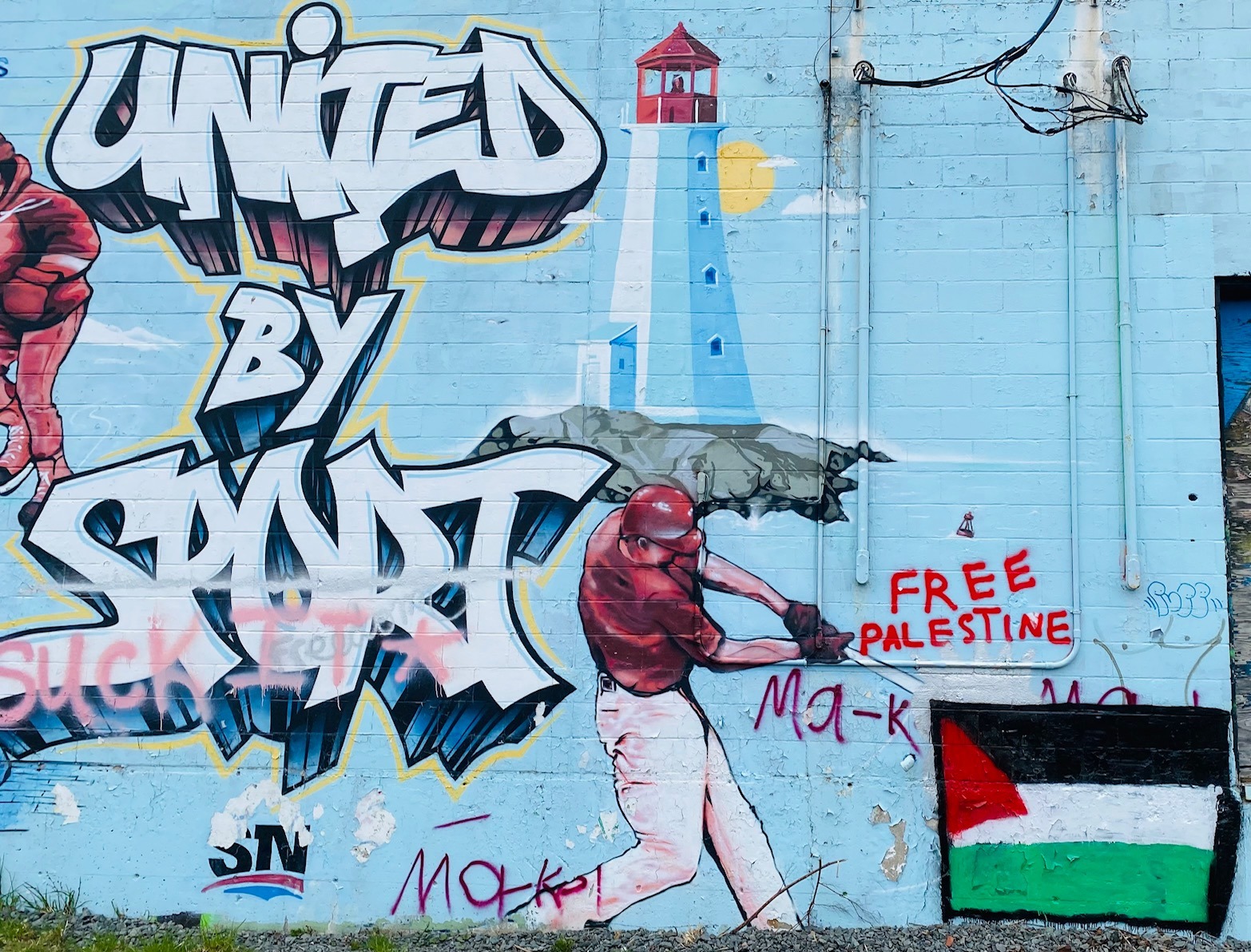
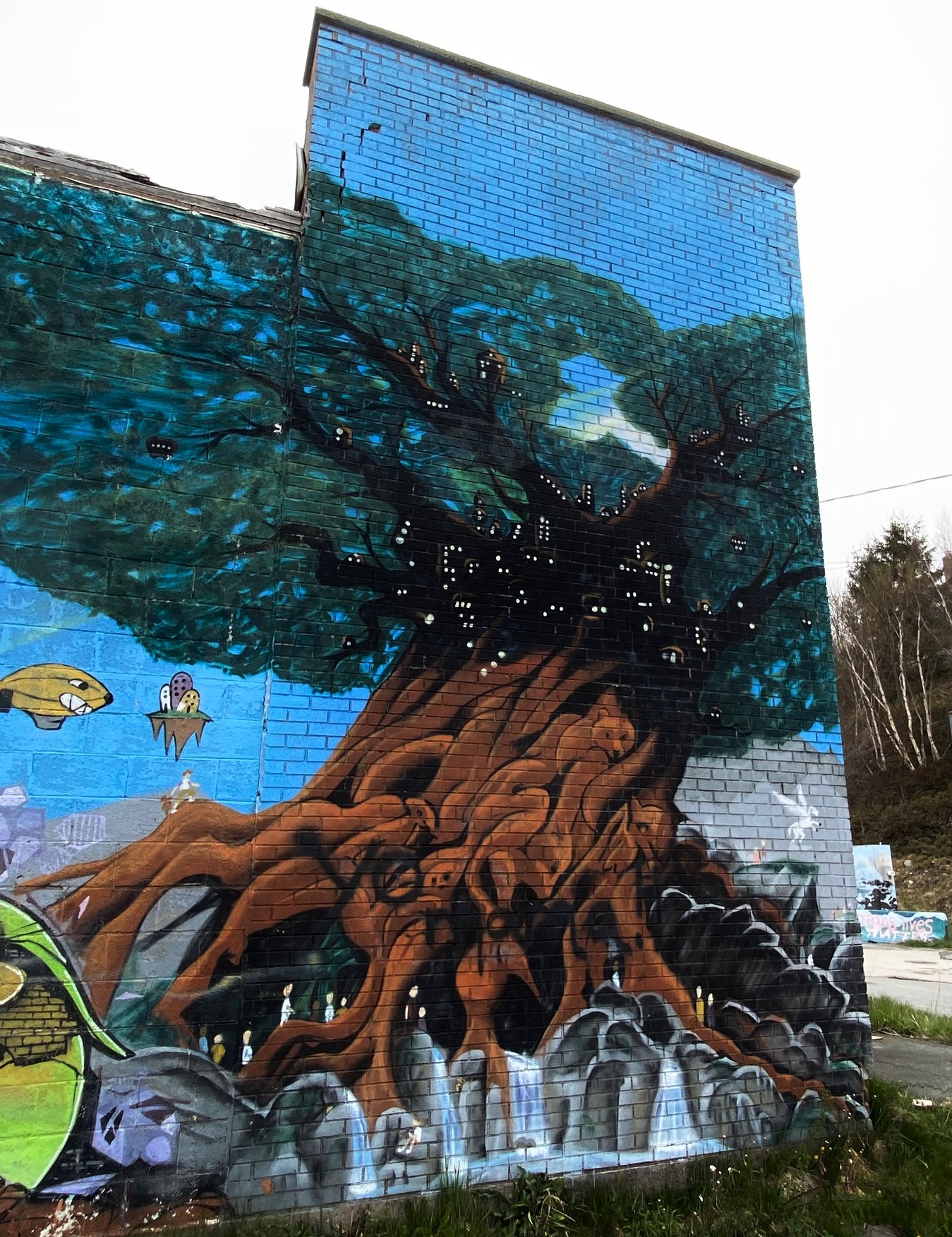
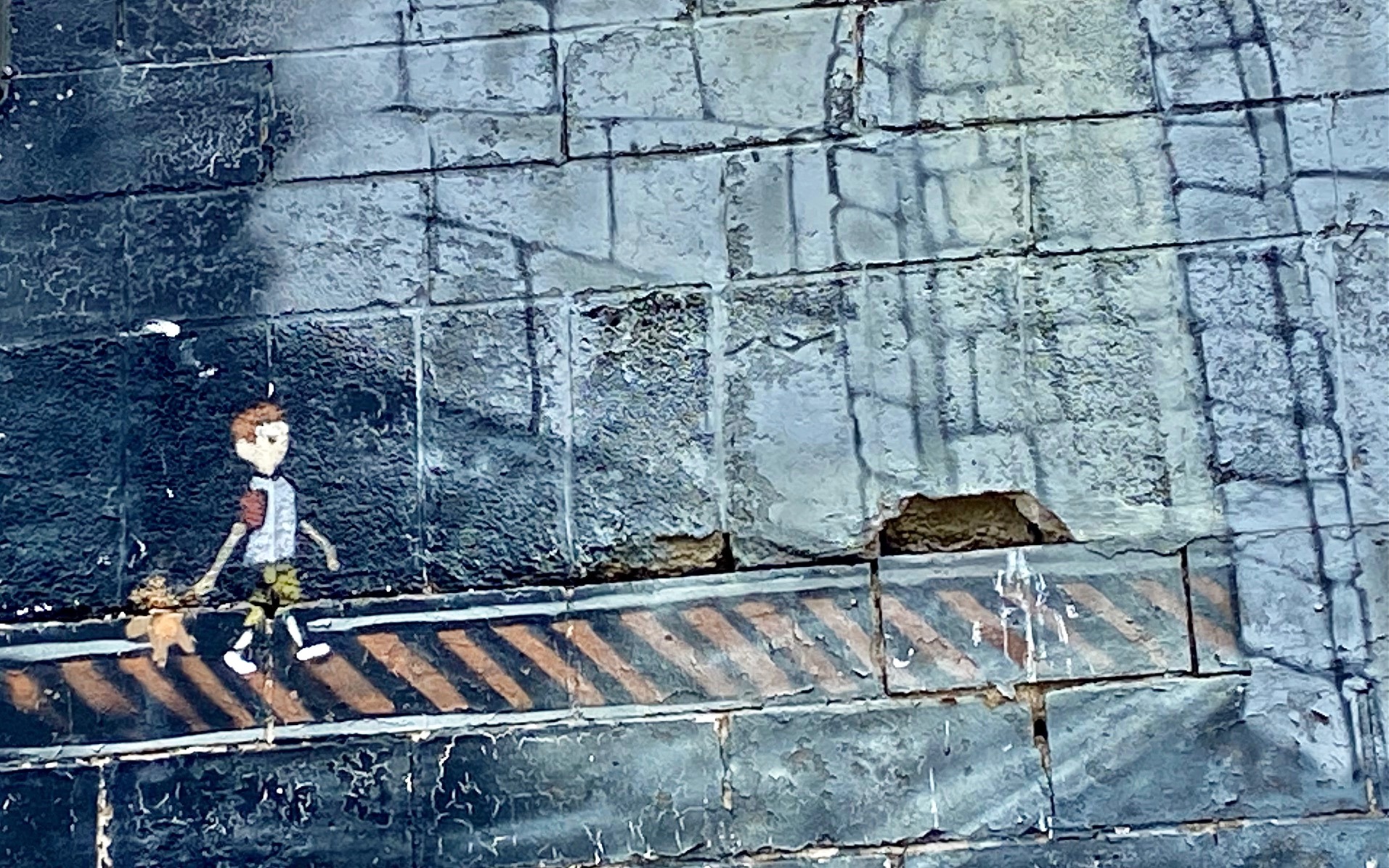
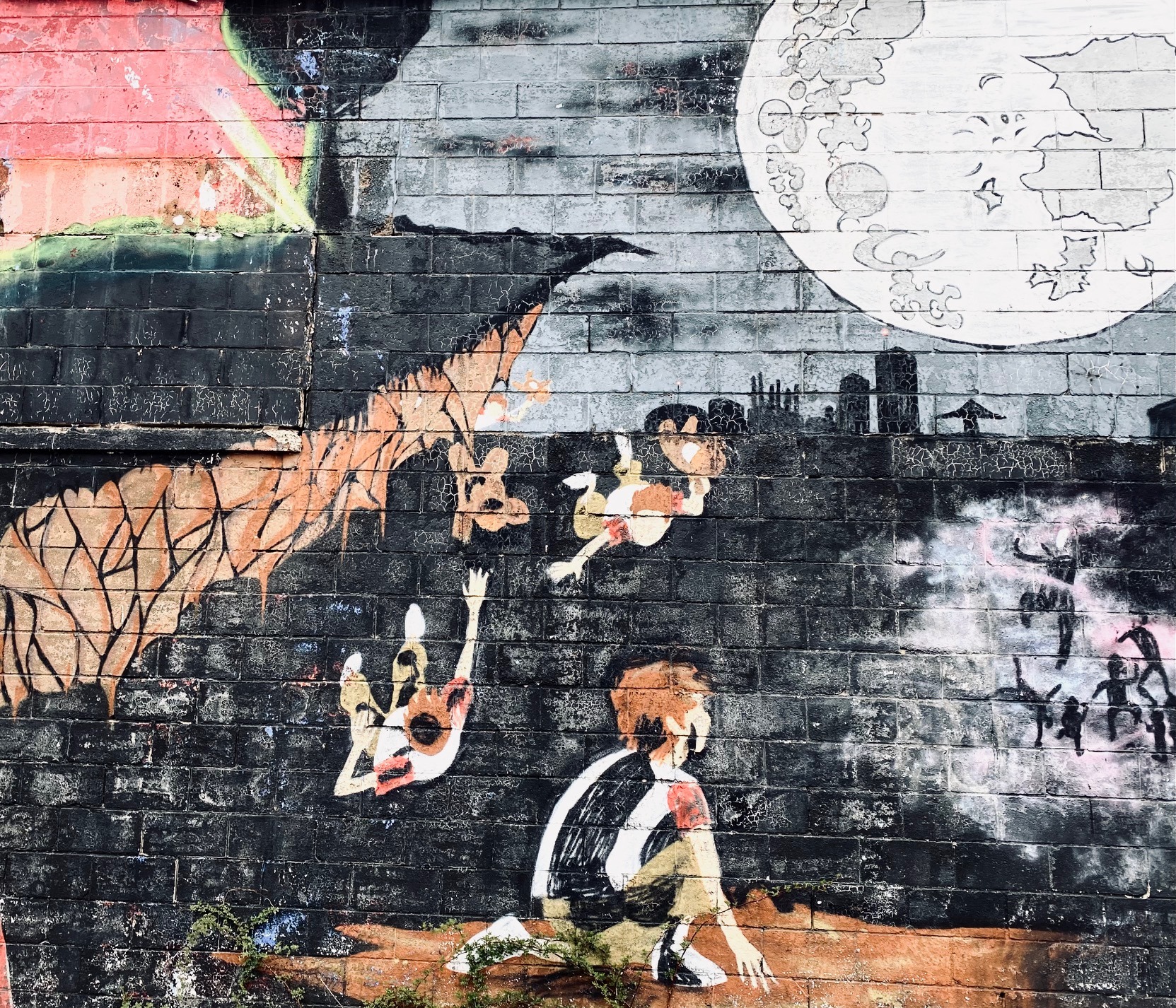
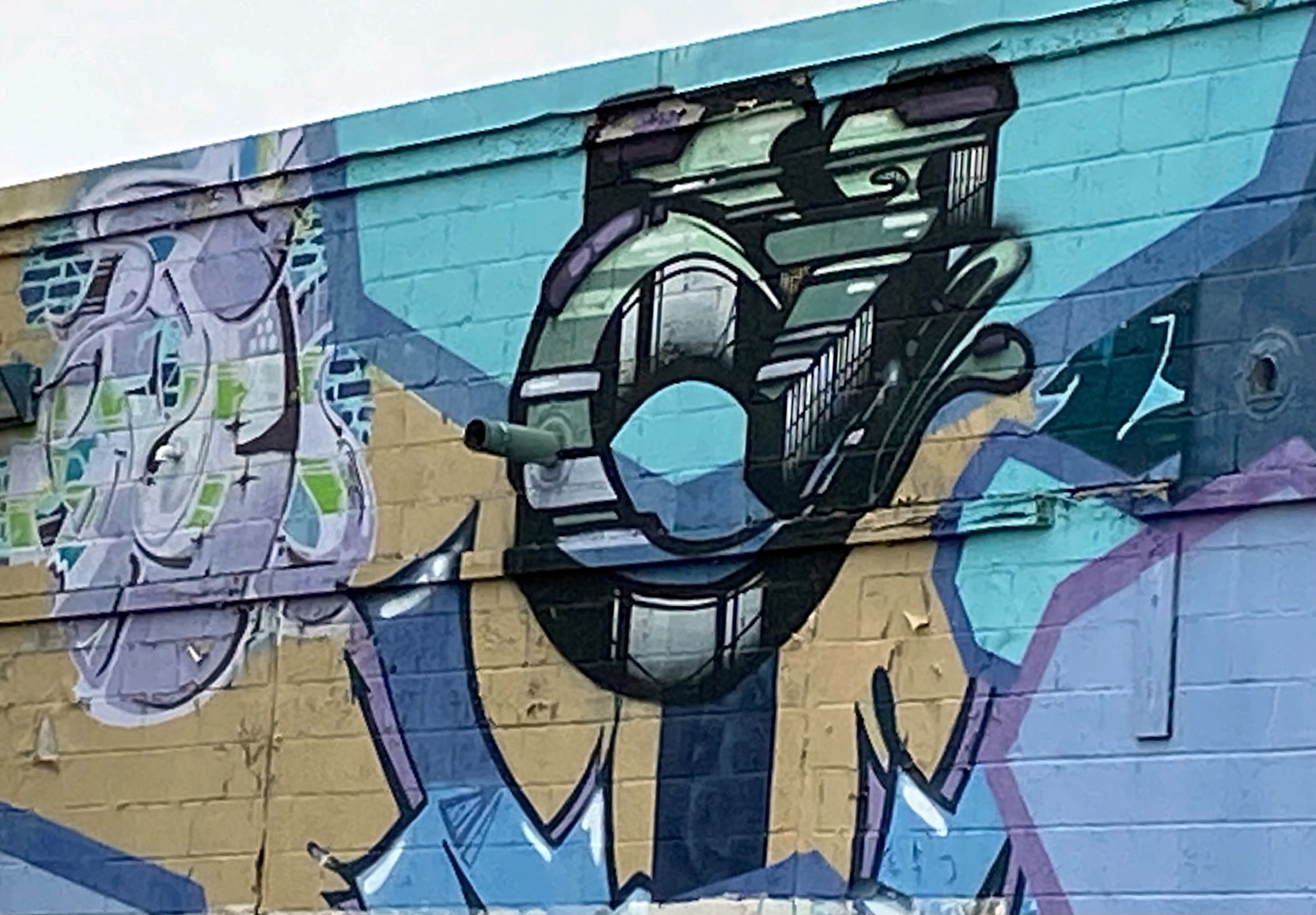
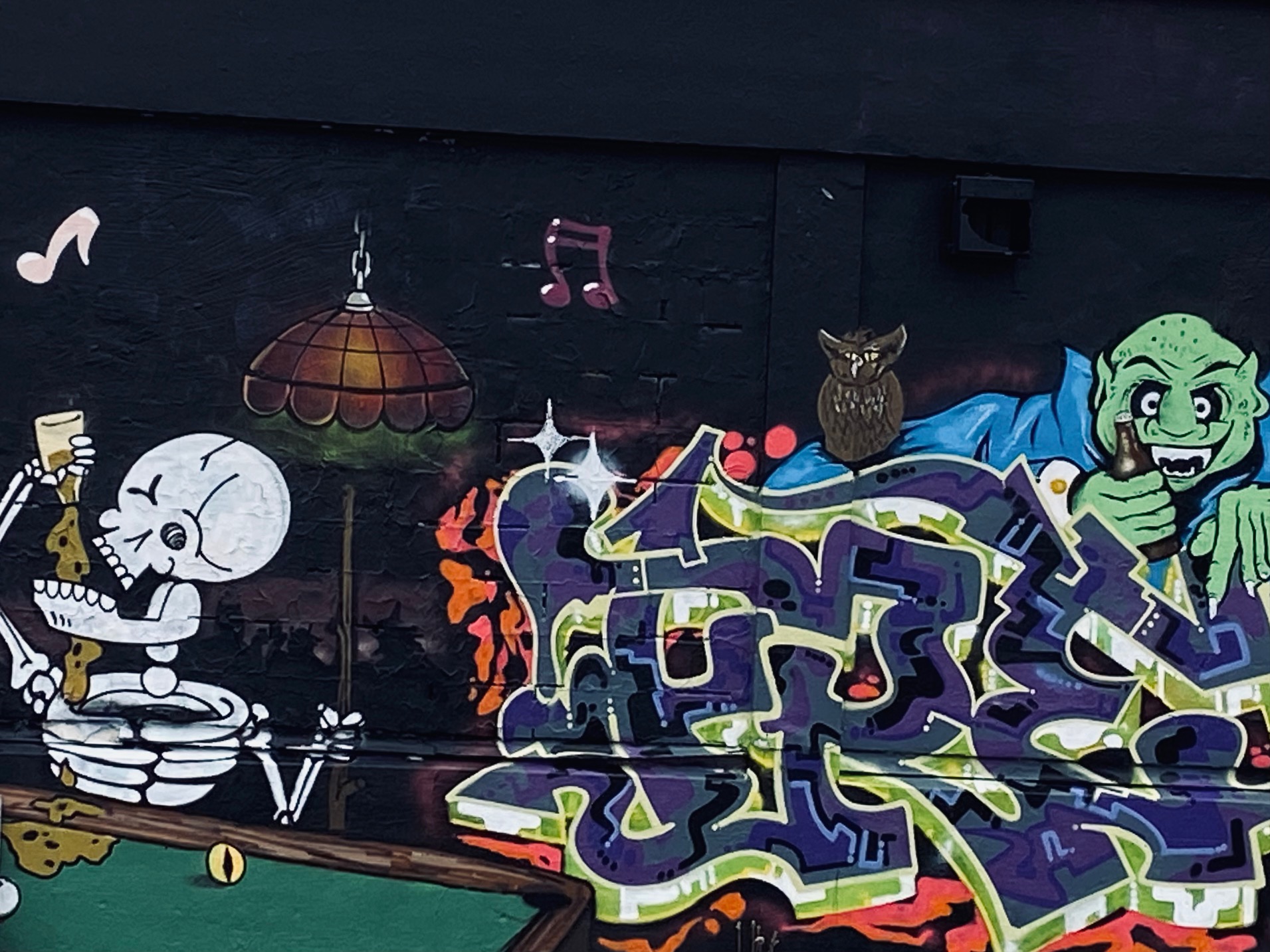
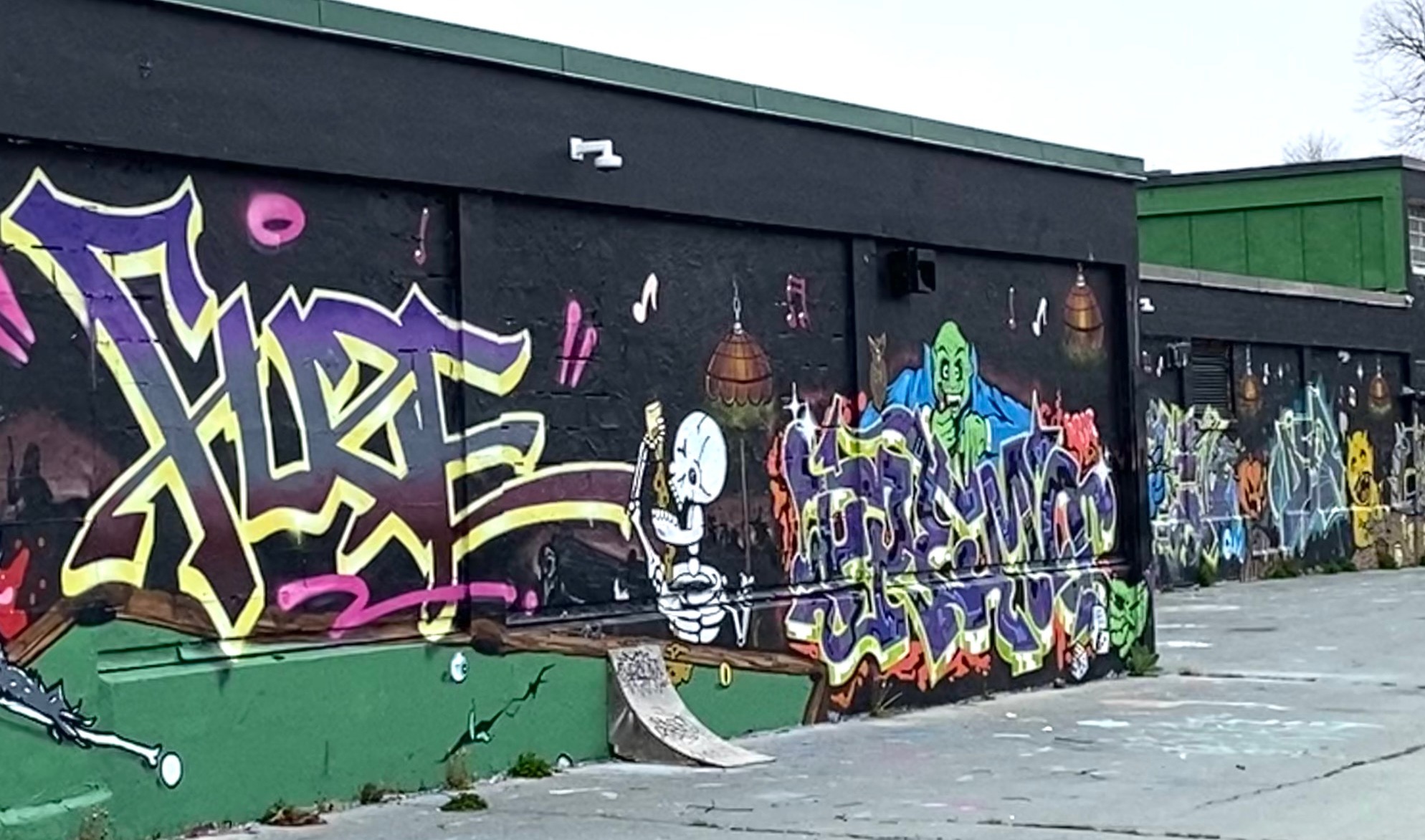
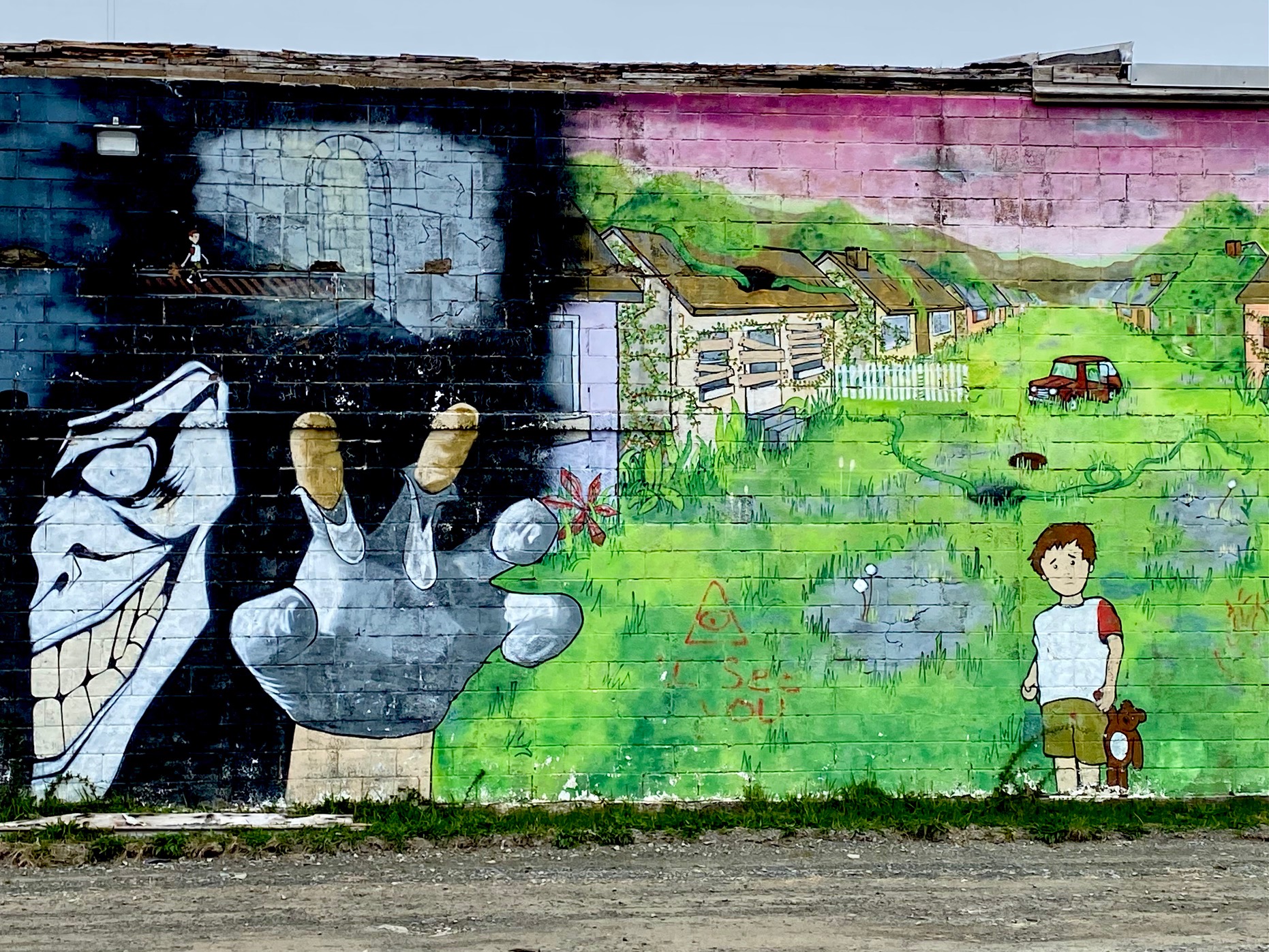
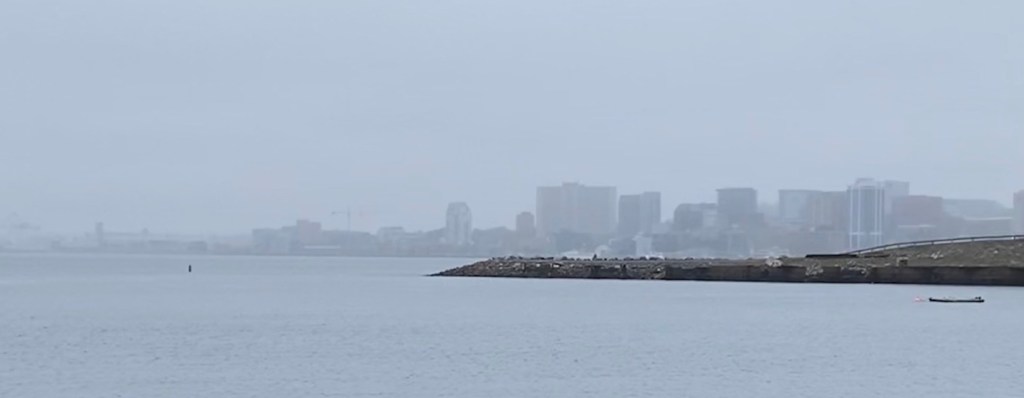
Krótki spacer nad kanałem morskim oddzielającym Dartmouth od  półwyspu na którym rozłożył się sąsiedni Halifaks. Dzień ponury, dżdżysta materia   wisi w powietrzu i opończa wilgoci zamazuje kształty, kolory, rozmywa krawędzie. Zakątek na spacer wybrałem dość podły. Resztki rozwalających się starych zakładów małego przemysłu, jakieś nieczynne już, lub w poły tylko, magazyny. Ale te pół ruiny to fantastyczna, kolorowa i wiecznie zmieniająca się galeria murali/graffiti/fresków. Bez zwracanie uwagi na szczegół, bez prób rozszyfrowania języka twórcy – samymi tylko kolorami, wielkością, omal mahometańską tradycją graficzną – te ściany upiększają dość biedną rzeczywistość tego krótkiego zakątka, małej części kilkukilometrowej trasy spacerowo-rowerowej, miedzy dwoma przystaniami promów miejskich.

Ale w dzień, jak ten właśnie, sama atmosfera zmusza cię do ‘czytania’ tych graffiti. I wtedy słyszysz ich krzyk. Lub złość, protest. Rozczarowanie. Pokazanie kułaka zgiętego w łokciu, środkowego palca. To nie są piękne freski upiększające otoczenie (choć piękne są). To sztuka protestu. Gazeta ścienna. Manifest Komunardów? Nie, to też spaliło na panewce. Wszystko prawie. Każda obietnica. Każda rewolucja, która pożarła swoje dzieci i wymordowała swoich przywódców, którzy przedtem mordowali swoich wielbicieli. Lenin-Trocki, Robespierre-Danton. Wieczna dychotomia. Idee, które w imieniu człowieka i ludzkości tychże wyrżnęły na dudka. Lub po prostu wyrżnęły. Demokracje liberalne, które skończyły się nową formą pańszczyzny, wolności osobistej okiełznanej kolczastymi drutami ekonomicznego wyzysku tzw. wolnego rynku. Próbowano już wszystko chyba – i wszystko zawiodło. Zawiodły Kościoły stare i Kościoły nowe. Pozostał angst. I Banksy. Jego naśladowcy. Biedni, zdolni, naćpani może narkotykami, rozczarowani społeczeństwem, systemem. Człowiekiem. Ale nie milczący. Puszka farby w aerosolu nie jest taka droga.

Miasta, biznesy próbowały początkowo z tym walczyć. Sypały się groźne słowa świętego oburzenia: wandalizm, graficzne zaśmiecanie środowiska, brzydkość, wulgarność. Często z poparciem tej najgorszej, najbardziej przeciętnej i zaślinionej drobnej burżuazji (tak, tejże współczesnej dulszczyzny i wnuków bohaterów słynnego wiersza Tuwima o ‘strasznych mieszkańcach ze strasznych mieszkań’). Przeciętniaków, którzy ongiś żyli (i kształtowali swoje płytkie poglądy) sensacyjnymi tytułami popołudniówek, a teraz trwają, z wypiekami na twarzy, na swoich fejsbukowych forach, swoich tłiterach i instagramach. Pewien wpływ na tą twórczość graffiti miał niewątpliwie prąd w sztuce znany, jako konceptualizm i jego pochodne i późniejsze popularne i bardziej przystępne intelektualnie formy popartu. Ot, słynna Zupa Campbell czy wreszcie fenomenalna Puszka Coca Coli Warhola. Zwłaszcza Coca cola stała się wspaniałym otworzeniem na pastisz, na ironię, na ‘okazania nagiej prawdy, ‘prawdziwej twarzy’ społeczeństwa konsumpcyjnego. Bez względu na zamierzenia neurotycznego i zadufanego w sobie Warhola. Okazało się, że słynny druk Coca Coli można ukazać, jako nowy symbol Ameryki. Jej nowe godło narodowe. Nie żadne Deklaracje, dumny Orzeł, wolność. Bzdura – idealny symbol biznesu, robienia forsy bez skrupułów, sprzedawania (pardon moi) gówna nie wartego i nie kosztującego więcej niż pięć centów za dolara, w dodatku gówna szkodliwego (epidemia otyłości i cukrzycy jest pochodną tej fascynacji masy cukru i sprytnie dobranych, jak w kunsztownej mieszaninie używki narkotycznej, związków symulujących smakowitość): puszka Coca Coli. Nic więcej. Nowy sztandar patriotyzmu za który młodzi żołnierze maja oddawać życie. To wszystko miało bez wątpienia wpływ na ironię, szyderstwo, a w końcu wielki smutek subkultury, często określanej (i samookreślającej się tak), jako underground/podziemie. Choćby szwedzka mistrzyni Czon, która poszła dużo dalej niż Banksy i zerwała z dość ściśle przestrzeganą przez Banksy’ego zasadą wysokiej estetyki jego dzieł. Współczesne, podziemne graffiti to krzyk, złość – ale też coraz widoczniejszy ból, rozczarowanie, zagubienie. Angst. Dzieci Kierkegaarda, Sartre’a, Heideggera czy nawet Nietzschego? Rozpacz egzystencjalna?

Stracone pokolenie? Ale stracone dla kogo, dla czego? Tego, co podłe, co do desperacji i alienacji młodych doprowadza? Może to oni biją w dzwony jakiejś nowej, lepszej katedry, której jeszcze nie zbudowano?

Zastanawiało mnie to w ten dżdżysty ranek. Kiedy deszcz nie padał, a powietrze było deszczem samo w sobie. Kiedy piękno natury rozpływało się, gubiło kształty i kolory w tym deszczowym powietrzu, a brzydota cywilizacji, tuż obok, na wyciagnięcie ręki – gniła, rozpadała się, opadała tynkiem, brunatniała rdzą spływająca po ścianach, jak strużki stężałej krwi. I w tym wszystkim gorące, wyraźne murale, graffiti.  Jak te w Kaplicy Sykstyńskiej. Która ostatecznie jest też czymś wiele większym niż tylko dziełem sztuki geniusza. Jest ówczesną alegorią ludzkości i komentarzem dziejów. Każdy czas ma swoich komentatorów.

(wszystkie zdjęcia wykorzystane w tekście są własnością autora)

Dajmy, a naprzód dajmy!

Dajmy, a naprzód dajmy!

Bogumil Pacak-Gamalski

W poprzednim, dość obszernym tekście pisałem o moim ‘spotkaniu z aniołami’. Nie, nie tymi niebiańskimi – tymi ziemskimi. Ludźmi, którzy bez jakiś nadzwyczajnych predyspozycji, koneksji lub układów z ‘wielkimi’ lub możnymi tego świata podjęli się niebezpiecznej i bardzo trudnej akcji niesienia pomocy Ukraińcom – bezpośrednio do Ukrainy. Nie czuli się bohaterami. Za bohaterów uznają tych, którzy tam, na Ukrainie, mieszkają. W swojej ojczyźnie. Przedstawiłem tych aniołów na przykładzie Moniki Brząkały i Pawła Cichonia. Monika mieszka na stałe w Holandii, Paweł w Mielcu. Teraz wspólnie organizują konwoje z żywnością, lekarstwami i wszelkimi innymi środkami niezbędnymi do przeżycia, do ratowania życia ludzi tam. I do transportu, w drodze powrotnej tych, którzy uchodzą do Polski przed pogromem, śmiercią, przed rosyjskimi bombami i pociskami.

Tamten tekst, po angielsku, był dłuższy, z osobistą refleksją, nakreśleniem szerszym tła. Skierowany głownie do czytelnika innego, stąd w tej współczesnej lingua franca napisany. Polakom, którzy chyba lepiej niż większość innych narodów, tą tragedię znają i rozumieją – takiego wyjaśnienia nie potrzeba.

Nie zmienia to jednak faktu, że tym aniołom pomoc z nieba nie spada. A ich własne fundusze dawno się wyczerpały. Nie wyczerpała się jedynie chęć i upór niesienia tej pomocy.

W 1575 Rzeczpospolitą wstrząsnęły wieści o napaści na Podole hordy tatarskiej. Najwybitniejszy twórca literatury narodowej doby Odrodzenia, Jan Kochanowski, napisał wówczas Pieśń ‘O spustoszeniu Podola”. Niejako proroczą na czasy obecne napaści hordy moskiewskiej. Tyle, że już nie polski rycerz i piechur ma Podola bronić a Ukraiński, który jakże niedawno, wymarzoną od długiego czasu, suwerenność zyskał. Z tejże Pieśni Jana Czarnoleskiego wiele nauk na sytuację obecną płynie. Ale zasadniczym hasłem utworu (i przestrogą wobec skutków nie skorzystania z wezwania poety) jest zawołanie: ‘dajmy, a naprzód dajmy!’. O przesyłki i dostawy broni, środków militarnych dla Ukraińców martwią się (skutecznie, miejmy nadzieję) współcześni ‘królowie’ wielu państw. My pomóżmy tym, którzy niosą pomoc humanitarną. Serdecznie więc zachęcam wszystkich, którzy chcą i mogą, o dotację każdego ‘grosika’ na akcję tych ‘aniołów’.. Wiem, że nie jedynych. Ale zdecydowanie wartych wsparcia.

Można skontaktować sie bezpośrednio przez Messendżera na ich profilach na Facebook (Paweł Cichon lub Monika Brzakala. Lub na stronie zrzutki w Polsce https://zrzutka.pl/72y53z lub w Hollandi https://www.doneeractie.nl/help-monika-mensen-in-oekra-239-ne-helpen/-62300.

Szerszy materiał fotograficzny wraz z całym tekstem po angielsku jest pod tym linkiem https://kanadyjskimonitor.wordpress.com/2022/05/02/army-of-angels-in-ukraine/

Army of Angels in Ukraine

by: Bogumił Pacak-Gamalski

co-contributors and assistance: Jarosz Bogumił, Monika Queis-Brząkała and Paweł Cichoń,

I have written here about Russian invasion of Ukraine numerous times. It is extremely brutal war on the part of the invading forces. It is the first war since Cuban missile crisis decades ago, that the world is faced with real possibility of new global conflict. A hot war on the old lines East versus West. Just the lines have shrunken very much (by thousands of kilometers eastward) by emergence of new independent states from Baltic to Black Sea. Most of them returned to their own, pre-Soviet, western type of democracies and become members of NATO and European Union. These, which never were really independent (former Soviet republics) established their own sovereignty. I will not dwell here on Caucasian and Asian former Soviet republics, as they are not really involved much in current conflict.

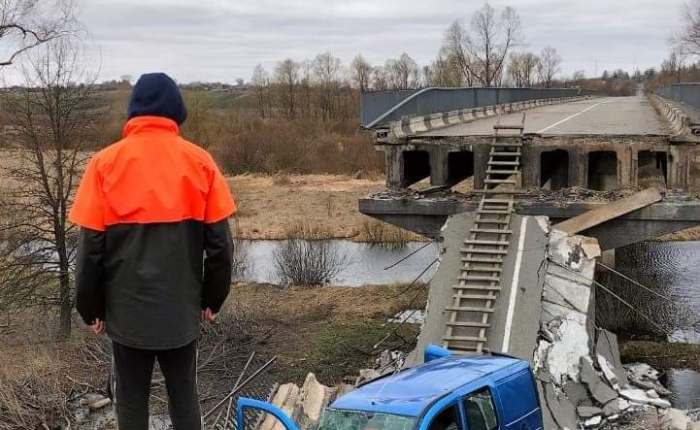
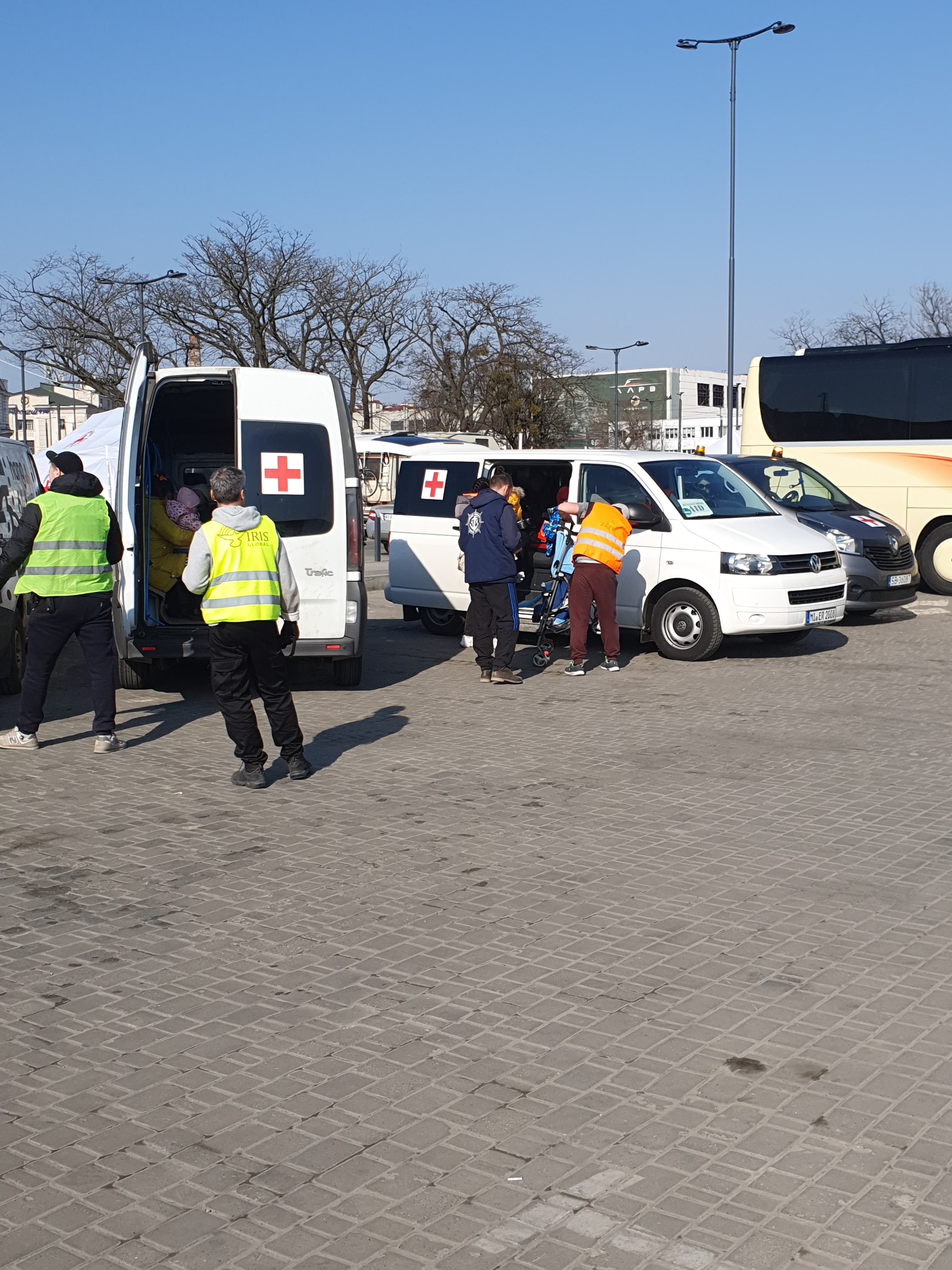
Of the European ones, the major states are Belarus and Ukraine. Two extremely different states in almost all aspects. Belarus much more backward, with weak industrial output, have chosen a close alliance with former master from Moscow. Over time it has become a very authoritarian, dictatorial regime of one ruler – president Lukashenko. To the south lies even larger and much more populated country of Ukraine. It does have old and strong nationalistic legacy and struggle for independence going back hundreds of years. It’s dreams of sovereignty did not came out of blue moon but from a long line of political, military and historical thoughts and actions. Ukraine, more than any other country, is the true linchpin between Western and Eastern cultures and civilizations. Now it has become the line of defence of the West. The conflict at the beginning looked like a dangerous spot but still very much viewed as strictly Russian-Ukrainian war. Yes, with active political and very limited military support for Ukraine – but localized. It is no longer. That is clear, now. It is a war between Russia and the West. And everything must be done to make sure, that the West succeeds. The theater of all military actions is still (hopefully will remain that way, although it is tragic for Ukrainians) in Ukraine. But neither NATO, nor Europe, nor individual western states (mostly in Europe) can say – we are supporting Ukraine but we are not part of the war. We are part of it. Very much so. From political side, military side, ideological side. But also, which has become increasingly visible and important from societal, cultural and I would add, very philosophical standpoint. Apart from the governments, the armies, the politicians, military and economic alliances. The societies of Europe, the nations, citizens has become involved and formed unprecedented pressure, its own organizations, groups, even single individuals (in thousands) that are involved in that struggle. For every government sanctioned and paid truck or planeload or train container with war supplies for Ukraine – there is ten or twenty trucks, containers or columns of cars with humanitarian aid traveling day and night, mostly through Polish-Ukrainian border. All of it without government involvement, without millions of dollars of taxpayers money and directives from politicians. Separate, societal ‘humanitarian war’ for Ukraine. Unprecedented in scale and effort. A new, non-military frontline. I would call them humanitarian divisions, regiments and battalions that actually put their boots on Ukrainian soil. An Army of Angels. A dedicated Corp of individuals and civic organizations that risk actually, on every trip across the border, their life. But they do it nonetheless for every trip saves certainly lives of Ukrainian people, who are being internally displaced, shelled upon, murdered by Russian invaders.

Do not forget about them. They are your outstretched arms, extension of your thoughts, your feelings and hearts. If you feel overpowered with thoughts: ‘but what can I do, there is so much misery and need and I am just one person, far away!’. There is a way, you can do a lot because there is a lot of ‘yous’. And although you resources are limited – put together with others, it creates a treasure. A treasure that the army of angels can use to buy thousands of items, that they know were and by whom it is needed. And they will deliver it themselves in their own or rented for that effort cars, buses. Help from huge organizations, with large funds (national or international) is different and differently distributed. It also requires  a large administrative cost and employees cost. They have access to governments funds and donations, other large international institutions, national campaigns. They do have an important not to be forgotten role. But there is an enormous need for the smaller lives savings provided by these angels – selfless individuals delivering individual packages of food, equipment, often tailored for particular community or group. In places not always accessed by the large organizations. And adjusting from day to day to constantly changing situation. As often happens in real war. I have been hearing, watching and reading of some of them, some of their actions for a long time now. And my amazement kept growing. My respect for them, their courage. Their humanity.

I always had a strange fascination with the concept and presence of Angels. Not saints, god or gods. No. Angels, some mystical and mercurial Beings. Turns out I was right. They are! They are just neither mystical nor mercurial. And they are truly among us, ordinary people. In many ways they are – ordinary people. With extraordinary hearts.

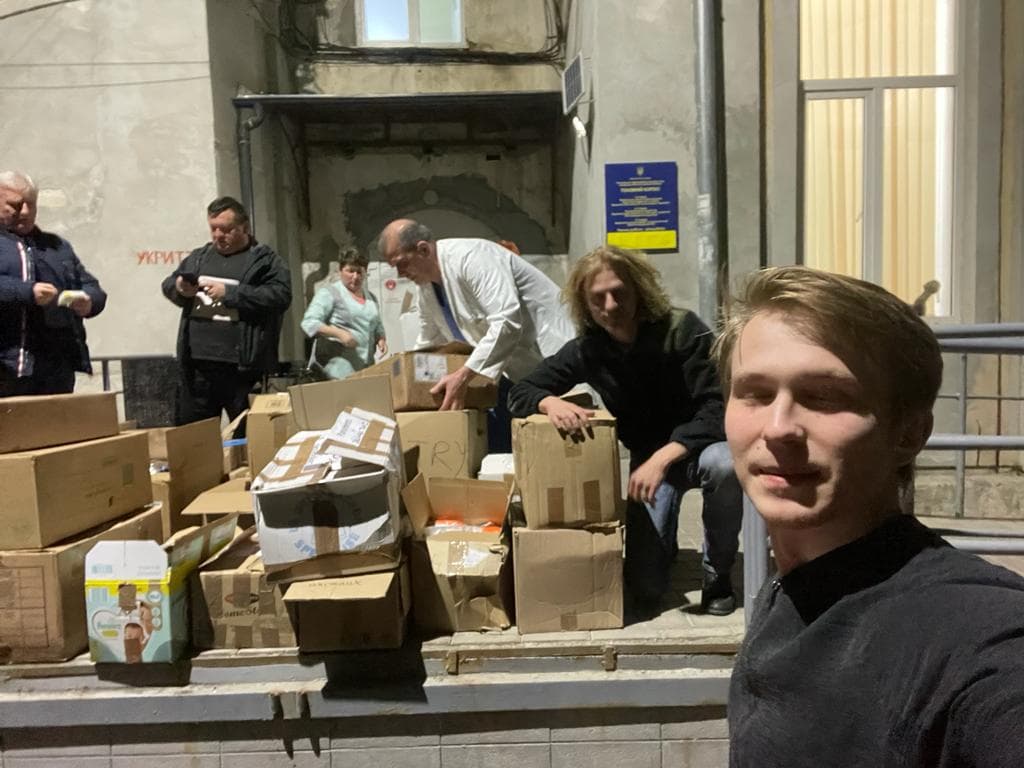
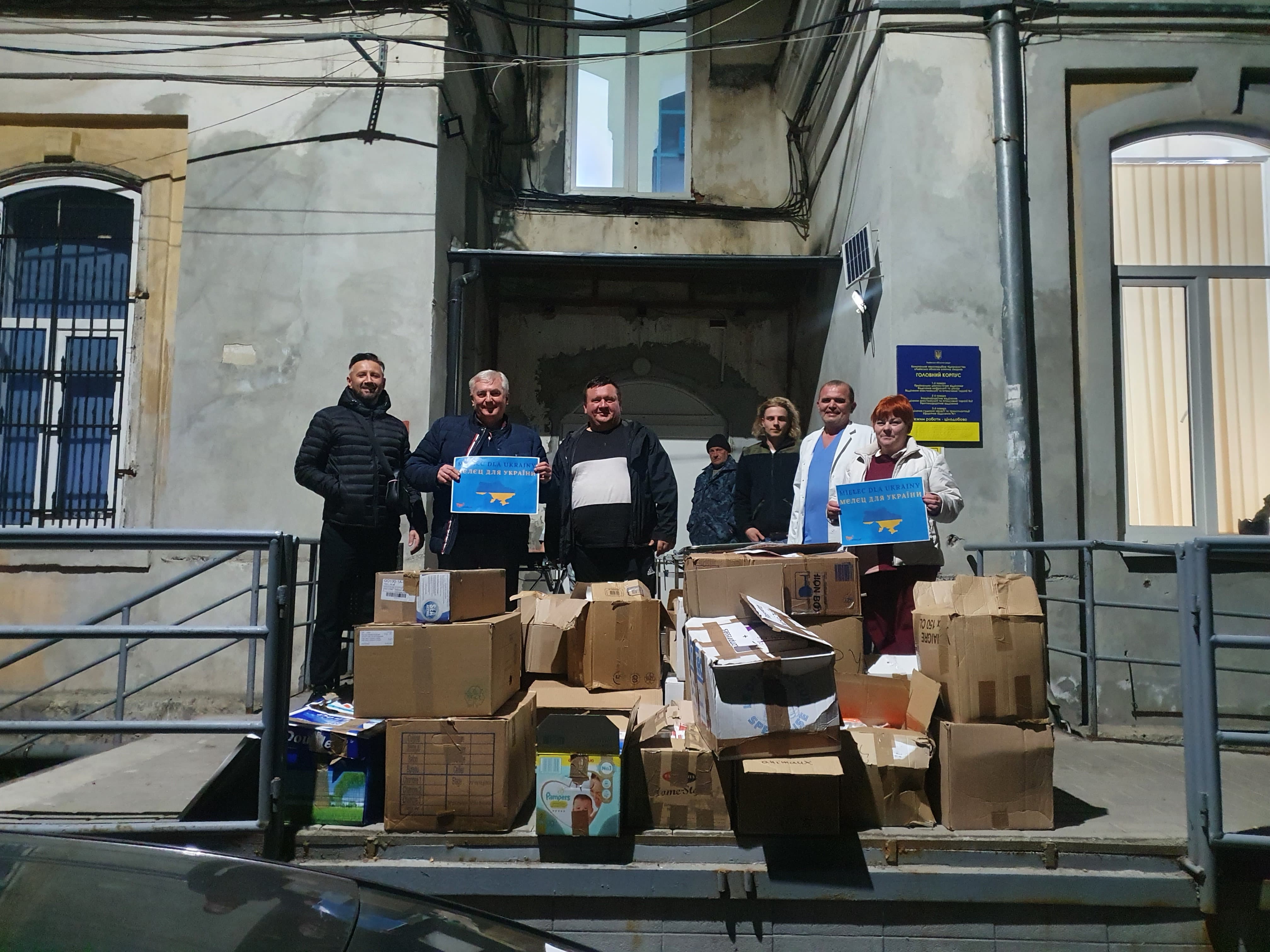
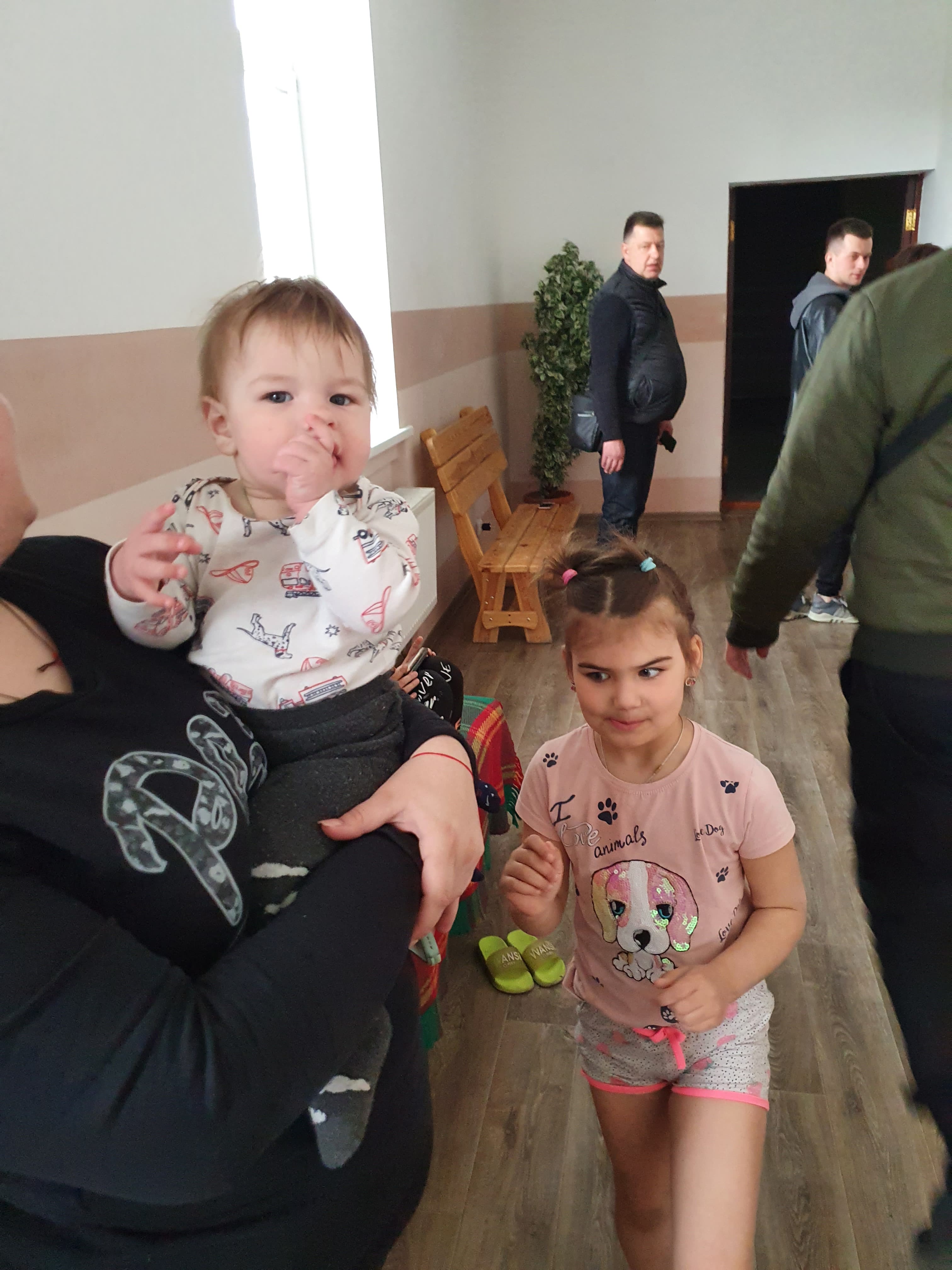
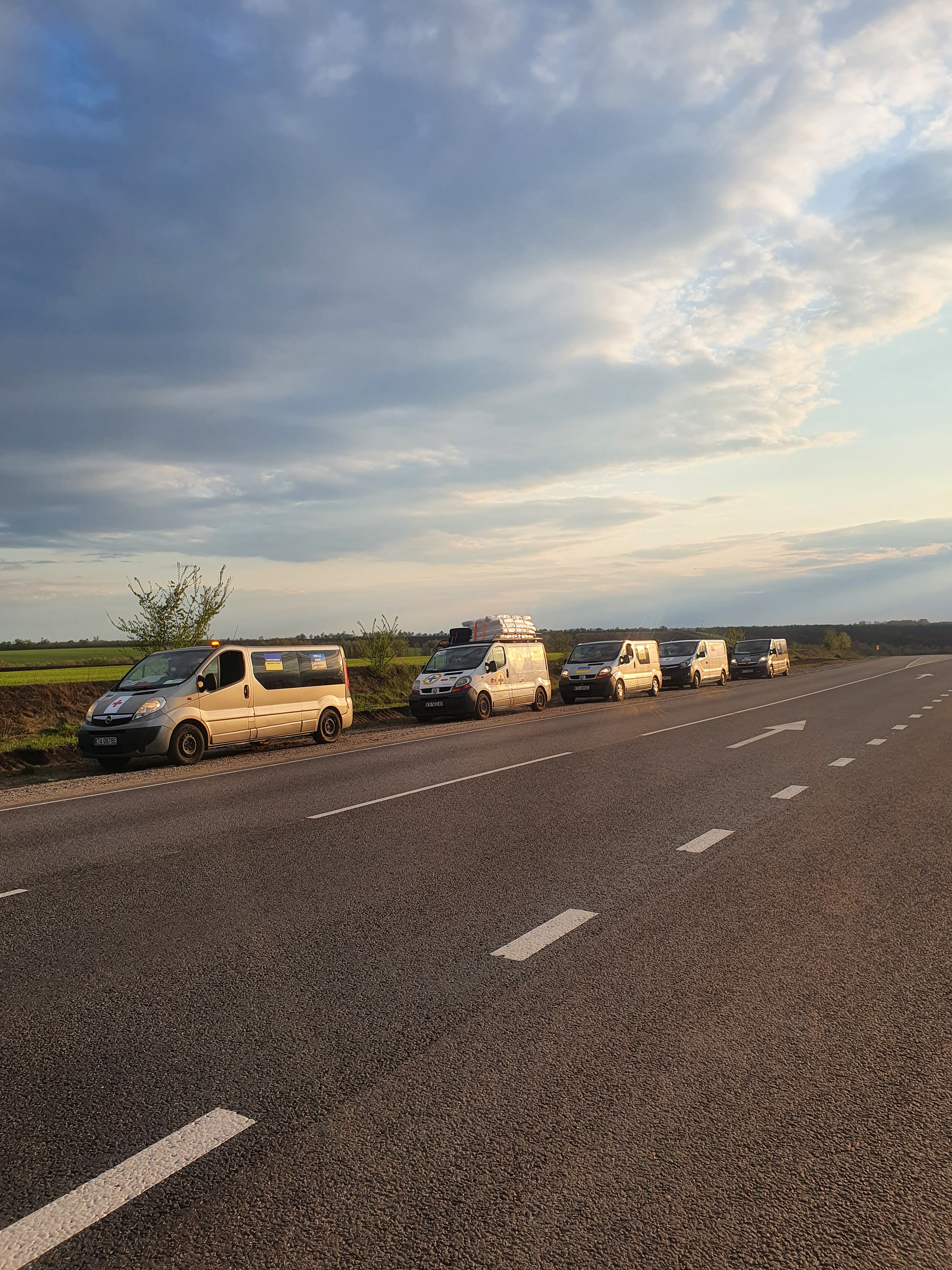
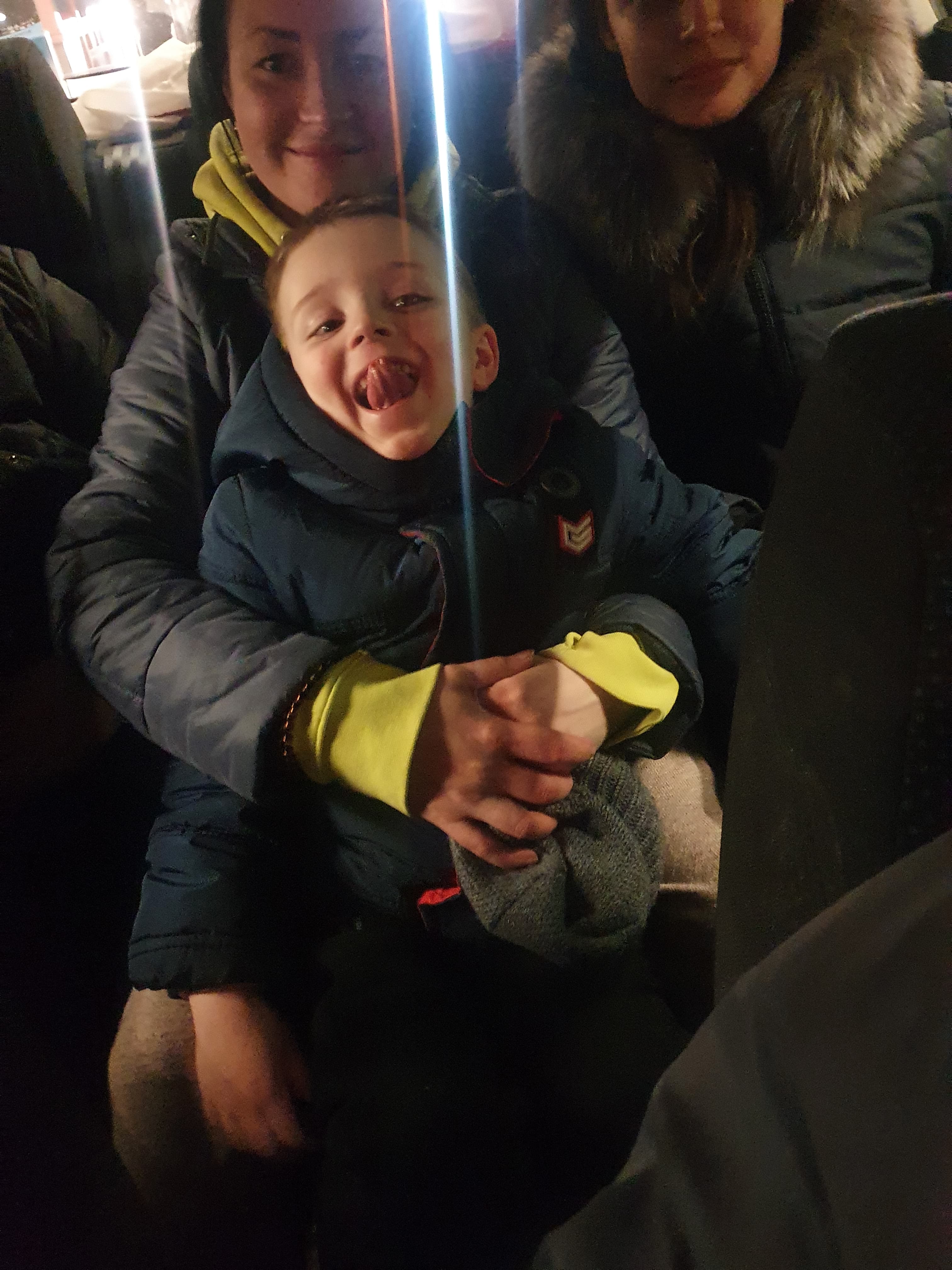
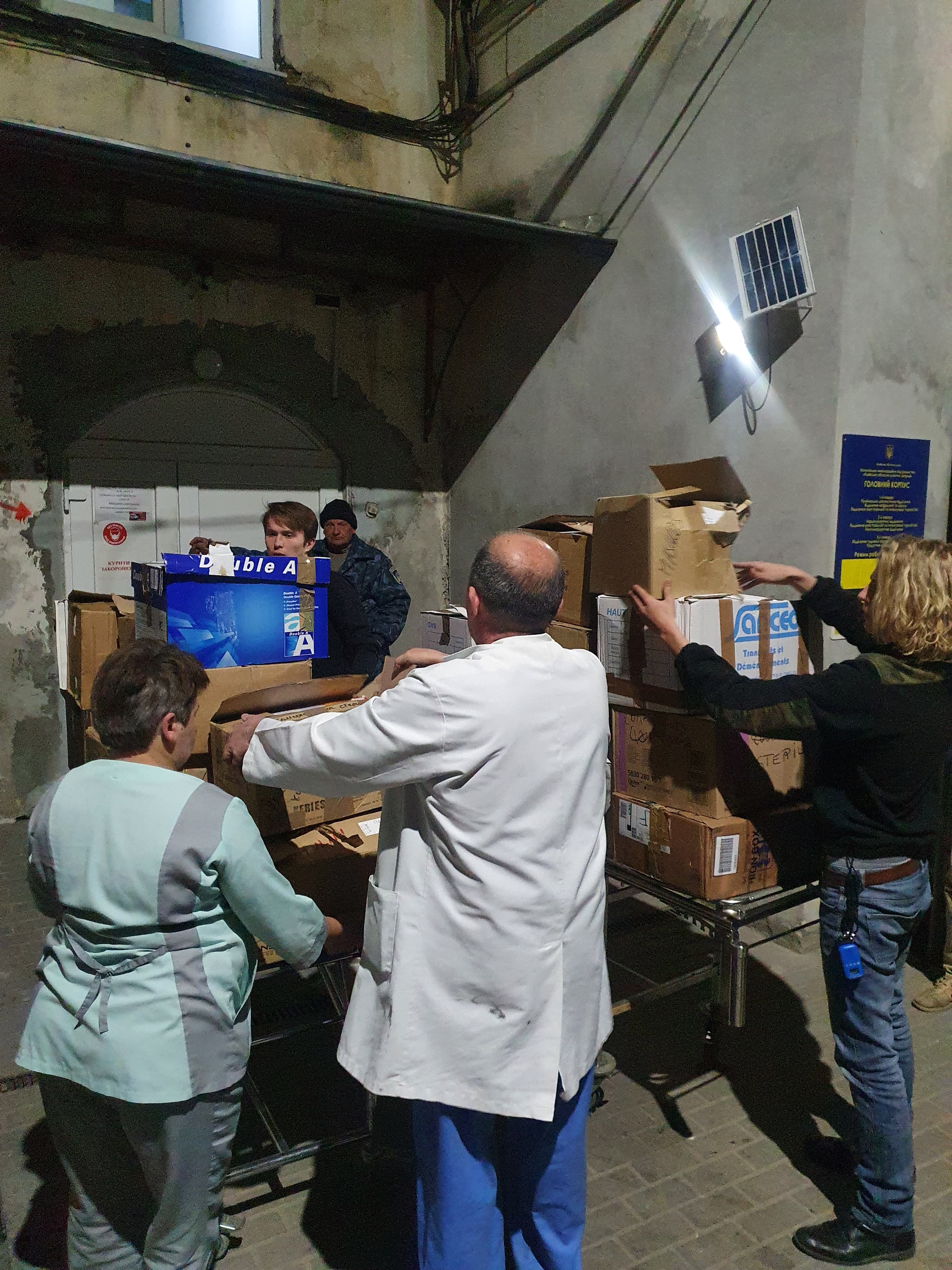
I will show you two of them (among countless), with whom I become close. Monika Brzakala and Pawel Cichon. These two, with a group of determined friends and ‘co-conspirators’ regularly travel from Poland, Holland to the Polish-Ukrainian border with small caravans of cars, finish their packing with last bought or donated equipment in Poland and … cross the border to enter a different world. World of people running from bombs, from rape, from hunger. They go, usually through Lviv, to small towns, villages. To some local churches, orphanages, run-down and overcrowded hospitals. To private huts and homes. Give the awaited and badly needed packages … and give them hope. And promise that we remember and will not let them down. Tell me that no, there are no angels? If you do – you are wrong, they are. I just talked to them while they were on the last ‘pilgrimage’ to Lviv. And when they were traveling back toward Polish border. Saw the pictures of them there, the cars. Felt like I was there, helping them. But, of course, they were there on their own. Hoping that this time the Russian rockets or artillery will not find them. I hope they never will. Yes, they did find in their journeys corpses of people. They found people telling them with tears of their friends, husbands, daughters, who were murdered by Russians. Children alone – lost, abandoned, perhaps orphans already? – crying, scared. They had to manoeuvre their cars on roads scared with bomb holes, with metal remnants of exploded and unexploded rockets. Sometime, in most difficult places, they had to use armed assistance of other friends. In case of encountering someone from the other side of the conflict. No, they are not military trained people. But they are practical. There is an old Polish saying: God protects the ones, who protect themselves … . They are angels – but lacking the wings. Can you lend them some?

I asked both of them one  question: why? Almost stupid in its simplicity. Still, I wanted to know. Pawel wrote to me that he started on February 25. More than a month. He went to Przemysl, the main Polish border city, were majority of Ukrainian refuges start their new journey. Just to see what he can do. He started simply by transporting people with his own car from there to other destinations in Poland. By helping them with new settlement. Some of them are now in different countries. But they still keep in touch with him. Their first angel. But that was not enough for him. He needed to do more. And he did. A lot more. At the beginning on his own, with only his own car and money. Sometimes it led to transporting Western volunteers to Ukrainian armed defence units. That was dangerous, as were transports of… let’s say: ‘stuff’ to the frontlines. I can’t provide more details on these journeys, understandably. Day after day, week after week he become familiar with particular places, particular needs and people. Often the transport was both ways: with ‘stuff’ to Ukraine and with refugees back to Poland. Friends help with donations, gifts. He organized some in his own city of Mielec in Poland, asked for some on his Facebook profile. In one sentence he adds: “By helping I know that goodness does come back, there is a person, who says: help gives us wings.” When I read his words from him, I smile. Wings? How does he know what I think of him? Hmm.

Monika lives in Holland, she moved there from Poland already some time ago,  before the war. Said that she couldn’t bear reading these stories, the tragedy of war in Ukraine. Human misery. To do something she volunteered to go once to Lviv with some donated and bought articles. While there – she met the people. Heard their stories, their cries. And the children … . No, she couldn’t say to herself: that’s it, I have done my part. Tells me: “when you cry with them and when you hold in your arms their children – you know that you can’t return anymore to your normal life.”  She couldn’t and didn’t.  Why, you ask? Here is Monika’s answer: “They need to know, that they are not alone, that we are with them.”. They need to. Simply as this. That’s why Monika is my other angel. Angel that saves Humanity. Or what’s best in it.

Now Monika travels from Holland, meets Pawel in Poland and they do the convoys together. With other angels that they are able to gather in their mission. Of course they are exhausted. Physically and emotionally. They avoid the dangerous emotional exhaustion by not dwelling on it, not thinking too much. There is a job that needs to be done. Again – simple.

One think they can’t avoid is the financial situation. Yes, friends and good people help them. But they also used up most of their own money. Renting of buses (their own cars are not enough for the amount of people and goods they move back and forth now), crazy high gasoline prices, exploded tires and so on cost a lot. And how many time you can ask the same people in your own community for help, for donation?

Separate thank you for my good companion from the days of an original KOD (Committee for the Defence of Democracy) in Poland, who guided me toward these wonderful people and asked me: how can we help them? He also provided a lot of the photographic material. Thank you, Jarosz Bogumił.
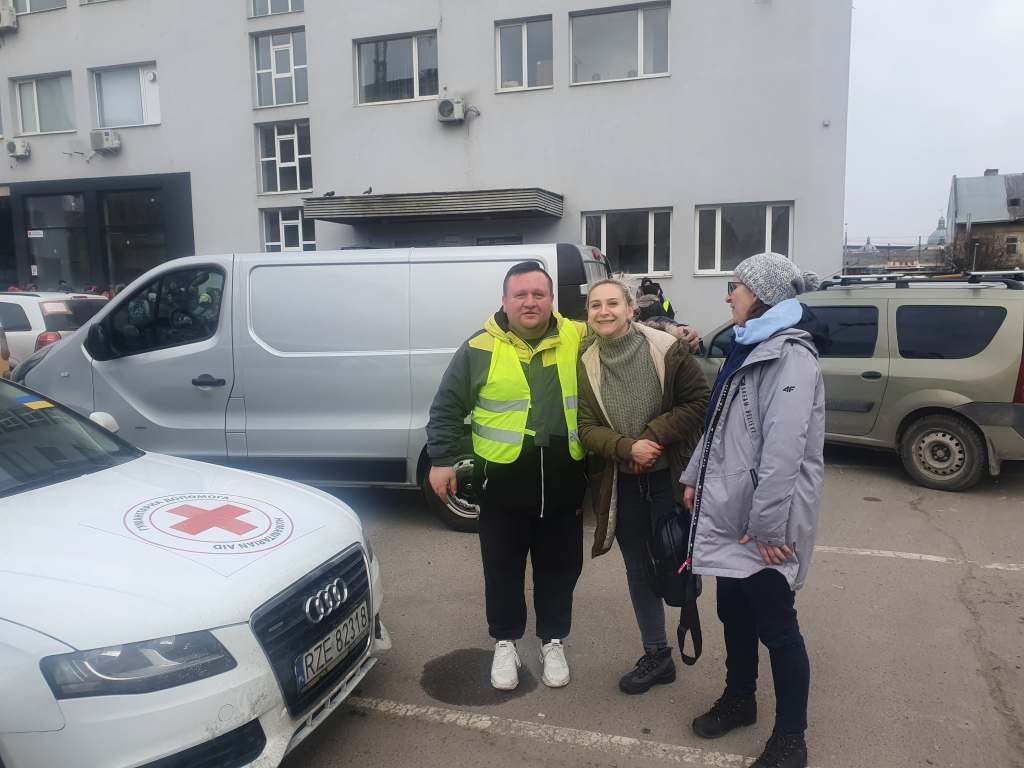
 

You can help them with a small (or large) donation by visiting them on their Facebook profiles (Pawel Cichon or Monika Brzakala and contacting them via Messenger; you can visit two separate crowdfunding addresses: in Poland https://zrzutka.pl/72y53z (this one is in Polish and for particular items – electric generators); in Holland https://www.doneeractie.nl/help-monika-mensen-in-oekra-239-ne-helpen/-62300 – this opens in Dutch but in your top part of screen should be a button for translation (in Google there is) and you can choose English language version. That funding collects general donations for their convoys.