Bogumil Pacak-Gamalski
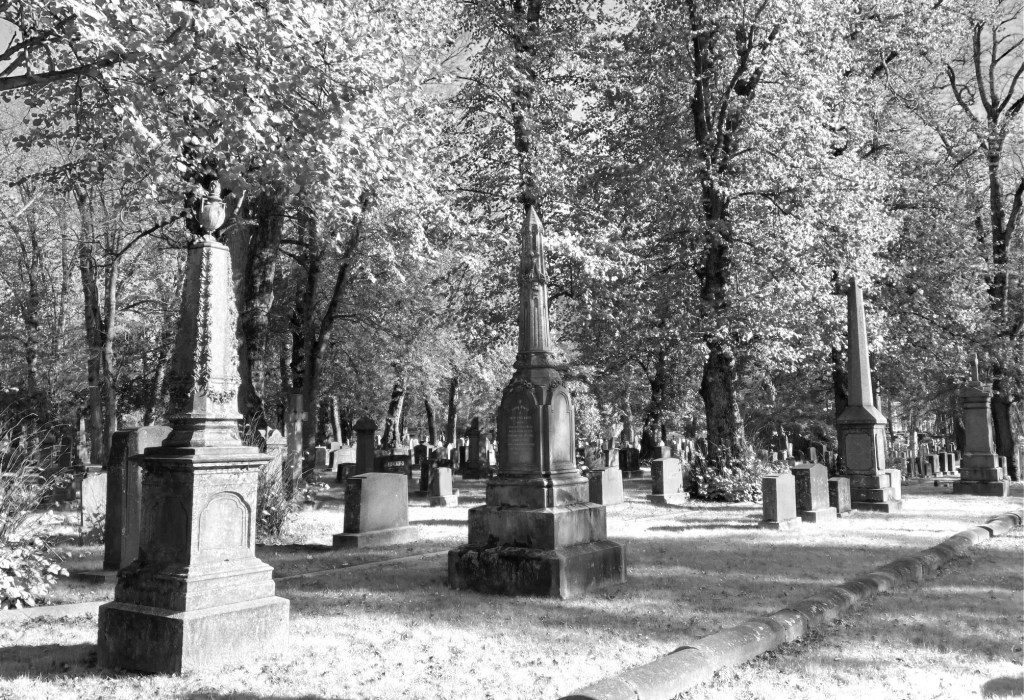
About the year 741, Pope Gregory III decided that the 1st of November would be the day of special prayer and observance of all good Christians, who died and were admitted to Heaven. It is the Day of All Saints. Earlier that ritual was observed around the Good Friday prayers. The ancient and still existing Chaldean Church still does it at that time.
In Poland, over the centuries this observance became a very important and popular movement. Still is. I remember it very well and rather fondly when as a child I would accompany my parents on these pilgrimages to cemeteries, where anyone from our family was buried. The cemeteries at these two days (2 of November is actually the day to remember all good Christians, who – after death – were admitted to heaven. The first of November is reserved only for the remembrance of the Saints of the Church) are still as busy as sports stadiums during important events. There are special buses and extra trains to take thousands of people to the gates of the cemetery. Going by car could be risky as nobody knows where you will find a spot to park. It is also a huge business. Visitors have to buy flower arrangements, special candles, and other paraphernalia appropriate for that occasion.
I have never known that it is actually only for dead Christians. Would not be surprised if most Poles did not know that. It became a part of our national folklore. I always remember that day even in Canada. For more than forty years. Always at least a moment of somber thought, of remembering. With age – I too have lost people in Canada, who were close: friends, with time family members. Since we came to Nova Scotia I used to go every November 1st to Pictou, to light a candle and lay some flowers at the grave of my parents-in-law, Leona and Doug. I left the Church a long time ago but that observance is still important to me. It is paying respect to those you have loved or respected. In one form or another Fall was always part of such remembering for many nations and people well before Christianization. It is somehow part of our humanity. From time immemorial.
Will not be able to go tomorrow, as I work (in Poland it is a National Holiday, after all, you could have more than one cemetery to visit, often in different cities) but I will be going there at least once in the last week of November. Within one year I have buried there, on my parents-in-low plot, two people. First, something I still have not come to terms with – I laid to rest the ashes of my Love, my Life, my Air to breathe, my dear husband, John. At the grave site, I stood with his siblings: a sister and two brothers, who came from Calgary. Now, almost a year later I stood there again, next to my sister-in-law and only one brother-in-law. The other one we were saying our last goodbye to. The sadness is hard to describe.
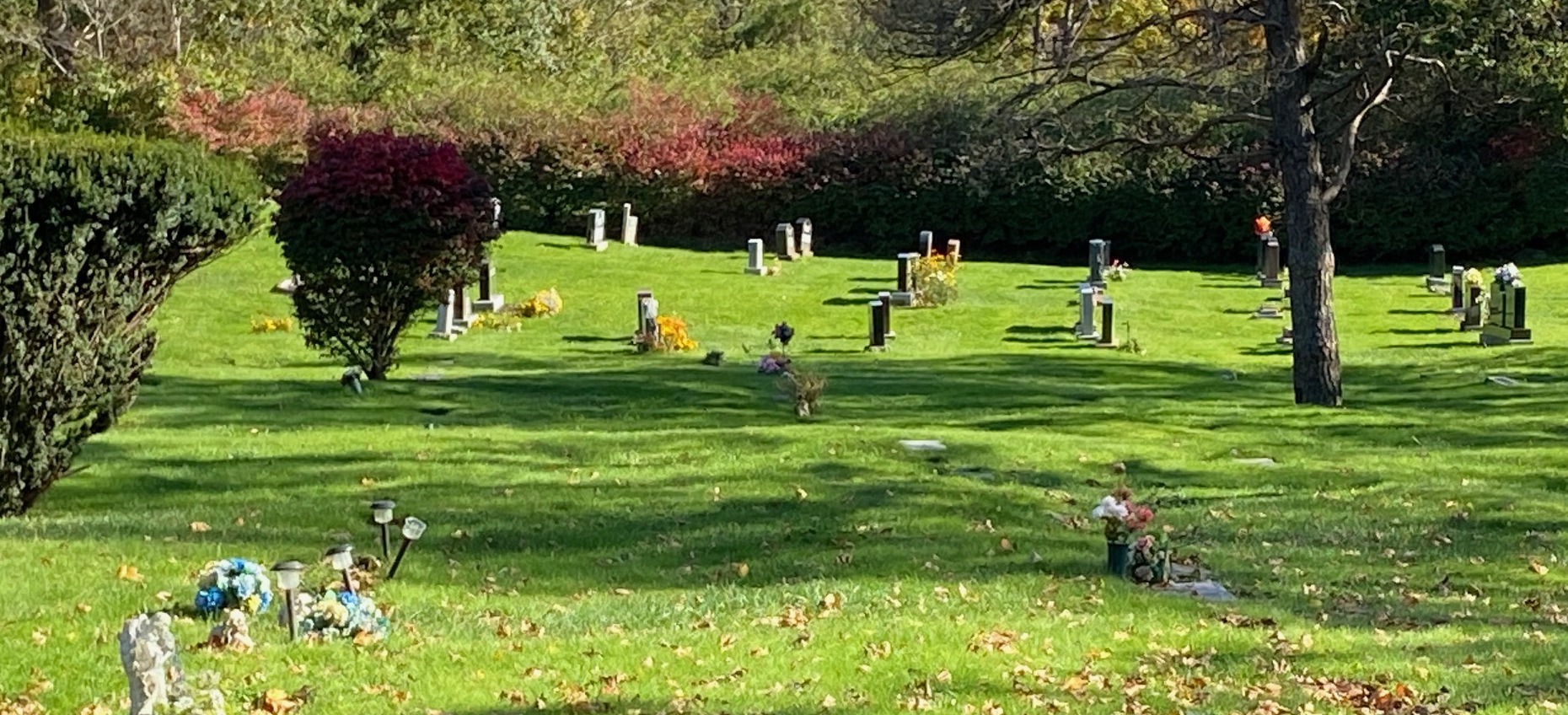
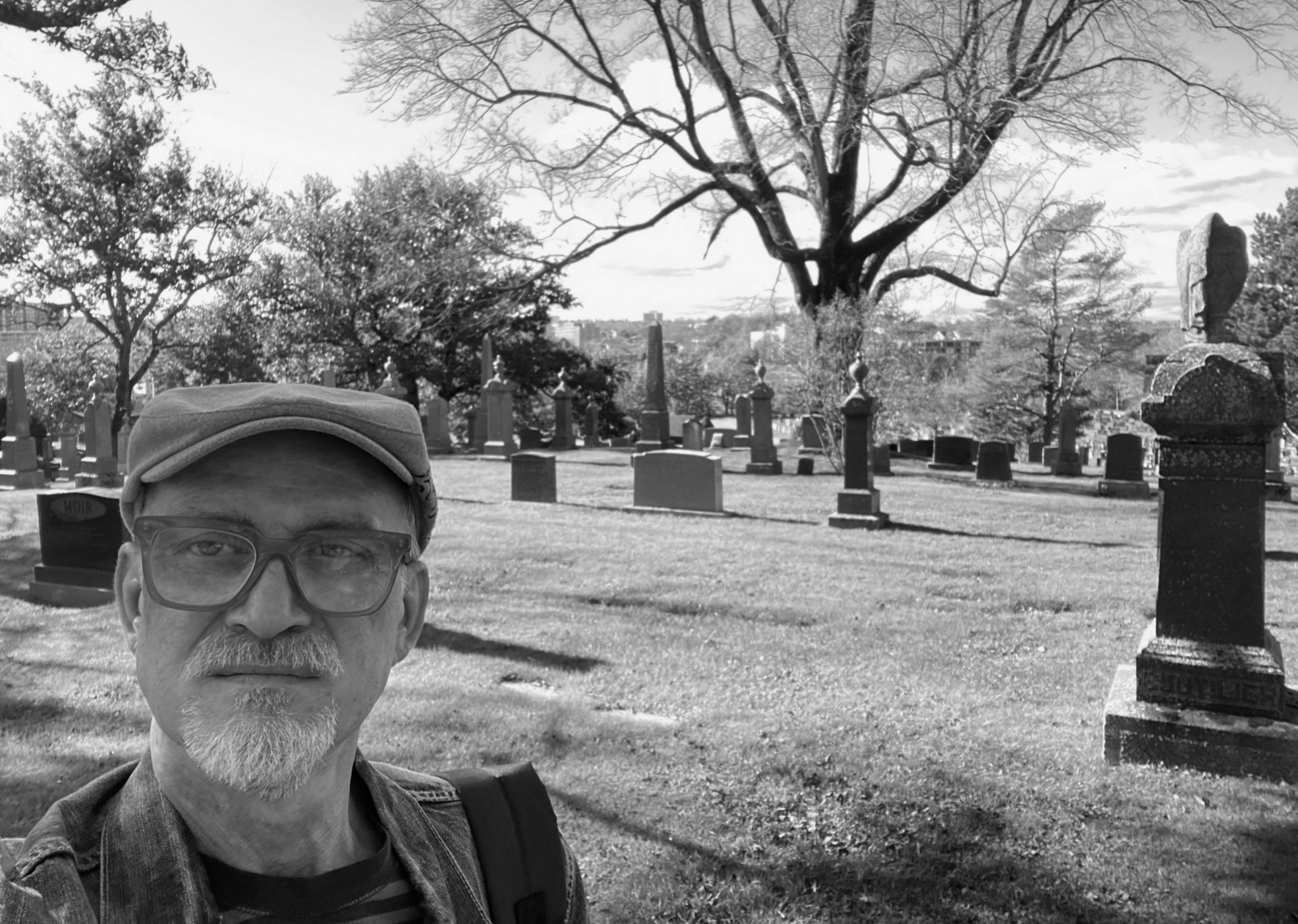
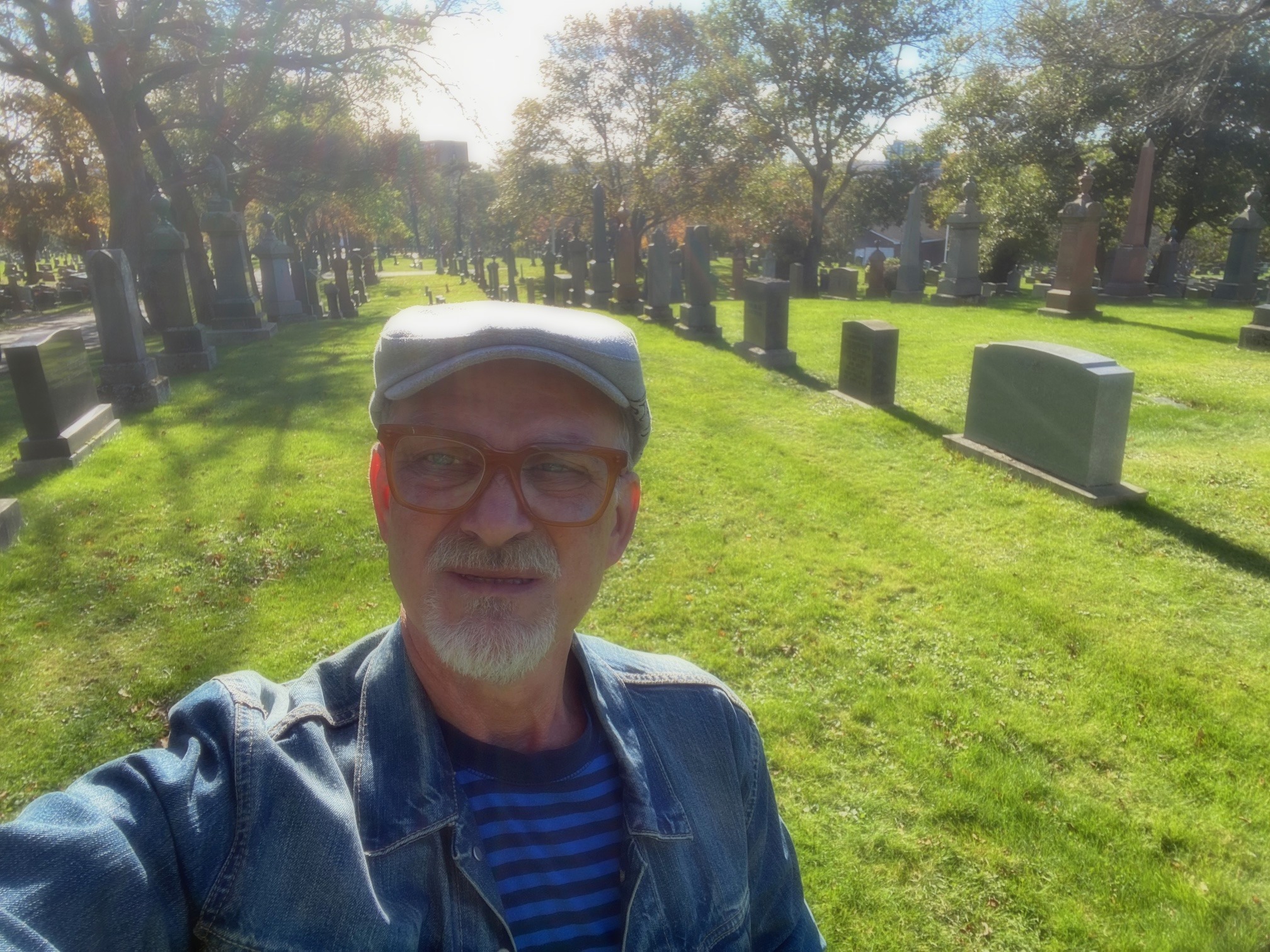
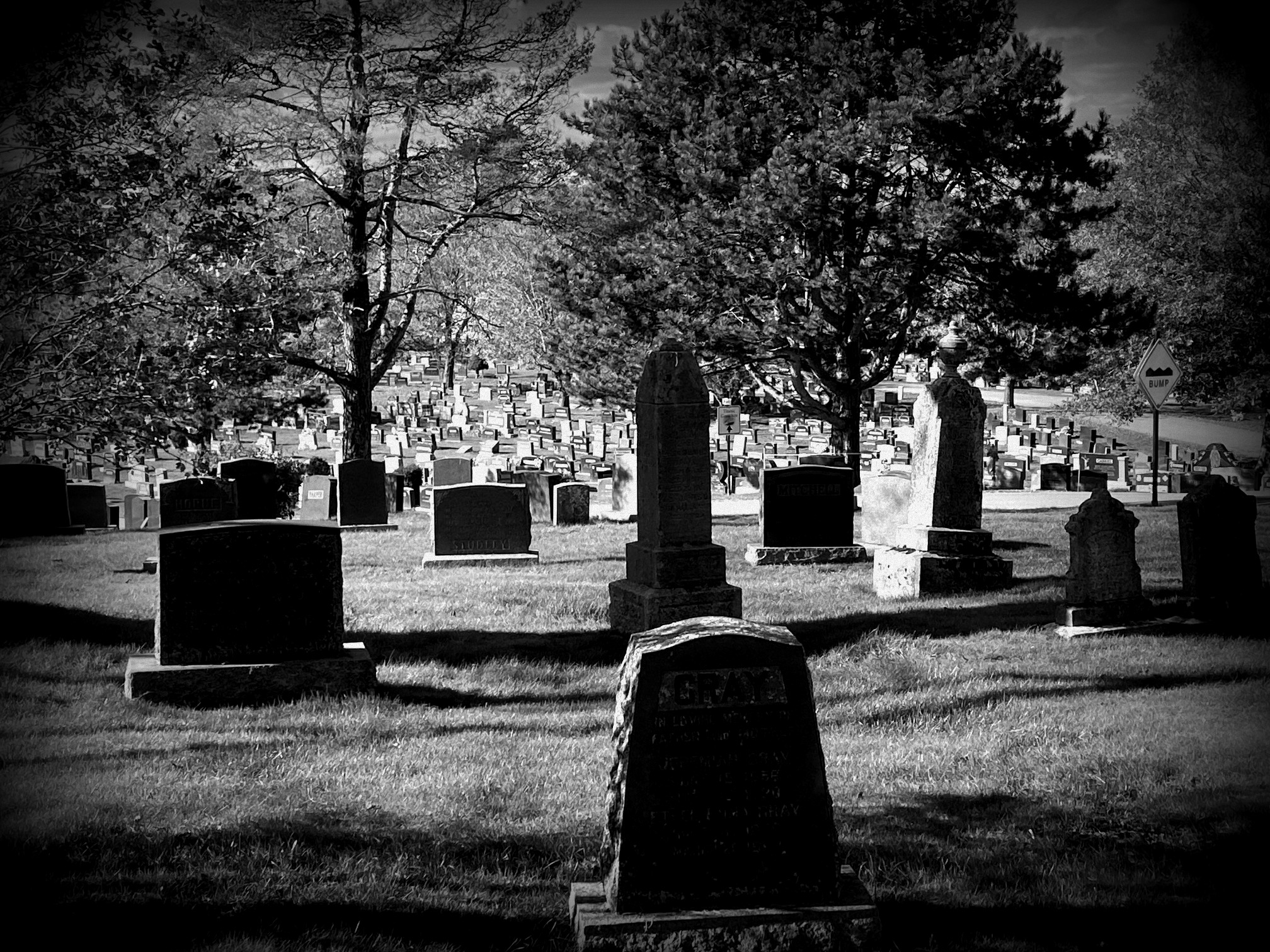
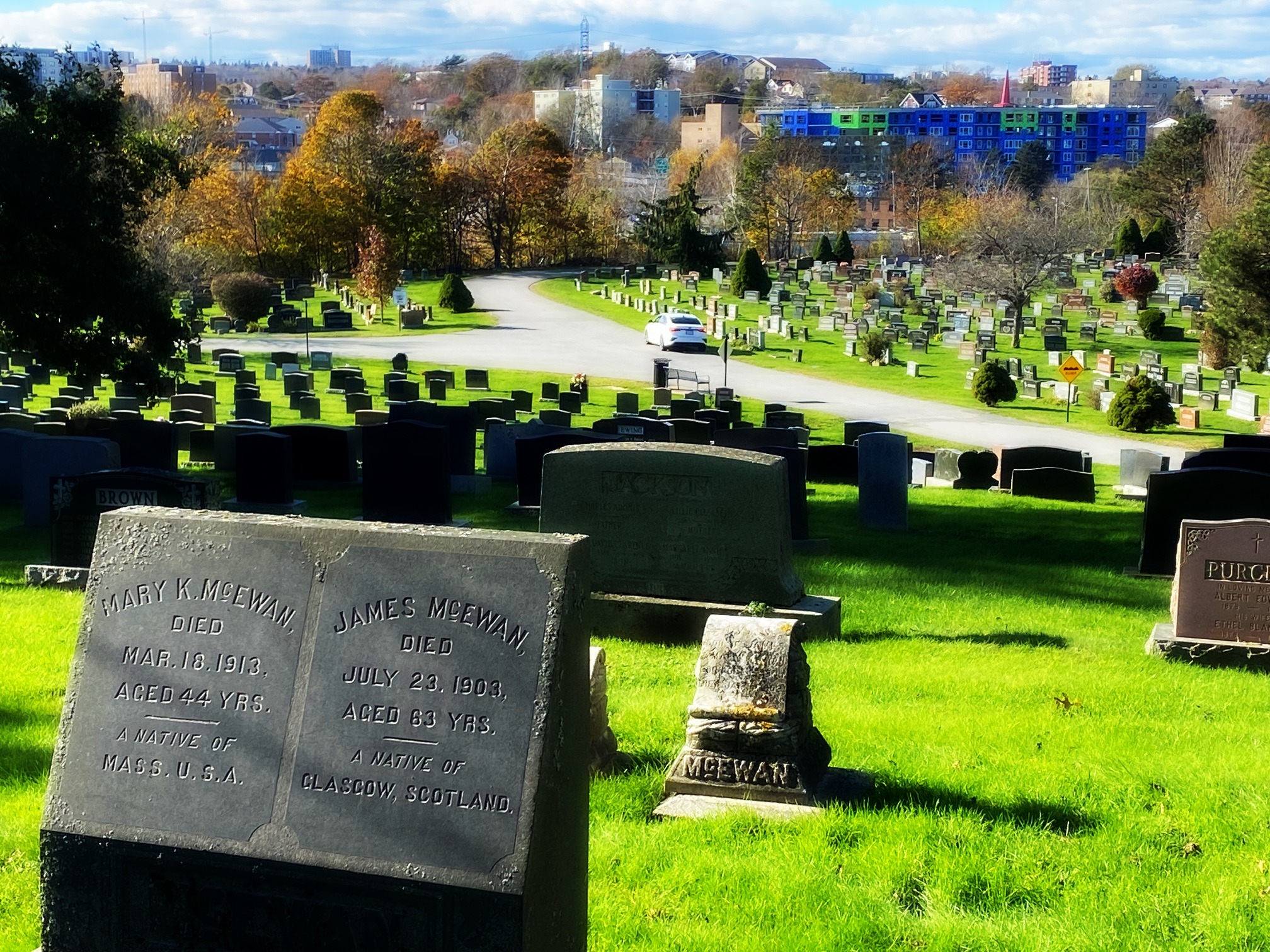
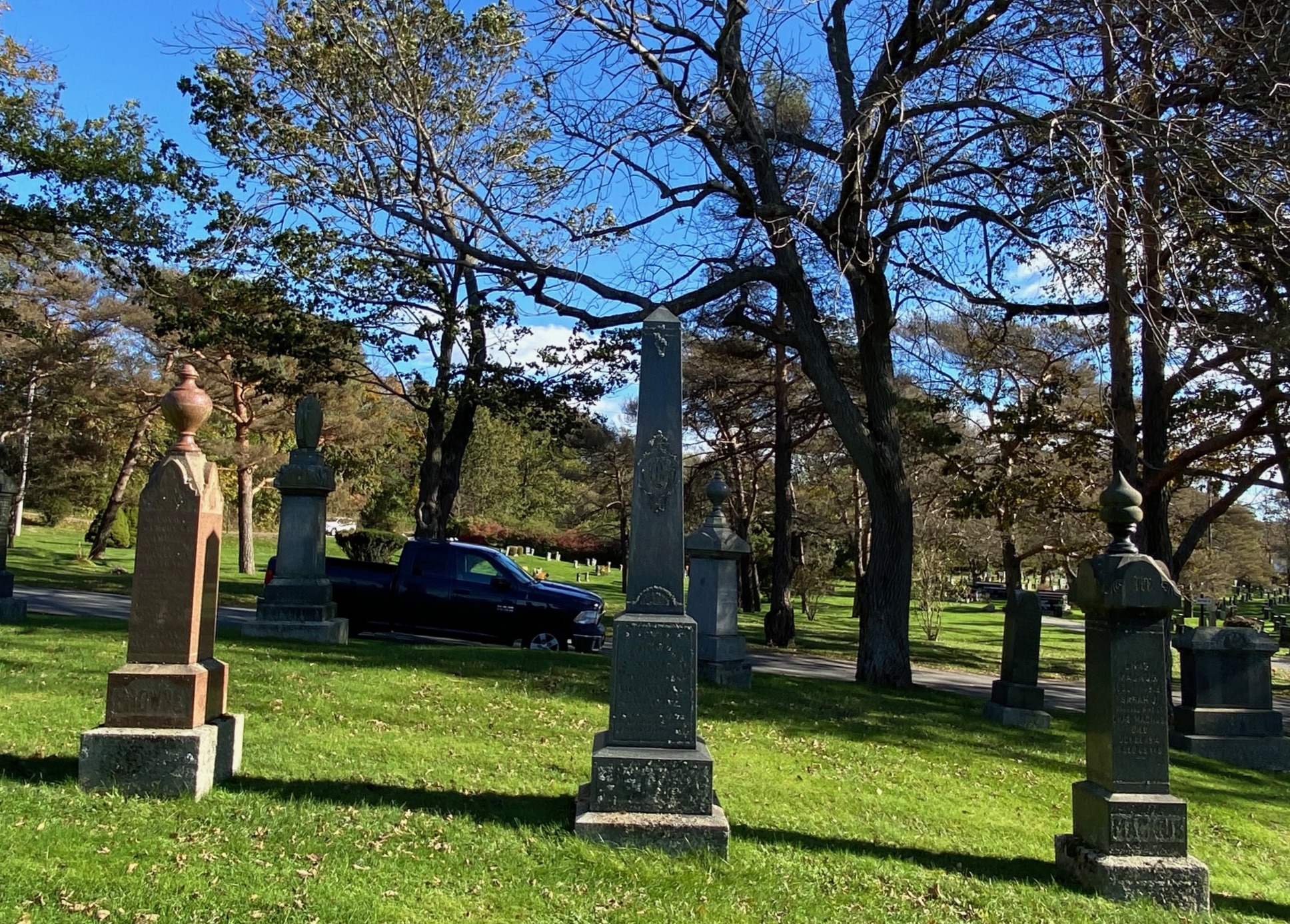
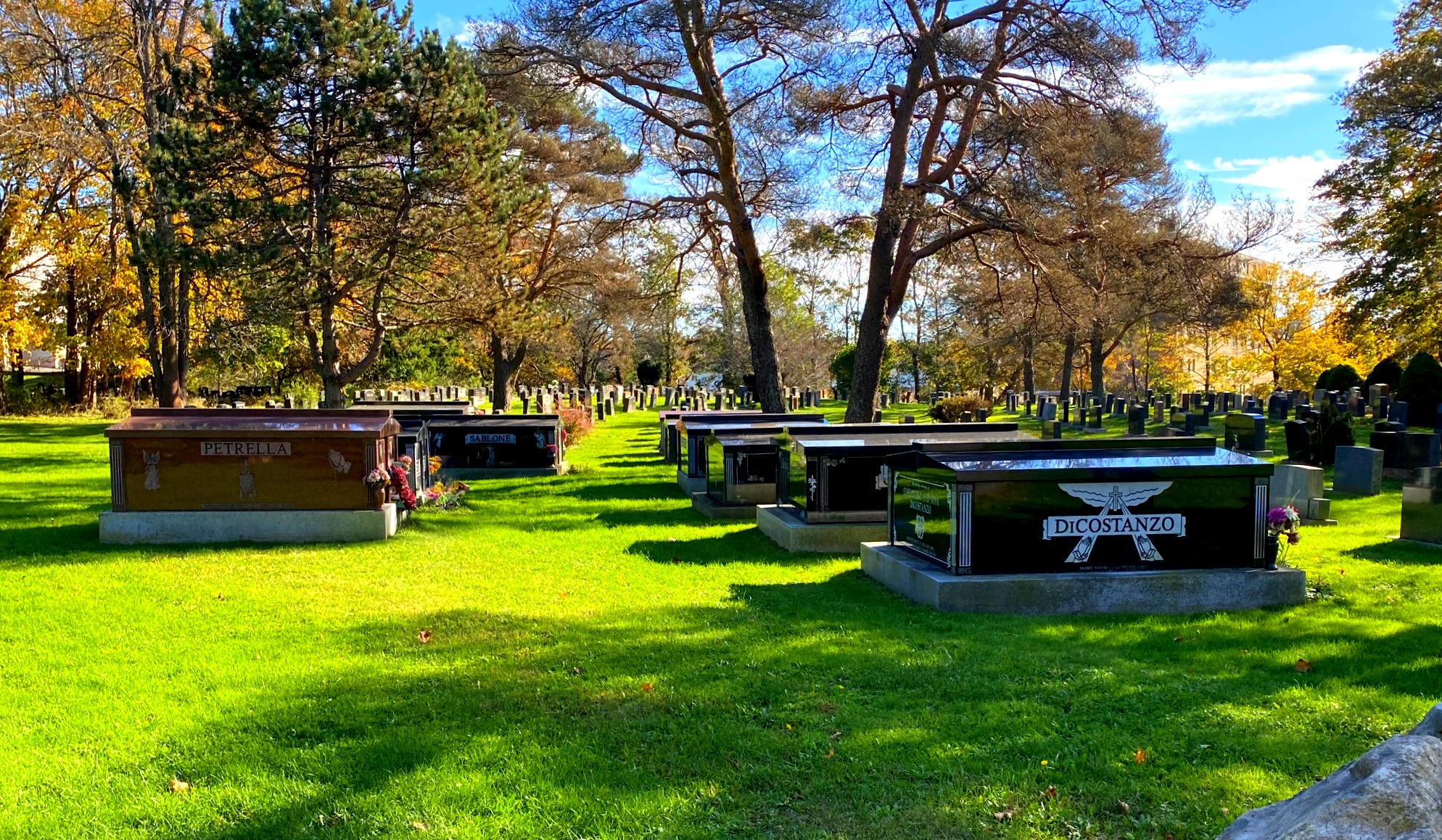
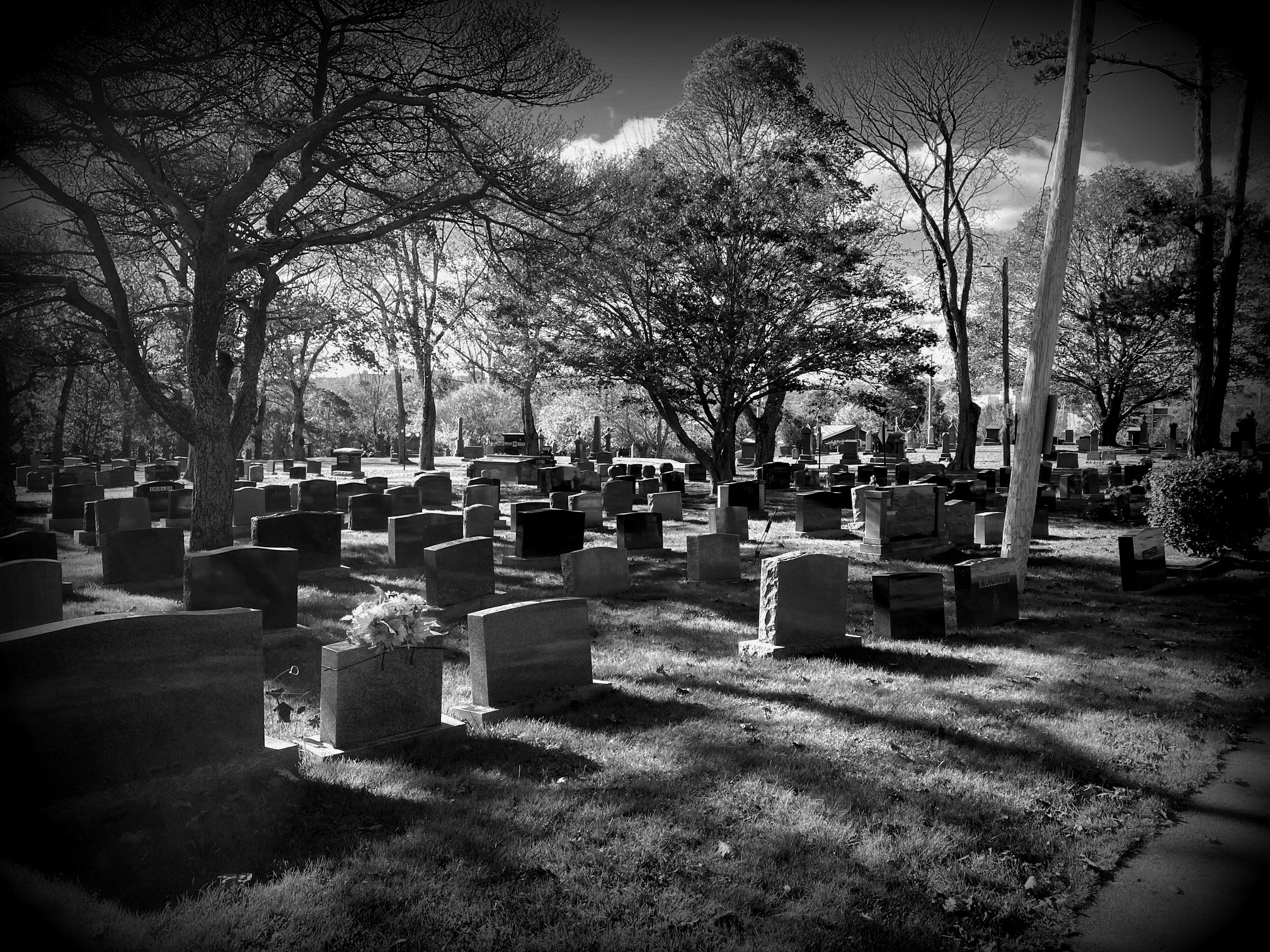
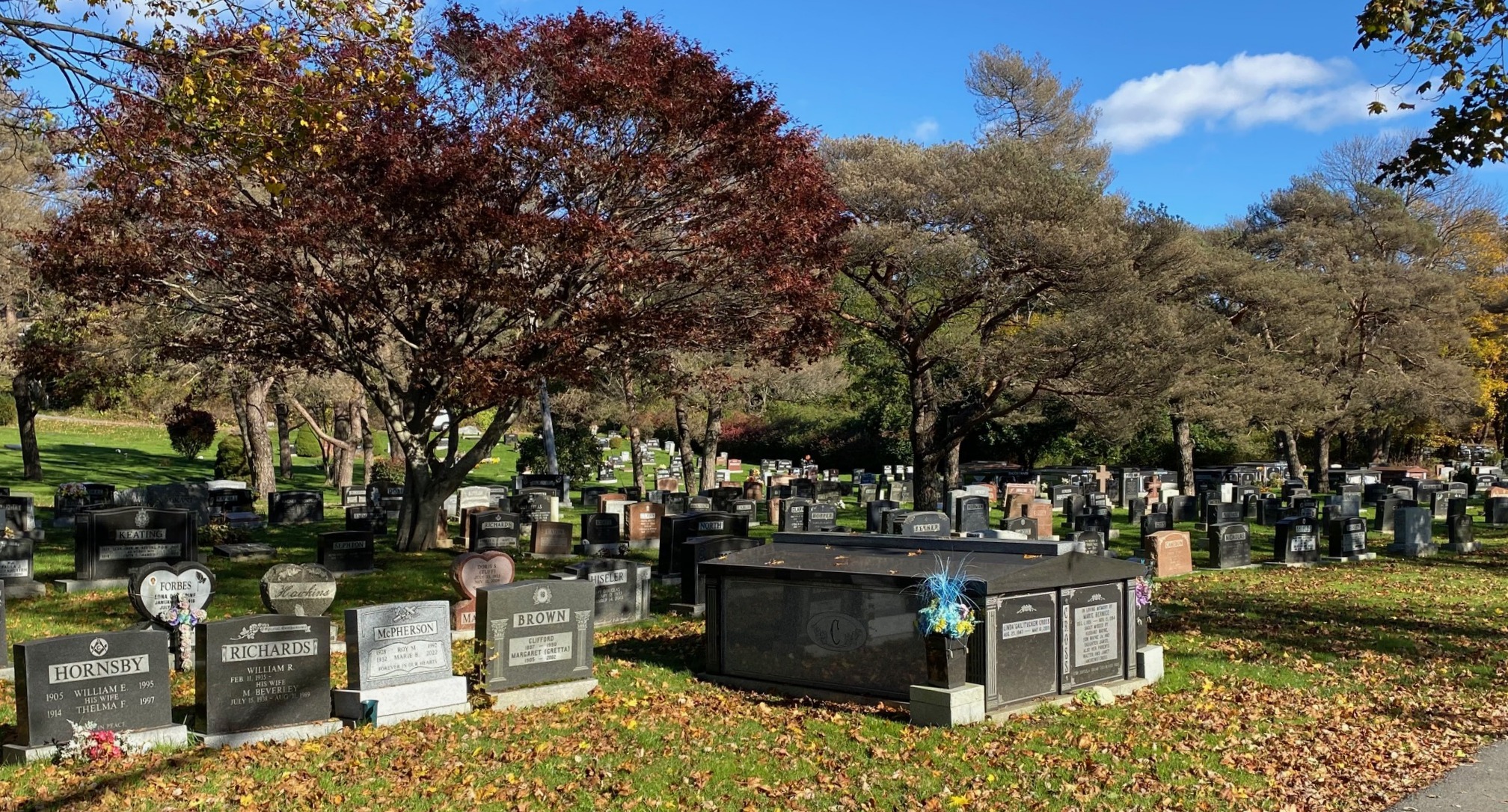
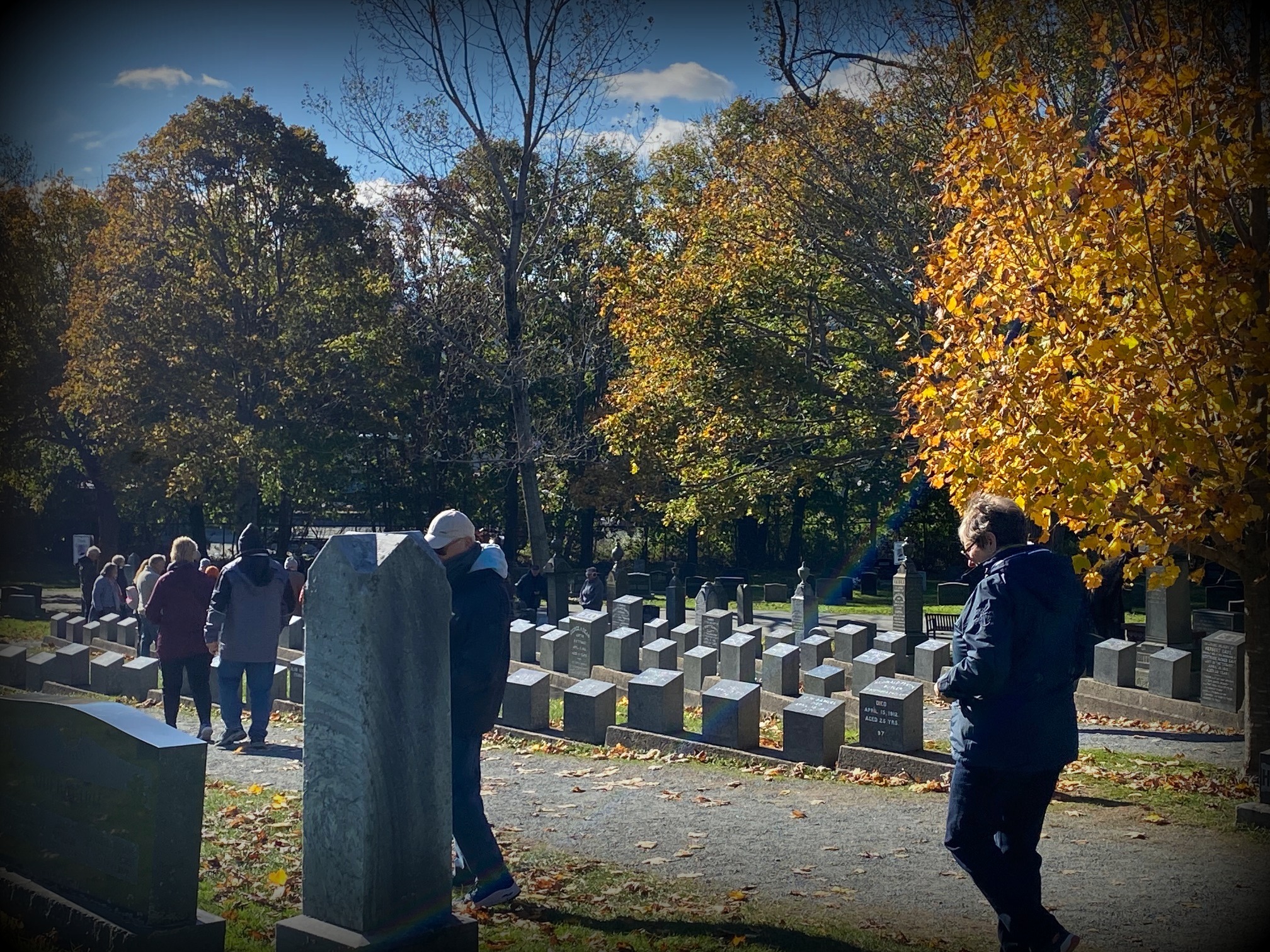
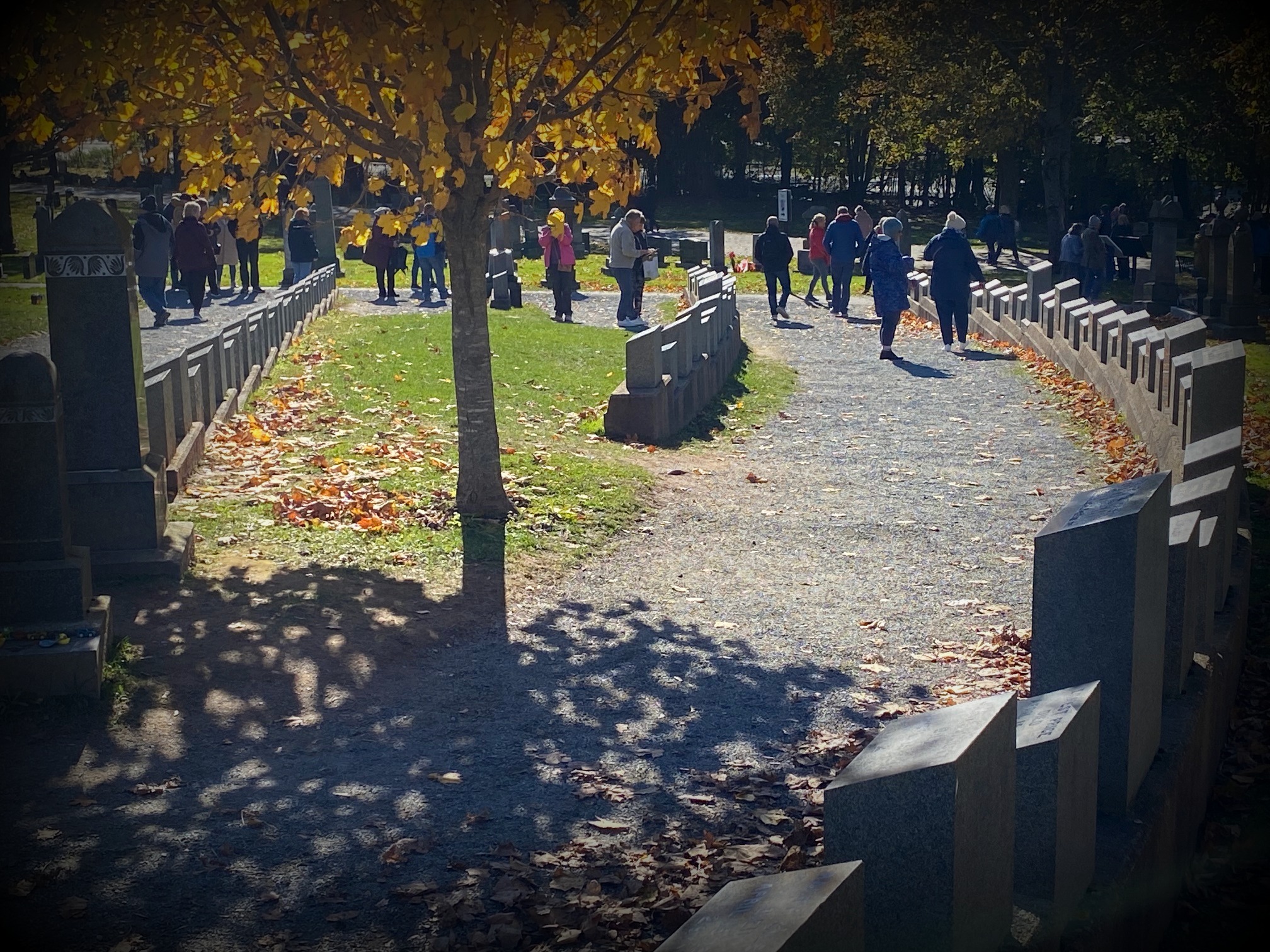
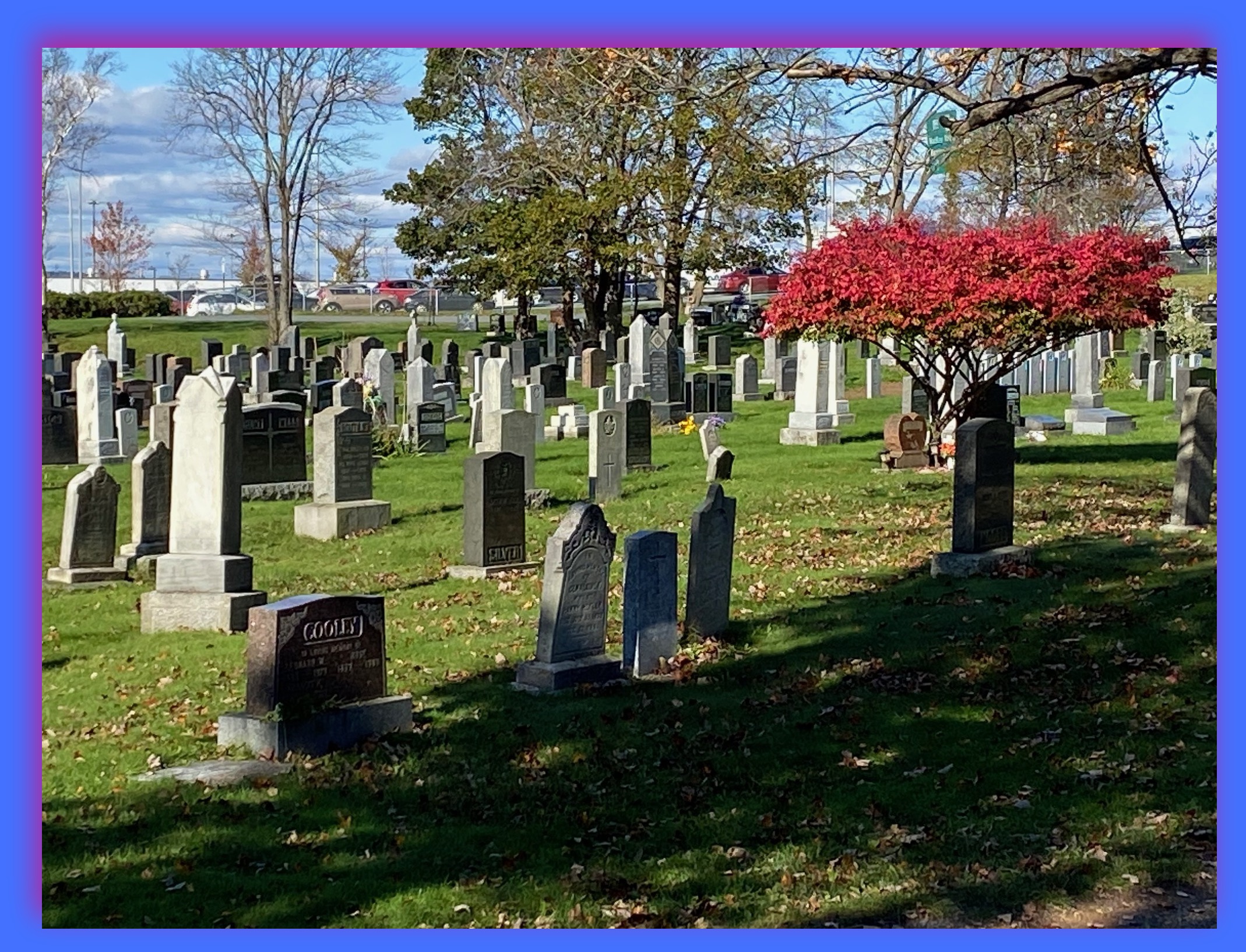
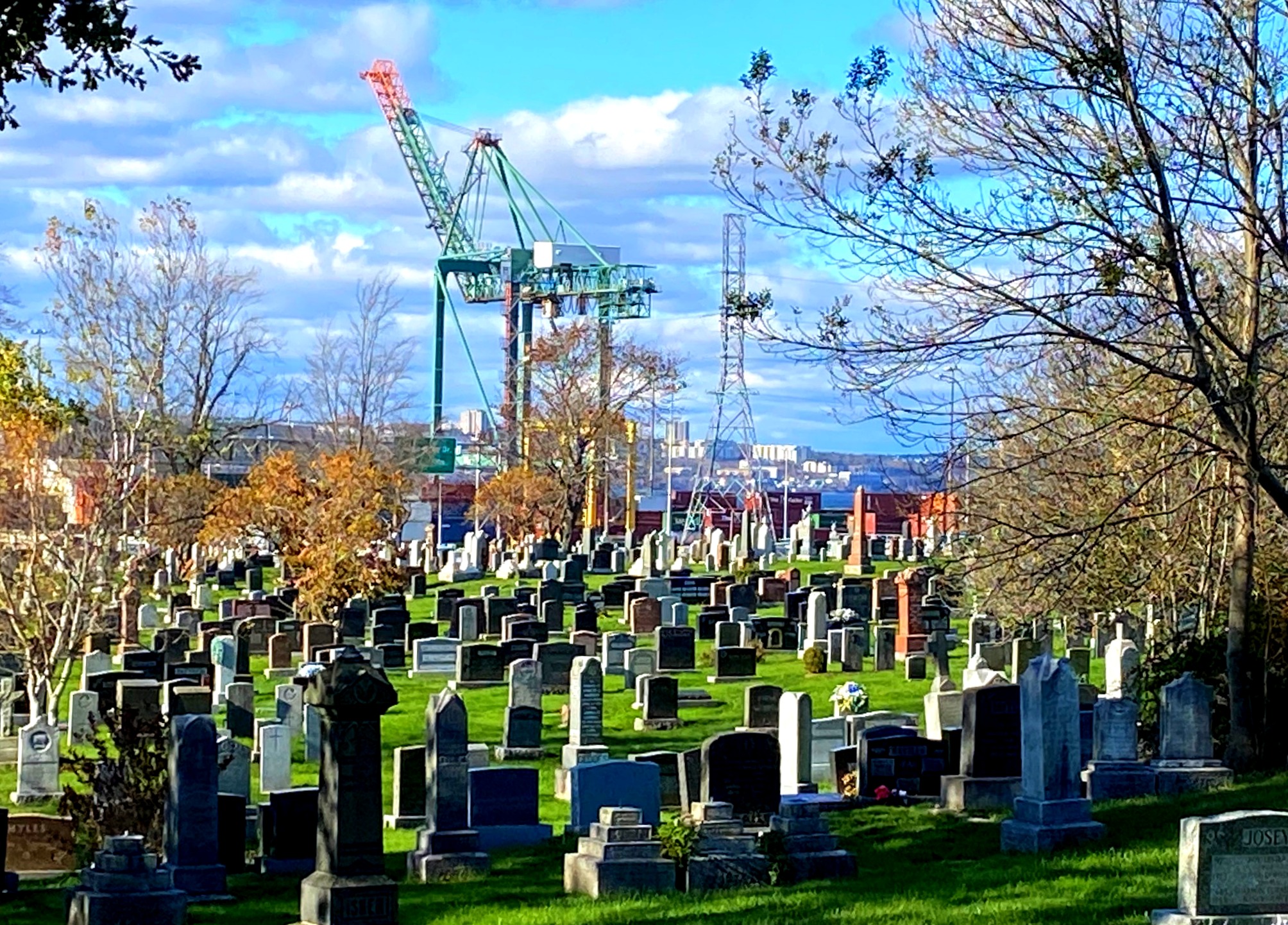
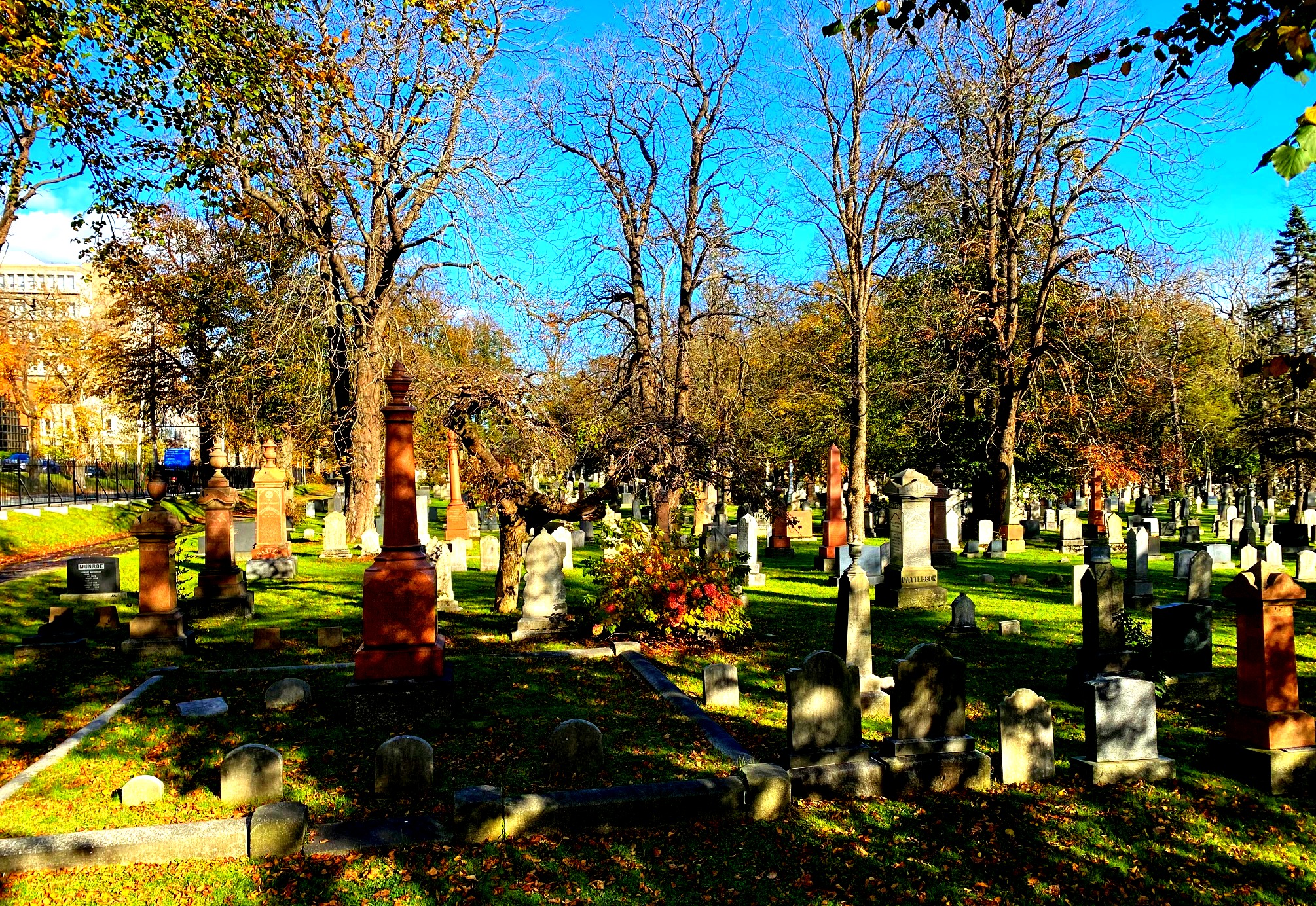
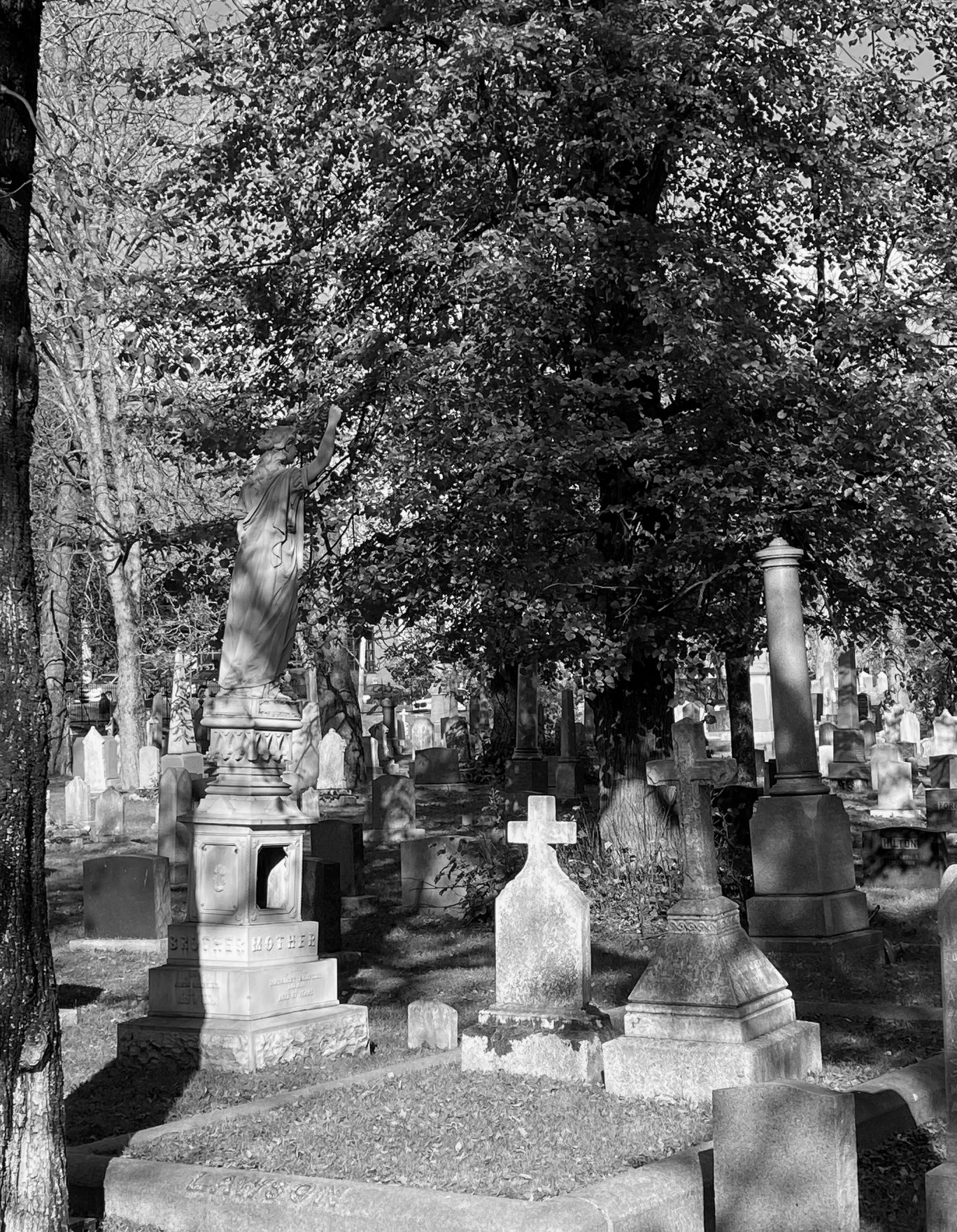
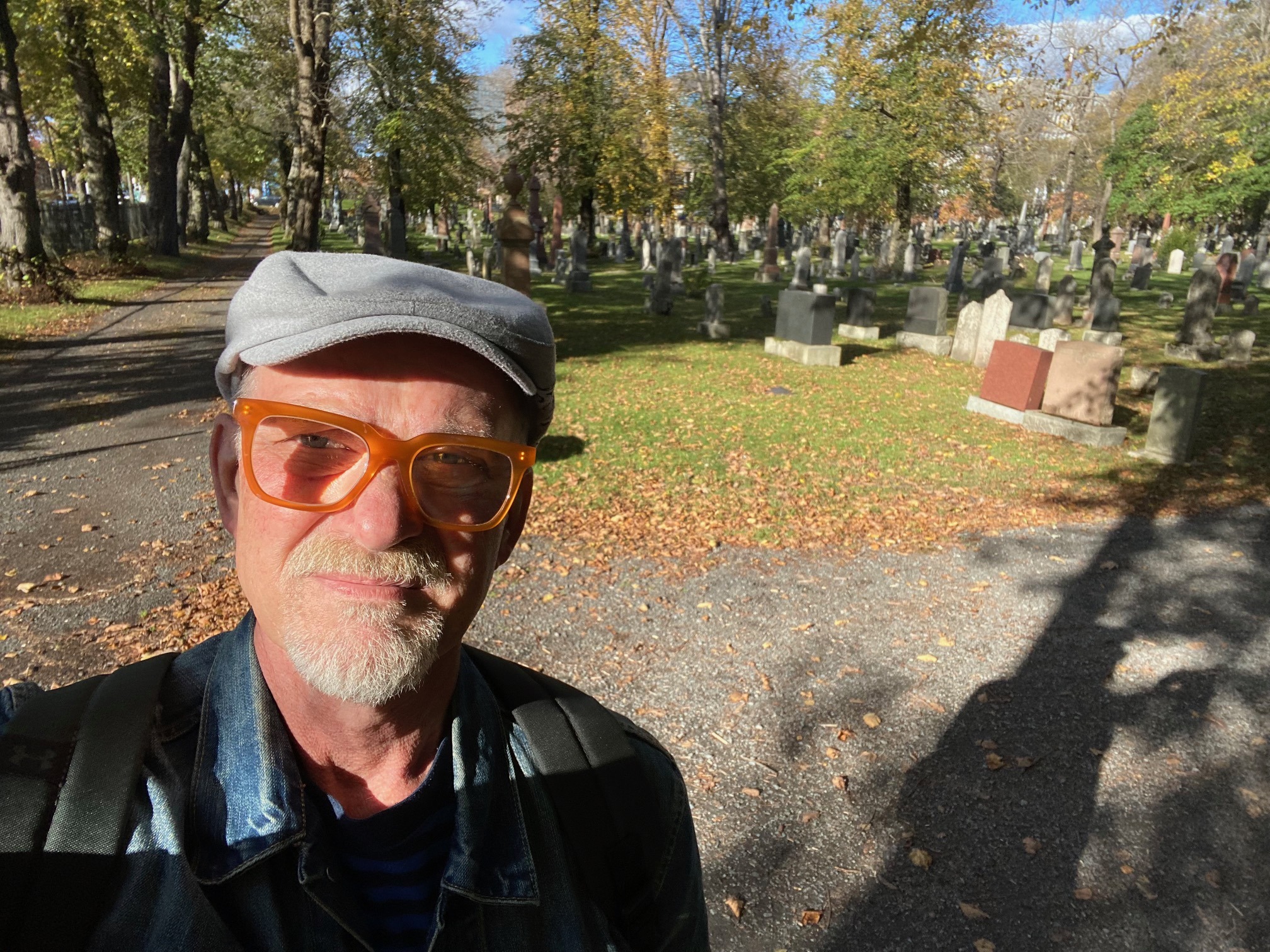
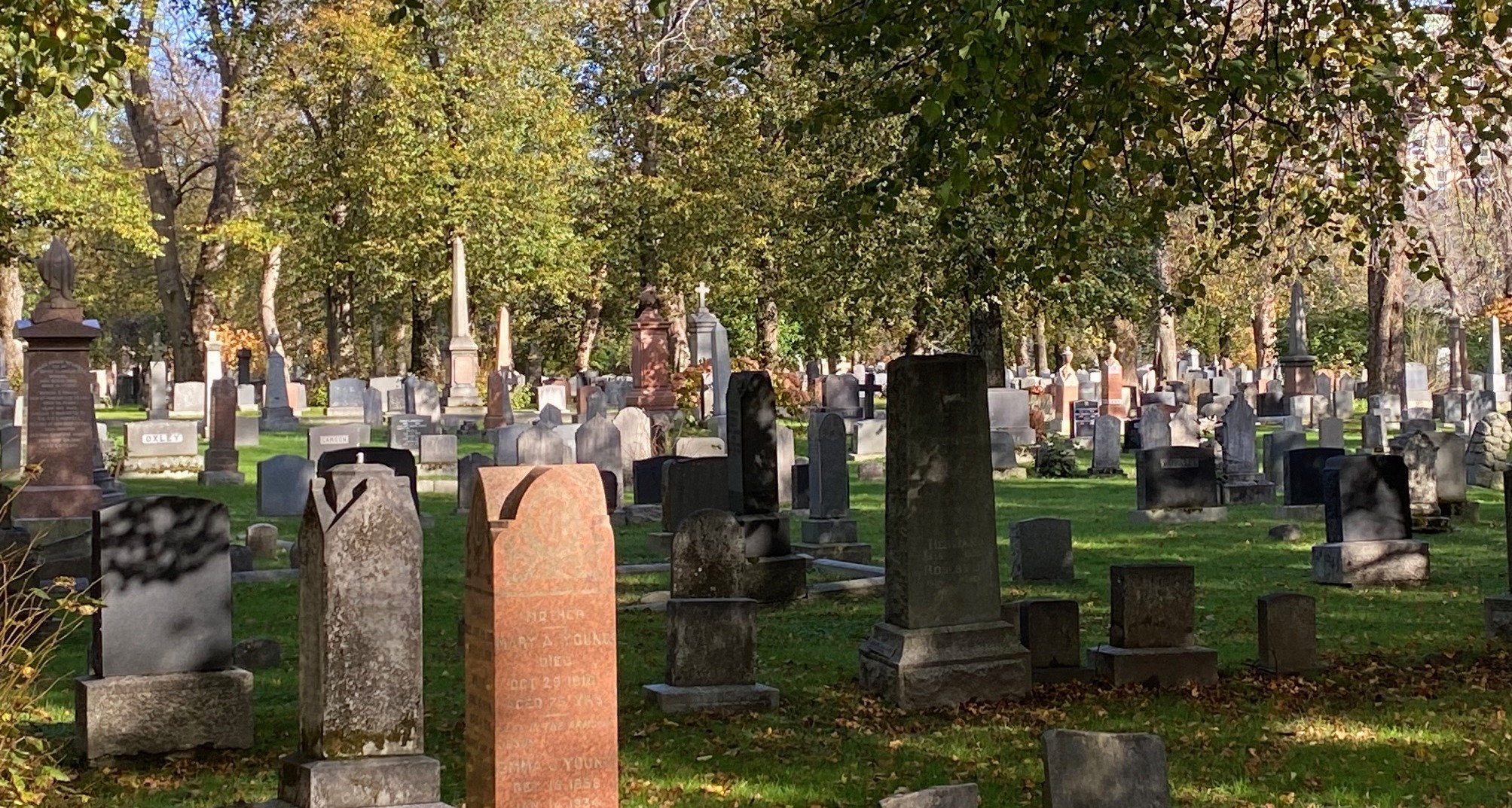
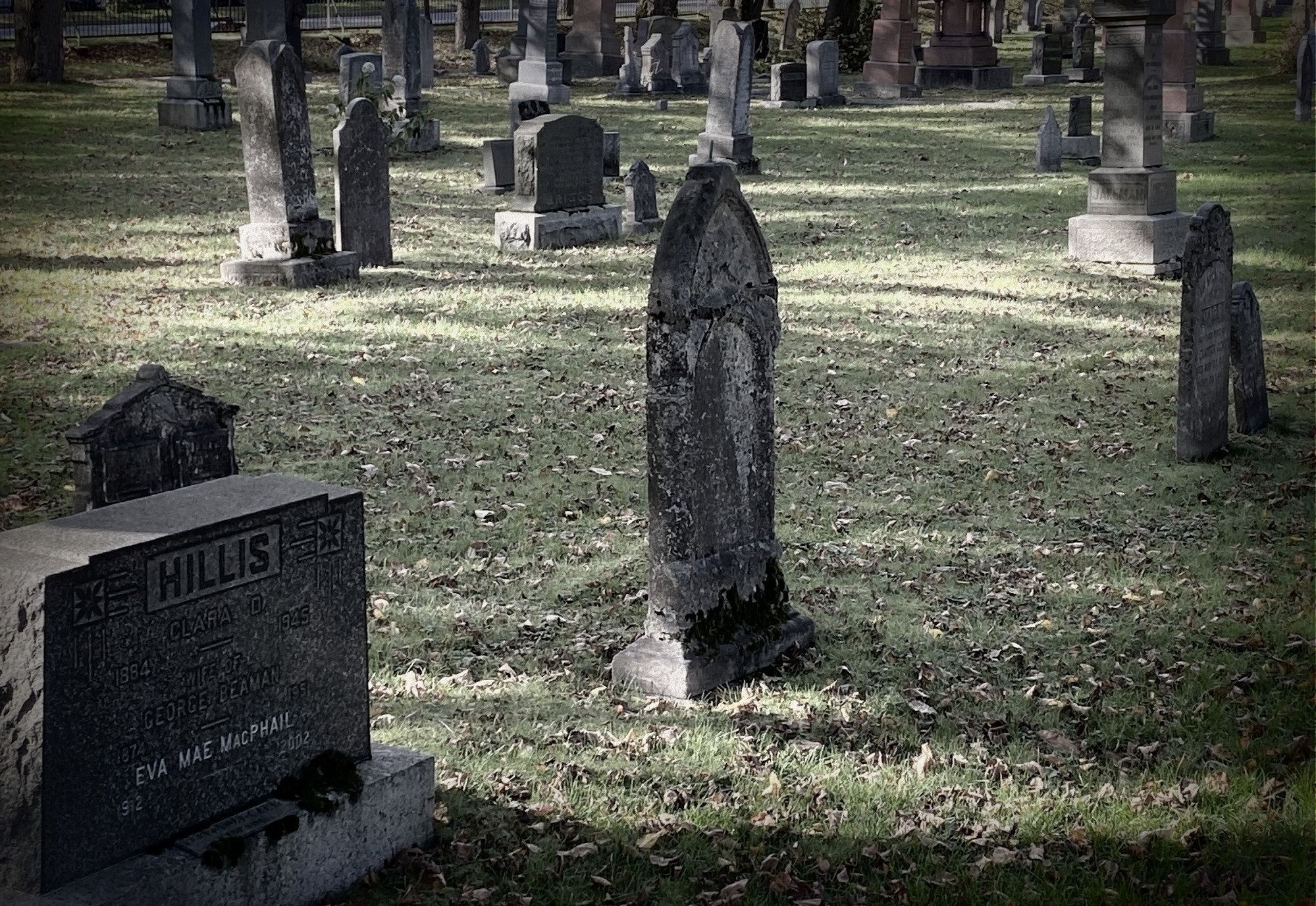
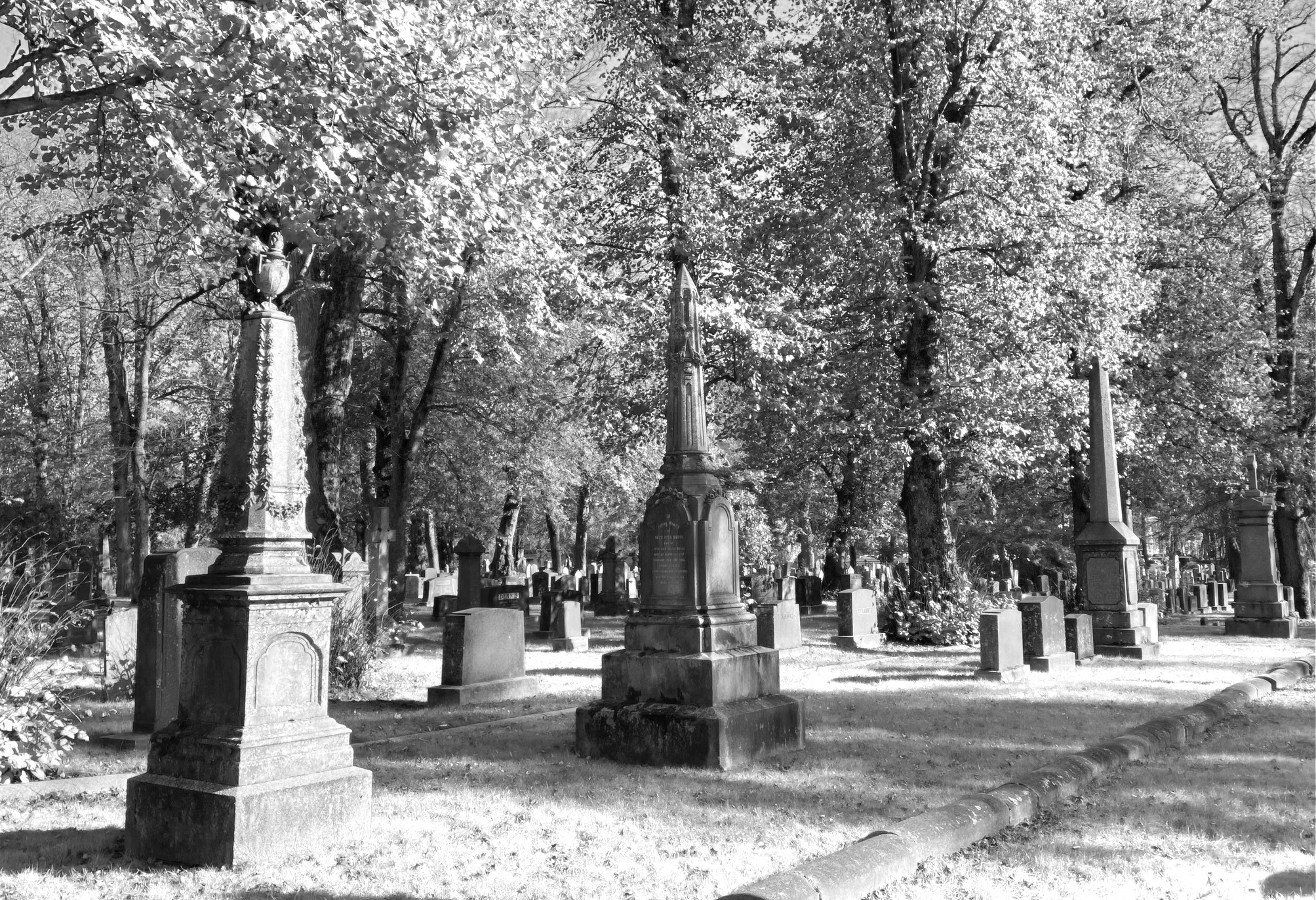
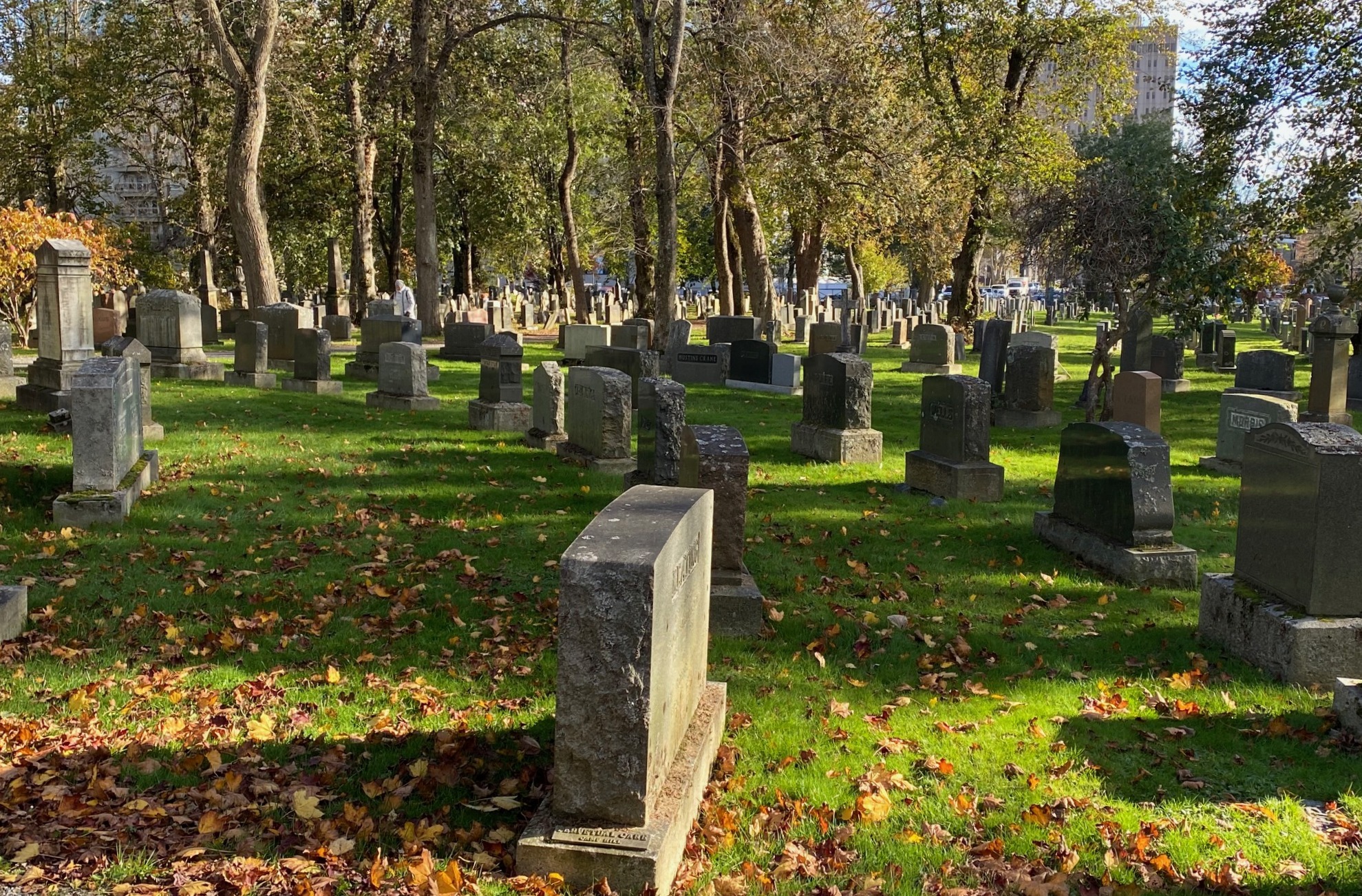
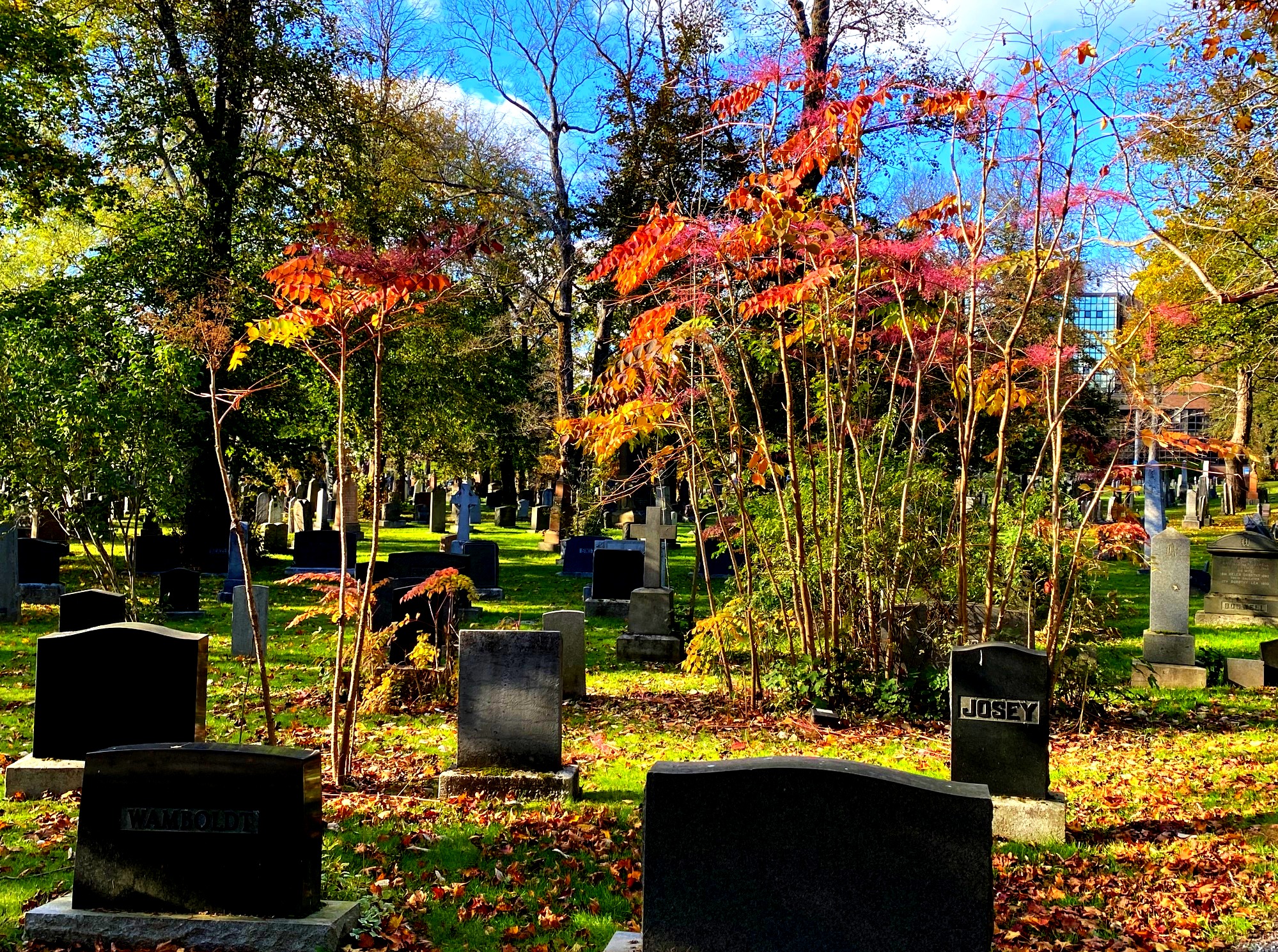
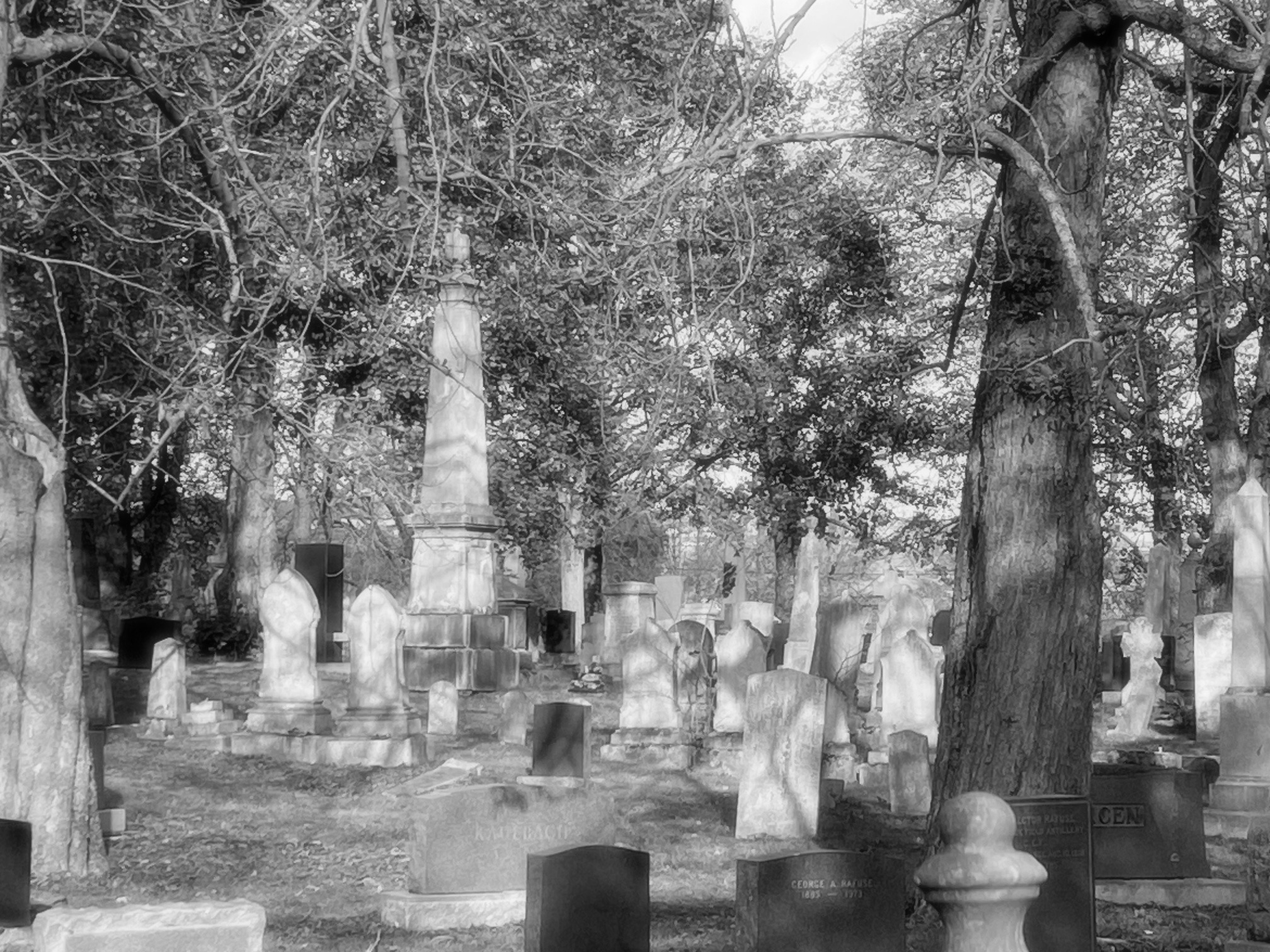
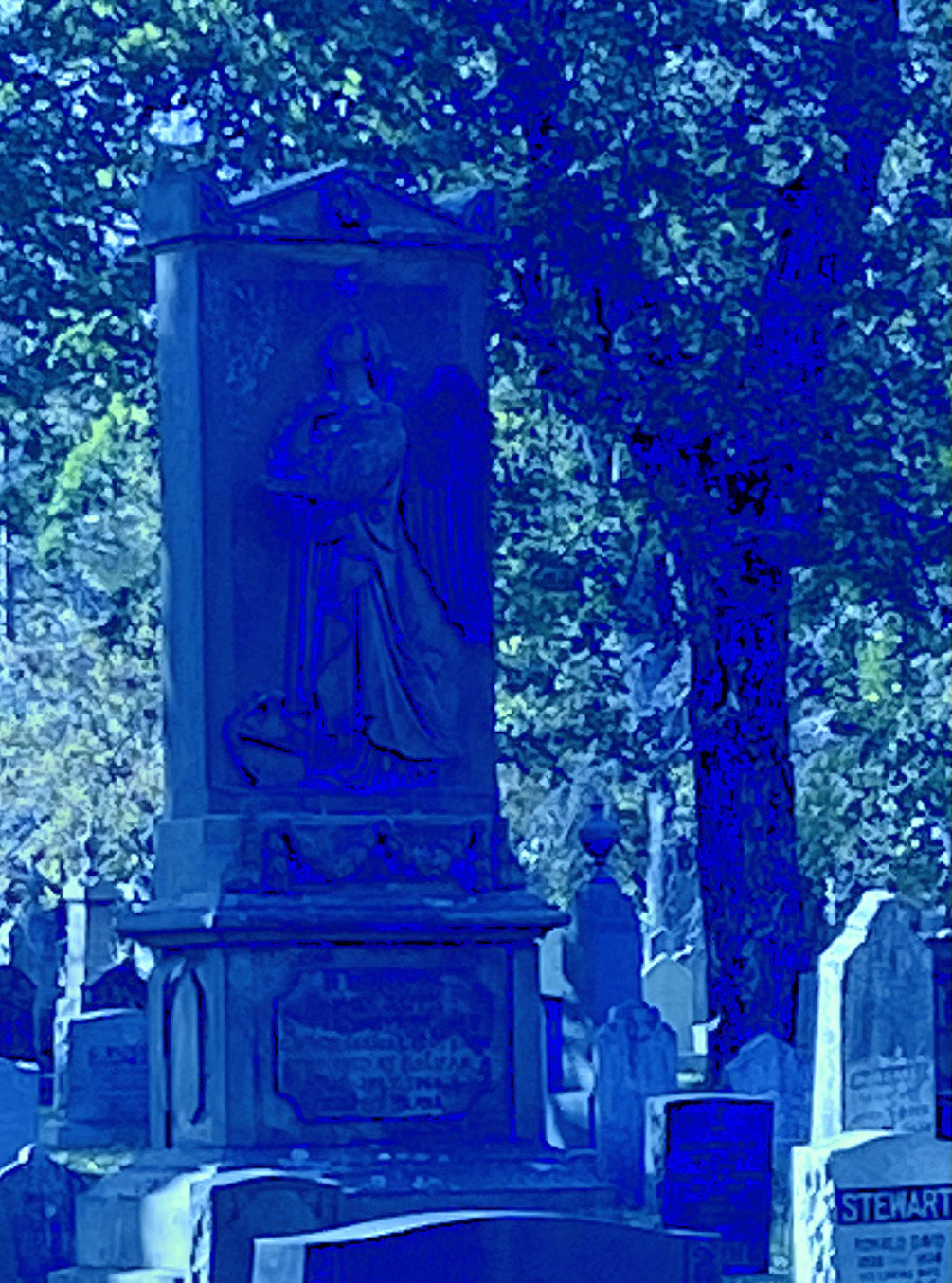
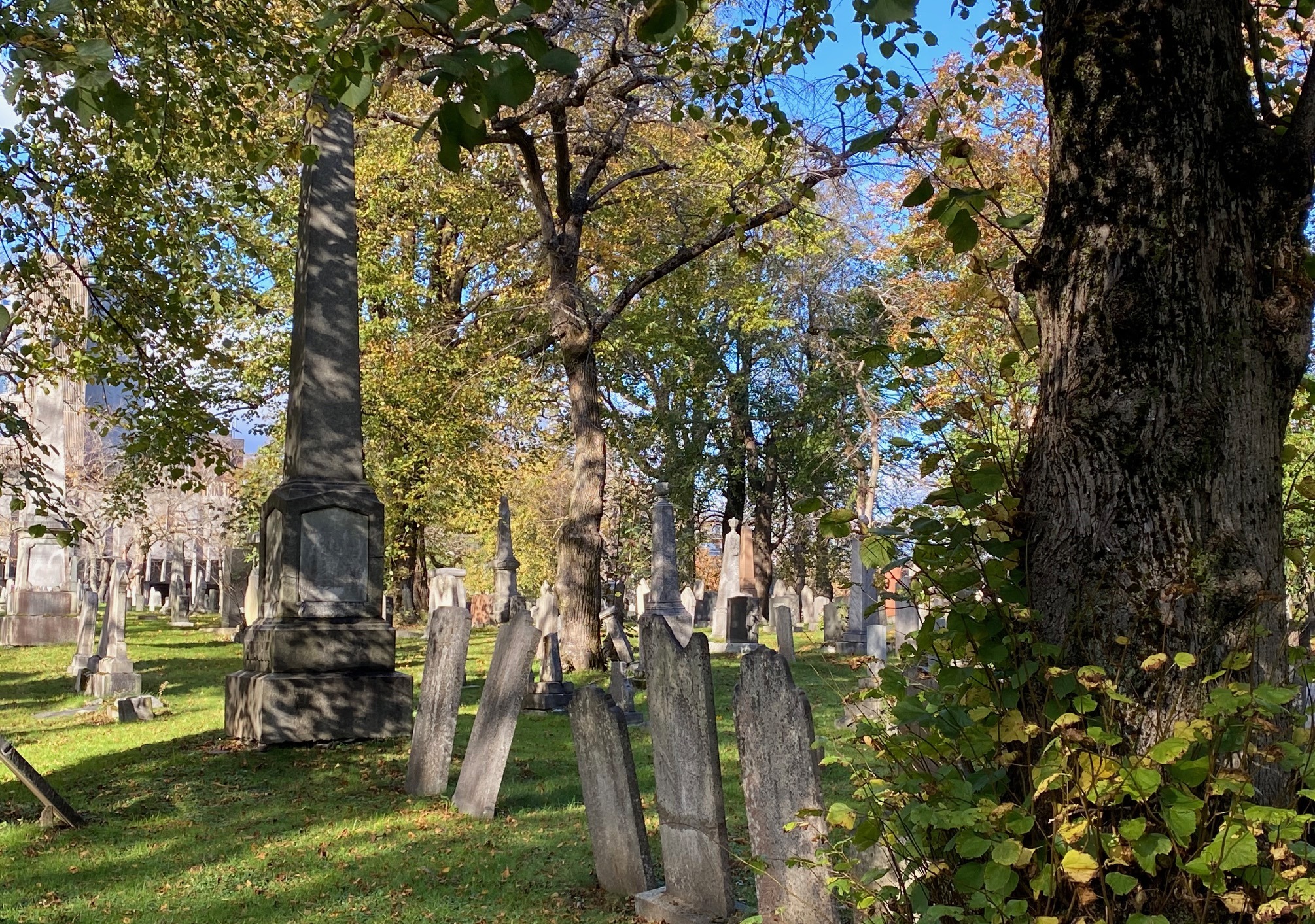
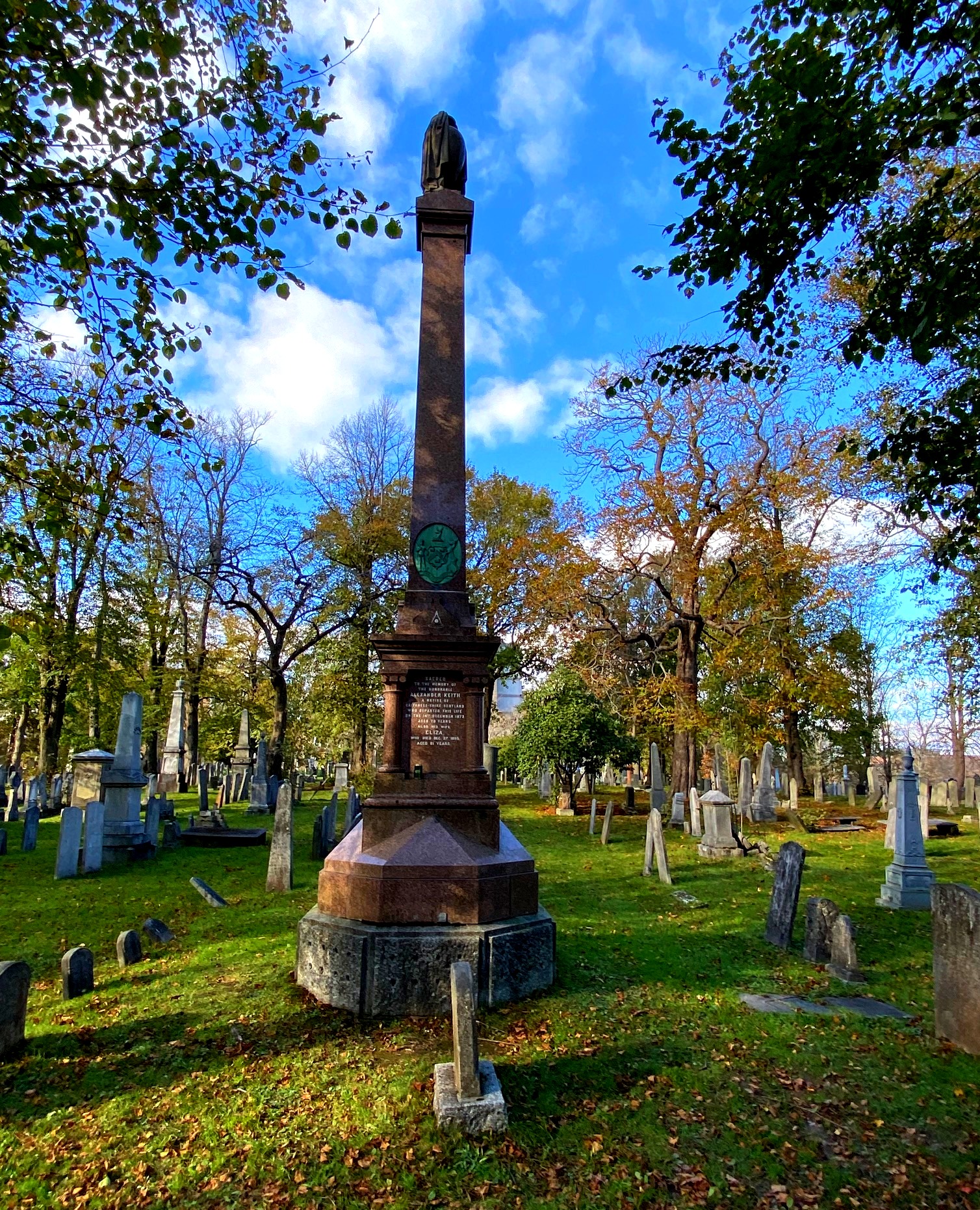
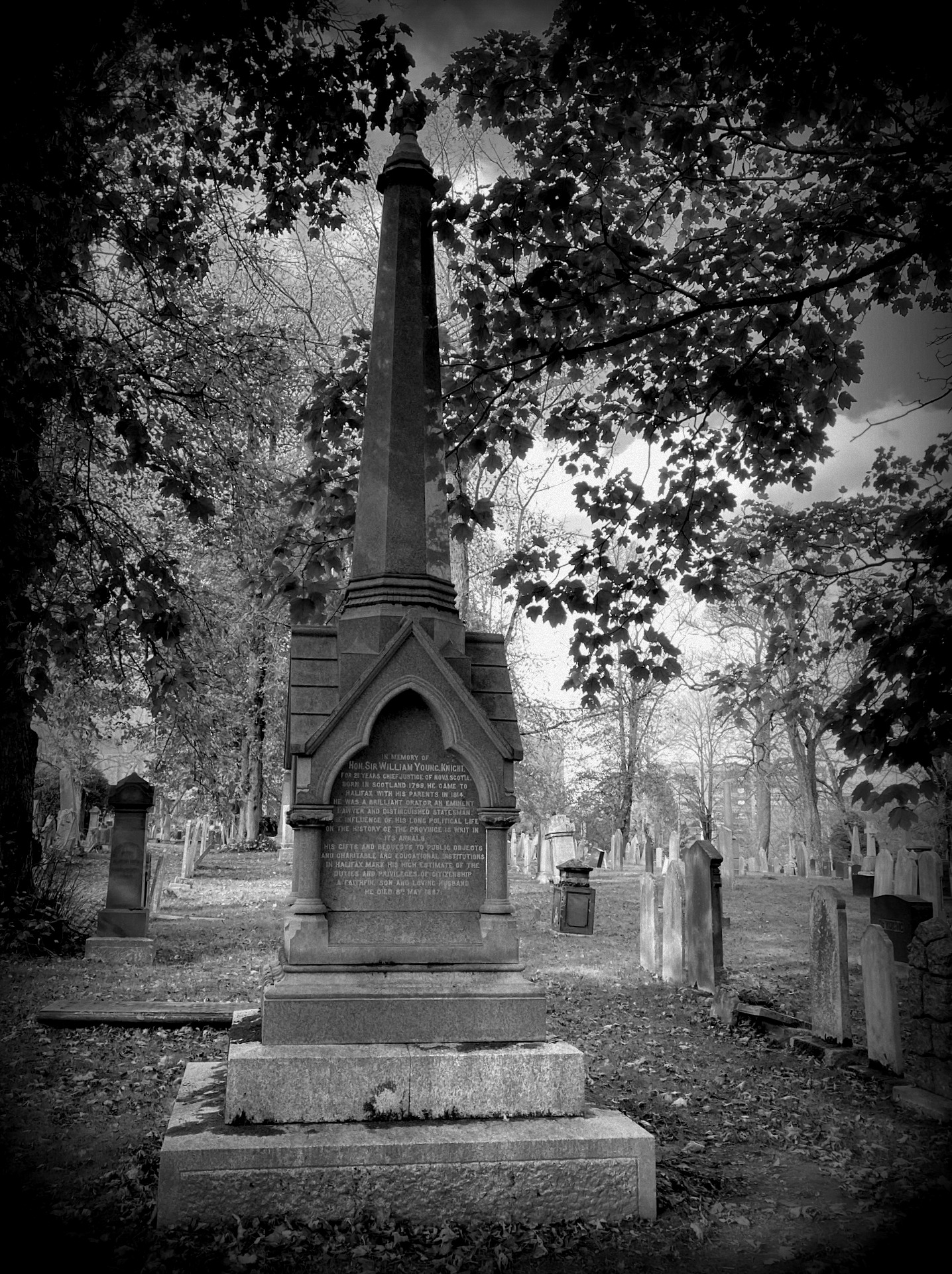
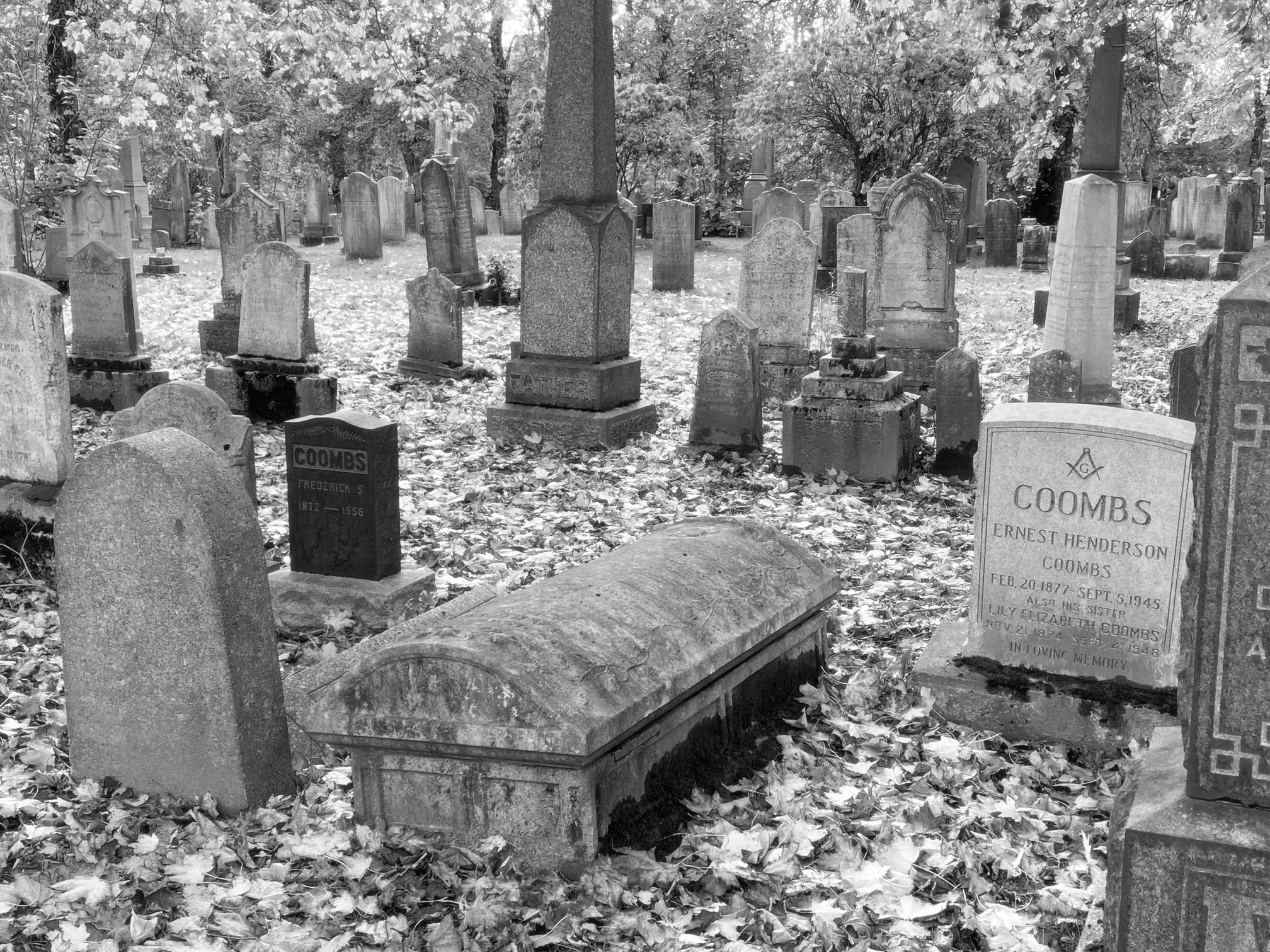
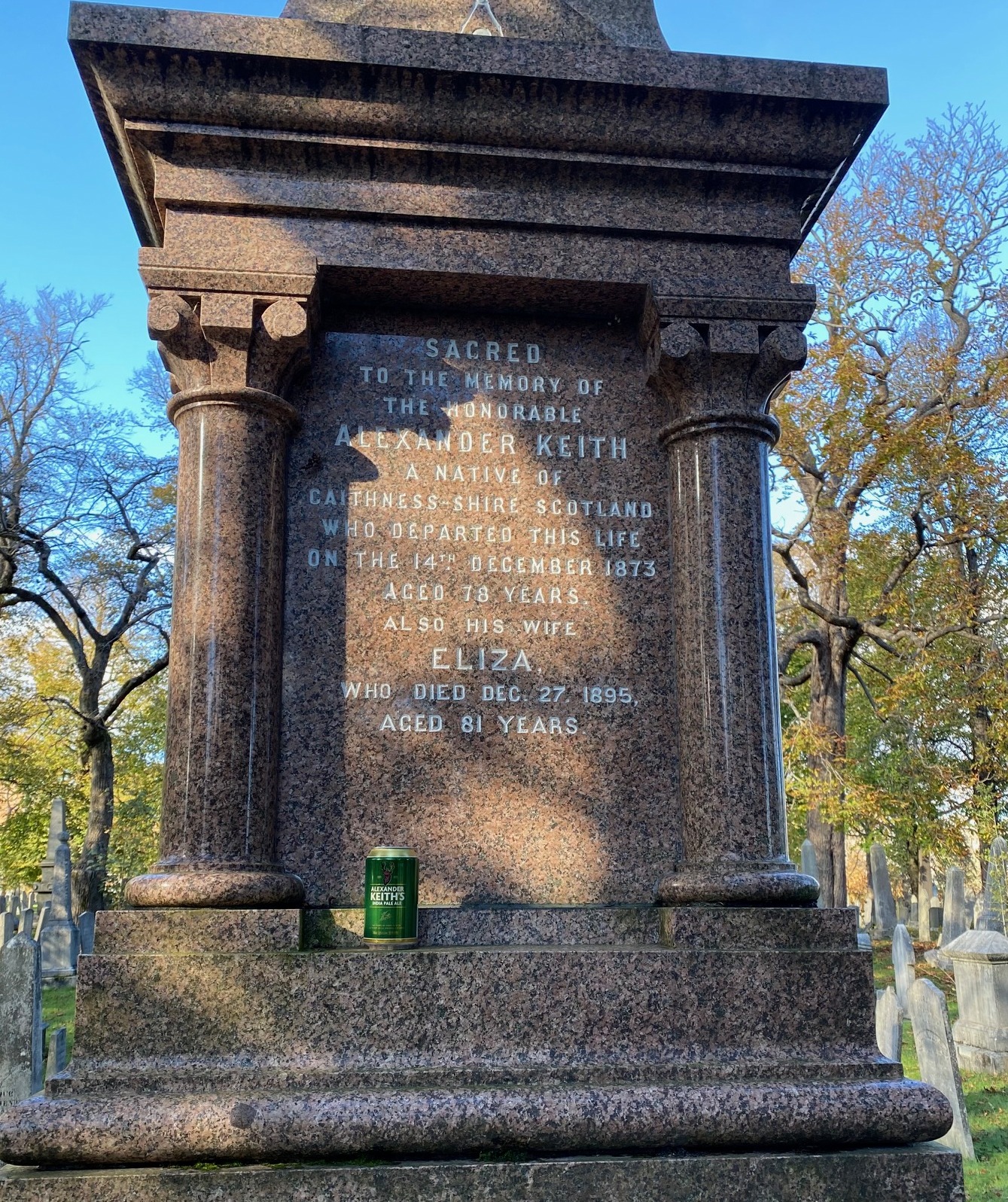
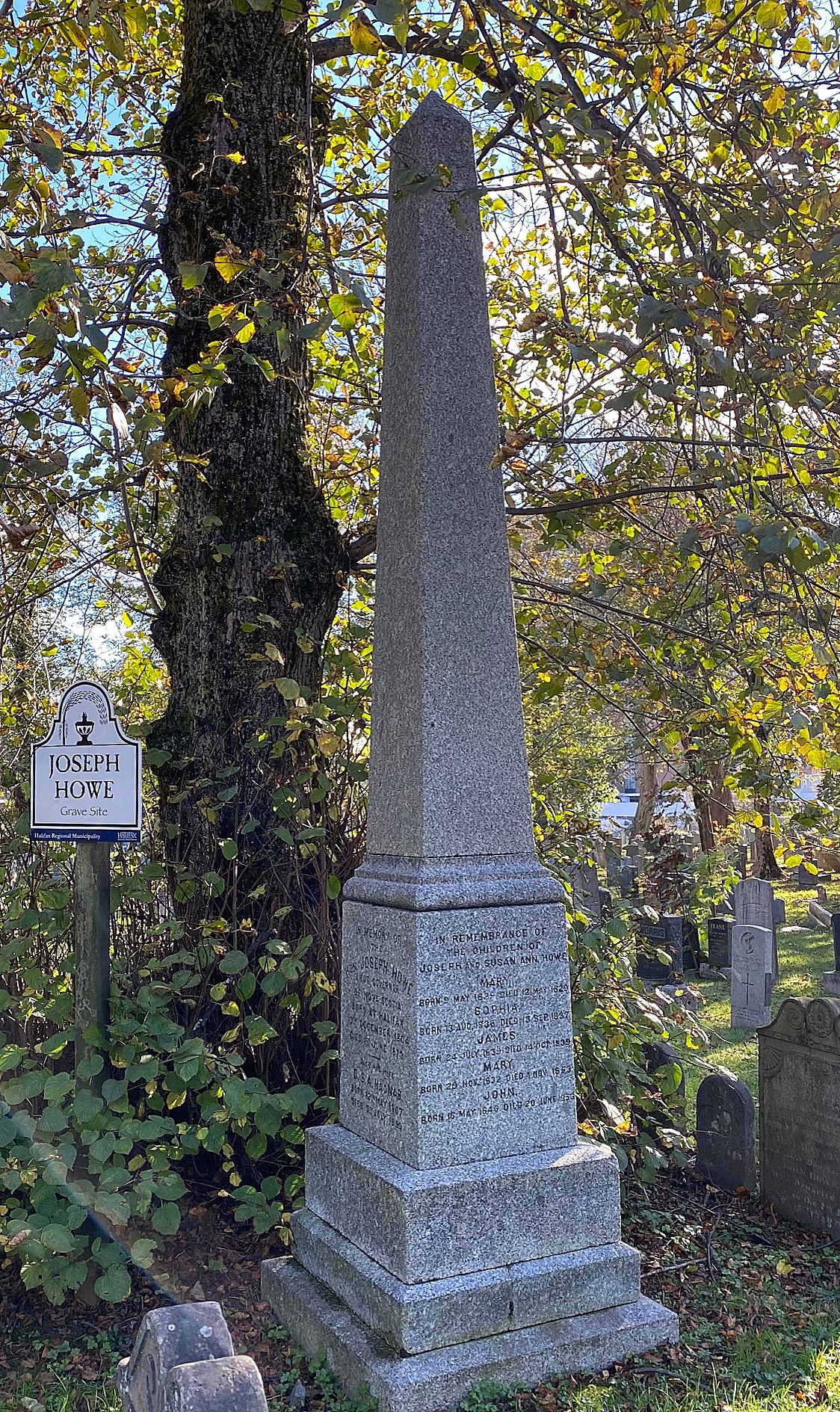
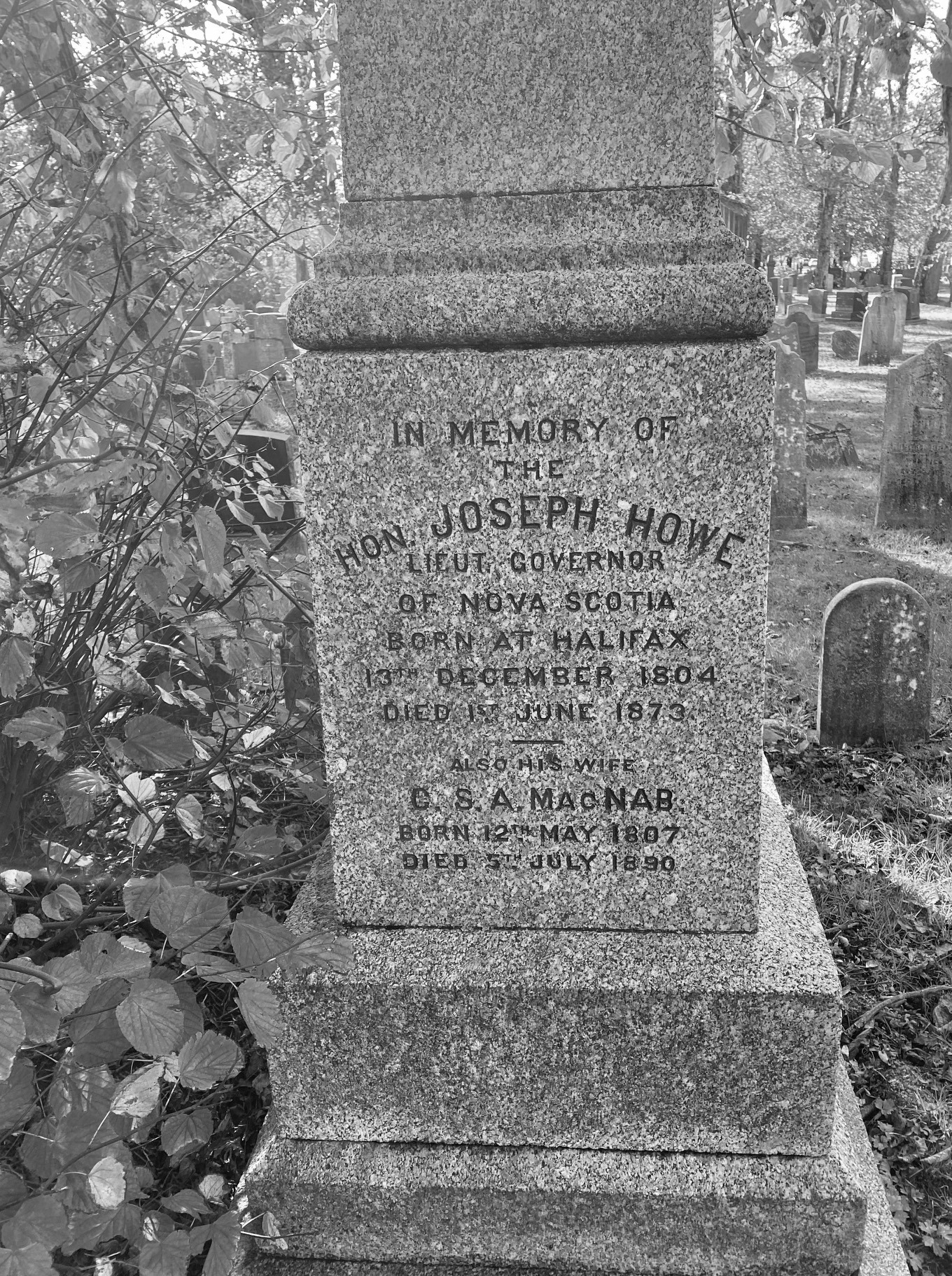
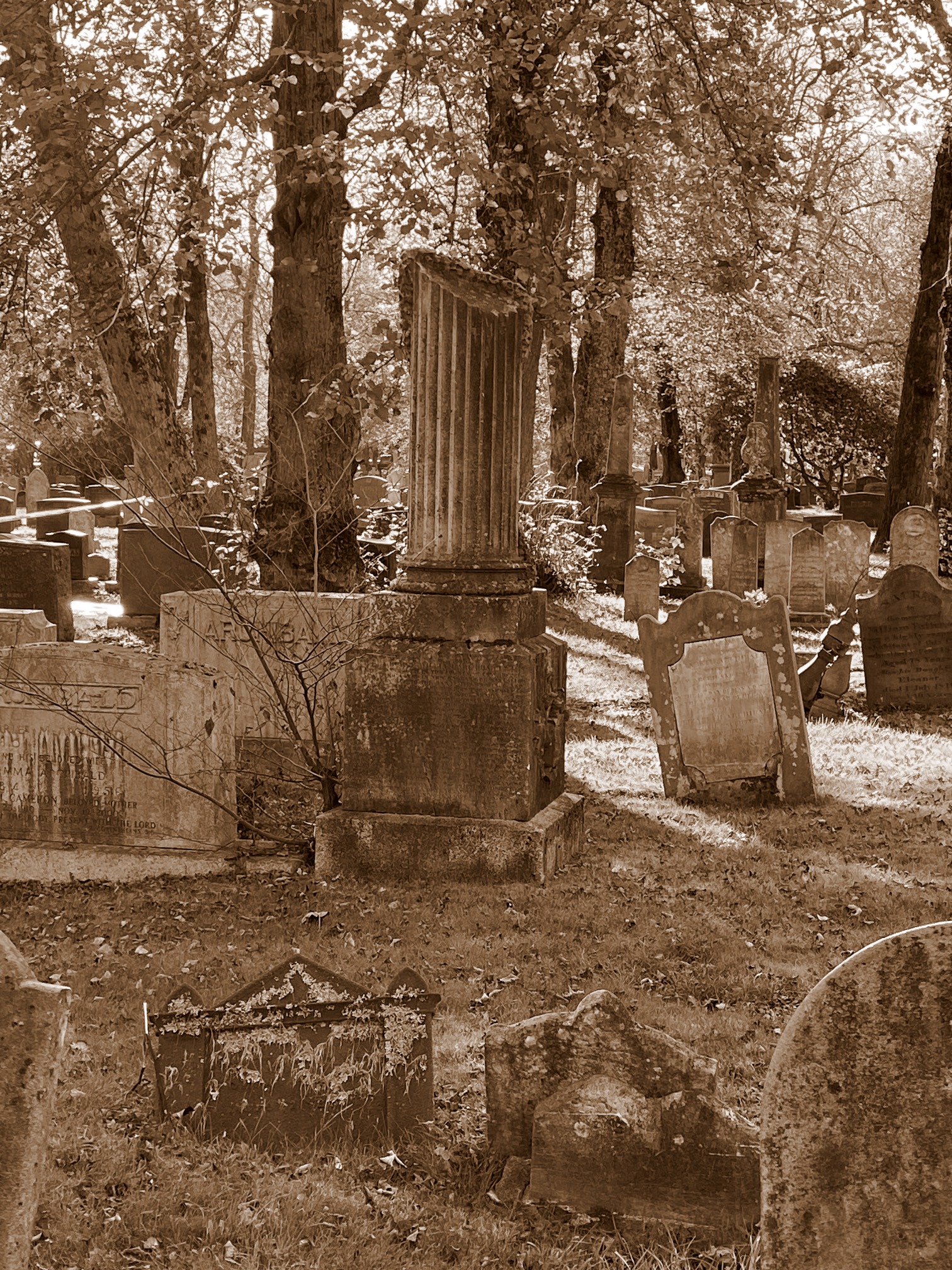
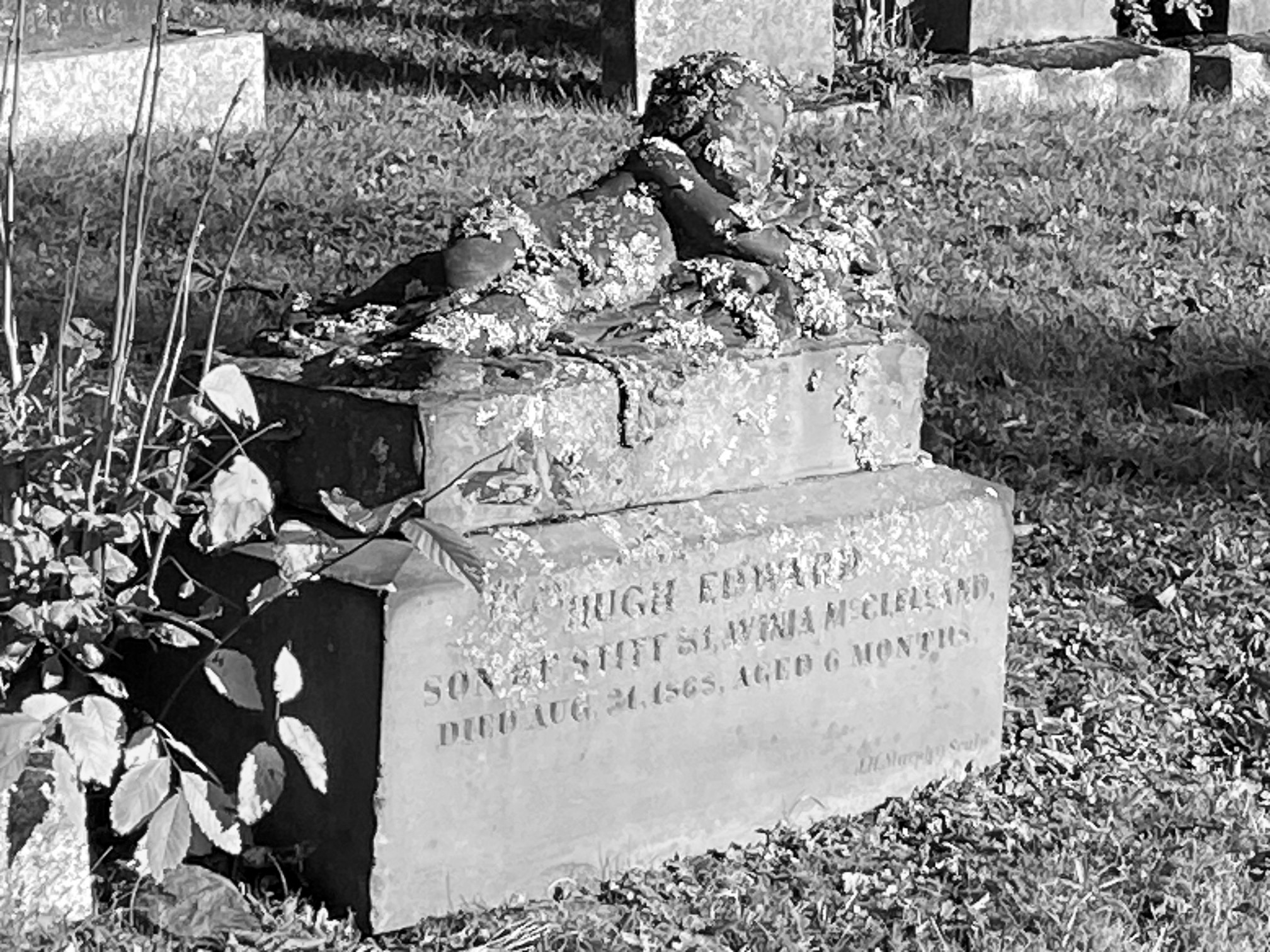
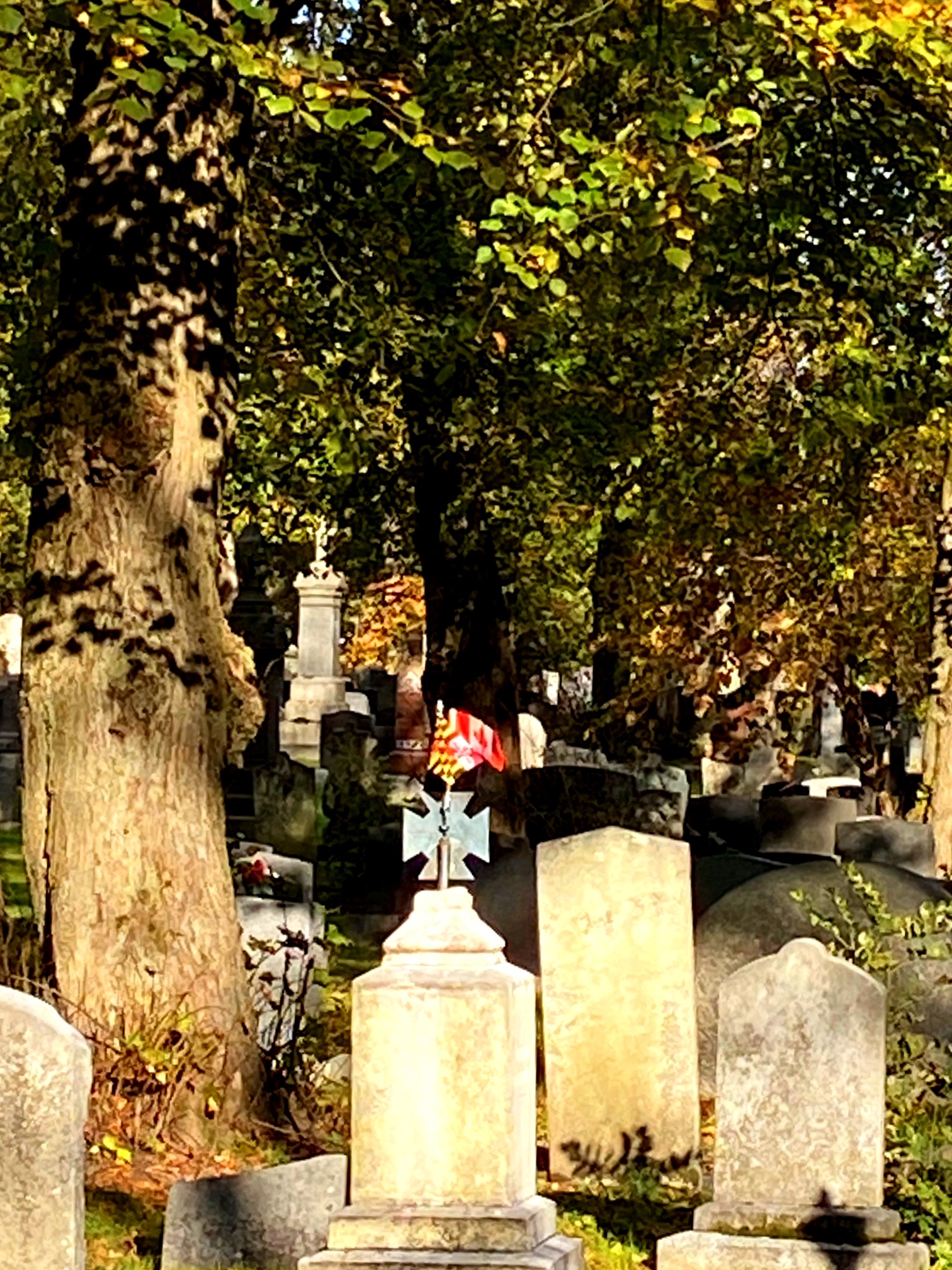
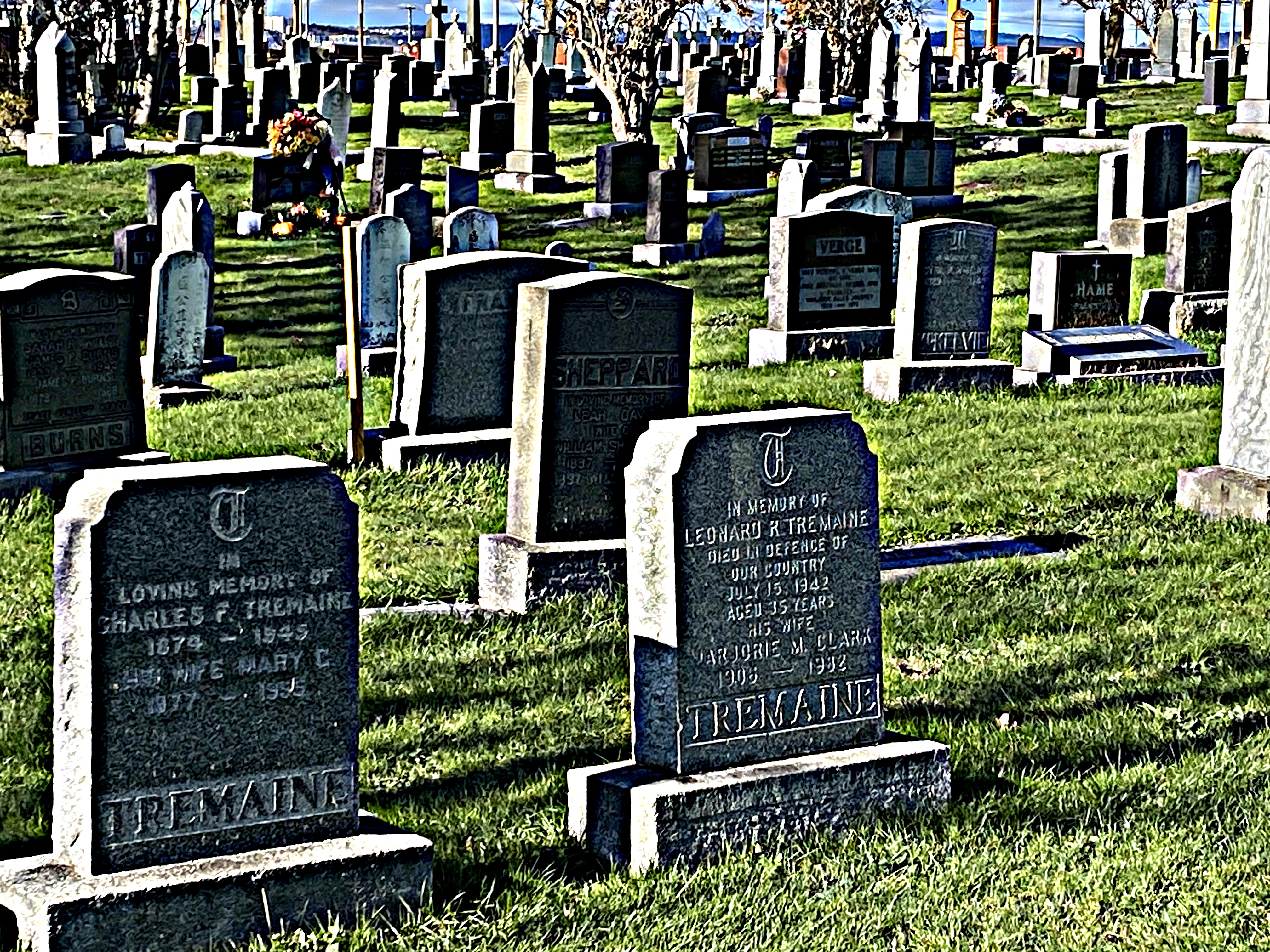
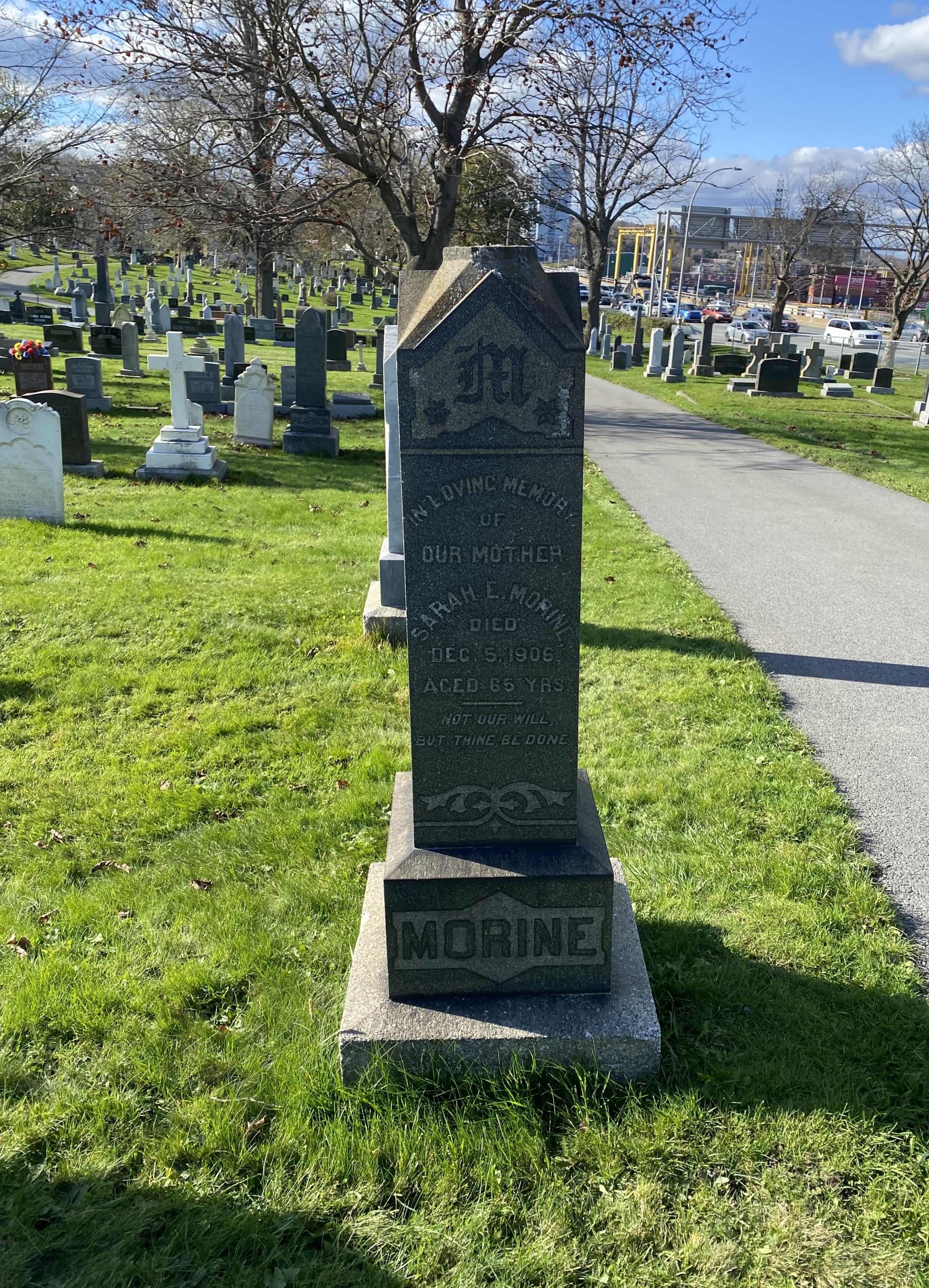
Today in Halifax was a nice day. Rather cold but sunny weather. Decided to visit special places in this city. Places full of someone’s memories, full of sad but often beautiful memories, of love that was, friendship that flourished. Very important people, perhaps national heroes, maybe well-known personalities, and a lot of ordinary people, some gone a long time ago, some with no family left, who would visit them. Our cemeteries. Went to the famous one with Titanic’s small graves (Fairview Lawn Cemetery) and the huge cemetery downtown, next to the Public Gardens (Camp Hill Cemetery).
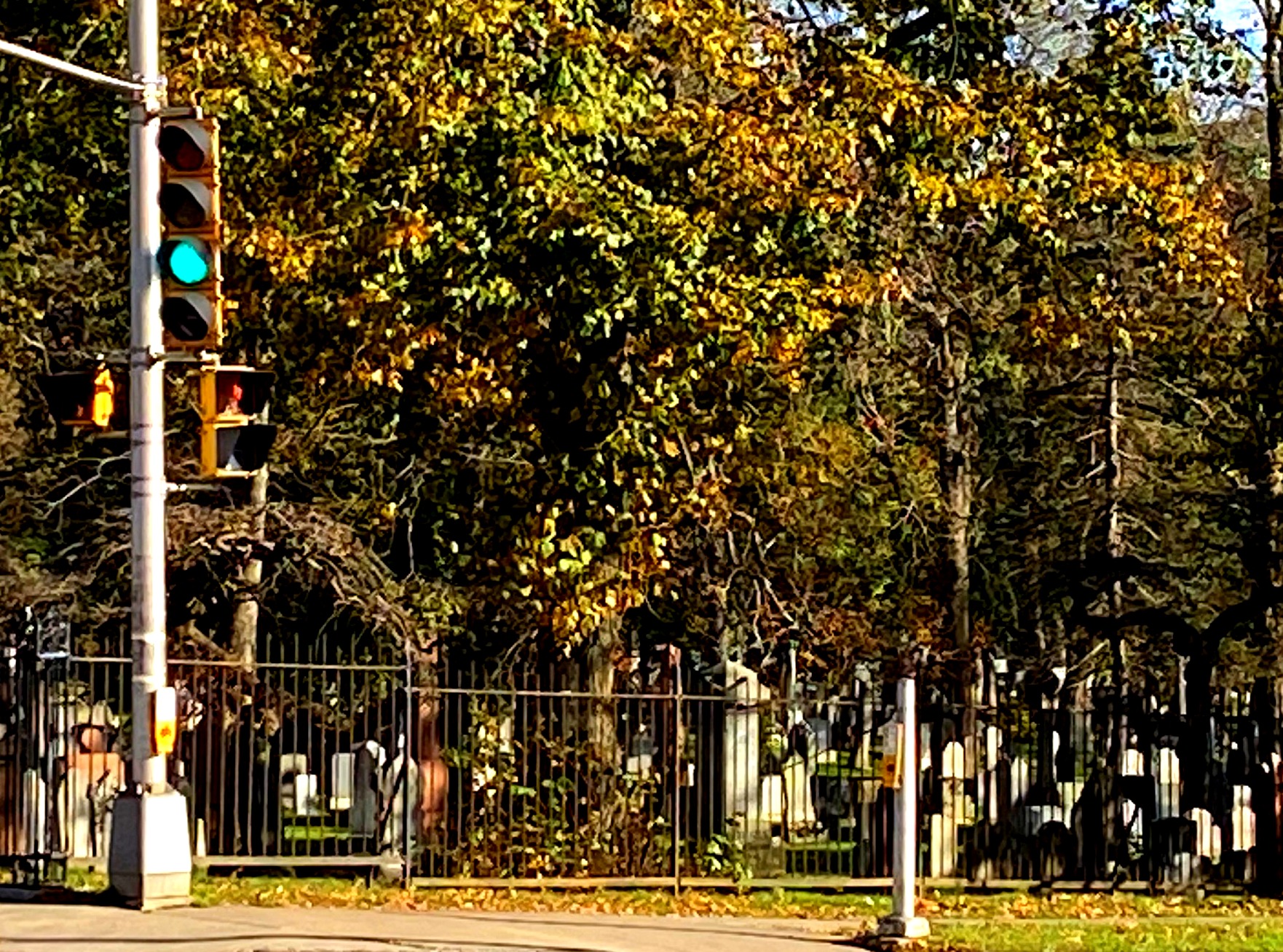
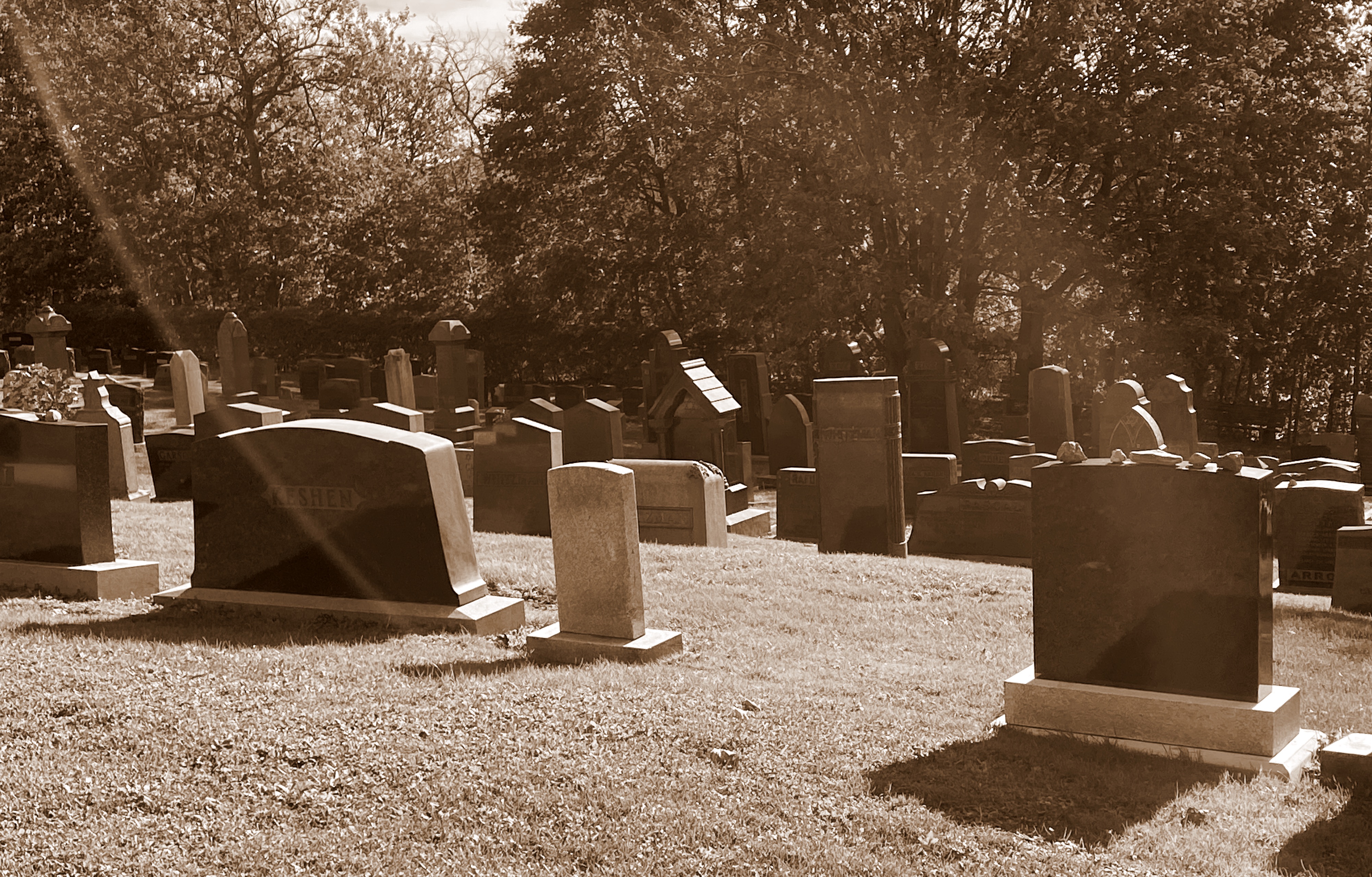
And one more cemetery, a special one for me. In my Old Country, there are a lot of empty old cemeteries. There are full of old graves, some with strange lettering on tombstones. But almost never any people walking, visiting. You see, for about seven hundred years Poland was home to the largest Jewish community in all of Europe. They escaped persecution in other European countries and settled in the old Polish Kingdom. For seven hundred years. That’s a long time. Until the 2nd world war and Hitler. And they disappear. The living ones – the cemeteries remained. On my numerous visits from Canada to Poland, I always liked to go to these cemeteries. There was such a sad silence in them. But that silence spoke to me loudly. That silence begged to remember. Reminded me of the powerful ‘Never again” wish that humanity had after that war. I remembered that next to Fairview Cemetery there was a small old Jewish cemetery. Still is. Fenced and the gate closed. And empty like the ones in Poland. No one visiting. I went there. Found a spot on the embankment where the fence was missing and went there.
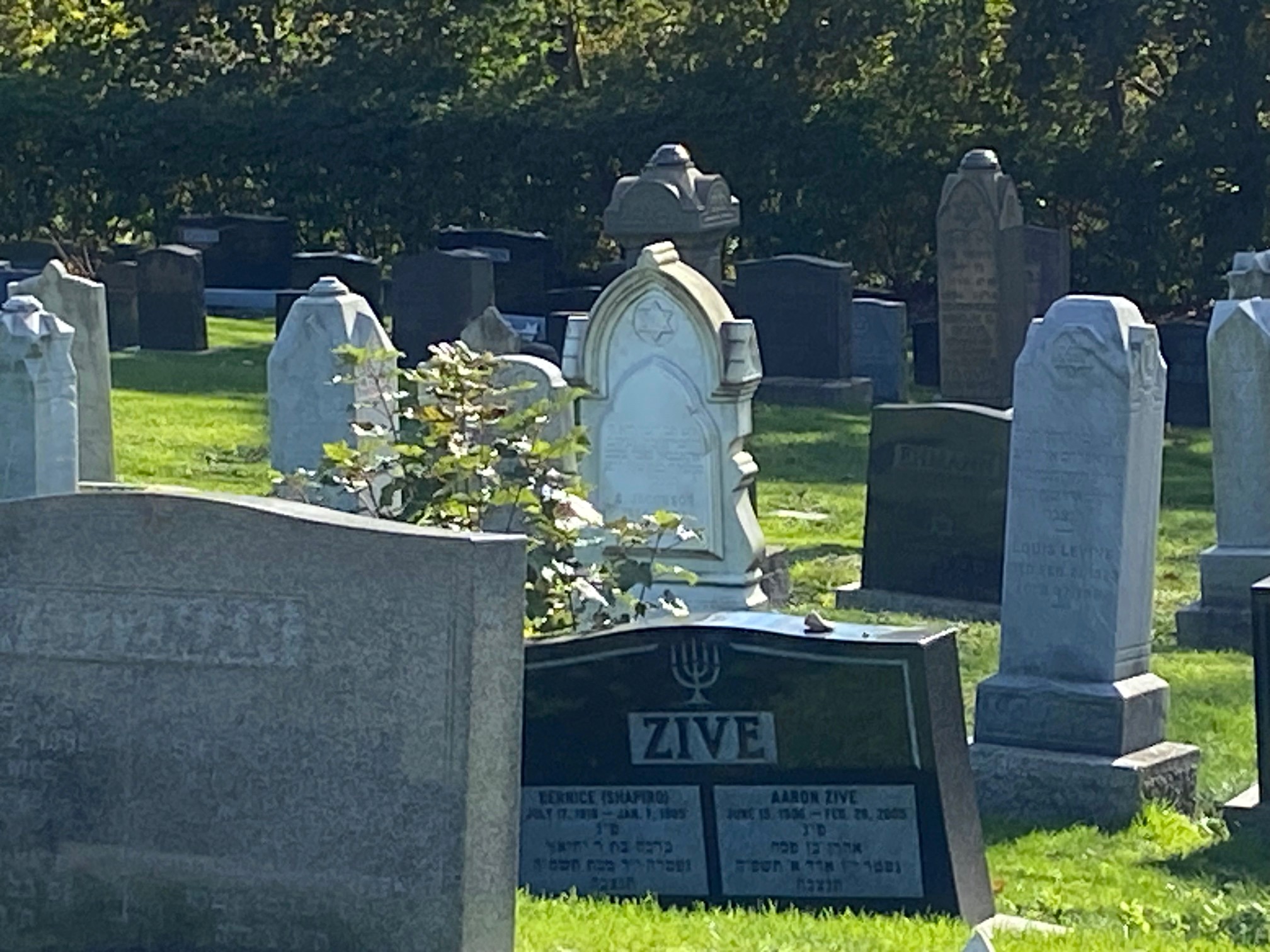
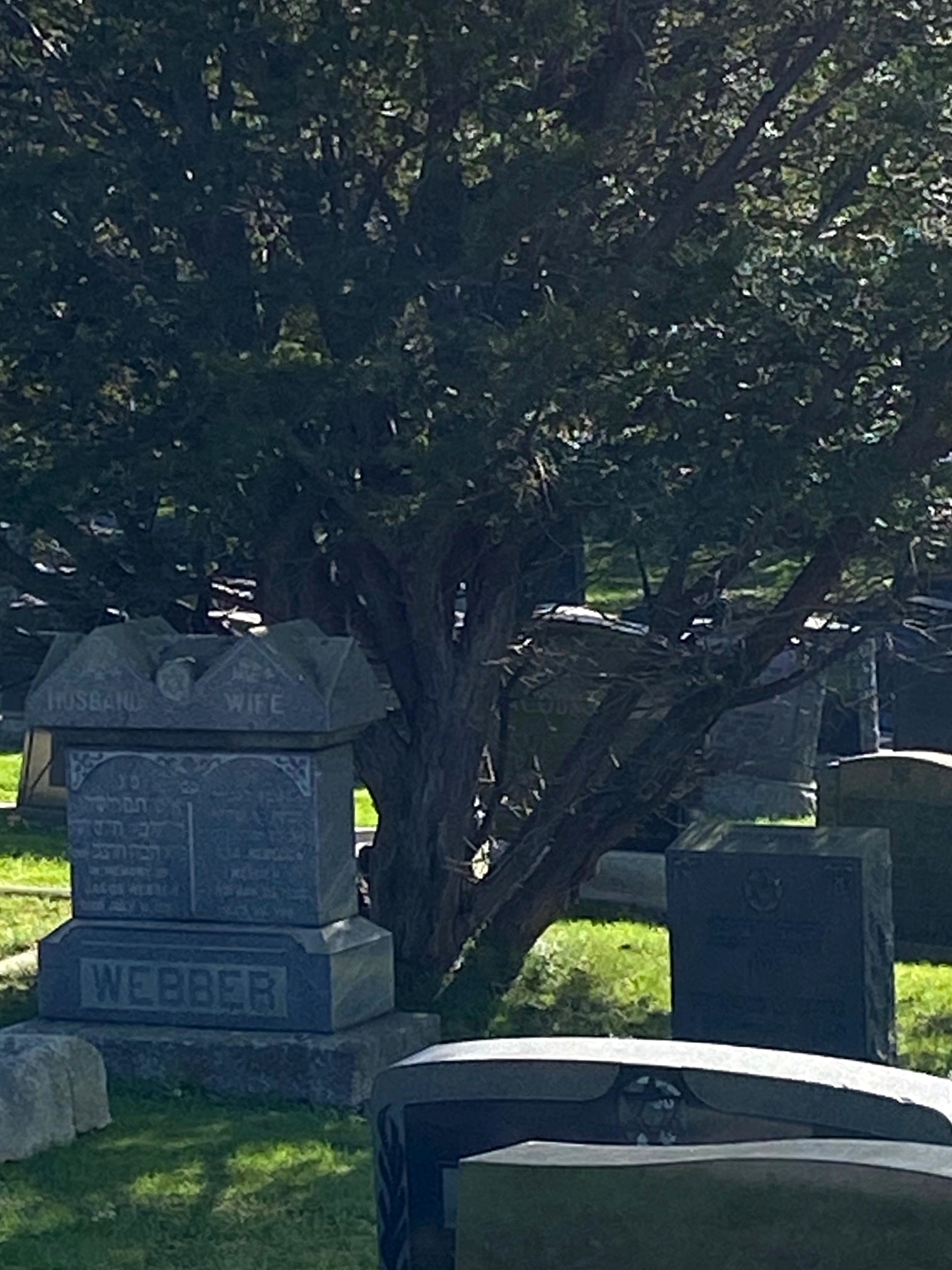
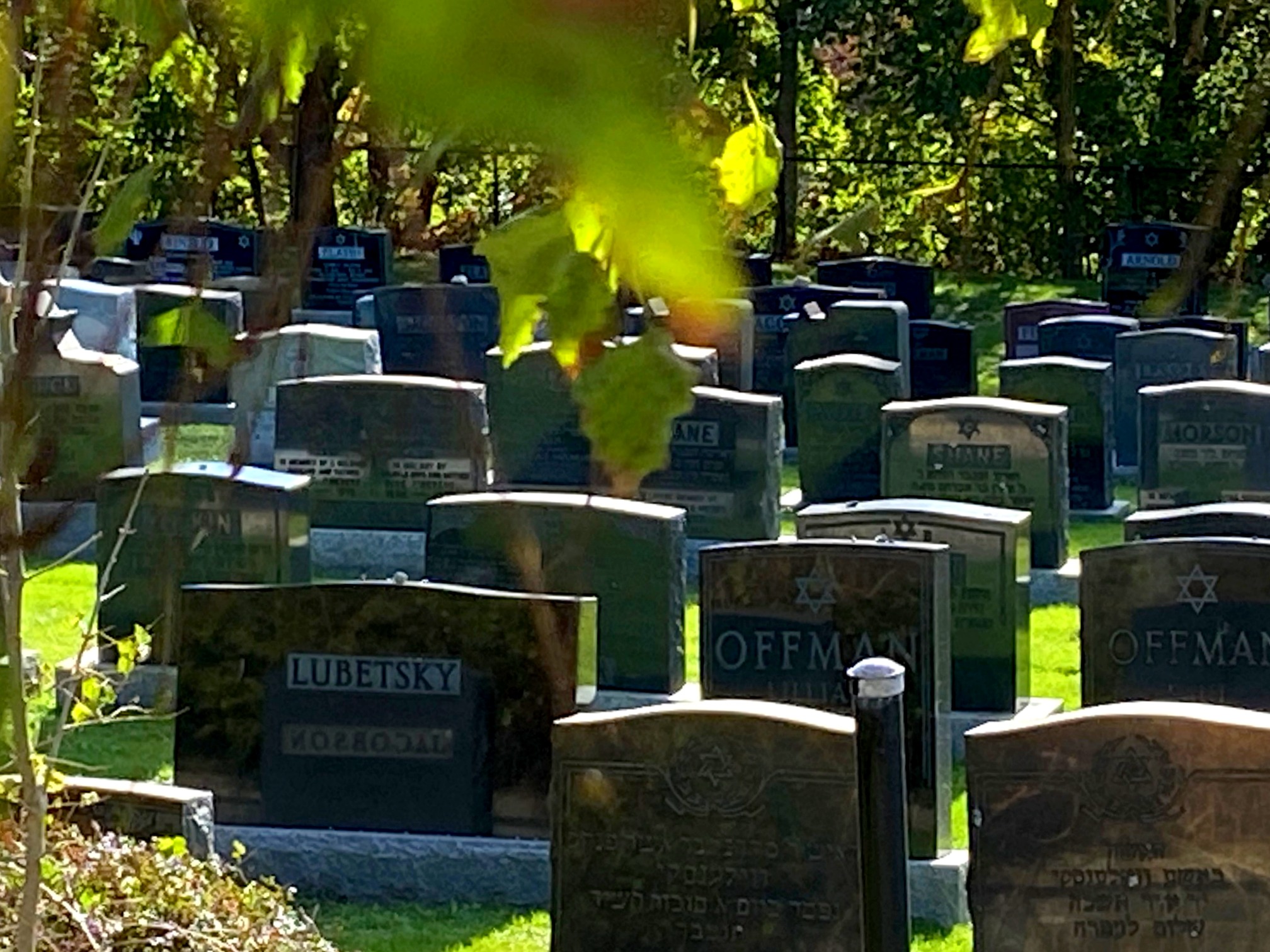
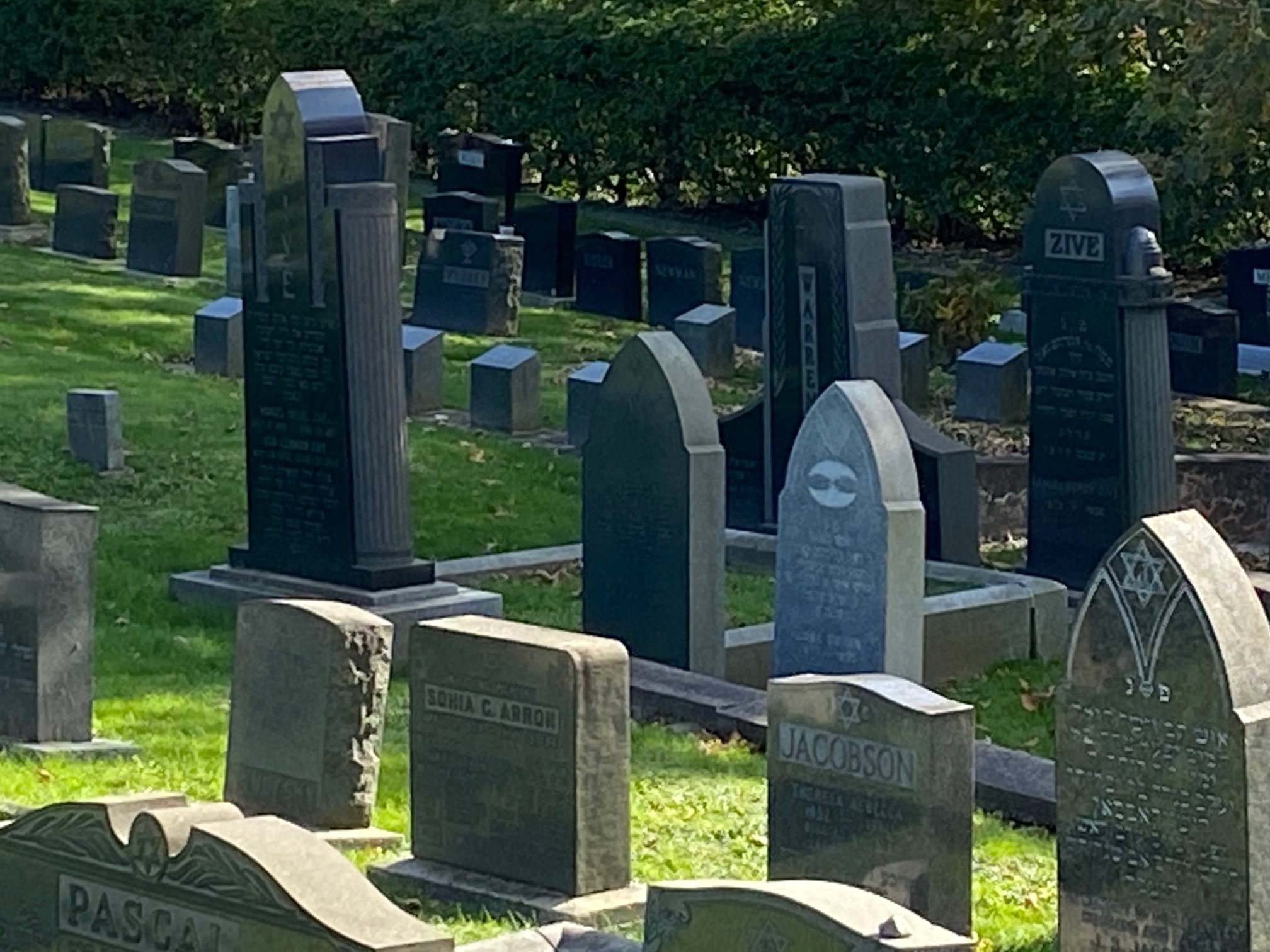
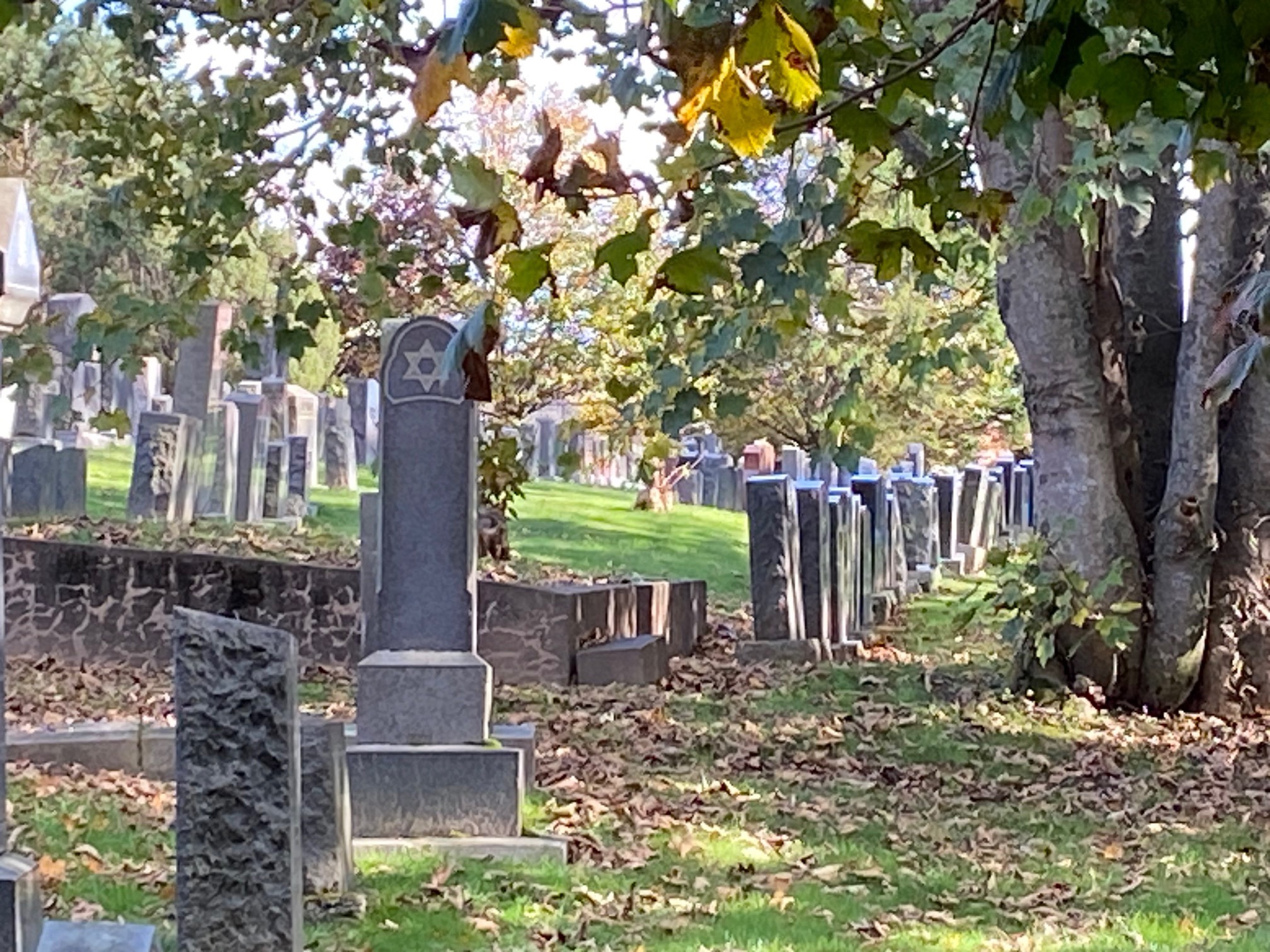
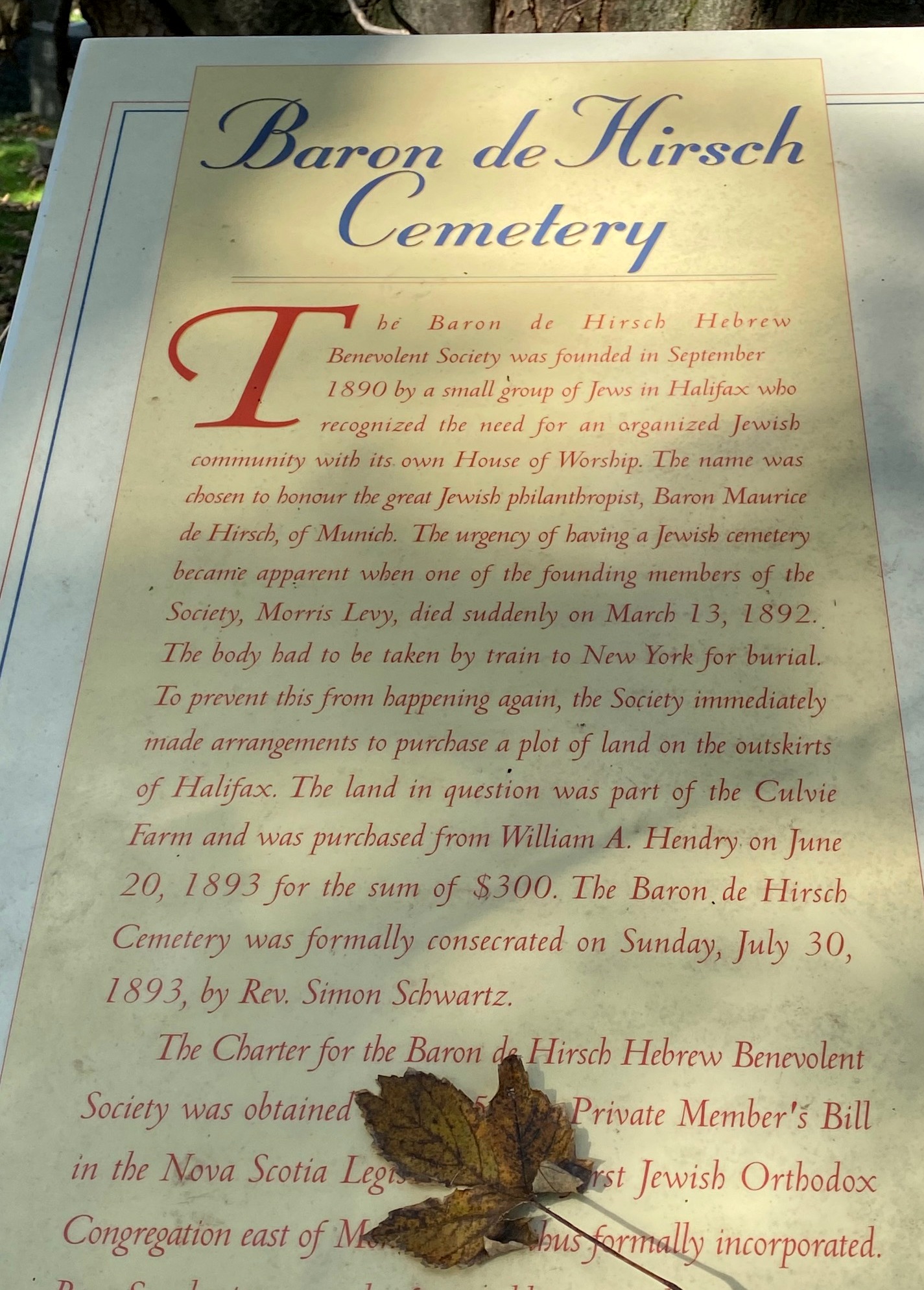
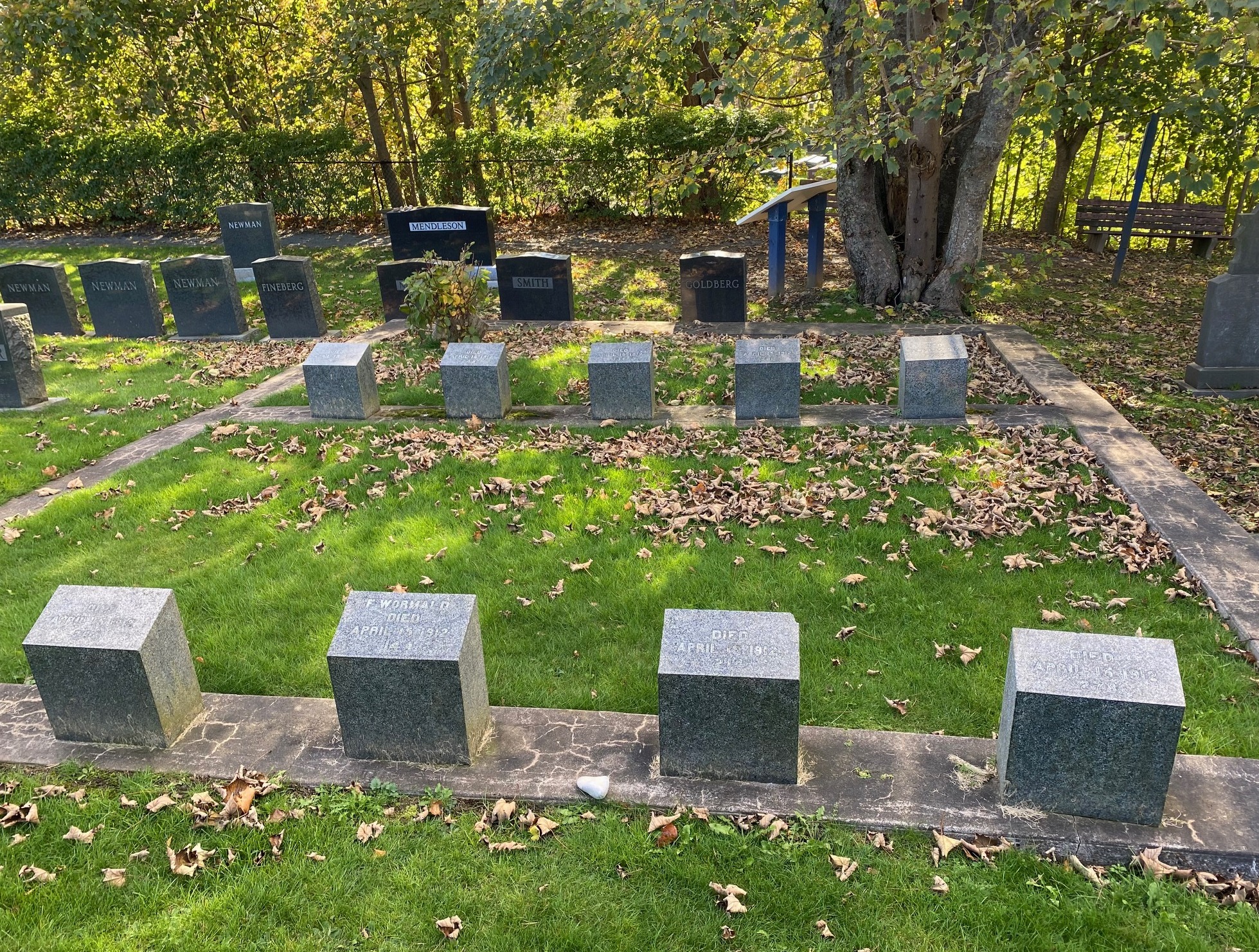
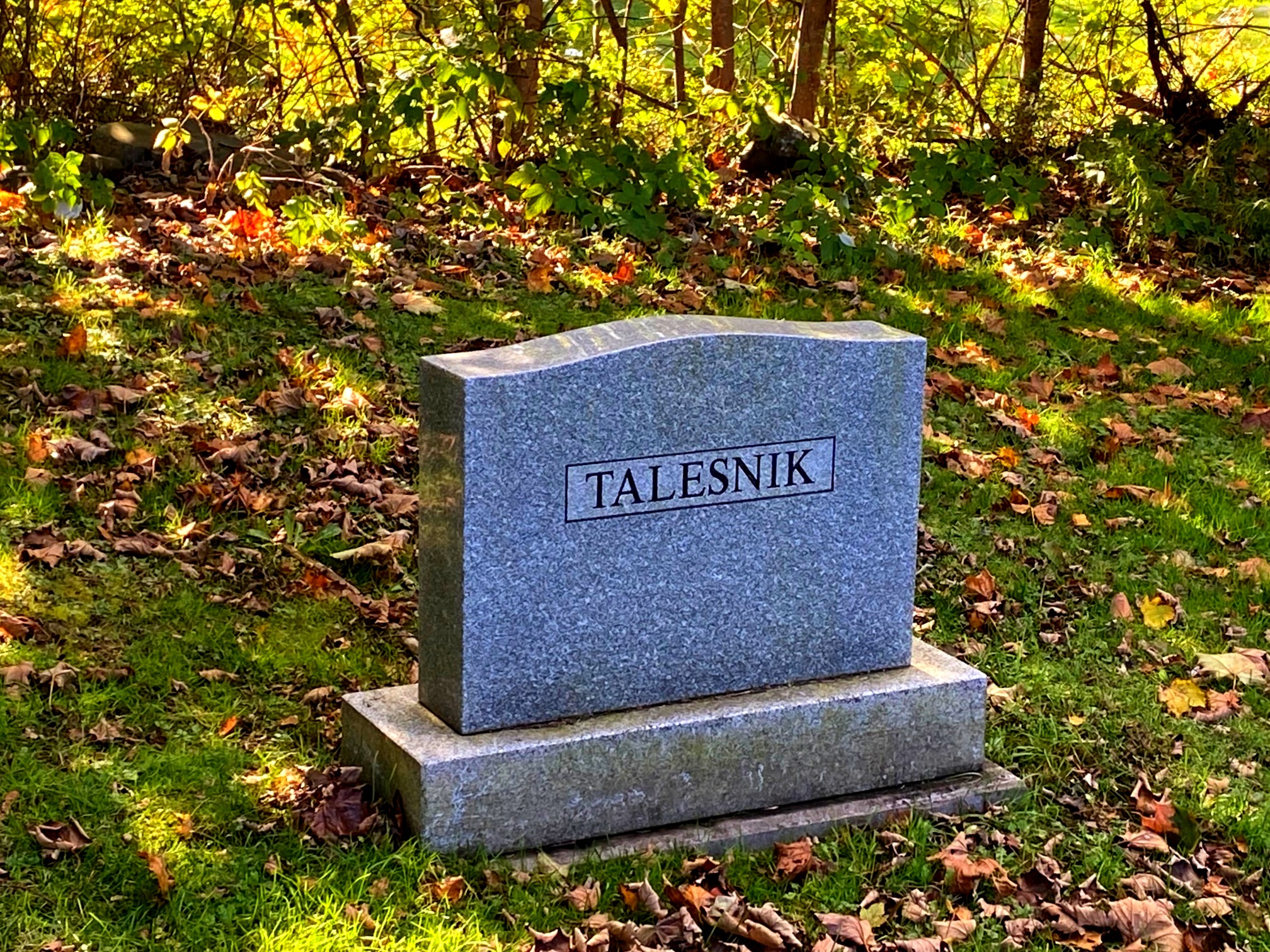
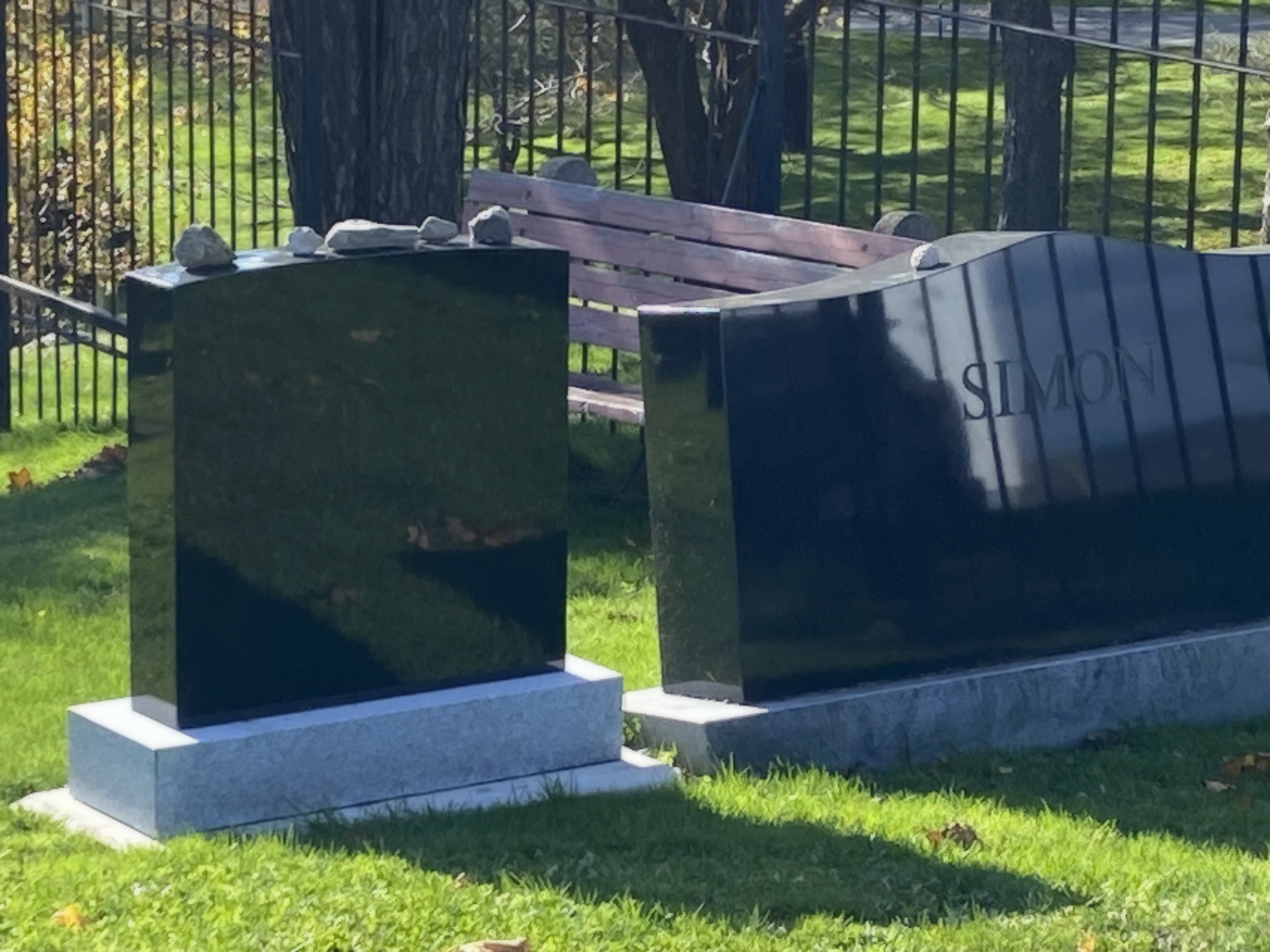
Somehow it felt familiar, it felt good to be there. The same Hebrew alphabet on, familiar names (in Latin). The familiar way of putting stones on the top of the grave (I don’t know the origins or meaning of it, but they do it the same way as we put flowers on our graves). I am glad I did.
But the ‘never again’ did not last, sadly. Wars and killings, even massacres continue. Even as I write these words. Humans are such strange creatures. Capable of goodness and sacrifice beyond belief, of love great and soaring. Capable of evil incarnate and hate incomprehensible.
Here is a story of Halifax, the story of Nova Scotia, and a story of Canada that is written on these cemeteries. As you read the names (although in the old cemeteries in Nova Scotia majority is of Scottish descent) precisely because it is Canada – the story of the world.

 > > Pogwarki < <