Canada Day 2021. Shame or pride?

Canada Day 2021. Shame or pride?

Bogumil Pacak-Gamalski

The chorus of voices behind each of the chosen answer is deafening. And probably each equally wrong. For – in my opinion – the answer is simple: neither. And that opinion is not based on moral, ethnic, philosophical or political reasons. I base it on … demographics.

Just few years after my arrival in Canada, in 1986, European immigrants formed huge group of roughly 70% of all people born outside of Canada; second  group, far behind, were immigrants from all Americas (15%); close to them were immigrants from Asia at 9%; people born in Africa represented 4%.

Now jump thirty years to the future, to 2016. Immigrants born in Europe were 33%; from Americas roughly unchanged, at 16%; born in Africa double in size to 9%. Asian born immigrants placed at record 40%, becoming the dominant new Canadians born outside of Canada.

Mind you, this numbers do not count Canadians of European, Asian or African heritage, who were born already in Canada. These are just first generation Canadians. Like me. Did you notice the huge change, though?

Yes, Canada is – and will become even more  in coming years – a different country than it was when you were born here, definitely different than the country of your Canadian parents and grandparents. That also has a statistical effect on how all Canadians perceive our Canadian past, our judgment of that past. Our expectation for the future.

We will never know it, but I will risk assuming that if in 1982 (the year I arrived in Canada) some Royal Commission or National Inquiry discovered and truly showed to the public the story of Residential Schools, the huge damage it has inflicted on First Nations – there would have been no Parliamentary or Government acknowledgment of the crimes, no national ‘we are sorry’,  as it happened in 2008 Apology delivered by PM Stephen Harper.  Why would I assume it? Because in 1982 Canada was a different country as far as the fabric of our society. In that country it would have been wiser politically not to fully accept facts and issue ethical response. Settlements probably would have been paid (probably smaller) because the courts and independent Commissions  would have established beyond doubt the harm and guilt of Canadian government and our Christian Churches. But the affair would have been called an old policy mistake, reparation paid, few still operational schools closed and that would have been the end of it. It was a different world. I remember it well. Not only in Canada.

But times changed. And so our country and the people, who live in here. This is not a judgment on descendants of French and Anglo-Saxon original settlers. Their values and their knowledge and sense of history was different, too. Their stories told by their parents and grandparents were the stories seen by their eyes, their understanding of the world around them, not by objective view. My story of my homeland, Poland, was different when I was 10, 15 or even 18 years old. Very different then my story of Poland now, 40 years later. Even those, who finished universities and colleges were taught from history books of previous generations. History glamorized, made heroic. It was needed to build and to make strong a very young nation. Nation, which just went through horrible experiences in First and Second world wars. How a nation that just sent thousands of young boys to die for freedom of nations far away, across an ocean, could have itself commit a crime against tiny nations of poor Indians?! That was beyond comprehension for many. It doesn’t change the facts of that terrible crime, doesn’t absolve the astonishing lack of morals of politicians and governments and Churches in good first half of XX century. But it was a time, when news and facts were not as easily noticed or reported as today. It does make it easier to understand the ignorance of that crime among general population.

And now, in 2021, on July 1, I am ashamed of the past of my history. My, because, as a Canadian, I have accept as mine also the history of my country. My country – Canada.  I have never stopped being a proud Pole. Who is ashamed of some parts of Polish history. Parts of very anti-democratic and xenophobic temporary, today’s Poland. Because of that old knowledge, I can say as a proud Canadian, that any form of xenophobia is the worst national feeling that can be. That we should always fight it within ourselves. That feeling of being better than others is not a good feeling. It is a poison that seeps into healthy patriotism and makes it bitter and sour. Having these two alter egos – the Polish and the Canadian – makes me very aware of it.

I like stories. Often tell them myself. Do you know the difference between ‘telling a story’ and reminiscing? Both involve past and often are of personal experience (although story could be of other people’s experience, known to the teller, or even be of fictional characters and place). The main difference is that a story has an informative and educational message. What it used to be called: a moral. Reminiscing is mostly of sentimental value and reason.

My story of today takes place in time long ago and of time present. A visit to an Indian Reserve in the middle of 1980’ and visit to reserve on July 1st, 2021. On Canada Day.

In the 80’, after working for few years I got restless with my job (well paid unionized position in Catholic School Board) and quit. Needed something new, more challenging. It was first and only time in my almost 40 years now in Canada, that I was unemployed. Still knew very little of the system, of how it all works. Being young and a bit of a ‘smart Alex’, I felt above asking anyone for good advice. I will find my own way! Or so I thought. I found some intriguing ad about some insurance/financial/investing company looking for new ‘ambitious’ people. Knew nothing about that field. Zilch. After all investing and finances in communist system were really a totally different concepts from another planet. And that’s where I grew up and educated myself. What an opportunity to try myself in a truly capitalist field, I thought seeing that add. Of course it was an absolute scam, as I learnt quickly.  The ’firm’ was telling us that the best to start and learn is through sales. Sales of anything. If you learn how to sell any product, you be good in selling serious product and services. Let’s go to do some ‘field work’. The manager and his assistant noticed that I have a new , good size car and suggested that they, myself and another promising applicant will drive to that experimental field.  Right away I didn’t like the fact of using my, not the company’s car for such trip. Perhaps that was also part of the test and building of trust and finding an unorthodox way? Who am I to judge? My trunk was filled with heavy bags full of stuff. We drove just outside of city limits in Calgary and parked by the gates to Sarcee Indian reserve. The manager instructed us that once we park inside the reserve, each will grab a bag and spread out to find any single (the best) or group of young people and sell our product.  Radios – 30 bucks, flashlights – 15, cassette players with speakers – 40.  All the best imported from USA and Japan. Who sells the most – wins a special gift and an offer of employment. Let’s go! My head was spinning as I started the car and crossed the gate. We parked in central place, close to the entrance. I opened my bag – full of cheap and flashy Asian electronic junk.  What the hell?! Did I move back in time and going to be traveling salesman with flashy junk to sell it to poor Indians?! I put the bag on the ground. The manager yelled at me – come on, faster, we don’t have much time before the Chiefs kick us out! That was enough. I threw the other bags to the ground and yell back: get the f… out of my car now. I am not a f… colonial trader in XVII century Africa. I am leaving now. He was shocked and confused. Locals started looking at us hearing my yells. He tried to calm me down and resigned said – ok, let’s go back to the office, we will talk there, I will explain it to you. I said that I am leaving. But alone and I don’t give a s… how they will get home. And I left.

That was my first encounter with Canadian Indian Reserve and Canadians perception of them. Today the Sarcee nation is known by their own historical name Tsuut’ina Nation. Since that time they have become powerful and resourceful tribe with strong social, economic and educational base. Instead of scamming traveling salesmen with cheap watches and other junk they are visited by Calgary’s mayors, premiers and economic ministers of Alberta, reps of powerful corporation, who want to deal with them and offers of contracts worth hundreds of thousands of dollars. But there are still, further form large urban centres, small secluded tribes living in abhorrent conditions. And still being subject to indecent and dishonest deals.

Few days ago I went again to First Nation Reserve. This time by myself, to celebrate Canada Day. How better to celebrate this country if not among it’s first, original inhabitants, guardians?

That decision came easily for me. Should I just pretend than nothing is happening, that there is an uproar of sadness, anger and discontent on this Day? What to do with it/ Some were cancelling the celebration, some were planning to organize protest, some wanted to say “I’m sorry”.  But sorry doesn’t cut it anymore. Burning old churches doesn’t cut it, neither. Just get together and talk. We leave together, on the same land, none of us will disappear anywhere soon. Get to know each other. Specially Canadian, who are not from First Nations, should really try to get to know indigenous people. Don’t be ashamed, or to afraid. We can’t re-write history but we sure can write a better, respectful of each other, future.

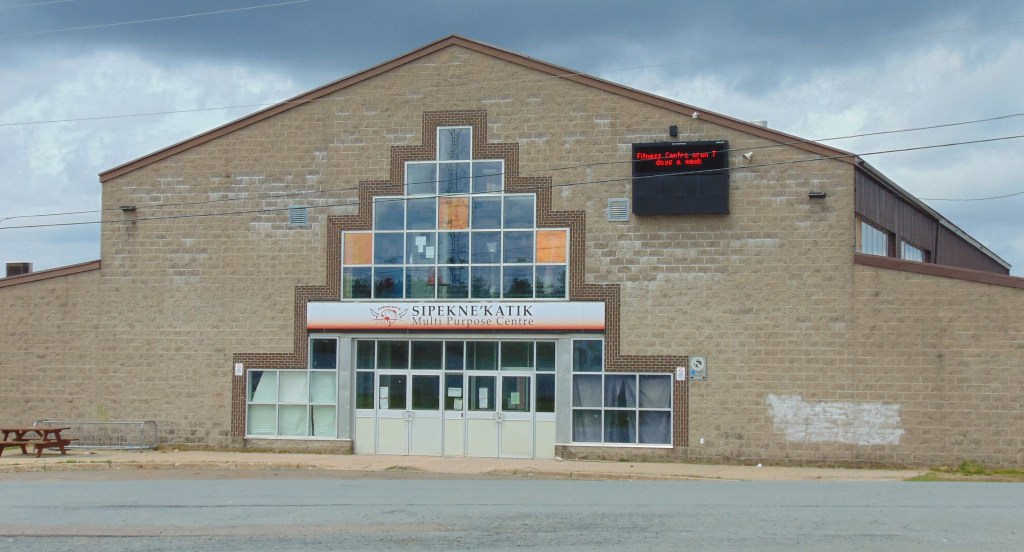
Went to the largest reserve in Nova Scotia, located between Halifax and Truro. What used to be called Indian Brooke Reserve, but is actually Reserve of a tribe called Sipekne’katik, that is a part of people called L’nu (popularly called Mi’cmaq). All this names, starting with the stupid name “Indians”, is also an effect of our total ignorance and arrogance, lack of basic knowledge.  All these tribes have names, they have history, language. Canada is a continent, for havens  sake! People in Europe are called sometime Europeans – but each nation has its own name and language, sometime more than one! German is not a Pole and Italian is not Swede. Just as Korean is not Vietnamese. Our Haida people on Pacific shores are not Prairie Blackfoots or Maritime Mi’cmaq. It is really not that complicated. No more than the difference between ‘British’, ‘English’ and ‘Welsh’.
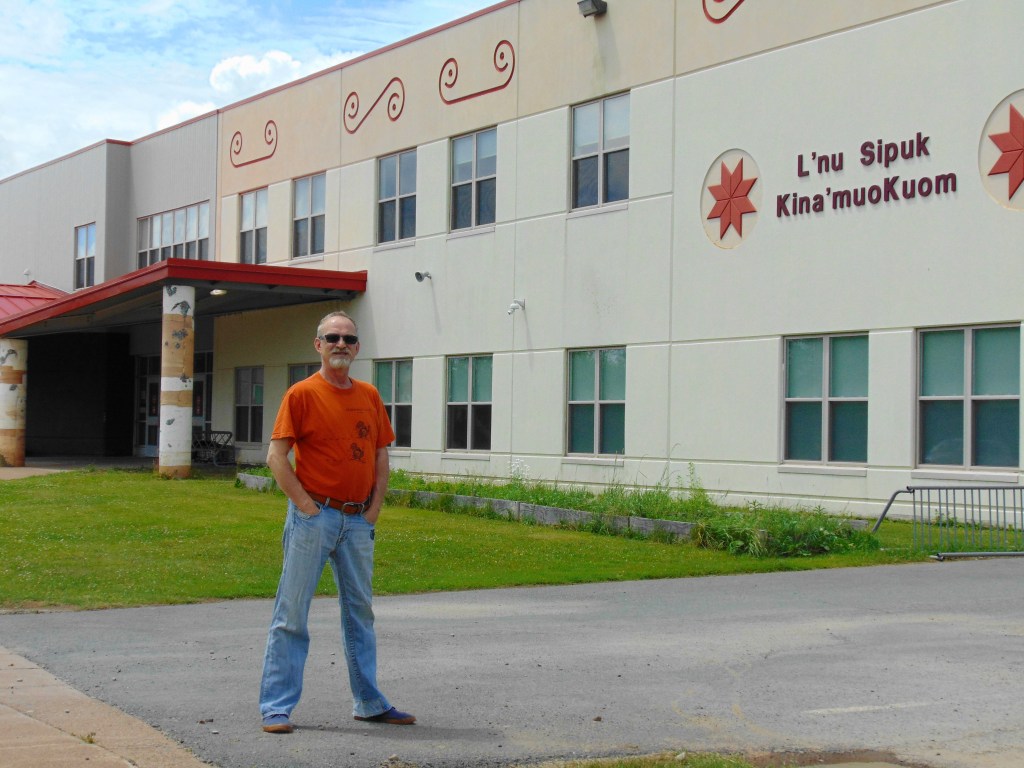
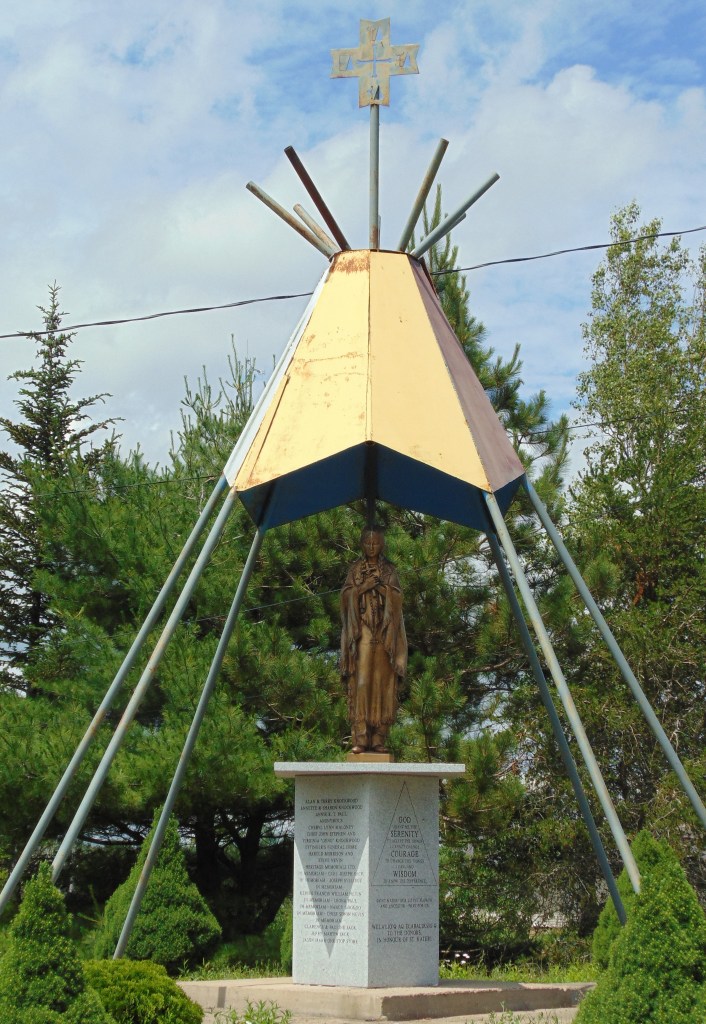
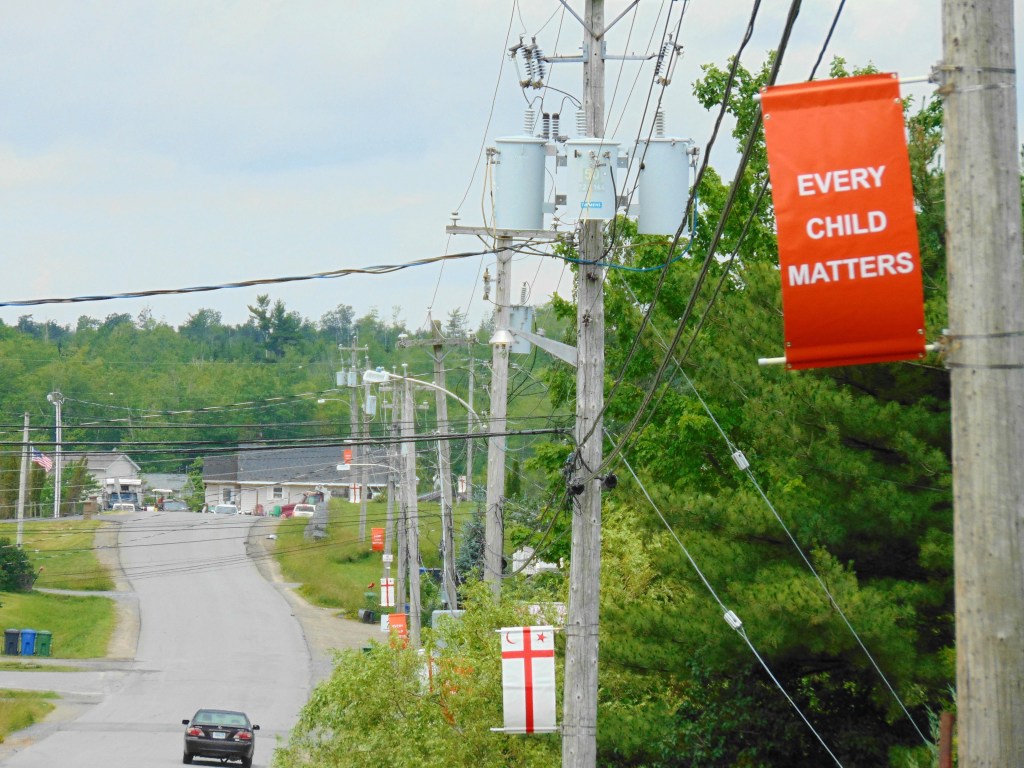
top left – author in front of L’nu Sipuk Kina School; entrance to the Village from Robinson Rd. ; Community Centre and Administration on Church St. ; bottom – St. Kateri Tekokwitha statue by the RC Church; view of Church Street toward Tuff St. and Sport Complex. (pict. by the author)

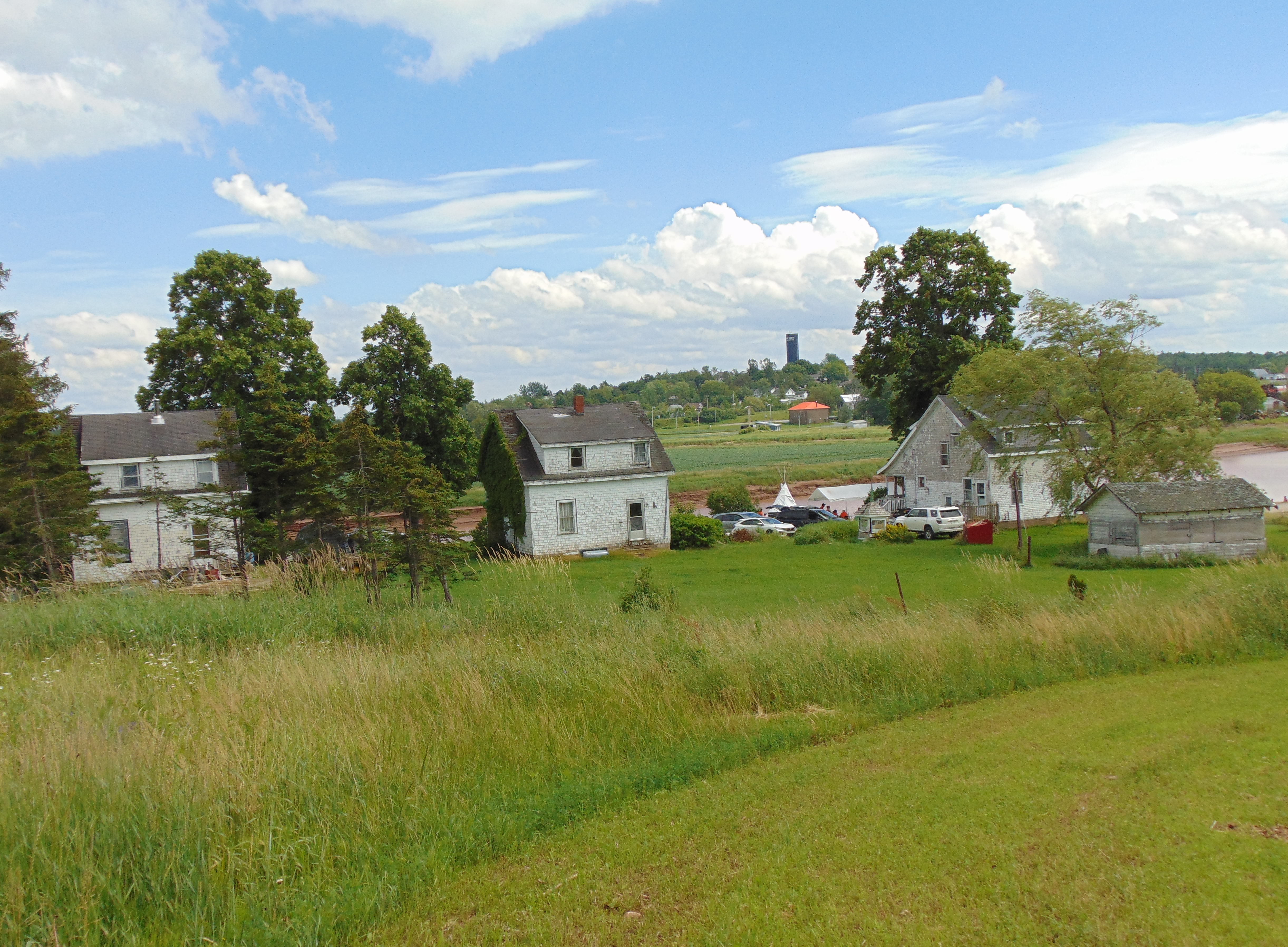
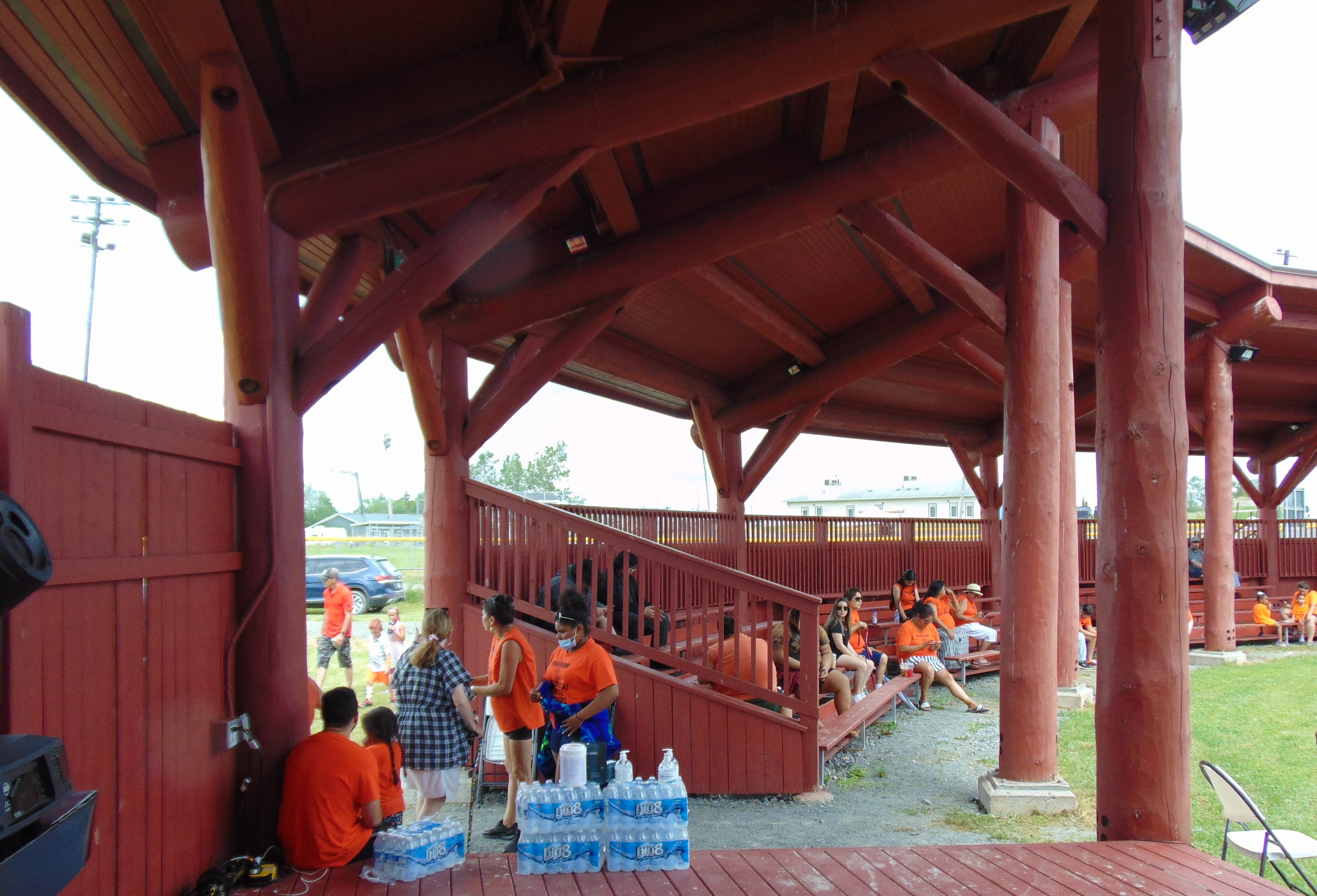
The Sipikne,katik village is large and well developed. Big church, large cultural and civic centre, beautiful school, few stores and businesses, relatively well maintained properties. One main road and few smaller ones interconnecting the territory. That special day was a huge motorized parade to remember the lost children –  these days subject on everyone’s mind and weighing heavy on hearts. There was a special gathering on sport grounds with music and children. Specially the beautiful children, all (as adults) wearing the dark orange shirts, were making me very happy and extremely sad at the same time. Just as, when I went later to visit the grounds of former Residential School to pay my respect. I watched from a small hill, were the school used to be, as one family were leaving their car: parents in their twenties and three small children. And I imagined how the RCMP arrived with some cars and were pushing away the screaming, horrified parents and taking away the crying children in a wagon to some far away school. For many years to come. Some never saw the parents again. That image brought tears to my eyes.

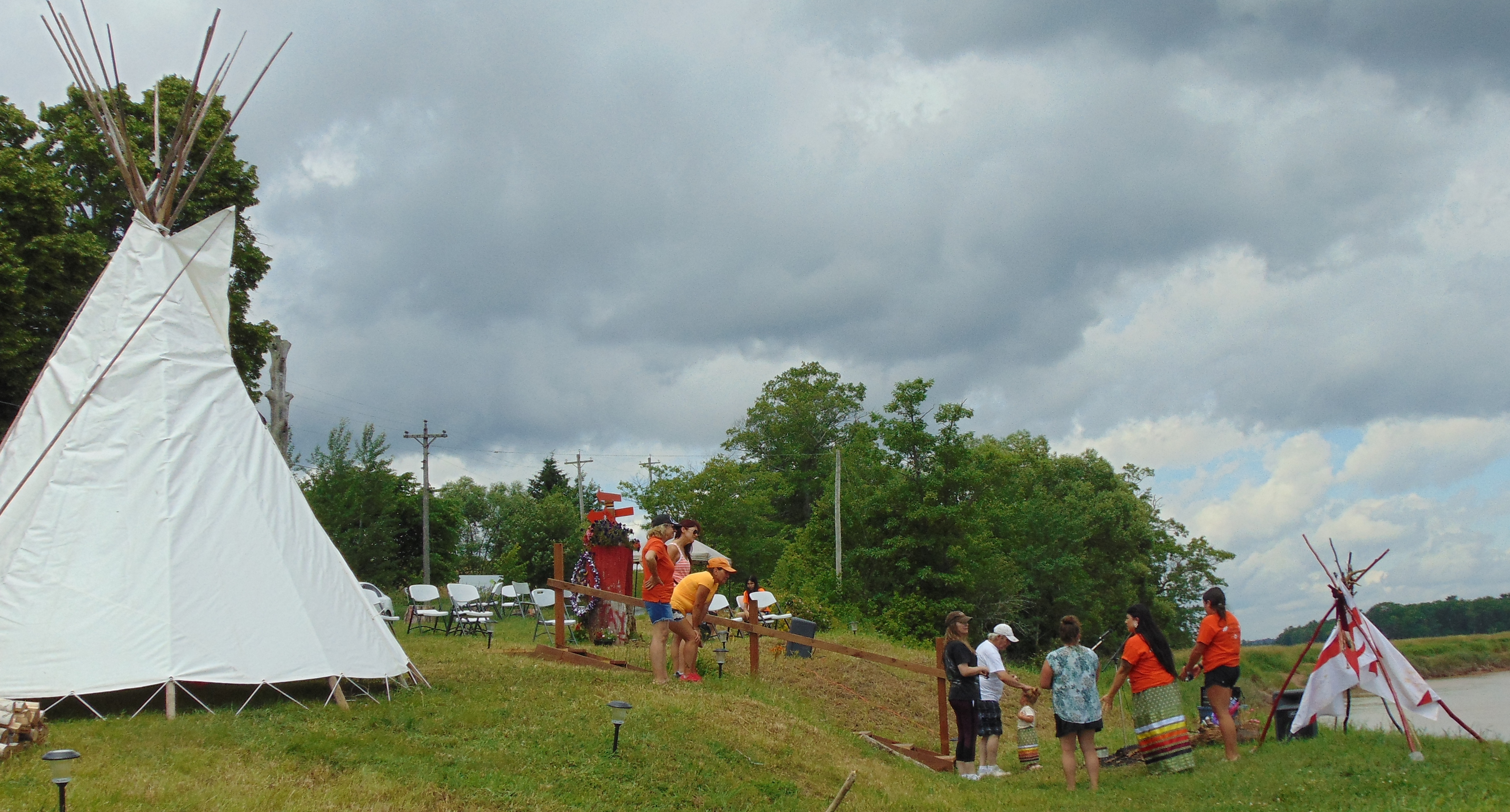
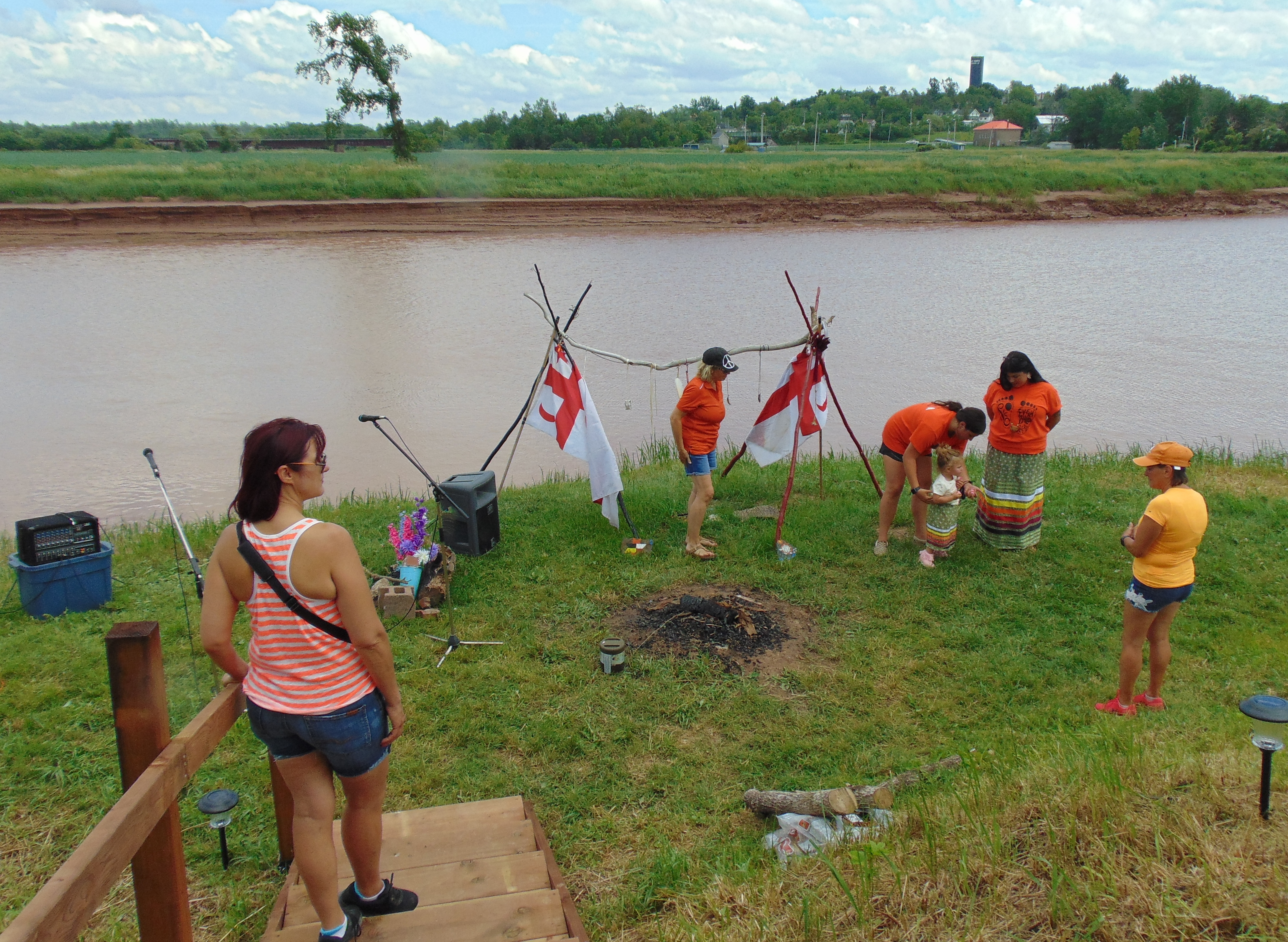
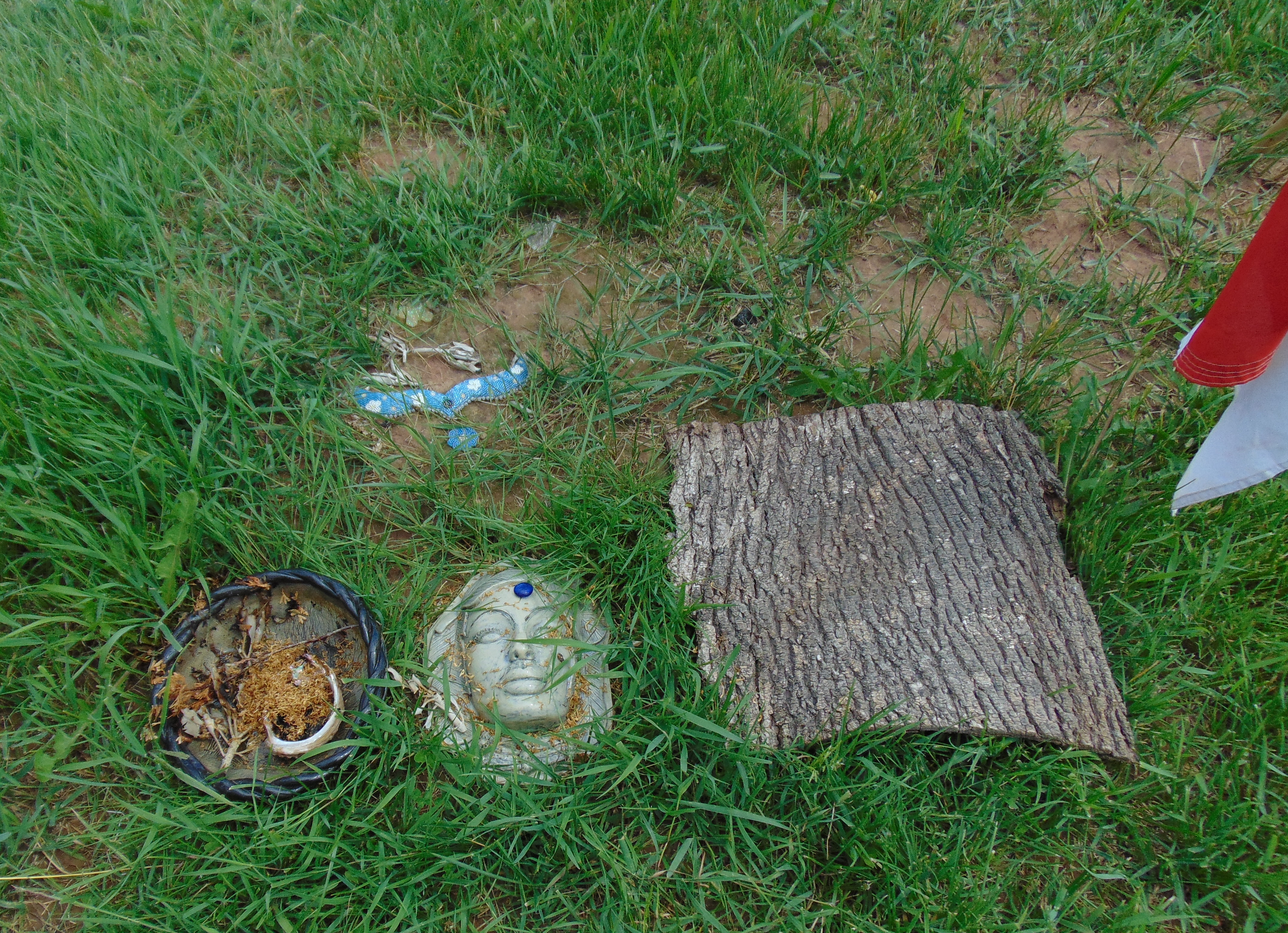
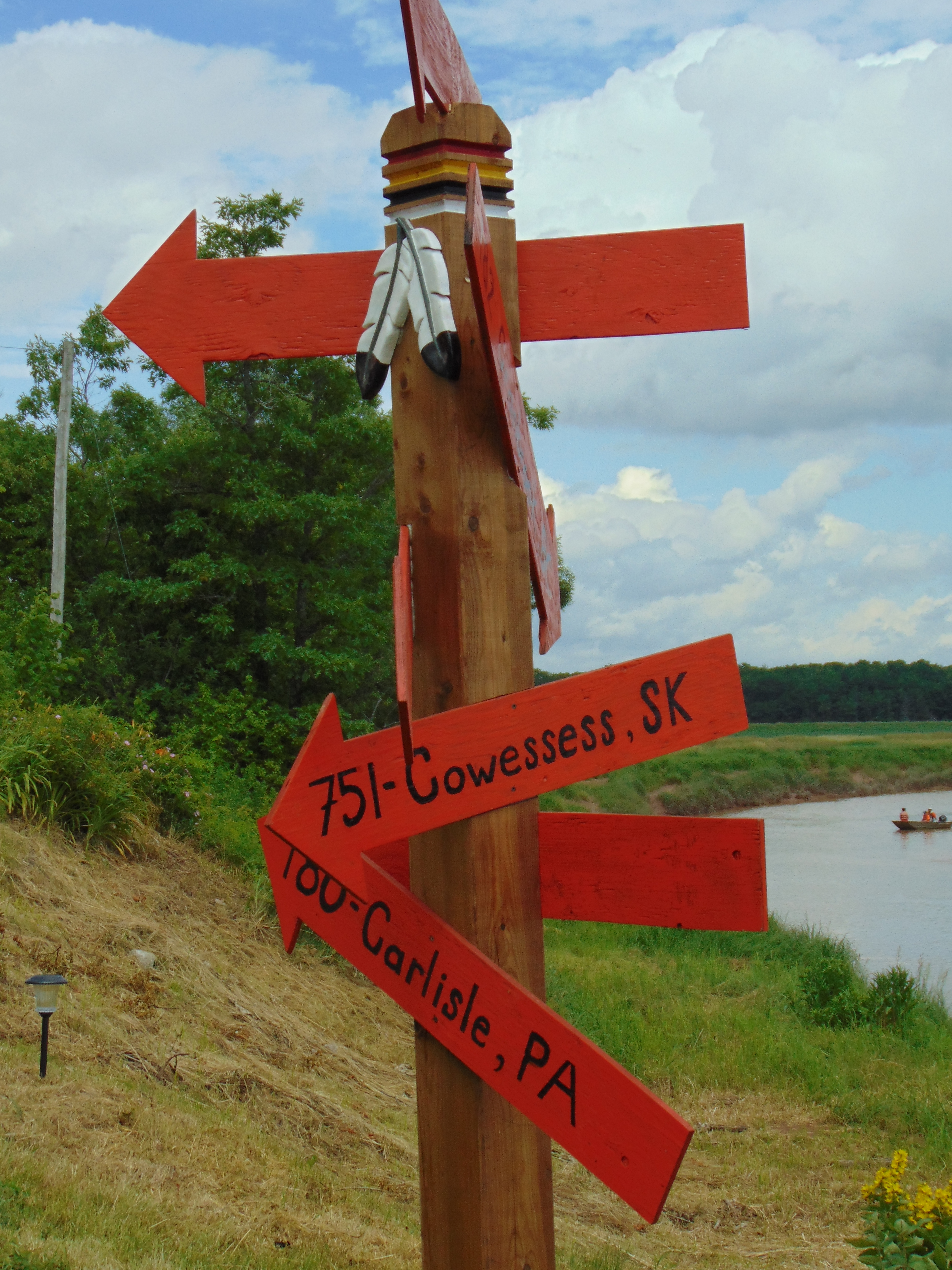
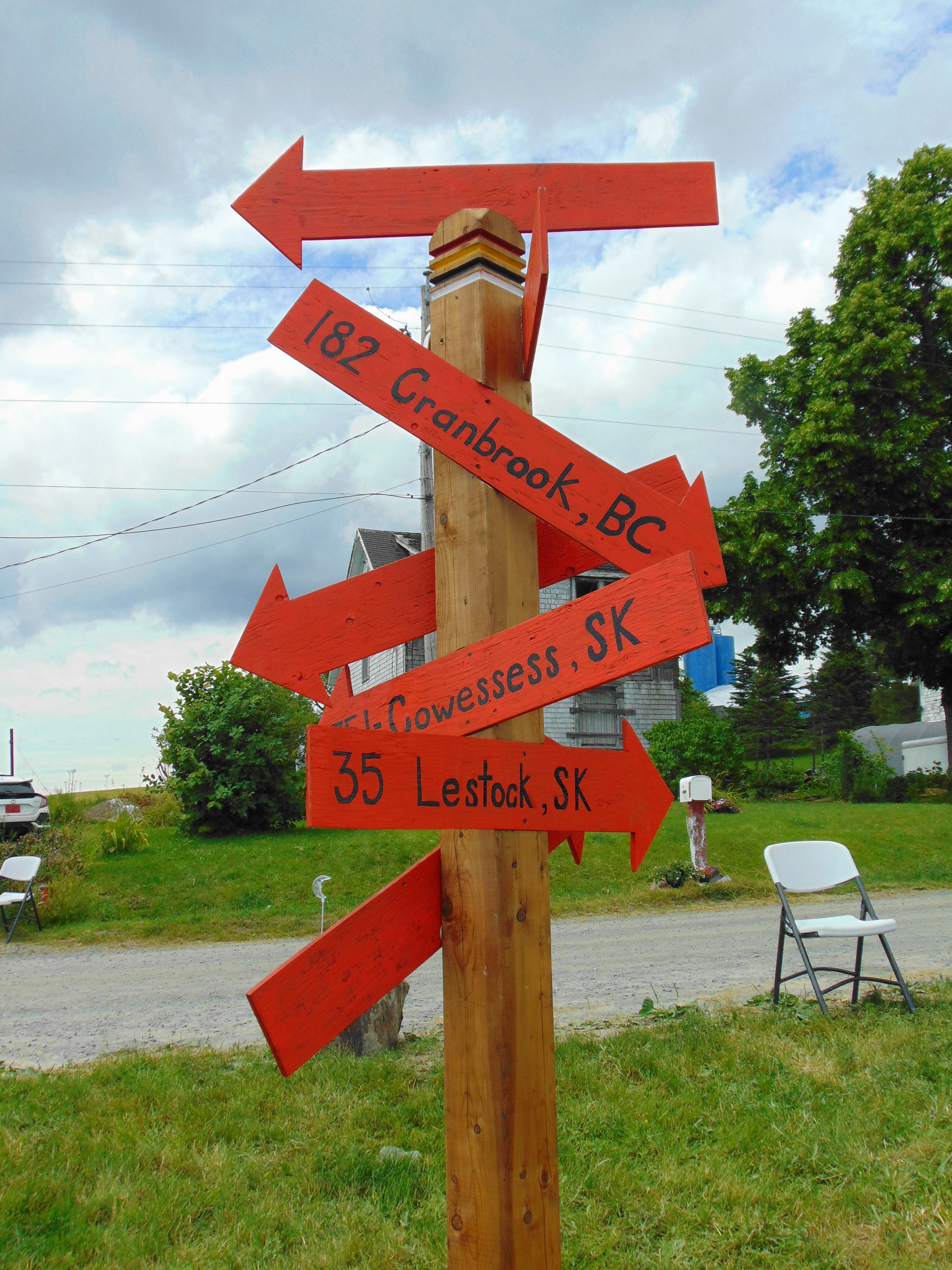
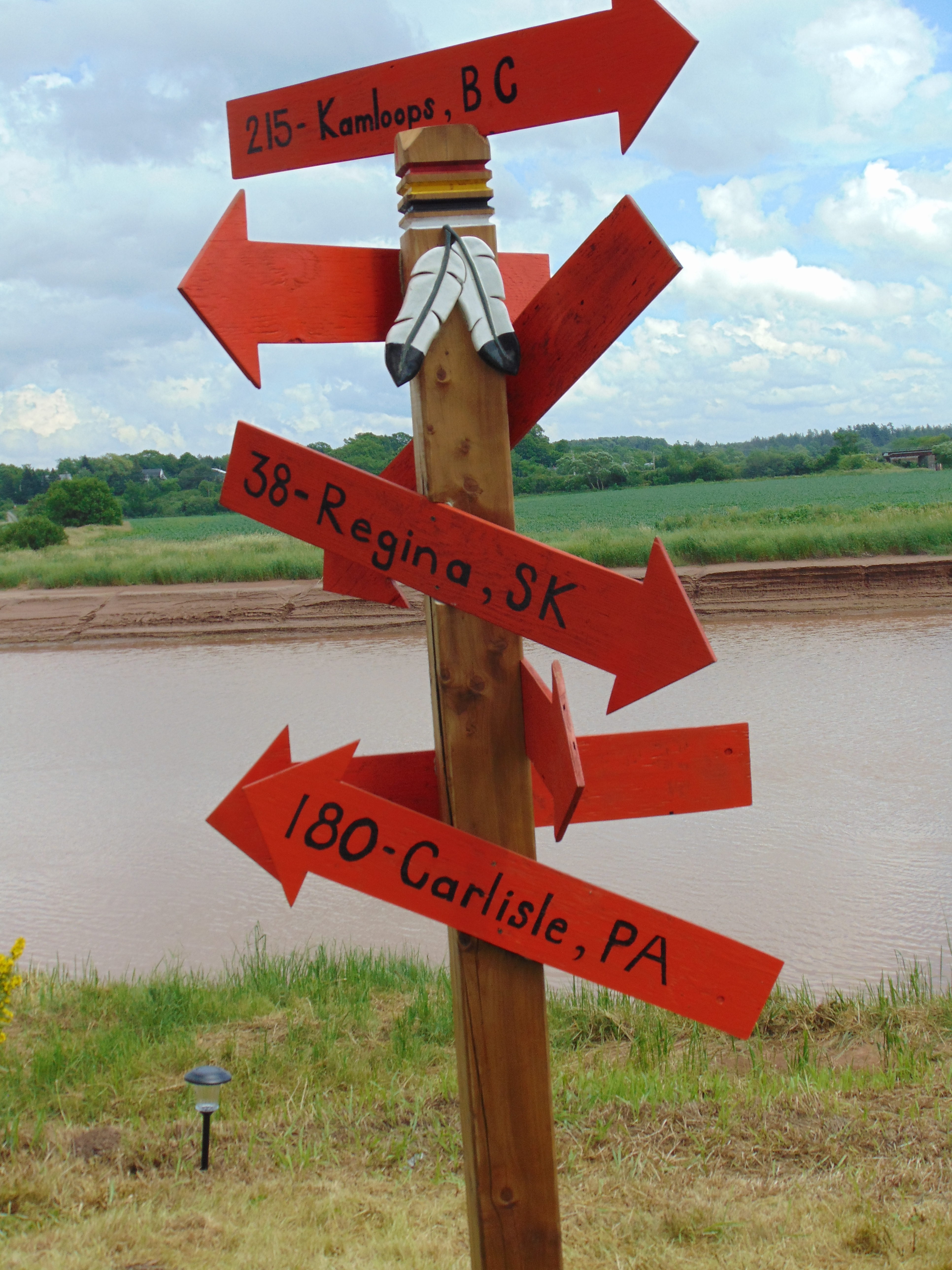
site of former Indian Residential School on the banks of Shubenacadie River (main building no longer exist, what’s left are three residential wooden buildngs of nuns, priest and caretaker). From top left – signs erected in of the old Nuns residence (#16 Indian School Rd); top two right pic – ad hoc prepared spot for burning of incent and sweet grass to honour lost children; next row – a place on the ground where you leave your offering and prayer; next three pictures of a post sign with arrows directing toward different locations of schools with recently discovered unmarked graves – notice the sign to Carlisle in Pasadena in USA, where number of boarding schools and number of Indian children confined to them is many times larger then Canadian numbers, yet the US Government never attempted a national investigation and full report of atrocities committed against US Indigenous People – ; bottom row: the only remaining part of the school building, a steeple from the school with one small room filled with children’s knickknacks; view from the hill were the school was toward the three remaining (unoccupied and in a state of disrepair) buildings; a young Mi’cmaq family on the nearby field (pic. by the author)

Back in the village, in the sport grounds, local young guys were sitting by a huge band drum. We exchanged few words, they gave me ‘v’ sign (when I was their age, we, “Solidarity’ activists in Warsaw, were giving ourselves the same sign full of hope and determination) and started playing the drum and sing.  Amazing concert, so powerful, so touching. I didn’t need to understand the words – they were so plain in emotion. As you listen sometime to some amazing operatic aria sung in a language you don’t know – yet, you understand it so clearly. Because emotions: pain, happiness, sadness, longing, caring, love and friendship need no translations, no explanation. That moment I shared their pain and their hope and their pride. Therefore yes, I can say that I felt proud as Canadian on Canada Day. By sharing and understanding very raw and very clear emotions of my fellow Canadians from Sipekne’katik tribe.

pictures form the diamond sport field and the band drummers and singers; flag in front of the School

I don’t know if I ever had a such good and really proud Canada Day. It was mixed with sadness and hope. Like a true, on epic scale, story of human condition. All humans. From the beginning of times.

A nation that can accept it’s dark past is on a good way to bright future. Feeling sorry for wrongdoings of one’s ancestors does not equal assuming personal guilt. It equals understanding of harm done and naming a crime – a crime. Making sure that nothing like that will happen again.

notes to ponder …

Every social unrest, every protest movement, call for justice, for equality, is a long and arduous way. None are easy and easily achievable. Even when the general political atmosphere is amicable and open to find a solution. If the political will is antagonistic – it could lead to skirmishes, prison terms, police and even army interventions, bloodshed. It could take years, decades to achieve measurable change. In a short time it could lead to worsening, persecution. Even provocations. Just look at the Black Rights movement in the USA. It started in the 60. of last century. And is still not finished. If not for people like dr. Martin Luther King and his non-violent philosophy (based on Mahatma Gandhi movement in India during their struggle for independence) there would have been rivers of blood flowing like a torrent. King’s and Gandhi’s movements take years, are slow and based on moral superiority of argument against the argument of brute force. They seek not retribution but recognisance, equality not superiority. And even that slow and non-violent way does not guarantee success. Or the success would be bitter sweet (India ‘s independence ended up in breaking up the country, mass exodus of Muslim citizens, their persecution and executions from fellow Hindu majority – despite the fact that both groups have similar ethic heritage). There is always a more radical, more impatient or revolutionary segment of disadvantaged group: Black Panthers versus King’s movement in US; Fathah versus Hamas in Palestinian cause; and one of the oldest scourge of social hatred: traditional white Christian antisemitism in Europe and countries where European powers established new colonies that later become new, independent states. Yes, main Churches in last almost hundred years, specially after the horror of Holocaust, denounced the old tradition. Popes decried it. But old official Church policy and doctrine doesn’t change easily. It always lurks in the dark places and dark souls. People were shocked, when few churches were burnt in Canada. I wasn’t. Did not support it but wasn’t surprised. Apart from the State, which is responsible for setting up the system of these horrible schools and is responsible for not checking regularly how were they run by religious authorities – the Catholic Church acted the worst in the way they run it and are the worst in the way they responded and responding to Truth and Reconciliation Commission Report. Not by what the bishops and clergy are saying in public but in what actually are they doing. So I was not shocked that probably some angry young individuals or organized group set the few churches ablaze. It is still possible that it was even done by not Indigenous persons but by provocateurs seeking a strong negative reaction from general public. Roman Catholics still form a majority of religious denomination in Canada. Yet, I didn’t sensed a strong negative reaction to the news. To the contrary – a muted understanding. Of course, if actions like that persist – the feeling might change. I don’t thing we will see more of these burnings, though. A statement was made and was understood. As for the the so called ‘profanation’ of church walls by painting on them hands of young children – I am shocked that the press and news even used that term ‘profanation’. Harming and killing children was profanation. The act of paintings their hands on church doors and walls in my view is totally acceptable and has a very deep, just meaning. I applaud it. Building in Saskatoon a huge new cathedral for quarter million dollars, while arguing in front of court (successfully, sic!) that the Church can’t afford paying 24 millions dollars as reparation to First nations is a profanation. It is worth noting that despite all of it, the Indigenous people are very religious and by large part Catholics themselves. But that’s entirely different subject.

Kwesta o miłość dla Fayeza Afzaala

Napięta, jak łuk wiatrem  z oceanu, flaga

kanadyjska faluje, unosi się i drży.

W pół masztu. Znowu w pół, jakby bała się szczytu.

Miała być dumna,  jest  smutna, zawstydzona cicho.

Obok, w płytkiej wodzie, po piaszczystym dnie biegają wesołe dzieci. Chlapią, tupią, nawołują się wzajem okrzykami,gestami, wiecznie niecierpliwe. Ale Fayez Afzaal nie biega z nimi. A tak bym chciał by tupał o dno, by krzyczał na całe gardło: tata! no chodź tu, patrz! Znalazłem muszlę! Mama, powiedz tacie, żeby przyszedł!

Wiatr na chwile milknie, znika, flaga na maszcie zwisa zmęczona, jakby oklapła z tego rwetesu. Nie lubię tych flag, które stale trzeba spuszczać do połowy. Tak, jakby maszt był za wysoki, jakby dziurawił chmury swym szczytem.

Chciałbym Fayeza otulić ramionami i sercem, jak szeroką peleryną. Przekonać, że go kocham i że kocha go świat i miliony ludzi. I że nigdy nie będzie sam, że nigdy więcej już … . I milknę pamiętając ilekroć już mówiliśmy: nigdy więcej.

Zbiegną się ludzie z sąsiedztwa, z regionów, ze świata na czuwanie i będą szli w marszach, protestach, będą zapalać świeczki w oknach i na skrzyżowaniach pełnych wiązanek kwiatów, pocztówek, manifestów. Mamy powiedzą dzieciom, by położyły obok tych kwiatów swoje pluszowe misie, swoje lalki. Dzieci zrobią to niechętnie, z pewnym żalem za ukochanym pluszaczkiem. No bo niby co zawiniły w tym ich zabawki?  Zostawią je tam jednak posłusznie, bezradne w tym strasznym dniu.

Potem ktoś rzuci kamieniem słowo: Rodezja;

ktoś oskarży innych o gwałt na Palestynie;

ktoś lament podniesie o Holokauście. Ściana

Płaczu zaszlocha, trąby zabrzmią pod Jerycho.

Przypomni się słoneczna Langwedocja, która spłynie niewinną krwią katarów, albigensów. Morduje się wszak  nie tylko obcych. Jeszcze krwawiej tępi się własnych, na ich nieszczęście nieco innych. Są jak ziarnka piasku w trzewiku. Niby nie zagrażające życiu ale jakże niewygodne, uparcie uwierające.

Satanael, spoglądając zza murów swego zamczyska na szczycie Arafatu, ściśnie w dłoniach wodze Eufratu i Tygrysu, łypnie okiem na zielone szczyty gór Küre i pomyśli: póki te lasy nie podejdą pod moje bramy, nic mi z waszych bratobójczych mordów. Cóż obchodzić mnie może nieszczęście jednego chłopca lub całych narodów? Nic. Łzy wasze  spuszczam z Anatolii warkoczem Eufratu, a wasz ślinotok klątw strumieniem Tygrysa. Ślę je ku wodom Perskiej zatoki. Namawiać was do niczego nie muszę ni chcę.  Sami usłaliście swe łoża, które nie są moim, a waszym przekleństwem.

Tak myślał Satanael zawarowany w boskiej twierdzy Araratu. Podobnie, jak królobójczy król Makbet w twierdzy na wzgórzu Dunsinane w Szkocji. Póki u bram jego twierdzy nie pojawił się rząd drzew z lasu Birnam.

I mnie was już nie żal. Ale żal mi tego chłopca. Dziewięcioletniego Fayeza. Z pięknymi, smutnymi oczami. Czy ten smutek też kiedyś zastąpicie nienawiścią?

Bogumił Pacak-Gamalski

Anioł Śmierci, Pomnik Zbrodni Katyńskiej
we Wrocławiu

od autora: ten krótki utwór pisałem przez kilka dni, zaczynając drugiego dnia po strasznym morderstwie w London, mieście prowincji Ontario w Kanadzie. Tego dnia młody, dwudziestoletni biały chłopak, powodowany nienawiścią w stosunku do mahometan, świadomie i celowo wjechał w spacerująca chodnikiem rodzinę Afzaal, rozpoznając w nich po ubiorze, ich wyznanie religijne. Na miejscu zginęli: babcia, małżeństwo Afzaal i ich dwie córki. Najmłodszy syn, dziewięcioletni Fayez, bardzo ciężko ranny, został zabrany do szpitala, gdzie lekarze uratowali go przed śmiercią. Jedyny, który pozostał z tej rodziny. Z całą Kanadą przeżywałem ten szok, poruszony do głębi okrucieństwem tego zamachu, a jednocześnie jego niezwykłą absurdalnością w objawieniu zła doskonałego. Ale nic mnie tak nie zasmuciło, jak wizja tego chłopca, Fayeza. Ci, którzy giną wydają się czasem (w porównaniu być może okrutnym) wybrańcami losu – ich już ból żaden nie sięgnie, żadna zbrodnia nie dotknie. Ci, którzy zbrodnie przeżyją, śmierci umkną – skazani są na cierpienia wielokrotne, na przeżywanie tej zbrodni, tego momentu setki, tysiące może razy. A cóż dopiero, gdy mówimy o dziecku? Dziecku wystarczajaco dorosłym, by mieć za sobą całe bogactwo ( w tym wypadku te bogactwo stać się może ciężarem niemożliwym do udźwignięcia) pamięci najbliższych i pamięci momentu zbrodni.

Niesamowity patos, tragedia na skalę mitologiczną omal, postaci tego chłopca i tej zbrodni stały się dla mnie syntezą zbrodni nienawiści człowieka w całym ciągu naszej wspólnej historii. Niemożliwym do opisania językiem innym niż język poezji. Ale każda forma tradycyjna wiersza też kłóciła się ze współczesnym spsobem opisu i odczuwania tragedii. Zgrzytała pod ołówkiem kreślącym litery na papierze. W sukurs (mam nadzieję) przyszła proza poetycka, z dwoma tylko ustępami trzynastozgłoskowca. Ten utwór, jak zreszta jasno wskazuje tytuł, jest niczym innym jak moją jałmużną kwestą o dar miłości dla Fayeza. Tylko ten jeden dar może chłopca i nas uratować.

Residential Schools side discussion – John A. Macdonald: a national hero or villain?

by Bogumil Pacak-Gamalski

Residential Schools and modern day placement of native children in the care of non-native families and system (provincially  mandated but with tacit support of federal authorities) is a drama without comparison to none other in Canada’s history and Canada today. It affected and affects everything that happened and that is happening to all First Nations. Abject poverty, lack of resources, lack of education, high unemployment, pervasive alcoholism and drug addiction. All of it was almost (an argument could be easily made that it was indeed) planned, arranged by local colonial powers and even more so,  by the new Canadian Confederation. The country we call our own.  To say the truth, I am having a lot of doubt if that system of full cultural genocide would have happened if Canada remained a fragmented colony for fifty or seventy years longer. Separate entities of Upper Canada ( present day southern Ontario), Lower Canada (Quebec and Labrador) and three Maritime Provinces. That would mean no creation of unified confederation and no strong federal executive and legislative power. With much stronger oversight and decision making from Great Britain and it’s Colonial Office.  The precursor to our constitution and the still important core of it, the British North America Act would have not happened.

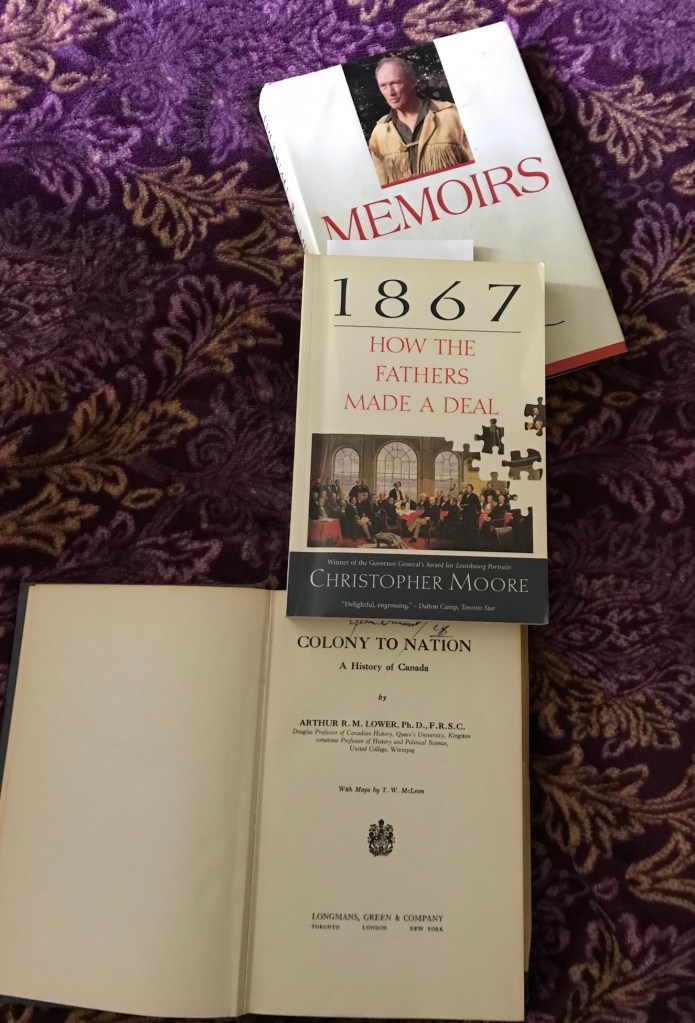
Our renewed  national discussion of our past ignited again the controversies of whom we admire, who is the hero of Canada’s history. More or less, who is the Father of the Nation? And centres very much so on the person of John Alexander Macdonald. Was he or wasn’t he? And if he was the Father – was he a good, wise father or a bully with drunken rages? Smart and competent to achieve his goals but bully nonetheless? Let’s go back a notch to remember what happened circa 1867.

Of course, as we know very well – history could be re-written many times but historical facts can’t.  Yes, there was a Maritime Conference in Charlottetown called by Tupper and Howe from Nova Scotia that was going to discuss possible unification of New Brunswick, Nova Scotia and Prince Edward Island. But delegates from Upper and Lower Canada asked for permission to come and observe. Such was granted and those guests quickly posed a question: why only Maritime Provinces? Perhaps we should unite all of Canadas into one confederation?  And that, ladies and gentleman, was the night that the conception of Canada happened.   

Why do I bother writing about the obscure tidbits of history if the text might suggest to be about the effects of Residential Schools and in general the planned and executed action of destroying political, economic and cultural base of First Nation? Also their biological existence, if not totally, than in numbers greatly diminished and easy to control.

The very recent discovery of hidden bodies of children buried deep in the ground by Residential School in Kamloops surprised and shocked many Canadians. Shook the nation to the core. A lot of us. Except … the First Nations themselves. They knew that many such hidden graves exist. They knew because that’s not an ancient history and old tales and myths. That’s now, very recent.  Their uncles, maybe even brothers and cousins, great aunts and great uncles. Those that everybody in the community knew they existed, were forcefully snatched  by raids from their petrified and crying parents, placed in the Residential School and never came back. Were never seen or heard of.  They were not the children of proud tribes  sought of, as a powerful allies, in the great struggle between the French and British empires and later in the struggle to maintain British territories during the US War of Independence. Those nations and tribes  the King and Queen in London signed treaties with. No, by the end of the first two decades of XIX century they become an obstacle to plans of the new settlers. The colonists, who wanted to wrestle more local control from the imperial Colony Office in London. These colonist had neither desire nor respect for the spirit and letter of these treaties.  The settlers wanted more land and control of natural resources and the religious leaders of these settlers couldn’t stand the savages, who would not recognize the new Christian god. The native gods and beliefs needed to be destroyed and the administration and interpretation of the Treaties needed to be wrestled from London political master and given to local legislative and executive powers in the new colonies.

Finally, the War of Independence, won by the new United States in 1812, forced the British and their Colonial Office to push for some form of political unity, some sort of federalism between separate colonies, hoping it will better protect the British territories and interests against the republicans from the south.  That push came in the form of uniting Upper and Lower Canadas into one Canada Province west of Maritimes. And in New Brunswick, Newfoundland, Nova Scotia and Prince Edward Island an attempt to unify them as one Maritime province or federation. Both interests – the Empire and the Colonist in North America – converged at convenient time at the very moment of history in the middle of XIX century.

On Canadian and Maritime side there were many politicians, regional or local leaders, opponents and proponents of unity in what become the Confederation. Almost all of them could be called Fathers of Confederation.  Generally we call it the Charlottetown Conference. But that was only preliminary discussion. It was followed by Conference in Halifax and Conference in Quebec, which by far was the most important. The Quebec accord spelled and crystalized the boundaries of political powers, the separation between British Parliament (and Colonial Office) and new confederation legislative, judicial and executive branches. And the ambition for importing from Britain the tenets of ‘responsible government’.  If Charlottetown and Halifax gave some general architectural idea of the new political structure – it was the Quebec Conference that produced first concrete drawings of the design.

All of it would have been in vain if there wasn’t a push for some sort of unification of the Provinces in Britain itself. The Colony Office in London could have and would have scuttled it at the bud. Probably without even a need for Parliamentary debate either by the Commons or by the Lords.

There were very few main architects of the entire project. Many others that helped and whose support was indispensable. But the main architects remained the true Fathers of Confederation.  Some of them, like Joseph Howe and  notably John A. Macdonald, were strong opponents to the idea at the beginning.

Other truly great leaders were  George-Etienne Cartier from Quebec, George Brown from Ontario and Charles Tupper from Nova Scotia. It was mainly thanks to strong support of Tupper, that Macdonald rose to prominence and took the reins of the debate (aside from Macdonald personal skills as shrewd politicians on almost Machiavellian scale). Tupper did not like George Brown (who was one would say the anti-thesis of Macdonald, as Brown believed in a democratic and ethical government)  and neither  liked nor understand Cartier and the intricacies of Quebec (Lower Canada) French culture and politics.

I would suggest that if not for the support of Tupper, it would have been very likely that Macdonald would never rose to the prominence that he achieved and that led him to become the first (and lasting) Prime Minister of the Canadian Confederacy.  In comparison to Cartier and Brown and their leadership – his star was of second category. Although it shone as superstar in category of shrewdness, lack of morals, thirst for power.

Enough of the annals and internal battles, debates of the articles of Confederation both in Canada and later in London, where the final birth of Canada happened. They were done, cooked and signed. New Federal Government of new (almost) independent state-dominion was formed. And victorious Macdonald become the first Prime Minister of Canada.  With the passing of times he become a legend. Monuments were build, streets and buildings of prominence named after him.  If there is a conscious afterlife – I am sure that John Alexander Macdonald soul is smiling in the glory.  But it probably gets a bit angry in the last decade or so.  Some begin to lose faith in that heavily colorized portrait.

After studying his life and carrier a bit more in detail and less from propaganda pages of some school texts and popular government pamphlets – I have some opinions and a bit more clear picture. Not a scholarly one by any means. I am not a Canadian historian by any stretch of imagination. Just a history buff at times.

Here is my sketch of Macdonald in a few movement of a pencil.

He was  a very intelligent and shrewd politician. Hungry for power. A good lawyer with ability to concentrate on minuscule detail to achieve the greater goal. Good debater with the talent to steal the moment and force others to notice him and pay attention to him. A drunkard, who could function rather well with his alcoholism. Scheming on the level akin to dangerous courtiers from a time of absolute monarchs.

His government introduced bribery, nepotism, patronage on a scale never repeated again in the history of Canada.  I would dare to say and dare to argue in any debate, that if John Macdonald won a majority in any general election in Canada in the past 30 years – he would end up in prison.  Or, at the very least – be kicked out into oblivion from political life. Even in the circles of Conservative Party. His great admirer recently, Jason Kenny of Alberta, would most likely scream in the Legislative Assembly in Edmonton: get him out of here right away!

Macdonald didn’t risk winning elections by giving people a chance to make their mind, by a true debate (in which he was very skilled after all). No. That’s like playing a roulette. A politician should not play roulette. So he would appoint every little government (state) position only to people, who would understand where their sympathies must stay. From every tiny post office, every railway station, everywhere that state employee or commissioner would and could affect the daily life of a citizen.

He would have been horrified of the Office of Election Canada and the fact that it is not stuffed from top to bottom with party patronages. In 1885 he forced a legislation that gave him (or any other Prime Minister at that time) the power to appoint (by strict party patronage) a federal Revising Officer to supervise elections in every riding! No wonder he could be seen by some modern prime ministers as a hero and saint – they could have only dream of it. He himself called it ‘the greatest triumph of my life’. Not the Charlottetown Accord and the British North American Act – but the obscene patronage that goes against every principle of good democracy. That also paved the way for party discipline and the death blow to parliamentarians independence. The golden standard of the day (in many ways still existing in many parliaments, including Britain) was a relatively broad independence of judgment of a single Member of Parliament . Governments did and do fall, when Cabinets fail to persuade their own party parliamentarians during a debate in House of Commons. Not in Canada anymore, thanks to Macdonald. Party leader is almost like a monarch itself. Members form the line or face political death. Some still valiantly protest. But very few survive the consequences.

 With one exception – Macdonald did resign as Prime Minister after the eruption of the details of enormous bribery scandal in giving the licence for Canadian Pacific Railway company. The amount of bribes his party and MP’s received and the bribes he took for himself is of no comparison to any other corruption scandal in Canada before and after.  

Many bad traits of today executive and parliamentary branches of Government in Canada could be traced back to John Macdonald.  As one British newspaper reported in 1891: “  For twenty three years, Sir John and his party had maintained themselves in power … by a colossal system of bribery”.

And since the Rapport of the Truth and Reconciliation Commission many years ago it become painfully clear that John A. Macdonald was the man responsible for creating the infamous system of Indian Residential Schools in Canada. Now we are just learning of even more horrid facts of these Schools.

Yes, the worst transgressions, crimes calling to Heavens, were perpetrated by  the Roman Catholic orders and clergy (overseen by Canadian bishops).  While Catholic institutions were the worst, other  (United and Presbyterian Churches) committed crimes, too. At least the others offered uncontested and unreserved apology and responsibility – the Catholic Church failed again. From the very top in Vatican to every diocese. In a way we are used to it – from scandals in Ireland, in Quebec in the 30., 40. and 50; in Newfoundland; in Poland; in the USA and many, many more countries. But here, in this article, I deal with the secular, the power that gives consent and institutes policies and rules.  And one particular, most powerful politician of that time.  The one, who factually could be called the Father of Indian Residential School System.  John Alexander Macdonald. Politician, who for a long time enjoyed the status of national hero, nation-building leader. Father of nation. Was he?

In my opinion not at all. In neither of these titles, epithets.  He does have a very prominent role in our history. Was a very skillful politician. But neither a hero nor a father. I will not miss his monuments, educational, cultural or administrative buildings named after him. He has a solid and permanent place in Canadian history. In history books. But it is not a place of great leadership and definitely not a place of public celebration.   

Black guy and me. What’s the difference?

by Bogumil Pacak-Gamalski

I was always drawn to the history and culture of Black people. Even as a young man in Poland, back in the 70. But – Poland had really very little tradition and history of Black culture and Black people.  Mainly, I suppose, for the reason of being rather far from Africa geographically and loosing it’s sovereignty by the end of XVIII century until end of I world war. More or less the time of major colonialism expansion of other European powers.  That was perhaps one of the very few – if not the only one – good part of losing our political freedom. Then came the upheaval of Polish Solidarity movement in which I took very active part – and with that, all other interests had to give way to the main focus of the fight with Soviet communism in Poland.

That involvement in Polish Solidarity resulted in my short visit to London (first ever beyond the Iron Curtain) were I was hoping to study the life of Polish independence hero (and my personal), Marshal Pilsudski and London had a major Institute devoted to the study of his life and works (the other being in New York). It was fateful journey. That year Martial Law was declared by communists in Poland, the communist militia came to my home to arrest me (thousands were interned) and, on the advice of my father (former Soviet labor camp prisoner), I decided not to return. My entire world was turned upside down.

I lived in London in Willesden, close to Harrow Road, renting one bedroom apartment form a Polish lady, daughter of one of thousands of Polish soldiers, who stayed in Britain, after Poland was assigned in Yalta to Stalin. It was a typical working class neighborhood, with its own pubs, barbers, shops. And, of course, rows upon rows of tightly connected two or three floors red brick townhouses. In the 70. and 80. that neighborhood was also witnessing a large influx of Black population.  That decade also witnessed the first of many large and often violent protests of Blacks in London. That tension and a bit of unease was palpable in Willesden. It must have been late summer, when the tension erupted again. At evening times normally busy Harrow Street, was void of white pedestrians.  I was coming home by double-decker as usually late evening. From the bus stop, I had to take a relatively short, yet long enough, walk to my apartment.  Suddenly a group of three or four young Black guys appeared walking toward me and looking uninvitingly at me. I was young, too. Perfect combination to avoid. Unless you were looking for a fight, which I was not. I moved to the side, as not to provoke them, but kept walking. They stopped me, don’t remember the exact words but the jest (and the hand on my chest) was:  ‘were the f..k you think you are going? It is our street now’.  I, truthfully, explained that I have no claim to that street whatsoever, that I am not British and just coming home from 10 hours shift. I also mentioned that I am a refugee from a communist regime. Few more exchanges, less and less angry and I ended up in our neighborhood pub sharing a pint with them.  They asked me a lot about Walesa and “Solidarity”. I told them more about the Soviet-style communism.   Some of it was surprising for them and they said that it looked like the Soviets are not that different from the colonials in their countries, back in Africa. At the end they offered (I accepted) to escort me to my door, so nobody harms me by mistaking me with other local whites.

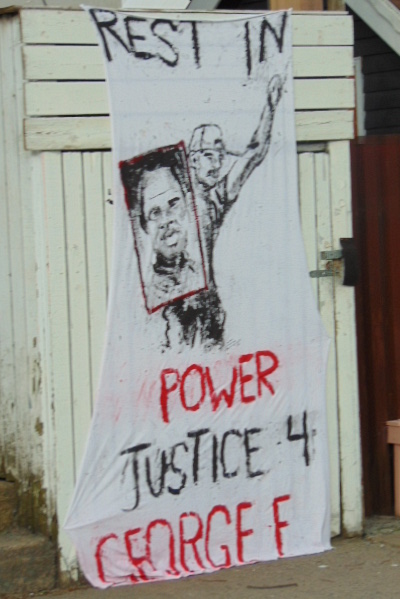
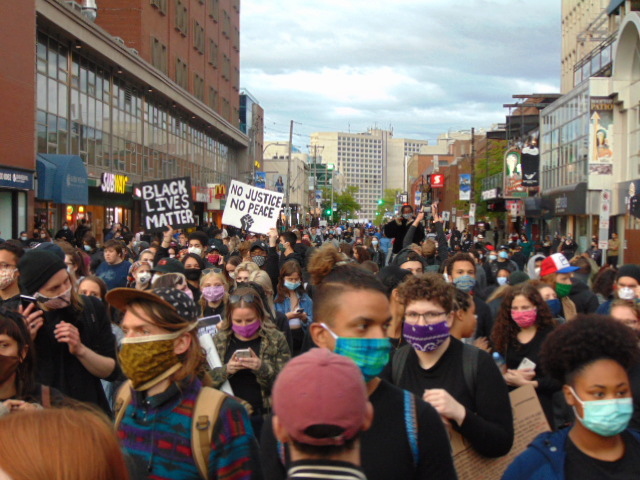
Why this reminiscing?  I watch (forcing myself, for it is very hard) for past week or so, the court trail of the murderer of George Floyd in USA.  Watched the video tapes several times and the image of the policeman knee suffocating George Floyd, killing him minute by minute, second by second is ingrained in my mind forever. Just as the hysterical, crazy female officer shooting the beautiful young  Black 20 year old boy in Minnesota yesterday.  It is beyond outrage, beyond anger. Two days after another handsome Black man, US Army officer, is taken out of the car and tasered as a hooligan or gangster. One wants to scream from the top of ones lungs: what the …ck is wrong with the Police forces in North America?! Particularly in US. That is not normal. It is sick. Your job is stressful, it is dangerous. But you are not solving or helping to solve the problem. YOU ARE THE PROBLEM.  You are the personification of the worst evil in America – the rampant racism. The Blue uniform become equivalent with the white robes of times by. When Floyd was murdered last year, the movement Black Lives Matter started. It spread beyond US borders rapidly. To Canada, to Europe.  In the middle of the first wave of pandemic.  Despite the pandemic, despite the risks, I thought that cause worthy enough of public support and joined my Black brothers and sisters in their march through Downtown Halifax. I watched their anger, their desperation – but most of all their sorrow. Deep, tiring sorrow, that follows them through their long history in the New World.

Let me take you through another short walk from my past. Year is about 85, maybe 86. My first visit with my partner to Florida. Few years after my life started anew in Canada.  We rented a car and were travelling from St Petersburg toward Orlando. I moved from the big interstate #4 to some quiet and deserted side road.  Not a single car in front, not a single one behind. Perfect.  Time to relax, enjoy the views. I think the speed limit was 60 miles and I was driving probably 70 or 75. Flat road, no traffic, safe.  Suddenly, I see in my rear view mirror characteristic flashing lights. Police. Resigned and knowing why, I slowed down, pulled to the side and stopped.  A blinding strobe light and very loud order from the megaphone: roll down your window, place your hands on steering wheel and don’t move!  Nothing like that would happen to me (at that time our Police was very well mannered and not confrontational from the getco, as it is popular now) in Canada. I was shocked and nervous. The policeman comes to my window (can’t see him, being blinded by his flashlight right into my eyes) and demands my driving licence.  I said that I’m Canadian tourist and try to reach the glove compartment for the papers. Next thing I remember  was being thrown from the seat with tremendous force face down to the asphalt, his knee on my back and the cold sensation of his gun barrel on my neck. Pressed to the point of pain.  I gathered all my senses and tried to explain that all my documents, including my passport are in the glove compartment, that it is normal in Canada to do what I did to show it to the officer. He yells at my petrified partner to hand them to him slowly. He checks them, his demeanor changes completely and explains that this not Canada, this USA. And I should be lucky that I am alive, because he was right to suspect that I might pull a gun from the compartment.  We chat a bit more, I apologise for my speeding and he wishes me a good night and good stay in Florida. I ask if I will get some ticket and he answers with a smile: no, just a verbal warning, it was a minor infraction. The end of story.  

Do you know why I am writing this story?  To make a point or to illustrate the subject of the article? No. I am writing it because I am alive. If that summer 1985 or 86 I was a young Black man, I wouldn’t write that story today. I would be dead most likely. But I was lucky. I am White man.  This is my privilege.  Not of coming from very wealthy family. For I‘m not.  Not from having top position in some industry, corporation. From the fact that I am alive today after that incident almost 40 years ago. Because I am white. I was not killed for driving ten or fifteen miles above the limit on an empty road. Because I am white. Floyd was not killed for passing (most likely totally unware of it) $20 bill in the store (most Americans and many Canadians have done it many times unknowingly, apparently there is more fake low denomination bills in circulation that real ones). He was killed because he was Black. The 20 year old boy in Minnesota was not killed for having some air deodorant attached to his rear view mirror (that was the infraction – seriously).  Nobody gets killed in the Stated for such minor issues.  He was killed because he was Black. Is it possible that white young guys would be killed in similar confrontations with the Police? It is, the Police is much more aggressive than it ever was – but highly unlikely. Because they would have been White. White and Blacks. Like Life and Death.  Think of it. And please, don’t tell me that you are not privileged, if you are white.  I know that I am. And down deep you know it, too.

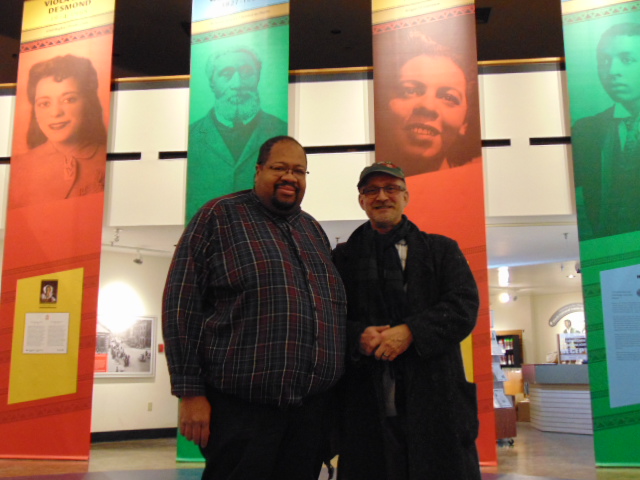
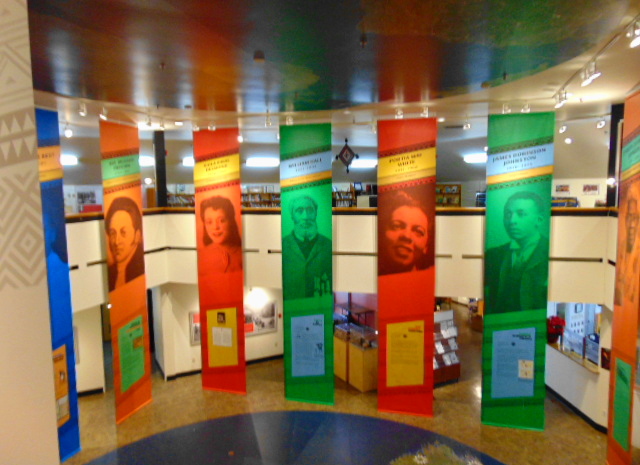
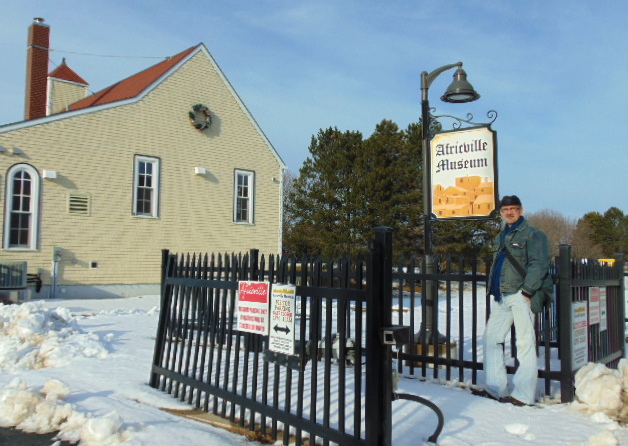
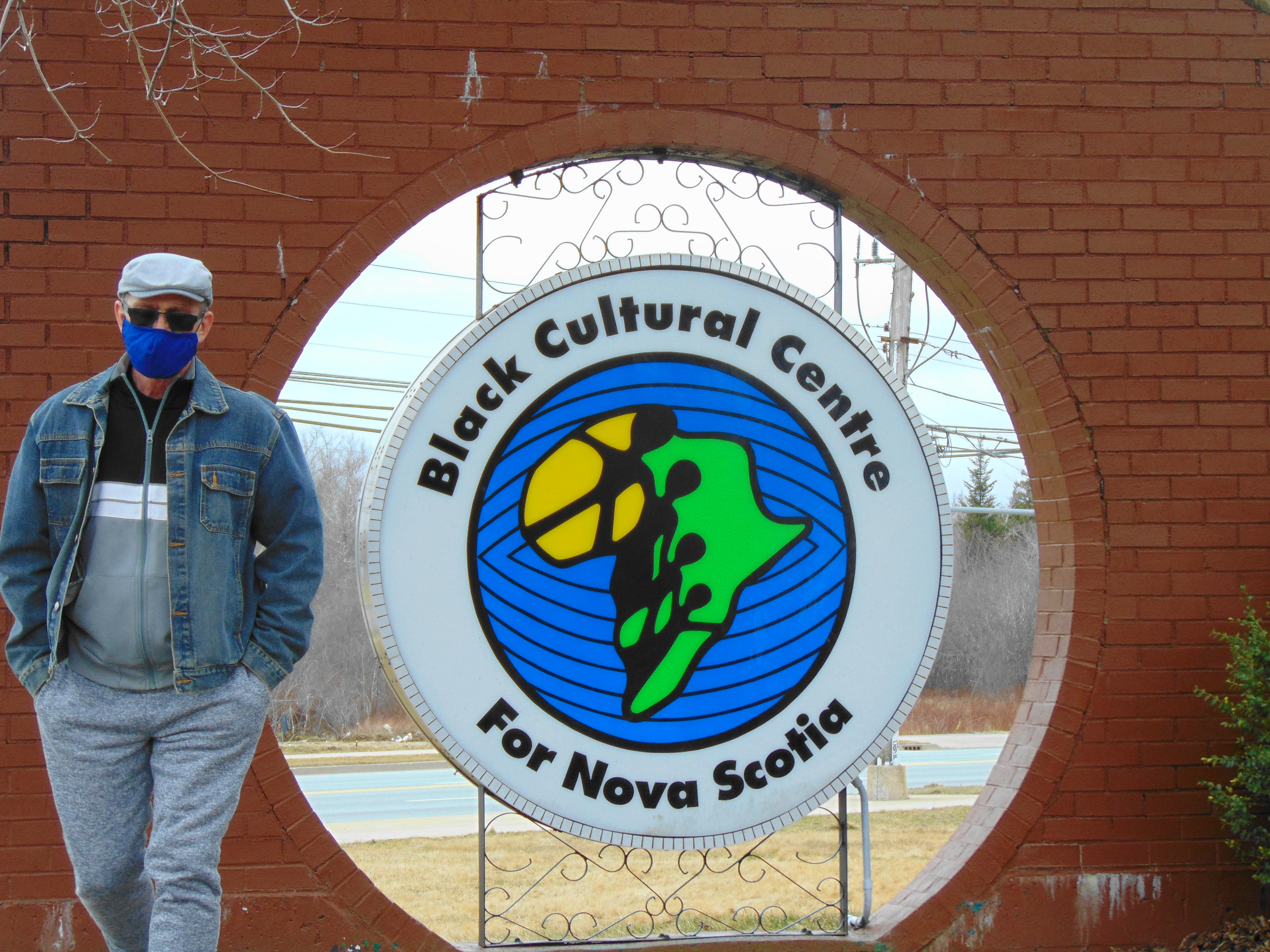
I have written here of some very interesting and not very well known history of Blacks in Canada. Particularly of Blacks in Nova Scotia.  Have posted pictures and journalistic account of the mentioned above march Black Lives Matter in Halifax in 2020. Recently I have visited again the Black Cultural Centre in Dartmouth on the occasion of celebrating the Black Battalion – little known Canadian Army unit from I world war and had a short chat about it with the Commander of Halifax own Prince Patricia Regiment. Will write about it very soon. It is important to know the rich and long history of Black settlement in Canada, their achievements and their failures. Only than their history will become our history. Common past.  Only then we will be able to see ourselves as one. As Canadian family. And only than their lives will truly matter as much as ours. For they must be worth as much. They are.    

Ah, the title. “What’s the difference?” – I think that I have explained it already. Let me repeat it: I am, therefore I am alive.

COVID anniversary. What next?

Bogumil Pacak-Gamalski

A year ago the World Health Organization (WHO) called the new pandemic in our world. This one was given the name Coronawirus-19, simply from the given name of the new, unknown to human organism, pathogen.

Now, after twelve months, we can come to some conclusions, reflections. It was the first world pandemic that truly and without any mercy affected every society, every corner of the world. It didn’t recognize any differences : alike to all humans. It is true, as we also learnt during that times, that certain groups of people were more likely to develop serious illness, that some were more prone than other to die from it. A lot still needs to be studied and decipher.  Not being an epidemiologist or even a biologist, I can rely only on the barrage of daily news and tidbits of scientific opinions offered to the public.

It was noticed, for example, that black and brown populations were more susceptible to it, also Native communities of North America. So far I take it with a very big grain of salt and think that some assumptions are way too hasty and unproven. Especially the ones based on skin colour (what used to be called ‘race’, which is false, for all human form one and the same race: the human race) or continental ethnicity. At the same time it was proven that old or very old people were the most likely to die from that illness caused by Covid19. Also proven more likely to fell ill, were people on the lower scale of economic ladder. Simply put it: the poorer you were the bigger were the chance of getting infected and developing the illness; and more infections in any particular group logically led to more deaths.

That, for me, suggest different picture, not based on the colour of your skin:  since  (on average) the brown and black population (also the Native one) in North America and in Europe has the largest percentage of underprivileged people – it seems clear that not a ‘race’ but poverty was the main culprit and ‘attraction’ for the virus. And, of course, very old age, which by itself makes us much weaker to combat the virus and much easier to succumb to it finally (death).

Argument that even wealthy black or brown or Native people got sick more often than white ones is rather unscientific. If you are black/brown/native you are much more likely to socialize with other people, who are black/brown/native, then an average white person. Therefor it is reasonable to assume that you chances of acquiring the virus are much higher.

The logical conclusion – again, for me – is that the actual predominant of Covid19 effectiveness was not ‘race’ but economic and social status.

And why that would be an important conclusion? Logic comes to guide me once more: that difference is possible to be eliminated or at least very effectively curbed by smart social policies and government actions. People are born black/white/brown because of nature, genetics. Any government or societal action can’t change it. The same people are born or become poor mainly because of lack of good social policies, not because of genes. And changing these policies would not only be smart but also economically good for society at large. I am not talking about lofty philosophical ideas: more education=smarter people; more business opportunities; less crime; wider horizons. No, very simple fact – poverty is extremely expensive for economy and society. Especially the latter. If majority (apart from very old residents of Seniors Care Centres – but that’s a subject I will return to later) of hospitalizations came from poor people – it translated to easily hundreds of millions of dollars in health spending. Just in Canada, a relatively (by population) small country.

If we want to avoid such catastrophic costs in the next pandemic (and it is coming soon, as all scientists in related fields are warning), we must fix that problem as soon as possible. Or we all are going to be left with the astronomical bill again.

The insanely low wages for menial or entry jobs (for poorer people the ‘entry’ is also their ‘exit’ job as they are unlikely to get much better one in their life); perennial lack of good social housing; increasingly higher prices for private rental apartments; still largely underdeveloped accessible and not overpriced public transport, makes their chances of escaping poverty even more elusive.  Totally different subject is the abnormal value of real estate properties (own house or condo). The four/five and seven hundred thousand dollars for home or condo in Halifax is just as big an absurd, as one/two or three million dollars house in Vancouver or Toronto. These are averaged prices, not the so called high value properties. When you compare what Vancouver has to offer vice versa the same offer in Halifax – both of the real estate markets are not based on reality. That market will collapse, sooner or later. And we will have another, not a biological but economical epidemic. But that’s a separate subject. Related but not entirely. After all, really not all people want to own a property. But all need affordable and safe housing.
That was my view today on that one year ‘pandemic anniversary’.  It has shown the true cost for society in economic terms. And the root causes of the cost in dollars and lives lost. Lost, in part at least, because of economic inequalities. Inequalities that could be fixed or better controlled. Again – the cost will fall on all of us. In that, I’m in full agreement with famous politician (very disliked by me and the one partially to be blamed for raising poverty in all western countries), Margaret Thatcher: the government uses your money, it doesn’t have any of its own.

I have written here few times in the past about the incomprehensible tragedy that happened in Seniors Care Centres. Not only in Canada. In many, if not all, developed countries. The Care Centres become the killing fields for Covid. People were not only dying en mass – they were dying in horrifying, hair raising circumstances. Sometimes from hunger, malnutrition, in their own feces. Forgotten by the world. By us.

As we were slowly becoming aware of it, our horror gave wave to our anger. The governments noticed. Help from outside was given, sometime in the form of Army personnel. At moments, I was comparing it to the dire situation of Jewish ghettoes in German-occupied Europe during last world war. I know, it seem like a stretch. But the pictures we were given, the stories we read or heard were just too much to understand. How did happen? How was it possible?  How can anyone explain it to us? They were our mothers, grandmothers, fathers,  our wives,  husbands, friends.  They were people. Old, fragile, often fragile mentally and not able to understand why it is happening to them, why no one helps them? I still can’t think of it without anger, without shame, without  overpowering sadness.  But we were told things will change. Only once we get a hand of it, once we start to control it. Once … . Few months later, when the second wave came it brought back the same terrible misery to many of the same places. Truly, I can’t comprehend it.  What the hell happened to the provincial governments, the ministers of health, social services, seniors services?! Have the old really become dispensable? Like a piece of old furniture left to elements in the shed or in some dark corner of the courtyard? I am still waiting for full public commissions of inquiry. Heads should roll, fines should follow (to private operators) and laws must be changed and applied (!). Effective controls established with strict follow-ups. Perhaps the time has passed to allow for profit Care Centres to operate at all? I think it did. But even if they were going to remain in that field – there has to be a fully new arrangement. And, of course, it goes back to the issues of economic  and just employment, of not paying low wages for staff tasked with the care of our old generation of Canadians. The overworked, underpaid people, who bath, change, feed  and give medicine to our parents and grandparents. For this we should insist on judging our provincial governments and our premiers. As they like to say: the buck stops there.  It does. That’s the price of leadership. Or the cost of lack of leadership.

A year after the start of the pandemic, we can finally see the beginning of the end of it. A very, very long and difficult year. Like no other for most of us. The vaccination arrives every week, massive inoculation will follow anytime now. Some provinces might see a big change even before summer ends. But we must, before we run to beaches, airports, restaurants, we must follow up on our collective resolve to fix things. To make it better. To be ready, when the next big one comes. We must demand that all governments do what is absolutely necessary to change things, the things that can and should be fixed. Or change the governments.  After all is said and done, we are still in our country the masters, the owners and the employers of all elected politicians. And we pay them much more, than they pay the caregivers of our parents, grandparents and old friends.  Perhaps we should offer them new pay scale, at par with the caregivers.

Bitwy warszawskie

W ostatnim stuleciu o Warszawę toczyły się dwie wielkie bitwy, których rezultaty oznaczały obronę i wzmocnienie wolności Polski, lub utratę tej wolności.

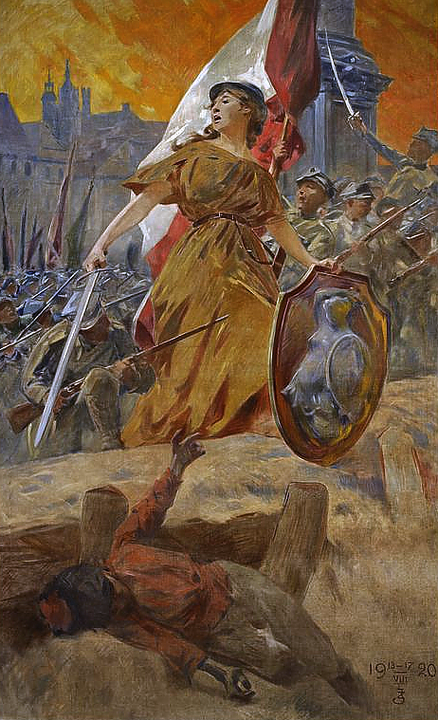
Pierwsza Bitwa Warszawska miała miejsce między 13-25 sierpnia 1920. Popularne stało się określania jej, jako ‘cudu nad Wisłą’, co jest kompletna bzdurą.  Te określenie ‘cudu’ zaczęło się pojawiać w kilka lat pod tej bitwie w środowiskach katolicko-kościelnych, by odwrócić uwagę od osoby Wodza Naczelnego, Józefa Piłsudskiego. Oczywiście zwycięstwo w tej bitwie było wynikiem tylko i wyłącznie wypracowanej długimi dyskusjami i sporami strategii i celu bitwy i jej bezwzględnemu wykonaniu przez wiele wielkich jednostek bojowych rozrzuconych na przestrzeni setek kilometrów.  Celowi bitwy służyły aż trzy potężne i rozległe w terenie i oddaleniu od siebie fronty Armii Polskiej, szereg zdolnych ale bardzo zróżnicowanych wyszkoleniem (taktyką, strategią) i tradycją wojskową dowódców. Wymagało to nie tylko olbrzymiej dyscypliny tych wszystkich dowódców ale i pełnego oddania sprawie ich podwładnych. Być może była to najtrudniejsza walka, bo tyczyła nie tylko terytorium i suwerenności ale bezpośrednio była walką światów, cywilizacji. Walką o ducha. Starcie cywilizacji turańskiej i łacińskiej, jakby to określił historyk i filozof ( w rzeczy samej był on historiozofem) polski z tamtej epoki, Feliks Koneczny.

Ta bitwa zakończyła się wielkim polskim zwycięstwem. Warszawa nie padła, a Rosjanie musieli się cofnąć na rubieże starej Rzeczypospolitej. Nie jest winą żołnierzy i ich dowódców, że Traktat Ryski tą wojnę kończący, przyniósł Polsce tak mierne korzyści terytorialne. Rosjanie porażeni rozmiarem klęski byli gotowi, zdaje się, nawet uznać granice I Rzeczypospolitej – w każdym razie na terenach ziem witebskich, mścisławskich i połockich, a na pewno całą Mińszczyznę.  Endecja bardzo tego się bała i Grabski (reprezentujący w Rydze Polskę) przyczynił się do znacznych ustępstw na rzecz pokonanej Rosji bolszewickiej. Abstrahując od tych dywagacji historycznych – ta bitwa była przykładem zwycięskim dla Polski w historii bitew warszawskich (było ich naturalnie więcej w tejże historii, ale nie tak brzemiennych w skutkach).

Druga bitwa warszawska, którą chcę wspomnieć, określana jest w zasadzie, jako bitwa obronna Warszawy we Wrześniu 1939 roku przed nadciągającymi armiami niemieckimi. Trwała faktycznie nieprzerwanie od 1 września aż do 28 września, dnia kapitulacji stolicy Polski.

Szanse obronienia stolicy splecione były nierozerwalnie z szansami całej wojny polsko-niemieckiej w 1939 roku. A jaki był wynik tej wojny – wiemy.  Warszawa (która nigdy nie była twierdzą wojskową) i jej wojskowi i cywilni obrońcy, wykazali się wyjątkową odpornością, walecznością.  Ale miażdżąca przewaga militarna sił niemieckich, wzrastające straty wśród ludności cywilnej (głównie skutkiem osobistego rozkazu Hitlera o bombardowaniu Warszawy nalotami dywanowymi) i brak nadziei na jakąkolwiek odsiecz lub pomoc z zewnątrz, zmusiły wojskowe i cywilne władze do podpisania kapitulacji. Tak ta bitwa obronna w 39 jak i epilog całej II wojny światowej, który w Warszawie miał straszny epizod Powstania Warszawskiego, zniszczyły miasto prawie kompletnie.  Zimą 1945 roku miasto wyglądało, jak jeden wielki zbiór gruzu i wypalonych szkieletów budynków.  A Polska nie odzyskała pełnej suwerenności przez kolejne 45 lat.

Przypomniałem te dwie bitwy ze względów symbolicznych, a nie wspominek czysto historycznych.  Powiedziałbym więcej – ze względów cywilizacyjnych, kulturowych.  A Warszawa, stolica kraju, symbolizuje tego kraju losy. Czy zasiada tam I sekretarz partii komunistycznej z nadania satrapy moskiewskiego, czy gubernator Fischer z nadania faszystowskiego Berlina czy też wybrany przez Polaków prezydent.  Oczywiście, Warszawa jest siedzibą dwóch prezydentów: stolicy i państwa. 

Jesienią 2018 roku Warszawa wybrała prezydentem stolicy Rafała Trzaskowskiego. Kilka lat wcześniej, w 2015, prezydentem Polski wybrano Andrzeja Dudę.  Obaj politycy (nie użyję słowa ‘przywódcy’, bo co najmniej do jednego z nich absolutnie ono nie pasuje …, gdyż mimo że wyborach w 2015 wygrał koronę, to zadowolił się czapką nadwornego lokaja) reprezentują też sobą właśnie te wielkie różnice kulturowe, wręcz (tak, nie zawaham się powiedzieć) cywilizacyjne w kategoriach filozoficznych. Podobne tym (choć nie tak krwawym i nie decydowanym przez dywizje wojskowe), jakie charakteryzowały te dwie bitwy warszawskie. Wojna nie tylko o terytorium – wojna o Ducha tego terytorium i ludności na nim zamieszkującej.

I teraz tych dwóch polityków z siedzibami swych prezydentur (państwowej i miejskiej) w tym mieście, staje do bitwy o Polskę. A obaj mają swe siedziby i Urzędy dosłownie na rzut kamieniem z balkonu.  Z wieży Ratusza widać wyraźnie i blisko dach Pałacu Namiestnikowskiego, a z górnych okien Pałacu, prezydent Duda może lornetką bez problemu widzieć prezydenta Trzaskowskiego. Walka zaczęła się natarciem i kontruderzeniem 28 czerwca. Bitwę walną wydano na 12 lipca.

Wielu żołnierzom tej bitwy wydaje się, że chodzi tylko o menażki, o kuchnie polową, o to który dowódca obieca cieplejsze lub wygodniejsze mundury, onuce, o prycze w koszarach. No i o żołd – czy będzie dostawał go 12 razy w roku, czy może 13, a kto wie – może nawet czternaście razy. I w tego typu ‘bitwach’ wyborczych to pytania naturalne i oczekiwania naturalne i zdrowe. W końcu, jaki obywatel krzyknie: domagam się zwiększenia podatków, obniżki pensji i tylko 10 emerytur w roku?! 

Ale to naturalne i zdrowe w normalnych czasach i normalnych warunkach. Nie w 2020 roku w Polsce. Bo ta ‘bitwa warszawska’  zadecyduje czy, podobnie jak ta w 1920, przechylimy się bardziej ku cywilizacji ‘turańsko-bizantyńskiej’  czy ‘ łacińsko-zachodniej’.  Czy będziemy mogli chodzić w laczkach i sandałach, jak będziemy mieć na to ochotę, czy będziemy musieli stukać obcasami na zawołanie. Czy będziemy ze sobą rozmawiać ze śmiechem przy kawiarnianych stolikach na Nowym Świecie czy krzyczeć na siebie na Bazarze Różyckiego. I nie czekać na łaskawe da-albo-nie-da ’13-tkę’  a może i ‘14’ emeryturę – ale po prostu dostaniemy godziwe, zgodne z potrzebami dwanaście normalnych emerytur.  Bo te ‘łaski pańskie’ i ‘ochłapy z pańskiego stołu’ autentycznie na pstrym koniu jeżdżą.  Dziś spadną jeszcze może z tego stołu pańskiego ale  jutro ani okruszka może. Bo z próżnego i Salomon  nie naleje … . Nie chodzi też o elyty i elity. Nie o “Polskę Pańską’ i ‘Polskę Fornalską’. Chodzi o Polskę Wolnych Obywateli opartą na absolutnej wolności każdego indywidualnie lub Polskę Lepszego i Gorszego Sortu, podzieloną.

No i ta zwykła, taka codzienna, nie niedzielna świadomość, że się mieszka w porządnym, lubianym przez sąsiadów kraju. Kraju, gdzie wszyscy nie mają co prawda takich samych pensji i emerytur  (no wiecie, takie same to próbowano już po 1917 w Rosji, po 1945 w Chinach, w latach 70. w Kambodży, ostatnio niejaki Chavez w Wenezueli – na nic dobrego to nikomu nie wyszło) ale mają takie same prawa. Wyżsi i niżsi, grubsi i cieńsi, męscy i żeńscy, o różowej i o czarnej cerze, dziewczyny chodzące z chłopakiem objęci i te chodzące z dziewczyną objęte; jedni idący rano do kościoła na modlitwę, inni do bożnicy, a jeszcze inni na ławkę do parku lub małą czarną do kafejki.  Normalnie. Jak w normalnym kraju i mieście.  Niemożliwe marzenie? Możliwe. W większości krajów tej właśnie europejskiej cywilizacji.  Europejskiej nie geograficznie licząc od Uralu może, ale licząc kulturowo. Gdzie ta kultura będzie mieć granicę? Zależy od losów bitwy 12 lipca 2020. Albo na Bugu, albo na Odrze.

Oczywiście, punkt widzenia zależy od punktu siedzenia. Ludzkie, normalne. Takie mamy horyzonty myślowe, jakie mamy horyzonty widzenia, postrzegania.  Jedni siadają, prawie bez zastanowienia się, gdzie mają ochotę, bo wolność jest dla nich czymś naturalnym, prawie automatycznym – inni stoją zakłopotani aż im ktoś wskaże, gdzie usiąść mogą.

A w tym temacie już widzimy zmiany w Polsce i poza jej granicami. Andrzej Duda reprezentuje raczej dość wyraźnie tą inną ‘cywilizację turańsko-bizantyjską’, ten inny sposób myślenia, który postrzega granice cywilizacyjną i kulturową na Odrze. To nie może ulegać wątpliwości dla nikogo. Również dla tych głosujących za niego. I czas by się do tego sami sobie przyznali. By przynajmniej wiedzieli dlaczego taki wybór robią. Niech nie oszukują znajomych i rodziny, a tym bardziej siebie samych.

Spójrzmy na te ‘granice’:  Polacy między Bugiem a Odrą w I turze dali Andrzejowi Dudzie najwięcej głosów.  Za mało na pokonanie przeciwnika, ale tą potyczkę wygrał. Dostał 43.5 procent tych głosów. Prezydent Warszawy dostał 30.46 procent, na trzecim miejscu był Szymon Hołownia z blisko 14 procentami.  Lub trochę inaczej: na 16 województw, Trzaskowski wygrał tylko w trzech, a w 13 pan Duda. 

Natomiast, co zrobili Polacy spoza Bugu i Odry? Może być ciekawe, bo właśnie ten ‘inny punkt widzenia’ dający inną perspektywę i inny horyzont.  Na aż 84 państwa, gdzie Polacy głosowali, Andrzej Duda poniósł klęskę w … 76 państwach.  Zremisowali w dwóch. A Trzaskowski uzyskał najwięcej głosów w 75 państwach.  Procentowo przekłada się to na: Rafał Trzaskowski dostał 48.13 procent oddanych głosów, a Andrzej Duda tylko 20.86%. Jeszcze inaczej – Trzaskowski w ani jednym kraju nie spadł poniżej drugiej pozycji (czyli nawet w tych kilku gdzie wygrał Duda, Trzaskowski miał silną drugą pozycje).  Zaś Andrzej Duda spadł poniżej drugiej lokaty aż w 36 krajach, czasami aż do 5 (piątego) miejsca: za Hołownią, Biedroniem i Bosakiem. Szymon Hołownia był na drugim miejscu (za Trzaskowskim) w 32 państwach, a Robert Biedroń w 4 państwach.

I teraz kilka ciekawych spostrzeżeń z tych głosowań zagranicznych. Otóż najwięcej głosów dla Trzaskowskiego a najmniej dla Dudy padło w krajach, gdzie jest najwięcej Polaków, którzy wyjechali ostatnio z Polski, już z tej nowej, suwerennej Polski. Czyli tych, którzy maję najlepszą znajomość tej Polski, najbliższy z nią stały kontakt. I odwiedzając ją lub o niej rozmawiając z rodzina i przyjaciółmi z Kraju-zauważają różnice jakie w ostatnich pięciu latach w Polsce zaszły. Różnicę, która nie wypada dla Polski korzystnie. Bardzo wielu z nich traktuje ten pobyt zagraniczny, jako czasowy a Polskę widzą, jako docelowy punkt powrotu i zamieszkania.  Różnica miedzy nimi a tymi, którzy teraz mieszkają w Polsce polega tylko na widocznym horyzoncie postrzegania, na owym punkcie widzenia. Jak widać z podanych wyżej statystyk wyborczych , ta różnica jest bardzo duża.

Natomiast w kilku krajach licznej bardzo, ale tzw. starej Polonii – padło więcej głosów dla Andrzeja Dudy. Są to środowiska bardziej konserwatywne, przyzwyczajonej przez długie lata do stanowczej obrony tzw. dobrego imienia Polski. Gdzie każdy (czasem nawet zasłużony) krytycyzm Polski postrzegany był, jako próba oczerniania ukochanej ojczyzny. Choćby te popularne w Ameryce Północnej żarty o ‘Polaczkach’. I silne przyzwyczajenie do polskich kościółków i parafii, które historycznie były centrami spotkań nie tylko religijnych ale i politycznych, polskich szkółek dla dzieci prowadzonych na ogół przy tych kościółkach. A Kościół jest, jak wszyscy wiemy, instytucjonalnie bardzo związany i silnie finansowany przez partie Andrzeja Dudy i obecny rząd PiS.  Tak się głównie dzieje w USA i w Kanadzie. Tutaj też jest stosunkowo najwięcej (nawet więcej niż w Polsce, procentowo patrząc) zwolenników Konfederacji i pana Bosaka, który w Kanadzie np. uzyskał więcej głosów nawet od Szymona Hołowni.  Ale Szymon Hołownia, często widziany, jako działacz katolicki, reprezentuje katolicyzm współczesny, bardziej postępowy. A Kościół polski obecnie reprezentuje katolicyzm zbliżony do idei pana Bosaka – skrajnie na prawo, czasem wręcz w kolorze brunatnym (tak określam wczesny, przed hitleryzmem, faszyzm niemiecki Rhoma i jego SA).

Inne, dość zaskakujące ( mimo to zgodne z generalnym opisem podanym wyżej o Kanadzie i USA) to skrajnie różne wyniki w różnych Komisjach Wyborczych/Konsulatach. W Kanadzie wybory miały miejsce w: Montrealu, Ottawie, Toronto, Vancouverze.  Wyjątkowo krótkie okienka czasowe na wysłanie pakietu wyborczego do Konsulatu połączone  z olbrzymimi obszarami, jakie te cztery miejsca obsługiwały – de facto uniemożliwiły tysiącom osób oddania głosu.  Setki, jeśli nie tysiące, osób dostało pakiety w piątek (wybory były w sobotę poza Polską), lub dostały już po terminie wyborów.  Nie ma powodów ani dowodów, że było to efektem celowego opóźniania i dywersji samych Konsulatów RP. Jest natomiast jasne, że było to efektem świadomego przeforsowania takich a nie innych przepisów w sprawie tych wyborów korespondencyjnych (tylko takie mogły się , ze względu na pandemie odbyć w innych krajach), które wyraźnie ograniczały konstytucyjne prawa wyborcze obywateli polskich zamieszkałych poza Polską.

Ale wracając do szczegółowych wyników w Kanadzie:  Rafał Trzaskowski zajął zdecydowanie pierwsze miejsce w wyborach w Vancouverze, w Ottawie, w Montrealu. Andrzej Duda zajął pierwsze miejsce tylko w Toronto.  Ale w tym jedynym Toronto – jego przewaga głosów była miażdżąca i zmieniła tym samym efekt wyborczy na całą Kanadę. Dlaczego?  Trudno w kilku zdaniach dać głęboką analizę. Podam tylko kilka faktów i spostrzeżeń człowieka, który zna środowisko polskie w Kanadzie dość dobrze na przestrzeni blisko 40 lat. Toronto polonijne było i jest  pewnym odbiciem Chicago polonijnego w Stanach (zresztą bliskie sobie geograficznie też).  Bardzo duża ilość Polaków tam, lub w okolicach, się osiedliła, od czasów bardzo dawnych.  To wielkie miasto oferujące emigrantom dużo więcej możliwości niż ośrodki mniejsze.  Nie tak odległe i dobrze przeze mnie pamiętane były czasy gdy idąc od Bloor St. do Roncesvalles Avenue i w dół – wyglądało, jak spacer na chicagowskim Jackowie: polskie napisy, polski język, polskie kościoły. I zdecydowanie nie było to ‘miasteczko akademickie’, pod jakimkolwiek względem … . Patriotyzm był tam zawsze dość silny. Tylko właśnie ten typu ‘hurra’ lub wręcz tzw. kibolski. Patriotyzm refleksyjny, krytyczny – wiązał się już w tej polskiej dzielnicy z poważnym ryzykiem.  No i nie ma w całej Kanadzie, od Atlantyku po Pacyfik, ani jednej polskiej parafii, która by była takim potentatem finansowym, jak parafia św. Kazimierza (na ,polskim Ronceswilu’ właśnie). Skromna kasa pożyczkowa  w formie  credit union w ciągu lat urosła do rozmiarów niezłego banku.  Nie zawsze metodami legalnymi. Pamiętam, jak odwiedziłem niezłych rozmiarów … bank św. Kazimierza w Warszawie, obok Operetki Warszawskiej (teatr ‘Roma’). Dziś już w tej formie nie istnieje. Ta i inne inwestycje torontońskiej parafii stały się centrum poważnego dochodzenia kryminalnego Biura Nadzoru Bankowego prowincji Ontario.  Efektem było zamknięcie (unikając  skrzętnie zbyt dużego nagłośnienia sprawy) tych gałęzi bankowych skromnej kasy pożyczkowo-zapomogowej. Czemu o tym piszę w tym kontekście? Bo wydaje mi się, że gdy się ma rząd dusz (religia) i rząd sakiewki (credit union/bank spółdzielczy z głębokimi kieszeniami), to ma się bardzo silny wpływ na społeczność, w której się funkcjonuje.  Może się mylę, nie jestem z wykształcenia antropologiem ani nawet socjologiem, a zwykłym gryzipiórkiem-publicystą.  Takie (oczywiście na dużo mniejszą skalę) kasy pożyczkowo-oszczędnościowe istniały (istnieją?) prawie przy wszystkich polonijnych parafiach w Kanadzie.  Podobnie, jak szkółki dla dzieci polonusów. Takie będą Rzeczypospolite, jakie będzie ich młodzieży chowanie, panie Kanclerzu Wielki Koronny, Ordynacie Zamoyski? Może się mylę … .

 O tym, czy były systemowe, zaplanowane sposoby supresji  prawa wyborczego Polaków przebywających poza granicami Polski pisze inny mój kolega-bloger, były Koordynator KOD_USA-West, https://dobek.org/2020/duda-a-niewazne-glosy/

Przez fakt, że w wyborach, mimo wszystko, liczy się tylko głos indywidualny, łatwo się zorientować, że wygrana w trzech lub czterech okręgach, gdzie jest niska ilość głosujących, może być łatwo zniwelowana tylko jedną wygraną w jednym okręgu, gdzie uprawnionych do głosowania  jest wielokroć więcej.  Stąd jest ważne by głosujący w tych małych liczebnie ośrodkach, jeśli chcą by ich głos się liczył i miał wpływ, mobilizowali się silniej i liczniej. Ważne tu są silne związki koleżeńskie, socjalne. Stały kontakt lokalny. Zwłaszcza w czasach pandemii, która wszystko to utrudnia.

Cóż, na zakończenie wracam do mojej symboliki stołecznej. Bitew warszawskich. Lub bitew dwóch prezydentów – Miasta i Państwa zamieszkałych w Warszawie. To są autentycznie dwie kardynalnie sobie obce i przeciwne wizje Polski: jedna Trzaskowskiego, druga Dudy (lub dokładniej tego, który Dudą steruje, Jarosława Kaczyńskiego). Teraz już nie ma innych żołnierzy w turnieju (chciałem użyć bardziej adekwatnego porównania (w turnieju są rycerze) ale znowu ręka się zawahała …), tylko ta para. Nie ma już znaczenia umiarkowany czy skrajny prawicowiec, lewicowiec, liberał, czy socjaldemokrata, zielony czy czerwony. To detale tu mniej istotne na finiszu. Istotna jest wizja Polski i jej miejsca w cywilizacjach, kulturach: w którym związku kulturowo-cywilizacyjnym chce być?  Takie sobie postawcie pytanie i szczerze na nie odpowiedzcie.  Wybór (jakikolwiek by nie był) będzie wówczas łatwy i prosty, bo różnice są bardzo wyraźne.

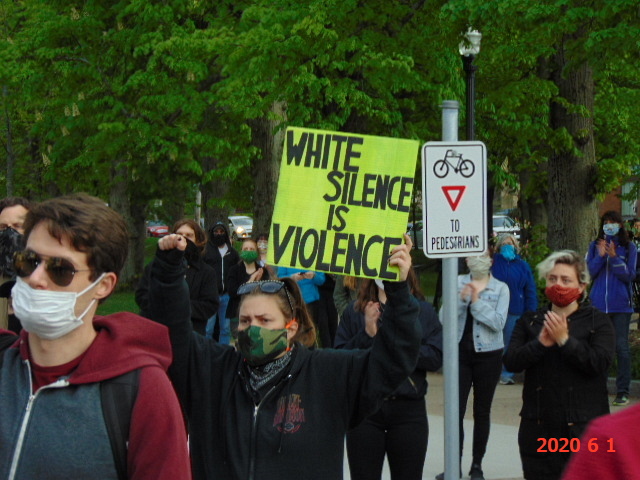
Black Lives matter in Halifax

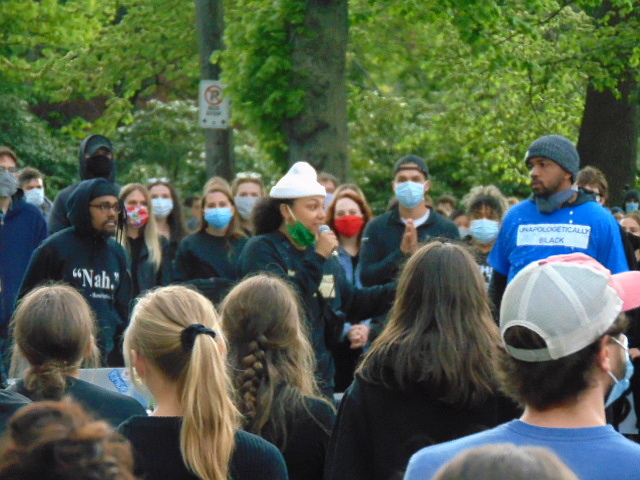
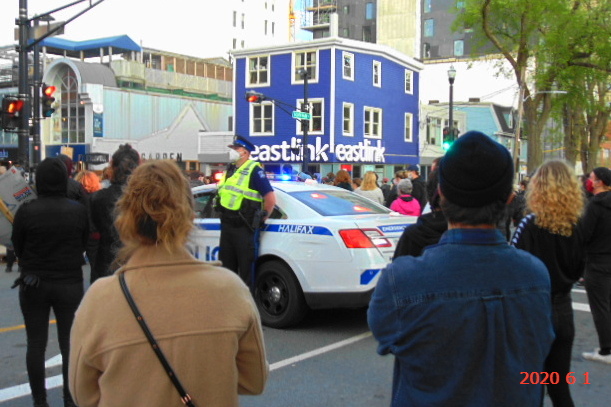
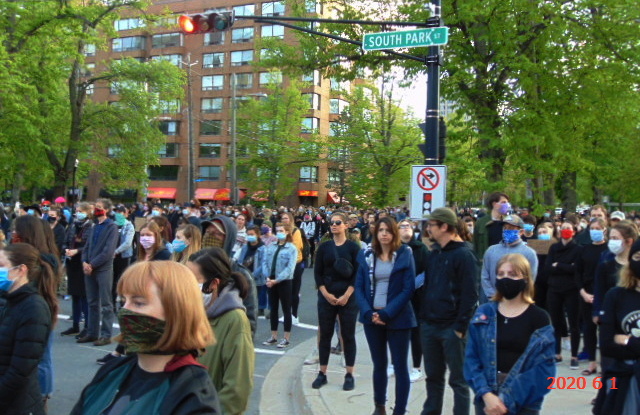
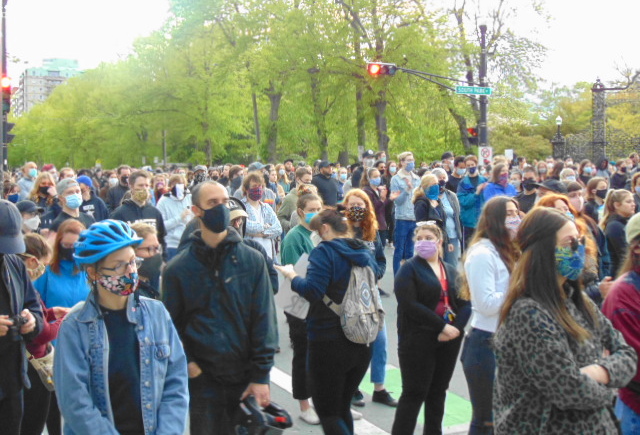
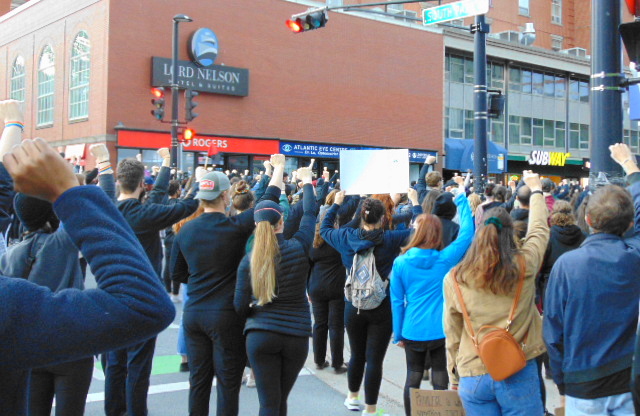
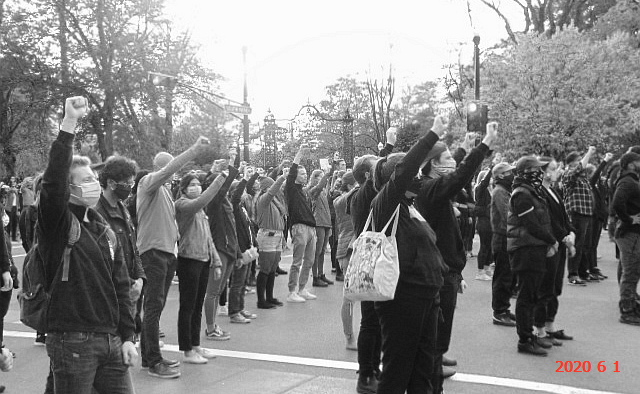
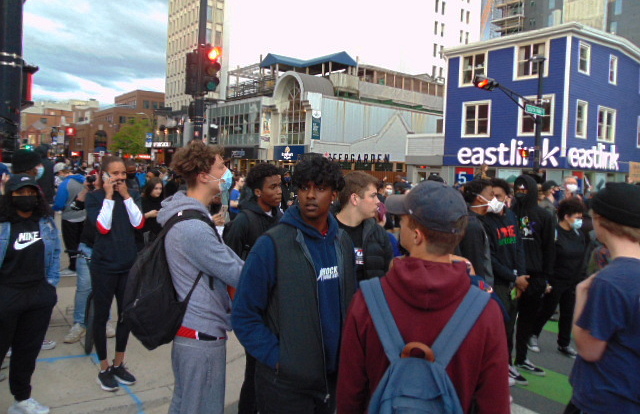
On a warm, sunny evening on June 01, Halifax added its voice to international protest against police brutality toward Black people. In the US mainly, as the protest were sparked by heinous execution of George Floyd by police in Minneapolis, but sadly also here. Halifax is the next main Canadian city to organize such protest, after clashes day earlier in Montreal, peaceful protests in Toronto, Calgary and Vancouver.

For many reason Halifax is perhaps the most important for such protest in Canada. Nova Scotia is, after all, the true home of Canadian Black settlement. Going all the way to the end of XVIII and beginning of XIX century. And to long years of racist attitudes toward the community.  Nova Scotian’s of African descent created here vibrant life and amazing connection to the land. ( I have written here, on this blog, about their history on January 29, 2020, if you would like to know more about that fascinating subject. The two-piece essay in mainly in Polish, but with an extensive English summary and many photographs)
They have, particularly in Halifax, their own share of grievances against local municipal Police Force and their racist attitude. It led a year ago to an appointment of new Police Chief from  outside of Nova Scotia and promise of new policies.

But today it was different. It was hopeful, angry at times perhaps but generally uplifting. Yes, under the main theme “Black people’s lives matter’. And it matters because Black people lives are rich and beautiful. Because their lives are part of our lives. Because they are PEOPLE. Like you and me.  And we, white folks, are awakening to that single, powerful truth. That a mother or father should never fear that the worst that might happen to their child could be an encounter with Police officer. They should never train them how to react, how to be at their utmost best and polite to a fault when talking to a policeman.  Or they might not survive that encounter. And it is still a reality to them.  Old habits and way of doing things die hard. But, by God! die they must and the sooner the better for all of us.

As you will notice on the photographs I have taken today – a majority of folks taking part in this beautiful protest were not Black but white and other colours. That speaks volumes. Good volumes. The change is here.  Let her come and welcome with open arms. Just about time.

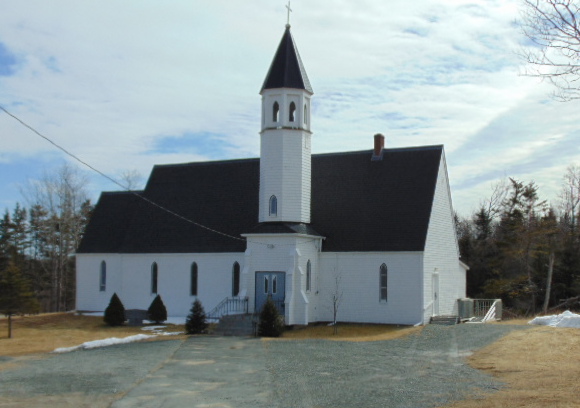
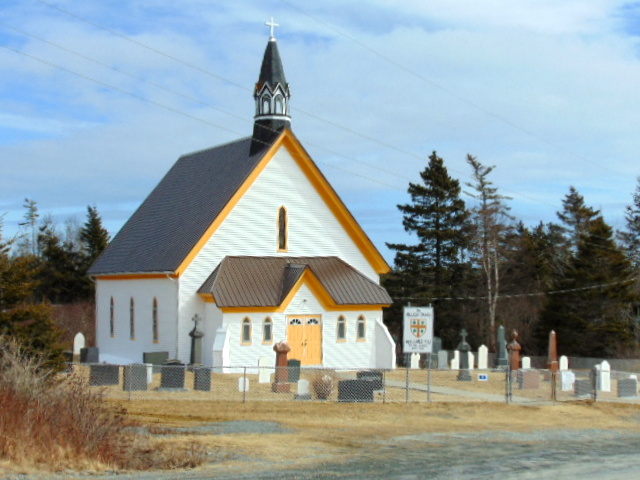
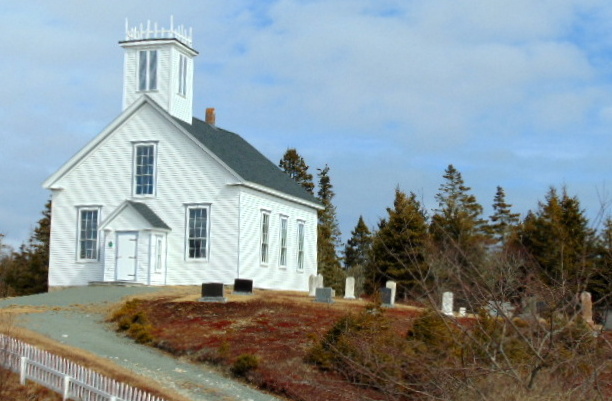
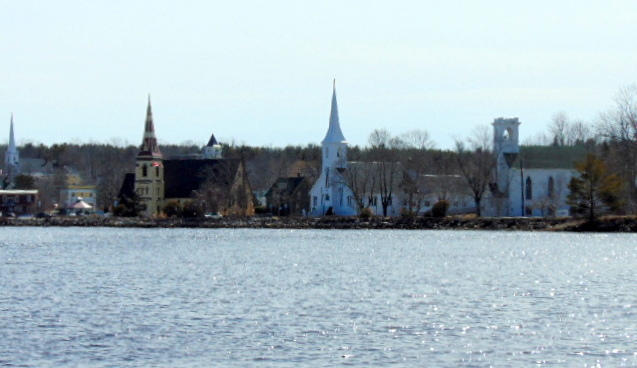
Church towers

by Bogumil Pacak-Gamalski

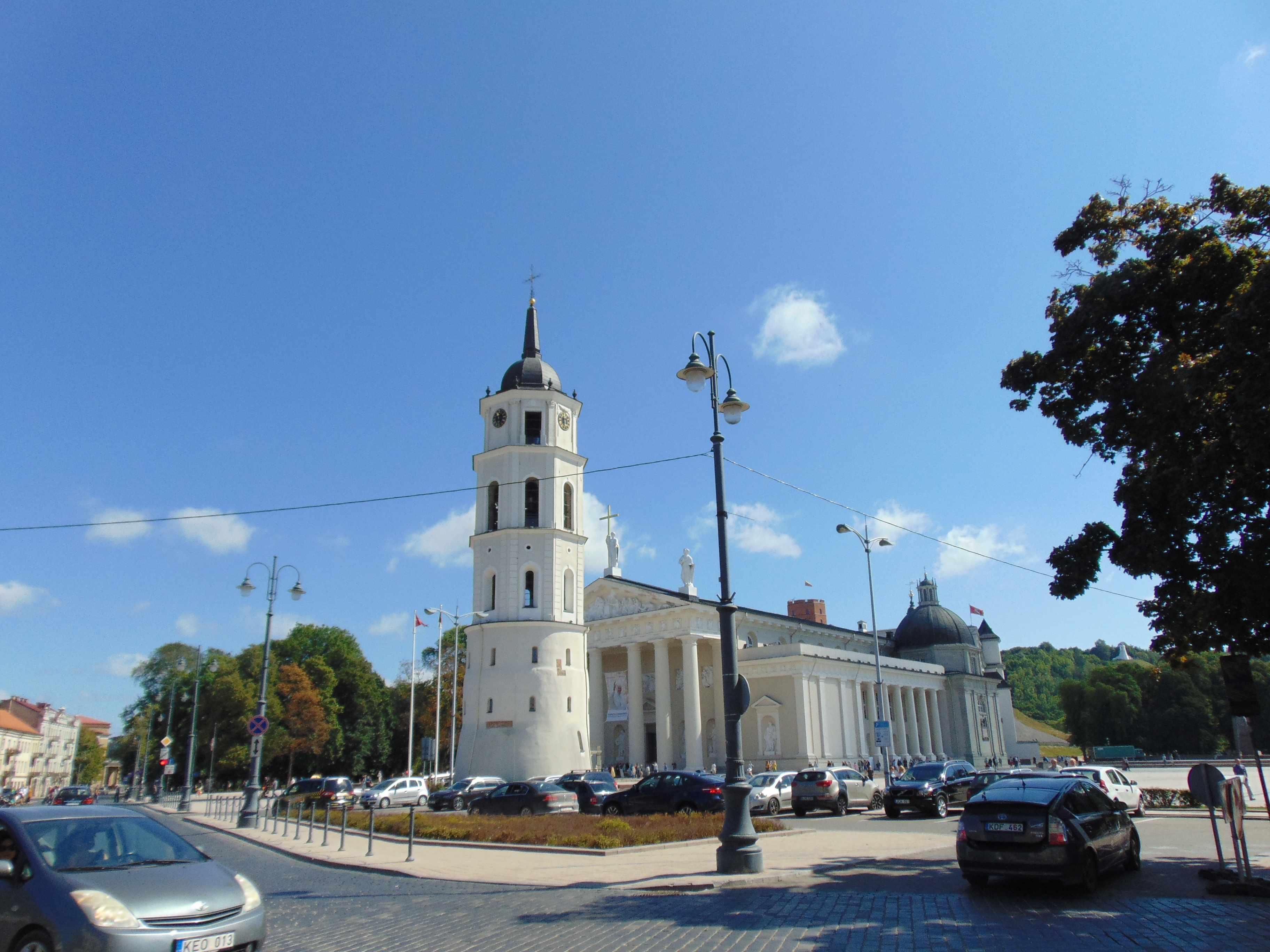
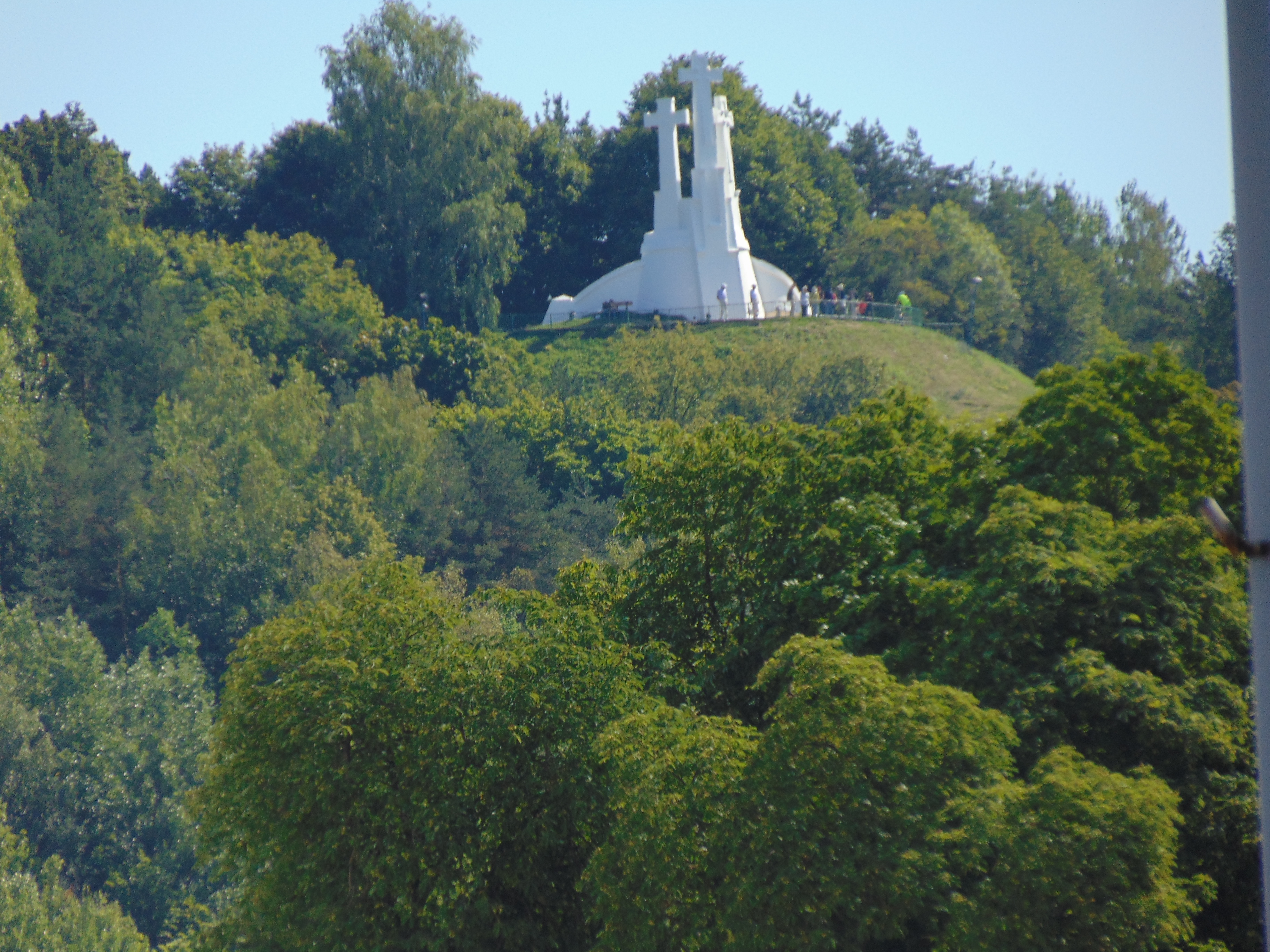
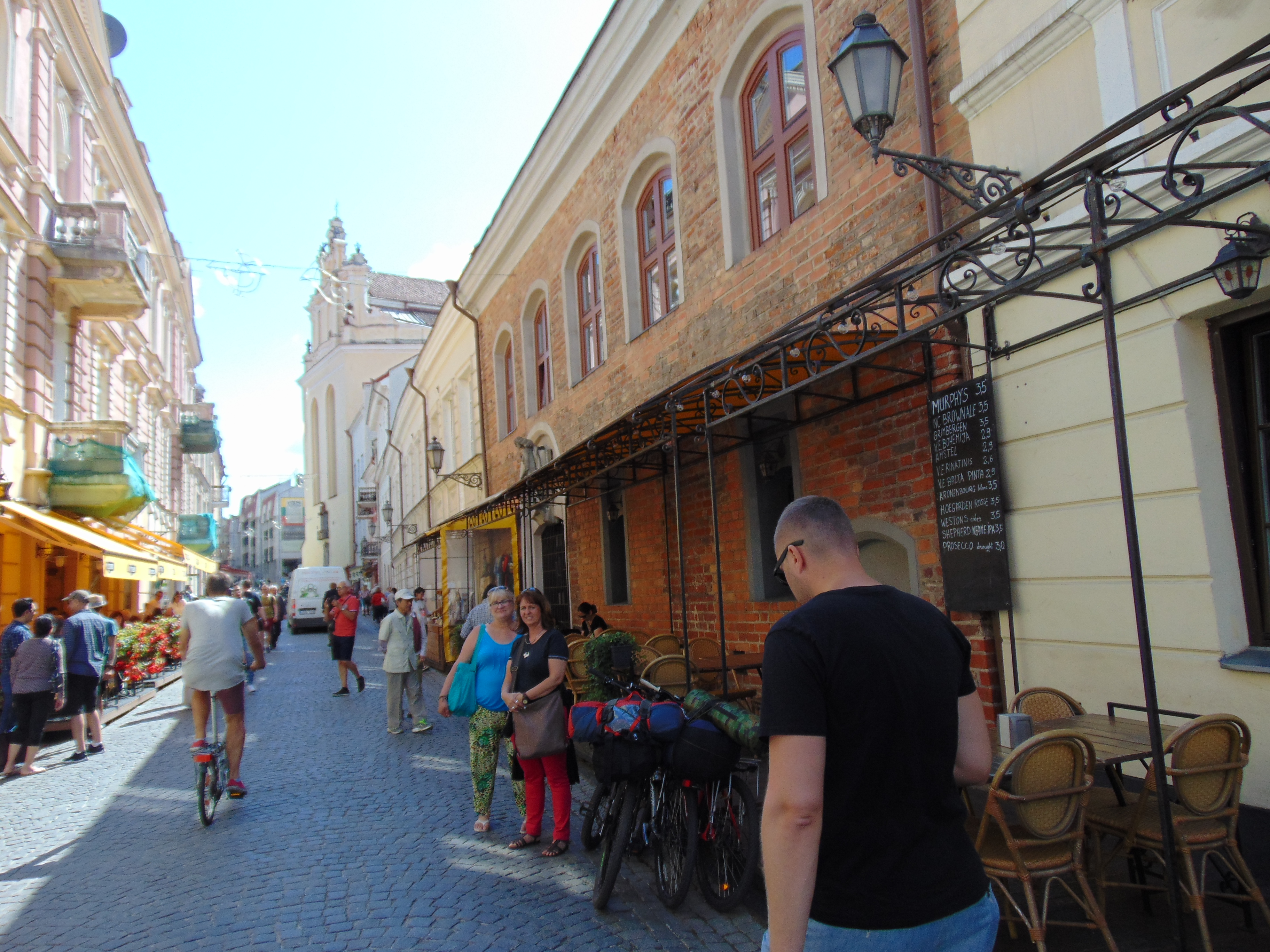
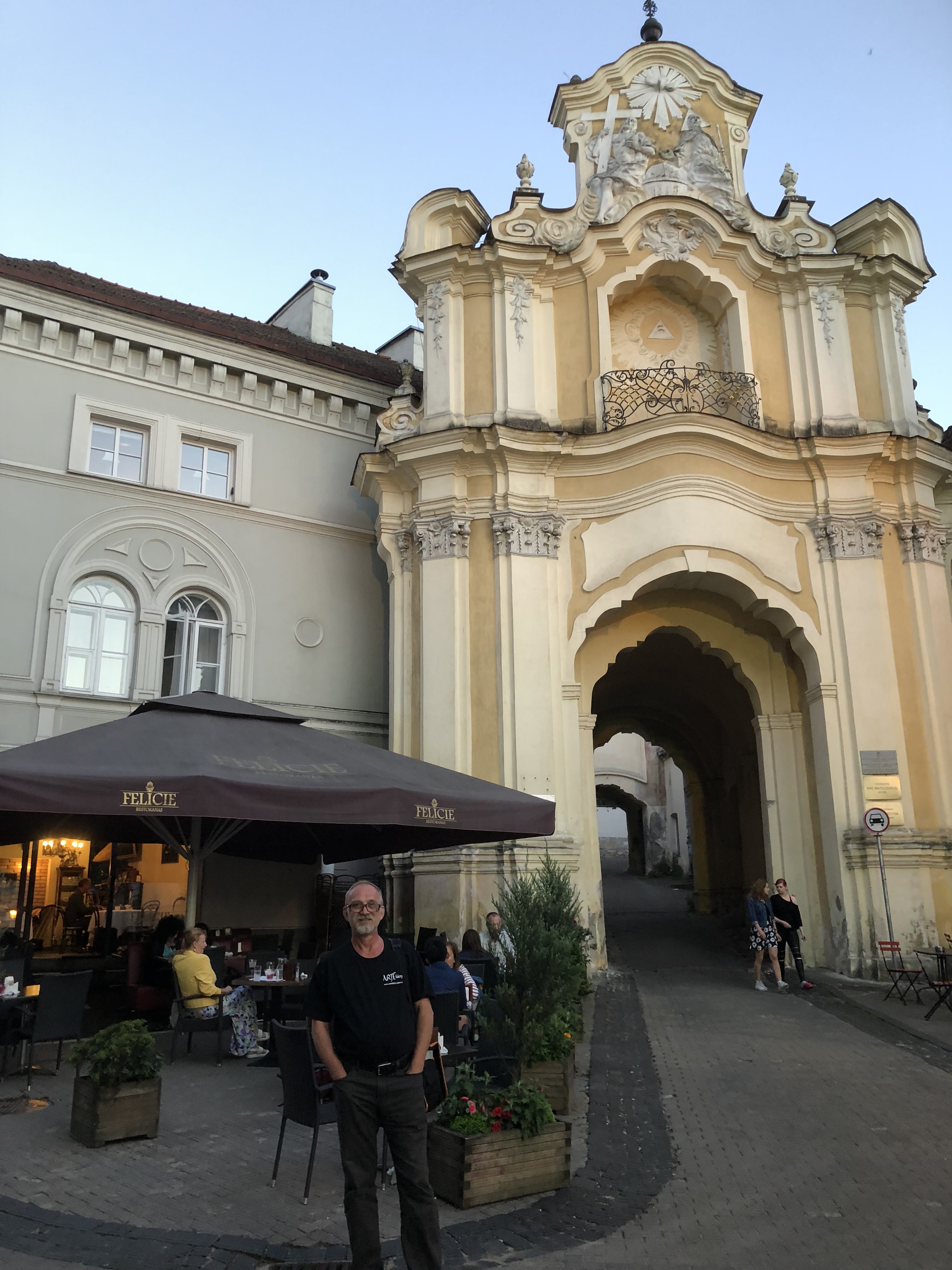
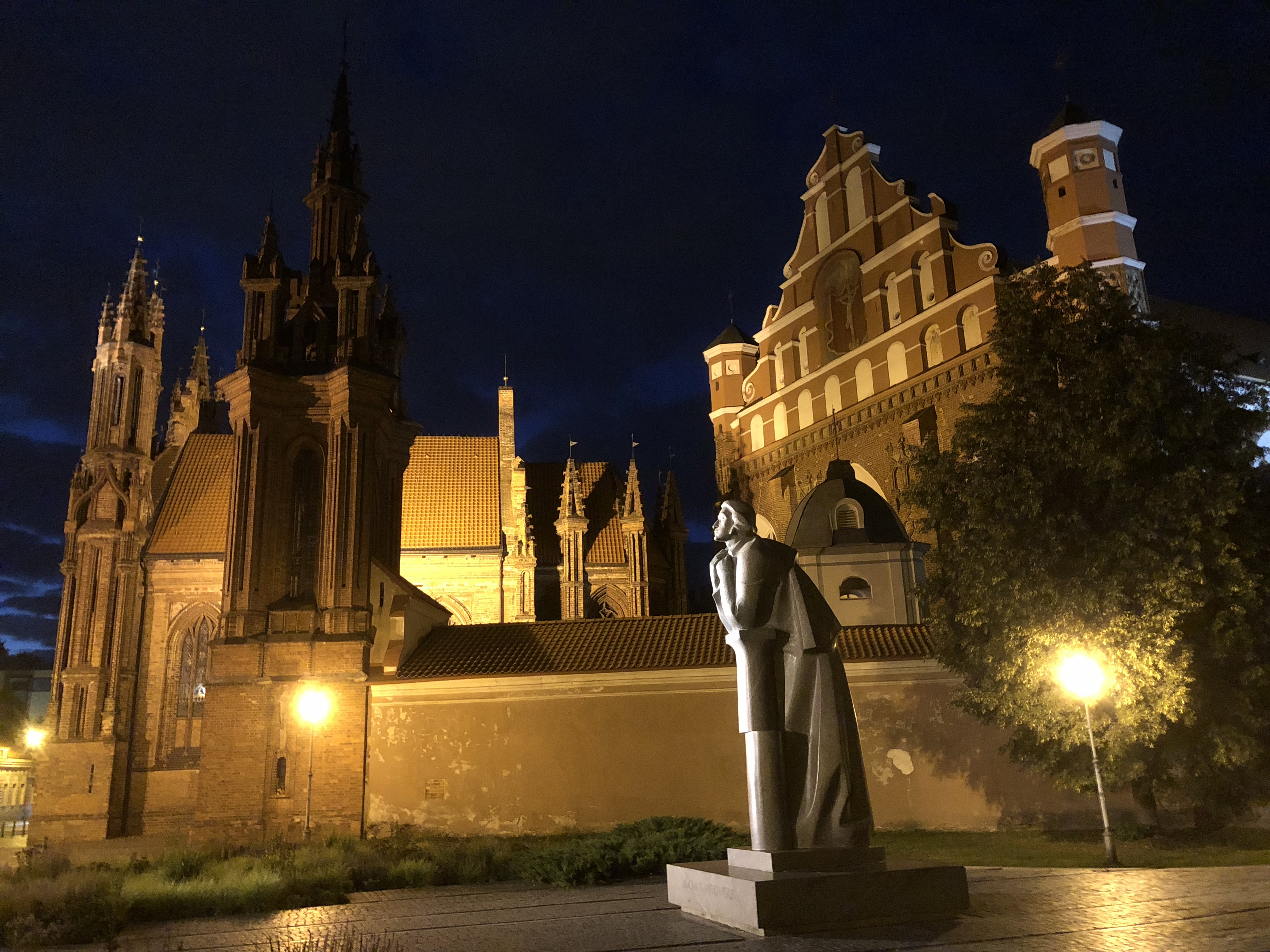
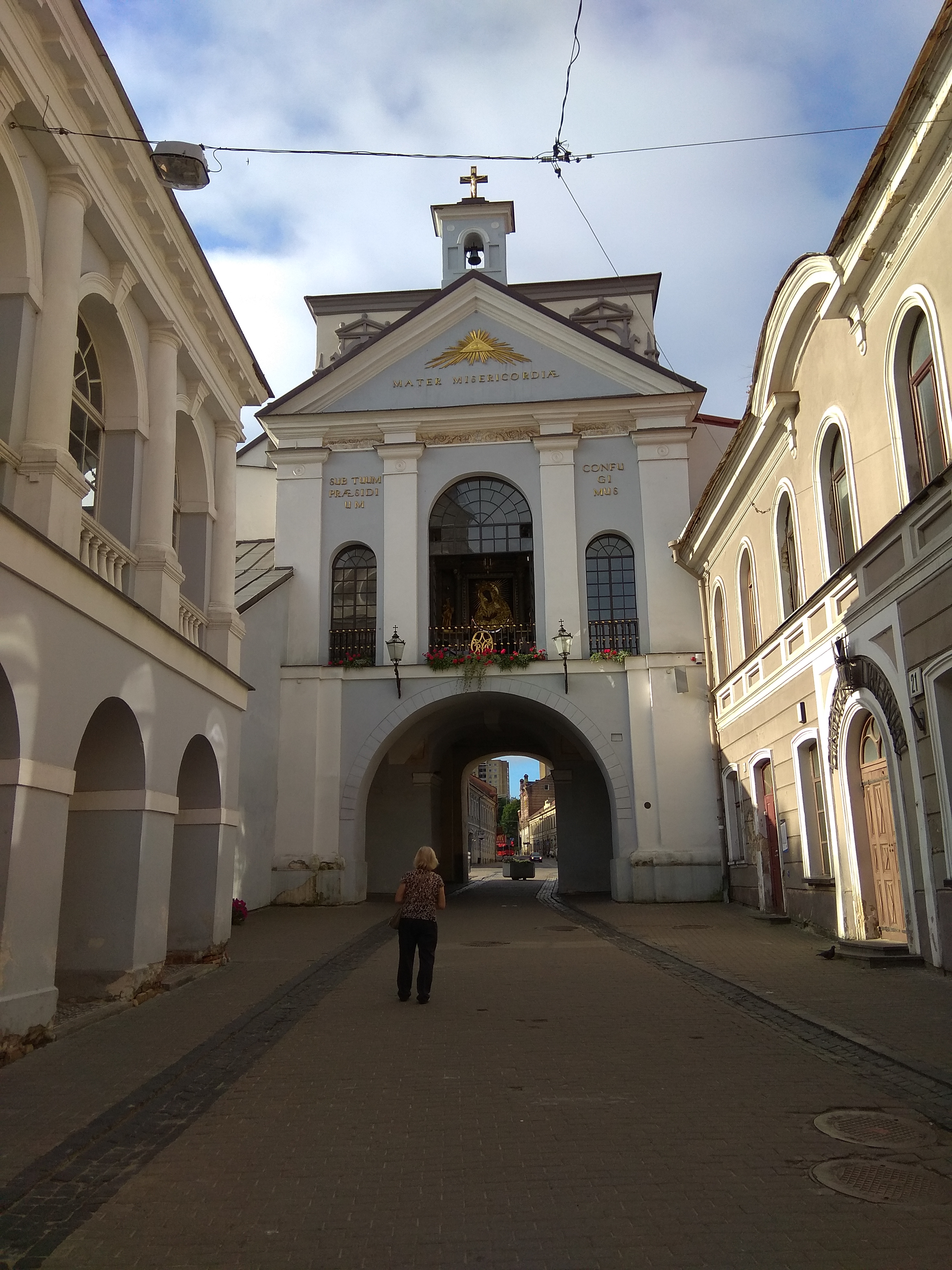
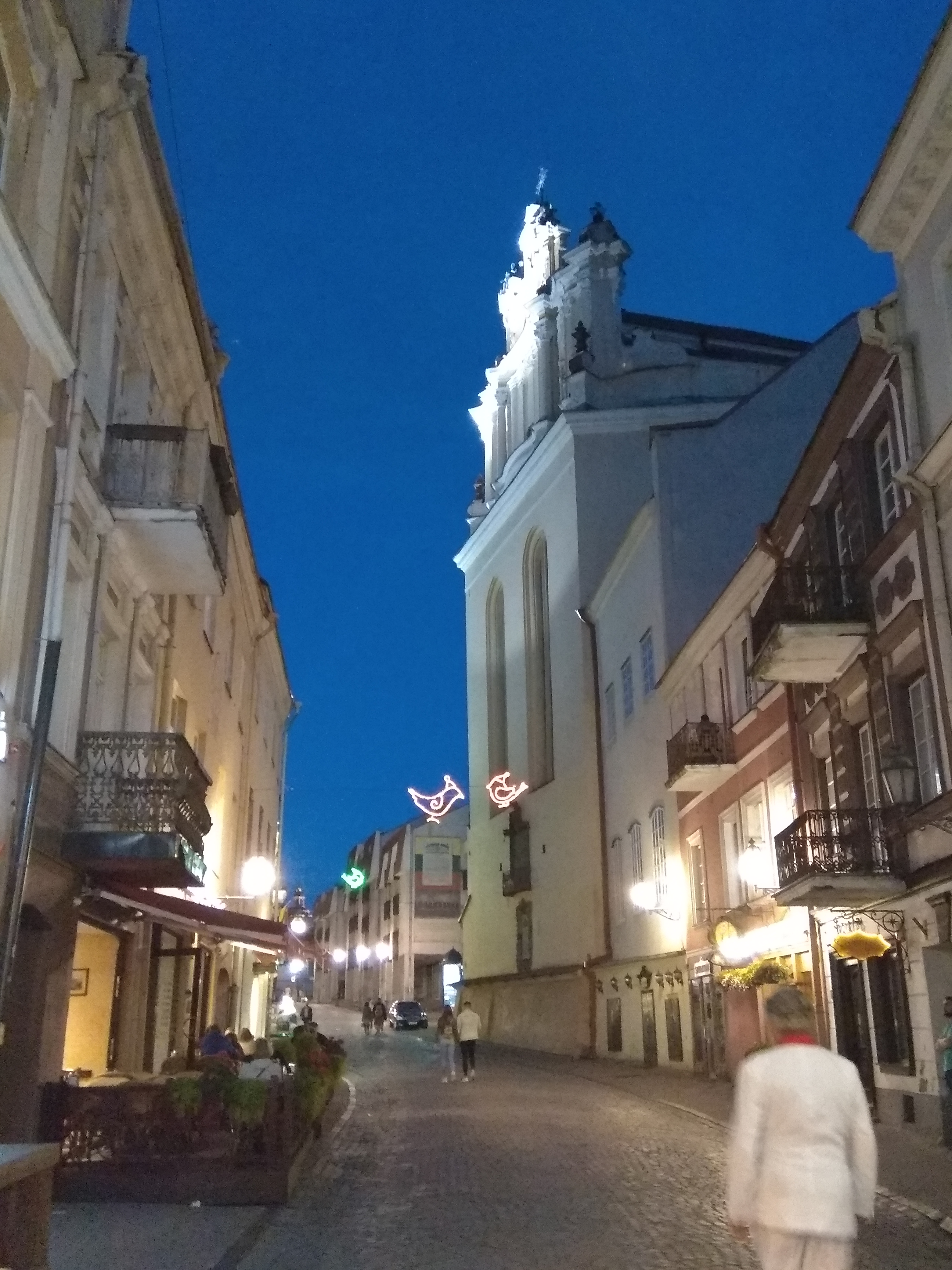
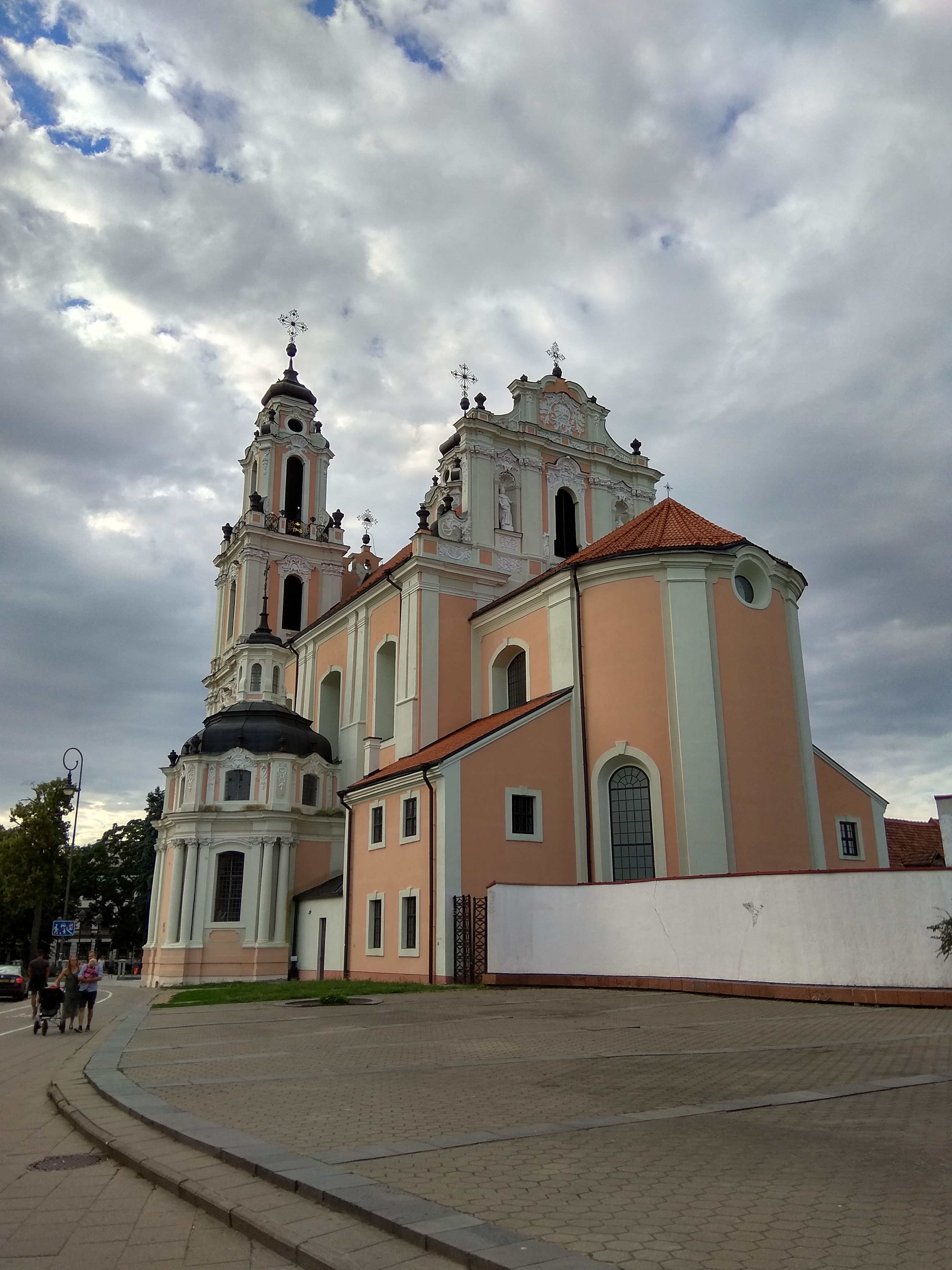
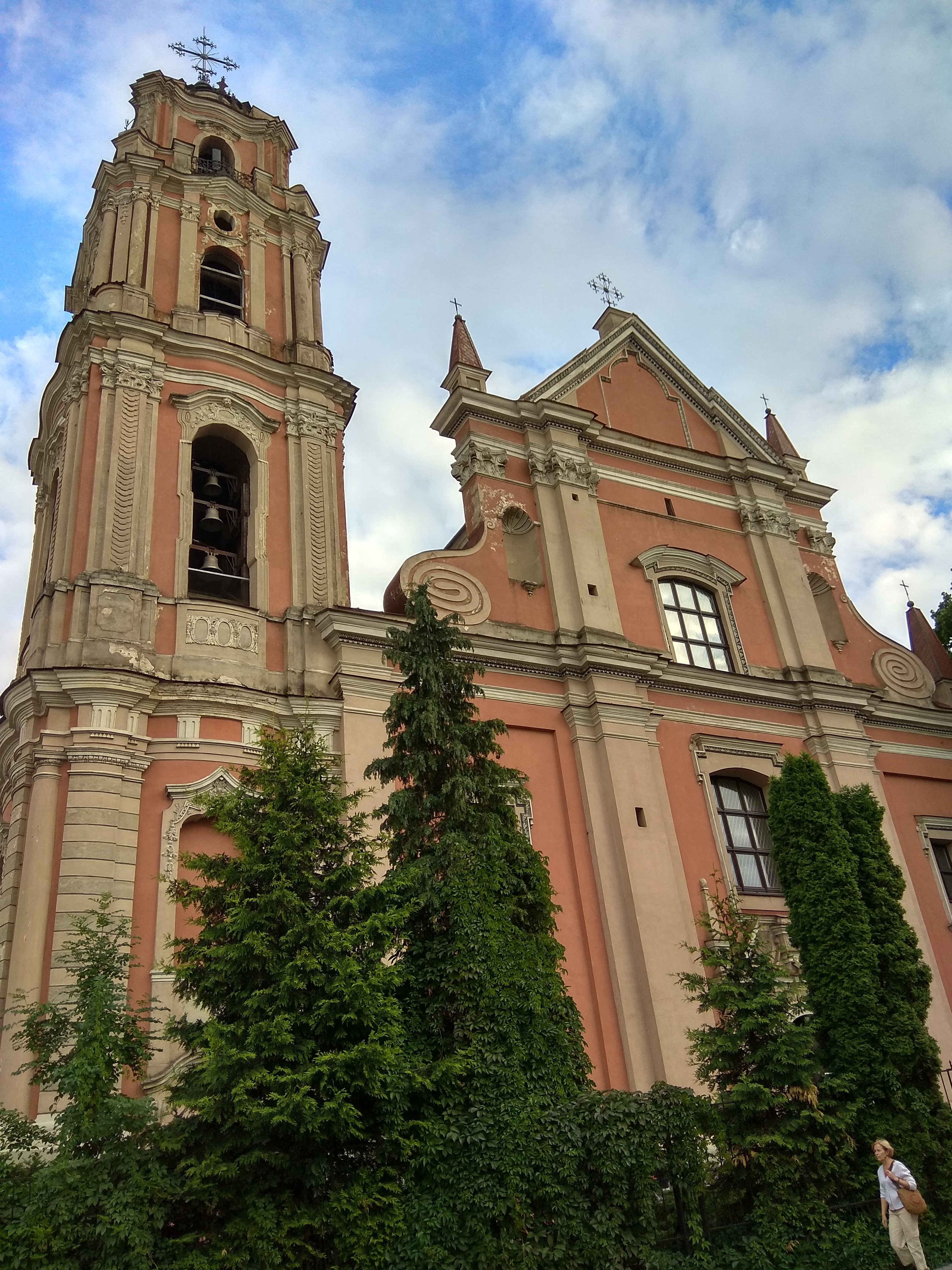
In my very early youth, what would you call now teenagers’ age, I had a mythical place I have never been before but new very well.  Wilno or as Lithuanians call it, Vilnius. It has a very strong connection to Polish history and identity (which, of course, doesn’t take anything away from the rightfully special connection it has with Lithuanians, the founders of the city in late medieval period) but it has also very strong and immediate connection in my own family. On top of that, two of my most cherished – at that time – national heroes were, in many ways, identified with that magic city: great romantic poet Adam Mickiewicz and founder of modern Poland, Marshal Joseph Pilsudski.  Wilno was often called a Rome of northern Europe, as it was built on seven hills surrounding it. It was also called a City of Churches.  And it still remains one. Wherever you go in the proper, old Wilno, you can see  church towers. In a way, if you don’t know the city very well, you could be advised to study pictures of its churches and then just look around for a familiar church tower and you will know where you are.

We wczesnych latach nastoletnich Wilno było moim magicznym miejscem na długo za nim mogłem tam po raz pierwszy pojechać.  Z wielu względów: duża część rodziny z tym miastem miała swoje silne związki, nie było chyba szerszego spotkania rodzinnego, gdyby coś o Wilnie się nie mówiło; Mickiewicz i Piłsudski: dwóch moich wtedy bogów prawie a ani o jednym ani drugim trudno cokolwiek mówić bez wymieniania tego grodu Giedymina; no i naturalnie silny, atawistyczny niemal bunt przeciw moskiewskiej okupacji Wilna (tak przez całą młodość traktowano odebranie Polsce Wilna po Jałcie w moim środowisku, nie wiele się wtedy mówiło o Litwie, bo każdy z nas wiedział, że ani Ukraina ukraińska ni Litwa litewska, no i w 13 letniej patriotycznej, anty-partyjnej łepetynie nie pojawiała się nawet myśl, że Litwini nie chcieliby dalej kontynuować tego cudownego związku Rzeczypospolitej Obojga Narodów…).

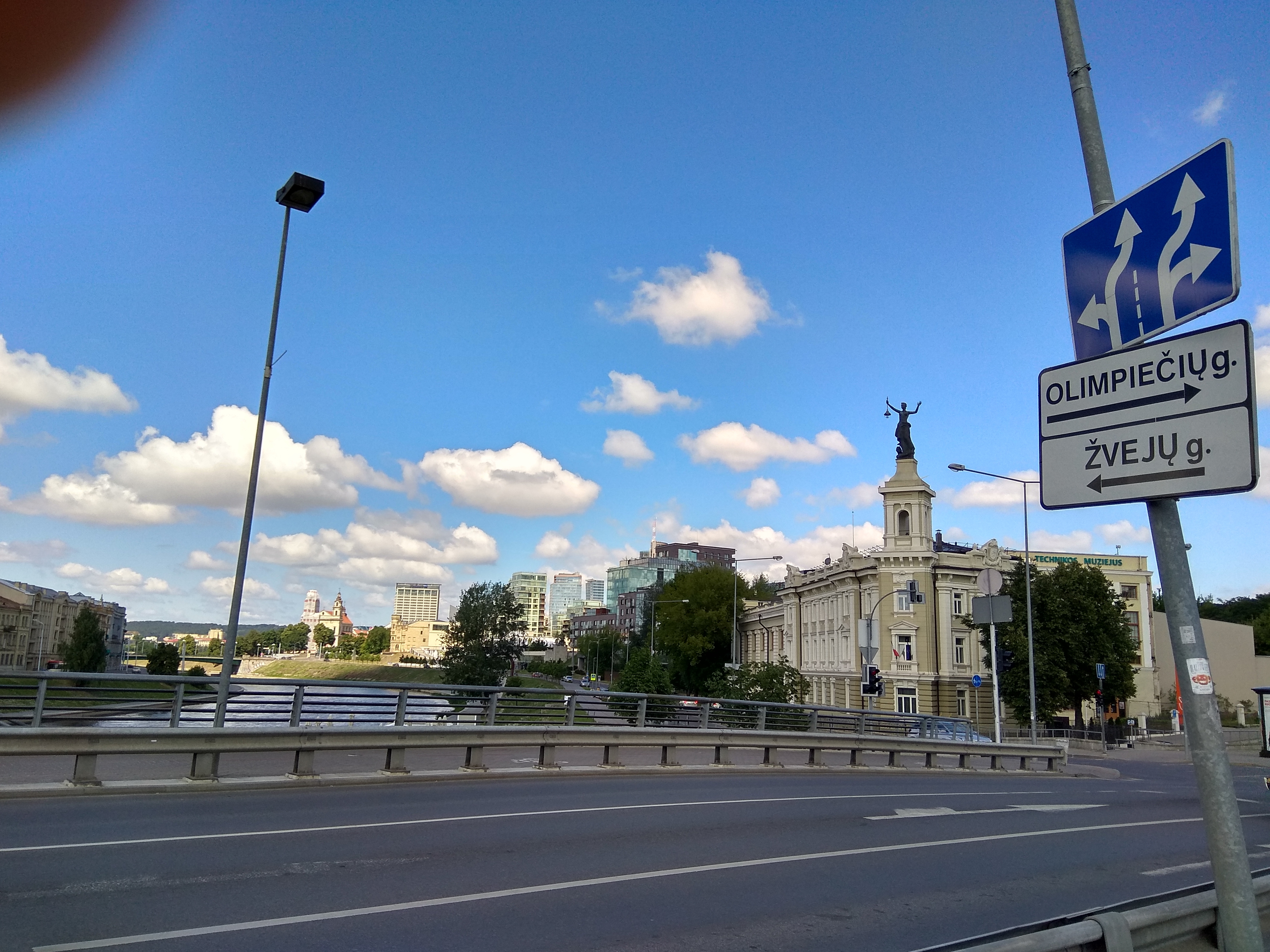
A Wilno to mili moi Miasto Wież Kościelnych. Nie potrzeba mapy, wystarczy pooglądać album zdjęć kościołów starego Wilna a mowy nie ma zagubieniu się na dłużej (co po prawdzie wyjątkowo łatwo w wijących się zaułkach, wąskich uliczkach i licznych bramach): w perspektywie ulicy lub za pierwszym zakrętem zawsze zobaczysz jakąś wieże kościelną lub cerkiewną. Zdjęcia poniżej z mojej ostatniej wizyty w 2018.

But if Wilno churches represent northern gothic (St. Ann’s church is a an absolute gem of this architecture) and Polish renaissance and baroque – opposite is true to Nova Scotia sacral architecture.  But Nova Scotia, as Wilno in Lithuania, is truly a province of Church Towers.  No (with a very few special exception in Halifax, Pictou, Mahon Bay) classic examples of gothic, baroque or any other very specific period.  Nova Scotia’s churches are local, pastoral style.  Modest or even poor, full of warm and humility.  Like it’s early settlers, be it French or Scottish, Anglo-Saxon or from Holland and Germany. Not to mention exceptionally poor black settlers from XVII century onward.

No matter which route you take while travelling through this province – one of the first sites you will notice is little churches, usually on a little hill. Often white, wooden or simple masonry. They look like guardians of the village, town.  They are as silent keepers of the history of this place since European settlement. Mostly catholic (old French settlements), protestant (Presbyterian , Episcopalian, if from Scotland or Lutheran and Calvinistic if from continental Europe) and Baptist if in Black settlements.

Jeśli Wilno to północny gotyk, renesans i specyficzny barok Wielkiego Księstwa, o tyle architektura kościółków Nowej Szkocji nie ma z tym nic wspólnego. A jest tu ich masa. Każda osada, wioska, miasteczko posiada takie, widoczne z daleka, klejnociki lokalnej architektury sakralnej. Mówiąc po porostu: wiejskie kościółki. Urocze, stare, zadbane. Na ogół drewniane i większości malowane biała kredą. Są naturalnie wyjątki w Halifaxie, Pictou czy Mahon Bay, gdzie pokaźne budowle kościelne maja specyficzny i konkretny styl architektoniczny – ale reszta tej pięknej prowincji to właśnie one, te wiejskie kościółki są ciekawym i ciepłym miejscem turystycznej atrakcji. I zbiorem lokalnej historii. Więc bardzo polecam zatrzymania sie w podróżowaniu i obejrzenie ich dokładne. Warto. Zdjęcia poniżej to tylko nieliczne przykłady tych budowli w Halifax, Dartmouth, wzdłuż wschodniego wybrzeża w kierunku do Cape Breton, Mahon Bay i Lunenburgu na południu i z Middletown na zachodzie.

I do. Did you, Mr. Premier?

by Bogumil Pacak-Gamalski

This is the third article on almost identical subject.  First was published on  April 2nd. It summarized uneasy feeling: are we doing right by our seniors? Especially the ones totally helpless, confined to places called Long Term Care Centres.  How, as a society, we do really care about them?  Does what we preach reveals itself in what we do? And if it doesn’t – if our values have no meaning other than making us feel good about ourselves?
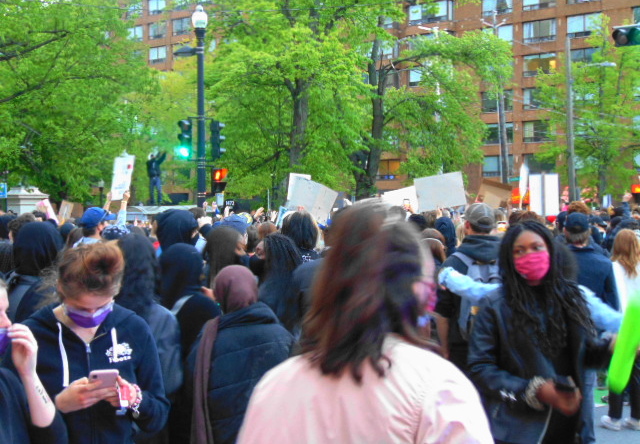
On the 16 of April, I published the second article. We were just beginning to understand the horrific scale of the tragedy that was going on behind the closed doors of many Long Term Care institutions. The ‘care’ was fully missing from them, the ‘long term’ was being shorten in a dramatic fashion.

In some provinces the percentage of all Covid-related deaths was in sixties, seventies and even higher percentage among the Long Term residents versus the entire provincial populations of Covid deaths. People were even dying not being infected but simply from lack of basic health. From abandonment.

There is a)moral culpability; b) political guilt and blame; and c) criminal negligence.

First (culpability) is the most important, although not punishable by law. In criminal cases the term ‘culpability’ is not the same as ‘guilt’. But we are not taking about law. We are talking about morals, ethics. An entire society (state) cannot punish itself. We can’t be a judge, a prosecutor, an accused, a defender and a jailer at the same time.  But it is the most important one. It does give credence to political and legal actions.  Moreover – it creates a path to action of all societal and state institutions.

Therefore without a tacit (at the very least) nod from us, from society – the state would not allowed things to disintegrate as much as they did. The state itself is void of morals. It professes them very often in its highest form, like Constitutions or Charts.  To a lesser degree in criminal and civil codes. But the state is not run by this high documents (except in very rare cases and most of the time it would be because of citizens appeal to a Court for remedy against actions the state) – a government and state is run every day by regular acts of parliaments, by decrees of government and (most often) by internal regulations of different ministries and state agencies. In that, the Government and Administration takes a clue from political measurement of the will or sympathies of electorate. Here comes point ‘b’: political guilt and blame.  What the government does in gauging the sympathies of electorate is a risky business. But you can’t govern without taking the risk. Generally speaking the government gets ‘away with a crime’ (in a manner of speaking) most of the time.  It is a game played in every state, democratic and authoritarian alike. In a democracy the government is more timid and careful with it. By judging the society feelings mistakenly – it would be judged severely by next election, which is never very far.  In dictatorships, the government can get away with a lot more – the only risk is a revolution, usually bloody and very dangerous, therefore very seldom taken up by society.

But the ‘guilt’ and ‘blame’ is something that every politician tries to avoid as much as possible. Careers and prospect of losing power is very real.

Last one is ‘c’ – criminal negligence. It happens very seldom in case of Government actions. But it can, by individual minister or high ranking administrator. In this case the price is political and criminal case, almost always supported by the State itself. This way the State (government) acts not as perpetrator but as a defender of morality of society and defender of the High Acts (Constitution, special Charts that are treated the same as the Constitution). But most of the time criminal negligence is a result of either private, individual citizens or private businesses, agencies. In both cases the peace of the state, the agreement between Society and the State is maintained. We, as a society, have manifested to the Government that such actions are not tolerated by us and the State instituted legislation and rules that prevent others from  breaking such rules. Under the duress of punishment, of course. Therefore we all can attest that there is ‘nothing rotten in the state of Denmark’. Or can we?

I think that all points (a, b and c) rise up to crimes (moral, political and criminal). Yes, it is true that we profess the dignity and care to all citizens; more than that – to all that reside even in a short period within our borders. We profess that the care of vulnerable and weak one among us deserve special care and help from the State. The tacit understanding is that the most important among them are the very young and the very old.

Then comes a test. Like a school exam. That test came to us in a form of pandemic of new, unknown and dangerous virus – coronavirus and an illness called Covid-19.

And we all failed miserably. But especially provincial governments. Of all and different political stripes: conservative, liberal and NDP alike.  I am not trying to absolve the federal government from all and any responsibility. But the simple truth is that these facilities and entire management of health system lies strictly at provincial doorsteps. With no exception. And it is guarded by them very jealously from interference of federal power.  After all, it costs enormous amounts of money that they must receive from federal coffers. And money is power in politics. Well, such is our constitutional devolution of power. 

But, specifically about long term care for seniors, our subject.  They too, like hospitals, fall under provincial jurisdiction, regulations and control. The institution itself is rather old. After the 2 world war they become regular part of our society. People lived much longer,  not only men but also women become regular part of workforce, therefore their time at home was very limited. More and more people moved to larger cities and old communal forms of help and looking after each other changed and become harder to come by. But the last 25 years skyrocketed in opening more and more of this institutions. Mainly because of the almost pandemic in itself spread of different types of dementia, with its most dangerous form: the deadly and untreatable Alzheimer disease.  We all become very familiar with them, if not our own mother or father, than someone we know ends up in these long term centres.  Something that a lot of us is not aware of, is the fact that there is growing number of residents there, who are much, much younger than typical seniors. Some in their late 30. or 40ies even.

Such a large number of this centres become a financial burden on provinces. As very intensive and specialized medical care is not really part of their operations, the governments decided to let them be owned and run by private businesses.  Of course, most of funds for the centres do come still from the provinces as the monthly rate usually is much higher than ordinary senior can afford. In most cases they do offer much safer and better setting for our seniors than would be possible, even under very  good conditions, at home.  Looked like we all stuck a good deal. Provinces still safe money than running their own care centres and we (society) had our parents and grandparents in safe place. Of course, over the course of many years we all have heard awful stories of bad care, lack of services, appalling conditions in some of them. That was not the norm, though.  Not uncommon, but not something we expected as a norm.  If we complained loudly and persistently enough – things get better. Maybe not for all, but at least for our close one.

My Mom spent last years of Her life in such a Centre. Can’t even imagine Her and mine horror if she would be in one right now. I dedicate this article to Her memory.

But we always believed that there is (perhaps not very rigorously applied) a strong provincial oversight.

Especially if something bad was going to happened. Like, let say, pandemic or epidemic for example.  How could there be not? Yes, there were signs. Remember, very recently, Baptist college educated nurse Elizabeth Wettlaufer, who murdered eight and seriously injured six (that we know of) senior residents in the long term centres she was employed by? Her murders went on for years. Yet, nor serious investigation was ever (until  the last one when police was called in) conducted. If not for her ‘bad luck’, maybe she would have been working still and continuing her murderous calling?

But back to Covid.  At least very early in February everybody federally and provincially knew, that the new strange coronavirus seem to be particularly deadly among old people. Everybody working in the field of medicine and care. And administration of such.  What type of plans were prepared and issued to the care centres? How many detailed and practical seminars were given to administration and employees of these centres? How many special provincial watchdogs were given orders to regularly oversee each and every one of such centres?  Check documents, staffing level and preparedness of staff? Offer them the same, or similar, PPE for use?  Made sure that regular testing for virus by mobile units were available more or less day and night if needed? Required a full and immediate death certificate on any death in facility to be examined if it could have been due to a coronavirus? Made preparations for supplementing and augmenting existing care workers in such facilities in case of shortages ? Any? Seriously?  O, yes. We locked them. This way no one could have seen … .

Let me make a confession. Being, as millions of others nowadays, at home I watch a lot of TV. Mostly news, as I always was a news addict. Political junkie almost.  So I watch, day after day, week after week daily conferences of Prime Minister and Premiers of all provinces (Yukon and Nunavut – thanks Almighty! – do not hold them on national news). And listen to them. And listen.  We are not doing, as far as the illnesses and deaths are concerned, too bad in Canada with the pandemic. Not so good economically, psychologically but not very bad in strictly medical terms. The governments seem to be doing actually a good job. Starting with the right approach by Prime Minister and by far by most premiers, also.  Generally speaking.  We, Canadians.  Unless we are not weaker, often confused, oldest generation locked in the Care Centres. If we are – we are doing absolutely awful. Tragically awful.
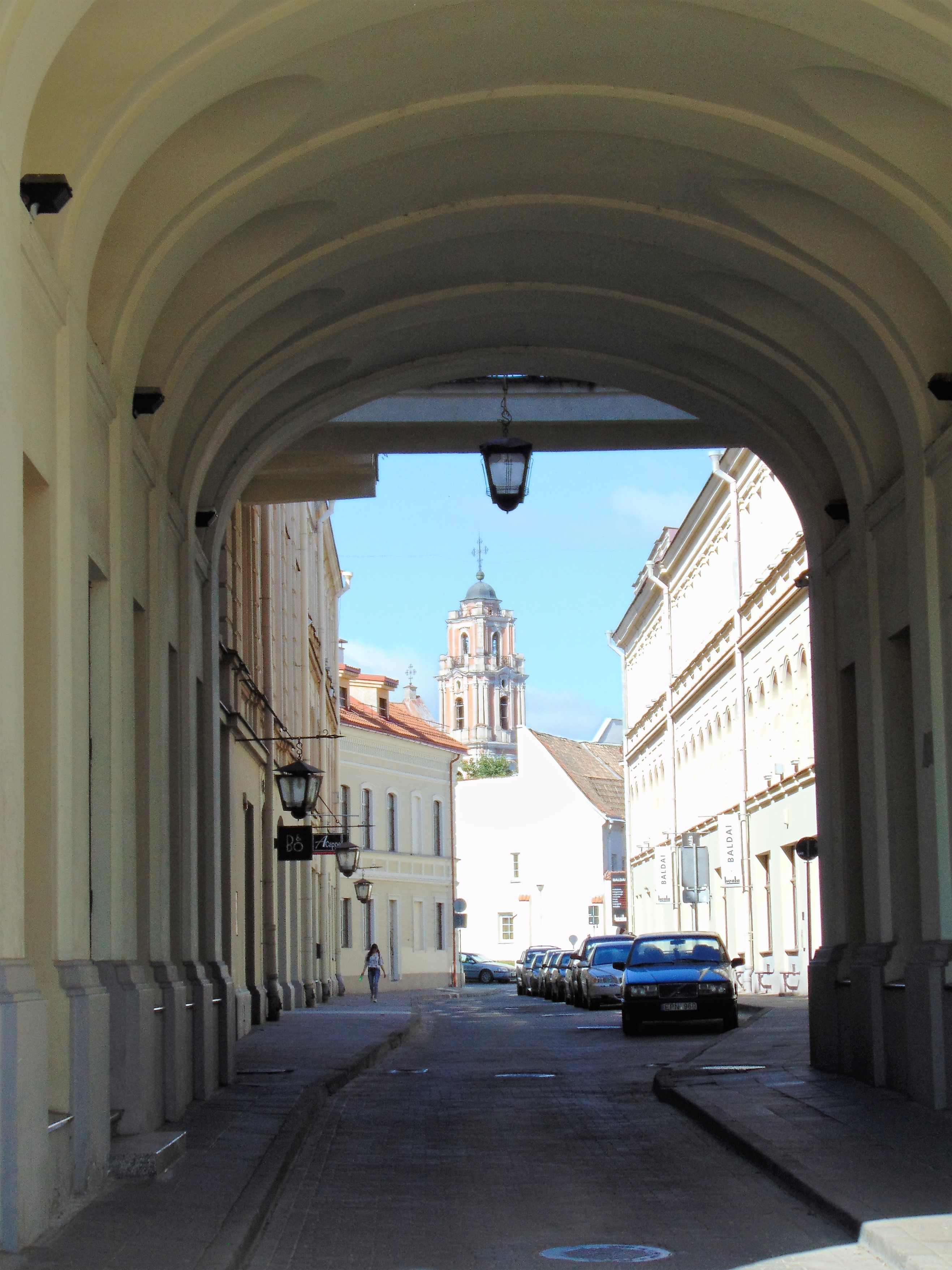
So when I listen to the conferences, every day I’m waiting for the premiers, any premier, to actually admit and say honestly: ‘we have failed our seniors and I, as a Premier of my province, am very sorry for failing to do the job that I was entrusted to do. And I promise you all that as soon as the pandemic will end or would become manageable, I will order a full review of all regulations and laws governing Long Term Care Centres for Senior and undertake serious overhaul of the current system. Because the system has failed you’.  So far – none was issued. Instead, I listen as the premier admonishes me to stay at home, maintain social distancing and to remember that I have to protect not even myself but the most vulnerable in our society: the sick and old ones.  And I do. But you didn’t, Mr. Premier.