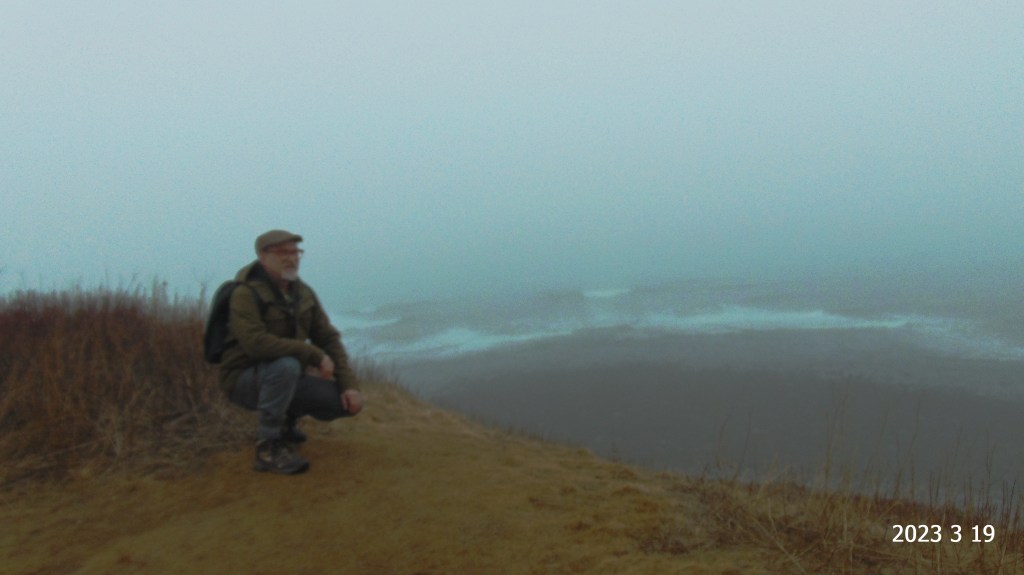
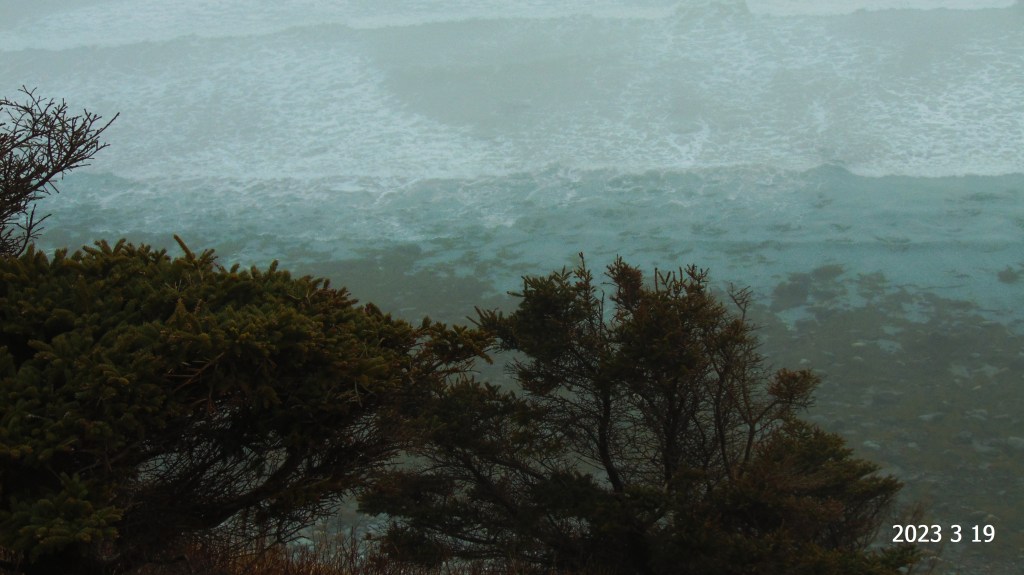
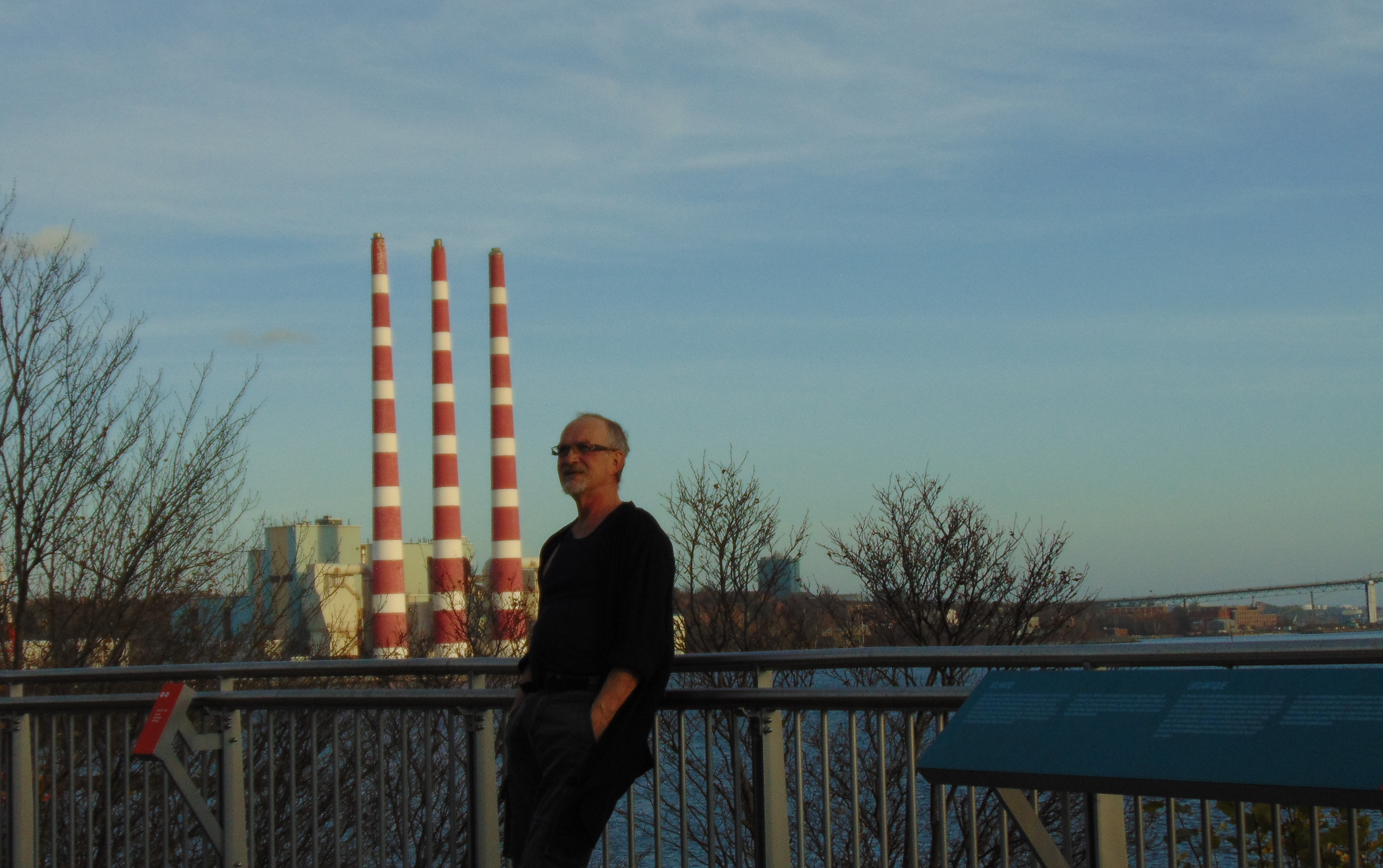
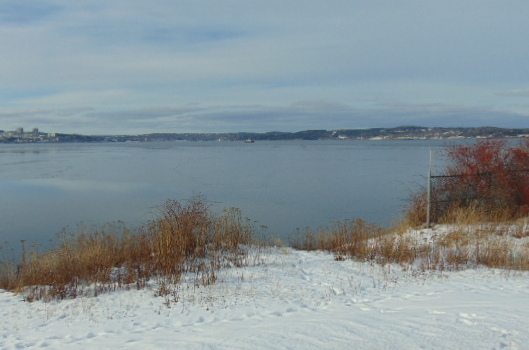
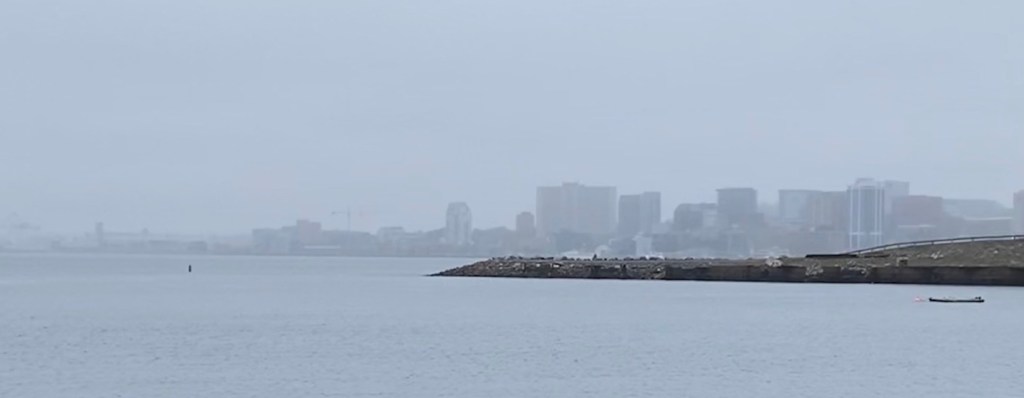
Day of fog. Day of walk and talks with You. Perched above the Atlantic in Lawrencetown in Nova Scotia. Unedited, raw poetry in Polish, simultaneously translated in he same raw form to English. Exactly as many our talks, using words of both languages in the same sentence. Our crazy parlance. Day was nineteen of March, in 2023.
Dzień w opończy mgieł. Rozmowy z Tobą. Zawieszony na krawędzi zalesionego wzgórza, z Atlantykiem w dole i dali. Surowa poezja spisywana równocześnie po polsku i angielsku. Jak nasze wspólne rozmowy wymieszane zwrotami, słowami obu języków. Dzień był dziewiętnasty w marcu, 2023.
A year ago Canadians went through a gut-wrenching exercise.
Overwhelming majority (for a much smaller minority it happened second time –as in 1970, P.E. Trudeau was forced to do similar things during October Crisis in Quebec) for the first time ever the Emergencies Act was invoked.
Comparing to many other countries, the Act is very measured and limited in its application. It must comply with the Canadian Charter of Rights and other international treaties (for example prohibition of use of torture) to which Canada is a signatory. It also covers only areas that are listed in the proclamation – in this case a huge majority of Canadians were not affected by it in their daily lives. For all practical reasons it affected only Ottawa and it’s vicinity. I’m sure the Army was (must have been) on some sort of alert but was not on the streets (as was the case in 1970). But make no mistake: a lot of freedoms and personal liberties were suspended or curtailed. All types of Police Forces and their heavy, quasi military equipment and units was mobilized and used.
Was it necessary or was it an overreach of Governmental powers?
I believed than, and even stronger now, that – yes. It was desperately needed and Federal Government was left with no other choice. To continue things the way they were in winter 2022 would have been an abdication of government responsibilities. Worse: frankly a political chaos would ensue.
I’m glad that we live in democracy that respects the rule of law. Because of that, after the Emergencies ceased, a Public Inquiry was held and Commissioner, Justice Paul Rouleau published the other day a full, comprehensive, 2000 pages long Report. Very long, indeed. But that’s for scholars of law, politics and smart politicians (there is few, not too many though …). I browsed and glanced very quickly through it (am neither a scholar nor smart politician). It contains a lot of important facts, reflections, full historical context of events. It does not stop only in Ottawa and the day the Act was invoked. It shows what led to that ominous decision.
But most of, it starts with a clear, concise and not ambiguous finding: the Federal Government met the very high threshold to invoke the Emergencies Act and acted appropriately.
No, it doesn’t sing the praises for the Gouvernemt nor anyone else. To the contrary – it finds a lot (a whole lot) of issues with all Canadian (federal, provincial and municipal) civil authorities. A separate book could be written, based on the Report, on the utter failure of Police Agencies. On the failure of federalism in this context. A serious failure of provincial responsibilities that allow the infamous Protest and Occupation of Canadian Capital and international border crossings to continue for so long.
At the very end of all these conclusions, there is also a somber, personal reflection of Justice Rouleau: a reasonably and fair minded person could have come to a different conclusion. That’s a very noble and wise conclusion that avoids further inflammation of feelings of people, who were on the other side of the fence. Of course, almost instantly, that noble and wise reflection was ceased by no other that Conservative leader Pierre Poilievre to deliver blistering attack on Justin Trudeau. Thankfully, other than ‘Freedom Convoy’ members and supporters, no one else could see Mr. Poilievre as a ‘reasonably and fair minded person’. But I will leave that sad example without any further commentary … .
However, I will write here few of my own reflections and musings on this subject. Not the legal aspect. Not the political, either. Ethical. Social.
I am neither a politician, as Pierre Poilievre, who buys desperately needed votes for next election, nor PM Justin Trudeau, who must represent all Canadians, even those not representing his personal values. I don’t represent all Canadians. I represent a particular, individual Canadian – myself. Finally, I am not Federal Justice, as Paul Rouleau, who must avoid philosophical and emotional language.
And I must remember why I am Canadian. Why I live here and have lived here for most of my life. I live and stayed here because of another declaration of similar Act (much broader, very harsh and tyrannical – but from the same family of domestic urgent emergencies and imposed by own government, not a foreign invader) – Martial Law in Poland in December 1981. Because of that single event, I ended up in Canada. But I did not go back to my Old Country, when it regained sovereignty and freedom. I stayed in Canada because I found this country and it’s people much closer to my vision and dream of just society. Just and open. Tolerant and full of empathy. Willing to face it’s not always best past and admit it’s mistakes, even crimes. Every country hast parts of very dark history but not many are willing to admit it and correct it. I will write my reflections from this perspective. Perspective of this, mine Canada. Good Canada.
That ‘good Canada’ has many roots and faces. Is like an oak or massive Western Red Cedar or majestic Douglas Fir. Huge green giants that could easily obliterate all other little species taking all the water and all the sunshine. But it doesn’t. It prefers to be not only good neighbour but caring and supporting friend to other, weaker and less powerful species. Like Canadians that I admired so many times, who helped me many times and whom I helped, when they needed it.
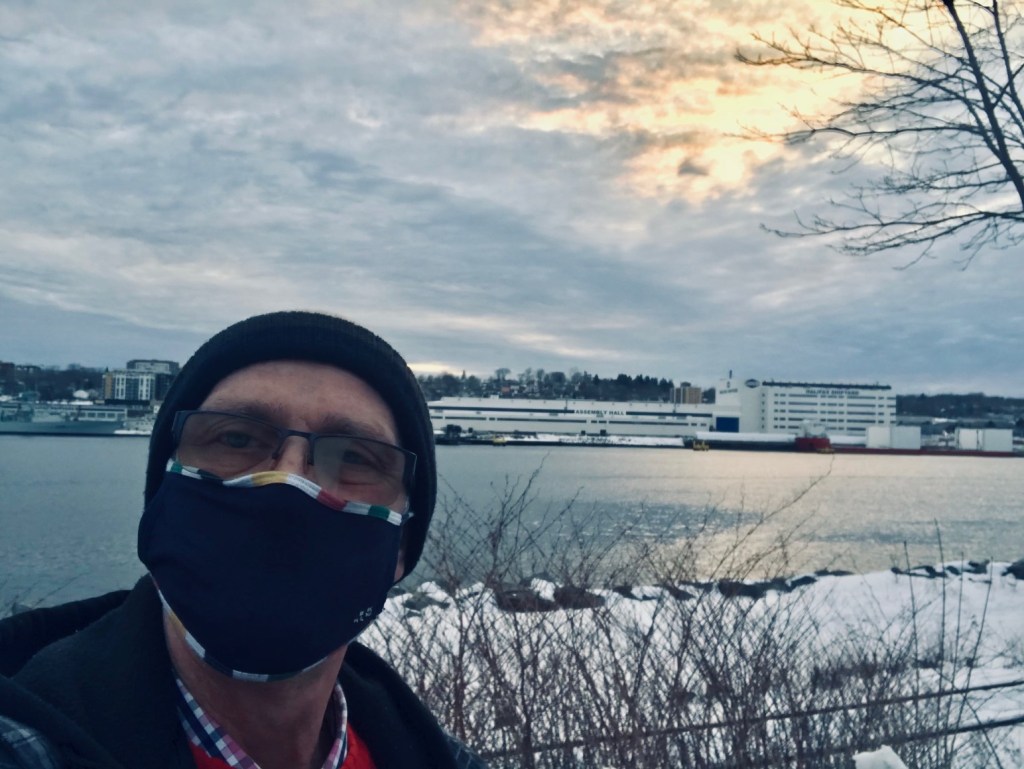
So, when the terrible and awful time came of our recent COVID pandemic – my first reaction was to make sure that I would never be a risk to any other Canadian. Specially the weaker, immunocompromised and older. That was such a natural behaviour that I just couldn’t think of acting otherwise. It didn’t matter for me if some Facebook, Twitter or some newspapers were publishing fake news about vaccine dangers, about masks (yes, apparently masks are dangerous too according to this ‘scientific’ sources). I trusted the information provided by Health Officers of each province, Health Canada advice and World Health Organization. That was good enough for me. I am not a biologist, virologist nor medical sciences researcher. People who advised the Provinces, Federal Government and WHO were. They are the best in the world of these sciences. It didn’t even cross my mind that the temporary restrictions (and they were restrictions) on my personal freedoms were unbearable. But there were Canadians, who were enraged by these restrictions. Some of them did it for purely political reasons. The Canadian type of Trump loyalists, people with no shame nor sense of responsibility. A small core of them were actually financed by US ultra-right circles. Others were duped into believing that pandemic was just an excuse to attack their freedoms. To make them feel bad. For them it was a hidden agenda of this crazy leftist liberal, the lover of the sex-crazy gay community, the tree-hugger, the friend of all the billionaires of the world, the ‘oh, I am so handsome and good looking’ enemy of our gas and oil complex – in short the one and only worst enemy of Canada, Justin Trudeau. The little fact that Trudeau won three consecutive federal elections hold no value for them. After all – they have learned from their advisors on the other side of the border that elections are easily stolen. That they will follow the example of March on Capitol Hill in Washington and will march on Ottawa Parliamentary Hill to finish their job. Yes, not all of them, probably not even a majority, received any individual advice from Trump loyalists or direct funds from these sources. Some certainly did it out of their own honest belief in their cause. But when ignorance is a good defence? When ignorance is good enough reasons to cause immense havoc tot he entire country, terror to citizens of Ottawa? When ignorance is an excuse for arrogance? Never.
Therefore no, I wont be as diplomatic as Justice Rouleau. I will not agree with Justin Trudeau taking back his own description that these people were a ‘fringe minority’. On the contrary – I hope that they were and are a fringe minority in Canada. In my, good Canada.
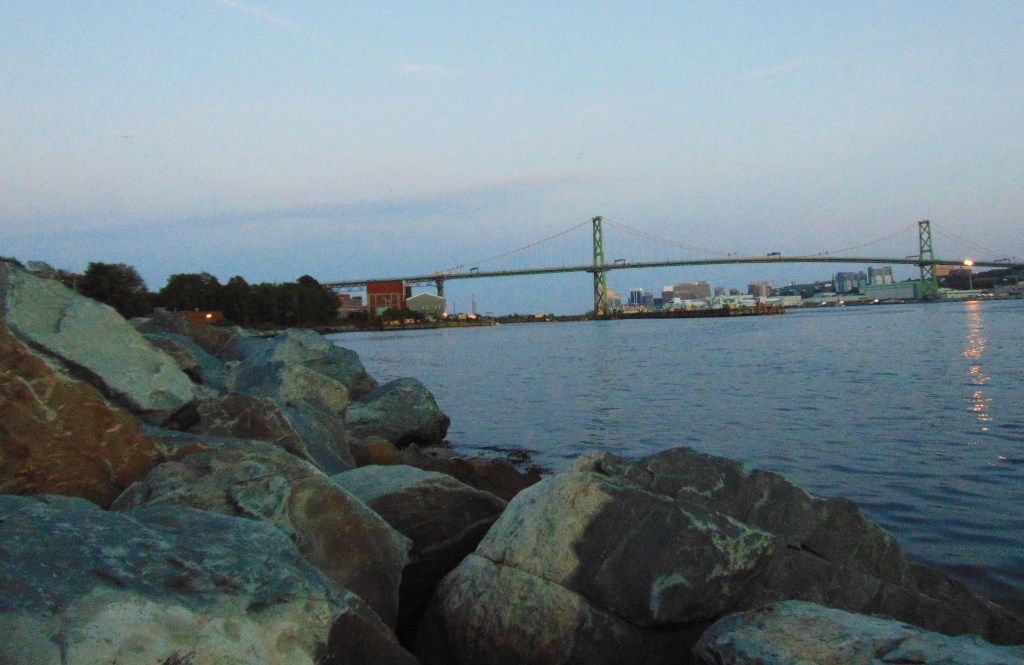
My rocks. Rocks that were placed many, many years ago alongside the shore of a narrow channel separating Halifax and Dartmouth and connecting Bedford Basin with the ocean. Massive rocks, powerful, buttressing the shore against natural erosion. Making the narrow but very deep waterway safe to navigate by small and humongous boats, ships of commerce and ships of war. When I moved to Nova Scotia with my amazing husband, we started living right on the edge of these rocks. That’s how they become ‘my’. Silent and soothing companions of my hundreds of walks, short and long ones, during day and at very late evenings, some right into the night.
My rocks. As they were. My support, my anchors; indeed my rocks. Perhaps witnesses to my last stage of my beautiful Canadian journey. From the blue skies of the Prairies and towering peaks of Rocky Mountains, through amazingly beautiful Pacific Coast and equally amazing city of Vancouver – home to many exhilarating years of my life journey with John, my husband and lover – to the old shores of where Canada begun. Atlantic shores of Nova Scotia, it’s Acadian past, it’s Celtic and Scottish past, it’s Black settlement past. As Vancouver is an epitome of future and rapid change, Halifax is it’s opposite: anchored in the past. And it would be sad and detrimental if it would change. The past is the most important jewel of Halifax, alongside the rugged beauty of the province’s nature.
My beautiful Canadian journey, or journey through my beautiful Canada. Country that grew and aged , as I grew and aged. Don’t know – other that from talks with older Canadians and many, many historical books and accounts of history – any other Canada, neither colonial nor Dominion years. The country was born exactly as I came to it. At the beginning of the 1980’, when the late Pierre Trudeau finally brought the North America Act (basis of Canadian Constitution) from London to Ottawa. We become a new fully sovereign and independent nation and state. It’s hard to imagine and fully comprehend today – but all my Canadian compatriots of my age (and many thousands younger two decades) were not born in sovereign and independent state. They were born in British Dominion. I know only free Canada, independent. My home that never belonged to any other country. I belongs only to us: Canadians.
Canada – my rock. Country were I found my life’s love just few years after landing on a snowy evening in Calgary. My love to young Canadian with rich Canadian history reaching hundreds of years of his family’s roots exactly in Nova Scotia. I forgave him that he was born as a Dominion subject of foreign country, ha, ha. We never suspected at that time, that we would ever end up in Nova Scotia. The West was his and my home. And the West was a force at that time. It was growing, expanding. We had the Rockies, powerful rivers that were originating right in our background, in the ancient icefields of Athabasca. These rivers – the only place in the world – fed three oceans! Pacific, Arctic and Atlantic.
From Alberta we went across the marvelous Rockies to Vancouver and lived there for quarter of a century. In the meantime I travelled all over Canada, eager to get to know my new homeland and its people. From Newfoundland to Yukon. I liked what I saw. I liked the people. They were warm and hardworking. Respectful. Tolerant. For a guy, who came here from a Soviet-dominated country, who was openly gay (at that time being gay was not the most ‘convenient’ way of being …) – that meant a lot. I know what it means being persecuted or not tolerated. What it means trying to hide your own self or face scorn, perhaps violence. Canadians were not perfect, sometimes they were a bit … how to say … parochial? But they were trying to understand. They were good folks. All these years – they were. Good folks. Changing, learning along the way. Keeping up with changing times and world oscillating from good ol’ tolerance to much more powerful and encompassing empathy. After all – tolerating someone is really not the same as accepting someone as equal.
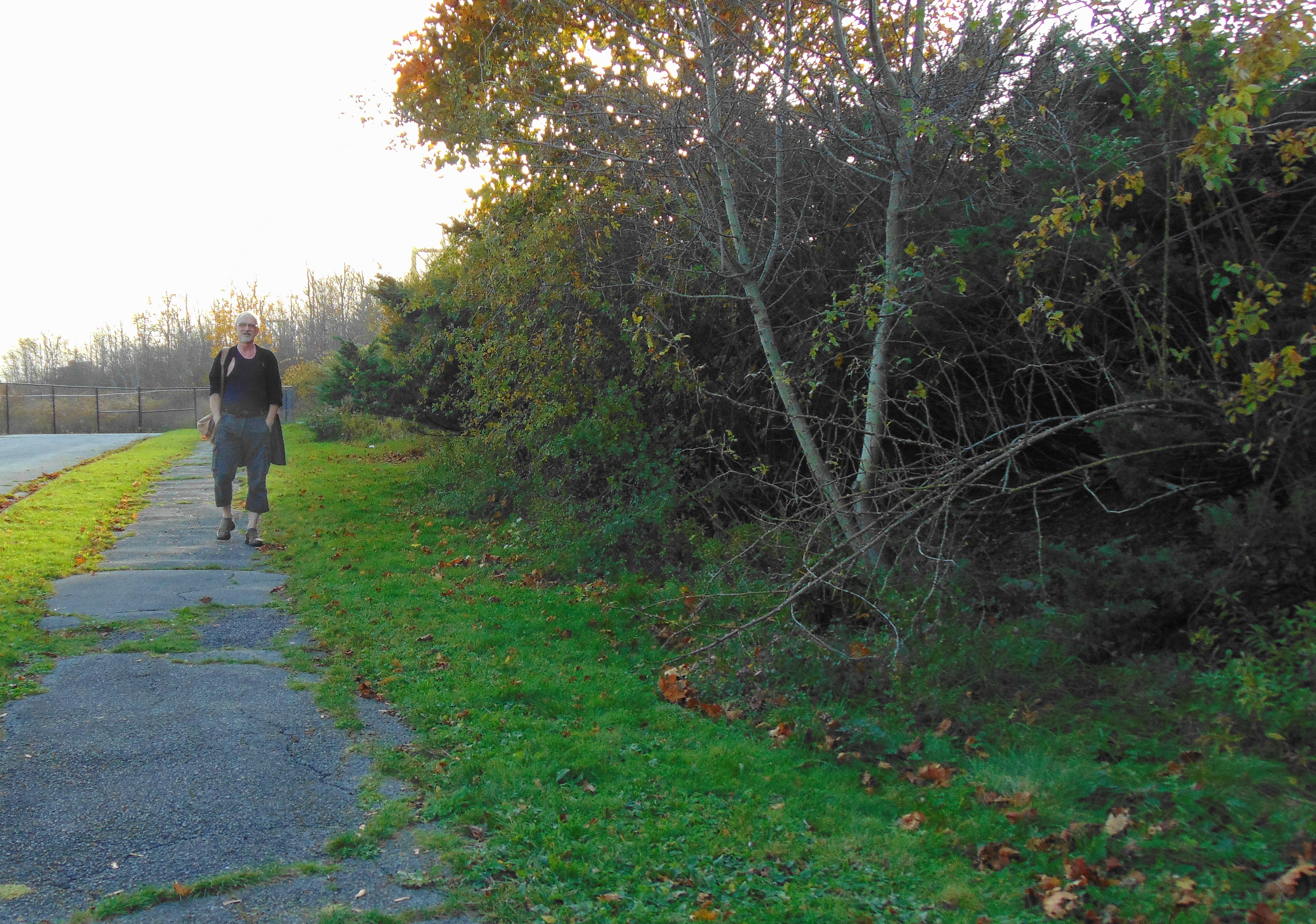
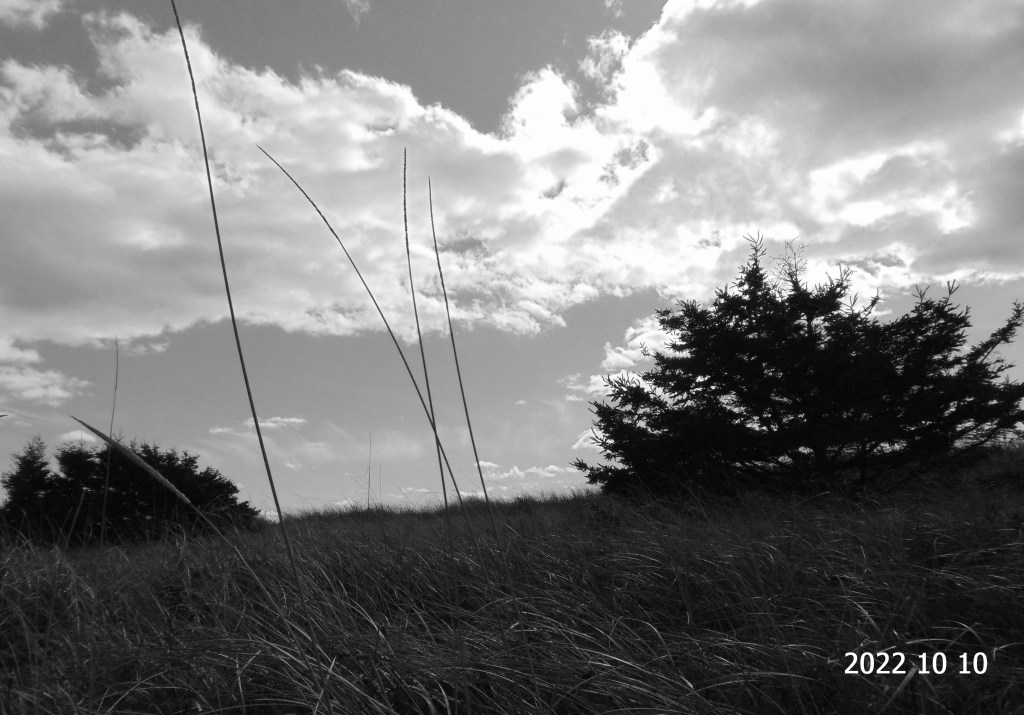
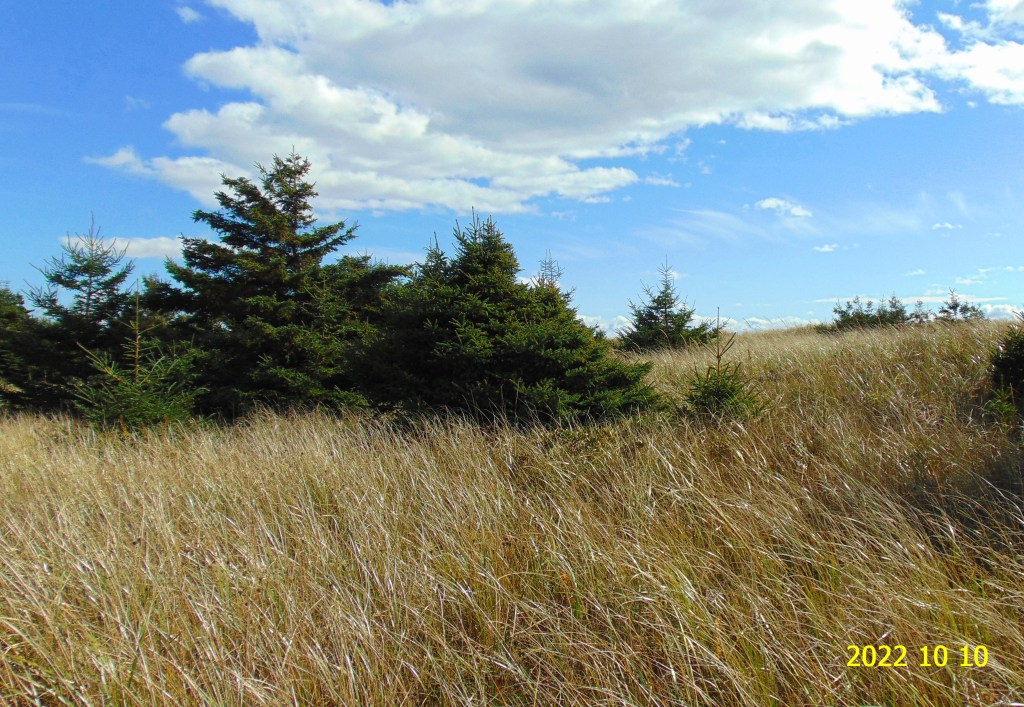
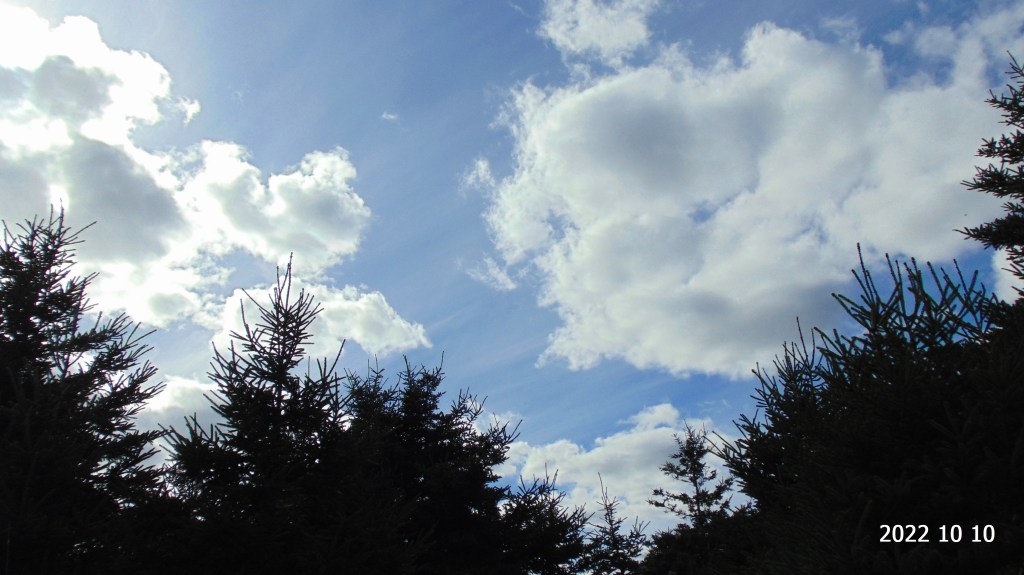
Pictures above from years before 2022
Suddenly something happened. Something we didn’t expect. None really, nowhere.
In the United States – our neighbour and powerful cousin – Americans elected new president. Donald Trump. The world will never be the same. The world, not only US or (because of our proximity) Canada. Suddenly everything was possible. Every sewer, every swindle, lie, every vulgarity become something normal. The gutter moved to the bedrooms and the salons. To the highest Office.
America is said to have changed after 9/11. That’s true. But not as much as it has changed during and after Trump. 9/11 – as tragic and painful as it was – brought Americans together. Trump divided Americans.
Every self-serving ignorant, every self-absorbed arrogant, every fascist climbed out from under the rock and become important, loud, demanding. Or simply taking ‘his’ by force, with gun, with the power of a heavy boot. His and her freedom. No, not Freedom per se. His freedom and her freedom.
And what is freedom? Political and personal freedom? Why was it important for Canadians in the 1980 to take the full and total responsibility of Canada in Canadians hands? Why the same Americans (really at that time absolutely the same as those settling in Nova Scotia, Upper and Lower Canadas) rebelled against the British Crown in 1812? Why in 1980 the Poles rebelled against the Soviet ‘care’ (I am proud to have taken small, but important in my region, part for that early rebellion of Solidarity)? Did we all and separately wanted to establish our own Polands, Canadas, Americas? Built on our own, personal and individual visions? No. It doesn’t work like that. Unless you are living on unpopulated island. No, we wanted to build a country based on modern democracy with fundamental rights and responsibilities. Rights and responsibilities based on the wishes of majority. Not a majority in a village, or town, or province. Majority of the entire country. We have established Offices and Institution independent of political parties to supervise these elections. We have agreed that yes, each election time there will be victorious groups and , yes – groups of losers. Until the next election, when every political Seat of Power could be won again (or lost again). We have also established ways that each one of us can contest the results as unfair or skewed. Again – there are non-political bodies and Offices that will look into our grievances if they merit any action. Up to and including making the entire election void and fraudulent and calling a new one. We can’t guarantee that an armed and well organized group would not organized a coup and take political and military power in their hands. Just tried to be mindful and ready for it. The same as we can’t guarantee that anyone of us would never be robbed or even murdered. Generally speaking that’s how Canadas, Polands and Americas work. In a democratic world. In the America they had one big hiccup at the beginning – the South wanted to leave the Union and Civil War begun. The South lost. The Union prevailed. Period.
Huge majority of Poles, Canadians, Americans, French and others accept it. I guess, one could run a lottery for government and parliamentary seats. But majority (again the bloody inconvenient majority …) decided that the risk is too big and we are stuck with the elections. That’s how it works. Or how it worked.
Until that day. The day Trump won. But especially the day Trump lost.
Because trumps don’t like to lose. They will lie, they will cheat, they will kick and scream and never accept a defeat. Churchill once roared to the Brits: we shall never surrender! But it was a war with a foreign aggressor. And Churchill won last election, was not running for new one. He was leading his entire, not divided, nation to arms against a mortal enemy.
Trump did not faced invasion of foreign armies. He faced his own nation. A nation that told him: no, thank you. Enough. He did try all the possible legal and lawful ways to claim fraudulent election. And lost in every instance as the election was fair. But trumps accept rules only when they suit them, help them. Otherwise rules are simply an obstacle. Obstacle that needs to be destroyed. He knew that during the past four years he has awaken the self-serving ignorant, every self-absorbed arrogant, every fascist from under the rock. He told them so many times: f..k the establishment! you are the ruler of your own dominion, you are the master (master! – their favorite name). He gave rise to the sewers and the sewers overflowed on the Capitol Hill. Caesar Nero burned Roman Capitol Hill. Trump covered Washington’s Capitol Hill with excrement.
If it happened in some other small country, the world would only shrugged its collective arms. And would continue going as a day before. But it was America. Country with enormous persuasion. The ignorant/arrogant sewer was awaken everywhere in North America, in Europe, in South America. Few years later that sewer spilled in Ottawa, on our Capitol Hill. Because people didn’t like wearing masks and taking vaccines! Yes, seemingly normal people (plus highly paid US-supported trumpists) decided that they are not going to be held hostage to some inconvenient sanitary rules to save thousands of lives of other fellow Canadians. That they don’t give a s…t if they spread the virus to someone, who will die. It wasn’t their problem. It was the self-arrogant and self-ignorant Canadian. The one, who listened to the conspiracy theories instead of the best medical and scientific minds of the world. No, they were not going to be some ,Muslim terrorists’ wearing masks! I will not comment on that awful (that I have heard personally) racist ‘Muslim’ argument. Besides – they are suffocating in these masks! Although not a single reported incident of anyone suffocating to death in these masks was reported, but … . But it was against their freedom.
What were we saying about the freedoms and responsibilities? That one exist only in tandem with the other? Hmmm. The sewer in Ottawa flew for much longer than the sewer in Washington. It ended with Canadian version of Martial Law. Most of the cases of arrested leaders and conspirators have not gone through courts yet. Some Canadian established political leaders wanted even to capitalize on that stench of sewer and mingled among the Brigade of Destruction soldiers. Soldiers of self-righteousness, arrogance.
There was one more element introduced by Trump to the relatively normal and civil discourse. It was greed. Achieving financial gains not as a result of work, talent, prudence, but as a result of being void of any ethics – personal greed.
The pandemic has overblown it and inflation resulted from the pandemic and war in Ukraine followed. But not only. Almost all large corporations, private and public , decided to face and combat the inflation for their personal gain. Prices went up everywhere almost automatic. Well above any inflationary rates. If an owner of rented apartment paid five dollars more for a pound of carrots – next month the owner charged the tenant two or three hundred more for the rent. Just in case the carrots went up again by a dollar or two … . Big grocery chains made millions of profits above the pre-inflationary profits. The list goes on and on.
Canada today is not the same Canada I knew. Not the one I love. Maybe other countries changed for the worse, too. I don’t know. If they did, it doesn’t give me any solace. I suspect not all did as much as Canada, though. The social/welfare state is much stronger in majority of European countries. Always was. Therefore I suspect the poorest one there are still being looked after better than here. I see homelessness and downtrodden everywhere in Halifax. Much more than three or four years ago. Almost left totally to their own devices, which they have very little for obvious reasons. With rise of poverty – other vices rise too. They affect the more fortunate also. It affects all of us. Mentally, physically. At a time, when help is very scarce.
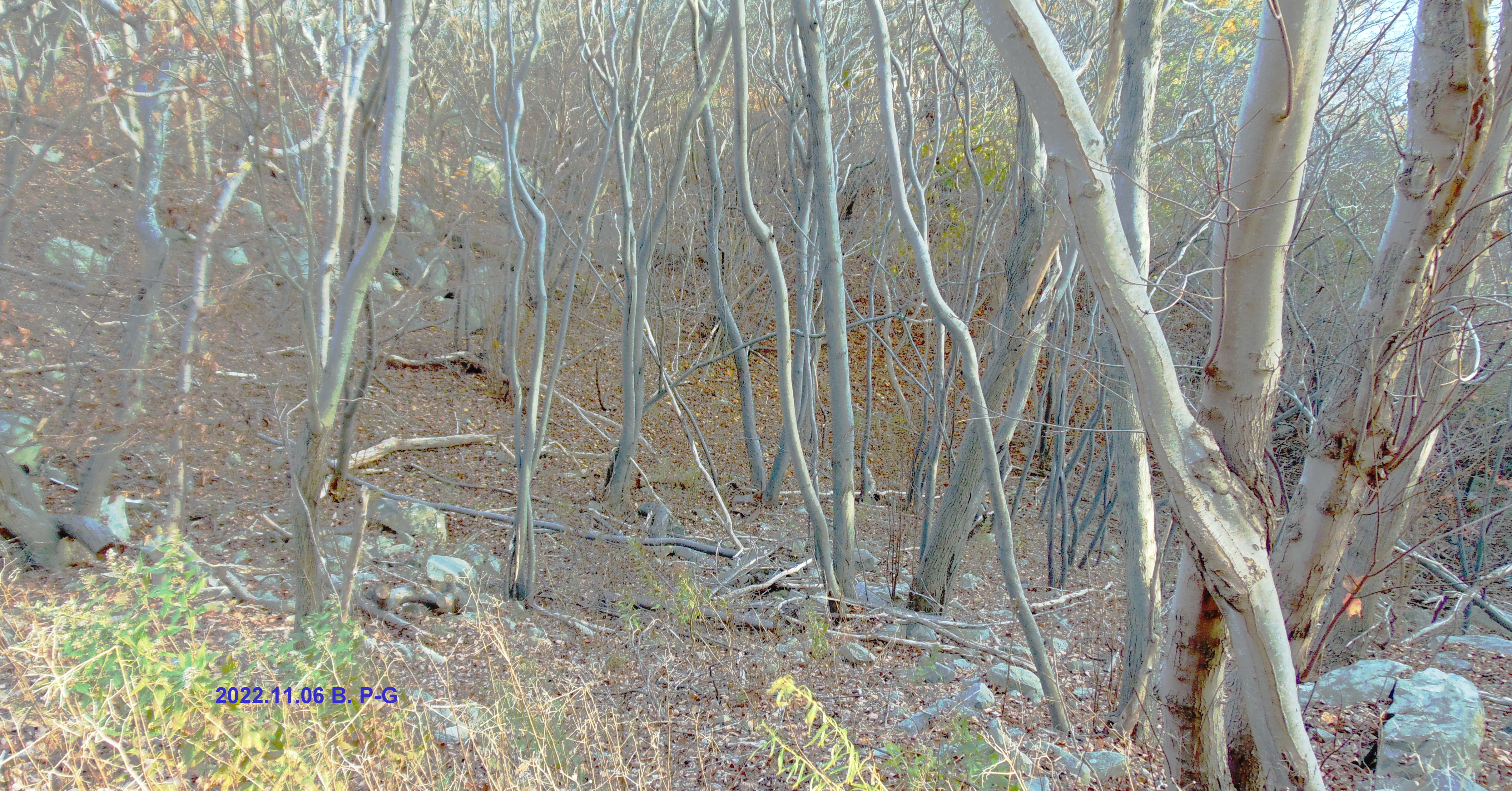
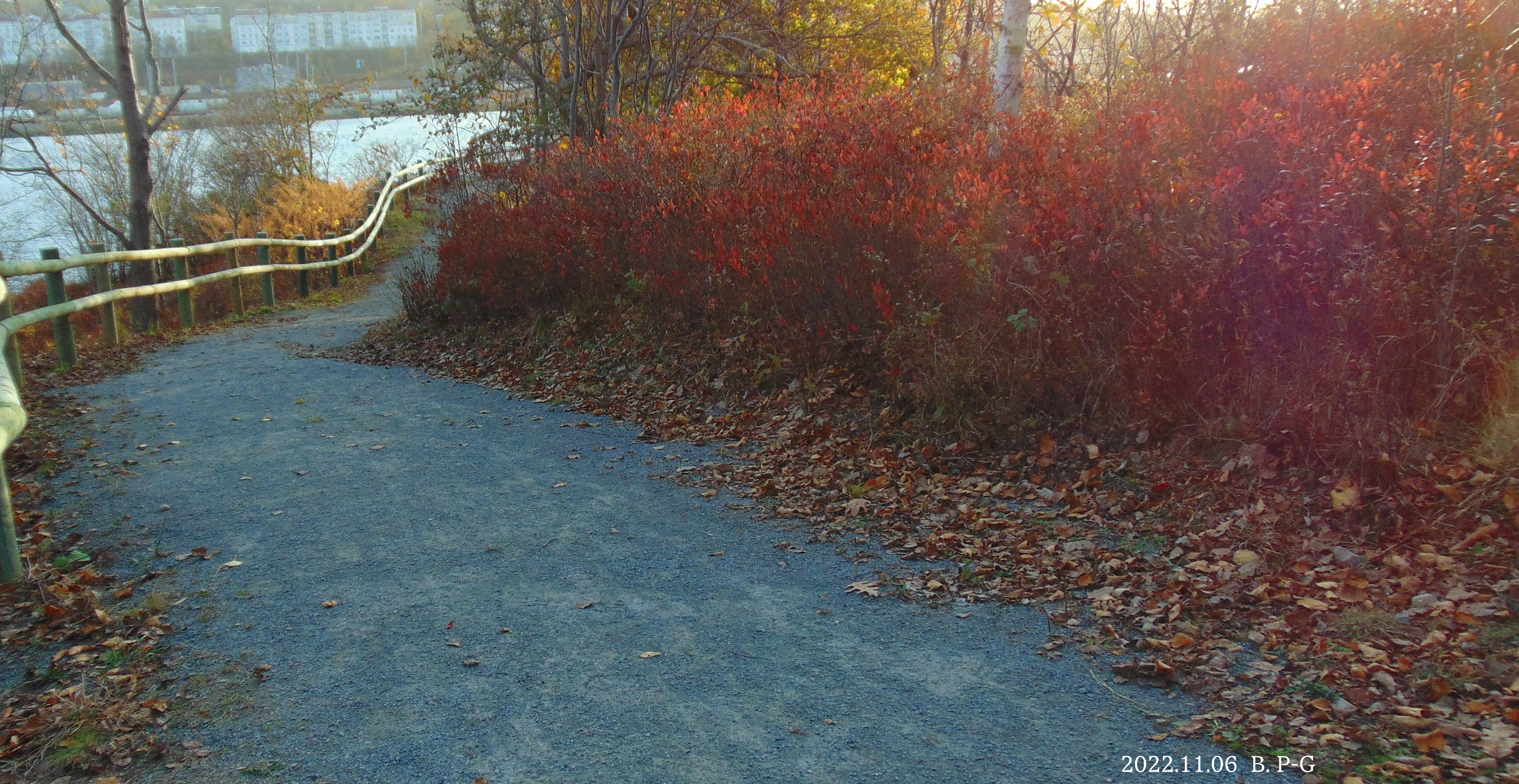
What it has to do with my rocks? A lot. They changed too. Often, I pretend I don’t notice it. Turn my head the other way. Pretend they are as supportive as before. That they are still my buttress against the forces of nature.
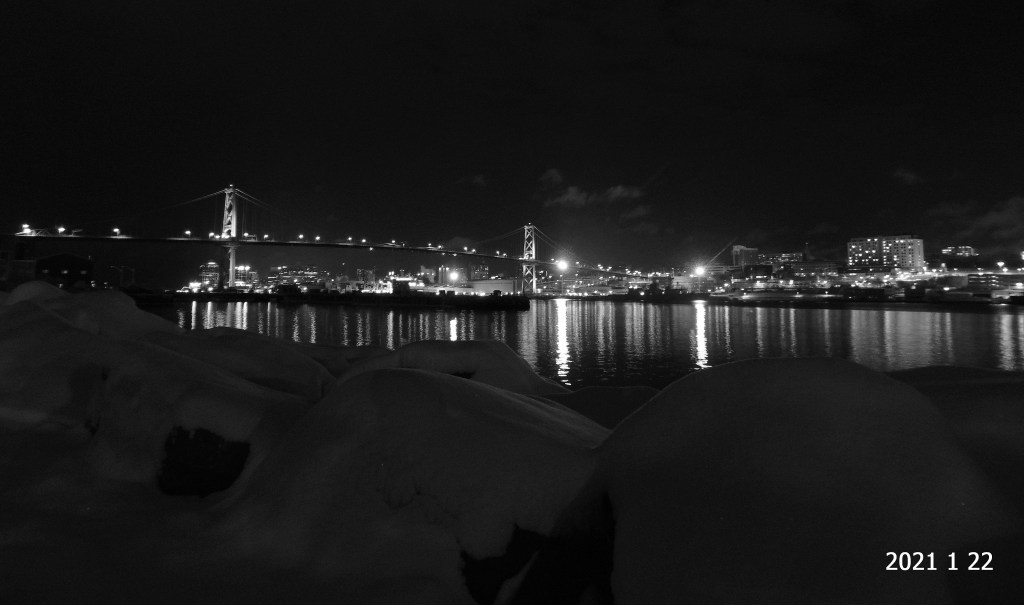
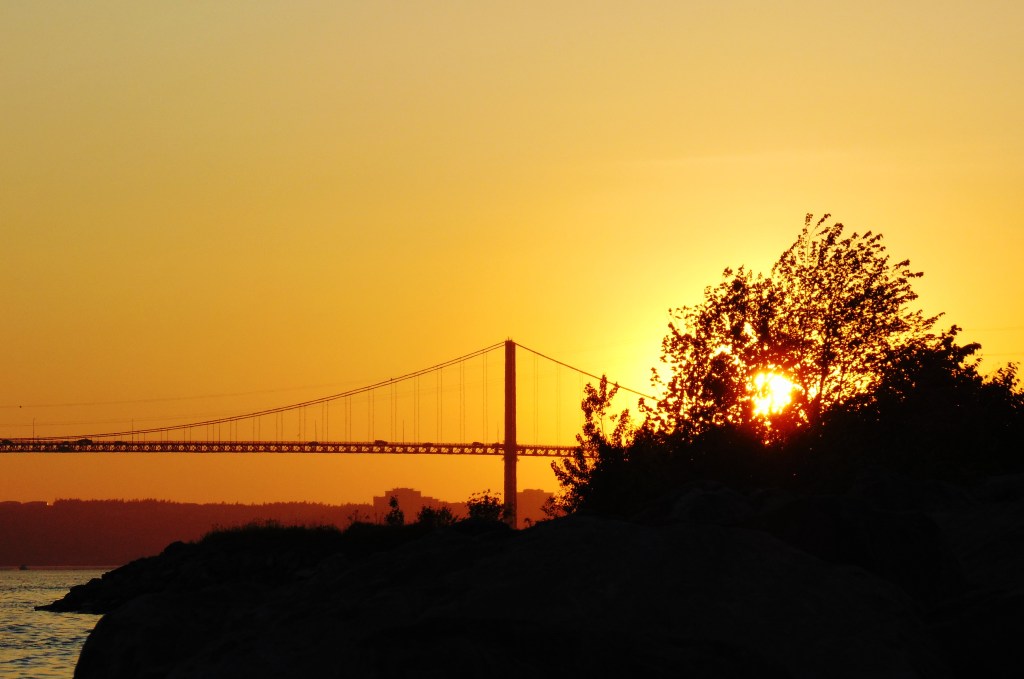
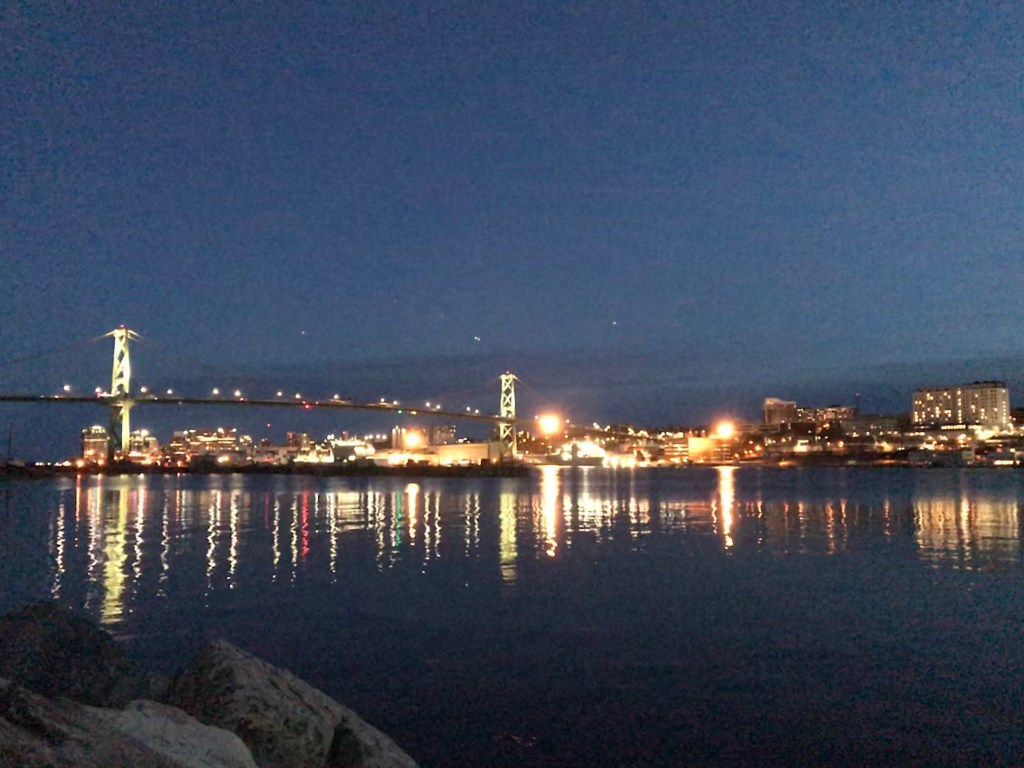
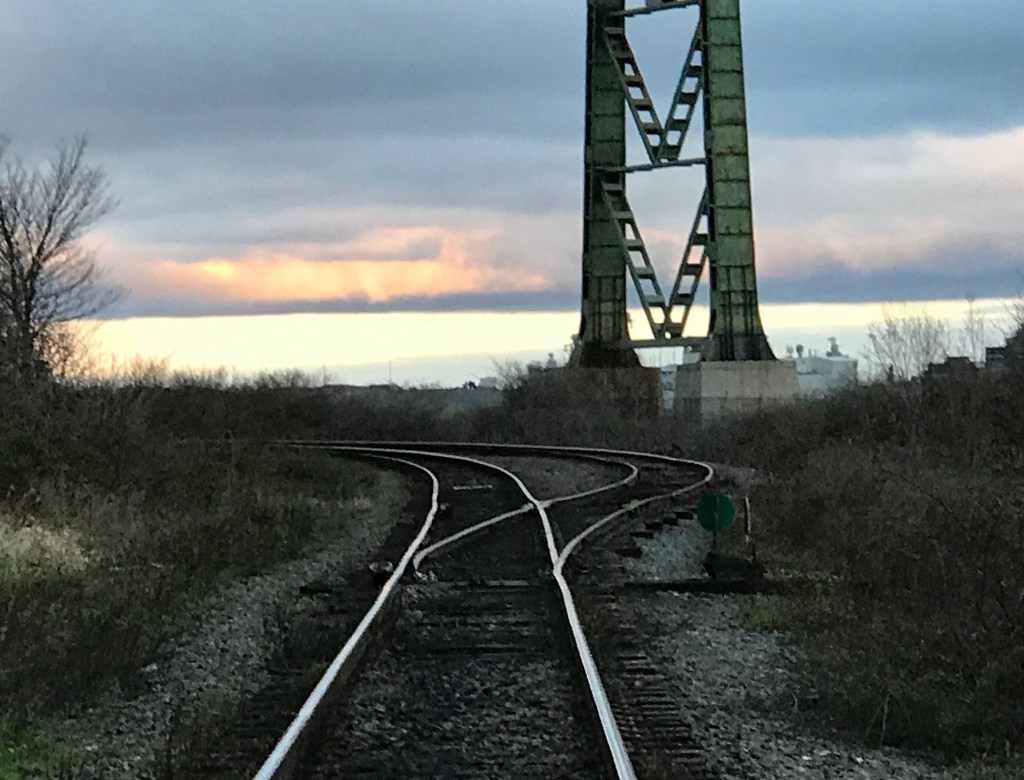
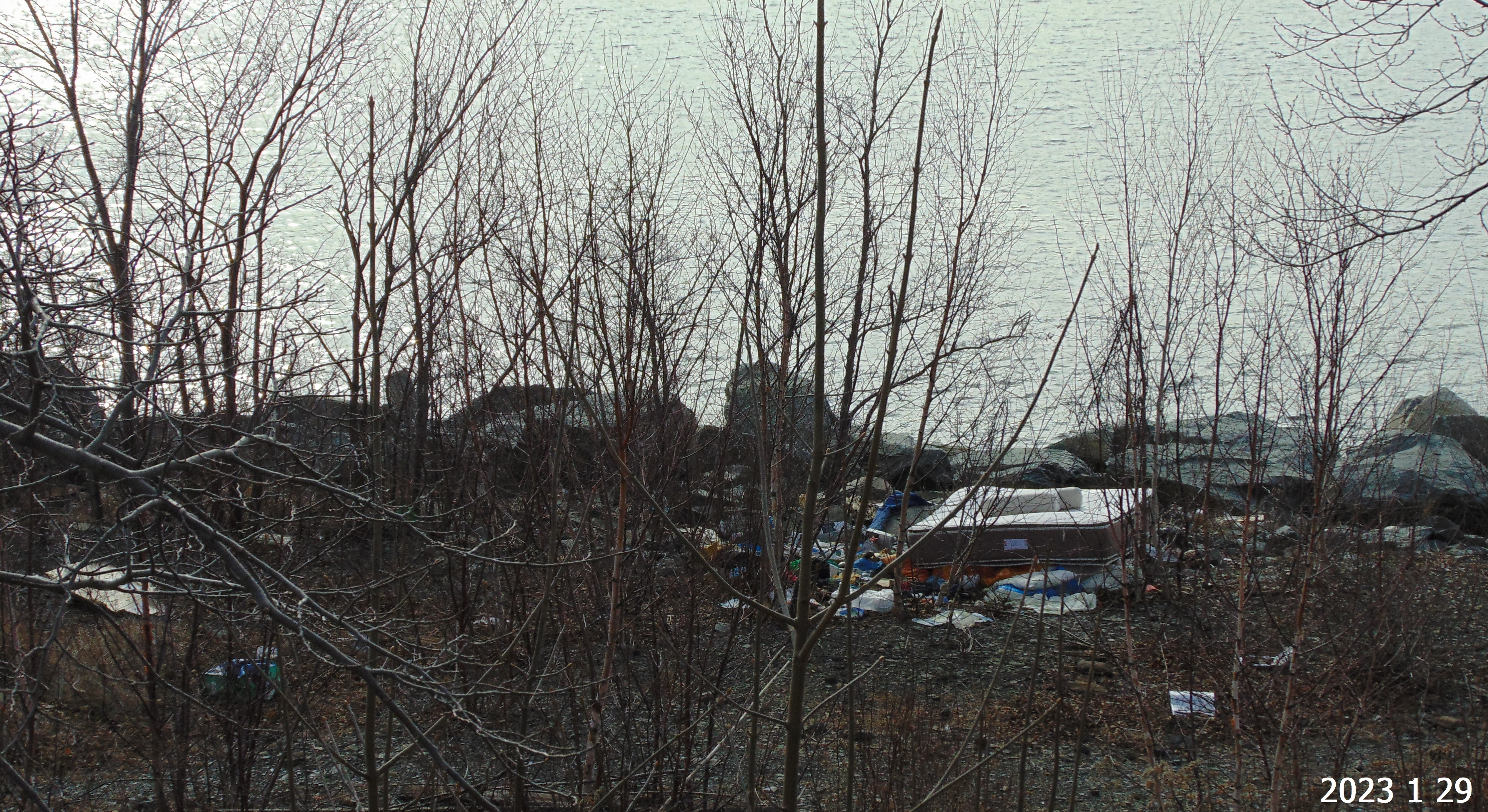
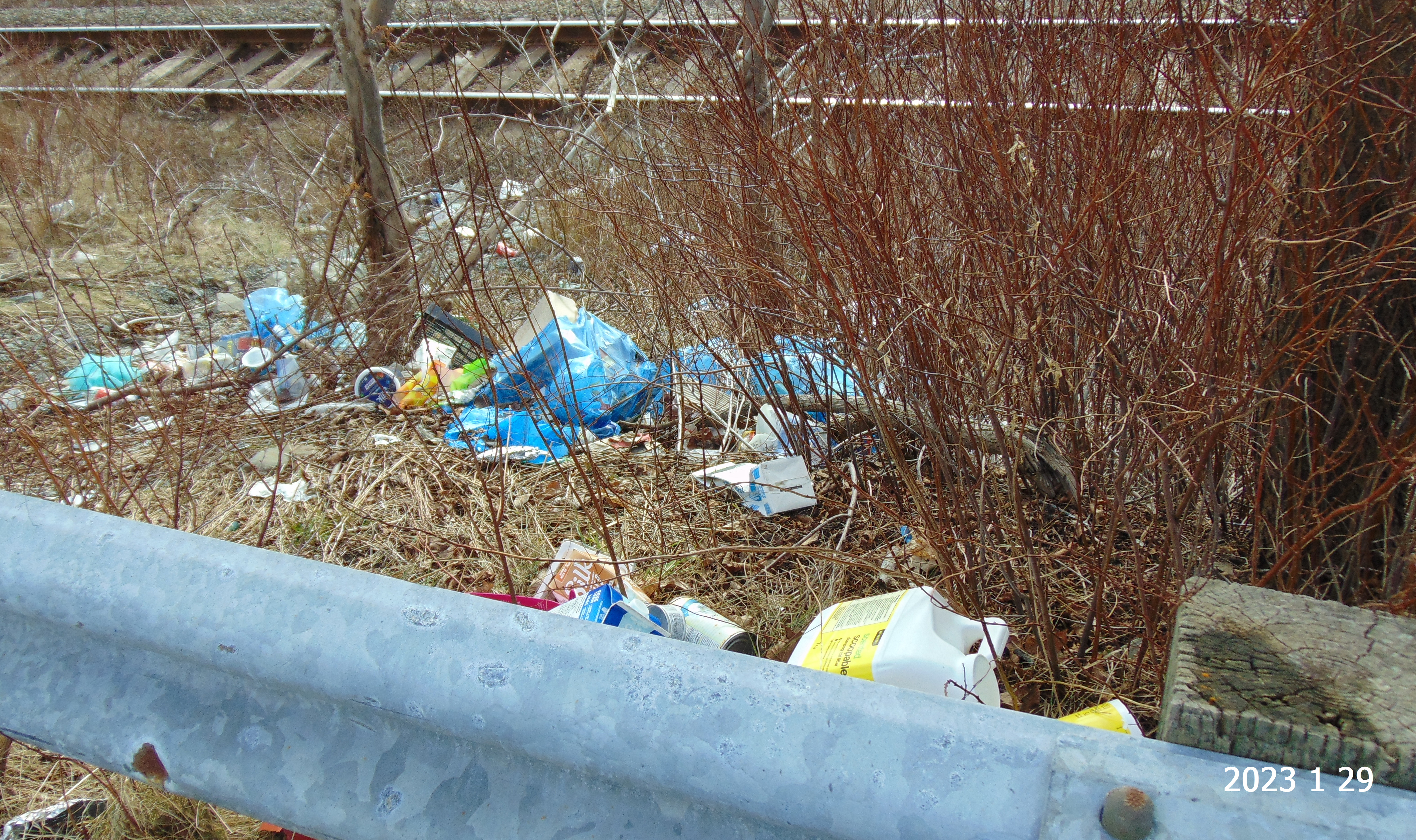
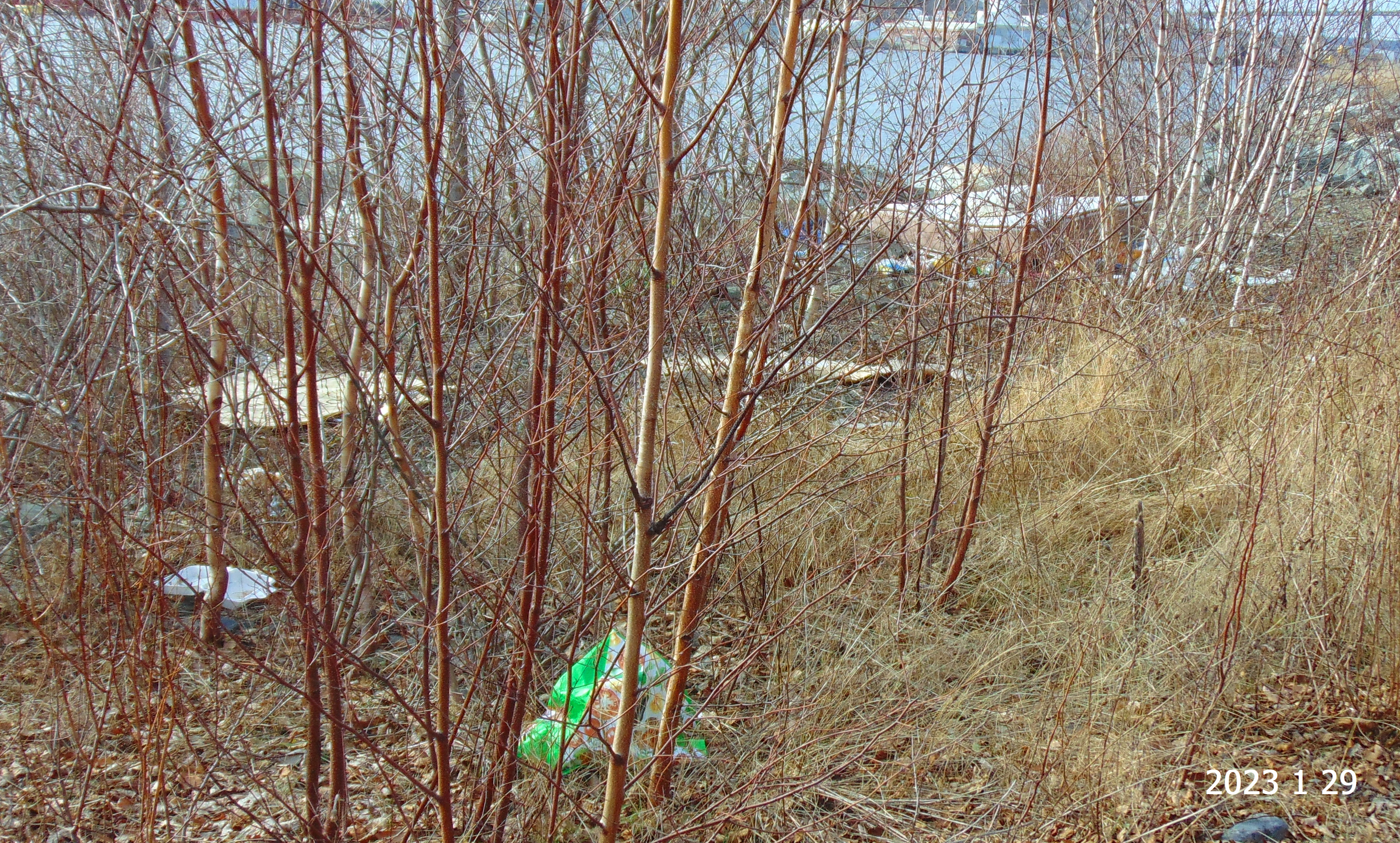
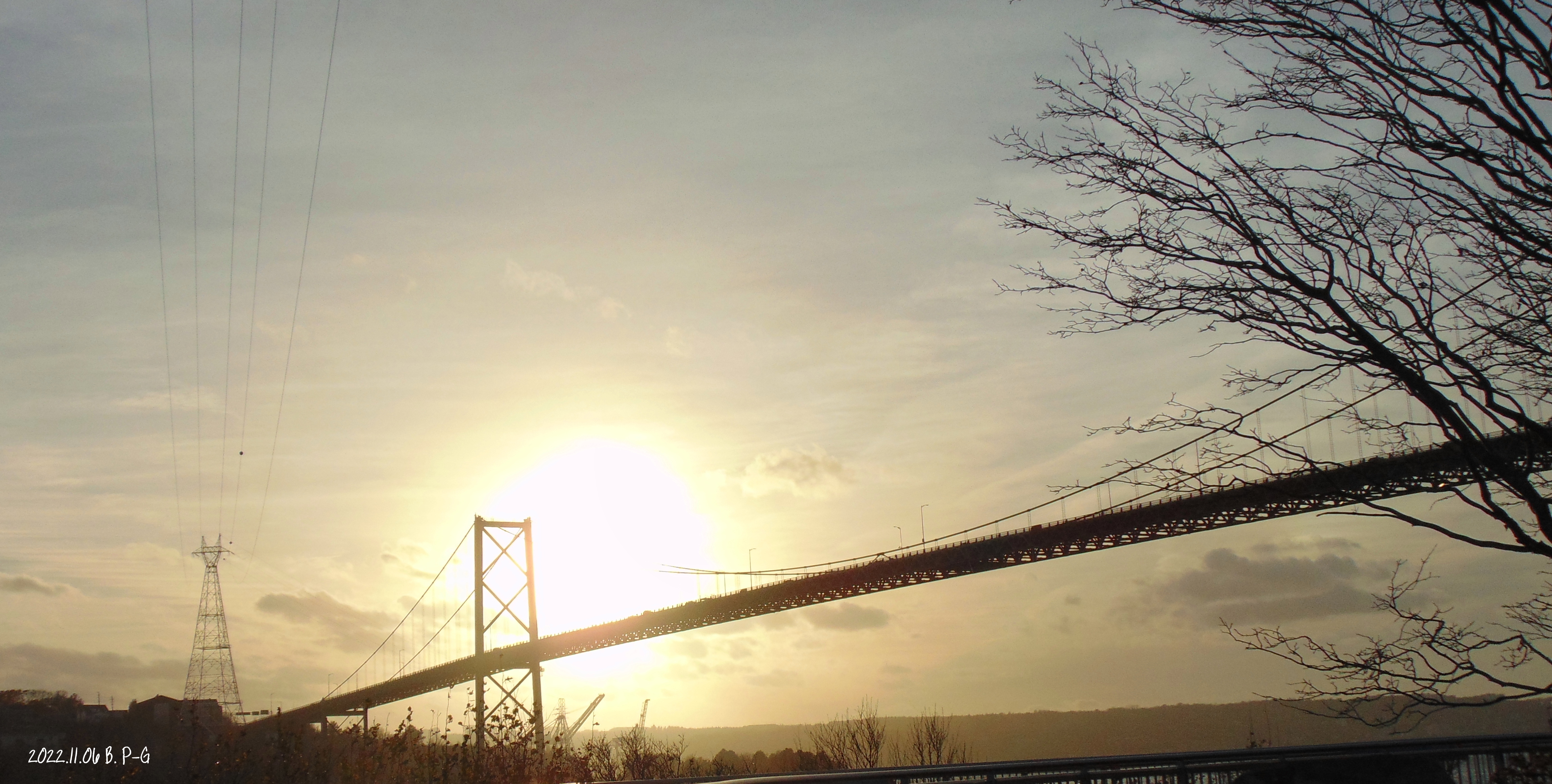
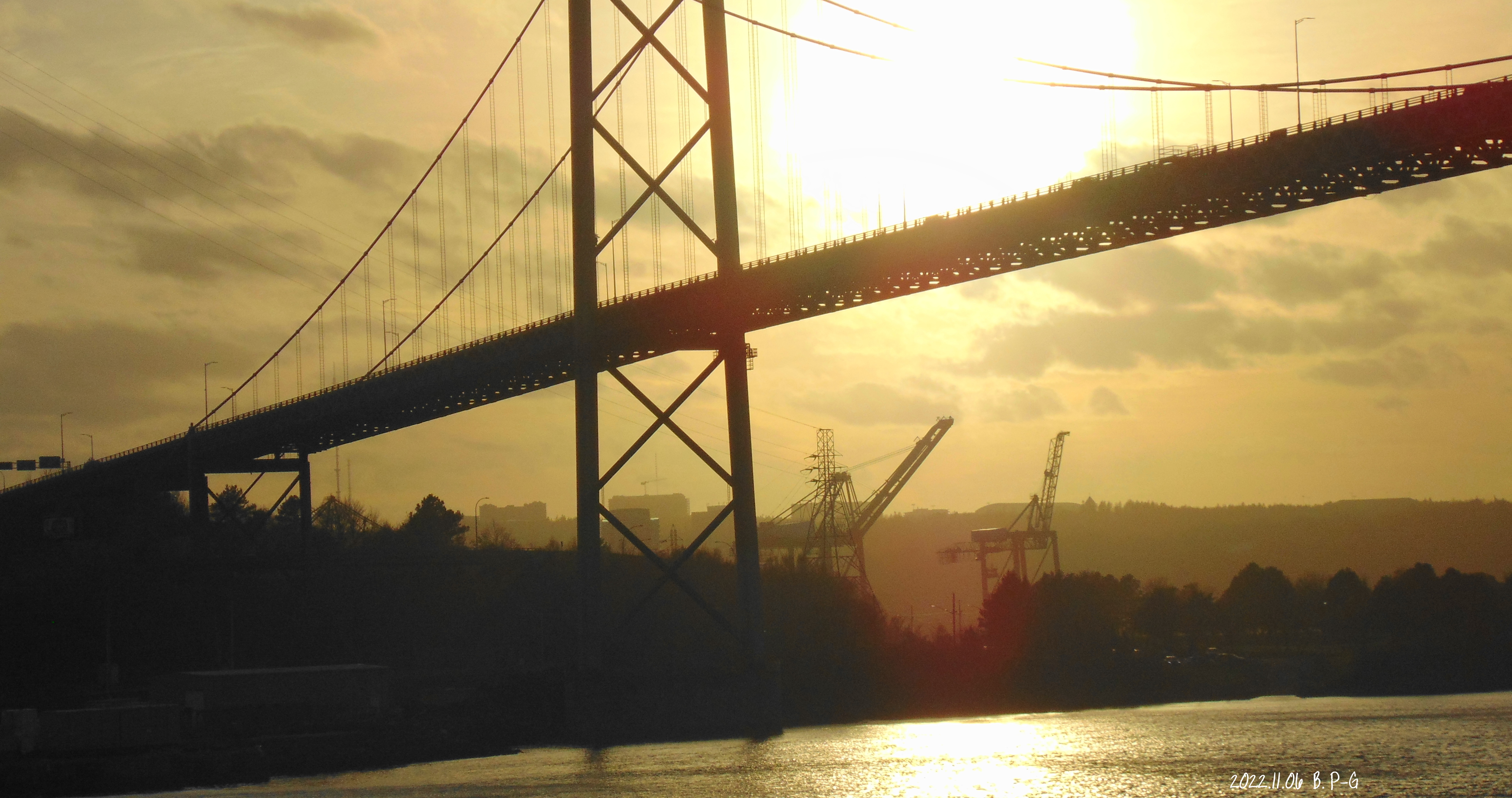
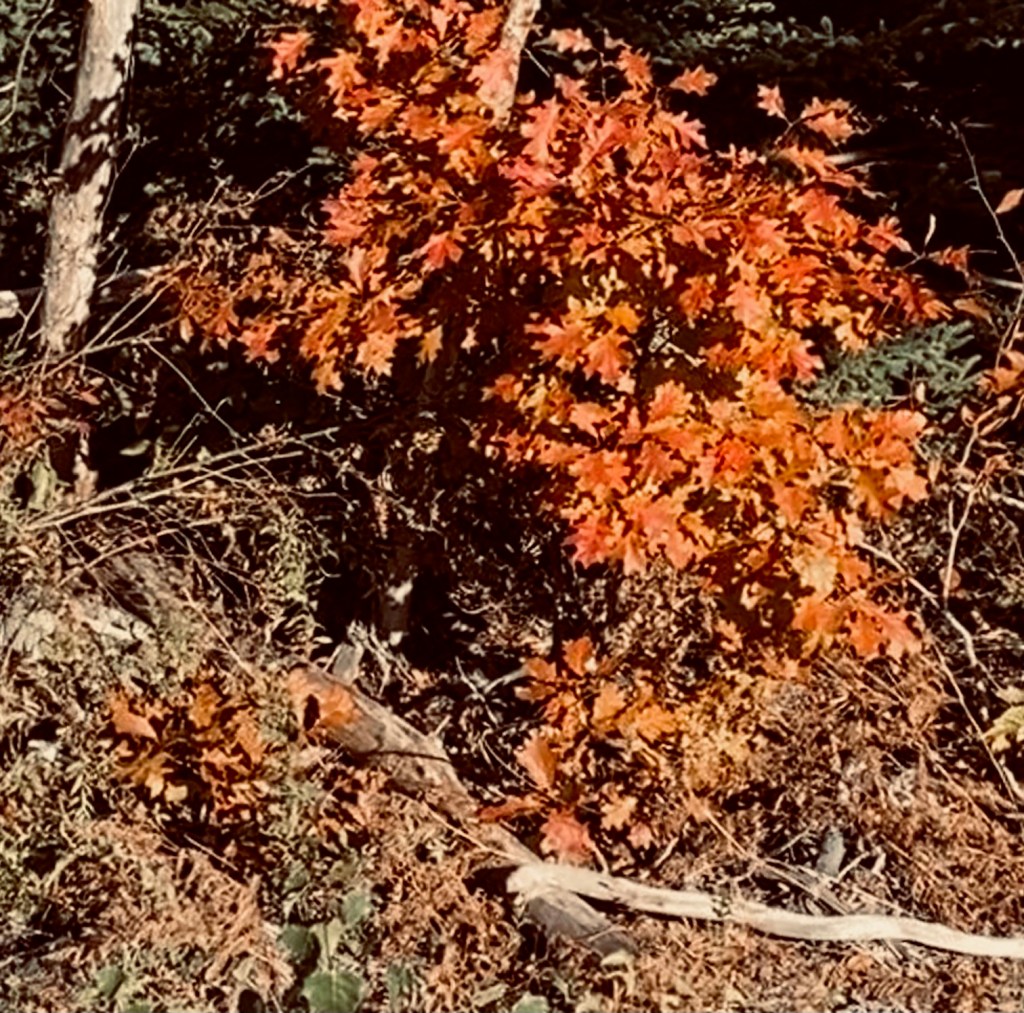
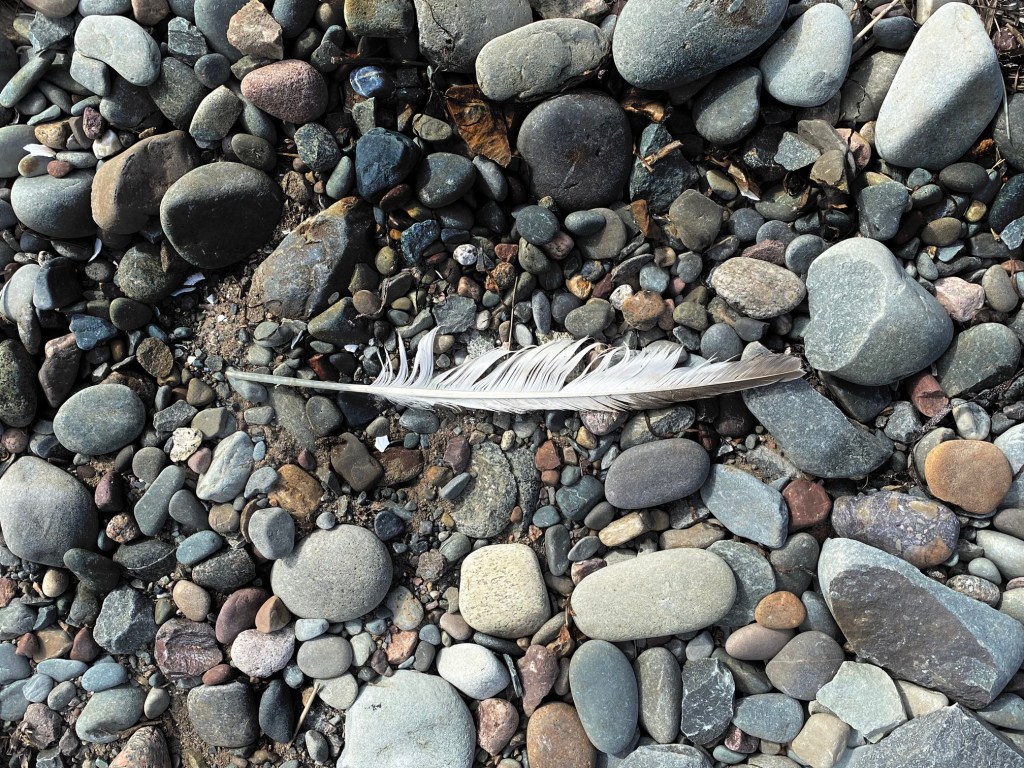
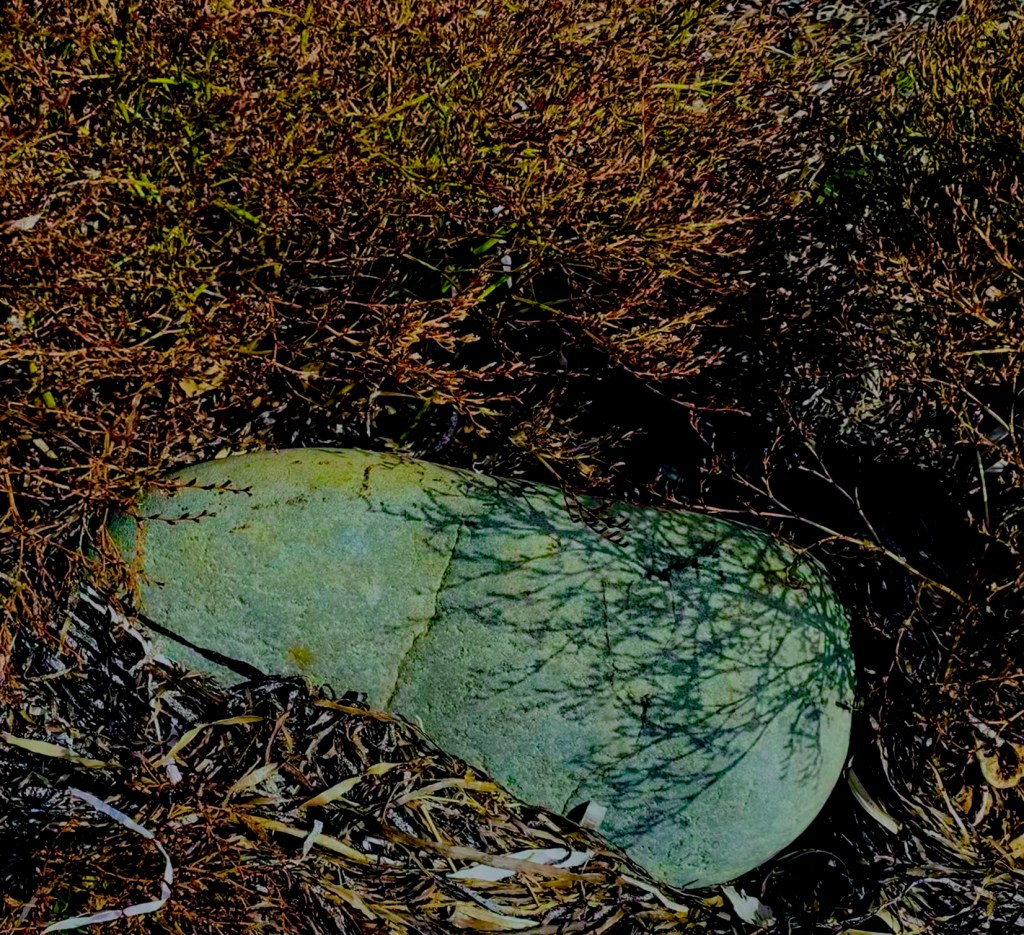
I used to go on my walks always with my camera ready. Hence, on my social portals you probably have seen hundreds of photos of similar views of Halifax, bridges and Bedford taken from My Rocks. Always a bit different angle, light, detail. But from the same trail. Summer, Fall, Winter and Spring. Five years.
Well, today the camera took different pictures. From the same trail. Post-trump time. Time of self-indulgent arrogance, ignorance. Time of poverty, homelessness. And time of simply: I don’t give a s…t, it isn’t my problem. Sad.
Until it becomes your problem, until you start again giving a s…t, until you notice that personal greed does not make you richer but poorer as a person – it will not get better. There is not enough money in all of Canada to satisfy completely everyone. Just as there is only one winner in every election.
I miss my Canada I fell in love with many decades ago. Can we please try to bring some of it back …
I just lost my most precious, personal love of my life. It is hard to wake up every day. But when I do get up, it would be so nice to go to my Rocks for a nice walk. To admire the rugged beauty of the shore, the vistas of Halifax, our bridges, to reminiscence the beauty of Pacific and Vancouver, the peaks and valleys of the Rockies. Most of all to remember and admire the good people of Canada, our Canada. My folks, good folks.
by Bogumil Pacak-Gamalski
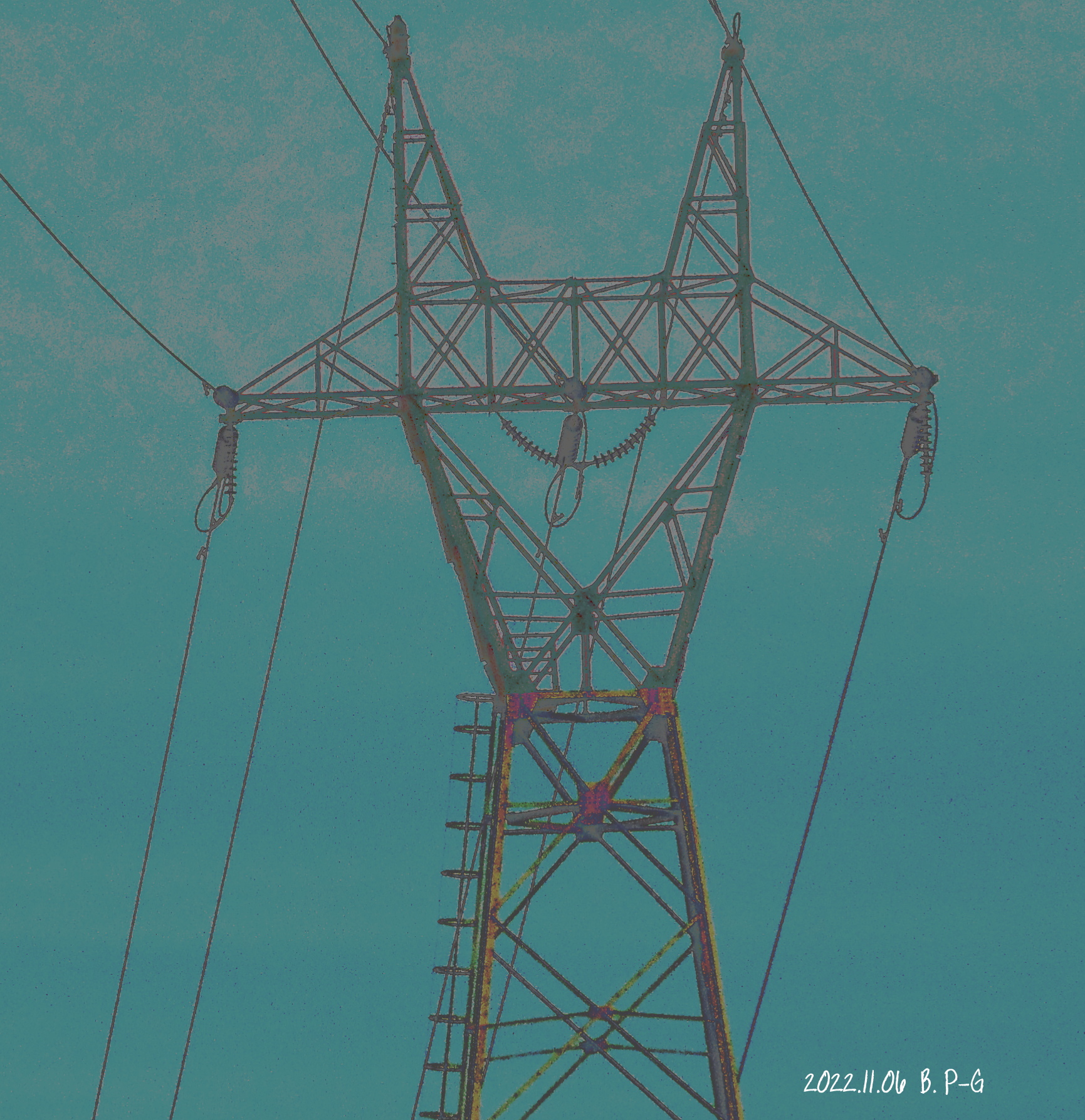
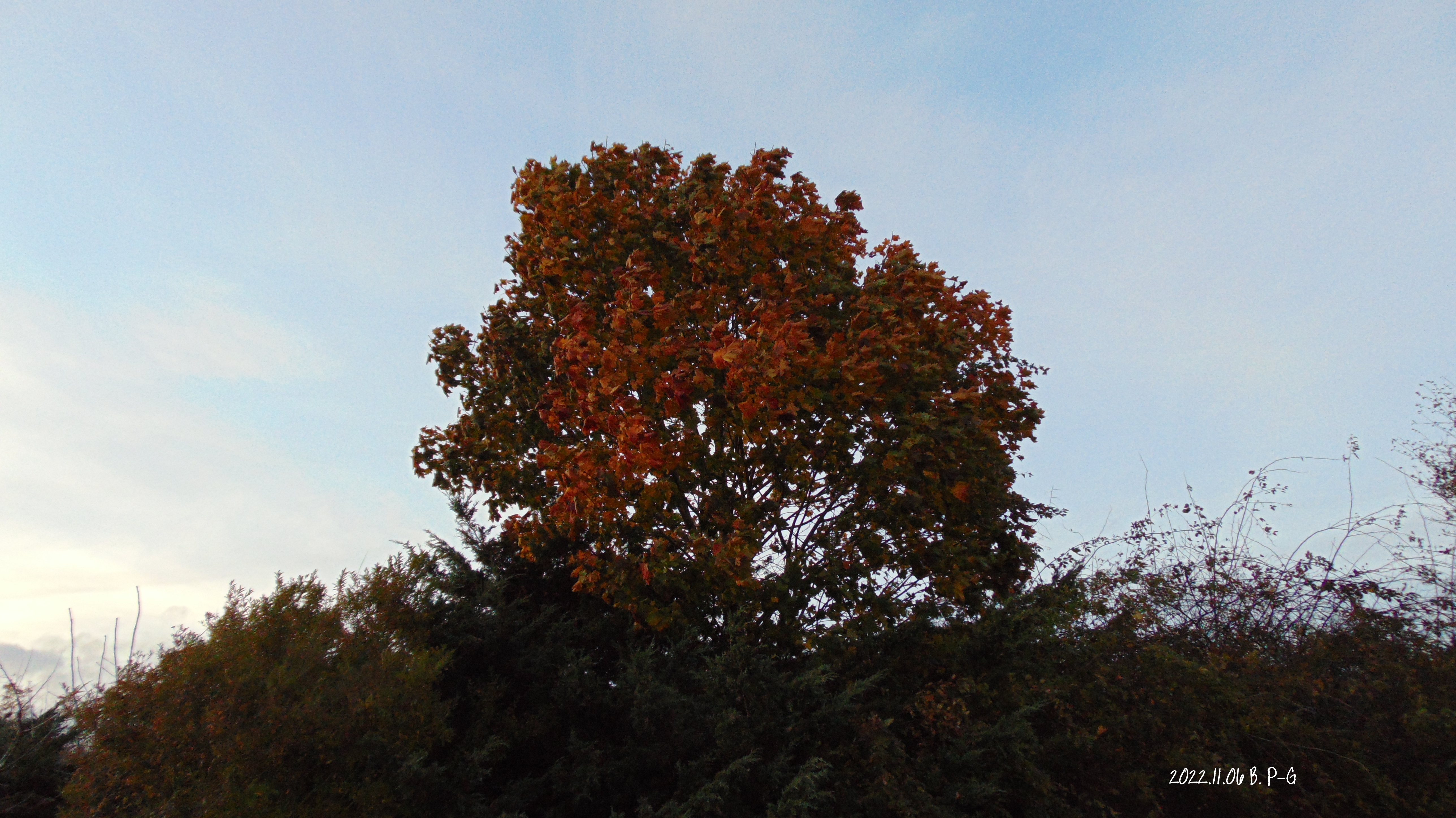
Zapach powietrza, kolory wokół już jesienne. Złote, ciemna czerwień, biel puszków gdzie wczoraj kwiecie było, wyschniete liście dywanem się kładą. Ale cieplutko niczym wieczorem sierpniowym od dni już kilku. Na trasę przed zmierzchem się więc z aparatem wybrałem. A co zebrałem w tym aparacie – pokażę. Rzeczy, jakie są, jak je widzimy. Lub rzeczy, jakie być mogą, jak chcemy je widzieć. W wałęsających się lekkich mgłach wszystko jest możliwe. Linie elektryczne – pięciolinią z zawieszonym na niej bemolem samotnym. Stalowe konstrukcje – grafiką trójkątów i kwadratów o nieznanym przeznaczeniu. Na szlaku zachodniego końca Dartmouth.
Of course – sunsets, sunrises, shapes of air and water, shadows of land are important. Who knows? Maybe they are the most important or even the only things important, when everything is counted and done? Who knows?
But time and again, we are reminded that politics (local and national and international) do have a power (often used) to invade our pristine soulful life. And I am reminded that I am a political animal. Always was. Since the time I was fourteen or fifteen and typed on a manual typewriter (with carbon papers to fill as many pages as possible) anti-government (at that time it was anti-communist) slogans. Later I would personally visit as many as possible press clubs in Warsaw (they were called Empiki – clubs to read free of charge national and international newspapers) and insert these subversive texts between pages of popular periodicals. They didn’t use cameras at that time in public spaces as they do now everywhere, LOL. I was not afraid that someone might denounce me – that work was mine alone, a lonely wolf. Organized anti-government work came few years later, in the “Solidarity’ movement.
For the past forty five-odd years I do the same. But openly, under my name. In press, on social (as this one) channels, in various organizations, different roles. But mostly as the lonely wolf again. Don’t trust governments and politicians. But do trust independent judiciary and legal system. Independent, public commissions, inquiries.
For some weeks now, I observe with full attention the Federal Inquiry on the recent use of Emergency Act (what used to be called War Measurer Act). We all lived through it. We all were (to a point) traumatized, when it happened and traumatized by the events that led to it. I will not list events that led to it. At that time, as majority of Canadians, I strongly supported it and believed that all possible other resources and actions failed to bring resolution to the situation and it could not be allowed to continue anymore.
photo by Brett Gundlock for CBC News, from Wikimedia Commons
That it is not to say that I was happy to see it used. It is a tragedy, when a government is forced (or otherwise makes that choice) to suspend certain (or possibly most) freedoms of citizens. According to what we all witnessed through TV channels, all mass media, pictures, videos, live reporting – all regular levels of security and policing (local, provincial and federal) failed and were powerless to stop the anarchy. Stakes were extremely high on national and international levels (blockades of extremely important border-crossings with USA). Tensions were raising.
But, when the dust settles, one needs more answers. More than just news reports and live coverage. Were all possible resources used, were all policing and enforcing applied using regular laws and Acts? Just because a politician say so – is not good enough. The Inquiry itself is a good thing and it is very good that the Inquiry has to happen whether the government or Opposition wants to or not. Such Inquiry is part of the Act and has to happen every time the Act is invoked. That is very good. It speaks volumes of the maturity of our democracy in Canada.
Until now majority of witnesses were police commanders or high ranking police officers from city (Ottawa), Province (Ontario’s OPP) and neighboring similar agencies. It proves to be interesting. The police officers tend to be … hmmm, full of themselves. Probably a mental professional luggage. We had a good plan! It could have worked! The other (read: Ottawa Police) force was disorganized, not us (read: Provincial Police)! If we had more time or intelligence we would not failed! Yes, the Act was helpful, but telling the truth we could have achieved the same using existing, regular laws! At times I have hard times to comprehend their statements. Is is possible that their memory is so fragile or do they portray another reality? Only when pressed by questions of legal counsels, the self-assurance weakens, softens. Or crumbles altogether. This time a recorded history of events, cameras and reporting helps. You could have had … but you didn’t. That is a fact. Not an opinion. It is possible that you would have finished it. But when? After a fire bombs would start exploding? Remember that each of the huge trailers were full of gasoline, not water. After street fights between terrorized citizens of Ottawa and bands of ‘freedom fighters’? After someone would have died? There was a plan but … . But it didn’t work Mr. Commander or it couldn’t work. Otherwise there would be no Emergency Act and no Inquiry.
I find it very disrespectful of Canadians that premier of Ontario, Doug Ford refuses to testify. There is a legal battle now, whether he can be forced (as the Inquiry demands). One of the most important politician, premier of the province where it was happening. One, who endorsed the Act. But now it is inconvenient politically to enrage fellow right-wingers?
Politicians should testify as it is the politicians, who make the decisions, not the commissioners of Police Forces. Looking forward to hear from PM Trudeau and other federal ministers. They already said that they will absolutely testify. Hopefully other ones, too. In order to learn, to avoid unnecessary use of the Act in the future. It should always be the last resort, not a convenient way to settle political discontent. Despite my own understanding that the Act was at this time right answer (perhaps it should have even be used earlier) to the situation – I am also open to the possibility that it wasn’t necessary, that other solutions existed. And as a citizen I have a right to know it. After all, any extraordinary suspension of any freedom is a very dangerous proposition.
That the ‘Freedom Convoy’ was a disgusting display of arrogance and an assault on Canada, our democracy, our institutions is clear to me beyond any doubt. But whether a right tool was used to squash it – is not a forgone conclusion, yet.
One of my favored trips in Nova Scotia always involved the Eastern coast. The old highway 207 (via Portland Street in Dartmouth) will take you alongside very picturesque coastline, countless little communities and unparalleled vistas of little and large bays, coves dotted by little rocky islands. It starts with the western end of wonderful salt marshes of Call Harbour (on the edge, but still in Dartmouth) and one of the best beaches in Greater Halifax – the Haven Beach with open view of huge Cow Bay.
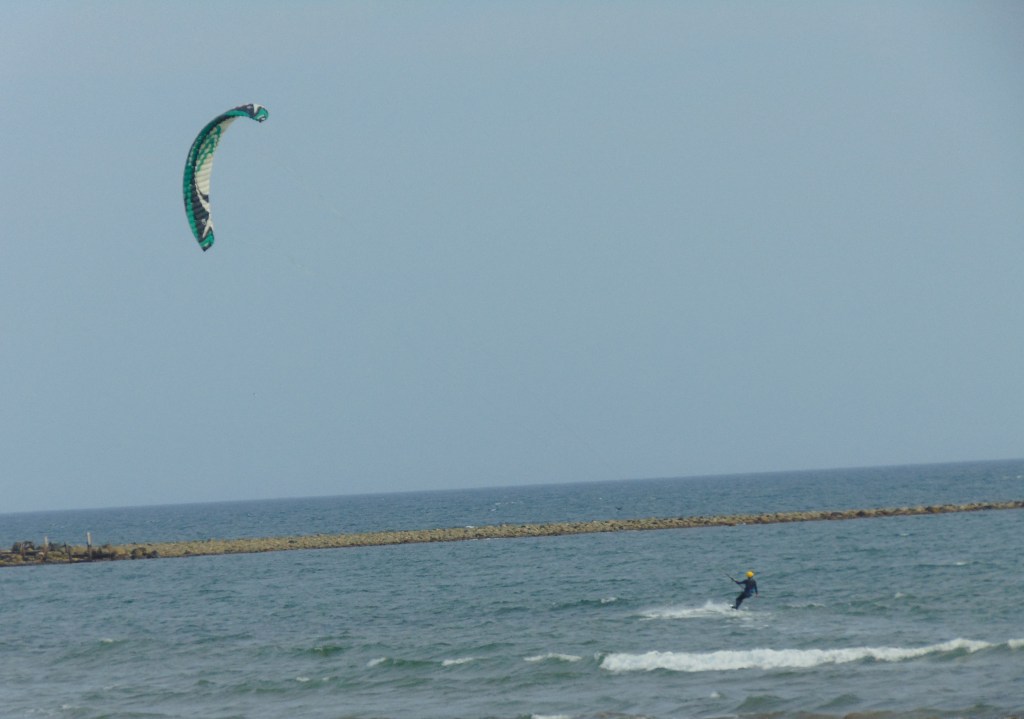
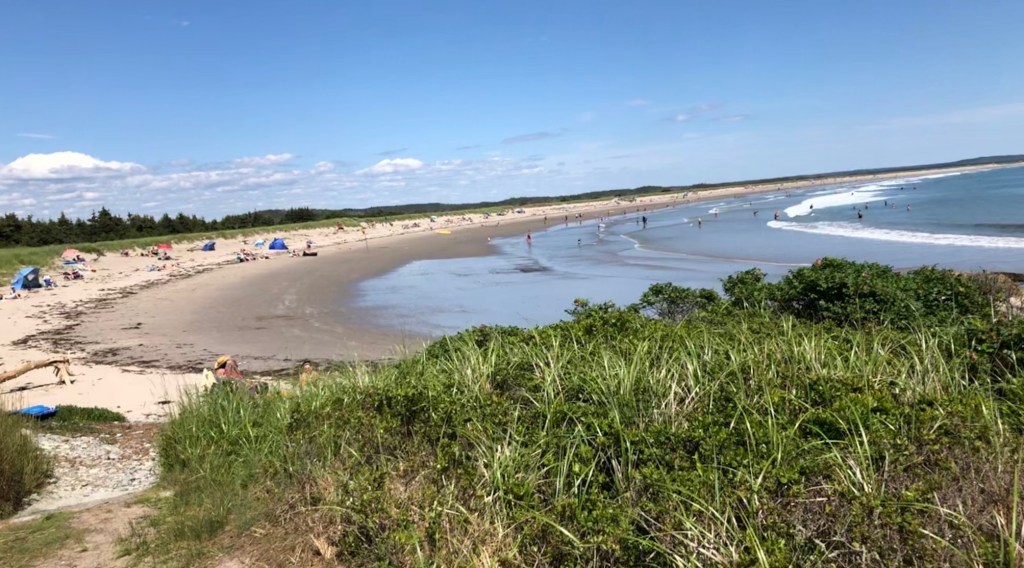
Continuing on the windy, forested highway 207, on the outskirts of Western Lawrencetown, you have to keep an open eye for a small road toward the ocean – Conrad Road. It will take you to an absolute jewel of amazing ecosystem of lakes, marshes, sand dunes and, yes, wonderful, sandy beach. Access could be difficult, as there is really no parking spots and you simply have to park on the side of narrow road and during summer time it could be a long walk to the entrance to the beach via long, wooden walkway. Perhaps for the best. It is a delicate ecosystem and constant crowds of tourists could easily do serious damage to the shoreline. Also, there is no sign directing from the highway to the beach (I suspect the locals took care of it, as I remember from previous years, there was one), so watch out for that small street signage. This is my favorite spot for relaxing walks, swims. A bit further, right of the edge of the highway, is a long, rocky beach – paradise for surfers and surfer-paragliders. Sometime just watching the colourful sails as they zigzag the blue sky is an adventure in itself.
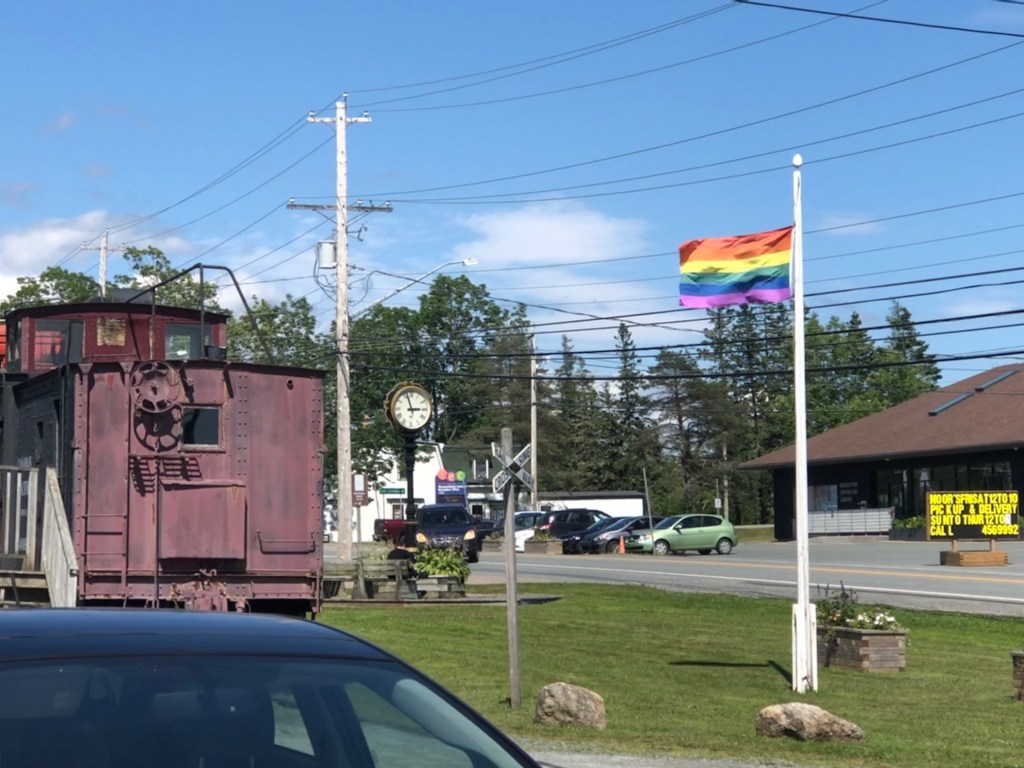
From Lawrencetown you drive up through old Acadian (French) settlements of West Chezzetcook and Head of Chezzetcook, where you join the Highway 7. Continue to Musquodoboit Harbour and stop by the old Railway Station (now a museum) to take a short walk. Avail yourself of wonderful local ice cream by the Station or a lunch opposite the station. On the edge of the small centre (almost opposite the station) take a right turn into E. Pestpeswick Road, follow the churches steeples to the very end of the road (few miles) and end up on another beautiful beach – Martinique Beach. You will know where to stop – right under the huge rainbow flag of a big guesthouse. Well, you will stop there anyway – unless your car is a mini submarine – the road ends basically where the ocean begins.
From Martinique Beach, via the same highway (no other choice anyway), continue to next heaven for beach lovers. That one is my absolutely favored from all of the beaches in Nova Scotia. And there is plenty of them on all sides of this hybrid of an island and peninsula, which forms Nova Scotia. That part of the journey is long, but worthwhile. All the way to community of Spry Bay. Right past Spry Bay is an entrance (visibly marked) to Taylor Provincial Park. Follow the road to wooded but well marked entrances to parking spots and down you go to gorgeous sandy beach. It is one of best, sheltered by natural harbour waters on the coast. One end forms rocky formations as smooth as almost man-made – the other is endless sand and sandy bottoms of the sheltered bay. Waters are usually a bit warmer there, than elsewhere.
If you had enough for one day and want to go back to Dartmouth/Halifax, take the first exit, in industrial town Sheet Harbour, when you reach wonderful East River entering the ocean. Just before the bridge is highway 224 that can take you through the heart of a valley forming the centre of Nova Scotia, with many farming communities. Follow it to Shubenacadie (close to large Mi’kmaq indigenous clan and site of former infamous Residential School) and take large, four lane highway 102 that will take you quickly right back to Dartmouth and Halifax. Or, on the other side of the bridge take 374. I prefer the latter, as it takes you across amazing wilderness – watch out for large animals, I encountered there very close a bear once – straight to Pictou County and historic towns of Stellarton, New Glasgow and at the end, to the county’s capital, historic town of Pictou. That end of Nova Scotia was settled from here thanks to the natural harbour. To this day many descendants of first sailing ship “Hector” live there. One of them is my husband. After living most of our lives in westernmost provinces of Canada (Alberta and British Columbia) – we moved here few years back.
But if you continue on the same highway 7 past Sheet Harbour, you will reach very remote communities with their undeniable rugged charm. From now on there is no other highways or roads. Small, little gravel roads will take you to nowhere in the wilderness. Eventually, around community of Stillwater, the road will take you sharply to the west, along many wonderful lakes and forested hills. Follow it straight to one of most picturesque town of Antigonish, site of St. Francis Xavier University. The university and absolutely breathtaking maze of bays, coves and multitudes of little islands in them, makes the otherwise little town a gem of the northern coast.
Modern and very comfortable highway 104 will take you from there to New Glasgow in Pictou County and up, toward New Brunswick border and city of Truro, where you will join highway 102 to Halifax. I have taken that trip once in one day. It is possible. But impossible to have time to enjoy the sites, the scenery, beaches. To have an opportunity to really absorb it all – I suggest minimum of two nights stay during the travel.
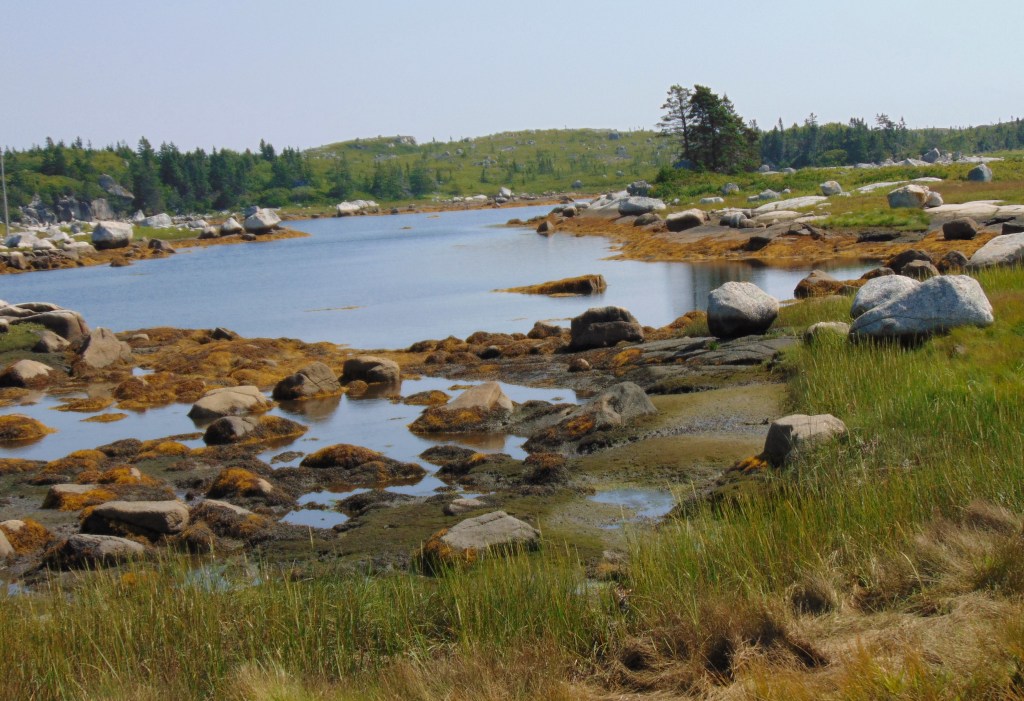
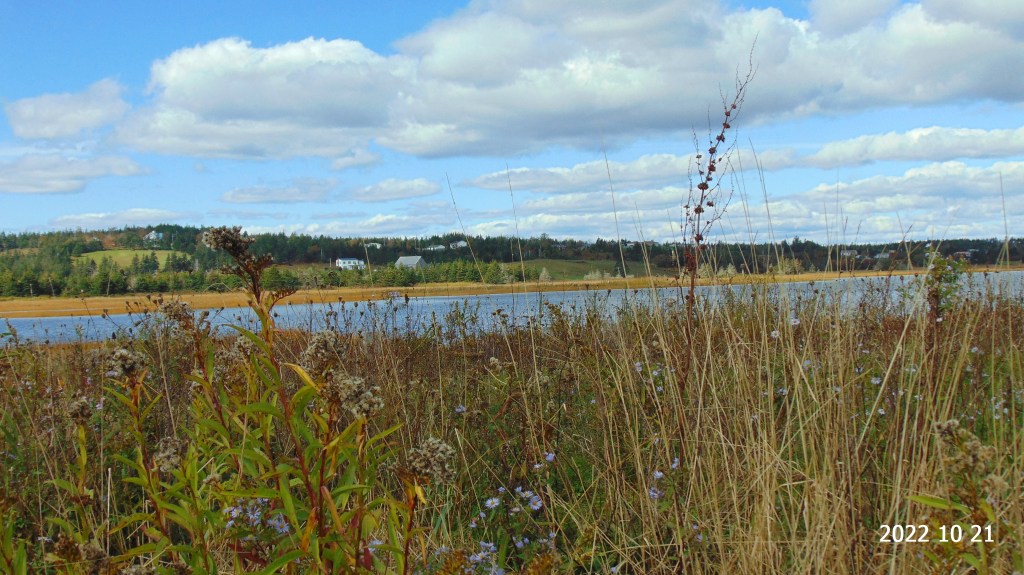
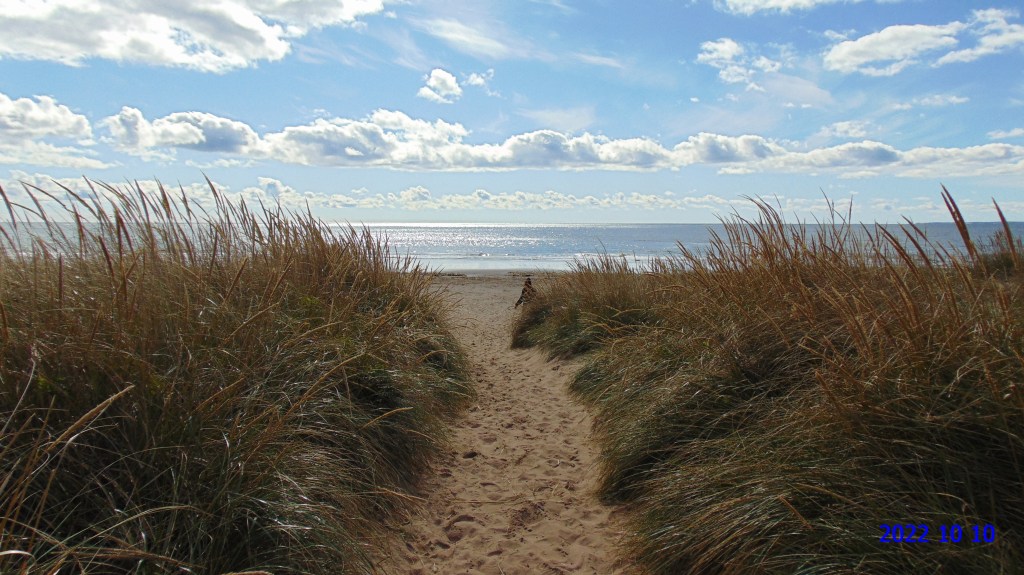
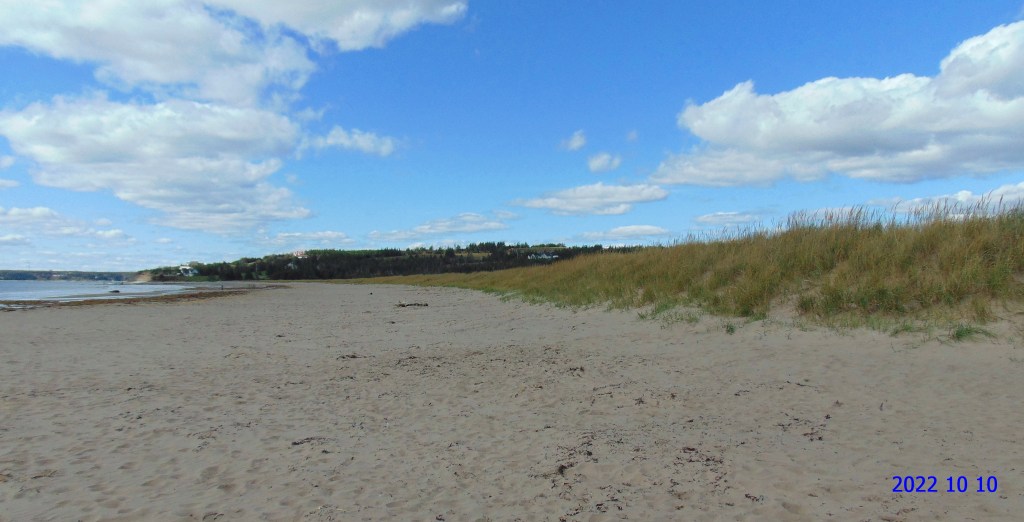
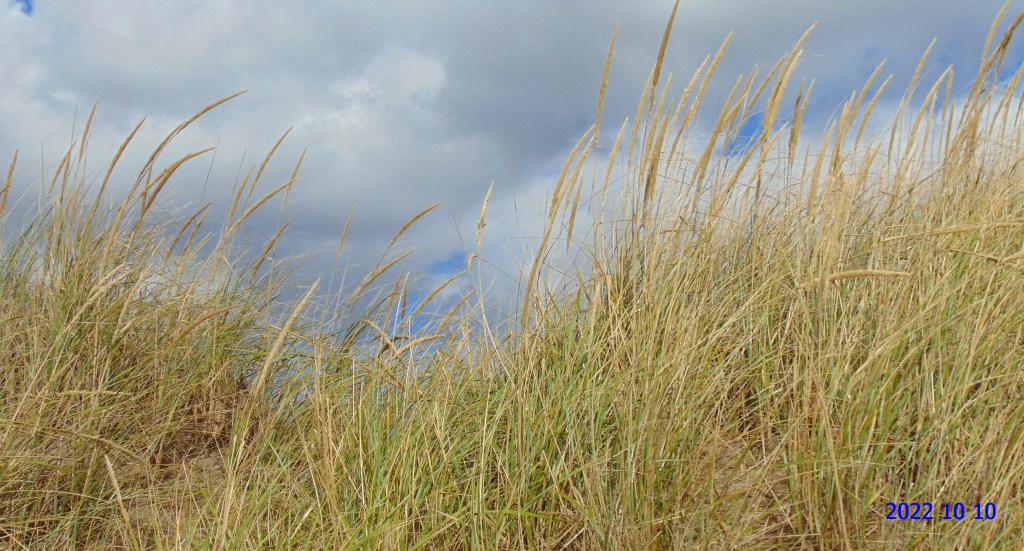
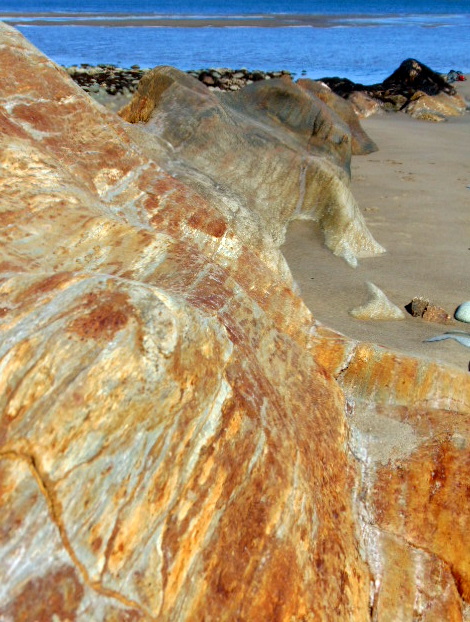
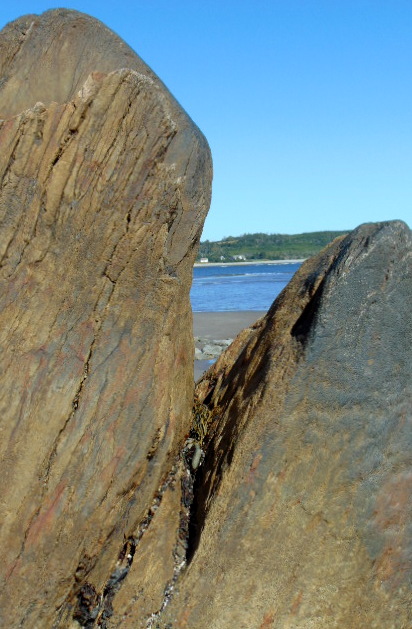
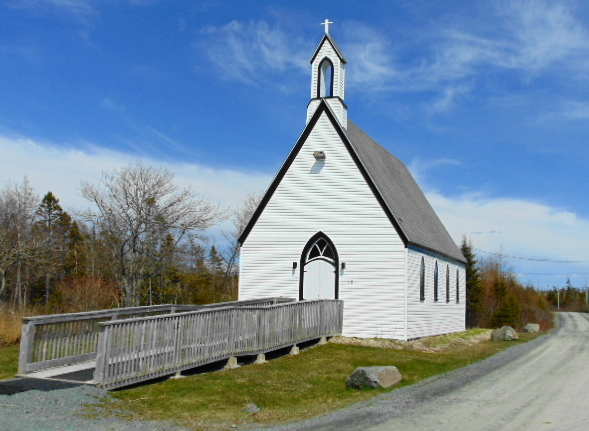
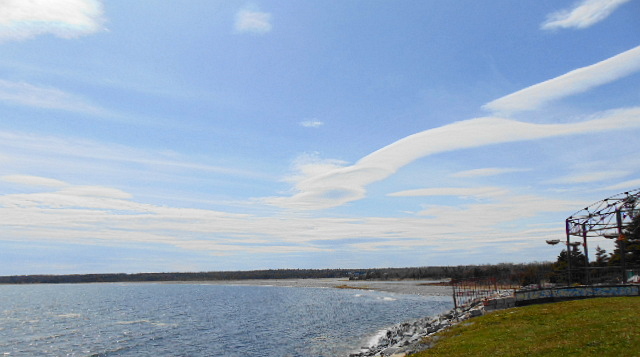
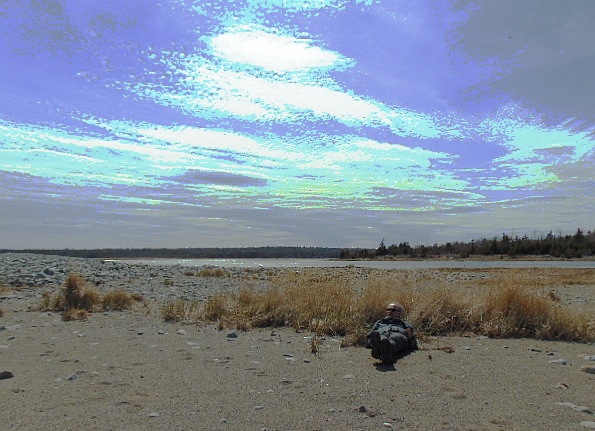
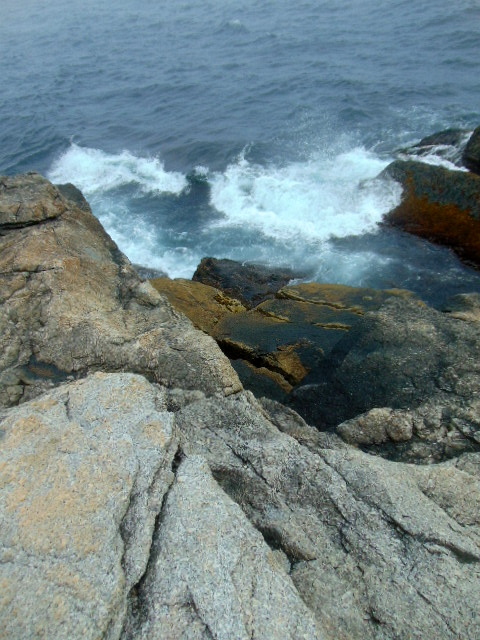
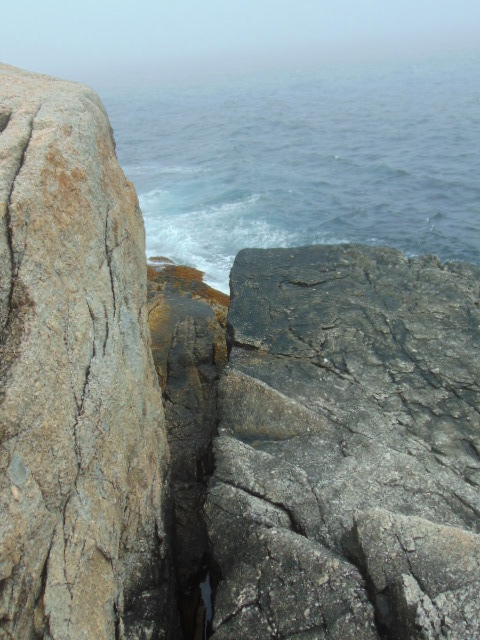
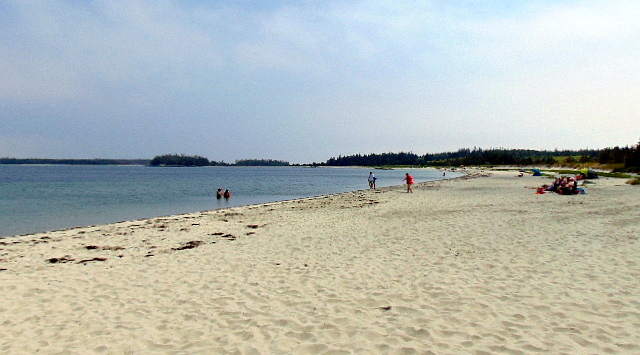
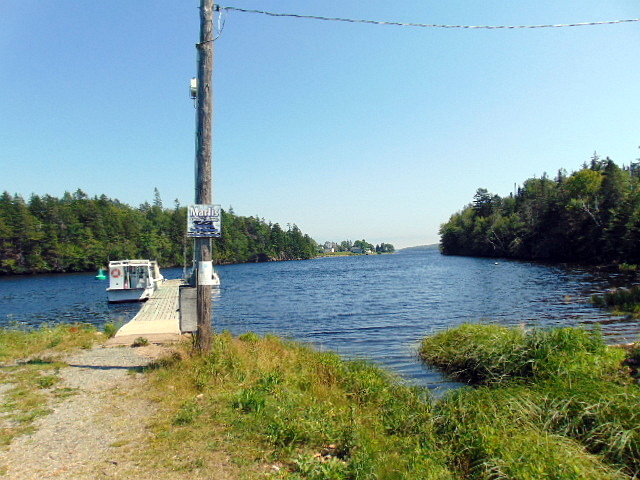
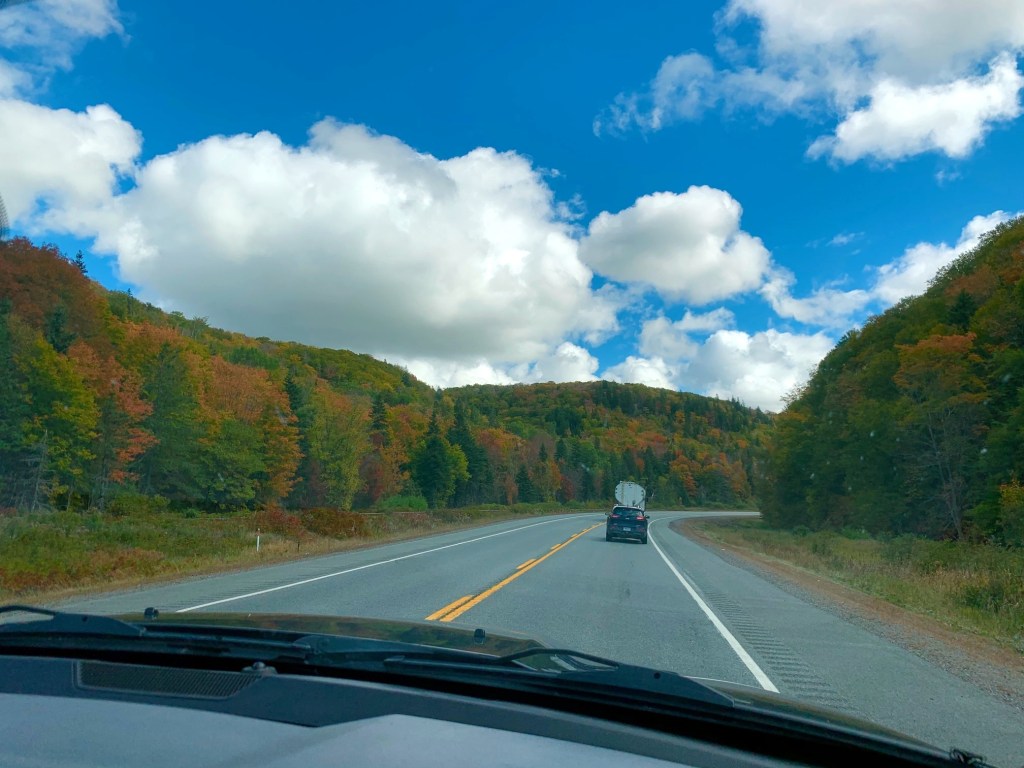
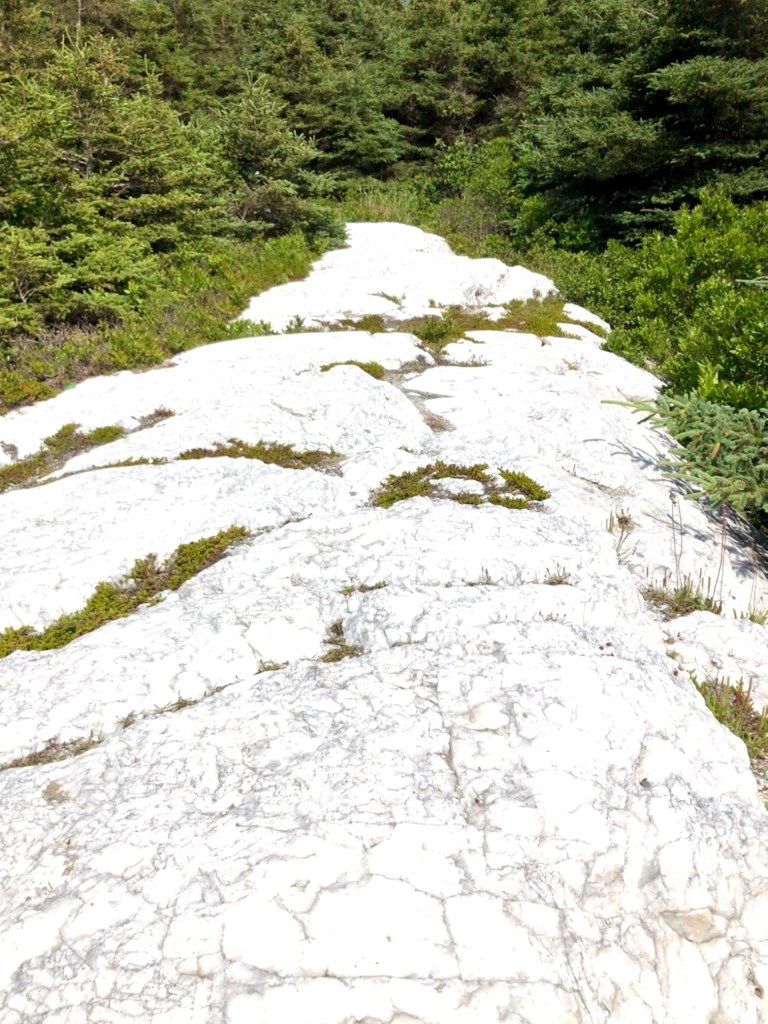
From my many travels on this highways, I have picked few pictures (from hundreds taken, of course – sometime I long to the times of old cameras with roll of film, when the limits of the shots were very limited. Making the ‘click’ was not as an automatic decision as it is now, LOL) to show the different way the land, the water and the sky interfere with each other. Some are of wide horizon, some of tiny detail. Hope they will portray the sense and taste of the Eastern shore of Nova Scotia and the gems it has to offer.
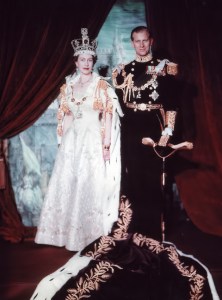
There is very few Canadians, who remember in their lifetime, any other Canadian Queen. Our monarch and constitutional Head of State. Elizabeth II – the only monarch I had, having been born and raised in a country that was a republic. At that time no less than a communist republic. That was also long ago.
There is millions of Canadians now, who have no special connection to the monarchy. They or their parents came here long after the 2nd world war. The last time Canadian soldiers actually fought for king and believed they did so not for Canada alone, but for the king, too. It was important for them, had an actual meaning. Canada in 1939 was actually still a Dominion, not even a fully sovereign country.
However, when I took an oath to become a citizen of Canada – I took an oath of a sovereign Canadian State and I pledged my loyalty not as a Dominion subject to a British Monarch. No, Prime Minister Pierre Trudeau must have been aware that I would not have like it.
I landed in Canada in frosty evening on February 1982. A month later, in March, Pierre Trudeau passed a Bill in our Parliament establishing a full repatriation of our Constitution from London and full sovereignty of Canada. Elizabeth II proclaimed this sovereignty in April of that year. That meant a lot to me. I do take oaths and pledges seriously. I wanted to live in Canada, not in a dominion of another country. And if Canada was a constitutional monarchy, I wanted to have a Canadian monarch. That our monarch, for undeniable and absolutely valid historical reasons, is also a British monarch and resides permanently in London (the one in Britain, not in Ontario) doesn’t bother me. I’m satisfied that the monarch’s General and Lieutenants Governors do represent the monarch well and are willing to constitutionally stop elected politicians from forming autocratic or tyrannical power. And every Canadian prime minister and provincial premier is well aware of it. Therefore the appointment of every Governor should never be treated as political patronage and ‘pay out’ for old political parties hacks, as was the most cases in our recorded history (in Dominion and in independent Canada). It takes away from the dignity of that position, therefore takes away from dignity of the Sovereign. Last appointments broke from that ugly tradition and three of them seemed very excellent: Michaëlle Jean in 2005, David Johnston in 2010 and current, Mary Simon in 2021.
I have never personally seen Elizabeth II during Her visits to Canada. To think of that, I have never seen here any other Royal Family member. Being hardly a person to line up streets and wave little paper flags is not my style. Not that there is anything wrong with that – but I have a particular aversion to it from childhood and very early adulthood during communist times, where it was often required. I preferred watching Elizabeth on TV, reading articles about Her visits. But I did see Her, Diana and Charles (our current Monarch) and beloved Queen Mother in London, England. Lived there for almost a year in 1981, walked by Kensington Palace almost daily and, of course, ventured few times to the gates of Buckingham Palace. Did not know than that She would become my Queen. Martial Law in Poland in December 1981 and a communist police looking for me at my parents flat near Warsaw changed everything. Few months later I was in Canada.
I can’t say for sure when and how I become a strong proponent of constitutional monarchy. I was always astute and serious observer and participant of political life. Never missed a single provincial or federal election (did miss few municipal ones). Never been a member of any political party but have very strong political views. Voted for all main political parties according to their platform: for old Progressive Conservatives (not a single time for new Conservative Party and doesn’t look that I ever will, as I detest and don’t trust any populists parties); for Liberal Party and for New Democrats and never regretted my vote. That political astuteness with passing years clarified my views on the institution of monarchy. I looked also to other – mostly European – monarchies. It all lead me to strong opinion that constitutional, modern monarchy offers the best protection for democratic (or, using old British term: responsible government) institutions, works strongly to deter overgrown ambitions of elected politicians to become tyrants and autocrats. Our, Canadian Monarchy offers the same to us. And that should be at the heart of our, Canadian, consciousness. Our country, for better or for worse, is a result of British colonization and that forms obvious and historically correct tradition, even if no longer as obvious present reality. Apart from French/Acadian/Quebec failed attempt at New France (and we do recognize their distinctiveness), Canada that exist is a result of British tradition. And traditions (including also not the best ones) are part of a soul of any country.
This is my tribute to our late Sovereign, Elizabeth II, Queen of Canada. She did serve us good. With grace and reverence we, as a country, deserve. The Crown served us good. Britain not always, but the Crown did.
Generally speaking, the British Canada started here, in Halifax, in Nova Scotia. I know, there is hardly a city in Canada that looks more and screams “England!” louder than beautiful Victoria (yes, named so in honour of Elizabeth II great-grandmother, Queen Victoria) on Vancouver Island. Love that city and had countless visits there. But as far as true historical political roots of British Canada is concern, it is here – on the shores of Atlantic, not Pacific. In Halifax.
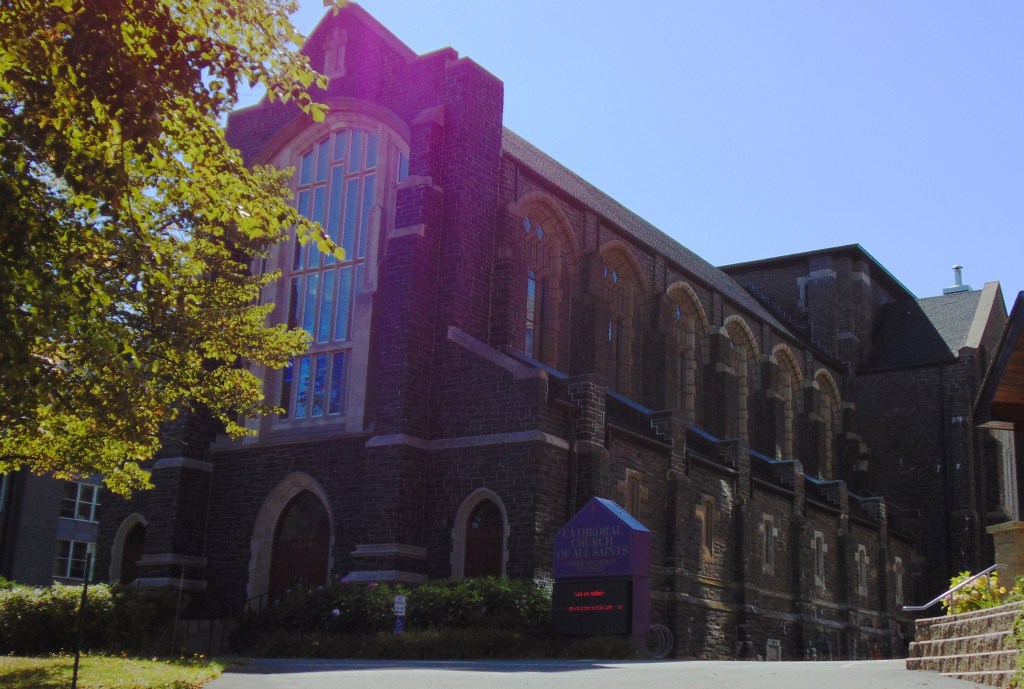
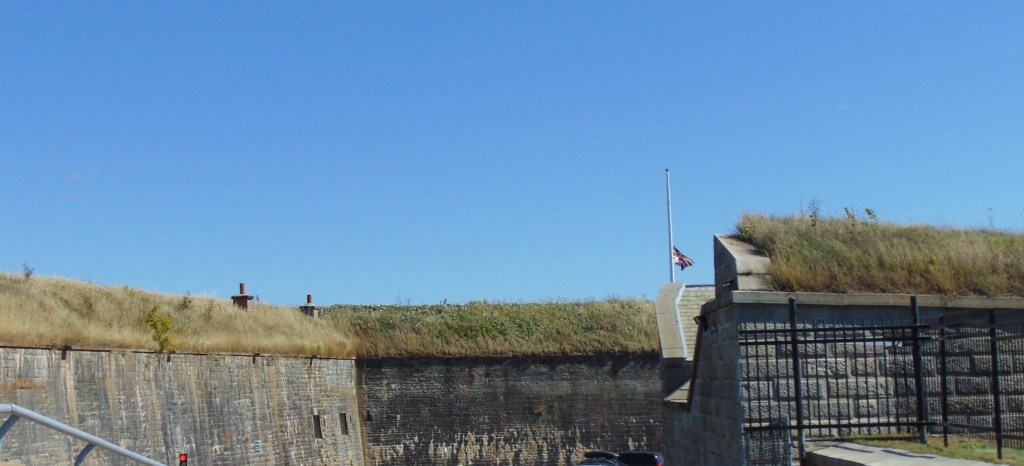
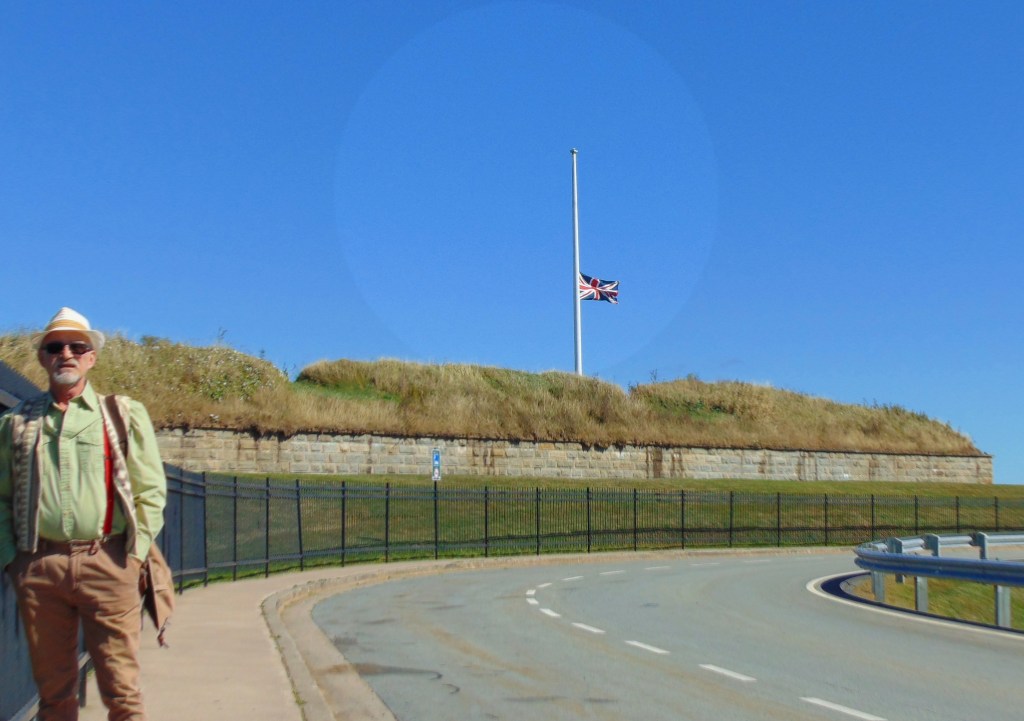
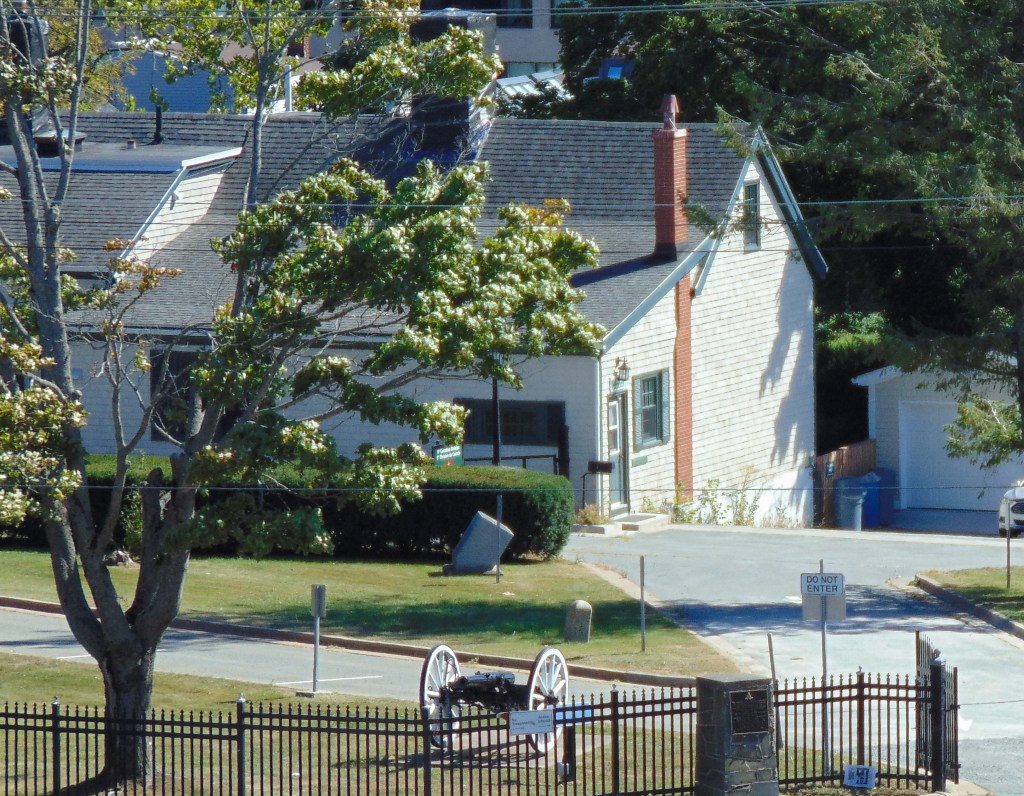
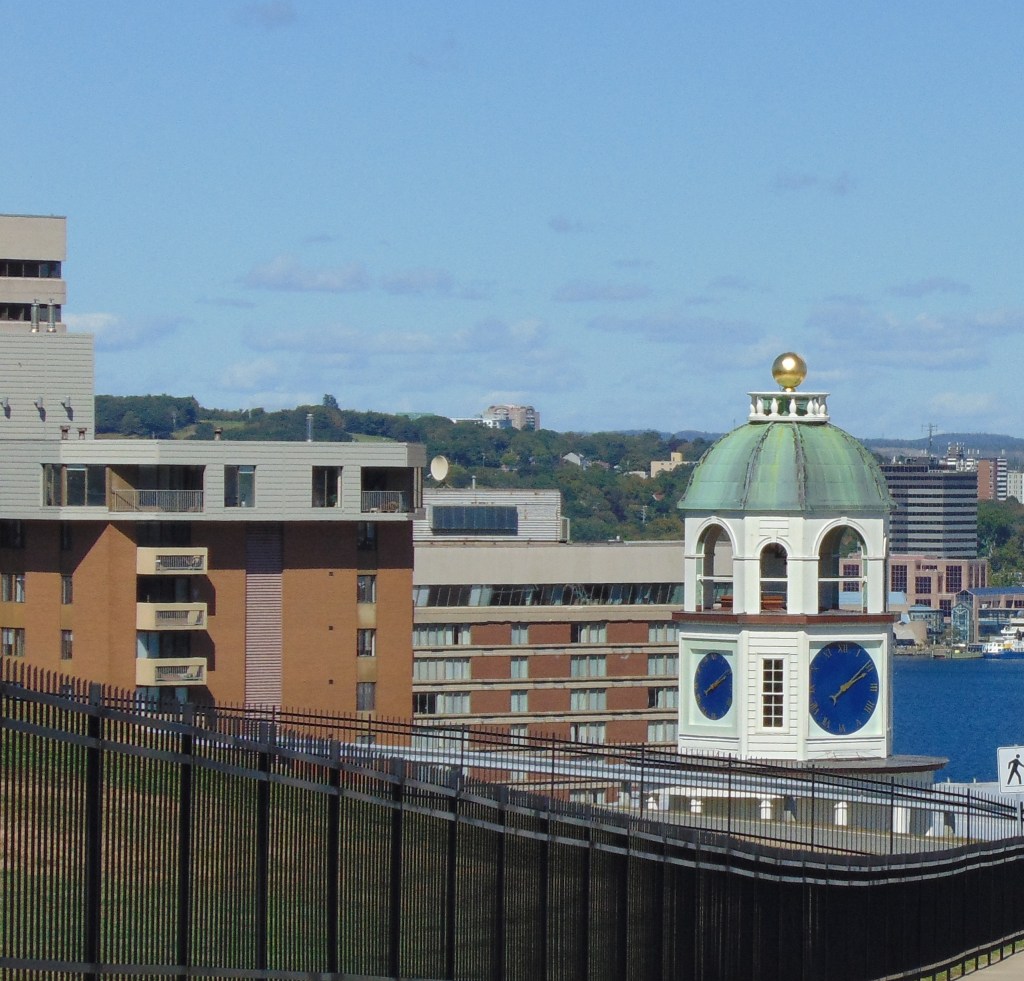
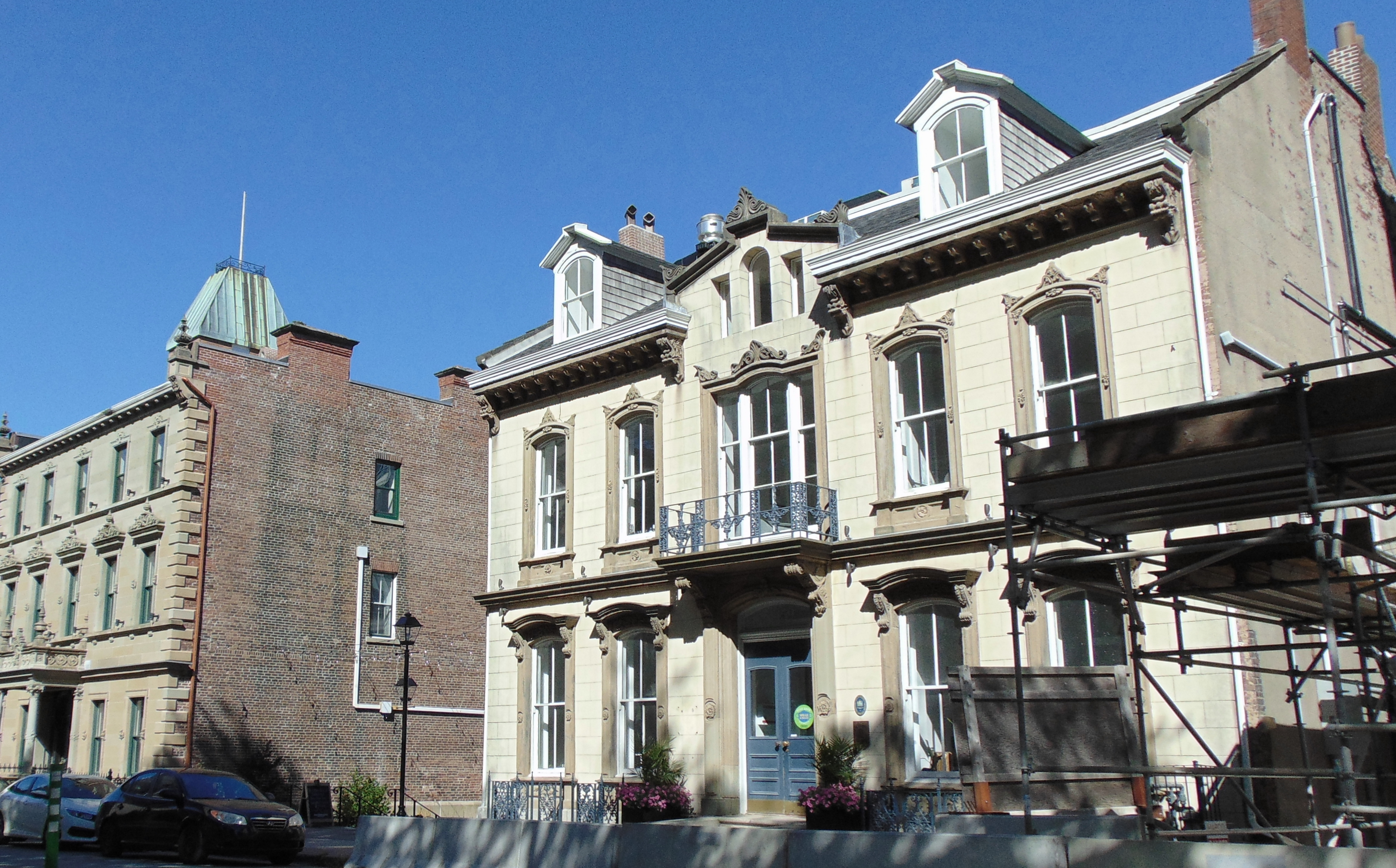
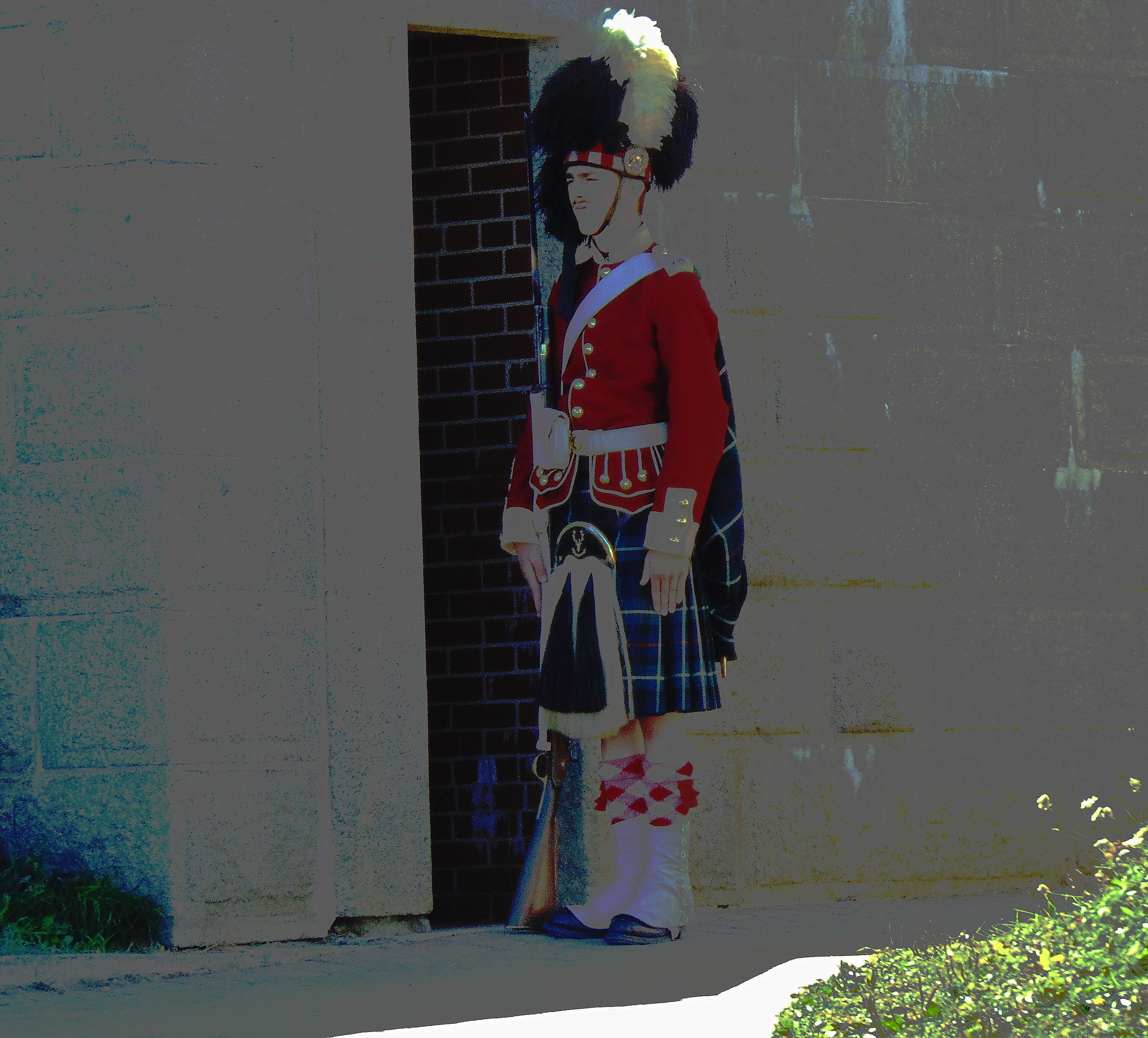
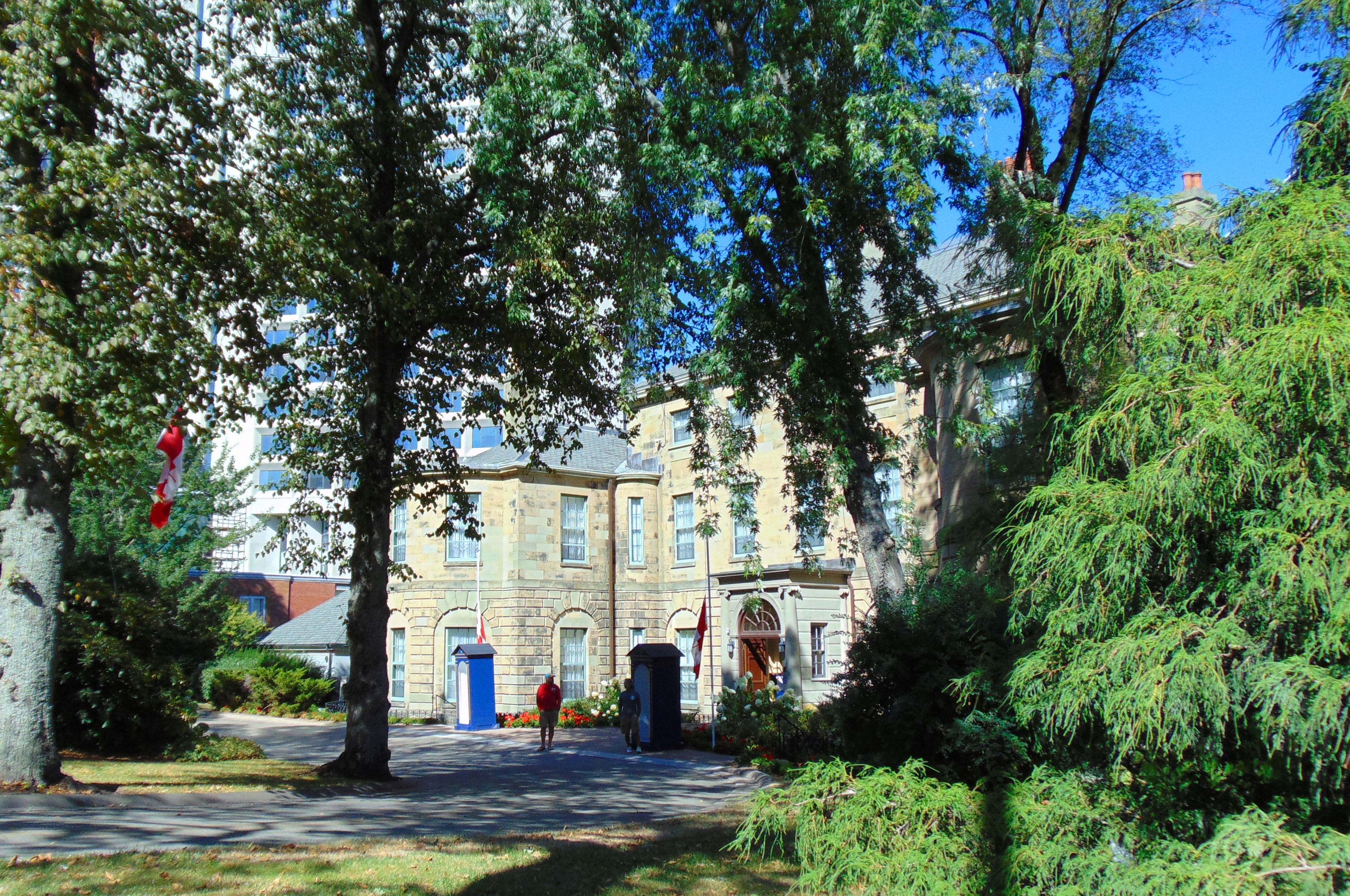
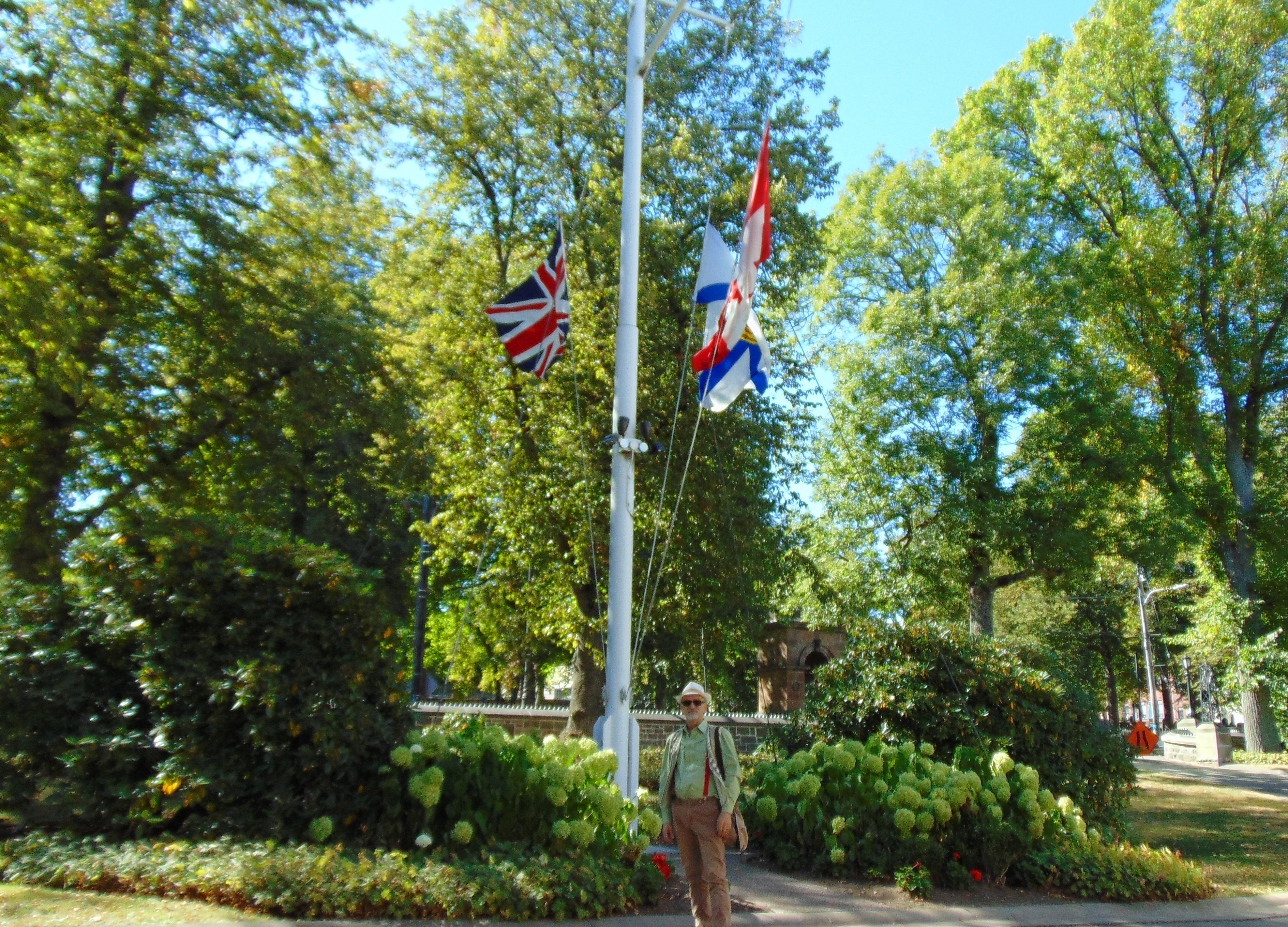
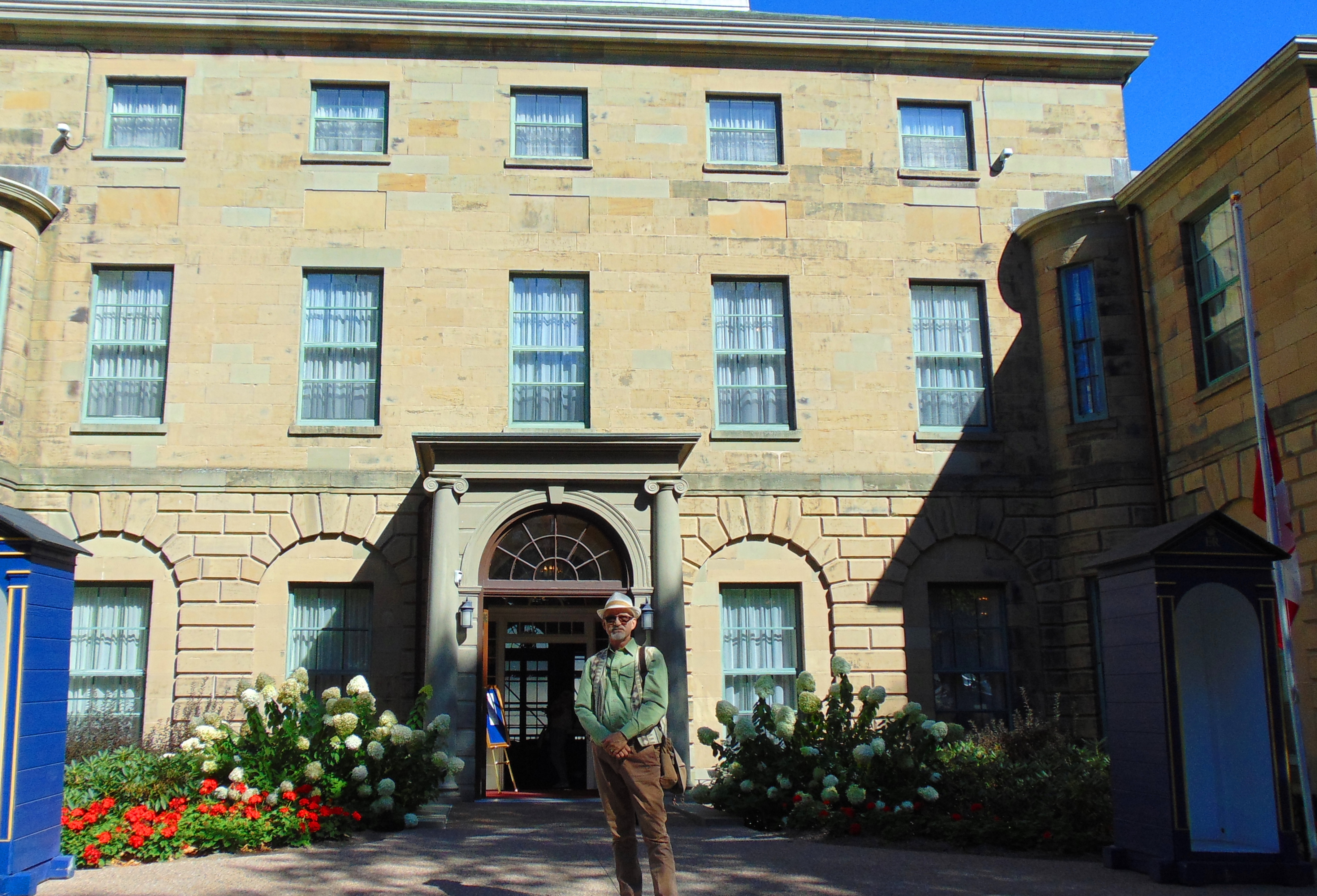
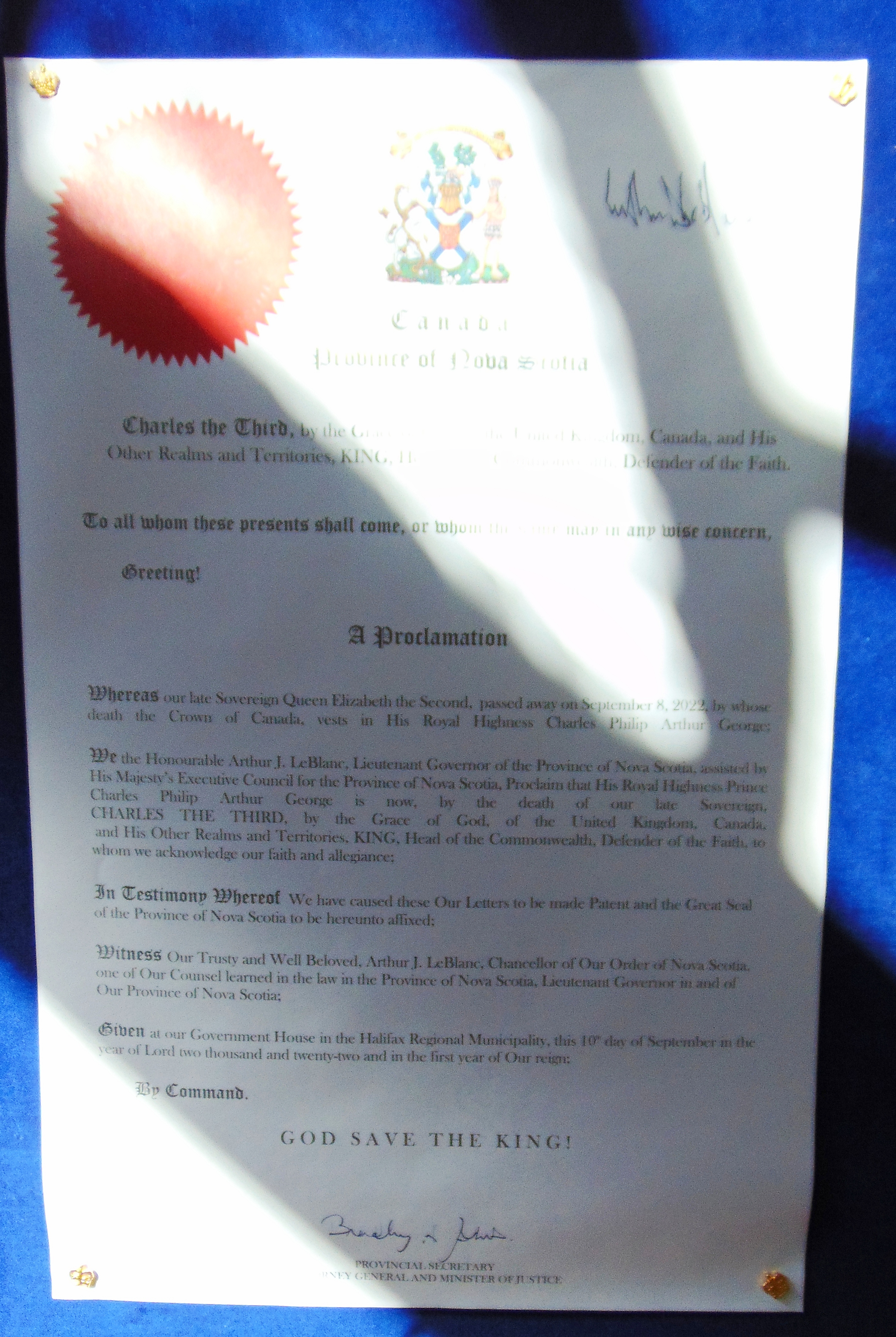
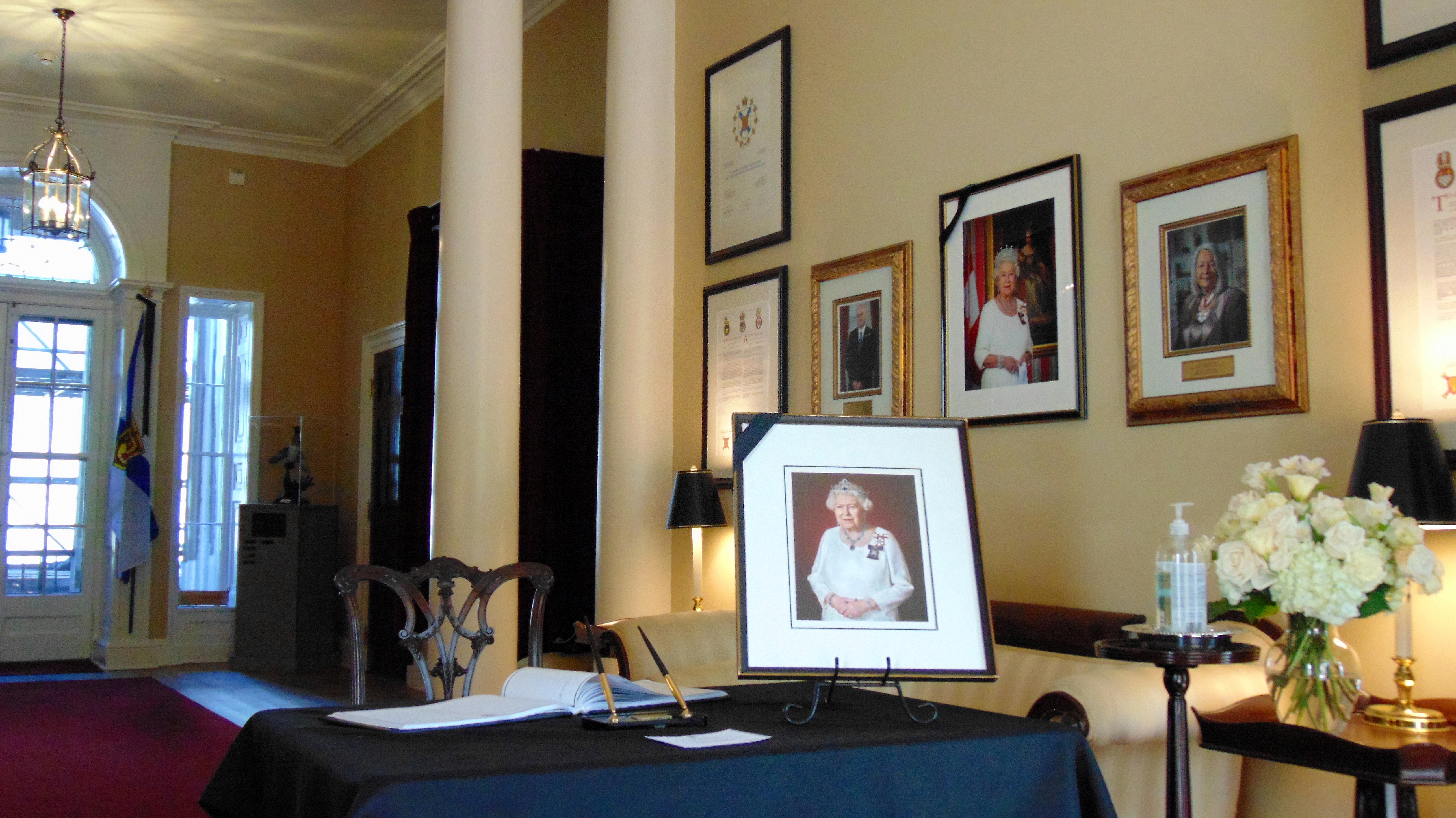
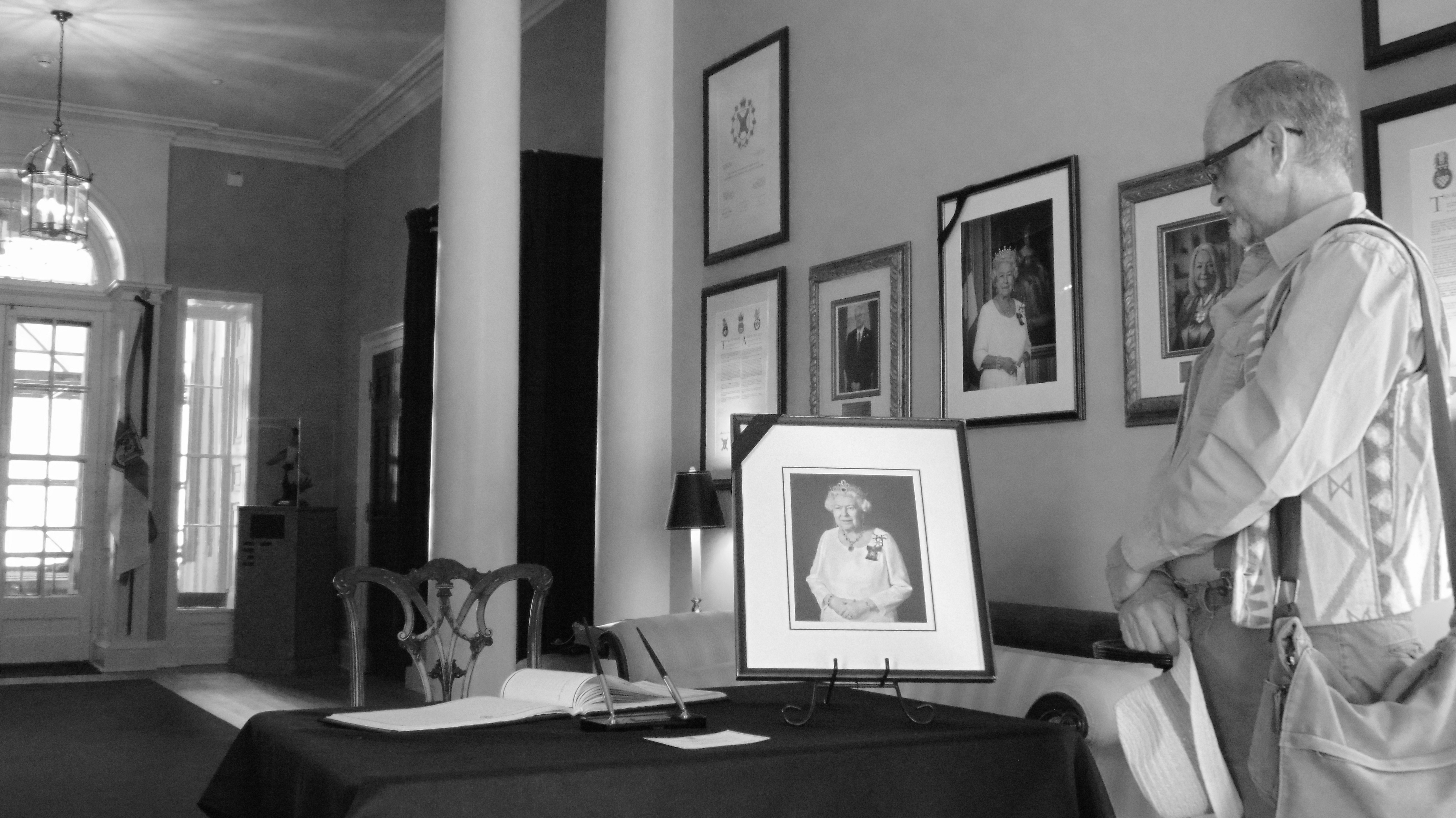
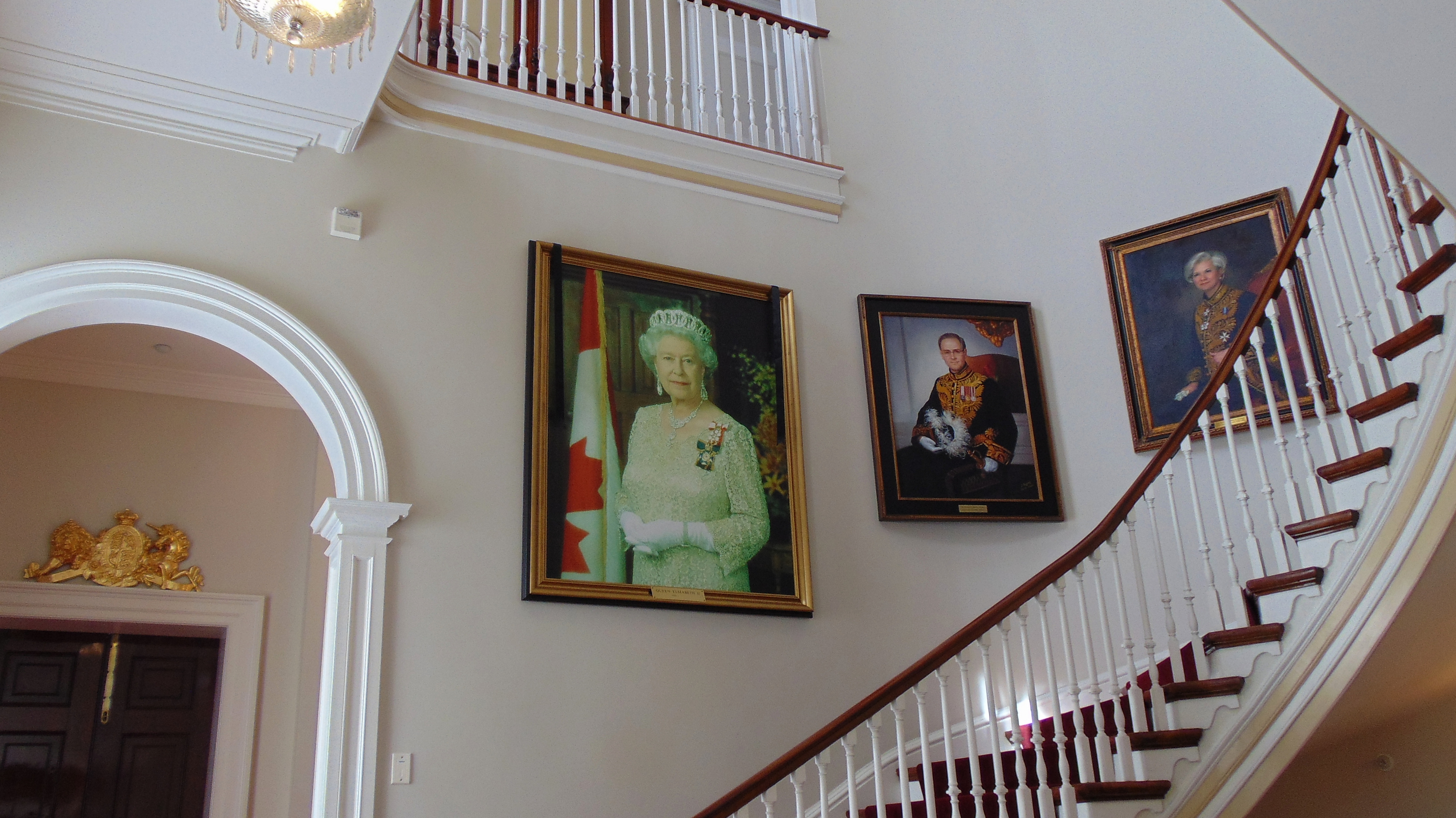
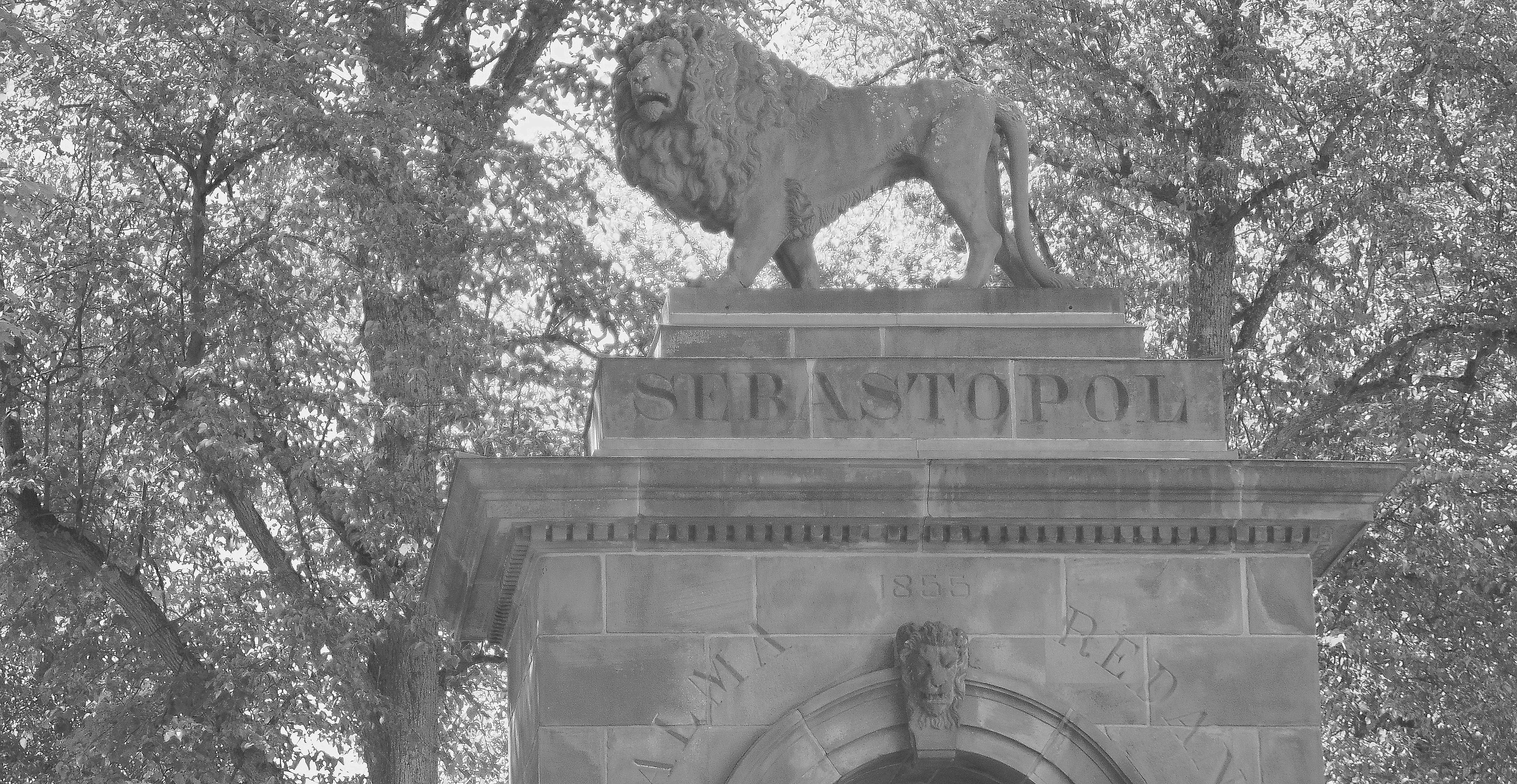
Today, the same day as ceremonies in Westminster Abbey, a special service will take place in Anglican Cathedral Of All Saints – an enormous neo-gothic structure, next to monument of Scottish national poet Robert Burns. On Saturday I took my walks through the old Halifax. The one that remembers times of beginning of Canada and times prior to Confederation. In the four years since I have moved here, Halifax has changed, too. Specially old, waterfront Halifax. Become (except for very narrow streets…) more modern, with new tall buildings. To the detriment of the old patrician city. It is harder and harder to see the waterfront even from Citadel Hill. I tried, though. I tried to walk the streets that look the way they looked, when Elizabeth become monarch, when her great- grandmother Victoria reigned, from where her great-great-grandfather, George III (the third longest reigning British king) sent his general John Burgoyne to the fields of Saratoga, where he lost America. Here, in local old cemetery lay soldiers , who where shipped from Halifax to the Crimea War in 1854 to the bloody Battle of Sebastopol (today called Sevastopol) to fight Russian occupation of Romania, Moldova and Bulgaria (a déjà vu of current Russian war on Ukraine?). I visited the old Government House (that’s how the seat of British governor where called at that time), an official residence of Nova Scotia Lieutenant Governor, and signed the Book of Condolences for our Queen. That was my private, personal homage to Elizabeth II. My Queen. Queen of Canada.
When I was a young admirer of classical music, I sought well established, famous musicians. To be at a concert of someone known to be a master, virtuoso of an instrument. To listen to music played the way the music ought to be played. Orchestral or solo, chamber type or powerful experience of full orchestra in a symphony directed by an admired director! Ah, for young, hungry for excellence youth – that was the pinnacle. I am glad I did it. Solid base, fundament is very helpful. For as long as you are not too timid (I wasn’t) to allow yourself to freely like or dislike certain composition, specific type of music. Art is not a religion. Art is freedom foremost. Of course, it didn’t hurt that I lived in a big city, that was very well known for its affinity for music and no shortage of good concert halls, musicians – Warsaw. Even in communist times (or perhaps in spite of it), culture flourished in Poland. And (that must be acknowledged) it was affordable, fully supported by the government. The results were not always pleasant for the authorities but wonderful for the public. Art schools of all sorts and levels were also heavily subsidized by the communists. And art was our escape from the dreary and boring life around. There was no shortage of exceptionally talented people in every field of culture. The most difficult task was for writers, the easiest for musicians. Visual arts were somewhere in between. With written or spoken word your intentions (freedom, truth) were clearly visible, audible. So writers and poets had to manipulate, use so called ‘writing in between the lines’ technique. But musicians could escape they eye and furry of the censor much easier. Particularly (as often was the case) if the censor was not very perceptive or of more feeble then intellectual mind. As it is often the case with censors.
That solid base allowed me to be comfortable to change my tastes in music and musicians. With time I preferred live concerts with younger, knew players, voices, sounds. The masters, after all, are always within arm’s reach on the vinyl, CD’s, online.
It is a marvelous journey to observe a young player blossoming, becoming mature musician. How his playing changes and goes through a metamorphosis. It is thanks to these players that an old, sometime very old, sheet of music that you have heard so many times – becomes alive again, young, vibrant. As it should. The composer might be gone long time ago but the music must be kept alive, current. Otherwise a concert is like a visit in a museum – interesting, enriching but often too long, tiring at the end. Canons are important for technical reasons, not for spirited interpretation. The overwhelming desire must be always kept on the essence of art and being an artist: what story I have to offer to the listener? What is my commentary on beauty or philosophy, ethics and esthetics to a contemporary listener? Of course, the trick is to remain respectful and true to the notes written often very long ago. Being always aware that circumstances and habits change with epochs. But human soul, dreams, emotions remain the same for millennia. Therefore you must try to find in the composition and your study of the composer biography, that inner message, the emotion that should be immortal. The story of human condition. And you, the pianist, violinist, trumpeter, flautist, guitarist must tell the story in your own voice. We, the audience must believe that you are telling us your own story. Just like Hamlet on the theater stage should no longer belong only to Shakespeare – you must become that Hamlet and it must be a contemporary voice. It must be your desire, your despair or triumph that will move us.
Just playing good, properly adhering to the tempo, intervals, tonality, melody will not do much for art. It might be proper, might be even elegant. But it lacks creativity. Just because you go every Sunday to a church to attend mass, know the hymns, the prayers – does not make you pious. In this way art and religion are very similar indeed: they require fervor and passion in the ultimate consumption.
Have been lucky to observe, over the years, many carriers and artists. Known some of them personally, with some have even become friends (that is rewarding but also difficult for someone who writes about their art). Some exceptional, others less but still truthful to their search. Still, others have given up the stage for the safety of teaching careers in musical schools, in academia. Stage is not for everybody. It could be a terrifying place. But it also offers the freedom to fly, to soar. Just make sure that your wings are strong. Rewards could be amazing.
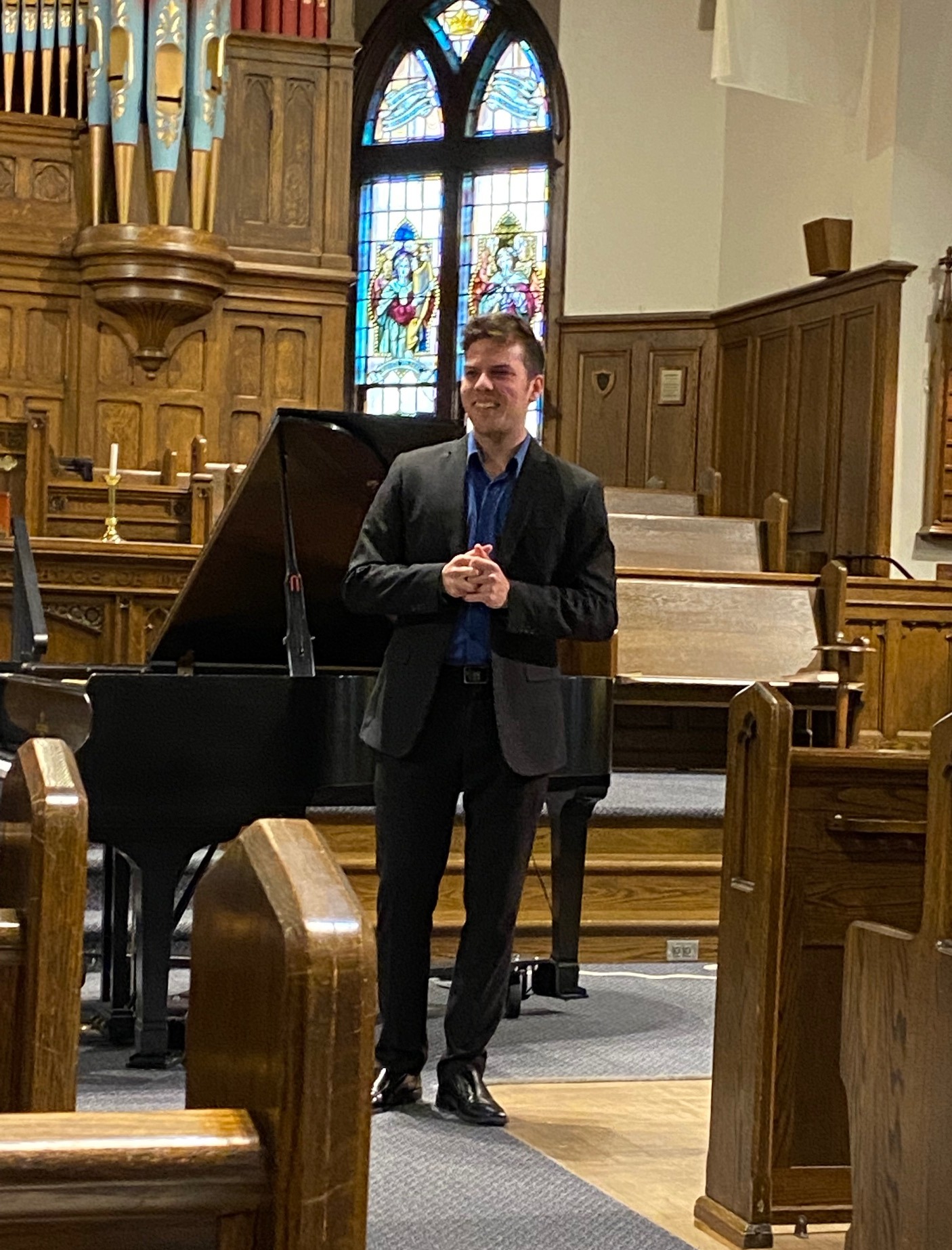
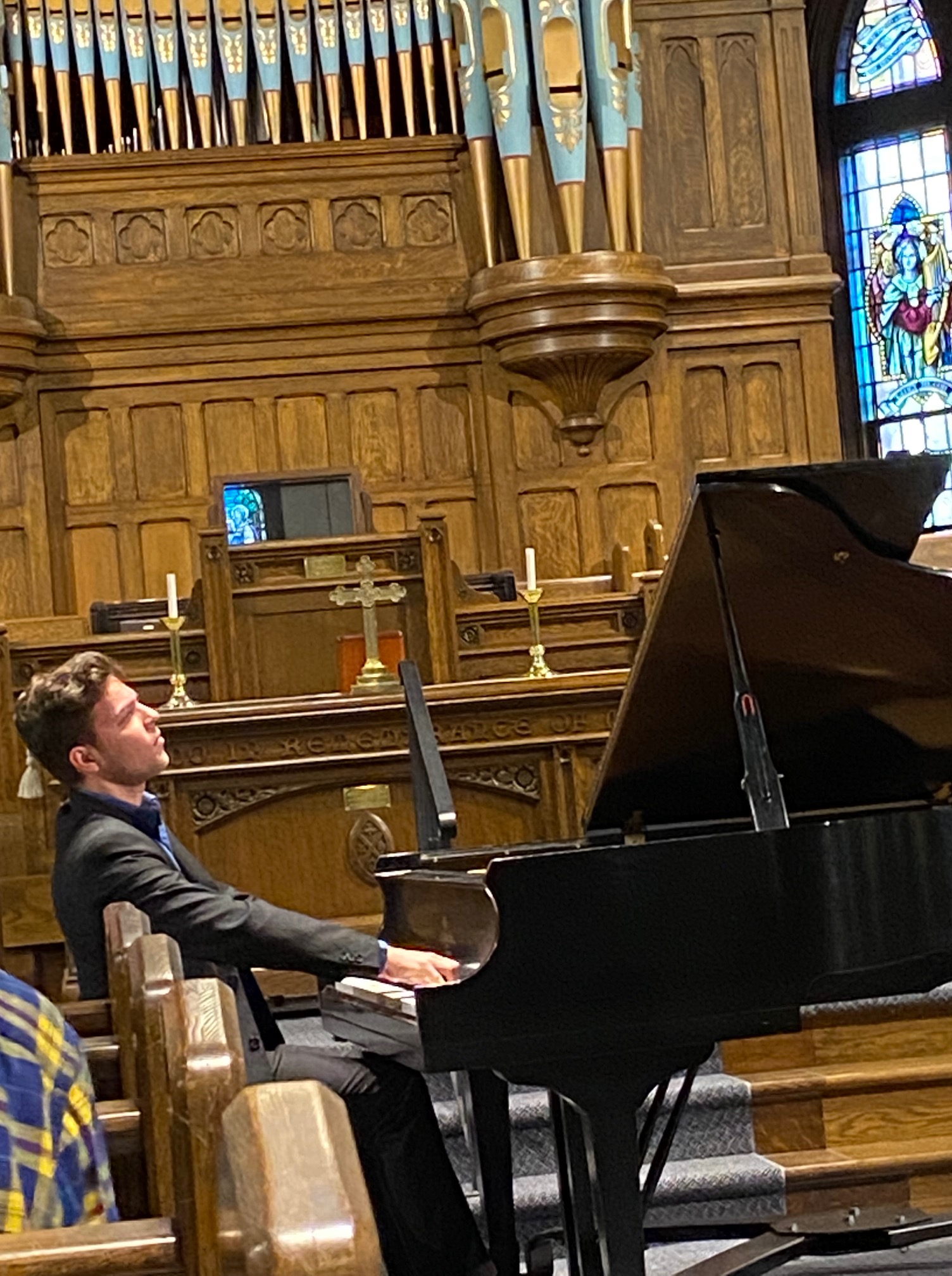
On April 30th, at the evening, I drove over hundred kilometres from Halifax to Lunenburg to listen to a young pianist, Jean-Luc Therrien. He was just about to end (except for one more concert in Antigonish) his tour of Debut Atlantic, well established artistic venue supported by Canada Council for the Arts. Afterwards, I planned to write a review of the concert. But life, at times, has other plans for us and I had to postpone writing it. To a point that typical review becomes obsolete. Your own memory and emotions are no longer as vivid as a day or two later. Yet, I wanted to mention it and the pianist, for it was a very good musical experience. Worth mentioning.
Alas, on that day I drove to Lunenburg in search of that young passion in music, for new musical meeting with new pianist. Almost like on a first date: with a bit of tension and trepidation but excited and looking forward to it.
The setting was similar to my previous concert outing in Halifax, in St. Andrew United Church, with acclaimed pianist Richard-Hamelin and a young cellist Cameron Crozman. Again, Therrien concert was in an old, Central United Church, with beautiful stain glasses, settled in district filled with gorgeous old churches.
It was such a shame that the venue wasn’t either advertised properly to local community (considering the fact that Lunenburg and its neighbour, Mahon Bay, are small towns with densely populated smaller downtowns) or the locals are interested only in tourist dollars, not in supporting and admiring culture. The small audience that gathered inside was definitely not disappointed. And the young, smiling and very pleasant pianist did not show lack of enthusiasm for music or respect for listeners.
Perhaps the opening piece, Prelude et dance op.24 by Jacques Hétu was the most difficult to play. Not only for the fact that this Canadian (from Quebec) contemporary composer is probably not very popularly known. It is composed with extensive pedal work and requires a strong, modern piano. I’m afraid that the old, venerable grand piano of Heitzman (best Canadian piano maker in XX century) could not fully reproduce the sound that Hétu intended. Yet, definitely it was a very interesting composition and I listened to it with great interest.
The next part paid off any misgivings in multifold. Third part of great Suite bergamasque – one of the most played and loved Clair de Lune. Heard it so many times played by the greatest pianists. But chased away any thoughts of any comparisons, which would have been unfair. Let the young man play it the way he hears it in his soul. And he did. Maybe a bit timid at the very first phrases but the rest was beautiful. So poetic. With that interpretation he sold me. The rest of the concert I just enjoyed myself.
Jean-Luc Therrien is definitely an emotional pianist. His music comes not only through his fingertips but also from his heart and soul. It is not yet pristine and fully disciplined technically, but it flourishes by full emotional immersion of the pianist. You can always improve your technical skills if talent, luck and perseverance gives a long stage career. But that God’s given touch of emotionality cannot be learnt, it must reside in your soul from the very beginning.
That was seen also in somewhat diabolic prelude of Debussy: the F-sharp minor “What the west wind saw” – fast paced and full of arpeggios composition not for timid pianists.
Therrien finished this part by playing one of the giants of romanticism (Debussy personal hero) Franz Liszt Mefisto Waltz No.1. I must admit that I never liked that composition and do not see it as a musical achievement of this great Romantic pianist and composer. Therefore can’t offer my personal opinion on Jean-Luc Therrien play of it. It sounded proper – that’s all I can say.
Second part of the concert was difficult and challenging for any pianist. Introduction of modern Canadian composer from Alberta, David McIntyre in “A wild innocence“. It was very short and technically interesting. But in a whole – lacking artistic musical purpose. I suppose, since the entire tour is organized traditionally by Canadian Council of Arts – the repertoire must include domestic contemporary composers.
True challenge and musical artistic genius was brought by the final piece, Sergei Prokofiev Sonata no.2 op. 4. It is very transformative music composed in times of great upheavals and changes in artistic expression. It is also affected by personal sorrow of Prokofiev due to sudden and tragic death of his close personal friend. Yet, as a true artist, the composer packed the score with much deeper, philosophical discord of great changes on the horizon of humankind. It has parts that seem almost too easy, almost not worthy the title ‘classical music’. Somewhat reminds me of music by Gershwin on the other side of Atlantic at the same time. But it is all misleading. The ‘easiness’ of these parts underscores the other parts of the compositions. One compliments the other. It speaks in new language, different of languages of Debussy, of Liszt, Chopin and Mozart. I thought that Therrien played it splendidly. Emotionally and with great musicality. I could clearly see young Prokofiev overwhelmed with sadness of losing very close friend and escaping to memories and happy times, melodies and finding somehow peace in the finale were he brings all the rhythms, all the movements of previous parts into conclusion. With somewhat stoic understanding, even moments of lightness: nothing is forever, nothing is given in perpetuity. Neither in private life nor in world habits, styles, epochs.
It was very nice that the small group of listeners wanted to show the pianist how much they enjoyed his concert and did everything not to stop clapping and almost forced him for a bis. He definitely gave us all big joy and pleasure. The pianist obliged and play a small piece of Robert Schuman’s music. Elegant but not empty. In times of Schuman, in between musical epochs, compositions had to be formed elegantly, while a good composer still could enrich them with true meaning, thought or emotion. Many things could be said about Schuman as a composer – but never that his compositions were not a good music.
Therrien recorded two CD that are worth mentioning: Piano Preludes by American-Spanish label Orpheus Classical ( Claude Debussy Book 1 of Preludes and Franz Liszt Symphonic Poem no.3, S.97 (nota bene: Liszt was the father of this musical form). Therrien arranged it himself for solo piano.
Second of these recording is a CD produced by French label Klarthe. It contains an array of fantaisies by many composers played by duo of Jean-Samuel Bez (violin) and Jean-Luc Therrien (piano, of course).
Of these two recordings, I particularly liked the ‘Piano Preludes’ produced by Orpheus Classical.
Jest coś przerażająco pustego w naszej cywilizacji. W gruzach własnych kłamstw i pożarów runęły stare Kościoły, etyki, zasady. Nie, nie były szczere ani prawdziwe. Nie opierały się ani na dobrze ani na szacunku wobec innego, drugiego. Ale ofiarowywały pewną nadzieję, pewien schemat postępowania i oczekiwań, które czyniły życie znośniejszym. Małe cele możliwe do osiągnięcia, nawet ucieczkę w elizjum metafizyki służenia Czemuś, wartości przerastających szarą i nieruchomą egzystencję.
Dwa światy
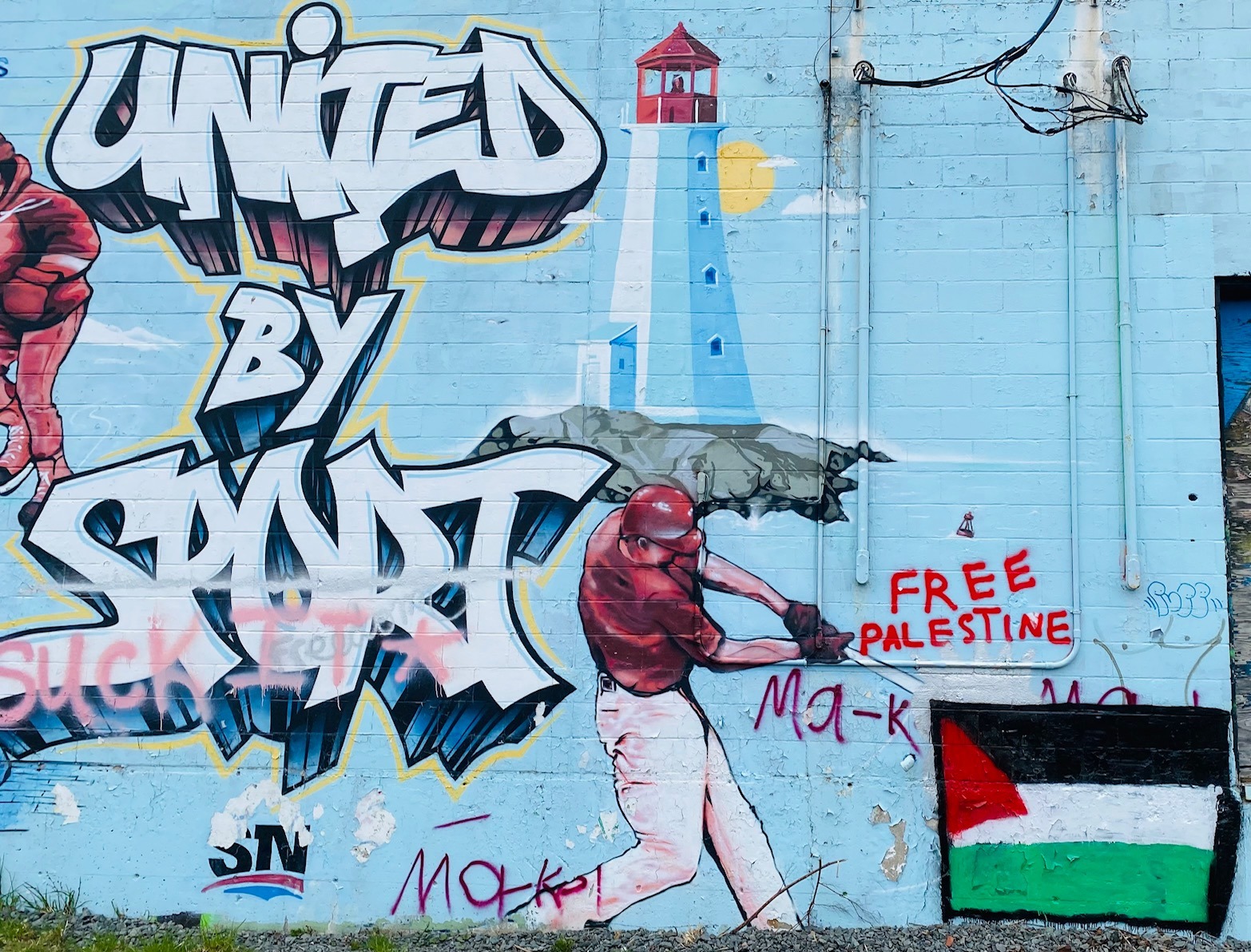
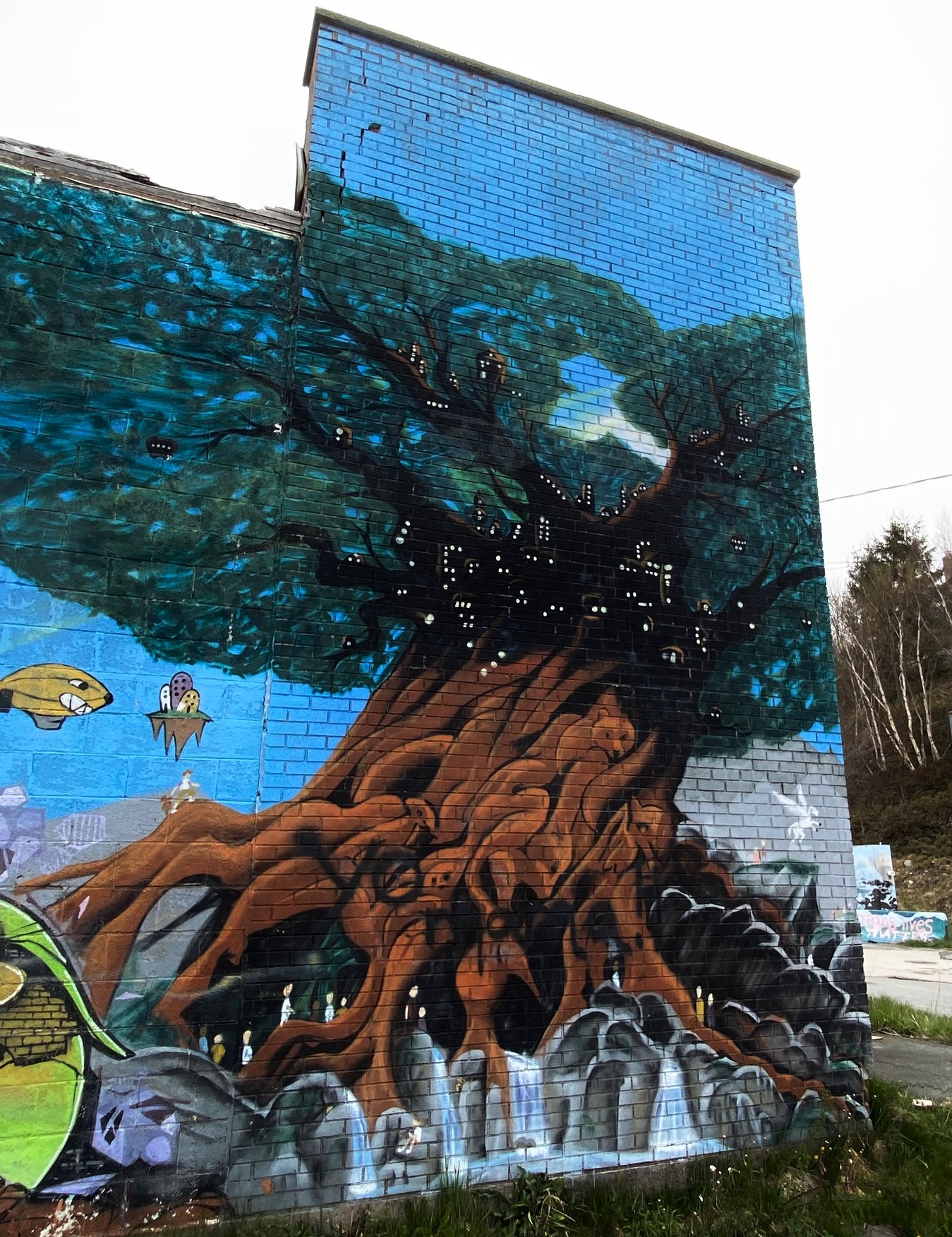
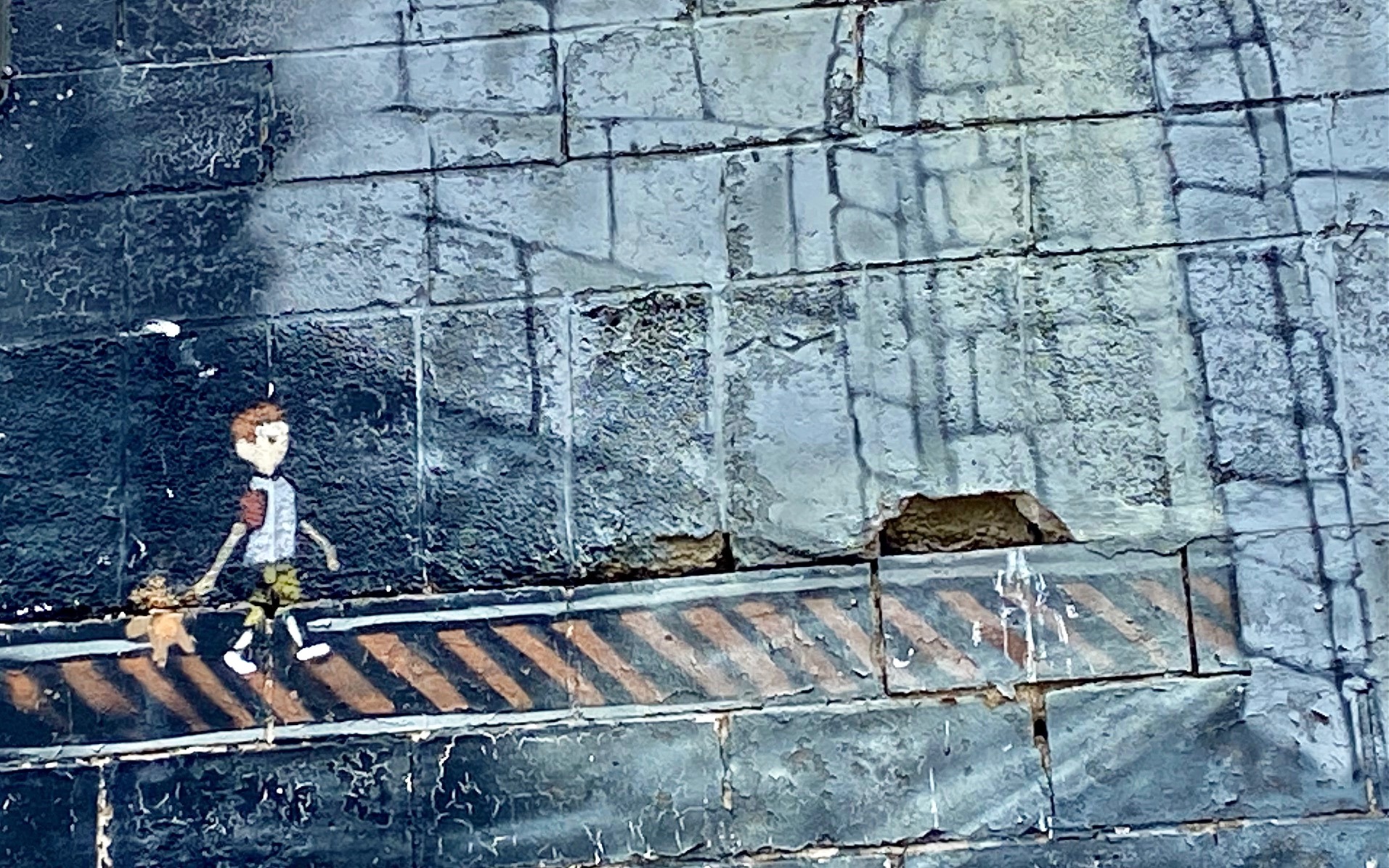
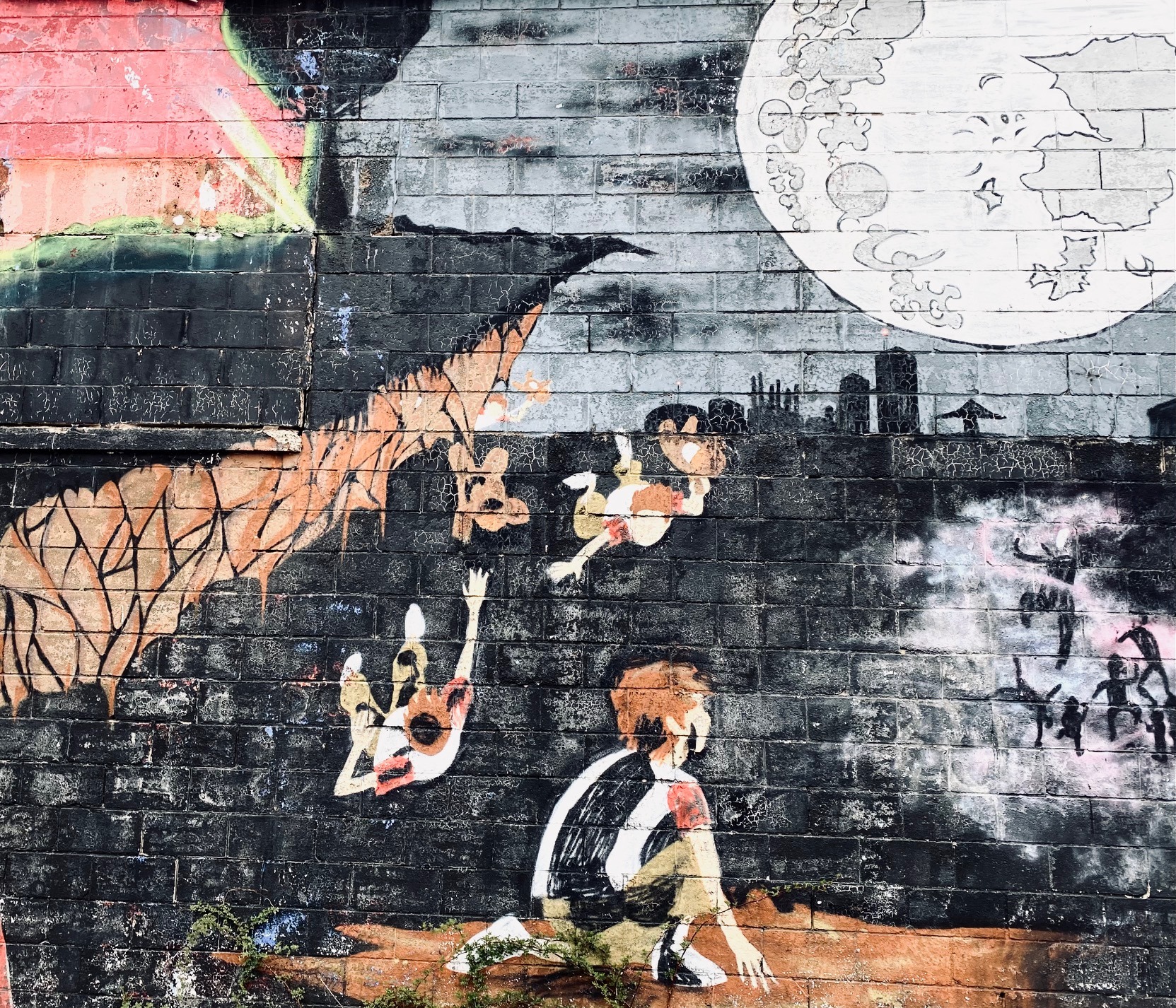
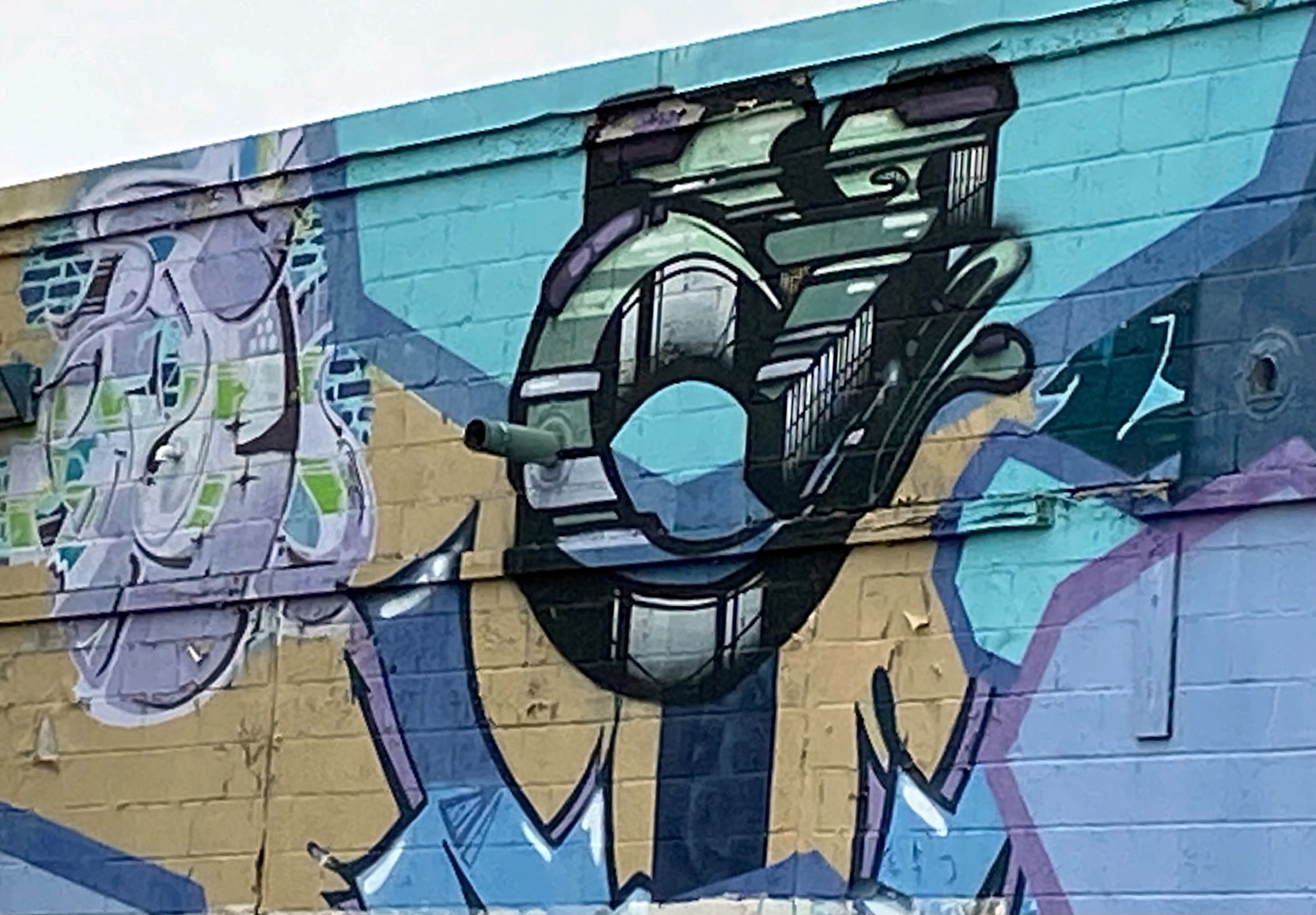
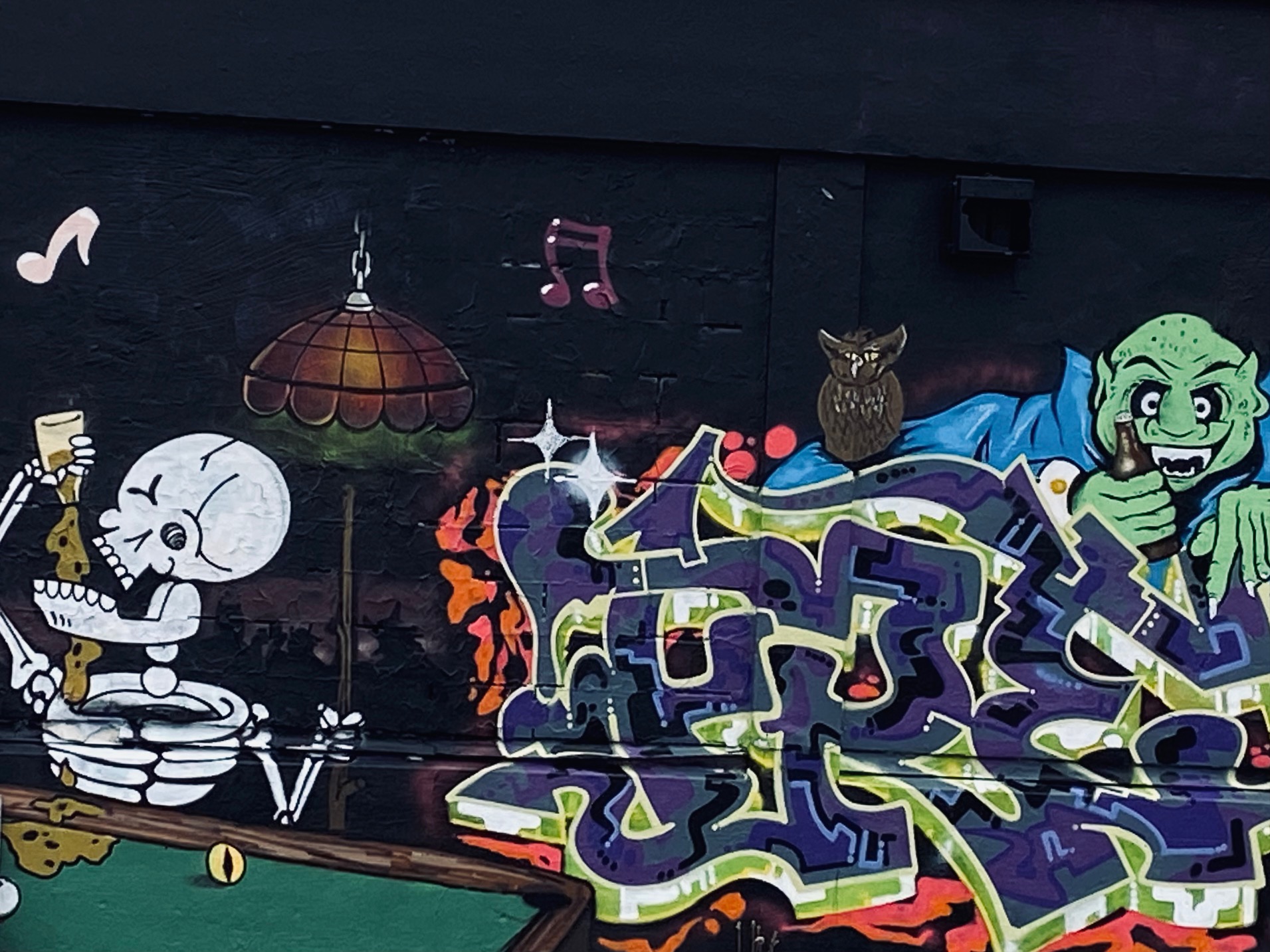
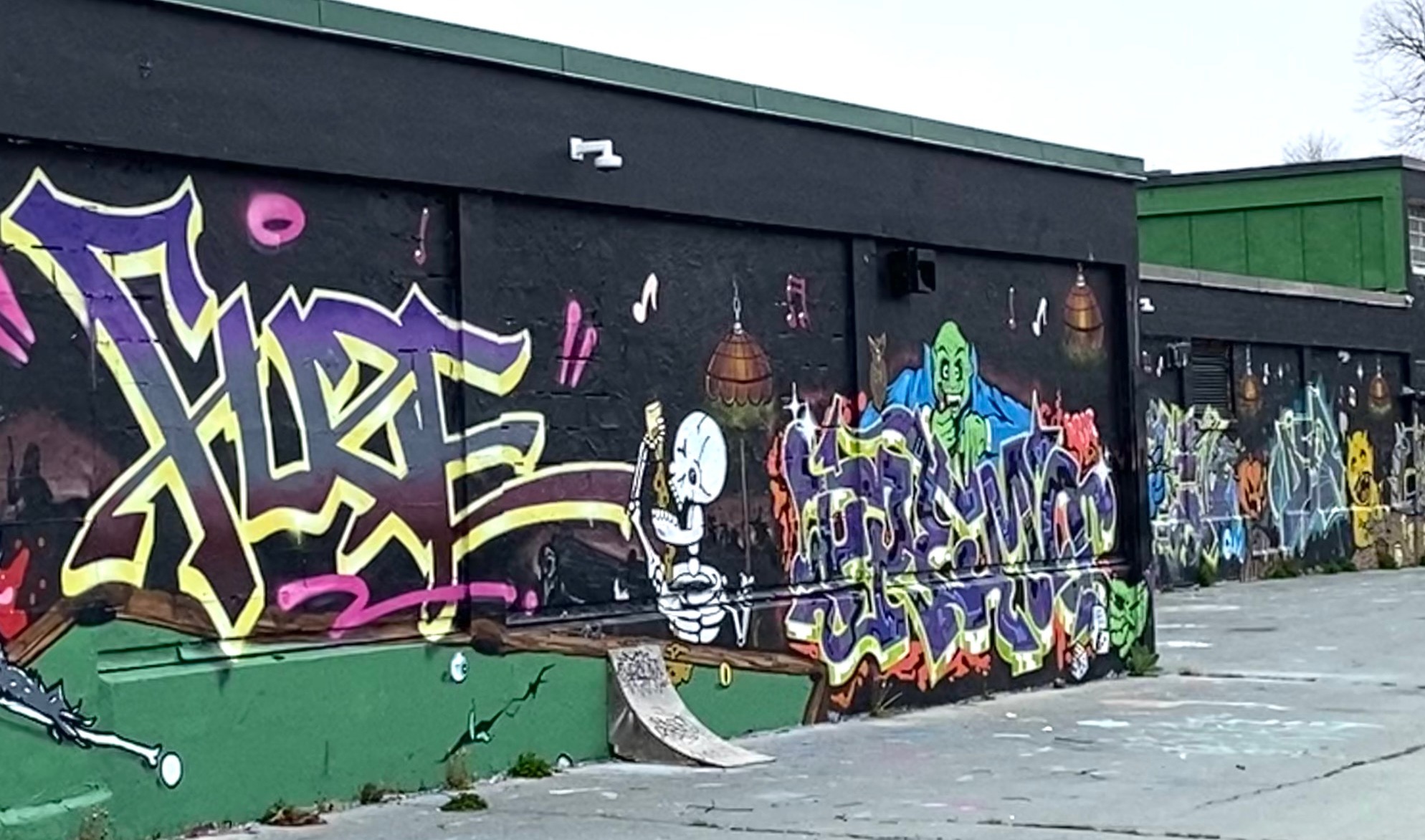
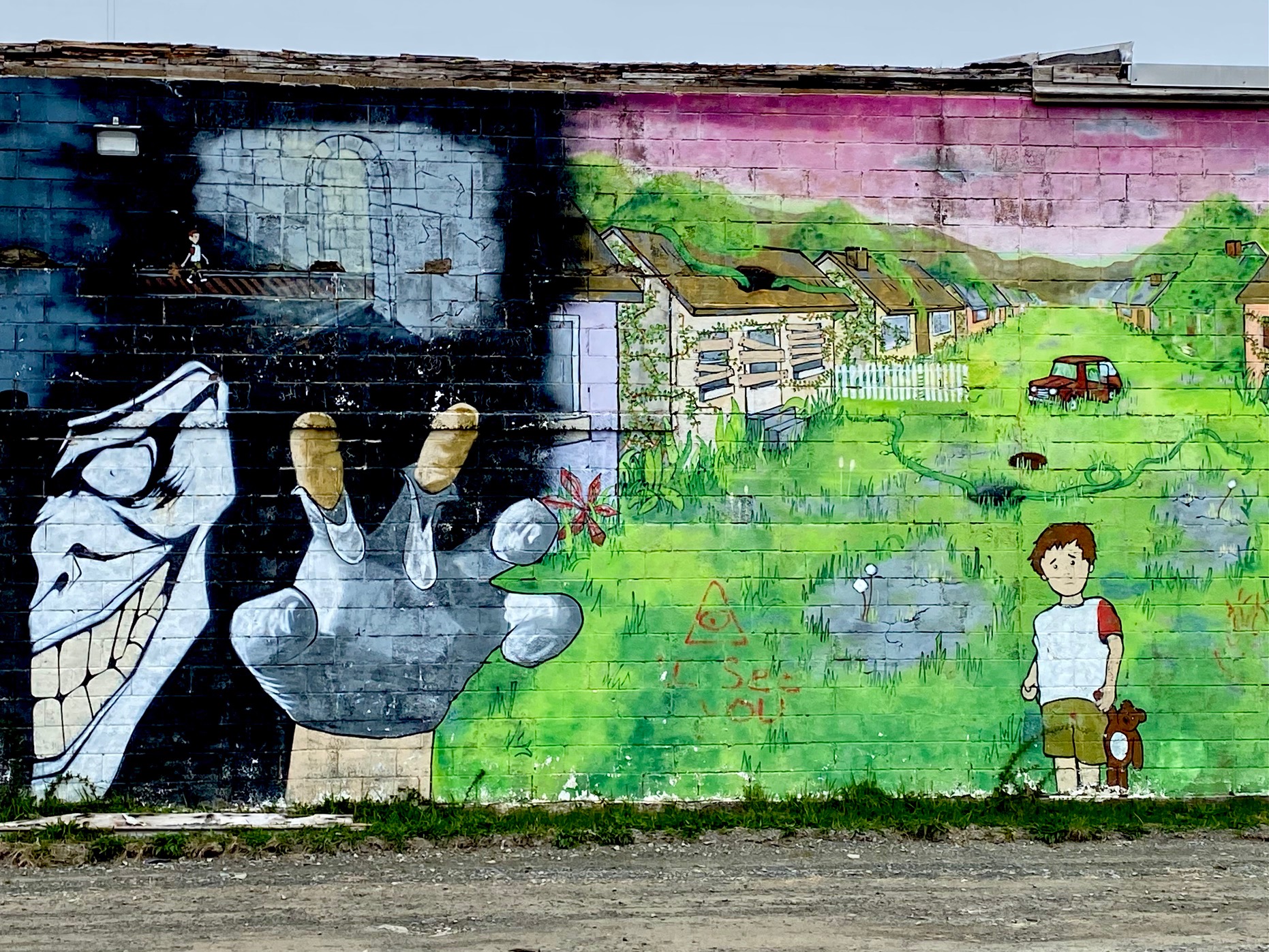
Krótki spacer nad kanałem morskim oddzielającym Dartmouth od półwyspu na którym rozłożył się sąsiedni Halifaks. Dzień ponury, dżdżysta materia wisi w powietrzu i opończa wilgoci zamazuje kształty, kolory, rozmywa krawędzie. Zakątek na spacer wybrałem dość podły. Resztki rozwalających się starych zakładów małego przemysłu, jakieś nieczynne już, lub w poły tylko, magazyny. Ale te pół ruiny to fantastyczna, kolorowa i wiecznie zmieniająca się galeria murali/graffiti/fresków. Bez zwracanie uwagi na szczegół, bez prób rozszyfrowania języka twórcy – samymi tylko kolorami, wielkością, omal mahometańską tradycją graficzną – te ściany upiększają dość biedną rzeczywistość tego krótkiego zakątka, małej części kilkukilometrowej trasy spacerowo-rowerowej, miedzy dwoma przystaniami promów miejskich.
Ale w dzień, jak ten właśnie, sama atmosfera zmusza cię do ‘czytania’ tych graffiti. I wtedy słyszysz ich krzyk. Lub złość, protest. Rozczarowanie. Pokazanie kułaka zgiętego w łokciu, środkowego palca. To nie są piękne freski upiększające otoczenie (choć piękne są). To sztuka protestu. Gazeta ścienna. Manifest Komunardów? Nie, to też spaliło na panewce. Wszystko prawie. Każda obietnica. Każda rewolucja, która pożarła swoje dzieci i wymordowała swoich przywódców, którzy przedtem mordowali swoich wielbicieli. Lenin-Trocki, Robespierre-Danton. Wieczna dychotomia. Idee, które w imieniu człowieka i ludzkości tychże wyrżnęły na dudka. Lub po prostu wyrżnęły. Demokracje liberalne, które skończyły się nową formą pańszczyzny, wolności osobistej okiełznanej kolczastymi drutami ekonomicznego wyzysku tzw. wolnego rynku. Próbowano już wszystko chyba – i wszystko zawiodło. Zawiodły Kościoły stare i Kościoły nowe. Pozostał angst. I Banksy. Jego naśladowcy. Biedni, zdolni, naćpani może narkotykami, rozczarowani społeczeństwem, systemem. Człowiekiem. Ale nie milczący. Puszka farby w aerosolu nie jest taka droga.
Miasta, biznesy próbowały początkowo z tym walczyć. Sypały się groźne słowa świętego oburzenia: wandalizm, graficzne zaśmiecanie środowiska, brzydkość, wulgarność. Często z poparciem tej najgorszej, najbardziej przeciętnej i zaślinionej drobnej burżuazji (tak, tejże współczesnej dulszczyzny i wnuków bohaterów słynnego wiersza Tuwima o ‘strasznych mieszkańcach ze strasznych mieszkań’). Przeciętniaków, którzy ongiś żyli (i kształtowali swoje płytkie poglądy) sensacyjnymi tytułami popołudniówek, a teraz trwają, z wypiekami na twarzy, na swoich fejsbukowych forach, swoich tłiterach i instagramach. Pewien wpływ na tą twórczość graffiti miał niewątpliwie prąd w sztuce znany, jako konceptualizm i jego pochodne i późniejsze popularne i bardziej przystępne intelektualnie formy popartu. Ot, słynna Zupa Campbell czy wreszcie fenomenalna Puszka Coca Coli Warhola. Zwłaszcza Coca cola stała się wspaniałym otworzeniem na pastisz, na ironię, na ‘okazania nagiej prawdy, ‘prawdziwej twarzy’ społeczeństwa konsumpcyjnego. Bez względu na zamierzenia neurotycznego i zadufanego w sobie Warhola. Okazało się, że słynny druk Coca Coli można ukazać, jako nowy symbol Ameryki. Jej nowe godło narodowe. Nie żadne Deklaracje, dumny Orzeł, wolność. Bzdura – idealny symbol biznesu, robienia forsy bez skrupułów, sprzedawania (pardon moi) gówna nie wartego i nie kosztującego więcej niż pięć centów za dolara, w dodatku gówna szkodliwego (epidemia otyłości i cukrzycy jest pochodną tej fascynacji masy cukru i sprytnie dobranych, jak w kunsztownej mieszaninie używki narkotycznej, związków symulujących smakowitość): puszka Coca Coli. Nic więcej. Nowy sztandar patriotyzmu za który młodzi żołnierze maja oddawać życie. To wszystko miało bez wątpienia wpływ na ironię, szyderstwo, a w końcu wielki smutek subkultury, często określanej (i samookreślającej się tak), jako underground/podziemie. Choćby szwedzka mistrzyni Czon, która poszła dużo dalej niż Banksy i zerwała z dość ściśle przestrzeganą przez Banksy’ego zasadą wysokiej estetyki jego dzieł. Współczesne, podziemne graffiti to krzyk, złość – ale też coraz widoczniejszy ból, rozczarowanie, zagubienie. Angst. Dzieci Kierkegaarda, Sartre’a, Heideggera czy nawet Nietzschego? Rozpacz egzystencjalna?
Stracone pokolenie? Ale stracone dla kogo, dla czego? Tego, co podłe, co do desperacji i alienacji młodych doprowadza? Może to oni biją w dzwony jakiejś nowej, lepszej katedry, której jeszcze nie zbudowano?
Zastanawiało mnie to w ten dżdżysty ranek. Kiedy deszcz nie padał, a powietrze było deszczem samo w sobie. Kiedy piękno natury rozpływało się, gubiło kształty i kolory w tym deszczowym powietrzu, a brzydota cywilizacji, tuż obok, na wyciagnięcie ręki – gniła, rozpadała się, opadała tynkiem, brunatniała rdzą spływająca po ścianach, jak strużki stężałej krwi. I w tym wszystkim gorące, wyraźne murale, graffiti. Jak te w Kaplicy Sykstyńskiej. Która ostatecznie jest też czymś wiele większym niż tylko dziełem sztuki geniusza. Jest ówczesną alegorią ludzkości i komentarzem dziejów. Każdy czas ma swoich komentatorów.
(wszystkie zdjęcia wykorzystane w tekście są własnością autora)





































































 > > Pogwarki < <