Of Lovers and Friends and friends and lovers

Of lovers and friends. Of the most unfortunate ones, who were friends and became lovers. Oscar Wilde once described that dilemma clearly. And trust me – he knew a thing or two about it. Yes, of course, I’m taking off that famous line from the Ballad of Reading Gaol. Yes, yes – that line: ‘Yet each man kills the thing he loves’, which is followed, by the end of that stanza, with: ‘The coward does it with a kiss,
The brave man with a sword!’[i].  The year
was 1898, he was just recently released from prison in England. Went soul, heart, and financially broken to France, to try to re-established himself. Of course, too late. Just the Ballad remained, a shadow of a once proud, elegant poet, a member of society. With the misfortune of falling in love with some rich boy. Who, with tears or glee (who knows) sold him to the gallows trying to save his own skin (and father’s money, naturally).

Thus, boys and girls alike, for heaven’s sake – do not fall in love with your friends. Rather, become friends with your lovers.
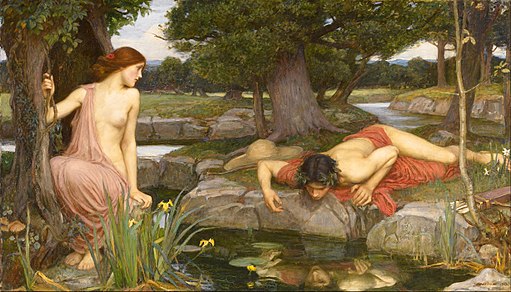
Narcissus and Echo by John. W. Waterhouse

In the Prologue to the “Alchemist”[ii], Paulo Coelho writes beautifully the story of Narcissus’s death. Of course, Coelho would not have been such an amazing writer, if he had merely repeated the thousands years old story told already hundreds of times by others.  No, he added a sweet surprise at the end. So humanely grotesque (as all Greek gods stories were): when the goddesses of the forest came to the Lake, where gorgeous Narcissus drowned, they asked the Lake: Why do you weep? and expectedly the Lake replied I weep for Narcissus. The goddesses were understanding, they themselves chased the boy through the forest, trying to see his famous beauty, the beloved of Apollo himself. And they admitted to the Lake, with a hint of jealousy, that although they pursued the boy, the Lake alone could see his beauty the best.  At that moment the old story takes a different, shocking turn when the Lake replies: But… was Narcissus beautiful? A conversation ensues, as expected. The goddesses explained that obviously since Narcissus so often admired his own reflection in the Lake waters, the Lake must have noticed his beauty. The Lake paused, thought, and after a while replied: I weep for Narcissus, but I never noticed that Narcissus was beautiful. I weep because, each time he knelt beside my banks, I could see, in the depths of his eyes, my own beauty reflected[ii]. What an amazing twist to the old tale! I love writers and poets, who tell us: oh, come on! don’t be timid – allow yourself to dream, to tell the secret and true thoughts, and desires. Mirror, mirror – tell me if I am … . LOL  

Thus, be a friend of your lover. Avoid the terrible pitfalls of friends, who become lovers. There are really very few brave souls, who survived the utter honesty of true friendship in forming eroto-romantic union. Poor Andre Gide felt forced to explain his “Immoralist”[iii] by the timid (and so obviously false, LOL) words in the Preface to his little, yet so sweet book. Thank God at the very end he was able to utter the most powerful explanation in the history of art: To say the truth, in art, there are no subjects, which only sufficient explanation is the art itself[iii]. O! Little critics with overblown moralistic egos – be quiet already. You are not a philosopher but a scribe jealous of a writer.

The dilemma of choosing if a friend could be a lover was a paralyzing complexity for Jean Genet in his amazingly honest story of “Prisoner of Love”[iv]. More so even, because it is intertwined with the love and passion for the Palestinian cause.  Did he consummate his love for the Palestinian boy or was it just a Platonic passion? The powerful novel/memoirs, written in France (his last work, shortly before his death), were treated as not very important literary achievements. Au contraire, mes amis – it is one of his best. Powerful, very deep psychologically, insightful. This book and a little (in size comparison) booklet “Out of Place”[v] by great intellectual Edward Said taught me much more than any historian about Palestine and its tragic People ever could. But it is a different subject.

How can you write about friends and lovers without mentioning three amazing people: Polish writer/intellectual and modus vivendi of Parisian art circles – Konstanty Jeleński; his wife, famous Spanish-Italian surrealist painter Leonor Fini[vi] and Italian aristocrat, painter and diplomat Stanislao Lepri. All of them lived happily and joyfully in sexual and friendship union until their deaths. How did they survive all the pitfalls of such a union? I personally believed that that Jelenski and Lepri were the primary lovers most of all, and Fini was their artistic, crazy, and much senior femme fatale.

In 1995 Jelenski invited me to visit him in Paris.  But, when I finally arrived – his sprawling and beautiful apartment on rue de la Vrilliere was a circus in full swing. Leonor was just preparing her special exposition in the Senate of the French Republic.  Paintings were everywhere: on sofas, on beds, on chairs. And people were constantly coming and going. Friends from all over Europe. Poor Kot felt so bad, I had a chuckle. He quickly rented me a room in a small hotel nearby, on rue Croix des Pettits Champs. I was happy, telling you the truth. My gosh, I was young then, and Paris and her evenings and nights were so … appealing? Appealing, for sure, LOL. This way he had more time to concentrate on the crisis at hand (Leonor’s Exhibition) and I could concentrate on things (shall we say?) not only intellectual. Hmmm. After all – late evening walks along the Seine could be very  … exciting? Enough said.

But back to friends and lovers – Leonor, Konstanty (Kot or Kocik in Polish – sort of French un minou, which definitely would be a much more proper name for Jelenski, who was truly a very sweet guy), and Stanislao.  How did they survive for so long? Especially that at the beginning there was one more constant female shadow – a true femme fatale of their ménage à trois: Konstanty’s formidable mother. Madame Rena Jelenska de domo Skarzynska, from very old Polish nobility. Rena couldn’t stand Leonor. She didn’t mind at all (was actually fond of him) Stanislao Lepri. But that old crazy Spanish whore?! Poor Kot. Even more tragic because he actually truly loved both women: his mother and Leonor. But on the subject of staying together till death – I think that Kot, Leonor, and Stanislao could because actually, they all slept with each other (separately at the beginning, I assume) before they became friends. They were the happy part of the equation: lovers, who become friends.

Last but not least here is a more modern case of brilliant Irish novelist Colm Toibin in his multi-layered novel “The Story of the Night”[vii]

The novel is truly a masterpiece of combining so many complicated subjects and themes without losing for a moment the personal story of its protagonist – Richard Garay.  Richard leads many lives: English, Argentinian, artist, businessman, even (for a brief moment) politician. But most of all – gay in a very macho dominant male world of South America. Another constant is the presence of his dear friends: Susan and Donald.

The writer (himself an openly gay writer) does not shy from describing many of Richard’s lovers and one-night encounters. But it is the brief encounter of sexual attraction revealed by Richard toward his straight friend Donald that warrants mentioning. Encounter – which is important to note – planned by Donald. He ‘just’ wanted to check if, as he suspected, Richard was homosexual … .  No sexual encounter ever happened. But, yes – it couldn’t be denied that Richard was aroused and willing. Even the fact that the act itself was never consummated – it changed their friendship dramatically. In some way, it wounded it mortally.

Therefore, my dear boys and girls, please take it as the wisdom of almost god (meaning me, naturally). If you must experience the forbidden truth and fornicate, please choose a stranger rather than a friend. With a stranger, you have nothing to lose (other than your presumed virginity). If you are lucky the experience will bring you a lot of joy and satisfaction, at worst – it will be a disappointment (first times often are, nothing to be ashamed of). With a friend, the stakes are much higher and sometimes lasting lifelong bitterness or guilt.

And do read a good book before. Not really educational. A good literary book. Like one of these mentioned above.


[i] Selected Poems of Oscar Wilde including the Ballad of Reading Gaol, by Oscar Wilde; CreateSpace Publishing Platform, 2017; p. 56

[ii] „The Alchemist”, Paulo Coelho; pub. Harper One, 1993; p. 197

[iii] “Immoralista”, Andre Gide, by Wyd. Zielona Sowa, Cracow, 2006 (Polish translation by I. Rogozinska)

[iv] „Zakochany Jeniec”, Jean Genet; wyd. W.A.B, Warszawa, 2012; p. 486 (Polish translation by J. Giszczak)

[v] „Out of Place”, Edward Said; Random House, 1999

[vi] https://rynekisztuka.pl/2011/12/16/leonor-fini-i-konstanty-a-jelenski-portret-podwojny-w-warszawie/

[vii] “The Story of The Night”, Colm Toibin; McClelland&Stewart Inc., Toronto, 1997; p. 312
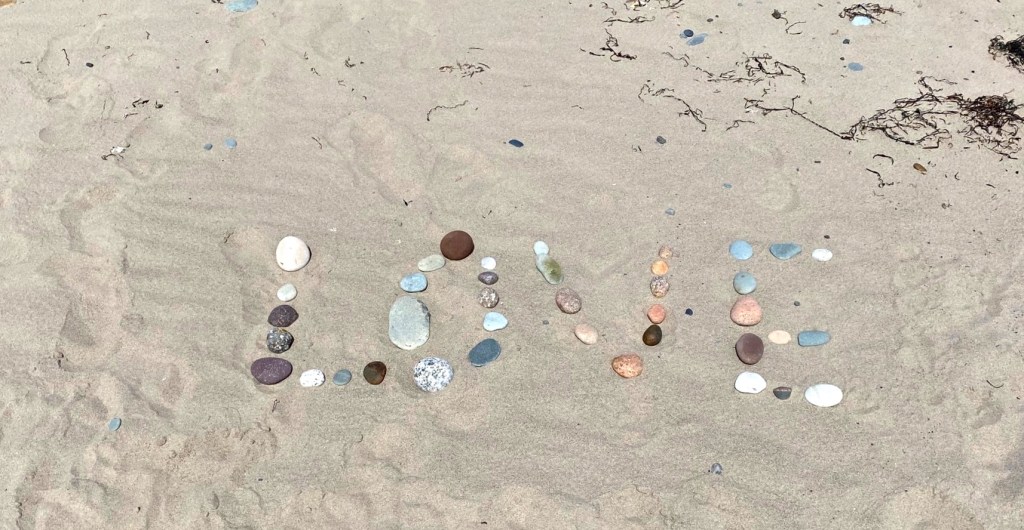
John and me; Patsy Cline and Lacme; Love

At the very beginning, we understood the immense power of our feelings. We felt it even if we couldn’t comprehend the substance of it.

Yes, we were dating, as many young couples always did. But the dates were like an ocean, like a massive waterfall from the peak of a high mountain. The power of it was immeasurable. I think that, at times, we were overwhelmed with it. Oh, we knew that we liked each other, that we were very attracted to each other. Dear god! we were so young, especially John, hardly a man yet or just on the cusp of beginning to be one.

Life and dating for young gay men in the 80ties and 90ties was the same as for any other young people and yet, so fundamentally different from the majority. Apart from very few and very cosmopolitan cities, they couldn’t just stroll through parks and streets in a warm embrace, stilling happy kisses from each other.  Even there it was acceptable only in very few parts of the cities and still with a degree of personal risk. By the time we met, it was already much easier. That was that time of history (happily) that John belonged to. Mine started earlier, in darker times and places. The age difference wasn’t as big, but the difference in experience – huge.

Young gay man life in Warsaw in the late 70ties and early 80ties was like a minefield for a blind person. Very dangerous physically, perhaps even more emotionally.

By the time we met, I had already a long string of one-night stands that seemed and felt like it was a norm, a standard expected. My young, boyish innocence was gone or hidden somewhere deep and secretive.

Not that I was his first sexual partner. But comparing our experiences he was the Virgin of Orleans, and I was the courtesan of Babylon. LOL. But we were both innocent in the taste of huge, big love. A feeling we longed for: the torments, the powerful currents. And when they came for both of us – they swept and carried us to lands unknown. Lands of Dreams, Desires stronger than any notion of relationship, of dating.

Thus the dating was short. It was pointless. We had to become one: completely, permanently, fully.

Music was part of that beginning. John had strong, established musical tastes and I did, too. They were very different. We shared them, learned from each other. My love of opera and classical music, his of powerful traditional country music of North America, music full of longing, hardship, and dreams often unfulfilled. Thus our two songs and two melodies began. One that we often came back to through our long union in Calgary, Vancouver, and Halifax. The ‘Flower Duet’ of mezzo and soprano from the French Romantic opera “Lacme” and North America’s amazing country singer Patsy Cline and her famous hit ‘Crazy’ composed by Willie Nelson.

The ‘Flower Duet’ and ‘Crazy’ become our songs.

I was born on the fifth of Match, and Patsy died on the fifth of March very few short years later.  Although I truly was a child, a little boy on the day Patsy died in a plane accident – John often devilishly suggested that I was behind her death. That this particular song was his idea and dream of true love – and once I came into his life, that song stopped being a dream and become reality. Thus the song had to die too if a dream becomes reality. Therefore I must have orchestrated the demise of Patsy Cline! Machiavellian, indeed. LOL. 

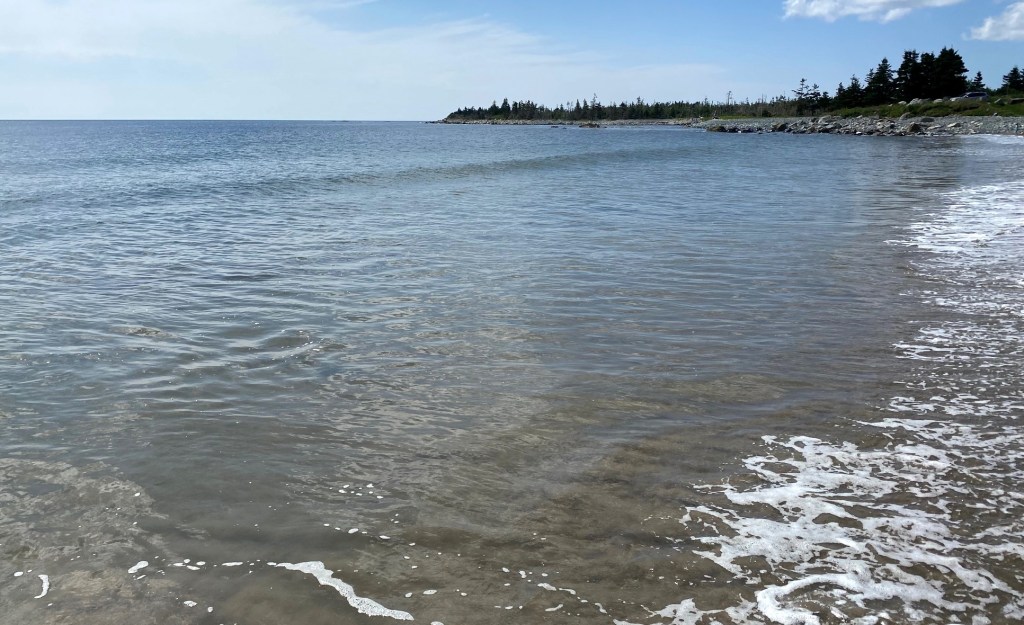
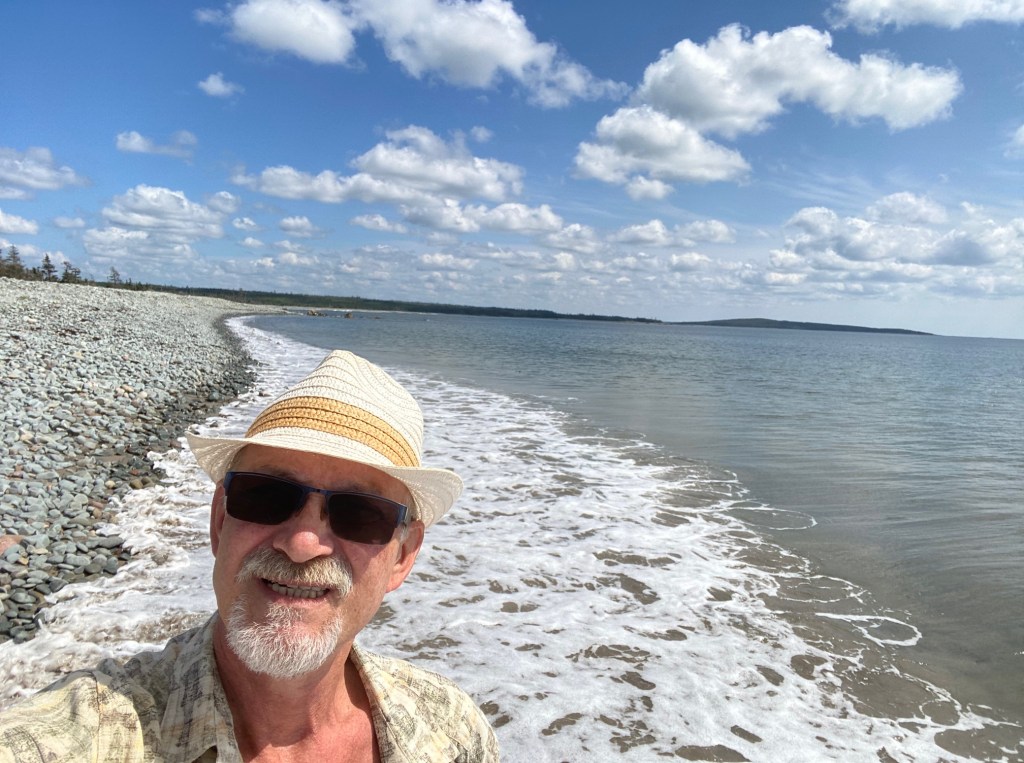
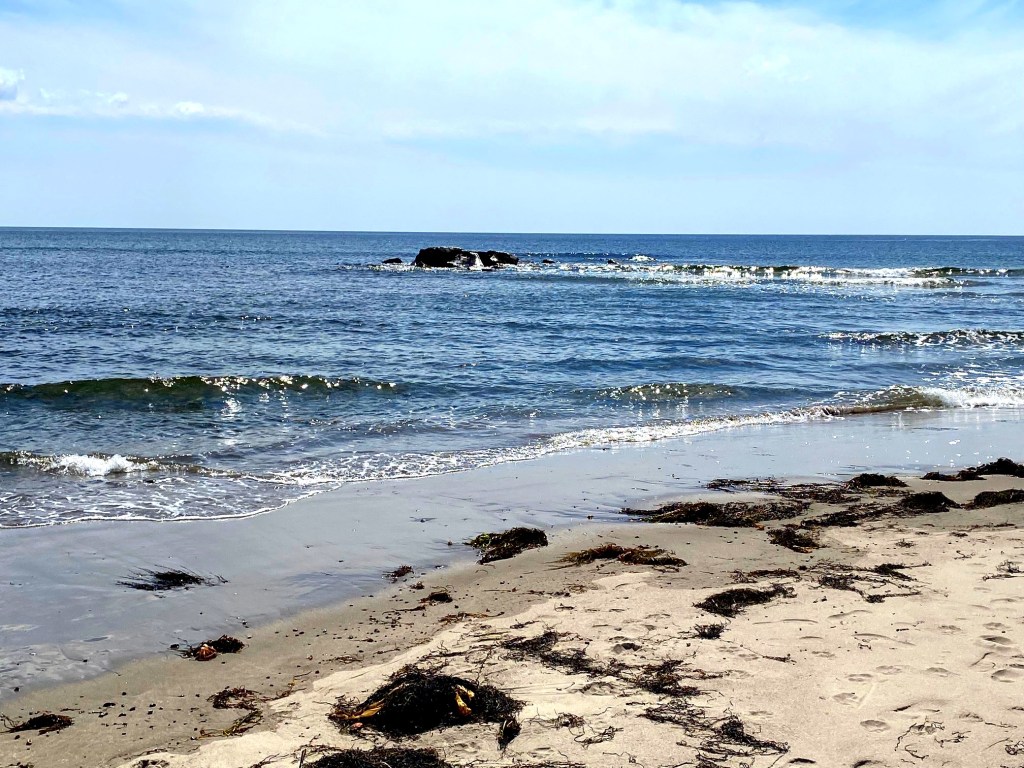
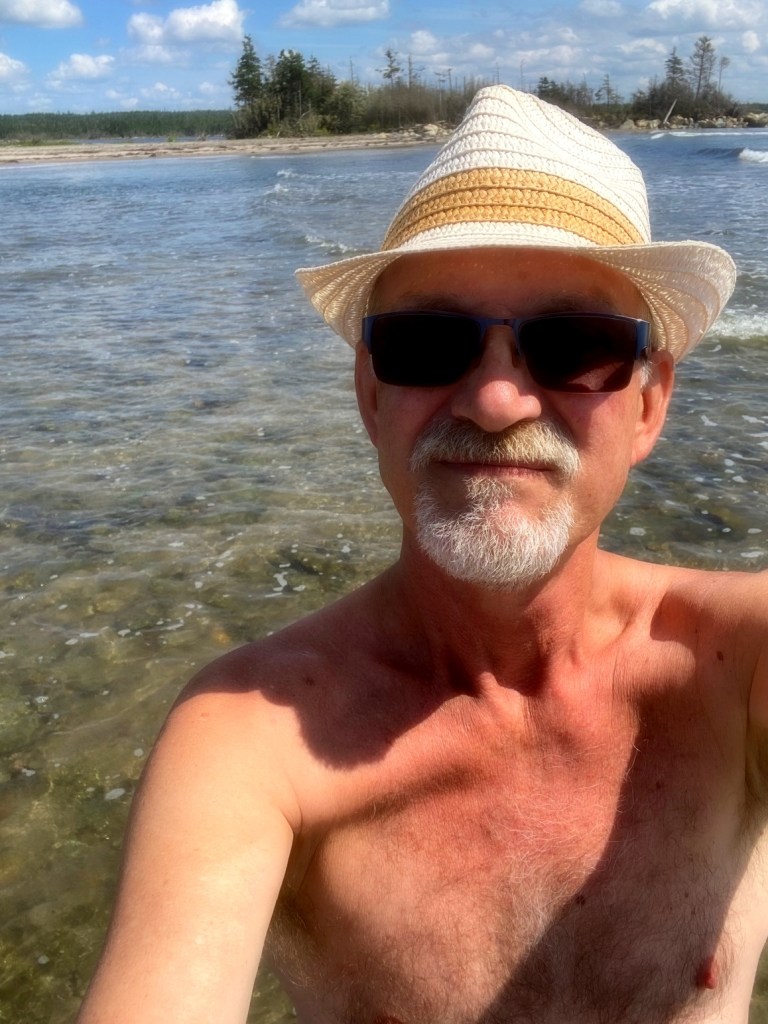
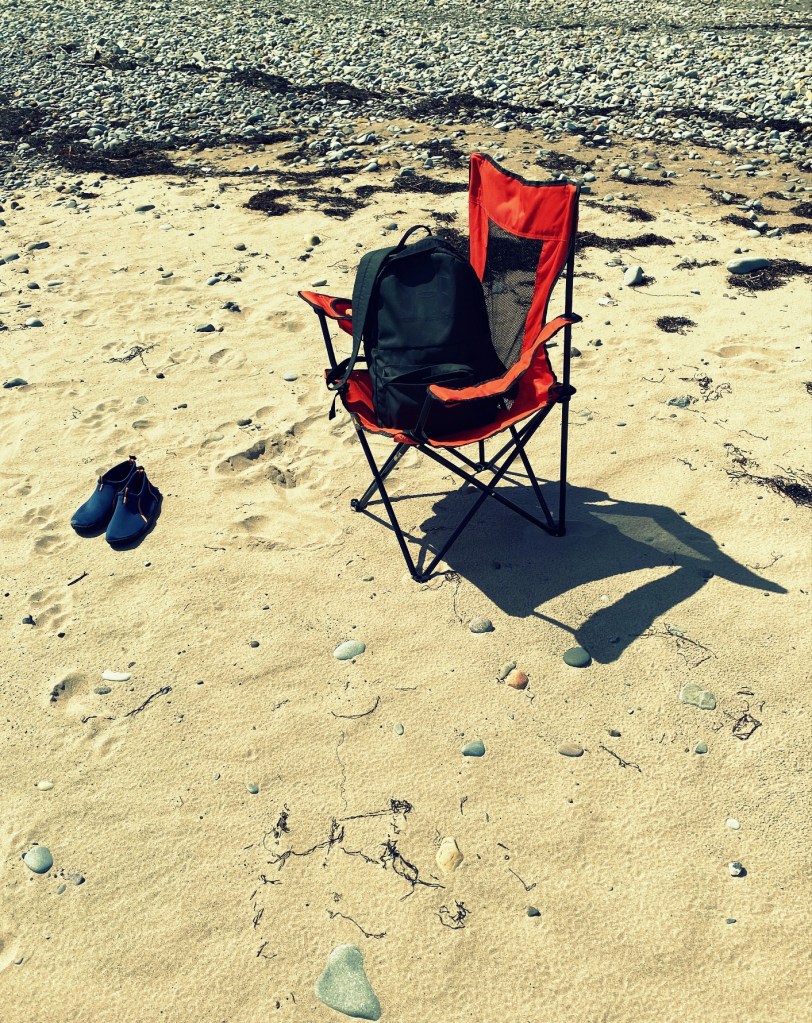
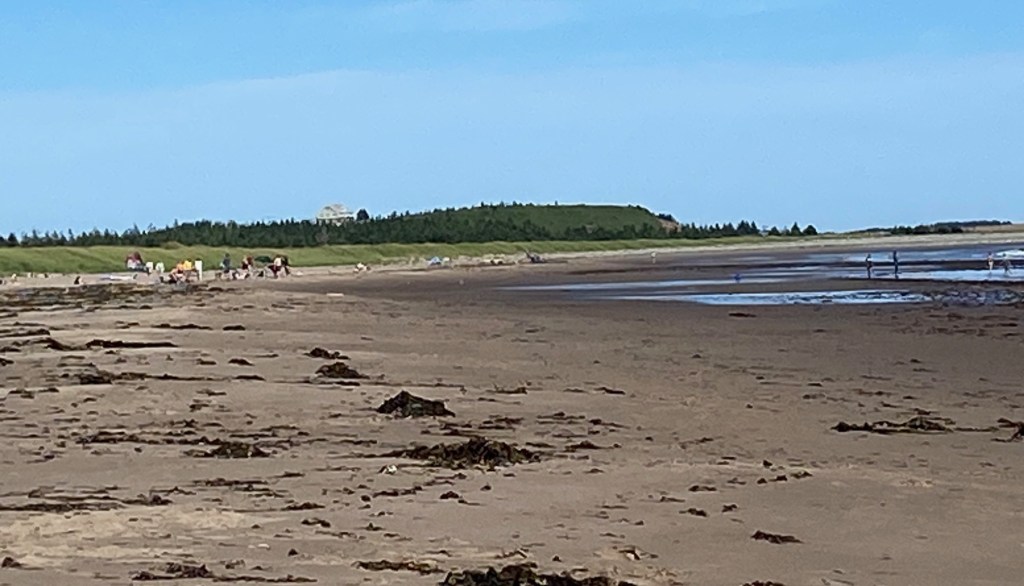
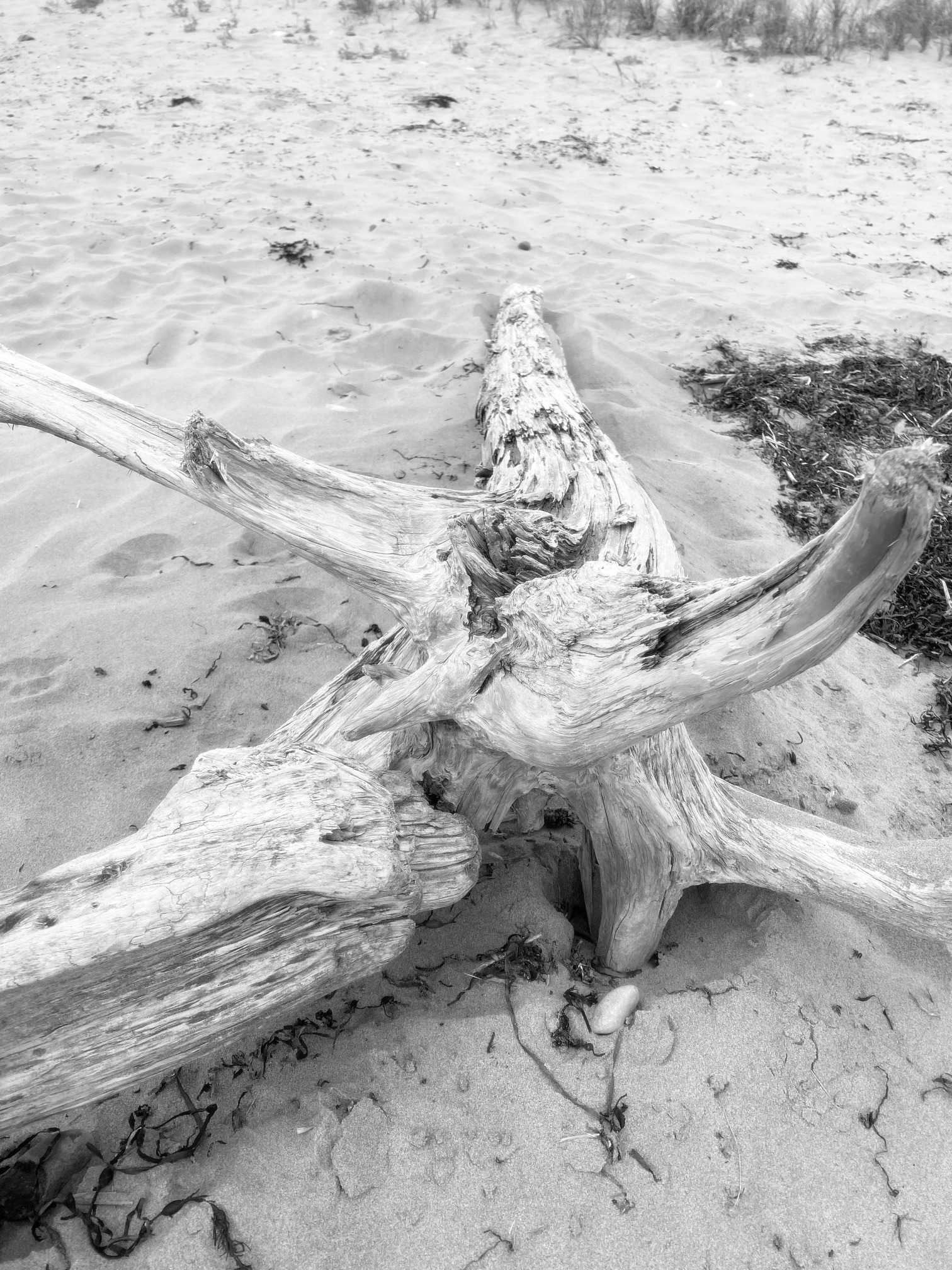
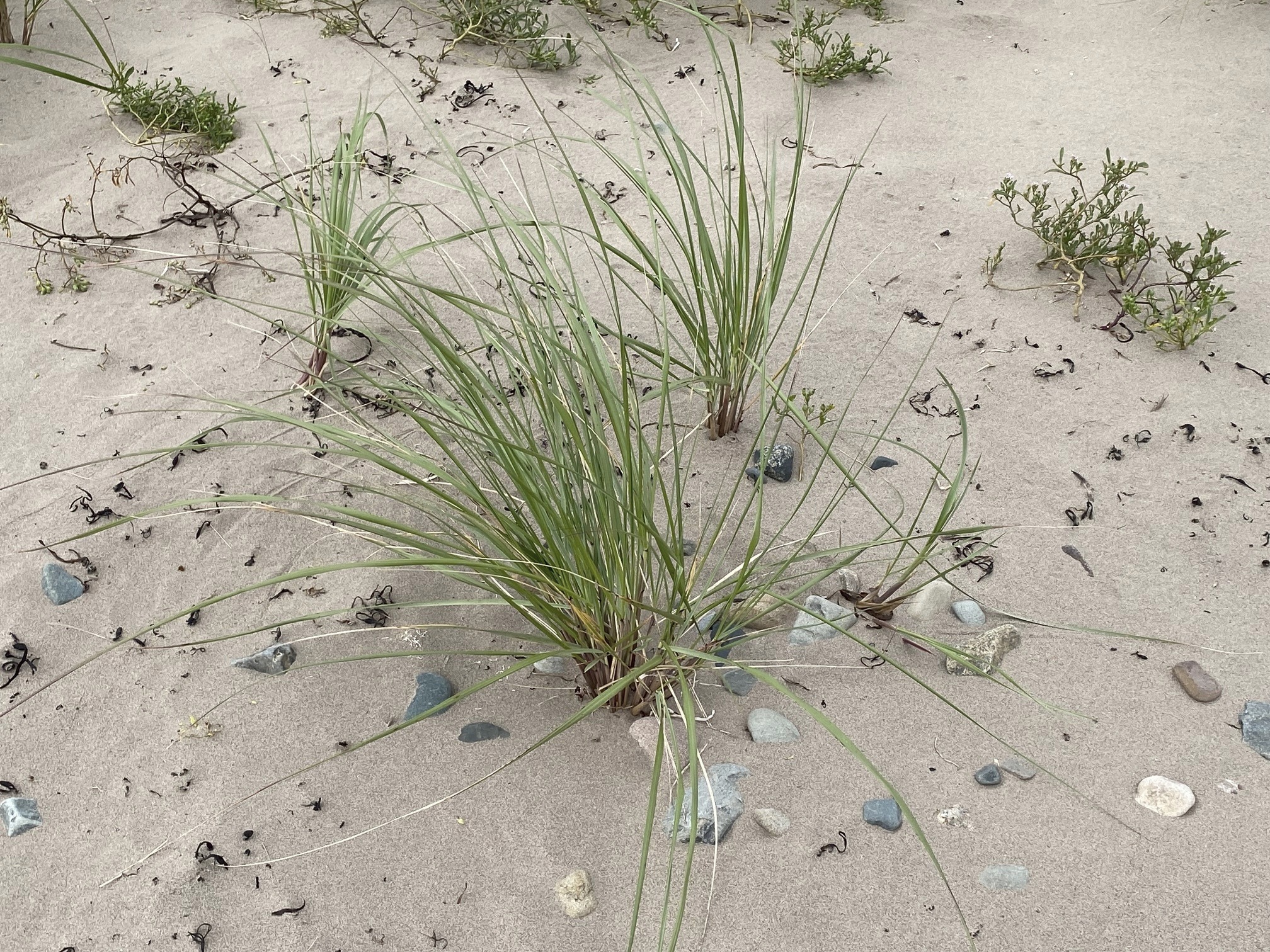
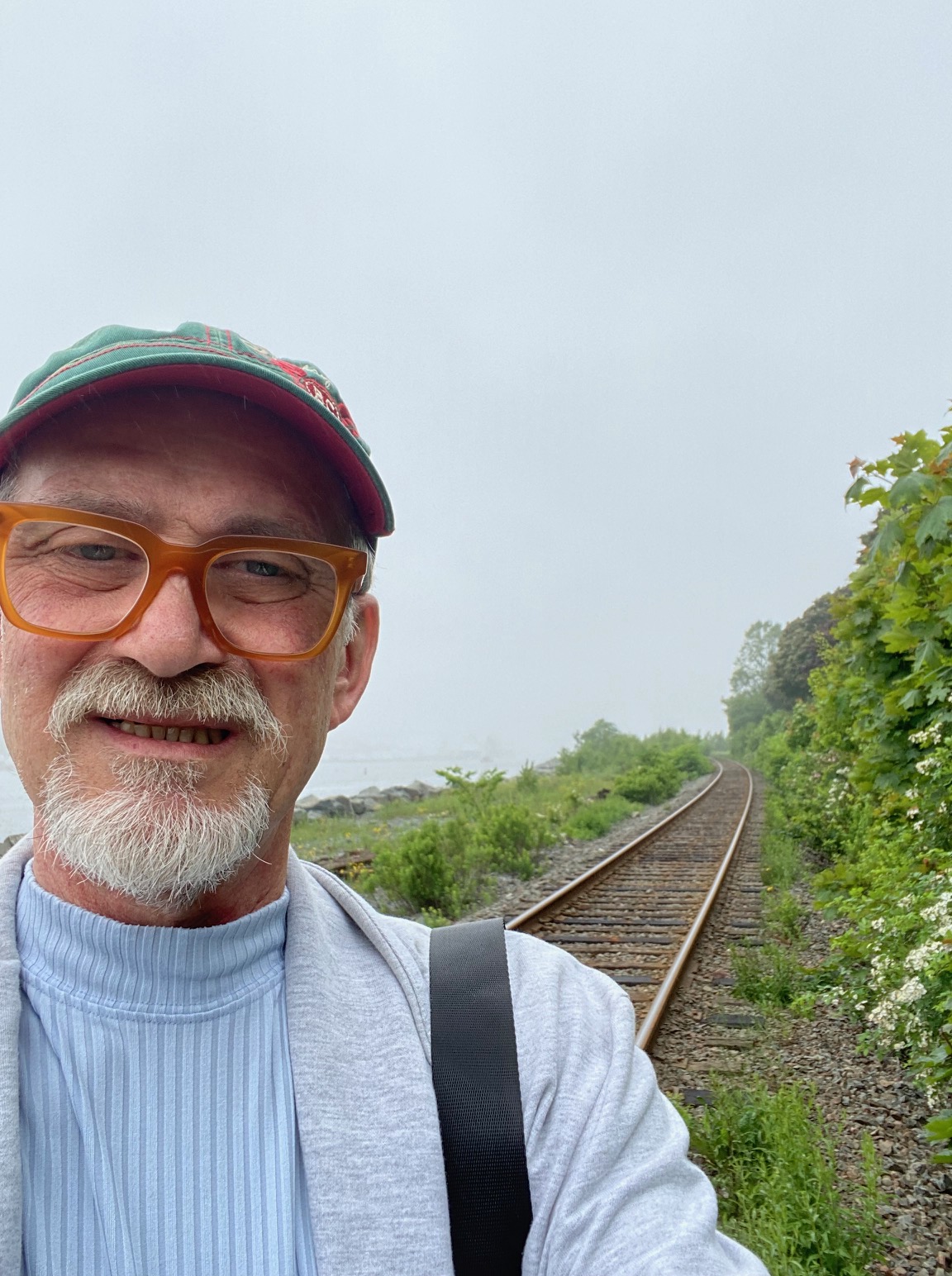
But love is a strange thing. It blends reality and dreams. Blends life and death. That blend become my new land now, my homeland. Found it today on some isolated and desolate long stretch of sand and rocks stretching for miles, somewhere in the equally desolate and removed community of East Chezzetcook.

Talked to Patsy Cline, to Lacme and her student, to the ocean, to John. There was no one else in an eyesight. Just them and me. And love. No one was angry, no one was sad. Everything was a dream and the dream was reality.

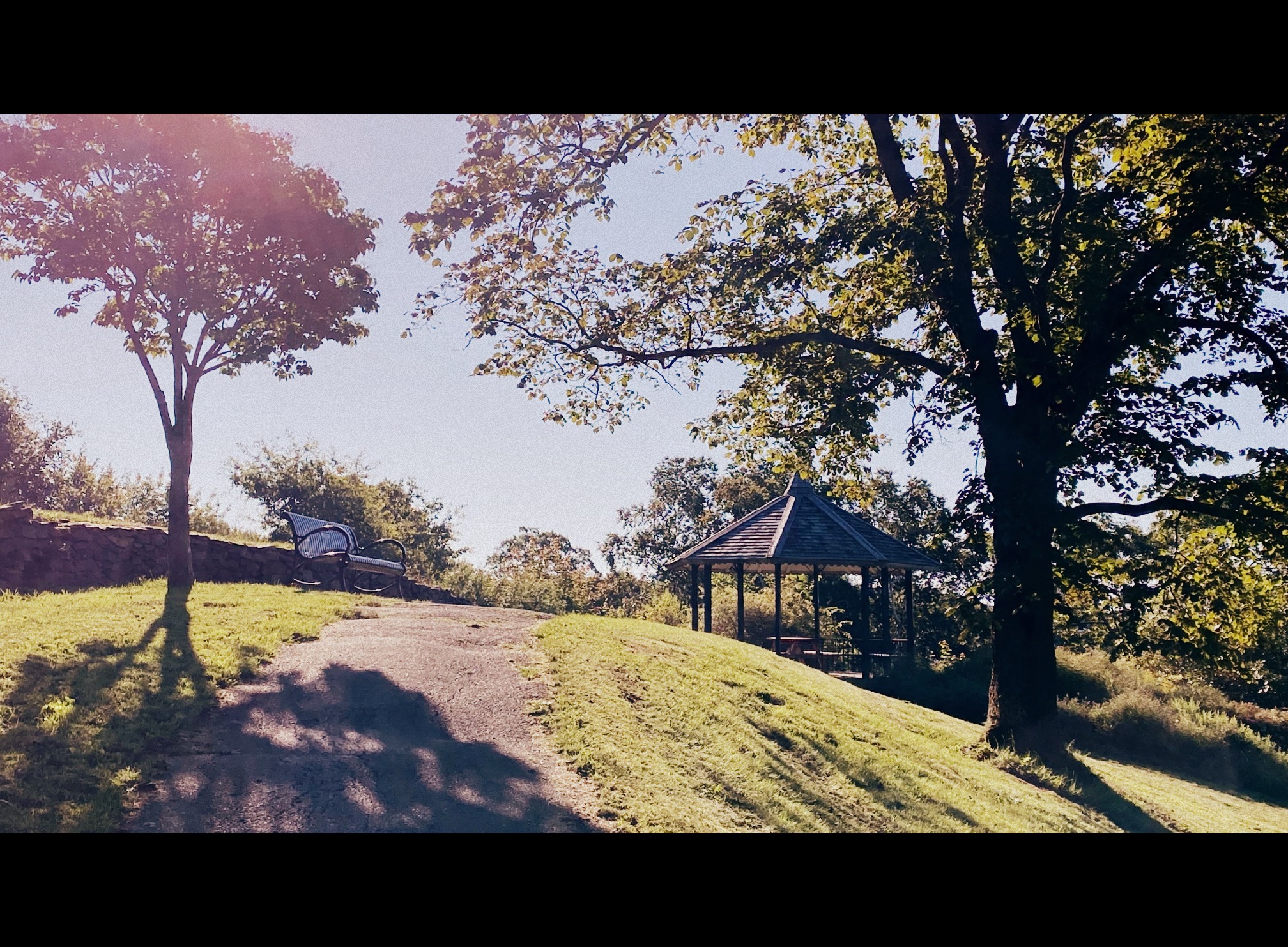
Leighton Dillman Park. Dartmouth’s treasure.

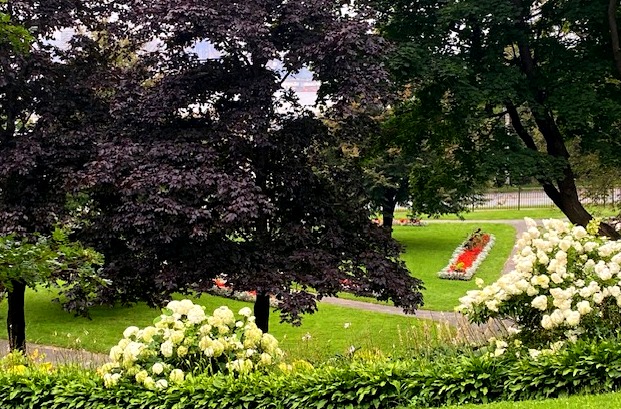
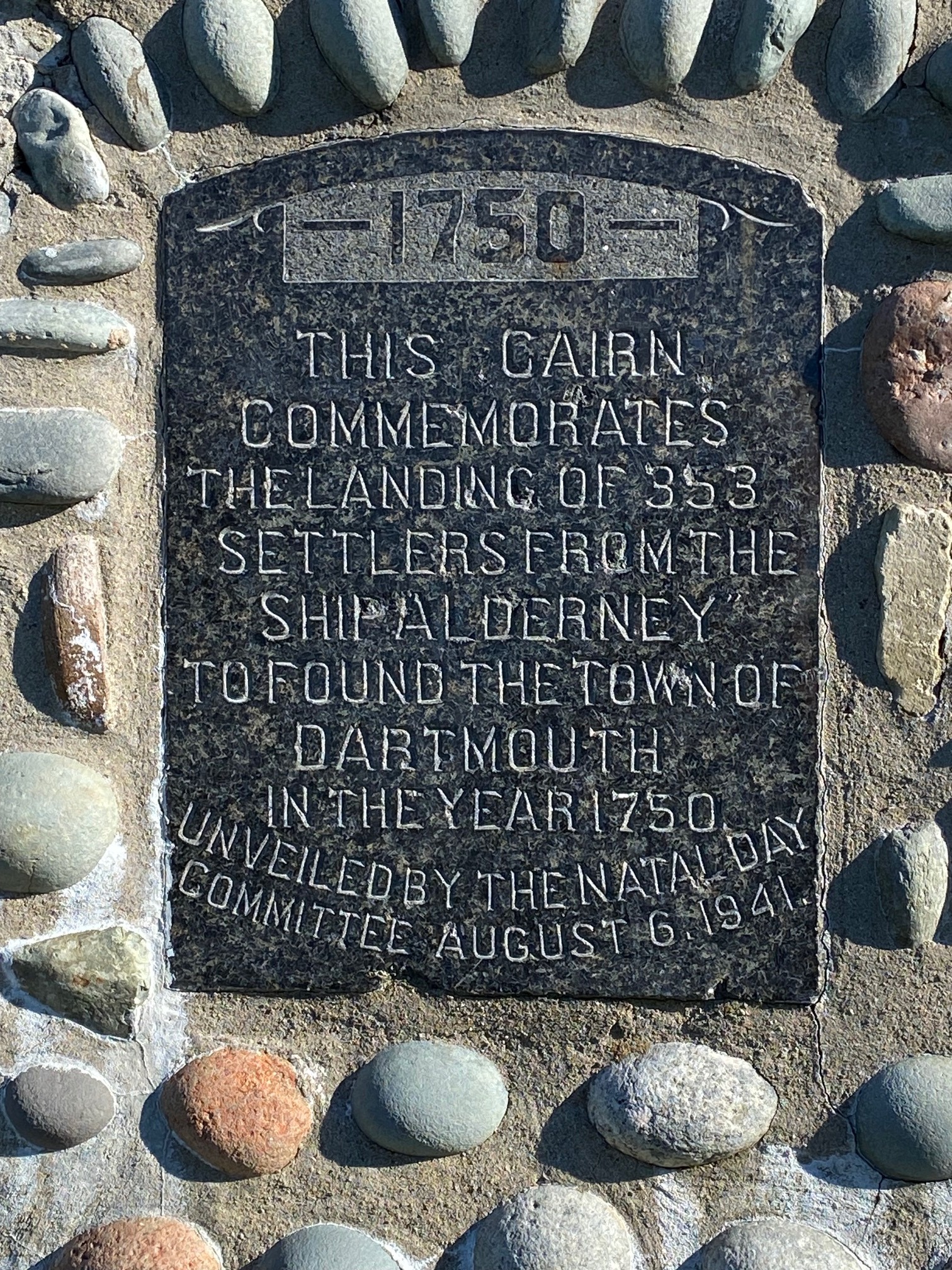
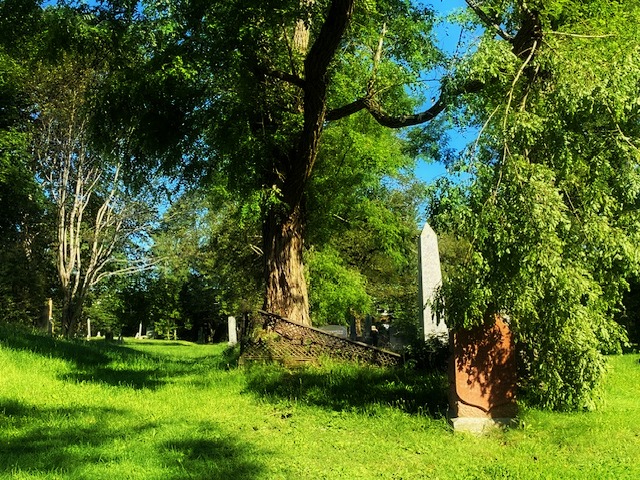
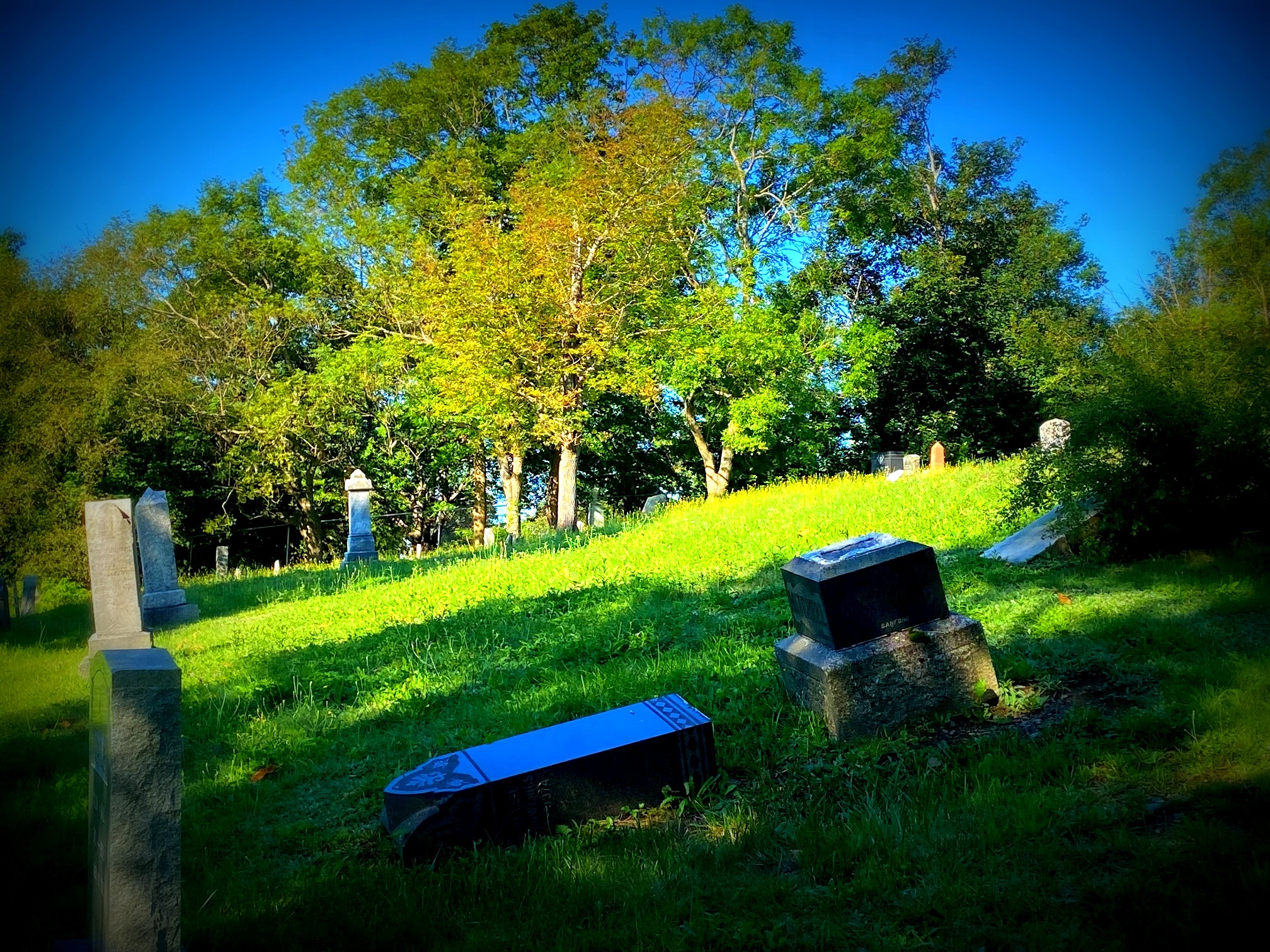
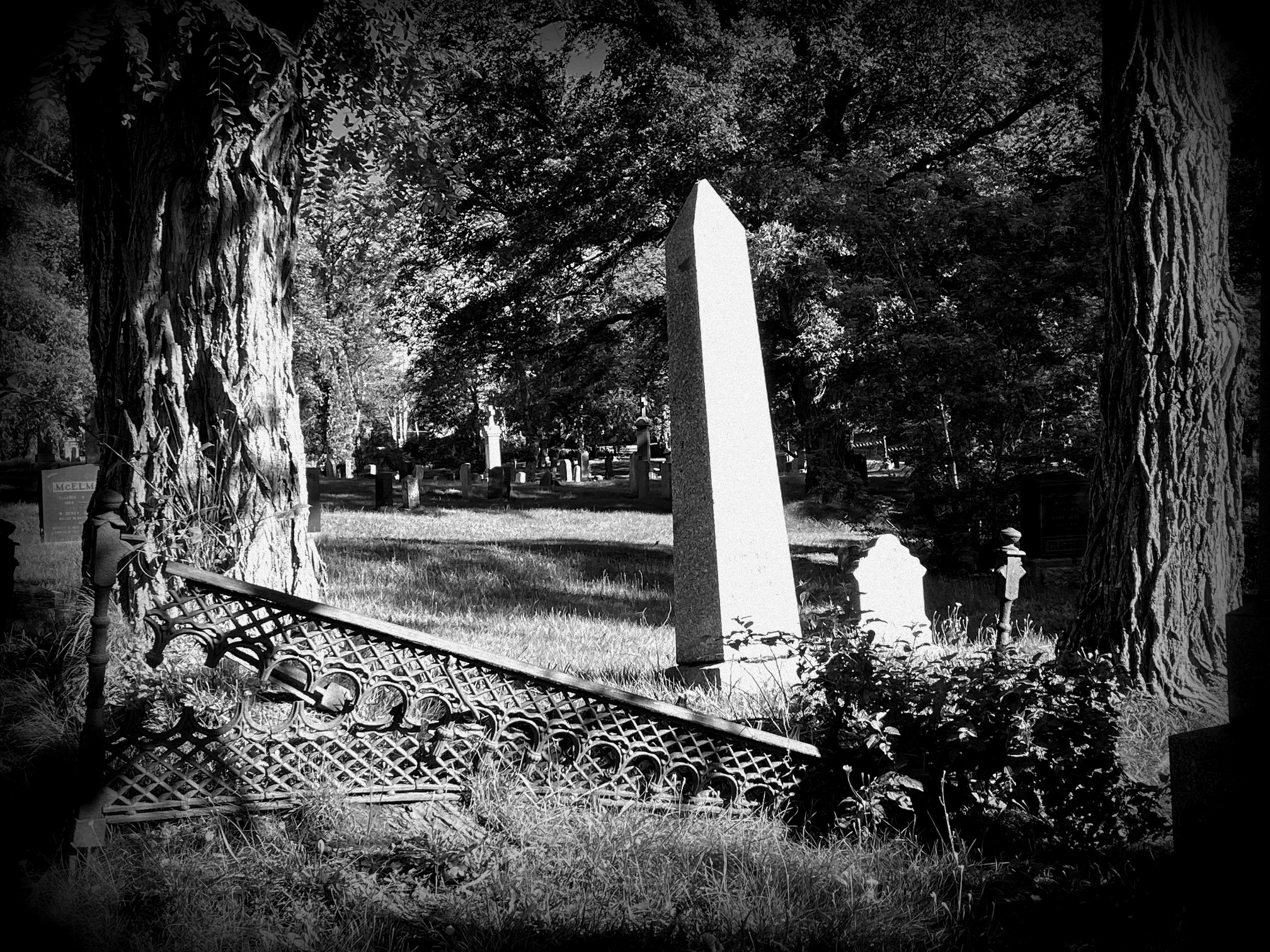
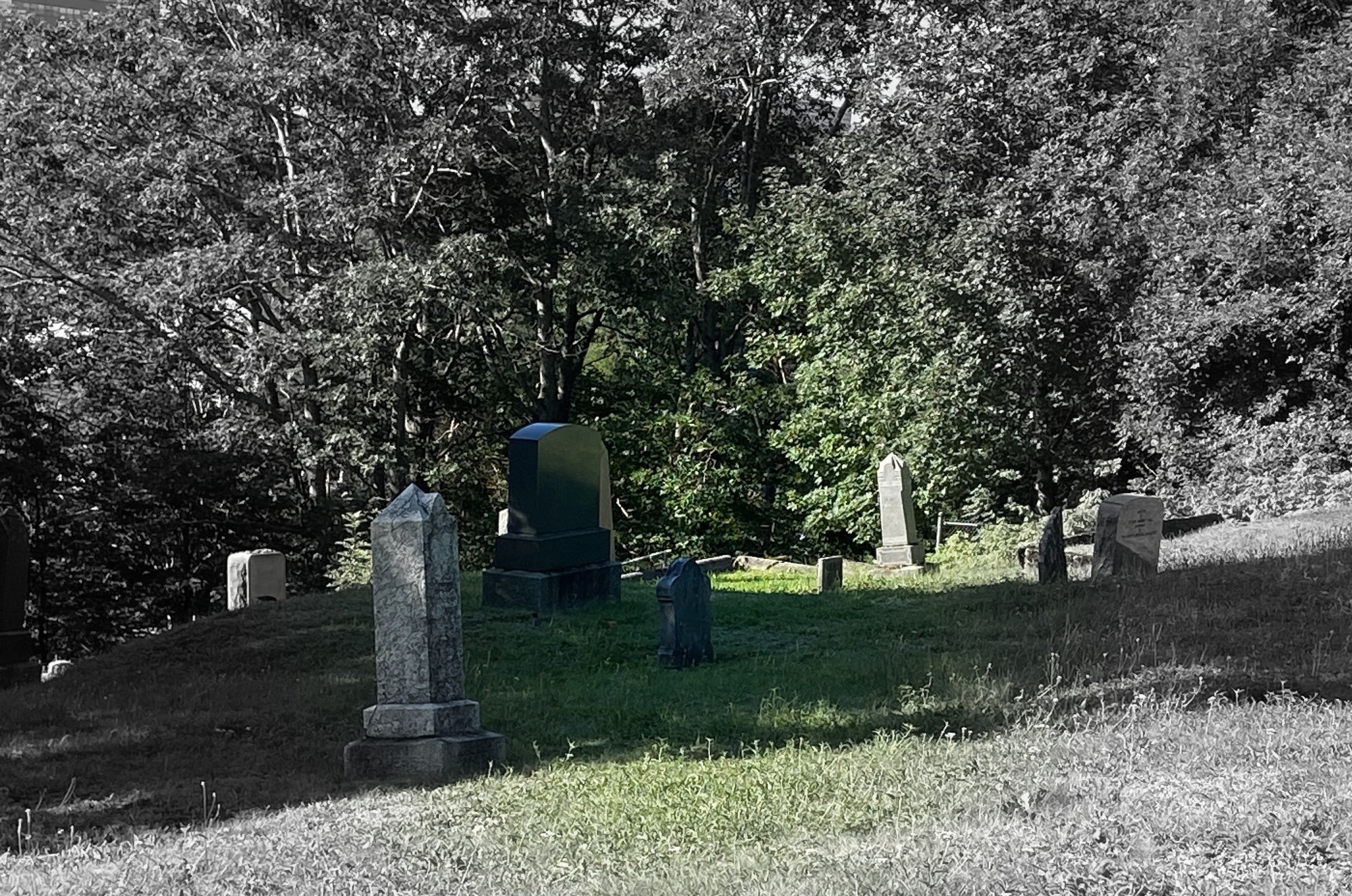
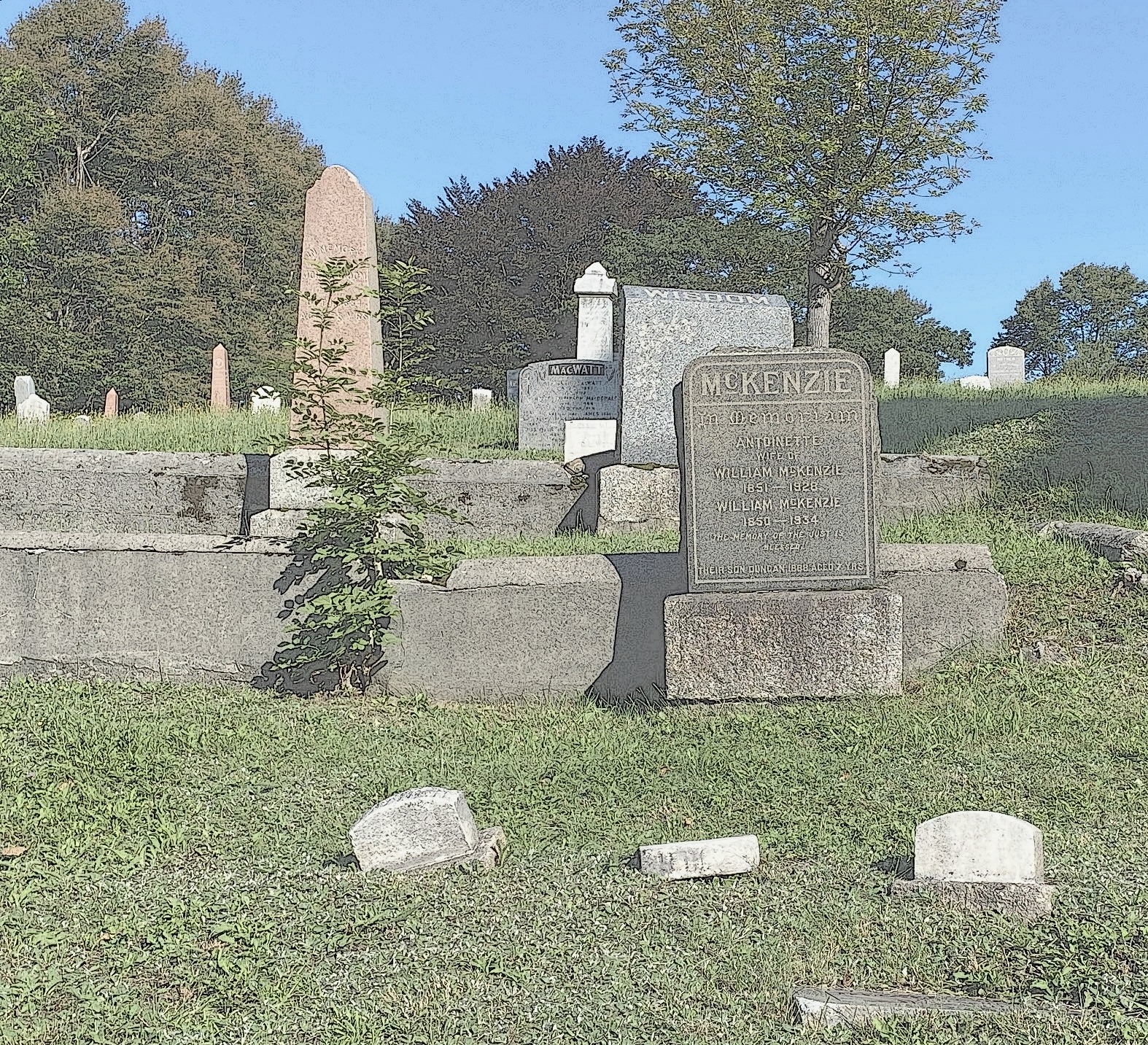
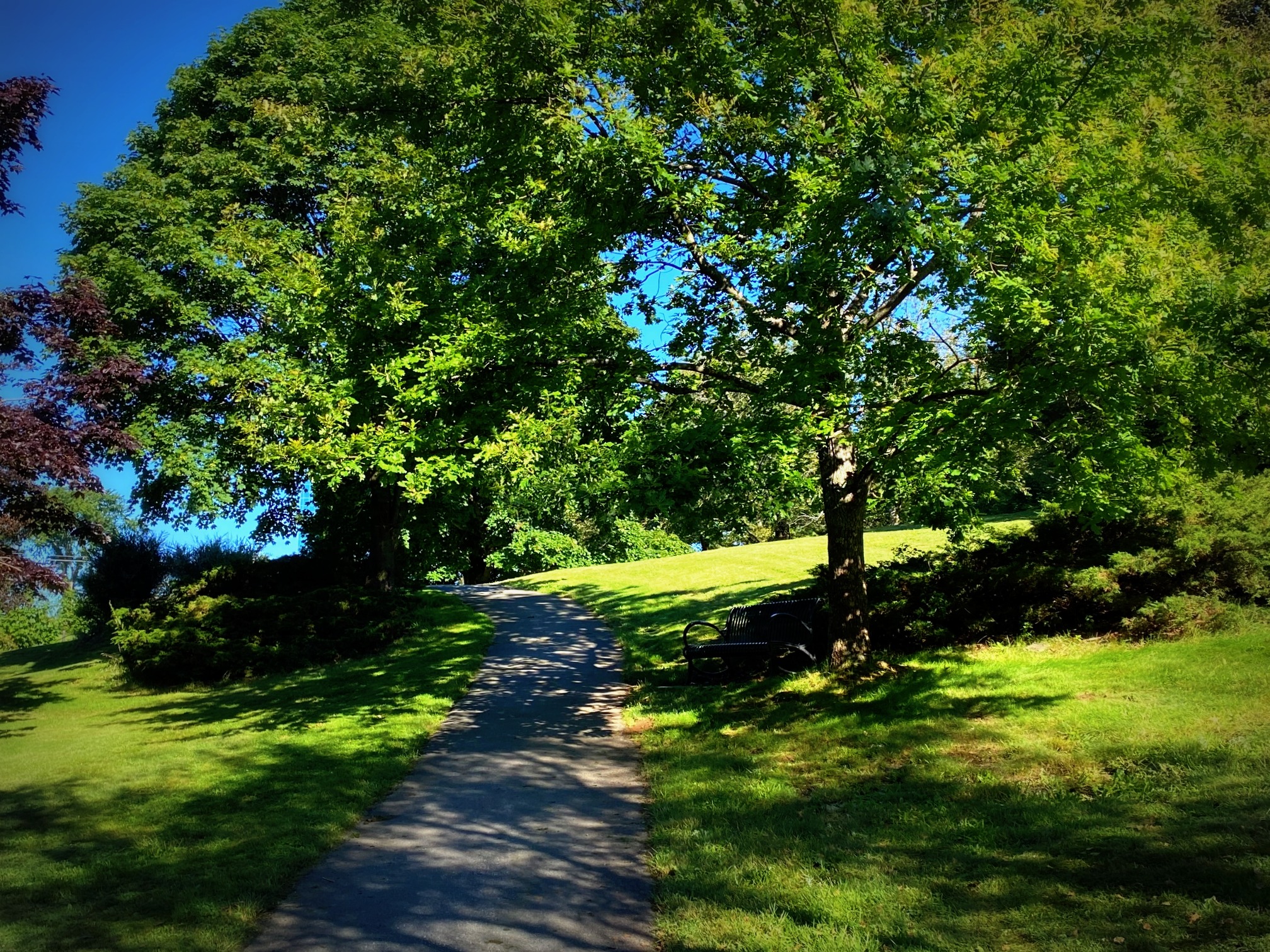
A story in pictures composed during my walks with a camera. Unique city park with unparalleled views and rich history. Part of it offers also a story of history, as the trail meander into a very old cemetery of first families of settlers – people, who founded the city.

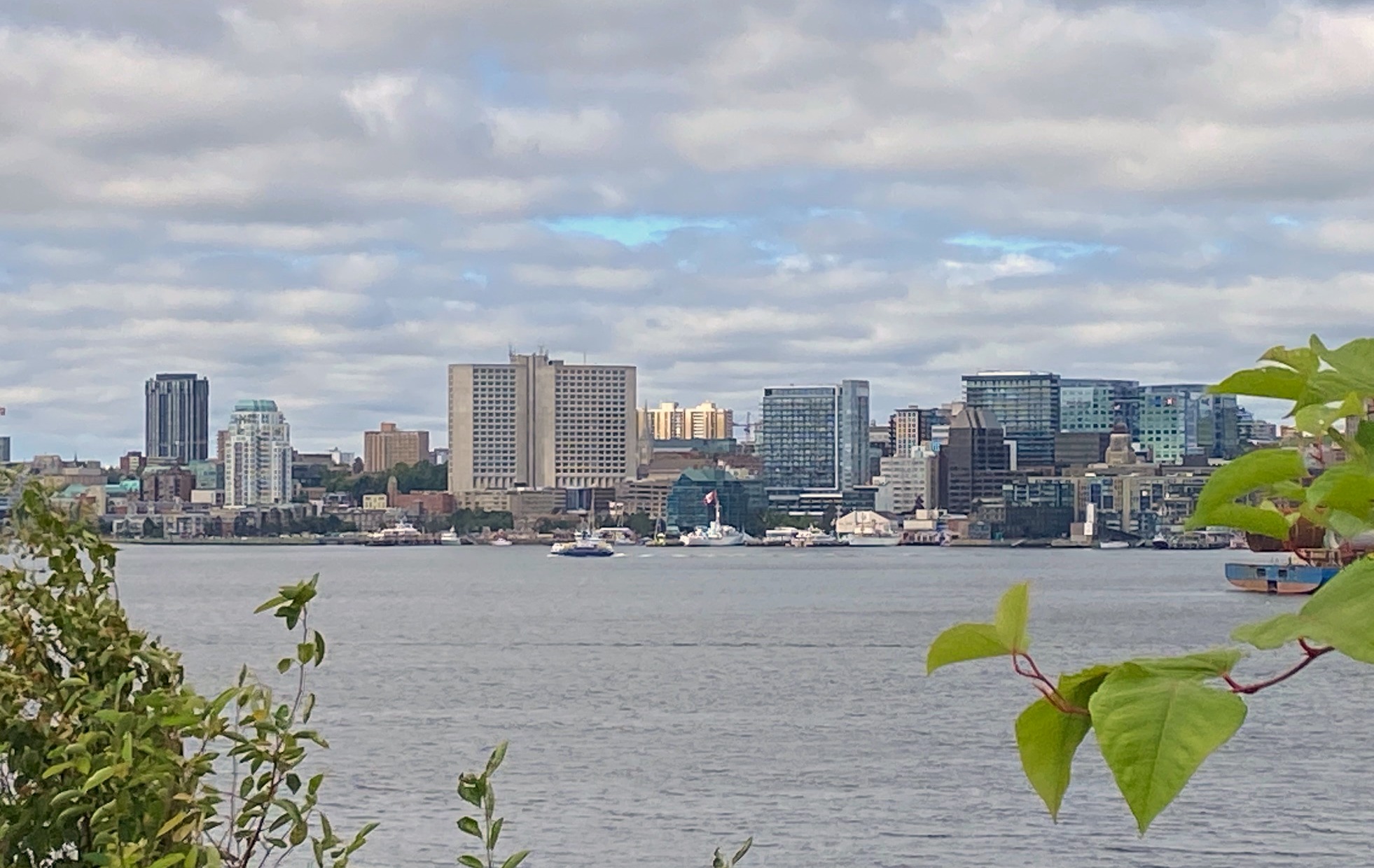
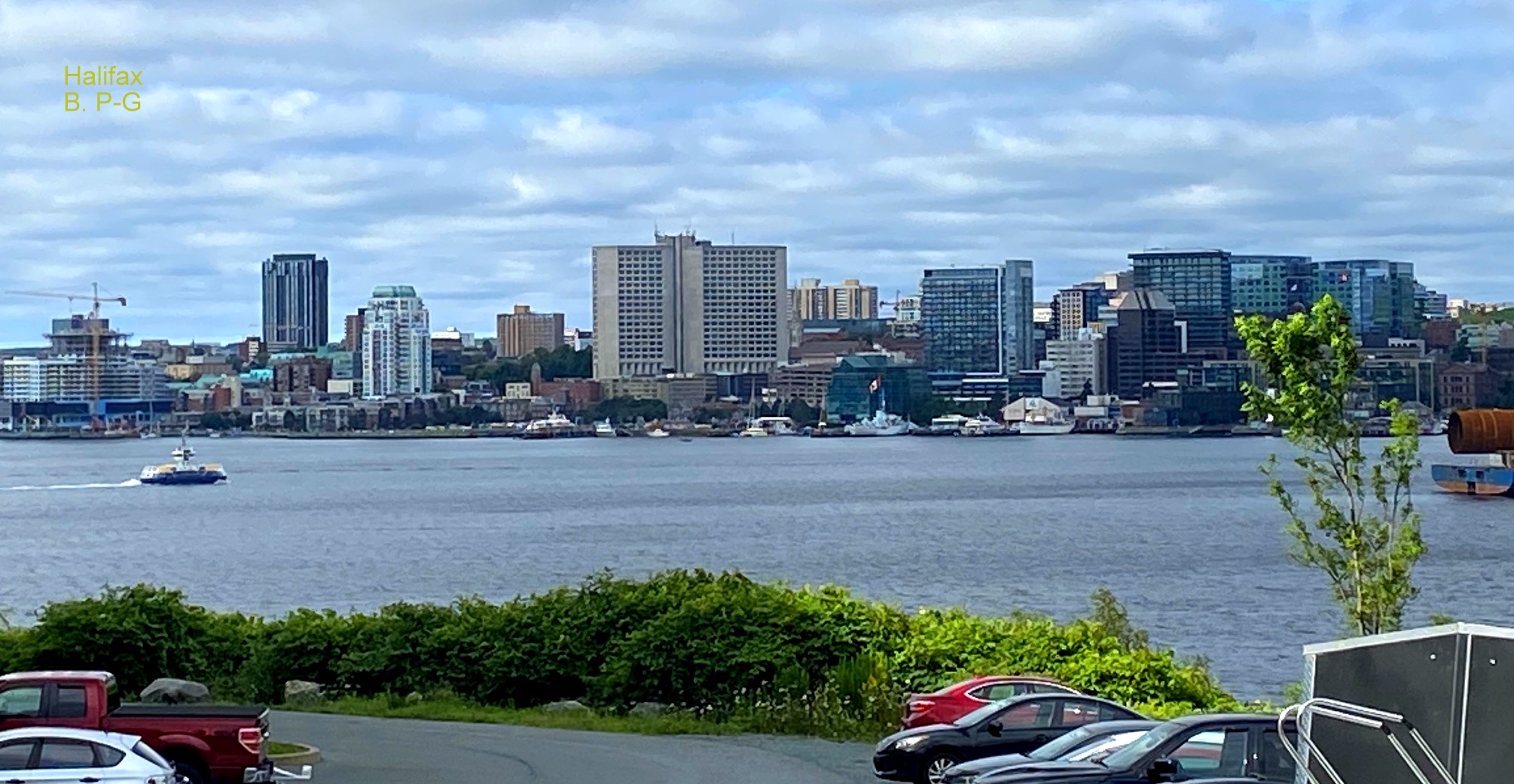
The hub of Nova Scotia: Halifax as seen from Dartmouth

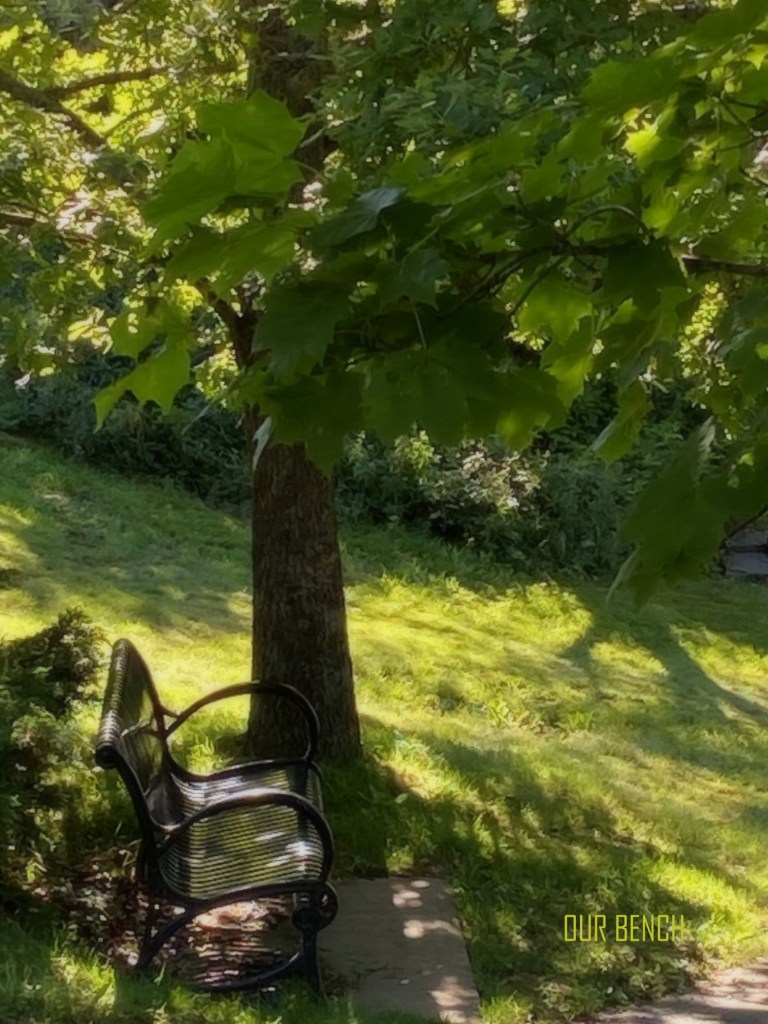
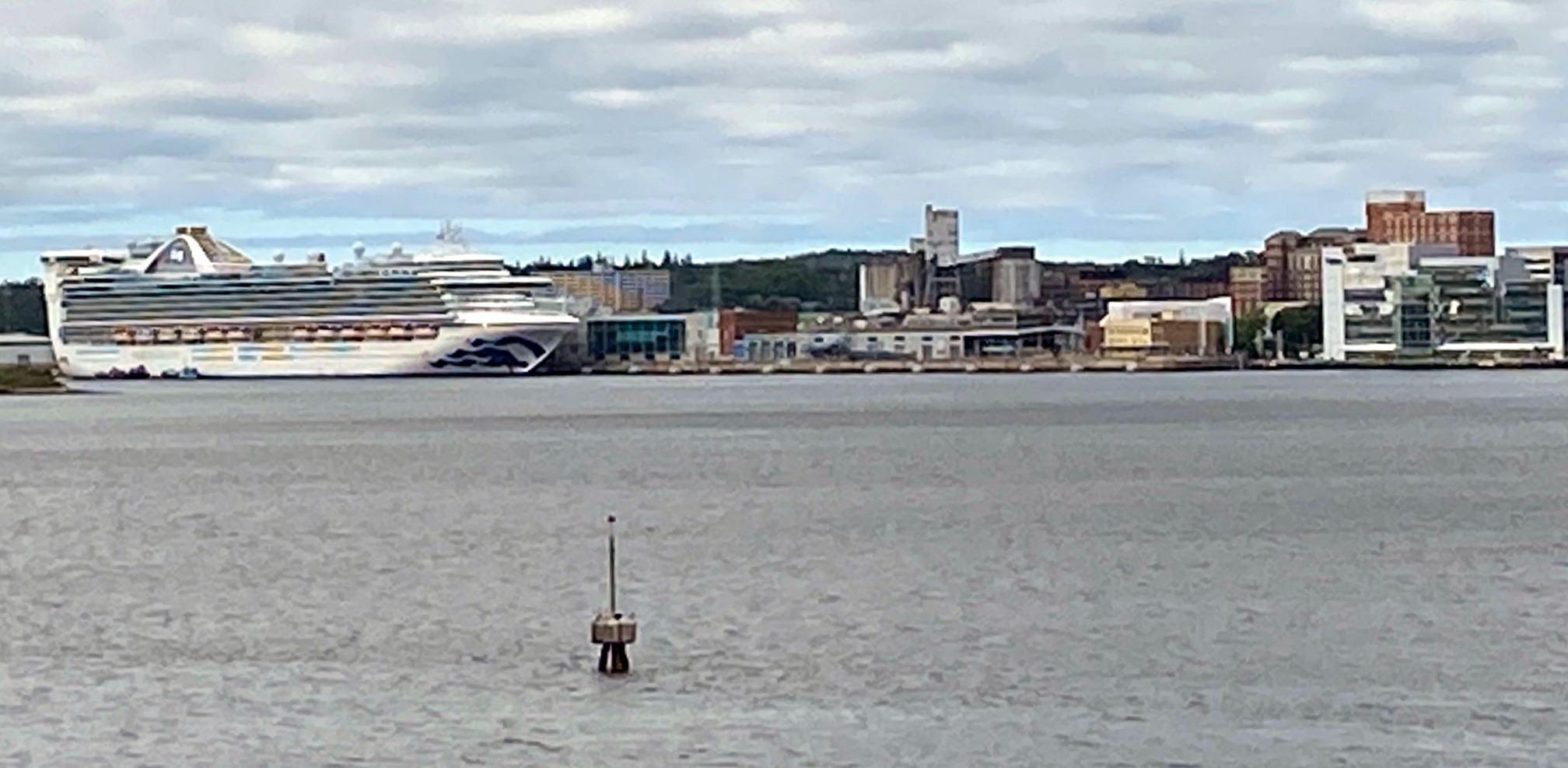
The only way you can really appreciate the view of the entire downtown of Halifax – is to drive across the bridge. You can go on My Rocks to North Dartmouth. The view is very nice but you can see it only at an angle. If you want to snap a few pictures en face – the only and truly wonderful is to take the Trans Canada Trail from the Cove. The walk is splendid. There are benches to take a rest and … enjoy! Go ahead, take a few snaps. I stopped there this morning, on the way back from the hospital.

View of the Cove on Dartmouth side – where the Trail starts.

Walks, views, nature, and magic through the lenses

The shores of the Atlantic in Nova Scotia offer unparalleled vistas. Both: natural, not needing any augmentation or adjustments, and some that just beg to be transform into another realm of possibilities. What we see and what we imagine. Which is true?

In my walks, I never forget to take my camera. Not that we really need one these days – after all, we all have smartphones.

Many of these ‘travels’ are just under my nose, on My Rocks next to home. But even there – I always find something that is or seems to be different. Light? The hour of the day or night? The season? The variants are plentiful.

Dalhousie University in Halifax – an overlooked tourist destination

Visitors coming from afar to Halifax are familiar with typical marching routes: the Waterfront, of course, next to it is the core of old historic Halifax stretching from the Citadel, all the way down to Morris Street (which is more or less the length of the pedestrian waterfront). Uphill,  it goes not much further than South Park Street or Public Gardens. There is typically few short excursion if you use a taxi or other private transportation: likely the Fort Needham Memorial Park commemoration of the great Halifax Explosion, next to the cemetery with gravesites of Titanic passengers and possibly (in the same neighborhood) the Africville Park. Frankly, there is not that much more to see (from the tourist point of view).

 One that should be seen much more and should be mentioned in all tourist info is the wonderful Point Pleasant Park. It offers beautiful trails and few very historical (like Prince of Wales Tower)  stops and a visit to the shoreline with important monuments to those, who perished at sea. To get there would likely require also some sort of public or private transport, although it is not an impossible feat to walk to it using comfortable South Park Street, starting right from under the gate to Public Gardens.

But one most often forgotten is a pearl of architectural designs, a maze of walkways, and very historical on a continental, or even international scale. Many visitors see small tidbits of it throughout Downtown Halifax. But it truly should be viewed as a whole, separate excursion.

I am talking about the main campus of Dalhousie University.  The west side starts alongside Coburg Road, the east on South Road, the south ends on Oxford Street, and the north side ends on Robbie Street. And between them are many smaller streets and pathways. All of it is well designed, well visible, and offers a unique perspective.

There are not many universities in any city in the world that are grouped altogether, in one large spot, tight in the center of a city. Usually, you would have the main campus (often behind some sort of wall or fence) near downtown, and the rest scattered all over the city in separate buildings.

In Halifax, it seems that the entire university, being almost a town of its own, is all in one spot. I often think of Oxford as a similar (bigger and older) comparison. But, of course, Oxford in… Oxford. Not in London.  A much closer example and more alike is Boston with Cambridge and Harvard Universities. Much larger and more internationally renowned but being concentrated in a condensed part of a city. In some ways, it actually is a separate city next to Boston.

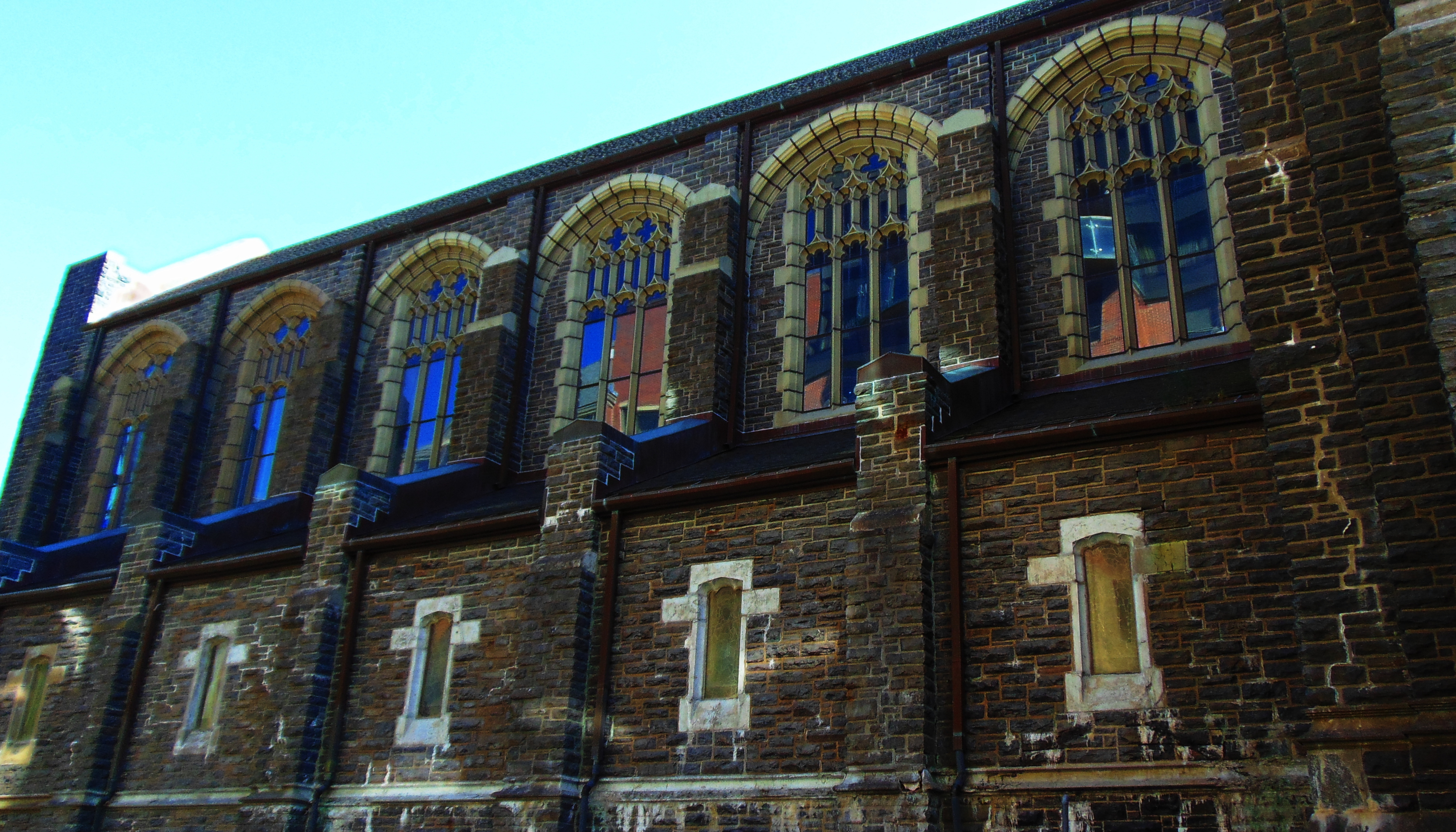
As far as Halifax is concerned – I would strongly recommend it to anyone to explore. It could be a lovely and leisurely stroll. You could easily start it from either end:  either from a little park opposite the Public Gardens, right where there is a nice statue of the famous Scottish poet Robert Burns.  Don’t forget to enjoy the wonderful architecture of Anglican Cathedral in front of it and pay attention to its enormous stained glass neo-gothic windows. From there take College Street and just continue. You are now in the middle of Dalhousie.  My preferable starting point is from the other end. Starting at the corner of Coburg and Oxford streets.  It also marks the historical beginning of Dalhousie University – Kings College (or more accurately – Kings University, the first university in what now is USA and Canada).

That walk and exploration could be done in less than two hours or it could be easily your entire afternoon. Depending on how much time you have.

Google and Meta/Facebook – a threat to Canada?

There are sovereign states. Some are very powerful, with hundred or more millions of inhabitants. And the majority of states; the medium and small size. Some are poor, some are very developed, and definitely not poor.  Among the last category is Canada – huge in land size, but not in population or economic output.

And there are corporations. International, spanning the globe. No land, no natural resources, no population. But huge in profits. Mega corporations. Did I say ‘mega’?  Yes, mega in size and Meta in the name. Facebook for example. Or Google comes to mind also.  These corporations rely on the internet, there is business model is quite literally un in the cloud. You know, the internet cloud. Yet their earnings are kept in banks on Earth. Earnings that are bigger than many of the medium and small size countries.

We all know how important to our everyday life Google and Facebook become. Google is the main source of all our information. If you are not an academic (and even they use Google) – you ask Google all your questions. I mean truly, on every conceivable subject. It is you largest mall in the world containing information: about the average size of a penis to information about nuclear fusion.  It knows more about your family genealogy than your grandma.

Facebook has become what gossip in the neighborhood used to be, it is the largest gallery of pictures of your garden and the gardens of all Royal Houses in the world;  it contains links to articles from just about all the newspapers and magazines in the world. It also contains a lot of false articles about the so-called ‘Earth is flat’ theories. The conspirators’ myth, the anti-abortionists, the religious zealots.  All your escapades to exotic beaches in your and your wife’s collection of skimpy beachwear. Even you stupid faces, when you were dancing totally drunk and one of your friends took that photo. Remember? No to so much? Don’t worry – Facebook remembers.  Hey, some of the pictures I took and didn’t save anywhere are not lost, either. They are most likely somewhere in my old posts on Facebook, LOL.  Tsss…, don’t worry, I didn’t post any of the nudes I took of you at that party, remember?

Now, why do I write about Google and Facebook? As I said these companies make gazillions of dollars by providing free access to sources of information. Mainly newspapers and magazines. Magazines, newspapers, and public TV programming as we know is doing rather badly in recent years.  Hundreds of titles just evaporated. After all, if you can get free access to an article through these links on Google and Facebook – why would you want to pay for it? I do it, too. Used to buy every day at least one newspaper and some weekly editions, some monthly and quarterly journals, regularly. Now a lot less. A lot. And we need good, old-school journalism. Not some wacko’s opinions.  Sometimes not being informed is less dangerous than being fed false information instead of good checked and rechecked facts.

Our, Canadian Government recently introduced (not signed into law yet, but our prime minister promised today, that his government has every intention of adopting that legislation) new legislation that will require both of these internet giants to pay small dividends to Canadian newspapers for using their links to magazines for free. Both Google and Meta (Facebook) reacted angrily that they will not do it and will simply block Canadian content from their platforms. That is as plain ‘hostage taking’ as I have ever seen.

Google’s threat is less dangerous. Yes, it is by far the largest search engine, but hardly the only search engine available. If you want access to Canadian sources, you can easily do it through Yahoo, Mozilla, Safari, or simply Microsoft Edge browser, or Open Source browser. It is just a click away on your keyboard. Facebook is hard to replace and we are very used to it. At this moment I don’t think there is as popular and widely accepted other platform that offers the same services.

But is it right? Is it ethical? I don’t think so.

Canada Day and me

by Bogumil Pacak-Gamalski

Yesterday was Canada’s birthday. A country set between three oceans. Amazing in size and in natural glory. A country now covered in a thick and dense fog of smoke. Smoke from huge fires from coast to coast. Just one generation and so much has changed. It makes me sad. I remember Canada from many years ago: splendid in its natural glory.

The monumental Rocky Mountains with glaciers feeding three rivers ending in three different oceans – there is no other country in the world that one huge glacier does it, the Columbia Icefields. It was immense – and my last journey through it with my husband about eight years ago, it was so much smaller. In one generation …

Calgary, the Rockies was my first home here. I was mesmerized by its majesty. The swaying fields of the prairies in Saskatchewan and the antelopes jumping over the fences along the highway. Eventually, we moved across the Rockies to Vancouver, to the shores of the Pacific.

What can I say? The city, the ocean with many islands and islets – it was just magic. And I worked on the sea, crossing every day for over twenty years the Salish Sea (it used to be called Georgia Strait prior to the just policy of returning to old native names existing before the white man arrival)  on the way to Victoria. Vancouver Island. Tofino and Long Beach, the holy grail of cedar giants and Sitka spruce, and my magic tree – the poetic arbutus. How I mourned, when an old arbutus tree in front of the monumental Empress Hotel in Victoria, died…

From there, from the unique Stanley Park in Vancouver, we took the journey of our life and cross the continent to the shores of the Atlantic.  The beginning of Canada, it’s birthplace.

Everywhere I had my secret places of magical force, places I went to gather thoughts, to sing joy and grief.

Stanley Park in Vancouver – popular tourist (and locals, too) attraction, yet it was so big, so dense in foliage, had so many little creeks, its own lake, unknown to many narrow trails, lost in the bushes – that you could spend the entire day there feeling like you are alone, far away from civilization. Pure magic. I went there just a few days before we left Vancouver to say goodbye to the trails and trees – my friends.

In Alberta’s Rockies, it was the Paradise Valley leading from Lake Louise to Moraine Lake and a much higher hike, from Lake Louise to Lake O’Hara, on the other side of Lake Agnes. The hike to Lake O’Hara takes you to an elevation of about 2300 meters – that is only 200 meters less than the highest peak of Rysy, the tallest mountain in Poland, my old homeland, where I climbed as a very, very young man.

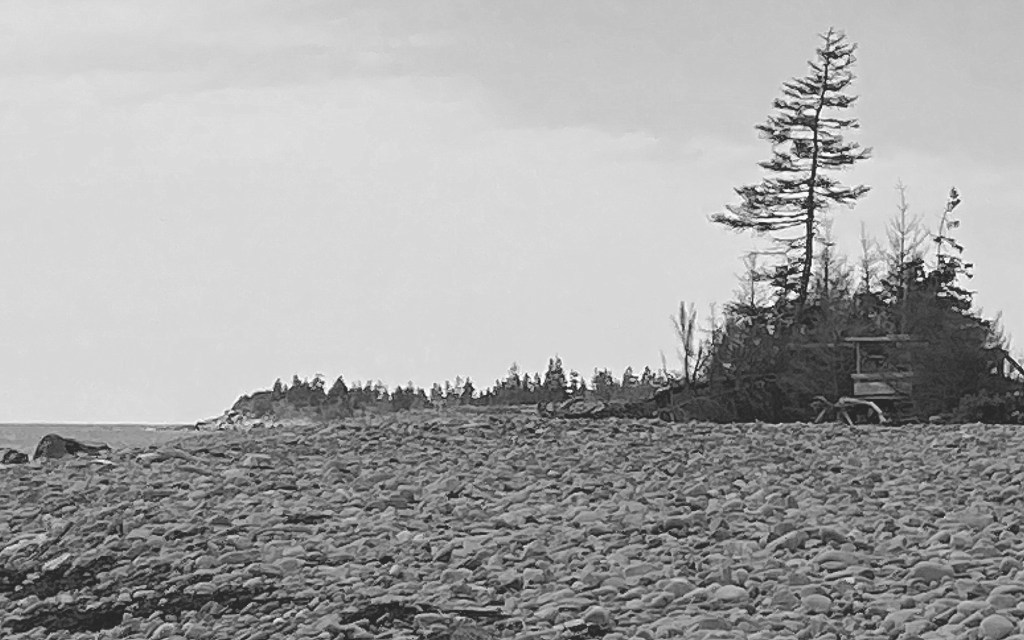
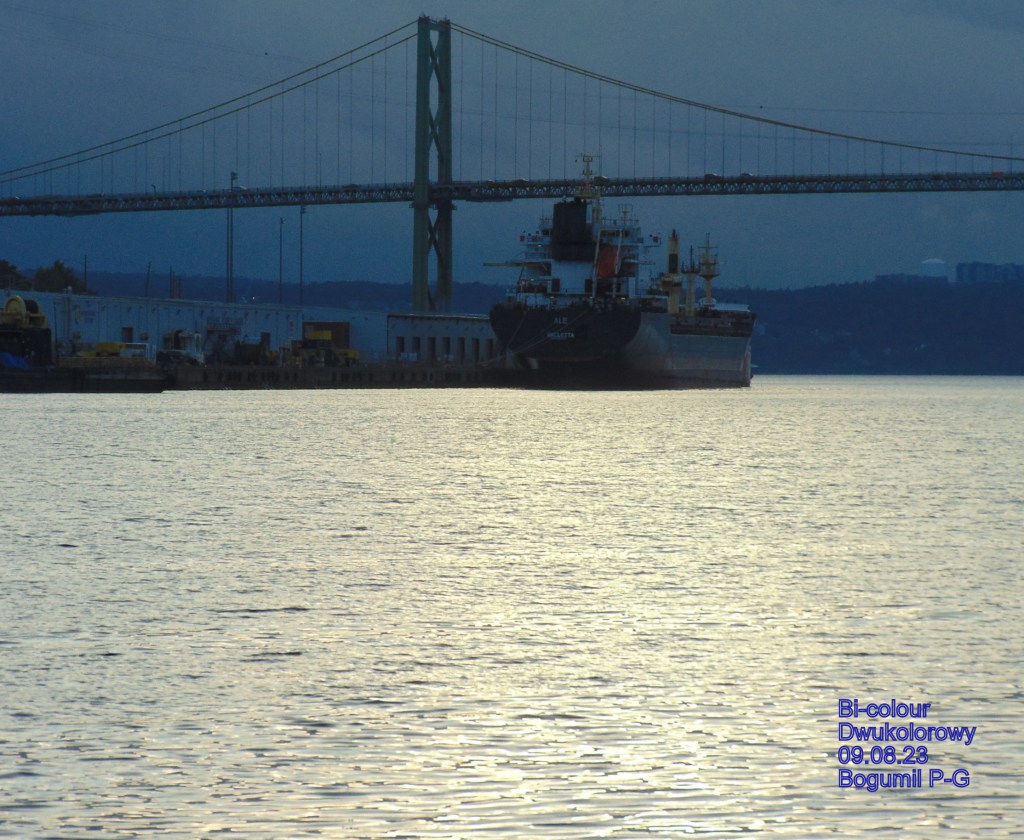
In Halifax, my magic spot is just steps away from my home. Much smaller, and not as adventurous. Of course – all these travels and hikes from Long Beach, Alberta’s Rockies to the Atlantic take time. A few decades more or less. But that’s OK. Every season in nature and life alike offers different possibilities. That smaller place here I call My Rocks. The good thing is that I can go there any time of the day or night. I know probably every rock, its shape, and colour between two huge bridges: MacDonald and MacKay that span the length of the trail.
I think they know me, too. And so I went today there. First time in many days, as my health took a severe beating recently. Probably I shouldn’t. But I could not to go. In many ways, my story in Nova Scotia is the story of rocks. I fell in love with them during my travels there. I know them, I remember where they are, and how they look at different times of day and seasons. They are my friends.

The walk today was full of memories: of places. And of people, who are no longer with me. It was also sad – the air and sky were full of smog-filled fog. But in that fog, I saw their faces very clearly. Felt very alone and yet, very grateful that I had them all, and that I loved them dearly.

That’s a gift one can’t shrug off. Them and Canada. And I smiled again.

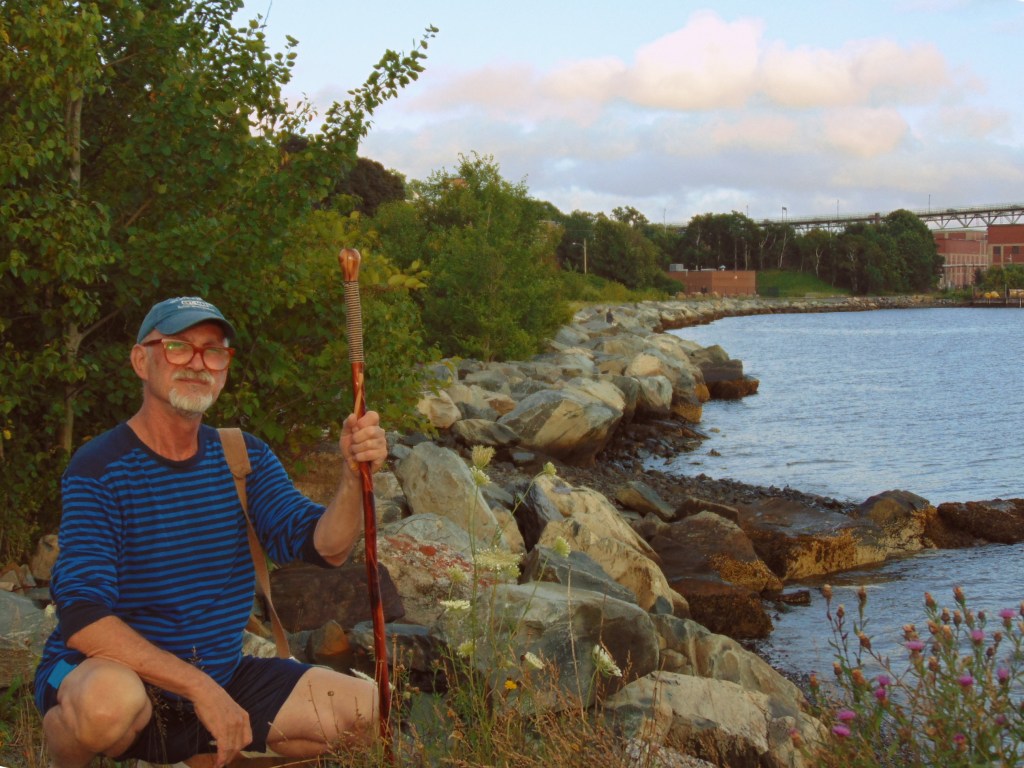
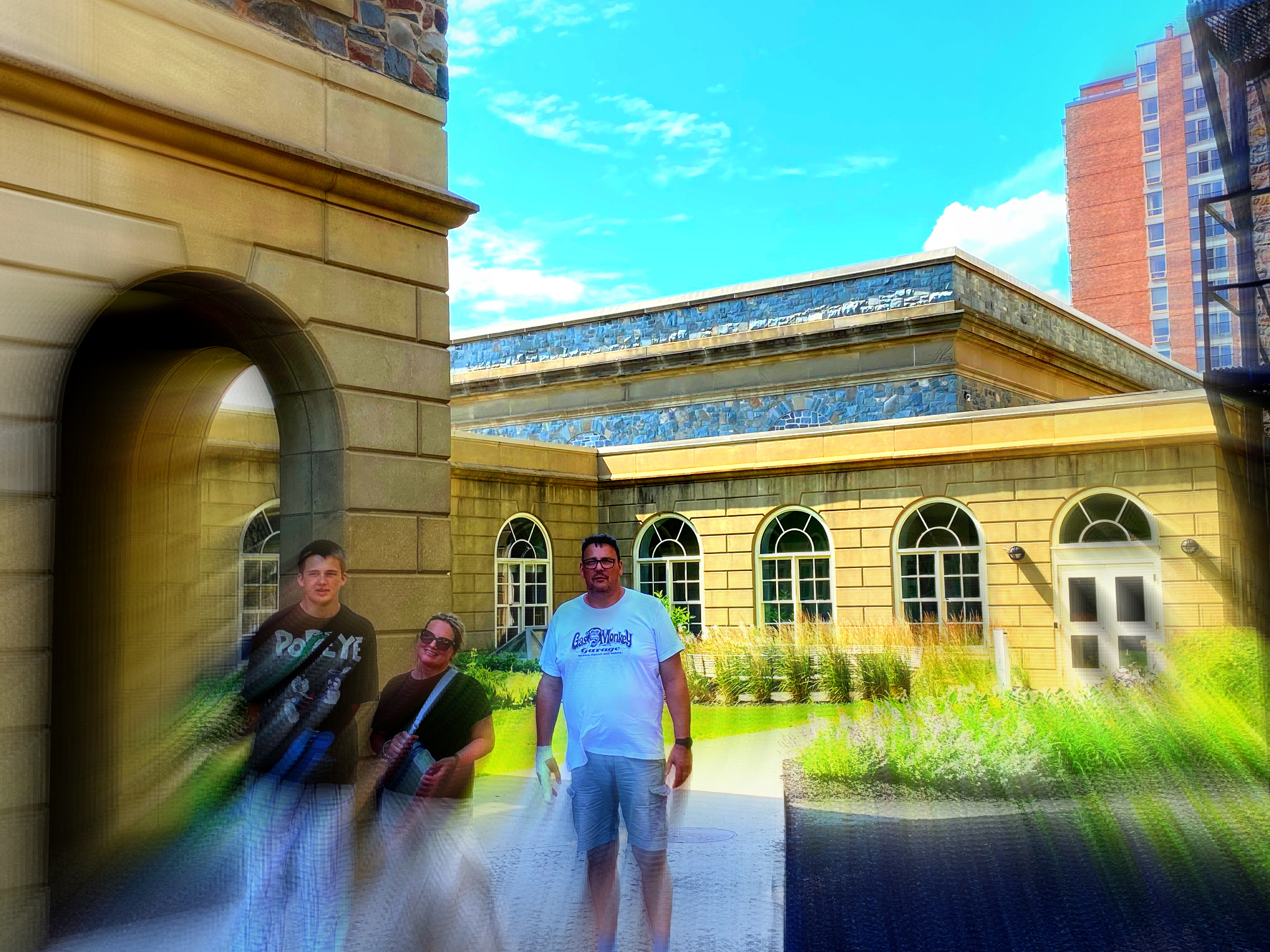
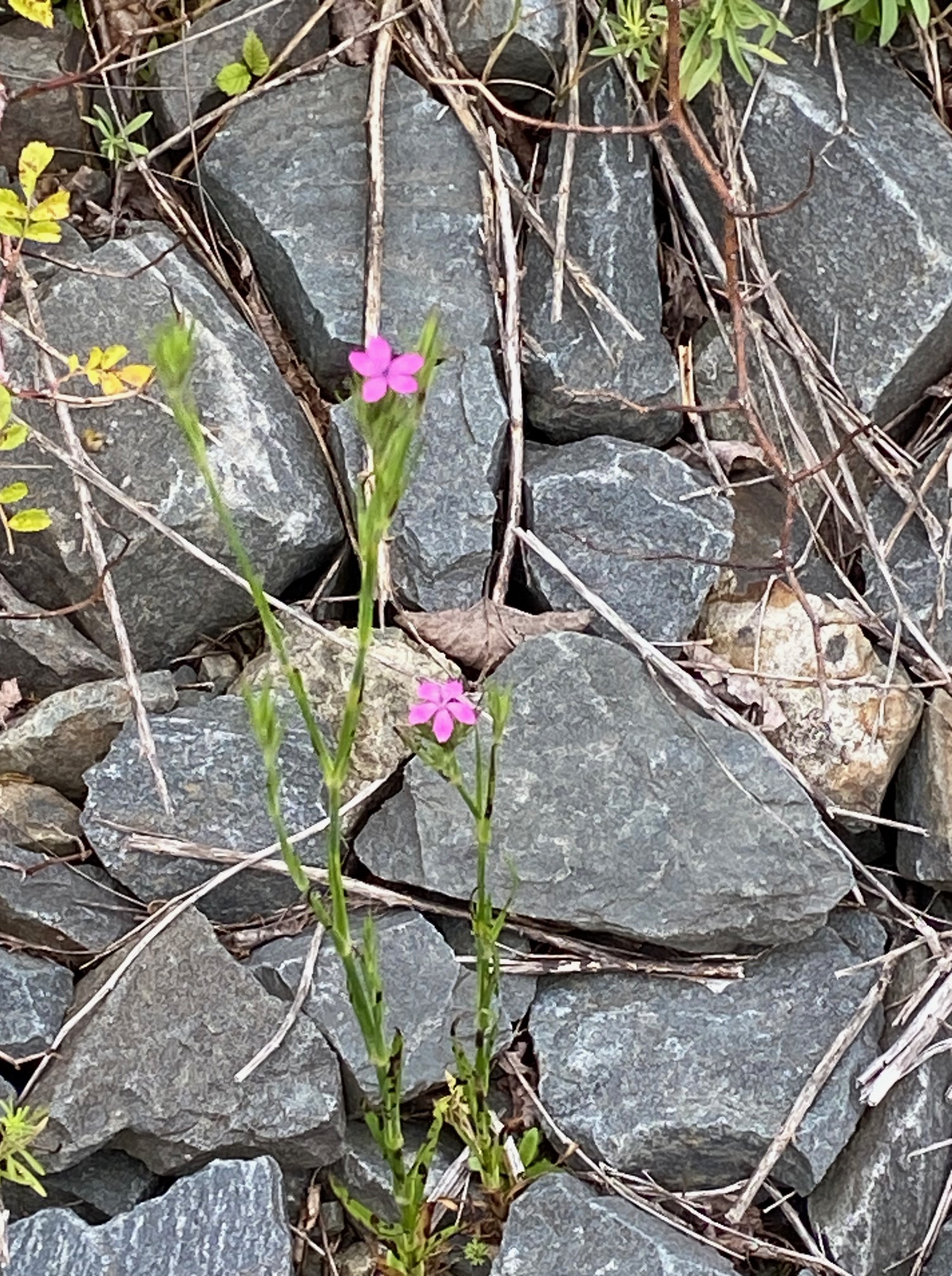
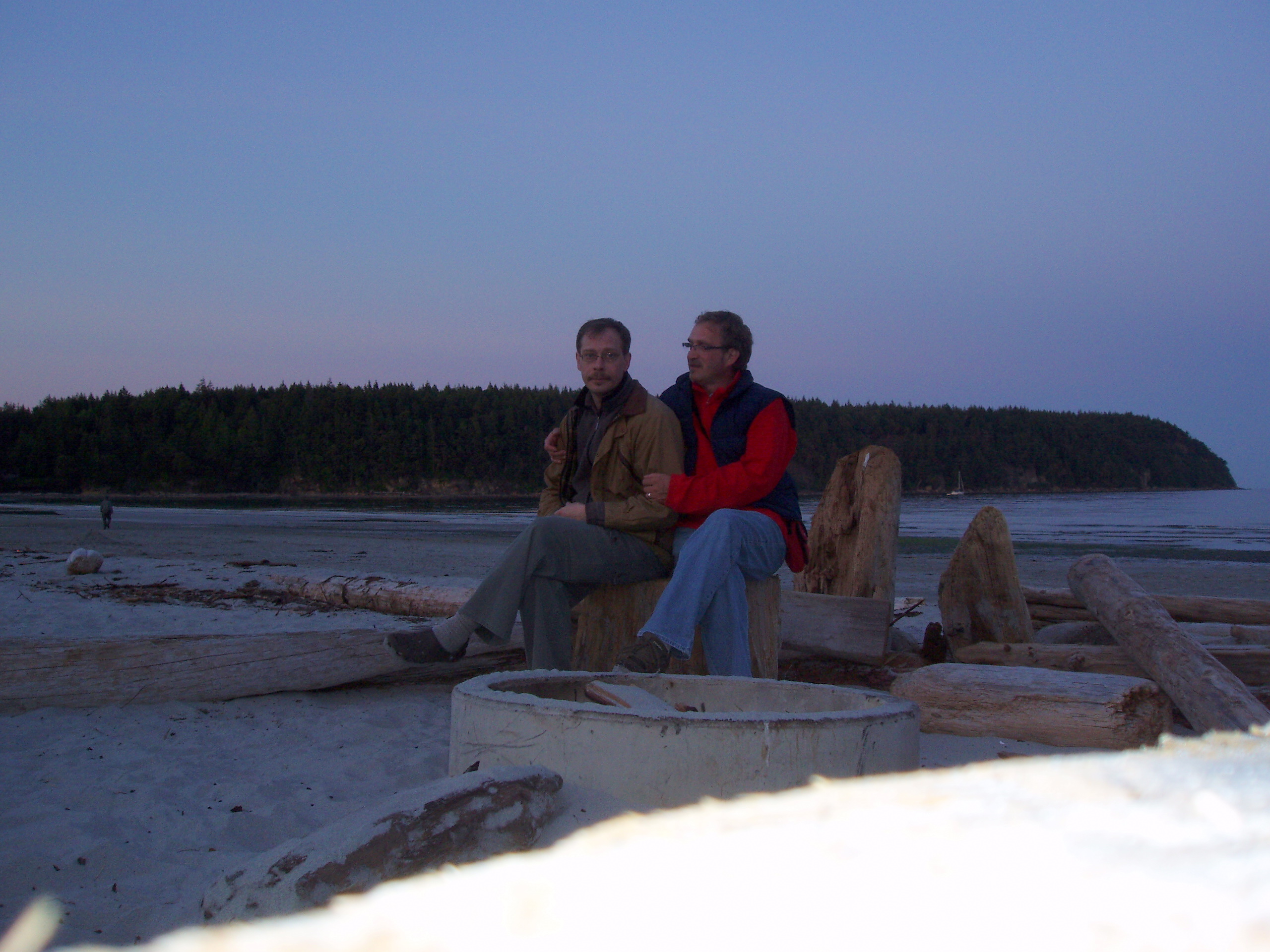
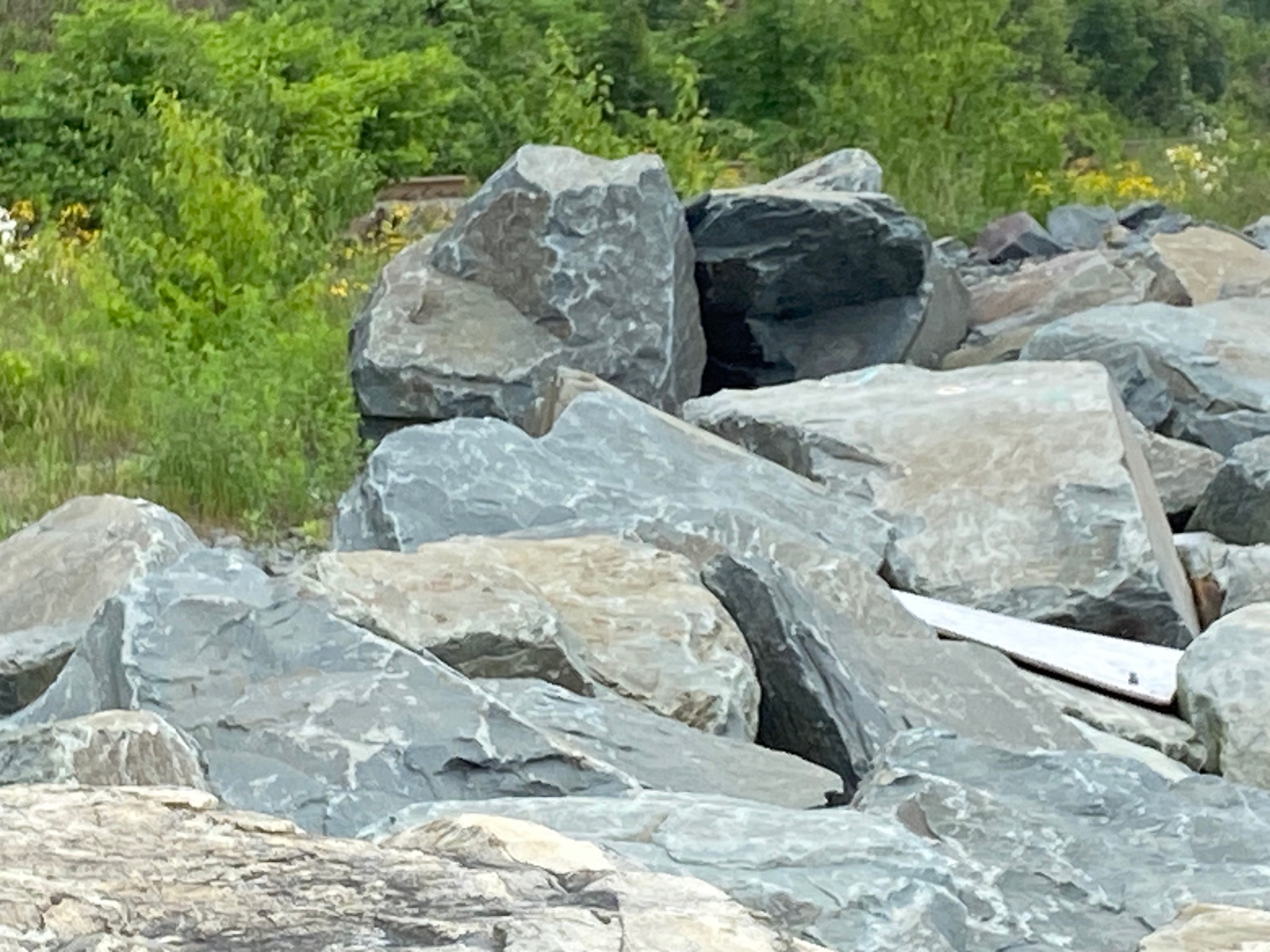
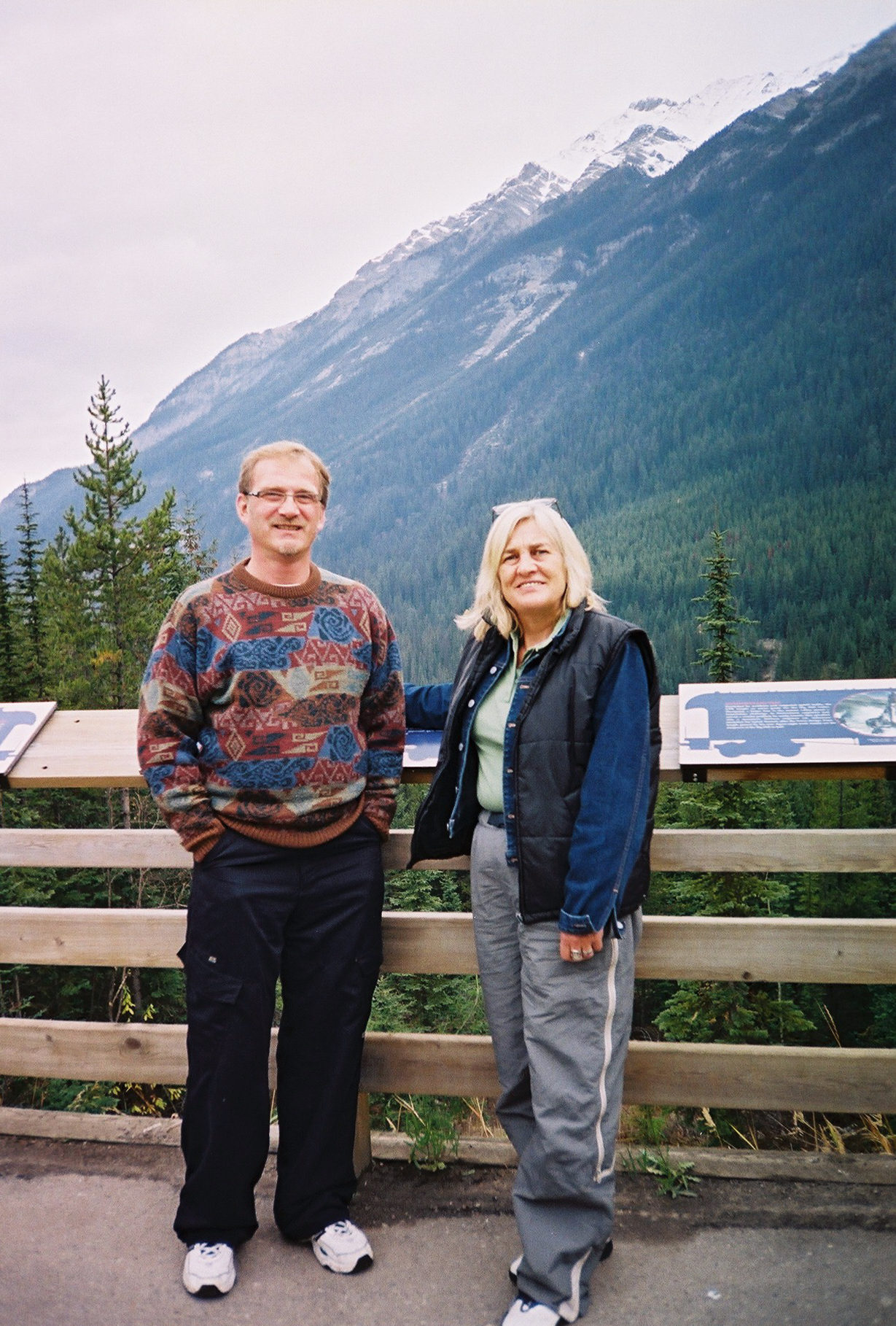
From top to bottom, left to right: first four pictures are from My Rocks in NS; me and my husband in Long Beach, Vancouver Islan; me and my sister visiting my very first apartment in Canada (Calgary, the building no longer exists); Dartmouth rocks, NS; My Rocks in Dartmouth, Canada Day walk; me and my sister in the Rockies (Spiral Tunnel near Field, in 2005); view of the McDonald Bridge connecting Halifax and Dartmouth.

Our talk, part 3

Bogumil Pacak-Gamalski

Let’s talk again, Babycake. This time in English. Not that it does make a difference for you now. You know every language now, and you always knew the language of Love. Without uttering a single word. When I looked at you, it felt like looking at an open book of Petrarch sonnets of love.  When I inhaled the sweet scent of your body, it was like smelling a meadow full of honeysuckles.

Tears, bitter tears fall in a bitter rain,

And my heart trembles with a storm of sighs

When on your beauty bend my burning eyes,

For whose sole sake the world seems flat and vain.[1]

But, as Polish is my language of first words, English is yours. So, let’s talk again, Babycake. I am so used to calling you by that name, it seems so natural. Do you remember when and how you become my Babycake? It brings such a sweet smile to my lips. Of course, Armistead Maupin and his “Tales of the City”! The year was 1994, PBS played it on TV in US and Canada. And we watched it in a cozy apartment on Howard Avenue in Burnaby glued to TV, crying like every other gay man in North America. Mouse used it all the time speaking to Mona or Mary Ann. 1994 – our first year in our first own apartment  At that time there was hardly any serious movie, let alone a long series on every TV screen in Canada and USA about us – the Queer community. With wonderful, amazing Gloria Dukakis as one of the leading characters[2]. It could be hardly called a literary phenomenon, Maupin was not a genius – but it was a series that changed a lot. The viewership was massive. It seemed that entire young North America watched it with us, regardless of sexual orientation. And every one cried, of course. For my generation, it was the same tear-jerker as Segal’s “Love Story”[3] with Ali MacGrow and Ryan O’Neal, which I watched twice in a movie theater twenty years earlier. Of course, the entire theatre cried and everybody inside was in their early twenties. Ah, to be young and romantic …. That movie gave us a famous fraze: ‘love means never having to say you’re sorry’. It does mean it. I never was, you never were. I never will. Not for our love.

In 2014, on the first anniversary of our formal wedding (over twenty years after our love was born), I wrote :

To John – my dearest husband on our first formal Anniversary

(unfinished, on May 19, 2014)

Hold me, hold me tight

as the river of nights flows by

Hold me don’t let go

even when I do you wrong

As I bare my soul and cry

do not leave do not run

For this moment when it comes

for the day wet and cold

for the barren night of black

/ gold

for the poem with wrong

/rhymes

I will stay even if you go

Although the thought of the promise alluded to the idea that one day you might live, not to the possibility of your death before mine, I kept it nonetheless.  I did stay, Babycake. I will.

I have spent the past few days and nights in and out of the Emergency Department at our hospital in Dartmouth. One of the nights I came home, to our bed. Not even a full three hours to get some rest, told them I will be back in the morning.

I saw you there, in our bedroom, we talked – remember? You were sad, you begged me to be careful, to look after myself. It made me almost angry, I replied: how can you ask me that? I am coming to you Babycake, I want to be with you, to touch you again, to feel you! I am not leaving, I’m coming to you! You told me that you are with me but you don’t want me to leave this reality yet, that I still have to take you to some trails, some towns, you smiled and said that you will even go with me to some sunny beaches on the ocean, lakes. And I promised you again. I stayed. Forgive me for that short argument. I was tired, and couldn’t see clearly.  I will ‘hold the fort’. Our fort. The Fort of Our Love. Forgive me the tears as I write it – yes, you were right, when you said many years ago that I am a sentimental fool. A sucker for melodrama, LOL. But I will keep you for your word: you can’t ever say that you don’t want to go to the beach today. Remember.


[1] Petrarch, Sonnet XV; trans. by Joseph Auslander

[2] TV mini-series based on A. Maupin trilogy by the same title. Aired on Channel4 in the UK in 1993 and by PBS in North America in 1994. It received the highest-ever viewership in the history of PBS at that time.

[3] 1970 movie directed by Arthur Hiller