Sześć miesięcy wojny na Ukrainie. I jednocześnie święto Niepodległości Ukrainy. Wielka ofensywa rosyjska w zasadzie na całej linii frontu na południu (na inne fronty Armii rosyjskiej już nie stać) weszła w fazę wojny pozycyjnej o wgórze, o wioskę, o przejście na rzece. Putin stracił sporo zębów. Tak, ma jednak ciągle olbrzymią armię.
Ale w wojnie, w której olbrzymie znaczenie ma nowoczesna i skomplikowana broń niezbędny jest twardy i dobrze wyszkolony żołnierz zawodowy a nie ‘urrra! za rodinu, za Stalinu, za mateczku Rasiju!’. I nie czasy wielkich, decydujacych bitew. Ukraina takiej bitwy nie przyjmie. Nie wyglądają na samobójców, kozackich kamikadze. Nie będzie Kurska ani Stalingradu.
Wołodymyr Zelensky mówi, że Ukraina nie oczekuje pokoju, że oczekuje zwycięstwa. Sugeruje w ten sposób nie pertraktracje pokojowe a przyjęcie aktu kapitulacji. Życzyłbym im tego. Ale to raczej mało realne.
Rosja nie tylko Putina ale i w mentalności bardzo wielu Rosjan jest imperium. I chce być, jako imperium uznana. Nie oczekuje sympatii i polubienia. Domaga się uznania jej imperialnej roli. Nie jestem nawet pewny czy zbrojne (zamach stanu, morderstwo itp) usunięcie Putina by to zmieniło. Tak, Putin to autokrata – wszak całkowitym autokratą był każdy car rosyjski – mieli to nawet w oficjalnym tytule: Samodzierżawca. I tak władcę widzi przeciętny Rosjanin.
Zamach w Moskwie na popularną rosyjską dziennikarkę, która gloryfikowała Rosję i była tubą ultranacjonalistycznej, szowinistycznej i wielkorosyjskiej ideologii, Darię Duginową był bardzo wyraźnym przykładem, jakie znaczenie ma ta ideologia. Pewne jest zresztą, że głównym celem zamachu był jej ojciec, Aleksander Dugin – popularny od lat faszysta rosyjski znany nie tylko w prasie ale w życiu akademickim. Ceniony niemiecki znawca Wschodniej Europy, Andreas Umland w wywiadzie dla szwajcarskiego wydawnictwa medialnego SRF pisze wprost o Duginie: “To jest rosyjska wersja faszyzmu. Dugin zapożycza z Zachodnich myślicieli faszystowskich we Włoszech i Niemczech i buduje swoją własną wersję neo-faszystowskiej ideologii, nazywając ją czasami Czwartą Teorią, czasami neo-euroazjanizmem lub po prostu tradycjonalizmem. Jest autentycznym rosyjskim faszystą.” Jest szanowanym w Rosji i jej kręgach akademickich. I bardzo popularnym w szerokich kręgach społecznych. Stąd jego wpływ na Kreml i Putina – jest to jednak wpływ pośredni, wpływ jego teorii wielkorosyjskich i popularności w społeczeństwie. Sam do polityki bezpośrednio się nie pcha i w pewnym stopniu politykami pogardza, jako jedynie narzędziami a nie twórcami. Niektórzy porównują go do roli i postaci Rasputina w Rosji carskiej.
Czemu piszę o ojcu i córce Duginach? Bo to jest najwieksze niebezpieczeństwo dla Europy, a nie były, niezbyt wysokiego stopnia, oficer KGB – Putin. Putina można wieloma sposobami usunąć ze sceny. Duszy rosyjskiej – nie sposób. Nie zapominajmy, że wielki, pisarz i myśliciel, noblista Aleksander Szołżenicyn, kategorycznie nie uznawał niepodległej i suwerennej Ukrainy i Białorusi. Uważał te dwa kraje i narody, jako integralną część wielkiej Rosji. I to jest ‘dusza rosyjska’ dużo silniejsza niż jakikolwiek przywódca polityczny.
Ten sposób myślenia, taka wizja kulturowa państwa-imperium w węzłach faszystowsko-etniczno-religijnych jest największym zagrożeniem europejskiego modelu, który oparty jest na pewnej stałej płynności ideii, metodologii i społeczeństwa. Płynności, w której centrum od kilku już stuleci jawił się Człowiek indywidualny i Człowiek-obywatel, jako potężny wariant niezależności wobec wschechwładzy państwa- wodza. Państwa-wodza, które urzyczywistnia właśnie Samodzierżawca. Nie był to proces ani łatwy ani krótki. Jest to też proces trwający in perpetuum mobile, to zaś zakłada też pewien chaos, niestałość i niepewność. Ale własnie ten chaos, ta niestałość struktur i mechanizmów umożliwia korekty, zmiany, dostosowywanie się.
Herb Wielkiego Księstwa Ruskiego z krótkiego okresu Rzeczypospolitej Trojga Narodów
Każde duże państwo europejskie u swych zaranii kształtowało się przez setki lat. Nie polega to tylko na podboju silniejszego szczepu, ale na długotrwałej budowie nowego organizmu wielo lub panetnicznego, nadrzędnej wspólnej rzeczy (rzeczy pospolitej, res publica).
W samych Niemczech ten proces trwał prawie do lat 20. ubiegłego wieku! Od czasów Świętago Cearstwa Rzymskiego Nartodu Niemieckiego. Polska nie jest dziś (jak za wczesnych Piastów) państwem Polan. Nie możemy powiedzieć (i nie mówimy), że Pomorze, Warmia, Podlasie lub Rzeszowszczyzna są polskie, bo to tereny Polan. Bo nie były. To ziemie szczepów słowiańskich, ale żaden z tych szczepów nie był Polanami. Mieli swoją odbrębna świadomość. Spokrewnioną – ale odrębną. Rosjanie zaś tego nie rozumieją. Dla nich te wszystkie wczesne i osobne, często wojujące ze sobą szczepy i grupy Słowian Wschodnich to nagle jacyś jedyni i niepodzielni Rusowie. Całe szczęście (w perspektywie historii), że plemiona białoruskie, a na południe od nich plemiona rusińskie przez setki lat (różne tereny w różnych okresach i przedziałach czasu) były pod silnymi wpływami i panowaniem Królestwa Polskiego z jednej strony, a Wielkiego Ksiestwa Litewskiego z drugiej. Od późnego średniowiecza były to już wspólne tereny jednej wielkiej Rzyczypospolitej Obojga Narodów. Szczcie nie dlatego, że ten ‘pan’ polski lub litewski był aż tak dobry i sprawiedliwy. Nie – dlatego, że w silny sposób zakorzeniły w tej I Rzeczypospolitej mimo wszystko zachodnio-europejskie idee i sposoby myślenia kulturowego i politycznego. I że król Polski (na dobre i na złe) nie był i być nie mógł Samodzierżawcą.
Nie sądziłem jeszcze dziesięć lat temu, że te ziarno tak silnie na Białorusi i Ukrainie zakiełkuje. Wśród nich samych. Białoruś jest rosyjskim klientem tylko na zasadzie pełnych więzień politycznych i terroru Łukaszenki. Dyktatora na glinianych nogach. Z ciekawych i zaskaujących względów i z diametralnie przeciwnych powodów do fali anty-rosyjskości nikt tak się współcześnie nie zasłużył na Ukrainie i w Białorusi, jak jej dwaj prezydenci.
Dlatego tak niezbędnym jest kontunuowanie pomocy dla Ukrainy aż do czasu uzyskania najbardziej korzystnego z możliwych rozwiazań. To jest wyzwanie naszych czasów wobec Historii. To jest wojna europejska o europejskie wartości. Jako, że Ameryka Północna i Autralia z Nową Zelandią (to bardzo ogólnikowa i tylko przykładowa lista cywilizacji europejskich) są dziećmi tej cywilizacji (ze wszystkimi pro i contra) – sa w tą wojnę zaangażowane. Bo jest to walka o ich wartości. Leży w naszym, świata zachodniego, interesie istnienie dużej, suwerennej Ukrainy byśmy z Putinem czy innym Putinowiczem rosyjskim graniczyć nie musieli. Tak długo, jak nie ulegnie zmianie, uleczeniu ‘rosyjska dusza’. A to proces bardzo długi i skomplikowany.
I pamietajmy, że to nie wojna ważna lub istotna dla całej wielkiej reszty świata. Afryka, a zwłaszcza Azja tego tak nie widzą. To ich politcznie-kulturowo nie dotyczy. Gotowi są na układy z każdą ze stron. Ktokolwiek wyjdzie z tego zwycięsko. Układy zresztą dalej z Rosją mają i zakładaja ciągle nowe.
Więc cieżar tego wysiłku wsparcia Ukrainy spada (i słusznie) głównie na nas: państwa NATO (z pominieciem Turcji, która w NATO jest z własnych, osobnych interesów i ambicji). A cena tego wsparcia może być tej zimy wyjatkowo trudna ekonomicznie. Brak wsparcia lub osłabnięcie naszej woli – może być katastrofalny. Z biegiem miesięcy spada emocjonalne zaangazowanie wielu indywidualnych osób. Najbardziej oddanym społecznikom i ratownikom Ukraińców zaczynaja tez opadać ręce i skrzydła. Są tym ciężarem uchodźców przygniecieni i nie wszystkie państwa ten ciężar równomiernie dźwigają i równomiernie wspomagają. Sankcje ekonomiczne, kontrakcje rosyjskie spowodowały wielki kryzys energetyczny i olbrzymi wzrost kosztów energii. Naciskajmy jednak na nasze rządy, gdy możemy wspierajmy sami akcje i zbiórki pro-ukraińskie. Rosja tą wojnę musi przegrać. Nie musi być upokorzona jakąś wielką kapitulacją. Ale nie może z niej wyjść zwycięska.
Każda wojna, każda rewolucja, każde powstanie jest brzemienne w mity, legendy chwały i bohaterstwa. Cmentarze ze szczerniałymi od starości krzyżami, z białymi brzozowymi krzyżami, małe kapliczki i tabliczki po lasach, na rogach ulic, tynkach kamienic. I wielkie pominiki z marmuru, granitu, stali. I nazwiska-symbole dowódców, żołnierzy. Ma też bardów. Zwłaszcza tych, którzy polegli w walce, jak Baczyński lub Gajcy. Każda wojna, walka na śmierć i życie ma też setki nieznanych lub bardzo mało znanych młodych poetów, twórców sztuki, którzy tej wojny, tej walki nie przetrwali, a przedwczesna śmierć uniemożliwiła im rozwój talentu, publikacje. Twórcze zaistnienie w historii swojego kraju. Więc, gdy rocznica już siedemdziesiata ósma Powstania Warszawszkeigo nadeszła – nic nie pisałem na jakichkolwiek forach i w jakimkolwiek formacie. Dajmy im już usnąć, bo ten ciągle powracający szmer i walka słów o sens tej hekatomby już zbyteczny. Historia. Teraz zwłaszcza, gdy nikt prawie z tch, co o tym opinie wydają w tamtym czasie nie istniał. Nawet w zamysle rodziców. Nawet Powstania Styczniowego i jego przywódców tak nie szarpano, jak tych z tego 1944.
Teraz, blisko dziesięć dni od tej daty wybuchu Powstania, od jego obchodów chcę jednak przypomnieć, poniekąd symbolicznie tych, o których w tych obchodach nie wspominano. Tych nie znanych lub prawie nieznanych, bardzo młodych żołnierzach-poetach Armii Krajowej. Skłoniła mnie do tego wymiana zdań z dyrektorem Książnicy Pruszkowkiej, który w tych obchodach w Pruszkowie pod Warszawą brał udział. Bo przypomniało mi to postać Stanisława Kowalczyka, wyjątkowo uzdolnionego poety, o którym bez wątpienia, gdyby tą wojne i ten rok 1944 przeżył, byśmy usłyszeli dużo więcej, a literatura polska miałaby nowy, piękny rozdział. 23 sierpnia 1944 ta nadzieja, ta szansa na nowe publikacje, nowe wiersze – zgasła.
Poniżej publikuję zdjęcie ze stron rocznika “Strumień” (wydanie z 2007) z moim esejem na temat jego twórczości.
Sam, w latach gdy w Pruszkowie mieszkałem (sypiałem raczej, bo mieszkałem de facto w Warszawie, gdzie żył cały mój świat) lubiłem tą drogę do Pęcic. I od tegoż, 2007 roku, na zawsze już mi się z Kowalczykiem będzie ona kojarzyć. Więc: non omnis moriar – dla mnie, Polaka całe życie z literaturą związanego, Stanisław Kowalczyk na zawsze tej literatury ważnym fragmentem pozostał.
Na Facebooku pędzi od kilku dni rozwichrzone stado Pegazów. Grzywy skrzą się niczym perły na firmamencie nieba, skrzydła furkoczą unosząc się ku szczytom Parnasu. U wrót świątyni twórców oczekuje ich westalka Apolliona, Olga.
O, szczęście wymarzone! Serce uniesione! Cóż padoły wyklęte niewiernych, cóż dziady nieczyczate spod strzech Adamowych? Oni są princami i princesami ogrodów Samarkandy, kędy się tanecznym krokiem, wśród piękna niedościgłego – zaiste objawionego – przechadzają. Oni! Ci którym Olga sama powiedziała, że pisze przepowiednie dla nich, wniebowziętych rodaków ojczyzny piękna i wdachnownienia, którego doznał ongiś Puszkinowski Eugeniusz.
W. Podkowiński “Szał uniesień”
Piękny ten widok, ten obraz rozwianych, niczym u Podkowińskiego, grzyw Pegazowskich, tych nazwisk osób znajomych i tych, których tylko z tekstów wrażliwych znałem. Ze szczytów Tomaszowej Góry Czarodziejskiej ku dolinom poglądającym, z zasłużoną wyższością. O ludy i narody niecne, wszeteczne, które światła dostąpić nie chcą – biada wam, powiadam. Wam i waszym dziatkom, że w strumieniu, o którym Jan z Czarnolasu w Pieśniach boskich pisał, że spod Parnasu bieży, kapać się dla orzeźwienia nie pozwoli.
Więc takoż w uniesieniu, w pełnej ekstazie, rozwiane grzywy mieszają się z perlistym ślinotokiem, który nie płynie ku dolinom – o! nie – a ku szczytom zmierza. ‘Nam jedna szarża – do nieba wzwyż’ poprowadzi nas subtelny (oczywiście, że subtelny a nie gburski) Krzysztof Kamil.
Leon Bakst “Elisium”
I tak odrodziło się nam, po tysiącleciach westchnień próżnych, Elizyjum. W sposób tak łatwy i prosty, że aż zdumiewające, że nikt na pomysł wcześniej nie wpadł. Za jednym słowem prostym, znanym, częściej niż trzeba może używanym: idiota.
Warto by chyba przypomnieć sobie powieść pod tym tytułem Fiodora Dostojewskiego. Jest zajmująca. Być może wiele mówiąca. Czy ‘idiotą’ jest tak określony, tak nazwany, czy są nimi tak go określający, nazywający? Kurosawa, sam twórca pierwszej wielkości, tak reflektował przy pracy nad adaptacją dzieła Dostojewskiego: Prawdziwie dobry człowiek bowiem w oczach innych jest uznawany za idiotę. To jest tragedia tej historii. Historii zrujnowanego, czystego człowieka”. Naturalnie, nie sugeruję iż domyślny adresat (PiSowski wyborca, zakładać można), tego słowa użytego przez Olgę Tokarczuk, jest przykładem dobrego, czystego człowieka. Ale, gdy się publicznie pewne oceny wyraża na spotkaniu, które było filmowane i w czasie współczesnym, gdy wiadomo, że takie opinie osoby bardzo znanej – noblistki, wybitnej pisarki – natychmiast ukażą się wszędzie i wobec wszystkich – pewne niuanse (?) rozmydlą się. Gdybym ja tak powiedział do moich czytelników – nikt by uwagi (poza garsteczką tych czytelników, LOL) na to nie zwrócił. Przez to, że osoba autentycznie wybitnej pisarki nie ma tego samego przywileju zacisza własnego pokoiku, który mam ja – konsekwencje są inne. A z reszty wypowiedzi skierowanej owszem, do zebranych przyjaciół i wielbicieli talentu pisarki – wyszło jeszcze większe nieporozumienie i błąd. Po prawdzie ‘idiotami’ zostali wszyscy, którzy większości jej twórczości nie czytali. Lub tylko we fragmentach. A takich jest dziś sporo. Inne czasy, niezbyt przychylne dla literatury słowa pisanego dłuższego od jednego arkusza. Możemy nad tym ubolewać (powinniśmy) ale trudno tego trendu, nie tylko polskiego, nie zauważać. Na nagrywanym spotkaniu z fanami noblistki nastąpiło mrugnięcie porozumiewawcze okiem: wiecie, to między nami, wy rozumiecie wysoką literaturę, wy jesteście inni od ‘nich’. I najgorsze, w zasadzie niewybaczalne: piszę tylko dla was. A to już arogancja. Zbyteczna. Oczywiście w Polsce dzisiejszej, Polsce podzielonej bardzo ostro, gdzie obowiązuje zasada: kto nie z nami ten przeciw nam – obywatel przeciwny kato-faszyzującego obozu władzy jest niejako zmuszony stanąć po stronie pisarki. Nawet jeśli w duszy czuje się dość skrepowany, bo wie, że nie czytał wszystkich wydań Tokarczuk lub nie czytał nawet w ogóle. Czyli wie, że jest … idiotą. Ale wie też, że to nie zupełnie sprawiedliwe, za idiotę się nie uznaje. I mnie też się wydaje, że taki obywatel nie jest idiotą. W tym wypadku wole już być tym Myszkinem Dostojewskiego, niż dołączyć do ślinotoku wyznawców religii skądinąd fantastycznej pisarki. Kultura nie wysoka a kultura celebrycka, ot co.
Najazd rosyjski i wynikła z tego wojna rosyjsko-ukraińska ma dwa różne wymiary. Dwa zasadnicze, bo w tym starciu dwóch odmiennych światów naturalnie tych wymiarów i płaszczyzn jest bardzo wiele.
Wymiar niesprowokowanej i wyjątkowo brutalnej agresji Rosji Putina na niepodległe państwo;
wymiar geopolityczny ze względu na stabilność Europy , jako spuścizny tzw. porządku jałtańskiego, który od lat 1945-47 utrwalił obecny kształt państw europejskich.
Wymiar pierwszy zasadniczo określa reakcje większości świata demokracji, a szczególnie tzw. demokracji zachodnich. Jest napaścią na ukształtowany system europejski, który stanowi o trwałości granic i powstrzymywania się od wszelkich ingerencji militarnych w obszarze atlantyckim Europy i Ameryki Północnej. Zwłaszcza ze strony mocarstw nuklearnych (USA, Wielka Brytania, Francja i Rosja). Obszar Azji i Pacyfiku to konkurencja innych mocarstw (Chiny, USA głównie). Afryka to też odrębny obszar innych sił, konkurencji i zagrożeń, kompetycji militarno-polityczno-ideologiczno-surowcowych zarówno Azji, jak i USA i Europy.
Wymiar drugi jest wyzwaniem rzuconym porządkowi jałtańsko-poczdamskiemu po II wojnie światowej w Europie. Można ryzykować tezę, że porządek ten został odrzucony na przełomie lat 88. i 90. ubiegłego wieku. Ale to teza fałszywa, gdyż te kolosalne zmiany miały charakter pokojowy, bez jakiejkolwiek ingerencji militarnej mocarstw (USA lub Związek Radziecki/Rosja) i państw nuklearnych. Poza dwoma państwami niemieckimi, które się zjednoczyły (każde ze swoimi post-jałtańskimi granicami) drogą naturalną i pokojową. Powstałe niepodległe byłe republiki sowieckie (Estonia, Łotwa, Litwa, Białoruś, Ukraina) zyskały niepodległość też w granicach swoich, wyznaczonych zresztą jeszcze przez Związek Radziecki w latach 1945-47. Nie spowodowało to jakichkolwiek zmian terytorialnych w innych państwach ościennych ani nie wywołało jakiegokolwiek konfliktu zbrojnego. Obecny najazd rosyjski na Ukrainę podwala cały ten porządek granic narodowych ustalonych w latach 1945-47. Podwala w związku z tym legalność i prawne międzynarodowe podstawy legalne tego porządku, vide tych granic.
Wymiar (1) nie wymaga de facto tłumaczenia. Od początku inwazji putinowskiej przywództwo polityczne i militarne strony rosyjskiej wykazuje się wzrastającym wręcz z tygodnia na tydzień wyjątkowym okrucieństwem wobec ludności cywilnej; nie przestrzeganiem zasadniczych ustaleń i konwencji prowadzenia działań wojennych (bombardowanie miast, osad i wiosek bez odróżniania celów militarnych od ludności i zabudowań cywilnych; celowe i świadome terroryzowanie ludności cywilnej, bombardowanie szpitali i obiektów medycznych, przesiedlanie ludności miejscowej na tereny Rosji właściwej; ostrzeliwanie konwojów cywilnych uchodźców z terenów bezpośrednich operacji wojskowych). Ta lista jest wyjątkowo długa i nie ma sensu jej kontynuować. Jest też rejestr tych zbrodni prowadzony przez niezależne komisje, przedstawicieli organizacji międzynarodowych i z krajów ościennych, relacje niezależnych reporterów i dziennikarzy nie rosyjskich i nie ukraińskich. Mnożą się śledztwa i dochodzenia konkretnych zbrodni wojennych żołnierzy rosyjskich na ludności cywilnej. Wszystko to na terenach europejskich, u granic Unii Europejskiej. Bledną wobec tego nawet zbrodnie dokonywane w czasach wielkiego konfliktu bałkańskiego po upadku Jugosławii. Zwłaszcza wobec realnego niebezpieczeństwa przelania się tego konfliktu na resztę Europy i naturalny lęk nie tylko o wojnę nuklearna ale i możliwość doświadczenia podobnego terroru w państwach bezpośrednio graniczących z Ukrainą lub Rosją (Polska, Kraje Bałtyckie, Litwa, Rumunia, Mołdawia, być może nawet Węgry wbrew ugodowej wobec Putina postawie Orbana). Efektem tego jest kompletnie niewyobrażalne kilka miesięcy temu złożenie oficjalnej deklaracji Szwecji i Finlandii o wstąpienie do NATO. Wszystko to powoduje polityczne, militarne i popularne wśród społeczeństw europejskich sympatie i wspieranie Ukrainy w tym konflikcie. Masowość, rozmiar tego wsparcia i konkretne (zwłaszcza militarne) akcje Europy, USA i Kanady są pierwszą niekwestionowaną klęska Putina i Rosji. Klęską, której rezultaty Rosja będzie odczuwać długo po zakończeniu tej wojny ( jakimkolwiek jej zakończeniu).
Wymiar (2) nie jest ani taki prosty ani tak jasny, jak się w pierwszym momencie wydaje. Zacznijmy od początku, czyli od tzw. porządku jałtańsko-poczdamskiego tryumwiratu Roosevelt/Truman (USA) – Churchill (Wlk. Brytania) – Stalin (Związek Radziecki).
Miedzy 4 a 11 lutego 1945 w Jałcie spotkali się przedstawiciele tzw. Wielkiej Trójki (Stalin, Roosevelt i Churchill) by uściślić rozmowy Konferencji w Teheranie w 1943. De facto było to uśmiercenie II Rzeczpospolitej Polskiej, które de iure nastąpiło w 1947. Utrata olbrzymich terytoriów polskich na wschodzie zmieniła diametralnie charakter państwa i społeczeństwa polskiego, a utracenie tak ważnych centrów historyczno-kulturowych, jak Lwów i Wilno, wręcz zachwiało historyczną ciągłość tworu zwanego Rzeczypospolita Polska. Zwłaszcza utrata Ziemi Lwowskiej będącej częścią Krony Polskiej od czasów prastarych, to przerwanie ciągłości historycznej państwa najbardziej charakteryzowała. Ta Konferencja wywracała porządek historyczny i polityczny całej Europy na linii od Bałtyku, wzdłuż Karpat, aż do Morza Czarnego. Najbardziej diametralna zmiana granic i utraty historycznych terytoriów dotknęła dwa państwa, gdzie II wojna światowa się rozpoczęła: w równym stopniu agresora, jak i ofiarę agresji: Niemcy i Polskę. Zlikwidowano tym samym niepodległe przed 2 wojną państwa bałtyckie (Łotwa i Estonia) i Litwę. Świadomie nie piszę tu o Ukrainie, gdyż nie można postawic znaku równości między republikami radzieckimi a państwami byłego Układu Warszawskiego, które quasi suwerenność i niepodległość posiadały. Granice wewnętrzne i zewnętrzne Ukrainy radzieckiej były de facto i de iure granicami Związku Radzieckiego.
Ze wszystkich bodaj granic tzw. porządku jałtańsko-poczdamskiego, to właśnie granice Ukrainy są najbardziej skomplikowane. Niepodległa, dzisiejsza Ukraina, ogłaszając swą niepodległość w grudniu 1991 r. powstała na terenach Ukraińskiej Republiki Radzieckiej. Nie była ciągłością ani Hetmanatu Ukraińskiego, ani Ukraińskiej Republiki Ludowej ani Ukraińskiej Ludowej Republiki Rad. Wszystkie te twory istniały w różnych okresach od 1917 do wybuchu 2 wojny i napaści Związku Radzieckiego (a więc i Ukraińskiej Republiki Radzieckiej w ramach tego imperium sowieckiego) – w sojuszu z hitlerowskimi Niemcami – na Polskę. Każdy z tych tworów państwowych posiadał umowy i traktaty graniczne z Rzeczpospolitą uznające istniejące granice Rzeczypospolitej Polskiej. Ukraińska Republika Radziecka, obok federalnych władz Związku Radzieckiego oficjalnie sygnowała i potwierdzała ustalone w Traktacie Ryskim ostateczne granice polsko-ukraińskie. Granice obecne Ukrainy są więc efektem gwałtu zbrojnego (lub szantażu zbrojnego) na międzynarodowo uznanych granicach szeregu państw: głównie Polski ale też Węgier, Czechosłowacji, Rumunii. Najpóźniejsze tego przykłady miały miejsce (wbrew wcześniejszych obietnic i zapewnień Stalina) po zakończeniu 2 wojny. Było to szczególnie widoczne na terenie Zakarpacia, znanego też jako Ruś Zakarpacka. Przez blisko 1000 lat Ruś Zakarpacka była w granicach Królestwa Węgier ( również w latach Cesarstwa Austro-Węgierskiego zaliczana była do Korony węgierskiej). Po rozpadzie Austro-Węgier, międzynarodowym traktatem przyłączona do Czechosłowacji, jako trzeci region federacyjny (po Słowacji). To jedyna kraina, gdzie ludność miejscowa określała się, jako Rusini, nie Ukraińcy. Do dziś duża grupa Rusinów nie uznaje narzucanej z Kijowa nomenklatury (i etniczności) ukraińskiej. W południowej części Ruś Zakarpacka zamieszkiwana jest przez ludność węgierskojęzyczną i Węgrzy przez cały okres wolnej Ukrainy (po 1991) domagali się od Kijowa większego wpływu na ich losy, autonomii. Być może jest to jeden z powodów rusofilstwa premiera Węgier Orbana, który (gdyby Rosja przeważyła w obecnym konflikcie zbrojnym) możliwe, że liczy na odzyskanie kilku graniczących z Węgrami regionów Zakarpacia?
nota uściślająca: podkreślam w temacie Zakarpacia kwestie językowo-etniczne inne od ukraińskiej dla podkreślenia złożoności wielu terytoriów, ich historycznej przeszłości. Nie jest moim celem stwierdzenie braku jakiejkolwiek łączności lub poczucia ukraińskości całej ludności Rusi Zakarpackiej. Obecnie, ponad 70 lat po przyłączeniu Zakarpacia przez Rosje sowiecką do Ukrainy i tyleż lat trwającej ukrainizacji, większość ludności uznaje się za ukraińską. Ale ciągle silne są tradycje i poczucie odrębności, osobności, poczucia bycia Rusinem. W ostatnich latach caratu, silna była na Zakarpaciu opcja moskalofilska dążąca do wspólnoty etniczno-państwowej z Rosją i Rosjanami, nie z Ukrainą. Być może właśnie Zakarpacie jest najbardziej klasycznym przykładem historycznie skomplikowanych i wielorodnych etnicznie i kulturowo terenów, które dziś leżą w granicach Ukrainy. Wyjątkowym też tego przykładem jest Półwysep Krymski, opisany poniżej.
Najpóźniejsza zmiana terytorialna Ukrainy, w ramach republiki związkowej Rosji Sowieckiej, nastąpiła w 1954. Otóż w rocznicę Umowy Perejasławskiej, w której Kozacy pod wodzą Chmielnickiego oddali Rosji w ‘wieczyste władanie’ południowo-wschodnią Ukrainę, Nikita Chruszczow, ówczesny Sekretarz Generalny KC KPZR (czyli faktyczny dyktator Związku Radzieckiego) przekazał Krym w prezencie dla Radzieckiej Republiki Ukrainy. Oczywiście, Chruszczowowi w 1954 nawet do głowy przyjść nie mogło, że blisko 40 lat później nie będzie … Związku Radzieckiego. Więc ten szczodry prezent był dla Rosji bez znaczenia. O niepodległym, tatarskim Krymie już nikt z Tatarów myśleć nie mógł. Postarał się o to sam Stalin dokonując masowych zsyłek ludności tatarskiej na Zakaukazie. Takich samych, jakich dokonał w Zachodniej Galicji i na Wołyniu wobec ludności polskiej (potem kontynuowanych przez ludobójstwo dokonywane na pozostałych Polakach na Wołyniu przez ukraińskie oddziały Bandery).
Ostatnią szansą Krymu na odzyskania tatarskiej niepodległości i odtworzenia własnego, należnego im państwa, stworzył generał carski, polski Tatar z Wileńszczyzny (urodził się w majątku pod Lidą), Maciej (Sulejman) Sulkiewicz. Stworzona przez niego Krymska Republika Ludowa istniała od czerwca 1917 do kwietnia 1919, kiedy została zajęta przez wojska Armii ‘Białej’ Rosji generała Denikina. Denikin początkowo był przychylny koncepcji niezależnego Krymu, ale jego następca, generał carski Piotr Wrangel uznał Krym, jako część Imperium Rosyjskiego i o niezależnym Krymie słyszeć nie chciał. W kwietniu 1919, ostatni minister Republiki Krymskiej, Dżafar Sejdamet zażądał od Ligii Narodów przekazanie mandatu nad Krymem Polsce. Niestety, losy tej części Europy były już przesądzone. Po wkroczeniu na Krym oddziałów bolszewickich marzenia o tatarskim, niepodległym Krymie zostały pogrzebane a terror sowiecki wymordował tysiące patriotów krymskich.
Jeszcze w czasach Chanatu Krymskiego półwysep zamieszkiwany był przez różne grupy etniczne – Greków, Niemców, Turków. Później, w latach panowania rosyjskiego, osiedliło się tam też sporo Rosjan. Od czasów bolszewickich Krym ‘oczyszczono’ z wielu elementów etnicznych. Pozostali coraz mniej liczni Tatarzy i ciągle rosnąca w sile ludność rosyjska. Przez długi okres czasu nawet Sowieci uznawali, przynajmniej w sposób symboliczny, tatarską historię Krymu i kolejne nazwy administracyjne tego regionu zawierały nadawały mu status osobnej republiki w ramach Związku Radzieckiego. Po przyłączeniu przez Chruszczowa Krymu do Ukraińskiej Republiki Radzieckiej, Krym utracił prawa republiki i określano je jedynie jako ‘obwód krymski. W momencie rozkładu Związku Radzieckiego miejscowa ludność (Rosjanie tworzyli wówczas już zdecydowana większość na Krymie) powstała Krymska Autonomiczna Republika Radziecka, która dążyła do powrotu Krymu w granice Rosji. W ramach umów z nowym państwem rosyjskim Ukraina rozwiązała ten twór i stworzyła na Krymie Autonomiczną Republikę Krymu. Kolejna zmiana nastąpiła w 2014 po ponownym zajęciu Krymu przez wojska rosyjskie i referendum, które ogłosiło niepodległość Krymu, a następnie włączenie Republiki Krymskiej do Federacji Rosyjskiej. Ten stan faktyczny istnieje do dziś. Ukraina nie uznaje tej aneksji i ma w tym poparcie minimalnej kwalifikacyjnej większości krajów-członków ONZ (100 państw na 197 członkowskich). W momencie aneksji Ukraińcy stanowili 24% mieszkańców Krymu, wobec blisko 58% Rosjan. Rdzenna ludność Tatarów krymskich i Tatarów z innych rejonów (w tym polskich) wynosi już tylko niecałe 13%.
Warto też zwrócić uwagę na Bukowinę i ludność zamieszkującą ten historyczny region. Usilna polityka ukrainizacji prowadzona już od wczesnych lat Ukraińskiej Republiki Radzieckiej, kontynuowana przez niepodległa Ukrainę, komplikuje etniczność wielu ludów. Zwłaszcza tych, którzy uznają się (i są przez wielu badaczy za takie uznawane) za osobna grupę Rusińską, niezależną od Rosjan i Ukraińców. Należy tu głównie wymienić Hucułów, Bojków i Łemków, ale też inne, mniejsze grupy. Mówimy głównie o plemionach Rusińskich z terenów górskich, tzw. Grupa Karpatorusińska.
Wszystkie te odcienie lub wręcz inne kolory mapy etnicznej historycznych terenów nowego, terytorialnie bardzo obszernego tworu politycznego, jakim jest powstała w 1991 roku Ukraina, umyka jednoznacznej i zgodnej z rządowa propagandą opisowości tego, co i kto jest ‘ukraińskie’. Zwłaszcza w czasie i okresie straszliwej wojny, jaka zagraża istnieniu i państwa i narodu ukraińskiego. A to, że i państwo i naród ukraiński (jako osobna i wyraźna grupa etniczna) istnieje wątpliwości być nie może. Więc absurdalne stwierdzenia dyktatora Rosji, że państwo i naród ukraiński to sztuczny twór nie może być nawet dyskutowany. O tym czy naród istnieje … decydują tylko i wyłącznie ludzie z tych terenów. I od kilkuset lat zdecydowali bez wątpliwości. Proces scalania etnicznego, syntezy narodowej, trwa bardzo długo. To zabrało długie setki lat kształtowania się wszystkim państwom Europy od czasów Karolingów. Prawie całe Średniowiecze. A niektóre różnice pozostały do dziś, nawet w granicach jednolitego państwa. Choćby Ślązacy i Kaszubi w Polsce, którzy z uporem (i słusznie, bo tylko oni mogą o tym kim są decydować) podkreślają swoją osobność i własną świadomość językowo-etniczną. Nie piszę tu ludziach z różnych, odległych kulturowo i etnicznie części świata, którzy osiedlili się, jako emigranci, w danym kraju. To jest zupełnie inne i naturalne zagadnienie, nie mające nic wspólnego z tzw. matecznikiem narodowej etniczności. I tożsamości narodowej.
Wojna trwająca na Ukrainie i przybierająca z każdym tygodniem (po pierwszym, początkowym militarnym blamażem Putina i jego armii) gorsze wyniki dla Ukrainy, nie jest dobrym czasem na tego typu refleksje. Ale warto nawet w czasie wojny pomyśleć, że kiedy czas pokoju nastanie trzeba te skrywane lub celowo niedostrzegane zagadnienia rozwiązać. Nie jest tak, że gdzieś jakiś mierniczy (sowiecki, niemiecki, wersalski czy rosyjski) linijką na mapie zaznaczył, że tu są Ukraińcy, tu Polacy, a tam Węgrzy czy Rumuni. Panslawizm jest mrzonką szkodliwą (główna zabawa historiozoficzna Rosjan, bardzo niebezpieczna dla sąsiadów), tak jak był nią pangermanizm i inne wypaczenia. Iść tą drogą to na końcu utknąć, gdzieś by trzeba w Rogu Afryki chyba. Lub na stepach mongolskich.
Ale grupy etniczne i narodowościowe, nawet w formalnie do dziś istniejących granicach Ukrainy, zawsze mieć będą lepszą przyszłość, szanse na zapewnienie ustawowe większych wolności, być może autonomii, niż miałyby w jakiejkolwiek formie pod butem putinowskiej Rosji. Może nawet prawo do samostanowienia – które ostatecznie winno być ciągle fundamentalnym prawem cywilizacji zachodniej i porządku światowego. To są już inne jednak kwestie. Na jutro, którego kształtu dziś jeszcze nie znamy.
Ukraina, która wyłoni się z tej wojny winna też zmusić się do spojrzenia na własną historię ostatnich stu lat. Trzeźwe, spokojne. Niektóre rzeczy działy się zapewne głównie z rozkazów z Moskwy lub z Berlina (w różnych okresach tych stu lat). Nie wszystkie jednak można tylko na te czerwone lub brunatne barki zrzucić. Im bardziej sumienne będzie te spojrzenie, tym łatwiej będzie się zmierzyć z tą przeszłością. Polacy wkroczyli na ta drogę ponad dwie dekady temu. Była bardzo trudna ale już powoli przynosiła wyniki. Tylko po to, by od 2015 zacząć to niweczyć i upiory ksenofobii i ultra nacjonalizmu na nowo obudzić.
Niemieckie szanowane światowe konsorcjum medialne Deutche Welle powtórzyło za portalem Tagesschau ciekawe spostrzeżenie niemieckiej historyczki, Franziski Davies, która pisząc o stosunkach i przeszłości polsko-ukraińskiej powiedziała znamienne słowa w odniesieniu do bolesnej rocznicy masakry Polaków na Wołyniu, podkreślając, że Polacy określają to, jako ‘Rzeź Wołyńska’, a Ukraińcy, jako ‘Tragedia wołyńska’. Historyczka reflektuje: „Ale tragedia dzieje się wtedy, gdy nikt nie jest w stanie niczego zrobić. W rzeczywistości masakry z 1943 i 1944 roku były celową czystką etniczną Wołynia i Galicji Wschodniej z ludności polskiej”. To jeden z najboleśniejszych fragmentów wspólnej, blisko 1000 letniej historii. Są inne. Zawsze pamiętam w takich momentach o zdumiewającym oświadczeniu Prymasa Tysiąclecia, zwracającego się w latach 60. do Niemców: ‘wybaczamy i prosimy o wybaczenie’ (faktycznym autorem tekstu był arcybiskup wrocławski – co też było symboliczne – Bolesław Kominek).
Warto je pamiętać po obu brzegach Bugu i Sanu.
Raz jeszcze zreasumuję owe przytoczone we wstępie dwa wymiary agresji Rosji na Ukrainę:
wymiar skutków bezpośrednich niezwykle brutalnej wojny już teraz jest porażający. Nawet nie w samych stratach ludności i żołnierzy (i rosyjska i ukraińska propaganda są to mało realistyczne), którzy bezpośrednio zginęli w wyniku działań wojennych, które są, wydaje mi się, zadziwiająco niskie biorąc pod uwagę nieustanne bombardowania rosyjskie. W niewyobrażalnym, konsekwentnym niszczeniu jakiejkolwiek infrastruktury. Każde zajęcie kolejnego miasta poprzedzane jest wielodniowym lub wielotygodniowym barażem artyleryjskim, rakietowym, lotniczym. Pretekst ‘niszczenia obiektów militarnych’ używany przez Rosjan jest kompletnym kłamstwem. Chyba, że każda ulica, każdy dom, szpital, kościół lub cerkiew są ‘obiektem militarnym’. Rosjanie łamią wszystkie postanowienia konwencji haskiej i innych praw wojny. To jest bez przesady strategia ‘spalonej ziemi’. Obojętnie kto z konfliktu wyjdzie zwycięską ręką – spustoszenie kraju, tam gdzie linie frontu przebiegają, jest niewyobrażalne. Jeżeli dalej utrzymywana jest przez nas zasada silnego wsparcia dla Ukrainy – wysiłek zbrojny (dostarczanie dużej ilości broni artyleryjskiej, rakietowej, pancernej) musi być natychmiast wzmożony. Musimy skończyć z koniunkturalnym i wygodnym traktowaniem sankcji ekonomiczno-gospodarczych. Te sankcje muszą być żelazne i bez ustępstw – co wiązać się musi z kosztami dla społeczeństw naszych, zachodnich. Niestety, wojny bezpośredniej ani pośredniej (by proxy) bez wysokiej ceny prowadzić nie można. Wojny z wielkim państwem i doskonale uzbrojonym, jakim jest Rosja. Dla Rosji straty w ludziach własnych są mało istotne. Nigdy problem nie były. Ale Ukraina traci prawie z dnia na dzień miliony. Nie w zabitych, ale ludności, która znalazła schronienie w Polsce, Rumunii, Mołdawii – sporo z nich udało się już tymczasowo przesiedlić do dalszych krajów, niektórych aż za ocean. Tymczasowo? Nie, nie wszyscy wrócą. Ale nikt z nich teraz nie może zasilić szeregów sił zbrojnych Ukrainy. Miliony zostały zajęte przez Rosjan, tysiące przesiedlonych w głąb Rosji. Jak zastąpić poległych lub rannych żołnierzy na froncie?
Im dłużej ta wojna trwać będzie – tym trudniej będzie naszym społeczeństwom koszty tej wojny przez nas ponoszone wytłumaczyć. Tylko zdwojenie wysiłku teraz i umożliwienie podjęcia przez Ukrainę kontrofensywy może to zmienić.
Geopolityczne skutki dla tzw. porządku jałtańsko-poczdamskiego? Ten porządek został już kilka razy podważony. Był narzucony zbyt wielu narodom, by zbyt wielką nabożność do niego przykładać (nie zapominajmy Bałkan i casusu Kosowa). Ale nie wolno zgodzić się kategorycznie na zbrojne, przez agresję militarną, jego druzgotanie. To stworzy sytuacje wybuchową dla całej Europy. A więc zagrozi również pokojowi na innych kontynentach. Musimy być otwarci na ewentualne negocjacje – ale nie na czołgi i deszcz rakiet. Nie wolno teraz zwłaszcza zapomnieć, że ten porządek był też kontynuacją aliansu stalinowskiej Rosji i hitlerowskich Niemiec. Ustępstwo wobec Putina jest pluciem w twarz wszystkich ofiar 2 wojny światowej. Rosja nie była ofiarą Hitlera – była ofiara własnej chciwości terytorialnej. To słabość Europy i USA zmusiła Zachód do przyjęcia Stalina w poczet Aliantów. Ten zaś po pokonaniu Hitlera zniewolił blisko połowę Europy. Czy chcemy powtórzyć ten sam kardynalny błąd strategiczny wobec Putina?
When I was a young admirer of classical music, I sought well established, famous musicians. To be at a concert of someone known to be a master, virtuoso of an instrument. To listen to music played the way the music ought to be played. Orchestral or solo, chamber type or powerful experience of full orchestra in a symphony directed by an admired director! Ah, for young, hungry for excellence youth – that was the pinnacle. I am glad I did it. Solid base, fundament is very helpful. For as long as you are not too timid (I wasn’t) to allow yourself to freely like or dislike certain composition, specific type of music. Art is not a religion. Art is freedom foremost. Of course, it didn’t hurt that I lived in a big city, that was very well known for its affinity for music and no shortage of good concert halls, musicians – Warsaw. Even in communist times (or perhaps in spite of it), culture flourished in Poland. And (that must be acknowledged) it was affordable, fully supported by the government. The results were not always pleasant for the authorities but wonderful for the public. Art schools of all sorts and levels were also heavily subsidized by the communists. And art was our escape from the dreary and boring life around. There was no shortage of exceptionally talented people in every field of culture. The most difficult task was for writers, the easiest for musicians. Visual arts were somewhere in between. With written or spoken word your intentions (freedom, truth) were clearly visible, audible. So writers and poets had to manipulate, use so called ‘writing in between the lines’ technique. But musicians could escape they eye and furry of the censor much easier. Particularly (as often was the case) if the censor was not very perceptive or of more feeble then intellectual mind. As it is often the case with censors.
That solid base allowed me to be comfortable to change my tastes in music and musicians. With time I preferred live concerts with younger, knew players, voices, sounds. The masters, after all, are always within arm’s reach on the vinyl, CD’s, online.
It is a marvelous journey to observe a young player blossoming, becoming mature musician. How his playing changes and goes through a metamorphosis. It is thanks to these players that an old, sometime very old, sheet of music that you have heard so many times – becomes alive again, young, vibrant. As it should. The composer might be gone long time ago but the music must be kept alive, current. Otherwise a concert is like a visit in a museum – interesting, enriching but often too long, tiring at the end. Canons are important for technical reasons, not for spirited interpretation. The overwhelming desire must be always kept on the essence of art and being an artist: what story I have to offer to the listener? What is my commentary on beauty or philosophy, ethics and esthetics to a contemporary listener? Of course, the trick is to remain respectful and true to the notes written often very long ago. Being always aware that circumstances and habits change with epochs. But human soul, dreams, emotions remain the same for millennia. Therefore you must try to find in the composition and your study of the composer biography, that inner message, the emotion that should be immortal. The story of human condition. And you, the pianist, violinist, trumpeter, flautist, guitarist must tell the story in your own voice. We, the audience must believe that you are telling us your own story. Just like Hamlet on the theater stage should no longer belong only to Shakespeare – you must become that Hamlet and it must be a contemporary voice. It must be your desire, your despair or triumph that will move us.
Just playing good, properly adhering to the tempo, intervals, tonality, melody will not do much for art. It might be proper, might be even elegant. But it lacks creativity. Just because you go every Sunday to a church to attend mass, know the hymns, the prayers – does not make you pious. In this way art and religion are very similar indeed: they require fervor and passion in the ultimate consumption.
Have been lucky to observe, over the years, many carriers and artists. Known some of them personally, with some have even become friends (that is rewarding but also difficult for someone who writes about their art). Some exceptional, others less but still truthful to their search. Still, others have given up the stage for the safety of teaching careers in musical schools, in academia. Stage is not for everybody. It could be a terrifying place. But it also offers the freedom to fly, to soar. Just make sure that your wings are strong. Rewards could be amazing.
On April 30th, at the evening, I drove over hundred kilometres from Halifax to Lunenburg to listen to a young pianist, Jean-Luc Therrien. He was just about to end (except for one more concert in Antigonish) his tour of Debut Atlantic, well established artistic venue supported by Canada Council for the Arts. Afterwards, I planned to write a review of the concert. But life, at times, has other plans for us and I had to postpone writing it. To a point that typical review becomes obsolete. Your own memory and emotions are no longer as vivid as a day or two later. Yet, I wanted to mention it and the pianist, for it was a very good musical experience. Worth mentioning.
Alas, on that day I drove to Lunenburg in search of that young passion in music, for new musical meeting with new pianist. Almost like on a first date: with a bit of tension and trepidation but excited and looking forward to it.
The setting was similar to my previous concert outing in Halifax, in St. Andrew United Church, with acclaimed pianist Richard-Hamelin and a young cellist Cameron Crozman. Again, Therrien concert was in an old, Central United Church, with beautiful stain glasses, settled in district filled with gorgeous old churches.
It was such a shame that the venue wasn’t either advertised properly to local community (considering the fact that Lunenburg and its neighbour, Mahon Bay, are small towns with densely populated smaller downtowns) or the locals are interested only in tourist dollars, not in supporting and admiring culture. The small audience that gathered inside was definitely not disappointed. And the young, smiling and very pleasant pianist did not show lack of enthusiasm for music or respect for listeners.
Perhaps the opening piece, Prelude et dance op.24 by Jacques Hétu was the most difficult to play. Not only for the fact that this Canadian (from Quebec) contemporary composer is probably not very popularly known. It is composed with extensive pedal work and requires a strong, modern piano. I’m afraid that the old, venerable grand piano of Heitzman (best Canadian piano maker in XX century) could not fully reproduce the sound that Hétu intended. Yet, definitely it was a very interesting composition and I listened to it with great interest.
The next part paid off any misgivings in multifold. Third part of great Suite bergamasque – one of the most played and loved Clair de Lune. Heard it so many times played by the greatest pianists. But chased away any thoughts of any comparisons, which would have been unfair. Let the young man play it the way he hears it in his soul. And he did. Maybe a bit timid at the very first phrases but the rest was beautiful. So poetic. With that interpretation he sold me. The rest of the concert I just enjoyed myself.
Jean-Luc Therrien is definitely an emotional pianist. His music comes not only through his fingertips but also from his heart and soul. It is not yet pristine and fully disciplined technically, but it flourishes by full emotional immersion of the pianist. You can always improve your technical skills if talent, luck and perseverance gives a long stage career. But that God’s given touch of emotionality cannot be learnt, it must reside in your soul from the very beginning.
That was seen also in somewhat diabolic prelude of Debussy: the F-sharp minor “What the west wind saw” – fast paced and full of arpeggios composition not for timid pianists.
Therrien finished this part by playing one of the giants of romanticism (Debussy personal hero) Franz Liszt Mefisto Waltz No.1. I must admit that I never liked that composition and do not see it as a musical achievement of this great Romantic pianist and composer. Therefore can’t offer my personal opinion on Jean-Luc Therrien play of it. It sounded proper – that’s all I can say.
Second part of the concert was difficult and challenging for any pianist. Introduction of modern Canadian composer from Alberta, David McIntyre in “A wild innocence“. It was very short and technically interesting. But in a whole – lacking artistic musical purpose. I suppose, since the entire tour is organized traditionally by Canadian Council of Arts – the repertoire must include domestic contemporary composers.
True challenge and musical artistic genius was brought by the final piece, Sergei Prokofiev Sonata no.2 op. 4. It is very transformative music composed in times of great upheavals and changes in artistic expression. It is also affected by personal sorrow of Prokofiev due to sudden and tragic death of his close personal friend. Yet, as a true artist, the composer packed the score with much deeper, philosophical discord of great changes on the horizon of humankind. It has parts that seem almost too easy, almost not worthy the title ‘classical music’. Somewhat reminds me of music by Gershwin on the other side of Atlantic at the same time. But it is all misleading. The ‘easiness’ of these parts underscores the other parts of the compositions. One compliments the other. It speaks in new language, different of languages of Debussy, of Liszt, Chopin and Mozart. I thought that Therrien played it splendidly. Emotionally and with great musicality. I could clearly see young Prokofiev overwhelmed with sadness of losing very close friend and escaping to memories and happy times, melodies and finding somehow peace in the finale were he brings all the rhythms, all the movements of previous parts into conclusion. With somewhat stoic understanding, even moments of lightness: nothing is forever, nothing is given in perpetuity. Neither in private life nor in world habits, styles, epochs.
It was very nice that the small group of listeners wanted to show the pianist how much they enjoyed his concert and did everything not to stop clapping and almost forced him for a bis. He definitely gave us all big joy and pleasure. The pianist obliged and play a small piece of Robert Schuman’s music. Elegant but not empty. In times of Schuman, in between musical epochs, compositions had to be formed elegantly, while a good composer still could enrich them with true meaning, thought or emotion. Many things could be said about Schuman as a composer – but never that his compositions were not a good music.
Therrien recorded two CD that are worth mentioning: Piano Preludes by American-Spanish label Orpheus Classical ( Claude Debussy Book 1 of Preludes and Franz Liszt Symphonic Poem no.3, S.97 (nota bene: Liszt was the father of this musical form). Therrien arranged it himself for solo piano.
Second of these recording is a CD produced by French label Klarthe. It contains an array of fantaisies by many composers played by duo of Jean-Samuel Bez (violin) and Jean-Luc Therrien (piano, of course).
Of these two recordings, I particularly liked the ‘Piano Preludes’ produced by Orpheus Classical.
Live music. On stage. Not through live stream or any other video, electronic, mechanical transmission. I had an immense need to be there again, missed it so much … .
Tierras Oscuras – Flamenco en Rouge
On November 16, 2021, during a timid opening of any live performances, I was able to attend a local (from Halifax and Cape Breton) performance of powerful storytelling mixing the musical fire of Andalusia and hard life of miners in times gone in Cape Breton. The audience at the Pier 21 Canadian Museum of Immigration was small, seats sparsely placed. There were no renowned, world class dancers, singers, players. But what a power, what a spirit of true flamenco! I was riveted, mesmerized and at the same time had a hard time not to join them on stage (after all – flamenco is an art of mature performer, who knows the taste of victory and defeat – not a juvenile, who knows only how to boast, not understanding the meaning of it all). After the performance I had a chance to chat with all of the performers and made sure they were aware how beautiful their storytelling was, how dramatic and well prepared. And, of course, a long chat about the history of flamenco, of Andalusia.
But it did not quenched my thirst for more formal setting and opportunity of listening to great music played by great artists and composed by geniuses.
It came finally with an opening of popular impresario, the Cecilia Concert organization responsible (for many years now) for organizing such events in Greater Halifax.
The concert of world renowned and one of the best Canadian pianist, Charles Richard-Hamelin and young cellist, but already recognizable and with growing musical prestige, Cameron Crozman.
There is some semblance in physique of Richard-Hamelin and the great winner of 1970 Warsaw Chopin International Piano Competition, Garrick Ohlsson. I think that there might be also a slight similarity in their style of piano playing (and such perceived connectivity would not be something to frown about, as Ohlsson is a giant among Chopin’s interpreters). The Warsaw Chopin Competition is indeed something very special among players. It serves as a spring board to fame of almost all of their finalists and definitely makes the winner career a fait accompli. Charles Richard-Hamelin is no exception. In 2015 he received Silver Medal at that Competition and very prestigious Krystian Zimerman (himself a former winner at the Competition and a player of enormous statue) Prize for best performance of Chopin’s sonata. The 2015 Competition was the first time I heard Richard-Hamelin. As I did (in Warsaw) in 1970 Olhsson playing. The next one, in 1975, was the triumph of Zimerman and I remember it as vividly as it would have been yesterday – he just mesmerized the audience. For a teenager (as myself at that time) that was as big as winning the Soccer World Cup. Speaking of Canadian pianist and the Warsaw Competition one can’t forget to mention the last one in 2021 and the amazing victory of another Canadian – Bruce Liu. I have wrote a bit about it on these pages in November 8, 2021.
Pianist are, undoubtedly, the top class in fame and splendour of all other instruments among classical music stars. In a way – the prima donnas of musicians. But that does not take away from other instruments. Especially if there is a good marriage between a good composition and a good player. Cello player is always in demand for transporting notes, that no other instrument can portray as good as that soft sound. Just listen to some recordings of unforgettable cellist, Pablo Casals. No other instrument can convey such an array of emotions as those venerable strings. The violin, its’ diminutive cousin, produces beautiful sound but lacks the depth of the tone coming from very limited resonance (due to the size difference).
Cameron Crozman, at age 26, is definitely the raising star in Canada among cello players. Not only in Canada, though. His talent was noticed and rewarded by many world-class orchestras and directors, especially chamber music ensembles. For me, the concert in Halifax was the first chance to hear him playing. I am very glad, I did.
Bach, Franck and Chopin
The first of compositions was one of only six cello suites composed by J.S Bach – the Suite No. 2 in D minor. Probably written after the death of his first wife, Maria Barbara in 1720. The Bach suites are among ones of most popular music played by cellists. But it wasn’t the case during his lifetime and after his death. They were almost completely forgotten and many musicians were not even aware that he wrote such music. It was not until great cellist, Pablo Casals, re-discovered them as a teenager in a second-hand shop in Barcelona in 1889. It wasn’t until 1936 when he recorded them in London for first time. Since then, they become one of the most popular solo pieces for cellists around the world. There is even dispute among scholars whether Bach originally wrote them not for cello da gamba but for smaller, over the shoulder, viola da spalla. Suite No. 5 was originally composed for lute.
As entire baroque music, they are strictly structured in prelude and a string of Renaissance/baroque dances. In this case: allemande, courante, sarabande, minuet and gigue.
The slightly austere, neo gothic church of St. Andrew, with beautiful stained glasses on walls of the main nave and stained glass rosette behind the altar/stage provided perfect setting for this music. And the acoustic was wonderful as the young cellist with red hair sat to his instrument. The music flowed so nicely. His left hand showed the elegance of every note, tone and interval of this composition. I was specially taken by the fourth part, the Sarabande and the vision of evening stroll of Bach through the cobblestones of German city, remembering places he visited with his wife, reminiscing their time together. Formal, very courtly Minuet ensues as in saying that life goes on and times brings closure. Final part is in a form of Gigue and is a typical epilogue for typical baroque suite. Can’t understand that rigid formality from my perspective of XX century man, as Gigue is the last melody I would have used for this type of composition. Yet, it must be said that the Gigue in Suite No. 2 is far from lively dance of Italian gentry. Yes, it has the rhythm and melody – but used in such a way that it becomes a music of accepting life as it goes on. I thought that Crozman played that part superbly, more in a reflective than virtuosic style.
Belgian born but Parisian by choice composer Cesar Frank (1822-1890) is definitely not a canon of modern concert halls and performances. I know I have heard his music before – but if asked, I would have to strain myself immensely to remember that music. Although envisioned by his father as piano player (a solid career in Romantic times Europe) – he ended up playing organs in one of the big churches in Paris and later become a professor of organ music in Paris Conservatory in 1872. And finally had time to prove to the world that he is a talented composer. One of his monumental work (and monumental it is in its form, character and, let’s say – weight?) that I have never heard before (of that I am sure because it is really hard to forget such curiosity) is the Prelude, Aria et Final, Opus 23.
I am very glad that Charles Richard-Hamelin gave a very good explanation of this composition. It helped a lot. It consists of Allegro moderato a maestoso (Prelude); Lento (Aria) and Allegro molto ed agitato (Final). From these musical terms – allow me to offer less serious tone – two describe it the best: maestoso and agitato. The least one is moderato. It also shows that if you cook for many years Indian cuisine, when suddenly you make Beef Wellington, you add to it Indian spices. The result could be interesting, maybe even tasty – but it is not Beef Wellington. Specially in Paris. Franck played for many ears on huge organs at St. Clotilde Basilica. That colossal instrument could not only swallow many concert pianos of Paris, it also had so many leg and hand operated pedals, stops and keyboards (yes, the large ones have more than one keyboard) that the listener could really think that heavens opened up and filled the air with its’ own music. But Franck decided to do the same on the piano.
Thanks’ heaven the Yamaha grand piano C7X comes with the third, middle pedal called sostenuto. It is a version of the sustain (left) pedal but operates only on chosen string/notes. It gives the ability to produce a sound that resembles organ pipes. But one must not overuse it. In this case, Richard-Hamelin had to. To say it plainly – that composition is a colossus that requires not only amazing technique from the player, it also requires a big physical stamina. I am so grateful that he possess both. I have no idea what poetic purpose that composition serves – but it was amazing to listen to it. Enjoyed it very much just for the sheer sense of showmanship and absolute control of the instrument by the player. Now, thanks to Charles-Hamelin, I will always remember the music of Franck. Probably not choose to go to concert hall to listen to it again, but definitely remember it.
After a short intermission we were served the main course: beautiful sonata for cello and piano by lyrical master of Romanticism, Frederic Chopin. The opus 65 sonata in G minor was composed in 1846 and dedicated to Chopin’s close friend of many years, cellist Auguste-Joseph Franchomme.
Both of them collaborated and co-composed earlier a Grand Duo Concertant for piano and cello (in E major, numbered as B. 70) that received very favorable opinion of Schumann. The sonata is fully composed by Chopin and it’s cello part was not composed in any part by Franchomme, although it is more than likely that both Chopin sought advice and opinion of his dear friend. That might be the source of somewhat strange and not necessarily wise comment of our young cellist, Cameron Crozman, in an introduction, that the cello has stronger and weaker parts, the stronger being possibly composed by Franchomme. There is no musical literature that would support such strange assumption.
The sonata has special historical meaning in Chopin’s life: it would be the last composition of Chopin and the premiere in Salle Pleyel on Feb. 16, 1848 was his last public concert in Paris. Unfortunately, the Paris premiere omitted the first part (Allegro moderato). That was corrected by Franchomme shortly after his friend death, as the cellist returned to Salle Pleyel on April 6, 1853 and played (with Thomas Tellefsen, also Chopin’s friend and pupil, as pianist) the entire sonata. Louise Dublin, a world renowned cellist, wrote in her excellent blog on Aguste-Joseph Franchomme, that the second premiere was received enthusiastically and quotes respected and feared (by musicians) Paris critic of that time: “The main piece was a sonata by Chopin for cello and piano…the piece has something intimate and mysterious, everything in it is plaintive and melancholic… Franchomme, on his eloquent cello, found admirable expression, giving the beautiful melodies of Chopin a penetrating sweetness, full of religious poetry.” .
Of course, no recording of this prapremiere and premiere concerts exists, therefore it is impossible to compare that play with the performance of Cameron Crozman and Charles Richard-Hamelin in Halifax.
The only reflection could be my own satisfaction, pleasure or lack of it. And satisfied I was, very much indeed. It is worth mentioning that the duo of these two musician was a premiere in its’ own right. They have never played together before. But the partnership sounded very good and pleasant. Despite Crozman earlier spoken remarks, I have not noticed the ‘weaker’ and ‘better’ parts of his viola da gamba. All was played softly, poetically. In my short notes, that I tend to take at concerts, I wrote: what a beautiful conversation of two instruments! In scherzo and largo it was like a dance of two souls and such a nice, like echo, repetition of viola’s themes by piano. It all closes with very elegant marriage of the two scales: G minor and corresponding major in allegro. Sort of mini danse du triomphe.
With these words on August 28, 1963, Martin Luther King, Jr., at the March on Washington addressed the gathered crowd, which numbered 200,000 people or more. These words become an iconic symbol of aspiration of any people, any nation. Aspiration to peace, respect, to dignity of people.
Visibly tired, almost resigned in his sorrow, Volodymyr Zelenskiy used these words to US Congress, to all Americans. He did thank USA (and the rest of democratic world, as he did in every address to every Parliament he addressed) for humanitarian and limited military help, for their moral and financial support. I am sure these thanks were sincere and coming from his heart.
But recently, and very clearly in that address, it is a different Zelenskiy, it is a different face of Ukraine. Gone are the days of brave and very much determined people and soldiers of great victory over aggressor, of war that will be won. Oh, yes – the brave and great leaders of USA and other democratic countries still proclaim with their bravado, that Putin can’t and will not win the war, that Ukraine will be victorious, that it was the biggest mistake and miscalculation of Russia. They are brave – but they do not fight. The fight is in Ukraine. Only in Ukraine. And Ukraine put and amazing resistance, truly beyond reasonable means. They still do. And we all applauded, we watch with awe. And we helped them to continue that tragically uneven fight. Without any real chance of winning. Not with that help we offered. And Ukrainian cities lay in destruction – as Warsaw did in 1944, Hiroshima in 1945, as Sarajevo in 1996, as Aleppo in 2016.
Since 2 World War, all modern war strategies, books on it and theories, are very clear: any effective attack, defence, counter offence of ground troops must be augmented by a strong air support. What used to be an old artillery barrage before infantry attack – become an air strikes before tank columns and mechanized units. In a war with actual armies, not guerilla strikes, which have different objectives and means. And we denied and continue to deny that help to Ukrainians. Sometime in most disgusting and arrogant way, as US President and his Administration saying that planes are not an effective tool in defence of Ukraine. That ridiculous statement is backed by supposedly America’s generals. Either these generals are stupid or the politicians are lying and lacking the fortitude of honesty, by saying: we are sorry, we know you need it but decided that we can’t and will not give them to you, as we decided to avoid any possible direct confrontation with Russia’s armies.
It is a tragically wrong policy, because it gives Putin more or less a free hand in choosing his tactical approach. And he does it skilfully. His generals have learned quickly the lesson from first week of the war. When it was clear that a ground offensive is costly, not very successful and extremely difficult due to very strong defence and fighting spirit of Ukrainians – he decided to lay waste to cities, army installations, airports, important industrial centres. And he does it mostly from air and long range rockets, which batteries lay often beyond the range of Ukrainian reach. It is supplemented by terrorizing civilian population with rockets and bomb from planes on residential districts, hospitals, electricity and water supplies, food storages. It is truly medieval tactic with modern technology. To lay waste.
Volodymyr Zelenskij, a modern day true hero for freedom loving people of the world, have come to accept it, to not deny the brutal reality of it. The Russians will withdraw eventually (in weeks partially, in few months perhaps fully); serious and not easy peace conference will be assembled and peace accord signed. Very different than the one we were calling for yesterday, at the beginning of the invasion. Zelenskiy already publicly resigned himself to one of the main demands of Putin. The one we, the West, so strongly condemned and opposed on the principium of freedom of countries to make any choice of alliances, organizations: the demand of guaranties that Ukraine never joins NATO. And, honestly – I don’t think that Ukrainian people would want to now. Would you, if you were Ukrainian?
For the safety of Europe and therefore of the entire West it is to make everything possible to allow Ukraine to negotiate from the position of relative strength. That means giving them serious (not token, guerilla style, armaments) military support. Time is not on our side anymore. As it wasn’t on the side of Russians at the beginning. Time is now actually on the side of Putin. Ukrainians do not have any time left. Their country is being destroyed as we watch helplessly. And as they watch in horror. After 1990, I have never thought that I will see such war in Europe so soon. I actually thought that in my lifetime – I will be spared that experience. How wrong I was … .
If Ukraine signs a peace deal with Russia (the chances of Russia just accepting defeat are nil – because they are not defeated) it must be strong enough to save as much as possible from Ukraine before the war. Territorially and politically. That is retaining it’s full, not cosmetic, sovereignty. Only than Europe will be safe from day to day risk of new, world war. When NATO would have to take part in and our soldiers would be dying in it, our cities will be bomb.
I don’t believe even for a moment that huge nuclear disaster would happen. I didn’t and don’t believe it would have happen if we acted much stronger in the defence of Ukraine. Nuclear disaster is not in the interest of Putin. Apart from his care or disdain for Russian people – it is not a way to re-create an old Tsarist or Soviet empire. He knows it. But that’s beside the point. That is just ‘if’s’ and ‘what would or would not’. The reality is that we need a sovereign Ukraine. Again – apart from our warm sentiments, feelings for Ukraine and Ukrainians – for very practical and paramount existential reasons: our own future.
In order to achieve it we must make last and brave, rational attempt before it would be too late. Give them jets as they need them to stop the terror of total destruction of Ukraine, to make them stronger at the negotiating table, to safe a country from not being able to welcome back at least a portion of the population that escaped so far. Give them the planes that Poland offered to USA (or other), give them the ability to fight back with more than ‘arrows and sticks’. Don’t send your troops, that is already accepted by Ukrainians. Putin must come to realization that prolonging the conflict will cost him again big losses and that his rocket and air forces can’t operate with impunity. Only than Zelenskiy (if he will be still alive) can have a chance of saving what must be safe. Otherwise no one will be safe. Give peace a chance. It is not only smart. It is called self-preservation.
Risks? Of course they are! But if you can’t, if you too paralyzed to take them – what the hell are you doing chanting ‘”Slava Ukraini!’? The world has changed February 24, 2022. Accept it and act accordingly.
I will not end it by saying ‘Glory to Ukraine’. Ukraine doesn’t need me to say it – it earned it on its own. With blood. I will say: I am sorry. I’m profoundly sorry that we couldn’t do more. But still hopeful that we will do what has to be done to ease your pain, your tragedy. And what you asked for, dear President Zelenskiy, is not too much. It could be done and should be. For You and for us.
Russian invasion in Ukraine pretends not to be a war but ‘a military operation’ against a non-existing state defended by non-existing nation. That’s Vladimir Putin vision of the world and his vocabulary. In some way he might be not lying. In his mind it might be a true statement. Just as Hitler truly believed in the “One Thousand Year Reich” and predestine superiority of German ‘Aryan race’.
It doesn’t change at all the situation of Ukraine and Ukrainians, who live in normal, material dimension, not mental. One could say that the Russians are using not too clear definition of hybrid war and the Ukrainians are just at regular defensive war.
The United States and NATO are just bystanders. President Bidden is adamant that there could not be even a possibility of Western (by that we still mean NATO countries – of which USA is the dominant factor and decision maker) military, direct involvement in any combat or possibly characterized as combative action. To preserve larger peace in Europe, nuclear war and all other calamities. At the same time we are actively supplying Ukrainians with all sorts of arms and lethal war supplies to supplement their own, not too powerful armament. That is also a lie (or, just as in Putin’s case – a state of mind).
The USA scenario (executed by NATO) is a war. It is not so called hybrid war (Russia’s war in Ukraine) but a war be proxy. Another war theory, used by Russia and USA (or, in general – the West) for decades since 1945. That proxy this time being Ukraine. No, the West did not provoke Putin’s invasion by any means. Ukraine sympathies toward the West, especially since annexation of Crimea by Russia, are Ukraine choice. It is internationally recognized sovereign state and has a right to make its political choices. But to say that we (the West) are not party or not involved in the current war is nonsense.
In that sense Ukrainian President Zelensky is absolutely right, when he calls out USA and NATO bluff. Either admit it that you will not get involved in the war, give as much humanitarian aid, fortify your own European borders and say to your own nations, that there is nothing you can do – or the blood of Ukrainians will truly be on your hands, too. Prolonging that heroic act of Ukrainian defensive war by supplying them with enough arms to continue resistance and not enough to have the slightest chance of winning – is a macabre. It is using them, Ukrainians, as your proxy to test the abilities and strength of Russian bear.
The clearest sign of it came just few hours ago in the saga of pressuring Poland to give the Ukrainians it’s Russian-build but recently modified MiG fighter jets. Since the meagre Ukrainian Air Force is using the same jets – the transfer could be the best match (for Ukrainian pilots).
The idea started right after the invasion begun, when European Union Security Chief suggested that Poland offered to do it. That claim was swiftly and categorically rejected by Poland. Then, in face of growing losses of Ukrainians in southern (along the Azov and Black Sea coast) regions and categorical refusal of closing Ukrainian airspace by NATO – Zelensky strongly appealed for transfer of some jets to its Air Force, not just small arm held surface to air missiles. Let’s remember that Ukraine consists of steppes: relatively flat land, not a high mountains as in Afghanistan and small arms , no matter how powerful, are no match in open space against Russian air force, batteries and heavy armed mobile missiles. That appeal from Zelensky prompted the USA to suggest that Poland should (and has the means to do it) transfer it’s MiG jets to Ukraine. Again, Poland, as late as last Sunday, rejected the idea saying it will not risk using Polish airfields to fly the jests over Ukrainian airspace to Ukraine. It does make sense in light of NATO hard stance that no NATO soldier will put his/her boots in Ukraine to even appear as being involved in the conflict. Poland does not have the military might as USA – that is beyond discussion. It has been sold out by it’s allies to Stalin already once in 1945. It doesn’t want the risk of being told that it was Polish government, who flew the planes over Ukrainian airspace and therefore it can’t demand the NATO to defend its borders as the planes did not fly on NATO order. Farfetched? Perhaps. But logical in many ways. Then, suddenly today, Polish government came out with a new plan. Now it says it will fly the planes to USA base in Germany, give them to USA army and they can fly them to Ukraine from their base. Under logical assumption that USA will very soon let Poles to buy some used USA older jets (Poland can’t afford in this times to lose a big chunk of it’ own planes and planes these days – see Canada’s many long years waiting for planes from USA, that were ordered and paid for as many years ago – do not come easily. The USA scrambled to come with an answer. Suddenly the Administration was explaining that actually planes are not that important for Ukrainians, that they would not change much in the war. There is an old saying in Poland (from a popular youth book of older times): when Kali steals something from a neighbour – that is a good deed; when a neighbour steals from Kali – it is a very bad deed. That saying, in my opinion, perfectly describes president Biden’s confused Administration.
My view of the conflict, our ‘non-involved involvement’ in it, is evolving as the time passes by. As I see city by city, town by town being reduced to ruins, hospitals and schools bombed, nuclear plants exposed to bombs, millions of people on the dangerous exodus to other countries – it all brings to my memory pictures of 2 world war and the cities in Europe reduced to rubble: Warsaw, Hamburg, Wroclaw/Breslau, nations uprooted and moved somewhere else (that includes Polish population of Lviv/Lvov and Western Ukraine, which was part of Polish state for hundreds of years) by new Russian overlords.
We do have a moral but also existential right to get involved deeper, stronger in Ukraine’s fate. It is still time. And I don’t believe that Putin would risk a full-fledged war with the united West. If Ukraine fell six days ago – it might have been too late to do anything and we would have bought ourselves few more years of false peace. But it didn’t. And now we can’t afford to let Her fall. But also now, by the very strong sanctions, we have weakened him very much. He can’t afford even a short full-blown war with the West. He will be forced to negotiate. And we should. So the Ukrainians. Perhaps a solution is possible. I think it is. Might not be fully satisfactory to everyone – but that is sometime (most of the time) the only workable solution. To do that we might stop being at war by proxy. We might need to send more than ten or twenty Polish older jets to Ukraine (although that would be the right beginning). We actually might put some boots on Ukrainian soil. Not on Russian, on Ukrainian. Not with the desire to defeat Russia in some grand battles. To force Russia to a negotiating table. A conference of sort. Providing the main and deciding roles will belong to Russia and Ukraine. We just have to stop the war by proxy. I can’t see Ukraine being able to defeat Russia militarily on it’s own. Ukraine dos not need a heroic President, who dies defending its crumbling capital. Ukraine needs its heroic President Zelensky to lead the country in painful and long rebuilding. Needs its children to return to their schools from other countries, its wives to come back to their living husbands.
Yes, we don’t have a war in Europe beyond Ukraine. But no, we don’t have peace, either. Is there a risk? Yes, and it want be smaller ten or five years from now if we do, as we do today. Which is too little and too late.
In the history of wars, of empires – even the most powerful armies lost to smaller ones by choosing to wait, to observe, to react instead of act.
As I stopped, for most parts, publishing professionally in magazines few years ago – this Word Press app and shorter Facebook posts are my outputs and – in a way – are continuation of my older blogging habits on earlier platforms.
The text below is, sort of, a continuation of my last post on Facebook and therefore the beginning links it to that text.
My last post was in Polish, since it would have been almost incomprehensible to write it in English without extremely long explanations. Some texts contain so many mental and historical shortcuts – they are almost like writing in some mysterious code.
I can only imagine (in horror) how the Facebook English translation looked like to perplexed English language reader.
In short, it was a personal voyage to the past of my family from the end of XVIII century to beginning of XX. In two cities: Slutsk (today in Belarus) and Lutsk (today Ukraine since 1945). Lutsk was one the cities that was bombarded by Putin’s army in the first day of the infamous invasion.
Now, a bit of mixing of extraordinary facts from the past and from today.
European Union just announced that for the first time in the history of the Union, it will directly finance buying of arms for Ukraine in their fight against the invading army. It also closed all European airspace to Russian planes, including private jets flying Russian oligarchs to their foreign destinations.
More or less it amounts to first, in hundreds of years, new European crusade against the Eastern hordes.
What is has to do with Lutsk in particular? Well – a bit of history. Lutsk was an important military outpost of Ruthenian dukedom between XI and XIII century. Since XIV century to 1945 it was part of Polish Kingdom and it’s continuation, Polish Second Republic. As a historical note it would be an omission not to mention that for about a year in 1918, for the very first time in history, it has been a part of new Ukrainian semi-state under German Protectorate. In 1919 it was taken back by Polish Second Republic. Another historical note – from September 7, 1939, during war with Hitler armies, it was a temporary seat of Polish Government, before Soviet invasion of Poland on September 17 of that year.
But – back to Europe and crusades old and modern. In XV century Europe was under constant threat of invasion from powerful Ottoman Empire. And the memories of tragic invasions of Mongol hordes of Genghis Khan and his sons were still fresh. Therefore a Polish King Vadislaus II called a great Council of European kings and dukes to … the castle in Lutsk. It was an extraordinary gathering of all rulers and spiritual powers that started on January 6, 1429 and lasted for thirteen weeks! Can you imagine, considering how long and difficult journey it must have been at that time, what an amazing organizational effort it was? Among attending there, were: Sigismund of Luxemburg, Emperor of Holy Roman and German Empire; Eric VII, King of Denmark; Grand Masters of powerful military Orders: Teutonic and Templar Knights; delegates of Pope and of Byzantine Empire John VIII Paleolog; Dukes and Princes of many principalities and dukedoms in Europe; Khans of Crimean and Volga Tatars; Photius, Metropolitan of Kiev and All Rus’; Grand Duke of Lithuania, Vitold. There was one more important figure, first time on international stage we saw … Grand Prince of Moscow, Vasily II (father of Ivan the Great, known as Ivan the Terrible). Among all these great rulers of Europe, the last name is interesting in the current ‘new crusade’ of Europe. Think of that – the Council of 1429 called to the Polish state castle in Lutsk, was trying to form a crusade to safe Europe from Islamic Ottoman Empire. The Muscovite Duchy was still the fiefdom of Mongolian Golden Horde. In 2022, European Union consisting mostly of still the same states (although all in very different borders) as the states represented in 1429 Lutsk Council – calls for defensive crusade against the successor of Moscow Grand Duchy – Russia. History is really a fascinating mix of images.
ruins of the Old Castle in Lutsk
One more note and thought perhaps should be voiced: of all great and empires that in different times dominated Europe from Moscow to Madrid, from Sweden to Athens – none survived XX century. Gone are Holy Roman Empires Germany and Austria, forgotten huge Scandinavian militaristic powers of middle Middle Ages, gone Polish-Lithuanian vast empire, gone even bordering and menacing Ottoman Empire, even British over-the-ocean Empire, French Napoleonic dream (or terror for others), Hitler’s satanic prelude of Thousand Year 3rd Reich sent back to Hell (where it came from). All but one. A state, started as Duchy on the easterly peripheries of Europe rather late in political map of Old Continent. A state that by the time of Peter the Great and Catherine the Great become an empire. The last emperor of that state, Nicolas II was murdered with his entire family by other Russians – the Bolsheviks. But the state did not fall apart. It transformed itself into Soviet Republic. New people’s empire. With the mentality of Ivan the Terrible. There was a short time, with the collapse of Soviet Union, that new Russia will become a new, first time ever democratic state. The last one in Europe to join that course. And suddenly a new, unknown, politician took the rein of power. Vladimir Vladimirovich Putin. Former student and member of the former KGB of former Soviet Union. He likes a lot the huge halls of Kremlin – the rooms of old tsars, of Stalin. And dreams of restoring the empire. But I think that history will march on. That the times of empires in Europe is gone. That it belongs to the past, not to the future. And I don’t dream of Lutsk, or even immensely and rightfully important to Polish tradition, history and culture Lvov (Lviv in Ukrainian) returning to Poland. That time is gone, too. I would like to be able to visit it. Just as I feel very friendly and very at home in Lithuanian, not Polish, Vilno (Vilnius in Lithuanian) – city of my father’s youth and a city I am personally very much in love with. I trust that truly free and truly democratic Ukraine will fulfill its dream of having, for the first time in this nation history, a sovereign and free state. As to Mr. Putin dreams … no, I will not say what I wish for him. Let the Russians decide his fate. Maybe it is time that they too might have a chance to live in normal state, within the borders of what truly constitute a Russian nation. It is healthier to live on one’s own land. Safer, too.

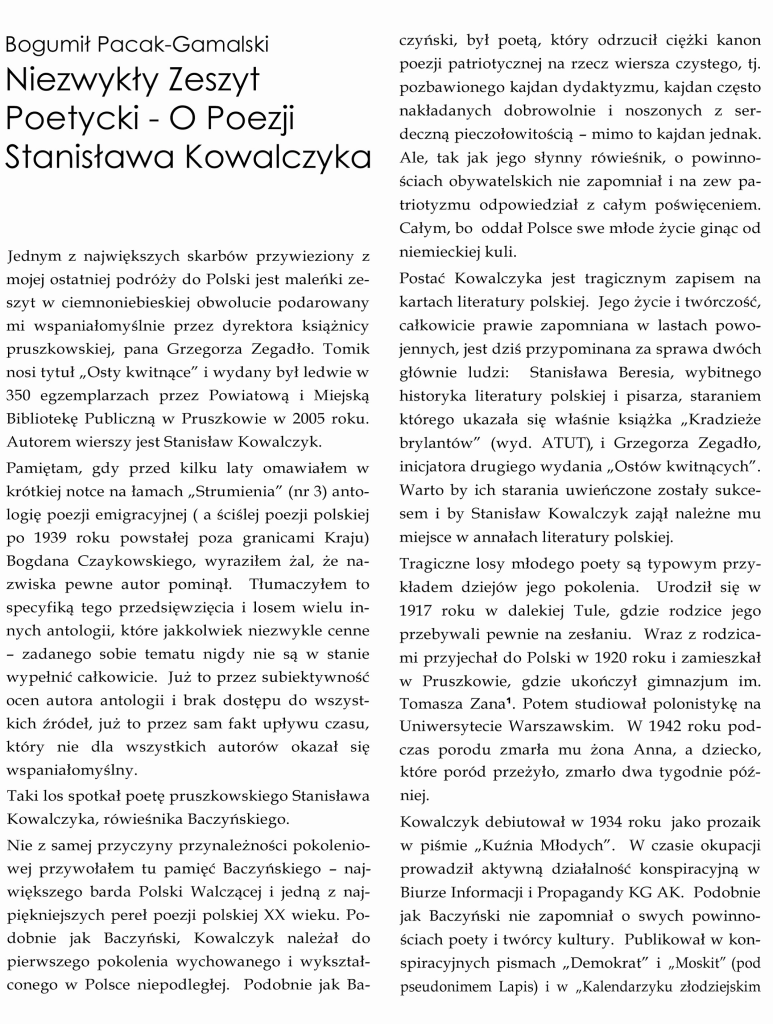


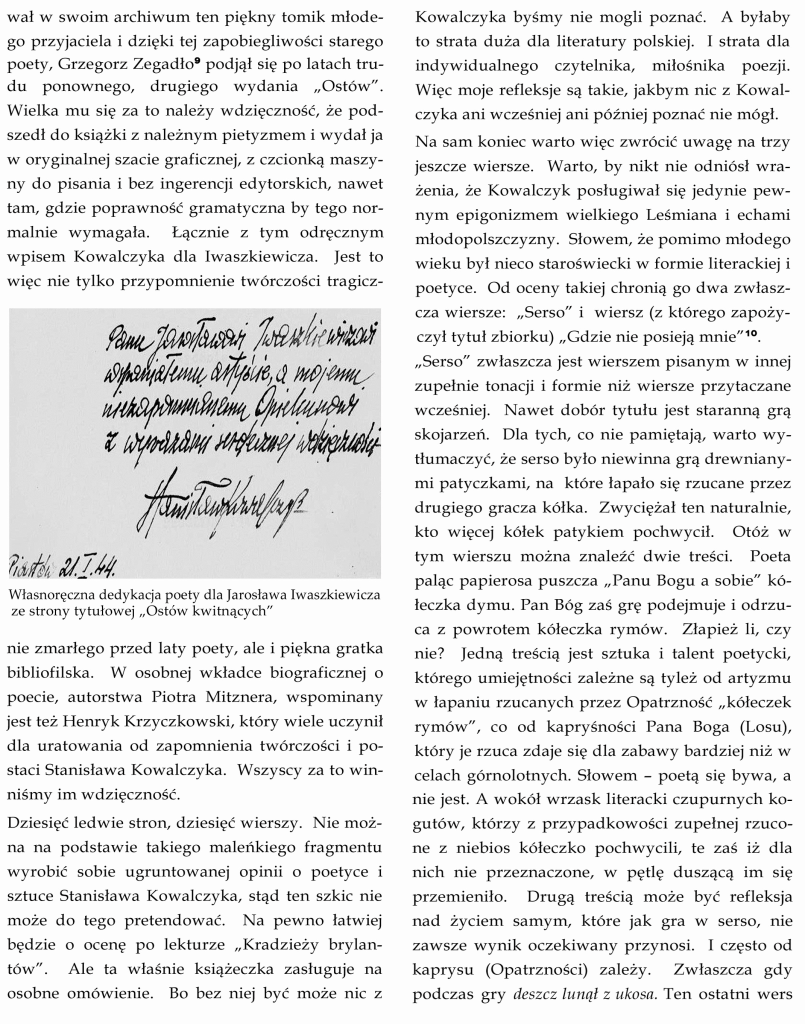


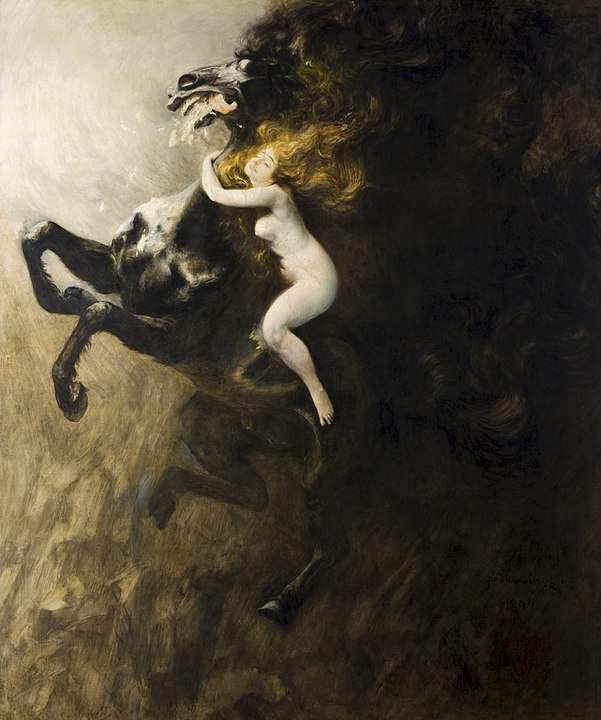
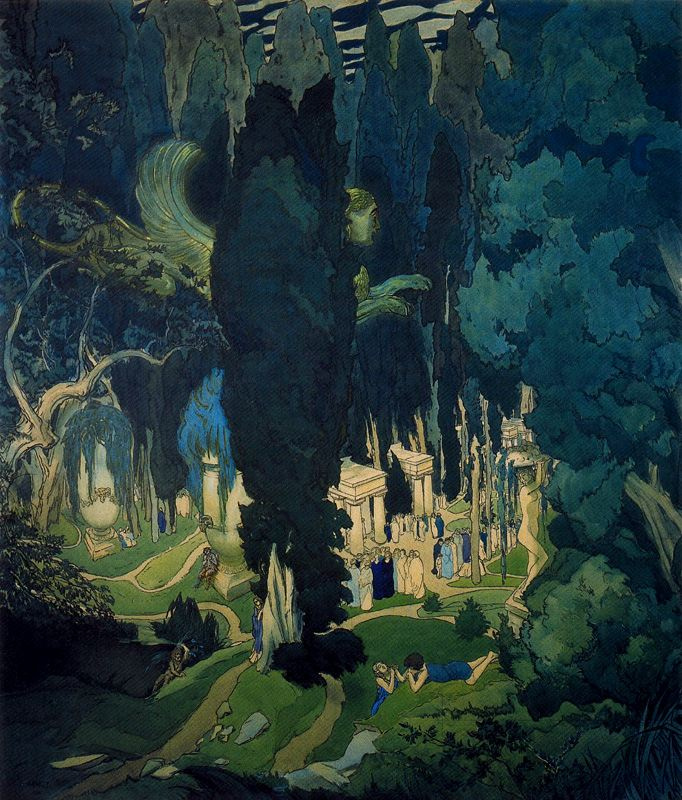


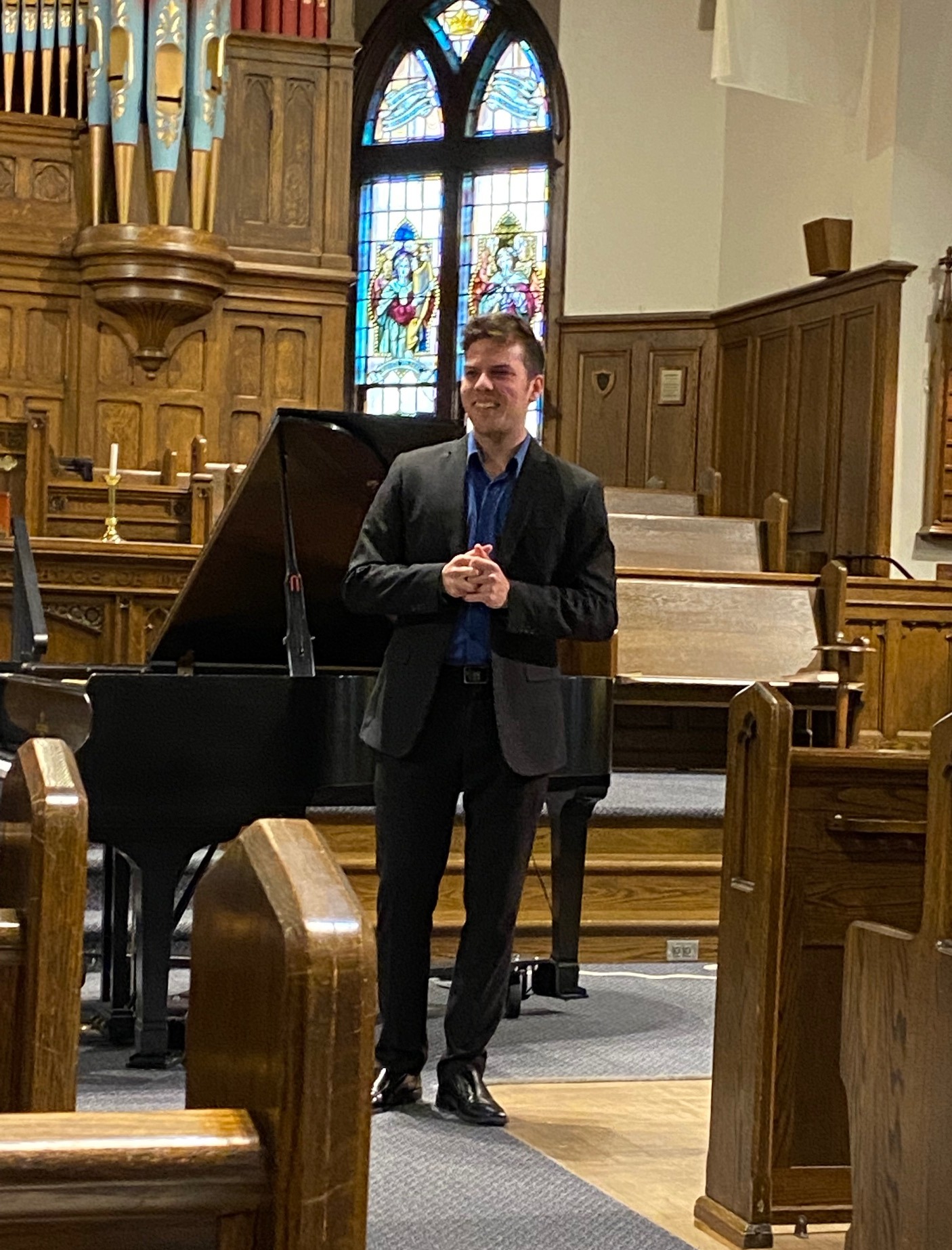
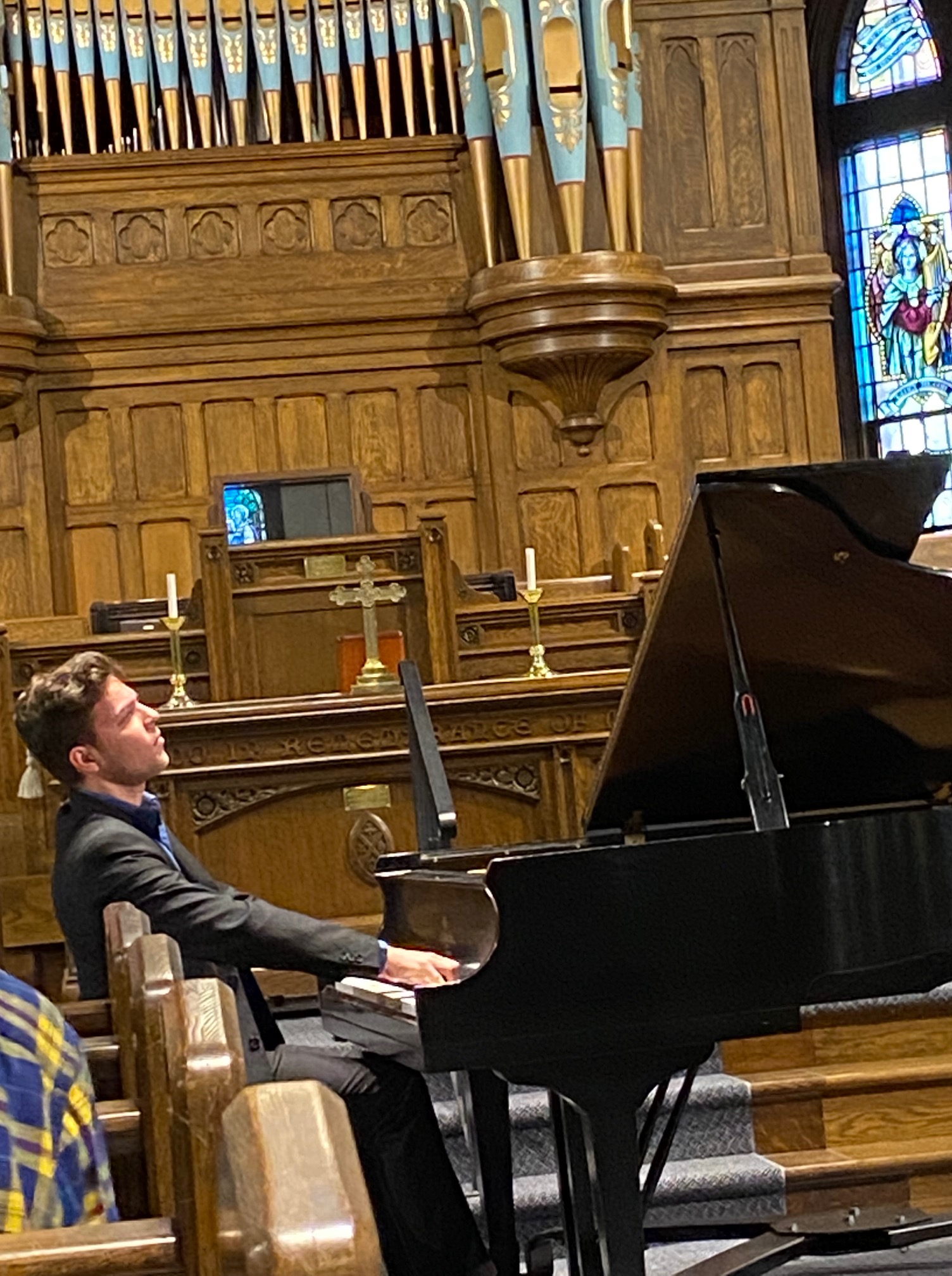


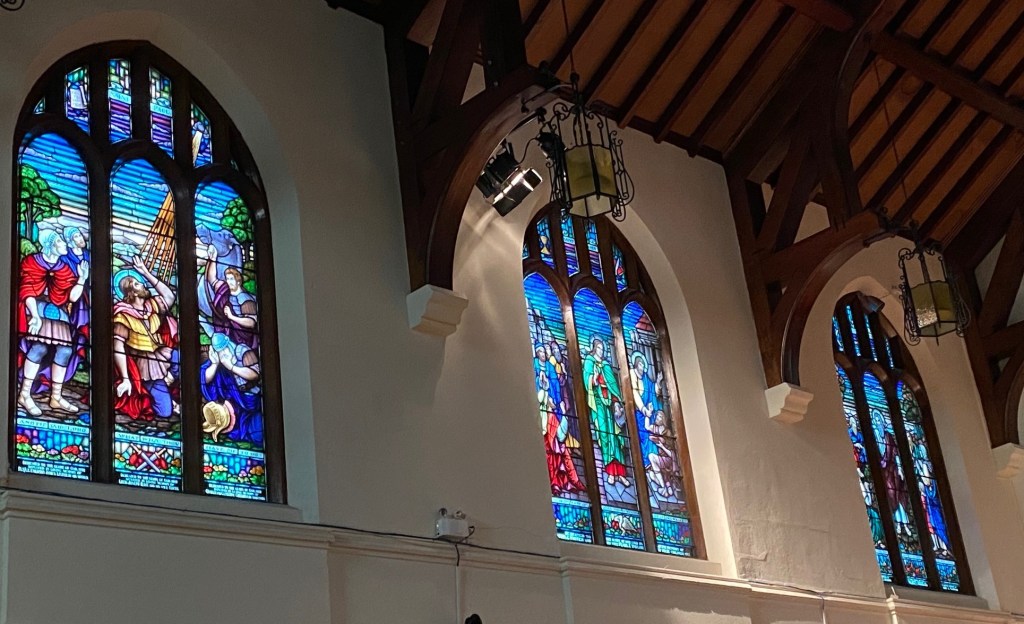

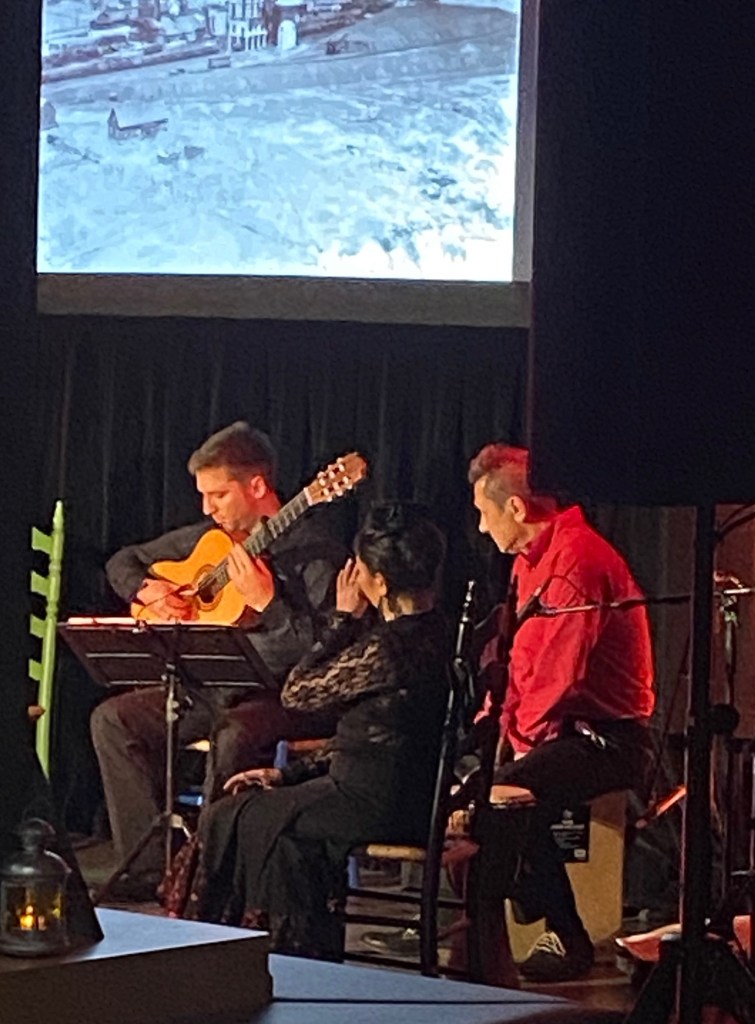
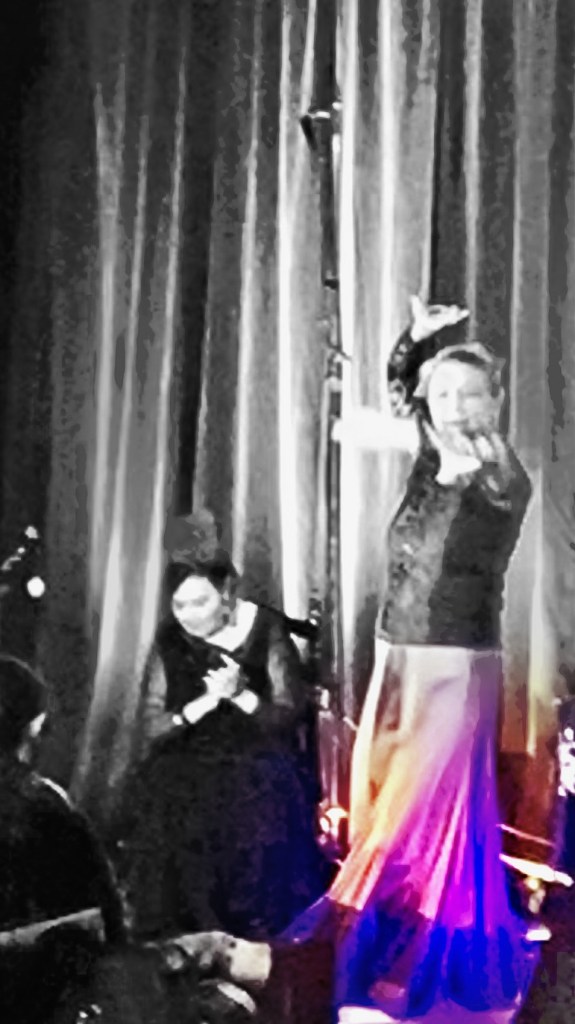
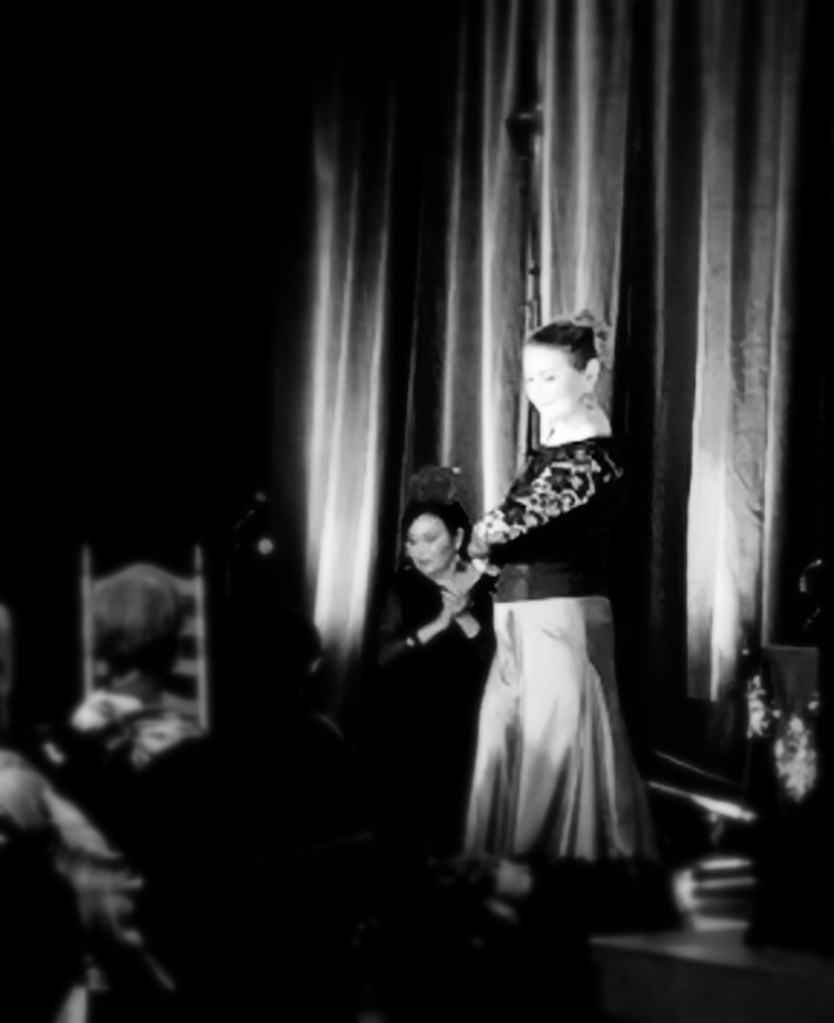

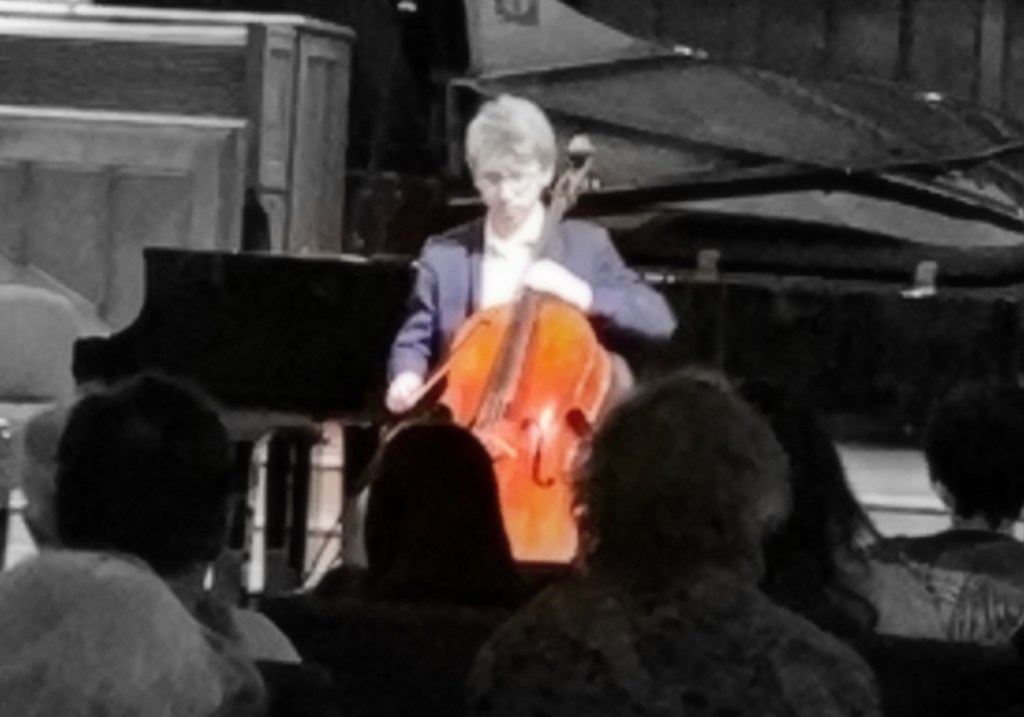


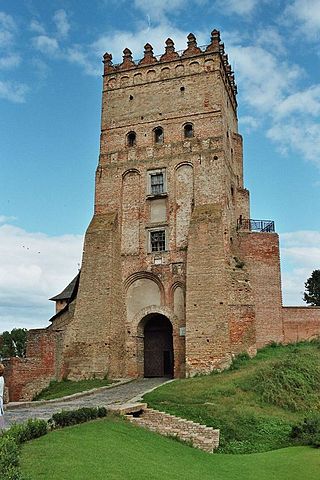
 > > Pogwarki < <