Army of Angels in Ukraine

by: Bogumił Pacak-Gamalski

co-contributors and assistance: Jarosz Bogumił, Monika Queis-Brząkała and Paweł Cichoń,

I have written here about Russian invasion of Ukraine numerous times. It is extremely brutal war on the part of the invading forces. It is the first war since Cuban missile crisis decades ago, that the world is faced with real possibility of new global conflict. A hot war on the old lines East versus West. Just the lines have shrunken very much (by thousands of kilometers eastward) by emergence of new independent states from Baltic to Black Sea. Most of them returned to their own, pre-Soviet, western type of democracies and become members of NATO and European Union. These, which never were really independent (former Soviet republics) established their own sovereignty. I will not dwell here on Caucasian and Asian former Soviet republics, as they are not really involved much in current conflict.

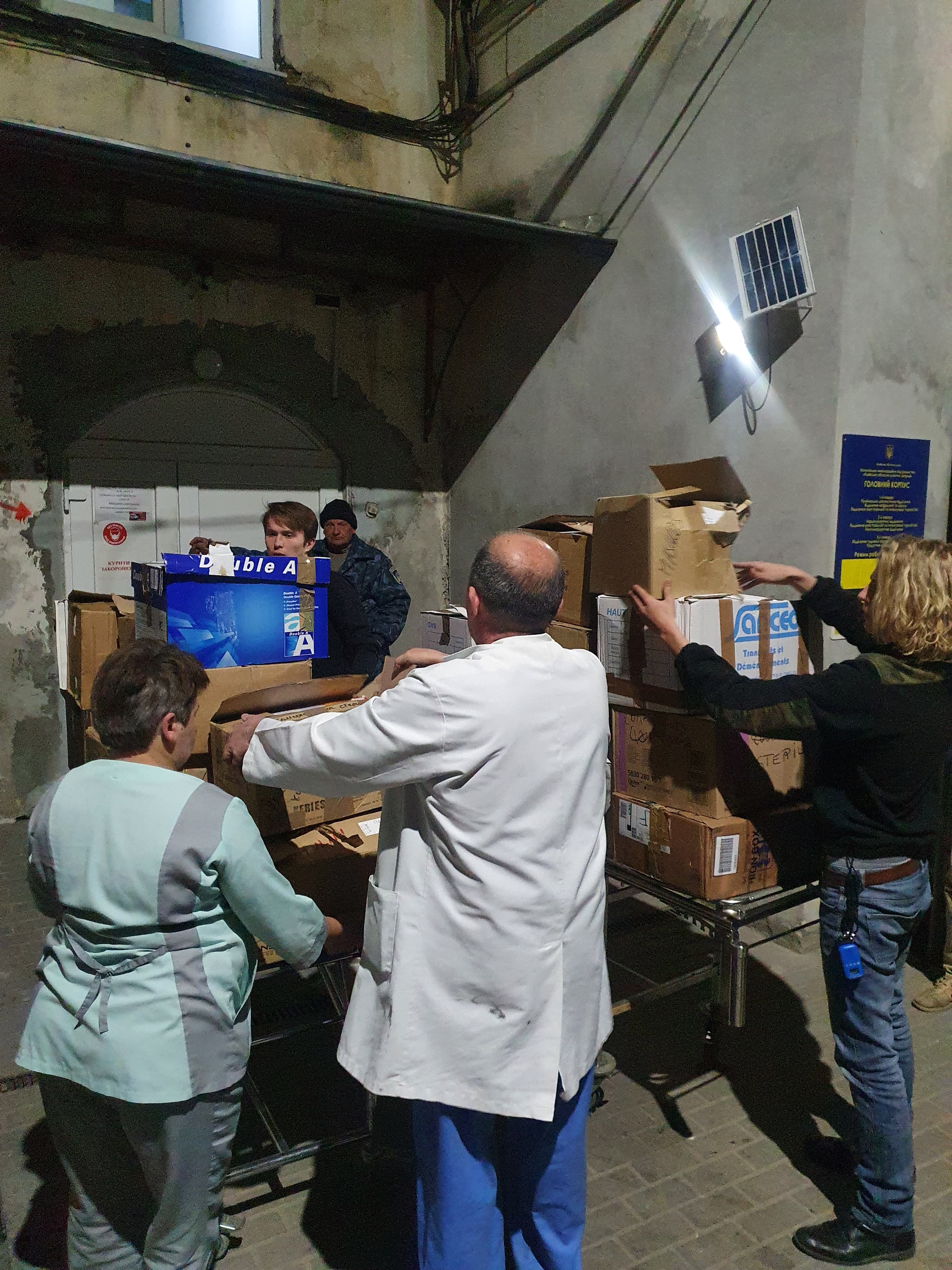
Of the European ones, the major states are Belarus and Ukraine. Two extremely different states in almost all aspects. Belarus much more backward, with weak industrial output, have chosen a close alliance with former master from Moscow. Over time it has become a very authoritarian, dictatorial regime of one ruler – president Lukashenko. To the south lies even larger and much more populated country of Ukraine. It does have old and strong nationalistic legacy and struggle for independence going back hundreds of years. It’s dreams of sovereignty did not came out of blue moon but from a long line of political, military and historical thoughts and actions. Ukraine, more than any other country, is the true linchpin between Western and Eastern cultures and civilizations. Now it has become the line of defence of the West. The conflict at the beginning looked like a dangerous spot but still very much viewed as strictly Russian-Ukrainian war. Yes, with active political and very limited military support for Ukraine – but localized. It is no longer. That is clear, now. It is a war between Russia and the West. And everything must be done to make sure, that the West succeeds. The theater of all military actions is still (hopefully will remain that way, although it is tragic for Ukrainians) in Ukraine. But neither NATO, nor Europe, nor individual western states (mostly in Europe) can say – we are supporting Ukraine but we are not part of the war. We are part of it. Very much so. From political side, military side, ideological side. But also, which has become increasingly visible and important from societal, cultural and I would add, very philosophical standpoint. Apart from the governments, the armies, the politicians, military and economic alliances. The societies of Europe, the nations, citizens has become involved and formed unprecedented pressure, its own organizations, groups, even single individuals (in thousands) that are involved in that struggle. For every government sanctioned and paid truck or planeload or train container with war supplies for Ukraine – there is ten or twenty trucks, containers or columns of cars with humanitarian aid traveling day and night, mostly through Polish-Ukrainian border. All of it without government involvement, without millions of dollars of taxpayers money and directives from politicians. Separate, societal ‘humanitarian war’ for Ukraine. Unprecedented in scale and effort. A new, non-military frontline. I would call them humanitarian divisions, regiments and battalions that actually put their boots on Ukrainian soil. An Army of Angels. A dedicated Corp of individuals and civic organizations that risk actually, on every trip across the border, their life. But they do it nonetheless for every trip saves certainly lives of Ukrainian people, who are being internally displaced, shelled upon, murdered by Russian invaders.

Do not forget about them. They are your outstretched arms, extension of your thoughts, your feelings and hearts. If you feel overpowered with thoughts: ‘but what can I do, there is so much misery and need and I am just one person, far away!’. There is a way, you can do a lot because there is a lot of ‘yous’. And although you resources are limited – put together with others, it creates a treasure. A treasure that the army of angels can use to buy thousands of items, that they know were and by whom it is needed. And they will deliver it themselves in their own or rented for that effort cars, buses. Help from huge organizations, with large funds (national or international) is different and differently distributed. It also requires  a large administrative cost and employees cost. They have access to governments funds and donations, other large international institutions, national campaigns. They do have an important not to be forgotten role. But there is an enormous need for the smaller lives savings provided by these angels – selfless individuals delivering individual packages of food, equipment, often tailored for particular community or group. In places not always accessed by the large organizations. And adjusting from day to day to constantly changing situation. As often happens in real war. I have been hearing, watching and reading of some of them, some of their actions for a long time now. And my amazement kept growing. My respect for them, their courage. Their humanity.

I always had a strange fascination with the concept and presence of Angels. Not saints, god or gods. No. Angels, some mystical and mercurial Beings. Turns out I was right. They are! They are just neither mystical nor mercurial. And they are truly among us, ordinary people. In many ways they are – ordinary people. With extraordinary hearts.

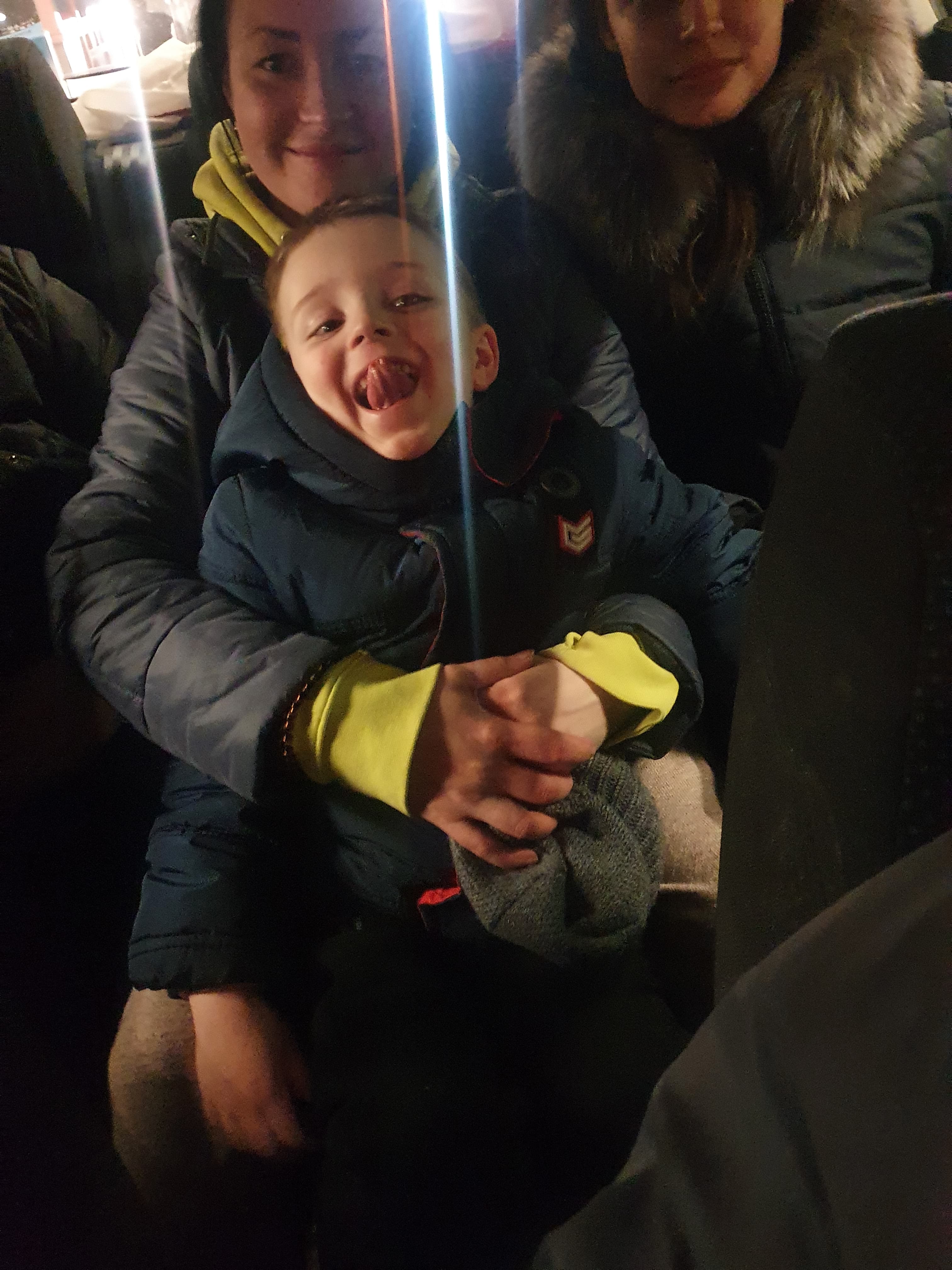
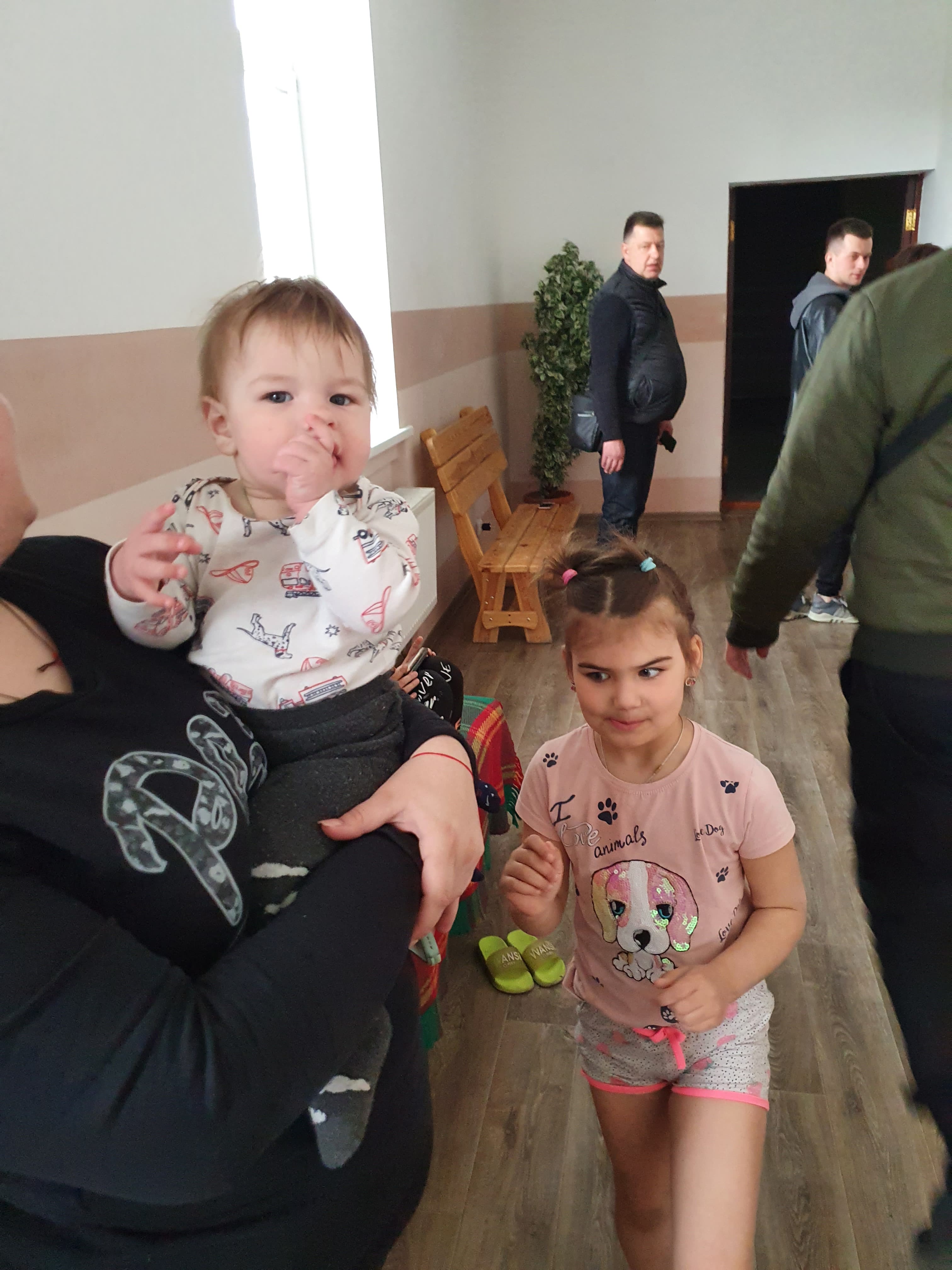
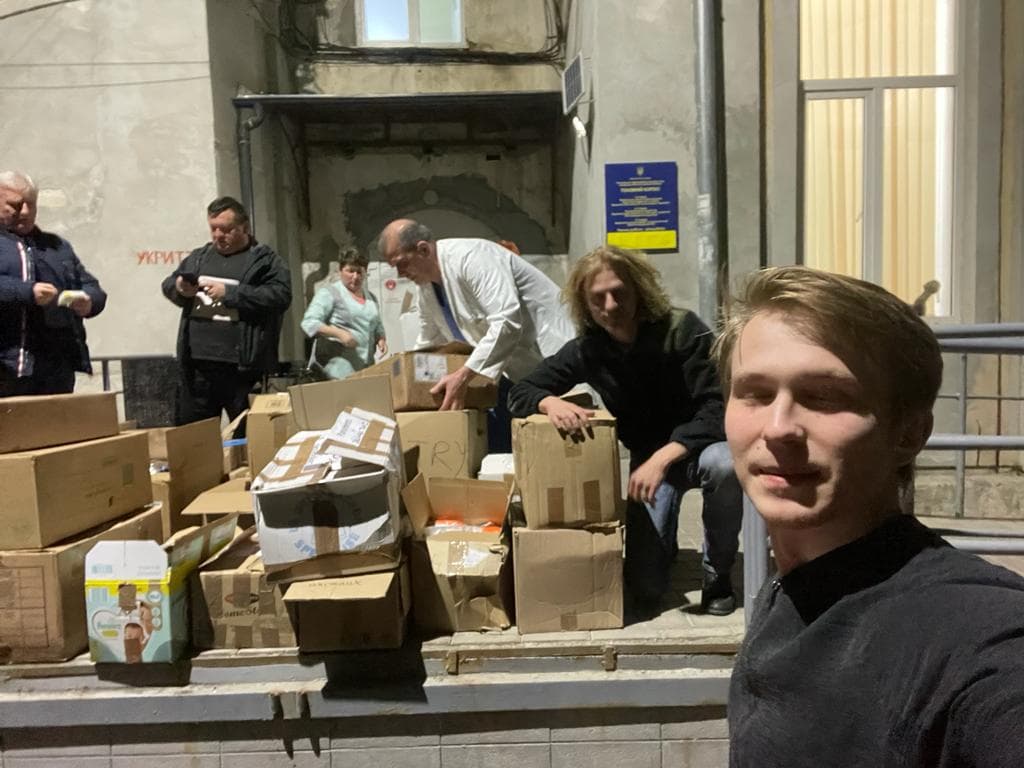
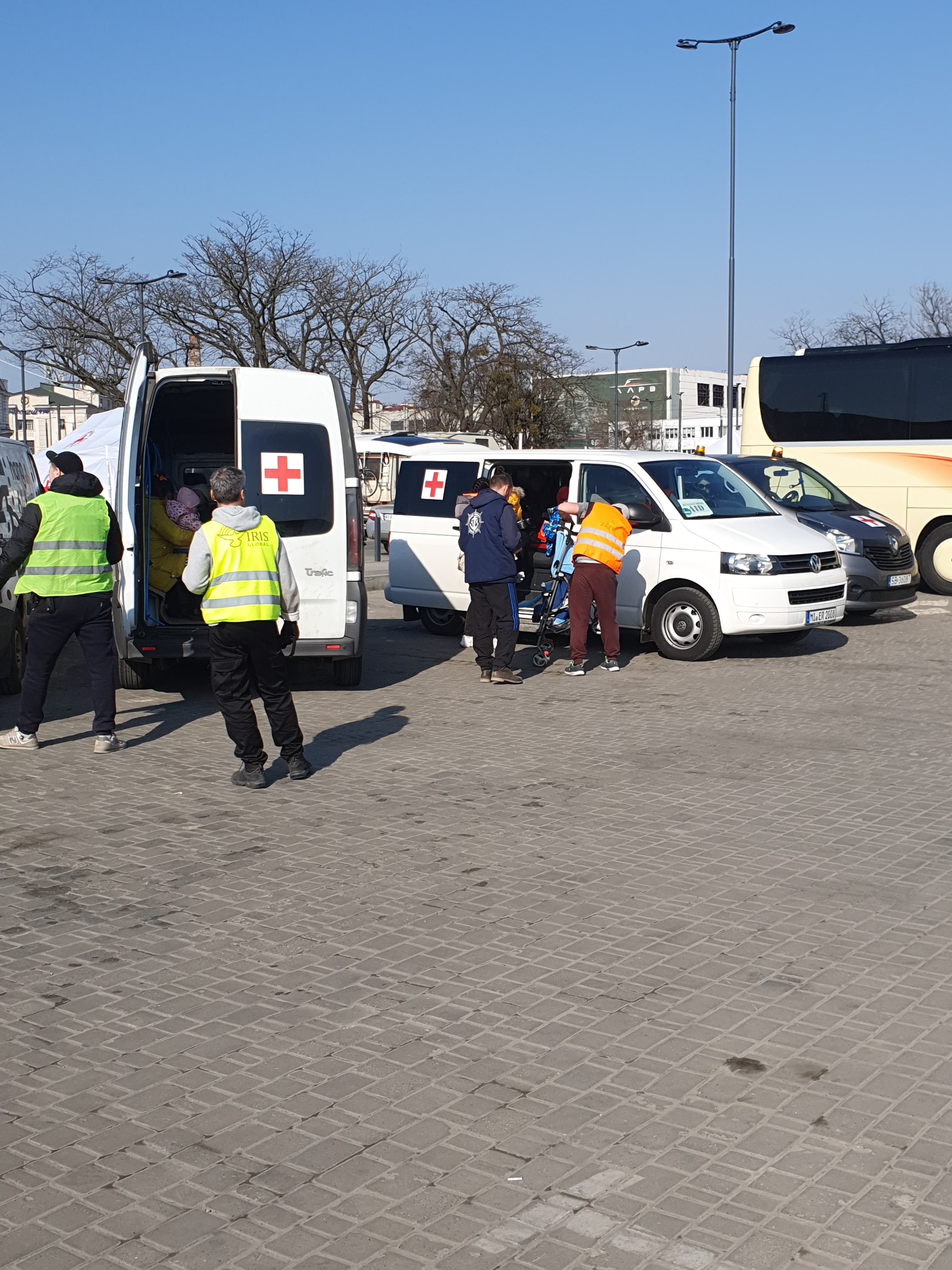
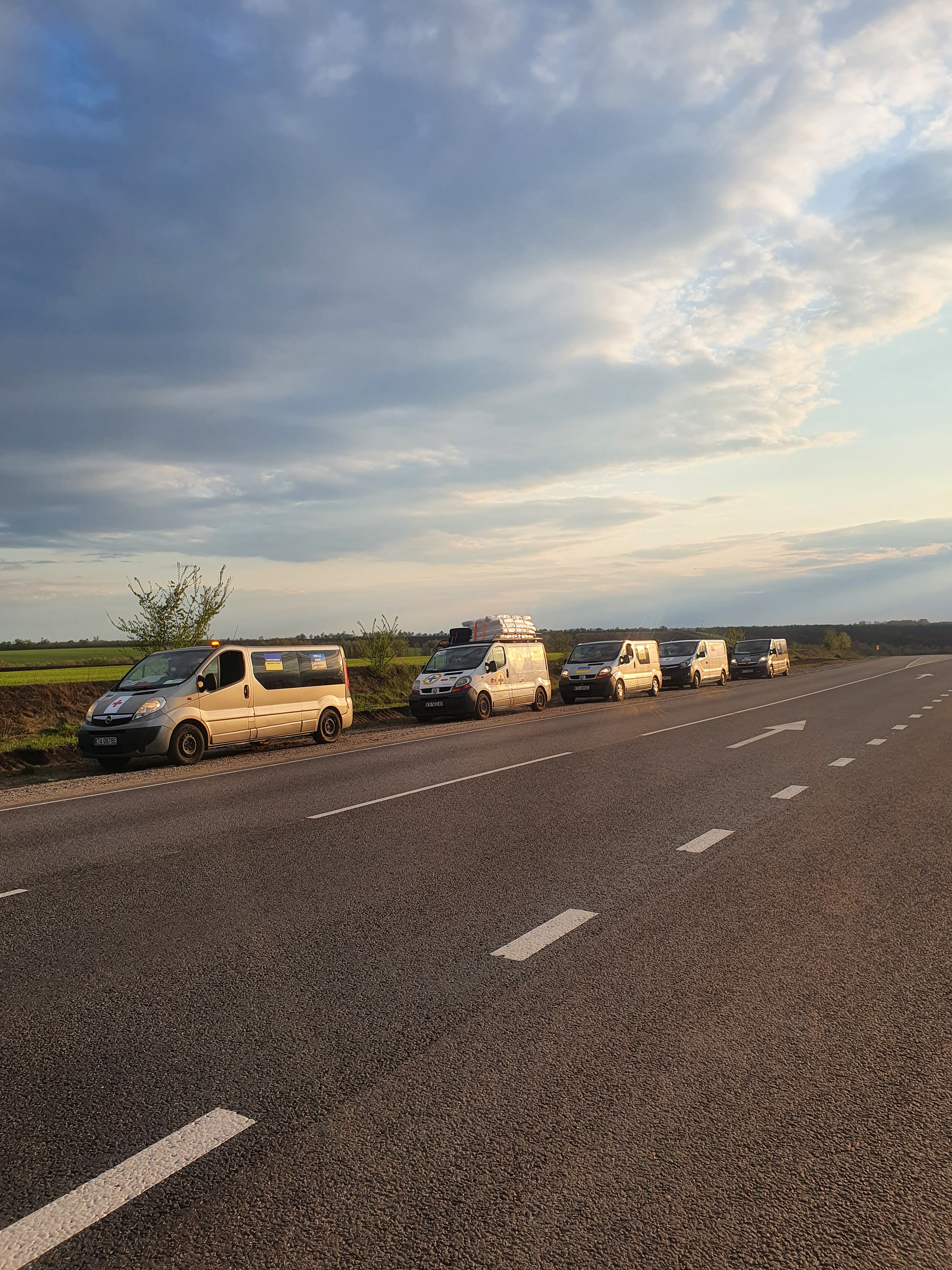
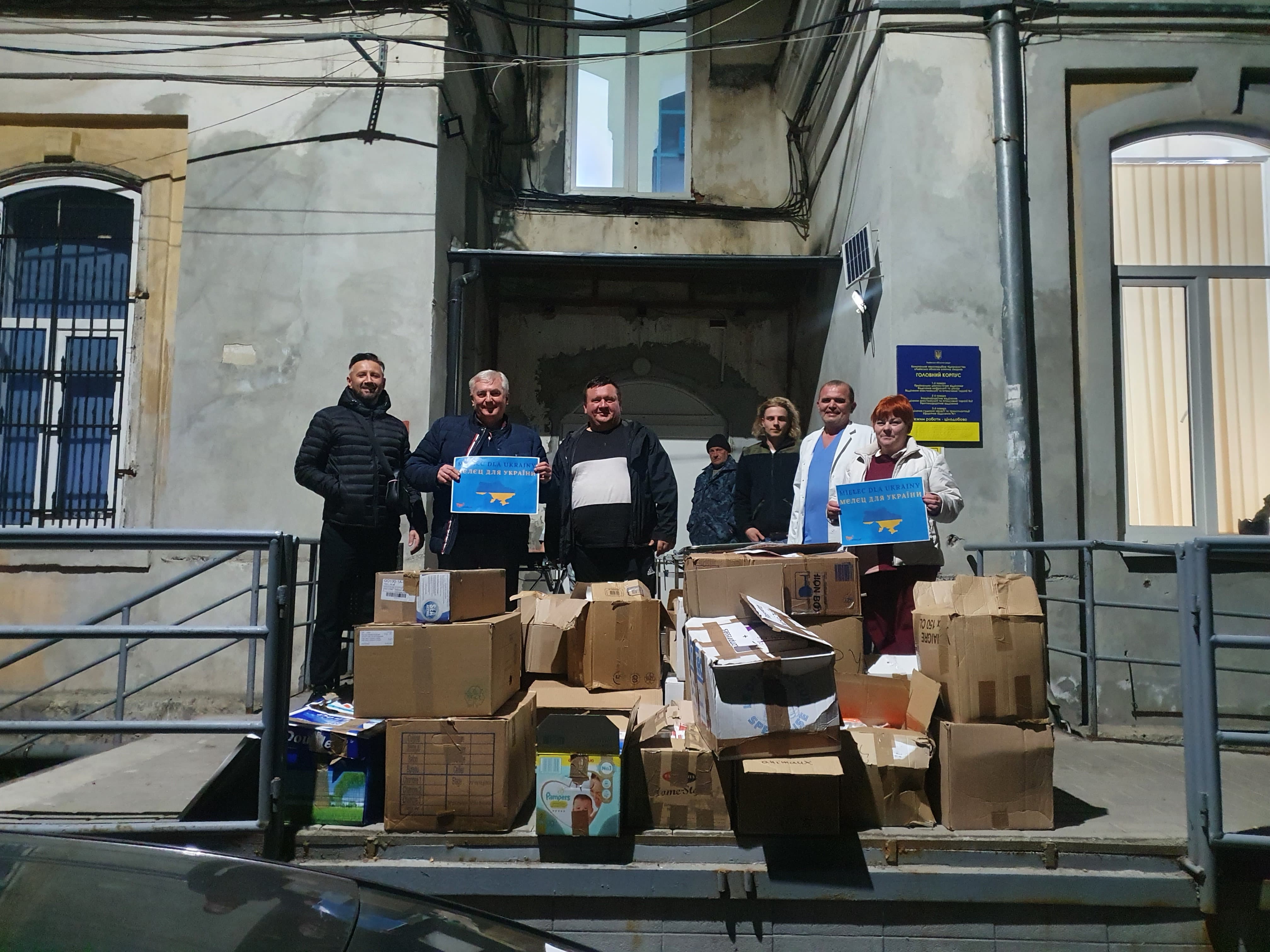
I will show you two of them (among countless), with whom I become close. Monika Brzakala and Pawel Cichon. These two, with a group of determined friends and ‘co-conspirators’ regularly travel from Poland, Holland to the Polish-Ukrainian border with small caravans of cars, finish their packing with last bought or donated equipment in Poland and … cross the border to enter a different world. World of people running from bombs, from rape, from hunger. They go, usually through Lviv, to small towns, villages. To some local churches, orphanages, run-down and overcrowded hospitals. To private huts and homes. Give the awaited and badly needed packages … and give them hope. And promise that we remember and will not let them down. Tell me that no, there are no angels? If you do – you are wrong, they are. I just talked to them while they were on the last ‘pilgrimage’ to Lviv. And when they were traveling back toward Polish border. Saw the pictures of them there, the cars. Felt like I was there, helping them. But, of course, they were there on their own. Hoping that this time the Russian rockets or artillery will not find them. I hope they never will. Yes, they did find in their journeys corpses of people. They found people telling them with tears of their friends, husbands, daughters, who were murdered by Russians. Children alone – lost, abandoned, perhaps orphans already? – crying, scared. They had to manoeuvre their cars on roads scared with bomb holes, with metal remnants of exploded and unexploded rockets. Sometime, in most difficult places, they had to use armed assistance of other friends. In case of encountering someone from the other side of the conflict. No, they are not military trained people. But they are practical. There is an old Polish saying: God protects the ones, who protect themselves … . They are angels – but lacking the wings. Can you lend them some?
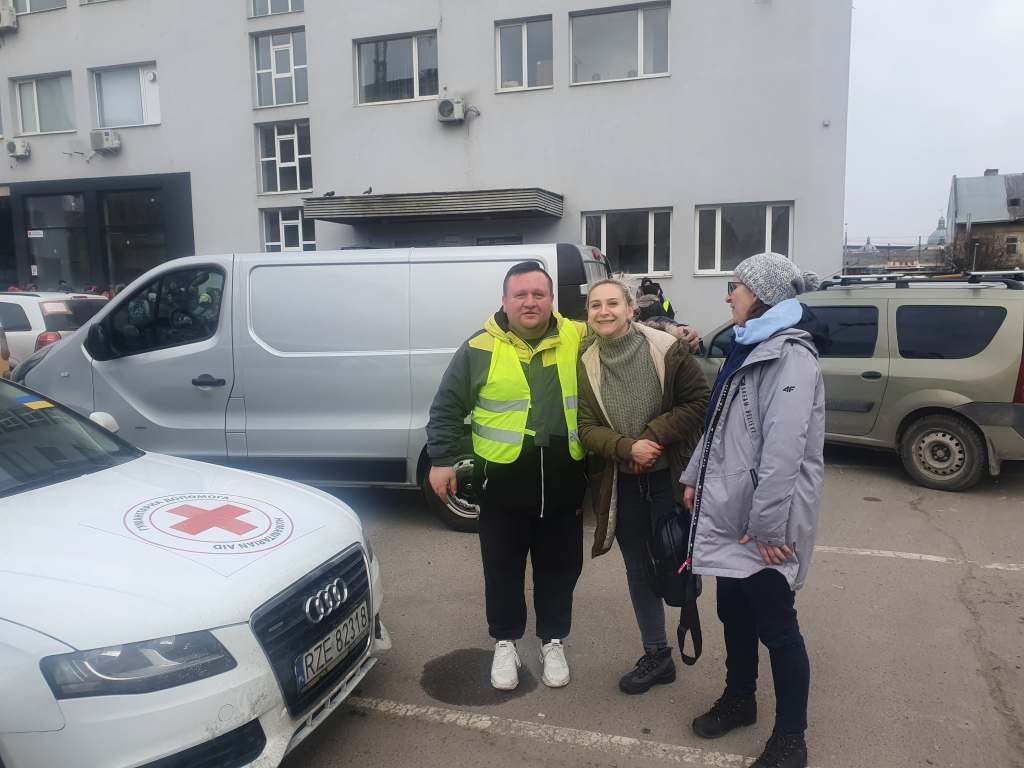
I asked both of them one  question: why? Almost stupid in its simplicity. Still, I wanted to know. Pawel wrote to me that he started on February 25. More than a month. He went to Przemysl, the main Polish border city, were majority of Ukrainian refuges start their new journey. Just to see what he can do. He started simply by transporting people with his own car from there to other destinations in Poland. By helping them with new settlement. Some of them are now in different countries. But they still keep in touch with him. Their first angel. But that was not enough for him. He needed to do more. And he did. A lot more. At the beginning on his own, with only his own car and money. Sometimes it led to transporting Western volunteers to Ukrainian armed defence units. That was dangerous, as were transports of… let’s say: ‘stuff’ to the frontlines. I can’t provide more details on these journeys, understandably. Day after day, week after week he become familiar with particular places, particular needs and people. Often the transport was both ways: with ‘stuff’ to Ukraine and with refugees back to Poland. Friends help with donations, gifts. He organized some in his own city of Mielec in Poland, asked for some on his Facebook profile. In one sentence he adds: “By helping I know that goodness does come back, there is a person, who says: help gives us wings.” When I read his words from him, I smile. Wings? How does he know what I think of him? Hmm.

Monika lives in Holland, she moved there from Poland already some time ago,  before the war. Said that she couldn’t bear reading these stories, the tragedy of war in Ukraine. Human misery. To do something she volunteered to go once to Lviv with some donated and bought articles. While there – she met the people. Heard their stories, their cries. And the children … . No, she couldn’t say to herself: that’s it, I have done my part. Tells me: “when you cry with them and when you hold in your arms their children – you know that you can’t return anymore to your normal life.”  She couldn’t and didn’t.  Why, you ask? Here is Monika’s answer: “They need to know, that they are not alone, that we are with them.”. They need to. Simply as this. That’s why Monika is my other angel. Angel that saves Humanity. Or what’s best in it.

Now Monika travels from Holland, meets Pawel in Poland and they do the convoys together. With other angels that they are able to gather in their mission. Of course they are exhausted. Physically and emotionally. They avoid the dangerous emotional exhaustion by not dwelling on it, not thinking too much. There is a job that needs to be done. Again – simple.

One think they can’t avoid is the financial situation. Yes, friends and good people help them. But they also used up most of their own money. Renting of buses (their own cars are not enough for the amount of people and goods they move back and forth now), crazy high gasoline prices, exploded tires and so on cost a lot. And how many time you can ask the same people in your own community for help, for donation?

Separate thank you for my good companion from the days of an original KOD (Committee for the Defence of Democracy) in Poland, who guided me toward these wonderful people and asked me: how can we help them? He also provided a lot of the photographic material. Thank you, Jarosz Bogumił.


You can help them with a small (or large) donation by visiting them on their Facebook profiles (Pawel Cichon or Monika Brzakala and contacting them via Messenger; you can visit two separate crowdfunding addresses: in Poland https://zrzutka.pl/72y53z (this one is in Polish and for particular items – electric generators); in Holland https://www.doneeractie.nl/help-monika-mensen-in-oekra-239-ne-helpen/-62300 – this opens in Dutch but in your top part of screen should be a button for translation (in Google there is) and you can choose English language version. That funding collects general donations for their convoys.

Hej w stepie, za dzikim Bajkałem …

Hej w stepie, za dzikim Bajkałem …

Bogumił Pacak-Gamalski

Rosja. Jaka jest? Kim są Rosjanie? Czy to Petersburg czy to Kreml? Peczora Perejasławska czy mroczna, zadymiona knajpa śmierdząca od złego samogonu, brudu, potu i pieczonej kapusty z łojem? Czy to symfonia Szostakowicza, Oniegin Puszkina czy wyjący Kałmucy wpadający do zdobytego miasta, kradnący wszystko i gwałcący wszystkich?

Wiele jest Rosji. I wszystkie są smutne. Przerażająco smutne.

Zacznijmy ab ovo, od początku współczesności. Rok jest 1914. Od czasów Powstania Styczniowego nikt się do mieszkańców ziem byłej Rzeczypospolitej pod takim tytułem nie zwracał. W imieniu Rządu Narodowego w „Odezwie do Ogółu Obywateli Ziemi Kieleckiej”. Autorem Odezwy jest nikt inny, jak Komendant Józef Piłsudski. Nie będę cytował całej Odezwy ani jej różnych apeli i nakazów. Chodzi mi o te fragmenty, które dotyczą państwa zaborczego – Rosji. I jak Rosję w kilku zdaniach Piłsudski charakteryzuje. Sam wstęp tego dokumentu, jego preambuła najjaśniej wyłuszcza stosunek do Rosji – kraju, który wyjątkowo dobrze znał. Piłsudski wbrew pozorom nie był romantykiem w polityce a raczej pragmatykiem. Mimo to, już w roku 1914, gdy nikt (w tym i Piłsudski) nie mógł przewidzieć rewolucji bolszewickiej – z góry stawiał założenie (w licznych kręgach prawicowych niepopularne), że o ile wolna Polska faktycznie na mapy wróci, to nie będzie Polska oparta na jakimkolwiek sojuszu z Rosją. Oto jego wstęp do tej Odezwy:

Wojsko rosyjskie opuszcza nasz kraj. Wraz z haniebną przemocą wrogiego nam oręża opuściła naszą ziemię władza carska, rząd moskiewski, ten najstraszliwszy rzecznik bezładu i bezrządu. /…/

W postaci Rządu Narodowego wstępują na ziemię naszą – od tylu lat przez Moskala przemocą wygnane: Prawo, Ład, Spokój, Bezpieczeństwo. („Józef Piłsudski. Korespondencja 1914-1917” wyd. Inst. J. Piłsudskiego w Londynie, Londyn, 1984, str. 11)

Warto zwrócić uwagę na charakterystyczny opis państwa rosyjskiego: najstraszliwszy rzecznik bezładu i bezrządu (pisownia J.P.) oraz wartości, których te państwo nie posiadało: prawo, ład, spokój, bezpieczeństwo. Brakło tu, typowych w tego typu orędziach, określeń koloryzujących, czysto patriotycznych: zaborca, okupant, prześladowca, gwałciciel.  Nie, mimo to jednak, Piłsudski takim właśnie językiem przekreślał wszelkie plany przyszłej Polski na jakikolwiek układ sojuszniczy, dynastyczny, polityczny z Rosją, gdyż ona sama w sobie, jako państwo, reprezentowała próchnicę polityczną, gospodarczą, moralną.  Państwo, którego azjatyckie skłonności do okrucieństwa i rabunku oraz bliskiego pewnym średniowiecznym jeszcze normom mistycyzmu oderwanego od potrzeb praktycznych – uniemożliwiały korzystanie ze zdobyczy i rozwoju myśli europejskiej ostatnich dwustu lat. Państwa, któremu obce było pojęcie wolności osobistej, obywatelskiej, która wyzwala w obywatelu zdolności gospodarcze. Pod wieloma z tych określeń kryje się też Rosja współczesna – po prostu komisarzy i politruków bolszewickich, a wcześniej bojarów i arystokracji związanej z dworem cara-boga, zastąpili oligarchowie. Naturalnie, że Petersburg i Moskwa przypominają prawie do złudzenia miasta europejskie. Przypominały równie skutecznie 100, 200 i prawie 300 lat temu. Ostatecznie to pomniki Władzy, jej potęgi, samodzierżawia. A miasteczka, wioski ledwie 200-300 kilometrów od niej oddalone (nie wspominając o tych w dalszej jeszcze odległości)? Może gdzieniegdzie jeszcze znajdzie się plac, ryneczek lub płotek na wzór ‘bogatych chutorów ukraińskich’ kochanka Katarzyny, Grzegorza Potiomkina – ale za tymi frontonami wybielonymi wapnem kryje się wszędzie brud , smród i ubóstwo. Do dziś. Dopiero niedawno dowiedziałem się, że król Stasiu (tak, też – niestety – kochanek Katarzyny, no bo któż nim nie był?) dał mu tzw. indygenat, co równało się z naturalizacją na obywatela Rzeczypospolitej. Marzyło mu się bowiem być księciem całej Rusi, łącznie z Podolem. W dowód wdzięczności dla Rzeczypospolitej … był gorącym orędownikiem kolejnego rozbioru Polski. Ten wybitny kłamca i oszust ale niezwykle ambitny i zdolny dyplomata miał olbrzymie zasługi w zniszczeniu ukraińskich korzeni i niezależności ludu Rusińskiego pod postacią Kozactwa – nadwołżańskiego, zaporoskiego i nawet wielkiej Siczy, którym Rzeczypospolita nadała wiele praw udzielnych. 

Tak Rosję widział, taką poznał w latach 2 wojny światowej mój ojciec. Miał 11 lat gdy rysował laurkę z sercem Marszałka, którą zaniósł na cmentarz na Rossie, gdzie złożono w grobowcu jego matki, Marii z Billewiczów, urnę z jego sercem w 1935. Prawie dekadę później, jako już dwudziestoletni zacznie naukę Rosji realnej, nie książkowej, nie romantycznej, sentymentalnej. Rosji kłamców, rozbójników, donosicieli, łotrów. Rosji, której nigdy nie można ufać. Rosji, która nienawidziła ludzi wolnych. Zazdrościła im tej wolności ale wiedząc, że jej sama posiąść nie potrafi – niszczyła ją. Donosicielstwem, okrucieństwem. I karabinem, gdy innej możliwości brakło.

Gdy Rosjanie wkraczali na Kresy w 1939 i ponownie w 1943 /44 rzezie, pogromy, wywózki, rozstrzeliwania, gwałty i grabież wszelkiego dobytku była niewyobrażalna. Rosjanie określali to jako ‘wyzwalanie’. W przytłaczającej większości te zbrodnie skierowane były głownie wobec polskiej ludności. Jak dzisiaj określana jest przez Rosjan napaść na Ukrainę? Wyzwalaniem. Złośliwa ironia agresorów czy naturalna, historyczna kontynuacja tej samej strategii wojennej ‘spalonej ziemi’?

Dworzec kolejowy w Kałudze, początek XX w

Wracam do tego chłopca z 1935 roku w Wilnie – mojego ojca. W lipcu 1944 ma dwadzieścia lat. Z bratem kilka lat starszym idą w grupie młodych żołnierzy w kierunku Puszczy Rudzkiej za rozkazem AK wileńskiego. Końcowa faza realizacji akcji „Burza” i opanowania Wilna z rąk niemieckich przed wkroczeniem doń armii sowieckich. Rosyjska ofensywa pod nazwa ‘Bagration’. Dowództwo AK podpisuje porozumienia z dowództwem sowieckim w walce z wojskami niemieckimi. Puszcza Rudzka jest miejscem grupowania się oddziałów AK z Okręgów wileńskiego i nowogrodzkiego. Żołnierzy jest bardzo dużo w licznych jednostkach, posiadają też sporo broni już zdobytej na Niemcach w licznych ostatnich bitwach i potyczkach z nimi. Atmosfera jest budująca. Grupa młodych AK-owców błądzi trochę po zagajnikach, lasach. Więcej akcji po prawdzie widzieli w latach poprzednich, w czasie miejskich akcji typu KEDYW-owskiego w ramach bojówek Szarych Szeregów niż teraz. Nie mieli na razie szansy wziąć udział w ani jednej bardziej otwartej walce, bitwie. A ręce świerzbią. W końcu docierają do większego oddziału. Trwają zgrupowania, formowania się w nowe oddziały, przypisywania do brygad, pułków, kompanii. Jest chwilowa przerwa. Dowództwo czeka na rozkazy wynikające z rozmów z dowództwem sowieckim. Pułkownik Wilk (Aleksander Krzyżanowski) prowadzi rozmowy z sowieckim dowódcą Frontu Białoruskiego, gen. Czerniachowskim. Trwają około dwa dni. 17 lipca w Boguszach ‘sojusznicy’ sowieccy niespodziewanie aresztują całe kierownictwo polskich jednostek.

Tata właśnie siada na pniu z kolegami, tuż koło jakiejś studni przy gajówce, gdzie kwaterują. Słyszą dziwny huk i drżenie ziemi.  Chaos, chłopaki biegają indywidualnie, w grupach, inni stoją. Co się dzieje? Trwa to krótko. Zgrupowanie otaczają pierścieniem wojska sowieckie. Sojuszników-zdrajców. Czołgi, piechota rosyjska z nastawionymi bagnetami. Wszelki opór byłby masakrą. Dowódcy chcąc uniknąć tej masakry nawołują do spokoju. Wzięto do niewoli około czterech tysięcy żołnierzy AK. Zgromadzono wszystkich w Miednikach. Jakiś sowiet ubrany w polskim mundurze namawia do wstąpienia w szeregi dywizji kościuszkowskiej gen Berlinga. Politruk mówi łamaną polszczyzną, wspomagając się rosyjskim. Nie może skończyć wobec krzyków i gwizdów młodych akowców. Tak kończy się ‘sowieckie wyzwalanie’ i sowieckie braterstwo broni. Wywożą ich pulmanami, stłoczonych jak śledzie, w głąb Rosji. Na nielicznych przystankach nikt nie może wyjść, kolega obok taty musi się załatwić, prosi o wyjście ‘za potrzebą’. Nie nada – rób gdzie stoisz! Wyłamują deskę w podłodze, chłopak kuca. Słychać jego dziki krzyk i wywraca się w tej pozycji. Jakiś sowiecki sołdat wbił mu od spodu bagnet w brzuch. Pociąg rusza, chłopak umiera powoli w straszliwych bólach. Trupa zabiorą dopiero na następnym przystanku. Dojeżdżają do Kaługi i zostają zakwaterowani w miejscowych koszarach. Dowiadują się, że zostali przydzieleni do 361 zapasowego pułku piechoty. Jako obywatele sowieccy. Kilka razy maszerują na jakichś beznadziejnych pokazach z drewnianymi karabinami.  Nie są żadnymi sołdatami a jeńcami, tyle, że bez praw jenieckich. Znowu – potiomkińszczyzna, zakłamanie do końca, oszustwo i zdrada.  Rosji nigdy wierzyć nie można. Ta ‘zabawa’ w żołnierzy jakiegoś pułku kończy się bardzo szybko. Wywożą ich w jakieś głębokie lasy na tzw. etapy. Na każdym etapie jedna kompania. Ojciec traci kontakt ze swoim bratem, który jest na innym etapie. Dzień i noc są pilnowani przez rosyjskich strażników. Ich praca to katorżniczy wyrąb lasu. Ojciec jest najmłodszy w swojej kompani, bardzo szczupły, drobny. Kompanijny ‘wracz’ (lekarz) polubił go i często zabiera do prac pomocniczych przy szpitalu polowym. Mieszkają w ziemiankach, jedzenie podłe. Stosunki ze strażnikami niezbyt dobre. Jest kilku jeńców włoskich, Rumun (pozostałości katastrofalnej dla Niemców kampanii nadwołżańskiej i klęski stalingradzkiej). Czasem ‘przez nieuwagę’ udaje im się strącić nogami jakiś wielki pień ściętej sosny, siedząc na tych pniach na ciężarówce w transporcie do stacji. Umówili się z lokalną ludnością, która wieczorami przychodzi i te pnie kradnie, bo z przydziału mają bardzo mało, więc marzną w chałupach. Wszystko musi iść na ‘wysiłek wojenny’. Ale przyzwyczajeni, bo w Rosji pokój czy wojna – dla szaraczków jednaka bieda. Ojciec się rozchorował ciężko. Lekarz go przytulił do swego szpitalika. Nie wiele lepszego, jak ich ziemianki ale choć lepsze trochę jedzenie i jakieś lekarstwa. Pewna grupa decyduje się zorganizować ucieczkę. Jest ich ok. dwudziestu. Wciągają ojca w spisek i podejmuje się skraść od tego miłego lekarza mapnik i kompas. Bez tego szanse ich na przedostanie się gdziekolwiek z tych rozległych borów ‘bóg-wie-gdzie’ marne. Umówionego wieczora ma szanse to zrobić i nocą znikają z obozu. Pierwsza ich część ginie szybko. Dzięki szpiegostwie i donosicielstwie tej ‘życzliwej’ ludności okolicznej. Kierują się na Moskwę, mimo, że to droga nieco okrężna, ale spod Moskwy znanymi traktami łatwiej dostać się na Białoruś i do Wilna. Ojciec pod Moskwą wysiada fizycznie i decyduje się zrobić ryzyko i iść do samej Moskwy, a stamtąd jakoś pociągami do domu.  Rozstają się. Większości już nigdy nie zobaczy. Udaje mu się, gra ‘bolnowo sołdata’ na przepustce do domu. Kilka razy wydaje się, że koniec gry, że przegrał. Ale dotarł. Ostatni etap już ‘na chama’, wbrew rozsądkowi, aby do Wilna. Z Mińska, gdzie sprytem ratuje się z potrzasku, wskakuje na jakiś towarowy pociąg w kierunku na Wilno. Gdy widzi z daleka znajome wieże wileńskie – wyskakuje z pociągu i prawie łamie nogę. Ale unika ewentualnej wpadki na dworcu. Dowleka się do domu – a dom i zakłady jego ojca spalone. Śladu po rodzicach, starszym bracie nie ma. Idzie do domu przyjaciela ze szkoły i z AK, otwiera jego ojciec, stary legionowiec. Mówią, że rodzice z bratem repatriowali się do nowej Polski. Ale AK jeszcze działało. Załatwiają mu lewe papiery na nazwisko ‘Tadeusz Mickiewicz’ i rusza  z nimi do tej nowej Polski. Ktoś inny powiedział, gdzie rodzice się znajdują. Dociera, znajduje rodziców, brata, ciotki, kuzynów i kuzynki w Toruniu. Odnajdują się nawet nieliczni koledzy z AK wileńskiego, ci którzy uniknęli kotła w Puszczy Rudzkiej i Kaługi. Czasy trudne ale i bałagan. Mój dziadek po jakimś czasie załatwia papiery oficjalne dla ojca pod pretekstem, że ostanie lata wojny ojca nie było w Wilnie, bo wycofujący się Niemcy wywieźli go do Prus, jako robotnika. I teraz się odnalazł. Bałagan był wszędzie. I ludzie wszędzie i ci którzy chcieli pomóc lub gotowi byli pomóc za złotą obrączkę lub inny drobiazg. Ale zanim swoje nazwisko mógł uzyskać spotkał go i rozpoznał jeszcze jeden kolega-akowiec z Wilna. Ten też w Kałudze nie był, choć był z ojcem w Puszczy Rudzkiej więc wiedział, że ojca żadni Niemcy nigdzie nie wywieźli.  I teraz nosił mundur bezpieki nowej Polski. Zaczęło się od sugerowania drobnych prezentów, potem wymagania rosły i prosto postawiona alternatywa: albo-albo. Rozmowa ojca z kumplami akowcami, których nowe władze nie kupiły. Organizują ‘przypadkowe’ spotkania z tymże zdrajcą. Okrzyki niby radości ze spotkania, poklepywania po plecach, ktoś mówi, ze mieszka zaraz na końcu miasta, koło dużych lasów, ma w domu dobrą wałówkę i kilka butelek wódki, zaprasza. Więc idą. Podobno potem, po tej wódce, poszli na spacer do lasu. Potem oni wrócili. Ten nieszczęsny kolega nie wrócił. Czasy były podłe. Rosjanie zmienili wielu porządnych ludzi na świnie, bo nikt tego tak dobrze robić jak oni nie potrafił.

Potem życie się potoczyło, tak jak wszystkim się toczyło w nowej rzeczywistości. Ale przez całe moje dzieciństwo i wczesną młodość nigdy na te tematy z tatą nie rozmawiałem. Nie chciał, albo zbywał jednym-dwoma zdaniami. I przez całe życie nigdy nie usłyszałem od niego jednego dobrego słowa o Rosji i Rosjanach. Czasami to przybierało absurdalne rozmiary, które mnie irytowały. To, co wiedziałem to tylko od rodziny, babci. W końcu lat siedemdziesiątych koledzy z Kaługi (pozostałych tam, rok po ucieczce ojca, oficjalnie zwolniono i przetransportowano specjalnym pociągiem na teren nowej Polski) zaczęli nawiać ojca by wstąpił do ZBOWIDU (organizacja kombatancka w PRL). Ojciec nie chciał. Oni nastawali. Henio Czyż (znany polski kompozytor) napisał notarialne poświadczenie, że był z ojcem w AK w Wilnie. Ktoś inny podał adres Archiwum Wojskowego pod Moskwą, gdzie są wszystkie kartoteki i że oni bez problemu przysyłają poświadczenia z Kaługi, że tyle lat minęło i nikt o tamtych sprawach (ucieczka) nie pamięta. Myśmy też w domu namawiali: dlaczego  kombatantami mieliby być tylko komuniści, przecież teraz o AK mówi się przychylnie i masz nie tylko prawo ale i obowiązek!  Dla świętego spokoju – uległ. Tak, po jakimś czasie przyszło z tego Archiwum poświadczenie, że był w Kałudze w 361 Zapasnoj Połk Strieleckij. Został kombatantem. A my z przekąsem zaintonowaliśmy chóralnie: widzisz? A nie mówiliśmy, czasy się zmieniły. Ojciec machnął ręką, tak jak odgania się muchy. I powiedział: w Rosji nic się nie zmienia.

Kilka miesięcy później z Konsulatu Generalnego ZSRR w Warszawie przyszedł nagle list. Po rosyjsku i po polsku. Informujący oficjalnie ojca, że jeżeli kiedykolwiek przekroczy granicę polsko-radziecką to zostanie aresztowany i postawiony przed sądem za dezercję w stanie wojny. I że będzie sądzony, jako obywatel radziecki, gdyż nim był w momencie popełnienia przestępstwa. W Rosji nic się faktycznie nie zmienia.

A ja myślę, zwłaszcza w świetle zbrodni rosyjskich na Ukrainie, w świetle stałego nimbu sławy, jakim Rosjanie i rząd rosyjski otacza pamięć Stalina, jednego z największych zbrodniarzy w historii ludzkości, – może nadszedł czas by Stany Zjednoczone i Wielka Brytania oficjalnie potępiły zawarcie Układów Teherańskiego, Jałtańskiego i Poczdamskiego z tym zbrodniarzem i przeprosiły narody Europy Środkowo-Wschodniej za blisko czterdzieści lat kajdan niewoli. Bo ‘wyzwalanie’ Polski w 1944 i 45 było też często kampanią mordów, gwałtów i kradzieży dobytku polskiego.

A już za wszelką cenę nie odpuście Putinowi i nie powtarzajcie tego samego błędu, jaki zrobili Roosevelt i Truman z Churchillem.  

Hen, nad Prutem, Czeremoszem …

Bogumil Pacak-Gamalski

Tak blisko jej jesteśmy, tak wspominamy, tak jest obecna w naszej kulturze, literaturze, muzyce, malarstwie. A teraz, od najazdu rosyjskiego miesiąc temu – jest naszym chlebem powszednim, dniem powszednim. Jest wszędzie: w telewizji, w prasie, w Internecie. Na podwórku, na ulicy, przed domem, w tramwaju. Ukraina. Ukraina jest w Polsce. I nie piszę tego z jakiegoś podejrzanego rewizjonizmu historycznego. Ale zupełnie bez tego rewizjonizmu i bez niezdrowych (i nieistniejących po prawdzie) sentymentów ‘powrotu’ – jest absolutnie adekwatne użycie przysłówka: znowu.

Z historią państw, społeczeństw jest trochę inaczej niż z granicami. Od zawsze. Te ostatnie zmieniają się, korygują, bywają narzucane, bywają negocjowane; wojny wygrane i przegrane, układy, koalicje, dynastie. Żadna nie jest tak do końca i dla wszystkich sprawiedliwa. Czasami zmiany są drobne, omal kosmetyczne, czasem bywają monumentalne. Najbardziej moralnie ohydne jest, gdy jakiś zdobywca po jakimś czasie oddaje w prezencie te ziemie, które sam siłą agresora zdobył, komuś zupełnie innemu. Historia Krymu jest tu najbardziej znacząca. Rosyjski? Ukraiński? Naturalnie, że nie. Krym to ofiara przemocy rosyjskiej dawno, dawno temu. Zaczętej przez Piotra I, a dokończonej przez Stalina. Agresji i kulturowego ludobójstwa (genocide) Tatarów krymskich, jedynych historycznie i moralnie właścicieli tej wyspy.

Ale na ogół takich jasnych przypadków jest mało. Reszta to skomplikowane historie, wędrówki ludów, szczepów, międzynarodowe układy zawierane zawsze ponad głowami najsłabszych, choćby nawet z pobudek najbardziej szlachetnych. Tym są granice całej Europy Środkowo-Wschodniej po 1945. Gdzieś tam, w samym centrum (mniej lub bardziej ścisłym) zawierającym nukleon etniczności, pochodzenia plemienno-szczepowego. Cała reszta to naginanie prawa, zachcianek mocarstwowych, zwykłej, nagiej siły kułaka wobec bezsilnych praw społeczeństw. Tak zrobili Stalin, Roosevelt i Churchill. Używając jednego z wariantów tzw. linii Curzona, brytyjskiego ministra spraw zagranicznych z okresu I wojny światowej. Linia ta zresztą nie była autorstwa samego Curzona, który o złożoności procesów i faktów historycznych tej części Europy nic nie wiedział, a jego doradcy, Ludwika (Bernsteina) Niemirowskiego. Polaka pochodzenia żydowskiego, który w 1906 wyemigrował na stałe do Wielkiej Brytanii. Ostatecznie, już jako obywatel brytyjski, przybrał nazwisko Lewis Namier. Był jednym z głównych doradców rządu Lloyda Georga w negocjacjach nowych granic, zwłaszcza związanych z terenami upadłych Austro-Węgier, które przekazały  pełne plenipotencji na ustalenie nowych granic Państwom Sprzymierzonym. W tych negocjacjach (jak i bezpośrednich z rządem sowieckim, gdy sadzono, że Sowieci wojnę 1920 roku wygrają) Namier był zdecydowanie widziany jako  bardzo nieprzychylny Polsce, uciekając się wręcz do fałszowania dokumentów na niekorzyść Polski. Generalnie można powiedzieć, że nakłaniał (dość skutecznie) rząd brytyjski do widzenia mapy nowej Polski w granicach dawnego Królestwa Kongresowego, tj. państwa kadłubowego. Fakt, że Galicja Wschodnia i Zachodnia (poza Wołyniem) nigdy, w całej historii, do Rosji nie należała, a przed rozbiorami była od setek lat w granicach Korony Polskiej – sprawiał mu wiele kłopotów. Był osobowością niesłychanie inteligentną i ciekawą, pełną politycznych ambicji (w cieniu gabinetów głownie) i niespełnionych pragnień bycia uznanym jako, rewolucyjny wręcz historyk i teoretyk nauk społecznych. W historii Polski zapisał się (z nieznanych mi bliżej powodów) zdecydowanie negatywnie. Nie był żydem judaizmu (w latach dojrzalszych wstąpił do Kościoła Anglikańskiego), pochodził z rodziny w pełni spolonizowanych i zlaicyzowanych Żydów. Mimo to był gorącym orędownikiem i aktywistą ruchu syjonistycznego i utożsamiał się tym wyraźniej, jako Żyd, niż jako Anglik lub Polak. Współpracował, jako doradca,  z lordem Balfourem przy wyznaczaniu granic różnych społeczności (w tym żydowskiej) w brytyjskim Mandacie Palestyny. Widać, że lubił (lub lubili to brytyjscy arystokraci) kreślić palcem na mapie. Znowu, jak wcześniej w przypadku polskiej granicy na Zbruczu, decydującymi w powstaniu Izraela były fakty dokonane i akcje zbrojne Żydów, a nie same deklaracje, plany i mandaty różnych zewnętrznych ‘aliantów, i ‘sprzymierzonych’.    

A granice wschodnie Rzeczypospolitej na samym końcu były wynikiem walk armii polskich z oddziałami Zachodnio-ukraińskiej Republiki Ludowej i rezultatów wojny polsko-bolszewickiej i Traktatu Ryskiego między Polską a Sowietami. Ukraińcom nie udało się stworzyć zjednoczonego frontu polityczno-militarnego, Wschodnia Ukraina była już dość silnie w rękach rosyjskich (potem Sowieckich), mimo poparcia Piłsudskiego dla Petlury nie udały się plany utrzymania w rękach ukraińskich Kijowa. Losy Zachodniej Ukrainy stanęły  wobec alternatywy albo wpadnięcia w łapy strasznej niewoli sowieckiej lub powrotu w granice odrodzonej Rzeczypospolitej. Komisja Państw Sprzymierzonych, której zadaniem było wytyczyć granice i przynależność państwową terenów byłego Cesarstwa Austro-Węgier nolens volens uznała stan faktyczny, który był efektem przegranej przez Rosjan wojny polsko-bolszewickiej, z zastrzeżeniem, że w przyszłości Polska przeprowadzi na tych terenach plebiscyty. Termin plebiscytów wypadał na okres lat, kiedy Europę zalała pożoga kolejnej wielkiej wojny. I granice znowu poszły do kosza historii zmieniając po raz kolejny kształt Europy Środkowo-Wschodniej. Tym razem nikt nie pytał o zdanie Polaków, Ukraińców, Węgrów czy Rumunów, a losami i prawami licznej ludności innych (Wołosi, Ormianie, Hucułowie) mniejszości narodowych w rozległych terenach Karkonoszy Wschodnich nikt w ogóle się nie interesował. Z perspektywy czasu i mając przewagę znajomości historii ostatnich stu lat, nie mam wątpliwości, że te krótkie 20 lat, gdy Ukraina Zachodnia i Lwowszczyzna z Wołyniem wróciły w granice Rzeczypospolitej były i dla Ukraińców i dla Białorusinów wyjściem o wiele korzystniejszym niż bucior rosyjski. Nawet gdyby się udało Ukraińcom uzyskać suwerenność i zgodę Polski na stworzenia państwa na południowy wschód od Lwowa, ta suwerenność nie miała szansy obrony przed nawałą bolszewicką Budionnego i Tuchaczewskiego kilka miesięcy potem. Tragiczne losy ludności etnicznie polskiej z tych terenów (zwłaszcza na Wołyniu i korytarzu przemysko-lwowskim, gdzie stanowili większość lub poważny procent miejscowej ludności) był zbrodnią niewytłumaczalną i godną potępienia bezwarunkowego. To nie byli najeźdźcy – to byli ludzie mieszkający tam od pokoleń, setki lat, którzy razem z innymi grupami etnicznymi budowali te ziemie, rozwijali przemysł, handel, bogactwo tych terenów. To był ich dom, ich ojczyzna. Ale to temat już zupełnie inny. Który będzie jeszcze wymagał solidnego i spokojnego zbadania przez oba narody (polski i ukraiński) w przyszłości. Pozbawionego wypieków emocjonalnego zacietrzewienia a opartego na dokumentach i faktach. Tak postępują narody i państwa dojrzałe. Wspólnie. Historii i tak nikt nie cofnie ani jej nie zmieni. Więc warto by była przynajmniej solidnie i obiektywnie opracowana. Pamięć ofiar tej historii zasłużyła na to.

Jako ciekawostkę warto odnotować, że siostra Niemirowskiego była matką znanej polityczki PiS Anny Kurskiej i babką … zastępcy Redaktora Naczelnego „Wyborczej” Jarosława Kurskiego oraz jego brata, Jacka Kurskiego … tak, samego Prezesa TVP, znanego jako organ prasowy PiS. Historia jest czymś niesamowicie ciekawym, gdy się w niej nieco pogrzebie i ciekawe, co by o tym pomyślał sir Lewis Namier … . Sądzę, że byłby zadowolony, że jego siostrzenica i pra-siostrzeńcy trzymali i trzymają rękę na polskim pulsie. Historie świata i państw tworzą nie tylko wielcy wodzowie, przywódcy. Tworzą ją też równie skutecznie szare eminencje pracujące z uporem i bez rozgłosu w cieniu gabinetów.

Obecna tragedia Ukrainy

Rok 2022. Trzydzieści lat po oficjalnym rozwiązaniu i upadku ZSRR, upiory Piotra I, Katarzyny Wielkiej i Józefa Stalina znalazły swe medium w osobie Włodzimierza Putina i najechały Ukrainę. Czy Rosjanom uda się plan powrotu do starej granicy polsko-sowieckiej na linii rzeki Zbrucz? Putin wielokrotnie podkreślał, że Rosja ma ‘historyczne prawo powrotu do macieżystych granic’ Imperium Rosyjskiego, a Zbrucz był najdalej na zachód wysuniętą granicą tego Imperium od czasów końca XVIII wieku. Bo to był, zdaniem moim, zasadniczy cel Putina. Czy też zaspokoi się odłączeniem rosyjsko-językowych terenów Donbasu, Luhańska i reszty wybrzeża mórz Azowskiego i Czarnego?   Na razie postawa ludności i władz Ukrainy, personifikowana osobą ich niesamowitego (w pozytywnym znaczeniu) Prezydenta Włodzimierza Żeleńskiego wali te plany Putina. Przy olbrzymiej pomocy całego świata zachodniego. Ale o wielkim zwycięstwie militarnym Ukrainy nad Rosją mowy być jednak nie może. Nie przy obecnym stopniu wspierania Ukrainy. Cała ‘doktryna’ Bidena i NATO musiałaby ulec kompletnej zmianie i przebudowie. Wojen z potężnym przeciwnikiem nie wygrywa się tylko środkami obronnymi (w dodatku ograniczonymi). Natomiast Ukraina jest zdolna sama wymusić na Rosji w miarę korzystne (w stosunku do alternatywy możliwości stracenie olbrzymiej części terytorium) rozwiązania oparte na twardych negocjacjach. Koszt tej wojny naturalnie jest straszny dla Ukrainy: w stratach ludności, zrujnowanych miast, przemysłu, infrastruktury, rolnictwa. Koszt straty sprzętu i ludzi wojsk putinowskich i czysto ekonomiczny całej Rosji jest też olbrzymi.  Ale tysiące zabitych Rosjan i bieda ludności rosyjskiej nigdy nie były wielkim zmartwieniem carów i komisarzy rosyjskich. Ze złoconych korytarzy Kremla nikt nie zauważa kolejek po chleb w małych miasteczkach imperium. W państwach demokratycznych nauczyliśmy się sposobu myślenia, że państwo ma służyć obywatelom przede wszystkim. W Rosji ciągle pokutuje myślenie średniowieczne: mieszkańcy podległych imperatorowi terytoriów są po prostu materiałem do budowy imperium. Nie są podmiotem a przedmiotem polityki.

Światowid ze Zbrucza (w Muzeum w Krakowie)
By Silar – Own work, CC BY-SA 3.0, https://commons.wikimedia.org/w/index.php?curid=25710997

Czy jest szansa, żeby Putin sam wycofał się z Ukrainy kompletnie, osiągając jedynie pyrrusowe zwycięstwo deklaracji, że Ukraina nigdy nie wstąpi do NATO? Jest. Ale bardzo mała i wymaga dużo większego, solidnego zaangażowania militarnego świata zachodniego. Nie samej organizacji NATO. Nie, państw indywidualnych, w porozumieniu miedzy nimi, poza strukturami NATO. To jest możliwe. Czy realne? Nie wiem. Nie wymaga żołnierzy tych państw na terenie Ukrainy. Wymaga sprzętu. Natychmiast. Bez idiotycznych ograniczeń. Nie wiem jaka jest różnica między maszyną wojskową ze skrzydłami (samoloty) a maszyną wojskową na gąsienicach lub kołach. I nikt mi tej różnicy strategicznej wytłumaczyć do tej pory nie potrafił.  I czy musi być to tylko złom z czasów sowieckich? Rosjanie używają to, co mają najlepsze. Bez tego nie widzę jakiejkolwiek możliwości by Rosja wycofała się bez poważnych zmian granic Ukrainy na południowym wschodzie. A nie powinniśmy i nie musimy do tego dopuścić. Odnoszę wrażenie, że regiony tzw. ‘większości rosyjskich’  Donbasu są poniekąd przesądzone na niekorzyść Ukrainy. Krym – raczej do Ukrainy nie wróci. I, zdaniem moim, ani Ukraina ani Rosja do niego żadnych praw nie mają. To zbrodnia na ludności tatarskiej. Ale to też temat inny.  Natomiast winno się uniknąć w jakikolwiek możliwy sposób utraty przez Ukrainę dostępu do morza i portów morskich. Dla odbudowy Ukrainy po tej strasznej wojnie te tereny są niezbędne. I pod każdym względem, (historycznym, etnicznym) są to tereny ukraińskie a nie rosyjskie. Argument, że np. Mariupol był założony przez jakiegoś cara rosyjskiego jest absurdalny. Czyli Kłajpeda i Malbork należy się Niemcom, Moskwa i Kijów – Szwedom, a wszystkie stare miasta Kanady i USA winny wrócić do Anglii? Nie ma sensu tego ‘argumentu’ rozwijać. Jest bezsensowny.

Przedłużanie tej wojny jest zbrodnią na ludności ukraińskiej. Zwłaszcza teraz, gdy pod nowym dowództwem ‘rzeźnika Syrii’, gen. Aleksandra Dwornikowa, te znęcanie się nad ludnością cywilną przybrało nowe rozmiary. I wyraźnej dyrektywie intensyfikacji ofensywy rosyjskiej bez względu na koszty. Tą ofensywę zatrzymać można tylko tak, jak tego typu ofensywy zatrzymuje się zawsze – brutalną siłą militarnej kontrofensywy. Zmasowanym ogniem artylerii, lotnictwa zatrzymującym rosyjskie kolumny pancerne. I zasięgiem umożliwiającym rażenie rosyjskich wyrzutni rakietowych spoza terenu Ukrainy. Nie ma jakichkolwiek intensywnych pertraktacji rozejmowo-pokojowych, a więc brak opcji politycznej kompletnie. Tylko silna obrona i gdzie możliwe kontrofensywa do tych pertraktacji może ich zmusić.  Romantyczne mówienie o heroicznej partyzantce, o walkach ulicznych, gdzie z każdego okna i za każdym rogiem ulicy czekają młodzi chłopcy z granatami i koktajlami Mołotowa to absurd. I absurd nieludzki. Obejrzyjcie ulice, domy i rogi ulic Charkowa, a zwłaszcza Mariupola. Z których okien? Z tych kikutów ścian obróconych w perzynę ogniem artylerii i rakiet, z czołgów oddalonych bezpiecznie od zasięgu granatu i butelki z benzyną?  To rzeź a nie obrona. Bo żeby taką walkę prowadzić trzeba mieć świadomość, realną nadzieję na odwet, na nadchodzące posiłki regularnych wojsk. Takie walki można prowadzić z przeciwnikiem respektującym prawa wojny – nie z bandytą, mordercą.

Cello and piano

Cello and piano

by Bogumil Pacak-Gamalski

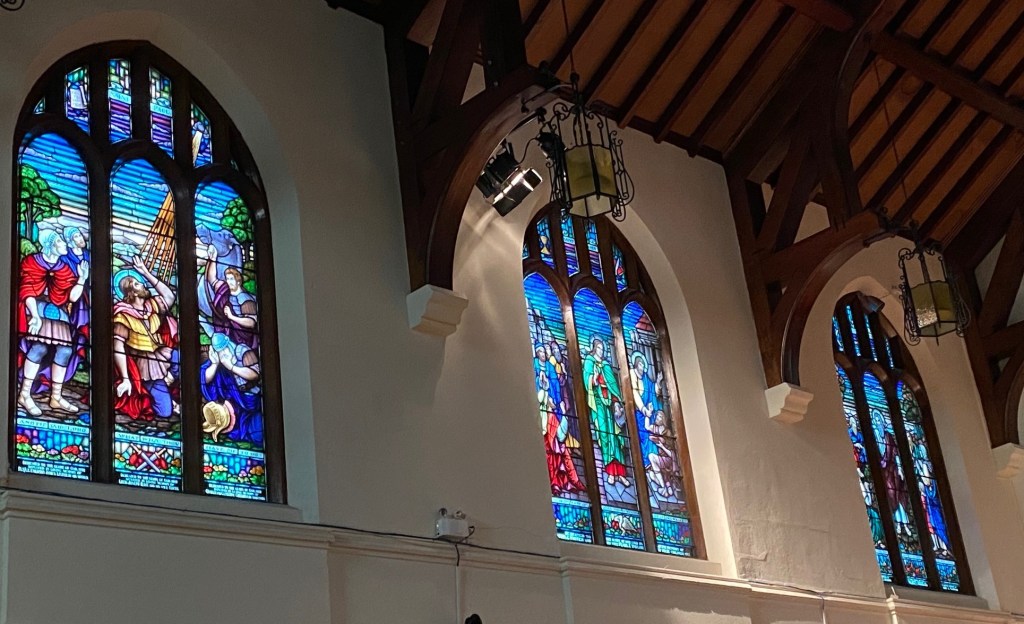
Stainglass windows in St. Andrew Church

Live music. On stage. Not through live stream or any other video, electronic, mechanical transmission. I had an immense need to be there again, missed it so much … .

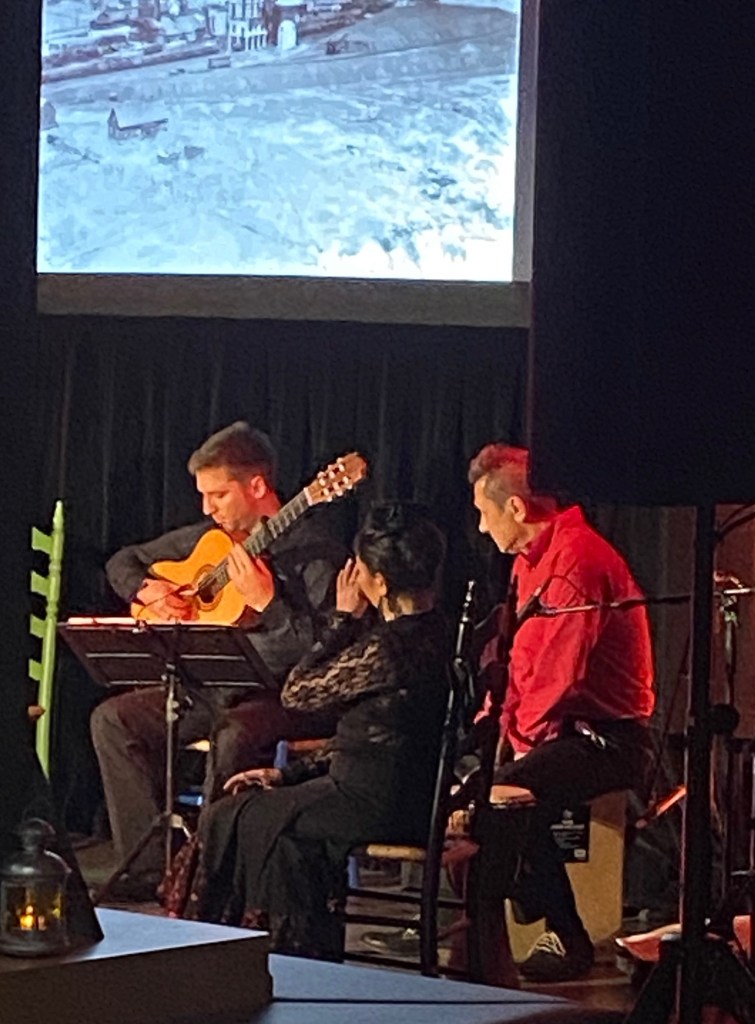
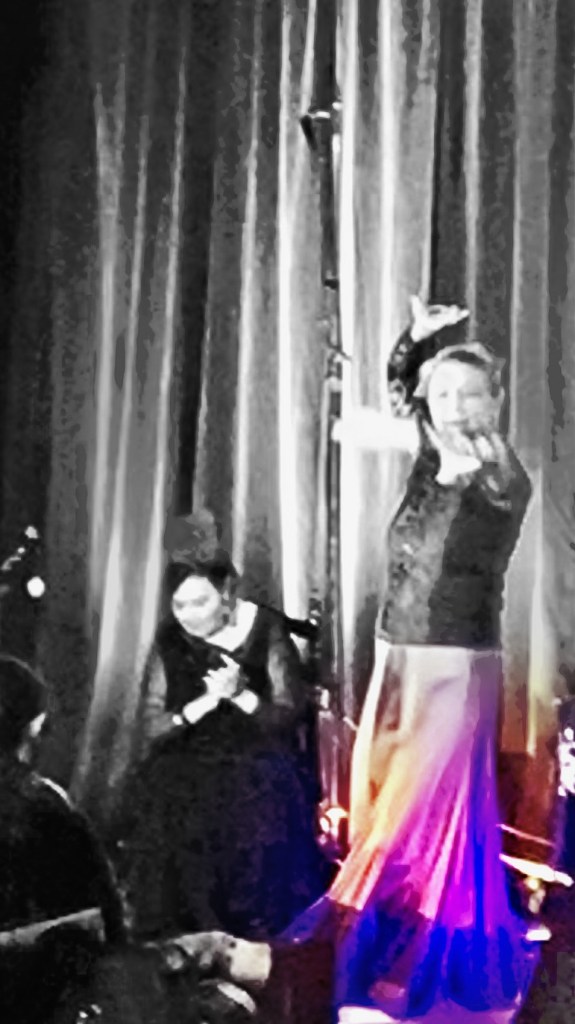
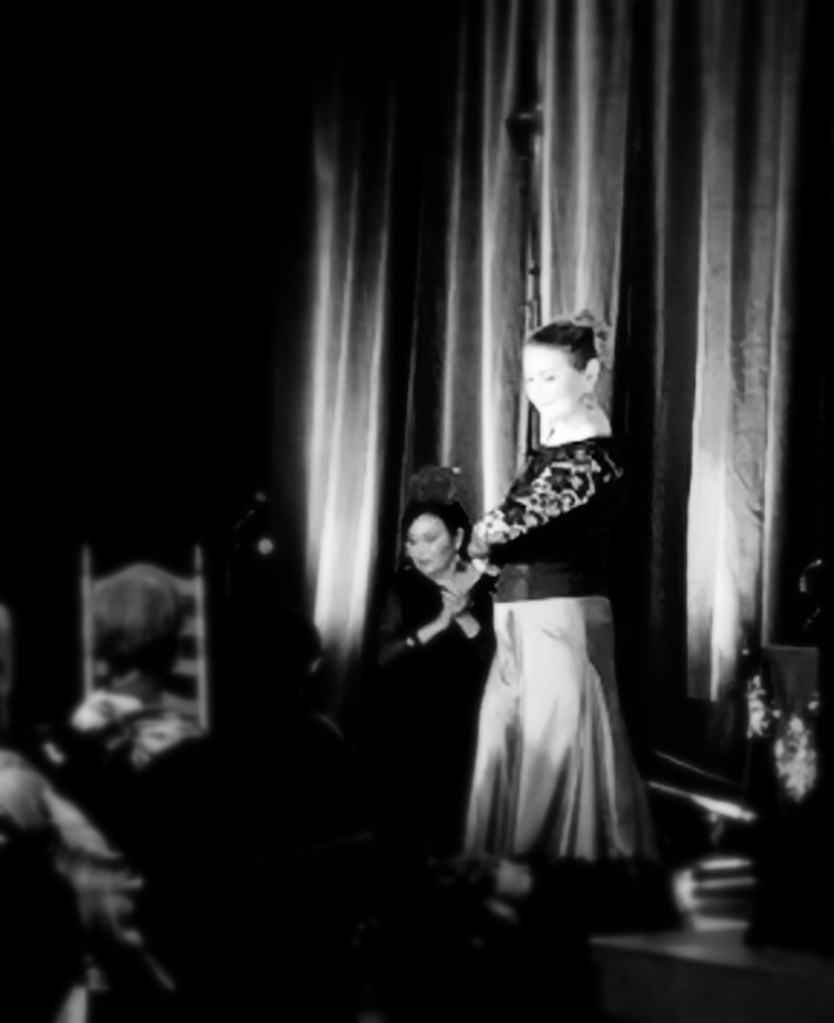
Tierras Oscuras – Flamenco en Rouge

On November 16, 2021, during a timid opening of any live performances, I was able to attend a local (from Halifax and Cape Breton) performance of powerful storytelling mixing the musical fire of Andalusia and hard life of miners in times gone in Cape Breton. The audience at the Pier 21 Canadian Museum of Immigration was small, seats sparsely placed. There were no renowned, world class dancers, singers, players. But what a power, what a spirit of true flamenco! I was riveted, mesmerized and at the same time had a hard time not to join them on stage (after all – flamenco is an art of mature performer, who knows the taste of victory and defeat – not a juvenile, who knows only how to boast, not understanding the meaning of it all). After the performance I had a chance to chat with all of the performers and made sure they were aware how beautiful their storytelling was, how dramatic and well prepared. And, of course, a long chat about the history of flamenco, of Andalusia.

But it did not quenched my thirst for more formal  setting and opportunity of listening to great music played by great artists and composed by geniuses.

It came finally with an opening of popular impresario, the Cecilia Concert organization responsible (for many years now) for organizing such events in Greater Halifax.

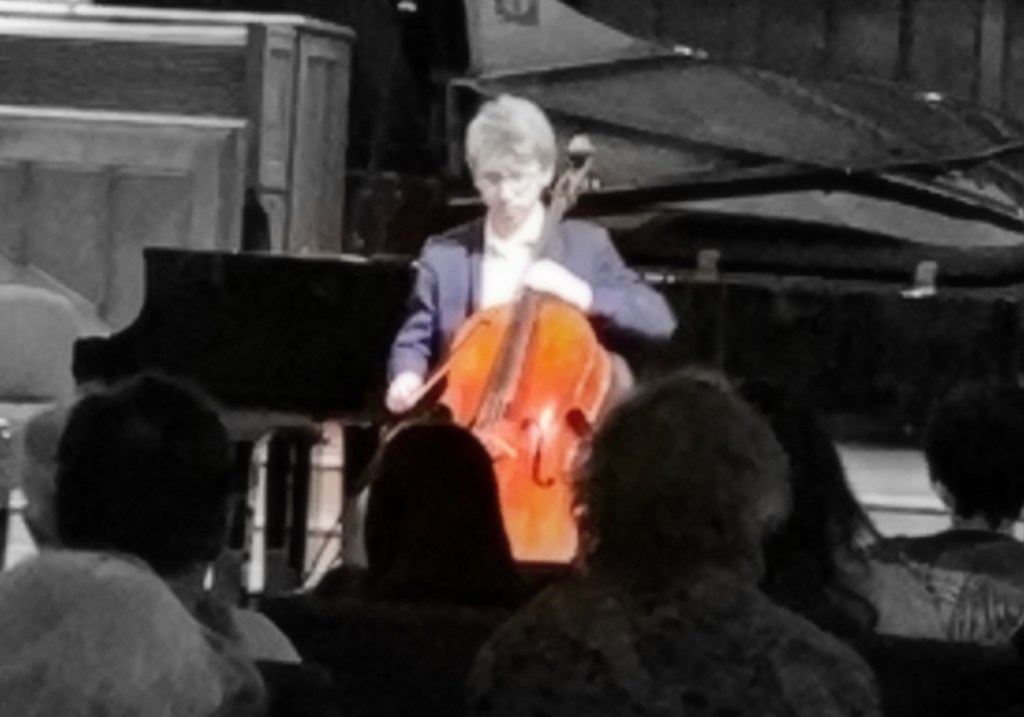
The concert of world renowned and one of the best Canadian pianist, Charles Richard-Hamelin and young cellist, but already recognizable and with growing musical prestige, Cameron Crozman.  

There is some semblance in physique of Richard-Hamelin and the great winner of 1970 Warsaw Chopin International Piano Competition, Garrick Ohlsson. I think that there might be also a slight similarity in their style of piano playing (and such perceived connectivity would not be something to frown about, as Ohlsson is a giant among Chopin’s interpreters). The Warsaw Chopin Competition is indeed something very special among players. It serves as a spring board to fame of almost all of their finalists and definitely makes the winner career a fait accompli. Charles Richard-Hamelin is no exception. In 2015 he received Silver Medal at that Competition and very prestigious Krystian Zimerman (himself a former winner at the Competition and a player of enormous statue) Prize for best performance of Chopin’s sonata. The 2015 Competition was the first time I heard Richard-Hamelin. As I did (in Warsaw) in 1970 Olhsson playing. The next one, in 1975, was the triumph of Zimerman and I remember it as vividly as it would have been yesterday – he just mesmerized the audience. For a teenager (as myself at that time) that was as big as winning the Soccer World Cup. Speaking of Canadian pianist and the Warsaw Competition one can’t forget to mention the last one in 2021 and the amazing victory of another Canadian – Bruce Liu. I have wrote a bit about it on these pages in November 8, 2021.

Pianist are, undoubtedly, the top class in fame and splendour of all other instruments among classical music stars. In a way – the prima donnas of musicians. But that does not take away from other instruments. Especially if there is a good marriage between a good composition and a good player. Cello player is always in demand for transporting notes, that no other instrument can portray as good as that soft sound. Just listen to some recordings of unforgettable cellist, Pablo Casals. No other instrument can convey such an array of emotions as those venerable strings. The violin, its’ diminutive cousin, produces beautiful sound but lacks the depth of the tone coming from very limited resonance (due to the size difference).

Cameron Crozman, at age 26, is definitely the raising star in Canada among cello players. Not only in Canada, though. His talent was noticed and rewarded by many world-class orchestras and directors, especially  chamber music ensembles. For me, the concert in Halifax was the first chance to hear him playing. I am very glad, I did.

Bach, Franck and Chopin


The first of compositions was one of only six cello suites composed by J.S Bach – the Suite No. 2 in D minor. Probably written after the death of his first wife, Maria Barbara in 1720. The Bach suites are among ones of most popular music played by cellists. But it wasn’t the case during his lifetime and after his death. They were almost completely forgotten and many musicians were not even aware that he wrote such music. It was not until great cellist, Pablo Casals, re-discovered them as a teenager in a second-hand shop in Barcelona in 1889.  It wasn’t until 1936 when he recorded them in London for first time. Since then, they become one of the most popular solo pieces for cellists around the world. There is even dispute among scholars whether Bach originally wrote them not for cello da gamba but for smaller, over the shoulder, viola da spalla. Suite No. 5 was originally composed for lute.

As entire baroque music, they are strictly structured in prelude and a string of Renaissance/baroque dances. In this case: allemande, courante, sarabande, minuet and gigue.

The slightly austere, neo gothic church of St. Andrew, with beautiful stained glasses on walls of the main nave and stained glass rosette behind the altar/stage provided perfect setting for this music. And the acoustic was wonderful as the young cellist with red hair sat to his instrument. The music flowed so nicely. His left hand showed the elegance of every note, tone and interval of this composition. I was specially taken by the fourth part, the Sarabande and the vision of evening stroll of Bach through the cobblestones of German city, remembering places he visited with his wife, reminiscing their time together. Formal, very courtly Minuet ensues as in saying that life goes on and times brings closure. Final part is in a form of Gigue and is a typical epilogue for typical baroque suite. Can’t understand that rigid formality from my perspective of XX century man, as Gigue is the last melody I would have used for this type of composition. Yet, it must be said that the Gigue in Suite No. 2 is far from lively dance of Italian gentry. Yes, it has the rhythm and melody – but used in such a way that it becomes a music of accepting life as it goes on. I thought that Crozman played that part superbly, more in a reflective than virtuosic style.

Belgian born but Parisian by choice composer Cesar Frank (1822-1890) is definitely not a canon of modern concert halls and performances. I know I have heard his music before – but if asked, I would have to strain myself immensely to remember that music. Although envisioned by his father as piano player (a solid career in Romantic times Europe) – he ended up playing organs in one of the big churches in Paris and later become a professor of organ music in Paris Conservatory in 1872. And finally had time to prove to the world that he is a talented composer. One of his monumental work (and monumental it is in its form, character and, let’s say – weight?) that I have never heard before (of that I am sure because it is really hard to forget such curiosity) is the Prelude, Aria et Final, Opus 23.

I am very glad that Charles Richard-Hamelin gave a very good explanation of this composition. It helped a lot. It consists of Allegro moderato a maestoso (Prelude); Lento (Aria) and Allegro molto ed agitato (Final). From these musical terms – allow me to offer less serious tone – two describe it the best: maestoso and agitato. The least one is moderato. It also shows that if you cook for many years Indian cuisine, when suddenly you make Beef Wellington, you add to it Indian spices.  The result could be interesting, maybe even tasty – but it is not Beef Wellington. Specially in Paris. Franck played for many ears on huge organs  at St. Clotilde Basilica. That colossal instrument could not only swallow many concert pianos of Paris, it also had so many leg and hand operated pedals, stops and keyboards (yes, the large ones have more than one keyboard) that the listener could really think that heavens opened up and filled the air with its’ own music. But Franck decided to do the same on the piano.

Thanks’ heaven the Yamaha grand piano C7X comes with the third, middle pedal called sostenuto. It is a version of the sustain (left) pedal but operates only on chosen string/notes. It gives the ability to produce a sound that resembles organ pipes. But one must not overuse it. In this case, Richard-Hamelin had to. To say it plainly – that composition is a colossus that requires not only amazing technique from the player, it also requires a big physical stamina. I am so grateful that he possess both. I have no idea what poetic purpose that composition serves – but it was amazing to listen to it. Enjoyed it very much just for the sheer sense of showmanship and absolute control of the instrument by the player. Now, thanks to Charles-Hamelin, I will always remember the music of Franck. Probably not choose to go to concert hall to listen to it again, but definitely remember it.

After a short intermission we were served the main course: beautiful sonata for cello and piano by lyrical master of Romanticism, Frederic Chopin. The opus 65 sonata in G minor was composed in 1846 and dedicated to Chopin’s close friend of many years, cellist Auguste-Joseph Franchomme.

Both of them collaborated and co-composed earlier a Grand Duo Concertant for piano and cello (in E major, numbered as B. 70) that received very favorable opinion of Schumann. The sonata is fully composed by Chopin and it’s cello part was not composed in any part by Franchomme, although it is more than likely that both Chopin sought advice and opinion of his dear friend. That might be the source of somewhat strange and not necessarily wise comment of our young cellist, Cameron Crozman, in an introduction, that the cello has stronger and weaker parts, the stronger being possibly composed by Franchomme. There is no musical literature that would support such strange assumption.

The sonata has special historical meaning in Chopin’s life: it would be the last composition of Chopin and the premiere in Salle Pleyel on Feb. 16, 1848 was his last public concert in Paris. Unfortunately, the Paris premiere omitted the first part (Allegro moderato). That was corrected by Franchomme shortly after his friend death, as the cellist returned to Salle Pleyel on April 6, 1853 and played (with Thomas Tellefsen, also Chopin’s friend and pupil, as pianist) the entire sonata. Louise Dublin, a world renowned cellist, wrote in her excellent blog on Aguste-Joseph Franchomme, that the second premiere was received enthusiastically and quotes respected and feared (by musicians) Paris critic of that time: “The main piece was a sonata by Chopin for cello and piano…the piece has something intimate and mysterious, everything in it is plaintive and melancholic… Franchomme, on his eloquent cello, found admirable expression, giving the beautiful melodies of Chopin a penetrating sweetness, full of religious poetry.” .

Of course, no recording of this prapremiere and premiere concerts exists, therefore it is impossible to compare that play with the performance of Cameron Crozman and Charles Richard-Hamelin in Halifax.

The only reflection could be my own satisfaction, pleasure or lack of it.  And satisfied I was, very much indeed. It is worth mentioning that the duo of these two musician was a premiere in its’ own right. They have never played together before. But the partnership sounded very good and pleasant. Despite Crozman earlier spoken remarks, I have not noticed the ‘weaker’ and ‘better’ parts of his viola da gamba. All was played softly, poetically. In my short notes, that I tend to take at concerts, I wrote: what a beautiful conversation of two instruments! In scherzo and largo it was like a dance of two souls and such a nice, like echo, repetition of viola’s themes by piano.  It all closes with very elegant marriage of the two scales: G minor and corresponding major in allegro. Sort of mini danse du triomphe.

I had a dream …

by Bogumil Pacak-Gamalski

With these words on August 28, 1963, Martin Luther King, Jr.,  at the March on Washington addressed the gathered crowd, which numbered 200,000 people or more. These words become an iconic symbol of aspiration of any people, any nation. Aspiration to peace, respect, to dignity of people.

Visibly tired, almost resigned in his sorrow, Volodymyr Zelenskiy used these words to US Congress, to all Americans. He did thank USA (and the rest of democratic world, as he did in every address to every Parliament he addressed) for humanitarian and limited military help, for their moral and financial support. I am sure these thanks were sincere and coming from his heart.

But recently, and very clearly in that address, it is a different Zelenskiy, it is a different face of Ukraine. Gone are the days of brave and very much determined people and soldiers of great victory over aggressor, of war that will be won. Oh, yes – the brave and great leaders of USA and other democratic countries still proclaim with their bravado, that Putin can’t and will not win the war, that Ukraine will be victorious, that it was the biggest mistake and miscalculation of Russia. They are brave – but they do not fight. The fight is in Ukraine. Only in Ukraine. And Ukraine put and amazing resistance, truly beyond reasonable means. They still do. And we all applauded, we watch with awe. And we helped them to continue that tragically uneven fight. Without any real chance of winning. Not with that help we offered. And Ukrainian cities lay in destruction – as Warsaw did in 1944, Hiroshima in 1945, as Sarajevo in 1996, as Aleppo in 2016.

Since 2 World War, all modern war strategies, books on it and theories, are very clear: any effective attack, defence, counter offence of ground troops must be augmented by a strong air support. What used to be an old artillery barrage before infantry attack – become an air strikes before tank columns and mechanized units. In a war with actual armies, not guerilla strikes, which have different objectives and means. And we denied and continue to deny that help to Ukrainians. Sometime in most disgusting and arrogant way, as US President and his Administration saying that planes are not an effective tool in defence of Ukraine. That ridiculous statement is backed by supposedly America’s generals. Either these generals are stupid or the politicians are lying and lacking the fortitude of honesty, by saying: we are sorry, we know you need it but decided that we can’t and will not give them to you, as we decided to avoid any possible direct confrontation with Russia’s armies.

It is a tragically wrong policy, because it gives Putin more or less a free hand in choosing his tactical approach. And he does it skilfully. His generals have learned quickly the lesson from first week of the war. When it was clear that a ground offensive is costly, not very successful and extremely difficult due to very strong defence and fighting spirit of Ukrainians – he decided to lay waste to cities, army installations, airports, important industrial centres. And he does it mostly from air and long range rockets, which batteries lay often beyond the range of Ukrainian reach. It is supplemented by terrorizing civilian population with rockets and bomb from planes on residential districts, hospitals, electricity and water supplies, food storages. It is truly medieval tactic with modern technology. To lay waste. 

Volodymyr Zelenskij, a modern day true hero for freedom loving people of the world, have come to accept it, to not deny the brutal reality of it. The Russians will withdraw eventually (in weeks partially, in few months perhaps fully); serious and not easy peace conference will be assembled and peace accord signed. Very different than the one we were calling for yesterday, at the beginning of the invasion. Zelenskiy already publicly resigned himself to one of the main demands of Putin. The one we, the West, so strongly condemned and opposed on the principium of freedom of countries to make any choice of alliances, organizations: the demand of guaranties that Ukraine never joins NATO. And, honestly – I don’t think that Ukrainian people would want to now. Would you, if you were Ukrainian?

For the safety of Europe and therefore of the entire West it is to make everything possible to allow Ukraine to negotiate from the position of relative strength. That means giving them serious (not token, guerilla style, armaments) military support. Time is not on our side anymore. As it wasn’t on the side of Russians at the beginning. Time is now actually on the side of Putin. Ukrainians do not have any time left. Their country is being destroyed as we watch helplessly. And as they watch in horror.  After 1990, I have never thought that I will see such war in Europe so soon. I actually thought that in my lifetime – I will be spared that experience. How wrong I was … .  

If Ukraine signs a peace deal with Russia (the chances of Russia just accepting defeat are nil – because they are not defeated) it must be strong enough to save as much as possible from Ukraine before the war. Territorially and politically. That is retaining it’s full, not cosmetic, sovereignty. Only than Europe will be safe from day to day risk of new, world war. When NATO would have to take part in and our soldiers would be dying in it, our cities will be bomb.

I don’t believe even for a moment that huge nuclear disaster would happen. I didn’t and don’t believe it would have happen if we acted much stronger in the defence of Ukraine. Nuclear disaster is not in the interest of Putin. Apart from his care or disdain for Russian people – it is not a way to re-create an old Tsarist or Soviet empire. He knows it. But that’s beside the point. That is just ‘if’s’  and ‘what would or would not’. The reality is that we need a sovereign Ukraine. Again – apart from our warm sentiments, feelings for Ukraine and Ukrainians – for very practical and paramount existential reasons: our own future.

In order to achieve it we must make last and brave, rational attempt before it would be too late. Give them jets as they need them to stop the terror of total destruction of Ukraine, to make them stronger at the negotiating table, to safe a country from not being able to welcome back at least a portion of the population that escaped  so far.  Give them the planes that Poland offered to USA (or other), give them the ability to fight back with more than ‘arrows and sticks’. Don’t send your troops, that is already accepted by Ukrainians. Putin must come to realization that prolonging the conflict will cost him again big losses and that his rocket and air forces can’t operate with impunity. Only than Zelenskiy (if he will be still alive) can have a chance of saving what must be safe.  Otherwise no one will be safe.  Give peace a chance. It is not only smart. It is called self-preservation.

Risks? Of course they are! But if you can’t, if you too paralyzed to take them – what the hell are you doing chanting ‘”Slava Ukraini!’? The world has changed February 24, 2022. Accept it and act accordingly.

I will not end it by saying ‘Glory to Ukraine’. Ukraine doesn’t need me to say it – it earned it on its own. With blood. I will say: I am sorry. I’m profoundly sorry that we couldn’t do more. But still hopeful that we will do what has to be done to ease your pain, your tragedy. And what you asked for, dear President Zelenskiy, is not too much. It could be done and should be. For You and for us.

 Україна Ukraine Ukraina – what’s next?

note from author: texts in English and in Polish are not the same and offer different perspective; teksty po polsku i po angielsku nie są tłumaczeniami a osobnymi uwagami na ten sam temat, uwzgledniającymi specyfikę Czytelnika

What seemed possible and sensible ten days ago, at the beginning of Russian invasion of Ukraine, is no longer enough or practical nor possible. The war has changed, its’ possible outlook has changed, the situation and reality in Ukraine has changed drastically. The situation in bordering countries (Poland, Moldova, Romania) has changed dramatically. Especially in Poland, a country that has received and continues to receive the bulk of Ukrainian war refugees – now getting dangerously close to two million. No one in all NATO countries has even the slightest idea what it means to host, within a matter of ten days, such an overwhelming number of refugees and to house them, to offer them medical support, psychological care, education for hundreds of thousands of children. Even in Canada – a country of immigrants, nobody knows (including the government) what it means. Yes, I know, have heard all the heartwarming words of Canadian government in Canada and during his recent visit to Poland – but it almost sounds like a talk from another planet. Visas will be fast-tracked, process shorten … . No, Mr. Trudeau – we need now a massive airlift of thousands of people to Canada, you can house them in government approved and run facilities (a form of refugee camp) and you can then do all the paperwork and checking for as long as need to be. Large Polish cities literary run out of spaces, similarly in many smaller cities. You can’t built camps for millions of people. The same goes for Germany, France, Great Britain an other European countries. Where is USA?

Money given to Poland and other countries do not solve all the problems – they can’t stretch these countries. It is a serious social and political problem that needs serious long term solution – but also needs a fast practical means. Even if only temporary. It looks like within day or few days time we will face another huge wave – this time from Western Ukraine and possibly Lviv itself. The bombing of the airport just miles off Polish border and bombing of city of Sluck creates a sense of panic in parts of Ukraine that felt relatively safe so far. But Putin plans obviously changed. I thought myself that he would stop around the lines of the old, pre-war Polish border. Russia has no historical or any other claim to these territories. Obviously, I was wrong. Putin is a dangerous man. Time is not on his side (the economic sanctions do bite Russia very seriously and that he can’t changed no matter what) and he invested too much, in my opinion, to just stop the offensive. He will – but only when Kiev is taken and Ukraine as a country will loose any chance to militarily oppose his armies. By attacking more massively, with full terror to civilians and bombardments of Western Ukraine infrastructure – he will eliminate (already seriously weakened) any practical means of supplies to Ukraine of Western arms and equipment.

While being fully invested in economical war with Russia, supporting Ukraine defensive effort (supporting in a limited way, too limited to effectively change the outlook of the war – but I wrote on this subject before and will not repeat it here) and – most of all – strengthening the Eastern and Northern flank of NATO – we can’t overlook social and political destabilization of frontier NATO countries that this conflict might produce. Just before Russian invasion, another madman – Belarus ‘president’ Lukashenka, created a refugee crisis on border with Poland by ‘exporting’ Syrian and Afghan refugees. Polish government (to dismay and anger of many Poles and Polish NGO’) refused to accept these poor souls. But fear of new and dangerous ‘refugee corridor’ made the European Union to support Warsaw’s government in forcefully (in a way Trump did to Mexicans and Central Americans) stopping the immigrants. They were afraid of social and political destabilization of EU. Well – there was just a mere few thousands, certainly not even 100 000 refugees. What two, three or even four millions could do now? O, yes – Ukrainians are white, aren’t they? Did I say something not politically correct? O , my… . Just please, spare me your indignation. It would have been laughable. People are people and victims of state-sponsored terror and wars are victims. Regardless of their nationality and ethnicity. Therefore, if we (NATO) are still absolutely sure that we will not offer a substantial military support to Ukrainians (yes, I do mean a short military surgical strikes against Russian missiles, planes ) – you must do something very fast and tangible to avoid social dangers by strangulating Poland and other bordering countries with that massive wave of refugees. That truly would have been unintended gift to Putin-the-murderer.

Sytuacja Polski, jej południowo-wschodnich granic, przy których kłębią się czarne chmury wojny jest najtrudniejszą od czasów wielkich zmian w 1945 i zmian związanych ze stanem wojennym i powstawania zrębów nowego, demokratycznego państwa. Wymaga wysiłku, mądrości, rozwagi i odwagi. Społeczeństwo w dużej chyba większości wykazało te cechy. Zwłaszcza, gdy mówimy o monumentalnej, od czasów 2 wojny niespotykanej, ilości wędrującego tłumu przerażonych Ukraińców. W olbrzymiej większości kobiet z dziećmi, ludzi starszych. A więc generalnie w trudnej sytuacji i nie zawsze zdolnych dla podjęcia normalnych działań na rzecz mieszkania, pracy, zaradności. Morze biedy, przerażenia i łez. To jest ta część tej wojny, gdzie Polacy zdali każdy egzamin mądrości, spolegliwości. Nawet jeśli tu i tam zdarzają się (w pewnym stopniu zrozumiałe z ludzkich powodów) zgrzyty, narzekania lub hasła.  Ta fala dotknęła Polskę najsilniej i ani Zachodnia Europa ani Północna Ameryka nie mają najmniejszego pojęcia, co to znaczy i jaki nadludzki wręcz wysiłek jest konieczny, by zapobiec sytuacji socjalnych tragedii nie tylko Ukraińców ale i Polaków. Władze państwowe do tej pory też zdają dość dobrze egzamin dojrzałości w postawach i realizacji tego, co władze administracyjno-polityczne robić powinny. I musi w tym być duża zgoda społeczna i balans pozytywny miedzy opozycją demokratyczną w Polsce a władzami PiS. Musi – bo wymaga tego sytuacja na świecie, wymaga tego pokój społeczny w Polsce. Podzieleni i skłóceni nie podołamy temu herkulesowemu wyzwaniu historii.  Nie oznacza to zgody na konstytucyjne świństwa PiS, ani zgody na ich demontaż Polski, jako państwa europejskiego, państwa praworządnego.

Przypomnę – młodszym może ode mnie ale i starszym, którzy zapomnieli – pewnego poetę epoki przeszłej. Żołnierza Legionów Komendanta, żołnierza wojny polsko-sowieckiej 1920, w której dostał Virtuti Militari i Krzyż Walecznych, patriotę. Potem więźnia sowieckiej Łubianki w Moskwie, następnie żołnierza Korpusu generała Andersa. A, bym nie zapomniał w tej wyliczance: komunistę. Za tą działalność w KPP (Komunistyczna Partia Polski) rządy sanacyjne w latach 30-tych umieściły go w więzieniu politycznym. Surowym. Po wojnie wrócił z Zachodu do nowej Polski i poparł nowe władze. Chyba szczerze, ostatecznie był autentycznie komunistą. Ale był przede wszystkim Polakiem i patriotą. Domyślacie się, kto?  Starsi już pewnie tak. Naturalnie Władysław Broniewski. Jak się zachował 1 września 1939? Miał prawo być wszak zgorzkniały, miał prawo wobec Rydza-Śmigłego i rządu Sanacji czuć wstręt. Otóż napisał wówczas słynny wiersz-apel „Bagnet na broń”. Przytoczę  krótki a wymowny fragment (druga zwrotka): Są w ojczyźnie rachunki krzywd, / obca dłoń ich też nie przekreśli / … / … / Cóż, że nie raz smakował gorzko / na tej ziemi więzienny chleb? / Za tę dłoń podniesiona nad Polską – kula w łeb!

Można by jeszcze sięgnąć do – adekwatnego do sytuacji i wypadków – apelu Jana Kochanowskiego w „Pieśni o spustoszeniu Podola”. Ale wystarczy. Rządy Zachodnie nie mogą rozmawiać po prostu ‘z ludźmi’ i z nimi zawierać umowy, porozumienia. A nasze wewnętrzne spory polityczne nie powinny tego utrudniać. Uważam, że np. propozycja ‘lotnicza’ niejakiego Dudy w fantastyczny sposób obnażała dwulicowość polityki USA, a śmiech pani v-ce prezydent był dużo bardziej żenujący niż przejęzyczenie czy też zła wymowa pokracznego angielskiego tegoż pana.  Który angielskiego nie musiał używać i chyba lepiej by nie używał poza grzecznościowym ‘welcome’ itp.

Stoimy wobec kolosalnego zadania związanego z ilością uchodźców. Wymagana jest współpraca, gdzie należy z administracją polityczną. Bez wybaczania czy rezygnacji ze słusznych, wewnętrznie polskich, oporów i przygotowań do kampanii wyborczej. Tysiąc, dwa czy 10 tysięcy, których litościwie zabierze Kanada i inne kraje niczego w sytuacji w Polsce nie zmieni. To kropla w morzu potrzeb. Nie zmienią też tego nawet dziesiątki milionów euro i dolarów. Nikt w kilka miesięcy nie zbuduje nowych miast, szkół i szpitali. By temu sprostać wymagana jest pewna współpraca, wzajemne wsparcie społeczeństwa i rządu. Za miesiąc, dwa nastroje Polaków mogą się diametralnie zmienić. I temu należy że wszelkich sił zapobiec. Bo może być źle. Musimy żądać od EU (tych państw, które nie leża przy granicy ukraińskiej), USA, Wlk. Brytanii i Kanady bardzo szybkiego przyjęcia olbrzymiej ilości uchodźców z Polski. Nie miesiącami trwającego procesu wiz, przesłuchań, aplikacji indywidualnych. Wszystko to mogą robić te kraje już u siebie. W sposób, jaki same uznają za najlepszy.

War or peace? It is all a big lie.

Bogumil Pacak-Gamalski

Russian invasion in Ukraine pretends not to be a war but ‘a military operation’ against a non-existing state defended by non-existing nation. That’s Vladimir Putin vision of the world and his vocabulary. In some way he might be not lying.  In his mind it might be a true statement. Just as Hitler truly believed in the “One Thousand Year Reich” and predestine superiority of German ‘Aryan race’.

It doesn’t change at all the situation of Ukraine and Ukrainians, who live in normal, material dimension, not mental. One could say that the Russians are using not too clear definition of hybrid war and the Ukrainians are just at regular defensive war.

The United States and NATO are just bystanders. President Bidden is adamant that there could not be even a possibility of Western (by that we still mean NATO countries – of which USA is the dominant factor and decision maker) military, direct involvement in any combat or possibly characterized as combative action. To preserve larger peace in Europe, nuclear war and all other calamities. At the same time we are actively supplying Ukrainians with all sorts of arms and lethal war supplies to supplement their own, not too powerful armament. That is also a lie (or, just as in Putin’s case – a state of mind).

The USA scenario (executed by NATO) is a war. It is not so called  hybrid war (Russia’s war in Ukraine) but a war be proxy. Another war theory, used by Russia and USA (or, in general – the West) for decades since 1945. That proxy this time being Ukraine. No, the West did not provoke Putin’s invasion by any means. Ukraine sympathies toward the West, especially since annexation of Crimea by Russia, are Ukraine choice. It is internationally recognized sovereign state and has a right to make its political choices. But to say that we (the West) are not party or not involved in the current war is nonsense.  

In that sense Ukrainian President Zelensky is absolutely right, when he calls out USA and NATO bluff. Either admit it that you will not get involved in the war, give as much humanitarian aid, fortify your own European borders and say to your own nations, that there is nothing you can do – or the blood of Ukrainians will truly be on your hands, too. Prolonging that heroic act of Ukrainian defensive war by supplying them with enough arms to continue resistance and not enough to have the slightest chance of winning – is a macabre. It is using them, Ukrainians, as your proxy to test the abilities and strength of Russian bear.

The clearest sign of it came just few hours ago in the saga of pressuring Poland to give the Ukrainians it’s Russian-build but recently modified MiG fighter jets. Since the meagre Ukrainian Air Force is using the same jets – the transfer could be the best match (for Ukrainian pilots).

The idea started right after the invasion begun, when European Union Security Chief suggested that Poland offered to do it. That claim was swiftly and categorically rejected by Poland. Then, in face of growing losses of Ukrainians in southern (along the Azov and Black Sea coast) regions and categorical refusal of closing Ukrainian airspace by NATO – Zelensky strongly appealed for transfer of some jets to its Air Force, not just small arm held surface to air missiles.  Let’s remember that Ukraine consists of steppes: relatively flat land, not a high mountains as in Afghanistan and small arms , no matter how powerful, are no match in open space against Russian air force, batteries and heavy armed mobile missiles. That appeal from Zelensky prompted the USA to suggest that Poland should (and has the means to do it) transfer it’s  MiG jets to Ukraine.  Again, Poland, as late as last Sunday, rejected the idea saying it will not risk using Polish airfields to fly the jests over Ukrainian airspace to Ukraine. It does make sense in  light of NATO hard stance that no NATO soldier will put his/her boots in Ukraine to even appear as being involved in the conflict. Poland does not have the military might as USA – that is beyond discussion. It has been sold out by it’s allies to Stalin already once in 1945. It doesn’t want the risk of being told that it was Polish government, who flew the planes over Ukrainian airspace and therefore it can’t demand the NATO to defend its borders as the planes did not fly on NATO order. Farfetched? Perhaps. But logical in many ways. Then, suddenly today, Polish government came out with a new plan. Now it says it will fly the planes to USA base in Germany, give them to USA army and they can fly them to Ukraine from their base. Under logical assumption that USA will very soon let Poles to buy some used USA older jets (Poland can’t afford in this times to lose a big chunk of it’ own planes and planes these days – see Canada’s many long years waiting for planes from USA, that were ordered and paid for as many years ago – do not come easily. The USA scrambled to come with an answer. Suddenly the Administration was explaining that actually planes are not that important for Ukrainians, that they would not change much in the war. There is an old saying in Poland (from a popular youth book of older times): when Kali steals something from a neighbour – that is a good deed; when a neighbour steals from Kali – it is a very bad deed. That saying, in my opinion, perfectly describes  president Biden’s confused Administration.

My view of the conflict, our ‘non-involved involvement’ in it, is evolving as the time passes by. As I see city by city, town by town being reduced to ruins, hospitals and schools bombed, nuclear plants exposed to bombs, millions of people on the dangerous exodus to other countries – it all brings to my memory pictures of 2 world war and the cities in Europe reduced to rubble: Warsaw, Hamburg, Wroclaw/Breslau, nations uprooted and moved somewhere else (that includes Polish population of Lviv/Lvov and Western Ukraine, which was part of Polish state for hundreds of years) by new Russian overlords.

We do have a moral but also existential right to get involved deeper, stronger in Ukraine’s fate. It is still time. And I don’t believe that Putin would risk a full-fledged war with the united West. If Ukraine fell six days ago – it might have been too late to do anything and we would have bought ourselves few more years of false peace. But it didn’t. And now we can’t afford to let Her fall. But also now, by the very strong sanctions, we have weakened him very much. He can’t afford even a short full-blown war with the West. He will be forced to negotiate. And we should. So the Ukrainians. Perhaps a solution is possible. I think it is. Might not be fully satisfactory to everyone – but that is sometime (most of the time) the only workable solution. To do that we might stop being at war by proxy. We might need to send more than ten or twenty Polish older jets to Ukraine (although that would be the right beginning). We actually might put some boots on Ukrainian soil. Not on Russian, on Ukrainian. Not with the desire to defeat Russia in some grand battles. To force Russia to a negotiating table. A conference of sort. Providing the main and deciding roles will belong to Russia and Ukraine. We just have to stop the war by proxy. I can’t see Ukraine being able to defeat Russia militarily on it’s own.  Ukraine dos not need a heroic President, who dies defending its crumbling capital. Ukraine needs its heroic President Zelensky to lead the country in painful and long rebuilding. Needs its children to return to their schools from other countries, its wives to come back to their living husbands.

Yes, we don’t have a war in Europe beyond Ukraine. But no, we don’t have peace, either. Is there a risk? Yes, and it want be smaller ten or five years from now if we do, as we do today. Which is too little and too late.

In the history of wars, of empires – even the most powerful armies lost  to smaller ones by choosing to wait, to observe, to react instead of act.  

Zaleszczyki

Bogumił Pacak-Gamalski

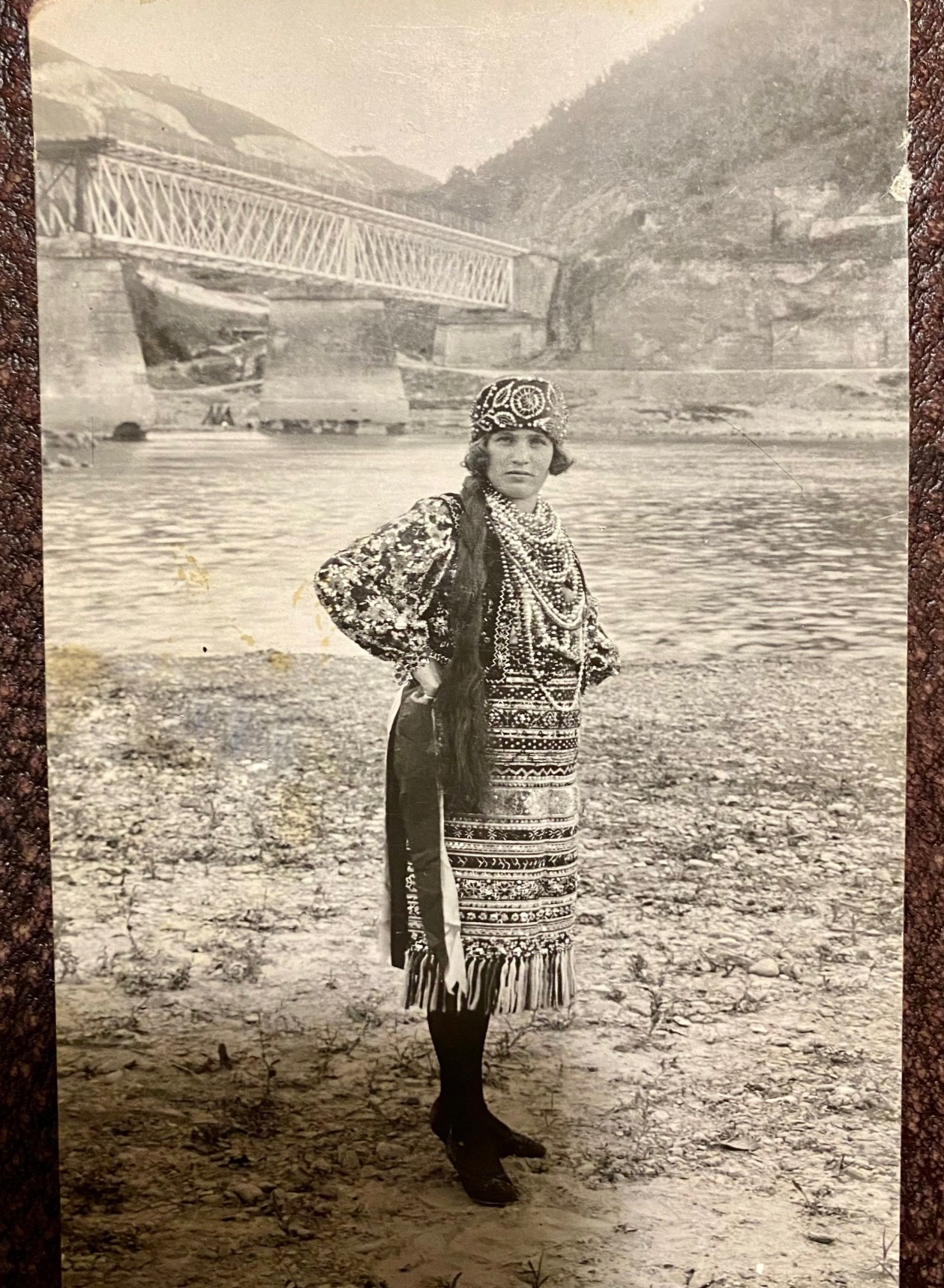
Czemu Zaleszczyki, w dodatku te nad Dniestrem? Czemu nie? Po godzinach czytania, słuchania smutnych wiadomości z Ukrainy nic innego już robić w stanie nie jestem. Po prostu myśli biegają po nazwach znajomych, bliskich. Dziś zapomniana mieścina, Zaleszczyki przed wojna (tą Drugą) były kurortem pierwszej klasy Rzeczypospolitej. Naszymi Włochami, Toskanią, wybrzeżem adriatyckim. Przecudownie umieszczone w dużym zakolu błekitno-zielonego Dniestru, z plażami, winnicami, restauracyjkami. Ba, tam było najdłuże w Polsce połączenie kolejowe z regularnym pociągiem aż nad Bałtyk! Przez most, po drugiej stronie rzeki była już Rumunia. A winnice tameczne produkowały wina w jakimkolwiek innym regionie Polski niemożliwe. Toteż tzw. towarzystwo lubiło tam zjeżdżać zewsząd. Dalekie Podole … Wanda, moja babcia, uwielbiała wyprawy do Zaleszczyk z dalekiej Wileńszczyzny. Zmusiła w końcu swego meża, dziadzia Emanka, by bodaj w 38 kupił tam plac na budowę letniej willi. Dziadek chciał w Zakopanem, ale babcia, o ponad dwadzieścia lat młodsza piękna kobieta, długo nad przekonaniem męża pracować nie musiała.

Poniżej zdjecia babci w Zaleszczykach, w stroju huculskim. Kolejowy most graniczny z Rumunią. Obecnie, po zmianie granic w 1945, granica rumuńsko-ukraińska przebiega paredziesiąt kilometrów głębiej.

I o tych Zaleszczykach, dziś dawnego kurortu nie przypominających, myślę i zastanawiam się, gdzie uciekną, jak się będą bronić obecni, Ukraińscy, mieszkańcy tego zapomnianego zakątka raju, gdy wściekłe bomby rosyjskie będą na nich spadać? Czy kolumny czołgowe nadchodzić będą po padnięciu Odessy czy wkroczą od pro-rosyjskiego skrawka Mołdawii zwanego Naddniestrzem? Zaleszczyki nie mają dziś znaczenia militarnego ani nawet przemysłowego. Czy obroni ich to przed okupacją i przed ostrzeliwaniem ludności cywilnej? Czy będą ginąć dzieci, które dzień wcześniej będą baraszkować na plażach pięknego Dniestru?

Czy też Putin w swych planach nie ma zamiaru przekraczać przedwojennej granicy polskiej i zatrzyma swój podbój mniej wiecej na tej linii? To jest też możliwe. Wobec Ukrainy Wschodniej może kontynuować swoją kłamliwą wersje o jedności z mateczką Rosją. Zainstalować w Kijowie ‘rząd’ zdrajców ukraińskich, który w krótkim czasie ogłosi referendum (rezultaty bez problemów będą dowiezione z Moskwy) na temat ‘nierozerwalnej braterskiej łaczności z Rosją’? Czy to kosmiczna wizja? Może. Czy jest kosmiczną wizją odbudowy (o której mówił wielokroć) Imperium Rosyjskiego? Nie wiem, w których granicach. Z końca XVII wieku, z XIX (to ostatnie komplenie niemożliwe bez wojny nuklearnej)?

A co z tymi kilkoma milionami uchodźców ukraińskich, którzy w miedzyczasie znajdą się w Polsce, Rumunii, Mołdawii i na Węgrzech? Niektórzy może już dalej.

Myślę o tym wszystkim i głęboki smutek mnie ogrania wobec tej ziemi, tych stepów, tych miast. Niektórych bardzo nam , Polakom, bliskich. Ziemi skomplikowanej historii i dziejów. Od legendarnej, skandynawskiej Rusi Kijowskiej Waregów, przez ruskie Księstwo Halicko-Włodzimierskie, Rzeczypospolitą Obojga Narodów (dwukroć w planach zamyślana, jako Rzeczypospolita Trojga Narodów (a więc i tego ruskiego-ukraińskiego), Hetmanat, krótkotrwałe republiki ukraińskie w końcowych latach I wojny. Krainy, gdzie smutek i krew były dniem codziennym. Ale i nadzieja. Uparta nadzieja. Zabrało im długie setki lat by to wszystko zjednoczyć, zlepić z fragmentów narodowy epos, z różnych szczepów – naród.

(U)Kraina łez

Młoty historii walą w kowadło życia:

raz, dwa – trzask

raz, dwa – trzask

matce – dziecko, dziecku – ojca, ojcu – serce

**

Kołyszą się dzwony w Katedrze Ormiańskiej:

bim, bam – krzyk

bim, bam – płacz

na Lwów znów padł cień oblężenia obcych wojsk

***

Sicz się budzi ze snu, łódź rzeką spławiają

u krainy świtu

u krainy zmierzchu

między Dnieprem  a Dniestrem zapadła dniem noc

szóstym marca 2022, B. P-G

Łukasz Zwolan – mowa plakatu

by Bogumił Pacak-Gamalski

Dzień Kanady obchodzi się 1 lipca. W 2021 to był trudny i smutny dzień dla Kanadyjczyków. Święto wypadało w krótkim czasie po odkryciu pierwszych masowych grobów dzieci Pierwszych Narodów (określeniem First Nations zastępuje się falszywy i powstały w czas kolonialnych zwrot Indianie) na terenie dawnych Szkół Zbiorczych prowadzonych przez Kościoły chrześcijańskie. Tego dnia nie pojechałem na teren wioski największego narodu w Nowej Szkocji spędzic go z nimi i odwiedzić okoliczne miejsce, gdzie kiedyś taka szkoła stała.

W tych samych dniach zwróciłem uwagę na pojawiający się w mediach znamienny plakat. Grafika była nagrodzona i wybrana z wielu nadesłanych przez jury Konkursu. Autorem był młody grafik z Polski, z Zamościa, Łukasz Zwolan. Tytuł Per Aspera zaczerpnięty z łaciny, oznacza pokonywanie trudności w drodze do gwiazd. Nawiązałem z artystą kontakt i pogratulowałem mu użycia prostej formy w wyrażeniu skomplikowanej i trudnej symboliki.

Bo, w olbrzymim skrócie, rolą plakatu jest wyrażenie treści w minimalistycznym, a jednozceśnie czytelnym przekazie graficznym kilku plam, kresek. Można się wręcz pokusić na pewne porównanie do przekazu pisemnego: obraz to rodzaj eseju, plakat zaś felietonu.

Od tamtego czasu obserwuję bogaty rozwój twórczości tego artysty. I jest imponujący. Za jego zgodą chciałbym przedtawić krótka serię grafik plakatowych , które w idealnej kwintesencji formy ukazują tragedię i zbrodnię wojny rosyjskiej na Ukrainie.

Dwa pierwsze oferują forme języka, liter. Litera “J” lub zblizona kształtem do niej litera “L” potrafią diametralnie zmienić sens tego słowa. W drugim proszę zwrócić uwage na kompozycję czołgu, który powstał z dwóch liter P i U. Trzy osatnie nie wymagają jakiegokolwiek opisu.