Bogumil Pacak-Gamalski

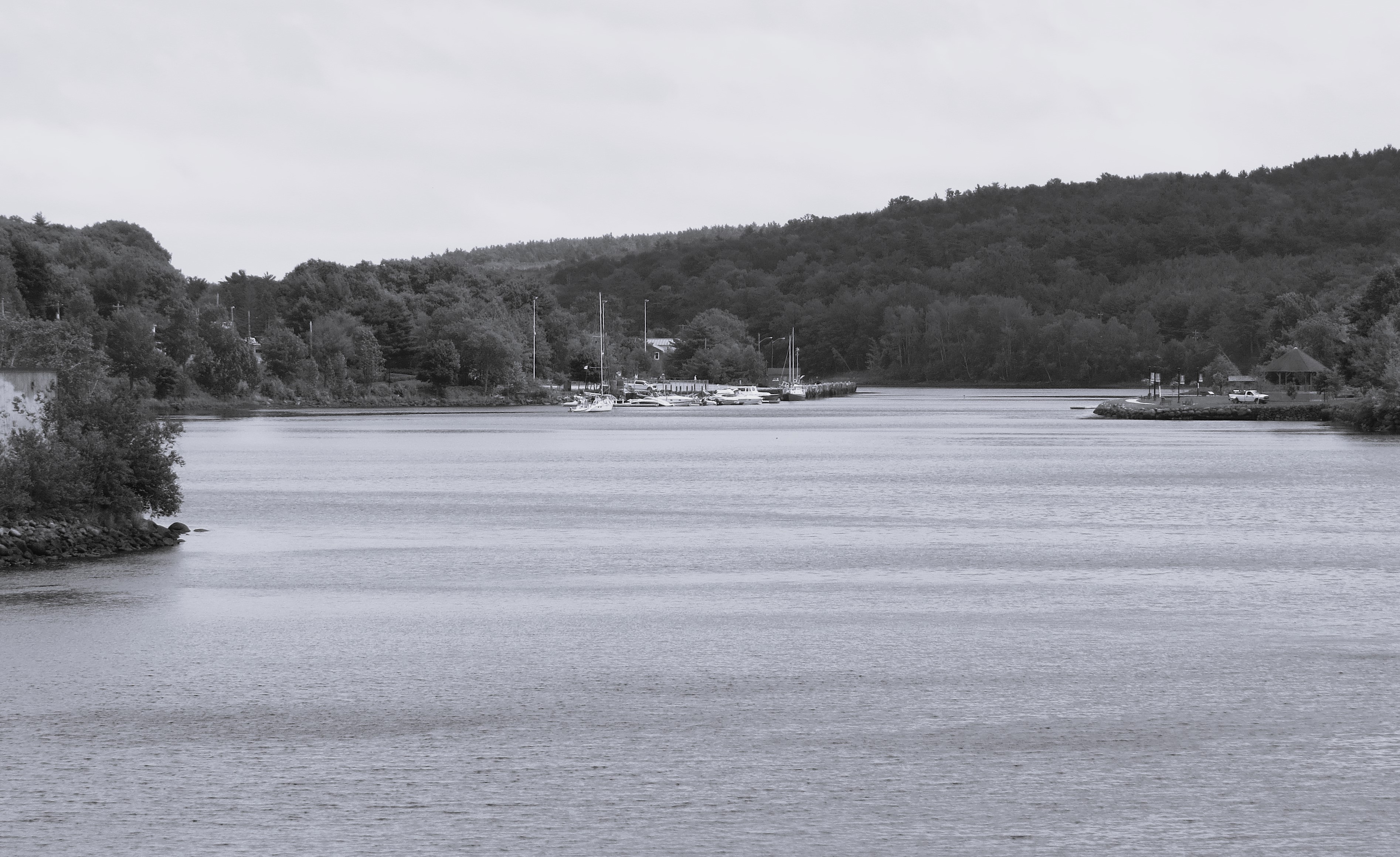
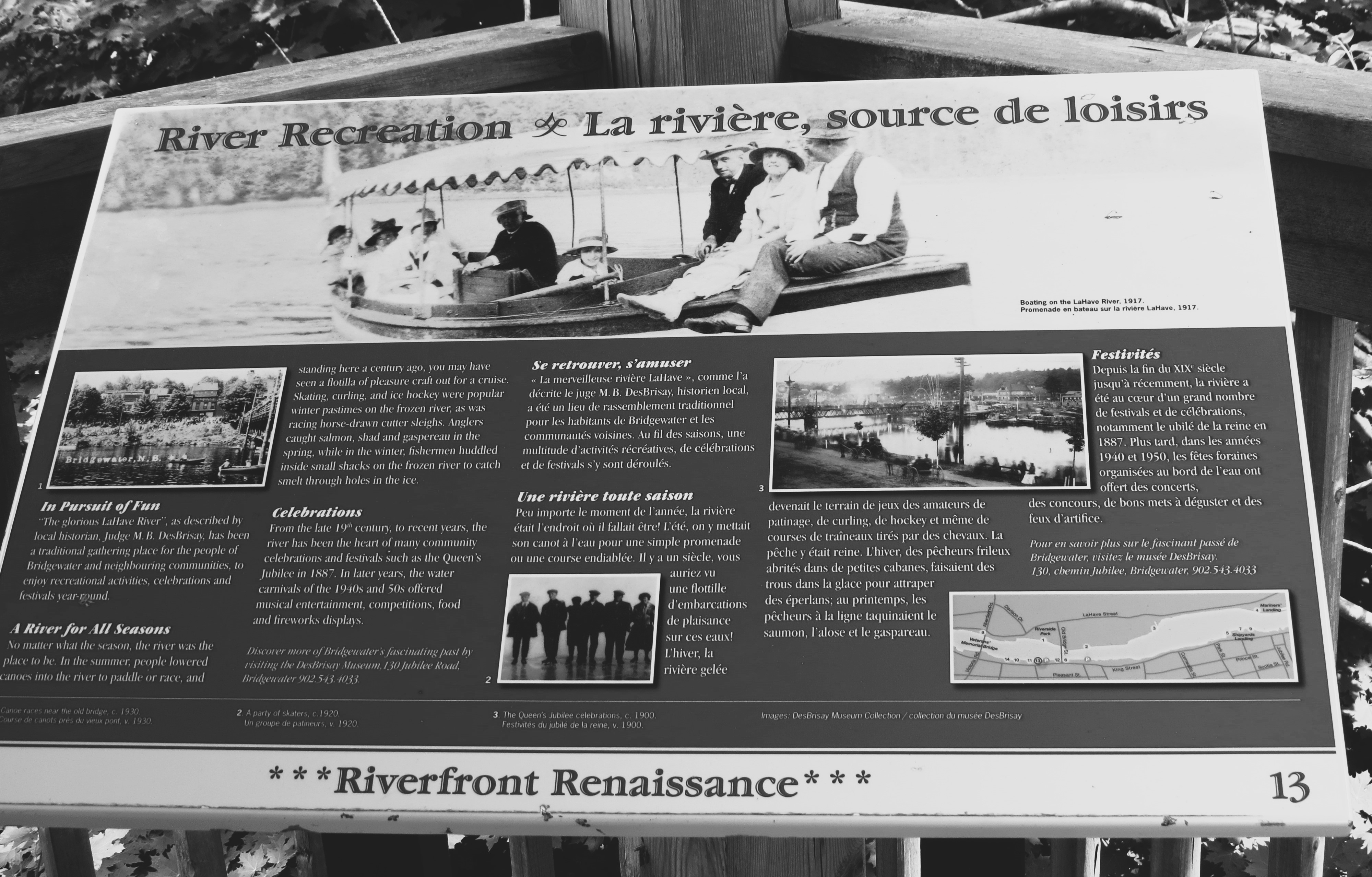
But before the British settled there, and before it become known by the name ‘Bridgewater’ it was an ancient large settlement of Mi’kmaq tribe for thousands of years. There is a rich collection of archeological artefacts attesting to their settlement at the mouth of the large LaHav River.
In 1604 the French Governor of New France Pierre Dugua de Mons visited these lands and by the mid-1600 there was first small French settlement there. In 1825 the first bridge was built and by 1850 the population grew to 300. At the end of XIX century the town had two railway connections – across the valley to Middletown and trains to Halifax. Easy access through the large and navigable river gave beginning of many industries, among which shipbuilding was a major force. It is probably a surprise to many, but the very first ship’s two-stroke engines were manufactured here and exported worldwide. It closed its operations in 1970.
Since the origins of the town, the western bank of the river was the heart and center of the city and so it remains. Most modern developments, shopping malls, concentrate on the east or left part of the city.
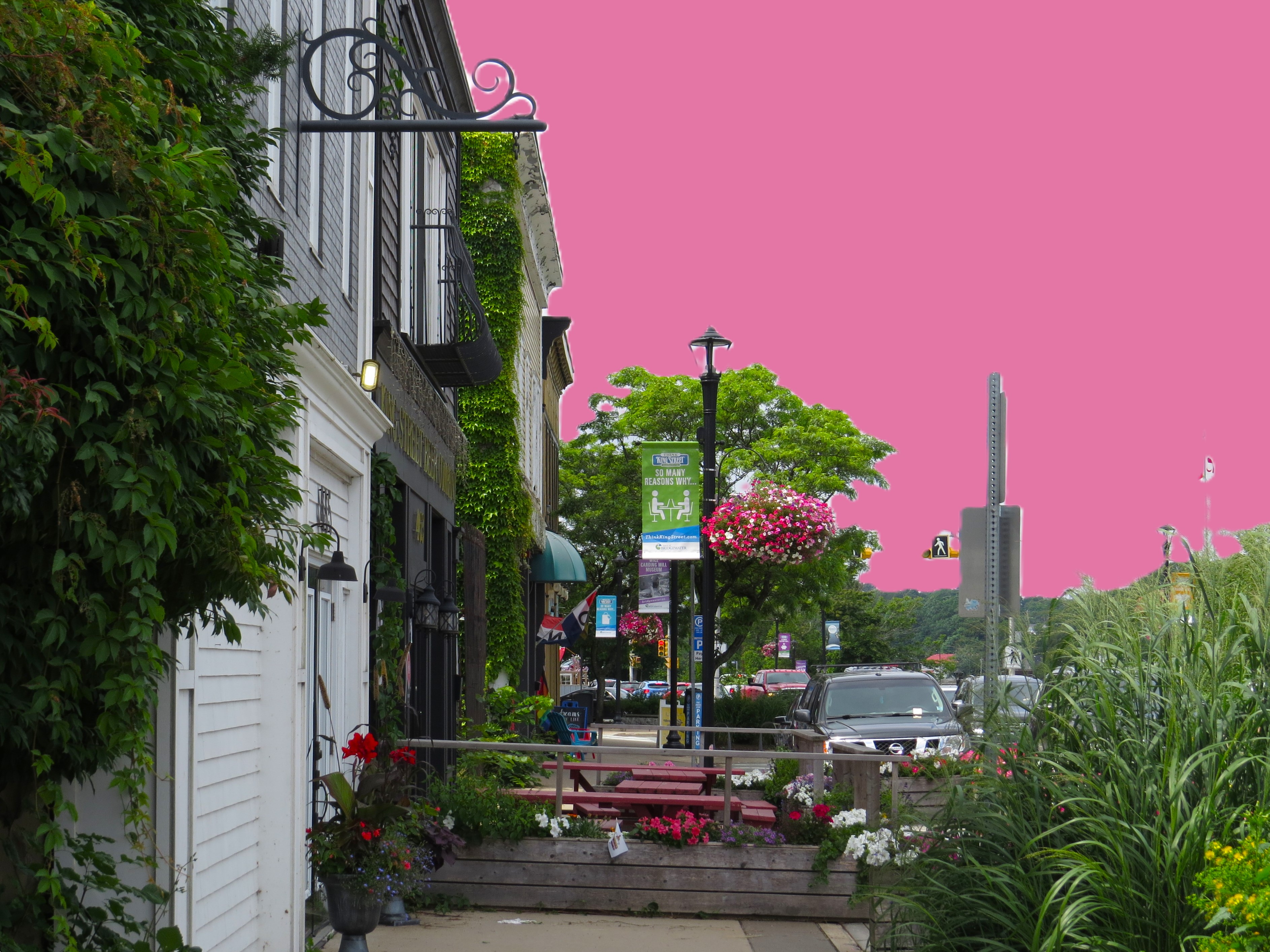
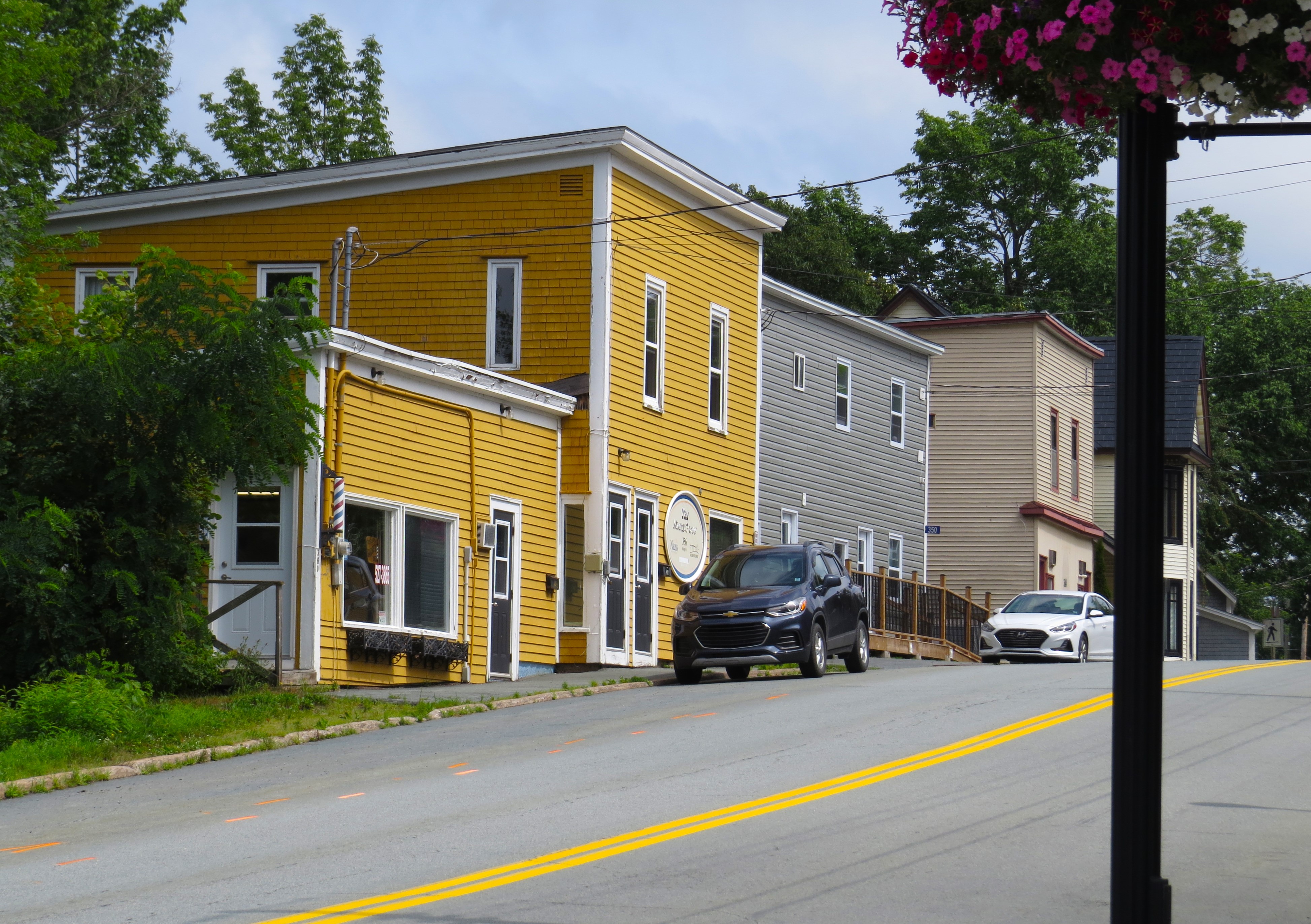
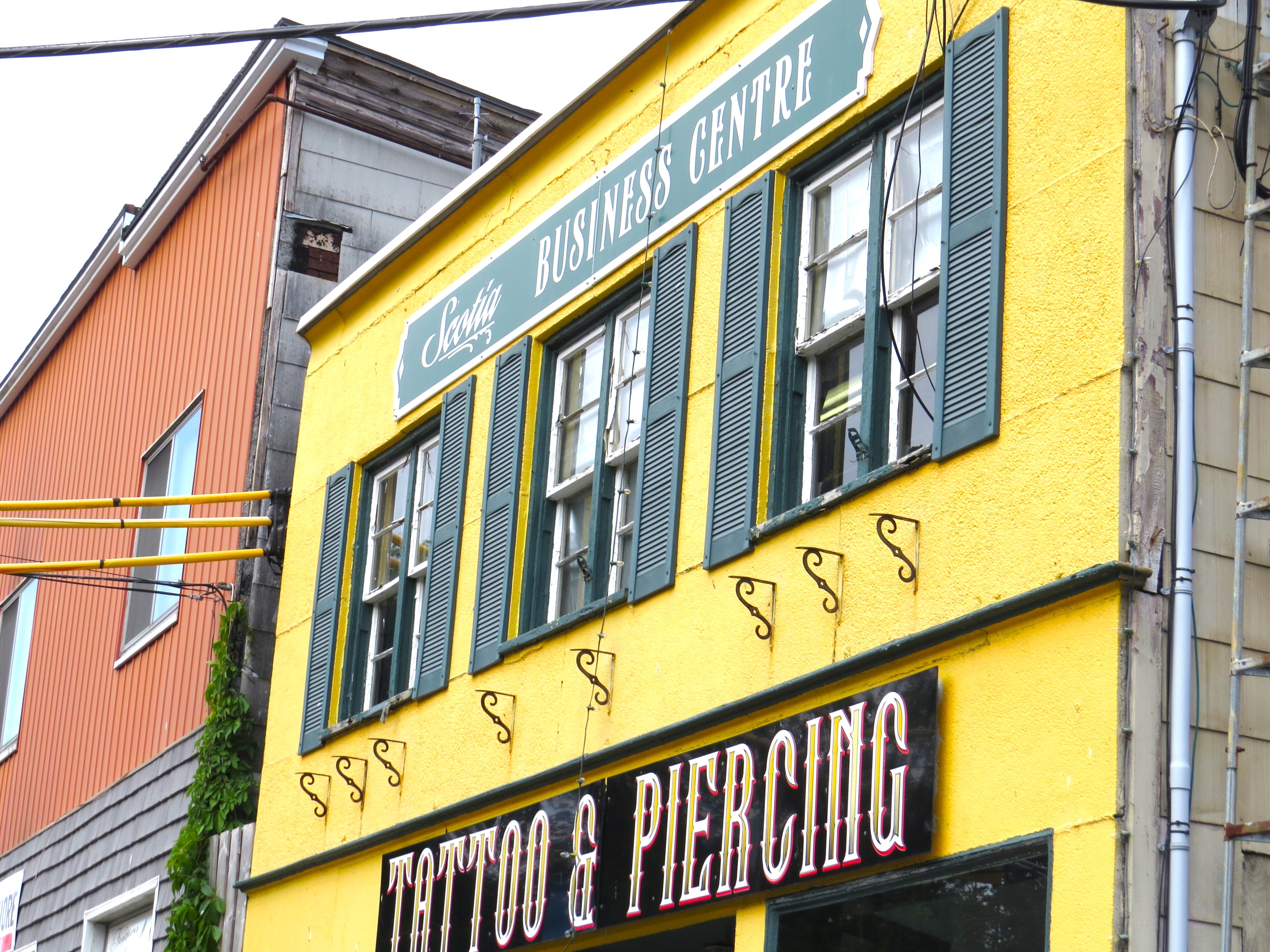
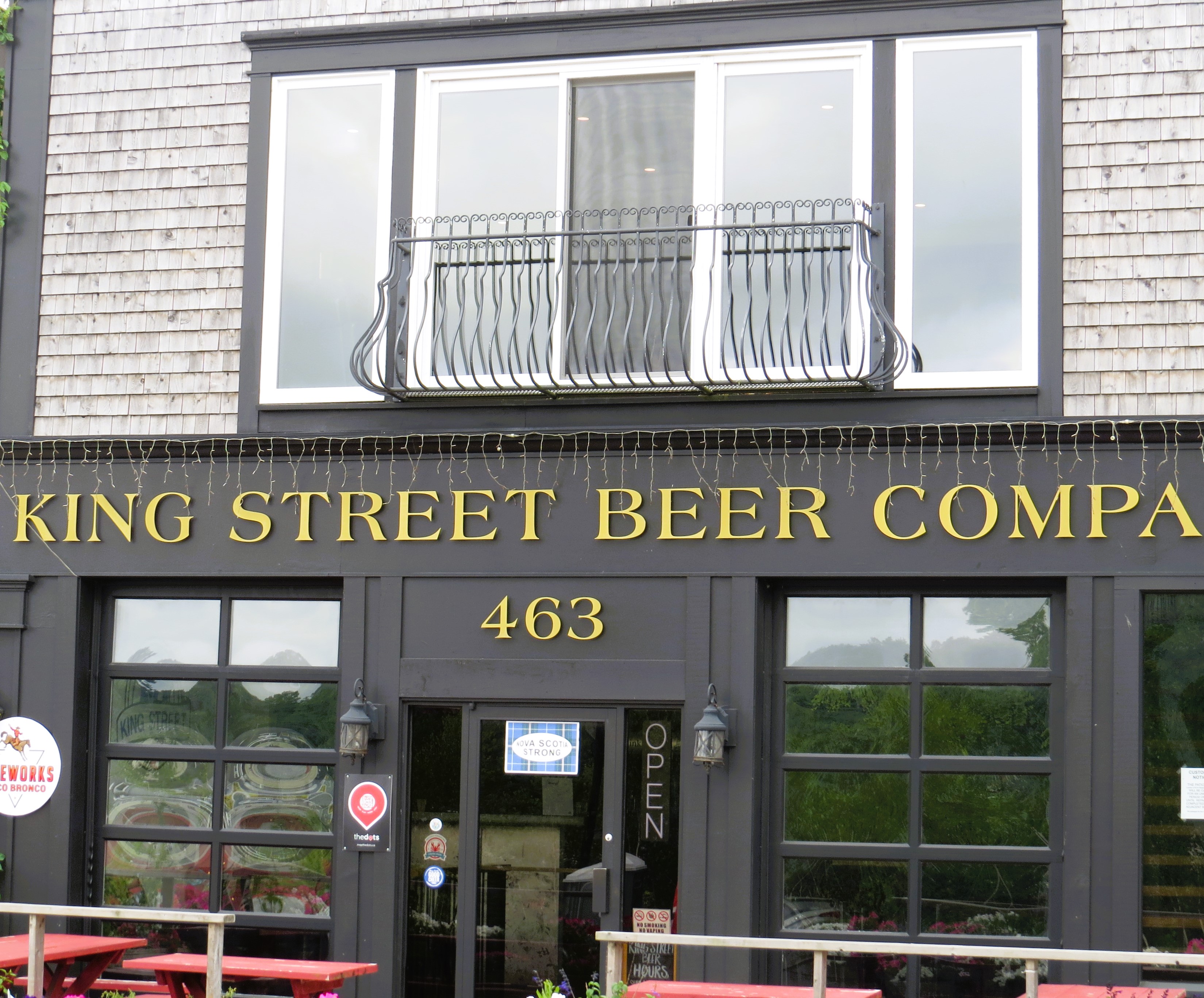
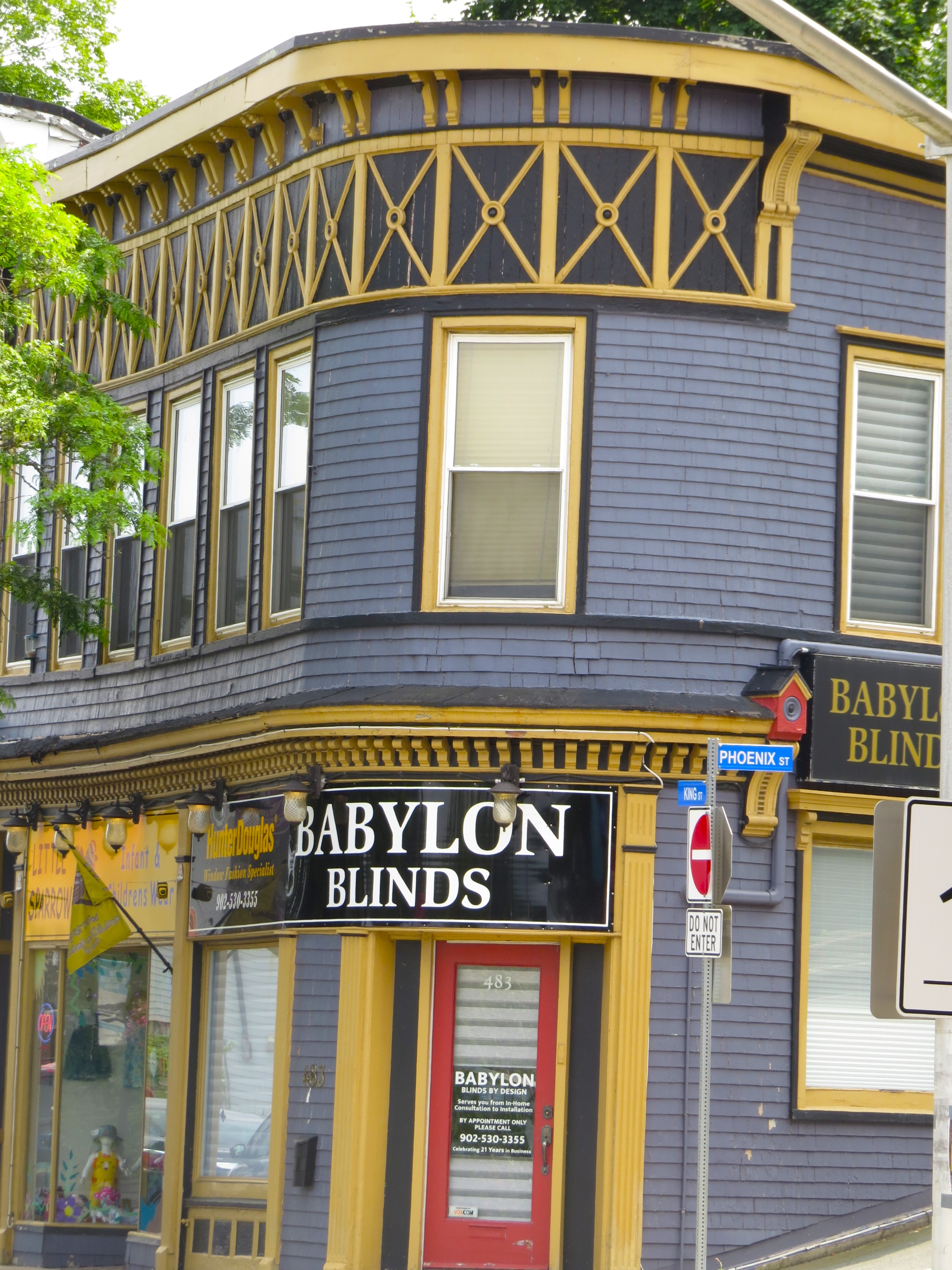
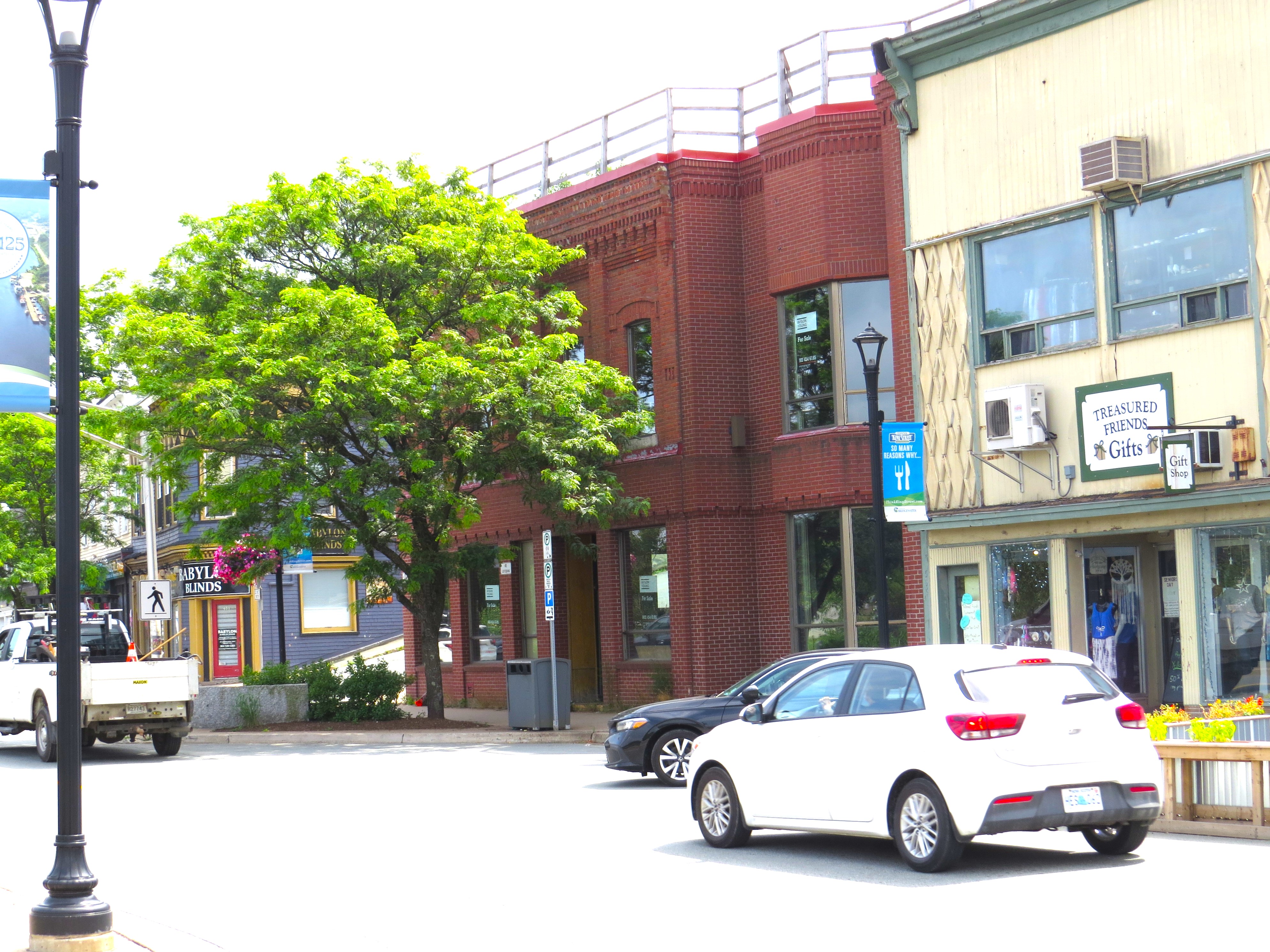
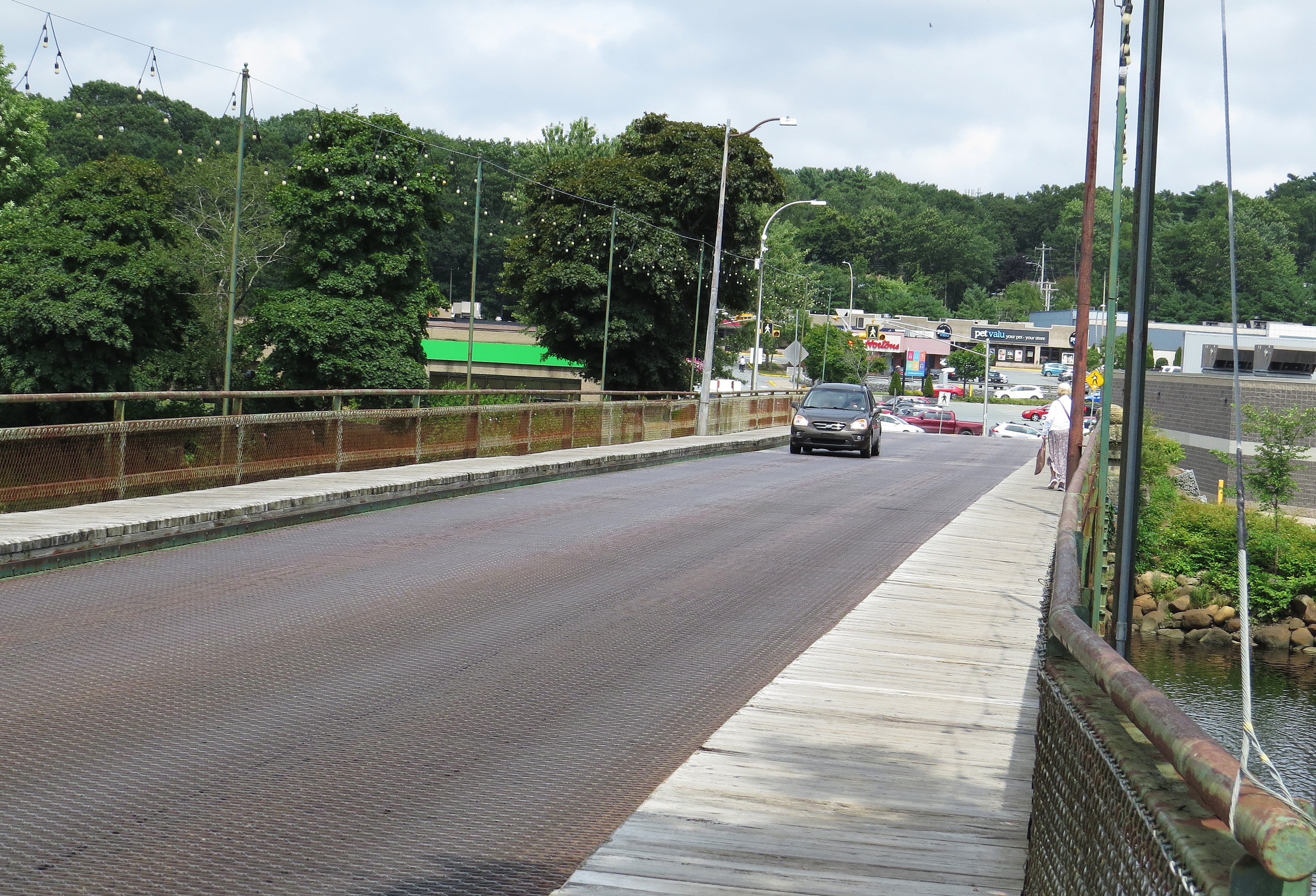
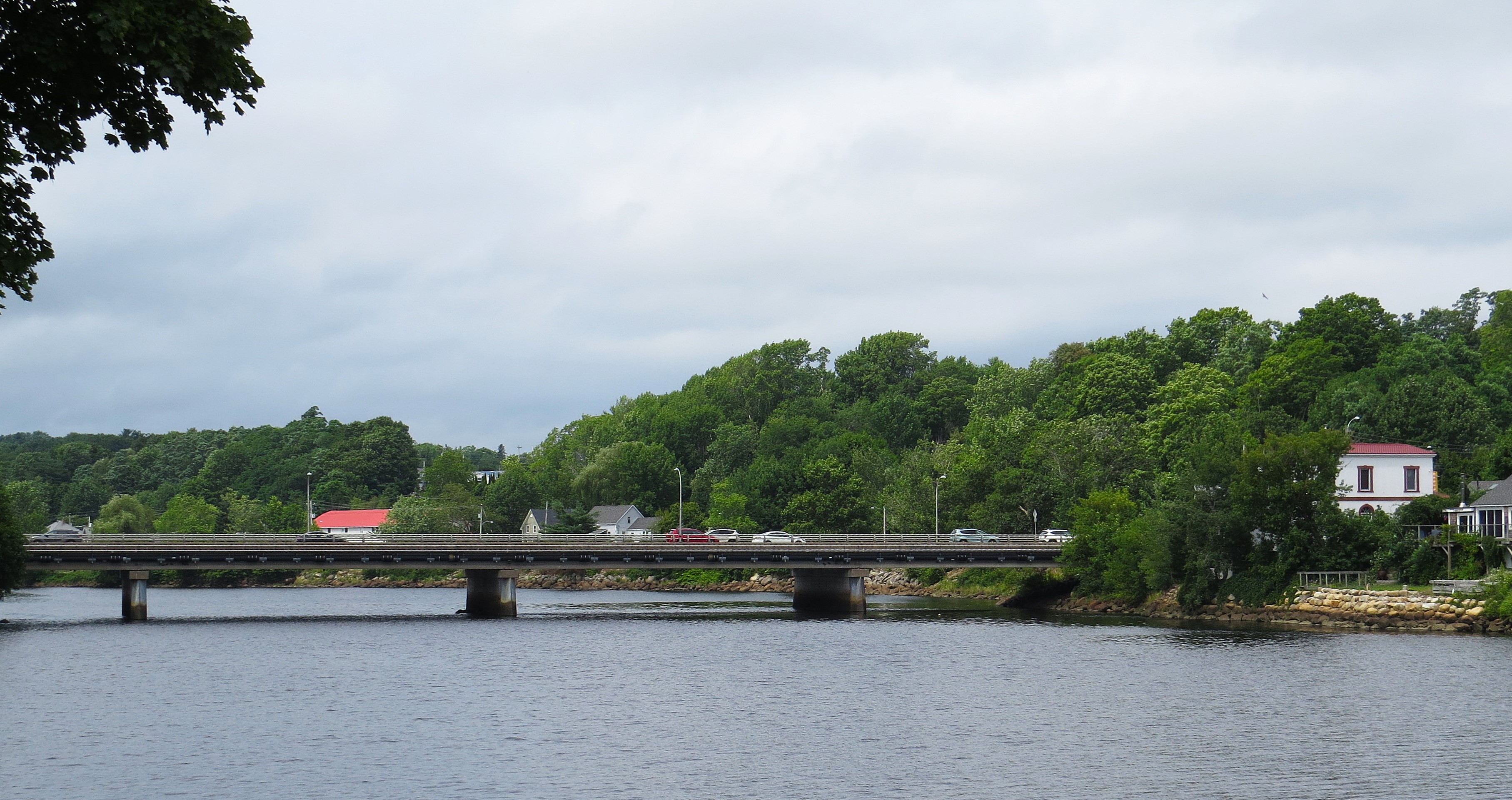
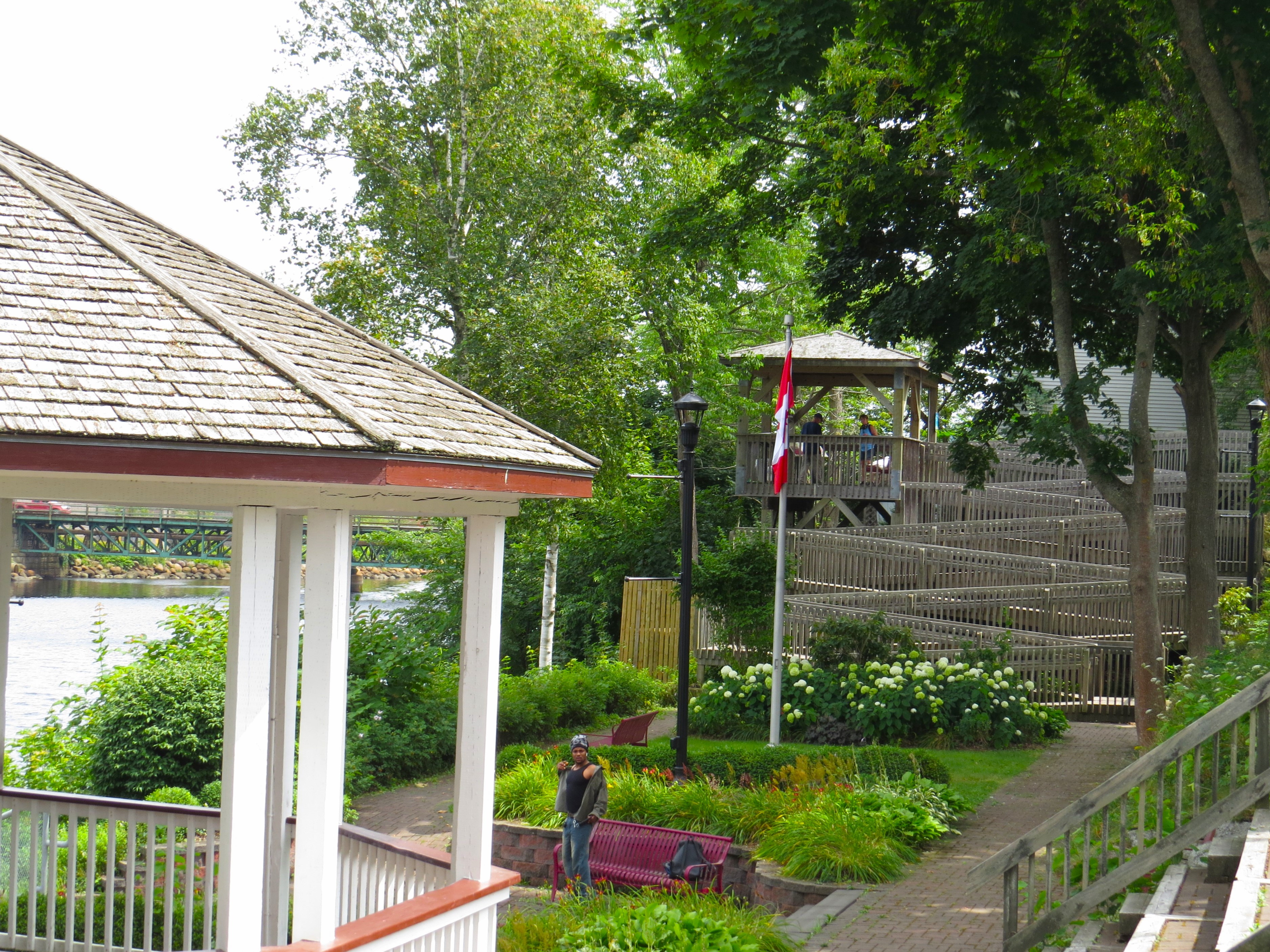
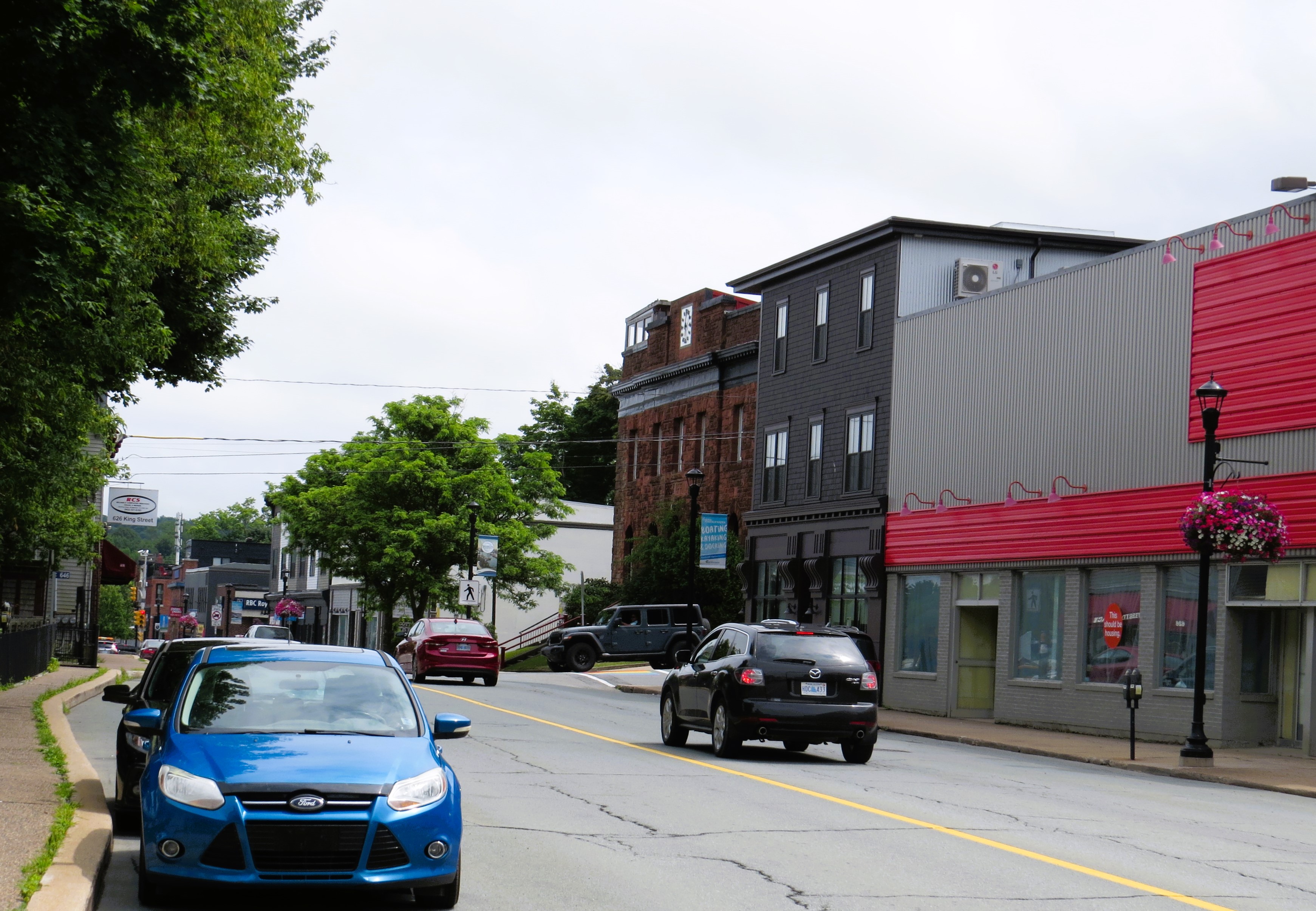
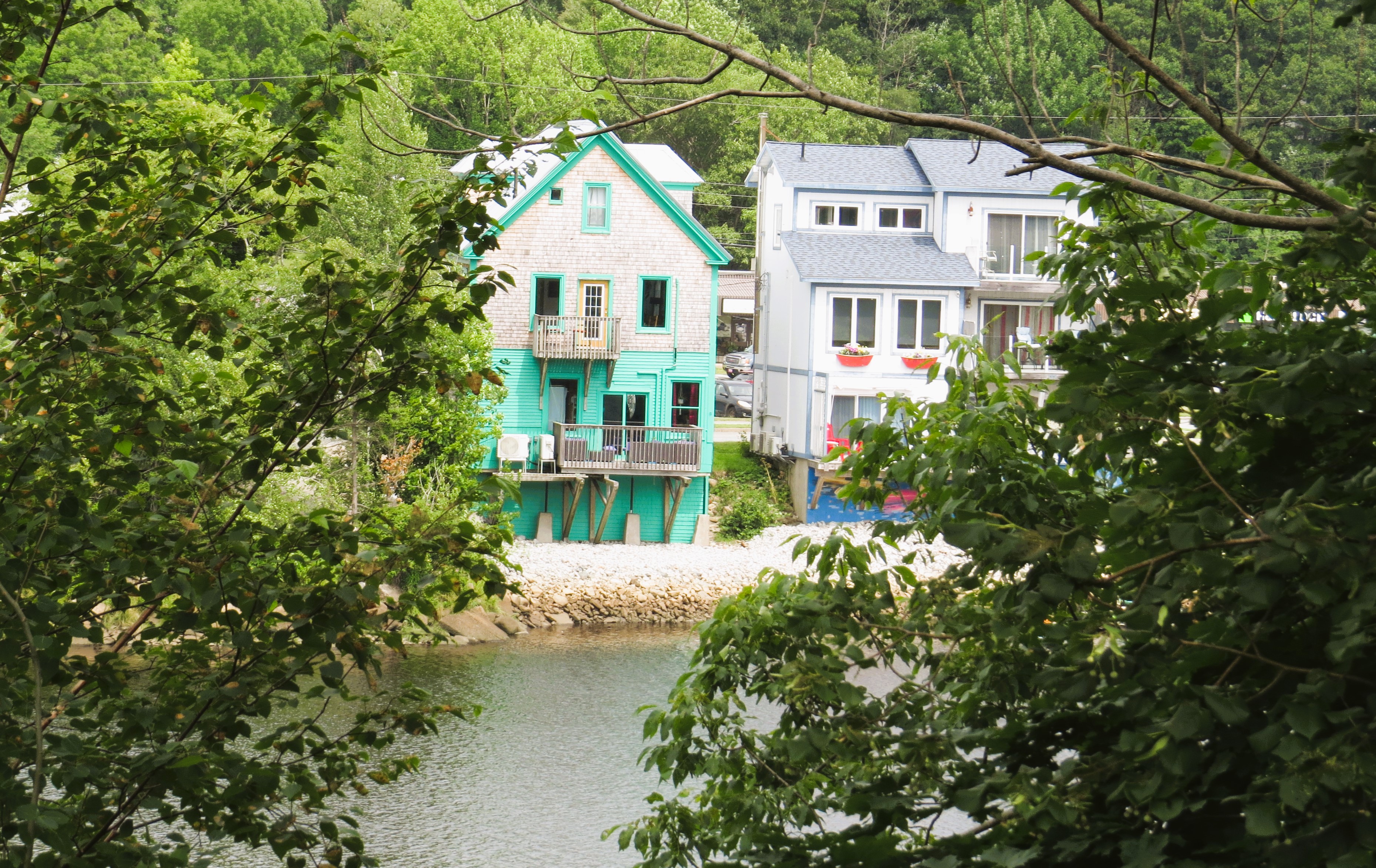
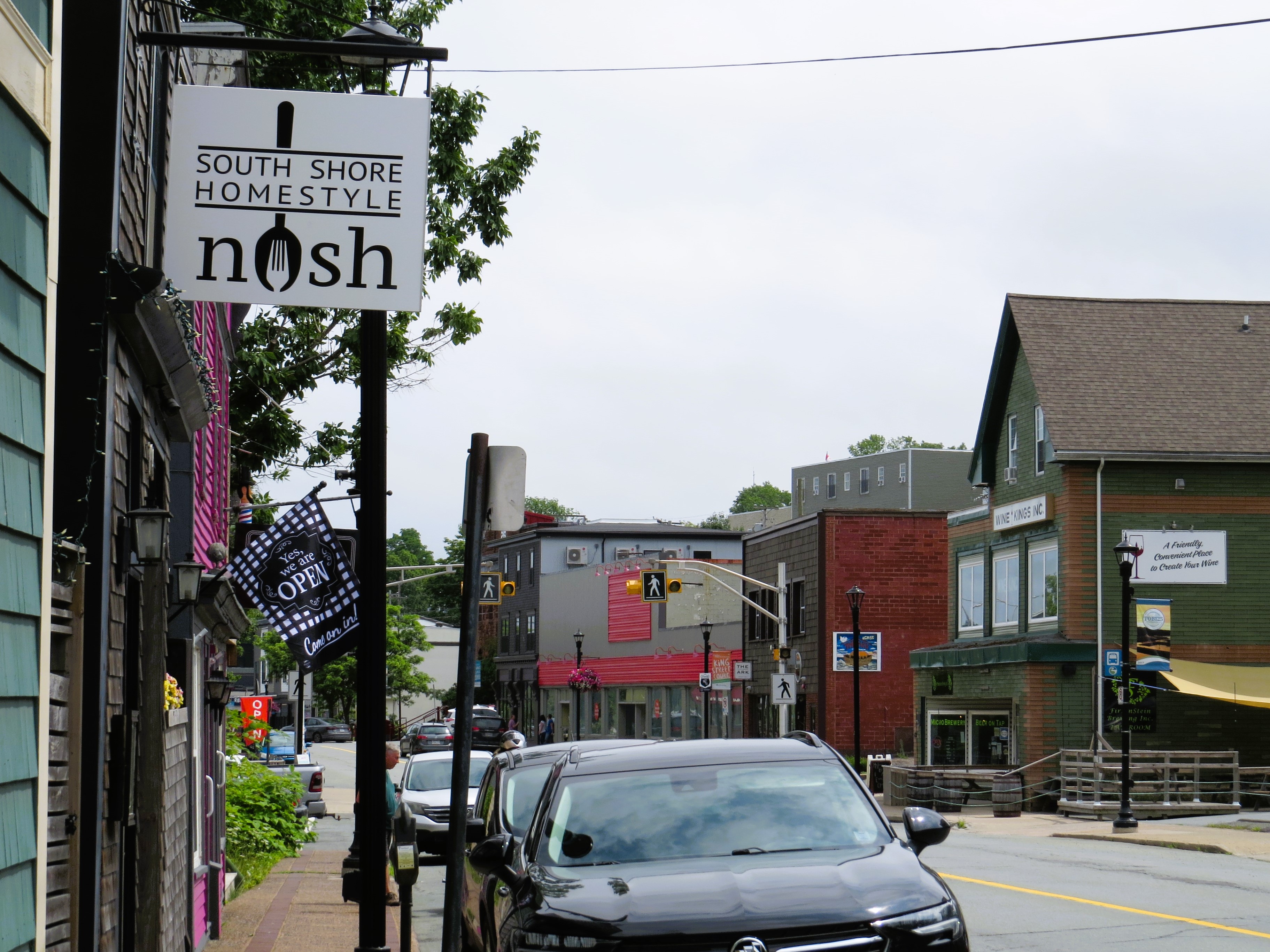
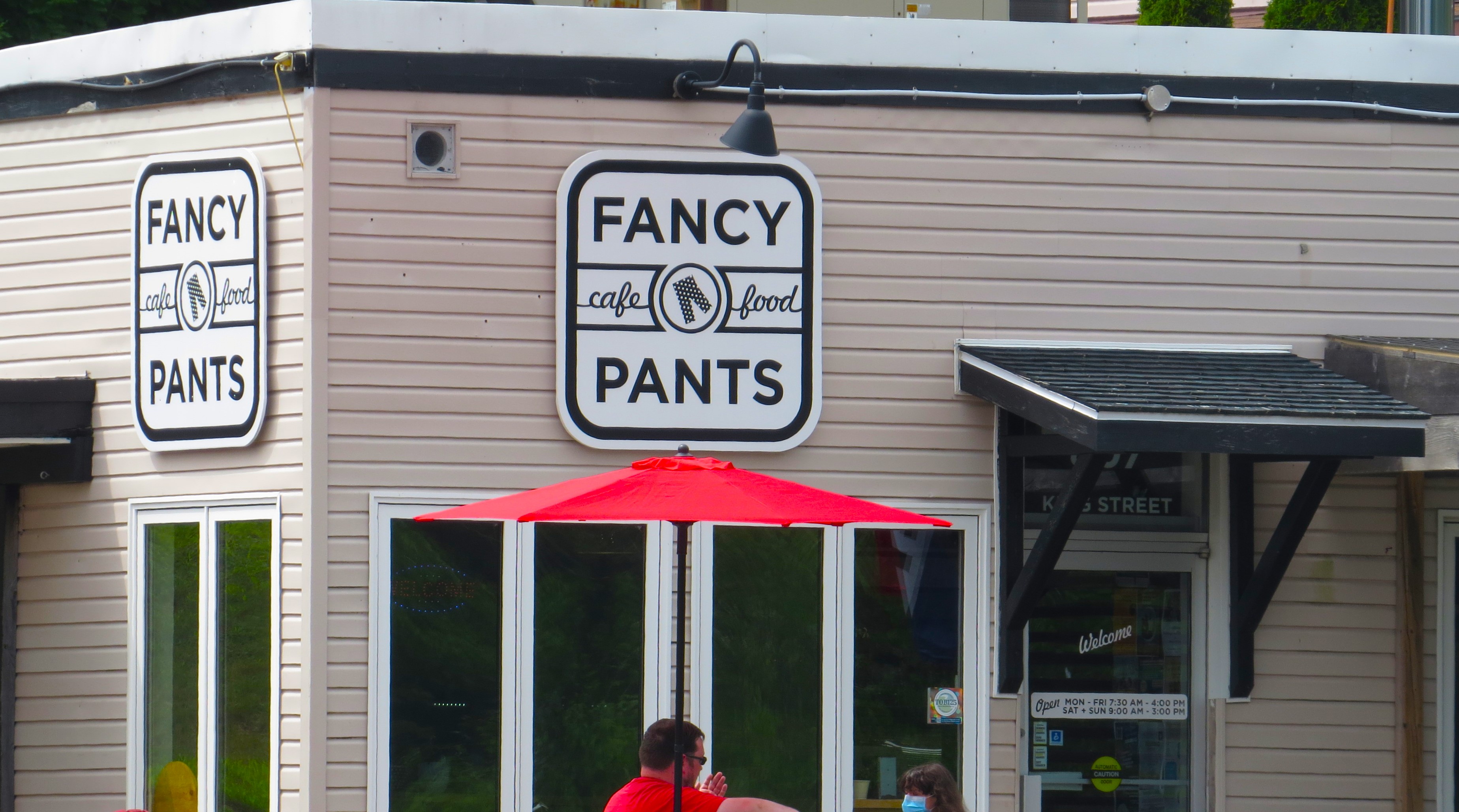
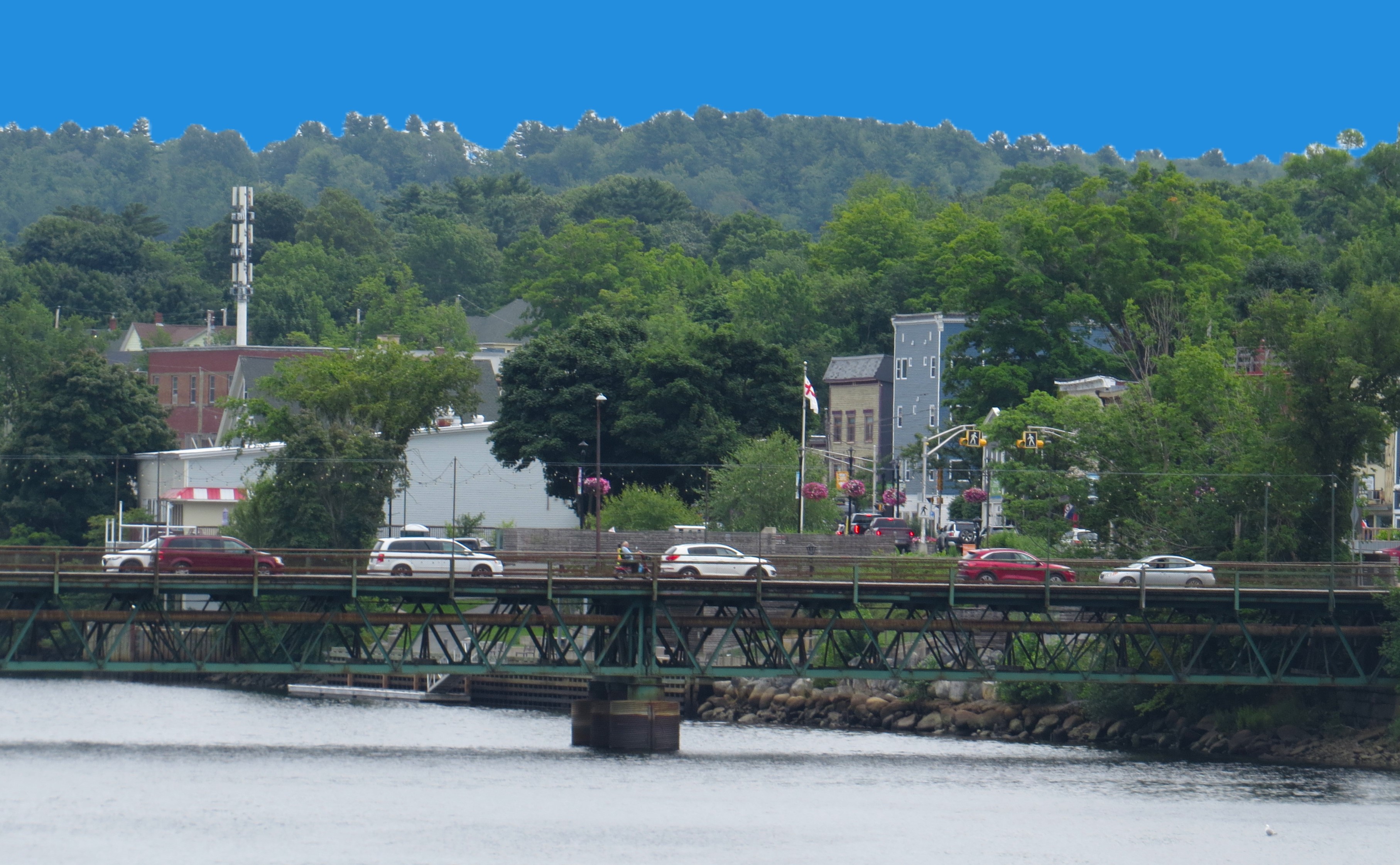
The historic town, its calling card, is the main King Street right along the banks of it’s beautiful river. It is connected by two bridges to the other side. Especially the old iron bridge is such a gem.
A walk on that long street is such a pleasure. It is like you are traveling back in time to a space where that time doesn’t travel so fast, doesn’t run in a hurry. Neither should you, if you ever visit.
As an interesting tidbit – did you know that famous Hollywood and Canadian actor Donald Sutherland spent his formative teenage years and graduated from High School in Bridgewater?
If I was going to stay permanently in Nova Scotia – I would love to move there. But I do suggest to Dear Reader – if you are visiting Nova Scotia, you absolutely must visit Bridgewater. You won’t regret it.

















 > > Pogwarki < <