Mosty i Anioły

Bogumił Pacak-Gamalski

Mosty dzielą. Tu jesteśmy my – tam są oni. Przez długie wieki budowaliśmy mosty zwodzone na zakolach rzek. Te dzieliły najlepiej. Gdy oni chcieli przyjść nieproszeni i liczni – podnosiliśmy most i nie mogli bez ryzyka najgroźniejszego.

Mosty łącza brzegi i ludzi. Poznajemy się, odwiedzamy. . Czasem zakochujemy się w chłopcu lub dziewczynie z drugiego brzegu. Wówczas często spotykamy się na moście, na ‘ziemi niczyjej’, pomiędzy brzegami. Wówczas te brzegi należą jednako do nas obojga lub obu.

Mosty są chyba są chyba największym osiągnięciem cywilizacji archaicznej.

Apollinaire pisał  pięknie o moście na Sekwanie w „Moście Mirabeau”.

Pod mostem Mirabeau płynie Sekwana

                I nie jedna miłość

Czy nie dość wspomniana

Po bólu zawsze radość niespodziana.

                Zegar niech dzwoni noc niech nastaje

Dni ulatują ja pozostaję[1]

Po pożarze katedry Notre Dame w 2019 napisałem własna przeróbkę tych dwóch pierwszych stanc zachowując semantyczną specyfikę jego wiersza robiąc tym ukłon wobec świetnego poety epoki odległej i wobec symboliki Notre Dame dla kultury europejskiej „Pont Neuff i Apollinaire na Pont Mirabeau”

Pod mostem rzeki w sercu Europy

                Moknie cień Notre Dame

Wieże, absyda, ja sam

Płoną przez historie i potopy

                Dzwon się rozhuczał ogniem kołysze

                A ja jak kamień zapadam w ciszę[2]

Mosty. Kamienne, drewniane, wiszące. Mosty prowadzące do miasta i mosty wewnątrz miasta. Z nazwami i bezimienne. Mosty z posągami, jak most Karola w Pradze, ponad piękną Wełtawą. Mosty złocone prowadzące do złoconej kopuły Inwalidów w Paryżu. Lubiłem chodzić właśnie przez Pont Neuf do Ogrodów Luksemburskich, tam posiedzieć na ławce, wypić może butelkę wina i zagryźć bagietką z serem i potem dalej do Inwalidów. Których nie specjalnie lubiłem przez te potęgi i splendor. No cóz, Francja do skromnych nie należała. Naturalnie Poniatowszczak w Warszawie. Jeżeli czasu trochę było (czyli prawie nigdy lub tylko kawałek per pedes, a potem wskoczyć w tramwaj) piękny trakt ze Śródmieścia na Rondo Waszyngtona i potem we Francuską. Lub bardziej prozaicznie lub poetycko kulinarnie do małego sklepiku z … koniną, tuż przy wiadukcie kolejowym prowadzącym na dworzec Wschodni. Kiełbasa z koniny podsuszona to był rarytas. Choć większość kręciła gębami, którymi nie kręcili, gdy pili wokół Stadionu 10-lecia śmierdzącą i ciepłą wódkę z butelki. Nie żeby mi się to nigdy nie przytrafiło (ale nie pod Stadionem, mam swoje zasady!) ale na kiełbasę z koniny mlaskałem.

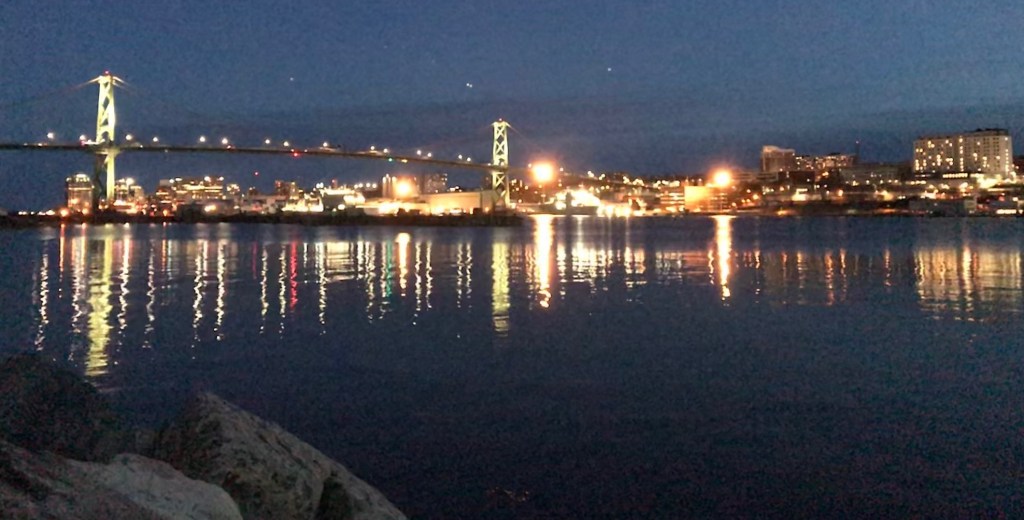
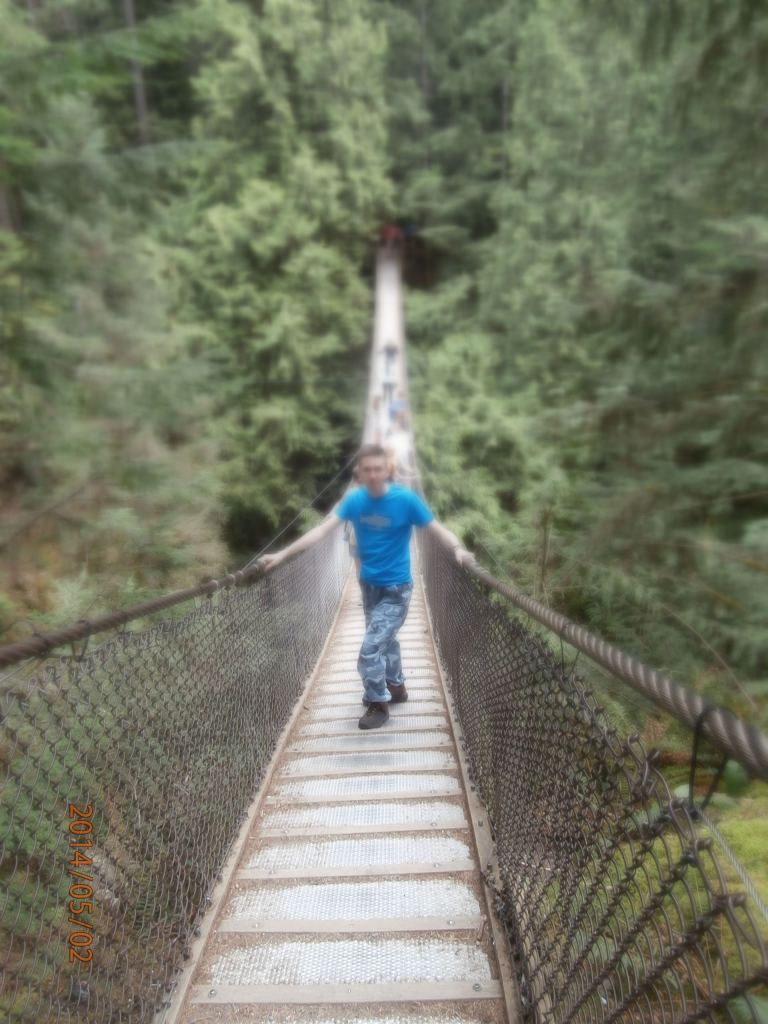
Mosty zawsze lubiłem. I mostki, kładki prawie. Bajeczny most wiszący w Vancouverze, gdy czasem mgła szła z czeluści Burard Inlet poniżej i most unosił się w powietrzu ponad tą mgłą. Zjawisko wcale nie rzadkie a zawsze zachwycające. Lions Gate Bridge (tak się nazywa) zbudowany był przez tego samego architekta, który postawił dość podobny most w Halifaksie, który dziś widzę codziennie z okien i spacerów. I czasem też ginący we mgle, tym razem atlantyckiej. Bardzo lubię most-groblę prowadzącą do Pictou w Nowej Szkocji. Rozlega się stamtąd przepiękna panorama całego miasteczka. Dużo ładniejsza niż te miasteczko w rzeczywistości, które stale się remontuje ale swojej świetności już odzyskać nie jest w stanie.

Nie zapomnę nigdy małego mostku na rzeczce Volturno w środkowej Italii, przez który biegłem zdyszany do starożytnej Capuii  wykupić gazety z wielkimi tytułami na pierwszej stronie: La guerra in Polonia. Był 13 grudzień 1981. Czas się zatrzymał.

A anioły? Aniołe to dziwne stworzenia. Tak ważne, tak głośne, były ich zastępy – a z nazw nie znamy prawie żadnego. Gabriel, Satanel, Michał. Były w wyraźnej hierarchii, jedno i wieloskrzydłowi, niektórzy ponoć aż ośmio. Którzy nas bronią, kuszą i prowadzą na tamten świat. Ci, którzy posłuchali Starego i wypędzili nas z Raju. Rozmawiam z nimi czasem. Lubię ich. Są autentycznie przepiękni – nawet Ci potępieni. Zresztą może ci potępieni byli właśnie najprawdziwsi, najwierniejsi nam. Ci, co zostali przy Starym chyba nas nienawidzą. Bo przez wszechczasy byli Jego kompanią, a potem zachciało mu się jakieś eksperymenty robić. Stworzył pięknych w sylwetce ale nieporadnych strasznie. Przykutych do ziemi. A potem się naturalnie rozczarował i kazał tylko aniołom pilnować by czegoś zbyt niegodziwego nie zrobili. A jeśli zrobili to maja ci aniołowie ich ukarać. Na ogół śmiercią. Zostali więc w  większości Aniołami Śmierci.  W tej roli ich lubię, wyszlachetnieli. Śmierć ma to do siebie, że uszlachetnia. Jakby zapłata za cierpienia.

W wyborze wierszy poetów polskich zamieszkałych na Zachodnim Wybrzeżem Pacyfiku (od Seattle do Vancouveru) wśród moich wierszy jest „Objawienie”. Jedno z moich spotkań z tymi aniołami.

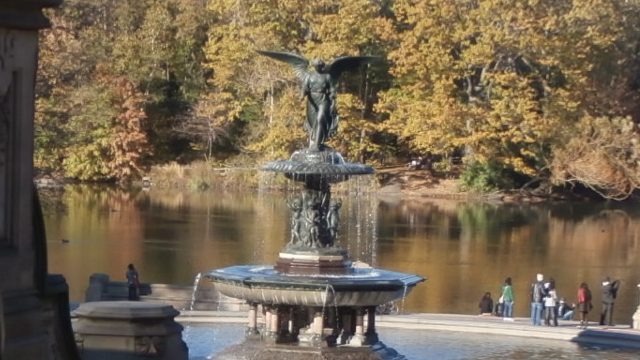
Anioł w Hyde Parku w Nowym Jorku

Oto objawił mi się Anioł i za rękę

prowadził długą leśna przesieką,

aż na wzgórze, skąd rozlegał się

szeroki widok na nizinę i rozsiadłe

w niej uśpione, stare miasteczko.

W zagrodach na obrzeżach miasta

słychać było ujadanie psów, które

przeczuwały nozdrzami psiej duszy

obecność niewidocznego Anioła.

A był piękny, przystojny i władczy,

ani szorstki, ni butnie zarozumiały.

Jego silne ramię, w pewnym objęciu,

było jednocześnie tkliwe i troskliwe.

… // …

W skrzydlatym otuleniu, które było

ciepłe niczym puchowa pierzynka,

czułem się bezpieczny i wniebowzięty.

To było jednak tylko uczucie –pragnienie,

gdyż wniebowzięty był oczywiście

jedynie Anioł, ja zaś, jako człowiek,

byłem ziemiowzięty na zawsze.

Czego wówczas jeszcze nie wiedziałem.

… // …

Anioł wzniósł się, rozprostował skrzydła

i powiedział: nie lękaj się, zaraz wrócę.

Po czym poszybował ku niebu.

… // …

… // …

I tyle go widziałem. Nie wrócił.

Zdarzało to się tysiące lat temu

i powtarzało regularnie

w każdym pokoleniu. Czy wracał

nieświadom czasu ludzkiego? Czy kłamał?

(fragmenty)[3]

W tym samym tomiku na s56 pisałem już o stalowym objęciu, zimnym a czułym jednocześnie, tego formalnego Anioła Śmierci, Uriela. Ten nie uciekł. I gdy przyjdzie, to nie zdradzi, nie zapomni. Ale to już inna historia.


[1] „Apollinaire”, PIW, 1968; s 33 (tłumaczenie i pod redakcją A. Ważyka)

[2] B. Pacak-Gamalski,  https://kanadyjskimonitor.blog/2019/04/16/nasza-notre-dame/

[3] „Wiatry” wybór wierszy, Strumien Pub. , Vancouver, Kanada, s 46-47 (https://www.worldcat.org/title/1036201589)

Rozmowa z Tobą – część druga

Bogumił Pacak-Gamalski

Aha, opowiem Ci też o powrotnej trasie znad Dollar Lake. Wtedy byłeś już zbyt zmęczony tym dniem, tą wyprawą, bo dla Ciebie to była wyprawa a nie zwykła, kolejna wycieczka. Wracać dużo dłuższą, wijącą się boczna drogą. Tak, wiem, że mogłem Cię namówić, że byś uległ moim prośbą. Ale wiem też i wiedziałem wówczas bardzo dobrze, że czas na tego typu namowy – którym na ogół ulegałeś i byłeś z tego zadowolony na końcu – już minął. Że robisz i tak więcej niż pewnie możesz i wysiłkiem bardzo dużym. Że robisz to dla mnie. Ale sprawiało Ci też to własną wielką radość , radość, że raz jeszcze gdzieś razem jedziemy, razem mamy czas jeszcze jednej przygody. Jak wtedy, gdy jechaliśmy na kilkudniowy biwak z Twoimi braćmi w Albercie, w widłach rozgałęzionej górskiej Old Man River. Mogliśmy jechać do Calgary jak zwykle krótką, 1000-kilometrowa ‘jedynką’.  Zasugerowałem, że może tym razem ‘trójką’, starym szlakiem południowej BC, wzdłuż granicy z USA. Tylko 500-600 kilometrów dłużej. Wyciągnęliśmy mapy. A może pierwszy odcinek przez stan Washington (dużo tańsza benzyna) i potem z Washington wjechać przez Osoyoos do 3-ki. Może 700-800 km dłużej, nie więcej. Jeszcze trochę myślenia. Wybraliśmy wariant przez USA. Tylko … o ponad dwa tysiące kilometrów dłuższy. Przez Washington, Idaho i Montanę. I kilka noclegów. Czas i zwiedzanie mieliśmy cudowny. Tak jak, późniejszy kilkudniowy biwak nad Old Man River w Albercie.

Więc cóż żałować, że króciutkiego, może 100-120-kilometrowego odcinka tamtego dnia nad Dollar Lake nie przejechaliśmy? Ale wiesz co, ja teraz wracając znad tego jeziora pojadę właśnie tą drugą, boczną trasą. I zabiorę Cię ze sobą.  Będę Ci opowiadał, gdzie jedziemy, co widzimy. Skręciłem więc nie w lewo, w kierunku lotniska i nr 2, a w prawo, w  Old Guysborough Road. Po krótkim odcinku Old Guysborough dojeżdża do ‘widełek’ i sama skręca w lewo aż do New Glasgow, przez samo serce Doliny. Ale my skręcimy w prawo w szosę 365 kierując się na Musqoboit Harbour. Tak, ten z tą lubianą przez Ciebie plażą Martinique, starą, nieczynna stacją kolejową zamienioną w muzeum, lodziarnią, piekarnią.

Szosa 365 wije się wąż pośród lasów, farm, a potem wzgórz zielonych. Najpiękniej jest jednak, gdy zbliża się do koryta i dalej razem, obok siebie, kierują się do Musqoboit. Ty byłeś moją ‘rzeką’, która obok mnie, ze mną, wiła się przez nasze życie. Wije się dalej, bo przecież rzeki płynące przez lasy, wzgórza też nie zawsze są widoczne. Czasem kryją się w gęstwinie zarośli, czasem chowają się po drugiej stronie wzgórza. Ale wiemy, że jest, że płynie.

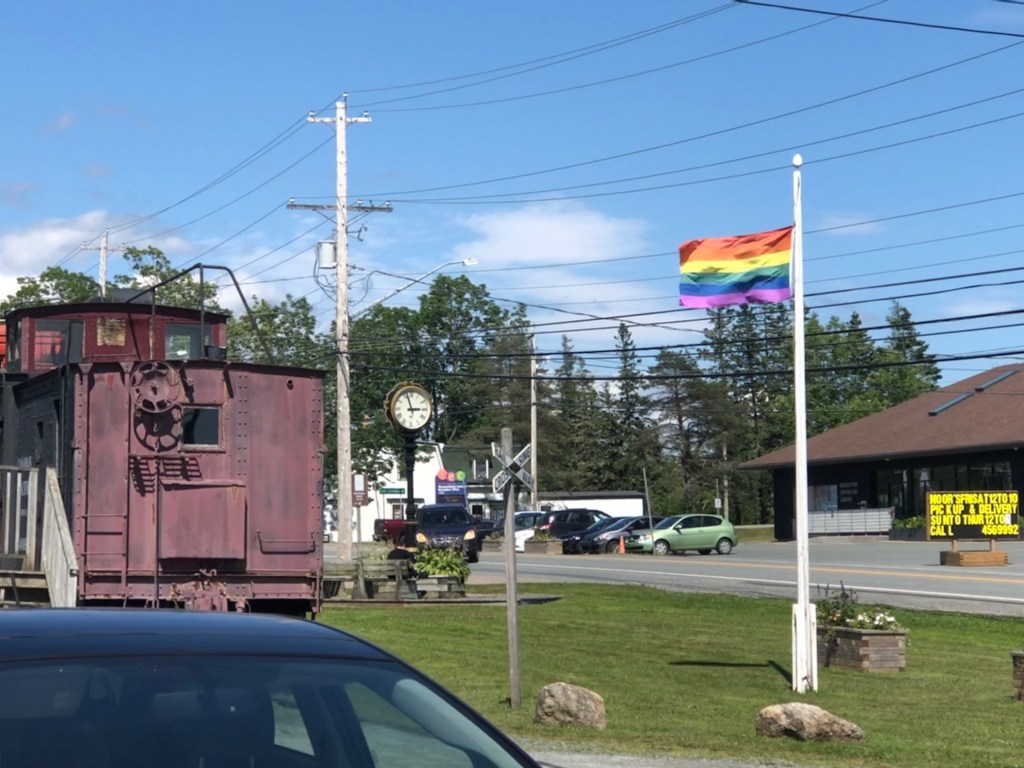
Do miasteczka droga wjeżdża właśnie tuż przy tej stacyjce. Lubiłeś tam ze mną jeździć szosą #7 z Dartmouth. Lubiłeś tą plażę, te kościółki drewniane ustawione rzędem, jeden obok drugiego. Każdy innego wyznania a obok siebie, bez waśni. Cóż to za różnica, czy kapłan nazywał się ksiądz, pastor czy padre?  I czy był mężczyzną czy kobietą? Może dla ich przodków we Francji lub Szkocji to miało znaczenie. Ale nie dla nich. Kwestia tylko przyzwyczajenia i nawyku. Lubiłeś przy końcu tej długiej drogi, przy wjeździe na plażę, ten wielki Dom Noclegowy z wielka tęczowa flagą.[1] No widzisz? To teraz już wiesz dokąd prowadzi Old Guysborouh Road i szosa 365.

Pamiętam naszą pierwsza tam wycieczke z Dartmouth szosą 107. Wczesną wiosną w 2019. Wszystko było przykryte jeszcze śniegiem, jeziora i rzeczki grubą warstwą lodu. W Head of Chezzetcook, koło białego kościółka, łaziliśmy po starym cmentarzyku. I zastanawialiśmy się, jak wymawiać tą nazwę: Head of Chezzetcook?  Mieszanina staro-francuskiego z lokalnym językiem autochtonów używającym odmiany bardzo starego języka L’nu – plemion zamieszkujących olbrzymie tereny od wschodnich ziem dzisiejszego Quebec po Nową Fundlandię.

Ta nasza rozmowa, ta wycieczka-powrót nad Dollar Lake pomogła mi, Babycake. Strasznie mi tych rozmów brakowało. Ale nie pytaj zbyt wiele o teraz, proszę. Nie pytaj za dużo. Nie chce Cię smucić, bo dobrze nie jest. Jest źle. Pod wieloma względami. Ale nie martw się. Gdzieś przystań znajdę. Jakiś brzeg, jakieś trasy do łazikowania. Nauczę się może myśleć kategroriami ‘ja’. Ale nie chcę by moje ‘ja’ nie zawierało Twojego ‘ja’. Musisz być ze mną. Już chyba do końca. Bo po cóż mi szlaki, po co trasy, jeśli miałbym je przemierzać samotnie, bez Ciebie? Ale obiecuję, że dam sobie radę. Więc już się nie martw. Nie smuć.


[1] o plażach, kościółkach i osadach Wschodniego Wybrzeża pisałem tutaj: https://kanadyjskimonitor.blog/2022/10/15/of-clouds-water-and-land-travels-with-camera-on-east-coast-of-nova-scotia/

Parliament and swamp

Bogumil Pacak-Gamalski

There is a saying in my native language ‘moje piec groszy (my five groshe)’, which translates exactly to ‘my five cents’. It relates to a feeling of aching to add a few short personal thoughts to some serious lengthy debate.

So, here is ‘my five cents’ on the national disgraceful and very disrespectful debacle of destroying the impeccable character of Honorable David Johnston.

Whether you like or dislike PM Justin Trudeau should have nothing to do with the character, honor, and trust of our former Governor General, researcher, and former President or Chancellor of leading Canadian universities.  Coming from a very modest working family, David Johnston graduated from the most prestigious universities: Harvard, Cambridge, and Queens. Author or co-author of twenty-five books. Served on many national and provincial boards, committees, commissions, and inquiries. I can go on and on. It is a remarkable career and a very long service to Canadians.

When the Prime Minister asked him to become a Special Rapporteur on Foreign Interference – he accepted that post. As he always did, when Canada asked him to serve.  Whether Justin Trudeau should call right away a Public Inquiry, as demanded by Opposition, is a different question, of which I am not sure because a lot of the facts could not and will not be made public due to the issues of intelligence and espionage agencies’ involvement. But that is beside the role given to Johnston. That is politics, not service.

Right away, before David Johnston had even time to begin his work the barrage of attacks become relentless. Pierre Poilievre from the ultra-right Conservatives Party, being the angry dog he is, devoted his entire time to attacking and destroying the man, who symbolizes the opposite of Poilievre. It was just vicious and relentless.  But that did not surprise me. I don’t expect anything else from Pierre Poilievre. This man reached the bottom of a political, partisan swamp a long time ago. What surprised me, was the stupid excuses of Jagmeet Singh of the New Democrats.  He, while demanding Mr. Johnston’s removal, constantly repeated the mantra: “Personally I have no doubt of Mr. Johnston’s high character and integrity but there is a perception among Canadians …”. There wasn’t a perception among Canadians about Johnston’s inability to be objective. That perception was being orchestrated by Poilievre and by Singh. And their parties. Ad nausea. The Opposition parties were furious that Prime Minister would not listen to them. To all of them (including the Bloc). It was just a struggle between the government and the parliament. Who is more important? And David Johnston becomes the victim of this childish behavior of all of them.  In all of this – none of them showed the fortitude and courage to stand by their words. We do have a minority government. A government that hinges on the goodwill of other parties and non-liberal members of Parliament. If that was that important to them – and surely it sounded and appeared as a struggle between death and life of democracy – then why they acted without guts and fortitude? All opposition parties voted and passed a resolution demanding only one thing – the Public Inquiry and rejecting David Johnston’s Report findings and solutions. But they lacked the courage – as they should if democracy was in crisis – and did not make it a vote of non-confidence. They could have voted Justin Trudeau out of his job. Simply as that. But none of the leaders of Opposition in this Parliament have the stature, the nerve, and the fortitude to ask Canadians for the job of PM for themselves. Instead, they choose an easy target. The smear campaign against David Johnston as a lackey of Justin Trudeau. Justin Trudeau, who as a young boy knew Mr. Johnston. They said that David Johnston did not merely (as he did) personally knew Pierre Trudeau but was his close friend. I remember reading Pierre Trudeau’s memoirs. He lists there a lot of his personal and political friends. Nowhere is David Johnston mentioned. The ‘Memoirs’ were published in 1993. Decades before Johnston become Governor General.

They called a special hearing of the Parliamentary Committee to question Mr. Johnston. I watched the entire proceedings. It was very long. And it was disgusting. And the 81 year old honorable man answered every question with grace and respect. Even, when one of the Conservative goons asked David Johnston if he … wrote the Report himself. That was the worst political circus I have ever seen in Canadian politics. And I have seen a lot. It made me sad and angry at the same time. I was ashamed of my own, Canadian members of Parliament.  It felt like watching the Trial of The Witches of Salem.

Mr. Johnston refused to resign and vowed to finish his job, which he accepted.  But being a man, who strongly believes that his service to Canada and Canadians must always be based on the integrity and goodwill of all parties involved – the next day, after reflecting on everything that happened, he gave us another, amazing lesson of citizenship, service, and grace.

He concluded that given the highly partisan atmosphere surrounding his Report and his person it is his opinion, that he should resign from his position of Special Rapporteur in the hope that the Government and Opposition finish the important task, without any other distraction. Again, he put the ‘service’ before the “I’. A concept that most politicians can’t even comprehend.     

Rozmowa z Tobą

Bogumil Pacak-Gamalski

Synopsis in English: this is my Talk with my husband, who took off to the stars last November. As it touches to the core of my emotions, my soul, it is in Polish. The language of my most inner, most basic, child-like essence. Language of my childhood. An age, when we do not know proper expression of emotions. When we show them as they appear to us, not to the outside world.

I remember (with a warm smile) that sometime, while having long talks with John, he would interrupt me suddenly and said laughingly: you do realize that you just started speaking in Polish, don’t you? In short the ‘Talk’ is a copy of my actual talk with him a week or so ago, while I went to visit Dollar Lake Park. Place we went together on our lat longer travel, while he was already very sick and weak. I re-traced all the spots we stopped there, where we were sitting, what we were doing. What were we saying. Thus a strange letter-conversation started. First as my plea of help in finding myself in the empty world without him. Later, as I continued that talk at home, it lead me to deeper memories, to explaining, who he was; how we become to be. That lead to difficult times, sad times, and happy times. I will probably continue that talk some more, at another time. Maybe than, I will find the answer to my original question: what should I do? How should I live without his physical presence? It also explains his personal uneasy relations with our new home in Nova Scotia. Home that never become a home, despite the fact that it is the ancestral home of his family. The answer in many ways, as I see it now, is buried in the memory of his mother, Leona, and her untimely death here many years ago. An event that very much left a permanent scare in his heart.

BB

Maj 27. Dzień okrutny[1]. Więc pojechałem tam. Na naszą ostatnią wycieczkę daleko poza  miasto. Gdzieś w Dolinę[2]. Starą, wąską szosą Old Guysborough Road przy południowym końcu pasa startowego lotniska, wijącą się dalej wśród lasów, małych osad, farm. Do zagubionego w tych lasach uroczego Dollar Lake.

Tym razem nie zgubiłem zakrętu jak wówczas, kiedy musieliśmy nadrabiać blisko 30 kilometrów. Słonecznie, prawie upalnie, jak wtedy. Woda jeszcze mimo to zimna. Cóż – teraz jest maj, a wtedy był koniec lata, wszystko było rozgrzane. Pewnie bym popływał mimo to, gdyby nie ta przeklęta ułomność, którą mają  mi za dwa tygodnie zlepić-zszyć. Tak, tak. Ta sama. Wtedy był dopiero początek tego. Jeszcze przecież pływałem, drapałem się po skałach.  Teraz nici z tego. Nie martw się, nie szkodzi – zreperują w końcu. A i tak brodziłem po brzegu, wlazłem aż poza kolana.

Siadłem na każdym kamieniu, zatrzymałem się przy każdym miejscu, gdzie siedzieliśmy razem. Pojęcia nie masz, jak brak mi Ciebie. Dniami, nocami, rankiem … . Ale na nic bym tej naszej ponad trzydziestoletniej drogi nie zamienił. Mieliśmy, Najmilszy, przygodę, która nielicznym wygranym się zdarza. Łut szczęścia? Ręka boska? Nie wiem. Byłem szczęśliwy. Czasem nawet i bosko się czułem. Wiec może. Pojęcia nie mam, co knują na tym Parnasie i na Synaju ci bogowie. Ty nawet nie chciałeś się nad tym zastanawiać. Moje wieloletnie walki z tym, męczarnie intelektualne i emocjonalne – dla Ciebie były krótką konstatacją: jeśli jest lub są, no to są. Jeśli ich nie ma – to nie ma i koniec.  O czym tu myśleć?

Byliśmy tak różni. I to było fantastyczne. Co dla mnie było godzinnymi dyskusjami, sięganiem po długie traktaty filozoficzne i jeszcze dłuższe korytarze literackich analogii – dla Ciebie było krótkim potwierdzeniem rzeczywistości: jak jest zimno, to trzeba się ciepło ubrać. Ci, którzy uważają, że rzeczywistość jest tylko filozoficznym konstruktem mogą ubierać się zimą w krótkie spodenki i podkoszulek.

Uczyliśmy się od siebie. Wielu rzeczy. Ja Kanady i country music z Patsy Cline i jej przebojem „Crazy” , kanadyjskich Joni Mitchell i Gordona Lightfoot; Ty ode mnie Europy i moich miłości estrady: Edith Piaf, Aznavoura, Demarczyk.

Było nam dobrze. Nawet wtedy, gdy bywało źle. Może właśnie to, że było nam dobrze, było najważniejsze wtedy, gdy było źle. Bo gdy jeż źle kiedy jesteś sam, wtedy jest najgorzej.

Uśmiechasz się, że widzisz, że znowu ‘filozofuję’, bo to przecież takie proste, że nie trzeba wyjaśniać.  Ale ja teraz potrzebuję sobie sprawy proste wyjaśniać . Teraz, gdy nic nie jest proste … .

Pomogła mi, Babycake, ta wycieczka dziś. Pomogła mi nasza rozmowa. Łatwiej będzie te następne kilka trudnych dni przetrwać. Dni brzemiennych w daty, rocznice … . Musze to robić częściej, rozmawiać z Tobą. Co byś chciał abym robił? Zawsze to ja wiedziałem. A teraz już nie. Musisz mi, Kochanie, trochę pomóc. Coś mi w tym moim kompasie, w tej mojej niezawodnej orientacji w kierunkach się zepsuło, przestało działać. Zgubiłem swój azymut.

Kiedyś, gdy okazało się, że wyjazd do Nowej Szkocji był błędem i rozważaliśmy opcje jeszcze jednej przeprowadzki, zasugerowałem miejsca, gdzie moglibyśmy pojechać. Pytałem, które byś wybrał, gdzie byś czuł się najlepiej. I dałeś tą rozbrajającą w swej prostocie odpowiedź: tam, gdzie będziesz ty, będzie zawsze mój dom. Myślałem o trzech miejscach, gdzie moglibyśmy zacząć od nowa: Polsce lub Półwyspie Iberyjskim (może na Balearach) lub w Ekwadorze o umiarkowanym klimacie. Zacząłem rozczytywać się w opisach geografii, warunków społecznych, opiece zdrowotnej tych miejsc. I przyszła ta cholerna pandemia. Okazało się, że świat i ludzie nagle przestali być mobilni. Odwieczna wędrówka ludów zamarła w bezruchu. Gdyby nie pandemiczny bezruch, czy bym zrealizował te plany? Nie wiem, ale myślałem o tym intensywnie, poważnie. Chyba tak, bo dobijała mnie świadomość, że Domu tu, w Nowej Szkocji nie znalazłeś. Co było moją dość zaskakującą obserwacją. Pierwszy raz kompletnie źle Cię odczytałem. Sądziłem, że Nowa Szkocja będzie Twoim Domem niejako automatycznie, w sposób naturalny. Dużo szybciej niż stanie się moim.  Nigdy się nie stała. Dziś widzę bardzo jasno, Babycake, że jedynym Twoim domem tu, było … nasze mieszkanie. Innego nie znalazłeś.  To ja tu się w dużej części zadomowiłem. Lubiłem objeżdżać wszystkie dzielnice, hrabstwa tej prowincji. Odkrywać jej historię, historie jej mieszkańców. Zwłaszcza trudną, a jakże pasjonującą historię Akadyjczyków i Murzynów (najstarszą w całej Kanadzie i ciągle bardzo żywą, aktualną, liczną)[3].

Innym bardzo dziwnym – wówczas – zaskoczeniem był brak Twojego zainteresowania siedliskiem Twoich przodków. Może słowo ‘zainteresowanie’ nie jest tu najwłaściwsze.  Może była to pewna niechęć dotykania przeszłości, lęk przed pamięcią? Byłeś w zasadzie jedynym z Twojego rodzeństwa, którego z Nową Szkocją nie łączyły wspomnienia dzieciństwa. Nawet nie urodziłeś się tu, jak oni. Nigdy nie przyjeżdżałeś tu na wakacje. Z praktycznego i naturalnego punktu widzenia byłeś kalgaryjczykiem. Calgary i jego okolice w Albercie, to był Twój dom, dzieciństwo, dojrzewanie, szkoły, pierwsza praca. Tam poznaliśmy się my i zakochaliśmy z całą dziką pasją wielkiej miłości. A Vancouver i BC były od pierwszego dnia już tylko naszym domem. Nasz dom. Przez długie bardzo lata. Całe dojrzałe, aktywne życie spędziliśmy tam. Tam już ze świadomego wyboru zawieraliśmy przyjaźnie, które przetrwały dziesięciolecia.

Ale nasz wyjazd z Calgary wiązał się też z decyzją Twoich rodziców powrotu do Nowej Szkocji. Do ich młodości, rodzinnej ziemi. Byłeś ‘ostatnim ptakiem’, który z rodzinnego gniazda pod Calgary wyfrunął. W dużym, starym domu na farmie u podnóża gór Kananaskis zrobiło się pusto. Nie było już dla nich sensu ten duży dom utrzymywać. Nawet tradycyjne niedzielne wielkie rodzinne obiady tam – po naszym wyjeździe – już  nie były te same. Zdążyli jeszcze przyjechać przez Góry Skaliste, by się upewnić, że jesteś bezpieczny, że wszystko jest dobrze. I wyjechali nad Atlantyk. Rodziców kochałeś bardzo ale z Mamą łączyła Cię nić wyjątkowa, specjalna. Rozumiałem i czułem to doskonale, bo taka sama łączyła mnie z moją. I stała się tragedia, która pozostała długim cieniem reszty Twojego życia. Tego bólu nie mogłem Ci osłodzić ani zatamować. Na pewno pomogło, że bardzo kochałem Twoja Mamę też. Leona była dla mnie wyjątkowo bliską i specjalną osobą.  Śmiesznie przyznać ale miałem chwilami dziwne uczucie, że zrobiłem jej szkodę niezamierzoną wykradając Ciebie spod jej skrzydeł. Dużo z niej – widziałem w Tobie. Nie często o tym bólu mówiliśmy. Ale wiedzieliśmy, że jest. Bezustanny. Wkrótce po ich wyjeździe Leona ciężko zachorowała.  Na bezlitosną i bezwzględną chorobę. Śmiertelną. Wiedziałem, że musisz tam pojechać. To nie ulegało najmniejszej kwestii. Nowa praca jeszcze nie na stałe, nowe życie – musiałeś wszystko odłożyć i jechać do mamy. Zrobiłem wszystko, co mogłem byś przez chwile nawet nie myślał, że może ten wyjazd nie jest w tym momencie naszego życia najważniejszy. Bo był najważniejszy. Nie mógł nie być. I poleciałeś pierwszy raz w swoim życiu do Nowej Szkocji. Do Pictou, tego rodowego gniazda waszego klanu. Byliście jedną z tych rodzin, która przybyła tu pierwszym żaglowcem ze Starego Kontynentu, ze Szkocji[4]. Następne  kilka miesięcy żyłeś w zasadzie w małym szpitalu w pobliskim New Glasgow. Do domu w Pictou wracałeś na noc, czasem zgodziłeś się pojechać na obiad. Czasem zostawałeś w szpitalu na noc. Sytuacja nie polepszała się a pogarszała. W pewnym momencie mama straciła mowę, nie reagowała na kontakt z nikim. Bałem się o Ciebie. Nie, nie przyszło mi przez moment do głowy namawiać Cię do powrotu. Musiałeś tam być. Ale bałem się o Ciebie. W tym samym  czasie do Vancouveru przyjechała z Polski moja mama. Na stałe. Była jeszcze trochę zagubiona, z mniej niż podstawowym angielskim. Ale musiałem do Ciebie pojechać. Bałem się, że nie znajdziesz tyle siły w sobie. Wytłumaczyłem swojej, że muszę tam pojechać. I tak znalazłem się po raz w pierwszy w Nowej Szkocji. Przyjechałeś po mnie samochodem z Pictou. Pierwszego wieczora ‘wypędziłem’ Cię ze szpitala zmuszając żebyś pojechał do domu na obiad. Ja zostałem z Leoną. Miałem jej sporo do opowiedzenia. Patrzyła w sufit, nie reagowała. Siadłem tuż przy jej głowie i długo jej wiele rzeczy mówiłem. Powoli, wyraźnie. Zakończyłem przyrzeczeniem żeby się nigdy nie martwiła o Ciebie, że nigdy nie będziesz sam. Do mojego ostatniego tchu. Pierwszy raz spojrzała na mnie z uwagą, jakby zmuszała się do poznania mnie. Poznała. Starała się coś powiedzieć, lekko ścisnęła mi rękę. Nie mogłem zrozumieć słów, bo były bardzo niewyraźne, urywane, chropowate. Następnego dnia miała wielu gości, rodzinę i przyjaciół. Z trudem ale mogła już się z nimi porozumieć.  Nigdy nie będę wiedział czy było to skutkiem mojej rozmowy i przyrzeczenia, jakie jej dałem, czy też po prostu nastąpiła poprawa i okres regeneracji. Po kilku dniach przywieźliście ją z tatą do domu, dostaliście specjalne łózko, gdzie mogła spać. Była u siebie. W gronie kochanych, u siebie. I stałe wizyty siostry, brata, kuzynek i kuzynów.  Wróciłem do Vancouveru.

Byłem o Ciebie spokojniejszy. Nawet wówczas, gdy – mimo niespodziewanej poprawy – straszna choroba upomniała się bezwzględnie o cenę tej chwilowej poprawy.  Kiedy Leona odeszła.

Tamten czas nałożył ten długi cień na Twoje życie. Myślę, że właśnie dlatego wizyty nasze w Pictou, z ostatnich lat już tutaj, nie były dla Ciebie przyjemne. Że te miasteczko nie kojarzyło Ci się z niczym innym tak silnie, jak z tamtym strasznym czasem. Nie znajdowałeś tam uliczek dzieciństwa, znajdowałeś uliczki smutku i bólu, jaki wtedy tam odczułeś.  Czasu straty.

Nie chciałem i tego wszystkiego w tej rozmowie poruszać. Miało być o naszych podróżach. Naszym szczęściu bycia razem.  Ale to była tak ważna część Twojego – a przez to i mojego – życia, że jakże pominąć ją milczeniem?  Wszak za to, że byłeś taki właśnie a nie inny też Cię kocham. I kiedy myślę o Twoim smutku, to mniej ważny wydaje mi się mój. Rodzi się znowu potrzeba troski o Ciebie. Objęcia ramieniem, przytulenia, ukojenia Twojego smutku. Moje sine qua non.


[1] tego dnia odszedł John.

[2] Dolina (Musquodoboit Valley) – tak określa się w środkowej Nowej Szkocji obszerne tereny lesisto-farmerskie na północ od Halifaksu, między Eastern Coast (Wschodnie Wybrzeże) a szosą Nr 2

[3] historię Murzynów w Kanadzie, zwłaszcza w Nowej Szkocji, opisałem na swoim Blogu w lutym 2020 (https://kanadyjskimonitor.blog/2020/02/04/historia-murzynow-kanadzie/)

[4] na statku ‘Hector’ w 1773 przybyły tutaj 23 rodziny i 25 niezamężnych mężczyzn ze szkockich Highlands – tylko jedna osoba mówiła po angielsku, reszta posługiwała się jedynie gaelickim. Tak powstało miasteczko Pictou.

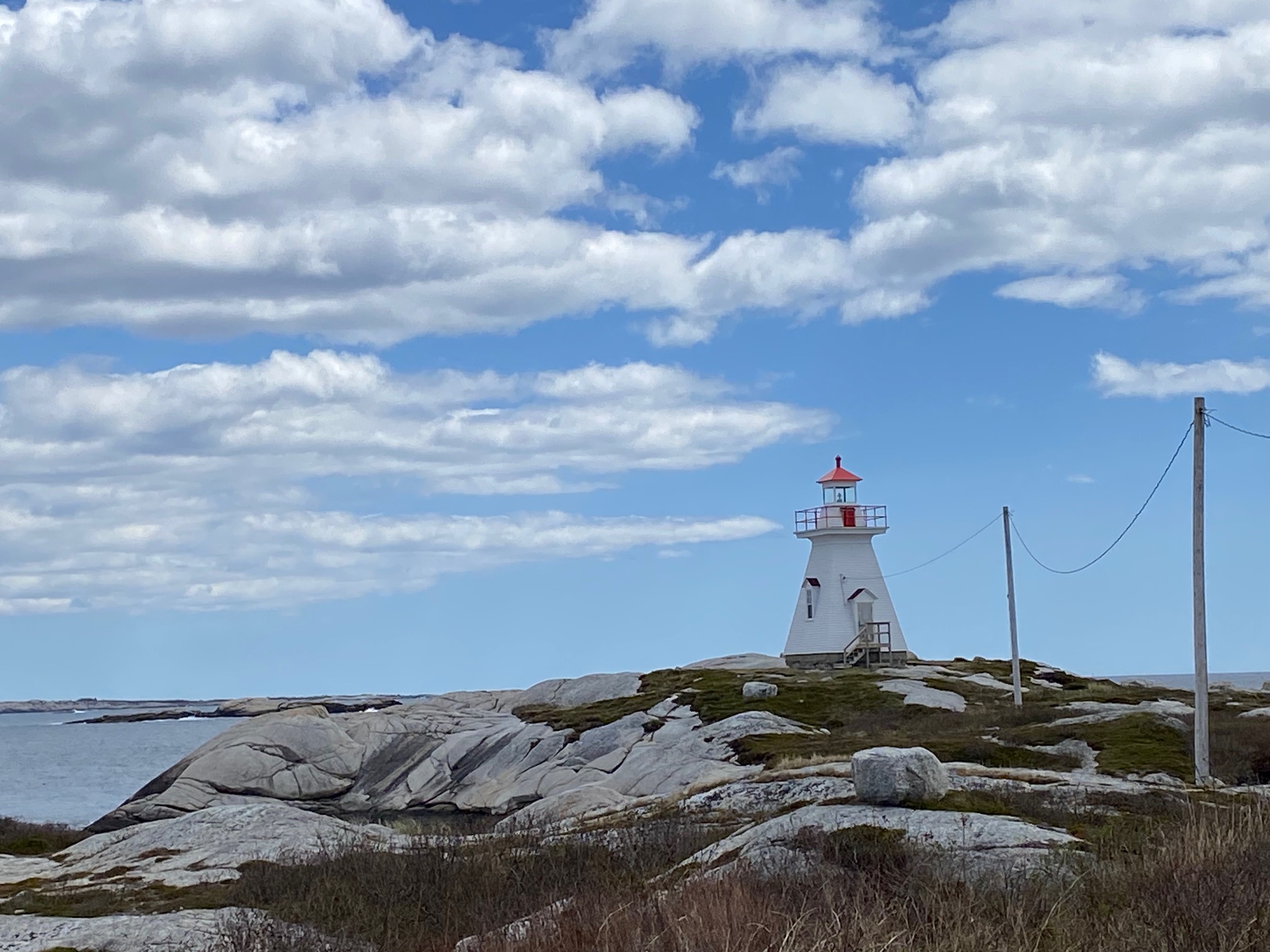
Terrence Bay

Bogumił Pacak-Gamalski

Tylu ich na tych skałach Północnego Atlantyku,

w tej zimnej wodzie, zginęło tego dnia .

Płynęli paro-żaglowcem zacząć nowe życie

w Nowym Jorku. Przygodę życia.  
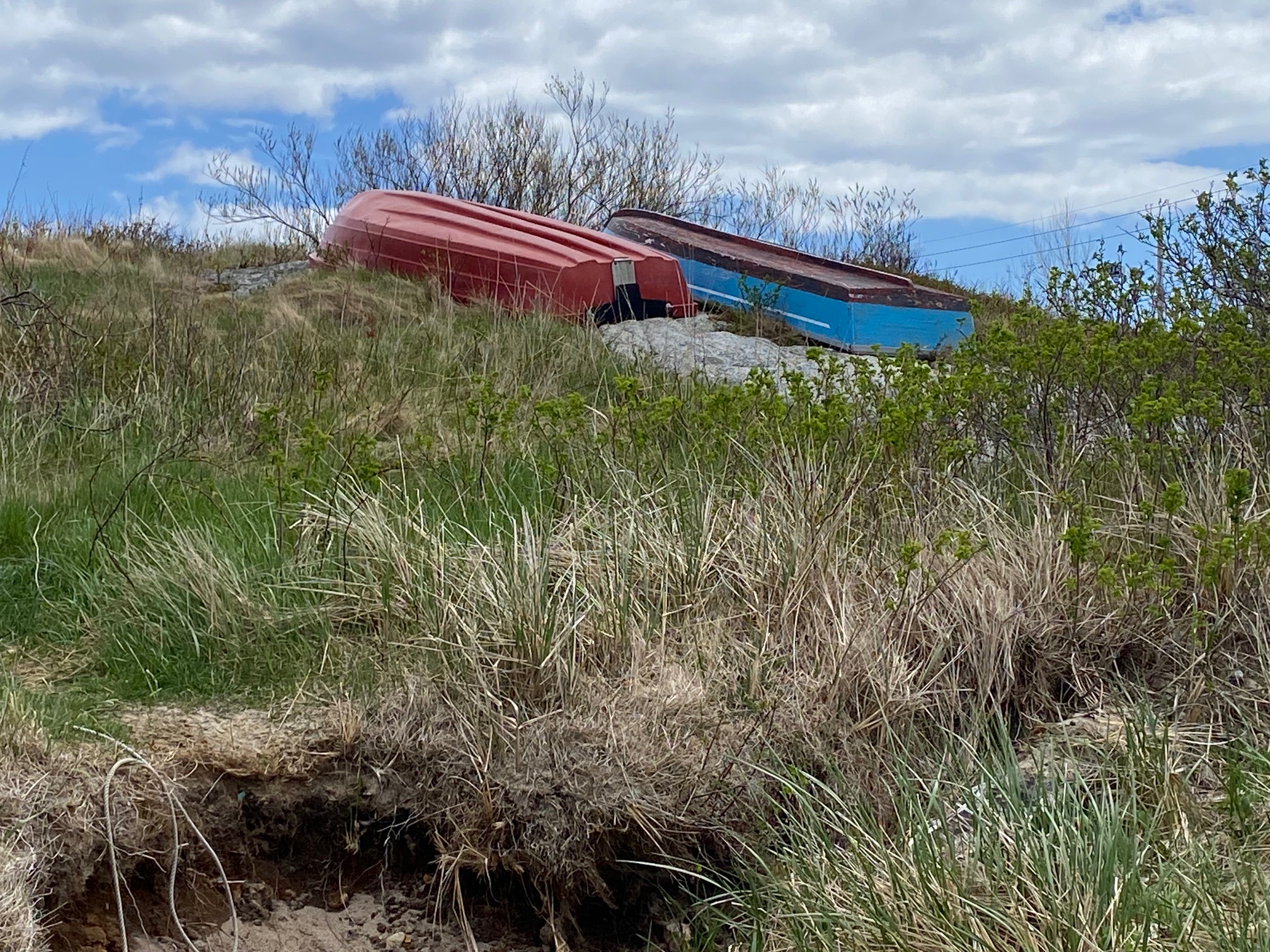
W poszukiwaniu lepszego. W oczekiwaniu.

Marzeniu.

Młodzi, starzy, dzieci. Samotni i pary kochanków.

Nie dopłynęli. Nie zaczęli.

Pozostali tu, na małym cmentarzyku

w małej biednej osadzie rybackiej w Nowej Szkocji.

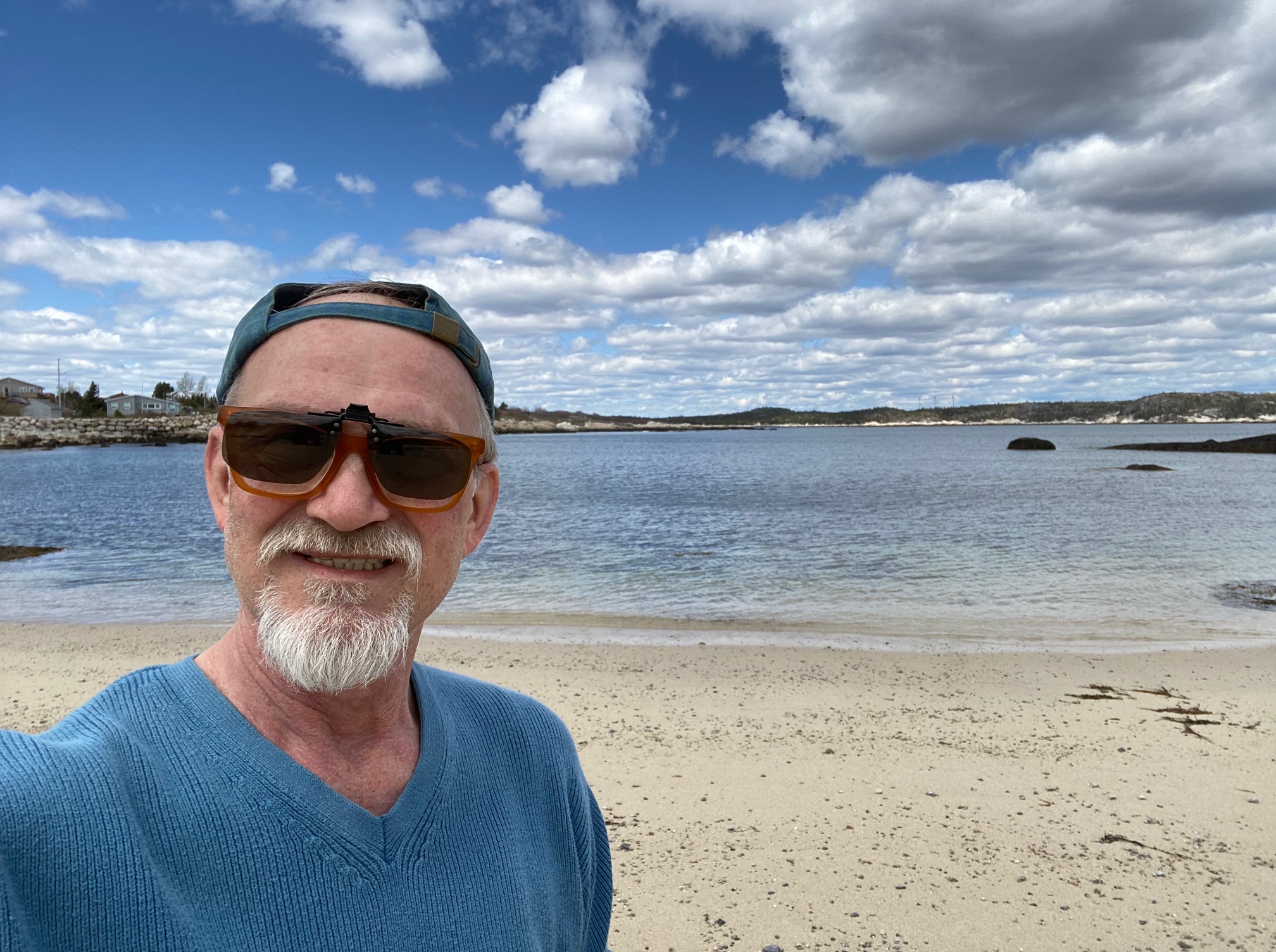
Terrence Bay. Blisko skalistej trasy wędrowniczej

miedzy Zachodnim i Wschodnim Pennant.

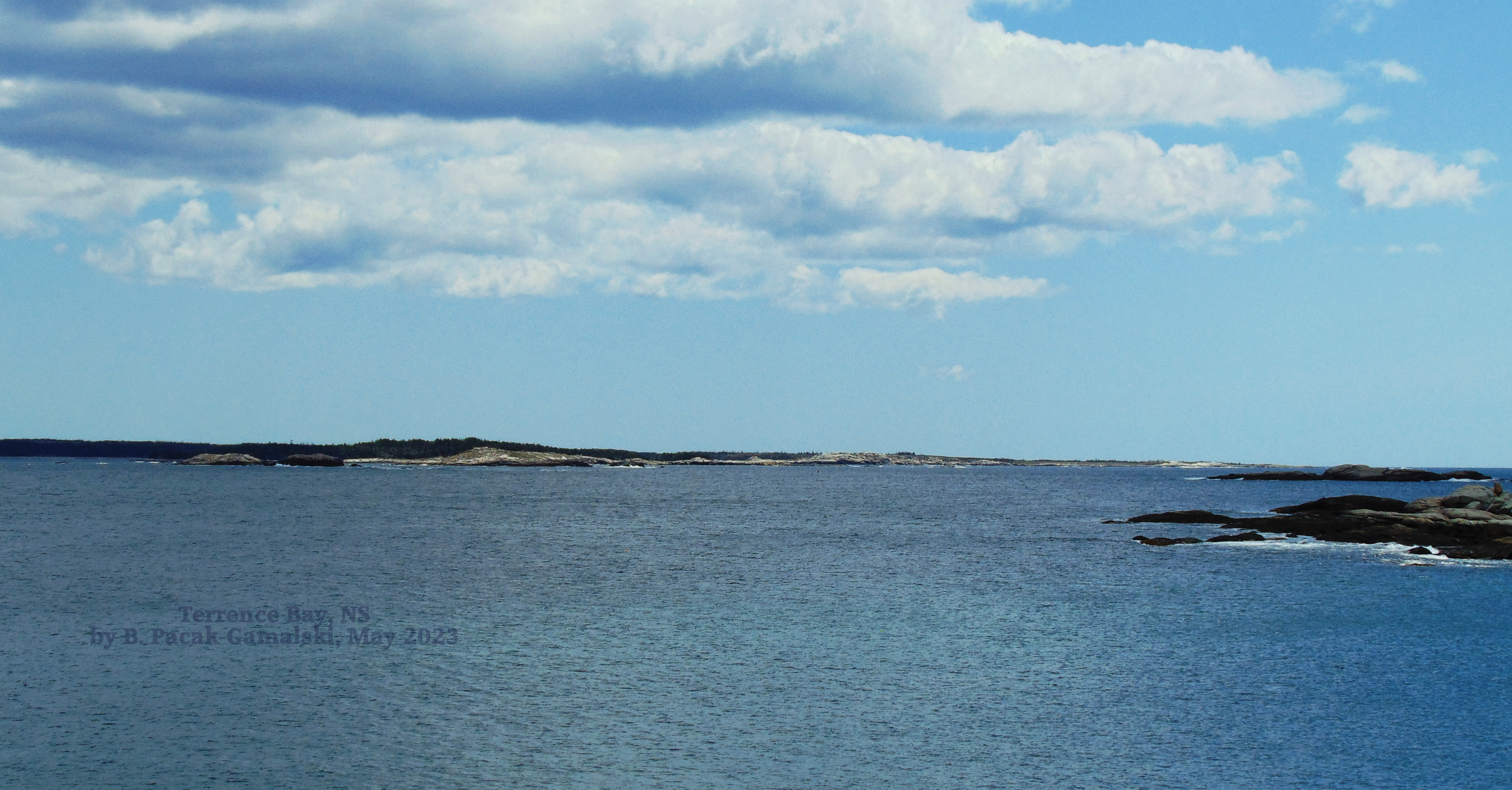
Widzę stąd, po drugiej stronie zatoki, tamte skały.

Zabierałem cię na długie wędrówki po tych wysokich gołoborzach

nad szalejącym w dole oceanem.

Lubiłeś te wędrówki.

Teraz stąd, po tej stronie zatoki, widzę wyraźnie

wysokie białe klify jej końca. Gdzie kosodrzewina

żyła śpiewem ptaków, które znalazły tam bezpieczny raj

kryjący małe łączki borówek, jagód i poziomek.

Zbierałem je i wsypywałem z dłoni w twoje usta.

Z dołu, dochodził huk rozbijających się o skały fal.

Pod koniec trasy, skąd było właśnie widać Terrence Bay

(wówczas nie wiedziałem. że tak się ta zatoka nazywa,

a osady stamtąd nie było widać – po prostu niekończąca się

potęga wody, skał i dziesiątki mniejszych i większych wysepek).

Nigdzie śladu człowieka.  Tylko ty i ja.

Dziś pierwsza moja samotna wycieczka.

Pierwsza od czasu, gdy cię nie ma.

Wycieczka, na którą nie mogłem cię wziąć.

Mimo, że ciągle, nieustannie jesteś ze mną.

 Ale nie mogę podać ci dłoni, gdy wdrapujemy się

 na skały, nie mogę się o ciebie oprzeć,

gdy siadam na kamieniu i patrzę w morze.

Nie mogę zebrać dla ciebie jagód i poziomek.

Patrzę długo siedząc nad morzem w Terrence Bay

na tamte skały, pod drugiej stronie zatoki.

Może jeszcze gdzieś tam zostałeś, przysiadłeś

na kamieniu? Gdybym zobaczył, to jak bym

dopłynął przez tą szeroką, zimną zatokę, jak bym

mógł wdrapać się na te ostre, pionowe klify,

jak uniknął porwania przez rozbijające się o nie

nieustannie wielkie grzywacze atlantyckie?

Ale nie widzę, nie mogę cię dopatrzyć.

Za daleko, by dostrzec maleńka sylwetkę człowieka.

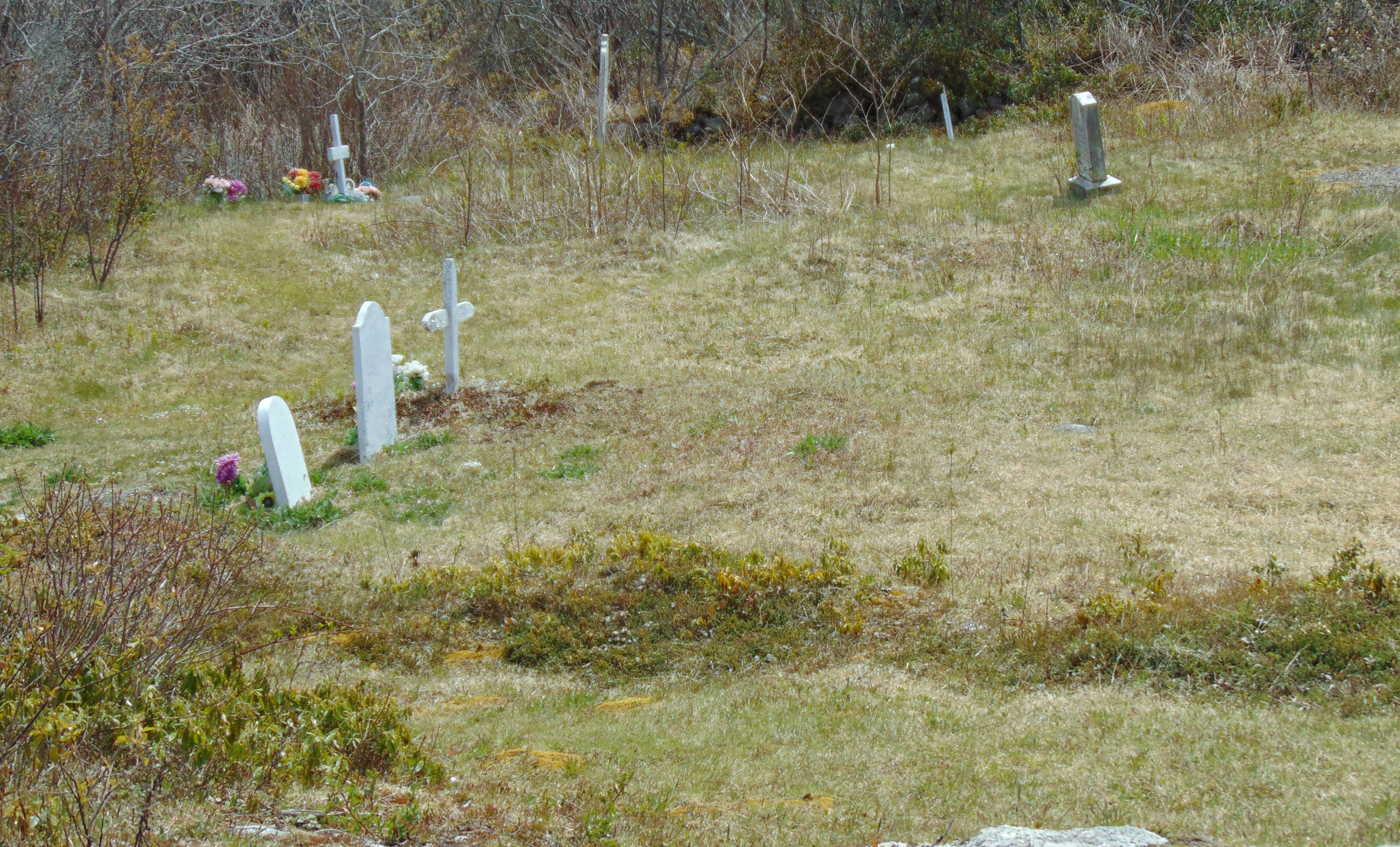
Wstaje i idę na małe wzgórze porośnięte rachitycznym

 ale gęstym laskiem. Na szczycie drewniany kościółek,

gdzie pochowano we wspólnym grobie ponad pięćset

ofiar tej katastrofy morskiej w 1873.

W lasku zagubione stare mogiły, resztki grobów

drewnianych, niektóre zachowane w całości

murowane, kamienne. Tak, miedzy drzewami, krzakami,

bez alejek. Ale pamiętane, ktoś ciągle przynosi tu kwiaty.

Na małym cmentarzyku, ponad dwieście kilometrów stąd,

ponad wodami Pictou Harbour są twoje prochy u stóp rodziców.

Byłem tam niedawno. Postawiłem metalowy kwiat. Lilię.

Zatoka w Pictou jest spokojna, bezpieczna. Nie ma wysokich

skał ani potężnych grzywaczy rozbijających się o nie.

Mieliśmy tam spędzić zbliżającą się starość.

Naszą ostatnią wielką przygodę. Nowe życie.

Marzenie.

Jak tych pięćset sześćdziesiąt dwa z S.S. ‘Atlantic’.

Polls contra kings

Since the death of Elizabeth II and culminating with the coronation of Charles III as King of Canada (and, incidentally,  other countries –among them notably Great Britain) the press pundits, bloggers and poll-takers and analyzers are constantly reminding us how unpopular the monarchy is. For a few years, the polls suggests,  the desire of Canadians to get rid of the Crown is about 60%. That’s a majority – they cry. People want democracy, not a king.

Democracy, you say, eh?  You mean Great Britain is not a democracy? Holland is dictatorial state and so is Belgium? What about Spain – are they still fascists? Don’t forget the awful undemocratic dictators in Sweden! Danes? My God – their beastly Queens are just filling the prisons under their opulent palaces! I won’t even mention the horrible oppression in Norway.

I could, of course, end the text here and just summarize: please, if you don’t know what you are talking about – please just don’t talk nonsense. But that wouldn’t be … shall I say – courtly?

First of all democracy per se is not a political state system but rather a political philosophy based on few strong cornerstones: all citizens elect their governments; they all submit themselves to the rule of law and last but extremely important: a division of independent powers: 1)executive; 2) judicial; 3)legislative. There is always so called Head of State. In a republic it is usually president, with strong or weak, often symbolic in nature, powers.  In monarchy the Head of State is a monarch, ruler. Monarch is a position for life, most often (not always) hereditary. In a modern, constitutional monarchy (as Canada and all European monarchies) the monarch defer to the democratically elected powers (parliament, prime ministers, ministers of the Crown) for actual governing.  Except. Yes, except that the Monarch (or the monarch through its Governor General or Lieutenant Governor in the Provinces) has a constitutional powers to reject a bill, withhold political appointment  (or judicial appointment). That power is legal and not at all symbolic. It could and have been used in Canada. And each Provincial V-ce Royal (other names of governors) although appointed (on the advice of prime minister) by Governor General – is representing the Crown directly in all provincial powers and authority. She/He represents not the Governor General but the king directly. If any of the Governors die in Office – the office is vacant, there is no one, who can step-in on temporary basis. The Chief Justice can carry out the duties of a governor if the governor for some reasons can’t carry them out (for example due to health reasons). But that capacity is void and null if the governor dies in office. The Chief Justice than must step down. The government can’t function, legislature has to be prorogued, no law or legislation can receive legal assent and is worthless.

It did happened in Saskatchewan very recently. Just few years ago.

What does it all mean? It means that the Crown is at the very foundation of the entire construct of a place called Confederation of Canada (or very improperly and legally wrong called most often – Canadian Federation, which it is not).

People can voice their opinion in popular polls on any matter they want to. It doesn’t mean they can change everything they want. Not everything is a popular desire. All the polls suggest that Canadians, for many years now, voice very strong opinions on the environment and strong support for climate change action. But when it comes to actual policies – they act contrary to it and will not vote for a government, that would state that it will absolutely legislate strong laws eliminating most emissions (that is possible), will not allow new industries unless they are ‘green’ by design.

Yes, we have carbon tax. But the tax is not unpopular mainly because people get the rebates. It doesn’t cost them anything. The truth to be told, the carbon tax is just a smokescreen. Ineffective and just a ploy. Better than nothing but certainly not the medicine we need to fix the problem.  But it is not because we have wrong or stupid governments. It is because the politicians are actually smart and know that we, Canadians, want to feel good but will not do anything that might actually cost us.  

The same with the calls to abolish the monarchy. Each province would have to agree to do it. Not in a referendum but actually through passing unanimous bill and the same bill would have to be pass again by House of Commons and Senate in Ottawa. If one province wouldn’t – the entire exercise is for nothing. It doesn’t mean that monarchy could not be abolish at all in Canada. But it means that Canada could end up being different not only politically but also territorially, with different borders and possibly different other states .  There is an old saying: don’t ask God to grant you your wishes, for you might be very surprise and shock if he does.  Before our current, Christian god (although it is not the only god in residence in Canada anymore), there were old Cretan, pre-Greek gods. A fellow called Midas, who was King on Crete, asked his god to grant him his wish of gold. The god granted him that wish. He got his wish that become his death. You probably know the story. It is a good one.

King Midas

I honestly believe that modern constitutional monarchy is a better guardian of true democracy and responsible government than a republic.  Didn’t always think like that, but do for many years now.  Would also prefer, in ideal situation, that the monarch would be Canadian living in Canada and not being king (or queen) of other foreign nations and on much more modest income (as most of European kings and queens are paupers comparing to Windsors). But that would be even more difficult to achieve than abolishing the monarchy. I will stick with what we have. Long  live to the King of Canada Charles III.

(btw – Justin Trudeau introduced new bill changing Charles title in Canada. It will not mention  in the title any other country (not even Great Britain), and it will drop the title ‘Defender of the Faith’ (Church of England) since Canada doesn’t have an official religion and is secular. I like it.

Alors – encore une fois, s’il vous plaît

by: Bogumil Pacak-Gamalski

These words often came to mind, seriously and in a playful mode, during my last Saturday visit to venerable Music Conservatory in Halifax.

First of all – finally something different than baroque music that seem to be in a bloodstream of Maritime musicians (or Cecilia Concerts –   most popular,  almost singularly exclusive organizer of  musical performances). Who doesn’t love Vivaldi and Bach? We all do! No, not so much. Not all and not all the time, anyway. Specially in my case. The same canons and styles repeated thousand times with slightly different arrangement and these funny rococo dresses, white powder and astonishing wigs  – could make you bit nauseating  … .

Halifax venerable Conservatory of Music

No this time, no. That was the music at its most glorious times. The times of Beethoven and Brahms. An ornamental intermezzo with less known (for a good reason) English composer Frank Bridge separated the German giants of great music. Immortal music. 

Whenever I am in Berlin and walk through the Tiergarten (Berlin’s Hyde Park), I like to go and sit on bench near the monuments of German’s giants of music: Haydn, Mozart, Beethoven. Only a short distance further is monument of Wagner. Never saw any of Brahms in Berlin. His famous and wonderful monument is in Vienna and modern, symbolic style sculpture in his native Hamburg –  that one I have seen many times as it is located just a stone throw away from my favored walking park in Hamburg – Planten un Blumen.  But enough of cities, monuments and parks I like to walk in. Back to music. In Halifax, not in Germany.

Let’s start with absolutely wonderful and musically very mature Gryphon Trio of Annalee Patipatanakoon (violin), Roman Borys (cello), Jamie Parker (piano). With addition of equally talented and very energetic  Ryan Davis (viola) it made brilliant quartet.

It is such an immense pleasure to listen to musicians, who effortlessly play with such unison and harmony! Each could be and indeed is a soloist in her/his right. But as member of an musical ensemble they become one. All the strings combined sounded like they were played by one soul with many hands. No unnecessary showmanship but unity in sound, tempo and tone.

Pianist Jamie Parker and his style of playing was very familiar to me. By no accident, of course. Parker studied in Vancouver under the tutelage of no one other than Lee Kum Sing. I recalled many long chats with Lee Kum Sing about his method of preparing young pianists to stage career. And the many traps and very insidious mannerism that lurks for musicians hungry of applause.  In early middle and conservatory level musical schools, teachers tend to tech how to play an instrument. But are very oblivious to the teachings of public expressions and stage unforgivable atmosphere. It is only in later years, if they are lucky enough, that they might found someone, who would teach them that. Someone, who has a stage/soloist experience. Typical music teacher in a conservatory or even an university is good theorist, good musician – but failed or couldn’t even begin a soloist career. It takes stamina, courage, perseverance and clear vision to become one.

In Halifax Conservatory the  hall was full. I was pleasantly surprise that a large section of the audience was below the typical here custom of silvery hair covering age of substantial life experience.  Not that there is nothing wrong with it. Especially if that composure still hides an eternal youth! No, it simply saddens me often that so many young people avoid such experience of good music. Chances are that if you don’t get that shot early in your life – you will never discover the beauty of so called classical music (I despise the term myself – music has only two genres: good and bad, period). And it is, for most part, a good music. Music that expands your horizons, your emotionality.

Anyhow – my luck this evening resulted in choosing my seat – between two empty seats. Alas, empty not for long. Just before the music started playing – two very young men sat on both sides of me, LOL. Probably below the age of twenty. 

Music. How to begin? A good suggestion would be: play most likely the absolute god of all music. The incomparable Ludwig van Beethoven.  And why not a composition, when The Great One was founding his totally unique, own musical style. The Piano Trio No.5 in D major, opus 70.

That composition (also known simply as a “Ghost’ – often combined with Macbethian origin) is superb on many levels. And is has been many years since I heard it full in a concert hall.

They began. The strings play the Allegro vivace wonderfully. Every note is essential, not replaceable.  The cello seems to lead dancing guests, the tempo and direction of the troupe. You can see the dancing group of guests in some forest, some meadow.  Very diminutive, quite sound of piano is somewhere, far away, only in moments yet it seems so constant. The sound of air around.

Then comes the Largo. Totally different in every aspect from I and 2 part. Ghostly indeed. My mind for split second jumps to memory of Ravel’s ‘Gaspar the la Nuit’.  Naturally, my comparison would have been absolutely alien to Beethoven as he died many years before Ravel composed ‘Gaspar’.   But the atmosphere is there. Specially in the piano parts. The piano plays here the leading part, the strings follow.

Presto returns to the happy  yet,  majestically vibrant procession like in Allegro, albeit in different melody and  more robust tempo.

After that trio I was sold fully. Uncanny-funny  side note: large city surroundings offer sometime surprises even for much more solid stages. It did during this concert in a perfect moment – during Largo. Distant noise of flying nearby helicopter.  I noticed some listeners were petrified. I found it very amusing and … interesting. In Largo, that distant monotonous sound was like a military drums of funeral march.  It fit the music very well.

After a short intermezzo the stage is taken by our pianist and the youngest but not lacking in talent, viola soloist, Ryan Davis. They both played a two short pieces of British composer from the turn of XIX and XX century, Frank Bridge. Bridge was , at his time and place, very well-known player of viola. These two compositions (Pensiero and Allegro Appossionato) are a good testament of his knowledge of the instrument. I see it mostly as an ornamental music, what we would call today: popular music. And I am sure it was popular in London’s salons of that time. It certainly allowed Davies to shine as an exceptionally musical viola player. In Allegro he was brilliant.

In music, the term pensiero  would be closer to largo in character and meaning. It represents  a heavy, uneasy thought, longing. The most brilliant representation of it would be, of course, no other than the music of Verdi in his unforgettable choir in NabuccoVa , pensiero, sull’ali dorate . Frank Bridge composition definetly is not sull’ali dorate (… on golden wings). But it is pleasant to listen to.  

Last but by any means not least, comes Johannes Brahms complicated Piano Quartet No. 1 in G minor. Brahms was so absorbed in his own prestige, in his almost neurasthenic fear of not living up to the greatest of greats in music, that he worked on his pieces over and over for years at a time. Changing note here, tempo there or even scale. The end was mostly brilliant composition but, at times (I think) it lacks soul. Music must be a story. A story of epic proportions, human story of struggle: in grief and in joy, despair and happiness.  It is very original construction of musical subjects unfinished, un-ended. As sentence ending many times without a period. Sentence beautiful, nonetheless.

I think that it must pose a challenge for musicians to play it, to find the right pace and continuity. I thought that the Gryphon Trio with Ryan Davies played it splendidly.

You truly start to like it, to have sort of understanding of the music, in the middle of part two (Intermezzo – Allegro) and 3rd part (Andante con moto) brings some continuity and lyrical story to follow, to imagine.

Finally comes Rondo alla Zingarese. One of the most intense finale of the entire period in music. Let me use more precise, elegant terminology:  it is insane, it is crazy. And it is wonderful.  How does it end? It doesn’t! When you are sure that a powerful finale stopped playing and you are just about to jump to your feet with applause – the musicians play another finale, almost identical but not exactly. And again, and again … .

Even if you are not the greatest fun of the serious music – please go once to a concert of Johannes Brahms Piano Quartet N.1 in G-major, op. 25. And if you absolutely can’t stand this type of music – stay away for the first 3 parts – but, for Heaven’s sake, come back to listen to Rondo alla Zingarese.  It will change your opinion of so called ‘classical music’! I guarantee it. You might even scream at the end:  encore une fois, s’il vous plaît !

The Gryphon Trio with Ryan Davis concert in Halifax, April 29, 2023

Halifax, Dublin, Ulysses i mewy

Bogumil Pacak-Gamalski

Jest ciepło. No, może nie w tej chwili gdy to pisze. Ale zdecydowanie było ciepło (jak na kwiecień nad Północnym Atlantykiem), gdy działo się to, o czym piszę.

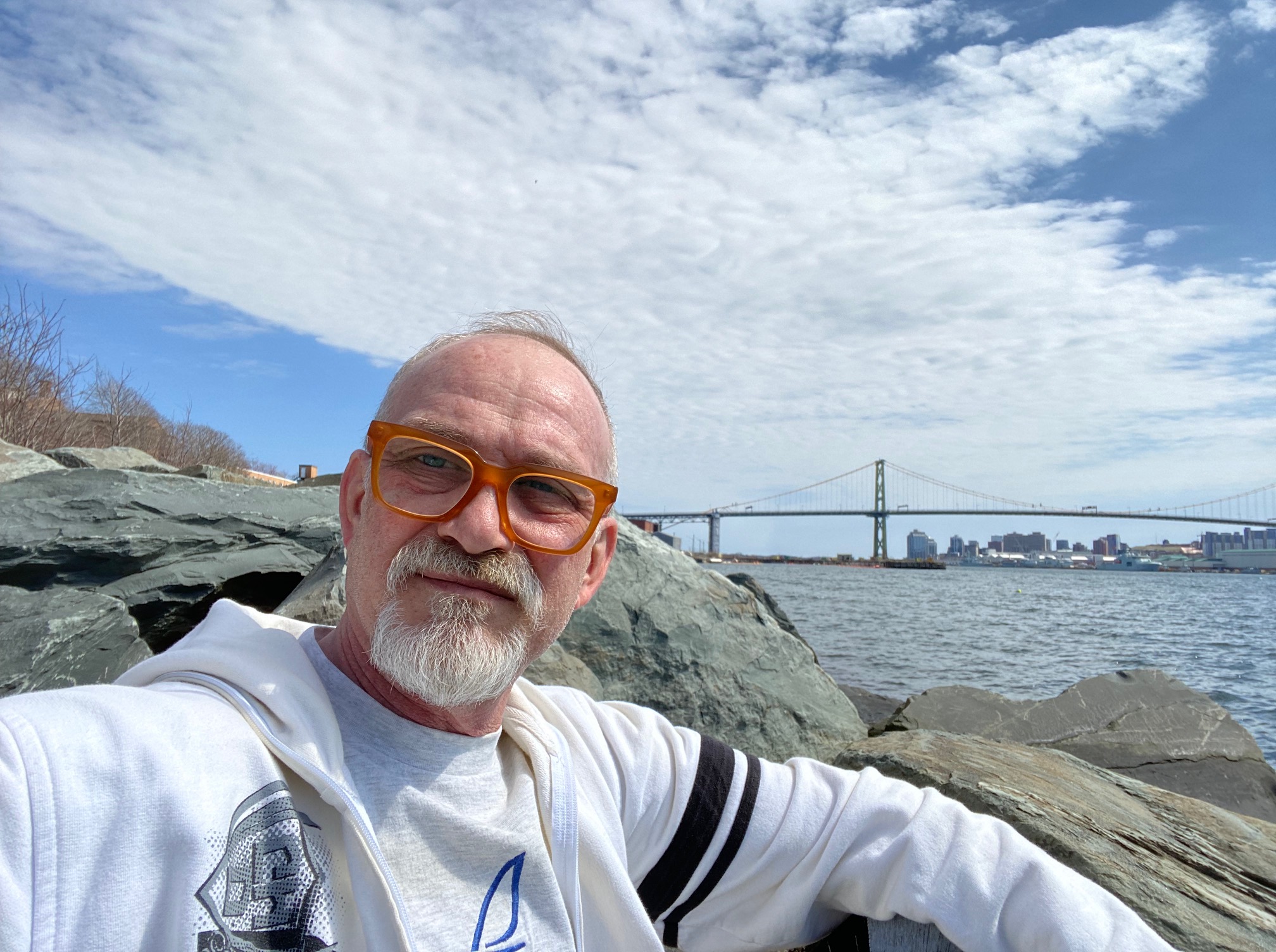
Idę na ‘swoje’ kamienie. Moje kamienie, to takie głazy rozrzucone systematycznie u nabrzeża wąskiej cieśniny odgradzającej stary Halifax kanadyjski od marnego Dartmouth. Ja mieszkam w tymże marnym Dartmouth. W domu nad tą cieśniną, stąd na te głazy regularnie chodzę na spacery, o różnych porach dnia i nocy i roku. Tu, w tej cieśninie wąskiej, tuż obok gdzie chodzę, kiedyś zderzyły się dwa okręty wojenne. Jeden był załadowany prochem i amunicją na front  zachodni I wojny światowej.  Eksplozja była największym wybuchem w historii wojen aż do czasów Hiroszimy i bomby atomowej. W okamgnieniu zniknęły całe dzielnice Halifaksu, tysiące ludzi zginęło.  Gdybym siedział tak wtedy na tych kamieniach – pewnie bym nie siedział długo tylko leciał z fragmentami tych statków, tych pocisków, gdzieś w powietrze. Spory kawał małego działa żeliwnego leży do dziś po mojej strony cieśniny, jakieś kilka kilometrów od mojego domu, koło jeziora Abro, gdzie też lubię chodzić na spacery. Przeleciała sobie tak ta lufa armatnia, jak jaki dmuchawiec pod chmurami.

Ta I wojna , a potem druga, zamieniły tą cieśninę i port w Halifaksie  w jakiś Kanał Sueski w najbardziej ruchliwej dla żeglugi porze dnia i roku. Okręty i statki dostawcze,  łodzie i kutry były tu tak gęsto cumowane i manewrowane, że ponoć na upartego mógłbyś suchą nogą przejść przez cieśninę ode mnie na brzeg Halifaksu. A teraz by trzeba było być dobrym pływakiem i silnym by przepłynąć.  Więc ja jeżdżę przez most. Samochodem. Ale wtedy, no wtedy to było inaczej. Jakby flota Greków płynęła do Troi by zmierzyć się z Priamem.

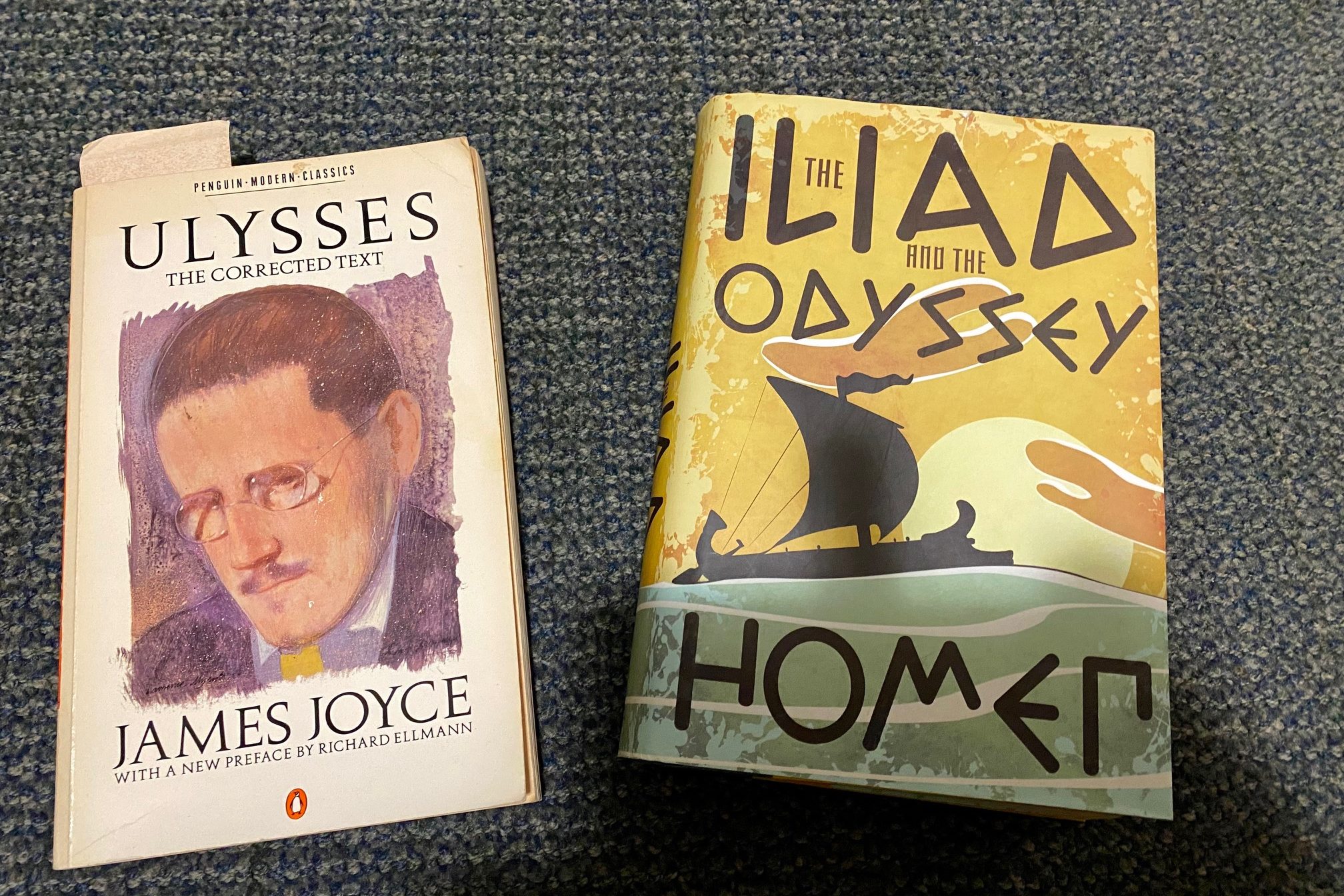
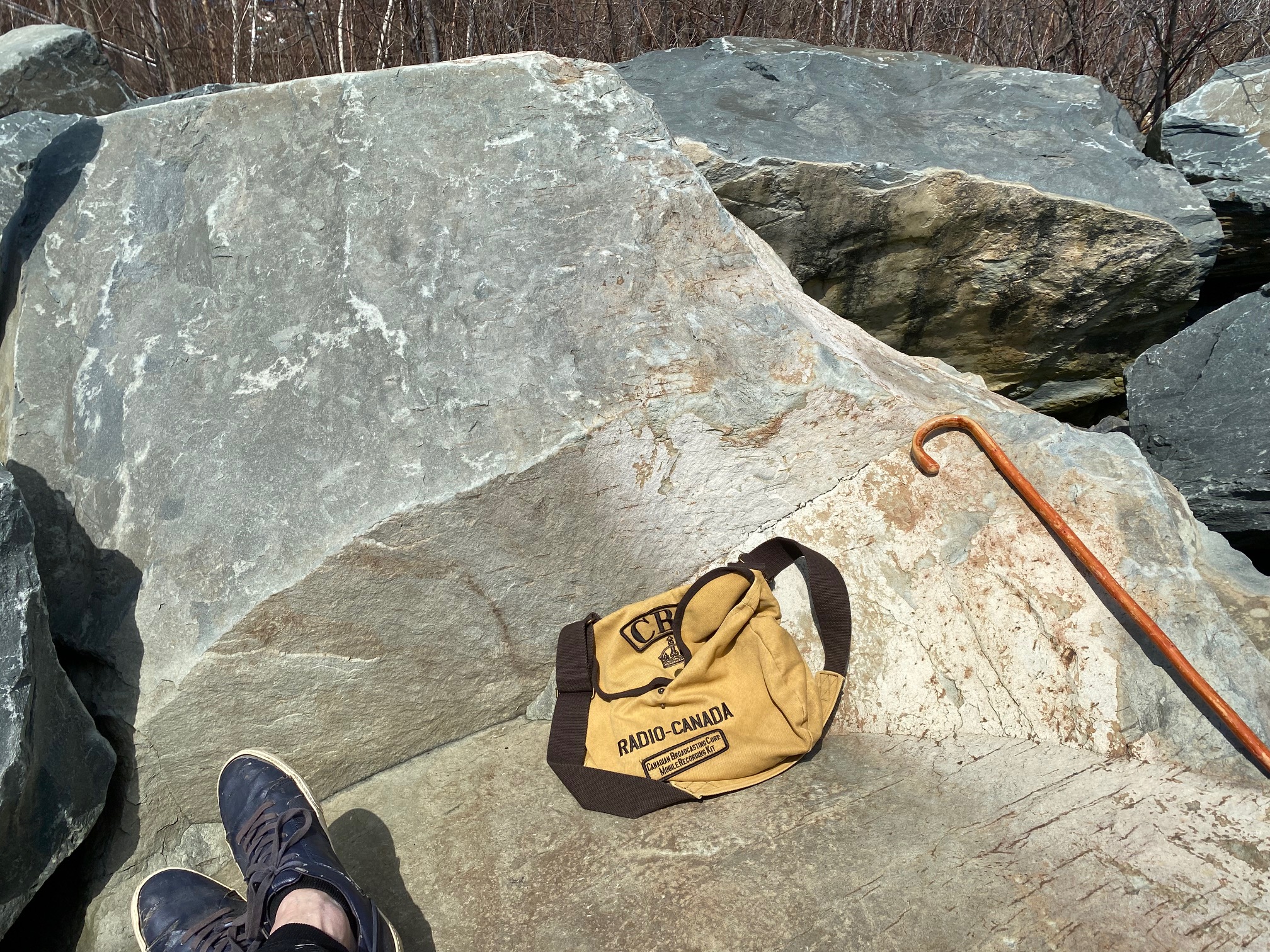
Na kamieniach mam ulubione miejsce. Głazy tak ułożone, że tworzą obszerną kanapę, niczym w Wersalu. Oparcie na plecy, wałeczek pod stopy, nawet wnęka na wsparcie ramienia. Leżę i gapię się w wodę. Myślę o tej armacie lecącej w powietrzu. A potem myślę o „Ulysessie” Joyce’a.  Widzę obok siebie jego bohatera Dedalusa, Mulligana i Hainesa siedzących przy wieży Martello w Dublinie i spoglądających na  wodę zatoki o kolorze zielonkawego gluta. Mistrz słowa i formy – Joyce – pisze tak silnym dialektem, że ciężko się chwilami połapać o czym oni tam gadają. Nigdy „Ulyssesa” nie lubiłem.  Jest mistrzowsko nudny, jak flaki w oleju. Podziwiać mogę dyscyplinę i warsztat pisarski, chwyt adaptacyjny „Odysei” Homera. Ale, jako czytelnik chce mi się wymiotować. Prosto do tej cieśniny. Może też nabierze koloru tego zielonego gluta, jak chusteczka Hainesa.  

A  lubię literaturę irlandzką. I lubię Joyce’a, jako autentycznego wielkiego modernistę i awangardzistę literatury. Nie lubię tylko  tego akurat dzieła, które uznaje się, jako szczyt jego talentu – „Ulysses’a” właśnie. Dla mnie to tylko ćwiczenia literackie a nie skończone dzieło.

Jakże inaczej pisze współczesny wielki pisarz irlandzki, Callil Toibin. Jego książki kocham.  Czytanie ich to uczta. Ale nie zabrałem ani jednej z nich na ten mój spacer. Szkoda.  Zbieram się więc do domu, zwlekam z tej kamiennej kanapy ( a nie jest to proste z moją niezbyt zdrową kondycja w oczekiwaniu wielomiesięcznym na operację), chwytam mój kijek podręczny, torbę z zeszytem. Spoglądam w niebo. O! Przeleciało coś! A jednak nie, to nie był kawałek armaty. Mewa. Biała z żółtym dziobem. Ciekawe czy mewom, które w wichurach sobie całkiem nieźle radzą (co obserwowałem często nie tylko tu, nad Atlantykiem ale i podczas wielu lat pracy na statkach na zachodnim Pacyfiku), ten wybuch  tego statku z amunicją też szkody przyniósł.

Emergencies Act use – a year later. Why did we have to go through it?

by Bogumil Pacak-Gamalski

A year ago Canadians went through a gut-wrenching exercise.

Overwhelming majority  (for a much smaller minority it happened second time –as in 1970, P.E. Trudeau was forced to do similar things during October Crisis in Quebec) for the first time ever the  Emergencies Act was invoked.  

Comparing to many other countries, the Act is very measured and limited in its application. It must comply with the Canadian Charter of Rights and other international treaties (for example prohibition of use of torture) to which Canada is a signatory. It also covers only areas that are listed in the proclamation – in this case a huge majority of Canadians were not affected by it in their daily lives. For all practical reasons it affected only Ottawa and it’s vicinity. I’m sure the Army was (must have been) on some sort of alert but was not on the streets (as was the case in 1970). But make no mistake: a lot of freedoms and personal liberties were suspended or curtailed. All types of Police Forces and their heavy, quasi military equipment and units was mobilized and used.

Was it necessary or was it an overreach of Governmental powers?

I believed than, and even stronger now, that – yes. It was desperately needed and Federal Government was left with no other choice. To continue things the way they were in winter 2022 would have been an abdication of government responsibilities. Worse: frankly a political chaos would ensue.

I’m glad that we live in democracy that respects the rule of law. Because of that, after the Emergencies ceased, a Public Inquiry was held and Commissioner, Justice Paul Rouleau published the other day a full, comprehensive, 2000 pages long Report. Very long, indeed. But that’s for scholars of law, politics and smart politicians (there is few, not too many though …). I browsed  and glanced very quickly through it (am neither a scholar nor smart politician). It contains a lot of important facts, reflections, full historical context of events. It does not stop only in Ottawa and the day the Act was invoked. It shows what led to that ominous decision.

But most of, it starts with a clear, concise and not ambiguous finding: the Federal Government met the very high threshold to invoke the Emergencies Act and acted appropriately.

No, it doesn’t sing the praises for the Gouvernemt nor anyone else.  To the contrary – it finds a lot (a whole lot) of issues with all Canadian (federal, provincial and municipal) civil authorities. A separate book could be written, based on the Report,  on the utter failure of Police Agencies. On the failure of federalism in this context. A serious failure of provincial responsibilities that allow the infamous Protest and Occupation of Canadian Capital and international border crossings to continue for so long.

At the very end of all these conclusions, there is also a somber, personal reflection of Justice Rouleau: a reasonably and fair minded person could have come to a different conclusion. That’s a very noble and wise conclusion that avoids further inflammation of feelings of people, who were on the other side of the fence. Of course, almost instantly, that noble and wise reflection was ceased by no other that Conservative leader Pierre Poilievre to deliver blistering attack on Justin Trudeau. Thankfully, other than ‘Freedom Convoy’ members and supporters, no one else could see Mr. Poilievre as a ‘reasonably and fair minded person’. But I will leave that sad example without any further commentary … .

However, I will write here few of my own reflections and musings on this subject. Not the legal aspect. Not the political, either. Ethical. Social.

I am neither a politician, as Pierre Poilievre, who buys desperately needed votes for next election, nor PM Justin Trudeau, who must represent all Canadians, even those not representing his personal values. I don’t represent all Canadians. I represent a particular, individual Canadian – myself. Finally, I am not Federal Justice, as Paul Rouleau, who must avoid philosophical and emotional language.

And I must remember why I am Canadian. Why I live here and have lived here for most of my life. I live and stayed here because of another declaration of similar Act (much broader, very harsh and tyrannical – but from the same family of domestic urgent emergencies and imposed by own government, not a foreign invader) – Martial Law in Poland in December 1981. Because of that single event, I ended up in Canada. But I did not go back to my Old Country, when it regained sovereignty and freedom. I stayed in Canada because I found this country and it’s people much closer to my vision and dream of just society. Just and open. Tolerant and full of empathy. Willing to face it’s not always best past and admit it’s mistakes, even crimes. Every country hast parts of very dark history but not many are willing to admit it and correct it. I will write my reflections from this perspective. Perspective of this, mine Canada. Good Canada.

That ‘good Canada’ has many roots and faces. Is like an oak or massive Western Red Cedar or majestic Douglas Fir. Huge green giants that could easily obliterate all other little species taking all the water and all the sunshine. But it doesn’t. It prefers to be not only good neighbour but caring and supporting friend to other, weaker and less powerful species. Like Canadians that I admired so many times, who helped me many times and whom I helped, when they needed it.

So, when the terrible and awful time came of our recent COVID pandemic – my first reaction was to make sure that I would never be a risk to any other Canadian. Specially the weaker, immunocompromised and older. That was such a natural behaviour that I just couldn’t think of acting otherwise. It didn’t matter for me if some Facebook, Twitter or some newspapers were publishing fake news about vaccine dangers, about masks (yes, apparently masks are dangerous too according to this ‘scientific’ sources). I trusted the information provided by Health Officers of each province, Health Canada advice and World Health Organization. That was good enough for me. I am not a biologist, virologist nor medical sciences researcher. People who advised the Provinces, Federal Government and WHO were. They are the best in the world of these sciences. It didn’t even cross my mind that the temporary restrictions (and they were restrictions) on my personal freedoms were unbearable. But there were Canadians, who were enraged by these restrictions. Some of them did it for purely political reasons. The Canadian type of Trump loyalists, people with no shame nor sense of responsibility. A small core of them were actually financed by US ultra-right circles. Others were duped into believing that pandemic was just an excuse to attack their freedoms. To make them feel bad. For them it was a hidden agenda of this crazy leftist liberal, the lover of the sex-crazy gay community, the tree-hugger, the friend of all the billionaires of the world, the ‘oh, I am so handsome and good looking’ enemy of our gas and oil complex – in short the one and only worst enemy of Canada, Justin Trudeau. The little fact that Trudeau won three consecutive federal elections hold no value for them. After all – they have learned from their advisors on the other side of the border that elections are easily stolen. That they will follow the example of March on Capitol Hill in Washington and will march on Ottawa Parliamentary Hill to finish their job. Yes, not all of them, probably not even a majority, received any individual advice from Trump loyalists or direct funds from these sources. Some certainly did it out of their own honest belief in their cause. But when ignorance is a good defence? When ignorance is good enough reasons to cause immense havoc tot he entire country, terror to citizens of Ottawa? When ignorance is an excuse for arrogance? Never.

Therefore no, I wont be as diplomatic as Justice Rouleau. I will not agree with Justin Trudeau taking back his own description that these people were a ‘fringe minority’. On the contrary – I hope that they were and are a fringe minority in Canada. In my, good Canada.