Mosty dzielą. Tu jesteśmy my – tam są oni. Przez długie wieki budowaliśmy mosty zwodzone na zakolach rzek. Te dzieliły najlepiej. Gdy oni chcieli przyjść nieproszeni i liczni – podnosiliśmy most i nie mogli bez ryzyka najgroźniejszego.
Mosty łącza brzegi i ludzi. Poznajemy się, odwiedzamy. . Czasem zakochujemy się w chłopcu lub dziewczynie z drugiego brzegu. Wówczas często spotykamy się na moście, na ‘ziemi niczyjej’, pomiędzy brzegami. Wówczas te brzegi należą jednako do nas obojga lub obu.
Mosty są chyba są chyba największym osiągnięciem cywilizacji archaicznej.
Apollinaire pisał pięknie o moście na Sekwanie w „Moście Mirabeau”.
Po pożarze katedry Notre Dame w 2019 napisałem własna przeróbkę tych dwóch pierwszych stanc zachowując semantyczną specyfikę jego wiersza robiąc tym ukłon wobec świetnego poety epoki odległej i wobec symboliki Notre Dame dla kultury europejskiej „Pont Neuff i Apollinaire na Pont Mirabeau”
Mosty. Kamienne, drewniane, wiszące. Mosty prowadzące do miasta i mosty wewnątrz miasta. Z nazwami i bezimienne. Mosty z posągami, jak most Karola w Pradze, ponad piękną Wełtawą. Mosty złocone prowadzące do złoconej kopuły Inwalidów w Paryżu. Lubiłem chodzić właśnie przez Pont Neuf do Ogrodów Luksemburskich, tam posiedzieć na ławce, wypić może butelkę wina i zagryźć bagietką z serem i potem dalej do Inwalidów. Których nie specjalnie lubiłem przez te potęgi i splendor. No cóz, Francja do skromnych nie należała. Naturalnie Poniatowszczak w Warszawie. Jeżeli czasu trochę było (czyli prawie nigdy lub tylko kawałek per pedes, a potem wskoczyć w tramwaj) piękny trakt ze Śródmieścia na Rondo Waszyngtona i potem we Francuską. Lub bardziej prozaicznie lub poetycko kulinarnie do małego sklepiku z … koniną, tuż przy wiadukcie kolejowym prowadzącym na dworzec Wschodni. Kiełbasa z koniny podsuszona to był rarytas. Choć większość kręciła gębami, którymi nie kręcili, gdy pili wokół Stadionu 10-lecia śmierdzącą i ciepłą wódkę z butelki. Nie żeby mi się to nigdy nie przytrafiło (ale nie pod Stadionem, mam swoje zasady!) ale na kiełbasę z koniny mlaskałem.
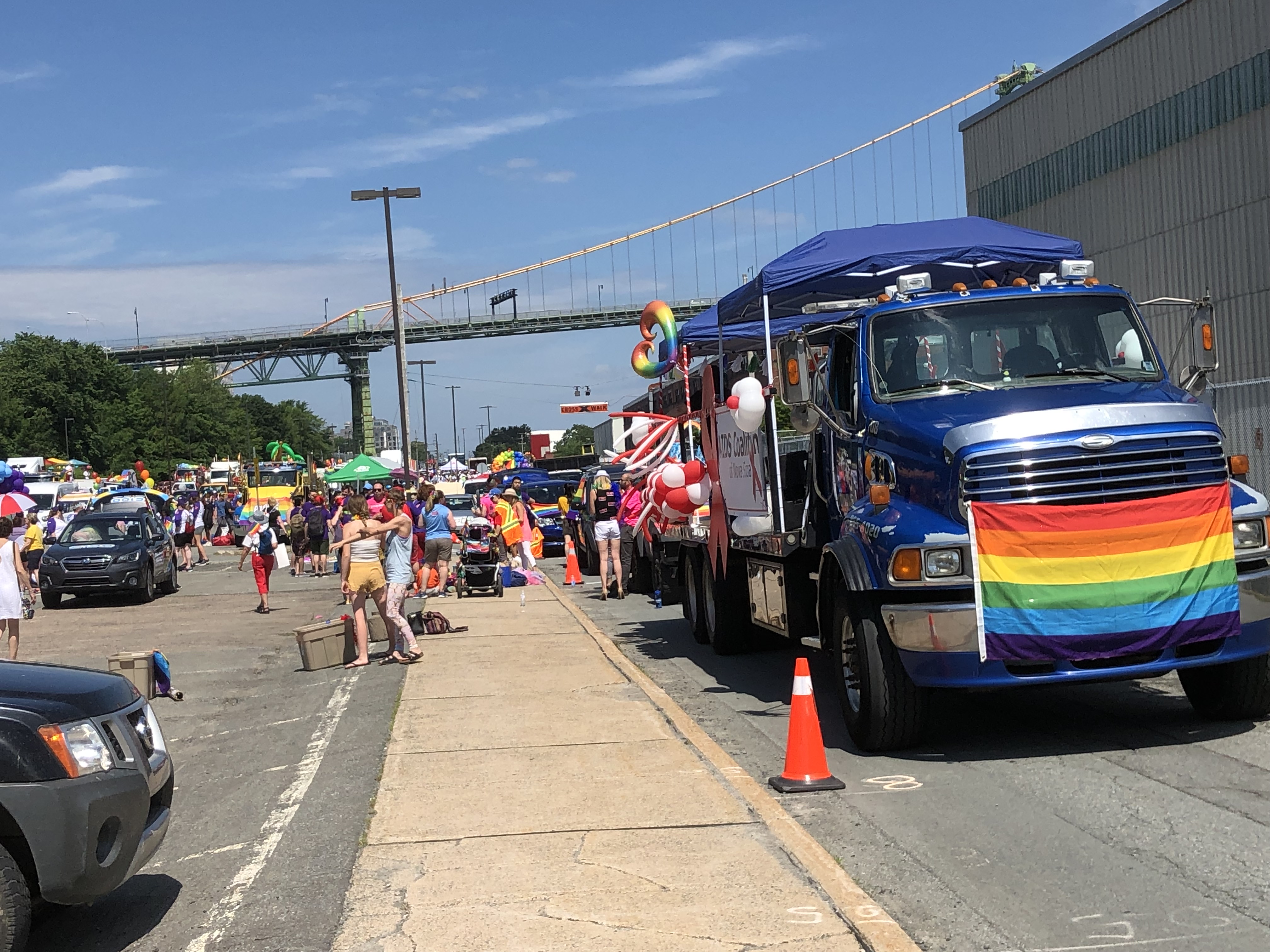
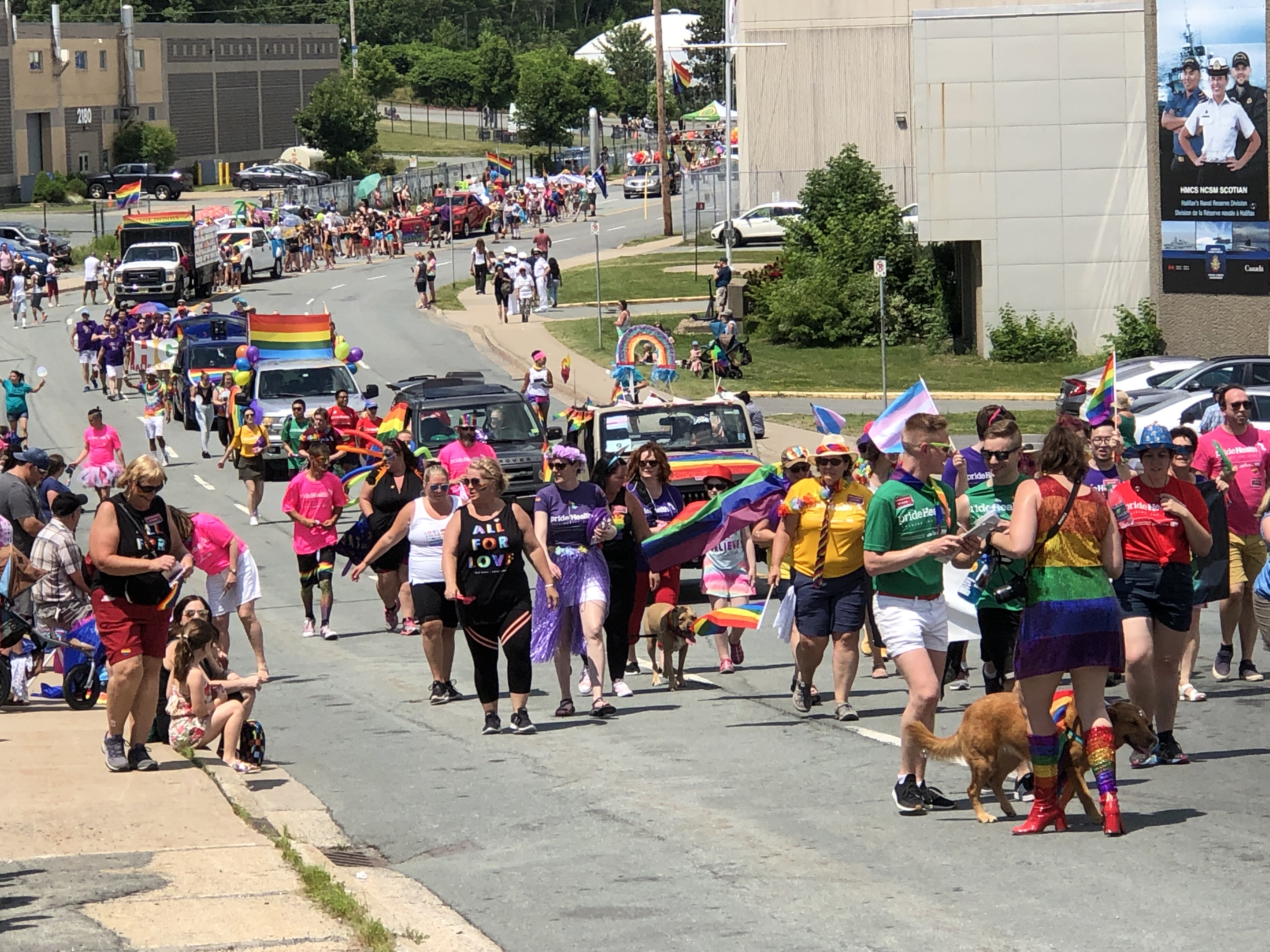
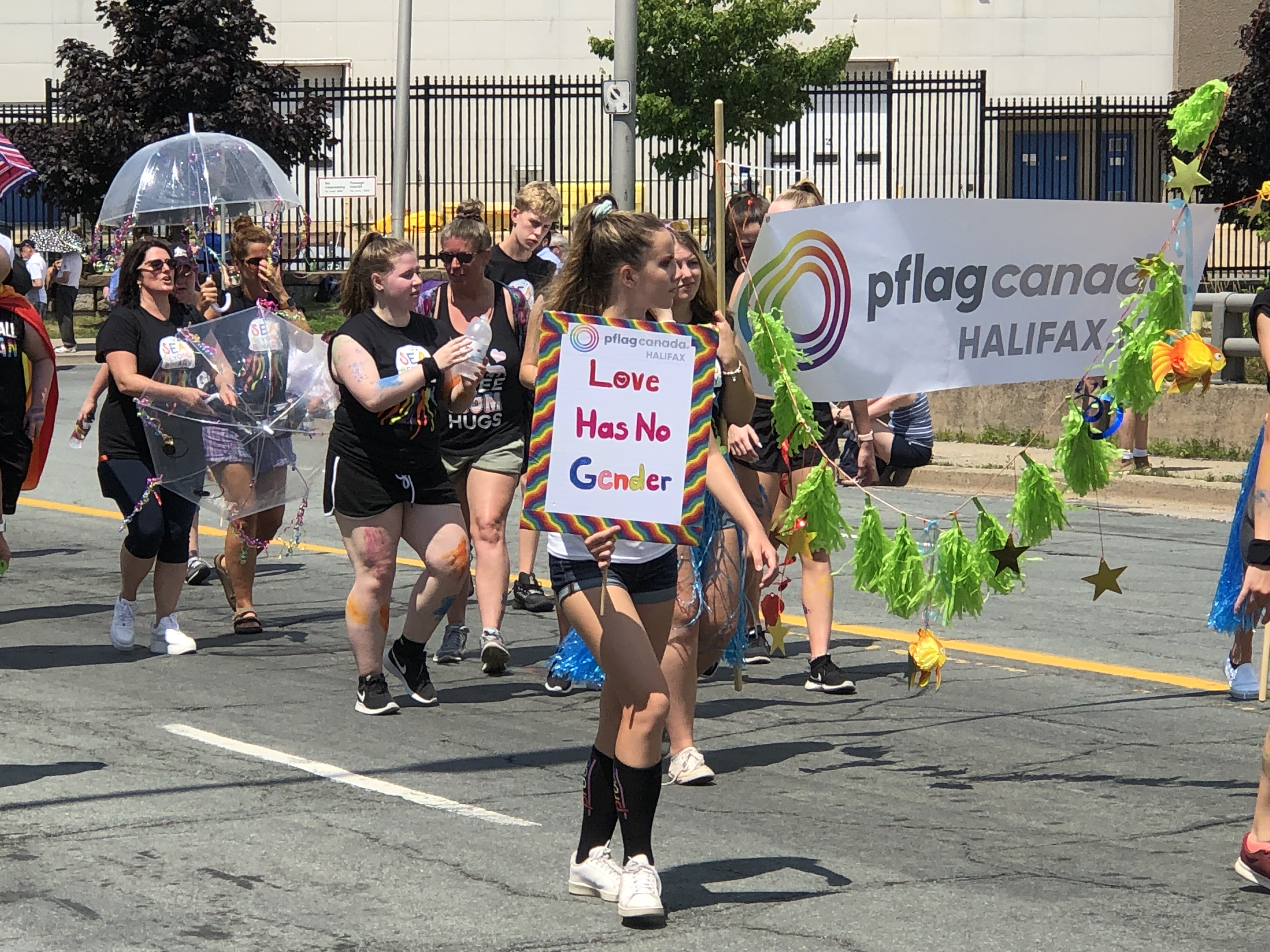
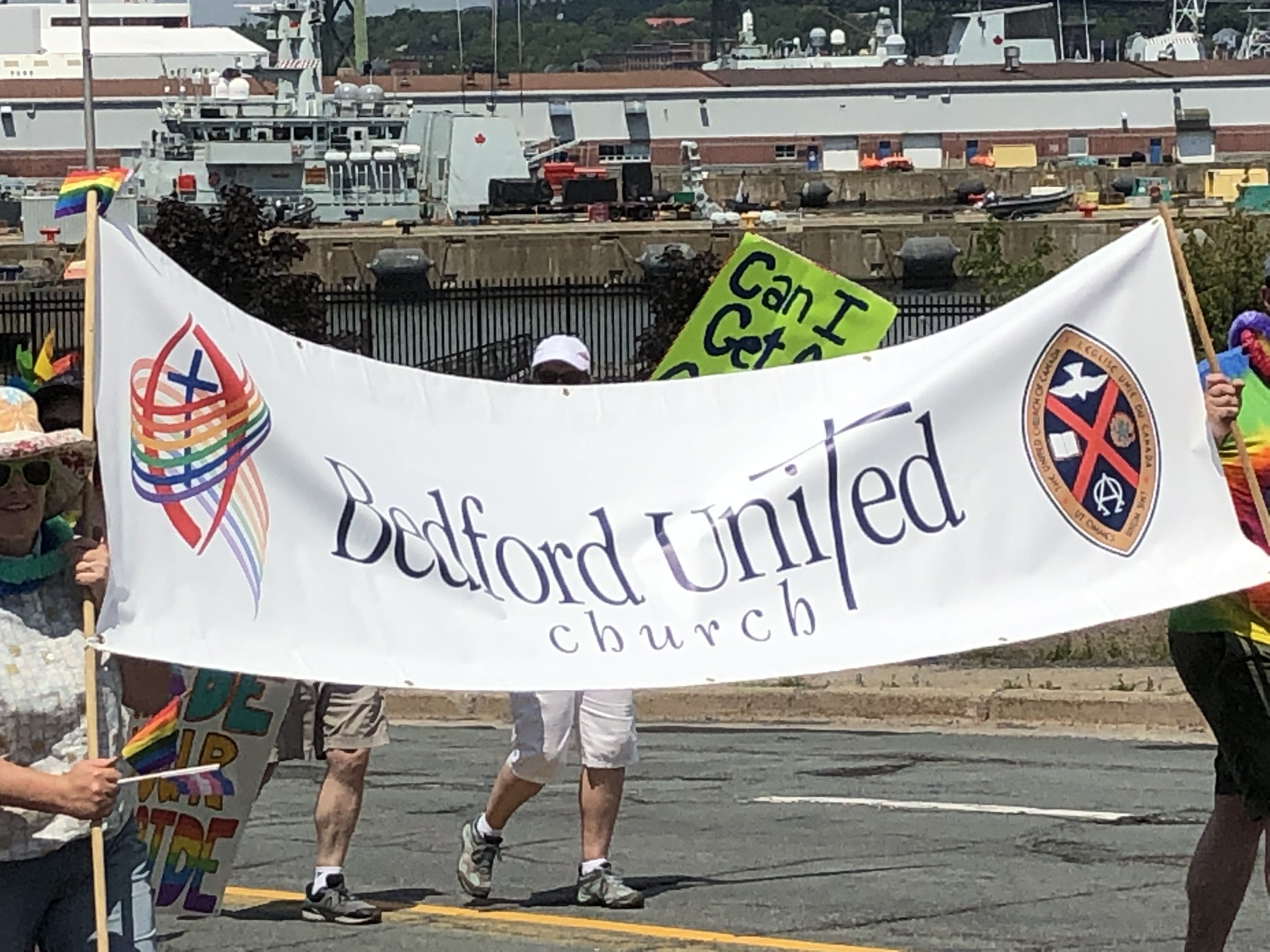
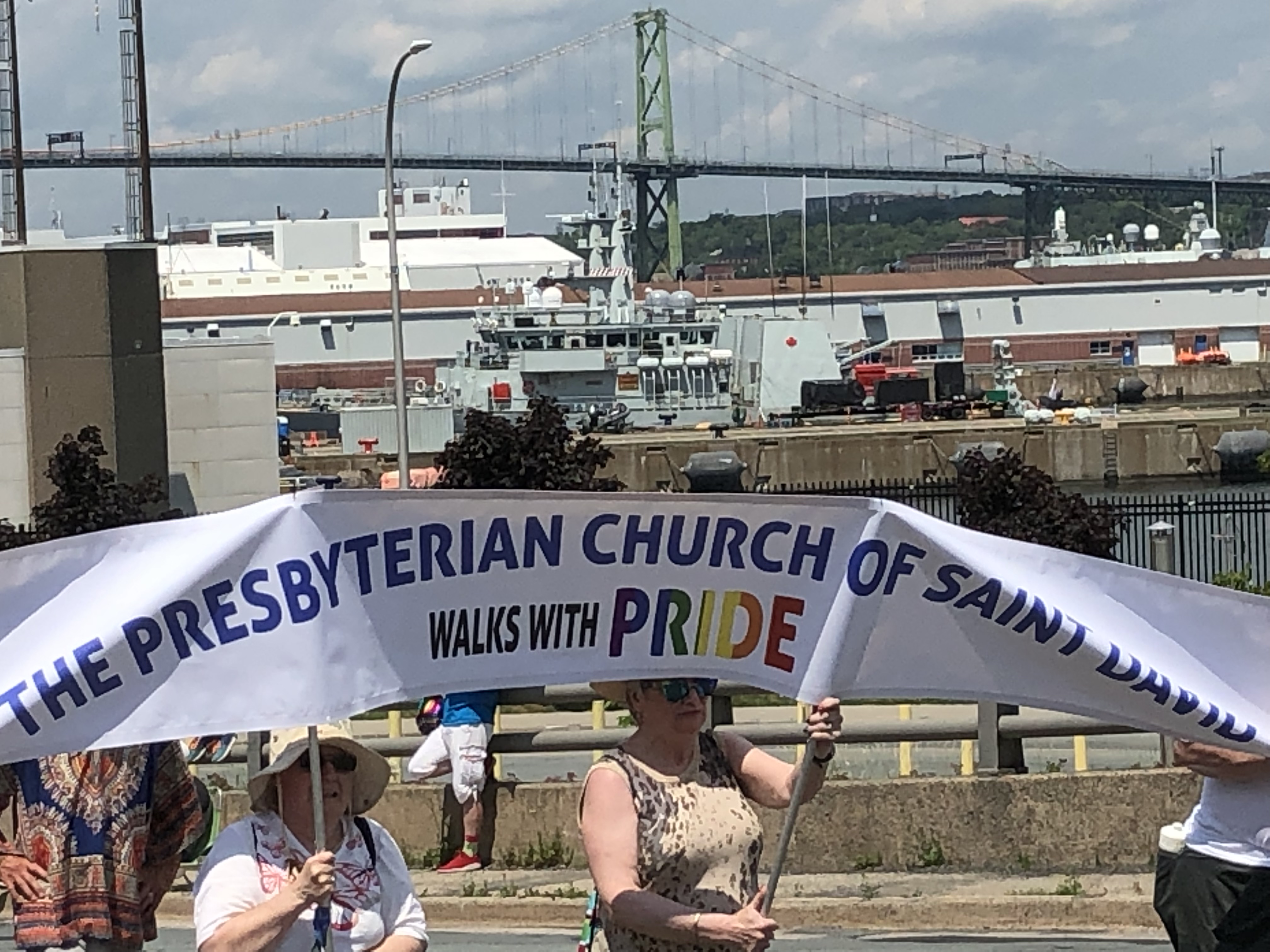
Lions Gate Bridge, VancouverMacKay Bridge, HalifaxMcDonald Bridge, HalifaxMc Donals Bridge, HalifaxWiszacy Most, Lynn Park, North Vancouver
Mosty zawsze lubiłem. I mostki, kładki prawie. Bajeczny most wiszący w Vancouverze, gdy czasem mgła szła z czeluści Burard Inlet poniżej i most unosił się w powietrzu ponad tą mgłą. Zjawisko wcale nie rzadkie a zawsze zachwycające. Lions Gate Bridge (tak się nazywa) zbudowany był przez tego samego architekta, który postawił dość podobny most w Halifaksie, który dziś widzę codziennie z okien i spacerów. I czasem też ginący we mgle, tym razem atlantyckiej. Bardzo lubię most-groblę prowadzącą do Pictou w Nowej Szkocji. Rozlega się stamtąd przepiękna panorama całego miasteczka. Dużo ładniejsza niż te miasteczko w rzeczywistości, które stale się remontuje ale swojej świetności już odzyskać nie jest w stanie.
Nie zapomnę nigdy małego mostku na rzeczce Volturno w środkowej Italii, przez który biegłem zdyszany do starożytnej Capuii wykupić gazety z wielkimi tytułami na pierwszej stronie: La guerra in Polonia. Był 13 grudzień 1981. Czas się zatrzymał.
A anioły? Aniołe to dziwne stworzenia. Tak ważne, tak głośne, były ich zastępy – a z nazw nie znamy prawie żadnego. Gabriel, Satanel, Michał. Były w wyraźnej hierarchii, jedno i wieloskrzydłowi, niektórzy ponoć aż ośmio. Którzy nas bronią, kuszą i prowadzą na tamten świat. Ci, którzy posłuchali Starego i wypędzili nas z Raju. Rozmawiam z nimi czasem. Lubię ich. Są autentycznie przepiękni – nawet Ci potępieni. Zresztą może ci potępieni byli właśnie najprawdziwsi, najwierniejsi nam. Ci, co zostali przy Starym chyba nas nienawidzą. Bo przez wszechczasy byli Jego kompanią, a potem zachciało mu się jakieś eksperymenty robić. Stworzył pięknych w sylwetce ale nieporadnych strasznie. Przykutych do ziemi. A potem się naturalnie rozczarował i kazał tylko aniołom pilnować by czegoś zbyt niegodziwego nie zrobili. A jeśli zrobili to maja ci aniołowie ich ukarać. Na ogół śmiercią. Zostali więc w większości Aniołami Śmierci. W tej roli ich lubię, wyszlachetnieli. Śmierć ma to do siebie, że uszlachetnia. Jakby zapłata za cierpienia.
W wyborze wierszy poetów polskich zamieszkałych na Zachodnim Wybrzeżem Pacyfiku (od Seattle do Vancouveru) wśród moich wierszy jest „Objawienie”. Jedno z moich spotkań z tymi aniołami.
W tym samym tomiku na s56 pisałem już o stalowym objęciu, zimnym a czułym jednocześnie, tego formalnego Anioła Śmierci, Uriela. Ten nie uciekł. I gdy przyjdzie, to nie zdradzi, nie zapomni. Ale to już inna historia.
[1] „Apollinaire”, PIW, 1968; s 33 (tłumaczenie i pod redakcją A. Ważyka)
A year ago Canadians went through a gut-wrenching exercise.
Overwhelming majority (for a much smaller minority it happened second time –as in 1970, P.E. Trudeau was forced to do similar things during October Crisis in Quebec) for the first time ever the Emergencies Act was invoked.
Comparing to many other countries, the Act is very measured and limited in its application. It must comply with the Canadian Charter of Rights and other international treaties (for example prohibition of use of torture) to which Canada is a signatory. It also covers only areas that are listed in the proclamation – in this case a huge majority of Canadians were not affected by it in their daily lives. For all practical reasons it affected only Ottawa and it’s vicinity. I’m sure the Army was (must have been) on some sort of alert but was not on the streets (as was the case in 1970). But make no mistake: a lot of freedoms and personal liberties were suspended or curtailed. All types of Police Forces and their heavy, quasi military equipment and units was mobilized and used.
Was it necessary or was it an overreach of Governmental powers?
I believed than, and even stronger now, that – yes. It was desperately needed and Federal Government was left with no other choice. To continue things the way they were in winter 2022 would have been an abdication of government responsibilities. Worse: frankly a political chaos would ensue.
I’m glad that we live in democracy that respects the rule of law. Because of that, after the Emergencies ceased, a Public Inquiry was held and Commissioner, Justice Paul Rouleau published the other day a full, comprehensive, 2000 pages long Report. Very long, indeed. But that’s for scholars of law, politics and smart politicians (there is few, not too many though …). I browsed and glanced very quickly through it (am neither a scholar nor smart politician). It contains a lot of important facts, reflections, full historical context of events. It does not stop only in Ottawa and the day the Act was invoked. It shows what led to that ominous decision.
But most of, it starts with a clear, concise and not ambiguous finding: the Federal Government met the very high threshold to invoke the Emergencies Act and acted appropriately.
No, it doesn’t sing the praises for the Gouvernemt nor anyone else. To the contrary – it finds a lot (a whole lot) of issues with all Canadian (federal, provincial and municipal) civil authorities. A separate book could be written, based on the Report, on the utter failure of Police Agencies. On the failure of federalism in this context. A serious failure of provincial responsibilities that allow the infamous Protest and Occupation of Canadian Capital and international border crossings to continue for so long.
At the very end of all these conclusions, there is also a somber, personal reflection of Justice Rouleau: a reasonably and fair minded person could have come to a different conclusion. That’s a very noble and wise conclusion that avoids further inflammation of feelings of people, who were on the other side of the fence. Of course, almost instantly, that noble and wise reflection was ceased by no other that Conservative leader Pierre Poilievre to deliver blistering attack on Justin Trudeau. Thankfully, other than ‘Freedom Convoy’ members and supporters, no one else could see Mr. Poilievre as a ‘reasonably and fair minded person’. But I will leave that sad example without any further commentary … .
However, I will write here few of my own reflections and musings on this subject. Not the legal aspect. Not the political, either. Ethical. Social.
I am neither a politician, as Pierre Poilievre, who buys desperately needed votes for next election, nor PM Justin Trudeau, who must represent all Canadians, even those not representing his personal values. I don’t represent all Canadians. I represent a particular, individual Canadian – myself. Finally, I am not Federal Justice, as Paul Rouleau, who must avoid philosophical and emotional language.
And I must remember why I am Canadian. Why I live here and have lived here for most of my life. I live and stayed here because of another declaration of similar Act (much broader, very harsh and tyrannical – but from the same family of domestic urgent emergencies and imposed by own government, not a foreign invader) – Martial Law in Poland in December 1981. Because of that single event, I ended up in Canada. But I did not go back to my Old Country, when it regained sovereignty and freedom. I stayed in Canada because I found this country and it’s people much closer to my vision and dream of just society. Just and open. Tolerant and full of empathy. Willing to face it’s not always best past and admit it’s mistakes, even crimes. Every country hast parts of very dark history but not many are willing to admit it and correct it. I will write my reflections from this perspective. Perspective of this, mine Canada. Good Canada.
That ‘good Canada’ has many roots and faces. Is like an oak or massive Western Red Cedar or majestic Douglas Fir. Huge green giants that could easily obliterate all other little species taking all the water and all the sunshine. But it doesn’t. It prefers to be not only good neighbour but caring and supporting friend to other, weaker and less powerful species. Like Canadians that I admired so many times, who helped me many times and whom I helped, when they needed it.
So, when the terrible and awful time came of our recent COVID pandemic – my first reaction was to make sure that I would never be a risk to any other Canadian. Specially the weaker, immunocompromised and older. That was such a natural behaviour that I just couldn’t think of acting otherwise. It didn’t matter for me if some Facebook, Twitter or some newspapers were publishing fake news about vaccine dangers, about masks (yes, apparently masks are dangerous too according to this ‘scientific’ sources). I trusted the information provided by Health Officers of each province, Health Canada advice and World Health Organization. That was good enough for me. I am not a biologist, virologist nor medical sciences researcher. People who advised the Provinces, Federal Government and WHO were. They are the best in the world of these sciences. It didn’t even cross my mind that the temporary restrictions (and they were restrictions) on my personal freedoms were unbearable. But there were Canadians, who were enraged by these restrictions. Some of them did it for purely political reasons. The Canadian type of Trump loyalists, people with no shame nor sense of responsibility. A small core of them were actually financed by US ultra-right circles. Others were duped into believing that pandemic was just an excuse to attack their freedoms. To make them feel bad. For them it was a hidden agenda of this crazy leftist liberal, the lover of the sex-crazy gay community, the tree-hugger, the friend of all the billionaires of the world, the ‘oh, I am so handsome and good looking’ enemy of our gas and oil complex – in short the one and only worst enemy of Canada, Justin Trudeau. The little fact that Trudeau won three consecutive federal elections hold no value for them. After all – they have learned from their advisors on the other side of the border that elections are easily stolen. That they will follow the example of March on Capitol Hill in Washington and will march on Ottawa Parliamentary Hill to finish their job. Yes, not all of them, probably not even a majority, received any individual advice from Trump loyalists or direct funds from these sources. Some certainly did it out of their own honest belief in their cause. But when ignorance is a good defence? When ignorance is good enough reasons to cause immense havoc tot he entire country, terror to citizens of Ottawa? When ignorance is an excuse for arrogance? Never.
Therefore no, I wont be as diplomatic as Justice Rouleau. I will not agree with Justin Trudeau taking back his own description that these people were a ‘fringe minority’. On the contrary – I hope that they were and are a fringe minority in Canada. In my, good Canada.
(Polish version – not translation – written from slightly different vantage point, will follow shortly at the end of English text)
Cicero would say: hic sunt casus historiae, hence, a short list of historical precedencies.
At the onset of the First World War, Canadian Parliament passed a bill called War Measures Act (in 1914). It was rather draconian legislature prepared to deal with subversion, insurrectionism and all sort of anti-state activities, that could or would pose a serious challenge to constitutional order or territorial integrity of Canada. It was used twice during world wars and only once at peacetime. The war usage of the Act was an unjust (but legal under the Act) overreach of the government, that resulted in interment of thousands of mostly Ukrainians, but also Poles and other ethnic groups that came to Canada from Galicia (western part of today’s Ukraine) and some part of Volhynia. Simply, because they emigrated from territories under Austro-Hungarian rule, which at that time was at war with British Empire. Notwithstanding the fact, that all these territories were taken by force by Austrian Empire and used to be part of Polish Commonwealth since Middle Ages, therefore the locals did not consider themselves loyal to Hapsburg’s empire.
During the 2 world war similar fate happened to Japanese Canadians and, to lesser extent, German and Italian Canadians.
These were the first and for a long time only usages of the War Measures Act. Both of these legal overreaches found their conclusion many years later: in 2008 Canadian Government reached a settlement with Ukrainian community and apologised for these actions. Earlier, in 1988, Prime Minister apologised to the Japanese-Canadians for their interment during 2 world war.
In contemporary history, the last usage of War Measures Act happened in October 1970. The October Crisis, was a political independence movement in Quebec, led by Front de libération du Québec. It culminated with kidnaping of Quebec Deputy Premier, Pierre Lapporte and British Trade Commissioner James Cross. Pierre Lapporte was found murdered; James Cross was liberated. Prime Minister (father of current PM, Justin) Pierre Trudeau saw it as an act of sedition, treason and violent action to overthrow the government and invoked the War Measures Act. Army was sent to Quebec, hundreds of people jailed.
That was the end of the Act. In ensuing years Parliament passed many statutes to govern various times of emergencies in Canada during peace time but never really repealed the War Measures Act, which was a relic of British Council directive from 1914, in a manner of speaking – a colonial legislature.
It was formally replaced in 1988 by current Emergencies Act. Not ever used until now.
Now, an ingression: what sort of act is in the title of this piece, called Martial Law? No, it is not a Canadian legislature. Although, I think, many Canadians, who were adults in 1980ties, were familiar with it. It was an act established by the communist Poland in December 1981 to destroy the independent “Solidarity” movement in Poland and it’s march to freedom, democracy. I write about it here for a reader to understand my viewpoint and my experience with these type of legislations and governments reasons for assuming extraordinary powers for temporary time. And whether history view them as necessary.
Some were, some were not. In most cases – even if the reasoning was rational and caused by urgency of situation – these powers were used excessively and proved to be unethical.
If the actions of actual or perceived protesters, insurrectionists and anti-government forces were truly justified and truly popular, with massive support from entire population – sooner or later the government would capitulate or be replaced either forcefully or by forced new elections.
The case of old War Measures Act in Canada and legislation introducing Martial Law in Poland in 1981 is no longer typical for any XXI century liberal democracy. The modern concept of State and exponential advance of individual rights and freedom protections would not allow truly democratic state to have such draconian laws under any situation (perhaps during a huge war with foreign enemy such legislation could be introduced – but not during peacetime) in modern times.
On the other hand – a reasonable form of temporarily giving the State extraordinary powers in some dangerous situations is a sensible mechanism. Especially in liberal democracy, prone to weaker and constrained form of governments. Constrained constitutionally by other powers (judiciary and parliamentary) independent of Government/Cabinet. In Canada, it is even much more complicated because of our confederate form of government and divisions of powers: provincial and federal. That is the reason our Parliament introduced the new Emergencies Act in 1988, replacing the old War Measures and many temporary, ministerial powers. It is formulated in such a way, that it should be truly treated with outmost caution and consideration and the political pitfalls for government are plentiful. That’s why it was never used until few days ago. It seems a history’s fate, that it is the son of former PM who last used the old Act, the current PM, Justin Trudeau. Justin had long talks with all provincial premiers, long session of entire Cabinet, emergency parliamentary debate and finally called a Press Conference, where he and all major ministers explained it to the press and answered many questions at length. His father, Pierre, had one short answer in 1970: famous ‘Just watch me’.
Was the Declaration necessary in February 2022? It is not for me to make that distinction in an objective and knowledgeable way. I can only answer that as a citizen of Canada and acute observer of political processes. I think it was. Was it politically a rational move? That we will know in a few days’ time. Especially in a minority situation. The government Declaration is only legally binding for seven days. After that time the Parliament must vote it in or out. If it does – the Government will prevail, if it fails – the Government will most likely fall. After the Emergencies Act ( 7 or 30 days maximum) stops being modus operandi, there will be Inquiry about its’ necessities, rationale and achievements/failures. And history will judge, regardless of contemporary verdicts.
There is few totally exclusive and excluding each other narratives to that protest/occupation/insurrection. Let’s look at some of them.
The first one lies at the very heart of the dispute if Emergencies Act must have been declared.
It is a democratic protest – and in a democracy people have a guaranteed rights to political protest. Granted. With one exception, sort of glaring and decisive, the word ‘peaceful’ is omitted. And ‘peaceful protest’ lies at the core of this right. There is a multitude of ways to have and maintain peaceful protest.
Just because one doesn’t shoot or drive a military tank, brings a cannon to that protest, doesn’t mean that it is peaceful or that it is not violent.
I listened intently to one reasonably looking, properly dressed, without horns on his head, protester at the border at Coutts in Alberta. Just few hours after police sized a truck full of military grade heavy guns, ammunition and arrested leaders of a group, who brought that truck. Not one or two crazies. No, organized group prepared and advocating the use of power to overthrow government.
The young man was resigned, sort of sad, his dream of his freedom has just died. He claimed not to have any knowledge of that paramilitary group that was part of the convoy. It is possible he was telling the truth. I hope so. And, in a tragic voice, almost like Hamlet, he said: ‘we came here in peace and we will leave in peace’. Like I said, he didn’t look like a crazy populist, Trump lover or evangelical devil. He even talked properly, in good literary English, suggesting that he possessed some form of proper education. And it fails me to comprehend how such a person cannot understand how he came to that protest. It was not peaceful act, by any means. He came with one reason and determination (apart from any ideological or idealistic convictions that he might or might not have): to prevent access to international border crossing to commercial and private drivers. Not by persuasion, by argument of a speech to those willing to listen and follow. No, he came to physically block that border with a large vehicle used as a barrier. That’s a definition of violent act – to stop someone against their will and right to go about their business. Bodily harm is only one of many acts that could be described as violence. I hope that he was allowed to leave in peace. It doesn’t give me any pleasure in seeing people thrown in jail. But that pleasantly looking young man was lying and lying purposefully: he did not came in peace. He came aggressively, with violence as means to achieve his goals. I choose this man and his sadly misleading statement as description of sizable portion of the insurrection in statu nascendi – an attempt at insurrection.
The second is hard to describe in a short piece (as this one) in a clear chain of actions leading to a goal. It is a religious component, shown very clearly by many members of the protest. The very common usage of words and terminology (‘God’s right’; supremacy of ‘God’s commandments’ over any state laws, et ceatera) coming straight from very orthodox Christian ideology and most visible in American-style Evangelical Churches. It is a terrifying message for any freedom-loving modern democrat. It terrifying for any descendant of European philosophy of Enlightenment and Reason. In short, it represents the Christian version of Islamic jihadist movement. It goes beyond any reason or any attempt of coming to some mutual agreement, some negotiations. It is only ‘us or them’, no middle ground. Orthodoxy defies logic and reason, is not flexible to any argument – hence no common ground could be found. One part of it though, particularly the American style Evangelicals, does require counteraction from democratic State and from society at large: it is the element of white supremacy and racism, central to some of their beliefs. It strikes at the core of modern liberal state of tolerance and inclusion. When the protesters on Parliament Hill starts the day (way too many days now) with their Jericho March – the symbolism is not lost on anyone. The Parliament, the heart of our democracy and state, is being viewed as “Jericho’ – biblical fortress and city that needs to be destroyed and (according to Bible) will be destroyed.
The third part – the most innocent and naïve, perhaps – is the no definable but understandable array of people tired of pandemic restrictions, of being told what and how you should conduct yourself, the medical restrictions. You name it and it is there. Some of it is (specially the medical, scientific facts and undisputable – albeit hastened and somewhat risky – research) difficult to understand for many. Others could be prone to smartly devised and distributed messages contrary to official federal, provincial and Public Health authorities policy. If these restrictions were for month only, even for a year – it likely would not create such a strong opposition. Because the virus doesn’t care about our policies or how people feel about them – it lasted much longer. Huge group of people in Canada, finishes the pandemic (still existing) poorer than it was prior to it. Yes, it is very true, that a sizeable group of lowest earners during the first wave of COVID19, was treated by the federal government with much more generous cheques that their pre-pandemic income. But by the end of 2021 – that generous amounts got smaller, more difficult to obtain and encroaching high inflation left them much poorer than earlier. At the same time – thanks to modern, aggressive capitalism, which is the scourge of liberal democracy – almost all corporations, their presidents and top executives made huge financial advances. Which was like a slap on the face of ordinary citizen. That group and their emotions are the easiest to understand, to sympathize with. The problem is that, for lack of clear distinctions, they were swallowed by the other groups and messages. Just by sharing the same ‘spot, time and pot’ – they co-signed the rest of the convoy insurgency. They never attempted to distinguish their grievances from other, more nefarious messages.
The fourth part is the most dangerous. One that truly pose the greatest risk to the stability of state, perhaps it’s survival. One that existed for many years in Canada and many times posed that threat. It is based on Western separation from Canada, living our Confederation and forming separate state. It is strongly rooted mainly in Alberta (to a smaller extend in Saskatchewan and very small parts in BC), with long tradition. The fundaments are based on Christian faith of evangelical persuasion, unfettered free enterprise, self-reliance, minimal role for state powers, antisemitism, Anglo-Saxon superiority. To name a few. Politically is to the right of the right. Part of their scenario to achieve its’ goals is clearly a slogan, that the road to freedom is marked by hail of bullets. True for most religious zealots and for French and Bolshevik revolutionaries alike.
One of the most prominent activist in that movement is no one other than Pat King. Yes, the same Pat King, who was arrested today in Ottawa. The same one, who was one of the main organizers of the Truck Convoy; who daily personally provided directions and directives to the huge group that occupies Ottawa; who regularly posted podcasts calling for harder stance until full victory. And one must assume that the victory would mean the abolition of the democratically elected Government of Canada, with Royal Assent from Governor General granting the Convoy leadership a new government/directorate introduced by Senate. At least those were the terms in an official letter to Governor General and Senate.
If this does not constitute a formal insurrection and sedition – I am at lost to what does.
In summary I have no clear answer to the question if the Declaration was necessary. Or, to say it more precisely if it could have been avoided. I think it could have been avoided by strong and decisive actions at the very beginning of the protest. Before it truly become insurrectionists and seditious. But nobody did. And by doing so, forced the hand of Federal Government.
I have listed here four main scenarios and narratives of the movement called ‘Truck Convoy’. These that are visible by naked eye, without the use of a microscope. There could be one more. Very sinister and far-reaching. I am sure one that is (or should be) contemplated and studied by national spy agencies and services. Not only in Canada. Here is my sinister, imaginary (?) theory of true conspiracy or unprecedented heavenly coincidences:
many years ago (therefore well remembered by me, as age gives the advantage of the vantage) Preston Manning launched in Alberta a movement to kill the old Progressive Conservative Party and return it to more western-based, Christian value-induced, fundaments. At that time the Conservative party was truly a pan-Canadian institution represented by staunchly pro-federalist leaders on national and provincial stages. They were the descendants of Charlottetown birth of Dominion of Canada.
Manning successfully wrestled the conservative movement in Western Canada from the hands of the progressive wing to more traditionalist, western-based and Evangelical bedrock. That split meant that there would never be a next federal conservative government as the two different factions of conservative movement would split the national vote giving victory to their arch-enemy – the Liberals. Reform Party was born.
Stage was set for young, intelligent and ambitious politician, Stephen Harper. He proposed that both party should form a new one, combining forces together. Thus a new, Conservative Party of Canada was born. Over time, the new party tended to start moving to the West and to more Reform style of politics and policies. The progressive element lingered in Eastern and Atlantic provinces. Strong regionally, weak federally. In 2015 Harper lost his re-election. He could have loose it, very possibly according to polls, to NDP. But a new star was born in Canadian politics. Son of no other than Pierre Trudeau – politician hated in the West with a passion. Justin Trudeau. His victory was stunning and overwhelming. He won subsequently two more elections – but none as huge and impressive as the first one. That means that Conservatists lost three elections in a row. Some understood the simple math – if the party does not move more to progressive policies it might become government-in-waiting permanently. Hence a flirt of last leader, Erin O’Toole, with more centrist policies, less of ultra-right. Unfortunately for the party, O’Toole was not a strong leader nor visionary. The Reform wing of the Western protest grew. Knives were sharpened. Leader, who just won leadership battle (but lost a national election) of the party, met his deathly fate. The date was February 2. Twenty days later a Convoy of Trucks starts driving toward Ottawa… Coincidences? In politics there are very few. The Interim Leader, Ms. Berger and staunchly ultra-right and first candidate for national leader, Mr. Pierre Poilievre, showed friendly and supportive gestures to the Convoy in Ottawa. Poilievre even broadcasted a message: “I’m proud of the truckers and I stand with them”. Perhaps a chance that the trucks would become his vehicle to leadership victory? Maybe my fantasy soars to high … but Machiavelli did not invented politics based on lack of ethics – he just described them in his book. Just read how many Russian tsars died of natural causes … . Just musing, that’s all.
Eh, speaking of tsars and Russia. The Convoy gathered huge financial support from many sources. Mainly from the US. No, not the federal government. From you-know-who and his camp. And gathered enormous international coverage. Some tried to have it repeated in Europe. Very seriously. Yes, during this February, February, when Russian armies congregate en masse on Ukrainian border. First as a serious military threat to international order and peace since the Cuban Crisis during Kennedy’s presidency. That would be convenient if capitals, railways and border connections were to be occupied by convoys, would it be, Mr. Putin? Yes, you Mr. Putin, you, who helped so much Mr. Trump to win the presidency. Just musing, that’s all.
February. Strange month. Exactly on February 2nd in 1982, I landed in Canada. Forty years ago. As a result of Martial Law in Poland. The day of the proclamation of it, I was no longer in Poland. Few months earlier I went to London (had to borrow 100 US dollars from friends to get the visa, and a 100 dollars was a huge amount for me) to study Polish Marshal Jozef Pilsudski documents preserved in London’s Institute by his name (the only military and state leader, who defeated the Soviet army and won war with them in 1920). Being there I was aching to go back to my work in ‘Solidarity” in Warsaw. But my contacts in Polish pre-war constitutional government-in-exile in London and constant talks with friends in Poland were clear that something terrible might happen at any moment. My father, who spent part of his youth in Soviet camp, implored me not to come back saying that one more dead body will not help Poland. I think it was a bit too dramatic, but I was only 20 years old! Dramatics work at that age. In a way he was right, though. Right after the declaration of Martial Law the communist police came for me to my parents’ apartment. But at that time I was already in Italy, waiting for my refuge ticket to Canada. Over the last 40 years my feelings and attachment for my new country grew immensely. I don’t know if they are stronger or even as strong as my feelings in 1982 for Poland. Probably not. When you are twenty years old, your love and passion is not comparable to any emotions in later years. But my love for Canada is a love of an adult, mature man. It is based on observations, judgments, even calculations. Emotions and logic combined. Ethical and practical. It grew much stronger in the last twenty years. Thanks to our strong commitments to tolerance, because of beautiful mosaic of more and more visible races, colours, shapes and traditions. Sometimes irritating, because we are creatures of habit and it is not easy to open oneself to different experiences. But I love it: the array, the choices, the multitudes. If humanity is to survive, I think that our model is the one to follow. Yet, I know that things like that do not happen by accident. They are result of policies, laws. Of choices. Polish national symbols, the flag, the White Eagle are forever enshrined in my soul. And so is the Maple Leaf (with colours was very easy: both are the same – one horizontally, the other vertically). But February is a strange month. In February 2022 I am sick of seeing Canadian flag and Maple Leaf. Of constant parades of this symbol next to vulgarity, next to hateful messages, on trucks glaring at night under the apartments of tired residents of my capital; on trucks and on shoulders of people blocking our border crossings and causing hundreds of millions of dollars losses and lost wages to countless victims of these actions, on back of hooligan dancing on grave of Unknown Soldier on Parliament Hill. In my Canada the Flag is treated with respect it truly deserves. My Canada earned that respect. Earned it the hard way, after many painful mistakes. And no achievement is worth more, no respect more admirable than the one learnt on own mistakes. It is the same emotion as the one young person feels, after getting the first earned wage. Not given but earned. I do hope that by the time most of you will read it – that Canada will be on its way back. We need Her.
Are we a nation divided, as some politicians are trying to tell us? Because nation truly divided has no alternative – it has to listen to one another and it must find solution, compromise, common ground. Otherwise, it has nothing. Mountains, rivers, plains, forests, oceans are not Canadian. Nature has no concept or need for ‘nationhood’ and ‘statehood’. If there is one for Nature – it is Earth, planet: a place to be, to exist. Mountains in one country crumble, its icefields melt and huge rivers in another die. The borders don’t change or protect anything. But not so for people. We need to depend on one another. That’s all that is required at the end. We might argue, might get angry at each other but deep down we do care for each other. If it is all just individualistic, just many I’s – it is perfectly good cosmopolitanism. Which is OK, as far as I am concerned. I like to hope and believe that I could live in any country, any that shares or displays my set of values. But in some I would do terribly. Therefore, my cosmopolitanism is not all encompassing, maybe even very narrow. My age, experience (I lived for short amount of time in two countries: England and Italy, for much longer and very formative – childhood and youth – in Poland and most of my adult live in Canada), being a member of very distinct minority, which was persecuted for a very long time, even during my youth makes me (I think and hope) a good judge of what country I could live in and share the responsibility for that country.
Therefore my cosmopolitanism is not all encompassing, maybe even very narrow. My age, experience (I lived for a short amount of time in two countries: England and Italy; for much longer and very formative – childhood and youth – in Poland; most of my adult life in Canada), being a member of very distinct minority, which was persecuted for a very long time, even during my youth makes me (I think and hope) a good judge of what country I could live in and share the responsibility for that country. There are countries, societies I would not do well in and would not want to add to their well-being because their well-being would add to my ill-being.
‘My’ country is like a garden – it requires care and some labour, some watering, pruning. Doesn’t have to be perfectly manicured like old French jardines royaux. That labour should bring you pleasure and allow later for time of idle relaxation. Otherwise, it could become a menace of overgrown weeds, branches. Something that scares you more than brings a smile.
But even in a country like that, there could be serious disputes, times of opposing visions, right to protest. Because what is the shortest definition of modern democracy? It is the government of majority that protects the rights of minority. Rights of majority are protected by the law of inertia, so to speak. Unless the government consists of suicidal maniacs, of course. Naturally, that tenet of democracy implies by itself that any minority does not mistake the protection for a right to forcing its view on the majority. A right to abortion, for example, does not imply that every pregnant woman must have an abortion. A right to marry by same-sex couples does not mean that heterosexual couples can’t get married. A separation of state and religion, even secularism of state, does not imply that citizen does not have a right to hold and practice his/her religious beliefs – it does imply, though, that she/he can’t impose these beliefs on others. In a word: a tree, flowers, grass and shrubs can grow and will be watered and cared for tenderly but it can’t become a jungle and overtake our house. Simple.
A minority can feel at times that their views are not protected or guaranteed. Thus, it has a right to ask for better protection, it can argue it in court, during political debates, during protest, demonstration – finally: during national or local elections. But it can’t and should never be allowed to disregard elections results and the rule of majority. It should never usurp the supreme right of Parliament and constitution. Actions like that are called revolution, insurrection, sedition. If these actions were to be successful it is an end of democracy and what would ensue is terror. The only way you can exercise power and control of majority by minority is through terror, sheer physical power. There is no other political possibility. You can’t persuade the rule of minority over a majority without the fear of persecution. End of story as old as any civilization of humankind.
This is exactly, without any unnecessary flowering of words and dancing around issues, what’s happening in Ottawa, in Coutts in Alberta. When a small minority of truckers and their supporters invade and occupy the centre of Ottawa – with huge trucks that are as menacing as military vehicles, when they make the residents feel like hostages in their own homes and places of work, worship and social gatherings, when the Mayor of the city pleads with them for days to leave, when the top City Police commander admits it is beyond his and his force’s capabilities to remove this illegal occupation of city’s core – it is not a protest. When big part of Alberta-US land crossing for business and commercial travel is shut – it is not a protest. When the demands are not for allowing for some accommodation and resolve of grievances but to reverse the policy of all levels of government (federal, provincial and municipal), policy supported by huge majority of Canadians, such as the public health regulations during pandemic and vaccination – it is not a protest. Finally – when the demand is to attempt to overthrow the government legally and lawfully elected in a very recent national election – it is not a protest. It is an attempt at sedition. No more no less.
I will not allow myself to get into an argument about pro or contra vaccination, about businesses closures or shut-downs. These issues were clearly discussed during federal election and during many provincial elections. The platforms offered clearly stated what the wining parties were prepared to do. They won and they did. End of story.
A federal politician, Member of Parliament of any party should be ashamed to offer support to these actions of the Truckers Convoy, which is so clearly not about truckers at all. It is a politically manipulated movement of extreme right wing groups, in cohorts with racists, trumpists and foreign, US-based Trump followers.
Therefore, when a Conservative party MP tells me that we must understand these people, we must listen to their arguments and find a solution because Canada is divided – my answer is that Canada is not divided at all. Huge majority of us followed the recommendations of provincial and federal leaders and health experts. We social distanced, we got vaccinated as soon as we could, we curtailed our social life. For two years almost. Awful, terrible years. I hated every day of that. But I understood, and so did most of my compatriots, that it was necessary. That, yes, I do have a responsibility to others and their lives. That it is the garden I agreed to tend to. That I have a social, binding contract.
It is not Canada that is divided. It is the conservative movement and Conservative Party that are divided. It just, in the middle of the huge occupation of Ottawa, revolted against its own leader and in a secret ballot ousted him. It is divided between more progressive, modern forces and extreme elements. And the extreme, to the right of the right groups staged a coup within the party. But the final word will belong to their own National Convention, not to 129 members.
No, Canada is not divided. We are united in our silent, strong majority. And we just about had enough of the antics. It is very telling that the Conservative members of Parliament – after kicking out their leader, choose as an interim leader Ms. Candice Bergen, known for publicly wearing a “Make America great again” hat in support of Donald Trump.
Ms. Bergen – did you have a dream that the Truck Convoy would really repeat the infamous January 6 insurrection on the Capitol Hill in Washington, this time on our Parliament in Ottawa? And with a success? Thanks, but no. We don’t want Canada ‘great again’. We just want it better than before.
Tak sobie pomyślałem przeglądając pierwszy raz od wielu, wielu lat niepokaźną objętością książeczkę-wybór felietonów Edwarda Zymana. Wydało ją wydawnictwo (chyba już nie istniejące) Andre Poray Book Publishing w Chicago w 1987 roku. Edward nadał zbiorowi tytuł „U Boga każdy błazen”. Jako, że czasy były jeszcze przed możliwościami e-booków, on-line publishing i wszystkim, co przyniósł magiczny internet, ten zbiór ukazał się dzięki przedpłatom Czytelników. Wśród Listy Subskrybentów dołączonej do wydania widniej też i moje nazwisko. Czasy były, gdy biedota pisarsko-dziennikarska na bożym ugorze tzw. życia polonijnego wspierała się zawsze w zacnych inicjatywach, które potem chętnie wskazywano jako osiągnięcia polonijne w dziedzinie kultury. Te ‘osiągnięcia’ były wszak prawie bez wyjątku wynikiem mozolnej pracy tych właśnie (i przez lata stale tych samych) bidaków-pisarczyków i im podobnych akolitów sztuk tzw. pięknych lub wolnych (w przeciwieństwie do mięsnych, które zdecydowanie większą popularność miały).
Zyman we wstępie wyjaśnia tytuł odwołujący się do Jana Kochanowskiego, który te słowa użył w jednej ze swoich Pieśni, konkludując za poetą czarnoleskim, że im bardziej się sili tym więcej się myli. Ale od siebie szybko wyjaśnia, że wszak nie mylą się tylko ci, którzy nic nie robią. A przyznaję od siebie, że Edward Zyman na tym ugorze polonijnym zrobił dużo i poświęcił mu połowę swojego życia.
Zmarł 18 listopada 2021 w Mississauga, w Ontario, gdzie od wielu lat mieszkał, w wieku 78 lat. O jego śmierci dowiedziałem się dość przypadkowo, w równie przypadkowej rozmowie internetowej z poetą z Calgary, Janem Wolakiem. Moje kontakty z Edwardem od blisko 20 lat były raczej sporadyczne. Choć w pierwszym 10-leciu jego pobytu w Kanadzie łączyła nas bardzo bliska znajomość i jeszcze bliższa współpraca literacko-publicystyczna. Odległość, jak i duże zmiany pokoleniowe, polityczne, socjologiczne, jakie zaszły w Polonii w latach 1991-2001 oddaliły nas od siebie. Gdzieś od tych lat poczynając wycofałem się świadomie i prawie kompletnie z tzw. życia polonijnego. Odmówiłem dalszej współpracy i publikacji w pismach polonijnych, nie chciałem mieć nic wspólnego z organizacjami polonijnymi. W czym bardzo pomogło mi przeniesienie się z Alberty do pięknego Vancouveru, w nowe nieznajome środowisko.
Naturalnie życie ma swoje dróżki. W krótkim czasie odnalazło mnie dwóch redaktorów/wydawców ówczesnego tygodnika „Takie Życie” ukazującego się lokalnie w Vancouverze, których wcześniej nie znałem. Nagabywano, zachęcano i naturalnie na końcu pozyskano. Aliści o tzw. sprawach polonijnych starałem się nie pisać. Po jakimś czasie, głównie ze względu na przyjazd na stałe do mnie mojej mamy – nawiązałem kontakt z zacną i wiele dobrego robiąca grupą artystów i przyjaciół sztuk „Pod skrzydłami Pegaza”. Efektem tego (długa historia) było podjęcie się wydawania rocznika twórczości polskiej „Strumień’, którego zasadniczymi adresatami były polskie placówki akademickie i archiwalne, biblioteki naukowe oraz główne ośrodki kultury polskiej (jak np. Biblioteka Paryska) poza granicami Kraju. Z góry zakładając, że nie jest to pismo nastawione na jakikolwiek dochód, nie zawracała mi głowy i czasu myśl o szukaniu indywidualnego czytelnika i nabywcy pisma (naturalnie kwestia jakiegokolwiek wynagrodzenia w ogóle nie była brana pod uwagę i było to wyjście zdrowe, bo unikało jakiegokolwiek uzależnienia mnie we wszelkich decyzjach edytorskich). Poza stałymi i regularnymi, raz w roku, spotkaniami z lokalnym czytelnikiem z Vancouveru i okolic, które były jednocześnie okazją do prezentacji autorów danego wydania, odczytów, wystawy sztuk wizualnych, czasem prezentacji muzycznej. Spotkania te miały miejsce w Miejskiej Bibliotece. Unikaliśmy korzystania z ‘gościnności’ lokalnych organizacji polonijnych.
Sytuacja Edwarda Zymana było zupełnie inna. Urodzony dobrze ponad dekadę wcześniej niż ja, przyjechał do Kanady już z interesującym doświadczeniem i bagażem jako autor, jako redaktor. Miał za sobą doświadczenia życia zawodowego i zarobkowego w środowisku redakcyjnym i chciał tego rodzaju pracę kontynuować tu. Różniły nas też środowiska z jakich pochodziliśmy, pewne tradycje. Wiek był, mimo to, pewnie czynnikiem decydującym. Moje doświadczenia z Polski były głównie doświadczeniami młodego, zapalonego działacza „Solidarności’ a od momentu wylądowania w Kanadzie – działacza niepodległościowego. Doświadczenia autorskie w Kraju miałem minimalne – kilka drobnych felietonów i tekstów rozrzuconych po różnych tytułach.
W ten sposób poznaliśmy się w jego pierwszych dniach pobytu w Kanadzie, w Calgary, gdzie wylądował z żoną w 1983. Zajął się szybko redagowaniem lokalnego biuletynu (z taką właśnie nazwą „Biuletyn Polonijny”), miesięcznej relacji z wydarzeń trzech środowisk finansujących to wydawnictwo: Stow. Kombatantów, Parafii i Stow. Polsko-Kanadyjskiego. Pisemko wartości większej nie miało ale ‘na bezrybiu i rak ryba’. Miało za to bardzo oddanych i regularnie subskrybujących miesięcznik od wielu lat czytelników. Edward był pierwszym, który Biuletyn nieco uporządkował graficznie, tematycznie. Był też pierwszym, który skłonił Dyrekcję Prasową (tak wypadało chyba nazwać osoby, które z ramienia wymienionych wyżej instytucji decydowały o finansach i charakterze pisma) do wypłacaniu mu miesięcznej tantiemy. Co uważam za jego pierwszy sukces. I pochwalałem to. Hydraulikowi się za usługi płaci bez zastanowienia. Natomiast wyrobnikom słowa nigdy się w polonijnej Kanadzie nie płaciło. Ano – bo każdy przecież umie pisać! Choć nie zastanawiano się, że każdy umie odkręcić i zakręcić kran, a mimo to hydraulikowi się jednak płaciło.
W tym samym czasie zorganizowałem w Calgary zjazd/kolokwium polskich intelektualistów, ludzi pióra i sztuki, akademików z Zachodniej Kanady. Nie było to łatwe, bo każdy miał swoje terminy, nie mogliśmy oferować zwrotu kosztów podróży, zakwaterowanie robiliśmy u siebie lub znajomych. Organizacje na takie ‘imprezy’ nie miały pieniędzy. Ale dzięki temu udało nam się poznać ciekawych i bardzo wartościowych ludzi, niektórzy mieszkający od wielu lat w Kanadzie a nie zawsze znający się osobiście. Te spotkanie bardzo pobudziło i dało energię Edwardowi. Zadzierzgnięcie stosunków środowiskowych jest niezmiernie ważne na polu kultury. Byli tam redaktorzy, profesorowie uniwersytetów, działacze kulturalni. Najważniejszym bodaj pokłosiem – i to była głownie zasługa nie moja, a Edwarda – była decyzja wydawania kwartalnika kulturalnego pod patronatem albertańskiego oddziału KPK. Redaktorem naczelnym został wybitny literaturoznawca prof. Edward Możejko (późniejszy dziekan Wydz. Literatury Uniwersytetu Alberty), a Edward wszedł w skład redakcji. Ja, popierający ideę, odmówiłem formalnego wejścia do redakcji nie wierząc w sukces przetrwania pisma. A przetrwało sporo dłużej niż obawiałem się, bo blisko cztery lata. Ale publikowałem tam eseje, krytyki literackie i zdaje się jeden lub dwa wiersze. Kwartalnik od początku do końca wydawano starannie pod względem graficznym i merytorycznym. Niestety nigdy nie udało się osiągnąć sukcesu finansowego ani wystarczającej liczby czytelników, a poruszane tematy wykraczały poza zainteresowania członków organizacji kongresowych, gdzie błędnie spodziewano się większego zainteresowania. Edward zrozumiał, że mimo poziomu czasopisma – nie ma mowy o jakimkolwiek wsparciu finansowym dla pracujących przy tym wydawnictwie. W Calgary też związał się lokalną polonijną redakcja telewizyjną, gdzie przygotowywano tygodniowy program na bezpłatnym kanale wielokulturowym. Program nosił tytuł Polish Kaleidoscop i Zyman bez wątpienia wpłynął na profesjonalny poziom tego programu. Stronę techniczna zapewniał inny młody uchodźca solidarnościowy, kamerzysta z Polski, niestety nazwisko nie przetrwało w mojej pamięci. Kilka razy byłem gościem tego programu. Wszystko to jednak nie dawało nadziei na możliwość znalezienia pozycji płatnej, zwykłego zarabiania na życie. Perspektywa polepszenia sytuacji była nikła, bliska zeru. Po prawdzie jedyny (poza pracą akademicką lub w kanadyjskim, angielskojęzycznym środowisku literackim do czego umiejętności ani kwalifikacji nie miał) sposób zarabiania na życie wówczas wiązać się musiał z pracą redakcyjną w jednym z kilku tygodników polskich: Winnipeg („Czas”) lub Toronto (tu było aż kilka gazet, w tym dwie najstabilniejsze finansowo: „Związkowiec” i „Głos Polski”). Tam też przeprowadził się w drugiej połowie 1984 i objął funkcję redaktora naczelnego „Głosu Polskiego”. Współpracowałem z nim dość regularnie w tym czasie stale publikując na łamach „Głosu” publicystykę polityczną, czasem recenzje literackie i zgodziłem się przenieść z tygodnika „Czas” periodyczne reportaże literackie ‘Pogwarki’.
1.E. Zyman z rodzicami autora, Fort Macleod, Alberta, 1984; 2. rodzice autora, E. Zyman i prof. I. Adel-Człowiekowski, W Letbridge, Alberta, 1984
Tu dopiero zaczął się najważniejszy okres jego działalności redakcyjnej, literackiej, organizacyjnej i – co chyba najistotniejsze – wydawniczej w ramach Polskiego Funduszu Wydawniczego.
Największym chyba talentem Edwarda Zymana była jego umiejętność właśnie organizacyjna skupiająca się na odnajdywaniu właściwych osób, we właściwym czasie i pozyskiwania ich dla swoich idei. Umiejętność perswazji, argumentacji i nie traktowaniu ‘nie mogę” lub ‘to niemożliwe’, jako decyzji ostatecznej. Olbrzymią pomocą dla niego było też poznania tam ludzi nowych z nowej fali emigracyjnej, którzy mieli podobne, jak on doświadczenia i język praktyczny wyniesiony z PRL. Zaś z drugiej strony umiejętność rozmowy, pewnej adoracji wręcz, wobec środowisk literacko-artystycznych starej emigracji. Z czasem rozpoczął szereg projektów, zaangażował się w licznych firmach, organizacjach związanych pośrednio lub bezpośrednio z życiem kulturalnym (z głównym naciskiem na dział literacki) Ontario i innych regionów Kanady.
Szczególnie znamienna dla niego była znajomość i przyjaźń z Adamem Tomaszewskim i pisarzami lub działaczami kulturalnymi związanymi z Polskim Funduszem Wydawniczym (PFL). Z biegiem czasu oczywistym stała się potrzeba wymiany pokoleniowej. Twórcy i zawładający Funduszem, naturalnym ciągiem losów, powoli schodzili z aktywnej sceny polonijnej. Zyman był gotów te miejsce zająć i wlać nową krew w tą zacną organizację. Wiązało się to też z okresem zmian politycznych w Polsce. I znowu – jego podtrzymywane i pielęgnowane z ośrodkami literacko-wydawniczymi i ludźmi w tych ośrodkach umożliwiły mu nowe plany współpracy. Był to początek wybuchu zainteresowania tzw. literaturą emigracyjną i jej twórcami w Kraju, nadrabiania blisko 50-letnich zaległości. Ale dzięki temu zainteresowaniu była to też okazja pokazania w Kraju (i pokazania w Kanadzie i innych krajach osadnictwa) dorobku nowej fali, tej post-solidarnościowej, którzy w kraju byli albo nie znani kompletnie lub z bardzo minimalnym dorobkiem. Edward potrafił te znajomości z nowymi autorami jego własnej fali emigracyjnej podtrzymywać, pielęgnować.
Był to już okres końca lat 90. ub. wieku i początku XXI wieku. Nasza współpraca w zasadzie zakończyła się. Mieliśmy może jeszcze, przy okazji jego wizyt w Vancouverze u Anny Lubicz dwa bodaj tylko spotkania prywatne. Zostały już chyba tylko pozory serdeczności i dawnej przyjaźni. Wydaje mi się, że pewnym zgrzytem, którego nie potrafił mi chyba darować była śmieszna sprawa wydania przez Fundusz jego książeczki „Metamorfoza Głębin Twoich” w 2003. Byłbym pewnie nigdy tej książki ani czytał ani o niej słyszał. Pisał w niej o autorach (no, niech będzie poetach, bo któż nas ma władzę nadawać lub odbierać te tytuły?) kilku tomików wierszy. Niektóre chyba z tych nazwisk znałem. Inne nie. Ale pewna para pisarska znała mnie, a o nich też mowa była w tej książeczce. I poprosili o spotkanie, o rozmowę. O wylanie żali gorzkich. Pożyczyłem od nich tą książeczkę, przeczytałem. Przeczytałem też ich tomik z ich wierszami, innego omawianego autora (z jego wiersza zapożyczył Zyman ten zabawny tytuł) czytałem na tyle na ile mogłem lata wcześniej, gdy przesłał mi tomik z dedykacją i prośbą o recenzję. Recenzji napisać nie mogłem, bo nie miałem serca, więc wyłgałem się kompletnym brakiem czasu. Język w książce Zymana był pozbawiony ‘metamorfozy głębin’ (LOL), był bardziej niż ostry – był bezlitosny. To nie była krytyka omawianych tomików, książek – to był pręgież egzekutora. Coup de grâce wymierzony przez Krytyka wobec złej poezji, lub wierszowania symulującego poezję. Nie zawsze chyba słusznie. Nie mnie ani Zymanowi (ni komukolwiek innemu) wypada takie publiczne wyroki bezapelacyjne ferować. A jeśli już – to nie w formie książkowej, może felietonik tu lub tam, może uwaga w adnotacjach. Nie wiem. Istnieje pojęcie złej poezji (czyli braku poezji) ale istnieje też poezja (lub wierszowanie, nie będziemy się sprzeczać o ‘przecinki’) pogranicza literatury, jej obrzeży. Ma zapotrzebowanie czytelnicze, oddaje pewien, na ogół jednoznaczny i pozbawiony ‘metamorfoz’ stan ducha, emocji. O ile złą lub wadliwą powieść, słaby wiersz lub dramat napisze znany autor – można i warto mu to zarzucić, wytknąć. To zupełnie inny obszar krytyki literackiej. O nieznanych lub istniejących na obrzeżach literatury autorach lepiej chyba nie pisać nic niż ich miażdżyć. Byłbym może i to pominął jednak. Odpowiedział tą samą wymówką braku czasu. Najbardziej wkurzyło mnie jednak, że to Edward, a nie oni własnym sumptem wydający taką czy inna książeczkę, zrobił występek. Co było wówczas (i mimo sytuacji lepszej niż 40 lat temu, jest i dziś) oczywiste to fakt, że publikacja, wydanie tomiku wierszy, powieści, zbioru opowiadań jest w środowisku polonijnym (nie tylko w Kanadzie) szalenie trudne. Te bardzo nieliczne ośrodki i instytucje polonijne, które to umożliwiały czasem, miały szalenie ograniczone możliwości finansowe, edytorskie, dystrybutorskie. Wiedziałem to ja, jako naczelny rocznika twórczości w Vancouverze, wiedział lepiej jeszcze ode mnie Edward Zyman, który z większością tego typu instytucji w Toronto był związany lub je prowadził. I użycie tych skromnych środków na wydanie własnej książeczki właśnie z tych zasobów Funduszu, która absolutnie niczego do literatury nie wniosła, było naganne, a nawet trochę megalomańskie. I taka była generalnie kwintesencja mojej recenzji książki Edwarda. Gwoli pewnej rzeczowości podałem tam przykłady kilku wierszy zdruzgotanych przez Zymana (nielicznych, przyznaję), które posiadały swą wartość (jakkolwiek nikłą) literacką, a znalazłem nawet takie, które poziomem zbyt daleko nie uciekały od szeregu wydawanych w Kraju (bo to był też moment wielkiej rewolucji w krajowym rynku wydawniczym, gdzie wydać było coś czasem łatwiej i taniej niż kupić porządny garnitur). Słabości innych nie ukrywałem ale się nad tymi słabościami nie rozpisywałem. I opublikowałem to w którymś z tygodników (trzy się chyba wówczas ukazywały w Vancouverze). Ani wilk był syty ani koza cała. Od znajomych dowiedziałem się, że Edward miał o to do mnie duży żal, a para pisząca wiersze w Vancouverze, która się do mnie o ratunek zwróciła też zachwycona nie była, bom pozytywnej kontr-recenzji ich tomiku nie wydał, zaś sprawy szersze ich nie interesowały.
Efektem było ochłodzenie naszych stosunków. Jako, że aktywnie (poza własnym podwórkiem redakcyjnym, które mi zabierało zbyt wiele co raz się kurczącego czasu) i tak w ogólno-kanadyjskim dyskursie przestałem uczestniczyć zbyt się o to nie troszczyłem. Z latami każdy z nas przyzwyczaja się do personalnych ubytków, strat, lub wręcz rozczarowań. Życie. Mojej pozytywnej bardzo opinii o osiągnięciach Zymana, jako wydawcy i animatora polonijnego życia literackiego to nie zmieniło. Spotykając się na uniwersytetach w Rzeszowie (‘Fraza’ i dział Biblioteki Uniwersyteckiej poświęcony literaturze emigracyjnej w Kanadzie), Toruniu (Archiwum Emigracji) – rozmawialiśmy często o Zymanie i Funduszu Wydawniczym. Choć zasadniczym tematem byli wielcy twórcy, jak Busza, Iwaniuk, Czaykowski, to naturalnie nie mogło zabraknąć rozmów o ogólno-kanadyjskim stanie literatury i pisarzy polskich. A w tym temacie nie mogło zabraknąć Zymana. Zasłużył na to w pełni.
Kilka lat temu Uniwersytet w Katowicach przysłał mi zaproszenie na specjalną sesję temu tematowi poświęconą. Miałem nadzieje przyjąć zaproszenie i pojechać. Zrobiłem nawet szkic o czym i o kim chciałem wspomnieć. Dwa nazwiska zajmowały w tym szkicu miejsce specjalne: twórczość Andrzeja Buszy, poety doskonałego moim zdaniem tak w tworzywie-formie, narzędziach poetyckich, jak i wyjątkowej, uniwersalnej treści i Edwarda Zymana, jako przykładu świetnego organizatora i animatora życia literackiego. Jeden jest zależny od drugiego. Twórca bez wydawcy-mecenasa, promotora istnieć nie może w świadomości czytelnika; najlepszy organizator, mecenas sztuki Sztuce służyć nie może bez twórcy. Niestety, ciężka choroba Mamy, której byłem jedynym opiekunem w Kanadzie uniemożliwiła mi już wówczas wyjazdy na dłużej niż dzień-dwa. Choć tym tekstem więc oddaję Edwardowi tu należny ukłon.
W pewnym sensie jest dość chyba znaczące, że z wydanych własnych prac Edwarda ta, która największą chyba wartość posiada i służyć będzie – daj Boże – pokoleniom badaczy literatury polskiej w Kanadzie nie są jego krytyki, wiersze, zbiory felietonów, a dokument: kronika Funduszu Wydawniczego ale i szerzej, polskiego życia literackiego w Kanadzie: „Mosty z papieru. O życiu literackim, sytuacji pisarza i jego dzieła na obczyźnie.” wydany w 2010. Jak każdy taki dokument – zwłaszcza jeśli nie pisany przez szeroki zespół, a przez indywidualnego autora – ma braki, nie jest pełny. Ale jest najpełniejszy, jaki do tej pory stworzono w Kanadzie.
Ostatnim naszym kontaktem było właśnie wysłanie tej książki na mój adres przez Edwarda. W dedykacji napisał coś, co gotów jestem dosłownie, bez jakiejkolwiek edycji skierować teraz do niego. Może mogliśmy jeszcze szczerze, spokojnie i bez żali czy niechęci porozmawiać. Ostatecznie temu samemu służyliśmy tutaj, między Pacyfikiem i Atlantykiem. W innej skali i możliwościach, może nawet z innych konieczności – ale cel ten sam. Utrwalić, ocalić od zapomnienia, umożliwić zaistnieć. I chyba pro publico bono. Więc Twoje słowa do mnie – kieruje teraz do ciebie, Edku:
„z nostalgicznym wspomnieniem wspólnych pomysłów i działań ‘w kulturze’ w pierwszych latach na Obczyźnie, która jawiła się (dziś to wiem) nazbyt optymistycznie, z dojrzałym dystansem do niemal wszystkich spraw tego świata, najserdeczniej … „
W ostatnim stuleciu o Warszawę toczyły się dwie wielkie bitwy, których rezultaty oznaczały obronę i wzmocnienie wolności Polski, lub utratę tej wolności.
Pierwsza Bitwa Warszawska miała miejsce między 13-25 sierpnia 1920. Popularne stało się określania jej, jako ‘cudu nad Wisłą’, co jest kompletna bzdurą. Te określenie ‘cudu’ zaczęło się pojawiać w kilka lat pod tej bitwie w środowiskach katolicko-kościelnych, by odwrócić uwagę od osoby Wodza Naczelnego, Józefa Piłsudskiego. Oczywiście zwycięstwo w tej bitwie było wynikiem tylko i wyłącznie wypracowanej długimi dyskusjami i sporami strategii i celu bitwy i jej bezwzględnemu wykonaniu przez wiele wielkich jednostek bojowych rozrzuconych na przestrzeni setek kilometrów. Celowi bitwy służyły aż trzy potężne i rozległe w terenie i oddaleniu od siebie fronty Armii Polskiej, szereg zdolnych ale bardzo zróżnicowanych wyszkoleniem (taktyką, strategią) i tradycją wojskową dowódców. Wymagało to nie tylko olbrzymiej dyscypliny tych wszystkich dowódców ale i pełnego oddania sprawie ich podwładnych. Być może była to najtrudniejsza walka, bo tyczyła nie tylko terytorium i suwerenności ale bezpośrednio była walką światów, cywilizacji. Walką o ducha. Starcie cywilizacji turańskiej i łacińskiej, jakby to określił historyk i filozof ( w rzeczy samej był on historiozofem) polski z tamtej epoki, Feliks Koneczny.
Ta bitwa zakończyła się wielkim polskim zwycięstwem. Warszawa nie padła, a Rosjanie musieli się cofnąć na rubieże starej Rzeczypospolitej. Nie jest winą żołnierzy i ich dowódców, że Traktat Ryski tą wojnę kończący, przyniósł Polsce tak mierne korzyści terytorialne. Rosjanie porażeni rozmiarem klęski byli gotowi, zdaje się, nawet uznać granice I Rzeczypospolitej – w każdym razie na terenach ziem witebskich, mścisławskich i połockich, a na pewno całą Mińszczyznę. Endecja bardzo tego się bała i Grabski (reprezentujący w Rydze Polskę) przyczynił się do znacznych ustępstw na rzecz pokonanej Rosji bolszewickiej. Abstrahując od tych dywagacji historycznych – ta bitwa była przykładem zwycięskim dla Polski w historii bitew warszawskich (było ich naturalnie więcej w tejże historii, ale nie tak brzemiennych w skutkach).
Druga bitwa warszawska, którą chcę wspomnieć, określana jest w zasadzie, jako bitwa obronna Warszawy we Wrześniu 1939 roku przed nadciągającymi armiami niemieckimi. Trwała faktycznie nieprzerwanie od 1 września aż do 28 września, dnia kapitulacji stolicy Polski.
Szanse obronienia stolicy splecione były nierozerwalnie z szansami całej wojny polsko-niemieckiej w 1939 roku. A jaki był wynik tej wojny – wiemy. Warszawa (która nigdy nie była twierdzą wojskową) i jej wojskowi i cywilni obrońcy, wykazali się wyjątkową odpornością, walecznością. Ale miażdżąca przewaga militarna sił niemieckich, wzrastające straty wśród ludności cywilnej (głównie skutkiem osobistego rozkazu Hitlera o bombardowaniu Warszawy nalotami dywanowymi) i brak nadziei na jakąkolwiek odsiecz lub pomoc z zewnątrz, zmusiły wojskowe i cywilne władze do podpisania kapitulacji. Tak ta bitwa obronna w 39 jak i epilog całej II wojny światowej, który w Warszawie miał straszny epizod Powstania Warszawskiego, zniszczyły miasto prawie kompletnie. Zimą 1945 roku miasto wyglądało, jak jeden wielki zbiór gruzu i wypalonych szkieletów budynków. A Polska nie odzyskała pełnej suwerenności przez kolejne 45 lat.
Przypomniałem te dwie bitwy ze względów symbolicznych, a nie wspominek czysto historycznych. Powiedziałbym więcej – ze względów cywilizacyjnych, kulturowych. A Warszawa, stolica kraju, symbolizuje tego kraju losy. Czy zasiada tam I sekretarz partii komunistycznej z nadania satrapy moskiewskiego, czy gubernator Fischer z nadania faszystowskiego Berlina czy też wybrany przez Polaków prezydent. Oczywiście, Warszawa jest siedzibą dwóch prezydentów: stolicy i państwa.
Jesienią 2018 roku Warszawa wybrała prezydentem stolicy Rafała Trzaskowskiego. Kilka lat wcześniej, w 2015, prezydentem Polski wybrano Andrzeja Dudę. Obaj politycy (nie użyję słowa ‘przywódcy’, bo co najmniej do jednego z nich absolutnie ono nie pasuje …, gdyż mimo że wyborach w 2015 wygrał koronę, to zadowolił się czapką nadwornego lokaja) reprezentują też sobą właśnie te wielkie różnice kulturowe, wręcz (tak, nie zawaham się powiedzieć) cywilizacyjne w kategoriach filozoficznych. Podobne tym (choć nie tak krwawym i nie decydowanym przez dywizje wojskowe), jakie charakteryzowały te dwie bitwy warszawskie. Wojna nie tylko o terytorium – wojna o Ducha tego terytorium i ludności na nim zamieszkującej.
I teraz tych dwóch polityków z siedzibami swych prezydentur (państwowej i miejskiej) w tym mieście, staje do bitwy o Polskę. A obaj mają swe siedziby i Urzędy dosłownie na rzut kamieniem z balkonu. Z wieży Ratusza widać wyraźnie i blisko dach Pałacu Namiestnikowskiego, a z górnych okien Pałacu, prezydent Duda może lornetką bez problemu widzieć prezydenta Trzaskowskiego. Walka zaczęła się natarciem i kontruderzeniem 28 czerwca. Bitwę walną wydano na 12 lipca.
Wielu żołnierzom tej bitwy wydaje się, że chodzi tylko o menażki, o kuchnie polową, o to który dowódca obieca cieplejsze lub wygodniejsze mundury, onuce, o prycze w koszarach. No i o żołd – czy będzie dostawał go 12 razy w roku, czy może 13, a kto wie – może nawet czternaście razy. I w tego typu ‘bitwach’ wyborczych to pytania naturalne i oczekiwania naturalne i zdrowe. W końcu, jaki obywatel krzyknie: domagam się zwiększenia podatków, obniżki pensji i tylko 10 emerytur w roku?!
Ale to naturalne i zdrowe w normalnych czasach i normalnych warunkach. Nie w 2020 roku w Polsce. Bo ta ‘bitwa warszawska’ zadecyduje czy, podobnie jak ta w 1920, przechylimy się bardziej ku cywilizacji ‘turańsko-bizantyńskiej’ czy ‘ łacińsko-zachodniej’. Czy będziemy mogli chodzić w laczkach i sandałach, jak będziemy mieć na to ochotę, czy będziemy musieli stukać obcasami na zawołanie. Czy będziemy ze sobą rozmawiać ze śmiechem przy kawiarnianych stolikach na Nowym Świecie czy krzyczeć na siebie na Bazarze Różyckiego. I nie czekać na łaskawe da-albo-nie-da ’13-tkę’ a może i ‘14’ emeryturę – ale po prostu dostaniemy godziwe, zgodne z potrzebami dwanaście normalnych emerytur. Bo te ‘łaski pańskie’ i ‘ochłapy z pańskiego stołu’ autentycznie na pstrym koniu jeżdżą. Dziś spadną jeszcze może z tego stołu pańskiego ale jutro ani okruszka może. Bo z próżnego i Salomon nie naleje … . Nie chodzi też o elyty i elity. Nie o “Polskę Pańską’ i ‘Polskę Fornalską’. Chodzi o Polskę Wolnych Obywateli opartą na absolutnej wolności każdego indywidualnie lub Polskę Lepszego i Gorszego Sortu, podzieloną.
No i ta zwykła, taka codzienna, nie niedzielna świadomość, że się mieszka w porządnym, lubianym przez sąsiadów kraju. Kraju, gdzie wszyscy nie mają co prawda takich samych pensji i emerytur (no wiecie, takie same to próbowano już po 1917 w Rosji, po 1945 w Chinach, w latach 70. w Kambodży, ostatnio niejaki Chavez w Wenezueli – na nic dobrego to nikomu nie wyszło) ale mają takie same prawa. Wyżsi i niżsi, grubsi i cieńsi, męscy i żeńscy, o różowej i o czarnej cerze, dziewczyny chodzące z chłopakiem objęci i te chodzące z dziewczyną objęte; jedni idący rano do kościoła na modlitwę, inni do bożnicy, a jeszcze inni na ławkę do parku lub małą czarną do kafejki. Normalnie. Jak w normalnym kraju i mieście. Niemożliwe marzenie? Możliwe. W większości krajów tej właśnie europejskiej cywilizacji. Europejskiej nie geograficznie licząc od Uralu może, ale licząc kulturowo. Gdzie ta kultura będzie mieć granicę? Zależy od losów bitwy 12 lipca 2020. Albo na Bugu, albo na Odrze.
Oczywiście, punkt widzenia zależy od punktu siedzenia. Ludzkie, normalne. Takie mamy horyzonty myślowe, jakie mamy horyzonty widzenia, postrzegania. Jedni siadają, prawie bez zastanowienia się, gdzie mają ochotę, bo wolność jest dla nich czymś naturalnym, prawie automatycznym – inni stoją zakłopotani aż im ktoś wskaże, gdzie usiąść mogą.
A w tym temacie już widzimy zmiany w Polsce i poza jej granicami. Andrzej Duda reprezentuje raczej dość wyraźnie tą inną ‘cywilizację turańsko-bizantyjską’, ten inny sposób myślenia, który postrzega granice cywilizacyjną i kulturową na Odrze. To nie może ulegać wątpliwości dla nikogo. Również dla tych głosujących za niego. I czas by się do tego sami sobie przyznali. By przynajmniej wiedzieli dlaczego taki wybór robią. Niech nie oszukują znajomych i rodziny, a tym bardziej siebie samych.
Spójrzmy na te ‘granice’: Polacy między Bugiem a Odrą w I turze dali Andrzejowi Dudzie najwięcej głosów. Za mało na pokonanie przeciwnika, ale tą potyczkę wygrał. Dostał 43.5 procent tych głosów. Prezydent Warszawy dostał 30.46 procent, na trzecim miejscu był Szymon Hołownia z blisko 14 procentami. Lub trochę inaczej: na 16 województw, Trzaskowski wygrał tylko w trzech, a w 13 pan Duda.
Natomiast, co zrobili Polacy spoza Bugu i Odry? Może być ciekawe, bo właśnie ten ‘inny punkt widzenia’ dający inną perspektywę i inny horyzont. Na aż 84 państwa, gdzie Polacy głosowali, Andrzej Duda poniósł klęskę w … 76 państwach. Zremisowali w dwóch. A Trzaskowski uzyskał najwięcej głosów w 75 państwach. Procentowo przekłada się to na: Rafał Trzaskowski dostał 48.13 procent oddanych głosów, a Andrzej Duda tylko 20.86%. Jeszcze inaczej – Trzaskowski w ani jednym kraju nie spadł poniżej drugiej pozycji (czyli nawet w tych kilku gdzie wygrał Duda, Trzaskowski miał silną drugą pozycje). Zaś Andrzej Duda spadł poniżej drugiej lokaty aż w 36 krajach, czasami aż do 5 (piątego) miejsca: za Hołownią, Biedroniem i Bosakiem. Szymon Hołownia był na drugim miejscu (za Trzaskowskim) w 32 państwach, a Robert Biedroń w 4 państwach.
I teraz kilka ciekawych spostrzeżeń z tych głosowań zagranicznych. Otóż najwięcej głosów dla Trzaskowskiego a najmniej dla Dudy padło w krajach, gdzie jest najwięcej Polaków, którzy wyjechali ostatnio z Polski, już z tej nowej, suwerennej Polski. Czyli tych, którzy maję najlepszą znajomość tej Polski, najbliższy z nią stały kontakt. I odwiedzając ją lub o niej rozmawiając z rodzina i przyjaciółmi z Kraju-zauważają różnice jakie w ostatnich pięciu latach w Polsce zaszły. Różnicę, która nie wypada dla Polski korzystnie. Bardzo wielu z nich traktuje ten pobyt zagraniczny, jako czasowy a Polskę widzą, jako docelowy punkt powrotu i zamieszkania. Różnica miedzy nimi a tymi, którzy teraz mieszkają w Polsce polega tylko na widocznym horyzoncie postrzegania, na owym punkcie widzenia. Jak widać z podanych wyżej statystyk wyborczych , ta różnica jest bardzo duża.
Natomiast w kilku krajach licznej bardzo, ale tzw. starej Polonii – padło więcej głosów dla Andrzeja Dudy. Są to środowiska bardziej konserwatywne, przyzwyczajonej przez długie lata do stanowczej obrony tzw. dobrego imienia Polski. Gdzie każdy (czasem nawet zasłużony) krytycyzm Polski postrzegany był, jako próba oczerniania ukochanej ojczyzny. Choćby te popularne w Ameryce Północnej żarty o ‘Polaczkach’. I silne przyzwyczajenie do polskich kościółków i parafii, które historycznie były centrami spotkań nie tylko religijnych ale i politycznych, polskich szkółek dla dzieci prowadzonych na ogół przy tych kościółkach. A Kościół jest, jak wszyscy wiemy, instytucjonalnie bardzo związany i silnie finansowany przez partie Andrzeja Dudy i obecny rząd PiS. Tak się głównie dzieje w USA i w Kanadzie. Tutaj też jest stosunkowo najwięcej (nawet więcej niż w Polsce, procentowo patrząc) zwolenników Konfederacji i pana Bosaka, który w Kanadzie np. uzyskał więcej głosów nawet od Szymona Hołowni. Ale Szymon Hołownia, często widziany, jako działacz katolicki, reprezentuje katolicyzm współczesny, bardziej postępowy. A Kościół polski obecnie reprezentuje katolicyzm zbliżony do idei pana Bosaka – skrajnie na prawo, czasem wręcz w kolorze brunatnym (tak określam wczesny, przed hitleryzmem, faszyzm niemiecki Rhoma i jego SA).
Inne, dość zaskakujące ( mimo to zgodne z generalnym opisem podanym wyżej o Kanadzie i USA) to skrajnie różne wyniki w różnych Komisjach Wyborczych/Konsulatach. W Kanadzie wybory miały miejsce w: Montrealu, Ottawie, Toronto, Vancouverze. Wyjątkowo krótkie okienka czasowe na wysłanie pakietu wyborczego do Konsulatu połączone z olbrzymimi obszarami, jakie te cztery miejsca obsługiwały – de facto uniemożliwiły tysiącom osób oddania głosu. Setki, jeśli nie tysiące, osób dostało pakiety w piątek (wybory były w sobotę poza Polską), lub dostały już po terminie wyborów. Nie ma powodów ani dowodów, że było to efektem celowego opóźniania i dywersji samych Konsulatów RP. Jest natomiast jasne, że było to efektem świadomego przeforsowania takich a nie innych przepisów w sprawie tych wyborów korespondencyjnych (tylko takie mogły się , ze względu na pandemie odbyć w innych krajach), które wyraźnie ograniczały konstytucyjne prawa wyborcze obywateli polskich zamieszkałych poza Polską.
Ale wracając do szczegółowych wyników w Kanadzie: Rafał Trzaskowski zajął zdecydowanie pierwsze miejsce w wyborach w Vancouverze, w Ottawie, w Montrealu. Andrzej Duda zajął pierwsze miejsce tylko w Toronto. Ale w tym jedynym Toronto – jego przewaga głosów była miażdżąca i zmieniła tym samym efekt wyborczy na całą Kanadę. Dlaczego? Trudno w kilku zdaniach dać głęboką analizę. Podam tylko kilka faktów i spostrzeżeń człowieka, który zna środowisko polskie w Kanadzie dość dobrze na przestrzeni blisko 40 lat. Toronto polonijne było i jest pewnym odbiciem Chicago polonijnego w Stanach (zresztą bliskie sobie geograficznie też). Bardzo duża ilość Polaków tam, lub w okolicach, się osiedliła, od czasów bardzo dawnych. To wielkie miasto oferujące emigrantom dużo więcej możliwości niż ośrodki mniejsze. Nie tak odległe i dobrze przeze mnie pamiętane były czasy gdy idąc od Bloor St. do Roncesvalles Avenue i w dół – wyglądało, jak spacer na chicagowskim Jackowie: polskie napisy, polski język, polskie kościoły. I zdecydowanie nie było to ‘miasteczko akademickie’, pod jakimkolwiek względem … . Patriotyzm był tam zawsze dość silny. Tylko właśnie ten typu ‘hurra’ lub wręcz tzw. kibolski. Patriotyzm refleksyjny, krytyczny – wiązał się już w tej polskiej dzielnicy z poważnym ryzykiem. No i nie ma w całej Kanadzie, od Atlantyku po Pacyfik, ani jednej polskiej parafii, która by była takim potentatem finansowym, jak parafia św. Kazimierza (na ,polskim Ronceswilu’ właśnie). Skromna kasa pożyczkowa w formie credit union w ciągu lat urosła do rozmiarów niezłego banku. Nie zawsze metodami legalnymi. Pamiętam, jak odwiedziłem niezłych rozmiarów … bank św. Kazimierza w Warszawie, obok Operetki Warszawskiej (teatr ‘Roma’). Dziś już w tej formie nie istnieje. Ta i inne inwestycje torontońskiej parafii stały się centrum poważnego dochodzenia kryminalnego Biura Nadzoru Bankowego prowincji Ontario. Efektem było zamknięcie (unikając skrzętnie zbyt dużego nagłośnienia sprawy) tych gałęzi bankowych skromnej kasy pożyczkowo-zapomogowej. Czemu o tym piszę w tym kontekście? Bo wydaje mi się, że gdy się ma rząd dusz (religia) i rząd sakiewki (credit union/bank spółdzielczy z głębokimi kieszeniami), to ma się bardzo silny wpływ na społeczność, w której się funkcjonuje. Może się mylę, nie jestem z wykształcenia antropologiem ani nawet socjologiem, a zwykłym gryzipiórkiem-publicystą. Takie (oczywiście na dużo mniejszą skalę) kasy pożyczkowo-oszczędnościowe istniały (istnieją?) prawie przy wszystkich polonijnych parafiach w Kanadzie. Podobnie, jak szkółki dla dzieci polonusów. Takie będą Rzeczypospolite, jakie będzie ich młodzieży chowanie, panie Kanclerzu Wielki Koronny, Ordynacie Zamoyski? Może się mylę … .
O tym, czy były systemowe, zaplanowane sposoby supresji prawa wyborczego Polaków przebywających poza granicami Polski pisze inny mój kolega-bloger, były Koordynator KOD_USA-West, https://dobek.org/2020/duda-a-niewazne-glosy/
Przez fakt, że w wyborach, mimo wszystko, liczy się tylko głos indywidualny, łatwo się zorientować, że wygrana w trzech lub czterech okręgach, gdzie jest niska ilość głosujących, może być łatwo zniwelowana tylko jedną wygraną w jednym okręgu, gdzie uprawnionych do głosowania jest wielokroć więcej. Stąd jest ważne by głosujący w tych małych liczebnie ośrodkach, jeśli chcą by ich głos się liczył i miał wpływ, mobilizowali się silniej i liczniej. Ważne tu są silne związki koleżeńskie, socjalne. Stały kontakt lokalny. Zwłaszcza w czasach pandemii, która wszystko to utrudnia.
Cóż, na zakończenie wracam do mojej symboliki stołecznej. Bitew warszawskich. Lub bitew dwóch prezydentów – Miasta i Państwa zamieszkałych w Warszawie. To są autentycznie dwie kardynalnie sobie obce i przeciwne wizje Polski: jedna Trzaskowskiego, druga Dudy (lub dokładniej tego, który Dudą steruje, Jarosława Kaczyńskiego). Teraz już nie ma innych żołnierzy w turnieju (chciałem użyć bardziej adekwatnego porównania (w turnieju są rycerze) ale znowu ręka się zawahała …), tylko ta para. Nie ma już znaczenia umiarkowany czy skrajny prawicowiec, lewicowiec, liberał, czy socjaldemokrata, zielony czy czerwony. To detale tu mniej istotne na finiszu. Istotna jest wizja Polski i jej miejsca w cywilizacjach, kulturach: w którym związku kulturowo-cywilizacyjnym chce być? Takie sobie postawcie pytanie i szczerze na nie odpowiedzcie. Wybór (jakikolwiek by nie był) będzie wówczas łatwy i prosty, bo różnice są bardzo wyraźne.
This is the third article on almost identical subject. First was published on April 2nd. It summarized uneasy feeling: are we doing right by our seniors? Especially the ones totally helpless, confined to places called Long Term Care Centres. How, as a society, we do really care about them? Does what we preach reveals itself in what we do? And if it doesn’t – if our values have no meaning other than making us feel good about ourselves?
On the 16 of April, I published the second article. We were just beginning to understand the horrific scale of the tragedy that was going on behind the closed doors of many Long Term Care institutions. The ‘care’ was fully missing from them, the ‘long term’ was being shorten in a dramatic fashion.
In some provinces the percentage of all Covid-related deaths was in sixties, seventies and even higher percentage among the Long Term residents versus the entire provincial populations of Covid deaths. People were even dying not being infected but simply from lack of basic health. From abandonment.
There is a)moral culpability; b) political guilt and blame; and c) criminal negligence.
First (culpability) is the most important, although not punishable by law. In criminal cases the term ‘culpability’ is not the same as ‘guilt’. But we are not taking about law. We are talking about morals, ethics. An entire society (state) cannot punish itself. We can’t be a judge, a prosecutor, an accused, a defender and a jailer at the same time. But it is the most important one. It does give credence to political and legal actions. Moreover – it creates a path to action of all societal and state institutions.
Therefore without a tacit (at the very least) nod from us, from society – the state would not allowed things to disintegrate as much as they did. The state itself is void of morals. It professes them very often in its highest form, like Constitutions or Charts. To a lesser degree in criminal and civil codes. But the state is not run by this high documents (except in very rare cases and most of the time it would be because of citizens appeal to a Court for remedy against actions the state) – a government and state is run every day by regular acts of parliaments, by decrees of government and (most often) by internal regulations of different ministries and state agencies. In that, the Government and Administration takes a clue from political measurement of the will or sympathies of electorate. Here comes point ‘b’: political guilt and blame. What the government does in gauging the sympathies of electorate is a risky business. But you can’t govern without taking the risk. Generally speaking the government gets ‘away with a crime’ (in a manner of speaking) most of the time. It is a game played in every state, democratic and authoritarian alike. In a democracy the government is more timid and careful with it. By judging the society feelings mistakenly – it would be judged severely by next election, which is never very far. In dictatorships, the government can get away with a lot more – the only risk is a revolution, usually bloody and very dangerous, therefore very seldom taken up by society.
But the ‘guilt’ and ‘blame’ is something that every politician tries to avoid as much as possible. Careers and prospect of losing power is very real.
Last one is ‘c’ – criminal negligence. It happens very seldom in case of Government actions. But it can, by individual minister or high ranking administrator. In this case the price is political and criminal case, almost always supported by the State itself. This way the State (government) acts not as perpetrator but as a defender of morality of society and defender of the High Acts (Constitution, special Charts that are treated the same as the Constitution). But most of the time criminal negligence is a result of either private, individual citizens or private businesses, agencies. In both cases the peace of the state, the agreement between Society and the State is maintained. We, as a society, have manifested to the Government that such actions are not tolerated by us and the State instituted legislation and rules that prevent others from breaking such rules. Under the duress of punishment, of course. Therefore we all can attest that there is ‘nothing rotten in the state of Denmark’. Or can we?
I think that all points (a, b and c) rise up to crimes (moral, political and criminal). Yes, it is true that we profess the dignity and care to all citizens; more than that – to all that reside even in a short period within our borders. We profess that the care of vulnerable and weak one among us deserve special care and help from the State. The tacit understanding is that the most important among them are the very young and the very old.
Then comes a test. Like a school exam. That test came to us in a form of pandemic of new, unknown and dangerous virus – coronavirus and an illness called Covid-19.
And we all failed miserably. But especially provincial governments. Of all and different political stripes: conservative, liberal and NDP alike. I am not trying to absolve the federal government from all and any responsibility. But the simple truth is that these facilities and entire management of health system lies strictly at provincial doorsteps. With no exception. And it is guarded by them very jealously from interference of federal power. After all, it costs enormous amounts of money that they must receive from federal coffers. And money is power in politics. Well, such is our constitutional devolution of power.
But, specifically about long term care for seniors, our subject. They too, like hospitals, fall under provincial jurisdiction, regulations and control. The institution itself is rather old. After the 2 world war they become regular part of our society. People lived much longer, not only men but also women become regular part of workforce, therefore their time at home was very limited. More and more people moved to larger cities and old communal forms of help and looking after each other changed and become harder to come by. But the last 25 years skyrocketed in opening more and more of this institutions. Mainly because of the almost pandemic in itself spread of different types of dementia, with its most dangerous form: the deadly and untreatable Alzheimer disease. We all become very familiar with them, if not our own mother or father, than someone we know ends up in these long term centres. Something that a lot of us is not aware of, is the fact that there is growing number of residents there, who are much, much younger than typical seniors. Some in their late 30. or 40ies even.
Such a large number of this centres become a financial burden on provinces. As very intensive and specialized medical care is not really part of their operations, the governments decided to let them be owned and run by private businesses. Of course, most of funds for the centres do come still from the provinces as the monthly rate usually is much higher than ordinary senior can afford. In most cases they do offer much safer and better setting for our seniors than would be possible, even under very good conditions, at home. Looked like we all stuck a good deal. Provinces still safe money than running their own care centres and we (society) had our parents and grandparents in safe place. Of course, over the course of many years we all have heard awful stories of bad care, lack of services, appalling conditions in some of them. That was not the norm, though. Not uncommon, but not something we expected as a norm. If we complained loudly and persistently enough – things get better. Maybe not for all, but at least for our close one.
My Mom spent last years of Her life in such a Centre. Can’t even imagine Her and mine horror if she would be in one right now. I dedicate this article to Her memory.
But we always believed that there is (perhaps not very rigorously applied) a strong provincial oversight.
Especially if something bad was going to happened. Like, let say, pandemic or epidemic for example. How could there be not? Yes, there were signs. Remember, very recently, Baptist college educated nurse Elizabeth Wettlaufer, who murdered eight and seriously injured six (that we know of) senior residents in the long term centres she was employed by? Her murders went on for years. Yet, nor serious investigation was ever (until the last one when police was called in) conducted. If not for her ‘bad luck’, maybe she would have been working still and continuing her murderous calling?
But back to Covid. At least very early in February everybody federally and provincially knew, that the new strange coronavirus seem to be particularly deadly among old people. Everybody working in the field of medicine and care. And administration of such. What type of plans were prepared and issued to the care centres? How many detailed and practical seminars were given to administration and employees of these centres? How many special provincial watchdogs were given orders to regularly oversee each and every one of such centres? Check documents, staffing level and preparedness of staff? Offer them the same, or similar, PPE for use? Made sure that regular testing for virus by mobile units were available more or less day and night if needed? Required a full and immediate death certificate on any death in facility to be examined if it could have been due to a coronavirus? Made preparations for supplementing and augmenting existing care workers in such facilities in case of shortages ? Any? Seriously? O, yes. We locked them. This way no one could have seen … .
Let me make a confession. Being, as millions of others nowadays, at home I watch a lot of TV. Mostly news, as I always was a news addict. Political junkie almost. So I watch, day after day, week after week daily conferences of Prime Minister and Premiers of all provinces (Yukon and Nunavut – thanks Almighty! – do not hold them on national news). And listen to them. And listen. We are not doing, as far as the illnesses and deaths are concerned, too bad in Canada with the pandemic. Not so good economically, psychologically but not very bad in strictly medical terms. The governments seem to be doing actually a good job. Starting with the right approach by Prime Minister and by far by most premiers, also. Generally speaking. We, Canadians. Unless we are not weaker, often confused, oldest generation locked in the Care Centres. If we are – we are doing absolutely awful. Tragically awful.
So when I listen to the conferences, every day I’m waiting for the premiers, any premier, to actually admit and say honestly: ‘we have failed our seniors and I, as a Premier of my province, am very sorry for failing to do the job that I was entrusted to do. And I promise you all that as soon as the pandemic will end or would become manageable, I will order a full review of all regulations and laws governing Long Term Care Centres for Senior and undertake serious overhaul of the current system. Because the system has failed you’. So far – none was issued. Instead, I listen as the premier admonishes me to stay at home, maintain social distancing and to remember that I have to protect not even myself but the most vulnerable in our society: the sick and old ones. And I do. But you didn’t, Mr. Premier.
In my last article I have shared my reflections on the situation of seniors in our society during the coronavirus pandemic. How we, as a society, have to or ought to revise our responses to it; re-examine our ethical compass. More or less, I have challenged us to check if our own beliefs in our own societal, (but also individual) set of ethical and moral values holds the water. Or is it just a lofty goal fare removed from reality. The weakest are often the first ones we shamefully discard from our Decalogue of ‘do’s and don’ts’.
That was at the beginning of the epidemic and just on the edges of a serious crisis, when we heard of the tragedy in North Vancouver’s senior care home. And the full closure of all of them resulting in a practical lockdown.
But that was than. What followed in ensuing weeks, is just a full scale tragedy and collapse of the system. As Doctor Theresa Tam, our Chief Medical Officer, noted – almost half of our reported deaths were linked to care facilities or seniors homes.
In Quebec and Ontario we have learned of appalling, almost concentration camp-like lack of care and, practically speaking, an abandonment of the seniors by the operators of these centres.
There is no reason to hope that in other provinces the situation is very different and drastically better. To the contrary. Just today we learned of many cases and deaths in Nova Scotia seniors care centres. There is very strong argument to expect the same everywhere in these type of centres. If not worse. Why? Because it didn’t happened in a vacuum. It happened on our collective watch. Under the eyes of provincial regulators and government. As we found out, but should have known much earlier, these controls and ‘eyes’ of public health were most of the time closed. Or wilfully blind by design. Don’t see – don’t know. Therefore: if I don’t know, I can’t do anything about it nor to feel guilty or at fault.
But they should feel guilty. They are at fault. We all are. 40 years ago seniors full care centres were little known and not very numerous. But with the advance of modern medicine, extended life spans of all of us, that changed. Some of us (before we die) in an advanced old age loose gradually a lot of physical abilities to be independent or to require only basic care and help from family and friends. Some loose gradually mental capacity to take care of ourselves. That is even more dangerous. Advanced age means also that all of our children (if we have any) are not young either, by the time we become very old and in need of help. Majority of advanced age seniors children are … seniors themselves.
And let us not forget the various types of dementia, with Alzheimer being the most dangerous of them, that seem to spread like a wild fire in recent decades. These conditions and ailments require a specialized, non-stop medical and household care. The word ‘medical’ is paramount. Dementia and Alzheimer are medical ailments that require medical treatment. Not just the mundane cooking and laundry and help with personal hygiene. A progressive disease with no cure. Lethal. But the length of it often is very long – from mild form to almost vegetative state in some cases. Ugly. Robing the person of almost every shred of personal dignity. Shall I go on? No. A lot of you knows it, because someone close to you is going through it or went through it before dying, when one by one, every organ of your body stops working. Not like in a heart attack. That would be considered almost merciful. A majority of you, who never encounter it in a family setting – will know it.
Why am I writing about it in painful detail almost? To make you understand, that if not majority, a very sizable number of full care Centres they are there because they have no other choices. Not because it is just more convenient for them. You know – the food that someone else shops for and cooks, the plates and dishes that someone else cleans after you, the laundry, the cleaning of your room, changing of bedding, doing your hair, your nails, your showers and baths (at the end it is just wet sponge and wipes ), the moving you from bed to wheelchair and back. The list goes on. It is medically necessary. Like a hospital is not a hotel we choose to go to for fun. Like a hospital. That is another term I want you to remember.
So we have two terms now to pay attention to: 1) the reason for senior being in a centre like that is of medical nature, not simply an age or convenience;
2) the care, nurse and doctors check offs, adjusting and giving out medicine (pills, shots and the likes), medical treatment in general. At the end it also serves as a palliative care institution.
Again – as in hospitals. The difference is that hospital is an active medical trauma treatment centre, with vast array of diagnostic tools, and possibility of very decisive medical intervention. By nature designed for relatively short stay. Full care senior’s centres are designed to be a residence. Usually extending beyond one year, or close to it. Regular hospitals would be absolutely way too expensive to operate under such conditions. Hospitals offer acute treatment, with a goal of a cure for patient. Seniors homes offer light medical treatment (with no practical nor even idealistic goal for curing residents), safer environment and at the end of resident’s stay – palliative care. Unless when there is an unexpected accident that require hospital intervention or specific family’s requests for transfer to a hospital for more active intervention.
But let’s not make any wrong distinctions: both are of medical nature. One short term and expectation of curing patient (hospital); the other very long term stay (by nature – final) and no expectation of curing patient – just making her/him safer and relatively comfortable. Neither is an extension of home. They try to be as much as possible – but they are not. Governments spent huge amount of money to subsidize most residents stays there. Some can afford to pay it themselves, but it would be a minority as the costs are in thousands of dollars every month. All provinces decided many years ago that it is more economical to let the centres be in private hands, run as businesses, then in governments hands. And we let them. Yes, it would have been more expensive to run them by government. Just the labour cost by itself – in hospitals professionally trained staff is paid much higher rate, than similar staff in the centres. Of course other costs, too. For example continuing training and education of hospital staff versus very limited training of similar staff in the privately run centres. Hospitals are not run on a business model. And they shouldn’t be. The Centres – are. The operators/owners are running a business, not a charity.
The results, in an emergency situation of even lesser magnitude than the pandemic, are the way they are. Tragic. Shameful. Incomprehensible. Existing model is wrong and is not working under stress. Barely under normal circumstances. We are left powerless, not even knowing what is happening to our parents, aunts, family members and friends, who are locked behind these walls.
This can not be put squarely at the operators feet. It is a fault by design and if not equal, at least a partial blame is on the side of the government. The regime set-up to control and supervise the centres by province’s Health Authorities failed. Again – be design. By not making it robust and strong enough. By not following own rules, which by themselves are minimalist and weak.
If the provinces can’t guarantee a fast and permanent fixing of the oversight – it should take over the running of the establishments under its own umbrella and ownership. It is an extension of medical care.
If the model of having them in private hands is honestly believed as a more efficient one and better – than an extensive overhaul of the Health Authorities effective control and oversight needs to be undertaken almost immediately. With the public being clearly informed of the process, it’s goal and timetable for conclusion. Proper staff-resident ratio must be established by the province and remuneration for employees should mirror the importance and the professionalism that is expected of them. You can’t expect the staff to be paid near minimum wage and do properly the extremely hard work they do. Extremely hard and difficult – of that I know, for I have spent hundreds of hours in such facility. During daytime, at night, mornings, evenings. On purpose, as I wanted to make sure that ‘good’ things are not happening only during typical visiting hours. Helped them wash residents, change them, feed them. I can’t say: I wouldn’t do it for any money. No, I have done it for free. But if I was to work there, I wouldn’t under any circumstance be paid less than minimum twice as much as they were paid. None of the blame could be placed under their feet. Of that I’m certain.
The pictures in my mind of the neglected and left to their own inability to do almost anything residents in some of the Homes in Ontario and Quebec (I am also certain that they are like that in every other province) are seared in my brain and heart. Most of you probably listened or read the recent stories. I will not repeat the details here. Sufficient to say, they are horrific, inhuman pictures.
Something must be done and we (that means you too, dear Reader) must make sure that it will. Call, write to you MP, to your premier, minister of health, minister of social services, senior’s advocate. Please, do. Our mothers, fathers, aunts, uncles, cousins, grandparents, our friends – deserve better. You deserve better in the future, when you might (which is becoming increasingly common) become a resident in one of them.
In 2016 I went to Calgary for a family visit. It was one of
the last visits there, since I moved to the East Coast. And that time, as
sensing that not that many more of these visits are ahead of me (but not
knowing that as matter of fact), I gave myself permission to a lot more
private, solitary time to walk through the city, in many ways city of my
youth. I have lived there, in earlier
times, close to 15 years. The city has changed a lot since. Not much for the
better – typical spreading with mostly ugly neighborhoods that were taking over
grasslands, fields on the outskirts and close by rural communities. But the
Downtown was reinvented and re-invigorated nicely. I stuck mostly to the old
Calgary – familiar and full of memories. Some were bad – but, as is in life –
bad memories fade with time, good ones – remain.
During one of my evening walks on the southern part of
Downtown (close to 4th Street SW were I had my very first apartment
in Calgary) I noticed very disturbing occurrence. It was a time of some sort of
election, I think provincial. As in any other community, there were election
signs of candidates, parties. Right on the edge of an old, small park with
Calgary’s Cenotaph was a sign of NDP party. Not the most popular in Alberta –
but an established and strong political force in the city and province for as
long as I remember (much stronger then Liberal Party, traditionally very
disliked there). A very young, in their twenties, couple walked by. It was
obvious they were not poor or from shadowy element. They were loud, happy. An
evening revellers. Suddenly, they stopped, he talked something to her. She
stood aside and carefully looked around, than
gave him a nod and the guy just ripped the sign off, broke it into
pieces and threw to the park bushes. They walked quickly off. I was a full
intersection away. Should I run after him, yell? Pointless. The crime was done.
Calling police was too late, as they quickly disappeared into next street. It
angered me. And reminded of that nasty element of political intolerance that
always existed in Alberta. The right wing feeling of entitlement. To what? I
don’t know, nor understand it. But it was present there in the 80ies, when I
settled there. To some point as the reaction to Pierre Trudeau’s plans for the
abandoned National Energy Plan – an idea hated in the Prairies. As a side note it is worth noting that just
few weeks ago, in National Election 2019, no other but the Conservatives
flaunted the idea of Trans Canada Energy Corridor … . Hmmm, funny how
,principal views’ are dependent on political expediency … . What was once
(still is) viewed as an assault on provincial jurisdiction, now is being
proposed as wise and beneficial to all.
But back to memories of political climate in Alberta. I
think it got worst after the passing of political leadership of Peter Lougheed
– a staunchly protective premier of Alberta, but even more staunchly Canadian.
I think he was the last premier of that province, who truly and unwaveringly believed
in the supremacy of Canadian unity over any separatist sentiment of ultra-right
Albertans. During our just finished National Election, that spectre of Western
alienation and separatism was mentioned as a warning many times. And was stressed that the Liberal government
of Pierre’s son, Justin Trudeau resurrected that feeling in the Prairies. That
is a blatant lie. A lie repeated every time there is a Liberal government in
Canada. That feeling always existed there and was always used to blackmail
Ottawa. I remember very well times, when Alberta’s conservative governments did
not shy to form close ties with Quebec separatist governments of non-other than
staunchly separatist’s Quebec premier Levesque to plot against Ottawa. When it
was convenient to force their hand against Ottawa. All of it came back to me as
I listened to stories from this election of Albertans, who were afraid to post
any sign on their property for either NDP or Liberal parties. They were
actually afraid. Physically and psychologically. And it is disgusting. It never
went that far in my memory. It would be probably a challenge to find a time,
when both Alberta and Saskatchewan did not elect a single MP not from
conservative party. It all changed after forming of Reform Party and destroying
the old Progressive Conservative Party of
MacDonald. The new conservative party, formed by Stephen Harper, failed
to see beyond the borders of the West, failed to notice ever more urban
citizens of this country. But demand respect and special status instead. It’s
fine that their base is in the West, especially in the oil-rich West. But
Canada neither starts nor stops in Regina and Edmonton. Their inability to get
above 32-35% popular vote speaks volume to the problem. And one more think – when I settled there it
was the beginning of the 80ties in the XX century. The end phase of many oil
booms that the province had. There was plenty of money still around.
Establishment (smart) of Heritage Fund in Edmonton from proceeds of that boom.
After that were years of drier income and another booms. That’s forty years of
history. What happened to diversification, to support and building of new
industries, new sources of wealth? Every time there was a bust – there were
promises that Alberta would diversify, would invest in more resilient future.
And what? The same questions remain today. Saskatchewan was doing OK with rich
farmlands and world leadership in production of potash. But the market for
potash collapsed years ago, food markets are strong but increasingly
competitive – where is the planning, the modernization of economic base? Is it
all Ottawa’s fault, the Trudeaus and Chretiens, the Turners and Martins? Is it
always perennial ‘them’, never ‘us’ philosophy?
Now the popular cry and question is being thrown: since
Liberals (or NDP or Greens for that matter) don’t have a seat in Alberta and
Saskatchewan, who will represent the two western provinces in Ottawa? Perhaps a
question that should have been asked by Albertans few weeks ago, before the Election
stations were closed, may I ask?
Of course, my impatience with certain element of Western perennial dissatisfaction with Central Canada does not solve the true problem of new Liberal Government with that obvious dilemma. Although there is nothing in our Constitution or law that requires a Cabinet representation of all provinces or regions – a practical and political expediency does suggest that. And a long tradition. Trudeau already stated such desire himself. How he will accomplish it will be not an easy task and some political showmanship will be needed. I have no doubt he will master such. He (Trudeau) has proved to us that he is not just an idealist living in a dreamland, ha ha ha. To the contrary at times – he could be rather cold and unforgiving politician. I just hope that he will not reward Mr. Sheer and Mr. Kenny with conservative appointment as an advisor to the Cabinet, or – that would be a capitulation and very wrong – as a member of the Cabinet. There’s many Westerners, who are not staunchly right wing, who can fulfill that role. To the benefit of Canada and the two beautiful Provinces. And not former infamous premier of Alberta, Ms. Allison Redford, who just the other day offered her services in such a role. Last time she served Alberta, didn’t end very well for Albertans. Who knows – maybe a former member of former Progressive Conservative Party, who didn’t join the Harper’s new Conservative Party of Canada? I’m sure there is still quite a few of them around.
There will be a pipeline to BC, I am certain of it. There won’t
be one going the Quebec, I am sure of it, too. The first one is needed politically
and economically. The oil in Alberta will not stop being produced anytime soon –
although I do hope for the sake of us and the sake of Albertans that it will be
phase out as soon as it is economically possibly and not a day later. But we cannot
continue being just a country of natural resources – specially raw and mined
resources. That time is gone. It was gone with the end of XX century. We can’t
just rape our own land and pretend that it is OK. It’s not. There was a time
and an epoch when it was necessary evil, maybe – to a point – even a blessing.
But now it is a curse. More and more expensive to maintain. And I am not
touching the ethical side of it. Just economy. The harm it produces alongside
the economic benefits becomes more and more visible every passing year. The
harm not only to the climate of the country and entire planet – but to Canadian
nature, to our environment, where we live. The poisonous by-product of mining,
destroyed landscapes, forests, rivers, lakes, underground water – the list just
go on and on. At the very end of each of its cycles, the private companies that
produce it – pack their belongings and disappear into thin air and we, the
taxpayer, are stuck with millions of millions of dollars to clean it up.
Our vast size, non-ending coastlines, huge rivers, still
existing huge forests, sparsely populated territory (apart from the narrow
strip along our southern border) in XXI century technology should not be a
challenge but an opportunity to invest and build new industries, ecologically
friendly and in high demand for our and international economies. What we need
is a vision equal to that of XIX century of uniting the vast Canadian land from
coast to coast. Base on modern scientific and eco-friendly knowledge. That
requires courage and leadership – followed by smart and big investment. Not by
cheap knock-offs. And modern forms of energy production should be almost unlimited
in our country. Be it coastal/tidal waters, rivers, wind, solar – you name it
and we have it. Give Canadians the chance to work in smart way instead of cheap
way. Well paid with educated workers.
Alberta Rockies – land rich in natural energy and endless possibilities
There was a time, when green, un-ending grasslands of the prairies, it’s hills and long river valleys were roamed by thousands strong wild herds of buffalos. They were wiped out never to come back in its old glory. That was sad. But one way or another (probably not in such brutal and stupid way as it happened) it was inevitable given the migration of people. And that migration would have happened even without French or English colonialism. People do spread all over the globe all the time from time immemorial. The buffalos are gone, replaced by smaller but still important herds of domesticated cows and cattle. Now it is time to start saying goodbye to the oil pumps and the mammoth machinery of oil sands. Times have changed again. As they always do in the history of Earth and humankind. Get on it, Alberta and Saskatchewan. Let the dinosaurs stay in Drumheller and the Badlands.