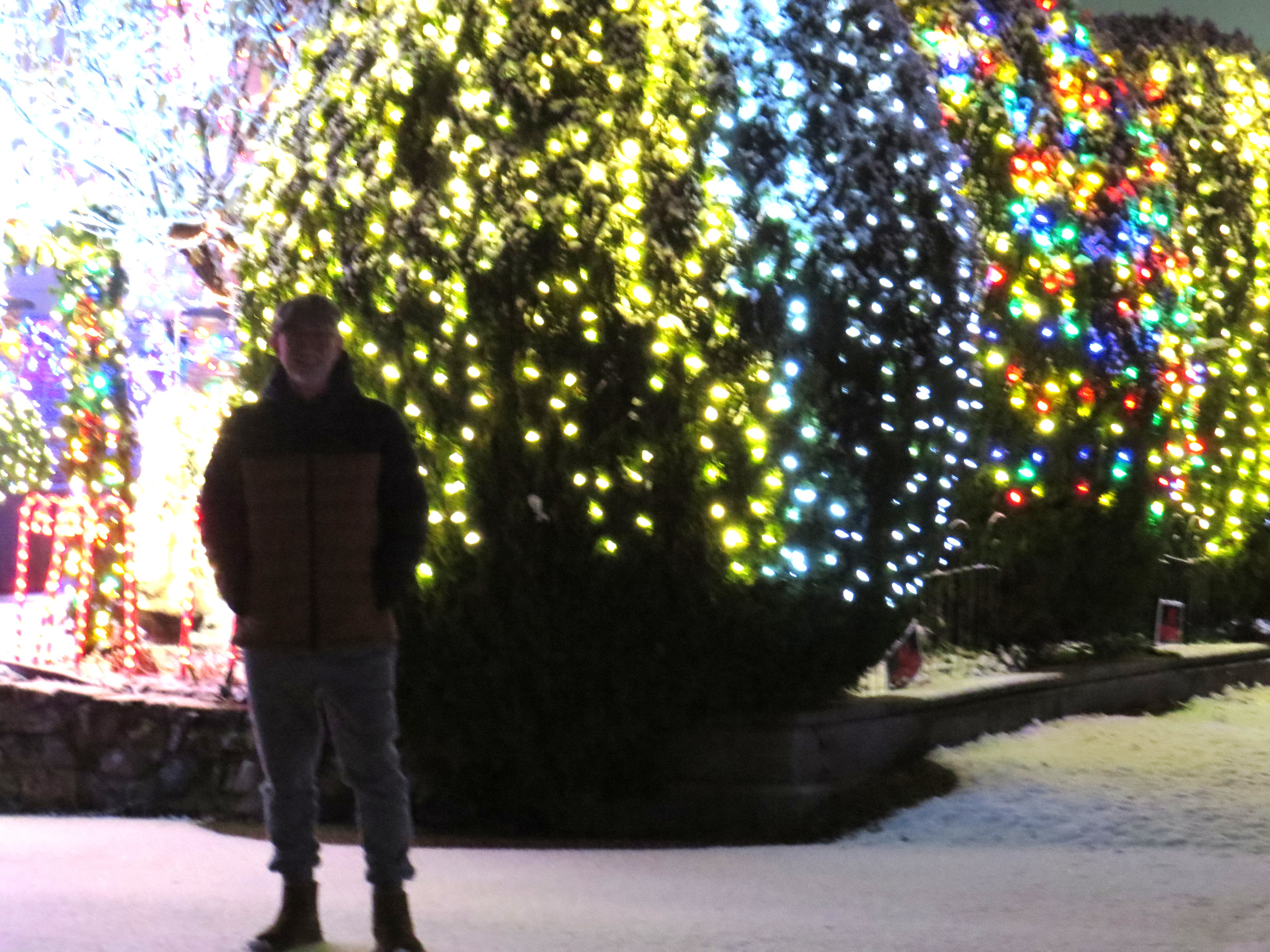
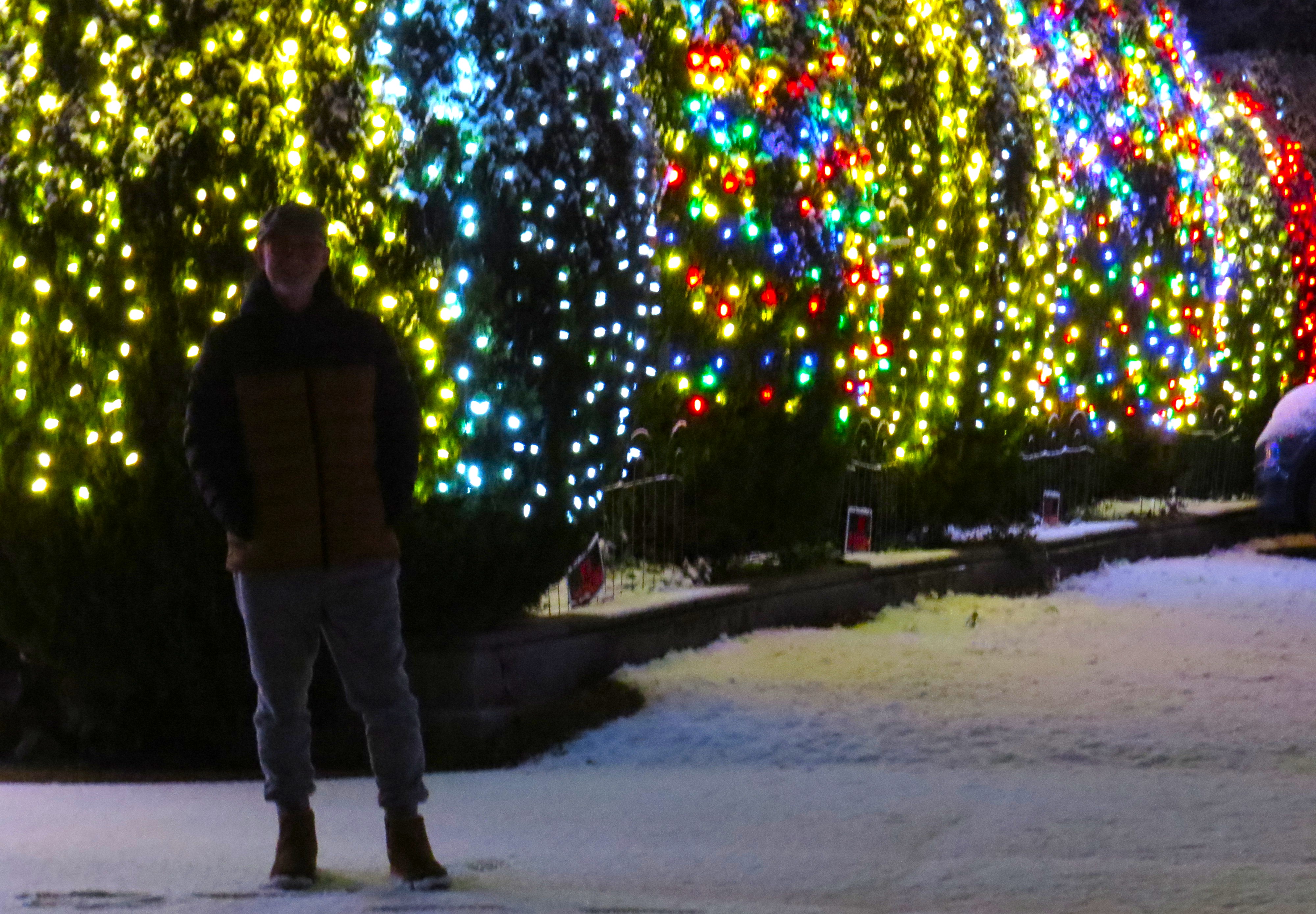
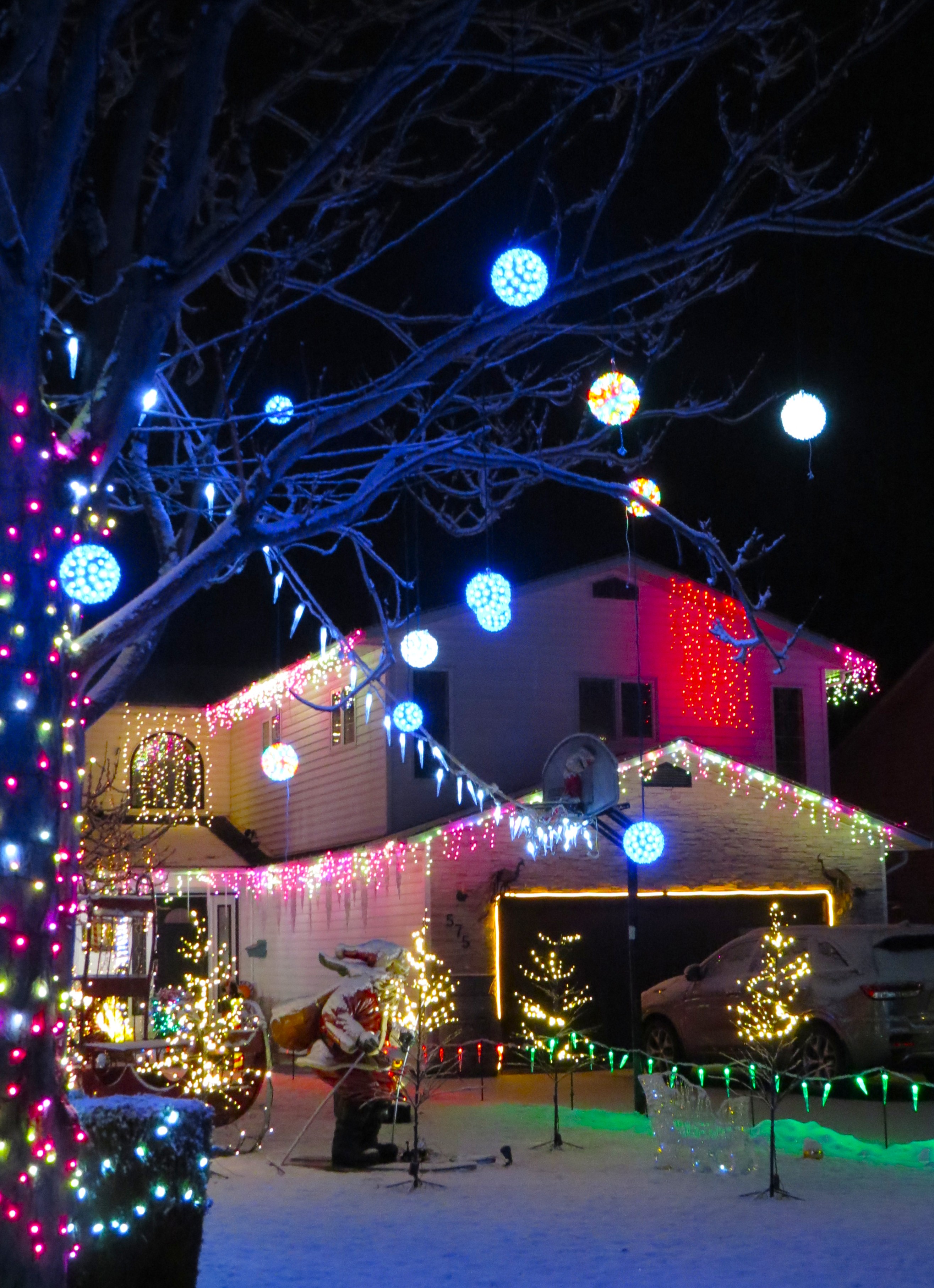
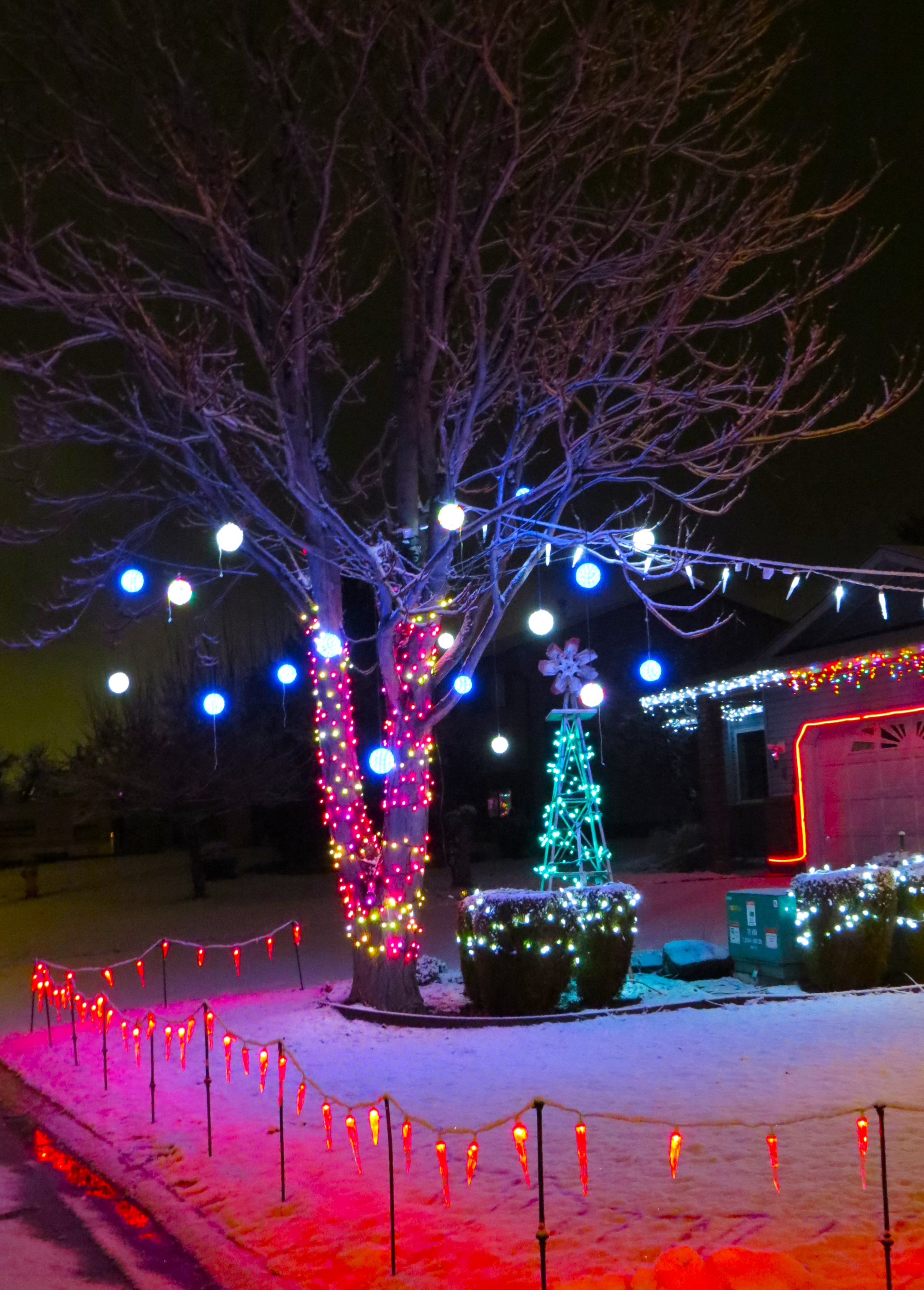
Little Prides over the years

Little Prides over the years

Canadian Navy in Halifax Pride 2019

Everybody knows, took part in, watched or heard of the big Pride Marches: Montreal, Toronto, Vancouver in Canada; London in England, of course Amsterdam, Berlin, Sydney in Australia, New York with it’s Stonewall history, San Francisco, Warsaw in Poland. At the very beginning, before human rights prevailed, these Prides were simply a protest marches, a call: we are here and we are not going anywhere.

Hard to believe, but even among advanced democracies in the middle of Europe, there are stil protest marches. Case in point is my own city, Warsaw in Poland. Country that still denies the basic citizen’s rights of living in a state-recognized unions, couples of other than heterosexual orientation. Specially the incomprehensibly denial to raise children, to be legal parents as a couple. In 2024. Shame on the coalition of Donald Tusk governing coalition. Specifically the Polish Peasant Party and their disgusting leader Władysław Kosiniak-Kamysz. The same party that still denies Polish women any abortion rights. Again – in 2024! Mr. Kosinaik-Kamysz – there is no longer any peasants in Poland. It is 21 century, not a year 1921. The girls, who live in villages in Poland today are having abortions, too. These girls are not peasants, either. They just need to go across the border to any European neighbor state. And you Mr. Kosiniak live in a fantasy land, together with Polish catholic bishops.

I remember my first Pride March (although I can’t remember if it already was called ‘Pride March’, I don’t thing so – we still had a way to go for many rights). Must have been 1983 or 1984, in Calgary. It started on 7 Avenue Mall by the old City Hall and (at that time) Central Library. We were going to march through the entire most popular and busy Seventh Mall Avenue almost all the way to the next bridge on the 14 Street. To our surprise, there was a Police blocking further access to the Mall Avenue (most popular and always full of people) and redirecting as via Central Street to the Sixth Avenue, not as busy with onlookers and not very prominent (again – at that time).
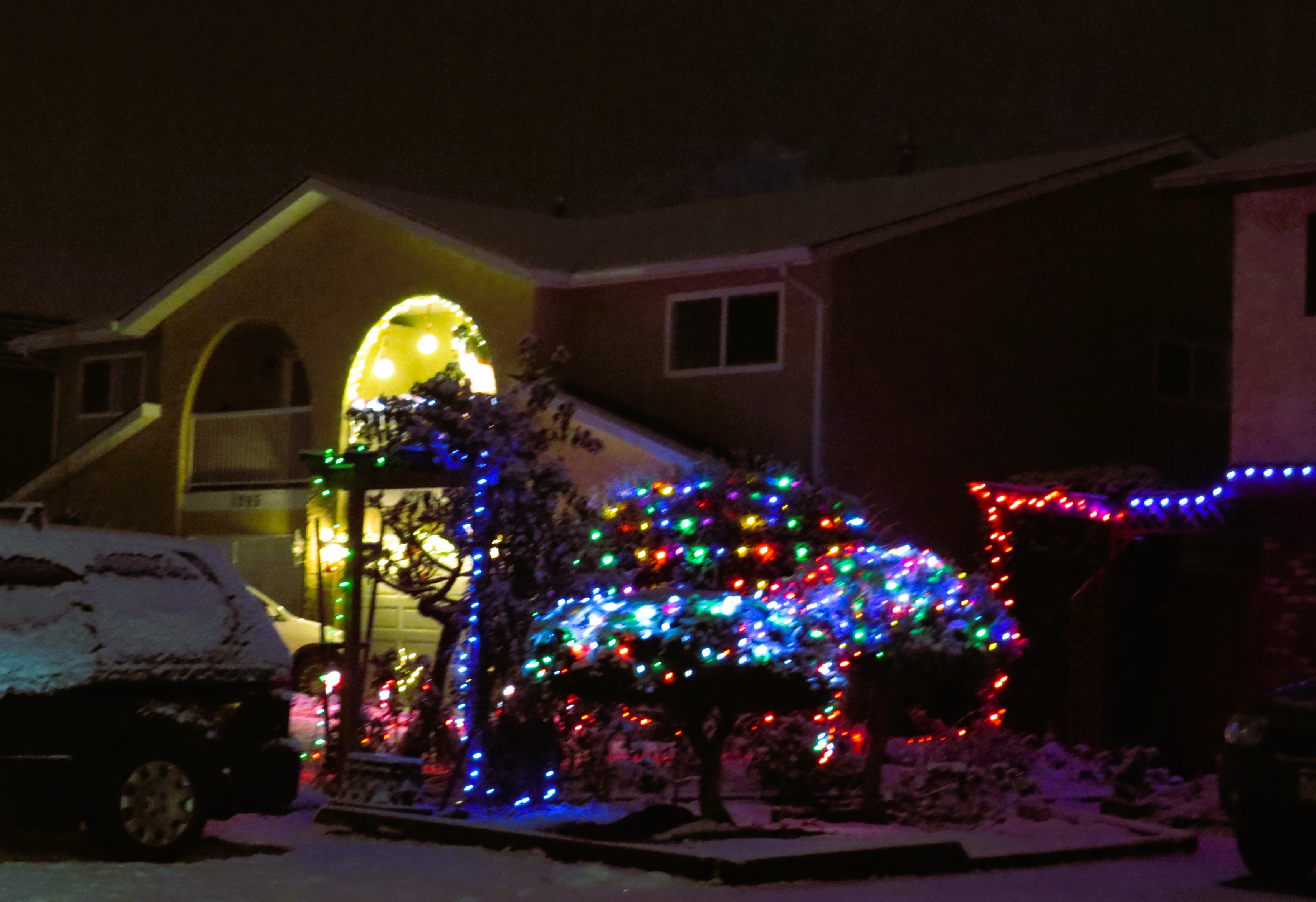
How things have changed since, unbelievable. The world have changed and people changed. True – there are still homophobes. But that’s OK. Nature is strange. The cockroaches didn’t change over the millenia, either.

Since than I took part in many big truly Pride Marches. As onlooker and as a participant. Almost all (if not all) Vancouver’s wonderful marches. With my husband John, with my Mom, with friends. The last one I took part in was the 2019 huge Parade in Halifax. It was the first time that there was (from my experience, anyway) such a prominent presence of Canadian Armed Forces (specifically the huge contingent of Canadian Navy. I had a very pleasant and long chat with the Commodore of North Atlantic Fleet.) and very visible presence of, I think, all Christian Churches with their priests and deacons. That was very heartwarming.

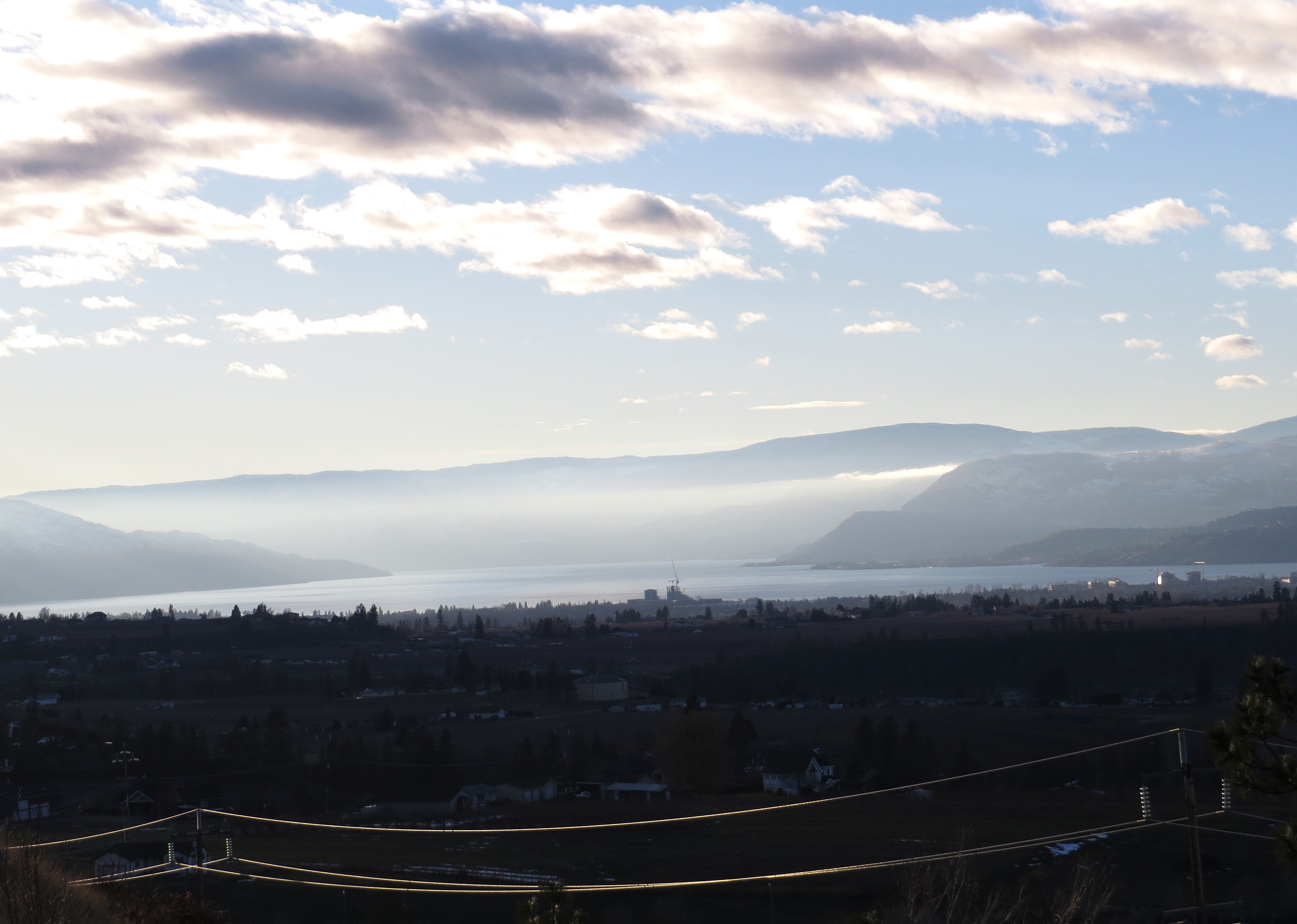
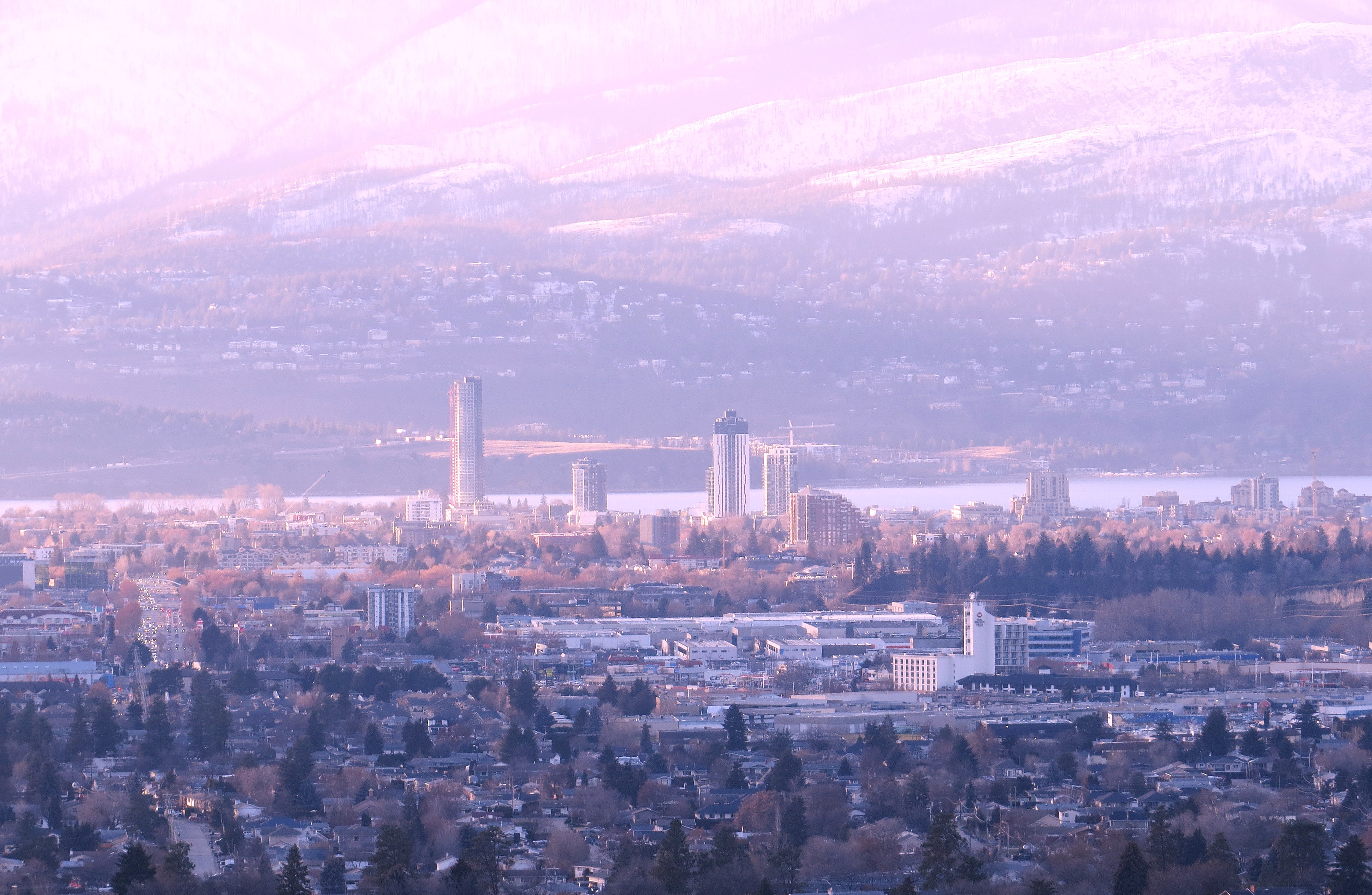
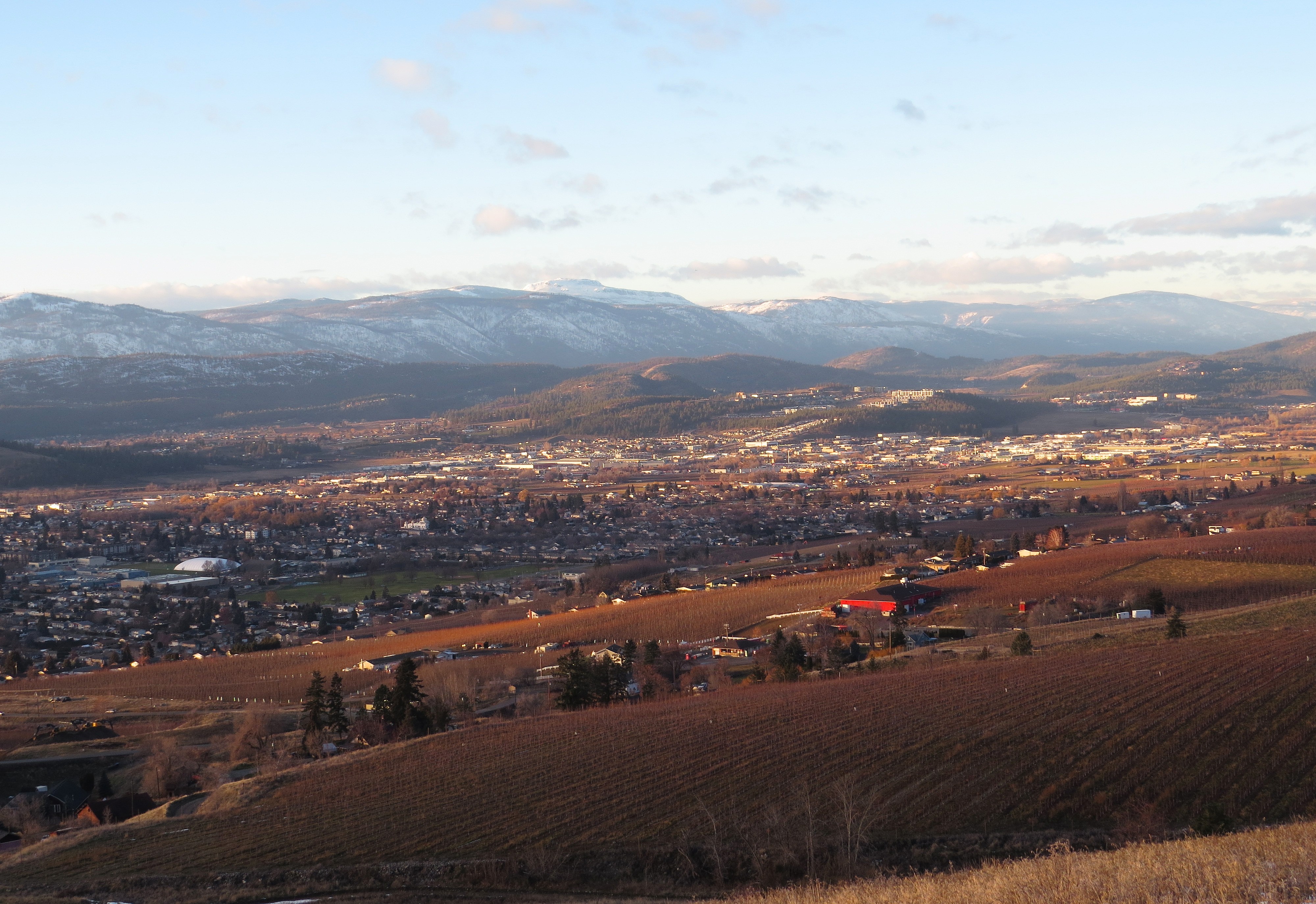
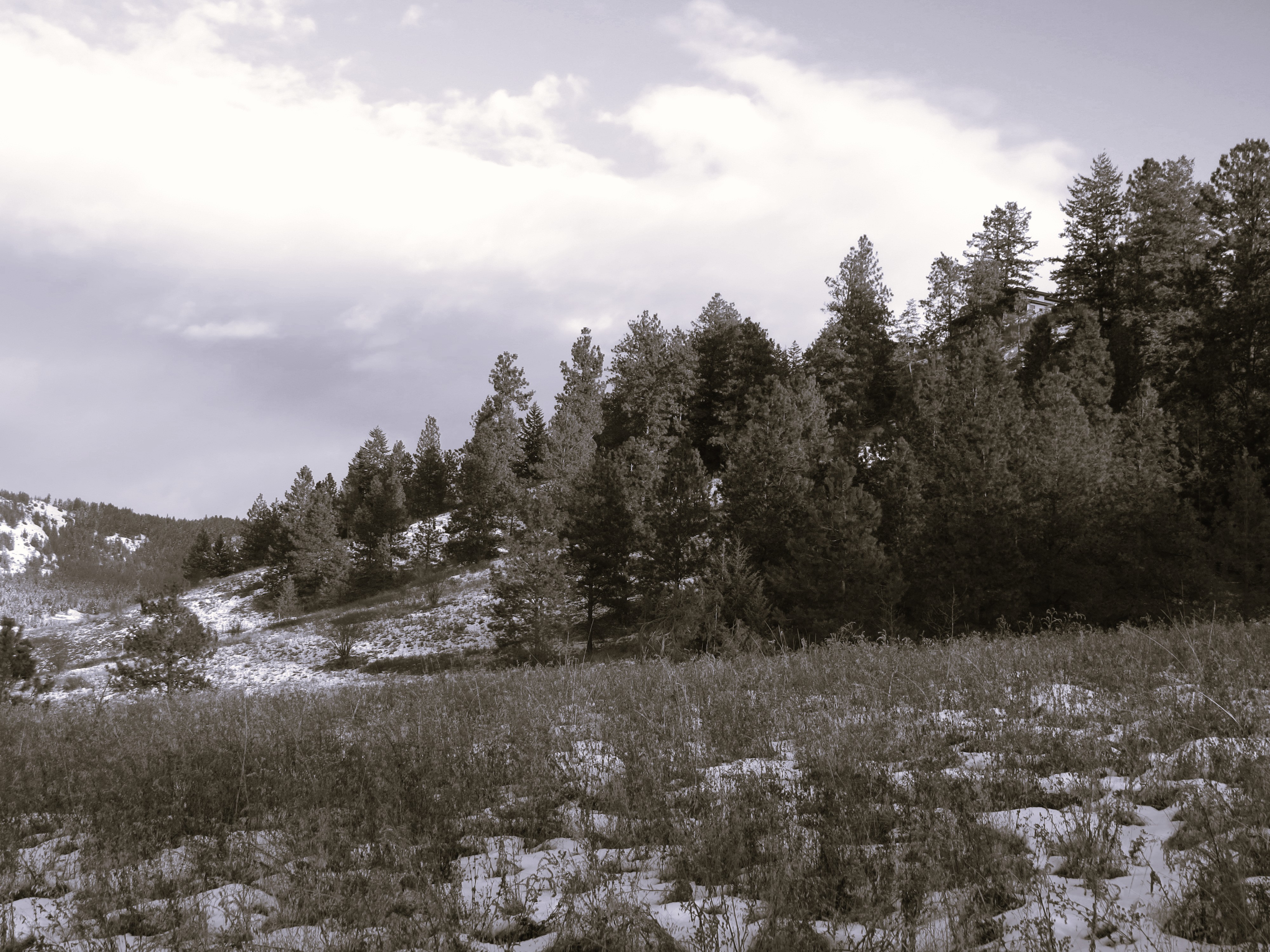
But apart from the big cities and big Marches there were the little ones: in Surrey, BC (in Holland Park), in New Westminster along the Columbia Avenue. And in so many towns and smaller cities across our vast country. Here are some from Surrey. To the left with me is one of the leading organizer of Pride Day events in New West, Jeremy Perry.

The Holland Park activities in Surrey were more like a big family festyn then traditional March. A tradition was always to have some concert of singers, dancing groups on a big stage in front of the main waterfall. And definitely a good food choices. Atmosphere was just to be happy. Liked them a lot. Below are some pictures from 2014, 15 and 17.

Last picture is from this year Pride in Halifax. A dancing and singing boat of night revelers of Pride.

Kobiety, ach kobiety …

Nie każdego dnia oglądasz bogatą w tradycję ceremonię przekazania władzy, insygniów i dowodzenia Siłami Zbrojnymi państwa. Prowadzącym tą ceremonię, nadającym stopnie i uprawnienia i tzw. Patent Letters (oficjalne dokumenty potwierdzające to) jest formalny Główny Wódz (Wódż Naczelny lub Marszałek Wojsk, jako najbliższe odpowiedniki w polskiej nomenklaturze). W praktyce militarnej Naczelny Wódz to funkcja głownie honorowa w Kanadzie i wielu innych krajach nie będących w stanie wojny. Dowodzeniem wojska, planami dla całości wojsk zawiaduje Sztab Generalny pod dowództwem swojego Szefa. Tak jest też Kanadzie.  Poniżej są oczywiście generałowie-dowódcy wojsk lądowych (Armie), morskich (Navy).

Tak, wiem – tego typu ‘zmiany warty’ odbywają się regularnie w większości krajów świata. Na ogół skutkiem wyborów parlamentarnych, a co się tym wiąże i rządu.

Tylko tu, w Kanadzie  w 2024 mieliśmy sytuację wyjątkowo specjalną:  Naczelnym Wodzem od 2021 jest kobieta, Mary Simon. Też rzecz w Kanadzie nie niezwykła, po 2 wojnie światowej mieliśmy wiele kobiet Generał Gubernatorów (Generał Gubernator jest konstytucyjnie Naczelnym Wodzem). Ale Mary Simon, nasz Naczelny Wódz wręczał te nowe Patent Letters i mianował pełnym generałem nowego Szefa Sztabu Generalnego … kobietę. Jennie Carignan dowodziła wieloma jednostkami wojskowymi od kompanii poczynając, po pełną dywizję, była dowódcą jednostek kanadyjskich w Afganistanie, w Iraku, brała udział w walkach w Bośni-Herzegowinie. W ostatnich czasach miała stopień generała brygady. Ale dziś pełnego generała.  W Kanadzie nie ma tych dodatkowych stopni generalskich (brygady, dywizji i armii) poza wstępnym generała brygady  – potem już tyko pełny generał, bez przyrostków. Ciekawe jak by tu się miały feminitywy (odmiany nazw stopni, tytułów, zawodów na forme żeńską): generałka? pułkowniczka? kapitanka, majorka? Generałową by być nie mogła, bo to  nazwa żony generała.

Abstrahując od tych pytań-żartów lingwistycznych – generał Jennie Carignan jest pierwszą w G7 i G20 kobietą głównodowodzącą narodowymi Siłami Zbrojnymi. I pierwszą w NATO.

Tak więc kobieta Naczelny Wódz wręczała kobiecie nominację generalską i czyniła ją Szefem Sztabu Generalnego Kanady. Imponujące. Faceci mogli przemawiać dopiero później, po tych dwóch paniach (premier Kanady Justin Trudeau i Minister Obrony). Politycznie naturalnie, że Premier był tym, który to zainicjował i chwała mu za to. Ale z formalnego punktu widzenia to właśnie Gubernator Simon musiała to zatwierdzić i tylko ona mogła tą ceremonie przeprowadzić. Panowie politycy byli gośćmi honorowymi.

W wojnie o niepodległość USA jednym z ważniejszych bohaterów-dowódców był też – generał kawalerii Kazimierz Pułaski, jakby wówczas powiedziano – hermafrodyta. Ale nie wiedziano, więc nie powiedziano. A dziś wiemy, że był/a osobą transpłciową, gender-queer. Był/a drobny, porywczy i od kobiet stronił. Rysy miał zdecydowanie kobiece. Kawalerzystą świetnym i w fechtunku doskonały. I był/a dobrym sztabowcem i organizatorem wojsk. Tak więc i my Polacy nie gorsi. Nie tylko jednej i drugiej płci dowódców mieliśmy (Emilia Plater na przykład), ale poszliśmy dalej – wysokiego rangą dowódcę, który obie płcie reprezentował. I czemu nie?

Long Beach and Cathedral Forest on Vancouver Island, BC

There was a lot of photographs here of the beauty and wilderness of Nova Scotia beaches on Atlantic shores.

But how could I forget about the other absolute gem on the opposite side of this, Canadian continent? The magic of Long Beach on Vancouver Island and – at times – the hair rising drive from Port Alberni pass the Kennedy Lake, to Ucluelet and Tofino.

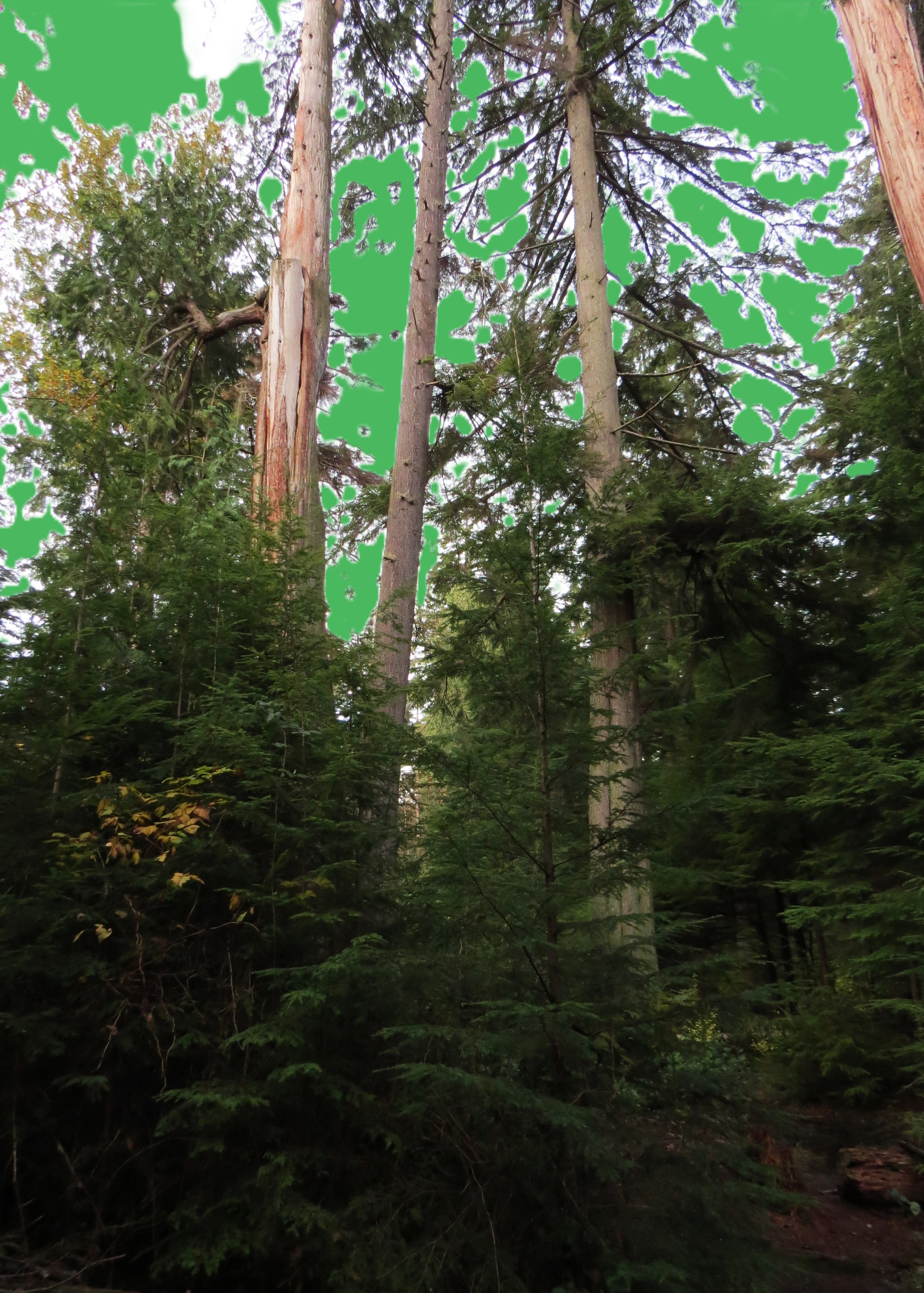
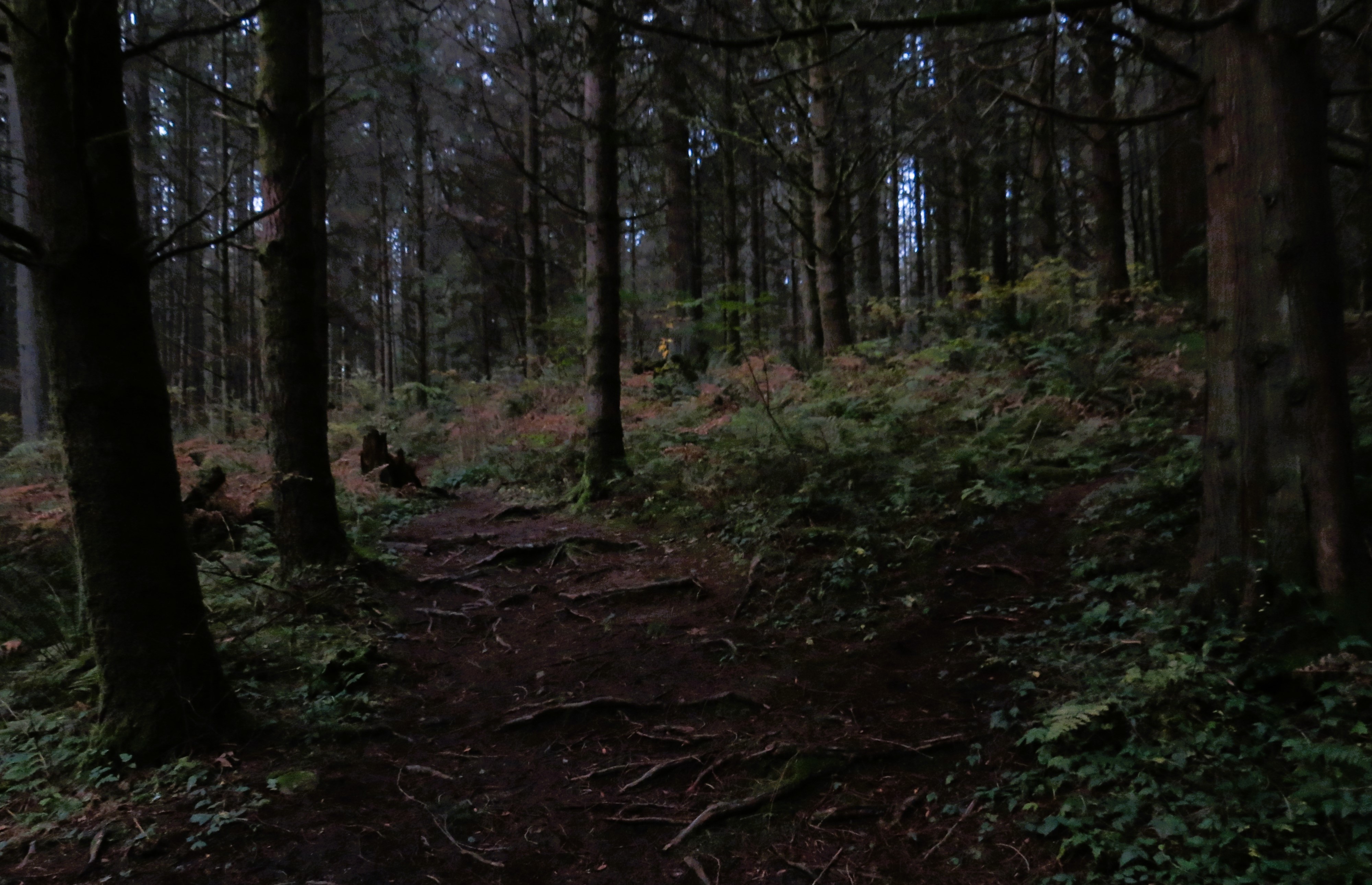
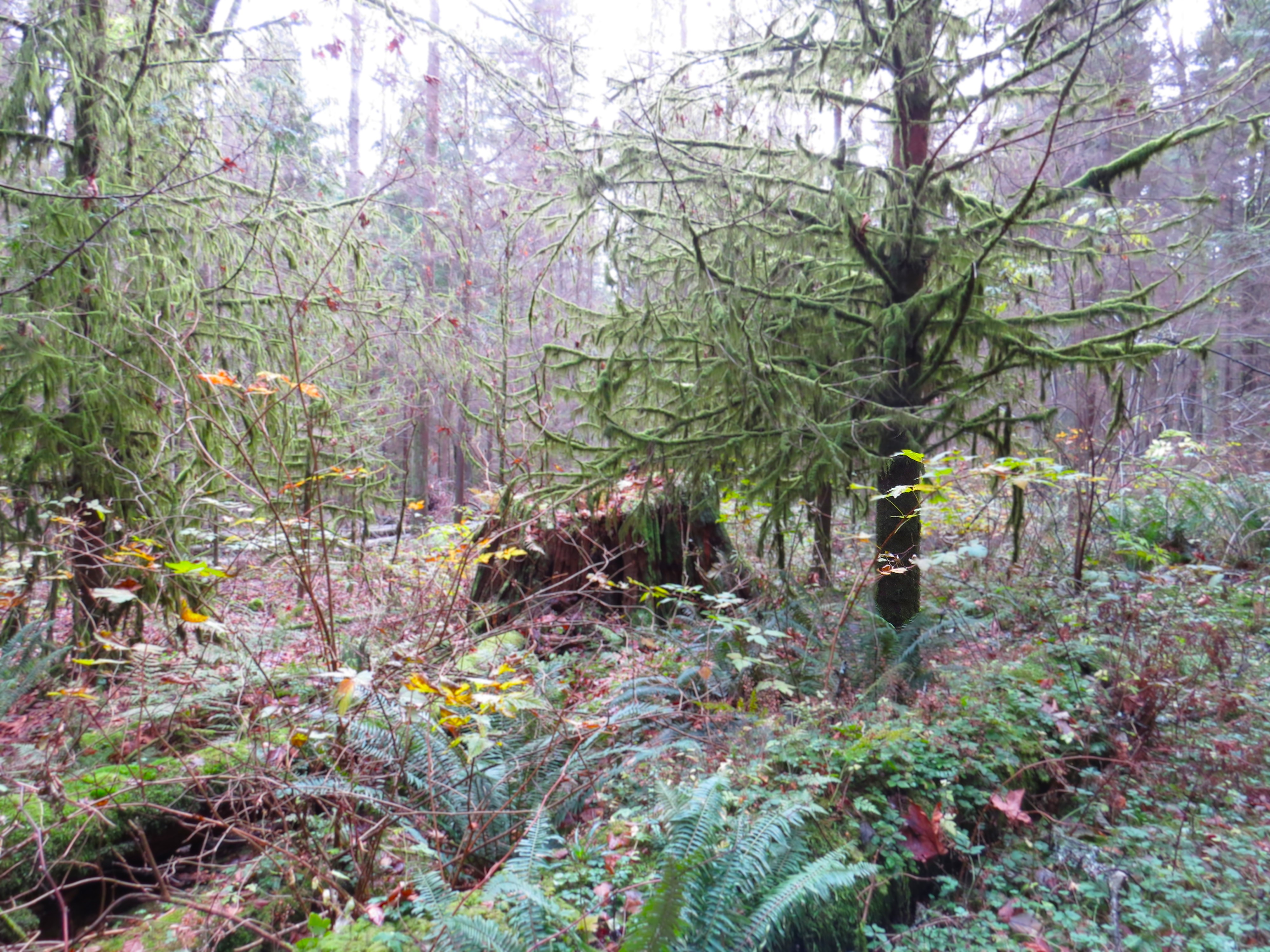
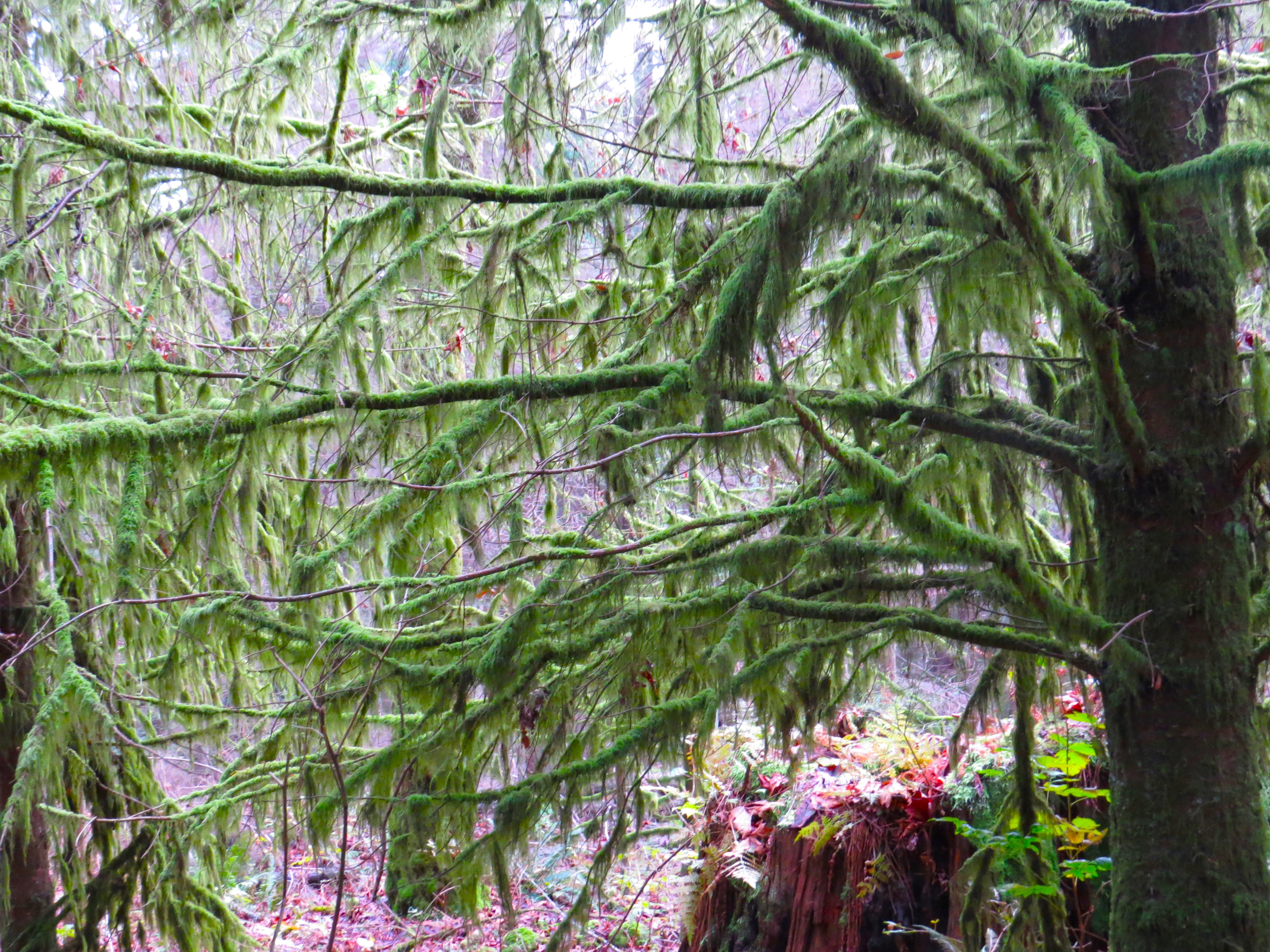
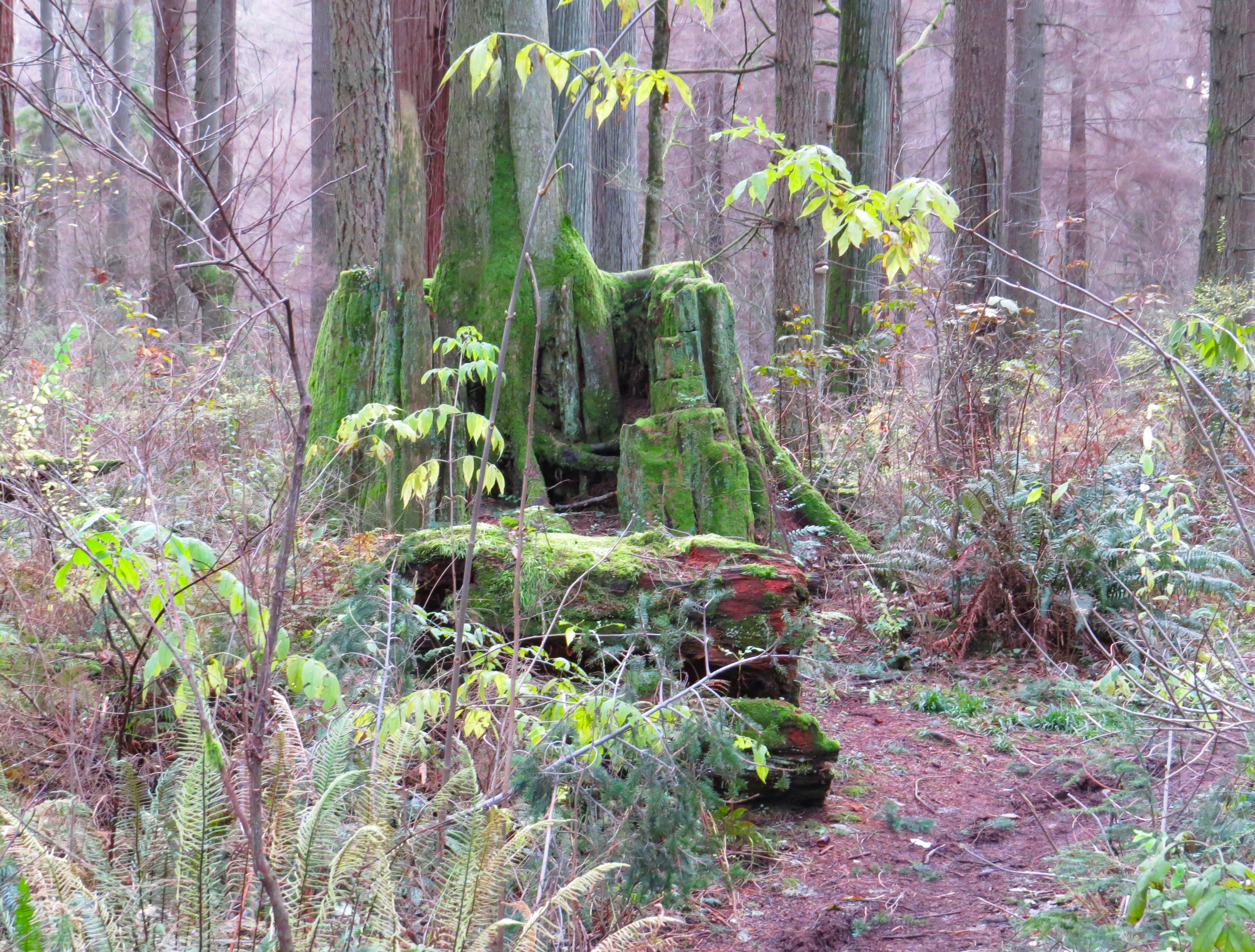
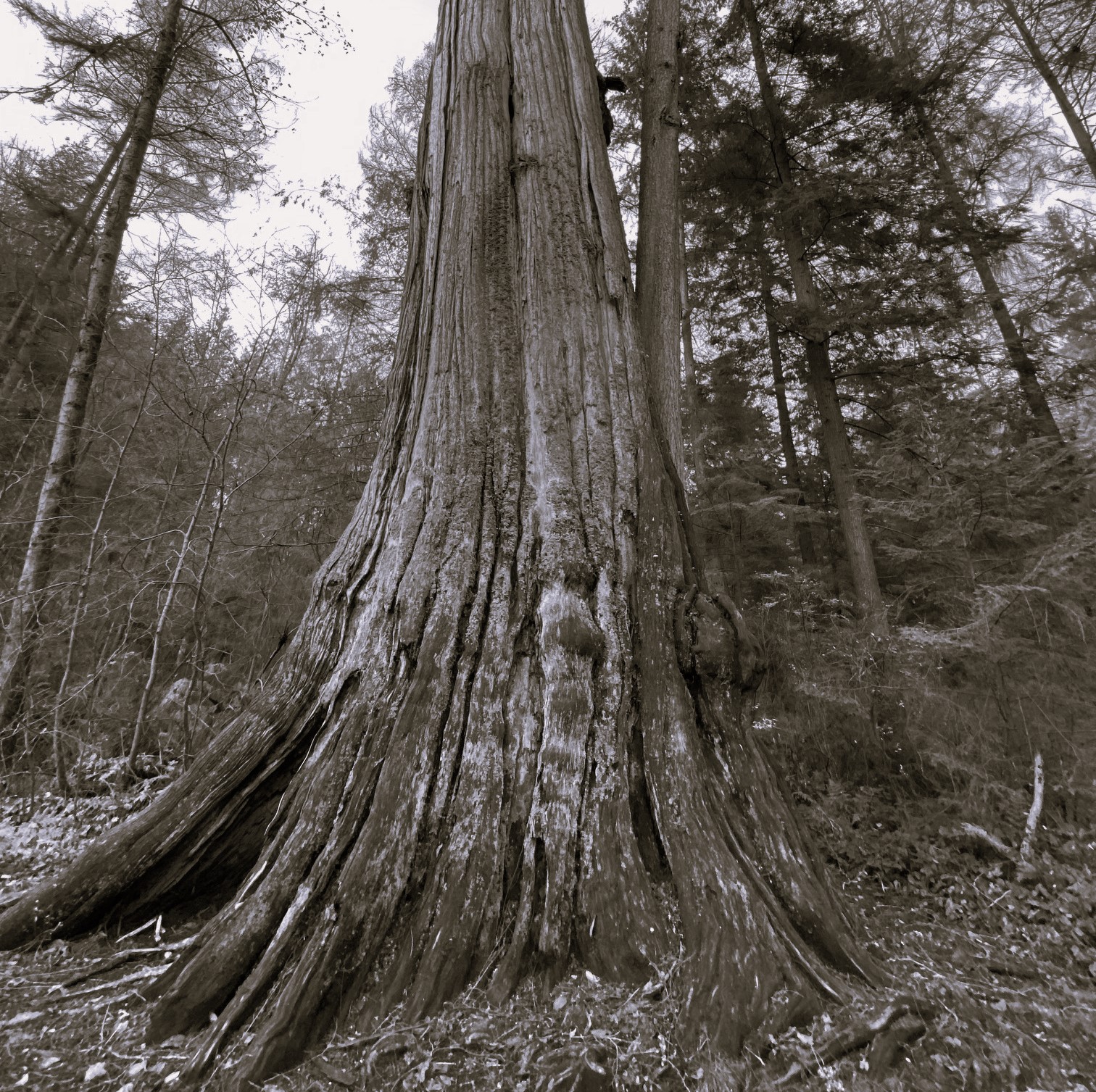
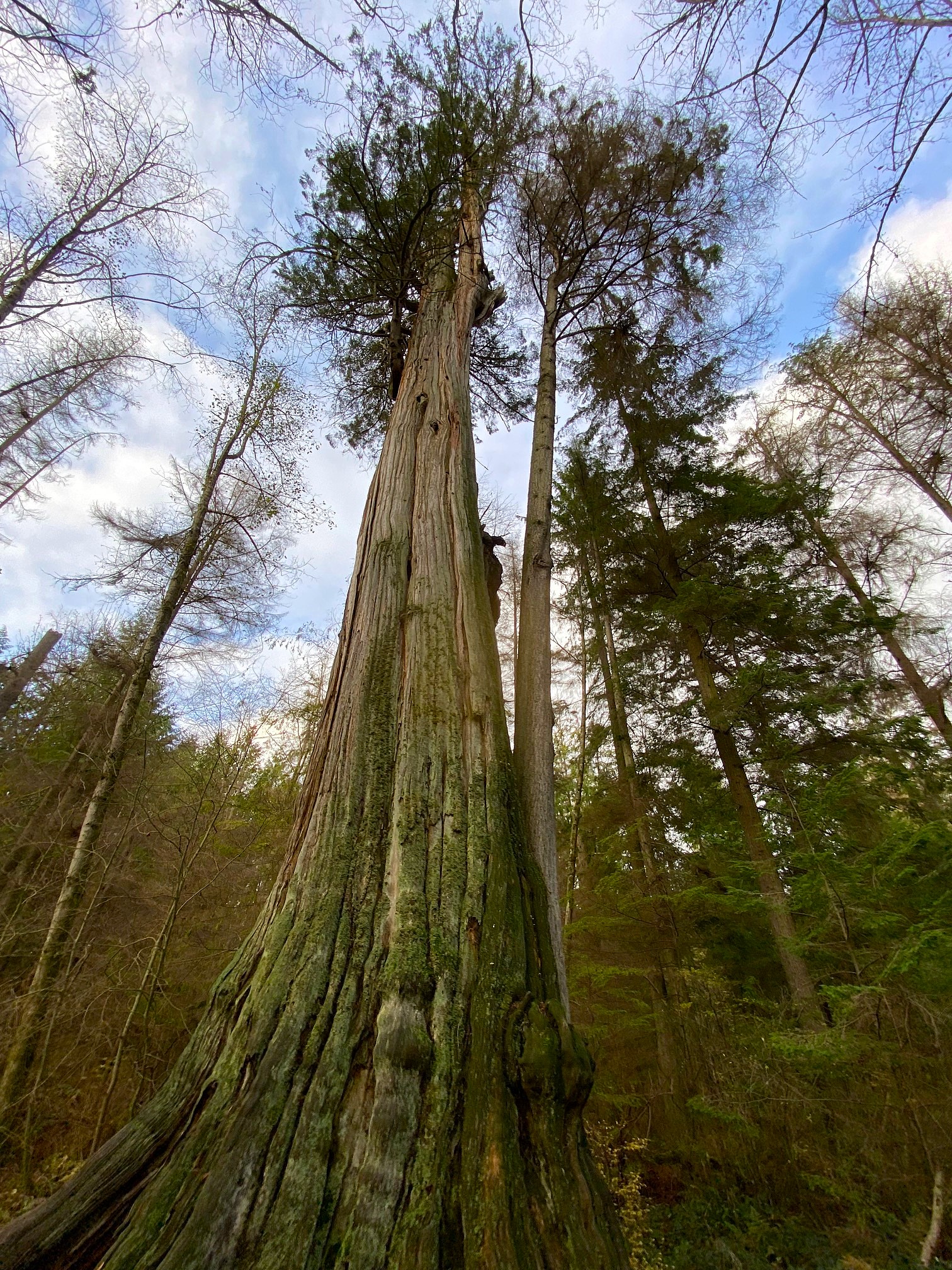
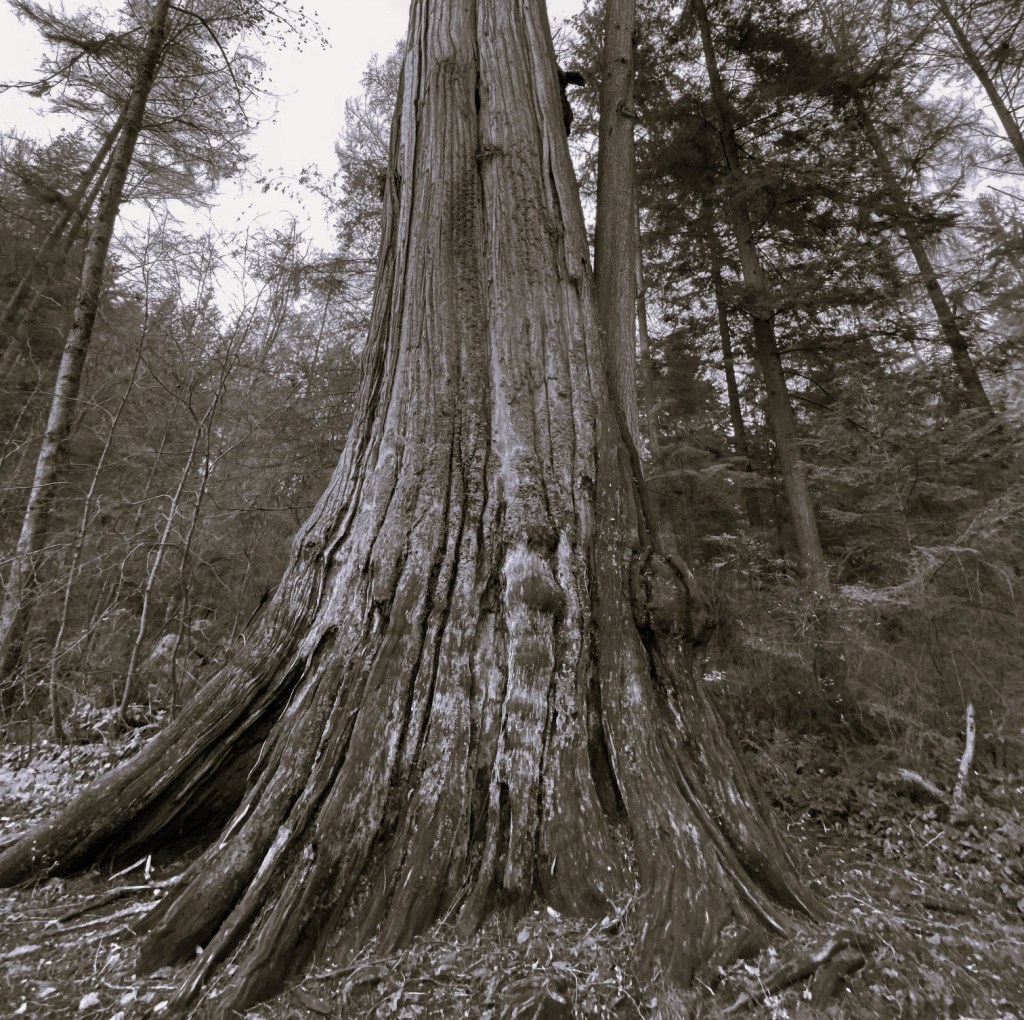
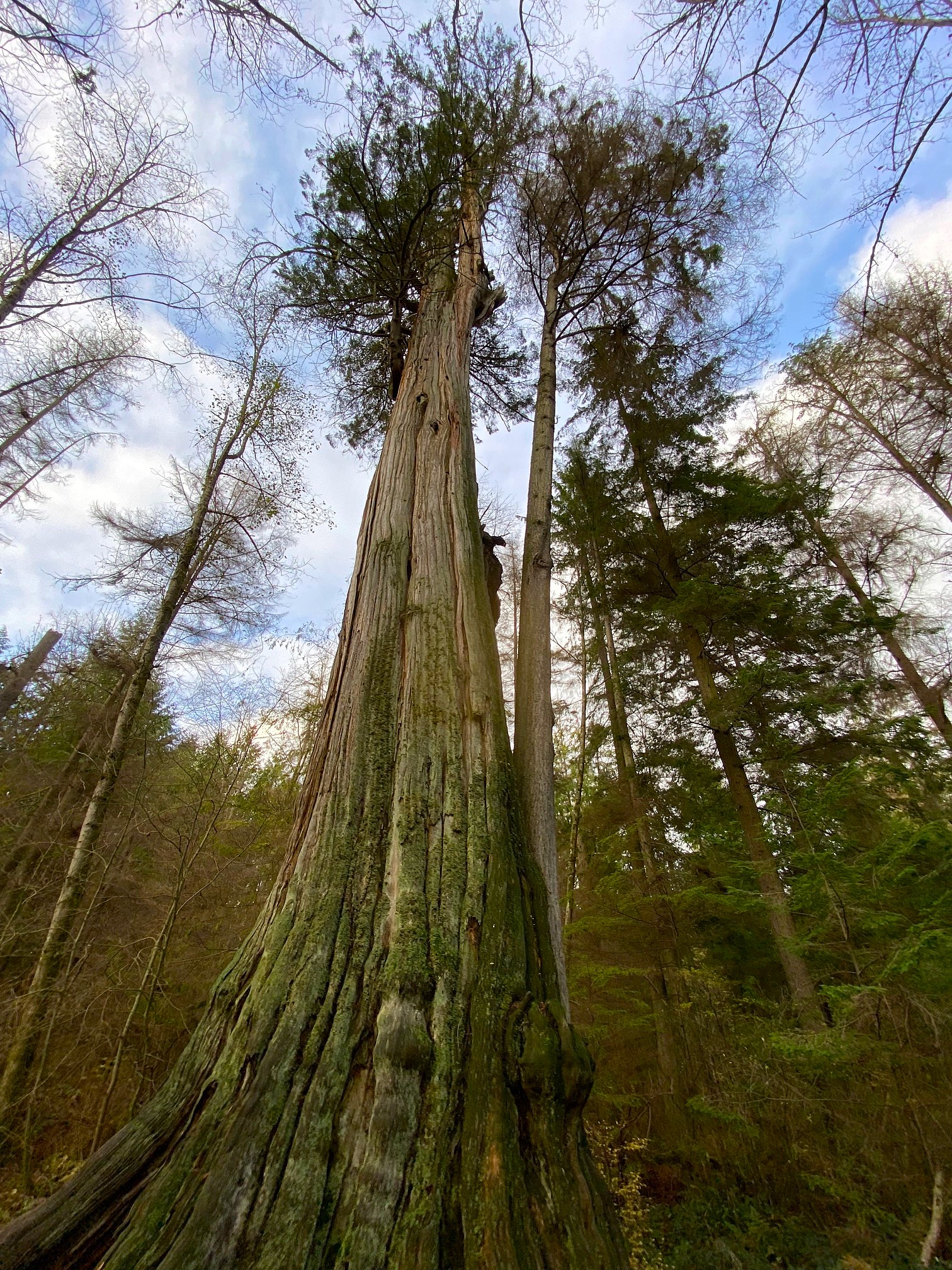
Just before you reach the town of Alberni – one more amazing natural reserve: The Cathedral Forest. It is indeed a ‘cathedral’ – a sacred please saved from annihilation of forest logging companies by people protesting and risking being arrested. Sacred because there is very few places where you can see such undisturbed big forest of hundreds years old giants remembering times immemorial. The Canadian Sitka trees, Douglass fir, Red Cedar. It is an entire cosmos of it’s own ecosystem, everything supporting everything: from the dense brush, grass and plants on the forest floor, to trees that often you can’t see their top because their are so tall and the canopy so dense.

But first the awe inspiring shore of the Pacific from the town of Ucluelet to the town of Tofino. The simple fact is that you can actually walk the entire length of the shore from outskirts of Ucluelet all the way to the edges of Tofino on the beach. Through a bit but colorful rocky formations, passing amazing forest on the hills above, where you will find embankments for huge guns that were there during 2 world war searching for expected Japanese naval invasion. If I remember correctly they did notice one Japanese small vessel far on the horizon and fired few rounds. The shells landed in the waters far from the ship but it was enough to make it turn around and disappear.

The edges of the beaches in Nova Scotia Atlantic are full of oval clam shells and reddish tops of dead crabs; the Pacific beaches are covered with dark bluish mussels and rocky crevices with gardens of amazing anemones.

Long Beach, BC but first the road from Alberni to Ucluelet

… and few picture of first town – Ucluelet

finally – Long Beach

Cathedral Forest

Zapomniani lub mniej znani poeci polscy z Kolumbii Brytyjskiej w Kanadzie

Onegdaj publikowałem tu cykl o poetach mojej młodości więc sięgało to do poetów i poezji lat sprzed 1939, którzy jeszcze w latach 60., 70., a nawet 80. mieli znaczenie, żyli w świadomości młodego czytelnika. Znalazło się tam też kilku poetów polskich z mojego pierwszego emigracyjnego doświadczenia[i] i dwoje z Kanady – Wacław Iwaniuk i Barbara Czaplicka. Wspomniałem też o dwóch wybitnych poetach emigracyjnych: Bogdanie Czaykowskim i Andrzeju Buszy, z którymi miałem przyjemności mieć bliską znajomość i współpracowałem z nimi w Vancouverze. Ale wymieniłem ich tylko z nazwiska, nic o ich twórczości nie pisząc, bo kiedy z nimi pracowałem nie byłem już ‘człowiekiem młodości’ i w temacie się to nie mieściło.

Dziś odnalazłem kilka brulionów poetyckich mniej znanych, a bardzo ciekawych poetów z Kolumbii Brytyjskiej. W większości dziś zapomnianych, ze szkodą dla literatury polskiej. Ich twórczość przypadała na lata przed połączeniem polskiej poezji i literatury z polska twórczością emigracyjną.

1.

Zacznę ten tekst od Anny Galon. Była jedną z najstarszych poetek i tłumaczką literatury, z którą współpracowałem. Córka znanego oficera piłsudczyka pułkownika Zbigniewa Brochwicz-Lewińskiego. Jej życiorys był dość skomplikowany i trudny. Dzieciństwo i bardzo wczesna młodość w Polsce przerwane wojną, ucieczka przez Rumunię z rodziną, znalazła się potem we Francji, gdzie zaczęła szkołę średnią. Kapitulacja Francji i wyjazd z ojcem z wojskiem polskim do Szkocji, gdzie studiowała po wojnie. Za namową męża (muzyka-pianisty) wrócili do nowej Polski. Po wielu latach i różnymi drogami znalazła się w Ottawie w 1984, a w 1998 przeniosła się do Victorii. Mimo różnicy całego pokolenia byłem więc sam ‘emigracyjnym seniorem’ wobec niej. Prowadziliśmy liczne rozmowy na tematy literackie i imponowała erudycją w tym temacie. Na moją prośbę przetłumaczyła bardzo dobrze szereg wierszy znanej poetki kanadyjskiej P. K. Page, których część opublikowałem w roczniku „Strumień”. Była bardzo aktywna (mimo poważnych schorzeń, które ograniczały jej mobilność) w kanadyjskim świecie muzyczno-literackim w Victorii. Zmarła w Victorii w 2013.

Z łam „Strumienia” przytoczę dwa jej dość charakterystyczne wiersze:

KSZTAŁT

Chciałabym cała rozsypać się

                w słowa

a potem od nowa się poskładać

sama siebie dobierać

                z namysłem, celowo

ułożyć w kształt przemawiający

                pełny

                                sensu i treści

a cały prześwietlony i

                przekazujący

                                światło[ii]

Z BUTAMI – WARA!

Buty skarpetki zdejmuję

szoruje nogi i ręce

dłonie namaszczam odpowiednim kremem

                by nadać im miękkość dotyku

                                wrażliwość czucia

Cała spłukuję się pod czystą wodą

wewnątrz ogień rozniecam

I tak dopiero

pokorna i drżąca

otwieram

zasuwy twojej duszy[iii]

W 2004 wydała własnym nakładem tłumaczenia swoich wierszy na język angielski w skromnym tomiku “Stashing for a rainy day”. Niestety, nie był asygnowany jakimkolwiek krajowym lub międzynarodowym oznaczeniem katalogowym.

2.

Ciekawym młodym poetą, którego też publikowałem w ‘Strumieniu[iv] jest Bolko Rawicz. Poeta do którego raczej nie można dodać przymiotnika ‘polski’ ze względu na język, w którym tworzył.  Kanadyjczyk polskiego pochodzenia, wyjechał z Polski z rodziną w wieku 10 lat, którego wierszy nigdy bym pewnie nie poznał, gdyby nie jego dziadek, który zwrócił mi na poezje ukochanego wnuka uwagę. Tworzy w języku angielskim. Wnuk jak i dziadek byli matematykami, specjalistami tej całej magii matematyczno-komputerowej. A tu poezja. I dobra. Pisze do dziś i publikuje, uczestnicząc w Vancouver ‘s Poetry Slam od tamtych lat do obecnych. Z moich badań wynika, że wydał dwa tomiki poezji : ‘A voice regained”[v] i „Something to believe in” [vi]. To spotkanie z inną, bardzo współczesną i zdecydowanie pobawioną wszelkich parnasistowskich ciągotek poezją.  Czasami jest to wręcz poetycka publicystyka społeczno-polityczna, komentarz socjalny, społecznościowy napisany wierszem. I taki wiersz na ważne tematy socjalne przeczytać pewnie wygodniej i łatwiej innemu zaangażowanemu młodemu Kanadyjczykowi niż długie wywody nudnych dziennikarzy. Tu – w poezji – w jednym słowie można zamknąć cały skomplikowany wywód.

Choroba dotknęła go stałą szkodą ciała, co z wiekiem, dojrzewaniem zaprowadziło go do wierszy innych, refleksyjnych, introwersyjnych.  W wieku młodym tego typu schorzenia mogą kłaść się wielkim cieniem na człowieka.  Przytoczę więc przykład właśnie tych dwóch, odmiennych poetyk.  W tym drugim, refleksyjnym i głębokim, następuje też pewna metamorfoza wyzwolenia przez akceptację miłości – Feniks wzlatujący w przestworza. Ten wiersz mnie zawsze wzruszał, budząc nadzieję, że uczucie wielkie niezmiennie wyzwala.

Wiersz pierwszy ze stron „Strumienia” w 2011.

Whale song

You were just sitting

on the sandy beach,

when suddenly appeared

a whale who made speech

‘we had to break the silence,

to talk about the violence

to the land and to the sea,

and to blow our cover

we had to all agree.

and we waited long to see

if humanity would be

wiser before we

told of our technology

for some different energy,

but we did begin to see

more of you the light to see

and you would understand

our philosophy,

but we are running out of time

and we’ve got to end the rime,

because we can’t resist

fearing soon we won’t exist

if we let this destruction persist,

but we are coming to you in peace

and want you to decrease

the use of gasoline

and ask you to police

the oilmen in the three-piece

suits not to exceed

in all their greed,

and with the whalers plead

to not make us so bleed.” (Rocznik “Strumień” , Nr.7, 2011, s. 17)

From a-dark brightly

A time faraway of past

love had left me

bitter and afraid

my spirit darkening,

and descending,

into a realm betwixt

wakefulness and sleep,

like a sunken flower

once touched

by a glimpse of sun,

long since un-searching

of light.

Many of years hence,

like a bird forsaking

the shelter of its tree

to seek the world without,

alas only

to stumble and fall,

its wings having forgotten

the memory of flight,

my spirit stirred

with the yearning

to be free,

but unaccustomed to the bright,

returned again imprisoned

as it once more was struck

by the blinding light of love.

But this very soul,

the luminance she bestowed

proved eminently more kind,

attuning her strength

of energy to heal,

awakening my spirit

to inspire it to rise,

on its way to soar.

Nonce friendship has led me

onto a better path. (z tomiku “a voice regained”, s.18)

Zawsze fascynowała mnie jego swoboda używania języka, tak charakterystyczna dla poezji mówionych improwizacji. I bez wątpienia miała na to wpływ tradycja  owych Poetry slams w Vancouverze.

3.

Jedną jeszcze, dziś zapomnianą a wartą przypomnienia, poetkę musze przypomnieć – Halinę Gur-Jazłowiecką z Victorii w Kolumbii Brytyjskiej. Przykład – w jej wypadku par excellence – poetki emigracyjnej. I biograficznie i w używanej poetyce, stylu. Dziś zdaje się kompletnie zapomniana. Urodzona w Warszawie w 1923, w latach okupacji studiowała na tajnych kompletach w Wyższej Szkole Dziennikarskiej.  Żołnierka Służby Kobiet AK w Powstaniu Warszawskim. Później więzień  obozów jenieckich w Fallingbostel, Bergen, Oberlagen i Niderladen, gdzie poznała męża. Po wojnie znalazła się w Anglii, skąd wyemigrowała do Kanady i zamieszkała w Victorii. Publikowała w prasie emigracyjnej kanadyjskiej, amerykańskiej i francuskiej. Nie mam jednak żadnych śladów kiedy, gdzie i co dokładnie. Były to lata, gdy wydawnictwa powstawały i upadały później na długo przed cyfryzacją zbiorów, a wszelkie archiwa były też bardzo nietrwałe. Nie mam też informacji kiedy i gdzie zmarła. W rodzaju poetyki i losach ‘niepamięci archiwalnej’ przypomina bardzo Barbarę Czaplicką, o której pisałem we wspomnianym już tu eseju „Poeci mojej młodości”. Jako iż życie i losy nasze indywidualne są właśnie nietrwałe, a sam jestem w takim punkcie ‘nietrwałości’ i wielkiej burzy zmian – nie mogę być pewny czy wszystkie moje dokumenty prywatnego archiwum te moje burze przetrwają i dotrą ze mną tam, gdzie na końcu tej drogi się znajdę. Spieszę więc  spisać te nazwiska, które bez najmniejszej wątpliwości powinny przetrwać. Naszego polskiego wędrownictwa po 1939 – aż do czasów emigracji doby „Solidarności’. Im bliżej tego roku 1980 – tym więcej wiedzy, trwałego zapisu archiwalnego mamy. W dekadach wcześniejszych różnie z tym bywało.


Bodaj najbardziej charakterystycznym wierszem Gur-Jazłowieckiej był uroczy, z dużym cieniem goryczy, napisany w Edmonton w Kanadzie:


Na krawędzi

Mój adres?

Kochani Moi – nie adresujcie inaczej

jak tylko: Koniec Świata

Tuż Nad Krawędzią Rozpaczy!

Co robię?

Niby ślimak, wyrwawszy się

z ukrycia

pełznę niknącym śladem

na marginesie życia.

Czy wrócę?

O, Kochani! Wracać mi już

nie pora.

I tak wciąż jestem z Wami

w Wieczystym Wczoraj! [vii] 

Tym więc zapisem składam im swój ukłon i podziękowanie za jakże często gorzką pracę na łanie ukochanej polszczyzny.

Rzeczywistość  epoki emigracyjnej od lat 40. poczynając aż prawie do lat 80. była zupełnie inna od epoki Międzywojnia z jednej strony a epoki post-solidarnościowej z drugiej.  Ci, którzy publikowali i byli trochę znani przed 1945 mieli szanse dużo wieksze na przetrwanie i na kontynuacje twórczości. Celowo piszę ‘przed 1945’ a nie ‘przed 1939’ jak się stosuje najczęściej i jest to poważnym błędem historii literatury polskiej. W tym wypadku cezura 1939 jest mylna, bo aż do 1945 istniały instytucje Państwa Polskiego w Londynie i jego przedstawicielstwa poza Anglią i istniały fundusze i wydawnictwa i środki finansowe Państwa Polskiego, które mogły i były używane na cele wydawnictw literackich, kulturowych. Więc w zakresie literatury i kultury polskiej istniała pewna ciągłość, mecenat i nawet skupiony rynek czytelniczy z państwem, tradycją i możliwościami Państwa sprzed 1 września 1939. Poza – naturalnie – terytorium tego państwa. Ta rzeczywistość i pewien mecenat  quasi-państwowy uległy bardzo szybko zanikowi, ale w okresie przejściowym był niezwykle ważny. Pozostały pewne ośrodki centralne, które dzięki temu kapitałowi oryginalnemu potrafiły kontynuować wydawnictwa i namiastkę życia literackiego. Niezbędne było też  posiadania odpowiedniego licznego zaplecza czytelników lokalnych. Londyn, Edynburg, Paryż i kilka jeszcze mniejszych ale silnych wystarczająco miast w Europie; Nowy Jork w USA, Toronto i Montreal w Kanadzie. Wszystko inne to była … prowincja i pustynia czytelnicza. To nie były czasy social networks, social media, czy nawet czegoś tak archaicznego, jak poczta elektroniczna.

Stąd ci, którzy tą kulturę polską rozwijali, pisali i wydawali poza tymi kulturowymi centrami – istnieli głównie tylko lokalnie. Tak, były nawet lokalne polskie gazetki, były spotkania w jakichś klubach, salkach parafialnych. Można było na maszynie do pisania i powielaczu, ręcznej drukarce wydać nawet mały tomik dla 30, 50, może nawet 100 sób – i to wszystko. Ta pierwsza fala emigracyjna i chyba większość aż do lat 70. zrobiła też jeden kardynalny błąd – nie potrafiła i nie umiała przekazać tego bakcyla polskości i wyższej kultury polskiej pokoleniu swoim tu urodzonych dzieciom i wnukom. Widziałem to wszędzie i każdy mi to mówił.  Co najmniej jedno pokolenie tu urodzonych, wychowanych i wykształconych Kanadyjczyków polskiego pochodzenia utracono na amen. Jednostki nieliczne, które z tej reguły potrafiły się wyłamać były tym właśnie – jednostkami a nie regułą. W takiej atmosferze, bezwzględnie przygnębiającej dla  lokalnego twórcy polskiego, niektórzy zmagali się i dalej pisali, lokalnie publikowali. Aż odeszli. Mam na myśli te faktyczne, biologiczne odejście.  Odeszli przed zrozumieniem wagi ich pracy, przed powstaniem możliwości cyfryzacyjnych. Czyli w świat niebytu. Znikały nawet tu i ówdzie zakładane małe ale jednak archiwa. Ktoś umierał i ktoś następny wyrzucał archiwum na śmieci. Można ironicznie ale i dość rzetelnie powiedzieć, że o szansie przetrwania w pamięci historycznej decydował nie zawsze tylko talent – decydowało też miejsce zamieszkania. Adres.

Inne czasy, mili moi. Tak, były kiedyś takie. I to wcale nie w dobie dinozaurów ani księcia Popiela na wyspie goplańskiej.


[i] https://kanadyjskimonitor.blog/2023/12/28/spacer-z-poezja-i-poetami-mlodosci-cz-3-emigracyjna/

[ii] Rocznik „Strumień”; nr. 2, 2000, s. 4

[iii] ibid

[iv] ibid; nr. 7, 03/2011, s.17

[v] „A voice Regained” , B. Rawicz, ISBN 978 0 557 29966 9, s.26; 2009

[vi] „Something to believe in”, B. Rawicz, s.54; 2017

[vii] Rocznik „Strumień”; nr. 2, 2000, s.13

The Woods – how You led me out of them

The Woods – how You led me out of them

There are bad days. They come. I didn’t know that my emotional construction was still so fragile. Someone said something or wrote something to me, possibly in good intention – and everything fell down as a house of old rocks tumbling down in a cloud of dust. Cloud of dust and insecurities, despair. Everything I tried so hard to put together on my ocean beaches last summer – was taken away by a wave that came and washed it to the bottom of that ocean.  

One of the very first lines I wrote after You were gone, after I tried to find traces of You, of us, on some trail we used to walk together – and I couldn’t find You anymore – felt like that exactly: insecurity, lost. Maybe even angry – why am I here if you are not?

I have simply called these short lines: ‘Woods’. The woods I ventured in and got lost. Couldn’t find my way back. Last night and today it felt like that – to be back in these woods.

The Woods

I’m in the woods, surrounded by trees. The sun filters through the leaves, creating a dance of light and shadow. The breeze caresses the branches, making them sway gently. The air is fresh and warm, but not too hot. It’s a perfect day for a walk.

But I’m not here to enjoy the scenery. I’m here to find you. You ran away from me, and I don’t know why. You didn’t say a word, just took off into the forest. I followed you as fast as I could, but you were always ahead of me. I called your name, but you didn’t answer. You didn’t even look back.

The terrain is rough and uneven. The ground is covered with dead wood, roots, and rocks. I’m not as agile as I used to be. I’m not a young buck anymore, confident in my strength and speed. I stumble and fall, scraping my hands and knees. I get up and keep going, hoping to catch a glimpse of you.

But you are nowhere to be seen. You are hiding from me, or you have already gone too far. You are out of my sight and out of my reach. I don’t know where you are, or if you are safe. I don’t know what you are thinking, or what you are feeling. I don’t know if you still love me, or if you ever did.

 Maybe it wasn’t even an actual walk in the woods? Can’t remember anymore. Maybe it was a written record of one of my many nightmares, being half awake and half-asleep? Don’t know – there are days from these early times that are gone from my memory altogether, weeks like that. I know that they were, that I was there, too. Remember every detail, every second of You collapsing in my arms, the ambulances rushing to our home, every day and night in the hospital – and not much more after that. Just pieces of existence like a broken string of pearls rolling on the floor.

That’s that dark place I crumbled to last night and this morning. And You were not lost and gone, not hiding from me. You were right here and You guided me to a memory. The memory of a trip we took in 2016 to Alberta, our last trip to Alberta (apart from the huge trip across the continent to the shores of the Atlantic). We took a different route, a longer one, the one leading up North toward Valemount and through Highway 16 toward Jasper. But first, before reaching Jasper, one has to drive with the view of the massive, majestic Mount Robson. The highest mountain in the Canadian Rockies. Many, many years earlier I did a little climbing on this giant. Never reached the top, nor did I attempt to. Just wanted to do a bit of climbing on it and remember reaching some shelf-ledge on its steep wall, sitting on that ledge, and be amazed by the panoramic view in front.  In 2016 we reversed the roles, we were the ones at the bottom in some valley, and the huge giant was looking at us from high above.  It was amazing, the day was sunny, and practically there was no traffic. Remember embracing John and we both just admired the view.  It felt good. We both liked going back on many visits to Alberta, especially John. After all, it was his home, where he grew up, where he went to school, his adolescence … and us at the end. We met there, and fell in love. That memory of that trip lifted me from that awful pit I fell into again.

Did India assassinate a Canadian citizen in Canada?

India – vast subcontinent with thousands of years of rich history. An underdeveloped country with nuclear weapons, an active and successful Space exploration program, and many more very advanced technological achievements. With huge social disparities, hunger, and homelessness. You can get there very cheaply an excellent medical treatment/procedure. If you are a ‘medical tourist’ from Europe, North America or a rich person living in India (I am certain there are many of them). The hope of the West that it will act as a counterbalance to China’s ambitions.
Now this. News that stunned Canada. Canadian PM in our Parliament solemnly accuses India of a political assassination in Canada. Apparently, he tried to bring it to India’s PM Narenda Modi – a fervent Hindu xenophobe, during the G20 summit (9-10 September). But Mr. Modi would have none of it and snubbed Mr. Trudeau.
Hence, the stunning accusation of the assassination in Surrey of Canadian citizen of Indian ethnicity. Both countries are recalling high-ranking diplomats in both countries.
We, as Canadians, should be rightfully angry at India. No other country has the right and should never be allowed to conduct assassinations in other states. That is not Israeli Mosad hunting down Nazi war criminals decades ago. India is not supposed to be Putin’s Russia poisoning political opponents in other countries. India is a democracy, after all.
All of the above is valid. But is it the whole story? Does it have a Canadian background from years ago?
Yes, it does. It involves a terrorist act of terrible proportions. Hundreds of people were murdered. A full passenger plane went down by the shores of Ireland, en route from Canada to Europe.
I remember it well. I lived at that time in Surrey. Close to the temple and organization that was accused of that terrorist act. Remember the names of the accused. Remember the long, botched CSIS (Canadian version of FBI) and prosecutorial investigation. Remember the ‘no guilty’ verdicts exactly because of the botched investigation and prosecution. Yes, the poorest and the smallest (in importance to the plot) of the accused was sentenced: Iderjit Singh Rejat. The other accused, Talwinder Singh Palmer was found not guilty. Even though RCMP believed he was the mastermind behind the entire horrifying terrorist act. In subsequent years he met his fate when he travelled to India and Indian agents assassinated him.
There is one other name not mentioned here yet. A person everyone was talking about at that time. Ripudaman Singh Malik – a wealthy financier and businessman in the Surrey Sikh community. Especially the Khalsa Society, the leading Sikh Temple in North America. Widespread rumors were that he was the true instigator of that terrorist act. But no one would volunteer to testify against him. The only person in the huge Indian diaspora, who wouldn’t let go of the accusation against Mali was a popular Indian-language newspaper in BC and the host of his own radio station, Tara Singh Hayer. He was shot and paralyzed in Surrey in 1988. Ten years later he was murdered.
The terrorist bombing of the Air India plane cost the lives of 329 Canadians, mostly of Indian origin. The massacre could have been even worse – a second plane en route to Japan was targeted, too. That bomb exploded prematurely and only two airport personnel were killed.
Having said all of it, one must be absolutely clear. All of it is by any means an excuse for the inexcusable: an assassination of a Canadian citizen carried by a foreign state on Canada’s soil.
But it must be also stressed – a free Canadian of whatever origin can support any cause she/he chooses. Likewise, it can oppose any ideas, causes, actions, states, and even religions. But it can not support or organize violent organizations, or terrorist cells. It puts Canadians at risk. It puts Canada at risk, a country that invited you here.
Our intelligence agencies and law enforcement must pay attention to it and act, where evidence leads to such conclusion. Just ‘observing and gathering intel’ is not good enough.
Recalling all of it would not be completed if I didn’t mention why these horrible acts were done by these people. It was a response to the massacre in Punjab (a part of India, predominantly Muslim) in 1-10 of June 1984 . It was ordered by revered India’s PM, Indira Gandhi, after unsuccessful negotiations in order to arrest leaders of armed rebellion against India. As a result of protracted battle with heavy armed militias many Sikhs fighters and pilgrims were killed. The Indian army also suffered high casualties. Another fallout of these rebellion was the assassination of Indira Gandhi by her own bodyguards, who were Sikhs. Often forgotten was also the plots and misleading information before the riots by Soviet KGB, that through secret channels (as planned by the Soviets) reached Delhi.

To takie proste. Dlatego niezwykłe.

Link do moich Rozmów z Johnem

Ciągle, nieustannie. Cóż  słowa te mogą oznaczać? Ileż w nich prawdy ale i ile po prostu chciejstwa, zwykłej ludzkiej potrzeby uciekania od rzeczywistości, od świata rzeczy materialnych, dotykalnych, widocznych?

Jesteś ze mną. I nie ma Cię jednocześnie. Czuje Cię, ale nie mogę Cię dotknąć. Rozmawiam, ale nie odpowiadasz.

Może to jest jakoś tak, że część tylko Twoja została i tą część noszę w sobie.  A jakaś część odeszła, znikła bezpowrotnie?

Pojęcia nie mam. Która jest większa, ważniejsza. Może są takie same? Może to bez znaczenia. Jesteś, jak niebo w które patrzę siedząc na ‘moich Kamieniach’ nad zatoką. Zachmurzone pierwszą warstwą ciężkich, granatowych chmur. Ale to przecież nie całe niebo, nie kompletne. Nie cały Kosmos. Co raz wiatr przenosi układy tych niskich chmur, robi się przerwa i widzisz w nich jasno-błękitne koszulki bialutkich, jak przebiśnieg chmurek.

Panta rhei – tak, płynie, zmienia się. Ale ta rzeka, którą znamy, jest tylko tą z tego momentu właśnie gdyśmy się nad nią pochylili, zanurzyli w niej. Dla nas jest więc wieczna, nieprzemijająca. O tej innej, zmiennej, wiemy tylko, że jest też gdzieś, zgadzamy się z jej istnieniem, ale po prawdzie jest nam ona niepotrzebna.

Może jutro pójdę na spacer ulicami Halifaksu, którymi chodziliśmy razem. Może do miejsc Twojej pracy: do Cytadeli, do serdecznej w pamięci elewacji budynku Berkeley na ulicy Gladstone. Serdeczna i bezinteresownie szczera troska jego mieszkańców o Ciebie, ich wdzięczność za Twój specjalny sposób udawadniania im, jak oni są wyjątkowi, specjalni i niezbędni w samym fakcie istnienia. Ta troska, ta serdeczność i ciepło tych nieznanych mi ludzi były mi bardzo potrzebne.  Widocznie rozmawiałeś z nimi o mnie też, bo nagle przynosiłeś dla mnie wycinki z gazet, programów o ciekawych wydarzeniach muzycznych w mieście i okolicy, o koncertach, spektaklach teatralnych.  Z dopiskiem odręcznym:  ‘important information for Bogumil, I hope you find it interesting’. Od kobiety, której nigdy nie widziałem na oczy. Czasem zdarzył się słoiczek konfitur truskawkowych lub jagodowych … . Ileż w tym było ciepła. Dzięki temu, że byłeś tym, kim byłeś.

Więc jest ‘jutro’ – pojechałem do Halifaksu naszymi śladami. I naturalnie, że powinienem się tego spodziewać – naprawdę nie lubiłeś fotografowania się.  Więc musiałeś jakoś zmusić mnie do pośpiesznego wyjazdu na ten spacer po Halifaksie i wykorzystując mój pośpiech ‘zapodziałeś’ gdzieś mój telefon, którego w tym pośpiechu oczywiście nie zauważyłem, że nie mam.  Tak więc zdjęć – jak chciałeś – z tego spaceru nie będzie.

Ale byłem, chodziłem do miejsc Twoich pod Cytadelę, pod Berkeley. A jakże mógłbym nie pójść do Public Gardens? Poszedłem. Tu lubiłeś ze mną na spacery chodzić. Siedzę więc tu teraz, w tym parku. Tuż pod tą fontanną z królową Wiktorią zbudowaną na jej Diamentowe królowanie. Tak, masz rację, faktycznie wygląda dużo uroczej w pełnej zimie, gdy otacza ją cicha, puszysta jak biały gronostaj, pierzynka śniegu.

Podaj rękę, choć pójdziemy powoli dalej. Może nad staw? Nigdzie już się śpieszyć nie musimy.  Doskonale wiesz, że do pozowania do zdjęć dziś Cię zmusić nie mogę. Aha! Sam się uśmiechasz zadowolony. Do mnie.  Tym Twoim uśmiechem  czystej, bezbronnej miłości.

Wracam do samochodu.  Zapamiętałem nazwę uliczki, gdzie zaparkowałem: Cedar Street. Cała dzielnica małych domków  ma takie same, podobne do siebie. Więc zapamiętałem tą nazwę, by nie błądzić wracając z parku.  Idę chodnikiem i patrzę tylko na lewa stronę, bacząc by nie minąć tej ulicy Cedar, nie zwracając uwagi na okolicę. Patrzę trochę w zamyśleniu na płyty chodnika. Nagle zatrzymał mnie czarny napis na jednej z kolejnych płyt. Krótki, wyraźny: Goodbye. Podnoszę wzrok i widzę tabliczkę z nazwa ulicy – Cedar Street. Rozglądam się i uprzytamniam sobie, gdzie jestem.  Uliczka Cedar biegnie spod wielkiej z czerwonej cegły  bryły szpitala.  Wszystko sobie przypominam, poznaję widok, budynki. Właśnie na tej uliczce zostawiałem zaparkowany zielony KIA Soul. Twój samochód, którym przyjechałem za karetką. Stał na tej ulicy przez trzy dni i dwie noce. A ja w te dni i te noce musiałem się z Tobą żegnać.  Musiałem pozwolić im przypinać różne urządzenia do Twego ciała, poprawiać wielkość dawek różnych płynów, leków. Starałem się usuwać na bok by im nie przeszkadzać. Byli nadzwyczajnej dobroci i czułości. Kilka razy udało im się skłonić mnie do położenia na jakiejś kanapie w pokoiku obok. Wracałem po dziesięciu minutach. Nawet, gdy racjonalnie już wiedziałem. Gdy poprosiło mnie dwóch lekarzy w pewnym momencie na rozmowę. Taką, gdy się mówi, że medycyna nic już zrobić nie może. I czy się zgadzam na … . Powiedziałem, że tak. Nie mogłem patrzeć na męki Twego zmęczonego ciała. Mojego ciała. Ciebie.  Ale, że jeszcze nie, nie dopóki nie będę miał rozmowy z Tobą. I położyłem się obok Ciebie na skraju tego szpitalnego łóżka, pielęgniarka zasłoniła kotary. Całowałem Cię najczulej, jak mogłem. Każdy fragment Twego pięknego ciała, Twojej twarzy, oczu, rąk, nóg. I opowiedziałem Ci cała długą historie naszego życia. Od pierwszego dnia poznania, od wycieczek w Kanaskis Country, do Gór Skalistych, mieszkania w Bragg Creek, w Calgary, podróży przez te góry nad brzeg Pacyfiku, gdzie mieliśmy długie i piękne lata, wyjazdu do Europy, wyjazdów do USA. Naszych podróży. Aż do tej długiej bardzo, przez cały kontynent tutaj. Do Halifaksu.

Wszystko to było nieopisanie piękną  i długą przygodą. Zawsze lubiłem podróżować. Nigdy nie myślałem, że dzięki Tobie przeżyję taką.  Jak jakiś długi film mistrzów ekranu, jak powieść najwspanialszych pisarzy, poemat boskiego poety. Śpisz teraz. A ja nocami rozpamiętuję nasz długi sen. Argonautów o Kolchidzie, spacery dusz orfickich, wędrówki Rumiego z Szamsem. Nie, nie ma w tym boskości ni cech nadprzyrodzonych. Przeciwnie – jest to nad wyraz proste, człowiecze. Nasza odwieczna tęsknota do drugiego.  Nie spotkałem Cię ani na Olimpie lub Parnasie, nie wędrowałem do Araratu lub Tybetu. Po prostu pewnego dnia, z wieczora, poszedłem na drinka do pewnego baru, dwa kroki od rzeki Bow w Calgary. Okazało się, że i Ty wpadłeś na ten sam pomysł, miałeś tą samą zachciankę. Ot, i cały ‘cud’.  Przypadkowy zbieg okoliczności. Równie dobrze tak Ty, jak i ja mogliśmy w ostatnim momencie zmienić plan, pójść do innego baru, lub zrezygnować z drinka. Byłem szczęściarzem, nie zmieniliśmy.

Vancouver’s Port shutdown

by Bogumi Pacak-Gamalski

Let me make a statement of personal nature at the very beginning: I always was and still am a big proponent of labor unions. It is the only defense of workers against the corporate greed. Technically, apart from an obvious owner everyone else is a worker. But when I use the term ‘workers’ I do mean employees below the senior management level, were the norm most likely is individual negotiations of pay and working conditions.

Having said that, I can continue to the issue at hand. Vancouver Port strike.

I have lived through one in Vancouver 2014. At that time the strikers were not Port employees per se, but truckers. But the effect and result were the same: the Port was out of business. Both governments (Provincial and Federal) worked together  day and night to resolve the issue. Tremendous pressure was put on both the Unions involved and the Port Authority. Shutting down second largest oceanic port in Canada (after the Montreal ports) is not the same as shutting down one – even large – factory or another however big or small business. Shutting down Canada’s gateway to Pacific is extremely dangerous. In a way – in itself it could shut down the aforementioned factories and businesses elsewhere in Canada.

It is very serious business on national scale and involves many international entities and partners. We are talking about international shipping lines, which either risk losing their cargo and clients or will choose another port of entry. In this case ‘another’ means eager US ports to the south of Vancouver. It also means that cargo intended for the US that was going to be shipped by trains from Vancouver to the US – will not get on time to the US. It means clogging Canadian railways with massively long trains full of containers sitting by the entrance to Vancouver. And we know that apart from Montreal-Toronto-Ottawa corridor we really don’t have a lot of railway tracks in Canada. One is blocked and the domino effect starts working.

From strictly financial cost it is a disaster for the country. Vancouver Port daily shipping and receiving of goods is worth 800 million dollars. Yes, that is an eight with eight zeros. It translates roughly to anywhere from 4.5 to 5.5 billion dollars per week. Billions.  Lost to the Canadian economy. The entire dental care insurance for children and seniors announced with fanfare by Liberals and NDP is worth 4 billion. The much anticipated and badly needed federal plan for affordable housing budgeted 4.5 billion … over the span of four years. Roughly the same we can lose in one week of the strike.

Jugmeet Singh, Leader of federal NDP,  in his interview, said that he is against any government intervention other than putting pressure on Port Authority to offer better package for strikers. He vehemently opposes any ‘back-to-work’ legislation. In some way I understand him. But Mr. Singh – do you realize how many much worse paid Canadian workers might lose their job anywhere in Canada due to that strike? Or have their paid hours seriously reduced? Do you understand that that strike and resulting shortages in many commodities on the market will in itself raise inflation and raise already extremely high prices for many things we buy everywhere? Of course, you do know that people, who suffer the most from high prices are the poor and lower middle-class workers, don’t you?

I am against back-to-work legislations. It is a sledgehammer used too often instead of an absolute last resort where the health or safety of others might be at risk. But in this case, all options should be open. The Federal minister already suggested the preferable (in this case) option of binding arbitration. The Union rejected it instantly. If there are no serious offers on behalf of the Port Authority that could be seen as reasonable, I think that the Federal Government (there should be the backing of the Provincial BC Government) would be right to offer that Arbitration again with a caveat, that if the Union rejects it, the legislation will be introduced. If the Port Authority rejects it, the Government should very plainly explain to them, that the Minister will seriously review all subsidies and taxations level of the Vancouver port and will find ways to make them more costly for the port. Sometimes plain talk is the best talk. [1]


[1] https://vancouver.citynews.ca/2023/07/03/bc-port-strike-canada-economy/#:~:text=The%20Canadian%20Chamber%20of%20Commerce,as%20much%20as%20%245.5%20billion.

Canada Day and me

by Bogumil Pacak-Gamalski

Yesterday was Canada’s birthday. A country set between three oceans. Amazing in size and in natural glory. A country now covered in a thick and dense fog of smoke. Smoke from huge fires from coast to coast. Just one generation and so much has changed. It makes me sad. I remember Canada from many years ago: splendid in its natural glory.

The monumental Rocky Mountains with glaciers feeding three rivers ending in three different oceans – there is no other country in the world that one huge glacier does it, the Columbia Icefields. It was immense – and my last journey through it with my husband about eight years ago, it was so much smaller. In one generation …

Calgary, the Rockies was my first home here. I was mesmerized by its majesty. The swaying fields of the prairies in Saskatchewan and the antelopes jumping over the fences along the highway. Eventually, we moved across the Rockies to Vancouver, to the shores of the Pacific.

What can I say? The city, the ocean with many islands and islets – it was just magic. And I worked on the sea, crossing every day for over twenty years the Salish Sea (it used to be called Georgia Strait prior to the just policy of returning to old native names existing before the white man arrival)  on the way to Victoria. Vancouver Island. Tofino and Long Beach, the holy grail of cedar giants and Sitka spruce, and my magic tree – the poetic arbutus. How I mourned, when an old arbutus tree in front of the monumental Empress Hotel in Victoria, died…

From there, from the unique Stanley Park in Vancouver, we took the journey of our life and cross the continent to the shores of the Atlantic.  The beginning of Canada, it’s birthplace.

Everywhere I had my secret places of magical force, places I went to gather thoughts, to sing joy and grief.

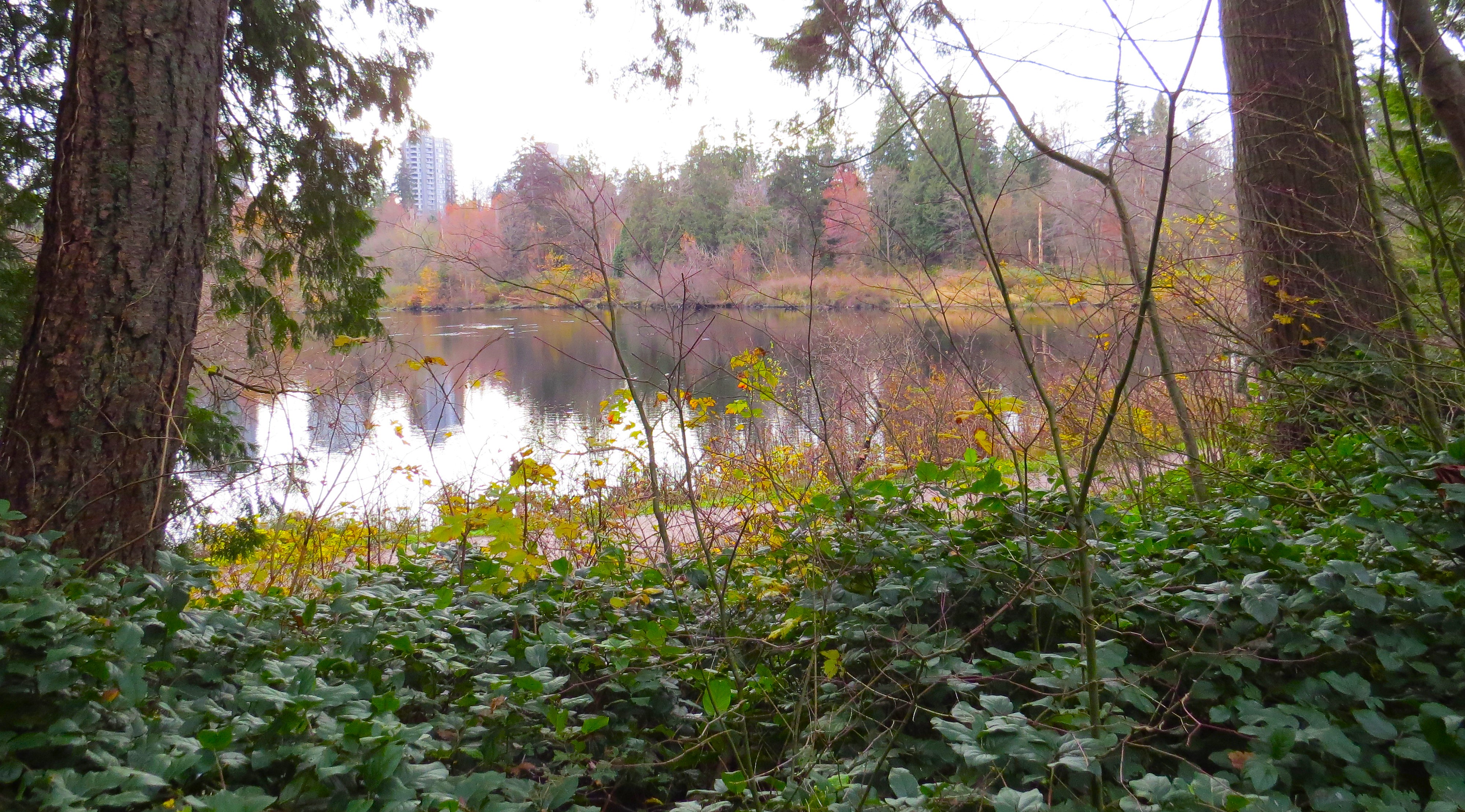
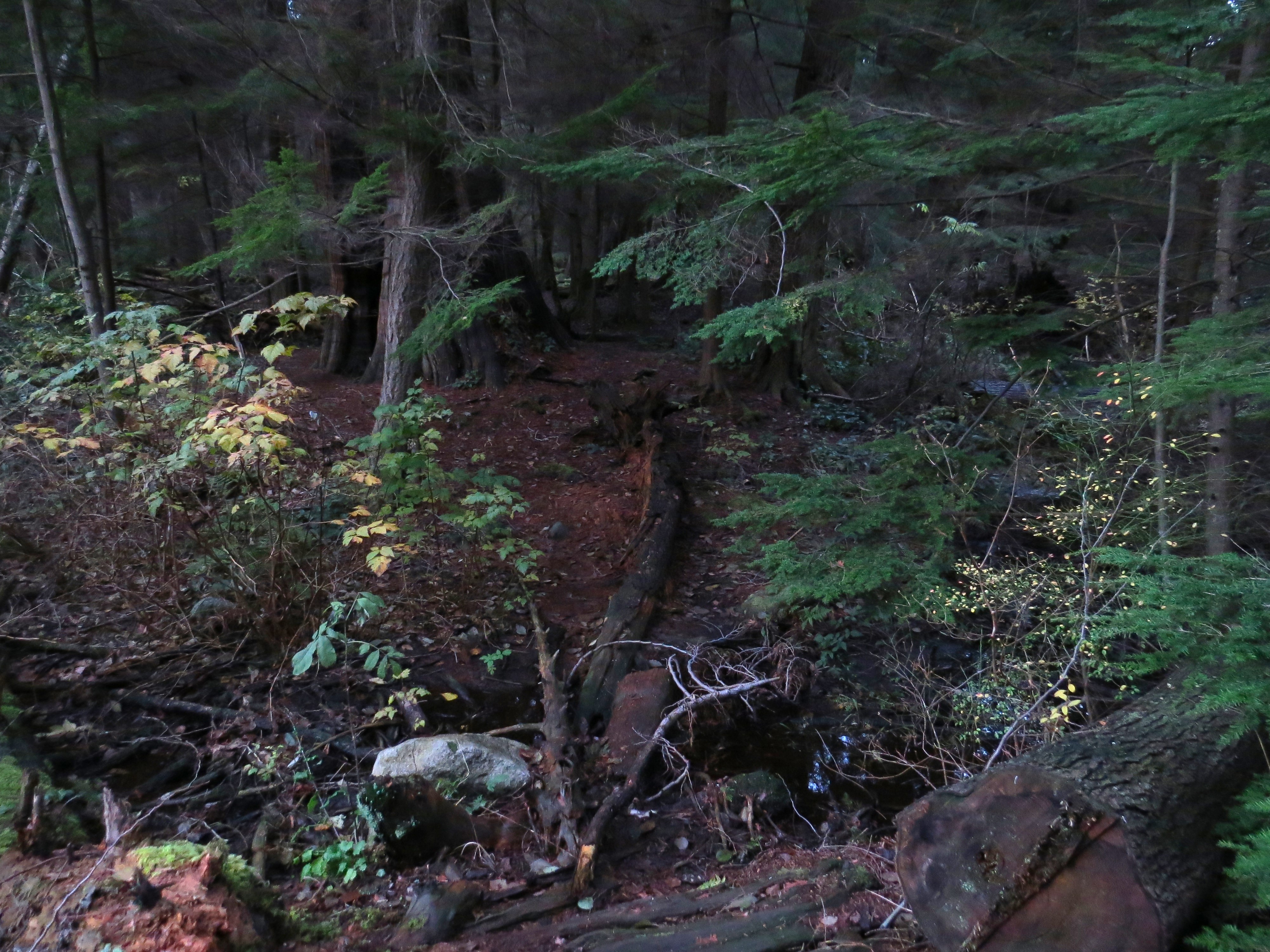
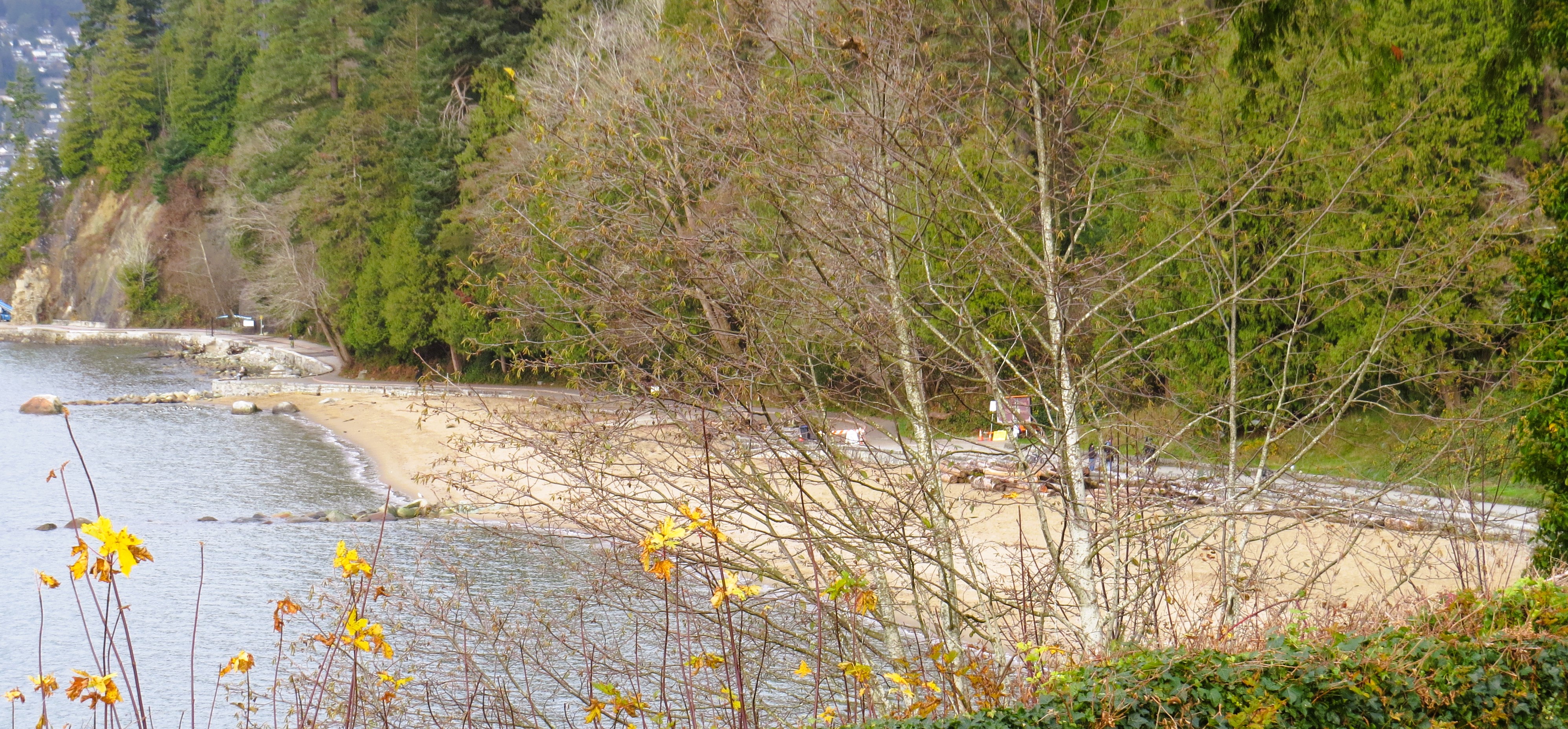
Stanley Park in Vancouver – popular tourist (and locals, too) attraction, yet it was so big, so dense in foliage, had so many little creeks, its own lake, unknown to many narrow trails, lost in the bushes – that you could spend the entire day there feeling like you are alone, far away from civilization. Pure magic. I went there just a few days before we left Vancouver to say goodbye to the trails and trees – my friends.

In Alberta’s Rockies, it was the Paradise Valley leading from Lake Louise to Moraine Lake and a much higher hike, from Lake Louise to Lake O’Hara, on the other side of Lake Agnes. The hike to Lake O’Hara takes you to an elevation of about 2300 meters – that is only 200 meters less than the highest peak of Rysy, the tallest mountain in Poland, my old homeland, where I climbed as a very, very young man.

In Halifax, my magic spot is just steps away from my home. Much smaller, and not as adventurous. Of course – all these travels and hikes from Long Beach, Alberta’s Rockies to the Atlantic take time. A few decades more or less. But that’s OK. Every season in nature and life alike offers different possibilities. That smaller place here I call My Rocks. The good thing is that I can go there any time of the day or night. I know probably every rock, its shape, and colour between two huge bridges: MacDonald and MacKay that span the length of the trail.
I think they know me, too. And so I went today there. First time in many days, as my health took a severe beating recently. Probably I shouldn’t. But I could not to go. In many ways, my story in Nova Scotia is the story of rocks. I fell in love with them during my travels there. I know them, I remember where they are, and how they look at different times of day and seasons. They are my friends.

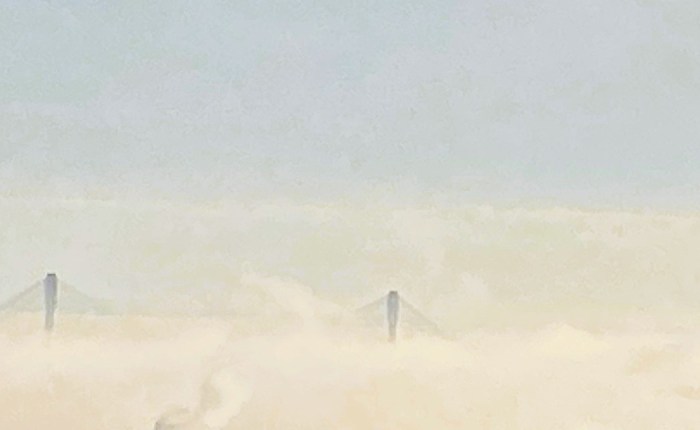
The walk today was full of memories: of places. And of people, who are no longer with me. It was also sad – the air and sky were full of smog-filled fog. But in that fog, I saw their faces very clearly. Felt very alone and yet, very grateful that I had them all, and that I loved them dearly.

That’s a gift one can’t shrug off. Them and Canada. And I smiled again.

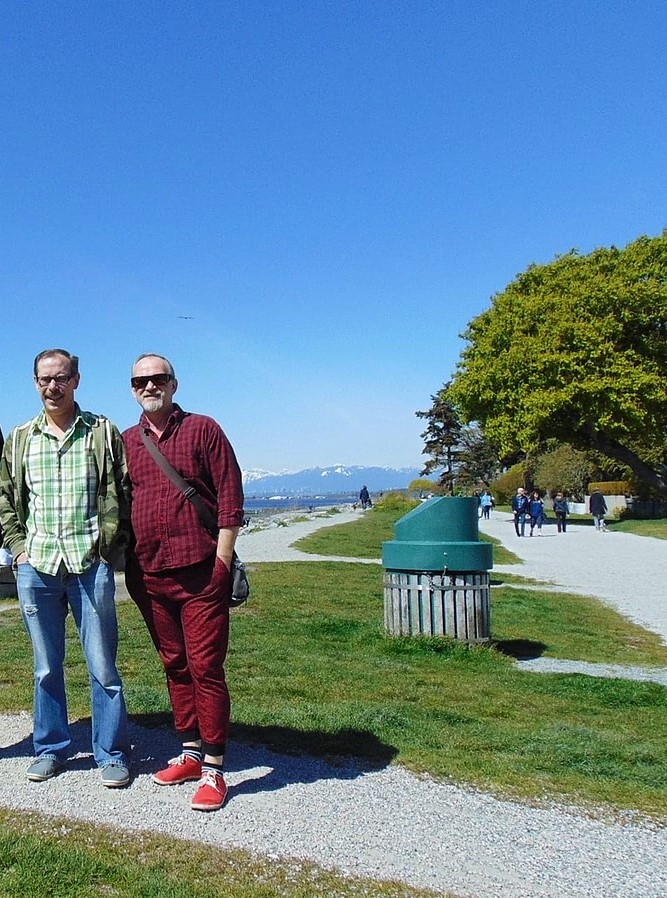
From top to bottom, left to right: first four pictures are from My Rocks in NS; me and my husband in Long Beach, Vancouver Islan; me and my sister visiting my very first apartment in Canada (Calgary, the building no longer exists); Dartmouth rocks, NS; My Rocks in Dartmouth, Canada Day walk; me and my sister in the Rockies (Spiral Tunnel near Field, in 2005); view of the McDonald Bridge connecting Halifax and Dartmouth.