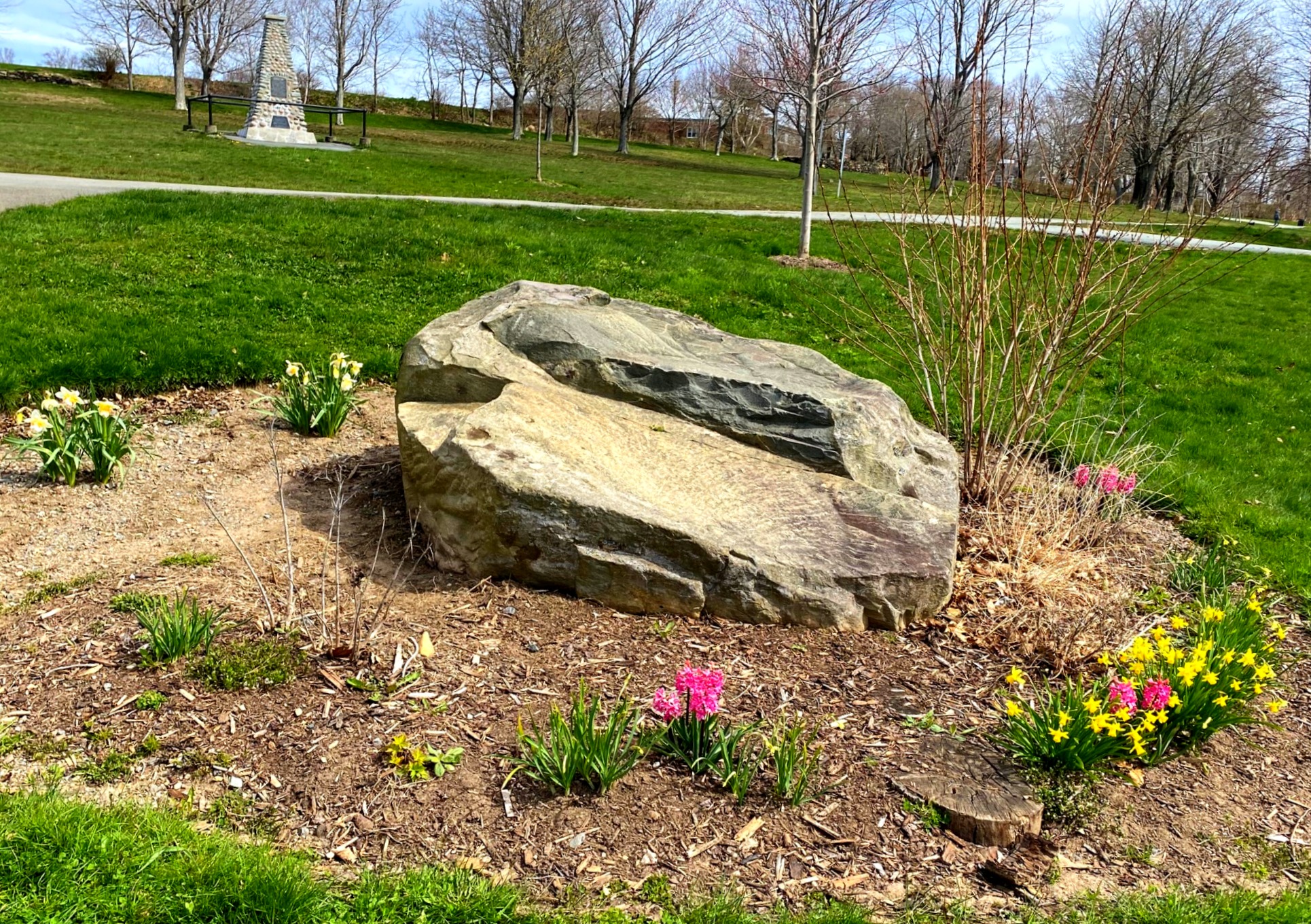
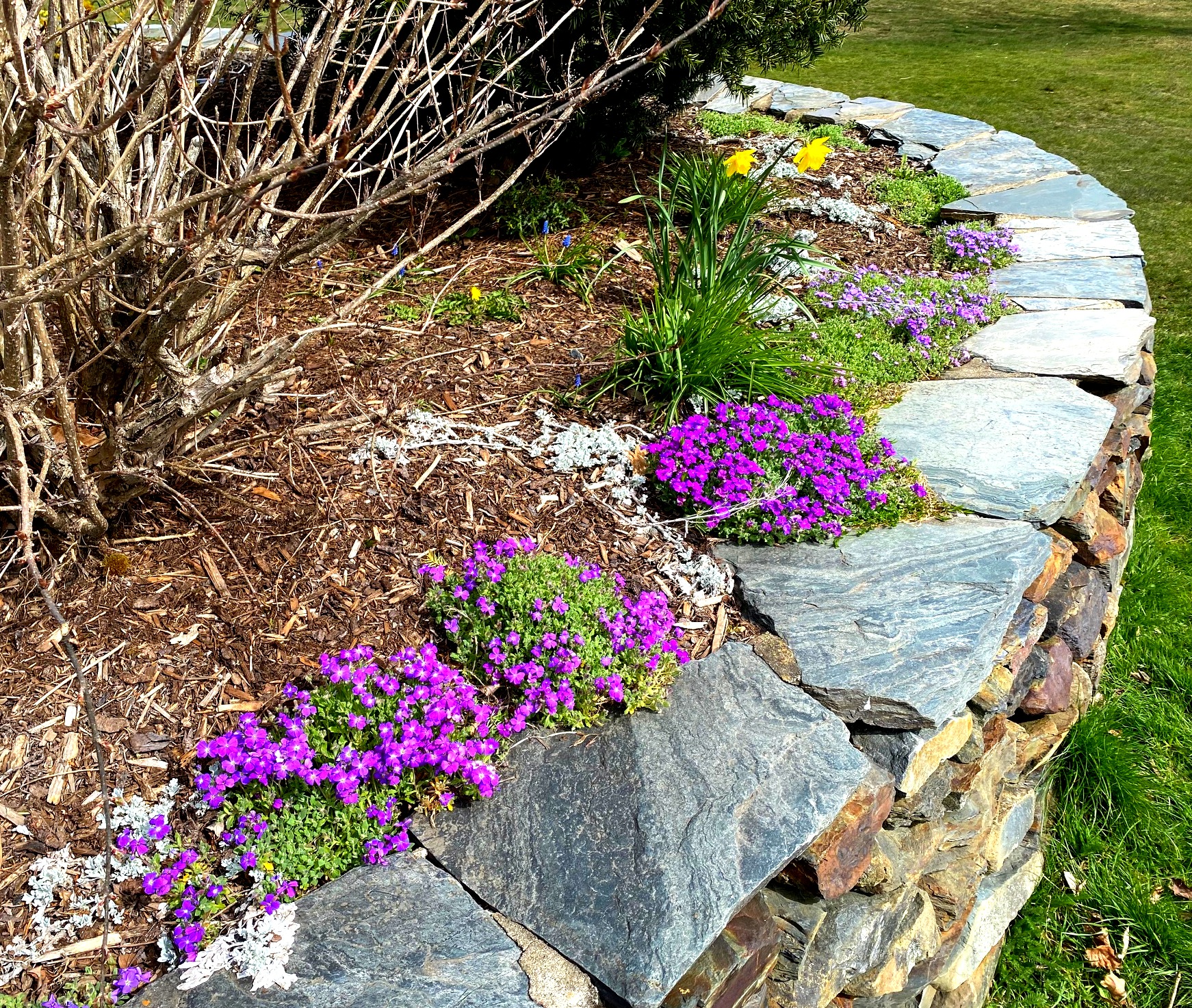
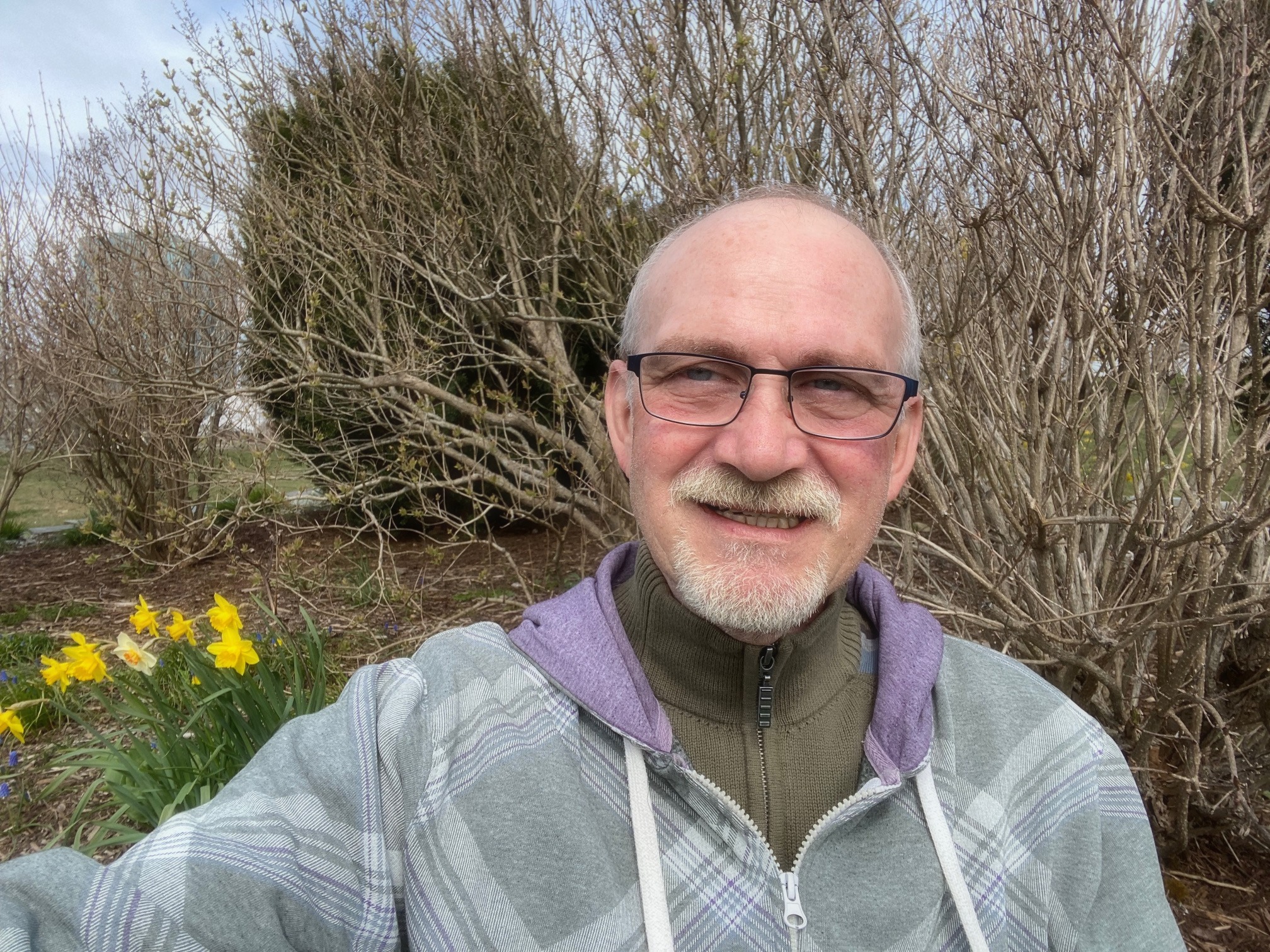
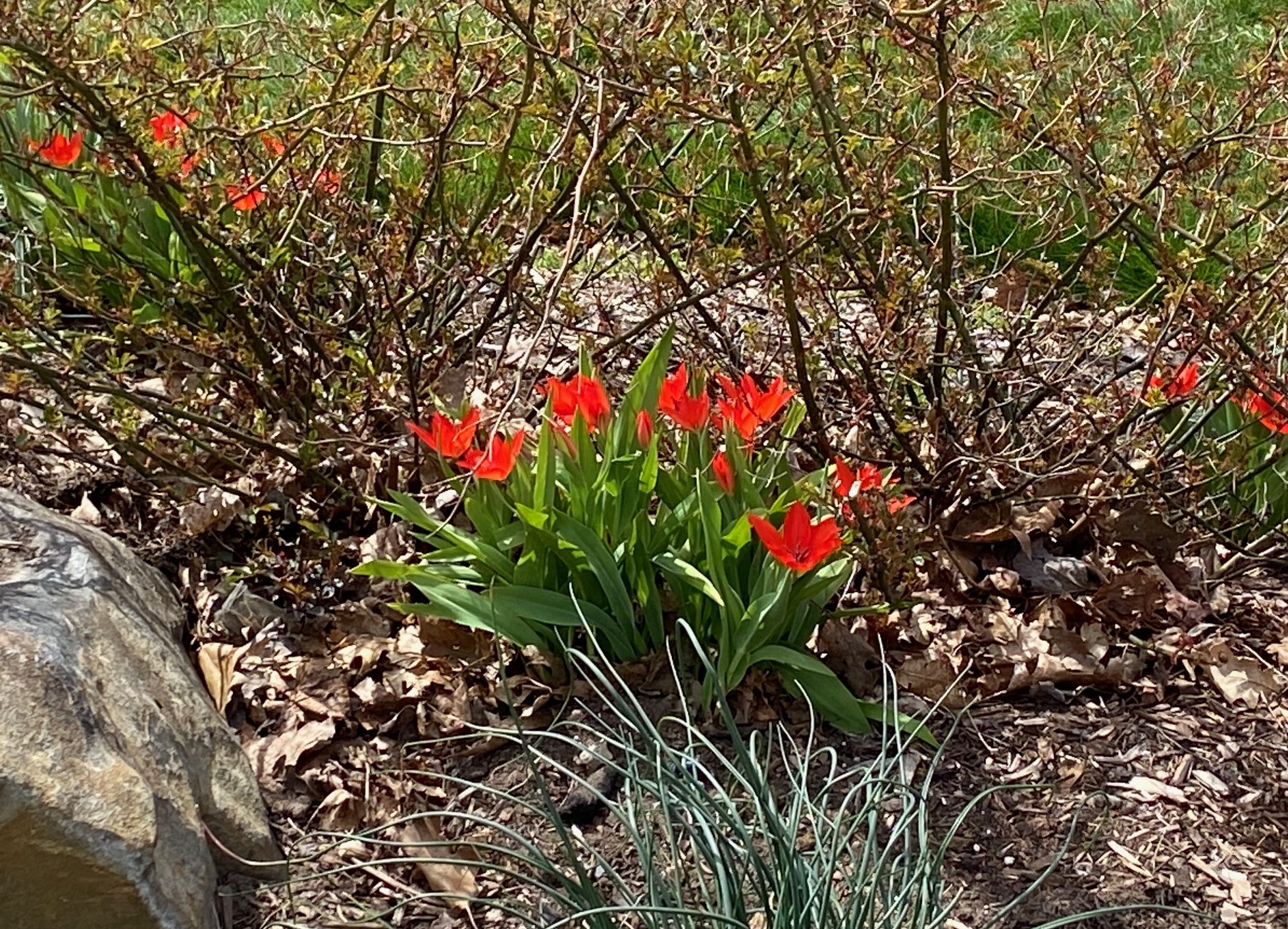
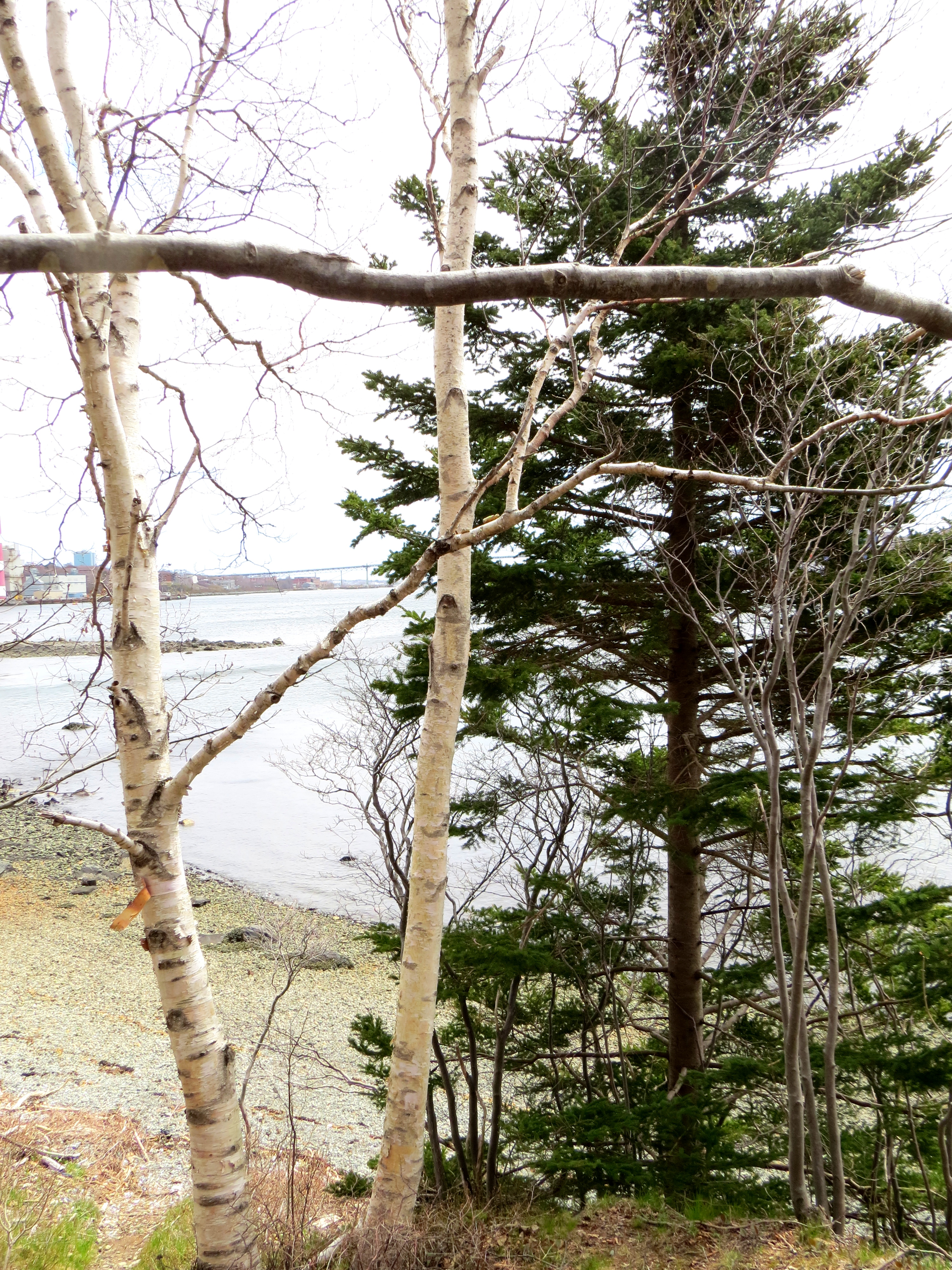
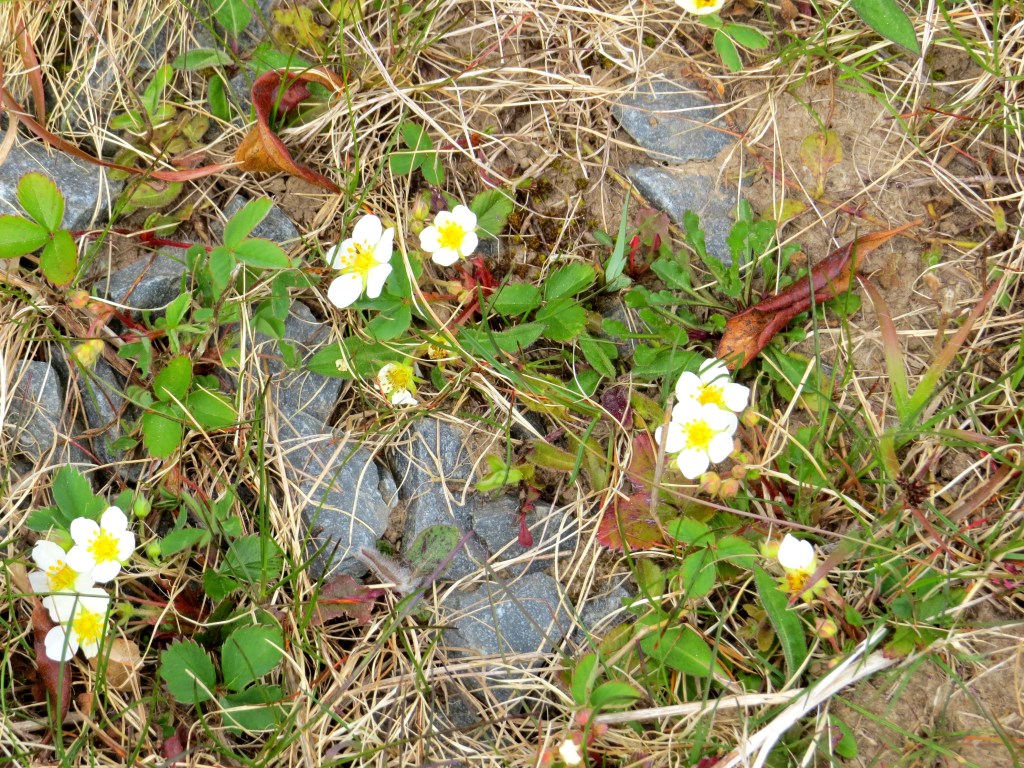
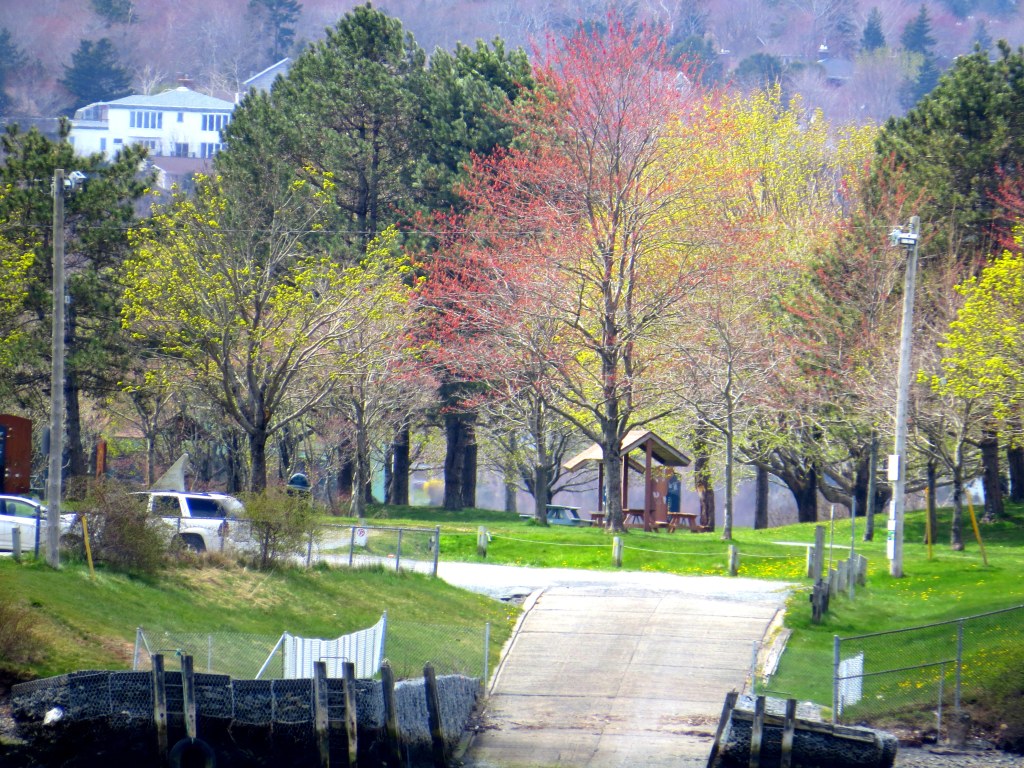
The ways of Love. Ścieżki Miłości.

The ways of Love are difficult to comprehend, not easy to follow. It has many meandering roads, many tracks through forest and meadows. It knows the busy streets of cities and forgotten paths through hills.

Love – it seems – lives separate from us, from our bodily abodes. When one of the lovers is gone, when the other has to say the incomprehensible words of goodbye – loves stays, remains. As long, as the other is still alive so is their love.  We are but the chalice, where love finds shelter. We benefit form her grandiose presence, but we do not own her. She just lets us to bask in her radiance. When we suffer, she cries with us and suffers even deeper than we can conceive, when we rejoice in extasy – she dances in the clouds.

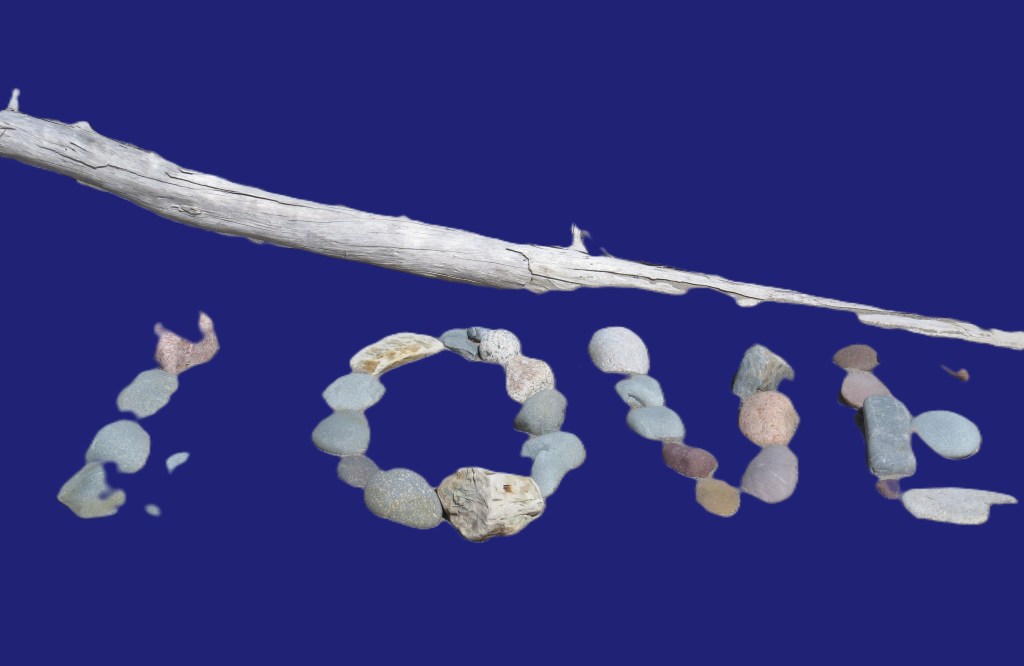
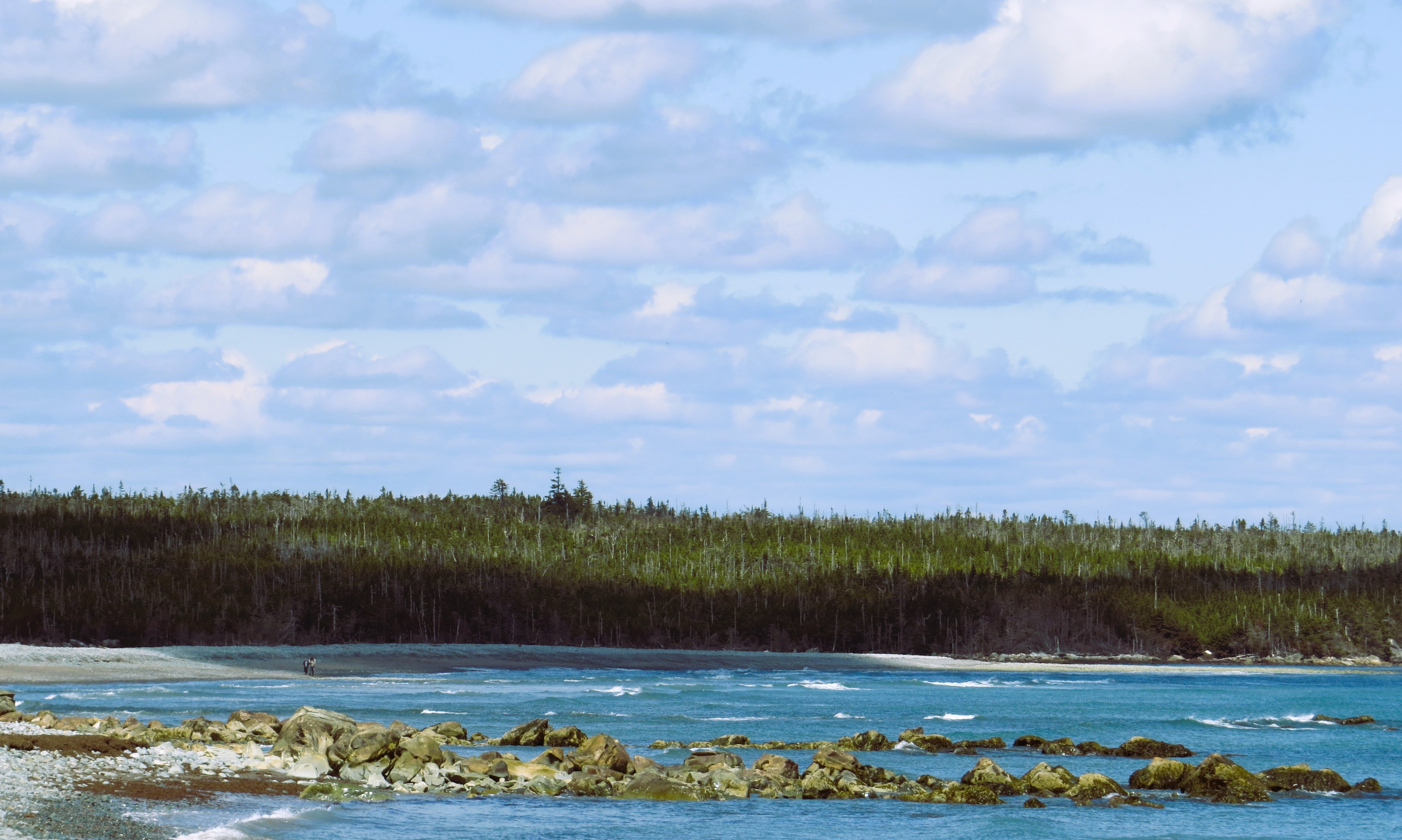
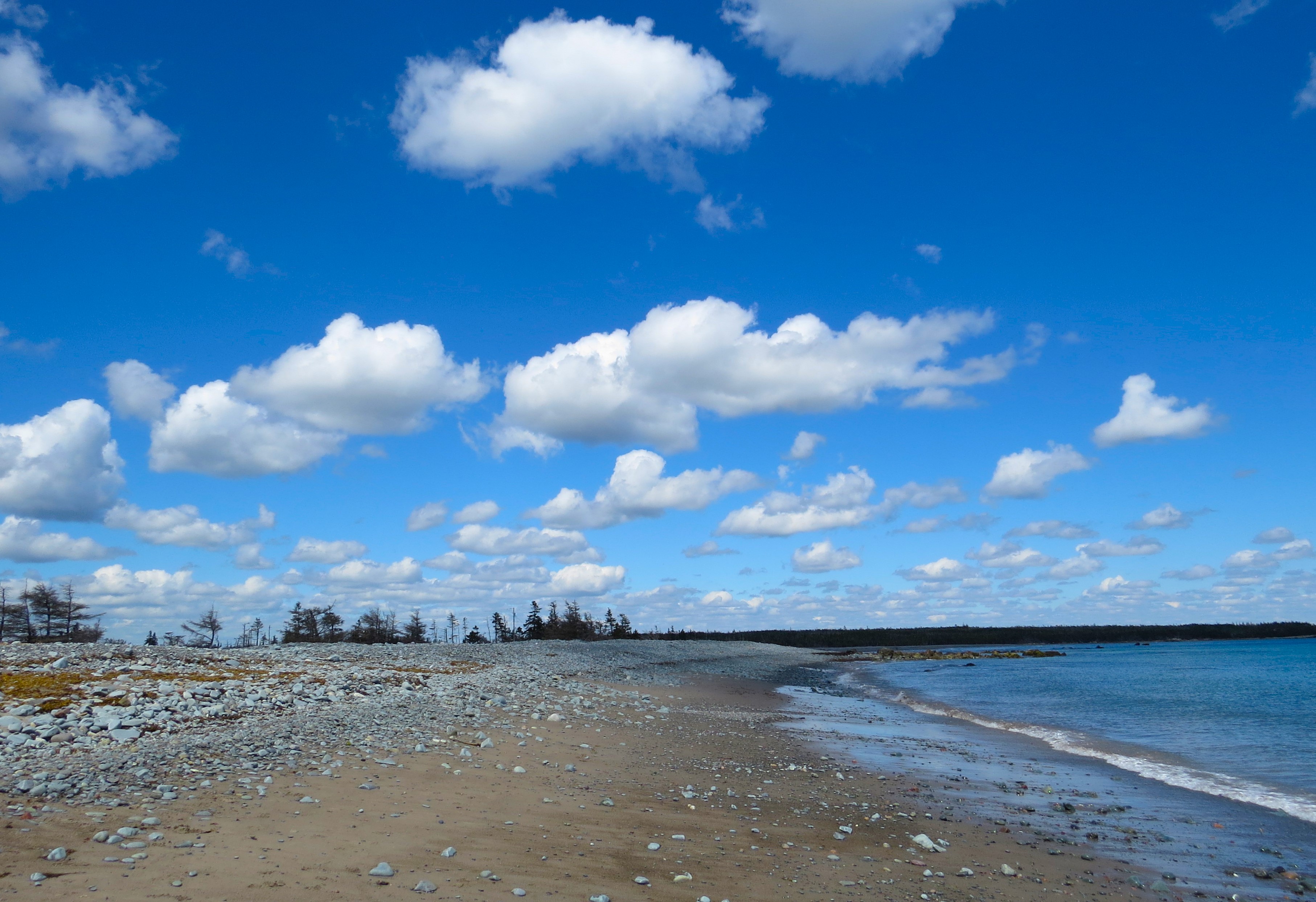
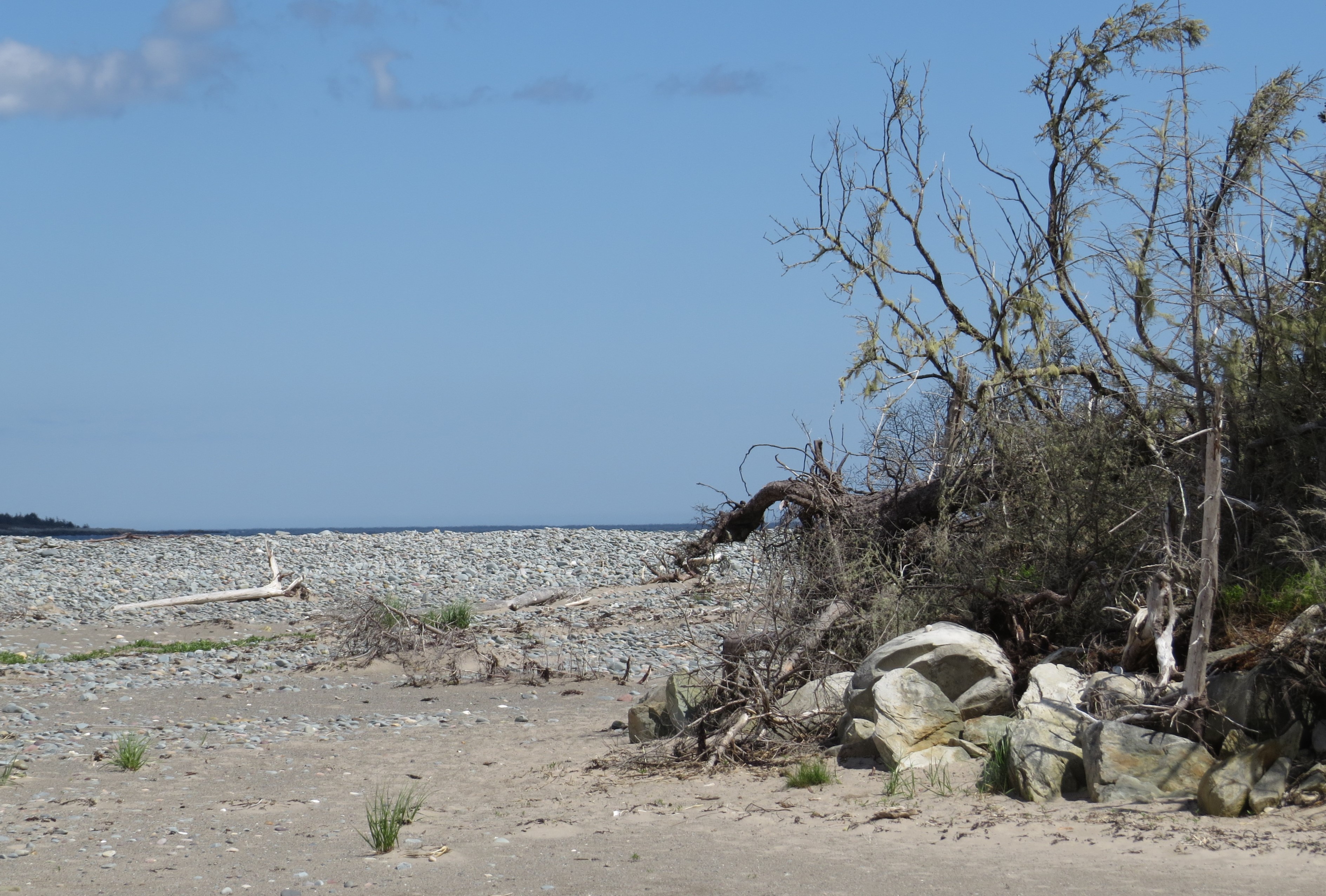
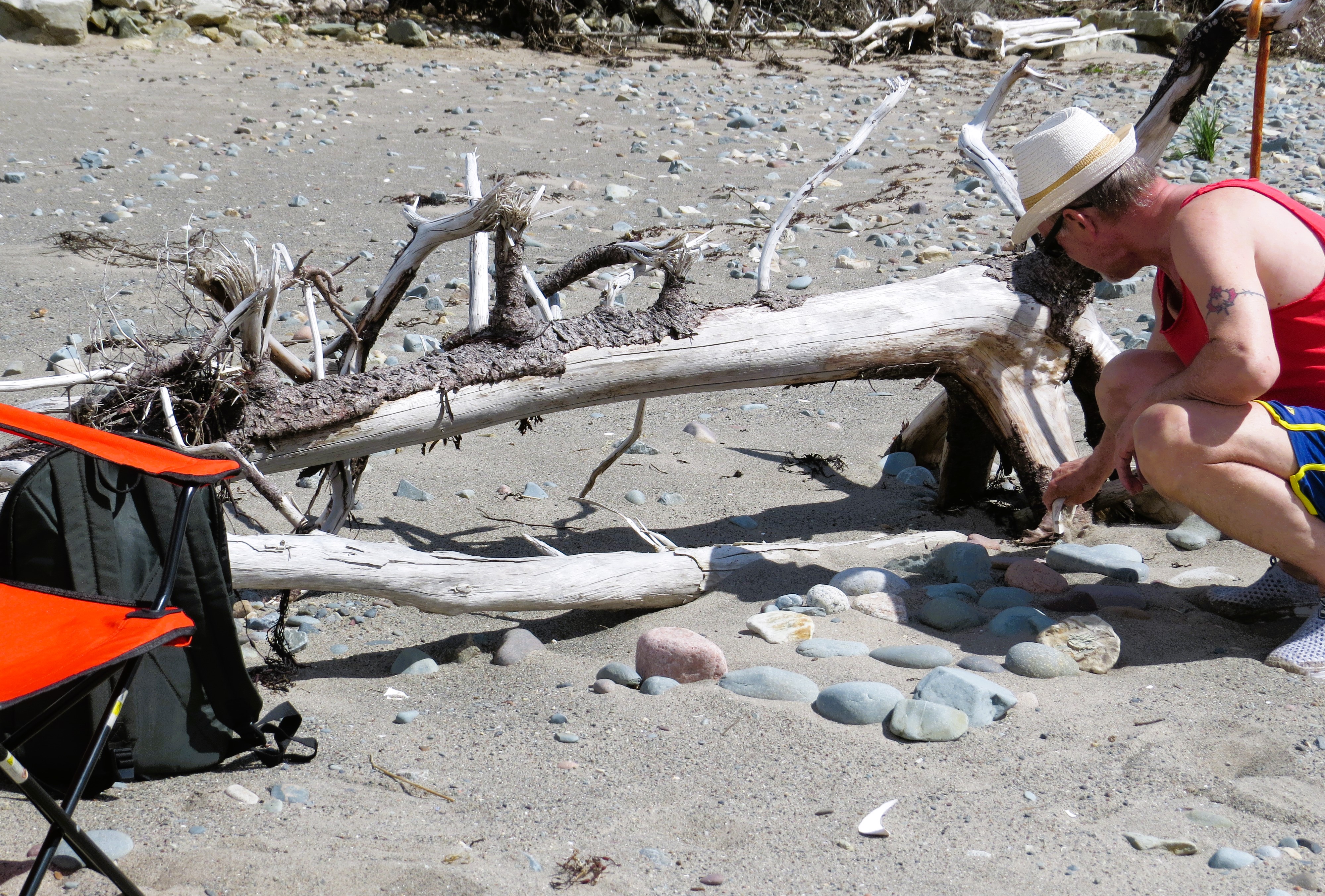
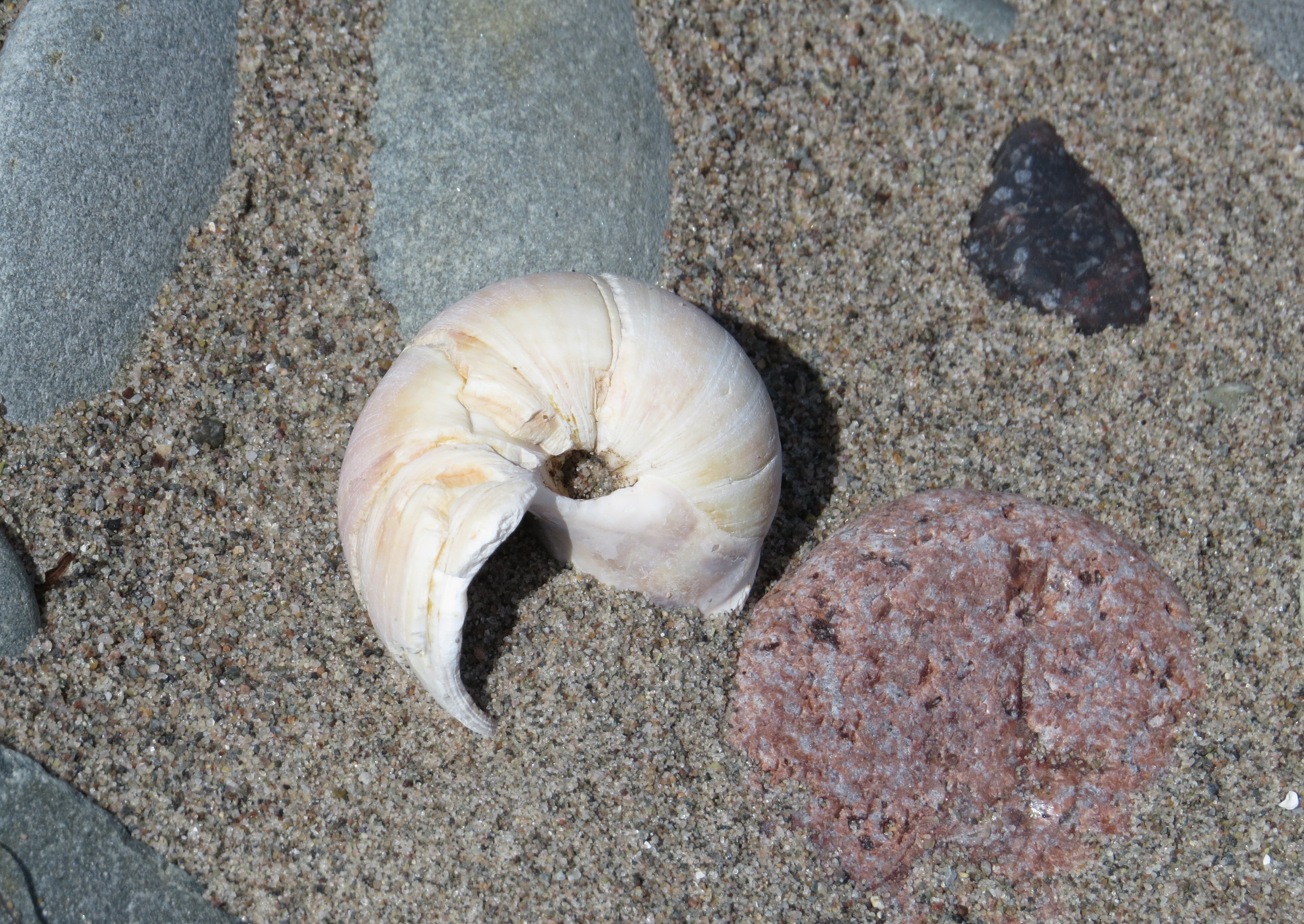
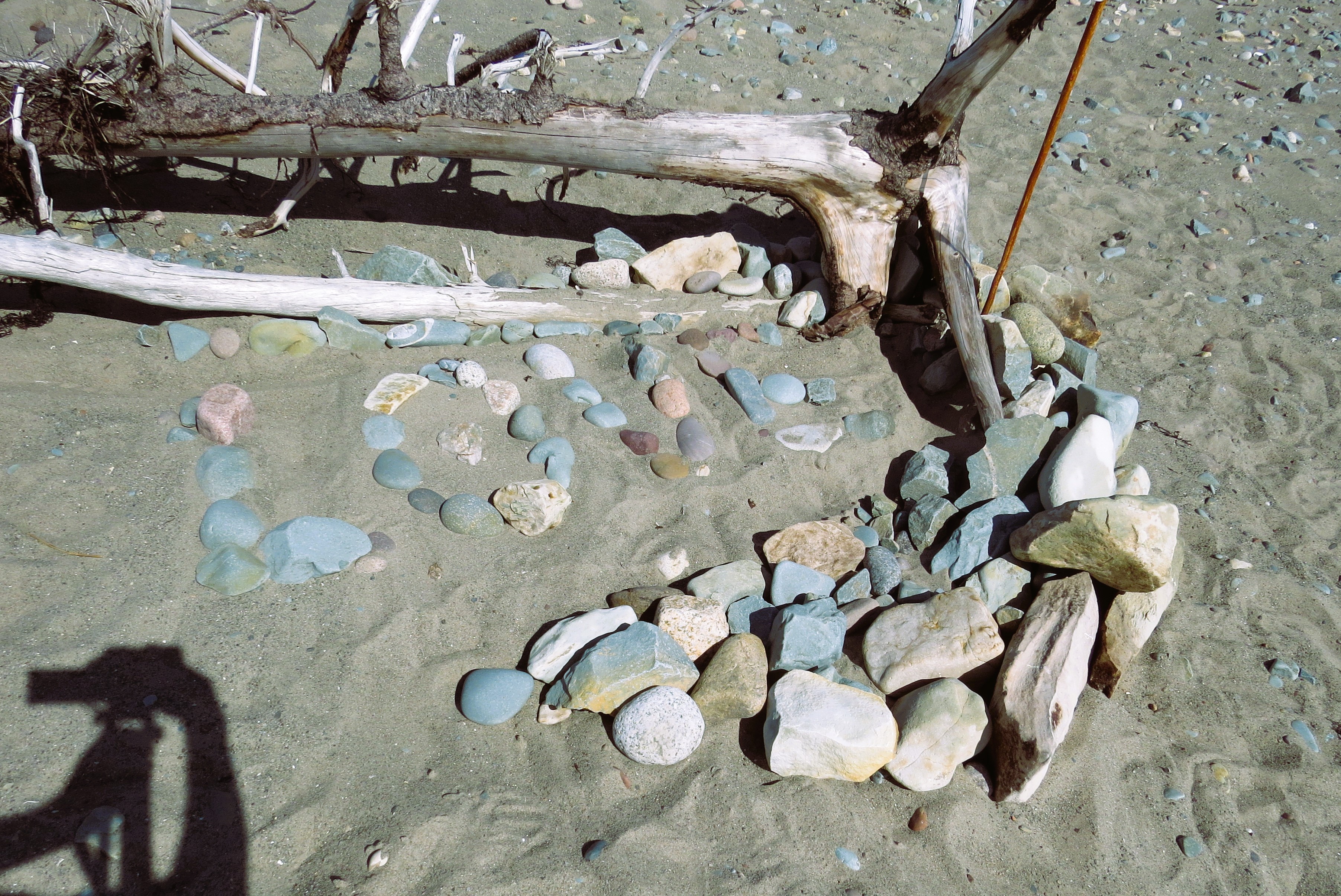
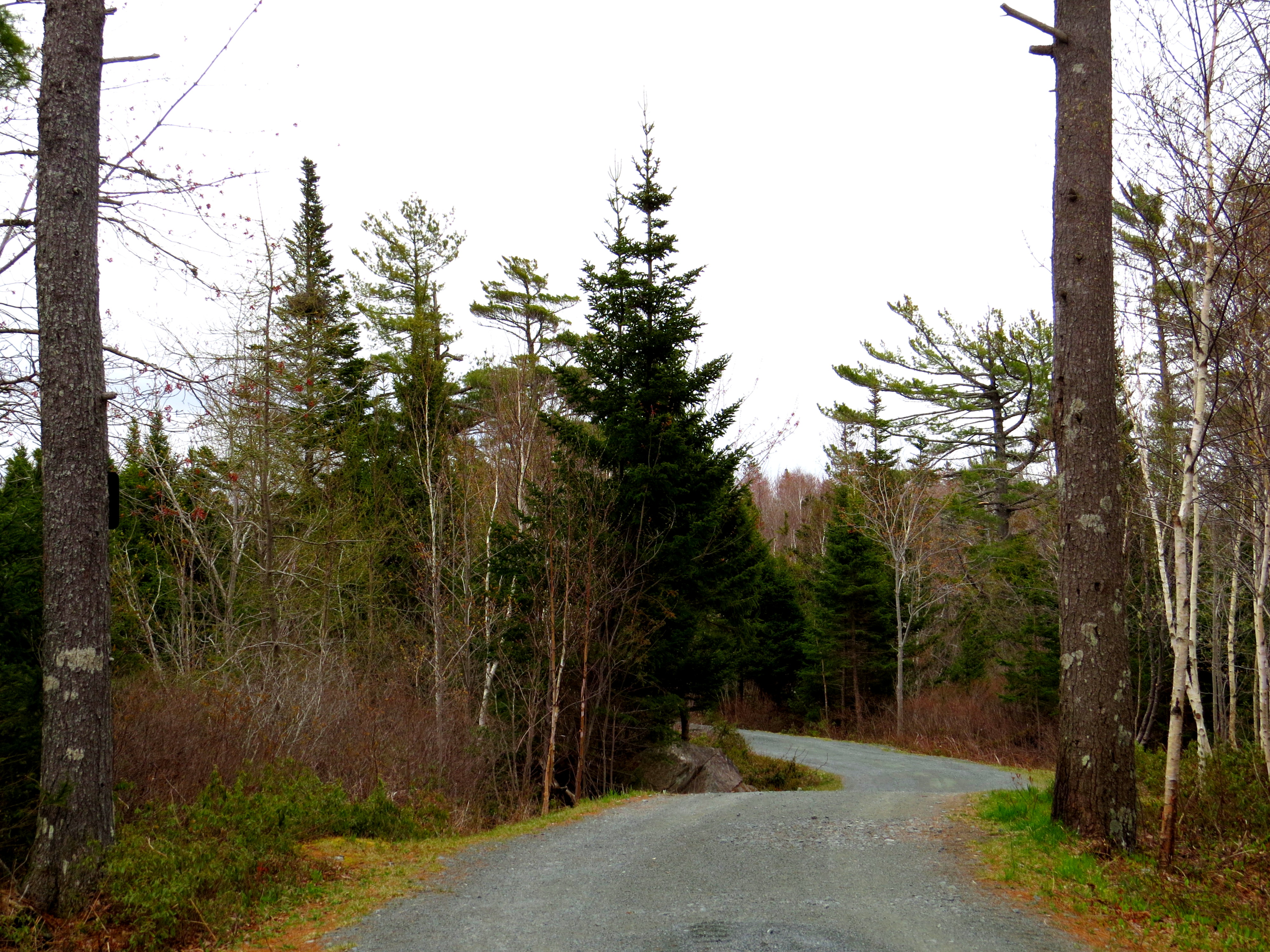
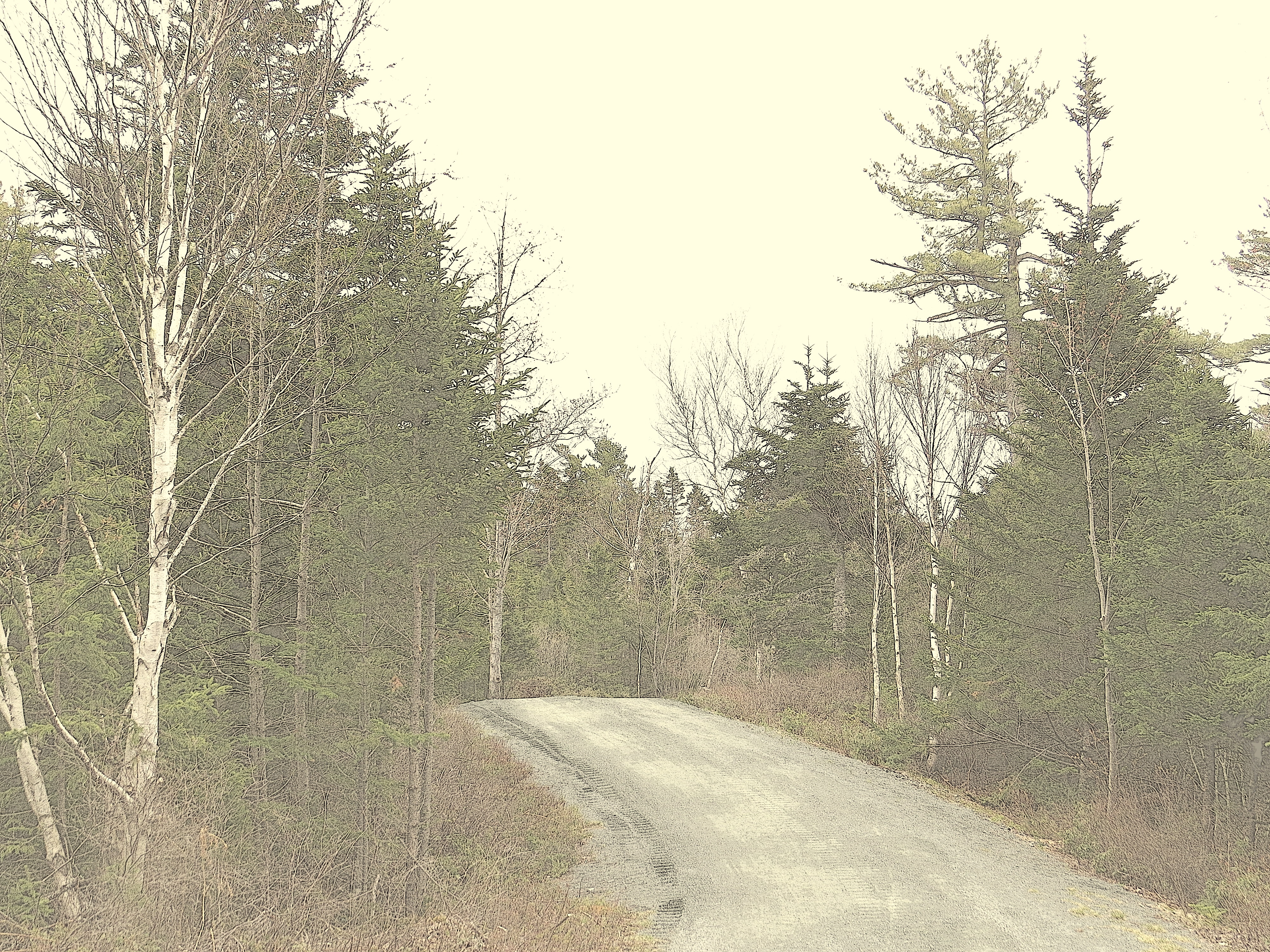
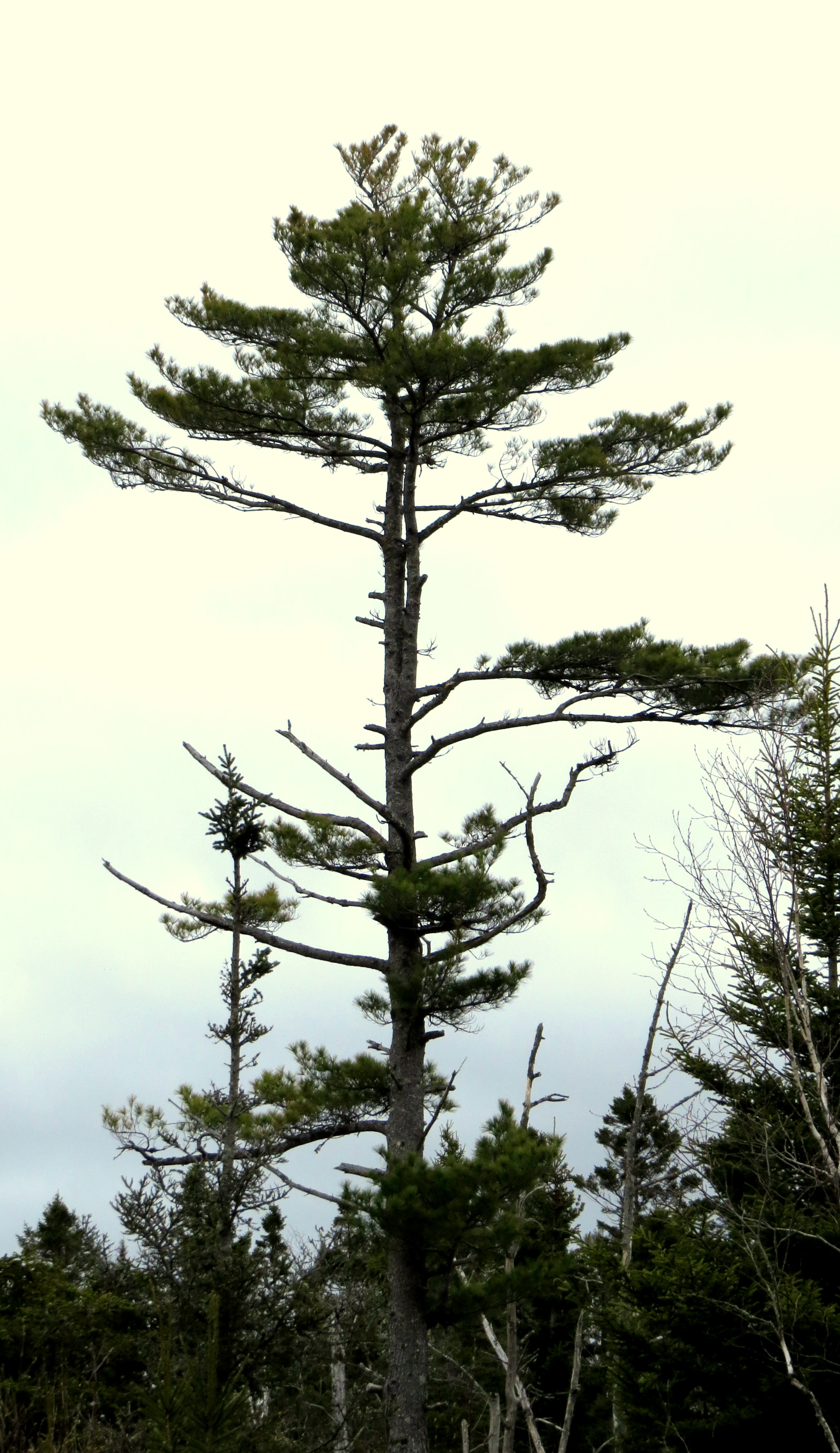
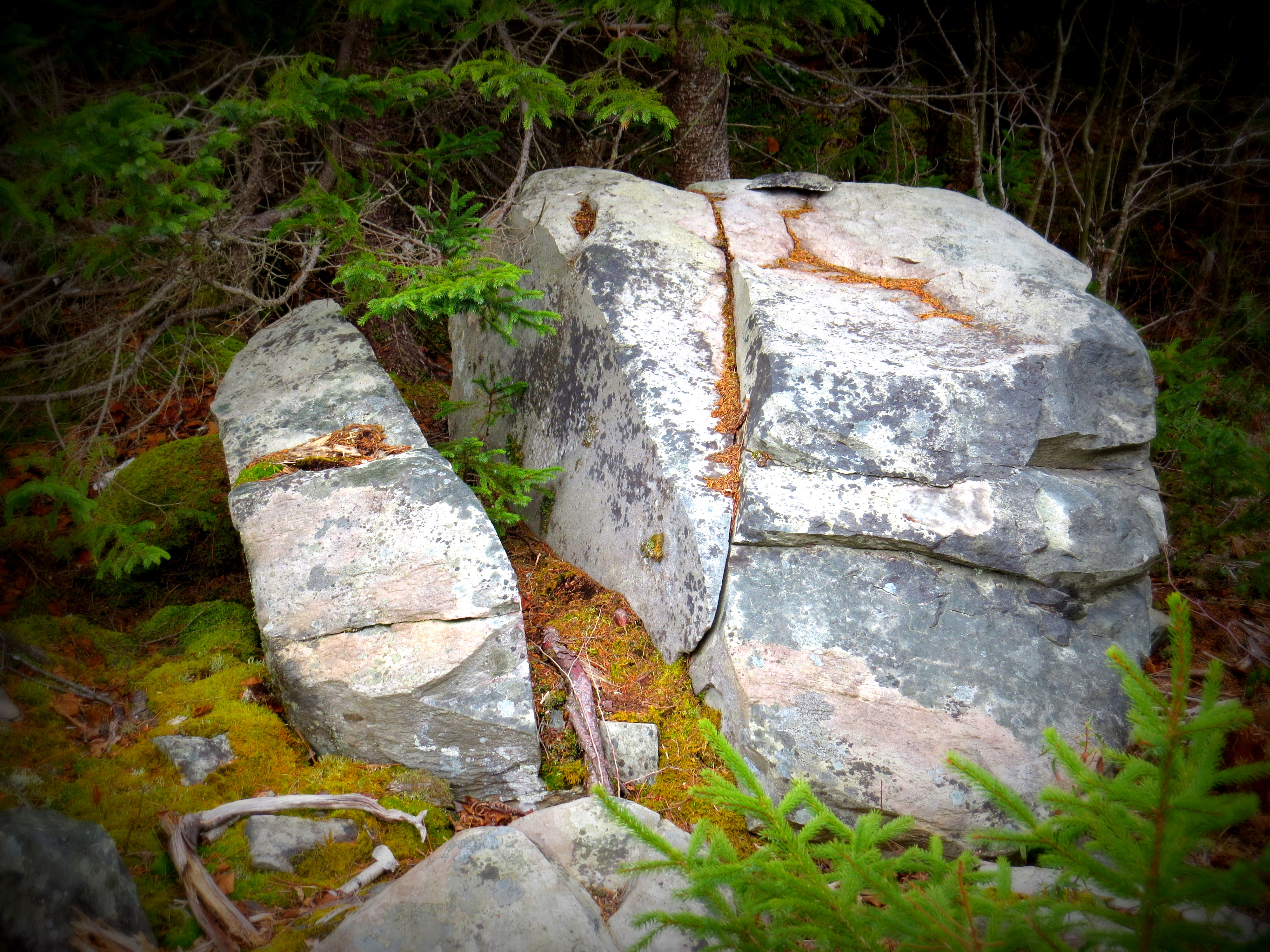
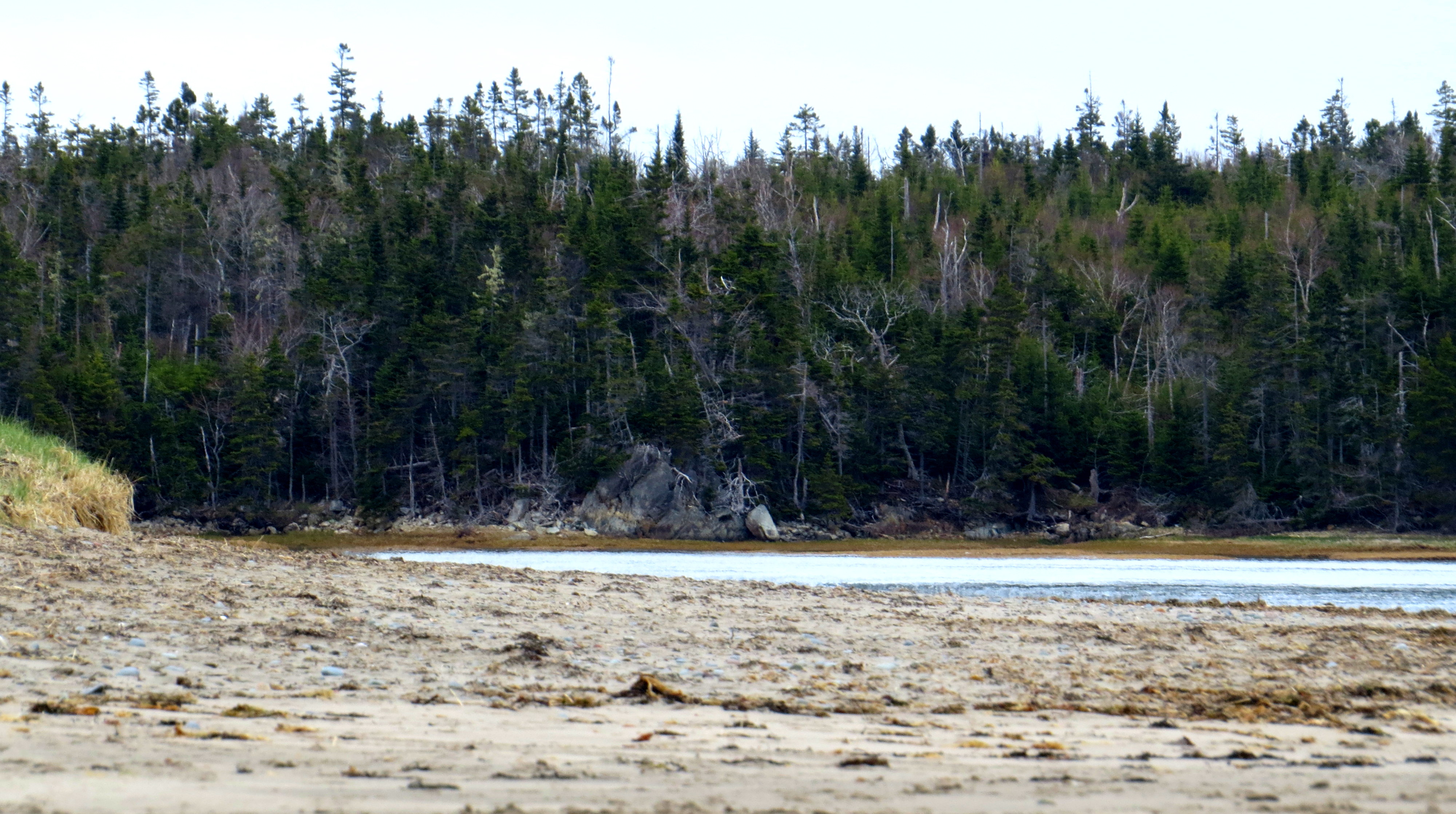
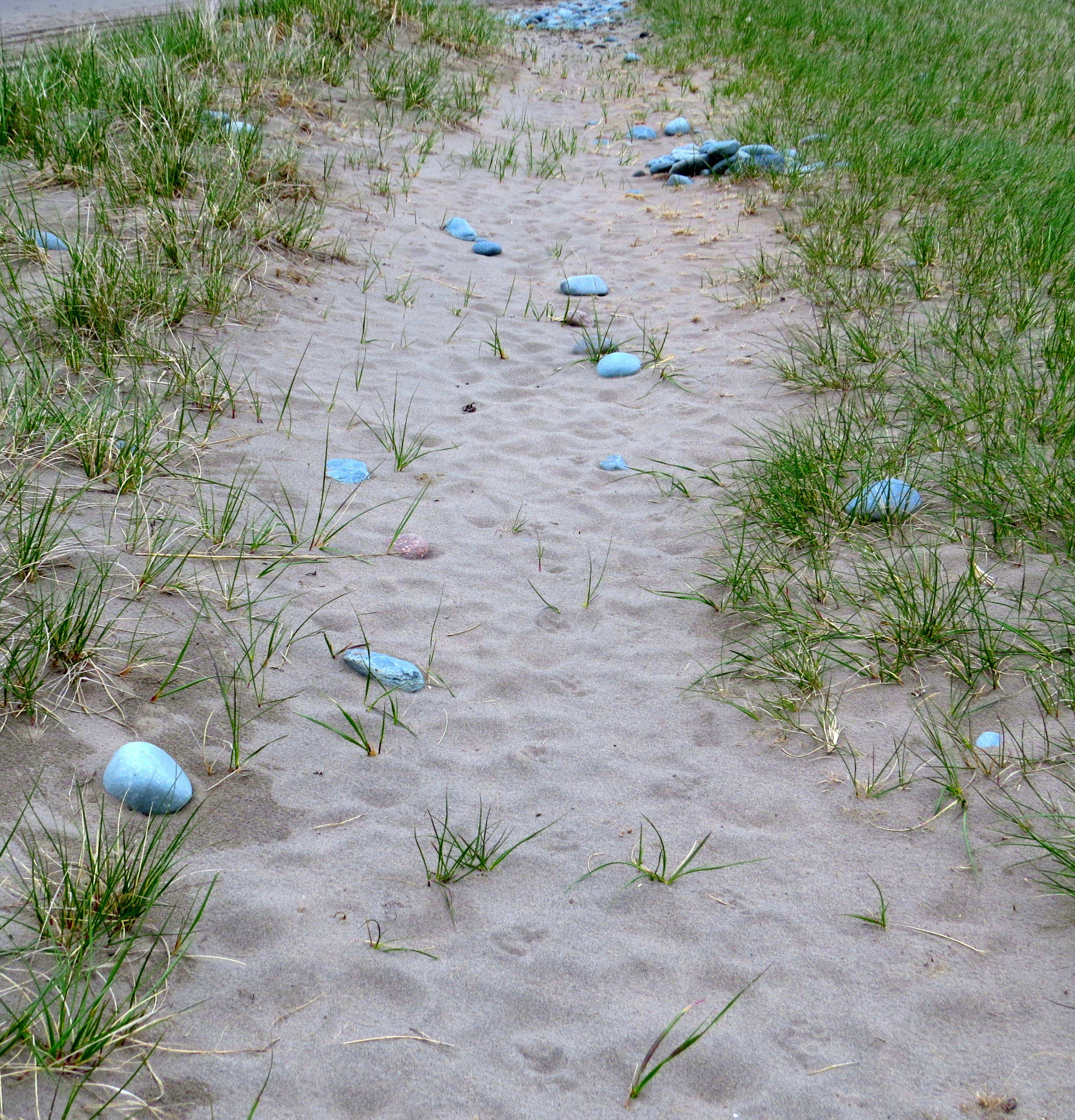
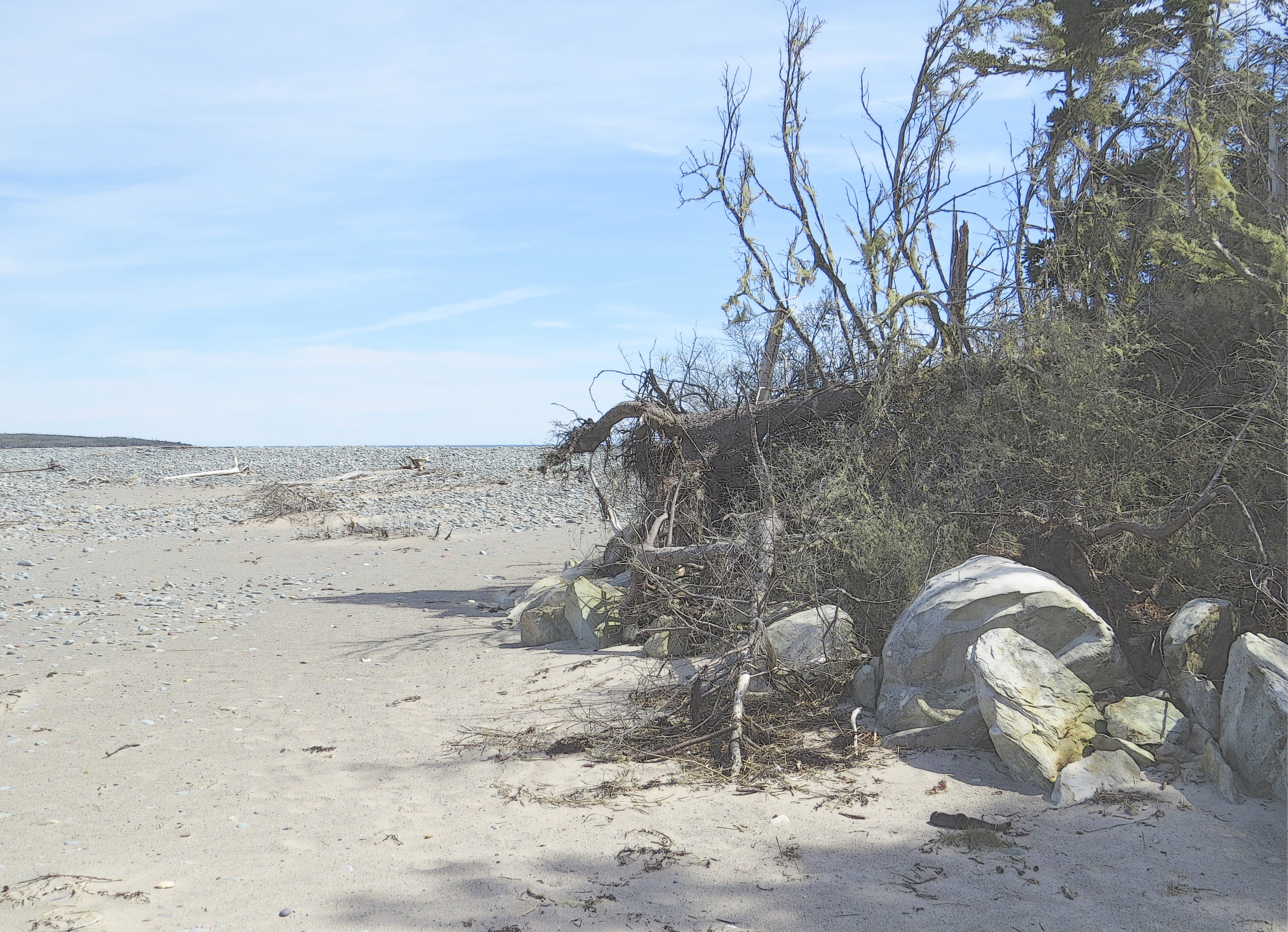
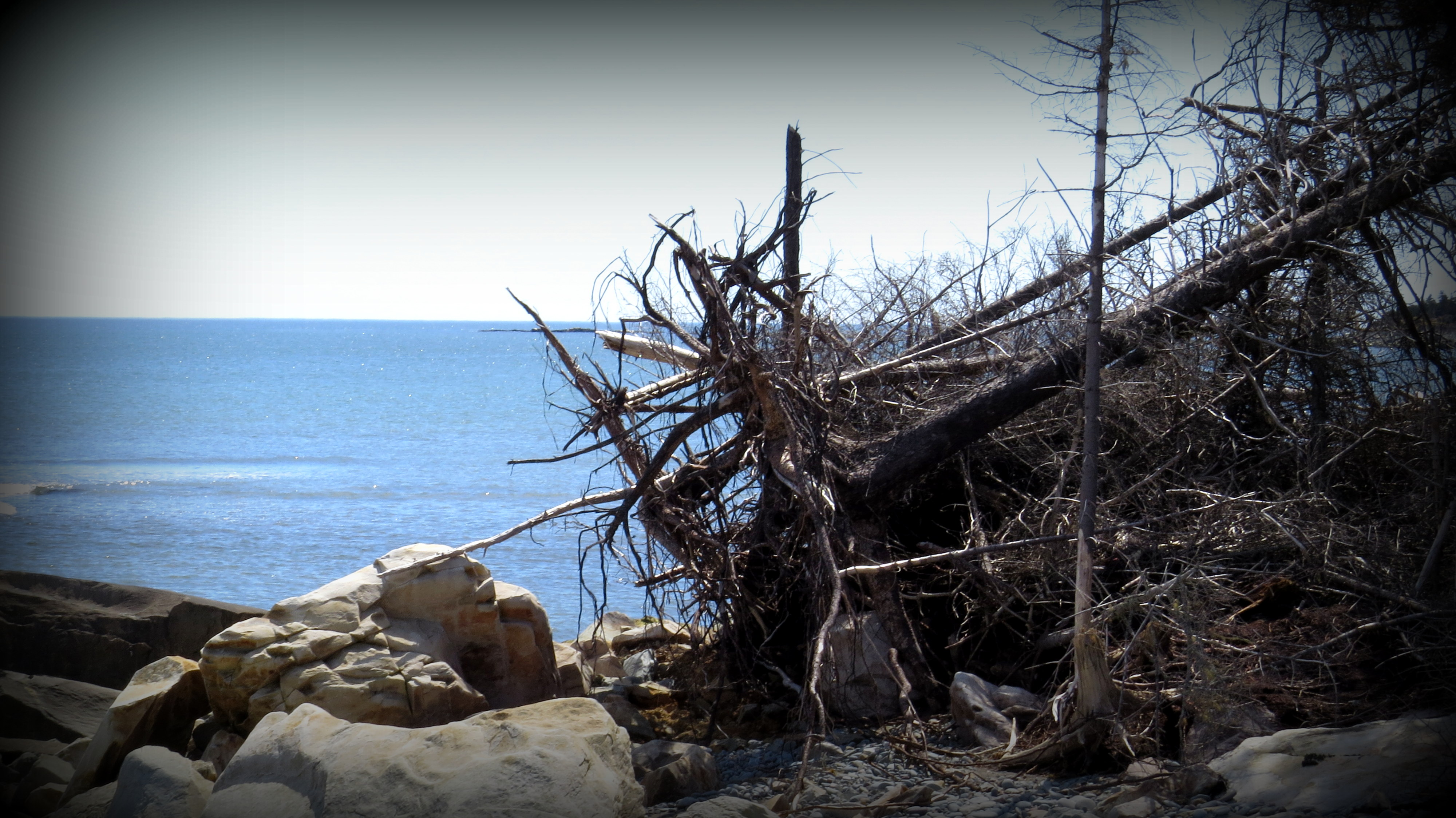
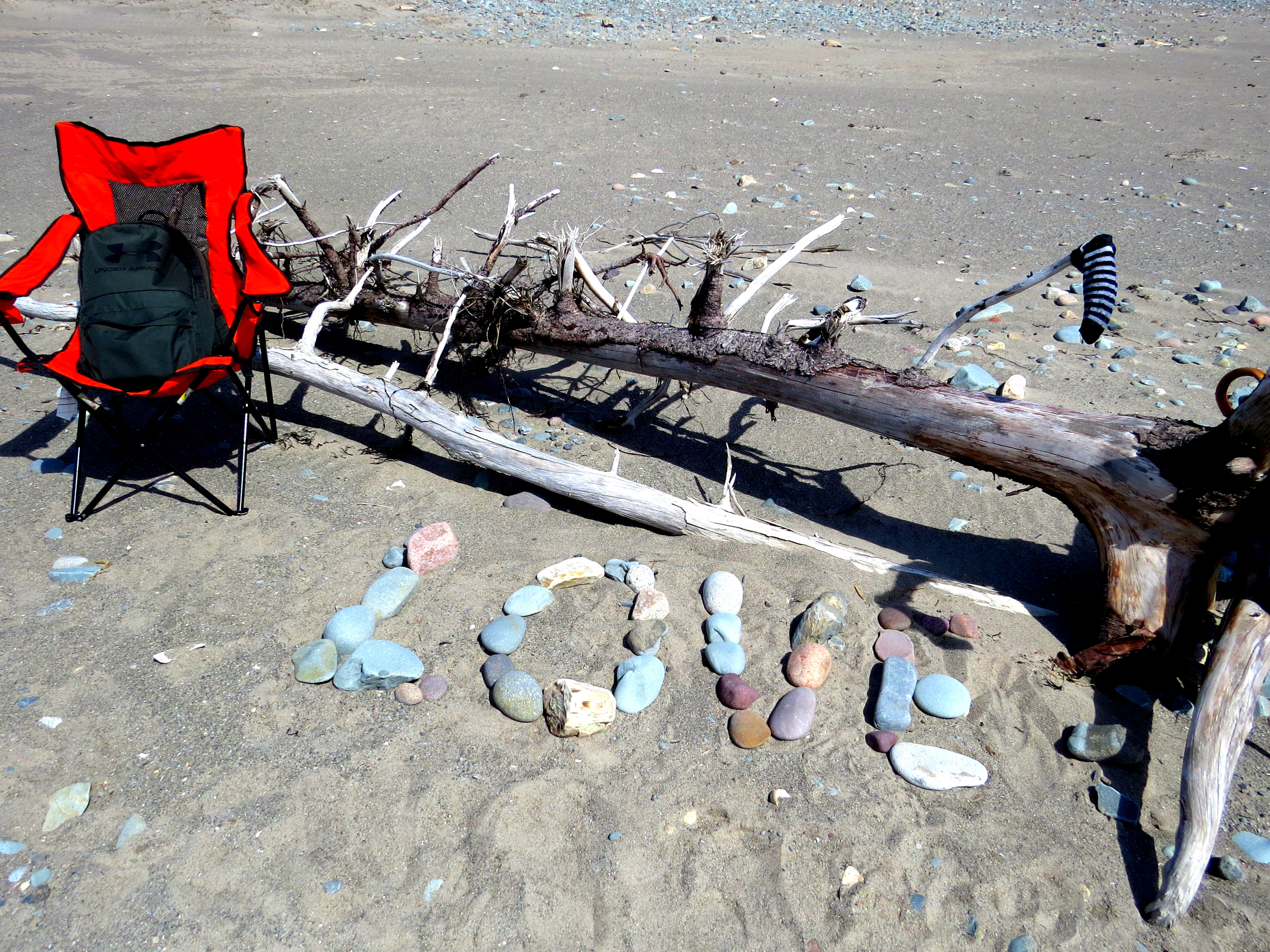
It was fitting than that I had to find two separate places, when my Lover died, for their resting spot. One for his temporal remains in a traditional cemetery with the remains of his parents and siblings, where I go and do the typical shedding of tears, the cleaning around from debris, replacing dead flowers with fresh ones, lighting the candle, taking to his memory about the mundane things at home. To grieve. To be overcome with sadness and loss.  It is a sad place; it is sad naturally. How could it be different? But our love did not die. And love have to be celebrated, rejoice.  For our love I have a different place. I have built it over the past two years on a secluded, long arm of white sand and carpets of rocks and shells. Far away from busy beaches and popular spots. There is hardly – except few locals – ever anyone on the narrow beach that leads to my special place. To get there you have to cross a narrow channel of fast moving water. Few people ever wanders there, never in groups or noisy beachgoers. There is a spot, nestled in the rams of trunk of white tree brought there by ocean’s waves where I built our Fort of Love. I brought small rocks and huge boulders gathered on the shores for her name: Love and built a small but solid wall protecting it from the storms. It survived already two seasons of these storms. No one ever did any damage to it or treated it with disrespect (it is there in the open, not concealed or hidden). But why would anyone? Deep down everyone – even the sceptics – respects love, desires love, yearns for her.  

Trakty miłości, jej ścieżki, drogi. W ruchliwych ulicach wielkich miast, w laskach nad rzeczkami, szlakach przez góry. Nigdy ich wszystkich nie poznamy, nie zrozumiemy. Ma własna tajną mapę.

Bo miłość istnieje samodzielnie, poza nami. Istnieje zawsze. Gdy czas straszny nadchodzi i jeden z kochanków musi powiedzieć to straszne słowo ‘żegnam cię’ – miłość pozostaje, nie odchodzi. Tak długo, jak jeden z kochanków będzie żyć, będzie żyć ich miłość. Jesteśmy tylko kielichem, pucharem, gdzie ona wybiera dom. Korzystamy z jej wspaniałomyślności, ale nie jesteśmy jej właścicielami, zarządcami. To ona pozwala nam grzać się w blasku jej chwały. Gdy cierpimy, cierpi głębiej niż my; gdy tańczymy w ekstazie szczęścia chwili – ona tańczy piruety w chmurach.

Wydawało się mi więc naturalnym, że powinienem znaleźć dwa miejsca, dwa domy na ich schronienia, gdy go fizycznie już nie stało. Jeden tradycyjny dla resztek jego materialnej powłoki na tradycyjnym małym cmentarzyku, przy starym zapomnianym miasteczku, obok szczątków jego rodziców, braci. Jeżdżę tam często naturalnie, sprzątam przy mogile, płaczę, czasem się śmieje, gdy mu o czymś śmiesznym opowiadam. Ale to strasznie puste i smutne miejsce. Miejsce żałoby, miejsce Straty i żalu. Potrzebowałem więc znaleźć inne, żywe miejsce dla naszej miłości.

Jest taki zakątek z dala od popularnych szlaków. W zasadzie miejsce tylko dla lokalnych mieszkańców, farmerów i rybaków. Turystów raczej tu nie ujrzysz. Na końcu długiej, krętej drogi maleńki parking dla może dziesięciu samochodów. Plaża bardzo wąska, niezbyt długa i głównie kamienista, kończąca się kilkoma sterczącymi skalnymi olbrzymami. Ale dalej, odgrodzona wartkim kanałem łączącym ocean ze słonym, wielkim i głębokim jeziorem – jest długa piaszczysta łacha za szerokim rzędem różnej wielkości kamieni przynoszonych tu przez fale. Za tą łachą wielokilometrowa wąska mierzeja oddzielająca właśnie te wielkie jezioro i otwarty ocean. By tam dojść trzeba przez ten wartki kanał przejść lub przepłynąć (w zależności od czasu przypływu). Mało kto tam zachodzi, czasem jeden samotny wędrownik, kiedyś parę jakąś widziałem. Na tej łasze zbudowałem dom naszej miłości, by się nie błąkała po ostępach. Tam jeżdżę z nią rozmawiać, prowadzić radosne rozmowy z tobą też. Bo jakże moglibyśmy być smutni czy rozżaleni na nią, że nam dała szczęście?  Miłość musi być celebrowania i tam ją celebruję. Zbudowałem z taszczonych kamlotów dużych i mniejszych Fort dla niej, dla naszej Miłości. Nich jej śpiewa ocean, wiatr i gwiazdy nocą. Już dwa lata, dwa sezony sztormów nocnych i zimowych – a fort przetrwał. Fale go nie zabrały, nikt nie zniszczył. Komóż zresztą taki Fort Miłości mógłby przeszkadzać? Przecież to też może być Fort ich miłości.

Byłem tam wczoraj, wzmocniłem kamienną palisadę, wyśpiewałem ci moją miłość do Ciebie. Może ostatnia to już moja tam w życiu wizyta, kto wie, gdzie mnie losy rzucą lub porzucą. Ale jak długo będę jeszcze tu czy gdziekolwiek się błąkał – nasza Miłość będzie mieć swój dom. Nie może być przecież bezdomna.

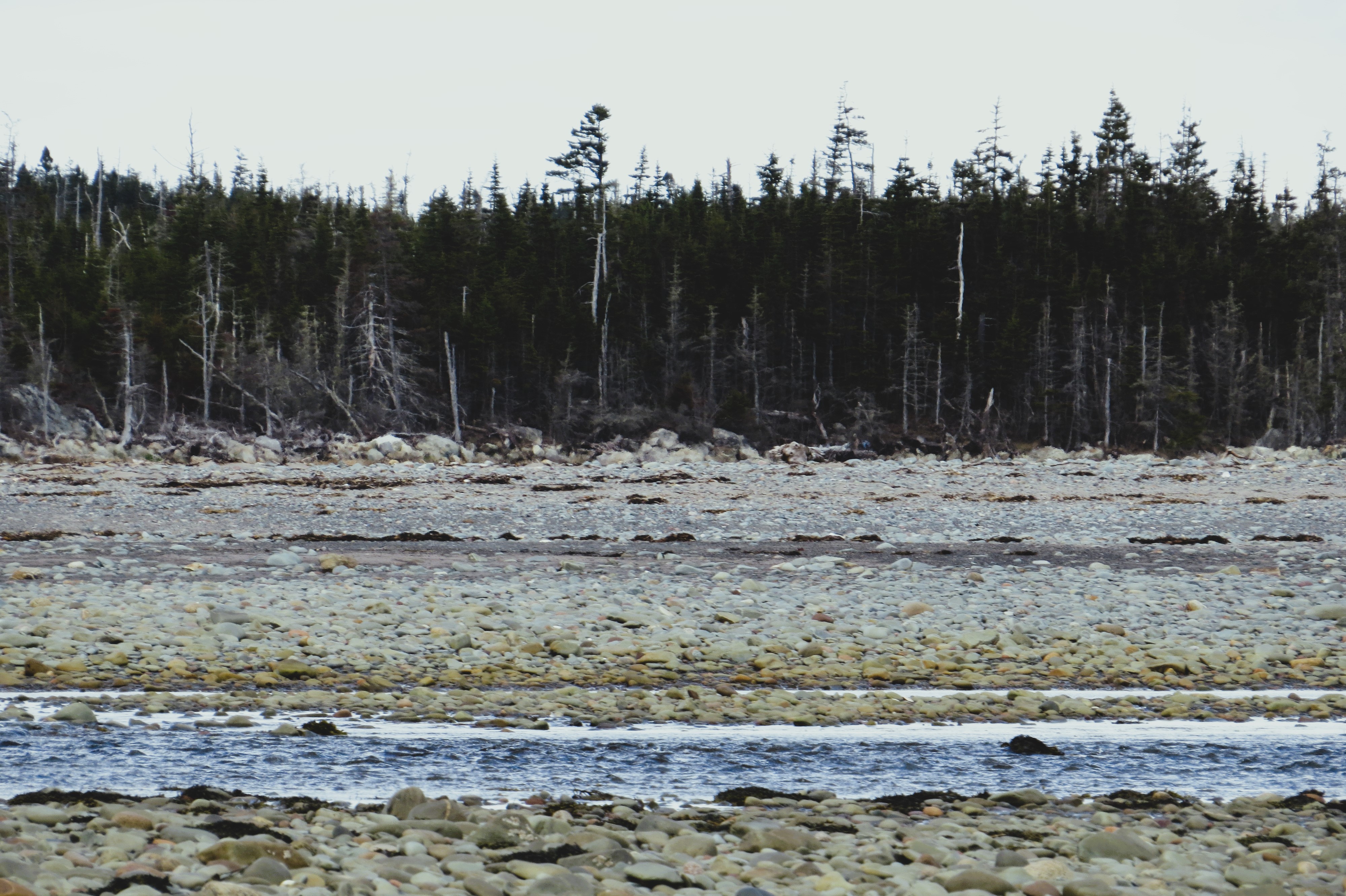
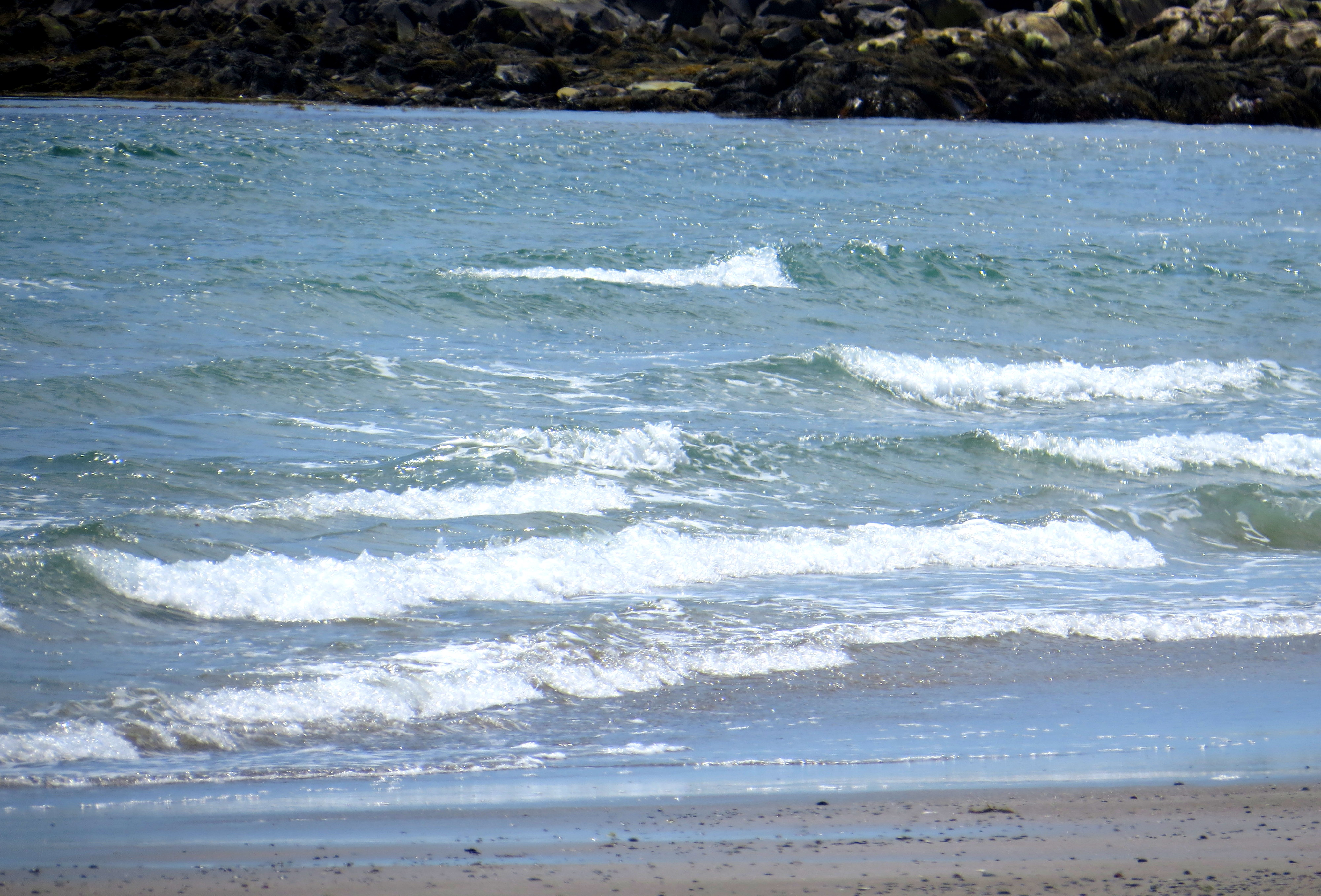
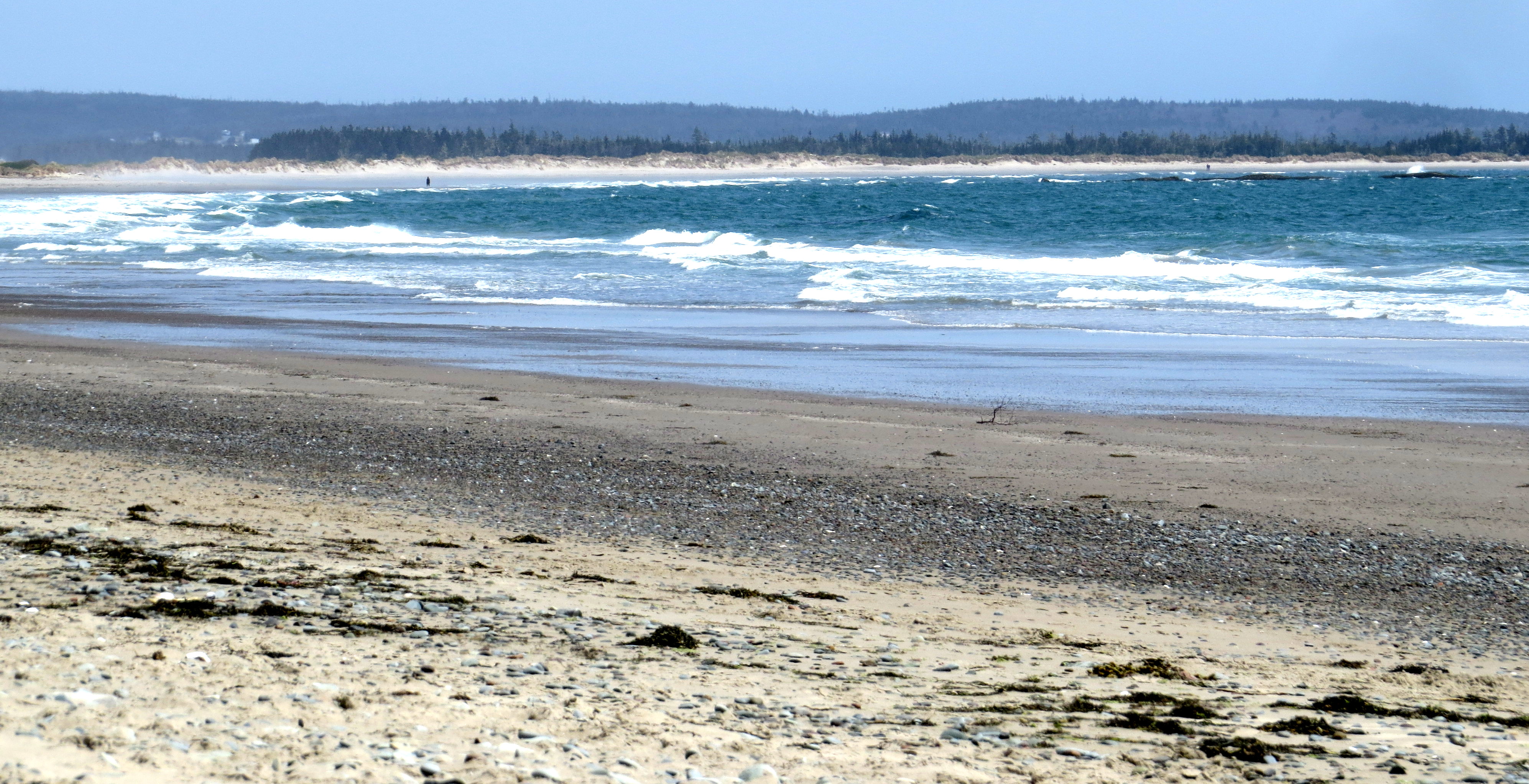
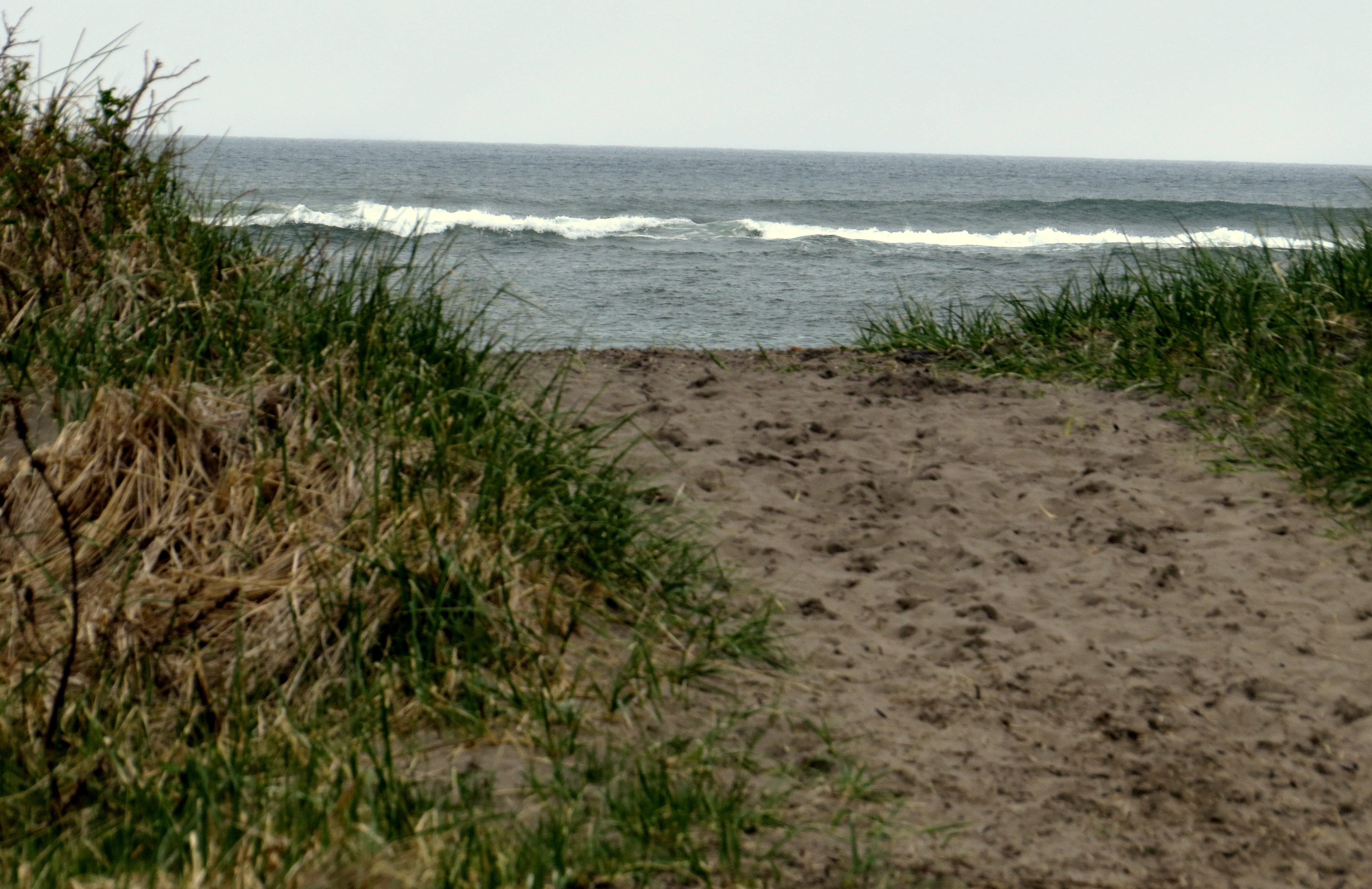
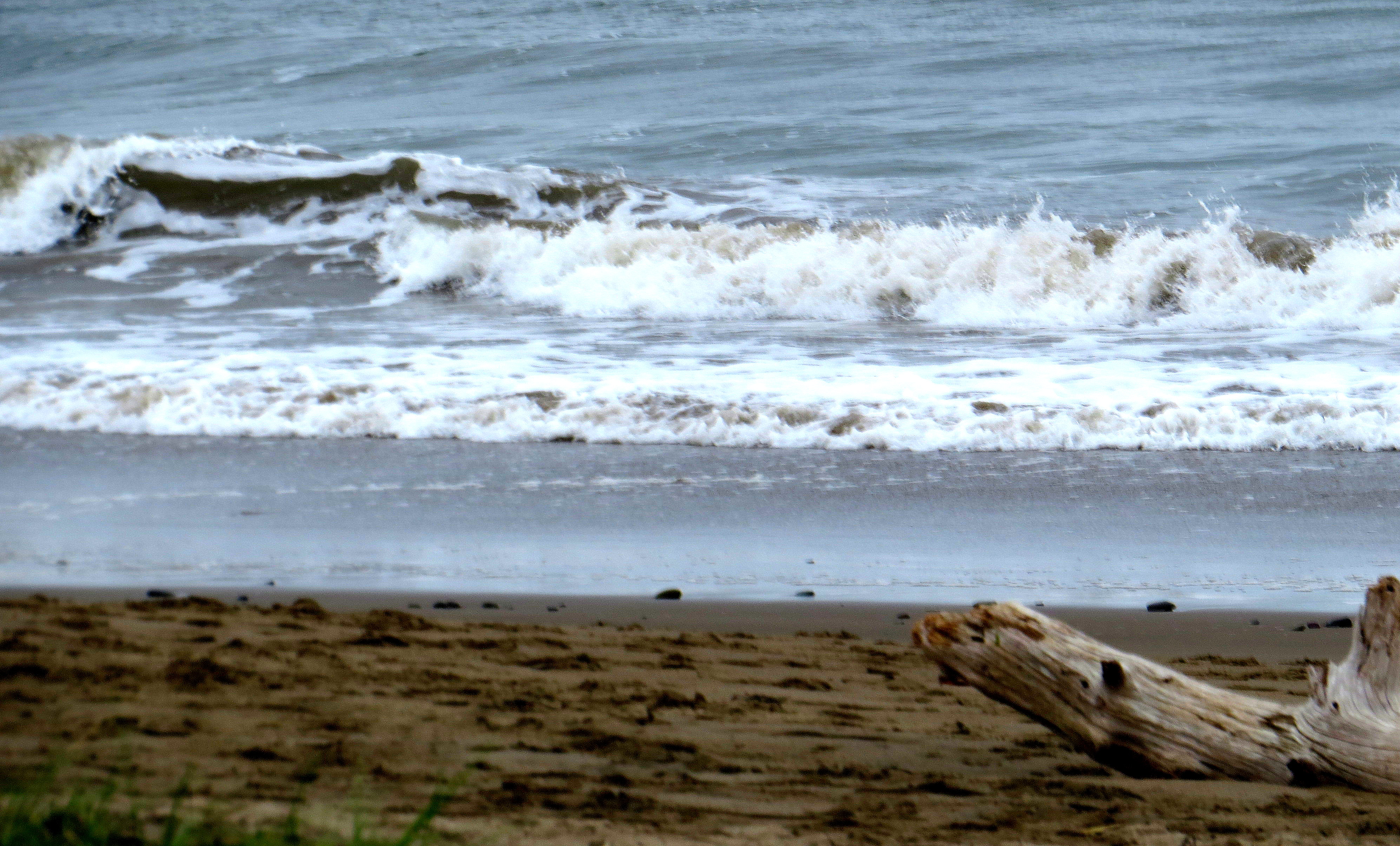
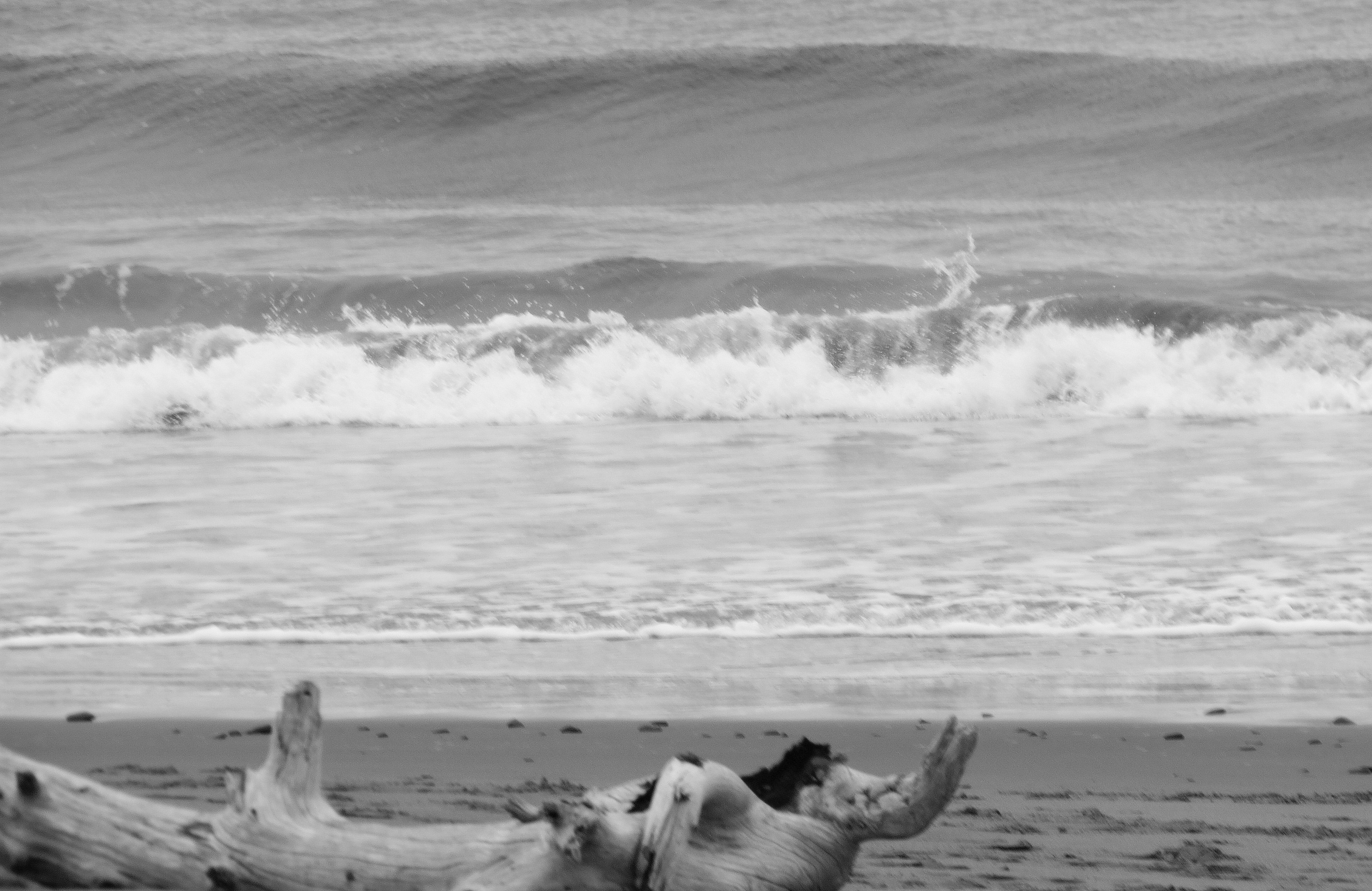
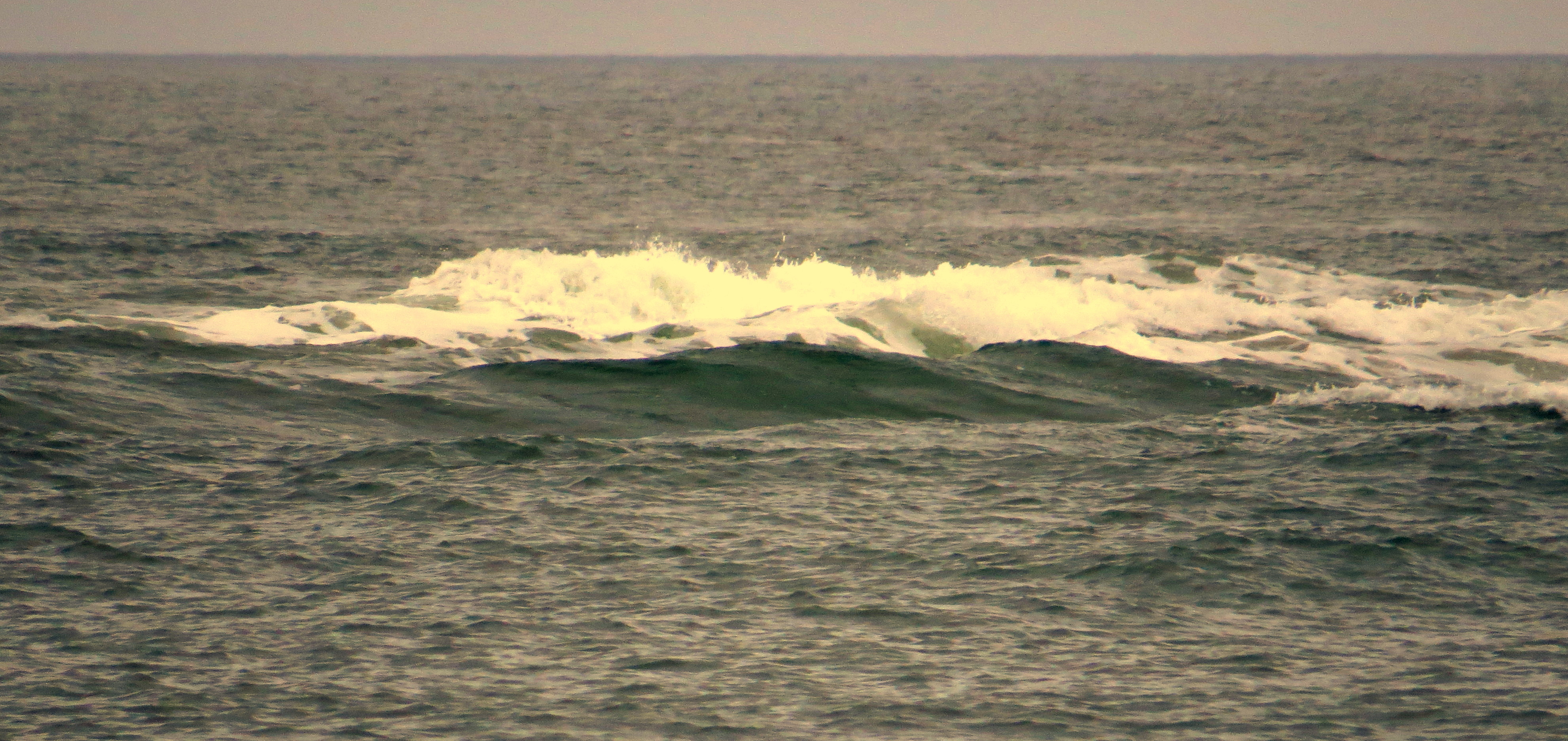
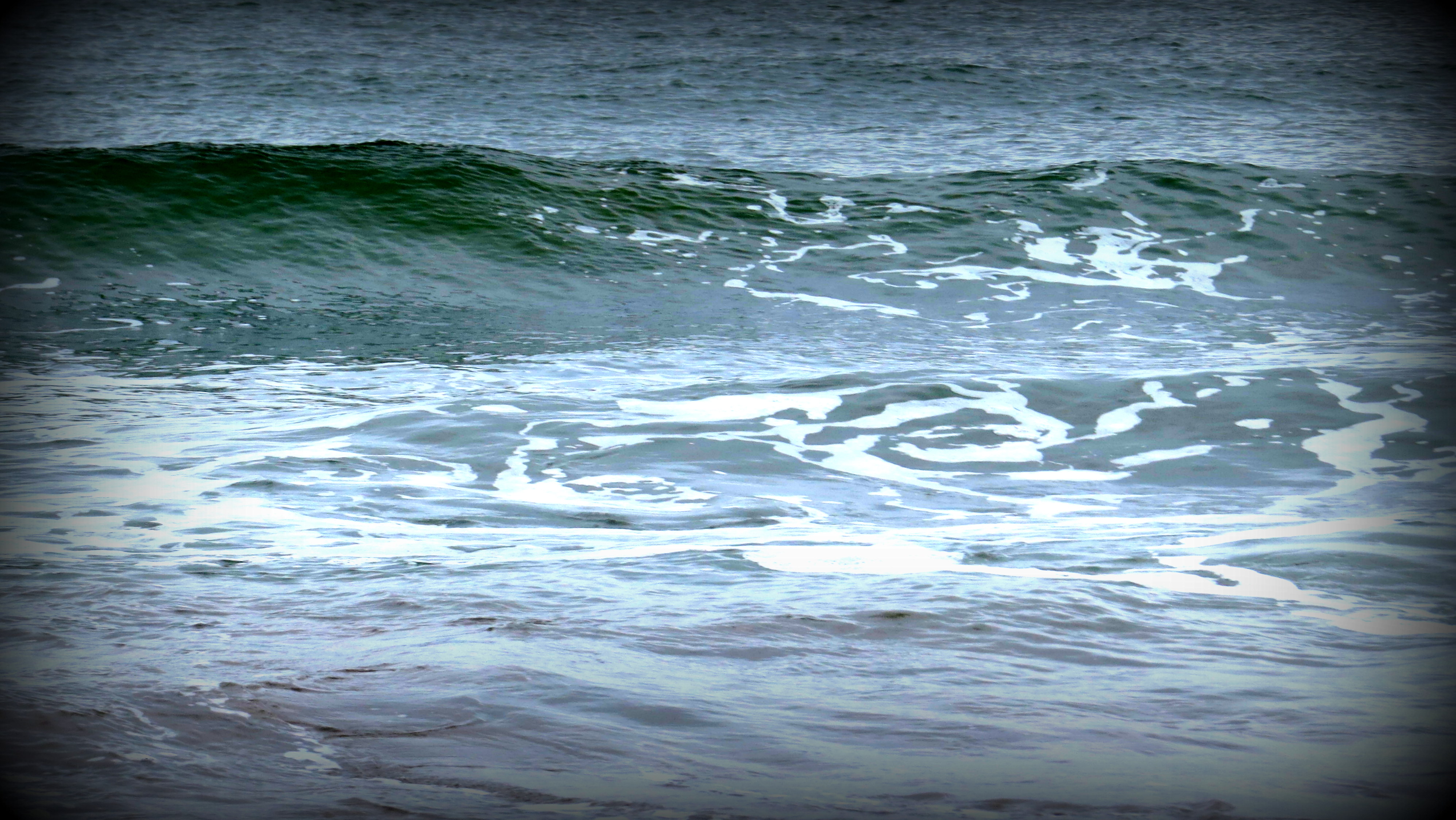
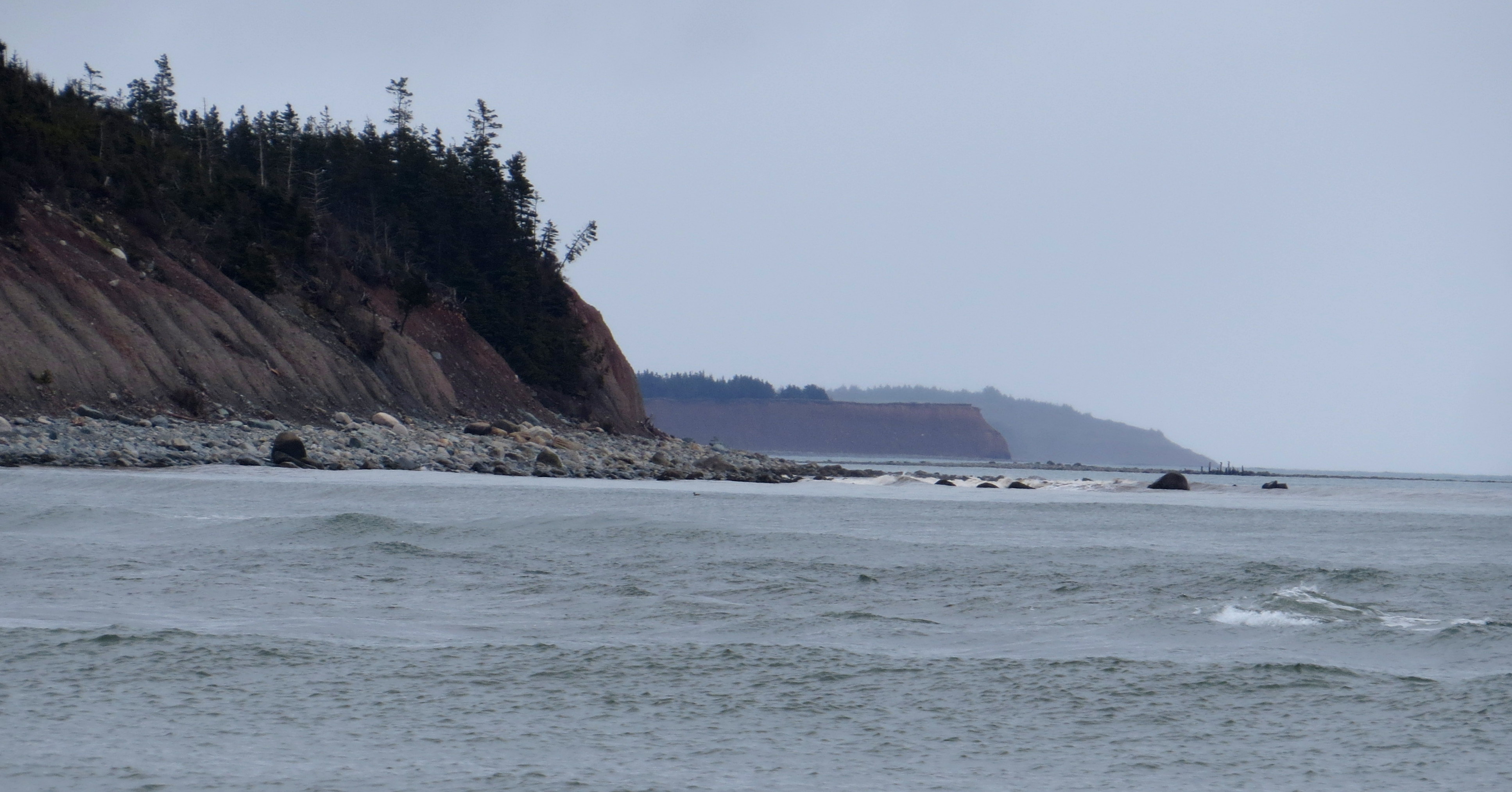
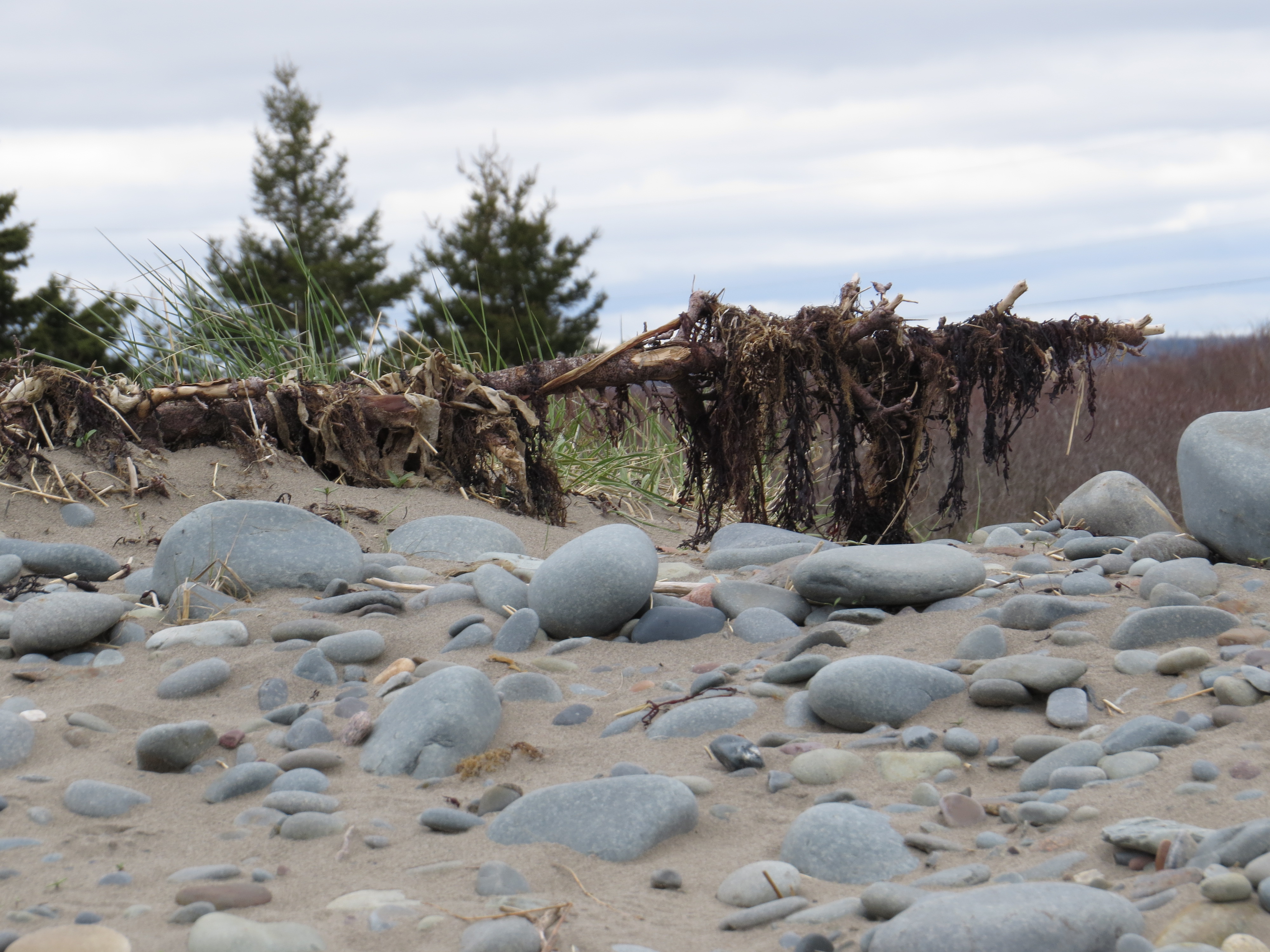
Martinique Beach in Nova Scotia (part 2)

My second visit in just about as many days. Sometimes an escape to the ocean is the only logical choice when the mundane in the city and at home slowly tightens the noose around your neck. Travels never disappointed me. And that particular beach has many good memories for me: with my husband John, with my family, who visited me from Europe.

It was sunny day, warmer than the last time. But waters still very frigid. No one risked swimming. I did. Took me two tries, though, LOL. The second time the body wasn’t screaming as loudly, ha ha ha. Later I stopped at town center of Musquodoboit Harbour in a little bakery-coffee for a good cup of dark coffee and a sweet snack, relaxed, and drove back home re-charged.

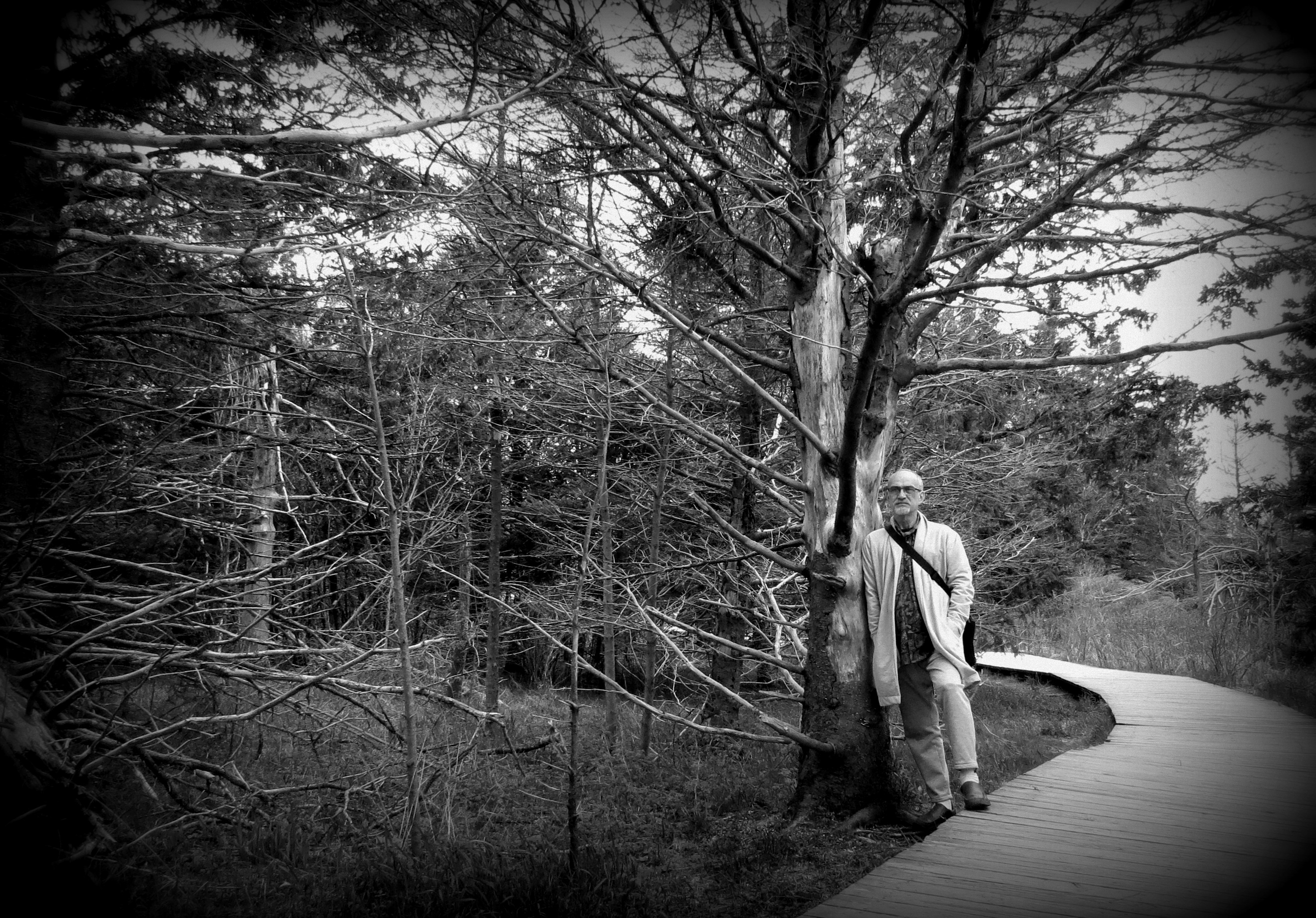
Shubie Park in Dartmouth, Nova Scotia

Shubie Park in Dartmouth, Nova Scotia

Dartmouth in Nova Scotia is the second largest city – after Halifax – in the province with a population of well over 70,000 people. As a city, it is hardly a spectacular city and definitely not a metropolitan centre or vibe, although it does have a few very picturesque neighborhoods and interesting old Downtown around Portland and Queen Streets. But what it lacks in city attractiveness, is certainly not true to its green spaces, the city’s parks.  

The abundance of water both ocean and fresh creates many opportunities. It has numerous smaller and larger lakes active in beautiful parks and trails.  Sullivan Pond, Banook Lake, Albro Lake, and Spectacle Lake to name more important ones, allow for water sports, walks, and some offer also swimming.

But none of them can match the natural beauty of Shubie Park. A large area of heavily forested trails and remnants of Shubie Canal with old water locks (a XIX century waterway that was built to connect Sothern and Northern Nova Scotia – no longer operational) offers spectacular scenery. And all of it is surrounded from both ends by gorgeous Lake Micmac and Lake Charles. You can satisfy your thirst for long walks or kayaking. And if the day is hot – you will end up on the shore of Lake Charles and go for a lovely swim (my personal favorite).

A few days ago I went there for such walk. Enjoy the view.

Bad days. They come uninvited.

Bad days. They come uninvited.

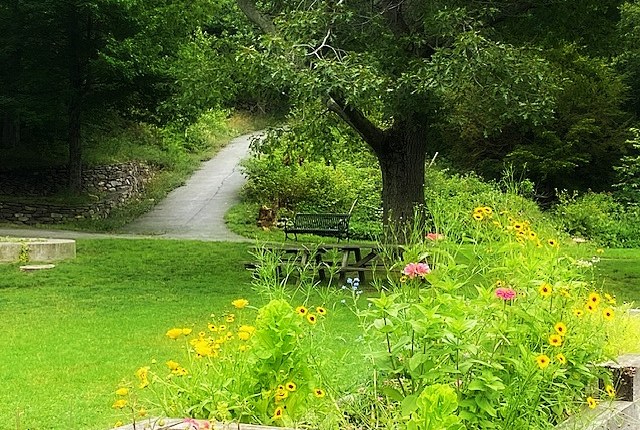
It was a bad day. I know – just the other one, when I saw the flowers in the alleyways of our park in Dartmouth – I was singing the praises, thanking you for coaching me in ways of new life. A better life, a happier one. Go and allow yourself to enjoy it  – you said. You said, that you will be at peace knowing that I do. And I tried. And I failed. I failed you as you failed me. Yes, you did. Those last days you did. When we still had a chance to end it together. No, there was no physical chance, no miracle hiding somewhere holding the ray of hope that the outcome will be different or pushed way back into the future. There was no chance. No ray of hope on any horizon. But it meant there was no chance for me. Ever. We should not have gone to the sunny and sheltered lake beach, with shallow warm waters and no angry waves attacking the shoreline.

No. We should have gone to the angry sea, cold waters, powerful waves, strong currents, and whirlpools. I would have helped you carrying you on my back and we would have taken the last glorious swim together.  Our swim, ‘us’ being one. There is no ‘me’ anymore, where the is no ‘you’. There cannot be ever. Anywhere. I am left to wonder in constant pain, anger, in constant thirst surrendered by oceans of salt. The sea is calling me a thief, a beggar of scraps, a coward. I have no Eurydice waiting for me somewhere in non-existent Hell. I am the Hell. I am the unanswered cry of pain. I am the gatekeeper and I am the key to Hell. Orpheus can’t pay Charon a few obols to ferry him across the River of Hades. I have fired Charon and sunk the boat. No in or out. 

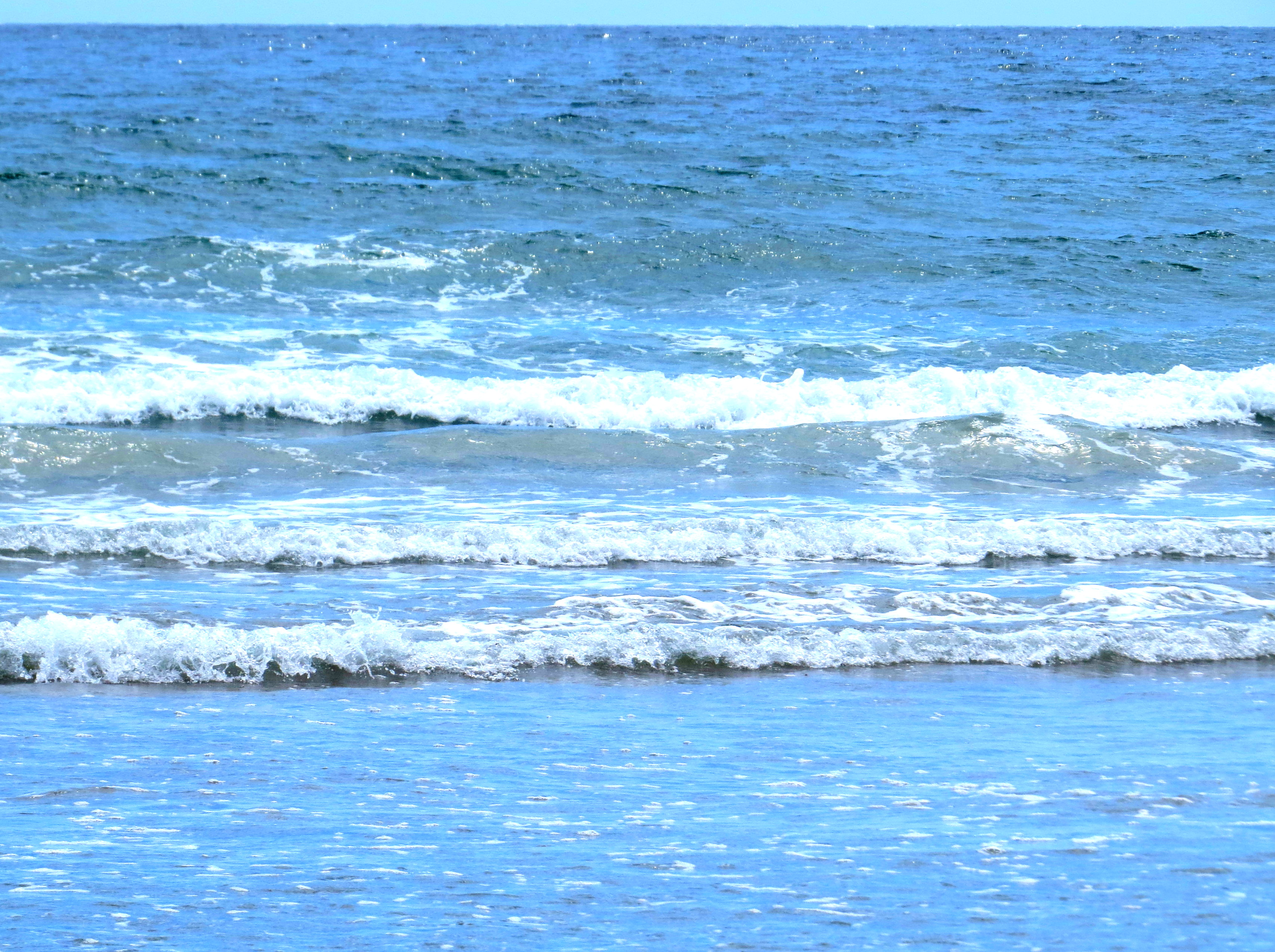
I went to the other beach, the ocean beach, the one we visited last time ever in 2022, and one we visited together for the very first time in 2019. Where we swam together, we laughed together.  Where we were kissing.

It was an overcast day today. The sea was grey like steel. It was cold like steel. And I didn’t go for that swim. But let me, please! Give me that nod, tell me you agree, and won’t pull me back. I’m losing my battle. 

Just don’t cry. Don’t be sad. Let me have a bad day. Let me wallow in pain and shame that I am and You are not. I was sorry for so long.  Let me hear from you this once that you are too – sorry. And I will give you your peace again. Just don’t expect the impossible from me. Don’t expect me to have joy in life. To have pleasures of days and nights. One thing I can promise you in return – those years, these decades we had, made me impossibly happy. I was. And I remember it. All I ask in return is that sometime, on some days (as today)  you will share my sorrow, my pain. And then you can have your peace again. But share in it the way we have shared everything else in our life.  It is too heavy to carry it all the time alone.

Spring Flower – Kwiat Wiosny

Spring Flower – Kwiat Wiosny

(English)

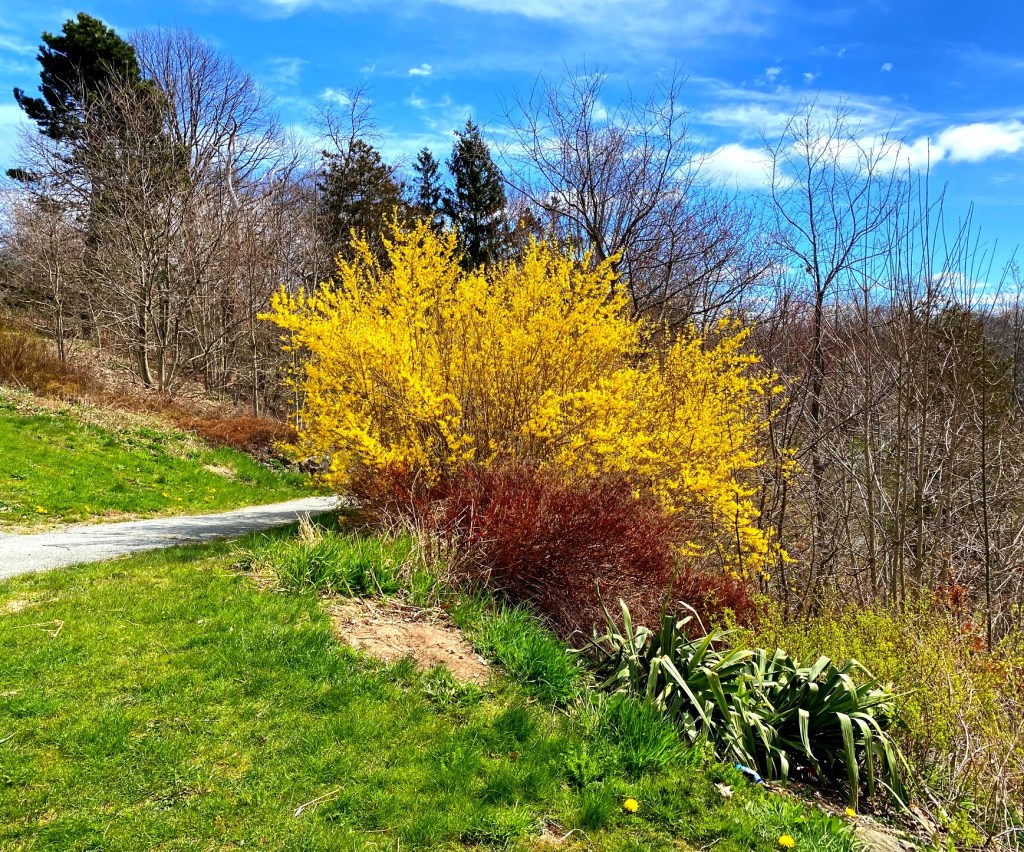
It’s Spring. It’s warm. In the parkways, I talk with you. It is a nice talk. It is a warm talk. You gave me again words of hope, of support. No one can do it as effectively and tenderly as you do. Your innate warmth and goodness are infectious and effective in an instant at the same time. You are a strange traveling monk, who effortlessly and without any heroism simply offers himself to a tired traveler. In a simple, natural way. It appears to be so ordinary, that it is even difficult to notice – as a breath of air.

But I’m still overwhelmed by the lack of your physical presence, which gave some peace to my vortex of thoughts. It arranged them in neat order, peaceful, void of instant hunger and need of life.

I can’t comprehend the mistake of fate, which took you away. You occupied such a tiny space in this world. You were almost like an invisible speck of pollen, a tiny flower on a vast meadow, a small wheel in this huge machine called World.

When I struggled with the huge wheels of History – you simply ensured that the coffee was good, and the dinner was served pleasantly. Because of this tender care that huge world could function and Wheels of Time could turn.

Without this small pinion, the Big Wheel stopped, and my important and huge world – collapsed. And I am lost.

But in the coldest moments, I am wrapping myself in the shawl of memories and it is bearable, warmer. I can function because of it.

I notice the tiny flowers under my feet and the fresh leaves on tree branches. I hear the birds singing their love songs and the buzz of bees in flowering bushes. And Your whisper to my ear: go, enjoy it. I want you to enjoy it. You must for us and for me. I can’t have peace without knowing it.

With a tear leaving a wet mark on my cheek – I go and I will. You deserve peace and no one but I have to give it to You, my Flower of Spring.

Wiosna. W alejkach parku jest ciepło i rozmawiam z Tobą. To miła pogawędka. Dawałeś mi zawsze otuchę. Nikt inny tego robić tak, jak Ty nie potrafił. Przyszły złe chwile i trudne momenty, które mi znowu pętały życie, gotowy byłem już się poddać zniechęcony tym nieustannym pojedynkiem z losem.  Ale poszedłem to tego właśnie parku, gdzie tylekroć chodziliśmy na spacery razem. Nawet w te dni przedostatnie.
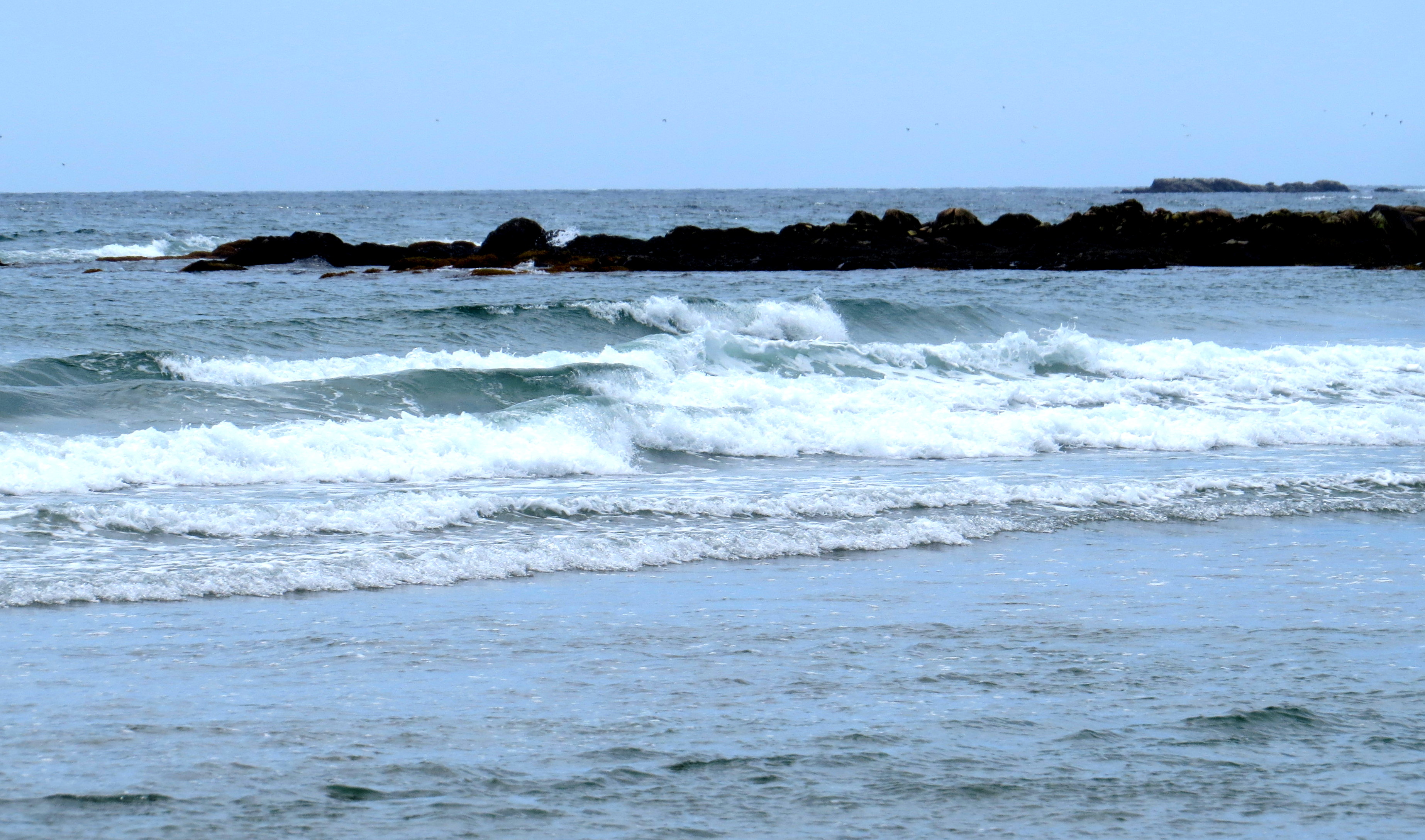
I Twoje naturalne ciepło i dobroć wróciły do mnie. Jesteś jakimś dziwnym wędrującym mnichem, który bez hałasu i heroizmu po prostu rozdaje się, ofiarowuje się. Tak zwyczajnie, jak rzecz najbardziej naturalną z naturalnych. Trudno to nawet zauważyć, bo wydaje się takie zwykłe, codzienne jak oddech powietrza.
Ale brak mi okrutnie twojej fizycznej obecności. Przynosiła jakiś spokój mym pędzącym kłębom myśli. Wprowadzała ład w tym zgiełku i hałasie wokół i wewnątrz. I ciągle nie mogę zrozumieć tej okrutnej pomyłki Losu, który Cię zabrał ode mnie. Zabierałeś tak mało miejsca w świecie, byłeś prawie niezauważalnym pyłkiem, jakimś drobiazgiem na drodze, maleńkim trybikiem w olbrzymiej Machinie Dziejów.
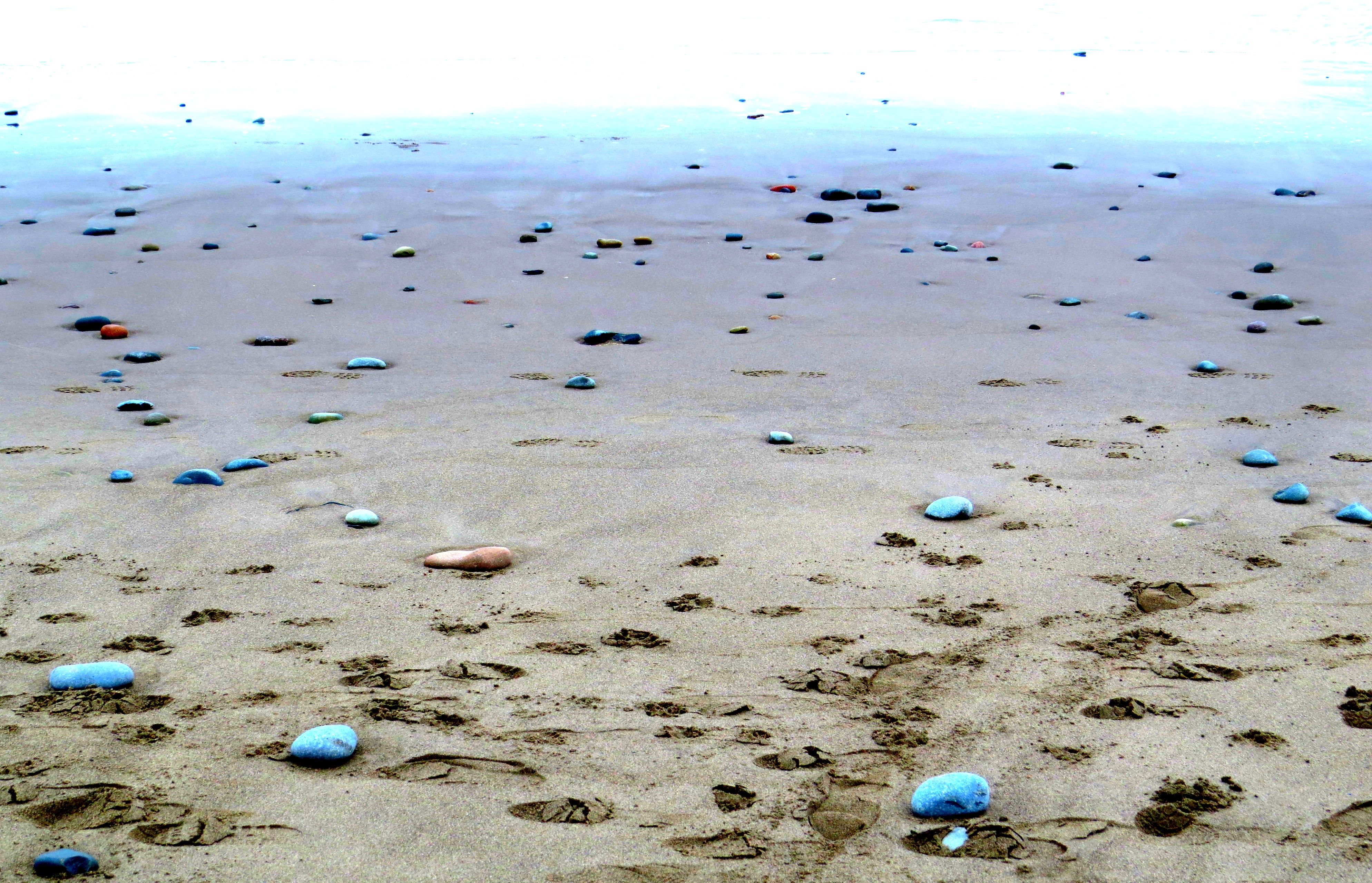
Gdy ja zmagałem się z tymi wielkimi kołami Historii, ty po prostu dbałeś aby kawa była smaczna, a obiad ładnie podany. To dzięki tym drobiazgom ten wielki świat funkcjonował. Teraz, bez tego najmniejszego z najmniejszych trybików – Maszyna zatrzymała się. Zatrzymał się mój świat, ten Wielki i Ważny. Koło Historii stanęło w miejscu. I jestem zagubiony.

Ale w momentach najzimniejszych otulam się Toba, jak szalikiem naszych wspomnień i jest cieplej. Mogę funkcjonować. Zauważam drobne kwiatki pod nogami, świeżą delikatna zieleń na gałęziach drzew. Słyszę brzęczenie pszczół w kwitnących krzewach. I Twój szept do mojego ucha:  idź, ciesz się tym. Chcę żebyś się cieszył. Musisz – dla nas i dla mnie. Bez tego nie mogę mieć spokoju.

I ze spływającą po policzku łzą – idę. Będę. Nikt inny prócz mnie nie może dać Ci tego spokoju, a na spokój zasłużyłeś, jak rzadko kto. Ty – mój Kwiat Wiosny.

Ismael  à la mode

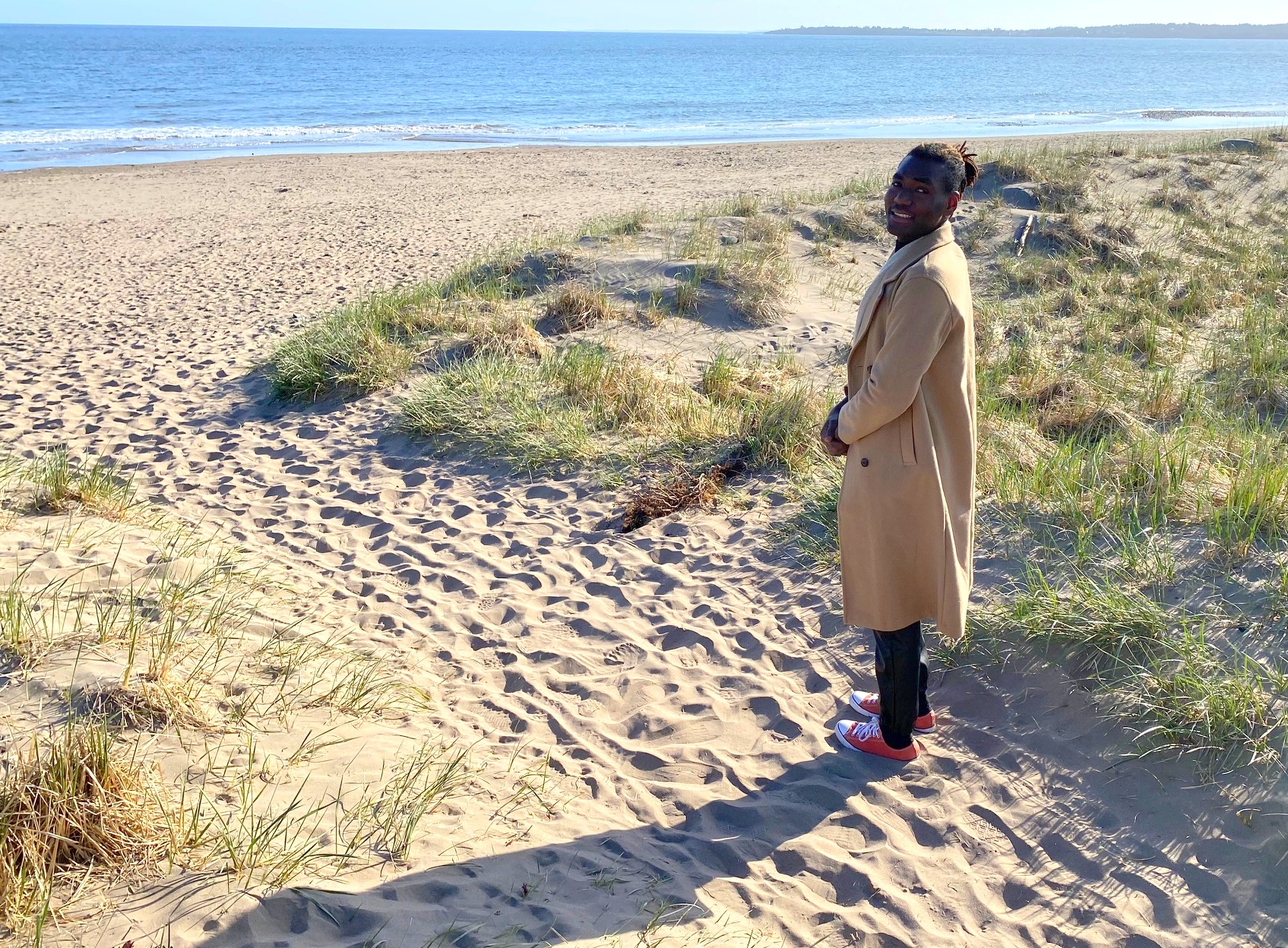
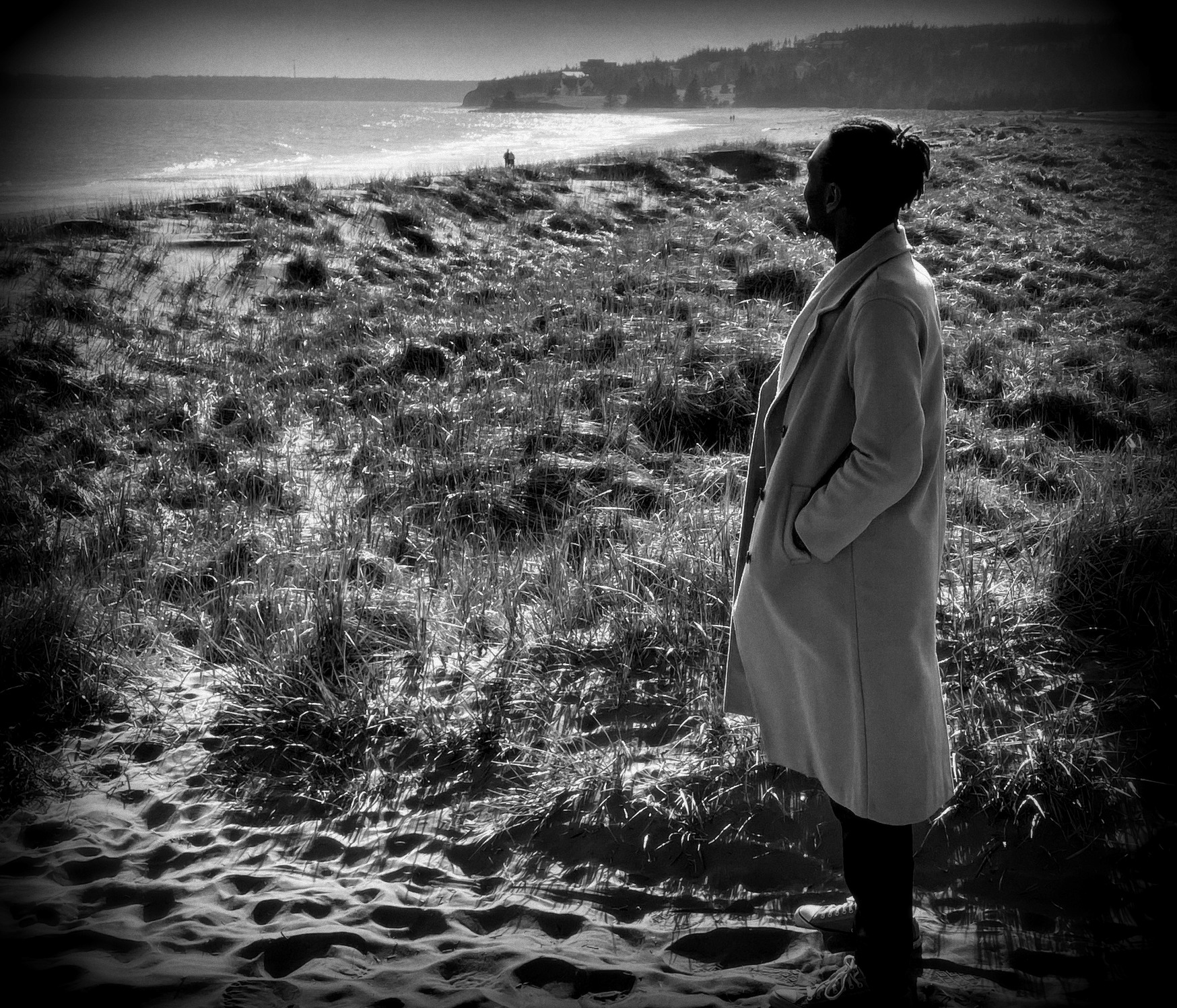
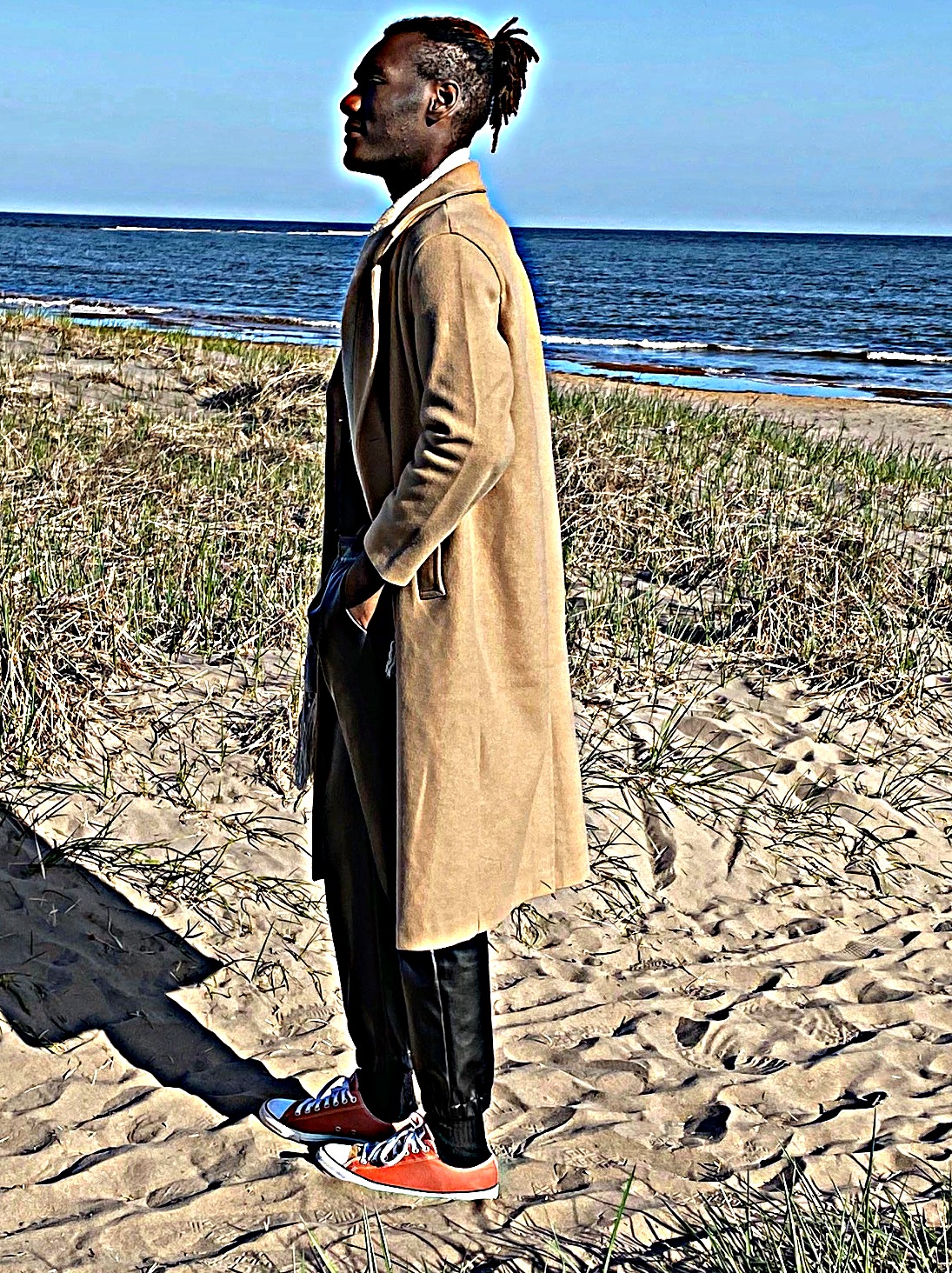
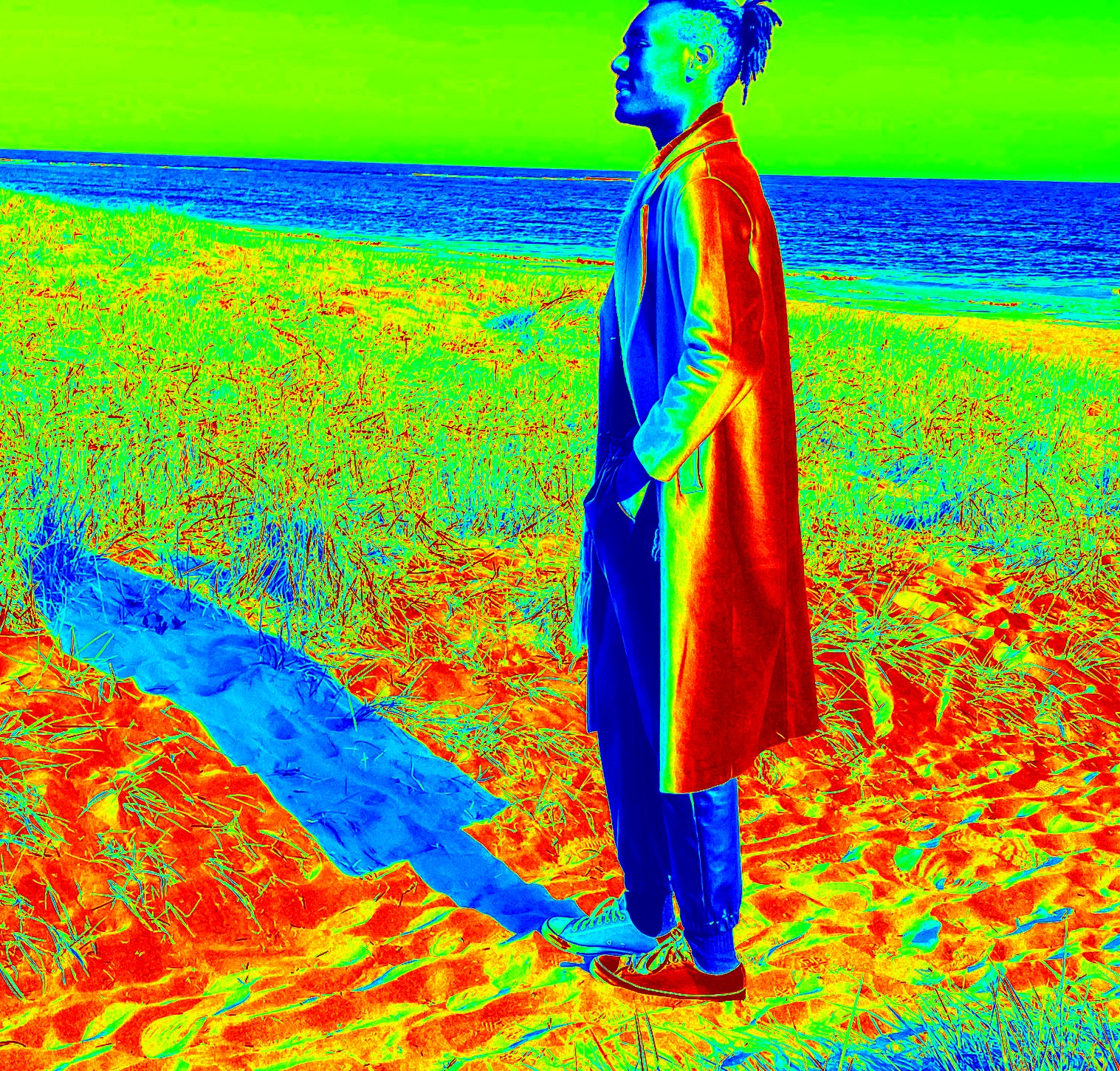
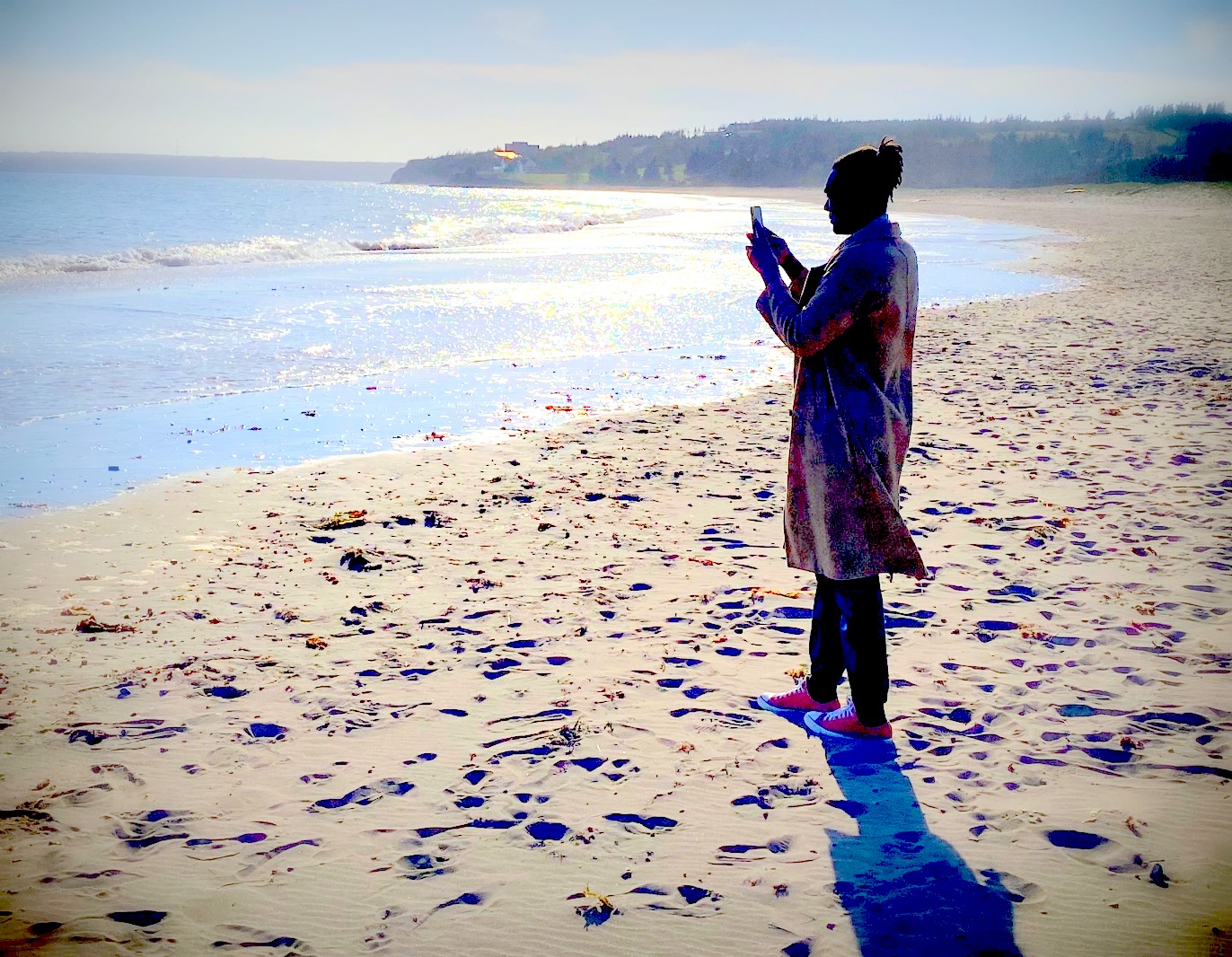
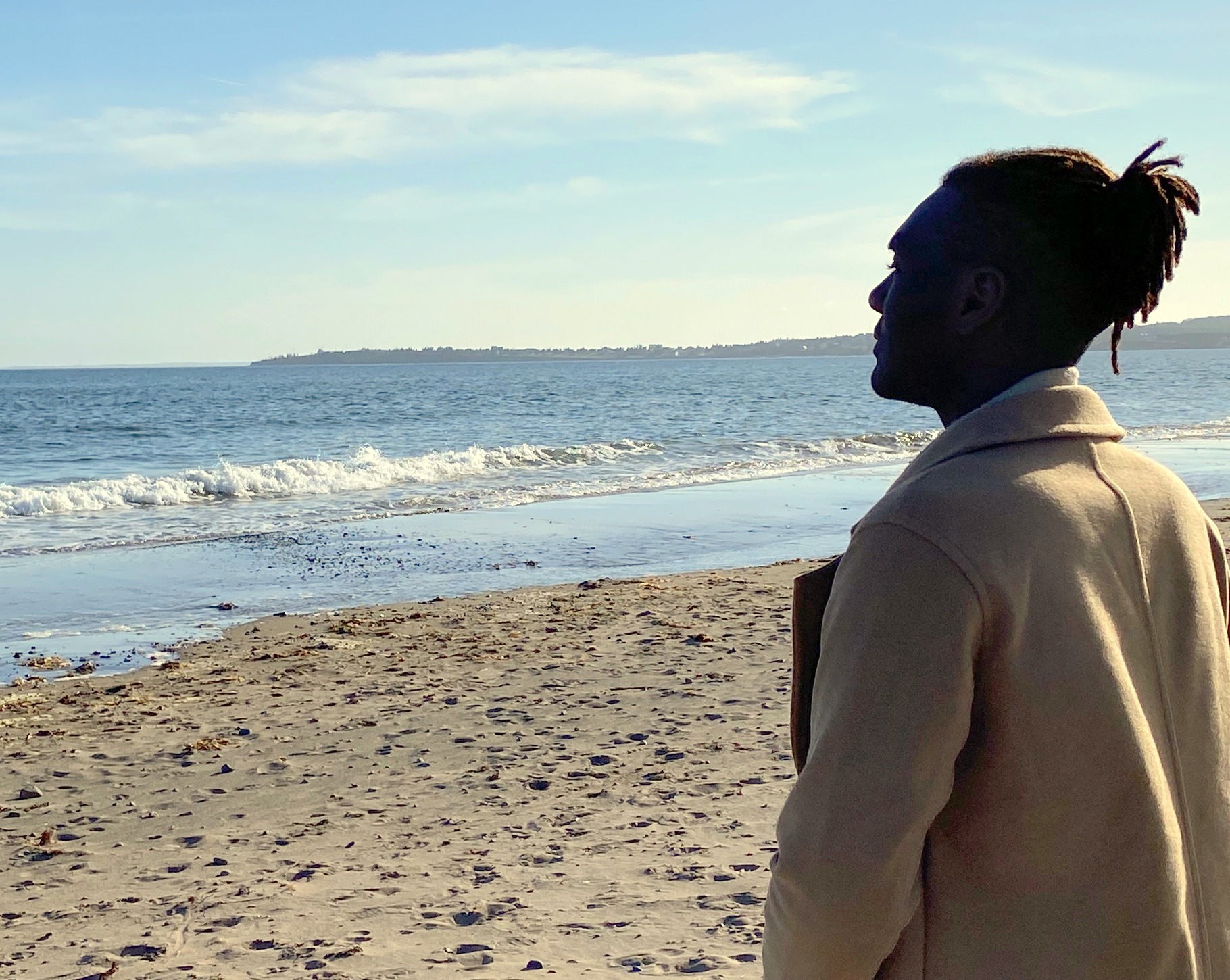
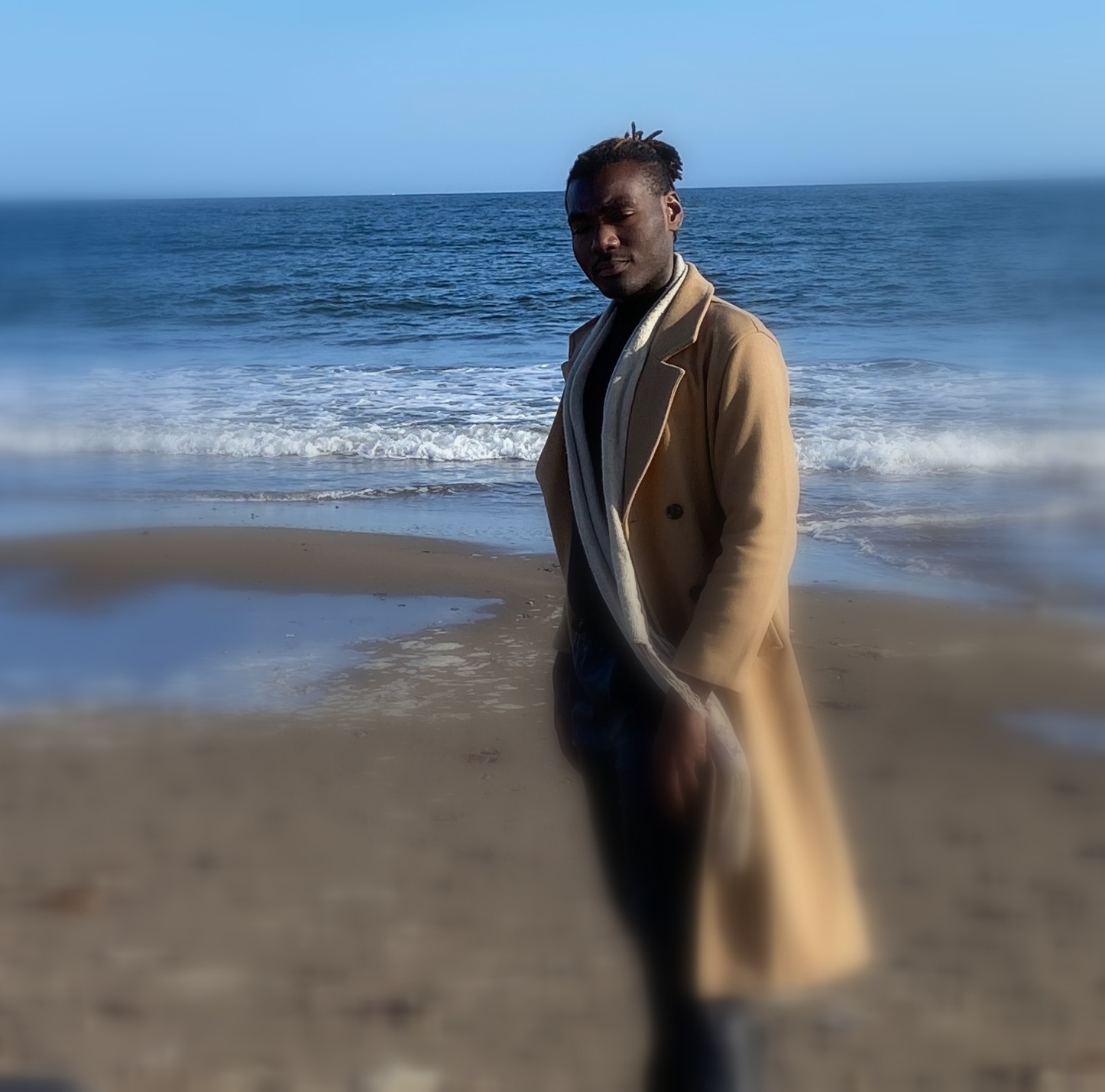
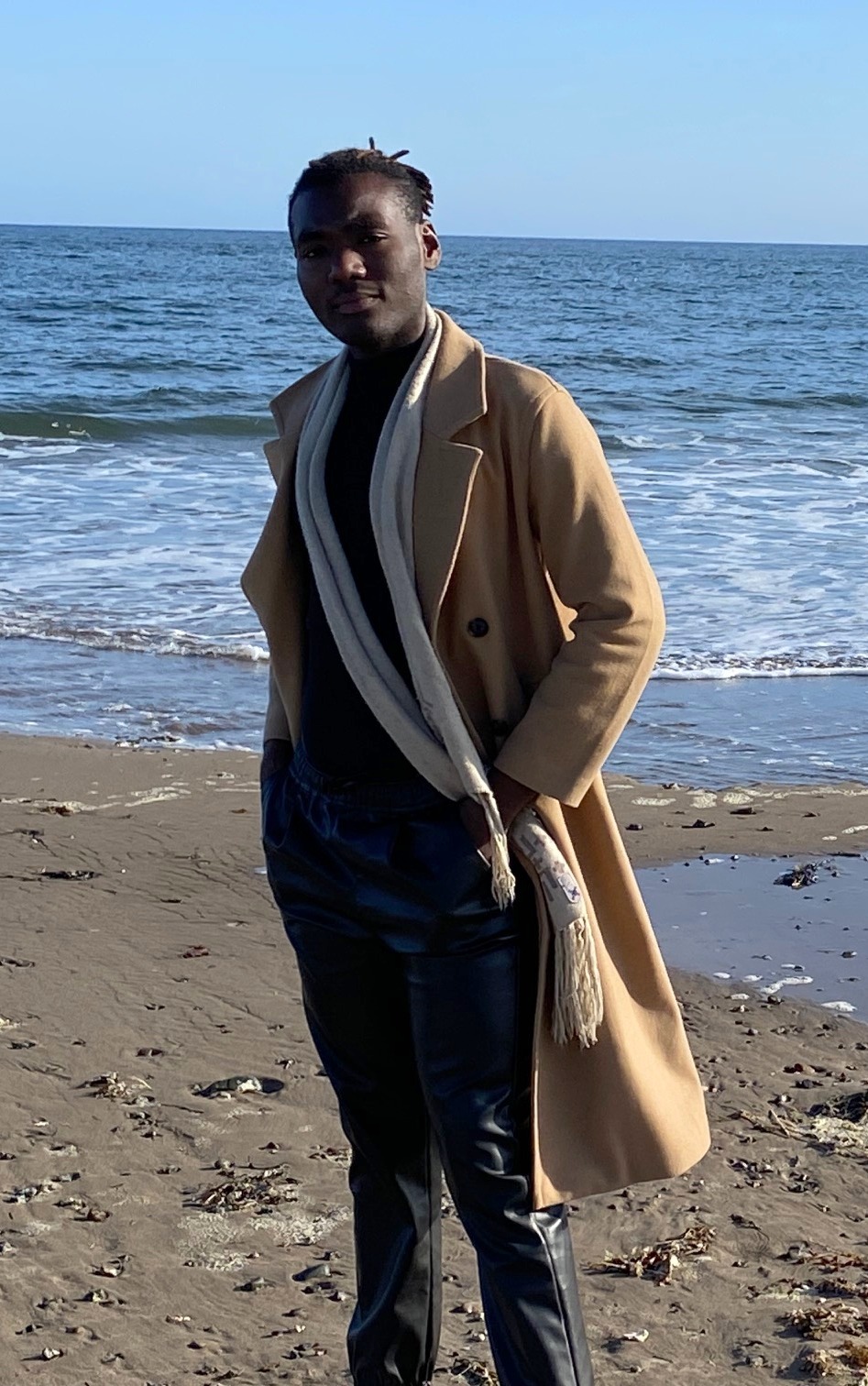
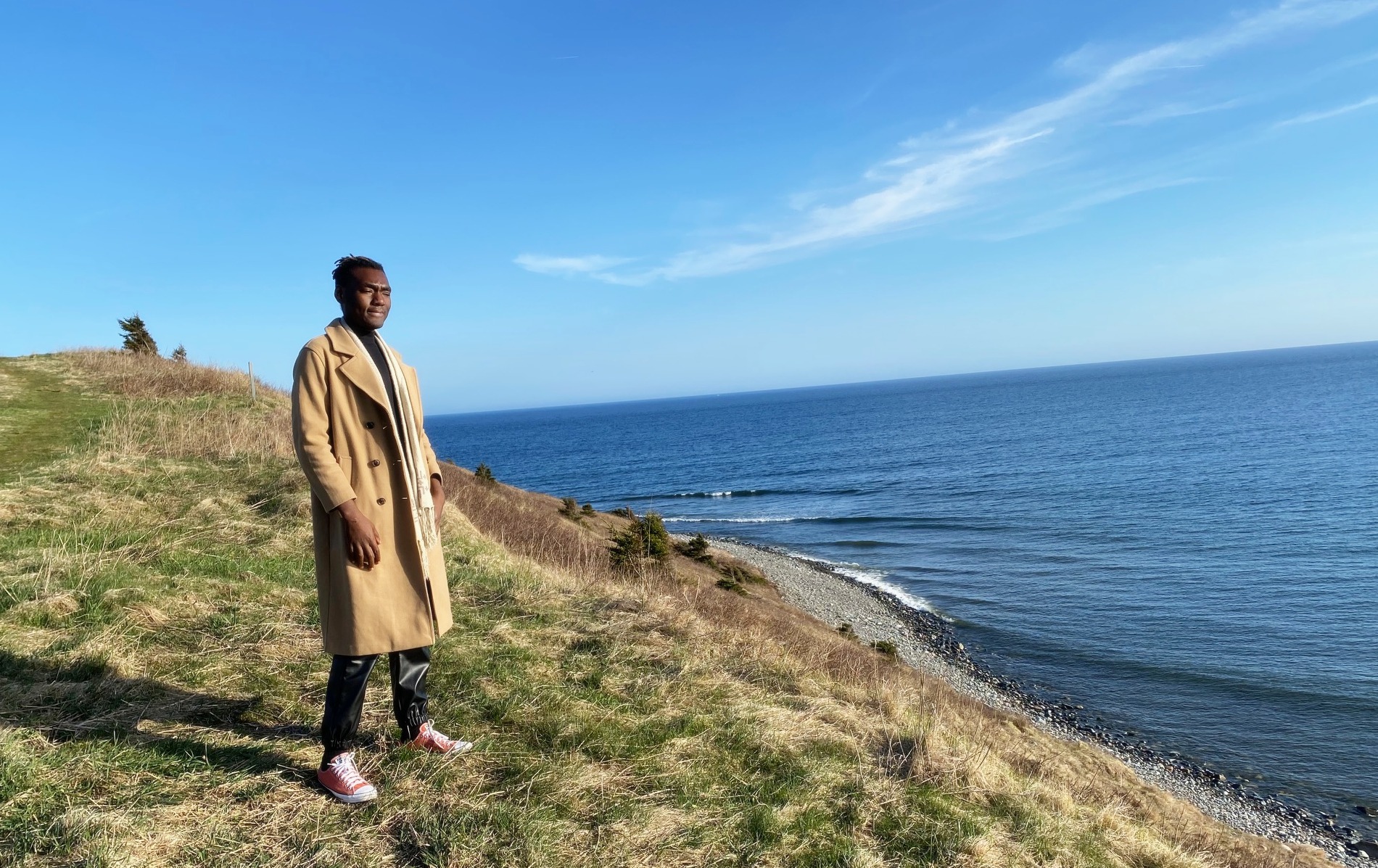
A very recent young immigrant to Canada, a handsome fellow from Ivory Coast in Africa. And striking exotic beauty. Met him and told him a bit of the history of Black people in Nova Scotia going back all the way to the first settlements in Nova Scotia, both French (New France Acadia) and the British fort of Halifax soon after that. I researched a very important part of that history a few years ago and wrote about it on this blog in a series of articles. Like most young people settling from abroad in Halifax and facing the shockingly high cost of renting he doesn’t own a car and his Nova Scotian experience is somewhat limited to Halifax proper.

The day was nice, sunny, although cold, and I took him for a ride and ‘beachcombing’ on the Eastern Shore. The most magical place in this province to meet the ocean. The same ocean (just opposite shore) he faced in his home country.  A sweet accent of it was his recent visit to … my hometown – Warsaw in Poland. I was just about his age when I left Warsaw. He was also surprisingly glamorous and a’la mode in his attire. That was such a photogenic contrast with the wild surroundings of our trek.

Therefore let me introduce the exotic features and alluring beauty of Ismael, voila!

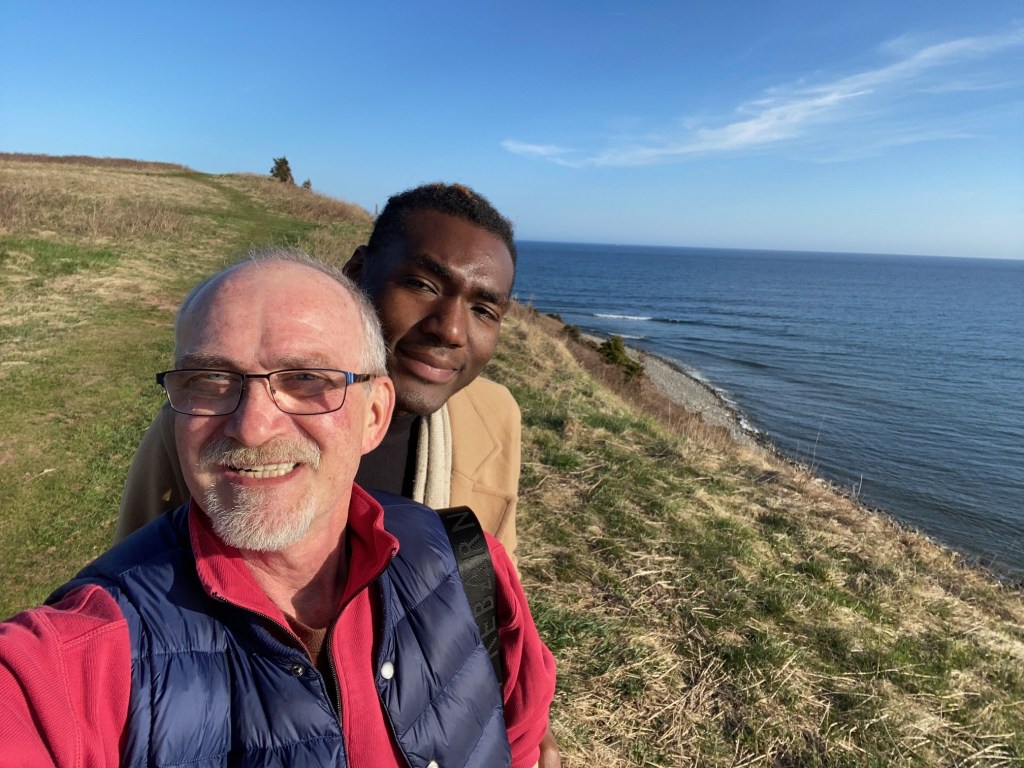
The photographer was there, too (LOL). The entire session was done on Conrad Beach and on the high cliffs by the coffee shop near Lawrencetown.

Let us go From the Fort of Our Love to Paris

Let us go From the Fort of Our Love to Paris

I have been reading again the verses of my very liked American poet Paul Monette. Yes, of course, his “West of Yesterday, East of Summer”[i]. Thought many times to translate this terrifying and yet so lyrical and beautiful book of poetry. His homage to his lover, his friends, his times. To people, who died of AIDS. As did he.

I asked myself why didn’t I? It was by the end of this modern Black Death when I was a very young man discovering the powerful world of erotica and sex.  Of desires and pleasures that shaped human history so much, almost as powerful as hunger for power. Indeed, in many instances, these two forces were intertwined.  They still are. It was also a time when gay stable relationships were not seen, maybe not even desirable as a norm or even something to look for. With causal relationships, you avoid the risk of being outed, beaten, maybe murdered, and certainly ostracized. You could easily lose your job for that reason and it was a legally valid reason. Strange times.

On page 10, Monette writes beautifully about Nureyev in his poem

Nureyev doesn’t have AIDS

or so they say but the season’s still off

at least in Paris and all her colonies

as to what to do after dance the gun-

runner Rimbaud is the paradigm post-

art position a little border war

khaki and goat kebabs no mail till the fin

de siècle is safely passed if the feet die

first you must sit out the millennium

(….)

                There are so many allusions here to so many things of the gay history in art. Casual readers might not notice the insertion in these lines of a young tragic French poet Arthur Rimbaud – the femme fatale of much older Paul Verlaine.

Four days ago I posted on my Facebook profile a short biography of another American poet, who lived in even earlier times – Richard Bruce Nugent. In 1925 he published a poem “Shadow” in “Opportunity”[ii]. It is an example of early poetry in the USA with searching for its own homosexual identity. I found it powerful, almost painful in how it evokes and stirs my own youth memories. Memories from much later time (almost three generations later), but still pervasive.  Fragment of this poem:

Silhouette

On the face of the moon

Am I.

A dark shadow in the light.

A silhouette am I

On the face of the moon

Lacking color

Or vivid brightness

But defined all the clearer

Because

I am dark,

(….)

                Then, suddenly I realized that I was not spared that terrifying moment of losing your Love, your soulmate. A different disease by name and origin, nothing to do with viral infection. But the process of slowly dying month by month, and suddenly a very fast process for the last few weeks that makes you an invalid, depending on others in simple tasks. Losing your air, and oxygen.  And you panicking, trying to be a nurse but still a lover, partner. Giving him every minute of your life. Battling, battling every day, not accepting. Still, still not accepting. Refusing to accept the inevitable. To the very last moment, when he dies in your arms. And your soul dies with him.

It was as if Time asked for that price that I didn’t pay during the AIDS pandemic. It waited patiently forty long years and said with terrible glee in its voice: you did not escape, it is time to pay your dues. What a perversity to spare your life just to make you suffer even the worst fate: to take from your arms the one you love the most, more than life itself.

The other night I watched some old Paris songs from years ago. I always wanted to take him to Paris. To show him the magic of Montmartre. The lovers sipping coffee in open cafes, the “Pigalle” of my Edith Piaf, the walkways by the Seine toward Eifel Tower, with Yves Montand serenading of lovers kisses and embraces on rue de Faubourg de Saint-Martin.

And I wrote a song for you. Not really a poem but aptly a song to be sung, not to be read in silence.  A song to be screamed to the Fates.

But your eyes –

they won’t go away!

They still let me see,

they look through mine.

Your eyes –

they are still in me.


But your arms –

they won’t go away!

They still touch me,

they embrace my body.

Your arms –

they still feel me.


But your lips –

they won’t go away!

They are warm, they tremble

when they touch mine.

Your lips –

they whisper: we remember.


                I am blind without your eyes,

                I can’t feel without your arms,

                can’t breathe without your lips.


                Without you my soul is void,

                without you my heart is longing.

(B. Pacak-Gamalski, April 2024)

Yesterday I went to our Fort of Love in Lower East Chezzetcook. Took my folding chair, and my camera and crossed the narrow channel of fast-moving water separating the meager and rocky beach from the very secluded sandy outlet by a point called Miseners Head.  Must have been low tide time as the icy cold water didn’t even reach my chest.  Even during late summer last year, it was a desolate spot, seldom anyone ventured there. More or less it was my own private beach nestled between the ocean and a deep massive lake called appropriately … Big Lake. As I emerged from the water on the rocky edge of the dunes, two eagles startled by the visitor circled above my head.  They must have been scouring the dunes for big crabs, which are plentiful there, or for lonely seabirds.

Went straight to the same spot as last year. The dead tree was still there, but winter storms took all the stones off my sign. Or the ocean covered them with sand brought from the deep bottoms.  And it knows now our story. The bottoms of the ocean know the story, a Story of Love,  Despair and Loss. The crossing whales sing the story and carry it back to the shores. To desolate inlets, rocky outposts, and small islands.  When the sun sets down behind the horizon, the sirens sing the song to the passing wind and the stars, and the stars shoot beam of light across the Celestial Meadows of Space. Story of Love Stronger Than Life.

I see it, I hear it. And I want, I need your eyes, your arms, your lips. Give them to me across the river separating Life and Death.  Our Love has overcome the space between the Worlds.

I feel your touch again, I feel the trembling, the impatience.

They are here now, knocking on my doors, on the Gates of Timid and Fearful. Gates of those, who are afraid, nonbelievers.  But the Gates will fall, as the Gates of Jericho did. None can withstand the source of the Song of Love. The only Song that binds the separate solitudes.  

Come and fill my soul and heart! Come my Lover, I have waited long enough.

Maybe, just maybe, when I leave Nova Scotia, when I say goodbye to our beaches, especially that one secluded, and removed from tourists, wild beach with the Fort of Our Love – maybe then,  I will take you to that Paris of Montmarte. Of lovers kisses and embraces. … and I will kiss your trembling lips, and I won’t let go.


[i] https://kanadyjskimonitor.blog/2023/10/04/esej-o-milosci-jej-nazwaniu-i-trwaniu/

[ii]  Journal of Negro Life, publication of National Urban League in the 1920ties.

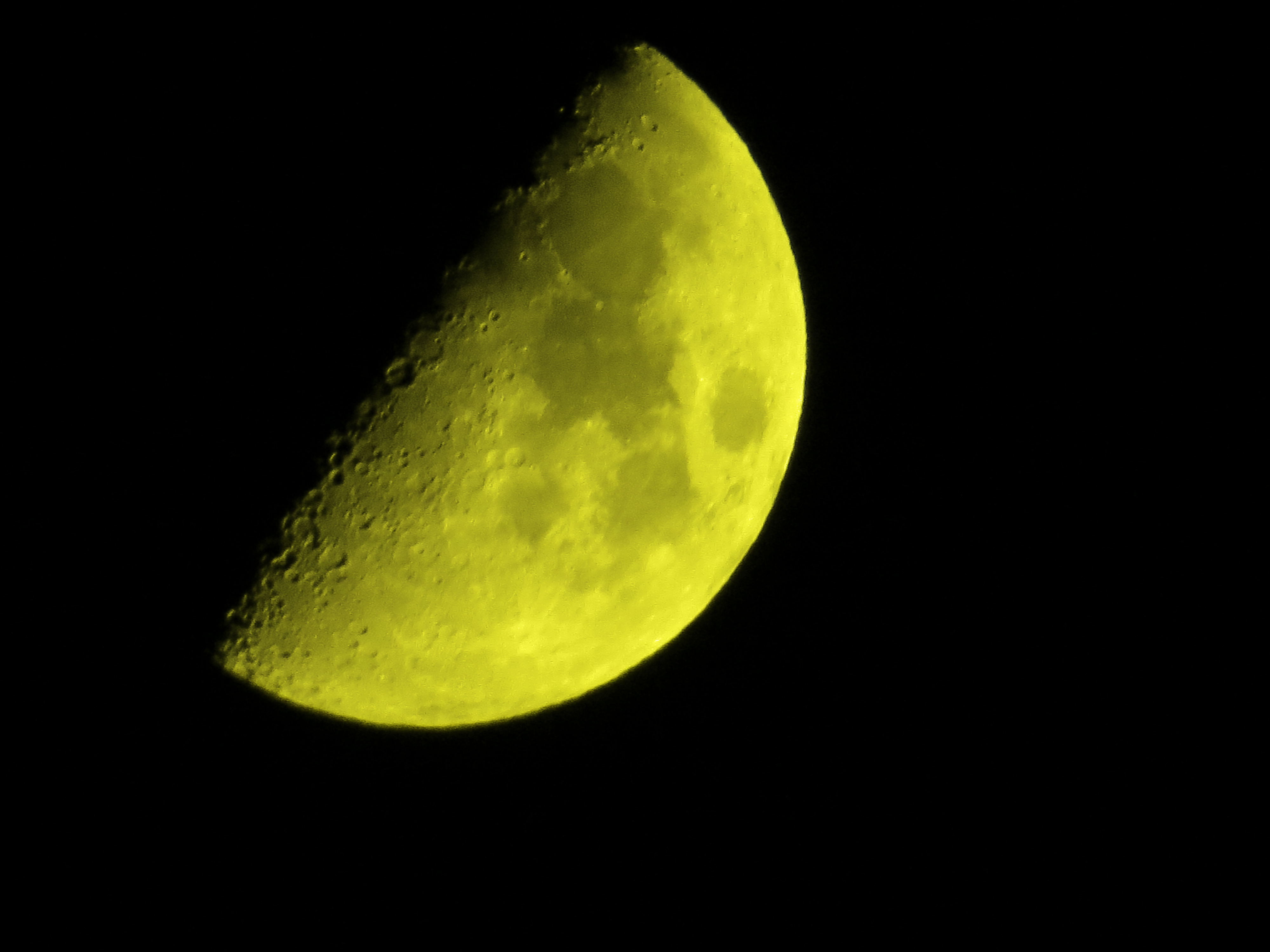
A jednak Kiężyc … back to the Moon

About ten days ago I drove hundreds of kilometers after the Sun. Sun – as you know – is very vane and proud, like a peacock. Blinds you with its glory. It comes as no surprise that a certain French king, after the construction of Versailles and its Hall of Mirrors was named Louise the Sun. He regularly walked that famed Hall blinding with his majesty the poor subjects taking to himself: I am France! Of course, my journey with throngs of other people running to places where the total solstice was taking place – ended up being blinded by the god of the heavens. And the only pictures I took were of that small, black rock that covered the blinding god. Naturally, a glowing aureola of the god was still flaming in full glory. The poor, grey Moon seldom shows up during the daytime in the skies. It feels too timid, too embarrassed by its own greyness, and lack of splendor.

Hence tonight, at 2 o’clock, feeling a bit ashamed that I forgot my faithful friend – I took my camera and made a series of his portraits. As I used to do. I told him: you are beautiful and charming in your shyness. Thank you for lighting the old gas lantern in this dark mews.

When you are glad that you didn’t storm out of a concert angry at the musicians and the composer

When you are glad that you didn’t storm out of a concert angry at the musicians and the composer

Music! Music is like a song of angels, like flower petals falling down in a slow pirouette. Music is …

Surely it is. Or that’s what you hope for, anyway. But sometimes … sometimes music is just a cacophony of noise. It is actually irritating to your sensory system.

I can’t believe that I’m writing these words. Do you know why?  Of course, I will tell you, otherwise I wouldn’t write it. Because of one of the most talented, most popular composers that ever existed – Mozart! And because of two top piano players in Canada for many years now – maestros David Jalbert and Charles Richard-Hamelin. The darlings of the most prestigious stages of the world. I have heard both many times, been on numerous occasions to concerts of Hamelin, and listened to Jalbert’s CDs and CBC Radio performances.

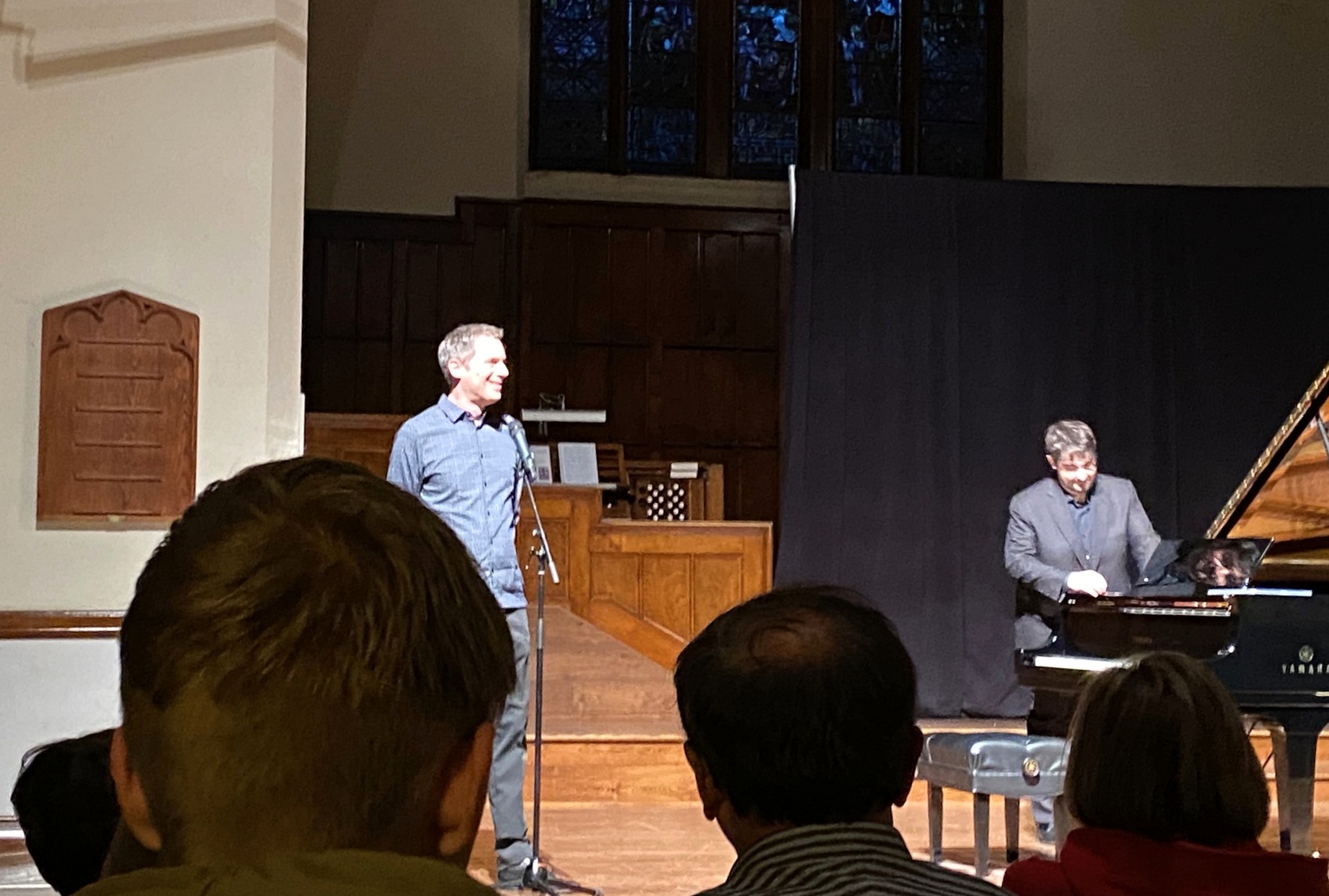
Last Saturday[i]  they performed for the very first time together.  Playing compositions not separate but composed for two pianos or a composition for four hands.  I hoped they would have played separately, their own program of any choice.

And I hoped Mozart had never composed that awful cacophony of his Sonata For Two Pianos in D major, no. K.448.

Or otherwise, I hoped I never went to that concert.

There is my own rule that I’m breaking now: when you have nothing nice to say, then be silent.  If it was a concert of a new, fledgling pianist or the first public performance of some young and unknown composer – I wouldn’t say a word. None of it applied in this case, though. It definitely doesn’t matter for Mozart. He is dead for about 250 years and doesn’t care anymore who and what is written about his music. Besides – he left us with many of the best-ever composed works (except this one! LOL).

For the pianists – Halifax is not Carnegie Hall or Warsaw Symphony concert hall (sorry Cecilia Concerts organizers, but let’s face reality; Jalbert and Richard-Hamelin can afford one bad review after many years of a string of good reviews).

One more thing – I will have a few much nicer things to say about the rest of the concert. In particular about absolutely beautiful Divertissement  Andantino varié, no. D 823 and Fantasie in F minor, no. D 940, both of Franz Schubert.

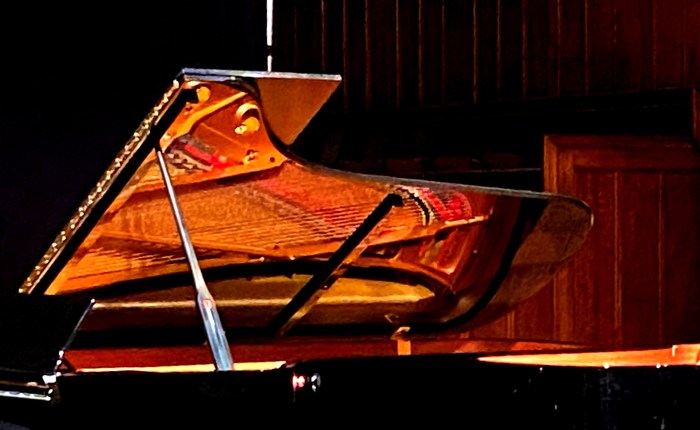
I think that at times things just get wrong from the very beginning, before anyone touches a single key on any piano.

Originally the concert was planned for Richard-Hamelin and a young American pianist, Eric Lu. Was really looking forward to it. Very talented young star of the keyboard, Eric Lu is one of these musicians I really wanted to listen to in a live concert, not just recording. When I exchanged notes with him, I told him how much I was looking to this and promised to write my impressions from the concert. As recordings are usually musically perfect – they often lack the emotions, the exchange of the atmosphere between a live audience and an artist, impression insaisissable.

But, as in many ‘wants’, this happened to remain exactly that: inasaissable, unfulfilled.  Sudden medical problems prevented him from coming to Halifax. Alas, the tickets were sold, the show must go on.

Richard-Hamelin and the organizers had to quickly find another player and talented David Jalbert agreed to oblige. It is one thing for two pianists to play different compositions in one concert, and totally different for them to play the same music composed for two pianos. Just because you choose two very well-known pianists doesn’t mean they will be the best tandem. One more thing we learned (meaning the audience) is that they … never played together before. Two best Chefs do not guarantee the best dinner cooked together, often it ends in culinary disaster.

What was the original idea of starting the concert with this insane Sonata in D major K.448 by Mozart – I have no clue.  There were really moments when I had to gather my willpower not to just get up and leave this musical nonsense. Noise. Yes, it did have allegro, andante and molto allegro and it was in D major. Could have been in ,Z minor’ as far as I am concerned – the effect would have been the same.  The pianists did not help much, either. I thought there was a total disconnection between them. One was playing his own vision, the other – another vision. As you know, in classical music there are (in European instruments) no larger pieces of instruments than the grand piano. It seemed that the distance on that particular evening between these instruments was even larger than the length of these gigantic instruments.

Mozart was twenty-five years old when he composed it. At this age – despite or maybe because of already big popularity and fame – you are not mature enough to measure everything in the right emotions, true perspective. Maybe he felt the stress of the expectations that the young composer must constantly produce new pieces, constantly prove his genius? Not unlike many young artists these days. Sometimes the pressure proves to be too much.

Now, would it sound better if I felt the connection between the pianists? I don’t think so. Guess we will never know. Can’t recall if I ever heard that composition, and therefore can’t compare.

The Andante was at least musically much better. The lyrical melody, even some sort of peace, brought comfort. The best was the end, the Molto Allegro. For many reasons: primo – it was the end of it (LOL); secundo – the pianists finally noticed each other and began to speak in the same language of emotions; tertio – it was the best part of the entire sonata. Beautiful repetitions of the best melodies in the form of rondo.

Rachmaninoff’s ‘Russian Rhapsody’ was composed well and it was delivered much better, too.  By that time the pianists made peace with each other and played together, not separately. But the choice was disputable, too. It is definitely not the best work of this brilliant composer.  And not truly a full rhapsody, either. Of course – the amount of compositions for two pianos is limited, too. No complaints, though. Had I not been exposed to the fiasco of Mozart’s sonata – I probably would have enjoyed it more.

The best came next. Franz Schubert, whose music I adore. There is so much emotion, and yet so much elegance in it.

Poor Schubert died being very young. It was as he anticipated it – he composed constantly, often in the form of musical sketches, that later were supposed to become a full-fledged larger piece.  As was the case of his ‘Lebenssturme’ (Storms of Life), Allegro in A minor, D.947 that he planned to expand to a full sonata. Sadly, he died the same year, never having the chance to expand this (and many other) composition.

Jalbert and Richard-Hamelin by now played in unison, and my dislike of their playing dissipated completely. They took me with Schubert on a wonderful walk, sometimes a run through some park in Germany. Run after love, after romance, after youthful life perchance? With all the desires and pitfalls of that tumultuous age. I so remembered it myself. And that is the pinnacle of a good concert – when the music transfers you outside of the concert hall to some faraway places, times perhaps.

But that was just a taste of the charm of his music … and the ability of both pianists to show if they fully trust and understand each other. The diminutive form of Divertissement on French motifs D.823 (three parts: Opus 63; Andantino varié and Rondo Allegretto. This gem was composed for piano for four hands. Similarly, the final  Fantasie in F minor D. 940 was for piano and four hands.  That was the cherry on the musical cake. Such ephemeral music! It felt like dancing with angels. The two pianists sitting by the same black and white keyboard melted together as one with four hands. Now everything was making sense, everything was in place and the music took us all to a sphere of magic.

And that is what you want from Art, my friend.


[i] Cecilia Concerts series, Halifax, in St. Andrew Unitarian Church, Apr. 06., 2024