Bogumił Pacak-Gamalski
Kiedy w 2025 roku Eric Lu wygrał słynny Warszawski Międzynarodowy Konkurs Pianistyczny im. Fryderyka Chopina, strasznie chciałem usłyszeć go ‘na żywo’. Nic, jakiekolwiek idealne i wyczyszczone nagranie studyjne nie zastąpi bycia na koncercie. To atmosfera i przeżycie jedyne w swoim rodzaju. Słuchacz staje się, bezwiednie poniekąd, ‘częścią’ tego wydarzenia, tej muzycznej epopei.
Ale słuchając jego gry z nagrań właśnie, bardzo mnie zainteresował. Kogokolwiek i cokolwiek nie grał – grał trochę jakby inaczej, były rysy delikatne specyficznego rodzaju interpretacji utworów. Trudno nazwać takiego pianistę ‘dobrym’. Ktoś, kto doszedł już do ćwierćfinału tego Konkursu dobrym być musi. Koniec, kropka – inaczej w ćwierćfinale nie będzie. O finale nie mówmy, tutaj pojęcie ‘dobry’ brzmi śmiesznie i nie adekwatnie. W finale pianista-interpretator musi uchylić rąbka i ukazać kawałek przynajmniej duszy artysty.
Na I Konkursie w 1927 nie przyznano V i VI miejsca; na XII w 1990 nie przyznano I (!) i powtórzyła się identyczna sytuacja na kolejnym w 1995; w 2005 na XV Konkursie odmówiono przyznania II i V miejsca; w 2010 nie przyznano VI miejsca. W kolejnych trzech Konkursach przyznano wszystkie czołowe nagrody. I chyba słusznie. Ta ‘tradycja’ nie przyznawania trochę mi się nie podoba. Jeszcze I miejsce mogę zrozumieć – nikt ponad wszystkich się nie wyróżnił, nie był Primus inter pares. Ale z tej kilkuosobowej grupy, którzy kolejne eliminacje przeszli nie wyłonić kolejnych szczebli finalistów wygląda bardziej na braki porozumienia wśród jurorów, a nie braki muzyczne uczestników. To raczej braki jurorów, które bywają często efektem zbyt nadmuchanego własnego ego.
Natomiast bardzo dobrą tradycją Konkursu jest dobieranie Jury spośród wybitnych światowych pianistów (w olbrzymiej większości), a nie muzykologów i akademików. Bardzo często są to byli finaliści poprzednich konkursów szopenowskich. O ile w latach wcześniejszych w samym składzie sędziowskim (głównie, jako Przewodniczący) zasiadali dyrygenci, teoretycy, muzykolodzy, o tyle od 1985 funkcje te pełnią wyłącznie znani pianiści, na ogół zawsze też finaliści tegoż Konkursu z lat wcześniejszych. Przewodniczącym jest zawsze polski pianista. Poza właśnie tym ostatnim XIX Konkursem, gdy Przewodniczącym był amerykański pianista Garrick Ohlsson. Ohlssona pamiętam do dziś z jego porywającej gry w 1970, a byłem wówczas ledwie początkującym nastolatkiem, smarkaczem w krótkich spodniach, LOL.
Innym wyjątkowym wydarzeniem z prac jury Konkursu, które świetnie pamiętam, był wielki skandal jurorów X Konkursu (1980), którzy usunęli (!) z finału Konkursu świetnego chorwackiego pianistę Ivo Pogorelića. Zwycięzcą tego Konkursu był znany wietnamski pianista Đặng Thái Sơn. Na znak protestu z Jury wycofała się wówczas argentyńska pianistka i wcześniejsza laureatka, wielka Martha Argerich. Lokalną ciekawostką jest, że tenże laureat X Konkursu, Dang Thai Son, mieszka obecnie u nas, w Kanadzie. A Pogorelić zrobił świetną karierę pianistyczną, w czym nagłośnienie tego skandalu X Konkursu niewątpliwie mu pomogło, LOL. Od siebie dodam, że bardzo mi się wówczas te jego interpretacje Chopina podobały. Tak jak masom melomanów wtedy w Polsce (otrzymał specjalną Nagrodę Publiczności).
Ale muzykę miałem wokół siebie w zasadzie od urodzenia. Olbrzymie pianino Steinway’a mieliśmy w głównym pokoju w Toruniu i jako berbeć uwielbiałem się pod nim bawić. Nie mam pojęcia, jak to mojemu dziadkowi Emanuelowi się udało, ale w czasie repatriacji z Wilna fortepian udało się załadować na jedną z furmanek i Sowieci pozwolili go zabrać, choć futra i widoczne kosztowności kradli, jak szaleńcy… .
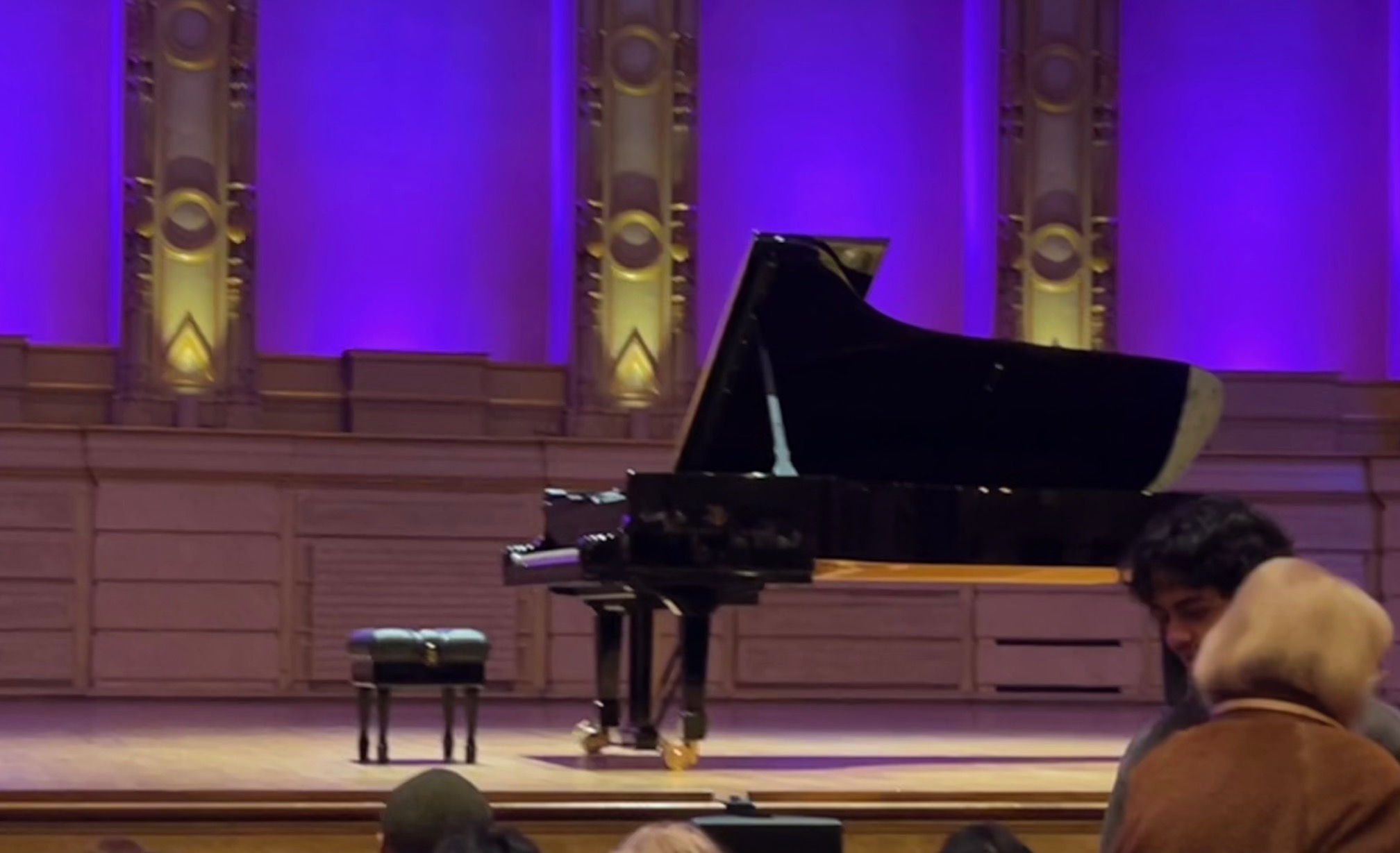
A dziś koncertowy Steinway, to więcej niż 100 000 dolarów kanadyjskich i biedne Towarzystwo Chopina w Vancouverze[i] prowadzi zbiórkę na zakup własnego, bo w Orpheum[ii] w Vancouverze muszą wypożyczać ich instrument. No, dosyć wspomnień sprzed wielu, wielu laty z Filharmonii Warszawskiej lub sprzed czarno-białego telewizora, przed którym siedzieliśmy z babcią zapisując na karteczkach własne oceny poszczególnych pianistów.
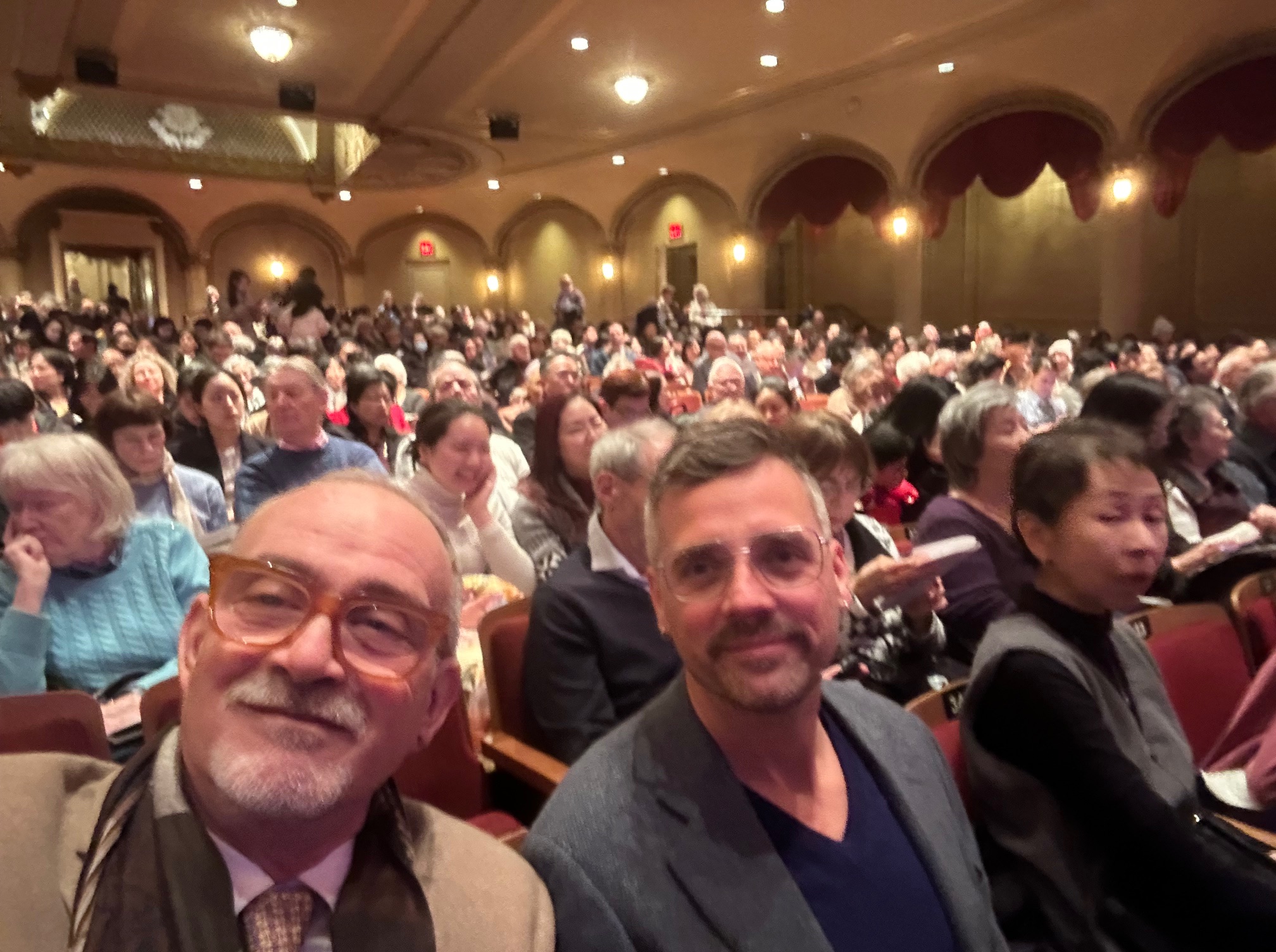
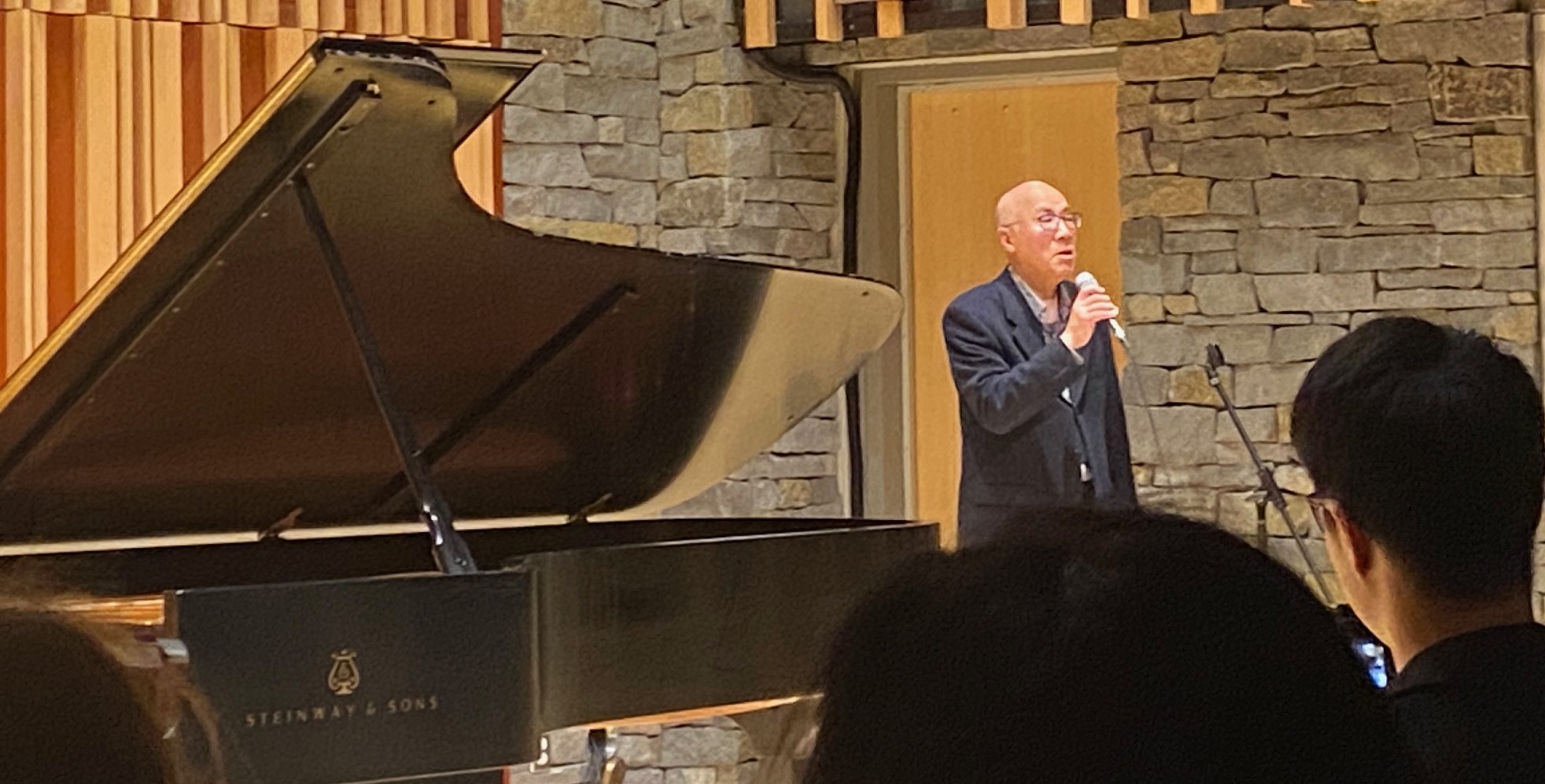
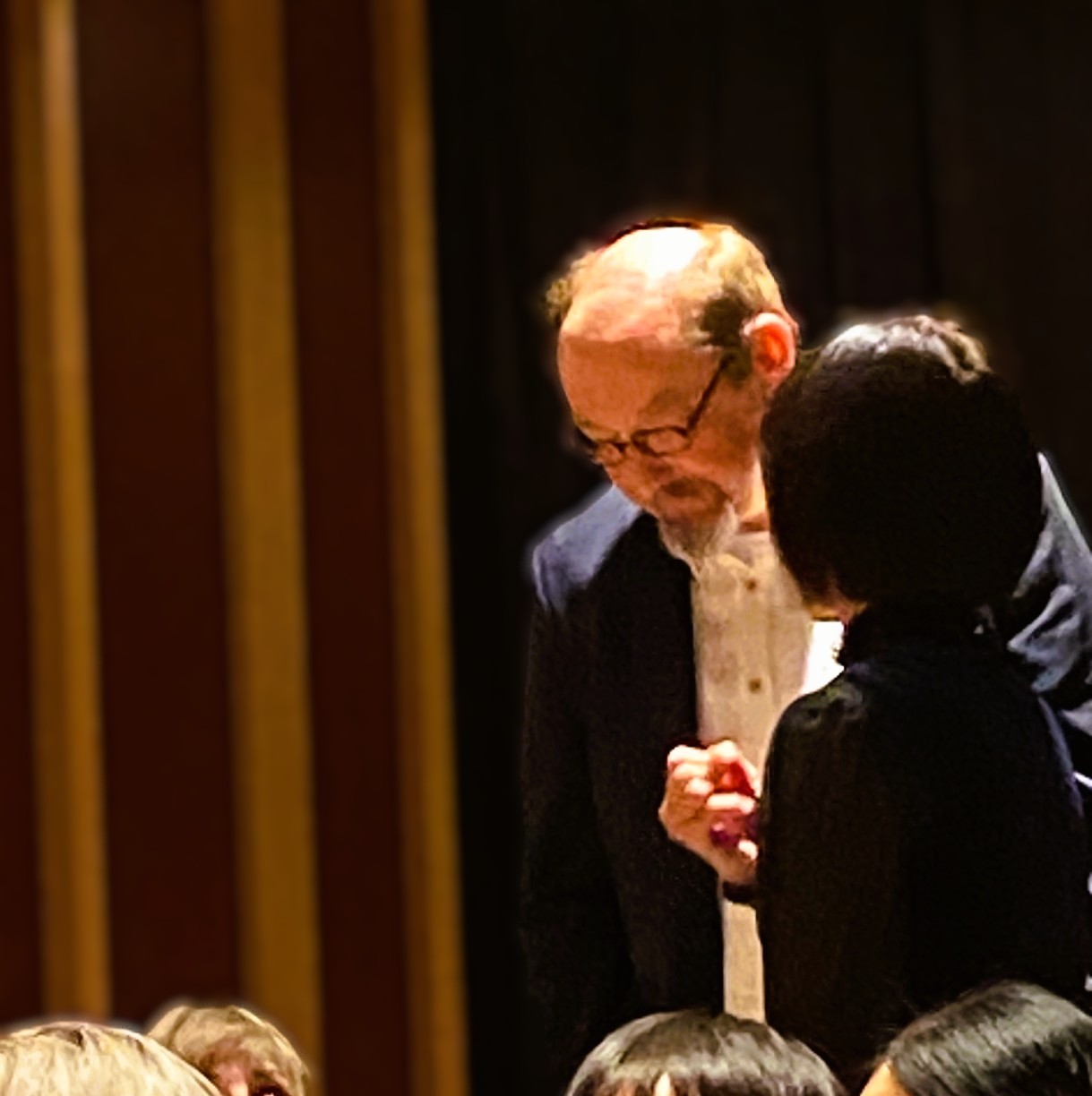
Wracamy do starego Orpheum. Pogoda była podła, a kolejka do wejścia ciągnęła się spory kawałek (teatr przy głównym wejściu ma strasznie małe foyer i dostać się do środka zabiera sporo czasu) – ale warto było każdej zmarzniętej i zmokniętej chwili. Jednocześnie umożliwiało to spotkane kilku znajomych, czasem chwilkę rozmowy: niezastąpiony Prezes Towarzystwa Chopinowskiego Patrick May, którego zawsze z radością spotykam, Iko Bylicki – menadżer tego Towarzystwa, jakże dla kultury muzycznej Vancouveru zasłużonego. Rozmowa z nimi krótka bardzo, bo jako organizatorzy koncertu naturalnie szalenie są zajęci. Wielką przyjemnością było spotkać starego dobrego znajomego, wychowawcy wielu pokoleń muzyków w Vancouverze, profesora Lee Kum Sing – Pamiętam szereg długich rozmów w korytarzach tej Akademii z tym zacnym pedagogiem młodych muzyków. Teraz właśnie słucham jego nagrania Largo z 3 Koncertu Beethovena i wydaje mi się, że odnajduję podobną subtelność gry, jaką wykazał się młody Eric Lu. Chyba sam się nieco starzeję, bo wolę dziś słuchać ‘muskania’ klawiszy niż puszczenie na klawiaturę tabunu koni …
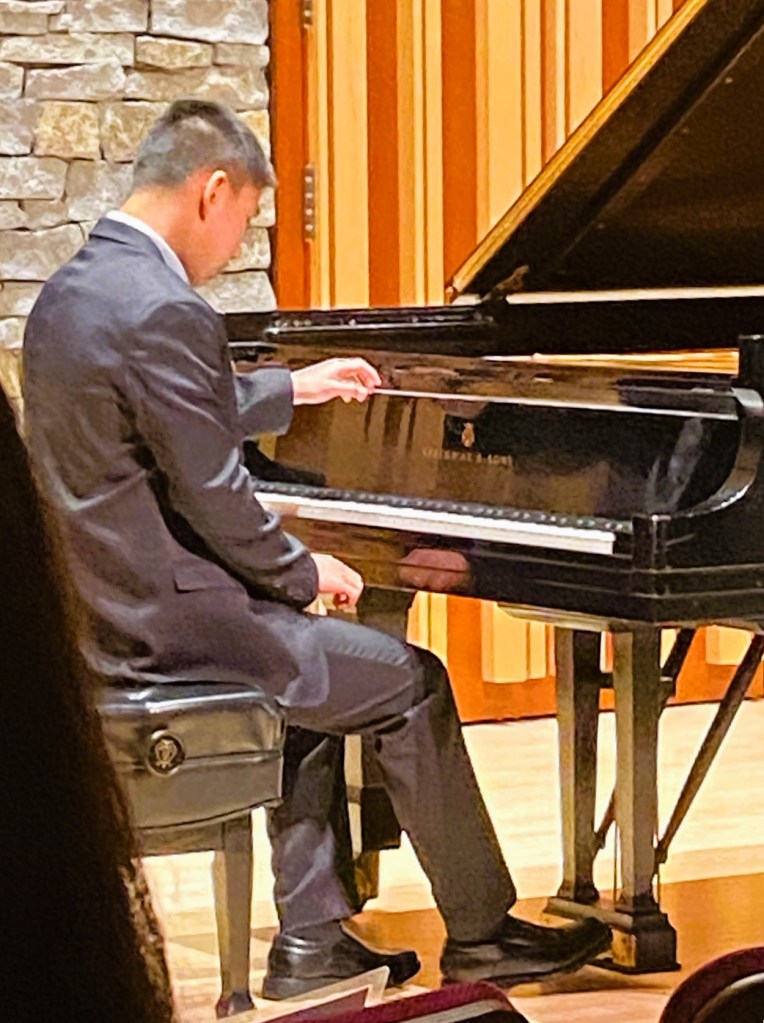
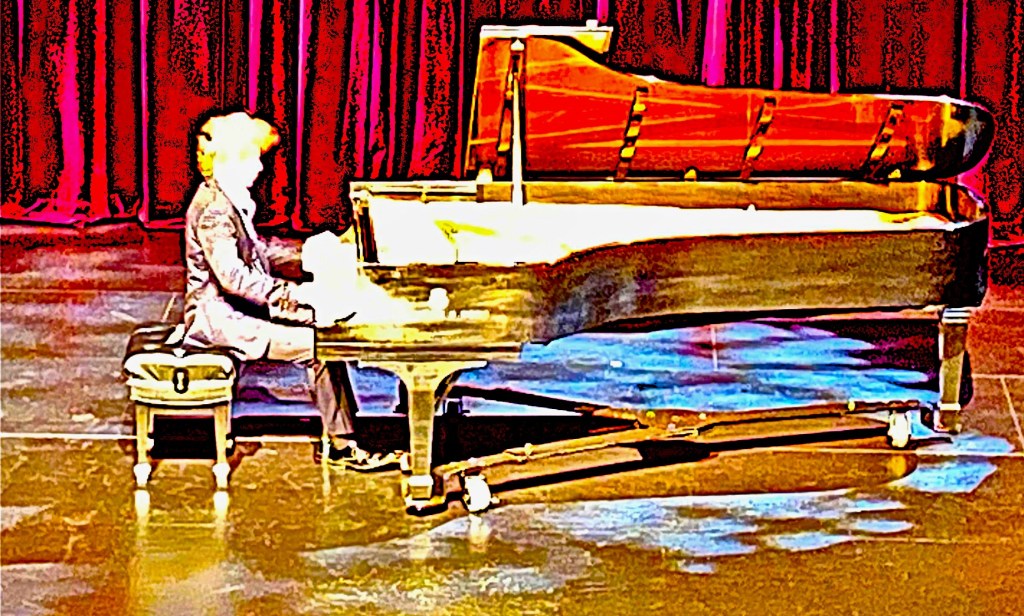
Ale czas siąść. Czas słuchać muzyki, która zaraz popłynie ze sceny. Właśnie wychodzi na nią młodziutki, szczupły pianista, kłania się publiczności, my go witamy brawami, on siada za fortepianem. Otwiera nieco innymi utworami niż się spodziewałem: dwa nokturny Schuberta, nr 1 f-moll, opus 142 i nr 2 As-dur , opus 142. Nokturn w f-moll smutny, nostalgiczny – jakby adekwatny do deszczowego spaceru na ten koncert. Ten nokturn ukazuje jasno, jak grać będzie. On te klawisze pieści, muska – one mu czule odpowiadają dźwiękiem. Trochę zaskoczony, że pianista siada na krześle, nie na typowej ławeczce fortepianowej, która zdecydowanie nieco ułatwia używanie wszystkich mięśni, w tym tych wokół kręgosłupa, swobody ramion. Jako, że po nokturnach ławeczkę przystawiono do instrumentu, zachodzi podejrzenie, że zwyczajnie nie mogli jej zwyczajnie za kotarami znaleźć … To głupstwo jednak nieistotne.
Po nokturnach Lu gra jeden z wczesnych polonezów (fis moll, op.44) Fryderyka, skomponowany jeszcze w czasie studiowania w Warszawie. Brzmi w nim nieco modny wówczas styl brillant[iii], który w dojrzalszym okresie paryskim Chopin odrzucił.
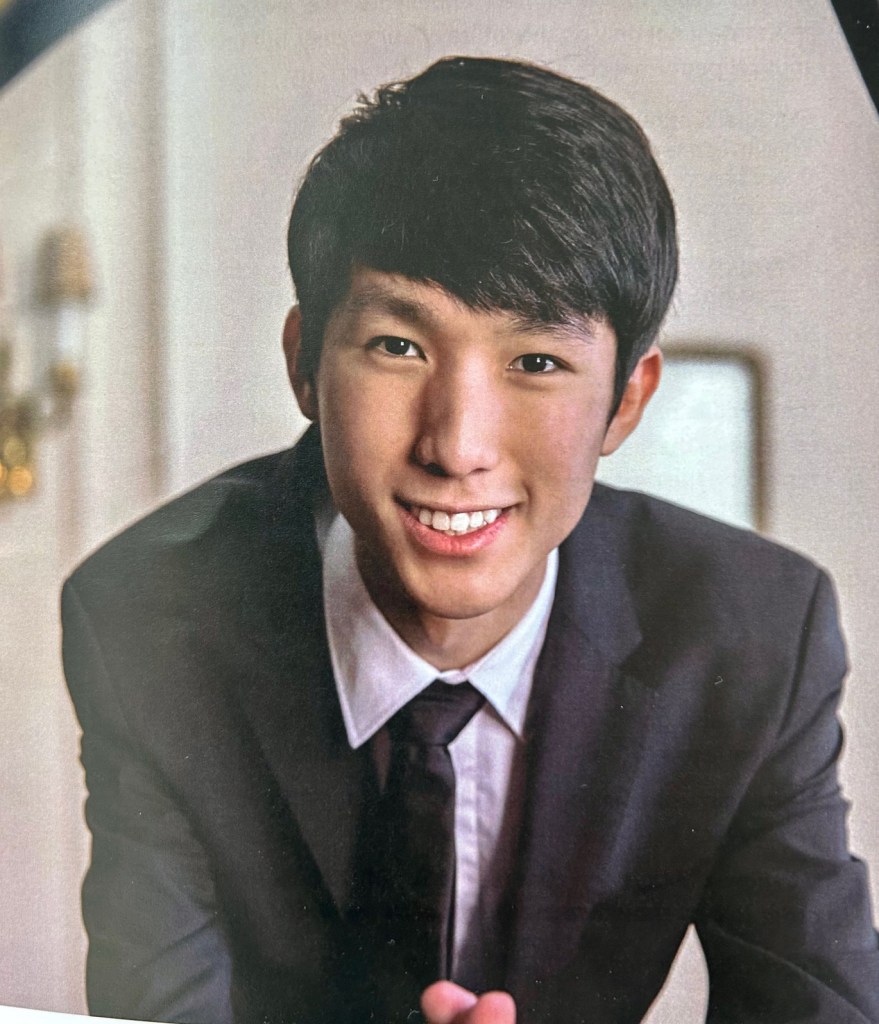
Uczta zaczyna się jednak po nokturnach i polonezie – przepiękna, romantyczna Ballada nr.4, f-moll, op.52. To już romantyzm bez ogródek – au revoir barok i klasycyzm. Lu zaczął grać pięknie, delikatnie, dźwięki wyważone, pełne. W całkowitej unii z nogami lekko tylko muskającymi pedały. Nie było tu żadnego wbijania tych pedałów, maksymalnego przedłużania lub wyciszania dźwięku. Muzyka płynęła, jak strumień po łące nad ranem lub o zmierzchu. To ballada dość trudna: wiele tematów muzycznych, zmian tempa. Tą balladą kupił już mnie kompletnie. Słuchaj i to wszystko! Nie wypatruj czy gdzieś zauważalny błąd, zgubienie czegoś – słuchaj sercem a nie rozumem. Więc posłuchałem tej rady na szczęście. Po to w końcu na ten koncert poszedłem – słuchać, marzyć i śnić sen muzyki, a nie po to by ten tekścik pisać. Ale nie napisać nic nie mogłem. Nie mogłem, bo Eric Lu mnie oczarował swym stylem delikatnym, ale nie kruchym, nie słabym. To pianista, który na pewno jeszcze jest u początku swej drogi muzycznej. Wszak artysta, który zdecydowanie ma coś do powiedzenia, coś do przekazania słuchaczom. Nie jest zdecydowanie jednym z wielu dobrych pianistów. Słowo ‘dobry’ w ogóle tu nie pasuje. To artysta, który muzykę kocha, czuje. I to się udziela słuchaczowi. Tego typu spotkania muzyczne wykonawcy i odbiorcy, są zawsze wyjątkowe, są przeżyciem emocjonalnym.
W drugiej części grał jeszcze jednego Poloneza (op.71, nr 2) i Nokturn nr1, op.27. Jednak perłą najczystszej bieli była jego Sonata h-moll, op.58, tworzona z przerwami w Nohant w posiadłości George Sand. Iwaszkiewicz opisał ten moment jego życia przeuroczo w swej znanej sztuce[iv], wielokroć wystawianej i filmowanej.
ad endum:
drodzy i mili rodacy w Vancouverze – wspomóżcie zacne i zasłużone bardzo Towarzystwo Chopina w ich marzeniu zakupu koncertowego fortepianu godnego najlepszych pianistów. Po tylu latach ich pracy, tylu koncertach – warto ten prezent im dać w podzięce. Jeśli ktoś może 10 000 tysięcy – fantastycznie; jeśli ktoś może tylko 10 lub 100 – też fantastycznie. Pamiętacie starą średniowieczną bajkę/legendę polską o wdowim grosiku? Czasem te skromne 10 talarków bardziej wartościowe niż te 1000, bo dane z serca i potrzeby ducha. Lubimy tradycję, lubimy historię polską: więc powtórze za Janem Czarnoleskim w jego „Pieśni o spustoszeniu Podola”: dajmy, a najprzód dajmy! Poniżej podaję link do tej zbiórki. Jest tam oryginalna propozycja ‘kupienia’ jednego (lub więcej) klawiszy tego konkretnego fortepianu. Cena klawisza nie jest olbrzymia, ale nie jest też skromna. Dla skromniejszych darczyńców podaję, że można wpłacić każdy ‘wdowi grosik’ bez używając tych klawiszy a robiąc tradycyjną dotację (zwykły przelew lub czek) – kliknij tutaj : Support | The Vancouver Chopin Society. Dla oryginalnej propozycji zakupu ‘klawisza’ (tu donacja jest ustalona specyficzna ceną) link tutaj: Homepage – The Vancouver Chopin Society
[i] The Vancouver Chopin Society | Live classical music concerts in Vancouver area
[ii] siedziba vankuwerskiej Orkiestry Symfonicznej w stylu ‘północno-amerykańskiego baroku’ – uroczy teatr muzyczny przypominający mi trochę ‘bombonierkę’ toruńskiego Teatru im. W. Horzycy
[iii] Styl brillant – Wikipedia, wolna encyklopedia
[iv] „Lato w Nohant”, Jarosław Iwaszkiewicz, napisana w roku 1935/36









 > > Pogwarki < <