Moje plaże. Moje plaże to zawsze byłeś Ty. Albo jeździłem tam z Tobą, albo po tym Czasie Okrutnym jeździłem tam szukać ukojenia. Była ta jedna specjalna, nazwana Fortem Naszej Miłości, który zbudowałem z kamieni dla Ciebie, gdy Cię zabrakło. Pisałem kilka dni temu o tym ostatnim tam wyjeździe, ostatnich odwiedzinach po okresie zimy. Pojechałem, Fort odbudowałem i pożegnałem się. Niech fale go odwiedzają, niech głębiny o nim śpiewają. Mój zamknąłem w sercu. Będzie tam gdziekolwiek się znajdę.
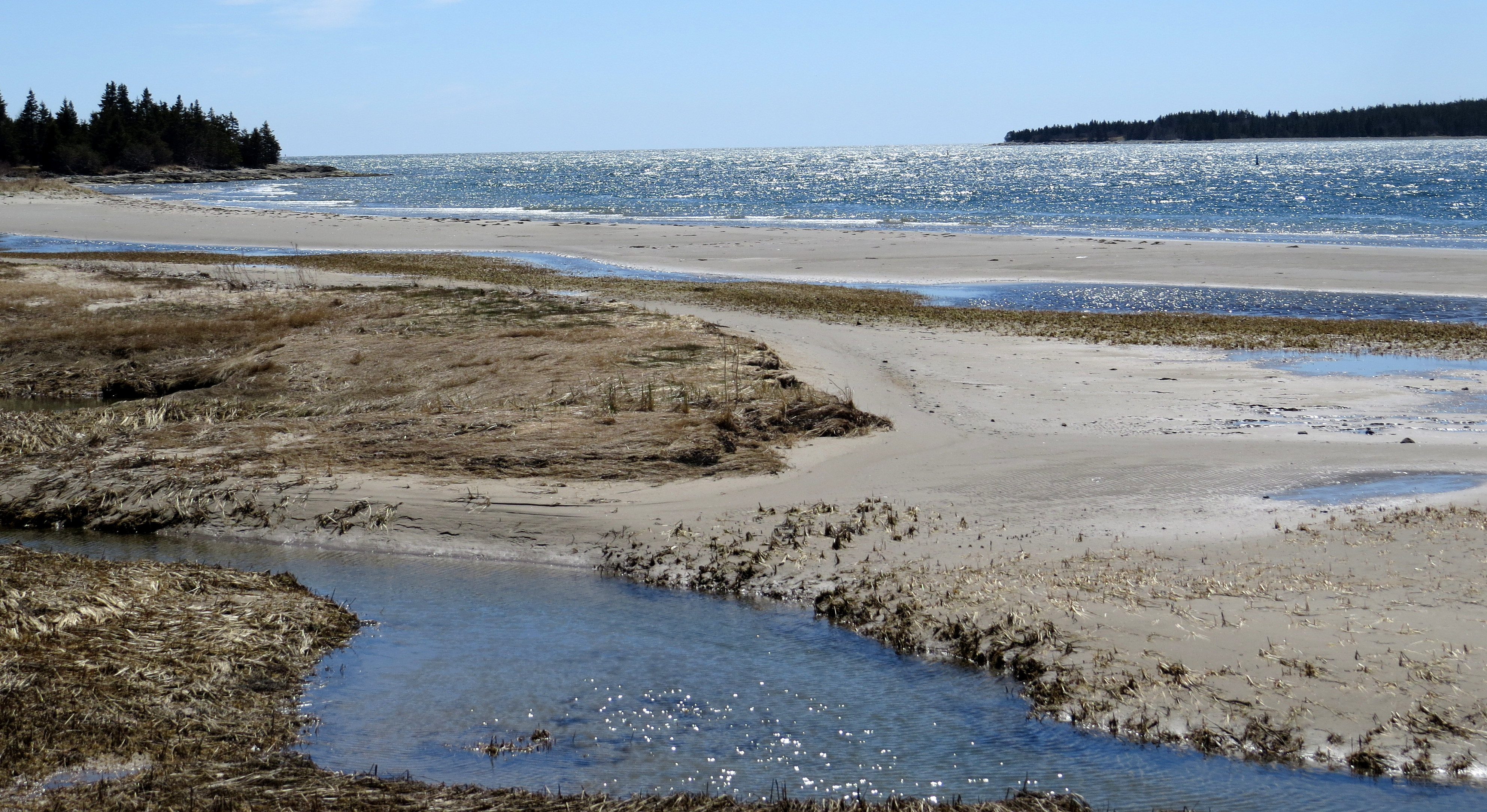
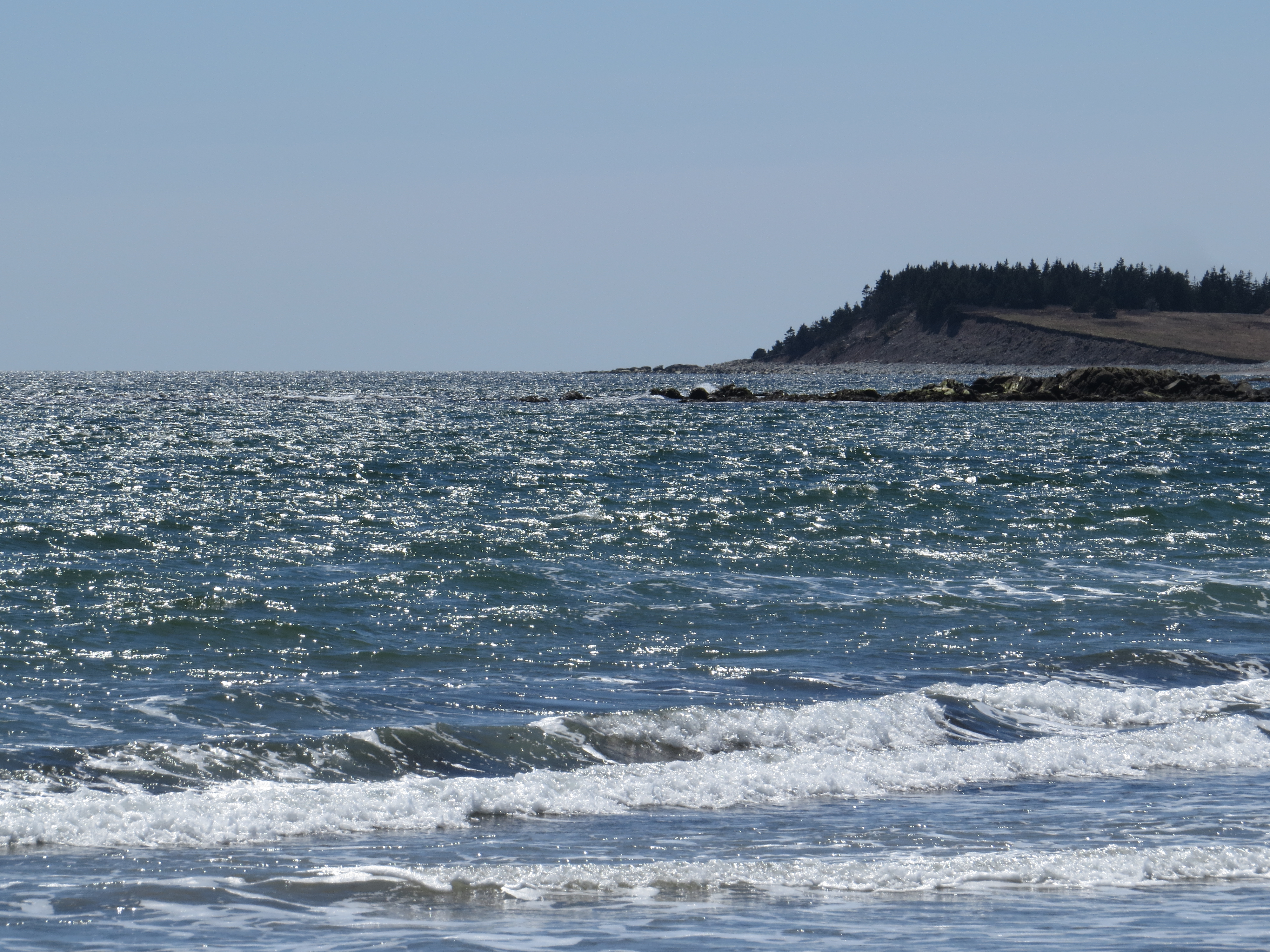
Na tej plaży nigdy ze mną nie byłeś. Jest dość ukryta i z dala od szlaków turystycznych. Sam odkryłem ja dopiero po tym Czasie Okrutnym. Była dla mnie idealna. Prawie nikt inny nigdy tam spokoju mi nie zakłócał i nie przerywał moich rozmów w z Tobą. Stamtąd, z tej piaszczystej łachy półwyspu-pół mierzei widziałem w oddali, po drugiej stronie szerokiej zatoki cypel kolejnej pięknej plaży – Martinique Beach. Może gdybym był dwadzieścia lat młodszy mógłbym tam przepłynąć z naszego Fortu. Może. Piechotą dojść nie można – wybrzeża morskie to nigdy nie jest prosta linia. Z dziesięciu kilometrów robi się nagle trzydzieści, pięćdziesiąt nawet. Szczególnie tu, we wschodniej Nowej Szkocji, gdzie olbrzymie, głęboko się w ląd wrzynające zatoki, wielkie jeziora i słone rozlewiska-moczary zmuszają by szosa wiła się, jak wąż w wysokiej trawie.
Martinique Beach jest jedną z najpiękniejszych i najdłuższych plaż w tej prowincji. Prowadzi do niej 12 kilometrowa wąska szosa z miasteczka Musquodoboit Harbour do East Petpeswick. Lubiłeś tu ze mną przyjeżdżać. Na tej plaży ciągnącej się kilometrami mogliśmy znaleźć ciche miejsce. Ty czytałeś książkę, ja pływałem. Czasem trochę i Ty popływałeś. Umiałeś – i nie namawiany, nie zmuszany sam czasem to robiłeś. Tacy byliśmy inni nawet w tym, LOL. Ty lubiłeś basen, ja basenów nie znoszę a kocham dzikie plaże. Tymi ‘innościami’ się uzupełnialiśmy, wzbogacaliśmy.
Obiecałem żegnając się z tym Fortem i z tą dziką plażą, że nie ze smutkiem już a z radością zabiorę Cię w końcu do Paryża. Będę Cię na Montmartre i na bulwarach nad Sekwaną całować. Gdzieś między Pont Neuf i Pont Mirabeau, o którym pisał Apollinaire:
Pod mostem Mirabeau płynie Sekwana I nie jedna miłość Czy nie dość wspominana Po bólu zawsze radość niespodziana
Zegar niech dzwoni noc niech nastaje Dni ulatują ja pozostaję
Z twarzą do twarzy połączmy ramiona Nieruchomi kiedy Pod mostem ramion kona Fala odwiecznych spojrzeń umęczona
Zegar niech dzwoni noc niech nastaje Dni ulatują ja pozostaję
Miłość jak woda bieżąca odpływa I odpływa życie Woda jakże leniwa Nadzieja nasza jakże natarczywa
Zegar niech dzwoni noc niech nastaje Dni ulatują ja pozostaję
Niech dni się toczą jak rzeka wezbrana Ni czas nie zawraca Ni miłość pożegnana Pod mostem Mirabeau płynie Sekwana
Zegar niech dzwoni noc niech nastaje Dni ulatują ja pozostaję[i]
Więc o tych mostach paryskich, tym Pont Neuf i Mirabeau, o tych pocałunkach wyśpiewanych przez Yves Montanda dla pięknej Romy Schneider myślałem na tej plaży w kanadyjskim, nie karaibskim, Martinique.
Falo
Jakie mosty łączą naszą przestrzeń?
Przestrzeń między nami.
Między tymi dwoma światami
Bytu i Niebytu.
Czy scala je jakiś królewski pierścień?
Pierścień z kruszcu drogiego, niczym diadem
Królewicza i Księcia
po nocy poślubnej, przed Wieczerzą
Ostatnią, pożegnalną.
Czy pęka pierścień skruszony młotem?
Powiedz mi falo, powiedz wodo,
która dałaś schronienie
z szaleństwa rozpaczy niepojętej,
z ognia pragnienia,
która wniosłaś mnie z powrotem na brzeg.
Mam ci dziękować, czy mam przeklinać?
Uratowałaś mnie,
czy skazałaś na lata tułaczki
po pustej plaży mew
i muszli szumiących largo trenów?
Żegnam cię falo
lub przeklinam cię.
(Bogumił Pacak-Gamalski)
I masz ci los. Poeta winien w końcu wiedzieć. Jest wieszczem, jest wyrocznią! Augurem wśród mędrców i dziejopisów. A tu nic. Siedzi na rozdrożu na kamieniu i błaga przechodzących o wskazanie kierunku. A idźże w końcu do tego Paryża, gdziekolwiek on jest. Idź i całuj się z nim. Może wtedy zrozumiesz.
[i] „Apollinaire”, wyd. PIW, Warszawa, 1968, s.33 (przek. A. Ważyk)
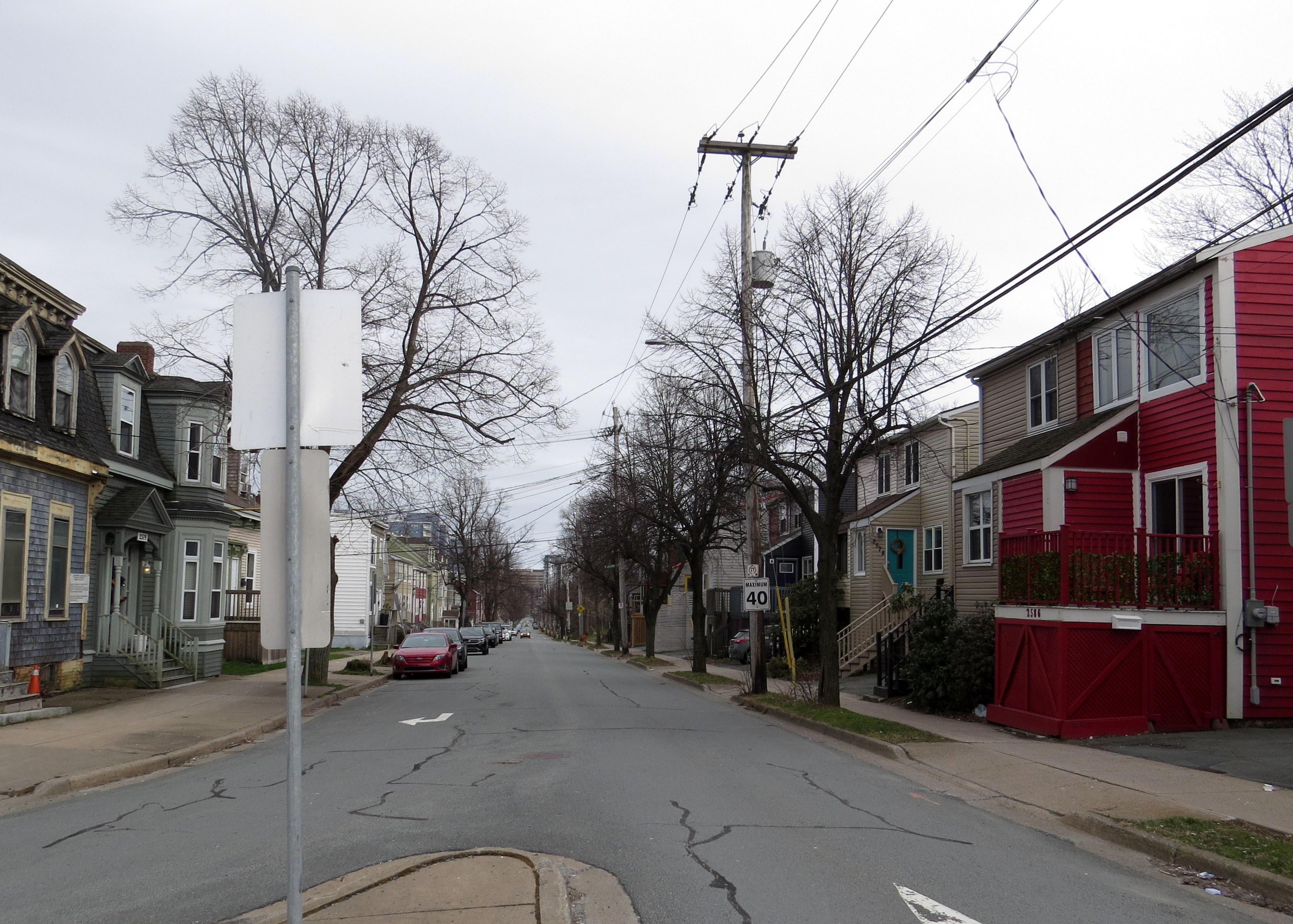
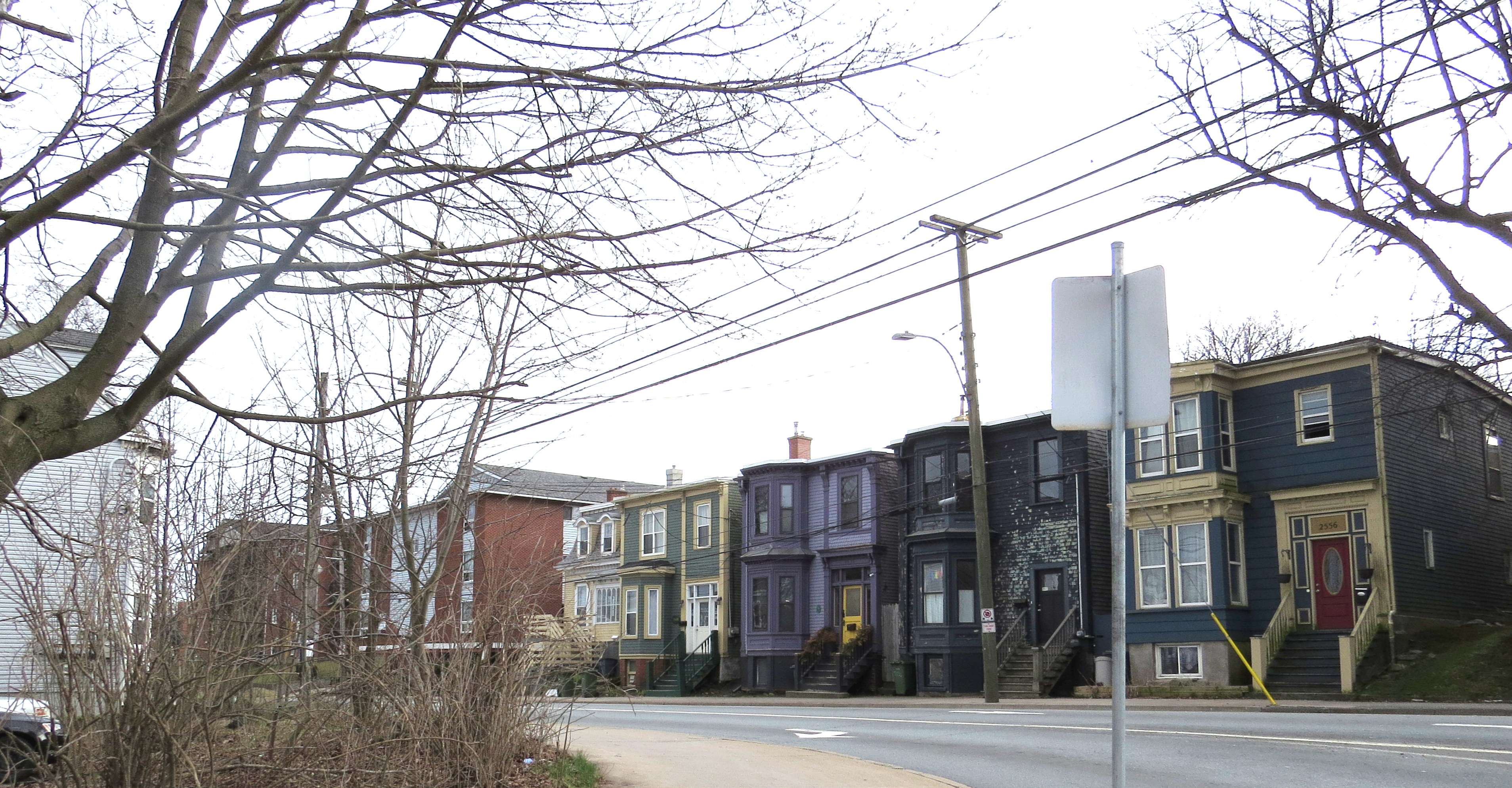
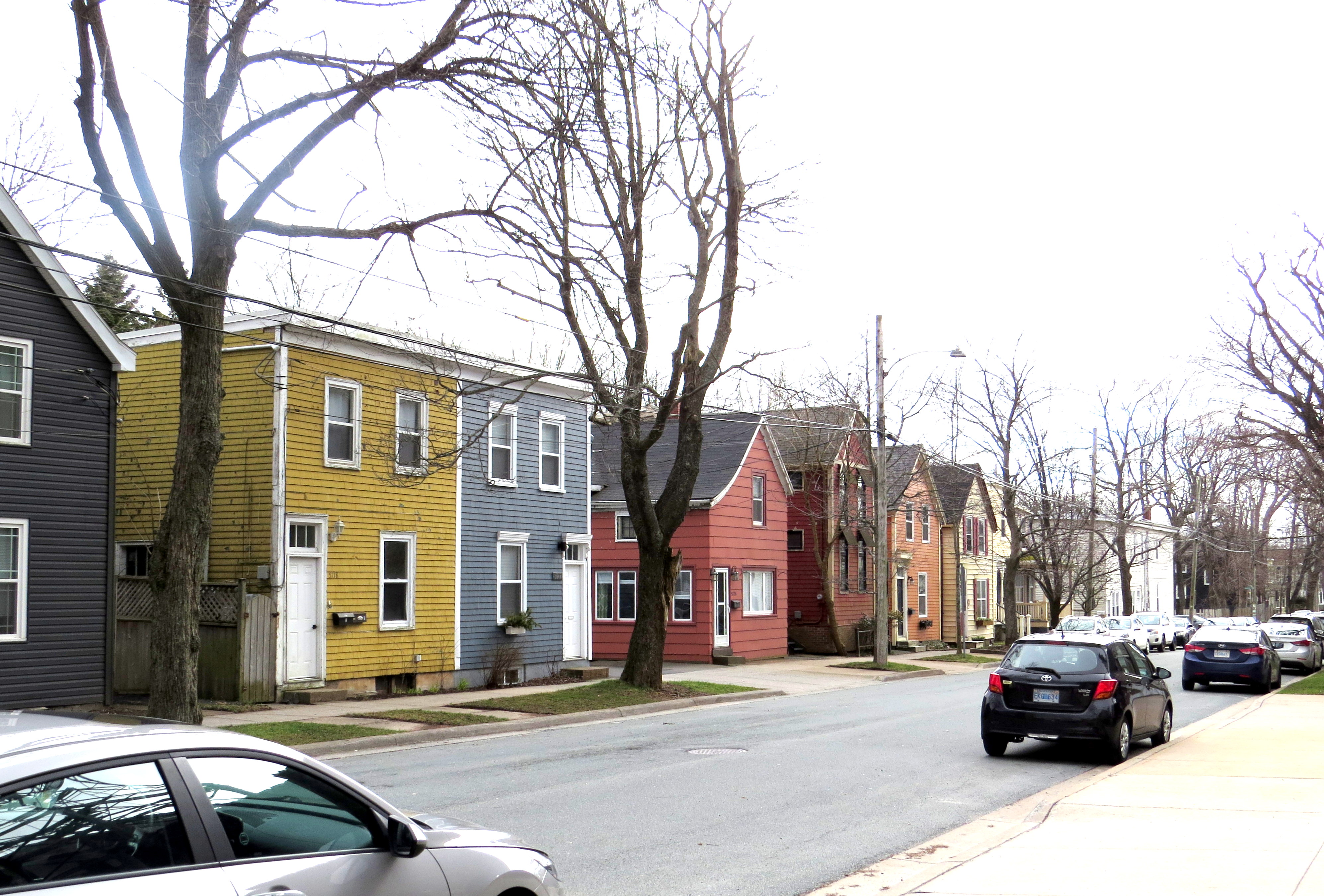
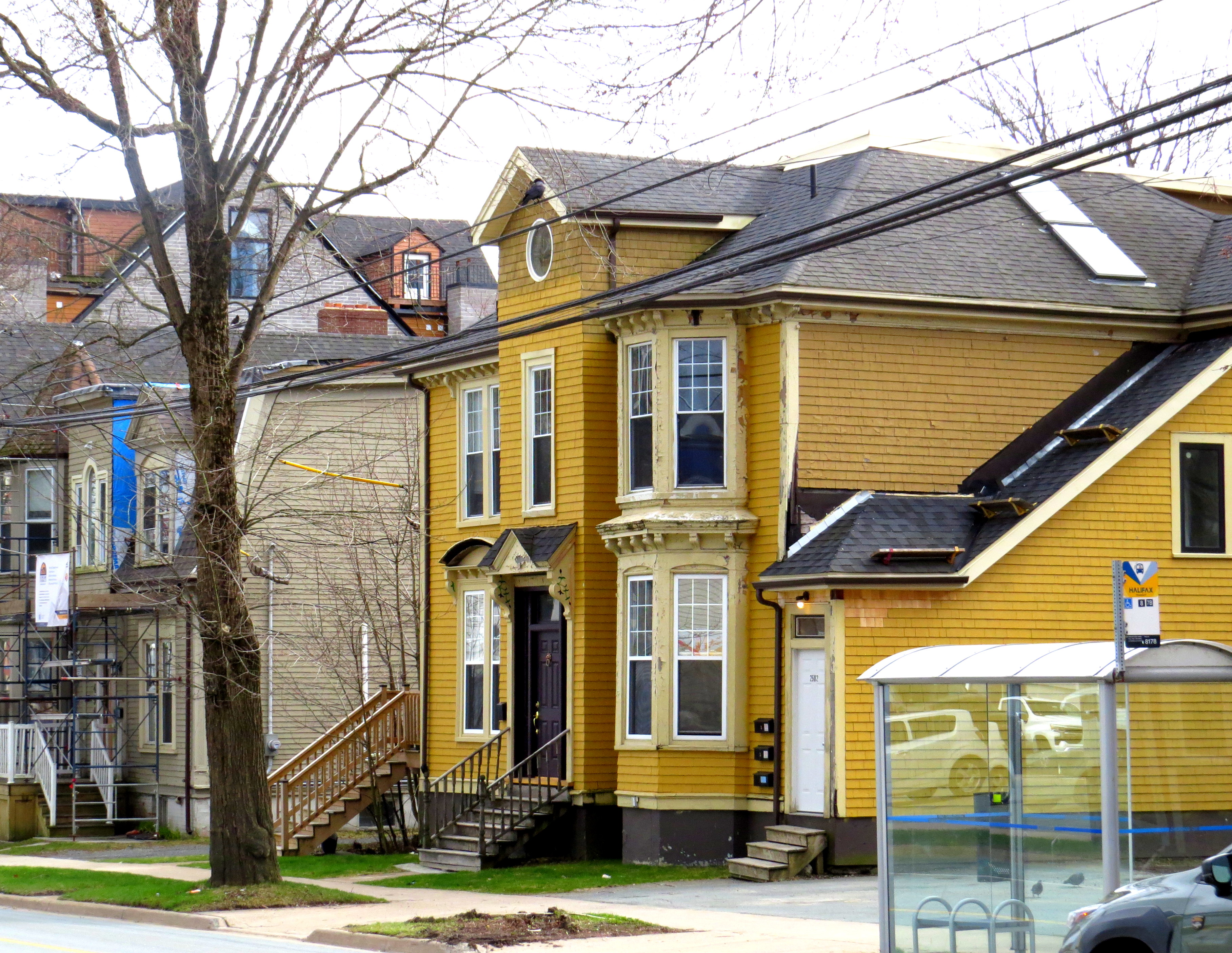
Tak, jak ten dzisiejszy spacer przez most z Dartmouth do Halifaksu i dalej uliczkami tego specyficznego miasta. Uliczkami tego żywego Halifaksu, Halifaksu jego mieszkańców a nie turystów, z dala od Waterfront i zabytkowego Centrum. Halifaksu zamkniętego granicami ulic North, Quinpool, Agricola i Oxford, a więc odsuniętego też trochę od zupełnie innej charakterystyki świata studentów i pracowników rozległego terenu Uniwersytetu Dalhousie.
Znam te uliczki doskonale, na pamięć, mimo to ciągle zauraczają specyficznym, staroświeckim czarem uśpionej prowincjonalności. Lublin, Przemyśl lub Rzeszów przychodzą na myśl. Często tu przyjeżdżałem w dni wolne od pracy by spotkać się z Tobą na twojej godzinie lunchu i przerwie. Ja przyjeżdżałem godzinkę-dwie wcześniej żeby właśnie po tych uliczkach łazić bezmyślnie, gapić się. Potem wracałem pod Berkeley, gdzie pracowałeś i czekałem aż wyjdziesz tym bocznym wyjściem na tyły budynku, gdzie była ścieżka w dół i trochę miłej, zielonej trawy. I szliśmy czasem na lunch obok do kawiarenki lub po prostu na papieroska. W tym miejscu kończyłem dziś i mój spacer. Poczekałem chwilę, popatrzyłem na te boczne drzwi czy może jednak wyjdziesz. Naturalnie, że wiem, że żadnych drzwi już nie otwierasz, przez żadne nie wychodzisz nigdzie. Ale przyzwyczajenie pozostało.
Ty – mój wiersz niedokończony. I spacer po moim mieście. Nigdy przedtem tak o Halifaksie nie myślałem. A teraz stał się moim. Tak jakoś niezauważalnie, mimochodem, niepostrzeżenie. Obok, Warszawy, może Londynu, oczywisci obok Calgary a nawet obok naszego cudownego, nieporównywalnego nawet do Warszawy – Vancouveru (naturalnie pisząc ‘Vancouver’ mam na myśli wszystkie miasta tej wielkiej aglomeracji, a już zwłaszcza Surrey) – miasta ze wszystkich mi drogich – najdroższego, najbliższego. Miasta, które było naszym domem.
Ale wracając do mojej, może ostatniej już wycieczki z kamerą do mojego Halifaksu.
Music! Music is like a song of angels, like flower petals falling down in a slow pirouette. Music is …
Surely it is. Or that’s what you hope for, anyway. But sometimes … sometimes music is just a cacophony of noise. It is actually irritating to your sensory system.
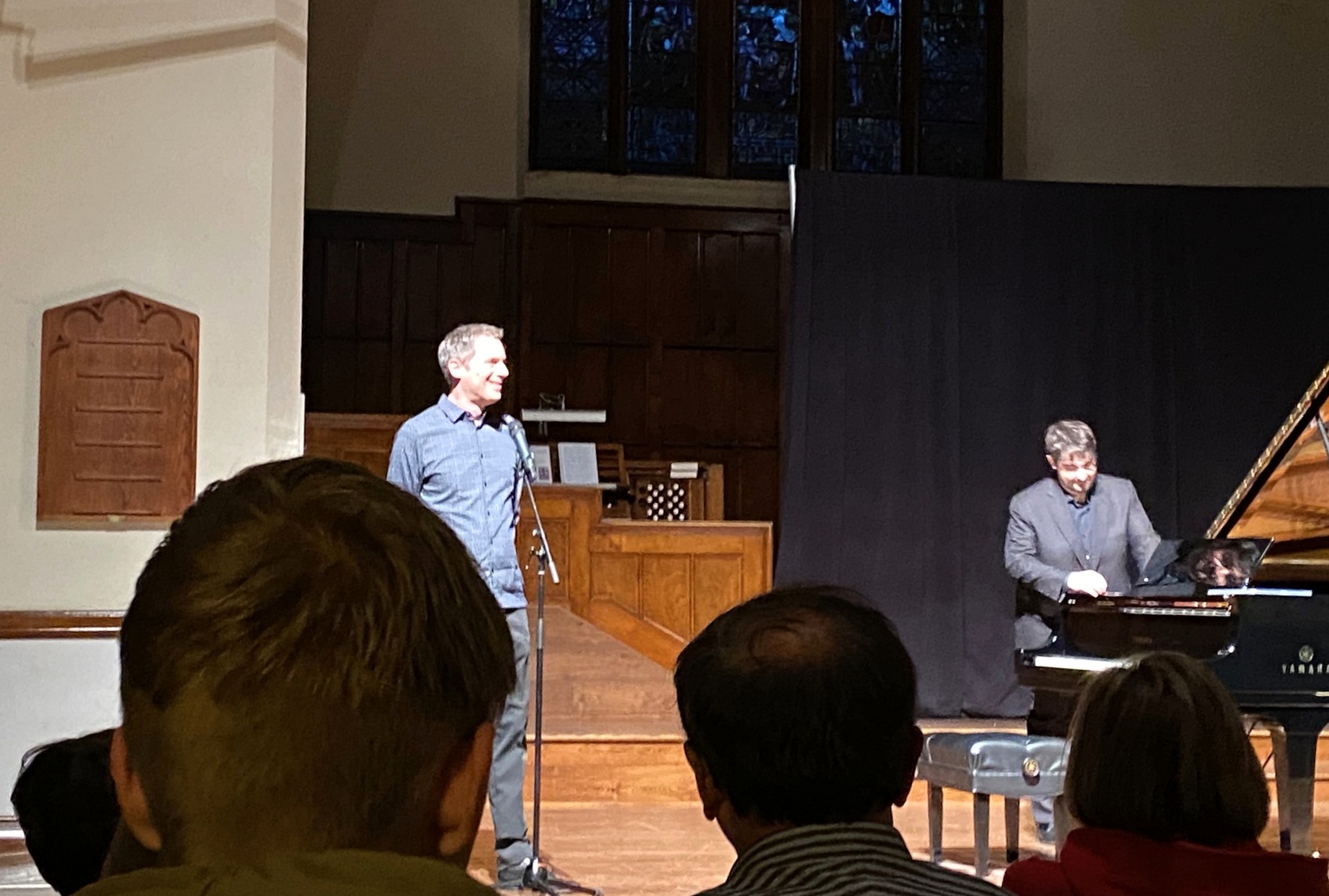
I can’t believe that I’m writing these words. Do you know why? Of course, I will tell you, otherwise I wouldn’t write it. Because of one of the most talented, most popular composers that ever existed – Mozart! And because of two top piano players in Canada for many years now – maestros David Jalbert and Charles Richard-Hamelin. The darlings of the most prestigious stages of the world. I have heard both many times, been on numerous occasions to concerts of Hamelin, and listened to Jalbert’s CDs and CBC Radio performances.
Last Saturday[i] they performed for the very first time together. Playing compositions not separate but composed for two pianos or a composition for four hands. I hoped they would have played separately, their own program of any choice.
And I hoped Mozart had never composed that awful cacophony of his Sonata For Two Pianos in D major, no. K.448.
Or otherwise, I hoped I never went to that concert.
There is my own rule that I’m breaking now: when you have nothing nice to say, then be silent. If it was a concert of a new, fledgling pianist or the first public performance of some young and unknown composer – I wouldn’t say a word. None of it applied in this case, though. It definitely doesn’t matter for Mozart. He is dead for about 250 years and doesn’t care anymore who and what is written about his music. Besides – he left us with many of the best-ever composed works (except this one! LOL).
For the pianists – Halifax is not Carnegie Hall or Warsaw Symphony concert hall (sorry Cecilia Concerts organizers, but let’s face reality; Jalbert and Richard-Hamelin can afford one bad review after many years of a string of good reviews).
One more thing – I will have a few much nicer things to say about the rest of the concert. In particular about absolutely beautiful Divertissement Andantino varié, no. D 823 and Fantasie in F minor, no. D 940, both of Franz Schubert.
I think that at times things just get wrong from the very beginning, before anyone touches a single key on any piano.
Originally the concert was planned for Richard-Hamelin and a young American pianist, Eric Lu. Was really looking forward to it. Very talented young star of the keyboard, Eric Lu is one of these musicians I really wanted to listen to in a live concert, not just recording. When I exchanged notes with him, I told him how much I was looking to this and promised to write my impressions from the concert. As recordings are usually musically perfect – they often lack the emotions, the exchange of the atmosphere between a live audience and an artist, impression insaisissable.
But, as in many ‘wants’, this happened to remain exactly that: inasaissable, unfulfilled. Sudden medical problems prevented him from coming to Halifax. Alas, the tickets were sold, the show must go on.
Richard-Hamelin and the organizers had to quickly find another player and talented David Jalbert agreed to oblige. It is one thing for two pianists to play different compositions in one concert, and totally different for them to play the same music composed for two pianos. Just because you choose two very well-known pianists doesn’t mean they will be the best tandem. One more thing we learned (meaning the audience) is that they … never played together before. Two best Chefs do not guarantee the best dinner cooked together, often it ends in culinary disaster.
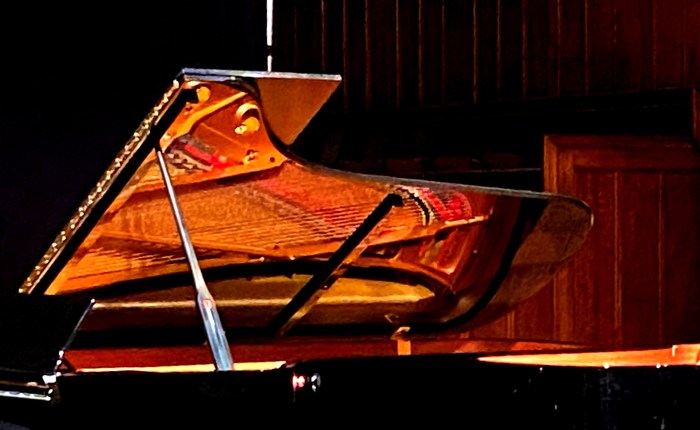
What was the original idea of starting the concert with this insane Sonata in D major K.448 by Mozart – I have no clue. There were really moments when I had to gather my willpower not to just get up and leave this musical nonsense. Noise. Yes, it did have allegro, andante and molto allegro and it was in D major. Could have been in ,Z minor’ as far as I am concerned – the effect would have been the same. The pianists did not help much, either. I thought there was a total disconnection between them. One was playing his own vision, the other – another vision. As you know, in classical music there are (in European instruments) no larger pieces of instruments than the grand piano. It seemed that the distance on that particular evening between these instruments was even larger than the length of these gigantic instruments.
Mozart was twenty-five years old when he composed it. At this age – despite or maybe because of already big popularity and fame – you are not mature enough to measure everything in the right emotions, true perspective. Maybe he felt the stress of the expectations that the young composer must constantly produce new pieces, constantly prove his genius? Not unlike many young artists these days. Sometimes the pressure proves to be too much.
Now, would it sound better if I felt the connection between the pianists? I don’t think so. Guess we will never know. Can’t recall if I ever heard that composition, and therefore can’t compare.
The Andante was at least musically much better. The lyrical melody, even some sort of peace, brought comfort. The best was the end, the Molto Allegro. For many reasons: primo – it was the end of it (LOL); secundo – the pianists finally noticed each other and began to speak in the same language of emotions; tertio – it was the best part of the entire sonata. Beautiful repetitions of the best melodies in the form of rondo.
Rachmaninoff’s ‘Russian Rhapsody’ was composed well and it was delivered much better, too. By that time the pianists made peace with each other and played together, not separately. But the choice was disputable, too. It is definitely not the best work of this brilliant composer. And not truly a full rhapsody, either. Of course – the amount of compositions for two pianos is limited, too. No complaints, though. Had I not been exposed to the fiasco of Mozart’s sonata – I probably would have enjoyed it more.
The best came next. Franz Schubert, whose music I adore. There is so much emotion, and yet so much elegance in it.
Poor Schubert died being very young. It was as he anticipated it – he composed constantly, often in the form of musical sketches, that later were supposed to become a full-fledged larger piece. As was the case of his ‘Lebenssturme’ (Storms of Life), Allegro in A minor, D.947 that he planned to expand to a full sonata. Sadly, he died the same year, never having the chance to expand this (and many other) composition.
Jalbert and Richard-Hamelin by now played in unison, and my dislike of their playing dissipated completely. They took me with Schubert on a wonderful walk, sometimes a run through some park in Germany. Run after love, after romance, after youthful life perchance? With all the desires and pitfalls of that tumultuous age. I so remembered it myself. And that is the pinnacle of a good concert – when the music transfers you outside of the concert hall to some faraway places, times perhaps.
But that was just a taste of the charm of his music … and the ability of both pianists to show if they fully trust and understand each other. The diminutive form of Divertissement on French motifs D.823 (three parts: Opus 63; Andantino varié and Rondo Allegretto. This gem was composed for piano for four hands. Similarly, the final Fantasie in F minor D. 940 was for piano and four hands. That was the cherry on the musical cake. Such ephemeral music! It felt like dancing with angels. The two pianists sitting by the same black and white keyboard melted together as one with four hands. Now everything was making sense, everything was in place and the music took us all to a sphere of magic.
And that is what you want from Art, my friend.
[i] Cecilia Concerts series, Halifax, in St. Andrew Unitarian Church, Apr. 06., 2024
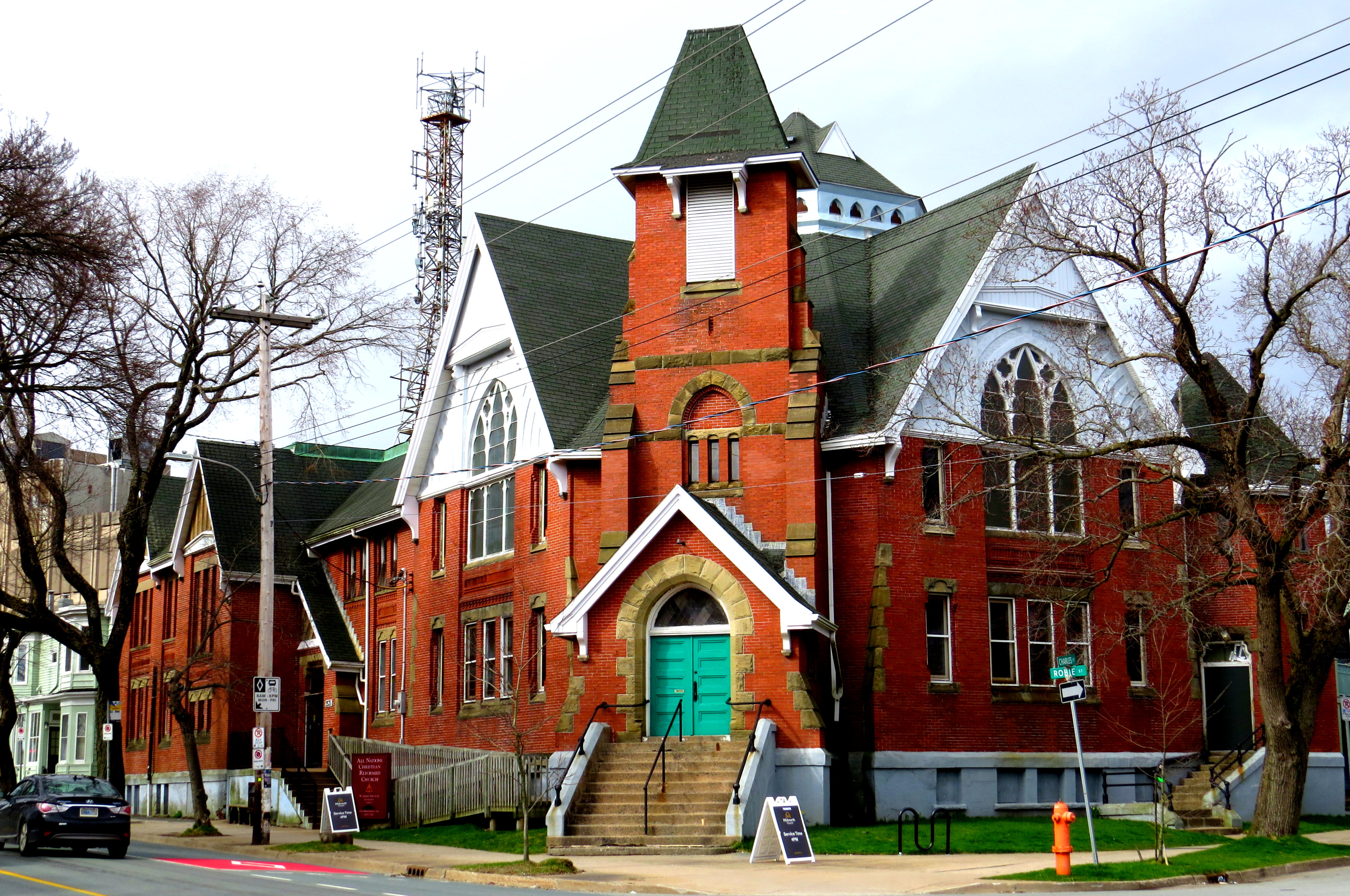
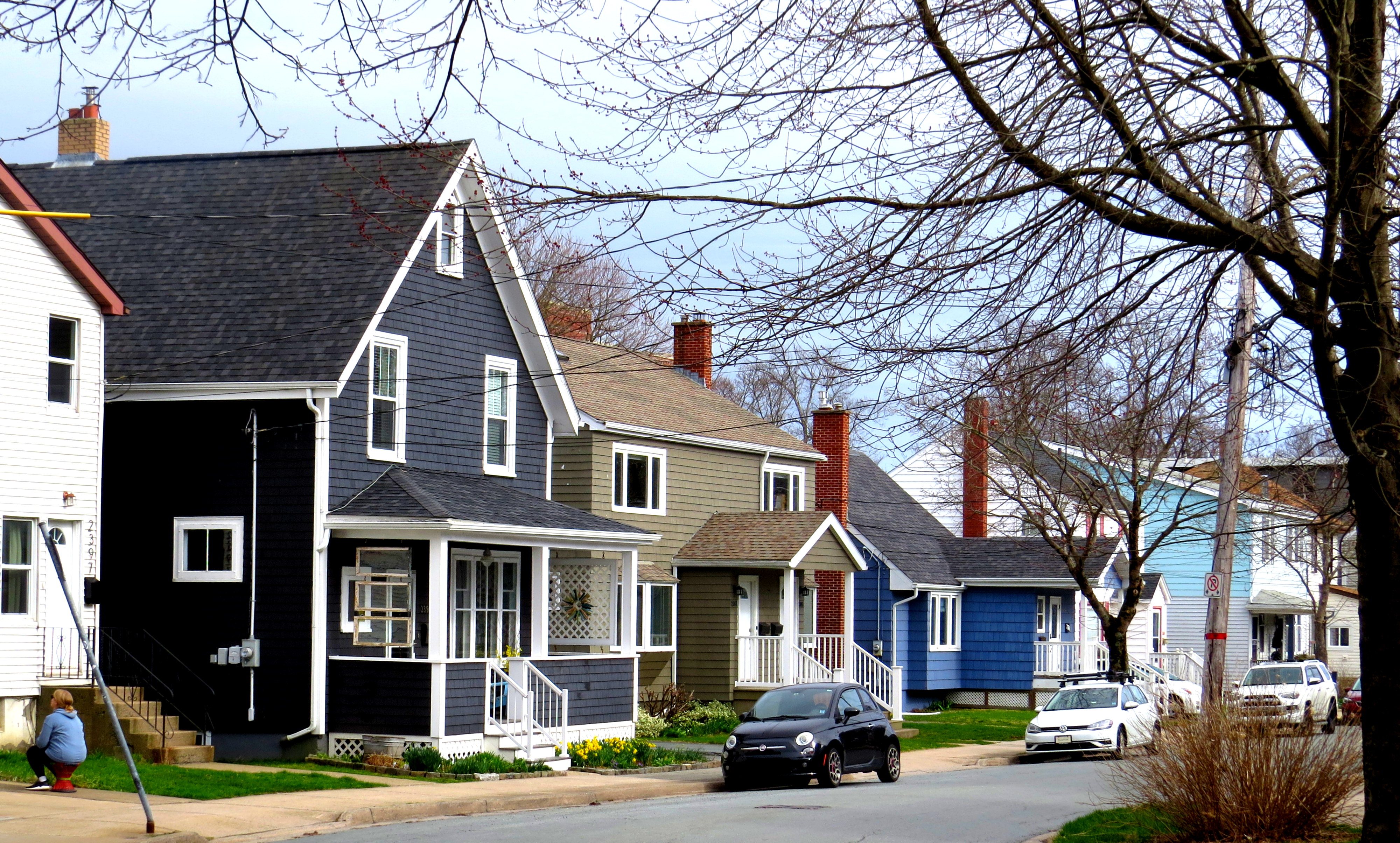
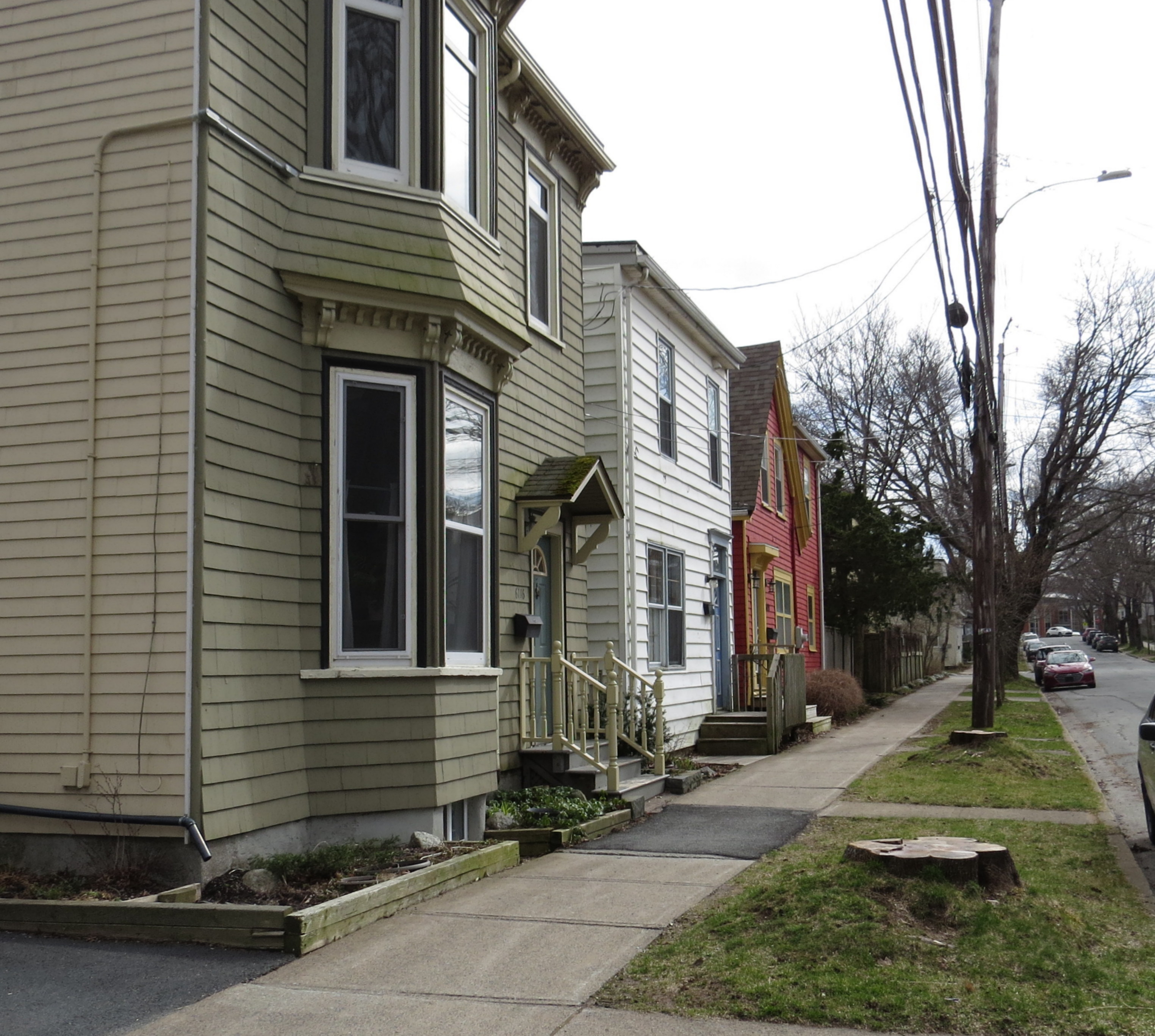
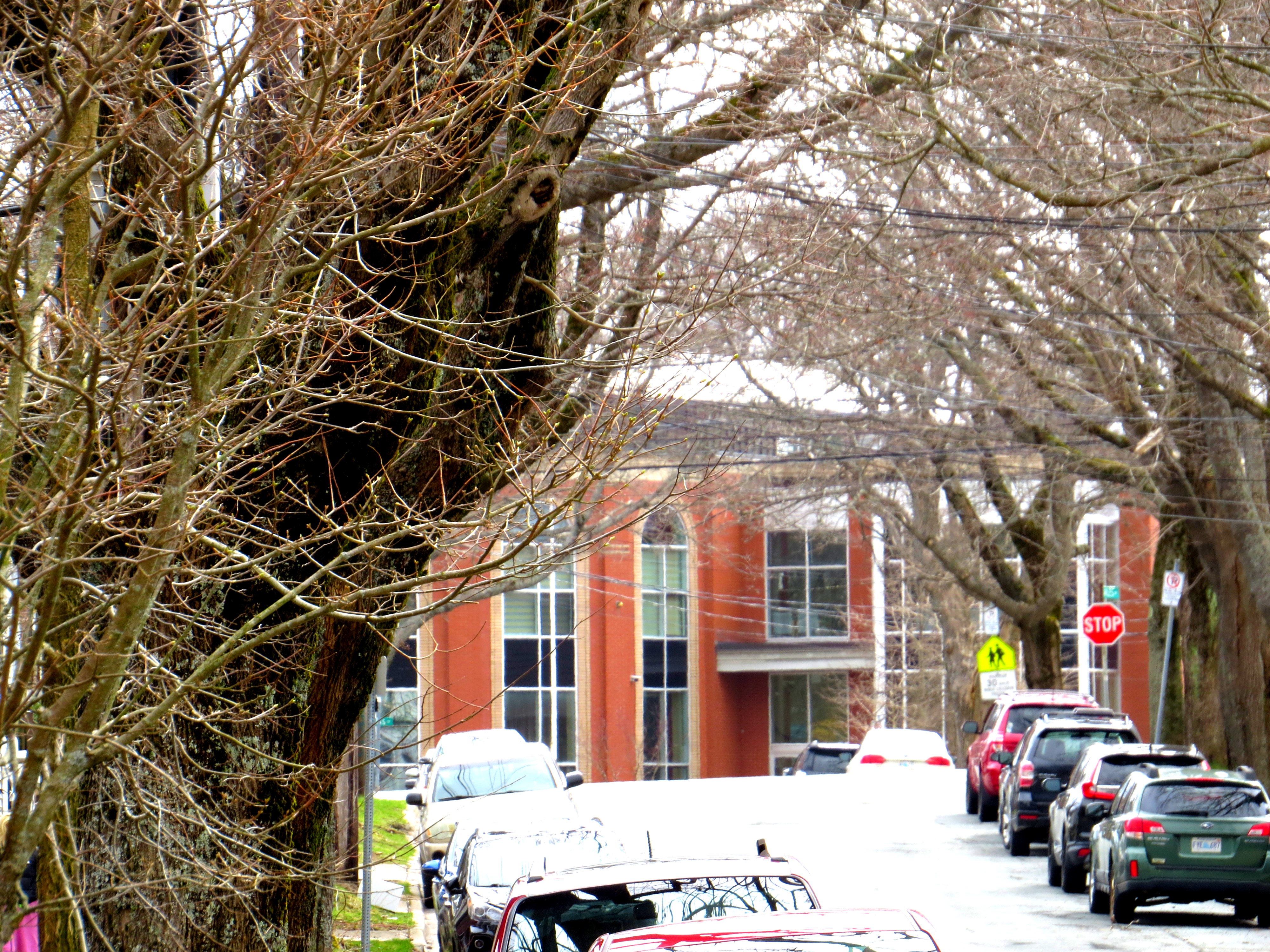
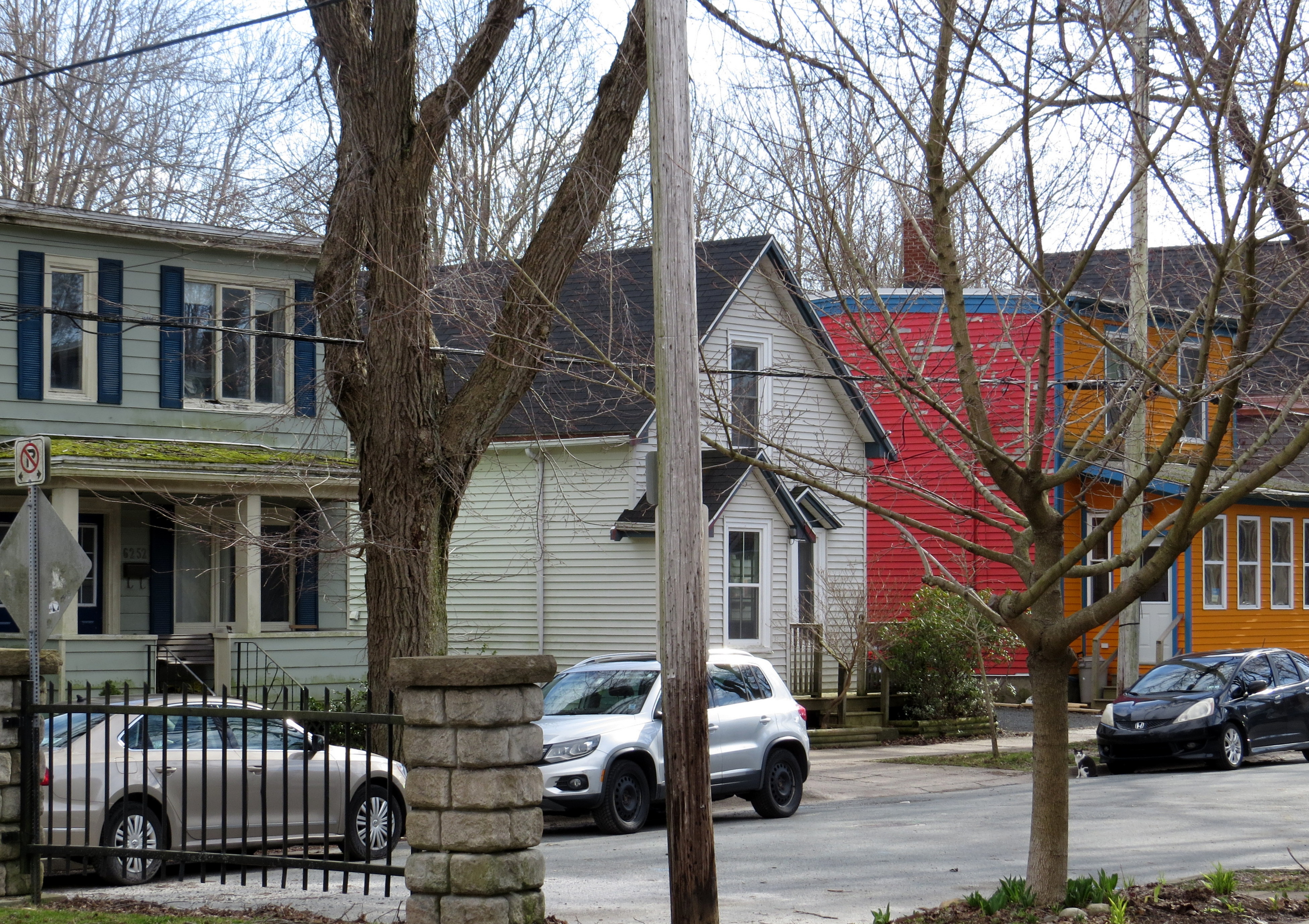
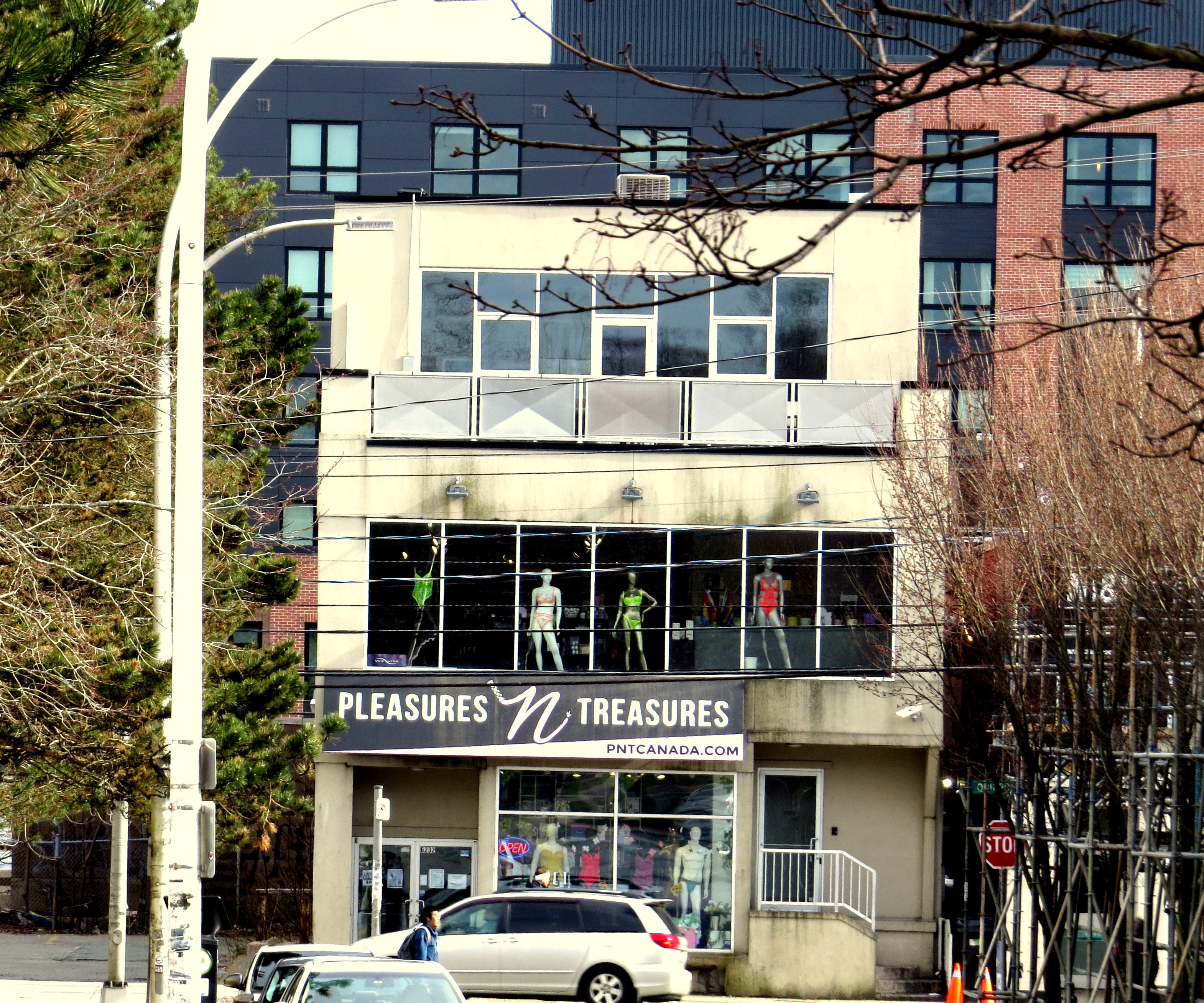
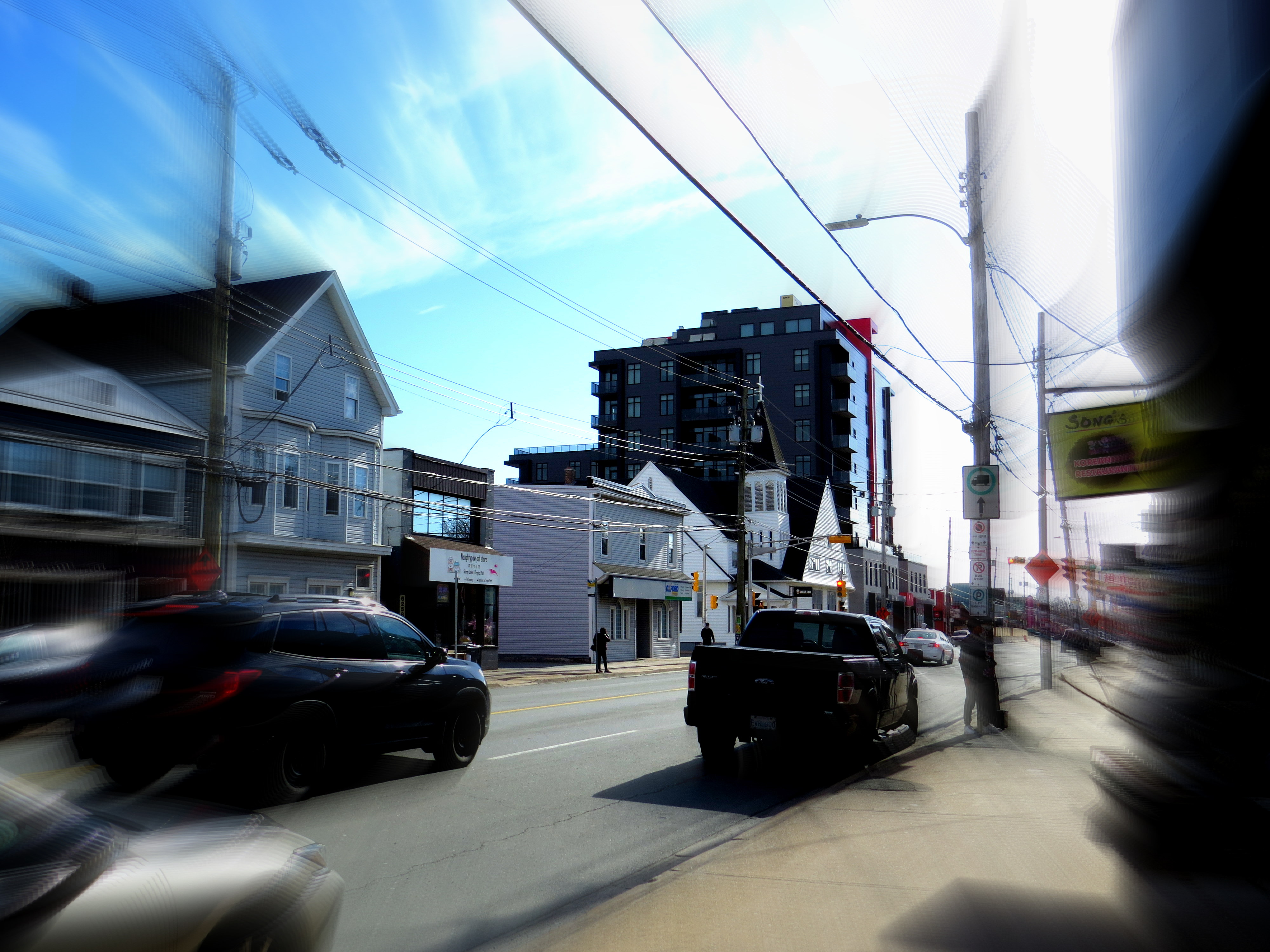
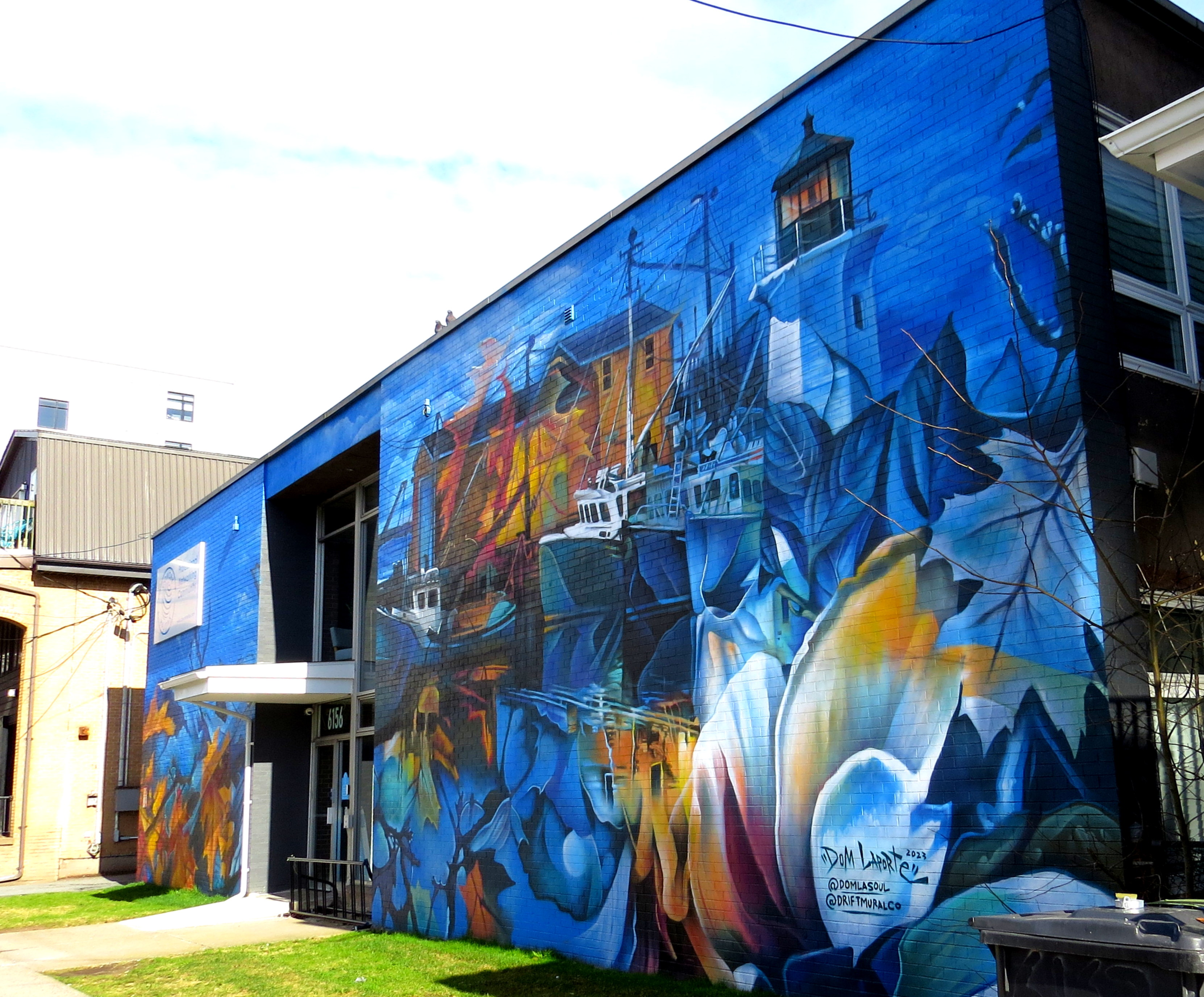
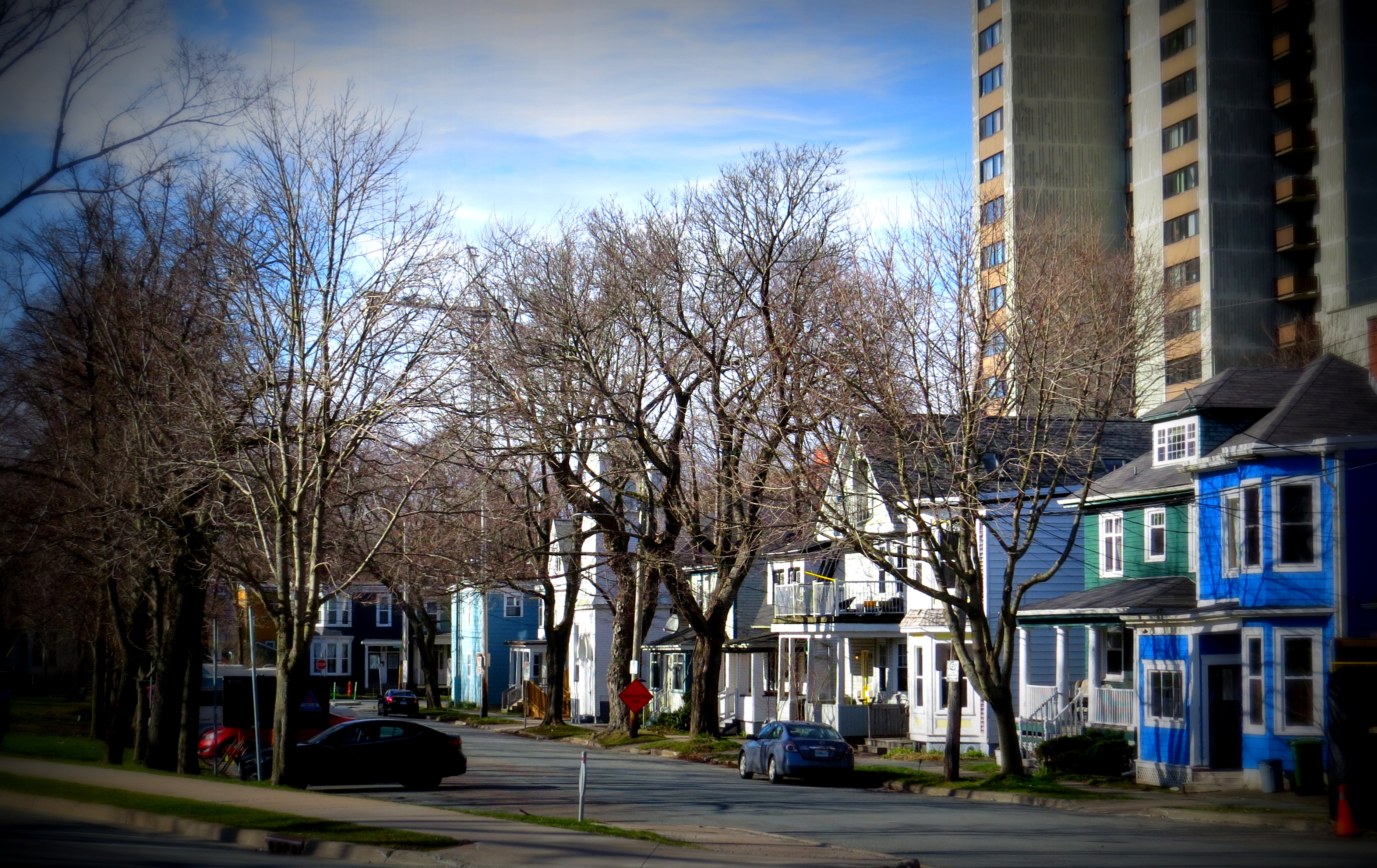
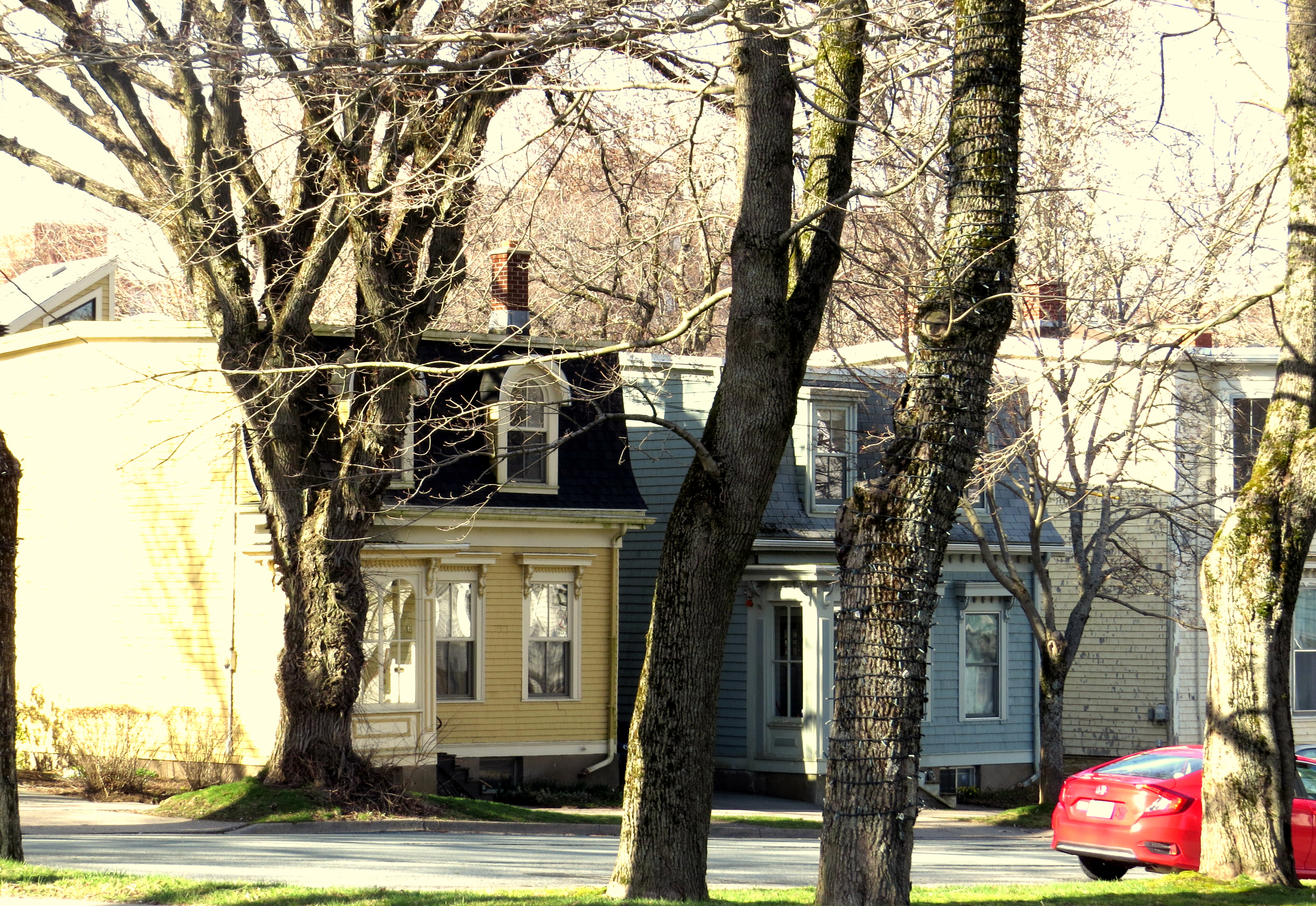
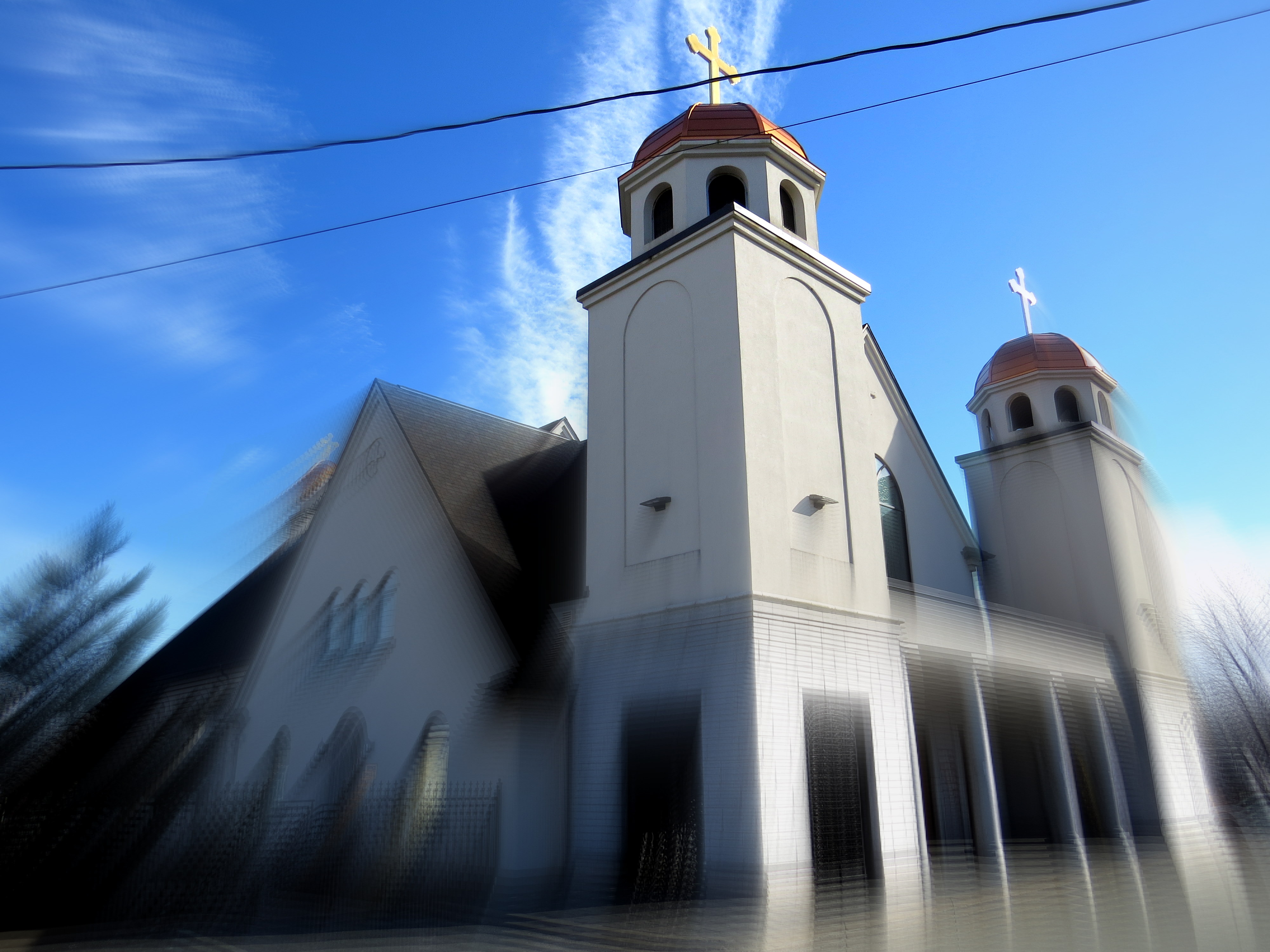
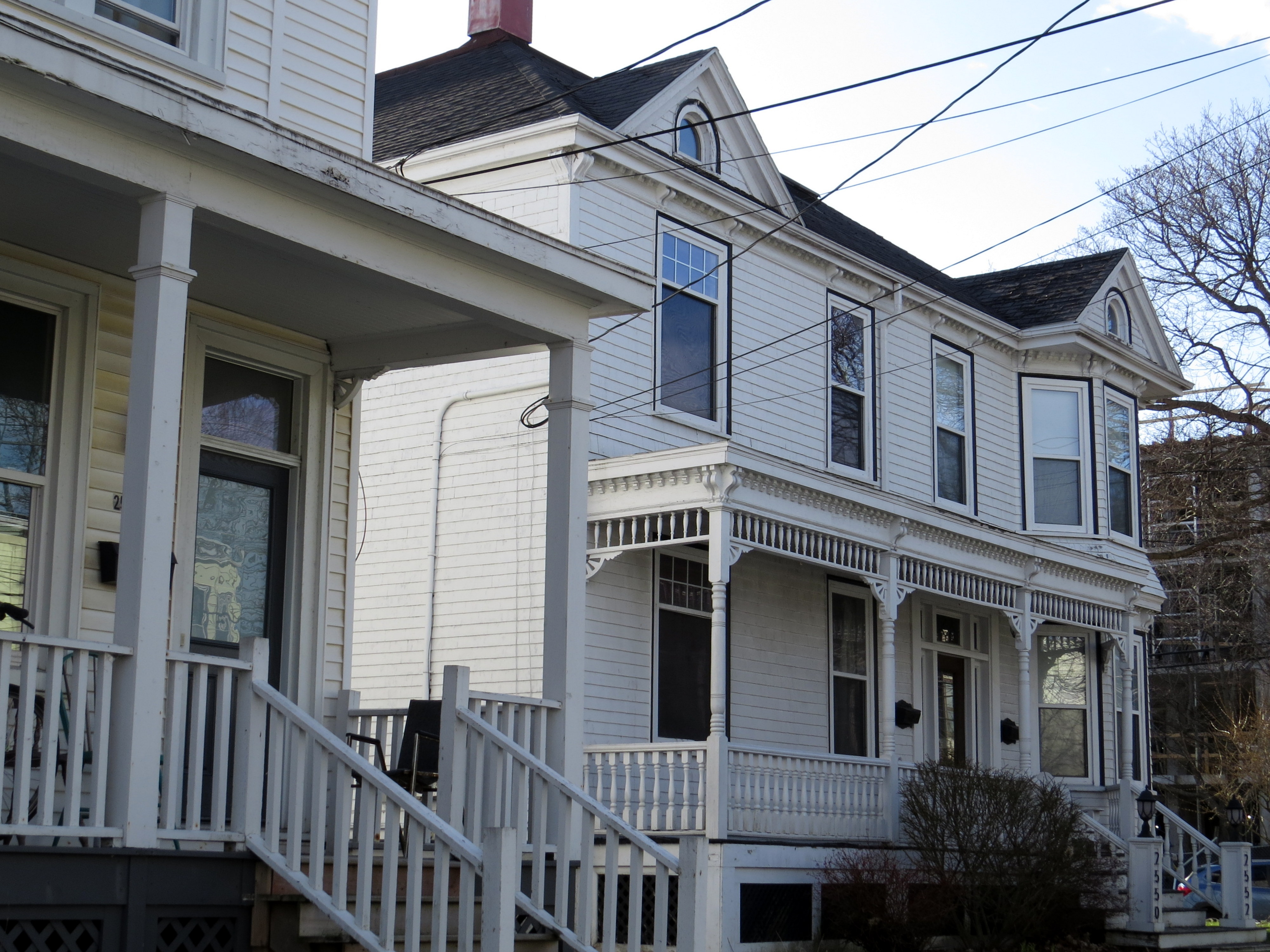
Słoneczny dzień wiosny w Halifaksie w Kanadzie. Czas dobry na spacer down the memory lane … Smutny trochę, bośmy prawie wczoraj razem tymi uliczkami chodzili, a dziś sam. Ale i ciepły właśnie przez to, przez ten szalik wspomnień. Więc chodziłem tymi barwnymi uliczkami uroczych drewnianych domków prowadzących do uniwersyteckiego campusa i dalej do Public Gardens. Tam, gdzieśmy razem lubili zachodzić na spacery, na kawę, czasem na koncert ‘pod chmurką’. Pierwsze krokusy kwitły. Na końcu podjechałem pod budynek ‘Berkley’ – miejsce Twojej pracy i ludzi, mieszkańców i pracowników, którzy tak cię lubili i tak serdecznie pożegnali, gdyś odszedł w swoją gwiezdną drogę. Byli mi w tamtych okrutnych dniach wielką podporą. Więc chodząc po parku, po tych uliczkach – nie chodziłem sam. Byłeś obok mnie. Prawie mogłem cię dotknąć. Z dala od trurystycznego centrum, uliczki i lokalni mieszkańcy mają bardzo sympatyczny zwyczaj kłaniania się sobie, pozdrawiania innych przechodniów. Bardzo to lubię. Te krótkie ‘hay’ z uśmiechem na twarzy lub czasem dłuższe ‘how are you’. Kłaniałem się też ze szczerym uśmiechem i odpowiadałem ‘co za uroczy dzień dziś’. I był uroczy. Kiedyś będzie mi brakować tego sympatycznego witania się z nieznajomymi, jakby wszyscy byli sąsiadami zza ściany. Z tego samego podwórka.
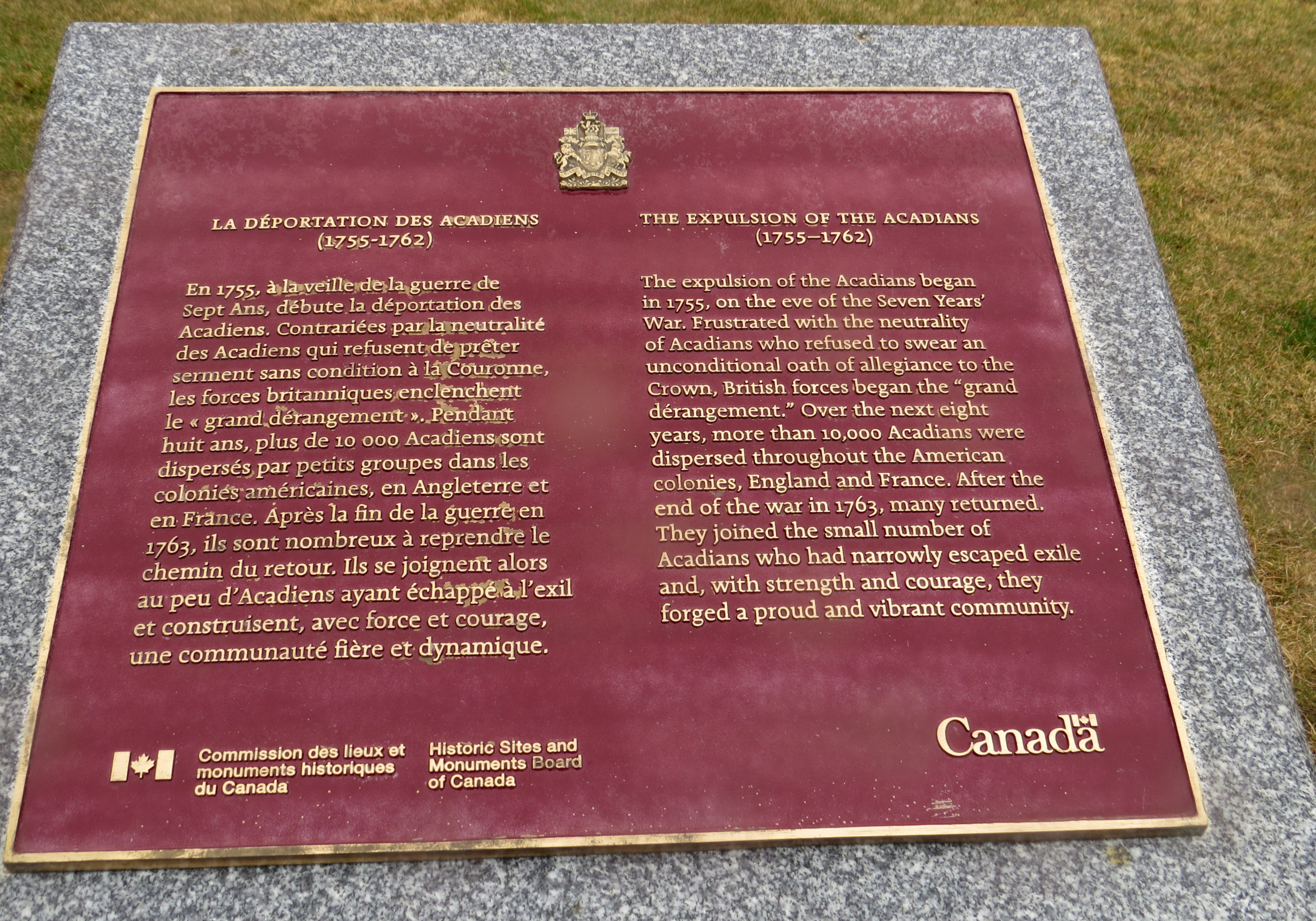
Sometime during the seven years (1755-62) of mass deportation of all Acadians from Nova Scotia to Louisiana, a girl called Evangeline was deported, too. Whether her existence was a historical fact or a result of a mythical romantic story of love and death – we will never know. But we know that many ‘Evangelines’ must have faced that tragic fate. A story as old in the annals of literature as any tragic love story going back to times immemorial. When young lovers are torn apart by powerful forces of kings, gods, and generals unmoved by any cries or tears.
I have written here more extensively about the story and its background years ago. Have traveled almost the entire length of Evangeline Trail – a route she took on her way back from her exile in the marshes of Louisiana in search of her beloved. Almost the entire Trail. Yet, there was one, pivotal one, I have not visited. We planned to go there many times with my late husband but kept postponing it for various and absolutely mundane reasons. And a time came when my story become also a story of love lost and constant searches of memories of that love…
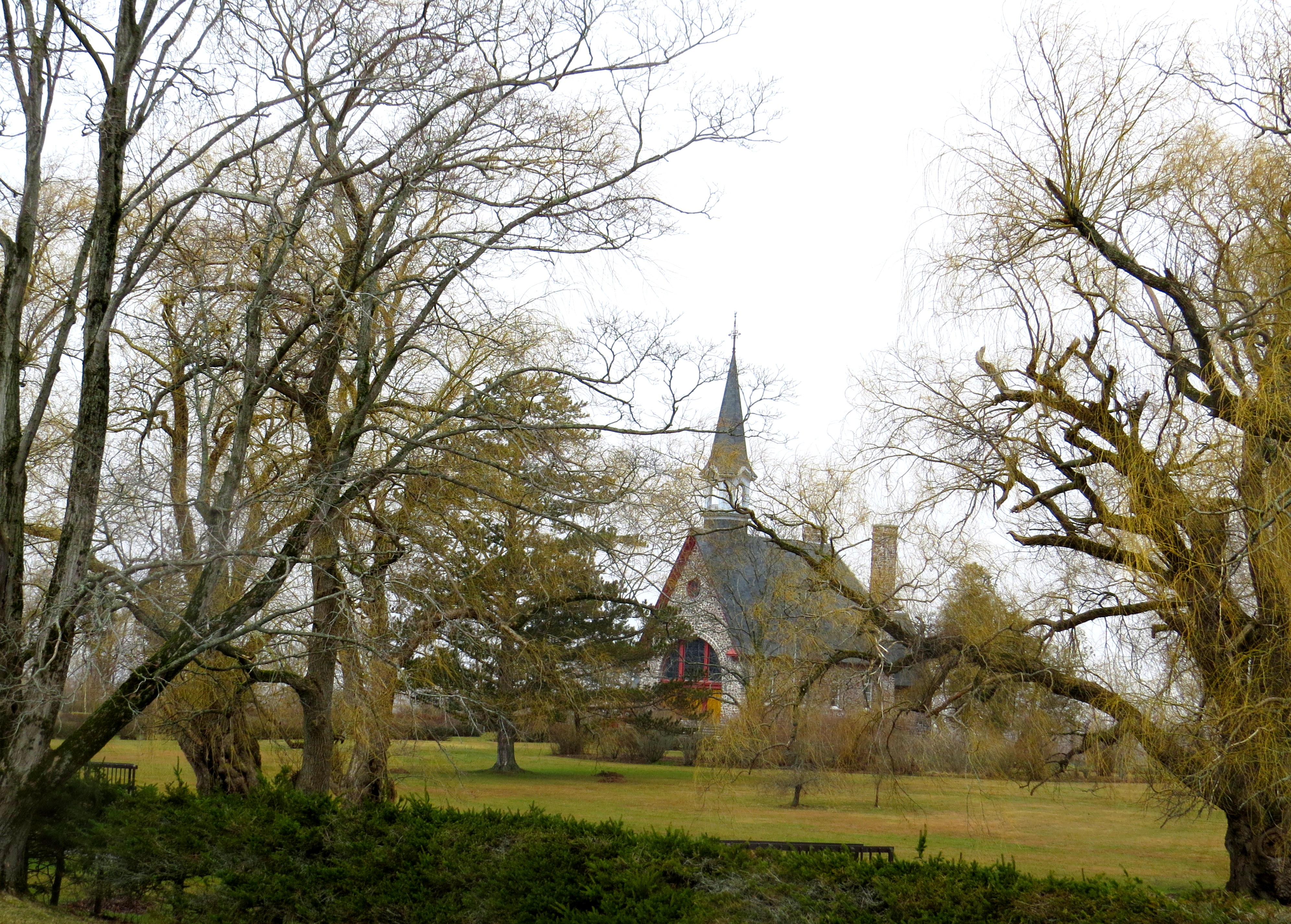
The other day, on a cold, wet, and windy Easter Saturday I went to the last spot, the pivotal spot, where Evangeline’s story began – to the little old town of French Acadian settlement of Grand Pré in Annapolis Royal Valley, close to quaint little town of Windsor.
The story was immortalized by no one other but the supposedly great American romantic era poet Henry Longfellow, who published “Evangeline. The tale of Acadie” in 1847. Never was an admirer of Longfellow’s style of writing and his literary testament. On the contrary, I see him rather as a mediocre talent. But the story achieved great popularity in the late XIX and the first half of the XX century. At a time of no television and relative seclusion of small towns in Main, USA and Maritime Canadian provinces of New Brunswick, Nova Scotia, and Prince Edward Island. It was read by many generations. And thus literature became a fact and a legend was born. Like in ancient Greece.
I first became aware of the story more than 30 years ago, sitting in the foothills of Kananaskis Country, in my in-law’s home in Priddis, Alberta. Thousands of kilometers from the Atlantic. A wonderful great aunt Theresa Cormier was just visiting, a dame of different epoch, sister of my mother-in-law’s mom – Mimi McDonald de domo Cormier. Mimi and her sister Theresa came to Pictou in Nova Scotia from a French-speaking Isle de Madelaine on the St. Lawrence Waterway in Quebec. In her youth, she loved the story of Evangeline and read it many times. We talked about the romantic-era poets and as a result, I got from her the Longfellow poem and an old print of a small album of black and white photography of places and the journey of Acadians and Evangeline’s exodus. A little old printed album called “Evangeline Land” containing no text, but a lot of very old photographs of the entire western shore on Nova Scotia associated with the history of the Great Exodus – the military expulsion of Acadians (French-speaking and mostly loyal to their French king) from their settlements in Nova Scotia. What you would call today – an ethnic and political cleansing.
The day was not pleasant. Windy, and very wet. Nonending drizzle of snow and rain. I thought it was very appropriate for the occasion – somber, sad, cold. That’s how it must have felt for the Acadians when they were first beaten down in a surprise attack of the English. And how it must felt when ‘Evangelines’, their families were being expelled by ships from their homes.
Of course, it has a truly epic ending – tragic and glorious in Evangeline’s finding of her beloved Gabriel only to give him to the Death itself. But – to the defense of Longfellow and so many other authors of tragic love stories – love could be a bit perverted. Especially truly great love. The death of one of the lovers is followed by years, if no lifetime, of unspeakable despair and suffering. As if gods would whisper with irony – I will answer your prayer and give you great love, but be aware that the price for it is very high …
Dawno, dawno temu, za górami, za lasami (i tu należy dodać: za oceanami), żyła biedna wiejska dziewczyna, Akadyjka o imieniu Ewangelina. Akadyjczykami nazwano kolonistów francuskich w części Nowej Francji (marzenie króla Ludwika), którą właśnie tak nazwano: Akadia. Ewangelina mówiła naturalnie tylko po francusku. I zakochała się w młodym chłopaku, też Akadyjczyku, Gabrielu.
Ale zaraz po Francuzach w Akadii znaleźli się żołnierze brytyjscy. Ich król też marzył – tyle, że nie o Nowej Francji a o Wielkim Imperium, brytyjskim naturalnie. I zaczęli wzajemnie się przepędzać, strzelać do siebie. No i Anglicy nie chcieli nazywać Akadii ‘Akadią’ a nazwali Nową Szkocją. Nowa Francja, Nowa Szkocja. Strach pomyśleć, gdyby jakiś niemiecki Wiluś zapragnął też kawałka tego Nowego Świata, bo jakby on to by nazwał? Nową Germanią? Może Walkirią? Aż strach się bać, LOL. Ale było, jak było. Więc ci brytyjscy wojacy jednak przeważyli militarnie. W dużej mierze de facto nie potęgą brytyjskiego garnizonu, co wojnami w Europie (między innymi pod Sewastopolem, tak tym krymskim). Nic lub bardzo pewnie niewiele o tym wszystkim wiedzieć mogli młodzi kochankowie, Ewangelina i Gabriel.
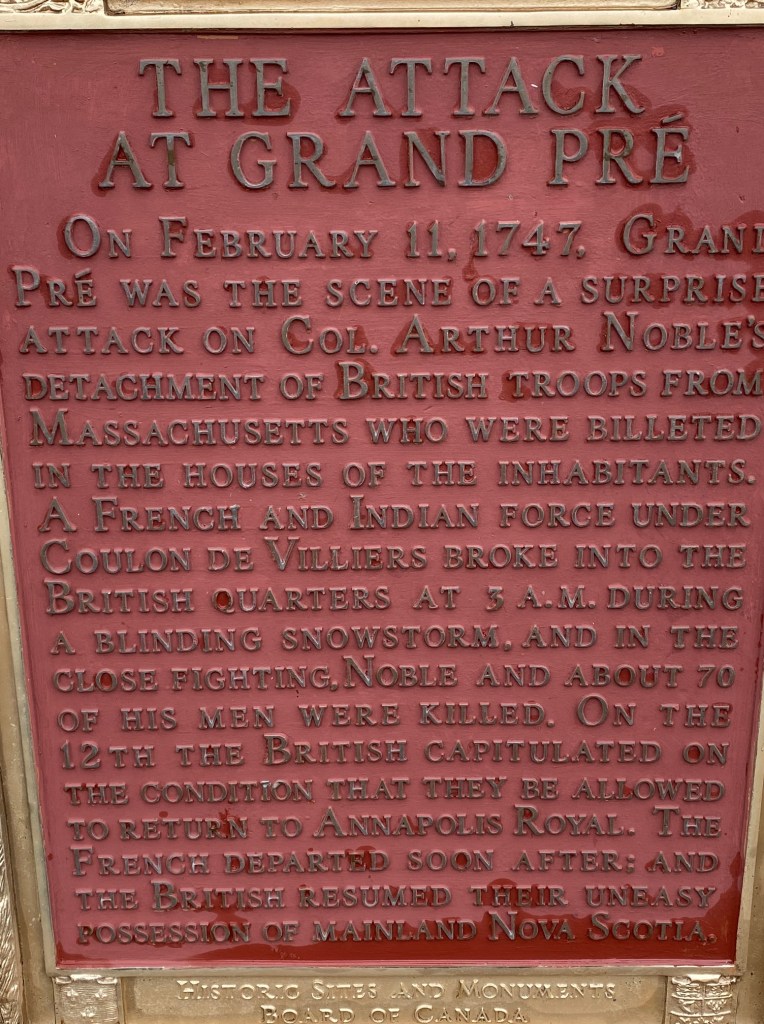
Najpierw ich osadę w Grand Pré w Annapolis Valley zaatakował oddział żołnierzy brytyjskich i wybił wielu mieszkańców. W krótkim czasie lokalny rząd Nowej Szkocji zdecydował pozbyć się kłopotu z Akadyjczykami i podjął decyzje ich deportacji do odległej, obcej Luizjany, tysiące kilometrów na południu kontynentu. Taki los spotkał Ewangelinę i właśnie z Grand Pré ta masowa deportacja statkami się odbyła. Gabrielowi cudem jakimś deportacji udało się ominąć. Ale Ewangelina nigdy o wielkiej miłości nie zapomniała. Po latach i zapewne po heroicznej i strasznej wędrówce – wróciła do Nowej Szkocji. Z miejsca, gdzie wyladowała odbyła bardzo długą drogę pieszo lub przygodnie spotkanymi furmankami ze wschodniego wybrzeża Nowej Szkocji na zachodnie. Dotarła w końcu do Grand Pré. Jej ukochany dalej tam mieszkał. Ale radość była krótkotrwała. Gabriel był już ciężko chory, na śmiertelnym łożu. Miała jeszcze czas by złożyć na jego ustach gorący pocałunek.
Czy tą historię stworzył z własnej weny artystycznej Henry Wadsworth Longfellow, czy też spisał zasłyszane od innych wydarzenia, jakie faktycznie miały miejsce – któż dziś wiedzieć może na pewno? I czy to ma znaczenie? Nie, nie ma. Fakt jest faktem, że w przeciągu kilku krótkich generacji poemat Logfellowa zyskał olbrzymią popularność. Były to czasy wszak przed telewizją, radiem nawet i masowymi gazetami. O Facebooku nie wspomnę. Ludzie długimi wieczorami czytali książki. A w Nowej Szkocji i Nowym Brunszwiku naturalnie czytano to bodaj jak Biblię. Wszak to ich historia, ta Ewangelina i Gabriel to ich dzieci, z ich osad i miasteczek! W dodatku napisana przez takiego wielkiego i znanego poetę, jak amerykański Longfellow!
Ja trochę zawsze na przekór – historia piękna zaiste, romantyczna. Longellow był bezwzględnie znanym poetą – nigdy bym go do grona wielkich romantyków nie dodał jednak. Ponoć był pod dużym wrażeniem twórczości Adama Mickiewicza – ale Mickiewiczem ani amerykańskim ani kanadyjskim nie był w jakimkolwiek względzie. Tak, znał warsztat wersyfikacyjny dość porządnie. Więc bez wątpienia był dobrym rzemieślnikiem. Dość na ten temat.
Ja jego poemat i historię Ewangeliny znam od blisko 40 lat. Mieszkałem wówczas w Albercie, pod Calgary. Na farmie wynajmowanej przez rodziców mego męża, u podnóża pasma Kananaskis w Górach Skalistych. Siedzieliśmy bodaj na werandzie tej farmy i prowadziłem ożywioną rozmowę z uroczą damą poprzedniej epoki – ciotką Teresą. Ciotka Teresą Cormier była siostrą mamy mojej teściowej, Mimi MacDonald de domo Cormier. Obie siostry pochodziły z francuskojęzycznej wyspy Madelaine na rzece św. Wawrzyńca. I obie już tam, nim osiedliły się w Nowej Szkocji, rozczytywały się w poemacie o Ewangelinie. Ciotka Teresa była absolutnie zdeterminowana, że prześle mi poemat Longfellowa i że musze go przeczytać. Co zrobiła po powrocie do Nowej Szkocji. A kiedy widziałem ją po raz ostatni, podczas ciężkiej wizyty w Nowej Szkocji w roku 2000 ( ostanie tygodnie życia jej siostrzenicy, a mojej kochanej teściowej, Leony) obdarowała mnie jeszcze swoistym ‘białym krukiem’ – wydanym przez fotografa A. L. Hardego z Kenville w Nowej Szkocji, małym, czarno-białym albumem fotografii miejsc związanych z przypuszczalnymi miejscami w Nowej Szkocji i Nowym Brunszwiku, związanymi z Akadyjczykami i Ewangeliną z Gabrielem[i].
I ten właśnie skromny album zdjęć, w dość podniszczonej okładce, towarzyszył mi ostatniej soboty w drodze do miejsca, gdzie Ewangelina spotkała się ostatni raz ze swoim ukochanym. Sobota była dniem podłej pogody. Wietrznie, padał gesty drobny śnieg z deszczem. Wszystko było szare, smutne. Mieliśmy do tego miejsca przyjechać razem, ja i mój ‘Gabriel’ – John. Objechaliśmy razem całą Trasę Ewangeliny (Evangeline Trail). Planowaliśmy pojechać naturalnie i tam, do tego Grand Pré. I zawsze jakaś rzecz zwyczajna wypadała, że odkładaliśmy na dzień następny. Aż nadszedł czas, że już tego dnia zabrakło. Już pojechać razem nie mogliśmy. Tak, jak mimo wszystko w tych romantycznych lub antycznych historiach wielkiej miłości. Kończą się zawsze tragicznie. Im większa, im głębsza – tym ból i strata niewyobrażalne. Jakby bogowie faktycznie zazdrościli nam tego owocu, jakby szeptali uśmiechając się ironicznie: nie proś o rzeczy wielkie, bo może cię nimi obdarujemy ale za wielką cenę, która może być zbyt dla ciebie – człowieka – wygórowana …
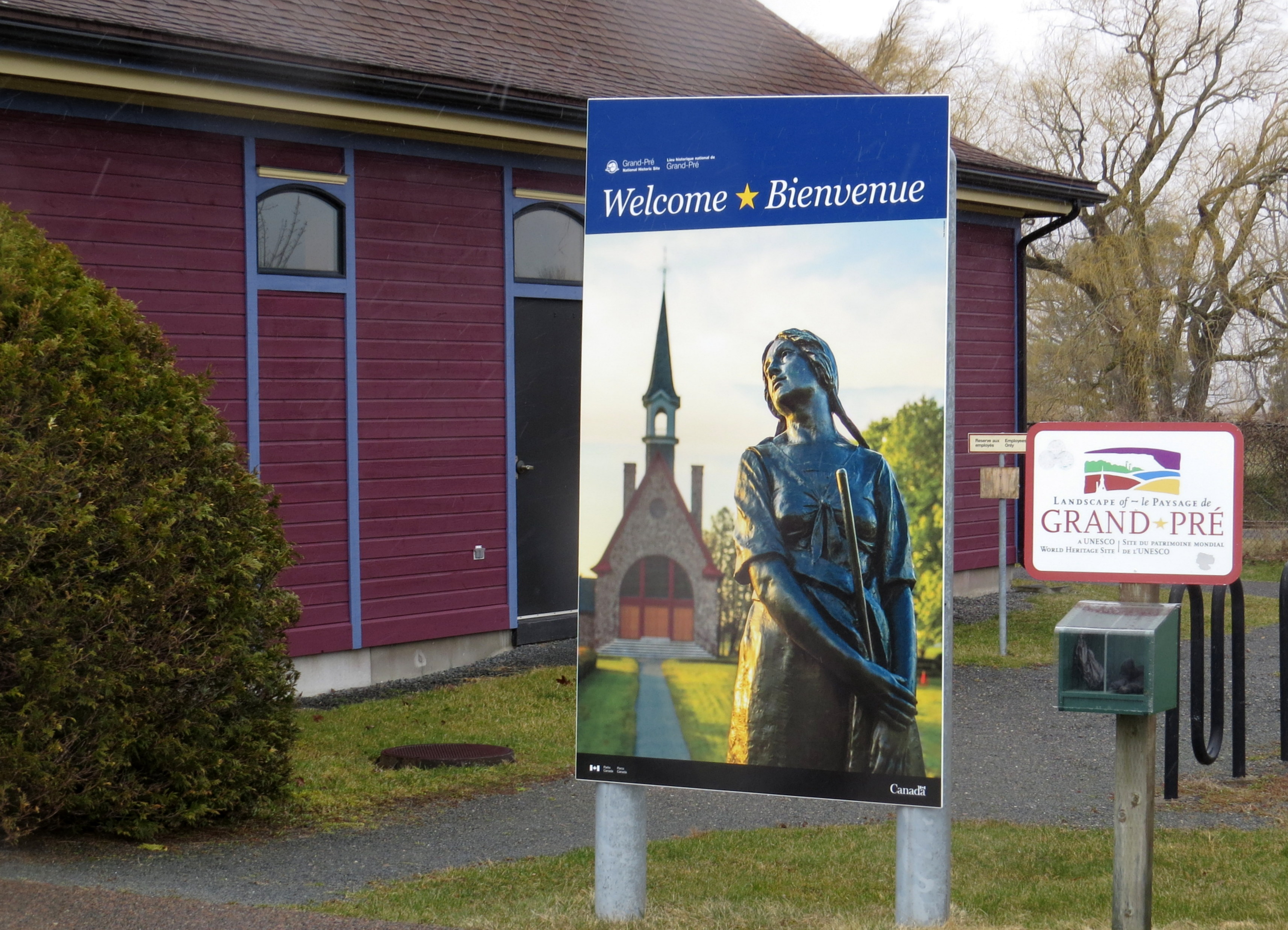
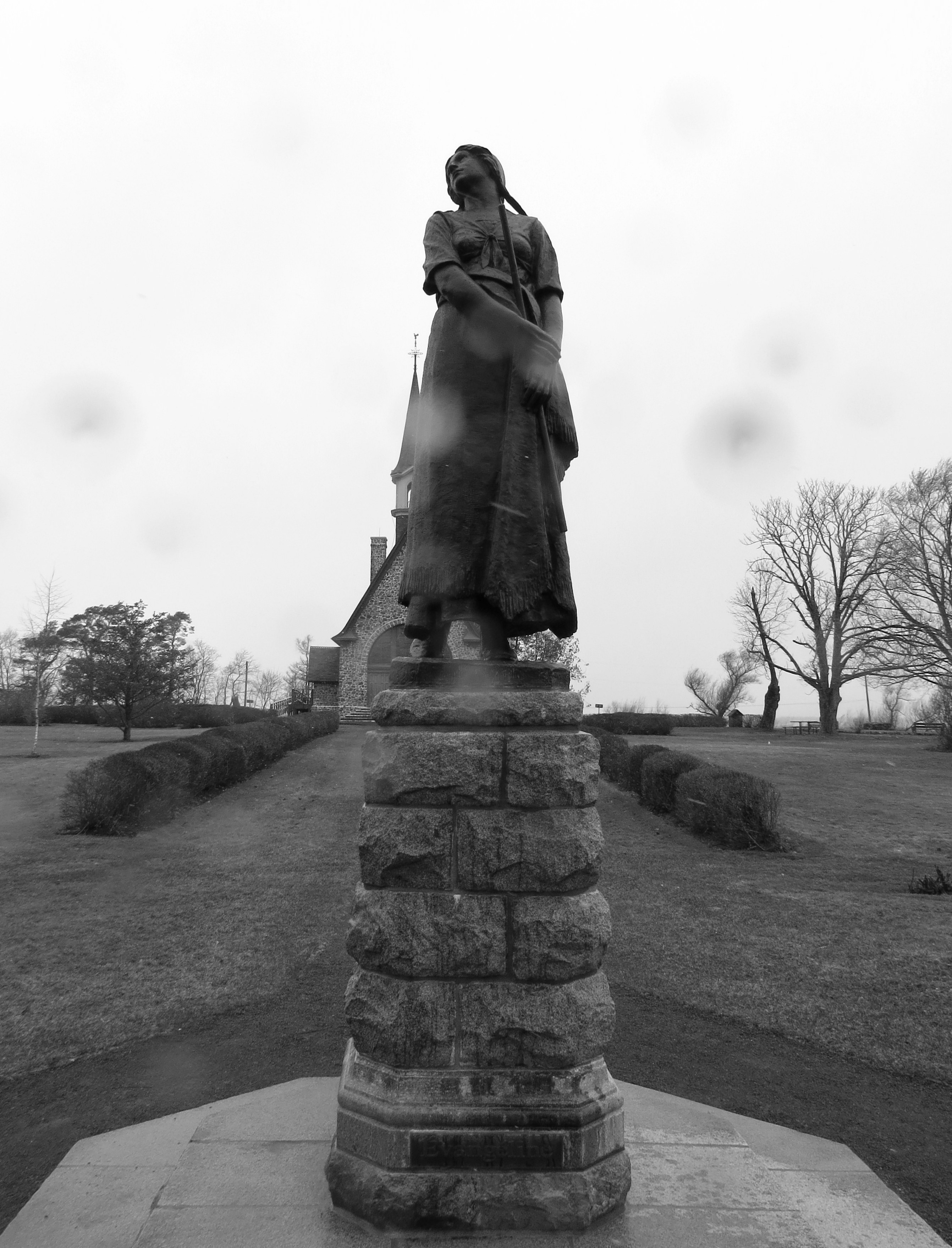
Więc byłem w tą zimną, mokrą sobotę tam. I było mi dobrze, że taka podła pogoda, że żywej duszy w parku przy tym kościółku nie spotkałem. Był tylko duży pomnik Evangeliny wypatrującej w dal. Za znajomym brzegiem? Za Gabrielem?
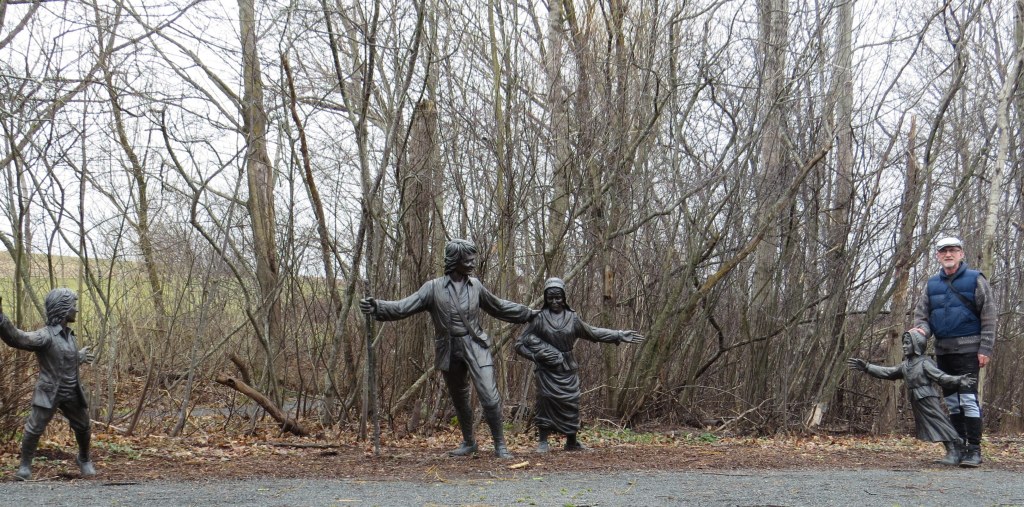
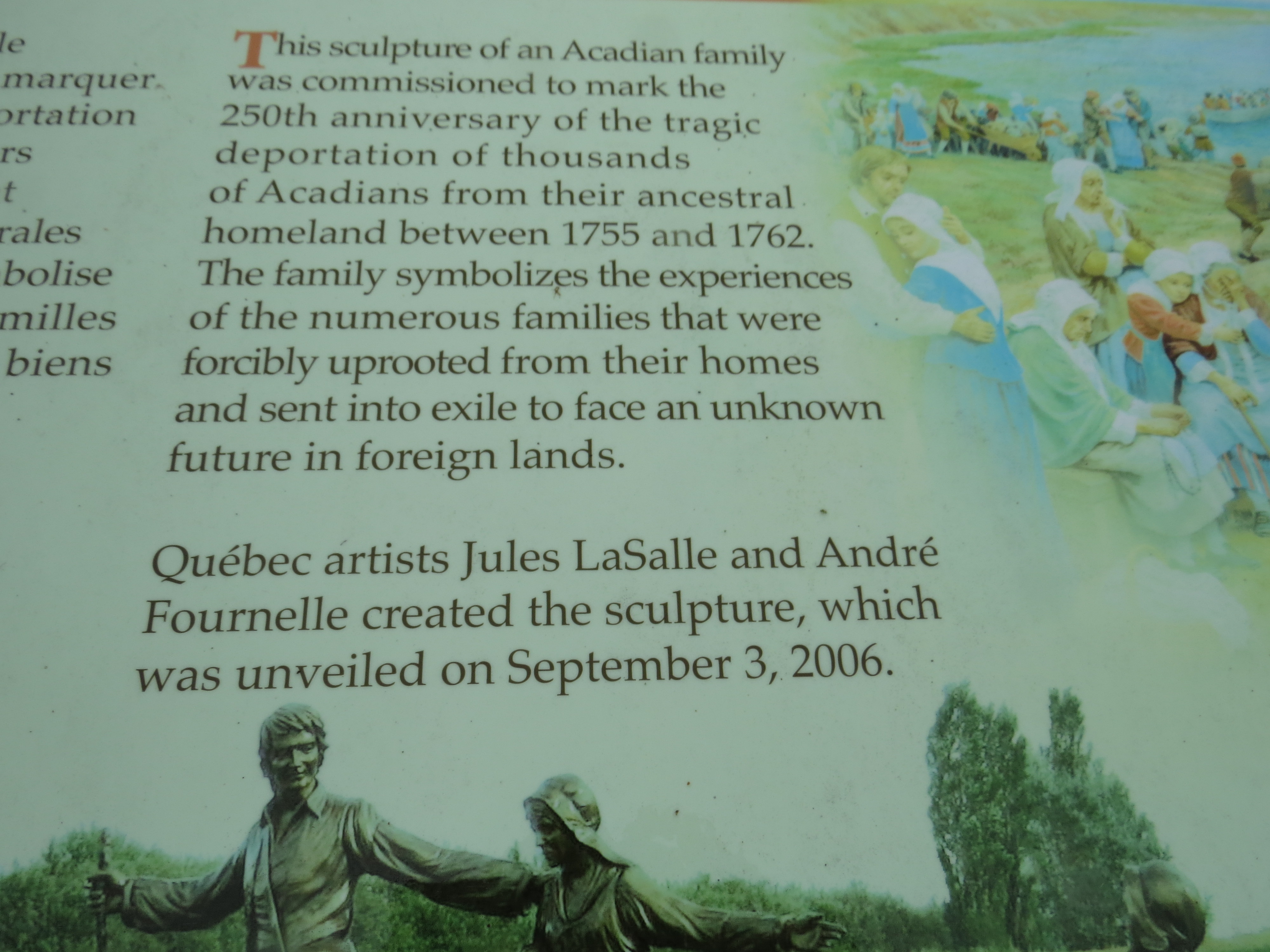
I był obok, w drugim małym parku, wiele mówiący inny pomnik: kamienna grupa, rodzina – wypędzeni ze swych domostw Akadyjczycy pospieszani do wejścia na statek, którym miał ich wywieźć w jakiś ląd odległy, nieznany … Ostatnia w grupie była mała dziewczynka, bez zastanowienia się dlaczego i po co podszedłem i położyłem rękę na jej małej kamiennej główce. Chciałem powiedzieć: nie martw się, wszystko będzie dobrze, poznasz tam inne fajne dzieci. Naturalnie, że kłamałem. Zawsze w takich sytuacjach kłamiemy, bo nie wiemy co powiedzieć. A królom i prezydentom jest to kompletnie obojętne – przecież mają cały świat na głowie, więc gdzież mieliby czas by zająć się jakąś jedną małą dziewczynką?!
[i] Hardy A.L., „The Ewangeline land made famous by the expulsion of the Acadian farmers by the British Government on account of their fidelity to their French King, and afterward immortalized by Longfellow, an American poet.; oocihm.64903 (numeracja ‘oocihm’ stosowana zanim wprowadzono system ISBN), r. ok 1899; s. 76
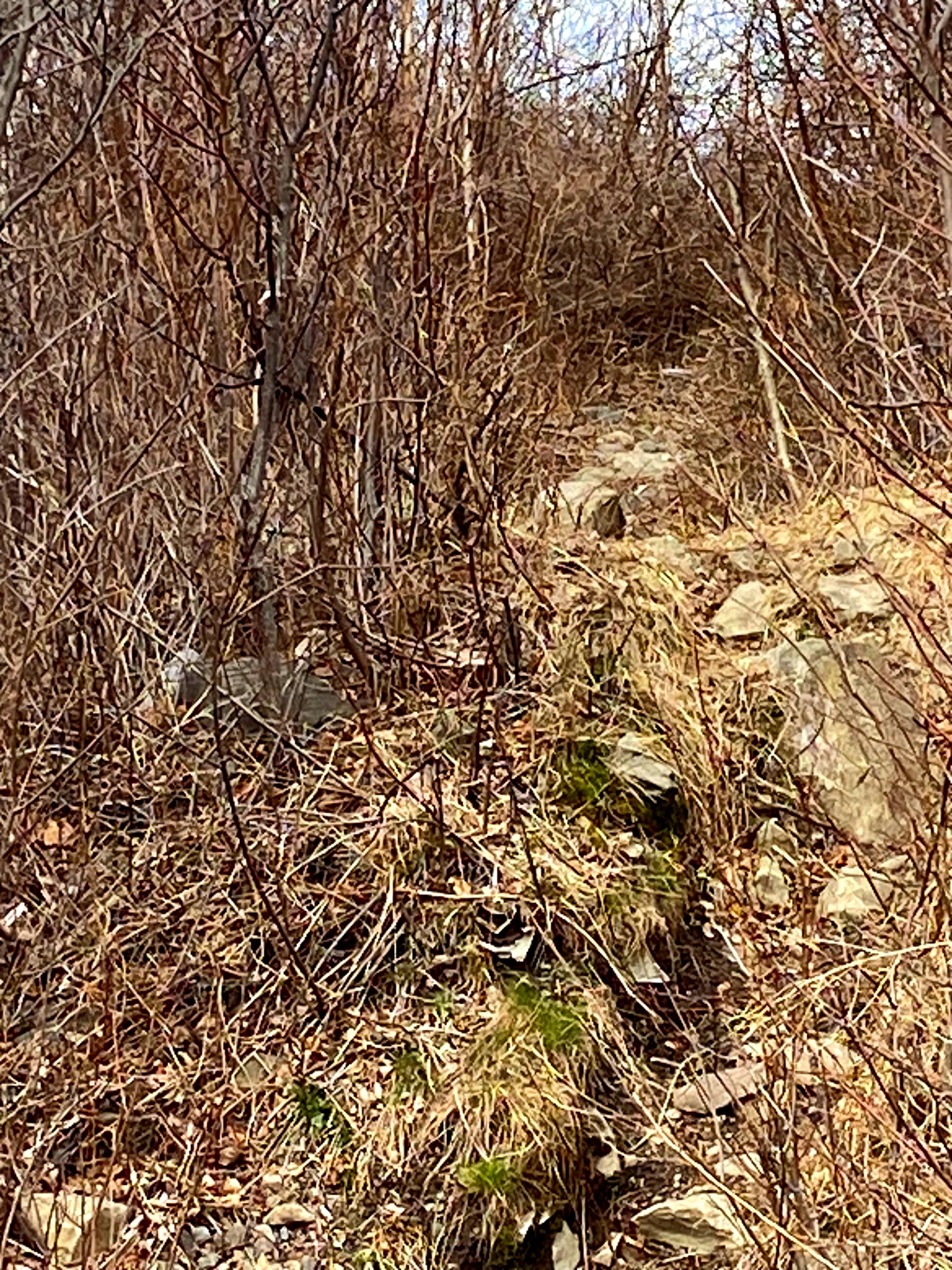
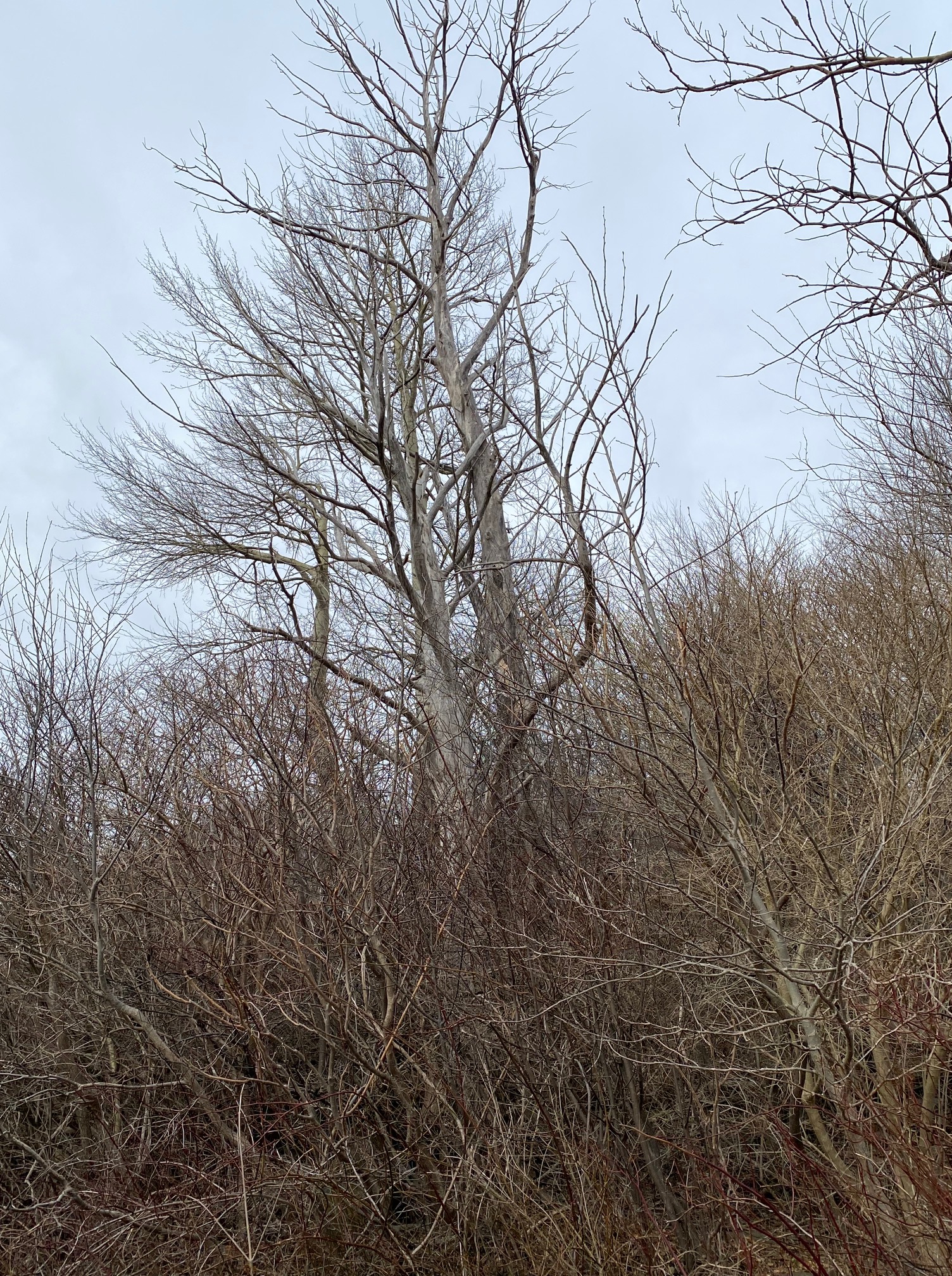
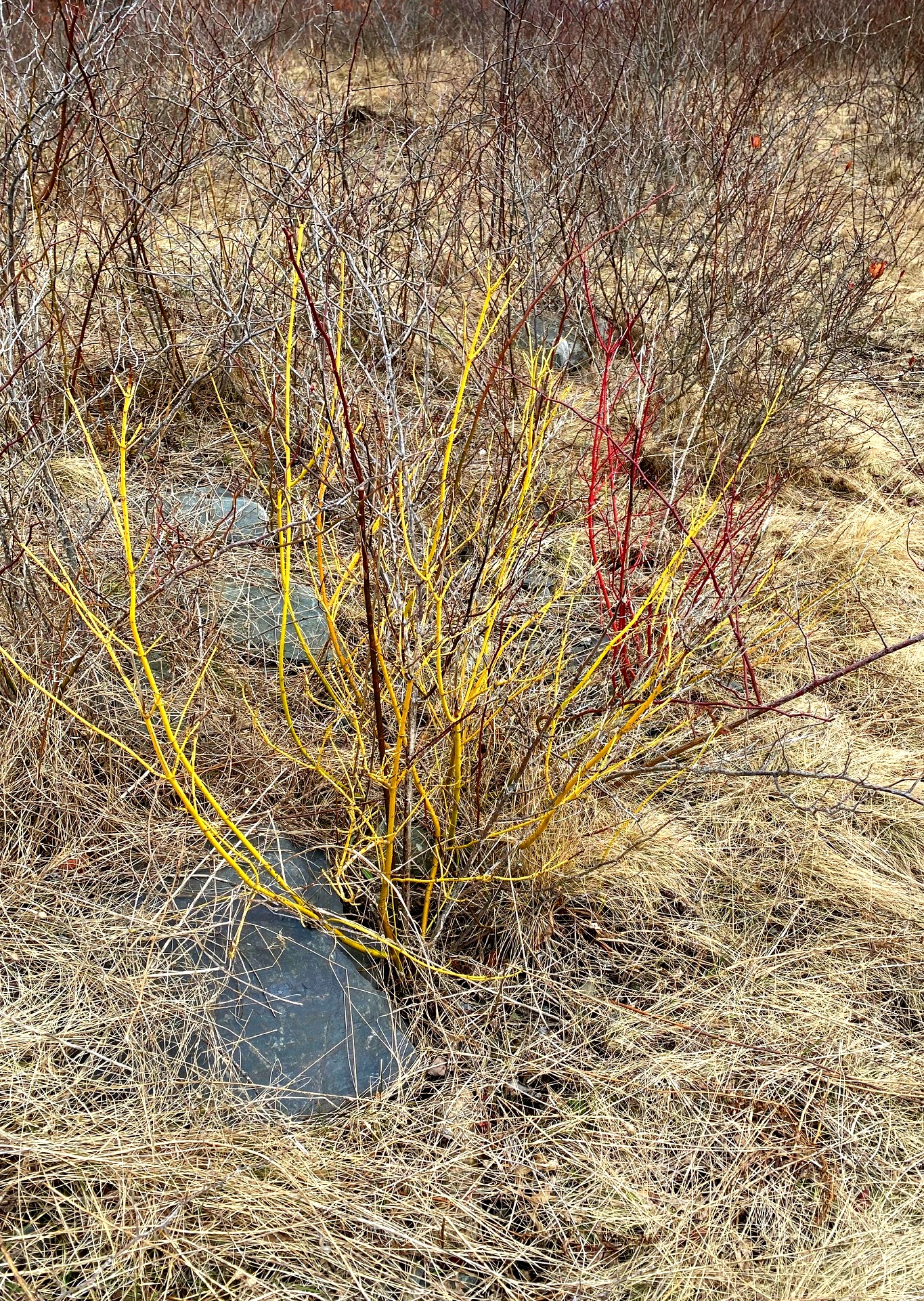
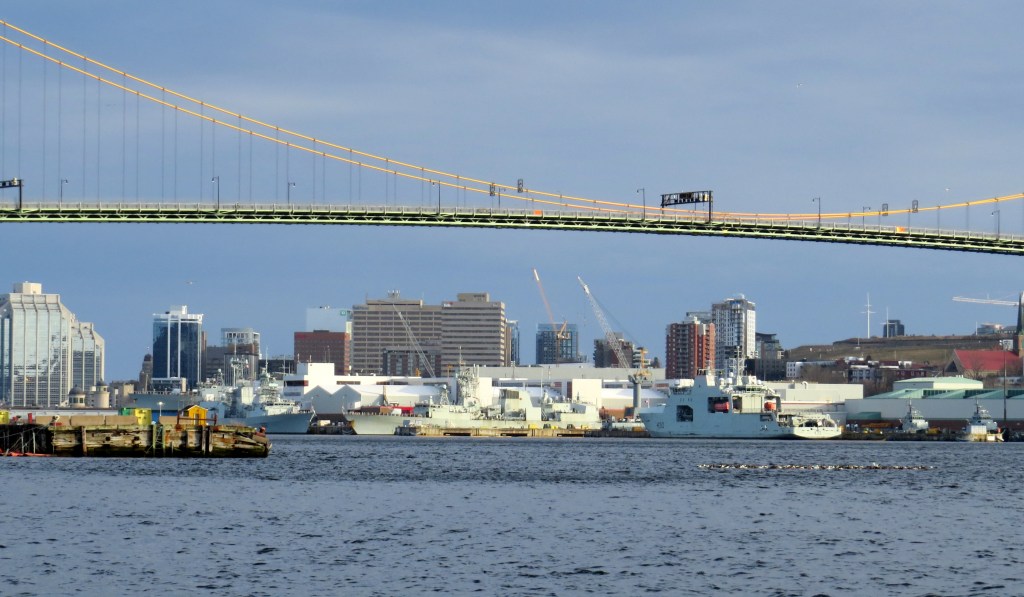
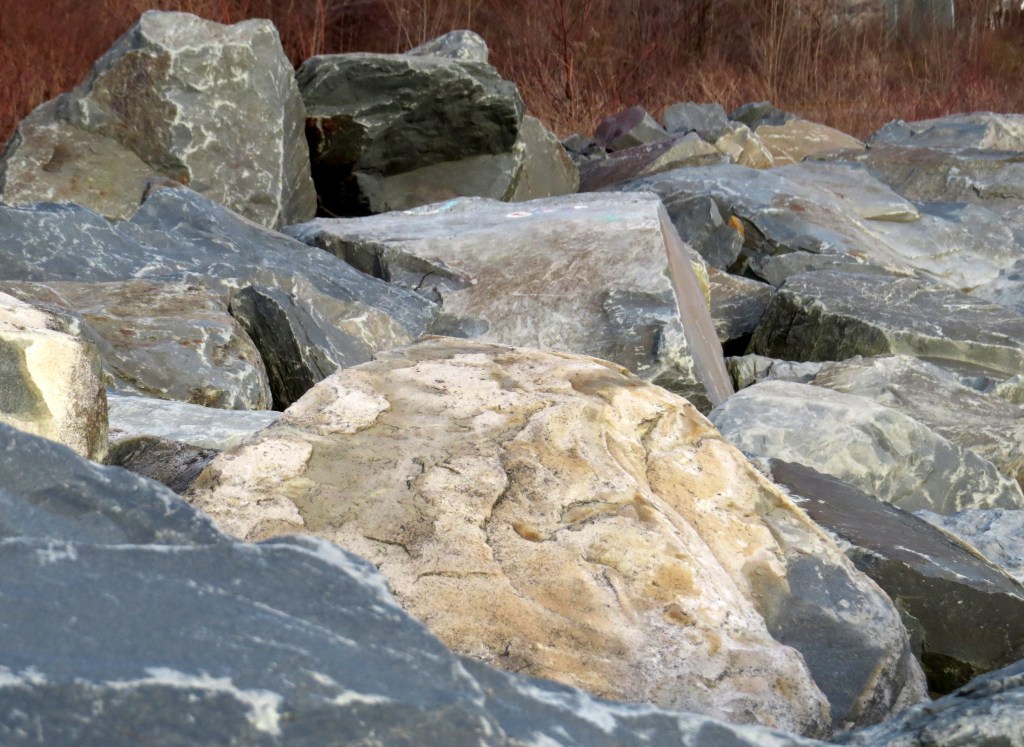
Ostatnie być może tygodnie moich spacerów dziennych i nocnych od tylu już lat trasą głazów i krzewów między torami a wodą Kanału Bedfordzkiego, jaki ooddziela Halifaks od Dartmouth. Znam tu każdą krzewinę i kształt każdego bodaj kamiennego wielkoluda. Mam kamienne fotele, gdzie przy dobrej pogodzie siadać lubię i czytać, myśli spisywaś w kajecie, pstrykać portrety wody i nieba wzajem się przeglądające w sobie. Moje Kamienie. Niemi świadkowie moich radostek i mojego odchodzenia od świata.
It seems as if my almost daily walks – and nightly, too – on that familiar trail of rocks and shrubs squeezed between train trucks and waters of Bedford Channel are coming to an end soon. I know here every tree, every shrub, and shape of almost all the rocky giants. They form my rocky sofas, and armchairs, where I sit and read, gather my thoughts, and write them down in my notebooks, take pictures of the two solitudes: water and sky observing each other. My Rocks.
They have changed, too. It was a wild paradise on the edge of town. No one land left to its own survival methods. Austere in wintertime and splendid meadow in the summer: tiny white, yellow and violet flowers, a lot of birds in them, small trees. On one side deep water – on the other, a hill taken by a glorious meadow with berries and flowering shrubs. Suddenly, after the pandemic, everything changed. No, not the nature. People changed. Garbage was strewn everywhere, pieces of broken furniture as in a landfill, even broken shopping carts. When I walk now I pretend that I don’t see it, I look the other way or at the sky. I know that come summertime the shrubs and patches of the meadow will cover a lot of it. But it makes me sad. That was taken away from me, too.
Ale moje Kamienie też się zmieniły. A właściwie zmienili je ludzie. Świat uległ wszędzie zmianie na gorsze po tej strasznej pandemii. Nanieśli śmieci, ktoś powyrzucał połamane meble, jakiś stary materac. Udaję, że tego nie widze, gdy chodzę. Na nocnych spacerach udaje się to łatwiej.
A to taki magiczny ogród niesamowitości przyrody. Na kamiennym podłożu, u skraju miasta wąska przestrzeń zamieniona wiosną i latem w bajeczne dzikie łaki. Krzewy czerwone, zielone, pachnace słodyczą dzikie róże, krzewy wysokie czerwonych jagód, kraina małego ptactwa i wron. Jest tam kilka miejsc z rzędami drobnych i niewysokich białych brzóż – brzeziny. I zaraz wspominam cudowną powieść o tym tytule starego poety, Jarosława Iwaszkiewicza. I widzę chadzających tam i Stanisława z Bolesławem, i Malwinę i może grobek Barbary.
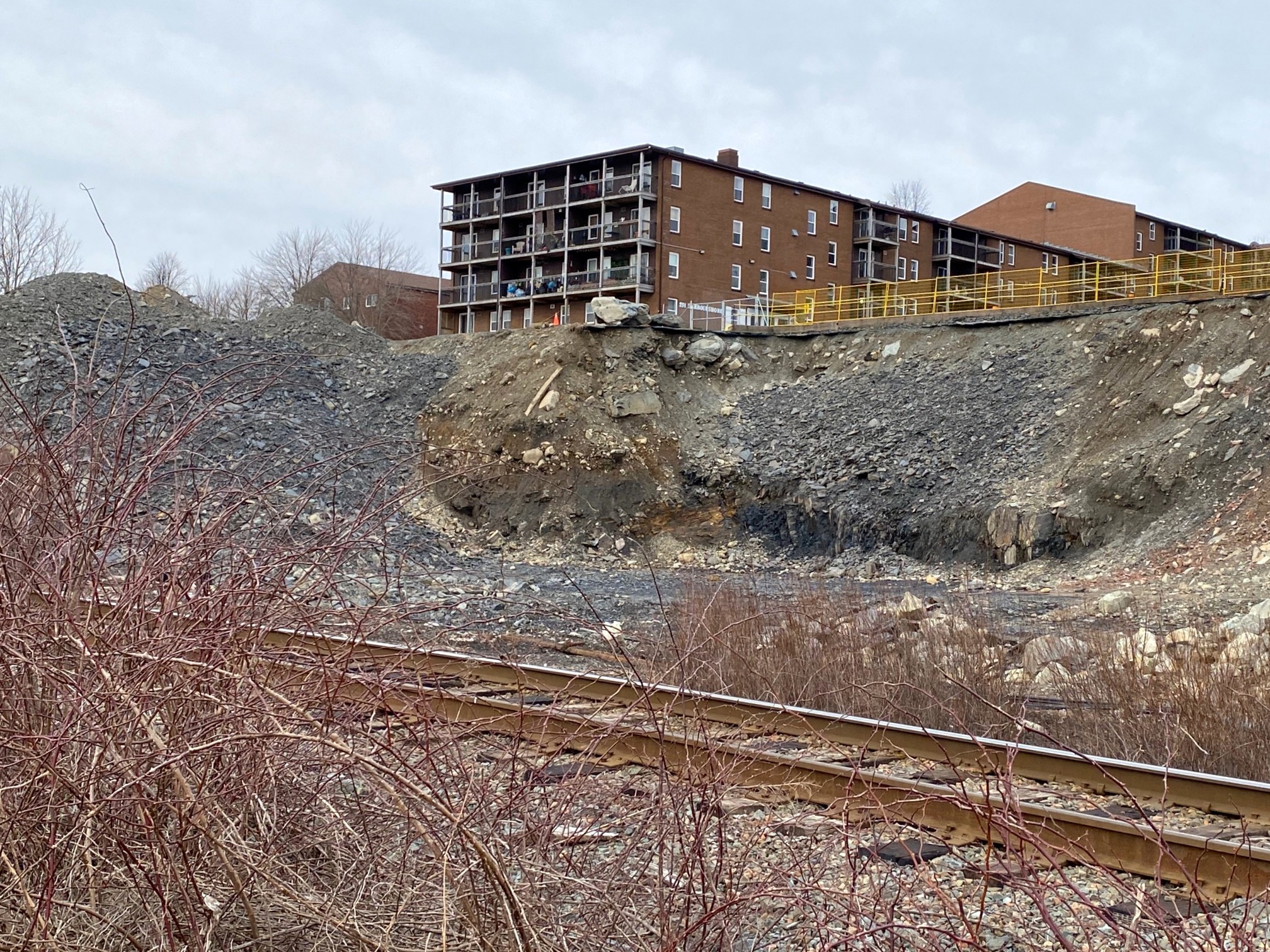
A dziś, na jednym z moich ostatnich tu spacerów? Mijam miejsce, gdzie po drugiej stronie torów, od strony miasta była po prostu niesamowita łąka. Wejść tam nie można było od dzikiej gęstwiny. A siedzieć można było przed tym zjawiskiem i godzinę, obserwując te wszystkie kolory fauny i unuszące się na nimi pyłki pszczół, ważek. Teraz przechodzę i widzę straszną jamę, straszny dól, jak lej po bombie. Maszyny wyrwały wszystko, rozkopały całe wzgórze. Będa widocznie stawiać tu domy. I pewnie drogie, bo frontem do wody i z widokiem na cały Halifaks. I zaraz na myśl przychodzą słowa z innej książki polskiej literatury, też mi bardzo bliskiej – z ‘Dzienników’ czasów wojny Zofii Nałkowskiej. Często zapis nowy zaczynała od owego: ‘i znów zaszła zmiana w polu mojego widzenia’. Zaszła.
Canadian Press is abuzz with stories about the Juno Awards, the Canadian version of US Grammy Awards. Well, not only the Press – the faithful public, too. Canadians have always been very loyal to our musical groups, and our singers. My John would have been delighted with it being hosted this year in Halifax and I would quietly bought a ticket for him a long time ago in advance of the event. He truly was a huge fan of our musical performers and knew them all. He was my teacher and my encyclopedia on this subject.
I must readily admit that I could easily name the best international operatic singers of the past hundred years. Starting with Caruso, Dame Nellie Melba from Australia at the turn of the XIX and XX century, incomparable diva Maria Callas (I am sure she is the reason the term ‘diva’ is still being used in popular culture to describe certain, shall we say, overly dramatic or tragic characters. Popular in LGBTQ circles, LOL. Even someone as timid and demure as myself was called that by few …. I know, hard to believe, LOL); great Joan Sutherland, Montserrat Caballe – forever associated in my memory with her wonderful performance with Freddie Mercury in their duet “Barcelona’, of course also Pavarotti, Domingo and Carreras – the original ‘three tenors’; Polish Ada Sari and great Teresa Żylis-Gara; our own Canadian mezzo-soprano Judith Forst, and Ben Heppner. Enough of that, otherwise I will never stop. But ask me the same about pop music names – the list might not be as long. I didn’t have to remember their names – I could just ask John! He shared that affection for popular music with his brother Roger, who is a good DJ’ and had his share of playing in the clubs. The two of them could talk about current music for a long time – and they did.
But back to business at hand – the Juno Awards in Halifax. The city is abuzz about it. Who and why should win and who shouldn’t. No, I will not tell you. That is a taboo to talk about rumors like that. You will find out in a few hours. Maybe you did already.
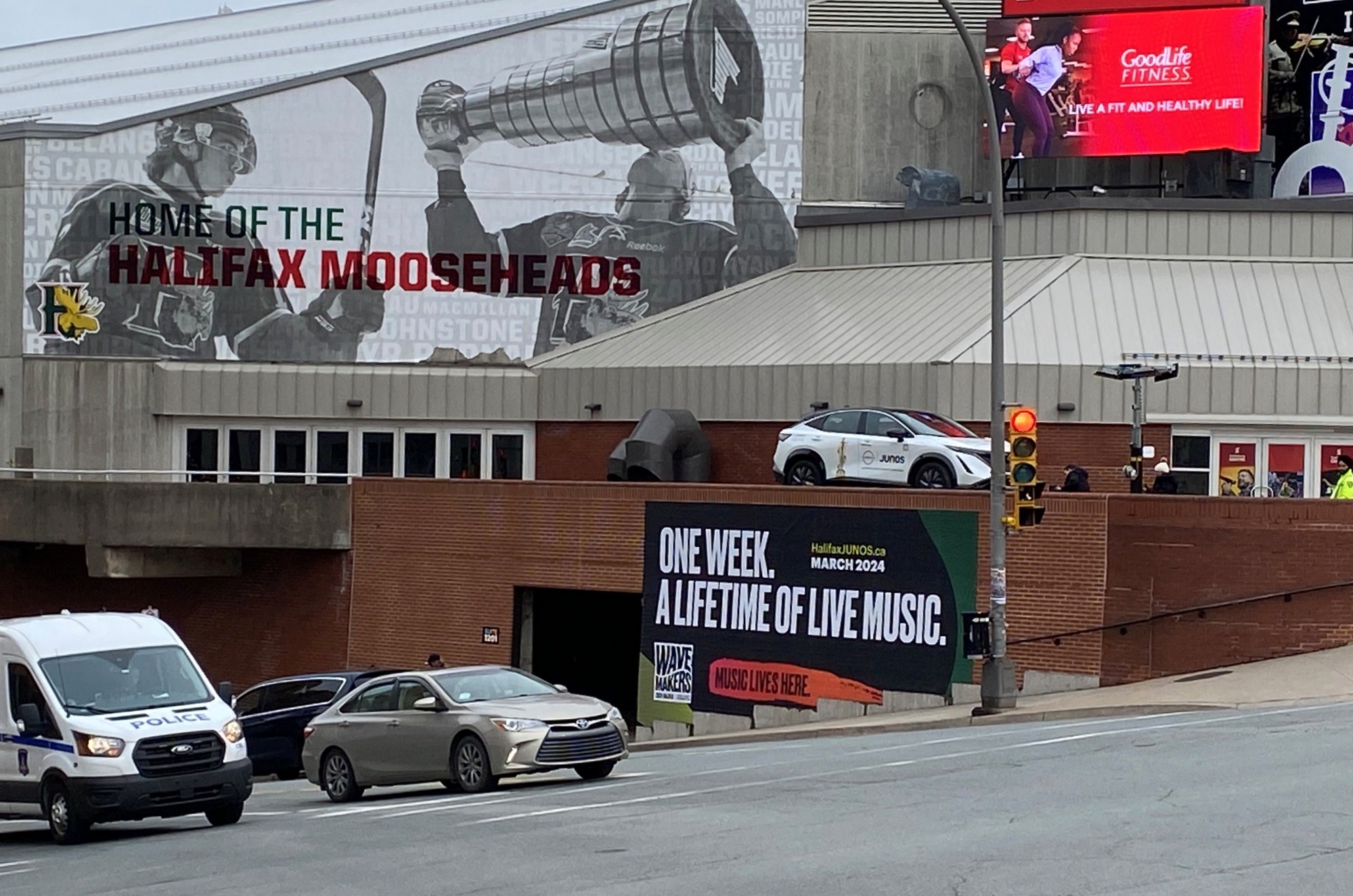
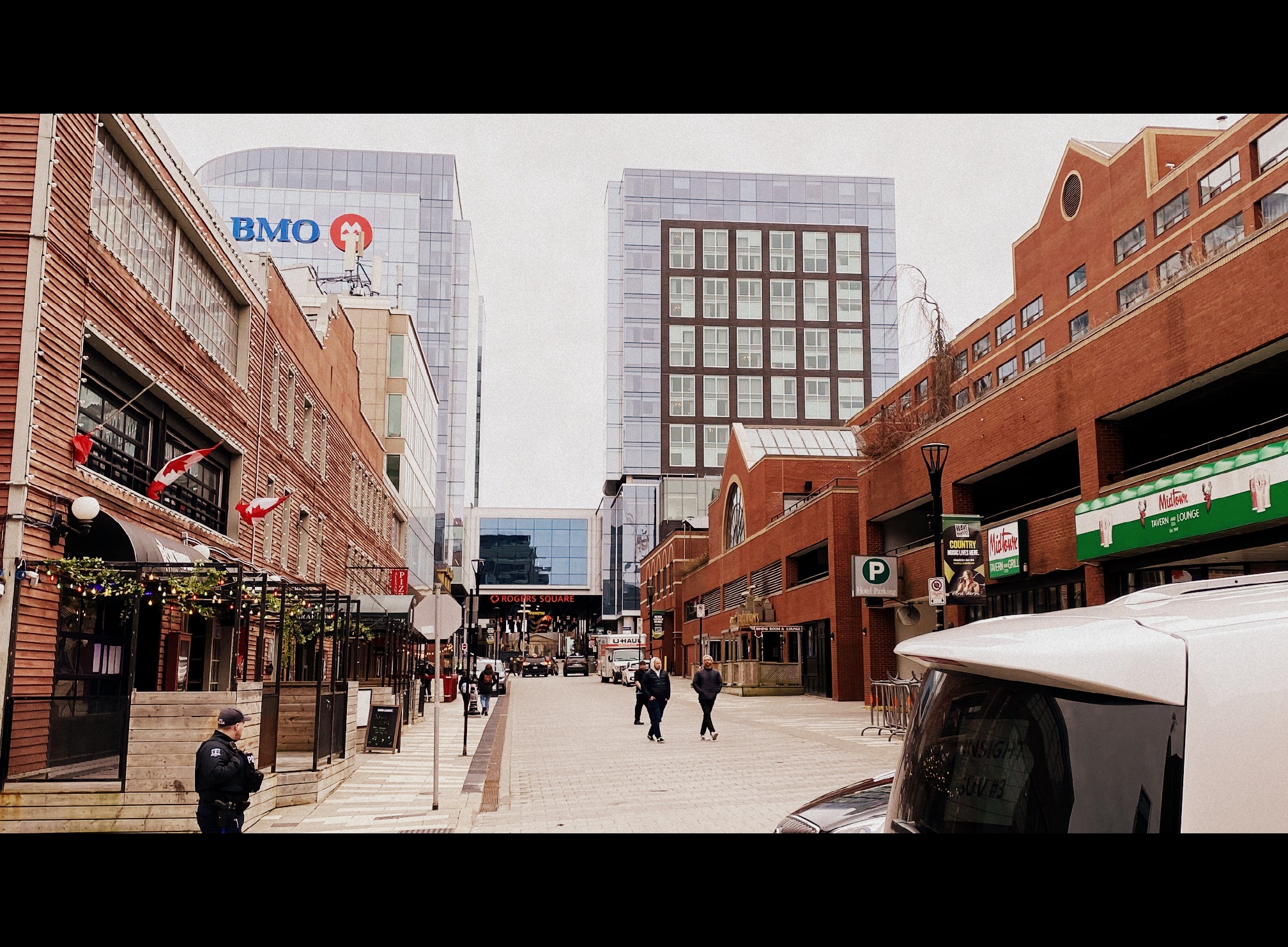
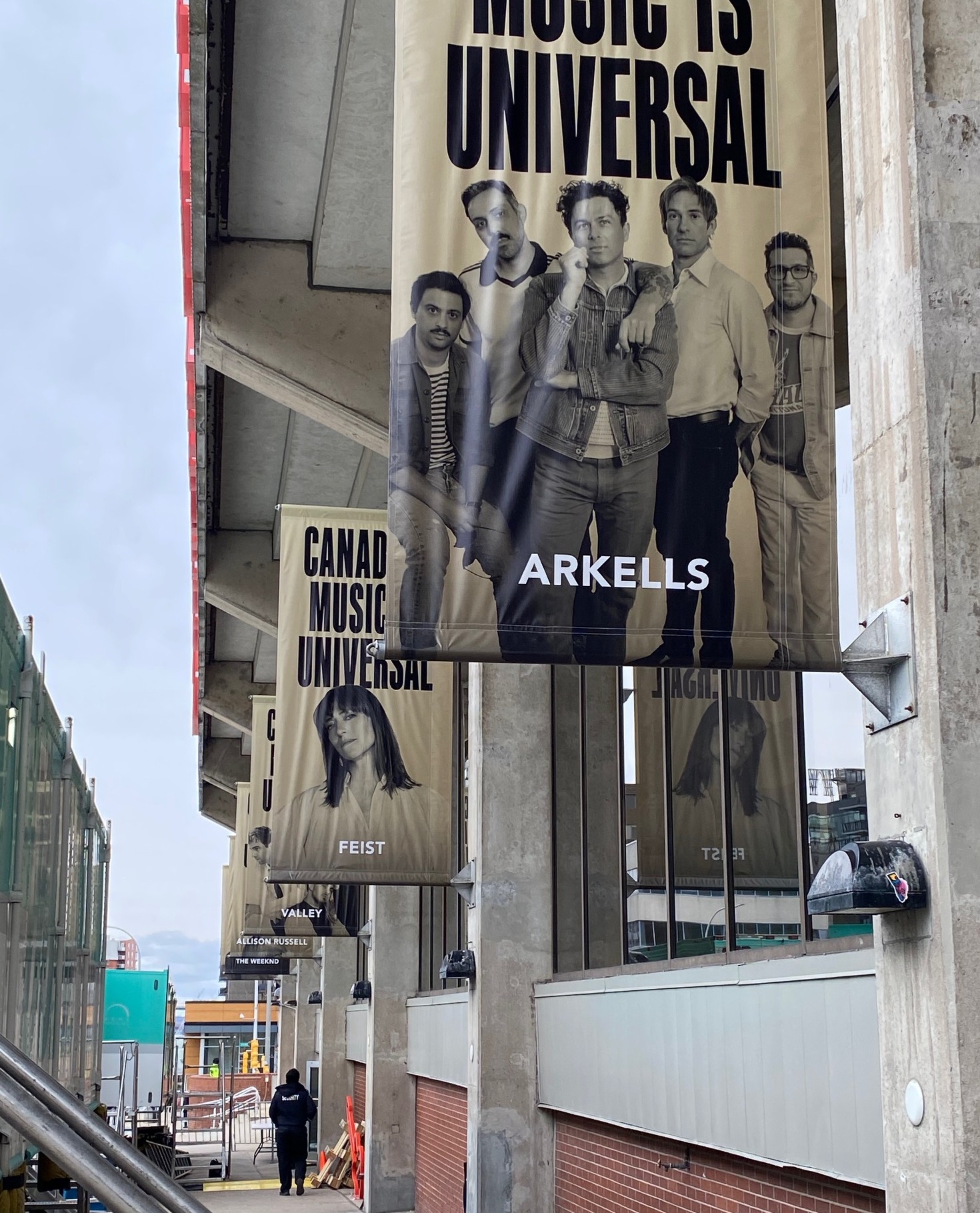
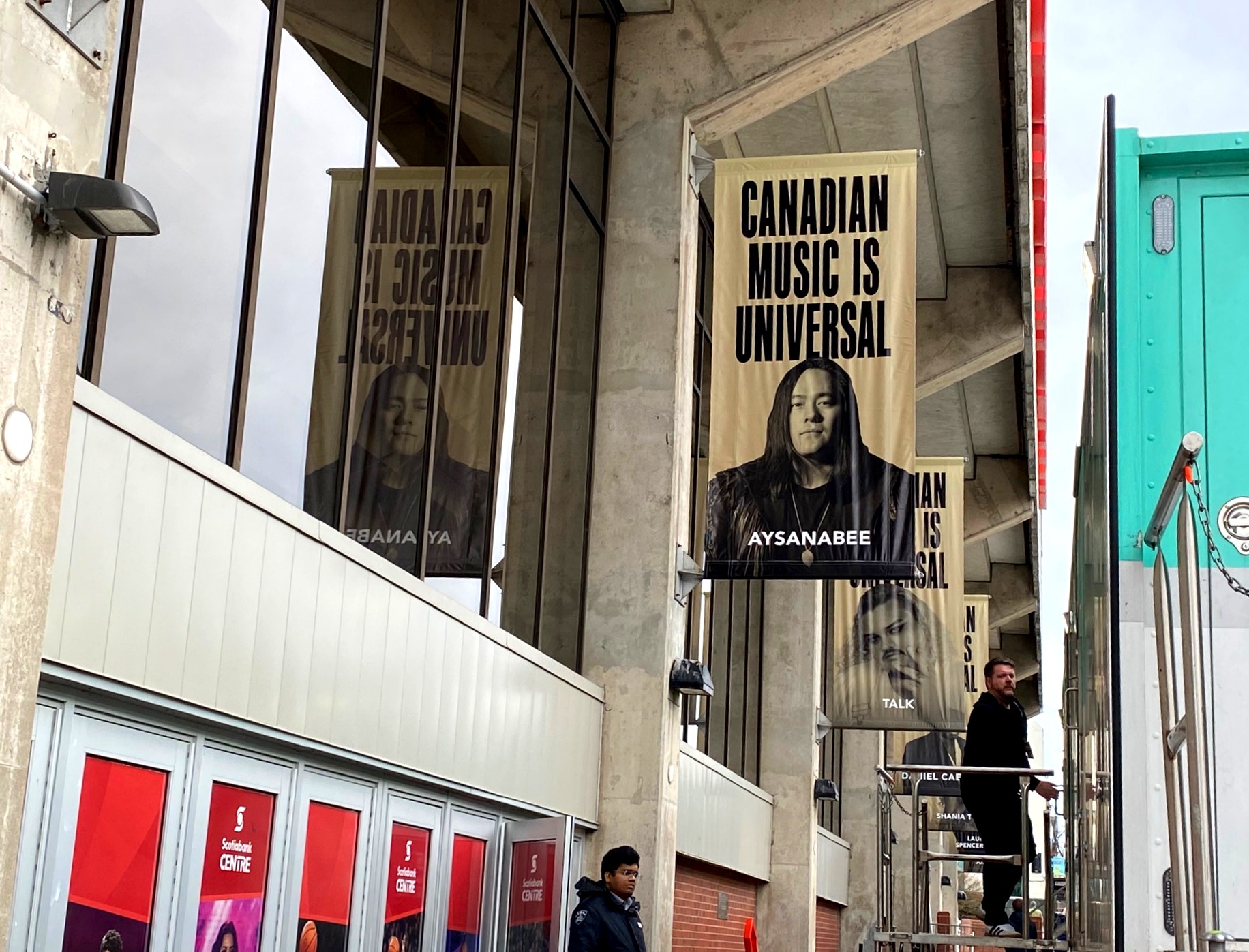
Well, the truth is … I simply have no idea, who is running this year and who should or shouldn’t. Ignoramus, tabula rasa. LOL. John is not here to educate me. But you are much better on this subject, anyway – I am certain. So – enjoy the Junos from Halifax! A few photographs on a very cold day in Halifax of the venue for the event – the Scotiabank Center.
Couldn’t get to my planned walk in Shannon’s Park in Dartmouth – a big padlock on the gate with an info “no winter maintenance’. Winter maintenance? Someone at the City Hall sleeps longer than the bears, obviously. I saw far away a gay walking with a dog and a beautiful deer hopping happily. Look around and noticed some of the fences were not too high. But there were other cars parked nearby and didn’t want to give them a bad impression – which obviously is a sign that I am getting old, LOL.
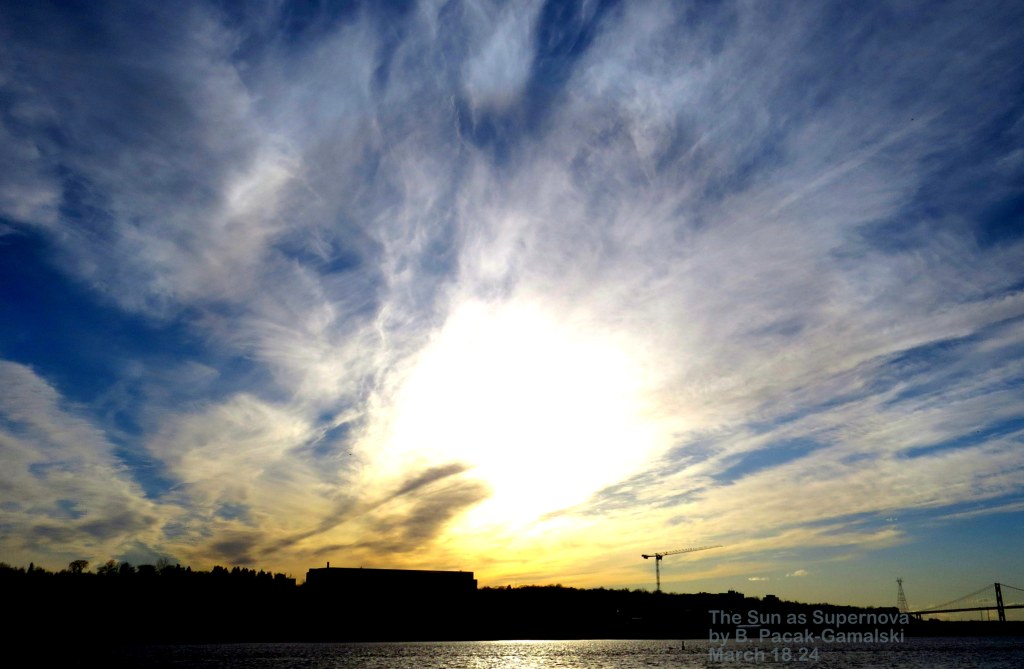
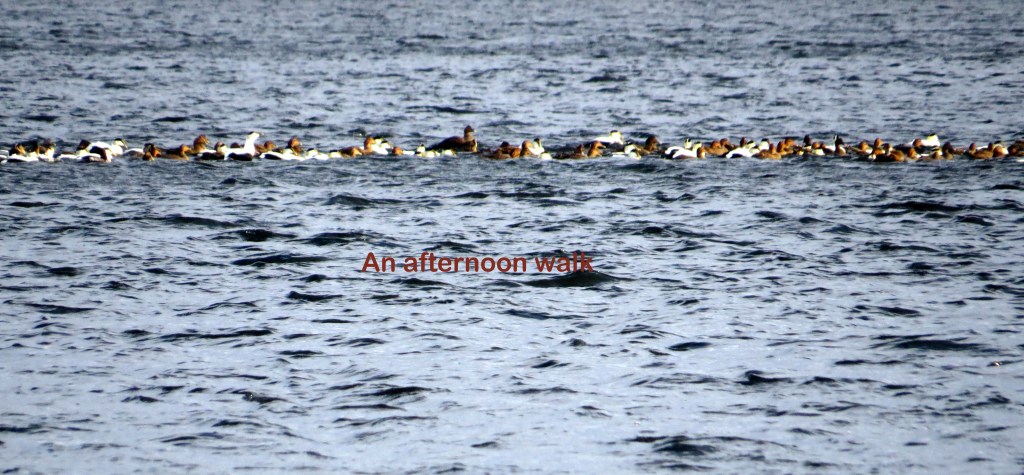
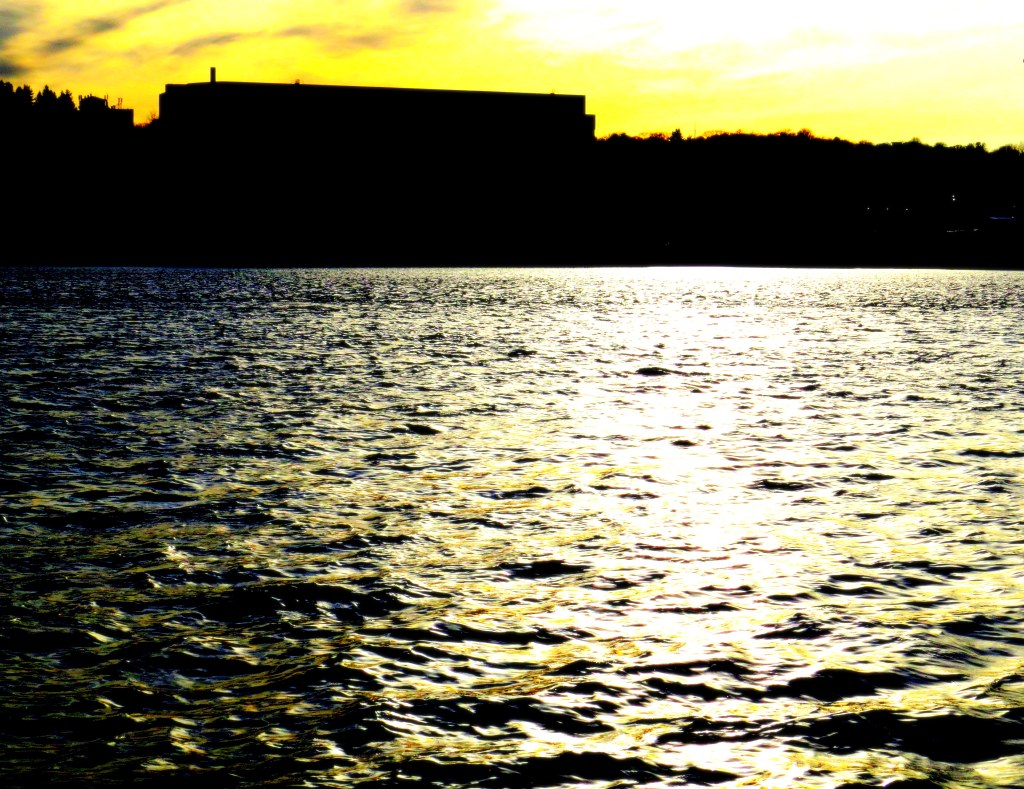
Walked around a bit and went back home. By early evening, just about as the sun started to get ready to slowly go to bed – I went on My Rocks. Thanks god no administration ever does any maintenance there – summertime or wintertime. It wasn’t a spectacular sunset. But it was very pleasant, soft. Observed a lot of waterfowl. Only once the sun get bored with his own nightshow and gave a spectacular solo. What a primadonna! LOL
the text is both:in English and Polish. But it is not a translation – both texts are different and independent of each other part of one story. It is often that I write my ‘talks with John’ in either of languages: Enlish or Polish. Sometime in one story, as it is this case. And I don’t want to translate either parts. It just has to be as it is.
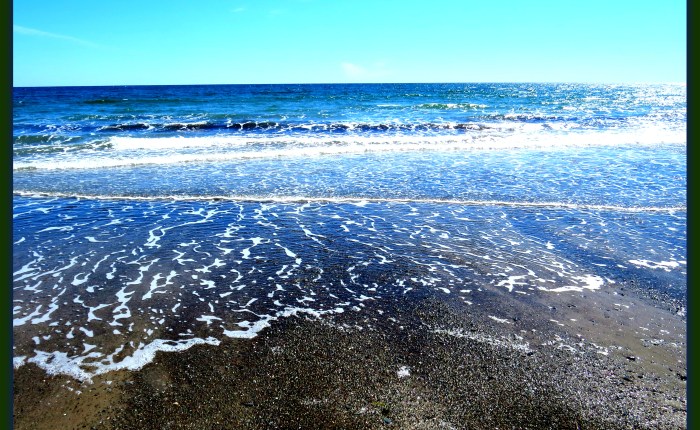
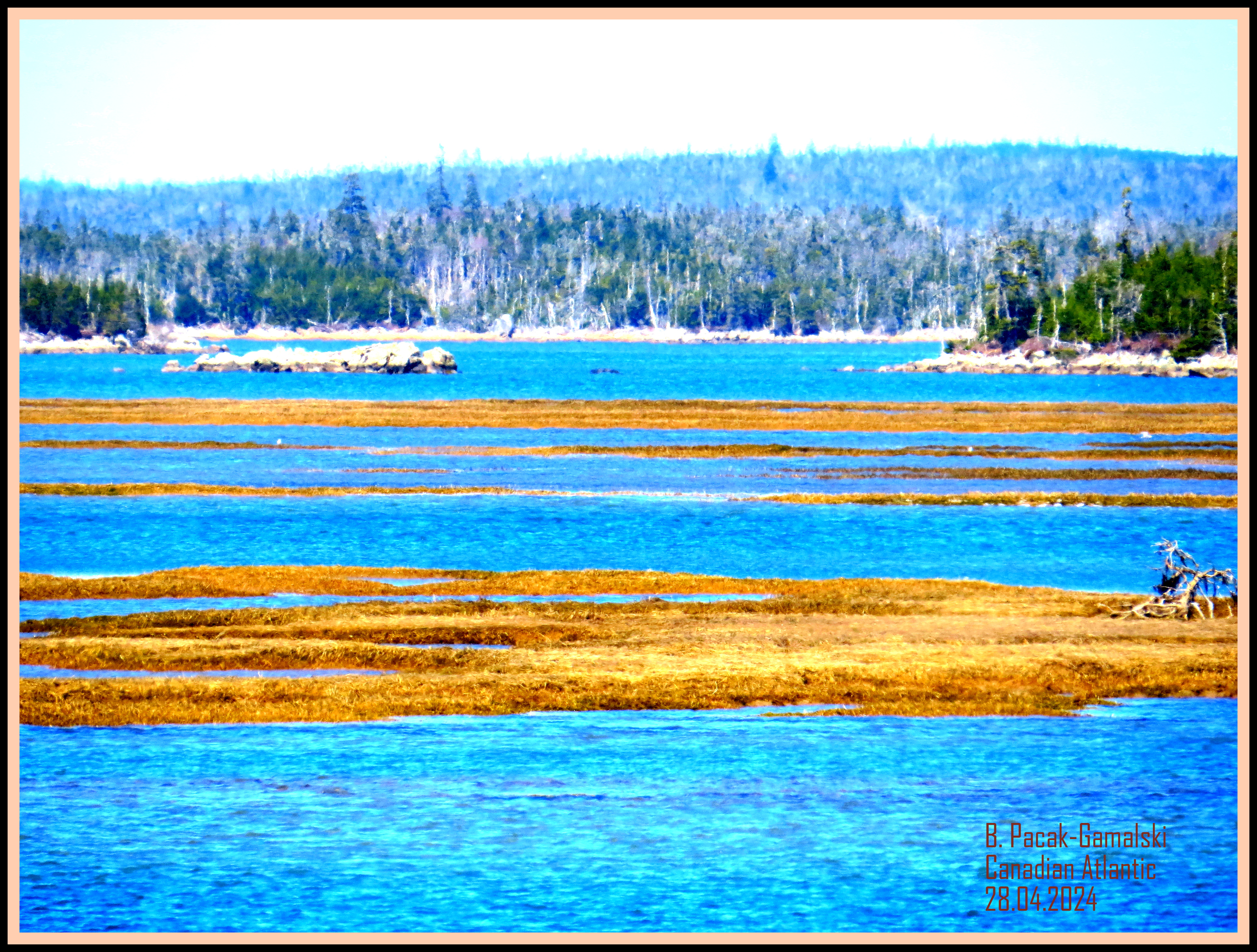
Pojechałem dziś do ciebie. Nie wiem nawet, nie pamiętam czy pierwszy raz w tym roku? Kartki z kalendarza pogubiłem już dawno. Nie wiem nawet gdzie, czy na plaży jakiejś, do których uciekałem cały rok szukając cię? Może w tym forcie w Lower East Chezzetcook, forcie który z uporem budowałem odgradzając go kamieniami od fal i odgrodzonym małą zatoką z silnymi prądami wody od głównej plaży. Nikt tam prawie nie docierał nigdy, bo przypływ nagły mógł powrót uczynić bardzo karkołomnym. Więc była to jakby moja pustelnia, moje królestwo, gdzie spędzałem godziny. Czasem mogłem wrócić idąc, czasem musiałem wracać płynąc, jedną ręką trzymając w górze plecak z kamerą i zeszytem w którym spisywałem nasze rozmowy.
Straciłem dom, straciłem przystań, zgubiłem kotwicę. Moja łódź błąka się rzucana w różne strony świata falami dwóch oceanów: Wielkiego, zwanego ironicznie ‘Spokojnym’ i zimnego Północnego Atlantyku. Szukam wyspy, którą mógłbym nazwać ‘Nasza’. Nasza Wyspa nie jest wielka, raczej mała. Jak ta z przygód Robinsona Cruzoe i Piętaszka ma tylko dwóch mieszkańców. Wieczorami spotykam cię siedzącego na skałach ze wzrokiem zanurzonym w głębinach oceanu. Podchodzę i kładę rękę na twoim ramieniu. Odwracasz powoli swoją twarz ku mojej. Masz w oczach i na ustach spokojny, słodki uśmiech zadowolenia. Podaje ci rękę i pomagam zejść z kamieni. Kładziemy się na ciepłym piasku dzikiej plaży i patrzymy w niebo. Leżymy tak długo, aż nadejdzie noc i niebo zapala nad nami lampy gwiazd. Wskazujesz palcem najjaśniejszą i pytasz: Widzisz? To nasz gwiazda. Nazywa się Miłość. I zawsze będzie nam świecić, do końca wszystkich dni, do czasu gdy wyparujemy atomami kosmicznego pyłu i popędzimy obracać się po jej orbicie. Czy to nie piękne?
Biorę w swoją dłoń twoją i całuję ją długo. Odpowiadam: tak, to jest piękne. I odpływam w sen czekając na ten moment. Moment odlotu z Naszej Wyspy do Naszej Gwiazdy. Do domu.
Comes the day next. It is almost as if it was yesterday, yesteryear, forever. Our stars, our Cosmos came home to the dancing light of the sun in the waters of our ocean, right at the doorway of our home. And I walk to My Rocks on the shores and see them: the light of the dark sky of night, and the stars diving to the bottom of the sea with the dawn of day.
Seating on Our Rocks, on the edge of the water, I can see them sending shots of light from the dark bottom to the surface. They are there, singing our song with the sirens. They are tending to the Gardens of Coral, of swarms of dancing little fish, of translucent figurines of ancient sea creatures: the squids, the funny shrimps, and seahorses. All following the long pathway of Eurydice and Orpheus.
Our star, our island is there, too. The sky and the ocean are the same: the stardust of nebulas.
And suddenly I know it all. I’m certain that if I get up from My Rocks now and go home – you will be there as always: sitting on the sofa. You will look at me opening the door and you will say: finally you are back from your silly stars and ocean’s bottom. Sit here, next to me, and I will make us a cup of good coffee. We will watch that movie you wanted us to see.
I’m sure that’s what will happen when I go back home. I’m certain of it but also frozen in fear that I might be wrong. That you might not be there. But I will. I will go, open the door, sit on the sofa, and wait for the cup of good coffee. No one makes such a perfect cup of coffee, as you do.






































































 > > Pogwarki < <