Brahms, Schumann and Beethoven in Vancouver

Brahms, Schumann and Beethoven in Vancouver

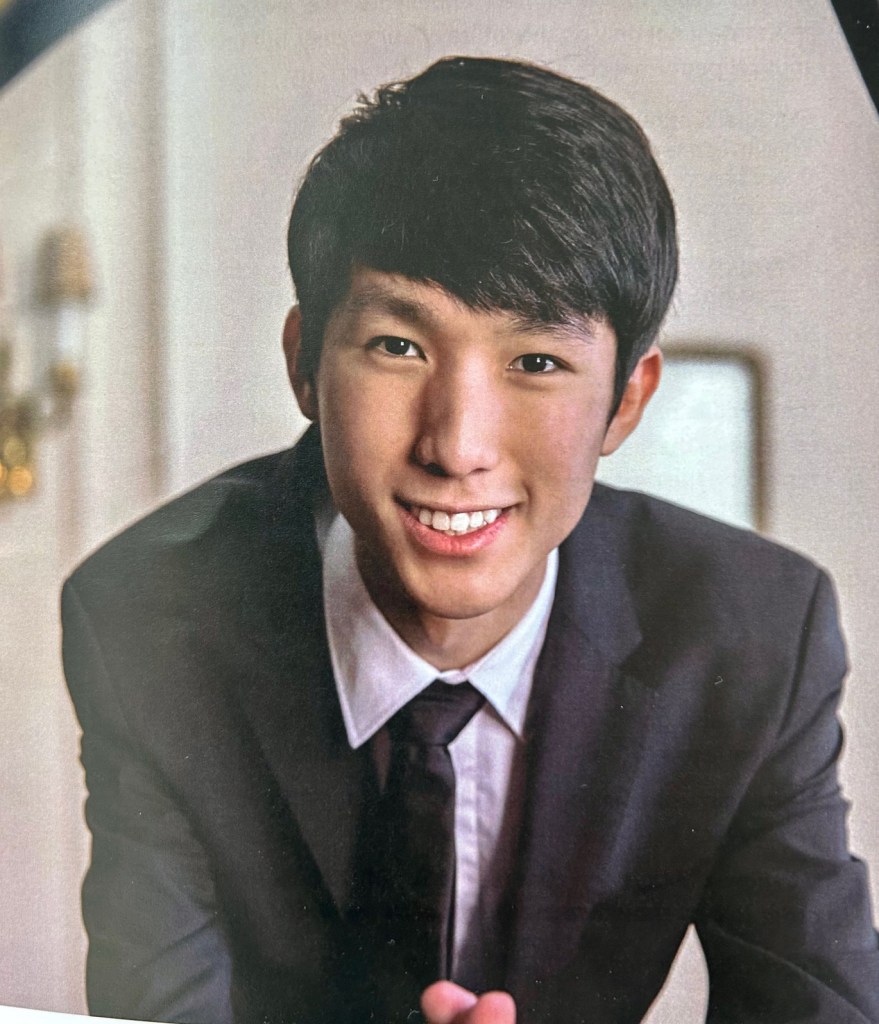
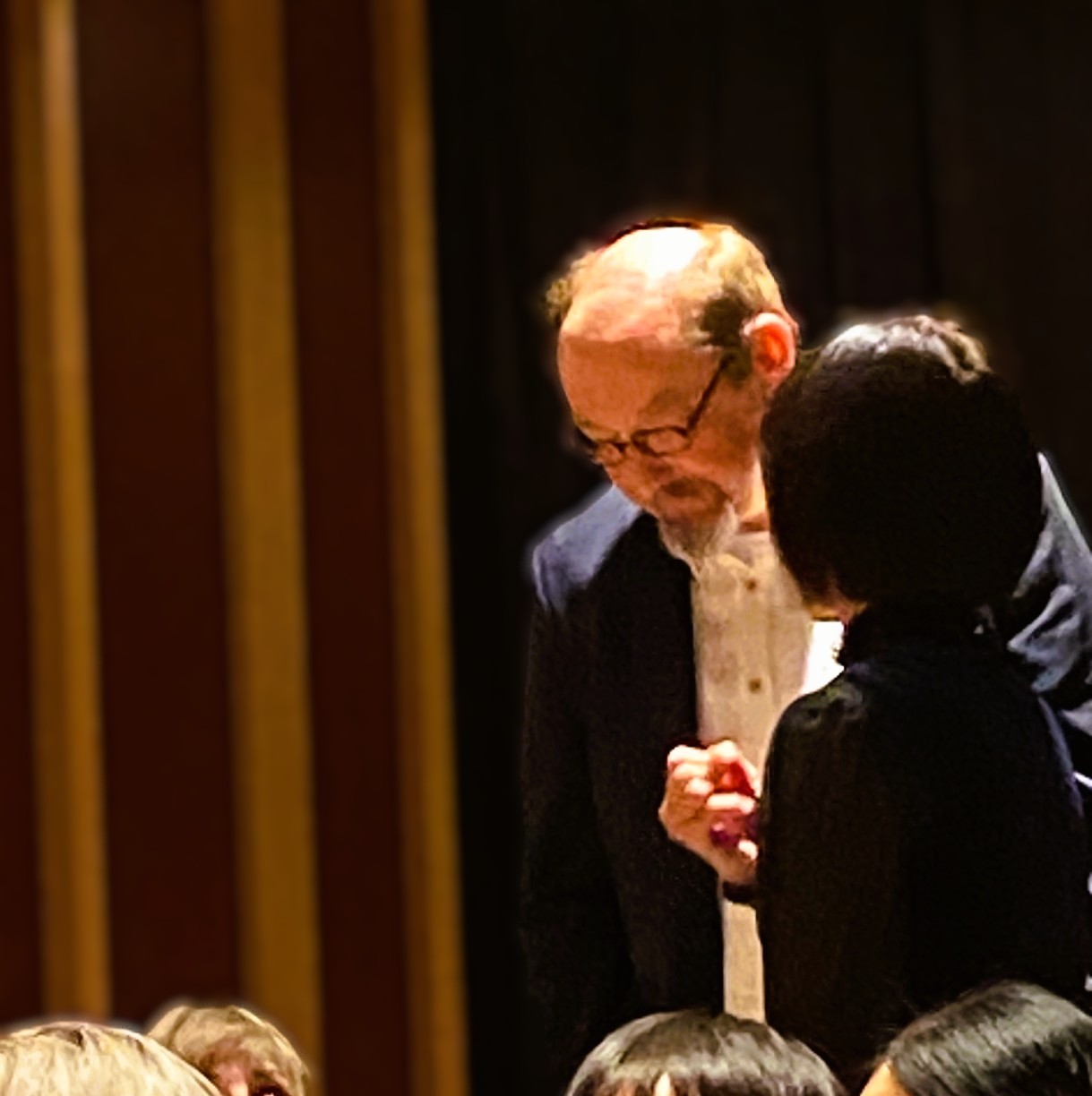
How do you begin to write your notes about a concert that three days later you still can’t shake off the emotions you were subjected to? Almost physical blows and assaults of the music onto your soul. A music you know so well and heard numerous times! At least you thought you did … Blows delivered not by some enormous pianist, internationally acclaimed, for many years on best stages of the universe … but by a … boy pianist (of course he is an adult, but only just by a thickness of the paper a musical score is printed on)?! I still struggle to find the right ones to describe to you the experience.

Sufficient to say, it proves that there is no musical score or concert that you can just take your seat among the audience and wait for familiar, soothing experience. For bourgeoisie vanity and eloquence. And thank gods for that.

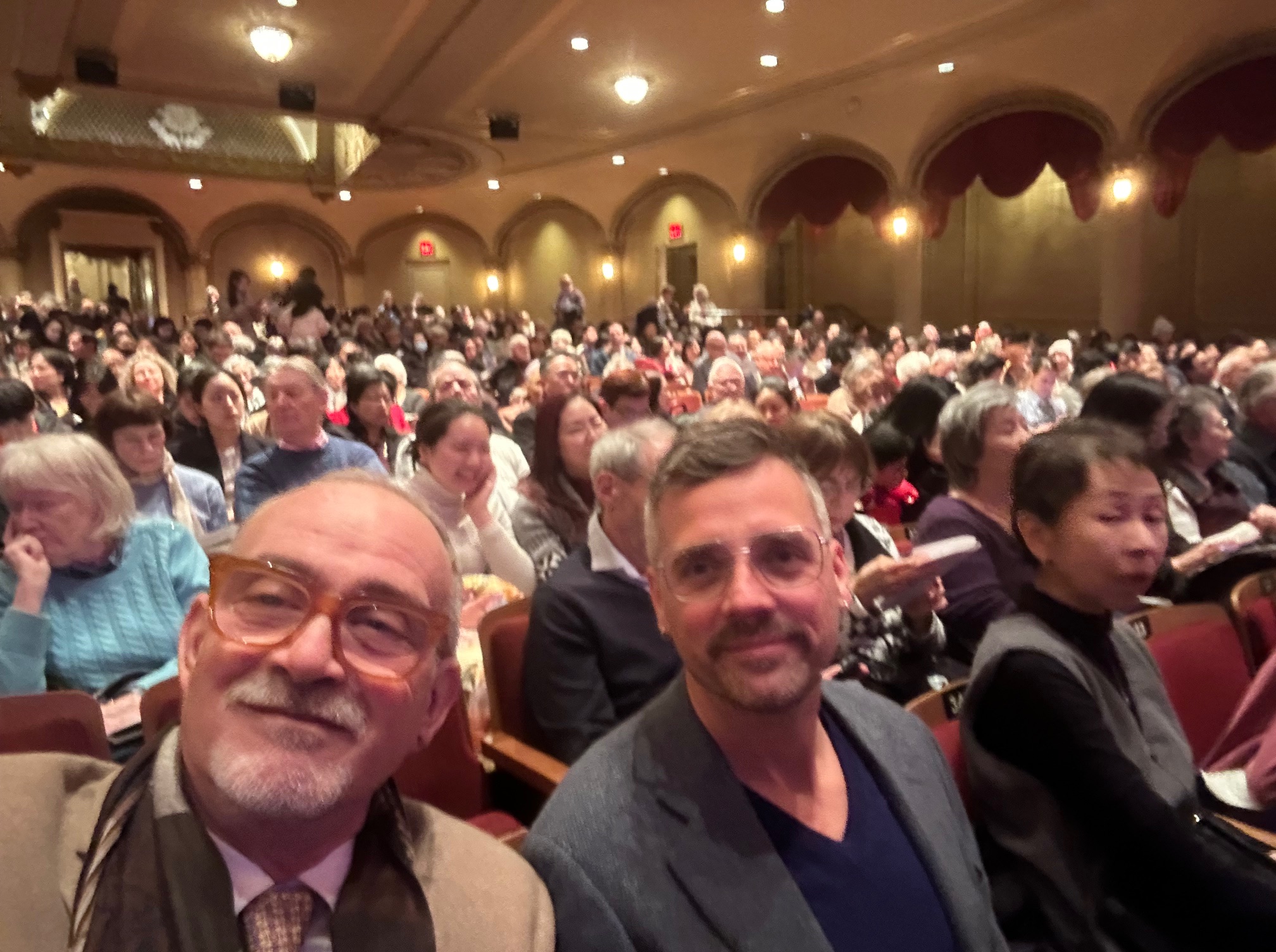
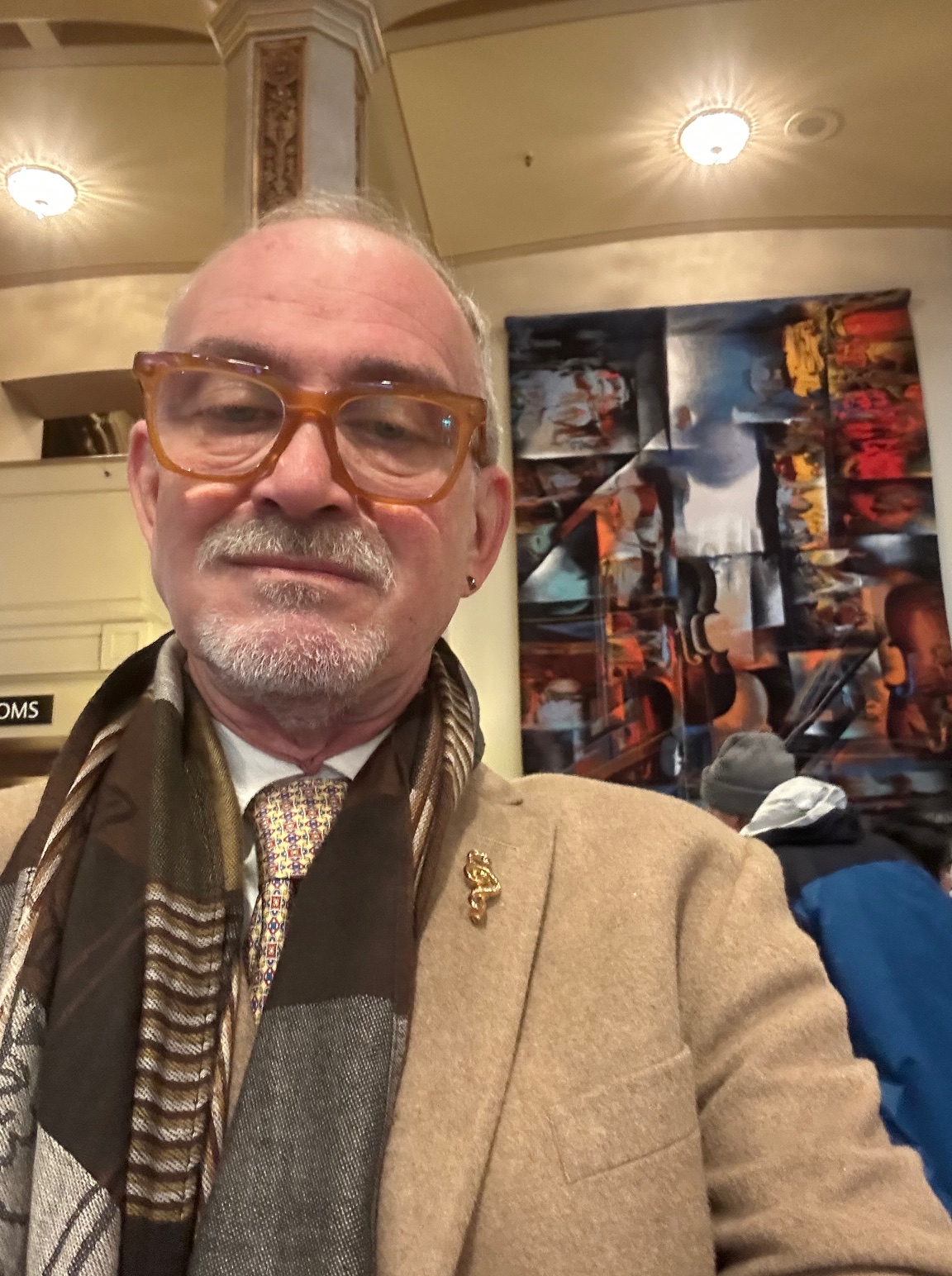
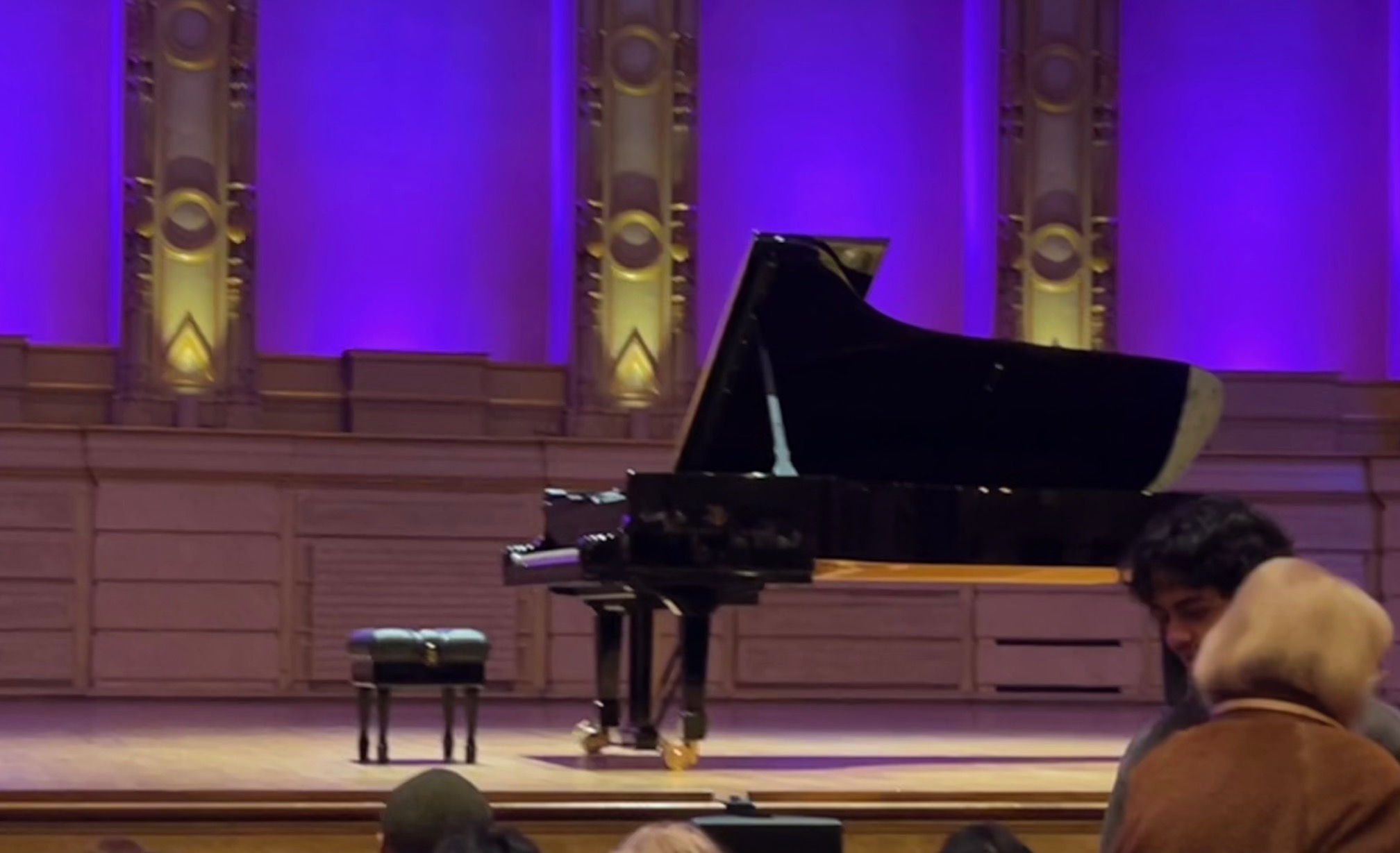
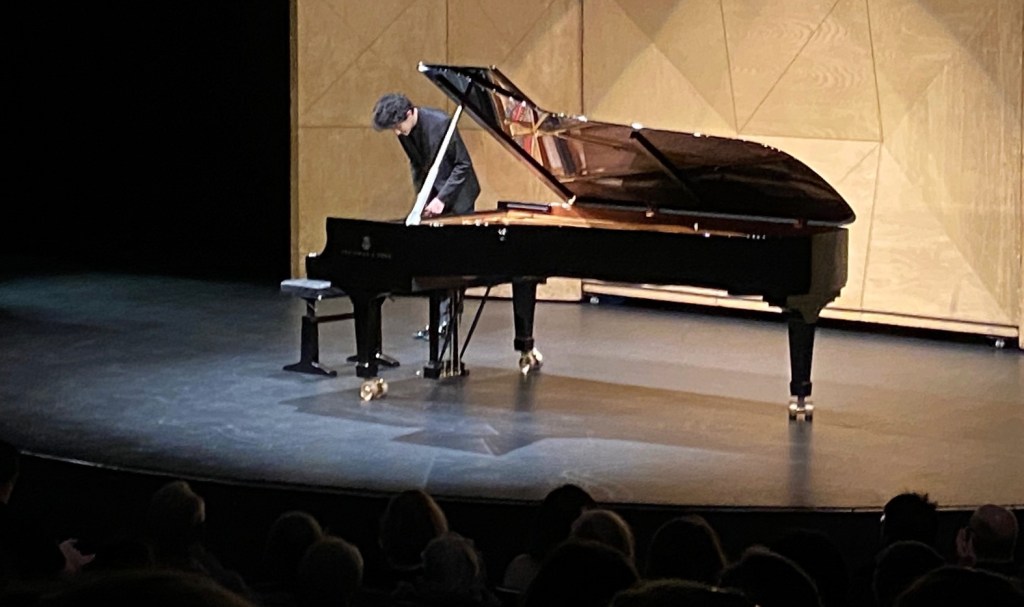
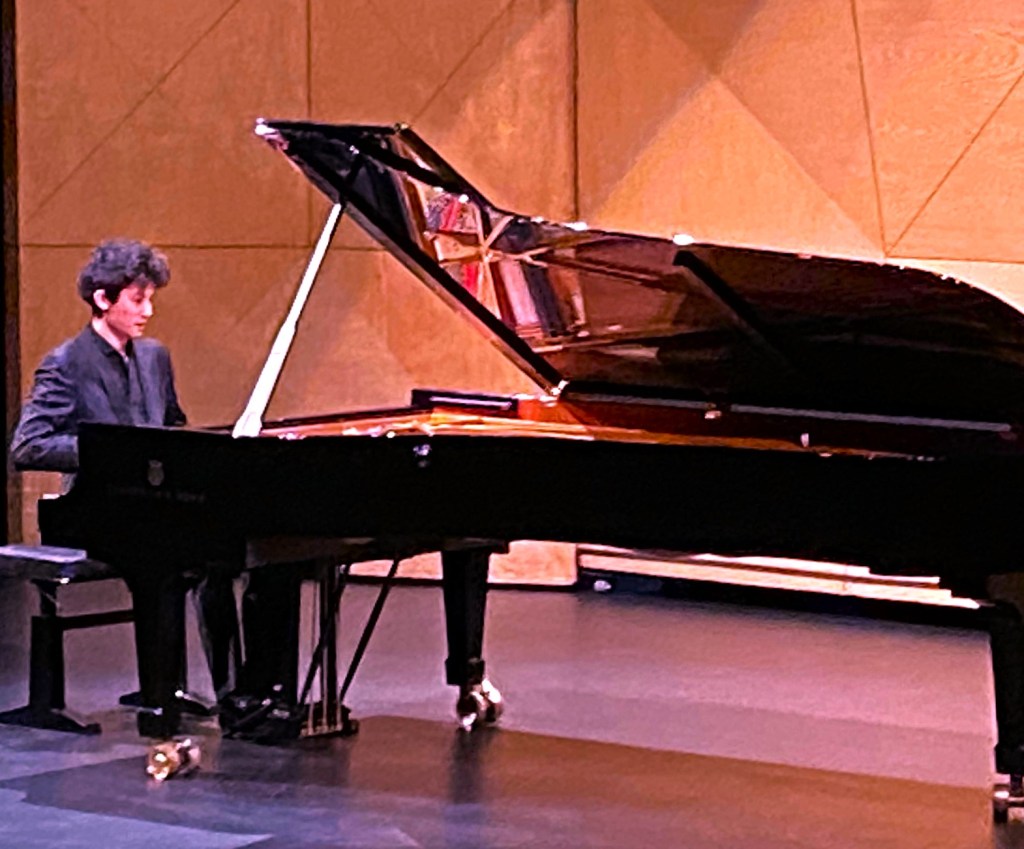
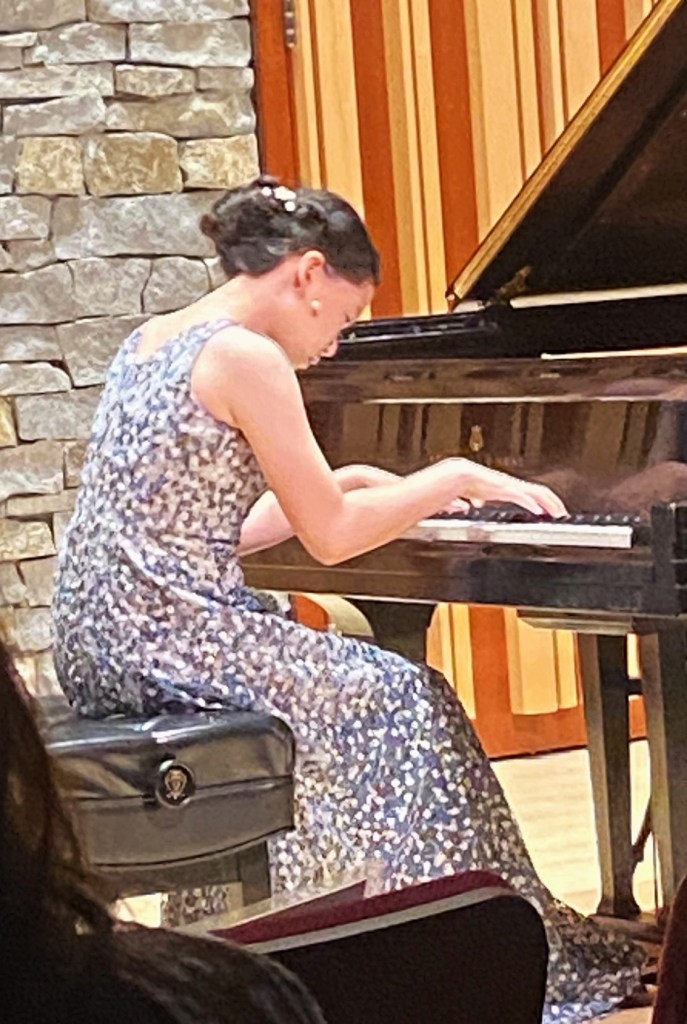
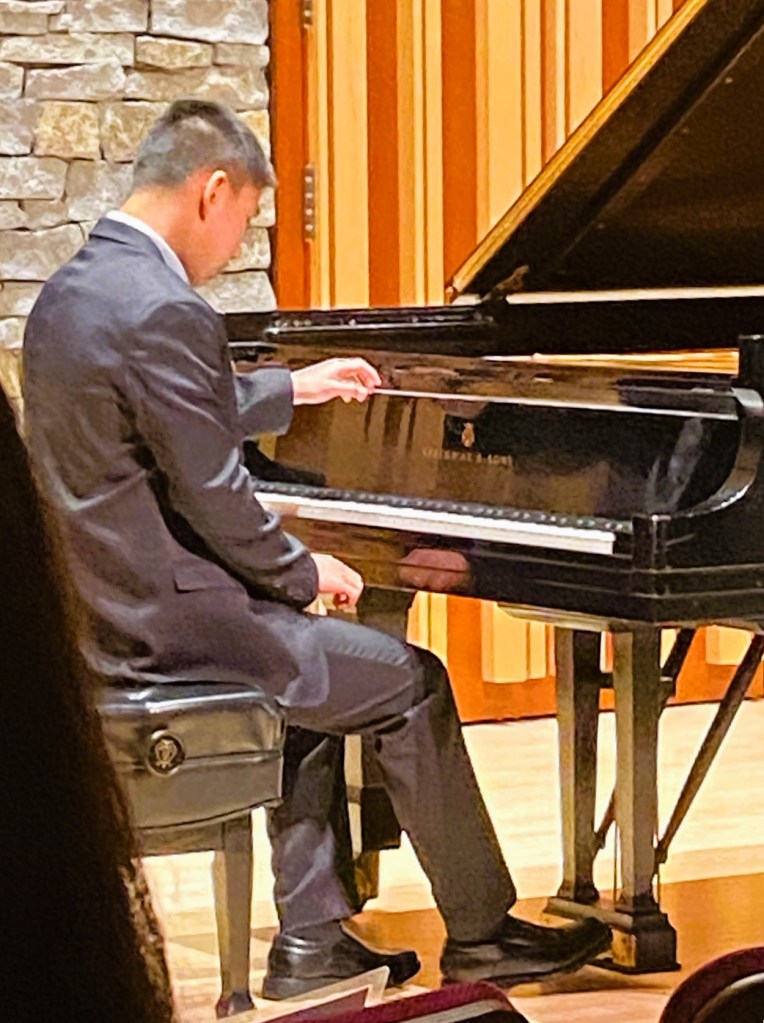
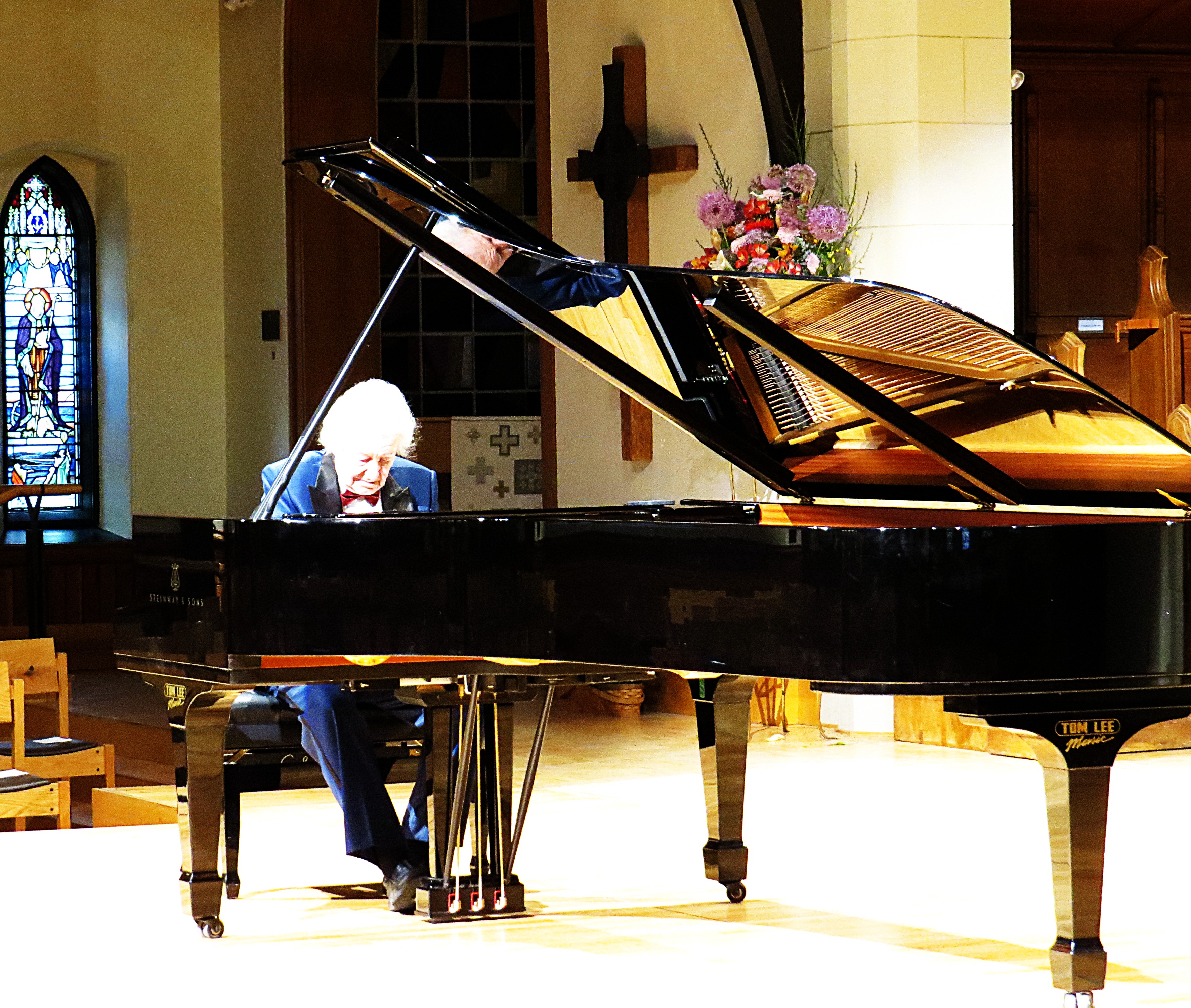
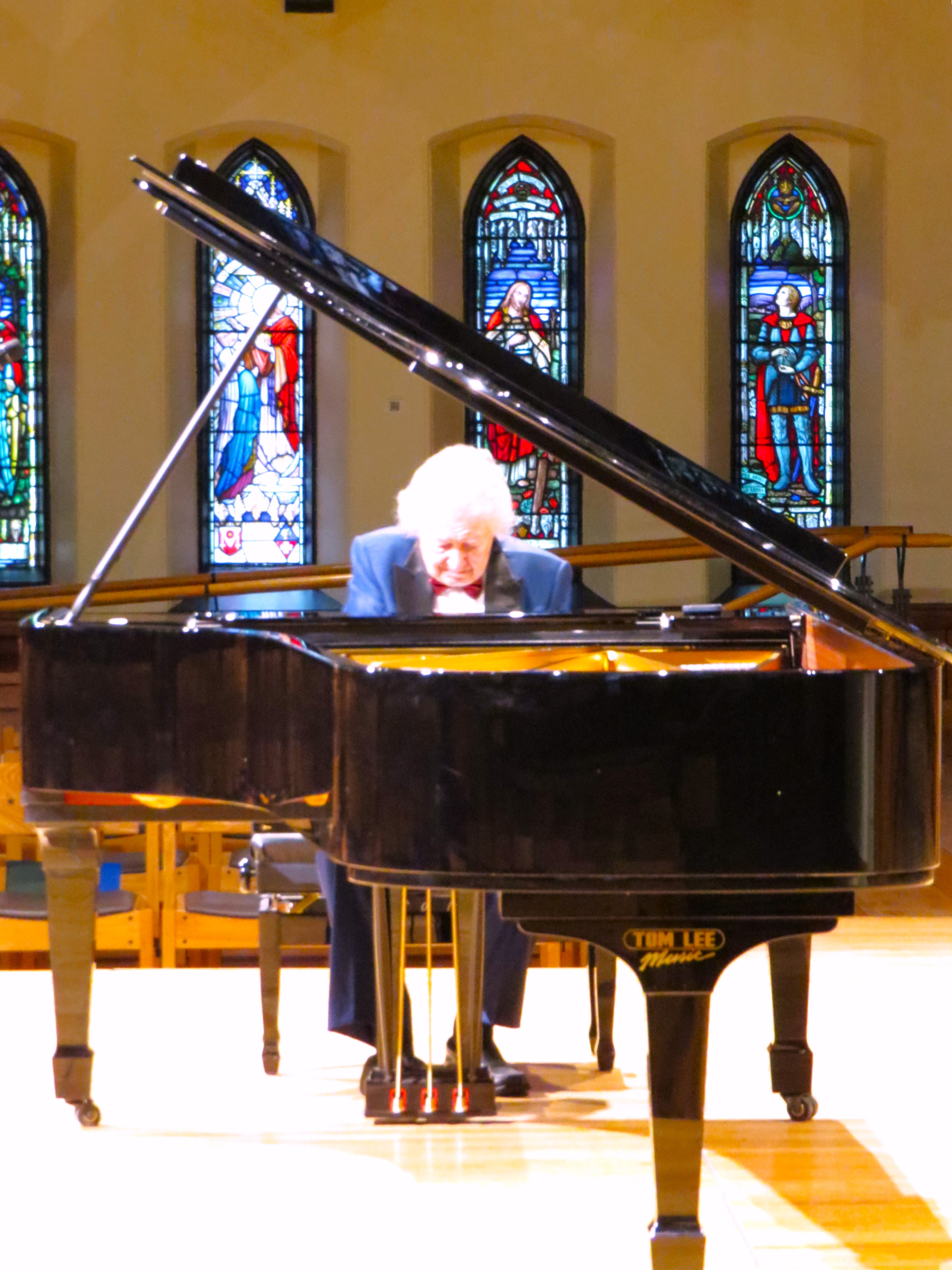
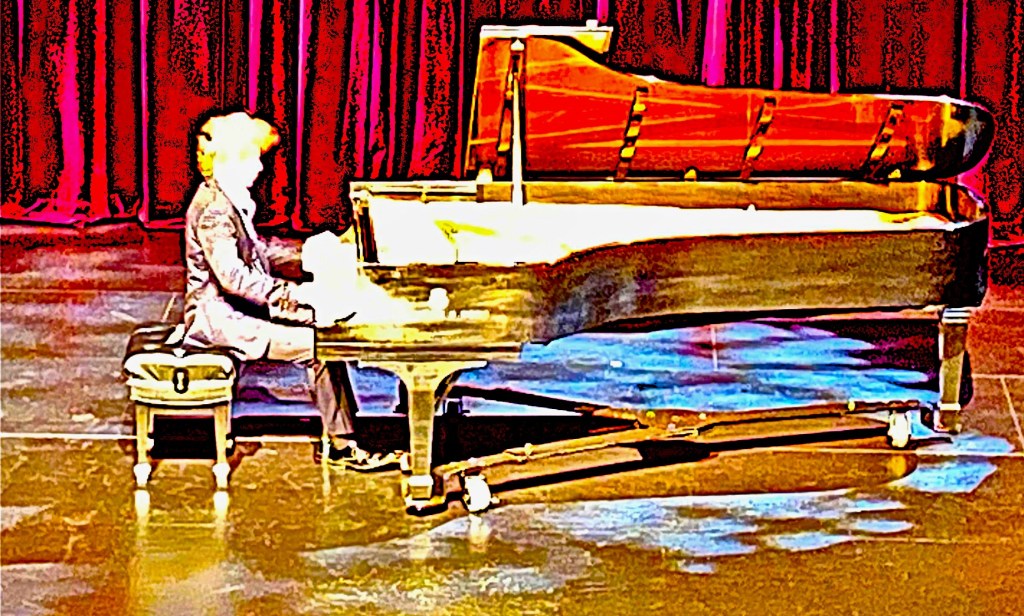
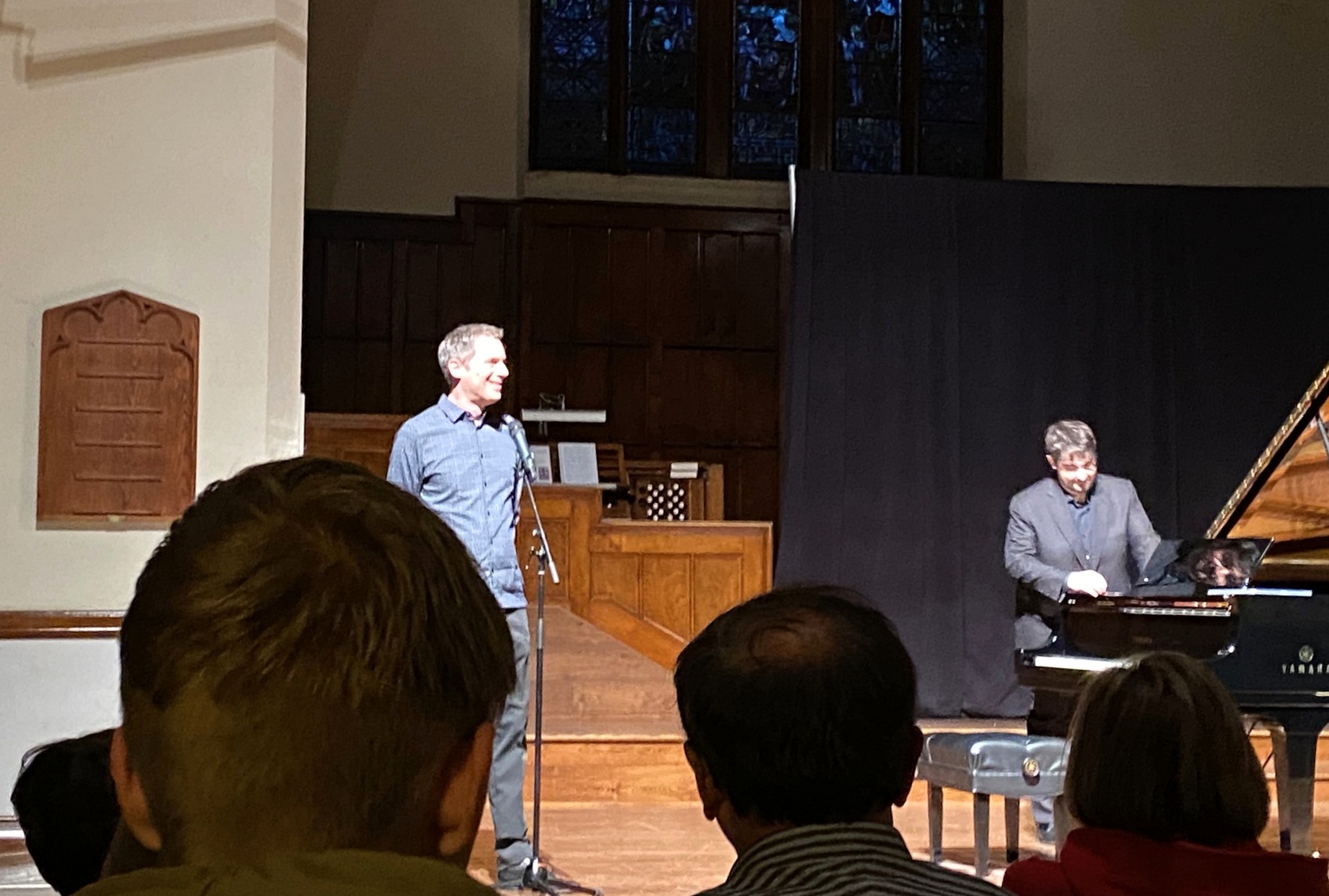
Sunday, 26 of October in Vancouver Playhouse (Queen Elizabeth Theater) concert of Tony Siqi Yun with music of Johannes Brahms (Theme and Variations in D minor, Op.18b); Robert Schumann (Theme and Variations in E-flat major, Wo0 24 or Ghost Variations); by same composer Symphonic Etudes Op.13; Ludwig van Beethoven (Sonata “Appassionata” No.23 in F minor Op. 57); and Ferruccio Busoni (Berceuse from Elegies BV 249) – of the last composer and music I will not write beyond that point. Because … in was beyond the point to have this music played in that concert, sufficient to say in my arrogant opinion. Obviously not shared by the enormously talented pianist, Tony Siqi Yun.

Thanks to YouTube portal I was able to find Tony playing exactly the same Schumann’s Etudes Op.13. That was recorded from earlier concert elsewhere. You can see the physicality and the energy – trust me, but in in Vancouver it erupted like a volcano.

Did he made any mistakes, omissions? How would I know?! There was not a single second one could pay attention to the score – the pianist consumed you wholly, not letting go for a second.

I remember only once such a wonderful confusion while listening to a pianist. That was very, very long time ago. The year 1980, X International Chopin Festival, biggest piano competition in the world. The pianist was Ivo Pogorelić from Yugoslavia (today Serbia). He was so different than other pianista that the (at that time to the extreme) very conservative Jury did not awarded him any prize (the public did). I remember being taken by Pogorelić very much. Of course a bit jealous, too, LOL – he was exactly my age! But was very glad that great pianist (former finalist of that Competition) Martha Argerich felt the same. To the chagrin of the ultra-orthodox Jan Ekiert, who like many of his generation, saw Chopin more as a monument and Polish patriotic antiquity than the true romantic boy and young man, who had nothing to do with the official portrait/gorset assigned to him.

https://ivopogorelich.com/portfolio/home/: Brahms, Schumann and Beethoven in Vancouver

Vancouver Chopin Society concert at VSO School for Young Musicians

Vancouver Chopin Society concert at VSO School for Young Musicians

What an interesting concert it was. Not often do I go listening to very young (I mean – kids, not even late teens) pupils of a musical school. Sometime maybe to very young prodigy – such was the case of Jan Lisiecki[i] (Jas – as I still call him, despite his international stardom), but not to entire group of really young kids. Remember going to recitals in an old Warsaw Conservatory of Music on Oczko Street or Vancouver Conservatory of Music – but they were young students in their late teens or early twenties, not kids by any means.

Truth being told, I was looking mostly to the second part with Zbigniew Raubo, whom I didn’t listen to for a long time. I mean in person, on stage, not from electronic recording.

But it was a very nice and happy surprise. They all sort of knew what they were doing by the keyboard, LOL. I’m sure they had to overcome a huge anxiety being in front of relatively big audience full of their teachers, parents, and some famous piano players. Part of their studies is certainly guidance for avoiding stage fright, but still – stage fright is a powerful foe.

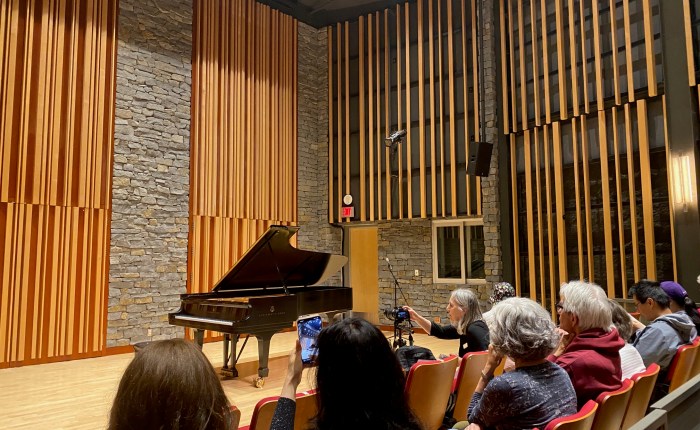
The School concert hall (on the back of the proper VSO “Orpheum” building) is very nicely designed. It is more long then wide and instead of acoustic paneling it plays on the original shape of the room. To assist the travelling of the sound and avoid echo (horror!) large wooden beams on the old masonry walls were attached aiding not only the harmony of sound, but also a pleasant visual effect. I would think of modest seating capacity circa 150 seats, maybe with added rows of chairs up to 200.

Of course it would be wrong to write a typical review and trying to be smart by pointing to minor mistakes, imperfections of the young students playing, especially if all of them were well prepared. Therefore these are just going to be general notes of what they played and overall impression how they did it. After all, music is just another way of writing a story. It just uses different alphabet, instead of letters it writes in notes; instead of grammar rules and signs, it uses its own grammar: crescenda, flats (skewed letter of ‘b’ ha ha), sharps (#), and on top of that there is different annotating for major and minor scale. Not to mention that composers sometime make their own personal written advice how a piece should be played. But enough of that, It is not a beginners course of music.

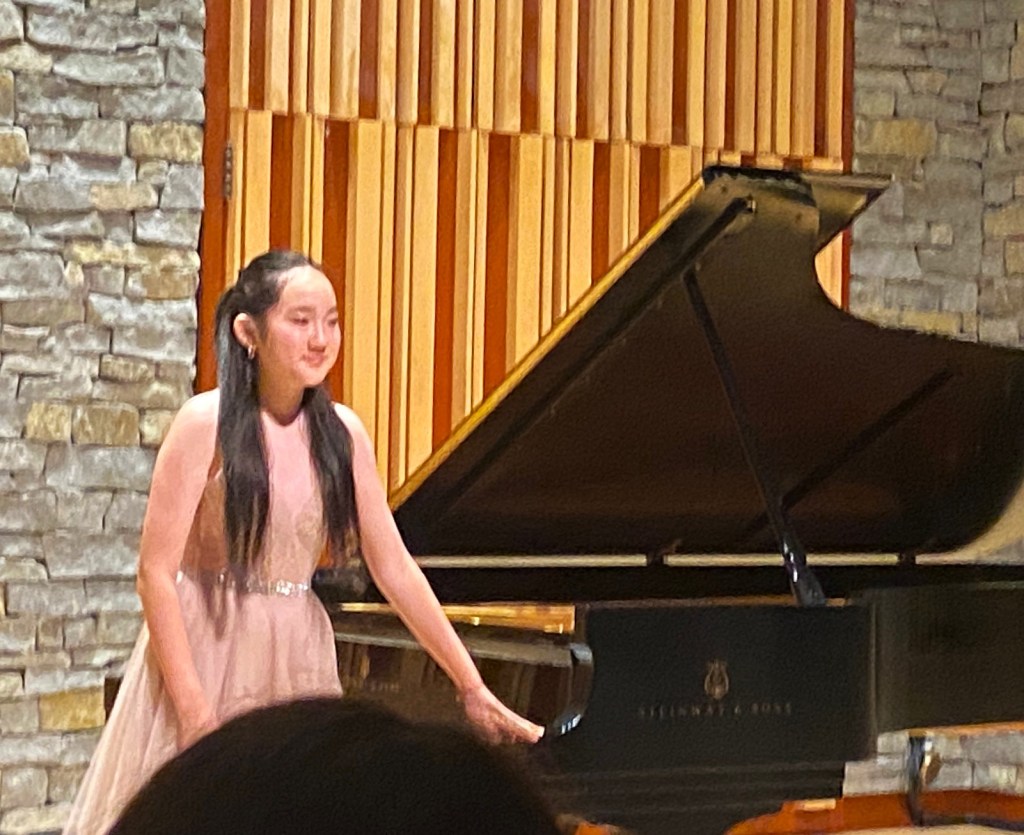
Sophie Meng was very first to perform, a diminutive frame of very young girl, perhaps the youngest of them all. The huge Steinway piano looked like a black mountain in front of her light figure – impenetrable and towering. I observed her hands as their traversed the keyboard and was wondering how much she has to stretched them to cover an octave! That observation leads to another: small-frame pianists play with their hands on the keyboard, full-sized (what a terrible description, LOL) use their fingers, which must be less exhausting and tiring. In more grueling concerts you will sometime find pianist submerging their swollen hands in icy water to remedy their muscle and joint stress.

She played very pleasant a Mazurka in C Major, Op.24. I let myself follow her play into the dream: like she was not playing – she was running on some green field with young Frycek (diminutive of Frederic).  That was a nice vision a young Chopin would certainly approve of. What was particularly worth noticing, was the way she kept a perfect harmony by keeping the main musical theme of the composition always in the background, always present. Even if not played at that moment – it still lingered in your memory.

Charlotte Deng played Scherzo in B-flat minor, Op. 31. Herself looking like a cherub, she easily displayed a maturity that surprised me, perhaps a dose of self confidence? These could be uplifting or dangerous emotions for a very young player.

Her physical control of the instrument was visible, as was her aura of confidence. At times maybe the music came a tiny bit too strong, too forte? I smiled – an ‘old hand’ in a body of a youngster. Her posture at the piano, the way she used physically her arms and hands on th keyboard again emanated maturity. Just that the ‘maturity/ was perhaps more a stage performance, not an inner feeling since at moments the music was overplayed on forte. Naturally the true poetic soul[ii] of the music returned fully with the arpeggios. The finale naturally goes back to first section, and was played very well with an elegant coda.

Stephanie Yueyou Liu presented the audience with Waltz in A-flat Major, Op. 34. Her keyboard skills were excellent. At times I thought I am loosing the smoothness of the waltz melody though, as the keyboard skill muted a bit the soul, yet – she re-paid in a very wonderful finale.

Brain Sun played Ballade in G minor, Op. 23.  I felt that he thought very deeply of the structure and meaning of the music he was going to play. Would like to listen to his interpretation once more, as for some reasons his intervals and use of pedals seemed a bit odd – and the full impression escaped me. Fackt that I nonetheless wanted to hear  him again simply meant that I liked it, That’s  easy – and at the very end that is all that matters.

Joshua Kwan played Barcarolle in F-sharp Major, Op.60. His play quickly established very strict control of the instrument, of timing. No rushing, no ‘elongation’ of notes. Smiling to myself, I thought that this guy does not need a metronome on the piano.

Brian Lee in Etude A minor, Op.25.  He would let his right hand in quick passages to overtake, or silenced his left hand leading the subject and tempo. It is a difficult composition for a young player. It provokes almost to fly too high, to shine in it’s sounds. Perhaps in its bravado-like finale it is hard to stress the last notes, as you mind is still overflowing with melodies of previous section. He played with full bravado. I must say that one must admire the guts of very young player (or teacher, who tells him to play it, LOL) choosing it. It is just about the most difficult technically etude Chopin composed. Frederic contemporaries in Paris didn’t like it that much exactly for that reason – for being technically challenging to play.

Thus ended the student’s part. After the intermission we were served full musical dinner with three very different and very popular dishes. Maestro Zbigniew Raubo, s’il vous plait.

               Zbigniew Raubo, although dedicated very much to his teaching of music, is an accomplished concert pianist himself, known to many of the best stages of the world both as a pianist and with an orchestras. He finished Katowice’s[iii] Karol Szymanowski’s Academy of Music, where he later become a pedagogue himself. During his career he took part and received top prizes and distinctions in many European music festivals.

Currently he teaches at the Vancouver Chopin Society associated with VSO School of Music. His partner in the teaching staff there is another great acclaimed Polish pianist Wojciech Świtała and last but not least by any means – young Polish-Swedish[iv] pianist, Carl Petersson.

I will not write a typical review of maestro Raubo concert in 2nd part of that evening. Would be unfair to the young participants – his and his colleagues’ pupils – to even try to draw any comparisons. That was an evening for the young ones. The ‘master class’ of Zbigniew Raubo was a glass of champagne to the audience for showing up to celebrate his students achievements.  Just a list of Chopin’s compositions he presented: Polonaise C-sharp minor, Op.26; Mazurka A-flat Major, Op. 50; Mazurka  C-sharp minor, Op. 50; Nocturne D-flat Major, Op. 27; Waltz A-flat Major, Op. 34, and Polonaise A-flat Major, Op. 53.

Yet, one distinction I must make. Chopin’s music and perhaps hundreds of concerts of his music I have listened to is in a way almost like some familiar songs you sing sometimes to yourself without even noticing it. It become sort of part of your nature, grows on you. Especially if it was a normal part of your very early childhood, when you don’t treat it with reverence, but as something normal, part of the routine. The reverence and deeper understanding of it comes later, as you grow up. It makes it a bit like a emotional but also intellectual luggage, not always very convenient. There are (very rare indeed, thank god) concerts you wish you didn’t buy the tickets for. There are (even more rare, phew!) concerts you just wait for the intermission to … leave and go home such is the disappointment. Because you know so many of the compositions, you heard them so many times. But I still find (not as often as many years ago) musician, who just takes my breath away. It has nothing to do with brilliant playing born out of amazing skills. On some level you expect it, too. No, it is the other part, one beyond the skill of playing. It is capturing the essence of the poetry of particular composition, the emotional part of it. The soul (yes, maybe not all humans have souls – but true art always does, without exemption).

Zbigniew Raubo did it to me with his interpretation of Chopin’s Nocturn in D-flat Major. I can’t remember when, was the last time I was touched by that composition so strongly. Music, like a poem, has a story to tell. At times it is not even the story the composer intended or thought of. No, it is your story, story getting life form as you listen to that music. I heard it that evening, intertwined between notes, phrases, and letters and words. Can’t remember the exact text of the story –  but remember hearing very clearly, as the music was played. Thank you, Zbigniew Raubo.

from top left:

pic. 04 -Patrick May one of the top organizer of Van. Chopin Society; pic. 06 – prof. Wojciech Świtała, famous Polish pianist; last picture – Board of Directors of Van. Chopin Society and from left: W. Świtała, Zbigniew Raubo and last Polish-Swedish pianist Carl Petersson.


[i] Jan Lisiecki – Classical Pianist

[ii] Robert Schumann compared it to ‘Byronic poem’

[iii] the capital of Silesia region in Poland

[iv] born In Lund, Sweden – his parents are Swedish (father) and Polish (mother). Graduated from Danish Royal Academy of Music.

Mikhail Voskresensky – concert in Vancouver

Mikhail Voskresensky – concert in Vancouver

Mikhail Voskrsensky played on May 30th at the Christ Church Cathedral in Vancouver. The venerable venue has seen many wonderful concerts and pianists over the years from all over the globe.

I have seen and listen myself to quite a few there. That was a particularly important one. Voskresensky is a pianist and musical pedagogue of particular pedigree – form the old and venerable shelf of top Russian musical tradition and school of playing. That school and tradition brought an amazing array of composers and performers that graced the world stages in the past two hundred years. The Tsars are gone, the Bolsheviks are gone – but the music survived, did not perished.

Voskresensky himself was a guardian of that tradition for many years, being not only a graduate of Moscow’s Conservatory but, at the end, a Chair of the Piano department there, himself being a student of no one other that Lev Oborin – Laureate of the very first International Piano Chopin Competition in Warsaw, Poland – undisputable top piano competition in the world. That school of playing is characterized by soft and very melodic flow of notes. Could I say: romantic, Slavic, like the blades of grass on Ukrainian steppes … .  But don’t be surprised if you hear a thunder from the distance.

That past and a bit of history is important because of a very poignant present circumstances of the pianist. After the Russian invasion of Ukraine, Voskresensky decided to flee Russia, his homeland. To flee as form of protest against the brutality of this war and of Russia being the aggressor. Knowing that Putin’s Russia very much resembles Stalin’s way of strict control and protests against the government are met with harsh penalties.

Iko Bylicki z autorem

               And now he is here, playing in Vancouver. Vancouver Chopin Society, by the gracious actions of their main architects, Iko Bylicki and Patrick May gave me the privilege to enter the empty nave of the Cathedral and listen to Voskresenski’s rehearsal, take pictures as many as I want. Of course – thank you gentlemen.

The sounds and the bars, nothing else, not even using the pedals of the piano. Pure music dictated by the natural length of the sound and controlled by pressing another key. Right away I am taken by immense attachment to the musicality by stressing the melody of the phrases.

Naturally, it is only rehearsal, warming up. An attempt to get to know the particular instrument (and it is my personal favored – the beautiful Steinway). it’s acoustics, and finally the warming up and physical exercise of your fingers – they will do a lot of heavy lifting later. I am always admiring the physical strength of pianists and feel sorry for their swollen finger joints after a concert …

The moment comes that Voskresenski leaves the piano and disappears before the formal concert.. The main doors are opened and the seats are slowly filling up. But I already know that they are for a very pleasurable evening.  Not a show, not only bravado and lot’s of musical delights and deserts. What awaits them is candlelight supper rejoicing in the love of music.. That love will hopefully conquer us all, who came to listen to it.

There was one change of program (I hate when it happens, but it is not that unusual, sadly) – originally there were two Poems of Scriabin, at the lat moment it changed to much better known Tchaikovsky.

I was looking very much so to Edward Grieg. When I think of musical Scandinavia it is always either Grieg or Finland’s sweet Sibelius.

/last picture shows two main culprits of the event (and many more musical happenings in Vancouver): Iko Bylicki and Patric May/

Nikolay Khozyainov in Kelowna – Beethoven Monument

Nikolay Khozyainov in Kelowna – Beethoven Monument

This was one opportunity I didn’t want to miss. Last night piano concert of Nikolay Khozyainov in Kelowna, British Columbia. Have heard of this young pianist few times and his fame proceeded him.  Was wary, though. Big fame and being a child prodigy (he started playing in  … Siberia – in all of forbidden places – at an early age of six and as a child already performed in Russian cities, including Moscow, a city with earned reputation of being very strict in offering the stage to no one but the best as far as music is concerned) can be misleading and sometimes such career is cut short and musician falls into obscurity.

But Nikolay is no longer a child, and no longer a prodigy of anyone but his own talent and hard work. Bought the tickets well in advance while I was still in Halifax so as not to risk missing the concert.

A fact that he was a finalist in 2015 famous Warsaw’s International Chopin Piano Competition certainly cemented his statue as a pianist, and opened the doors of many international stages to him.

The auditorium in Kelowna’s Waterfront Art Centre is an elegant venue but not a very large one. But the seats are well arranged, and it looked like you could see the stage from every row and corner. In a small venue like that I usually choose either an isle seat or a seat at the very back (best for making quick notes without disturbing anyone).

Day was cold and being next to the huge lake added to that unpleasant coldness of late November. But inside the atmosphere was pleasant. My surprise was that there was not a printed program. In a concert where many pieces of many composers will be played it is helpful to have one. That was a serious minus on the side of the venue administrators. That was not the end of surprises, though. LOL.

When the virtuoso appeared on the stage I was – to say it elegantly – amused. Long gone are the days when longtails were the only accepted attire. Slowly they were replaced by afternoon elegant jacket, even black sweaters (Oh, Mon Dieu!). But pants remained elegant, sharply pressed. And shoes. Ah, the shoes –  they are actually important, as they play, too  – alongside hand and fingers. Something has to touch the pedals, LOL. Therefore shoes were elegant leather, shiny.

When Maestro Khozyainov entered the stage – he wore non of it. Pardon, except the light but elegant jacked. No, no. He wasn’t half naked! Just the rest of the attire really does not belong on a stage in a concert hall. Even in Kelowna. I was wondering how his cozy and warm winter shoes will feel the pedals …

I know, a bit long introduction – but I was truly amused by all of it.

Alas, back to music. Khozyainov begun with Chopin’s Nocturn D Flat Major, Op. 27. I thought it was a bit rough at times. The beautiful melodies few times were missing a note, or a note fell off the order. Which was sad since that Nocturne is one of the most beautiful nocturnes of Chopin. And yes, the pedals were not used as smoothly and as consistently as they should have.

Next was fantastic Prelude Op.45. Chopin himself said it was best prelude. I think the pianist did very good job in showing the elegant nature of this composition. Following with Ballade No. 4 in F minor, Op. 55  he brought peace to musical order. It is such a beautiful, poetic music. Khozainov fully regained his mastery of the instrument. I enjoyed it very much. It takes you for such a nice walk, memories of romance, of youth, of longing. Could be almost sentimental but still retains the deep feelings, the poetry of the soul. It remained me at times of the way incomparable Kristian Zimerman plays it. Use your inner feeling but stay close to the score seem to be the magic and don’t rush, allow the music to sink in.

After the Ballade, there was a short intermission and suddenly I felt like being back in Carnegie Hall or on Jasna Street in Warsaw’s Philharmonic. Back to great concerthalls of the world. Khozainov appeared in beautiful attire (with very shiny and elegant shoes, LOL) and things seemed all in place. Just waiting for the music to do the rest. It did.

Liszt and his delicate Impromptu Valse set the stage for musical fluidity, elegance. Following different feelings and pictures was Liszt Spanish Raphsody S.254. The Hungarian musical genius composed it in 1858, shortly after his visit to Spain. It has cascade of full octaves, rapid cords. A time to shine and awe,  as Khozainov did. I wouldn’t have been surprised if suddenly a solo ballet dancer would appear and did some pirouettes to the music. It didn’t, but it felt like it could. That was certainly a grand finale to the first part.

During the short break I had a nice chat with a fellow, who sat right in front of me, and we exchanged few impressions. It was pleasant conversation to fill the free time (and not missing any equally pleasant innuendos, LOL). Music and romance? That never happens! Or was it just me, who forgot that it does indeed?

However – the time for truly great romance awaited us back in the hall. Ludwig van Beethoven – the towering giant of classical music.

Nikolay played masterly transcribed by Liszt Allegretto from Beethoven’s Seventh.

For a triumphant finale he played probably the most difficult and unusual piano music of the great composer – his Sonata No.23 Op. 57 known as Appassionata. I could easily see it more as a full Piano Concert with orchestra. It is long piece (it is a sonata after all, therefore not too long) but the difficulty lays in its structure, abrupt changes of tempo, emotion, almost loosing melodic motifs. In a way, the Appassionata should habe been composed fifty or seventy years later. It is very much not a mirror of tastes and styles in Herr Ludwig times. But Herr Ludwig was not a man of a’la mode – Beethoven was a man of musical genius. Timeless. I suppose, it must be very difficult and not easy to memorize it to play without the aid of printed score. Because the Appassionata has distinctive long intervals it is very wise for the pianist to remain in full control as some people would not start to clap, thinking it was the finale. Khozainov had it all in check.

I am not surprised that (although not part of this concert repertoire) that he has played and recorded the arch-difficult Gaspar de la nuit by Ravel.

Of course, every musician is prepared for a a short bis after a concert. Nikolay was too. However – none were prepared for almost an entire third part of the concert! It was a sheer bravado which ended in an amusing and happy cavalcade on the keyboard.

Scriabin, Chopin, Rachmaninov, you name it! All the virtuosic pieces that shine and wants the audience to stand up and dance to it. We almost did. Applause did not stop. Just when we thought it is over, done, when we thought that it is almost impolite to demand more … Nikolay played his own impromptu fantasy. And everyone went crazy. What a bravado, gusto with a touch of showmanship. A pure joy of the music. I loved it.

In a chat afterwards we used simultaneously three languages, as both of us knew them: Russian, Polish and English. And he signed my notebook with name I have not seen in a very long time – with ‘otchestvo’ – a Russian peculiarity of using one’s name and the name of one’s father. Because I have the same name , as my father – it is of course: Bogumil Bogumilowitz, LOL. I like it.

When you are glad that you didn’t storm out of a concert angry at the musicians and the composer

When you are glad that you didn’t storm out of a concert angry at the musicians and the composer

Music! Music is like a song of angels, like flower petals falling down in a slow pirouette. Music is …

Surely it is. Or that’s what you hope for, anyway. But sometimes … sometimes music is just a cacophony of noise. It is actually irritating to your sensory system.

I can’t believe that I’m writing these words. Do you know why?  Of course, I will tell you, otherwise I wouldn’t write it. Because of one of the most talented, most popular composers that ever existed – Mozart! And because of two top piano players in Canada for many years now – maestros David Jalbert and Charles Richard-Hamelin. The darlings of the most prestigious stages of the world. I have heard both many times, been on numerous occasions to concerts of Hamelin, and listened to Jalbert’s CDs and CBC Radio performances.

Last Saturday[i]  they performed for the very first time together.  Playing compositions not separate but composed for two pianos or a composition for four hands.  I hoped they would have played separately, their own program of any choice.

And I hoped Mozart had never composed that awful cacophony of his Sonata For Two Pianos in D major, no. K.448.

Or otherwise, I hoped I never went to that concert.

There is my own rule that I’m breaking now: when you have nothing nice to say, then be silent.  If it was a concert of a new, fledgling pianist or the first public performance of some young and unknown composer – I wouldn’t say a word. None of it applied in this case, though. It definitely doesn’t matter for Mozart. He is dead for about 250 years and doesn’t care anymore who and what is written about his music. Besides – he left us with many of the best-ever composed works (except this one! LOL).

For the pianists – Halifax is not Carnegie Hall or Warsaw Symphony concert hall (sorry Cecilia Concerts organizers, but let’s face reality; Jalbert and Richard-Hamelin can afford one bad review after many years of a string of good reviews).

One more thing – I will have a few much nicer things to say about the rest of the concert. In particular about absolutely beautiful Divertissement  Andantino varié, no. D 823 and Fantasie in F minor, no. D 940, both of Franz Schubert.

I think that at times things just get wrong from the very beginning, before anyone touches a single key on any piano.

Originally the concert was planned for Richard-Hamelin and a young American pianist, Eric Lu. Was really looking forward to it. Very talented young star of the keyboard, Eric Lu is one of these musicians I really wanted to listen to in a live concert, not just recording. When I exchanged notes with him, I told him how much I was looking to this and promised to write my impressions from the concert. As recordings are usually musically perfect – they often lack the emotions, the exchange of the atmosphere between a live audience and an artist, impression insaisissable.

But, as in many ‘wants’, this happened to remain exactly that: inasaissable, unfulfilled.  Sudden medical problems prevented him from coming to Halifax. Alas, the tickets were sold, the show must go on.

Richard-Hamelin and the organizers had to quickly find another player and talented David Jalbert agreed to oblige. It is one thing for two pianists to play different compositions in one concert, and totally different for them to play the same music composed for two pianos. Just because you choose two very well-known pianists doesn’t mean they will be the best tandem. One more thing we learned (meaning the audience) is that they … never played together before. Two best Chefs do not guarantee the best dinner cooked together, often it ends in culinary disaster.

What was the original idea of starting the concert with this insane Sonata in D major K.448 by Mozart – I have no clue.  There were really moments when I had to gather my willpower not to just get up and leave this musical nonsense. Noise. Yes, it did have allegro, andante and molto allegro and it was in D major. Could have been in ,Z minor’ as far as I am concerned – the effect would have been the same.  The pianists did not help much, either. I thought there was a total disconnection between them. One was playing his own vision, the other – another vision. As you know, in classical music there are (in European instruments) no larger pieces of instruments than the grand piano. It seemed that the distance on that particular evening between these instruments was even larger than the length of these gigantic instruments.

Mozart was twenty-five years old when he composed it. At this age – despite or maybe because of already big popularity and fame – you are not mature enough to measure everything in the right emotions, true perspective. Maybe he felt the stress of the expectations that the young composer must constantly produce new pieces, constantly prove his genius? Not unlike many young artists these days. Sometimes the pressure proves to be too much.

Now, would it sound better if I felt the connection between the pianists? I don’t think so. Guess we will never know. Can’t recall if I ever heard that composition, and therefore can’t compare.

The Andante was at least musically much better. The lyrical melody, even some sort of peace, brought comfort. The best was the end, the Molto Allegro. For many reasons: primo – it was the end of it (LOL); secundo – the pianists finally noticed each other and began to speak in the same language of emotions; tertio – it was the best part of the entire sonata. Beautiful repetitions of the best melodies in the form of rondo.

Rachmaninoff’s ‘Russian Rhapsody’ was composed well and it was delivered much better, too.  By that time the pianists made peace with each other and played together, not separately. But the choice was disputable, too. It is definitely not the best work of this brilliant composer.  And not truly a full rhapsody, either. Of course – the amount of compositions for two pianos is limited, too. No complaints, though. Had I not been exposed to the fiasco of Mozart’s sonata – I probably would have enjoyed it more.

The best came next. Franz Schubert, whose music I adore. There is so much emotion, and yet so much elegance in it.

Poor Schubert died being very young. It was as he anticipated it – he composed constantly, often in the form of musical sketches, that later were supposed to become a full-fledged larger piece.  As was the case of his ‘Lebenssturme’ (Storms of Life), Allegro in A minor, D.947 that he planned to expand to a full sonata. Sadly, he died the same year, never having the chance to expand this (and many other) composition.

Jalbert and Richard-Hamelin by now played in unison, and my dislike of their playing dissipated completely. They took me with Schubert on a wonderful walk, sometimes a run through some park in Germany. Run after love, after romance, after youthful life perchance? With all the desires and pitfalls of that tumultuous age. I so remembered it myself. And that is the pinnacle of a good concert – when the music transfers you outside of the concert hall to some faraway places, times perhaps.

But that was just a taste of the charm of his music … and the ability of both pianists to show if they fully trust and understand each other. The diminutive form of Divertissement on French motifs D.823 (three parts: Opus 63; Andantino varié and Rondo Allegretto. This gem was composed for piano for four hands. Similarly, the final  Fantasie in F minor D. 940 was for piano and four hands.  That was the cherry on the musical cake. Such ephemeral music! It felt like dancing with angels. The two pianists sitting by the same black and white keyboard melted together as one with four hands. Now everything was making sense, everything was in place and the music took us all to a sphere of magic.

And that is what you want from Art, my friend.


[i] Cecilia Concerts series, Halifax, in St. Andrew Unitarian Church, Apr. 06., 2024