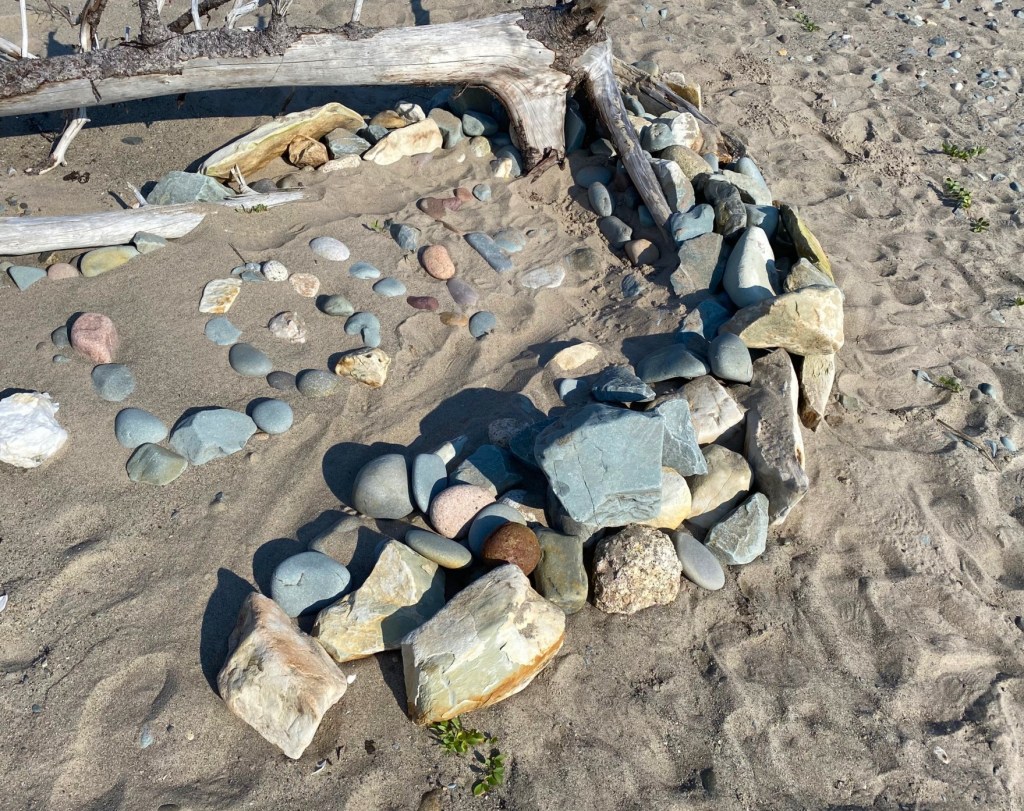
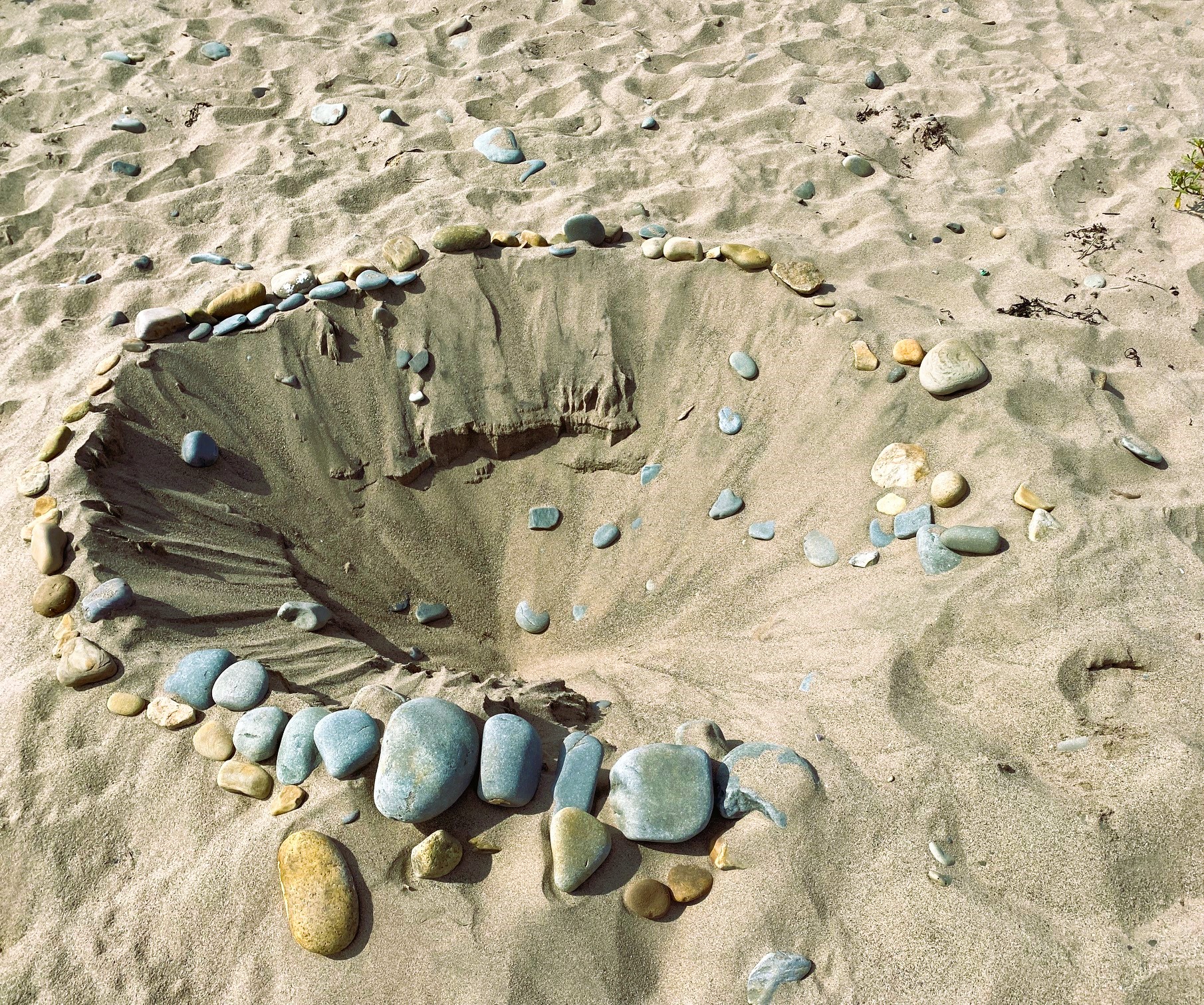
I went there again. Maybe the last time? My time here is shrinking, time on this land perched over Atlantic, our land. Maybe in a month or so I won’t be here? Hence, I came today. To our Fort of Love, our love, our castle built on sand with solid rocks, boulders.
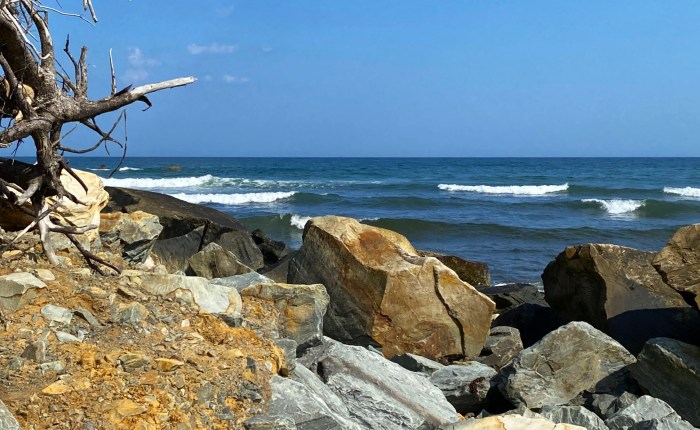
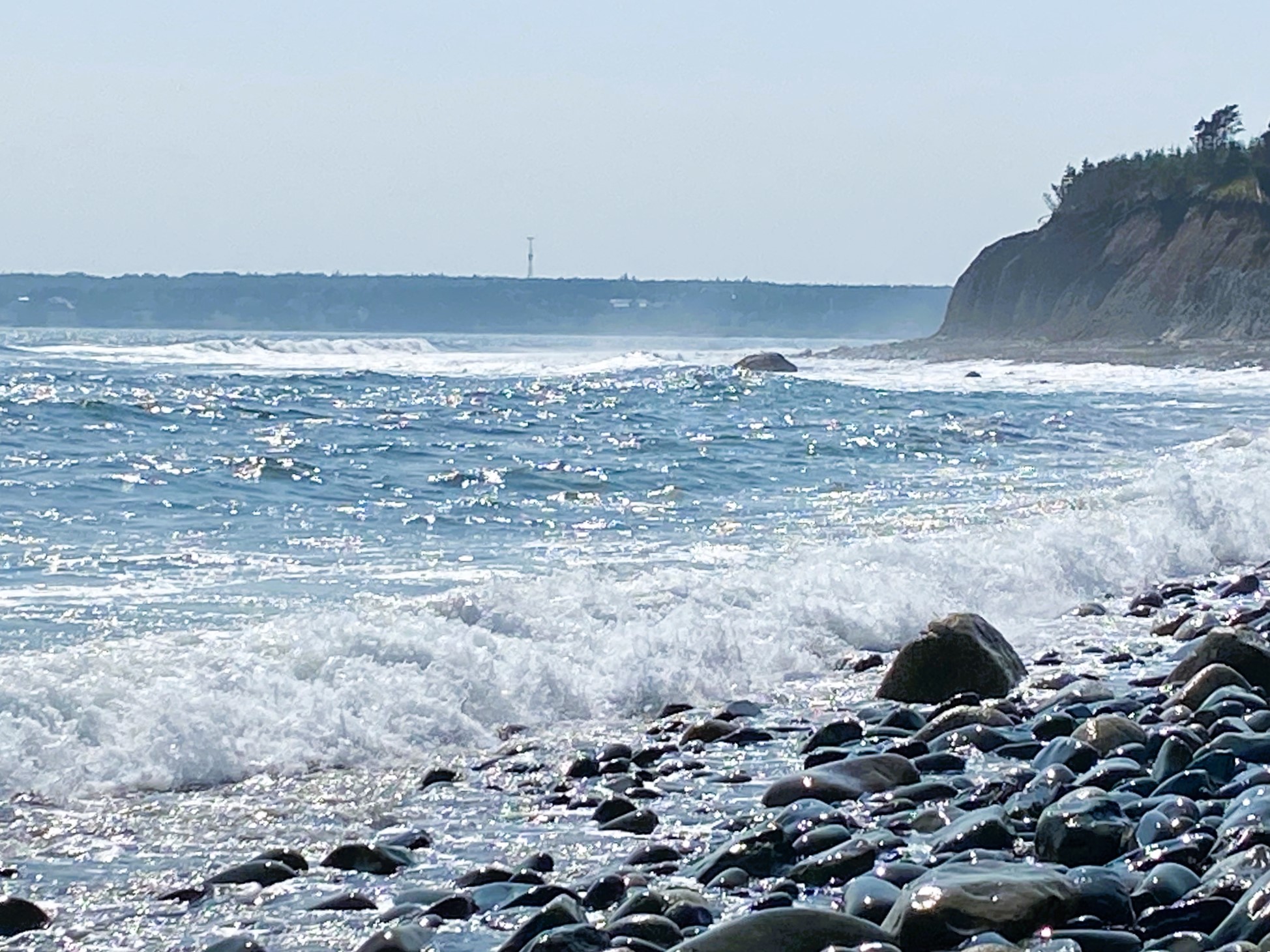
Yes, it still is here on this wild beach, far away from any venturing tourists. My hidden sanctuary of talking pebbles, tubal music of waves, clouds of black and white sandpipers flying in unison formations as a single body; ever present individual seagulls, pretending to be busy looking for crabs and dead clams, but observing you all the time. When I am there, I am part of that all, not a visitor but rather a feature belonging there. The flora there is very sparce and in constant struggle to survive. The dead ones are giving all their content as nourishment to the new ones. The sea and sand don’t offer much to land creatures. Occasional dead tree from far away bay or island. Not much but nothing is wasted in that austere environment. Meadows and patches of short forest on the land are separated from that spot by a big and deep saltwater lake. Sometimes, when I am tired of playing with the ocean waves, I go for a longer swim in that lake, its surface is always still like a glass. It must be incredibly deep. There is maybe three or five meters of very easy shallow water and than suddenly it just drops like from windows ledge to a dark deep water. I’m always surprised how dark and impregnable to light that water is.
The shore, where the local road ends, has a small, rocky beach. Almost always, if the weather is OK, there is a small group of locals. Three, sometimes a ‘crowd’ of ten even. They don’t come as far as where I am with my Fort. I have seen once or twice one person or a couple venturing there. You need to cross a fast-moving sea ‘river’ (natural canal connecting the lake and the open ocean) to get to my monastic desert.
But they – the locals – know that the Fort is there. It is the only man-made structure. By now they must also know me, recognize me, when I come with the same red folding chair, a stick in hand and a backpack, as I traverse the water like a hermit coming back to his cell. They see me from far away, sometimes wave to me while I gather more rocks to fix the Fort. It did survive fall, winter and spring. Many storms and big waves. But a good monk always fixes his dwelling for the glory of god – and my god is Love.
Do the locals call it a sanctuary? Maybe. Sanctuary of Love. I like it. Our love, anyone’s love. I am not at all jealous of that love. Love doesn’t belong to me. I just tend to it. She is sacred.
Maybe Venus comes here by sunrise and dances naked by the Fort? Maybe all of them, these crazy Greek gods, come: Venus, Apollo, Narcissus, Orpheus. Maybe even Helen of Troi dances with them? With whom Helen would dance? With handsome Prince of Troi or with Menelaus, her husband? Sappho of Lesbos later explained that choice in her poem, when she argued:
Some say a host of horsemen, others of infantry and others
of ships, is the most beautiful thing on the dark earth
but I say, it is what you love
and few thousand years later, I agree with her wholeheartedly. But it doesn’t matter with whom they dance. Let them dance with whom they want. Let them lit the mighty sky with pyres hot of flames of passion.
August 08, 24
Hey! Yes, you Narcissus. Come here and sit by me. Don’t cry, don’t drown in unanswered selflove. Go to disco tonight. They have one in the club called Elysium. Go there, dance and let go off sorrows. Kiss someone, make love to someone, anyone for Heaven’s sake! They will appreciate you youth, vigor and looks. Me? No, my dear boy. I have loved hundreds of times, thousands perhaps, for a day, for an hour. Until I was confiscated, possessed, taken by Love itself. By that one special Boy. One, who become the air I breath, my blood, my waking up and falling asleep. My song and my poem.
But be aware – Love is immortal, but you are not. When The Boy (or Girl) will go (as everything temporal does) you will be broken in half. Shattered like pebbles on the beach, that are constantly thrown by huge waves until only scream remains, only cry to Heaven. But Heaven will have its gates locked by Death.
Love, dear boy, is not for timid souls. Love is only for brave or insane souls. It is Love that holds the saved obol in your outstretched hand, while pounding with your other fist at this gate. The Gates of time, of mourning, of grief. Demanding, pleading for them to be opened. With that obol as a magic key. Hoping but not knowing what is on the other side: reunion or emptiness, nothingness. Yet knowing now, when you are at these Gates, that even nothingness is better than half-living.
Ostatni tekst wiązał się bezpośrednio z literaturą. Literaturą przez duże L, bom pisał był o Gombrowiczu i Jeleńskim. Jednocześnie przypominałem mój cykl o literaturze tzw. emigracyjnej lat PRL-u.
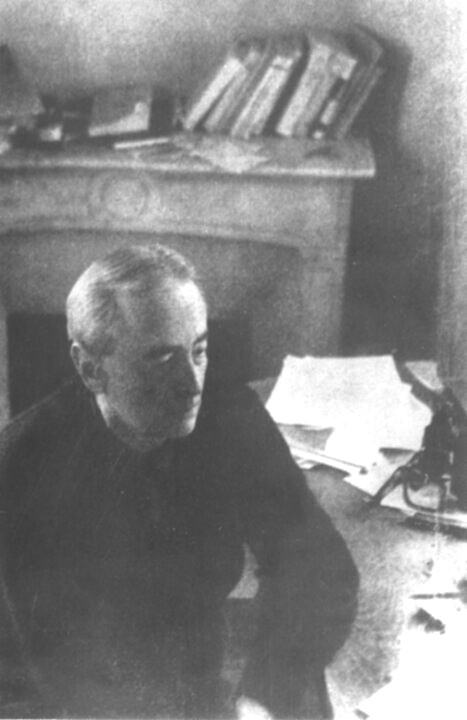
W cyklu tym pominąłem jednego poetę i tłumacza poezji, z którym we wczesnych latach 90. nawiązałem kontakt, Tomasza Michalaka. Opublikowałem w numerze drugim Rocznika Twórczości ‘Strumień’ kilka wierszy Michalaka, a że kontakt nam się w jakiś sposób potem urwał (nie sądzę by były ku temu jakiekolwiek ważne przyczyny, raczej zwykłe i prozaiczne towarzyskie – w tamtym okresie moje życie było ponad miarę wypełnione zajęciami, które pochłaniały więcej czasu niż oferowała go doba). Spotkałem go chyba w Simon Fraser University w Burnaby, gdzie wówczas studiował. Dziś zdaje się dalej tam jest, naturalnie jako wykładowca tym razem.
Opublikowałem wtedy pięć jego wierszy[i]. I wszystkie mi się podobały, podobał mi się sposób w jaki używał języka gramatyki.
Słowo ‘podobały’ nie jest określeniem używanym w krytyce literackiej – a przecież jest to najistotniejsza część łączności z czytelnikiem. Krytyk, badacz musi czytać wiersze, by je oceniać, recenzować. Czytelnik nie musi i nie potrzebuje. Czytelnik czyta te, które lubi, które mu się podobają.
Gramatyczna kolejność i funkcyjność tej kolejności części mowy. Jeśli poeta trzyma się jej zbyt uparcie i sztywno – wiersz staje się klepanką, ogłoszeniem i traci wyraz poetycki. Nie będę wyliczał poetów, którzy to robią, bo zbyt długi ten tekst by być musiał. Im bardziej kodyfikujemy język, im bardziej sztywny gorset na niego nakładamy – tym bardziej staje się on językiem urzędowego obwieszczenia. W wierszu Michalaka „Rzeczy które wydarzyły się komuś” druga linijka brzmi tak: ze śmiechem kartki przewracają się papieru – naturalnie poprawnie brzmieć to winno: kartki papieru przewracają się ze śmiechu, tyle, że traci wtedy to zupełnie muzyczność frazy, staje się banalnym stwierdzeniem faktu. A przecież nie o to w poezji chodzi. Fakt jako taki jest w swej zasadzie kamieniem u szyi poety. Oczywistość oczywistości to jej śmierć.
Co tu chcę, w znanej mi spuściźnie Michalaka, przypomnieć, to jego praca tłumacza poezji anglojęzycznej. Mówię konkretnie o poezji billa bissetta (oficjalnie to Bill Bissett, forma której poeta w zasadzie nie używa, odrzucając, jak w swej poezji, wiele zastanych norm gramatyczno-ortograficznych). Jeden z najbardziej trwałych i tragicznych elementów kanadyjskiej poezji ostatnich siedemdziesięciu lat. Od dekad prześladowań rządowo-policyjnych, po międzynarodowe i krajowe akolady, nagrody, ordery. Od cel aresztów policyjnych, po salony Sztuki i ordery państwowe[ii].
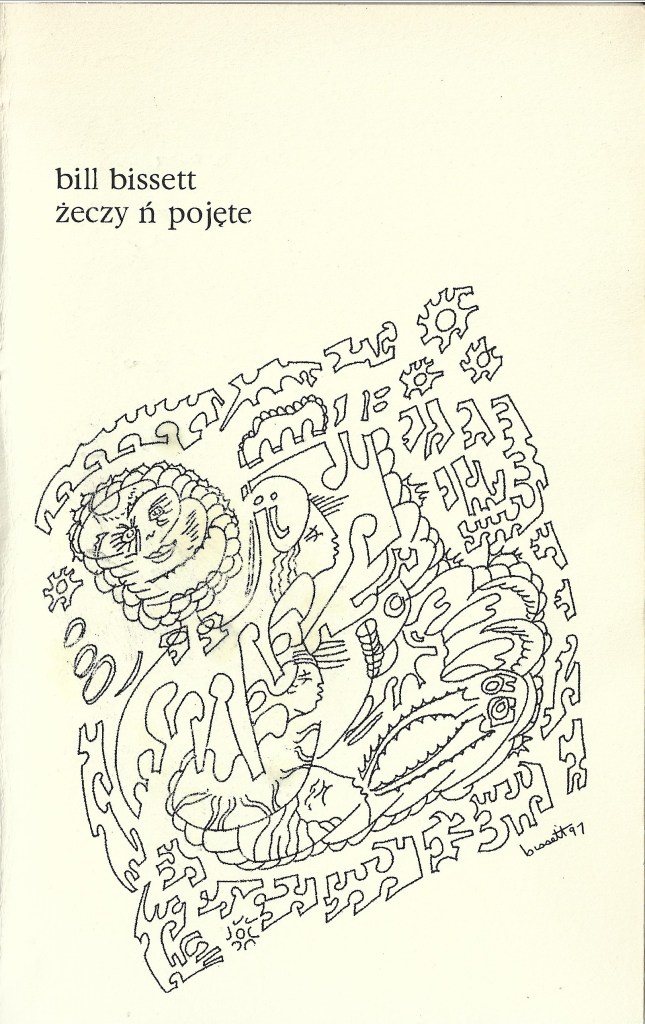
Tomasz Michalak podjął się trudnego zadania przetłumaczenia tomiku wierszy Bissetta „żeczy ń pojęte”[iii]
Tłumaczenie poezji pisanej w dużej mierze w formie fonetycznej, języka mówionego, a nie pisanego, musi nakładać na tłumacza dodatkowy problem, gdzie sama znajomość języka oryginału i języka tłumaczenia to za mało. Trzeba poniekąd wgryźć się w sposób mówienia i dźwięku słowa. W skodyfikowanym języku można to porównać do czytania nut. Proszę sobie wyobrazić koncert, gdzie nie ma żadnego muzyka ani instrumentu, miast tego jest lektor. Staje przed widownią i czyta utwór z kartki: tempo presto – crescendo, dwa bemole, 3 szesnastki na trzeciej linii, dwie połówki na czwartej, trzy półnuty w oktawie wyżej …. Ciekawym bym był, ile osób by na takie koncerty chodziło …
Trudno bardzo ocenić poziom tłumaczenia tego typu poezji i nie mam zamiaru tego tu robić. Zupełnie prywatnie musze powiedzieć, że Michalak bardzo przybliżył mi poezje bissetta, a sam bisset autoryzował te tłumaczenie. Co też trudno ocenić, gdyż bissett języka polskiego nie zna. Ale to są już dywagacje mało znaczące. Z punktu widzenia językowego jest to praca dobra i warto by było, gdyby jakieś wydawnictwo w Kraju to opublikowało. Może ktoś kiedyś to zrobił, nie mam pojęcia, bo badań jakichkolwiek nie robiłem w tej mierze.
Tłumaczenie Michalaka przypomina mi bardzo formę walki futurystycznej z kodyfikacją języka prowadzoną przez Bruno Jasieńskiego i poetycką prozą Brunona Schulza – inność. Inność używania języka, jako formy, która ma służyć twórcy a nie kajdan, które mają go ograniczać. Do takiego ‘braku szacunku’ wobec formalnej kodyfikacji ortograficzno-gramatycznej nawiązywała też współcześnie Olga Tokarczuk podczas spotkania na 70-lecie Wydawnictwa Literackiego w Krakowie. Podkreślała, jak język ma być narzędziem giętkim w ręku pisarza a nie kajdanami sztywnej formy.
Więc wracając do tłumaczenia Michalaka wierszy bissetta przytoczę pierwszy z tego zeszytu poetyckiego. Bardzo zresztą oddający – abstrahując od sposobu zapisania – charakter poezji bissetta.
Ot, ciekawostka poetycka. Jedynej rzeczy, której sensu pojąć nie potrafię to właśnie tego niby-konstruktywizmem pachnącego układu graficznego strof i wersów. Chyba, że założeniem był jednak chaos. Tutaj tłumacz jest jednak bezbronny, ten układ stroficzny jest dokładnie taki w oryginale. Co w niczym mi w rozumieniu tegoż nie pomaga. Naturalnie – chaos zrozumiany być nie może i z tym się zgadzam.
I tyleż na dziś.
[i] Rocznik Twórczy „Strumień”, nr 2; s. 31; Surrey, Kanada; rok 2000; ISSN 1488 8513
Jakiś czas temu publikowałem tu cykl artykułów o poezji polskiej powstającej poza granicami kraju. Ostatnie z tego cyklu dwa artykuły tyczyły poezji polskiej w latach już po ‘naturalnej śmierci’ podziału tej literatury na krajową i emigracyjną.
Przypomniała mi ten cykl i zagadnienia niedawna rozmowa moja z dr. Piotrem Sadzikiem, młodym a szalenie zdolnym docencie Uniwersytetu Warszawskiego, badaczem właśnie literatury. Zaczęliśmy mówiąc o mojej nowej ‘wersji’ średniowiecznego słynnego hymnu Des irae, sięgającego tradycją do wczesnych Ksiąg żydowskiej Tory. Mój (też tercyną spisany,LOL) hymn był jednak nie hymnem strasznej apokaliptycznej śmierci (zaraz Dostojewski na myśl przychodzi ze „Zbrodnią i karą”), a przeciwnie – wyzwoleniem i złączeniem przez Miłość. Ale jakoś tak mimowolnie zeszliśmy na temat dwóch postaci – za sprawą jakiejś analogii Piotra Sadzika – ze współczesnej epoki literatury: Konstantego Jeleńskiego i Witolda Gombrowicza. Więc ten Konstanty (Kot) Jeleński z Paryża i Witold Gombrowicz z Buenos Aires. Nie powtarzajcie tego głośno, ale Gombrowicz to po prostu idée fixe Sadzika. Mówiąc po polsku: jest nim zafiksowany lub ma na jego punkcie bzika. Nie wypada o naukowcu tak mówić? OK, to powiem bardziej elegancko – jest pod olbrzymim wpływem twórczości Gombrowicza (w zasadzie w rozmowie używa formy ‘Gombro’, co mi się podoba, LOL, bo tym samym usuwa te nawały brązu, narzucone na tego wspaniałego pisarza) i kopalnią wiedzy o nim. A Jeleński? No cóż, odpowiem tak: jak można w ogóle mówić o Gombrowiczu nie wspominając Jeleńskiego?
Jeleński był ambasadorem kultury polskiej par excellence w Europie. A w Paryżu bezwzględnie, eurydytą pierwszej kategorii. W czasach szarzyzny i ugoru PRL. A biedny Gombrowicz siedzący daleko za Atlantykiem miał wielkie problemy ze zrozumieniem w środowisku emigracyjnym, zwłaszcza z jego centrum w Londynie (u Grydzewskiego z jego „Wiadomościami’ niestety też) – bo cała Emigracja żyła tylko walką, patriotyzmem i wojną z komuną. A tu ten cholerny Gombrowicz, pisarz i dramatopisarz przecież dobry ze świetności Międzywojennej – upiera się z tym dziwnym ‘Transatlantykiem’. Jakieś aluzję, jakieś ironie, szyderstwa może nawet! Kto ma czas na takie zabawy literackie? Teraz, gdy trzeba szablę w dłoń i bolszewika goń, goń, goń! No, ale to był Polski Londyn, a Polski Paryż to już nie to samo. Polski Paryż, panie dzieju, to właśnie i Kot Jeleński, i wysoki do nieba Czapski i ta cała ich „Kultura” z Giedroyciem.
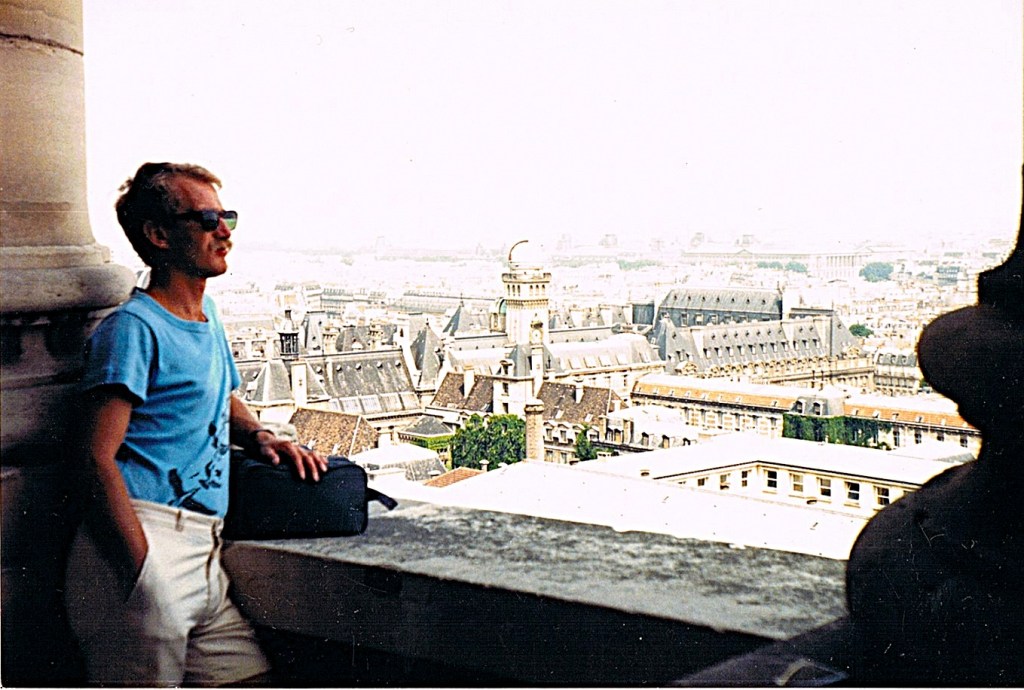
w Paryżu, widok na Sorbonę, 1986
Jako że byłem we wczesnych latach 80. w gościnie u Kota Jeleńskiego w Paryżu – to na te tematy nam się zeszło mimochodem. Bezpośrednio z tego Des irae, LOL. Nie pytajcie o logikę, nie mam czasu tak długo tłumaczyć.
Dlaczego o tym wspominam? Otóż mam po cichu własną teorię pewnych wyczuleń, pewnego rozumienia ludzi i ich aury. Kot Jeleński i Witold Gombrowicz, a i wspomniany Józef Czapski byli biseksualni lub po prostu gejami. Czy to ma znaczenie? Zdaniem moim ma. Następuje pewna nić porozumienia się, nawet bez słów. Nie, niekoniecznie oczekiwanie romansu lub przygody. Tu chodzi o emanowanie empatii, o mówienie zachowaniem: ja wiem i rozumiem. Jest to też rozumienie głodu miłości. Miłości, która ciągle, jak za czasów Wilde’a, nie miała imienia. To okres lat 40tych, 50tych i 60tych (Gombrowicz zmarł w 1969). To był inny świat i inny sposób funkcjonowania w świecie zewnętrznym. Nie ma znaczenia, że kogoś własne, prywatne środowisko było bardziej otwarte, tolerancyjne. Świat nie był. I panował właśnie ten głód miłości. Ten głód spaceru ulicami trzymając się za rękę, pocałunku na ławce w parku. Nie rozumieją tego nawet młodsi gejowie, urodzeni powiedzmy już w późnych latach 70 lub 80. Ich świat nie jest światem Gombrowicza czy Kota Jeleńskiego. Nie jest nawet moim światem.
Czy jest możliwe, że Jeleński czuł pewną wewnętrzna chęć wsparcie Gombrowicza abstrahując nawet od uznania jego talentu pisarskiego? Jest, absolutnie. Jeleński był szalenie inteligentnym człowiekiem. Rzekłbym – błyskotliwie inteligentnym Ale jego pochodzenie i pewna klasa środowiska, z którego się wywodził nigdy mu tej inteligencji nie pozwalała używać w sposób arogancki lub nonszalancki. Gombrowicza talent mógł ocenić chłodno, bez emocjonalnego kolorytu. Ale z czysto człowieczego punktu widzenia jest bardzo możliwe, że miał wobec niego taką właśnie ciepłą potrzebę wsparcia, pomożenia, otworzenia drzwi.
To moje na ten temat dygresje, dysertacji robić nie będę. Ale badacze biografii i twórczości winni ten delikatny szczegół brać pod uwagę, jeśli chcą sedna pewnych zachowań lub wydarzeń dotknąć. Gombrowicz miał talent nie dlatego, że był bi czy gejem. Ale dlatego, że był pewne rzeczy widział w innym trochę świetle. Dostrzegał cienie tam, gdzie inni tylko światło oślepiające lub tylko nieprzenikalną czerń.
Ot, czasem niespodziewane refleksje po kulturalnej rozmowie z kimś sympatycznym nachodzą nas z wieczora i (też czasem, nie zawsze) warto je potem spisać.
August 1, 2024 – one of European capital cities stands still. At the prescribed hour (in that city called “The Hour W”) the sirens gave loud signal, and everything stopped: the cars, the transit, people on the streets, even in stores. The letter “W” contains two words: Warsaw and Fight (Warszawa and Walka). Yest, that city is Warsaw, capital of Poland. Happens to be also my city, the city of my most formative years – my youth.
What happened? Why? Did Warsaw pick up arms and went to war? No, of course it did not. Warsaw remembered. The entire country remembered. All major capitals of Europe remembered, too. The President of Germany came to Warsaw to remember, and to offered sincere apology and asked for forgiveness. The entire Diplomatic Corp in Warsaw took part in that event. I assumed the Canadian Embassy, also did. It is hard to say because not a single major newspaper or major TV Network in Canada did even mention it during their news. Really? This was not a news for Canadian CBC or CTV? While giving us typical news of the day, little stories of this and that. But nothing of major event in major capital of Europe? Shame on CBC and on CTV, shame on ‘Globe and Mail”, ‘Toronto Star’ ‘Winnipeg Press”, ‘Montreal Gazette’ and others.
August 1, 1944. Eighty years ago.
After five long years of bloody terror of Nazi occupation, young men and women of Warsaw area hoped to take revenge on the occupiers, to exact a price for their daily executions, for the annihilation of Jewish ghetto, for years of indignity and suffering.
On the Eastern Front the Soviet Army was marching and bringing new form of occupation and territorial Anschluss of entire Eastern Poland. On the Western and Southern front, the US, the Brits and Polish armies with major help from Canadian divisions were liberating Italy, France, Belgium and Holland. But the progress on the Western Front was slower than the advances of the Soviets. Originally the main puch of the armies of the West was going to be through the Balkans – making it a faster and better route. But Stalin demanded that their aim should concentrate of the Western, not southern advance. Through Normandy. He wanted to secure Poland as the future satellite of Soviet empire. Stalin knew that if these armies with Polish soldiers under the command of general Anders and Sosnkowski would enter Poland – the entire nation would stood with them and fight the Soviets. Churchill and Roosevelt capitulated and gave Stalin what he wanted.
Polish Government in London and the Polish Underground Home Army (AK) in Poland were hoping – against visible signs that it will not happen – that it will be able to use massive air bombardments of German forces in Poland, even sent to Warsaw Polish Airborne Brigade1 and aid the Warsaw fighters. Therefore, plans have been prepared for the underground forces in Warsaw to plan for the Uprising.
When it become clear that none of the help would come – it was too late to stop the young men and women, that preparation went too far, the original victorious propaganda worked and people believed that victory and revenge was possible. At the end – the Polish Commander-in-Chief in London gave the underground commanders in Warsaw advice that they must make that decision themselves. To try to postpone the” W” hour, if possible, but otherwise it would be their decision. But things were too advanced, young people were ready and eager. A noticeable movement of people, armaments in days prior to the uprising did not go unnoticed by the German army intelligence and the SS. They started making preventive arrests, searches for arms and people. In the meantime, the Soviet armies were gathering right outside of Warsaw and Poles did not want to change the Nazi occupation to Soviet occupation. Young people of Warsaw believed it was now or never. They wanted to establish rightful representatives of legal Polish Government and welcome the Soviets not to occupied Warsaw, but free democratic Warsaw with legal local governments and councils under the auspices of the legal Government and Polish Constitution.
On August 1. 1944, it started at 5 PM. It lasted two months. Lack of arms was the decisive factor in their inability to overcome massive German garrison in Warsaw, heavy bombardment by air, artillery. The unheard-of heroism of the freedom fighters and entire population couldn’t change the reality. The result was the total and meticulously planned full and complete destruction of the entire city. Street by street, district by district. Whoever survived in the ruins were marched in columns out of the city.
Each one of the people who survived went through hell and deserves undying respect for their heroism. Now, eighty years later there are only a handful of them still alive.
I remember from my childhood, youth and early adulthood many of them. Back in Poland and those I met later in the Polish diaspora in England, Italy and Canada. They were my dear friends and I miss them a lot. Our talks, their stories. Remember by heart their poems of that time, sung their songs. My every visit in Poland includes my solitary (or with the youngest family) visits to special places on Warsaw streets, with special monuments (mostly the familiar little plaques or cement tableaus on buildings of people, who died there: poets, high ranking commanders, places od famous street battles or name of battalions and formations).
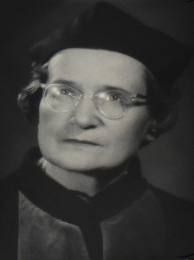
In the Wola District there are three places I’m thinking of right now: the Museum of the Warsaw Uprising; a little cemetery of Reformed Evangelical Church, and small two bedroom apartment on Szpitalna Street 1 in the center of Warsaw. It is all connected to one very special person, very special to my heart. A small but always very fast-moving frame of an older woman. My aunt. Professor of Pediatrics (or, as she called herself ‘children’s doctor) Zofia Lejmbach. My Hero of the Uprising. True unsung hero.
Here is my story of that small-framed woman.
Must go back to the beginning of 1970ies: I am just entering my early teens, still before my high school. Don’t remember where exactly I met her the first time, at what family gathering. But I remember the years when I started visiting her on my own. Usually it had to do with either evening concert in the Warsaw Philharmonic (a short walking distance to Szpitalna Street) or theater performance in Atheneum Theater, or Polski Theater or Dramatyczny – all close to that apartment. At that time I lived with my parent in a small town about an hour’s drive by train from Warsaw. Neithe they nor myself wanted to travel on that train by night. Could stay with my grandma, who lived lived in Mokotów District. My excuse was that Mokotów is o far away from the center of Warsaw. So, Aunt Zofia volunteered that I should come and stay overnight with her anytime I want to. And I did. I loved it.
She always made sure I had a nice supper and breakfast in the morning but no fuss whatsoever. Supper and breakfast were when we talked. Otherwise, she was busy writing, studying books that were lying everywhere: on her desk, on shelves, on the floor. Often there would be visits from some young doctors from the clinic asking for some advice or tutoring. Once a week there was an elderly elegant woman, Auntie welcomed her cordially, asked me not to disturb them and that women would go to Auntie study and door would be closed. Once I asked her about the visits and she told me that she is an older French language teacher on a very meager pension and under the pretext that Auntie needs conversational lessons in French – she helps her to maintain financial stability and dignity. Soon, I started to suspect that they were simply old lovers, and the French lessons was just an excuse. Zofia spoke perfect French; I heard her many times over the phone using it. Maybe I was wrong, but maybe not. But she was after all a single woman. Was her entire life. Both of her sisters married, had children and grandchildren. She never did. She gave me once some feeble romantic story from Kiev just before the Bolshevik revolution where she fell in love and her lover drowned in the ‘porohy of Dniepr’ (a fast running water with natural steps-falls in the bed of the river creating deep pools of whirling water). Maybe. It was a bit too bookish for me, at that time it was already over sixty years old story. But also – maybe down deep Aunt was very romantic. After all, she was from the old times, when stories like that were not out of sort. And she didn’t need a man to secure her material existence – she was well paid and renowned doctor. On the other hand, Zofia’s demeanor was sort of of … manly? As we would say today – lesbianish, LOL? I think so. As I grew older I think she suspected that I was from the ‘other Parish’, too. But it was different time – no one talked about things like that. Not in family gatherings with the youngsters being present, Heavens forbid!
My mind takes me back to that room I often occupied on Szpitalna 1. I was left to myself in that guest room, where I had an entire library full of amazing books. No idle talks. If I went to grandma’s, I would have to devote all my time to her and we would talk all the time, nonstop. Sometimes it was OK – sometimes I just wanted to scream. With Aunt Zofia none of that applied. If I had a question about some of the books (there were a lot of non-literary titles) – I would ask her, and she would almost always reply: I am too busy right now but please come back in two- or three-days’ time and we will talk about it. Sure enough – at that time when I did, she had another two or three books that she suggested I should use as a reference and had her own short talk that explained the subject to me in a language more to my age and knowledge. Some of the books I started reading were seriously above my level. But never ever have I heard her saying the famous and dismissive: my dear, you are too young to understand it, it is not a book for you. I was a young adult, not a child. At least that was how she related to me. That was my Aunt I remembered personally and fondly.
But there was another Zofia Lejmbach I have learnt about later, from other family members and mostly from books and documents much later. She never talked about herself unless absolutely forced.
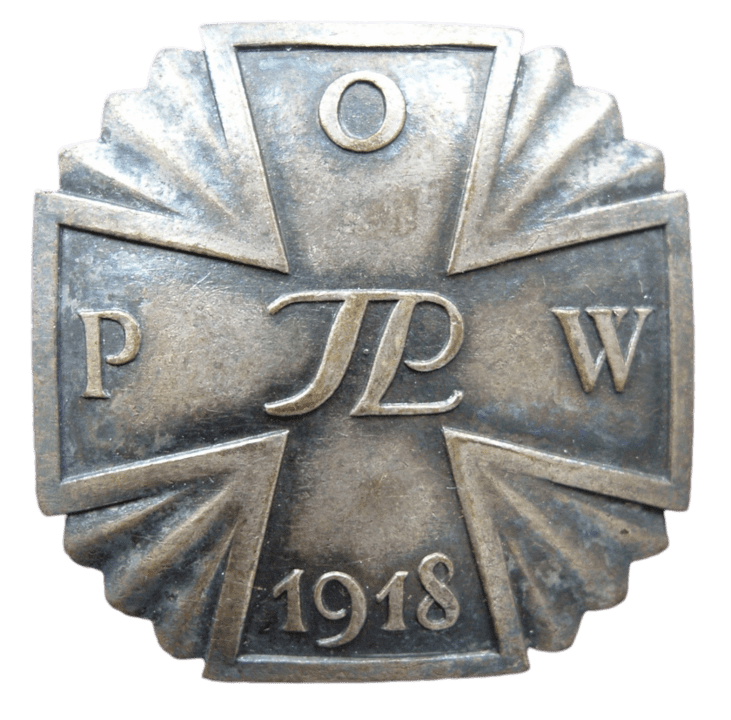
Zofia Lejmbach was born in 1901 in Minsk in Belarus (at that time all these territories of Lithuania, Belarus and Western Ukraine were part of an old Polish Commonwealth). My grandma’s mom and Zofia’s mom were sisters. In her early youth she was a member of Polish independence movement POW (Polish Military Organization) leading to the I world war. The front of that war found her in Kiev, where she was taking some nursing courses and tended to wounded soldiers coming from the battles. After the war she went to Warsaw and graduated from the Medical Faculty of Warsaw University. Later she worked in hospitals in Warsaw, Poznan, Paris, Rome and Strasbourg. When she came back to Warsaw she decided to specialize in pediatrics and work closely in the famous Hospital Karola and Marii in Wola District under the tutelage of famous pediatrician, professor Władysław Szenajch – father of Polish pediatrics. She remained with that hospital her entire long life. Including the years of German occupation and Warsaw Uprising. But of that later.
Part of the hospital became later (after the 2 world war) Działdowska Street Clinic for Sick Children, where for decades she was a Clinical Director. She was professor and pro-rector of the Warsaw Medical Academy in the 1960ties.
During the 2 world war she stayed in Warsaw with her hospital in Wola. Of course, early on she joined the Polish underground network of the Home Army (AK). Having not only high medical credentials but also military career during I world war, the Headquarters made her a Chief Sanitary Inspector for the District of Warsaw (that involved towns and villages near the capital) and during the Uprising – the Chief Sanitary Inspector of Warsaw proper. The Wola District was in a way the last stronghold of the Uprising and some of the bloodiest street battles took place there (of course apart from the worst and most gruesome fighting in the Old Town and the underground canals of Center Warsaw).
Prior to the start of the Uprising, she organized through Warsaw a string of small hospitals devoted to expected wounded fighters and the civilian population. She herself remained through the Uprising in the Wola District in the Hospital Karola and Marii. They were overwhelmed with heavy casualties, run out of medical supplies. The hospital itself was used as a target of German shelling and machinegun fire. Zofia Lejmbach was wounded herself but refused to step down from her position and tended to the wounded. After receiving information that the Germans were executing wounded fighters found in other hospitals, she decided to evacuate the hospital and all the patients. But it was 1944 in Warsaw, not at the front lines of opposing armies with transportation and order. There was no available cars or anything. She scoured the neighborhood and commandeered a single horse drawn carriage and loaded it to the brim with all her wounded patients. All the streets were in flames and Zofia was wounded herself in her arm. She had a plan. Her father, also a medical doctor, had a manor in Skorosie, not far away from Wola and Warsaw. She knew the local roads. Through the hellish streets of Warsaw, she led the carriage to the manor and saved all her patients. Not even one was killed. Later she learnt about the massacres the German and their allied right-wing Kamniski RONA Brigade2 perpetrated. The sheer barbarity and cruelty of the RONA soldiers shocked even the German SS Waffen. RONA Brigade consisted of Russian fascists.
And my mind takes again to that small room on Szpitalna Street no. 1. I am, let’s say 13 years old. Just finished reading famous book by Bronislaw Malinowski3, whose voyages to Australia and Oceania and Micronesia in the early XX century gave birth to modern anthropology, understanding of sexuality; he was doctor honoris causa of Harvard and professor at Yale University. His books – at that time – caused shock and havoc among scientists and among educated classes. Well, they did that time in my head – I was a 13-year-old boy! And it was 1970ties, not 2017, LOL. It was a different world. Aunt Zofia knock on the door to the room, I invite her, she smiles politely and says matter-of-fact: I noticed you are reading Malinowski’s book. Excellent choice. My face becomes instantly red and I mumble something, putting that book away. She pays no attention to my discomfort and adds: good, it is a very important book. If you don’t mind, I can find you something more modern and maybe clearer on these subjects. But do continue reading him, he was such an excellent writer. Do you want me to make you a lemon tea? She closes the door quietly and goes to the kitchen. Wasn’t she a wonderful aunt for a young fellow like me? Again – I was a young adult, not a child. How I appreciated that. And how upset and revolted my old dear grandma would have been with her cousin, LOL.
Zofia Lejmbach died in September 1995 in Warsaw. She was 94 years old. Her last few years were difficult as she fell down a ladder getting some books from a shelf and broke her hip. She lived alone all her life after the war. But managed to crawl to the phone on the wall and call for help. I left Poland in 1981 but kept in touch with her by way of letters. After the collapse of the Soviet system in Poland – things were very bad materially. Poland was broken by economic disaster of the system. Shelves were empty, no supplies of anything. That included medical institutions and the health system. With my friend I organized in Calgary some basic medical supplies, specifically for surgeries and for children’s health from the 3M Corporation. We packed everything in two large parcels and sent it off to Aunt Zofia. She was very thankful and told me how happy her working colleagues were at the clinic. Well, they all were her ‘children’.
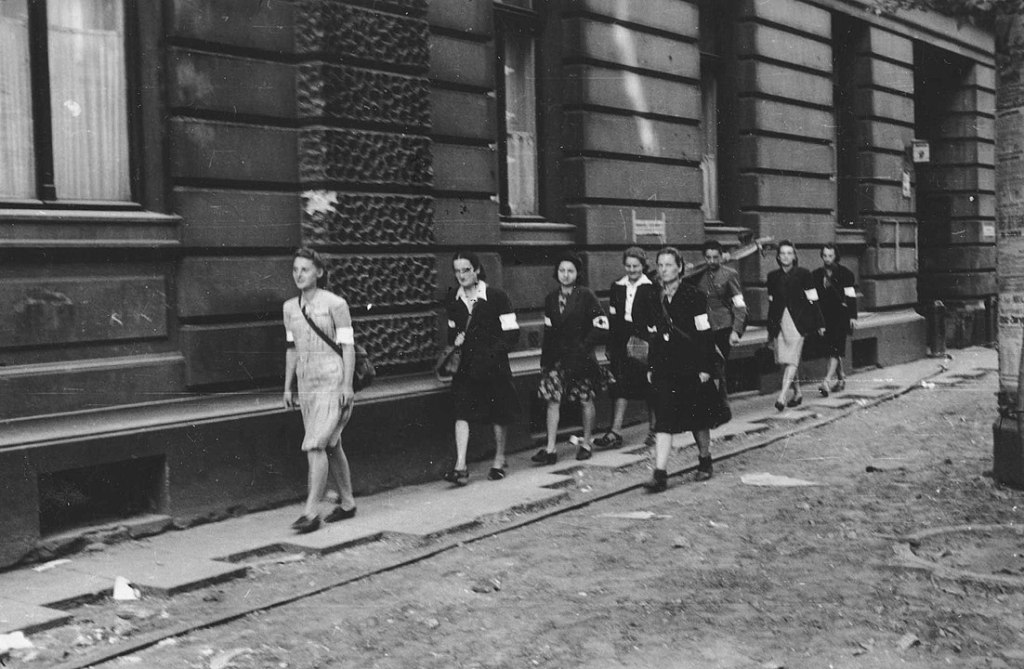
In the red brick building on Obozowa Street in Warsaw Wola there is a huge Museum of the Warsaw Uprising. As you go from the Main Floor exhibition, using a large iron staircase there is a huge picture of young women running through the street during the Uprising. They all have the armbands of the Uprising. Zofia Lejmbach, their comandante, is the second from the front.
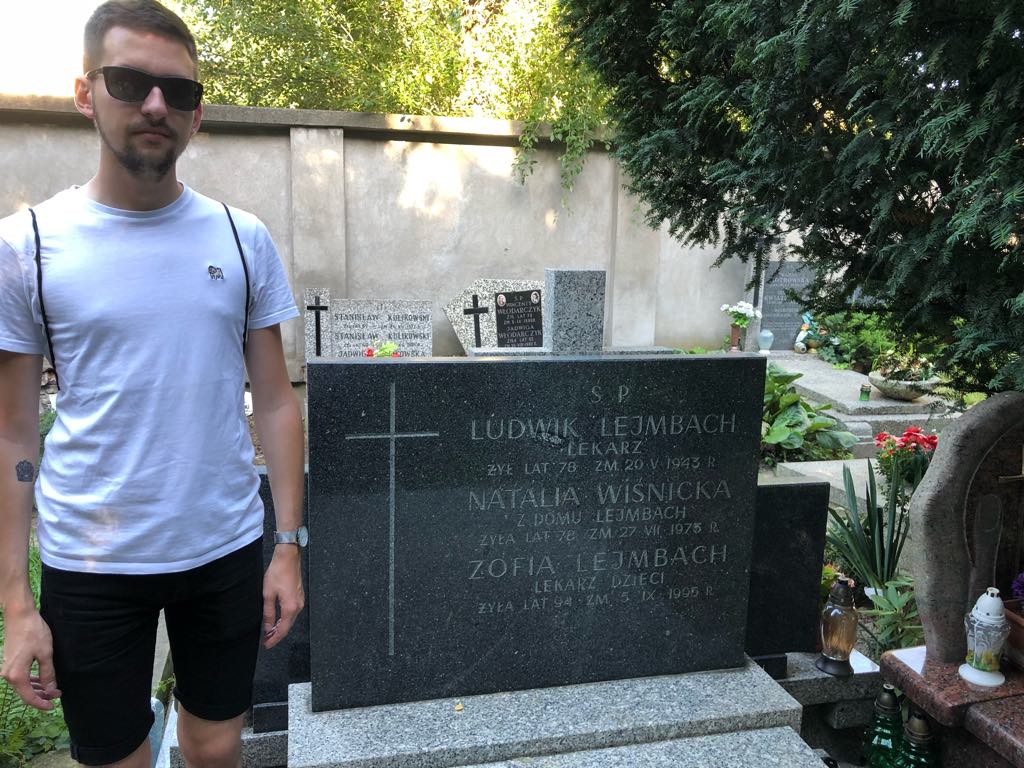
A little bit further, toward the Gdanski Train Station, on Żytnia Street is a small cemetery of the Protestant Reformed Church in Poland. Zofia Lejmbach and her family came from that old, historical branch of the Protestant religion in the eastern borderlands (Kresy) of old Polish Commonwealth. Doesn’t matter of fact she was the very first woman in Poland that rosed to the top rank in that Church – the President of the General Consistory. And that’s were, on that tiny cemetery, she was buried, in the same grave as her father, and her sister Natalia Wiśnicka. Her other sister, Irena Zakrzewska is buried ‘next door’, on much larger Protestant Augsburg Cemetery on Mlynarska Street.
Both of her sisters – Irena Zakrzewska (very distinguished and elegant older lady, who lived on Madaliński Street in a small bachelor connected to larger apartment of her son, Polish painter Leszek Zakrzewski, his wife and daughter) and Natalia Wiśnicka (lived on Krasicki Street in Żoliborz District) were also serving in Women Service battalions during the Uprising of 1944.
This is my story of a true hero of Warsaw Uprising. My Aunt Zofia Lejmbach. Freedom and independence fighter.
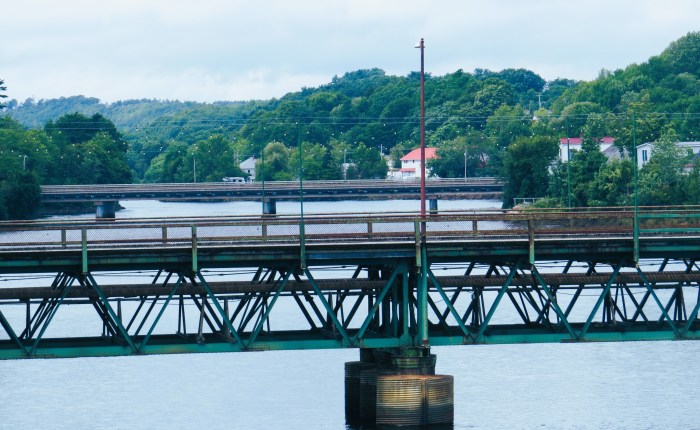
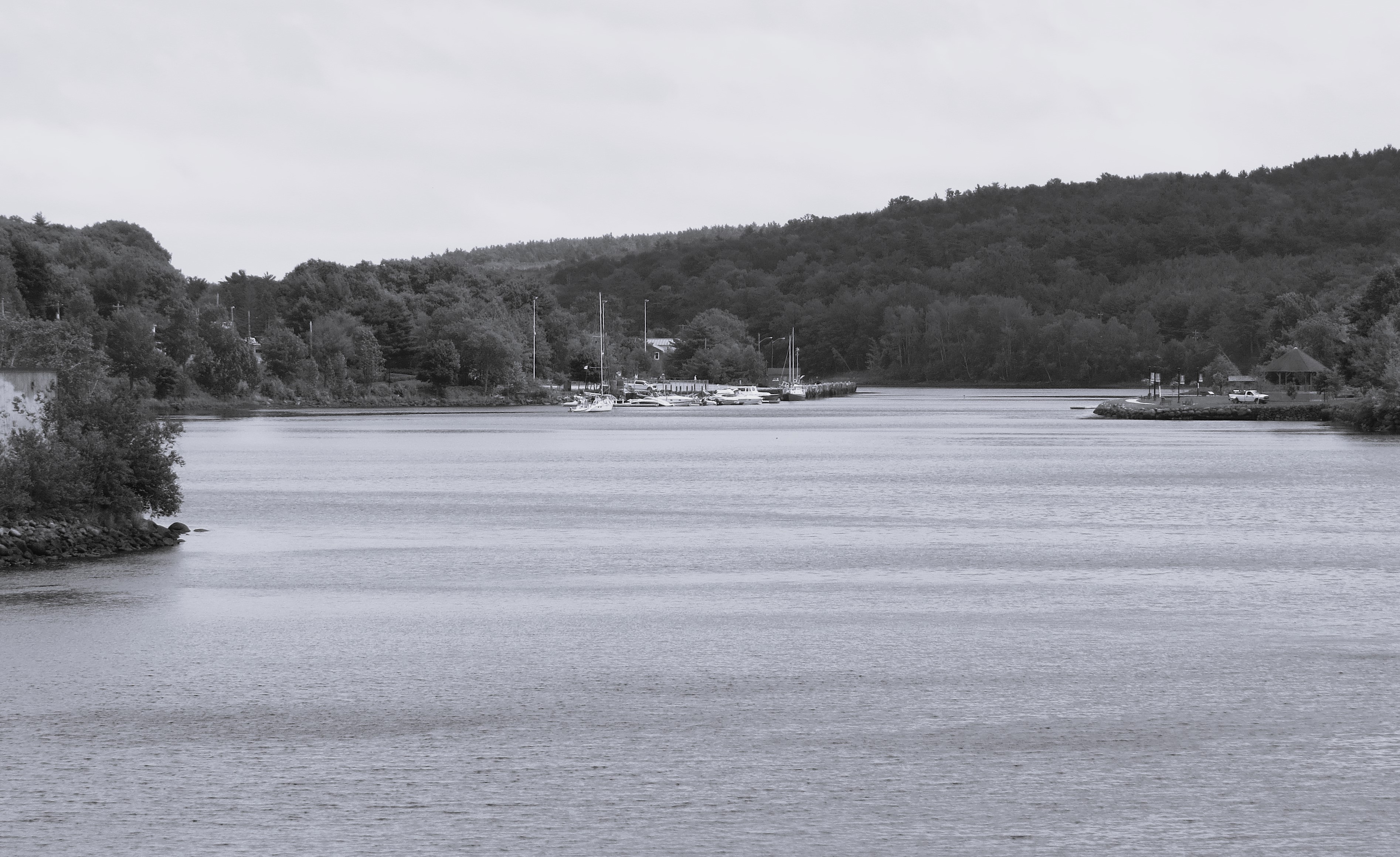
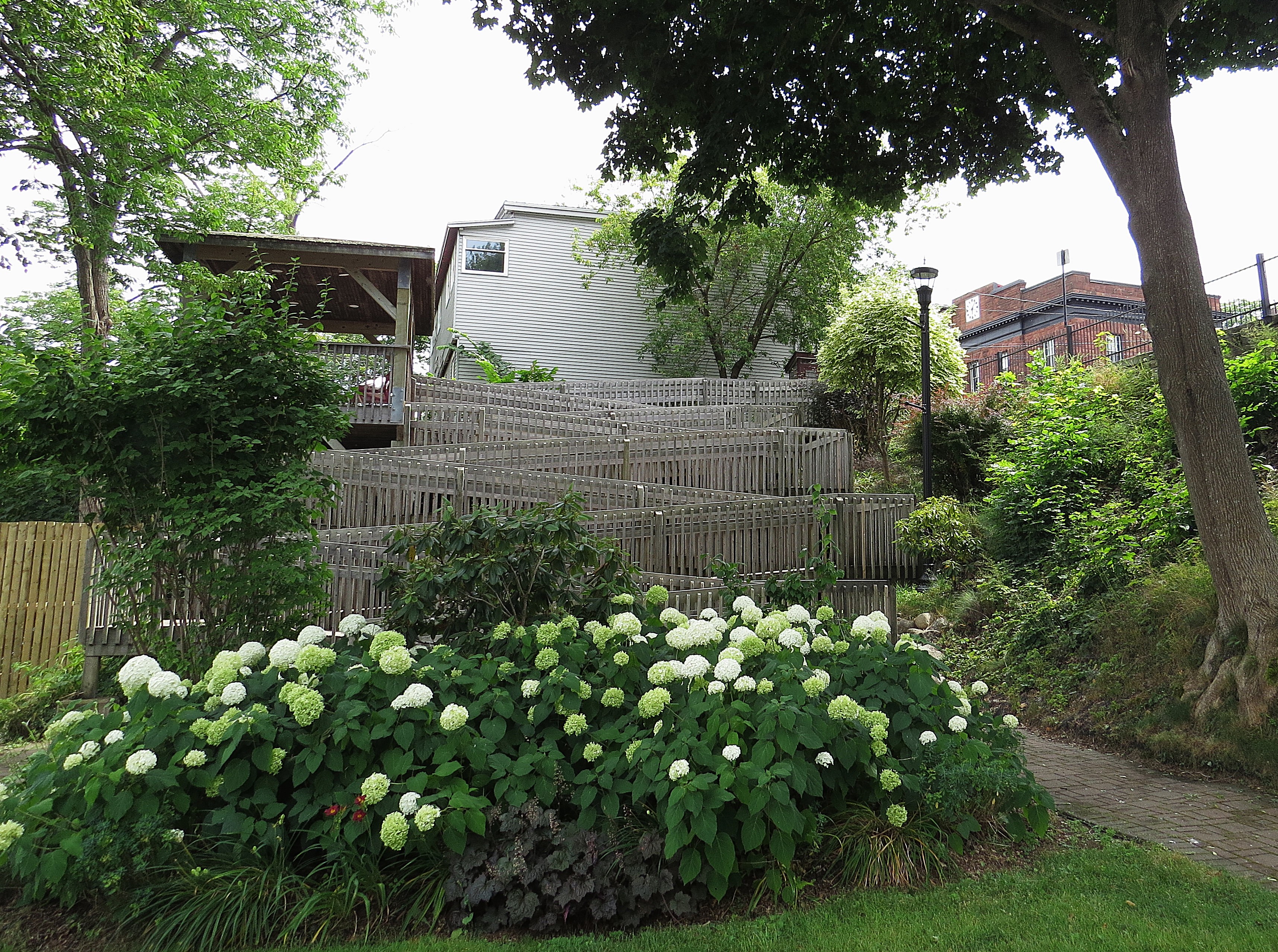
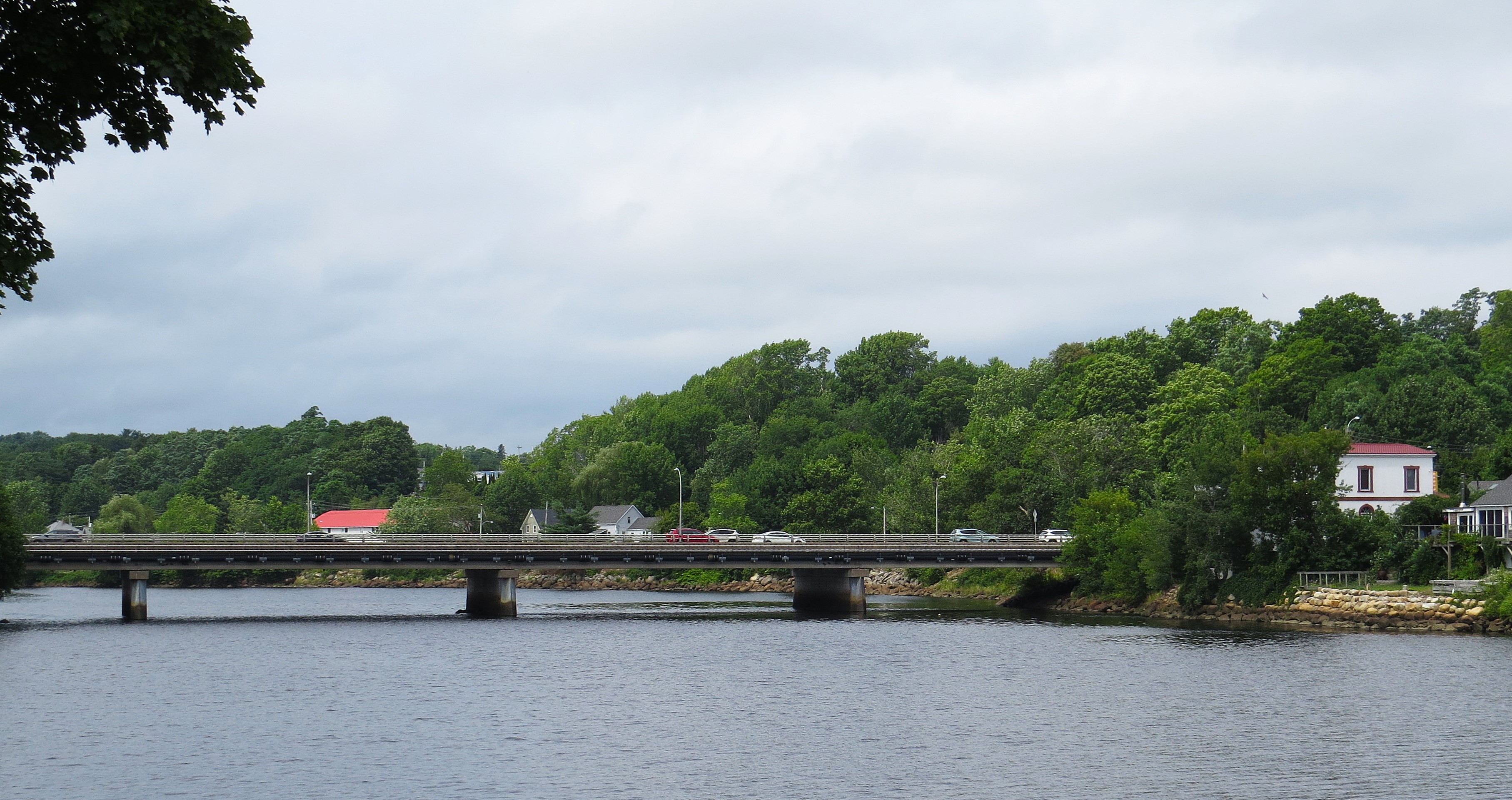
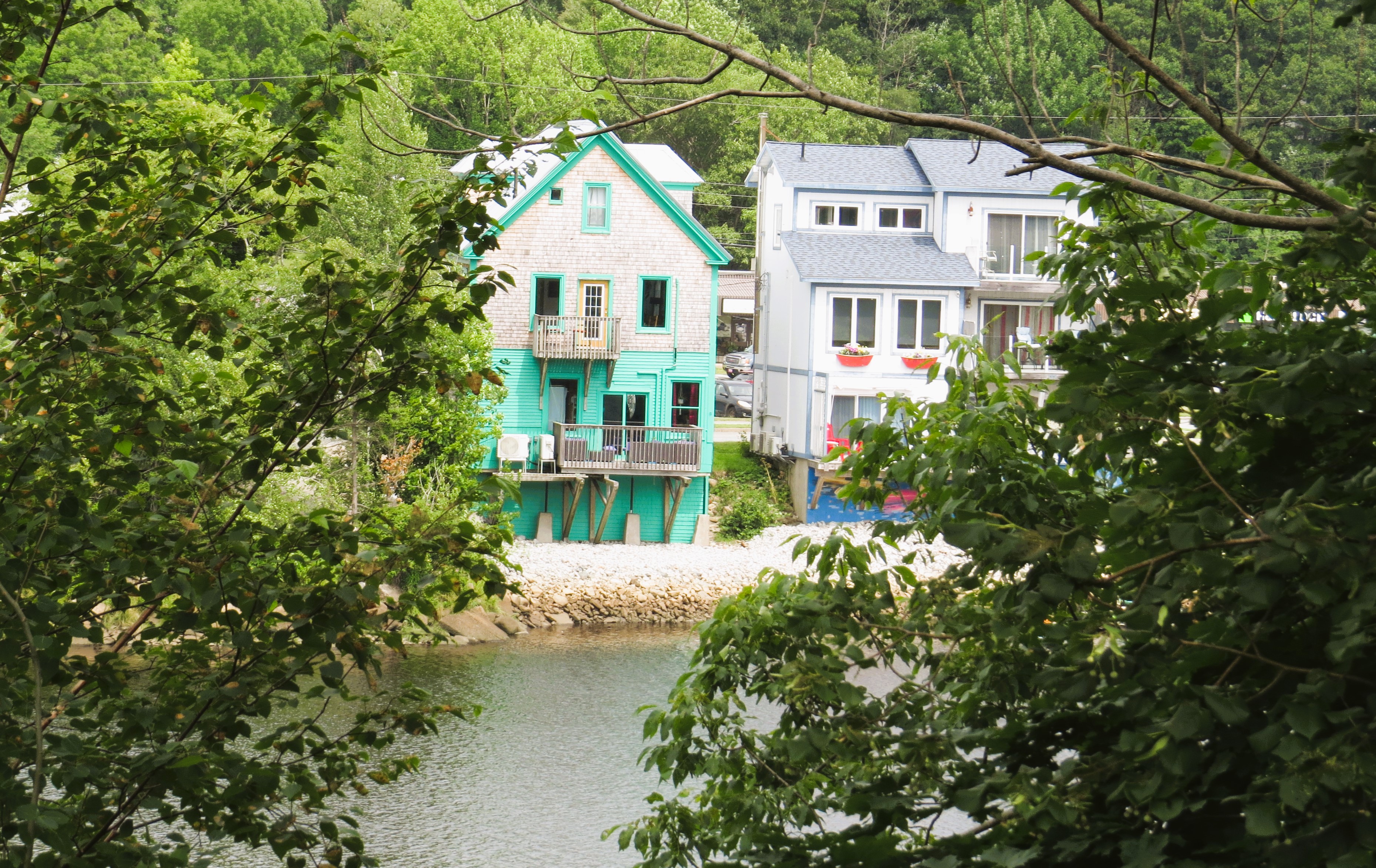
But before the British settled there, and before it become known by the name ‘Bridgewater’ it was an ancient large settlement of Mi’kmaq tribe for thousands of years. There is a rich collection of archeological artefacts attesting to their settlement at the mouth of the large LaHav River.
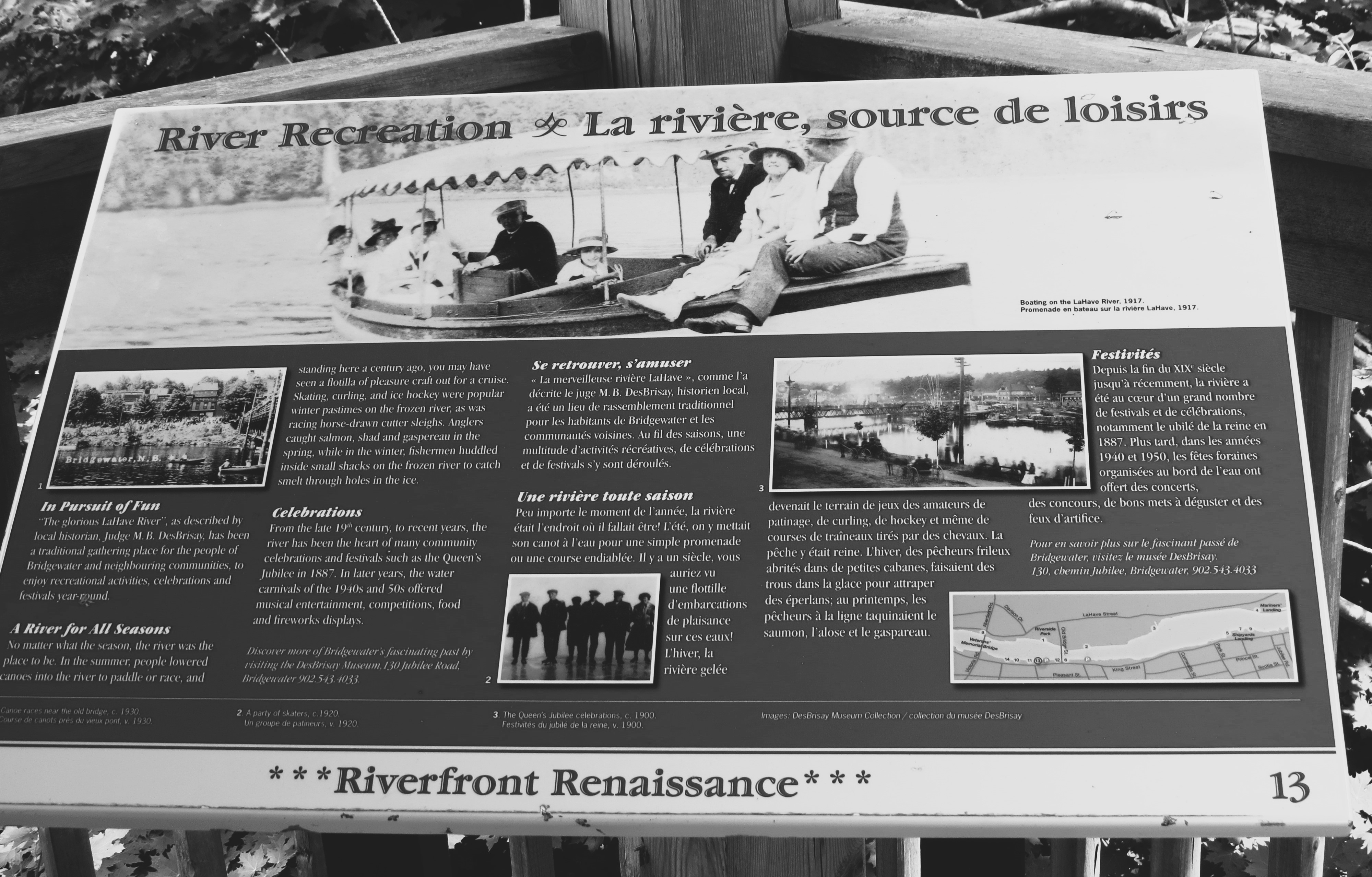
In 1604 the French Governor of New France Pierre Dugua de Mons visited these lands and by the mid-1600 there was first small French settlement there. In 1825 the first bridge was built and by 1850 the population grew to 300. At the end of XIX century the town had two railway connections – across the valley to Middletown and trains to Halifax. Easy access through the large and navigable river gave beginning of many industries, among which shipbuilding was a major force. It is probably a surprise to many, but the very first ship’s two-stroke engines were manufactured here and exported worldwide. It closed its operations in 1970.
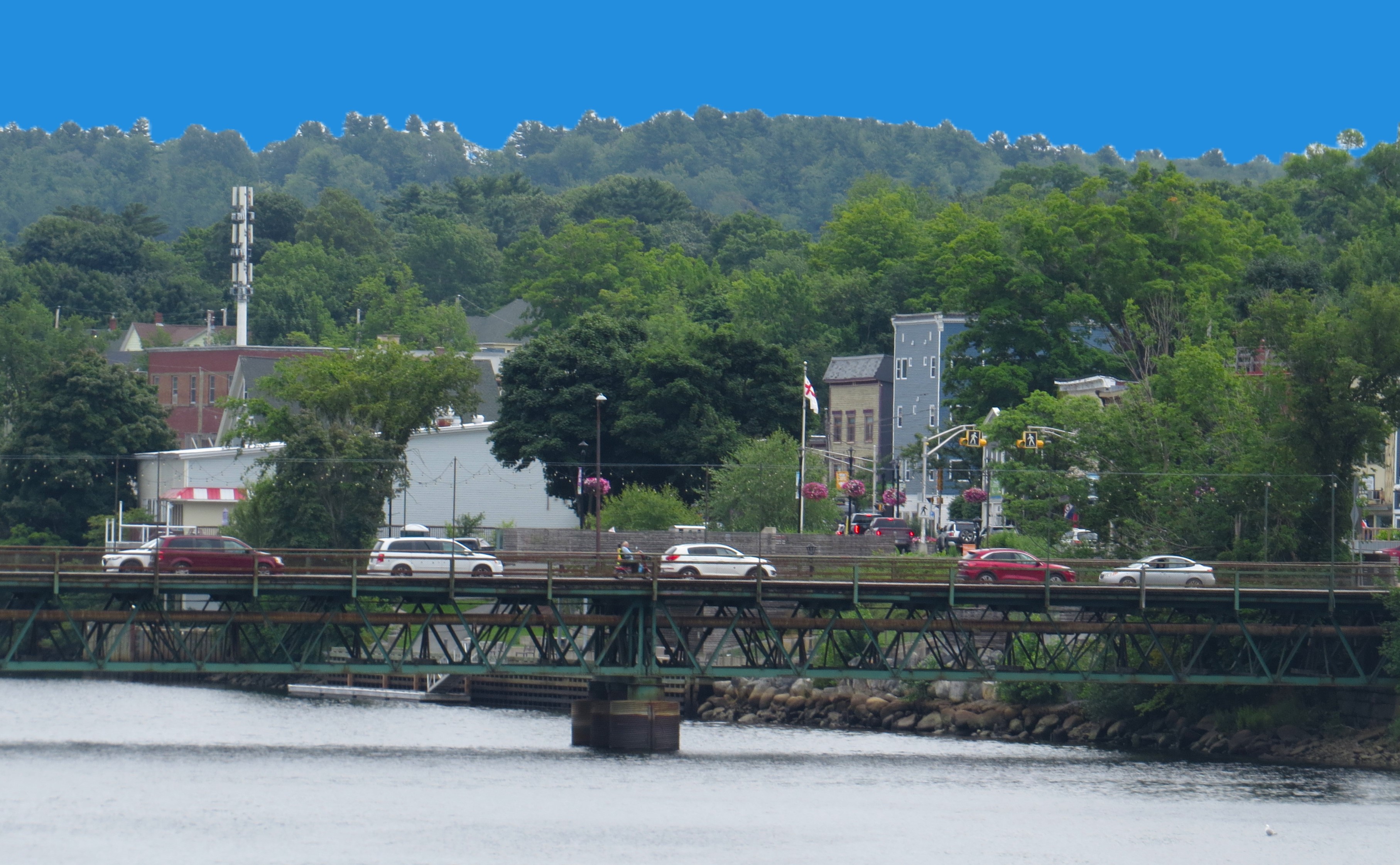
Since the origins of the town, the western bank of the river was the heart and center of the city and so it remains. Most modern developments, shopping malls, concentrate on the east or left part of the city.
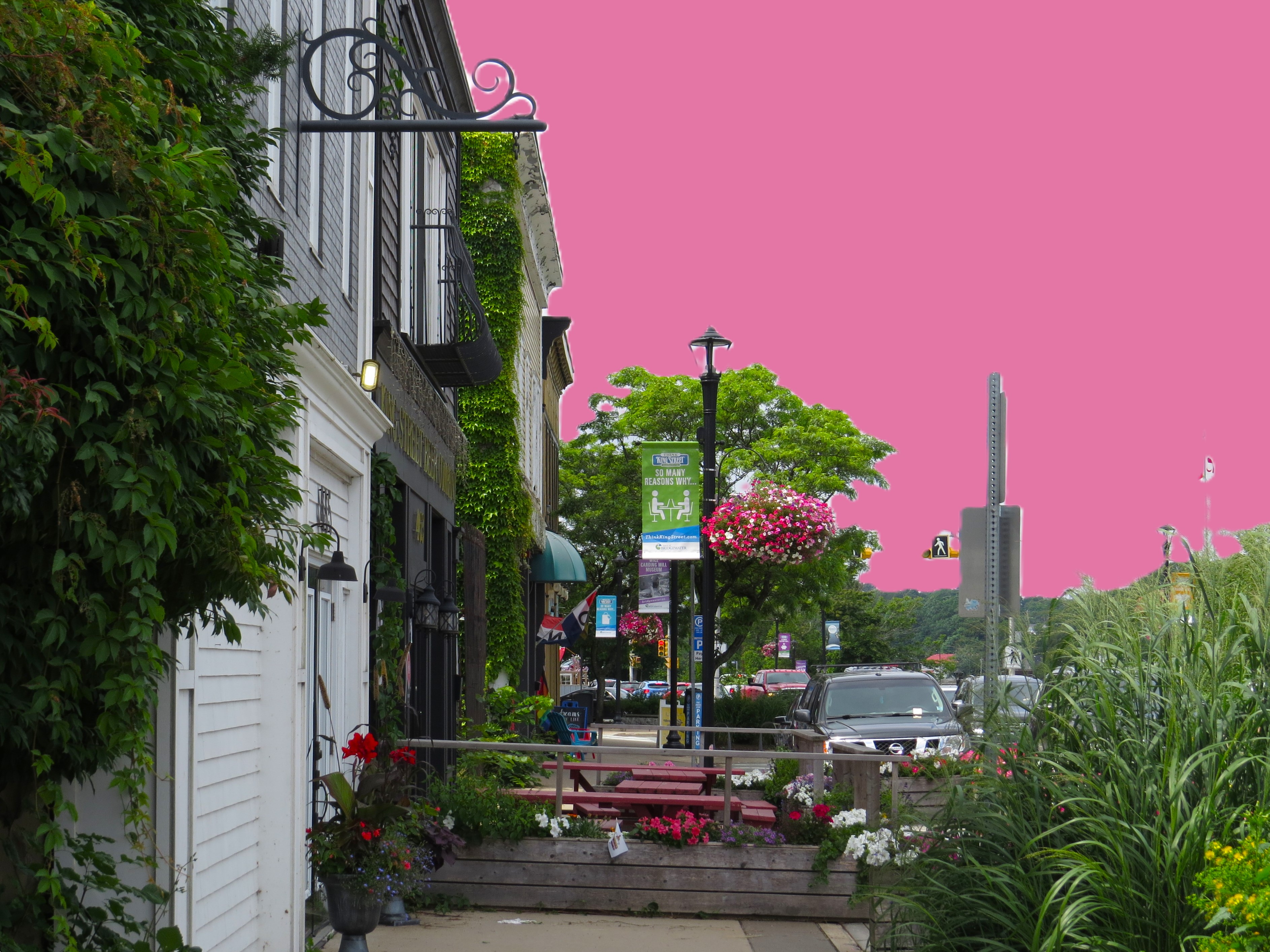
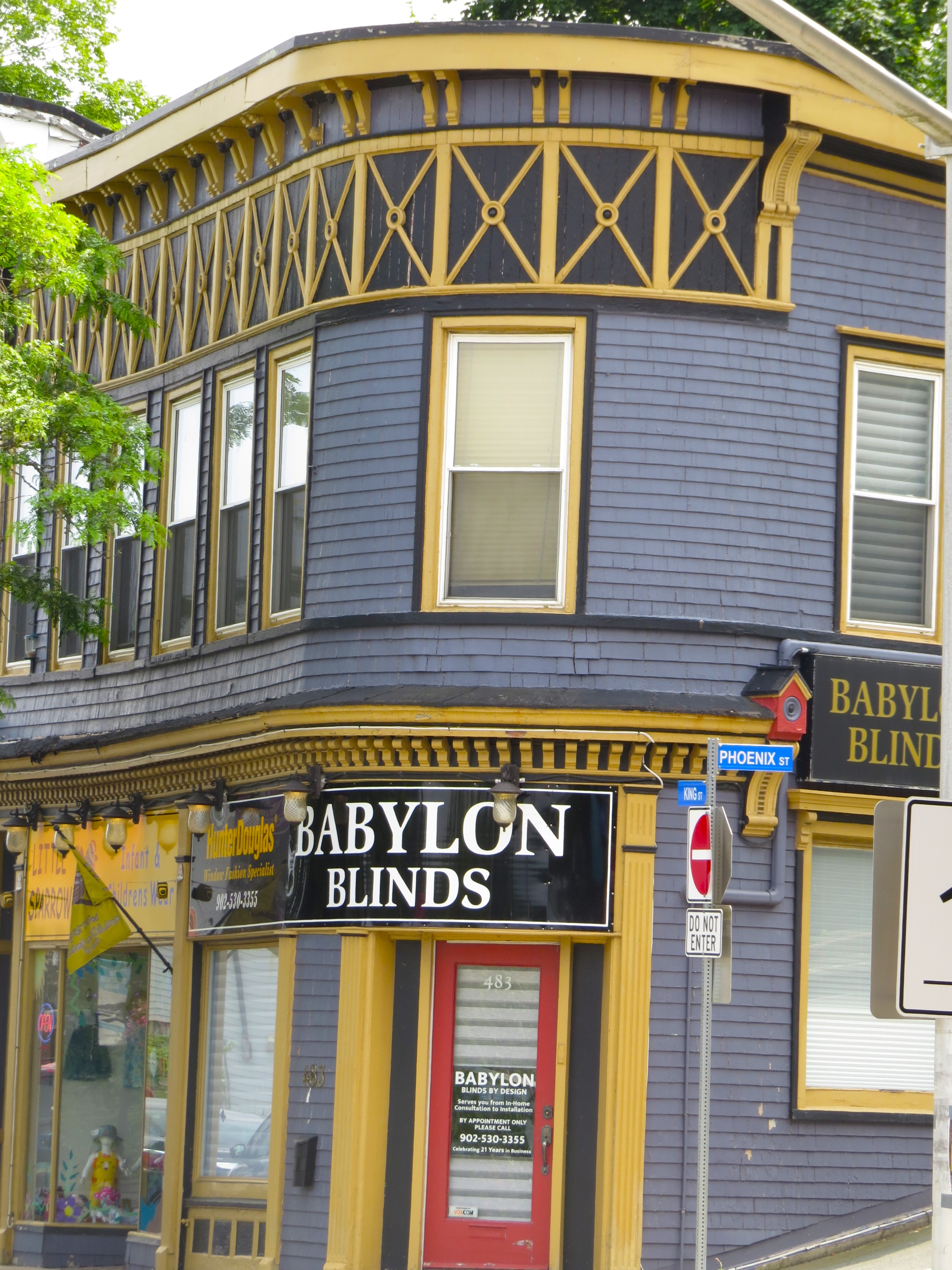
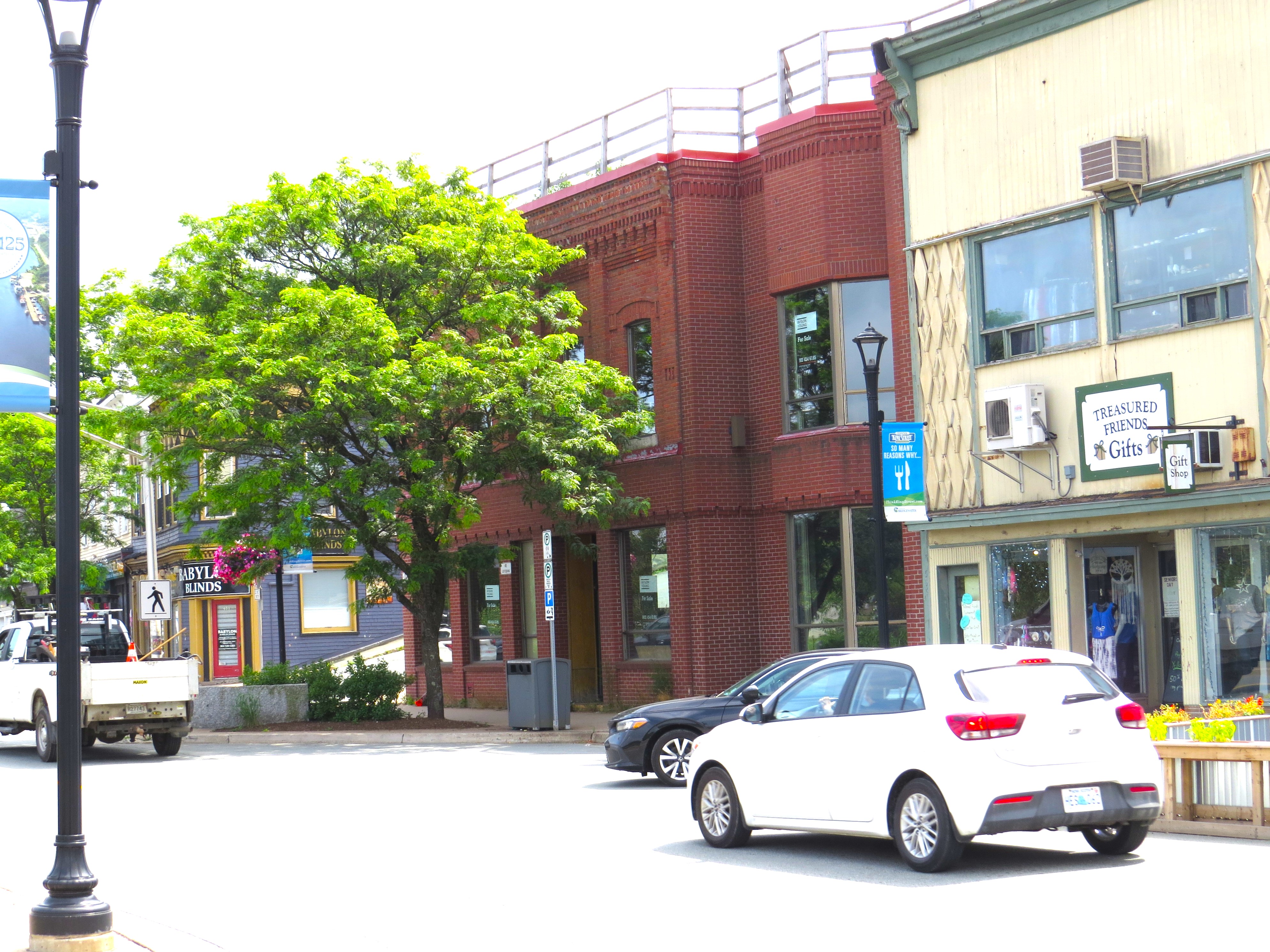
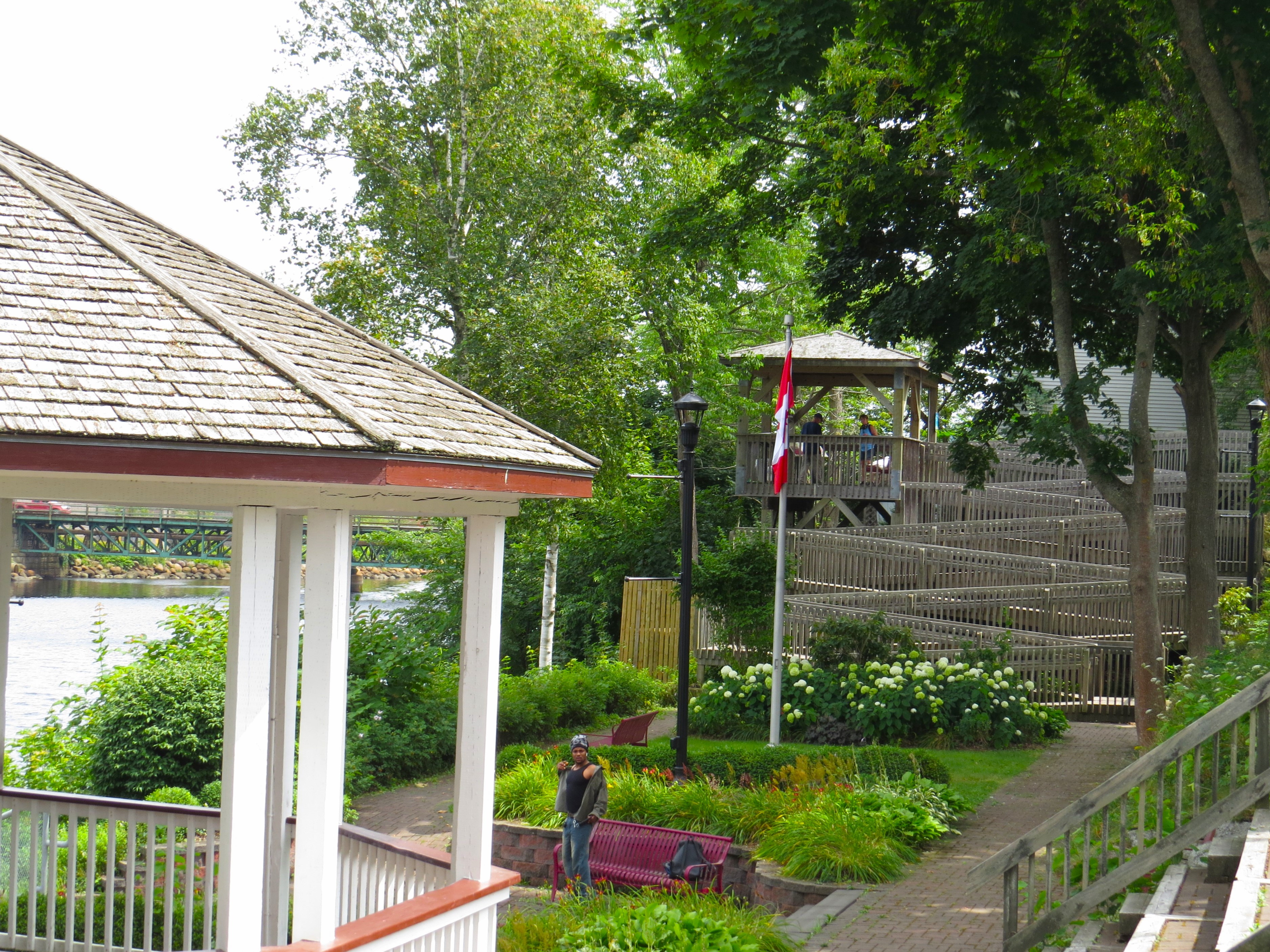
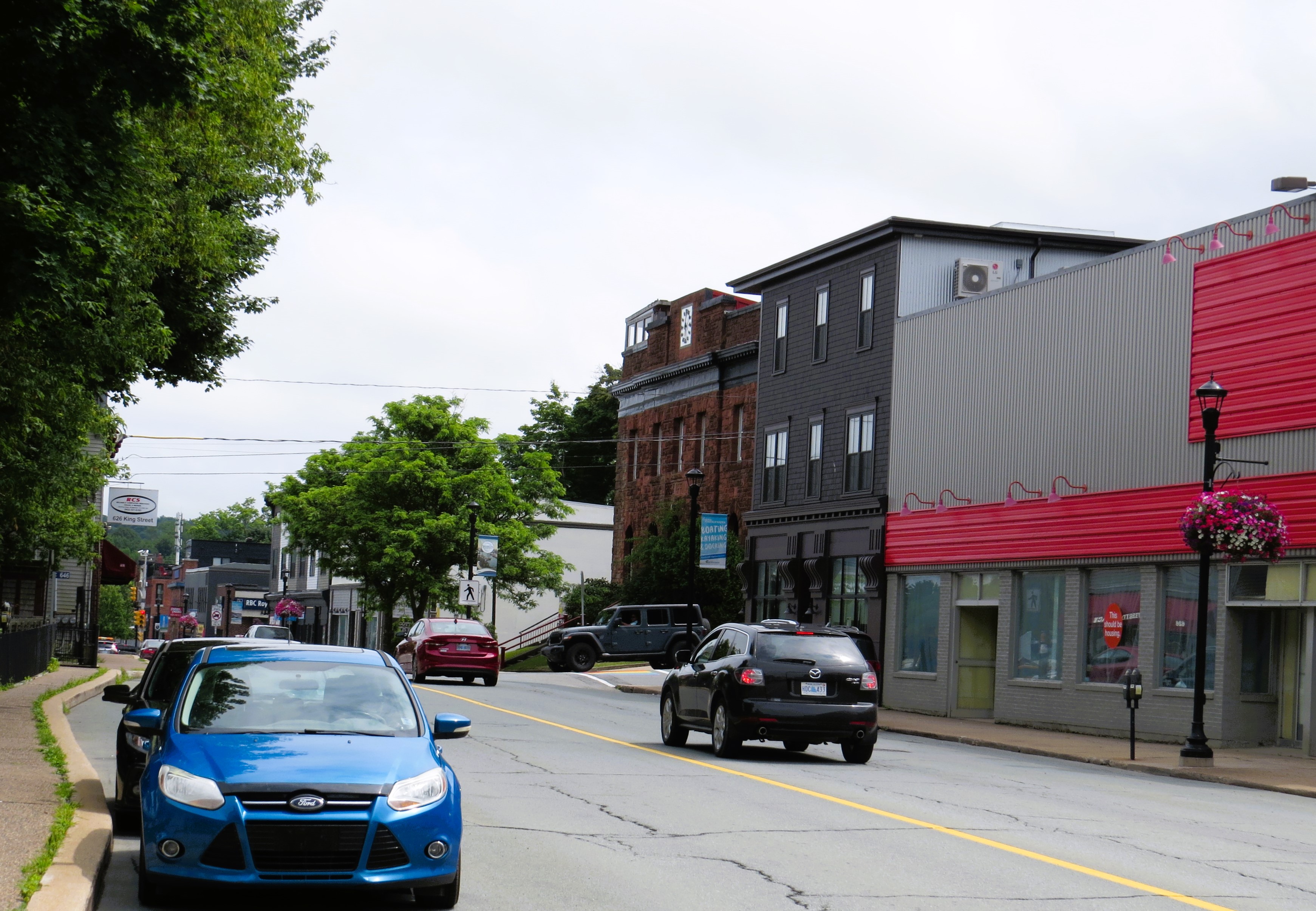
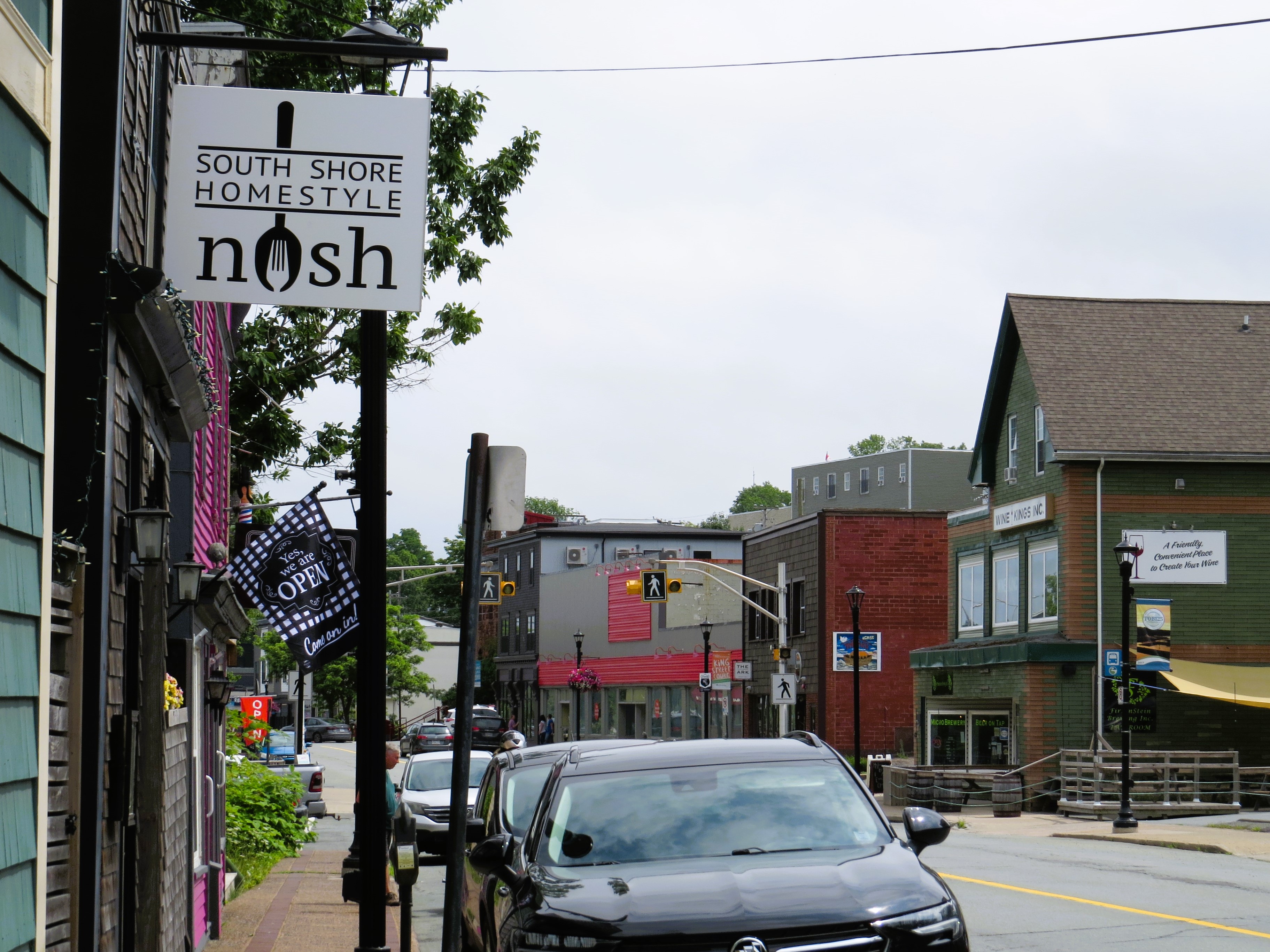
The historic town, its calling card, is the main King Street right along the banks of it’s beautiful river. It is connected by two bridges to the other side. Especially the old iron bridge is such a gem.
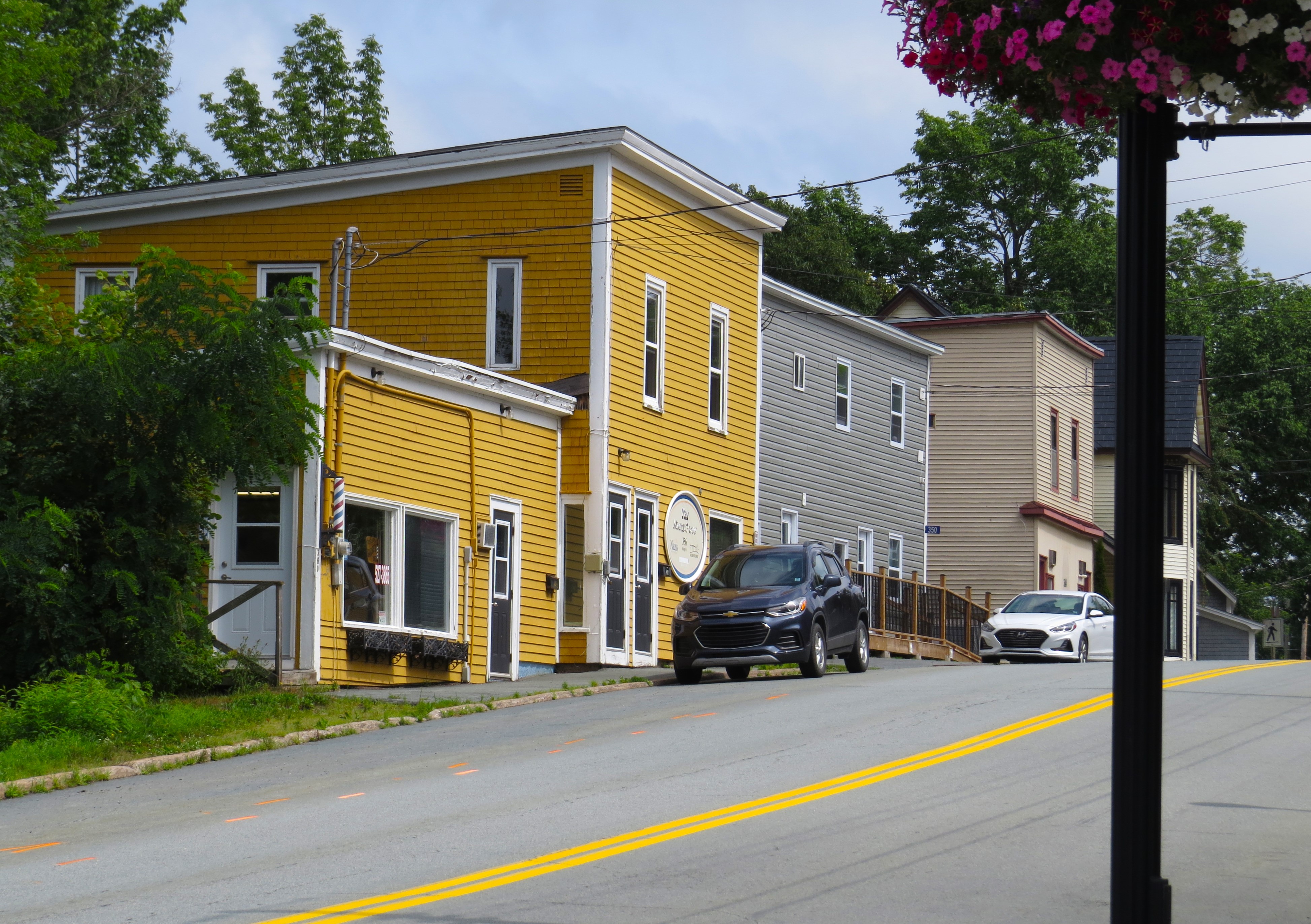
A walk on that long street is such a pleasure. It is like you are traveling back in time to a space where that time doesn’t travel so fast, doesn’t run in a hurry. Neither should you, if you ever visit.
As an interesting tidbit – did you know that famous Hollywood and Canadian actor Donald Sutherland spent his formative teenage years and graduated from High School in Bridgewater?
If I was going to stay permanently in Nova Scotia – I would love to move there. But I do suggest to Dear Reader – if you are visiting Nova Scotia, you absolutely must visit Bridgewater. You won’t regret it.
Nie wyjeżdżamy w pełni, w całości – coś zostawiamy, czegoś nam ubywa. Potem lepimy przez lata siebie na nowo. Rodzi się nowa całość. Nie inna, zlepek wczoraj i dziś. Czasem żal nam po latach tamtego siebie, chcielibyśmy może do niego wrócić. To bywa jeszcze trudniejsze. Bo to teraz i tutaj jest jednak bliższe, jest swojsze. Ja – jestem ja. Szczególnie wtedy, gdy ‘ja’ zamieniło się w ‘my’. Zostają tu i tam zlepy form, jakieś może hieroglify dziś już nieodczytywalne, jakieś drzewo zawieszone nad przepaścią.
































 > > Pogwarki < <