Zapomniani lub mniej znani poeci polscy z Kolumbii Brytyjskiej w Kanadzie

Onegdaj publikowałem tu cykl o poetach mojej młodości więc sięgało to do poetów i poezji lat sprzed 1939, którzy jeszcze w latach 60., 70., a nawet 80. mieli znaczenie, żyli w świadomości młodego czytelnika. Znalazło się tam też kilku poetów polskich z mojego pierwszego emigracyjnego doświadczenia[i] i dwoje z Kanady – Wacław Iwaniuk i Barbara Czaplicka. Wspomniałem też o dwóch wybitnych poetach emigracyjnych: Bogdanie Czaykowskim i Andrzeju Buszy, z którymi miałem przyjemności mieć bliską znajomość i współpracowałem z nimi w Vancouverze. Ale wymieniłem ich tylko z nazwiska, nic o ich twórczości nie pisząc, bo kiedy z nimi pracowałem nie byłem już ‘człowiekiem młodości’ i w temacie się to nie mieściło.

Dziś odnalazłem kilka brulionów poetyckich mniej znanych, a bardzo ciekawych poetów z Kolumbii Brytyjskiej. W większości dziś zapomnianych, ze szkodą dla literatury polskiej. Ich twórczość przypadała na lata przed połączeniem polskiej poezji i literatury z polska twórczością emigracyjną.

1.

Zacznę ten tekst od Anny Galon. Była jedną z najstarszych poetek i tłumaczką literatury, z którą współpracowałem. Córka znanego oficera piłsudczyka pułkownika Zbigniewa Brochwicz-Lewińskiego. Jej życiorys był dość skomplikowany i trudny. Dzieciństwo i bardzo wczesna młodość w Polsce przerwane wojną, ucieczka przez Rumunię z rodziną, znalazła się potem we Francji, gdzie zaczęła szkołę średnią. Kapitulacja Francji i wyjazd z ojcem z wojskiem polskim do Szkocji, gdzie studiowała po wojnie. Za namową męża (muzyka-pianisty) wrócili do nowej Polski. Po wielu latach i różnymi drogami znalazła się w Ottawie w 1984, a w 1998 przeniosła się do Victorii. Mimo różnicy całego pokolenia byłem więc sam ‘emigracyjnym seniorem’ wobec niej. Prowadziliśmy liczne rozmowy na tematy literackie i imponowała erudycją w tym temacie. Na moją prośbę przetłumaczyła bardzo dobrze szereg wierszy znanej poetki kanadyjskiej P. K. Page, których część opublikowałem w roczniku „Strumień”. Była bardzo aktywna (mimo poważnych schorzeń, które ograniczały jej mobilność) w kanadyjskim świecie muzyczno-literackim w Victorii. Zmarła w Victorii w 2013.

Z łam „Strumienia” przytoczę dwa jej dość charakterystyczne wiersze:

KSZTAŁT

Chciałabym cała rozsypać się

                w słowa

a potem od nowa się poskładać

sama siebie dobierać

                z namysłem, celowo

ułożyć w kształt przemawiający

                pełny

                                sensu i treści

a cały prześwietlony i

                przekazujący

                                światło[ii]

Z BUTAMI – WARA!

Buty skarpetki zdejmuję

szoruje nogi i ręce

dłonie namaszczam odpowiednim kremem

                by nadać im miękkość dotyku

                                wrażliwość czucia

Cała spłukuję się pod czystą wodą

wewnątrz ogień rozniecam

I tak dopiero

pokorna i drżąca

otwieram

zasuwy twojej duszy[iii]

W 2004 wydała własnym nakładem tłumaczenia swoich wierszy na język angielski w skromnym tomiku “Stashing for a rainy day”. Niestety, nie był asygnowany jakimkolwiek krajowym lub międzynarodowym oznaczeniem katalogowym.

2.

Ciekawym młodym poetą, którego też publikowałem w ‘Strumieniu[iv] jest Bolko Rawicz. Poeta do którego raczej nie można dodać przymiotnika ‘polski’ ze względu na język, w którym tworzył.  Kanadyjczyk polskiego pochodzenia, wyjechał z Polski z rodziną w wieku 10 lat, którego wierszy nigdy bym pewnie nie poznał, gdyby nie jego dziadek, który zwrócił mi na poezje ukochanego wnuka uwagę. Tworzy w języku angielskim. Wnuk jak i dziadek byli matematykami, specjalistami tej całej magii matematyczno-komputerowej. A tu poezja. I dobra. Pisze do dziś i publikuje, uczestnicząc w Vancouver ‘s Poetry Slam od tamtych lat do obecnych. Z moich badań wynika, że wydał dwa tomiki poezji : ‘A voice regained”[v] i „Something to believe in” [vi]. To spotkanie z inną, bardzo współczesną i zdecydowanie pobawioną wszelkich parnasistowskich ciągotek poezją.  Czasami jest to wręcz poetycka publicystyka społeczno-polityczna, komentarz socjalny, społecznościowy napisany wierszem. I taki wiersz na ważne tematy socjalne przeczytać pewnie wygodniej i łatwiej innemu zaangażowanemu młodemu Kanadyjczykowi niż długie wywody nudnych dziennikarzy. Tu – w poezji – w jednym słowie można zamknąć cały skomplikowany wywód.

Choroba dotknęła go stałą szkodą ciała, co z wiekiem, dojrzewaniem zaprowadziło go do wierszy innych, refleksyjnych, introwersyjnych.  W wieku młodym tego typu schorzenia mogą kłaść się wielkim cieniem na człowieka.  Przytoczę więc przykład właśnie tych dwóch, odmiennych poetyk.  W tym drugim, refleksyjnym i głębokim, następuje też pewna metamorfoza wyzwolenia przez akceptację miłości – Feniks wzlatujący w przestworza. Ten wiersz mnie zawsze wzruszał, budząc nadzieję, że uczucie wielkie niezmiennie wyzwala.

Wiersz pierwszy ze stron „Strumienia” w 2011.

Whale song

You were just sitting

on the sandy beach,

when suddenly appeared

a whale who made speech

‘we had to break the silence,

to talk about the violence

to the land and to the sea,

and to blow our cover

we had to all agree.

and we waited long to see

if humanity would be

wiser before we

told of our technology

for some different energy,

but we did begin to see

more of you the light to see

and you would understand

our philosophy,

but we are running out of time

and we’ve got to end the rime,

because we can’t resist

fearing soon we won’t exist

if we let this destruction persist,

but we are coming to you in peace

and want you to decrease

the use of gasoline

and ask you to police

the oilmen in the three-piece

suits not to exceed

in all their greed,

and with the whalers plead

to not make us so bleed.” (Rocznik “Strumień” , Nr.7, 2011, s. 17)

From a-dark brightly

A time faraway of past

love had left me

bitter and afraid

my spirit darkening,

and descending,

into a realm betwixt

wakefulness and sleep,

like a sunken flower

once touched

by a glimpse of sun,

long since un-searching

of light.

Many of years hence,

like a bird forsaking

the shelter of its tree

to seek the world without,

alas only

to stumble and fall,

its wings having forgotten

the memory of flight,

my spirit stirred

with the yearning

to be free,

but unaccustomed to the bright,

returned again imprisoned

as it once more was struck

by the blinding light of love.

But this very soul,

the luminance she bestowed

proved eminently more kind,

attuning her strength

of energy to heal,

awakening my spirit

to inspire it to rise,

on its way to soar.

Nonce friendship has led me

onto a better path. (z tomiku “a voice regained”, s.18)

Zawsze fascynowała mnie jego swoboda używania języka, tak charakterystyczna dla poezji mówionych improwizacji. I bez wątpienia miała na to wpływ tradycja  owych Poetry slams w Vancouverze.

3.

Jedną jeszcze, dziś zapomnianą a wartą przypomnienia, poetkę musze przypomnieć – Halinę Gur-Jazłowiecką z Victorii w Kolumbii Brytyjskiej. Przykład – w jej wypadku par excellence – poetki emigracyjnej. I biograficznie i w używanej poetyce, stylu. Dziś zdaje się kompletnie zapomniana. Urodzona w Warszawie w 1923, w latach okupacji studiowała na tajnych kompletach w Wyższej Szkole Dziennikarskiej.  Żołnierka Służby Kobiet AK w Powstaniu Warszawskim. Później więzień  obozów jenieckich w Fallingbostel, Bergen, Oberlagen i Niderladen, gdzie poznała męża. Po wojnie znalazła się w Anglii, skąd wyemigrowała do Kanady i zamieszkała w Victorii. Publikowała w prasie emigracyjnej kanadyjskiej, amerykańskiej i francuskiej. Nie mam jednak żadnych śladów kiedy, gdzie i co dokładnie. Były to lata, gdy wydawnictwa powstawały i upadały później na długo przed cyfryzacją zbiorów, a wszelkie archiwa były też bardzo nietrwałe. Nie mam też informacji kiedy i gdzie zmarła. W rodzaju poetyki i losach ‘niepamięci archiwalnej’ przypomina bardzo Barbarę Czaplicką, o której pisałem we wspomnianym już tu eseju „Poeci mojej młodości”. Jako iż życie i losy nasze indywidualne są właśnie nietrwałe, a sam jestem w takim punkcie ‘nietrwałości’ i wielkiej burzy zmian – nie mogę być pewny czy wszystkie moje dokumenty prywatnego archiwum te moje burze przetrwają i dotrą ze mną tam, gdzie na końcu tej drogi się znajdę. Spieszę więc  spisać te nazwiska, które bez najmniejszej wątpliwości powinny przetrwać. Naszego polskiego wędrownictwa po 1939 – aż do czasów emigracji doby „Solidarności’. Im bliżej tego roku 1980 – tym więcej wiedzy, trwałego zapisu archiwalnego mamy. W dekadach wcześniejszych różnie z tym bywało.


Bodaj najbardziej charakterystycznym wierszem Gur-Jazłowieckiej był uroczy, z dużym cieniem goryczy, napisany w Edmonton w Kanadzie:


Na krawędzi

Mój adres?

Kochani Moi – nie adresujcie inaczej

jak tylko: Koniec Świata

Tuż Nad Krawędzią Rozpaczy!

Co robię?

Niby ślimak, wyrwawszy się

z ukrycia

pełznę niknącym śladem

na marginesie życia.

Czy wrócę?

O, Kochani! Wracać mi już

nie pora.

I tak wciąż jestem z Wami

w Wieczystym Wczoraj! [vii] 

Tym więc zapisem składam im swój ukłon i podziękowanie za jakże często gorzką pracę na łanie ukochanej polszczyzny.

Rzeczywistość  epoki emigracyjnej od lat 40. poczynając aż prawie do lat 80. była zupełnie inna od epoki Międzywojnia z jednej strony a epoki post-solidarnościowej z drugiej.  Ci, którzy publikowali i byli trochę znani przed 1945 mieli szanse dużo wieksze na przetrwanie i na kontynuacje twórczości. Celowo piszę ‘przed 1945’ a nie ‘przed 1939’ jak się stosuje najczęściej i jest to poważnym błędem historii literatury polskiej. W tym wypadku cezura 1939 jest mylna, bo aż do 1945 istniały instytucje Państwa Polskiego w Londynie i jego przedstawicielstwa poza Anglią i istniały fundusze i wydawnictwa i środki finansowe Państwa Polskiego, które mogły i były używane na cele wydawnictw literackich, kulturowych. Więc w zakresie literatury i kultury polskiej istniała pewna ciągłość, mecenat i nawet skupiony rynek czytelniczy z państwem, tradycją i możliwościami Państwa sprzed 1 września 1939. Poza – naturalnie – terytorium tego państwa. Ta rzeczywistość i pewien mecenat  quasi-państwowy uległy bardzo szybko zanikowi, ale w okresie przejściowym był niezwykle ważny. Pozostały pewne ośrodki centralne, które dzięki temu kapitałowi oryginalnemu potrafiły kontynuować wydawnictwa i namiastkę życia literackiego. Niezbędne było też  posiadania odpowiedniego licznego zaplecza czytelników lokalnych. Londyn, Edynburg, Paryż i kilka jeszcze mniejszych ale silnych wystarczająco miast w Europie; Nowy Jork w USA, Toronto i Montreal w Kanadzie. Wszystko inne to była … prowincja i pustynia czytelnicza. To nie były czasy social networks, social media, czy nawet czegoś tak archaicznego, jak poczta elektroniczna.

Stąd ci, którzy tą kulturę polską rozwijali, pisali i wydawali poza tymi kulturowymi centrami – istnieli głównie tylko lokalnie. Tak, były nawet lokalne polskie gazetki, były spotkania w jakichś klubach, salkach parafialnych. Można było na maszynie do pisania i powielaczu, ręcznej drukarce wydać nawet mały tomik dla 30, 50, może nawet 100 sób – i to wszystko. Ta pierwsza fala emigracyjna i chyba większość aż do lat 70. zrobiła też jeden kardynalny błąd – nie potrafiła i nie umiała przekazać tego bakcyla polskości i wyższej kultury polskiej pokoleniu swoim tu urodzonych dzieciom i wnukom. Widziałem to wszędzie i każdy mi to mówił.  Co najmniej jedno pokolenie tu urodzonych, wychowanych i wykształconych Kanadyjczyków polskiego pochodzenia utracono na amen. Jednostki nieliczne, które z tej reguły potrafiły się wyłamać były tym właśnie – jednostkami a nie regułą. W takiej atmosferze, bezwzględnie przygnębiającej dla  lokalnego twórcy polskiego, niektórzy zmagali się i dalej pisali, lokalnie publikowali. Aż odeszli. Mam na myśli te faktyczne, biologiczne odejście.  Odeszli przed zrozumieniem wagi ich pracy, przed powstaniem możliwości cyfryzacyjnych. Czyli w świat niebytu. Znikały nawet tu i ówdzie zakładane małe ale jednak archiwa. Ktoś umierał i ktoś następny wyrzucał archiwum na śmieci. Można ironicznie ale i dość rzetelnie powiedzieć, że o szansie przetrwania w pamięci historycznej decydował nie zawsze tylko talent – decydowało też miejsce zamieszkania. Adres.

Inne czasy, mili moi. Tak, były kiedyś takie. I to wcale nie w dobie dinozaurów ani księcia Popiela na wyspie goplańskiej.


[i] https://kanadyjskimonitor.blog/2023/12/28/spacer-z-poezja-i-poetami-mlodosci-cz-3-emigracyjna/

[ii] Rocznik „Strumień”; nr. 2, 2000, s. 4

[iii] ibid

[iv] ibid; nr. 7, 03/2011, s.17

[v] „A voice Regained” , B. Rawicz, ISBN 978 0 557 29966 9, s.26; 2009

[vi] „Something to believe in”, B. Rawicz, s.54; 2017

[vii] Rocznik „Strumień”; nr. 2, 2000, s.13

Walk with my Eurydice

Walk with my Eurydice

Every day starts with waking, and getting up from bed. Doesn’t matter if it is noon or 5 in the morning. Time is a very subjective thing. On days I don’t have to go to work (most of the time, since I officially stopped working for any company more than six years ago) and don’t have any appointments – I don’t look at watches or clocks. I do things when it is time to do these things, without assigning any number to that time.

Besides, time has stopped for me in November 2022. On the first night (was it night?) I fell asleep after You were gone. I wish I had not woken up. Waking up after that very first sleep is a daily routine of terror. The few seconds before you are certain that it is reality, that you are awake. When I am forced again to know that You are gone. Not to the kitchen to make us a fresh morning coffee, which you did every morning religiously for more than three decades. No – You are GONE. I have to go through that terror every single day while getting up. For 467 days, as of today.

Sometimes, just before I finally drift off to sleep, I wish, I pray, that it is the last time. That I don’t have to wake up again.

When I sleep I often meet You and talk to You. I think, sometimes I make love to You. That we are watching TV or go for a drive in the countryside.

You are my Eurydice, for whom I went to Hades to plead, to argue with the God of the Underworld, that he made a mistake. I beg him, I threaten him. I offer him love and hatred, devotion and disdain. To no avail – he is unmoved. In my dream, I write a poem to You in Italian. When I get up from my sleep I remember that poem and copy it, surprised that I retained more of my old Italian than I thought.

Dove sei, Euridice?

Dove sei, Amore mio?

Mostrati e parlami d’amore.

Ricordare! Non fermata

e non guardare indietro.

Ricorda, mio caro …

ricorda, ricor… , ri…

e piango, perché so

che ti volterai.

Ogni volta.

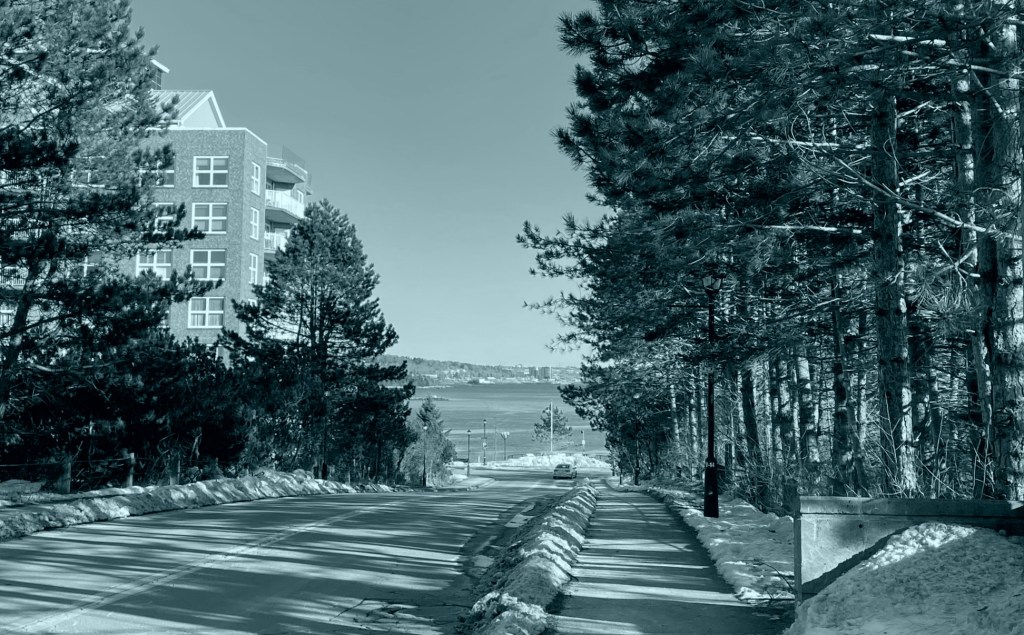
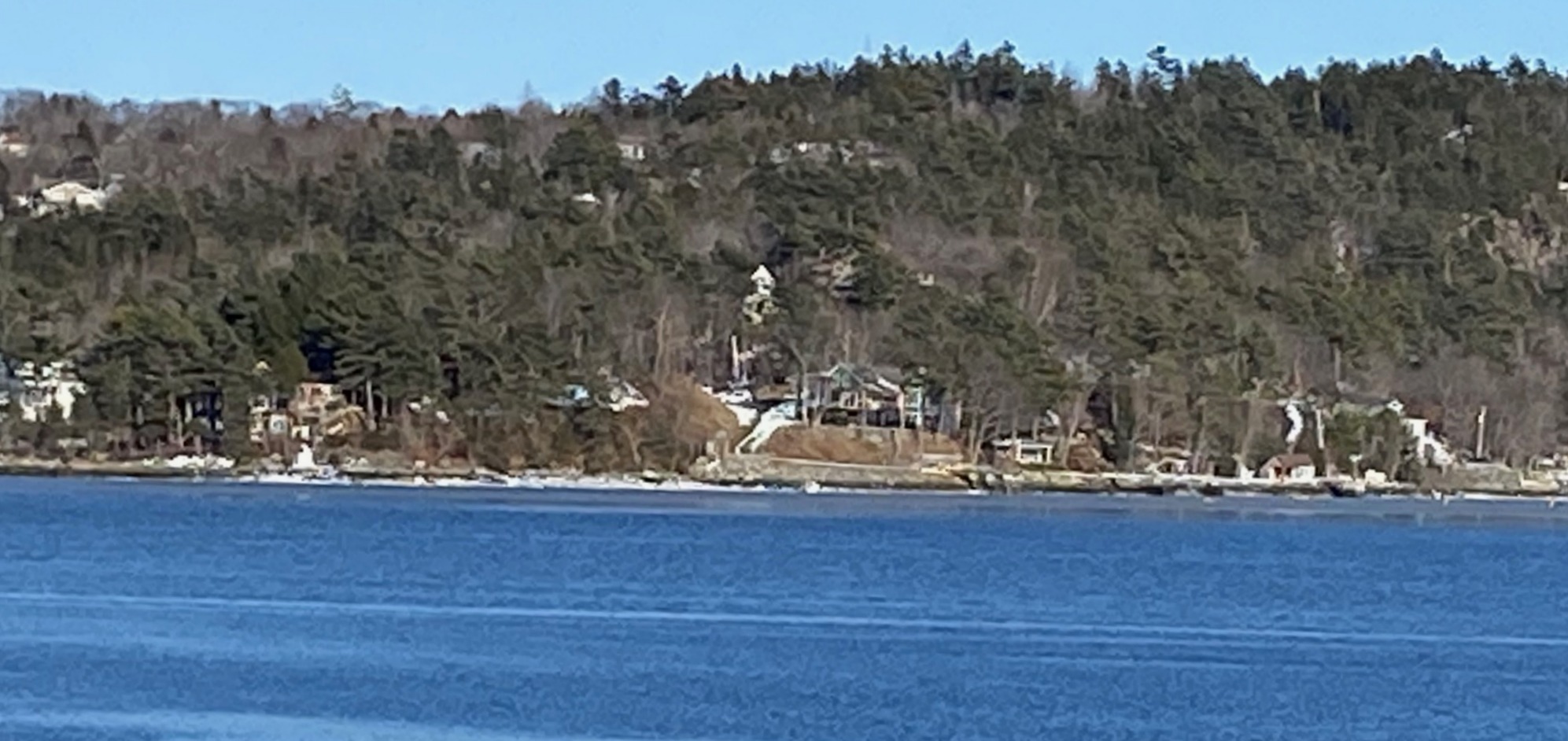
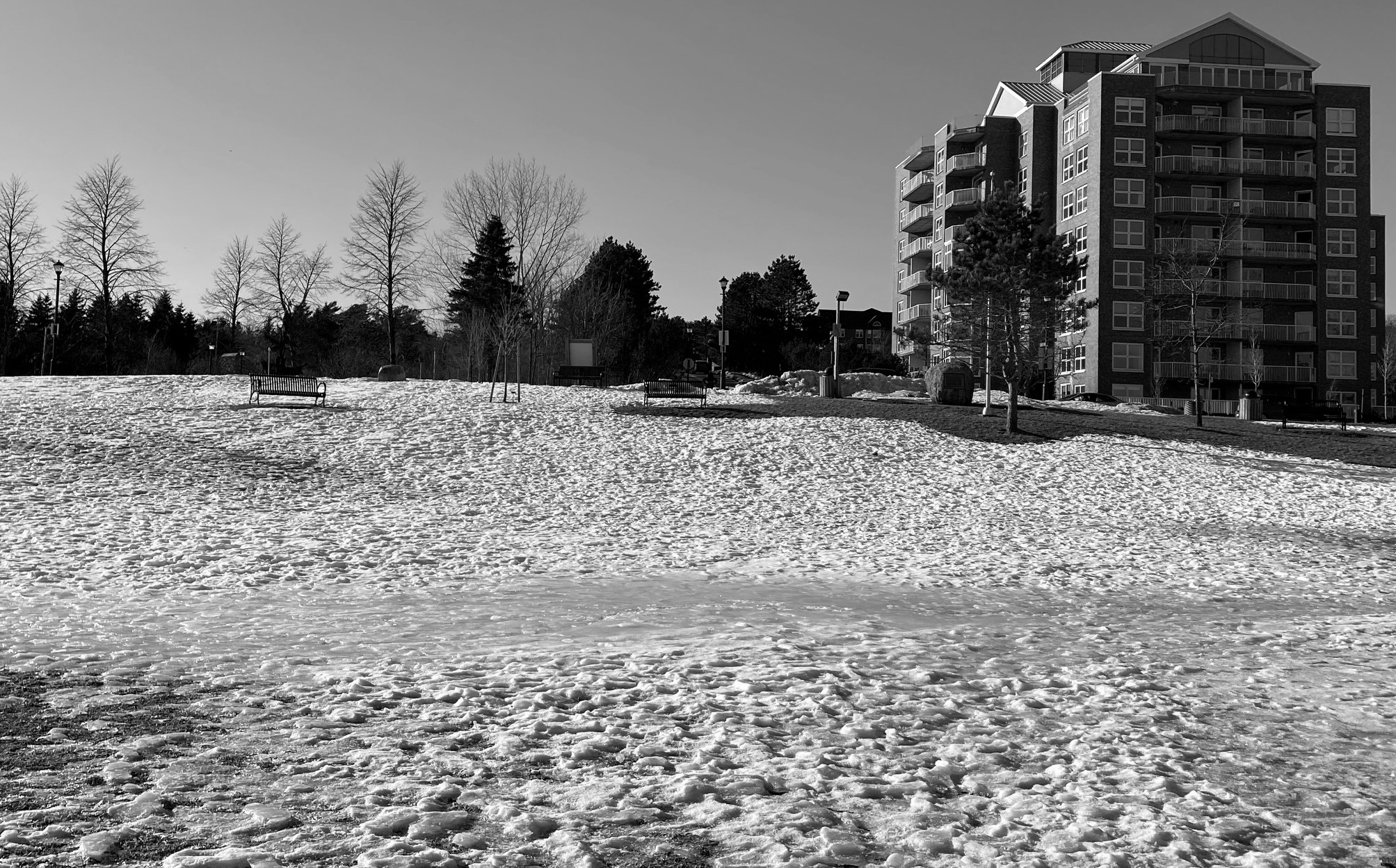
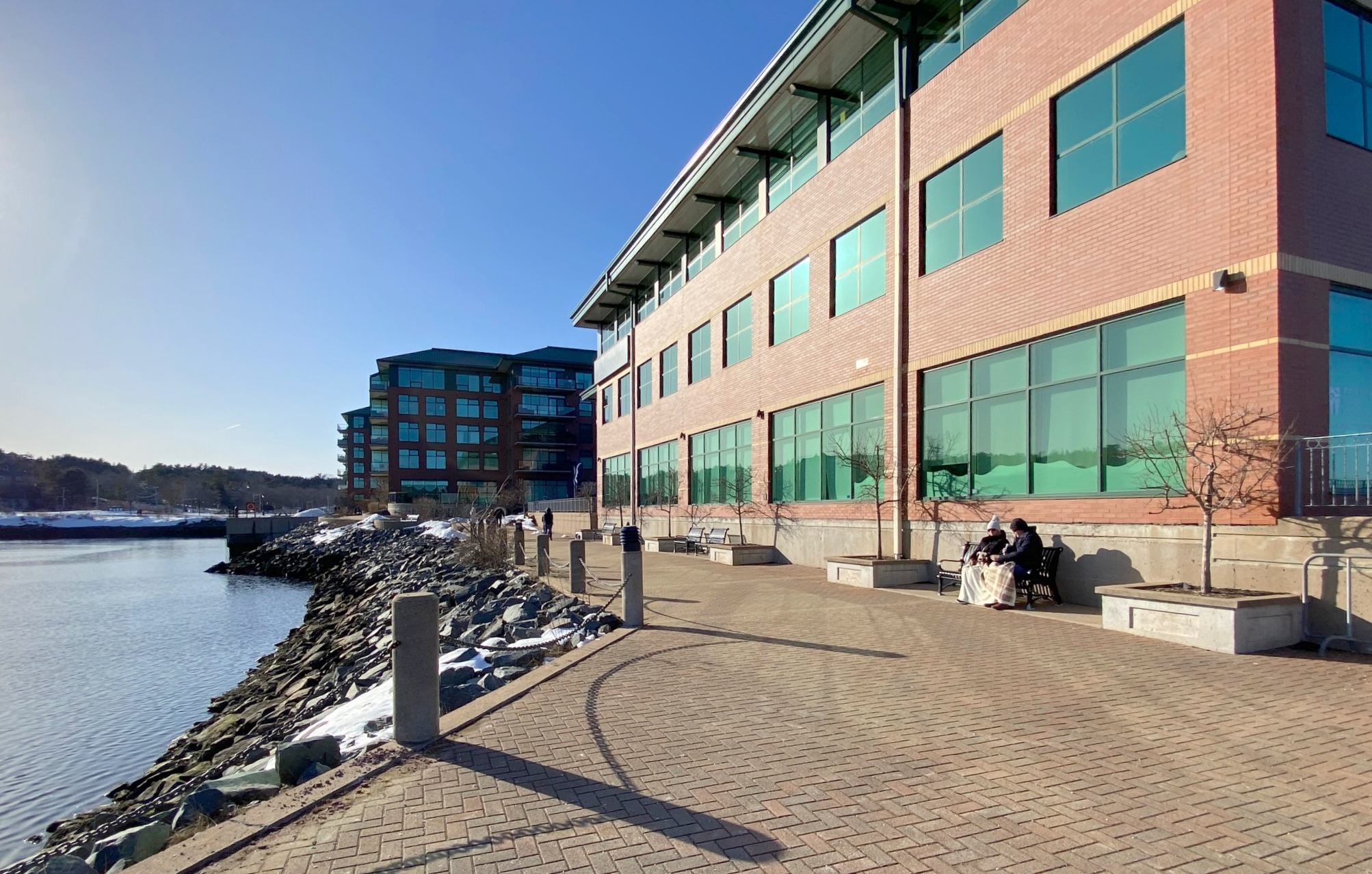
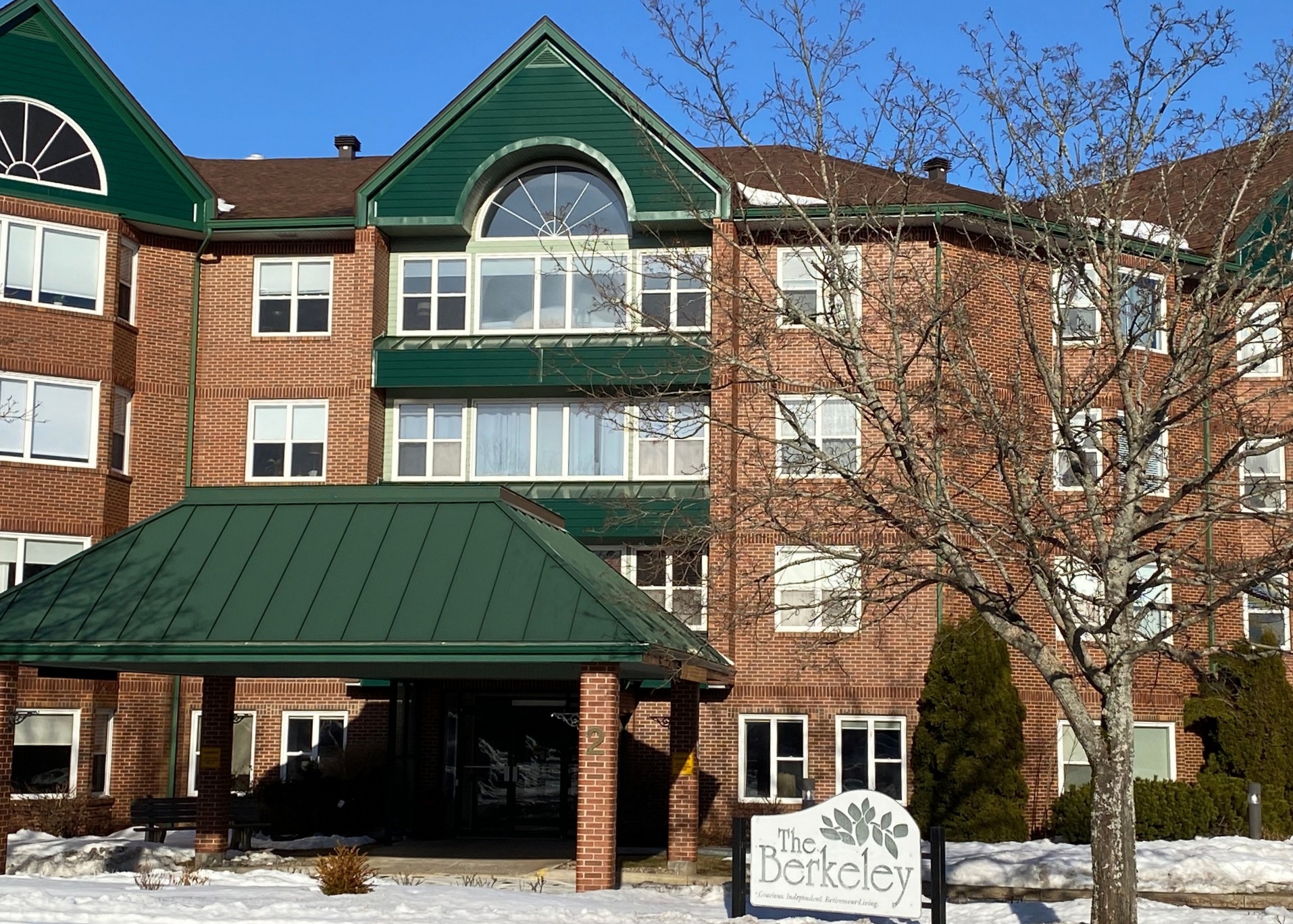
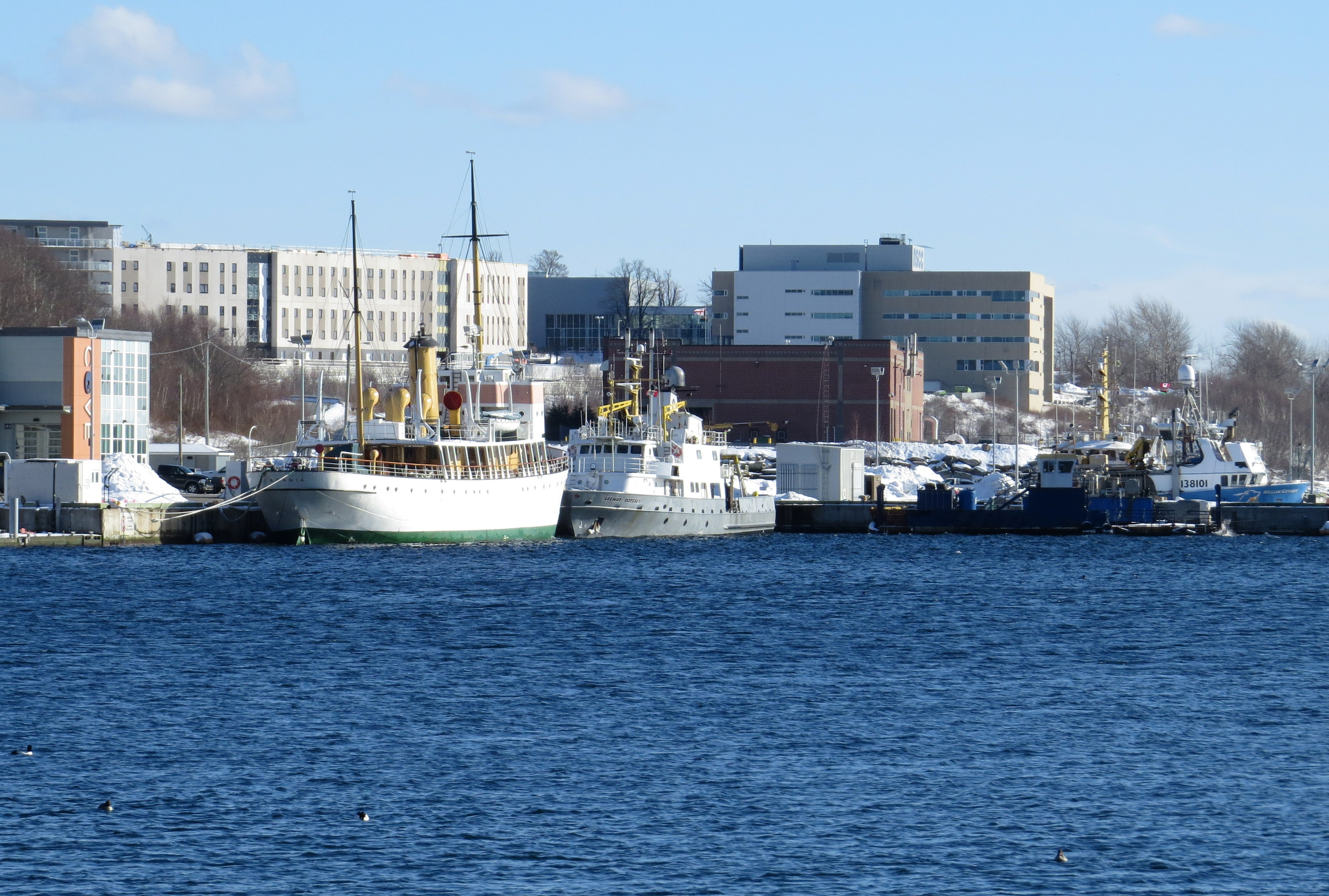
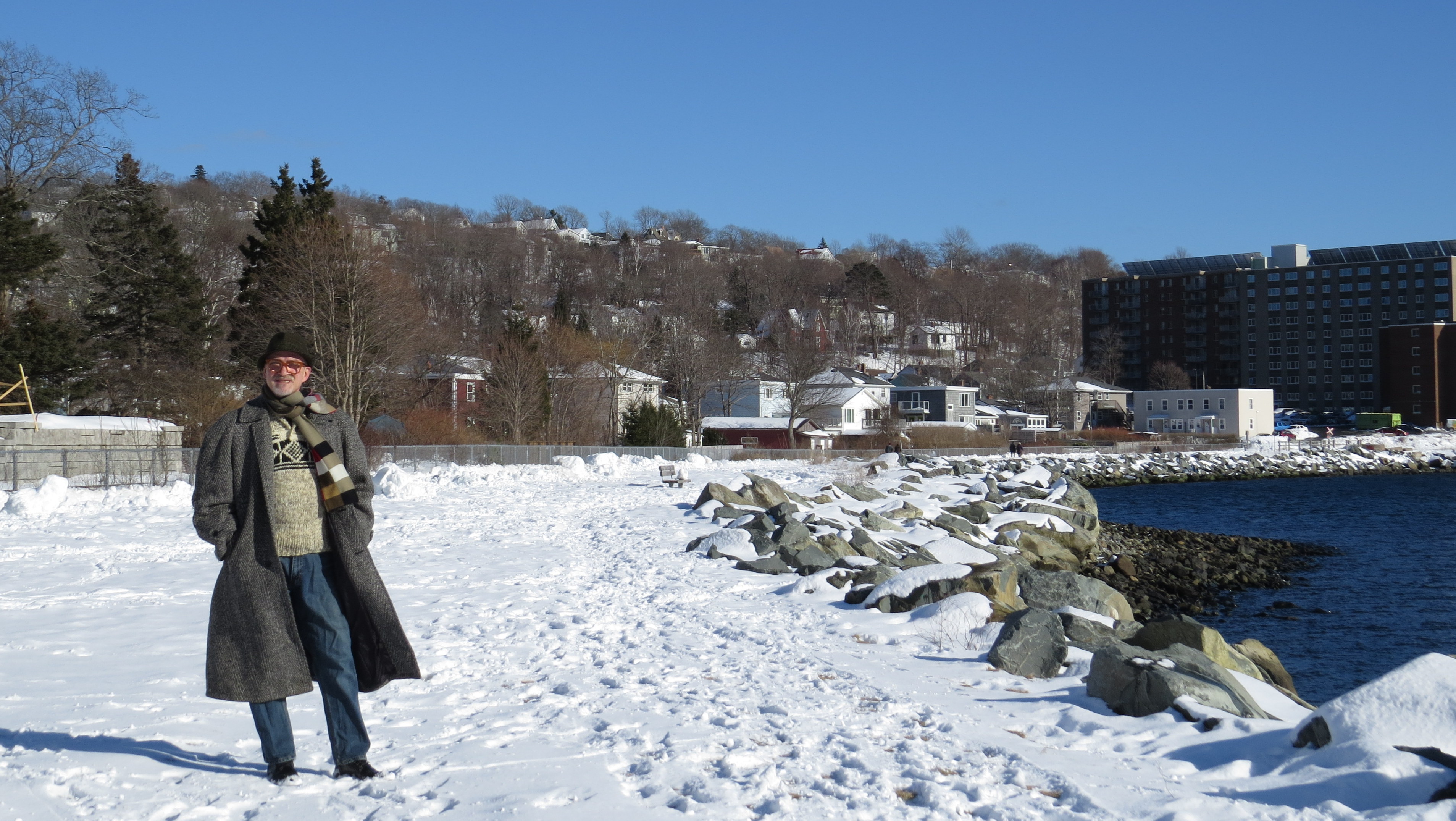
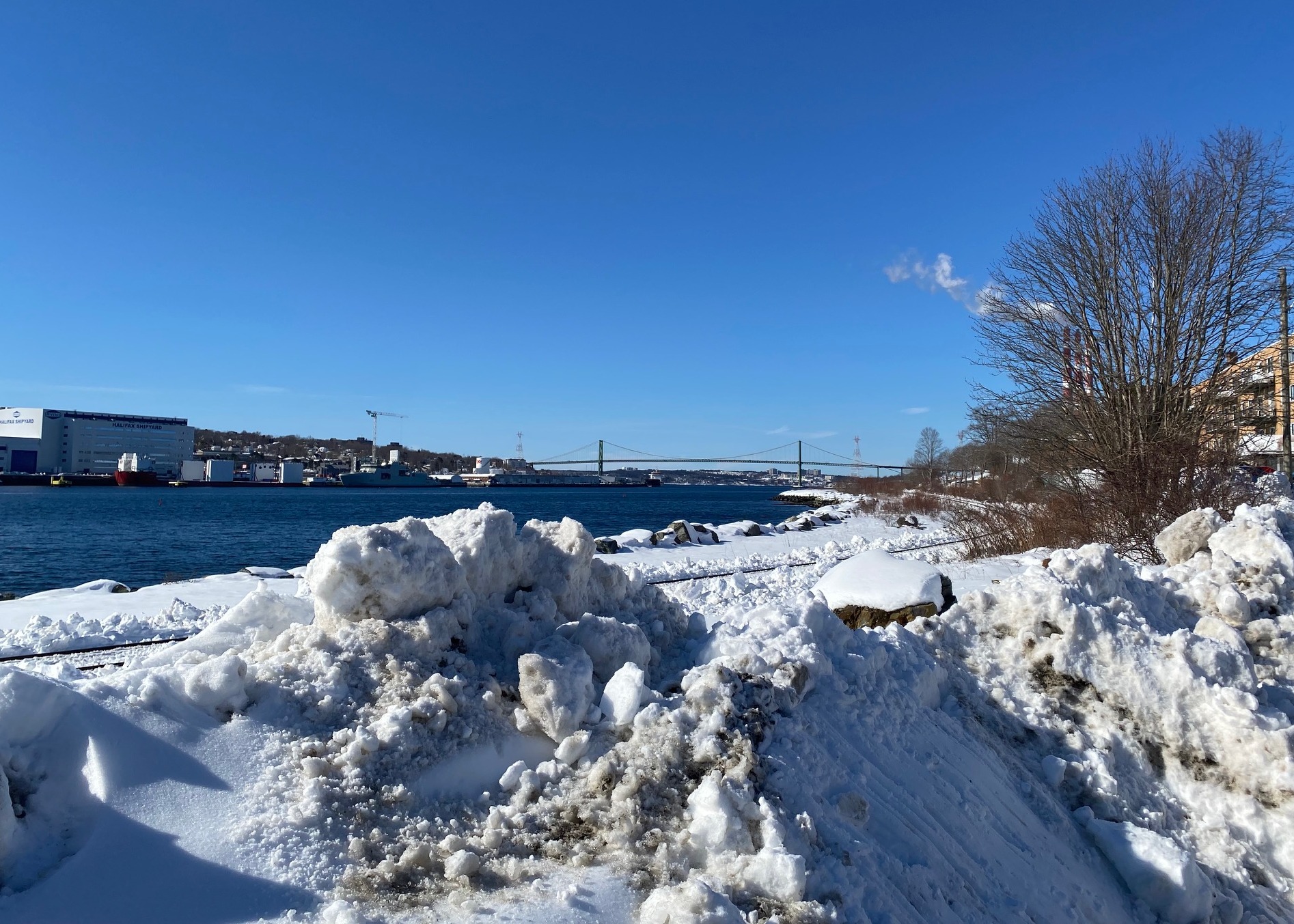
Today I stopped in a little park De Volf in Bedford. We used to go there many times and both liked it. It is a small park but there is something sweet and romantic about it. It offers a nice view of Halifax, our bridges, and Dartmouth.  Next to it is a big building of the company that you worked for – The Berkeley. You didn’t even have that much time to work for them, yet You did leave a special mark on the senior residents of that building and all the staff. Your innate goodness emanated from you as everywhere you worked before. I will never forget and still am moved to tears how they organized a special memory meeting for the residents and staff in their main hall. It was full of people. Wonderful people, who came to share their memories, and their sorrow and offer their support to me and Your siblings, who came for Your final journey.

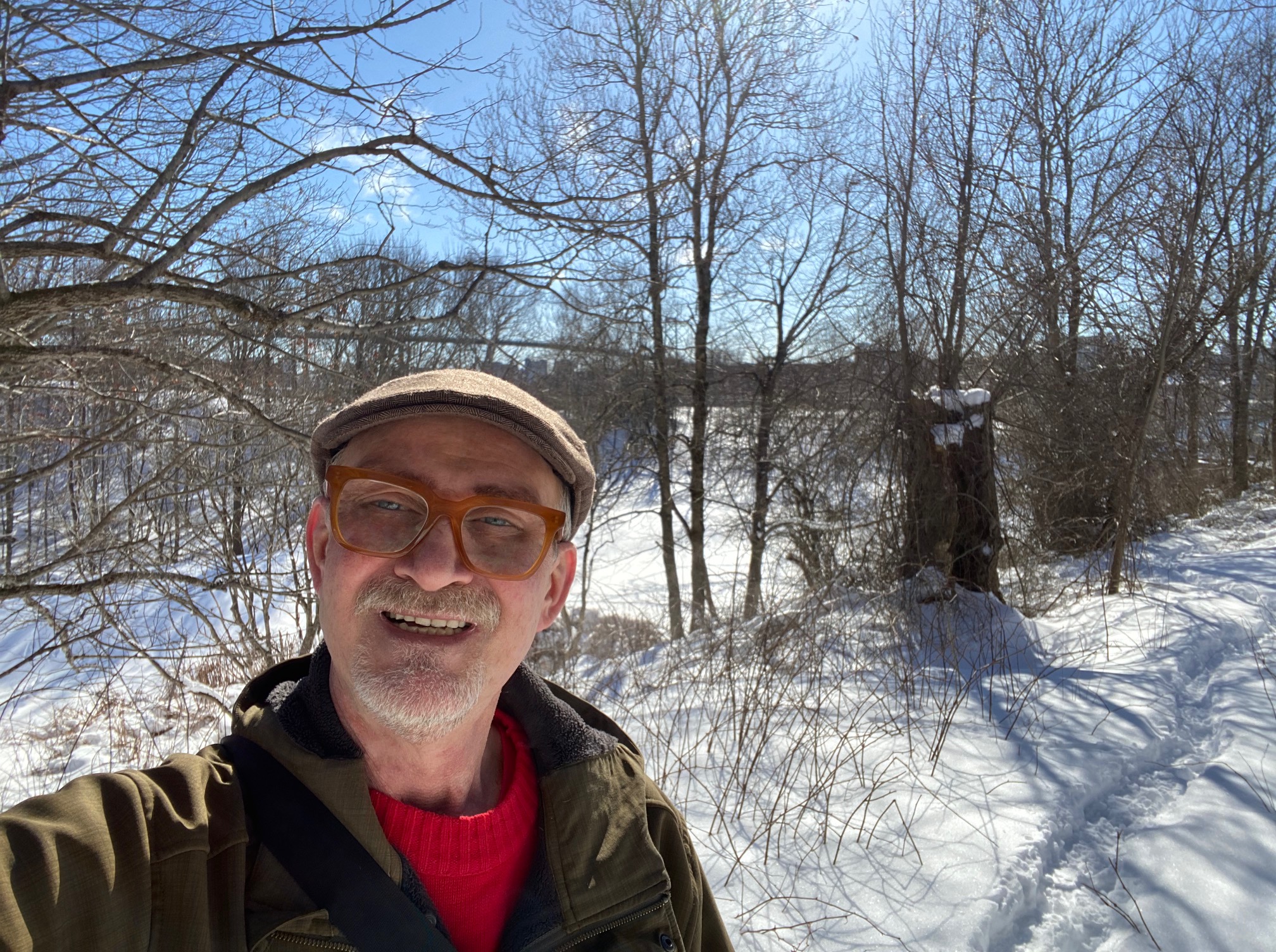
It was a cold but amazingly sunny day. I really enjoyed the walk and reminiscing about our strolls there. For a short while You – my Eurydice – walked with me. You didn’t turn back, didn’t look back. You walked with me. Maybe I even felt Your hand in my hand.

I know that the terror of getting up will come back tomorrow. Then again, and again for the rest of my days. But the walk today was good. Thank You, Babcycake. Gracie, mia Euridice.

Fisherman’s Cove, the Sea and Sky

Fisherman’s Cove, the Sea and Sky

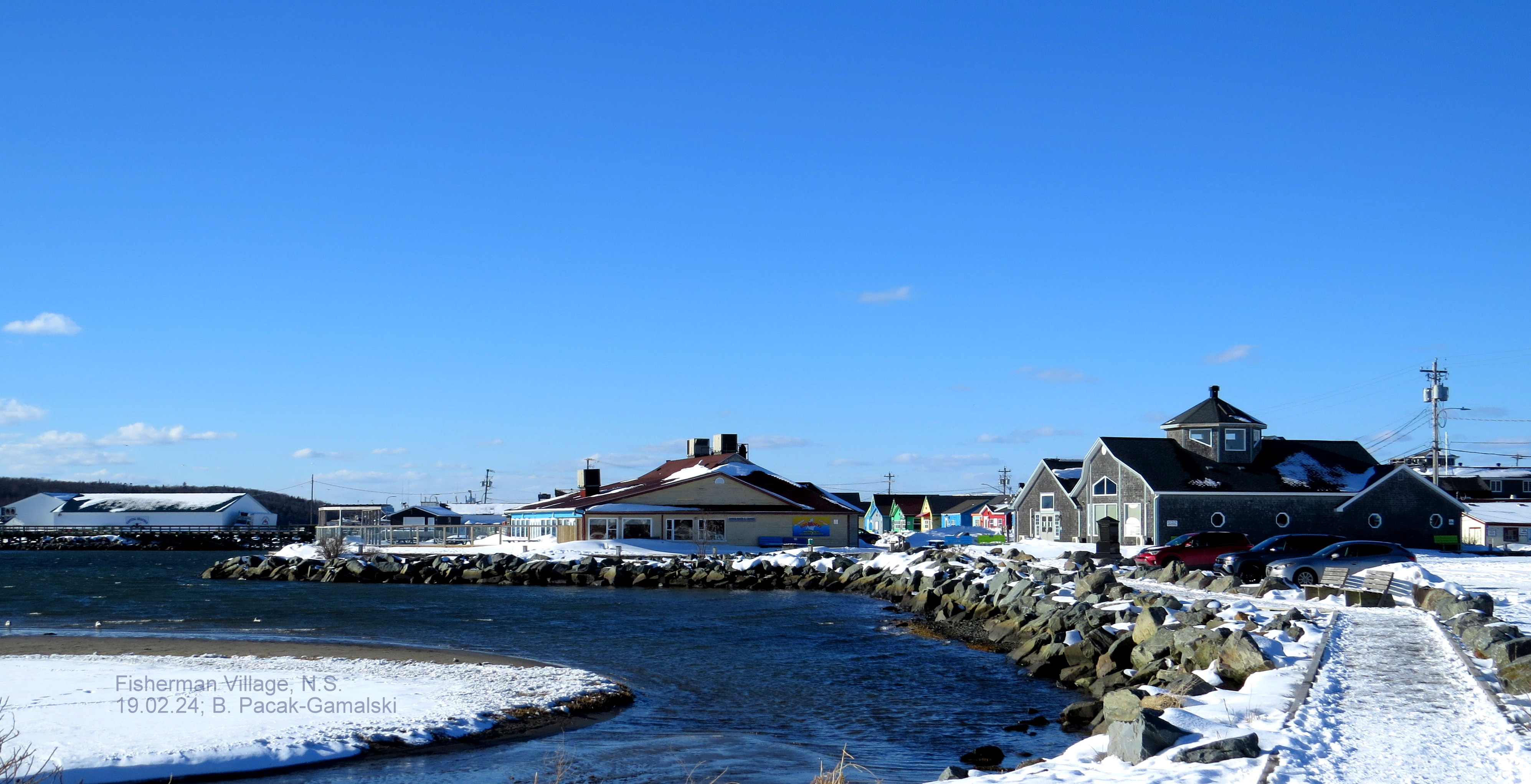
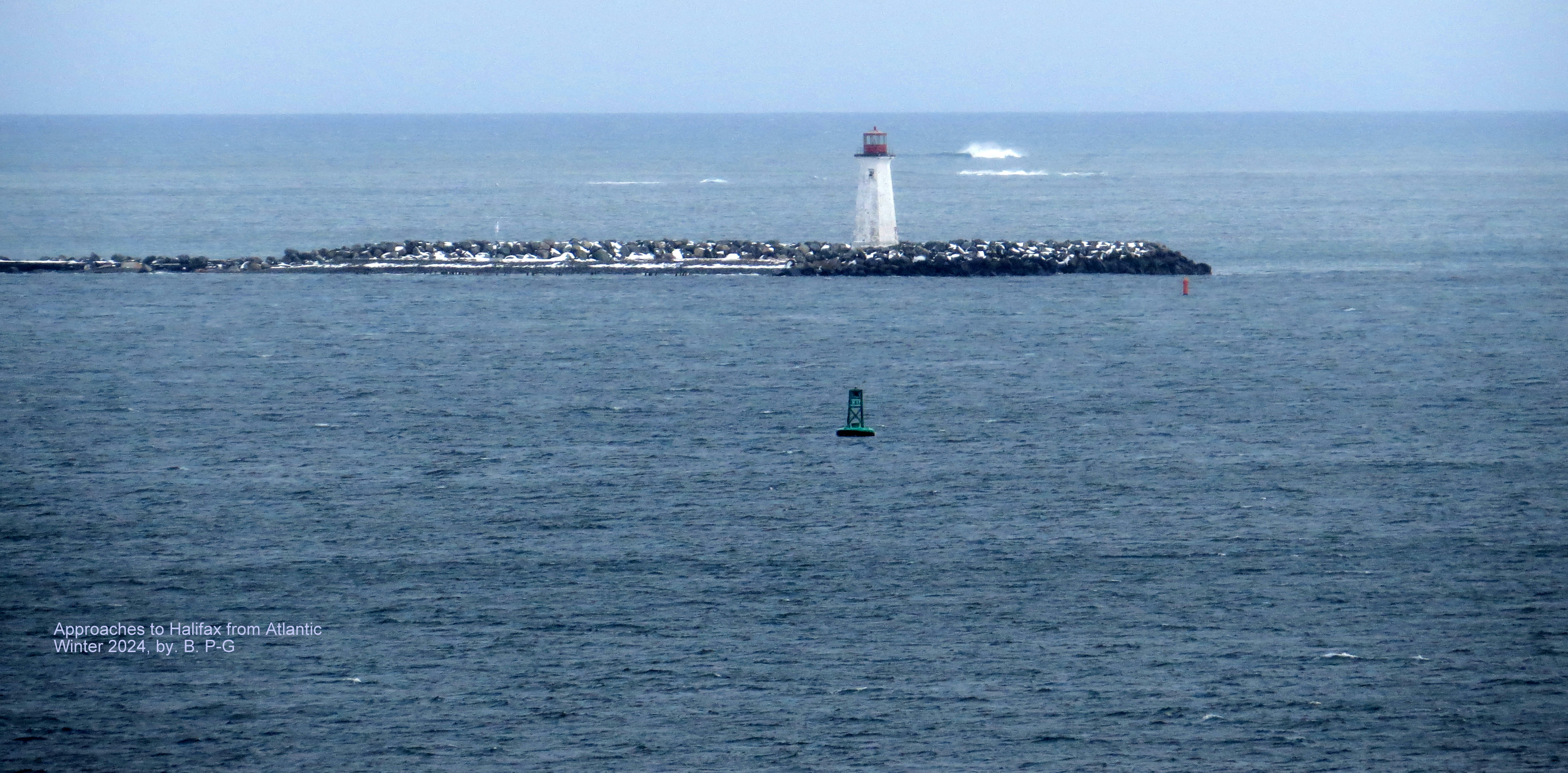
What do you do, when you can’t sleep? You go outside for a walk, in the snow and wind. At ten, then at midnight, then get a short snooze and go again at 4. It is not dark anyway, for the snow makes it all one milky, eerie light. Take another snooze and — it is morning the next day, LOL. Somehow you have a strong pain in your right temples and pain in your right ear. Stroke? You speak loudly and the words appear to be coherent and proper, go to the mirror and your eyelid and mouth don’t seem to be drooping, LOL. Then it must be just an ear infection. Dosn’t matter. What is the best for a cold? A cold excursion to the countryside! Camera in hand, a quick coffee, and off we go. Was able to catch even the Moon in full sunshine!

The Woods – how You led me out of them

The Woods – how You led me out of them

There are bad days. They come. I didn’t know that my emotional construction was still so fragile. Someone said something or wrote something to me, possibly in good intention – and everything fell down as a house of old rocks tumbling down in a cloud of dust. Cloud of dust and insecurities, despair. Everything I tried so hard to put together on my ocean beaches last summer – was taken away by a wave that came and washed it to the bottom of that ocean.  

One of the very first lines I wrote after You were gone, after I tried to find traces of You, of us, on some trail we used to walk together – and I couldn’t find You anymore – felt like that exactly: insecurity, lost. Maybe even angry – why am I here if you are not?

I have simply called these short lines: ‘Woods’. The woods I ventured in and got lost. Couldn’t find my way back. Last night and today it felt like that – to be back in these woods.

The Woods

I’m in the woods, surrounded by trees. The sun filters through the leaves, creating a dance of light and shadow. The breeze caresses the branches, making them sway gently. The air is fresh and warm, but not too hot. It’s a perfect day for a walk.

But I’m not here to enjoy the scenery. I’m here to find you. You ran away from me, and I don’t know why. You didn’t say a word, just took off into the forest. I followed you as fast as I could, but you were always ahead of me. I called your name, but you didn’t answer. You didn’t even look back.

The terrain is rough and uneven. The ground is covered with dead wood, roots, and rocks. I’m not as agile as I used to be. I’m not a young buck anymore, confident in my strength and speed. I stumble and fall, scraping my hands and knees. I get up and keep going, hoping to catch a glimpse of you.

But you are nowhere to be seen. You are hiding from me, or you have already gone too far. You are out of my sight and out of my reach. I don’t know where you are, or if you are safe. I don’t know what you are thinking, or what you are feeling. I don’t know if you still love me, or if you ever did.

 Maybe it wasn’t even an actual walk in the woods? Can’t remember anymore. Maybe it was a written record of one of my many nightmares, being half awake and half-asleep? Don’t know – there are days from these early times that are gone from my memory altogether, weeks like that. I know that they were, that I was there, too. Remember every detail, every second of You collapsing in my arms, the ambulances rushing to our home, every day and night in the hospital – and not much more after that. Just pieces of existence like a broken string of pearls rolling on the floor.

That’s that dark place I crumbled to last night and this morning. And You were not lost and gone, not hiding from me. You were right here and You guided me to a memory. The memory of a trip we took in 2016 to Alberta, our last trip to Alberta (apart from the huge trip across the continent to the shores of the Atlantic). We took a different route, a longer one, the one leading up North toward Valemount and through Highway 16 toward Jasper. But first, before reaching Jasper, one has to drive with the view of the massive, majestic Mount Robson. The highest mountain in the Canadian Rockies. Many, many years earlier I did a little climbing on this giant. Never reached the top, nor did I attempt to. Just wanted to do a bit of climbing on it and remember reaching some shelf-ledge on its steep wall, sitting on that ledge, and be amazed by the panoramic view in front.  In 2016 we reversed the roles, we were the ones at the bottom in some valley, and the huge giant was looking at us from high above.  It was amazing, the day was sunny, and practically there was no traffic. Remember embracing John and we both just admired the view.  It felt good. We both liked going back on many visits to Alberta, especially John. After all, it was his home, where he grew up, where he went to school, his adolescence … and us at the end. We met there, and fell in love. That memory of that trip lifted me from that awful pit I fell into again.

After Sturm und Drung – Sunny Days will follow

After Sturm und Drung – Sunny Days will follow

In the late XVIII century, following the French Jean-Jacques Rousseau’s turn to feelings and emotions – the Germans introduced us to Sturm und Drang. Of course, only the Germans and German language can come up with such a militaristic-sounding term for literature and paintings reflecting deep emotions, love, romance, and tragedy, LOL. That is exactly how I felt on the North Atlantic shore for the past few days – a non-ending storm with heavy snow and a constantly overcast sky. Not even a wink from the Sun. Nada, zilch.

Skutkiem francuskiej – naturalnie – perwersji uczuciowości Rousseau, Niemcy obdarzyły nas czasami Burzy i Naporu (Sturm und Drang) Romantyzmu. Tylko język niemiecki i niemiecka mentalność tak potrafi nazwać okres rodzenia się sztuki poświęconej miłości, romansowi, legendzie i tragedii, LOL. Napór i sztorm brzmi bardziej jak rozkaz niż, jak wyznanie. Jakże biedny Werter nie mógł nie cierpieć, jeśli takimi rozkazami wyznawał swą miłość dla Lotty?!

Tak się właśnie czułem ostatnie kilka dni na brzegach Północnego Atlantyku w czasie niekończących się wichur i śnieżnych nawałnic. Ni źbła choćby słoneczka na moment. Zero.

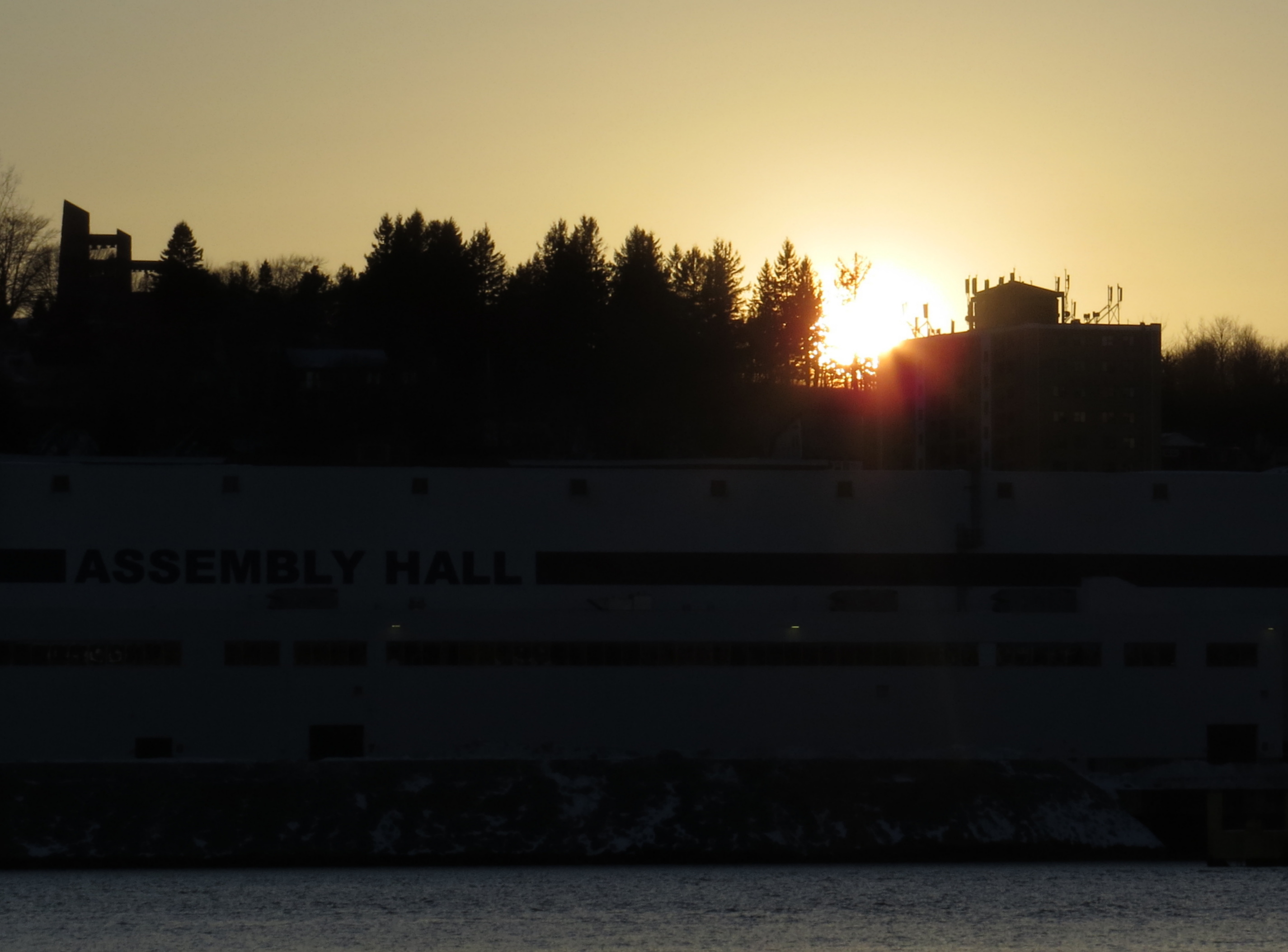
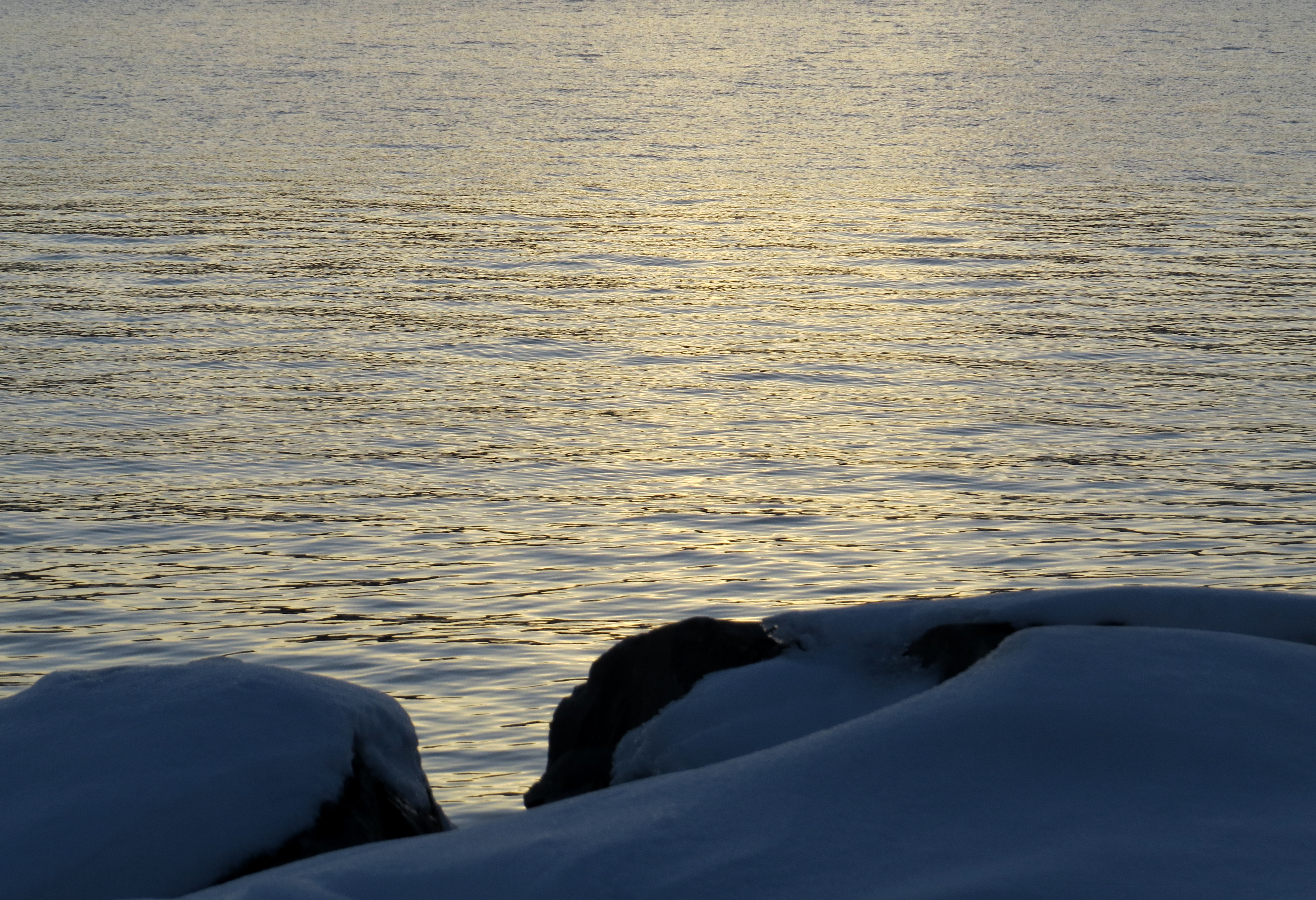
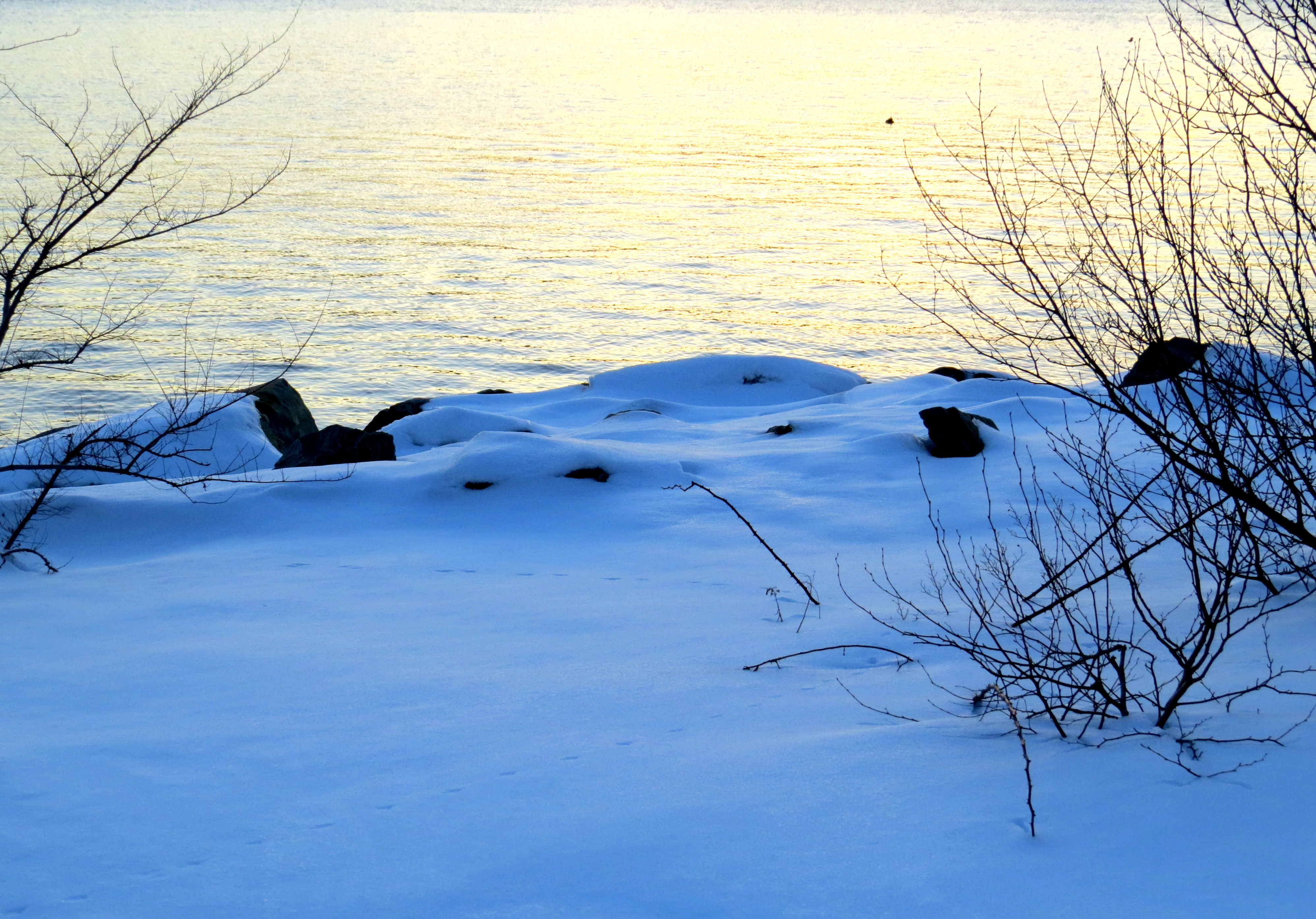
Więc gdy dzień pięknym, różowym wschodem dziś się ukazał, a karminem zachodził z wieczora – z kamerą poleciałem go gonić po Moich Kamieniach. Naturalnie, że przesadzam. Nie goniłem a potykałem się w zaspach powyżej kolan, wspomagając się swoim kosturkiem. A ten śnieg bieluśki, ta woda i stalowa, i srebrna, i różowa do zdjęć, jakby pozowały.

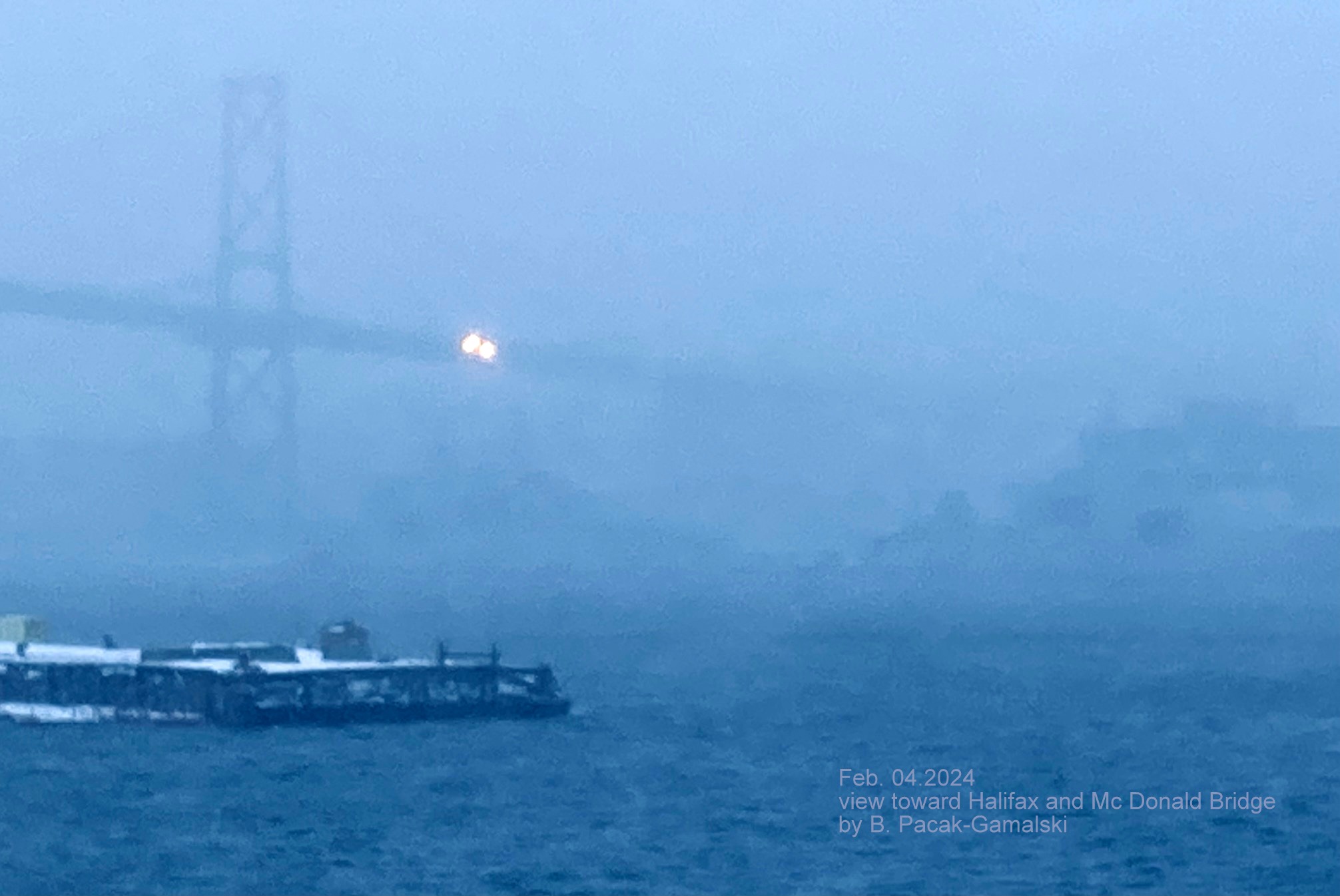
Winter in Mount Pleasant Park in Halifax

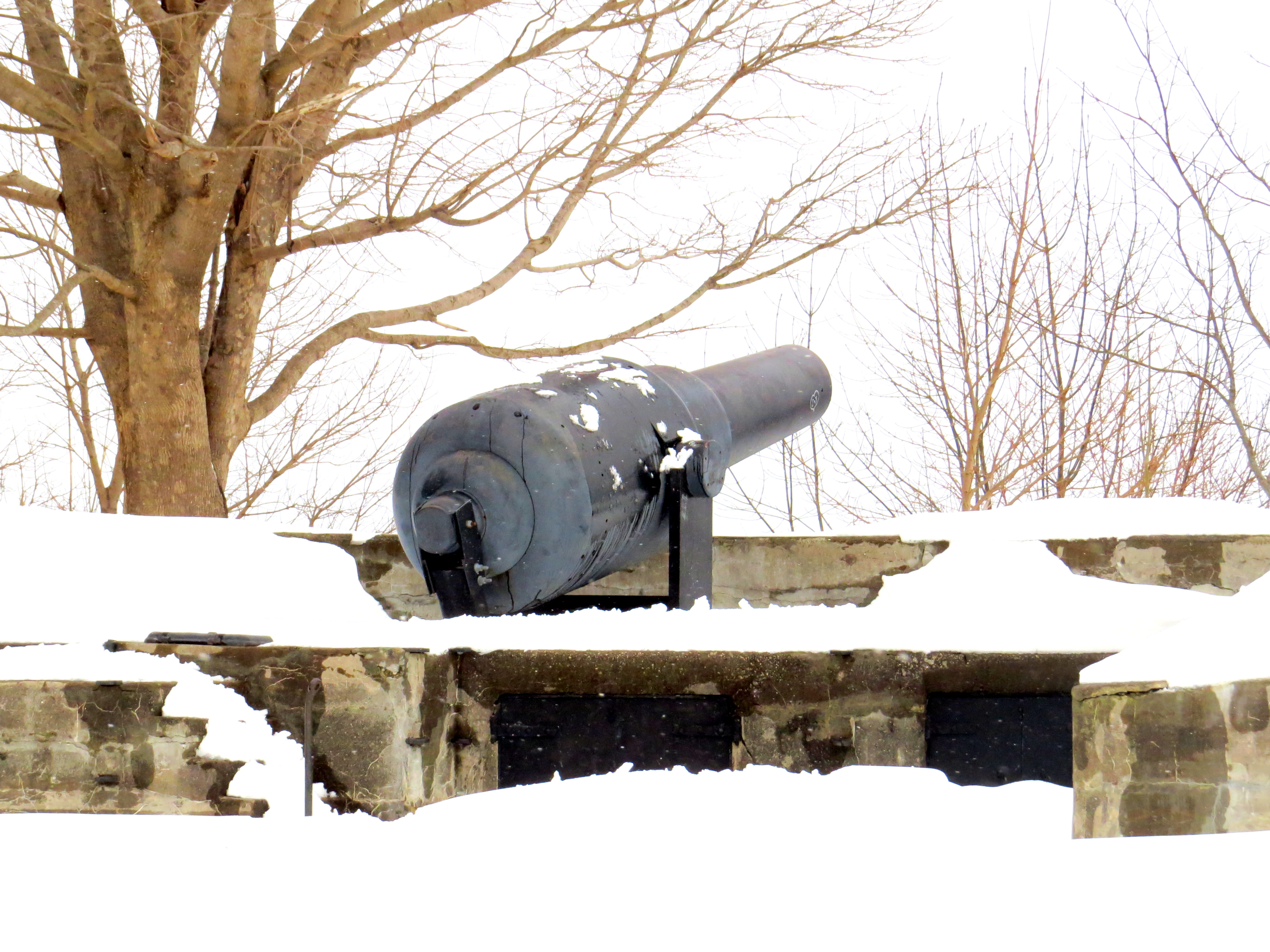
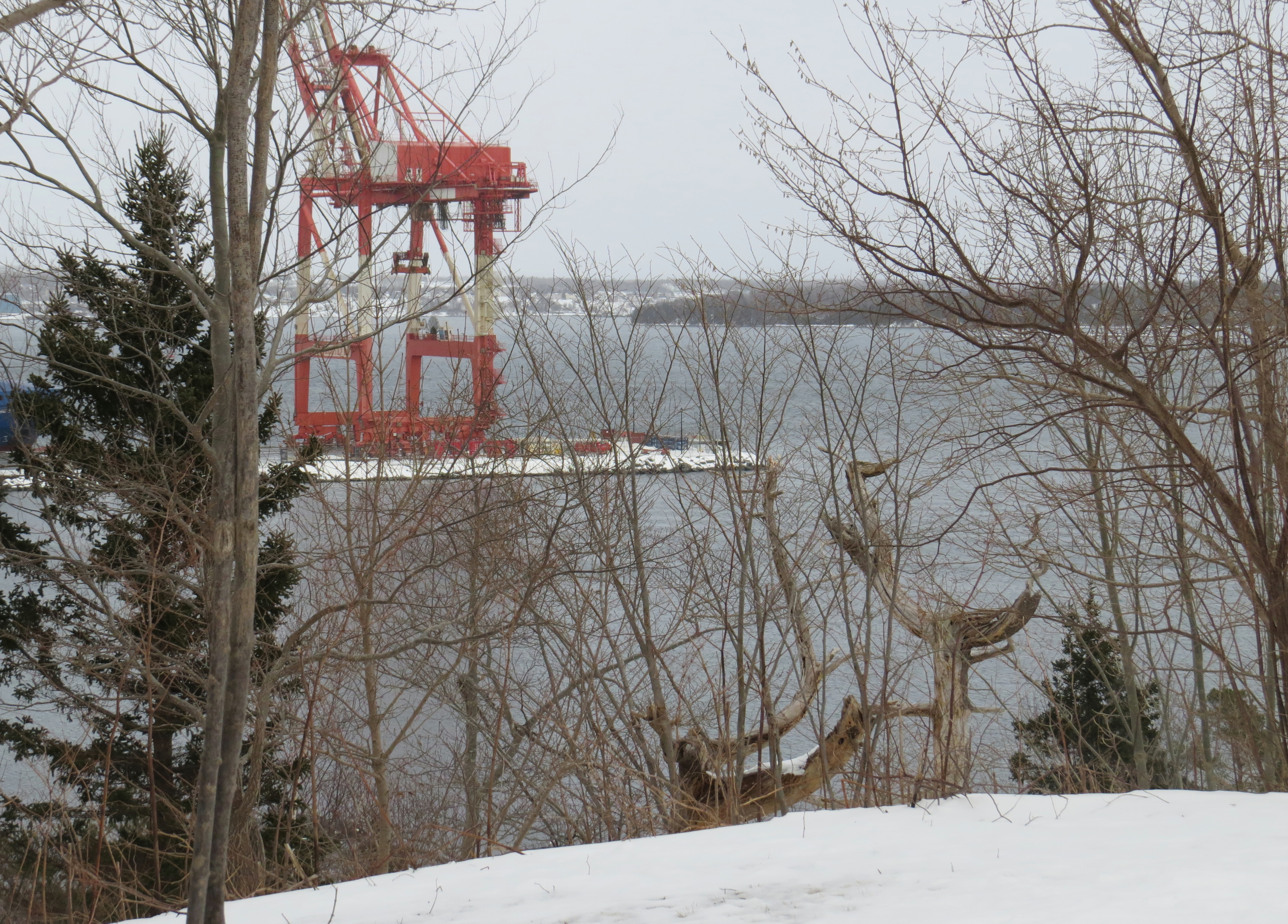
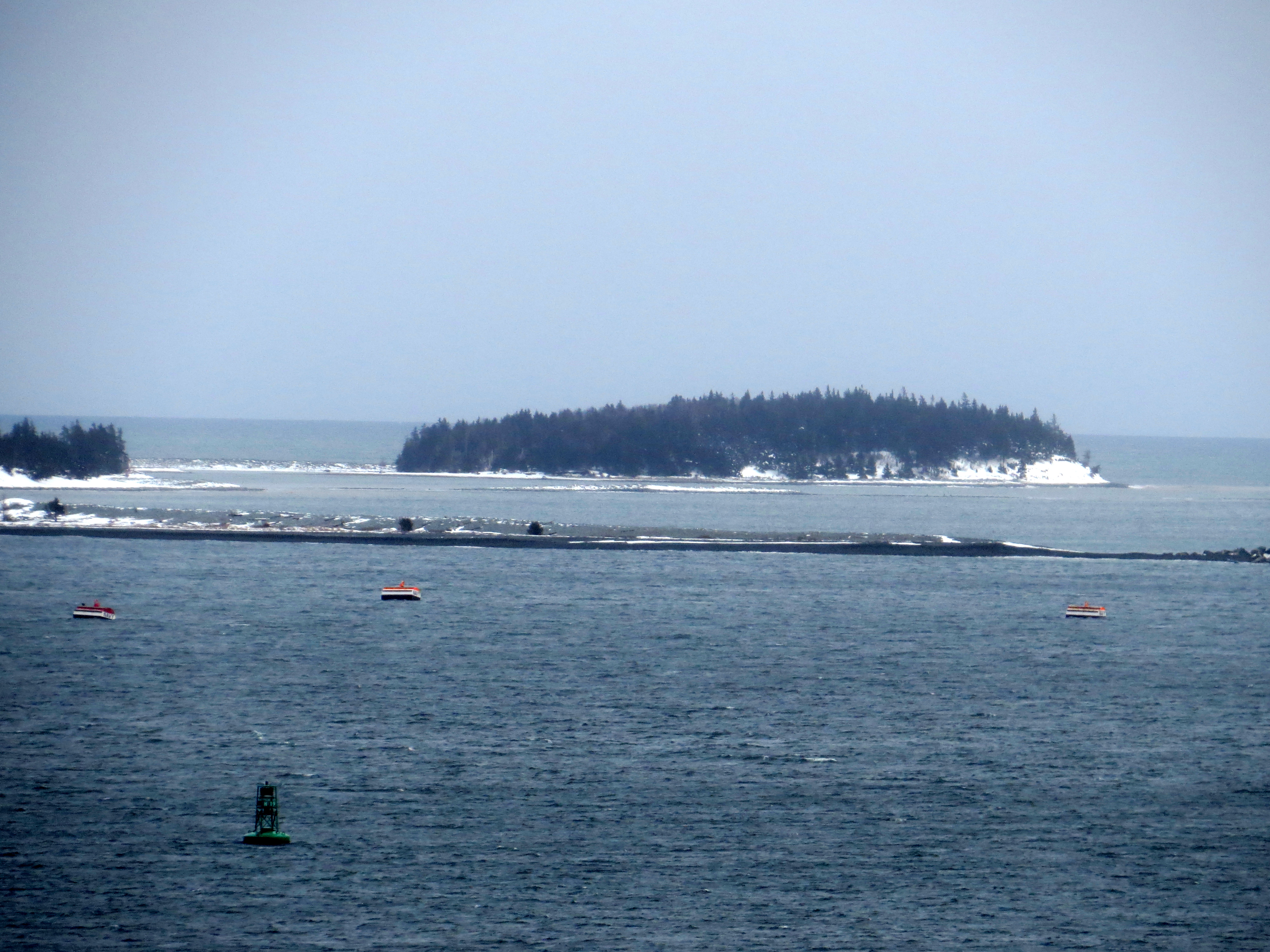
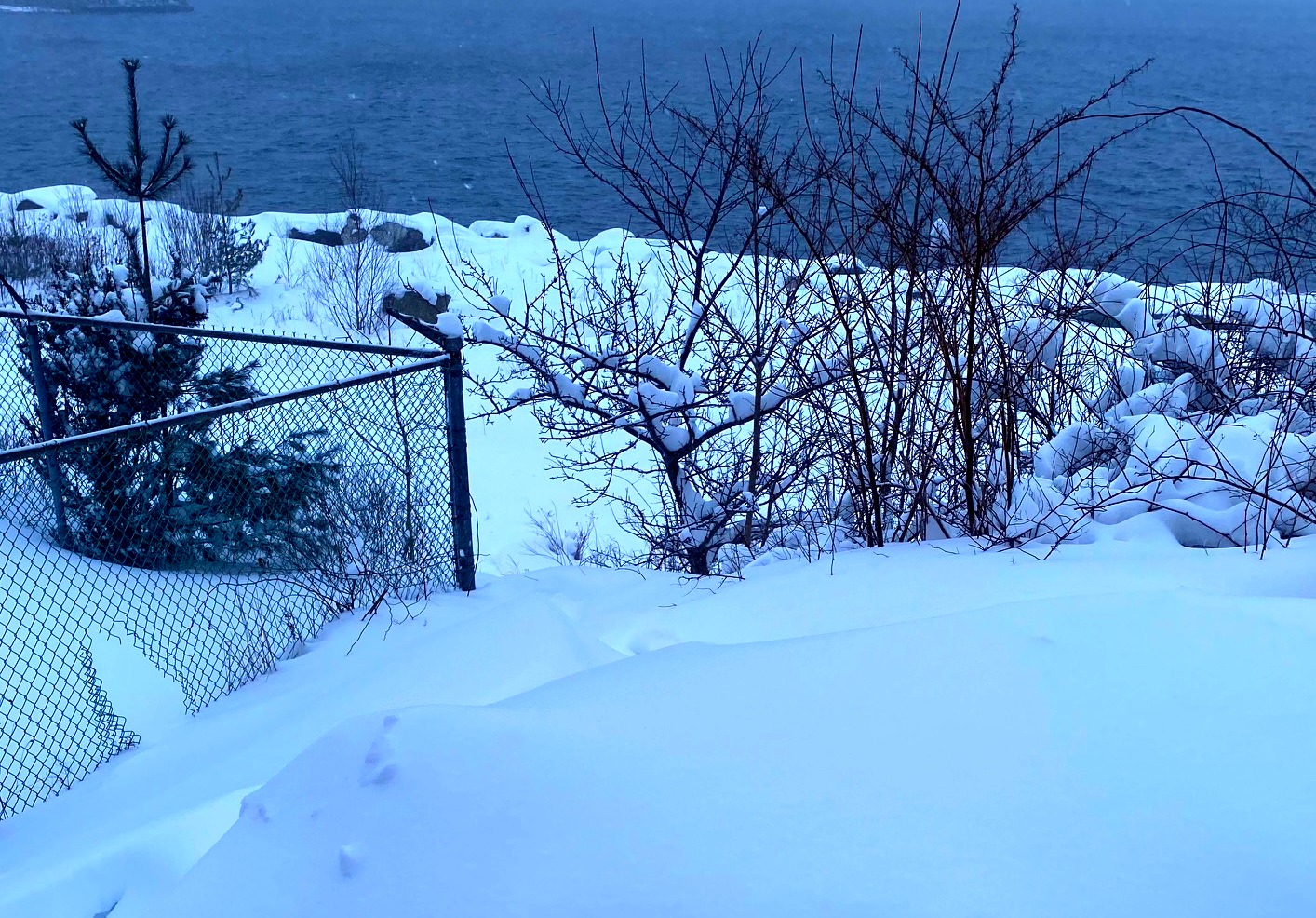
A day after the big winter storm that brought Nova Scotia the biggest snowfall in twenty years, I went with my camera to the edge of Halifax – Mount Pleasant Park. A lovely wooded enclave, in a way reminiscent of Stanley Park in Vancouver, but slightly smaller in size.

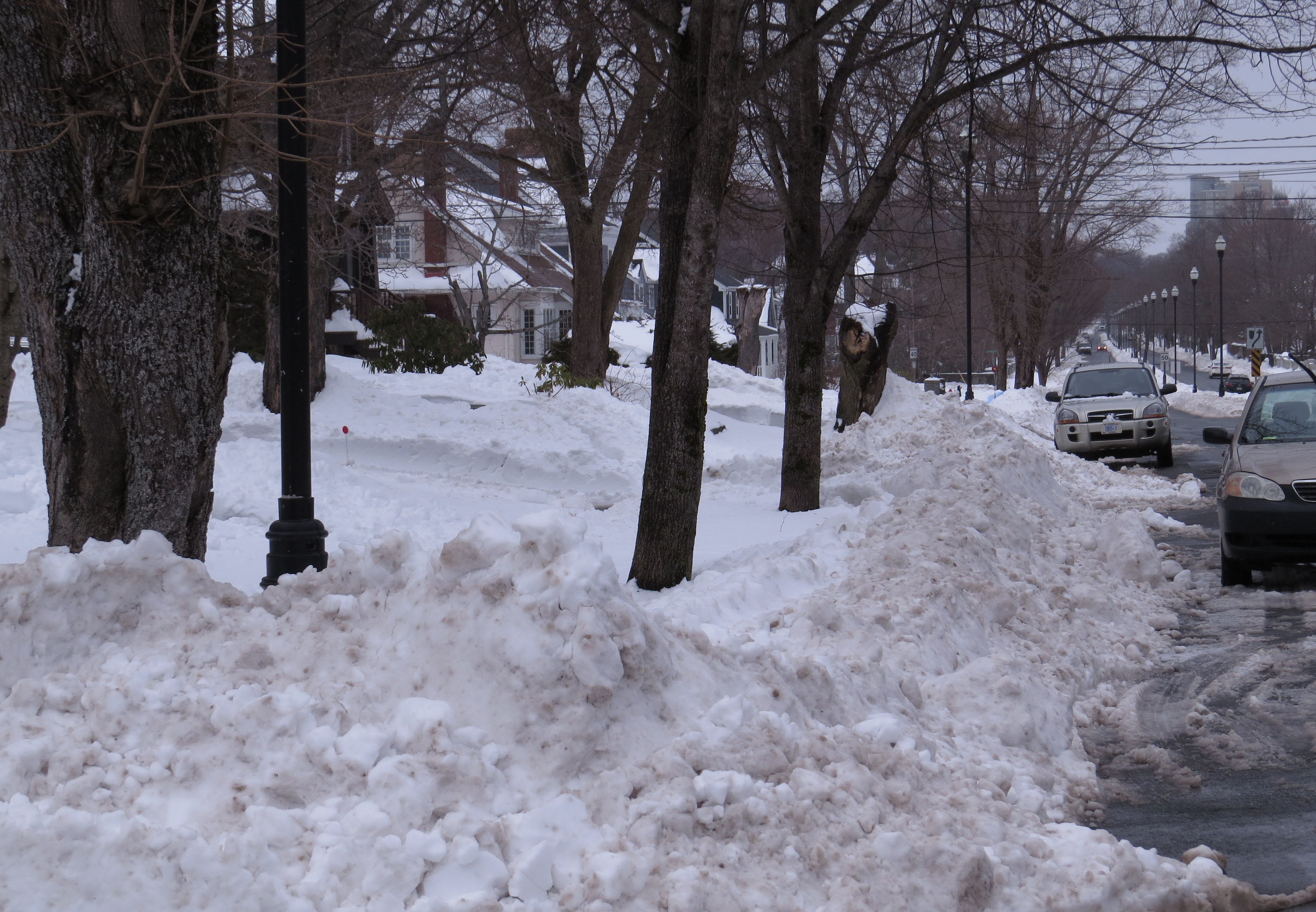
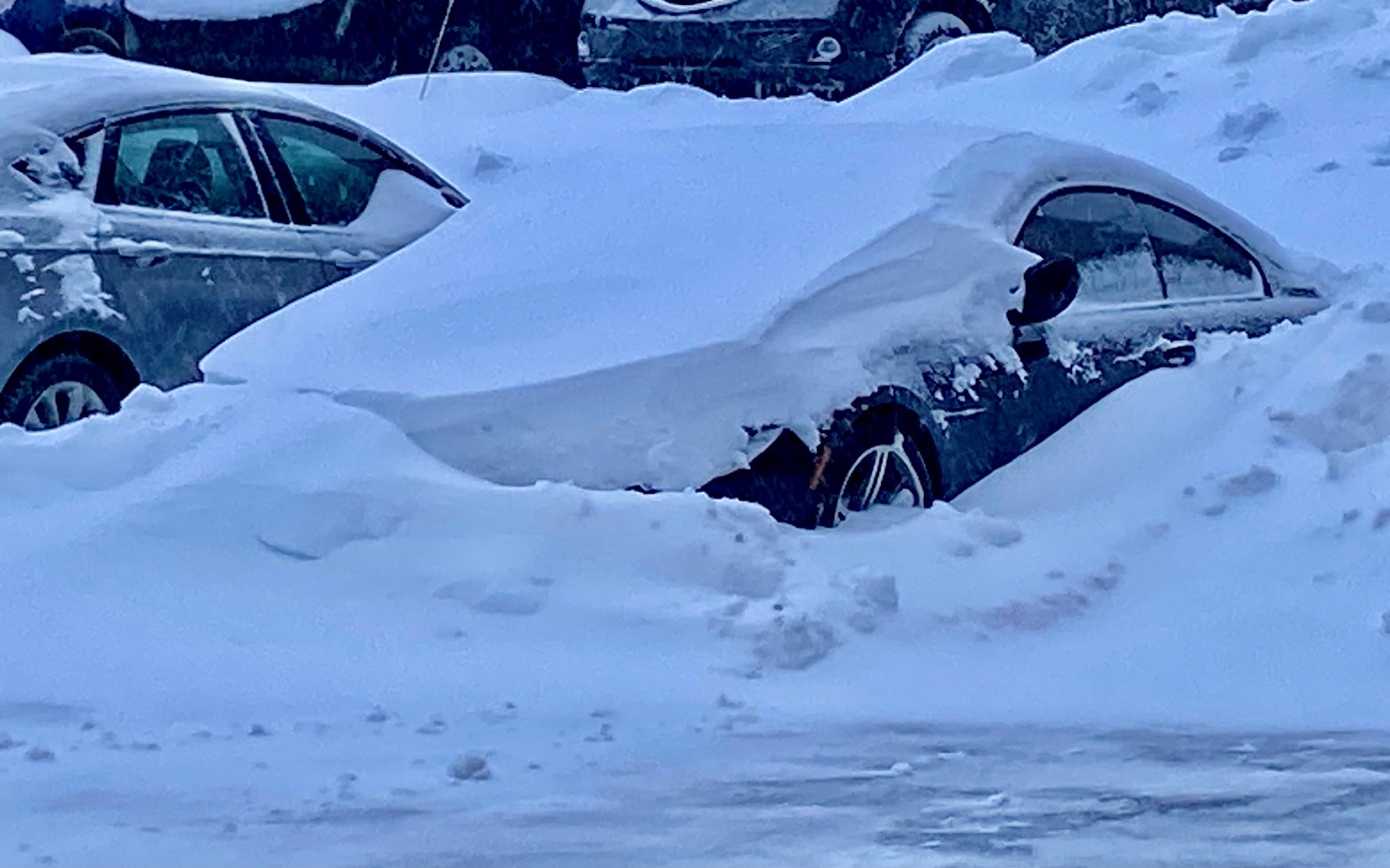
Old Halifax has very narrow streets that look today like a tunnel dug out of high snow embankments. Finding a parking spot is next to impossible and people are forced at places to walk on the street, as the sidewalks are just covered with mountains of snow. Planned to visit also the lovely Public Gardens downtown – but all gates were closed. Why? Because no one showed the walkways? It is a park for Heaen’s sake! Not a highway. If people want to walk knee-high in snow – why can’t they? Homeless people live in tents right in parks and on the streets and you worry about ‘the elegance’ of Patrician’s Park?! Sometimes (most of the time, LOL) I can’t understand the politicians …

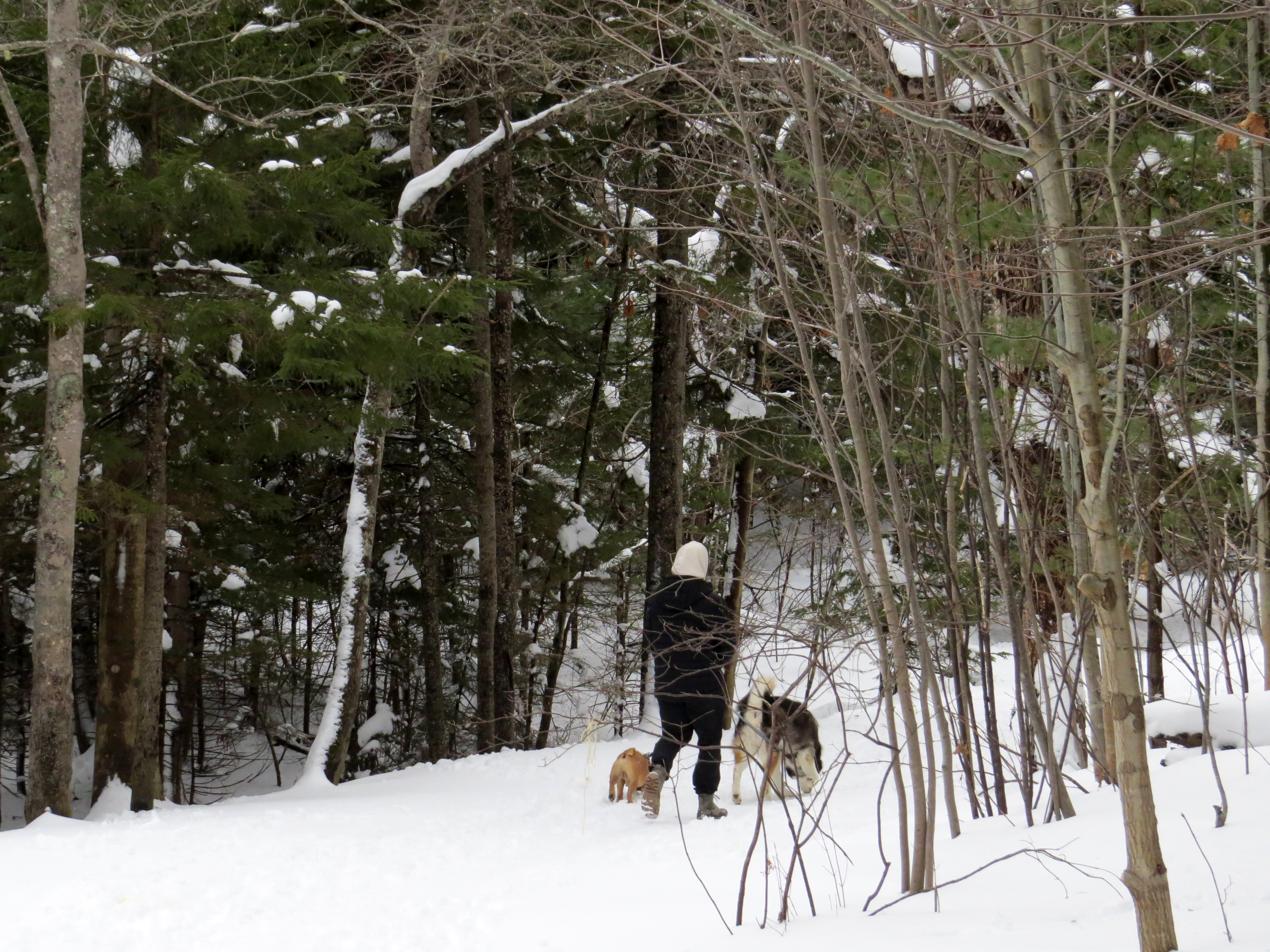
In Mount Pleasant Park the main trails were plowed. Most of the people that I met there were walking their dogs. It looked like the wonderful furry friends were in paradise! Jumping into the woods and snow that sometimes cover them totally, wagging their tails, running back and forth – a pure joy. I had the pleasure to play with some of them. What a bunch of happy creatures, if you let them be happy. No aggression, just joy that someone wants to play with them.

Did you say winter? In Nova Scotia?!

Yesterday was a lovely day. Snow abounds, beautiful, soft, and dry. Everything looked like Christmas. I dug out my carriage, drove to a few stores, and decided that the next day I would take my camera and go for some nice wintery shots on the coast or perhaps in Halifax. My carriage is a very strong vehicle and not afraid of winters.

It continued to snow the entire day, then the full night, and again the rest of the day. But the temperature went up a bit, the wind became very strong and the snow changed to very nasty tiny little granules like sand. Still drove to do short shopping but the camera would not be very good in such conditions. It would get wet in a second, walking would not be nice either. Visibility was very bad, too.

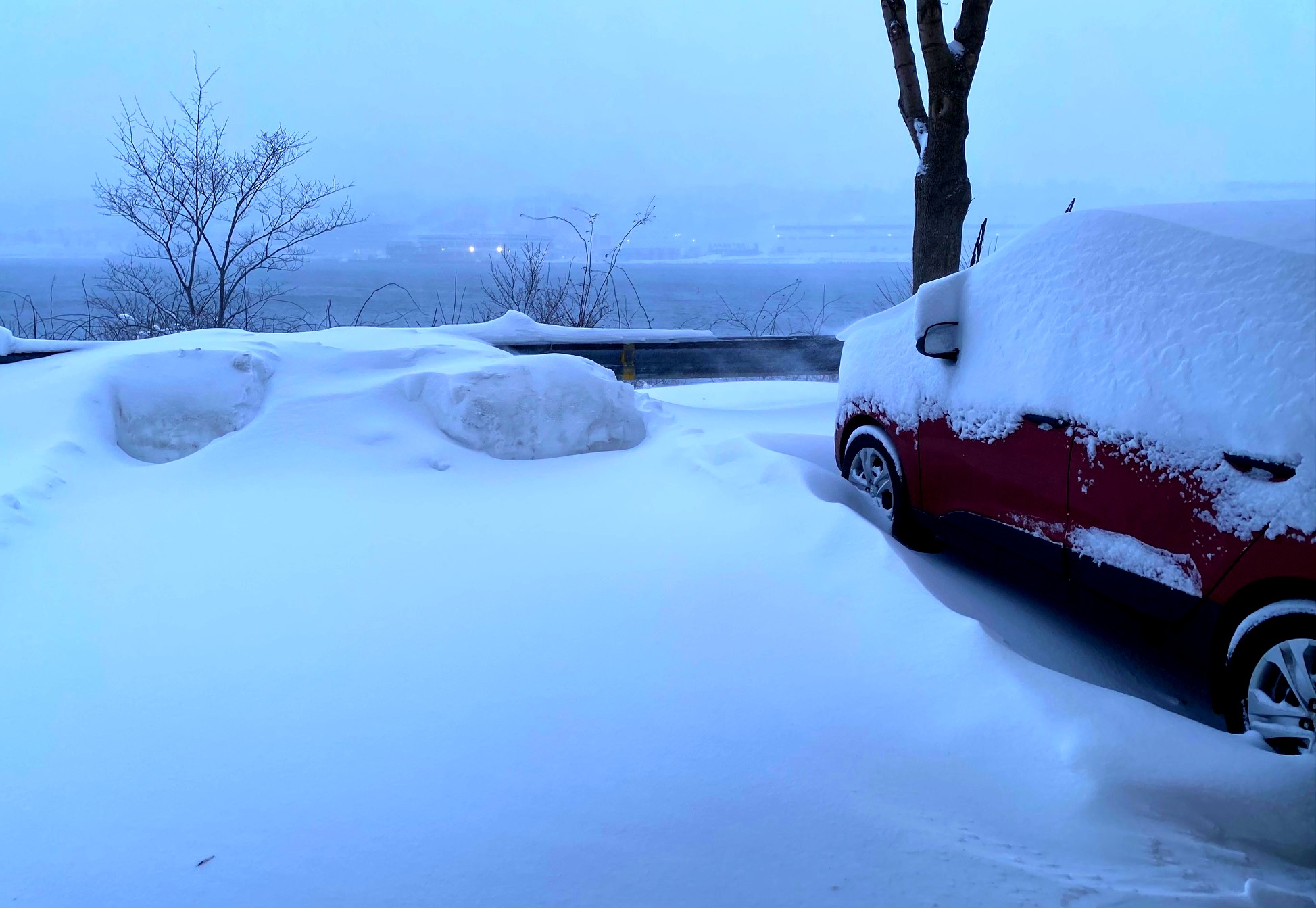
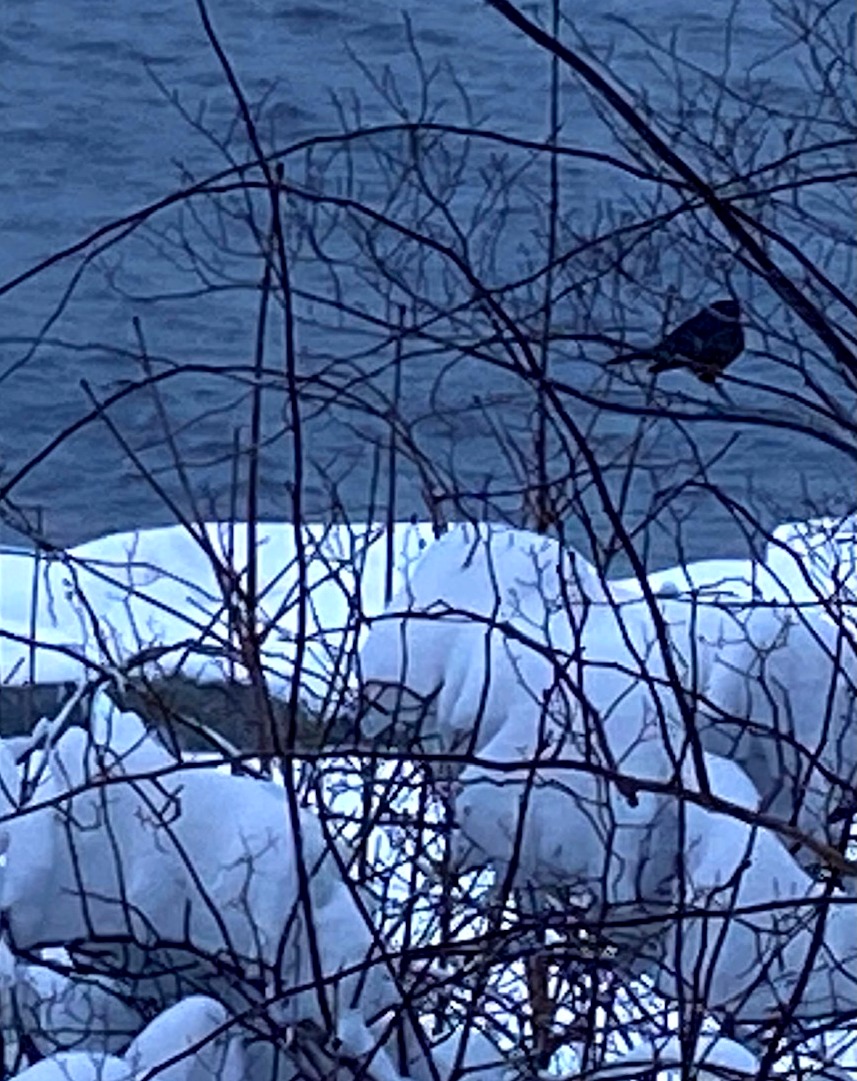
Shouldn’t complain too much, though. The Eastern and North shores were hit really badly. I think they had to proclaim a state of Emergency in Cape Breton, many roads were closed and the Government was advising everybody not to travel. But I still wanted to take some pictures, just with my I-phone and around my my home, parking lot (LOL), and of course, My Rocks.

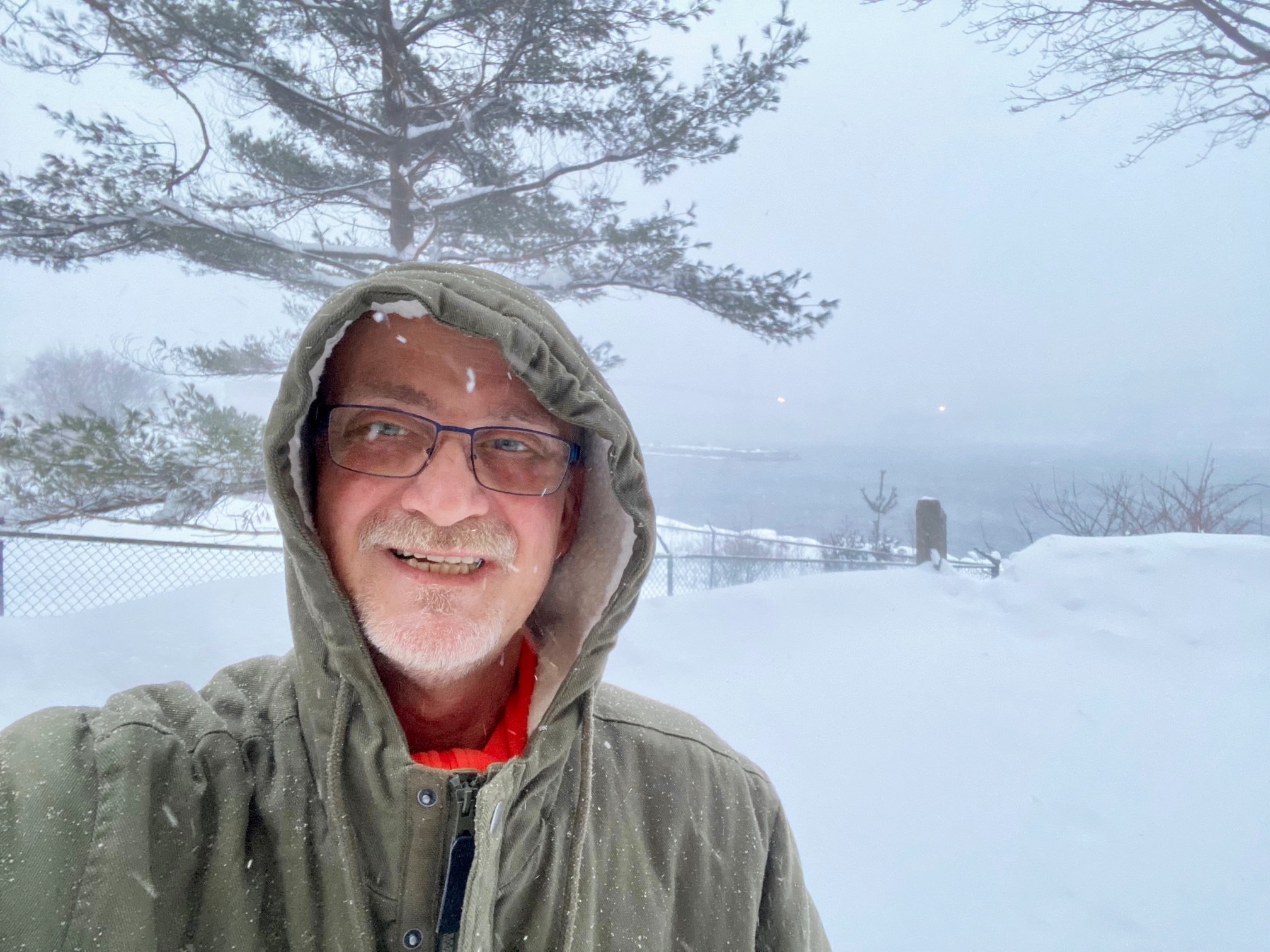
Had to dig out my truck again, just in case I would need it, and simply didn’t want to have it covered by the white craziness totally. So here it is – the mundane, silly photo chronicle from the parking lot and the vicinities. By the way – it still snows now and should not stop tomorrow, either. If you won’t hear from me in the next few days it means that my igloo lost internet connection. So yes, to no one surprise in Nova Scotia – it does snow in Nova Scotia. As it rains in BC.

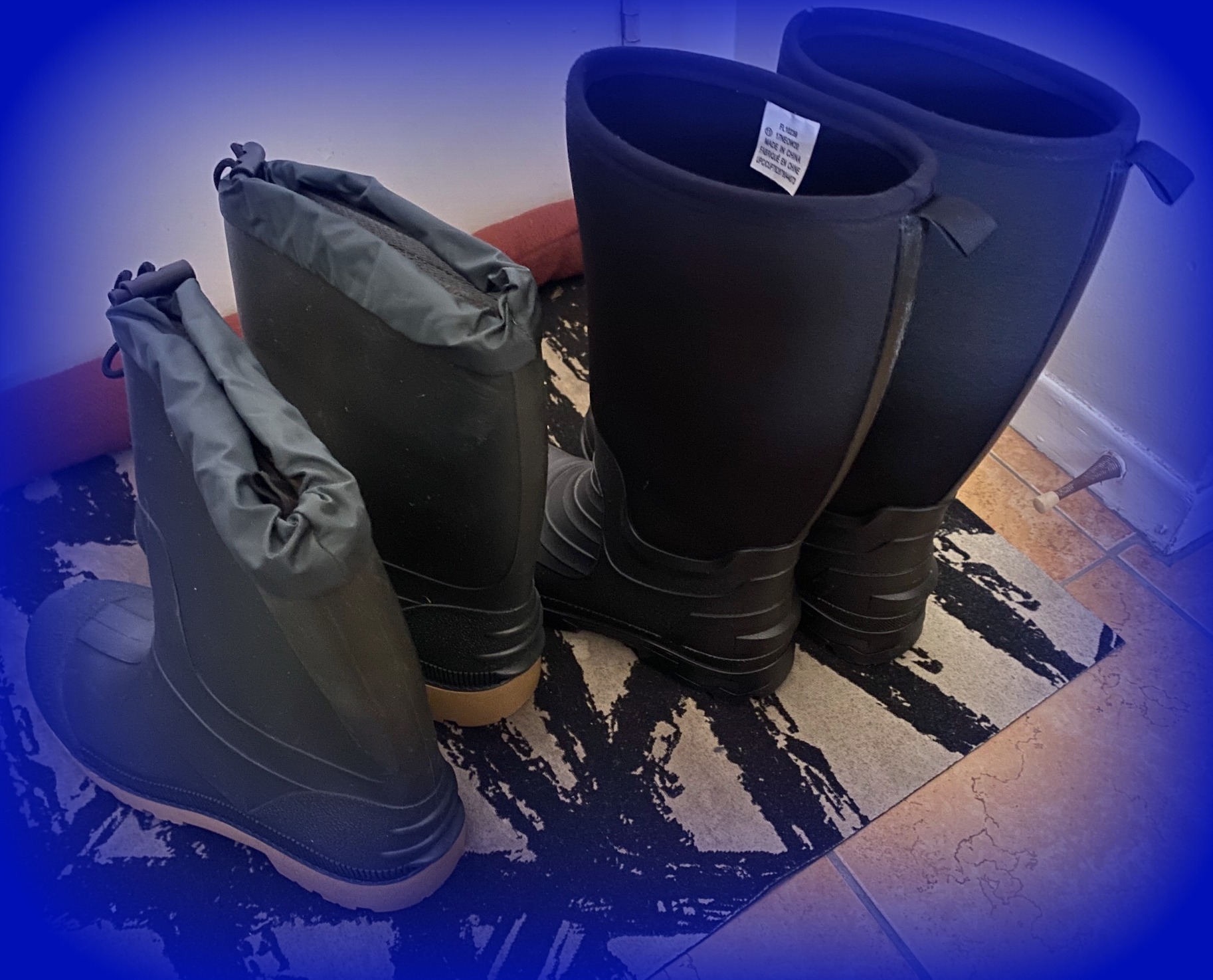
Of course – you need to have proper Sunday Church elegant shoes. As you noticed on one of my pictures I do have proper church shoes. One for Nova Scotia and one for British Columbia.

Henry Kramer concert in Halifax

Few words of personal explanation. Of my wonderful life with my beautiful husband, lover and partner, John. Life that tragically ended with John passing a year ago. Yet life worth every moment, every second. Music, music – it has been such an important part of our life. Through music – in all forms, shapes, and styles – we understood each other deeper, fully. Like the name given by German composer Felix Mendelssohn (1809-1847) to his ‘Songs without words’. Love truly does not need words. As in any true process of creation, words – if used – are only a mere ornament, part of the mechanical structure. True creation begins and ends in a sphere of senses: sound, smell, touch, feeling. Everything else is just a noise.

Therefore, when I walked that wintery evening from Henry Street to Coburg Street and to St. Andrew Church for my normal rendezvous avec la musique – he walked there with me.

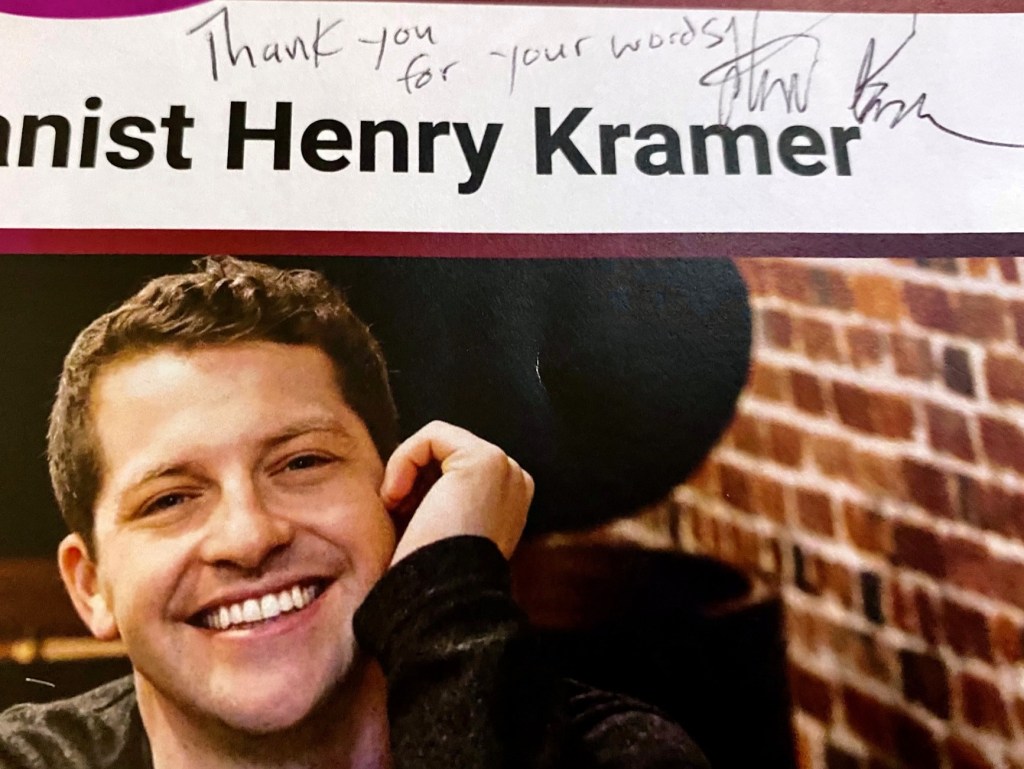
What a wonderful rendezvous it was! It was an immense pleasure to listen to the music played by the most gifted pianist, Henry Kramer. Kramer is an American musician recently being offered a teaching position in the Faculty of Music at Université de Montréal, and because of the proximity, he was able to come to Halifax and give us a taste of talent. What a treat, indeed.

One award (among many others) I have to mention is the American National Chopin Piano Competition in Miami, where he claimed the 6th spot in 2010 (the First Place automatically awards the winner a spot in the top piano competitions of the world – the Warsaw International Chopin Competition). But there was a connection to that famous Warsaw Competition: among his jurors was the former  3rd place winner of the said International Warsaw Competition, Piotr Paleczny. I was lucky enough to hear Paleczny playing many years ago during that Competition in Warsaw and to know him personally. He was, as a young fellow at that time, a very sweet guy. And truly fantastic piano player.

Henry Kramer missed that Warsaw Competition ticket – but he did not miss the 2016 prestigious and top-ranking Queen Elisabeth Competition in Brussels. And he got the Second Prize – that is a ticket to just about all concert halls in the piano world.

I was not in Miami to hear him personally there, but remember his concert in Seattle. Remember him well enough to make a note of his playing: don’t forget his name because you will hear of him.

Back to Halifax. Have a chance years later to do that. To be at his concert. How can I describe the overall feeling, reaction? I will use a term I don’t remember using before in any of my musical reviews:

Henry Kramer is a pianist of a very elegant way of playing. That it is. Elegant way of playing. You could say: bravado, astonishing, lively, emotional, technically brilliant. But after listening to him intently, paying attention to how he treats not only the music but the entire piece that makes a player, his arms and body and keyboard, pedals, and the entire massive instrument a one-piece, one symbolic union – that is the term that came to me: grace and elegance.

And what a good term, when you play music submerged in a very specific time of European chamber music of early romantics. Time of Shuberts, Mendelssonhs, and to a lesser degree even Liszts (Liszt belongs more to the next epoch – Romanticism). A time when musicians produce an extraordinary amount of compositions (almost in manufacture-like tempo) to appear in a multitude of salons of political, and Church dignitaries, aristocrats and extra-rich townsfolks. Time of Early Romantics. These were not huge concerthalls, or musical theatres (there were some in big cities – but that was a rarity, not a rule). The salon for chamber music was small, and the guests were not as plentiful. If you play the same music more than a few times – the opinion arises that you are done, finished. You emptied yourself and can’t compose anything anymore. So they did compose. A lot. Franz Schubert composed 20 sonatas (not all of them in a finished form) and a number of larger pieces: 12 (13?) symphonies; circa 10 Masses; over …. 1000 (that is one thousand, no mistake) songs with at least one instrument and many more occasional pieces in different form. No, he was not eighty years old, when died. He was  … thirty-one.  Show me a contemporary composer, who composed half of that volume, I dare you.

Was he a great composer? No, by any means. But he was an important composer and very talented. Had he lived decades longer, had he achieved financial independence and powerful support from powerful patrons – chances are he would have had time and space to compose a few timeless and extraordinaire pieces of music. It was also a time when music was composed in a very strict and form-fitting format. Just as poetry in classic times. The next generation started slowly to dismantle that construct. And then came Gustav Mahler, followed by Schoenberg with his Second Viennese School and music was never the same again, LOL.   

The old Saint Andrew Church in Halifax was a perfect setting for Schubert’s music and for the elegant style of Henry Kramer. The main nave offers wonderful acoustic and being of Anglican (in Canadian, United Church form) type is not too ornate and void of the weight and ballast of Catholic big churches.

From the moment Kramer appeared on the stage with a short introduction to the music – he won the audience with his pleasant way of greeting and talking. There was no ‘pomp and circumstance’ – just a warm and subdued tone.

From the first keystrokes, he was very attentive to musical detail, to the phrasing. Schubert’s Piano Sonata in A Major seemed to be written for him. The Allegro Moderato at the beginning was lovely. It’s a relatively robust tempo but the two melodies and two distinctive themes lead to a lovely passage. And his brilliant way of slowing ‘things down’ in Andante is just that: have time to ponder, exclaim, and reflect. At a certain moment, a listener not familiar with this work might think – that it is, finite. Perhaps little annoyed that it happened so soon, LOL.  Kramer used the intervals splendidly, they were very pronounced as the composer intended.

But forget the intervals, forget the delicacies, the sublime. Here comes the Allegro. Better check your seatbelts! This is a pianist (a good pianist) paradise: time to awe and conquer the audience. And he did. The bravura almost and brilliant style shine here with dances, and passages. The keyboard is used in its entire length and the pianist must grow two or three more fingers, LOL. But it is truly a pleasure to listen to it. Even if you are not an enthusiast of early Romantics (just like me) – I still can come and listen to the entire sonata again – just to enjoy the finale! Bravissimo for the artist!

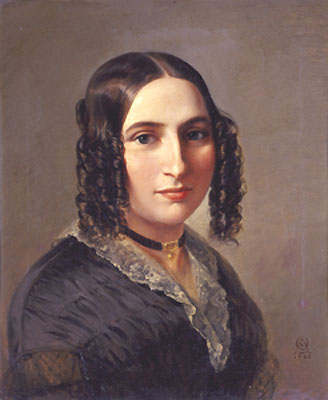
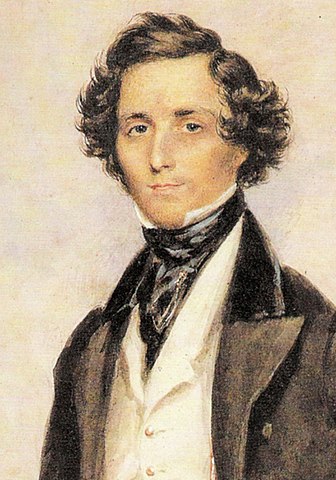
After Schubert music, Kramer opens to us the world of two siblings, contemporaries of Schubert: Fanny Mendelssohn – Hensel (1805-1847) and Felix Mendelssohn Bartholdy (1809 – 1847). Both siblings were very close to each other.

Fanny Mendelssohn

Felix was well well-known and very much accomplished composer in Berlin’s circle. His sister never (partly because of her father’s opposing views) accomplished such a fame during her lifetime but her compositions show a good measure of talent and ability. She was also very respected as a musician by her devoted brother, who often asked for her opinion and advice in his own works. As it happens from all their works the most famous ones often played even now are their songs. Or rather ‘songs without words’ (Lieder ohne Worte), as was the name Felix gave to his most famous composition. There is a story that at one-time friend of Felix offered him to write words for his ‘songs’. The composer is said to respond: “What the music I love expresses to me, is not thought too indefinite to put into words, but on the contrary, too definite.” What a lovely and indeed precise response!

Felix Mendelssohn

The pianist played Fanny’s 4 Lieder for Piano, Op. 8 (no.2 Andante con espressione and No.3 Larghetto), and Felix’s Songs Without Words Op. 19 in E Major and Op. 67 in F-sharp minor. It was a pure musical pleasure. His elegant way of playing was at its best. The depth of emotions coming from the sound he was producing was truly touching. I remembered years ago when I listened to the incomparable Jan Lisiecki playing the extremely difficult and technically challenging piece of Ravel’s Gaspard de la nuit and I thought: how this very sweet and happy young man (I have known Jan Lisiecki since he was fifteen years old very sweet boy when I did my first interview with him) can evoke the atmosphere of pure horror and terror so plainly, so vividly? Talked after his play with him about my question. And his answer was as plain as it could be: it is not enough just to play – you have to feel it inside you, you have to take that symbolic journey to that place, that moment and then transfer it to the tips of your fingers. Just playing every note, in exact tempo is not always enough. And I understood that instance what he meant. Of course. It is so plain. The feeling, the emotion. Listen to famous, dramatic singers of opera! The words are almost comical often. If you just sing them – you could almost laugh, like a satire, not a tragedy. It is the emotion, the timbre of the note you play, and the spirit of the sound you produce that signifies emotions. This is exactly what Kramer achieved when he played the Songs Without Words.  And I repeat: with that musical elegance.
But even the best of us must give up sometimes the comforts of elegance. When you deal with Franz Liszt’s Piano Sonata in B minor, S. 178 you really have no choice. When the Paganini of grand piano composes music that should rival Paganini’s Caprices – elegance and etiquette go away. I often compare him to Tina Turner and her singing career. Was it elegant? Heaven’s forbid, no! Was it great? Of course, it was a wonderful madness! Would Henry Kramer, that elegant musician be able to play such music, to forgo his comfort zone?

Oh, yes. He did it to my delight. That was not a summery evening stroll through the meadow. It was a full gallop! Not even of one horse – it was a herd of wild horses. What a choice for the finale and what a stamina to do it after already playing so many pieces.

Liszt’s sonata is one of his late compositions when he composed mostly for pleasure and not to gain popularity or earn money. It is in a way also a break with the established way musical forms were composed. Sonata, as a sonnet in poetry, has very strict rules.  Three, sometimes four pieces. You state your musical subject in the first part, elaborate more freely on it in the middle, and finish with a recapitulation of the first statement. But Liszt decided to do away with two distinct pieces and used just one. Try writing sonnets in the form of elegies. In a way, he liberated composers from the strict and tight corset of existing musical architecture. Today everyone understands it. We have gone through modernity and postmodernity. But at that time … it received scorn from all the greatest composers. Clara Schuman (Liszt dedicated it to Robert Schuman) said it was ‘merely a blind noise’; Johannes Brahms apparently fell asleep while Liszt performed it; similar scorn was shown by Anton Rubinstein. The only exception was Richard Wagner. Yet, by the early XX century that ‘blind noise’ was recognized as the pinnacle of Liszt compositions. Times are changing.

I can’t tell how many times I heard that amazing, powerful compositions being played by many wonderful pianists. In a way, my favorite was the recording of it by Kristian Zimerman, one of the outstanding pianists of my generation in the entire world.  

But the way Kramer played it was more than satisfied. I listened with full abandonment and total ecstasy of my sensory powers. No surprise that after that accomplishment the audience would not let him leave the stage. The standing ovation had no end. And fully earned. To no surprise, he had no choice but to thank the audience with two extra encores.

We finished with a nice chat and my congratulations for very well-presented program and excellent play. But I started the conversation by thanking him for transferring me that evening from Saint Andrew Church in Halifax to Carnegie Hall or to Vienna Philharmonics.

Skiing in Nova Scotia

Have not skied since I left Vancouver. But my last season was probably a year before that. In a dramatic way. Drama and I seem to go in pairs, LOL. My skis and boots were – to say it politely – a bit out of style and advanced in age. Last time I wanted them to be professionally sharpened they said there is not much more steel to sharpen. So I did it myself. The boots needed replacement, too. But didn’t change them. My last skiing was on Mount Seymour overlooking the entire Greater Vancouver. Just the views were spectacular: the entire Indian Arm fiord, Burrard Inlet, Burnaby, Fraser River, Surrey, Vancouver, and the Salish Sea. Breathtaking. That day was foggy, though. Some lifts were closed due to poor visibility. I suppose, because of that the parking lot was almost empty. But the lift going to the peak with the wonderful Black Diamond (advanced) trail downhill was open. I was the only one ‘in the line’ to the lift! I knew the vistas by heart anyway, so I was happy. Went down once and ran quickly for another ride after they warned me that they would shut it down soon due to the poor visibility. Right from the top of the lift, I took a slightly different route, more steep but under the lifts – that way I could just follow the lift and not get lost in the vast terrain covered with fog. Smart. But the trail was narrow and bumpy. After hitting one of the moguls … I went down and one of my skis went the other way, not far though. Once I retrieved it, strangely the boot would not fit into the bindings. What the …, I thought, and pushed it stronger… that is when the boot actually disintegrated, and fell apart in two separate pieces, LOL. A ski boot is not something you can tie or put together, no Jose, LOL. When I finally got back to the lift base with just one boot, the other foot in socks only – the operators couldn’t believe my story. They told me that were starting to worry and were just going to send a patrol to look for me, LOL.  That was my last skiing … seven years ago.

I never bothered to buy new equipment in Nova Scotia – it is a gorgeous province for hiking and swimming. But skiing – really?  There are two ski hills/resorts. And they are – hills. Not mountains. Went to one once during the summer, near Windsor. And decided not to spend a lot of money on new equipment to use on these  … ‘elevated terrain’ resorts. I am not any sort of expert skier, high achiever and show off. But c’mon – for the past almost 50 years I have skied in the high Polish Tatra Mountains (on Kasprowy Wierch resort, 2000 m elevation), and later in the high Rocky Mountains (Banff, Sunshine Valley, Lake Louise, 2600 m elevation) almost all other smaller resorts in BC, and of course Olympic Whistler Resort.  Out of all of them (that would include wonderful and definitely overpriced Whistler) the Lake Louise Ski Resort and Sunshine Village in Banff National Park are without any doubt the best. It is just ski paradise there.

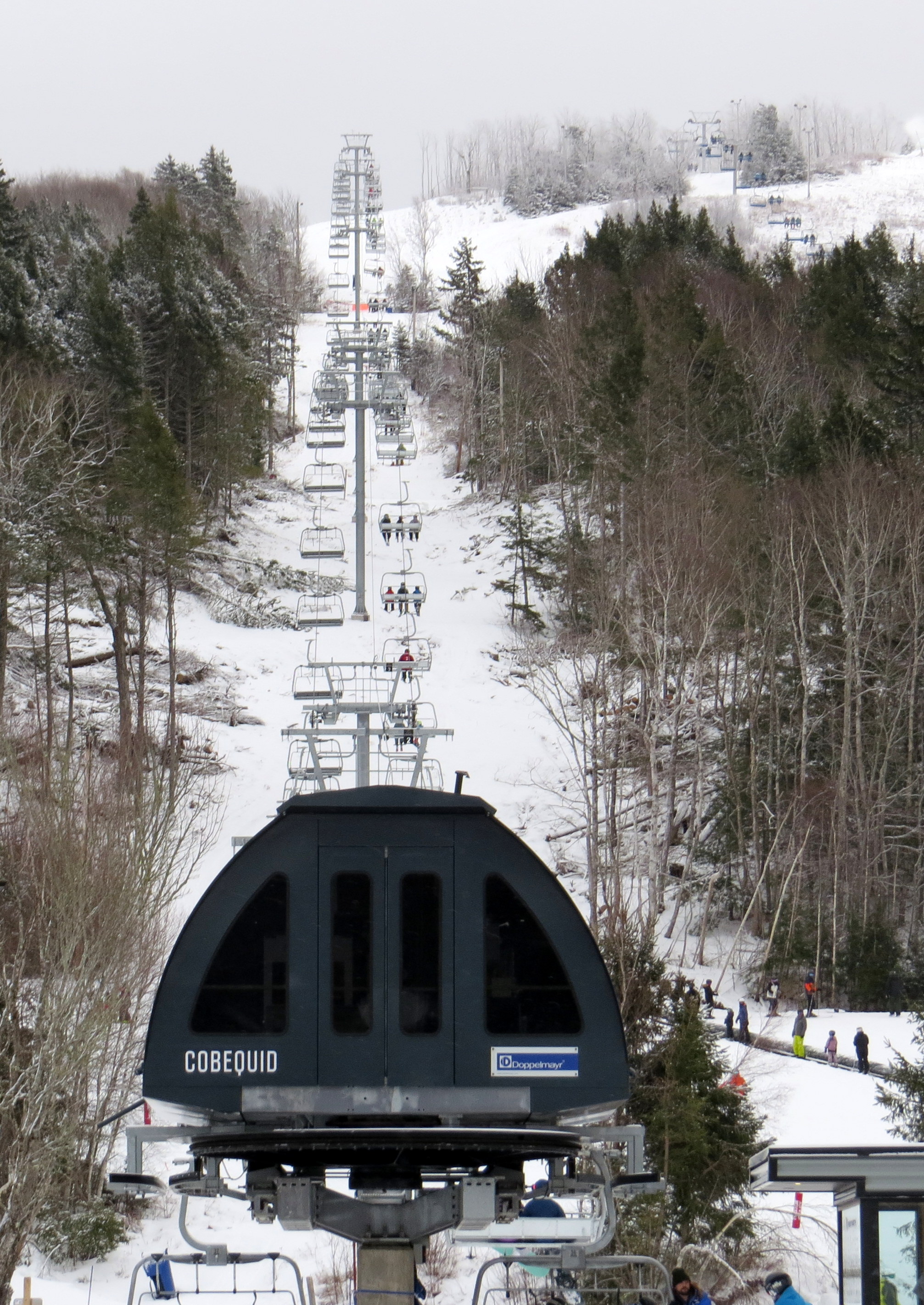
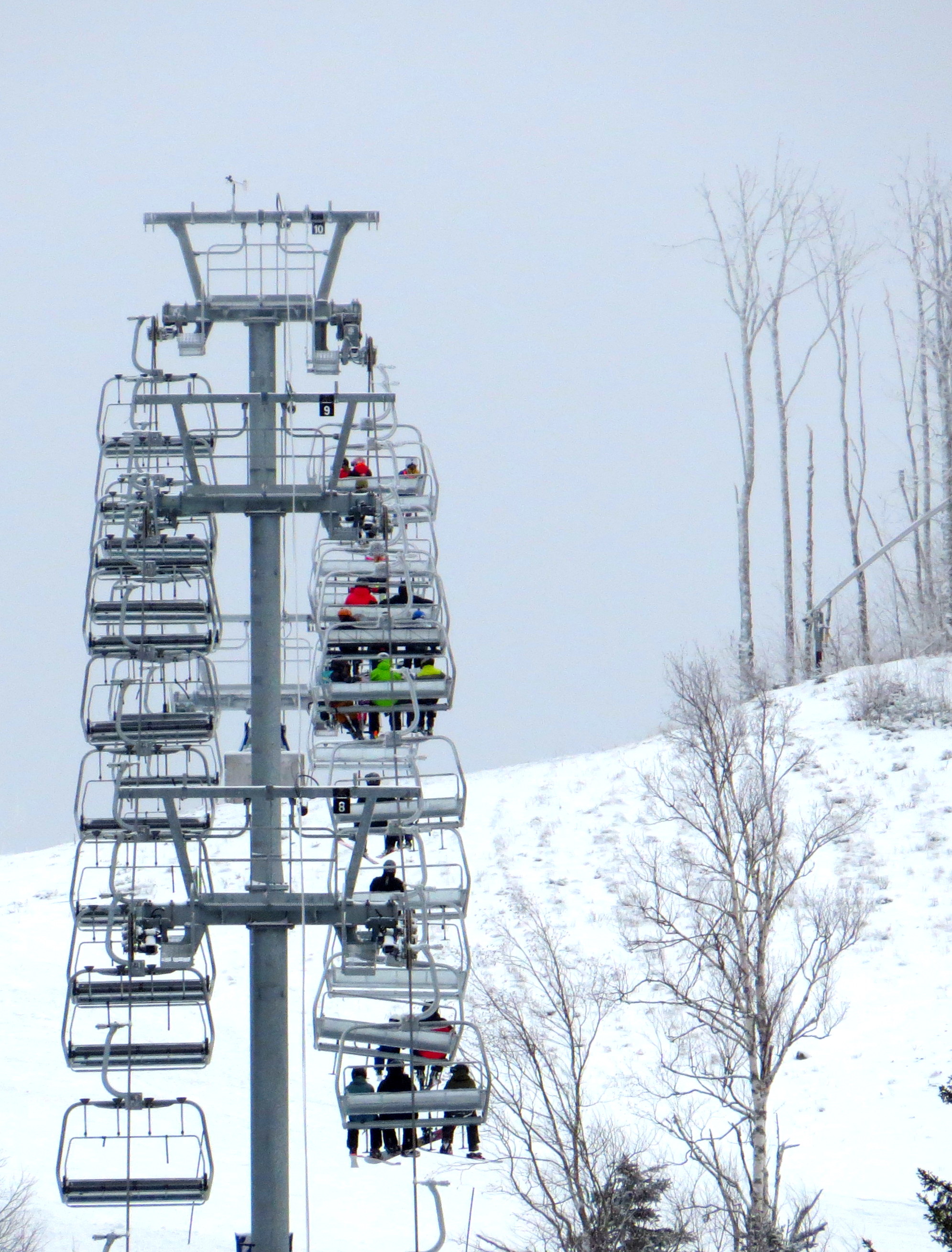
Yet, yesterday I felt so down with the neither winter nor fall weather in Halifax recently. Look at the map for the other resort in Nova Scotia – Wentworth. I know this northern part of our province because of my regular drives to Pictou. These hills there are actually mountains, not high mountains by any stretch of the imagination but mountains nonetheless. Checked the prices of tickets for afternoon/evening skiing and voila – I could buy a senior pass! Sixty-five bucks – with full equipment rental. The same pleasure would cost me over three hundred dollars in Whistler! That is insanity.

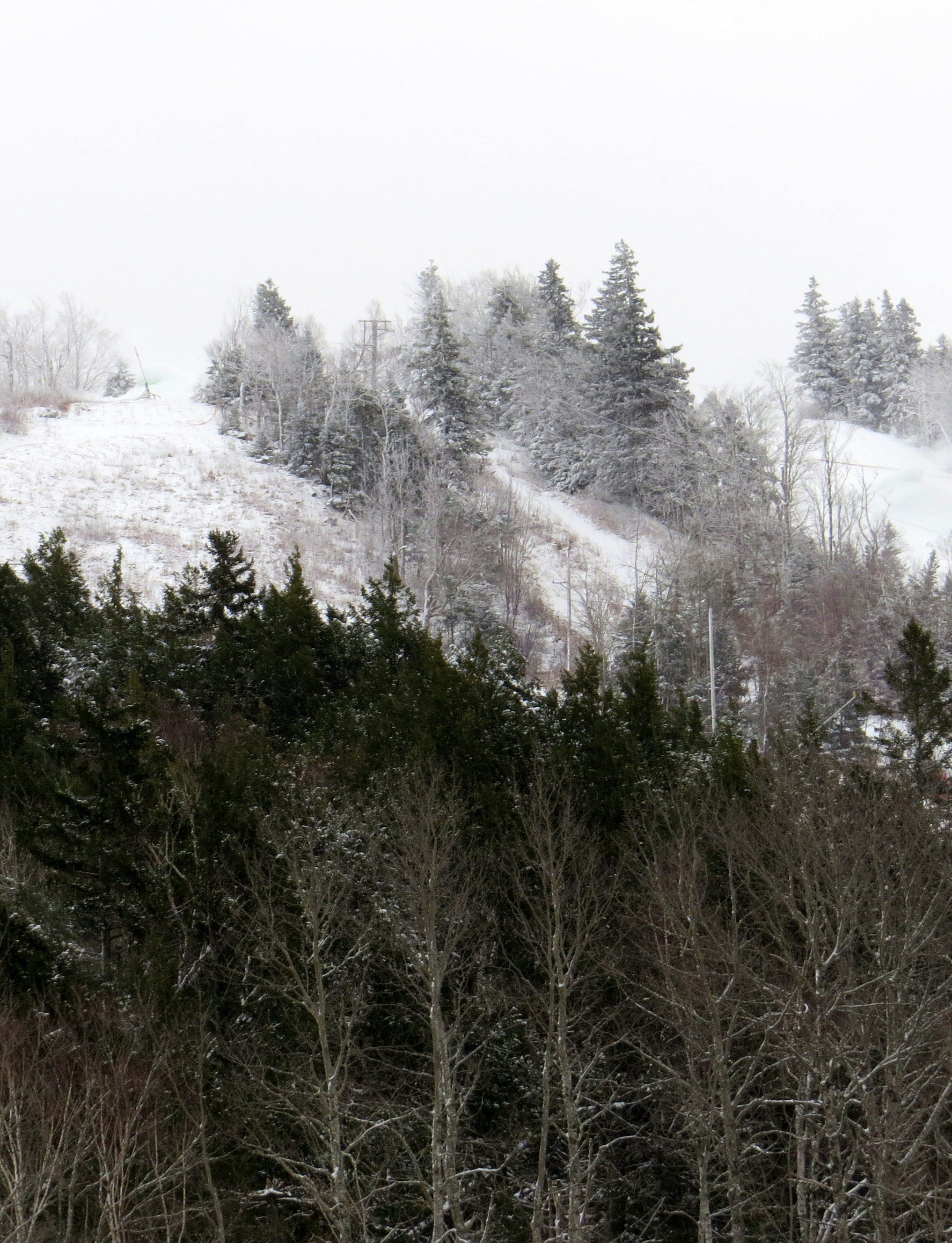
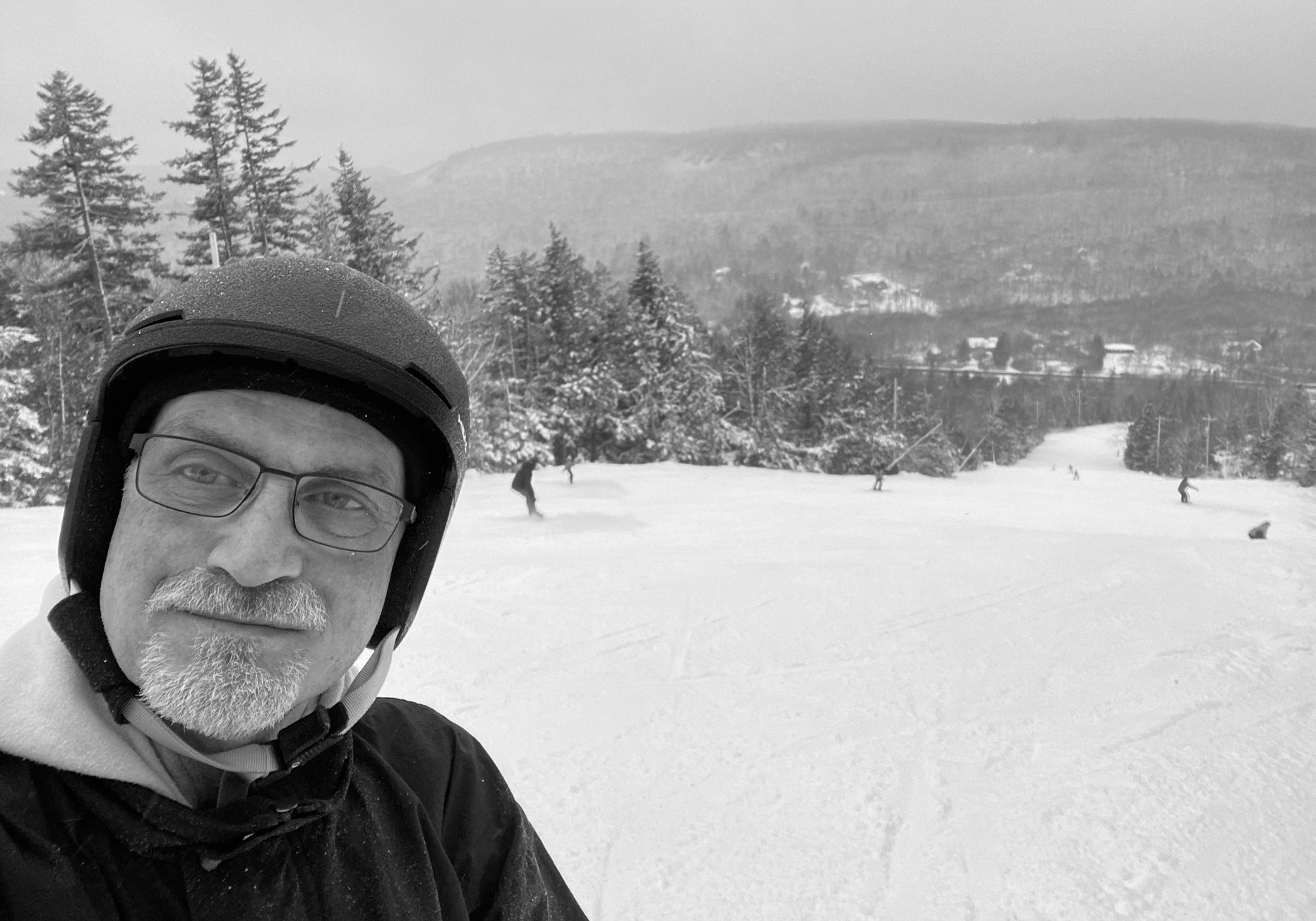
I bought my tickets online and off I went today. And what a wonderful drive past Truro. Just before the New Brunswick border, take Highway#o4. Very scenic this time of the year, with snow-covered forests and hills to the north. Probably beautiful during late summer and autumn. Traffic was less than light and I could enjoy the scenery. To my surprise, the ski area was not bad at all. No comparison between BC and Alberta – but it was actually a ski area not bad at all. I really enjoyed it. Had to be careful because the snow really was not coming there, either. Yes, a bit – but not nearly enough for skiing. Therefore all trails use mechanical snow-making which is very different and produces a fine texture and depth coverage.  Watch out for plentiful icy spots. But you definitely can ski. Also, it was the first time I used the new type of short skies (no one uses the old long ones anymore, LOL). Mind you, in my time the measure of skis was simple: stand straight, raise your arm straight u,p and make sure the ski tips reach your palm. When the attendant asked me if I wanted shorter or longer skis, I naturally said: longer. And she gave me a pair, I looked at them and said: but longer in adult sizes, not a child. She looked at me and replied: they are the longer adult ski. I almost laugh. It is actually easier to make turns in the short ski but still felt funny. Old habits die slow I guess, and welcome to the XXI century, LOL.    The Black Diamond trails were closed due to the lack of snow, but the advanced ones were very nice, and fast if you wanted. Couldn’t bring myself to use the Easy ones. I had to have some pride, for Heaven’s sake!  Skiing in these child-length skis was bad enough for this old dinosaur.

It was a good day. I will probably do it again, maybe when some good natural snow will finally come in good quantity. It truly makes a difference for skiing. If someone asks me again if you can ski in Nova Scotia, I can finally say: yes. I wouldn’t drive for this experience from Boston or Montreal, but if you happen to visit here in wintertime – yes, you definitely can.