India – vast subcontinent with thousands of years of rich history. An underdeveloped country with nuclear weapons, an active and successful Space exploration program, and many more very advanced technological achievements. With huge social disparities, hunger, and homelessness. You can get there very cheaply an excellent medical treatment/procedure. If you are a ‘medical tourist’ from Europe, North America or a rich person living in India (I am certain there are many of them). The hope of the West that it will act as a counterbalance to China’s ambitions. Now this. News that stunned Canada. Canadian PM in our Parliament solemnly accuses India of a political assassination in Canada. Apparently, he tried to bring it to India’s PM Narenda Modi – a fervent Hindu xenophobe, during the G20 summit (9-10 September). But Mr. Modi would have none of it and snubbed Mr. Trudeau. Hence, the stunning accusation of the assassination in Surrey of Canadian citizen of Indian ethnicity. Both countries are recalling high-ranking diplomats in both countries. We, as Canadians, should be rightfully angry at India. No other country has the right and should never be allowed to conduct assassinations in other states. That is not Israeli Mosad hunting down Nazi war criminals decades ago. India is not supposed to be Putin’s Russia poisoning political opponents in other countries. India is a democracy, after all. All of the above is valid. But is it the whole story? Does it have a Canadian background from years ago? Yes, it does. It involves a terrorist act of terrible proportions. Hundreds of people were murdered. A full passenger plane went down by the shores of Ireland, en route from Canada to Europe. I remember it well. I lived at that time in Surrey. Close to the temple and organization that was accused of that terrorist act. Remember the names of the accused. Remember the long, botched CSIS (Canadian version of FBI) and prosecutorial investigation. Remember the ‘no guilty’ verdicts exactly because of the botched investigation and prosecution. Yes, the poorest and the smallest (in importance to the plot) of the accused was sentenced: Iderjit Singh Rejat. The other accused, Talwinder Singh Palmer was found not guilty. Even though RCMP believed he was the mastermind behind the entire horrifying terrorist act. In subsequent years he met his fate when he travelled to India and Indian agents assassinated him. There is one other name not mentioned here yet. A person everyone was talking about at that time. Ripudaman Singh Malik – a wealthy financier and businessman in the Surrey Sikh community. Especially the Khalsa Society, the leading Sikh Temple in North America. Widespread rumors were that he was the true instigator of that terrorist act. But no one would volunteer to testify against him. The only person in the huge Indian diaspora, who wouldn’t let go of the accusation against Mali was a popular Indian-language newspaper in BC and the host of his own radio station, Tara Singh Hayer. He was shot and paralyzed in Surrey in 1988. Ten years later he was murdered. The terrorist bombing of the Air India plane cost the lives of 329 Canadians, mostly of Indian origin. The massacre could have been even worse – a second plane en route to Japan was targeted, too. That bomb exploded prematurely and only two airport personnel were killed. Having said all of it, one must be absolutely clear. All of it is by any means an excuse for the inexcusable: an assassination of a Canadian citizen carried by a foreign state on Canada’s soil. But it must be also stressed – a free Canadian of whatever origin can support any cause she/he chooses. Likewise, it can oppose any ideas, causes, actions, states, and even religions. But it can not support or organize violent organizations, or terrorist cells. It puts Canadians at risk. It puts Canada at risk, a country that invited you here. Our intelligence agencies and law enforcement must pay attention to it and act, where evidence leads to such conclusion. Just ‘observing and gathering intel’ is not good enough. Recalling all of it would not be completed if I didn’t mention why these horrible acts were done by these people. It was a response to the massacre in Punjab (a part of India, predominantly Muslim) in 1-10 of June 1984 . It was ordered by revered India’s PM, Indira Gandhi, after unsuccessful negotiations in order to arrest leaders of armed rebellion against India. As a result of protracted battle with heavy armed militias many Sikhs fighters and pilgrims were killed. The Indian army also suffered high casualties. Another fallout of these rebellion was the assassination of Indira Gandhi by her own bodyguards, who were Sikhs. Often forgotten was also the plots and misleading information before the riots by Soviet KGB, that through secret channels (as planned by the Soviets) reached Delhi.
At the end a personal note from myself: a good democracy can’t function properly in any religious state by design. Not in Israel, not in Poland (formally a democratic republic, but a Catholic Church has there a huge power and sway), not in non-existent yet Khalistan, not in Iran or any of Muslim states, where Islam is constitutionally entrenched, not in India where current PM calls Hinduism a state religion, not even in the tiny Vatican, or in Buddhist states or any other religion. Whenever it does, it always means that some citizens are second-class only. I strongly believe in religious freedom. Yet equally strongly in the freedom from religion.
Ciągle, nieustannie. Cóż słowa te mogą oznaczać? Ileż w nich prawdy ale i ile po prostu chciejstwa, zwykłej ludzkiej potrzeby uciekania od rzeczywistości, od świata rzeczy materialnych, dotykalnych, widocznych?
Jesteś ze mną. I nie ma Cię jednocześnie. Czuje Cię, ale nie mogę Cię dotknąć. Rozmawiam, ale nie odpowiadasz.
Może to jest jakoś tak, że część tylko Twoja została i tą część noszę w sobie. A jakaś część odeszła, znikła bezpowrotnie?
Pojęcia nie mam. Która jest większa, ważniejsza. Może są takie same? Może to bez znaczenia. Jesteś, jak niebo w które patrzę siedząc na ‘moich Kamieniach’ nad zatoką. Zachmurzone pierwszą warstwą ciężkich, granatowych chmur. Ale to przecież nie całe niebo, nie kompletne. Nie cały Kosmos. Co raz wiatr przenosi układy tych niskich chmur, robi się przerwa i widzisz w nich jasno-błękitne koszulki bialutkich, jak przebiśnieg chmurek.
Panta rhei – tak, płynie, zmienia się. Ale ta rzeka, którą znamy, jest tylko tą z tego momentu właśnie gdyśmy się nad nią pochylili, zanurzyli w niej. Dla nas jest więc wieczna, nieprzemijająca. O tej innej, zmiennej, wiemy tylko, że jest też gdzieś, zgadzamy się z jej istnieniem, ale po prawdzie jest nam ona niepotrzebna.
Może jutro pójdę na spacer ulicami Halifaksu, którymi chodziliśmy razem. Może do miejsc Twojej pracy: do Cytadeli, do serdecznej w pamięci elewacji budynku Berkeley na ulicy Gladstone. Serdeczna i bezinteresownie szczera troska jego mieszkańców o Ciebie, ich wdzięczność za Twój specjalny sposób udawadniania im, jak oni są wyjątkowi, specjalni i niezbędni w samym fakcie istnienia. Ta troska, ta serdeczność i ciepło tych nieznanych mi ludzi były mi bardzo potrzebne. Widocznie rozmawiałeś z nimi o mnie też, bo nagle przynosiłeś dla mnie wycinki z gazet, programów o ciekawych wydarzeniach muzycznych w mieście i okolicy, o koncertach, spektaklach teatralnych. Z dopiskiem odręcznym: ‘important information for Bogumil, I hope you find it interesting’. Od kobiety, której nigdy nie widziałem na oczy. Czasem zdarzył się słoiczek konfitur truskawkowych lub jagodowych … . Ileż w tym było ciepła. Dzięki temu, że byłeś tym, kim byłeś.
Więc jest ‘jutro’ – pojechałem do Halifaksu naszymi śladami. I naturalnie, że powinienem się tego spodziewać – naprawdę nie lubiłeś fotografowania się. Więc musiałeś jakoś zmusić mnie do pośpiesznego wyjazdu na ten spacer po Halifaksie i wykorzystując mój pośpiech ‘zapodziałeś’ gdzieś mój telefon, którego w tym pośpiechu oczywiście nie zauważyłem, że nie mam. Tak więc zdjęć – jak chciałeś – z tego spaceru nie będzie.
Ale byłem, chodziłem do miejsc Twoich pod Cytadelę, pod Berkeley. A jakże mógłbym nie pójść do Public Gardens? Poszedłem. Tu lubiłeś ze mną na spacery chodzić. Siedzę więc tu teraz, w tym parku. Tuż pod tą fontanną z królową Wiktorią zbudowaną na jej Diamentowe królowanie. Tak, masz rację, faktycznie wygląda dużo uroczej w pełnej zimie, gdy otacza ją cicha, puszysta jak biały gronostaj, pierzynka śniegu.
Podaj rękę, choć pójdziemy powoli dalej. Może nad staw? Nigdzie już się śpieszyć nie musimy. Doskonale wiesz, że do pozowania do zdjęć dziś Cię zmusić nie mogę. Aha! Sam się uśmiechasz zadowolony. Do mnie. Tym Twoim uśmiechem czystej, bezbronnej miłości.
Wracam do samochodu. Zapamiętałem nazwę uliczki, gdzie zaparkowałem: Cedar Street. Cała dzielnica małych domków ma takie same, podobne do siebie. Więc zapamiętałem tą nazwę, by nie błądzić wracając z parku. Idę chodnikiem i patrzę tylko na lewa stronę, bacząc by nie minąć tej ulicy Cedar, nie zwracając uwagi na okolicę. Patrzę trochę w zamyśleniu na płyty chodnika. Nagle zatrzymał mnie czarny napis na jednej z kolejnych płyt. Krótki, wyraźny: Goodbye. Podnoszę wzrok i widzę tabliczkę z nazwa ulicy – Cedar Street. Rozglądam się i uprzytamniam sobie, gdzie jestem. Uliczka Cedar biegnie spod wielkiej z czerwonej cegły bryły szpitala. Wszystko sobie przypominam, poznaję widok, budynki. Właśnie na tej uliczce zostawiałem zaparkowany zielony KIA Soul. Twój samochód, którym przyjechałem za karetką. Stał na tej ulicy przez trzy dni i dwie noce. A ja w te dni i te noce musiałem się z Tobą żegnać. Musiałem pozwolić im przypinać różne urządzenia do Twego ciała, poprawiać wielkość dawek różnych płynów, leków. Starałem się usuwać na bok by im nie przeszkadzać. Byli nadzwyczajnej dobroci i czułości. Kilka razy udało im się skłonić mnie do położenia na jakiejś kanapie w pokoiku obok. Wracałem po dziesięciu minutach. Nawet, gdy racjonalnie już wiedziałem. Gdy poprosiło mnie dwóch lekarzy w pewnym momencie na rozmowę. Taką, gdy się mówi, że medycyna nic już zrobić nie może. I czy się zgadzam na … . Powiedziałem, że tak. Nie mogłem patrzeć na męki Twego zmęczonego ciała. Mojego ciała. Ciebie. Ale, że jeszcze nie, nie dopóki nie będę miał rozmowy z Tobą. I położyłem się obok Ciebie na skraju tego szpitalnego łóżka, pielęgniarka zasłoniła kotary. Całowałem Cię najczulej, jak mogłem. Każdy fragment Twego pięknego ciała, Twojej twarzy, oczu, rąk, nóg. I opowiedziałem Ci cała długą historie naszego życia. Od pierwszego dnia poznania, od wycieczek w Kanaskis Country, do Gór Skalistych, mieszkania w Bragg Creek, w Calgary, podróży przez te góry nad brzeg Pacyfiku, gdzie mieliśmy długie i piękne lata, wyjazdu do Europy, wyjazdów do USA. Naszych podróży. Aż do tej długiej bardzo, przez cały kontynent tutaj. Do Halifaksu.
Wszystko to było nieopisanie piękną i długą przygodą. Zawsze lubiłem podróżować. Nigdy nie myślałem, że dzięki Tobie przeżyję taką. Jak jakiś długi film mistrzów ekranu, jak powieść najwspanialszych pisarzy, poemat boskiego poety. Śpisz teraz. A ja nocami rozpamiętuję nasz długi sen. Argonautów o Kolchidzie, spacery dusz orfickich, wędrówki Rumiego z Szamsem. Nie, nie ma w tym boskości ni cech nadprzyrodzonych. Przeciwnie – jest to nad wyraz proste, człowiecze. Nasza odwieczna tęsknota do drugiego. Nie spotkałem Cię ani na Olimpie lub Parnasie, nie wędrowałem do Araratu lub Tybetu. Po prostu pewnego dnia, z wieczora, poszedłem na drinka do pewnego baru, dwa kroki od rzeki Bow w Calgary. Okazało się, że i Ty wpadłeś na ten sam pomysł, miałeś tą samą zachciankę. Ot, i cały ‘cud’. Przypadkowy zbieg okoliczności. Równie dobrze tak Ty, jak i ja mogliśmy w ostatnim momencie zmienić plan, pójść do innego baru, lub zrezygnować z drinka. Byłem szczęściarzem, nie zmieniliśmy.
Let me make a statement of personal nature at the very beginning: I always was and still am a big proponent of labor unions. It is the only defense of workers against the corporate greed. Technically, apart from an obvious owner everyone else is a worker. But when I use the term ‘workers’ I do mean employees below the senior management level, were the norm most likely is individual negotiations of pay and working conditions.
Having said that, I can continue to the issue at hand. Vancouver Port strike.
I have lived through one in Vancouver 2014. At that time the strikers were not Port employees per se, but truckers. But the effect and result were the same: the Port was out of business. Both governments (Provincial and Federal) worked together day and night to resolve the issue. Tremendous pressure was put on both the Unions involved and the Port Authority. Shutting down second largest oceanic port in Canada (after the Montreal ports) is not the same as shutting down one – even large – factory or another however big or small business. Shutting down Canada’s gateway to Pacific is extremely dangerous. In a way – in itself it could shut down the aforementioned factories and businesses elsewhere in Canada.
It is very serious business on national scale and involves many international entities and partners. We are talking about international shipping lines, which either risk losing their cargo and clients or will choose another port of entry. In this case ‘another’ means eager US ports to the south of Vancouver. It also means that cargo intended for the US that was going to be shipped by trains from Vancouver to the US – will not get on time to the US. It means clogging Canadian railways with massively long trains full of containers sitting by the entrance to Vancouver. And we know that apart from Montreal-Toronto-Ottawa corridor we really don’t have a lot of railway tracks in Canada. One is blocked and the domino effect starts working.
From strictly financial cost it is a disaster for the country. Vancouver Port daily shipping and receiving of goods is worth 800 million dollars. Yes, that is an eight with eight zeros. It translates roughly to anywhere from 4.5 to 5.5 billion dollars per week. Billions. Lost to the Canadian economy. The entire dental care insurance for children and seniors announced with fanfare by Liberals and NDP is worth 4 billion. The much anticipated and badly needed federal plan for affordable housing budgeted 4.5 billion … over the span of four years. Roughly the same we can lose in one week of the strike.
Jugmeet Singh, Leader of federal NDP, in his interview, said that he is against any government intervention other than putting pressure on Port Authority to offer better package for strikers. He vehemently opposes any ‘back-to-work’ legislation. In some way I understand him. But Mr. Singh – do you realize how many much worse paid Canadian workers might lose their job anywhere in Canada due to that strike? Or have their paid hours seriously reduced? Do you understand that that strike and resulting shortages in many commodities on the market will in itself raise inflation and raise already extremely high prices for many things we buy everywhere? Of course, you do know that people, who suffer the most from high prices are the poor and lower middle-class workers, don’t you?
I am against back-to-work legislations. It is a sledgehammer used too often instead of an absolute last resort where the health or safety of others might be at risk. But in this case, all options should be open. The Federal minister already suggested the preferable (in this case) option of binding arbitration. The Union rejected it instantly. If there are no serious offers on behalf of the Port Authority that could be seen as reasonable, I think that the Federal Government (there should be the backing of the Provincial BC Government) would be right to offer that Arbitration again with a caveat, that if the Union rejects it, the legislation will be introduced. If the Port Authority rejects it, the Government should very plainly explain to them, that the Minister will seriously review all subsidies and taxations level of the Vancouver port and will find ways to make them more costly for the port. Sometimes plain talk is the best talk. [1]
Yesterday was Canada’s birthday. A country set between three oceans. Amazing in size and in natural glory. A country now covered in a thick and dense fog of smoke. Smoke from huge fires from coast to coast. Just one generation and so much has changed. It makes me sad. I remember Canada from many years ago: splendid in its natural glory.
The monumental Rocky Mountains with glaciers feeding three rivers ending in three different oceans – there is no other country in the world that one huge glacier does it, the Columbia Icefields. It was immense – and my last journey through it with my husband about eight years ago, it was so much smaller. In one generation …
Calgary, the Rockies was my first home here. I was mesmerized by its majesty. The swaying fields of the prairies in Saskatchewan and the antelopes jumping over the fences along the highway. Eventually, we moved across the Rockies to Vancouver, to the shores of the Pacific.
What can I say? The city, the ocean with many islands and islets – it was just magic. And I worked on the sea, crossing every day for over twenty years the Salish Sea (it used to be called Georgia Strait prior to the just policy of returning to old native names existing before the white man arrival) on the way to Victoria. Vancouver Island. Tofino and Long Beach, the holy grail of cedar giants and Sitka spruce, and my magic tree – the poetic arbutus. How I mourned, when an old arbutus tree in front of the monumental Empress Hotel in Victoria, died…
From there, from the unique Stanley Park in Vancouver, we took the journey of our life and cross the continent to the shores of the Atlantic. The beginning of Canada, it’s birthplace.
Everywhere I had my secret places of magical force, places I went to gather thoughts, to sing joy and grief.
Stanley Park in Vancouver – popular tourist (and locals, too) attraction, yet it was so big, so dense in foliage, had so many little creeks, its own lake, unknown to many narrow trails, lost in the bushes – that you could spend the entire day there feeling like you are alone, far away from civilization. Pure magic. I went there just a few days before we left Vancouver to say goodbye to the trails and trees – my friends.
In Alberta’s Rockies, it was the Paradise Valley leading from Lake Louise to Moraine Lake and a much higher hike, from Lake Louise to Lake O’Hara, on the other side of Lake Agnes. The hike to Lake O’Hara takes you to an elevation of about 2300 meters – that is only 200 meters less than the highest peak of Rysy, the tallest mountain in Poland, my old homeland, where I climbed as a very, very young man.
In Halifax, my magic spot is just steps away from my home. Much smaller, and not as adventurous. Of course – all these travels and hikes from Long Beach, Alberta’s Rockies to the Atlantic take time. A few decades more or less. But that’s OK. Every season in nature and life alike offers different possibilities. That smaller place here I call My Rocks. The good thing is that I can go there any time of the day or night. I know probably every rock, its shape, and colour between two huge bridges: MacDonald and MacKay that span the length of the trail. I think they know me, too. And so I went today there. First time in many days, as my health took a severe beating recently. Probably I shouldn’t. But I could not to go. In many ways, my story in Nova Scotia is the story of rocks. I fell in love with them during my travels there. I know them, I remember where they are, and how they look at different times of day and seasons. They are my friends.
The walk today was full of memories: of places. And of people, who are no longer with me. It was also sad – the air and sky were full of smog-filled fog. But in that fog, I saw their faces very clearly. Felt very alone and yet, very grateful that I had them all, and that I loved them dearly.
That’s a gift one can’t shrug off. Them and Canada. And I smiled again.
From top to bottom, left to right: first four pictures are from My Rocks in NS; me and my husband in Long Beach, Vancouver Islan; me and my sister visiting my very first apartment in Canada (Calgary, the building no longer exists); Dartmouth rocks, NS; My Rocks in Dartmouth, Canada Day walk; me and my sister in the Rockies (Spiral Tunnel near Field, in 2005); view of the McDonald Bridge connecting Halifax and Dartmouth.
Mosty dzielą. Tu jesteśmy my – tam są oni. Przez długie wieki budowaliśmy mosty zwodzone na zakolach rzek. Te dzieliły najlepiej. Gdy oni chcieli przyjść nieproszeni i liczni – podnosiliśmy most i nie mogli bez ryzyka najgroźniejszego.
Mosty łącza brzegi i ludzi. Poznajemy się, odwiedzamy. . Czasem zakochujemy się w chłopcu lub dziewczynie z drugiego brzegu. Wówczas często spotykamy się na moście, na ‘ziemi niczyjej’, pomiędzy brzegami. Wówczas te brzegi należą jednako do nas obojga lub obu.
Mosty są chyba są chyba największym osiągnięciem cywilizacji archaicznej.
Apollinaire pisał pięknie o moście na Sekwanie w „Moście Mirabeau”.
Po pożarze katedry Notre Dame w 2019 napisałem własna przeróbkę tych dwóch pierwszych stanc zachowując semantyczną specyfikę jego wiersza robiąc tym ukłon wobec świetnego poety epoki odległej i wobec symboliki Notre Dame dla kultury europejskiej „Pont Neuff i Apollinaire na Pont Mirabeau”
Mosty. Kamienne, drewniane, wiszące. Mosty prowadzące do miasta i mosty wewnątrz miasta. Z nazwami i bezimienne. Mosty z posągami, jak most Karola w Pradze, ponad piękną Wełtawą. Mosty złocone prowadzące do złoconej kopuły Inwalidów w Paryżu. Lubiłem chodzić właśnie przez Pont Neuf do Ogrodów Luksemburskich, tam posiedzieć na ławce, wypić może butelkę wina i zagryźć bagietką z serem i potem dalej do Inwalidów. Których nie specjalnie lubiłem przez te potęgi i splendor. No cóz, Francja do skromnych nie należała. Naturalnie Poniatowszczak w Warszawie. Jeżeli czasu trochę było (czyli prawie nigdy lub tylko kawałek per pedes, a potem wskoczyć w tramwaj) piękny trakt ze Śródmieścia na Rondo Waszyngtona i potem we Francuską. Lub bardziej prozaicznie lub poetycko kulinarnie do małego sklepiku z … koniną, tuż przy wiadukcie kolejowym prowadzącym na dworzec Wschodni. Kiełbasa z koniny podsuszona to był rarytas. Choć większość kręciła gębami, którymi nie kręcili, gdy pili wokół Stadionu 10-lecia śmierdzącą i ciepłą wódkę z butelki. Nie żeby mi się to nigdy nie przytrafiło (ale nie pod Stadionem, mam swoje zasady!) ale na kiełbasę z koniny mlaskałem.
Lions Gate Bridge, VancouverMacKay Bridge, HalifaxMcDonald Bridge, HalifaxMc Donals Bridge, HalifaxWiszacy Most, Lynn Park, North Vancouver
Mosty zawsze lubiłem. I mostki, kładki prawie. Bajeczny most wiszący w Vancouverze, gdy czasem mgła szła z czeluści Burard Inlet poniżej i most unosił się w powietrzu ponad tą mgłą. Zjawisko wcale nie rzadkie a zawsze zachwycające. Lions Gate Bridge (tak się nazywa) zbudowany był przez tego samego architekta, który postawił dość podobny most w Halifaksie, który dziś widzę codziennie z okien i spacerów. I czasem też ginący we mgle, tym razem atlantyckiej. Bardzo lubię most-groblę prowadzącą do Pictou w Nowej Szkocji. Rozlega się stamtąd przepiękna panorama całego miasteczka. Dużo ładniejsza niż te miasteczko w rzeczywistości, które stale się remontuje ale swojej świetności już odzyskać nie jest w stanie.
Nie zapomnę nigdy małego mostku na rzeczce Volturno w środkowej Italii, przez który biegłem zdyszany do starożytnej Capuii wykupić gazety z wielkimi tytułami na pierwszej stronie: La guerra in Polonia. Był 13 grudzień 1981. Czas się zatrzymał.
A anioły? Aniołe to dziwne stworzenia. Tak ważne, tak głośne, były ich zastępy – a z nazw nie znamy prawie żadnego. Gabriel, Satanel, Michał. Były w wyraźnej hierarchii, jedno i wieloskrzydłowi, niektórzy ponoć aż ośmio. Którzy nas bronią, kuszą i prowadzą na tamten świat. Ci, którzy posłuchali Starego i wypędzili nas z Raju. Rozmawiam z nimi czasem. Lubię ich. Są autentycznie przepiękni – nawet Ci potępieni. Zresztą może ci potępieni byli właśnie najprawdziwsi, najwierniejsi nam. Ci, co zostali przy Starym chyba nas nienawidzą. Bo przez wszechczasy byli Jego kompanią, a potem zachciało mu się jakieś eksperymenty robić. Stworzył pięknych w sylwetce ale nieporadnych strasznie. Przykutych do ziemi. A potem się naturalnie rozczarował i kazał tylko aniołom pilnować by czegoś zbyt niegodziwego nie zrobili. A jeśli zrobili to maja ci aniołowie ich ukarać. Na ogół śmiercią. Zostali więc w większości Aniołami Śmierci. W tej roli ich lubię, wyszlachetnieli. Śmierć ma to do siebie, że uszlachetnia. Jakby zapłata za cierpienia.
W wyborze wierszy poetów polskich zamieszkałych na Zachodnim Wybrzeżem Pacyfiku (od Seattle do Vancouveru) wśród moich wierszy jest „Objawienie”. Jedno z moich spotkań z tymi aniołami.
W tym samym tomiku na s56 pisałem już o stalowym objęciu, zimnym a czułym jednocześnie, tego formalnego Anioła Śmierci, Uriela. Ten nie uciekł. I gdy przyjdzie, to nie zdradzi, nie zapomni. Ale to już inna historia.
[1] „Apollinaire”, PIW, 1968; s 33 (tłumaczenie i pod redakcją A. Ważyka)
A year ago Canadians went through a gut-wrenching exercise.
Overwhelming majority (for a much smaller minority it happened second time –as in 1970, P.E. Trudeau was forced to do similar things during October Crisis in Quebec) for the first time ever the Emergencies Act was invoked.
Comparing to many other countries, the Act is very measured and limited in its application. It must comply with the Canadian Charter of Rights and other international treaties (for example prohibition of use of torture) to which Canada is a signatory. It also covers only areas that are listed in the proclamation – in this case a huge majority of Canadians were not affected by it in their daily lives. For all practical reasons it affected only Ottawa and it’s vicinity. I’m sure the Army was (must have been) on some sort of alert but was not on the streets (as was the case in 1970). But make no mistake: a lot of freedoms and personal liberties were suspended or curtailed. All types of Police Forces and their heavy, quasi military equipment and units was mobilized and used.
Was it necessary or was it an overreach of Governmental powers?
I believed than, and even stronger now, that – yes. It was desperately needed and Federal Government was left with no other choice. To continue things the way they were in winter 2022 would have been an abdication of government responsibilities. Worse: frankly a political chaos would ensue.
I’m glad that we live in democracy that respects the rule of law. Because of that, after the Emergencies ceased, a Public Inquiry was held and Commissioner, Justice Paul Rouleau published the other day a full, comprehensive, 2000 pages long Report. Very long, indeed. But that’s for scholars of law, politics and smart politicians (there is few, not too many though …). I browsed and glanced very quickly through it (am neither a scholar nor smart politician). It contains a lot of important facts, reflections, full historical context of events. It does not stop only in Ottawa and the day the Act was invoked. It shows what led to that ominous decision.
But most of, it starts with a clear, concise and not ambiguous finding: the Federal Government met the very high threshold to invoke the Emergencies Act and acted appropriately.
No, it doesn’t sing the praises for the Gouvernemt nor anyone else. To the contrary – it finds a lot (a whole lot) of issues with all Canadian (federal, provincial and municipal) civil authorities. A separate book could be written, based on the Report, on the utter failure of Police Agencies. On the failure of federalism in this context. A serious failure of provincial responsibilities that allow the infamous Protest and Occupation of Canadian Capital and international border crossings to continue for so long.
At the very end of all these conclusions, there is also a somber, personal reflection of Justice Rouleau: a reasonably and fair minded person could have come to a different conclusion. That’s a very noble and wise conclusion that avoids further inflammation of feelings of people, who were on the other side of the fence. Of course, almost instantly, that noble and wise reflection was ceased by no other that Conservative leader Pierre Poilievre to deliver blistering attack on Justin Trudeau. Thankfully, other than ‘Freedom Convoy’ members and supporters, no one else could see Mr. Poilievre as a ‘reasonably and fair minded person’. But I will leave that sad example without any further commentary … .
However, I will write here few of my own reflections and musings on this subject. Not the legal aspect. Not the political, either. Ethical. Social.
I am neither a politician, as Pierre Poilievre, who buys desperately needed votes for next election, nor PM Justin Trudeau, who must represent all Canadians, even those not representing his personal values. I don’t represent all Canadians. I represent a particular, individual Canadian – myself. Finally, I am not Federal Justice, as Paul Rouleau, who must avoid philosophical and emotional language.
And I must remember why I am Canadian. Why I live here and have lived here for most of my life. I live and stayed here because of another declaration of similar Act (much broader, very harsh and tyrannical – but from the same family of domestic urgent emergencies and imposed by own government, not a foreign invader) – Martial Law in Poland in December 1981. Because of that single event, I ended up in Canada. But I did not go back to my Old Country, when it regained sovereignty and freedom. I stayed in Canada because I found this country and it’s people much closer to my vision and dream of just society. Just and open. Tolerant and full of empathy. Willing to face it’s not always best past and admit it’s mistakes, even crimes. Every country hast parts of very dark history but not many are willing to admit it and correct it. I will write my reflections from this perspective. Perspective of this, mine Canada. Good Canada.
That ‘good Canada’ has many roots and faces. Is like an oak or massive Western Red Cedar or majestic Douglas Fir. Huge green giants that could easily obliterate all other little species taking all the water and all the sunshine. But it doesn’t. It prefers to be not only good neighbour but caring and supporting friend to other, weaker and less powerful species. Like Canadians that I admired so many times, who helped me many times and whom I helped, when they needed it.
So, when the terrible and awful time came of our recent COVID pandemic – my first reaction was to make sure that I would never be a risk to any other Canadian. Specially the weaker, immunocompromised and older. That was such a natural behaviour that I just couldn’t think of acting otherwise. It didn’t matter for me if some Facebook, Twitter or some newspapers were publishing fake news about vaccine dangers, about masks (yes, apparently masks are dangerous too according to this ‘scientific’ sources). I trusted the information provided by Health Officers of each province, Health Canada advice and World Health Organization. That was good enough for me. I am not a biologist, virologist nor medical sciences researcher. People who advised the Provinces, Federal Government and WHO were. They are the best in the world of these sciences. It didn’t even cross my mind that the temporary restrictions (and they were restrictions) on my personal freedoms were unbearable. But there were Canadians, who were enraged by these restrictions. Some of them did it for purely political reasons. The Canadian type of Trump loyalists, people with no shame nor sense of responsibility. A small core of them were actually financed by US ultra-right circles. Others were duped into believing that pandemic was just an excuse to attack their freedoms. To make them feel bad. For them it was a hidden agenda of this crazy leftist liberal, the lover of the sex-crazy gay community, the tree-hugger, the friend of all the billionaires of the world, the ‘oh, I am so handsome and good looking’ enemy of our gas and oil complex – in short the one and only worst enemy of Canada, Justin Trudeau. The little fact that Trudeau won three consecutive federal elections hold no value for them. After all – they have learned from their advisors on the other side of the border that elections are easily stolen. That they will follow the example of March on Capitol Hill in Washington and will march on Ottawa Parliamentary Hill to finish their job. Yes, not all of them, probably not even a majority, received any individual advice from Trump loyalists or direct funds from these sources. Some certainly did it out of their own honest belief in their cause. But when ignorance is a good defence? When ignorance is good enough reasons to cause immense havoc tot he entire country, terror to citizens of Ottawa? When ignorance is an excuse for arrogance? Never.
Therefore no, I wont be as diplomatic as Justice Rouleau. I will not agree with Justin Trudeau taking back his own description that these people were a ‘fringe minority’. On the contrary – I hope that they were and are a fringe minority in Canada. In my, good Canada.
(Polish version – not translation – written from slightly different vantage point, will follow shortly at the end of English text)
Cicero would say: hic sunt casus historiae, hence, a short list of historical precedencies.
At the onset of the First World War, Canadian Parliament passed a bill called War Measures Act (in 1914). It was rather draconian legislature prepared to deal with subversion, insurrectionism and all sort of anti-state activities, that could or would pose a serious challenge to constitutional order or territorial integrity of Canada. It was used twice during world wars and only once at peacetime. The war usage of the Act was an unjust (but legal under the Act) overreach of the government, that resulted in interment of thousands of mostly Ukrainians, but also Poles and other ethnic groups that came to Canada from Galicia (western part of today’s Ukraine) and some part of Volhynia. Simply, because they emigrated from territories under Austro-Hungarian rule, which at that time was at war with British Empire. Notwithstanding the fact, that all these territories were taken by force by Austrian Empire and used to be part of Polish Commonwealth since Middle Ages, therefore the locals did not consider themselves loyal to Hapsburg’s empire.
During the 2 world war similar fate happened to Japanese Canadians and, to lesser extent, German and Italian Canadians.
These were the first and for a long time only usages of the War Measures Act. Both of these legal overreaches found their conclusion many years later: in 2008 Canadian Government reached a settlement with Ukrainian community and apologised for these actions. Earlier, in 1988, Prime Minister apologised to the Japanese-Canadians for their interment during 2 world war.
In contemporary history, the last usage of War Measures Act happened in October 1970. The October Crisis, was a political independence movement in Quebec, led by Front de libération du Québec. It culminated with kidnaping of Quebec Deputy Premier, Pierre Lapporte and British Trade Commissioner James Cross. Pierre Lapporte was found murdered; James Cross was liberated. Prime Minister (father of current PM, Justin) Pierre Trudeau saw it as an act of sedition, treason and violent action to overthrow the government and invoked the War Measures Act. Army was sent to Quebec, hundreds of people jailed.
That was the end of the Act. In ensuing years Parliament passed many statutes to govern various times of emergencies in Canada during peace time but never really repealed the War Measures Act, which was a relic of British Council directive from 1914, in a manner of speaking – a colonial legislature.
It was formally replaced in 1988 by current Emergencies Act. Not ever used until now.
Now, an ingression: what sort of act is in the title of this piece, called Martial Law? No, it is not a Canadian legislature. Although, I think, many Canadians, who were adults in 1980ties, were familiar with it. It was an act established by the communist Poland in December 1981 to destroy the independent “Solidarity” movement in Poland and it’s march to freedom, democracy. I write about it here for a reader to understand my viewpoint and my experience with these type of legislations and governments reasons for assuming extraordinary powers for temporary time. And whether history view them as necessary.
Some were, some were not. In most cases – even if the reasoning was rational and caused by urgency of situation – these powers were used excessively and proved to be unethical.
If the actions of actual or perceived protesters, insurrectionists and anti-government forces were truly justified and truly popular, with massive support from entire population – sooner or later the government would capitulate or be replaced either forcefully or by forced new elections.
The case of old War Measures Act in Canada and legislation introducing Martial Law in Poland in 1981 is no longer typical for any XXI century liberal democracy. The modern concept of State and exponential advance of individual rights and freedom protections would not allow truly democratic state to have such draconian laws under any situation (perhaps during a huge war with foreign enemy such legislation could be introduced – but not during peacetime) in modern times.
On the other hand – a reasonable form of temporarily giving the State extraordinary powers in some dangerous situations is a sensible mechanism. Especially in liberal democracy, prone to weaker and constrained form of governments. Constrained constitutionally by other powers (judiciary and parliamentary) independent of Government/Cabinet. In Canada, it is even much more complicated because of our confederate form of government and divisions of powers: provincial and federal. That is the reason our Parliament introduced the new Emergencies Act in 1988, replacing the old War Measures and many temporary, ministerial powers. It is formulated in such a way, that it should be truly treated with outmost caution and consideration and the political pitfalls for government are plentiful. That’s why it was never used until few days ago. It seems a history’s fate, that it is the son of former PM who last used the old Act, the current PM, Justin Trudeau. Justin had long talks with all provincial premiers, long session of entire Cabinet, emergency parliamentary debate and finally called a Press Conference, where he and all major ministers explained it to the press and answered many questions at length. His father, Pierre, had one short answer in 1970: famous ‘Just watch me’.
Was the Declaration necessary in February 2022? It is not for me to make that distinction in an objective and knowledgeable way. I can only answer that as a citizen of Canada and acute observer of political processes. I think it was. Was it politically a rational move? That we will know in a few days’ time. Especially in a minority situation. The government Declaration is only legally binding for seven days. After that time the Parliament must vote it in or out. If it does – the Government will prevail, if it fails – the Government will most likely fall. After the Emergencies Act ( 7 or 30 days maximum) stops being modus operandi, there will be Inquiry about its’ necessities, rationale and achievements/failures. And history will judge, regardless of contemporary verdicts.
There is few totally exclusive and excluding each other narratives to that protest/occupation/insurrection. Let’s look at some of them.
The first one lies at the very heart of the dispute if Emergencies Act must have been declared.
It is a democratic protest – and in a democracy people have a guaranteed rights to political protest. Granted. With one exception, sort of glaring and decisive, the word ‘peaceful’ is omitted. And ‘peaceful protest’ lies at the core of this right. There is a multitude of ways to have and maintain peaceful protest.
Just because one doesn’t shoot or drive a military tank, brings a cannon to that protest, doesn’t mean that it is peaceful or that it is not violent.
I listened intently to one reasonably looking, properly dressed, without horns on his head, protester at the border at Coutts in Alberta. Just few hours after police sized a truck full of military grade heavy guns, ammunition and arrested leaders of a group, who brought that truck. Not one or two crazies. No, organized group prepared and advocating the use of power to overthrow government.
The young man was resigned, sort of sad, his dream of his freedom has just died. He claimed not to have any knowledge of that paramilitary group that was part of the convoy. It is possible he was telling the truth. I hope so. And, in a tragic voice, almost like Hamlet, he said: ‘we came here in peace and we will leave in peace’. Like I said, he didn’t look like a crazy populist, Trump lover or evangelical devil. He even talked properly, in good literary English, suggesting that he possessed some form of proper education. And it fails me to comprehend how such a person cannot understand how he came to that protest. It was not peaceful act, by any means. He came with one reason and determination (apart from any ideological or idealistic convictions that he might or might not have): to prevent access to international border crossing to commercial and private drivers. Not by persuasion, by argument of a speech to those willing to listen and follow. No, he came to physically block that border with a large vehicle used as a barrier. That’s a definition of violent act – to stop someone against their will and right to go about their business. Bodily harm is only one of many acts that could be described as violence. I hope that he was allowed to leave in peace. It doesn’t give me any pleasure in seeing people thrown in jail. But that pleasantly looking young man was lying and lying purposefully: he did not came in peace. He came aggressively, with violence as means to achieve his goals. I choose this man and his sadly misleading statement as description of sizable portion of the insurrection in statu nascendi – an attempt at insurrection.
The second is hard to describe in a short piece (as this one) in a clear chain of actions leading to a goal. It is a religious component, shown very clearly by many members of the protest. The very common usage of words and terminology (‘God’s right’; supremacy of ‘God’s commandments’ over any state laws, et ceatera) coming straight from very orthodox Christian ideology and most visible in American-style Evangelical Churches. It is a terrifying message for any freedom-loving modern democrat. It terrifying for any descendant of European philosophy of Enlightenment and Reason. In short, it represents the Christian version of Islamic jihadist movement. It goes beyond any reason or any attempt of coming to some mutual agreement, some negotiations. It is only ‘us or them’, no middle ground. Orthodoxy defies logic and reason, is not flexible to any argument – hence no common ground could be found. One part of it though, particularly the American style Evangelicals, does require counteraction from democratic State and from society at large: it is the element of white supremacy and racism, central to some of their beliefs. It strikes at the core of modern liberal state of tolerance and inclusion. When the protesters on Parliament Hill starts the day (way too many days now) with their Jericho March – the symbolism is not lost on anyone. The Parliament, the heart of our democracy and state, is being viewed as “Jericho’ – biblical fortress and city that needs to be destroyed and (according to Bible) will be destroyed.
The third part – the most innocent and naïve, perhaps – is the no definable but understandable array of people tired of pandemic restrictions, of being told what and how you should conduct yourself, the medical restrictions. You name it and it is there. Some of it is (specially the medical, scientific facts and undisputable – albeit hastened and somewhat risky – research) difficult to understand for many. Others could be prone to smartly devised and distributed messages contrary to official federal, provincial and Public Health authorities policy. If these restrictions were for month only, even for a year – it likely would not create such a strong opposition. Because the virus doesn’t care about our policies or how people feel about them – it lasted much longer. Huge group of people in Canada, finishes the pandemic (still existing) poorer than it was prior to it. Yes, it is very true, that a sizeable group of lowest earners during the first wave of COVID19, was treated by the federal government with much more generous cheques that their pre-pandemic income. But by the end of 2021 – that generous amounts got smaller, more difficult to obtain and encroaching high inflation left them much poorer than earlier. At the same time – thanks to modern, aggressive capitalism, which is the scourge of liberal democracy – almost all corporations, their presidents and top executives made huge financial advances. Which was like a slap on the face of ordinary citizen. That group and their emotions are the easiest to understand, to sympathize with. The problem is that, for lack of clear distinctions, they were swallowed by the other groups and messages. Just by sharing the same ‘spot, time and pot’ – they co-signed the rest of the convoy insurgency. They never attempted to distinguish their grievances from other, more nefarious messages.
The fourth part is the most dangerous. One that truly pose the greatest risk to the stability of state, perhaps it’s survival. One that existed for many years in Canada and many times posed that threat. It is based on Western separation from Canada, living our Confederation and forming separate state. It is strongly rooted mainly in Alberta (to a smaller extend in Saskatchewan and very small parts in BC), with long tradition. The fundaments are based on Christian faith of evangelical persuasion, unfettered free enterprise, self-reliance, minimal role for state powers, antisemitism, Anglo-Saxon superiority. To name a few. Politically is to the right of the right. Part of their scenario to achieve its’ goals is clearly a slogan, that the road to freedom is marked by hail of bullets. True for most religious zealots and for French and Bolshevik revolutionaries alike.
One of the most prominent activist in that movement is no one other than Pat King. Yes, the same Pat King, who was arrested today in Ottawa. The same one, who was one of the main organizers of the Truck Convoy; who daily personally provided directions and directives to the huge group that occupies Ottawa; who regularly posted podcasts calling for harder stance until full victory. And one must assume that the victory would mean the abolition of the democratically elected Government of Canada, with Royal Assent from Governor General granting the Convoy leadership a new government/directorate introduced by Senate. At least those were the terms in an official letter to Governor General and Senate.
If this does not constitute a formal insurrection and sedition – I am at lost to what does.
In summary I have no clear answer to the question if the Declaration was necessary. Or, to say it more precisely if it could have been avoided. I think it could have been avoided by strong and decisive actions at the very beginning of the protest. Before it truly become insurrectionists and seditious. But nobody did. And by doing so, forced the hand of Federal Government.
I have listed here four main scenarios and narratives of the movement called ‘Truck Convoy’. These that are visible by naked eye, without the use of a microscope. There could be one more. Very sinister and far-reaching. I am sure one that is (or should be) contemplated and studied by national spy agencies and services. Not only in Canada. Here is my sinister, imaginary (?) theory of true conspiracy or unprecedented heavenly coincidences:
many years ago (therefore well remembered by me, as age gives the advantage of the vantage) Preston Manning launched in Alberta a movement to kill the old Progressive Conservative Party and return it to more western-based, Christian value-induced, fundaments. At that time the Conservative party was truly a pan-Canadian institution represented by staunchly pro-federalist leaders on national and provincial stages. They were the descendants of Charlottetown birth of Dominion of Canada.
Manning successfully wrestled the conservative movement in Western Canada from the hands of the progressive wing to more traditionalist, western-based and Evangelical bedrock. That split meant that there would never be a next federal conservative government as the two different factions of conservative movement would split the national vote giving victory to their arch-enemy – the Liberals. Reform Party was born.
Stage was set for young, intelligent and ambitious politician, Stephen Harper. He proposed that both party should form a new one, combining forces together. Thus a new, Conservative Party of Canada was born. Over time, the new party tended to start moving to the West and to more Reform style of politics and policies. The progressive element lingered in Eastern and Atlantic provinces. Strong regionally, weak federally. In 2015 Harper lost his re-election. He could have loose it, very possibly according to polls, to NDP. But a new star was born in Canadian politics. Son of no other than Pierre Trudeau – politician hated in the West with a passion. Justin Trudeau. His victory was stunning and overwhelming. He won subsequently two more elections – but none as huge and impressive as the first one. That means that Conservatists lost three elections in a row. Some understood the simple math – if the party does not move more to progressive policies it might become government-in-waiting permanently. Hence a flirt of last leader, Erin O’Toole, with more centrist policies, less of ultra-right. Unfortunately for the party, O’Toole was not a strong leader nor visionary. The Reform wing of the Western protest grew. Knives were sharpened. Leader, who just won leadership battle (but lost a national election) of the party, met his deathly fate. The date was February 2. Twenty days later a Convoy of Trucks starts driving toward Ottawa… Coincidences? In politics there are very few. The Interim Leader, Ms. Berger and staunchly ultra-right and first candidate for national leader, Mr. Pierre Poilievre, showed friendly and supportive gestures to the Convoy in Ottawa. Poilievre even broadcasted a message: “I’m proud of the truckers and I stand with them”. Perhaps a chance that the trucks would become his vehicle to leadership victory? Maybe my fantasy soars to high … but Machiavelli did not invented politics based on lack of ethics – he just described them in his book. Just read how many Russian tsars died of natural causes … . Just musing, that’s all.
Eh, speaking of tsars and Russia. The Convoy gathered huge financial support from many sources. Mainly from the US. No, not the federal government. From you-know-who and his camp. And gathered enormous international coverage. Some tried to have it repeated in Europe. Very seriously. Yes, during this February, February, when Russian armies congregate en masse on Ukrainian border. First as a serious military threat to international order and peace since the Cuban Crisis during Kennedy’s presidency. That would be convenient if capitals, railways and border connections were to be occupied by convoys, would it be, Mr. Putin? Yes, you Mr. Putin, you, who helped so much Mr. Trump to win the presidency. Just musing, that’s all.
February. Strange month. Exactly on February 2nd in 1982, I landed in Canada. Forty years ago. As a result of Martial Law in Poland. The day of the proclamation of it, I was no longer in Poland. Few months earlier I went to London (had to borrow 100 US dollars from friends to get the visa, and a 100 dollars was a huge amount for me) to study Polish Marshal Jozef Pilsudski documents preserved in London’s Institute by his name (the only military and state leader, who defeated the Soviet army and won war with them in 1920). Being there I was aching to go back to my work in ‘Solidarity” in Warsaw. But my contacts in Polish pre-war constitutional government-in-exile in London and constant talks with friends in Poland were clear that something terrible might happen at any moment. My father, who spent part of his youth in Soviet camp, implored me not to come back saying that one more dead body will not help Poland. I think it was a bit too dramatic, but I was only 20 years old! Dramatics work at that age. In a way he was right, though. Right after the declaration of Martial Law the communist police came for me to my parents’ apartment. But at that time I was already in Italy, waiting for my refuge ticket to Canada. Over the last 40 years my feelings and attachment for my new country grew immensely. I don’t know if they are stronger or even as strong as my feelings in 1982 for Poland. Probably not. When you are twenty years old, your love and passion is not comparable to any emotions in later years. But my love for Canada is a love of an adult, mature man. It is based on observations, judgments, even calculations. Emotions and logic combined. Ethical and practical. It grew much stronger in the last twenty years. Thanks to our strong commitments to tolerance, because of beautiful mosaic of more and more visible races, colours, shapes and traditions. Sometimes irritating, because we are creatures of habit and it is not easy to open oneself to different experiences. But I love it: the array, the choices, the multitudes. If humanity is to survive, I think that our model is the one to follow. Yet, I know that things like that do not happen by accident. They are result of policies, laws. Of choices. Polish national symbols, the flag, the White Eagle are forever enshrined in my soul. And so is the Maple Leaf (with colours was very easy: both are the same – one horizontally, the other vertically). But February is a strange month. In February 2022 I am sick of seeing Canadian flag and Maple Leaf. Of constant parades of this symbol next to vulgarity, next to hateful messages, on trucks glaring at night under the apartments of tired residents of my capital; on trucks and on shoulders of people blocking our border crossings and causing hundreds of millions of dollars losses and lost wages to countless victims of these actions, on back of hooligan dancing on grave of Unknown Soldier on Parliament Hill. In my Canada the Flag is treated with respect it truly deserves. My Canada earned that respect. Earned it the hard way, after many painful mistakes. And no achievement is worth more, no respect more admirable than the one learnt on own mistakes. It is the same emotion as the one young person feels, after getting the first earned wage. Not given but earned. I do hope that by the time most of you will read it – that Canada will be on its way back. We need Her.
Are we a nation divided, as some politicians are trying to tell us? Because nation truly divided has no alternative – it has to listen to one another and it must find solution, compromise, common ground. Otherwise, it has nothing. Mountains, rivers, plains, forests, oceans are not Canadian. Nature has no concept or need for ‘nationhood’ and ‘statehood’. If there is one for Nature – it is Earth, planet: a place to be, to exist. Mountains in one country crumble, its icefields melt and huge rivers in another die. The borders don’t change or protect anything. But not so for people. We need to depend on one another. That’s all that is required at the end. We might argue, might get angry at each other but deep down we do care for each other. If it is all just individualistic, just many I’s – it is perfectly good cosmopolitanism. Which is OK, as far as I am concerned. I like to hope and believe that I could live in any country, any that shares or displays my set of values. But in some I would do terribly. Therefore, my cosmopolitanism is not all encompassing, maybe even very narrow. My age, experience (I lived for short amount of time in two countries: England and Italy, for much longer and very formative – childhood and youth – in Poland and most of my adult live in Canada), being a member of very distinct minority, which was persecuted for a very long time, even during my youth makes me (I think and hope) a good judge of what country I could live in and share the responsibility for that country.
Therefore my cosmopolitanism is not all encompassing, maybe even very narrow. My age, experience (I lived for a short amount of time in two countries: England and Italy; for much longer and very formative – childhood and youth – in Poland; most of my adult life in Canada), being a member of very distinct minority, which was persecuted for a very long time, even during my youth makes me (I think and hope) a good judge of what country I could live in and share the responsibility for that country. There are countries, societies I would not do well in and would not want to add to their well-being because their well-being would add to my ill-being.
‘My’ country is like a garden – it requires care and some labour, some watering, pruning. Doesn’t have to be perfectly manicured like old French jardines royaux. That labour should bring you pleasure and allow later for time of idle relaxation. Otherwise, it could become a menace of overgrown weeds, branches. Something that scares you more than brings a smile.
But even in a country like that, there could be serious disputes, times of opposing visions, right to protest. Because what is the shortest definition of modern democracy? It is the government of majority that protects the rights of minority. Rights of majority are protected by the law of inertia, so to speak. Unless the government consists of suicidal maniacs, of course. Naturally, that tenet of democracy implies by itself that any minority does not mistake the protection for a right to forcing its view on the majority. A right to abortion, for example, does not imply that every pregnant woman must have an abortion. A right to marry by same-sex couples does not mean that heterosexual couples can’t get married. A separation of state and religion, even secularism of state, does not imply that citizen does not have a right to hold and practice his/her religious beliefs – it does imply, though, that she/he can’t impose these beliefs on others. In a word: a tree, flowers, grass and shrubs can grow and will be watered and cared for tenderly but it can’t become a jungle and overtake our house. Simple.
A minority can feel at times that their views are not protected or guaranteed. Thus, it has a right to ask for better protection, it can argue it in court, during political debates, during protest, demonstration – finally: during national or local elections. But it can’t and should never be allowed to disregard elections results and the rule of majority. It should never usurp the supreme right of Parliament and constitution. Actions like that are called revolution, insurrection, sedition. If these actions were to be successful it is an end of democracy and what would ensue is terror. The only way you can exercise power and control of majority by minority is through terror, sheer physical power. There is no other political possibility. You can’t persuade the rule of minority over a majority without the fear of persecution. End of story as old as any civilization of humankind.
This is exactly, without any unnecessary flowering of words and dancing around issues, what’s happening in Ottawa, in Coutts in Alberta. When a small minority of truckers and their supporters invade and occupy the centre of Ottawa – with huge trucks that are as menacing as military vehicles, when they make the residents feel like hostages in their own homes and places of work, worship and social gatherings, when the Mayor of the city pleads with them for days to leave, when the top City Police commander admits it is beyond his and his force’s capabilities to remove this illegal occupation of city’s core – it is not a protest. When big part of Alberta-US land crossing for business and commercial travel is shut – it is not a protest. When the demands are not for allowing for some accommodation and resolve of grievances but to reverse the policy of all levels of government (federal, provincial and municipal), policy supported by huge majority of Canadians, such as the public health regulations during pandemic and vaccination – it is not a protest. Finally – when the demand is to attempt to overthrow the government legally and lawfully elected in a very recent national election – it is not a protest. It is an attempt at sedition. No more no less.
I will not allow myself to get into an argument about pro or contra vaccination, about businesses closures or shut-downs. These issues were clearly discussed during federal election and during many provincial elections. The platforms offered clearly stated what the wining parties were prepared to do. They won and they did. End of story.
A federal politician, Member of Parliament of any party should be ashamed to offer support to these actions of the Truckers Convoy, which is so clearly not about truckers at all. It is a politically manipulated movement of extreme right wing groups, in cohorts with racists, trumpists and foreign, US-based Trump followers.
Therefore, when a Conservative party MP tells me that we must understand these people, we must listen to their arguments and find a solution because Canada is divided – my answer is that Canada is not divided at all. Huge majority of us followed the recommendations of provincial and federal leaders and health experts. We social distanced, we got vaccinated as soon as we could, we curtailed our social life. For two years almost. Awful, terrible years. I hated every day of that. But I understood, and so did most of my compatriots, that it was necessary. That, yes, I do have a responsibility to others and their lives. That it is the garden I agreed to tend to. That I have a social, binding contract.
It is not Canada that is divided. It is the conservative movement and Conservative Party that are divided. It just, in the middle of the huge occupation of Ottawa, revolted against its own leader and in a secret ballot ousted him. It is divided between more progressive, modern forces and extreme elements. And the extreme, to the right of the right groups staged a coup within the party. But the final word will belong to their own National Convention, not to 129 members.
No, Canada is not divided. We are united in our silent, strong majority. And we just about had enough of the antics. It is very telling that the Conservative members of Parliament – after kicking out their leader, choose as an interim leader Ms. Candice Bergen, known for publicly wearing a “Make America great again” hat in support of Donald Trump.
Ms. Bergen – did you have a dream that the Truck Convoy would really repeat the infamous January 6 insurrection on the Capitol Hill in Washington, this time on our Parliament in Ottawa? And with a success? Thanks, but no. We don’t want Canada ‘great again’. We just want it better than before.
Tak sobie pomyślałem przeglądając pierwszy raz od wielu, wielu lat niepokaźną objętością książeczkę-wybór felietonów Edwarda Zymana. Wydało ją wydawnictwo (chyba już nie istniejące) Andre Poray Book Publishing w Chicago w 1987 roku. Edward nadał zbiorowi tytuł „U Boga każdy błazen”. Jako, że czasy były jeszcze przed możliwościami e-booków, on-line publishing i wszystkim, co przyniósł magiczny internet, ten zbiór ukazał się dzięki przedpłatom Czytelników. Wśród Listy Subskrybentów dołączonej do wydania widniej też i moje nazwisko. Czasy były, gdy biedota pisarsko-dziennikarska na bożym ugorze tzw. życia polonijnego wspierała się zawsze w zacnych inicjatywach, które potem chętnie wskazywano jako osiągnięcia polonijne w dziedzinie kultury. Te ‘osiągnięcia’ były wszak prawie bez wyjątku wynikiem mozolnej pracy tych właśnie (i przez lata stale tych samych) bidaków-pisarczyków i im podobnych akolitów sztuk tzw. pięknych lub wolnych (w przeciwieństwie do mięsnych, które zdecydowanie większą popularność miały).
Zyman we wstępie wyjaśnia tytuł odwołujący się do Jana Kochanowskiego, który te słowa użył w jednej ze swoich Pieśni, konkludując za poetą czarnoleskim, że im bardziej się sili tym więcej się myli. Ale od siebie szybko wyjaśnia, że wszak nie mylą się tylko ci, którzy nic nie robią. A przyznaję od siebie, że Edward Zyman na tym ugorze polonijnym zrobił dużo i poświęcił mu połowę swojego życia.
Zmarł 18 listopada 2021 w Mississauga, w Ontario, gdzie od wielu lat mieszkał, w wieku 78 lat. O jego śmierci dowiedziałem się dość przypadkowo, w równie przypadkowej rozmowie internetowej z poetą z Calgary, Janem Wolakiem. Moje kontakty z Edwardem od blisko 20 lat były raczej sporadyczne. Choć w pierwszym 10-leciu jego pobytu w Kanadzie łączyła nas bardzo bliska znajomość i jeszcze bliższa współpraca literacko-publicystyczna. Odległość, jak i duże zmiany pokoleniowe, polityczne, socjologiczne, jakie zaszły w Polonii w latach 1991-2001 oddaliły nas od siebie. Gdzieś od tych lat poczynając wycofałem się świadomie i prawie kompletnie z tzw. życia polonijnego. Odmówiłem dalszej współpracy i publikacji w pismach polonijnych, nie chciałem mieć nic wspólnego z organizacjami polonijnymi. W czym bardzo pomogło mi przeniesienie się z Alberty do pięknego Vancouveru, w nowe nieznajome środowisko.
Naturalnie życie ma swoje dróżki. W krótkim czasie odnalazło mnie dwóch redaktorów/wydawców ówczesnego tygodnika „Takie Życie” ukazującego się lokalnie w Vancouverze, których wcześniej nie znałem. Nagabywano, zachęcano i naturalnie na końcu pozyskano. Aliści o tzw. sprawach polonijnych starałem się nie pisać. Po jakimś czasie, głównie ze względu na przyjazd na stałe do mnie mojej mamy – nawiązałem kontakt z zacną i wiele dobrego robiąca grupą artystów i przyjaciół sztuk „Pod skrzydłami Pegaza”. Efektem tego (długa historia) było podjęcie się wydawania rocznika twórczości polskiej „Strumień’, którego zasadniczymi adresatami były polskie placówki akademickie i archiwalne, biblioteki naukowe oraz główne ośrodki kultury polskiej (jak np. Biblioteka Paryska) poza granicami Kraju. Z góry zakładając, że nie jest to pismo nastawione na jakikolwiek dochód, nie zawracała mi głowy i czasu myśl o szukaniu indywidualnego czytelnika i nabywcy pisma (naturalnie kwestia jakiegokolwiek wynagrodzenia w ogóle nie była brana pod uwagę i było to wyjście zdrowe, bo unikało jakiegokolwiek uzależnienia mnie we wszelkich decyzjach edytorskich). Poza stałymi i regularnymi, raz w roku, spotkaniami z lokalnym czytelnikiem z Vancouveru i okolic, które były jednocześnie okazją do prezentacji autorów danego wydania, odczytów, wystawy sztuk wizualnych, czasem prezentacji muzycznej. Spotkania te miały miejsce w Miejskiej Bibliotece. Unikaliśmy korzystania z ‘gościnności’ lokalnych organizacji polonijnych.
Sytuacja Edwarda Zymana było zupełnie inna. Urodzony dobrze ponad dekadę wcześniej niż ja, przyjechał do Kanady już z interesującym doświadczeniem i bagażem jako autor, jako redaktor. Miał za sobą doświadczenia życia zawodowego i zarobkowego w środowisku redakcyjnym i chciał tego rodzaju pracę kontynuować tu. Różniły nas też środowiska z jakich pochodziliśmy, pewne tradycje. Wiek był, mimo to, pewnie czynnikiem decydującym. Moje doświadczenia z Polski były głównie doświadczeniami młodego, zapalonego działacza „Solidarności’ a od momentu wylądowania w Kanadzie – działacza niepodległościowego. Doświadczenia autorskie w Kraju miałem minimalne – kilka drobnych felietonów i tekstów rozrzuconych po różnych tytułach.
W ten sposób poznaliśmy się w jego pierwszych dniach pobytu w Kanadzie, w Calgary, gdzie wylądował z żoną w 1983. Zajął się szybko redagowaniem lokalnego biuletynu (z taką właśnie nazwą „Biuletyn Polonijny”), miesięcznej relacji z wydarzeń trzech środowisk finansujących to wydawnictwo: Stow. Kombatantów, Parafii i Stow. Polsko-Kanadyjskiego. Pisemko wartości większej nie miało ale ‘na bezrybiu i rak ryba’. Miało za to bardzo oddanych i regularnie subskrybujących miesięcznik od wielu lat czytelników. Edward był pierwszym, który Biuletyn nieco uporządkował graficznie, tematycznie. Był też pierwszym, który skłonił Dyrekcję Prasową (tak wypadało chyba nazwać osoby, które z ramienia wymienionych wyżej instytucji decydowały o finansach i charakterze pisma) do wypłacaniu mu miesięcznej tantiemy. Co uważam za jego pierwszy sukces. I pochwalałem to. Hydraulikowi się za usługi płaci bez zastanowienia. Natomiast wyrobnikom słowa nigdy się w polonijnej Kanadzie nie płaciło. Ano – bo każdy przecież umie pisać! Choć nie zastanawiano się, że każdy umie odkręcić i zakręcić kran, a mimo to hydraulikowi się jednak płaciło.
W tym samym czasie zorganizowałem w Calgary zjazd/kolokwium polskich intelektualistów, ludzi pióra i sztuki, akademików z Zachodniej Kanady. Nie było to łatwe, bo każdy miał swoje terminy, nie mogliśmy oferować zwrotu kosztów podróży, zakwaterowanie robiliśmy u siebie lub znajomych. Organizacje na takie ‘imprezy’ nie miały pieniędzy. Ale dzięki temu udało nam się poznać ciekawych i bardzo wartościowych ludzi, niektórzy mieszkający od wielu lat w Kanadzie a nie zawsze znający się osobiście. Te spotkanie bardzo pobudziło i dało energię Edwardowi. Zadzierzgnięcie stosunków środowiskowych jest niezmiernie ważne na polu kultury. Byli tam redaktorzy, profesorowie uniwersytetów, działacze kulturalni. Najważniejszym bodaj pokłosiem – i to była głownie zasługa nie moja, a Edwarda – była decyzja wydawania kwartalnika kulturalnego pod patronatem albertańskiego oddziału KPK. Redaktorem naczelnym został wybitny literaturoznawca prof. Edward Możejko (późniejszy dziekan Wydz. Literatury Uniwersytetu Alberty), a Edward wszedł w skład redakcji. Ja, popierający ideę, odmówiłem formalnego wejścia do redakcji nie wierząc w sukces przetrwania pisma. A przetrwało sporo dłużej niż obawiałem się, bo blisko cztery lata. Ale publikowałem tam eseje, krytyki literackie i zdaje się jeden lub dwa wiersze. Kwartalnik od początku do końca wydawano starannie pod względem graficznym i merytorycznym. Niestety nigdy nie udało się osiągnąć sukcesu finansowego ani wystarczającej liczby czytelników, a poruszane tematy wykraczały poza zainteresowania członków organizacji kongresowych, gdzie błędnie spodziewano się większego zainteresowania. Edward zrozumiał, że mimo poziomu czasopisma – nie ma mowy o jakimkolwiek wsparciu finansowym dla pracujących przy tym wydawnictwie. W Calgary też związał się lokalną polonijną redakcja telewizyjną, gdzie przygotowywano tygodniowy program na bezpłatnym kanale wielokulturowym. Program nosił tytuł Polish Kaleidoscop i Zyman bez wątpienia wpłynął na profesjonalny poziom tego programu. Stronę techniczna zapewniał inny młody uchodźca solidarnościowy, kamerzysta z Polski, niestety nazwisko nie przetrwało w mojej pamięci. Kilka razy byłem gościem tego programu. Wszystko to jednak nie dawało nadziei na możliwość znalezienia pozycji płatnej, zwykłego zarabiania na życie. Perspektywa polepszenia sytuacji była nikła, bliska zeru. Po prawdzie jedyny (poza pracą akademicką lub w kanadyjskim, angielskojęzycznym środowisku literackim do czego umiejętności ani kwalifikacji nie miał) sposób zarabiania na życie wówczas wiązać się musiał z pracą redakcyjną w jednym z kilku tygodników polskich: Winnipeg („Czas”) lub Toronto (tu było aż kilka gazet, w tym dwie najstabilniejsze finansowo: „Związkowiec” i „Głos Polski”). Tam też przeprowadził się w drugiej połowie 1984 i objął funkcję redaktora naczelnego „Głosu Polskiego”. Współpracowałem z nim dość regularnie w tym czasie stale publikując na łamach „Głosu” publicystykę polityczną, czasem recenzje literackie i zgodziłem się przenieść z tygodnika „Czas” periodyczne reportaże literackie ‘Pogwarki’.
1.E. Zyman z rodzicami autora, Fort Macleod, Alberta, 1984; 2. rodzice autora, E. Zyman i prof. I. Adel-Człowiekowski, W Letbridge, Alberta, 1984
Tu dopiero zaczął się najważniejszy okres jego działalności redakcyjnej, literackiej, organizacyjnej i – co chyba najistotniejsze – wydawniczej w ramach Polskiego Funduszu Wydawniczego.
Największym chyba talentem Edwarda Zymana była jego umiejętność właśnie organizacyjna skupiająca się na odnajdywaniu właściwych osób, we właściwym czasie i pozyskiwania ich dla swoich idei. Umiejętność perswazji, argumentacji i nie traktowaniu ‘nie mogę” lub ‘to niemożliwe’, jako decyzji ostatecznej. Olbrzymią pomocą dla niego było też poznania tam ludzi nowych z nowej fali emigracyjnej, którzy mieli podobne, jak on doświadczenia i język praktyczny wyniesiony z PRL. Zaś z drugiej strony umiejętność rozmowy, pewnej adoracji wręcz, wobec środowisk literacko-artystycznych starej emigracji. Z czasem rozpoczął szereg projektów, zaangażował się w licznych firmach, organizacjach związanych pośrednio lub bezpośrednio z życiem kulturalnym (z głównym naciskiem na dział literacki) Ontario i innych regionów Kanady.
Szczególnie znamienna dla niego była znajomość i przyjaźń z Adamem Tomaszewskim i pisarzami lub działaczami kulturalnymi związanymi z Polskim Funduszem Wydawniczym (PFL). Z biegiem czasu oczywistym stała się potrzeba wymiany pokoleniowej. Twórcy i zawładający Funduszem, naturalnym ciągiem losów, powoli schodzili z aktywnej sceny polonijnej. Zyman był gotów te miejsce zająć i wlać nową krew w tą zacną organizację. Wiązało się to też z okresem zmian politycznych w Polsce. I znowu – jego podtrzymywane i pielęgnowane z ośrodkami literacko-wydawniczymi i ludźmi w tych ośrodkach umożliwiły mu nowe plany współpracy. Był to początek wybuchu zainteresowania tzw. literaturą emigracyjną i jej twórcami w Kraju, nadrabiania blisko 50-letnich zaległości. Ale dzięki temu zainteresowaniu była to też okazja pokazania w Kraju (i pokazania w Kanadzie i innych krajach osadnictwa) dorobku nowej fali, tej post-solidarnościowej, którzy w kraju byli albo nie znani kompletnie lub z bardzo minimalnym dorobkiem. Edward potrafił te znajomości z nowymi autorami jego własnej fali emigracyjnej podtrzymywać, pielęgnować.
Był to już okres końca lat 90. ub. wieku i początku XXI wieku. Nasza współpraca w zasadzie zakończyła się. Mieliśmy może jeszcze, przy okazji jego wizyt w Vancouverze u Anny Lubicz dwa bodaj tylko spotkania prywatne. Zostały już chyba tylko pozory serdeczności i dawnej przyjaźni. Wydaje mi się, że pewnym zgrzytem, którego nie potrafił mi chyba darować była śmieszna sprawa wydania przez Fundusz jego książeczki „Metamorfoza Głębin Twoich” w 2003. Byłbym pewnie nigdy tej książki ani czytał ani o niej słyszał. Pisał w niej o autorach (no, niech będzie poetach, bo któż nas ma władzę nadawać lub odbierać te tytuły?) kilku tomików wierszy. Niektóre chyba z tych nazwisk znałem. Inne nie. Ale pewna para pisarska znała mnie, a o nich też mowa była w tej książeczce. I poprosili o spotkanie, o rozmowę. O wylanie żali gorzkich. Pożyczyłem od nich tą książeczkę, przeczytałem. Przeczytałem też ich tomik z ich wierszami, innego omawianego autora (z jego wiersza zapożyczył Zyman ten zabawny tytuł) czytałem na tyle na ile mogłem lata wcześniej, gdy przesłał mi tomik z dedykacją i prośbą o recenzję. Recenzji napisać nie mogłem, bo nie miałem serca, więc wyłgałem się kompletnym brakiem czasu. Język w książce Zymana był pozbawiony ‘metamorfozy głębin’ (LOL), był bardziej niż ostry – był bezlitosny. To nie była krytyka omawianych tomików, książek – to był pręgież egzekutora. Coup de grâce wymierzony przez Krytyka wobec złej poezji, lub wierszowania symulującego poezję. Nie zawsze chyba słusznie. Nie mnie ani Zymanowi (ni komukolwiek innemu) wypada takie publiczne wyroki bezapelacyjne ferować. A jeśli już – to nie w formie książkowej, może felietonik tu lub tam, może uwaga w adnotacjach. Nie wiem. Istnieje pojęcie złej poezji (czyli braku poezji) ale istnieje też poezja (lub wierszowanie, nie będziemy się sprzeczać o ‘przecinki’) pogranicza literatury, jej obrzeży. Ma zapotrzebowanie czytelnicze, oddaje pewien, na ogół jednoznaczny i pozbawiony ‘metamorfoz’ stan ducha, emocji. O ile złą lub wadliwą powieść, słaby wiersz lub dramat napisze znany autor – można i warto mu to zarzucić, wytknąć. To zupełnie inny obszar krytyki literackiej. O nieznanych lub istniejących na obrzeżach literatury autorach lepiej chyba nie pisać nic niż ich miażdżyć. Byłbym może i to pominął jednak. Odpowiedział tą samą wymówką braku czasu. Najbardziej wkurzyło mnie jednak, że to Edward, a nie oni własnym sumptem wydający taką czy inna książeczkę, zrobił występek. Co było wówczas (i mimo sytuacji lepszej niż 40 lat temu, jest i dziś) oczywiste to fakt, że publikacja, wydanie tomiku wierszy, powieści, zbioru opowiadań jest w środowisku polonijnym (nie tylko w Kanadzie) szalenie trudne. Te bardzo nieliczne ośrodki i instytucje polonijne, które to umożliwiały czasem, miały szalenie ograniczone możliwości finansowe, edytorskie, dystrybutorskie. Wiedziałem to ja, jako naczelny rocznika twórczości w Vancouverze, wiedział lepiej jeszcze ode mnie Edward Zyman, który z większością tego typu instytucji w Toronto był związany lub je prowadził. I użycie tych skromnych środków na wydanie własnej książeczki właśnie z tych zasobów Funduszu, która absolutnie niczego do literatury nie wniosła, było naganne, a nawet trochę megalomańskie. I taka była generalnie kwintesencja mojej recenzji książki Edwarda. Gwoli pewnej rzeczowości podałem tam przykłady kilku wierszy zdruzgotanych przez Zymana (nielicznych, przyznaję), które posiadały swą wartość (jakkolwiek nikłą) literacką, a znalazłem nawet takie, które poziomem zbyt daleko nie uciekały od szeregu wydawanych w Kraju (bo to był też moment wielkiej rewolucji w krajowym rynku wydawniczym, gdzie wydać było coś czasem łatwiej i taniej niż kupić porządny garnitur). Słabości innych nie ukrywałem ale się nad tymi słabościami nie rozpisywałem. I opublikowałem to w którymś z tygodników (trzy się chyba wówczas ukazywały w Vancouverze). Ani wilk był syty ani koza cała. Od znajomych dowiedziałem się, że Edward miał o to do mnie duży żal, a para pisząca wiersze w Vancouverze, która się do mnie o ratunek zwróciła też zachwycona nie była, bom pozytywnej kontr-recenzji ich tomiku nie wydał, zaś sprawy szersze ich nie interesowały.
Efektem było ochłodzenie naszych stosunków. Jako, że aktywnie (poza własnym podwórkiem redakcyjnym, które mi zabierało zbyt wiele co raz się kurczącego czasu) i tak w ogólno-kanadyjskim dyskursie przestałem uczestniczyć zbyt się o to nie troszczyłem. Z latami każdy z nas przyzwyczaja się do personalnych ubytków, strat, lub wręcz rozczarowań. Życie. Mojej pozytywnej bardzo opinii o osiągnięciach Zymana, jako wydawcy i animatora polonijnego życia literackiego to nie zmieniło. Spotykając się na uniwersytetach w Rzeszowie (‘Fraza’ i dział Biblioteki Uniwersyteckiej poświęcony literaturze emigracyjnej w Kanadzie), Toruniu (Archiwum Emigracji) – rozmawialiśmy często o Zymanie i Funduszu Wydawniczym. Choć zasadniczym tematem byli wielcy twórcy, jak Busza, Iwaniuk, Czaykowski, to naturalnie nie mogło zabraknąć rozmów o ogólno-kanadyjskim stanie literatury i pisarzy polskich. A w tym temacie nie mogło zabraknąć Zymana. Zasłużył na to w pełni.
Kilka lat temu Uniwersytet w Katowicach przysłał mi zaproszenie na specjalną sesję temu tematowi poświęconą. Miałem nadzieje przyjąć zaproszenie i pojechać. Zrobiłem nawet szkic o czym i o kim chciałem wspomnieć. Dwa nazwiska zajmowały w tym szkicu miejsce specjalne: twórczość Andrzeja Buszy, poety doskonałego moim zdaniem tak w tworzywie-formie, narzędziach poetyckich, jak i wyjątkowej, uniwersalnej treści i Edwarda Zymana, jako przykładu świetnego organizatora i animatora życia literackiego. Jeden jest zależny od drugiego. Twórca bez wydawcy-mecenasa, promotora istnieć nie może w świadomości czytelnika; najlepszy organizator, mecenas sztuki Sztuce służyć nie może bez twórcy. Niestety, ciężka choroba Mamy, której byłem jedynym opiekunem w Kanadzie uniemożliwiła mi już wówczas wyjazdy na dłużej niż dzień-dwa. Choć tym tekstem więc oddaję Edwardowi tu należny ukłon.
W pewnym sensie jest dość chyba znaczące, że z wydanych własnych prac Edwarda ta, która największą chyba wartość posiada i służyć będzie – daj Boże – pokoleniom badaczy literatury polskiej w Kanadzie nie są jego krytyki, wiersze, zbiory felietonów, a dokument: kronika Funduszu Wydawniczego ale i szerzej, polskiego życia literackiego w Kanadzie: „Mosty z papieru. O życiu literackim, sytuacji pisarza i jego dzieła na obczyźnie.” wydany w 2010. Jak każdy taki dokument – zwłaszcza jeśli nie pisany przez szeroki zespół, a przez indywidualnego autora – ma braki, nie jest pełny. Ale jest najpełniejszy, jaki do tej pory stworzono w Kanadzie.
Ostatnim naszym kontaktem było właśnie wysłanie tej książki na mój adres przez Edwarda. W dedykacji napisał coś, co gotów jestem dosłownie, bez jakiejkolwiek edycji skierować teraz do niego. Może mogliśmy jeszcze szczerze, spokojnie i bez żali czy niechęci porozmawiać. Ostatecznie temu samemu służyliśmy tutaj, między Pacyfikiem i Atlantykiem. W innej skali i możliwościach, może nawet z innych konieczności – ale cel ten sam. Utrwalić, ocalić od zapomnienia, umożliwić zaistnieć. I chyba pro publico bono. Więc Twoje słowa do mnie – kieruje teraz do ciebie, Edku:
„z nostalgicznym wspomnieniem wspólnych pomysłów i działań ‘w kulturze’ w pierwszych latach na Obczyźnie, która jawiła się (dziś to wiem) nazbyt optymistycznie, z dojrzałym dystansem do niemal wszystkich spraw tego świata, najserdeczniej … „
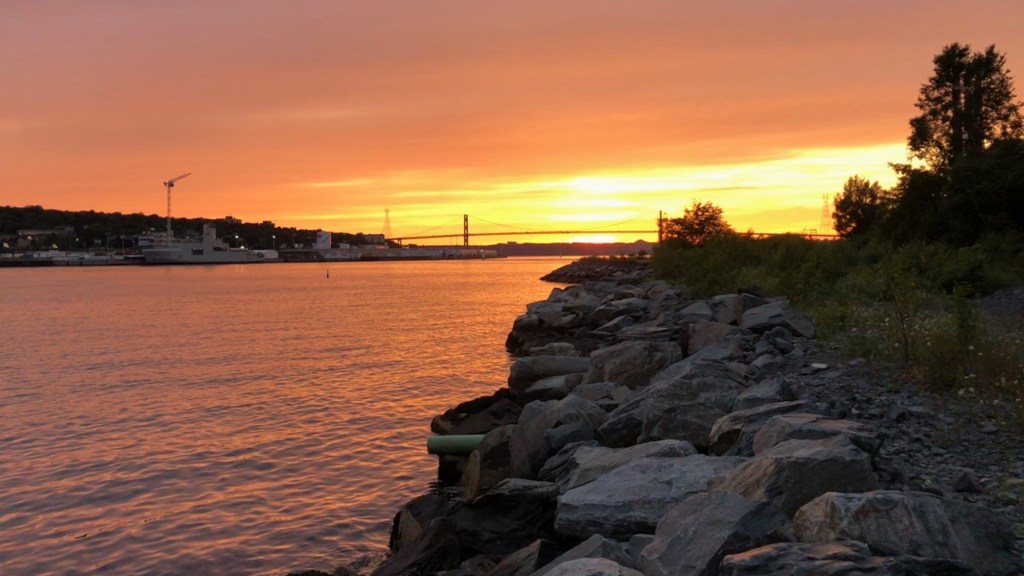


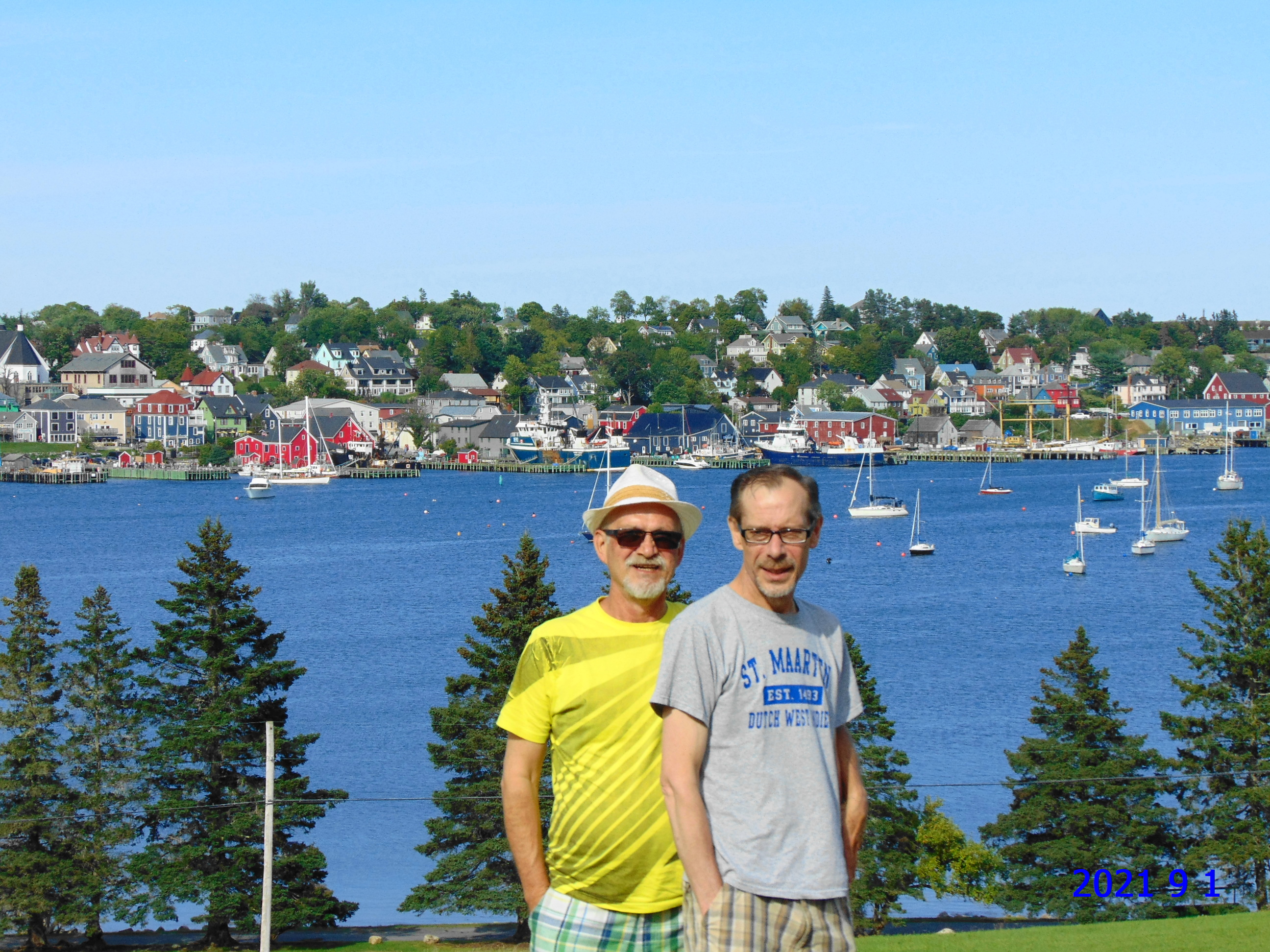


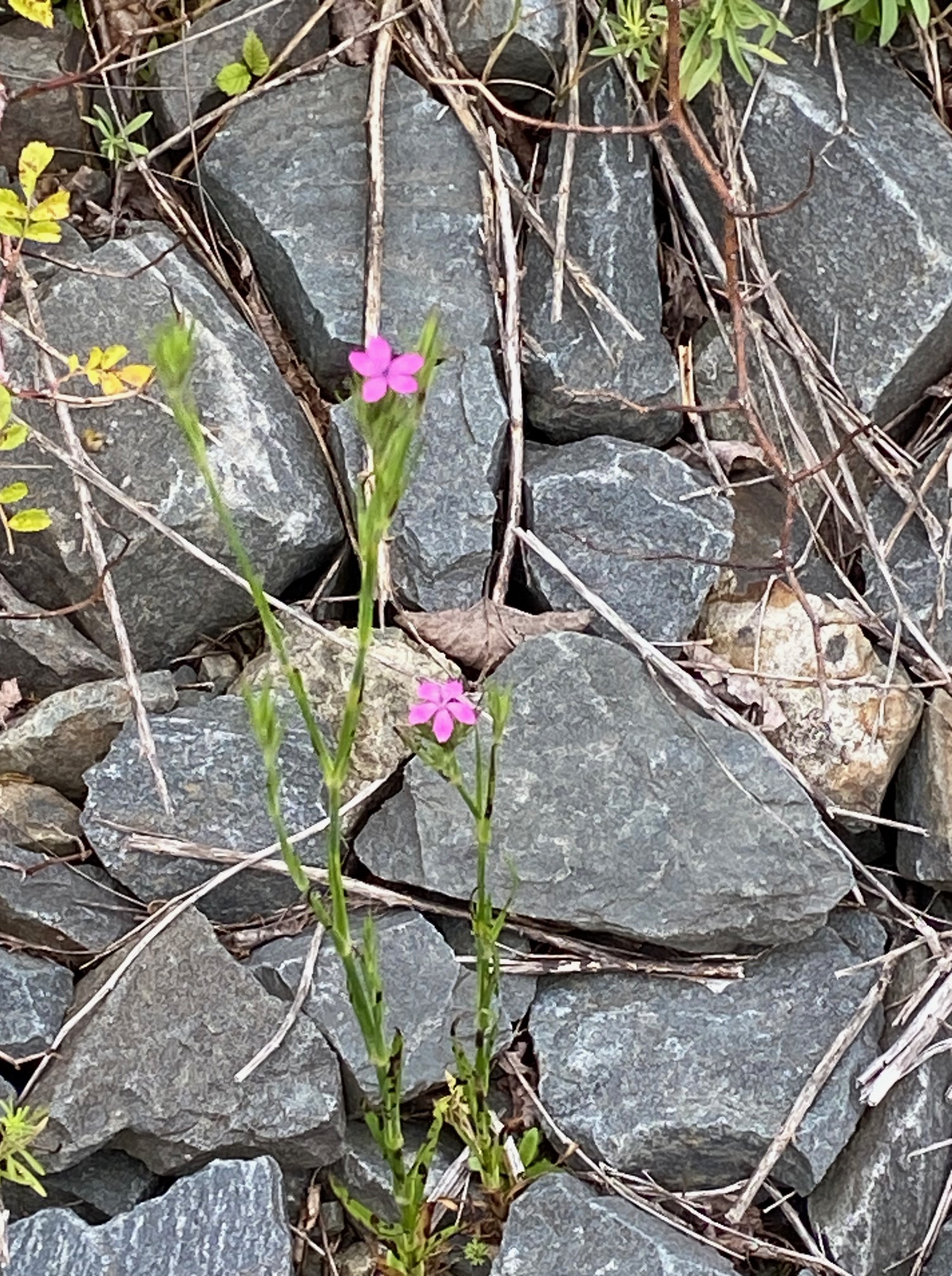
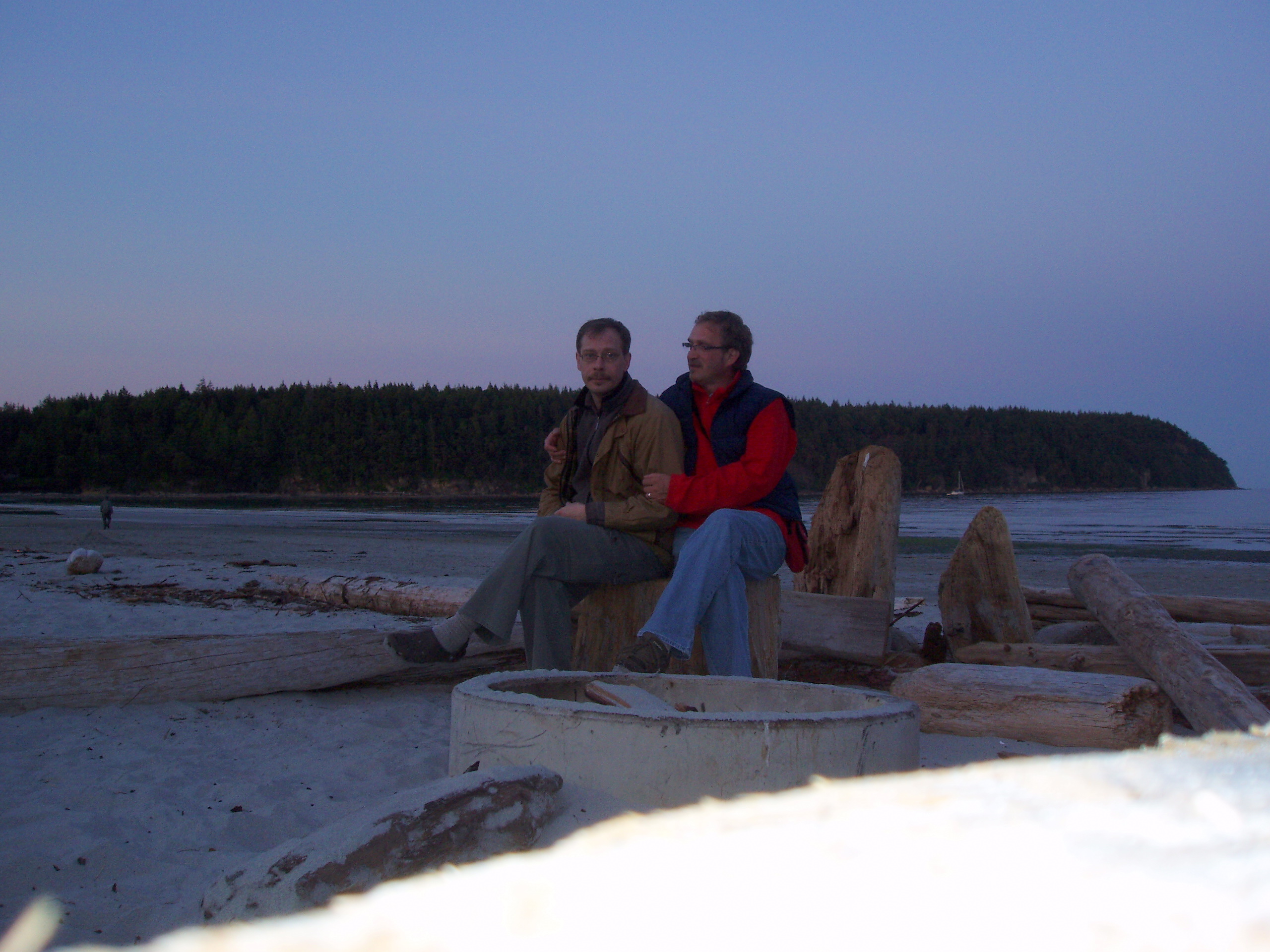

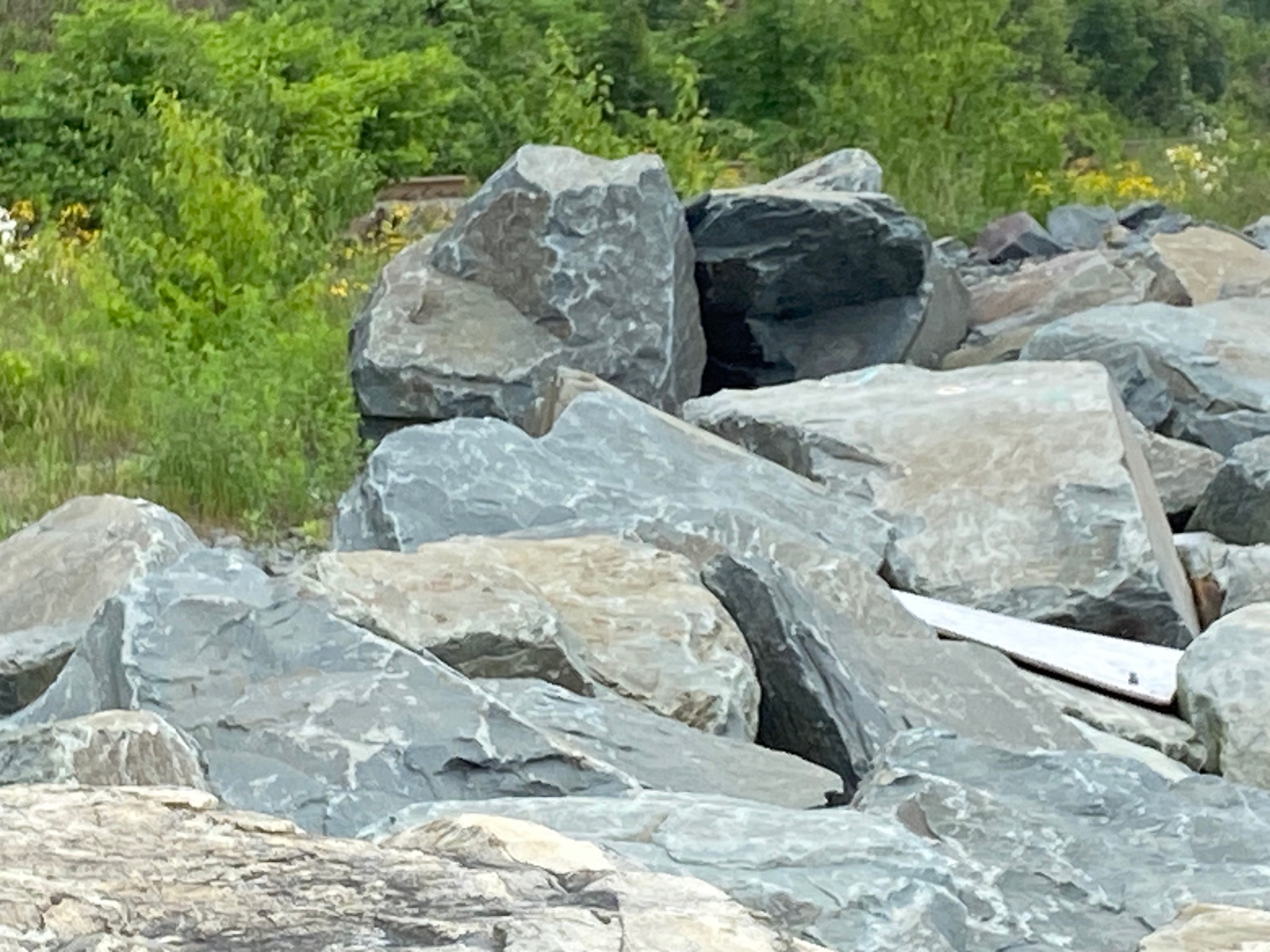
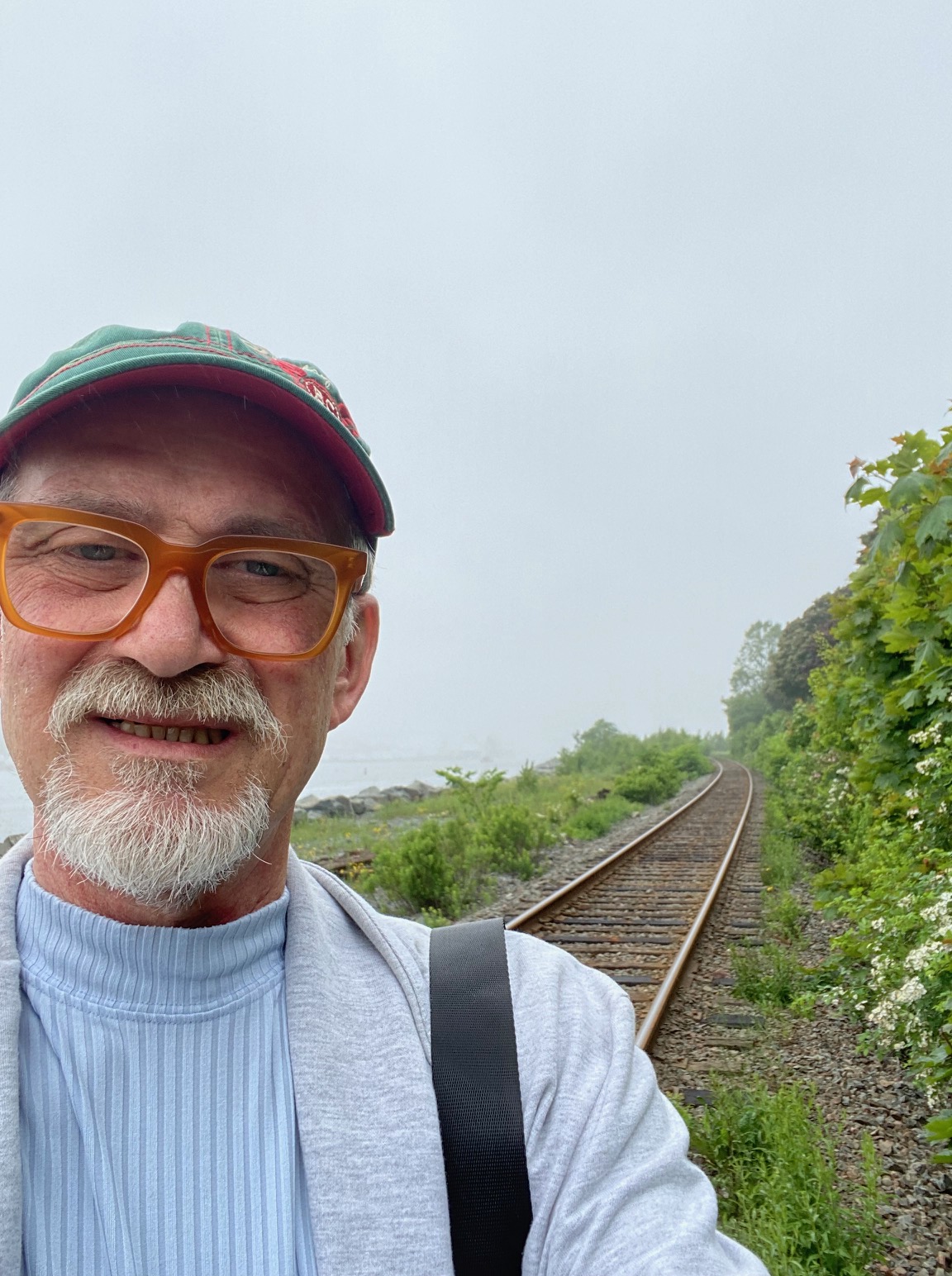
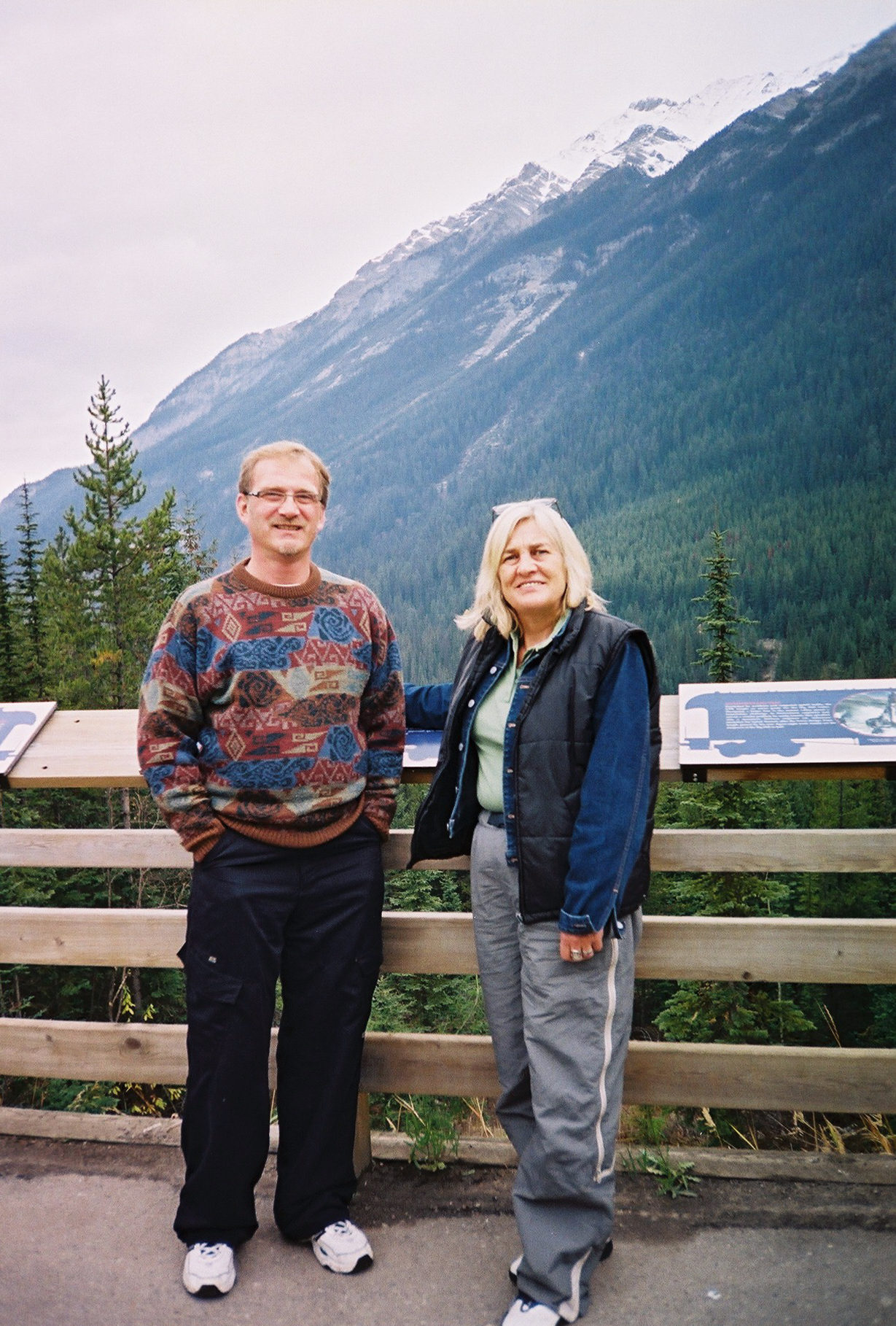


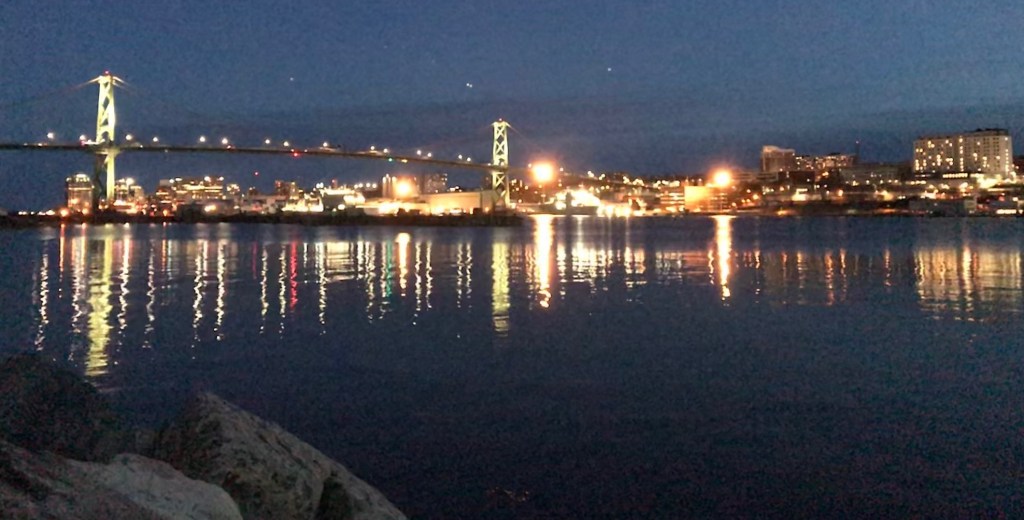

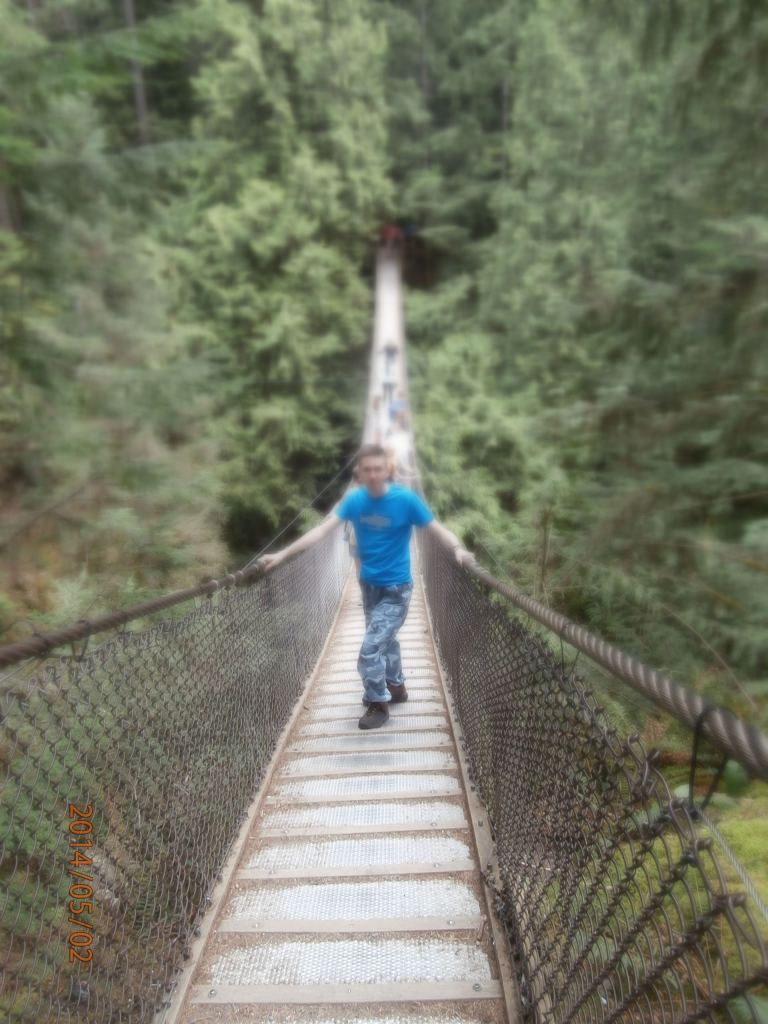
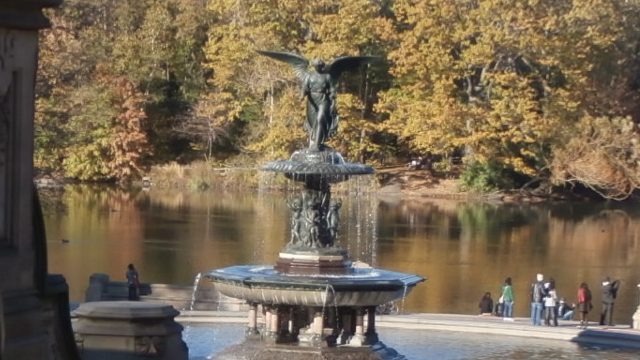

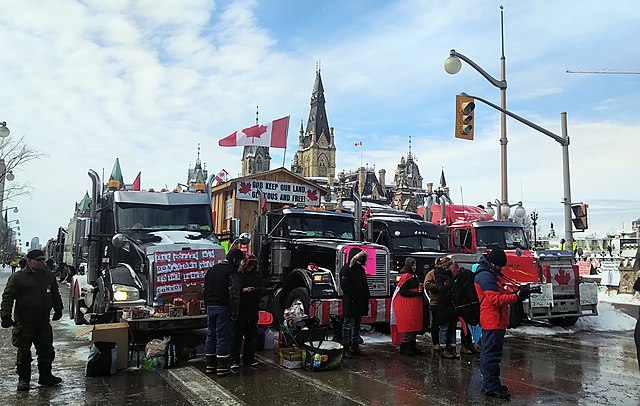

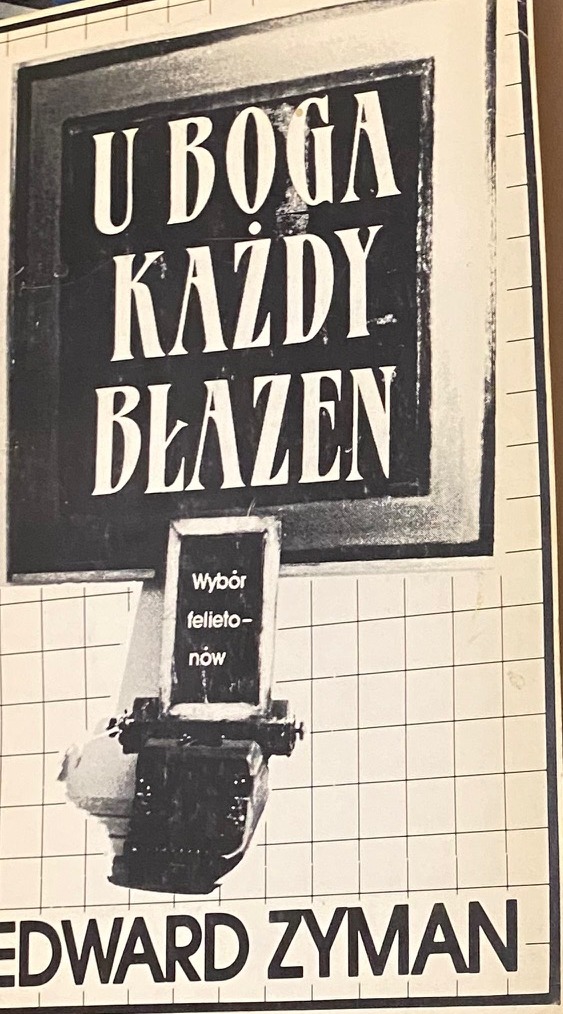

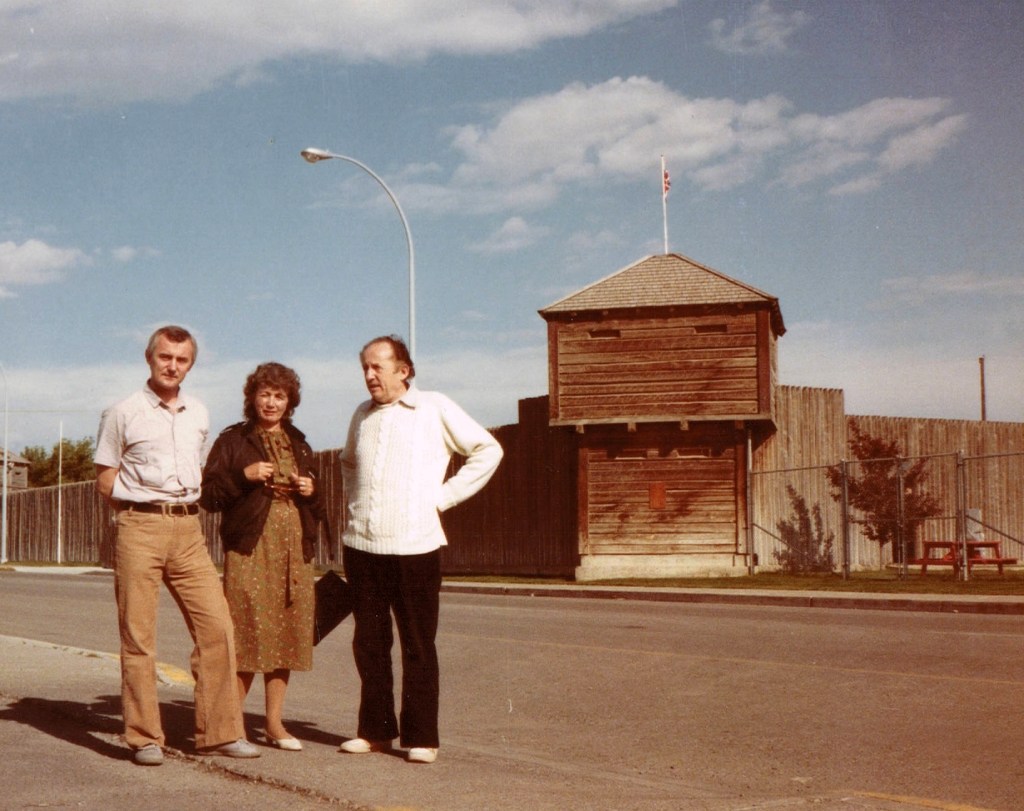


 > > Pogwarki < <