Walk with my Eurydice

Walk with my Eurydice

Every day starts with waking, and getting up from bed. Doesn’t matter if it is noon or 5 in the morning. Time is a very subjective thing. On days I don’t have to go to work (most of the time, since I officially stopped working for any company more than six years ago) and don’t have any appointments – I don’t look at watches or clocks. I do things when it is time to do these things, without assigning any number to that time.

Besides, time has stopped for me in November 2022. On the first night (was it night?) I fell asleep after You were gone. I wish I had not woken up. Waking up after that very first sleep is a daily routine of terror. The few seconds before you are certain that it is reality, that you are awake. When I am forced again to know that You are gone. Not to the kitchen to make us a fresh morning coffee, which you did every morning religiously for more than three decades. No – You are GONE. I have to go through that terror every single day while getting up. For 467 days, as of today.

Sometimes, just before I finally drift off to sleep, I wish, I pray, that it is the last time. That I don’t have to wake up again.

When I sleep I often meet You and talk to You. I think, sometimes I make love to You. That we are watching TV or go for a drive in the countryside.

You are my Eurydice, for whom I went to Hades to plead, to argue with the God of the Underworld, that he made a mistake. I beg him, I threaten him. I offer him love and hatred, devotion and disdain. To no avail – he is unmoved. In my dream, I write a poem to You in Italian. When I get up from my sleep I remember that poem and copy it, surprised that I retained more of my old Italian than I thought.

Dove sei, Euridice?

Dove sei, Amore mio?

Mostrati e parlami d’amore.

Ricordare! Non fermata

e non guardare indietro.

Ricorda, mio caro …

ricorda, ricor… , ri…

e piango, perché so

che ti volterai.

Ogni volta.

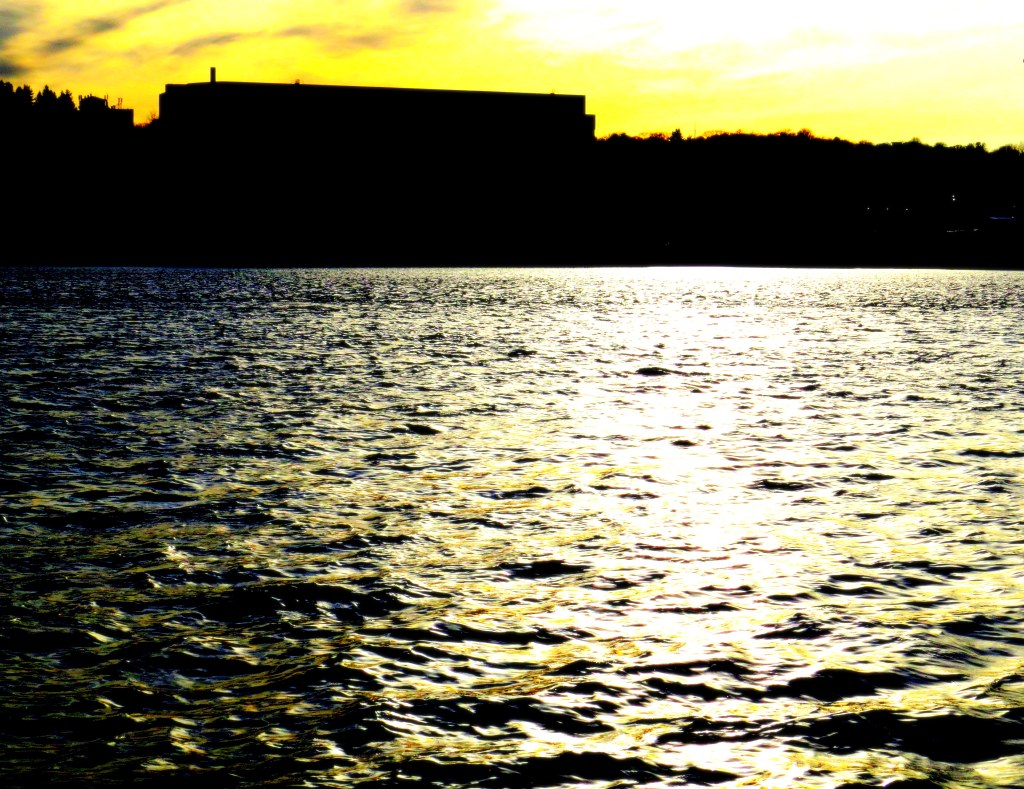
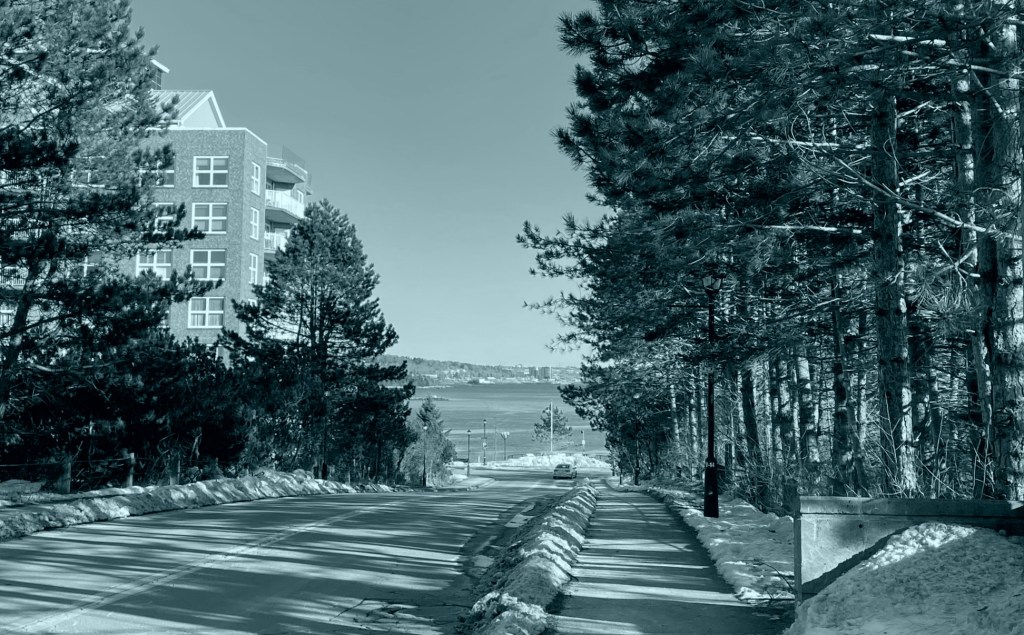
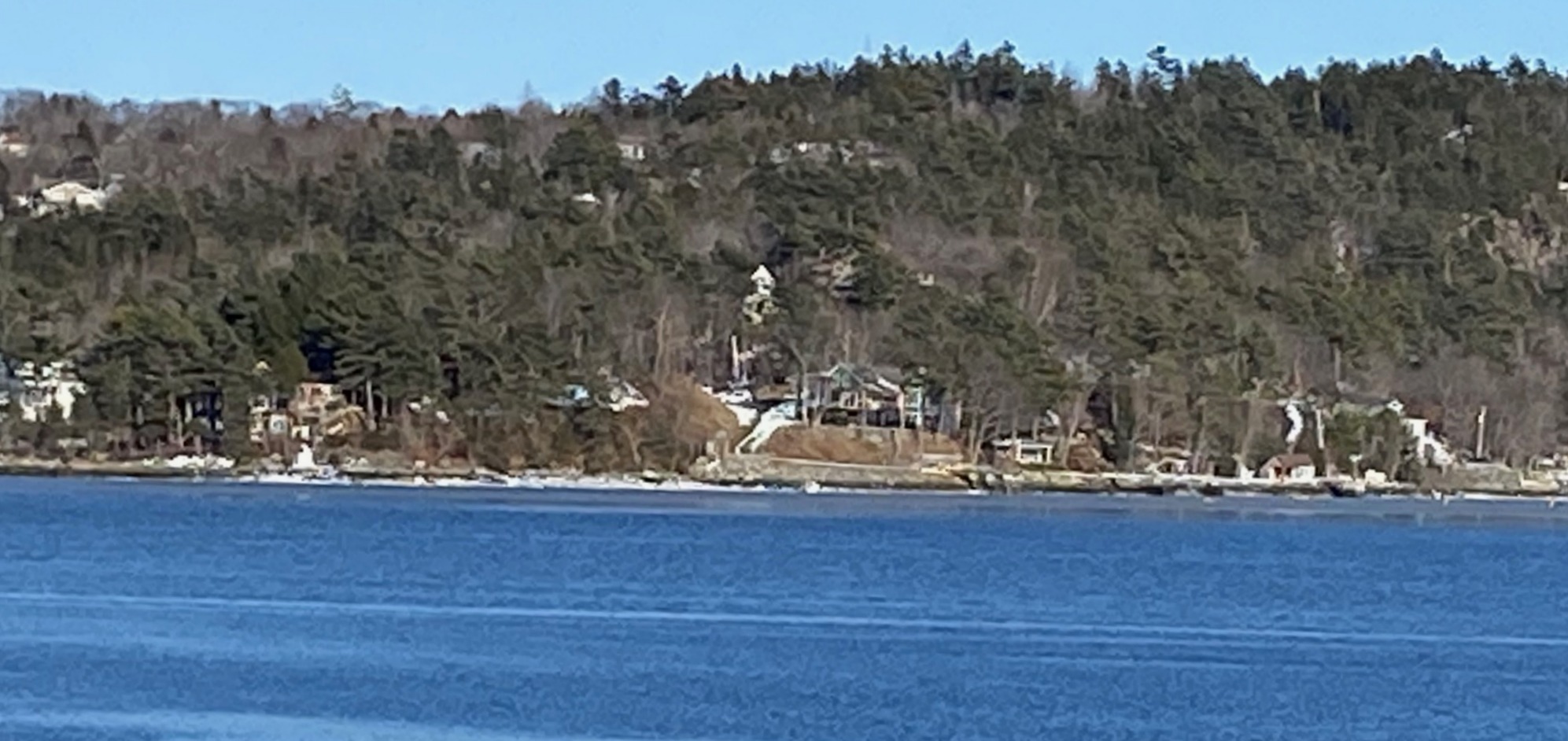
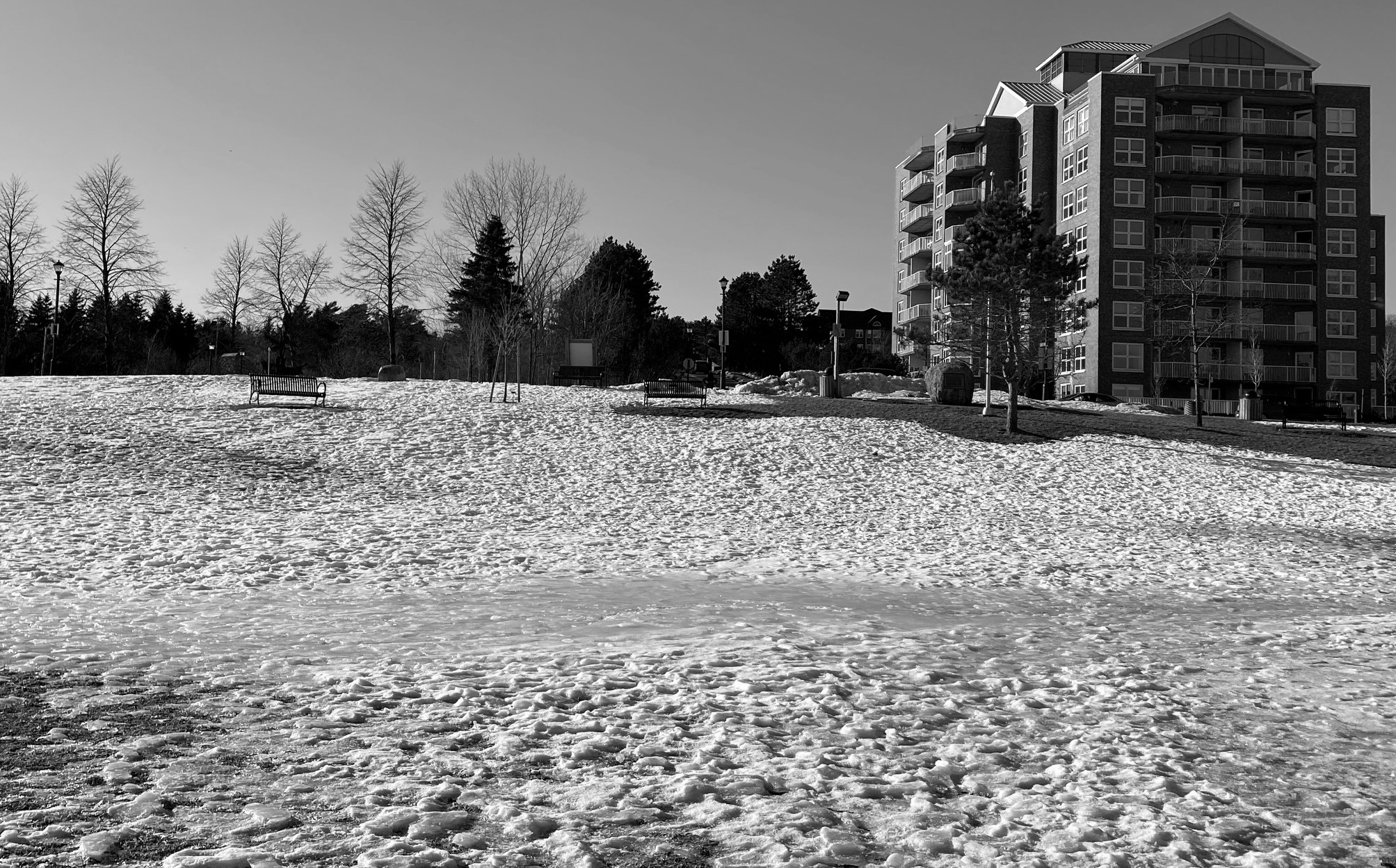
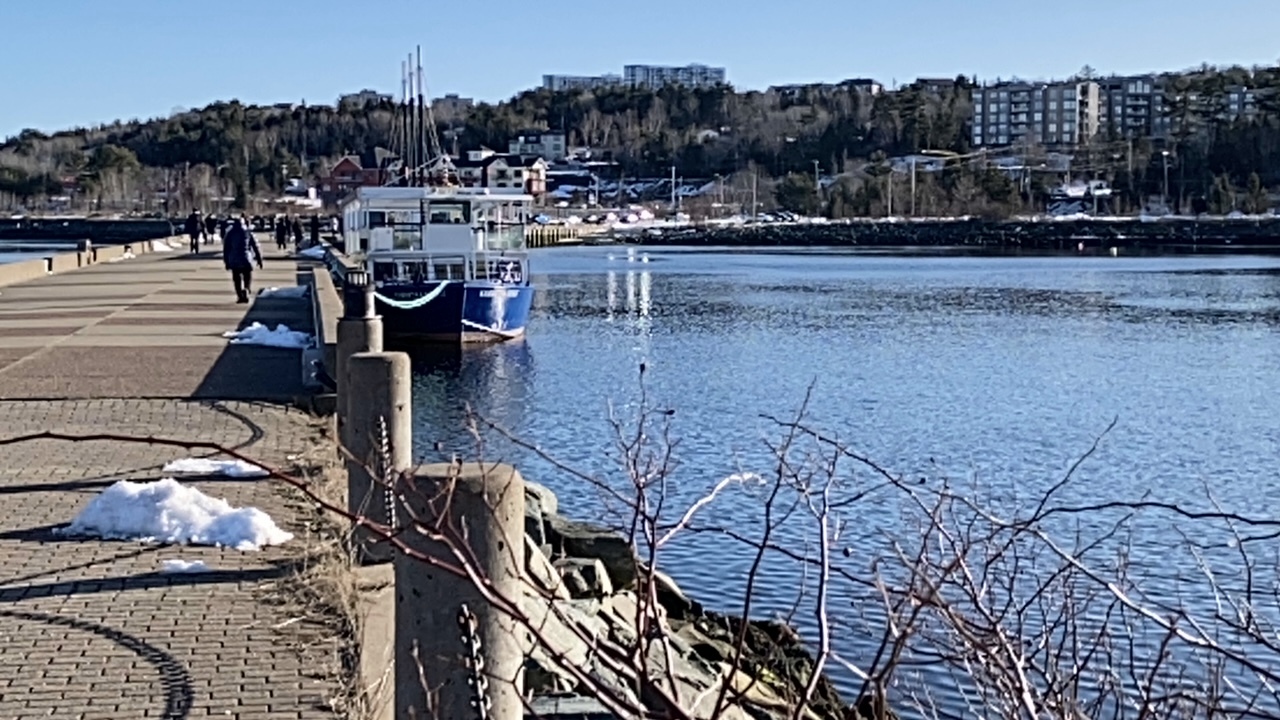
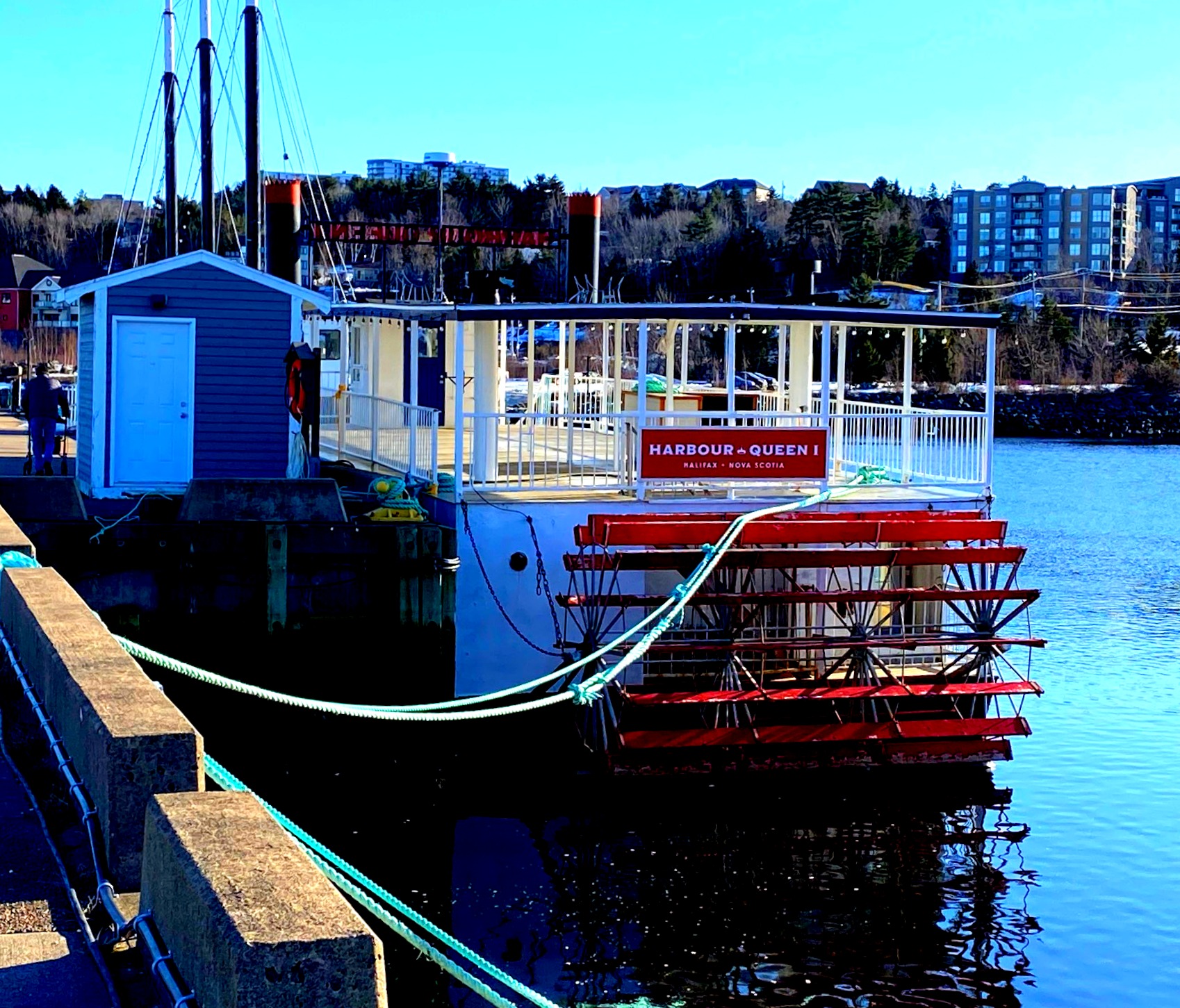
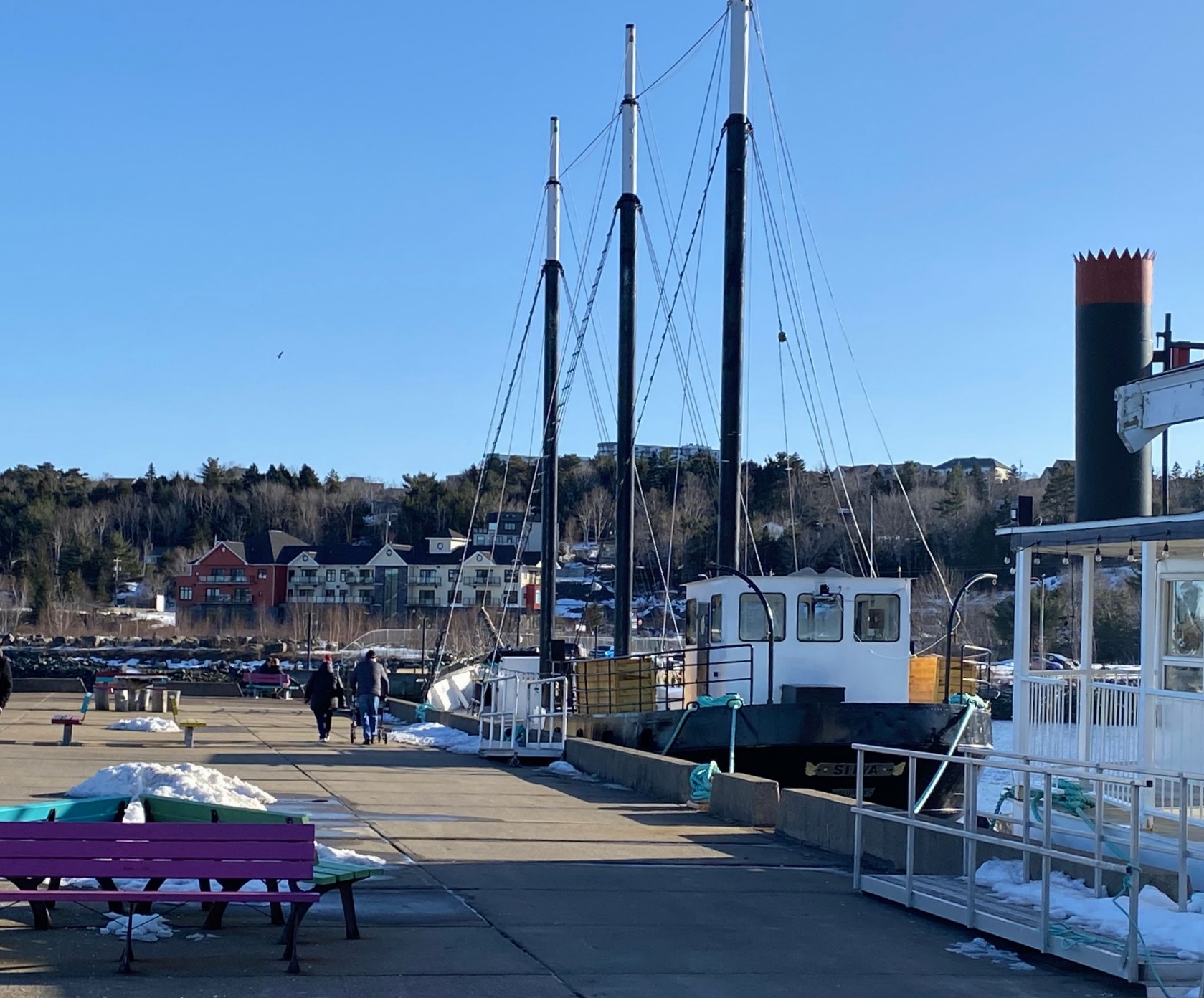
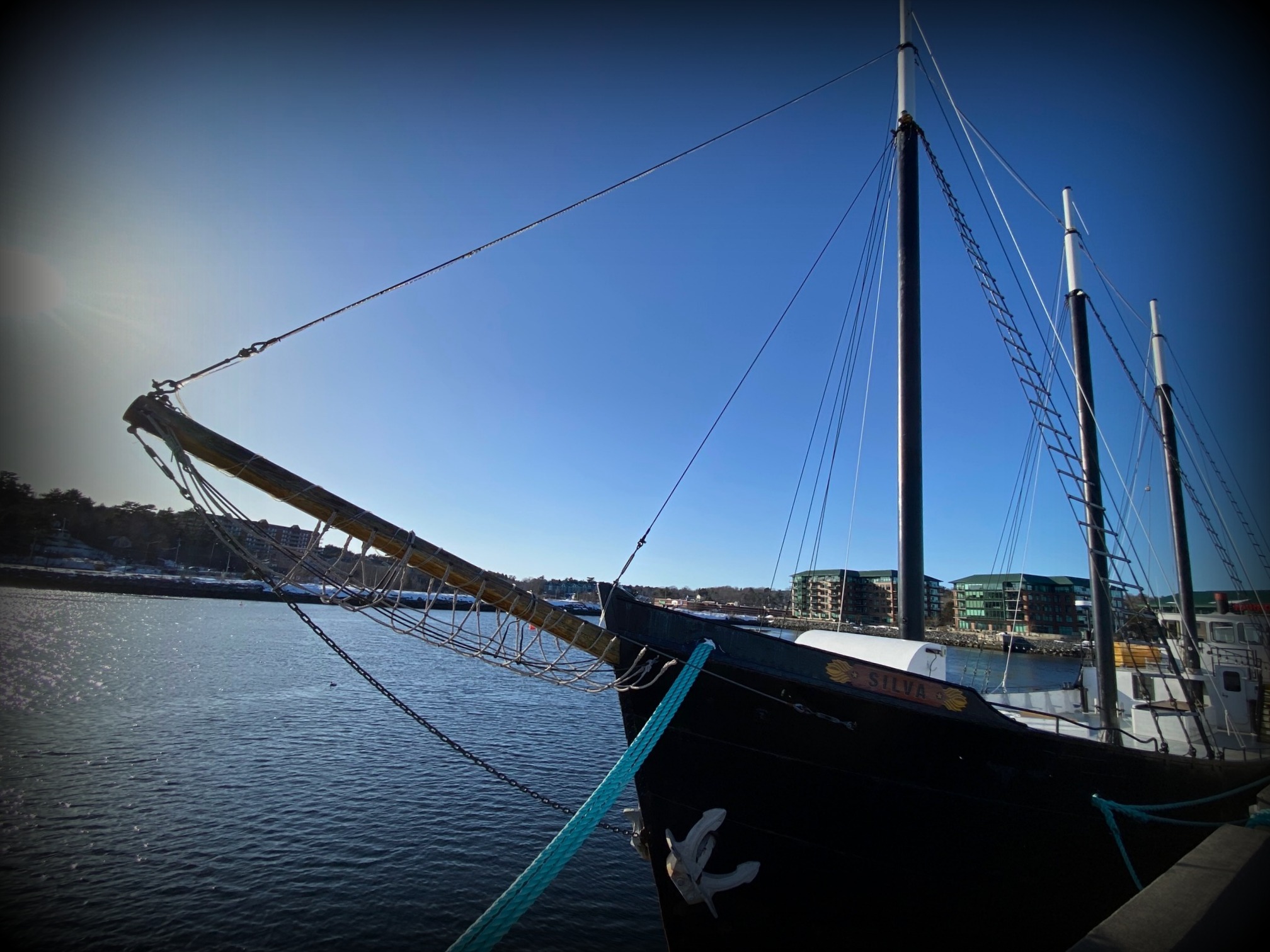
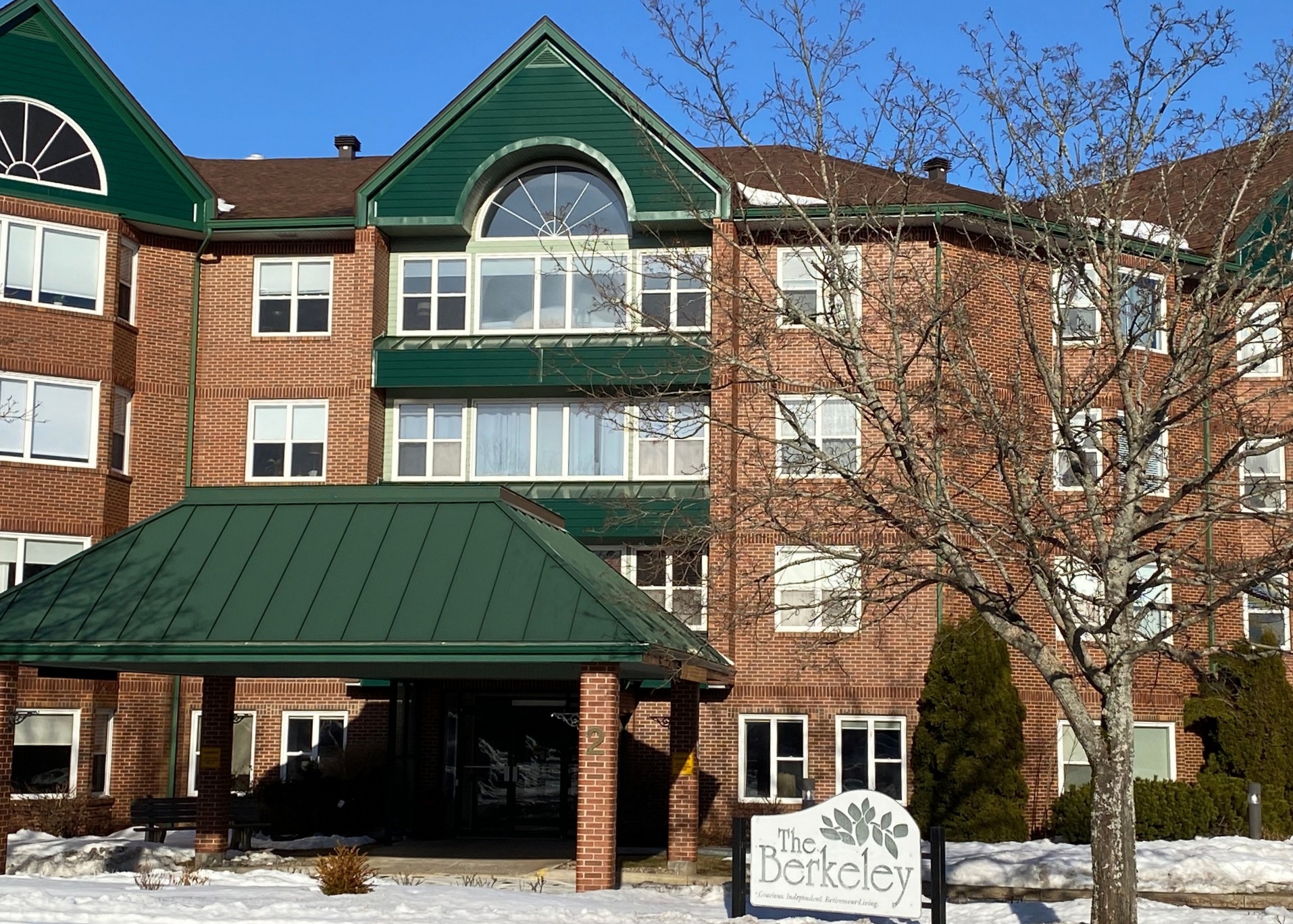
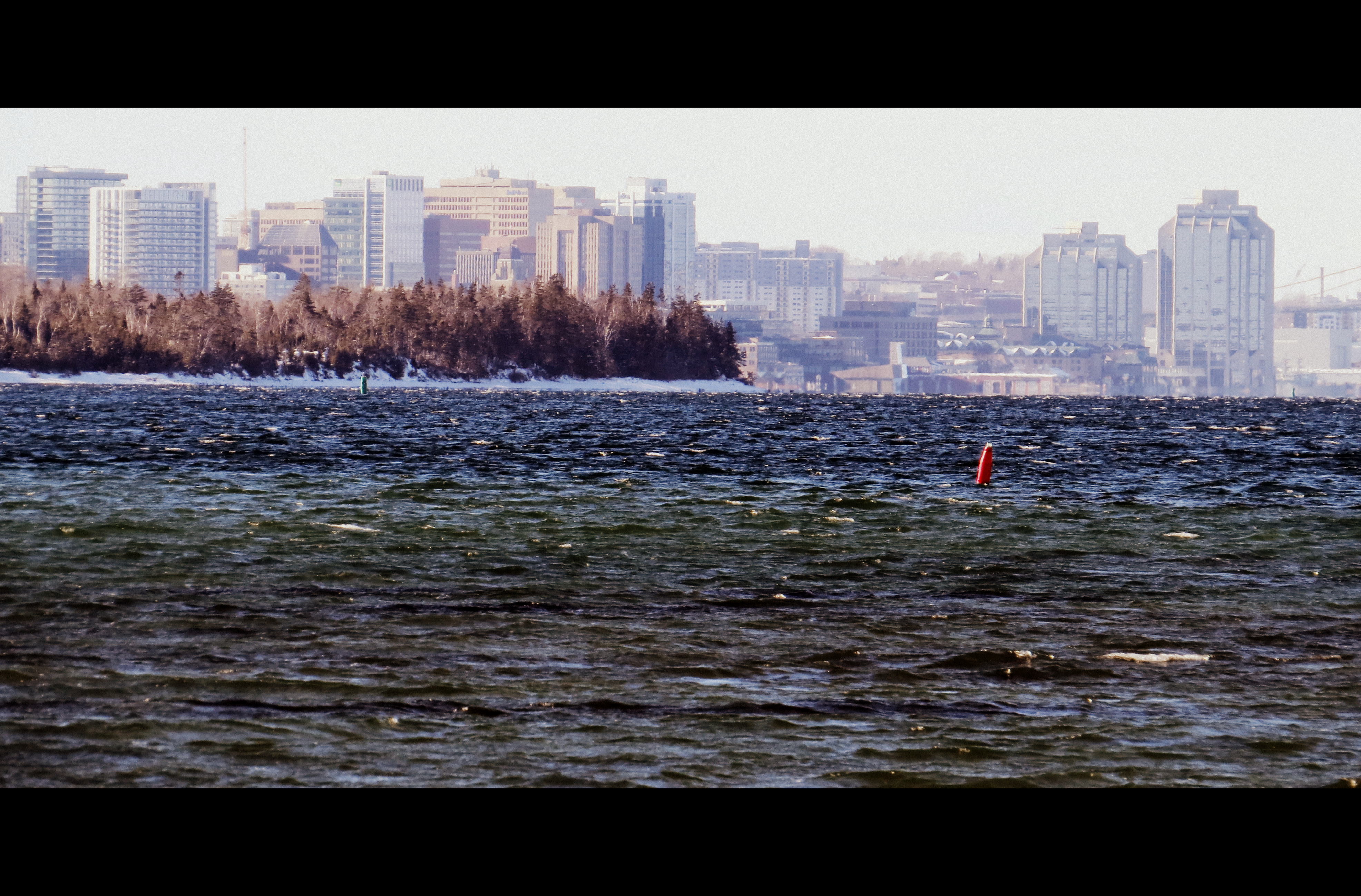
Today I stopped in a little park De Volf in Bedford. We used to go there many times and both liked it. It is a small park but there is something sweet and romantic about it. It offers a nice view of Halifax, our bridges, and Dartmouth.  Next to it is a big building of the company that you worked for – The Berkeley. You didn’t even have that much time to work for them, yet You did leave a special mark on the senior residents of that building and all the staff. Your innate goodness emanated from you as everywhere you worked before. I will never forget and still am moved to tears how they organized a special memory meeting for the residents and staff in their main hall. It was full of people. Wonderful people, who came to share their memories, and their sorrow and offer their support to me and Your siblings, who came for Your final journey.

It was a cold but amazingly sunny day. I really enjoyed the walk and reminiscing about our strolls there. For a short while You – my Eurydice – walked with me. You didn’t turn back, didn’t look back. You walked with me. Maybe I even felt Your hand in my hand.

I know that the terror of getting up will come back tomorrow. Then again, and again for the rest of my days. But the walk today was good. Thank You, Babcycake. Gracie, mia Euridice.

Anguish, the price of Love

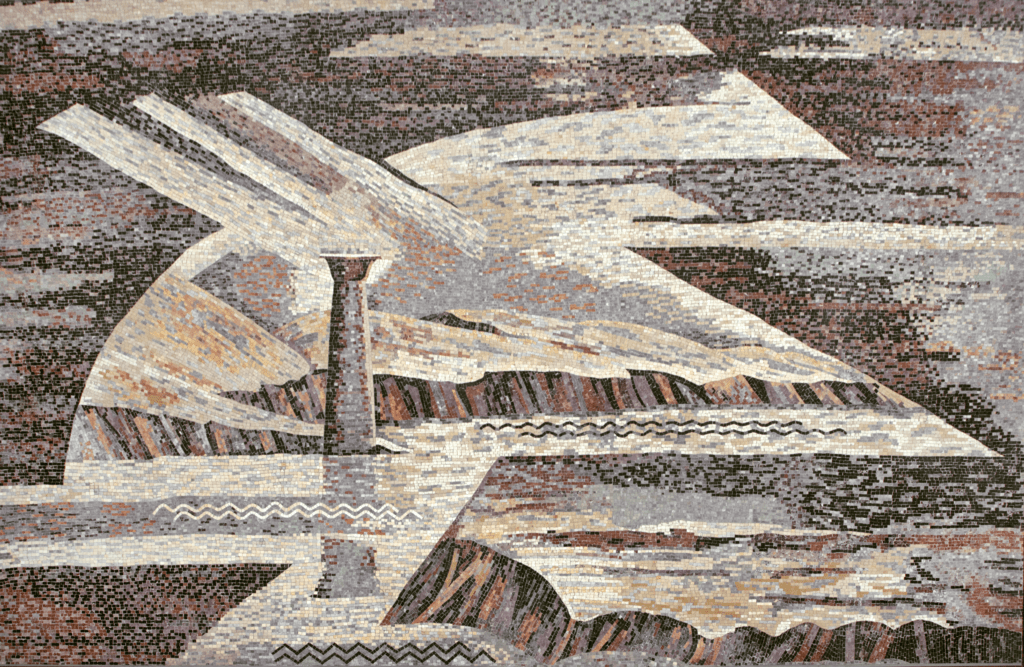
The first panel of marble triptych by Hildreth Meiere representing The Pillars of Herakles (Centre for Hellenic Studies in Washington, DC)

Love is a strange thing, and the price you pay for it is enormous. But you pay. For a dream that is priceless. The higher is the heaven, the bliss of it – the higher is the cost. Have you known – would you have asked for it?

Let me tell you a story. There was a young man, who wandered the world from the high peaks to the deep valleys, and even deeper than the valleys. He went to the abyss of the underworld, the dark caves full of desires, hunger, and thirst. Long hands and longing eyes followed him there in the caves. The caves were like a labyrinth, one leading to the other. There, he saw a silhouette of a boy crying for love not found, for a dream not fulfilled yet. That silhouette, the shadow was – he knew it instantly – his own dream. A dream that did not want to be a dream anymore. It wanted to be born. To live. The young man heard the plea of this boy and the plea of his dream. He ran after the boy, grabbed his arm, and didn’t let go.  It is a long story re-told many a time. It was said that they lived happily ever after for a long time.

Like any long story, sometimes they are too long. People heard of the ending from others and never bothered to read it to the end themselves. But re-told stories change, and people soon forget where or from whom they heard it. They stopped reading it altogether, relying on the version they had heard from others. As the others relied on those, who told them. Over time the story changed, becoming a different one.

No one truly knew what happened to the young man, when he was not young anymore or what happened to the boy rescued from the cave.

I will tell you the story of the old man, who used to be that young man.

He doesn’t go to the caves, deep valleys, or mountaintops anymore.

The boy became his. He has answered his dream and the dream of the boy. They built a house on a treetop and watched the mountains weaving long shawls of rainbows flowing slowly to the valleys. Sometimes they would climb down from the treehouse and wander in the meadows below, drinking from streams, and singing with birds.

One day, after many years of happiness, the boy went further exploring the valley. The man followed him. They came upon a place where the stream enters a big river. The boy – a man by now himself – said: I will go for a swim in this river and jumped into it. He disappeared under the water and was not coming back to the surface. The man – an old man by now – jumped after him. He has found him ensnared in the long roots of the nenufars. He frantically ripped the snarls and brought the lifeless body to the surface. He tried for a very long time to push the boy’s life back into his lungs, and he screamed to the birds to help him. They came and tried with their wings and beaks to revive the boy. But, as the old man, they couldn’t. The boy was no longer.

From then on, the old man left the valley and wandered for eternity the earth. Looking for the boy, hoping that he appears somewhere. If, by miracle, he has found himself in the caves, why wouldn’t it be possible that he will find him again? His anguish was unbearable. Even the birds couldn’t sing when they flew by him. He came to the Edge of the World and asked the Big Water: why? The Big Water thought for a while and answered him with its own question: your sorrow has moved me, old man. I am Everything, the Past, and the Future. The Present has engulfed you in anguish beyond your strength. If the price of your past is too high to carry, I can grant you a gift seldom given to anyone.

The old man raised his eyes and trembling with timid hope, asked: O, Big Water, would you return my boy to me?

The Big Water answered: there is no return from not being. But I can change the Past, I can change the event that led you to the meeting of the boy. Ever. Thus the cause of the anguish will be gone. You can’t grieve something you have never had or known. That is the price.

The old man looked in horror and screamed at the Big Water: Would you, Everything, ever accept a deal to become Nothing? Your price is too high to pay. I will keep my sorrow and will walk with it till the end of my journey.      

I saw the old man when he turned away from Everything and started walking along the shores of The Edge of The World. With time he slowed down, yet he kept going. At a certain junction, the Edge of The World separated from the Big Water and became the Edge of Non-ending Abyss. There, the cliffs of the Edge were vertical like the Pillars of Heracles.  He knew that he reached the end of his journey. The old man sat and rested a bit looking down the massive cliffs where below a thick cover of white clouds was the invisible Abyss. His arms raised a bit with a sight and he slowly got up making a step toward the Edge. Then he froze for a moment, turned his head, and looked. He saw, far from the Edge, mountain peaks towering above deep green valleys and a forest with tall trees. He thought that he could hear the song of birds flying in the forest. A happy tear rolled down his cheek and a broad smile appeared on his face. And the old man was sure that for a moment he saw a boy waving toward him from one of the tree tops. The boy was singing the song of the birds and smiling at him. He called to the old man: don’t be afraid, come to me, I’ll wait for you!  

Did the old man jump the cliffs, you asked? I do not know. But he anguished no more.   

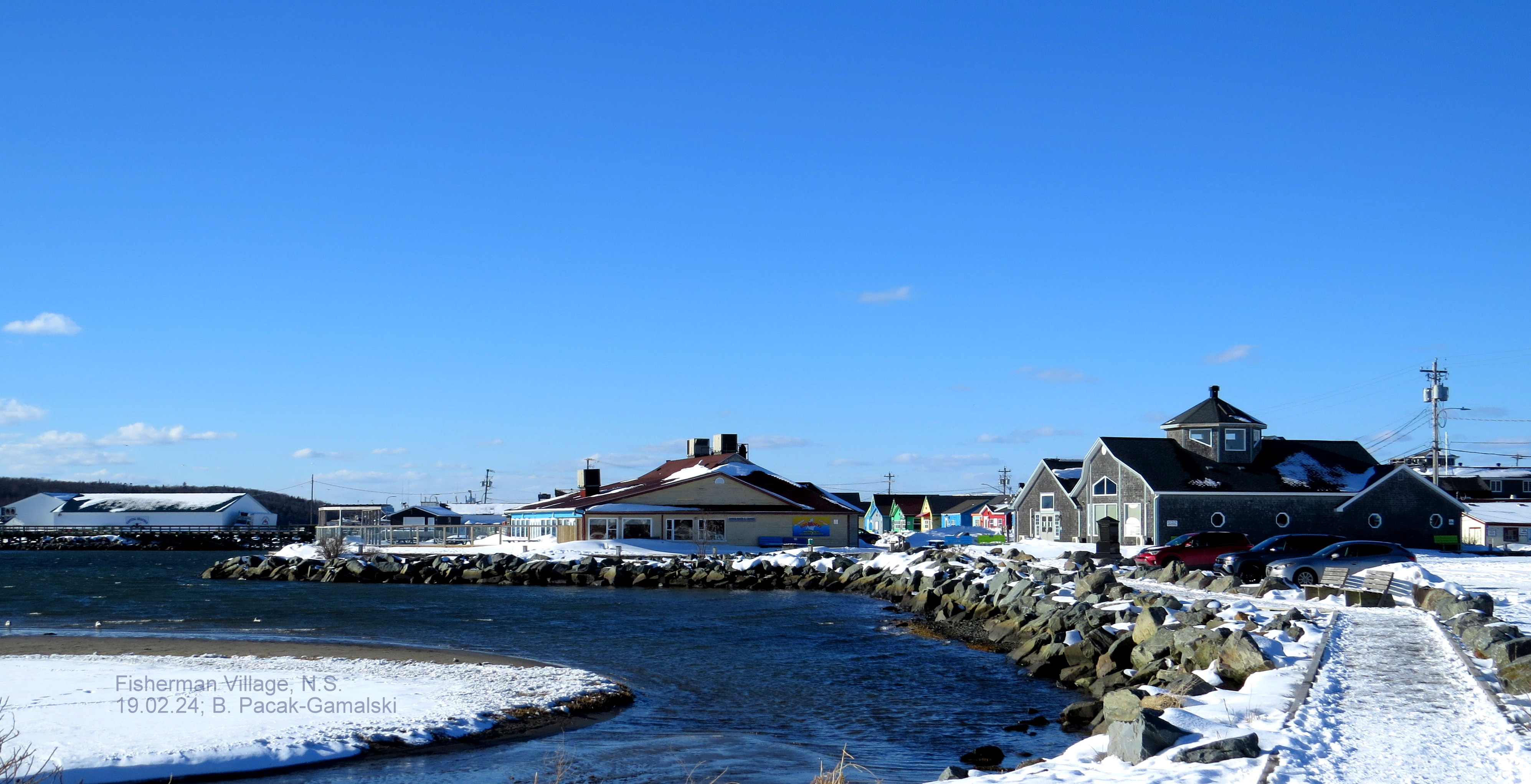
Fisherman’s Cove, the Sea and Sky

Fisherman’s Cove, the Sea and Sky

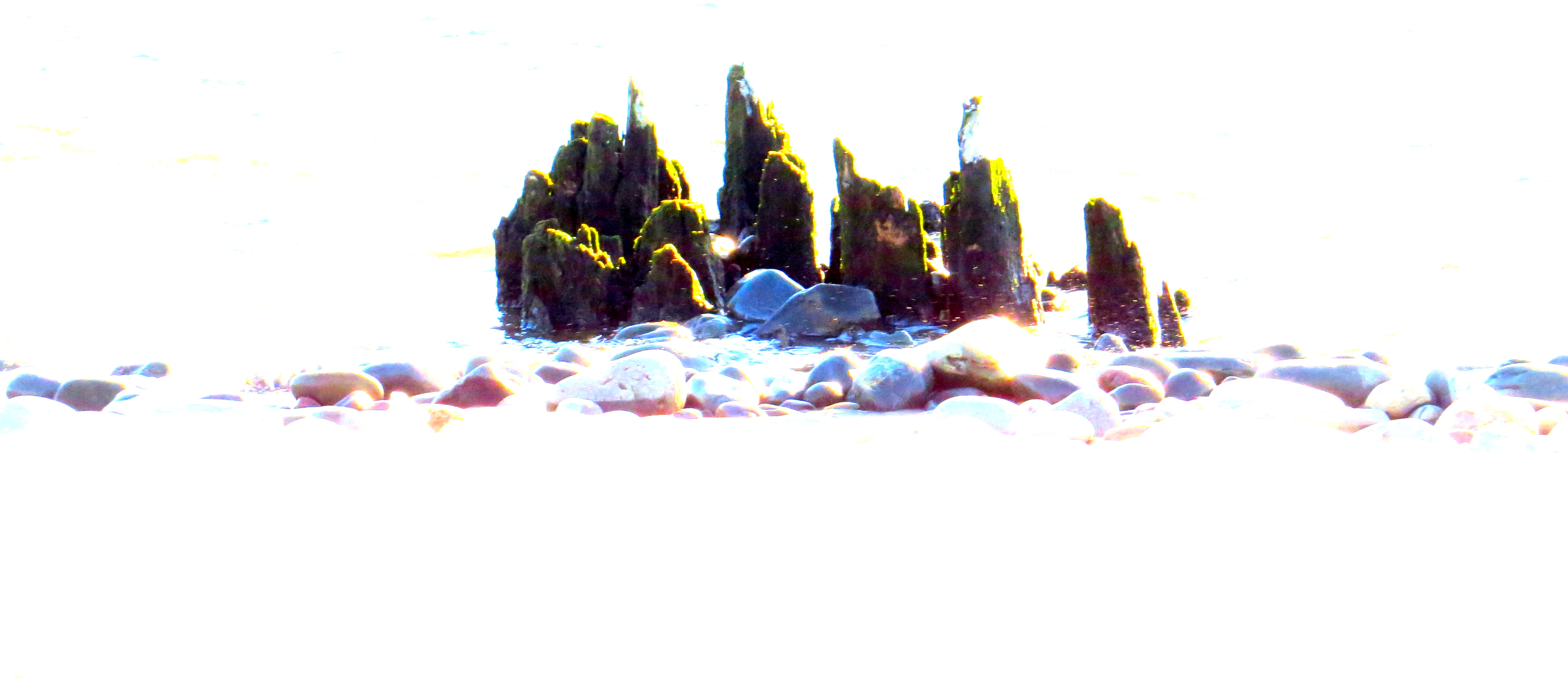
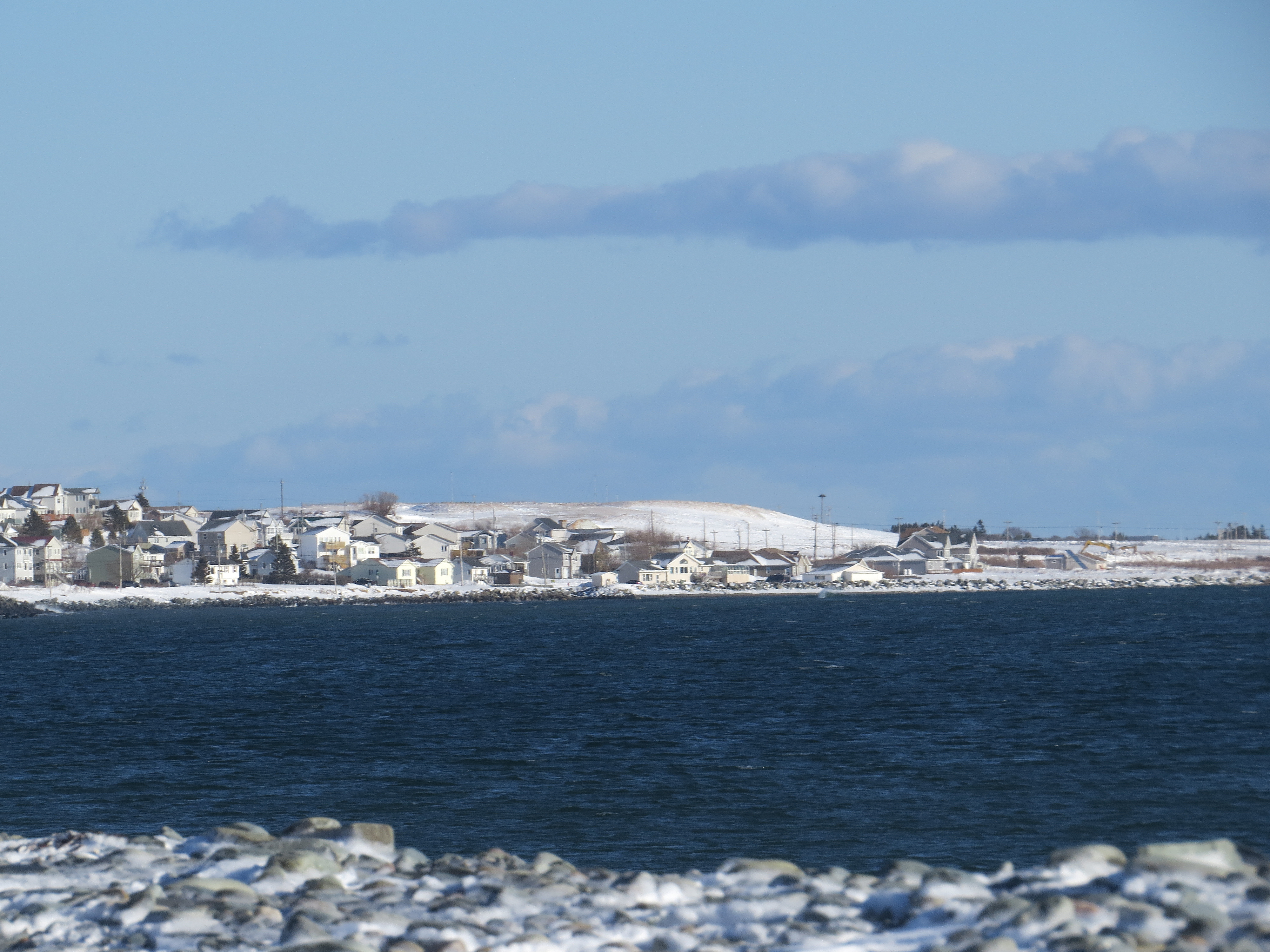
What do you do, when you can’t sleep? You go outside for a walk, in the snow and wind. At ten, then at midnight, then get a short snooze and go again at 4. It is not dark anyway, for the snow makes it all one milky, eerie light. Take another snooze and — it is morning the next day, LOL. Somehow you have a strong pain in your right temples and pain in your right ear. Stroke? You speak loudly and the words appear to be coherent and proper, go to the mirror and your eyelid and mouth don’t seem to be drooping, LOL. Then it must be just an ear infection. Dosn’t matter. What is the best for a cold? A cold excursion to the countryside! Camera in hand, a quick coffee, and off we go. Was able to catch even the Moon in full sunshine!

Calendarium of Heroes of Humanity in XX and XXI century

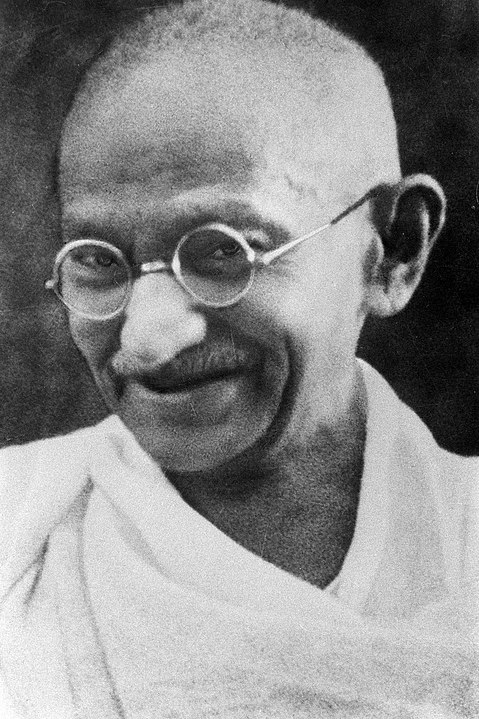
Mahatma Gandhi 1869 – 1948, Father of modern India. Promotor of equal rights for all people of India – regardless of their religious affiliation, Hindu or Muslim.

Martin Luther King 1929 – 1968, leader of the American Black movement for equal rights for all citizens, regardless of colour, race, and origin. Like Mahatma Gandhi represented nonviolent actions to achieve social and political changes. Assassinated.

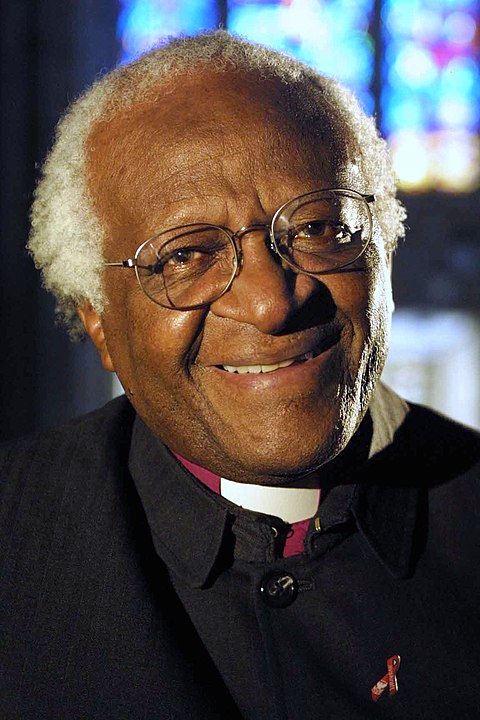
Desmond Tutu 1931 – 2021, Anglican Archbishop of South Africa. Promotor and active supporter of the end of apartheid and equal rights for all citizens. Laureate of Nobel Peace Prize.

photo by M. Aleshkovskiy

Alexey Navalny 1976 – 2024, political and social activist in Russia. Advocate of democratic principles, free elections, separation of judicial and government branches. Unyielding supporter of human rights in Russia. Opponent of Russia’s invasion of Ukraine. Survived many attempts by the Russian state to assassinate him. Refused an offer of political, safe asylum in the West and returned to his homeland. Arrested shortly after returning. Murdered by Putin in the Russian Far East penal colony on February 16, 2024.

The Woods – how You led me out of them

The Woods – how You led me out of them

There are bad days. They come. I didn’t know that my emotional construction was still so fragile. Someone said something or wrote something to me, possibly in good intention – and everything fell down as a house of old rocks tumbling down in a cloud of dust. Cloud of dust and insecurities, despair. Everything I tried so hard to put together on my ocean beaches last summer – was taken away by a wave that came and washed it to the bottom of that ocean.  

One of the very first lines I wrote after You were gone, after I tried to find traces of You, of us, on some trail we used to walk together – and I couldn’t find You anymore – felt like that exactly: insecurity, lost. Maybe even angry – why am I here if you are not?

I have simply called these short lines: ‘Woods’. The woods I ventured in and got lost. Couldn’t find my way back. Last night and today it felt like that – to be back in these woods.

The Woods

I’m in the woods, surrounded by trees. The sun filters through the leaves, creating a dance of light and shadow. The breeze caresses the branches, making them sway gently. The air is fresh and warm, but not too hot. It’s a perfect day for a walk.

But I’m not here to enjoy the scenery. I’m here to find you. You ran away from me, and I don’t know why. You didn’t say a word, just took off into the forest. I followed you as fast as I could, but you were always ahead of me. I called your name, but you didn’t answer. You didn’t even look back.

The terrain is rough and uneven. The ground is covered with dead wood, roots, and rocks. I’m not as agile as I used to be. I’m not a young buck anymore, confident in my strength and speed. I stumble and fall, scraping my hands and knees. I get up and keep going, hoping to catch a glimpse of you.

But you are nowhere to be seen. You are hiding from me, or you have already gone too far. You are out of my sight and out of my reach. I don’t know where you are, or if you are safe. I don’t know what you are thinking, or what you are feeling. I don’t know if you still love me, or if you ever did.

 Maybe it wasn’t even an actual walk in the woods? Can’t remember anymore. Maybe it was a written record of one of my many nightmares, being half awake and half-asleep? Don’t know – there are days from these early times that are gone from my memory altogether, weeks like that. I know that they were, that I was there, too. Remember every detail, every second of You collapsing in my arms, the ambulances rushing to our home, every day and night in the hospital – and not much more after that. Just pieces of existence like a broken string of pearls rolling on the floor.

That’s that dark place I crumbled to last night and this morning. And You were not lost and gone, not hiding from me. You were right here and You guided me to a memory. The memory of a trip we took in 2016 to Alberta, our last trip to Alberta (apart from the huge trip across the continent to the shores of the Atlantic). We took a different route, a longer one, the one leading up North toward Valemount and through Highway 16 toward Jasper. But first, before reaching Jasper, one has to drive with the view of the massive, majestic Mount Robson. The highest mountain in the Canadian Rockies. Many, many years earlier I did a little climbing on this giant. Never reached the top, nor did I attempt to. Just wanted to do a bit of climbing on it and remember reaching some shelf-ledge on its steep wall, sitting on that ledge, and be amazed by the panoramic view in front.  In 2016 we reversed the roles, we were the ones at the bottom in some valley, and the huge giant was looking at us from high above.  It was amazing, the day was sunny, and practically there was no traffic. Remember embracing John and we both just admired the view.  It felt good. We both liked going back on many visits to Alberta, especially John. After all, it was his home, where he grew up, where he went to school, his adolescence … and us at the end. We met there, and fell in love. That memory of that trip lifted me from that awful pit I fell into again.

After Sturm und Drung – Sunny Days will follow

After Sturm und Drung – Sunny Days will follow

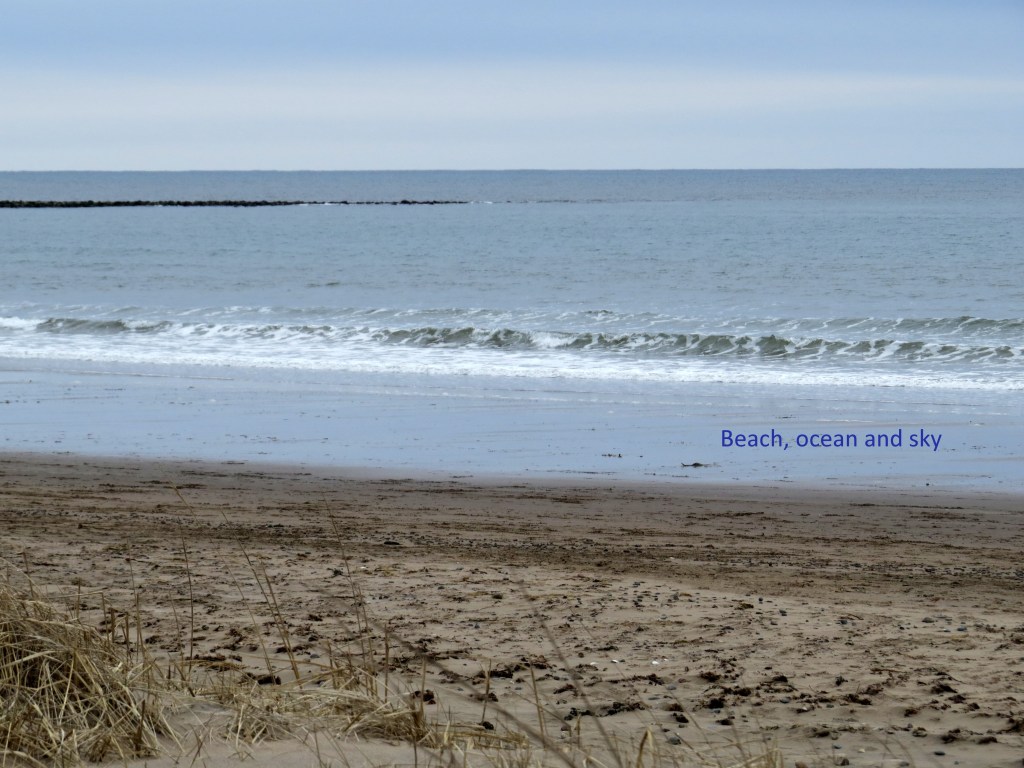
In the late XVIII century, following the French Jean-Jacques Rousseau’s turn to feelings and emotions – the Germans introduced us to Sturm und Drang. Of course, only the Germans and German language can come up with such a militaristic-sounding term for literature and paintings reflecting deep emotions, love, romance, and tragedy, LOL. That is exactly how I felt on the North Atlantic shore for the past few days – a non-ending storm with heavy snow and a constantly overcast sky. Not even a wink from the Sun. Nada, zilch.

Skutkiem francuskiej – naturalnie – perwersji uczuciowości Rousseau, Niemcy obdarzyły nas czasami Burzy i Naporu (Sturm und Drang) Romantyzmu. Tylko język niemiecki i niemiecka mentalność tak potrafi nazwać okres rodzenia się sztuki poświęconej miłości, romansowi, legendzie i tragedii, LOL. Napór i sztorm brzmi bardziej jak rozkaz niż, jak wyznanie. Jakże biedny Werter nie mógł nie cierpieć, jeśli takimi rozkazami wyznawał swą miłość dla Lotty?!

Tak się właśnie czułem ostatnie kilka dni na brzegach Północnego Atlantyku w czasie niekończących się wichur i śnieżnych nawałnic. Ni źbła choćby słoneczka na moment. Zero.

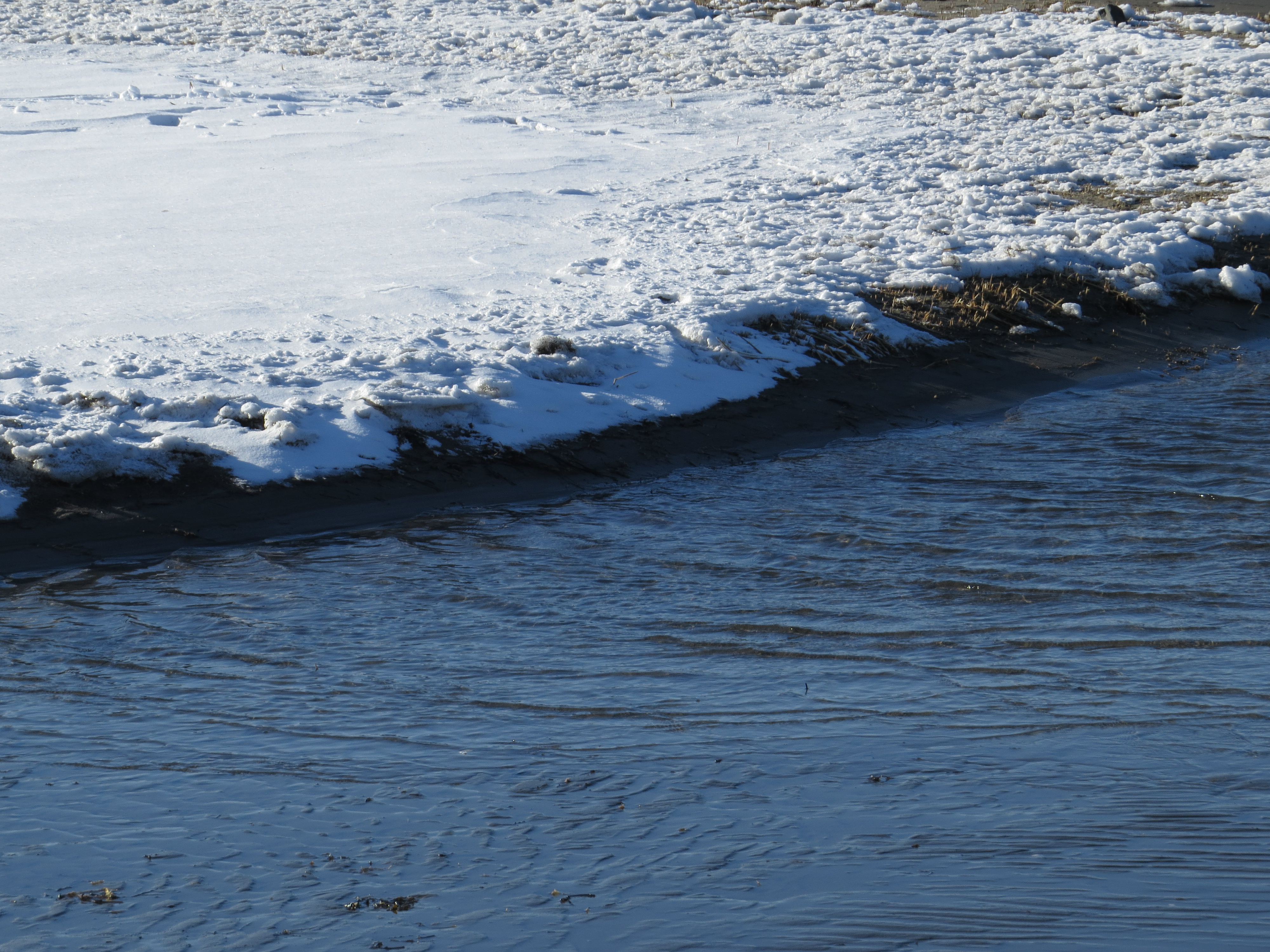
Więc gdy dzień pięknym, różowym wschodem dziś się ukazał, a karminem zachodził z wieczora – z kamerą poleciałem go gonić po Moich Kamieniach. Naturalnie, że przesadzam. Nie goniłem a potykałem się w zaspach powyżej kolan, wspomagając się swoim kosturkiem. A ten śnieg bieluśki, ta woda i stalowa, i srebrna, i różowa do zdjęć, jakby pozowały.

Winter in Mount Pleasant Park in Halifax

A day after the big winter storm that brought Nova Scotia the biggest snowfall in twenty years, I went with my camera to the edge of Halifax – Mount Pleasant Park. A lovely wooded enclave, in a way reminiscent of Stanley Park in Vancouver, but slightly smaller in size.

Old Halifax has very narrow streets that look today like a tunnel dug out of high snow embankments. Finding a parking spot is next to impossible and people are forced at places to walk on the street, as the sidewalks are just covered with mountains of snow. Planned to visit also the lovely Public Gardens downtown – but all gates were closed. Why? Because no one showed the walkways? It is a park for Heaen’s sake! Not a highway. If people want to walk knee-high in snow – why can’t they? Homeless people live in tents right in parks and on the streets and you worry about ‘the elegance’ of Patrician’s Park?! Sometimes (most of the time, LOL) I can’t understand the politicians …

In Mount Pleasant Park the main trails were plowed. Most of the people that I met there were walking their dogs. It looked like the wonderful furry friends were in paradise! Jumping into the woods and snow that sometimes cover them totally, wagging their tails, running back and forth – a pure joy. I had the pleasure to play with some of them. What a bunch of happy creatures, if you let them be happy. No aggression, just joy that someone wants to play with them.

Did you say winter? In Nova Scotia?!

Yesterday was a lovely day. Snow abounds, beautiful, soft, and dry. Everything looked like Christmas. I dug out my carriage, drove to a few stores, and decided that the next day I would take my camera and go for some nice wintery shots on the coast or perhaps in Halifax. My carriage is a very strong vehicle and not afraid of winters.

It continued to snow the entire day, then the full night, and again the rest of the day. But the temperature went up a bit, the wind became very strong and the snow changed to very nasty tiny little granules like sand. Still drove to do short shopping but the camera would not be very good in such conditions. It would get wet in a second, walking would not be nice either. Visibility was very bad, too.

Shouldn’t complain too much, though. The Eastern and North shores were hit really badly. I think they had to proclaim a state of Emergency in Cape Breton, many roads were closed and the Government was advising everybody not to travel. But I still wanted to take some pictures, just with my I-phone and around my my home, parking lot (LOL), and of course, My Rocks.

Had to dig out my truck again, just in case I would need it, and simply didn’t want to have it covered by the white craziness totally. So here it is – the mundane, silly photo chronicle from the parking lot and the vicinities. By the way – it still snows now and should not stop tomorrow, either. If you won’t hear from me in the next few days it means that my igloo lost internet connection. So yes, to no one surprise in Nova Scotia – it does snow in Nova Scotia. As it rains in BC.

Of course – you need to have proper Sunday Church elegant shoes. As you noticed on one of my pictures I do have proper church shoes. One for Nova Scotia and one for British Columbia.

Henry Kramer concert in Halifax

Few words of personal explanation. Of my wonderful life with my beautiful husband, lover and partner, John. Life that tragically ended with John passing a year ago. Yet life worth every moment, every second. Music, music – it has been such an important part of our life. Through music – in all forms, shapes, and styles – we understood each other deeper, fully. Like the name given by German composer Felix Mendelssohn (1809-1847) to his ‘Songs without words’. Love truly does not need words. As in any true process of creation, words – if used – are only a mere ornament, part of the mechanical structure. True creation begins and ends in a sphere of senses: sound, smell, touch, feeling. Everything else is just a noise.

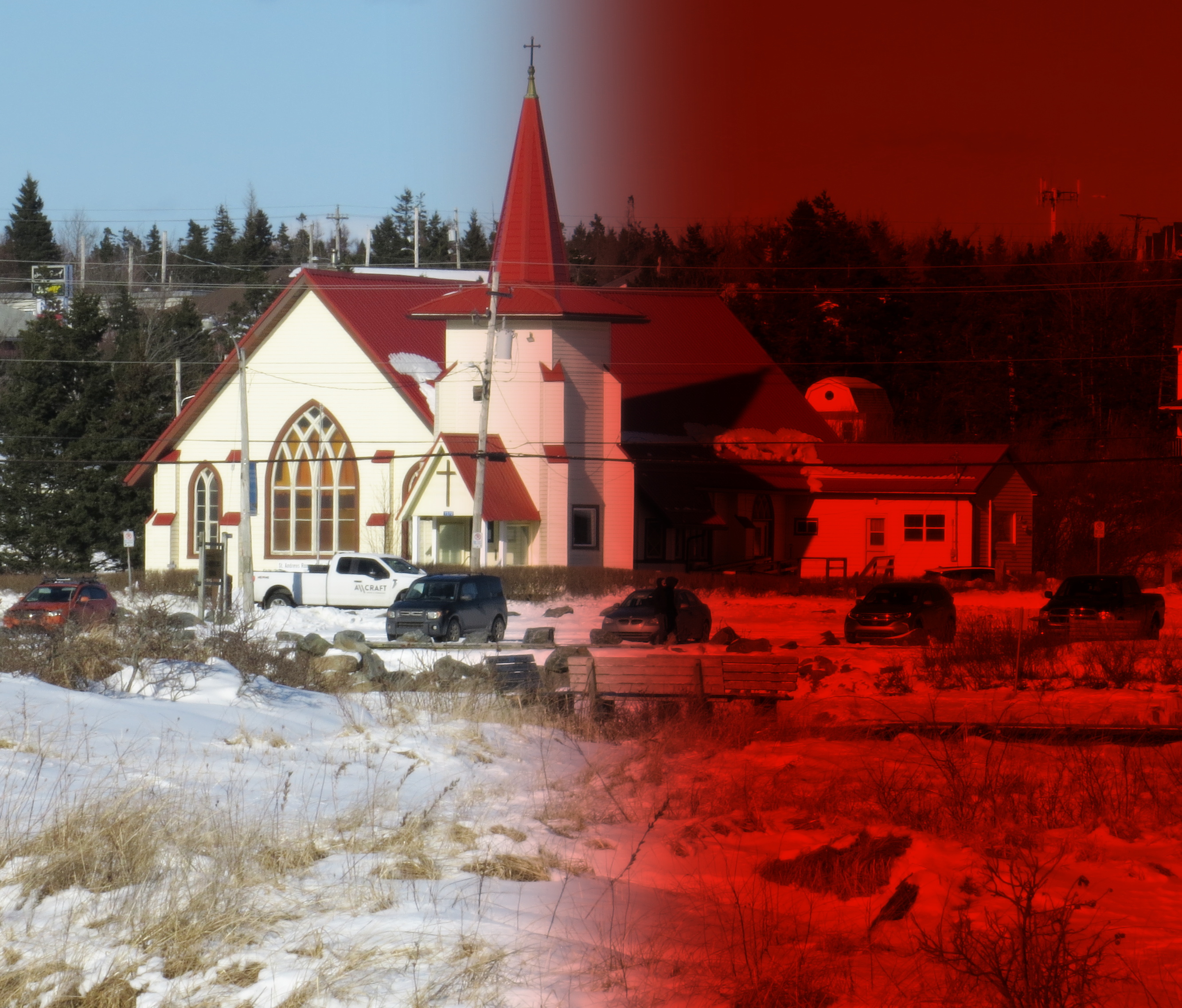
Therefore, when I walked that wintery evening from Henry Street to Coburg Street and to St. Andrew Church for my normal rendezvous avec la musique – he walked there with me.

What a wonderful rendezvous it was! It was an immense pleasure to listen to the music played by the most gifted pianist, Henry Kramer. Kramer is an American musician recently being offered a teaching position in the Faculty of Music at Université de Montréal, and because of the proximity, he was able to come to Halifax and give us a taste of talent. What a treat, indeed.

One award (among many others) I have to mention is the American National Chopin Piano Competition in Miami, where he claimed the 6th spot in 2010 (the First Place automatically awards the winner a spot in the top piano competitions of the world – the Warsaw International Chopin Competition). But there was a connection to that famous Warsaw Competition: among his jurors was the former  3rd place winner of the said International Warsaw Competition, Piotr Paleczny. I was lucky enough to hear Paleczny playing many years ago during that Competition in Warsaw and to know him personally. He was, as a young fellow at that time, a very sweet guy. And truly fantastic piano player.

Henry Kramer missed that Warsaw Competition ticket – but he did not miss the 2016 prestigious and top-ranking Queen Elisabeth Competition in Brussels. And he got the Second Prize – that is a ticket to just about all concert halls in the piano world.

I was not in Miami to hear him personally there, but remember his concert in Seattle. Remember him well enough to make a note of his playing: don’t forget his name because you will hear of him.

Back to Halifax. Have a chance years later to do that. To be at his concert. How can I describe the overall feeling, reaction? I will use a term I don’t remember using before in any of my musical reviews:

Henry Kramer is a pianist of a very elegant way of playing. That it is. Elegant way of playing. You could say: bravado, astonishing, lively, emotional, technically brilliant. But after listening to him intently, paying attention to how he treats not only the music but the entire piece that makes a player, his arms and body and keyboard, pedals, and the entire massive instrument a one-piece, one symbolic union – that is the term that came to me: grace and elegance.

And what a good term, when you play music submerged in a very specific time of European chamber music of early romantics. Time of Shuberts, Mendelssonhs, and to a lesser degree even Liszts (Liszt belongs more to the next epoch – Romanticism). A time when musicians produce an extraordinary amount of compositions (almost in manufacture-like tempo) to appear in a multitude of salons of political, and Church dignitaries, aristocrats and extra-rich townsfolks. Time of Early Romantics. These were not huge concerthalls, or musical theatres (there were some in big cities – but that was a rarity, not a rule). The salon for chamber music was small, and the guests were not as plentiful. If you play the same music more than a few times – the opinion arises that you are done, finished. You emptied yourself and can’t compose anything anymore. So they did compose. A lot. Franz Schubert composed 20 sonatas (not all of them in a finished form) and a number of larger pieces: 12 (13?) symphonies; circa 10 Masses; over …. 1000 (that is one thousand, no mistake) songs with at least one instrument and many more occasional pieces in different form. No, he was not eighty years old, when died. He was  … thirty-one.  Show me a contemporary composer, who composed half of that volume, I dare you.

Was he a great composer? No, by any means. But he was an important composer and very talented. Had he lived decades longer, had he achieved financial independence and powerful support from powerful patrons – chances are he would have had time and space to compose a few timeless and extraordinaire pieces of music. It was also a time when music was composed in a very strict and form-fitting format. Just as poetry in classic times. The next generation started slowly to dismantle that construct. And then came Gustav Mahler, followed by Schoenberg with his Second Viennese School and music was never the same again, LOL.   

The old Saint Andrew Church in Halifax was a perfect setting for Schubert’s music and for the elegant style of Henry Kramer. The main nave offers wonderful acoustic and being of Anglican (in Canadian, United Church form) type is not too ornate and void of the weight and ballast of Catholic big churches.

From the moment Kramer appeared on the stage with a short introduction to the music – he won the audience with his pleasant way of greeting and talking. There was no ‘pomp and circumstance’ – just a warm and subdued tone.

From the first keystrokes, he was very attentive to musical detail, to the phrasing. Schubert’s Piano Sonata in A Major seemed to be written for him. The Allegro Moderato at the beginning was lovely. It’s a relatively robust tempo but the two melodies and two distinctive themes lead to a lovely passage. And his brilliant way of slowing ‘things down’ in Andante is just that: have time to ponder, exclaim, and reflect. At a certain moment, a listener not familiar with this work might think – that it is, finite. Perhaps little annoyed that it happened so soon, LOL.  Kramer used the intervals splendidly, they were very pronounced as the composer intended.

But forget the intervals, forget the delicacies, the sublime. Here comes the Allegro. Better check your seatbelts! This is a pianist (a good pianist) paradise: time to awe and conquer the audience. And he did. The bravura almost and brilliant style shine here with dances, and passages. The keyboard is used in its entire length and the pianist must grow two or three more fingers, LOL. But it is truly a pleasure to listen to it. Even if you are not an enthusiast of early Romantics (just like me) – I still can come and listen to the entire sonata again – just to enjoy the finale! Bravissimo for the artist!

After Schubert music, Kramer opens to us the world of two siblings, contemporaries of Schubert: Fanny Mendelssohn – Hensel (1805-1847) and Felix Mendelssohn Bartholdy (1809 – 1847). Both siblings were very close to each other.

Fanny Mendelssohn

Felix was well well-known and very much accomplished composer in Berlin’s circle. His sister never (partly because of her father’s opposing views) accomplished such a fame during her lifetime but her compositions show a good measure of talent and ability. She was also very respected as a musician by her devoted brother, who often asked for her opinion and advice in his own works. As it happens from all their works the most famous ones often played even now are their songs. Or rather ‘songs without words’ (Lieder ohne Worte), as was the name Felix gave to his most famous composition. There is a story that at one-time friend of Felix offered him to write words for his ‘songs’. The composer is said to respond: “What the music I love expresses to me, is not thought too indefinite to put into words, but on the contrary, too definite.” What a lovely and indeed precise response!

Felix Mendelssohn

The pianist played Fanny’s 4 Lieder for Piano, Op. 8 (no.2 Andante con espressione and No.3 Larghetto), and Felix’s Songs Without Words Op. 19 in E Major and Op. 67 in F-sharp minor. It was a pure musical pleasure. His elegant way of playing was at its best. The depth of emotions coming from the sound he was producing was truly touching. I remembered years ago when I listened to the incomparable Jan Lisiecki playing the extremely difficult and technically challenging piece of Ravel’s Gaspard de la nuit and I thought: how this very sweet and happy young man (I have known Jan Lisiecki since he was fifteen years old very sweet boy when I did my first interview with him) can evoke the atmosphere of pure horror and terror so plainly, so vividly? Talked after his play with him about my question. And his answer was as plain as it could be: it is not enough just to play – you have to feel it inside you, you have to take that symbolic journey to that place, that moment and then transfer it to the tips of your fingers. Just playing every note, in exact tempo is not always enough. And I understood that instance what he meant. Of course. It is so plain. The feeling, the emotion. Listen to famous, dramatic singers of opera! The words are almost comical often. If you just sing them – you could almost laugh, like a satire, not a tragedy. It is the emotion, the timbre of the note you play, and the spirit of the sound you produce that signifies emotions. This is exactly what Kramer achieved when he played the Songs Without Words.  And I repeat: with that musical elegance.
But even the best of us must give up sometimes the comforts of elegance. When you deal with Franz Liszt’s Piano Sonata in B minor, S. 178 you really have no choice. When the Paganini of grand piano composes music that should rival Paganini’s Caprices – elegance and etiquette go away. I often compare him to Tina Turner and her singing career. Was it elegant? Heaven’s forbid, no! Was it great? Of course, it was a wonderful madness! Would Henry Kramer, that elegant musician be able to play such music, to forgo his comfort zone?
Oh, yes. He did it to my delight. That was not a summery evening stroll through the meadow. It was a full gallop! Not even of one horse – it was a herd of wild horses. What a choice for the finale and what a stamina to do it after already playing so many pieces.

Liszt’s sonata is one of his late compositions when he composed mostly for pleasure and not to gain popularity or earn money. It is in a way also a break with the established way musical forms were composed. Sonata, as a sonnet in poetry, has very strict rules.  Three, sometimes four pieces. You state your musical subject in the first part, elaborate more freely on it in the middle, and finish with a recapitulation of the first statement. But Liszt decided to do away with two distinct pieces and used just one. Try writing sonnets in the form of elegies. In a way, he liberated composers from the strict and tight corset of existing musical architecture. Today everyone understands it. We have gone through modernity and postmodernity. But at that time … it received scorn from all the greatest composers. Clara Schuman (Liszt dedicated it to Robert Schuman) said it was ‘merely a blind noise’; Johannes Brahms apparently fell asleep while Liszt performed it; similar scorn was shown by Anton Rubinstein. The only exception was Richard Wagner. Yet, by the early XX century that ‘blind noise’ was recognized as the pinnacle of Liszt compositions. Times are changing.

I can’t tell how many times I heard that amazing, powerful compositions being played by many wonderful pianists. In a way, my favorite was the recording of it by Kristian Zimerman, one of the outstanding pianists of my generation in the entire world.  

But the way Kramer played it was more than satisfied. I listened with full abandonment and total ecstasy of my sensory powers. No surprise that after that accomplishment the audience would not let him leave the stage. The standing ovation had no end. And fully earned. To no surprise, he had no choice but to thank the audience with two extra encores.

We finished with a nice chat and my congratulations for very well-presented program and excellent play. But I started the conversation by thanking him for transferring me that evening from Saint Andrew Church in Halifax to Carnegie Hall or to Vienna Philharmonics.