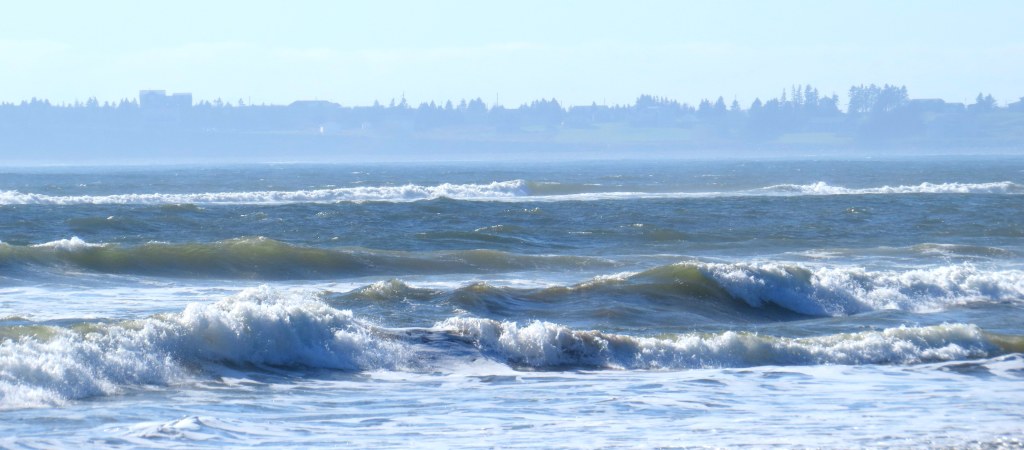
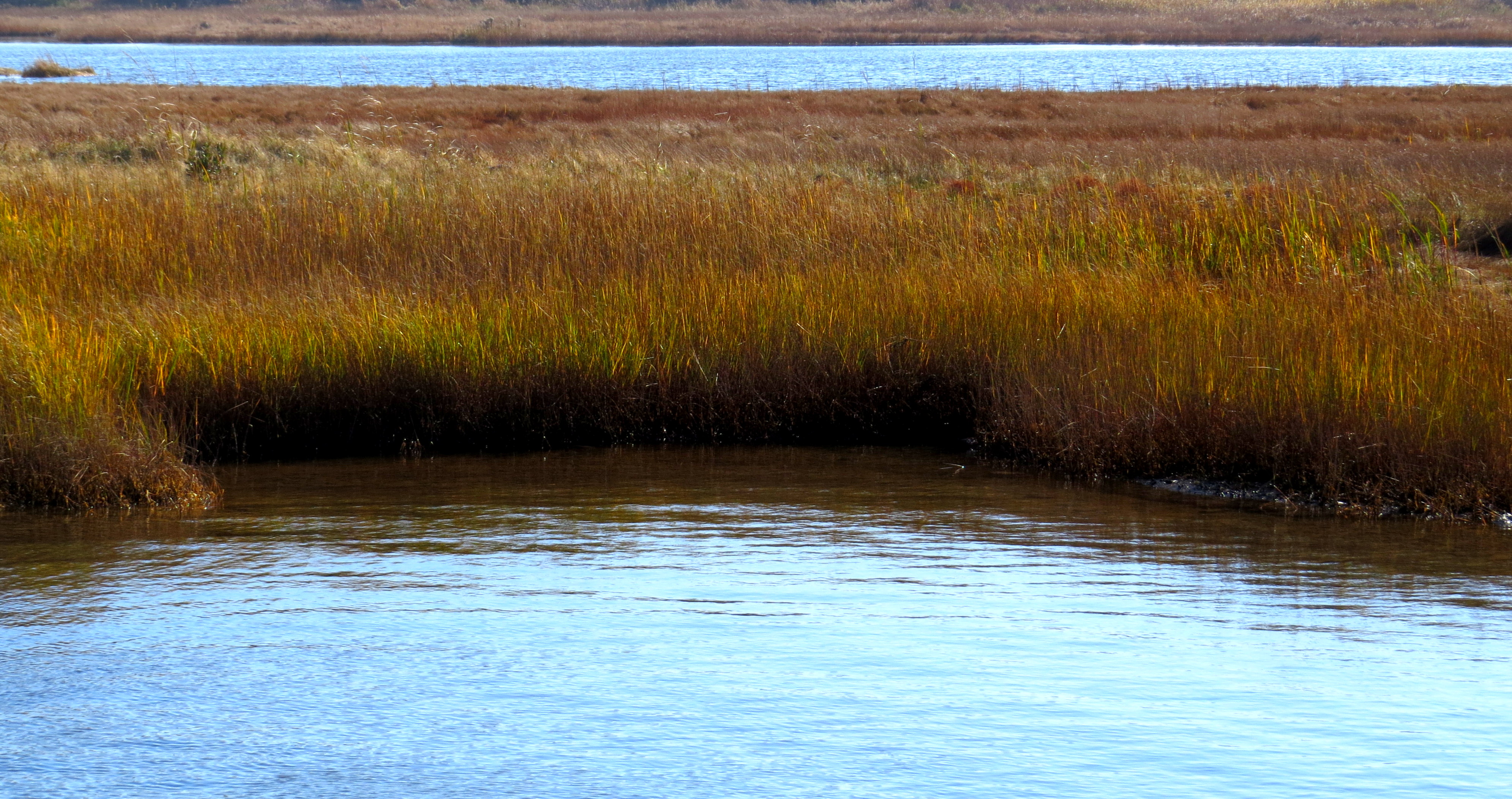
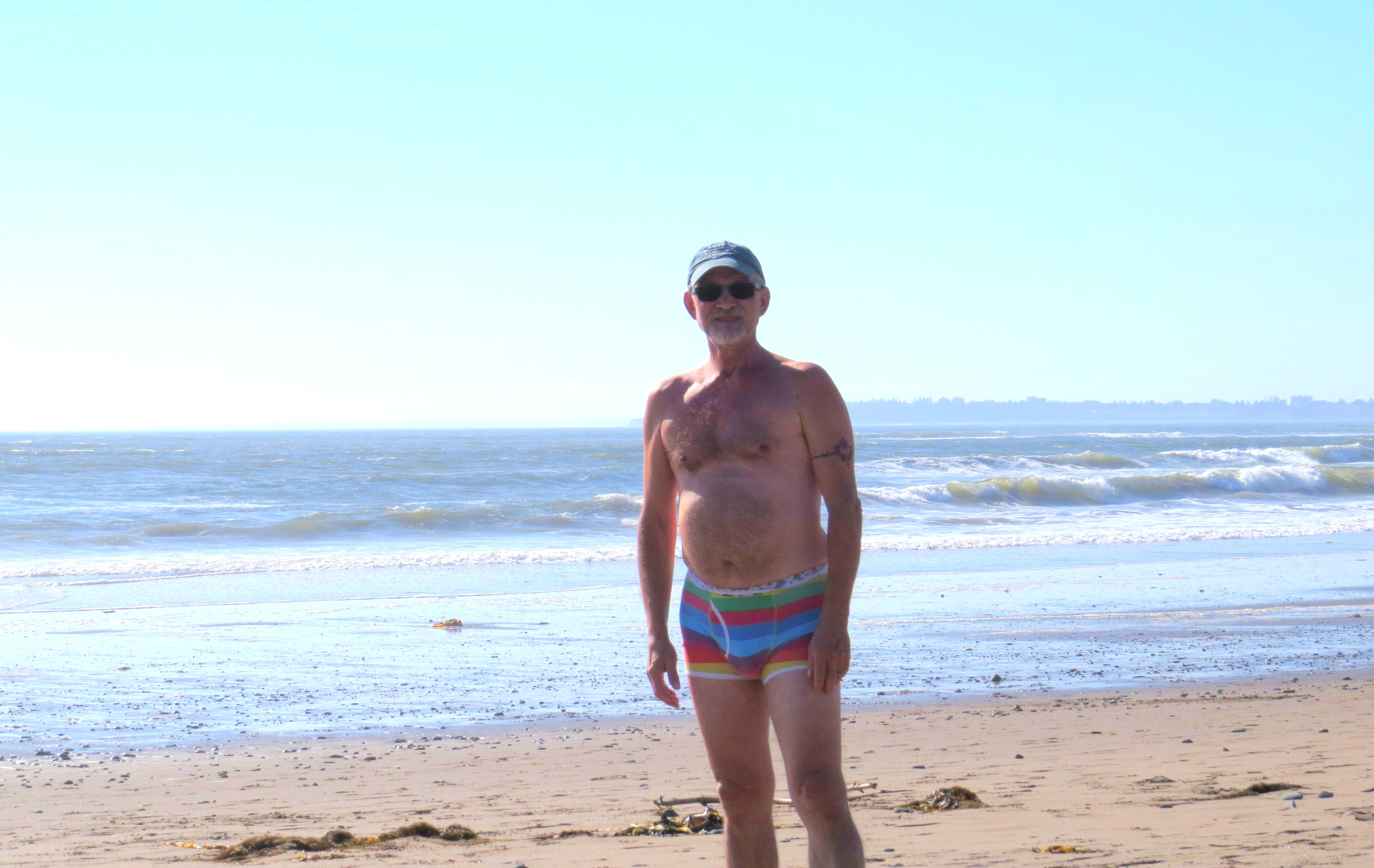
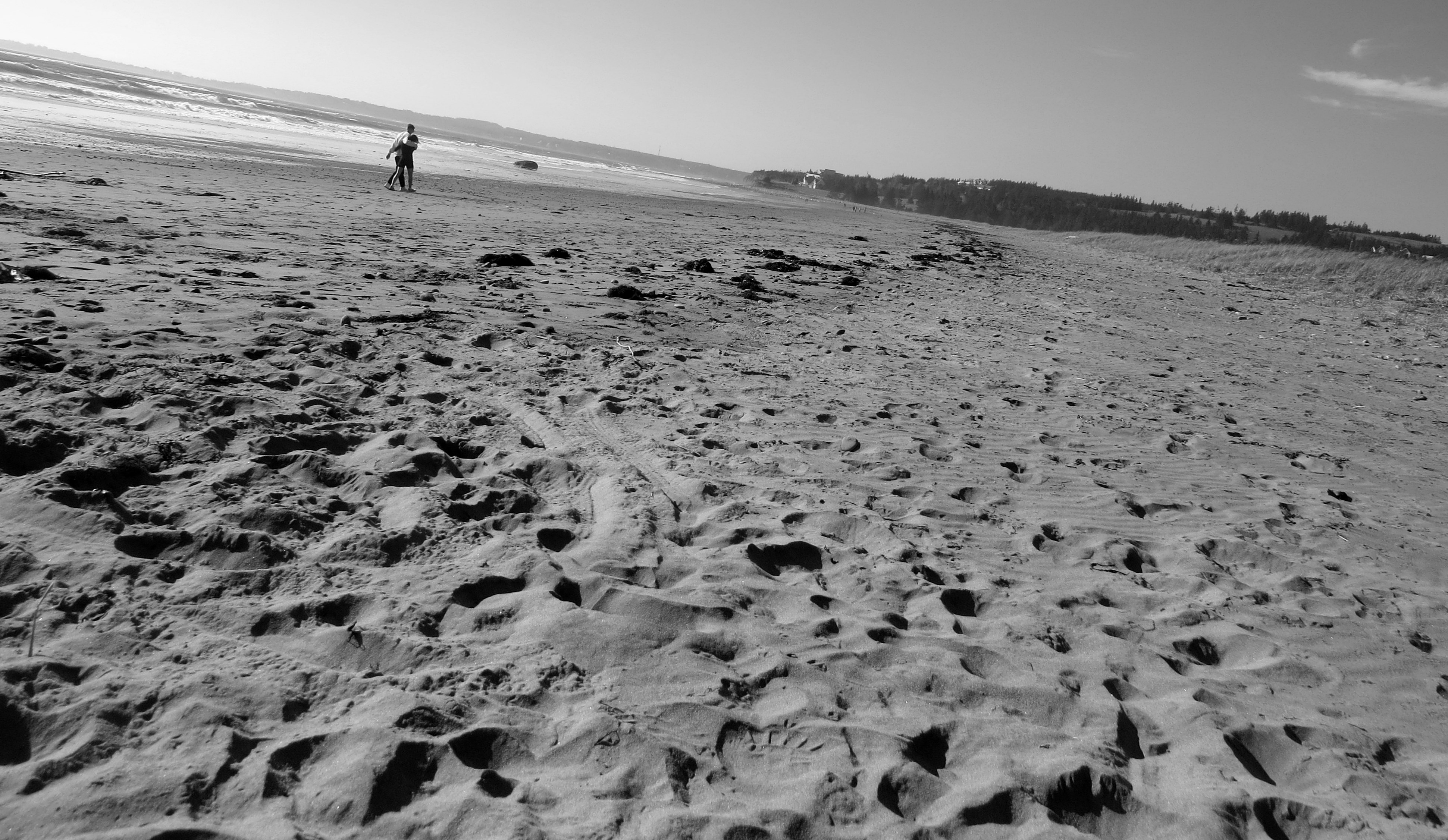
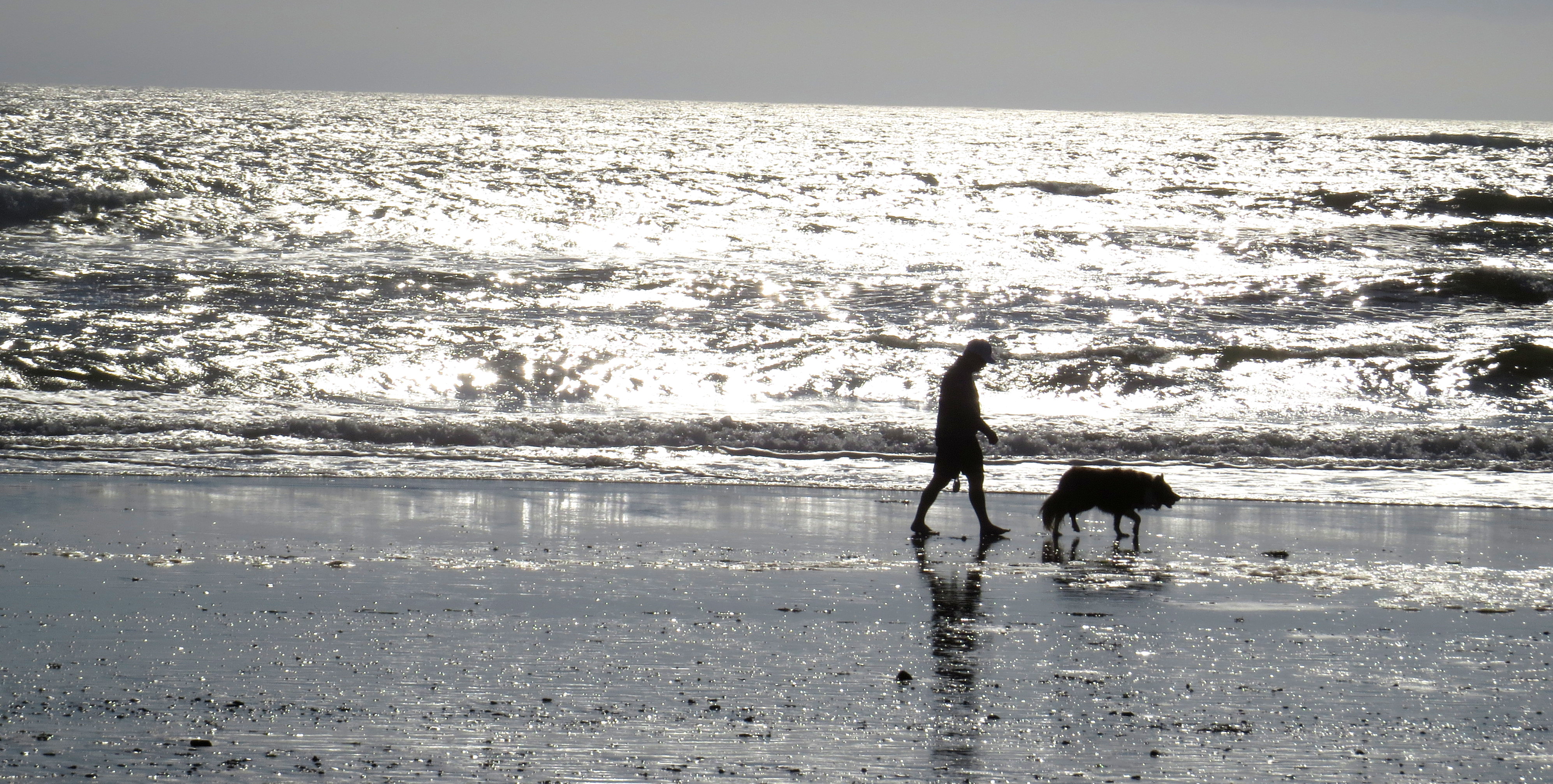
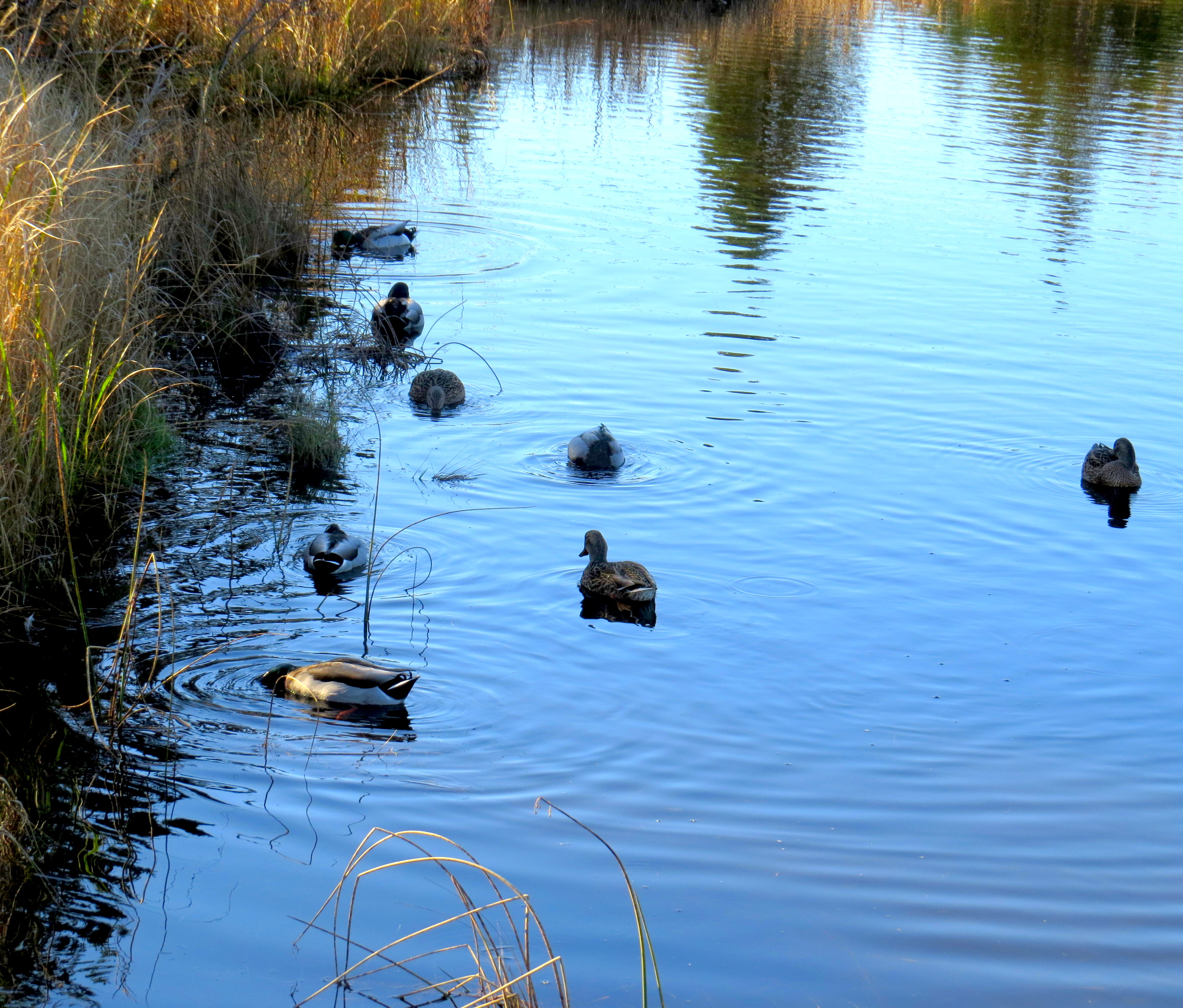
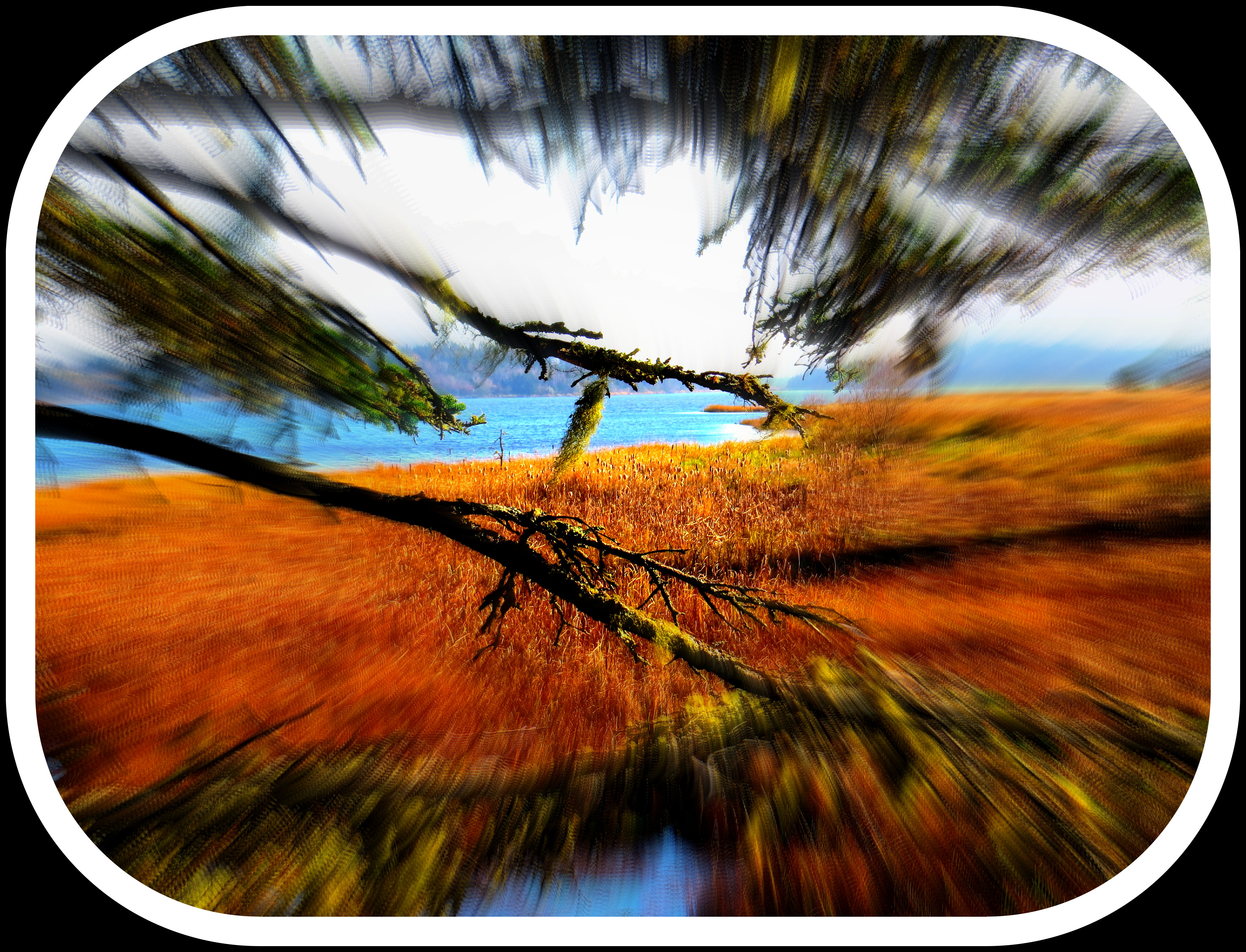
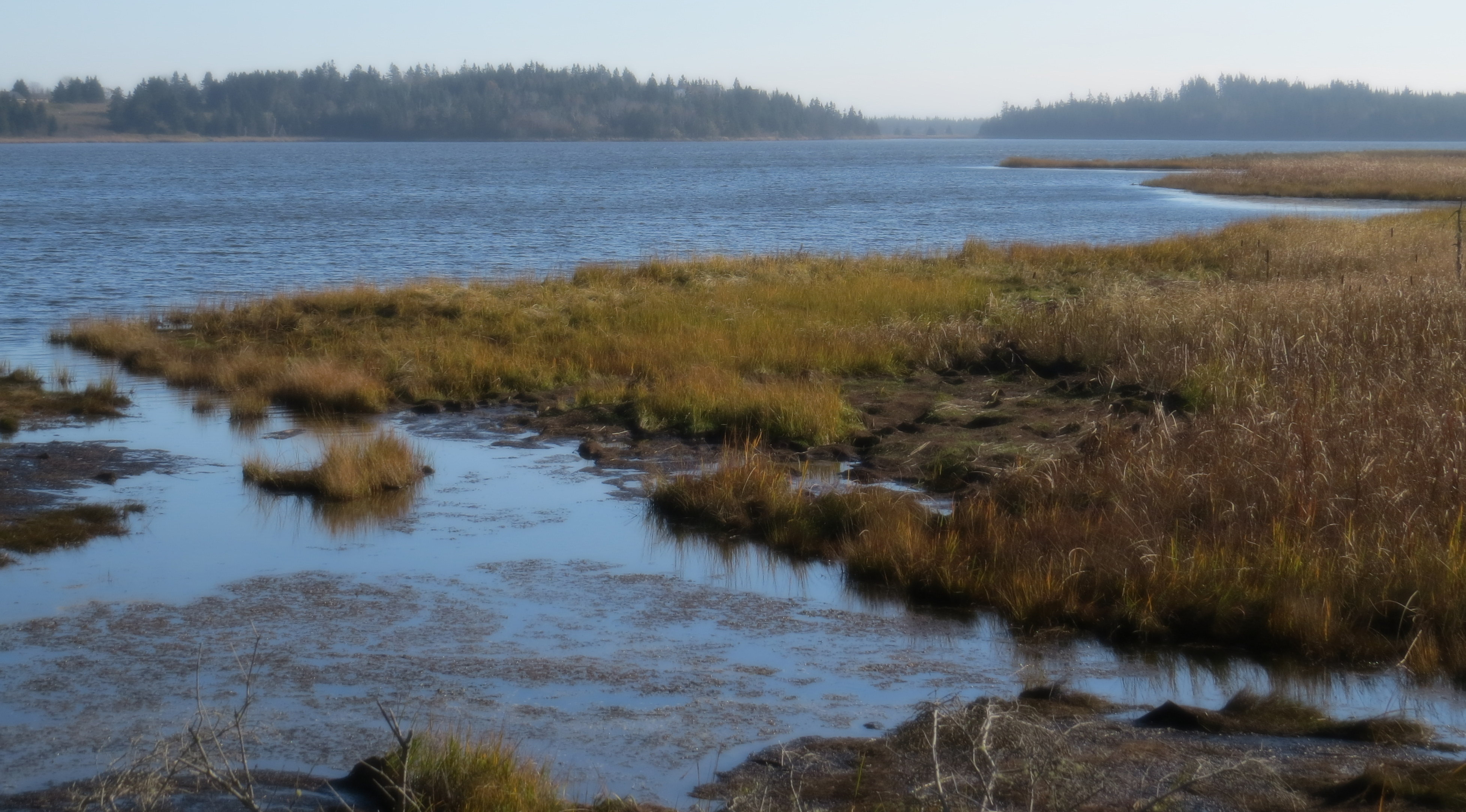
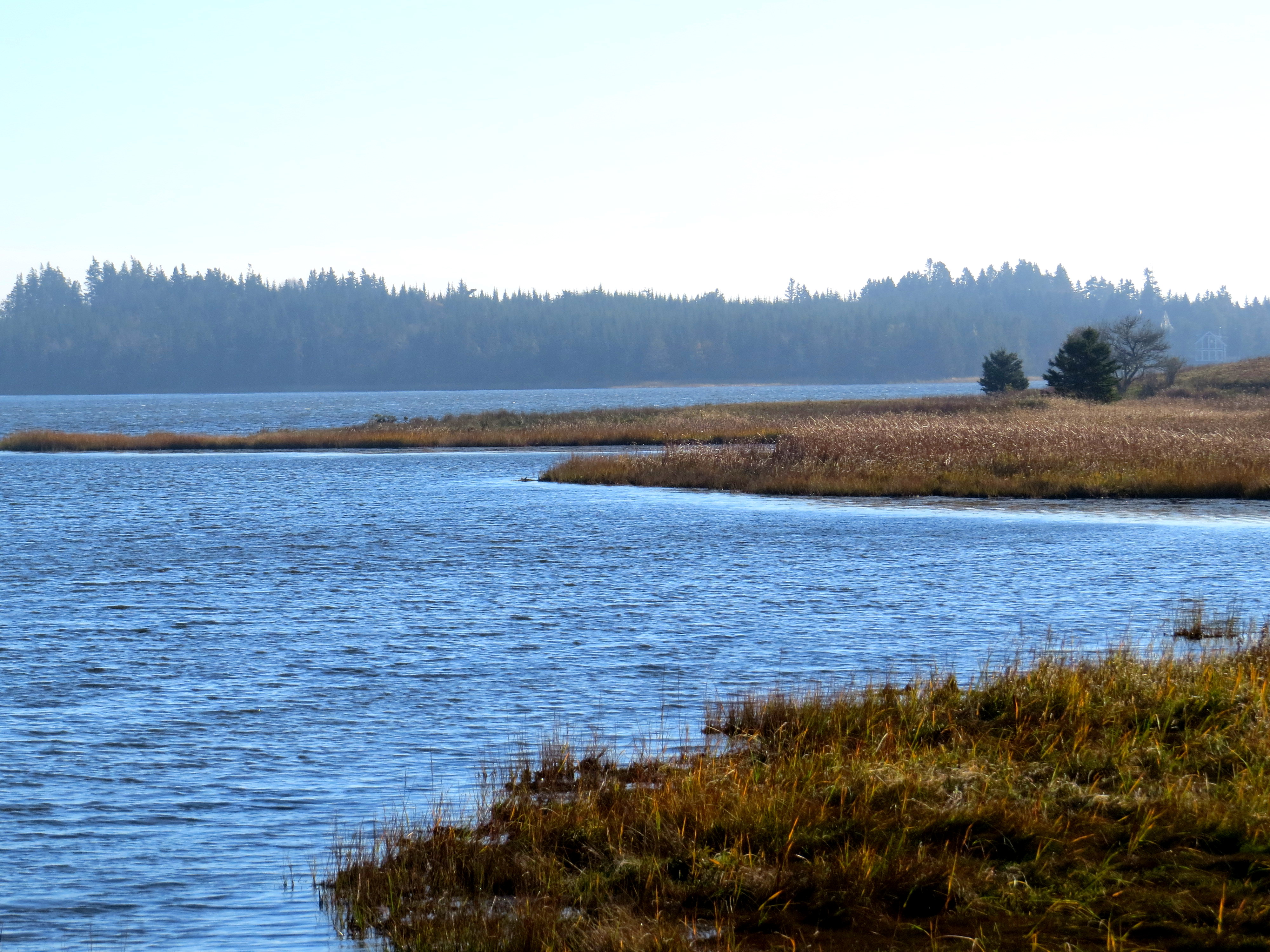
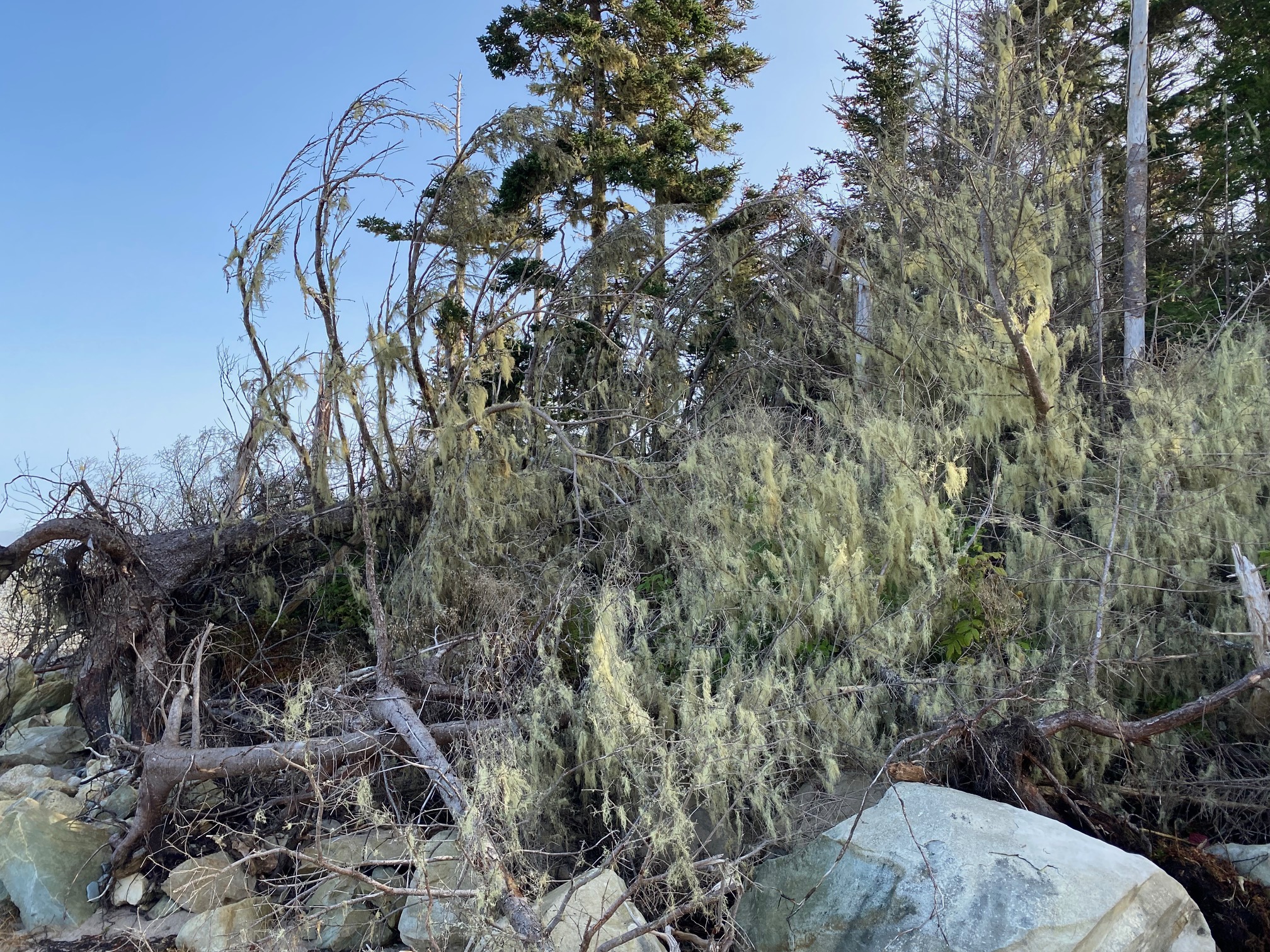
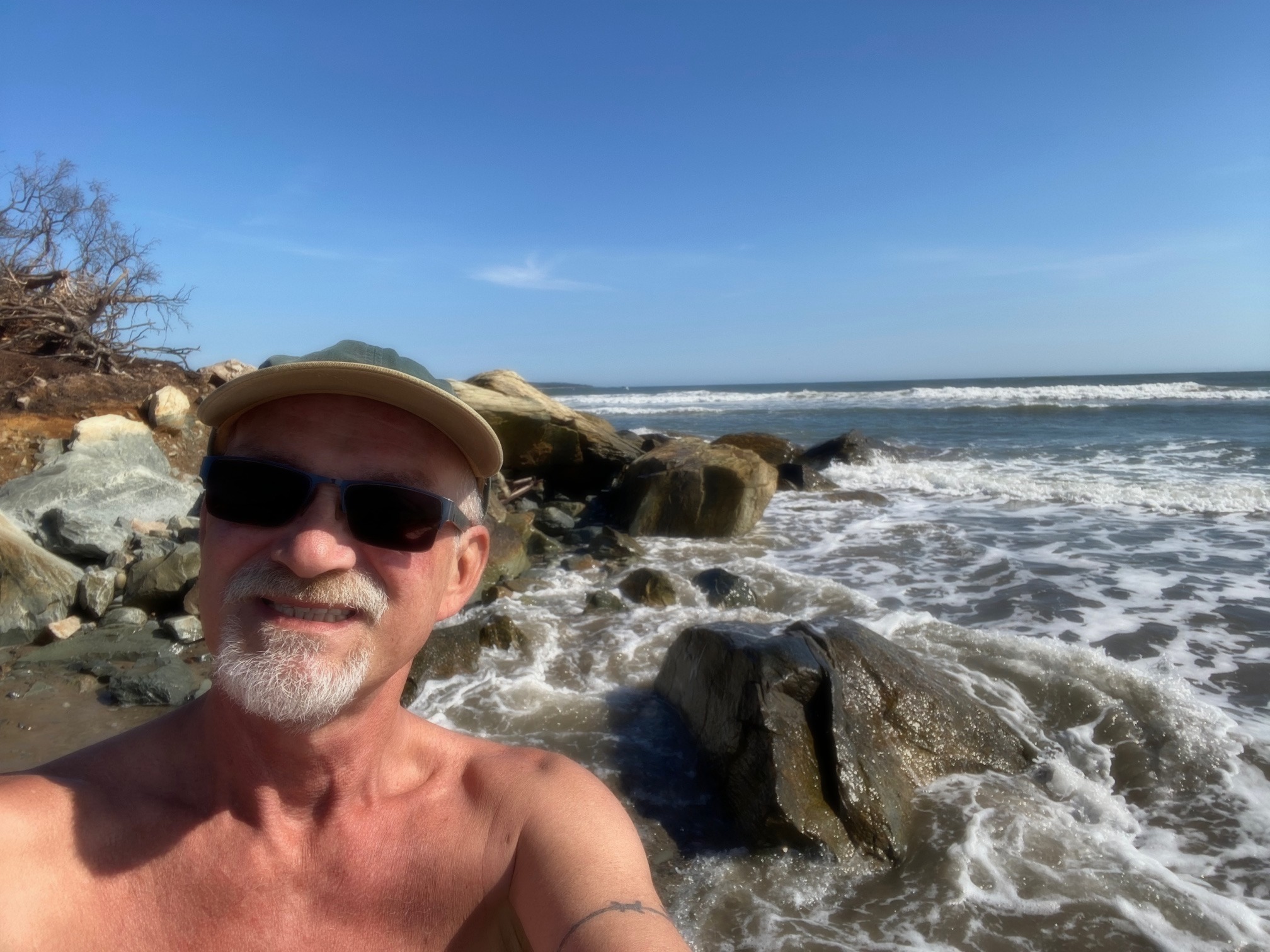
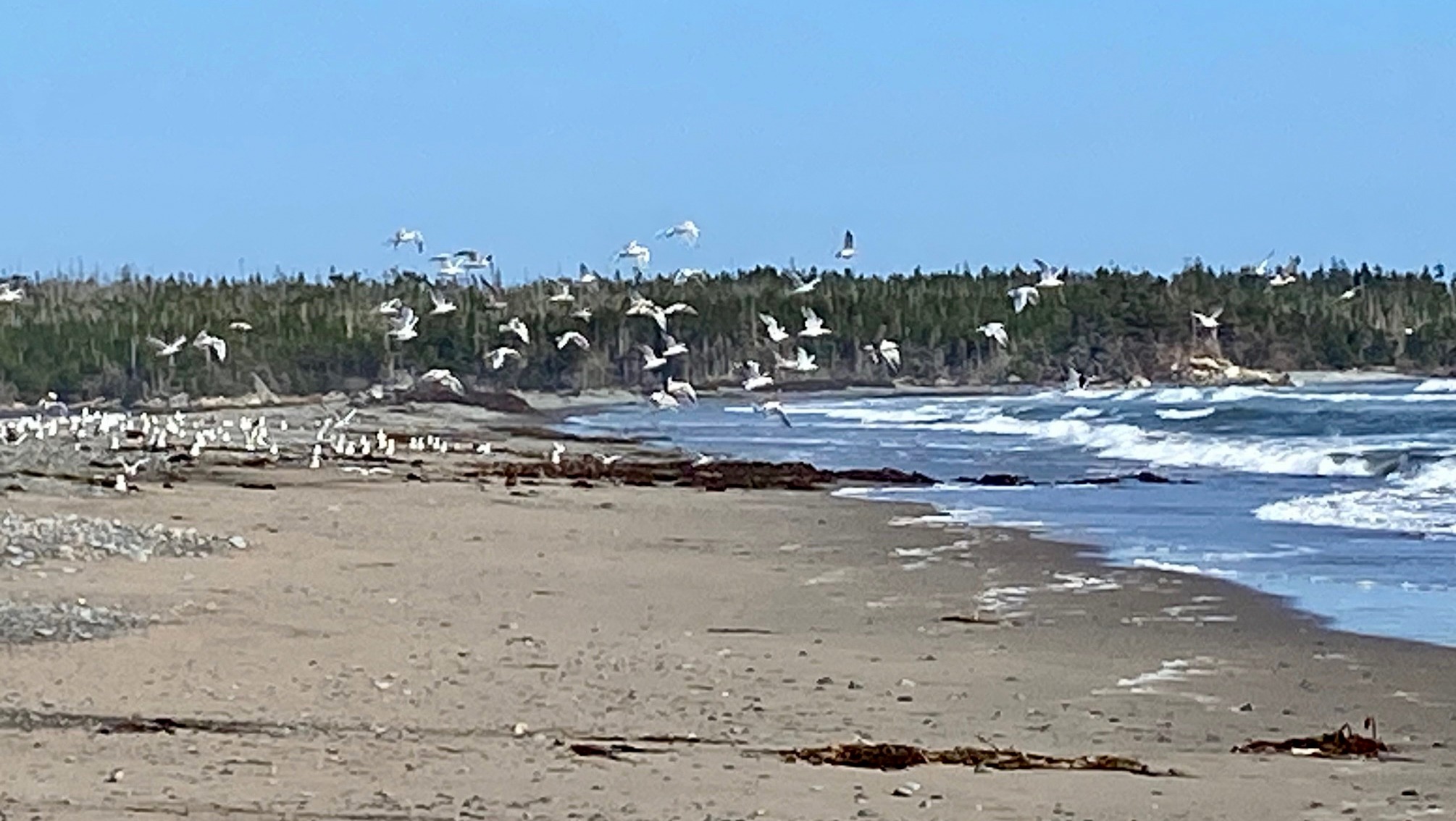
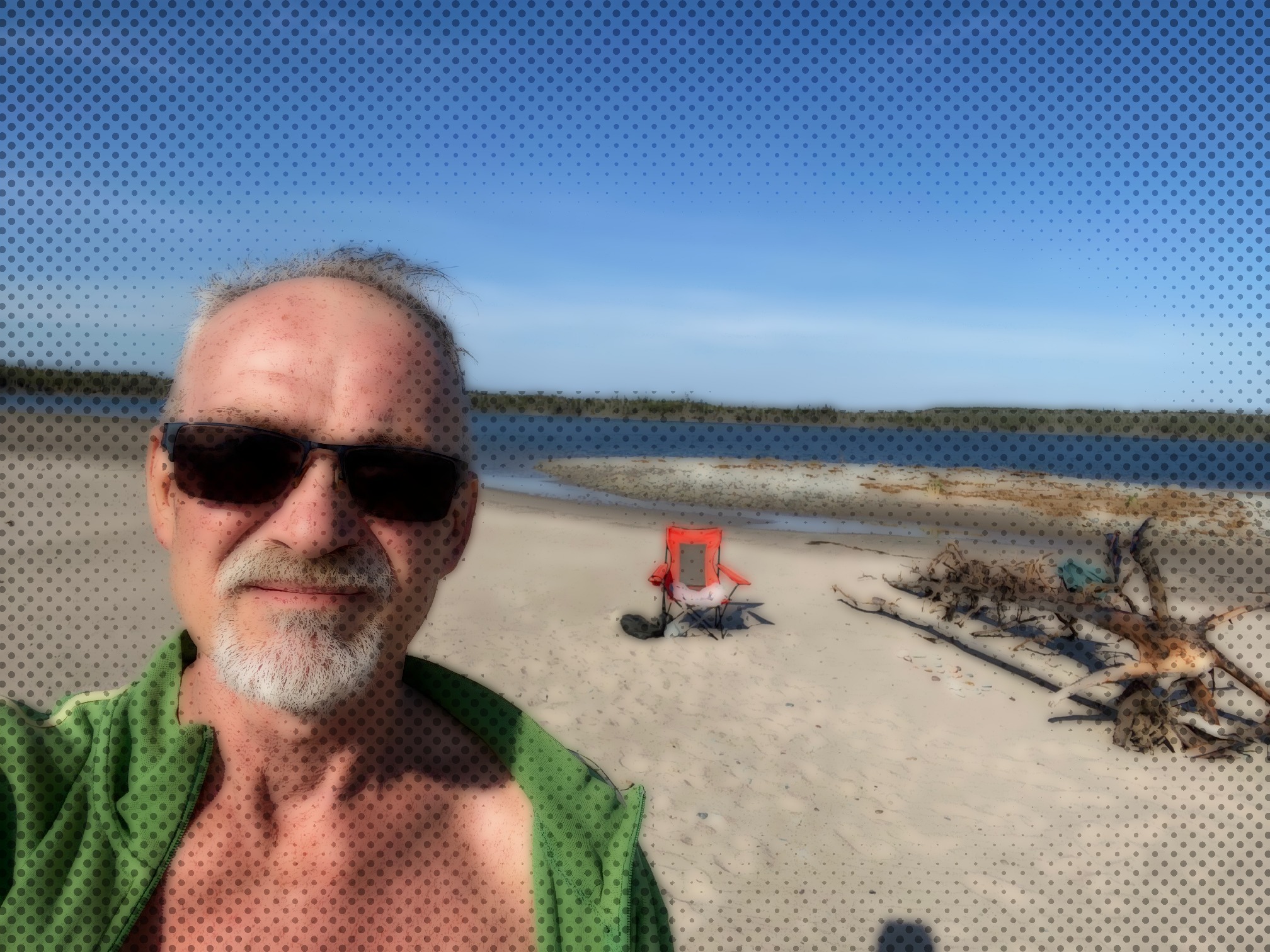
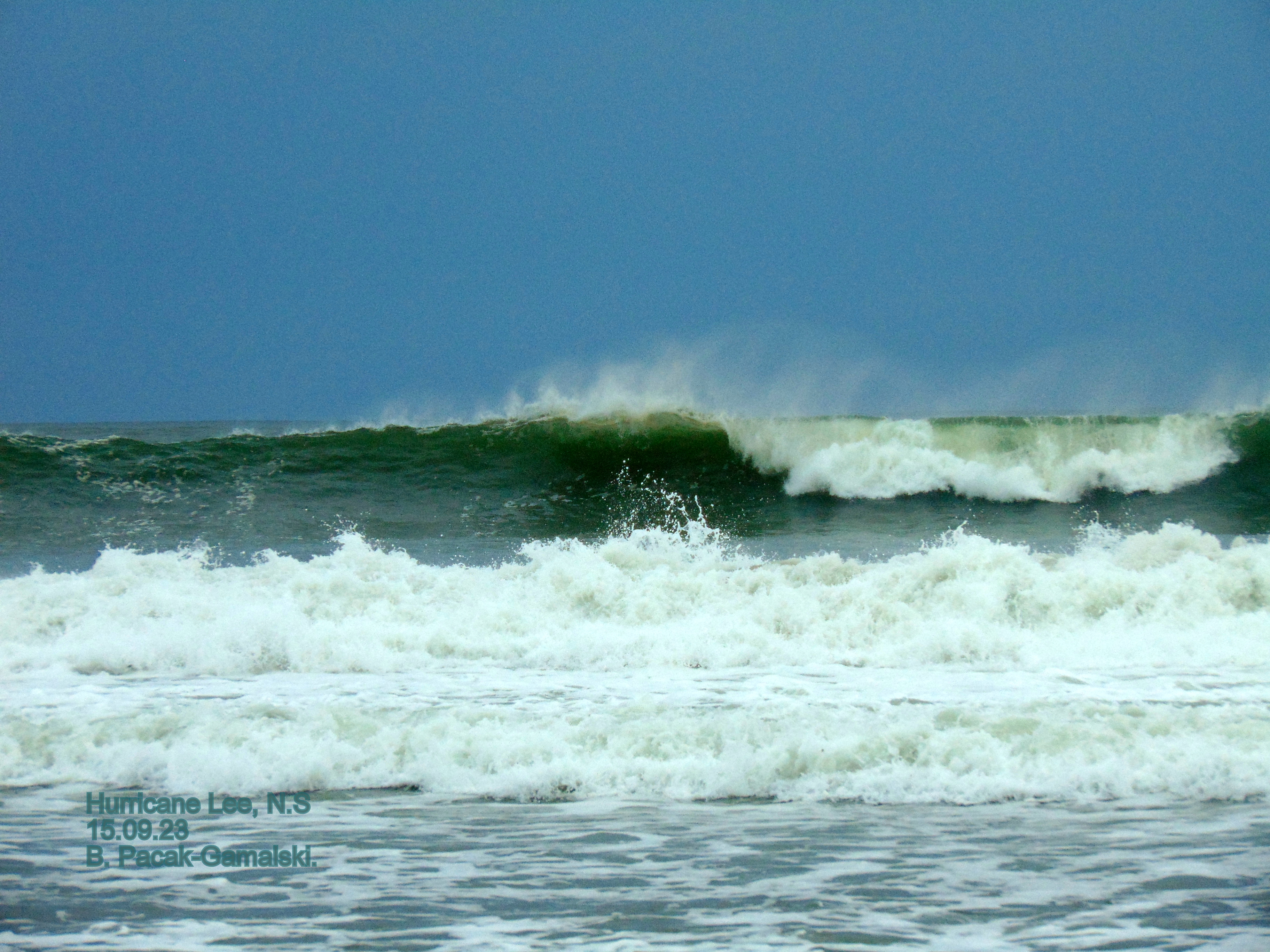
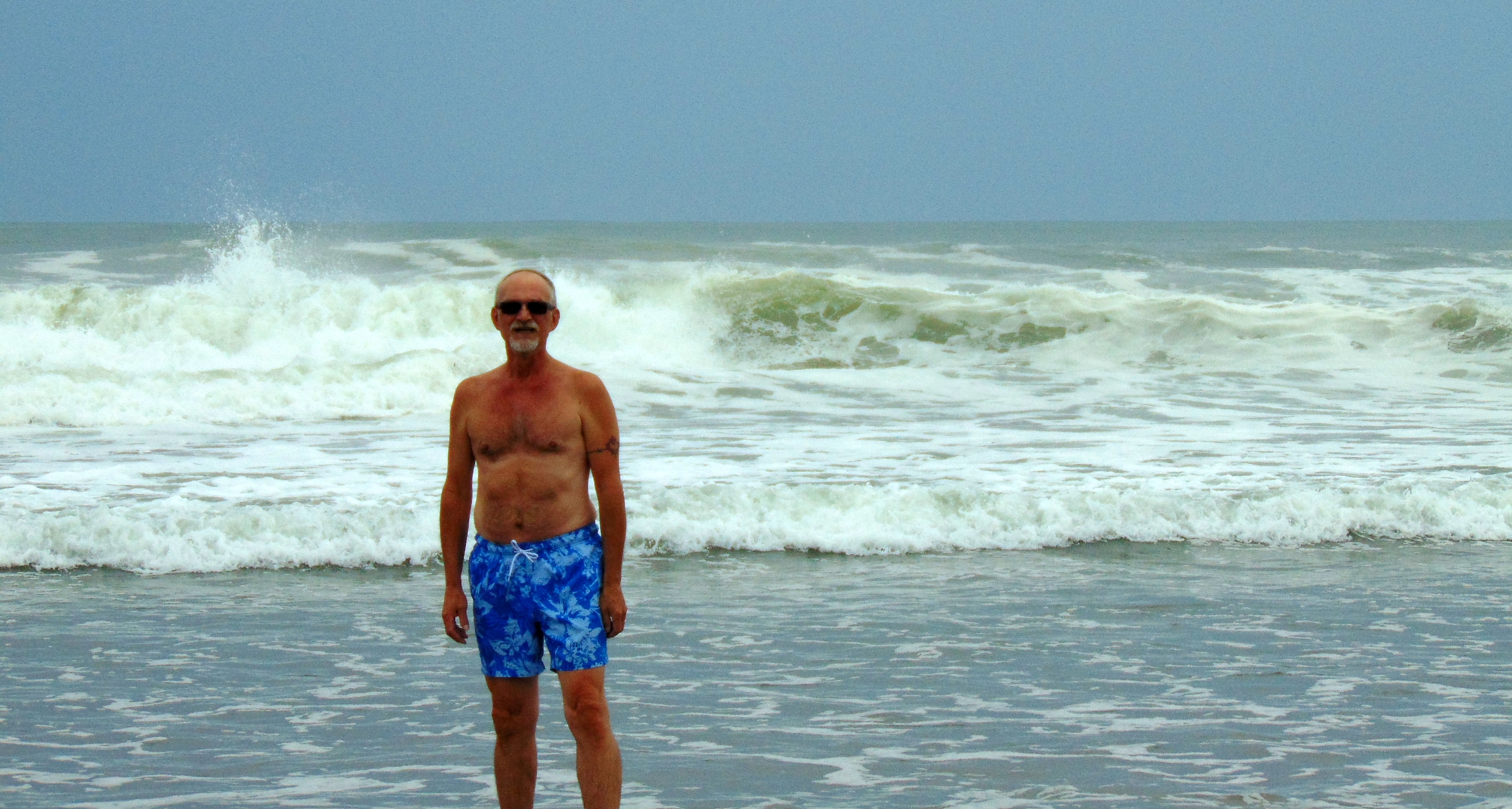
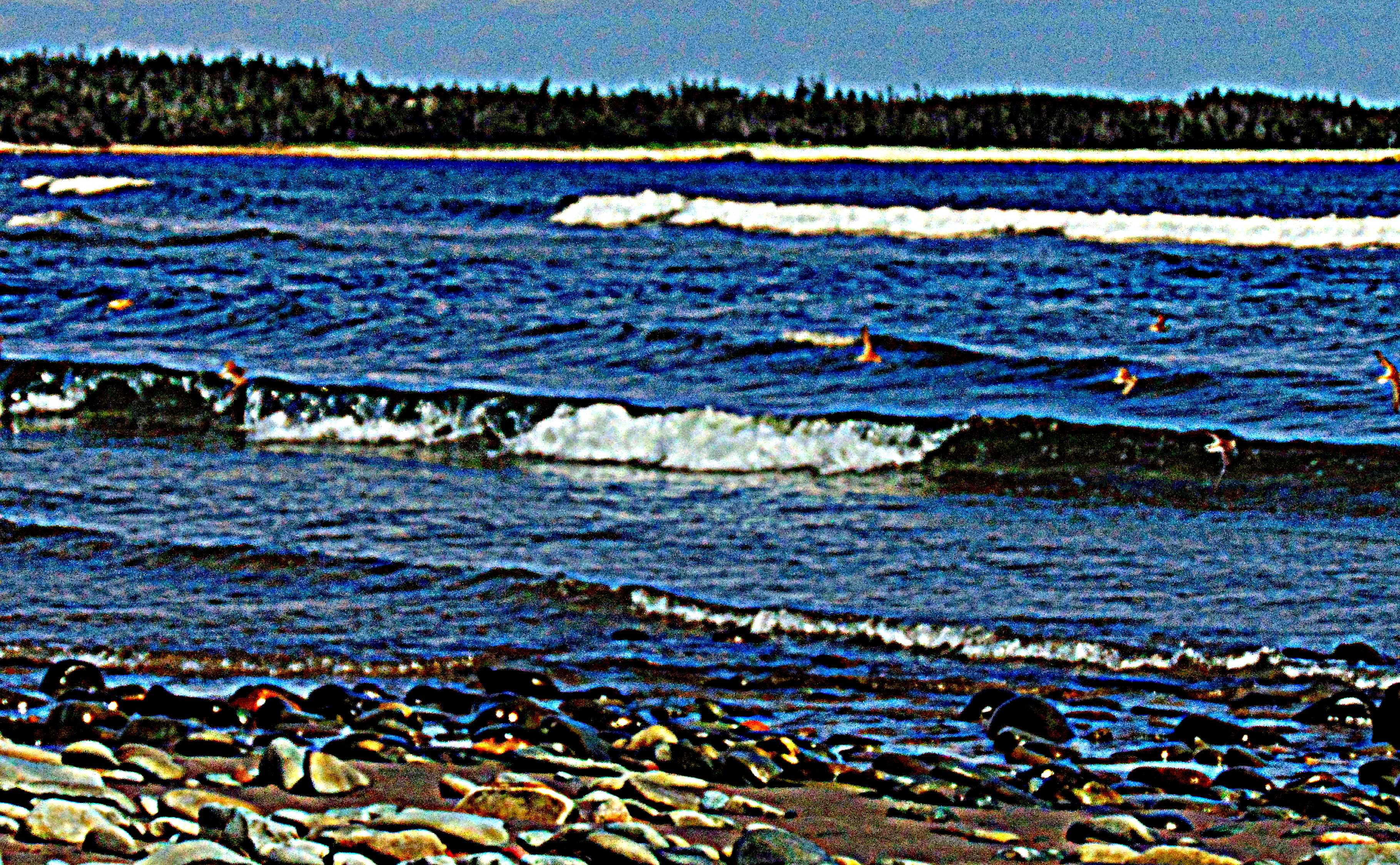
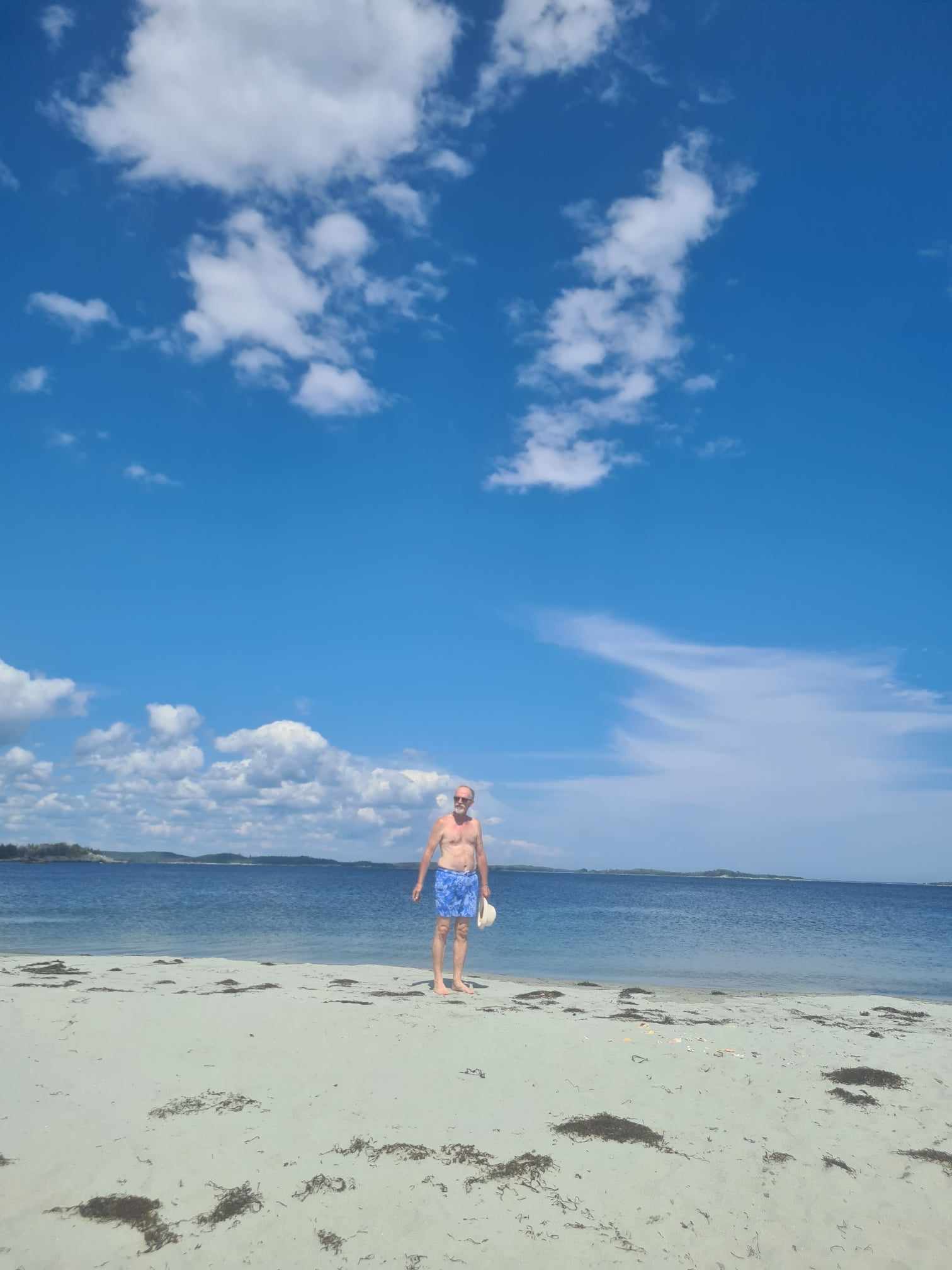
Couldn’t help myself. The wind is already rather cold – but the sunshine in full splendor. Camera and a folding chair in hand and off we go to Conrad Beach. Few people thought the same, fact that it was Saturday helped them to avail themselves of the orgy of colours, light, sea, and sky. Don’t forget the smells so different away from the city! None of them indeed ventured for a swim as the waves were wilder today and the wind almost chilling. But try to take me to a beach on a sunny day and tell me I can’t either! No chance, LOL. Actually, I think that exactly because the air was chilly – the water didn’t feel like a shock to the body. The crushing waves did not charge any extra fee for a wonderful back and chest massage! It truly was invirogating. On the way back a short trip to meadows and glory of fall.
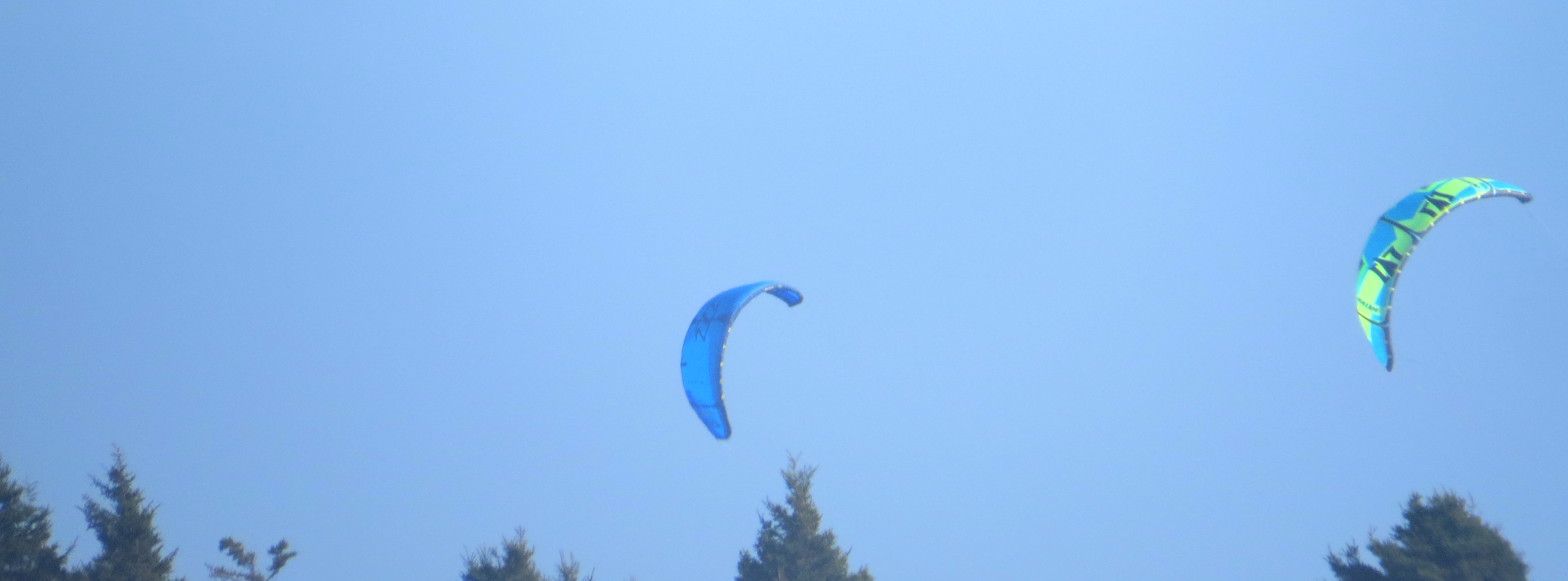
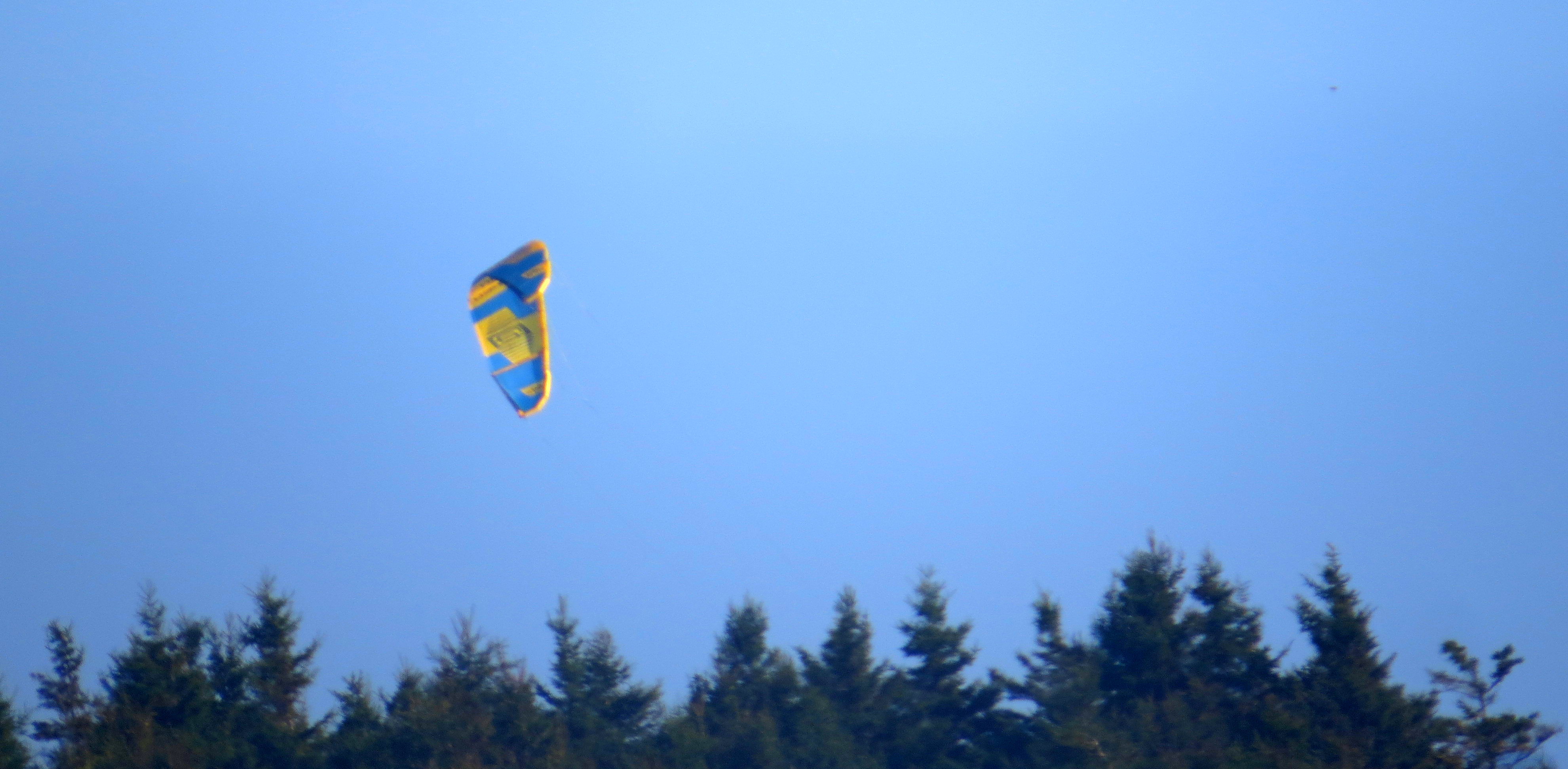
Kiedy już wydawało się, że moje plażowanie tegoroczne się zakończyło – jeszcze jeden prezent od jesiennego słońca i kolejna wycieczka na plażę. Słońce, woda, piasek pod nogami, huk rozbijajaczych się bałwanów morskich, w dali za naturalnym skalistym falochronem, kolorowe żagle surferów. Jak nie pobiec w ten żywioł, nie pływać w tych grzywaczach? Niby nikt inny tego nie robił, ale też nikt palcem mnie nie wytykał i w czoło się nie stukał, LOL. Ostatecznie – wolny kraj, LOL. Spotkałem też konkurenta fotografowania tych cudów Natury. Jak na porządnego zawodowca przystało był porządnie ubrany w buty z cholewami, długie spodnie i ciepłą kurtkę. Ubogiego amatora jak mnie, na takie luksusy nie stać.
The Weather folks say it will snow in two day’s time. I like white beaches. But I do mean white sand beaches, snow I prefer on skiing slopes.
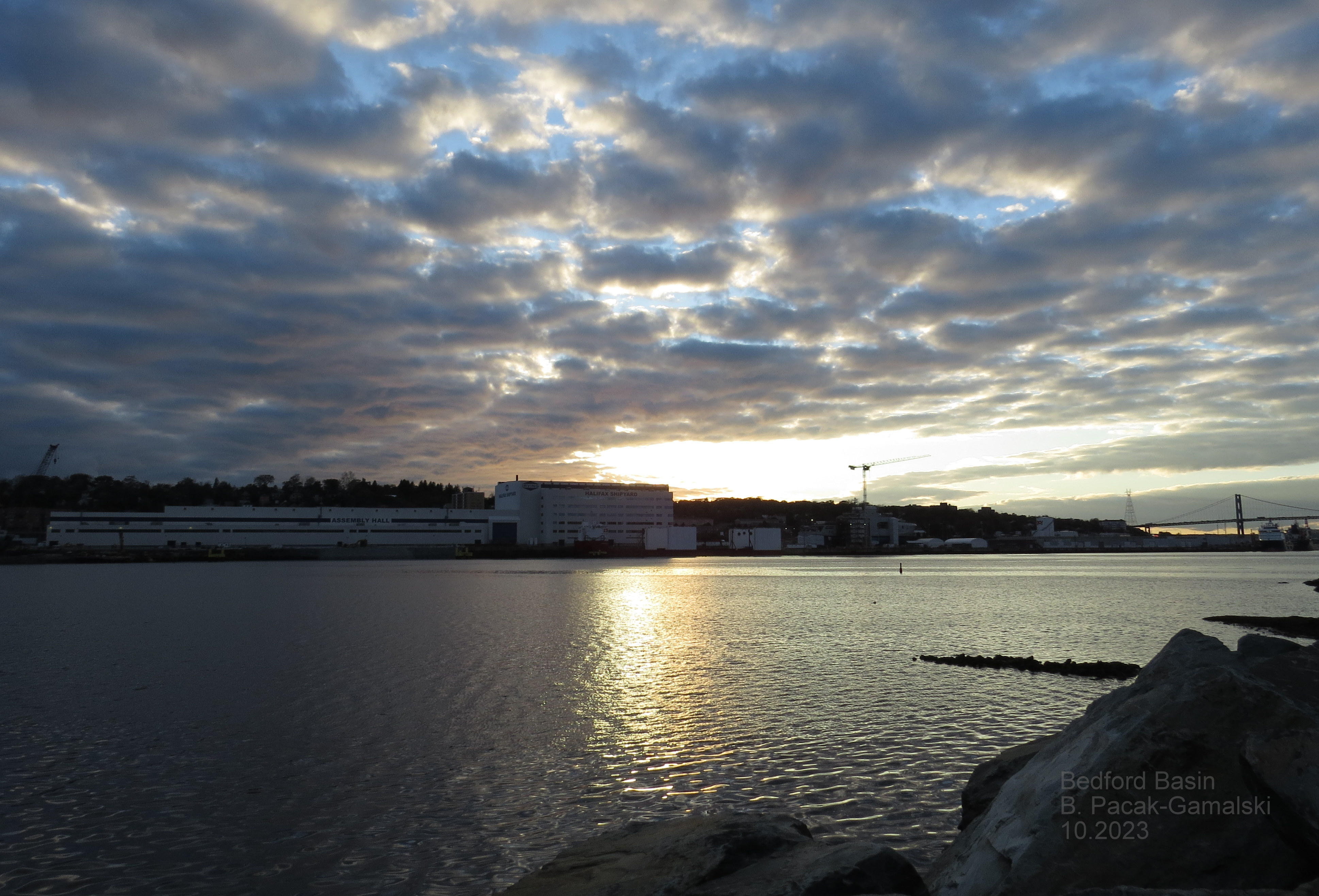
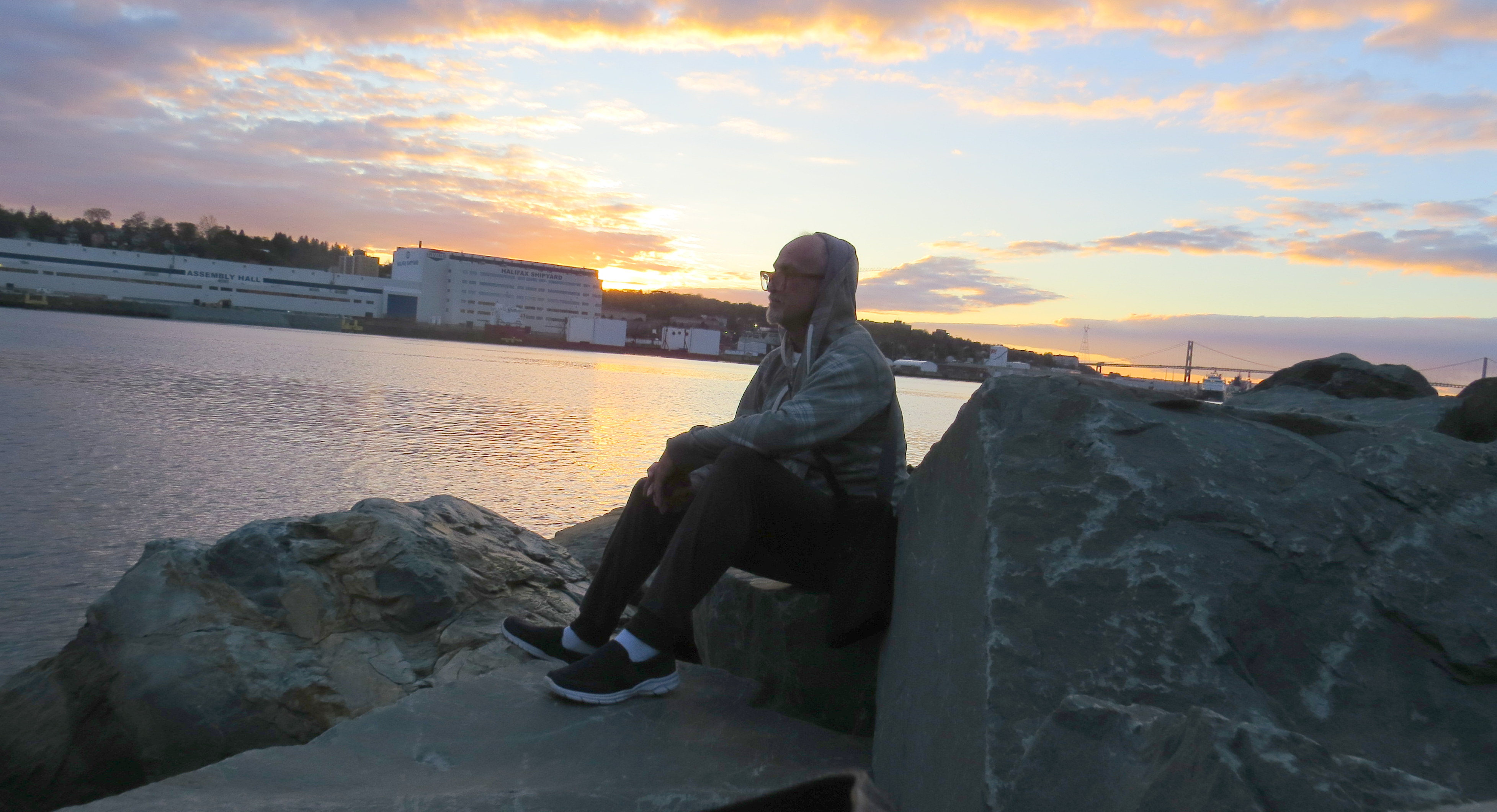
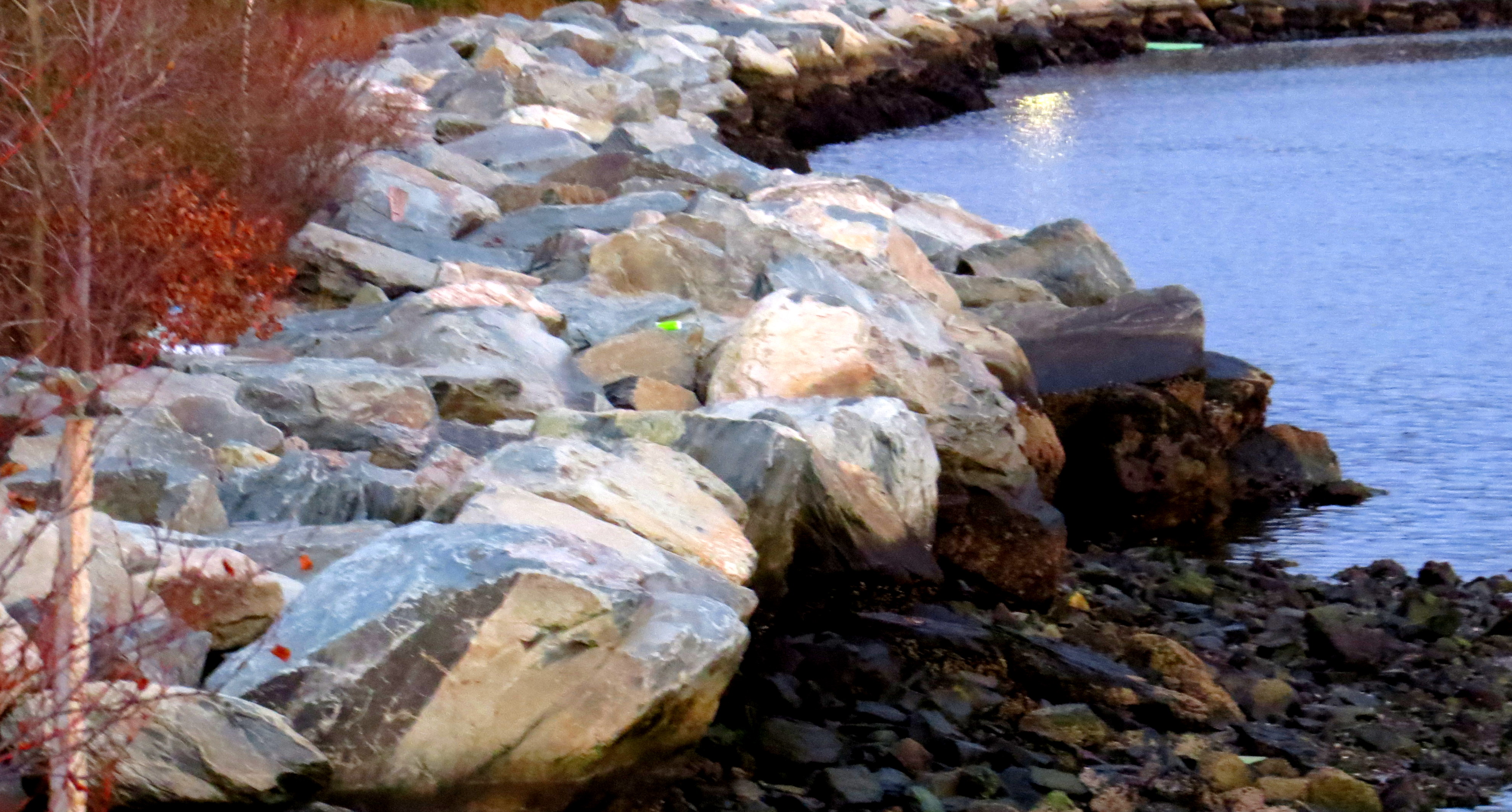
My Rocks, as my regular Readers would know, is a stretch of rocky shore alongside the Bedford Basin. The Basin and the Channel leading to it separate Dartmouth and Halifax. As I live almost on that shore – it is a place of my many walks, writings, picture-taking. But most of it – it is my Garden Of Sanity, where I seek peace, solace. In the world but outside of the world at the same time. You would occasionally meet one or two other people wandering there, but most of the time it is just me.
Uciekłem na Moje Kamienie. Miejsce szukania wyciszenia, spokoju. Często początku zapisywanych w kajecie wierszy, felietonów, esejów. Nade wszystko jednak ucieczki przed światem. Lub ściślej – światem ludzi. Niewyobrażalna, na mityczną skalę tragedia palestyńska w Gazie – efekt morderczego i niewyobrażalnego mordu terrorystycznej grupy Hamas na mieszkańcach kibucu graniczącego z palestyńską Gazą – obudziła w wielu niezrozumiałe dla mnie uczucia i emocje, których zrozumieć nie mogę.
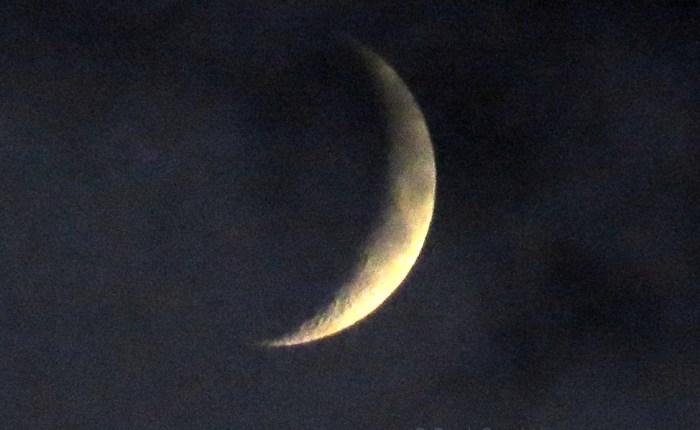
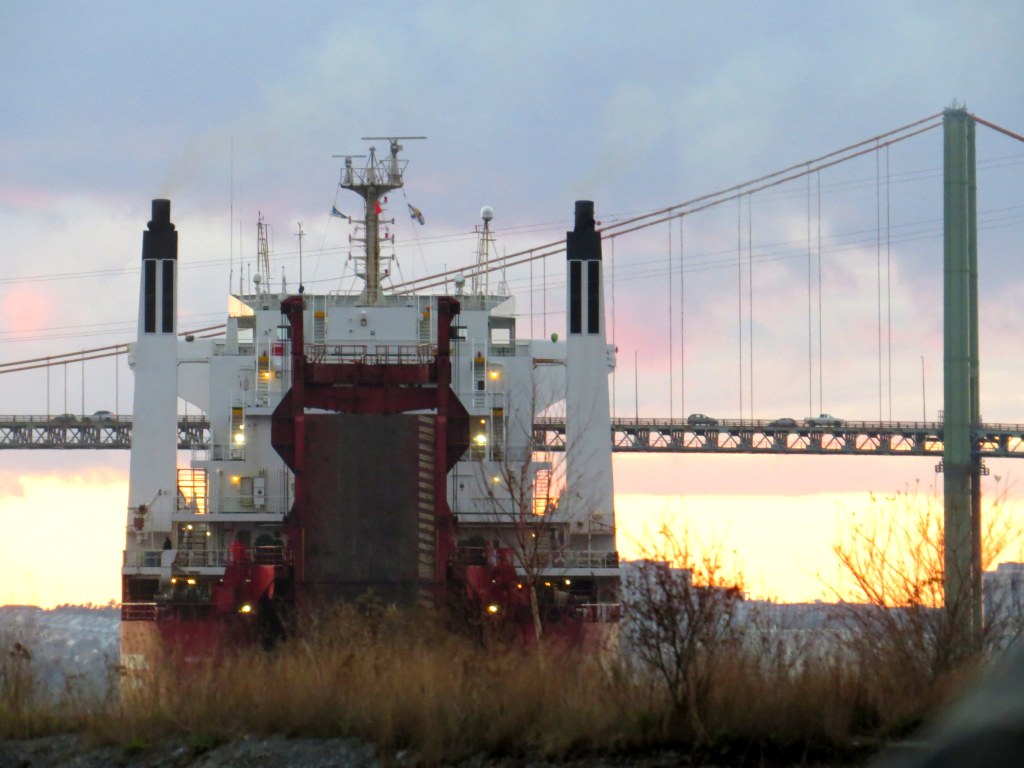
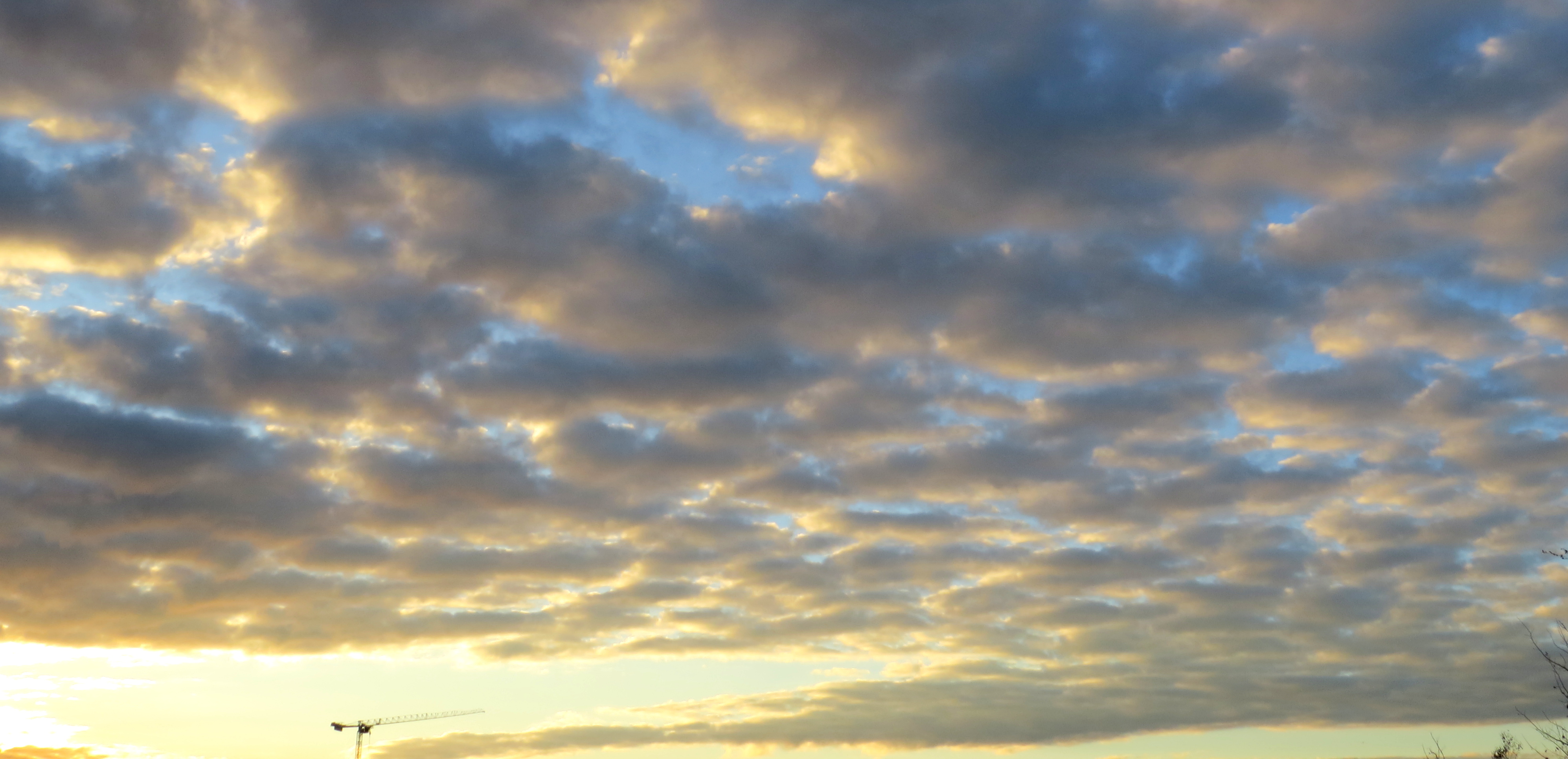
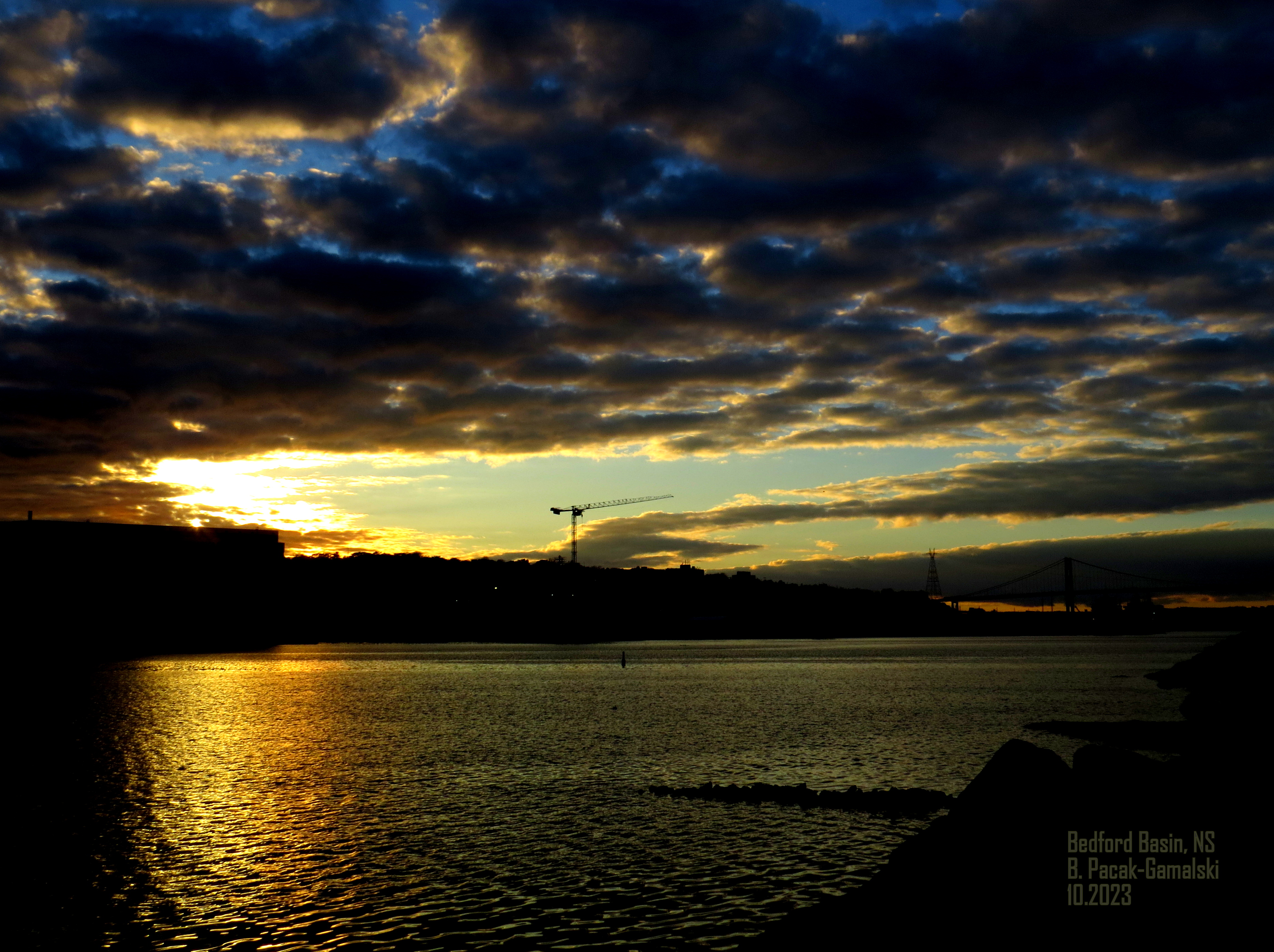
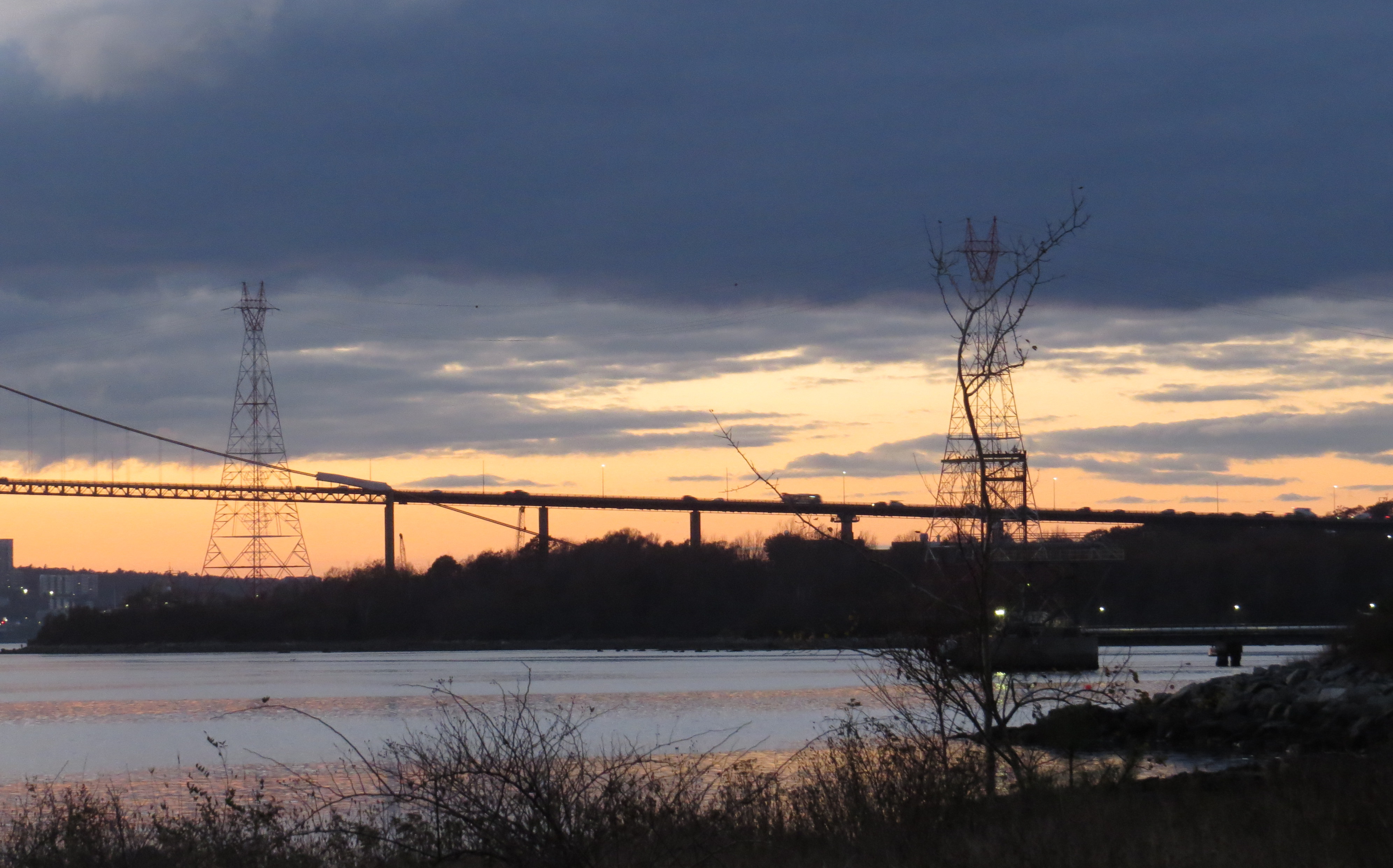
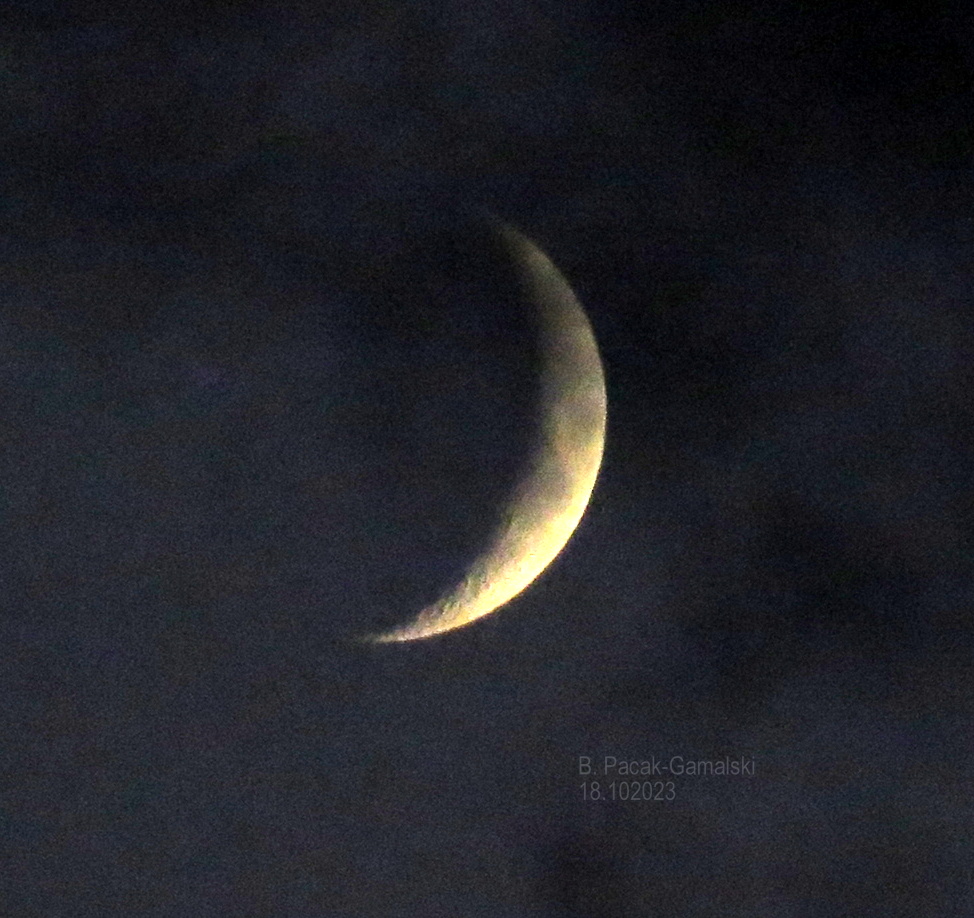
Po tym morderczym napadzie, Izrael wydał totalną wojne Palestyńczykom w Gazie. W tej totalnej wojnie (de facto to nie wojna a masowe oblężenie i pełny nieustanny ostrzał artyleryjski, powietrzny i rakietowy, pełne odcięcie od wody, od lekarstw, od żywności) Izraelczycy odrzucili wszelkie międzynarodowe konwencje wojenne. Straty ludności cywilnej są wielokrotnie wyższe niż w tym ohydnym mordzie i rosną z dnia na dzień. Nie o tym będę jednak pisał. Co mnie zdumiewa (i powód ucieczki z domu i czytania prasy, oglądania telewizji) to niezrozumiała w jakikowiek sposób postawa wielu osób, które znam i cenię nawet: odmawianie pełnego człowieczeństwa ginącym Palestyńczykom. Był moment, gdy sam w momencie kompletnej utraty racjonalnego myślenia, zadałem w jednej z rozmów pytanie: w takim razie prosze mi powiedzieć ile dzieci palestyńskich winno być zabitych za jedno zamordowane dziecko żydowskie? Nie potrafiłem znaleźć jakichś wspólnych filarów tej samej etyki i tej samej moralności, która wydawało mi się jeszcze do wczoraj istniała. Więc musiałem zadać takie brutalne pytanie sądząc, że szok tego pytania ludzi obudzi z jakiegos koszmaru biblijnych zemst, odwetów, religijnych mordów. Pomyślałem, że może faktycznie cała Palestyna (więc i państwo izraelskie) to jakaś Przeklęta Ziemia szaleńczych dzieci Abrahama, którzy w imię tego samego Boga, zgodnie z moderczymi zapisami w tych starych księgach Tory, Koranu i Biblii muszą się wzajem mordować aż do ostatniego człowieka. Że Morze Czerwone ma właśnie tym być – czerwonym od krwi. Może i Homer by tej tragedii człowieczeństwa nie potrafił opisać? Może zrobili to lepiej właśnie Prorocy żydowscy i muzułmańscy i Ojcowie Kościoła Chrześcijaństwa? Dostawałem słowem obłędu. Uciekłem od tego wszystkiego do świata natury, nad mój kanał morski, na moje kamienie, pod moje zachodzące słońce w którego zamierających promieniach ukazał się nocny Księżyc. I miasto ludzi obok ale daleko, więc milczące od tych okrzyków zemst i pogromów. I w tej naturze, gdzie wszystko bezkrwawo codziennie umiera nocą – jest pewność, że dnia następnego odrodzi się znowu cudownym wschodem. Bo ta noc to nie smierć przecież, to tylko sen. Sen, w którym nawet koszmary odchodzą z nadejściem świtu. Ach, niechże ten świt nadejdzie już! A jak pieknie ta reinkarnacja świata wyglada – w zdjęciach poniżej.
O, how righteous we all are! Especially our governments, which pronounce urbi et orbi on our behalf of total outrage of yet another Intifada in the Gaza Strip: our full support for Israel, its people, and armed forces. Loud condemnation of the terrorist military organization, Hamas.
Let me have a different voice, dear democratic governments of the Western World. My governments, as I am a citizen of that democratic world. Which gives me the right to voice my opinion.
There is no excuse whatsoever and no words of horror can describe the events that happened during the bloody, murderous ride by Hamas on Israelites. I will not even try to convey my outrage and most of all – my profound sadness.
And this is where the similarities end. The words that follow below are very different from words most of you would expect from me. Which also means that you don’t know my writing as well as you might think. Or don’t know it at all.
One more caveat: anyone who might call me an anti-Semitic or Jew-hater is not even worth my response. There is hardly a group of people in the world, which I respect and admire more than Jews. Ancient people, Wanderers of the World since time immemorial. People, who were subjected to many pogroms in the last thousand-odd years. People, who during the 2 world war were condemned to die, to disappear from existence, to be annihilated. Yet – they survived.
But – another paradox – Jews and the state of Israel are not exactly the same. Modern state (any state) must be judged by its policy, its constitution, and its actions toward minorities, toward people of any ethnic origin, who legally live in that state. And the State of Israel fails very badly on this scale.
So, please brace yourself for my next sentence.
The moral responsibility for this brazen and terrorist action of the terrorist organization Hamas lies squarely at the feet of Israeli PM Benjamin Netanyahu and the apartheid system of the state of Israel.
The cause of Hamas’s existence is the huge injustice that happened to Palestine and Palestinians a long time ago, at the end of the 2 world war, which at that time was under the British Mandate. Not that the British bear sole responsibility for this injustice – no, the entire powerful Western World bears that responsibility.
The old Palestine, which existed for thousands of years, disappeared. New borders of many Arab countries were realigned, and old Empires (Ottomans) evaporated. Justly – especially in the wake of the horrible experience of the Holocaust and Shoah – the Jews were promised their own state. Old Palestine was a vast territory, there was ample space for both of these historical People to establish separate, own states. The goal still exists on … paper. In the UN.
The General Assembly some years ago gave Palestine an ‘observer state’ status. Of course, the shameless Security Council vetoed full membership rights. Let us not forget, that when the Jews established the state of Israel – the world called them ‘terrorists’. But things have changed since then. The entire region soon became one of the most important parts of the world for the competition of spheres of influence and control by Western Powers and the Soviet Union. In that ‘proxy war’ Israel naturally became an indispensable ally of the SA. With full support in arms and military technology. No matter what. Over time it became a nuclear power. Without much protest and condemnation of the Western World. A country that does not shy and did say many times that is ready to use it as a pre-emptive strike if necessary
Yes – it is a fully functioning democracy, a modern state. But not for all. Only for some. White South Afrikaners enjoyed freedom and rights, too. Just not Black ones.
What Israel has forced the Palestinians to endure (particularly since the 1967 War) is despicable. Indeed, Palestinians and most Arab states at the beginning did not recognize Israel as an independent state. But all of that started to change after the war of 1967 and definitely changed after 1978 (Camp David). Arab states recognized that Israel is not only very strong militarily – it recognize that in modern warfare just numbers do not mean that much anymore. And technologically Israel was epochs ahead of all, even huge Arab neighbors.
Unfortunately, what followed these wars, was a low but steady move to occupy huge swaths of land that did not belong to Israel. Stealing more and more land from occupied Palestinian territories and building there, on stolen land, new towns and farms for new Israelis emigrating to Israel from other countries, mainly from the Soviet Union and Russia. These were not some empty lands – these were parcels and farms that belonged to Palestinian farmers, they had their homes there, their livelihoods for generations past. I can never forget similar families of older Palestinians (many of the old families were Christians), who were earlier thrown out on the street from their old houses in Jerusalem. I met them in Surrey with their symbolic old rusted big keys – a key to their lost houses in Jerusalem. They cried when they were recanting their stories to me. It was heartbreaking. Israel refused to give them the right to return.
The entire tragic story of Palestine since the end of the 2 world war, is a story of two ancient People: one with the right and opportunity to establish their safe own state, and the other had that right taken away from them.
Yet, three mortal enemies saw that peace was paramount. That only lasting peace of equal states and equal People can bring peace to Israel. That some stolen territories have to be returned before any people in that vast Middle East can live in peace and security. These mortal enemies were brave heroes of their own people: Yitzhak Rabin, Shimon Peres of Israel, and Yasser Arafat of Palestine. None of them had clean hands themselves. Each one of them had indeed a lot of blood on it. All three were responsible for assassinations, unlawful killings, terrorist activities, and disregard for human rights. But all three knew that a solution needed to be found if any of these two Ancient People had a chance to coexist in peace. In 1994 Rabin, Peres, and Arafat got Nobel Peace Prizes for achieving what seemed to be impossible to many others. They had a vision beyond their own personalities and beliefs. Vision for their homelands, their people. The vision that embraced peace at last. Maybe not in their lifetime – but in the time of their children and grandchildren.
A year later Yitzhak Rabin was murdered for daring to dream of peace. His murderer was an ultra-orthodox Jewish xenophobe and terrorist Yigal Amir.
You see, there are always people everywhere, who become so poisoned with their patriotism, that they can’t stand the idea that others may have another patriotism for a different country, for different people. For these zealots, these people are mortal enemies that need to be annihilated, murdered murdered. These are the people of Hamas, people like that Jewish ultra-orthodox Amir. They are dangerous people, even more so if their ideas come from religious zealotry, such as Hamas and Yigal Amir. The rest of us just want to live without hunger and have decent jobs or plots of land to raise our own crops. And we are enemies of these people.
Hamas’s first enemies were Palestinians, who wouldn’t follow their path and hatred. Just as Amir’s first enemy was peace-building Rabin. But once you cross that Rubicon from decency to hatred and revenge – there is no return. Blood will follow you. Blood of your perceived enemies and eventually your own blood.
Hamas might have originally been born out of righteous anger and determination. You might not understand it being an Israeli, but it is the policies of Israel and certain politicians, who created Hamas. Of people like Benjamin Netanyahu. Xenophobe and opportunist, who would do anything to face his day in an Israeli court. And he will. Because blood will follow him.
If we all acted on our urges for revenge – there wouldn’t be that many of us left on this planet. Justice and revenge are not different sides of the same coin. They are totally different coins.
If you don’t force your own government, led by racist and probably a common criminal (like Trump in America), to stop the slaughter and extreme injustice you will lose your own soul, your own humanity. You likely will create dozens, if not hundreds little ‘hamases’ out of the same passion for revenge.
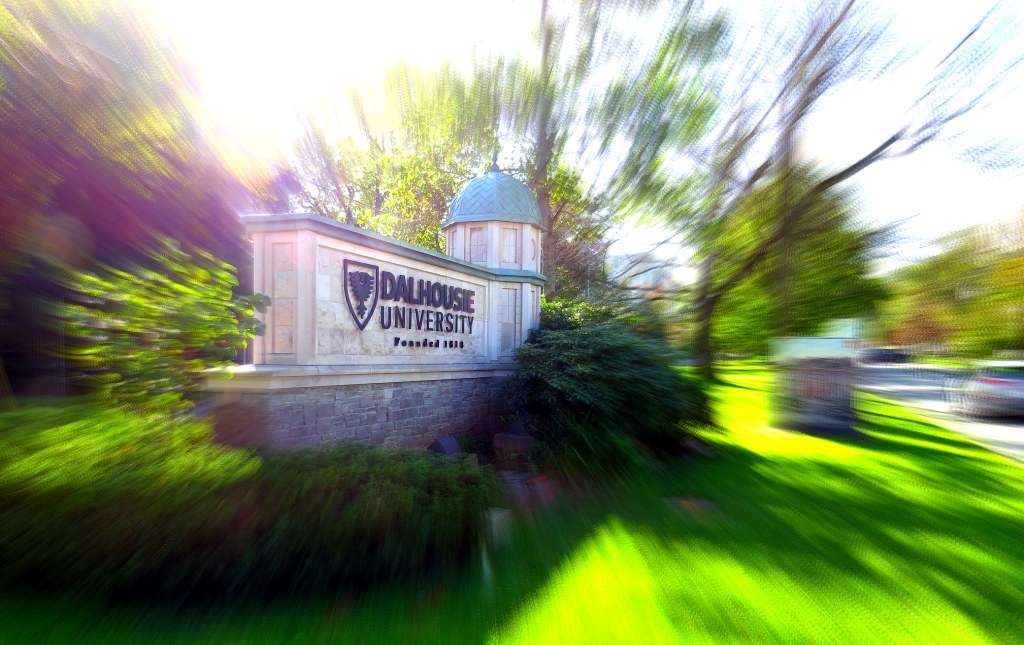
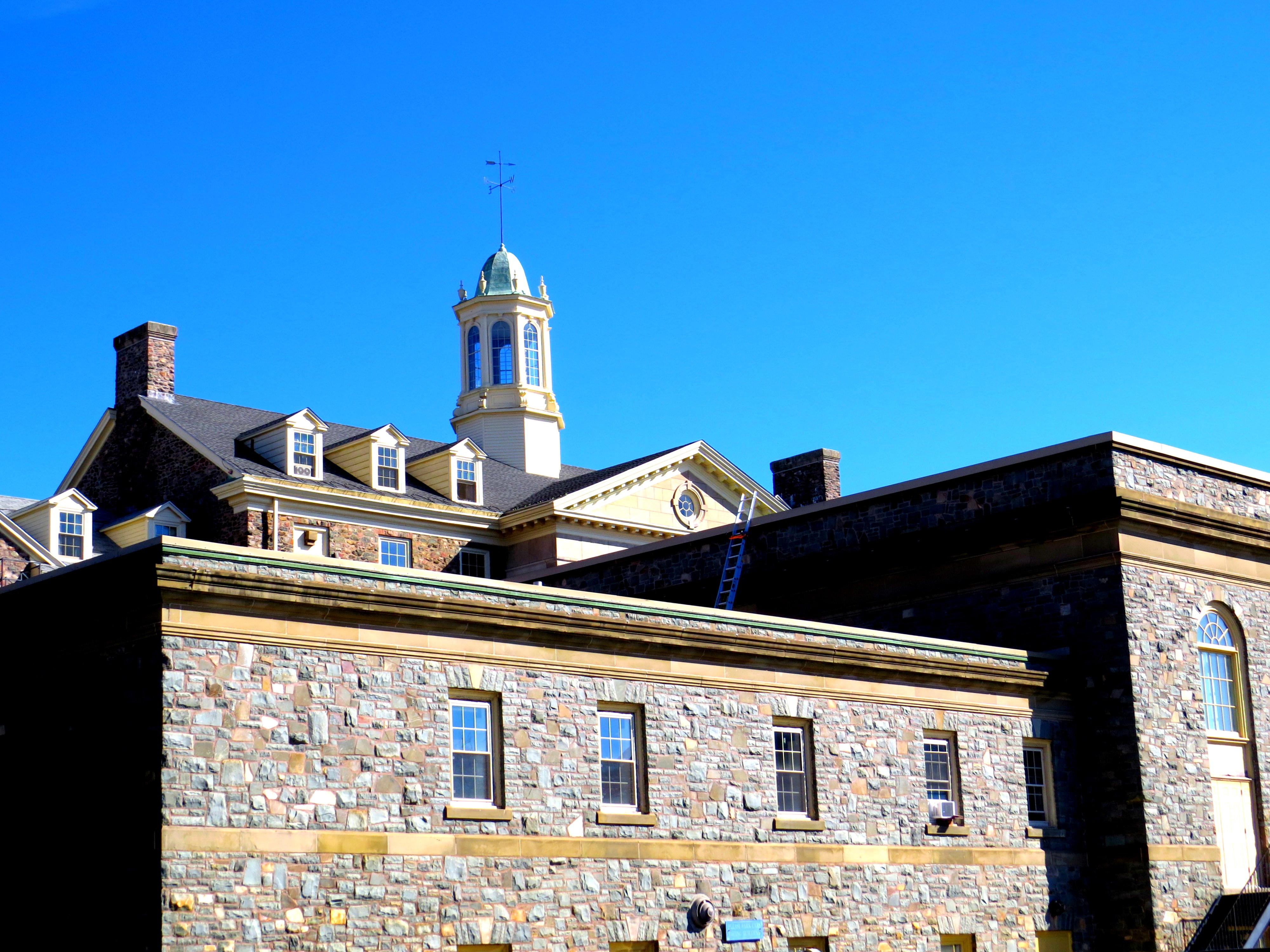
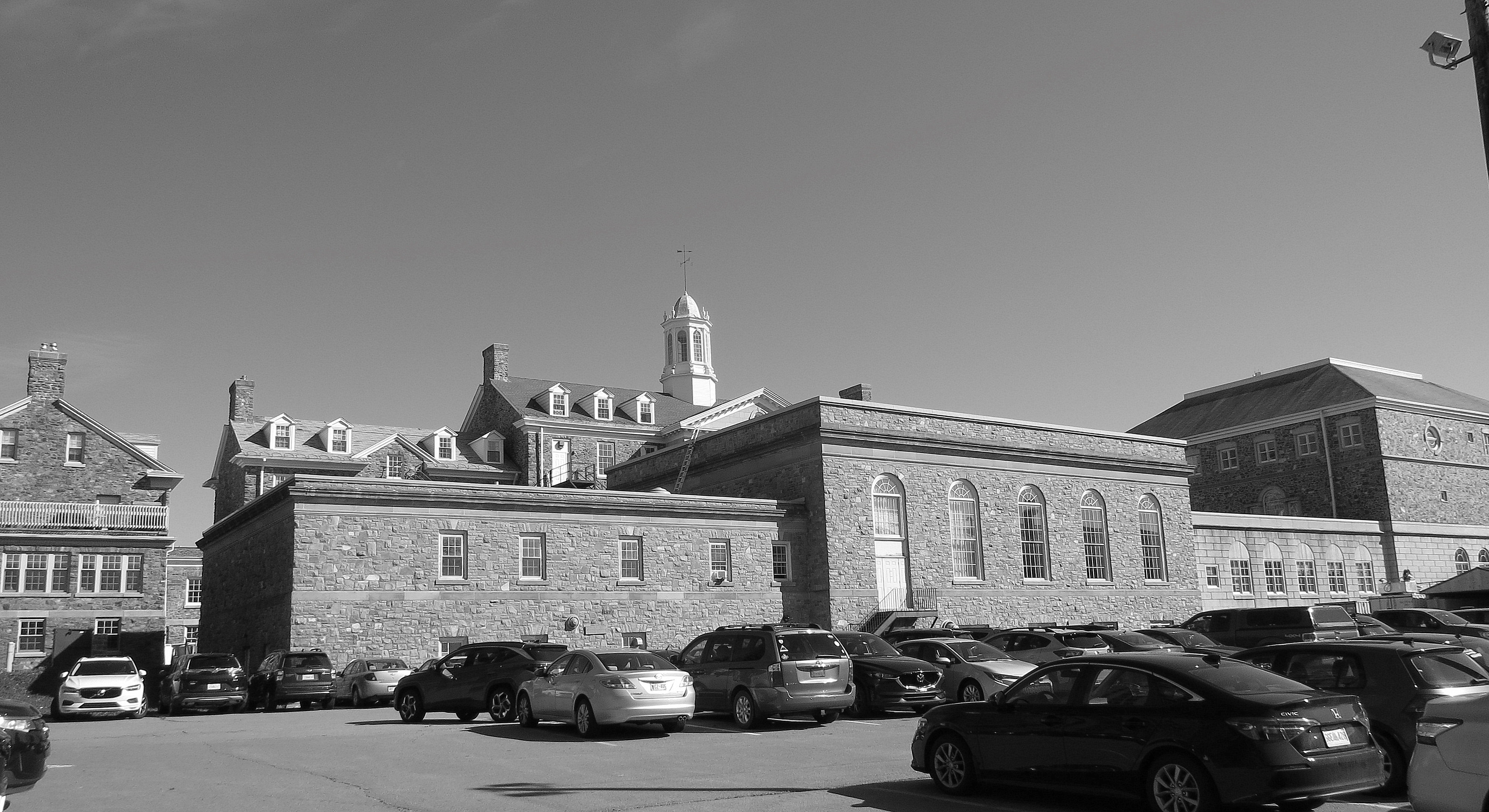
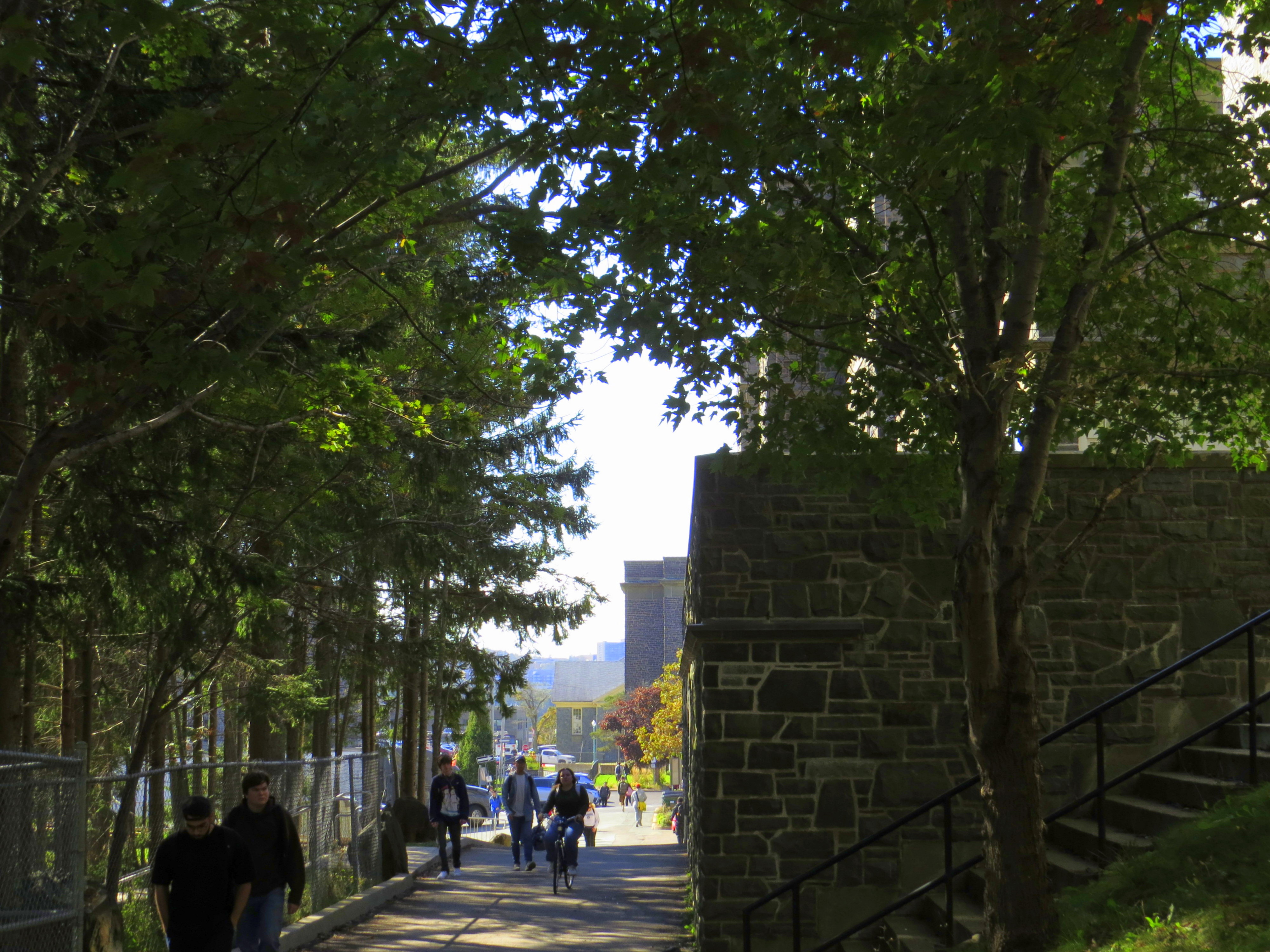
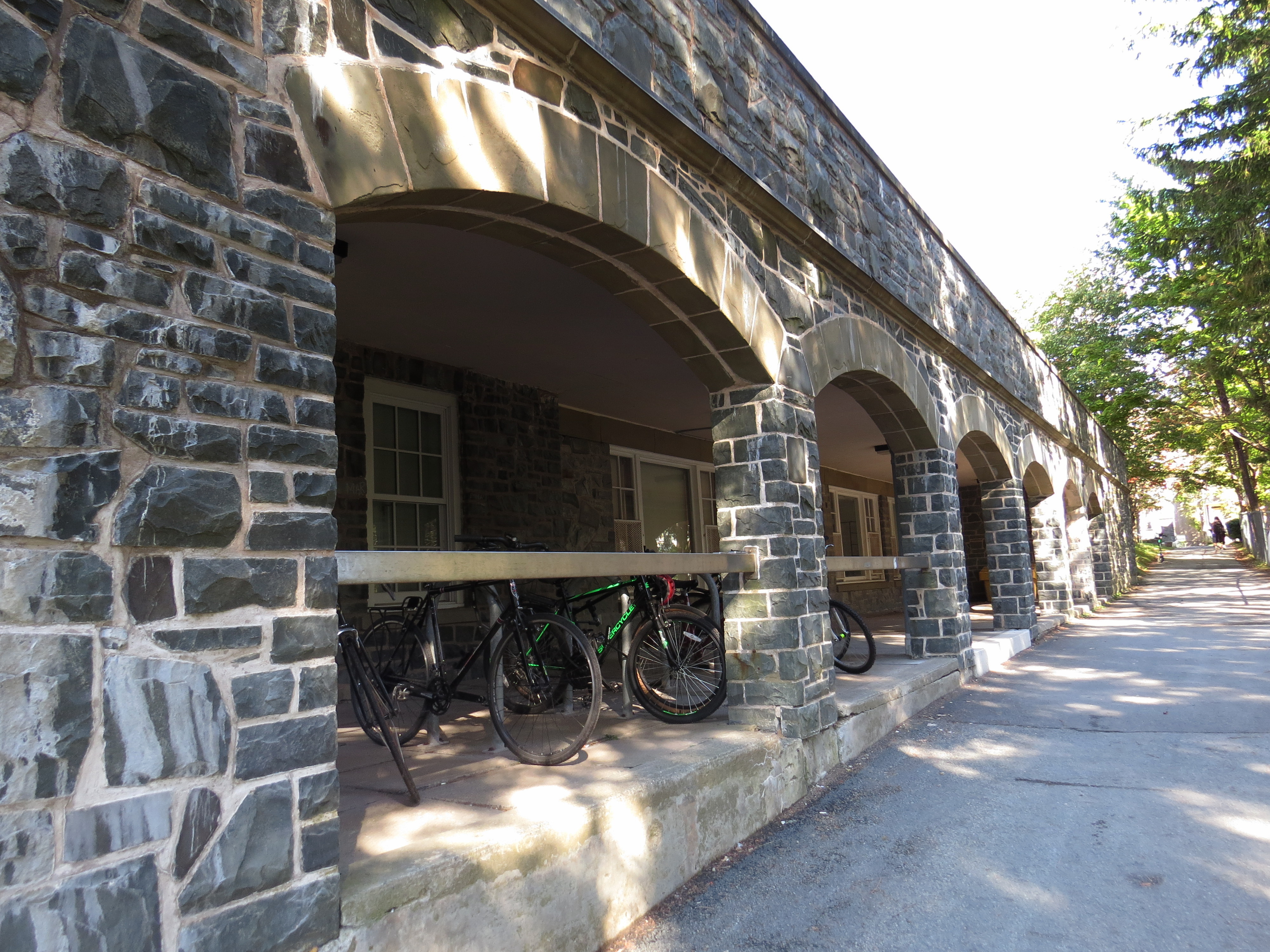
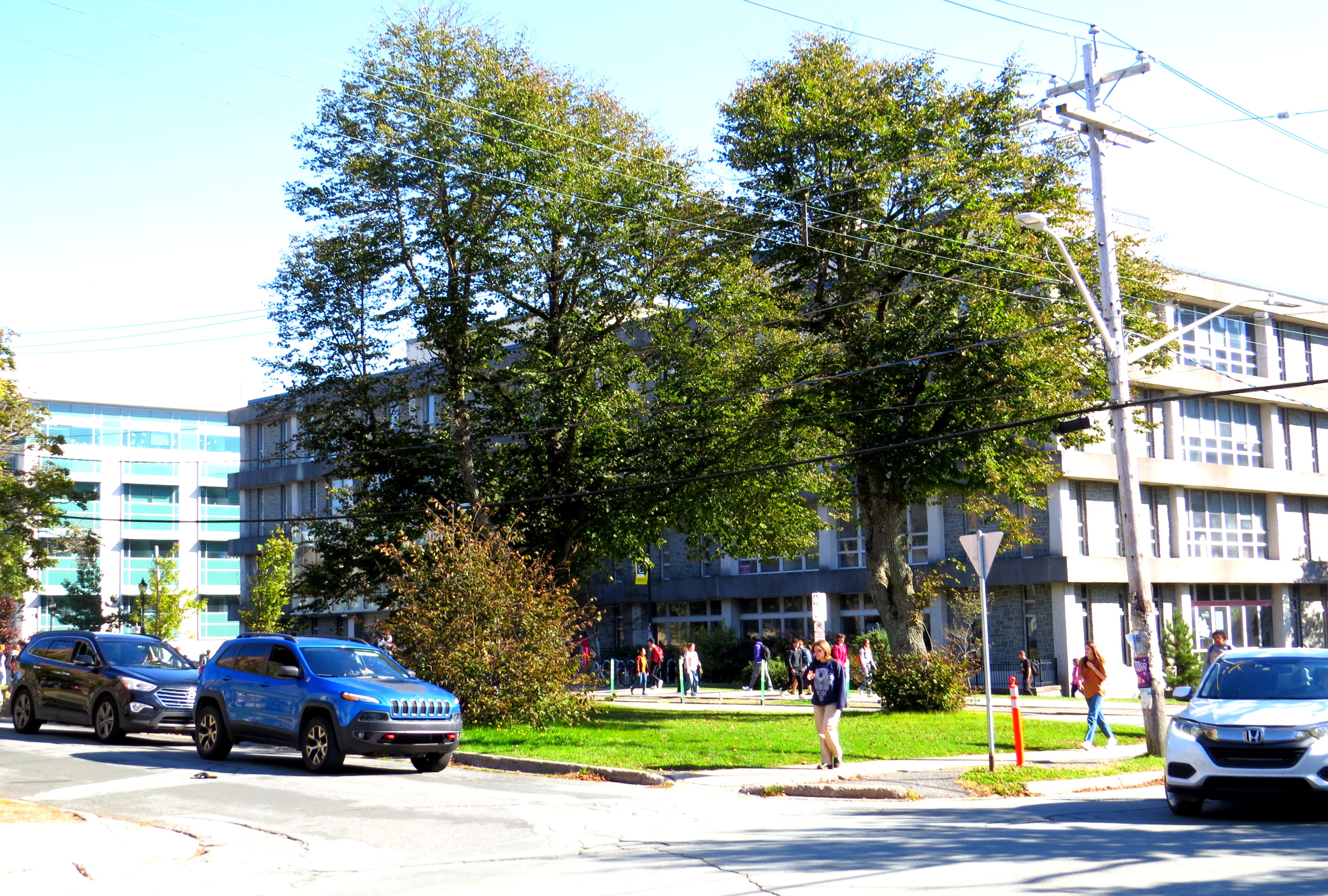
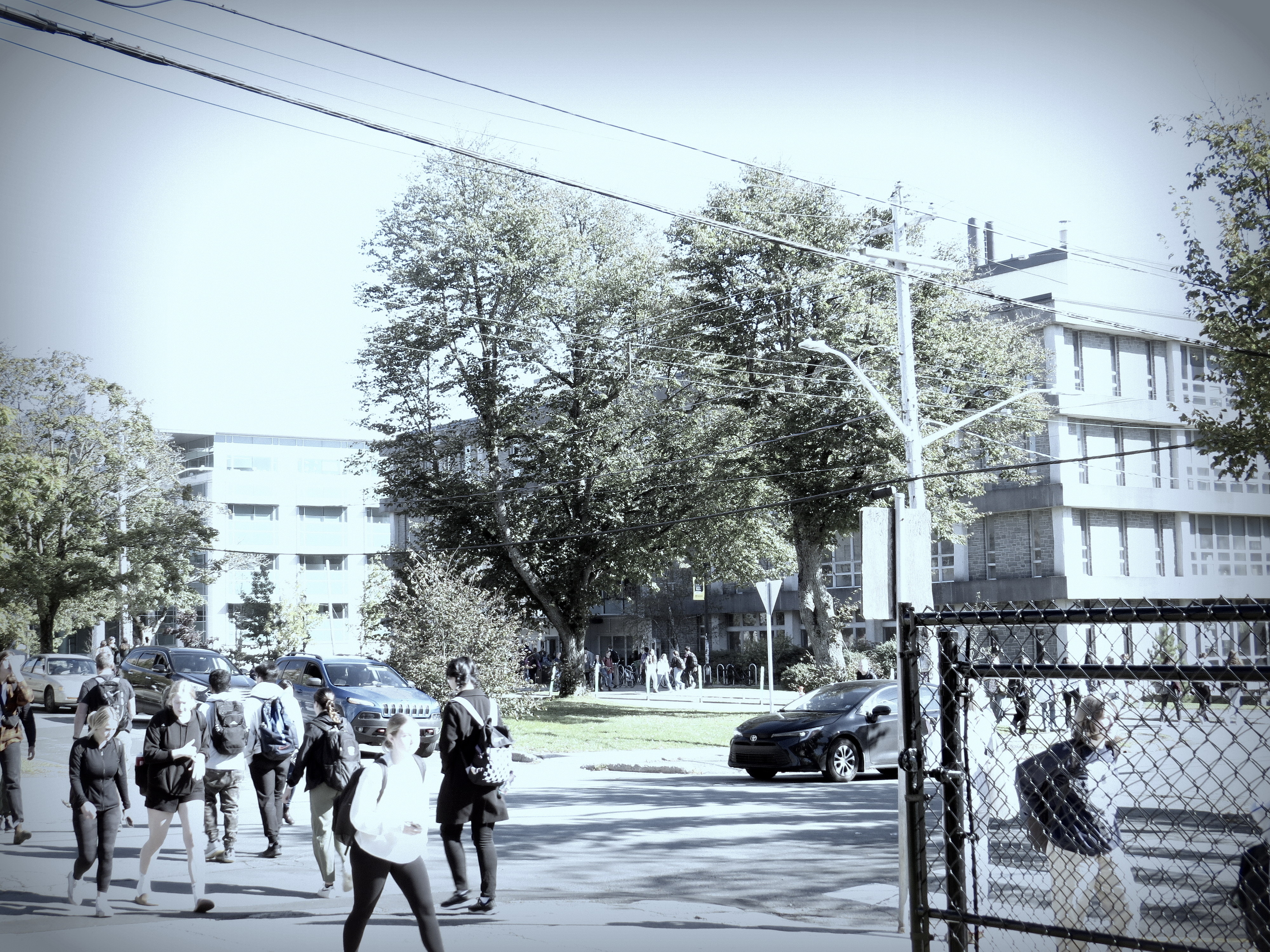
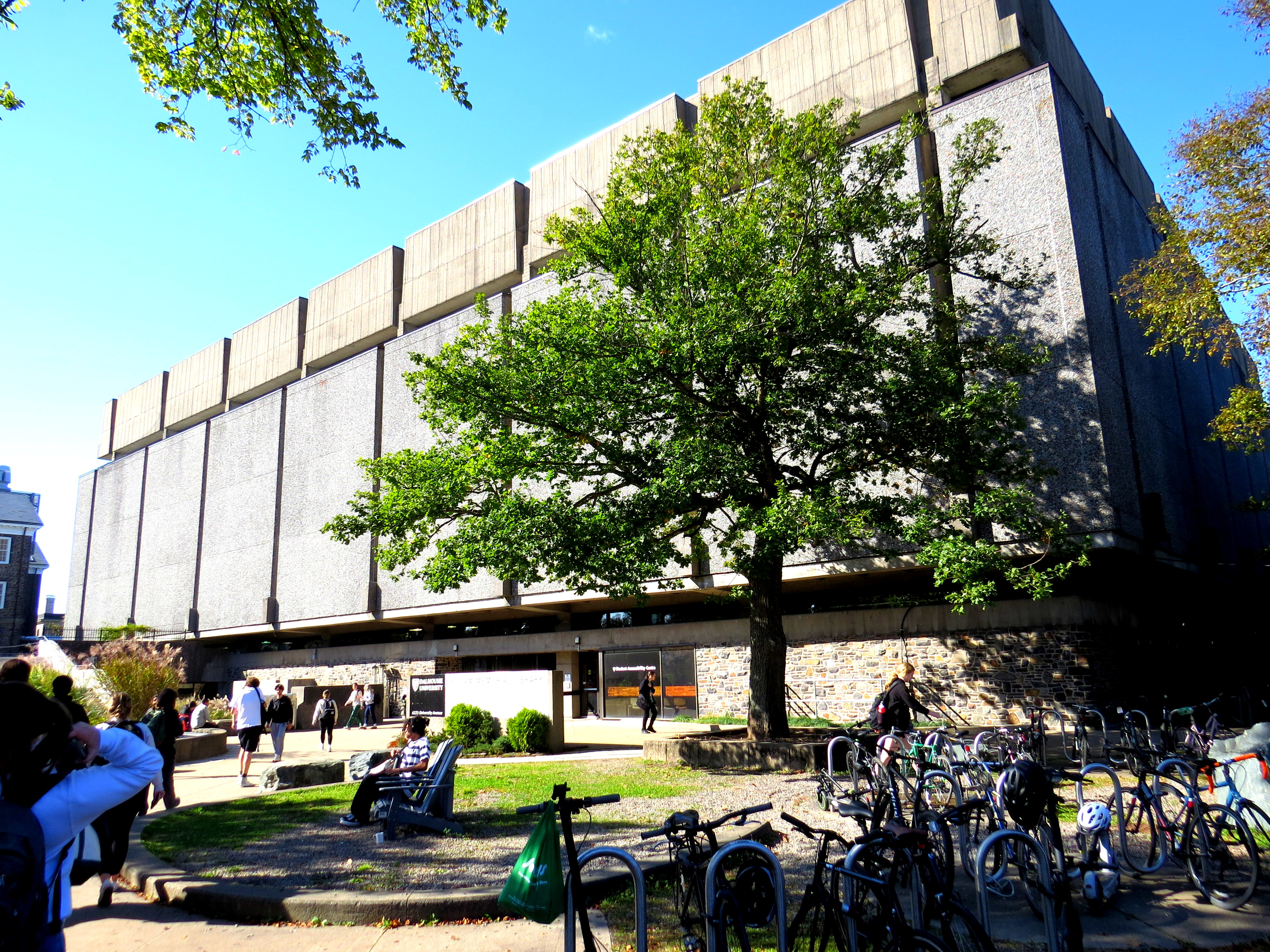
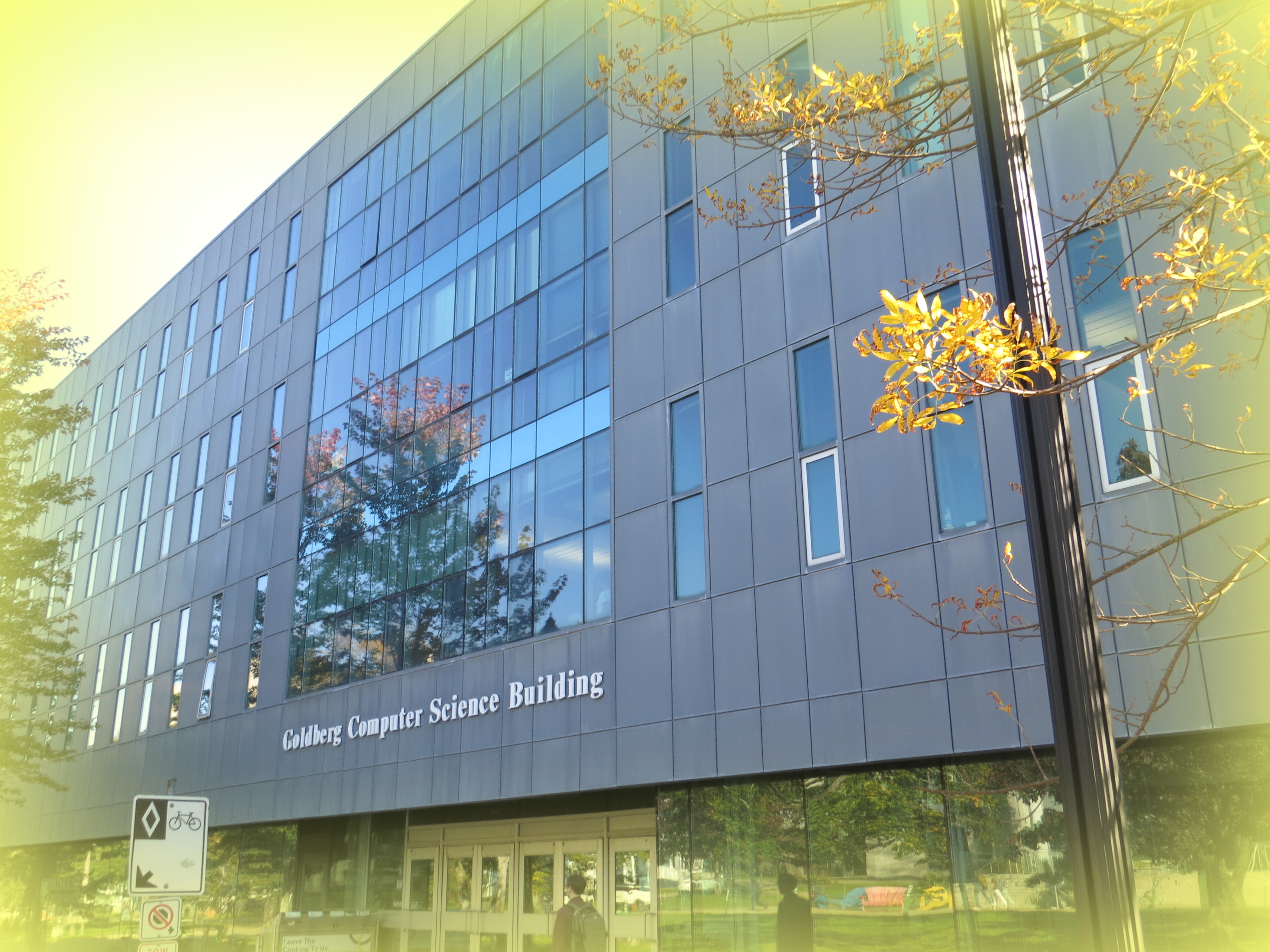
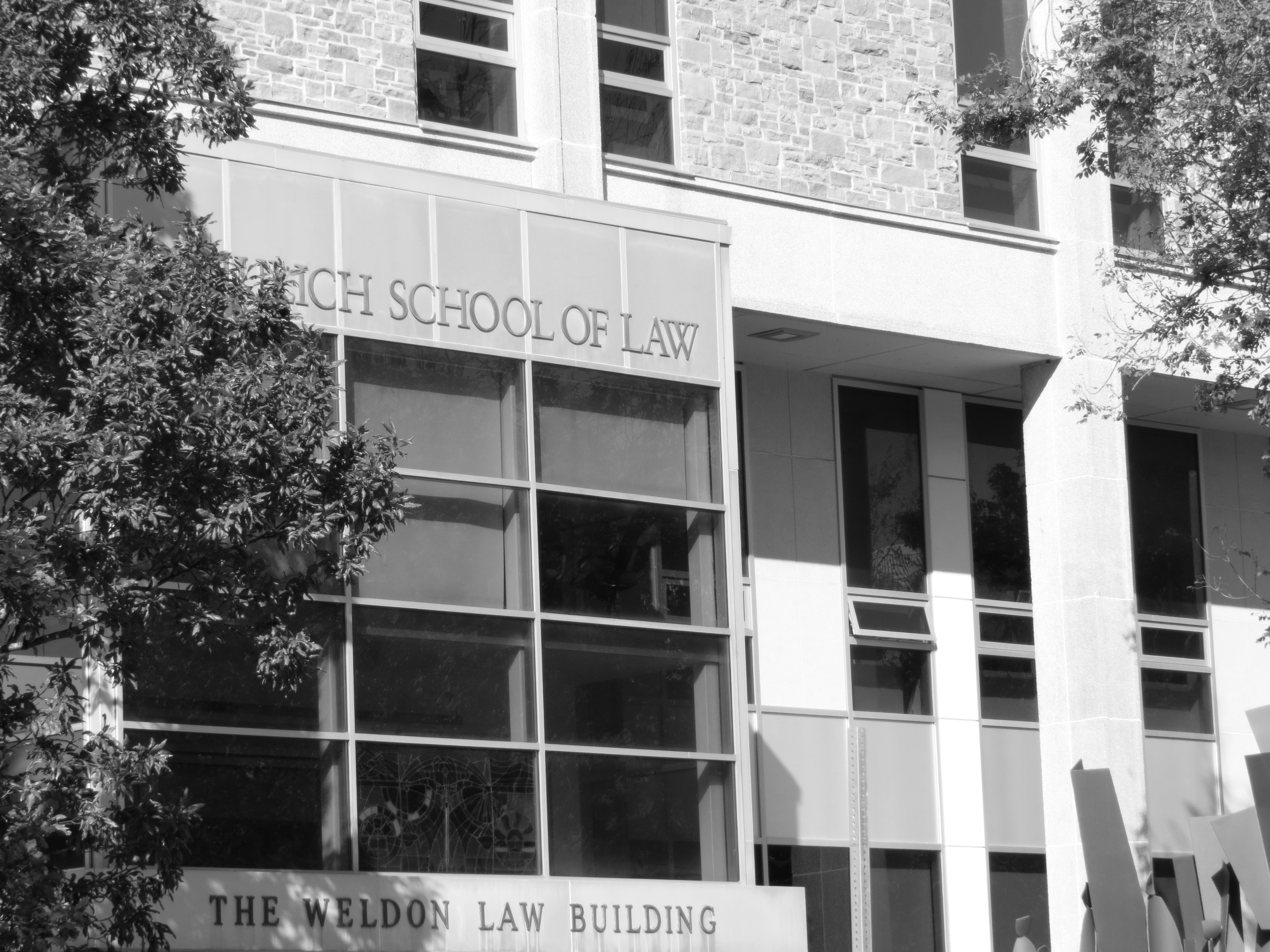
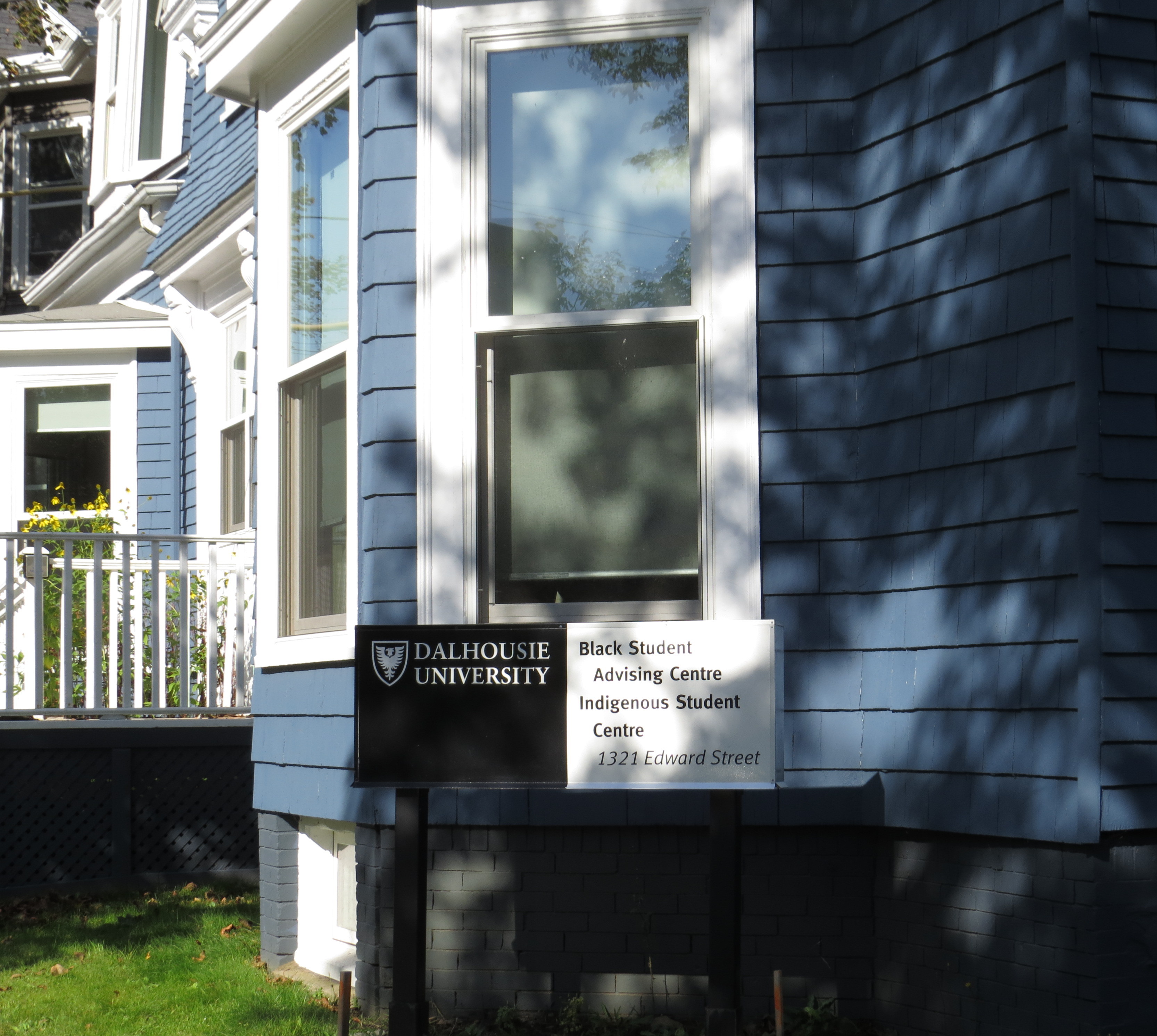
I have written here ( https://kanadyjskimonitor.blog/2023/07/28/dalhousie-university-in-halifax-an-overlooked-tourist-destination) once before about Dalhousie University. But it wasn’t until today that I really went for a long stroll through the sprawling campus of it. Immerse myself in its atmosphere, history, and future. And the vibrant feeling of youth among the throngs of young people laughing, running, walking. Some very serious in that almost funny seriousness of young age that is impertinent, arrogant, furious, determined. Others – worry-free. Glorious age. Hmm …. At times, I almost forgotten myself and felt like them for a moment. Not long enough to make a fool of myself, LOL. Age has its advantages that I always remember: aloofness and stiff upper lip. Like Lady Dowager Grantham from Dawnton Abbey – shrug your arms and march on.
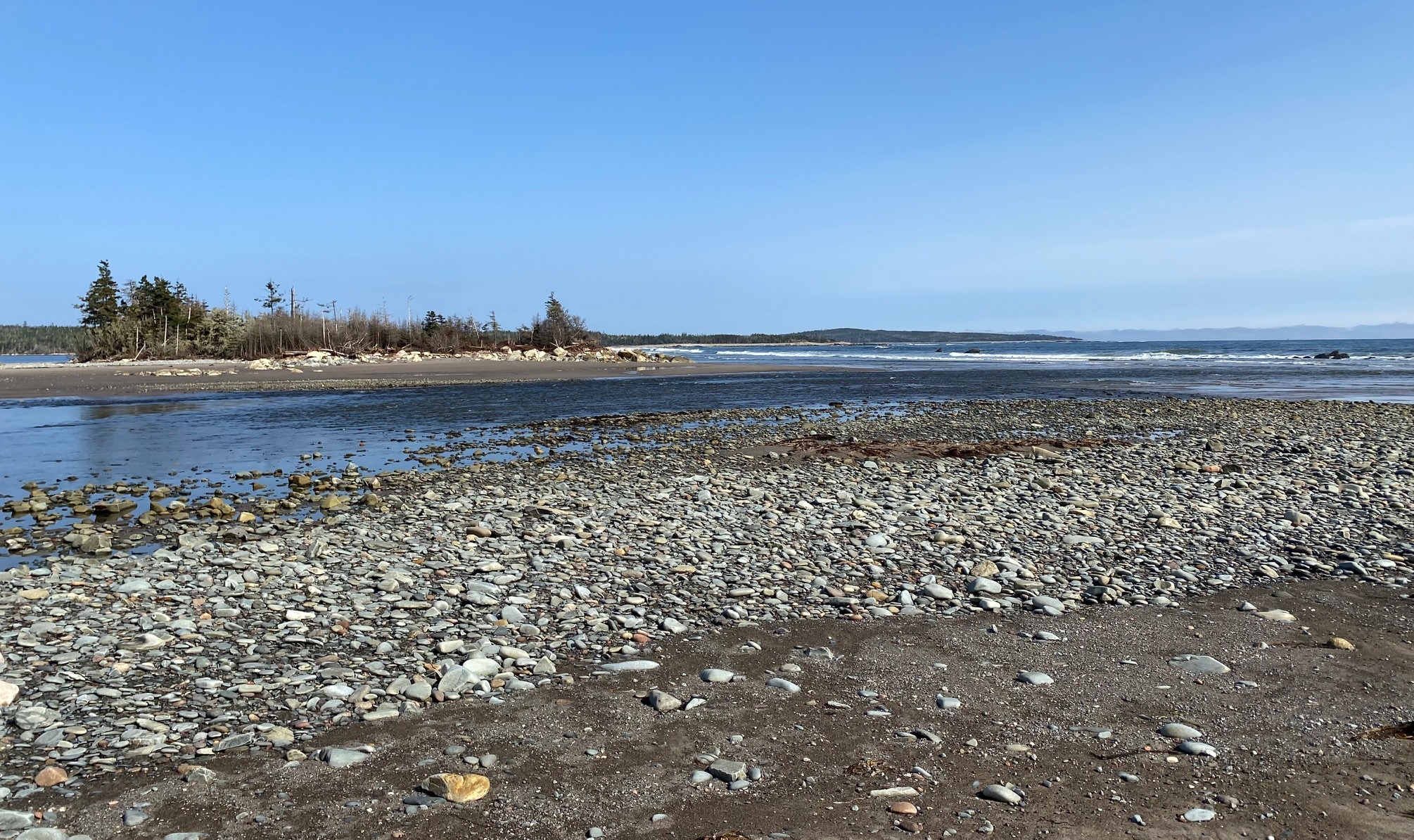
Just driving there is a pleasure. Taking Main Street, it becomes later Highway 107. It is such a nice drive, very picturesque alongside the huge Porters Lake. Just open your window, turn the music up to your favorite gigs and voila, enjoy! Pay attention to exit signs. You want the one to East Chezzetcook. Such a lovely community spread alongside the well-maintained road. Just don’t speed there please – people do live in these lovely houses. Almost none too ostentatious but nicely maintained. It takes a while, but don’t worry. Just take the road to the very end. When you can’t drive anymore – you have arrived. Only one big warning – do not take your map signs as a Bible and do not turn to something called “Conrod Beach”. It is not a beach – it is hell. Plain and simple. No joking. Don’t stray, stay on the road to the end. Depending on the time of day and the tide, I suggest you go as far as you can past the main stretch of beach and explore the long strip of sandy dune. You will need to go across a fast-moving water to get there. But it is worth the effort.
Jesień. Więcej chyba jej w poezji i sztuce ogólnie niż innych sezonów. Jest coś i ciepłego i smutnego jednocześnie w niej. Jest świadomość przemijania, odchodzenia, umierania. Jest chwilą na wspomnienia szałów wiosny i osiągnięć lata. Ma kolorów, cieni i blasków więcej niż pozostałe okresy roku.
Otwiera bramy do skończoności, do nietrwałości wszystkiego, co ludzkie, co naturalne, co fizyczne. Co żywe. I ta realizacja, to pogodzenie się z nieugiętym prawem nietrwałości, tymczasowości, nadaje jej jakiś specjalny charakter transcendentnego smutku, smutku z lekkim uśmiechem na ustach. Nie śmiechu, a uśmiechu właśnie.
Był taki onegdaj poeta niegłośny a dobry, Stefan Gołębiowski. Dziś mało kto go pewnie pamięta. A ja lubiłem jego wiersze: krótkie formy, najczęściej dziesięciozgłoskowe, czasem 5-cio. Były ciepłe w dotyku, nie hałaśliwe. Coś stwierdzały, coś opisywały, ale bez wyroku, bez oceny. Mało w nich było zachwytu nad własną erudycją, tak strasznie popularnego wśród polskich poetów ostatnich chyba 100 lat. Trochę był w tym podobny do pisania Szymborskiej. Zdecydowanie był odwrotnością, zaprzeczeniem poetyki Barańczaka – poety kunsztem od niego o niebo wyższym, aliści przesiąkniętym takim parnasizmem i samozachwytem, e faktycznie w czołówce tych poetów polskich się znalazł.
Wiec tenże ‘mój’ skromny Gołębiowski tak sympatycznie ten rodzaj uśmiechu zarysował we fragmencie wiersza „Uśmiech”[i]:
Straciła nogi w powietrzu toczone
straciła dłoni światło różanopalce
——–\\——–
w konchach uszu sen zaprzepaścił świadomość
więc nic nie ocalało zapytał zgubiony uśmiech
morze westchnęło z niepamięci dobyty powstał
obłoczek piany i z konchy wychynął mięczak.
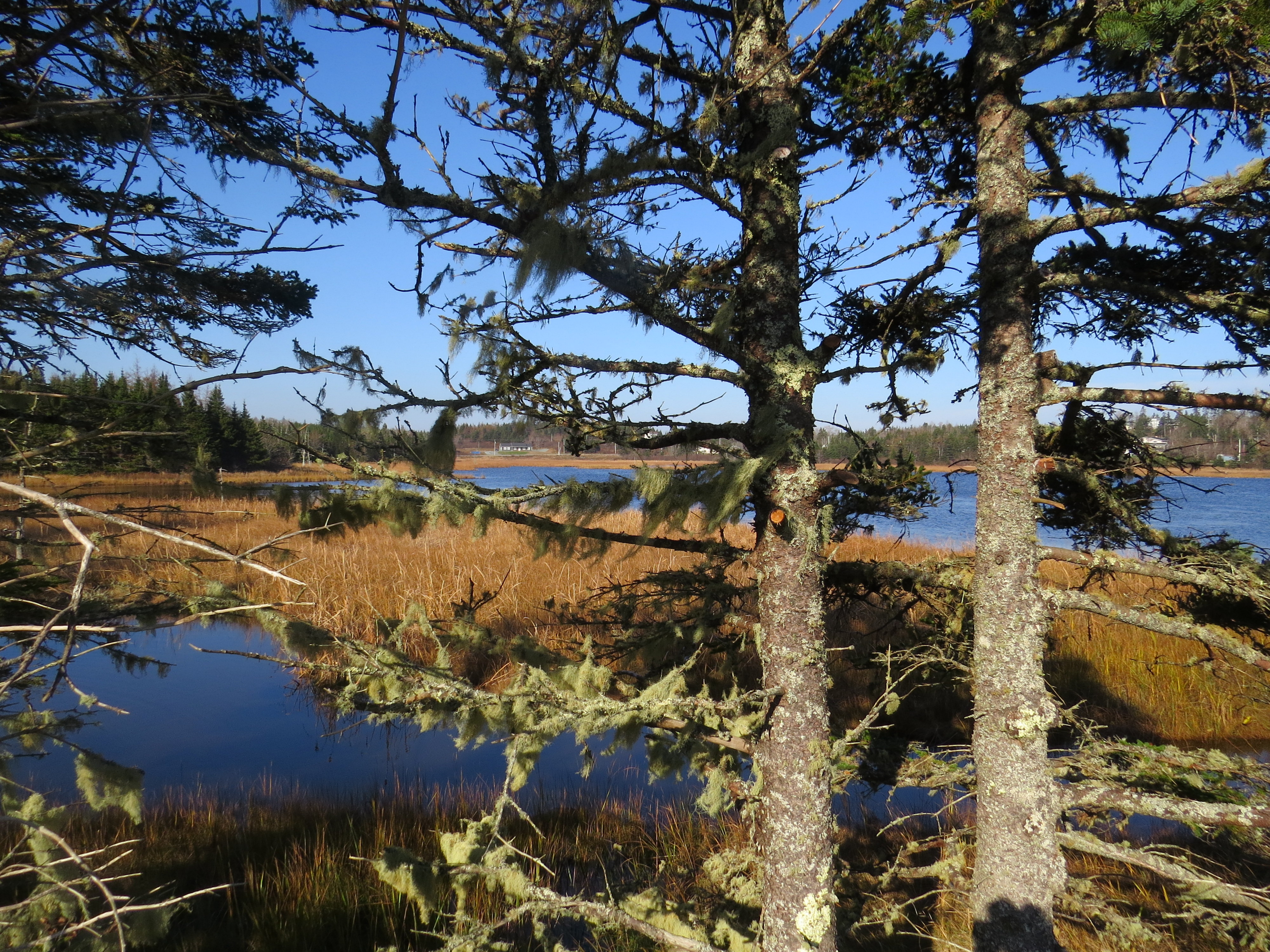
Więc rowerowo się na spotkanie z kolorami i widokami jesieni wybrałem. W miejsca, gdzie dawno już nie byłem. A gdzie z Johnem wspólnie chodzić lubiliśmy.
Ah, Fall … the mystique of the delicate fabric of fog rising from little lakes, and meadows. Sad but in a resigned and almost sweet type of sadness. The sad smile of accepting fate. The vigor of Spring is gone, although still strong in our memory; the mundane and mature things of Summer are gone, too. Thank god for that. Adulthood of summer of our life is too calculated, too measured. Too much of: but what if … . What if life happens?
Let it happen, then. Let it happen, enjoy the risks, the rewards, and the bitter failings.
Fall is so much more mature, so much more accepting and forgiving. C’est la vie, mon cheri. The timid smile of understanding, perhaps even resignation. Melancholic. Invisible John slightly squeezing my arm, my bike – we walked.
Mona Lisa’s smile of da Vinci? Or the smile Canadian Indigenous poet, Sarain Stump put on one of her short poems[ii]:
Gotta be the best
at the ball game
and hunt something
——–//——–
put together a few wise words
in front of the elder ones
all because she smiled at me
and her father said
he ain’t gonna give her
to who’s not a man
[i] Utwory poetyckie” Stefan Gołębiowski; wyd. LSW, Warszawa, 1975
[ii] “There is my people sleeping” Sarain Stump, pub. Gray’s Publishing, Sidney, BC, 1974
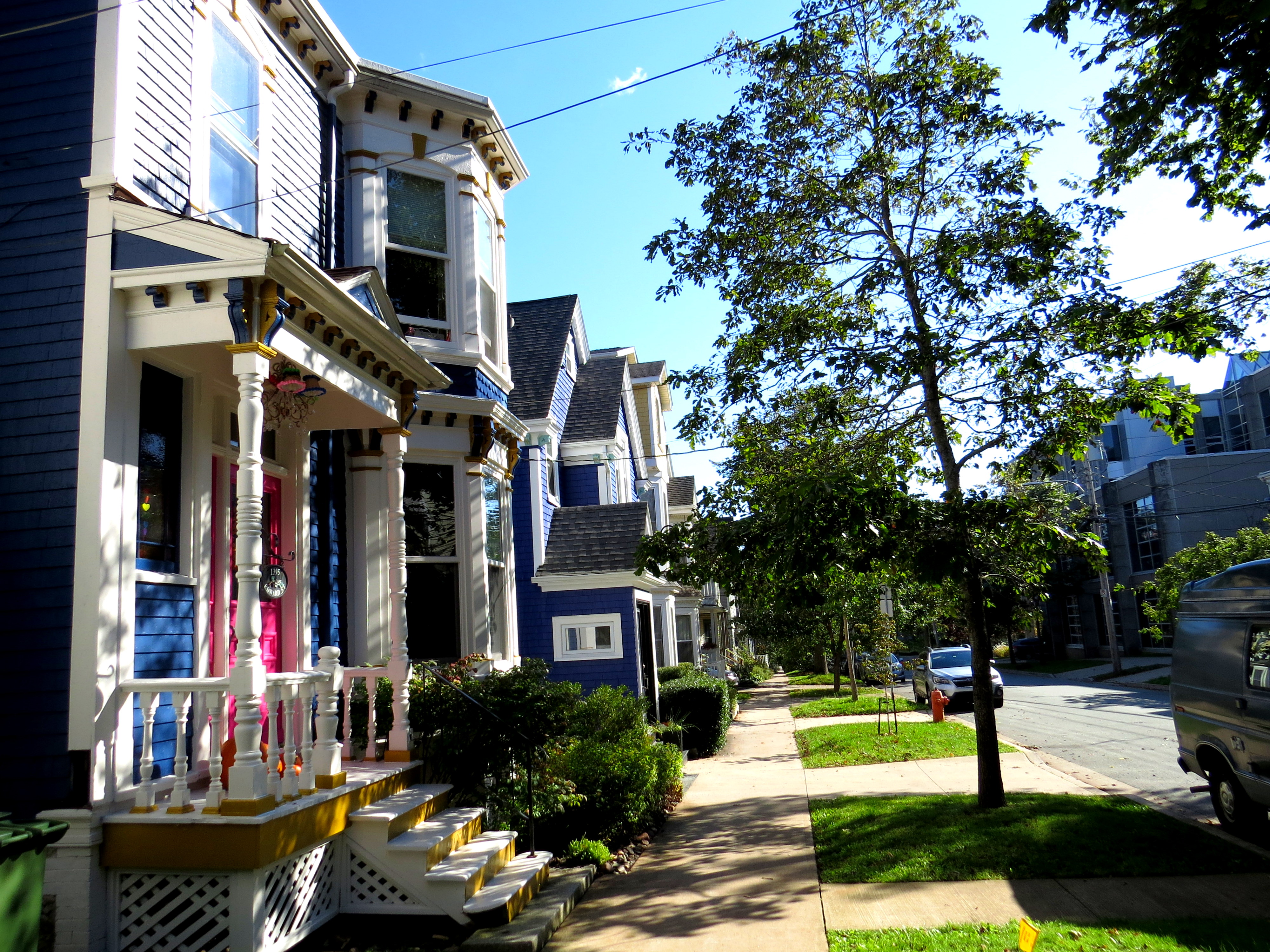
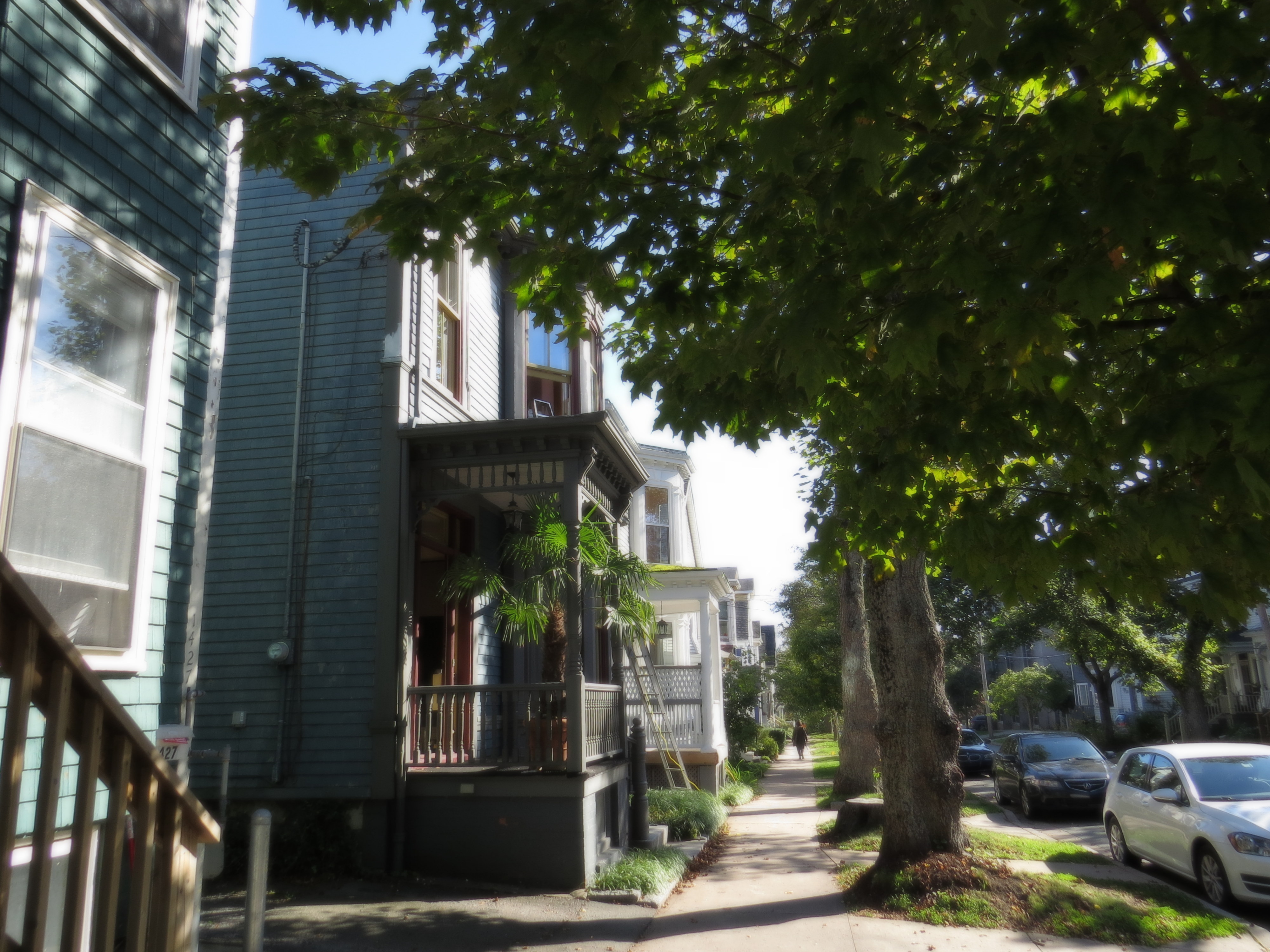
Stroll through the streets of Halifax. Could have been Vancouver, Toronto, or Montreal. The truth of it – it could have been any larger city in Canada. Yes, architecture would have been different, street names and their layout, too. Different parks and nature, maybe slightly an accent spoken by the majority. Maybe language altogether (Quebec, Arctic comes to mind).
It is such a vast country. Truly from ocean to ocean to ocean. And many mountain ranges, huge rivers. Traveled or visited most of it in the last forty years. I have seen it grow and expand in population in unprecedented numbers. Ever growing, ever more attractive, and open to thousands of new hopefuls from all over the globe. In a way – Canada is the envy of the world.
But with that important qualificator: in a way ….
It isn’t only the wide world that needs Canada. It is also Canada and Canadians that need the world, and it’s people. Who else does the cheap work in our country if not recent immigrants? Who else pays the salaries and otherwise makes up the budget of Canadian universities and university colleges if not foreign students? Yes – them. Not provincial or federal budgets. Recent studies revealed that the universities actually plan their budgets around the enormous fees they charge these students. It is their main source of income. How do they ensure that campuses and cities will house these students? They don’t. It is not only a big business for universities. It is also a huge business for homeowners and renters, who rent their rooms or apartments to these students. three, four, five per room? Why not. What were the words of the old movie “Cabaret”? O, yes: money, money, money!
Provinces and federal governments totally abandoned their responsibility for housing in Canada in the late 1970ies. All of a sudden the word ‘housing’ was renamed to ‘home ownership’. And that is a huge change. Of course, it was and is a dream and goal of many young Canadians. But home ownership is also clearly the responsibility of private citizen, not of government. Yes, there were here and there a few tweaks in regulations to help save some bucks for people, who planned to build their dream home. To put away, let’s say – five or twenty thousand dollars in RSA or specially created savings accounts in banks. Tax-exempt. Another miss moniker: they were not tax-exempt, they were simply tax deferred. Sooner or later you had to re-pay them back. But in the meantime, the young taxpayer was happy because he had five or ten thousand dollars in the bank, that he could use to purchase the home. Who cares about later! Let’s buy us a home! Totally obscured from the view and recognition were the families of poor Canadians, who couldn’t avail themselves of these ‘savings’. They were too busy paying the daily bills and rent for their apartments. Or scratching their heads about how they going to save a hundred or two hundred bucks for their child’s school trip next Saturday ….
It still worked somehow. Rents were expensive but were still manageable. Then suddenly something happened. The bubble burst. It was not, as many tried to portray it, the result of COVID and disruption in business. The virus doesn’t give a hoot about the dollar and interest rates. Baloney. It had nothing to do with it. It was the result of simple mathematics, a simple economics. And greed. Greed of corporations, greed of existing homeowners, and creeping up rates of borrowing. All of a sudden an average or even small house (typical bungalow) in Vancouver or Toronto was not 300 000 dollars but 3000 000 dollars. The Condo was not 200 000 but 800 000. Older owners were happy. Their retirement worries were solved – they were millioners! Often with very small pockets of cash but sitting on huge investments. New owners found themselves in a big crunch to pay the high mortgages. Two or three jobs were often not enough to pay for their dream. But there is a solution: use our existing (although not paid off yet) home/condo as collateral and buy one more! Easy. Then we will rent it out for 50% more than the mortgage and this way it will help us with our original mortgage. Or even better: use it as an Airbnb.
In all of these unsustainable calculations the renters, people, who couldn’t or just gave up the unreachable dream of homeownership – were left to their own devices. But the devices’ were no longer working. The system was broken. By wrong policies of all levels of all governments, by our own greed.
We, Canadians (apart from homeownership) have one more dream and holly tradition: camping! In motorhomes, in relatively cheap motels. But most of all the holy grail of being Canadian: in tents on the shores of wild lakes, rivers, on the foothills of our majestic mountains, by wild beaches of our oceans.
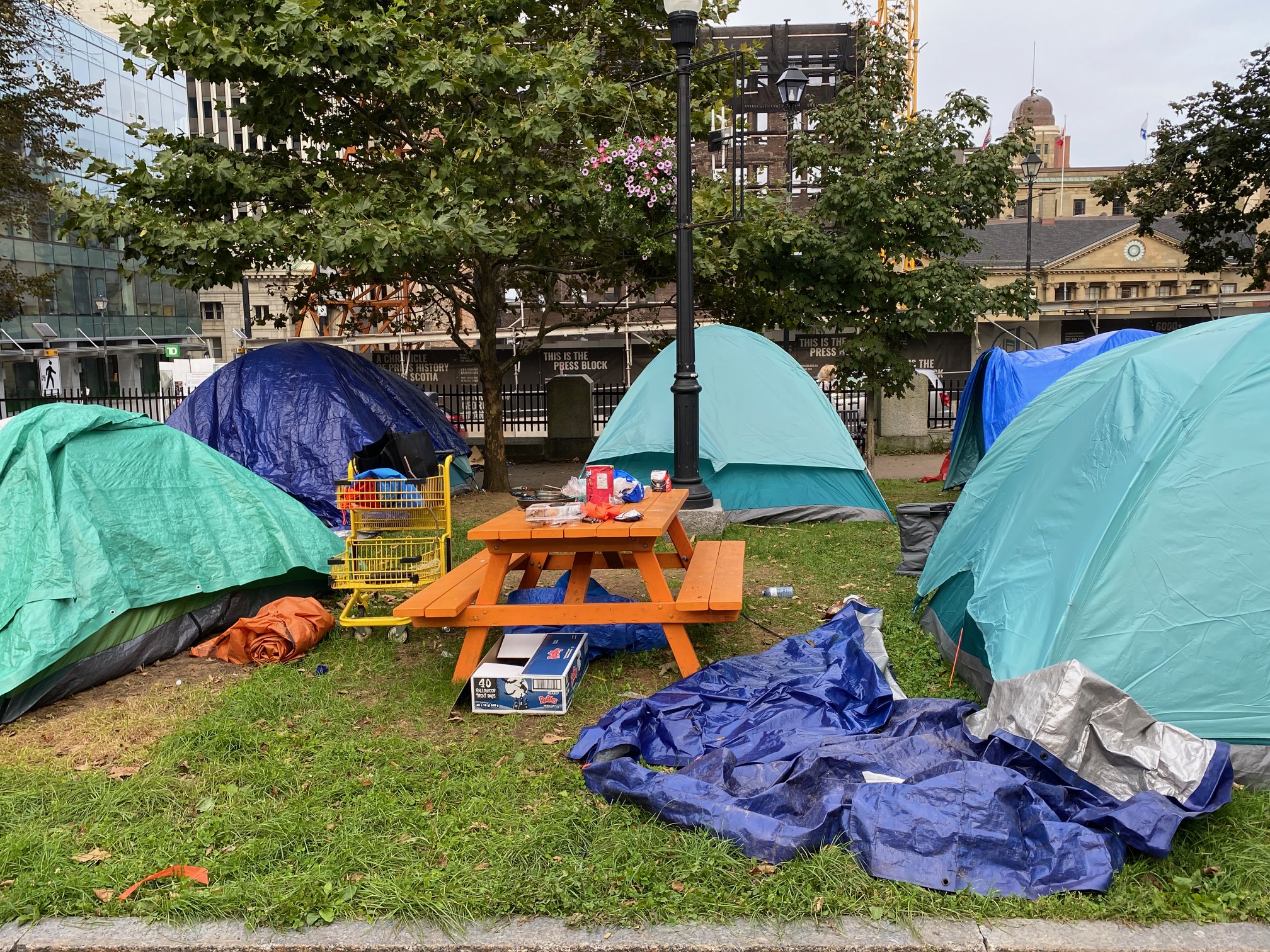
That dream was not abandoned, not lost. It is well and very much alive. It even found new spaces to set-up a tent. Or tent community. In cities. In parks or downtown streets. From ocean to an ocean to an ocean. What a majestic country and resourceful people we have!
Now, I know you could say angrily – why don’t they just find a job! These lazy bums! OK, you are right I suppose. After all, I did and obviously you did too. Wait a second though, it’s been a while since I applied for any job (had one my entire life) – but I seem to remember that when you apply you need a permanent address, phone number, even an account number as nobody pays cash anymore? Hmm. Ok, waiters, dishwashers, these simple, menial jobs for cash. But you can’t just show up unshaven, unwashed with layers of dirty clothes on your back for your interview on your first day of job, can you? No, not in real life.
Suddenly governments, especially the federal government, noticed that huge problem. The wording even changed. It is no longer ‘homeownership’, now it is called simply ‘housing’. Yes – that is correct. Homeownership is a dream, hard to achieve but still possible. Housing is not a dream – it is a minimum necessity. It is a must to function in life. If you live in your own home – you have a housing. If you rent – you have a housing. If you live in a tent – you don’t.
Building non-profit or municipal rental properties is a must. And taxpayer money should be spent only on solving this major problem. Expensive condos should be the worries of rich developers and people, who can afford to buy these condos. Even those of you, who can afford expensive city condos (and I hope most of you can) – do you want to see from your balcony a row of tents under this balcony or in a nearby small city park?
When I came to Canada over forty years ago, I landed within weeks a job paying over 15 dollars an hour. Rent for one bedroom in downtown was about $380. A nice two bedroom condo was between 50 000 and 60 000 dollars. A modest but comfortable 3 bedroom bungalow was 100 000 to 200 000 dollars. Today, forty years later, $15 an hour pay is not even legal minimum wage in many provinces. Just think of it. Something is terribly wrong with the picture. Unless you want the picture of Canada to be a tent of a homeless person.
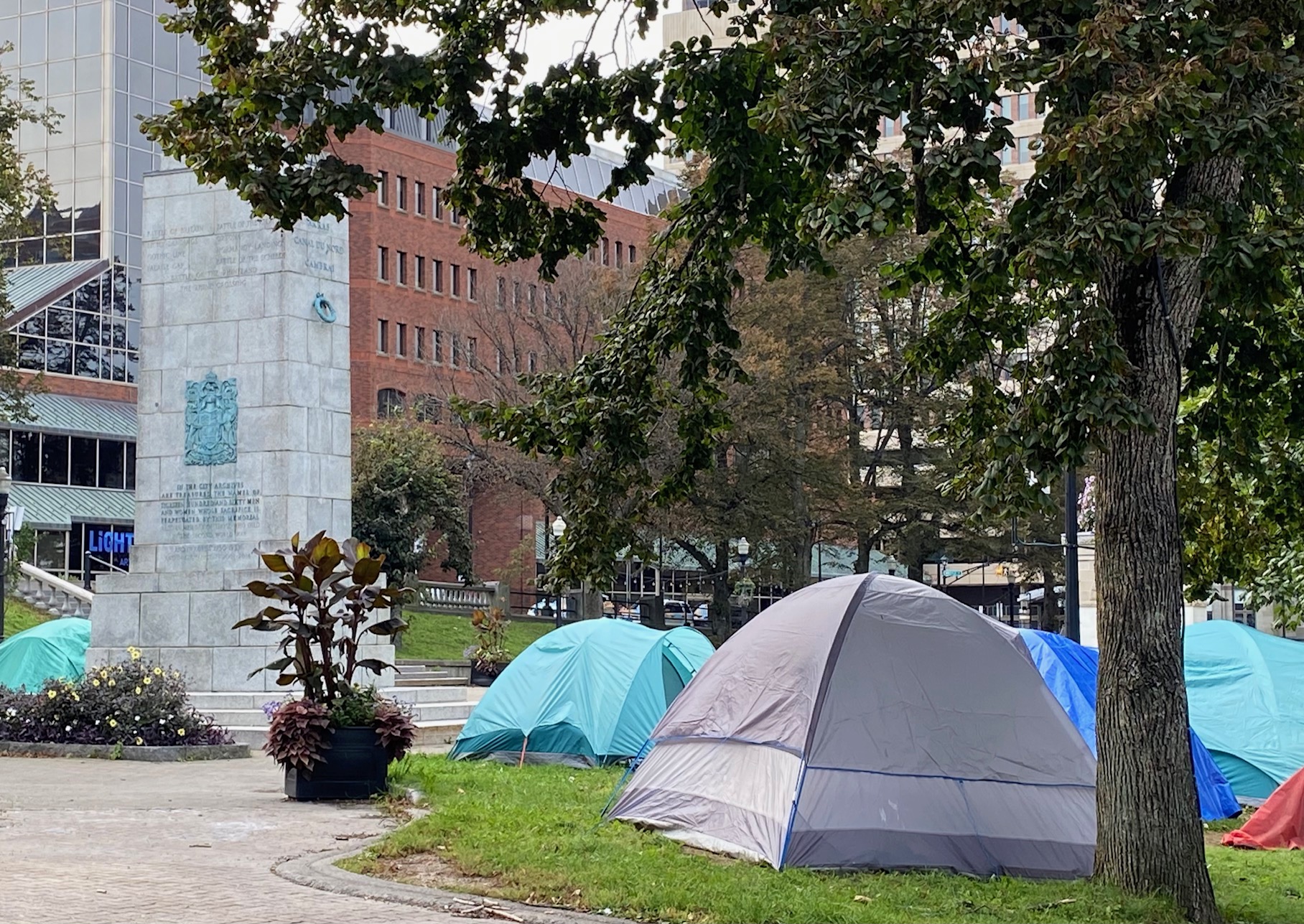
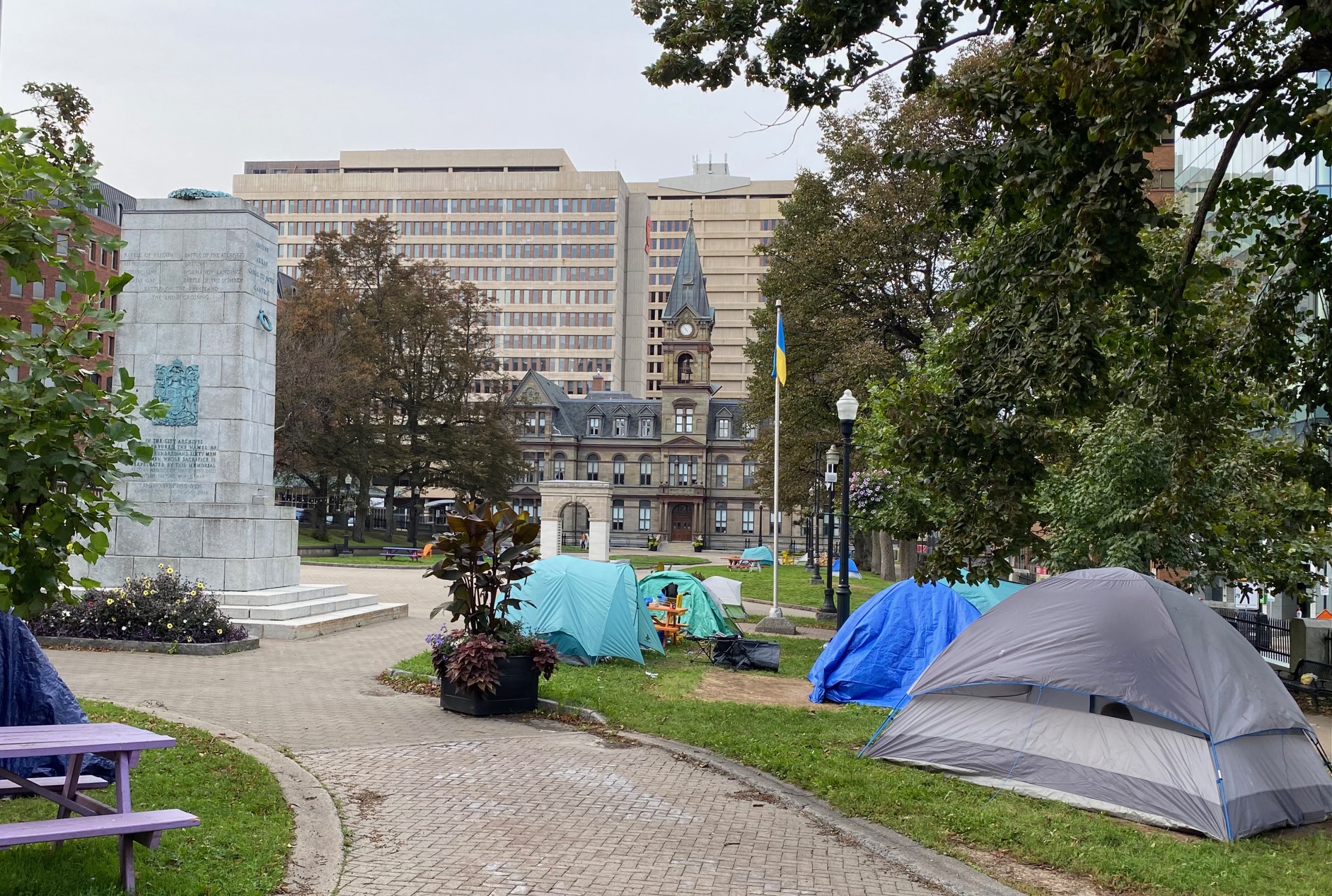
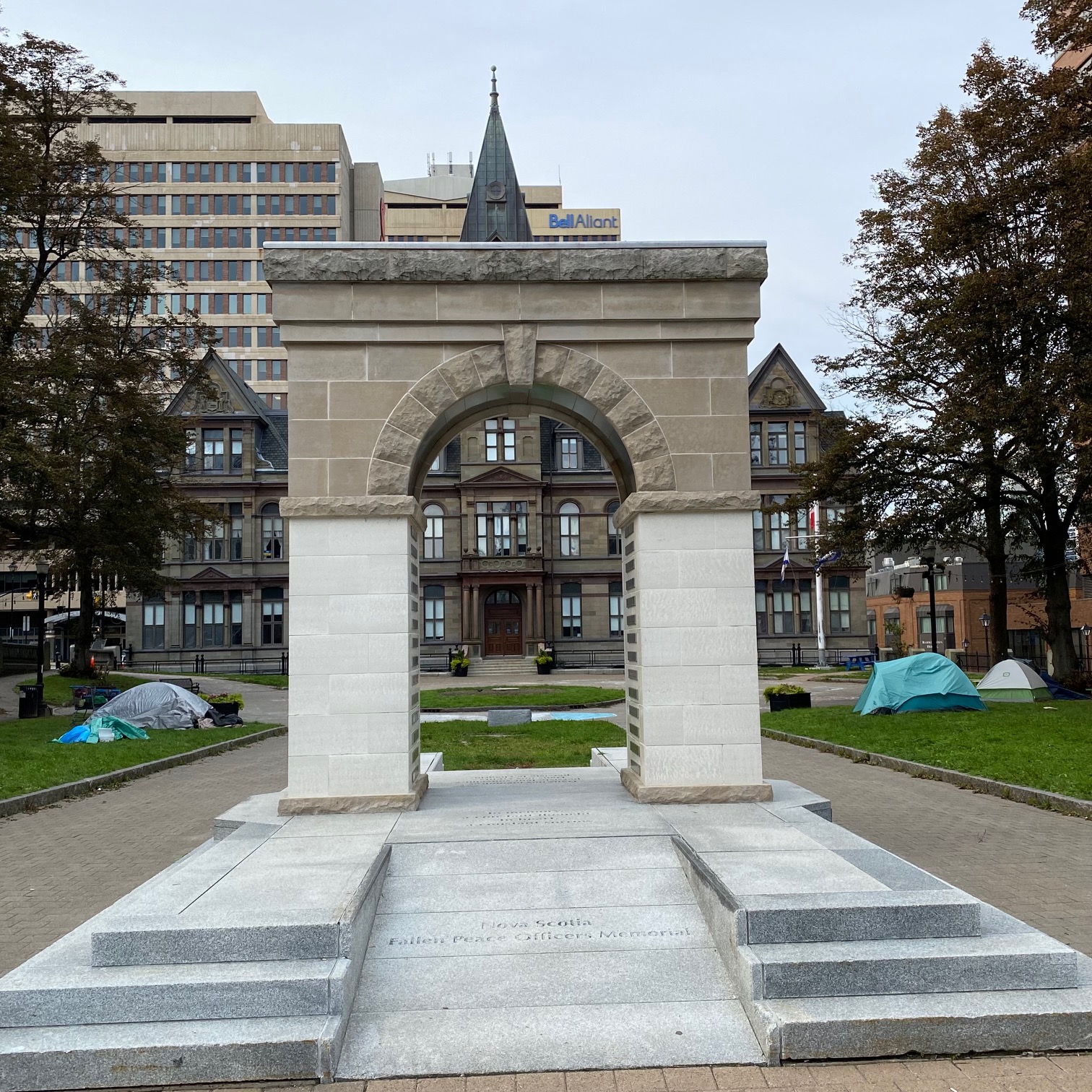
Picture above are from Halifax, NS. The tents are in one of most popular and important part of historic Dwontown: the Grand Parade piazza, nestled between historic, original first Anglican Cathedral and City Hall. It also contains two importand Centotaphs commemorating the fallen soldiers in two world wars.
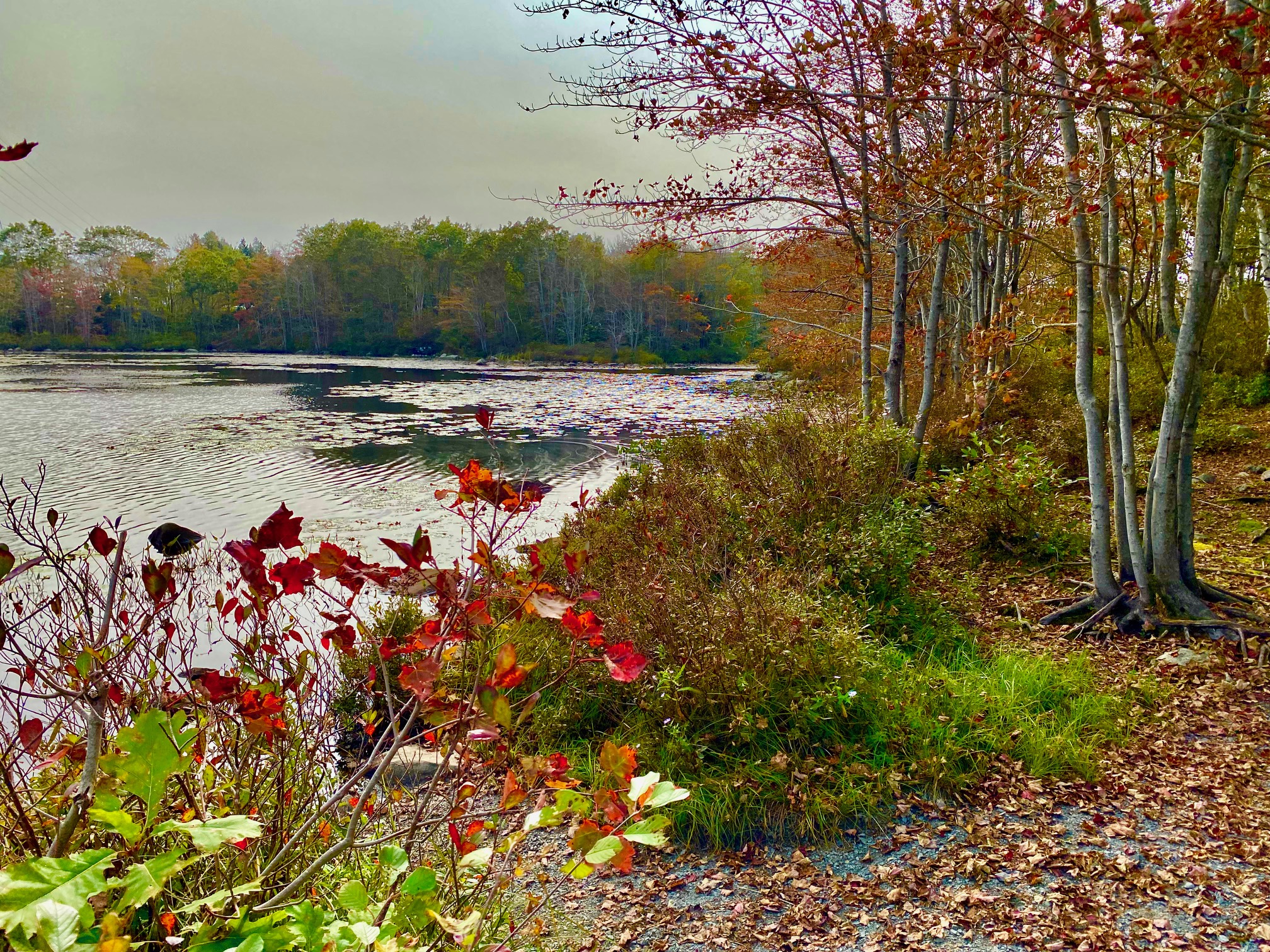
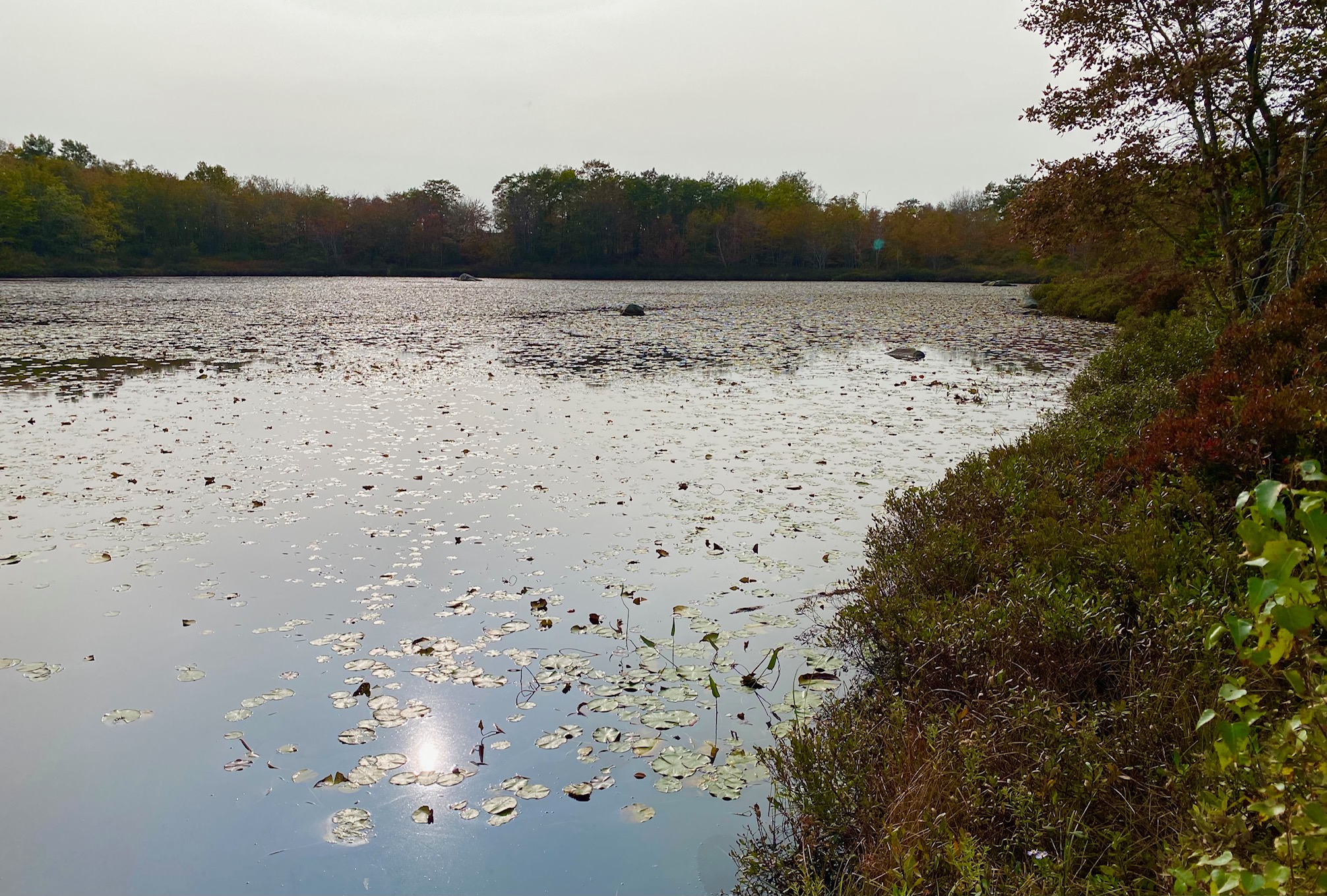
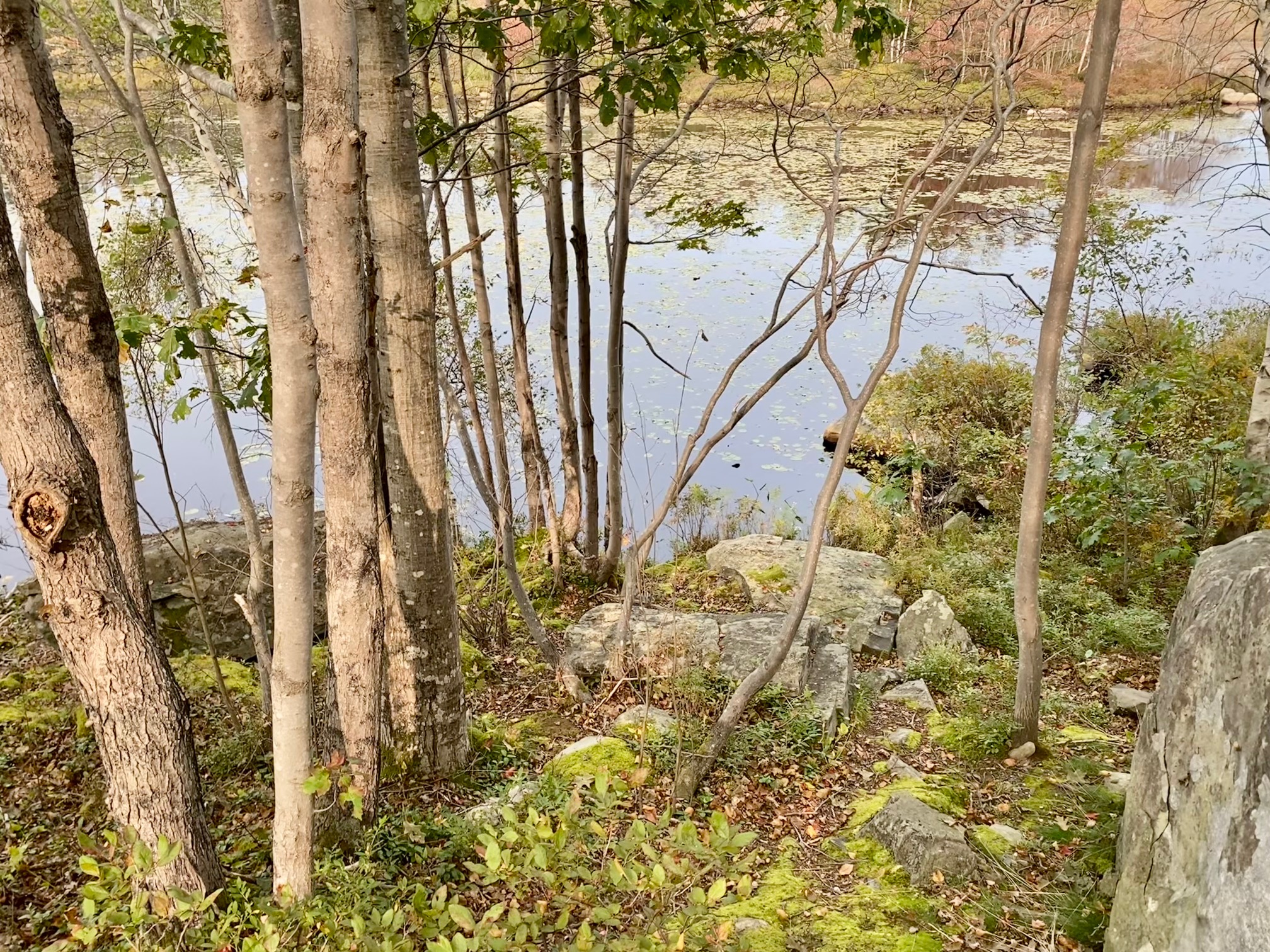
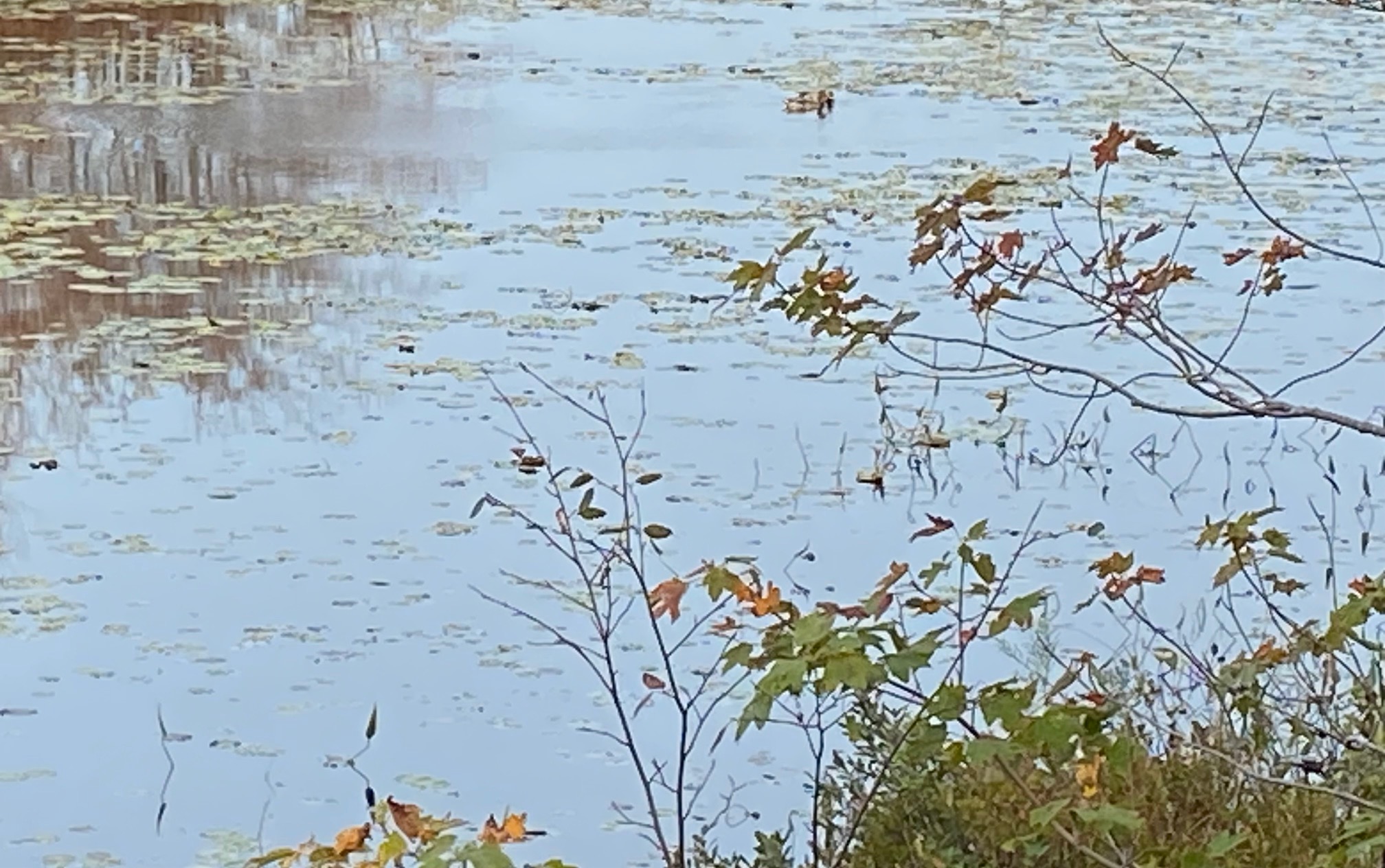
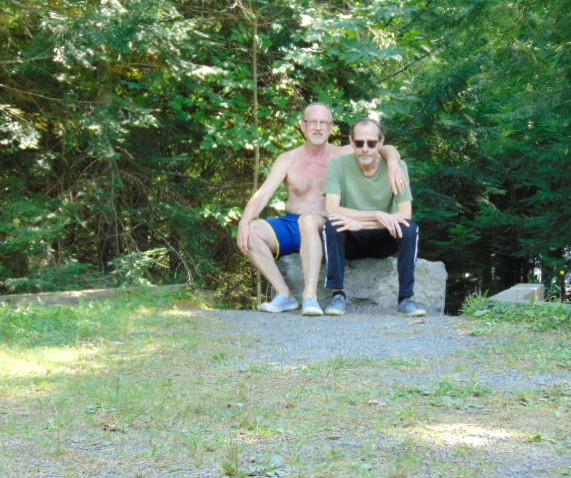
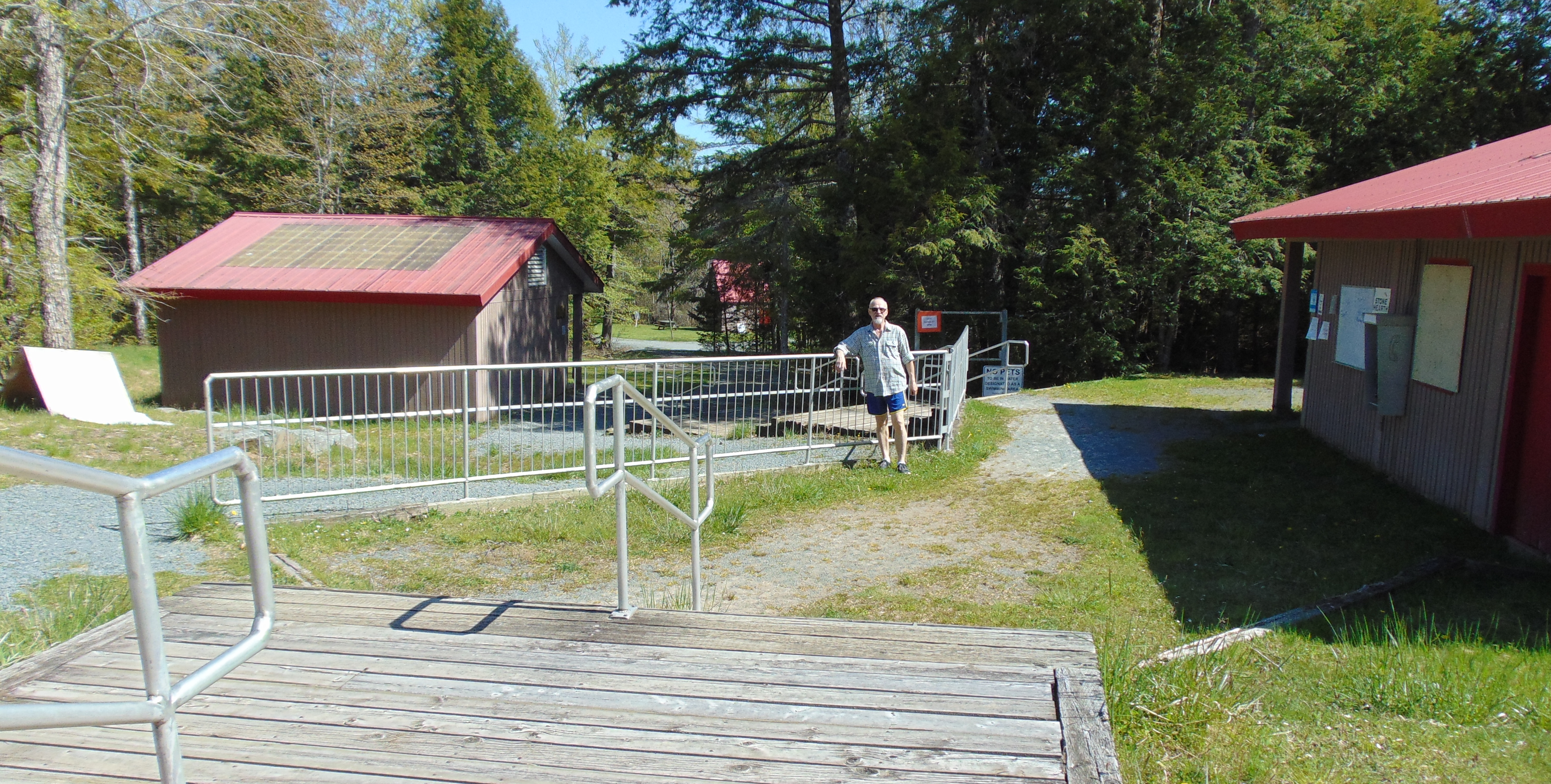
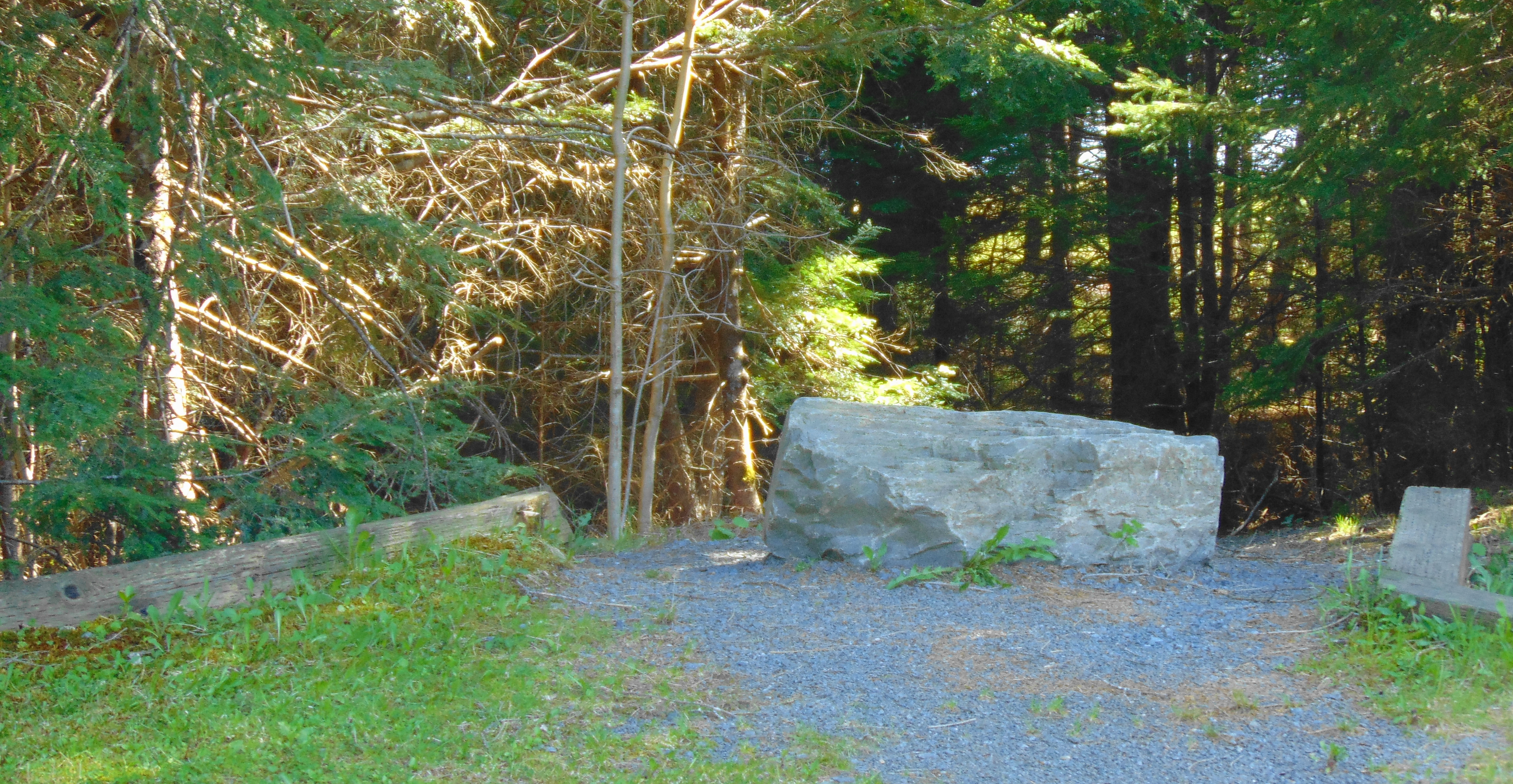
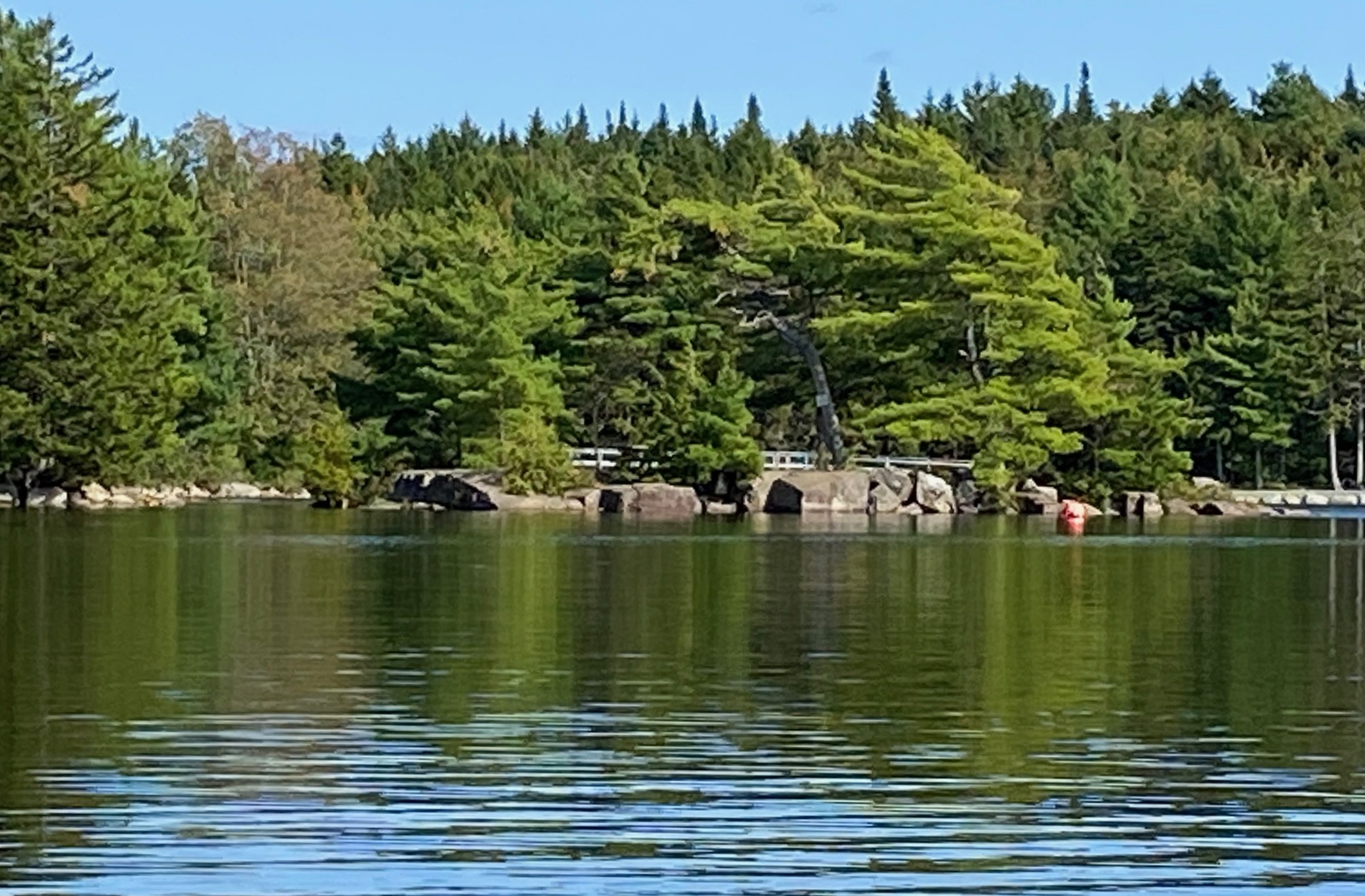
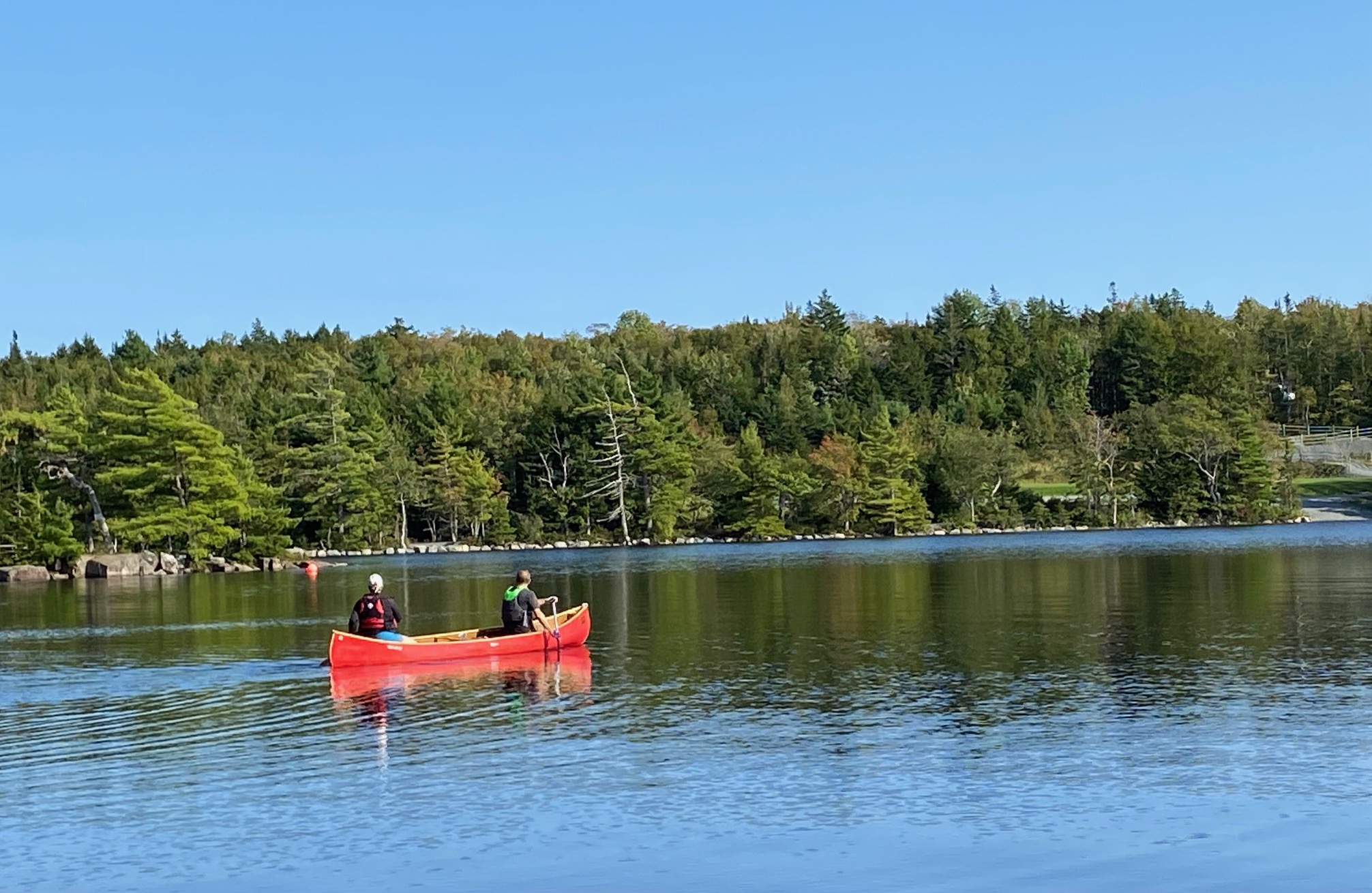
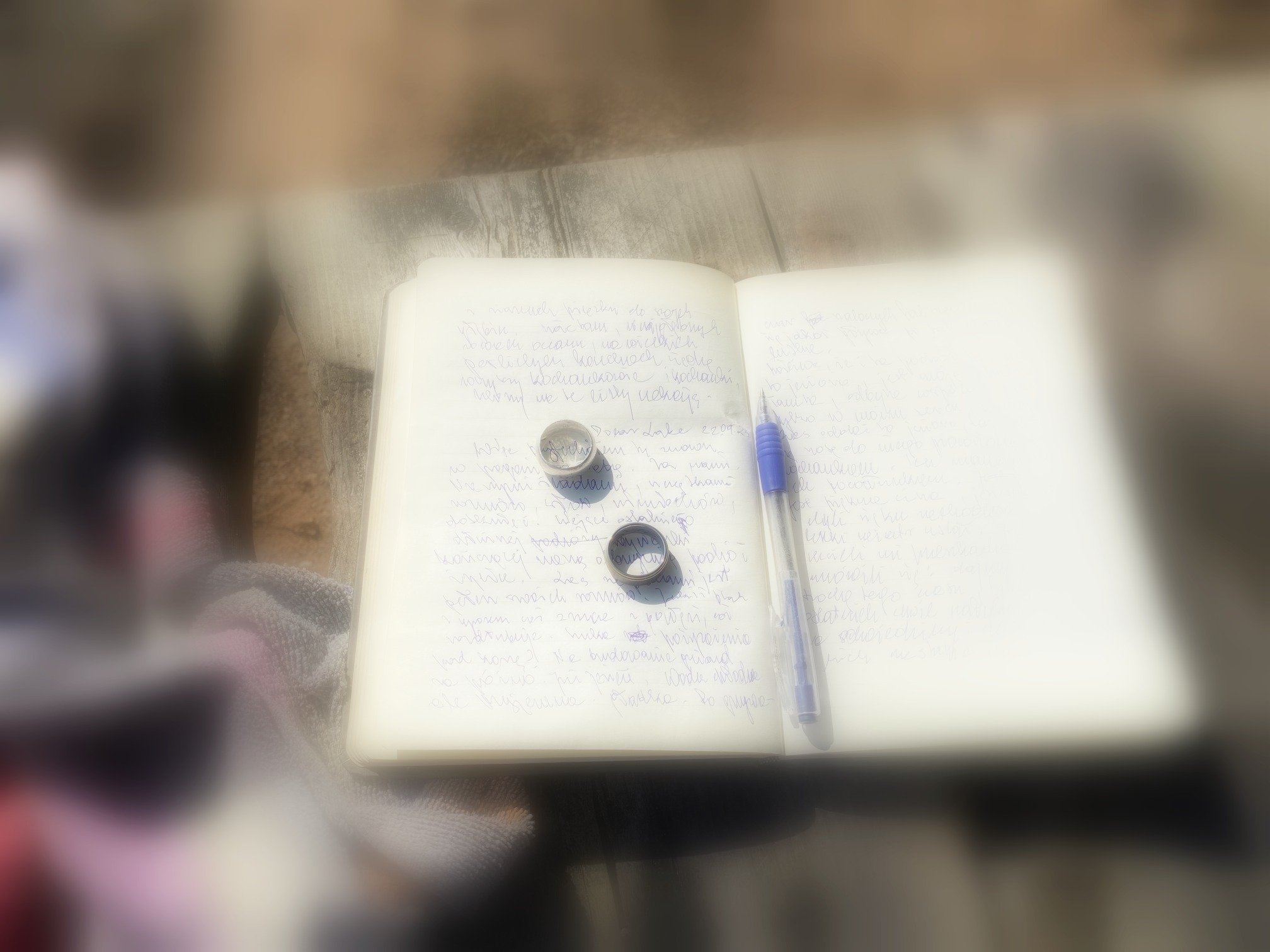
I have started the ‘Talks with John’ soon after His passing. Last place we went to, on our numerous journeys, was a little, tranquil lake called ‘Dollar’, in the midst of deep forest, half way between Highways No.102 and 107. I was the first place I returned to, after He was gone. It seems fitting it was a place I went to few days ago, closing that period of my search of Him. Here is the final letter. First part in Polish, second in English. Just a note to the Reader: both parts are a continuation of the entire text, not a translation. I could have write the entire piece in both languages – but that would not be honest to the emotional process of writing it down. My talkes with Him were bilingual and I want to preserve that aspect of it. The authenticity of the emotions. —– Polska i angielska część moich Rozmów z Johnem nie są po prostu tłumaczeniem jednej wersji na drugą. To osobne fragmenty jednego całego tekstu. Świadomie w takiej formie chce je pozostawić, gdyż taką formę rozmowy dwujęzycznej z Nim prowadziłem. Przepraszam jeśli komuś sprawi to kłopot w rozumieniu i znajomości obu języków. Ale takie są prawa oryginału.
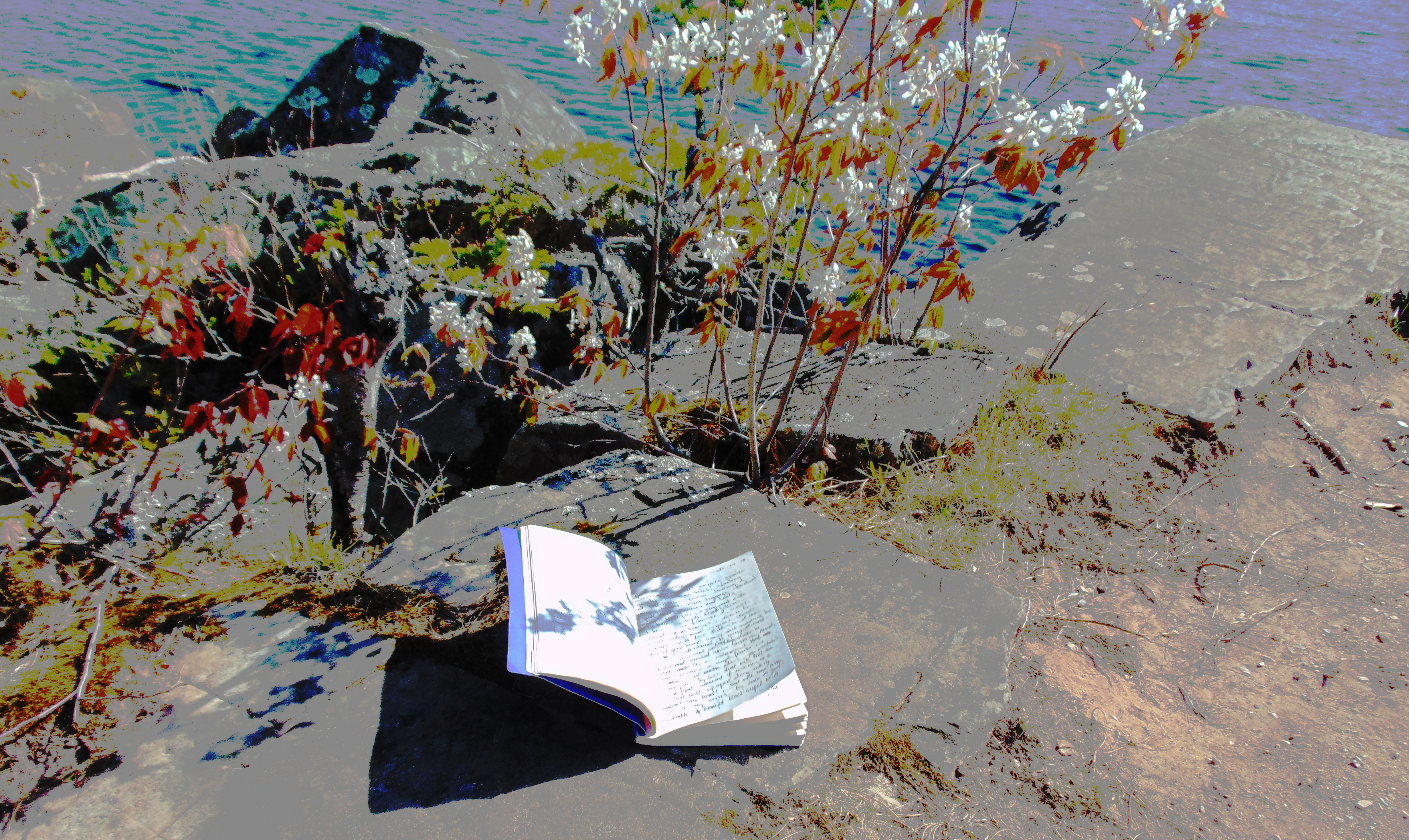
Posłuchaj raz jeszcze, wytłumaczę Ci moje zmagania. I moje klęski emocjonalne, moją słabość. To, że zapomniałem, że jestem Twoim Domem. Naszym Domem, że Ci to obiecałem i że tego ode mnie oczekiwałeś. Gdzieś tą pewność zagubiłem, gdzieś schyliłem plecy w jakimś bezgłośnym szlochu. Jeździłem po miejscach znajomych i nieznanych przedtem i szukałem Ciebie, wołałem Twoje imię. Tak, jakbyś odszedł. Wszędzie zabierałem ze sobą swój notes i te walki wewnętrzne opisałem.
Czas bym Ci złożył z nich sprawozdanie, bym te strony notesu otworzył. I obietnicę na nowo podjął, w pełni zrozumiał. Czas na powrót do Domu z podróżowania. Domu, którym jestem ja i w którym Ty mieszkasz. Na zawsze.
(Conrad Beach, 21.09.23) – Wszystko to jeden przeciągły krzyk. Jedno nieustanne wołanie, jak nieustanny szum fal. Jak ich huk, gdy rozbijają się o brzeg, gdy załamują się pod własnym ciężarem w dzikiej kipieli białej piany. Może dlatego do tych opustoszałych o tej porze roku plaż jeżdżę. By z nimi krzyczeć, by niosły ten krzyk daleko, topiły w swych głębinach i zamykały go w leżącej na dnie ciężkiej kryształowej szkatule.
Piszę do Ciebie na mokrym piasku list-poemat w archaicznym języku, którego sam nie znam, ale przeczuwam. Nadchodząca fala zbiera każdą literę, każdy znak runiczny i zabiera ten list. Zbiera delikatnie każde ziarnku piasku z każdej runy i niesie do swoich głębin. Może tam, w tej głębi największych rowów oceanów, na wielkich perlistych konchach siedzą wszyscy kochankowie i kochanki oczekujące na te listy.
(Dollar Lake, 22.09.23) – Więc przyjechałem tu znowu w pogoni za Tobą. Tu zaczynałem moje poszukiwania Ciebie, moje ucieczki z domu. Ucieczki do nas, w nas. Za naszymi śladami, szczątkami rozmów, słów, uśmiechów, dotknięć. Miejsca ostatnie dłuższej wspólnej wycieczki kończącej nasza wielką podróż życia.
our first visit to the lake
Las za plecami jest pełen swoich rozmów. Jakiś ptak z uporem coś zrzuca z gałęzi, coś rozdłubuje. Szuka pożywienia pod korą? Na budowanie gniazd wszak już za późno. Nadeszła jesień. Woda jest chłodna ale przyjemna. Gładka jak powierzchnia lustra. Po grzywaczach szalonych fal oceanu dziwnie się jakoś pływa po takiej lustrzanej tafli.
Możliwe, że i ta podróż tu, nad to jezioro, jest moja ostatnią. Tamta pierwsza, odbyta wspólnie, istnieje tylko w moim sercu, w mej pamięci. Czas oddać te jezioro, ten las, tę szosę do niego prowadzącą, innym kochankom. Ich marzeniom, ich pocałunkom. Jest piękna cisza, jesienne słońce chyli się ku zachodniej ścianie lasu, nawet lekki wiaterek ustał. Jakby nie chcieli mi przeszkadzać, jakby umówili się: dajmy mu jeszcze chwilę, trochę czasu by się tych wspomnień nałykał.
my first return to the lake, in May, 2023
Czasu na odwiedziny i czasu na pożegnanie. Niech nastanie już ta cisza.
To think of it, You were my Canada. My entire life here. My love for this country was my love for You. I went to Halifax today for this last recorded on-paper talk with You. At my favored spot in this city at the beginning of Coburg Street. In front of my favored church – St. Andrews United Church.
There are many reasons to like this spot: it is, in a way, an invisible border separating bustling and noisy Halifax of tourists and business from Halifax the quiet, the reflective. But it is also the church I have visited many times for musical concerts organized there. But above that there is one more thing, a small detail that I noticed and just love it. The administrative annex of the church is a very busy and noisy some sort of school/childcare facility. There are always many kids coming and going, laughing, joking, saying hi and goodbye. The entrance to this school is always adorned with some rainbow symbols of the LGBTQ+ community. What a most splendid idea! Remember? I showed it to You and You agreed. Introducing the kids to the reality, that love has no boundaries, that all are welcome and included. Just that visual effect is stronger and better than lectures could ever be.
That is why I came here to finish this letter to You. About our Canada, Canada You gave to me. Or Canada that made us.
Canada now is with me all the time. Your gift to me and Her gift to us. Wherever I go, She will go with me. She is part of me, like our love and You.
I will stop searching for You on the vast beaches in the majestic bosom of waves crashing on the shore. Stop looking for You on the tranquil trail and beach of Dollar Lake lost in the middle of an old forest. It is true – memories of us being there, are still there. But they are also inside my soul, imprinted there till the day I die.
I didn’t need to call Your name, You are not hiding in any of these places. You are within me. You are us, and I am us.
You once said: ‘wherever you are, there is my home’. I remembered it at the beginning of my immense grief. Over time that grief became so heavy, so strong, it started to overpower me. And I run to these places calling Your name, begging You to answer, to reveal Yourself.
But now it all came back. You are everywhere I go. At home, on my travels, my walks. You are my Canada. My true heimat. I can take it with me across any mountains and oceans. The entire world is that – our Canada. You have come back where You always belonged – to me. Let’s walk together the rest of the Journey, wherever it takes us.
from my last visit to the lake in late September 2023
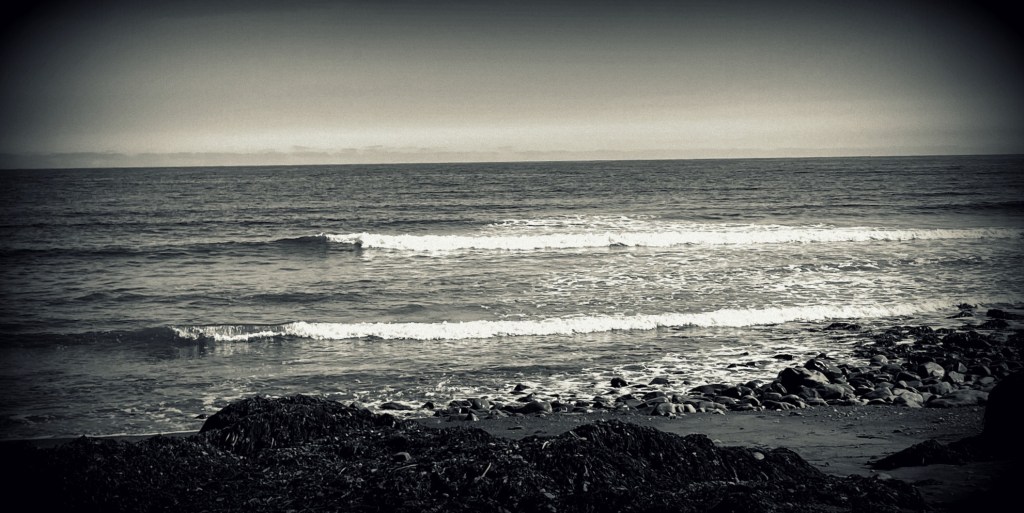
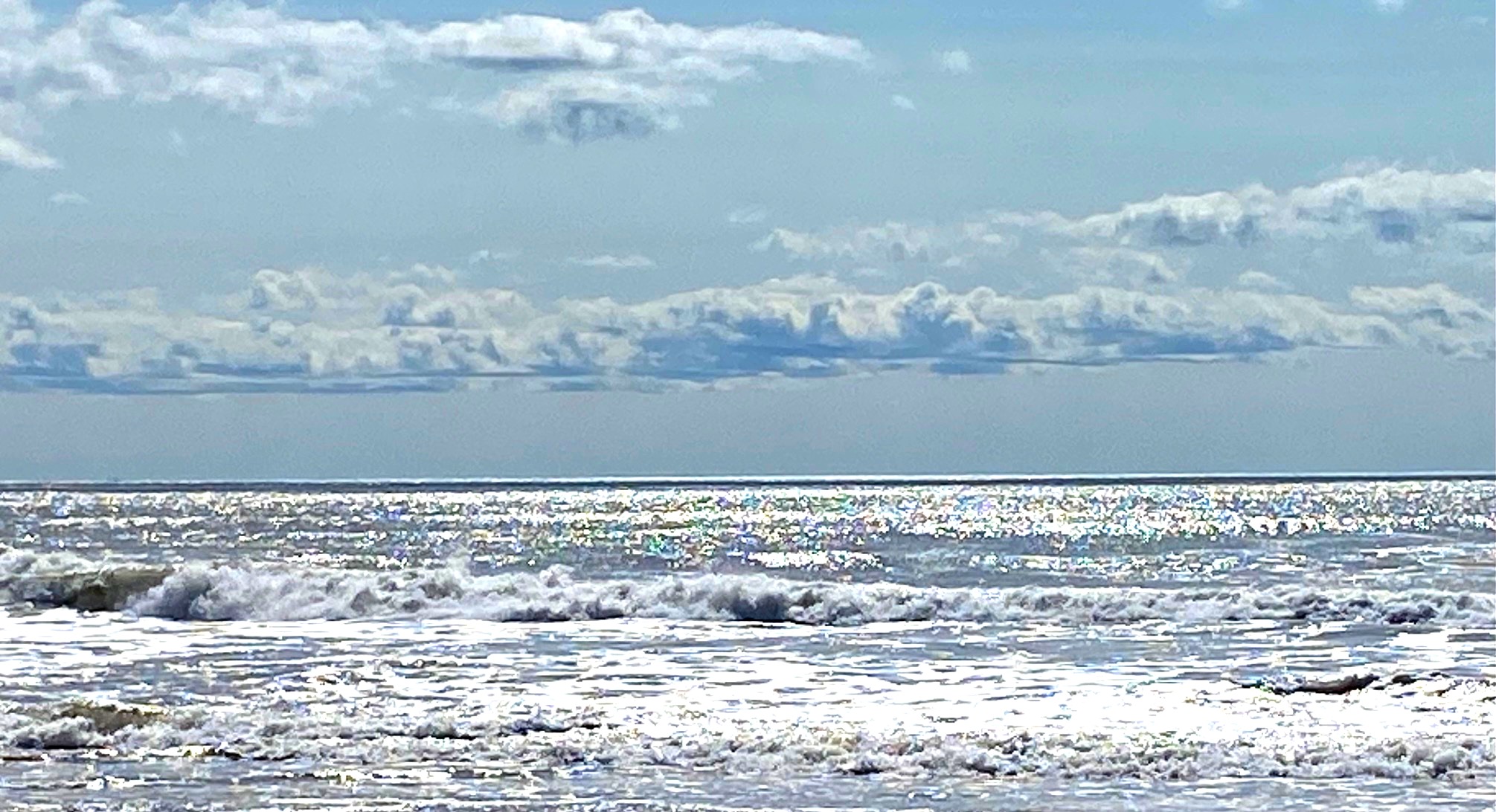
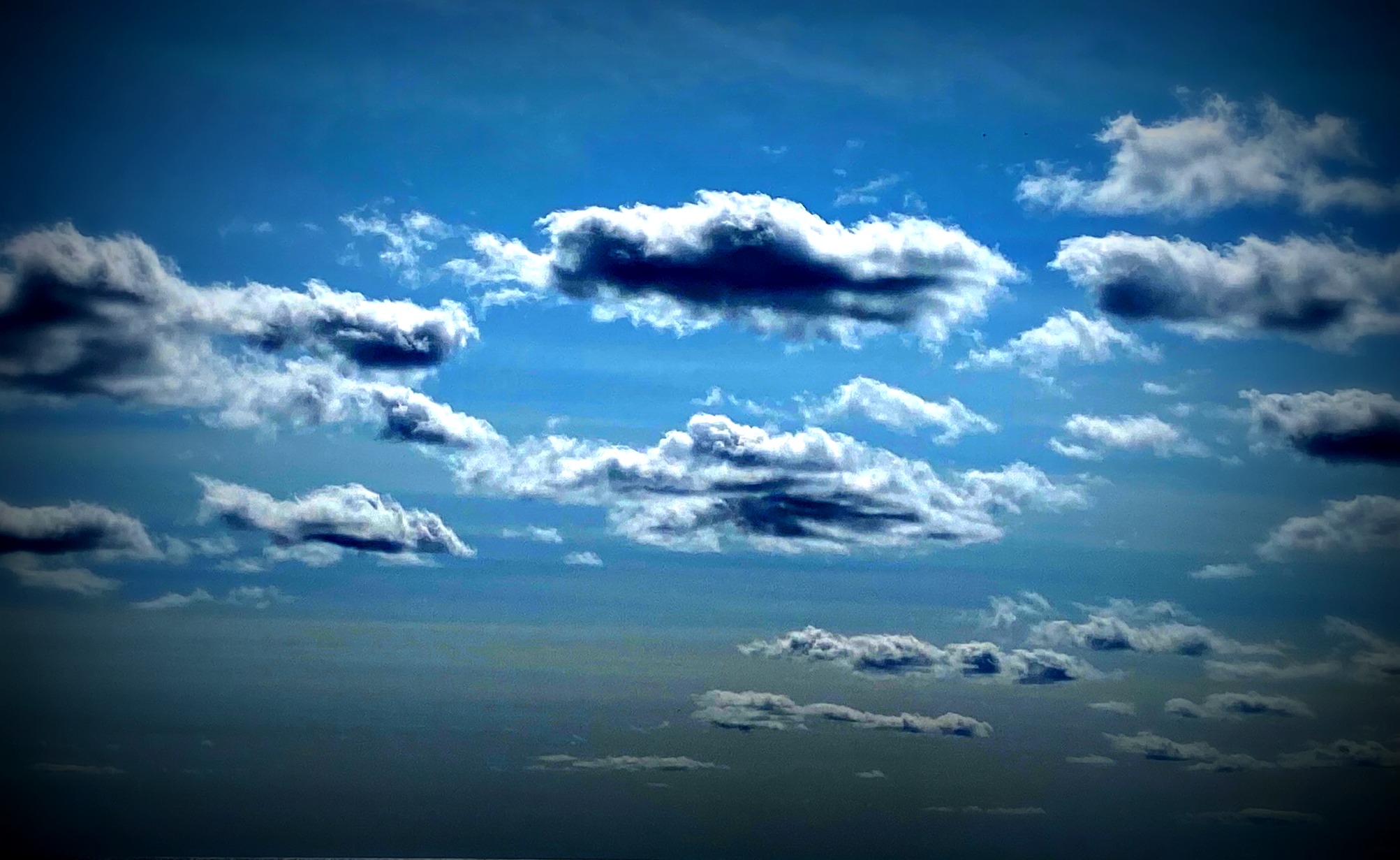
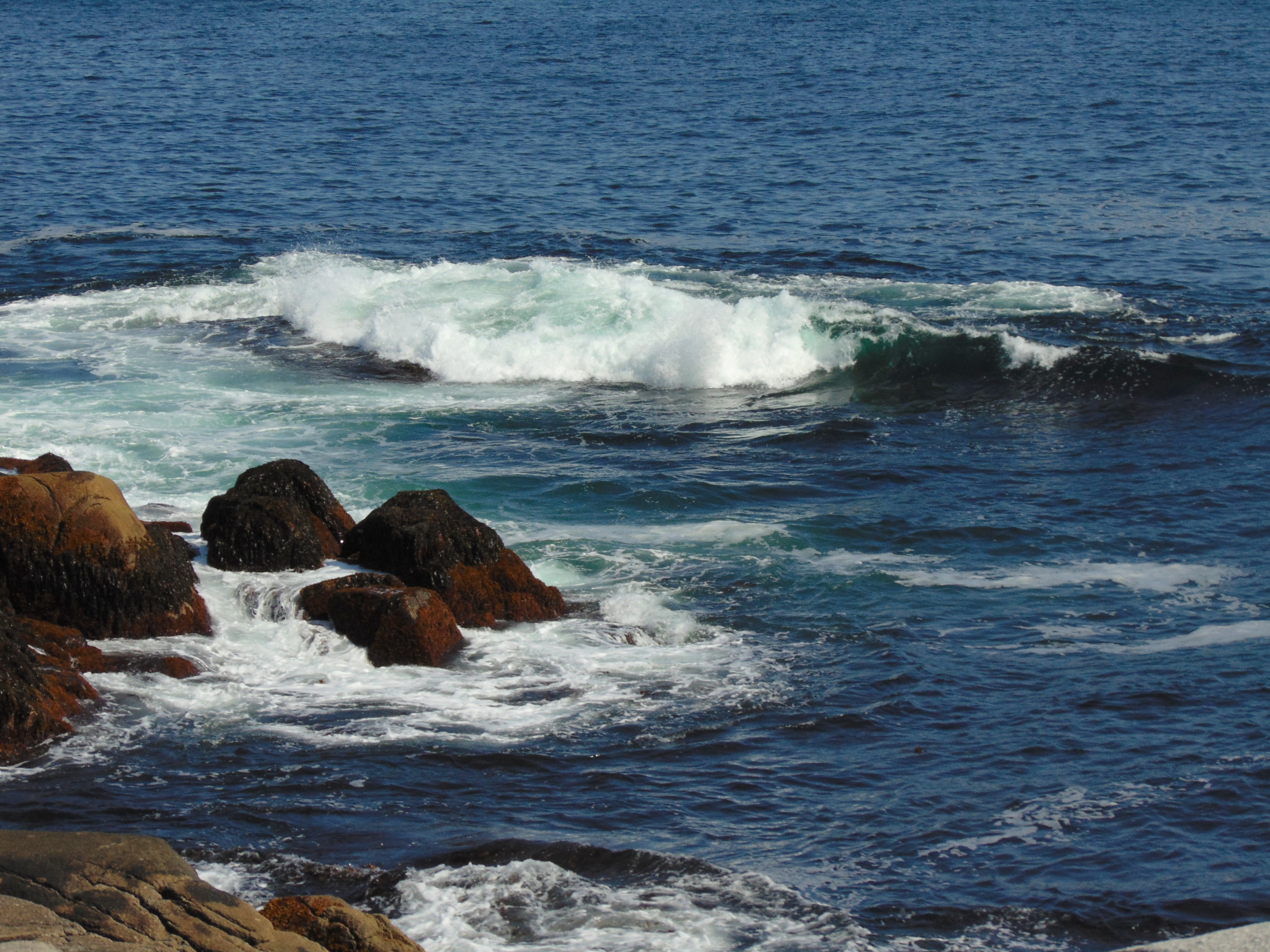
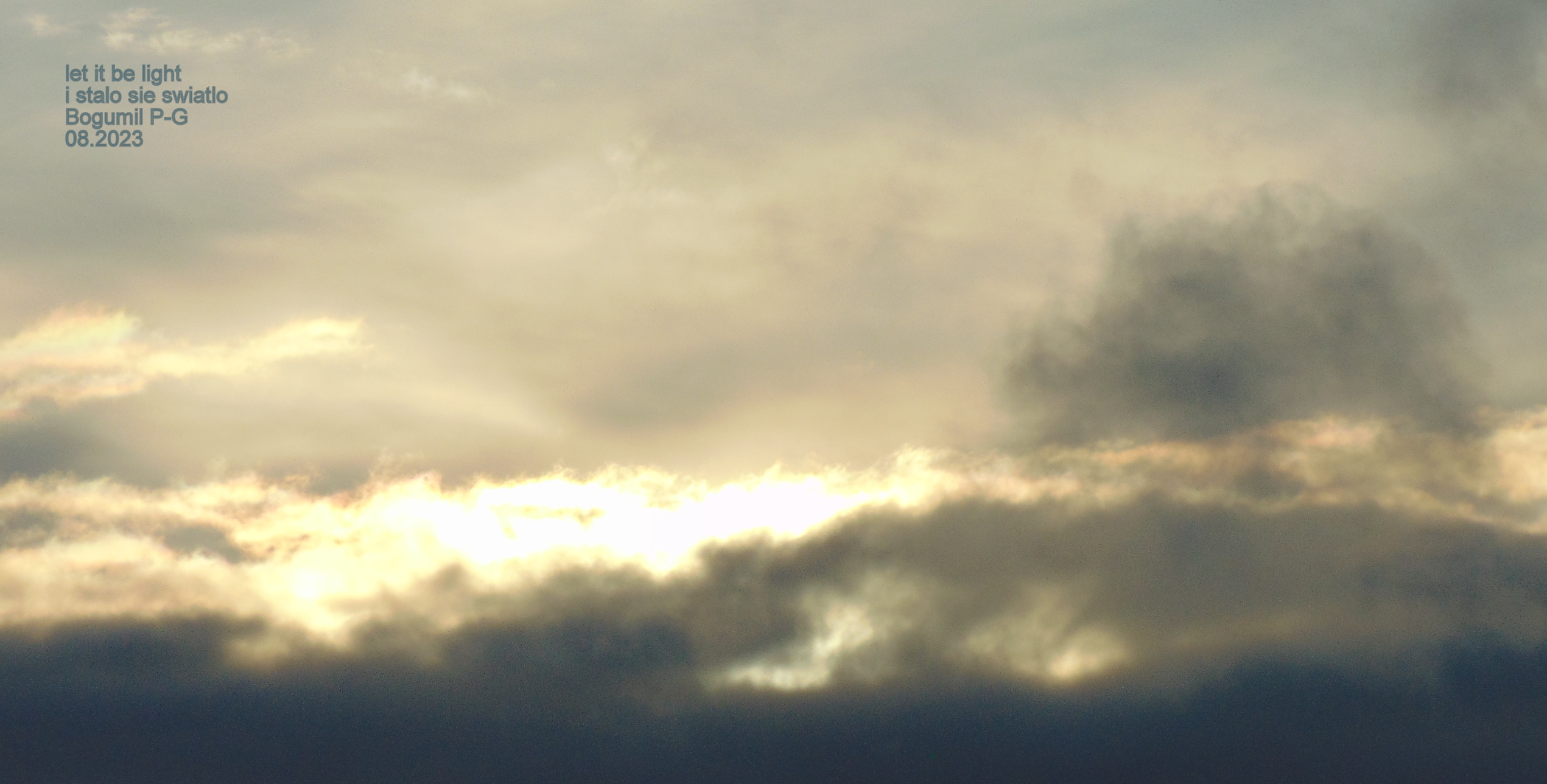
Of many travels this late summer I decided that today, on first day of Autumn, I will create a portrait of meeting two opposite worlds: the sky and the sea. The Northern Atlantic is famous for huge waves. As they rush toward the shore they create a cascade of white foam, as to compete with the white clouds above them. Observing them takes you to another dimension, another wold, when you realize how unimportant, insignificant you are. Just a speck of sand on a beach. Not unlike the little insect you are observing, as it tries to conquer small distances across the sand dunes. It seems like an impossible task: as the tiny insect climbs the the sandy wall, the sand constantly moves from under its tiny legs and the insect falls down. It looks like a monumental struggle through Sahara or Gobi deserts.
But to the ocean and to the sky all of these struggles seem trivial. It has been here before the man and before the insect. Probably will be here once we are gone again.







































































 > > Pogwarki < <