Miejsca. Miejsca … to taka specjalna przestrzeń geograficzna i emocjonalna. To tam, gdzie kiedyś ludzie kładli kamienie, budowali kapliczki lub kopce. By odnaleźć potem samemu lub zostawić ślad, drogowskaz dla następnych. Drogowskazy, że tędy droga.
Moje pożegnania z naszym ostatnim domem w Nowej Szkocji od miesięcy wielu do takich miejsc zawsze prowadzą. I zawsze jakiś kamyk tam kładę, jakieś wspomnienie zapisane w notesie, jakiś wiersz. Te literki i słowa to moje kamyki – byliśmy.
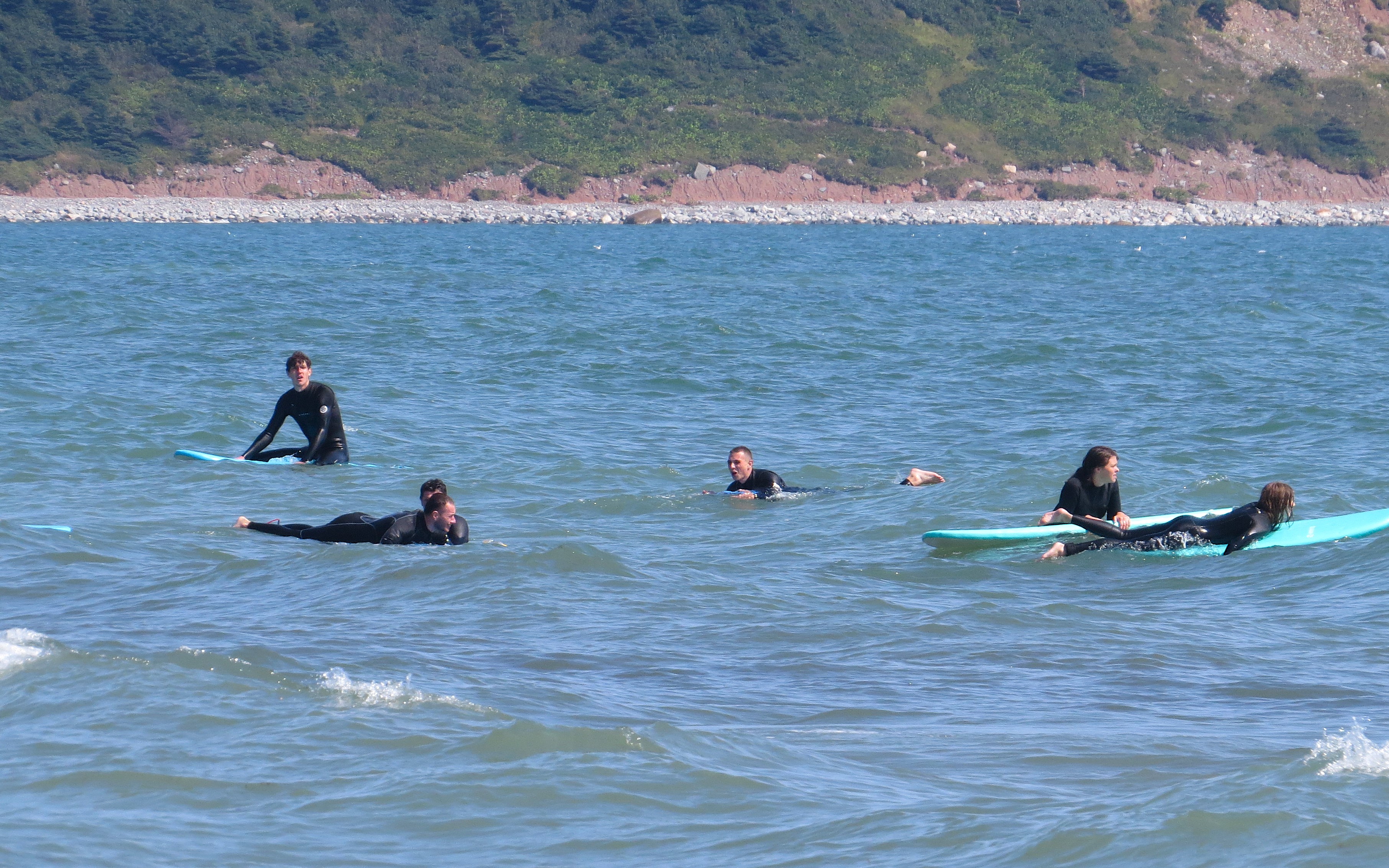
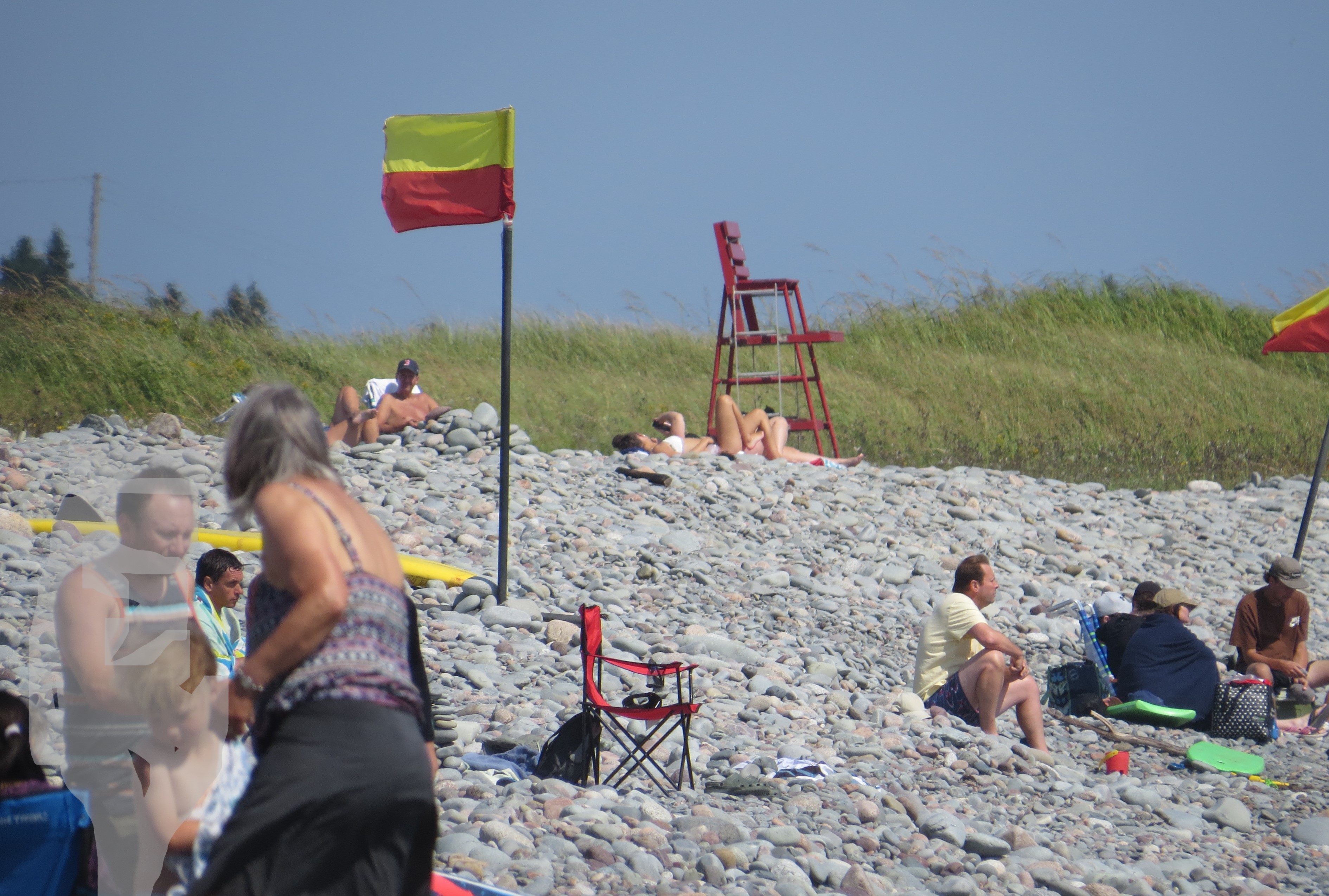
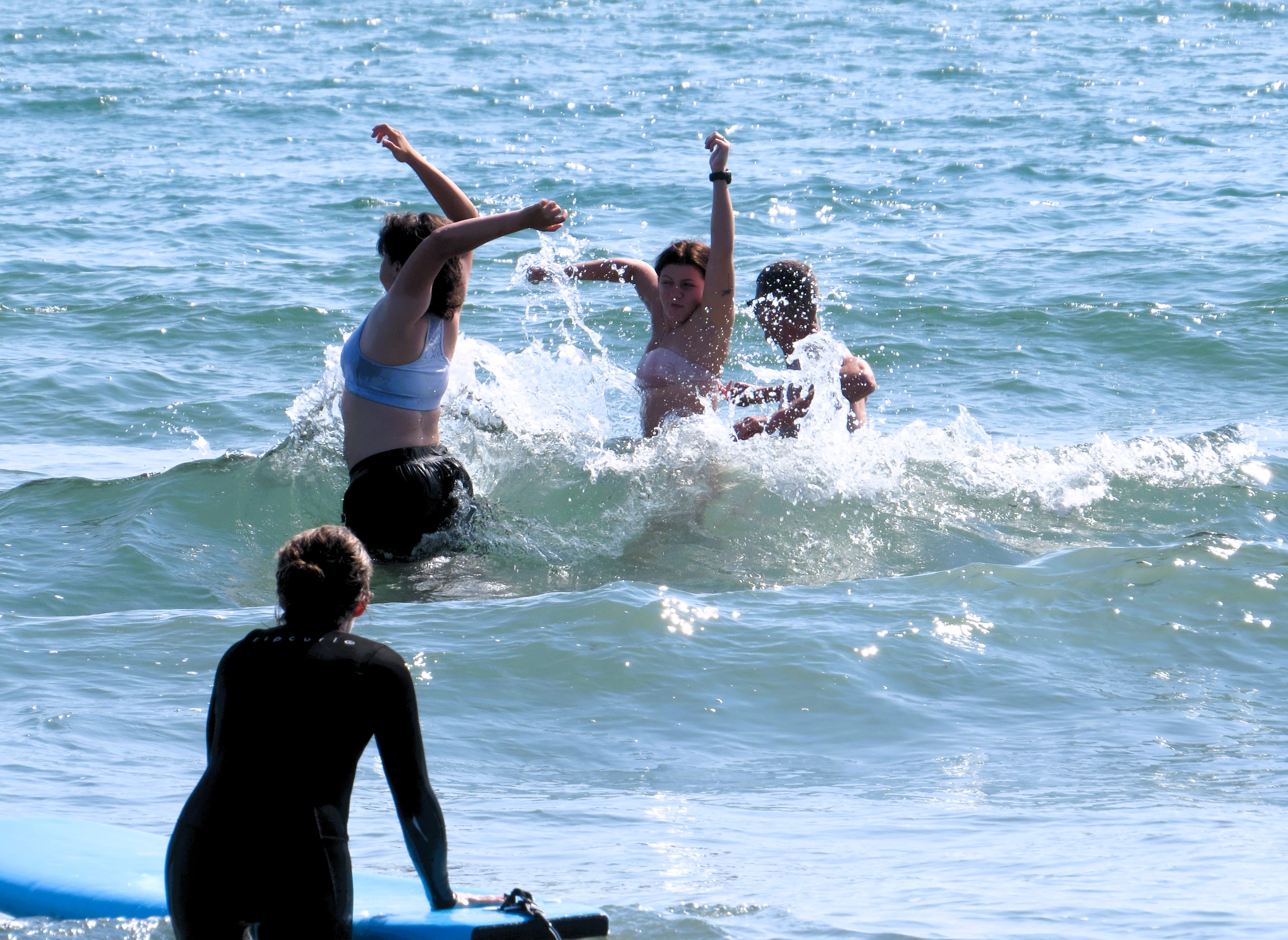
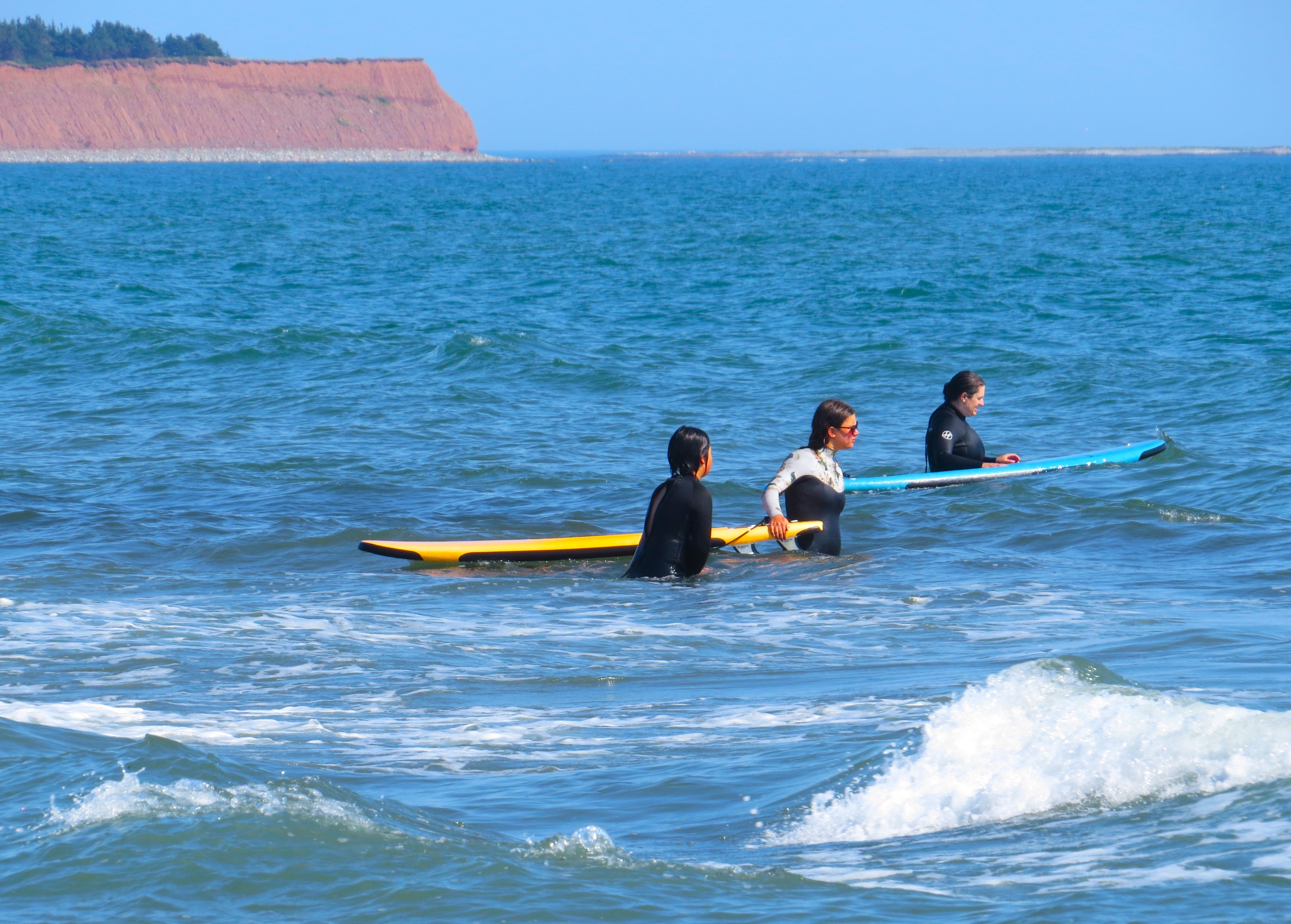
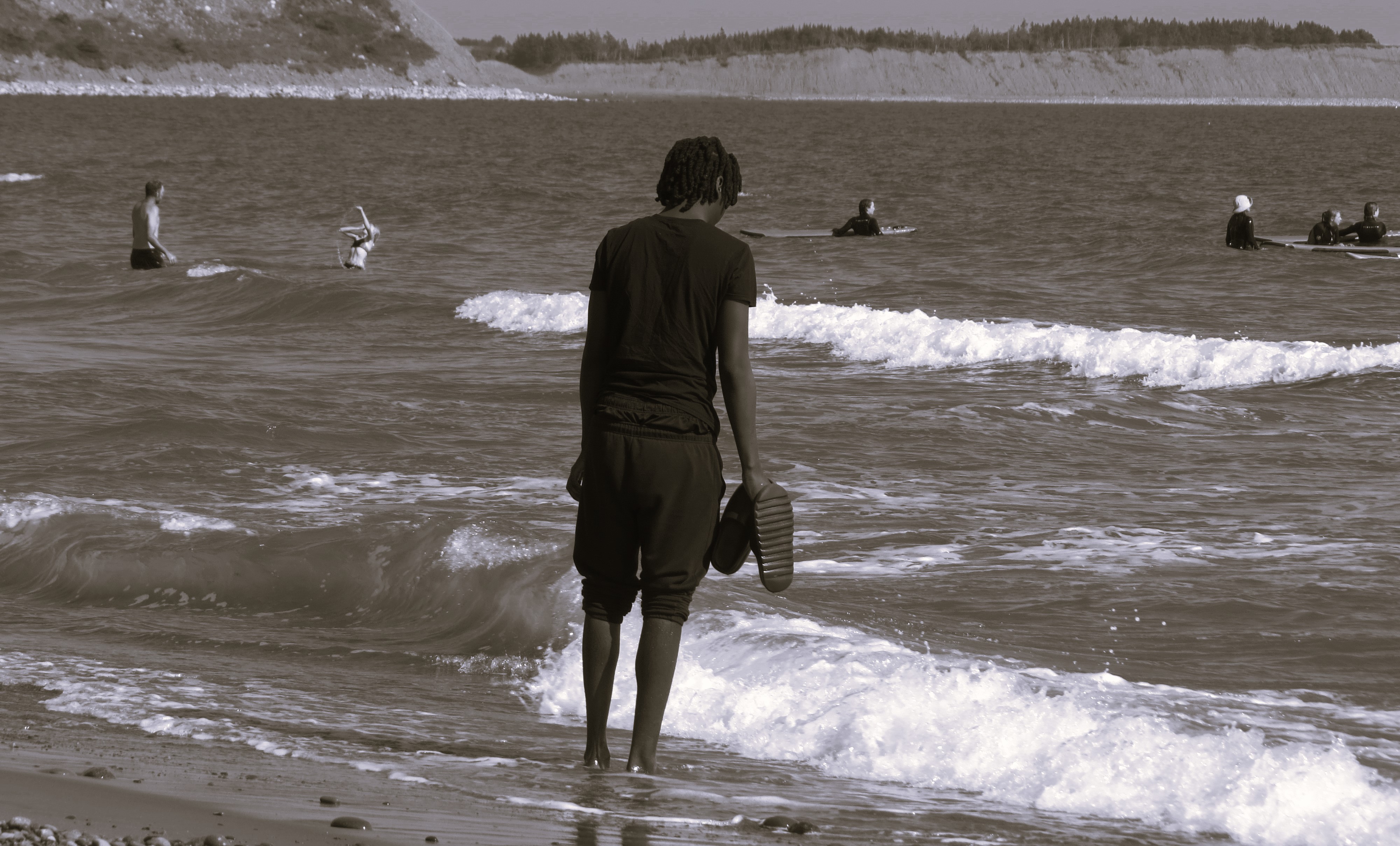
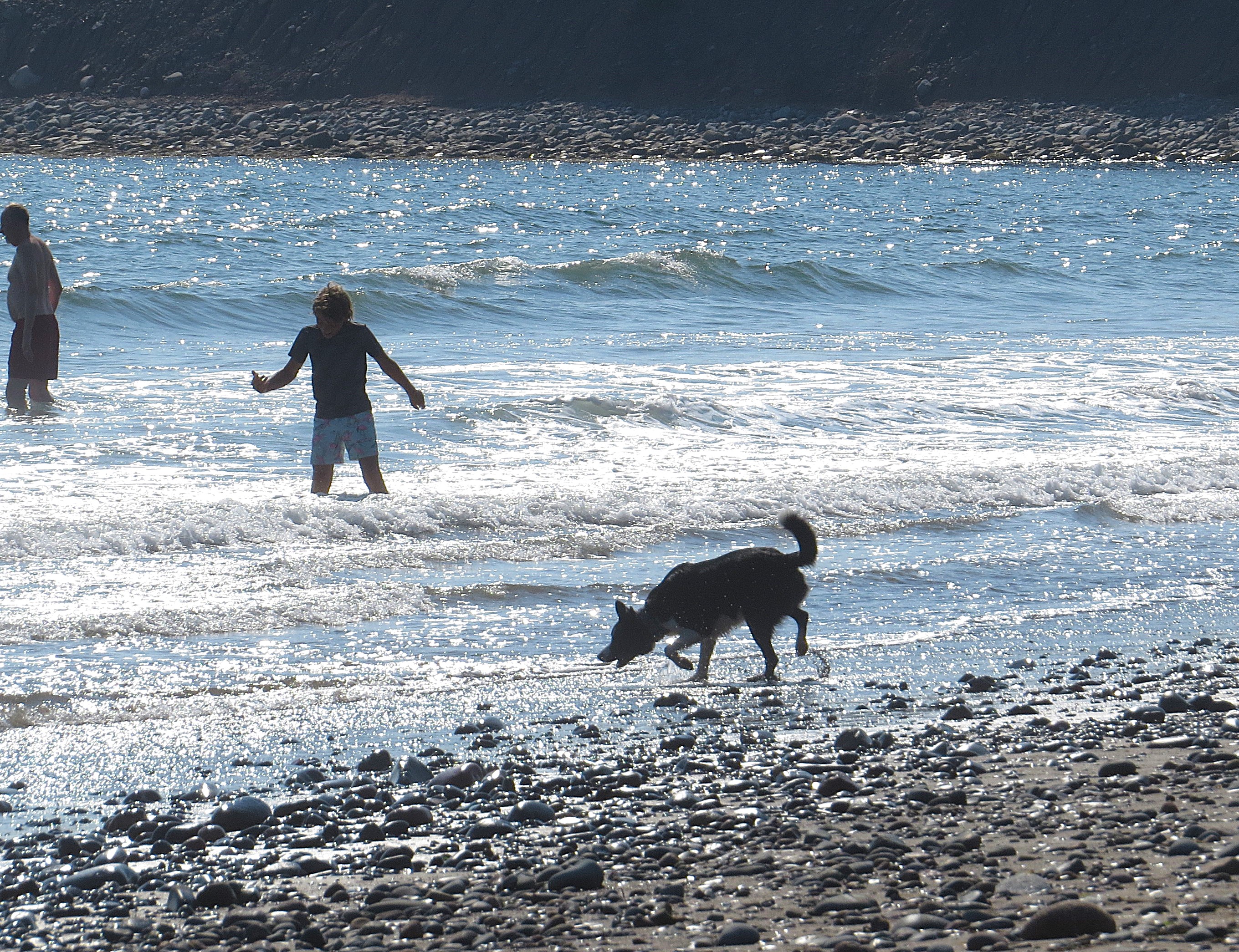
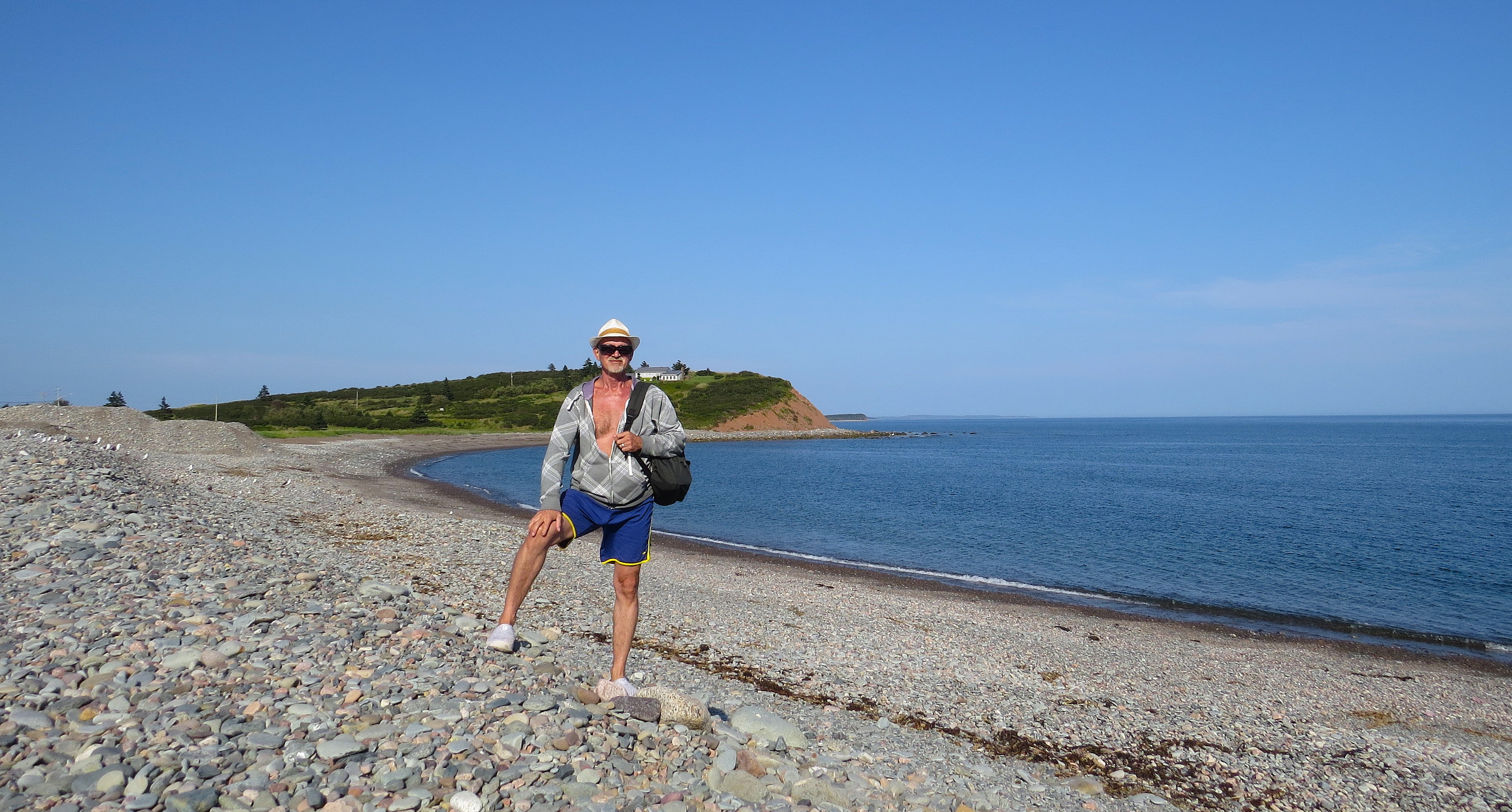
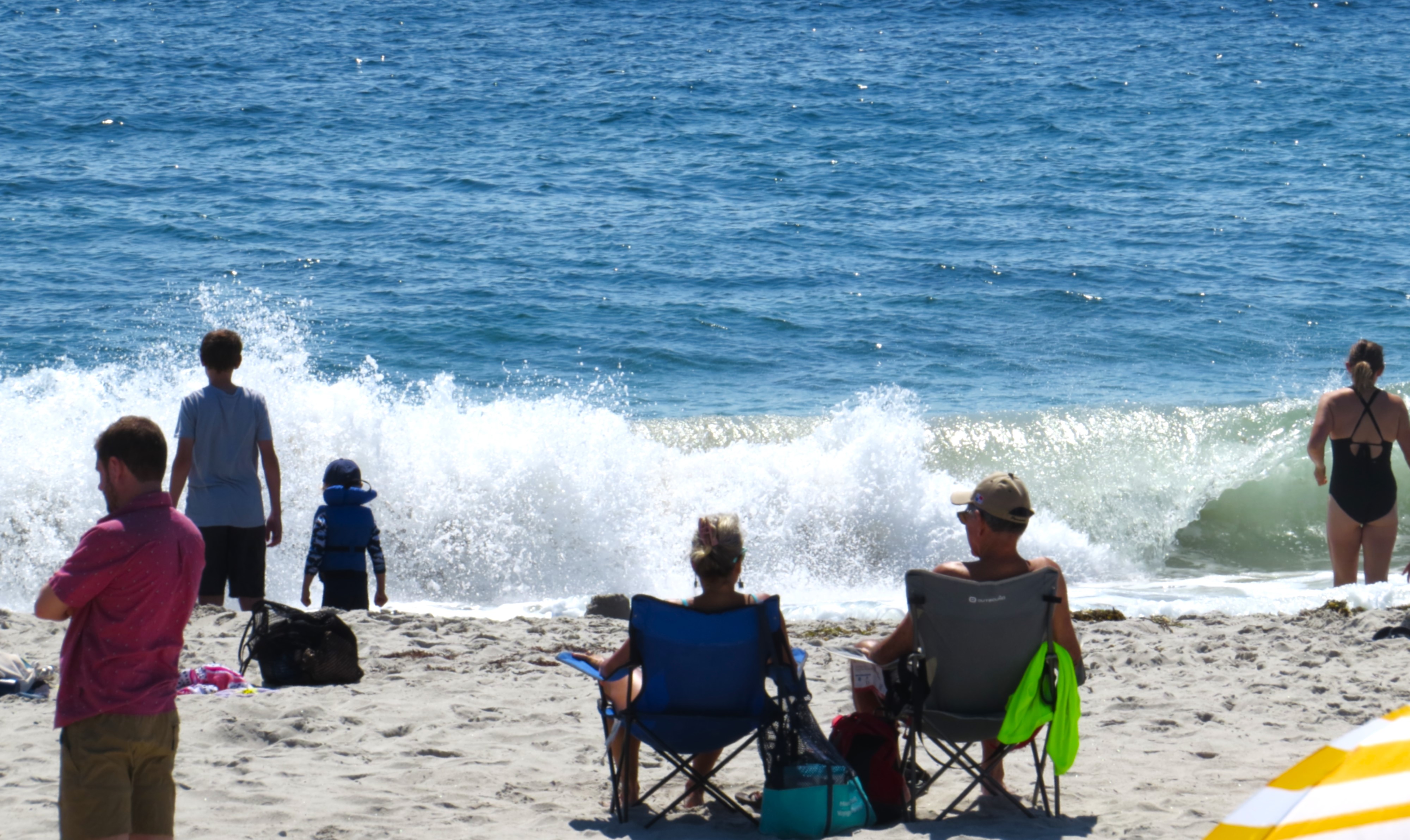
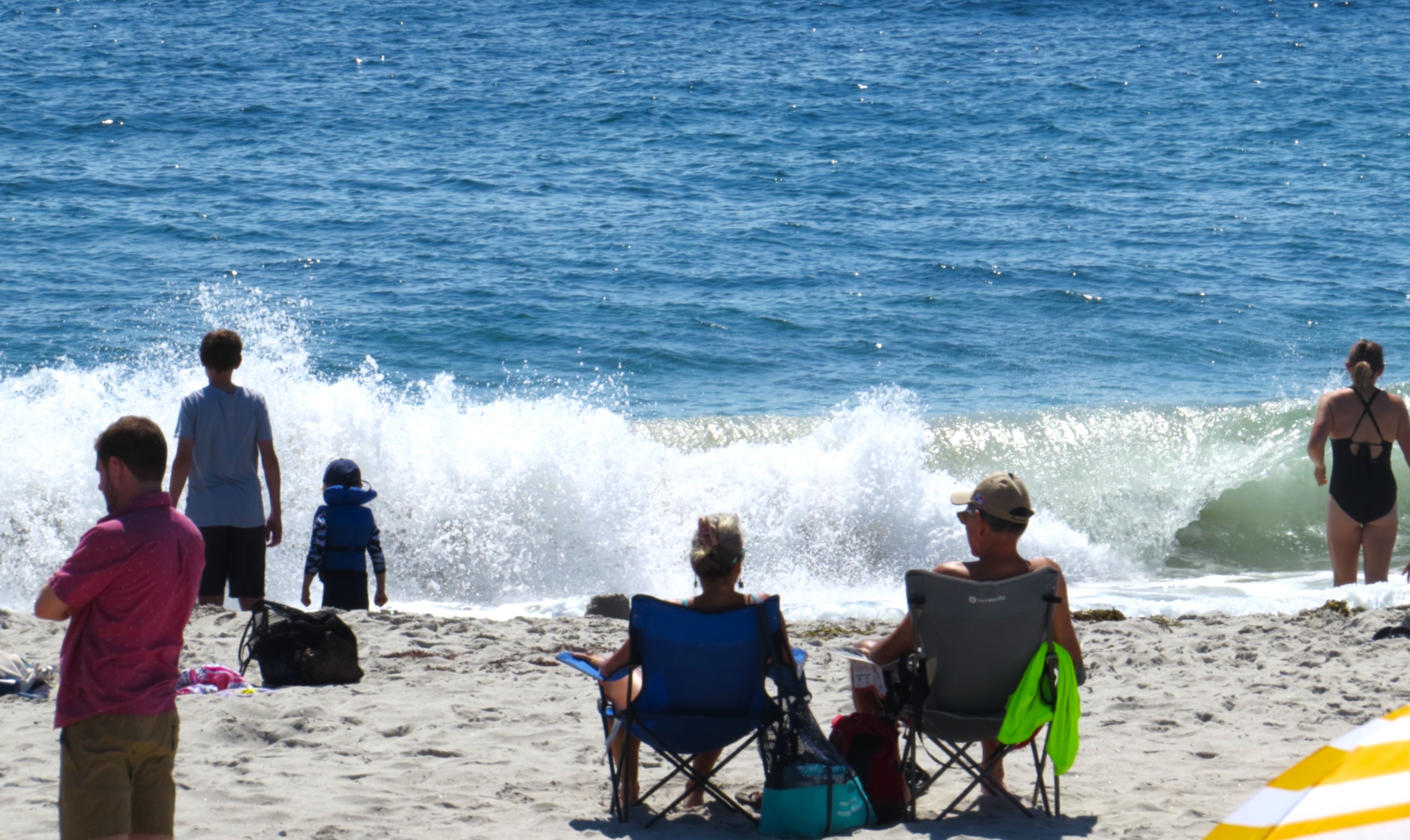
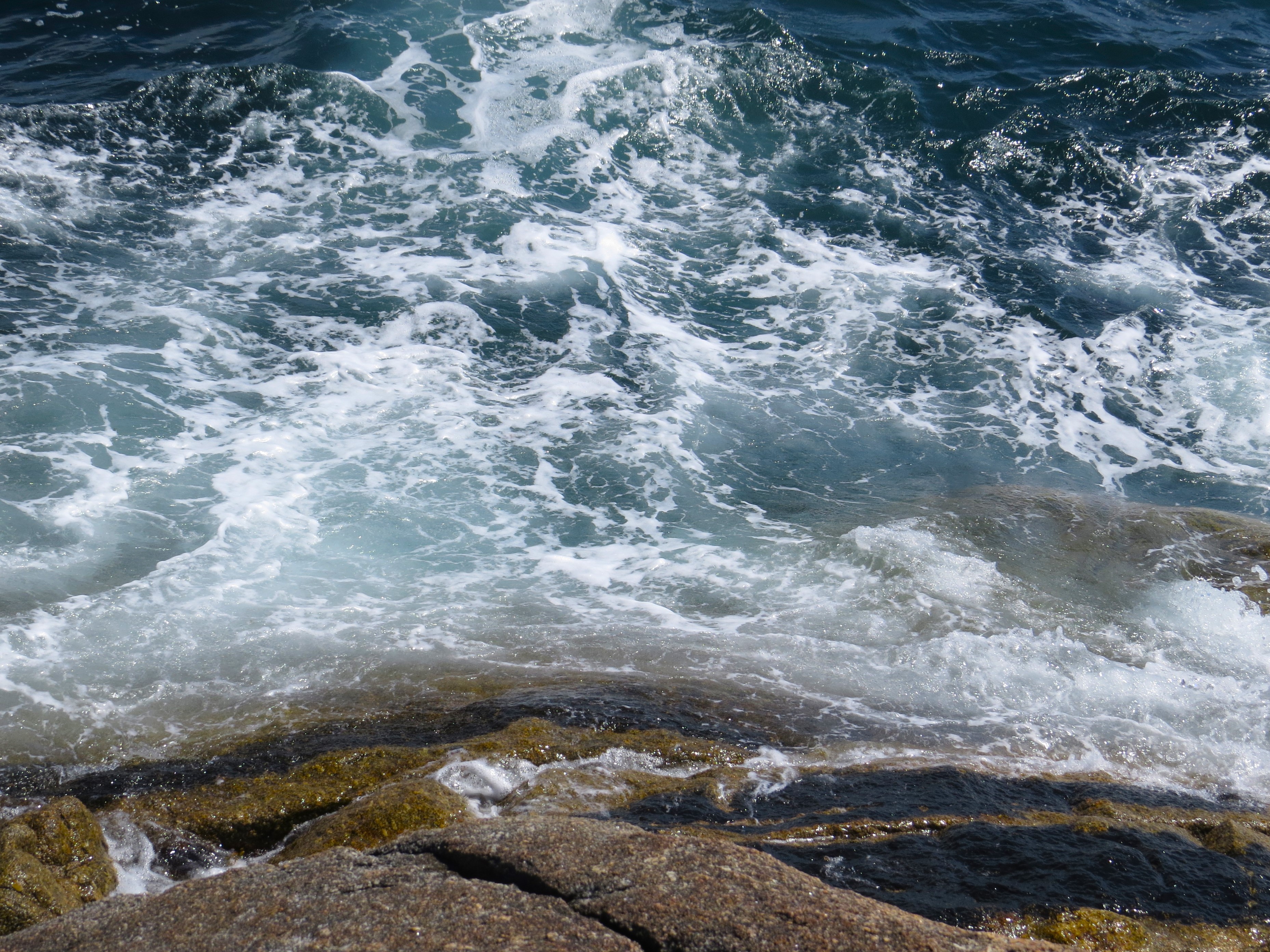
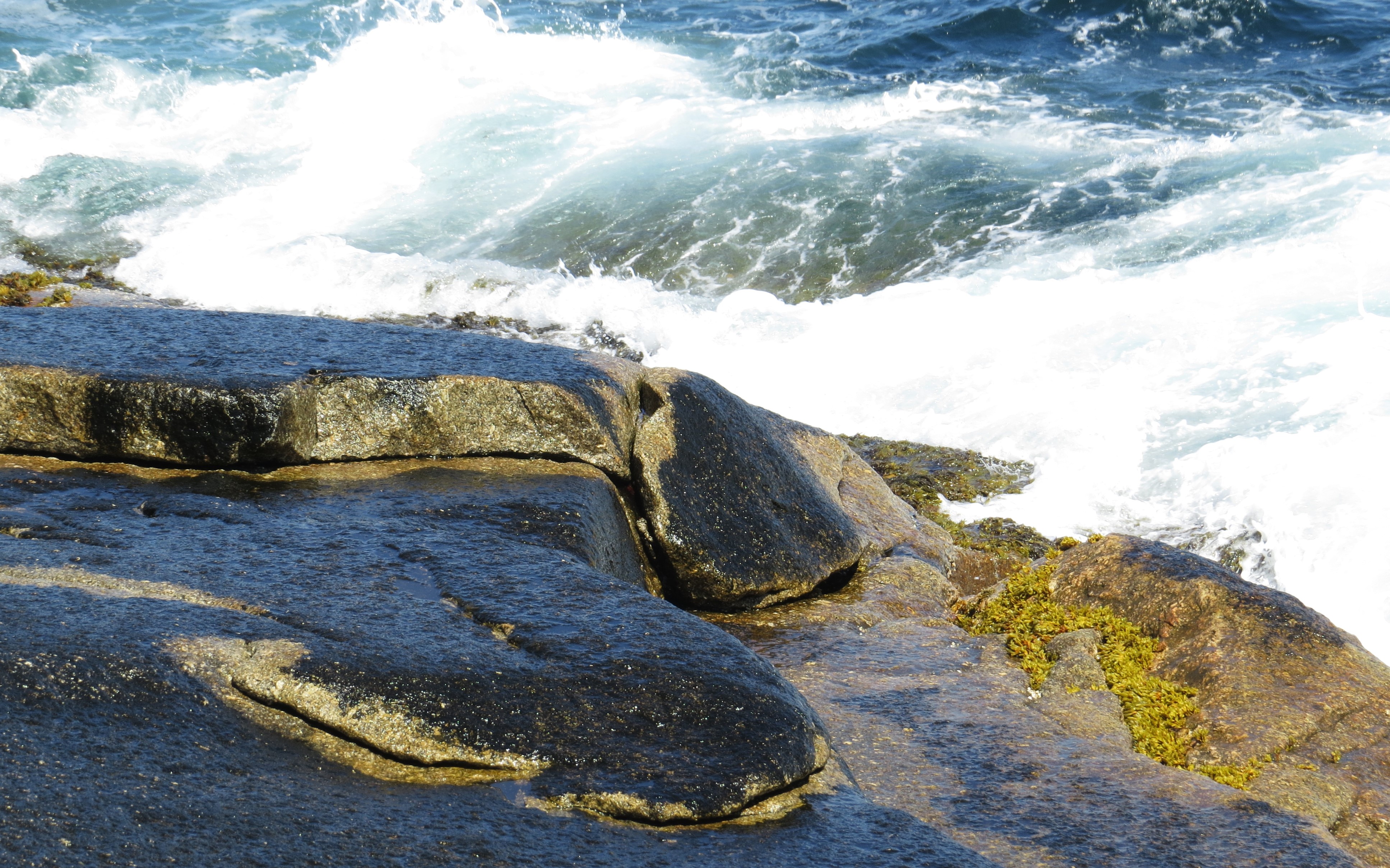
Dziś na plaży Conrada, ostatnie chyba moje pożegnanie, ostatnia kąpiel w falach grzywiastych w tej prowincji. Ostatni nasz spacer tam.
Fala

I cóż falo
	ostatnia na tej plaży?
Mojej wizyty
	też po raz ostatni.
Czy zmyłaś
	ze zmarszczek dni klęski
	i dni zwycięstw?
Pocałunki i łzy,
czułe westchnienia
	i przekleństwo bezsilności?

Pieścisz mnie jeszcze
białą pianą pasji
	niespełnionych do końca,
a potem odpływasz
	w swe głębie
znudzona romansem
	nie zaczętym,
nie skończonym.

(Conrad Beach, 01.09.24)
(po angielsku)
Places. Places are special geographical and emotional spaces. It is where people, lovers, parents with children left stones on the hills, build mounds, erected structures or symbols of their gods in their marches through millennia. So others can follow or so they would find their way back.
My goodbyes with our last home in Nova Scotia took me a long time. Time to trace them back, find my way. But I did it. I have found them for the last time. I have left my ‘stones’ on the shores an on the white pages of my notebook. The ‘stones’ are my letters and sentences written down on the white pages of my notebook.
Today was probably the last one. I went to Conrad Beach for last swim in foamy waves of Atlantic. Our last walk there.
Everything good must come to an end. Summer is receding from the trails and beaches of Nova Scotia. So is my presence in that province of Canada. Time to pack my beach chair … and pack my belongings after six years. For a small province that’s a long time to travel to places known and places less travelled. By now, my Dear Reader you probably know much more about this land from where the entire hemisphere sprang to life under new overlord – the Europeans. But people come and go – the land remains. And the old inhabitants from ancien time remain too – the Lnu People, of which novascotian native Mi’kmaq people are part.
My last hot and sunny day playing among the waves of North Atlantic was on Lawrencetown beach. Place I have visited over the years more than I can remember. After that I went for one more quick swim at Canada’s Ocean Playground beach by Gaetz Lake. And lovely walk to a Wildlife Sanctuary that shows tremendous affection to all kind of native creatures, who suffered some serious problems and can’t survived on it’s own. Such a tranquil place. In a few days time I will be driving through the entire continent, traversing the same route and highways me and my John took six years ago. Back to where we begun that journey – to British Columbia. Although He can’t be with me physically – His love and spirit will. We will have lots of time to reminiscence the almost forty years of an amazing life journey. The most beautiful Journey of my life.
Next pictures from Canada’s Ocean Playground and Wildlife Sanctuary.
T.S. Eliot pisze w ‘Oczach które ostatnio ujrzałem w łzach”[i]:
Oczy które ostatnio ujrzałem w łzach
Przez rozłąkę
Tutaj w śmierci sennym królestwie
Złota wizja powraca
Widzę oczy i nie widzę łez
I to cierpienie moje
I to cierpienie moje
Że już nie ujrzę oczu
Oczu rozstrzygnięcia
Oczu których nie ujrzę aż
W drzwiach śmierci innego królestwa
Gdzie jak w tym
Oczy trwają mgnienie
Mgnienie trwają łzy
I wystawiają nas na szyderstwo.
Sugeruje, że wszystko więc jest nietrwałe. Nie ma nie tylko powrotu, ale i marzenie do ostatecznego, ponownego złączenia się w tym ‘innym świecie’ jest tylko szyderstwem, bajką dla dzieci. Że śmierć nie jest sprawiedliwym złączeniem kochanków jeśli w niej trwa też chwilę tylko, okamgnienie. Sugeruje poniekąd koniec światów, śmierć śmierci, a więc i nadziei. Owe ‘wystawienie na szyderstwo’ tylko, zakpienie z tej ostatniej nadziei.
Apollinaire w wierszu ‘Miłość umarła w twych ramionach’ pisze o takim właśnie oczekiwaniu powrotu miłości, o tym, że tylko szczere pragnienie wystarczy na złączenie się ponowne:
I jakkolwiek wiersz Apollinaire’a nie dotyczy rozstania ostatecznego (śmierci) a jest bardziej typowym, trochę może prozaicznym efektem rozstania – śmierci miłości a nie kochanki – wszak nadzieja na jej odżycie jest tym samym powodowana: żalem, tęsknotą, oczekiwaniem Feniksa zmartwychwstania.
W rzeczy samej pojęcie straty jest nierozłącznie związane z pojęciem pragnienia miłości, spotkania. Gdzieś musi być początek, by mógł być epilog.
W literaturze amerykańskiej pierwowzorem jest sam Walt Whitman, który nie czekając na pół-słowa i aluzje skryte za kotarą słów proklamuje wcześnie:
Proklamuję zespolenie – mówię, że winno być nieograniczone,
Nierozdzielne,
Mówię, że znajdziesz jeszcze przyjaciela, którego wypatrywałeś.[iii]
Whitman ogłasza materialistycznej, ale bardzo tradycyjnej w normach Ameryce, że czas dozgonnej, serdecznej i cennej miłości między mężczyznami nastąpi, przybędzie.
W poezji nowożytnej archetypami Straty i Pragnienia są naturalnie „Romeo i Julia” Szekspira, „Boska Komedia” Dantego i ”Sonety do Laury” Petrarki. Nie będę tego rozwijał, bo pisałem już wcześniej tutaj rozważając znaczenie mitu wędrówki w Zaświaty w próbie odszukania oblubienicy/oblubieńca.
Zresztą czasy Petrarki i Dantego ciągle są połączone żywą poniekąd pępowiną z antykiem, a antyk wiadomo – to niekończące się wizyty, wtargnięcia w różnej nazwy Hadesy kochanków, królów, herosów i bogów. Na ogół w próbie odzyskania ukochanej, czasem władzy, powrotu na niebiańskie trony, uwolnienia porwanych za życia w ciemności nocy wiecznej. To, jakkolwiek wenie poetyckiej służy – w prawdziwej Stracie człowieka współczesnego potrafi być mitomanią irytującą.
Wiemy, że miłości są różne, więc i z różnych przyczyn Strata wytwarza inne poczucie pustki, tęsknoty. Anka Broniewska, córka poety, popełnia samobójstwo z powodu zdrady ukochanego (zdrady tym okrutniejszej, że zadanej romansem z jej matką, byłą żoną Broniewskiego), wieć to miłość romantyczna. Ale powstałe w wyniku tego wiersze Władysława Broniewskiego (porównywalne do Trenów Kochanowskiego po utracie Urszulki) są efektem miłości rodzicielskiej. Jeśli natężeniem, intensywnością dwie jakieś miłości porównać można, to właśnie miłość romantyczną i miłość rodzicielską. Być może blisko tego można też usadowić rzadkie przypadki miłości przyjacielskiej (mam tu jednak podejrzenia bardzo istotne czy prawdziwa miłość przyjacielska nie jest skrywanym pod inną nazwą uczuciem romantycznym, które z najróżniejszych przyczyn i hamulców moralno-etycznych nie ma szans na rozwinięcie skrzydeł). Broniewski lamentuje:
A ja myślę i myślę o tobie po przebudzeniu, przed snem… Może ja jestem coś winien tobie? – bo ja wiem.
Na Powązkach ośnieżona mogiła, brzozy coś mówią szelestem… Powiedz, czyś ty naprawdę była, bo ja jestem…[iv]
Poeta w rozpaczy po śmierci córki (wiersz pisany był ponad trzy lata po tym fakcie) wręcz przeczy rzeczywistości. Wszak niemożliwym, by Anka faktycznie zmarła – łatwiej być może śmierc upokorzyć przez sugestię, że Anki może nigdy nie było fizycznie, istniała tylko w wyobraźni ojcowskiej miłości. Jeśli tam była tylko, to jest ciągle! Śmieć zostaje upokorzona, pozbawiona swej mocy okrutnej.
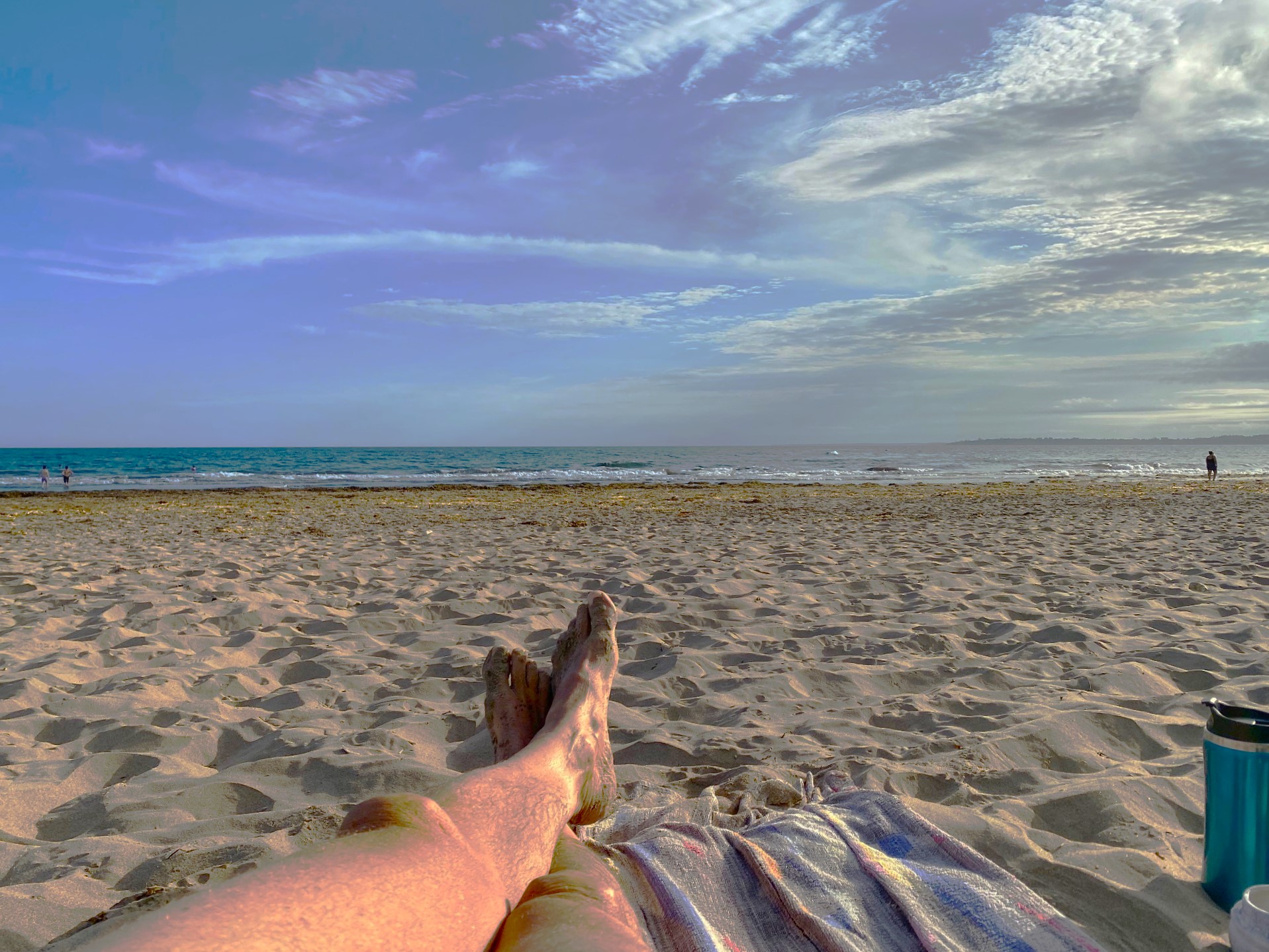
Tysiące jest dróg, ścieżek wijących się, jak wąż kuszący kochanków w Edenie, które wieść mogą do starcia ze Stratą i wyzwania rzuconego śmierci. Granica między śmiercią a życiem jest podobna do linii brzegu między lądem a oceanem. Dwa światy. Ta linia może być magnesem, czymś co śpiewa cicho, zaprasza. Przecież tam jest też życie, morza nie są martwe. Trzeba tylko pójść wystarczająco daleko, wystarczająco głęboko. Przyjdzie ta chwila. Lub siąść na brzegu … i czekać.
Waiting
once more
come back to me
I will wait for you
sitting on the yellow
sand of long beach
you will appear
from the depth
of the roaring sea
from the foam
of cascading waves
with garlands
of golden chains
weaved with seaweed
flowing down your
soft arms and your
smiles sweeter
of all other smiles
your smiles of
kissing lips and
touching hands
will come to me
on that beach
If you can
come by day
or by night
I will seat on
that beach under
sun or nightly sky
I will wait for my time
(B. Pacak-Gamalski)
[i] „Thomas Stearns Eliot. Poezje”; Wyd. Lit. Kraków, 1978, s. 127 (przek. M. Sprusiński)
Canadian Prime Minister Justin Trudeau has been known to be a friend and ally of LGBTQ+ community in Canada. In general, his personal and to a large extend political stance is in favor of inclusion and full participation in all aspects of private and public life of all segments of society. Long gone are old, somewhat paternalistic attitudes of tolerance. They have been rightfully relegated to history. The LGBTQ+ community does not need to be ‘tolerated’. We need and are fully equal parts of all spheres of public life. It is those, who hold the disgusting attitude of homophobia that have finally become the true fringes of society in Canada.
But knowing very well our own, very long struggle against ostracism, against hatred and indeed physical violence, we (LGBTQ+ community) often sympathize with those, who face that hatred, scorn and ostracism for who they are. For many different reasons. None is more for the past months than Palestinian people, their children, the elderly being denied the most basic right – a right to their own country, on land they lived from time immemorial.
They are being slaughter right now, they have become a part of insidious and murderous way of shooting game: the Israelis tell them to move from one spot to the other and as they – terrified – try, the Israeli bombs are being dropped on their heads. As of now the number of massacred Palestinians stands at 40 000. They have no homes anymore, no hospitals, no shops to buy food, no schools. The other day an Israeli Jew (not even a military or police – no, private bandit) just came to a Palestinian home (far away from the Gaza executions of Palestinians) and shot dead the Palestinian owner of the home and declared it to be his now.
So there is no surprise that the LGBTQ+ community feels often and by large, as an ally for the Palestinians. They know the suffering, the persecution. That does not make as an ally of Hamas or advocating violence against Jews. But we will stand with the oppressed, the hunted, the ones, who are subject to the terror of state organized genocide.
This is not antisemitism. It is not hatred of Jews. This is pro-life, pro basic human rights, basic political rights. This is against creation of new Cambodian killing fields of Khmer Rouge. I personally, a Canadian and a Pole, who is still traumatized of the history of Polish Jews during the second world war cannot fathom that their children, grand and great grandchildren, can do toward others the things that – at times – resembled, what was done to their forefathers during 2 world war. Maybe that comparison goes too far, probably it does. But emotions are hard to control, when you watch the news, see the terrified mothers trying to shelter their children, bodies of babies, people lining up to get some scraps of food.
When I read the article in todays ‘National Post’ about Justin Trudeau and his government refusing to take part in Ottawa’s Pride Parade because the Parade organizers have a message of support for Palestinians in Gaza and that he did it because of pressure from Jewish organizations in Ottawa – it makes me mad as hell. I don’t want MY prime minister to be an agent of Israel’s lobby. I want MY prime minister to be on the side of empathy, supporting the oppressed, the ones being slaughtered in thousands. The Justin Trudeau I remember and knew. Justin Trudeau the world fell in love with years ago for being such staunch supporter of the weak ones, the oppressed, persecuted.
And no, Prime Minister you have no right to co-organize another Pride Parade somewhere else in Ottawa by Israeli agents. The Pride Parade is organized by the organizers chosen by LGBTQ+ community in Ottawa. One parade. You are welcome as guest to that parade. You don’t have to come. You can even issue a statement why. But don’t dare to be the emperor, who will divide our community.
I will quote Liberal Party statement of that situation: “In light of recent decisions by the Capital Pride board, the Liberal Party has decided not to participate in Capital Pride events this year, and instead will host our own event to celebrate Ottawa’s 2SLGBTQI+ communities,” by Liberal party spokesperson Peter Lund.
Ottawa LGBTQI+ community organizes and hosts Pride event in Ottawa. One, done by us – not by the government and some Jewish activists in Ottawa. Period.
Some time, on this pages, I have published a piece about the history of the oldest University in North America, Kings College in Halifax. Kings College eventually become part of one of the largest university in Canada, the grandiose Dalhousie University of Nova Scotia. I have eventually, on this blog, published a photo series of the university.
The massive complex of Dalhousie stretches through many blocks of the city. It brings life and vibrancy to the city’s core and creates many mini-communities of students and faculty. Encompasses the past and the future. Is integral part of it’s life, atmosphere and pulse. Gave me many pleasurable strolls, moments of reading an interesting book of poetry or novel, writing in my own notebooks my poems or musings on many subjects. University campuses do that to you, LOL. And I love it.
But I have always heard of a special, far away campus of Dalhousie. The entire Faculty of Agriculture. It sits somewhere in a community called Bible Hill, part of larger city of Truro. I have past Truro countless amount of times. It sits right on both sides of meeting of two major highways connecting Nova Scotia to the West of Canada and to the South on Nova Scotia. But what you see, when you are passing the city on highways is hardly and appealing site. The ugly big magazines, some big malls. Sort of ugly site of North America with ever sprawling ugly malls without any character or architectural originality.
Yet, I have heard many times of that Bible Hill campus. As I will be soon leaving this province, I had to visit it. Additional emotional reason was also the fact, that a dear friend of my husband and through him mine – was borne in that city, went to school there. But left it many years ago moving to the West (Calgary and Vancouver) and never seen the campus that was built little way out of the main city. So I did and hope that she will appreciate it.
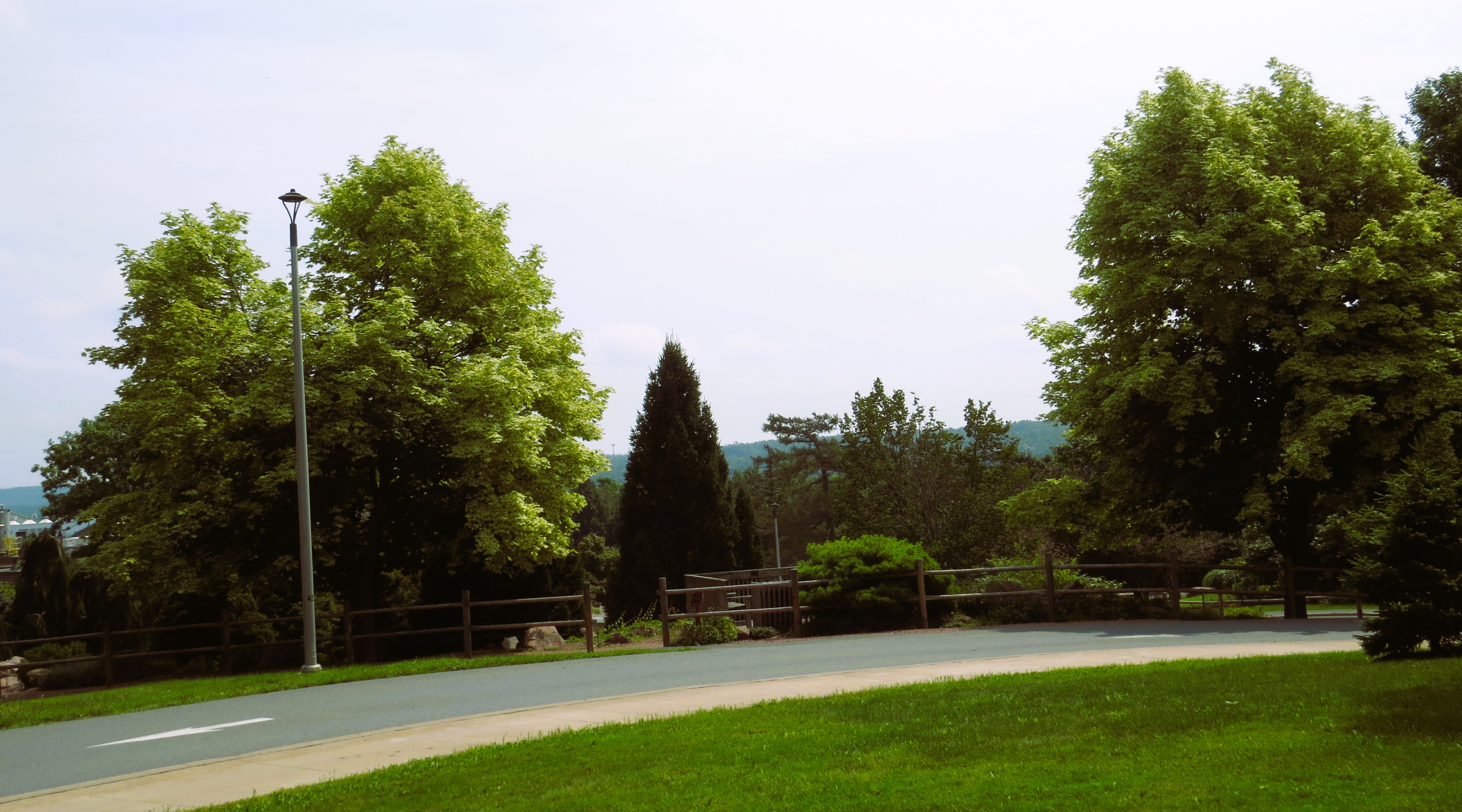
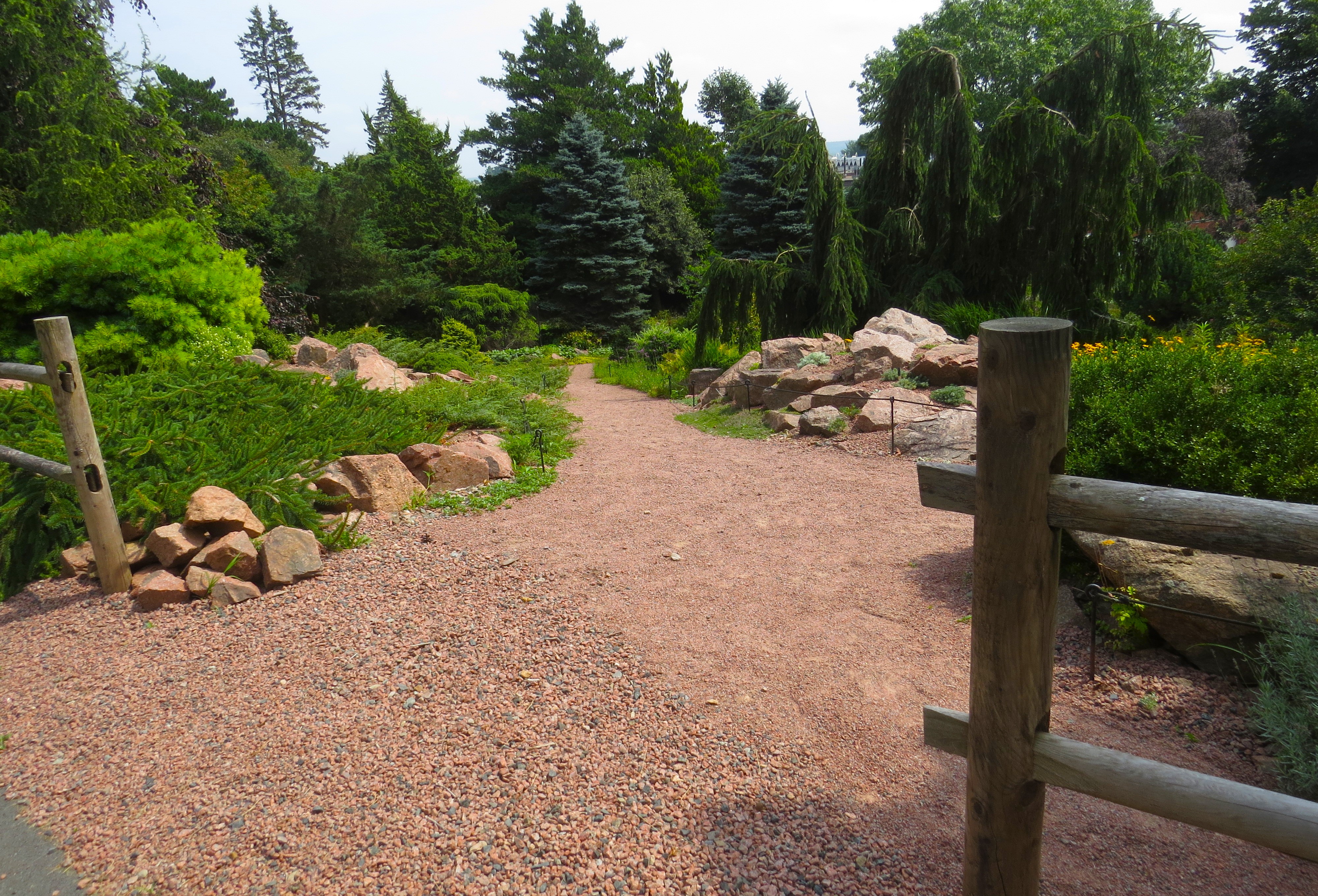
It is a site to behold. Many red brick old university buildings, spread through a large swath of land. No wonder – it’s laboratories are in the fields, in the valley. We are talking of agriculture and botany. Living university. I am so glad that I did.
In no particular order here is the view of this wonderful campus.
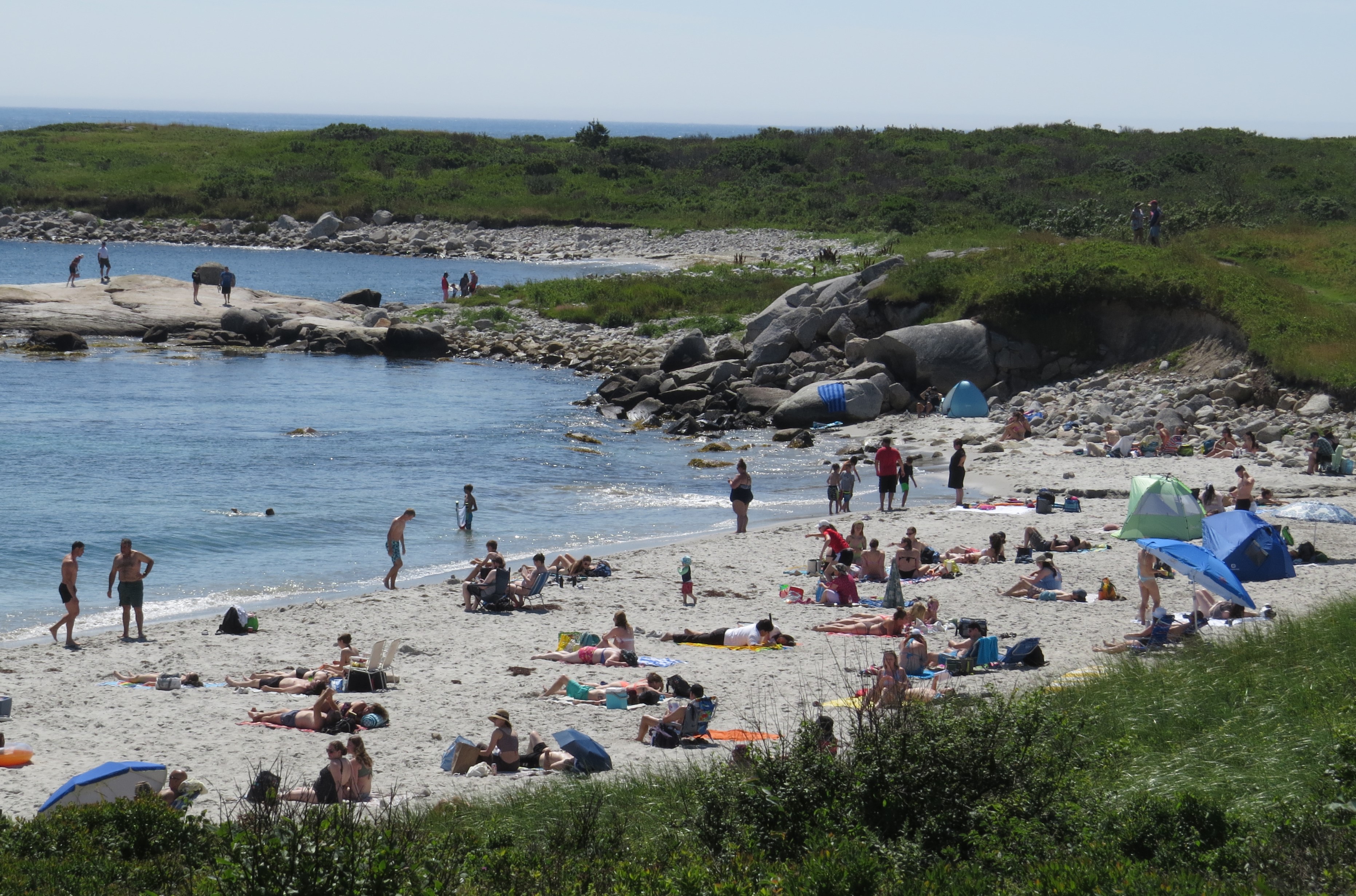
Children are amazing people! Throngs of beachgoers are squeezed next to ech other on the sandy beach – but a child knows better: what could be more magic than playing in a mud in little stream rushing toward the ocean? Child imagination dwarfs imagination of an adult.
Dzieci są niesamowite! Tłumy plażowiczów ściśnięte na słonecznej plaży niby złote sardynki w puszce z olejem. Ale wyobraźnia dziecka pracuje inaczej – cóż może być wspanialszego niż położyć się w ciepłym błotku strumienia spływającego wartkim nurtem do oceanu? Tam dopiero cuda można sobie wyobrażać.
Kolejny przystanek mojej podróży pożegnań z Nową Szkocją. Tym razem do miejsca wyjątkowego. Ostatni raz byłem tu chyba około trzy lata temu. A jeździłem często i John ze mną jeździł póki zaczął unikać i szukać wymówek lub namawiać mnie bym pojechał w taki dzień, gdy on pracował. Wtedy jeszcze nie wiedziałem, że większe wędrówki zaczynają mu już sprawiać bariery niemożliwe do pokonania.
Na szlaku od plaż ku skałom miałem takie ‘prywatne małe poletko skalne zawieszone ponad ścieżką. Na tym poletku, o odpowiedniej porze roku, rosły poziomki i jagody. I znosiłem mu cierpliwie czekającemu pełne garstki tych cudowności. Oponował naturalnie niby oburzony, gdy mu kazałem otworzyć usta i sypałem do nich z mojej dłoni słodkości. Oponował – ale zjadał, LOL. Wiedział, że robi mi tym przyjemność. Takie nasze idiosyncrasies urocze. Tylko pilnował by nikt, broń Boże, akurat nie przechodził i nie było świadka, że je świeże, niemyte owoce i to prosto z mojej ręki! Potem dochodziliśmy do małej plaży nudystów (tu już nawet nie sugerowałem by się rozłożyć i popływać przed skalna wspinaczką. Ostatecznie zbyt dobrze się znaliśmy – to by był koniec wycieczki i basta, LOL). Tyle lat w Vancouverze i plaże tam (w tym dwie nudystów, jedna popularna koło Uniwersytetu) – ale mowy nie było by nago w biały dzień się pokazał. Wracając do Nowej Szkocji – za tą plażą zaczynała się wspinaczka przez wąskie ścieżki kosodrzewiny i przez potężne, zawieszone nad szalejącym Atlantykiem skały i głazy. Nigdy nie szliśmy razem aż tak daleko, jak ja samotnie. Ale nie potrzebowaliśmy. Piękno widoków i krajobrazu mógł docenić i zachwycić się nim na tym odcinku, jaki robiliśmy. Chodziło o to, by to była dla nas radość i satysfakcja, a nie coś wymuszonego. I tak szliśmy daleko, dalej niż większość turystów i miejsc kompletnej prywatności nie brakowało bym i ja mógł smakować te jagody i poziomki z jego ust …
My next stop on the journey of saying ‘goodbye’ to Nova Scotia, our Nova Scotia. Mine and John’s. The last time I was here, I think, was about three years ago. I love that spot. The only beach and long hiking trail on western side of Halifax. We used to go there together, whenever it was possible and when it was possible. Our hike was usually shorter than my solitary were – but long enough to fully appreciate the wild beauty and majesty of massive rocks and boulders and the unrelenting power of the ocean below.
On the way to the rocky trail, pass the beaches and people I had a small secret meadow full of wild strawberries and blueberries. If it was in season I would go there and John would wait on the trail till I come back with both fists full the sweetness of the berries and empty them into his mouth. He pretended to be offended by it … but ate them, LOL. We had to make sure that there was no one approaching on the trail. Heaven’s forbid someone would see him eating fresh fruits and from someone’s hands! He like it, though. Maybe not as much the fruits (John wasn’t really an aficionado of fresh fruits) as the fact that he can make me smile and be happy. Our little idiosyncrasies. Next on the trail was a tiny nudist beach. No, I knew better – didn’t even ask him to stop and go for swim before the hike. Naked in public, beach or no beach?! That would be the end of the walk and the trail, no question asked. I knew what I can ask him of, and what I should not. Idiosyncrasies is one thing and disrespect is another. The true trail started right past that beach. Narrow and easily lost, covered with rocks and roots, often very wet and muddy from numerous tiny creeks rushing toward the ocean. Eventually you got to walkable huge slabs of rock and the amazing view of the majesty and power of the Atlantic. It truly is something to behold. We never went that far, as I venture sometimes, but far enough to absorb the atmosphere, the enormity of nature. And there, on these rocks, far enough from typical tourist or beachgoer, I would find a spot invisible to anyone, secluded … and have my way with the wild strawberries and blueberries off his lips!
Below, pictures from yesterday – poniżej zdjęcia z wczorajszej wędrówki
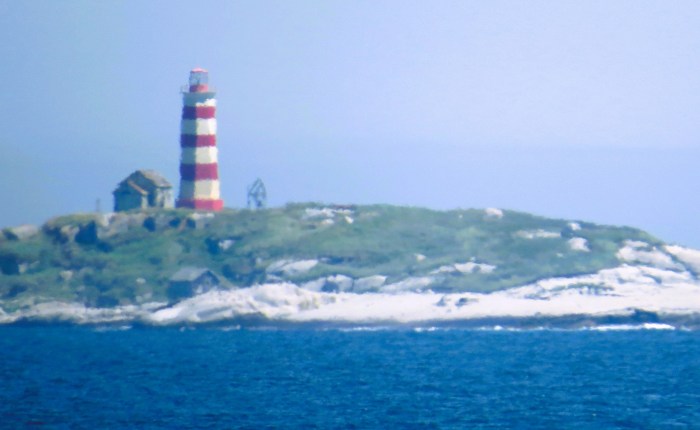
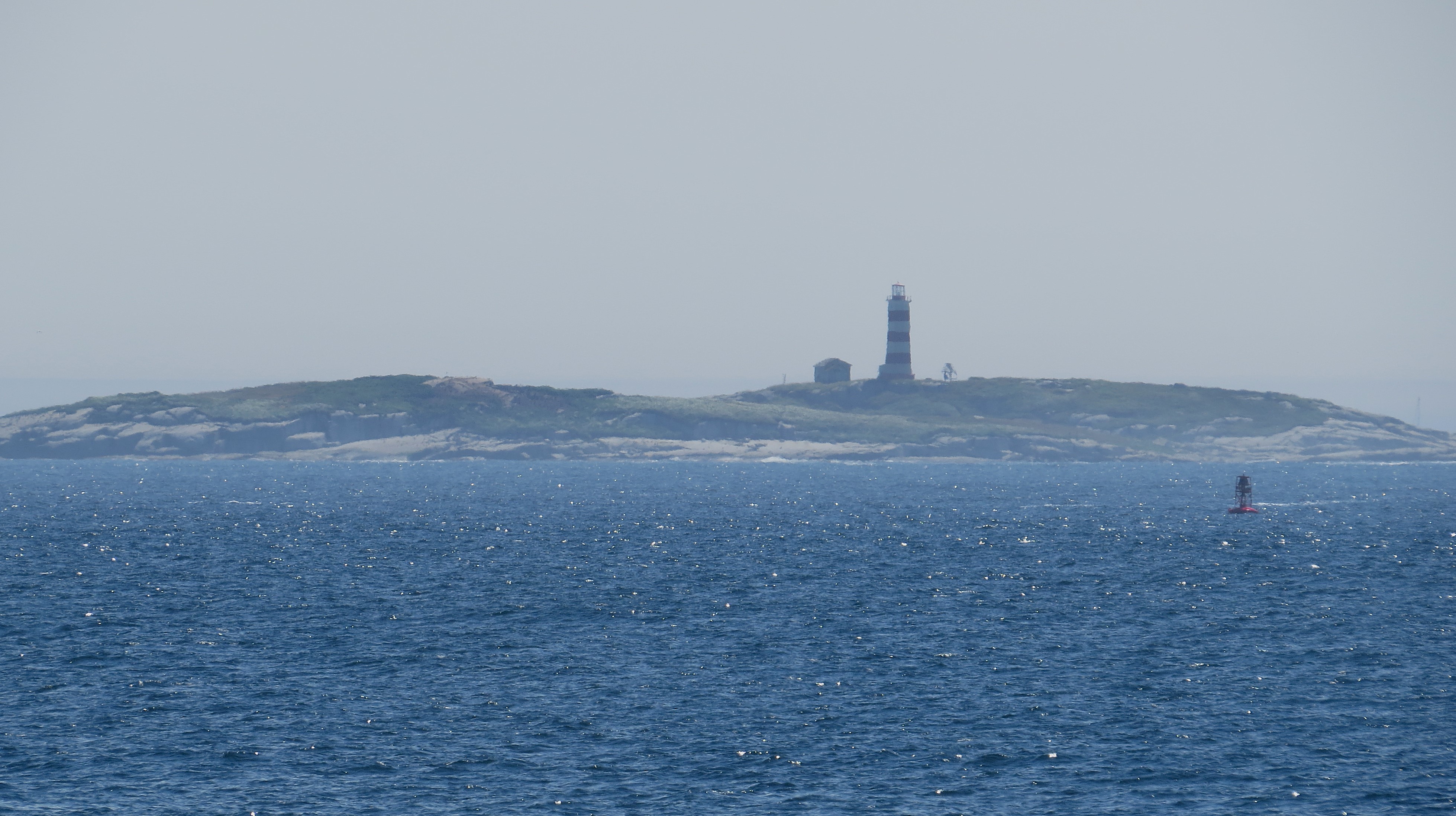
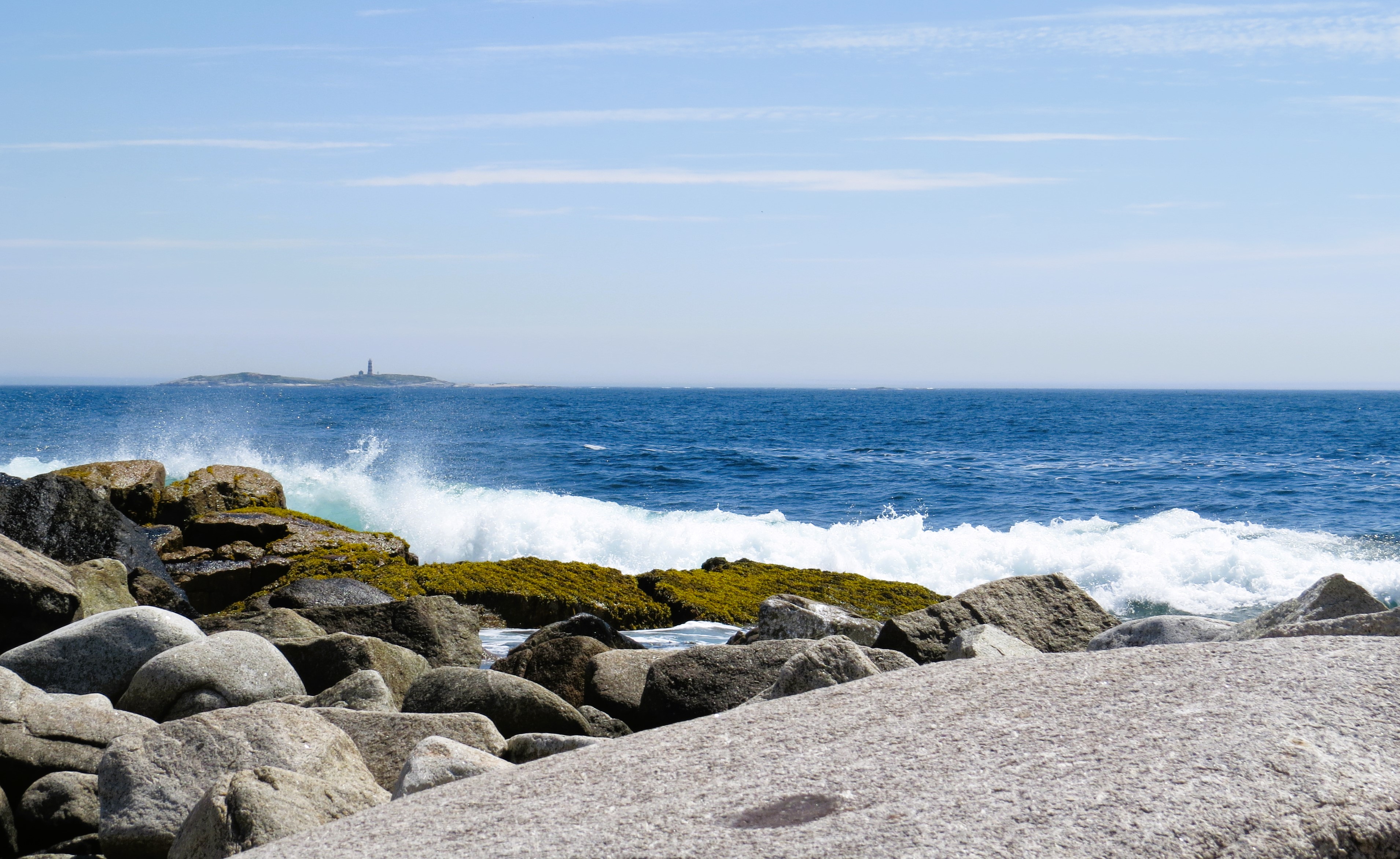
Widoczna na zdjęciu latarnia morska na wyspie Sambro, która jest ‘bramą’ to wejścia do portu Halifax jest najstarsza latarnią morską w Północnej Ameryce i do dziś operującą.
Pictures of the Sambro Island and the lighthouse remind us that it is the first lighthouse built in North Americas and it is still operational.
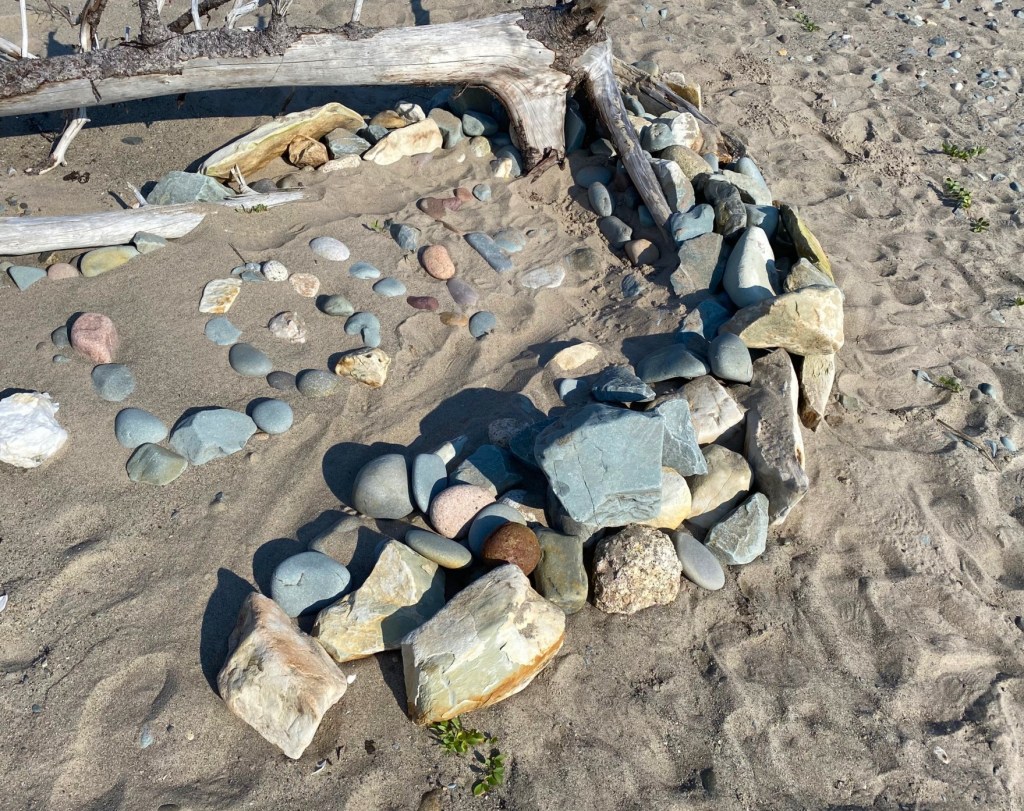
I went there again. Maybe the last time? My time here is shrinking, time on this land perched over Atlantic, our land. Maybe in a month or so I won’t be here? Hence, I came today. To our Fort of Love, our love, our castle built on sand with solid rocks, boulders.
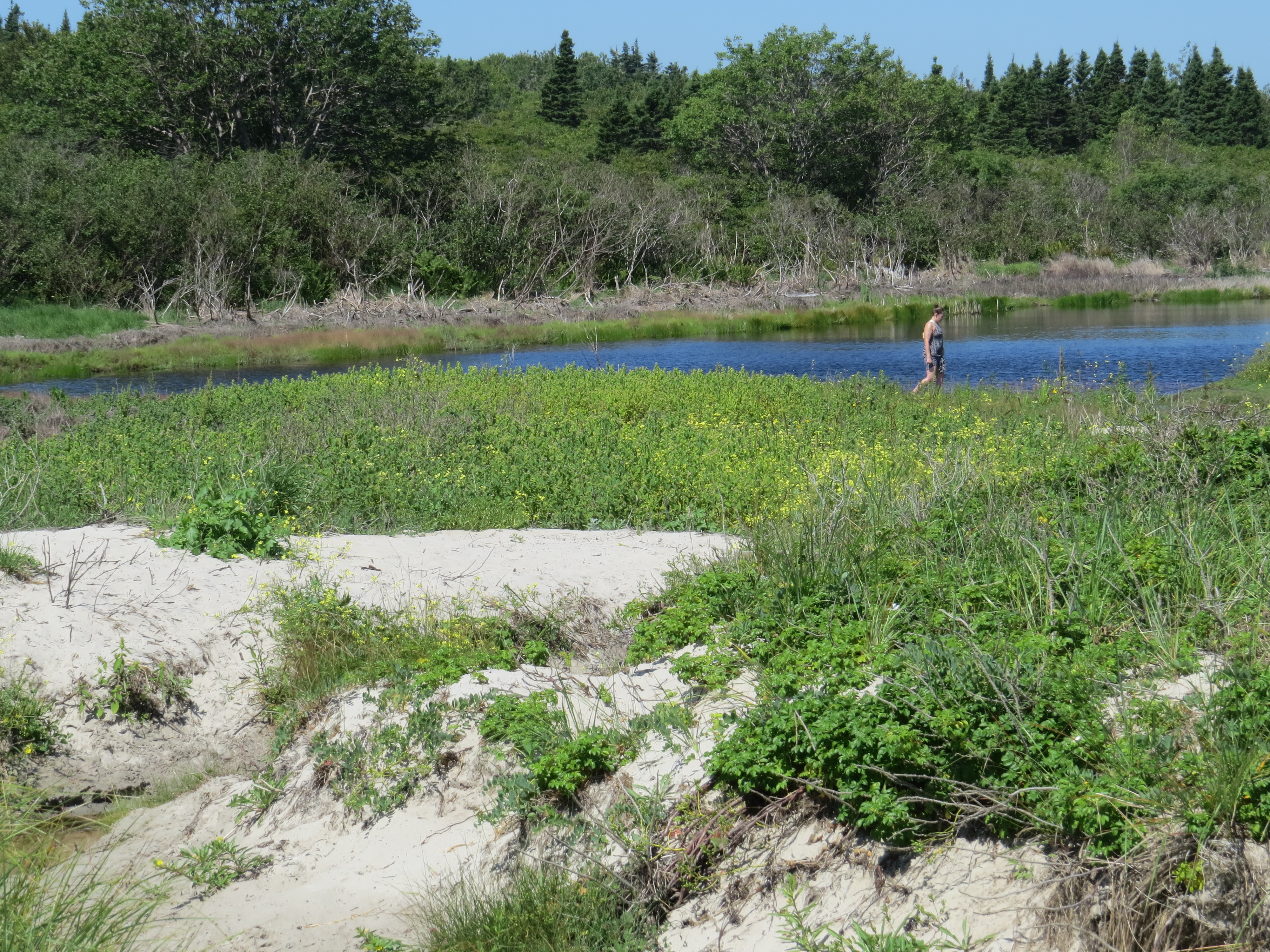
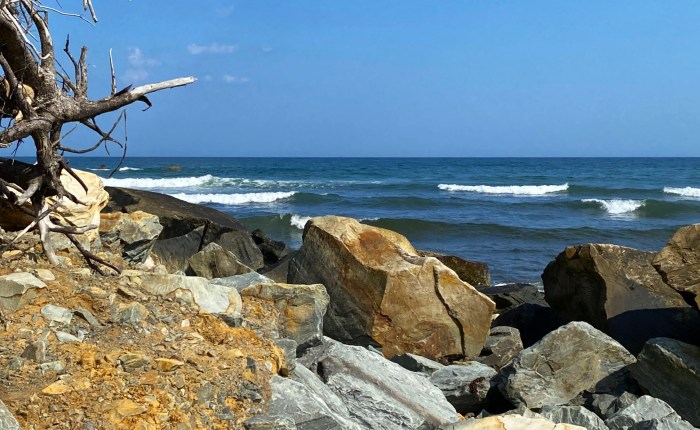
Yes, it still is here on this wild beach, far away from any venturing tourists. My hidden sanctuary of talking pebbles, tubal music of waves, clouds of black and white sandpipers flying in unison formations as a single body; ever present individual seagulls, pretending to be busy looking for crabs and dead clams, but observing you all the time. When I am there, I am part of that all, not a visitor but rather a feature belonging there. The flora there is very sparce and in constant struggle to survive. The dead ones are giving all their content as nourishment to the new ones. The sea and sand don’t offer much to land creatures. Occasional dead tree from far away bay or island. Not much but nothing is wasted in that austere environment. Meadows and patches of short forest on the land are separated from that spot by a big and deep saltwater lake. Sometimes, when I am tired of playing with the ocean waves, I go for a longer swim in that lake, its surface is always still like a glass. It must be incredibly deep. There is maybe three or five meters of very easy shallow water and than suddenly it just drops like from windows ledge to a dark deep water. I’m always surprised how dark and impregnable to light that water is.
The shore, where the local road ends, has a small, rocky beach. Almost always, if the weather is OK, there is a small group of locals. Three, sometimes a ‘crowd’ of ten even. They don’t come as far as where I am with my Fort. I have seen once or twice one person or a couple venturing there. You need to cross a fast-moving sea ‘river’ (natural canal connecting the lake and the open ocean) to get to my monastic desert.
But they – the locals – know that the Fort is there. It is the only man-made structure. By now they must also know me, recognize me, when I come with the same red folding chair, a stick in hand and a backpack, as I traverse the water like a hermit coming back to his cell. They see me from far away, sometimes wave to me while I gather more rocks to fix the Fort. It did survive fall, winter and spring. Many storms and big waves. But a good monk always fixes his dwelling for the glory of god – and my god is Love.
Do the locals call it a sanctuary? Maybe. Sanctuary of Love. I like it. Our love, anyone’s love. I am not at all jealous of that love. Love doesn’t belong to me. I just tend to it. She is sacred.
Maybe Venus comes here by sunrise and dances naked by the Fort? Maybe all of them, these crazy Greek gods, come: Venus, Apollo, Narcissus, Orpheus. Maybe even Helen of Troi dances with them? With whom Helen would dance? With handsome Prince of Troi or with Menelaus, her husband? Sappho of Lesbos later explained that choice in her poem, when she argued:
Some say a host of horsemen, others of infantry and others
of ships, is the most beautiful thing on the dark earth
but I say, it is what you love
and few thousand years later, I agree with her wholeheartedly. But it doesn’t matter with whom they dance. Let them dance with whom they want. Let them lit the mighty sky with pyres hot of flames of passion.
August 08, 24
Hey! Yes, you Narcissus. Come here and sit by me. Don’t cry, don’t drown in unanswered selflove. Go to disco tonight. They have one in the club called Elysium. Go there, dance and let go off sorrows. Kiss someone, make love to someone, anyone for Heaven’s sake! They will appreciate you youth, vigor and looks. Me? No, my dear boy. I have loved hundreds of times, thousands perhaps, for a day, for an hour. Until I was confiscated, possessed, taken by Love itself. By that one special Boy. One, who become the air I breath, my blood, my waking up and falling asleep. My song and my poem.
But be aware – Love is immortal, but you are not. When The Boy (or Girl) will go (as everything temporal does) you will be broken in half. Shattered like pebbles on the beach, that are constantly thrown by huge waves until only scream remains, only cry to Heaven. But Heaven will have its gates locked by Death.
Love, dear boy, is not for timid souls. Love is only for brave or insane souls. It is Love that holds the saved obol in your outstretched hand, while pounding with your other fist at this gate. The Gates of time, of mourning, of grief. Demanding, pleading for them to be opened. With that obol as a magic key. Hoping but not knowing what is on the other side: reunion or emptiness, nothingness. Yet knowing now, when you are at these Gates, that even nothingness is better than half-living.
August 1, 2024 – one of European capital cities stands still. At the prescribed hour (in that city called “The Hour W”) the sirens gave loud signal, and everything stopped: the cars, the transit, people on the streets, even in stores. The letter “W” contains two words: Warsaw and Fight (Warszawa and Walka). Yest, that city is Warsaw, capital of Poland. Happens to be also my city, the city of my most formative years – my youth.
What happened? Why? Did Warsaw pick up arms and went to war? No, of course it did not. Warsaw remembered. The entire country remembered. All major capitals of Europe remembered, too. The President of Germany came to Warsaw to remember, and to offered sincere apology and asked for forgiveness. The entire Diplomatic Corp in Warsaw took part in that event. I assumed the Canadian Embassy, also did. It is hard to say because not a single major newspaper or major TV Network in Canada did even mention it during their news. Really? This was not a news for Canadian CBC or CTV? While giving us typical news of the day, little stories of this and that. But nothing of major event in major capital of Europe? Shame on CBC and on CTV, shame on ‘Globe and Mail”, ‘Toronto Star’ ‘Winnipeg Press”, ‘Montreal Gazette’ and others.
August 1, 1944. Eighty years ago.
After five long years of bloody terror of Nazi occupation, young men and women of Warsaw area hoped to take revenge on the occupiers, to exact a price for their daily executions, for the annihilation of Jewish ghetto, for years of indignity and suffering.
On the Eastern Front the Soviet Army was marching and bringing new form of occupation and territorial Anschluss of entire Eastern Poland. On the Western and Southern front, the US, the Brits and Polish armies with major help from Canadian divisions were liberating Italy, France, Belgium and Holland. But the progress on the Western Front was slower than the advances of the Soviets. Originally the main puch of the armies of the West was going to be through the Balkans – making it a faster and better route. But Stalin demanded that their aim should concentrate of the Western, not southern advance. Through Normandy. He wanted to secure Poland as the future satellite of Soviet empire. Stalin knew that if these armies with Polish soldiers under the command of general Anders and Sosnkowski would enter Poland – the entire nation would stood with them and fight the Soviets. Churchill and Roosevelt capitulated and gave Stalin what he wanted.
Polish Government in London and the Polish Underground Home Army (AK) in Poland were hoping – against visible signs that it will not happen – that it will be able to use massive air bombardments of German forces in Poland, even sent to Warsaw Polish Airborne Brigade1 and aid the Warsaw fighters. Therefore, plans have been prepared for the underground forces in Warsaw to plan for the Uprising.
When it become clear that none of the help would come – it was too late to stop the young men and women, that preparation went too far, the original victorious propaganda worked and people believed that victory and revenge was possible. At the end – the Polish Commander-in-Chief in London gave the underground commanders in Warsaw advice that they must make that decision themselves. To try to postpone the” W” hour, if possible, but otherwise it would be their decision. But things were too advanced, young people were ready and eager. A noticeable movement of people, armaments in days prior to the uprising did not go unnoticed by the German army intelligence and the SS. They started making preventive arrests, searches for arms and people. In the meantime, the Soviet armies were gathering right outside of Warsaw and Poles did not want to change the Nazi occupation to Soviet occupation. Young people of Warsaw believed it was now or never. They wanted to establish rightful representatives of legal Polish Government and welcome the Soviets not to occupied Warsaw, but free democratic Warsaw with legal local governments and councils under the auspices of the legal Government and Polish Constitution.
On August 1. 1944, it started at 5 PM. It lasted two months. Lack of arms was the decisive factor in their inability to overcome massive German garrison in Warsaw, heavy bombardment by air, artillery. The unheard-of heroism of the freedom fighters and entire population couldn’t change the reality. The result was the total and meticulously planned full and complete destruction of the entire city. Street by street, district by district. Whoever survived in the ruins were marched in columns out of the city.
Each one of the people who survived went through hell and deserves undying respect for their heroism. Now, eighty years later there are only a handful of them still alive.
I remember from my childhood, youth and early adulthood many of them. Back in Poland and those I met later in the Polish diaspora in England, Italy and Canada. They were my dear friends and I miss them a lot. Our talks, their stories. Remember by heart their poems of that time, sung their songs. My every visit in Poland includes my solitary (or with the youngest family) visits to special places on Warsaw streets, with special monuments (mostly the familiar little plaques or cement tableaus on buildings of people, who died there: poets, high ranking commanders, places od famous street battles or name of battalions and formations).
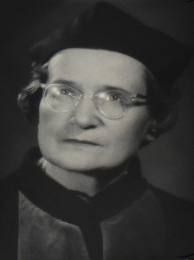
In the Wola District there are three places I’m thinking of right now: the Museum of the Warsaw Uprising; a little cemetery of Reformed Evangelical Church, and small two bedroom apartment on Szpitalna Street 1 in the center of Warsaw. It is all connected to one very special person, very special to my heart. A small but always very fast-moving frame of an older woman. My aunt. Professor of Pediatrics (or, as she called herself ‘children’s doctor) Zofia Lejmbach. My Hero of the Uprising. True unsung hero.
Here is my story of that small-framed woman.
Must go back to the beginning of 1970ies: I am just entering my early teens, still before my high school. Don’t remember where exactly I met her the first time, at what family gathering. But I remember the years when I started visiting her on my own. Usually it had to do with either evening concert in the Warsaw Philharmonic (a short walking distance to Szpitalna Street) or theater performance in Atheneum Theater, or Polski Theater or Dramatyczny – all close to that apartment. At that time I lived with my parent in a small town about an hour’s drive by train from Warsaw. Neithe they nor myself wanted to travel on that train by night. Could stay with my grandma, who lived lived in Mokotów District. My excuse was that Mokotów is o far away from the center of Warsaw. So, Aunt Zofia volunteered that I should come and stay overnight with her anytime I want to. And I did. I loved it.
She always made sure I had a nice supper and breakfast in the morning but no fuss whatsoever. Supper and breakfast were when we talked. Otherwise, she was busy writing, studying books that were lying everywhere: on her desk, on shelves, on the floor. Often there would be visits from some young doctors from the clinic asking for some advice or tutoring. Once a week there was an elderly elegant woman, Auntie welcomed her cordially, asked me not to disturb them and that women would go to Auntie study and door would be closed. Once I asked her about the visits and she told me that she is an older French language teacher on a very meager pension and under the pretext that Auntie needs conversational lessons in French – she helps her to maintain financial stability and dignity. Soon, I started to suspect that they were simply old lovers, and the French lessons was just an excuse. Zofia spoke perfect French; I heard her many times over the phone using it. Maybe I was wrong, but maybe not. But she was after all a single woman. Was her entire life. Both of her sisters married, had children and grandchildren. She never did. She gave me once some feeble romantic story from Kiev just before the Bolshevik revolution where she fell in love and her lover drowned in the ‘porohy of Dniepr’ (a fast running water with natural steps-falls in the bed of the river creating deep pools of whirling water). Maybe. It was a bit too bookish for me, at that time it was already over sixty years old story. But also – maybe down deep Aunt was very romantic. After all, she was from the old times, when stories like that were not out of sort. And she didn’t need a man to secure her material existence – she was well paid and renowned doctor. On the other hand, Zofia’s demeanor was sort of of … manly? As we would say today – lesbianish, LOL? I think so. As I grew older I think she suspected that I was from the ‘other Parish’, too. But it was different time – no one talked about things like that. Not in family gatherings with the youngsters being present, Heavens forbid!
My mind takes me back to that room I often occupied on Szpitalna 1. I was left to myself in that guest room, where I had an entire library full of amazing books. No idle talks. If I went to grandma’s, I would have to devote all my time to her and we would talk all the time, nonstop. Sometimes it was OK – sometimes I just wanted to scream. With Aunt Zofia none of that applied. If I had a question about some of the books (there were a lot of non-literary titles) – I would ask her, and she would almost always reply: I am too busy right now but please come back in two- or three-days’ time and we will talk about it. Sure enough – at that time when I did, she had another two or three books that she suggested I should use as a reference and had her own short talk that explained the subject to me in a language more to my age and knowledge. Some of the books I started reading were seriously above my level. But never ever have I heard her saying the famous and dismissive: my dear, you are too young to understand it, it is not a book for you. I was a young adult, not a child. At least that was how she related to me. That was my Aunt I remembered personally and fondly.
But there was another Zofia Lejmbach I have learnt about later, from other family members and mostly from books and documents much later. She never talked about herself unless absolutely forced.
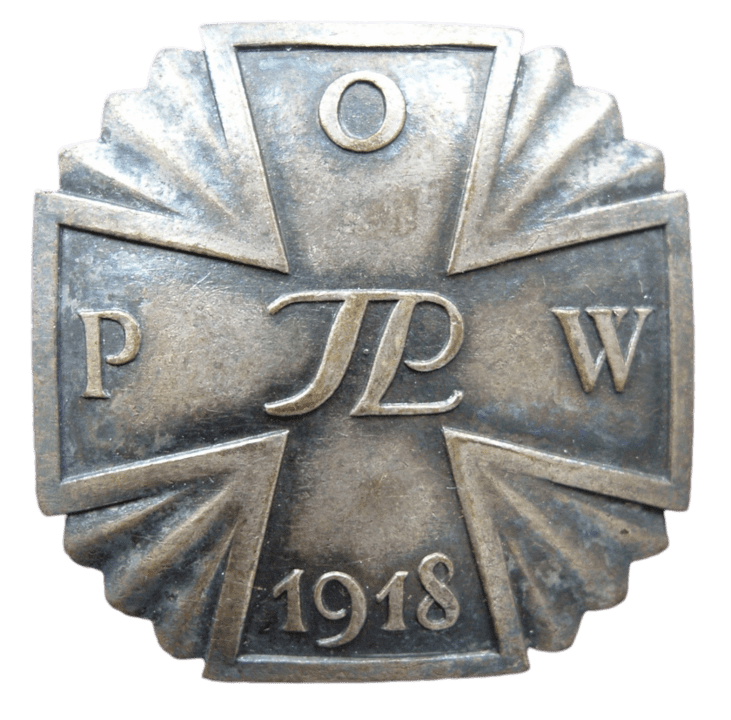
Zofia Lejmbach was born in 1901 in Minsk in Belarus (at that time all these territories of Lithuania, Belarus and Western Ukraine were part of an old Polish Commonwealth). My grandma’s mom and Zofia’s mom were sisters. In her early youth she was a member of Polish independence movement POW (Polish Military Organization) leading to the I world war. The front of that war found her in Kiev, where she was taking some nursing courses and tended to wounded soldiers coming from the battles. After the war she went to Warsaw and graduated from the Medical Faculty of Warsaw University. Later she worked in hospitals in Warsaw, Poznan, Paris, Rome and Strasbourg. When she came back to Warsaw she decided to specialize in pediatrics and work closely in the famous Hospital Karola and Marii in Wola District under the tutelage of famous pediatrician, professor Władysław Szenajch – father of Polish pediatrics. She remained with that hospital her entire long life. Including the years of German occupation and Warsaw Uprising. But of that later.
Part of the hospital became later (after the 2 world war) Działdowska Street Clinic for Sick Children, where for decades she was a Clinical Director. She was professor and pro-rector of the Warsaw Medical Academy in the 1960ties.
During the 2 world war she stayed in Warsaw with her hospital in Wola. Of course, early on she joined the Polish underground network of the Home Army (AK). Having not only high medical credentials but also military career during I world war, the Headquarters made her a Chief Sanitary Inspector for the District of Warsaw (that involved towns and villages near the capital) and during the Uprising – the Chief Sanitary Inspector of Warsaw proper. The Wola District was in a way the last stronghold of the Uprising and some of the bloodiest street battles took place there (of course apart from the worst and most gruesome fighting in the Old Town and the underground canals of Center Warsaw).
Prior to the start of the Uprising, she organized through Warsaw a string of small hospitals devoted to expected wounded fighters and the civilian population. She herself remained through the Uprising in the Wola District in the Hospital Karola and Marii. They were overwhelmed with heavy casualties, run out of medical supplies. The hospital itself was used as a target of German shelling and machinegun fire. Zofia Lejmbach was wounded herself but refused to step down from her position and tended to the wounded. After receiving information that the Germans were executing wounded fighters found in other hospitals, she decided to evacuate the hospital and all the patients. But it was 1944 in Warsaw, not at the front lines of opposing armies with transportation and order. There was no available cars or anything. She scoured the neighborhood and commandeered a single horse drawn carriage and loaded it to the brim with all her wounded patients. All the streets were in flames and Zofia was wounded herself in her arm. She had a plan. Her father, also a medical doctor, had a manor in Skorosie, not far away from Wola and Warsaw. She knew the local roads. Through the hellish streets of Warsaw, she led the carriage to the manor and saved all her patients. Not even one was killed. Later she learnt about the massacres the German and their allied right-wing Kamniski RONA Brigade2 perpetrated. The sheer barbarity and cruelty of the RONA soldiers shocked even the German SS Waffen. RONA Brigade consisted of Russian fascists.
And my mind takes again to that small room on Szpitalna Street no. 1. I am, let’s say 13 years old. Just finished reading famous book by Bronislaw Malinowski3, whose voyages to Australia and Oceania and Micronesia in the early XX century gave birth to modern anthropology, understanding of sexuality; he was doctor honoris causa of Harvard and professor at Yale University. His books – at that time – caused shock and havoc among scientists and among educated classes. Well, they did that time in my head – I was a 13-year-old boy! And it was 1970ties, not 2017, LOL. It was a different world. Aunt Zofia knock on the door to the room, I invite her, she smiles politely and says matter-of-fact: I noticed you are reading Malinowski’s book. Excellent choice. My face becomes instantly red and I mumble something, putting that book away. She pays no attention to my discomfort and adds: good, it is a very important book. If you don’t mind, I can find you something more modern and maybe clearer on these subjects. But do continue reading him, he was such an excellent writer. Do you want me to make you a lemon tea? She closes the door quietly and goes to the kitchen. Wasn’t she a wonderful aunt for a young fellow like me? Again – I was a young adult, not a child. How I appreciated that. And how upset and revolted my old dear grandma would have been with her cousin, LOL.
Zofia Lejmbach died in September 1995 in Warsaw. She was 94 years old. Her last few years were difficult as she fell down a ladder getting some books from a shelf and broke her hip. She lived alone all her life after the war. But managed to crawl to the phone on the wall and call for help. I left Poland in 1981 but kept in touch with her by way of letters. After the collapse of the Soviet system in Poland – things were very bad materially. Poland was broken by economic disaster of the system. Shelves were empty, no supplies of anything. That included medical institutions and the health system. With my friend I organized in Calgary some basic medical supplies, specifically for surgeries and for children’s health from the 3M Corporation. We packed everything in two large parcels and sent it off to Aunt Zofia. She was very thankful and told me how happy her working colleagues were at the clinic. Well, they all were her ‘children’.
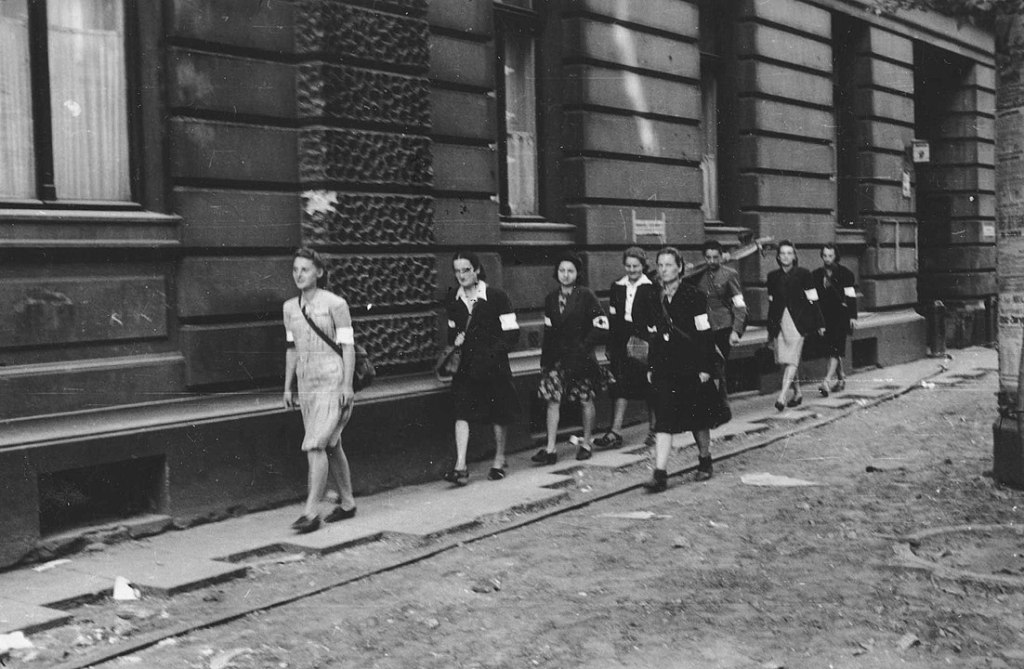
In the red brick building on Obozowa Street in Warsaw Wola there is a huge Museum of the Warsaw Uprising. As you go from the Main Floor exhibition, using a large iron staircase there is a huge picture of young women running through the street during the Uprising. They all have the armbands of the Uprising. Zofia Lejmbach, their comandante, is the second from the front.
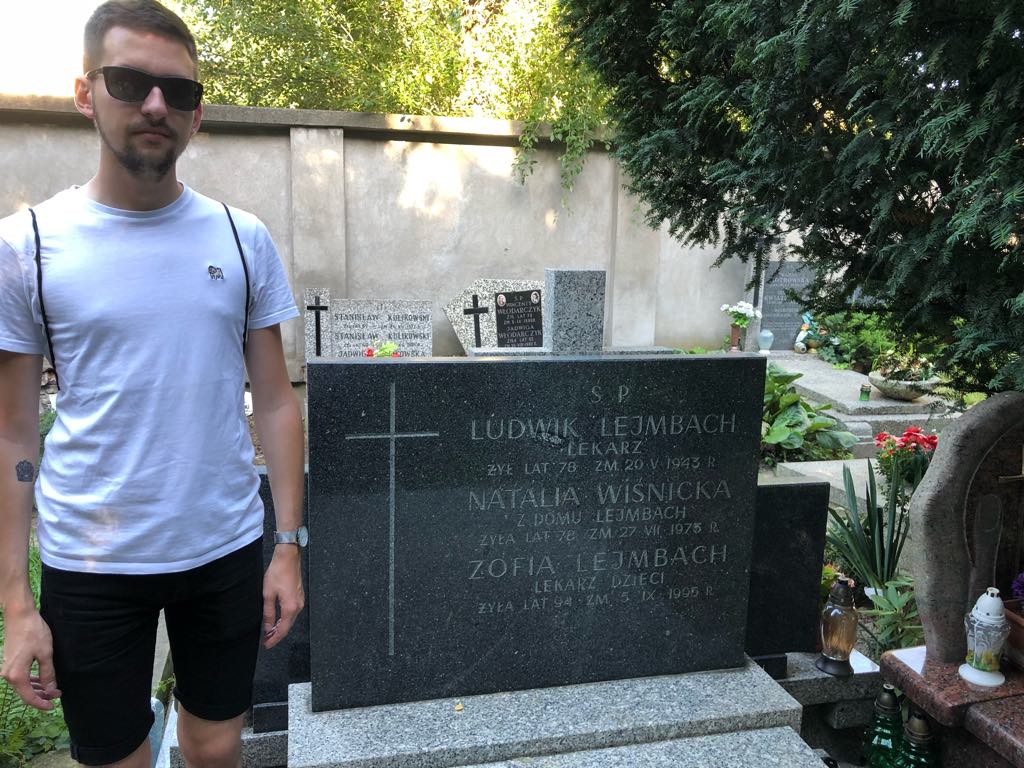
A little bit further, toward the Gdanski Train Station, on Żytnia Street is a small cemetery of the Protestant Reformed Church in Poland. Zofia Lejmbach and her family came from that old, historical branch of the Protestant religion in the eastern borderlands (Kresy) of old Polish Commonwealth. Doesn’t matter of fact she was the very first woman in Poland that rosed to the top rank in that Church – the President of the General Consistory. And that’s were, on that tiny cemetery, she was buried, in the same grave as her father, and her sister Natalia Wiśnicka. Her other sister, Irena Zakrzewska is buried ‘next door’, on much larger Protestant Augsburg Cemetery on Mlynarska Street.
Both of her sisters – Irena Zakrzewska (very distinguished and elegant older lady, who lived on Madaliński Street in a small bachelor connected to larger apartment of her son, Polish painter Leszek Zakrzewski, his wife and daughter) and Natalia Wiśnicka (lived on Krasicki Street in Żoliborz District) were also serving in Women Service battalions during the Uprising of 1944.
This is my story of a true hero of Warsaw Uprising. My Aunt Zofia Lejmbach. Freedom and independence fighter.
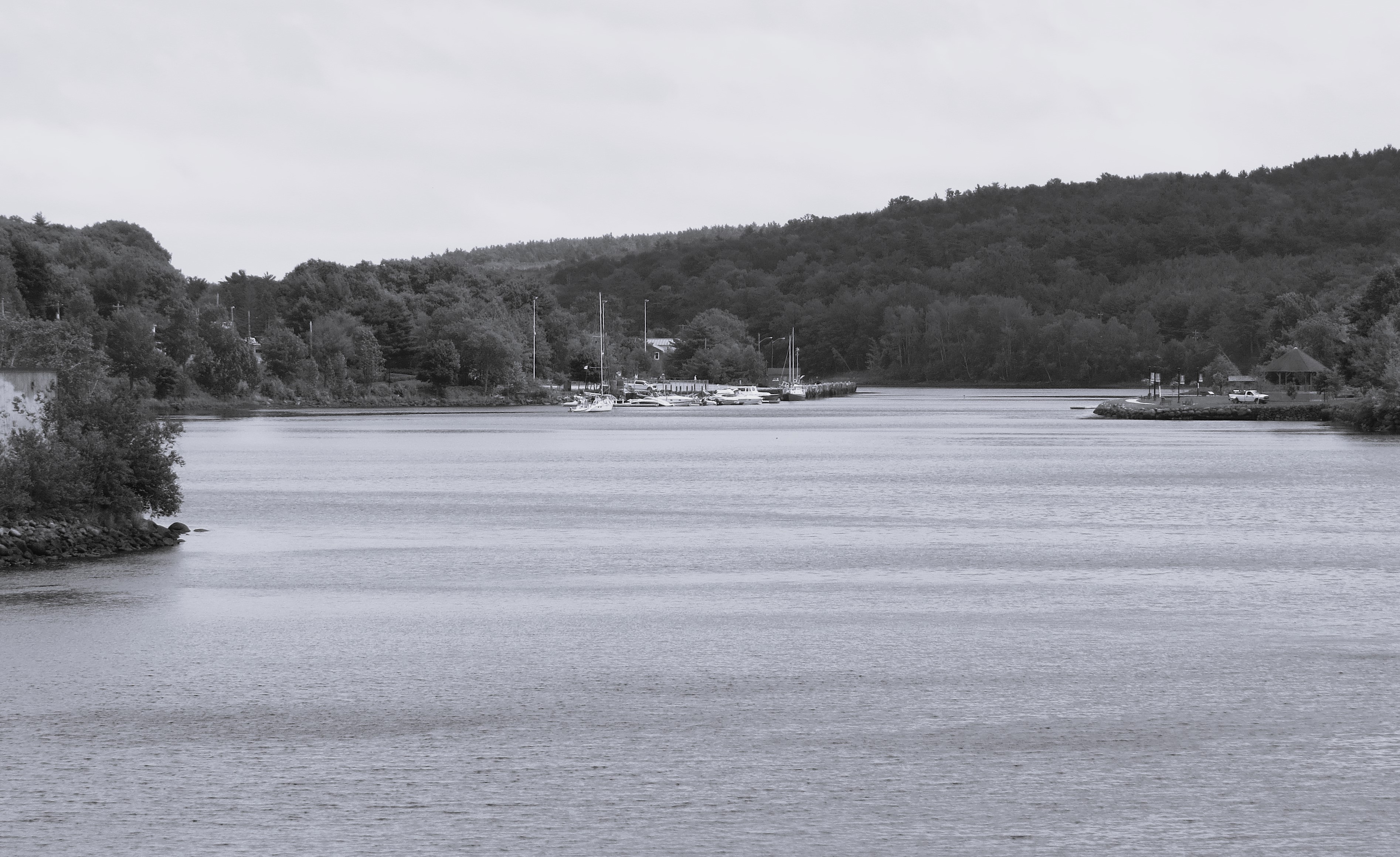
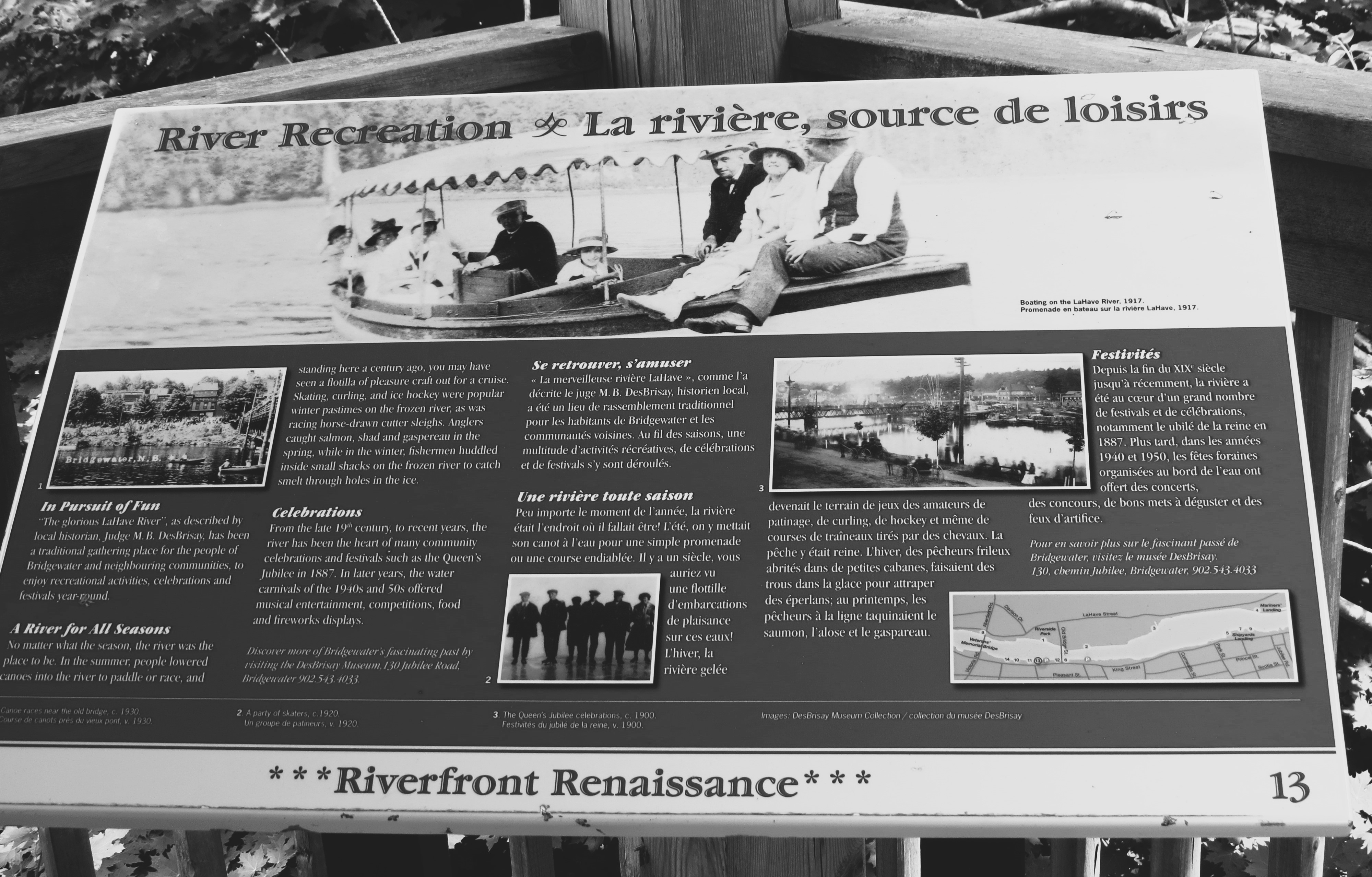
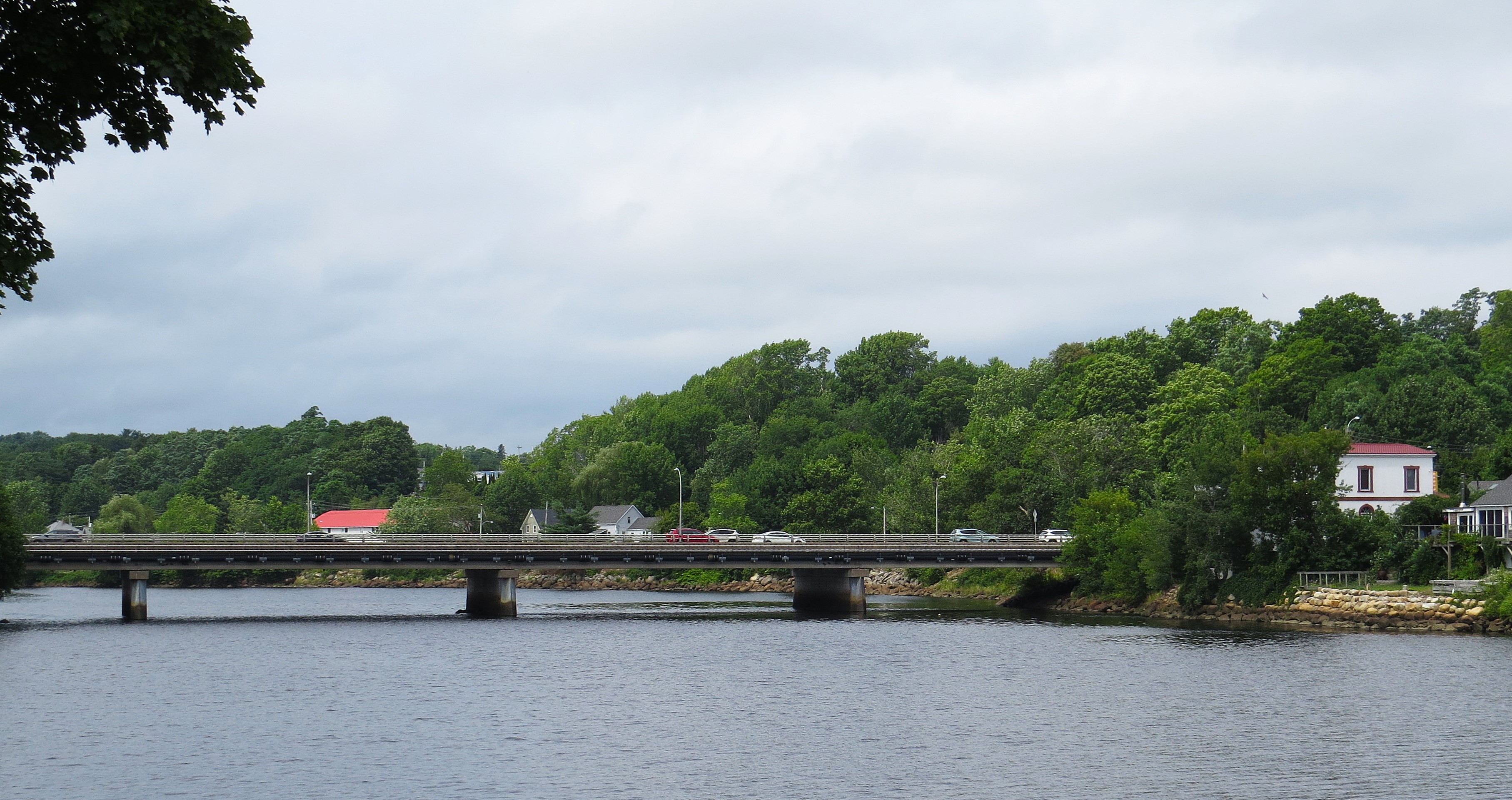
But before the British settled there, and before it become known by the name ‘Bridgewater’ it was an ancient large settlement of Mi’kmaq tribe for thousands of years. There is a rich collection of archeological artefacts attesting to their settlement at the mouth of the large LaHav River.
In 1604 the French Governor of New France Pierre Dugua de Mons visited these lands and by the mid-1600 there was first small French settlement there. In 1825 the first bridge was built and by 1850 the population grew to 300. At the end of XIX century the town had two railway connections – across the valley to Middletown and trains to Halifax. Easy access through the large and navigable river gave beginning of many industries, among which shipbuilding was a major force. It is probably a surprise to many, but the very first ship’s two-stroke engines were manufactured here and exported worldwide. It closed its operations in 1970.
Since the origins of the town, the western bank of the river was the heart and center of the city and so it remains. Most modern developments, shopping malls, concentrate on the east or left part of the city.
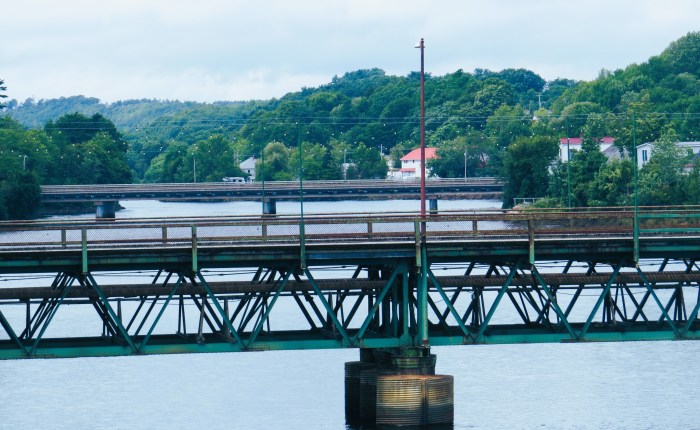
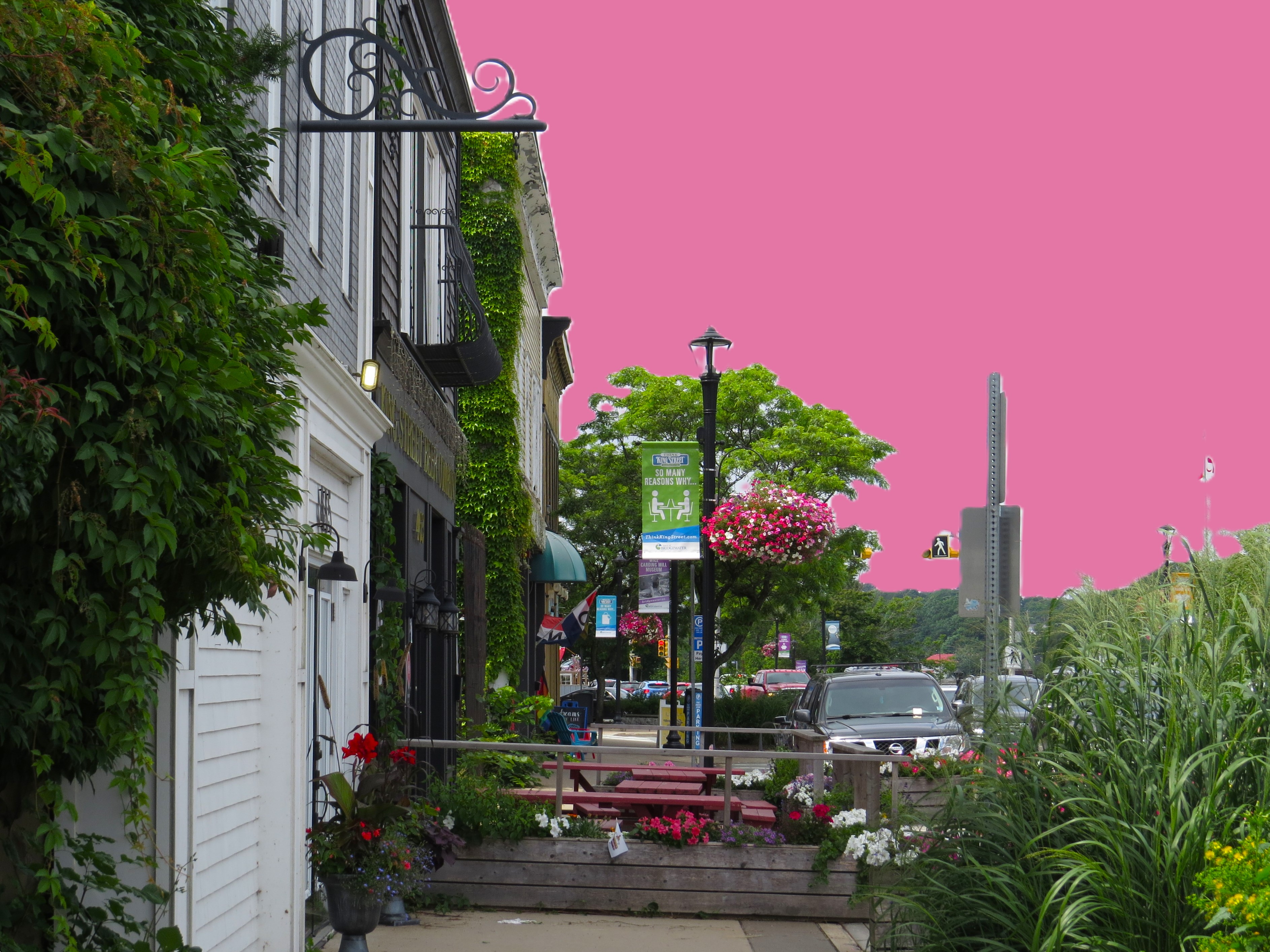
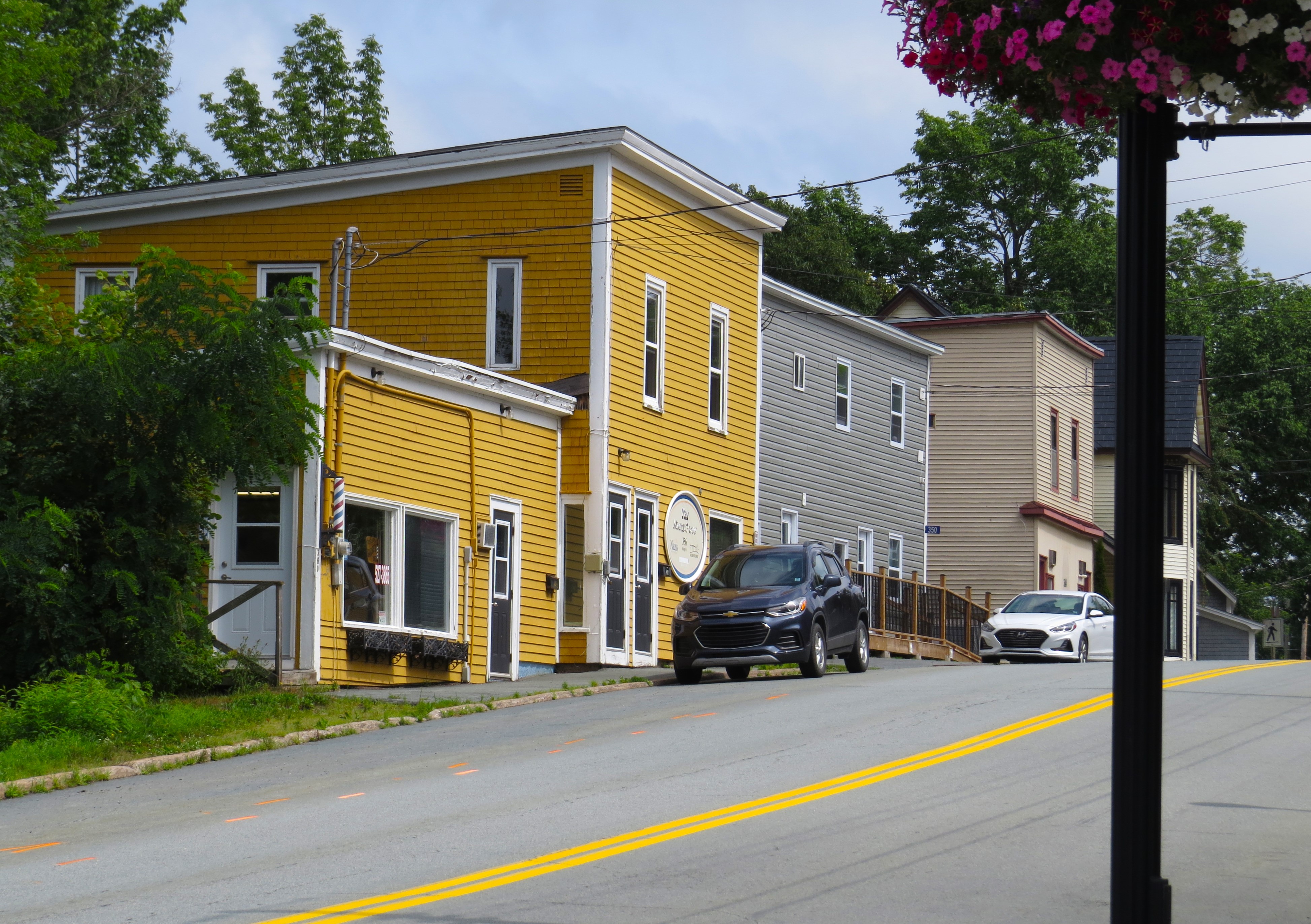
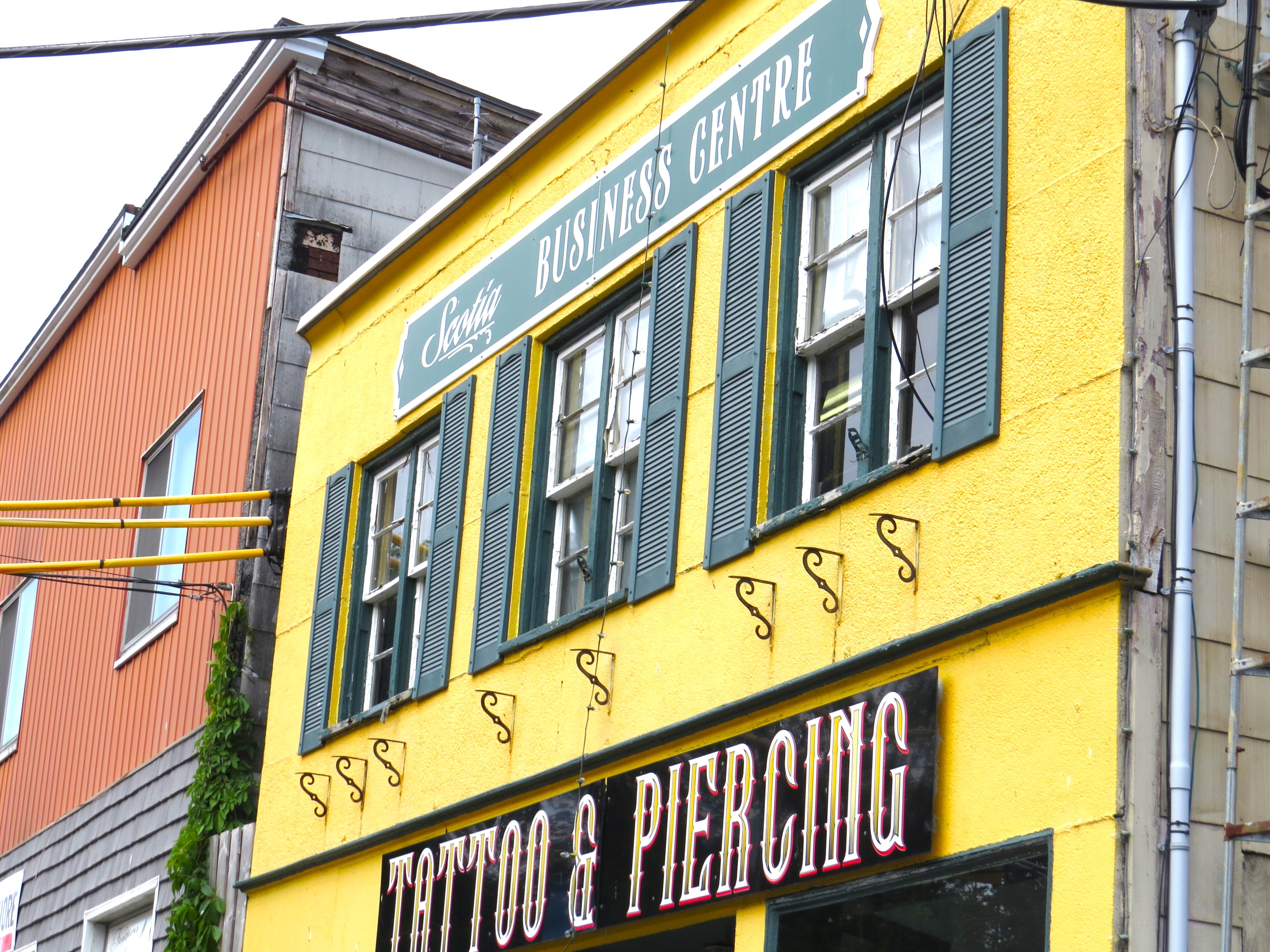
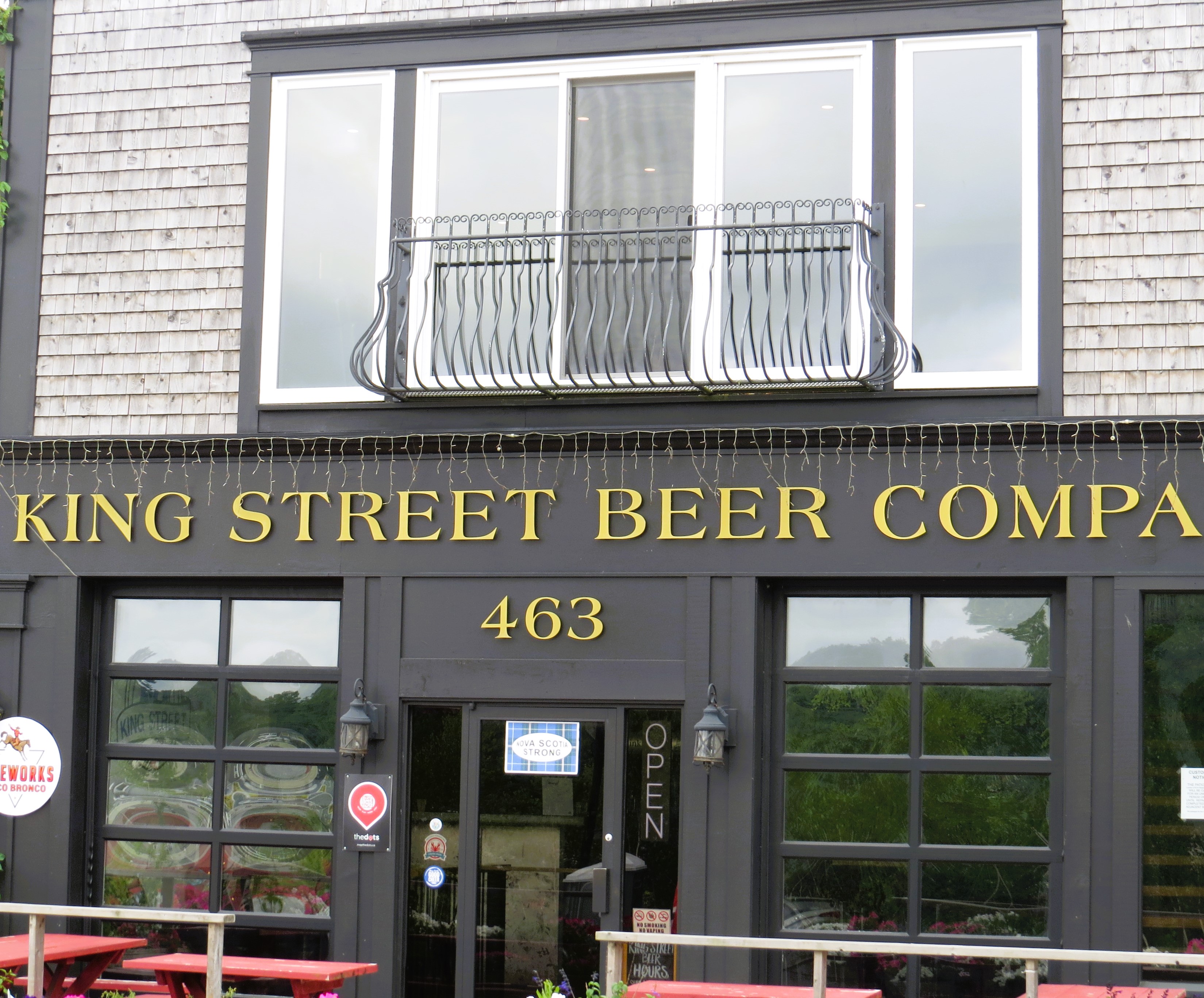
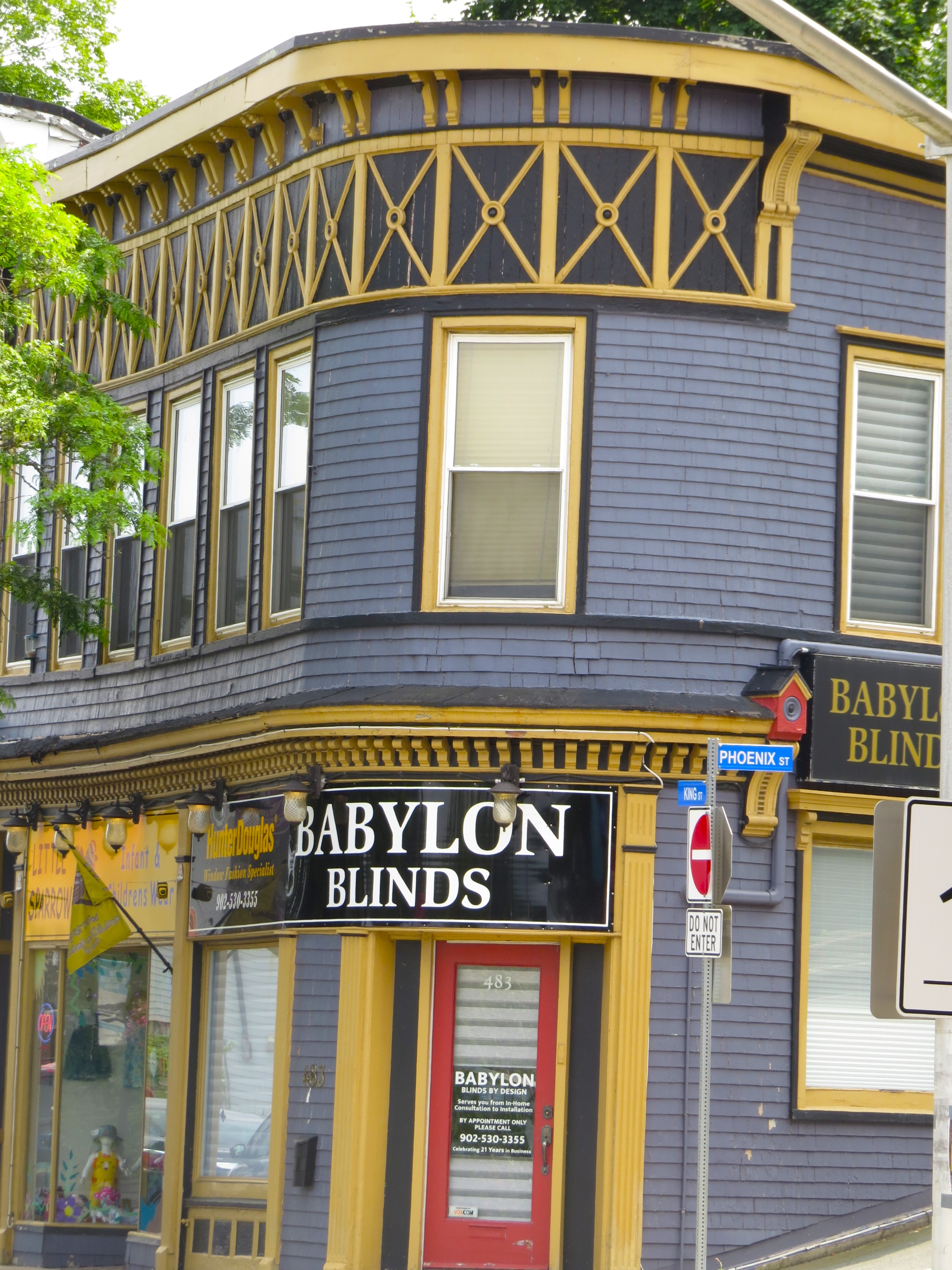
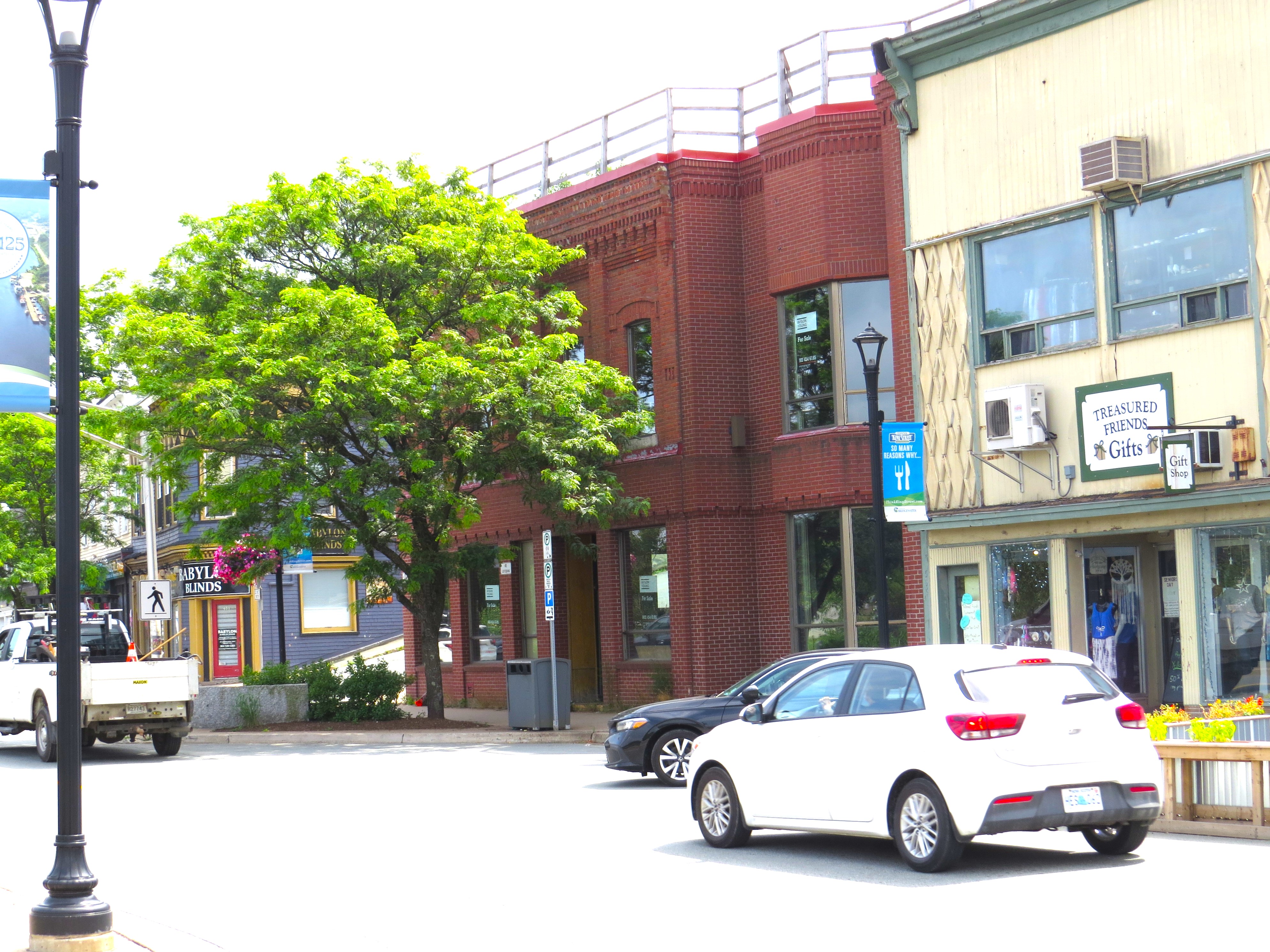
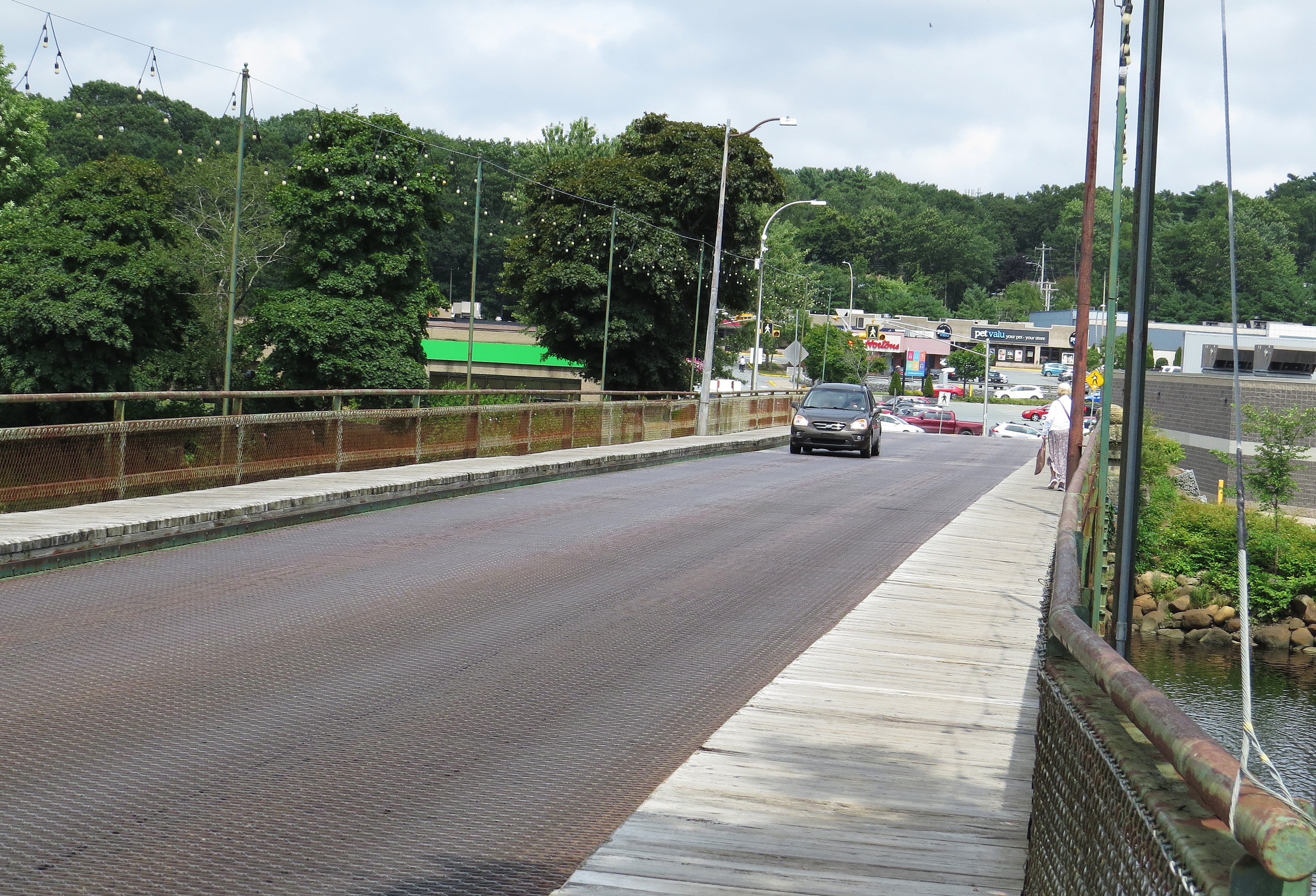
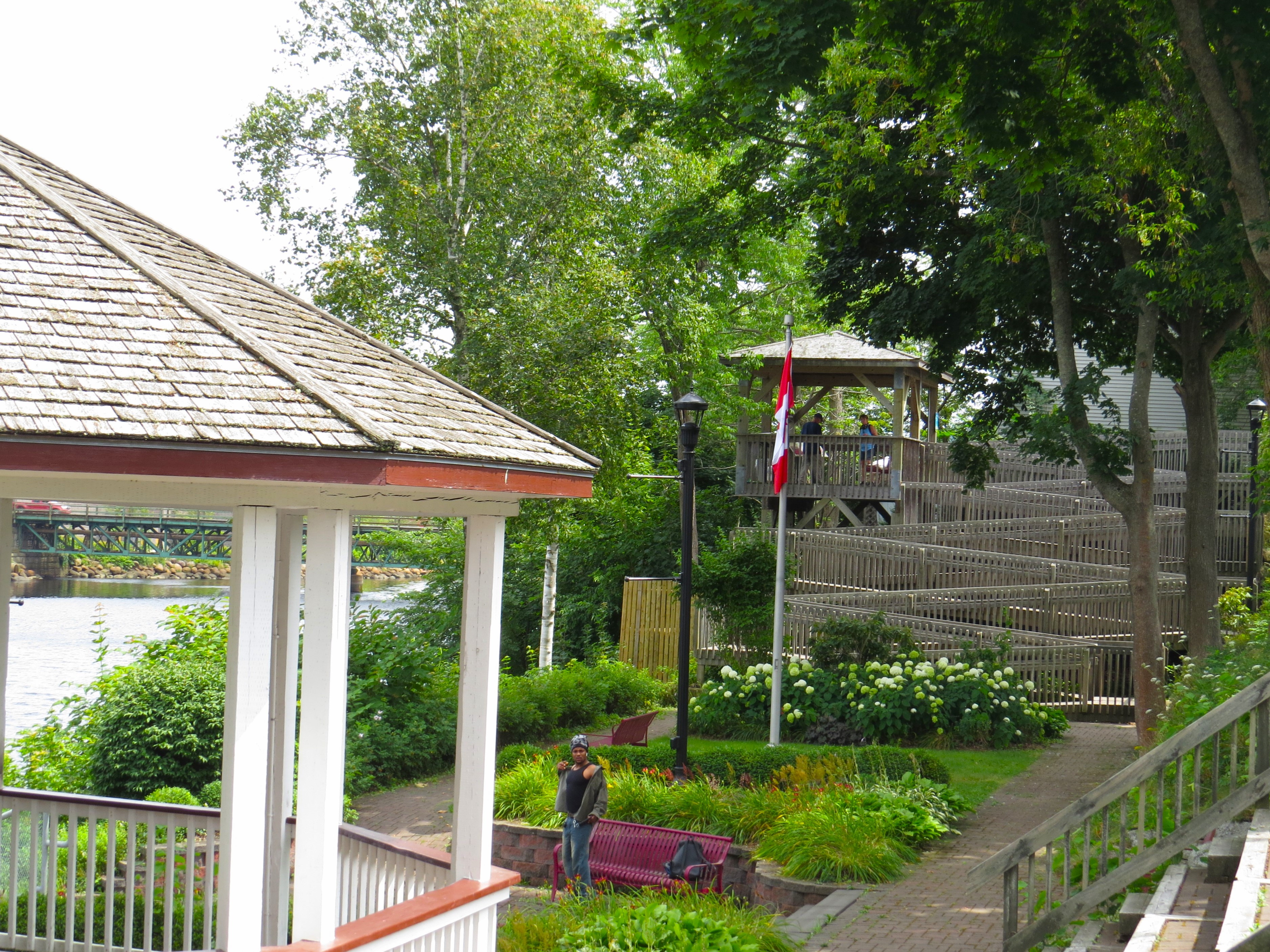
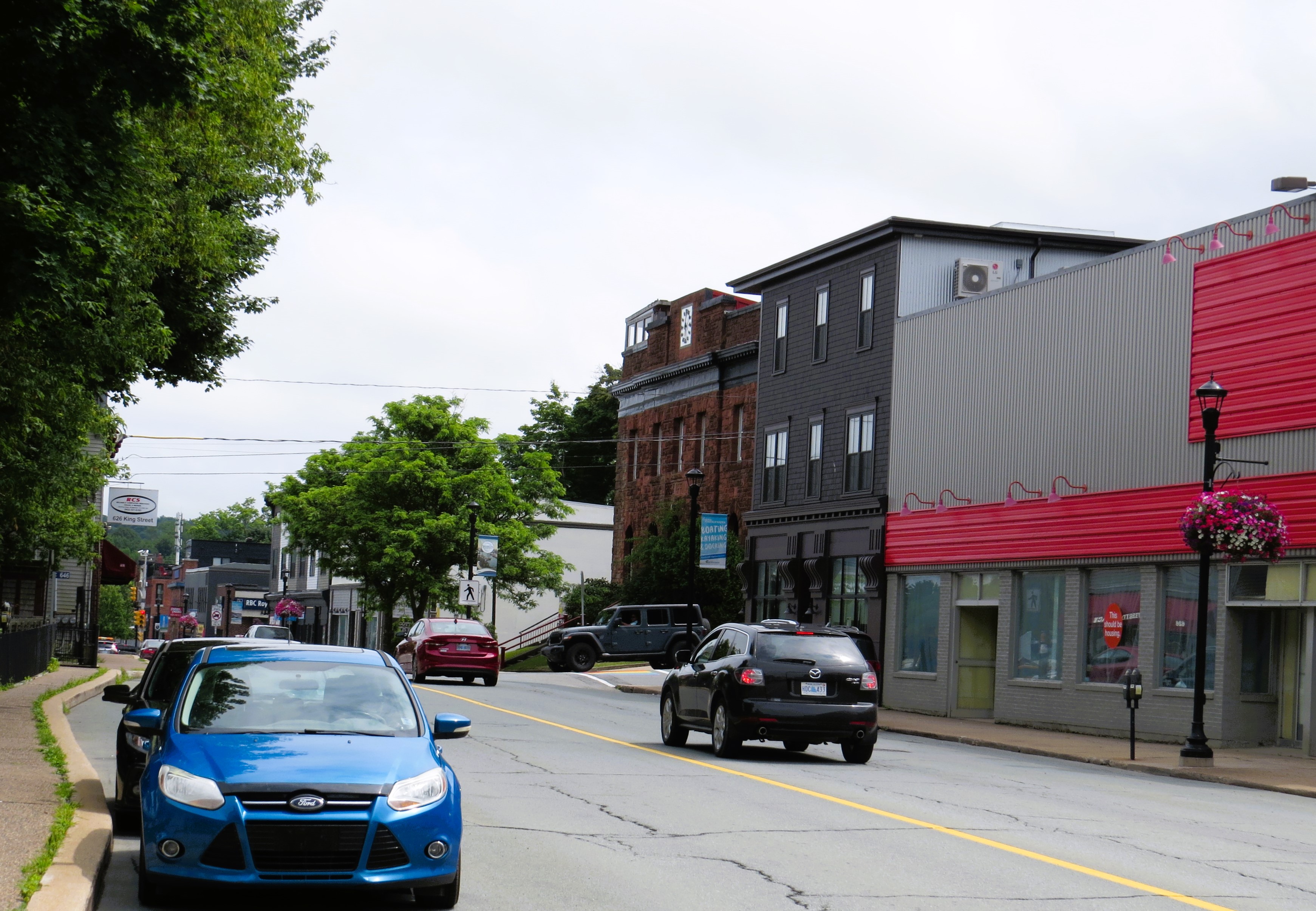
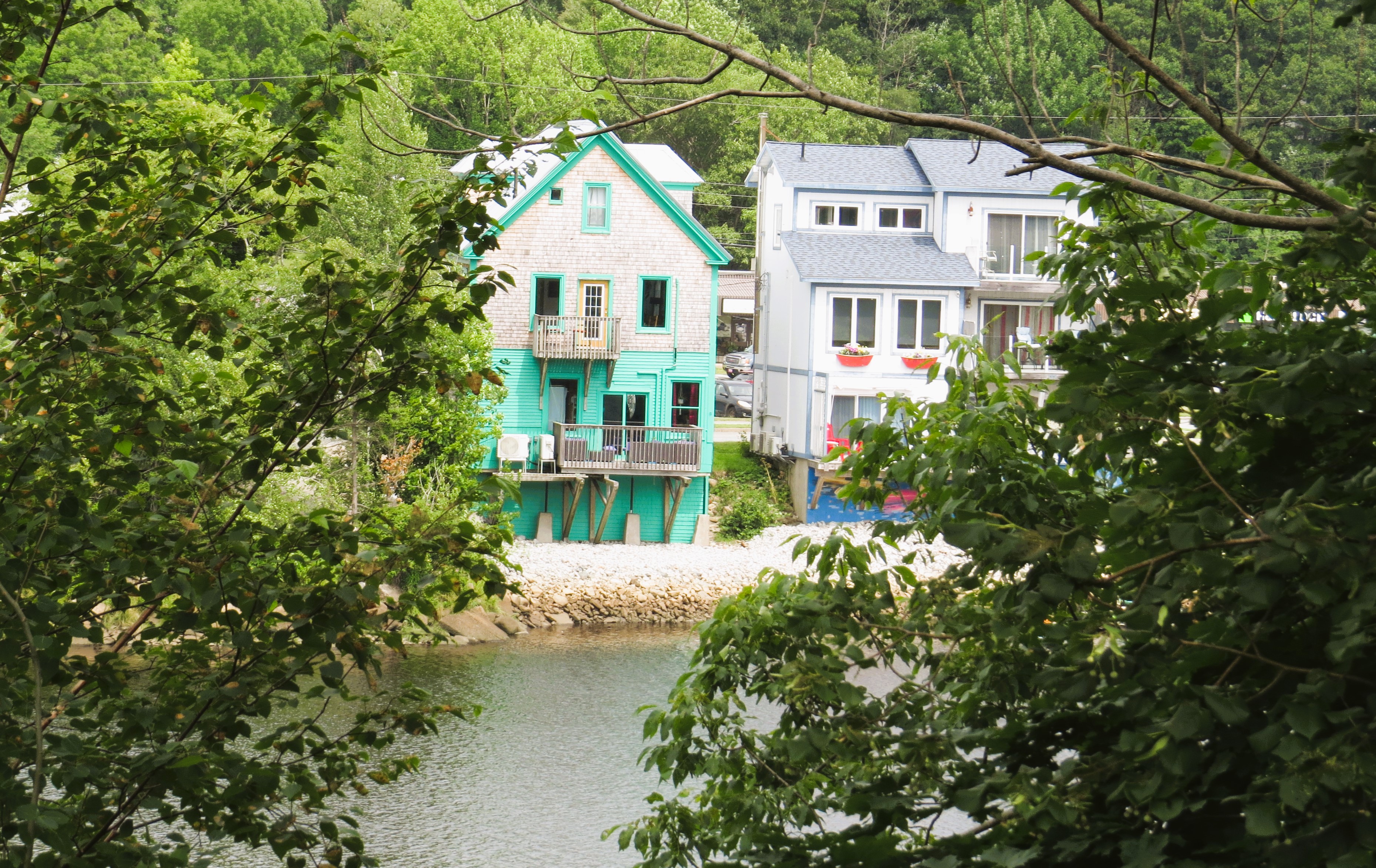
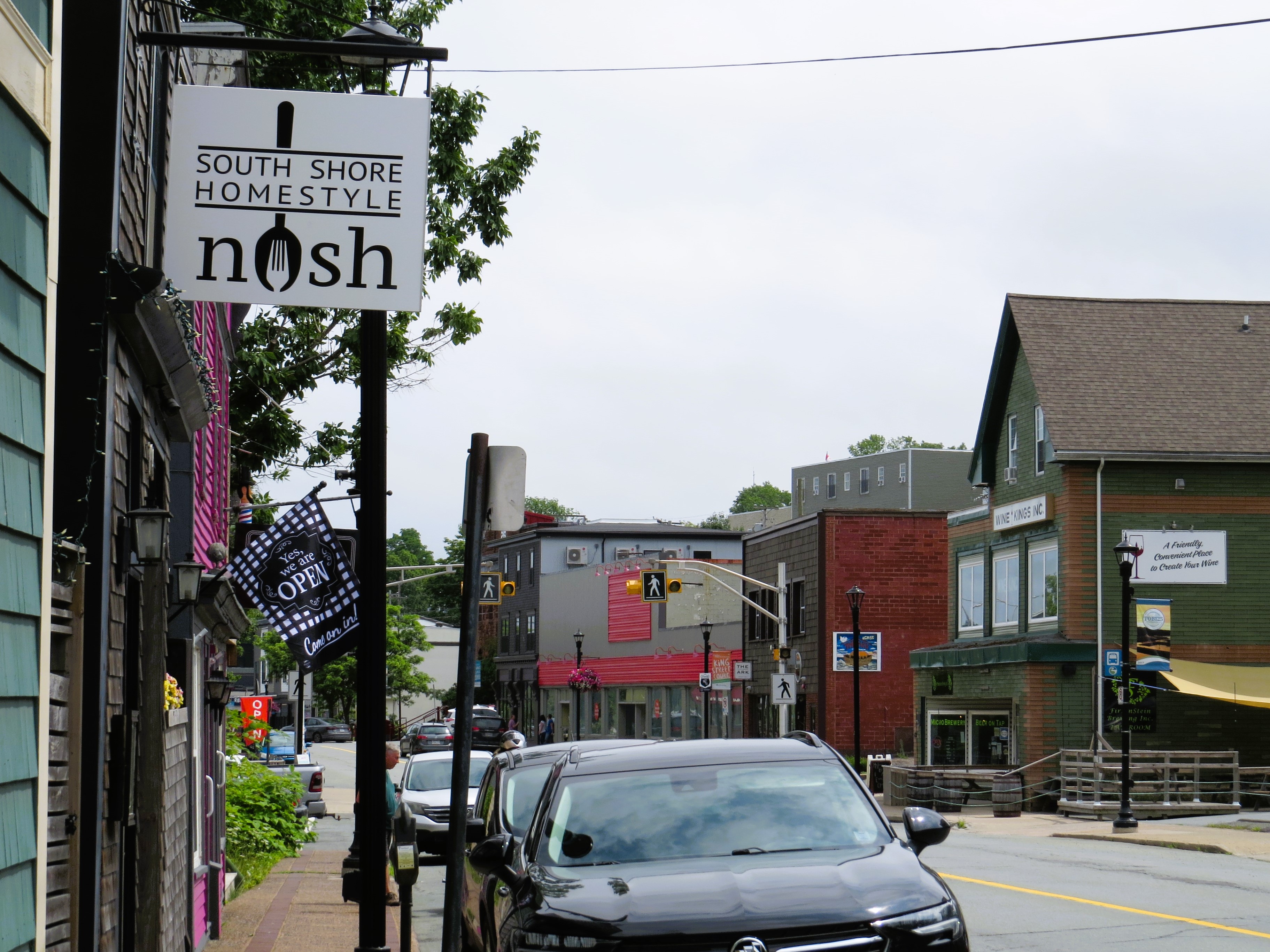
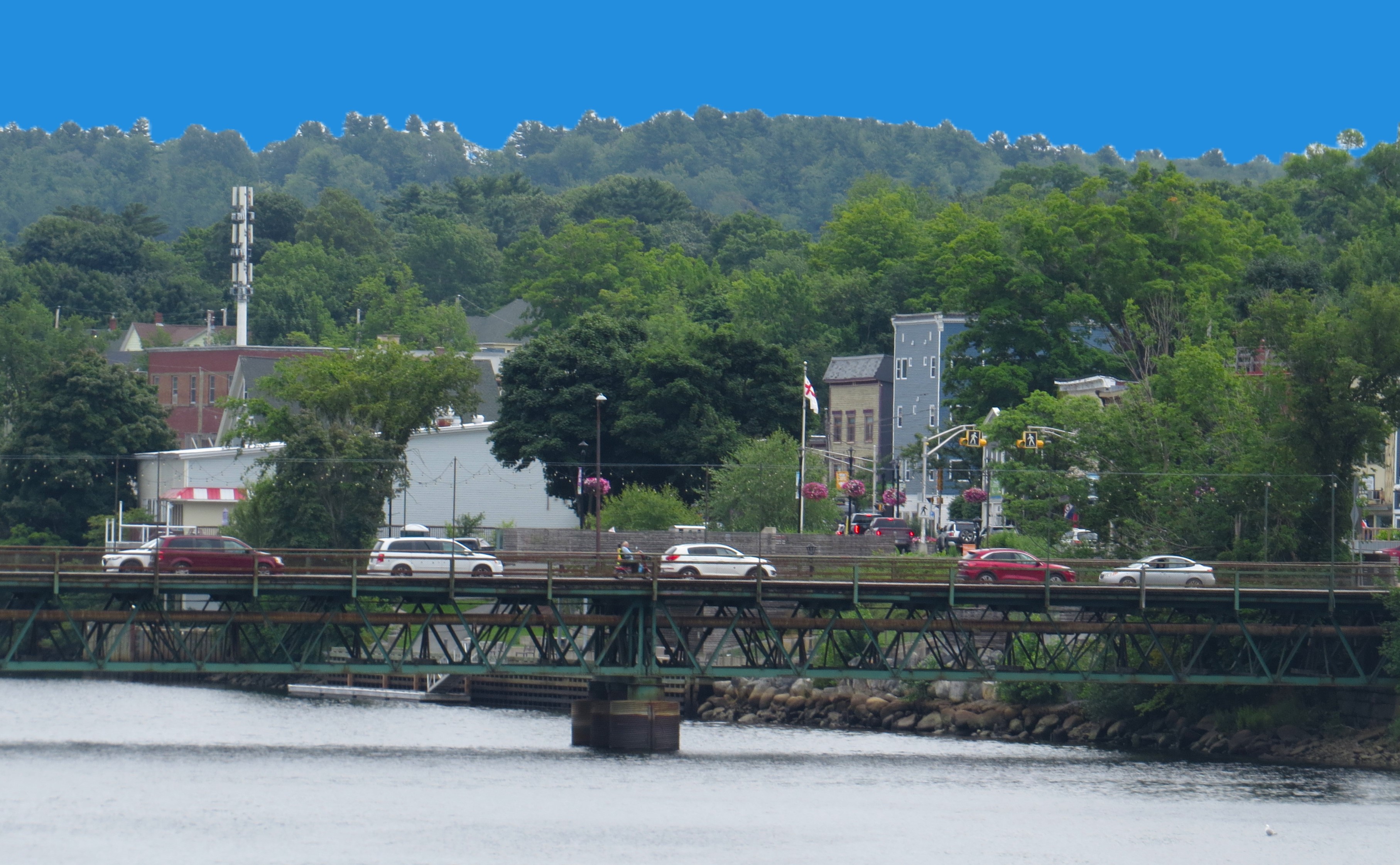
The historic town, its calling card, is the main King Street right along the banks of it’s beautiful river. It is connected by two bridges to the other side. Especially the old iron bridge is such a gem.
A walk on that long street is such a pleasure. It is like you are traveling back in time to a space where that time doesn’t travel so fast, doesn’t run in a hurry. Neither should you, if you ever visit.
As an interesting tidbit – did you know that famous Hollywood and Canadian actor Donald Sutherland spent his formative teenage years and graduated from High School in Bridgewater?
If I was going to stay permanently in Nova Scotia – I would love to move there. But I do suggest to Dear Reader – if you are visiting Nova Scotia, you absolutely must visit Bridgewater. You won’t regret it.










































































 > > Pogwarki < <