Wiersz musi być rozmową, musi opowiadać

Wiersz musi być rozmową, musi opowiadać

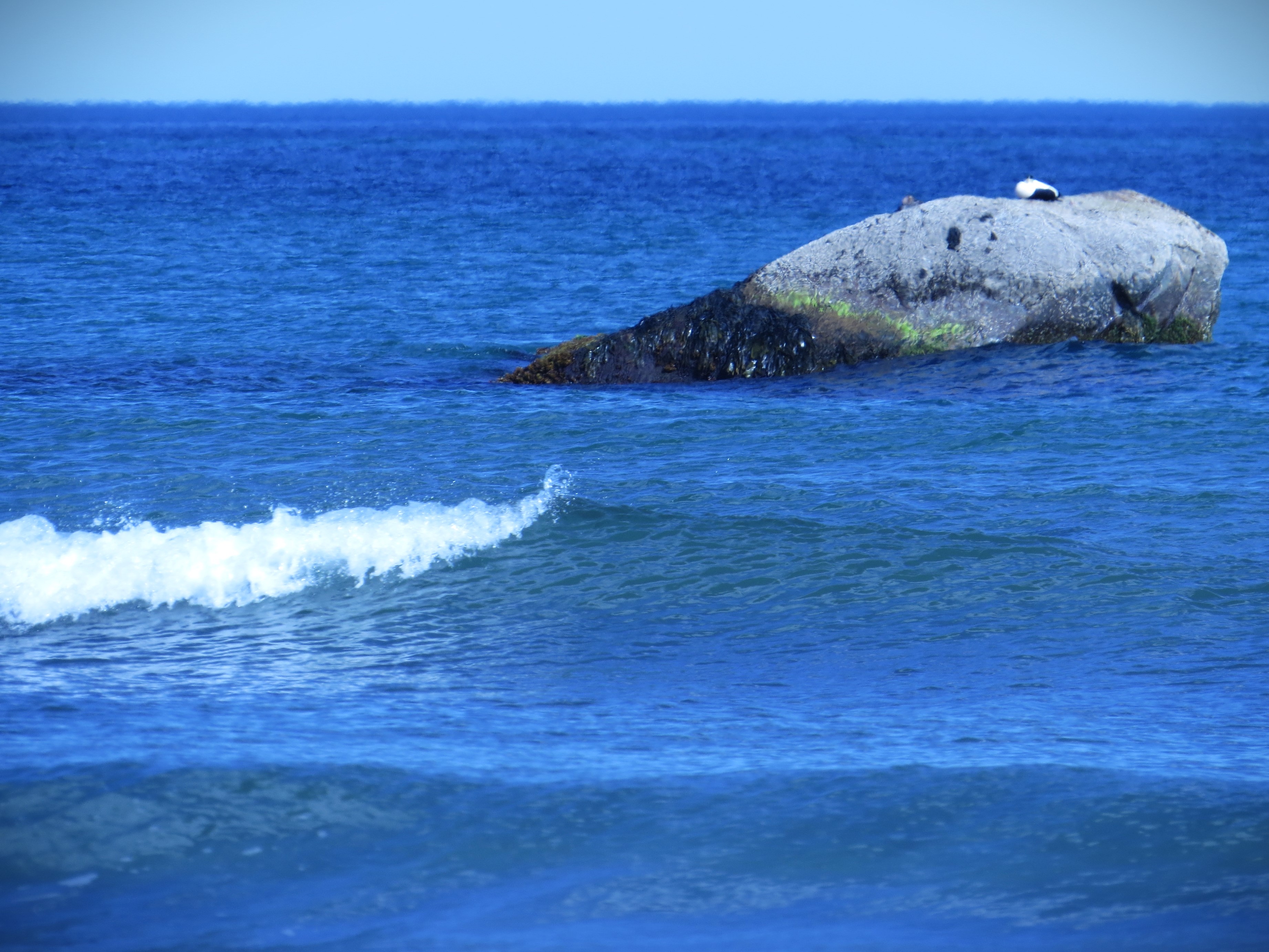
Ostatnie dni jeździłem rowerami po leśnych trasach atlantyckiej części Canada Trail. Te dni były dość zimne, wietrzne. Zawiodły mnie do miejsc trudnych emocjonalnie, choć nie planowałem tego świadomie. Miejsc naszej, mojej i Johna, ostatniej wycieczki nad ocean. Jego pożegnania z oceanem. Do Rainbow Haven Beach.

Tu zaczynałem pierwszą trasę rowerową kilka dni temu w kierunku Cow Bay. Tu – następnego dnia – kończyłem drugą. On już wiedział, że to nasza ostatnia wycieczka za miasto. Zrobił ja dla mnie, dał mi jeszcze jeden dzień radości, jeszcze jedną wycieczkę uśmiechów i szczęścia. Ja jeszcze nie wiedziałem, to nie była ostatnia dla mnie, jeszcze tej myśli nie dopuszczałem, że to już tak mało nam tego czasu zostało. Jeszcze liczyłem na miesiące, łudziłem się kilkoma nawet latami. A mieliśmy mniej niż dwa tygodnie. Fizycznie był bardzo osłabiony, cień samego siebie. Teraz widzę go tamtego dnia jako giganta, obelisk marmurowy, wysmukły, nieskazitelny.

Pamiętałem też nasz spacer w Hyde Park w Nowym Jorku. Tego dnia było też słonecznie. Stał na schodach schodzących do tego wspaniałego, błyszczącego w idealnej czerni uskrzydlonego Anioła.
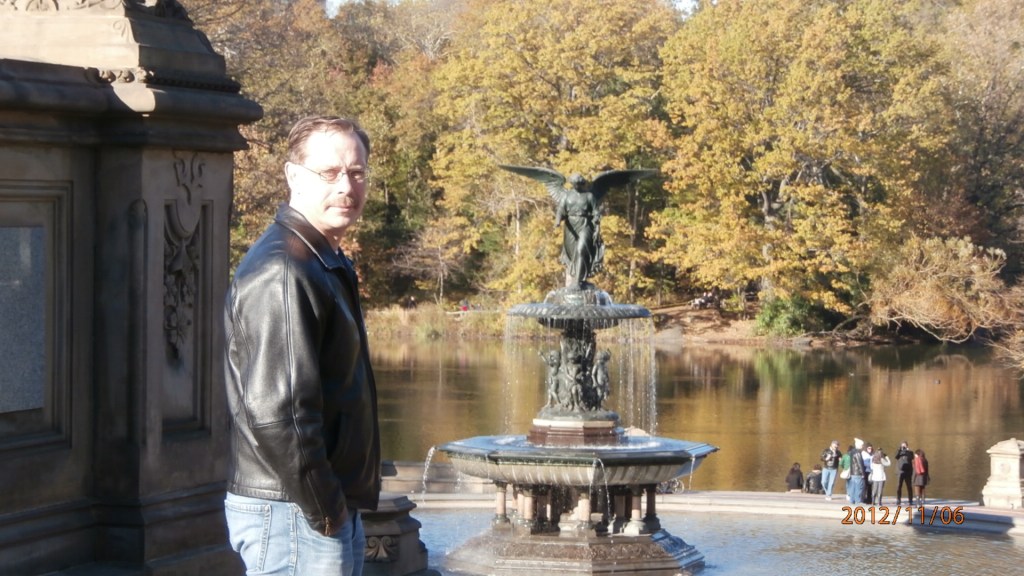
Wcześniej jeszcze, wiele lat temu, napisałem wiersz p.t. ‘Uriel’ o Aniele Śmierci. Ten nowojorski do tego mojego Uriela ze starego wiersza bardzo pasował. Był jakby jego fotografią.


Zjawiasz się znowu, dawno zapomniany,

nie pamiętam imienia. Twarz, jak we mgle.

Tylko kolor skrzydeł, stalowy blask piór,

dotyk zimny a czuły jednocześnie.

Bliski, mimo że tak często, tak długo

nieobecny. Mój Anioł Śmierci. Piękny.

Najczulszy kochanek, ze wszystkich,  których

miałem. Z uściskiem bezsłownym, tak słodkim,

powstrzymującym dech w piersiach, pędzące

w galopie pośpiesznym serce i myśli

 skołatane, gdzieś ku krawędzi stromej

nad Doliną Ciszy i Spokoju w

dole rozpostartej. Witaj Urielu,

smak ust przenajsłodszych zwiastował cię.

Drżałem, a tyś mnie uspokoił.

Szarpałem się skłócony z bogiem i ludźmi,

a tyś mnie wyciszył, spory załagodził.

Nie opuszczaj już, proszę. Pieszczoty

nie odmawiaj  członkom znużonym.

Nieskazitelnym alabastrem skóry

twoich rąk dotknij mojej, zniszczonej

piętnem czasu, pokrytej bliznami

miłości zwycięskich i miłości przegranych.

Ostatnią kroplę pasji niedopełnionej spij.

I zamknij nieba nade mną, pokryj mgłą gęstą

szczyty odległe, horyzonty mórz i nurty rzek.

Daj usnąć wtulonemu w  bezpieczną muskulaturę

twojej klatki piersiowej, w objęciach  silnych ramion.

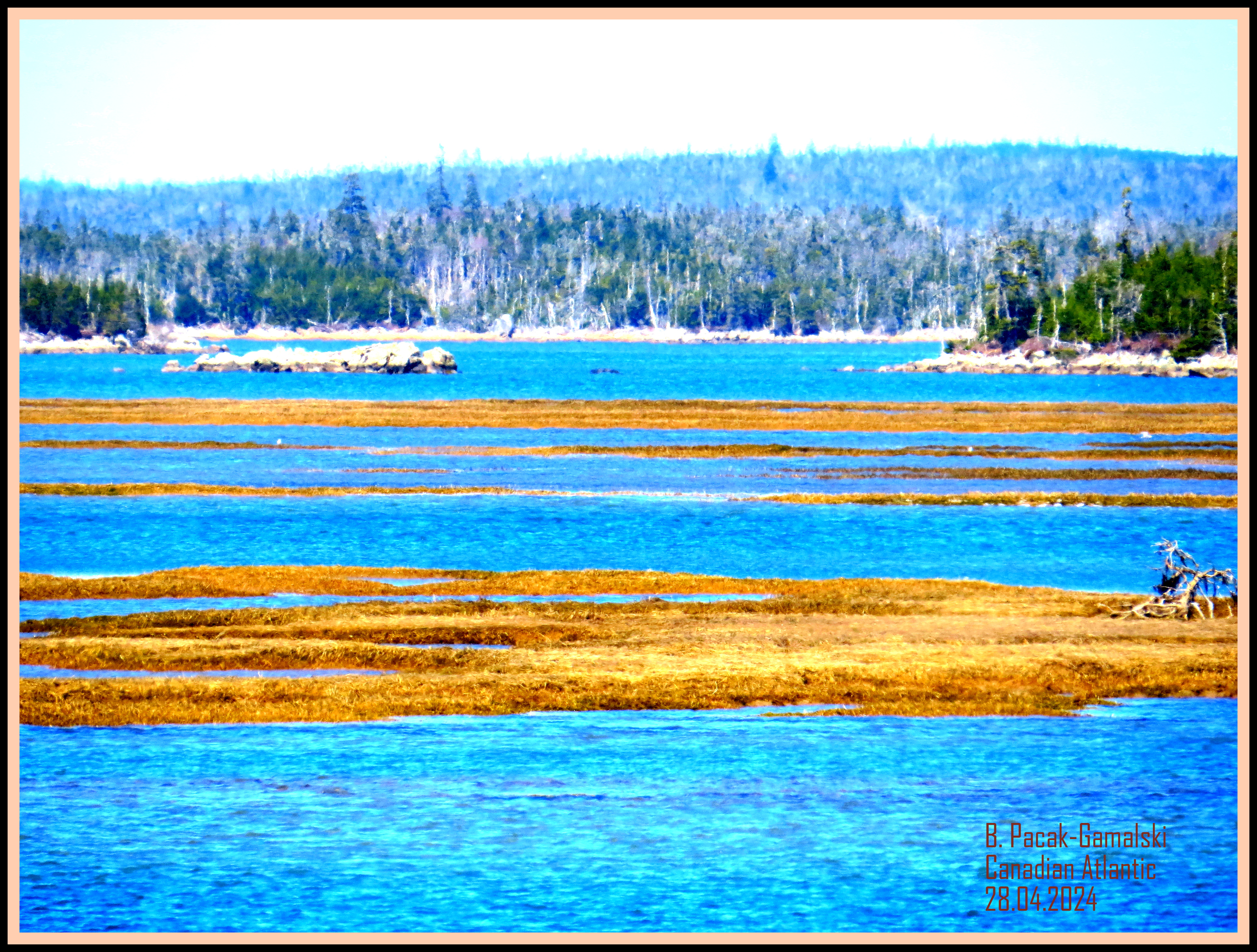
W poezji tak łatwo w krótkich zwrotkach zmieścić całe długie psychologiczne opowiadania, skomplikowane eseje. Pewnie dlatego, że mimo wszystko poezja jest przede wszystkim emocją, a emocja jest chyba najbardziej zrozumiałym językiem. A notes z ołówkiem nigdy z mojej torby lub plecaka nie wychodzi. I siadając przy ławce na końcu tej drugiej trasy rowerowej miałem właśnie widok na drugi brzeg tego słonego zalewiska-jeziora, widziałem go na tamtym brzegu wyraźnie. W tym samym miejscu. Stał, jak dumny, wyprostowany obelisk i swoimi pięknymi, pełnymi dobroci szarymi oczami patrzył się na mnie. Nie kruchy, słaby, schorowany a silny, młody – piękny. Nagle rozwinął skrzydła, pomachał jednym do mnie maleńkiego na drugim brzegu i odfrunął, poszybował. Tak, jak mają zwyczaj to robić aniołowie.

Obelisk
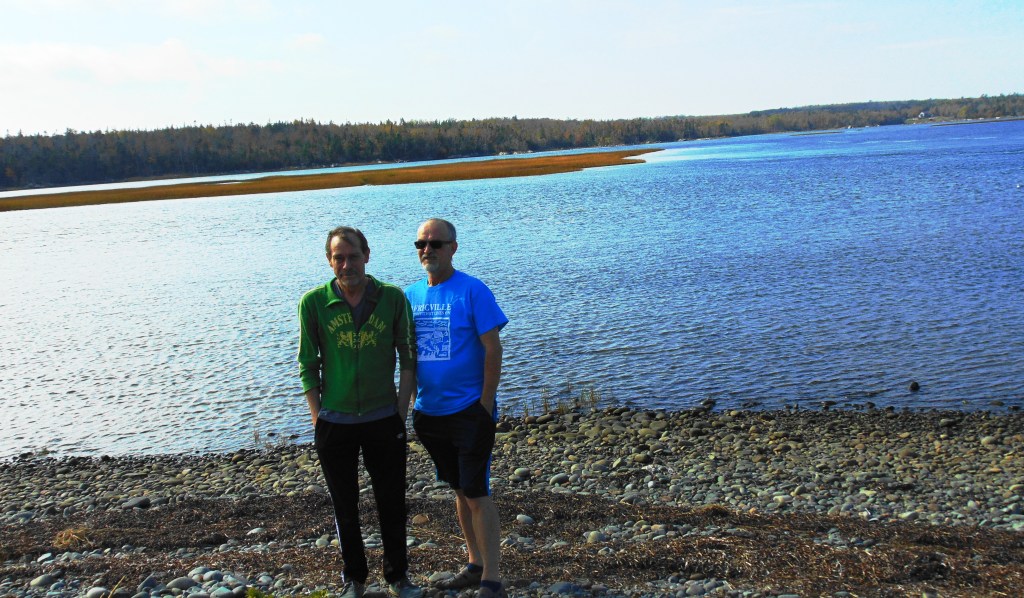
Czy widzę cię stojącego tam,

nad brzegiem rozległych rozlewisk?

Nad brzegiem, gdzie staliśmy razem,

niczym obeliski prastarej legendy z Uruk.

Mitu Przedwiecznego Sumeru Wszechczasów:

Gilgamesza i Enkidu

Romea i Juliana

Aleksandra i Hefajstosa

Ciebie i mnie

Od oceanu nadszedł zimny wiatr,

nadbiegły chmury ciężkie.

Obelisk rozwinął skrzydła

Pięknego Czarnego Anioła

z lekkością pióra Księcia Poetów

i uleciał w ten

świat chmur

pędzących nad nami.

Zostałem sam.
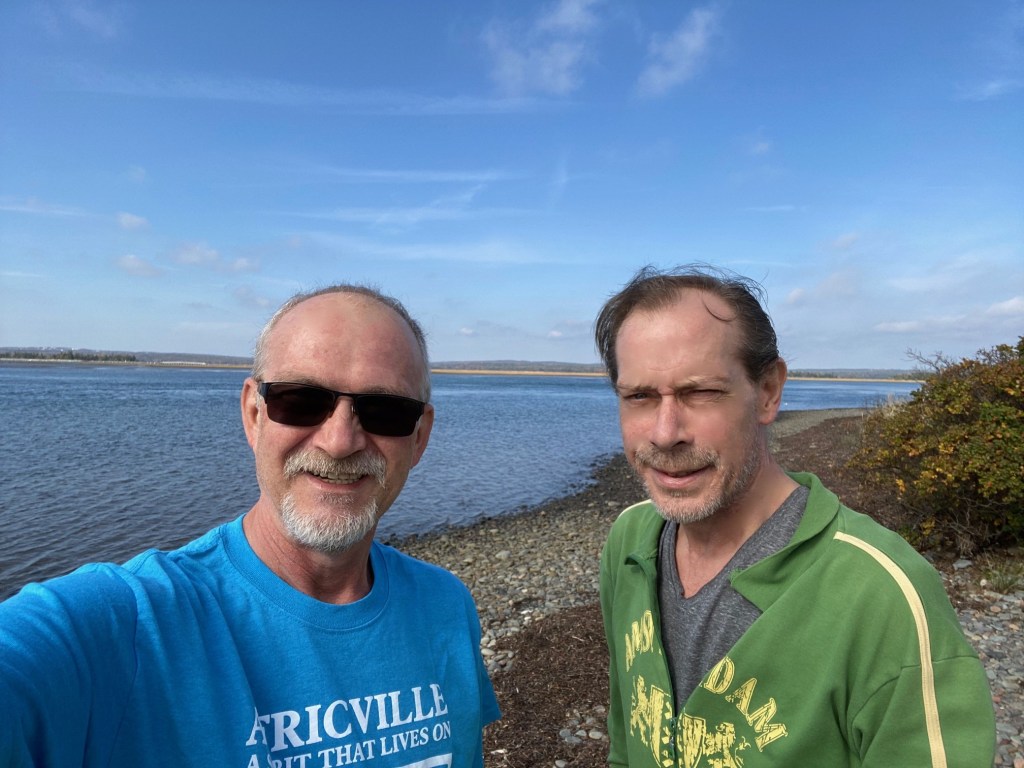
The ways of Love. Ścieżki Miłości.

The ways of Love are difficult to comprehend, not easy to follow. It has many meandering roads, many tracks through forest and meadows. It knows the busy streets of cities and forgotten paths through hills.

Love – it seems – lives separate from us, from our bodily abodes. When one of the lovers is gone, when the other has to say the incomprehensible words of goodbye – loves stays, remains. As long, as the other is still alive so is their love.  We are but the chalice, where love finds shelter. We benefit form her grandiose presence, but we do not own her. She just lets us to bask in her radiance. When we suffer, she cries with us and suffers even deeper than we can conceive, when we rejoice in extasy – she dances in the clouds.

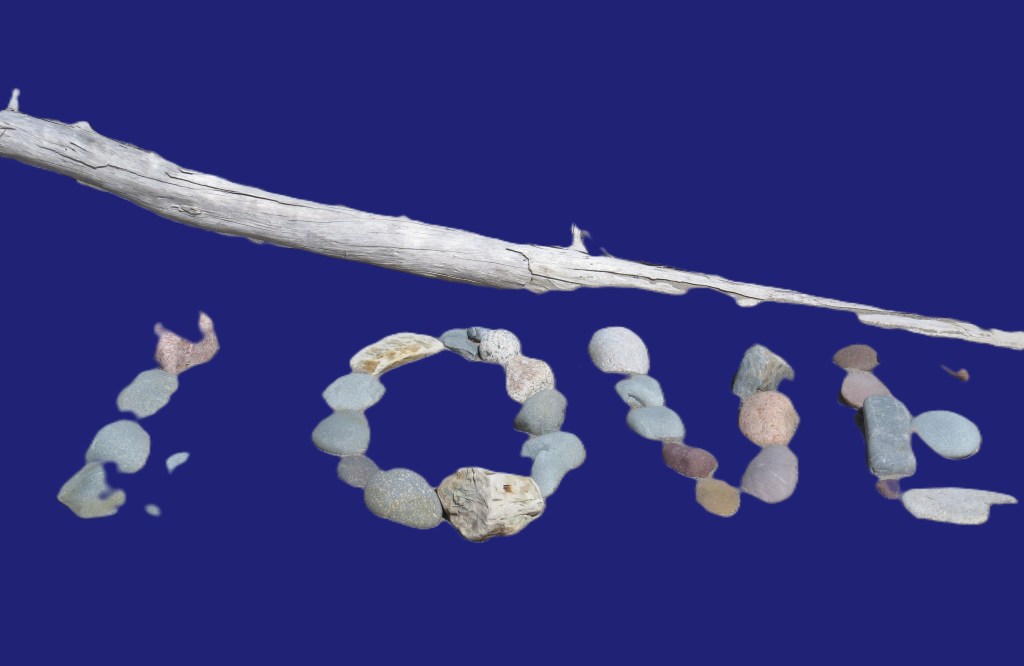
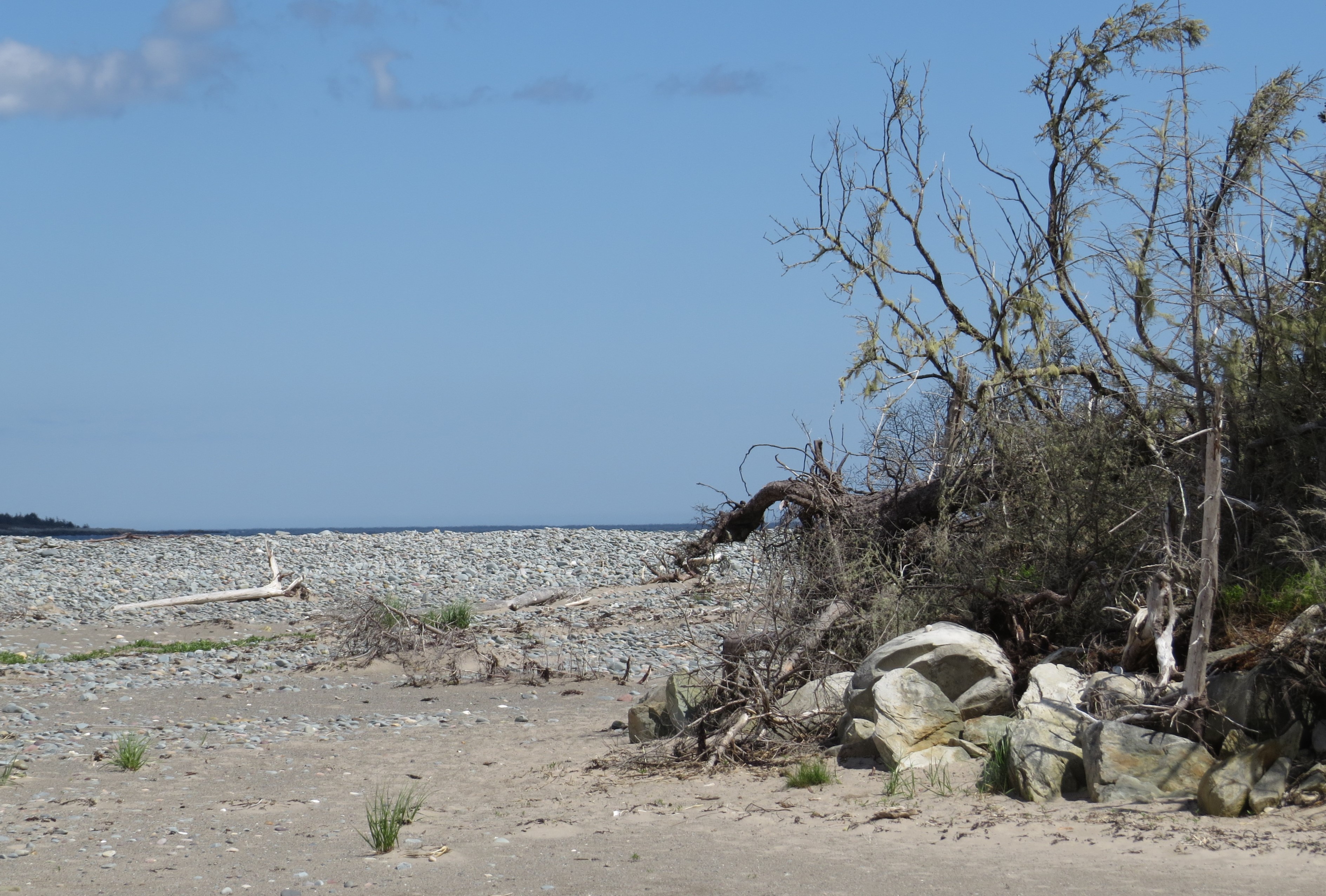
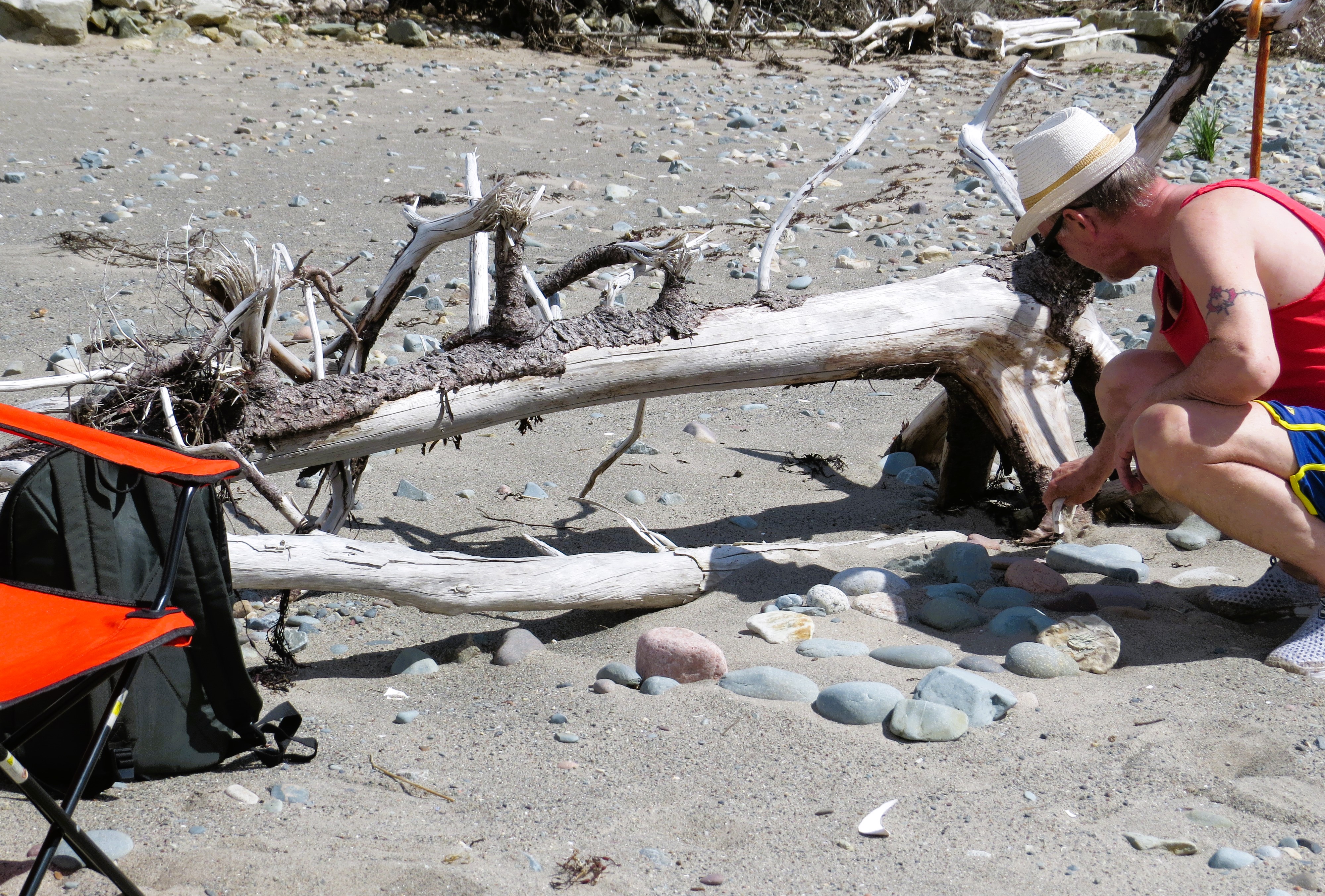
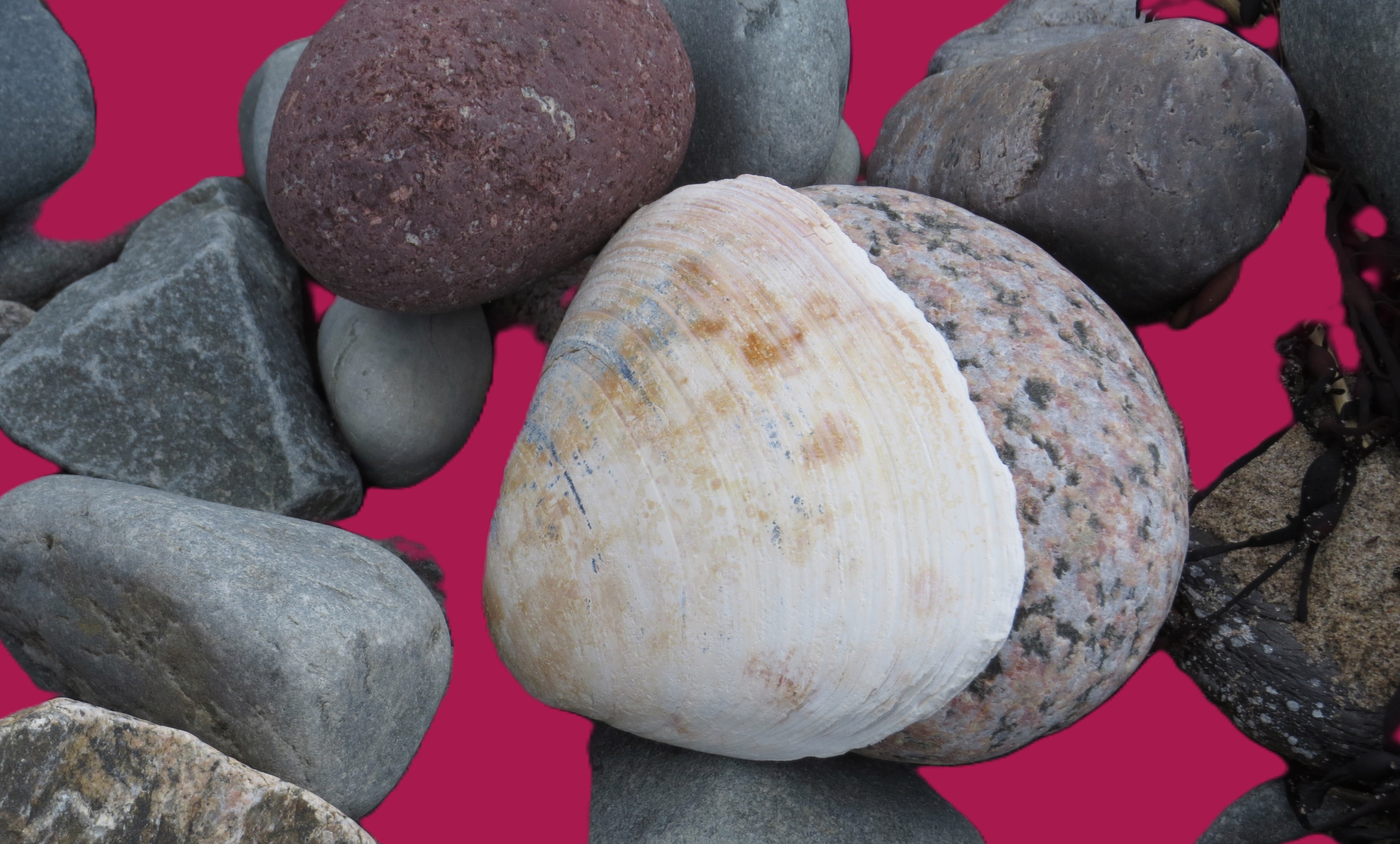
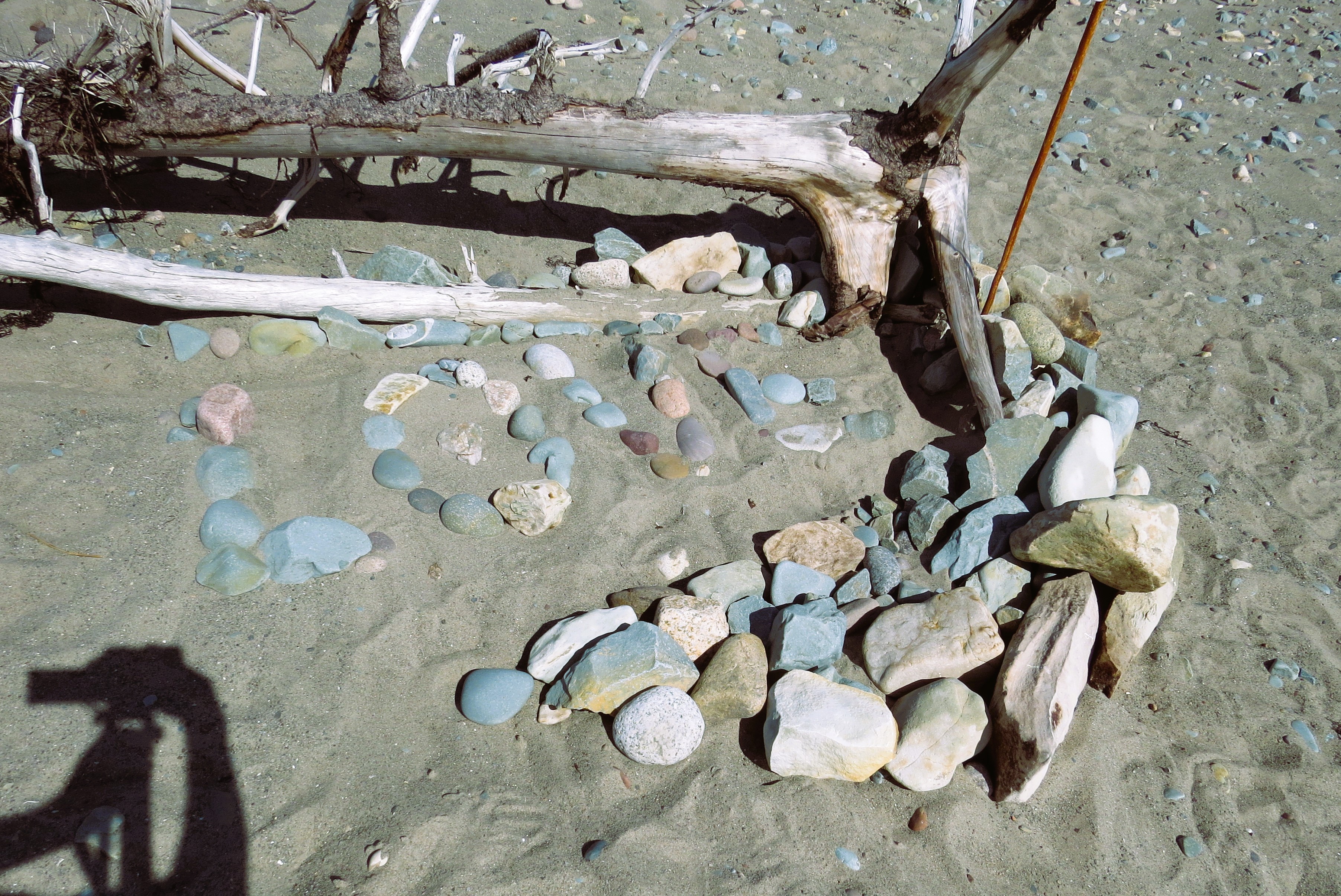
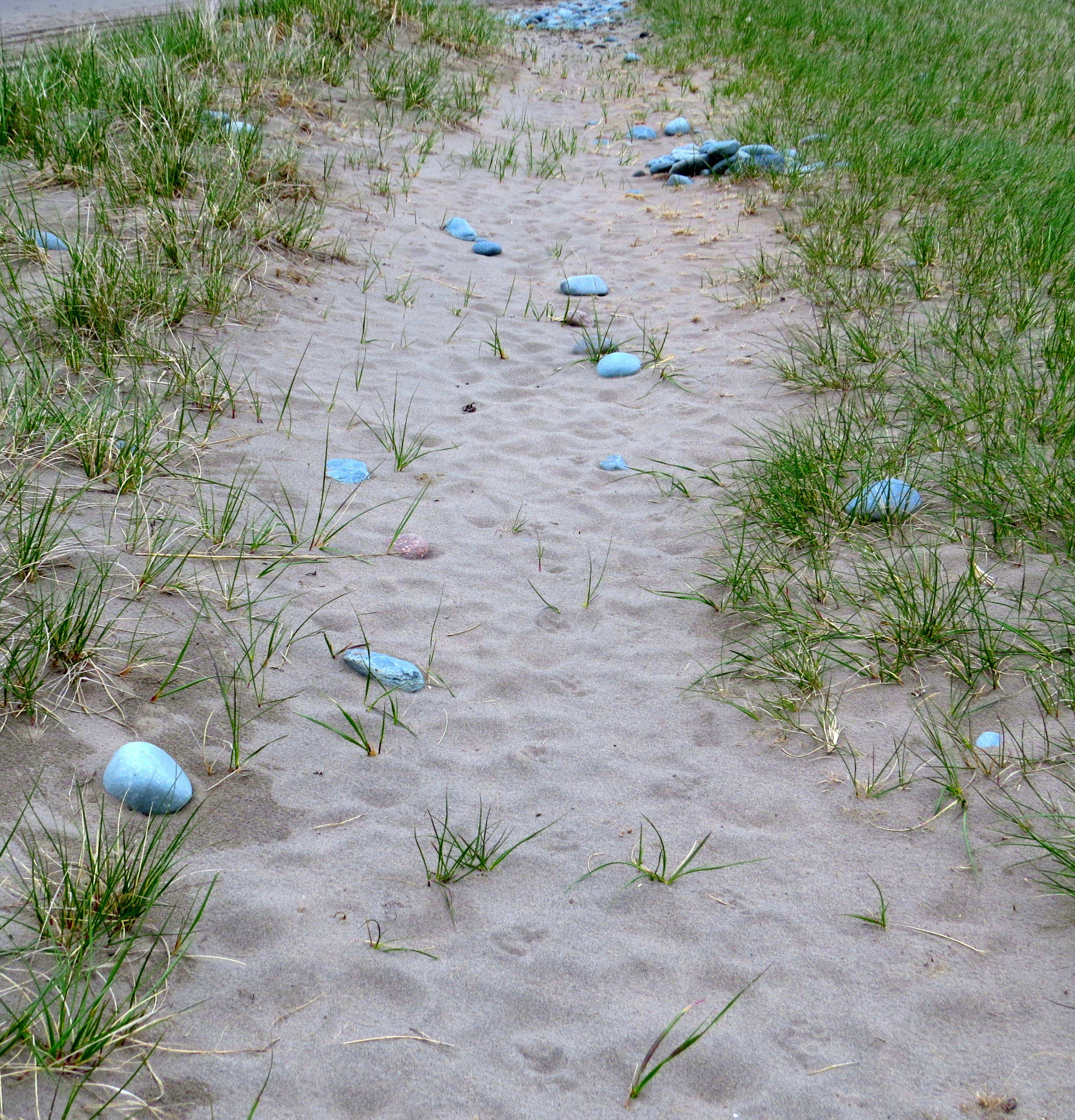
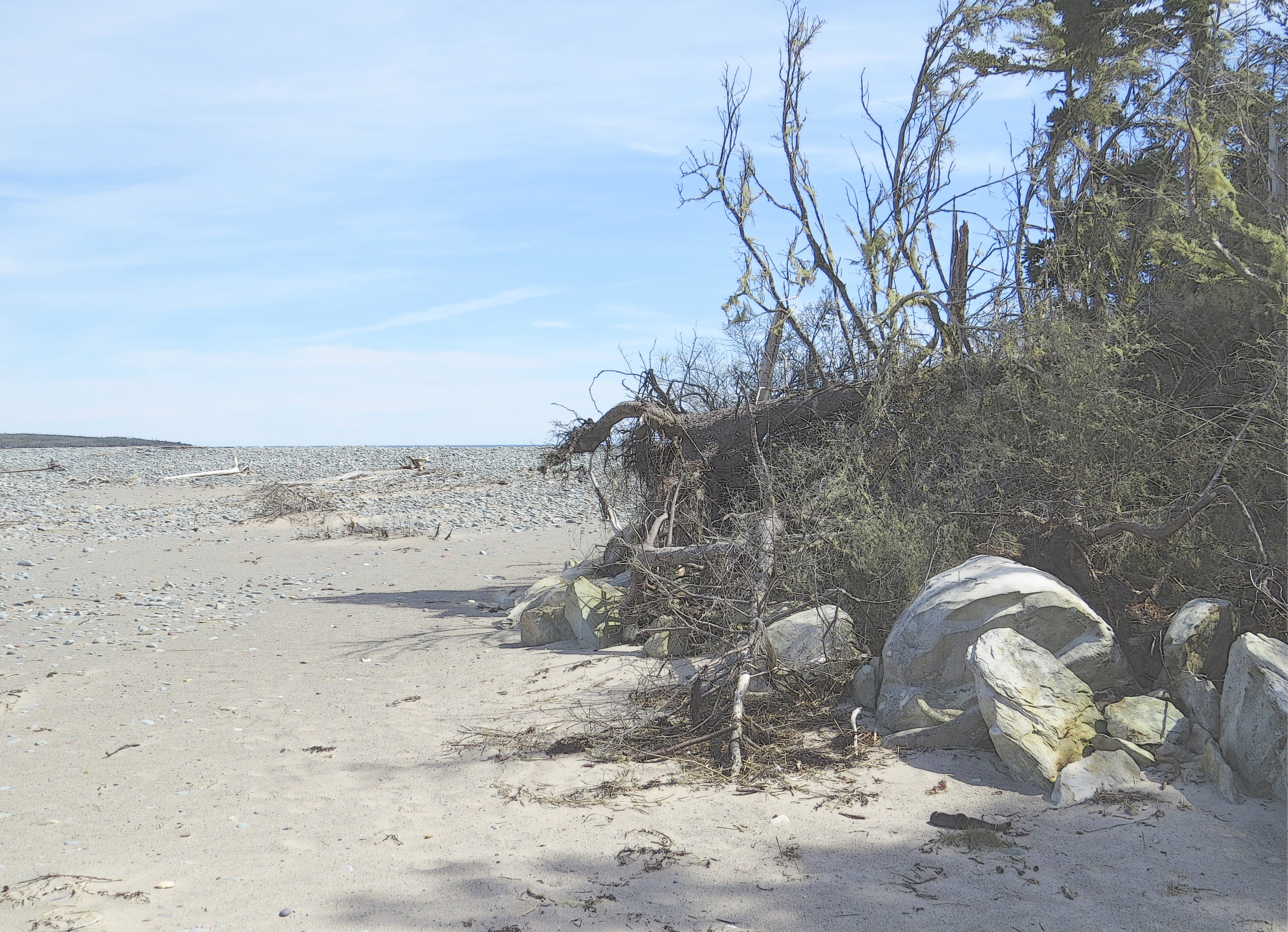
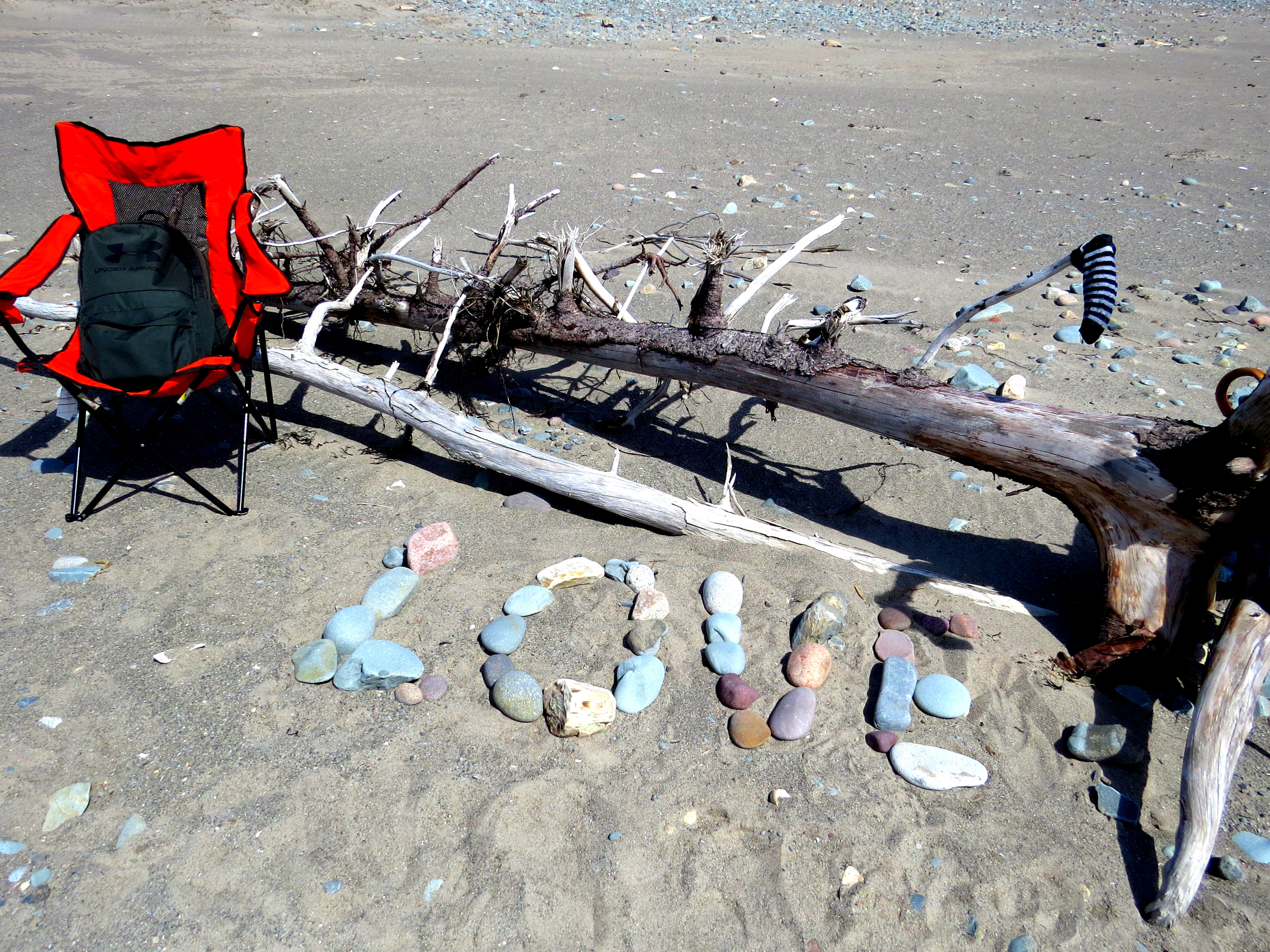
It was fitting than that I had to find two separate places, when my Lover died, for their resting spot. One for his temporal remains in a traditional cemetery with the remains of his parents and siblings, where I go and do the typical shedding of tears, the cleaning around from debris, replacing dead flowers with fresh ones, lighting the candle, taking to his memory about the mundane things at home. To grieve. To be overcome with sadness and loss.  It is a sad place; it is sad naturally. How could it be different? But our love did not die. And love have to be celebrated, rejoice.  For our love I have a different place. I have built it over the past two years on a secluded, long arm of white sand and carpets of rocks and shells. Far away from busy beaches and popular spots. There is hardly – except few locals – ever anyone on the narrow beach that leads to my special place. To get there you have to cross a narrow channel of fast moving water. Few people ever wanders there, never in groups or noisy beachgoers. There is a spot, nestled in the rams of trunk of white tree brought there by ocean’s waves where I built our Fort of Love. I brought small rocks and huge boulders gathered on the shores for her name: Love and built a small but solid wall protecting it from the storms. It survived already two seasons of these storms. No one ever did any damage to it or treated it with disrespect (it is there in the open, not concealed or hidden). But why would anyone? Deep down everyone – even the sceptics – respects love, desires love, yearns for her.  

Trakty miłości, jej ścieżki, drogi. W ruchliwych ulicach wielkich miast, w laskach nad rzeczkami, szlakach przez góry. Nigdy ich wszystkich nie poznamy, nie zrozumiemy. Ma własna tajną mapę.

Bo miłość istnieje samodzielnie, poza nami. Istnieje zawsze. Gdy czas straszny nadchodzi i jeden z kochanków musi powiedzieć to straszne słowo ‘żegnam cię’ – miłość pozostaje, nie odchodzi. Tak długo, jak jeden z kochanków będzie żyć, będzie żyć ich miłość. Jesteśmy tylko kielichem, pucharem, gdzie ona wybiera dom. Korzystamy z jej wspaniałomyślności, ale nie jesteśmy jej właścicielami, zarządcami. To ona pozwala nam grzać się w blasku jej chwały. Gdy cierpimy, cierpi głębiej niż my; gdy tańczymy w ekstazie szczęścia chwili – ona tańczy piruety w chmurach.

Wydawało się mi więc naturalnym, że powinienem znaleźć dwa miejsca, dwa domy na ich schronienia, gdy go fizycznie już nie stało. Jeden tradycyjny dla resztek jego materialnej powłoki na tradycyjnym małym cmentarzyku, przy starym zapomnianym miasteczku, obok szczątków jego rodziców, braci. Jeżdżę tam często naturalnie, sprzątam przy mogile, płaczę, czasem się śmieje, gdy mu o czymś śmiesznym opowiadam. Ale to strasznie puste i smutne miejsce. Miejsce żałoby, miejsce Straty i żalu. Potrzebowałem więc znaleźć inne, żywe miejsce dla naszej miłości.

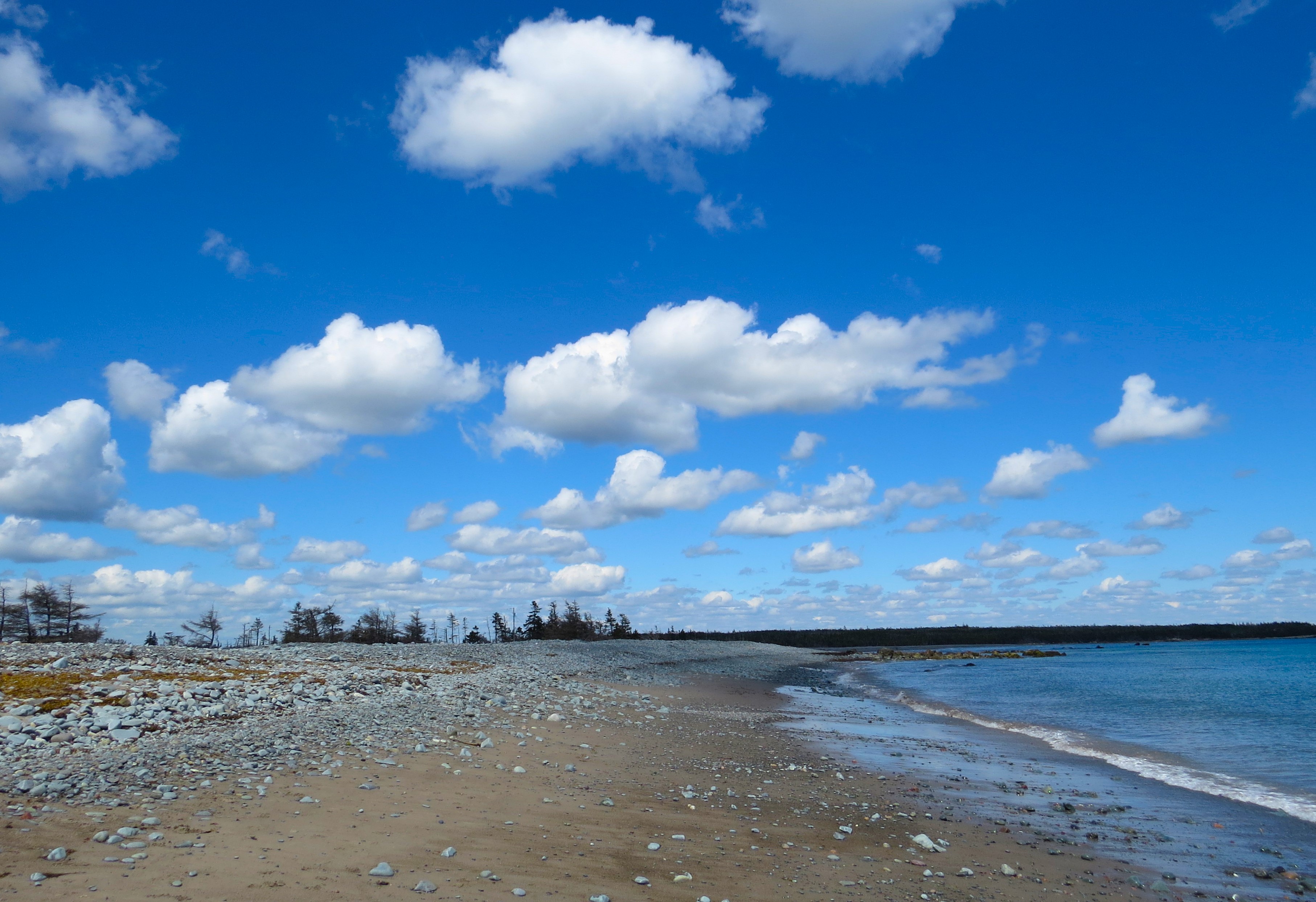
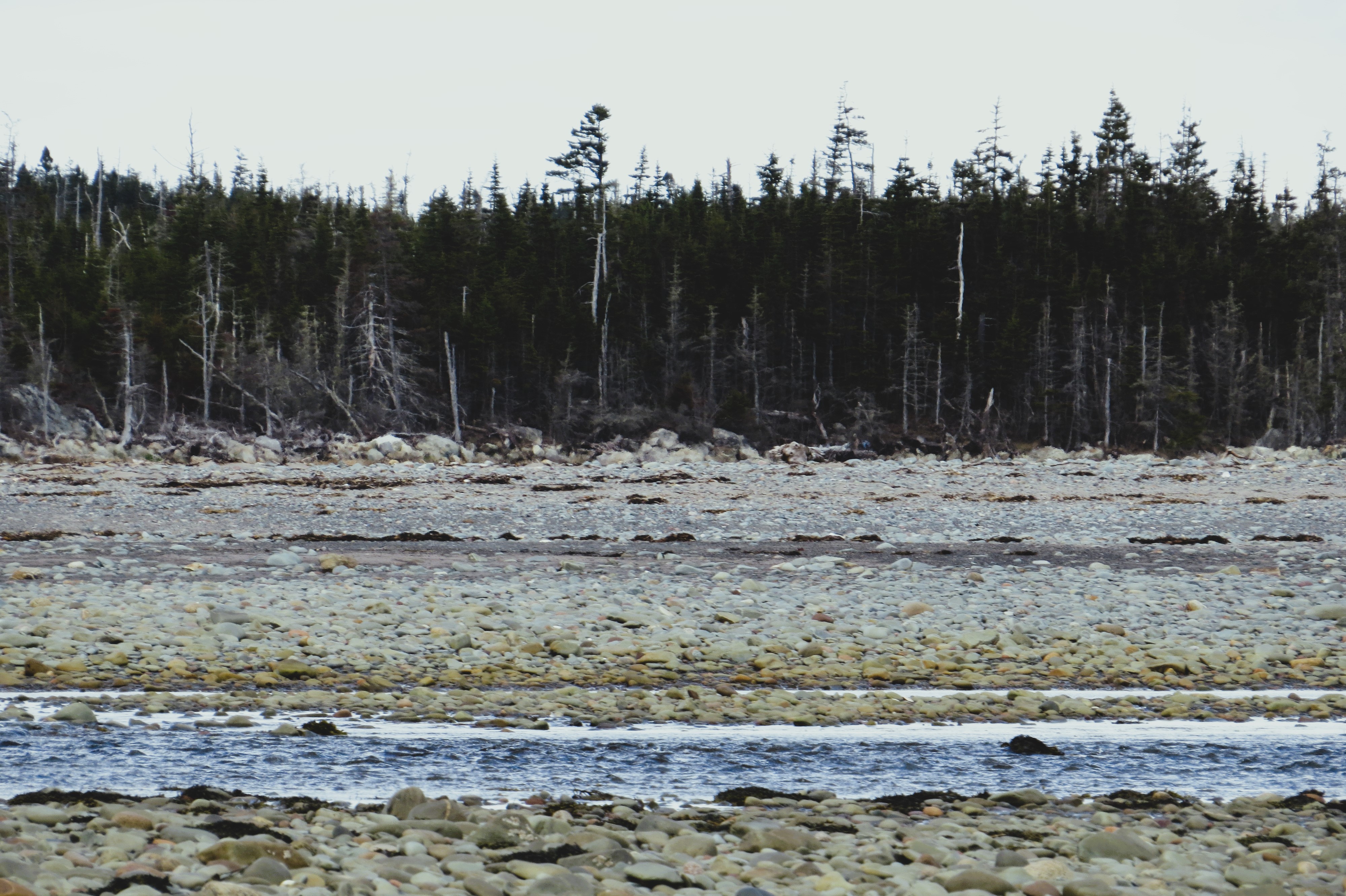
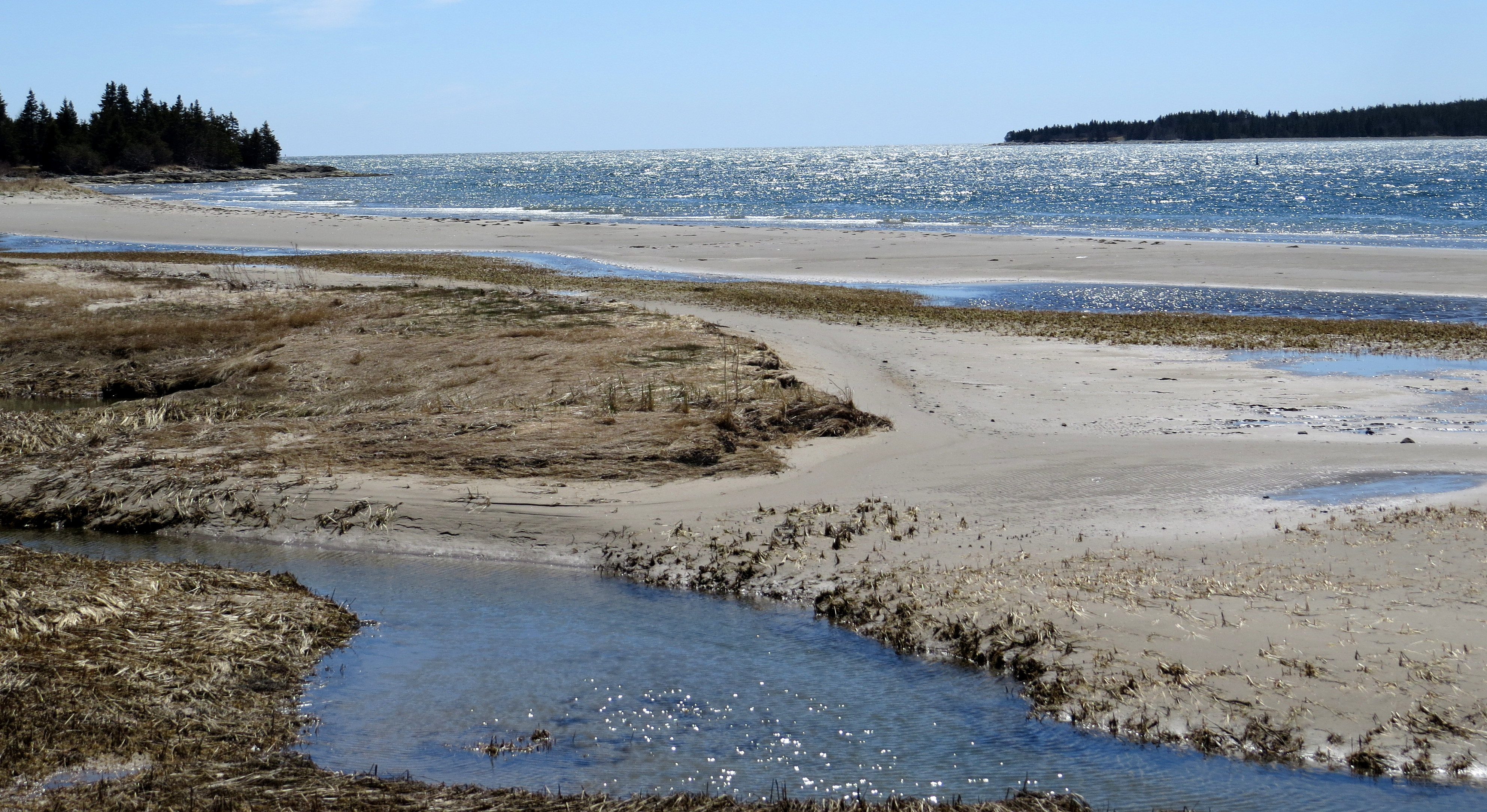
Jest taki zakątek z dala od popularnych szlaków. W zasadzie miejsce tylko dla lokalnych mieszkańców, farmerów i rybaków. Turystów raczej tu nie ujrzysz. Na końcu długiej, krętej drogi maleńki parking dla może dziesięciu samochodów. Plaża bardzo wąska, niezbyt długa i głównie kamienista, kończąca się kilkoma sterczącymi skalnymi olbrzymami. Ale dalej, odgrodzona wartkim kanałem łączącym ocean ze słonym, wielkim i głębokim jeziorem – jest długa piaszczysta łacha za szerokim rzędem różnej wielkości kamieni przynoszonych tu przez fale. Za tą łachą wielokilometrowa wąska mierzeja oddzielająca właśnie te wielkie jezioro i otwarty ocean. By tam dojść trzeba przez ten wartki kanał przejść lub przepłynąć (w zależności od czasu przypływu). Mało kto tam zachodzi, czasem jeden samotny wędrownik, kiedyś parę jakąś widziałem. Na tej łasze zbudowałem dom naszej miłości, by się nie błąkała po ostępach. Tam jeżdżę z nią rozmawiać, prowadzić radosne rozmowy z tobą też. Bo jakże moglibyśmy być smutni czy rozżaleni na nią, że nam dała szczęście?  Miłość musi być celebrowania i tam ją celebruję. Zbudowałem z taszczonych kamlotów dużych i mniejszych Fort dla niej, dla naszej Miłości. Nich jej śpiewa ocean, wiatr i gwiazdy nocą. Już dwa lata, dwa sezony sztormów nocnych i zimowych – a fort przetrwał. Fale go nie zabrały, nikt nie zniszczył. Komóż zresztą taki Fort Miłości mógłby przeszkadzać? Przecież to też może być Fort ich miłości.

Byłem tam wczoraj, wzmocniłem kamienną palisadę, wyśpiewałem ci moją miłość do Ciebie. Może ostatnia to już moja tam w życiu wizyta, kto wie, gdzie mnie losy rzucą lub porzucą. Ale jak długo będę jeszcze tu czy gdziekolwiek się błąkał – nasza Miłość będzie mieć swój dom. Nie może być przecież bezdomna.
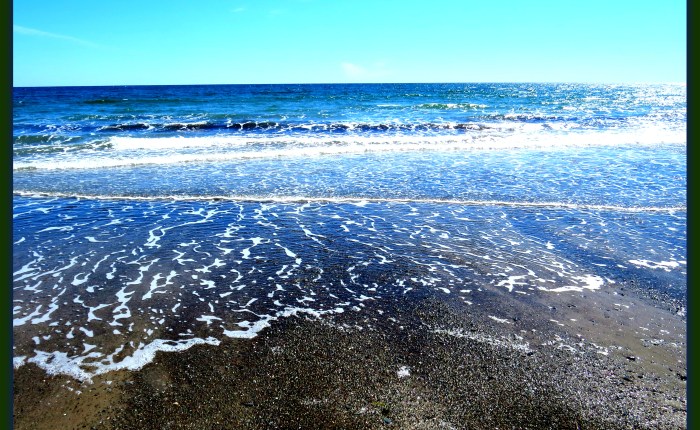
Bad days. They come uninvited.

Bad days. They come uninvited.

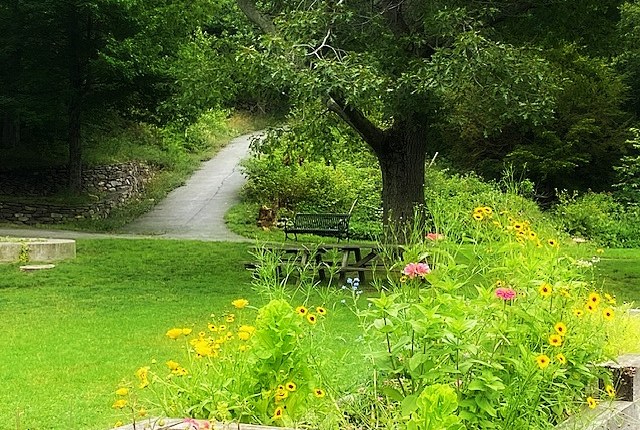
It was a bad day. I know – just the other one, when I saw the flowers in the alleyways of our park in Dartmouth – I was singing the praises, thanking you for coaching me in ways of new life. A better life, a happier one. Go and allow yourself to enjoy it  – you said. You said, that you will be at peace knowing that I do. And I tried. And I failed. I failed you as you failed me. Yes, you did. Those last days you did. When we still had a chance to end it together. No, there was no physical chance, no miracle hiding somewhere holding the ray of hope that the outcome will be different or pushed way back into the future. There was no chance. No ray of hope on any horizon. But it meant there was no chance for me. Ever. We should not have gone to the sunny and sheltered lake beach, with shallow warm waters and no angry waves attacking the shoreline.

No. We should have gone to the angry sea, cold waters, powerful waves, strong currents, and whirlpools. I would have helped you carrying you on my back and we would have taken the last glorious swim together.  Our swim, ‘us’ being one. There is no ‘me’ anymore, where the is no ‘you’. There cannot be ever. Anywhere. I am left to wonder in constant pain, anger, in constant thirst surrendered by oceans of salt. The sea is calling me a thief, a beggar of scraps, a coward. I have no Eurydice waiting for me somewhere in non-existent Hell. I am the Hell. I am the unanswered cry of pain. I am the gatekeeper and I am the key to Hell. Orpheus can’t pay Charon a few obols to ferry him across the River of Hades. I have fired Charon and sunk the boat. No in or out. 

I went to the other beach, the ocean beach, the one we visited last time ever in 2022, and one we visited together for the very first time in 2019. Where we swam together, we laughed together.  Where we were kissing.

It was an overcast day today. The sea was grey like steel. It was cold like steel. And I didn’t go for that swim. But let me, please! Give me that nod, tell me you agree, and won’t pull me back. I’m losing my battle. 

Just don’t cry. Don’t be sad. Let me have a bad day. Let me wallow in pain and shame that I am and You are not. I was sorry for so long.  Let me hear from you this once that you are too – sorry. And I will give you your peace again. Just don’t expect the impossible from me. Don’t expect me to have joy in life. To have pleasures of days and nights. One thing I can promise you in return – those years, these decades we had, made me impossibly happy. I was. And I remember it. All I ask in return is that sometime, on some days (as today)  you will share my sorrow, my pain. And then you can have your peace again. But share in it the way we have shared everything else in our life.  It is too heavy to carry it all the time alone.

Spring Flower – Kwiat Wiosny

Spring Flower – Kwiat Wiosny

(English)

It’s Spring. It’s warm. In the parkways, I talk with you. It is a nice talk. It is a warm talk. You gave me again words of hope, of support. No one can do it as effectively and tenderly as you do. Your innate warmth and goodness are infectious and effective in an instant at the same time. You are a strange traveling monk, who effortlessly and without any heroism simply offers himself to a tired traveler. In a simple, natural way. It appears to be so ordinary, that it is even difficult to notice – as a breath of air.

But I’m still overwhelmed by the lack of your physical presence, which gave some peace to my vortex of thoughts. It arranged them in neat order, peaceful, void of instant hunger and need of life.

I can’t comprehend the mistake of fate, which took you away. You occupied such a tiny space in this world. You were almost like an invisible speck of pollen, a tiny flower on a vast meadow, a small wheel in this huge machine called World.

When I struggled with the huge wheels of History – you simply ensured that the coffee was good, and the dinner was served pleasantly. Because of this tender care that huge world could function and Wheels of Time could turn.

Without this small pinion, the Big Wheel stopped, and my important and huge world – collapsed. And I am lost.

But in the coldest moments, I am wrapping myself in the shawl of memories and it is bearable, warmer. I can function because of it.

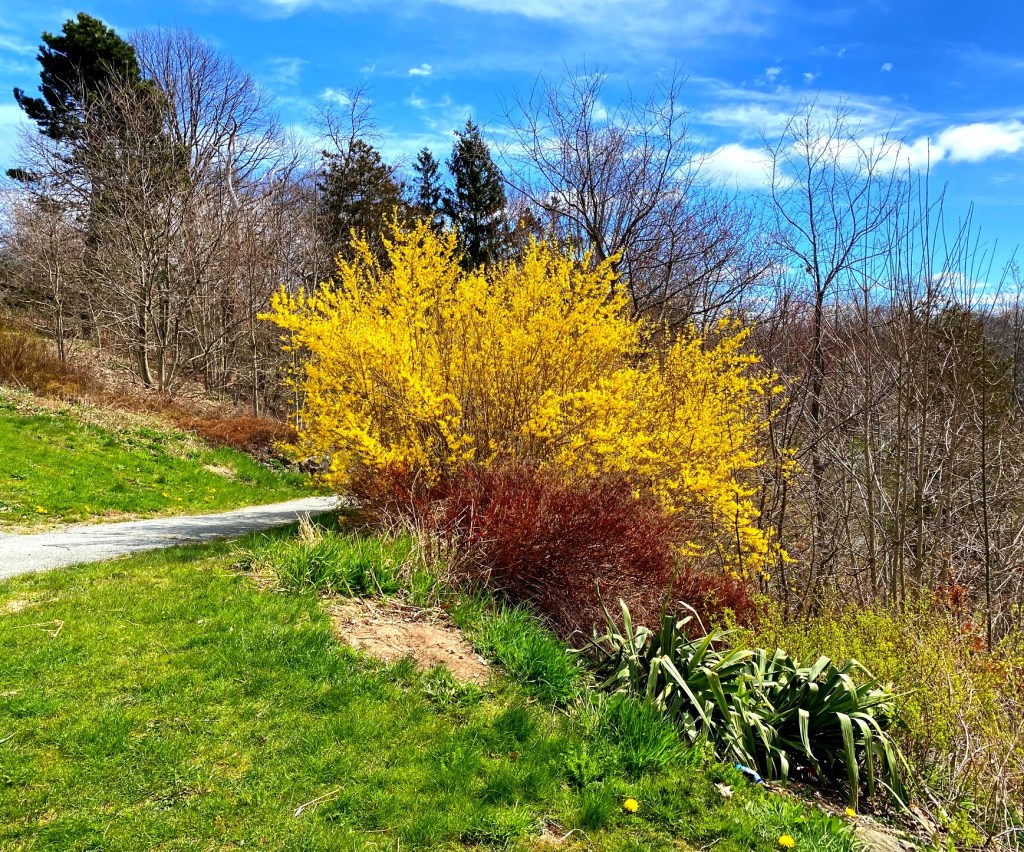
I notice the tiny flowers under my feet and the fresh leaves on tree branches. I hear the birds singing their love songs and the buzz of bees in flowering bushes. And Your whisper to my ear: go, enjoy it. I want you to enjoy it. You must for us and for me. I can’t have peace without knowing it.

With a tear leaving a wet mark on my cheek – I go and I will. You deserve peace and no one but I have to give it to You, my Flower of Spring.

Wiosna. W alejkach parku jest ciepło i rozmawiam z Tobą. To miła pogawędka. Dawałeś mi zawsze otuchę. Nikt inny tego robić tak, jak Ty nie potrafił. Przyszły złe chwile i trudne momenty, które mi znowu pętały życie, gotowy byłem już się poddać zniechęcony tym nieustannym pojedynkiem z losem.  Ale poszedłem to tego właśnie parku, gdzie tylekroć chodziliśmy na spacery razem. Nawet w te dni przedostatnie.

I Twoje naturalne ciepło i dobroć wróciły do mnie. Jesteś jakimś dziwnym wędrującym mnichem, który bez hałasu i heroizmu po prostu rozdaje się, ofiarowuje się. Tak zwyczajnie, jak rzecz najbardziej naturalną z naturalnych. Trudno to nawet zauważyć, bo wydaje się takie zwykłe, codzienne jak oddech powietrza.

Ale brak mi okrutnie twojej fizycznej obecności. Przynosiła jakiś spokój mym pędzącym kłębom myśli. Wprowadzała ład w tym zgiełku i hałasie wokół i wewnątrz. I ciągle nie mogę zrozumieć tej okrutnej pomyłki Losu, który Cię zabrał ode mnie. Zabierałeś tak mało miejsca w świecie, byłeś prawie niezauważalnym pyłkiem, jakimś drobiazgiem na drodze, maleńkim trybikiem w olbrzymiej Machinie Dziejów.

Gdy ja zmagałem się z tymi wielkimi kołami Historii, ty po prostu dbałeś aby kawa była smaczna, a obiad ładnie podany. To dzięki tym drobiazgom ten wielki świat funkcjonował. Teraz, bez tego najmniejszego z najmniejszych trybików – Maszyna zatrzymała się. Zatrzymał się mój świat, ten Wielki i Ważny. Koło Historii stanęło w miejscu. I jestem zagubiony.

Ale w momentach najzimniejszych otulam się Toba, jak szalikiem naszych wspomnień i jest cieplej. Mogę funkcjonować. Zauważam drobne kwiatki pod nogami, świeżą delikatna zieleń na gałęziach drzew. Słyszę brzęczenie pszczół w kwitnących krzewach. I Twój szept do mojego ucha:  idź, ciesz się tym. Chcę żebyś się cieszył. Musisz – dla nas i dla mnie. Bez tego nie mogę mieć spokoju.

I ze spływającą po policzku łzą – idę. Będę. Nikt inny prócz mnie nie może dać Ci tego spokoju, a na spokój zasłużyłeś, jak rzadko kto. Ty – mój Kwiat Wiosny.

Mosty, Martynika, Ocean i ona – Miłość (i jeszcze Poeta, niestety)

Mosty, Martynika, Ocean i ona – Miłość (i jeszcze Poeta, niestety)

Moje plaże. Moje plaże to zawsze byłeś Ty. Albo jeździłem tam z Tobą, albo po tym Czasie Okrutnym jeździłem tam szukać ukojenia. Była ta jedna specjalna, nazwana Fortem Naszej Miłości, który zbudowałem z kamieni dla Ciebie, gdy Cię zabrakło. Pisałem kilka dni temu o tym ostatnim tam wyjeździe, ostatnich odwiedzinach po okresie zimy. Pojechałem, Fort odbudowałem i pożegnałem się. Niech fale go odwiedzają, niech głębiny o nim śpiewają.  Mój zamknąłem w sercu. Będzie tam gdziekolwiek się znajdę.

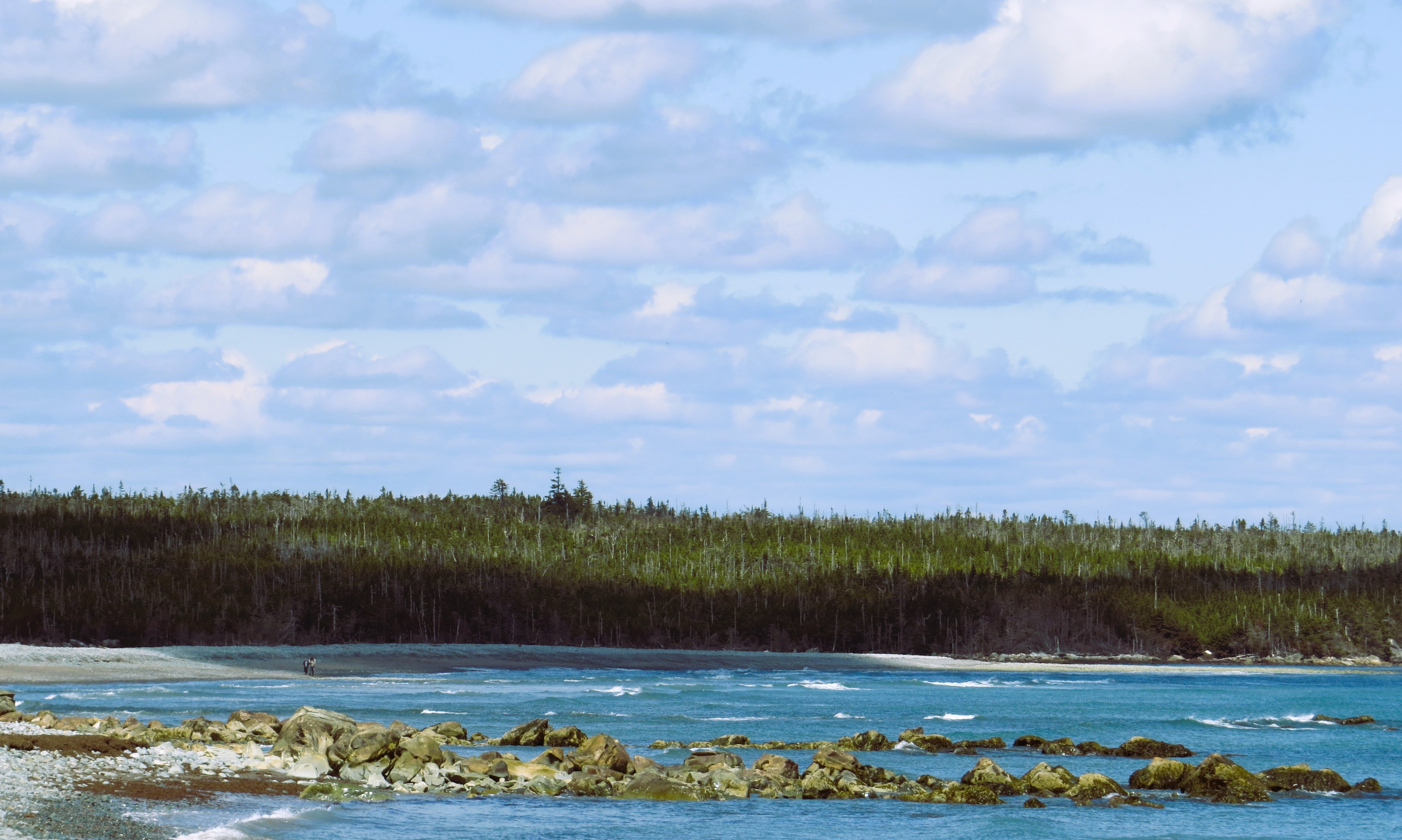
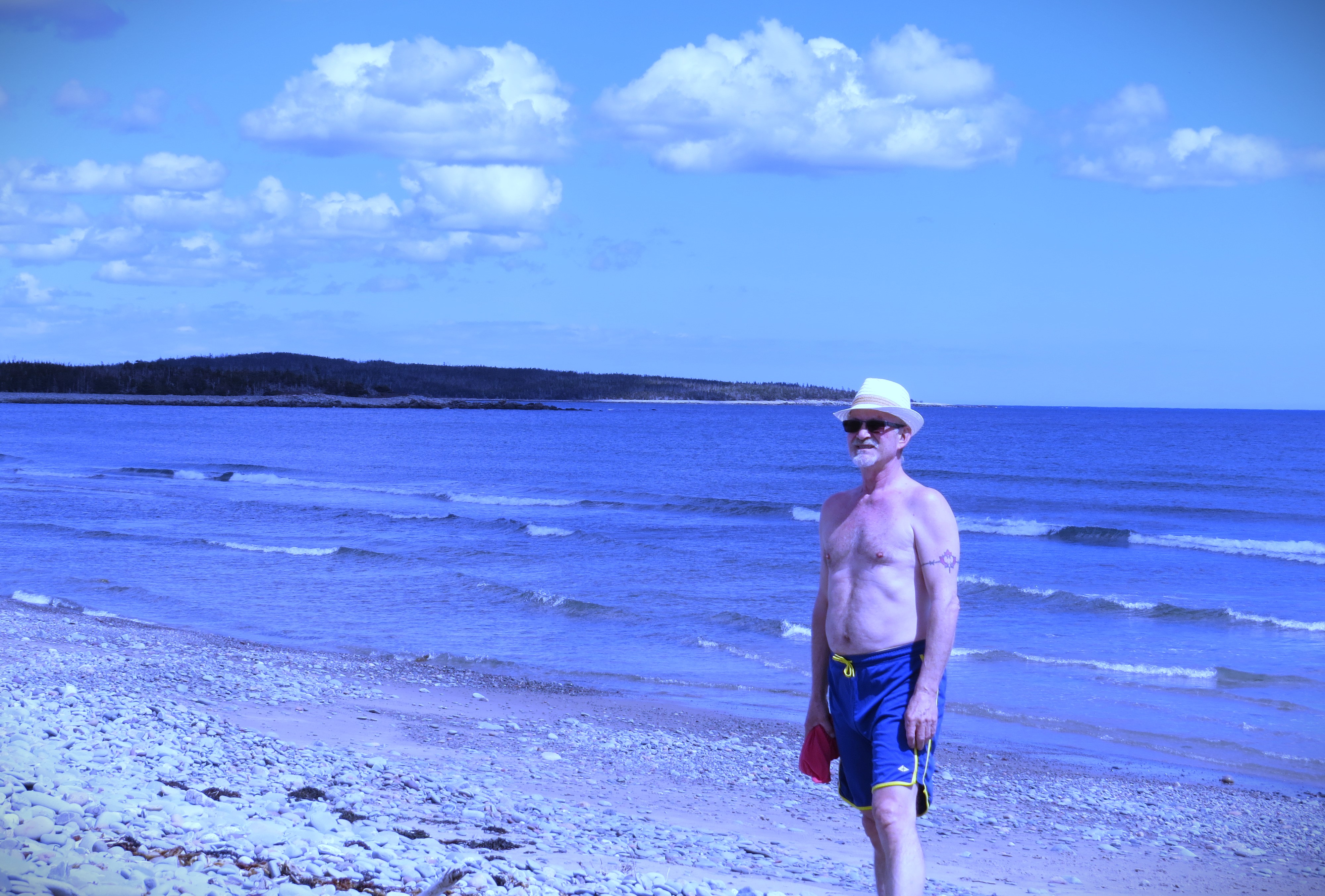
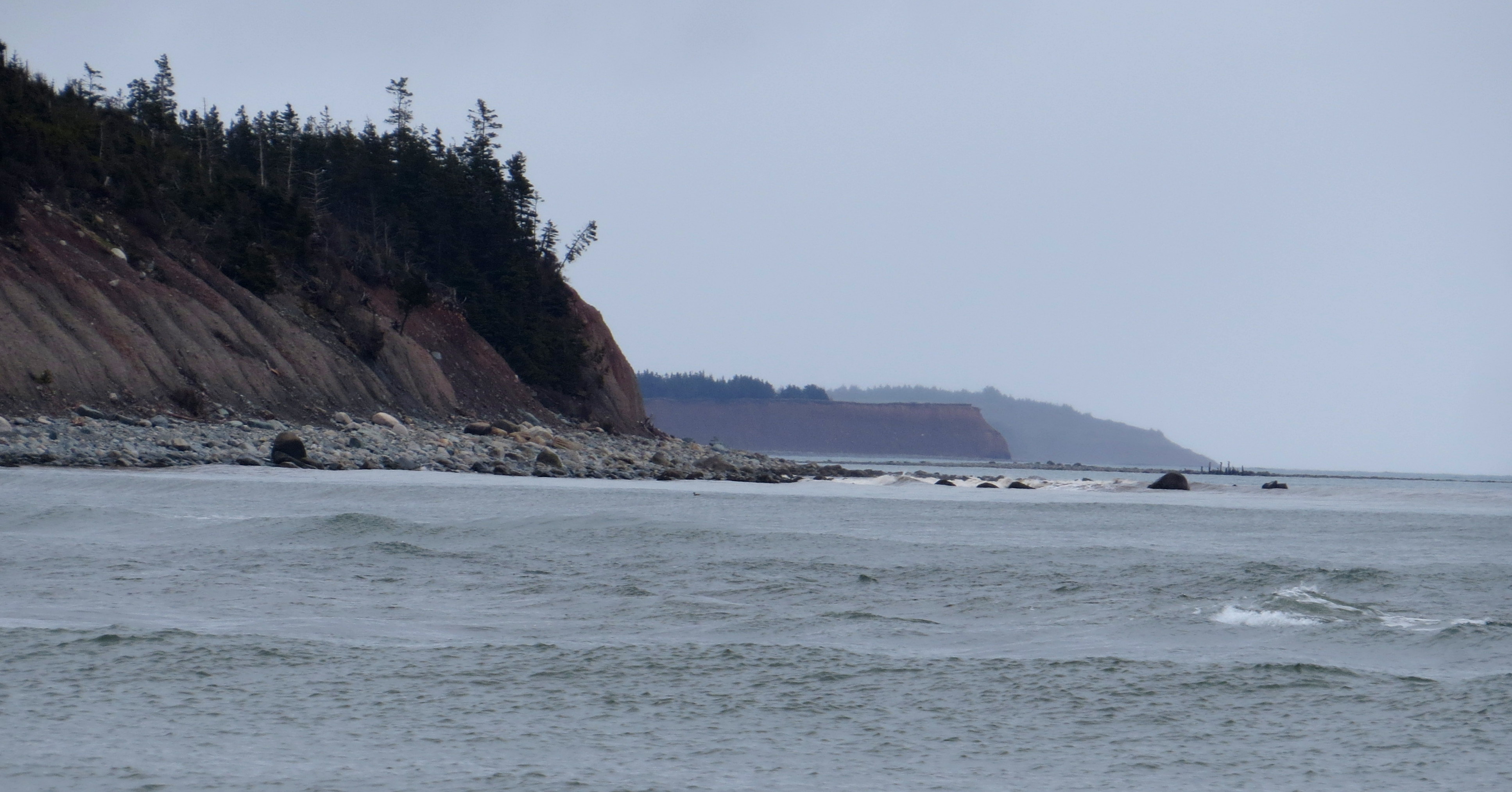
Na tej plaży nigdy ze mną nie byłeś. Jest dość ukryta i z dala od szlaków turystycznych.  Sam odkryłem ja dopiero po tym Czasie Okrutnym. Była dla mnie idealna. Prawie nikt inny nigdy tam spokoju mi nie zakłócał i nie przerywał moich rozmów w z Tobą. Stamtąd, z tej piaszczystej łachy półwyspu-pół mierzei widziałem w oddali, po drugiej stronie szerokiej zatoki cypel kolejnej pięknej plaży – Martinique Beach. Może gdybym był dwadzieścia lat młodszy mógłbym tam przepłynąć z naszego Fortu. Może. Piechotą dojść nie można – wybrzeża morskie to nigdy nie jest prosta linia. Z dziesięciu kilometrów robi się nagle trzydzieści, pięćdziesiąt nawet. Szczególnie tu, we wschodniej Nowej Szkocji, gdzie olbrzymie, głęboko się w ląd wrzynające zatoki,  wielkie jeziora i słone rozlewiska-moczary zmuszają by szosa wiła się, jak wąż w wysokiej trawie.

Martinique Beach jest jedną z najpiękniejszych i najdłuższych plaż w tej prowincji. Prowadzi do niej 12 kilometrowa wąska szosa z miasteczka Musquodoboit Harbour do East Petpeswick. Lubiłeś tu ze mną przyjeżdżać. Na tej  plaży ciągnącej się kilometrami mogliśmy znaleźć ciche miejsce. Ty czytałeś książkę, ja pływałem.  Czasem trochę i Ty popływałeś. Umiałeś – i nie namawiany, nie zmuszany sam czasem to robiłeś.  Tacy byliśmy inni nawet w tym, LOL. Ty lubiłeś basen, ja basenów nie znoszę a kocham dzikie plaże. Tymi ‘innościami’ się uzupełnialiśmy, wzbogacaliśmy.

Obiecałem żegnając się z tym Fortem i z tą dziką plażą, że nie ze smutkiem już a z radością zabiorę Cię w końcu do Paryża. Będę Cię na Montmartre i na bulwarach nad Sekwaną całować. Gdzieś między Pont Neuf  i Pont Mirabeau, o którym pisał Apollinaire:

Pod mostem Mirabeau płynie Sekwana
I nie jedna miłość
Czy nie dość wspominana
Po bólu zawsze radość niespodziana

Zegar niech dzwoni noc niech nastaje
Dni ulatują ja pozostaję

Z twarzą do twarzy połączmy ramiona
Nieruchomi kiedy
Pod mostem ramion kona
Fala odwiecznych spojrzeń umęczona

Zegar niech dzwoni noc niech nastaje
Dni ulatują ja pozostaję

Miłość jak woda bieżąca odpływa
I odpływa życie
Woda jakże leniwa
Nadzieja nasza jakże natarczywa

Zegar niech dzwoni noc niech nastaje
Dni ulatują ja pozostaję

Niech dni się toczą jak rzeka wezbrana
Ni czas nie zawraca
Ni miłość pożegnana
Pod mostem Mirabeau płynie Sekwana

Zegar niech dzwoni noc niech nastaje
Dni ulatują ja pozostaję[i]

Więc o tych mostach paryskich, tym Pont Neuf i Mirabeau, o tych pocałunkach wyśpiewanych przez Yves Montanda dla pięknej Romy Schneider myślałem na tej plaży w kanadyjskim, nie karaibskim, Martinique.

Falo

Jakie mosty łączą naszą przestrzeń?

Przestrzeń między nami.

Między tymi dwoma światami

Bytu i Niebytu.

Czy scala je jakiś królewski pierścień?

Pierścień z kruszcu drogiego, niczym diadem

Królewicza i Księcia

po nocy poślubnej, przed Wieczerzą

Ostatnią, pożegnalną.

Czy pęka pierścień skruszony młotem?

Powiedz mi falo, powiedz wodo,

która dałaś schronienie

z szaleństwa rozpaczy niepojętej,

z ognia pragnienia,

która wniosłaś mnie z powrotem na brzeg.

Mam ci dziękować, czy mam przeklinać?

Uratowałaś mnie,

czy skazałaś na lata tułaczki

po pustej plaży mew

i muszli szumiących largo trenów?

Żegnam cię falo

lub przeklinam cię.

(Bogumił Pacak-Gamalski)

I masz ci los. Poeta winien w końcu wiedzieć. Jest wieszczem, jest wyrocznią! Augurem wśród mędrców i dziejopisów. A tu nic. Siedzi na rozdrożu na kamieniu i błaga przechodzących o wskazanie kierunku.  A idźże w końcu do tego Paryża, gdziekolwiek on jest.  Idź i całuj się z nim. Może wtedy zrozumiesz.


[i] „Apollinaire”, wyd. PIW, Warszawa, 1968, s.33 (przek. A. Ważyk)

Let us go From the Fort of Our Love to Paris

Let us go From the Fort of Our Love to Paris

I have been reading again the verses of my very liked American poet Paul Monette. Yes, of course, his “West of Yesterday, East of Summer”[i]. Thought many times to translate this terrifying and yet so lyrical and beautiful book of poetry. His homage to his lover, his friends, his times. To people, who died of AIDS. As did he.

I asked myself why didn’t I? It was by the end of this modern Black Death when I was a very young man discovering the powerful world of erotica and sex.  Of desires and pleasures that shaped human history so much, almost as powerful as hunger for power. Indeed, in many instances, these two forces were intertwined.  They still are. It was also a time when gay stable relationships were not seen, maybe not even desirable as a norm or even something to look for. With causal relationships, you avoid the risk of being outed, beaten, maybe murdered, and certainly ostracized. You could easily lose your job for that reason and it was a legally valid reason. Strange times.

On page 10, Monette writes beautifully about Nureyev in his poem

Nureyev doesn’t have AIDS

or so they say but the season’s still off

at least in Paris and all her colonies

as to what to do after dance the gun-

runner Rimbaud is the paradigm post-

art position a little border war

khaki and goat kebabs no mail till the fin

de siècle is safely passed if the feet die

first you must sit out the millennium

(….)

                There are so many allusions here to so many things of the gay history in art. Casual readers might not notice the insertion in these lines of a young tragic French poet Arthur Rimbaud – the femme fatale of much older Paul Verlaine.

Four days ago I posted on my Facebook profile a short biography of another American poet, who lived in even earlier times – Richard Bruce Nugent. In 1925 he published a poem “Shadow” in “Opportunity”[ii]. It is an example of early poetry in the USA with searching for its own homosexual identity. I found it powerful, almost painful in how it evokes and stirs my own youth memories. Memories from much later time (almost three generations later), but still pervasive.  Fragment of this poem:

Silhouette

On the face of the moon

Am I.

A dark shadow in the light.

A silhouette am I

On the face of the moon

Lacking color

Or vivid brightness

But defined all the clearer

Because

I am dark,

(….)

                Then, suddenly I realized that I was not spared that terrifying moment of losing your Love, your soulmate. A different disease by name and origin, nothing to do with viral infection. But the process of slowly dying month by month, and suddenly a very fast process for the last few weeks that makes you an invalid, depending on others in simple tasks. Losing your air, and oxygen.  And you panicking, trying to be a nurse but still a lover, partner. Giving him every minute of your life. Battling, battling every day, not accepting. Still, still not accepting. Refusing to accept the inevitable. To the very last moment, when he dies in your arms. And your soul dies with him.

It was as if Time asked for that price that I didn’t pay during the AIDS pandemic. It waited patiently forty long years and said with terrible glee in its voice: you did not escape, it is time to pay your dues. What a perversity to spare your life just to make you suffer even the worst fate: to take from your arms the one you love the most, more than life itself.

The other night I watched some old Paris songs from years ago. I always wanted to take him to Paris. To show him the magic of Montmartre. The lovers sipping coffee in open cafes, the “Pigalle” of my Edith Piaf, the walkways by the Seine toward Eifel Tower, with Yves Montand serenading of lovers kisses and embraces on rue de Faubourg de Saint-Martin.

And I wrote a song for you. Not really a poem but aptly a song to be sung, not to be read in silence.  A song to be screamed to the Fates.

But your eyes –

they won’t go away!

They still let me see,

they look through mine.

Your eyes –

they are still in me.


But your arms –

they won’t go away!

They still touch me,

they embrace my body.

Your arms –

they still feel me.


But your lips –

they won’t go away!

They are warm, they tremble

when they touch mine.

Your lips –

they whisper: we remember.


                I am blind without your eyes,

                I can’t feel without your arms,

                can’t breathe without your lips.


                Without you my soul is void,

                without you my heart is longing.

(B. Pacak-Gamalski, April 2024)

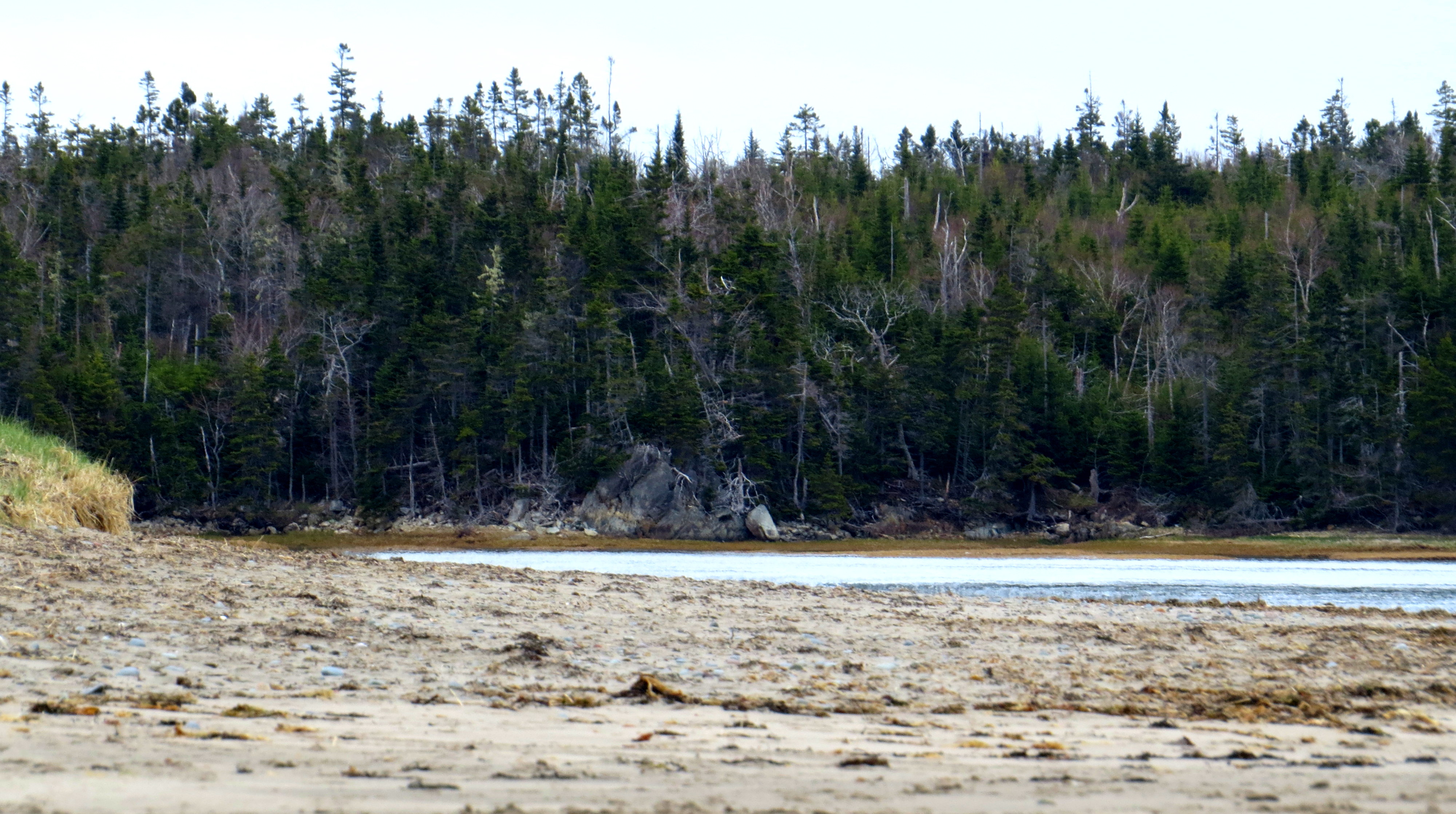
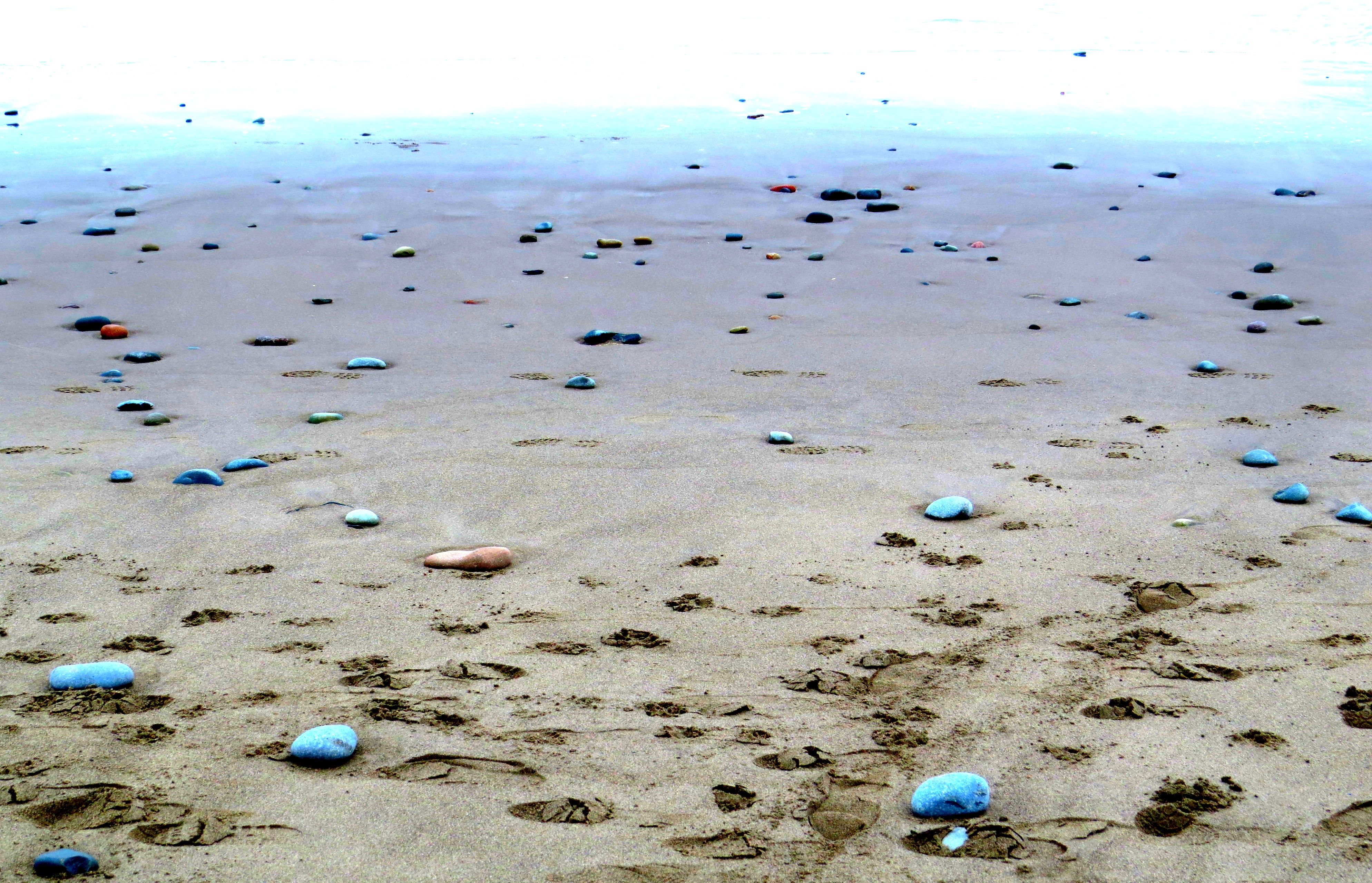
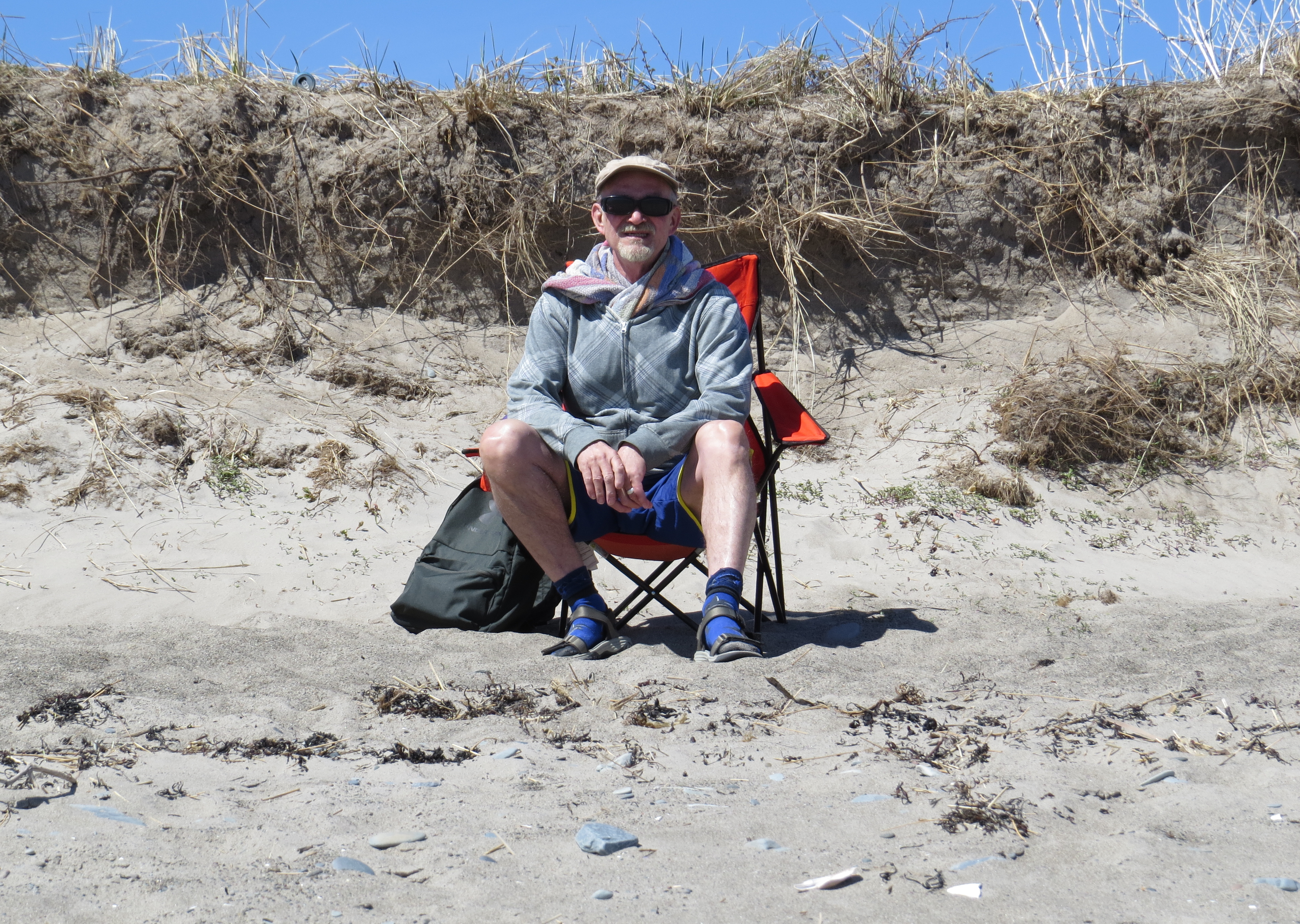
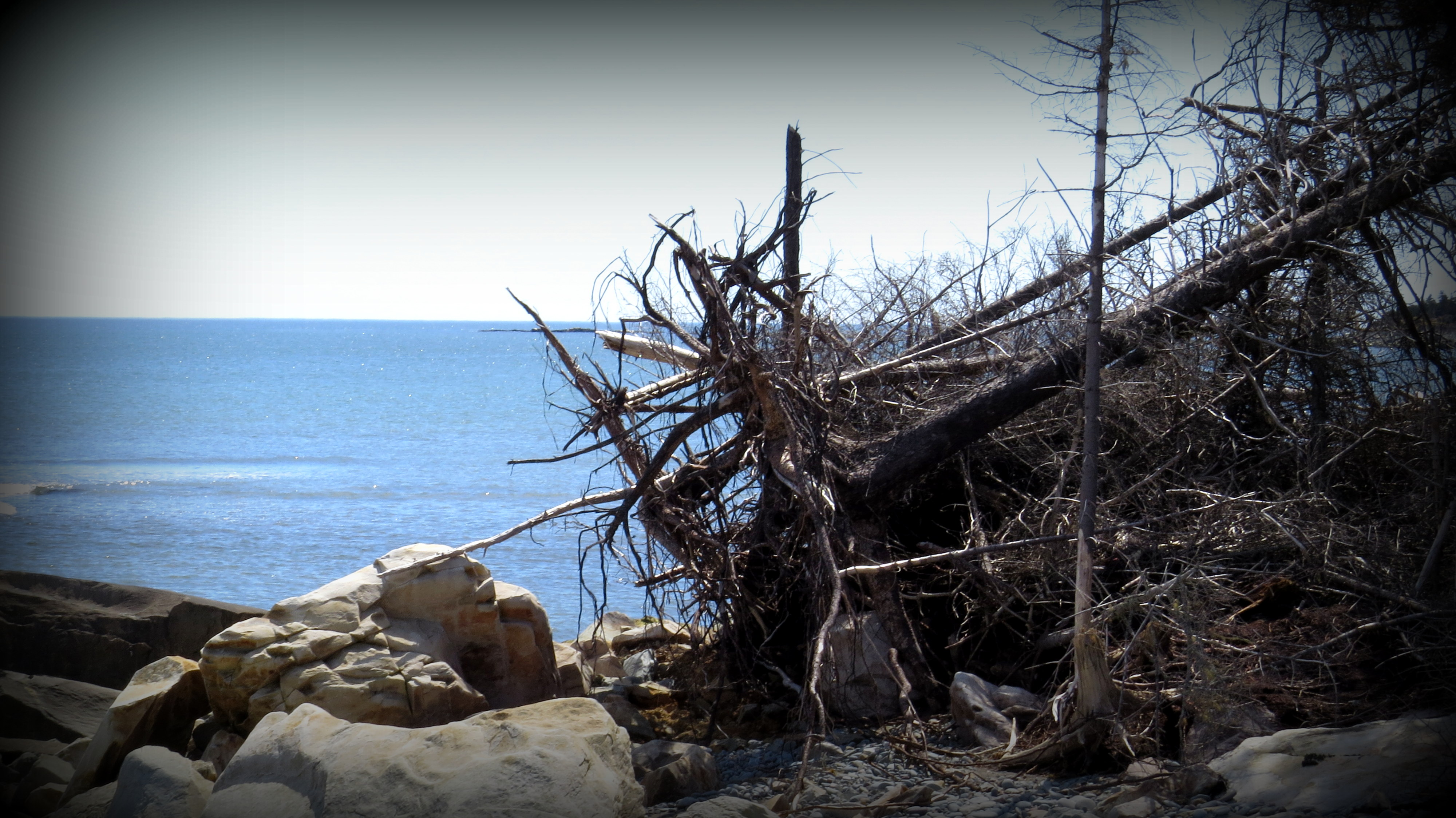
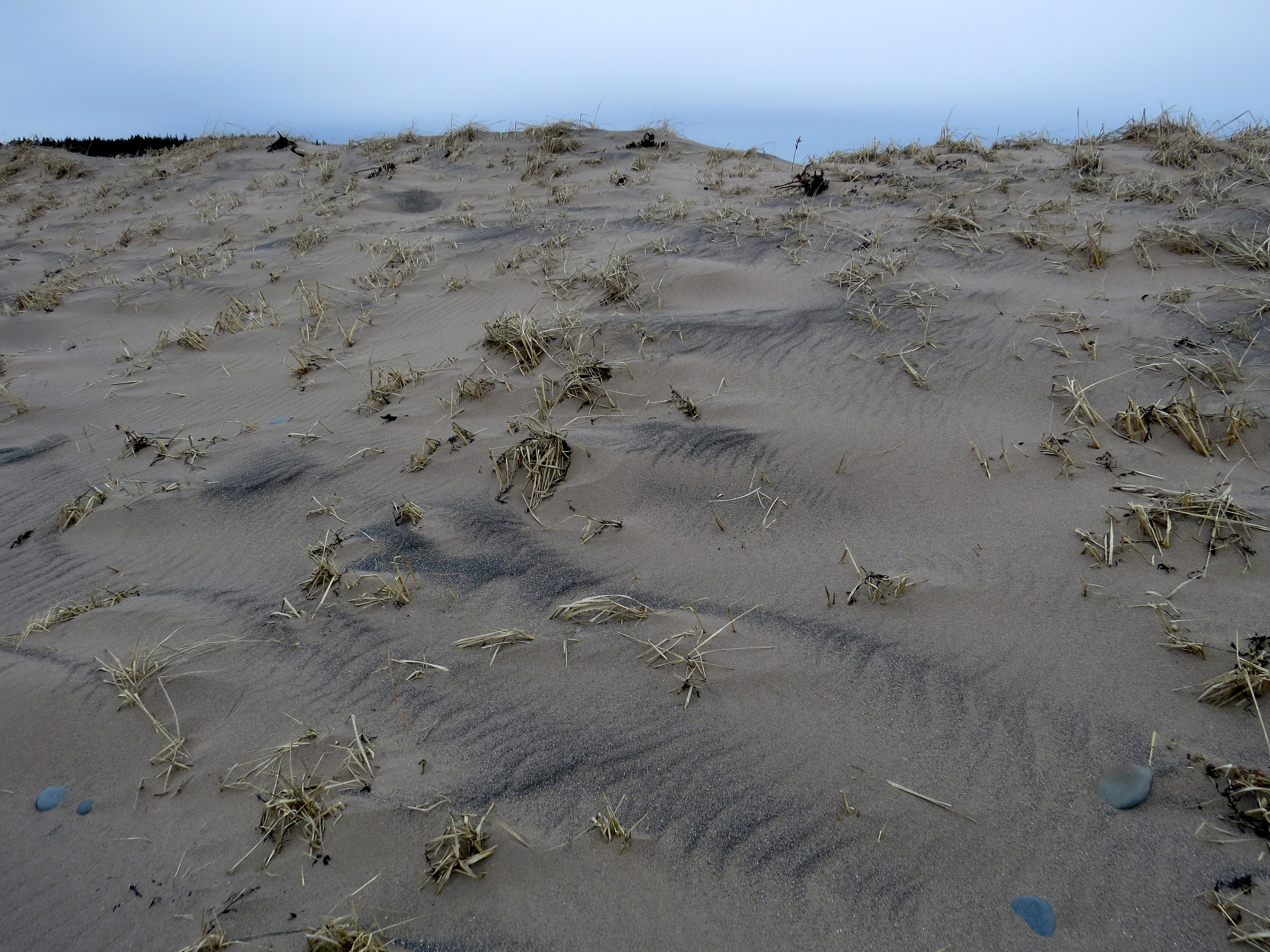
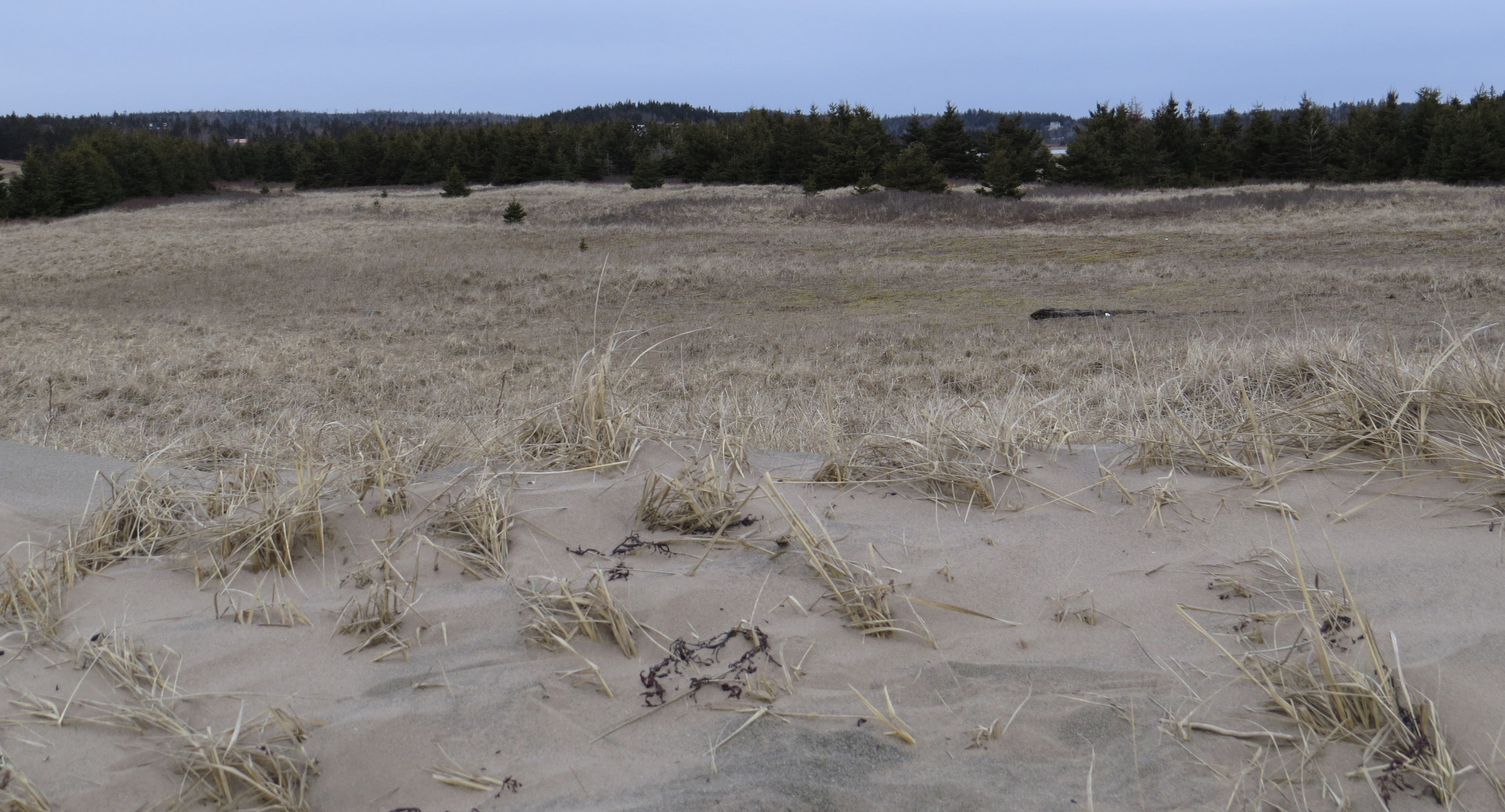
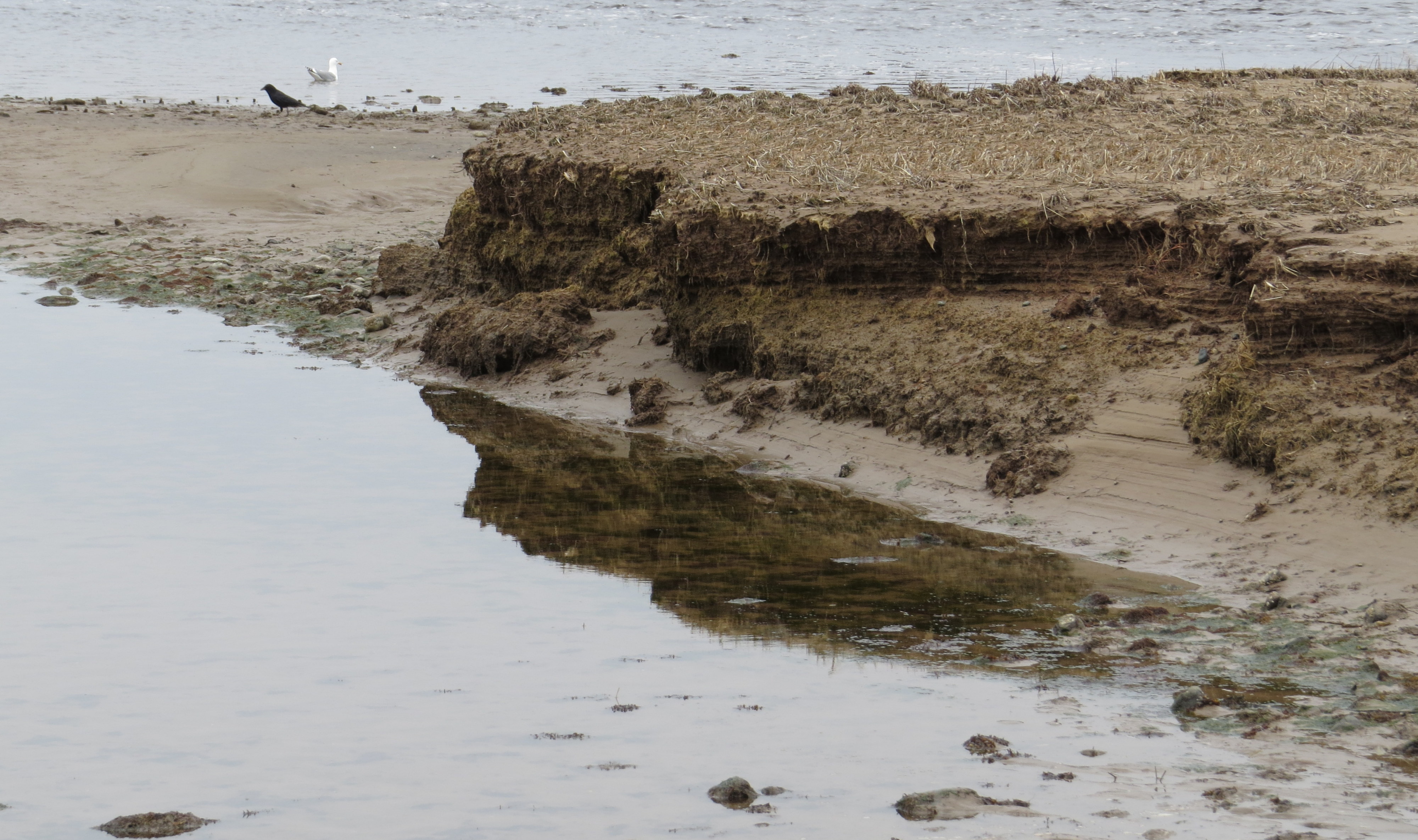
Yesterday I went to our Fort of Love in Lower East Chezzetcook. Took my folding chair, and my camera and crossed the narrow channel of fast-moving water separating the meager and rocky beach from the very secluded sandy outlet by a point called Miseners Head.  Must have been low tide time as the icy cold water didn’t even reach my chest.  Even during late summer last year, it was a desolate spot, seldom anyone ventured there. More or less it was my own private beach nestled between the ocean and a deep massive lake called appropriately … Big Lake. As I emerged from the water on the rocky edge of the dunes, two eagles startled by the visitor circled above my head.  They must have been scouring the dunes for big crabs, which are plentiful there, or for lonely seabirds.

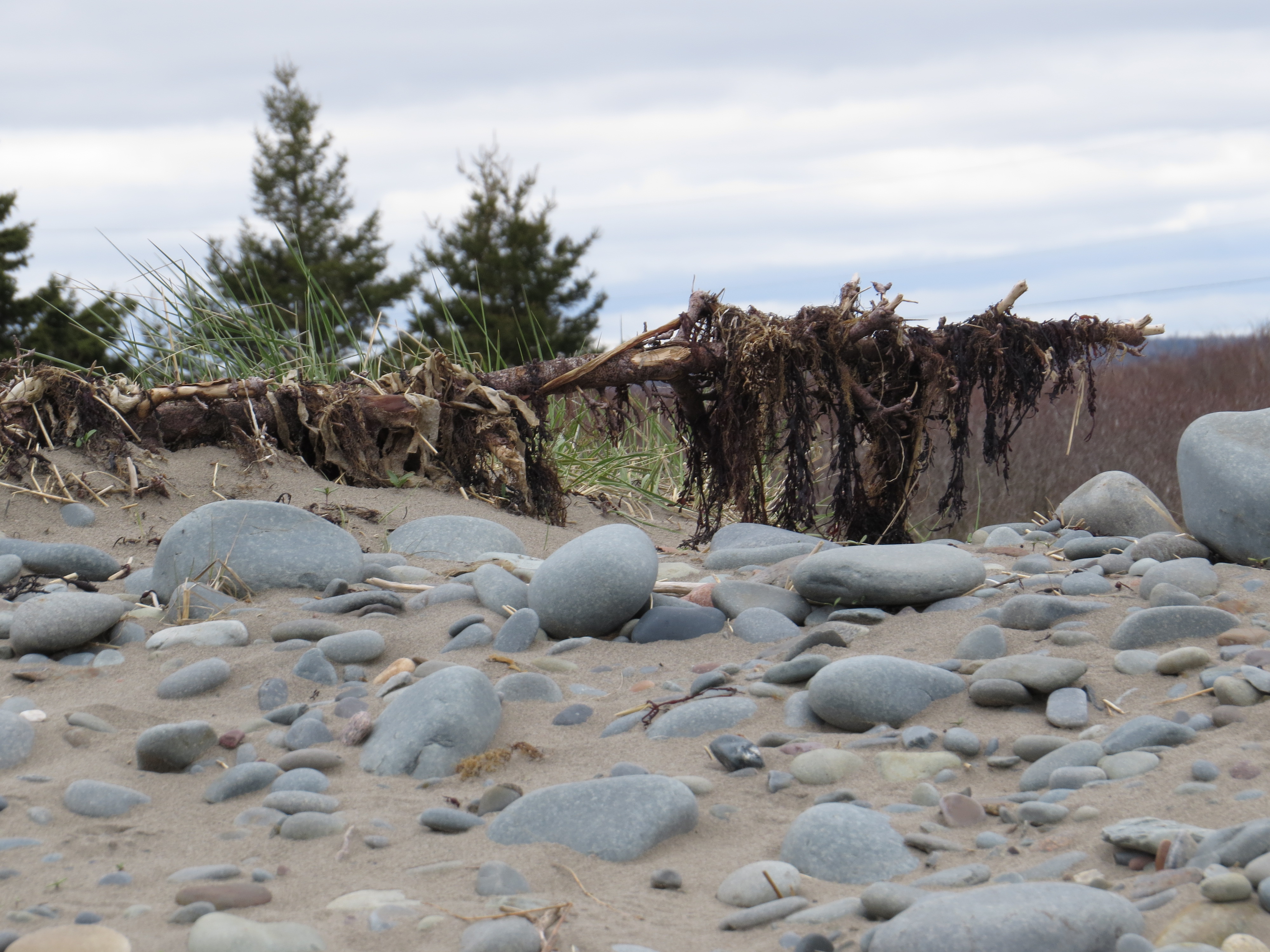
Went straight to the same spot as last year. The dead tree was still there, but winter storms took all the stones off my sign. Or the ocean covered them with sand brought from the deep bottoms.  And it knows now our story. The bottoms of the ocean know the story, a Story of Love,  Despair and Loss. The crossing whales sing the story and carry it back to the shores. To desolate inlets, rocky outposts, and small islands.  When the sun sets down behind the horizon, the sirens sing the song to the passing wind and the stars, and the stars shoot beam of light across the Celestial Meadows of Space. Story of Love Stronger Than Life.

I see it, I hear it. And I want, I need your eyes, your arms, your lips. Give them to me across the river separating Life and Death.  Our Love has overcome the space between the Worlds.

I feel your touch again, I feel the trembling, the impatience.

They are here now, knocking on my doors, on the Gates of Timid and Fearful. Gates of those, who are afraid, nonbelievers.  But the Gates will fall, as the Gates of Jericho did. None can withstand the source of the Song of Love. The only Song that binds the separate solitudes.  

Come and fill my soul and heart! Come my Lover, I have waited long enough.

Maybe, just maybe, when I leave Nova Scotia, when I say goodbye to our beaches, especially that one secluded, and removed from tourists, wild beach with the Fort of Our Love – maybe then,  I will take you to that Paris of Montmarte. Of lovers kisses and embraces. … and I will kiss your trembling lips, and I won’t let go.


[i] https://kanadyjskimonitor.blog/2023/10/04/esej-o-milosci-jej-nazwaniu-i-trwaniu/

[ii]  Journal of Negro Life, publication of National Urban League in the 1920ties.

Spacer z kamerą drogami wspomnień

Spacer z kamerą drogami wspomnień

Out of Despair – a story of a wintery trip to a snowy beach

Out of Despair – a story of a wintery trip to a snowy beach

The story is written in poetic verse, which is perhaps the easiest way to express emotions that are too intense to convey in normal language. I’m going through a difficult time as I prepare to make a monumental move, and I have to discard or abandon a lot of my belongings. Our belongings. This process has forced me to go through them all in detail, it has opened a Pandora’s box of memories. These are not just my memories: these are our memories.

Last summer and autumn, I often escaped to the beaches for days at a time to get away from reality. But now, with the sorting of our things, that heavy feeling of despair has returned. Despite the cold wind, light snow, and rain I had to return to the beaches. I had to try to find you again for a moment, if for a moment only. It seemed that by doing that I wanted to overcome the feeling of drowning. On this trip I kept imagining a theater stage and Shakespeare’s Richard III. Richard III with his desperate plea for a horse, his bargain with the Fates.

The phantoms of despair are everywhere. 

Six, I think that I slayed. But not the one I needed.

A horse, a horse! My kingdom for a horse! I yelled, I begged!

as in a story said by English bard long time ago,

per chance, of dying Plantagenet with a blow to his head.   

My kingdom for a horse! I yelled in powerless furry

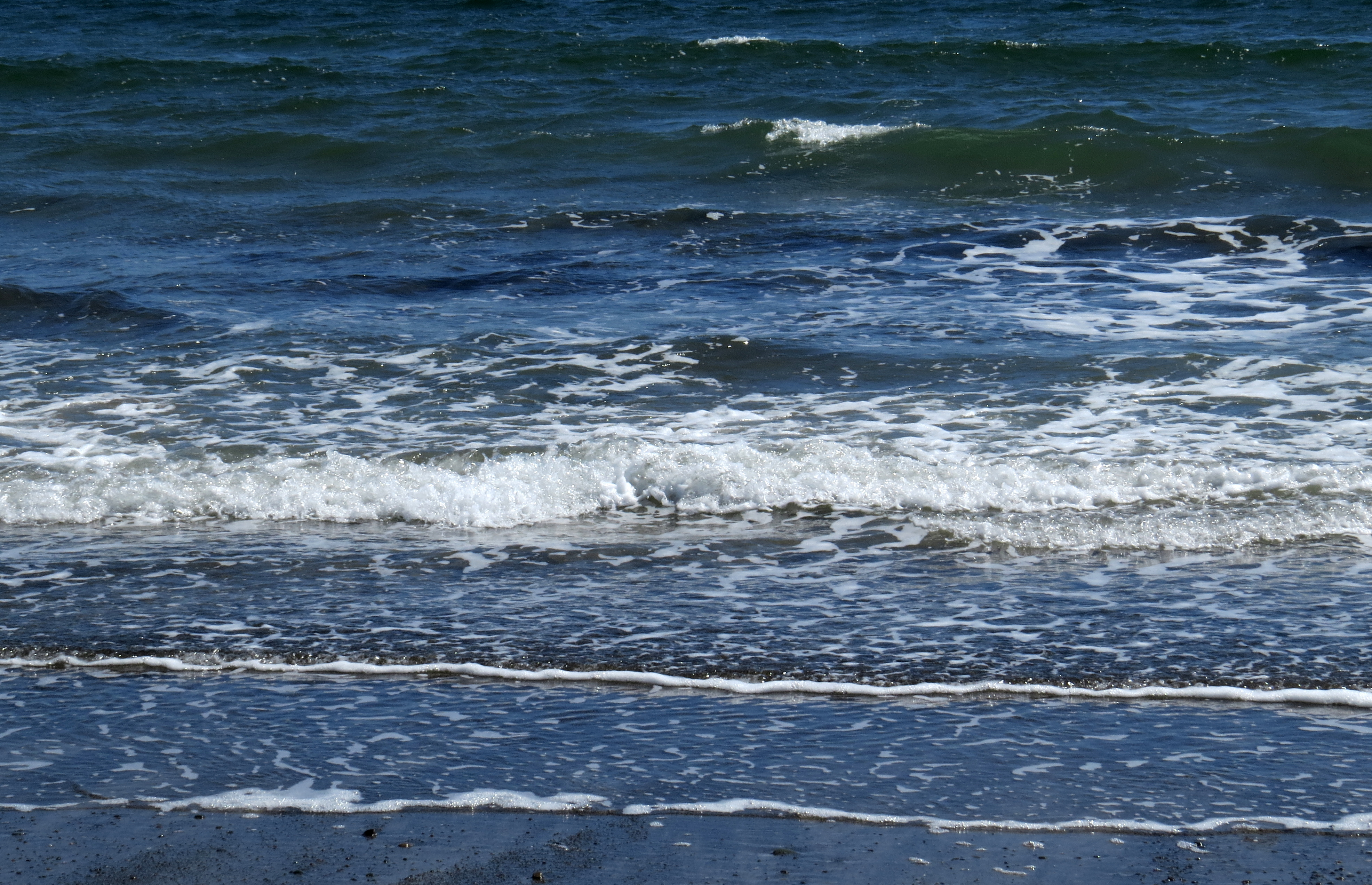
 at the ice-cold waves of roaring sea on Eastern shores.

I screamed, I raised my fists, and stomped my feet.

And words were taken by a wind

and silenced by another wall of deep.  

I cried out in pain falling to my knees,

beaten down, with no sword, no horse.

and no shield – ‘just once’ – I whispered

with no sound leaving my lips – ‘for a moment

let me see his face again, let me tell him

without words that I do and always will’.

And then, resigned I turned away from the sea

and saw in front, in a fair distance,

on the crest of the sand dunes – human shape,

familiar form, protected by warm, thick cape.

I wanted to run toward him – but couldn’t move;

wanted to scream – but no sound left my lips.

And yet – I heard his words as clear as daylight:

I know you do and I do love you, too.

I have no kingdom and no need for a horse anymore.

No need for heavy swords and glory in the battles.

That chilly day on a windy and snowy beach,

with cold stabbing your bones as battleaxes –

that instance becomes as warm as paradise.

I went back home with a smile and a head held high.

(by B. Pacak-Gamalski)

Niezakończone rozmowy z Tobą – Our Talks non-ending

Niezakończone rozmowy z Tobą – Our Talks non-ending

Pojechałem dziś do ciebie. Nie wiem nawet, nie pamiętam czy pierwszy raz w tym roku? Kartki z kalendarza pogubiłem już dawno. Nie wiem nawet gdzie,  czy na plaży jakiejś, do których uciekałem cały rok szukając cię? Może w tym forcie  w Lower East Chezzetcook, forcie który z uporem budowałem odgradzając go kamieniami od fal i odgrodzonym małą zatoką z silnymi prądami wody od głównej plaży. Nikt tam prawie nie docierał nigdy, bo przypływ nagły mógł powrót uczynić bardzo karkołomnym. Więc była to jakby moja pustelnia, moje królestwo, gdzie spędzałem godziny. Czasem mogłem wrócić idąc, czasem musiałem wracać płynąc, jedną ręką trzymając w górze plecak z kamerą i zeszytem w którym spisywałem nasze rozmowy.

Straciłem dom, straciłem przystań, zgubiłem kotwicę. Moja łódź błąka się rzucana w różne strony świata falami dwóch oceanów: Wielkiego, zwanego ironicznie ‘Spokojnym’ i zimnego Północnego Atlantyku. Szukam wyspy, którą mógłbym nazwać ‘Nasza’. Nasza Wyspa nie jest wielka, raczej mała. Jak ta z przygód Robinsona Cruzoe i Piętaszka ma tylko dwóch mieszkańców. Wieczorami spotykam cię siedzącego na skałach ze wzrokiem zanurzonym w głębinach oceanu. Podchodzę i kładę rękę na twoim ramieniu. Odwracasz powoli swoją twarz ku mojej. Masz w oczach i na ustach spokojny, słodki uśmiech zadowolenia. Podaje ci rękę i pomagam zejść z kamieni. Kładziemy się na ciepłym piasku dzikiej plaży i patrzymy w niebo. Leżymy tak długo, aż nadejdzie noc i niebo zapala nad nami lampy gwiazd. Wskazujesz palcem najjaśniejszą i pytasz: Widzisz? To nasz gwiazda. Nazywa się Miłość. I zawsze będzie nam świecić, do końca wszystkich dni, do czasu gdy wyparujemy atomami kosmicznego pyłu i popędzimy obracać się po jej orbicie. Czy to nie piękne?

Biorę w swoją dłoń twoją i całuję ją długo. Odpowiadam: tak, to jest piękne. I odpływam w sen czekając na ten moment. Moment odlotu z Naszej Wyspy do Naszej Gwiazdy. Do domu.

Comes the day next. It is almost as if it was yesterday, yesteryear, forever. Our stars, our Cosmos came home to the dancing light of the sun in the waters of our ocean, right at the doorway of our home. And I walk to My Rocks on the shores and see them: the light of the dark sky of night, and the stars diving to the bottom of the sea with the dawn of day.

Seating on Our Rocks, on the edge of the water, I can see them sending shots of light from the dark bottom to the surface. They are there, singing our song with the sirens. They are tending to the Gardens of Coral, of swarms of dancing little fish, of translucent figurines of ancient sea creatures: the squids, the funny shrimps, and seahorses. All following the long pathway of Eurydice and Orpheus.

Our star, our island is there, too. The sky and the ocean are the same: the stardust of nebulas.

And suddenly I know it all. I’m certain that if I get up from My Rocks now and go home – you will be there as always: sitting on the sofa. You will look at me opening the door and you will say: finally you are back from your silly stars and ocean’s bottom. Sit here, next to me, and I will make us a cup of good coffee. We will watch that movie you wanted us to see.

I’m sure that’s what will happen when I go back home. I’m certain of it but also frozen in fear that I might be wrong. That you might not be there. But I will. I will go, open the door, sit on the sofa, and wait for the cup of good coffee. No one makes such a perfect cup of coffee, as you do.