The world of screams

Scream. The mind brings the memory of a vision of that famous painting by Munk. That contorted with terror face. But it is not my scream. There is no terror in my memory. Maybe when you were still sick, weakening every week? But not really. I was too busy with soaking in every second of your presence, of the smell of your skin, the sound of your voice.

Silent scream in that isolated room in the hospital, with all these probes and machines attached to your body? No. There was no time to scream. It was a time of savoring every second, every precious moment of being with you. Was there a dim hope? I suppose there was a faint longing for it. But not for a scream. The entire very dedicated team of doctors and nurses knew early on – but they did not give up. As long if that faint hope remained.

Till I will say it, when I will arrive at that moment on my own time. When I had that long talk with the two specialists (a neurologist and a doctor, whose only role seemed to be to give me support, a psychologist perhaps?) I did not feel like screaming. I knew. God knows how I didn’t want to be the truth – but it was, and I knew.

I would not scream because every second to the very last one I needed to be with you. Not with fear, not with loss. With you wholly. My last talk with you, a long one, was about our love. The beauty of her. Telling the long story of it, from the very first day. Long story. Reminding you and myself of it. And how immensely grateful and happy I was. At that time, too. Even after I did say the word, after they removed the tubes and disconnected the machine – your body still had a heartbeat for short while. Tere was no time to scream, when they asked if I want to spend some moments with you until the hearts stopped its labor. Of course, I went and caressed your face, held your hand. It wasn’t time to scream. There was time to console you, to be grateful you are no longer in those terrible throws of that terrible disease.

Later we spent so much time on my traveling with memory of you to our places, our journeys. There was no time to scream.

But, as time passed, moments of silent screams came. I didn’t want them; I ran from them.

Now? Yes, I do. I have to slowly dismantle piece by piece our last apartment. Must squeeze everything that is ours in a few suitcases, traveling bags. Most of the material items we bought and gathered over the decades – has to be given away or disposed of. I must transfer myself, my body, to different spaces, lands, countries. And I do feel like screaming at times. But I also had to stretch myself, and pack myself inside for the things not material: every day, every year, every hour of our love and life. I didn’t know I could hold so much, that I had so much space inside me. But I do. Not a single minute will be left and forgotten.

Scream

When I scream your name in pain
will you come to me?
When I cry in vain for our days and nights
will you come with touch?
When I forget my keys, my wallet and life
will you find them for me?
If I hear your scream from the abyss, 
I will run and find you.
If I hear your crying over song or poem,
I will find the music and words.
When I will know you are lonely and sad
I will reach and touch you.
I screamed your name and enormous
shadow of an Angel appeared in front.
He brought our lost Love.
And silenced the scream.

/B. P-G 07.2024/

Link to previous post that relates to these conversations

Shadows and us sharing common sphere

Shadows and us sharing common sphere

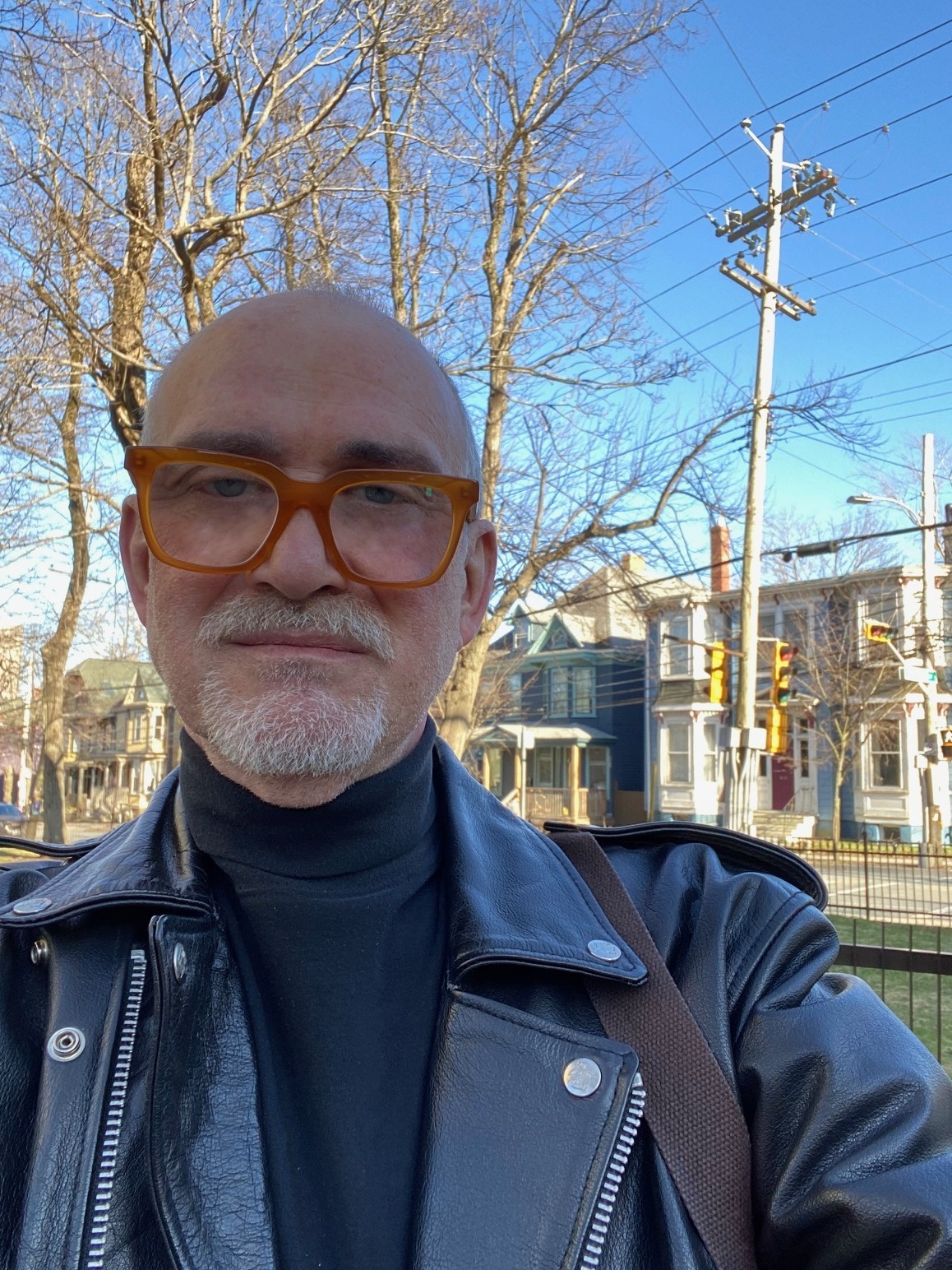
My walks with John are changing, far from any routine. I like it because we have not become an odd pair of aging gentlemen. Far from it. Not that people would really notice since they can’t see John, of course. They would just look at me, perhaps with a shake of their heads. Which really wouldn’t bother me at all. Not out of my arrogance and dismissiveness of their opinion. Honestly not. People see what they want to see, hear what they want to hear and they do have a right to their opinions. God knows I have mine.

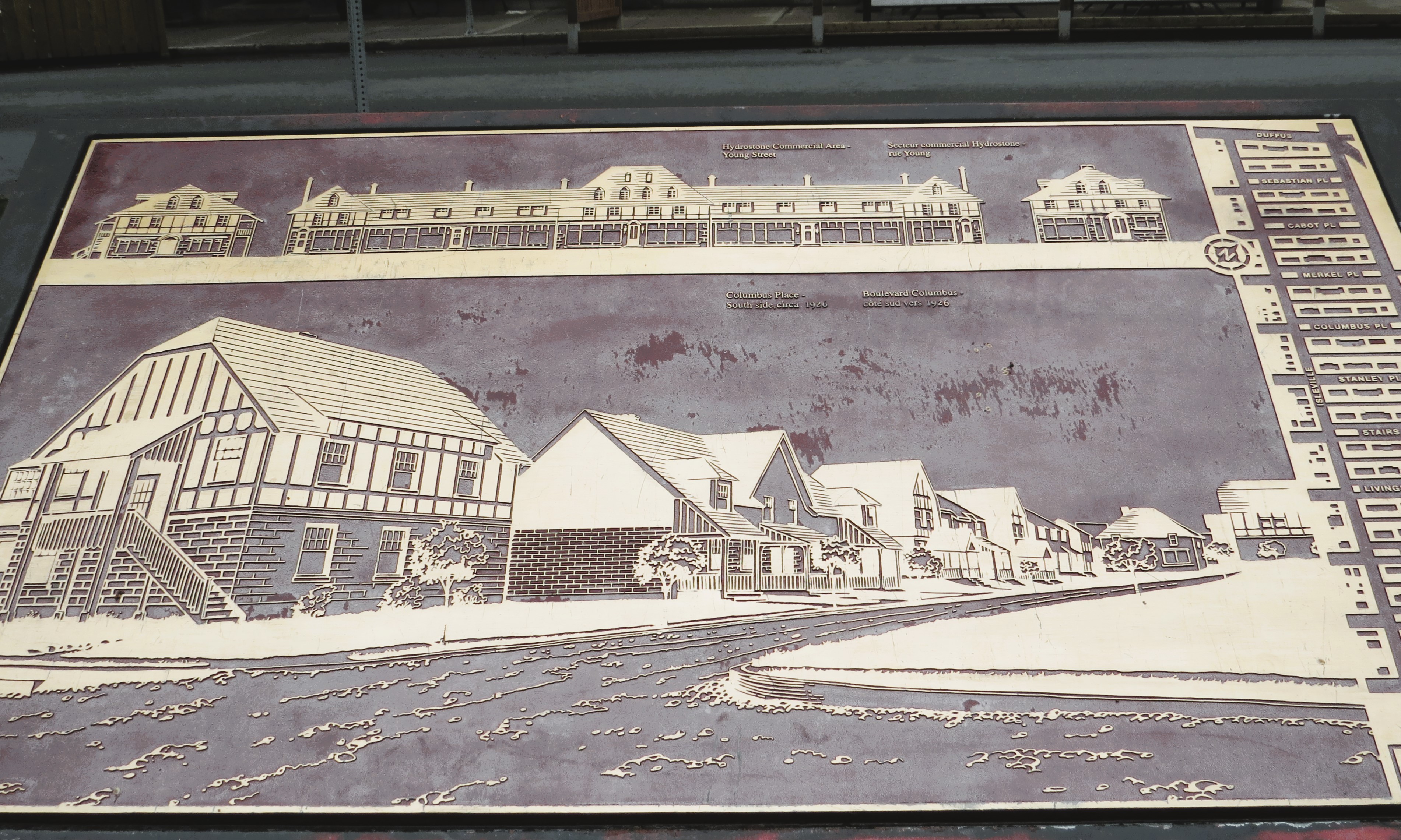
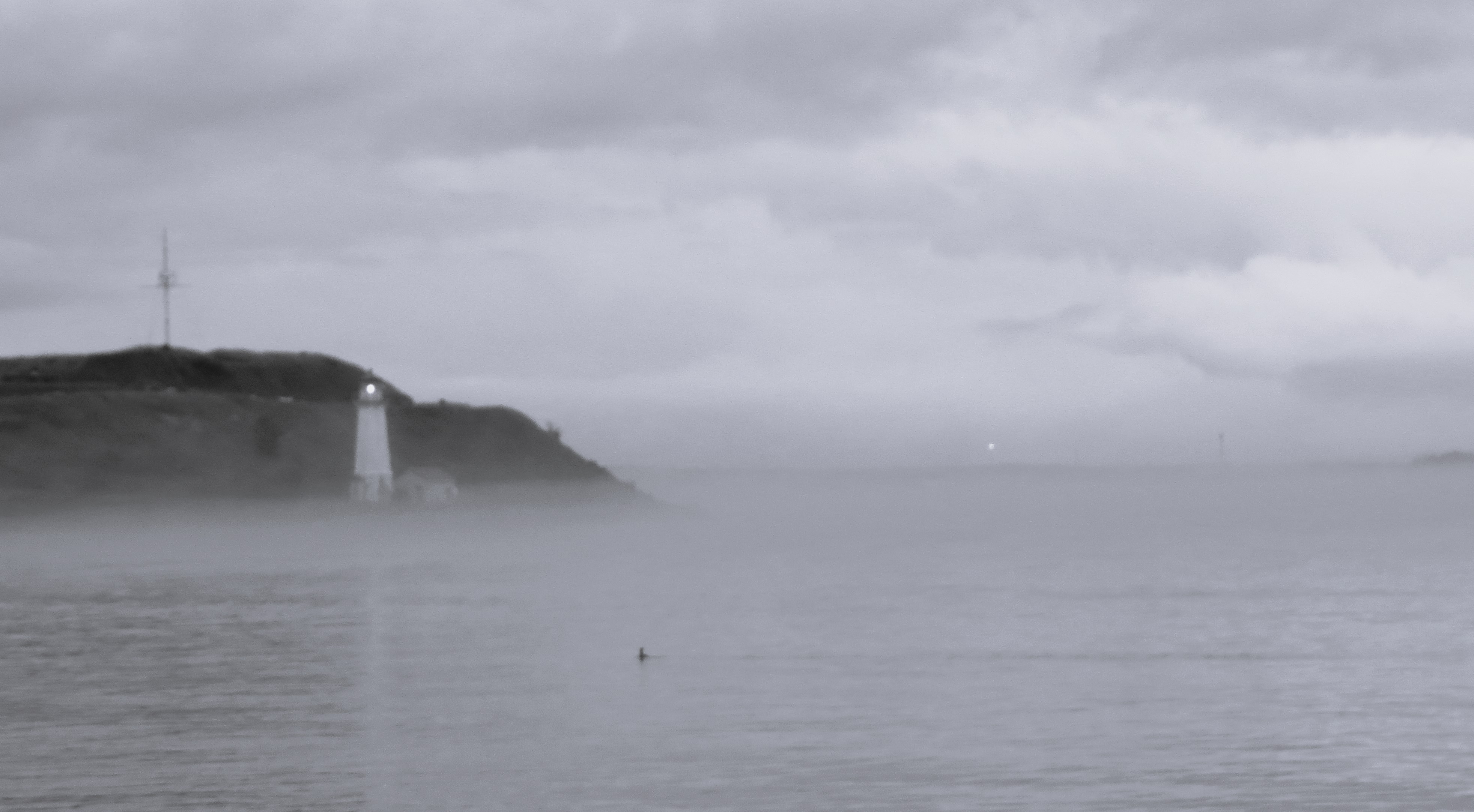
So I was walking on Canada Day with John in Halifax through spots we liked to visit together. Like the little square on Novalea, just before the Hydrostone district. And I started to write some stanzas about these walks with him. Later I went to the Waterfront. It was sunny day but with a heavy fog and mist covering the Channel. It really was coming right out of my unfinished poem.

The world of shadows


The shadows are everywhere:
the silhouette of your body,
the taste of your lips,
the gaze of your eyes,
the touch of your arms.

On the corners of the streets,
on benches in the squares,
trails in parks, and in hills.
They are lurking behind trees,
passing us on the walkways.

Every time a green car
of certain make that you drove
passes me by,
I stop
and follow it
with my stare:
do I see your shadow behind the wheel?

The world has become bi-dimensional:
real physical presence of shapes,
and shapes of shadows
mingling between us –
invisible to some,
real to others.

Our talks in the crowds
of these shadows,
your invisible hand
reaches out to touch
my arm.
I can’t see your hand –
yet, I feel it
when it touches my skin.

I feel the other shadows,
when they pass me by
on the streets.

Some walk painfully bearing
heavy bag of sorrow,
others are light, they float
in the air
without care or foreboding.

We don’t know their stories,
so, I just accept their behavior
as it is, without question.
They too have a right
to be joyful, and your insistence
that the shadows should be sad
is just an arrogance
born of our ignorance.


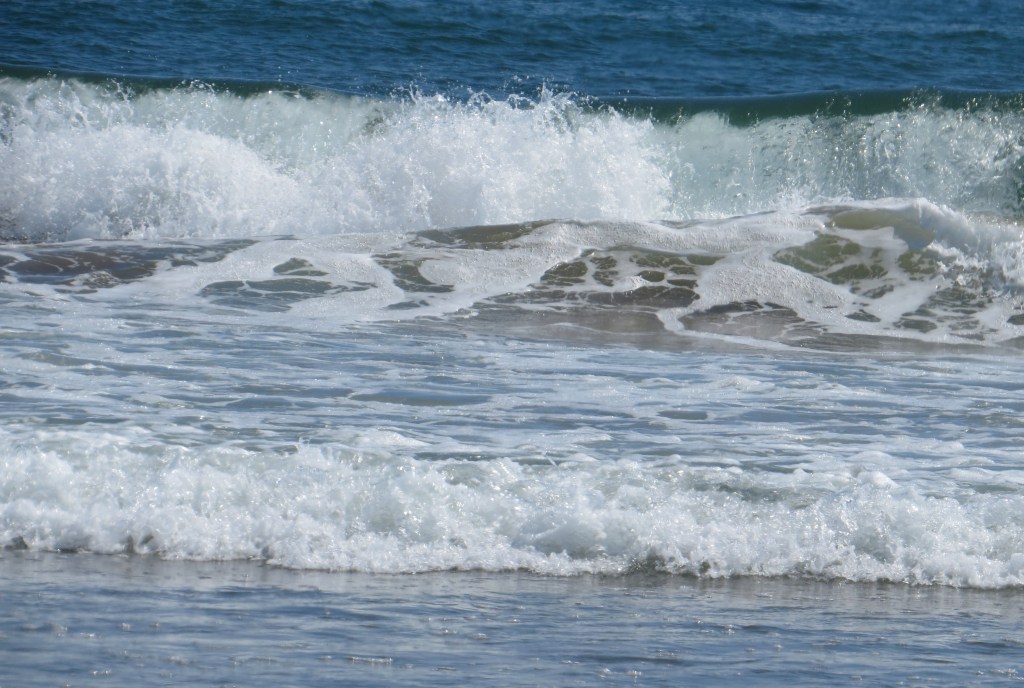
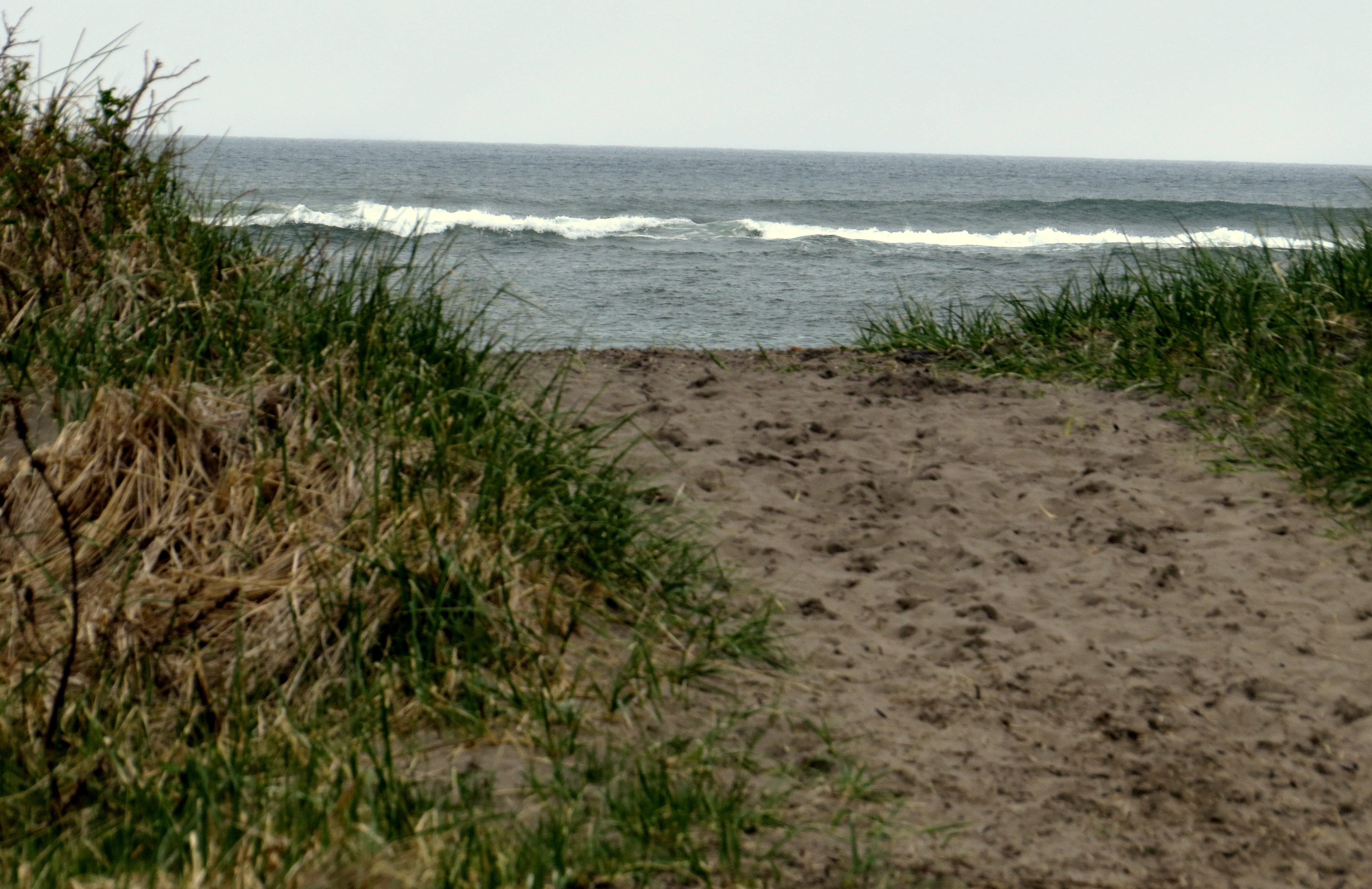
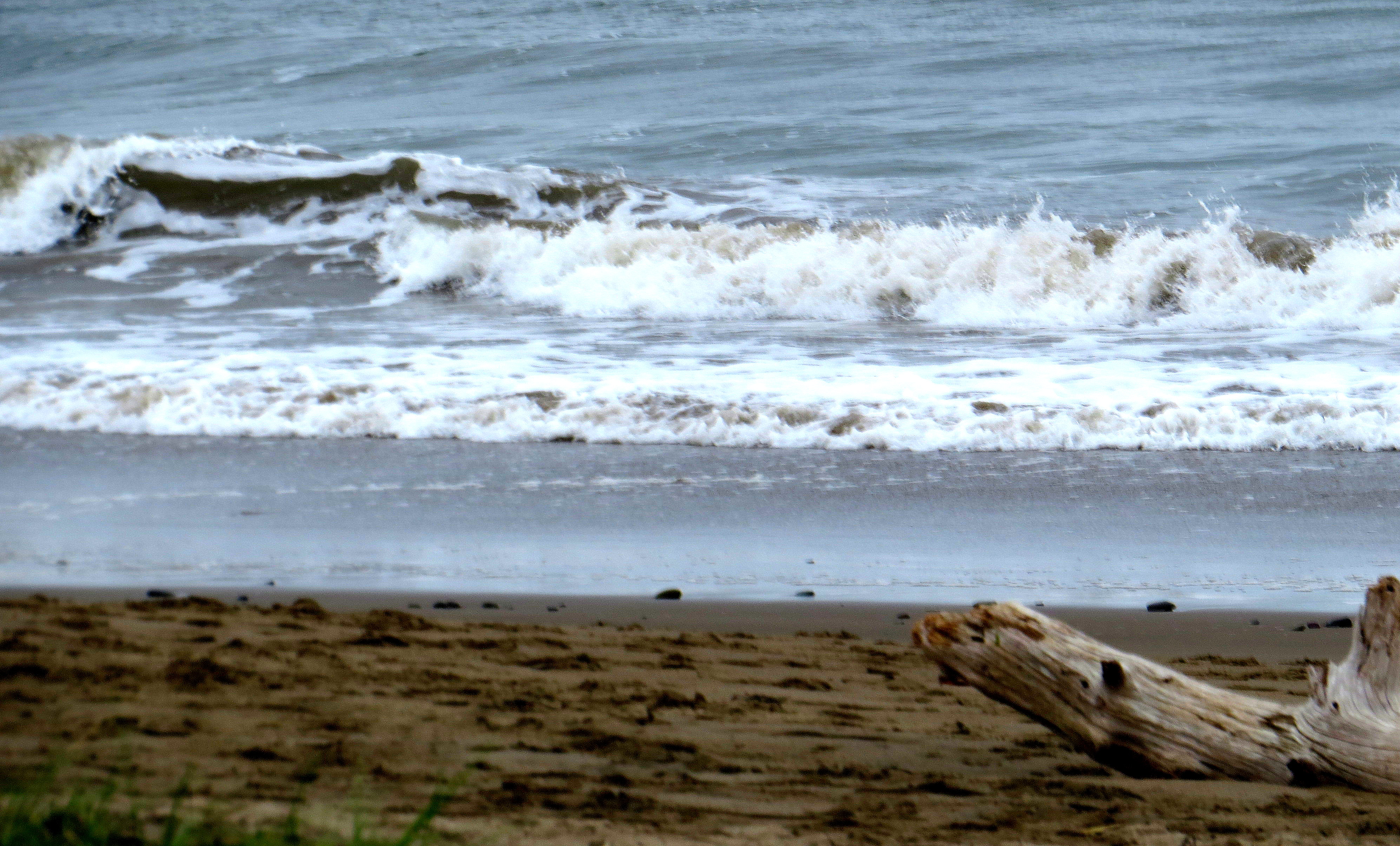
Today I went to the beach to finish the poem. Well, I have no idea if I did really finished it. I might actually add later another section to it for the idea of the ‘shadows’ among us (you can read to it whatever you want but my personal perspective does not come from religious point of view, but I always promoted the idea that a poem belongs to the author only as long as it has not been read by any other person. The moment it finds another reader – the poet no longer has any control of it, it belongs to that reader). But for now it is what it is. There was no fog on the beach, au contraire – it was sunny. But the crushing waves created beautiful mist on the edges of the beach, just where it meets the ocean. I liked it.

There is a lake I had to say goodbye to

There is a lake I had to say goodbye to

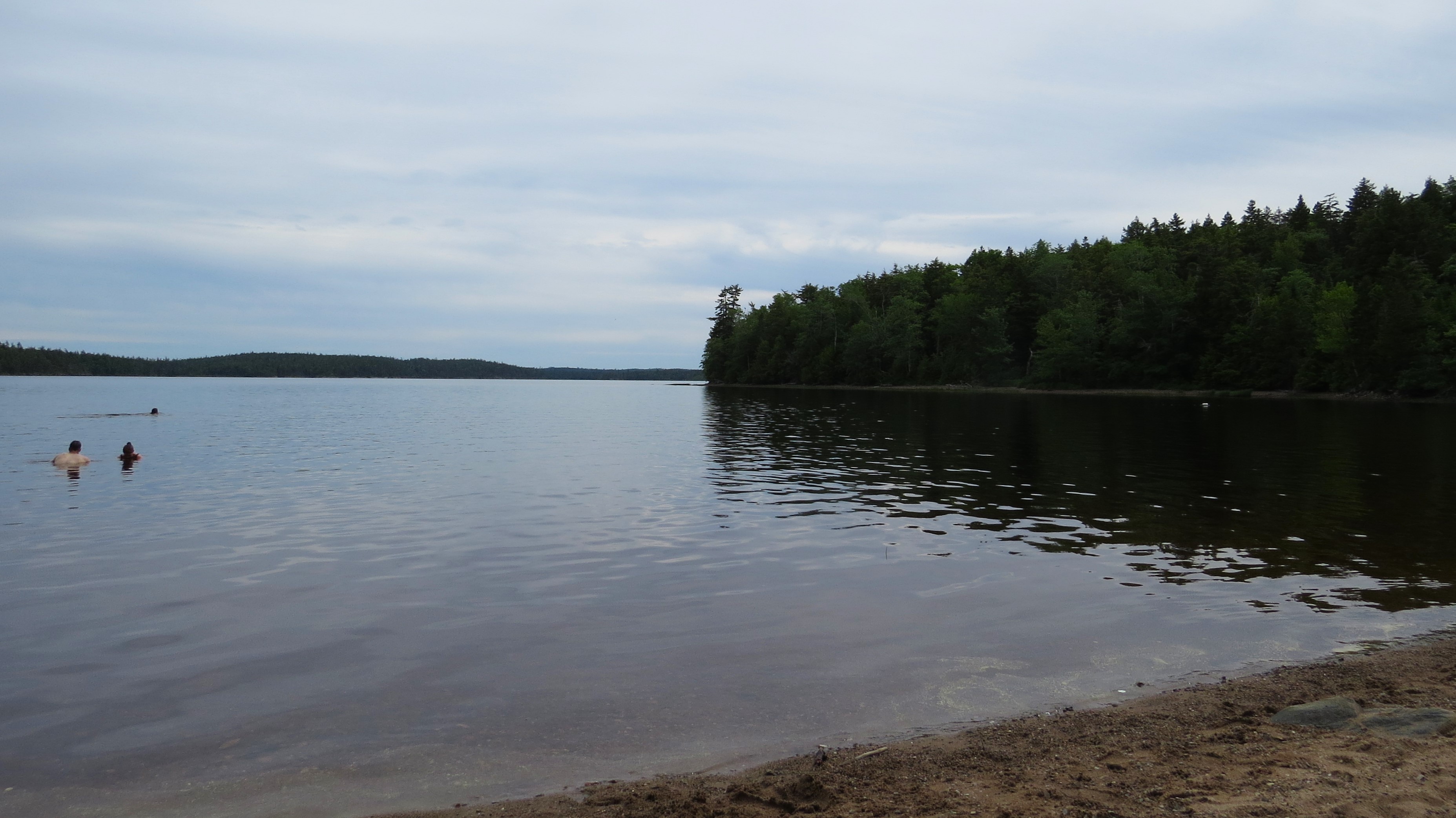
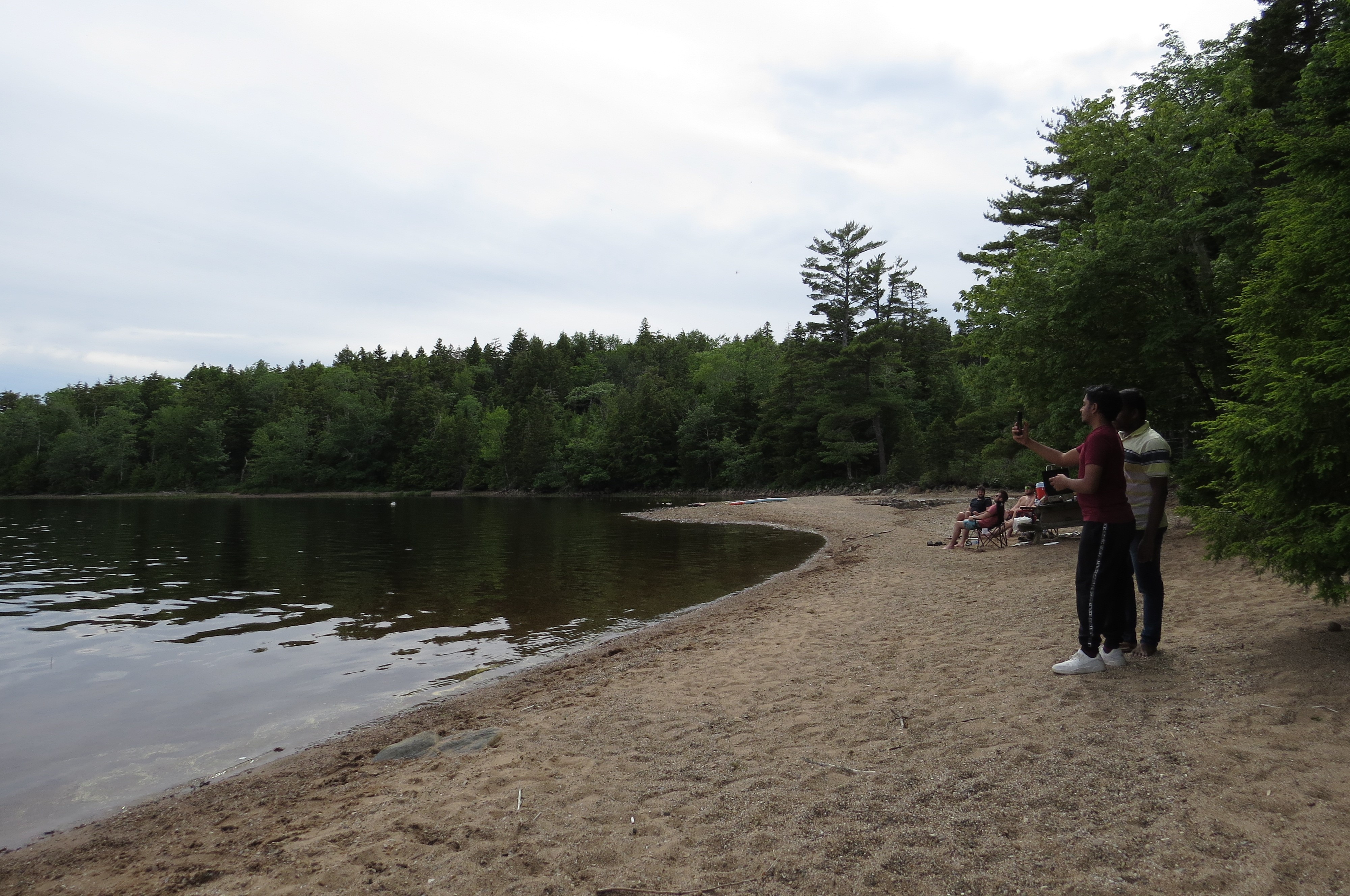
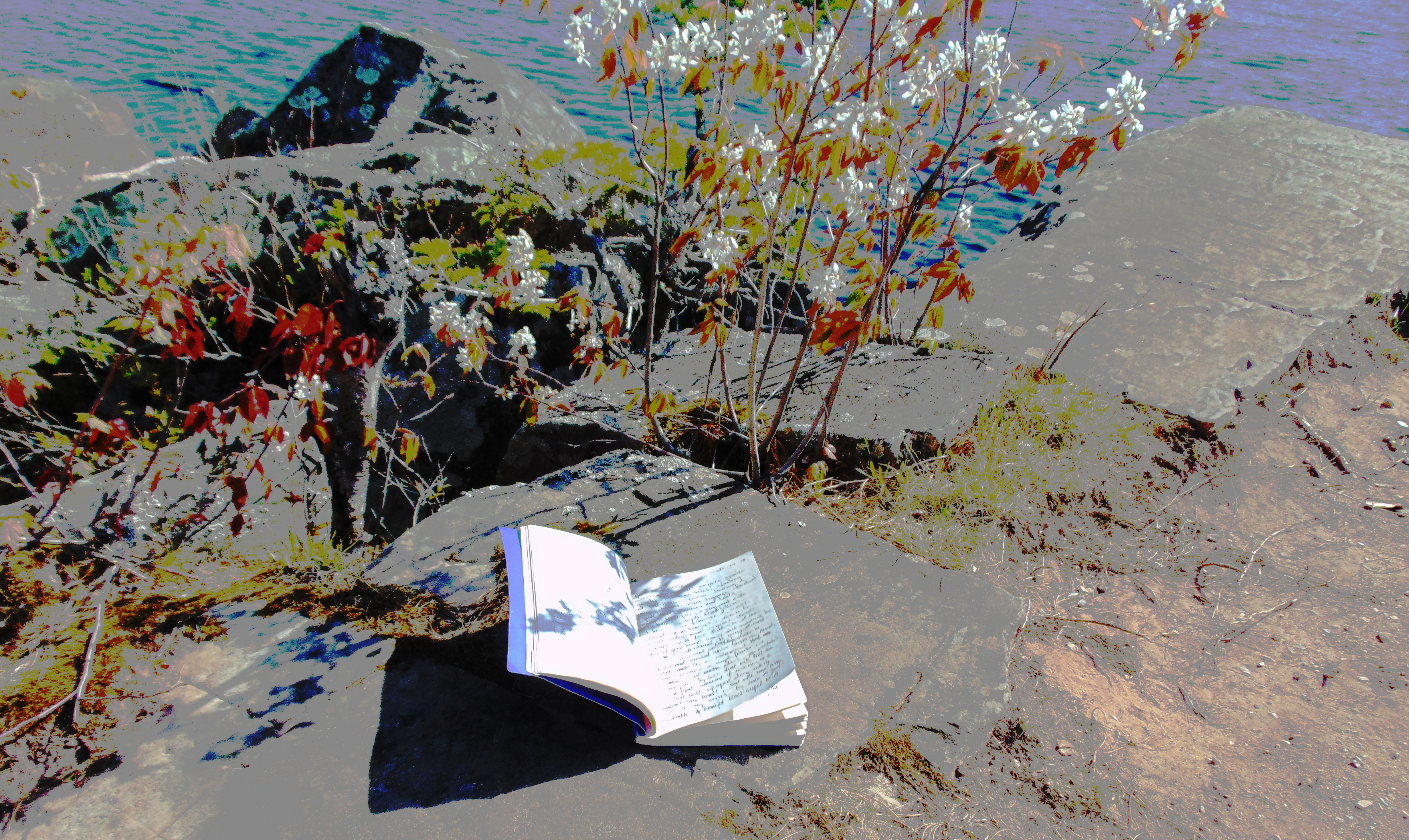
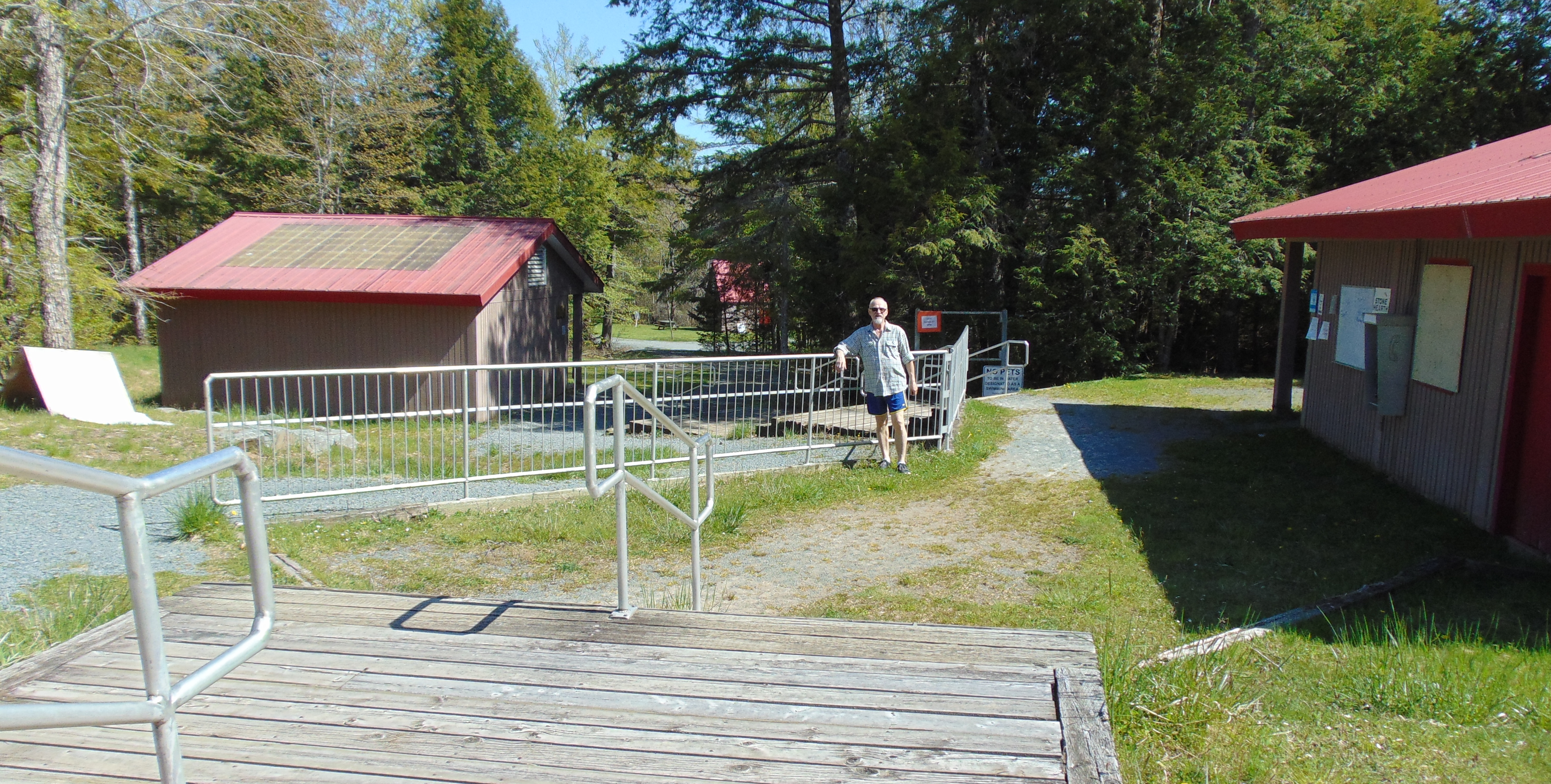
Went yesterday to that lake. Our lake. Went there third time. Went there, on my pilgrimage of saying goodbye, saying that to many places we went together to. Roads, towns, parks, streets and beaches. Our journey through this province. Our last stop of our big lifelong journey.

There will be no more stops for us, no more places we will visit together, no more view we would enjoy together.

I know that you are part of me, wherever I go that part will go too. But it is not the same, you know it and I know it. Where I will end up there will be very few spots that we briefly visited during a cold and wet November 1990. Poland. Time was very turbulent in 1990 in Poland. I had such little time for us, the country was ravaged beyond description by the past 45 years of Soviet domination.

Our life journey was Canada, she was our country. She brought us together. And she did bring us to that lake in 2022. Our last longer ride outside of the city.  I know you did it only for me, you knew better than I did, that time was already very short. In a way it was borrowed time. But you agreed to give me that last longer car ride, a ride to a small beach, lake, forest. Went there again in September 2023. It was really, really hard. At that time that lake was almost totally empty. Just me and memories of you there. On that bench were you were waiting for me in 2022 – I still saw your shadow, I thought I saw that tiny smile and that twinkle in your eye. And the goodness that emanated from you. The one that made you so special to so many people.

Today it was full of beachgoers, loud with laughter and yelling, with people setting their barbecues for hotdogs and burgers, there were boats and kayaks. Went a few times for a swim. The water was very warm and soft, as lake waters are. But could not see you anywhere in this noise, could not her you voice.

I did say goodbye to that place. Not to you, to the place that for a short while was ours.  Probably will never see it again except in my sleep, my dreams. Goodbye, lake.

June 2024


LAKE

1.

I came here again

to our love

I came crying for you

our half

I swam and searched

could not see

Could not hear your voice

Only broken me

Children swam, too

they shouted joy

Mothers yelled laughingly

throwing them a toy

I did not belong here

anymore

Our presence, our laughter

silenced

Even the verse I wrote down

is wanting

The grief will be gone

one day  

And there will be nothing

left

Just total emptiness, full

void

My shadow will look

at me

Will ask like a judge

in court:

what more, I ask, would you

want

You are but a scribe

not more

2.

post scriptum

          The air is still, is warm, rather moist

          The water is dark like lukewarm tea

          I recognize the little green island

          Recognize the broken bench, the rock

          Guys with brown faces, black hair, big eyes

          Smiling at me and asking a question:

          Can you take picture of us sir, please

          I do but say – look at yourself, not me

          I want to add – look at yourself and you

          Will see the whole world, the sun and the stars

          Yet I don’t just smile approvingly

          For I know that way down from stars is long

Czy powroty są możliwe?

Dualizm języka miłości w pękniętym na dwoje naczyniu

Kastor i Polluks (rzeźba Josepha Nollekens w Victoria and Albert Museum)

Każdy dzień przynosi inne emocje. Mijają miesiące po kolejnych miesiącach, odkąd nie ma cię i ciągle nie potrafię w tym innym świecie się odnaleźć. Te emocje rzucają mną, jak pingpongową piłeczką od ściany do ściany szklanego, niewidocznego pokoju, w którym jestem zamknięty. Poniekąd stałem się dzbanem na te emocje. Kiedy wydaje mi się, że jestem już pełny, otwiera się w nim drugie dno. Może jestem dzbanem bez dna?

Dziś znalazłem zdjęcie naszego ostatniego mieszkania, w którym mieszkaliśmy w Surrey, ten niski murek, za nim mój dziki ogród, z niego wejście do długiego salonu z kominkiem, potem pobiegłem po schodach do naszej sypialni, z sypialni do mojej biblioteki – ale nic, pusto. Nie było cię tam. Potem było zdjęcie z naszego pierwszego domku w Guildford, trzypiętrowego townhouse. Biegałem po schodach w dół i górę kilka razy, ale też pusto.

Nie było cię tam, nie ma tutaj. Ale nie ma też mnie. Gdzieś się w tych kilkudziesięciu latach zgubiłem. Ja przestałem być, bo byliśmy my. Przesiąkliśmy sobą, przenikaliśmy siebie. I nagle tej drugiej części zabrakło. I nie potrafię powiedzieć tak normalnego zdania: kochałem cię. Brzmi po prostu absurdalnie i kompletnie fałszywie. Jak kto – kochałem? Przecież ja ciebie kocham. Nic takiego się nie wydarzyło, żebym mógł powiedzieć: przykro mi, ale od dziś przestałem cię kochać.  

To było już tak dawno temu, że nie wiem czy potrafię siebie własnego jeszcze odszukać, czy mogą sobą być i kim ten ‘ja’ niby jestem, gdzie? Naturalnie, że pamiętam tamtego młodego mężczyznę i nawet chłopca, którym kiedyś byłem. Ale ja już nie jestem tym chłopcem, nie ma już świata, w którym tamten chłopieć był, funkcjonował.
Można się nauczyć – choć na pewno trudno – funkcjonować bez jednej ręki. Jak jednak funkcjonować z połową duszy?

Chcę wrócić do świata, który opuściłem dziesięciolecia temu. Do kraju mojej młodości i dzieciństwa. Do mojej Warszawy, która była mi tak bliska. Jest jeszcze piękniejsza niż była wtedy. W zasadzie to teraz jest prawdziwie piękna, bo wtedy miała piękne miejsca, a jako całość była szara i nawet brzydka. Piękna była moją młodością, romansami, teatrami, koncertami. Mam tam ciągle całą gromadę bardzo mi bliskich i kochanych osób. Chciałbym jeszcze dać im z siebie bardzo dużo, odpłacić za lata nieobecności, w tylu ich ważnych dniach, wydarzeniach. Zwłaszcza tym najmłodszym. Opowiedzieć im o tamtej Warszawie, której nie znali, o Kresach, które takie miały dla naszej rodziny znaczenie, o starych grobach, które mają tyle opowieści, o jakiejś wierzbie w starym parku, starych aktorach, którzy zamieniali literaturę i poezję w życie. I życie, które na przekór tej szarości było poezją.

Ale, jak to zrobić z połową tylko duszy?

Język jest też złamany na dwoje. Nie, nie chodzi o wymienność, płynność, znajomość ortografii, gramatyki. To rzeczy drugorzędne, rzekłbym maszynowe, których można się nauczyć. Gdyby poeta pisał wiersz pilnując bezwzględnie, gdzie ma być biernik, gdzie celownik i mianownik, gdzie orzeczenie, a gdzie podmiot z dopełnieniem – moglibyśmy oddać poezję w ‘ręce’ AI (sztuczna inteligencja).

Gramatykę należy nie tylko przyswoić, należy ją oswoić. Tak jak konia, który jest zwierzęciem o wyjątkowo wysokiej inteligencji emocjonalnej. Naturalnym sposobem jego lokomocji jest step, trucht, kłus i galop. A przecież wszyscy widzieliśmy konie tańczące, robiące ruchy z pozoru kompletnie nienaturalne. Czy przestawały być wówczas końmi? Oczywiście, że nie! To samo jest u piszącego z gramatyką – nie może być jej niewolnikiem, musi stać się jej panem.

Gdy więc mówię, że mój język jest złamany na dwoje, to mam co innego na myśli niż formalną poprawność. Zwłaszcza w literaturze to pękniecie lub ten dualizm jest wyjątkowo zauważalny. Przyznaję, że słownikowo, zasobowo moja polszczyzna jest chyba mimo wszystko bogatsza niż angielszczyzna. Co jest chyba naturalne, bo mówić nauczyłem się w Polsce a nauka języka mówionego, jest badaj czymś tak naturalnym dla dziecka, jak nauka chodzenia, mycia się, ubierania i ze szkolnym sposobem nauczania niewiele ma wspólnego. To ta podświadoma potrzeba oswojenia świata, komunikowania się z tym światem zewnętrznym.

Gdy przyjechałem do Kanady byłem bardzo młodym człowiekiem. Ale byłem już człowiekiem dorosłym. Świat tej immanentnej chłonności dziecka był już dawno dla mnie zamknięty. Więc i te wchłanianie języka angielskiego było czymś sztucznym poniekąd, obarczonym skazami szkolnej ławy, słowników, leksykonów. Ta emocjonalna fuzja przyszła później i była pod każdym względem złączona z Johnem i naszą miłością. Miłość musi mieć swój język opisu, wyrażania uczuć i namiętności. To jest sine qua non. To może być język ‘na migi’, na cokolwiek. Ale musi być czytelny i zrozumiały dla obu kochanków.

W naszym wypadku naturalnie tym językiem był kanadyjski angielski. I odtąd stał się moim językiem. Jakkolwiek niedoskonałym – ale moim. Nie słownika, nie nauczyciela – mój własny. I wtedy, gdy się stał mogłem pisać wiersze po angielsku. Nie dlatego, że chciałem napisać wiersz ‘po angielsku’, ale dlatego, że ten wiersz rodził się po angielsku, nie po polsku. Od pierwszej frazy. Zanim napiszesz pierwszą literę w notesie lub na komputerze. Tu nie ma żadnego wyboru intelektualnego. To jest nakaz emocjonalny, wobec którego jesteś bezbronny. Mój język złamał się w ten sposób na dwoje. Tak, jak Polluks i Kastor. Niby osobno w dwóch ciałach i z dwóch ojców, a w jednej matce, jednym życiu i śmierci.

Czy potrafię więc w tym powrocie do miejsca i czasu, które nie istnieją – zaistnieć? I z tą dualnością językową funkcjonować w miarę normalnie. Bo ‘mój’ kanadyjski angielski nie jest dobrze opanowanym językiem obcym. On jest moim językiem. Językiem, którym myślę, czuję, tworzę gorsze lub lepsze wiersze. Tak, jak myślę i czuję ciągle w języku polskim. Tyle, że to dwa połączone, ale wszak samodzielne i osobne procesy emocjonalne.  A nad tym wszystkim cień olbrzymi złamanej na dwoje duszy.

Może nie mam już miejsca nigdzie? Może nie ma znaczenia czy będzie to Kanada, Polska czy Ekwador.

Kiedyś dawno, dawno temu jeździłem po wyspach polinezyjskich rozrzuconych na olbrzymiej przestrzeni Południowego Pacyfiku od Hawajów po Nową Zelandię. Jedna z tych podróży zawiodła mnie na zagubiony w tej przestrzeni maleńki atol Aitutaki. Wszyscy tam się znali, Był jeden duży sklep kolonialny, poczta i mały szpitalik przy maleńkim naturalnym porcie, gdzie raz na trzy miesiące zawijał statek z głównej wyspy Rarotongi z zaopatrzeniem w wiktuały niedostępne lokalnie. Ja miałem lokum w domku na palach z kotarami zamiast ścian na plaży, do brzegu mieliśmy może 20-30 metrów. Do tego portu i centrum handlowego atolu było spacerem może 10-15 minut i ta osada/miasteczko nazywała się Arutanga. Świat zewnętrzny wydawał się nie istnieć, a Aitutaki było centrum Kosmosu.  No i drobiazg – Internet dostępny dla prywatnego użytkownika nie powstał jeszcze kilka lat przed moim tam pobytem, a o czymś takim, jak Iphone nikt jeszcze na całej planecie nie wiedział. Tam teraz czułbym się najlepiej. Gdyby tylko nie to, że Internet i Iphone już na Aitutaki są … .   

Bad days. They come uninvited.

Bad days. They come uninvited.

It was a bad day. I know – just the other one, when I saw the flowers in the alleyways of our park in Dartmouth – I was singing the praises, thanking you for coaching me in ways of new life. A better life, a happier one. Go and allow yourself to enjoy it  – you said. You said, that you will be at peace knowing that I do. And I tried. And I failed. I failed you as you failed me. Yes, you did. Those last days you did. When we still had a chance to end it together. No, there was no physical chance, no miracle hiding somewhere holding the ray of hope that the outcome will be different or pushed way back into the future. There was no chance. No ray of hope on any horizon. But it meant there was no chance for me. Ever. We should not have gone to the sunny and sheltered lake beach, with shallow warm waters and no angry waves attacking the shoreline.

No. We should have gone to the angry sea, cold waters, powerful waves, strong currents, and whirlpools. I would have helped you carrying you on my back and we would have taken the last glorious swim together.  Our swim, ‘us’ being one. There is no ‘me’ anymore, where the is no ‘you’. There cannot be ever. Anywhere. I am left to wonder in constant pain, anger, in constant thirst surrendered by oceans of salt. The sea is calling me a thief, a beggar of scraps, a coward. I have no Eurydice waiting for me somewhere in non-existent Hell. I am the Hell. I am the unanswered cry of pain. I am the gatekeeper and I am the key to Hell. Orpheus can’t pay Charon a few obols to ferry him across the River of Hades. I have fired Charon and sunk the boat. No in or out. 

I went to the other beach, the ocean beach, the one we visited last time ever in 2022, and one we visited together for the very first time in 2019. Where we swam together, we laughed together.  Where we were kissing.

It was an overcast day today. The sea was grey like steel. It was cold like steel. And I didn’t go for that swim. But let me, please! Give me that nod, tell me you agree, and won’t pull me back. I’m losing my battle. 

Just don’t cry. Don’t be sad. Let me have a bad day. Let me wallow in pain and shame that I am and You are not. I was sorry for so long.  Let me hear from you this once that you are too – sorry. And I will give you your peace again. Just don’t expect the impossible from me. Don’t expect me to have joy in life. To have pleasures of days and nights. One thing I can promise you in return – those years, these decades we had, made me impossibly happy. I was. And I remember it. All I ask in return is that sometime, on some days (as today)  you will share my sorrow, my pain. And then you can have your peace again. But share in it the way we have shared everything else in our life.  It is too heavy to carry it all the time alone.

Spring Flower – Kwiat Wiosny

Spring Flower – Kwiat Wiosny

(English)

It’s Spring. It’s warm. In the parkways, I talk with you. It is a nice talk. It is a warm talk. You gave me again words of hope, of support. No one can do it as effectively and tenderly as you do. Your innate warmth and goodness are infectious and effective in an instant at the same time. You are a strange traveling monk, who effortlessly and without any heroism simply offers himself to a tired traveler. In a simple, natural way. It appears to be so ordinary, that it is even difficult to notice – as a breath of air.

But I’m still overwhelmed by the lack of your physical presence, which gave some peace to my vortex of thoughts. It arranged them in neat order, peaceful, void of instant hunger and need of life.

I can’t comprehend the mistake of fate, which took you away. You occupied such a tiny space in this world. You were almost like an invisible speck of pollen, a tiny flower on a vast meadow, a small wheel in this huge machine called World.

When I struggled with the huge wheels of History – you simply ensured that the coffee was good, and the dinner was served pleasantly. Because of this tender care that huge world could function and Wheels of Time could turn.

Without this small pinion, the Big Wheel stopped, and my important and huge world – collapsed. And I am lost.

But in the coldest moments, I am wrapping myself in the shawl of memories and it is bearable, warmer. I can function because of it.

I notice the tiny flowers under my feet and the fresh leaves on tree branches. I hear the birds singing their love songs and the buzz of bees in flowering bushes. And Your whisper to my ear: go, enjoy it. I want you to enjoy it. You must for us and for me. I can’t have peace without knowing it.

With a tear leaving a wet mark on my cheek – I go and I will. You deserve peace and no one but I have to give it to You, my Flower of Spring.

Wiosna. W alejkach parku jest ciepło i rozmawiam z Tobą. To miła pogawędka. Dawałeś mi zawsze otuchę. Nikt inny tego robić tak, jak Ty nie potrafił. Przyszły złe chwile i trudne momenty, które mi znowu pętały życie, gotowy byłem już się poddać zniechęcony tym nieustannym pojedynkiem z losem.  Ale poszedłem to tego właśnie parku, gdzie tylekroć chodziliśmy na spacery razem. Nawet w te dni przedostatnie.

I Twoje naturalne ciepło i dobroć wróciły do mnie. Jesteś jakimś dziwnym wędrującym mnichem, który bez hałasu i heroizmu po prostu rozdaje się, ofiarowuje się. Tak zwyczajnie, jak rzecz najbardziej naturalną z naturalnych. Trudno to nawet zauważyć, bo wydaje się takie zwykłe, codzienne jak oddech powietrza.

Ale brak mi okrutnie twojej fizycznej obecności. Przynosiła jakiś spokój mym pędzącym kłębom myśli. Wprowadzała ład w tym zgiełku i hałasie wokół i wewnątrz. I ciągle nie mogę zrozumieć tej okrutnej pomyłki Losu, który Cię zabrał ode mnie. Zabierałeś tak mało miejsca w świecie, byłeś prawie niezauważalnym pyłkiem, jakimś drobiazgiem na drodze, maleńkim trybikiem w olbrzymiej Machinie Dziejów.

Gdy ja zmagałem się z tymi wielkimi kołami Historii, ty po prostu dbałeś aby kawa była smaczna, a obiad ładnie podany. To dzięki tym drobiazgom ten wielki świat funkcjonował. Teraz, bez tego najmniejszego z najmniejszych trybików – Maszyna zatrzymała się. Zatrzymał się mój świat, ten Wielki i Ważny. Koło Historii stanęło w miejscu. I jestem zagubiony.

Ale w momentach najzimniejszych otulam się Toba, jak szalikiem naszych wspomnień i jest cieplej. Mogę funkcjonować. Zauważam drobne kwiatki pod nogami, świeżą delikatna zieleń na gałęziach drzew. Słyszę brzęczenie pszczół w kwitnących krzewach. I Twój szept do mojego ucha:  idź, ciesz się tym. Chcę żebyś się cieszył. Musisz – dla nas i dla mnie. Bez tego nie mogę mieć spokoju.

I ze spływającą po policzku łzą – idę. Będę. Nikt inny prócz mnie nie może dać Ci tego spokoju, a na spokój zasłużyłeś, jak rzadko kto. Ty – mój Kwiat Wiosny.

Let us go From the Fort of Our Love to Paris

Let us go From the Fort of Our Love to Paris

I have been reading again the verses of my very liked American poet Paul Monette. Yes, of course, his “West of Yesterday, East of Summer”[i]. Thought many times to translate this terrifying and yet so lyrical and beautiful book of poetry. His homage to his lover, his friends, his times. To people, who died of AIDS. As did he.

I asked myself why didn’t I? It was by the end of this modern Black Death when I was a very young man discovering the powerful world of erotica and sex.  Of desires and pleasures that shaped human history so much, almost as powerful as hunger for power. Indeed, in many instances, these two forces were intertwined.  They still are. It was also a time when gay stable relationships were not seen, maybe not even desirable as a norm or even something to look for. With causal relationships, you avoid the risk of being outed, beaten, maybe murdered, and certainly ostracized. You could easily lose your job for that reason and it was a legally valid reason. Strange times.

On page 10, Monette writes beautifully about Nureyev in his poem

Nureyev doesn’t have AIDS

or so they say but the season’s still off

at least in Paris and all her colonies

as to what to do after dance the gun-

runner Rimbaud is the paradigm post-

art position a little border war

khaki and goat kebabs no mail till the fin

de siècle is safely passed if the feet die

first you must sit out the millennium

(….)

                There are so many allusions here to so many things of the gay history in art. Casual readers might not notice the insertion in these lines of a young tragic French poet Arthur Rimbaud – the femme fatale of much older Paul Verlaine.

Four days ago I posted on my Facebook profile a short biography of another American poet, who lived in even earlier times – Richard Bruce Nugent. In 1925 he published a poem “Shadow” in “Opportunity”[ii]. It is an example of early poetry in the USA with searching for its own homosexual identity. I found it powerful, almost painful in how it evokes and stirs my own youth memories. Memories from much later time (almost three generations later), but still pervasive.  Fragment of this poem:

Silhouette

On the face of the moon

Am I.

A dark shadow in the light.

A silhouette am I

On the face of the moon

Lacking color

Or vivid brightness

But defined all the clearer

Because

I am dark,

(….)

                Then, suddenly I realized that I was not spared that terrifying moment of losing your Love, your soulmate. A different disease by name and origin, nothing to do with viral infection. But the process of slowly dying month by month, and suddenly a very fast process for the last few weeks that makes you an invalid, depending on others in simple tasks. Losing your air, and oxygen.  And you panicking, trying to be a nurse but still a lover, partner. Giving him every minute of your life. Battling, battling every day, not accepting. Still, still not accepting. Refusing to accept the inevitable. To the very last moment, when he dies in your arms. And your soul dies with him.

It was as if Time asked for that price that I didn’t pay during the AIDS pandemic. It waited patiently forty long years and said with terrible glee in its voice: you did not escape, it is time to pay your dues. What a perversity to spare your life just to make you suffer even the worst fate: to take from your arms the one you love the most, more than life itself.

The other night I watched some old Paris songs from years ago. I always wanted to take him to Paris. To show him the magic of Montmartre. The lovers sipping coffee in open cafes, the “Pigalle” of my Edith Piaf, the walkways by the Seine toward Eifel Tower, with Yves Montand serenading of lovers kisses and embraces on rue de Faubourg de Saint-Martin.

And I wrote a song for you. Not really a poem but aptly a song to be sung, not to be read in silence.  A song to be screamed to the Fates.

But your eyes –

they won’t go away!

They still let me see,

they look through mine.

Your eyes –

they are still in me.


But your arms –

they won’t go away!

They still touch me,

they embrace my body.

Your arms –

they still feel me.


But your lips –

they won’t go away!

They are warm, they tremble

when they touch mine.

Your lips –

they whisper: we remember.


                I am blind without your eyes,

                I can’t feel without your arms,

                can’t breathe without your lips.


                Without you my soul is void,

                without you my heart is longing.

(B. Pacak-Gamalski, April 2024)

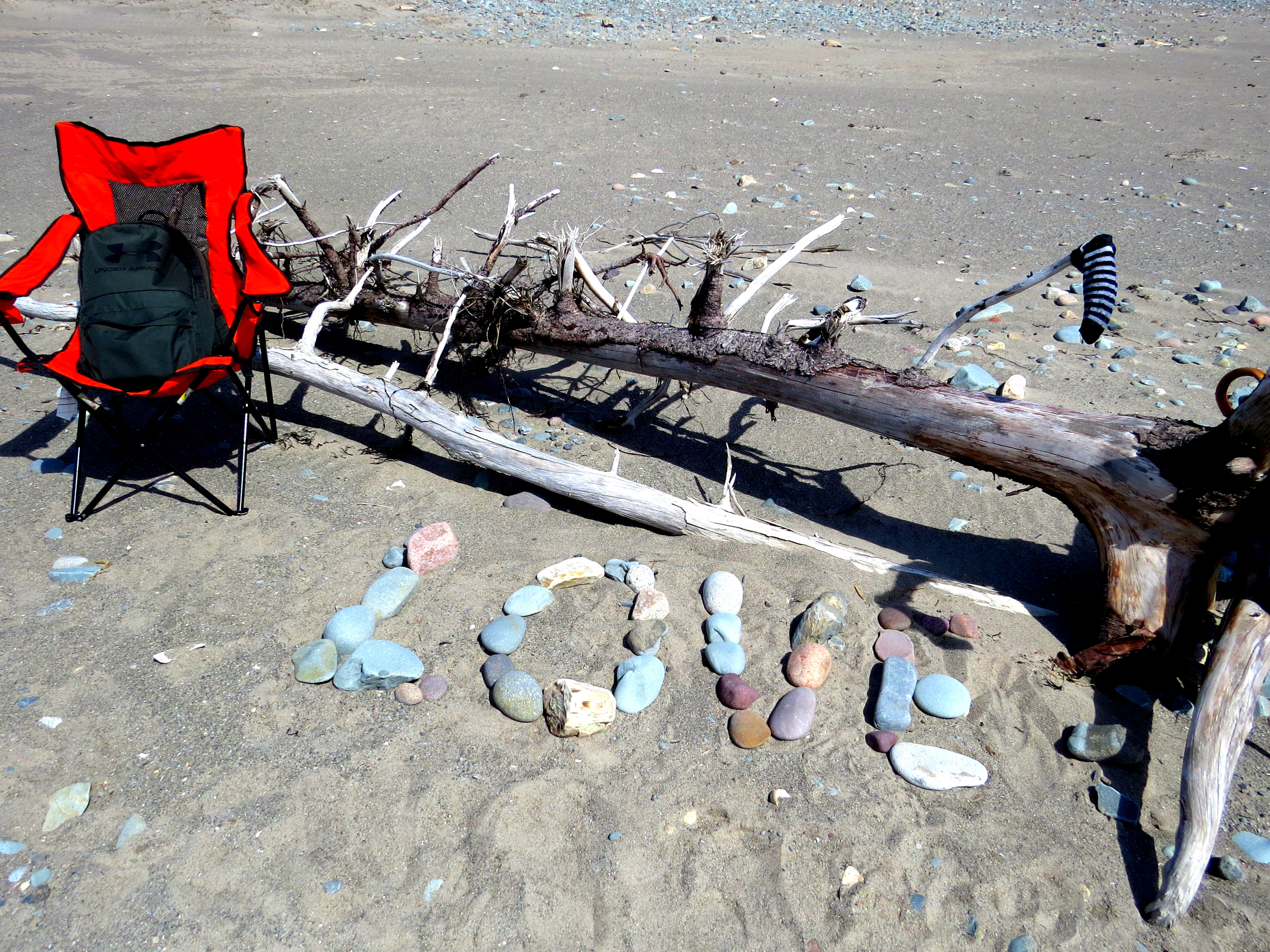
Yesterday I went to our Fort of Love in Lower East Chezzetcook. Took my folding chair, and my camera and crossed the narrow channel of fast-moving water separating the meager and rocky beach from the very secluded sandy outlet by a point called Miseners Head.  Must have been low tide time as the icy cold water didn’t even reach my chest.  Even during late summer last year, it was a desolate spot, seldom anyone ventured there. More or less it was my own private beach nestled between the ocean and a deep massive lake called appropriately … Big Lake. As I emerged from the water on the rocky edge of the dunes, two eagles startled by the visitor circled above my head.  They must have been scouring the dunes for big crabs, which are plentiful there, or for lonely seabirds.

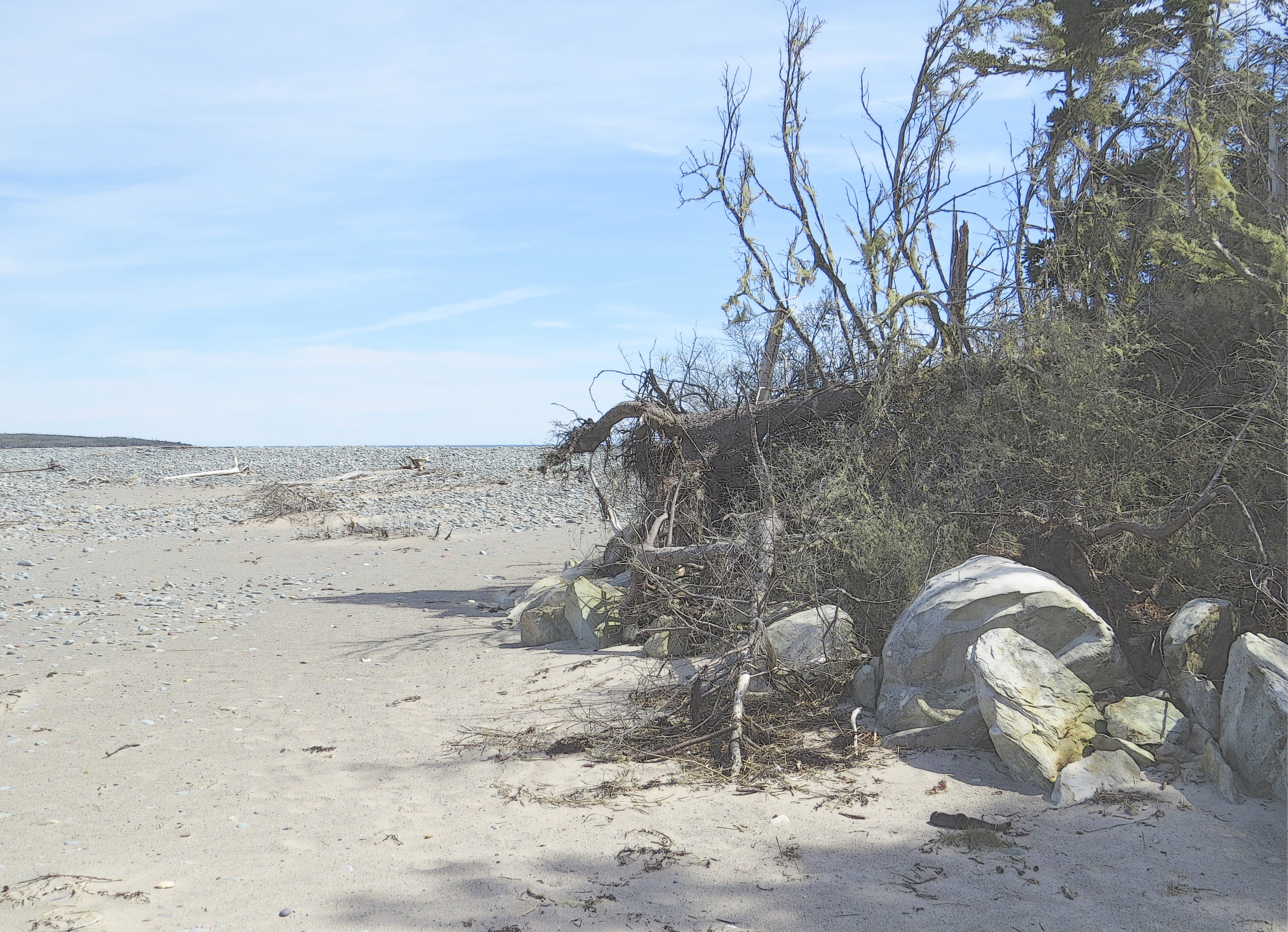
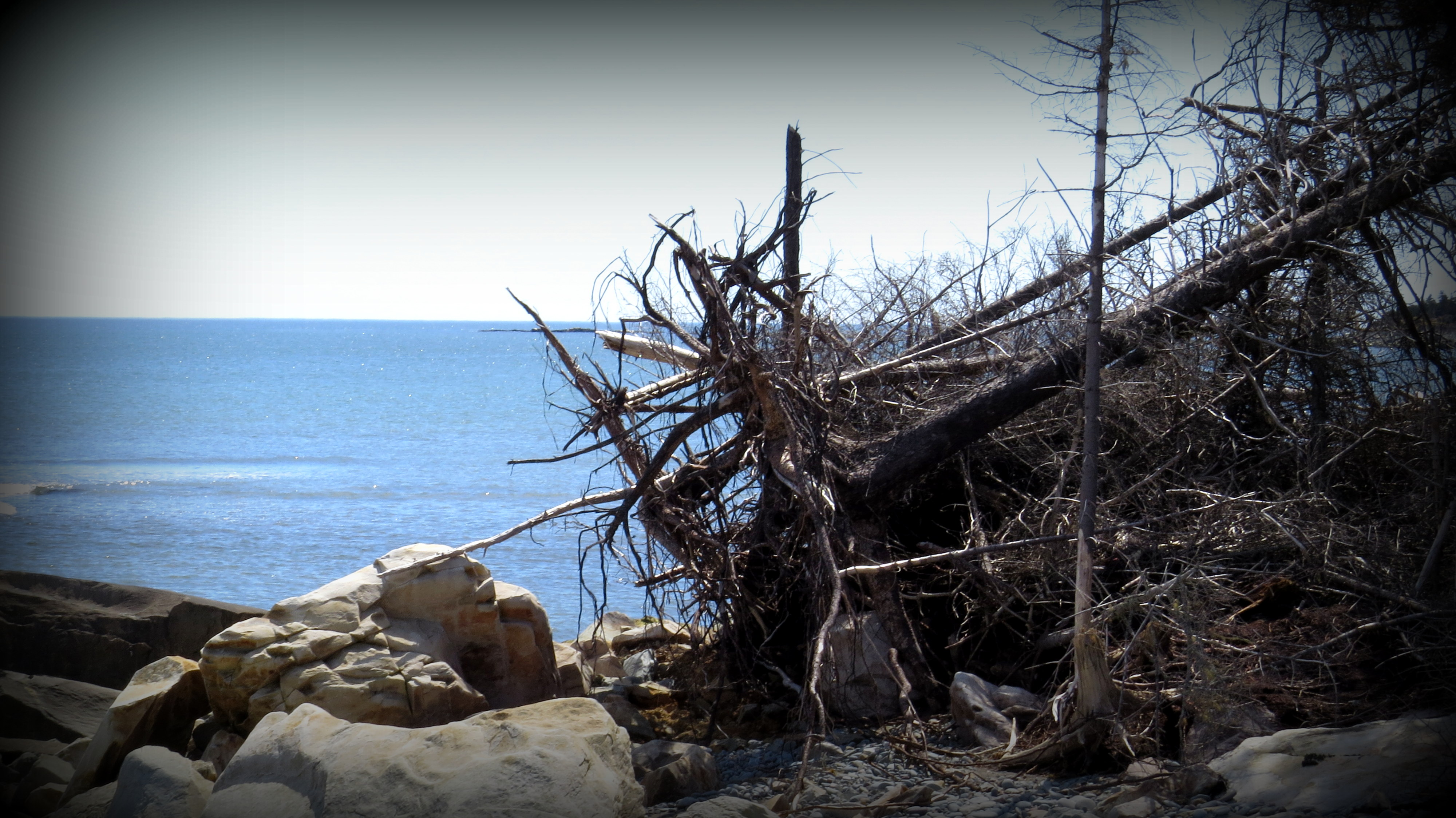
Went straight to the same spot as last year. The dead tree was still there, but winter storms took all the stones off my sign. Or the ocean covered them with sand brought from the deep bottoms.  And it knows now our story. The bottoms of the ocean know the story, a Story of Love,  Despair and Loss. The crossing whales sing the story and carry it back to the shores. To desolate inlets, rocky outposts, and small islands.  When the sun sets down behind the horizon, the sirens sing the song to the passing wind and the stars, and the stars shoot beam of light across the Celestial Meadows of Space. Story of Love Stronger Than Life.

I see it, I hear it. And I want, I need your eyes, your arms, your lips. Give them to me across the river separating Life and Death.  Our Love has overcome the space between the Worlds.

I feel your touch again, I feel the trembling, the impatience.

They are here now, knocking on my doors, on the Gates of Timid and Fearful. Gates of those, who are afraid, nonbelievers.  But the Gates will fall, as the Gates of Jericho did. None can withstand the source of the Song of Love. The only Song that binds the separate solitudes.  

Come and fill my soul and heart! Come my Lover, I have waited long enough.

Maybe, just maybe, when I leave Nova Scotia, when I say goodbye to our beaches, especially that one secluded, and removed from tourists, wild beach with the Fort of Our Love – maybe then,  I will take you to that Paris of Montmarte. Of lovers kisses and embraces. … and I will kiss your trembling lips, and I won’t let go.


[i] https://kanadyjskimonitor.blog/2023/10/04/esej-o-milosci-jej-nazwaniu-i-trwaniu/

[ii]  Journal of Negro Life, publication of National Urban League in the 1920ties.

Jesteś moim wierszem niedokończonym …

Jesteś moim wierszem niedokończonym …

Nieistniejący wiersz

Wczoraj uciekł mi jeden wiersz.

Tak zwyczajnie, po prostu

wybiegł z kartki,

wdrapał się na parapet otwartego okna

i wyskoczył.

Poszedł sobie, nawet się nie obejrzał.


Zabrał ze sobą wszystkie litery,

przecinki, wielokropki

i znaczenia słów.


I już go nigdy nie napiszę,

nie opowiem tej historii,

która może była

lub być mogła.

A nie będzie. Nie dam jej

szansy nawet na spróbowanie,

na niepewność,

na drżenie oczekiwania.

Niewiadomej bycia.

/12. 04. 2024; B. Pacak-Gamalski/

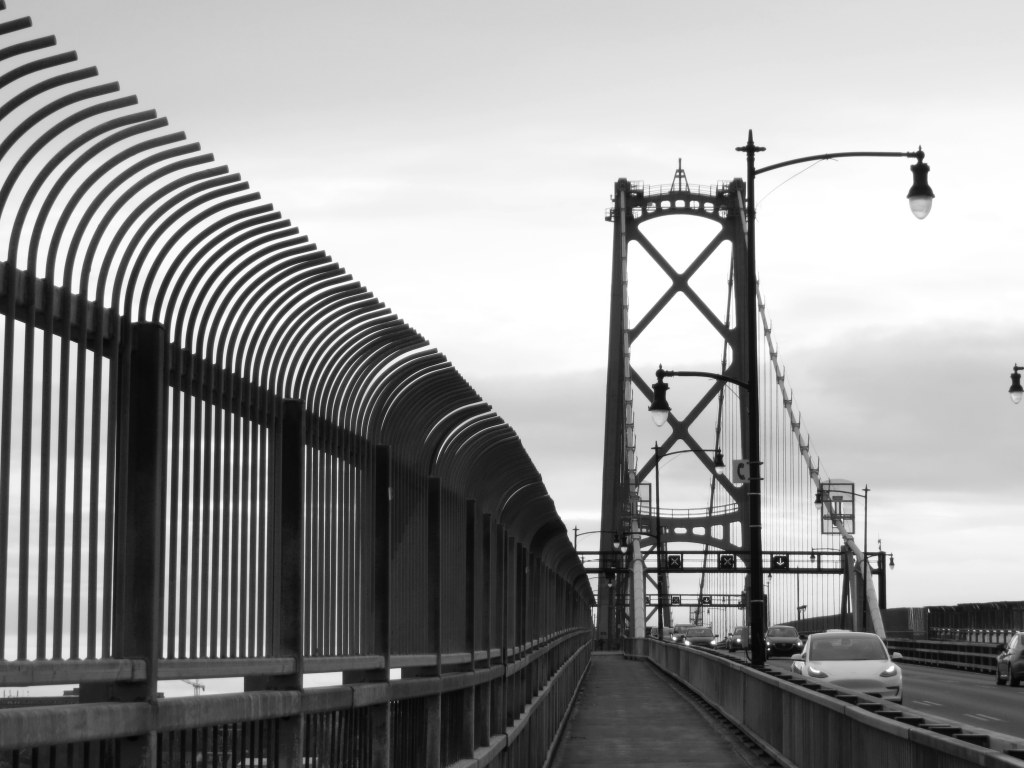
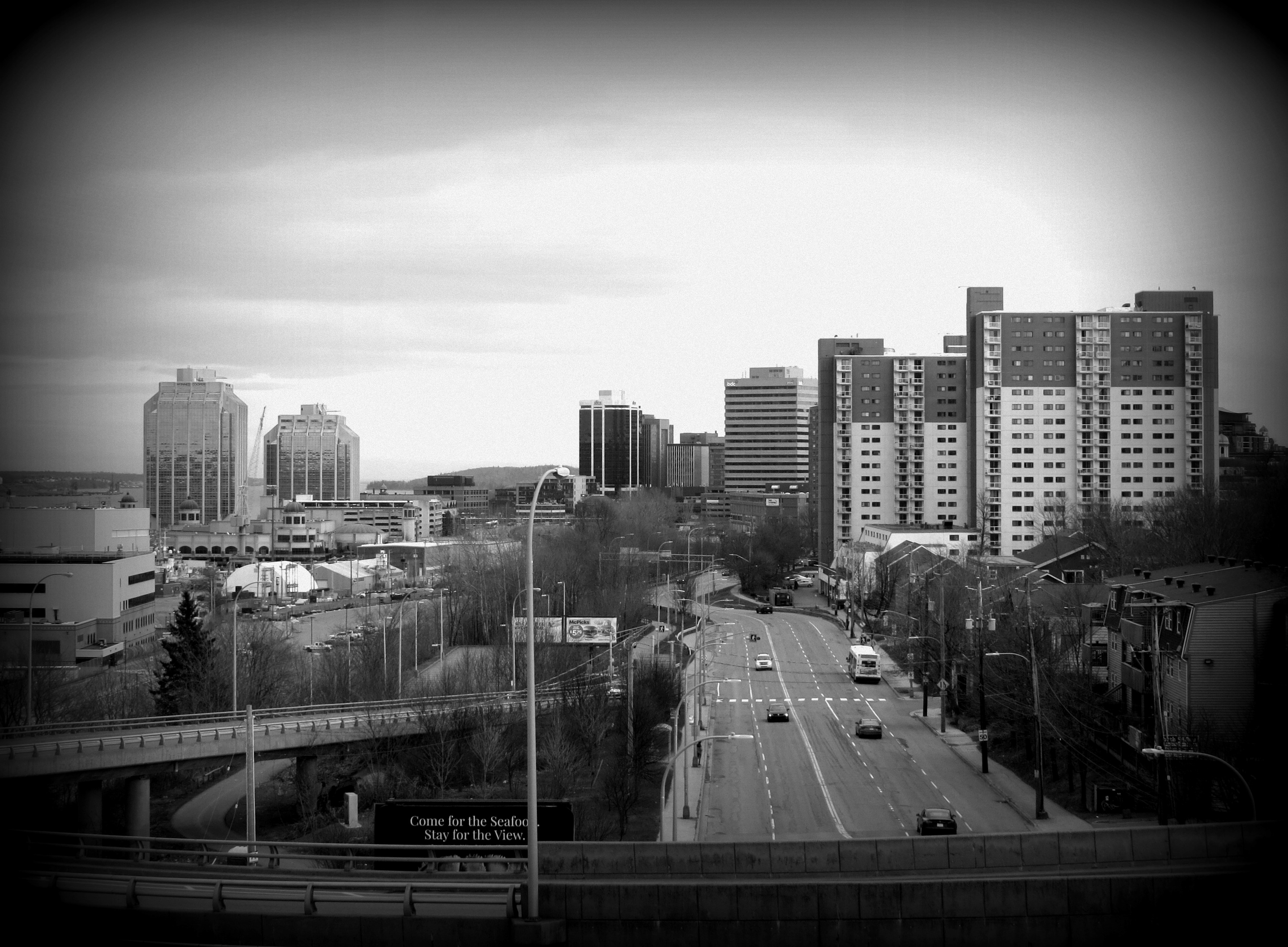
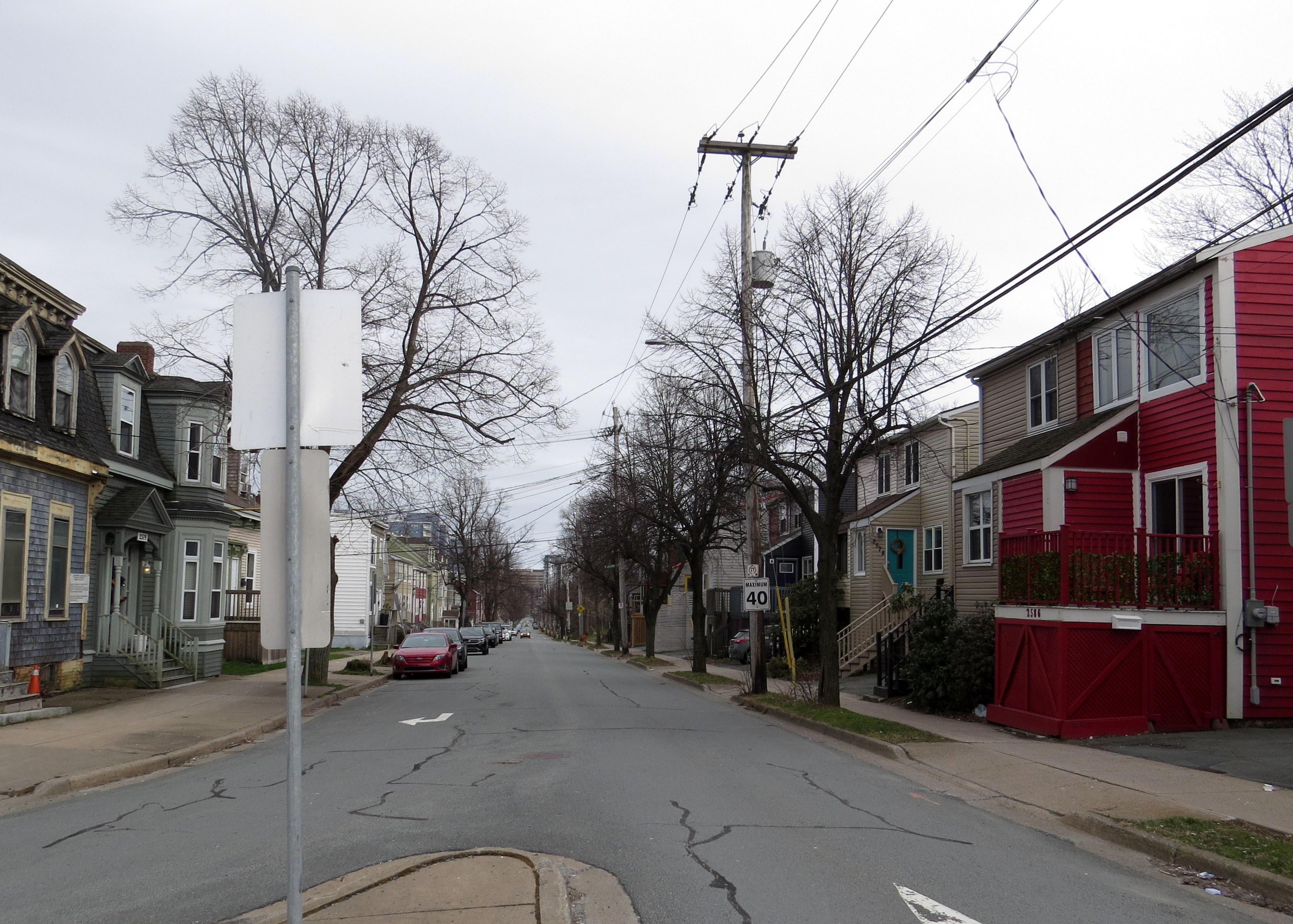
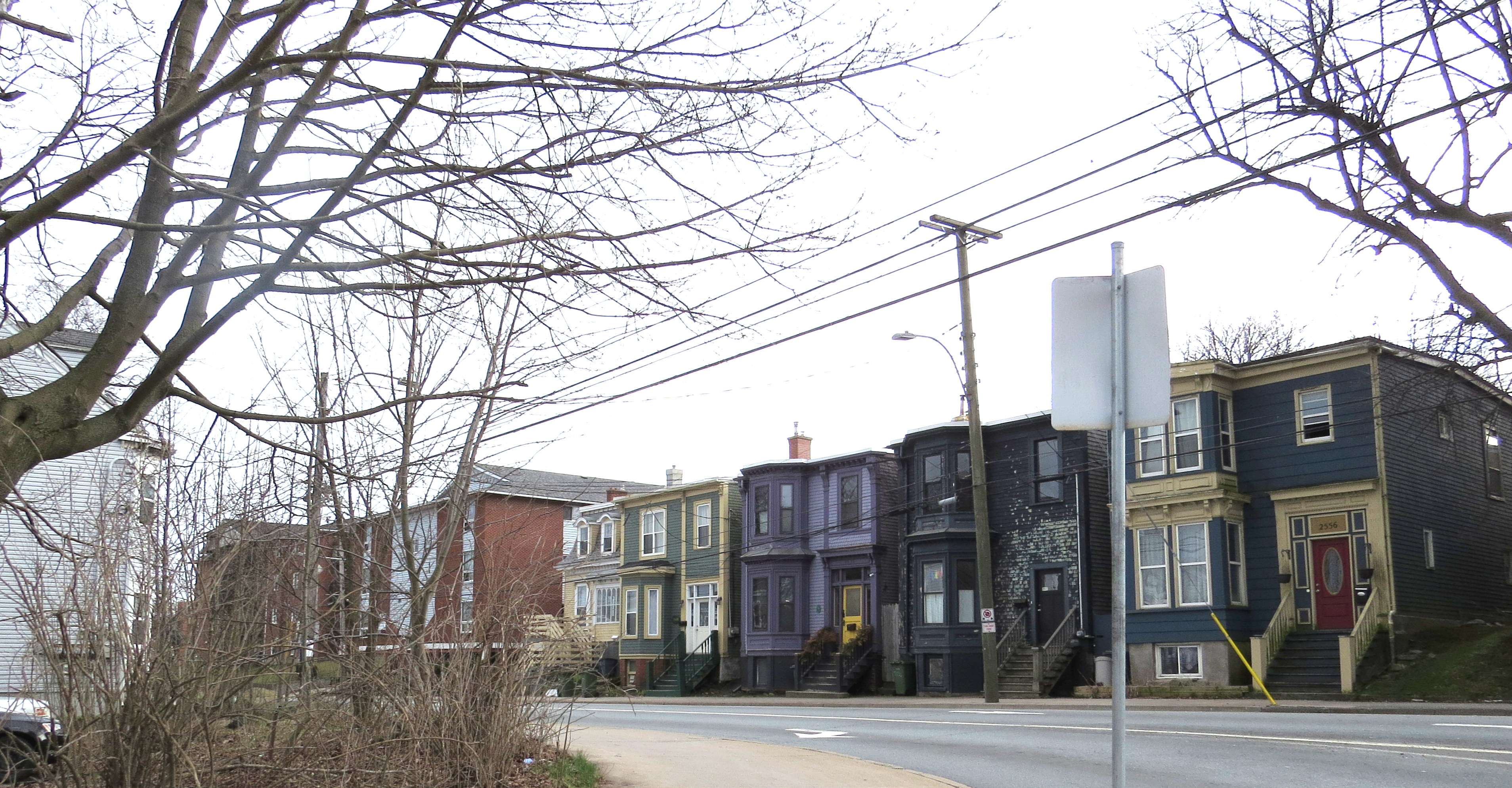
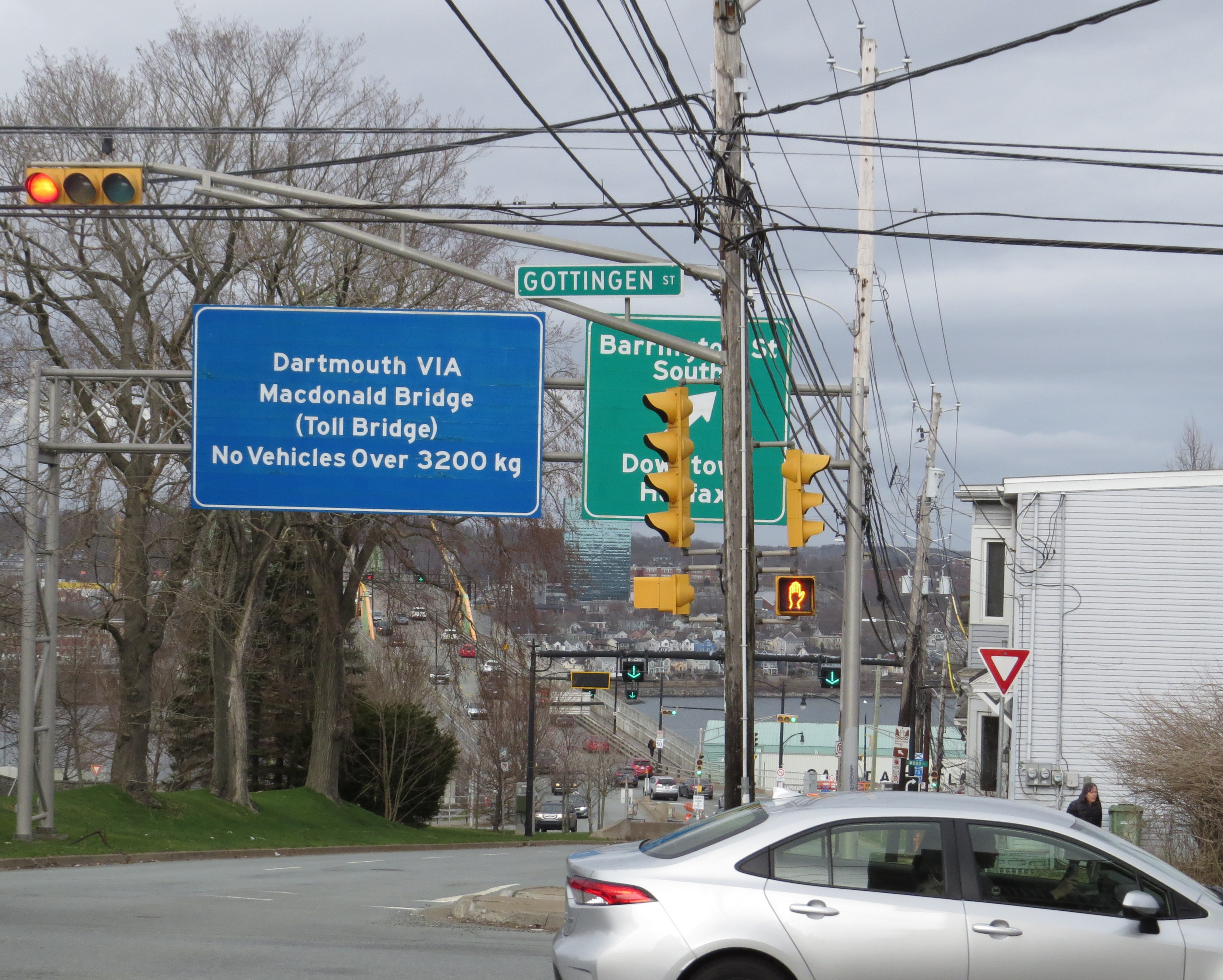
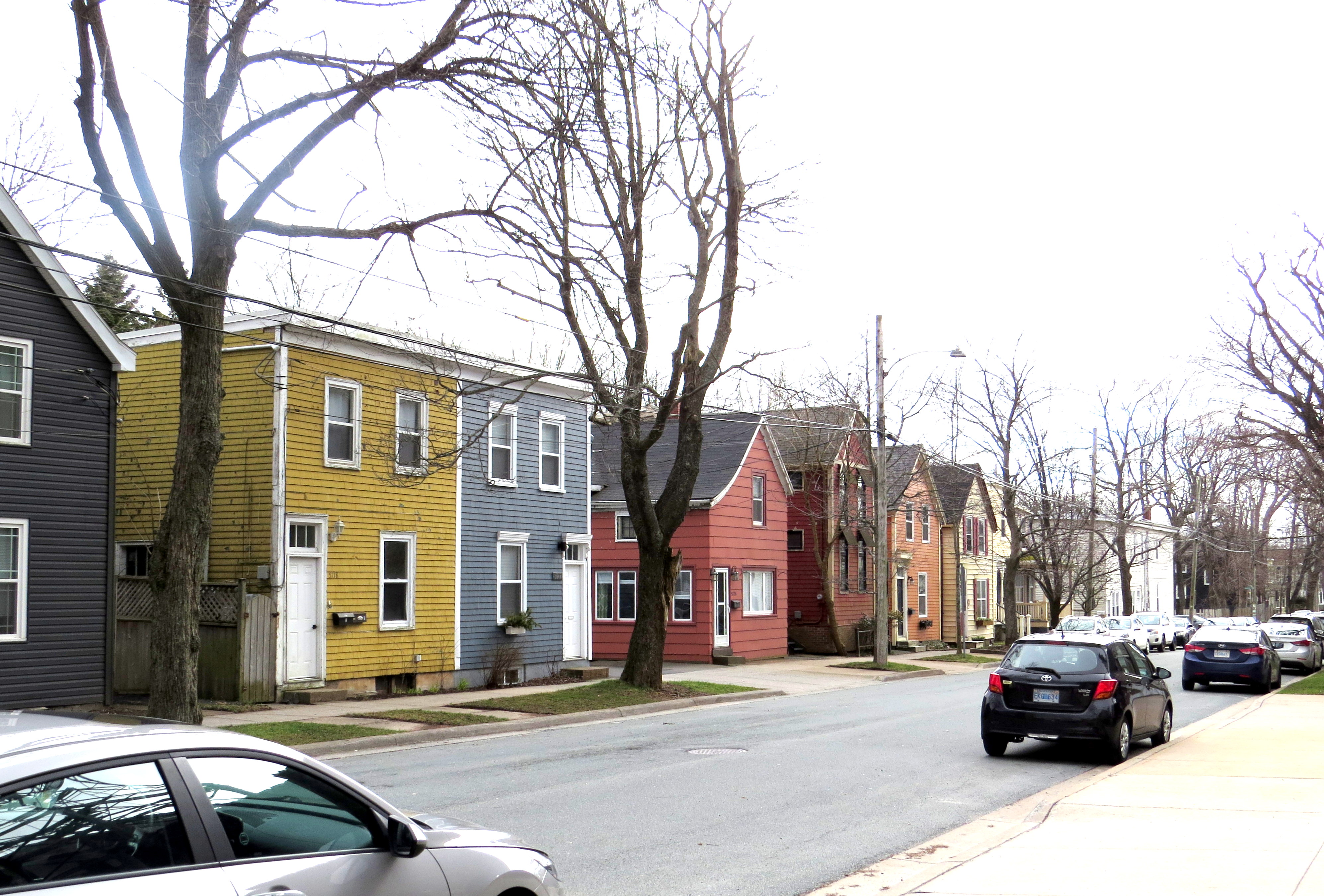
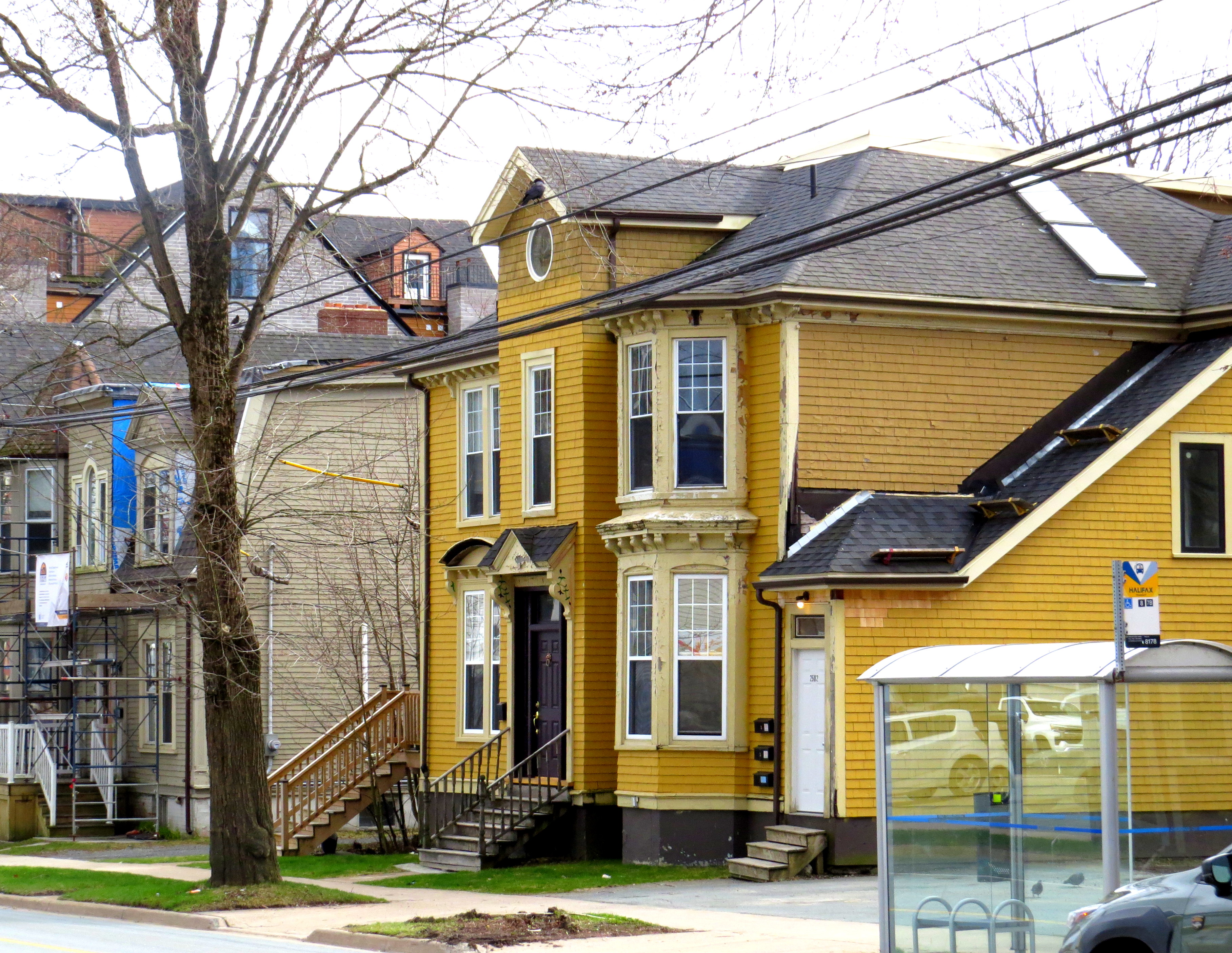
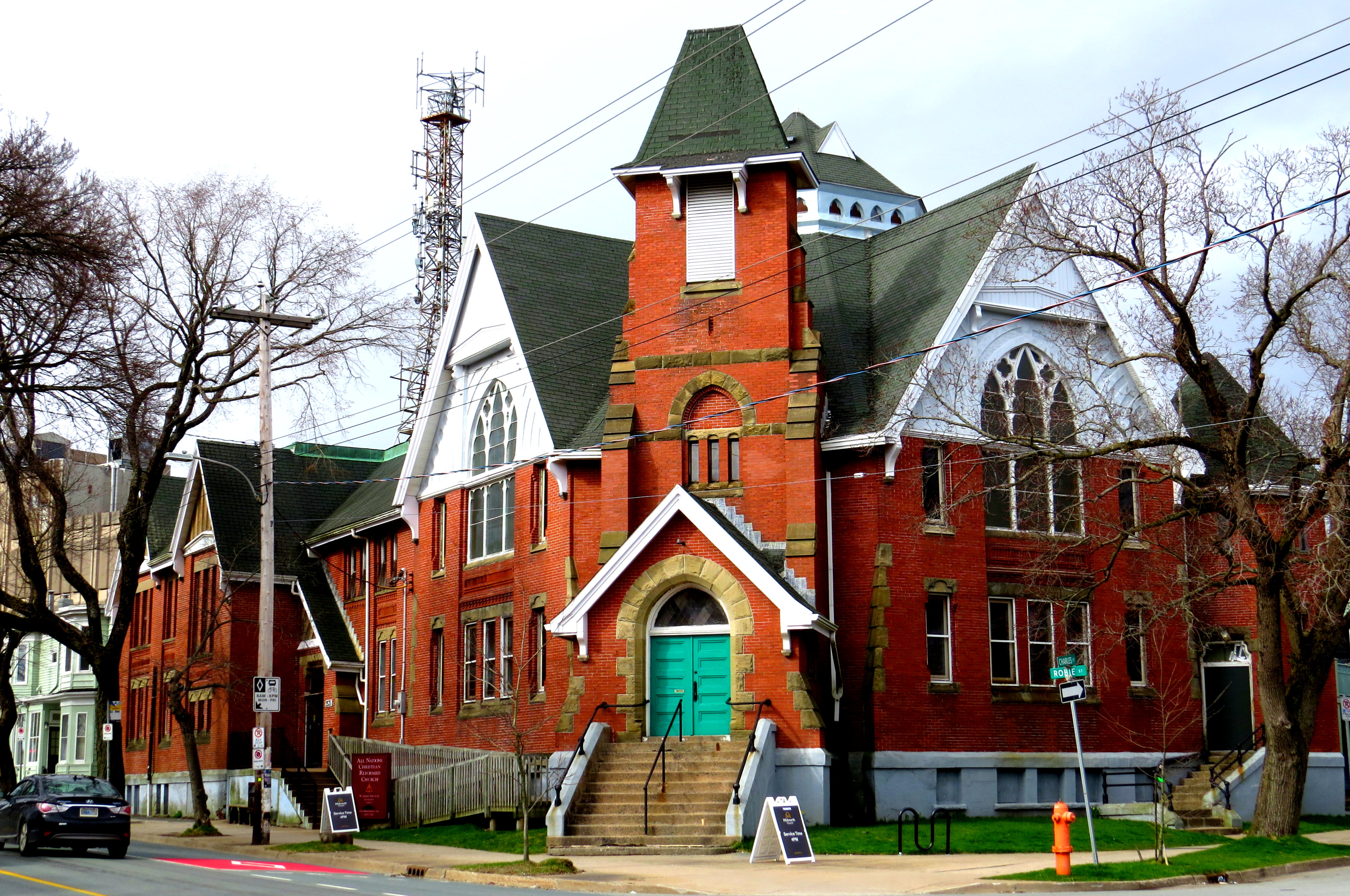
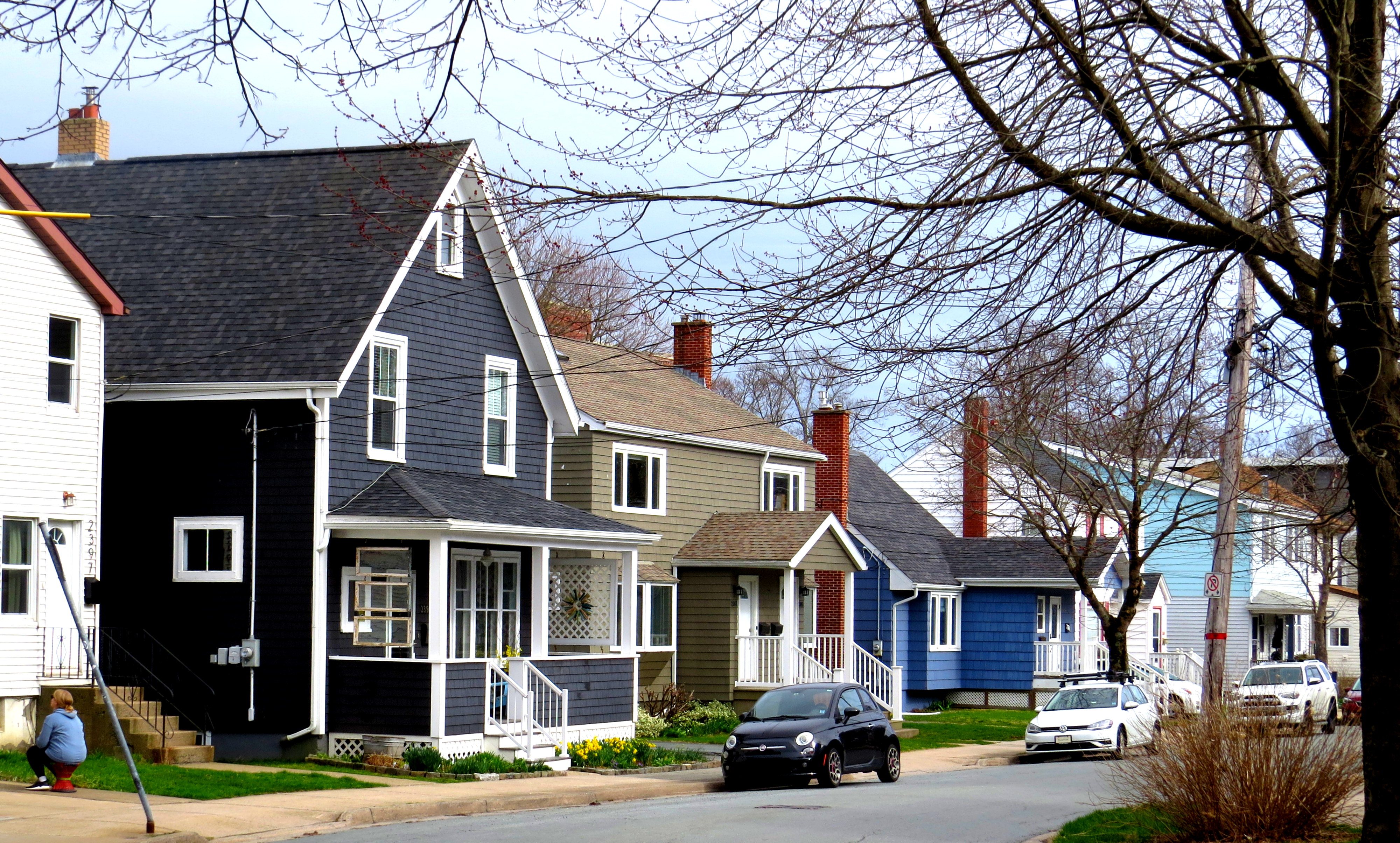
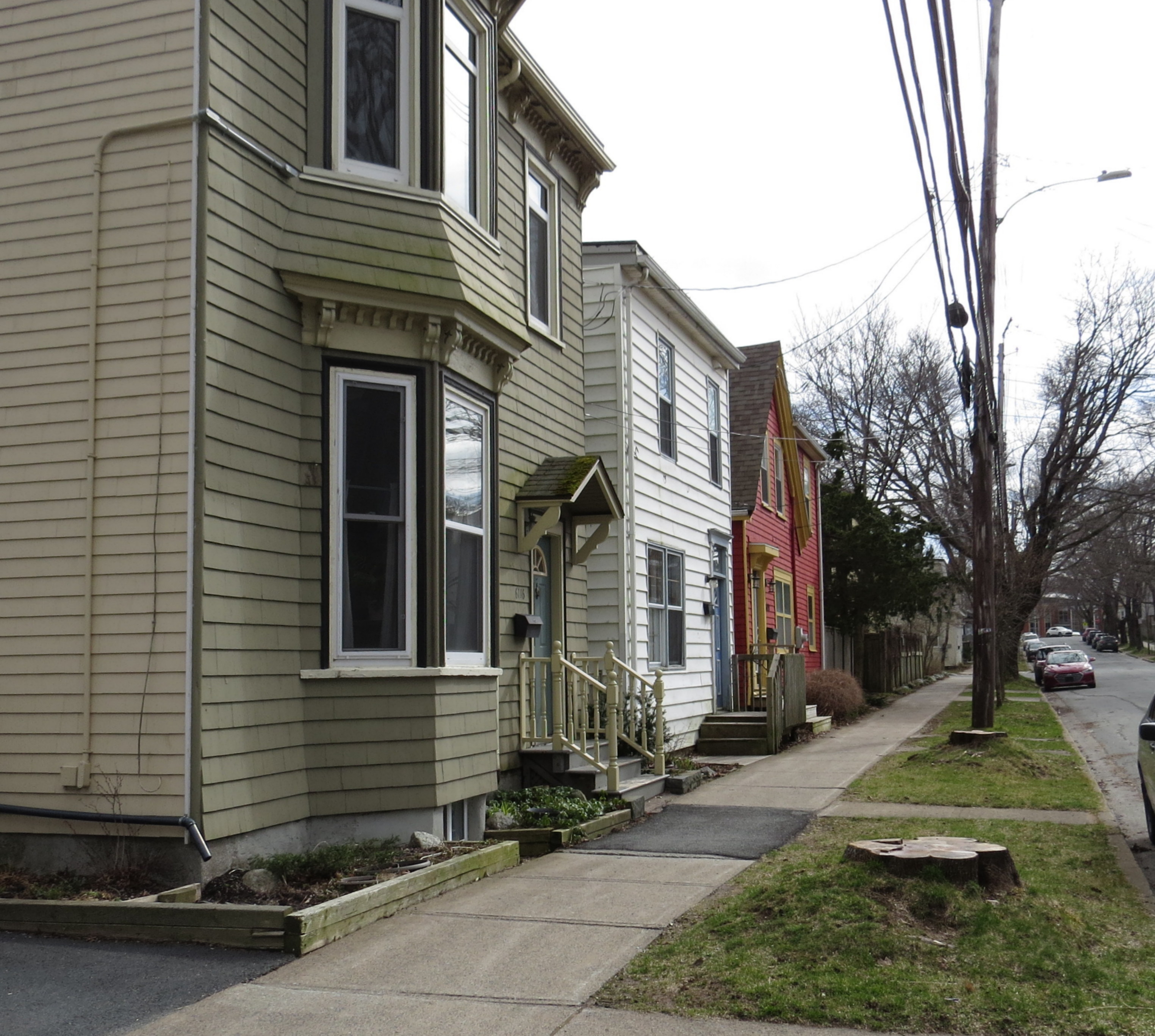
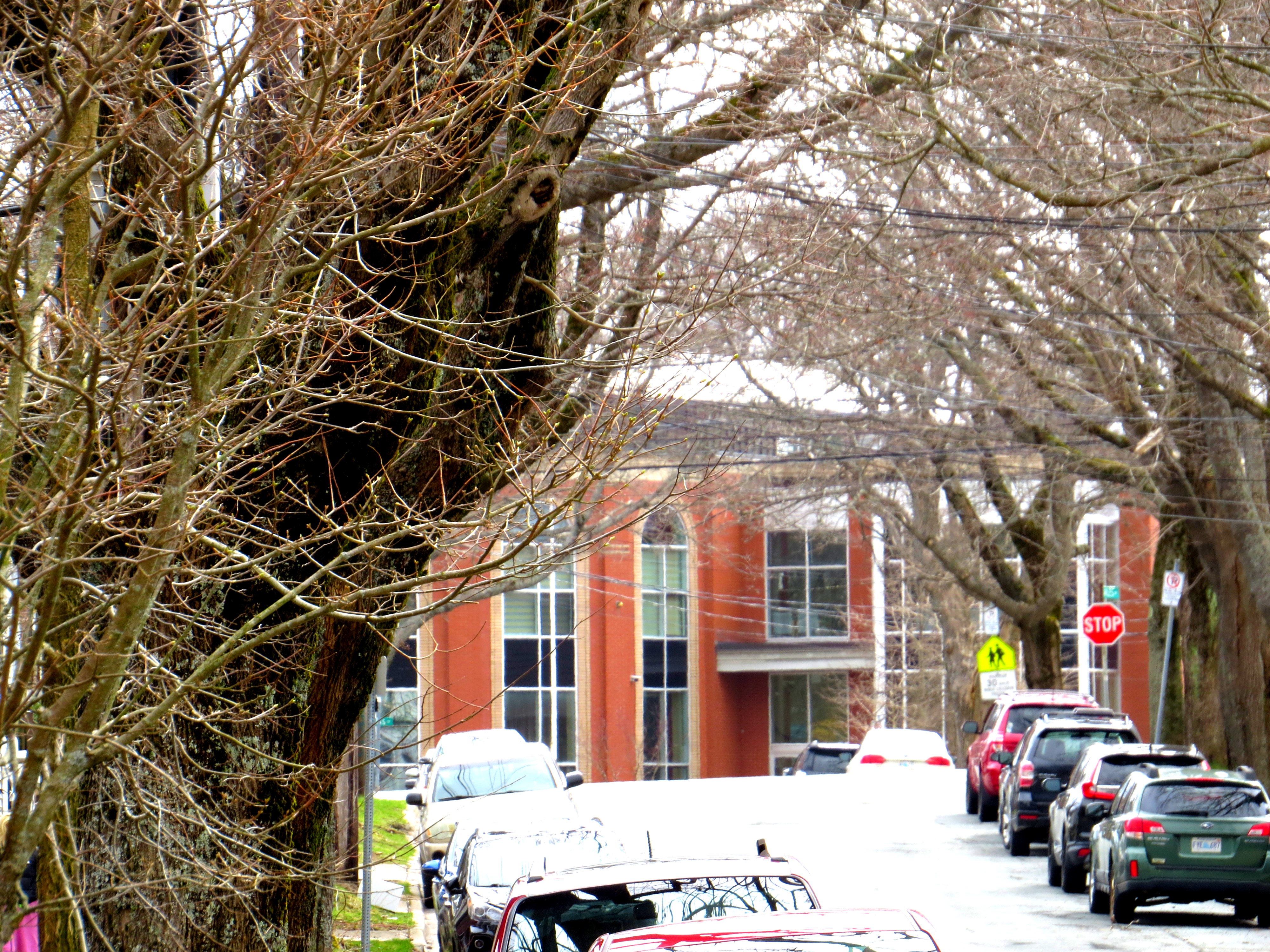
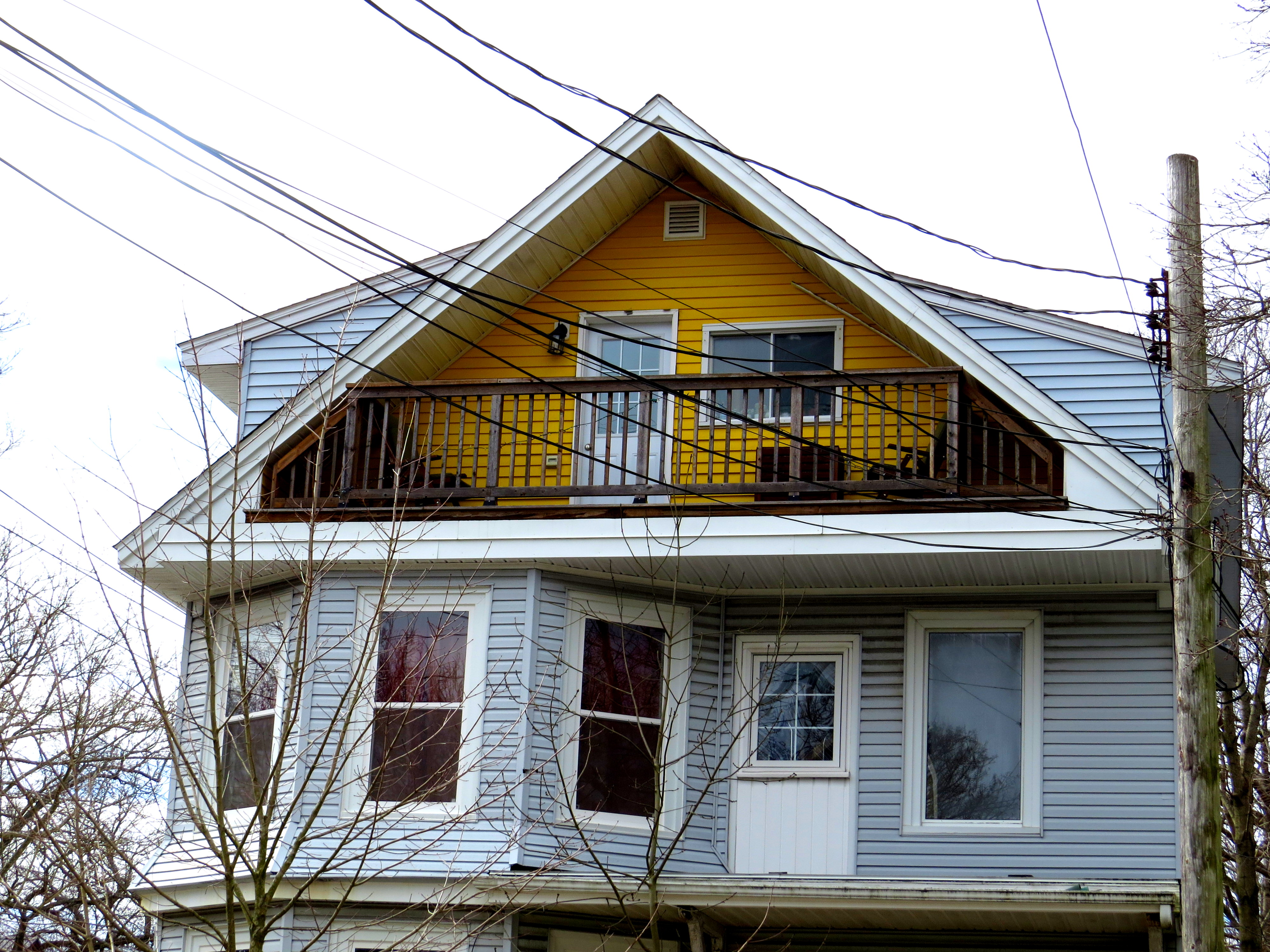
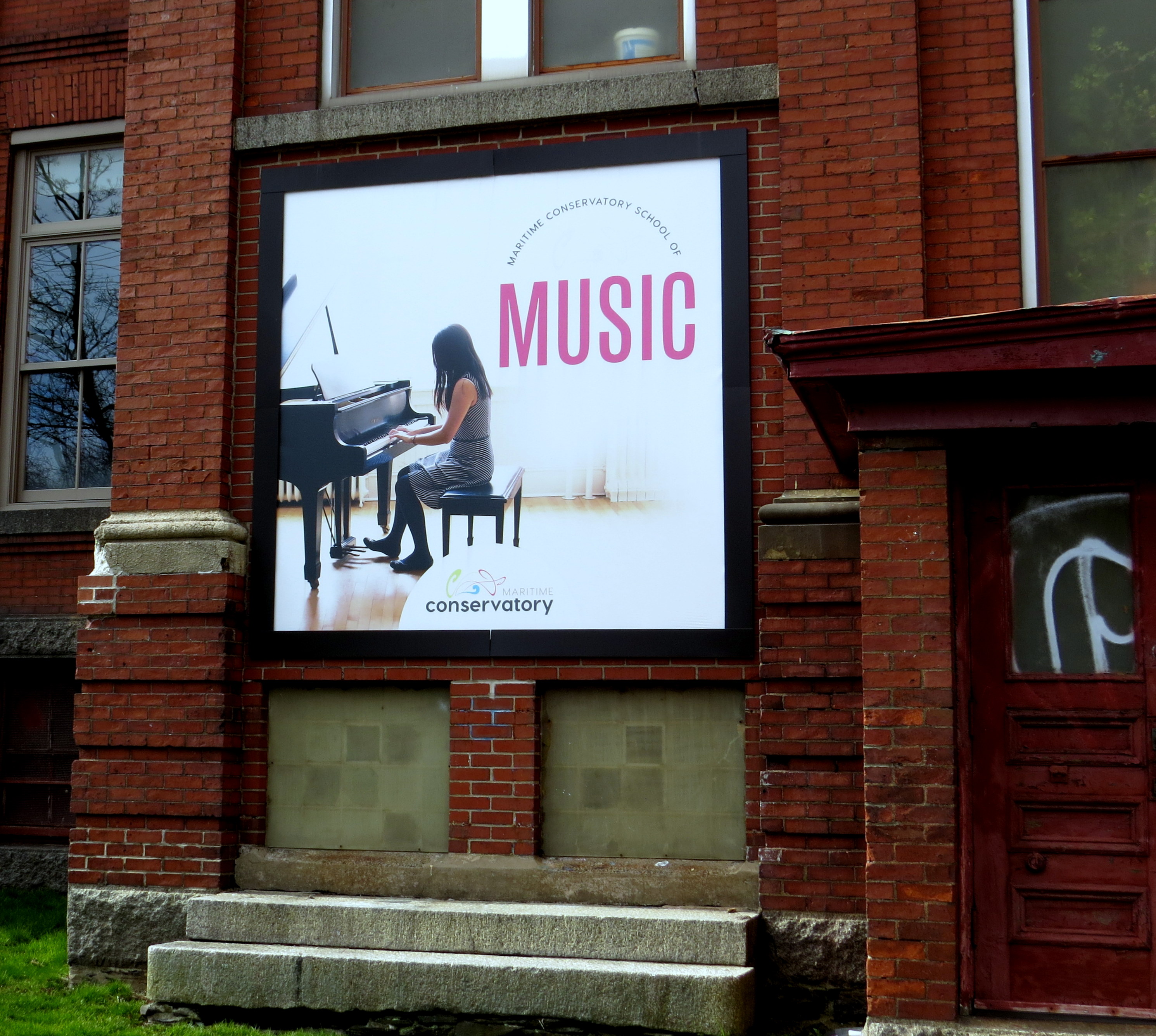
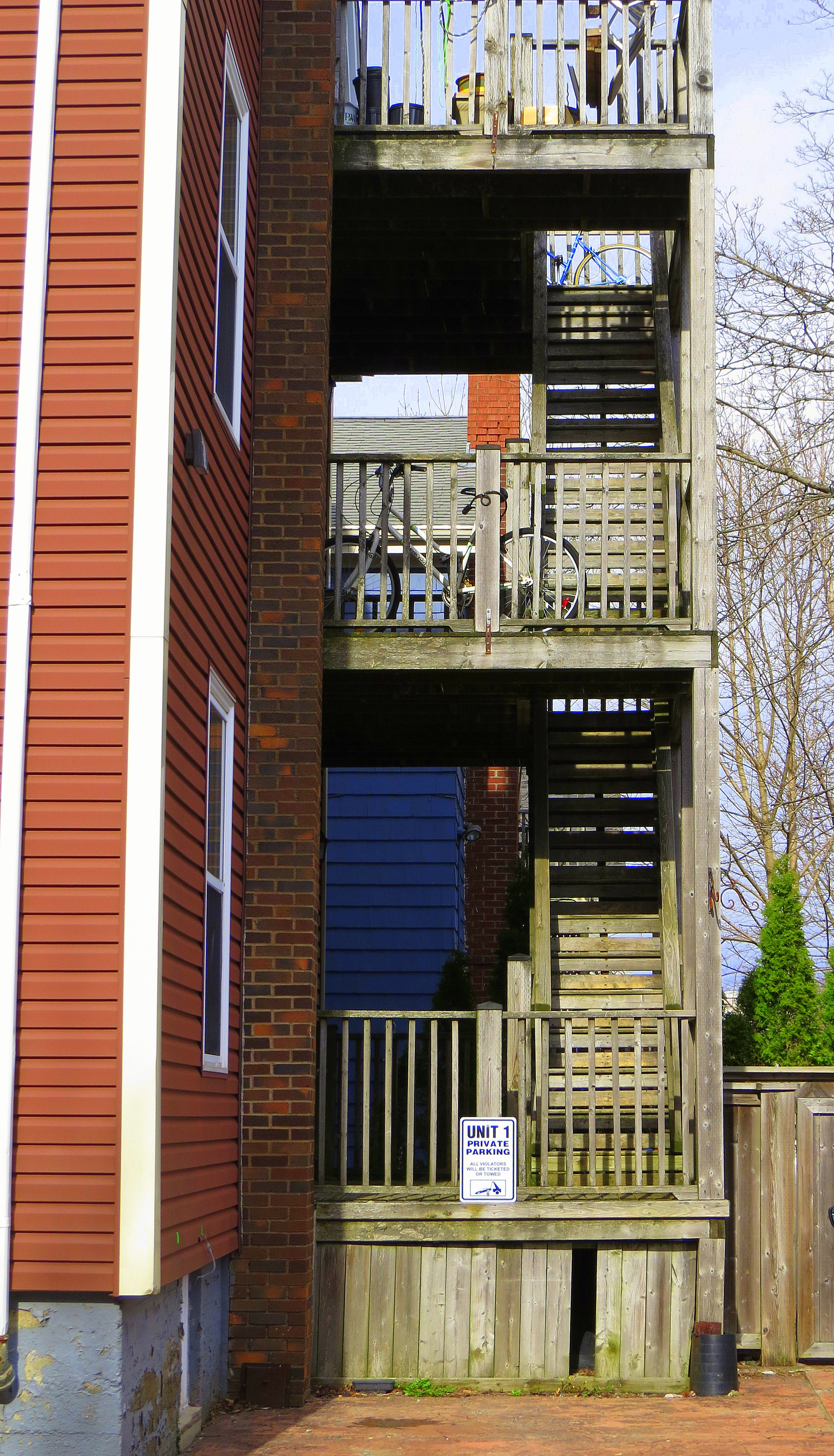
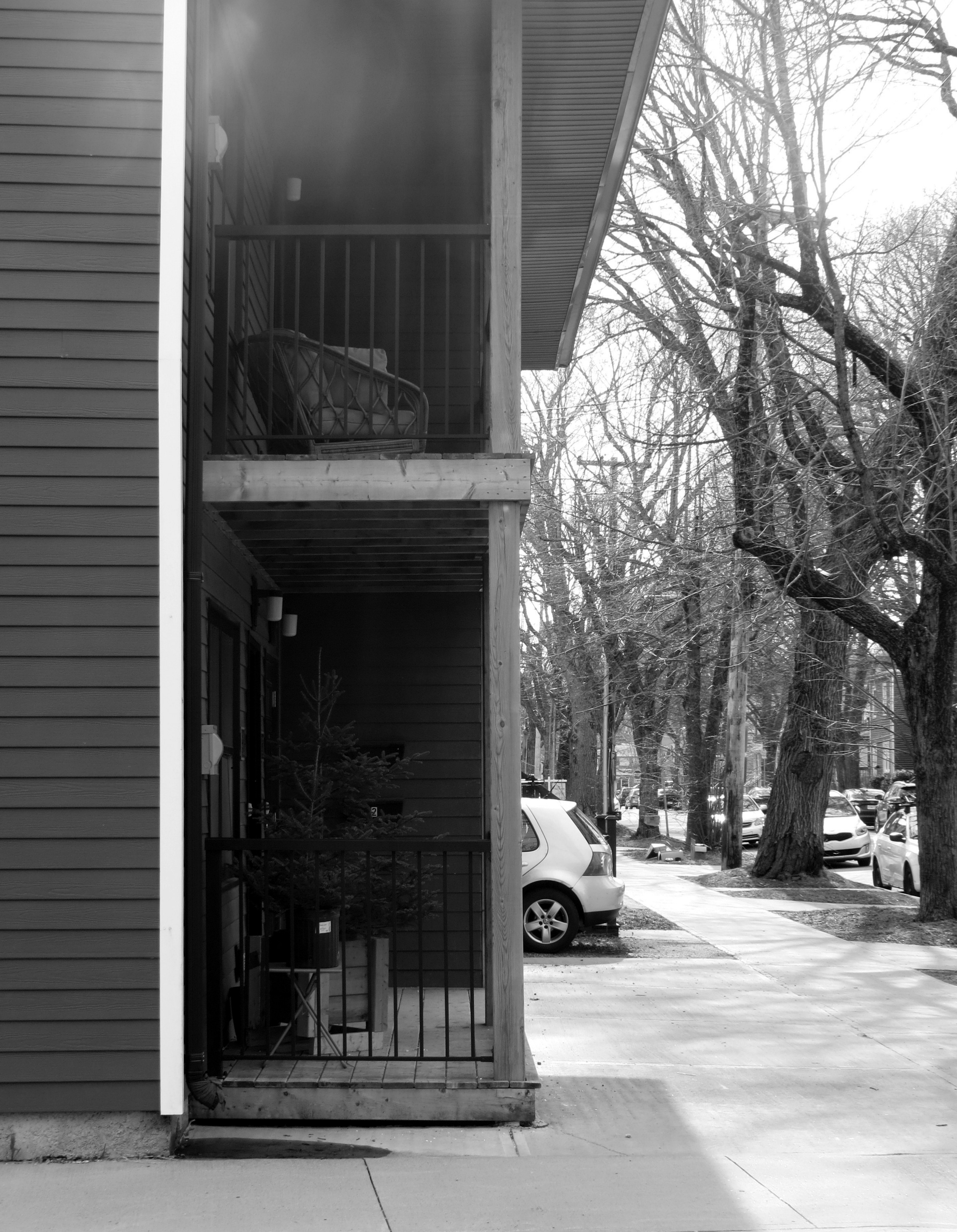
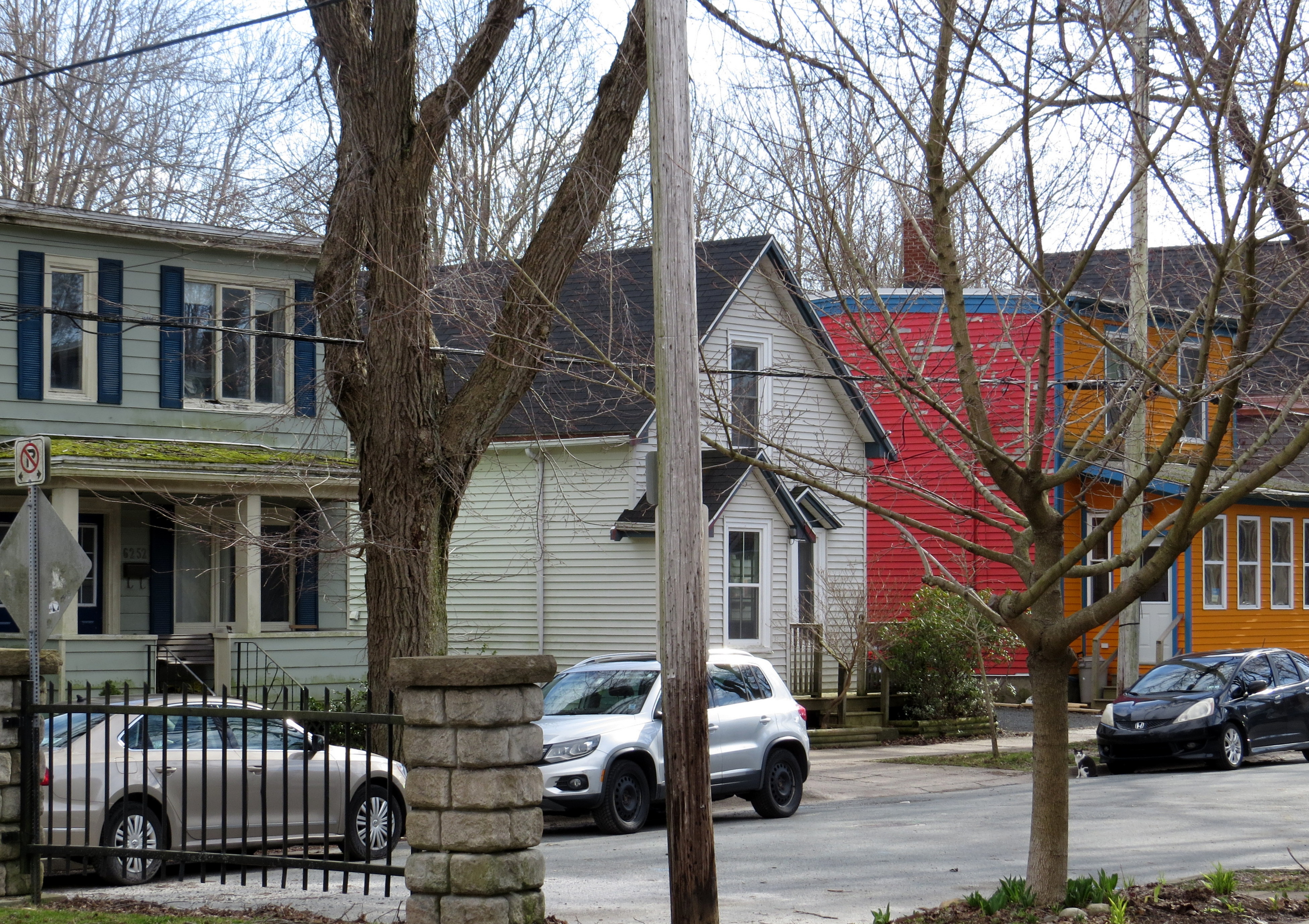
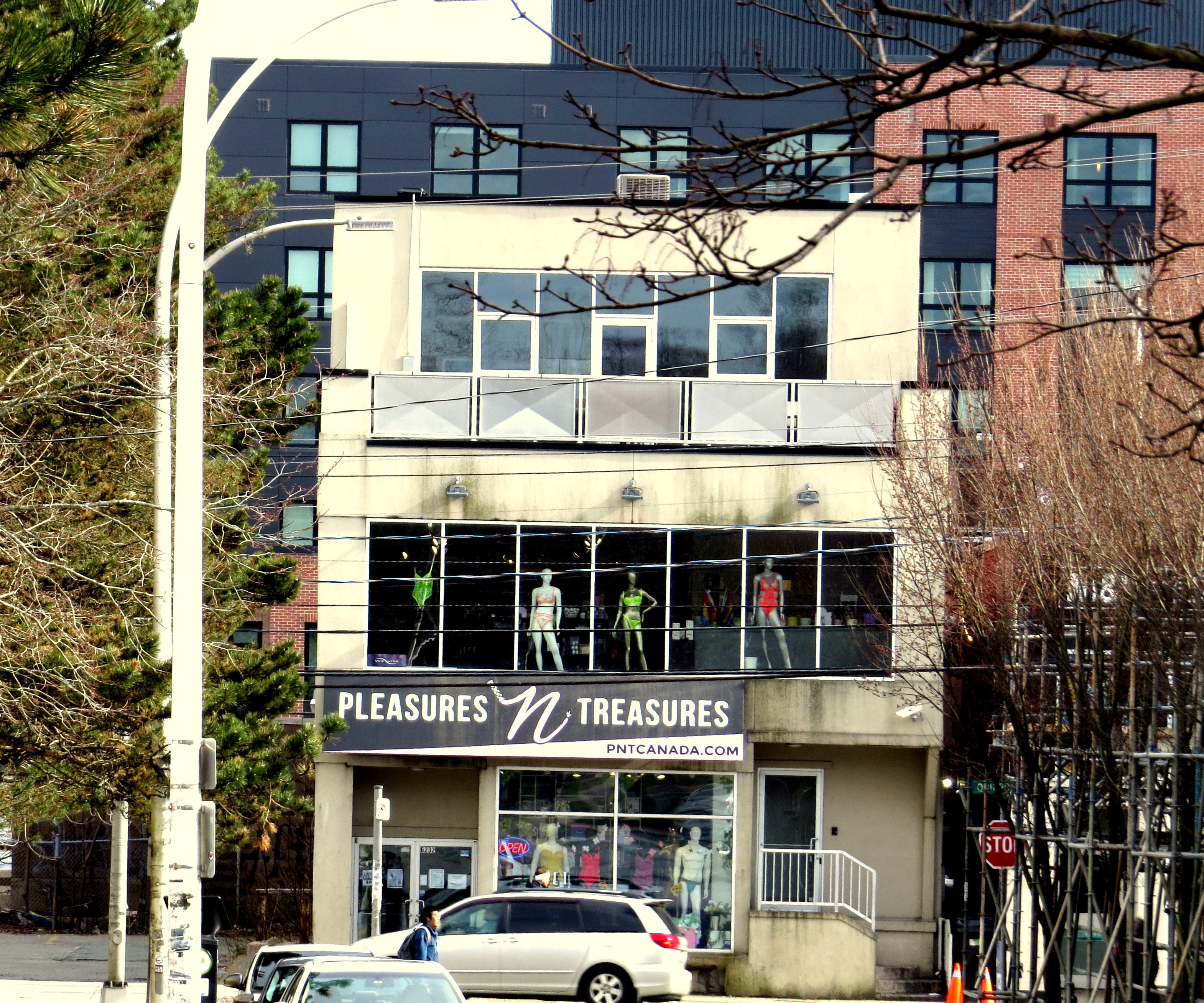
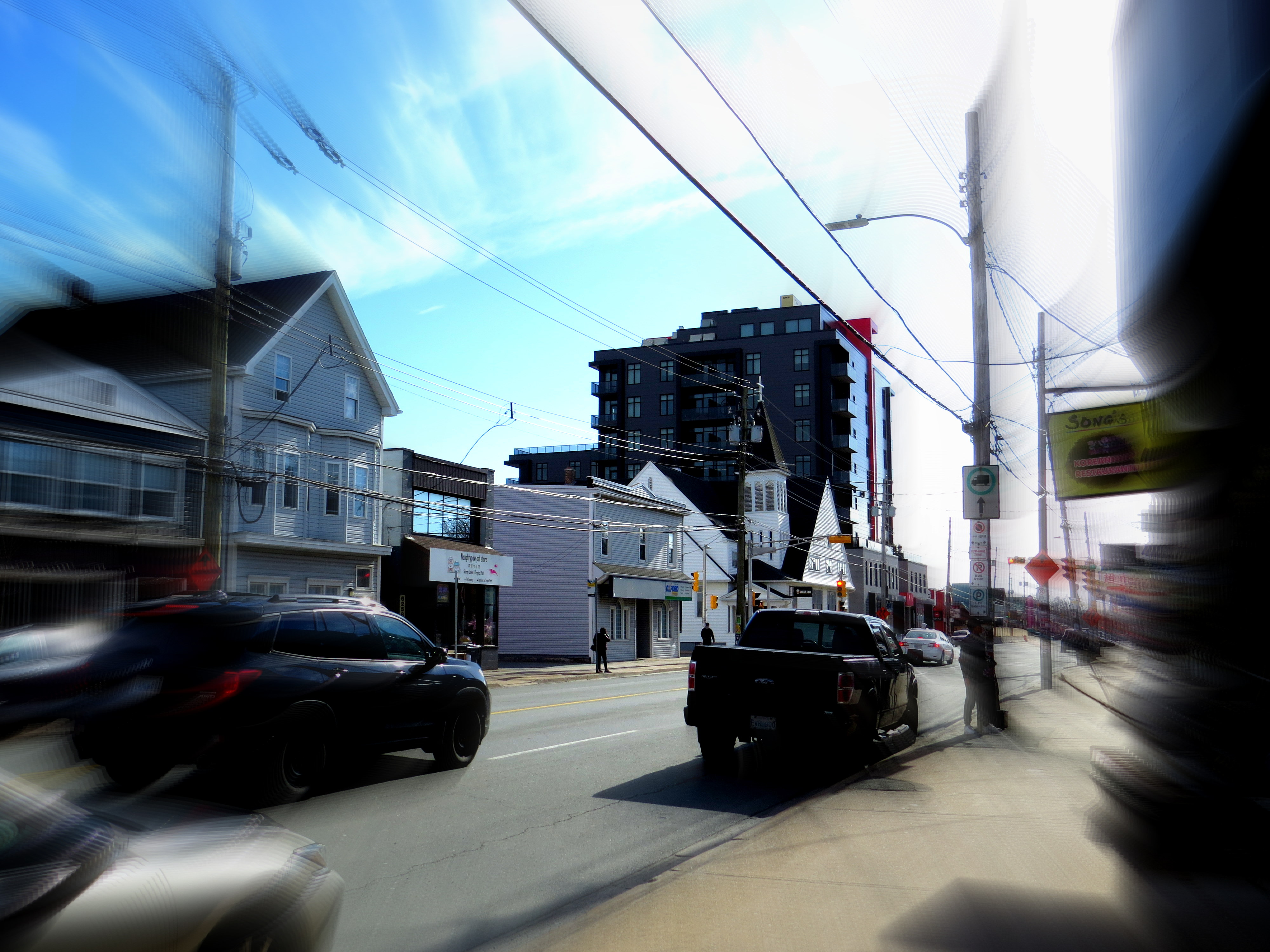
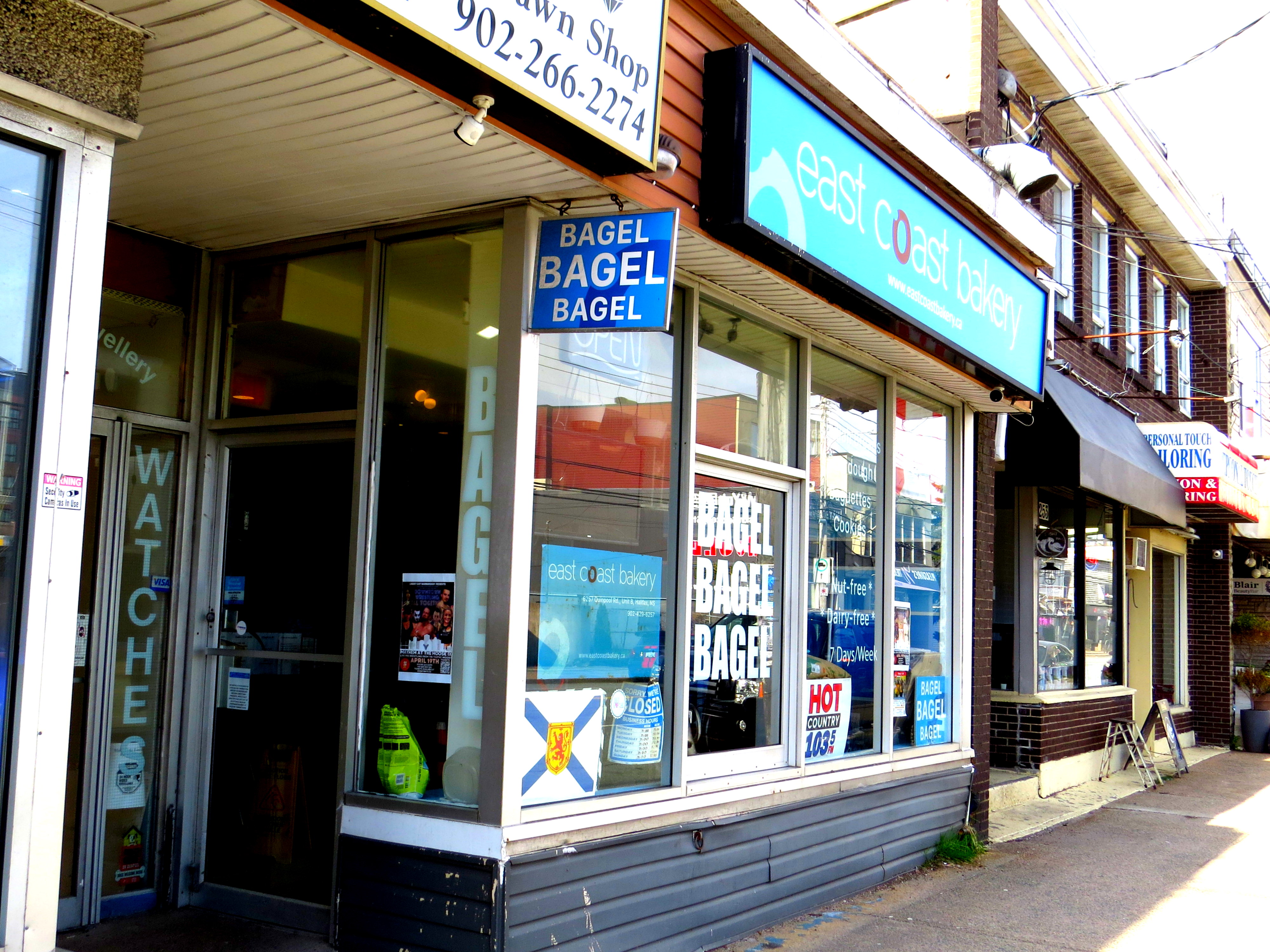
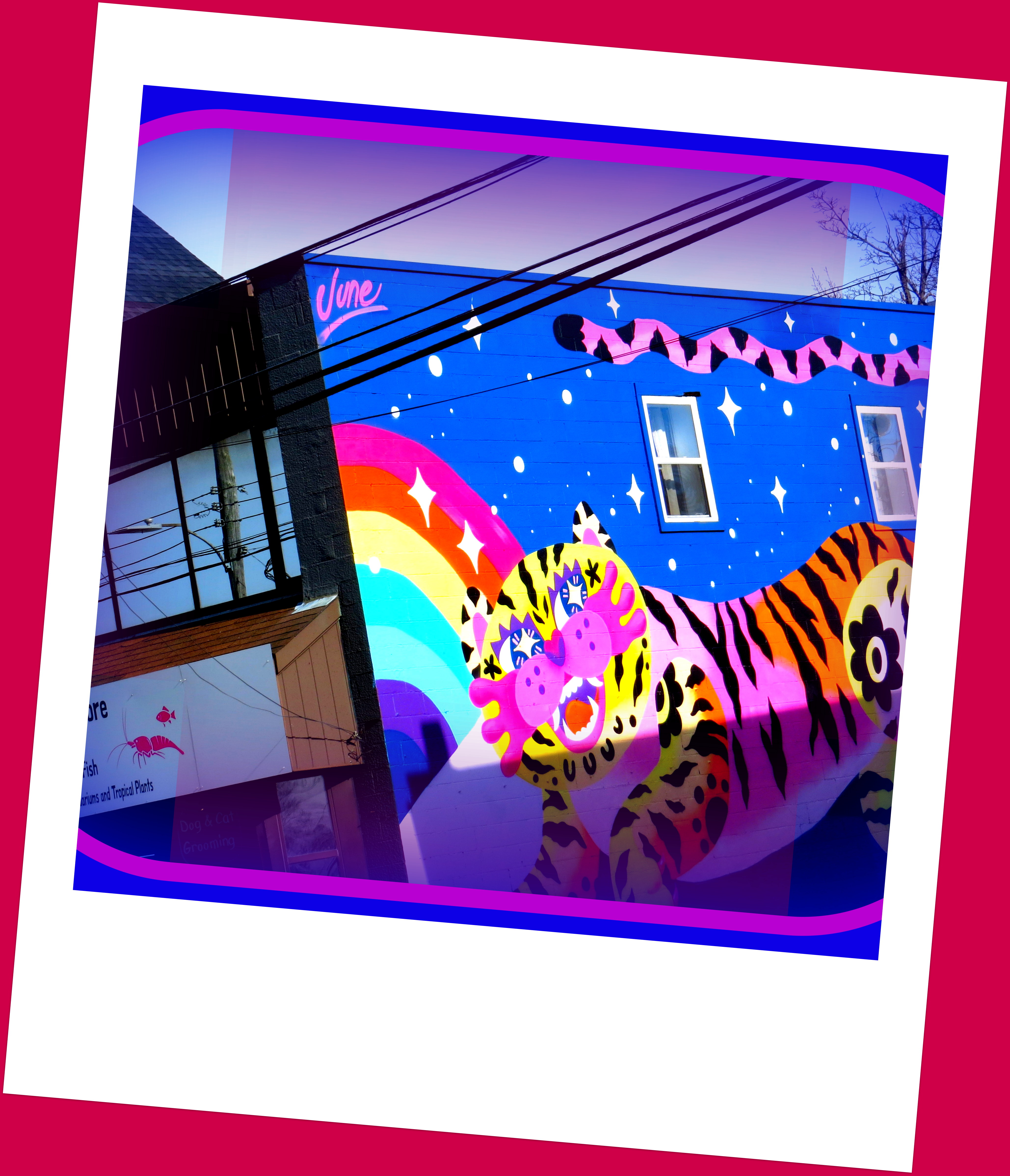
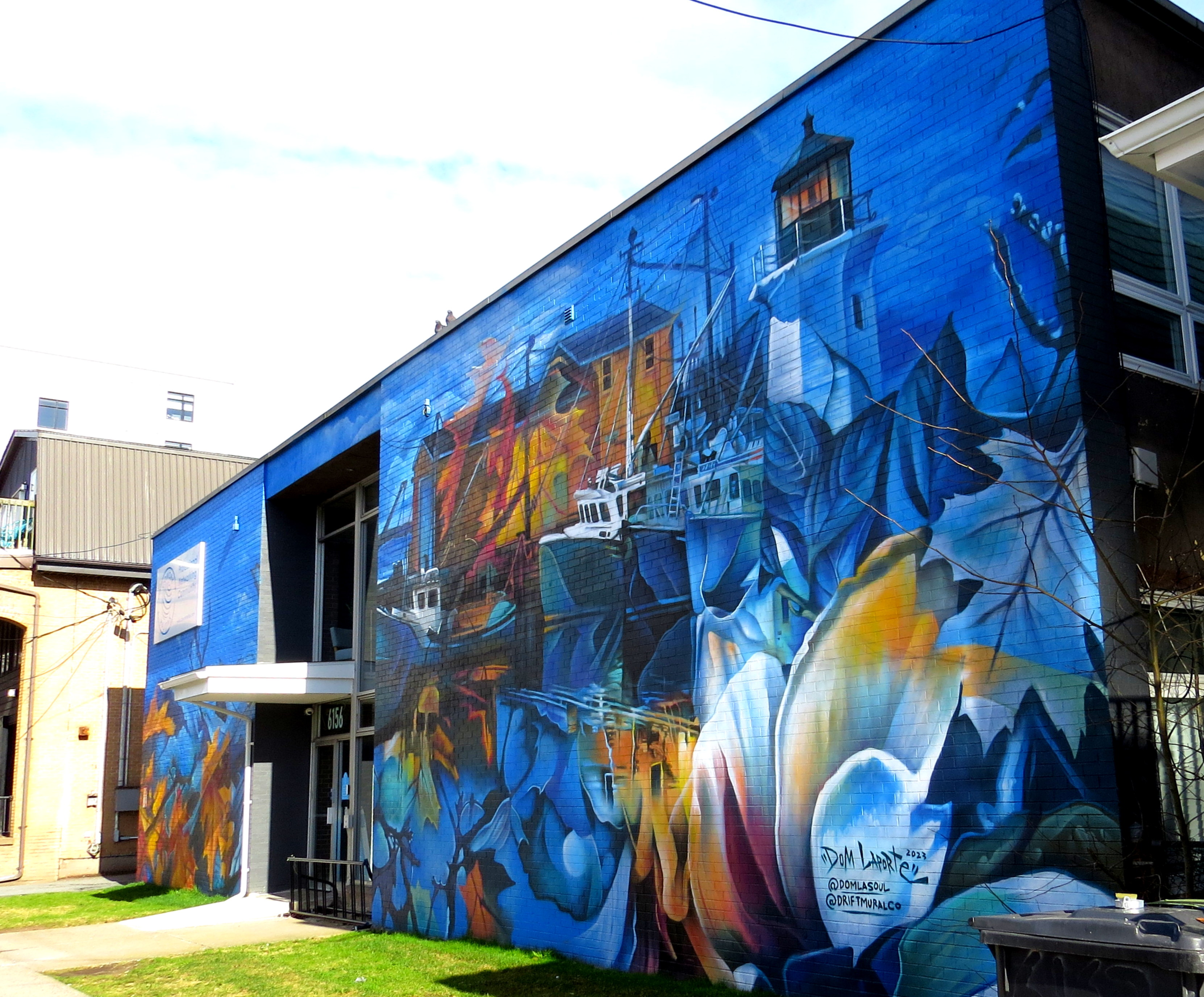
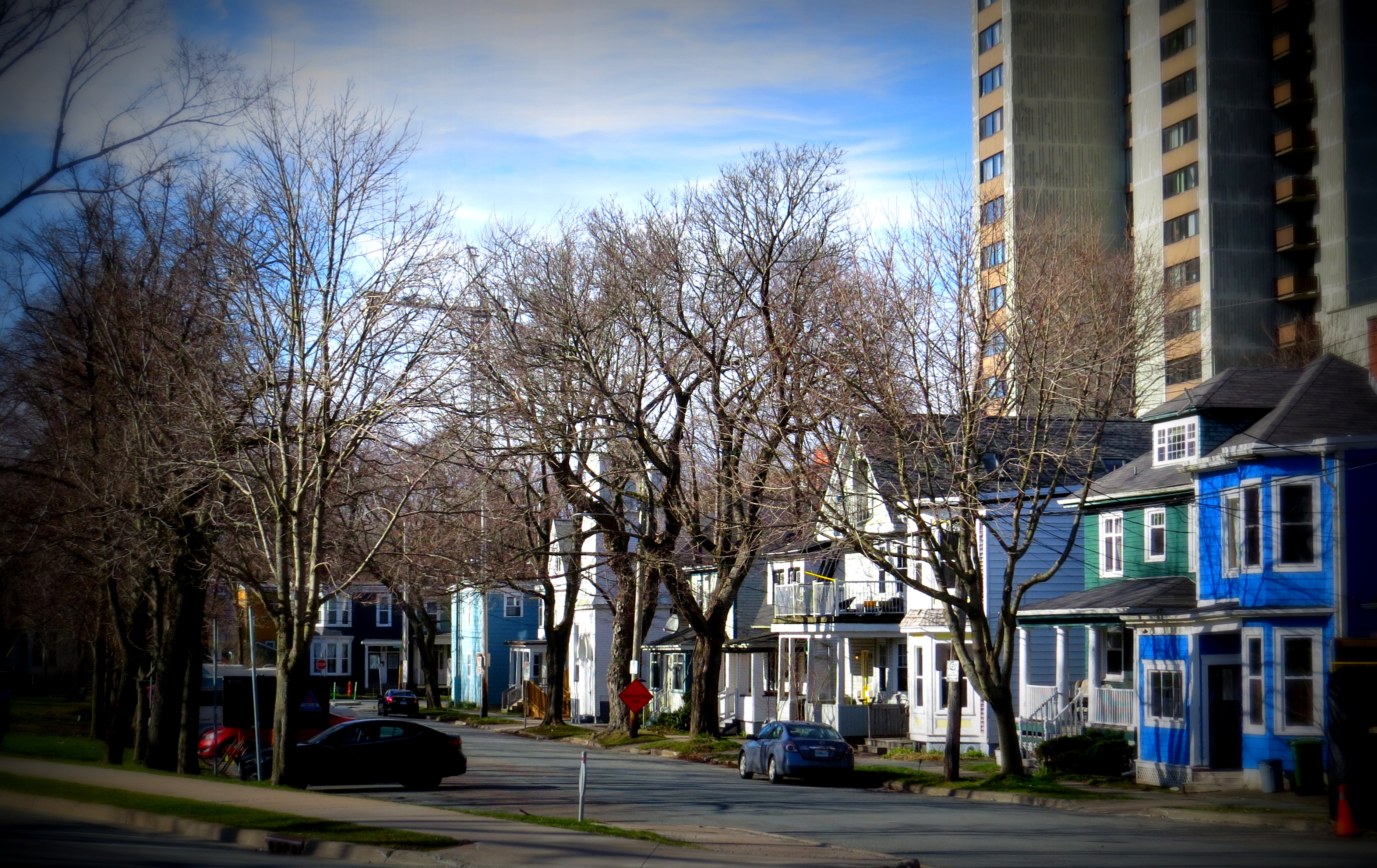
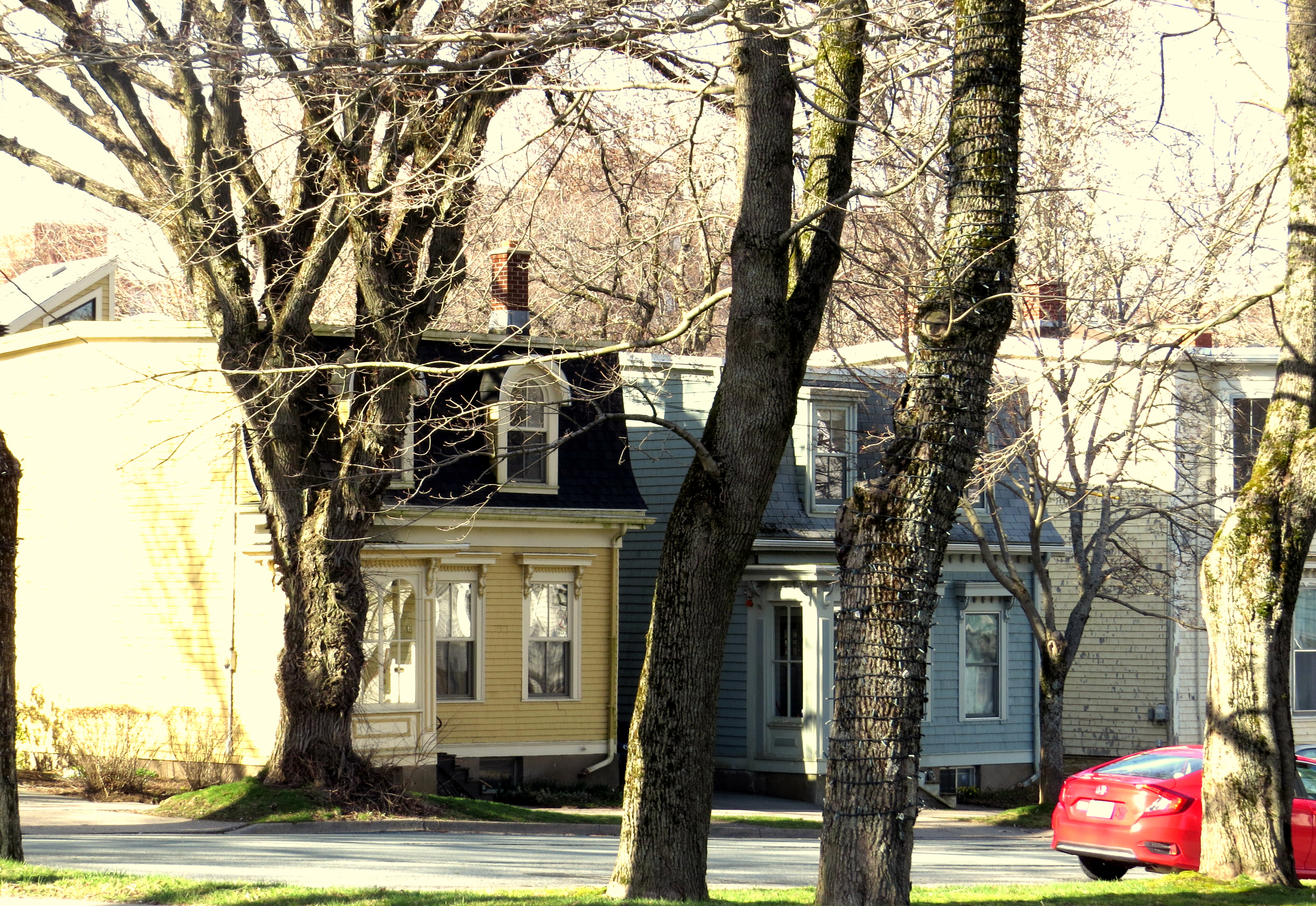
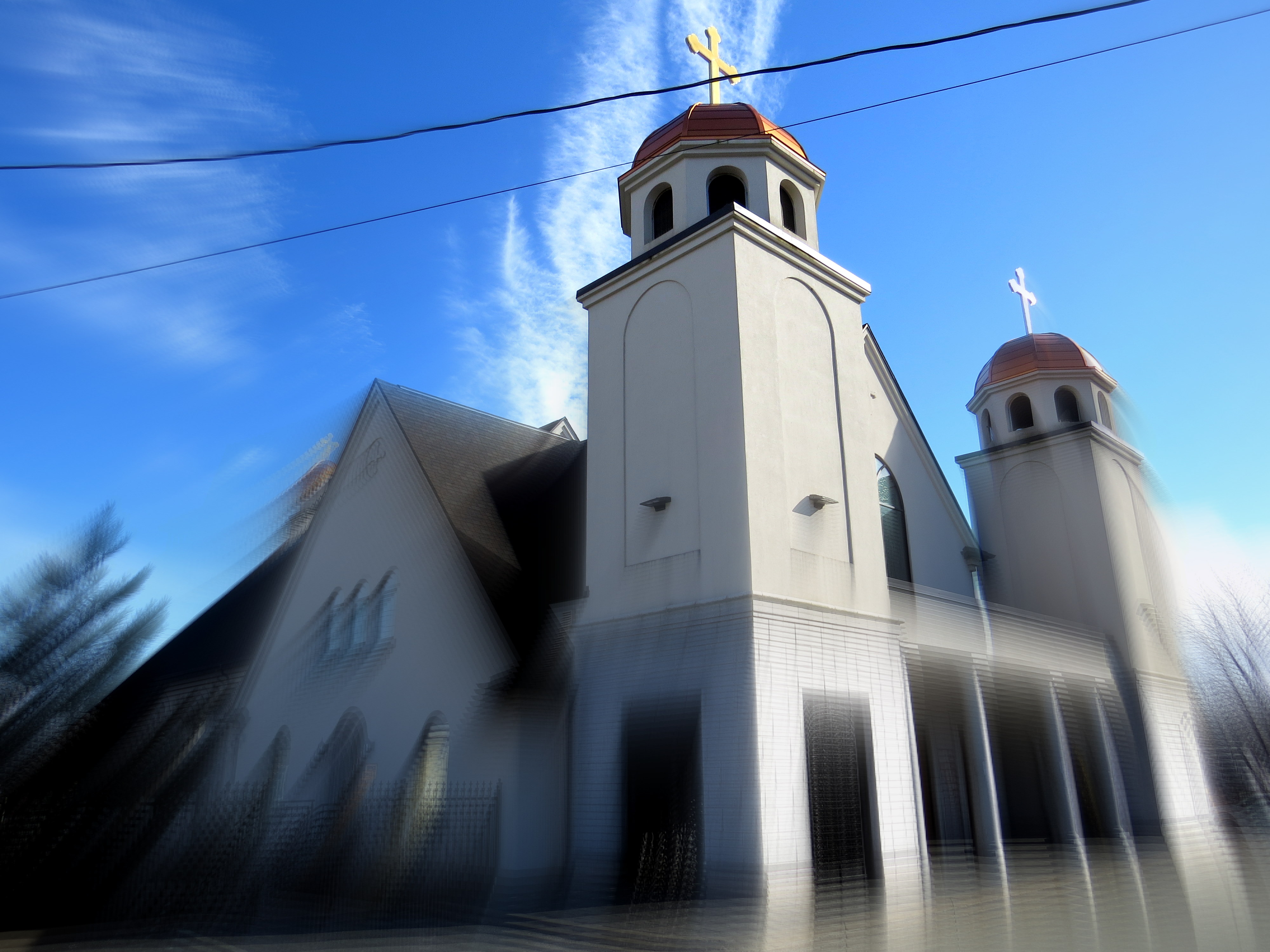
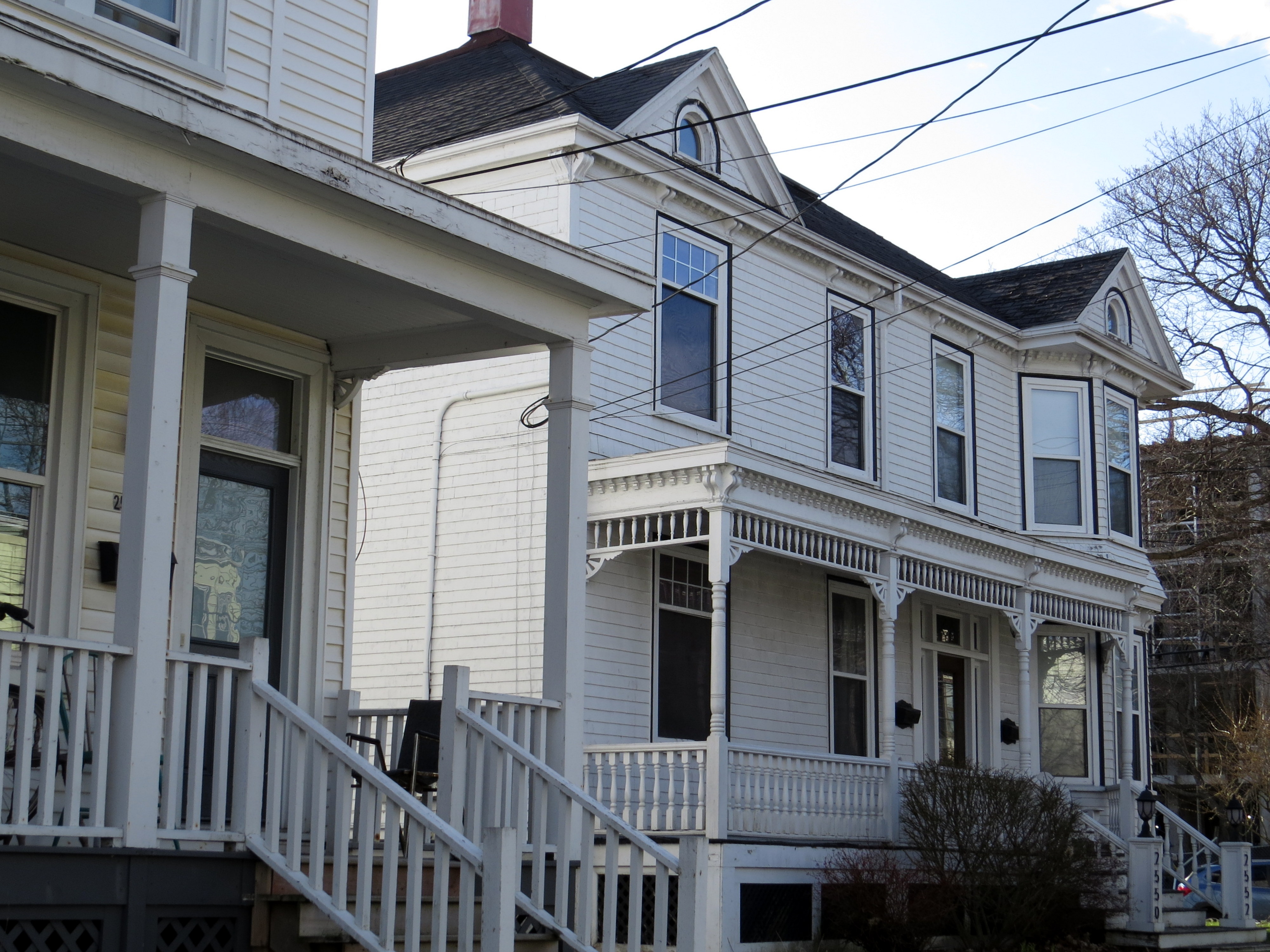
Tak, jak ten dzisiejszy spacer przez most z Dartmouth do Halifaksu i dalej uliczkami tego specyficznego miasta. Uliczkami tego żywego Halifaksu, Halifaksu jego mieszkańców a nie turystów, z dala od Waterfront i zabytkowego Centrum. Halifaksu zamkniętego granicami ulic North, Quinpool, Agricola i Oxford, a więc odsuniętego też trochę od zupełnie innej charakterystyki świata studentów i pracowników rozległego terenu Uniwersytetu Dalhousie.

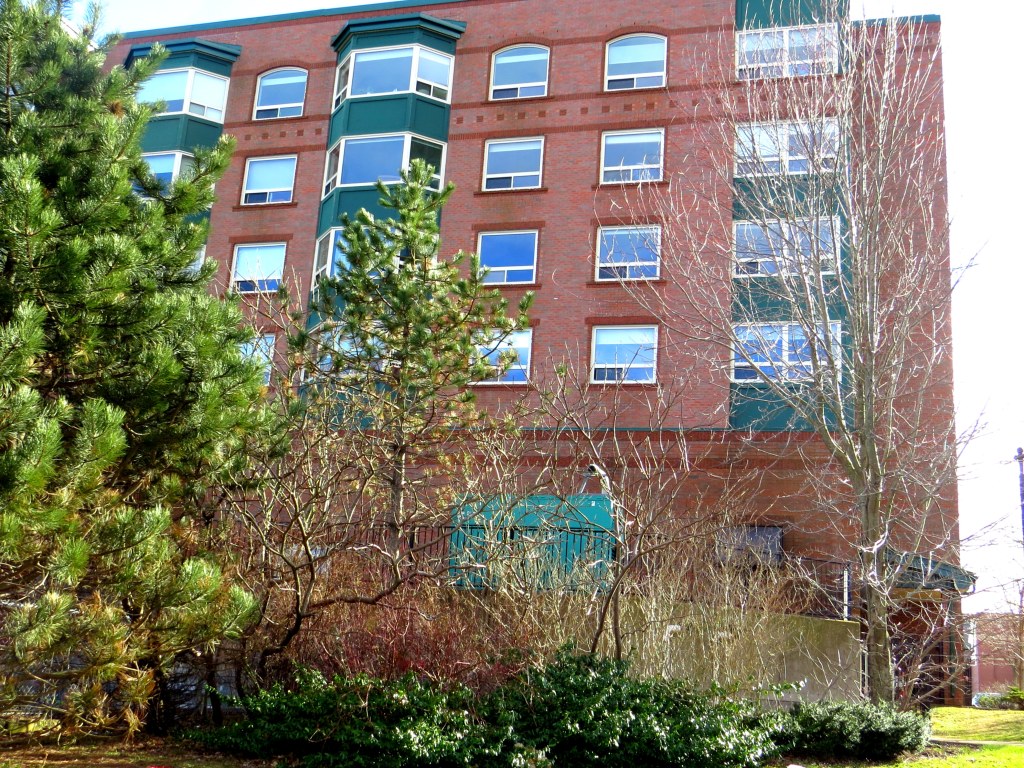
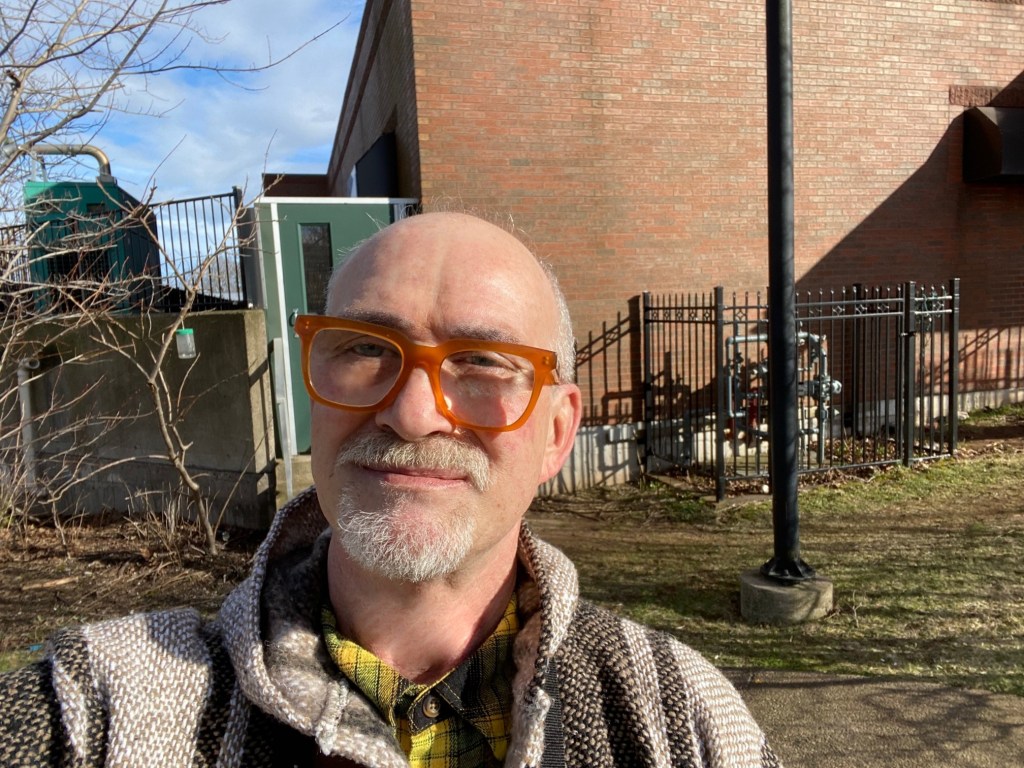
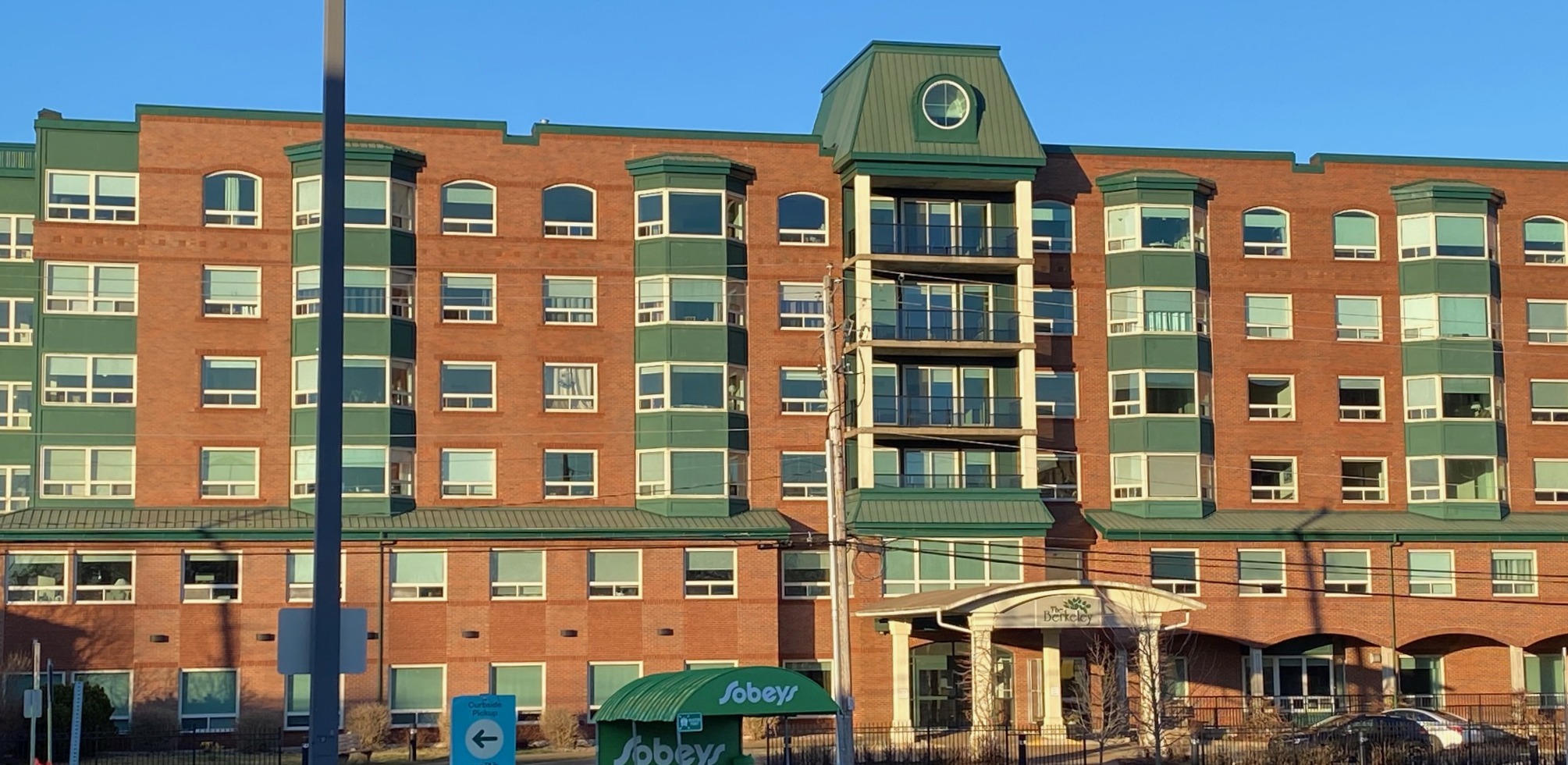
Znam te uliczki doskonale, na pamięć, mimo to ciągle zauraczają specyficznym, staroświeckim czarem uśpionej prowincjonalności. Lublin, Przemyśl lub Rzeszów przychodzą na myśl. Często tu przyjeżdżałem w dni wolne od pracy by spotkać się z Tobą na twojej godzinie lunchu i przerwie. Ja przyjeżdżałem godzinkę-dwie wcześniej żeby właśnie po tych uliczkach łazić bezmyślnie, gapić się. Potem wracałem pod Berkeley, gdzie pracowałeś i czekałem aż wyjdziesz tym bocznym wyjściem na tyły budynku, gdzie była ścieżka w dół i trochę miłej, zielonej trawy. I szliśmy czasem na lunch obok do kawiarenki lub po prostu na papieroska. W tym miejscu kończyłem dziś i mój spacer. Poczekałem chwilę, popatrzyłem na te boczne drzwi czy może jednak wyjdziesz. Naturalnie, że wiem, że żadnych drzwi już nie otwierasz, przez żadne nie wychodzisz nigdzie. Ale przyzwyczajenie pozostało.

Ty – mój wiersz niedokończony. I spacer po moim mieście. Nigdy przedtem tak o Halifaksie nie myślałem. A teraz stał się moim. Tak jakoś niezauważalnie, mimochodem, niepostrzeżenie. Obok, Warszawy, może Londynu, oczywisci obok Calgary a nawet obok naszego cudownego, nieporównywalnego nawet do Warszawy – Vancouveru (naturalnie pisząc ‘Vancouver’ mam na myśli wszystkie miasta tej wielkiej aglomeracji, a już zwłaszcza Surrey) – miasta ze wszystkich mi drogich – najdroższego, najbliższego. Miasta, które było naszym domem.

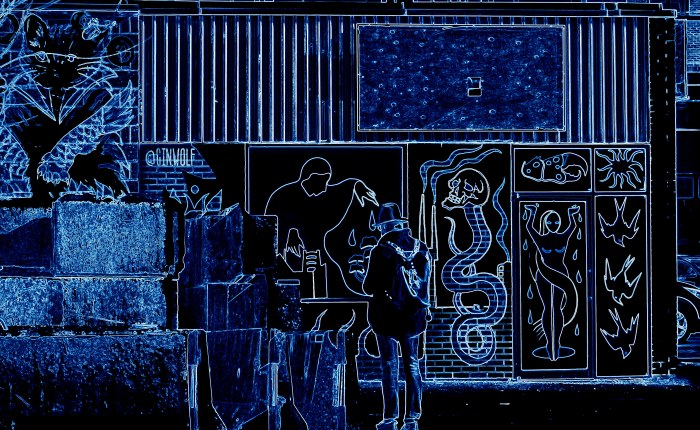
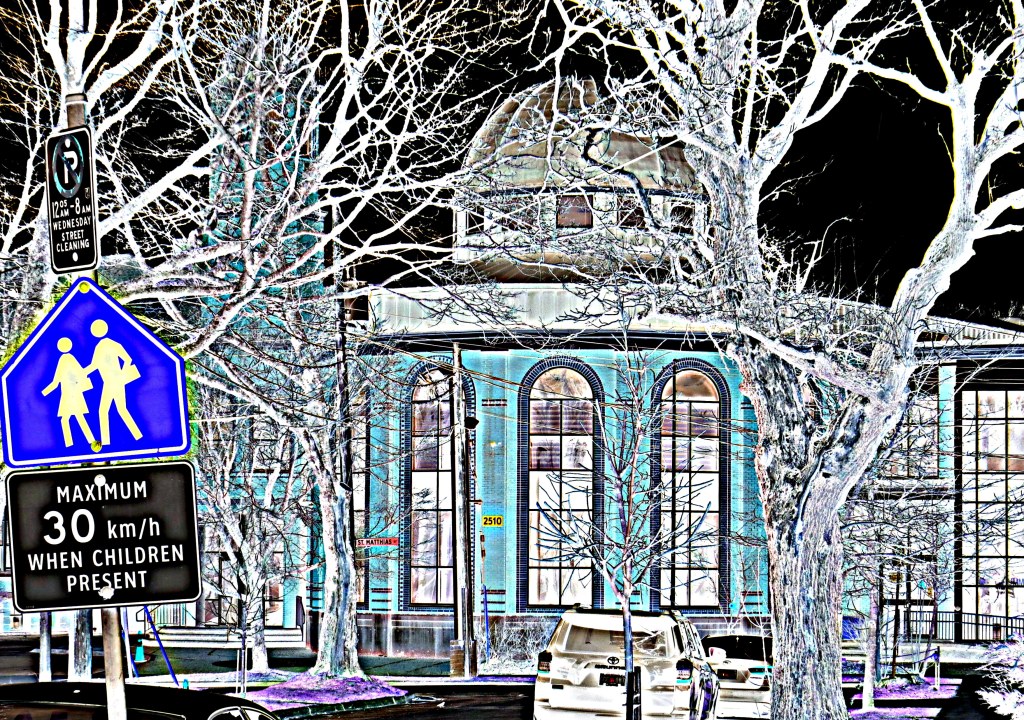
Ale wracając do mojej, może ostatniej już wycieczki z kamerą do mojego Halifaksu.

Spacer z kamerą drogami wspomnień

Spacer z kamerą drogami wspomnień