Mosty, Martynika, Ocean i ona – Miłość (i jeszcze Poeta, niestety)

Mosty, Martynika, Ocean i ona – Miłość (i jeszcze Poeta, niestety)

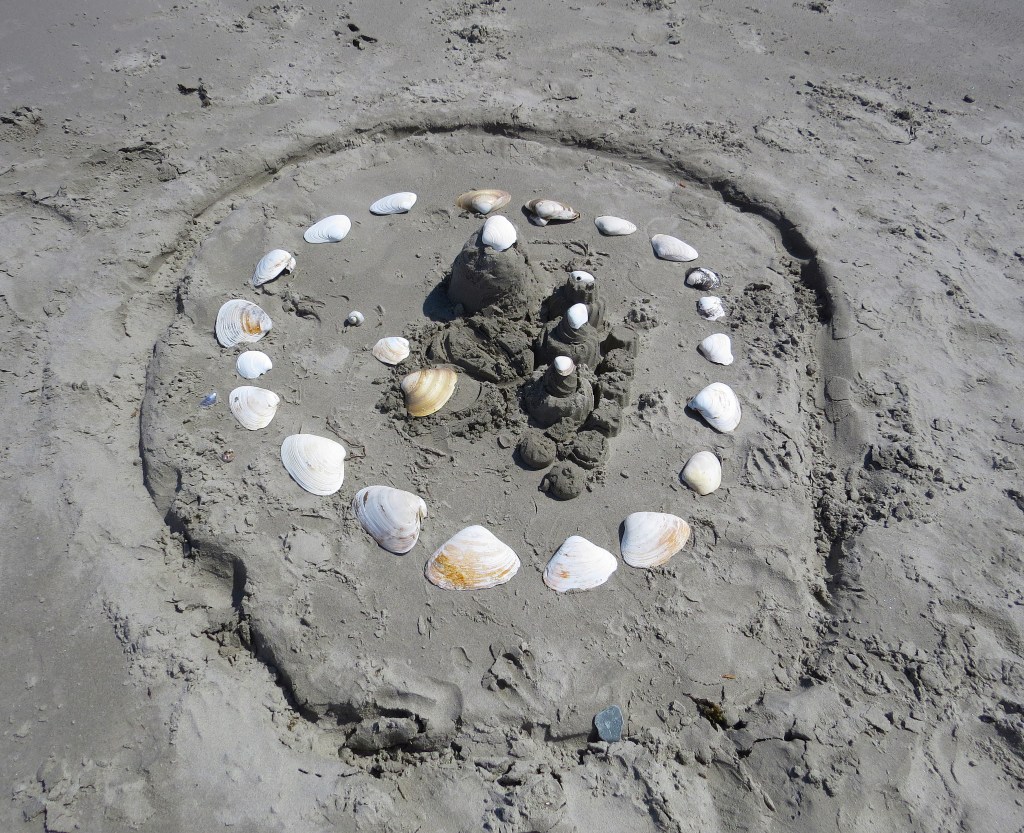
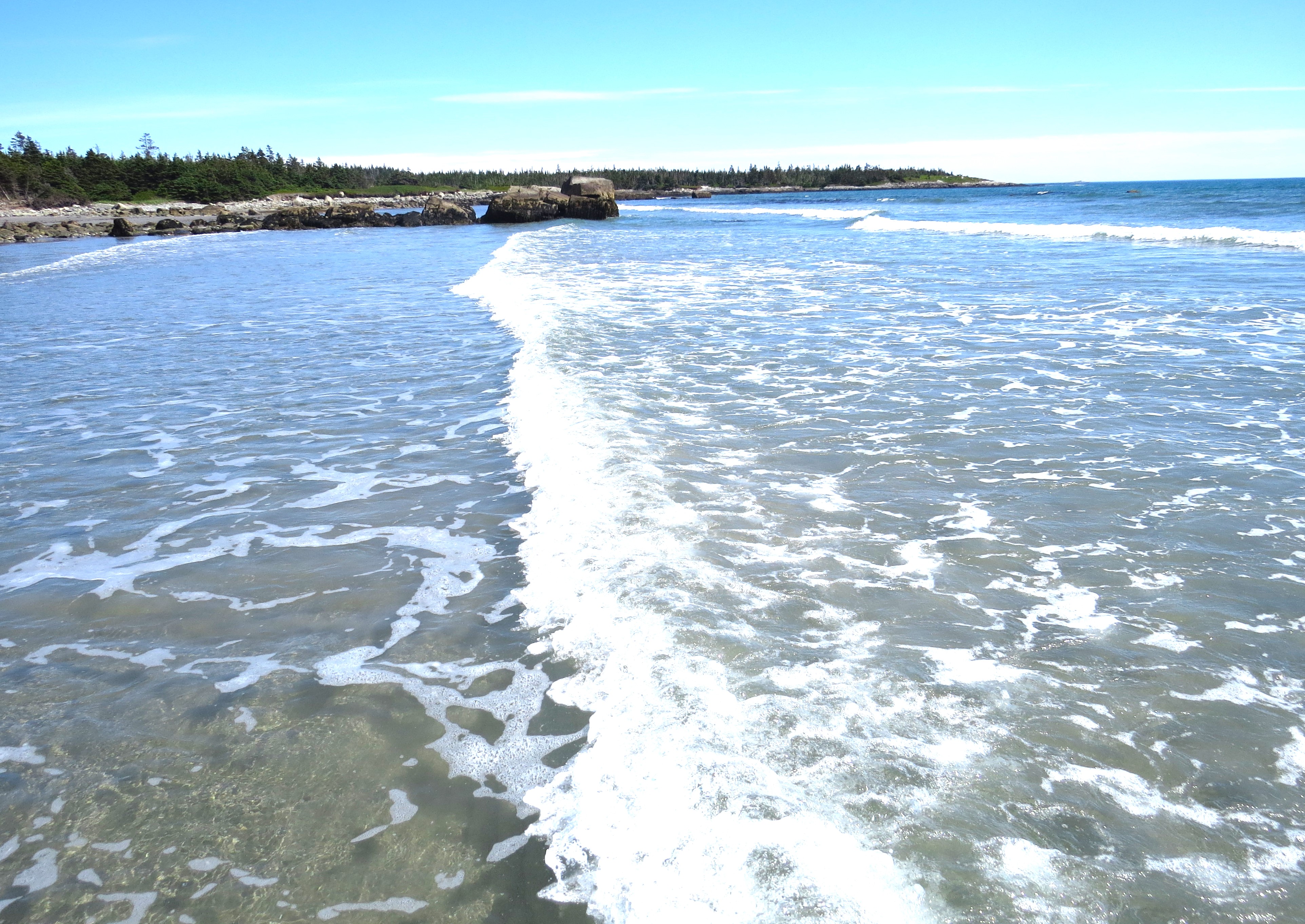
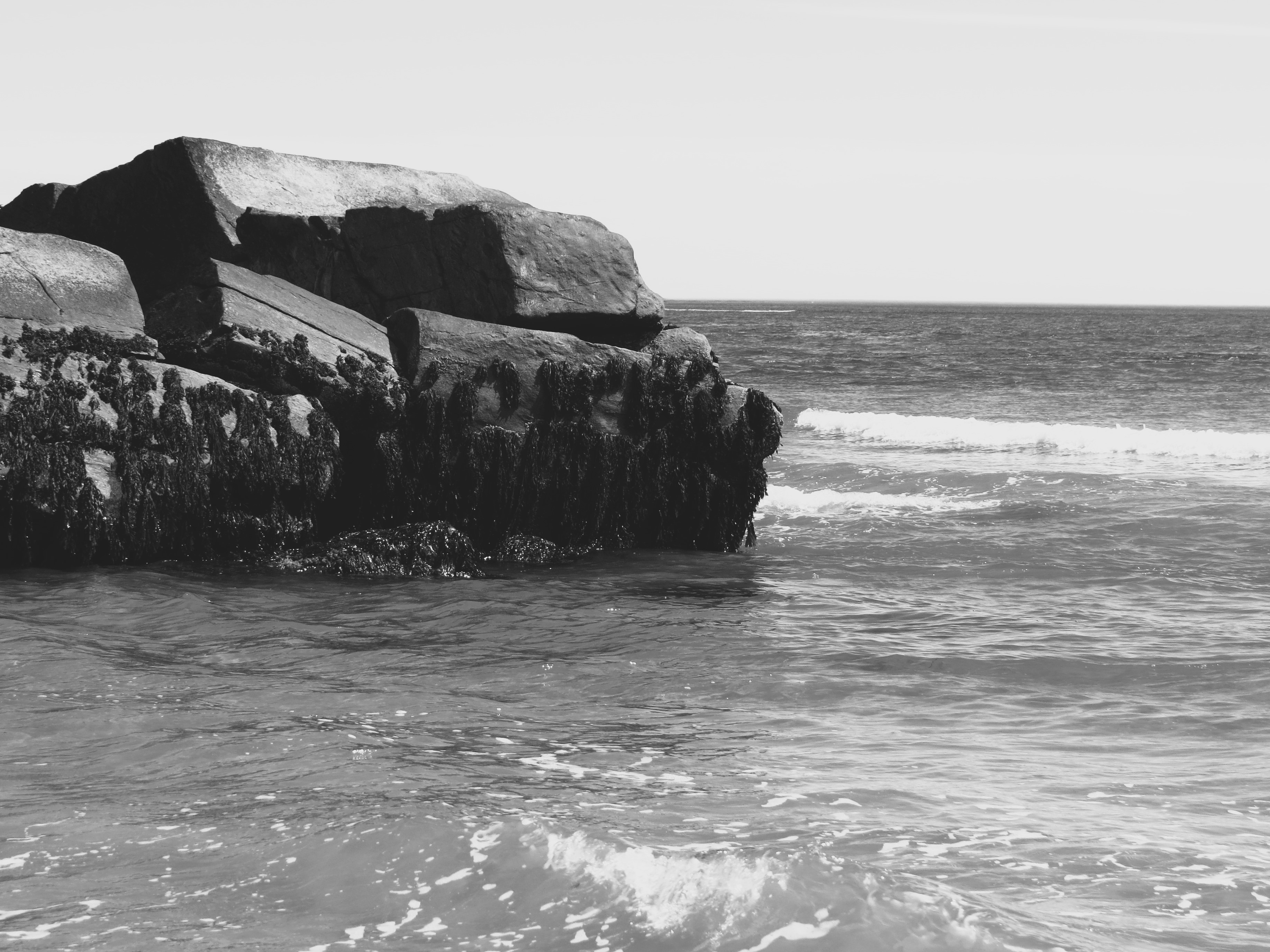
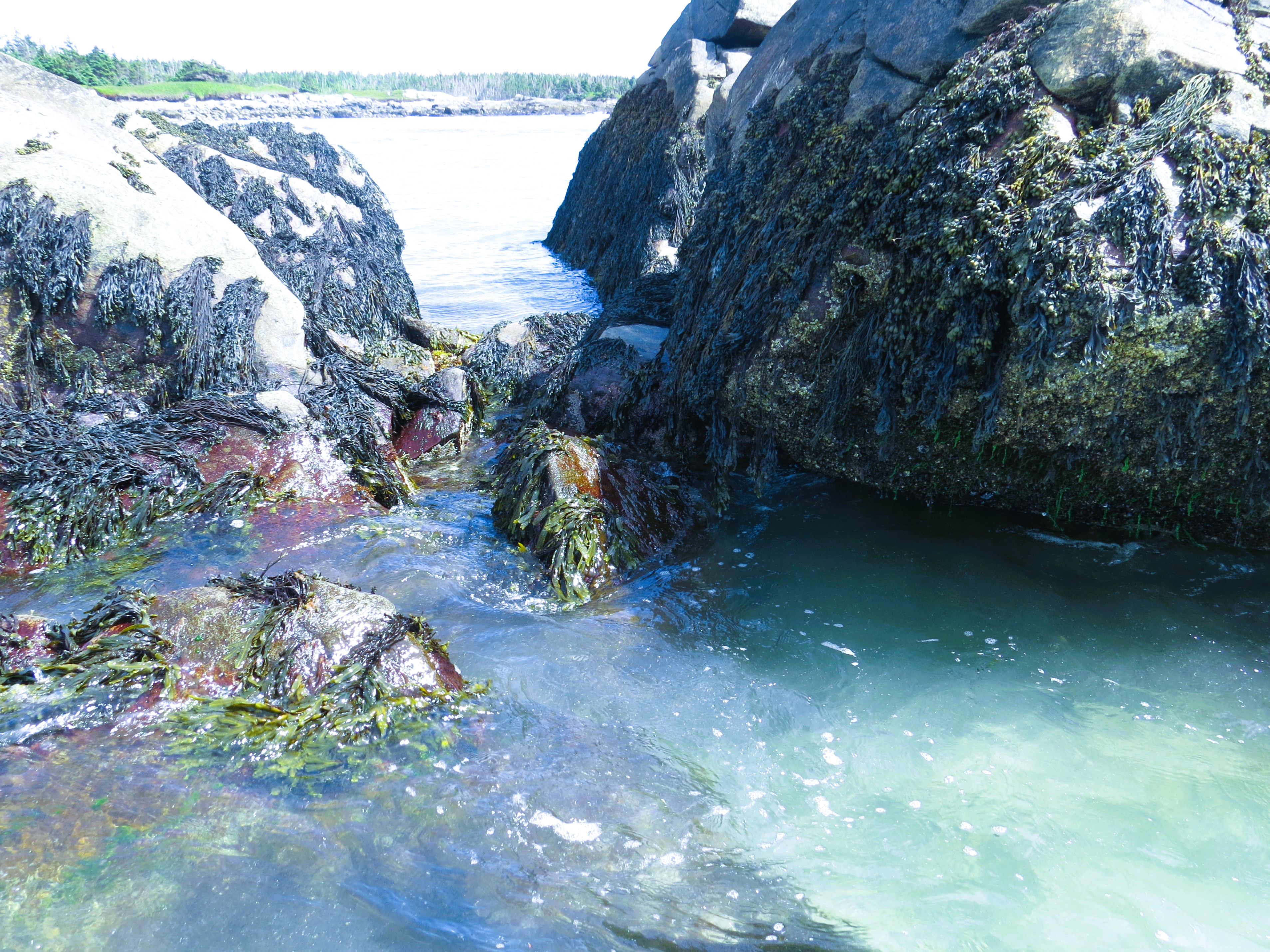
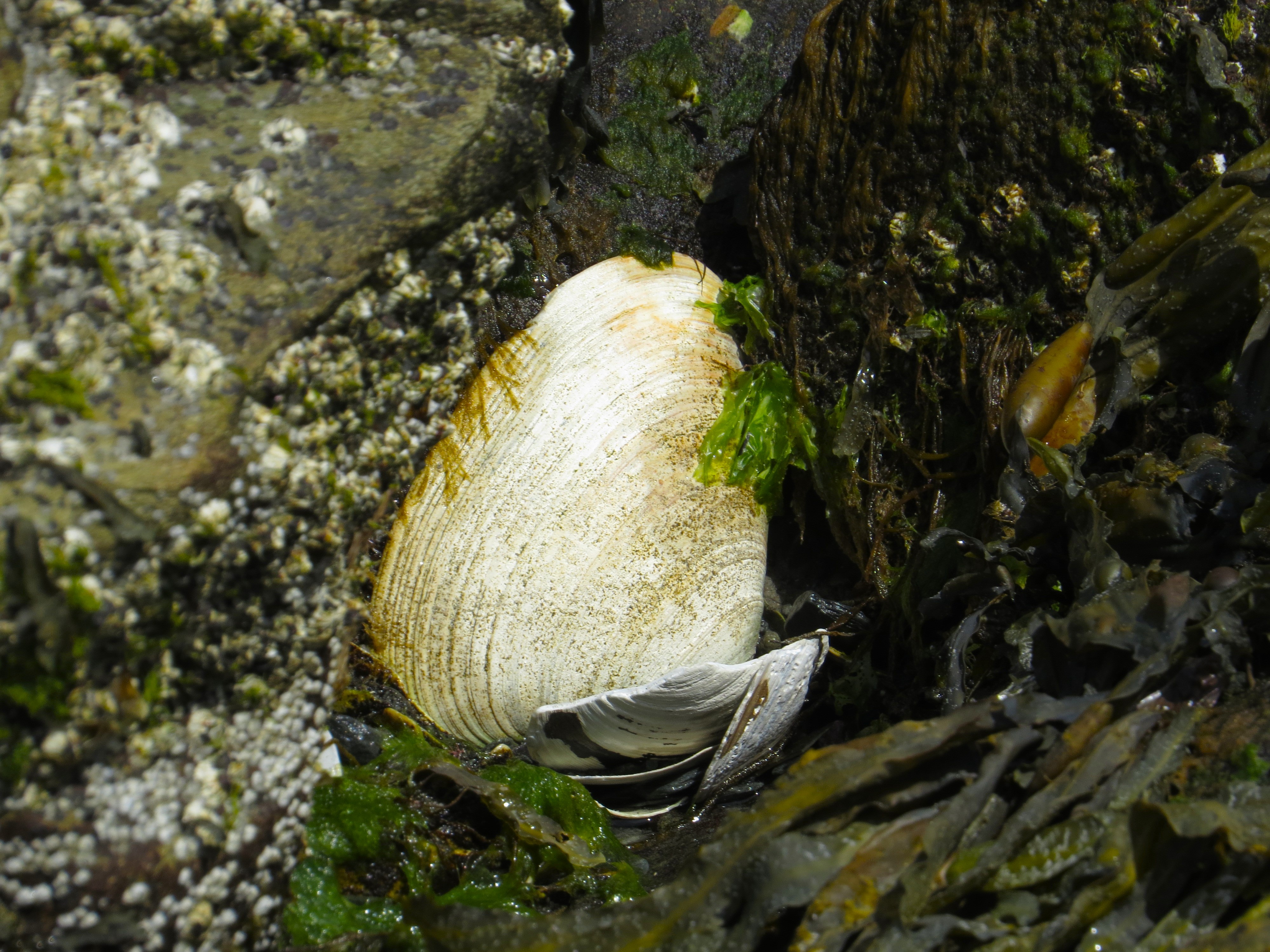
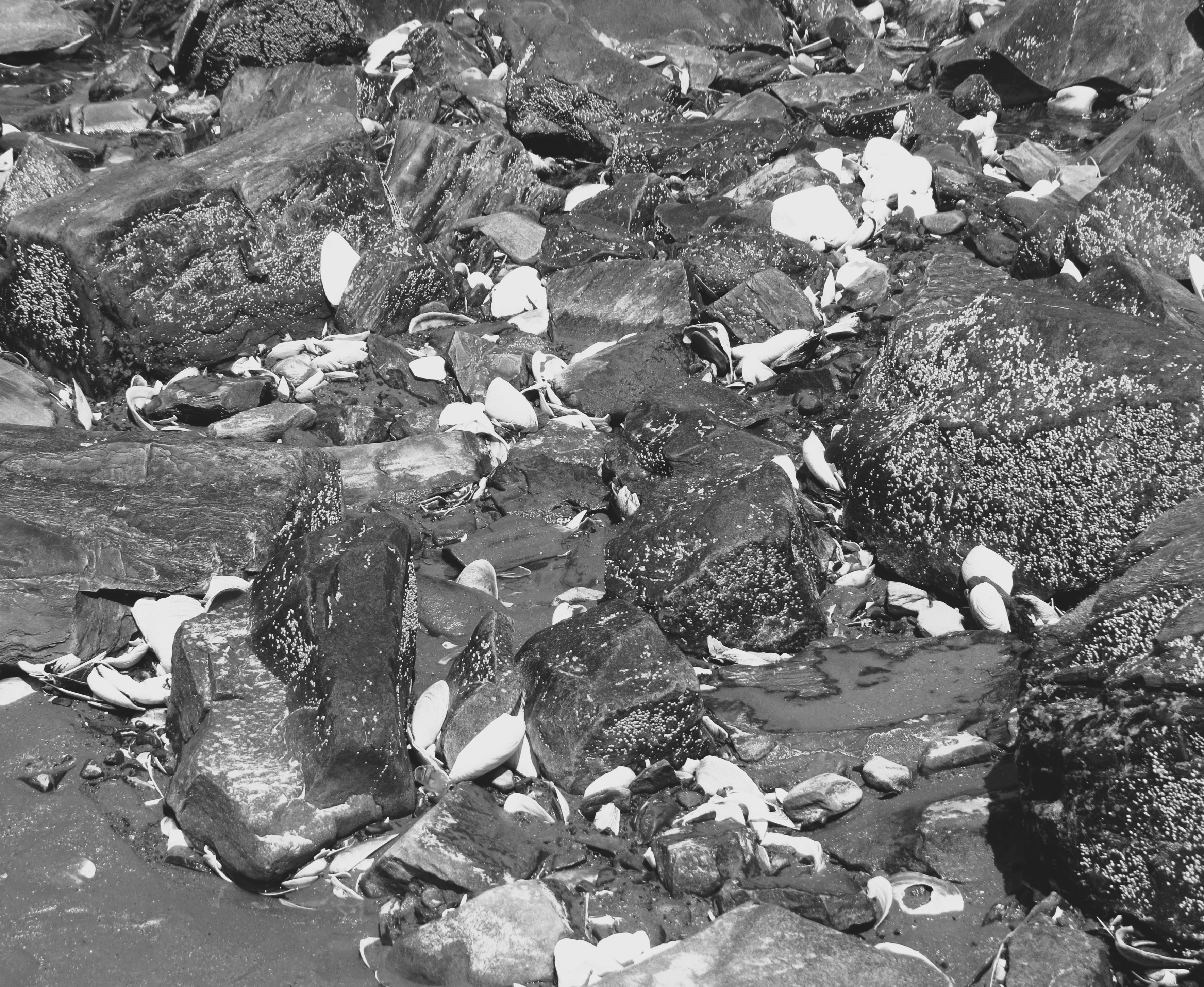
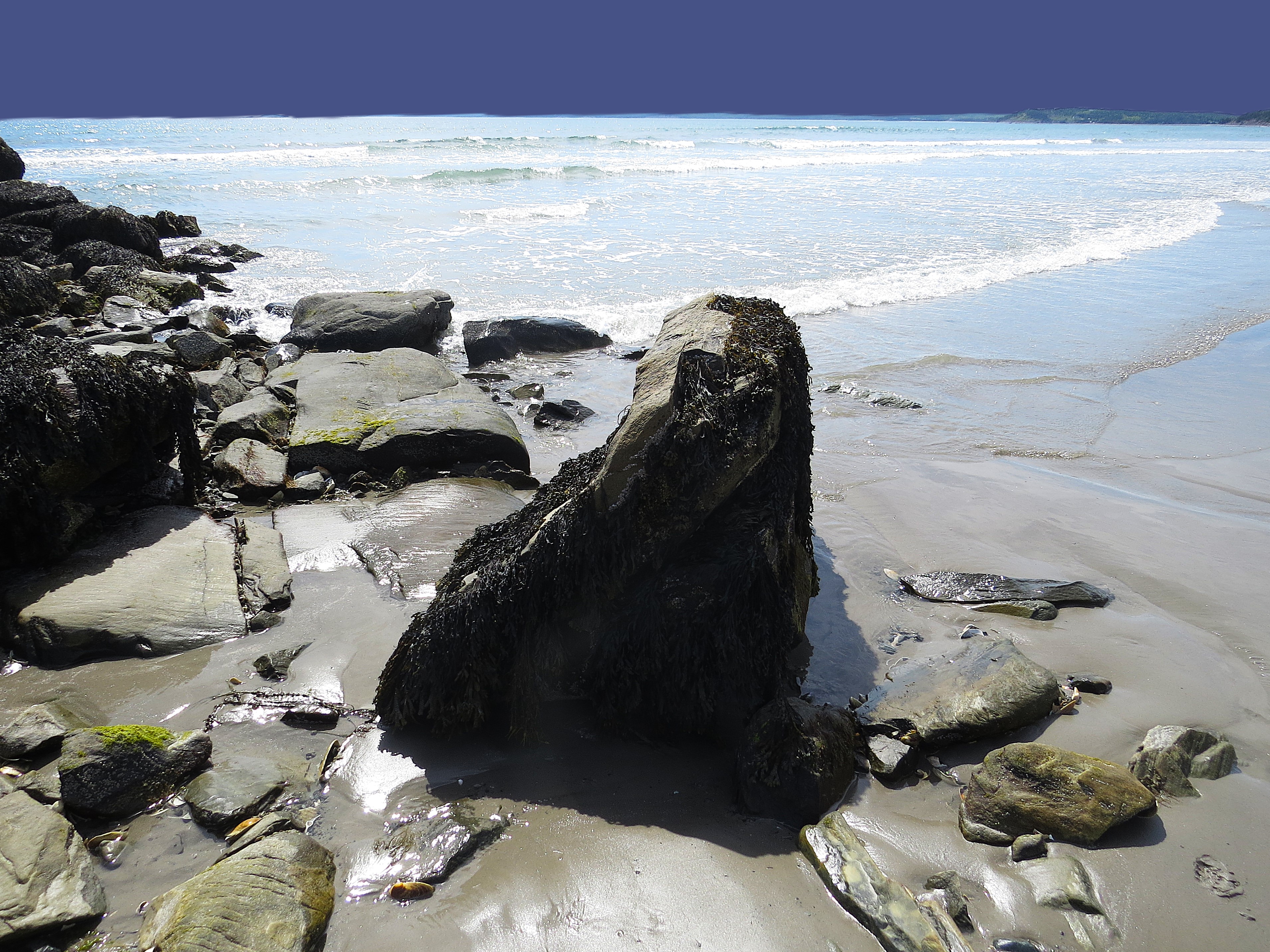
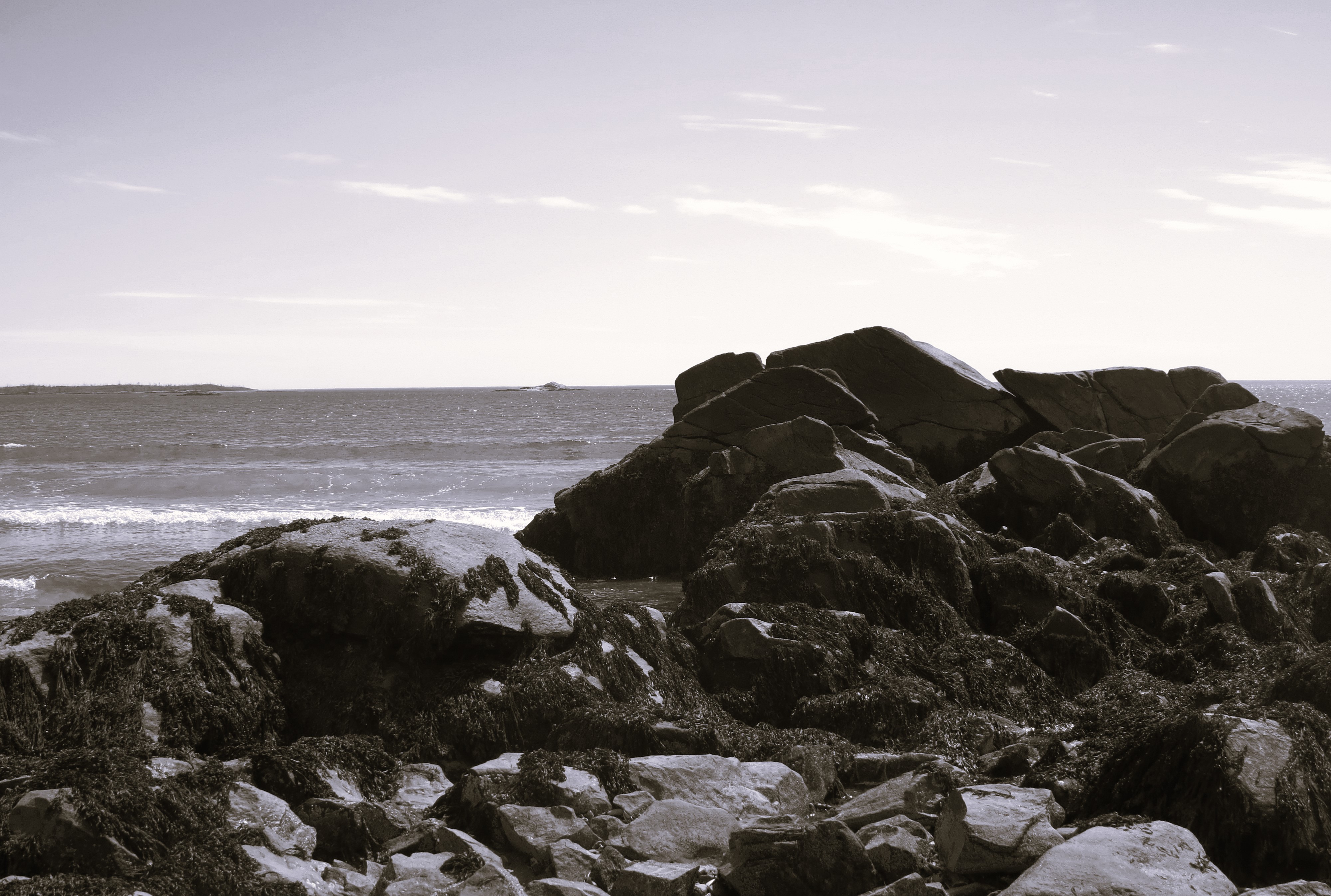
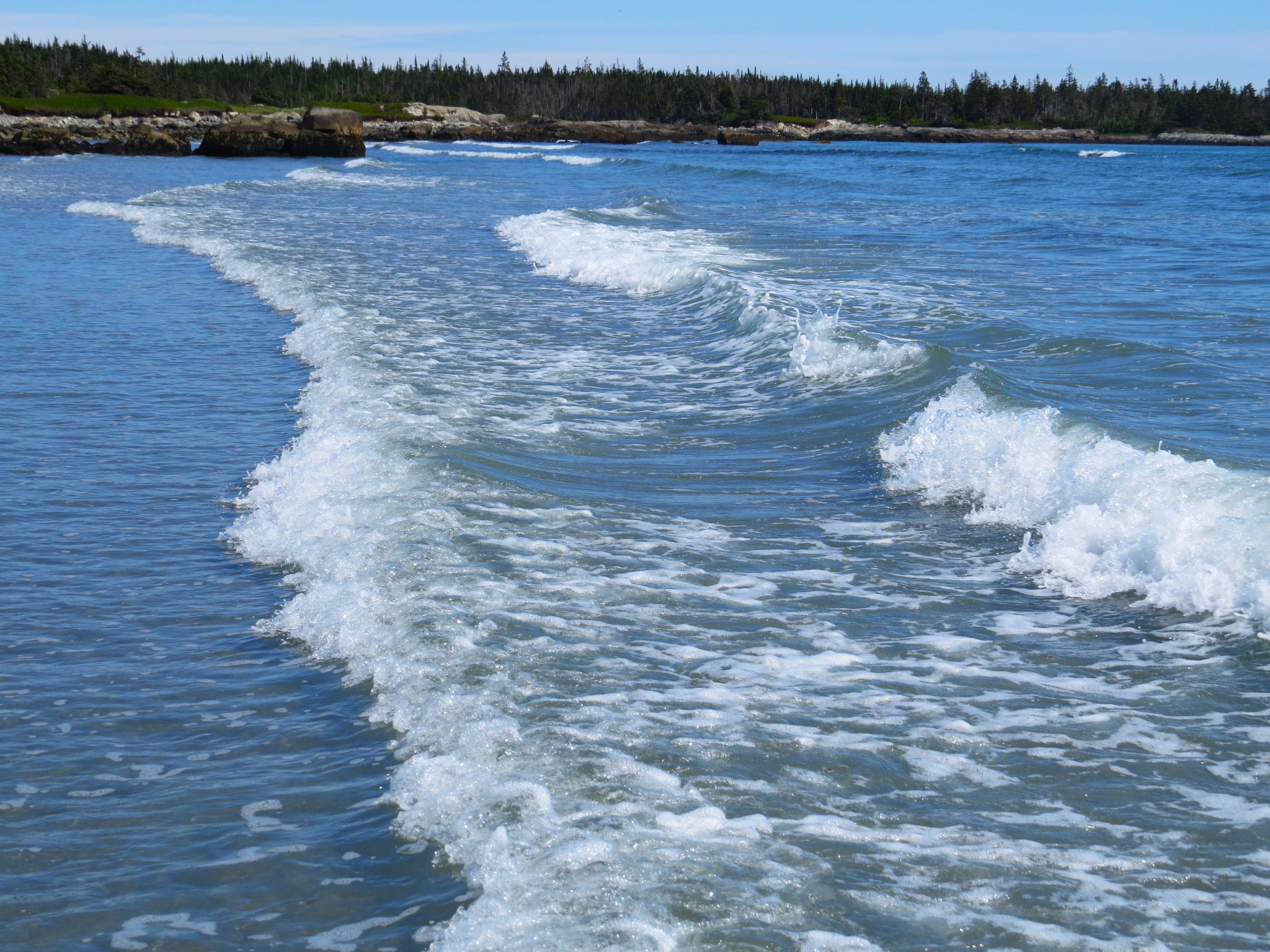
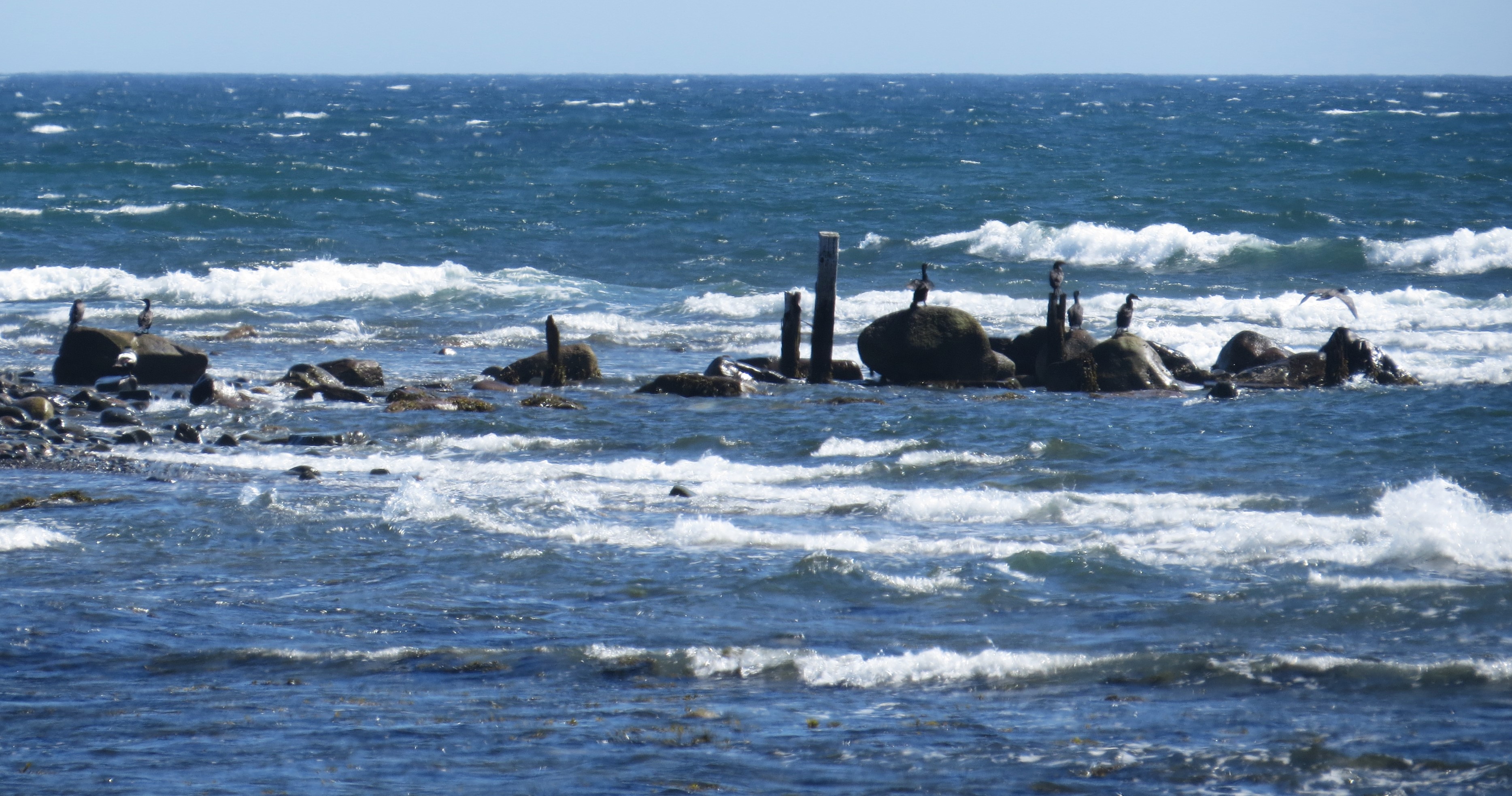
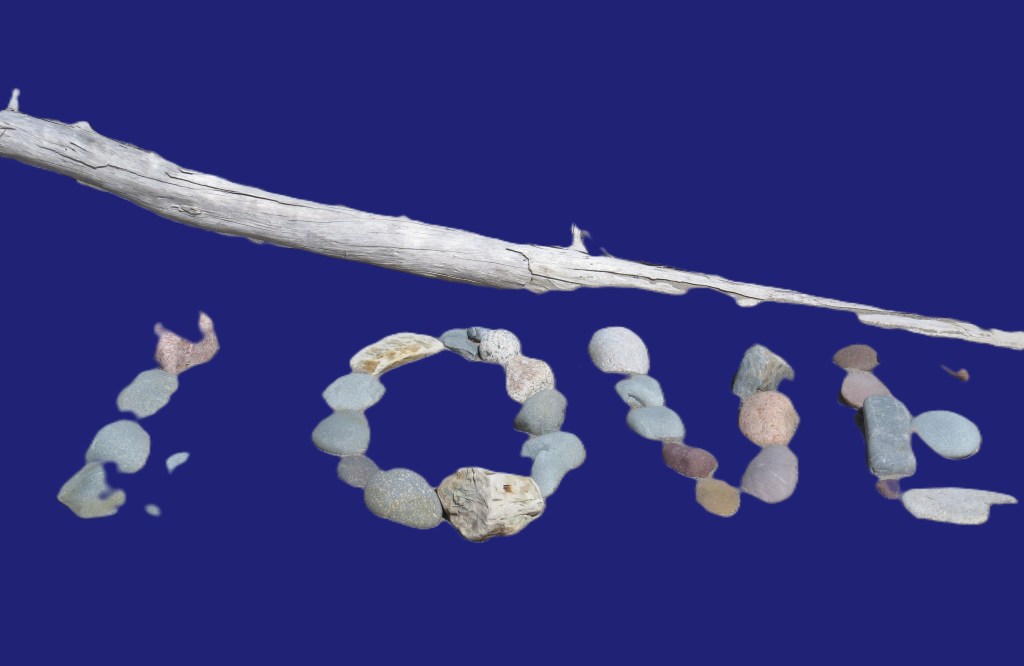
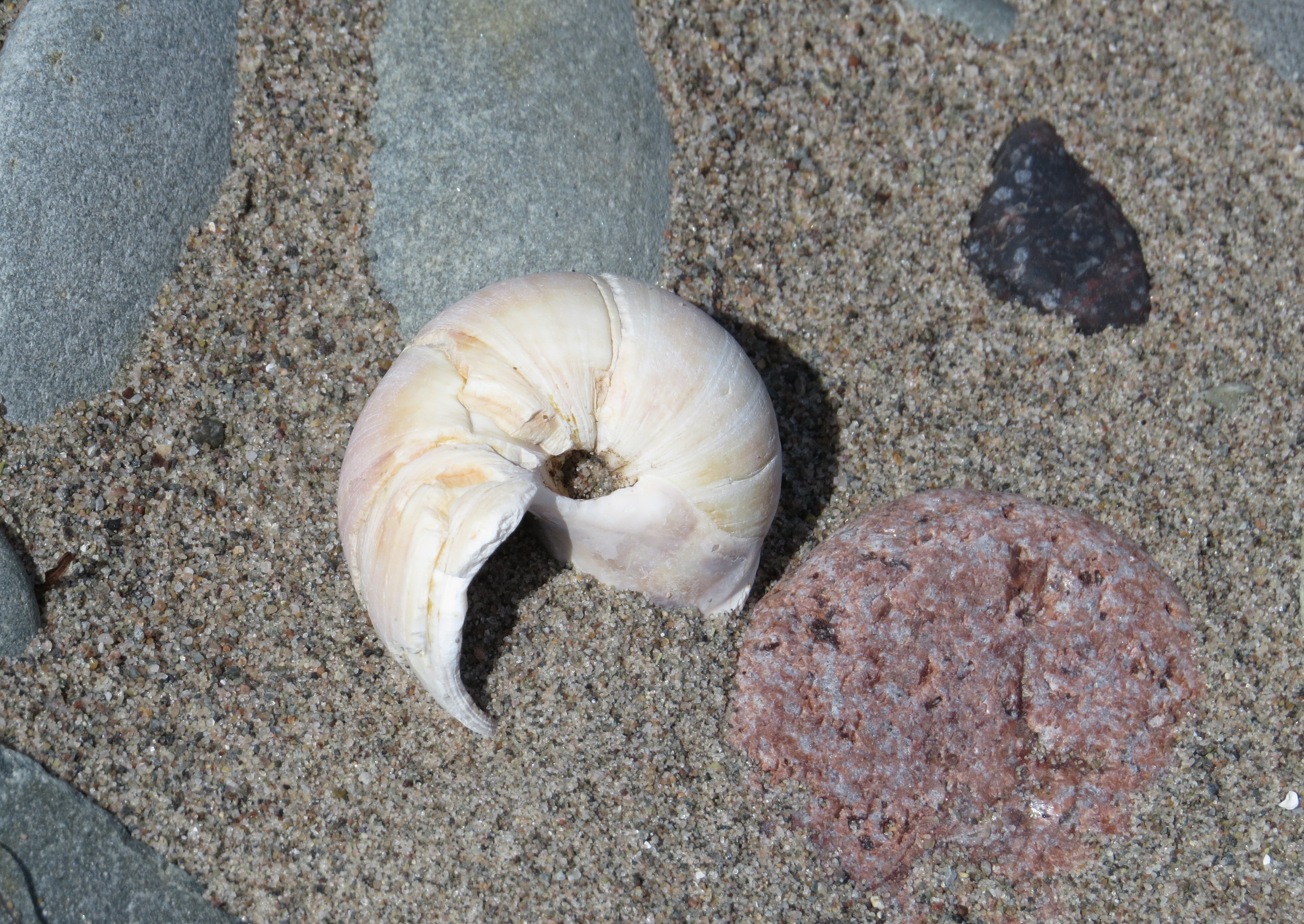
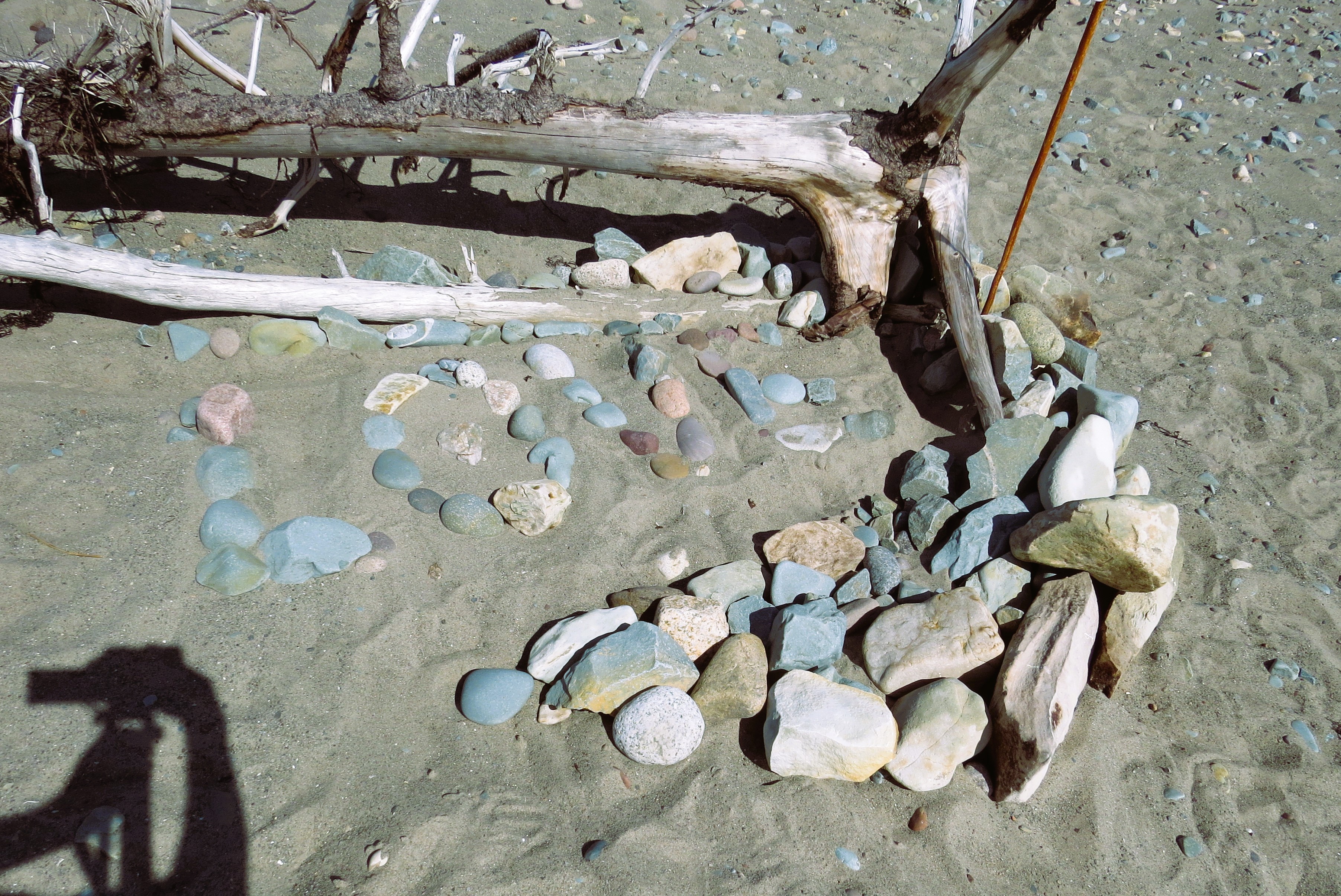
Moje plaże. Moje plaże to zawsze byłeś Ty. Albo jeździłem tam z Tobą, albo po tym Czasie Okrutnym jeździłem tam szukać ukojenia. Była ta jedna specjalna, nazwana Fortem Naszej Miłości, który zbudowałem z kamieni dla Ciebie, gdy Cię zabrakło. Pisałem kilka dni temu o tym ostatnim tam wyjeździe, ostatnich odwiedzinach po okresie zimy. Pojechałem, Fort odbudowałem i pożegnałem się. Niech fale go odwiedzają, niech głębiny o nim śpiewają.  Mój zamknąłem w sercu. Będzie tam gdziekolwiek się znajdę.

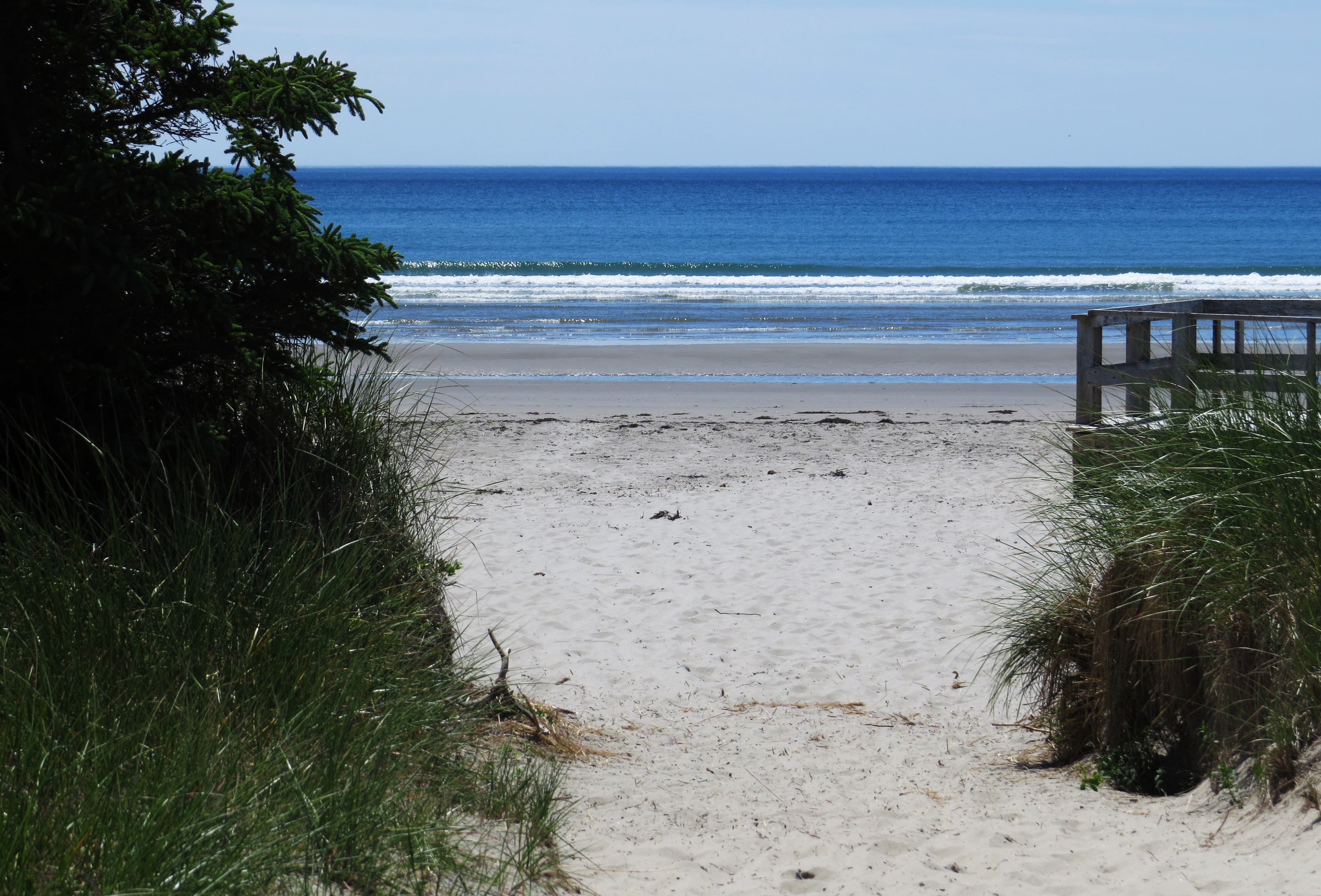
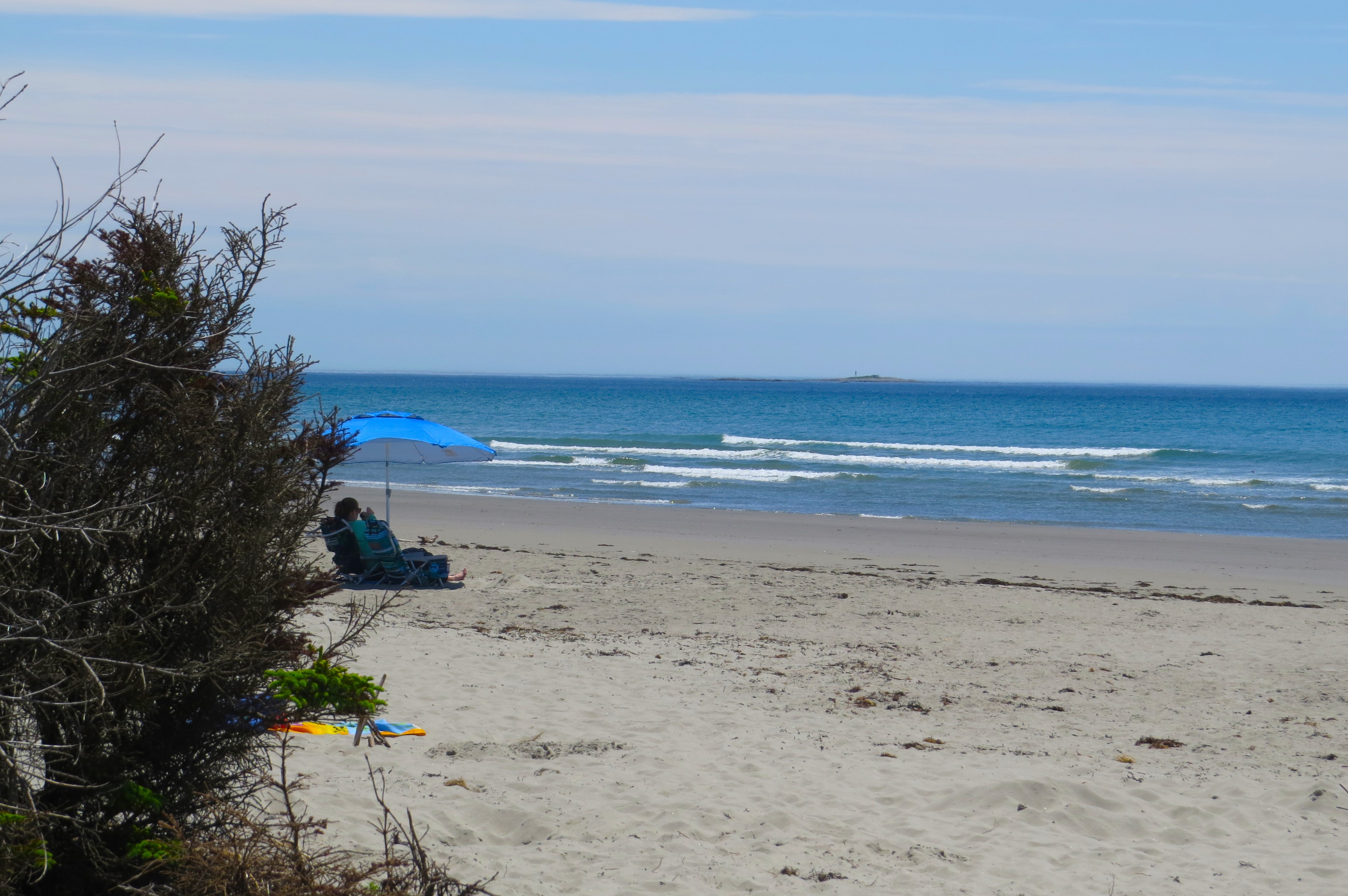
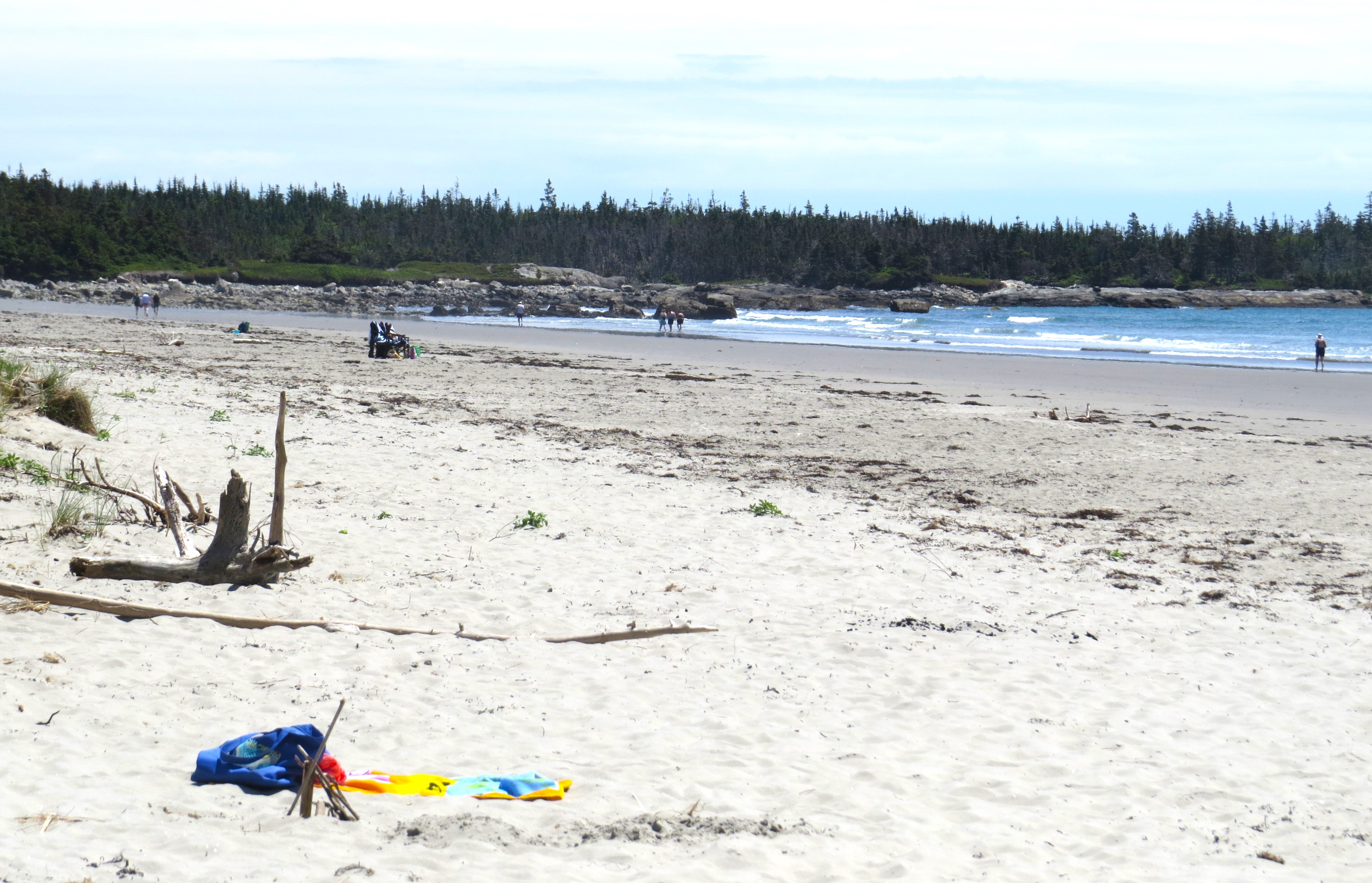
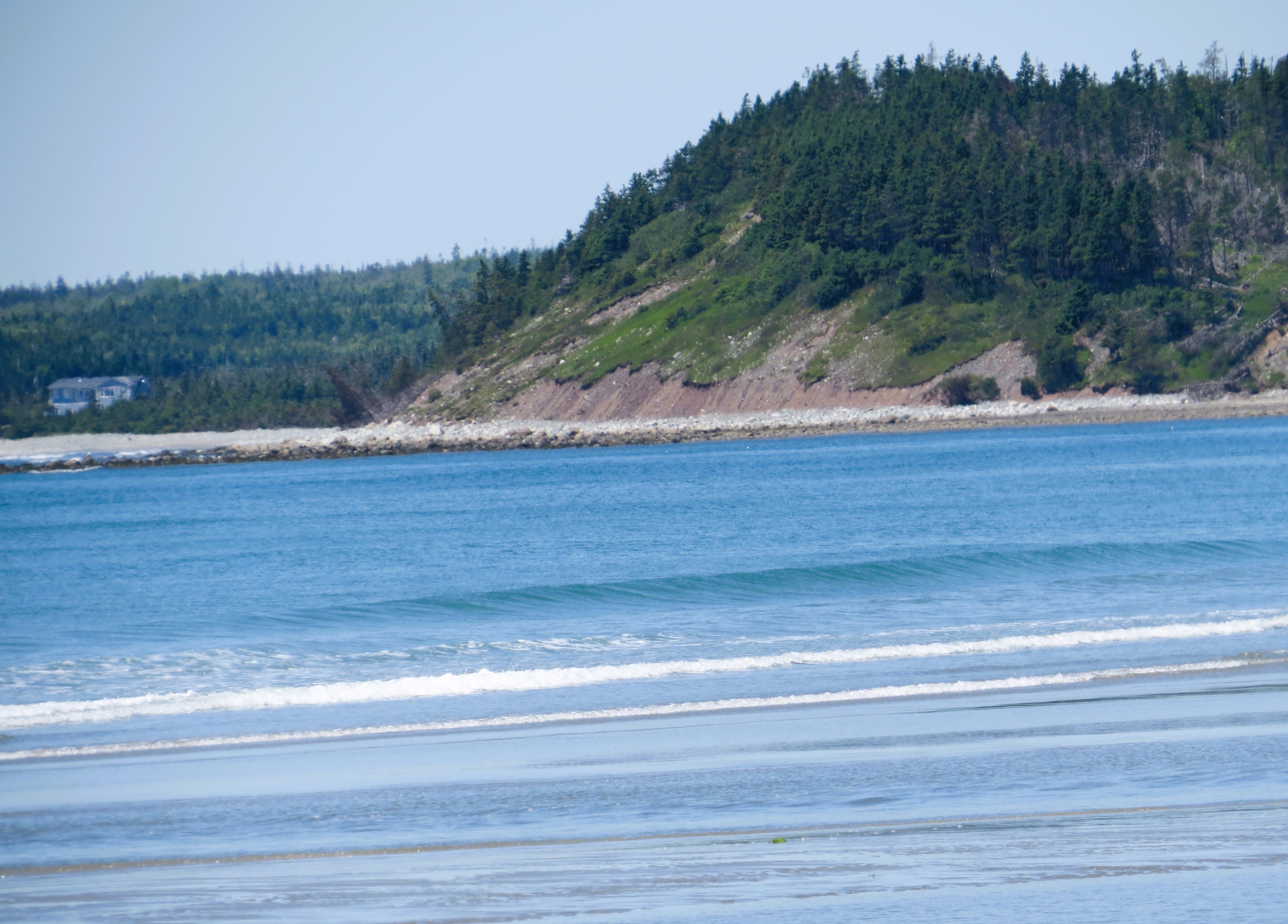
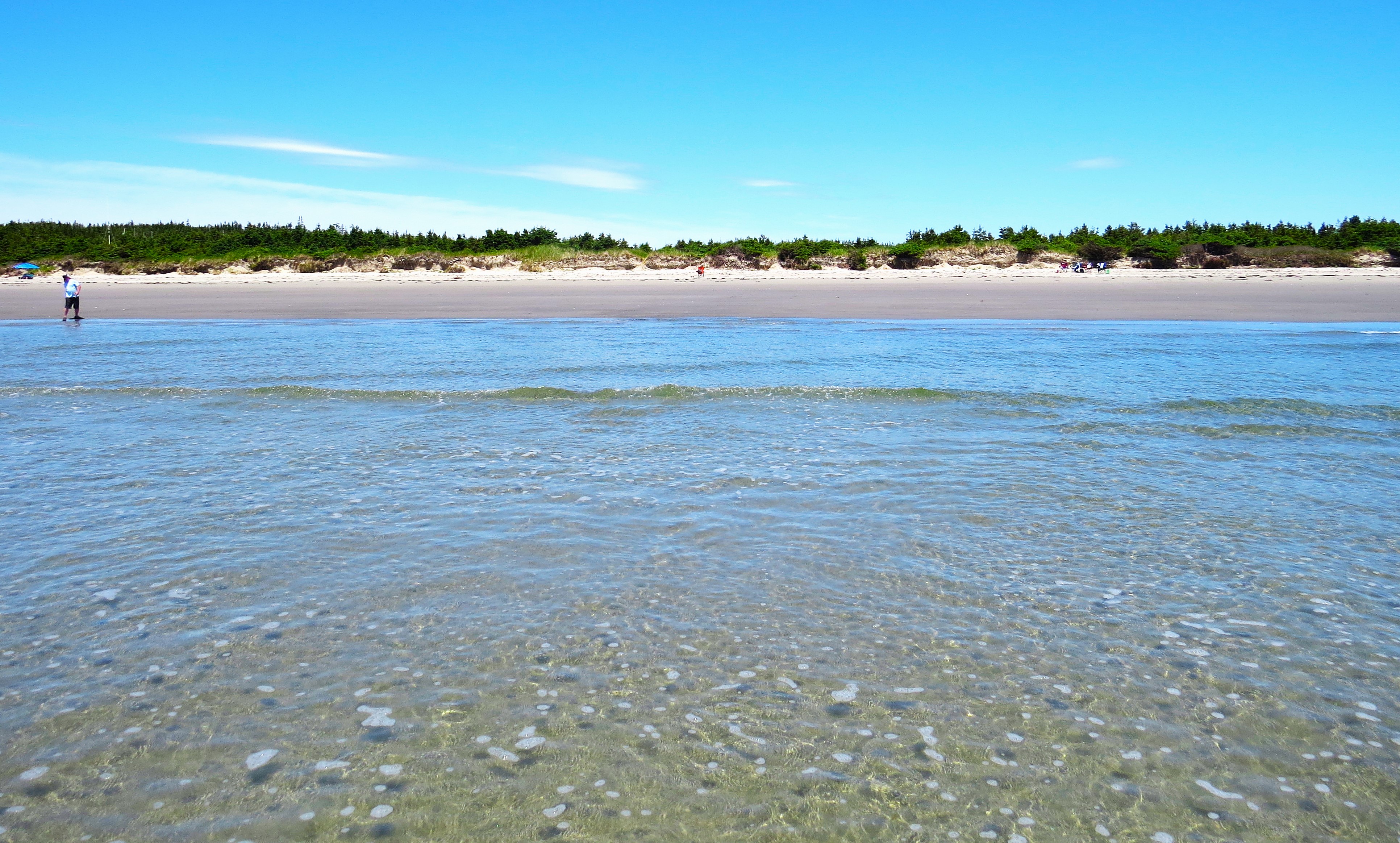
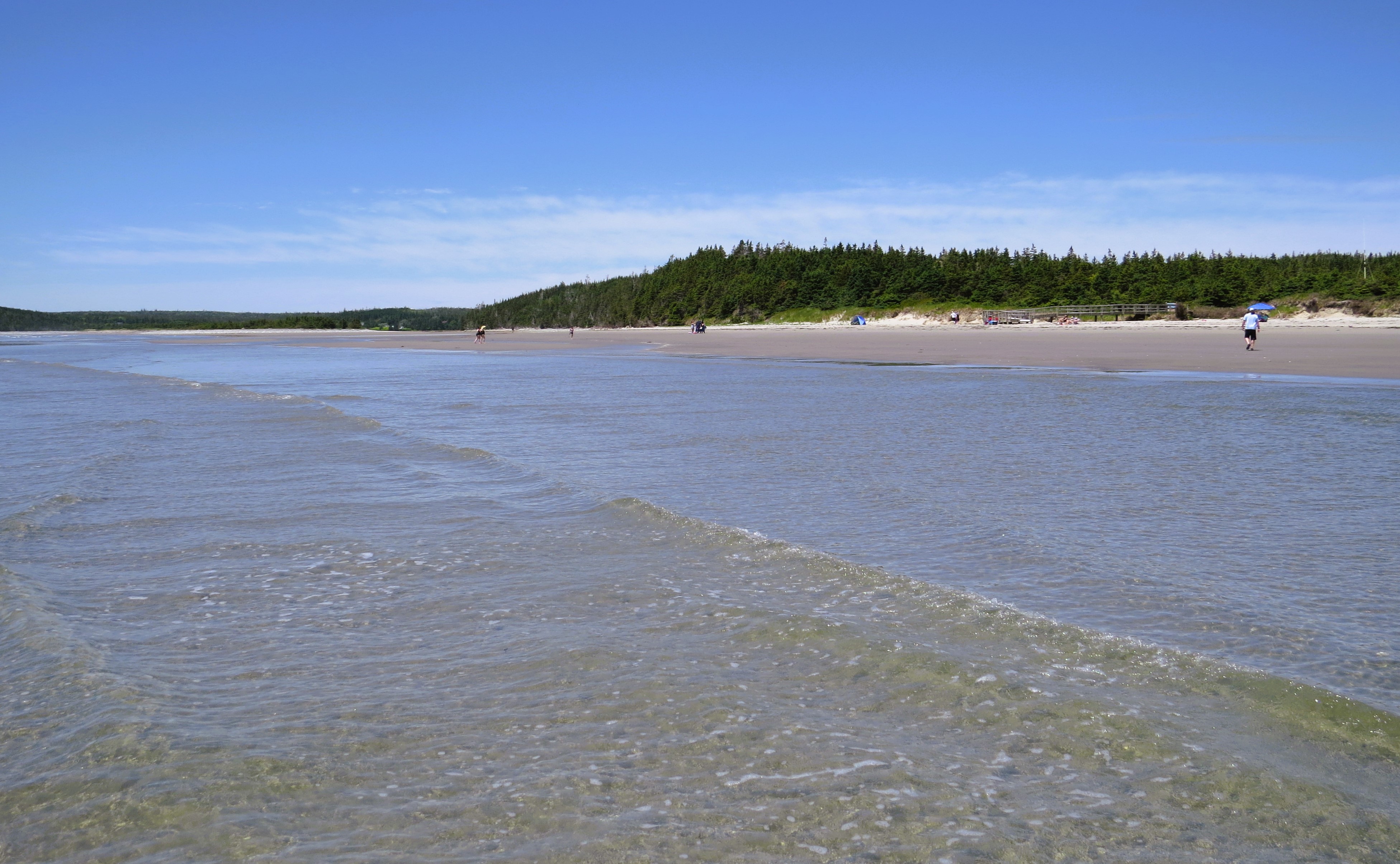
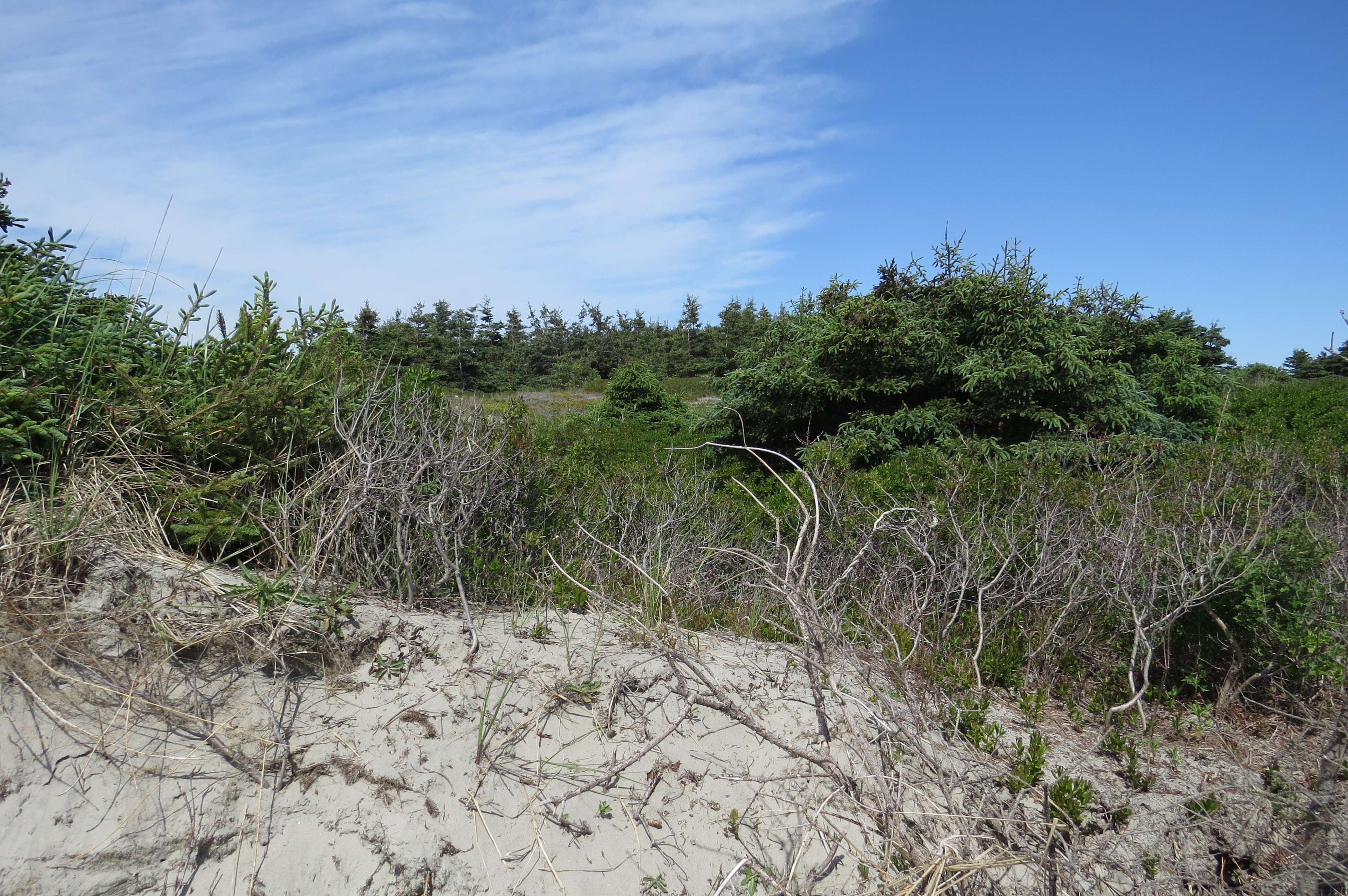
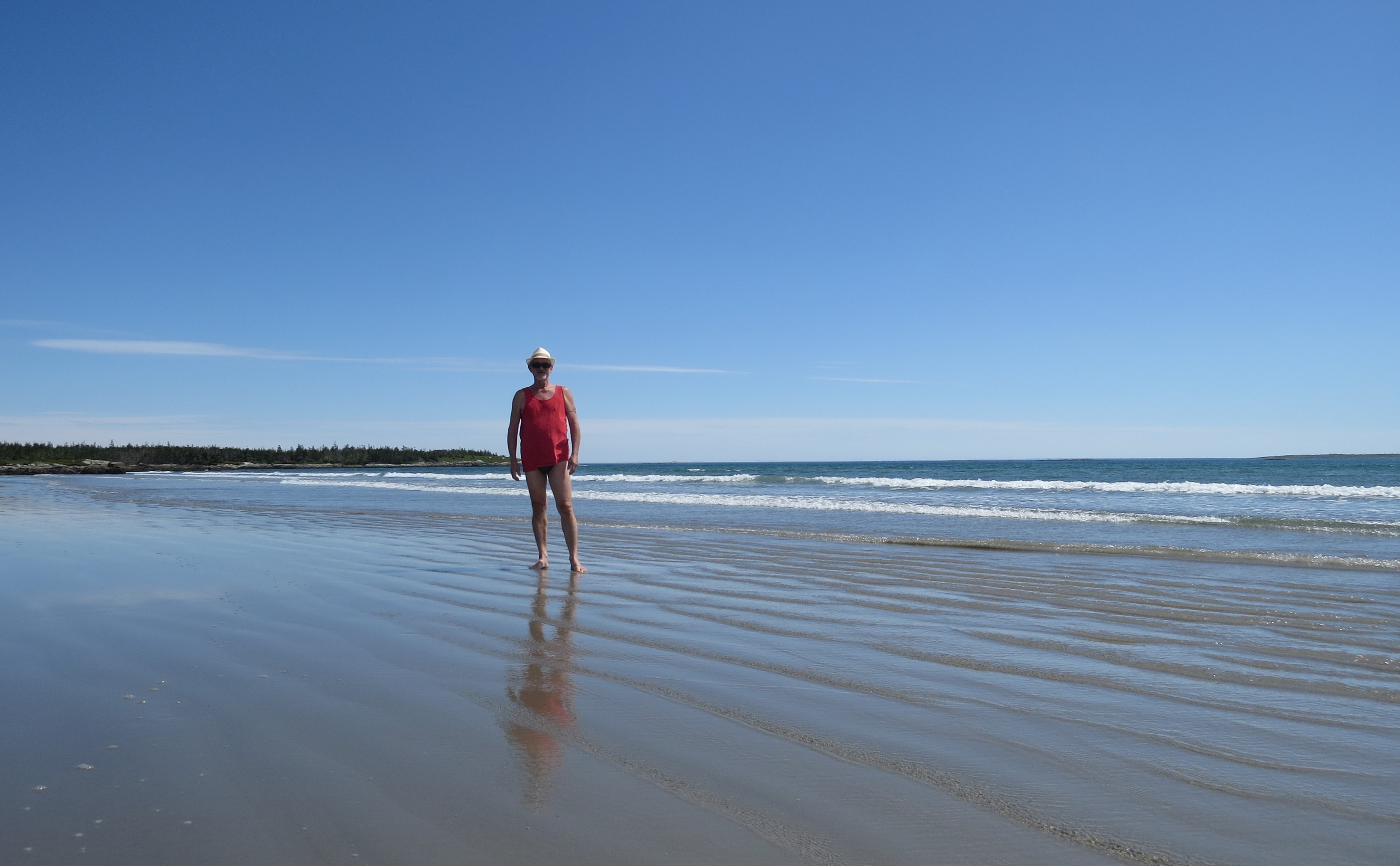
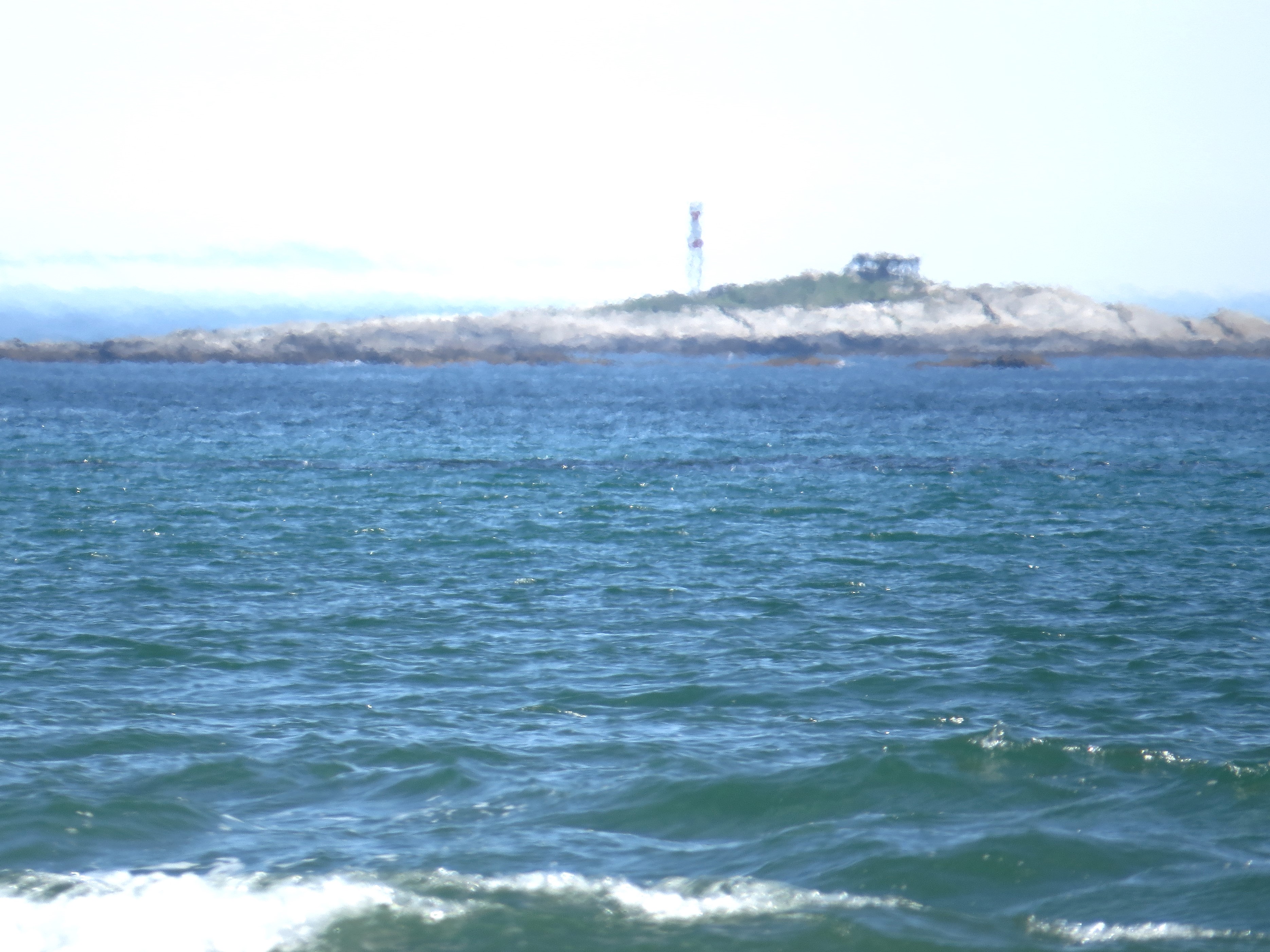
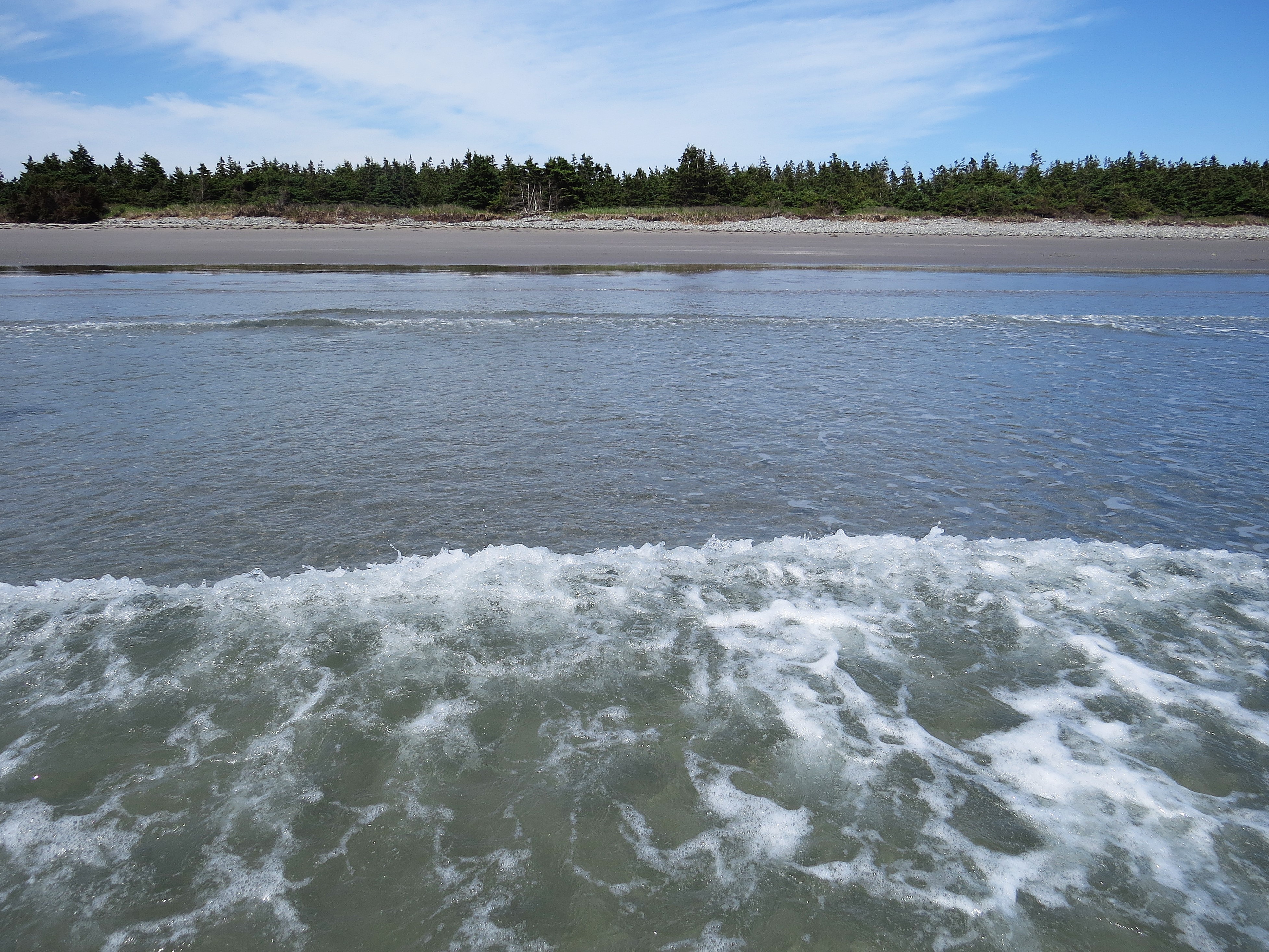
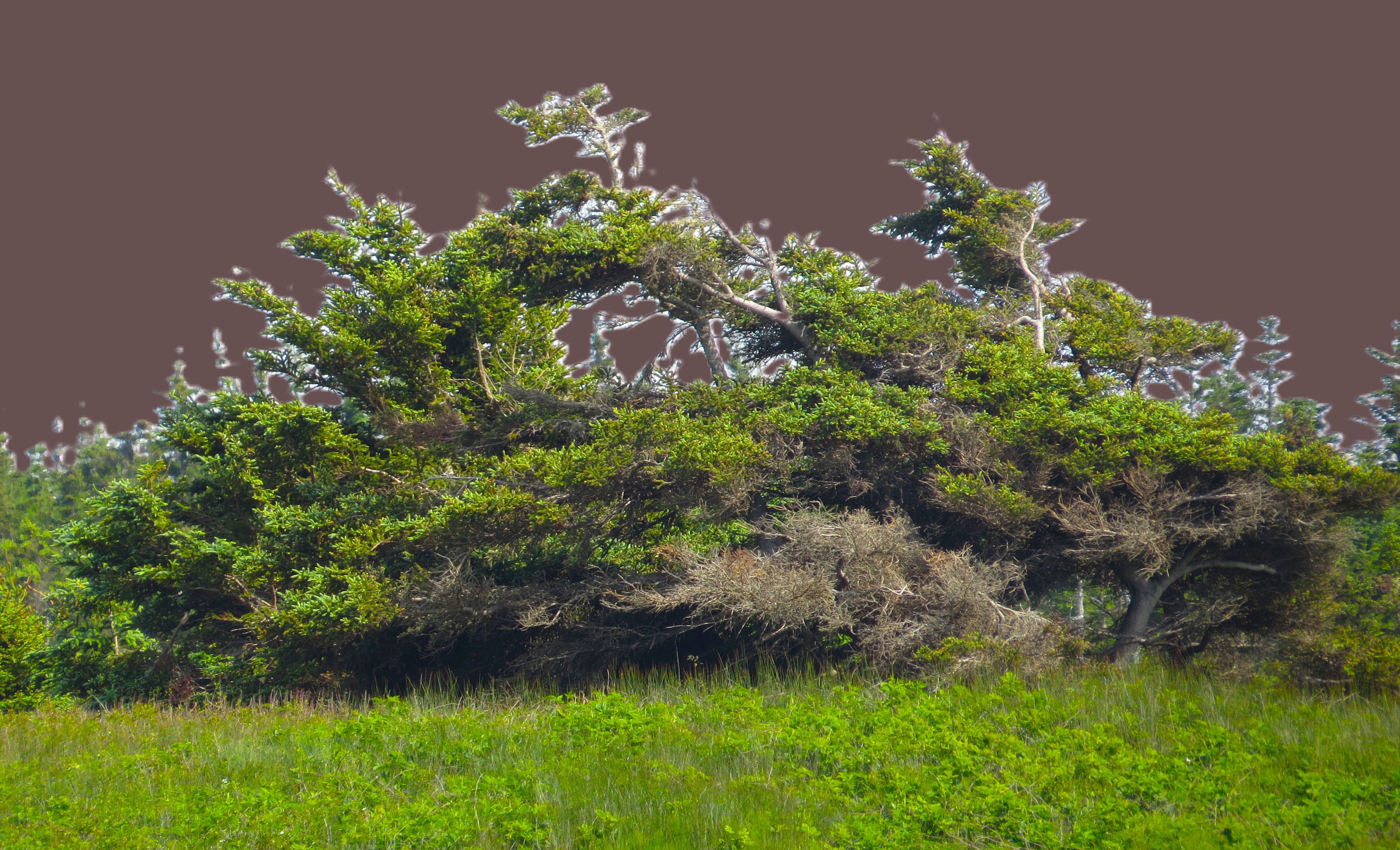
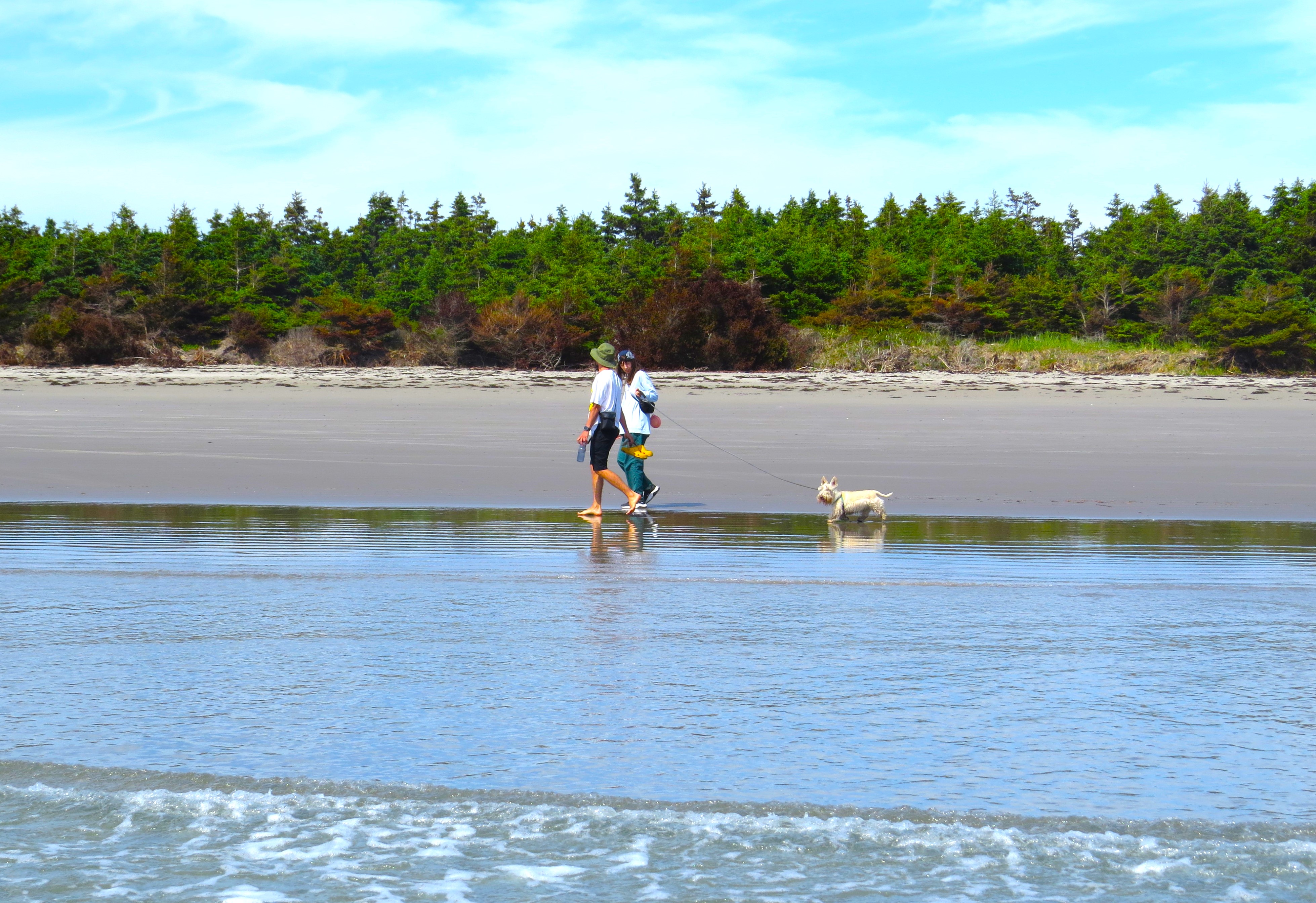
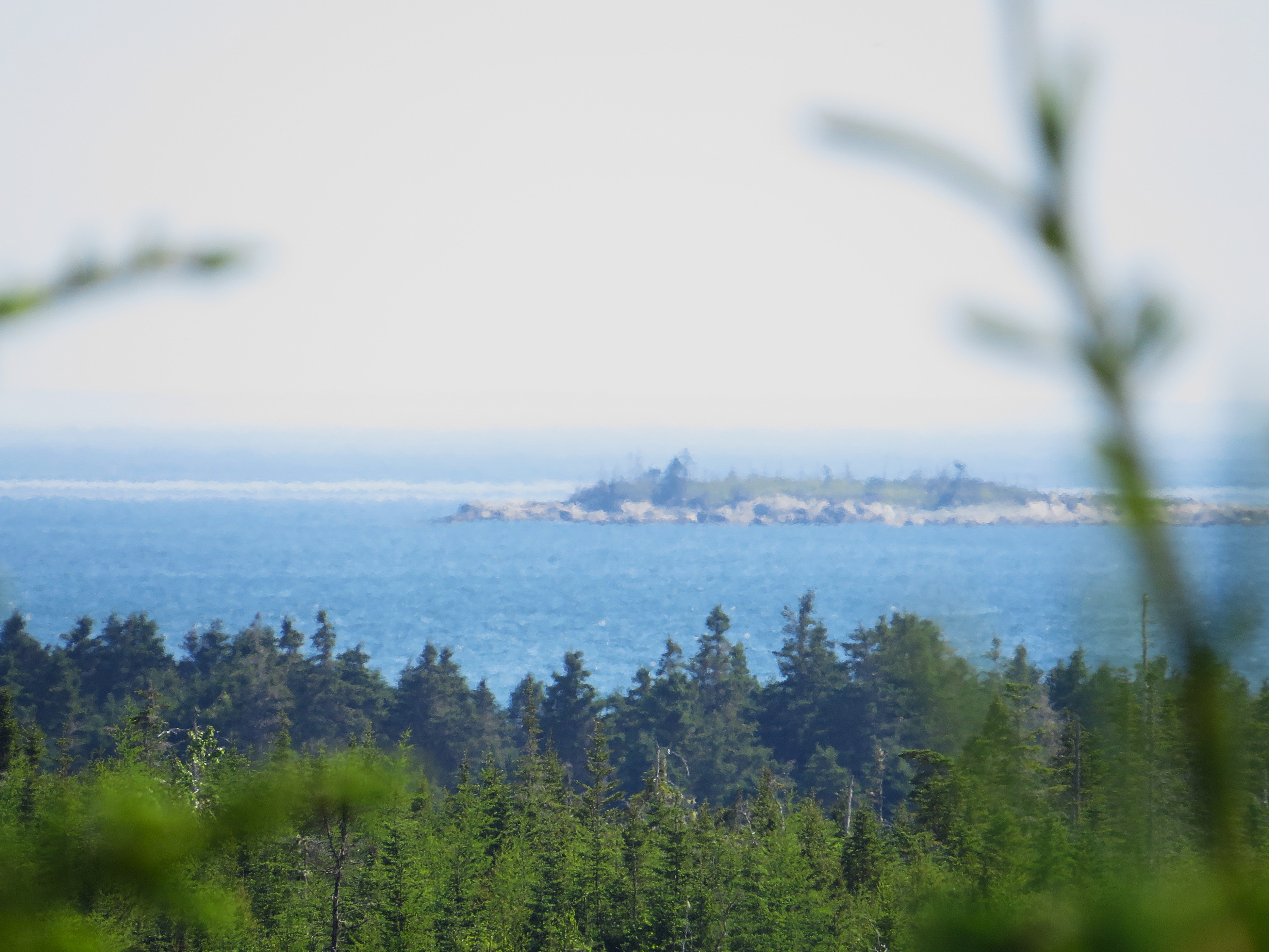
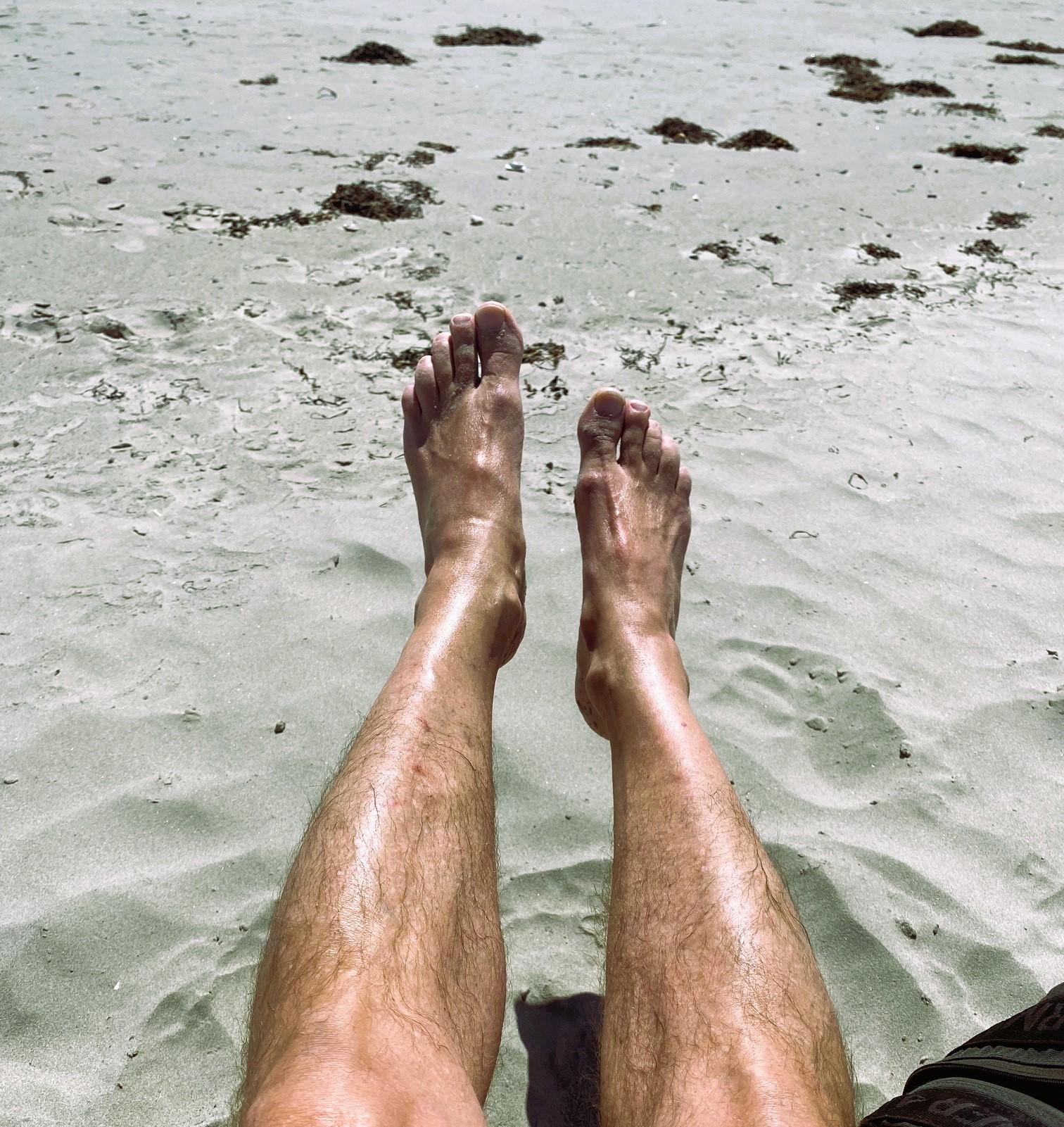
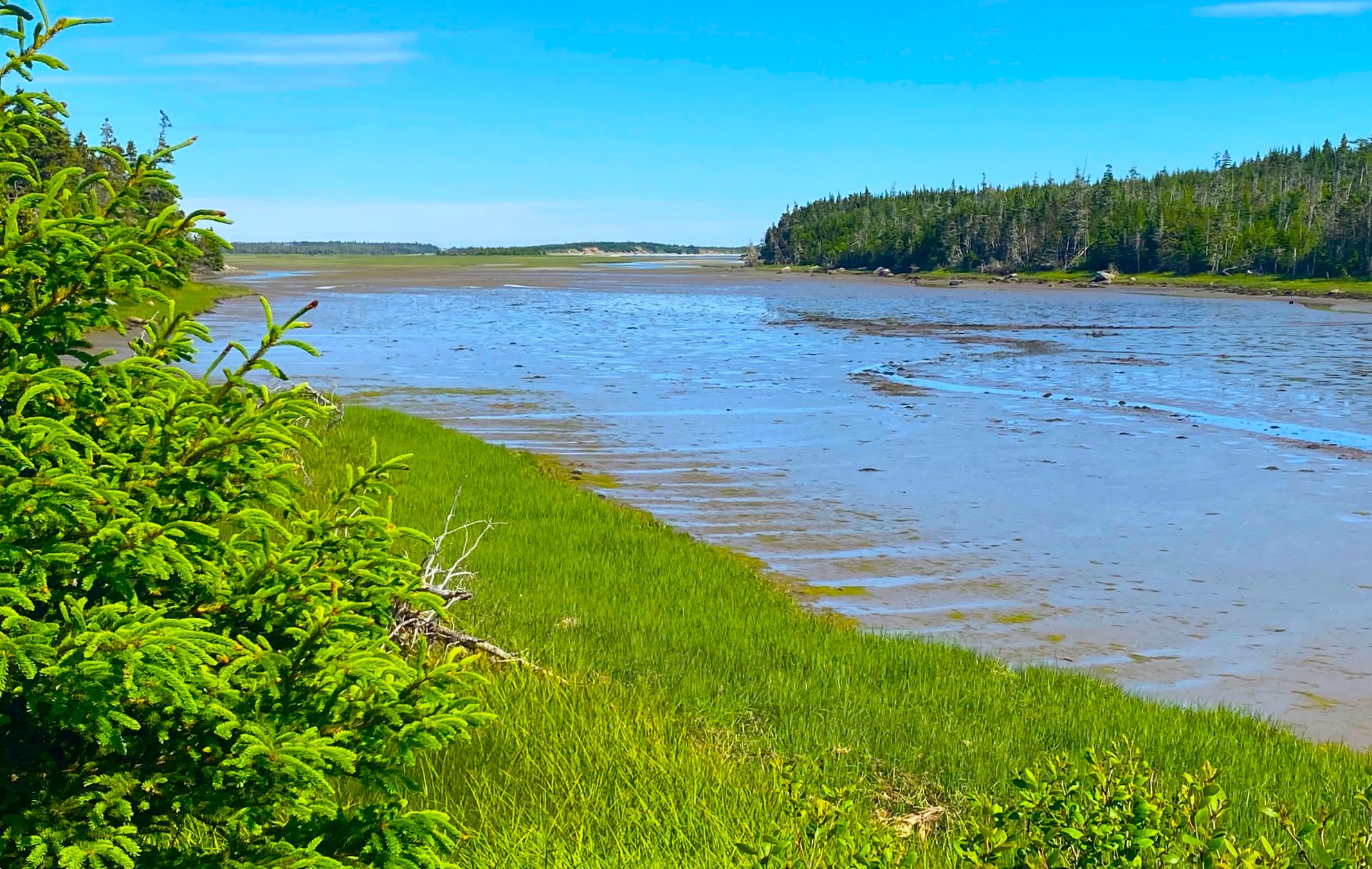
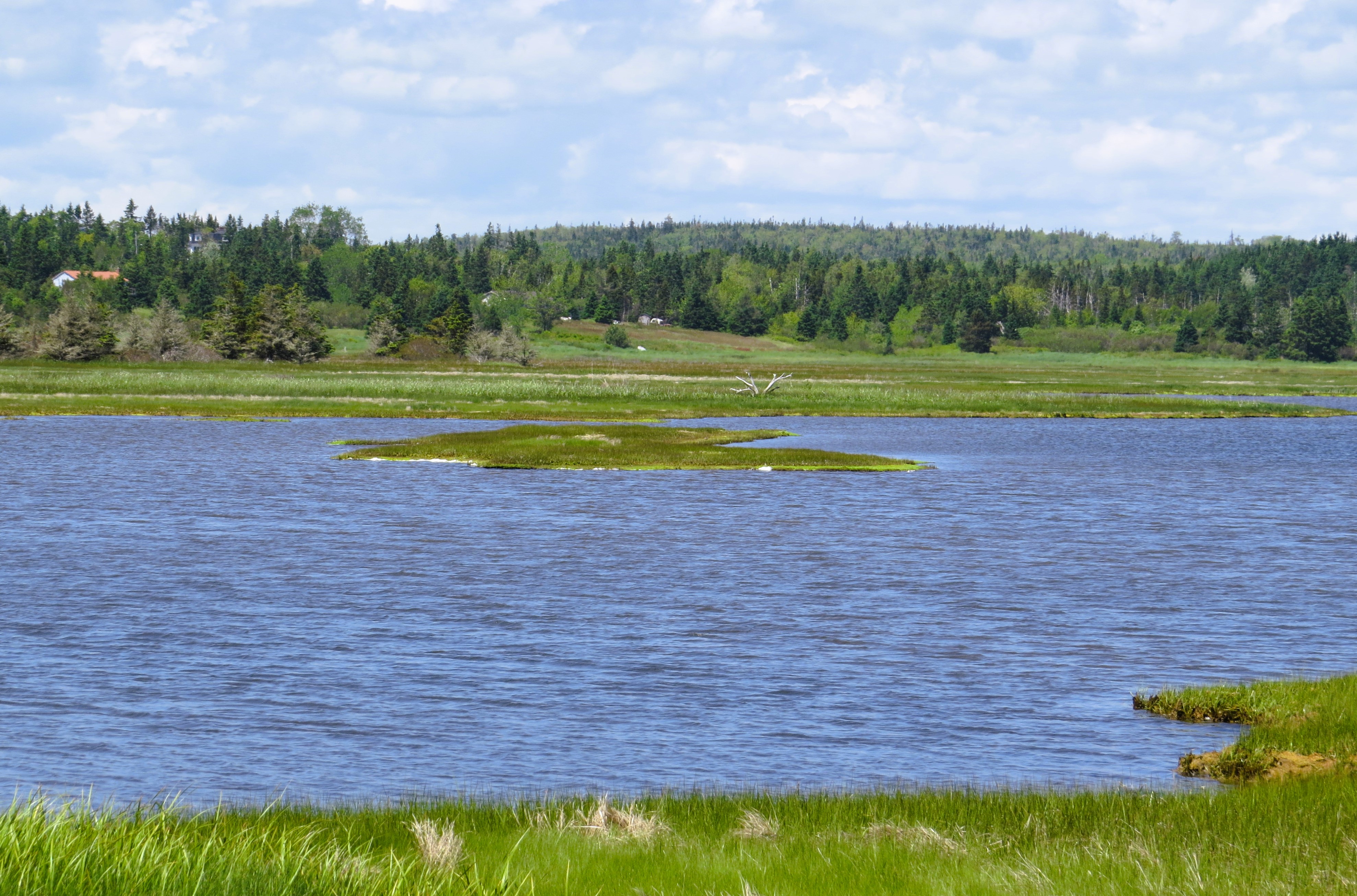
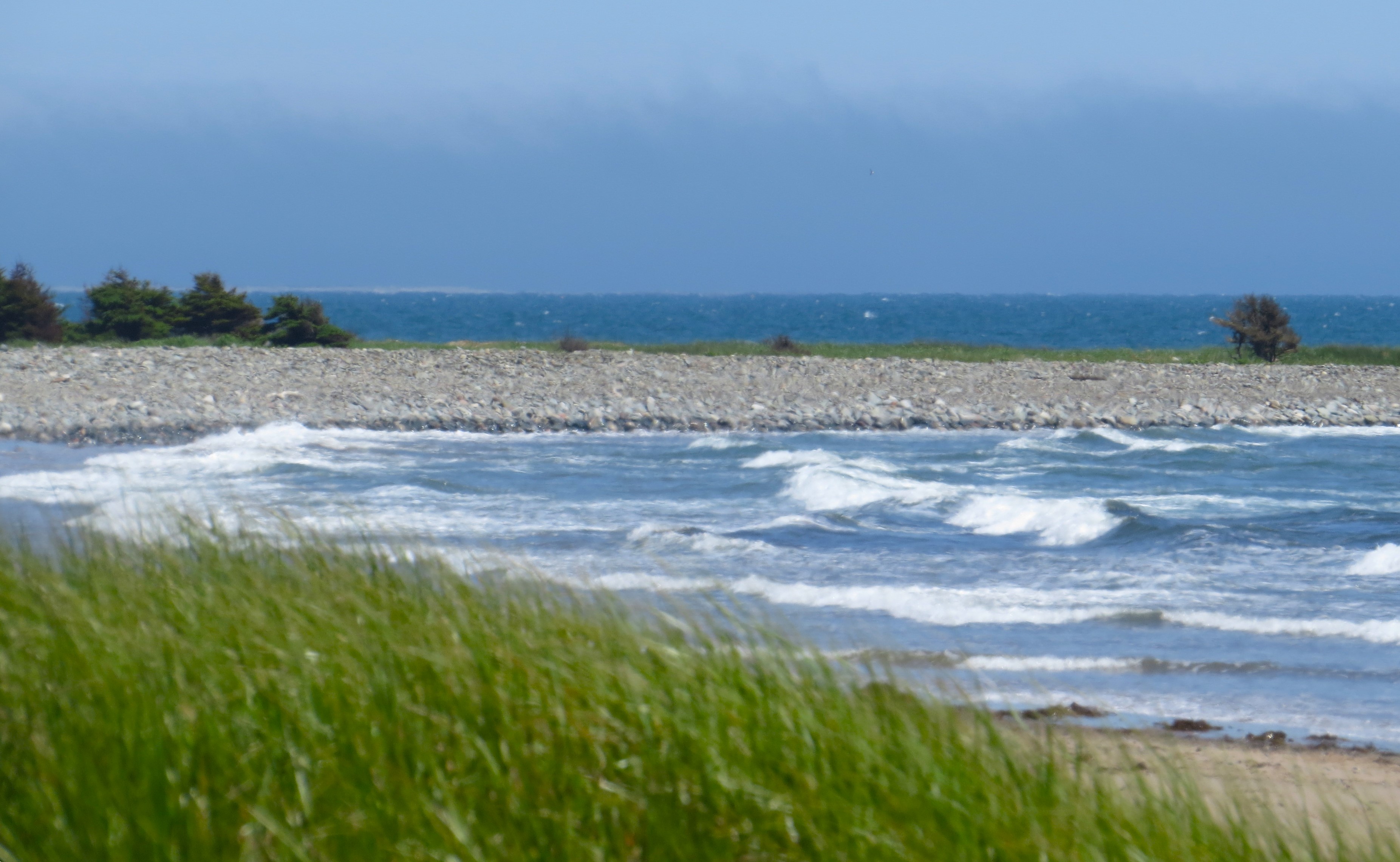
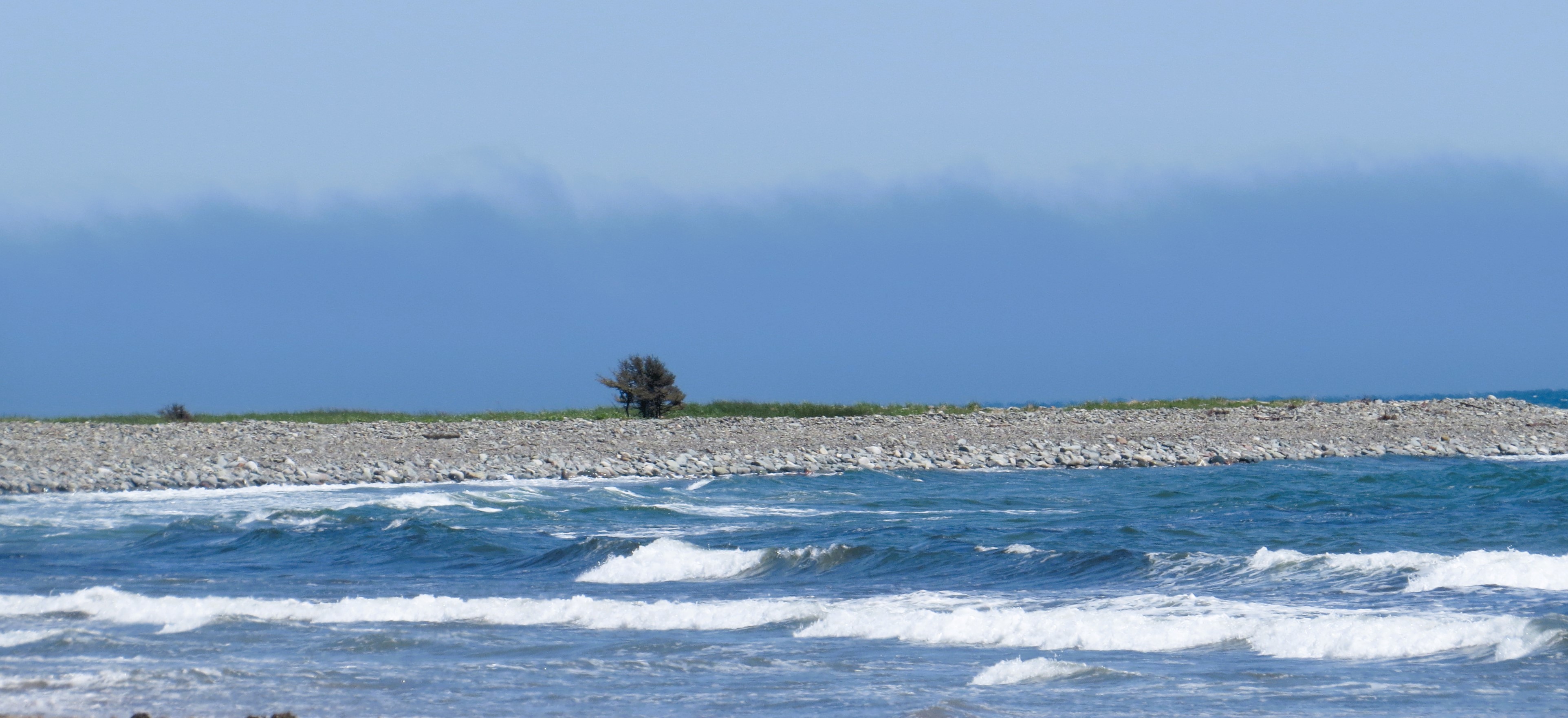
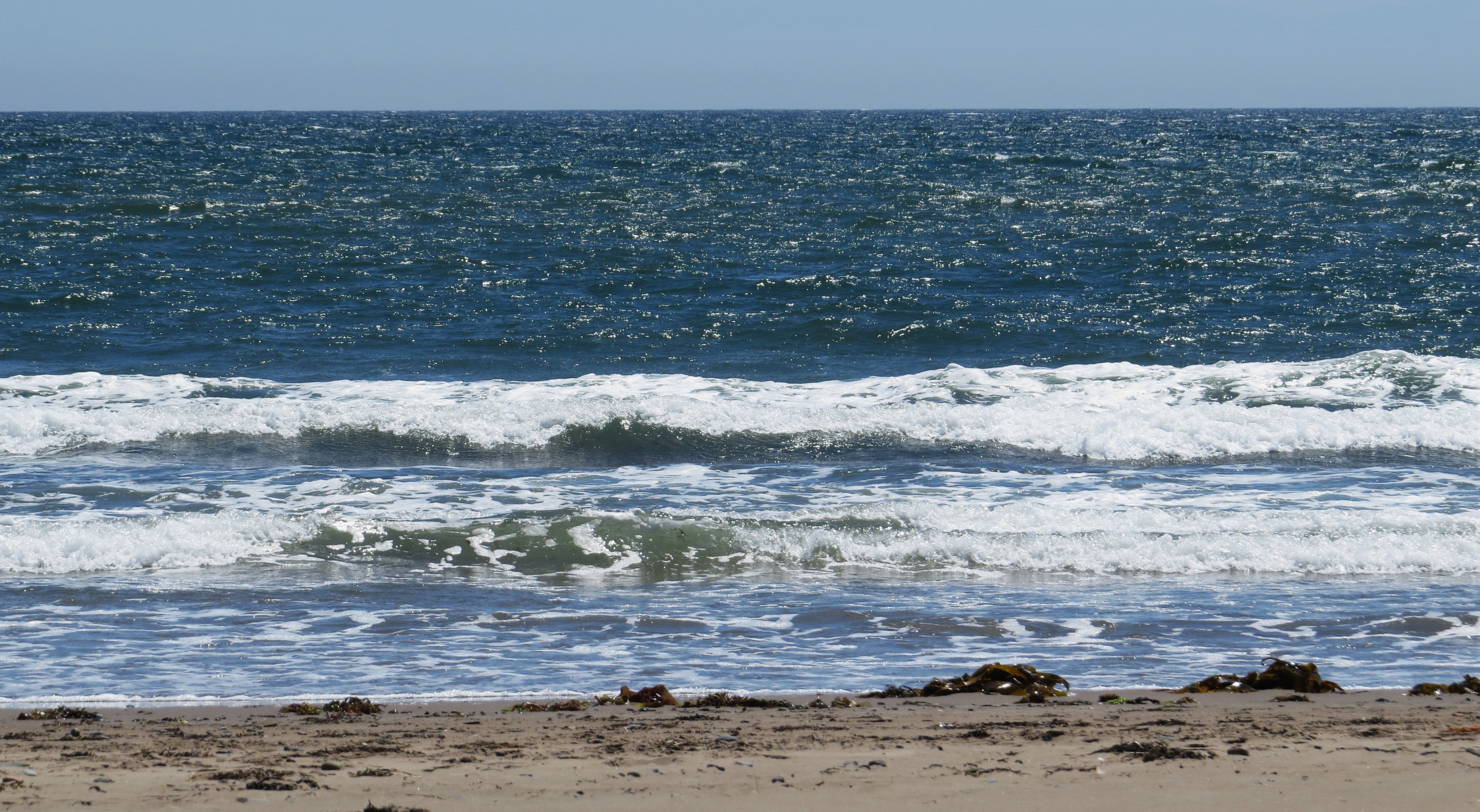
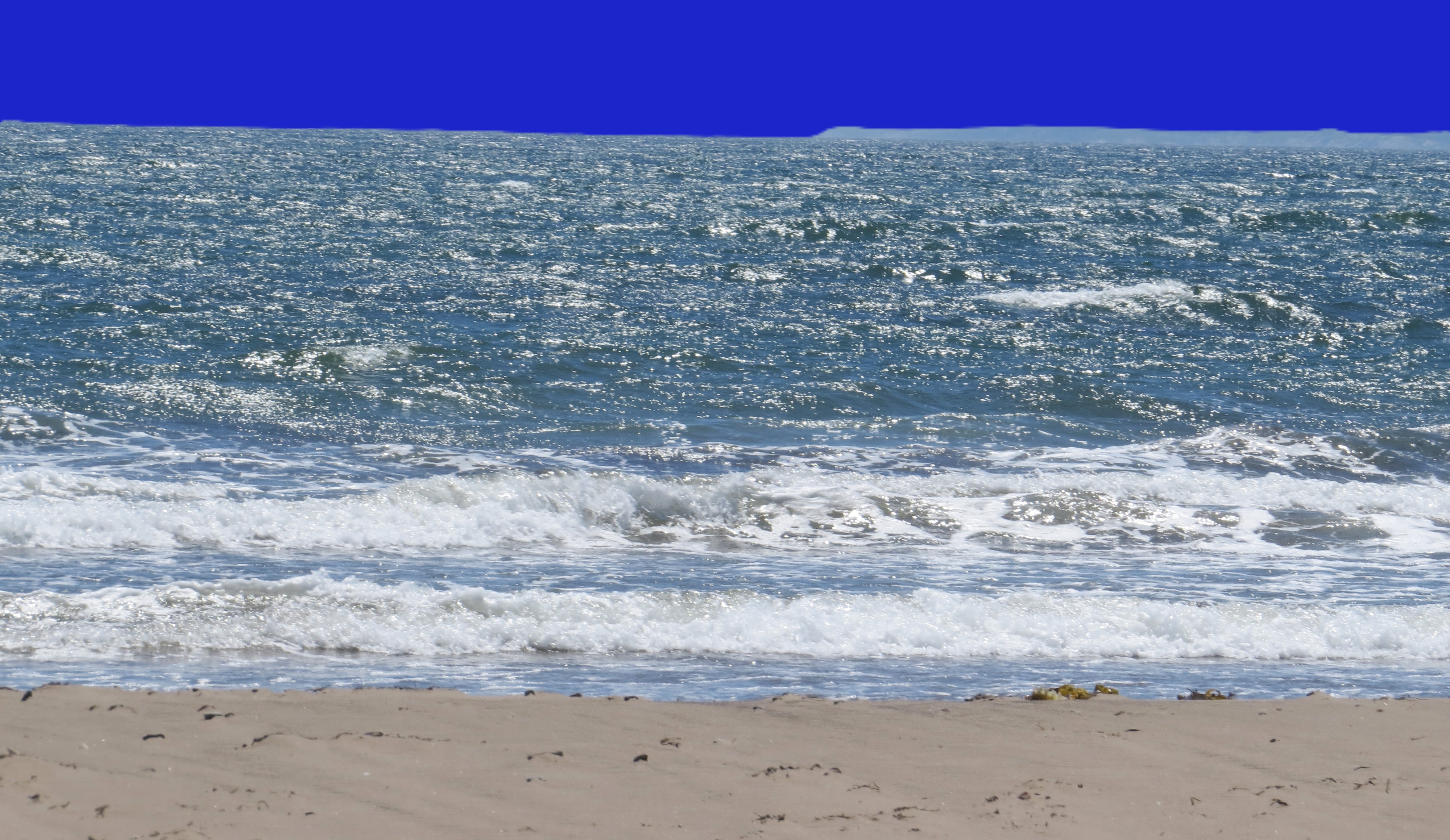
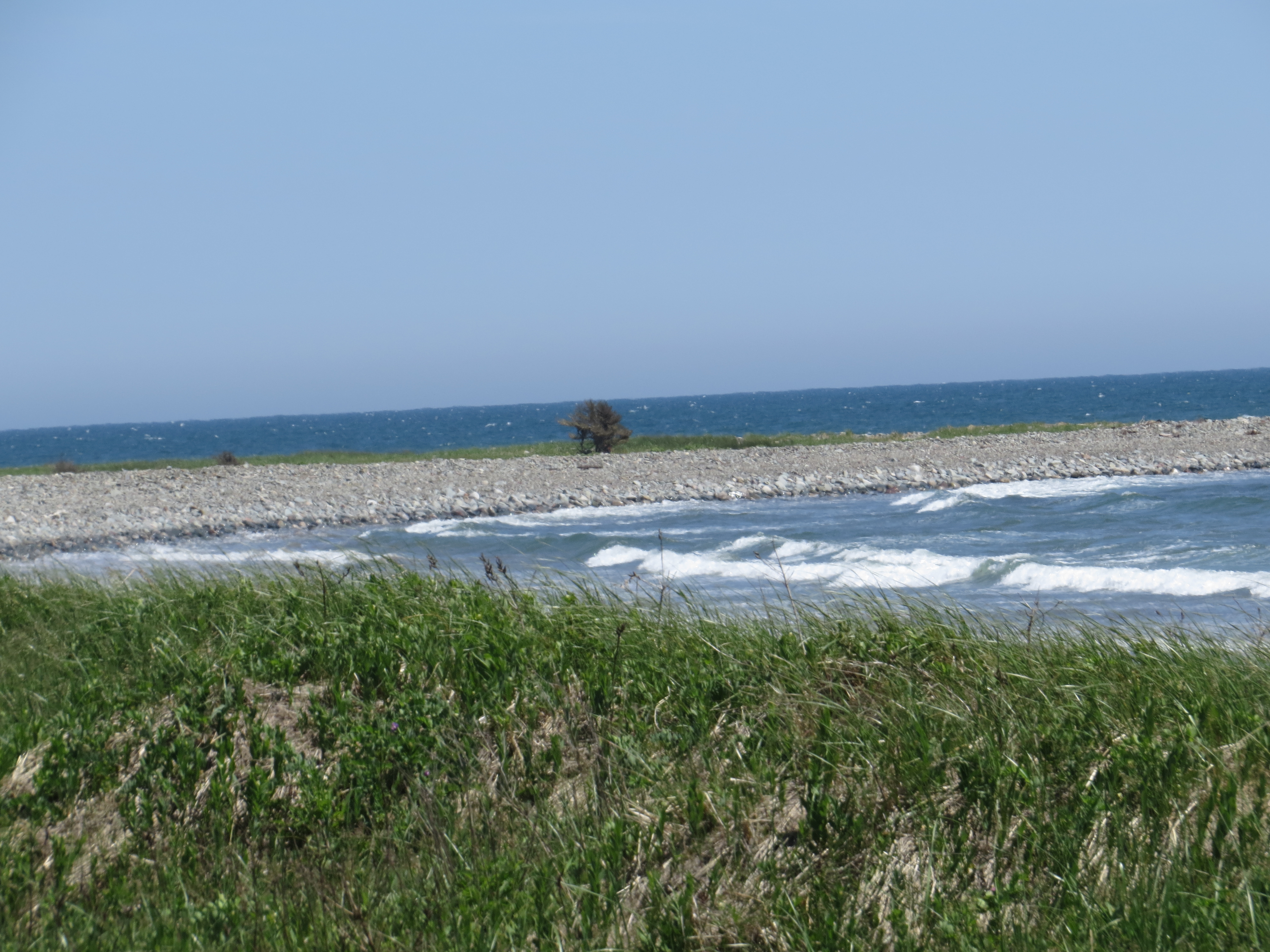
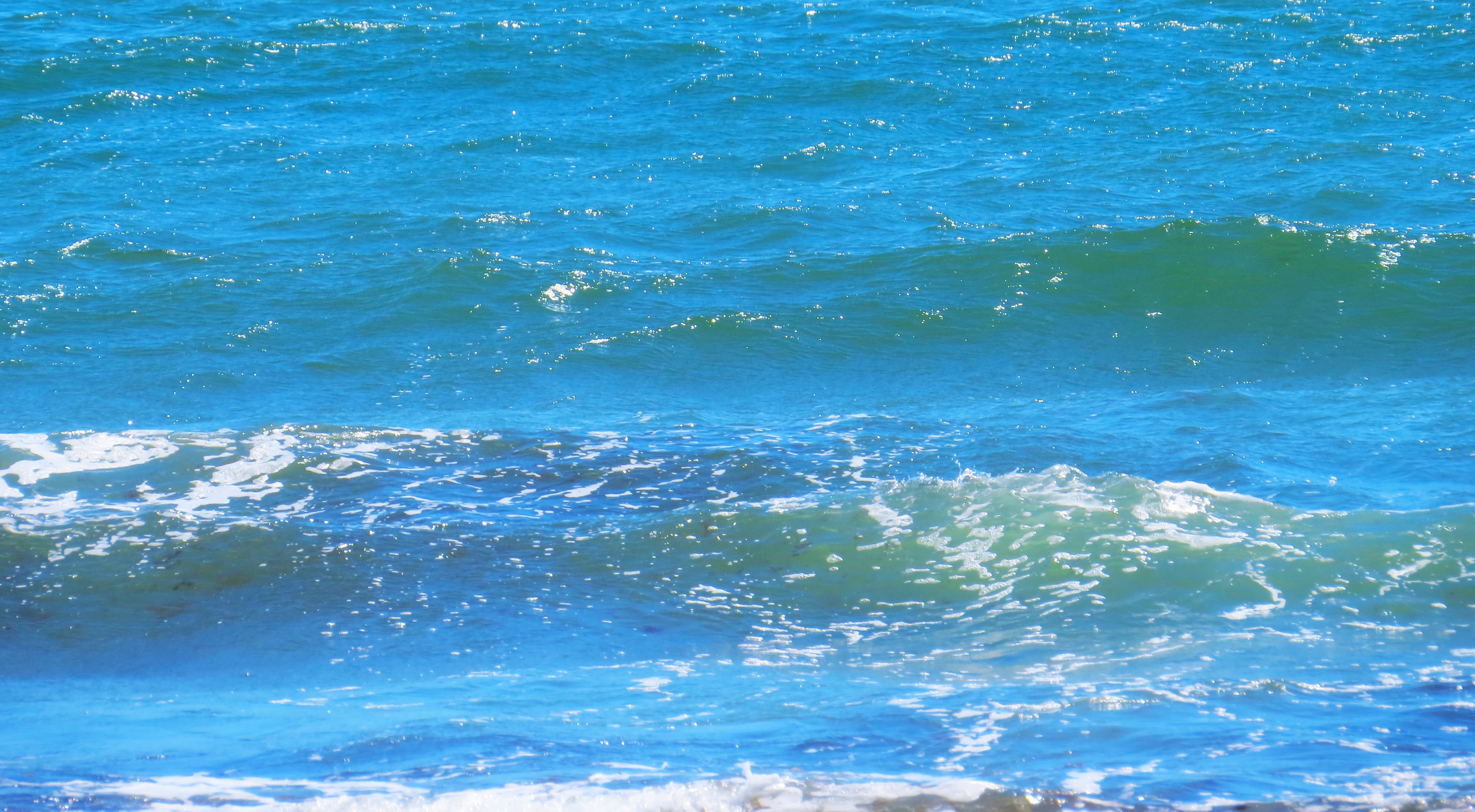
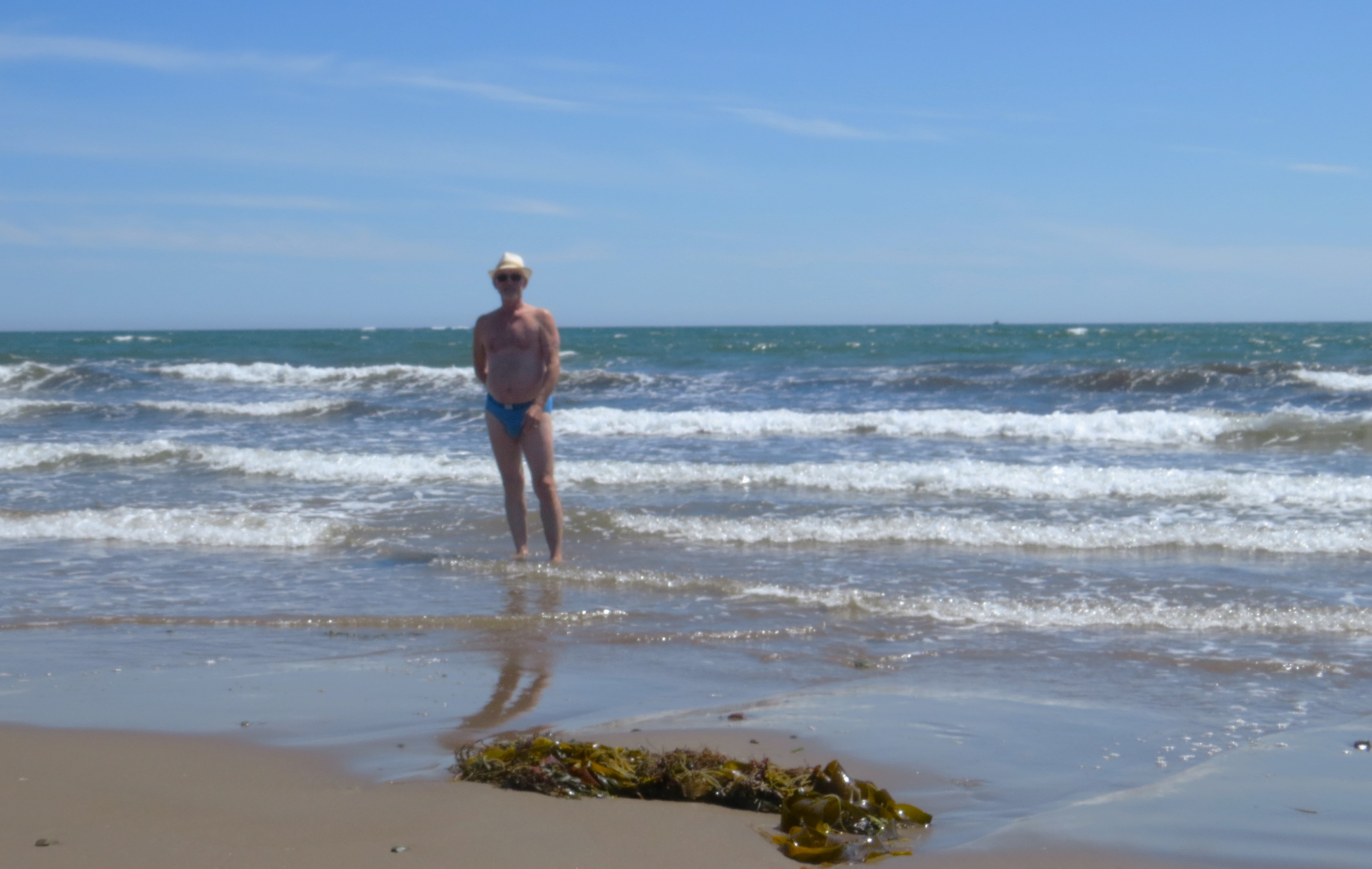
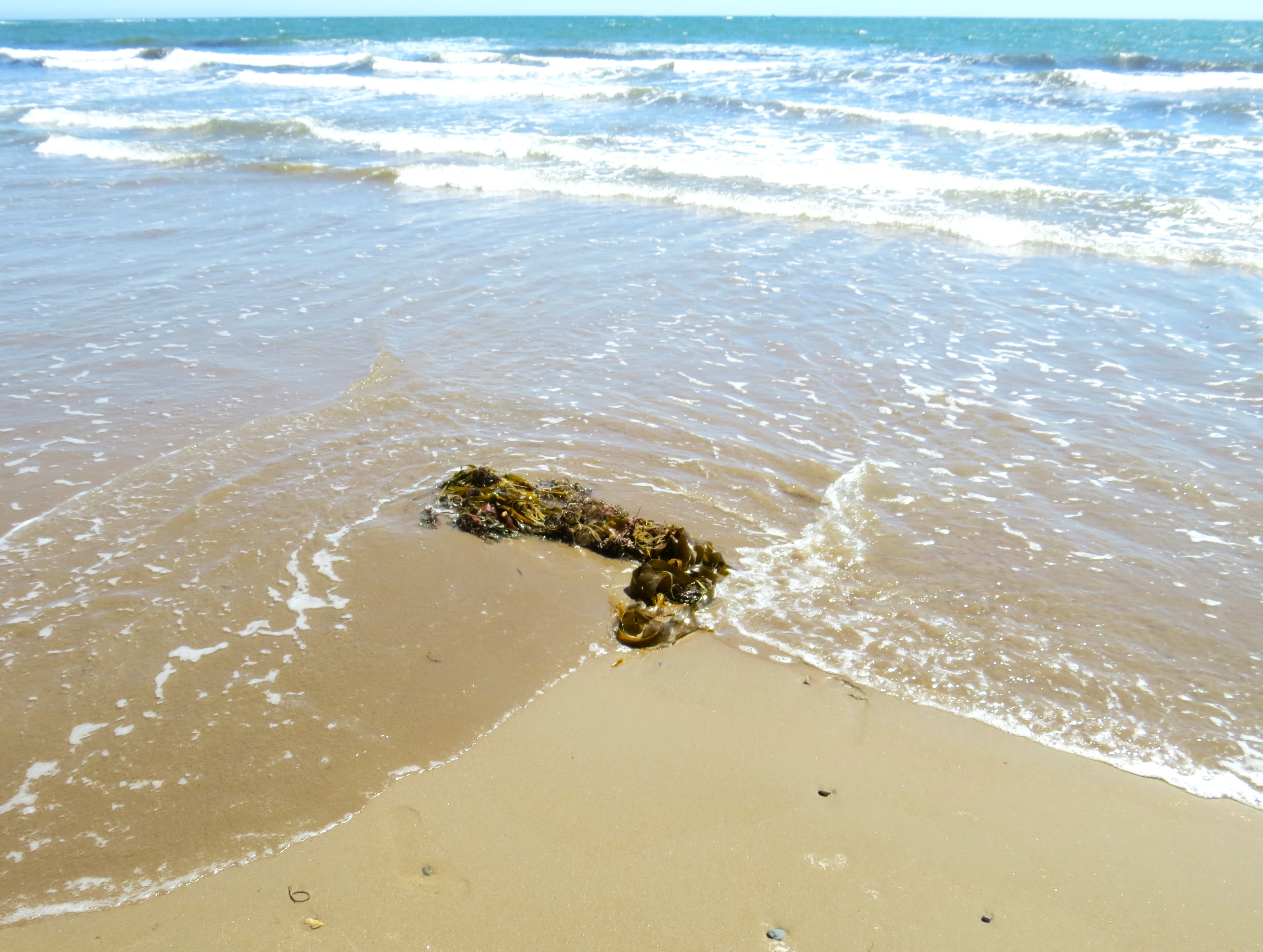
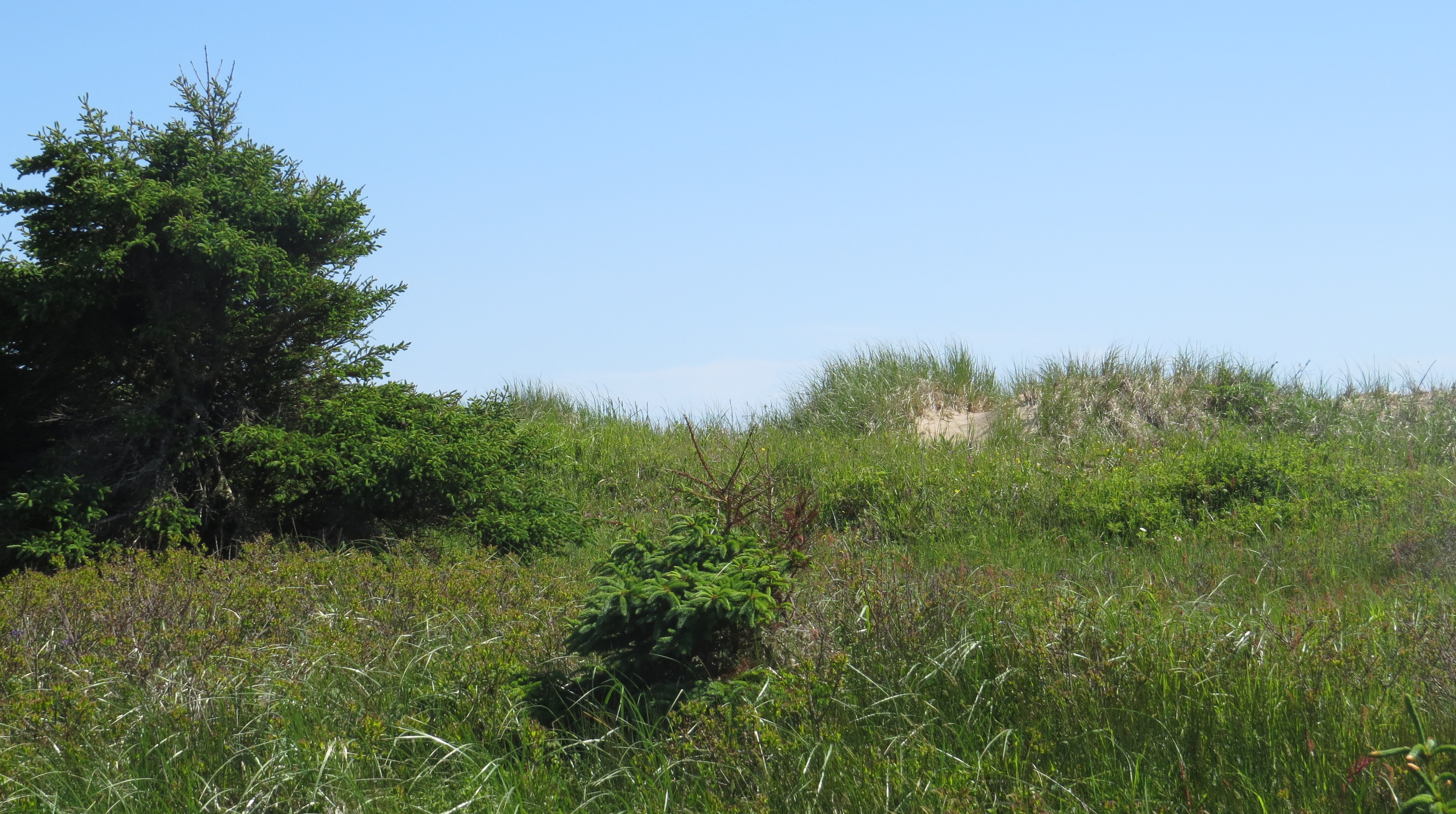
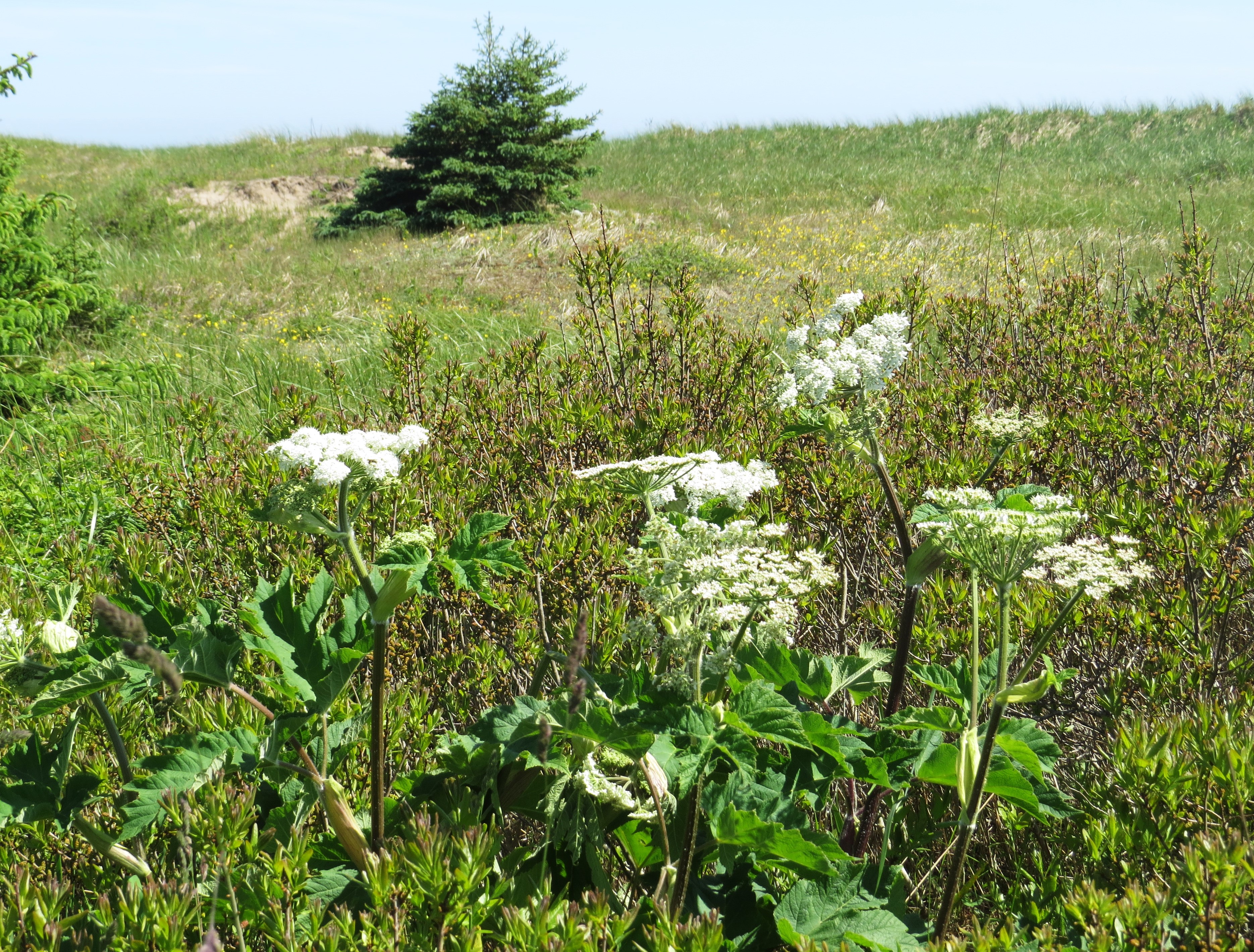
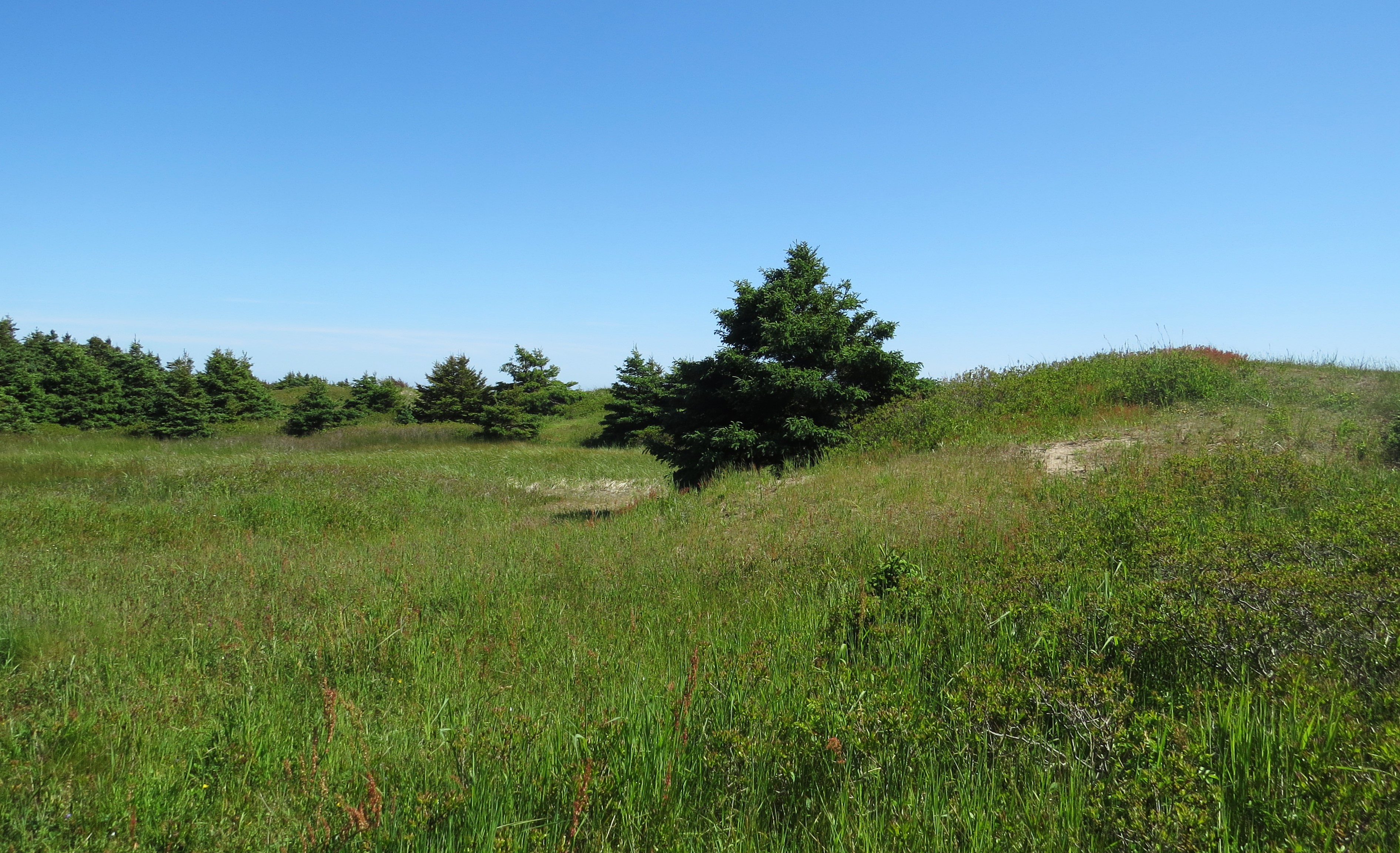
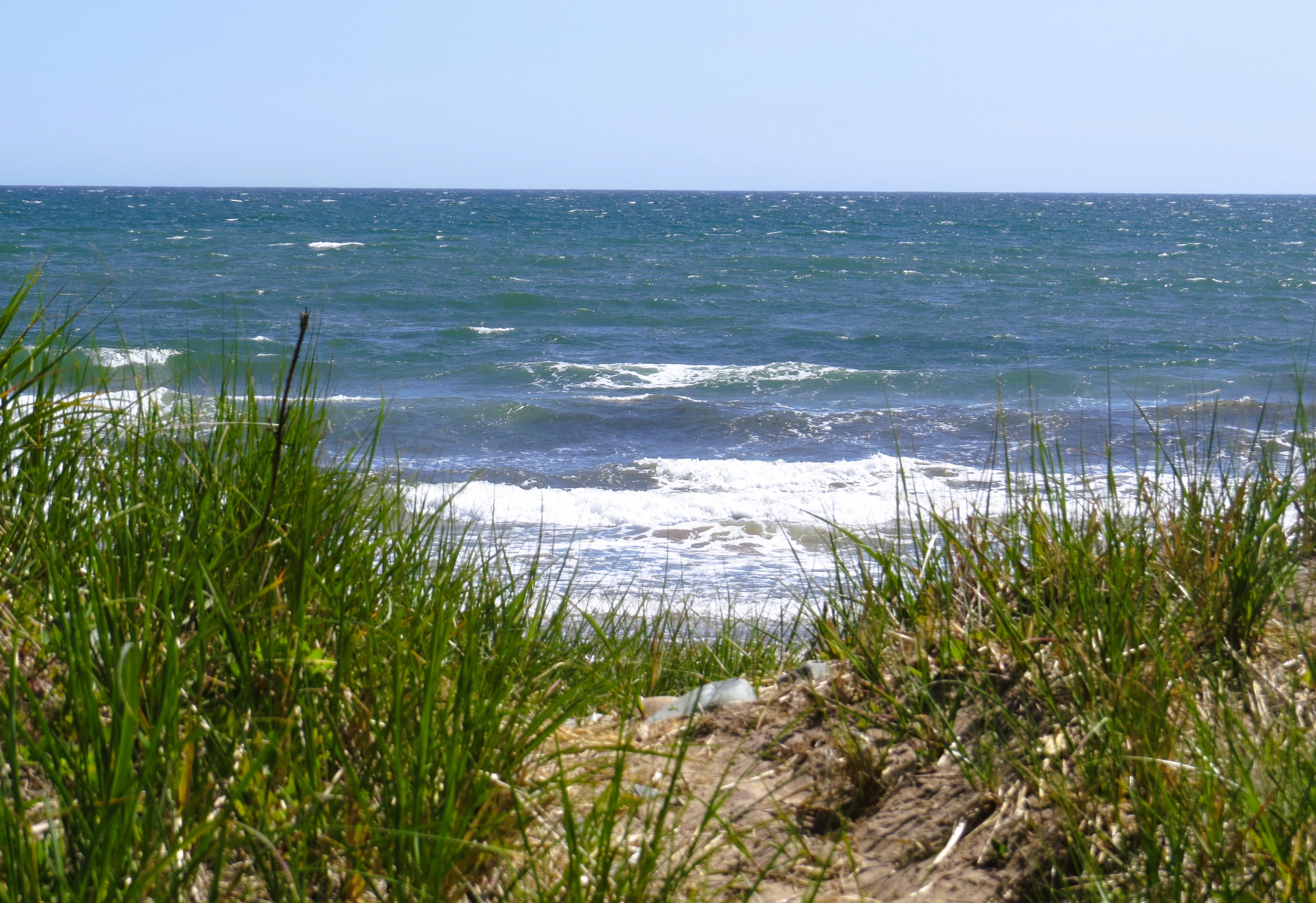
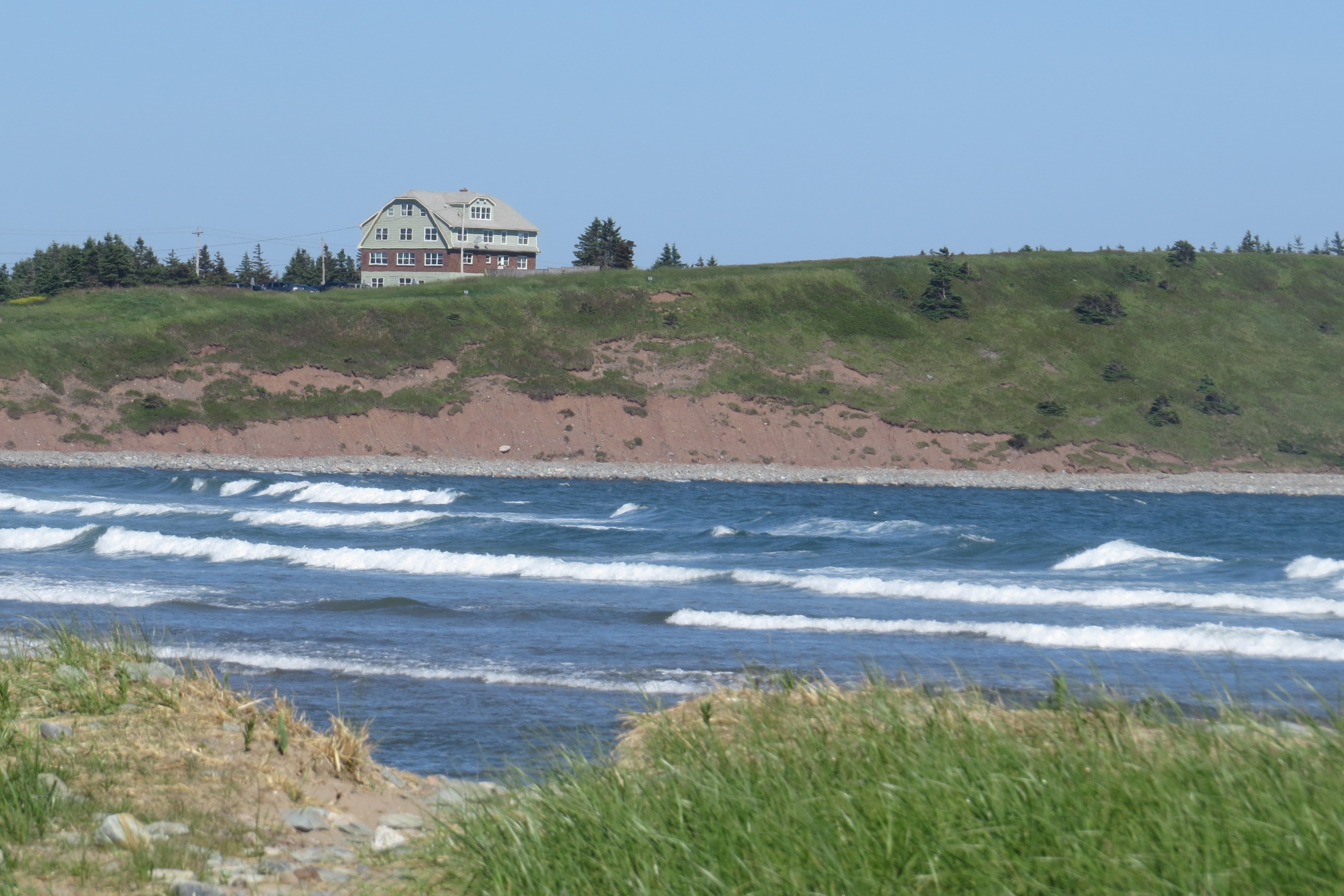
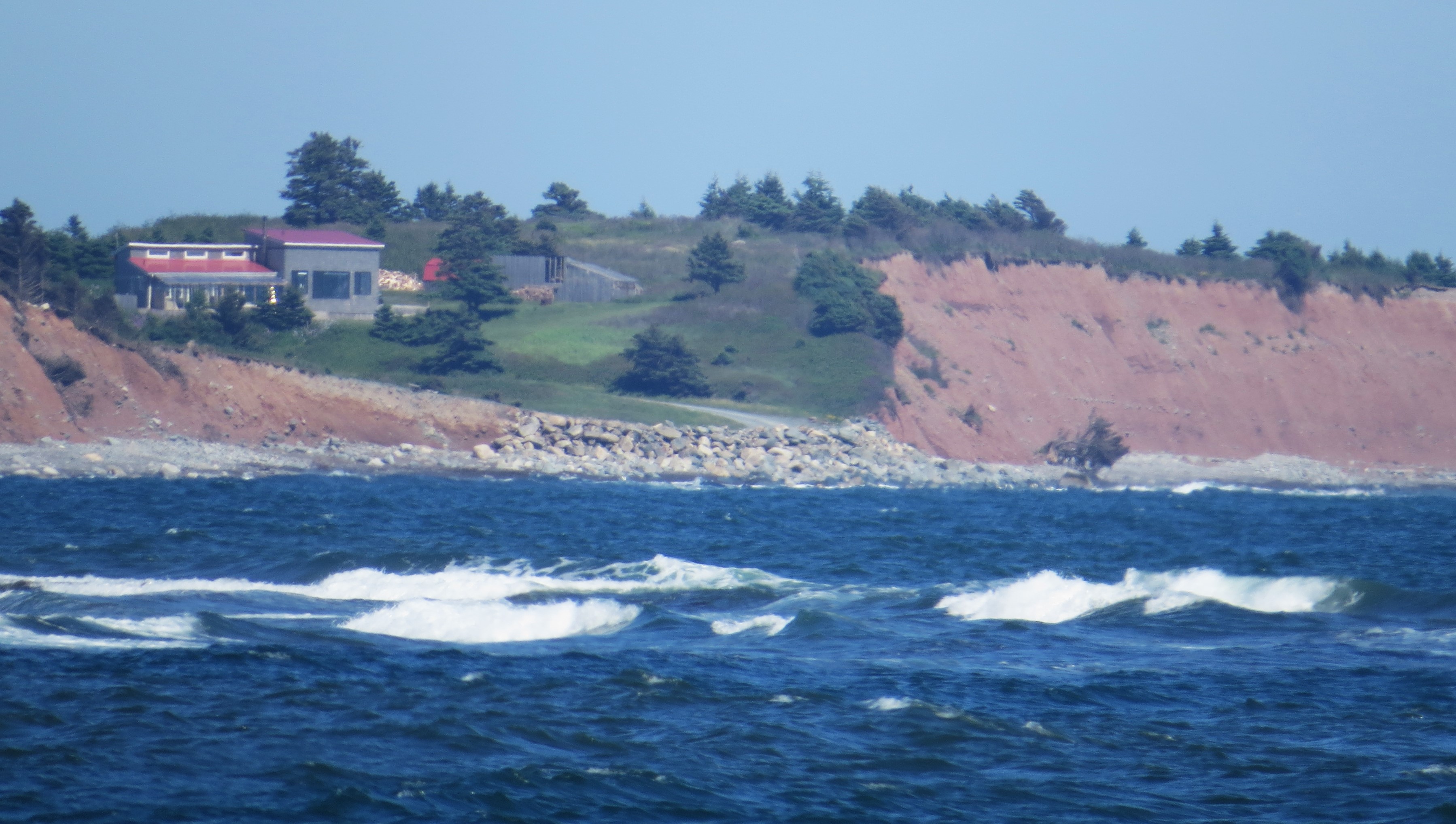
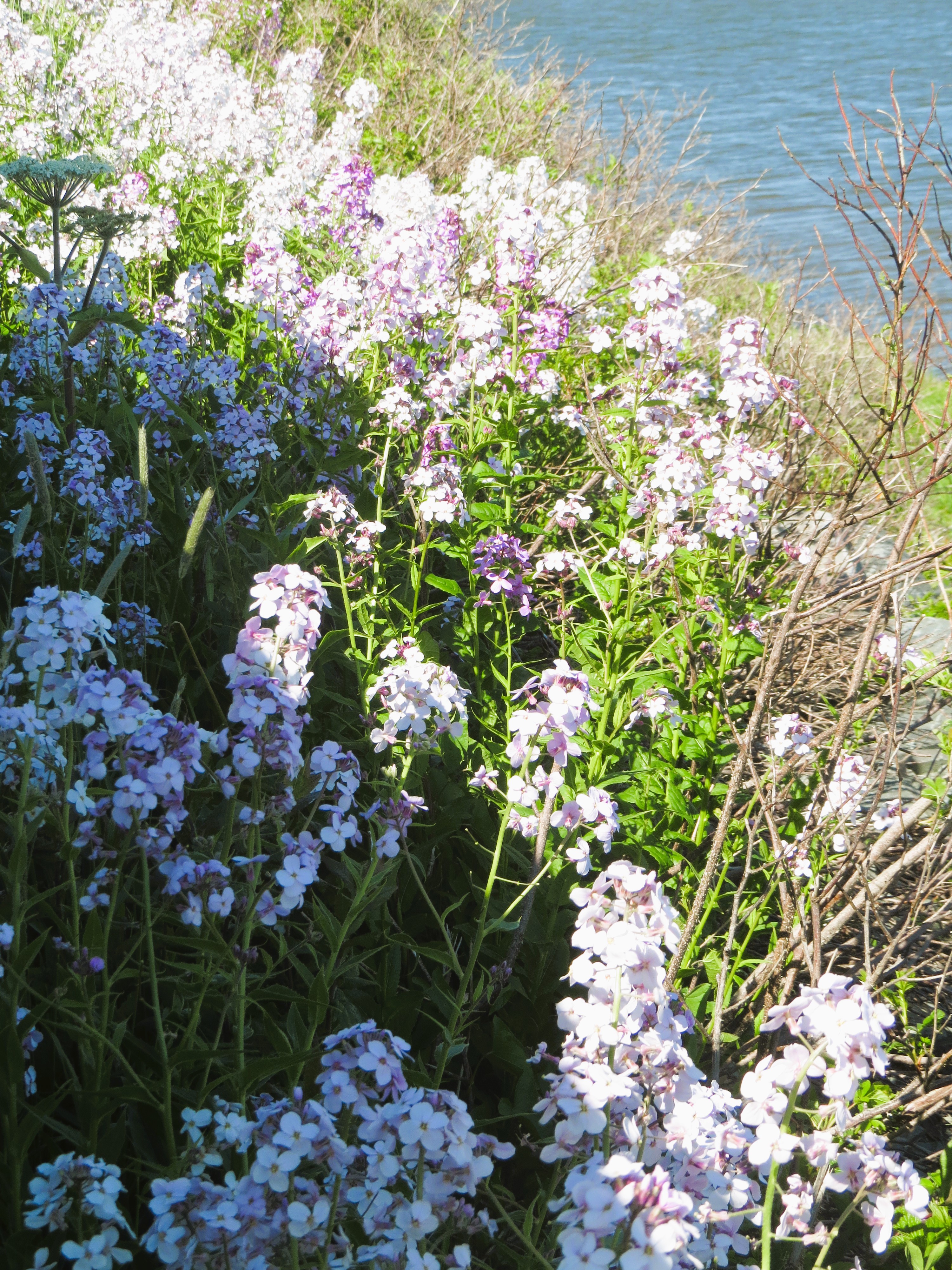
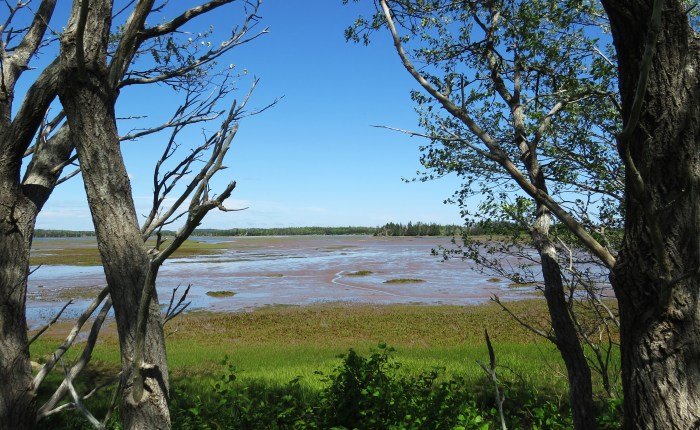
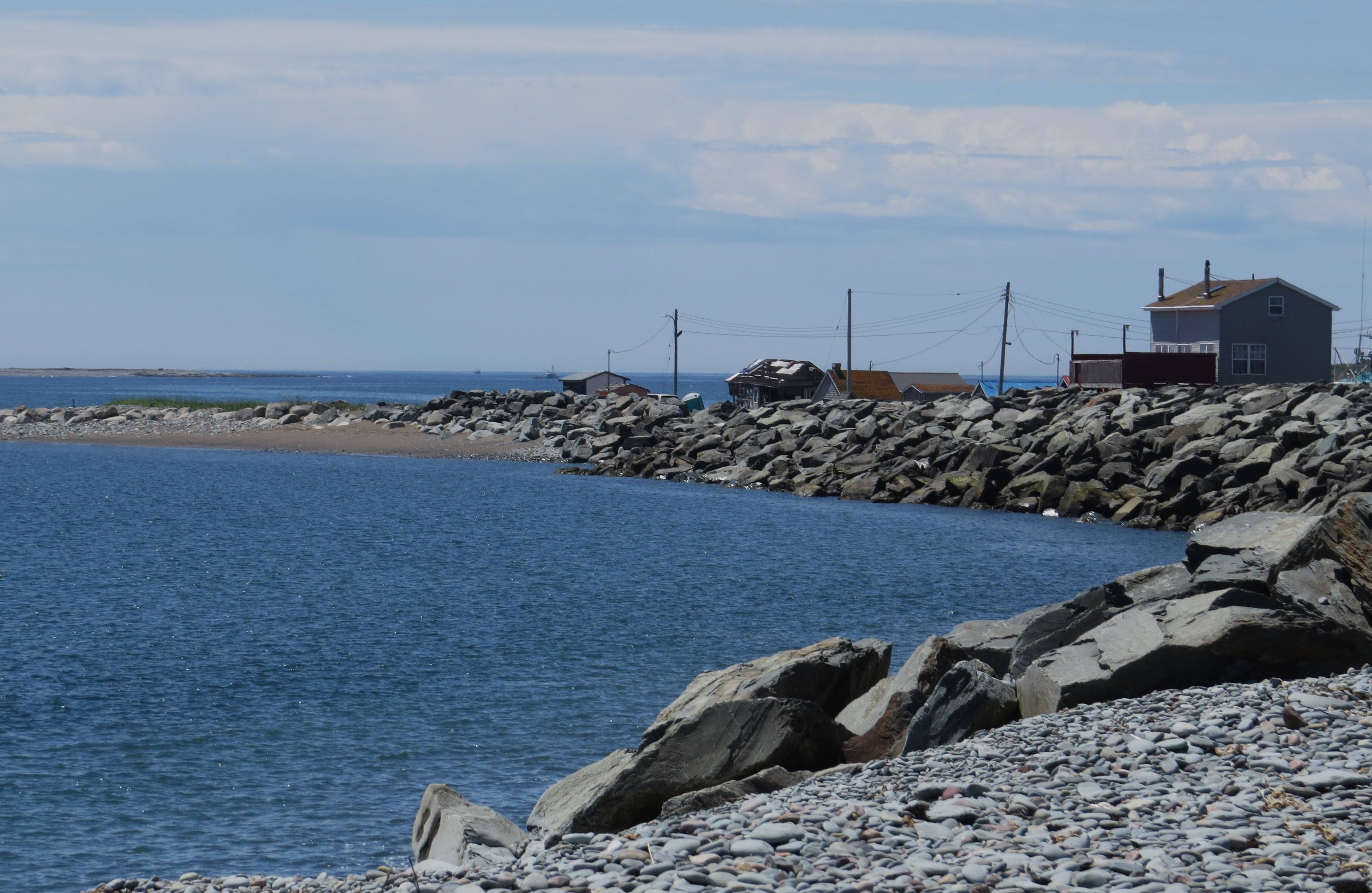
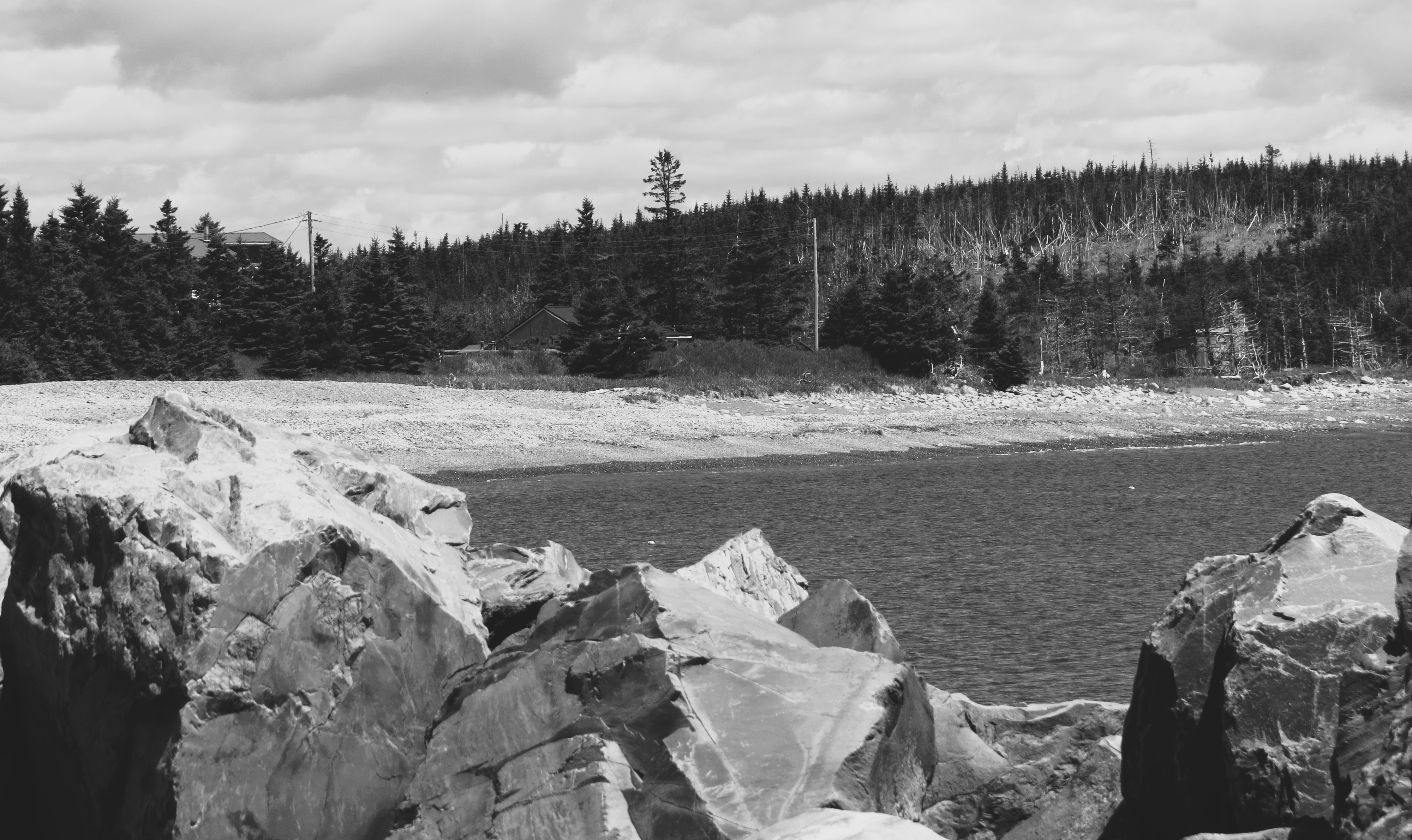
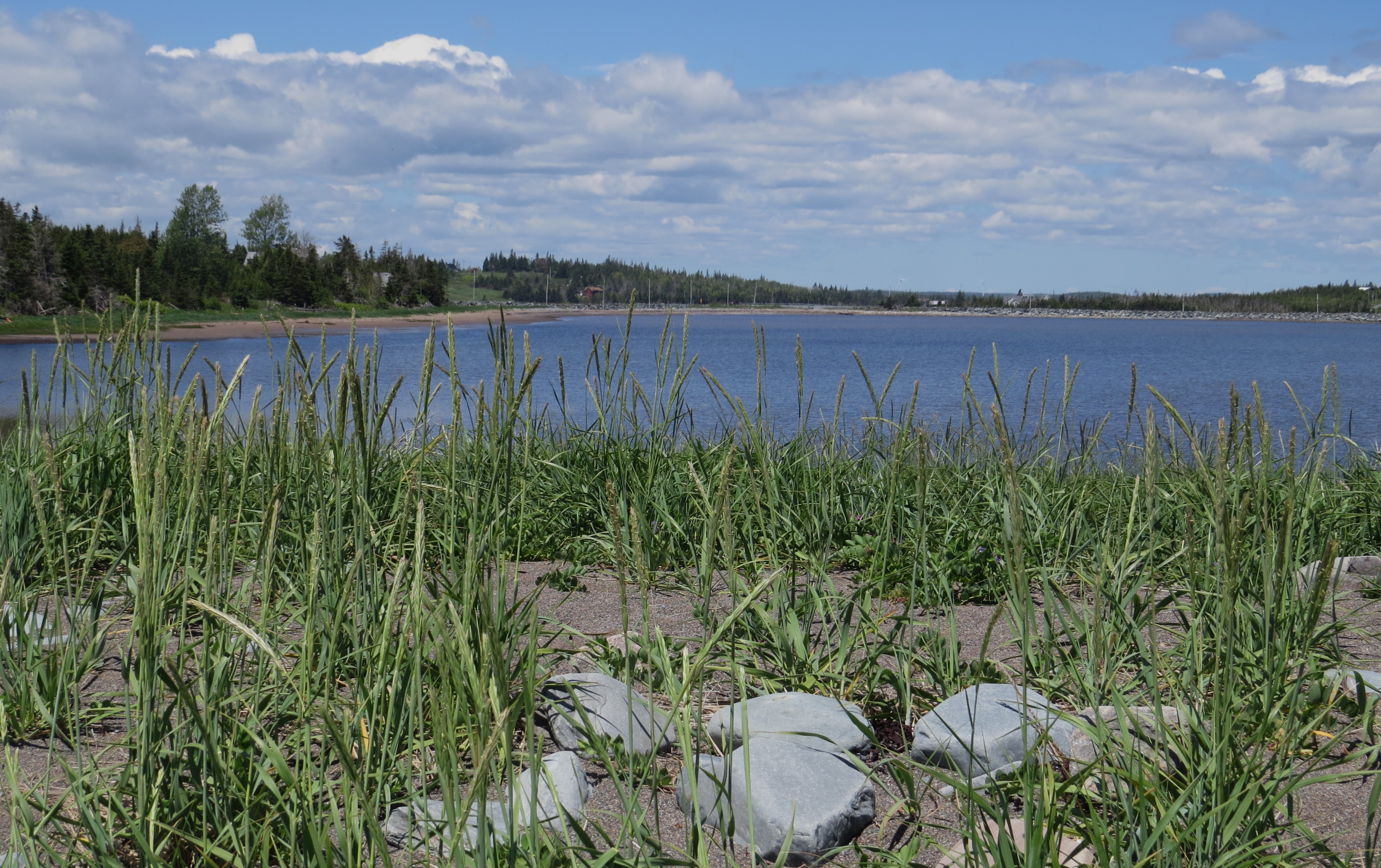
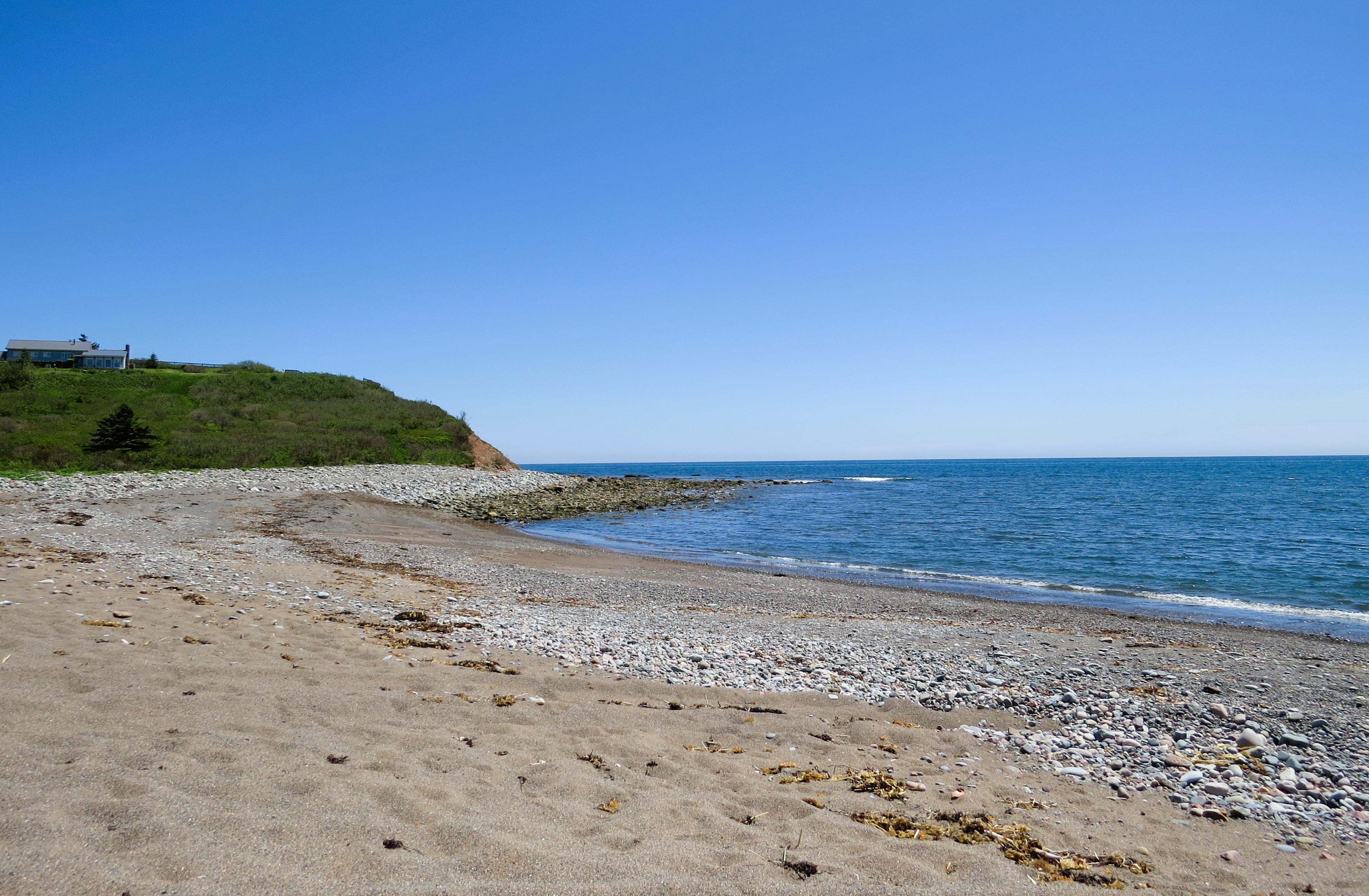
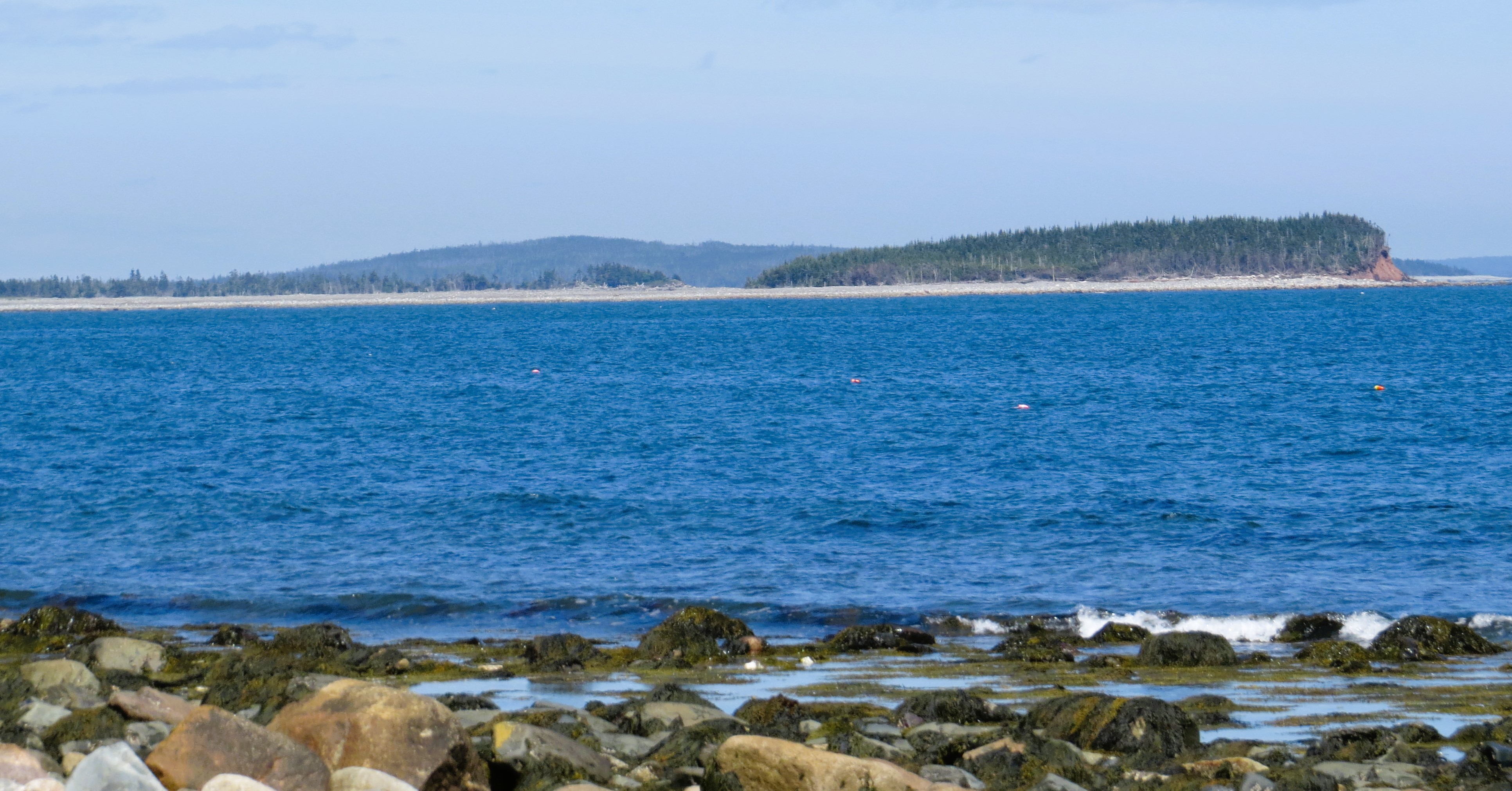
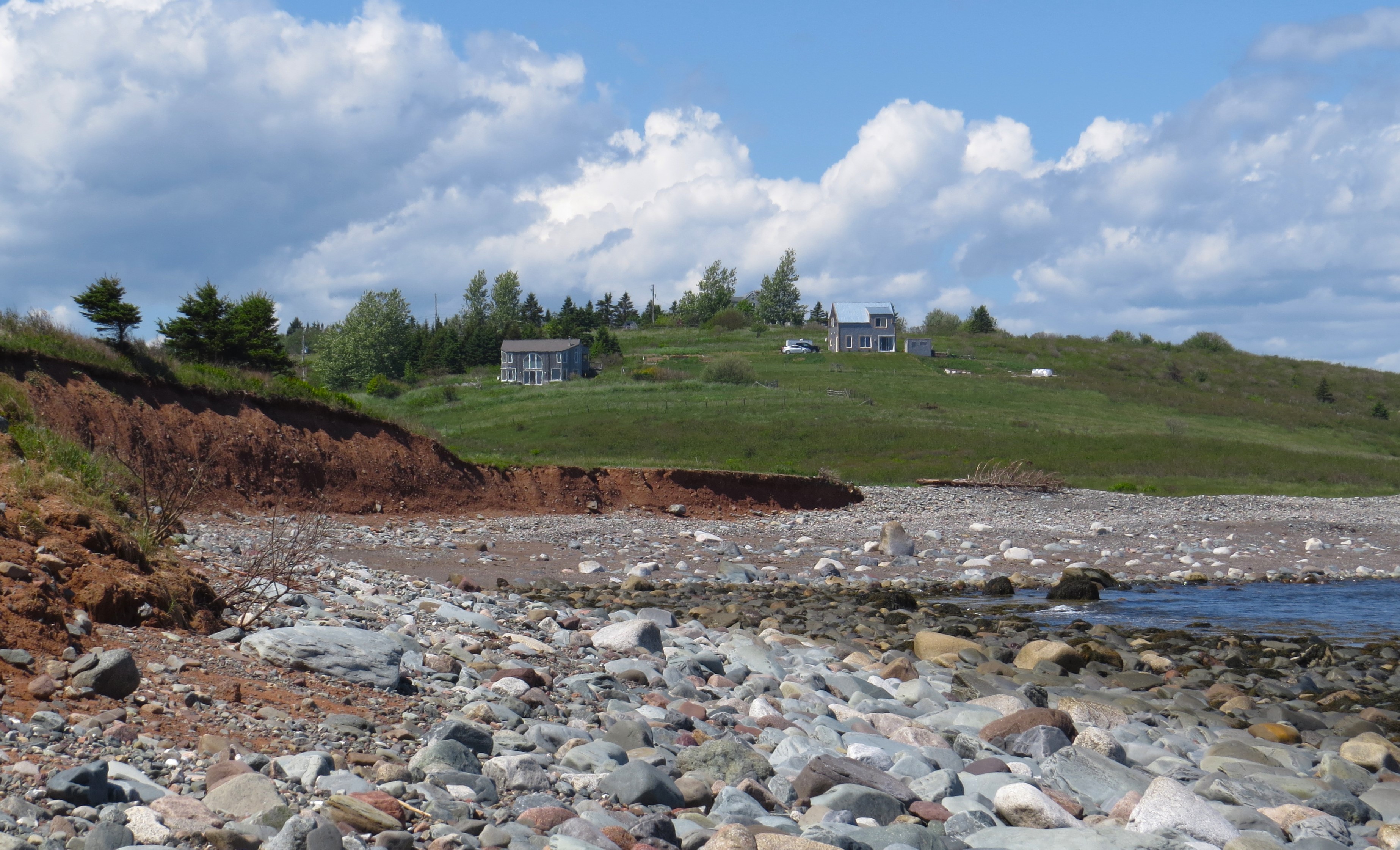
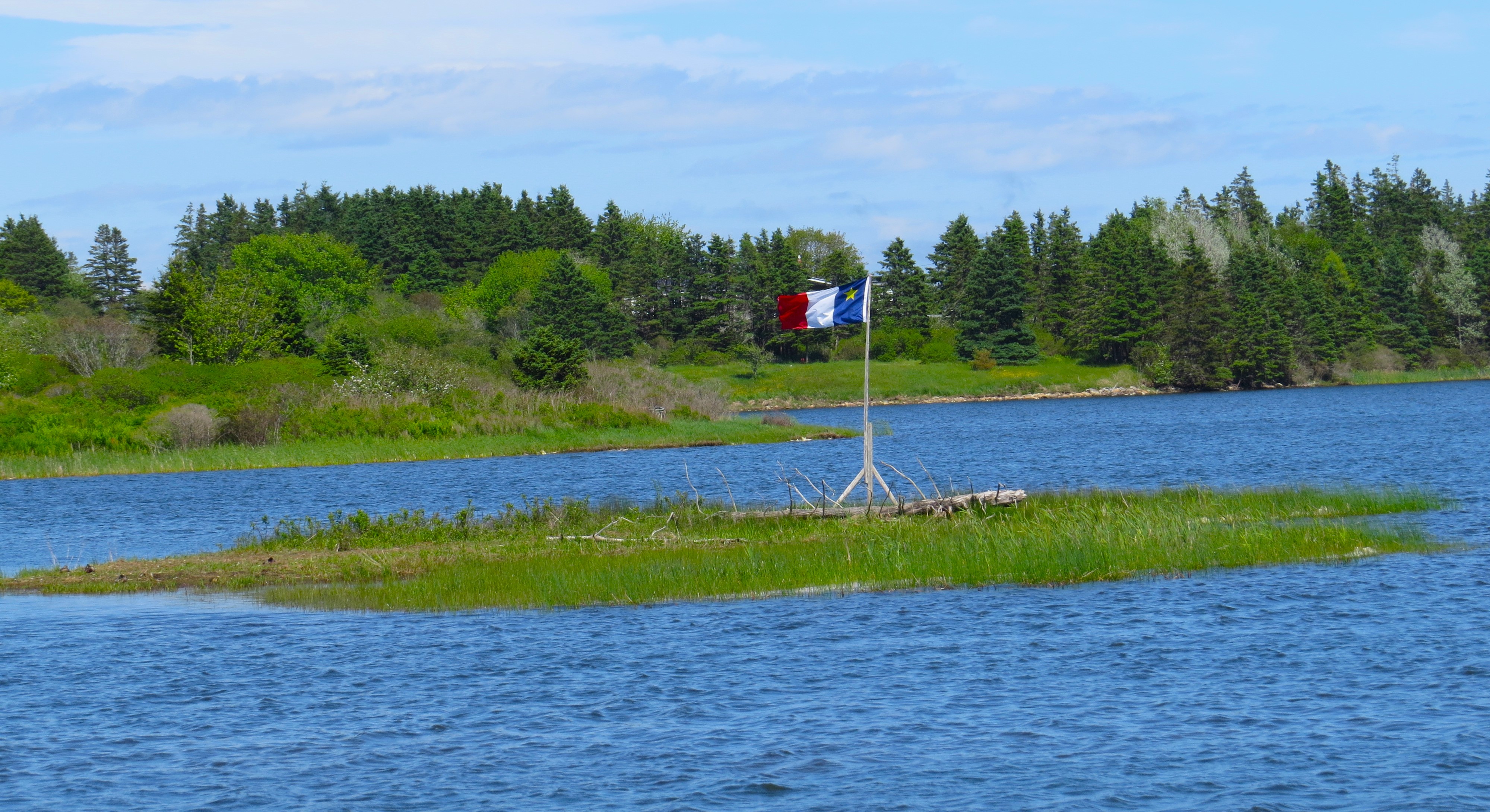
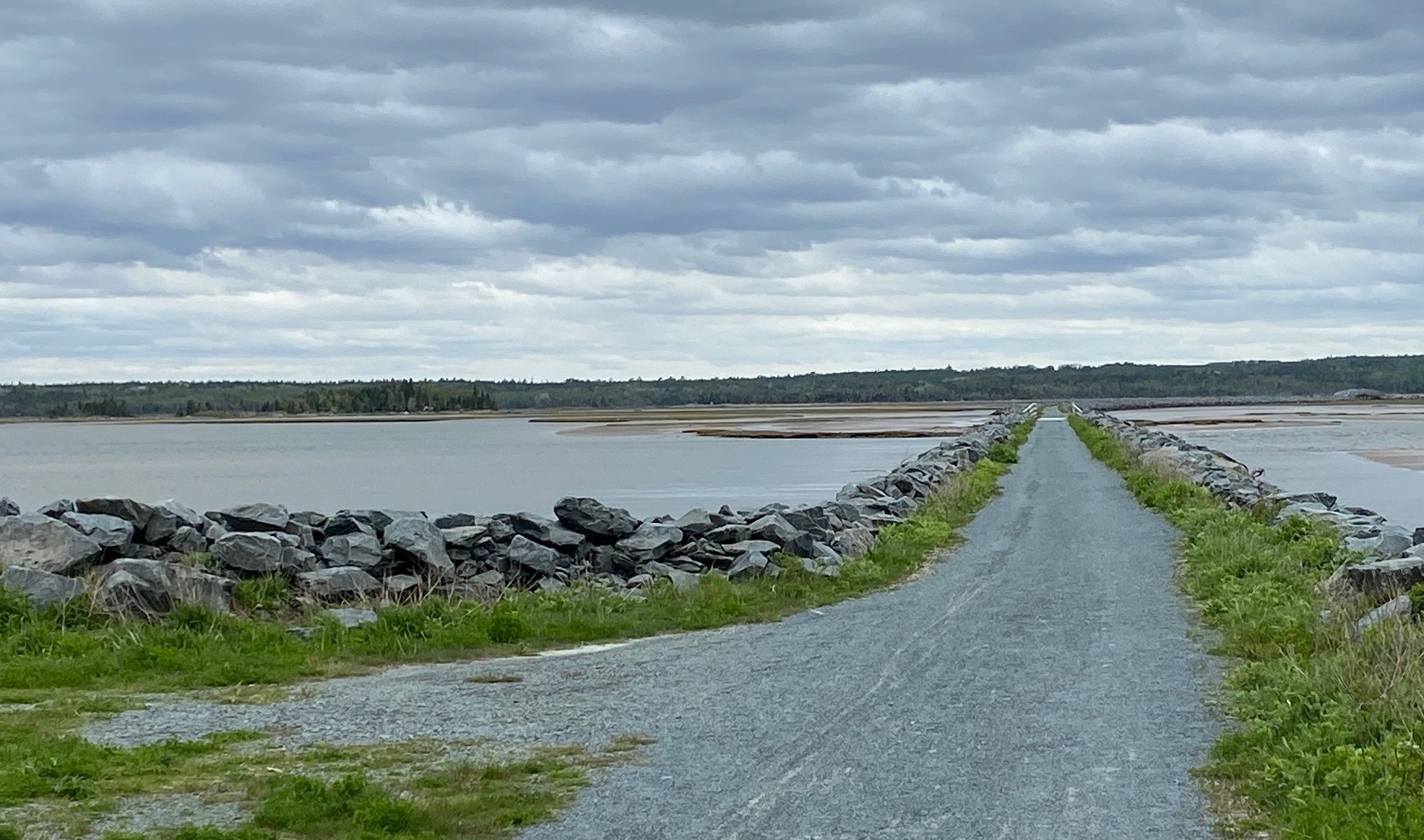
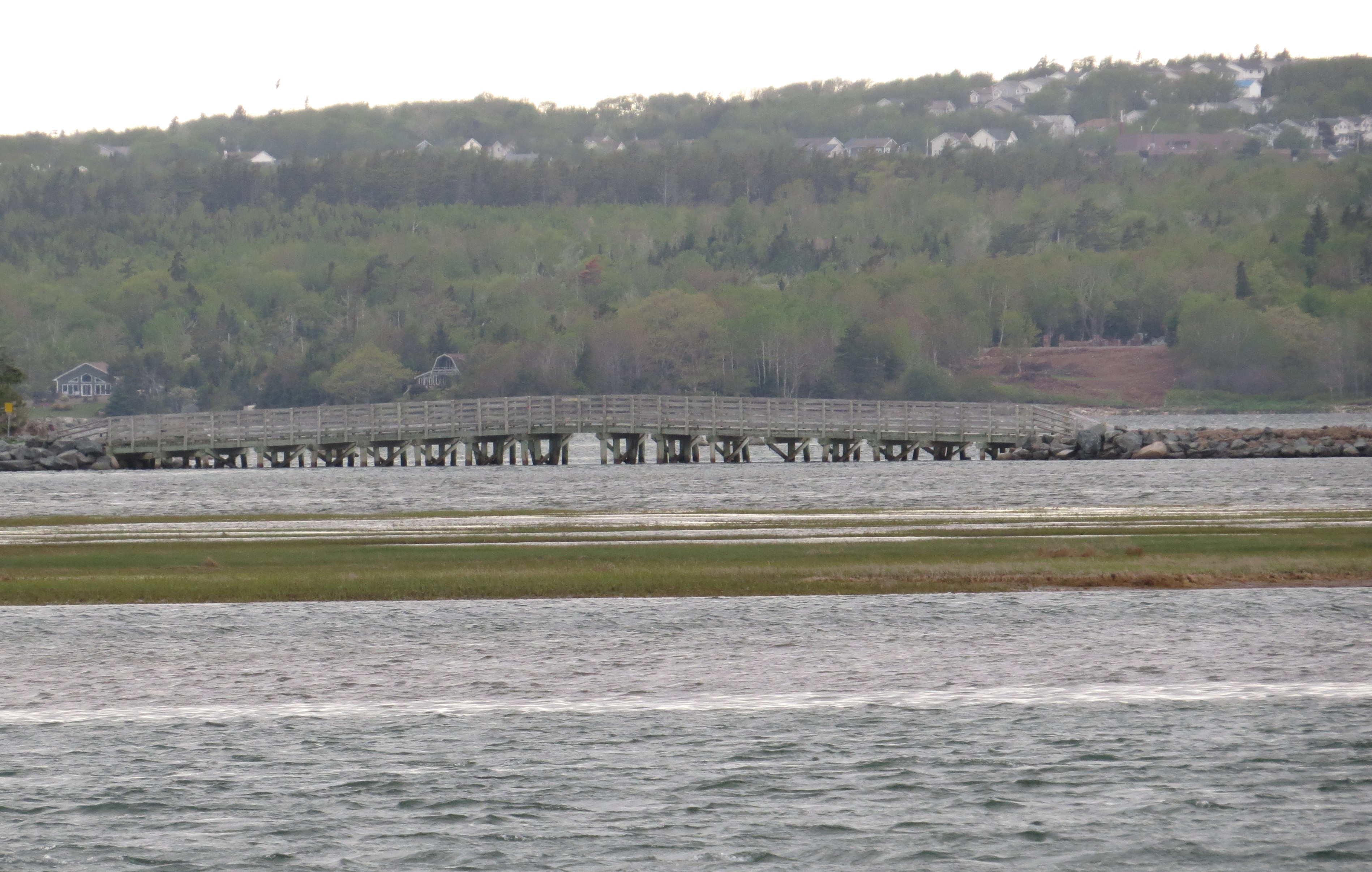
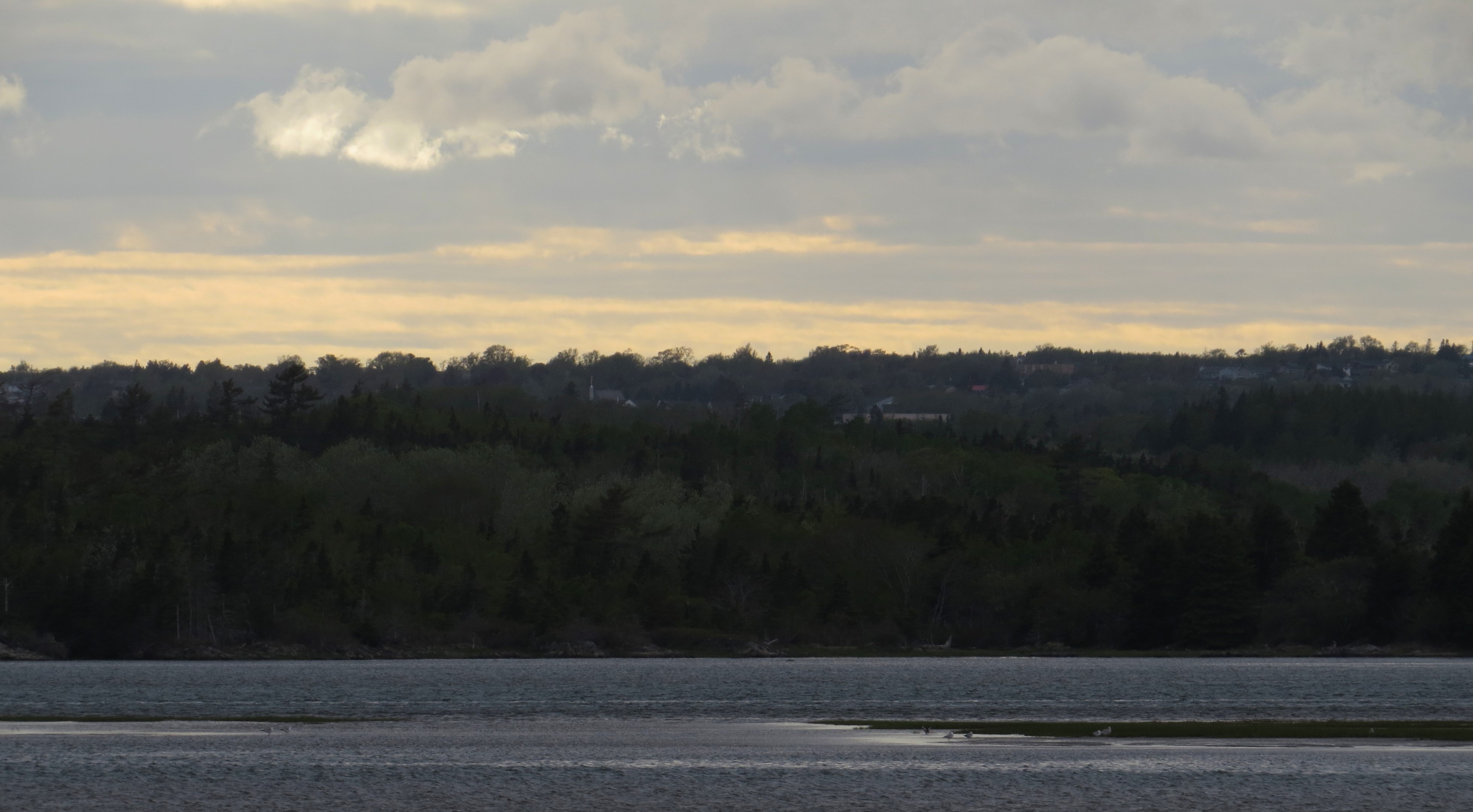
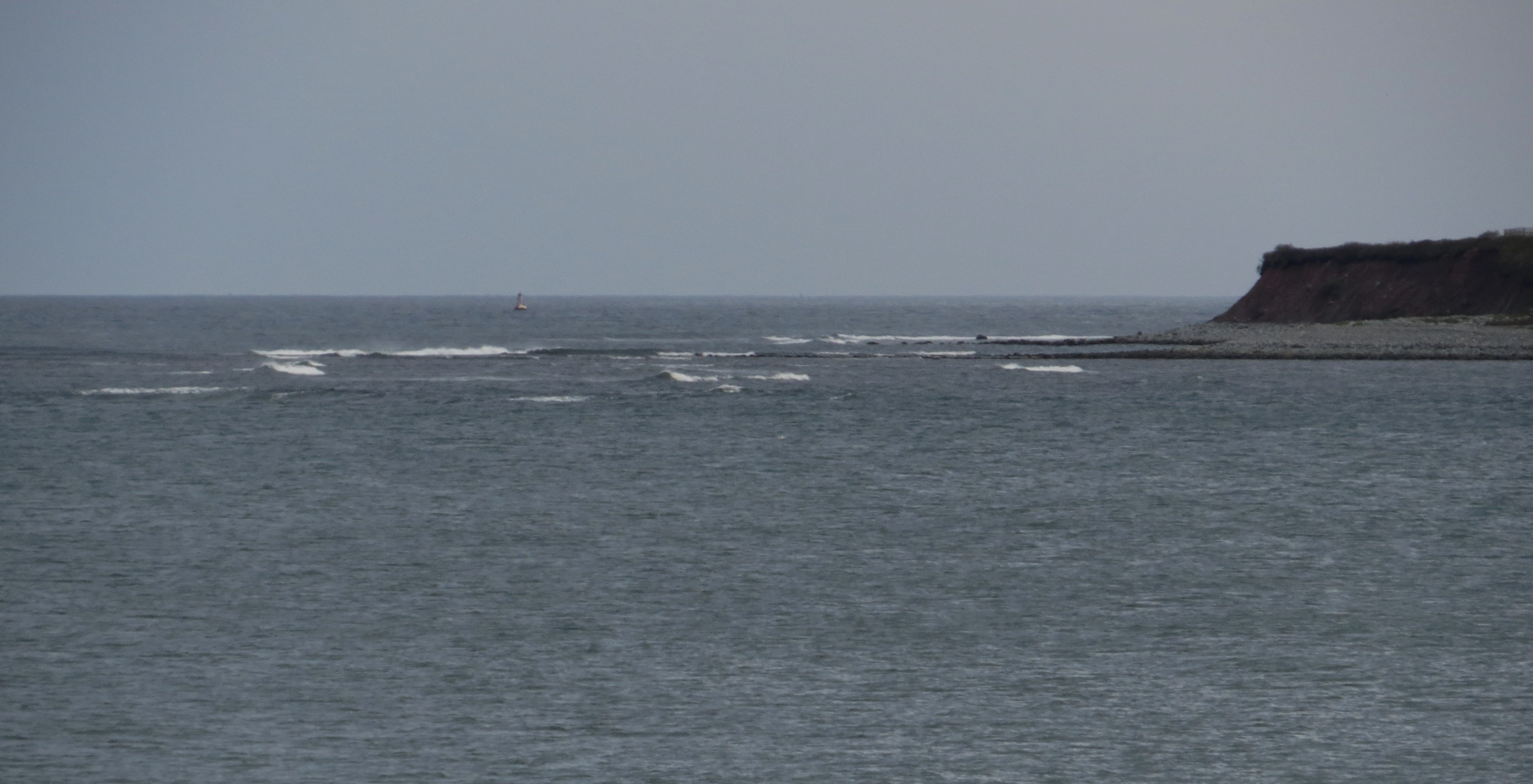
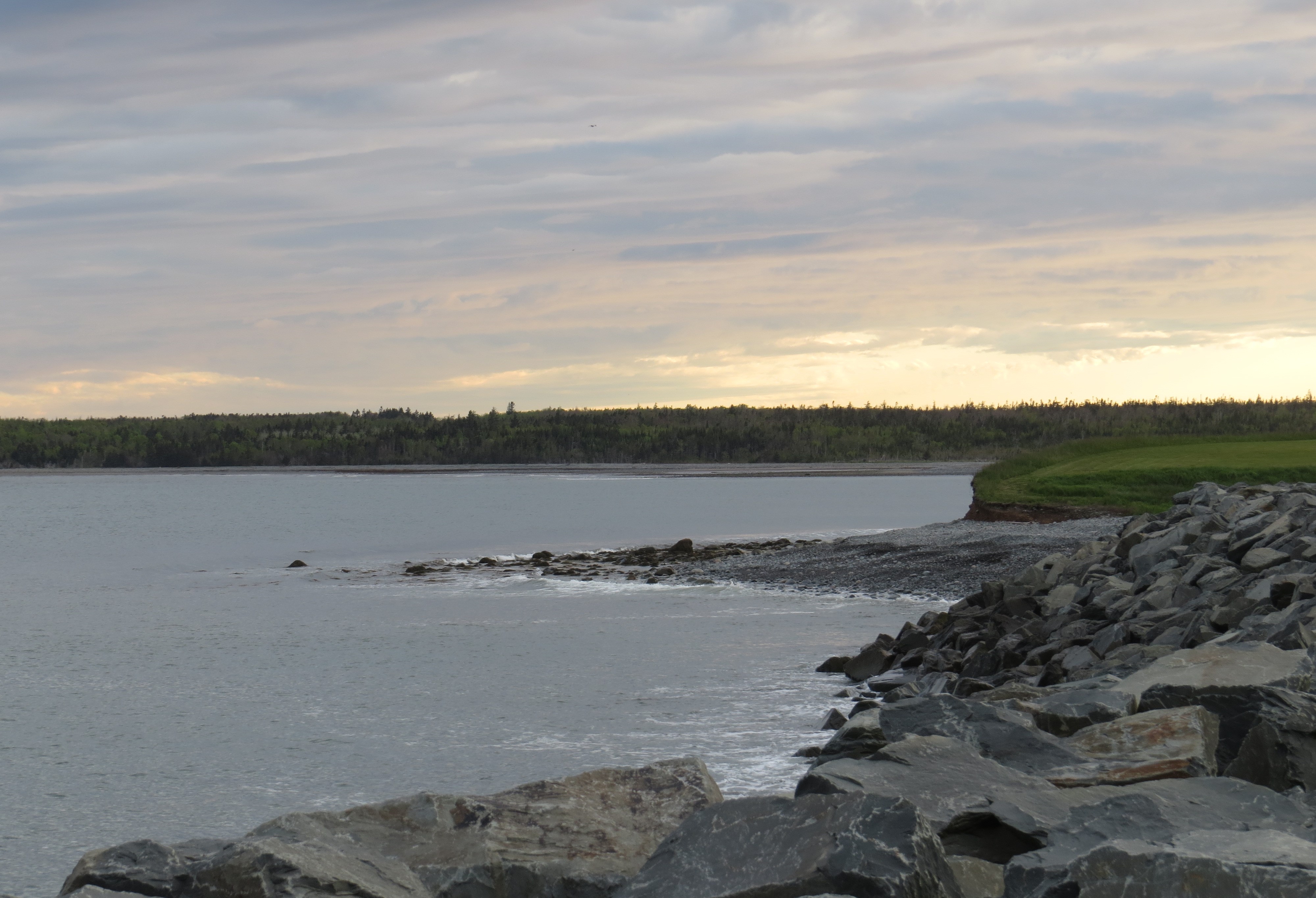
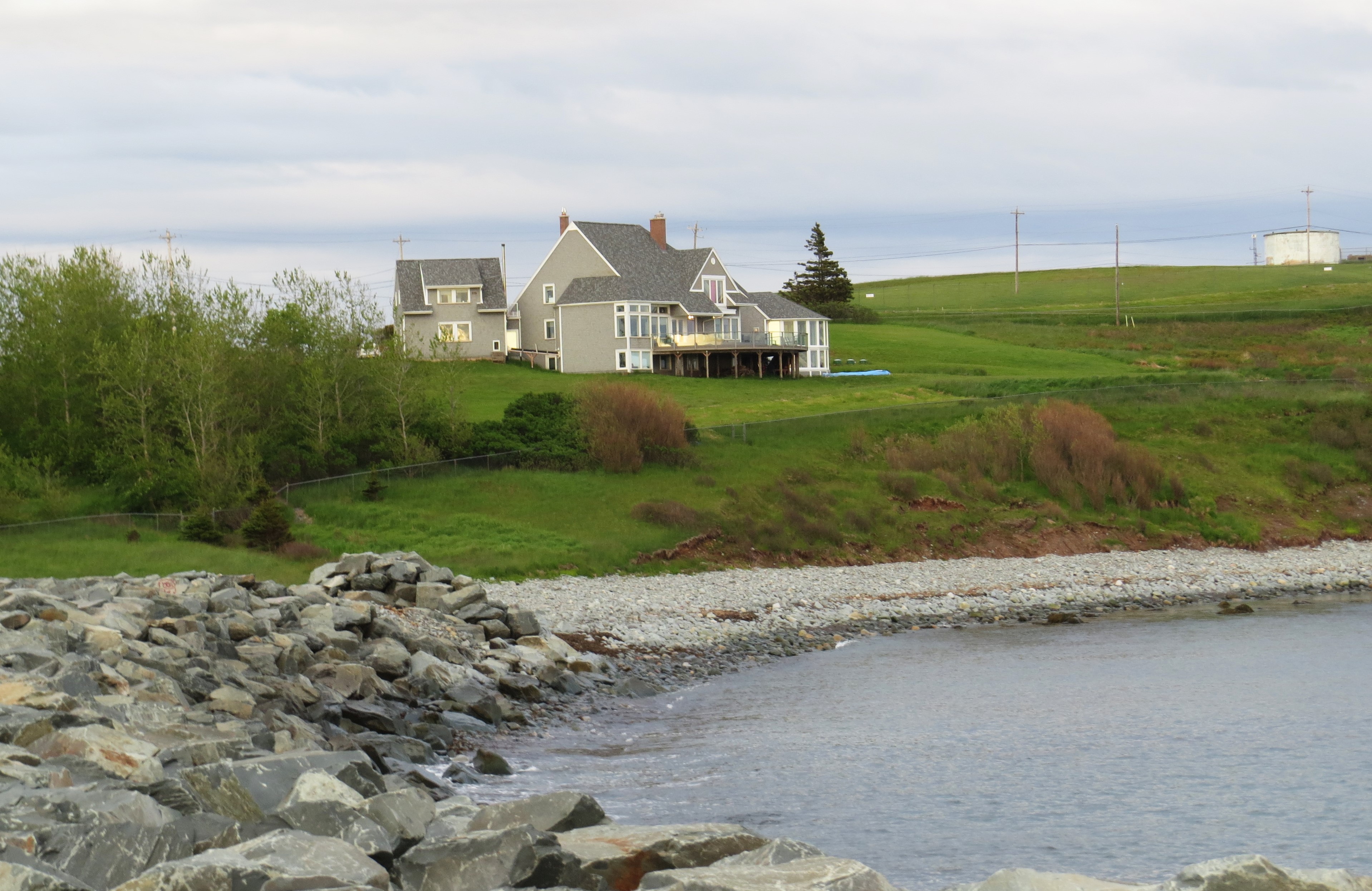
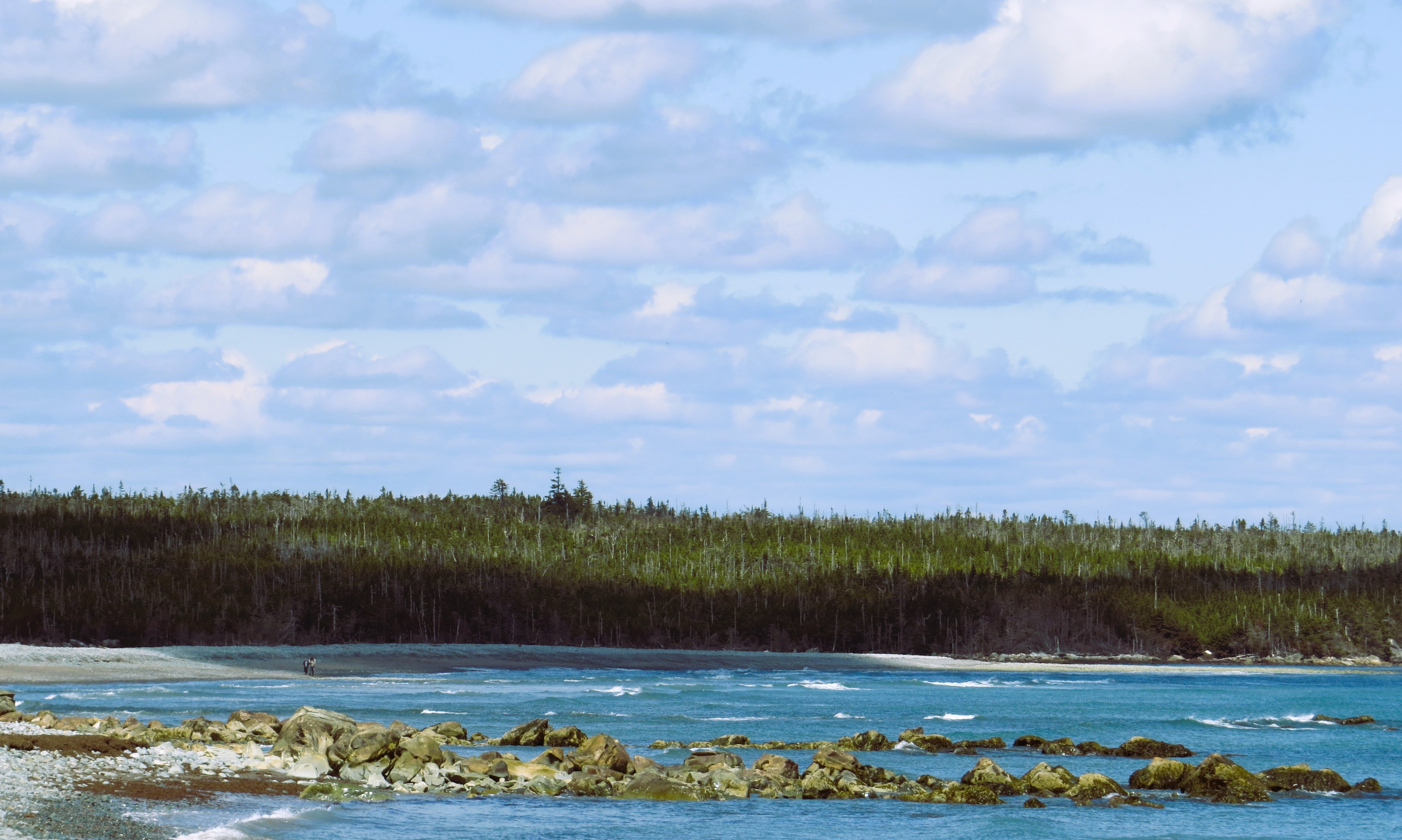
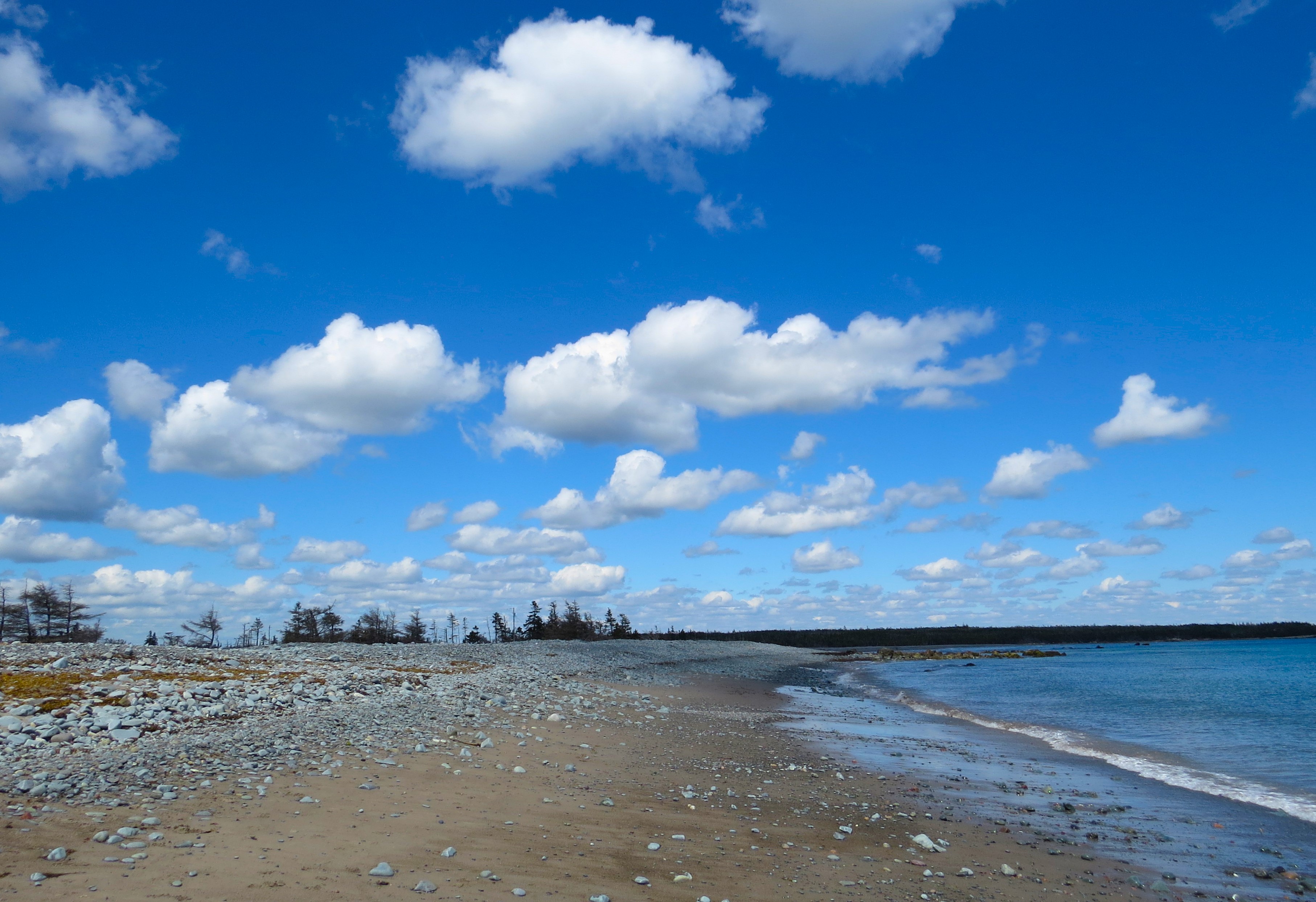
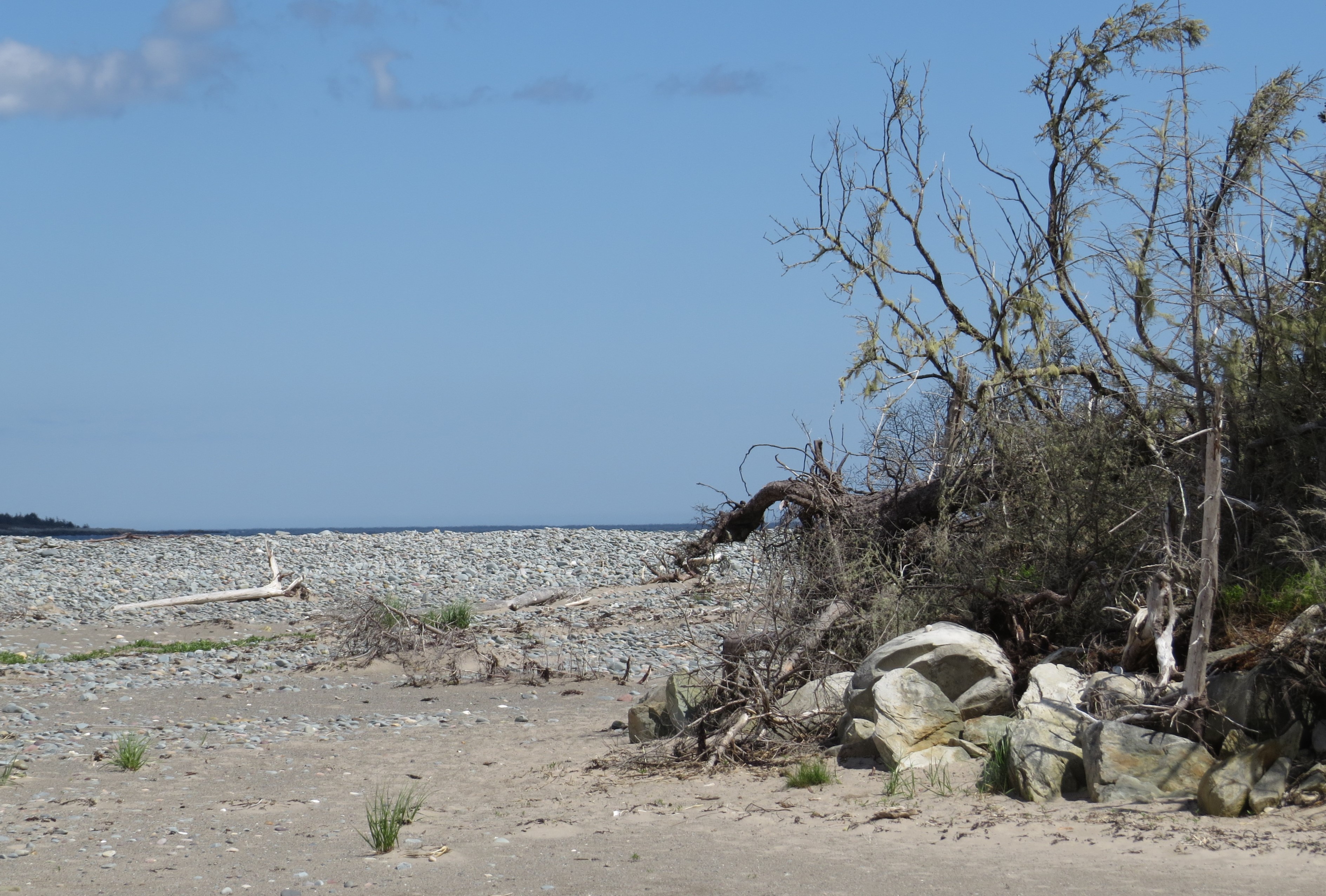
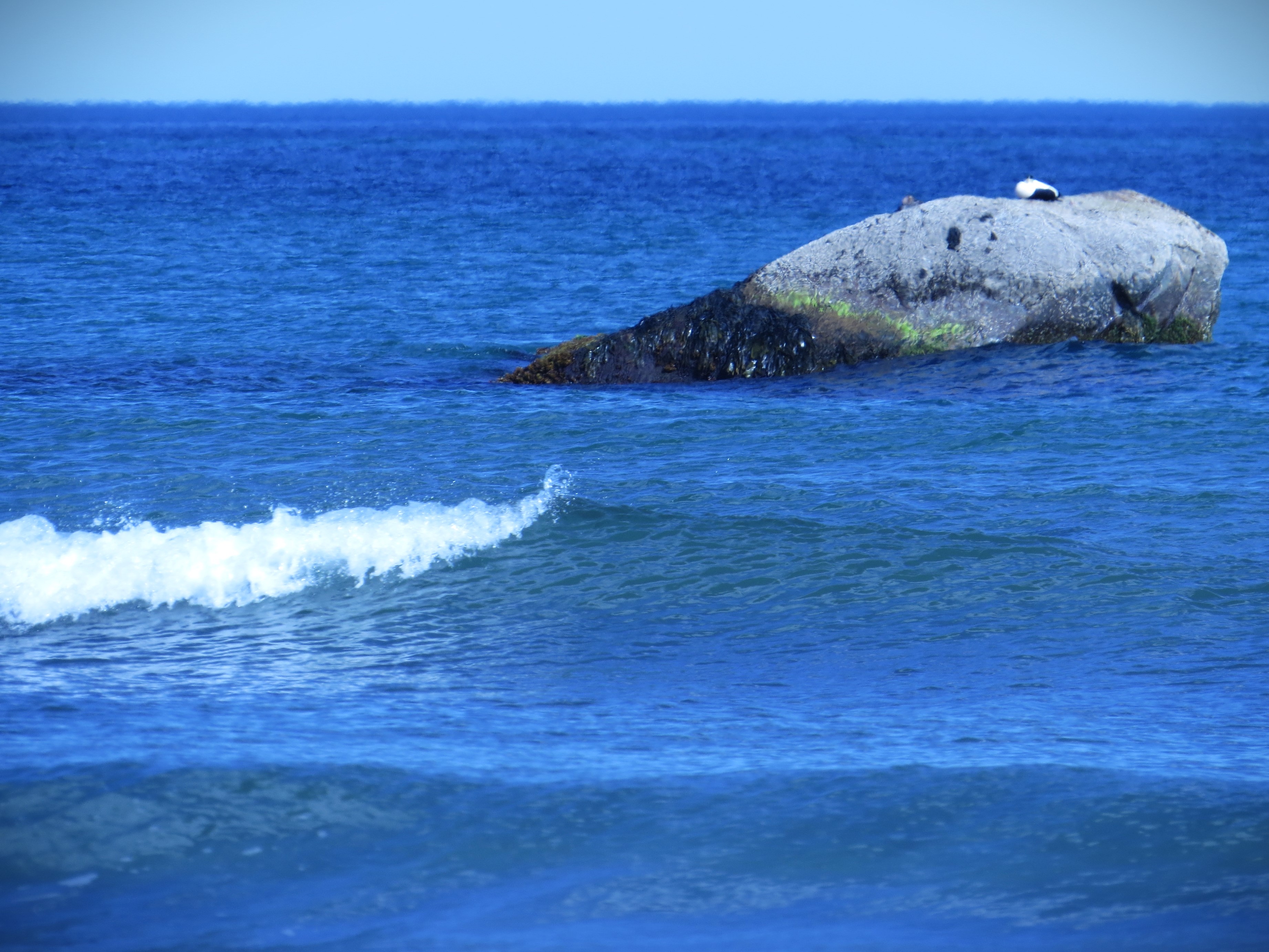
Na tej plaży nigdy ze mną nie byłeś. Jest dość ukryta i z dala od szlaków turystycznych.  Sam odkryłem ja dopiero po tym Czasie Okrutnym. Była dla mnie idealna. Prawie nikt inny nigdy tam spokoju mi nie zakłócał i nie przerywał moich rozmów w z Tobą. Stamtąd, z tej piaszczystej łachy półwyspu-pół mierzei widziałem w oddali, po drugiej stronie szerokiej zatoki cypel kolejnej pięknej plaży – Martinique Beach. Może gdybym był dwadzieścia lat młodszy mógłbym tam przepłynąć z naszego Fortu. Może. Piechotą dojść nie można – wybrzeża morskie to nigdy nie jest prosta linia. Z dziesięciu kilometrów robi się nagle trzydzieści, pięćdziesiąt nawet. Szczególnie tu, we wschodniej Nowej Szkocji, gdzie olbrzymie, głęboko się w ląd wrzynające zatoki,  wielkie jeziora i słone rozlewiska-moczary zmuszają by szosa wiła się, jak wąż w wysokiej trawie.

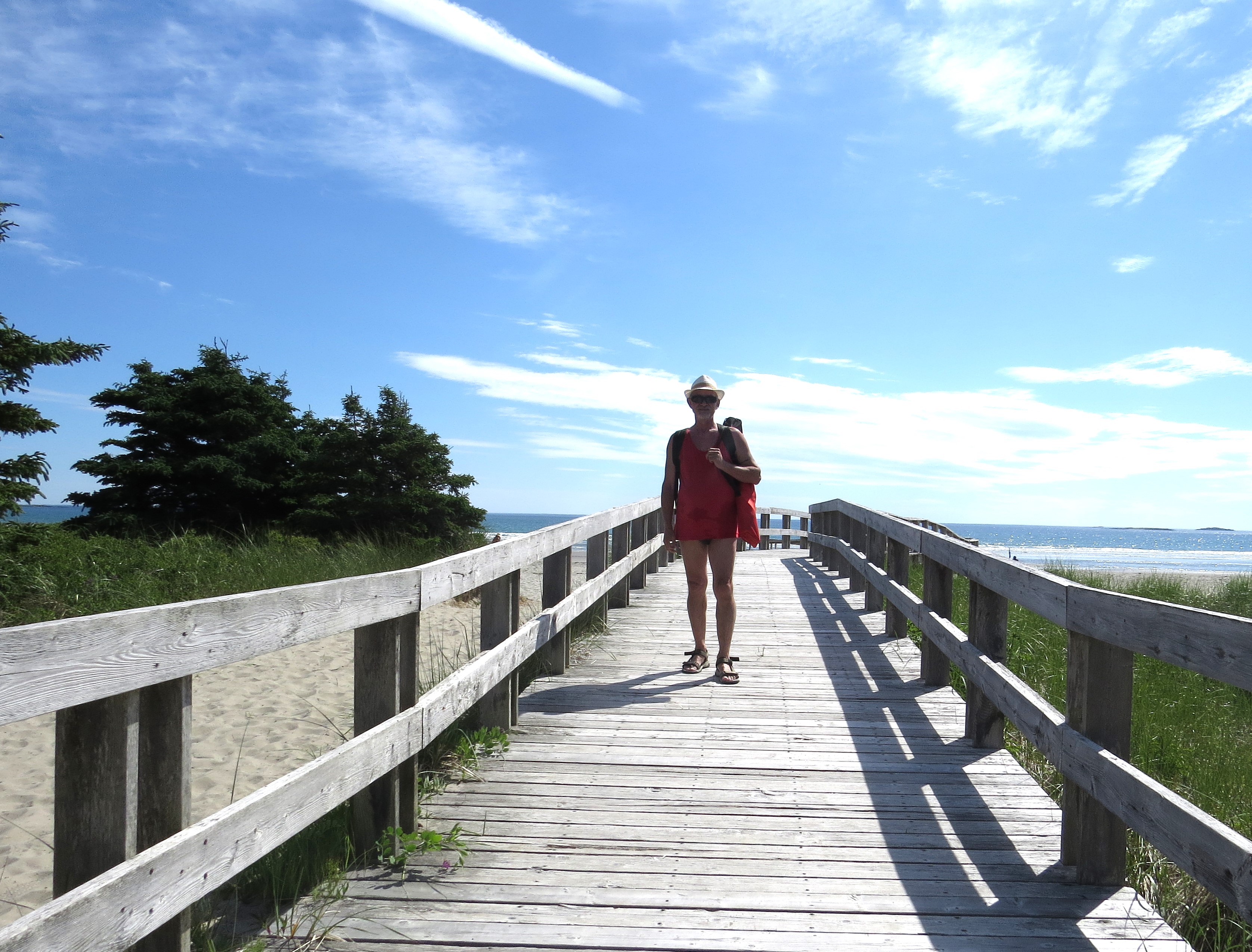
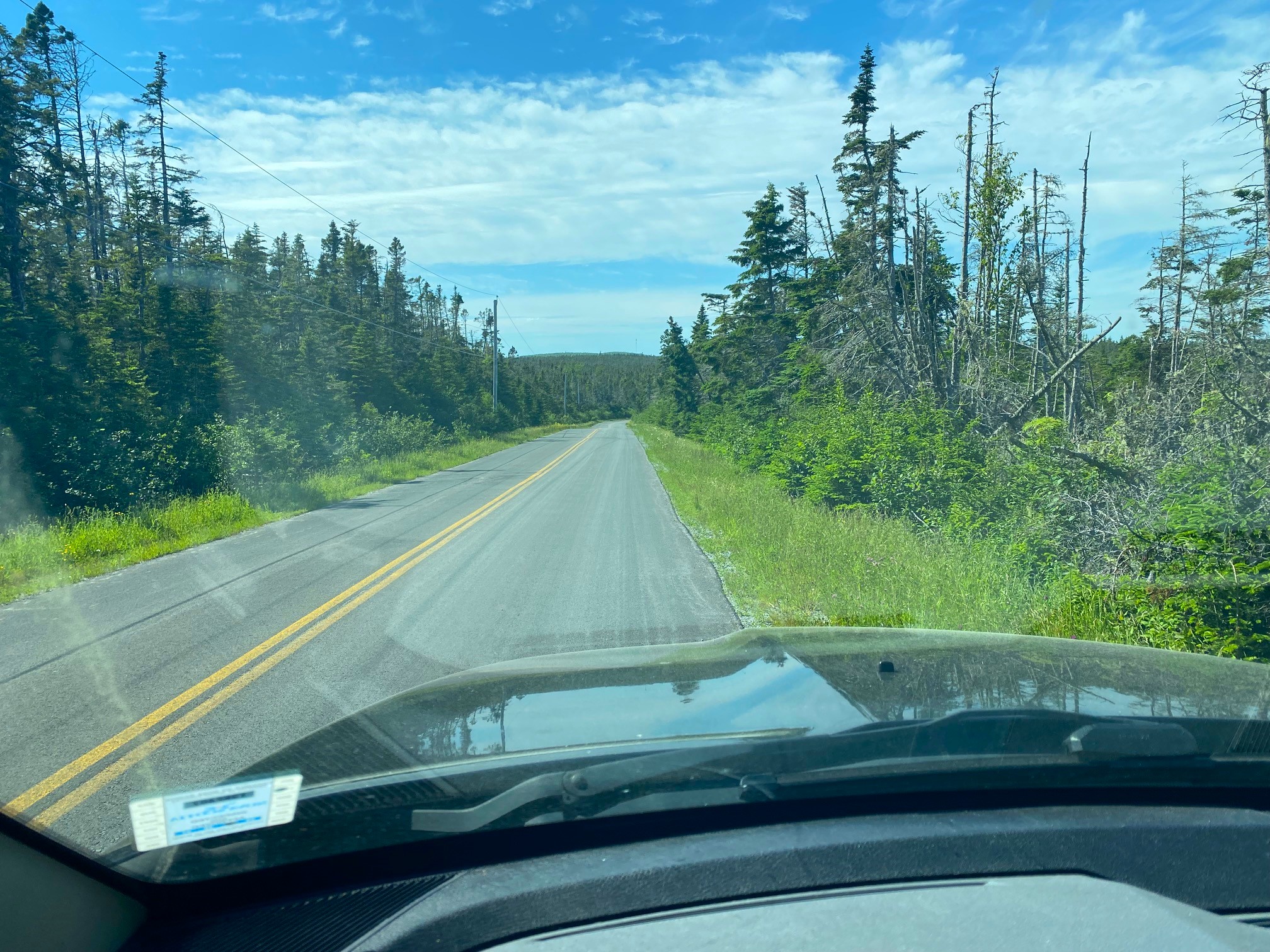
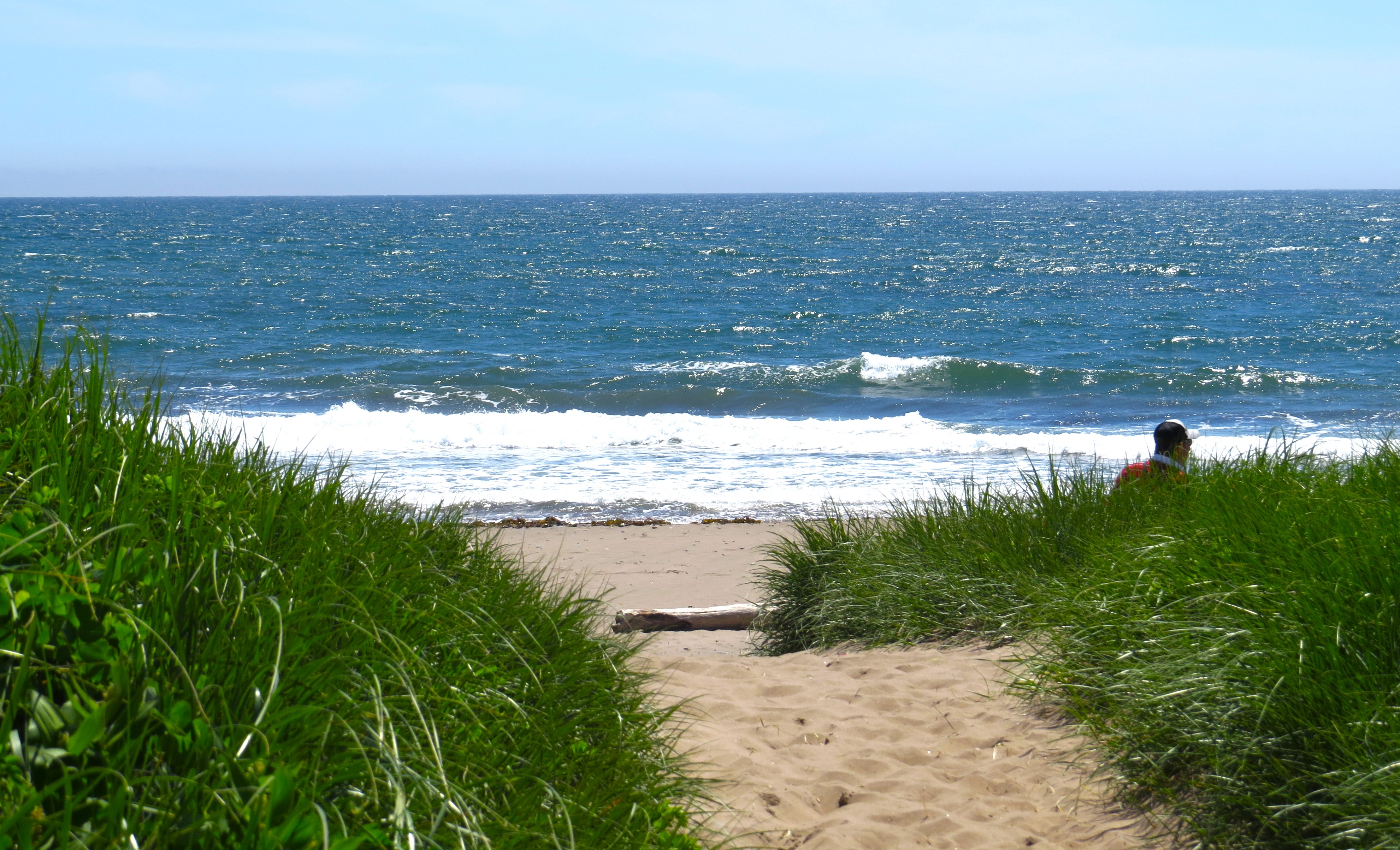
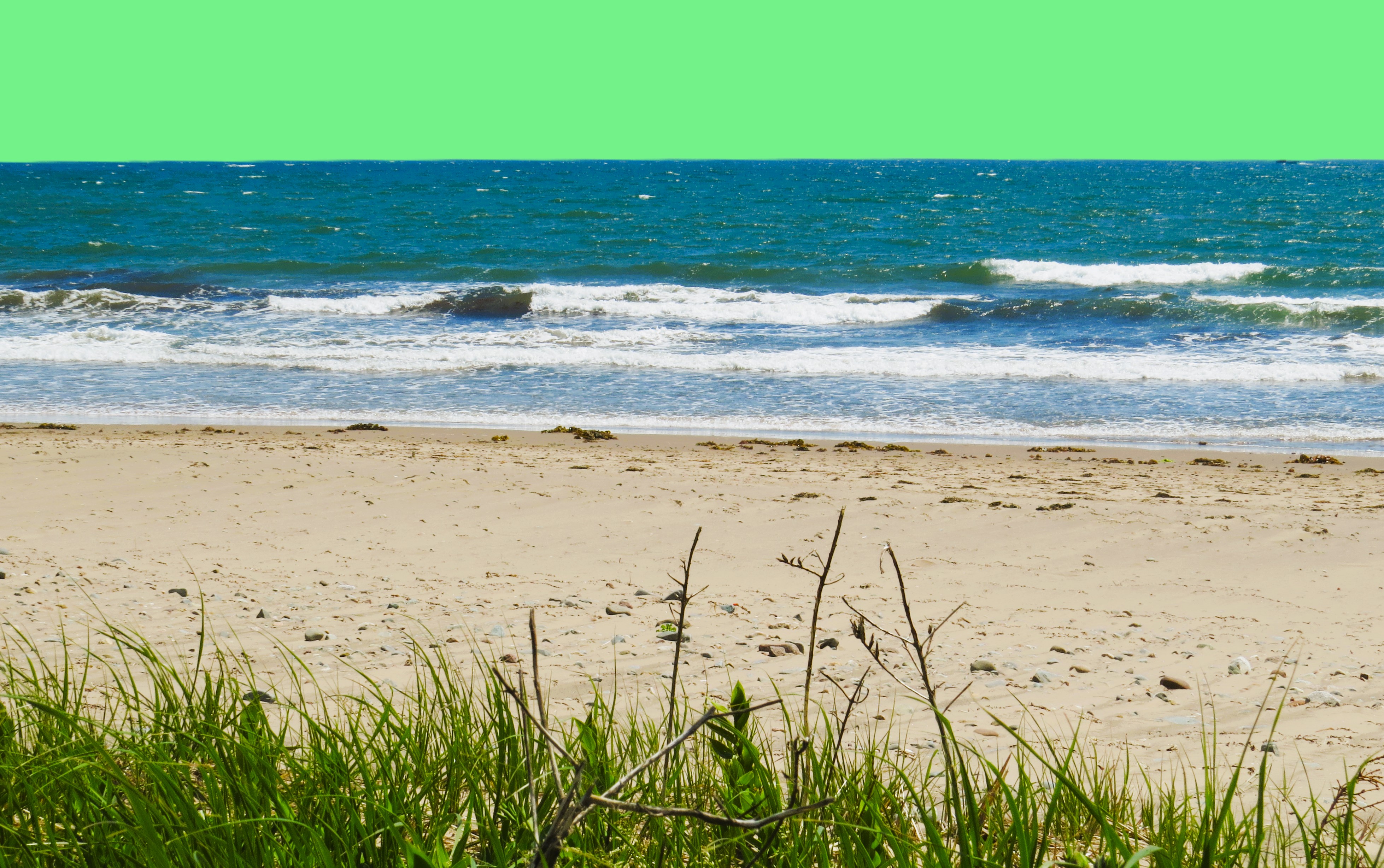
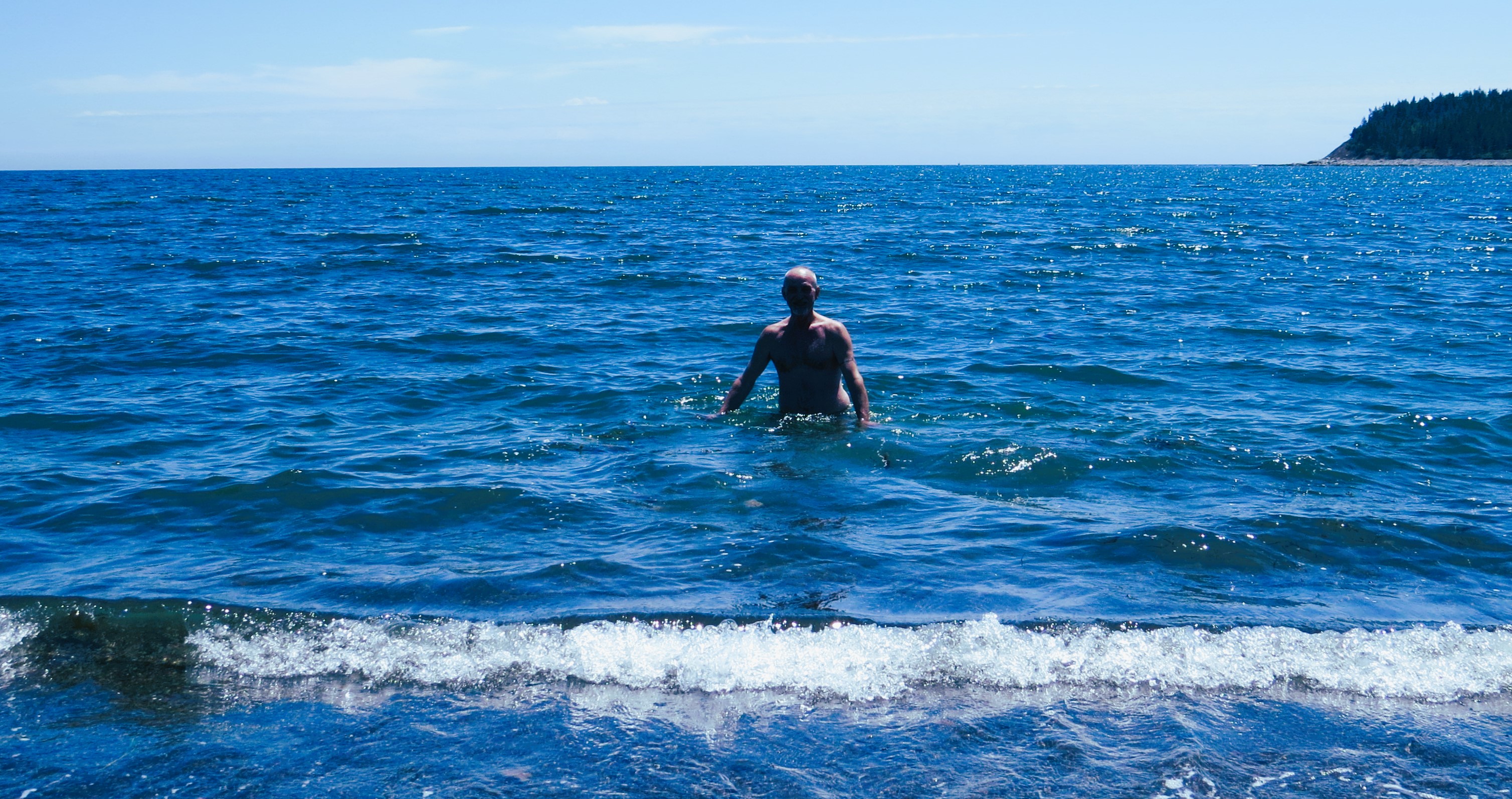
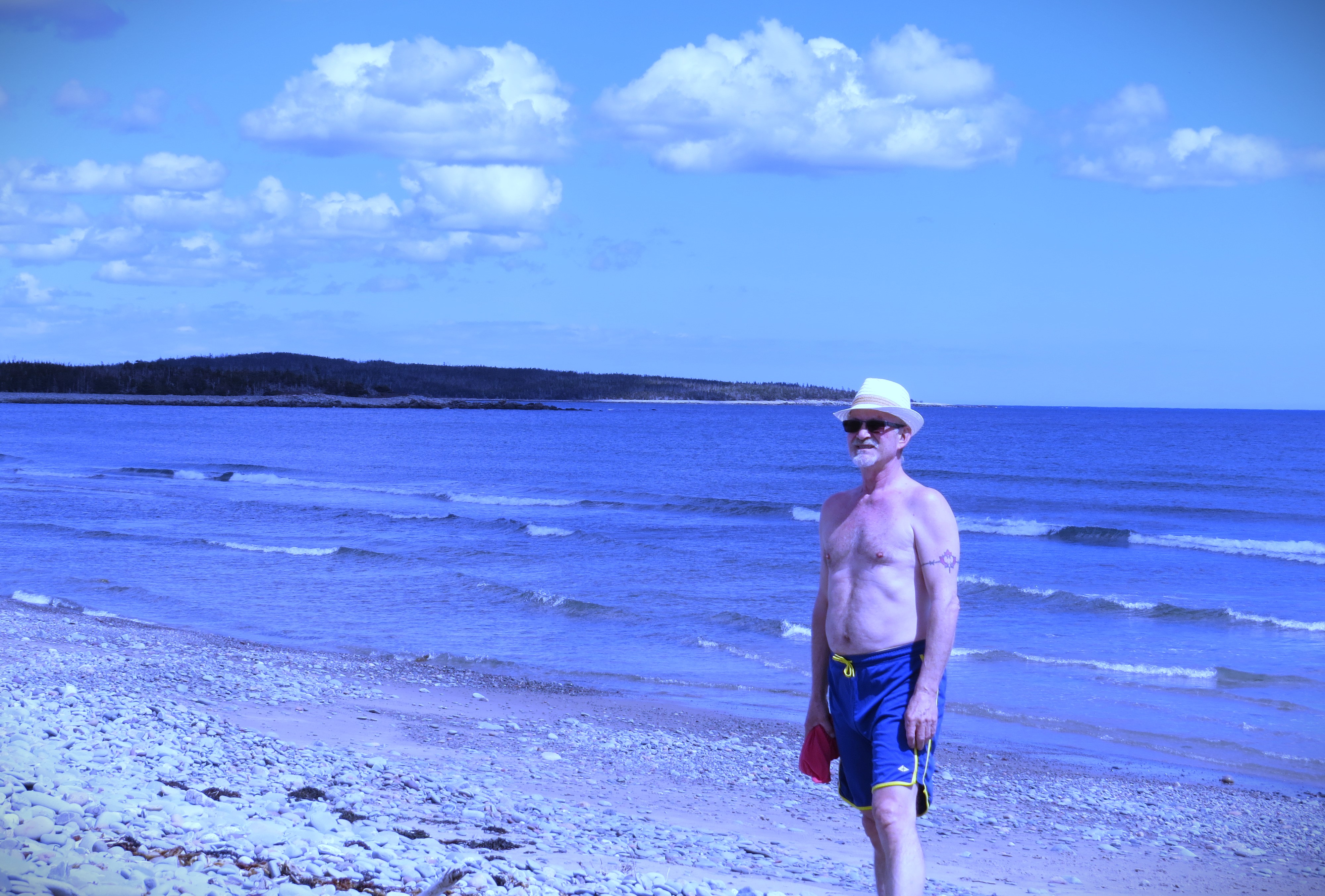
Martinique Beach jest jedną z najpiękniejszych i najdłuższych plaż w tej prowincji. Prowadzi do niej 12 kilometrowa wąska szosa z miasteczka Musquodoboit Harbour do East Petpeswick. Lubiłeś tu ze mną przyjeżdżać. Na tej  plaży ciągnącej się kilometrami mogliśmy znaleźć ciche miejsce. Ty czytałeś książkę, ja pływałem.  Czasem trochę i Ty popływałeś. Umiałeś – i nie namawiany, nie zmuszany sam czasem to robiłeś.  Tacy byliśmy inni nawet w tym, LOL. Ty lubiłeś basen, ja basenów nie znoszę a kocham dzikie plaże. Tymi ‘innościami’ się uzupełnialiśmy, wzbogacaliśmy.

Obiecałem żegnając się z tym Fortem i z tą dziką plażą, że nie ze smutkiem już a z radością zabiorę Cię w końcu do Paryża. Będę Cię na Montmartre i na bulwarach nad Sekwaną całować. Gdzieś między Pont Neuf  i Pont Mirabeau, o którym pisał Apollinaire:

Pod mostem Mirabeau płynie Sekwana
I nie jedna miłość
Czy nie dość wspominana
Po bólu zawsze radość niespodziana

Zegar niech dzwoni noc niech nastaje
Dni ulatują ja pozostaję

Z twarzą do twarzy połączmy ramiona
Nieruchomi kiedy
Pod mostem ramion kona
Fala odwiecznych spojrzeń umęczona

Zegar niech dzwoni noc niech nastaje
Dni ulatują ja pozostaję

Miłość jak woda bieżąca odpływa
I odpływa życie
Woda jakże leniwa
Nadzieja nasza jakże natarczywa

Zegar niech dzwoni noc niech nastaje
Dni ulatują ja pozostaję

Niech dni się toczą jak rzeka wezbrana
Ni czas nie zawraca
Ni miłość pożegnana
Pod mostem Mirabeau płynie Sekwana

Zegar niech dzwoni noc niech nastaje
Dni ulatują ja pozostaję[i]

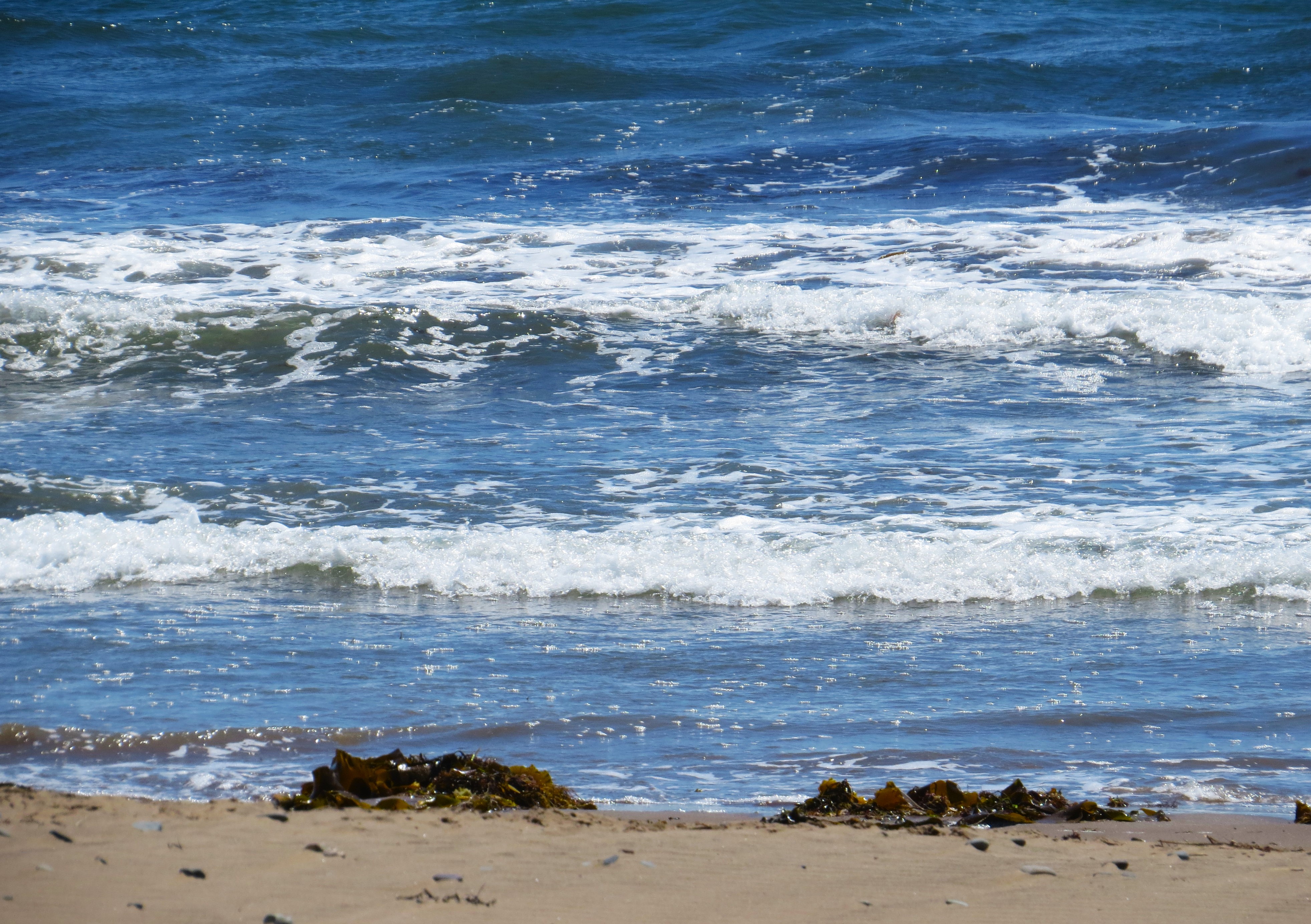
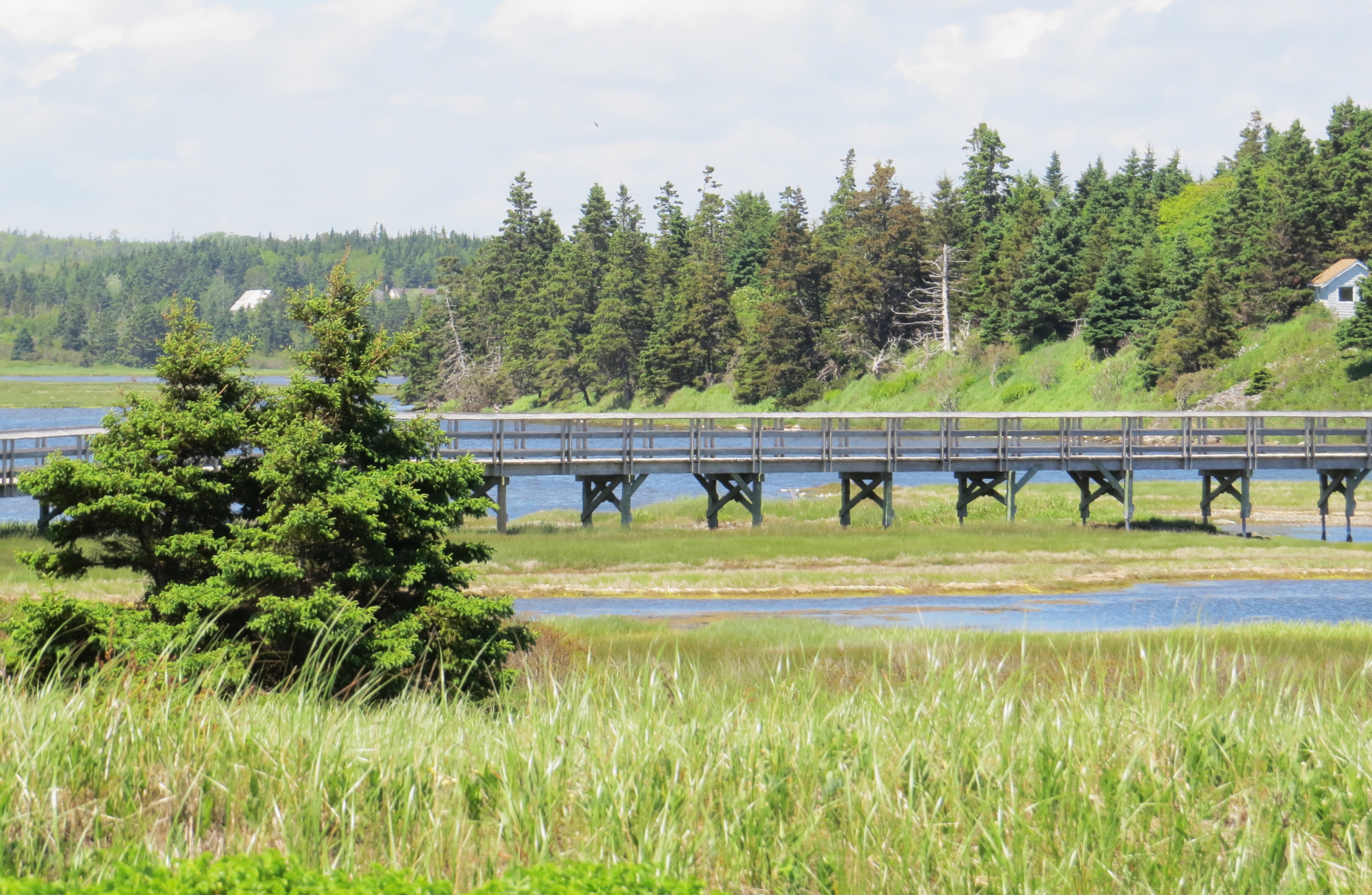
Więc o tych mostach paryskich, tym Pont Neuf i Mirabeau, o tych pocałunkach wyśpiewanych przez Yves Montanda dla pięknej Romy Schneider myślałem na tej plaży w kanadyjskim, nie karaibskim, Martinique.

Falo

Jakie mosty łączą naszą przestrzeń?

Przestrzeń między nami.

Między tymi dwoma światami

Bytu i Niebytu.

Czy scala je jakiś królewski pierścień?

Pierścień z kruszcu drogiego, niczym diadem

Królewicza i Księcia

po nocy poślubnej, przed Wieczerzą

Ostatnią, pożegnalną.

Czy pęka pierścień skruszony młotem?

Powiedz mi falo, powiedz wodo,

która dałaś schronienie

z szaleństwa rozpaczy niepojętej,

z ognia pragnienia,

która wniosłaś mnie z powrotem na brzeg.

Mam ci dziękować, czy mam przeklinać?

Uratowałaś mnie,

czy skazałaś na lata tułaczki

po pustej plaży mew

i muszli szumiących largo trenów?

Żegnam cię falo

lub przeklinam cię.

(Bogumił Pacak-Gamalski)

I masz ci los. Poeta winien w końcu wiedzieć. Jest wieszczem, jest wyrocznią! Augurem wśród mędrców i dziejopisów. A tu nic. Siedzi na rozdrożu na kamieniu i błaga przechodzących o wskazanie kierunku.  A idźże w końcu do tego Paryża, gdziekolwiek on jest.  Idź i całuj się z nim. Może wtedy zrozumiesz.


[i] „Apollinaire”, wyd. PIW, Warszawa, 1968, s.33 (przek. A. Ważyk)

Let us go From the Fort of Our Love to Paris

Let us go From the Fort of Our Love to Paris

I have been reading again the verses of my very liked American poet Paul Monette. Yes, of course, his “West of Yesterday, East of Summer”[i]. Thought many times to translate this terrifying and yet so lyrical and beautiful book of poetry. His homage to his lover, his friends, his times. To people, who died of AIDS. As did he.

I asked myself why didn’t I? It was by the end of this modern Black Death when I was a very young man discovering the powerful world of erotica and sex.  Of desires and pleasures that shaped human history so much, almost as powerful as hunger for power. Indeed, in many instances, these two forces were intertwined.  They still are. It was also a time when gay stable relationships were not seen, maybe not even desirable as a norm or even something to look for. With causal relationships, you avoid the risk of being outed, beaten, maybe murdered, and certainly ostracized. You could easily lose your job for that reason and it was a legally valid reason. Strange times.

On page 10, Monette writes beautifully about Nureyev in his poem

Nureyev doesn’t have AIDS

or so they say but the season’s still off

at least in Paris and all her colonies

as to what to do after dance the gun-

runner Rimbaud is the paradigm post-

art position a little border war

khaki and goat kebabs no mail till the fin

de siècle is safely passed if the feet die

first you must sit out the millennium

(….)

                There are so many allusions here to so many things of the gay history in art. Casual readers might not notice the insertion in these lines of a young tragic French poet Arthur Rimbaud – the femme fatale of much older Paul Verlaine.

Four days ago I posted on my Facebook profile a short biography of another American poet, who lived in even earlier times – Richard Bruce Nugent. In 1925 he published a poem “Shadow” in “Opportunity”[ii]. It is an example of early poetry in the USA with searching for its own homosexual identity. I found it powerful, almost painful in how it evokes and stirs my own youth memories. Memories from much later time (almost three generations later), but still pervasive.  Fragment of this poem:

Silhouette

On the face of the moon

Am I.

A dark shadow in the light.

A silhouette am I

On the face of the moon

Lacking color

Or vivid brightness

But defined all the clearer

Because

I am dark,

(….)

                Then, suddenly I realized that I was not spared that terrifying moment of losing your Love, your soulmate. A different disease by name and origin, nothing to do with viral infection. But the process of slowly dying month by month, and suddenly a very fast process for the last few weeks that makes you an invalid, depending on others in simple tasks. Losing your air, and oxygen.  And you panicking, trying to be a nurse but still a lover, partner. Giving him every minute of your life. Battling, battling every day, not accepting. Still, still not accepting. Refusing to accept the inevitable. To the very last moment, when he dies in your arms. And your soul dies with him.

It was as if Time asked for that price that I didn’t pay during the AIDS pandemic. It waited patiently forty long years and said with terrible glee in its voice: you did not escape, it is time to pay your dues. What a perversity to spare your life just to make you suffer even the worst fate: to take from your arms the one you love the most, more than life itself.

The other night I watched some old Paris songs from years ago. I always wanted to take him to Paris. To show him the magic of Montmartre. The lovers sipping coffee in open cafes, the “Pigalle” of my Edith Piaf, the walkways by the Seine toward Eifel Tower, with Yves Montand serenading of lovers kisses and embraces on rue de Faubourg de Saint-Martin.

And I wrote a song for you. Not really a poem but aptly a song to be sung, not to be read in silence.  A song to be screamed to the Fates.

But your eyes –

they won’t go away!

They still let me see,

they look through mine.

Your eyes –

they are still in me.


But your arms –

they won’t go away!

They still touch me,

they embrace my body.

Your arms –

they still feel me.


But your lips –

they won’t go away!

They are warm, they tremble

when they touch mine.

Your lips –

they whisper: we remember.


                I am blind without your eyes,

                I can’t feel without your arms,

                can’t breathe without your lips.


                Without you my soul is void,

                without you my heart is longing.

(B. Pacak-Gamalski, April 2024)

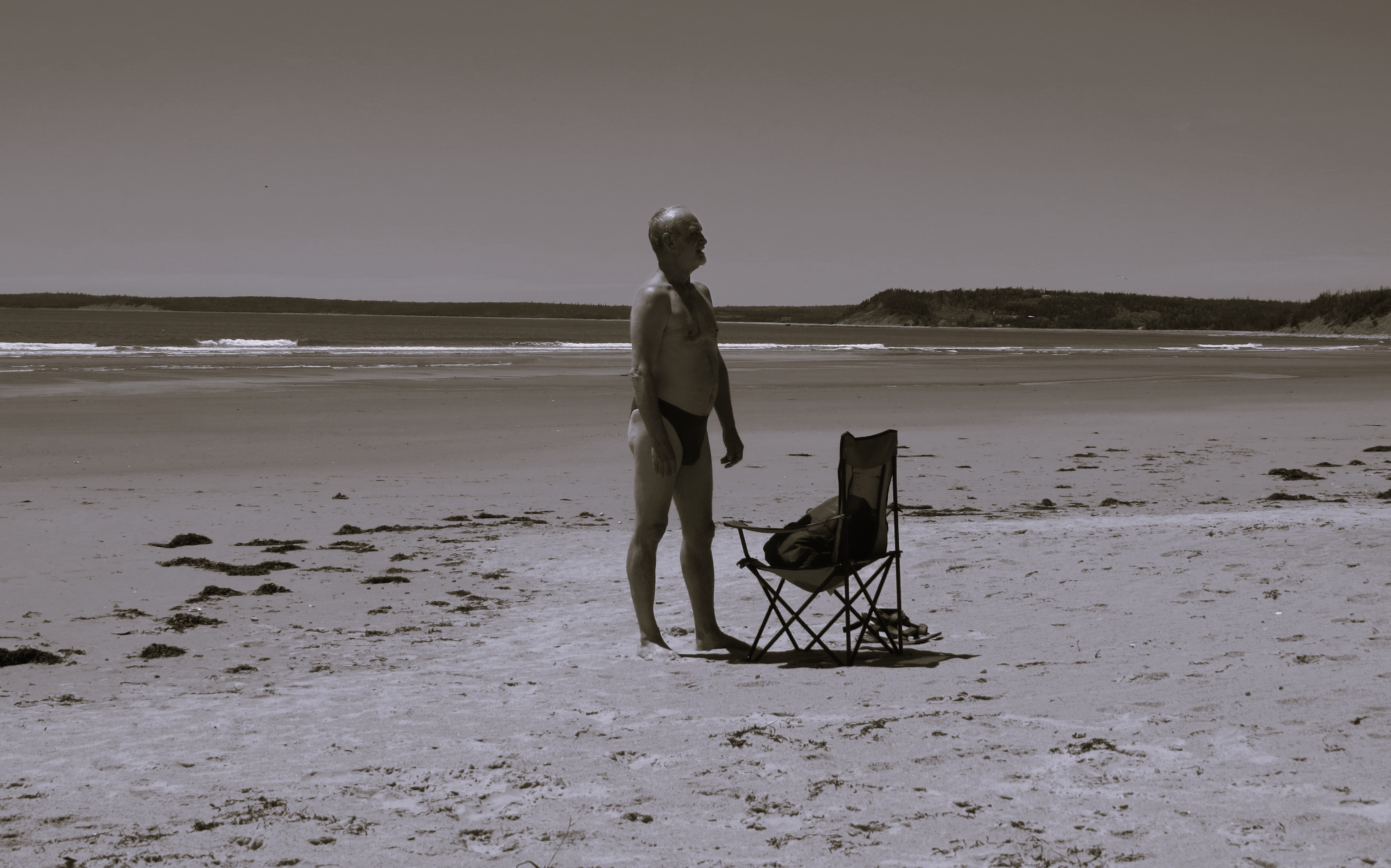
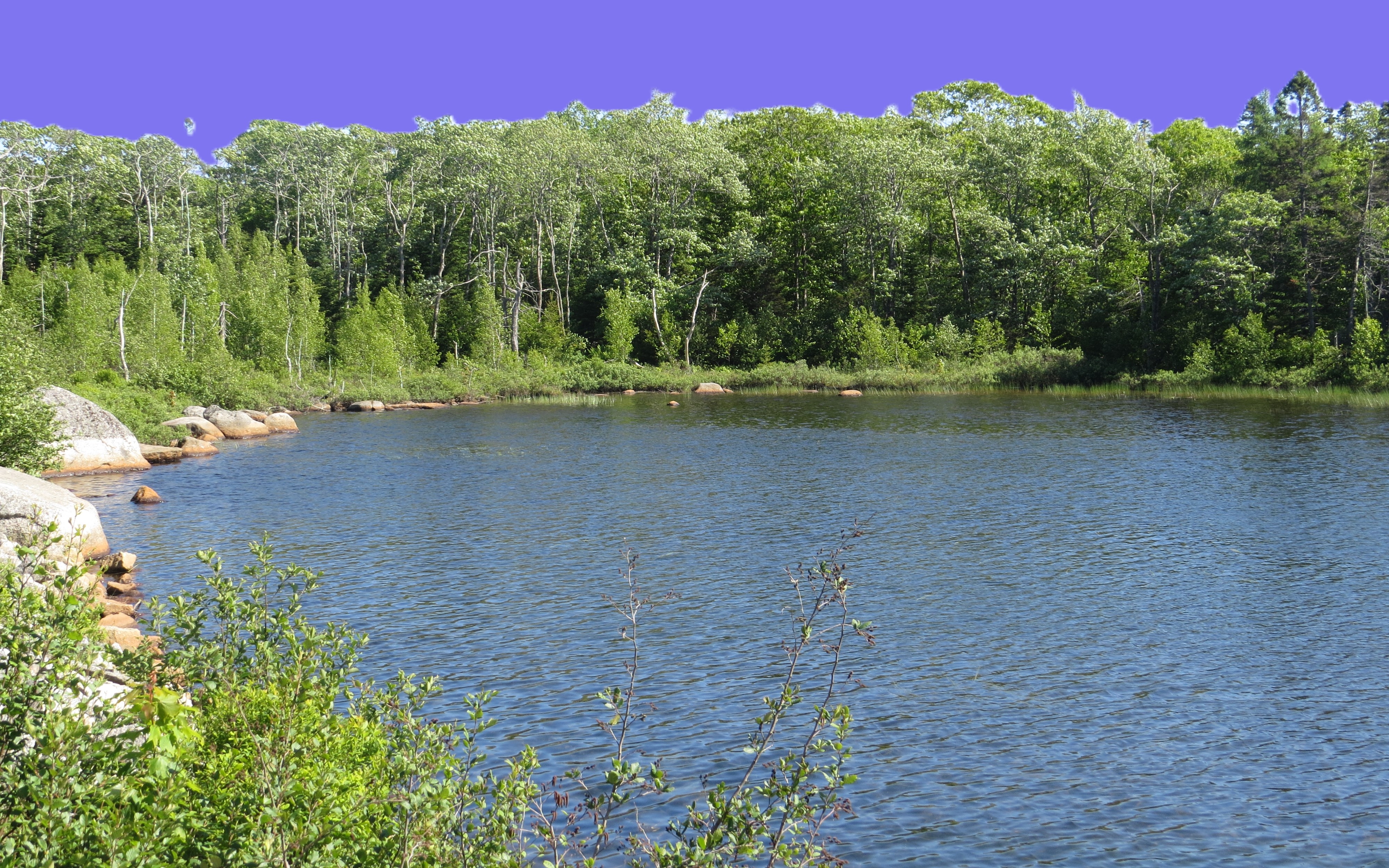
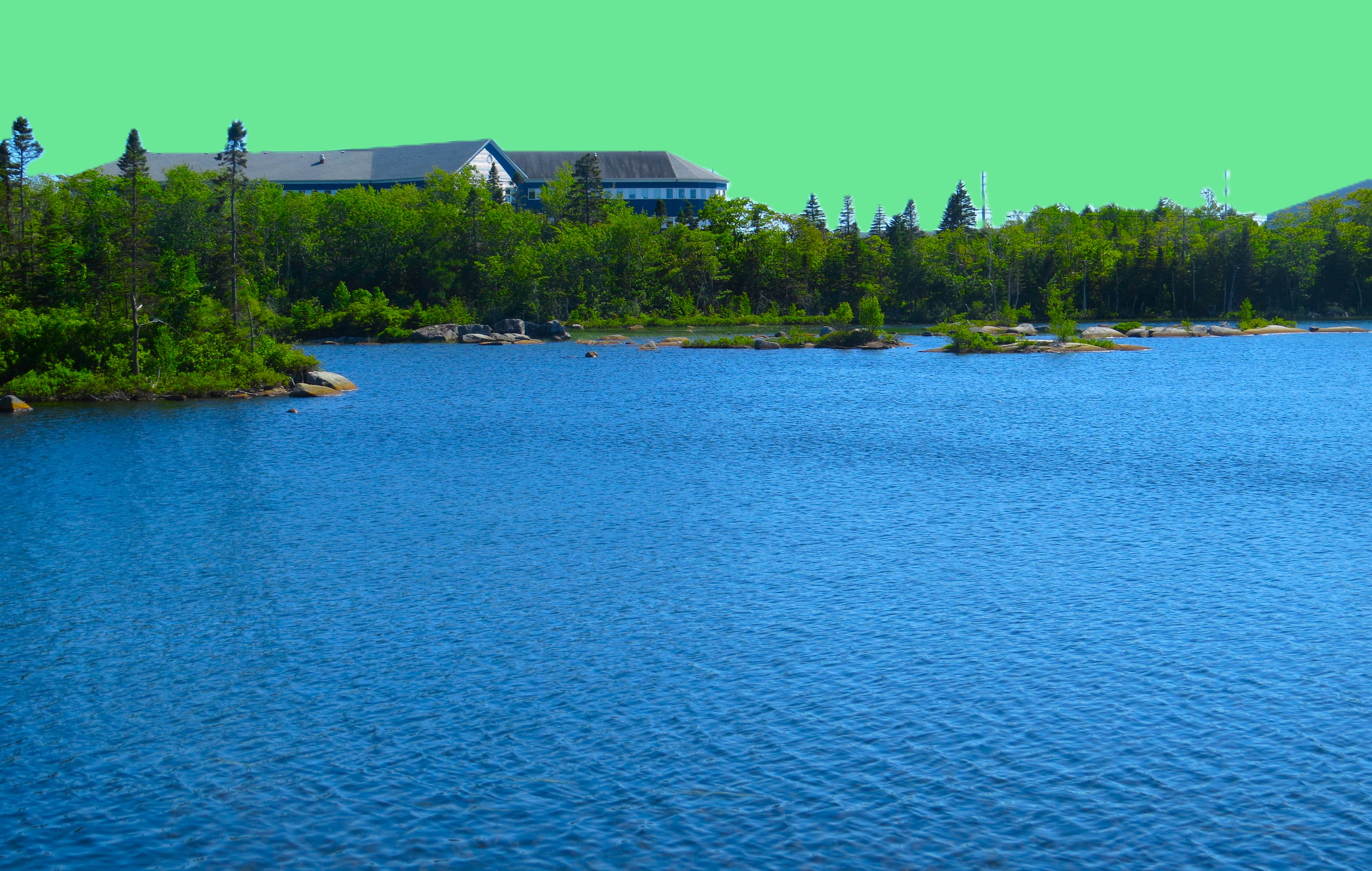
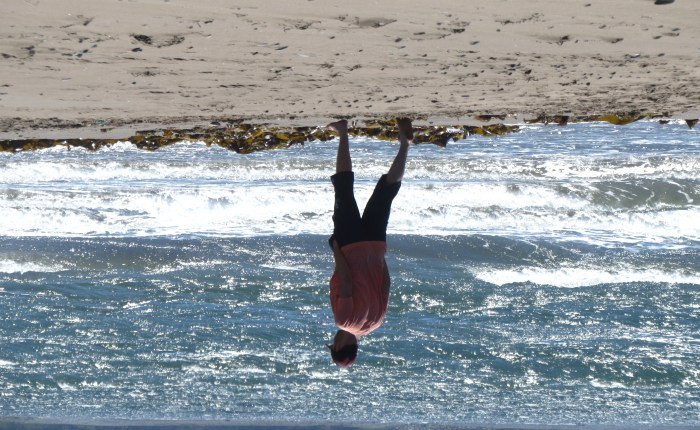
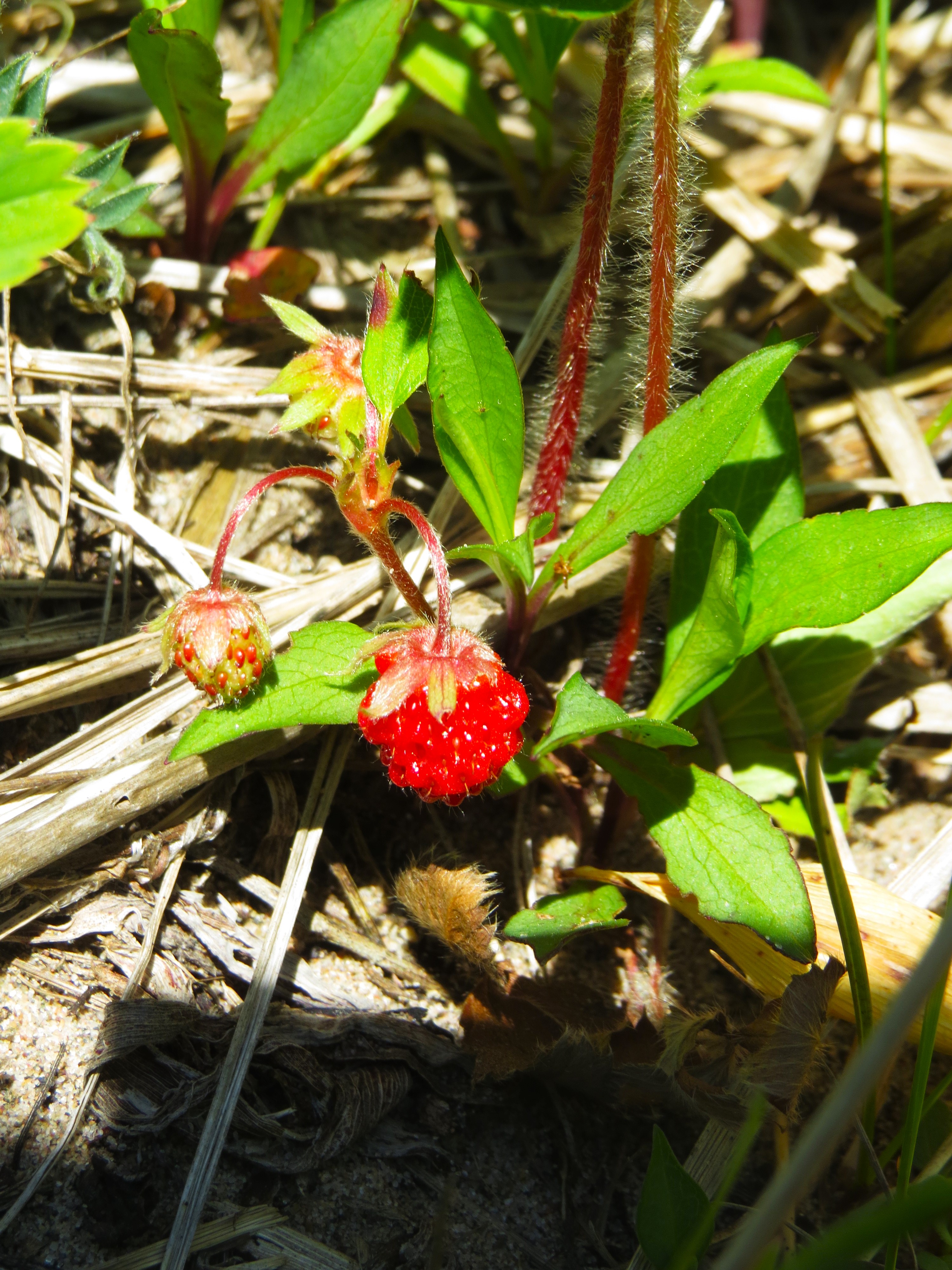
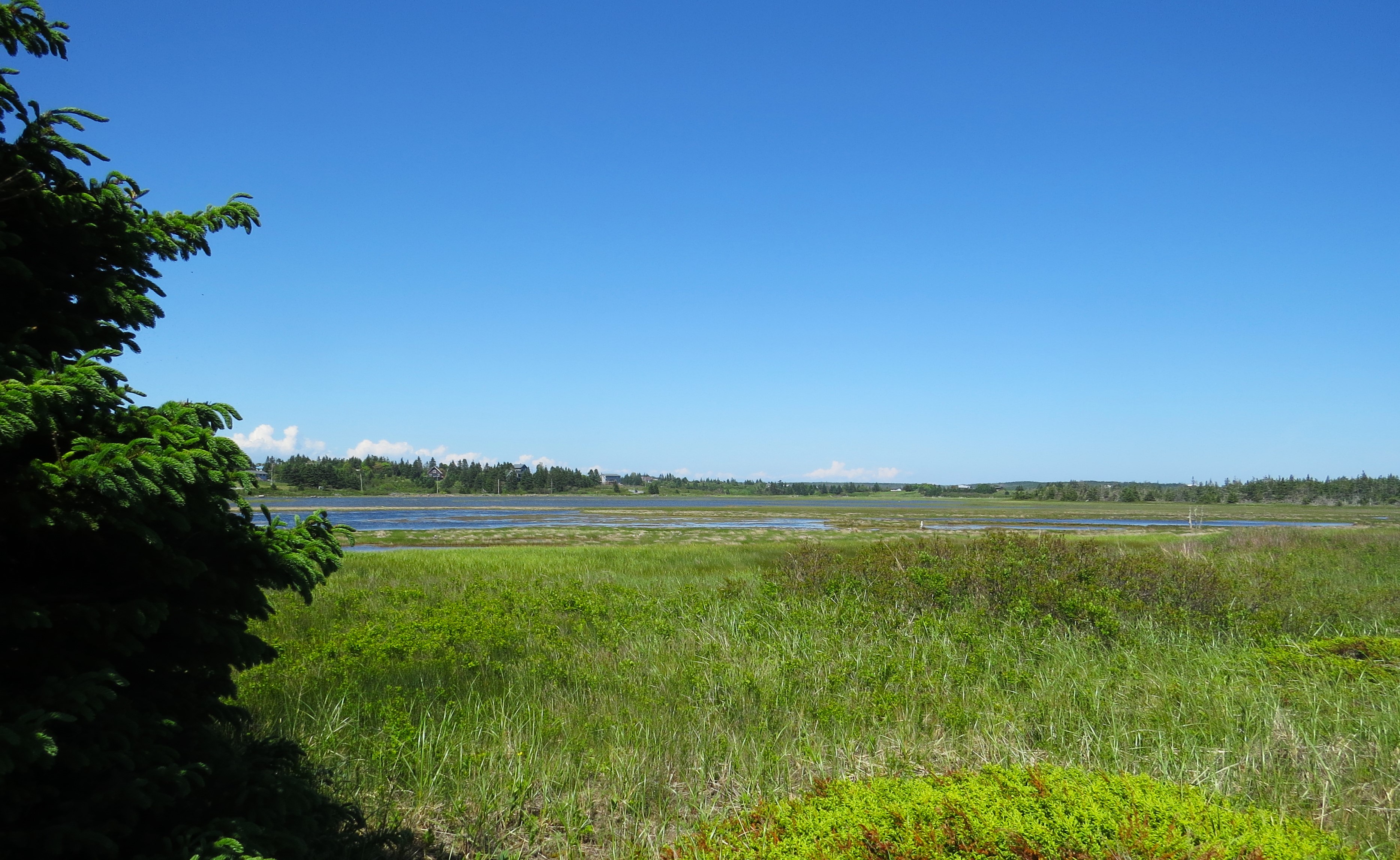
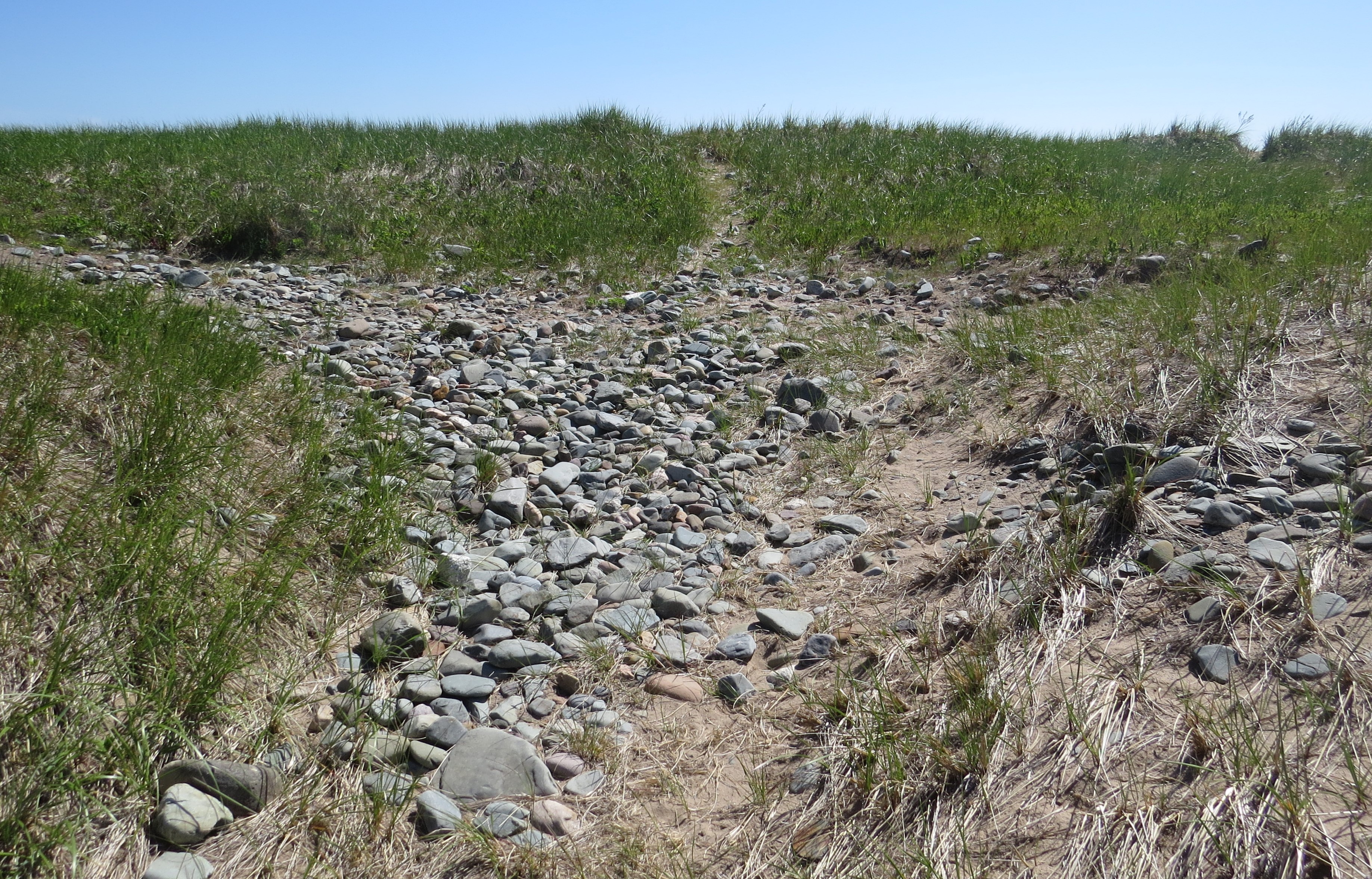
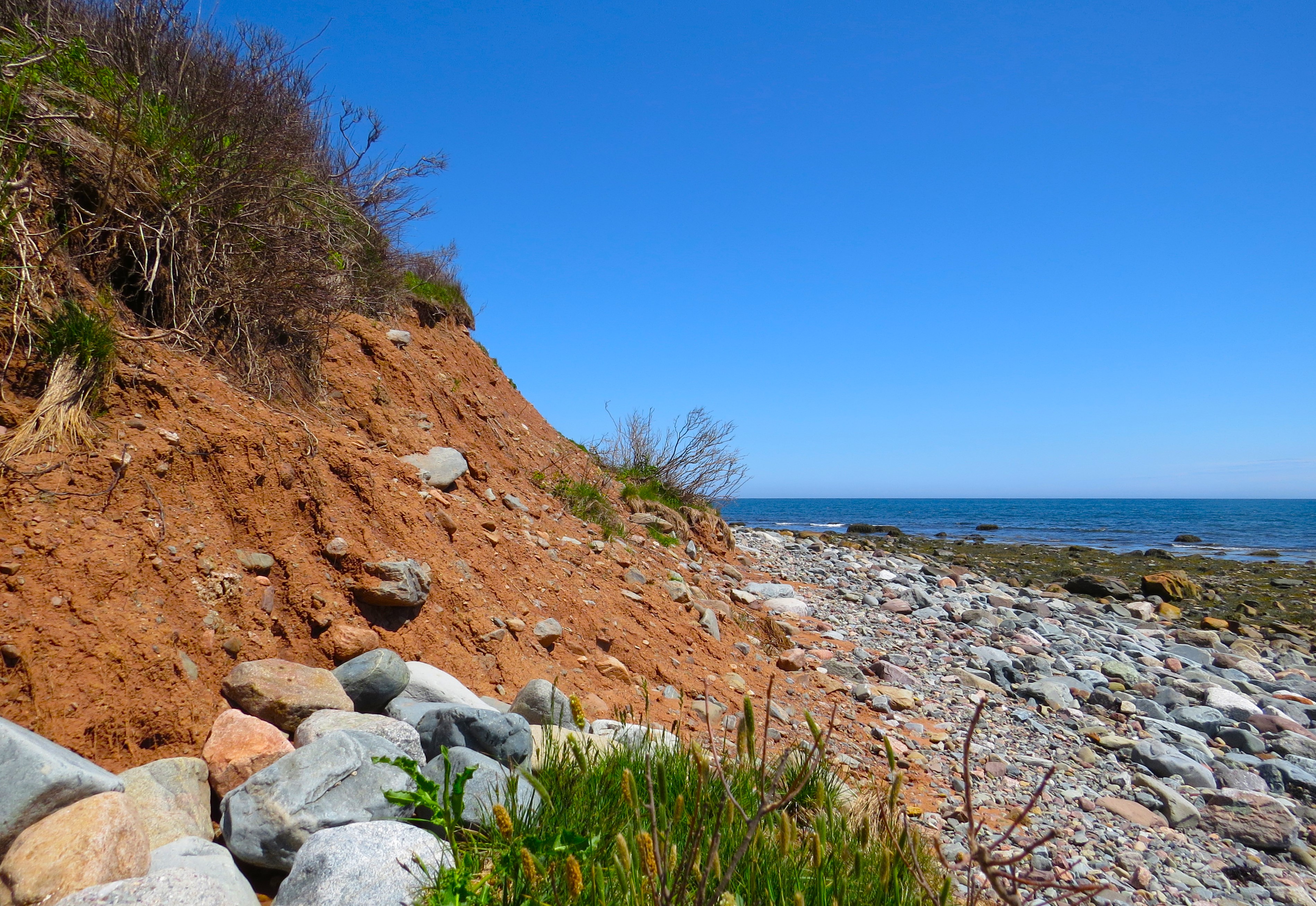
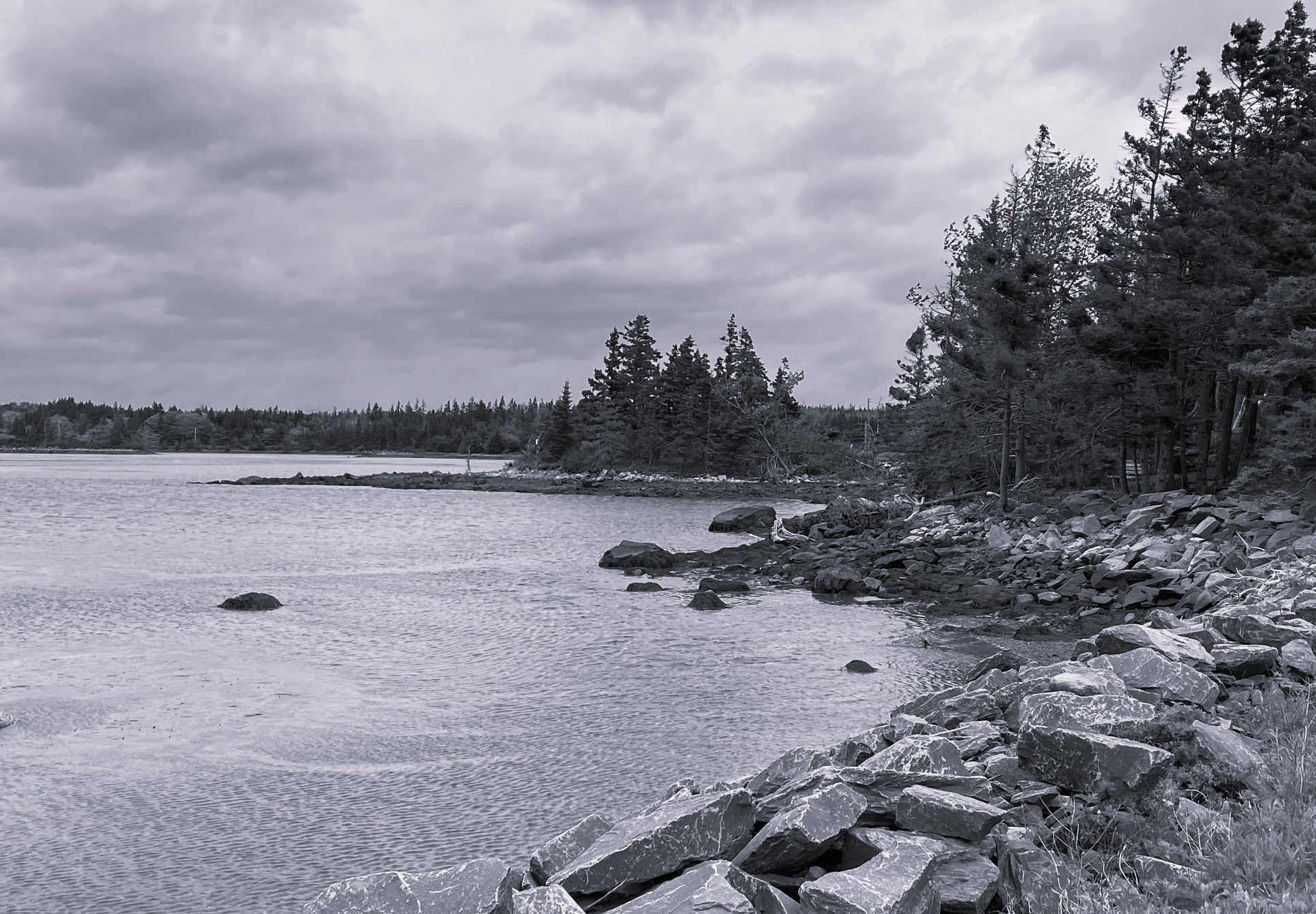
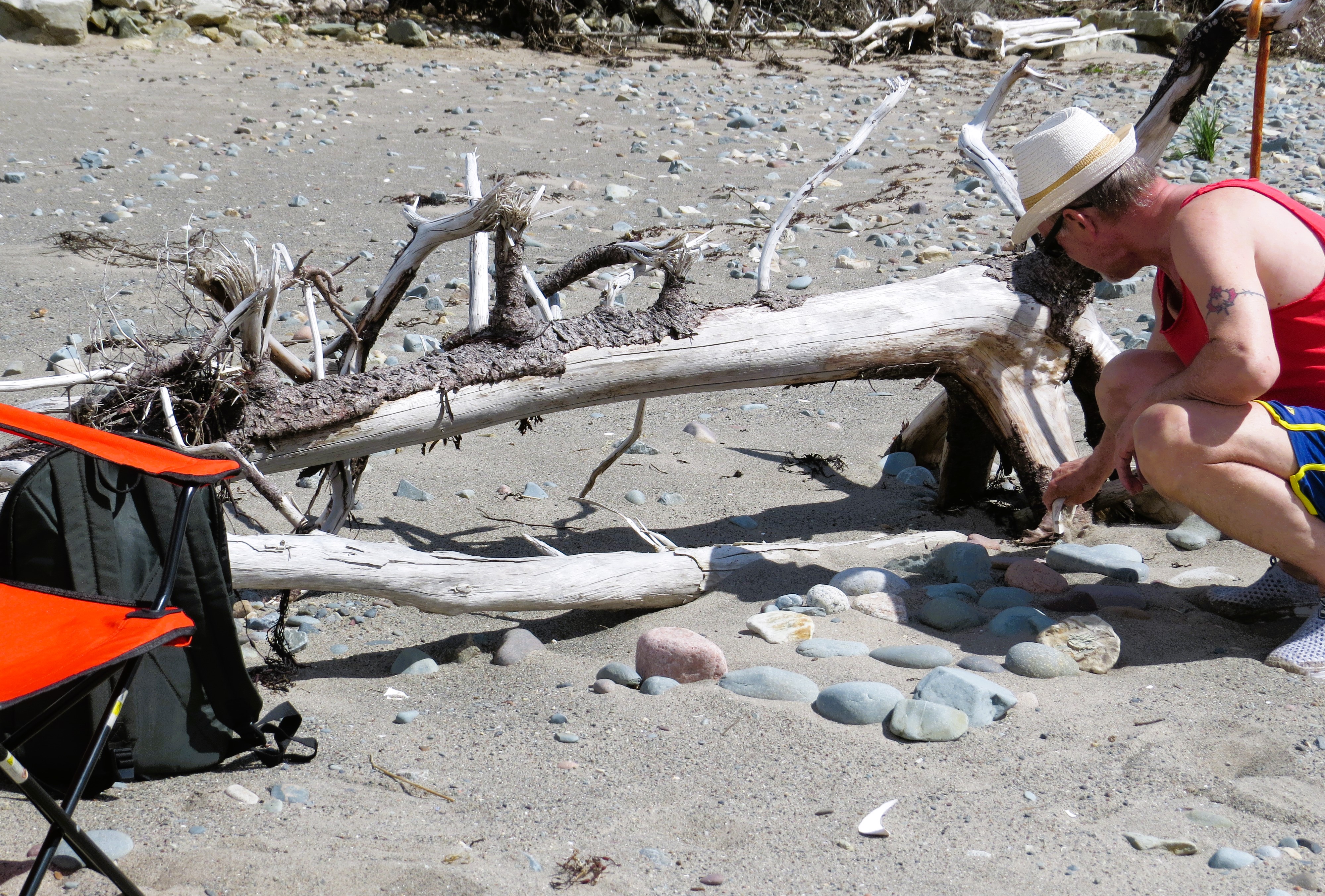
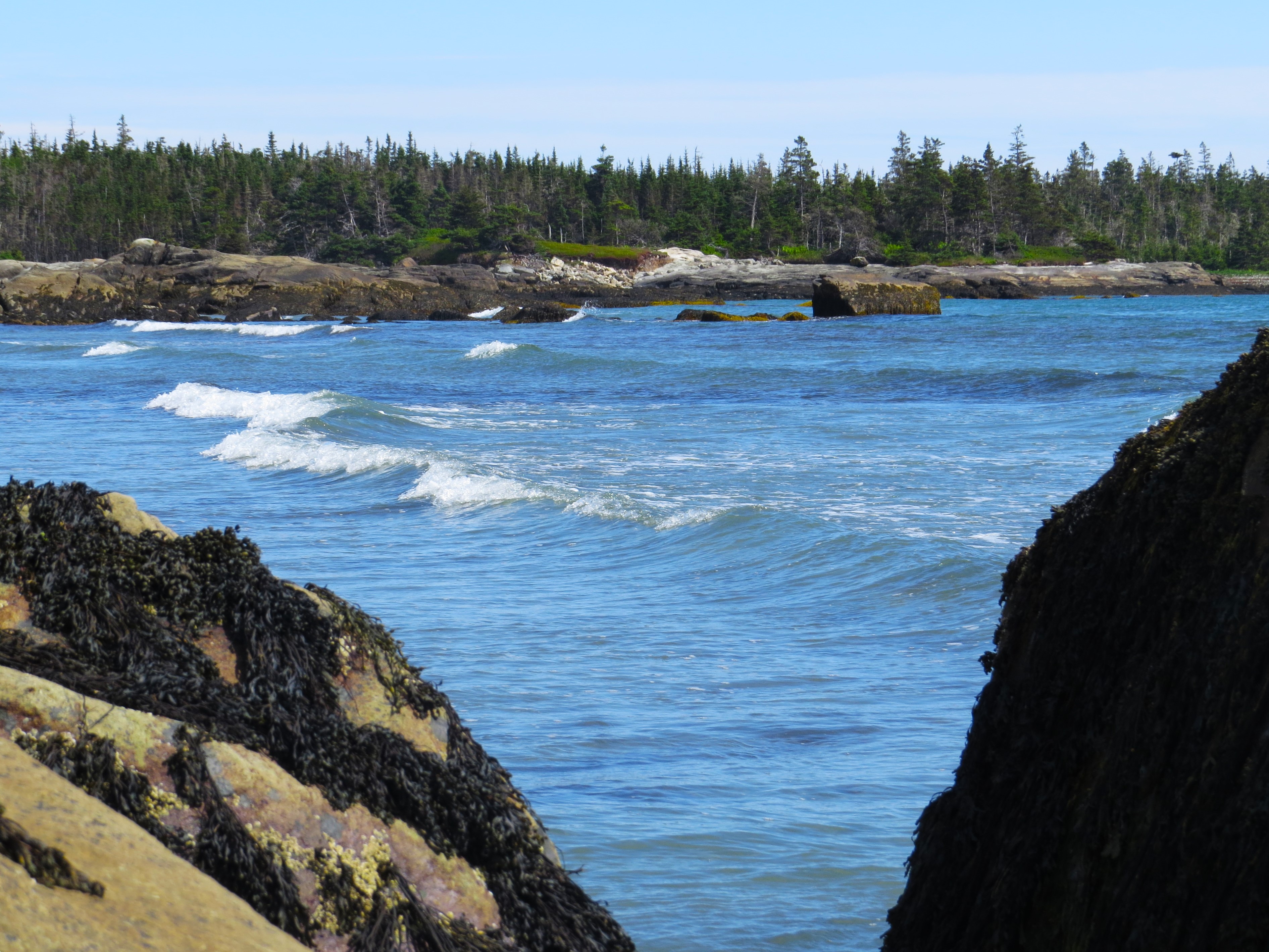
Yesterday I went to our Fort of Love in Lower East Chezzetcook. Took my folding chair, and my camera and crossed the narrow channel of fast-moving water separating the meager and rocky beach from the very secluded sandy outlet by a point called Miseners Head.  Must have been low tide time as the icy cold water didn’t even reach my chest.  Even during late summer last year, it was a desolate spot, seldom anyone ventured there. More or less it was my own private beach nestled between the ocean and a deep massive lake called appropriately … Big Lake. As I emerged from the water on the rocky edge of the dunes, two eagles startled by the visitor circled above my head.  They must have been scouring the dunes for big crabs, which are plentiful there, or for lonely seabirds.

Went straight to the same spot as last year. The dead tree was still there, but winter storms took all the stones off my sign. Or the ocean covered them with sand brought from the deep bottoms.  And it knows now our story. The bottoms of the ocean know the story, a Story of Love,  Despair and Loss. The crossing whales sing the story and carry it back to the shores. To desolate inlets, rocky outposts, and small islands.  When the sun sets down behind the horizon, the sirens sing the song to the passing wind and the stars, and the stars shoot beam of light across the Celestial Meadows of Space. Story of Love Stronger Than Life.

I see it, I hear it. And I want, I need your eyes, your arms, your lips. Give them to me across the river separating Life and Death.  Our Love has overcome the space between the Worlds.

I feel your touch again, I feel the trembling, the impatience.

They are here now, knocking on my doors, on the Gates of Timid and Fearful. Gates of those, who are afraid, nonbelievers.  But the Gates will fall, as the Gates of Jericho did. None can withstand the source of the Song of Love. The only Song that binds the separate solitudes.  
Come and fill my soul and heart! Come my Lover, I have waited long enough.

Maybe, just maybe, when I leave Nova Scotia, when I say goodbye to our beaches, especially that one secluded, and removed from tourists, wild beach with the Fort of Our Love – maybe then,  I will take you to that Paris of Montmarte. Of lovers kisses and embraces. … and I will kiss your trembling lips, and I won’t let go.


[i] https://kanadyjskimonitor.blog/2023/10/04/esej-o-milosci-jej-nazwaniu-i-trwaniu/

[ii]  Journal of Negro Life, publication of National Urban League in the 1920ties.

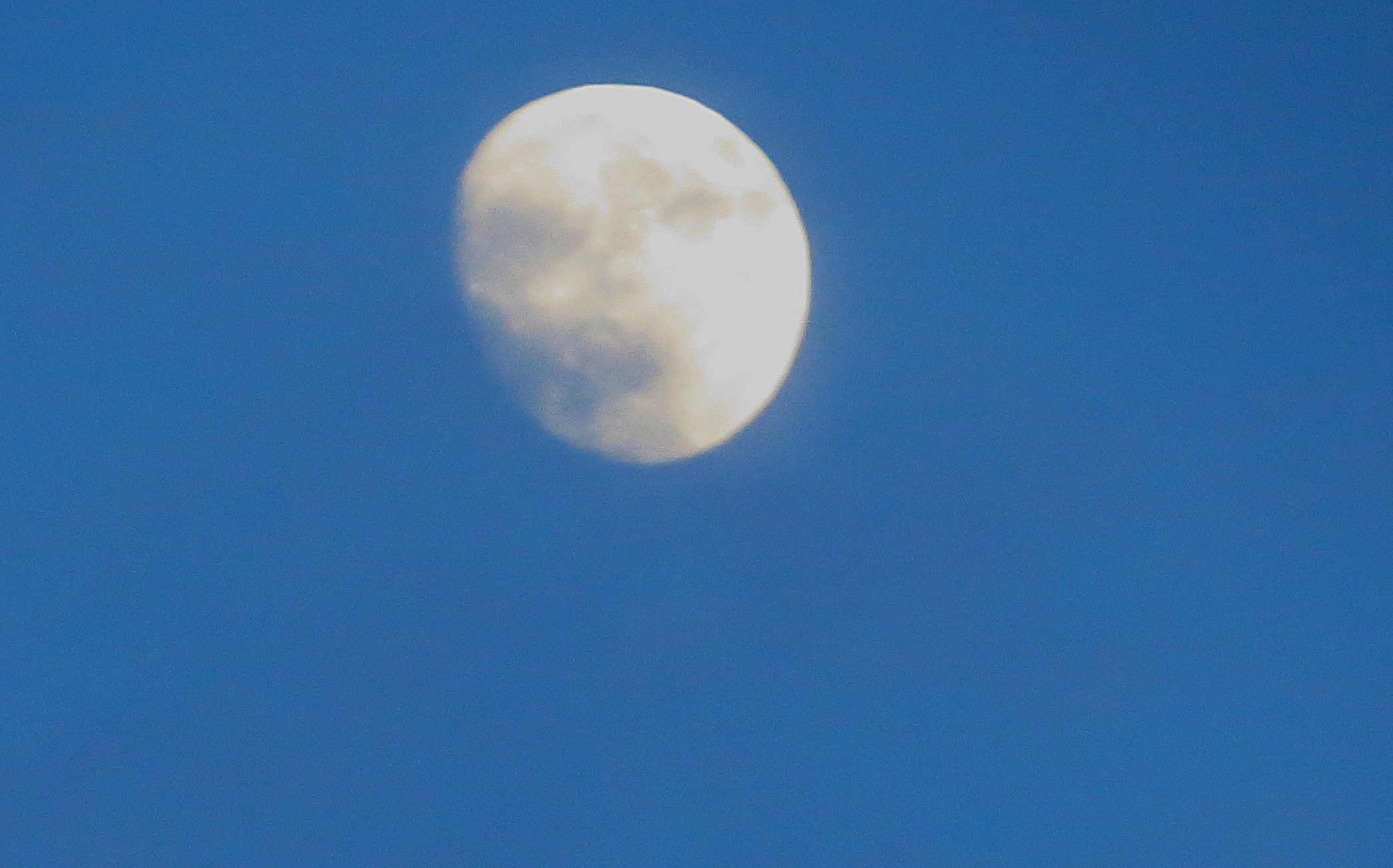
A jednak Kiężyc … back to the Moon

About ten days ago I drove hundreds of kilometers after the Sun. Sun – as you know – is very vane and proud, like a peacock. Blinds you with its glory. It comes as no surprise that a certain French king, after the construction of Versailles and its Hall of Mirrors was named Louise the Sun. He regularly walked that famed Hall blinding with his majesty the poor subjects taking to himself: I am France! Of course, my journey with throngs of other people running to places where the total solstice was taking place – ended up being blinded by the god of the heavens. And the only pictures I took were of that small, black rock that covered the blinding god. Naturally, a glowing aureola of the god was still flaming in full glory. The poor, grey Moon seldom shows up during the daytime in the skies. It feels too timid, too embarrassed by its own greyness, and lack of splendor.

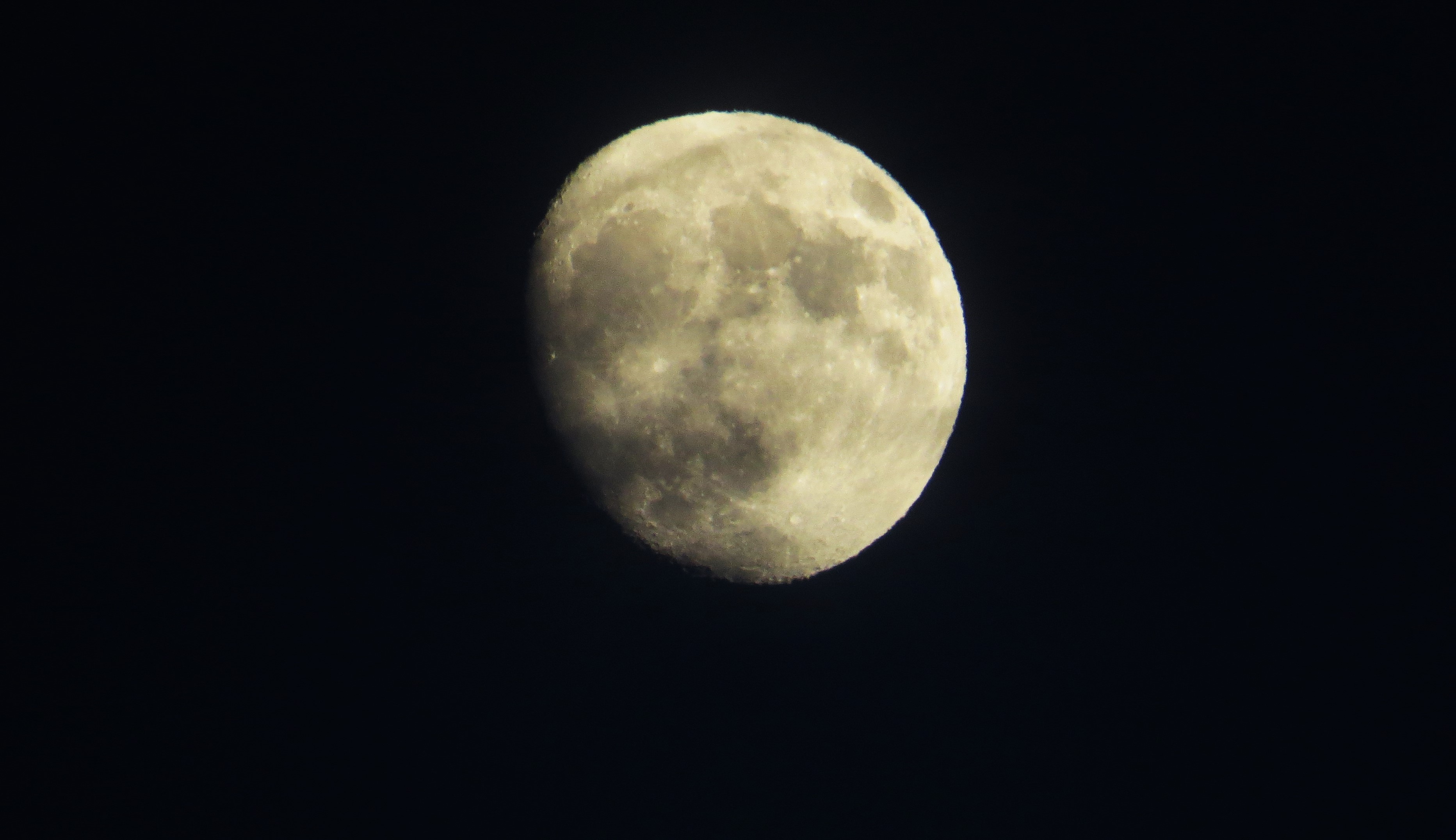
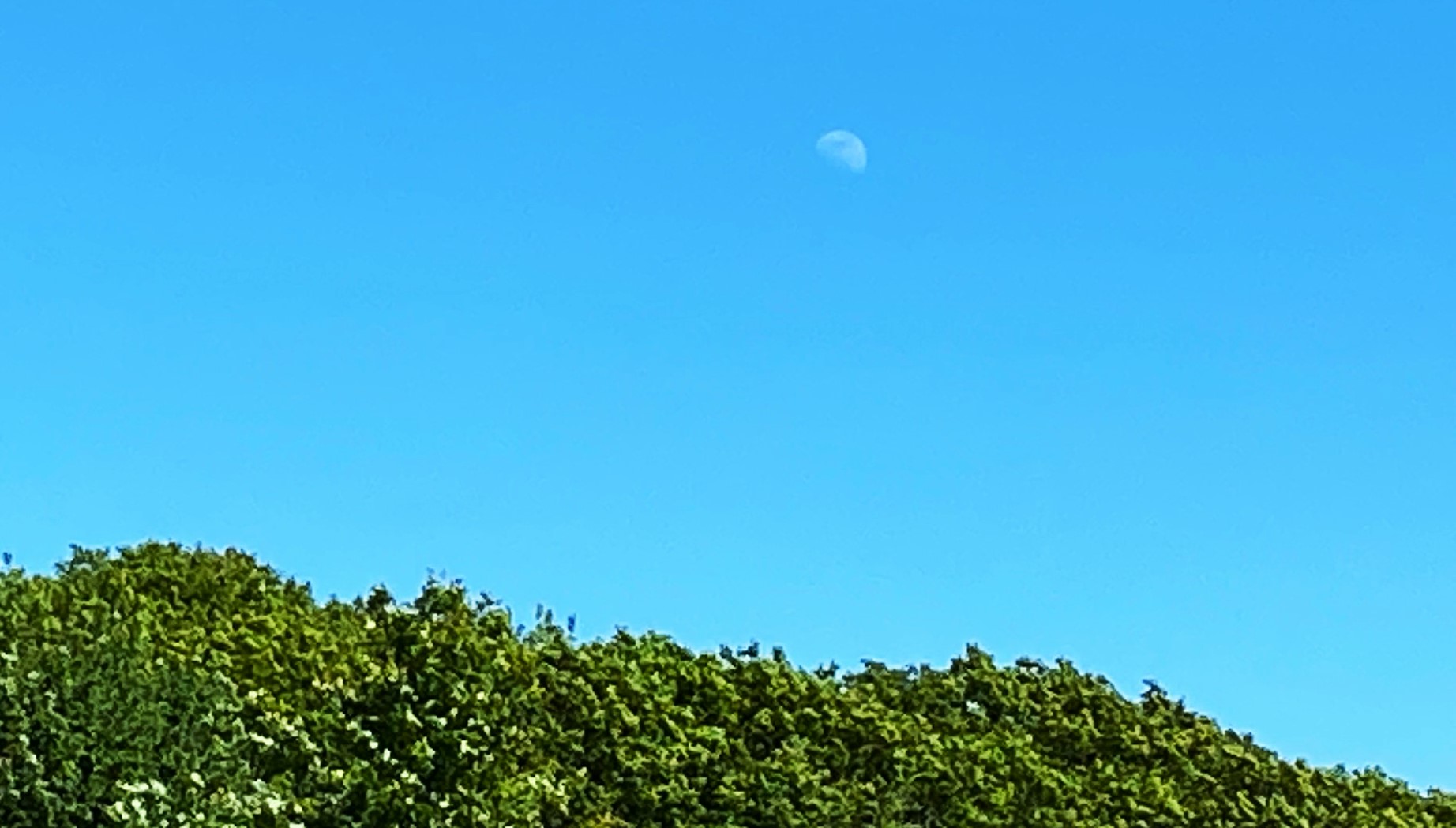
Hence tonight, at 2 o’clock, feeling a bit ashamed that I forgot my faithful friend – I took my camera and made a series of his portraits. As I used to do. I told him: you are beautiful and charming in your shyness. Thank you for lighting the old gas lantern in this dark mews.

Jesteś moim wierszem niedokończonym …

Jesteś moim wierszem niedokończonym …

Nieistniejący wiersz

Wczoraj uciekł mi jeden wiersz.

Tak zwyczajnie, po prostu

wybiegł z kartki,

wdrapał się na parapet otwartego okna

i wyskoczył.

Poszedł sobie, nawet się nie obejrzał.


Zabrał ze sobą wszystkie litery,

przecinki, wielokropki

i znaczenia słów.


I już go nigdy nie napiszę,

nie opowiem tej historii,

która może była

lub być mogła.

A nie będzie. Nie dam jej

szansy nawet na spróbowanie,

na niepewność,

na drżenie oczekiwania.

Niewiadomej bycia.

/12. 04. 2024; B. Pacak-Gamalski/

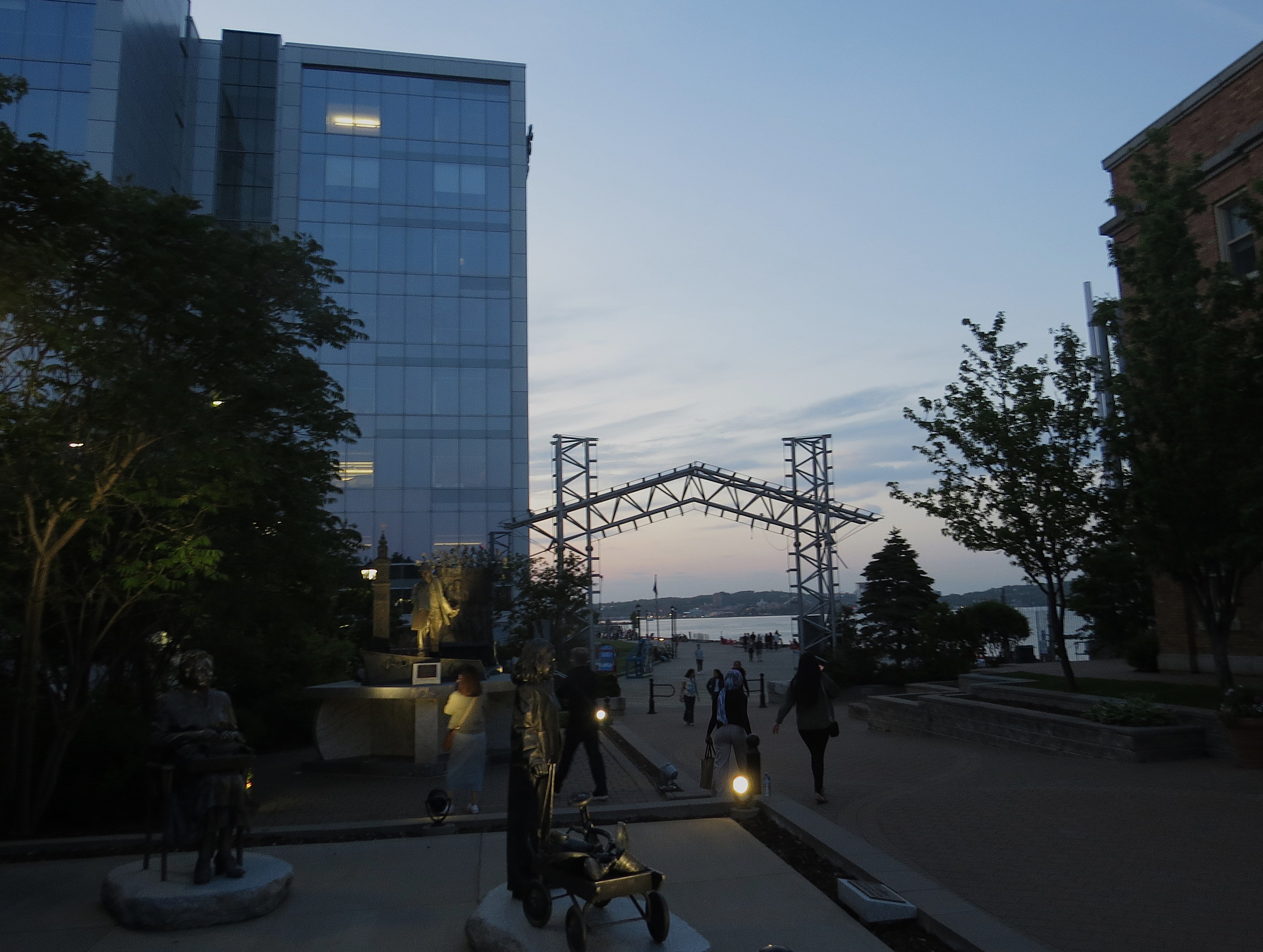
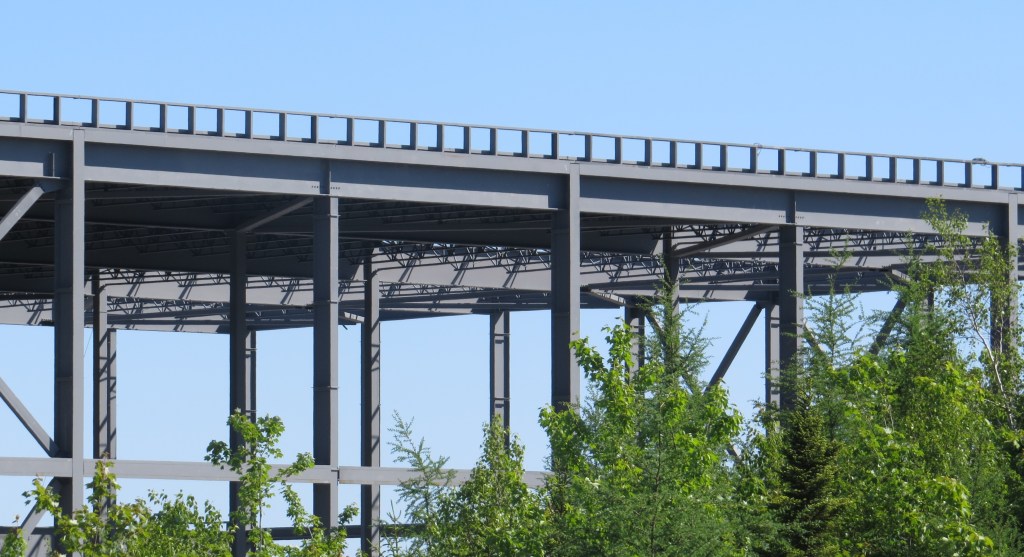
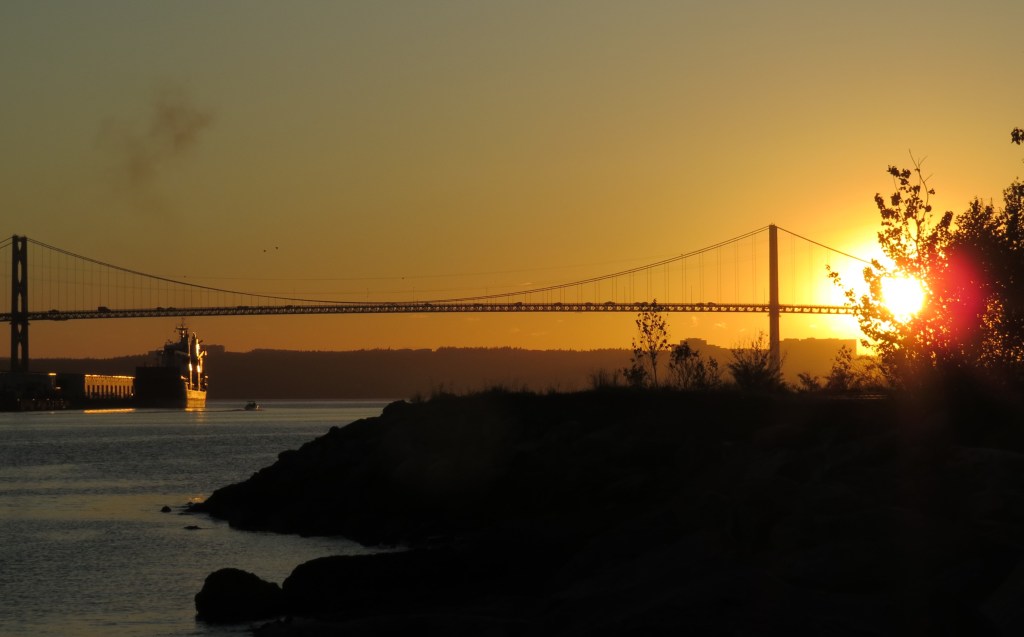
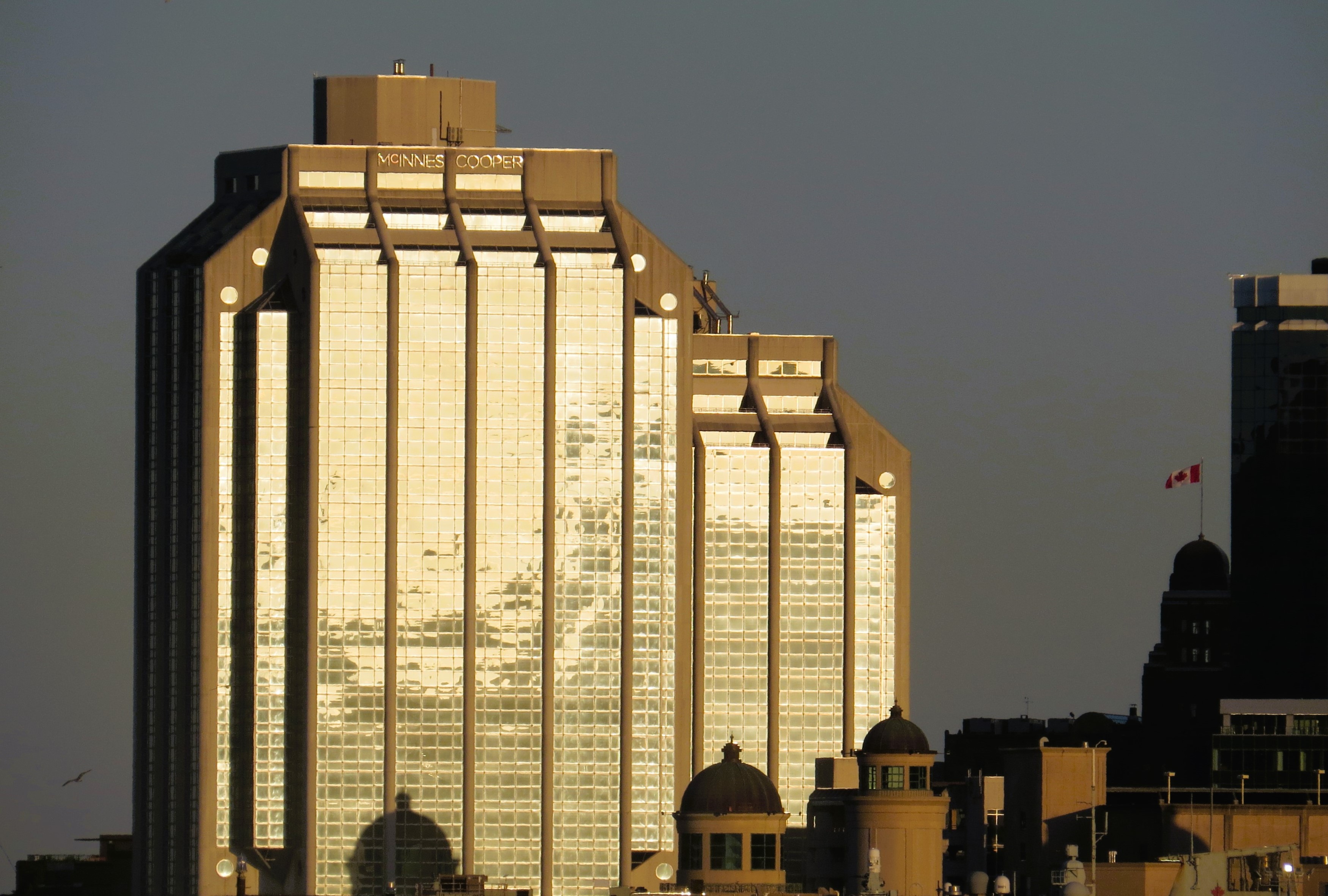
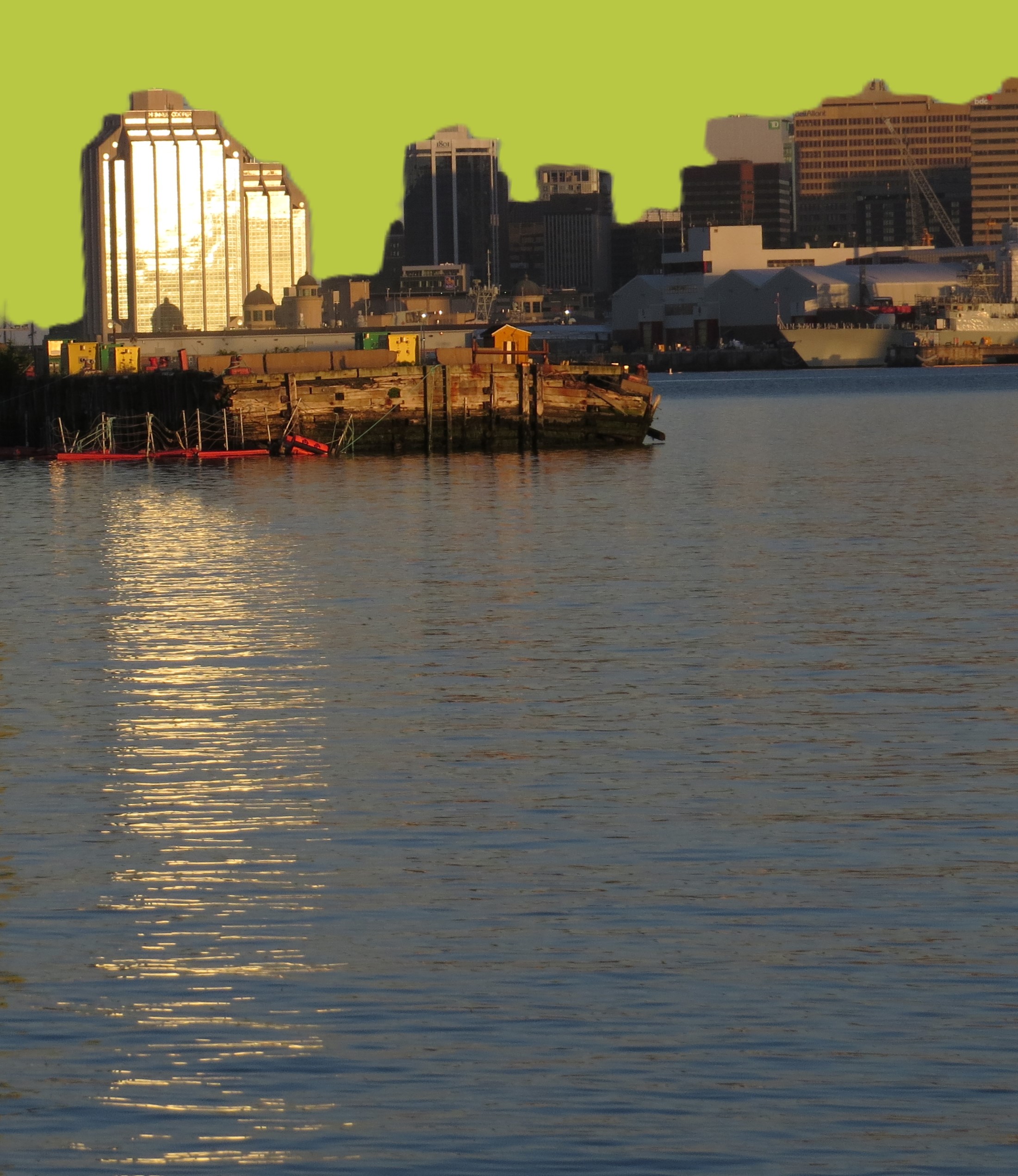
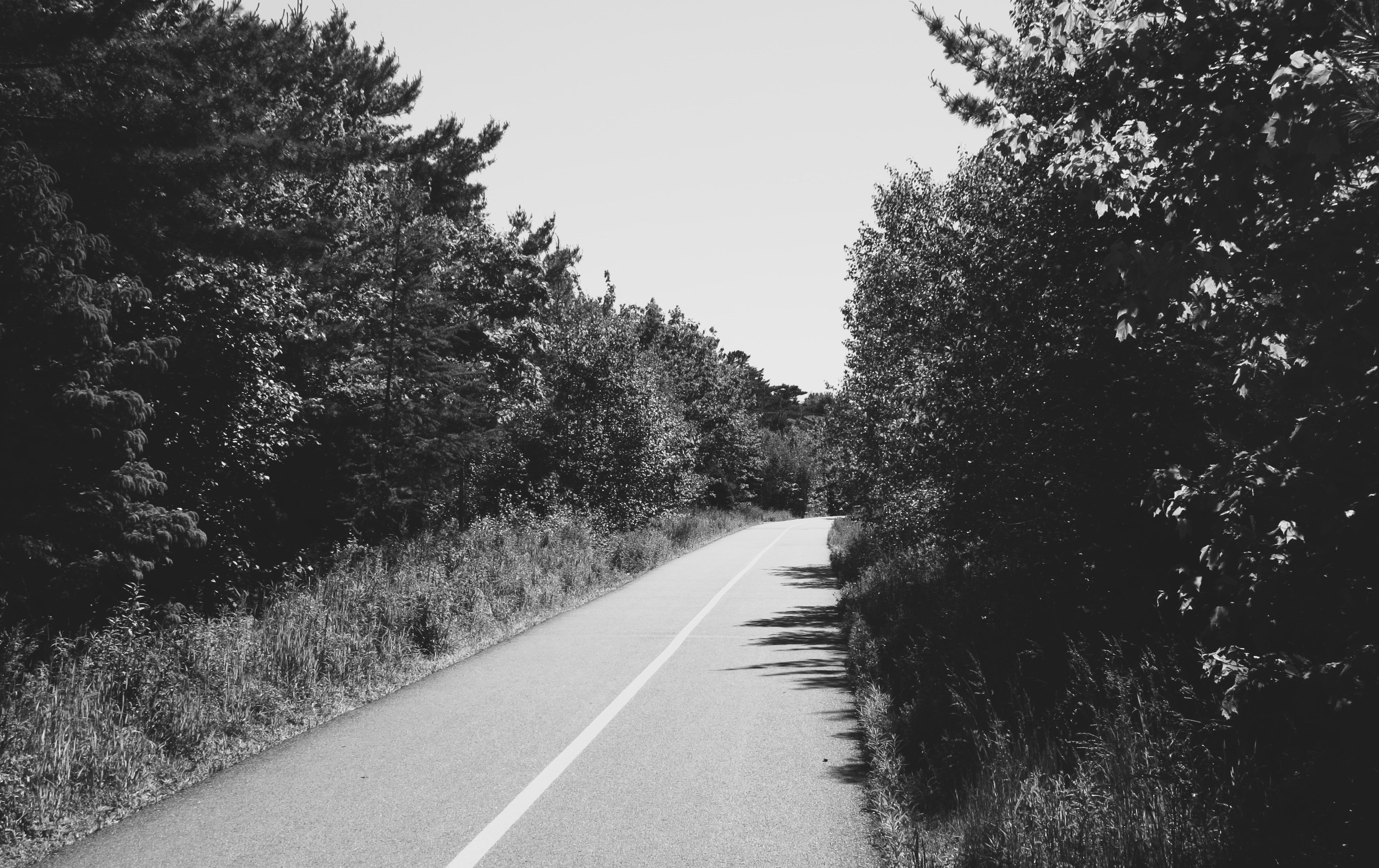
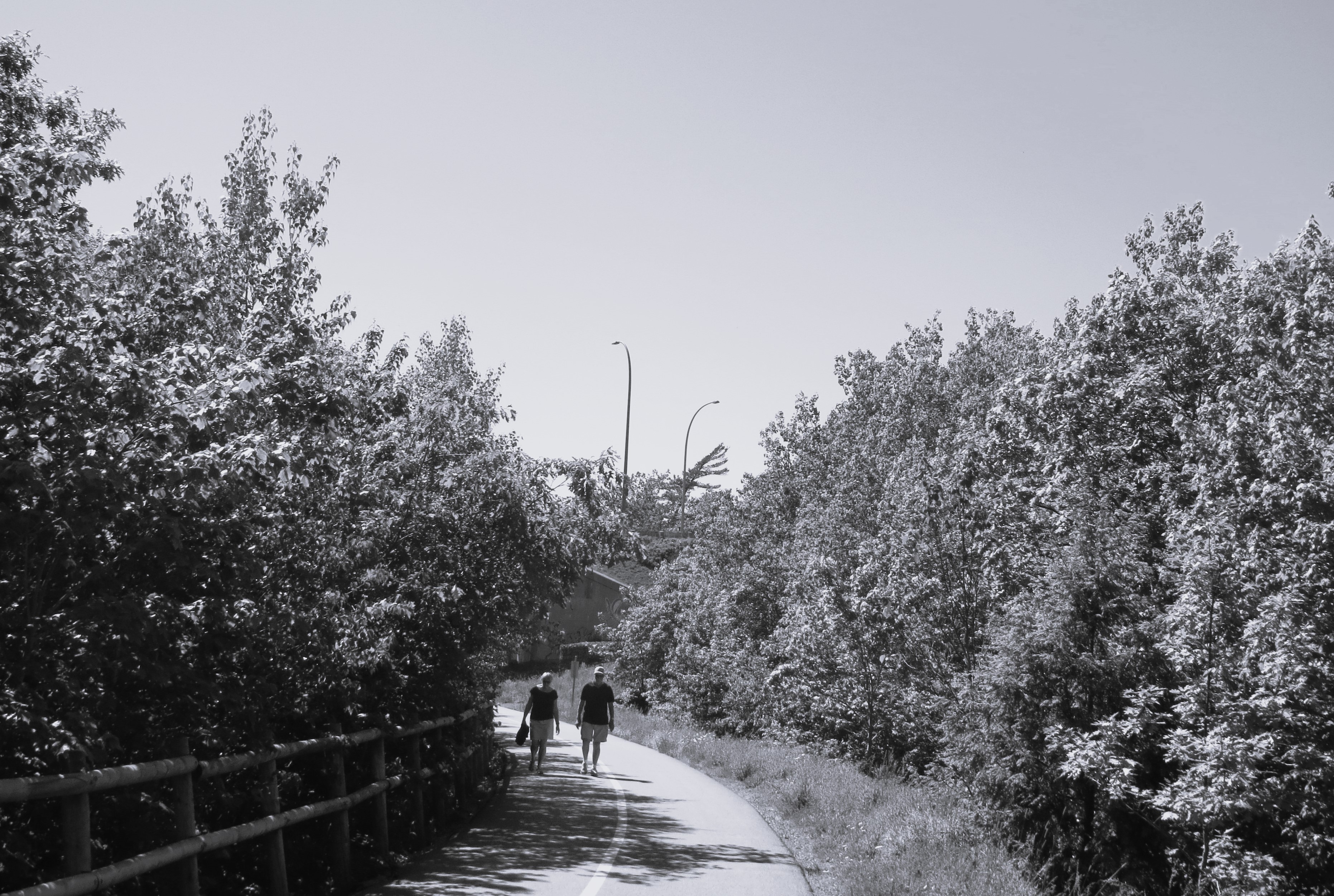
Tak, jak ten dzisiejszy spacer przez most z Dartmouth do Halifaksu i dalej uliczkami tego specyficznego miasta. Uliczkami tego żywego Halifaksu, Halifaksu jego mieszkańców a nie turystów, z dala od Waterfront i zabytkowego Centrum. Halifaksu zamkniętego granicami ulic North, Quinpool, Agricola i Oxford, a więc odsuniętego też trochę od zupełnie innej charakterystyki świata studentów i pracowników rozległego terenu Uniwersytetu Dalhousie.

Znam te uliczki doskonale, na pamięć, mimo to ciągle zauraczają specyficznym, staroświeckim czarem uśpionej prowincjonalności. Lublin, Przemyśl lub Rzeszów przychodzą na myśl. Często tu przyjeżdżałem w dni wolne od pracy by spotkać się z Tobą na twojej godzinie lunchu i przerwie. Ja przyjeżdżałem godzinkę-dwie wcześniej żeby właśnie po tych uliczkach łazić bezmyślnie, gapić się. Potem wracałem pod Berkeley, gdzie pracowałeś i czekałem aż wyjdziesz tym bocznym wyjściem na tyły budynku, gdzie była ścieżka w dół i trochę miłej, zielonej trawy. I szliśmy czasem na lunch obok do kawiarenki lub po prostu na papieroska. W tym miejscu kończyłem dziś i mój spacer. Poczekałem chwilę, popatrzyłem na te boczne drzwi czy może jednak wyjdziesz. Naturalnie, że wiem, że żadnych drzwi już nie otwierasz, przez żadne nie wychodzisz nigdzie. Ale przyzwyczajenie pozostało.
Ty – mój wiersz niedokończony. I spacer po moim mieście. Nigdy przedtem tak o Halifaksie nie myślałem. A teraz stał się moim. Tak jakoś niezauważalnie, mimochodem, niepostrzeżenie. Obok, Warszawy, może Londynu, oczywisci obok Calgary a nawet obok naszego cudownego, nieporównywalnego nawet do Warszawy – Vancouveru (naturalnie pisząc ‘Vancouver’ mam na myśli wszystkie miasta tej wielkiej aglomeracji, a już zwłaszcza Surrey) – miasta ze wszystkich mi drogich – najdroższego, najbliższego. Miasta, które było naszym domem.

Ale wracając do mojej, może ostatniej już wycieczki z kamerą do mojego Halifaksu.

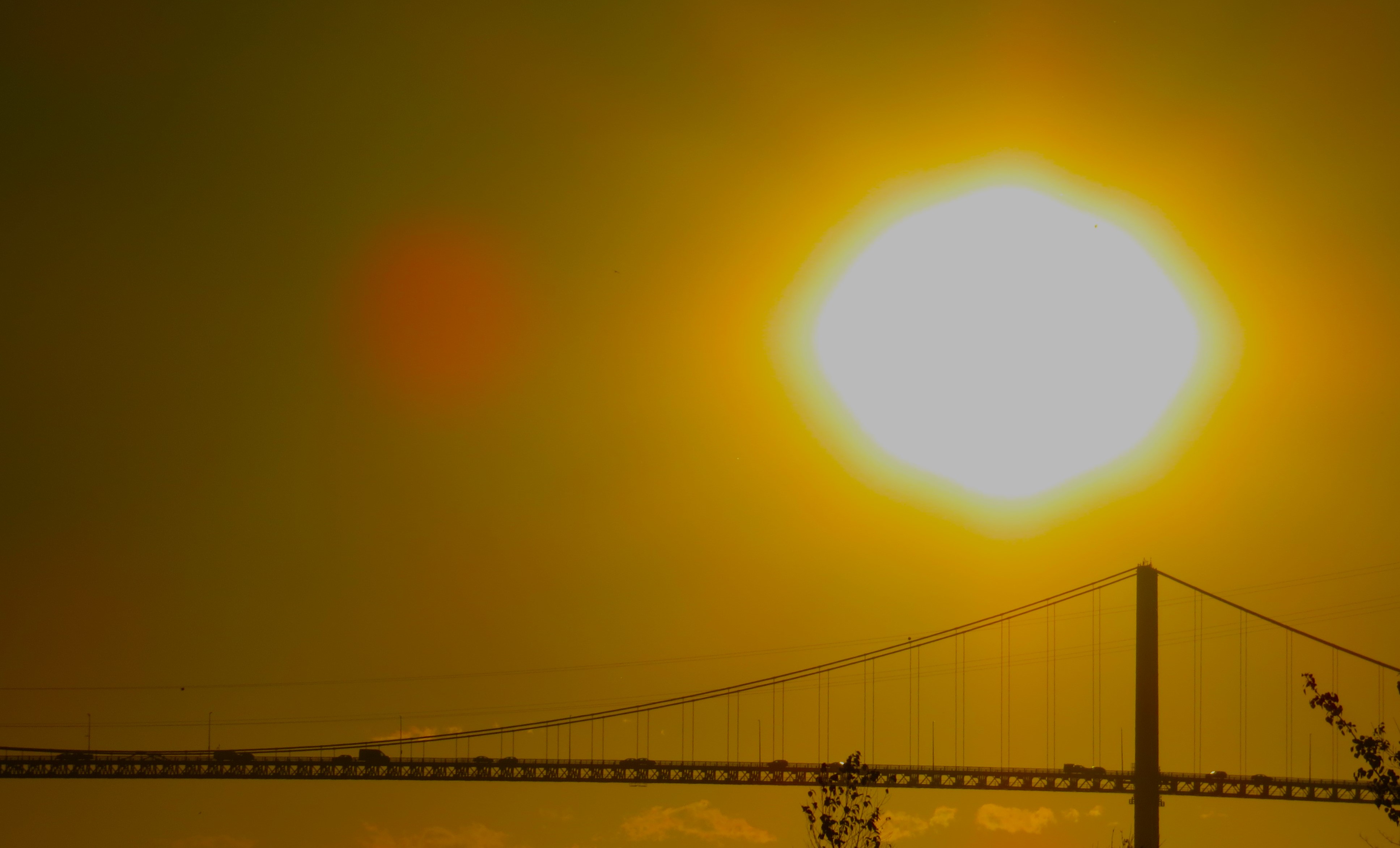
Total Eclipse of the Sun – Fredericton, Canada, April 08.2024

Total Eclipse of the Sun – Fredericton, Canada, April 08.2024

Spacer z kamerą drogami wspomnień

Spacer z kamerą drogami wspomnień

My Rocks and memories it evokes. Moje Kamienie i refleksje, jakie przynoszą.

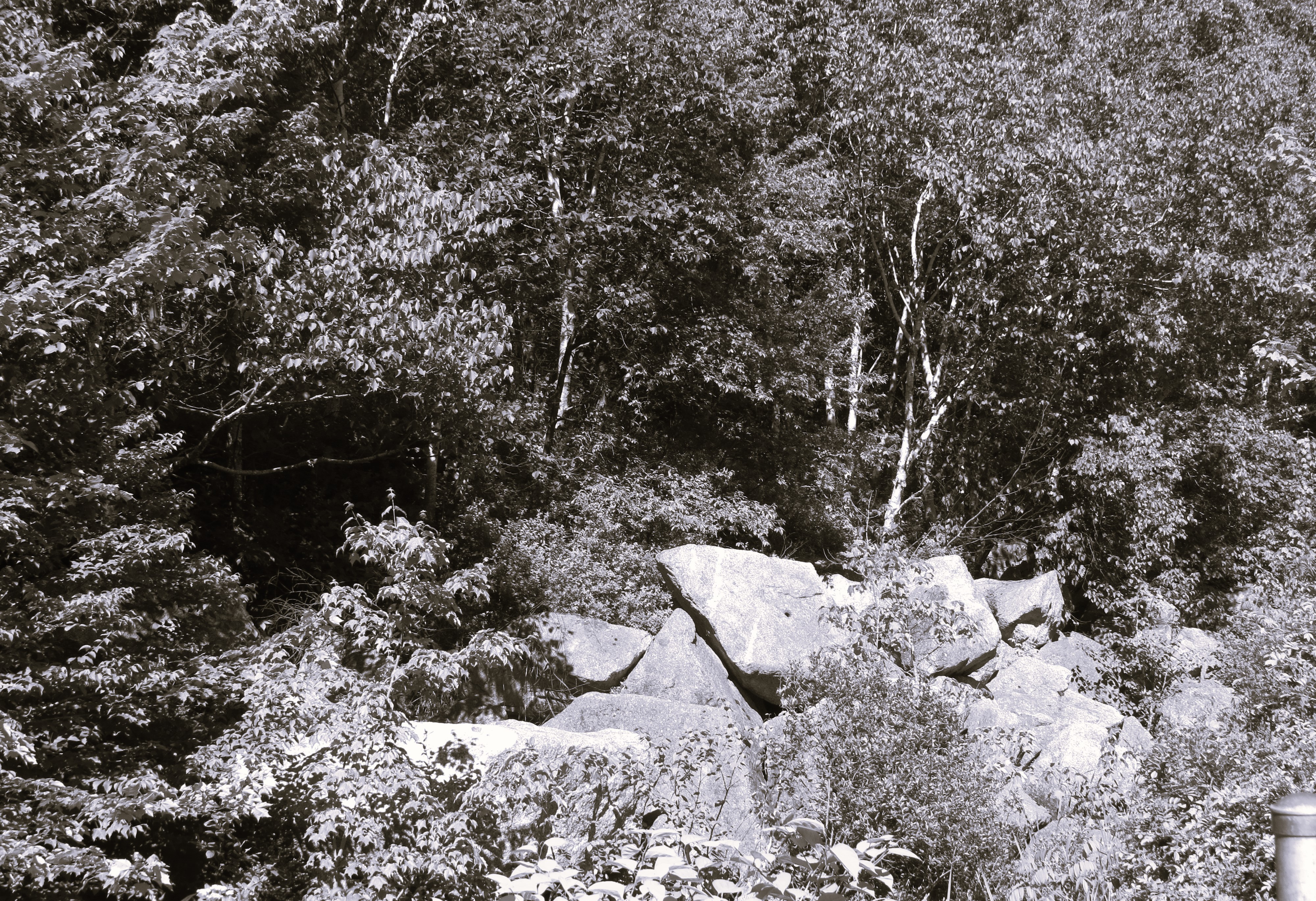
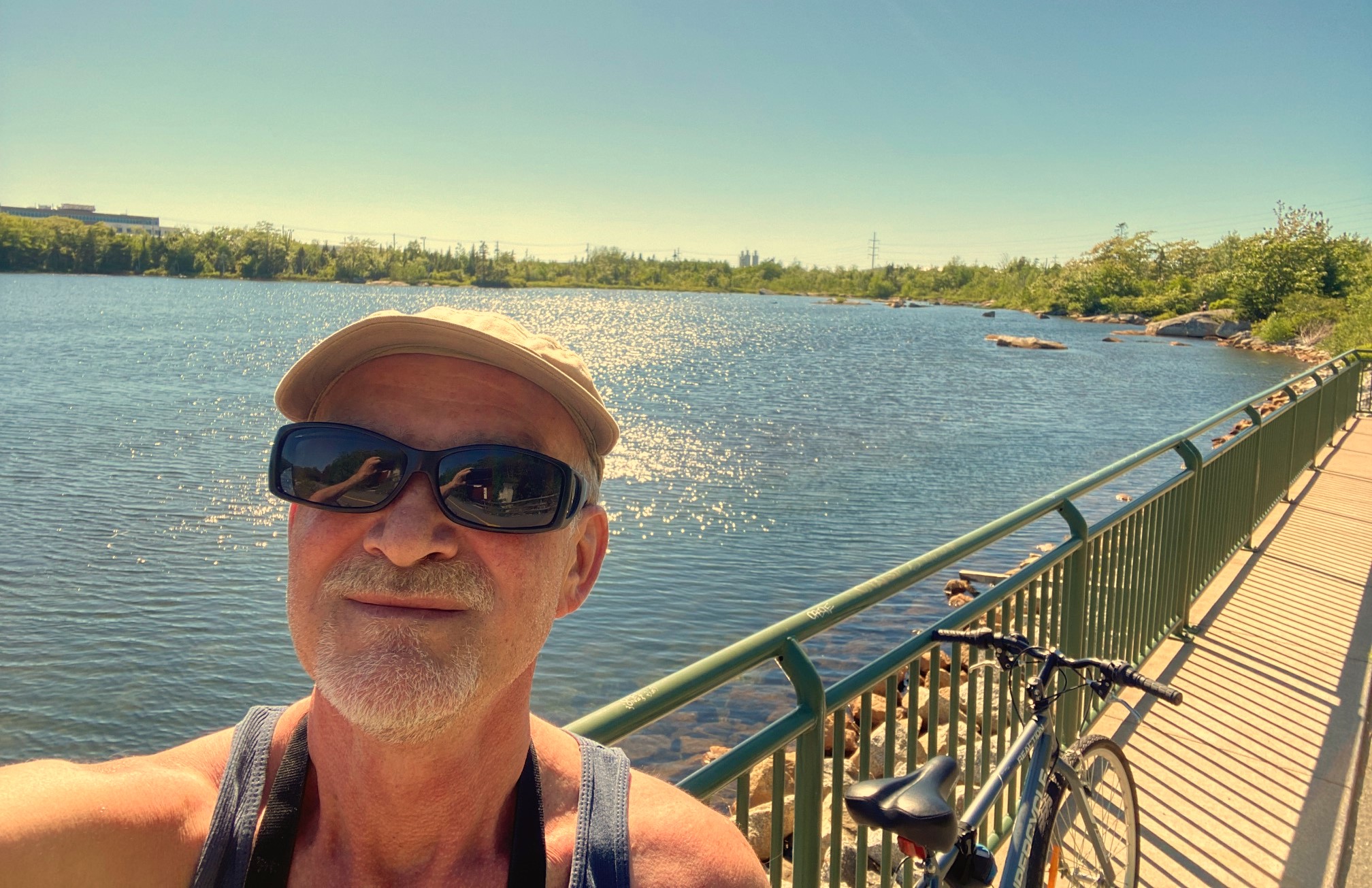
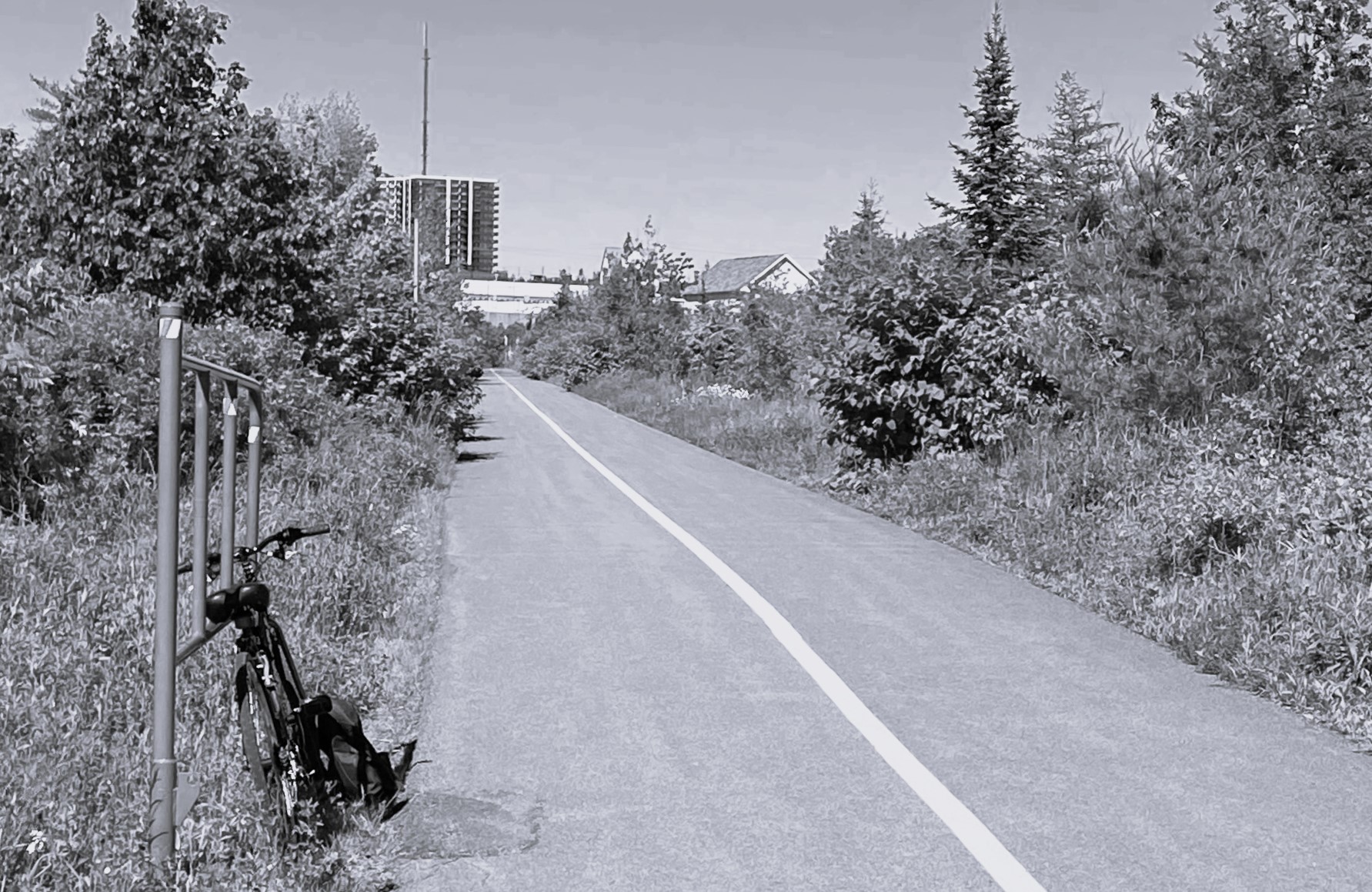
Ostatnie być może tygodnie moich spacerów dziennych i nocnych od tylu już lat trasą głazów i krzewów między torami a wodą Kanału Bedfordzkiego, jaki ooddziela Halifaks od Dartmouth. Znam tu każdą krzewinę i kształt każdego bodaj kamiennego wielkoluda. Mam kamienne fotele, gdzie przy dobrej pogodzie siadać lubię i czytać, myśli spisywaś w kajecie, pstrykać portrety wody i nieba wzajem się przeglądające w sobie. Moje Kamienie. Niemi świadkowie moich radostek i mojego odchodzenia od świata.

Ale moje Kamienie też się zmieniły. A właściwie zmienili je ludzie. Świat uległ wszędzie zmianie na gorsze po tej strasznej pandemii. Nanieśli śmieci, ktoś powyrzucał połamane meble, jakiś stary materac. Udaję, że tego nie widze, gdy chodzę. Na nocnych spacerach udaje się to łatwiej.

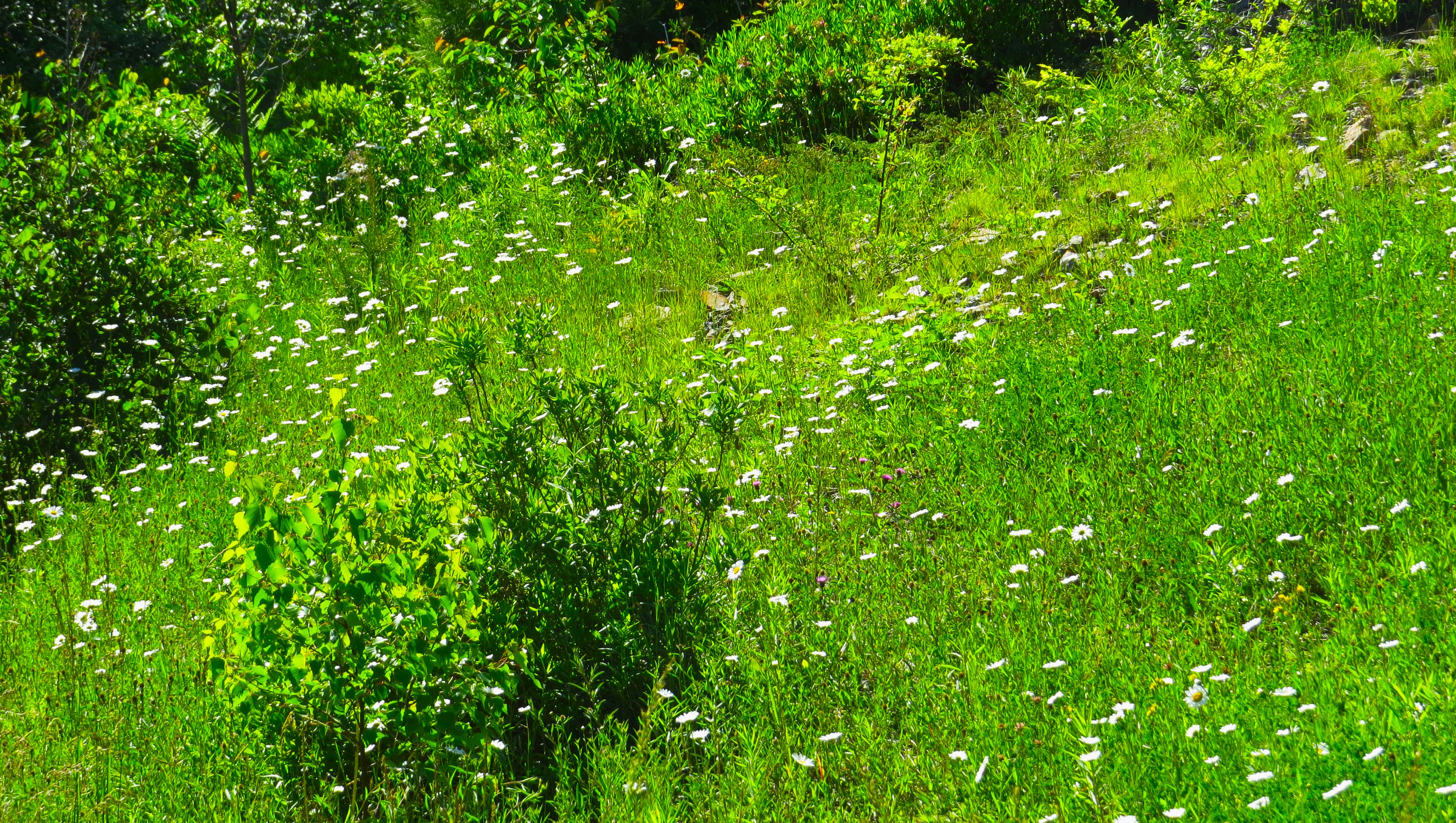
A to taki magiczny ogród niesamowitości przyrody. Na kamiennym podłożu, u skraju miasta wąska przestrzeń zamieniona wiosną i latem w bajeczne dzikie łaki. Krzewy czerwone, zielone, pachnace słodyczą dzikie róże, krzewy wysokie czerwonych jagód, kraina małego ptactwa i wron. Jest tam kilka miejsc z rzędami drobnych i niewysokich białych brzóż – brzeziny. I zaraz wspominam cudowną powieść o tym tytule starego poety, Jarosława Iwaszkiewicza. I widzę chadzających tam i Stanisława z Bolesławem, i Malwinę i może grobek Barbary.

A dziś, na jednym z moich ostatnich tu spacerów? Mijam miejsce, gdzie po drugiej stronie torów, od strony miasta była po prostu niesamowita łąka. Wejść tam nie można było od dzikiej gęstwiny. A siedzieć można było przed tym zjawiskiem i godzinę, obserwując te wszystkie kolory fauny i unuszące się na nimi pyłki pszczół, ważek. Teraz przechodzę i widzę straszną jamę, straszny dól, jak lej po bombie. Maszyny wyrwały wszystko, rozkopały całe wzgórze. Będa widocznie stawiać tu domy. I pewnie drogie, bo frontem do wody i z widokiem na cały Halifaks. I zaraz na myśl przychodzą słowa z innej książki polskiej literatury, też mi bardzo bliskiej – z ‘Dzienników’ czasów wojny Zofii Nałkowskiej. Często zapis nowy zaczynała od owego: ‘i znów zaszła zmiana w polu mojego widzenia’. Zaszła.

2024 Juno Awards in Halifax

Canadian Press is abuzz with stories about the Juno Awards, the Canadian version of US Grammy Awards. Well, not only the Press – the faithful public, too.  Canadians have always been very loyal to our musical groups, and our singers.  My John would have been delighted with it being hosted this year in Halifax and I would quietly bought a ticket for him a long time ago in advance of the event.  He truly was a huge fan of our musical performers and knew them all. He was my teacher and my encyclopedia on this subject.

I must readily admit that I could easily name the best international operatic singers of the past hundred years.  Starting with Caruso, Dame Nellie Melba from Australia at the turn of the XIX and XX century, incomparable diva Maria Callas (I am sure she is the reason the term ‘diva’ is still being used in popular culture to describe certain, shall we say, overly dramatic or tragic characters. Popular in LGBTQ circles, LOL. Even someone as timid and demure as myself was called that by few …. I know, hard to believe, LOL); great Joan Sutherland, Montserrat Caballe – forever associated in my memory with her wonderful performance with Freddie Mercury in their duet “Barcelona’,  of course also Pavarotti, Domingo and Carreras – the original ‘three tenors’; Polish Ada Sari and great Teresa Żylis-Gara; our own Canadian mezzo-soprano Judith Forst, and Ben Heppner. Enough of that, otherwise I will never stop. But ask me the same about pop music names – the list might not be as long. I didn’t have to remember their names – I could just ask John! He shared that affection for popular music with his brother Roger, who is a good DJ’ and had his share of playing in the clubs. The two of them could talk about current music for a long time – and they did.

But back to business at hand – the Juno Awards in Halifax.  The city is abuzz about it. Who and why should win and who shouldn’t. No, I will not tell you. That is a taboo to talk about rumors like that. You will find out in a few hours. Maybe you did already.

Well, the truth is … I simply have no idea, who is running this year and who should or shouldn’t. Ignoramus, tabula rasa. LOL. John is not here to educate me. But you are much better on this subject, anyway – I am certain. So – enjoy the Junos from Halifax! A few photographs on a very cold day in Halifax of the venue for the event – the Scotiabank Center.

Out of Despair – a story of a wintery trip to a snowy beach

Out of Despair – a story of a wintery trip to a snowy beach

The story is written in poetic verse, which is perhaps the easiest way to express emotions that are too intense to convey in normal language. I’m going through a difficult time as I prepare to make a monumental move, and I have to discard or abandon a lot of my belongings. Our belongings. This process has forced me to go through them all in detail, it has opened a Pandora’s box of memories. These are not just my memories: these are our memories.

Last summer and autumn, I often escaped to the beaches for days at a time to get away from reality. But now, with the sorting of our things, that heavy feeling of despair has returned. Despite the cold wind, light snow, and rain I had to return to the beaches. I had to try to find you again for a moment, if for a moment only. It seemed that by doing that I wanted to overcome the feeling of drowning. On this trip I kept imagining a theater stage and Shakespeare’s Richard III. Richard III with his desperate plea for a horse, his bargain with the Fates.

The phantoms of despair are everywhere. 

Six, I think that I slayed. But not the one I needed.

A horse, a horse! My kingdom for a horse! I yelled, I begged!

as in a story said by English bard long time ago,

per chance, of dying Plantagenet with a blow to his head.   

My kingdom for a horse! I yelled in powerless furry

 at the ice-cold waves of roaring sea on Eastern shores.

I screamed, I raised my fists, and stomped my feet.

And words were taken by a wind

and silenced by another wall of deep.  

I cried out in pain falling to my knees,

beaten down, with no sword, no horse.

and no shield – ‘just once’ – I whispered

with no sound leaving my lips – ‘for a moment

let me see his face again, let me tell him

without words that I do and always will’.

And then, resigned I turned away from the sea

and saw in front, in a fair distance,

on the crest of the sand dunes – human shape,

familiar form, protected by warm, thick cape.

I wanted to run toward him – but couldn’t move;

wanted to scream – but no sound left my lips.

And yet – I heard his words as clear as daylight:

I know you do and I do love you, too.

I have no kingdom and no need for a horse anymore.

No need for heavy swords and glory in the battles.

That chilly day on a windy and snowy beach,

with cold stabbing your bones as battleaxes –

that instance becomes as warm as paradise.

I went back home with a smile and a head held high.

(by B. Pacak-Gamalski)