Clam Bay Beach (cz.2)

Clam Bay Beach (cz.2)

Około dwa miesiące temu[i] opisywałem tu wspaniałą plażę na wschodnim wybrzeżu Nowej Szkocji. Plaża Zatoki Muszli. Zwłaszcza dwóch charakterystycznych rodzajów: popularnej omułki i rogowca. Omułka to naturalnie małż, a rogowiec to właśnie muszla clam. Omułki są podłużne, wewnątrz perłowo-niebieskie, mieniące się, zaś clam bardziej okrągły, w odcieniach szaro-białych.

Woda wówczas była lodowato zimna i bajecznie piękna, szeroka piaskowa plaża świeciła pustkami.  Prócz mnie żywy duch się na kąpiel nie odważył. Myślałem, że nie tyle temperatura wody (bo dzień był jednak słoneczny i ciepły) ile odległość plaży od większych miast i dość skomplikowany i długi dojazd bocznymi drogami odbijającymi w dół od głównej szosy był tą przyczyną pustki.

Kilka dni temu pojechałem tam ponownie sierpniową porą. A w sierpniu wody Atlantyku przy Nowej Szkocji są cieple przez silne prądy po-huraganowe na Karaibach. I jednak widać ta temperartura wody chyba zadecydowała. No i szkolne wakacje. Na szerokim polu parkingowym ledwie miejsce znaleźć mogłem. A na plaży – ludzi jak mrówków, LOL. Ale plaża kilometrowa, bez końca. Miejsca i na piasku i wodzie nie zabrakło.

I jedno jeszcze spostrzeżenie bardzo miłe: naturalnie jestem teraz sam i moje wycieczki od dwóch lat są też wycieczkami samotnymi. Zabieram zawsze plecak, składane krzesło plażowe i drogą kamerę z dużym stojakiem. Jedyne co zostawiam w samochodzie to dokumenty. Nie wiem czemu z przyzwyczajenia biorę ze sobą też swój Iphone. Pływać z plecakiem i kamerą trudno (z telephonem też). Więc wszystko tak zostaje na tym krześle, a oparte o nie stoi ta kamera na trójnogu. Czasem te pływanie jest długie, bo uwielbiam targać się z tymi grzywaczami wodnymi.  Nie wiem, czasu nie liczę, ale też nigdy się nie śpieszę. I nigdy się mi nie zdarzyło ani na plaży zapełnionej ani pustawej, by mi cokolwiek zginęło. Nie tylko tej, na wszystkich plażach. Ot, taka sympatyczna ciekawostka tutejszych plaż.

A teraz kilka zdjęć z tej właśnie Clam Bay Beach późnym latem. Już nie pustej.


[i] Clam Bay Beach – north of Jedorre – na Wschodnim Wybrzeżu Nowej Szkocji – Pogwarki (kanadyjskimonitor.blog)

Natural Gardens in Truro’s Bible Hill, Nova Scotia – Dalhousie University

Natural Gardens in Truro’s Bible Hill, Nova Scotia – Dalhousie University

Some time, on this pages, I have published a piece about the history of the oldest University in North America, Kings College in Halifax. Kings College eventually become part of one of the largest university in Canada, the grandiose Dalhousie University of Nova Scotia. I have eventually, on this blog, published a photo series of the university.

The massive complex of Dalhousie stretches through many blocks of the city. It brings life and vibrancy to the city’s core and creates many mini-communities of students and faculty. Encompasses the past and the future. Is integral part of it’s life, atmosphere and pulse. Gave me many pleasurable strolls, moments of reading an interesting book of poetry or novel, writing in my own notebooks my poems or musings on many subjects. University campuses do that to you, LOL. And I love it.

But I have always heard of a special, far away campus of Dalhousie. The entire Faculty of Agriculture. It sits somewhere in a community called Bible Hill, part of larger city of Truro. I have past Truro countless amount of times. It sits right on both sides of meeting of two major highways connecting Nova Scotia to the West of Canada and to the South on Nova Scotia. But what you see, when you are passing the city on highways is hardly and appealing site. The ugly big magazines, some big malls. Sort of ugly site of North America with ever sprawling ugly malls without any character or architectural originality.

Yet, I have heard many times of that Bible Hill campus. As I will be soon leaving this province, I had to visit it. Additional emotional reason was also the fact, that a dear friend of my husband and through him mine – was borne in that city, went to school there. But left it many years ago moving to the West (Calgary and Vancouver) and never seen the campus that was built little way out of the main city. So I did and hope that she will appreciate it.
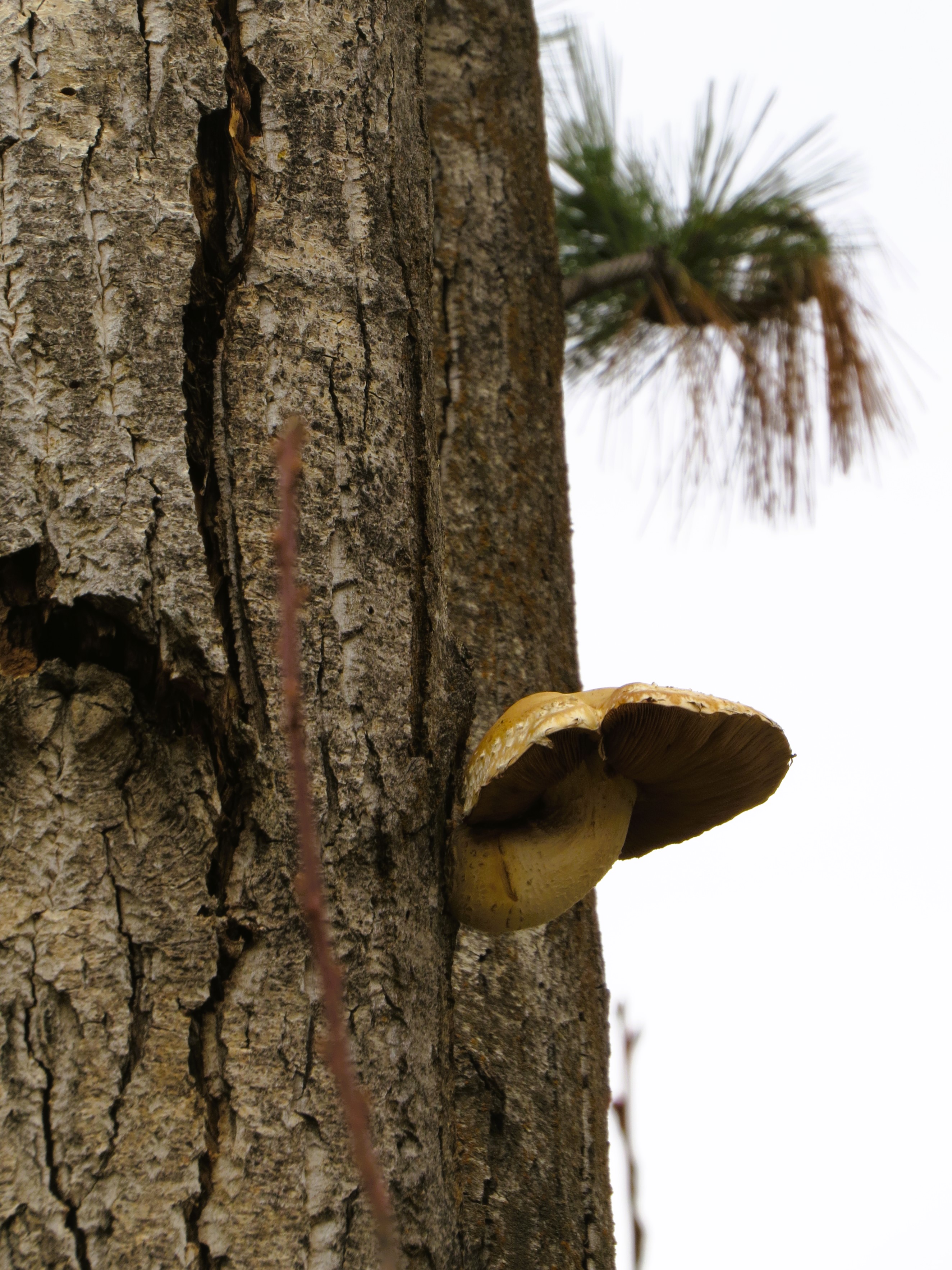
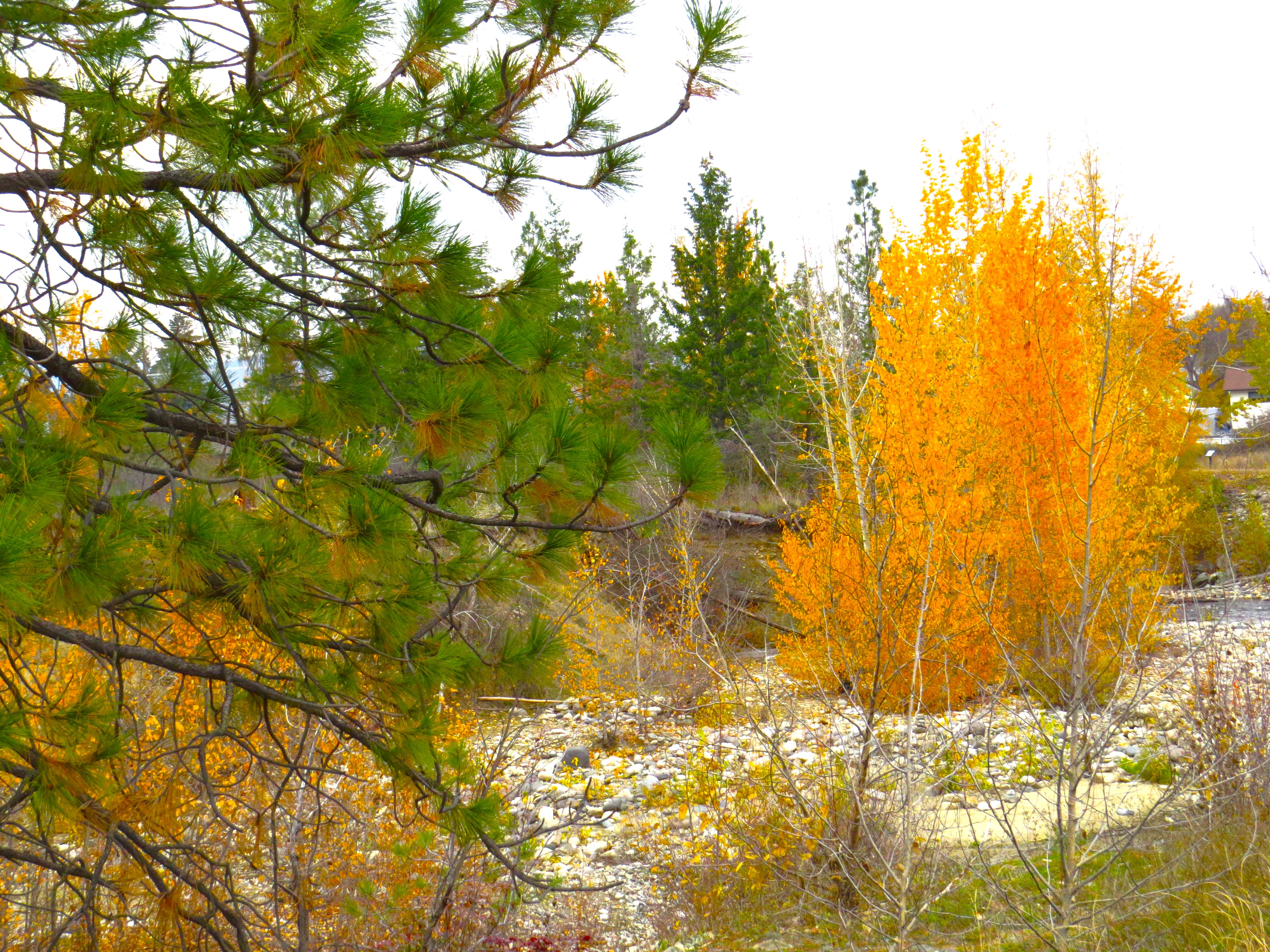
It is a site to behold. Many red brick old university buildings, spread through a large swath of land. No wonder – it’s laboratories are in the fields, in the valley. We are talking of agriculture and botany. Living university. I am so glad that I did.

In no particular order here is the view of this wonderful campus.

Link to a post abut the Dalhousie University main campus in Halifax, click below on it: https://kanadyjskimonitor.blog/2023/10/13/a-history-and-future-youth-and-tradition-dalhousie-university-in-halifax/

Crystal Crescent Provincial Park in Nova Scotia

Crystal Crescent Provincial Park in Nova Scotia

Children are amazing people! Throngs of beachgoers are squeezed next to ech other on the sandy beach – but a child knows better: what could be more magic than playing in a mud in little stream rushing toward the ocean? Child imagination dwarfs imagination of an adult.

On the way to the rocky trail, pass the beaches and people I had a small secret meadow full of wild strawberries and blueberries. If it was in season I would go there and John would wait on the trail till I come back with both fists full the sweetness of the berries and empty them into his mouth. He pretended to be offended by it … but ate them, LOL. We had to make sure that there was no one approaching on the trail. Heaven’s forbid someone would see him eating fresh fruits and from someone’s hands! He like it, though. Maybe not as much the fruits (John wasn’t really an aficionado of fresh fruits) as the fact that he can make me smile and be happy. Our little idiosyncrasies. Next on the trail was a tiny nudist beach. No, I knew better – didn’t even ask him to stop and go for swim before the hike. Naked in public, beach or no beach?! That would be the end of the walk and the trail, no question asked. I knew what I can ask him of, and what I should not. Idiosyncrasies is one thing and disrespect is another. The true trail started right past that beach. Narrow and easily lost, covered with rocks and roots, often very wet and muddy from numerous tiny creeks rushing toward the ocean. Eventually you got to walkable huge slabs of rock and the amazing view of the majesty and power of the Atlantic. It truly is something to behold. We never went that far, as I venture sometimes, but far enough to absorb the atmosphere, the enormity of nature. And there, on these rocks, far enough from typical tourist or beachgoer, I would find a spot invisible to anyone, secluded … and have my way with the wild strawberries and blueberries off his lips!

Below, pictures from yesterday – poniżej zdjęcia z wczorajszej wędrówki

Widoczna na zdjęciu latarnia morska na wyspie Sambro, która jest ‘bramą’ to wejścia do portu Halifax jest najstarsza latarnią morską w Północnej Ameryce i do dziś operującą.

Pictures of the Sambro Island and the lighthouse remind us that it is the first lighthouse built in North Americas and it is still operational.

Bridgewater – the city and the river

Bridgewater – the city and the river

But before the British settled there, and before it become known by the name ‘Bridgewater’ it was an ancient large settlement of Mi’kmaq tribe for thousands of years. There is a rich collection of archeological artefacts attesting to their settlement at  the mouth of the large LaHav River.

In 1604 the French Governor of New France Pierre Dugua de Mons visited these lands and by the mid-1600 there was first small French settlement there.  In 1825 the first bridge was built and by 1850 the population grew to 300. At the end of XIX century the town had two railway connections – across the valley to Middletown and trains to Halifax. Easy access through the large and navigable river gave beginning of many industries, among which shipbuilding was a major force. It is probably a surprise to many, but the very first ship’s two-stroke engines were manufactured here and exported worldwide. It closed its operations in 1970.

Since the origins of the town, the western bank of the river was the heart and center of the city and so it remains. Most modern developments, shopping malls, concentrate on the east or left part of the city.

The historic town, its calling card, is the main King Street right along the banks of it’s beautiful river. It is connected by two bridges to the other side. Especially the old iron bridge is such a gem.

A walk on that long street is such a pleasure. It is like you are traveling back in time to a space where that time doesn’t travel so fast, doesn’t run in a hurry. Neither should you, if you ever visit.  

As an interesting tidbit – did you know that famous Hollywood and Canadian actor Donald Sutherland spent his formative teenage years and graduated from High School in Bridgewater?  

If I was going to stay permanently in Nova Scotia – I would love to move there. But I do suggest to Dear Reader – if you are visiting Nova Scotia, you absolutely must visit Bridgewater. You won’t regret it.

Odjazdy i powroty są trudne. Może nie są możliwe …

Odjazdy i powroty są trudne. Może nie są możliwe …

Nie wyjeżdżamy w pełni, w całości – coś zostawiamy, czegoś nam ubywa. Potem lepimy przez lata siebie na nowo. Rodzi się nowa całość. Nie inna, zlepek wczoraj i dziś. Czasem żal nam po latach tamtego siebie, chcielibyśmy może do niego wrócić. To bywa jeszcze trudniejsze. Bo to teraz i tutaj jest jednak bliższe, jest swojsze. Ja – jestem ja. Szczególnie wtedy, gdy ‘ja’ zamieniło się w ‘my’. Zostają tu i tam zlepy form, jakieś może hieroglify dziś już nieodczytywalne, jakieś drzewo zawieszone nad przepaścią.

I dzika fala wyszarpująca ląd spod stóp …

Cień

Chciałbym już być, gdzie jeszcze mnie nie ma,

bo być gdzieś powinienem już przecież.

Lecz gdy tam przybędę – to czy będę,

jeśli nie ma mnie teraz, gdzie jestem?

Czy znajdę dom, który już spłonął raz?

Czy wiatr rozwiał zgliszcza i wspomnienia

i jestem tylko na fotografiach,

jak w ruinie, której fundamenty

tylko pozostały, okna bez szyb?

Stare pałace arystokratów,

które rewolucja zamieniła

w kurniki, chlewy i magazyny.

Ich właścicieli wyprowadzono

w zakrwawionych kalesonach, boso,

do zarośniętych ogrodów, nad staw,

gdzie jeden strzał w potylicę tworzył

nową historię, zamykał starą.

Widziałem takie puste pałace

w dzieciństwie, widziałem cienie ludzi,

którzy kiedyś w nich żyli, tańczyli.

Gdy tam pojadę, gdy wrócę do

tych miejsc – czy będę takim cieniem

w pustej ramie okna patrzącego

na zarośnięty ogród ze stawem?  

/B. Pacak-Gamalski, 07.2024/

Kąpiel na plaży we Wschodnim Berlinie. Swimming in the ocean on East Berlin Beach.

Kąpiel na plaży we Wschodnim Berlinie. Swimming in the ocean on East Berlin Beach.

My travels through Nova Scotia most of the time takes me to Eastern Shore or to the north. It is my magic place – the wilderness, certain sense of rustic and old adds charm to it. Of course, the other attraction is my craziness about beaches – Eastern Shore is one big beach! Every turn of the highway there is one. Some small, other vast and long. And huge, massive ocean bays make it a long drive and always offers new experiences.

Halifax is the hub of the entire peninsula. The world to the east is different from the world to the west and south.

The shore is different, the beaches are different. Even the towns and cities are different.

I think that huge St. Margarets Bay is in a way a symbolic point where the shore and the communities change: to the east of it – the rustic and a bit culturally different character but with one of the best beaches in the world; to the west the charm is more subtle, more refined, communities seem to be more affluent. Shall I say – more continental? But the beaches are nowhere near the beauty of Eastern shore. I guess, there must be balance, LOL.

Moje podróże po Nowej Szkocji w tym roku są jednocześnie moimi pożegnaniami z tą prowincją. Pożegnaniami miejsc znanych i wielokroć odwiedzanych. Ot, choćby ulubione plaże wielkich zatok wzdłuż Wschodniego Wybrzeża. Z szalejącymi wielkimi falami Atlantyku, z wijącą się, jak wąż w trawach wydm, czarną nitką szosy nr 207 i 107 – po jednej stronie błękitna stal Atlantyku, z drugiej gęste, ale niskopienne i rachityczne lasy. Uwielbiam te plaże i grzywacze, na grzbietach których daję się nieść niczym drobny liść.

Zachodnie wybrzeże jest inne. Ta inność zauważalna jest od olbrzymiej St. Margarets Bay: na północny-wschód owa rachityczność lasów i rachityczne też, zapomniane niekiedy miejscowości i osady; na południowy zachód lasy bardzo gęste, rosłe i potężne, a miejscowości zadbane, kolorowe. Odnosi się wrażenie, że zamożniejsze. Bez wątpienia (znając już tą prowincję dobrze) widać pewne różnice kulturowe. I faktycznie tak jest. Północo-wschodnia Nowa Szkocja zamieszkana jest tradycyjnie przez ludność pochodzenia szkockiego, więcej – ludność tzw. Scottish Highlands. Byli to najbardziej (do dziś są w pewnym stopniu) ubodzy i najmniej wykształceni Szkoci. Odcięci od świata i mieszkający w odległych i ubogich kresach oraz na Hybrydach i Orkadach. Południowo-zachodnia Nowa Szkocja to w dużej mierze osadnictwo kontynentalnej Europy i Anglosasi środkowej i dolnej części wysp brytyjskich.

So far, I have never travelled past Mahone Bay and Lunenberg. My late husband did in 2018 with his two brothers and niece, while I was for few months in Europe. The beautiful highway 103 makes the travel very pleasurable and fast. I did stop in these two most picturesque cities in the entire province. One famous for very ‘artistic’ entrance – the moment you come out of wooded highway the panorama across the bay shows you a view like a massive painting of a magic town: colorful, with yachts, and three tall steeples of three magical churches (all different Christian denomination) standing next to each other. Little bit further in the bay a famous Oak Island, where people still dig to find a legendary heist of  Spanish gold taken from the Spanish galleon by pirates and hiding it supposedly thousands of miles from Caribbean seas on that island. A short drive from Mahone Bay lays on massive hill Lunenberg – home to famous schooner ‘Bluenose’. Famous for mercilessly beating the Yankees in yearly regattas a hundred years ago. I stopped in these towns mainly to re-visit them, say goodbye and walk the steps full of sentiment and memories of times we walked there together. John and me. Memories of our happy days. But it wasn’t the planned purpose, the aim of my drive. The aim was to drive to the very end, the southern most tip of the province.

To say it shortly and precisely: to go to West Berlin and East Berlin. Why not. Been to Berlin many times, like the city a lot, its vibrancy, its rich history. Walked in western part of it and eastern part of it. Usually, I would take a flight there, didn’t know that I could just drive there! LOL.

Szeroka i w dużej części czteropasmowa szosa 103 prowadzi do południowo-zachodniej granicy półwyspu. Stamtąd już tylko skok przez wodę i Ameryka. Ale po drodze są dwa najbardziej urocze miasta Nowej Szkocji: Mahone Bay i Lunenburg. Malownicze, jakby z ram obrazów romantycznych pejzażystów. Do miasteczek można jechać przepiękną boczną drogą (szosa nr 333 od Halifaksu, potem nr 3) nad samym wybrzeżem – ale to wydłuża jazdę kilkakrotnie i bez noclegu o osiągnięciu celu mowy być nie może. Zatrzymałem się w tych miasteczkach-perełkach ze względu na sentyment głównie, moje liczne wspomnienia ze wspólnych wycieczek tam z Johnem. Potem, po wyniszczającej chorobie, która go mi zabrała, byłem tam jeszcze z rodziną z Europy: z siostrzeńcem z Warszawy, który przejechał do mnie po pogrzebie Johna i siostrzenicą z Hamburga, która przyjechała z rodziną latem tamtego smutnego roku.  Tym razem już sam i chyba ostatni raz.

Ale cel wyprawy był inny. Zdecydowałem tego dnia wykapać się na plaży w Berlinie. Konkretnie we Wschodnim Berlinie. No to wsiadłem w samochód i pojechałem do Berlina. Jak można samochodem z Nowej Szkocji pojechać do Berlina? Bardzo prosto – jechać tak daleko, aż dalej nie można. Do końca świata. Tego nowoszkockiego świata, gdzie ląd się kończy i zaczyna Atlantyk a w oddali widać brzegi stanu Maine.

Najpierw jedzie się szosą 103 do rzeki Medwey i zaraz po jej przejechaniu skręcić w lewo w Port Medwey Road, dojechać do krzyżówki z Eastern Shore Road i skręcić w nią w prawo (od zjazdu z szosy 103 droga prowadzi prawie bez przerwy przez lasy i nie ma tam w zasadzie osad jakichkolwiek). W pewnym momencie, blisko kilku dobrze zagospodarowanych domów, po lewej stronie drogi jest mały cmentarzyk Zachodniego Berlina.

Close to the end of our destination, off the small Eastern Shore Road begins the sparsely populated community of West Berlin. There is a local cemetery with the date of first burial being 1959. Therefore it is clear that the community begun either after the 2 world war or shortly before or during the war. There is nowhere any other close by settlement where people could be buried. The road ends at intersection with East Berlin Road, turn left here into it. From here the asphalt road end and the rest is gravel. After a very short distance there is a smal West Berlin Road to the right leading to small fishermen Warf. It is a very short detour but worth visiting as that is exactly where you can see the coast of USA.

From there you cant get lost. Just continue to end of the East Berlin Road until you can’t go any further. The sandy beach is on your left side. Long, beautiful and likely empty.

Na końcu dojeżdża się do bitej drogi East Berlin Road, która zaprowadzi nas na sama plaże. Nie miniesz plaży, bo droga przy niej się kończy. Czemu droga bita i z dużymi dziurami, a nie asfaltowa? No, proszę państwa – ostatecznie jesteśmy już teraz we Wschodnim Berlinie. A we Wschodnim za moich czasów to się nie przelewało.

A plaża? Ponad kilometrowa, z bajecznym białym piaskiem, zejście do oceanu łagodne i stopniowe. I ani żywej duszy. Może czasem jakiś jeden lub dwóch lokalnych mieszkańców tu i zajdzie, ale turysta tu żaden nie trafi. A plaż łatwo dostępnych w Nowej Szkocji nie brakuje.

Little Prides over the years

Little Prides over the years

Canadian Navy in Halifax Pride 2019

Everybody knows, took part in, watched or heard of the big Pride Marches: Montreal, Toronto, Vancouver in Canada; London in England, of course Amsterdam, Berlin, Sydney in Australia, New York with it’s Stonewall history, San Francisco, Warsaw in Poland. At the very beginning, before human rights prevailed, these Prides were simply a protest marches, a call: we are here and we are not going anywhere.

Hard to believe, but even among advanced democracies in the middle of Europe, there are stil protest marches. Case in point is my own city, Warsaw in Poland. Country that still denies the basic citizen’s rights of living in a state-recognized unions, couples of other than heterosexual orientation. Specially the incomprehensibly denial to raise children, to be legal parents as a couple. In 2024. Shame on the coalition of Donald Tusk governing coalition. Specifically the Polish Peasant Party and their disgusting leader Władysław Kosiniak-Kamysz. The same party that still denies Polish women any abortion rights. Again – in 2024! Mr. Kosinaik-Kamysz – there is no longer any peasants in Poland. It is 21 century, not a year 1921. The girls, who live in villages in Poland today are having abortions, too. These girls are not peasants, either. They just need to go across the border to any European neighbor state. And you Mr. Kosiniak live in a fantasy land, together with Polish catholic bishops.

I remember my first Pride March (although I can’t remember if it already was called ‘Pride March’, I don’t thing so – we still had a way to go for many rights). Must have been 1983 or 1984, in Calgary. It started on 7 Avenue Mall by the old City Hall and (at that time) Central Library. We were going to march through the entire most popular and busy Seventh Mall Avenue almost all the way to the next bridge on the 14 Street. To our surprise, there was a Police blocking further access to the Mall Avenue (most popular and always full of people) and redirecting as via Central Street to the Sixth Avenue, not as busy with onlookers and not very prominent (again – at that time).

How things have changed since, unbelievable. The world have changed and people changed. True – there are still homophobes. But that’s OK. Nature is strange. The cockroaches didn’t change over the millenia, either.

Since than I took part in many big truly Pride Marches. As onlooker and as a participant. Almost all (if not all) Vancouver’s wonderful marches. With my husband John, with my Mom, with friends. The last one I took part in was the 2019 huge Parade in Halifax. It was the first time that there was (from my experience, anyway) such a prominent presence of Canadian Armed Forces (specifically the huge contingent of Canadian Navy. I had a very pleasant and long chat with the Commodore of North Atlantic Fleet.) and very visible presence of, I think, all Christian Churches with their priests and deacons. That was very heartwarming.

But apart from the big cities and big Marches there were the little ones: in Surrey, BC (in Holland Park), in New Westminster along the Columbia Avenue. And in so many towns and smaller cities across our vast country. Here are some from Surrey. To the left with me is one of the leading organizer of Pride Day events in New West, Jeremy Perry.

The Holland Park activities in Surrey were more like a big family festyn then traditional March. A tradition was always to have some concert of singers, dancing groups on a big stage in front of the main waterfall. And definitely a good food choices. Atmosphere was just to be happy. Liked them a lot. Below are some pictures from 2014, 15 and 17.

Last picture is from this year Pride in Halifax. A dancing and singing boat of night revelers of Pride.

A chat with the Moon at night

A chat with the Moon at night

On My Rocks perched just above the ocean’s channel a night could be a magic place. Summer time especially. The city is still alive till wee hours with happy revelers, some are dancing and singing onboard small tourists boats. The lights of the city dance on the surface of the water and above it is one huge reflector of the stage – full Moon. It slowly sweeps the stage from one end to the other. And behind you, on the shore, in the shrubs and wild flowers comes the other song, the song of old time – the cicada.

Moons and Sycamore tree

One step, check the stones carefully!

They might be slippery in peach black night

and the water below is not the best for swimming.

But is it water indeed down there?

It looks strange with all the lights shining

on the surface, dancing like crazy lady

listening to an old country song from Tennessee.

The moon comes and looks down at the water.

It’s as surprised, as I am, seeing so many of it’s

faces mirrored in it. Two moons, four, six…

It screams at the water:  that’s enough!

You make me dizzy with your witchery!

No one plays banjo anymore, only the one-note

song of the cicadas: I’m here, come, give me a kiss!

Oh, I have seen many moons on summery nights,

six and twelve at once, when I was drunk with love.

I have sung the songs of night birds and early birds,

when sunrise came with another kiss again.

Now no more I sit under the Sycamore tree,

the night breeze sways in long grass,

Savanah sings its sweet longing song.

Crying song, the Moon above is cold.

/B. Pacak-Gamalski, 20.07.2024/

Sunshine and Fog – Laughter and tears … Między Nadzieją i Zwątpieniem

Sunshine and Fog – Laughter and tears … Między Nadzieją i Zwątpieniem

Synopsis in English: My travels trough Nova Scotia’s Eastern Shore brought me so much joy through last year. I should say: OUR travels, mine and John, as that what it really was. Traveling through OUR places, OUR spots. Re-visiting them. Celebrating OUR time.

On surface it might have appeared as simply photographic chronicle of the gems this Province has to offer for a traveler. Of course, in a way it was, and I’m happy if it enticed someone to visit the wonders of our beaches. As wonderous they are, indeed. But this year, in the last few months, it has become harder for me to feel only the joy, the childish almost happiness in playing in waves of Atlantic. Muscular, powerful waves, that can caress you like if you were a child – if you trust them, if you respect them. Or can hurt you if you arrogantly pretend that you can outsmart them.

This year I started loosing John’s presence on this journeys. As if he become bored with the pretense of staging reality. Him becoming a shadow, but a shadow seldom willing to be an active part in these beach plays. Back in our days in BC, there used to be a Theater Festival in Vancouver called Bard on The Beach. There was a circus-like huge tent next to gray building of Vancouver Music Conservatory and Shakespeare was performed there.

My Bard lost interest in my festival of Love. So I thought. That is how my written chronicle of these visits with Atlantic had to turn to literary word, to prose and poetry. And now He is back with me again. Helping me again to find my spot on the map. My new place for OUR love, Our time.
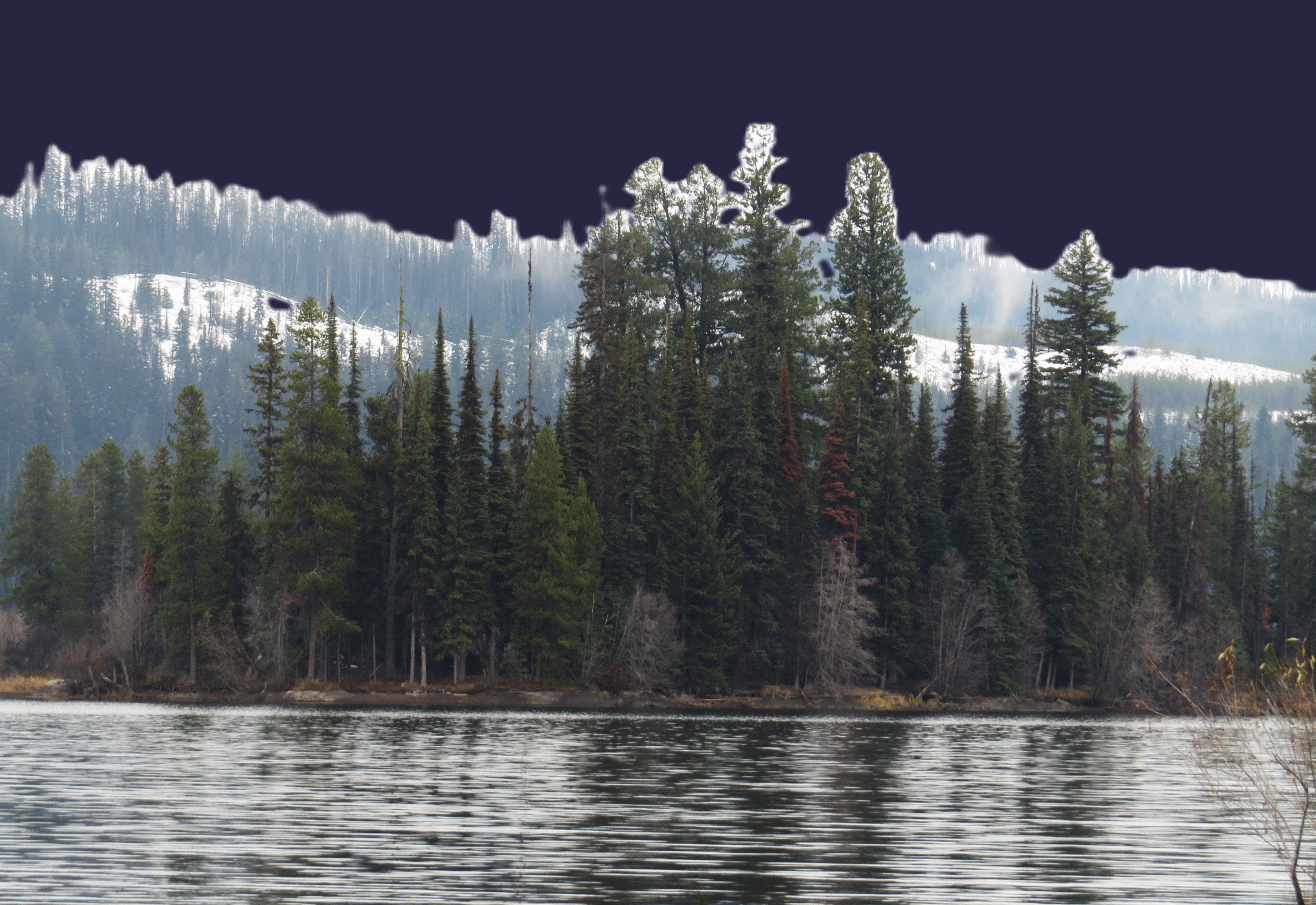
And I can post again happy pictures of children frolicking in the water, of couples walking on shore holding hands.

In the Polish text below I write of my search of familiar places, of my past mountain peaks, about fog and mist that obscures the vistas from my memory. But I sense their presence. I will not translate it, it is pointless. But you, dear reader, will understand why I write what I write. With poetic prose, with poetry you escape the boredom of repetitions of the same images and stories. Even if they are small parts of one large story. In a sense – Epiphany of Love.
Ogarnia mnie dziwny niepokój, rosnący każdego dnia.

Stoję na wąskiej granicy oddzielającym skrawek plaży od nadbiegającej grzywy wielkiej fali. Galopuje w pianie opadającej jej z pyska białymi płatami, jak Wielki Koń Czasu. Tratuje kopytami plażę, wyrzuca wysoko w górę ciężkie kamienie wyrwane ziemi w odległych zatokach. Bawi się nimi, jak piłeczkami ping ponga. Przynosi zapach glonów, małż i wielkich ryb łypiących okrągłymi oczami bez wyrazu.

Oddalam się od tego pola walki. Idę w przeciwną stronę – do siniejących szczytów Wielkich Gór po drugiej stronie kontynentu.

Z dna zielonych dolin kieruję się w głębokie żleby skał. Wspinam się na grań przełęczy. Wokół gołoborza szarych skał, w dole ciemnozielone ramiona sosen. Szczyt nad przełęczą ma jedna stronę płonącą w promieniach słońca, drugą otuloną chustą mgły.

Szukam zagubionej ścieżki, zarośniętego szlaku, który ma mnie zaprowadzić do zapomnianego schroniska, chatki z kamieni i omszałych pni, która ma dawać schronienie zagubionemu nocą wędrowcy.

Zza tej mgły wyłaniają się nagle znajome szczyty Gór Świata: Świnica, Rysy i Zawrat tatrzańskie; kruszące się w spiekocie stare włoskie Apeniny; groźne śnieżne olbrzymy na granicy Patagonii i Chile; Mount Temple i Castel Mountain w kanadyjskich Kordylierach, majestatyczna strażniczka Gór Skalistych – Mount Assiniboine, górująca nad nimi z oddali Mount Robson; wyrastające z wiecznych lodowców szczyty Gór św. Eliasza na Jukonie; samotny szczyt Mount Cook w Nowej Zelandii; Dwa Lwy nad Vancouverem.

Kuszą spoza tej mgły, wołają cichym gwizdem świstaków: chodź raz jeszcze z dolin do nas! Opowiemy ci nowe stare legendy. I już bym czekan chwycił, już buty silne założył … i nagle budzę się w składanym krześle na plaży atlantyckiej, która mnie uśpiła monotonną kołysanką fal. Pod nogami leży w piasku notes z jakimiś historiami o jakichś szczytach w różnych częściach świata. Od morza nadchodzi znowu mgła, robi się zimno. Czas się zbierać do domu.