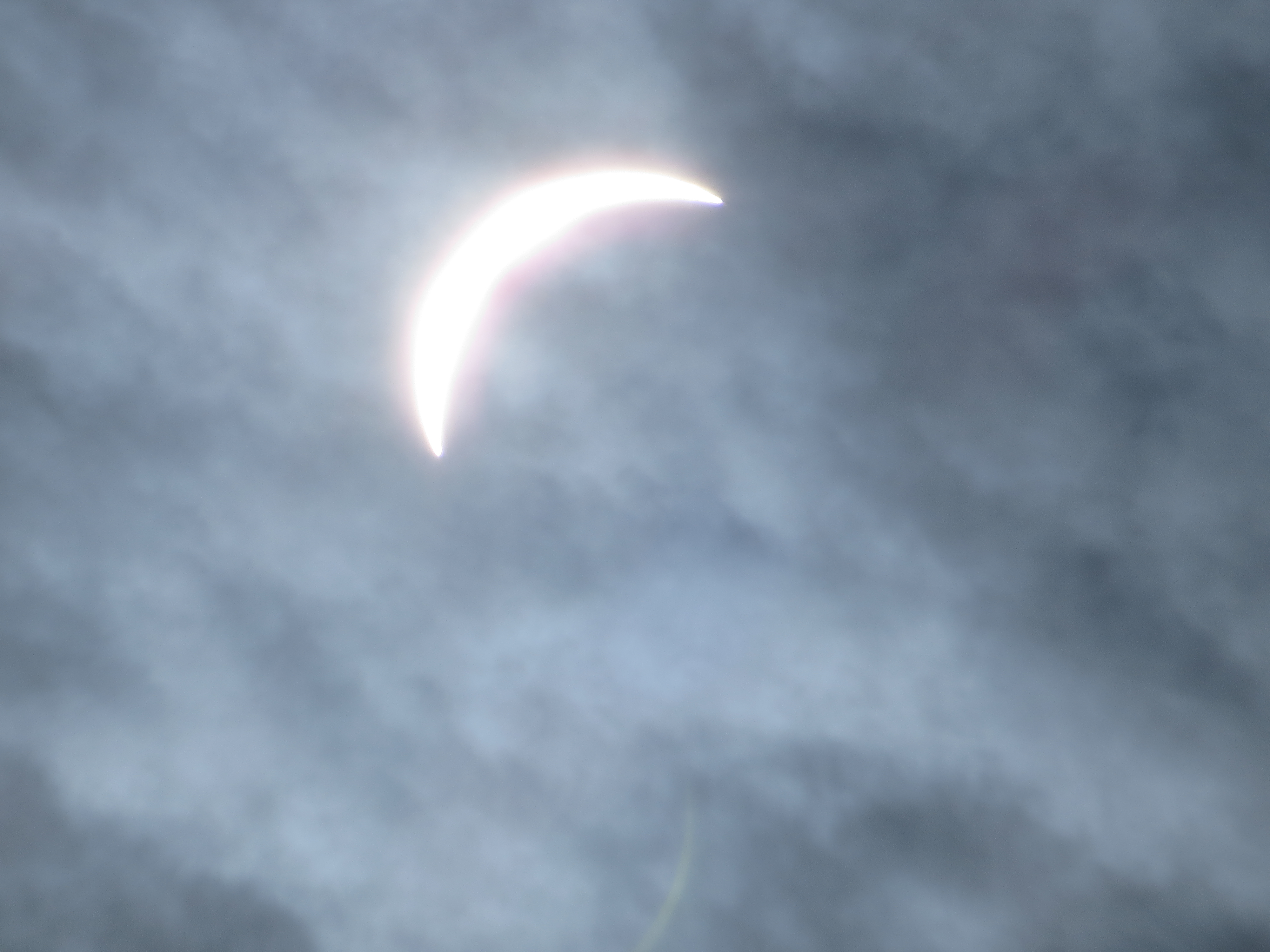
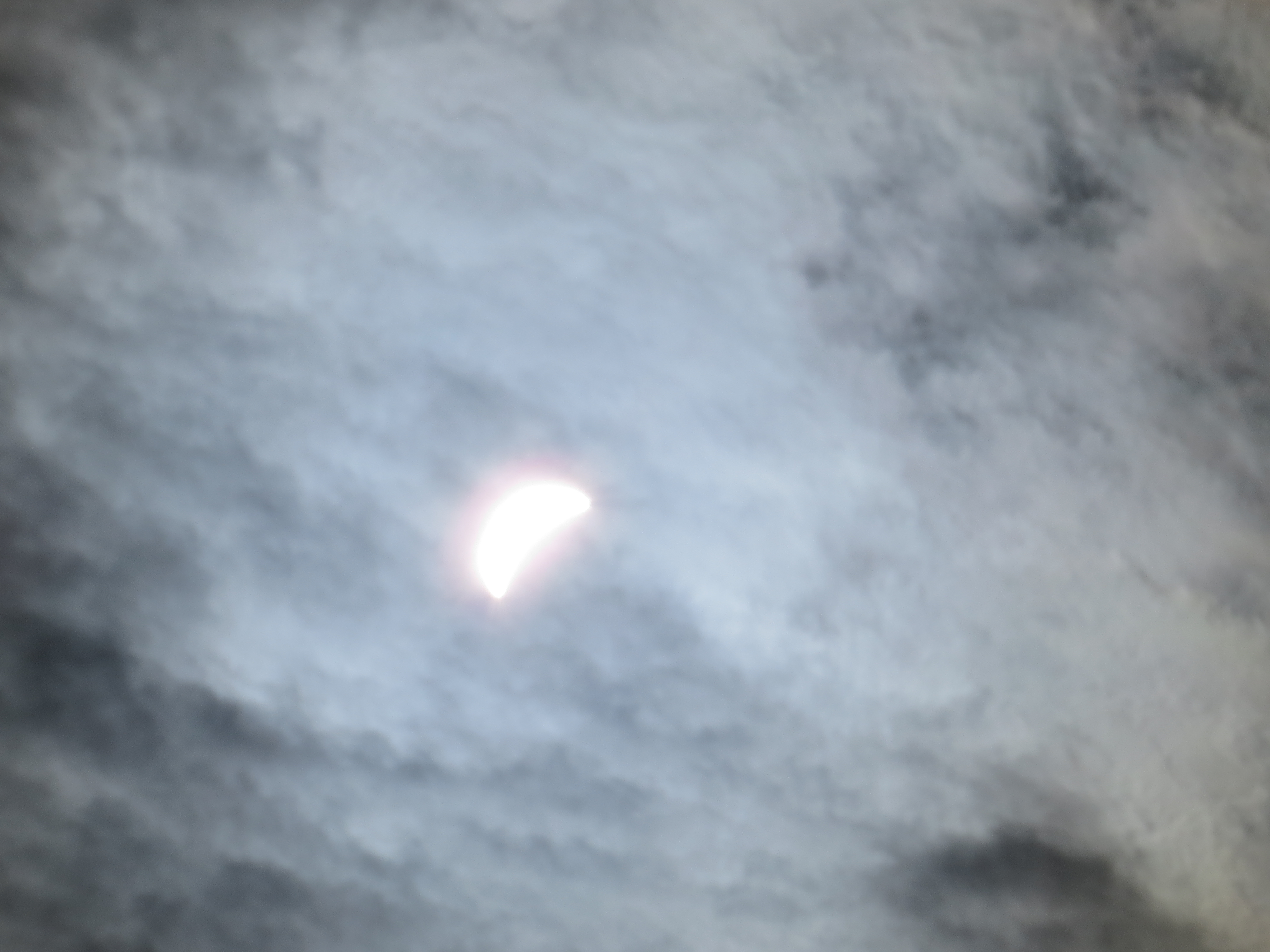
Although I have seen many partial eclipses – never before have I observed a total one. Although hundreds of kilometers away – the call was too strong to ignore. Got up early in the morning, put my gear in the truck, and off we went. After leaving Nova Scotia and driving through New Brunswick a flood of memories filled my heart. Last time on that highway, going the opposite direction, was John and I coming to Nova Scotia from our home in Vancouver. From the Pacific to the Atlantic, across our vast and absolutely beautiful country. Ultimately, it wasn’t the right move, but who would have known? As I drove through the forested hills I whispered to him – we are going back West, Babycake. I’m taking you back home … A dream, I know. But dreams are nice, especially on a long drive. After a few hours, already in New Brunswick, I entered the wilderness of a huge swampy Grand Lake and tributaries of the majestic St. John River. Right in there is a military district of Gagetown. I remembered that my father-in-law, Doug stayed there with his army unit. Because my husband, John, was born in Fredericton, then I think he might have been conceived in Gagetown. Very soon after his birth they moved West, to Calgary and Calgary was the city of his childhood and youth. He never had any recollection of either New Brunswick or Nova Scotia. Calgary was also the city where we met and fell madly in love. How strangely everything seems to be connected or have a reason. Just as the eclipse today. My first and most likely last total eclipse of the Sun – in the city he was born.
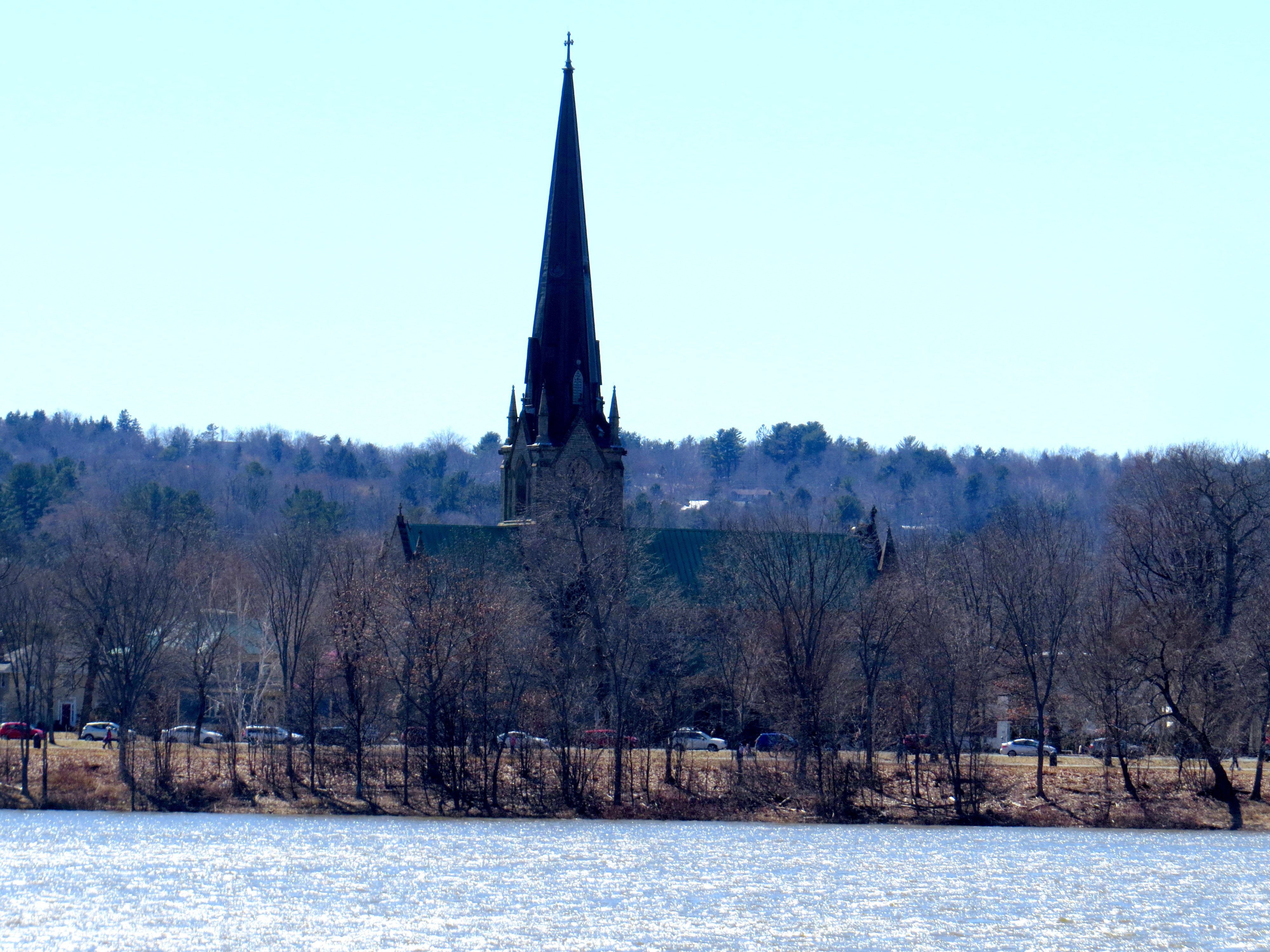
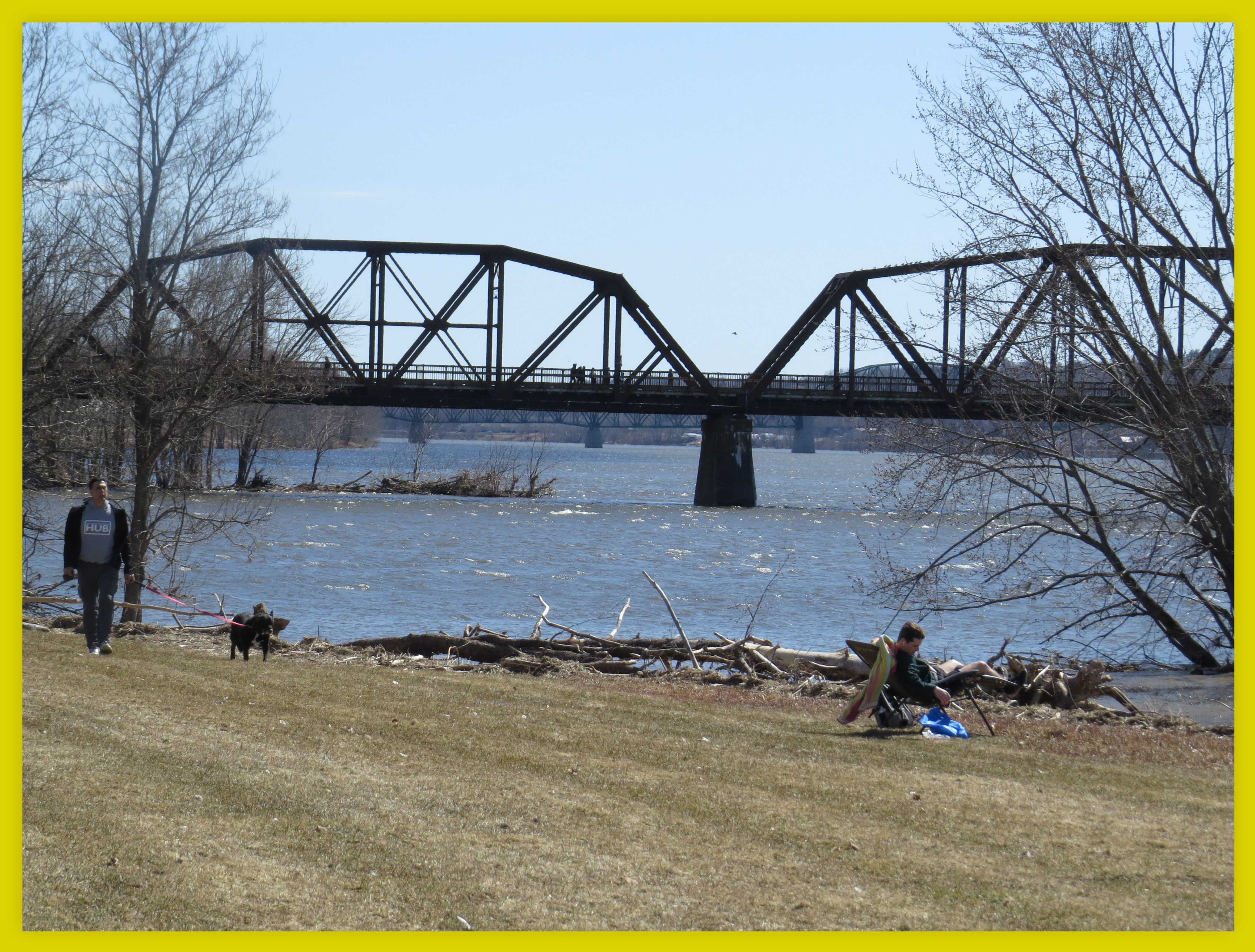
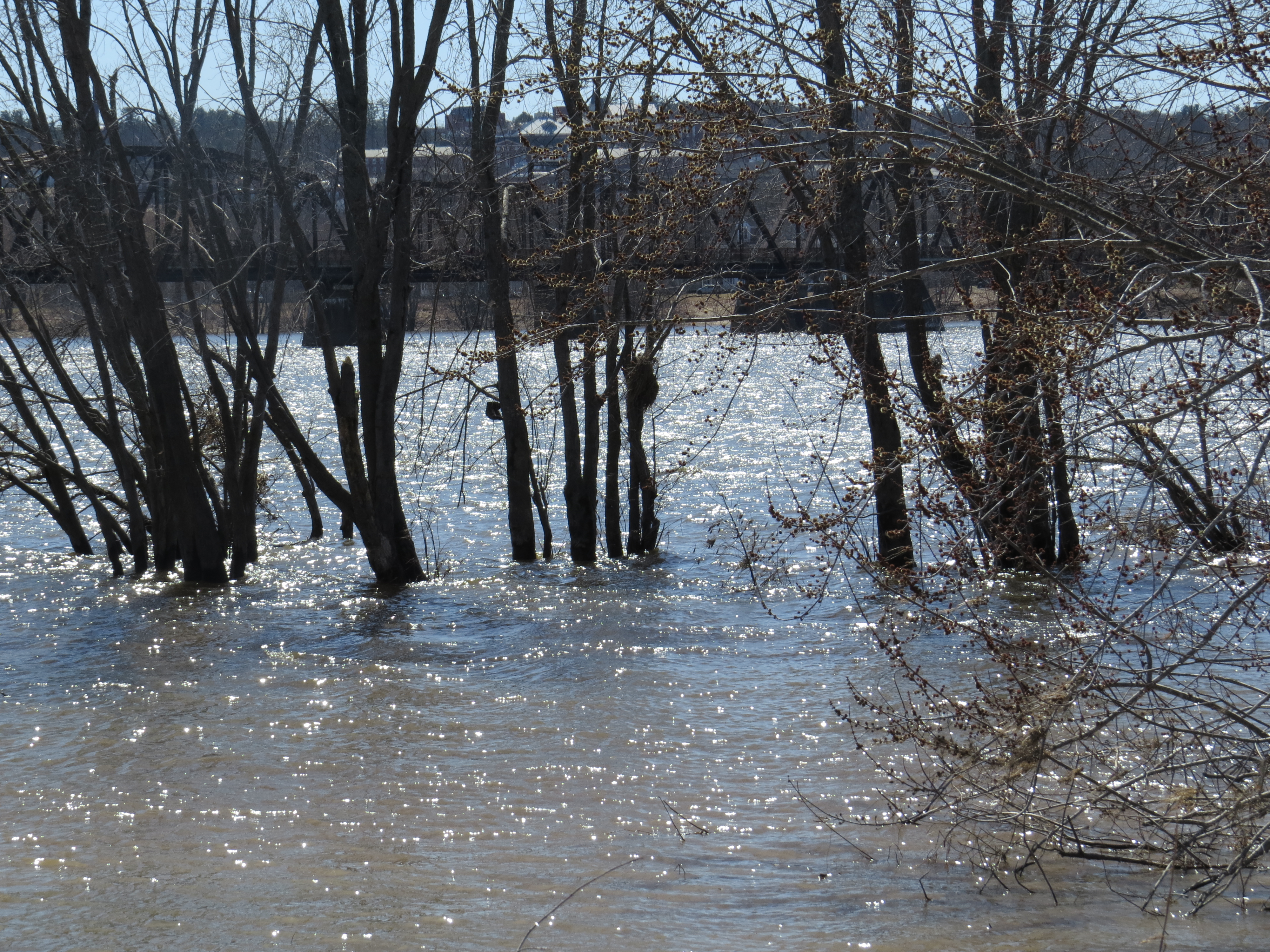
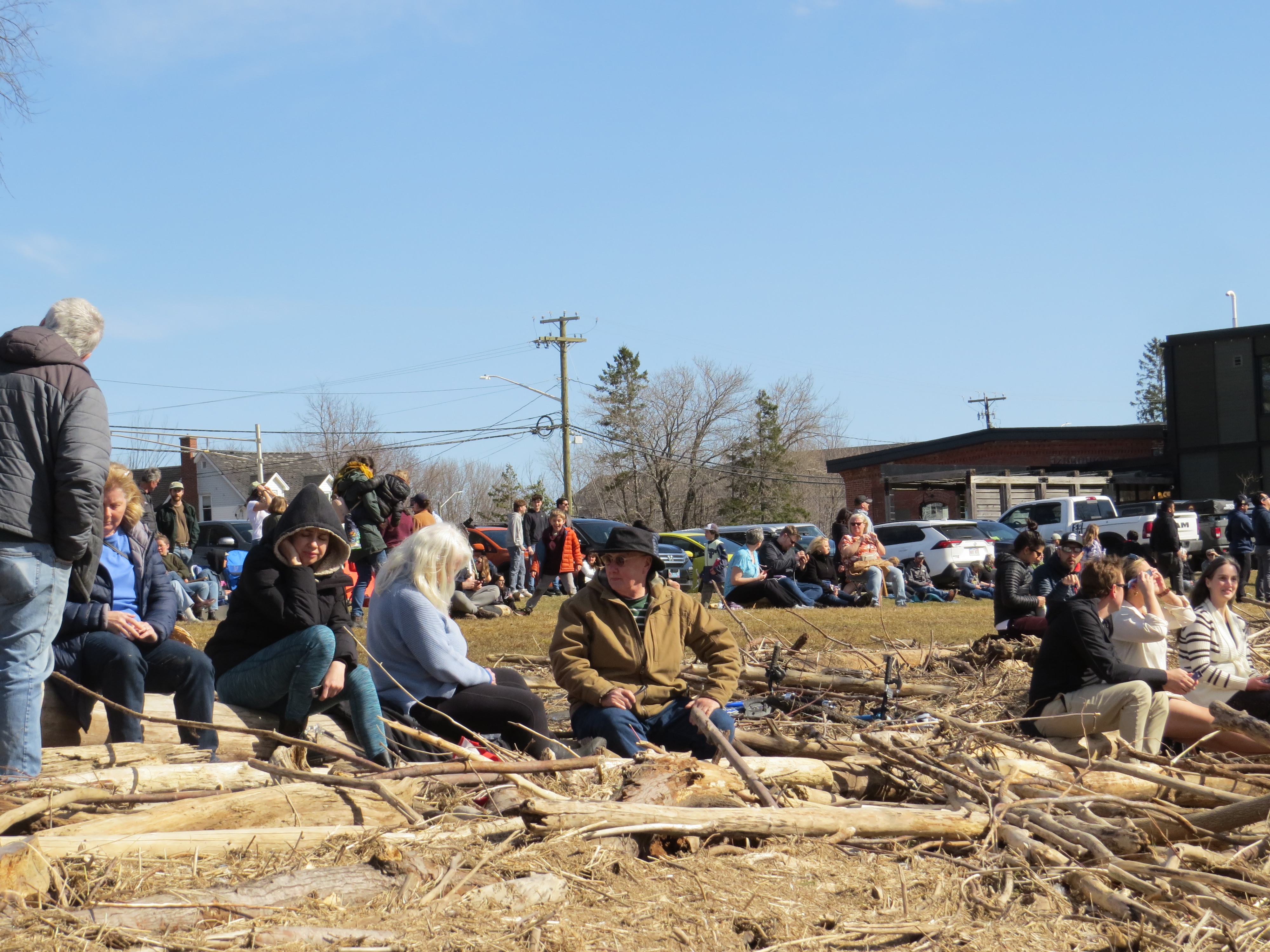
The weather was perfect on the shores of the big river. I located myself in a long, grassy field on the shore overlooking the old Downtown of Fredericton, between two main bridges. Right across from the massive building of the hospital John was born. There were already big crowds of people with cameras and folding chairs. The problem was trying to find a street where I could find a free spot to park my car. Eventually – I did. Someone gave me even a pair of special dark glasses for free. Enough of the story, though. The rest is recorded through the camera lens.
It had a very strange effect on my psycho. As the event progressed, the air cooled off considerably, and strange dusk set in, different in hue than regular evenings – I felt different, too. Suddenly the cameras and pictures stopped interesting me. I just wanted to be in it fully. It is hard to describe, it was almost subconscious. A realization that you are a part of the Cosmos. This huge, unending space that surrounds us. A tiny speck of grain.
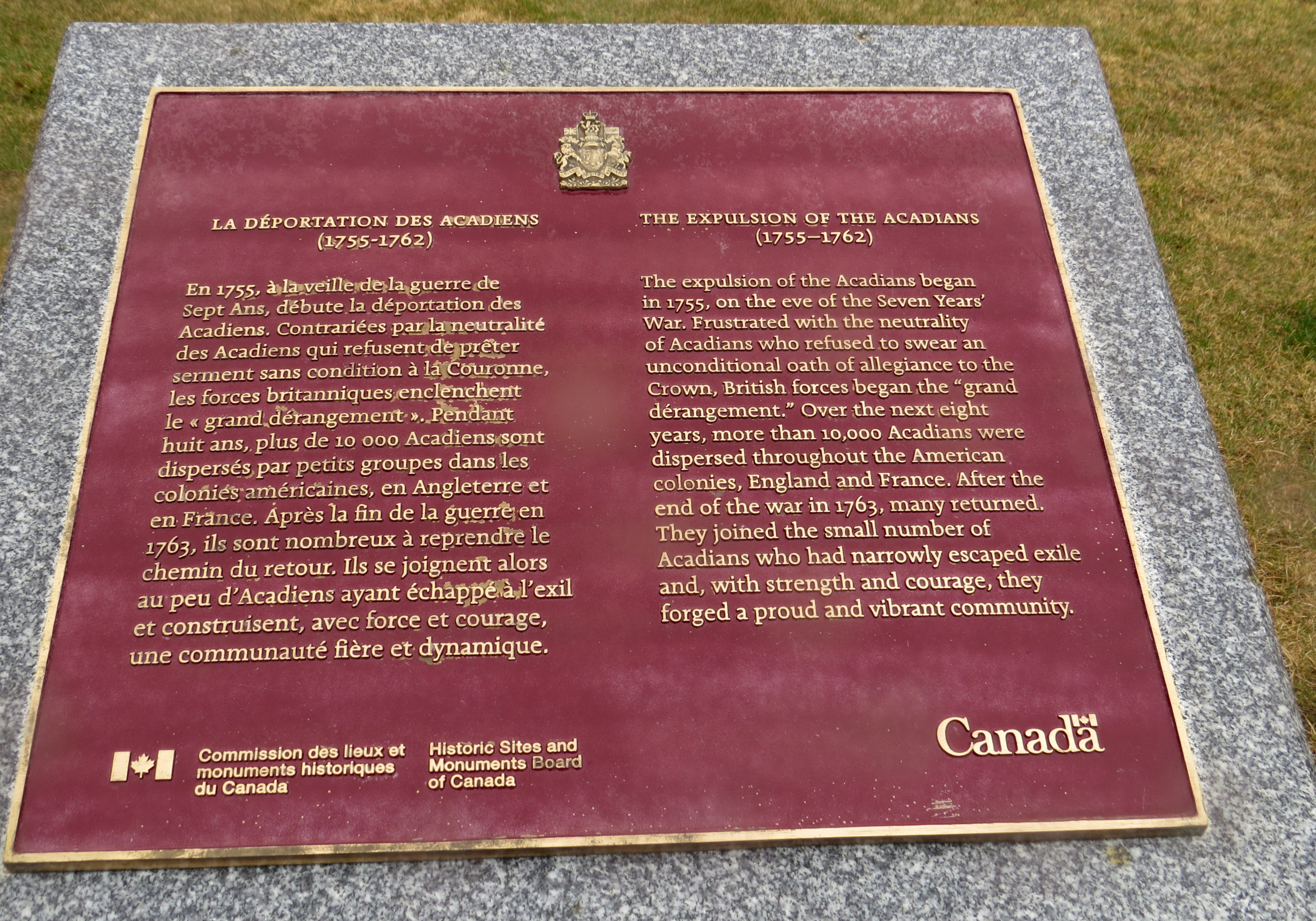
Sometime during the seven years (1755-62) of mass deportation of all Acadians from Nova Scotia to Louisiana, a girl called Evangeline was deported, too. Whether her existence was a historical fact or a result of a mythical romantic story of love and death – we will never know. But we know that many ‘Evangelines’ must have faced that tragic fate. A story as old in the annals of literature as any tragic love story going back to times immemorial. When young lovers are torn apart by powerful forces of kings, gods, and generals unmoved by any cries or tears.
I have written here more extensively about the story and its background years ago. Have traveled almost the entire length of Evangeline Trail – a route she took on her way back from her exile in the marshes of Louisiana in search of her beloved. Almost the entire Trail. Yet, there was one, pivotal one, I have not visited. We planned to go there many times with my late husband but kept postponing it for various and absolutely mundane reasons. And a time came when my story become also a story of love lost and constant searches of memories of that love…
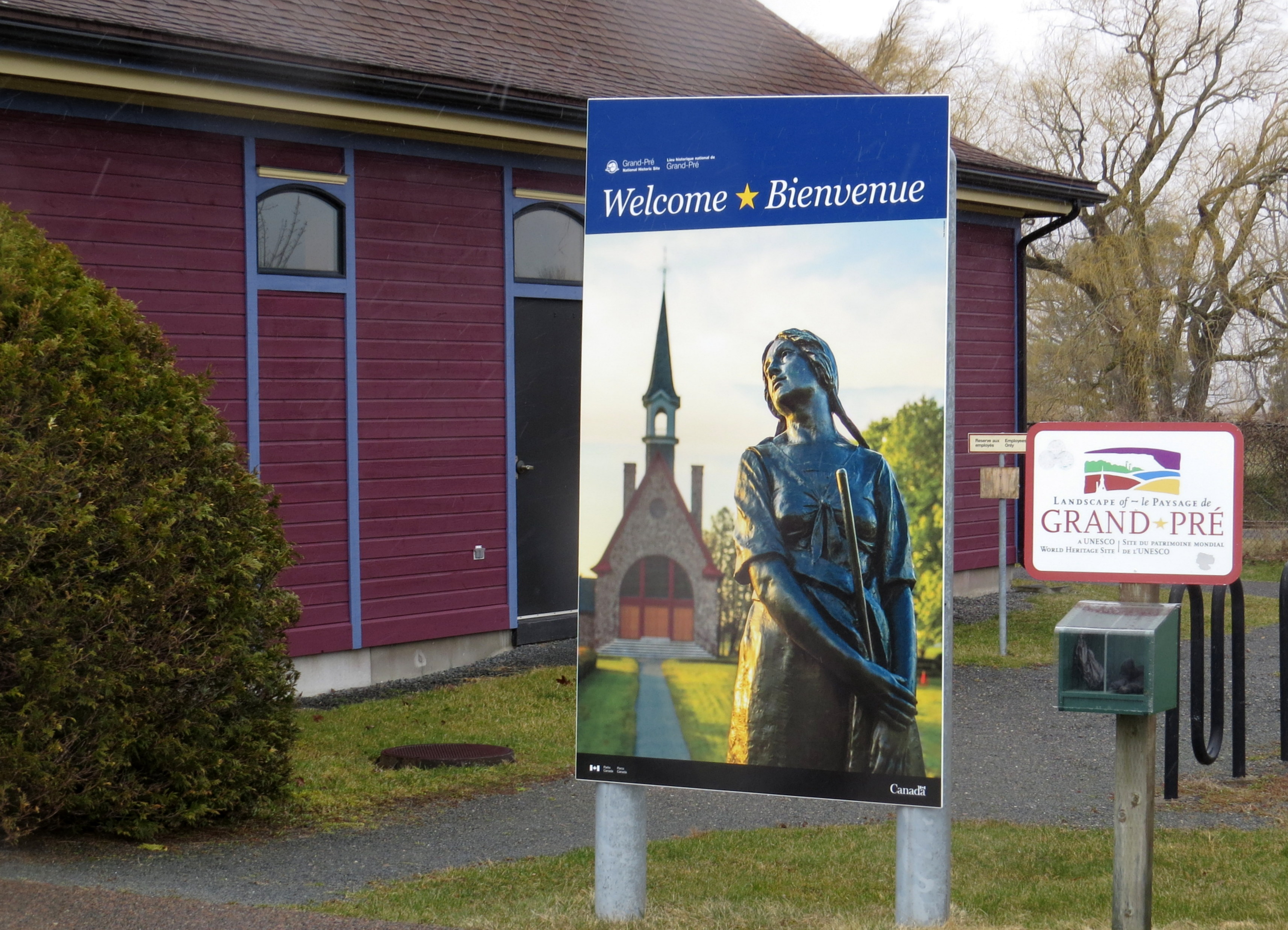
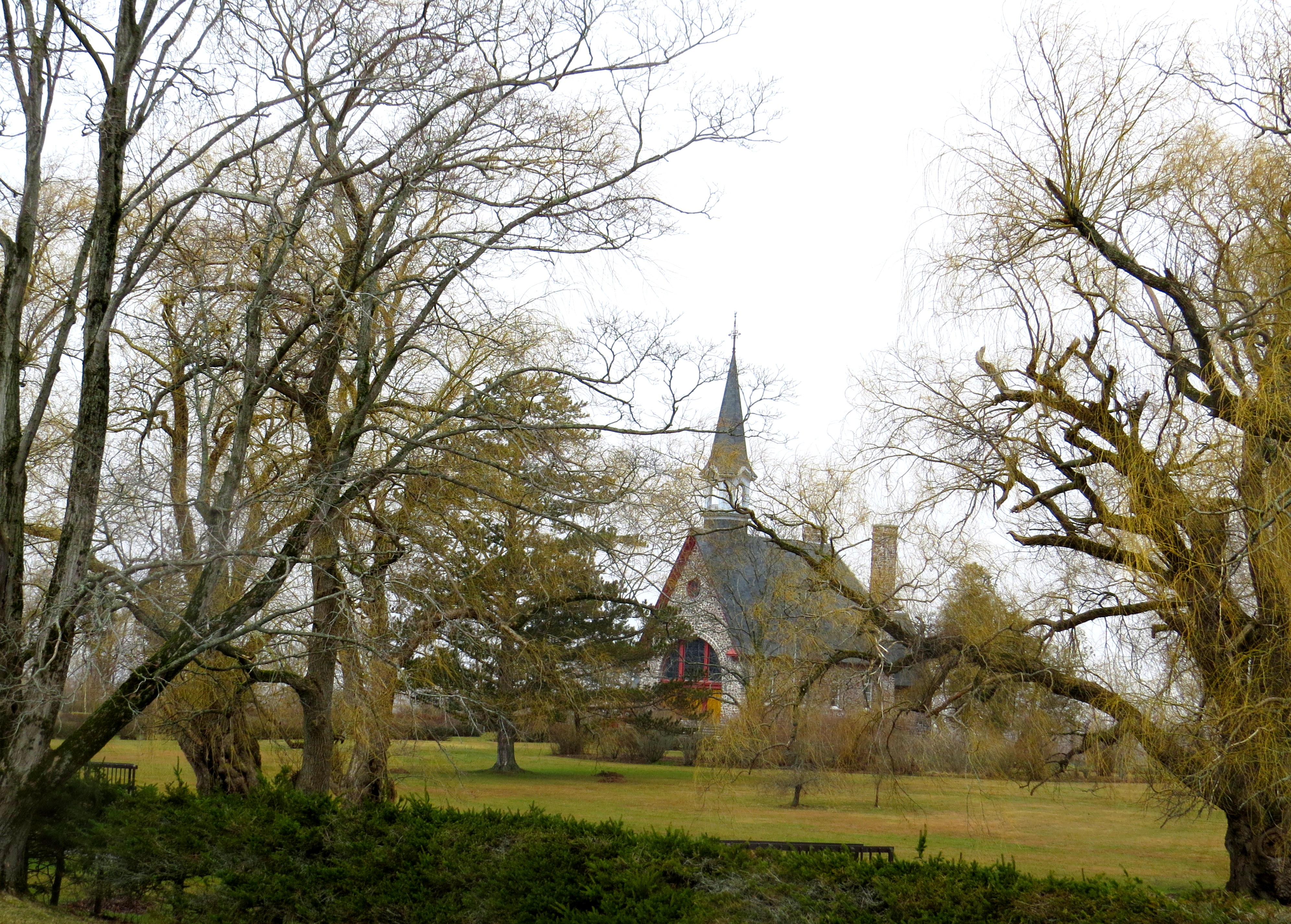
The other day, on a cold, wet, and windy Easter Saturday I went to the last spot, the pivotal spot, where Evangeline’s story began – to the little old town of French Acadian settlement of Grand Pré in Annapolis Royal Valley, close to quaint little town of Windsor.
The story was immortalized by no one other but the supposedly great American romantic era poet Henry Longfellow, who published “Evangeline. The tale of Acadie” in 1847. Never was an admirer of Longfellow’s style of writing and his literary testament. On the contrary, I see him rather as a mediocre talent. But the story achieved great popularity in the late XIX and the first half of the XX century. At a time of no television and relative seclusion of small towns in Main, USA and Maritime Canadian provinces of New Brunswick, Nova Scotia, and Prince Edward Island. It was read by many generations. And thus literature became a fact and a legend was born. Like in ancient Greece.
I first became aware of the story more than 30 years ago, sitting in the foothills of Kananaskis Country, in my in-law’s home in Priddis, Alberta. Thousands of kilometers from the Atlantic. A wonderful great aunt Theresa Cormier was just visiting, a dame of different epoch, sister of my mother-in-law’s mom – Mimi McDonald de domo Cormier. Mimi and her sister Theresa came to Pictou in Nova Scotia from a French-speaking Isle de Madelaine on the St. Lawrence Waterway in Quebec. In her youth, she loved the story of Evangeline and read it many times. We talked about the romantic-era poets and as a result, I got from her the Longfellow poem and an old print of a small album of black and white photography of places and the journey of Acadians and Evangeline’s exodus. A little old printed album called “Evangeline Land” containing no text, but a lot of very old photographs of the entire western shore on Nova Scotia associated with the history of the Great Exodus – the military expulsion of Acadians (French-speaking and mostly loyal to their French king) from their settlements in Nova Scotia. What you would call today – an ethnic and political cleansing.
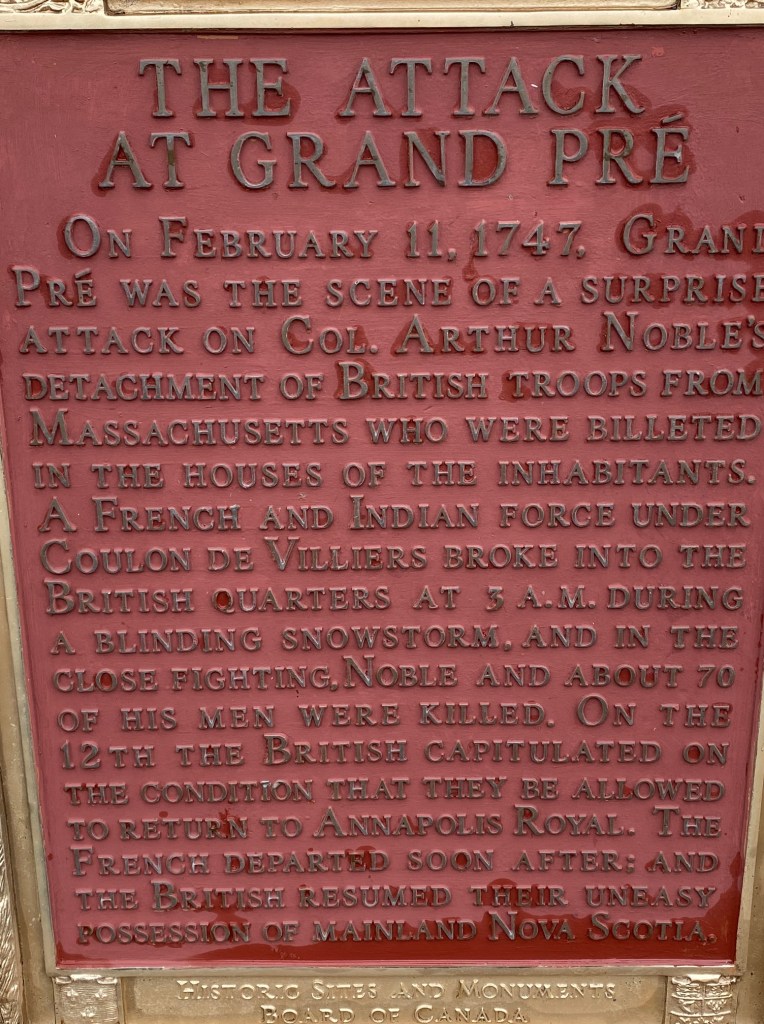
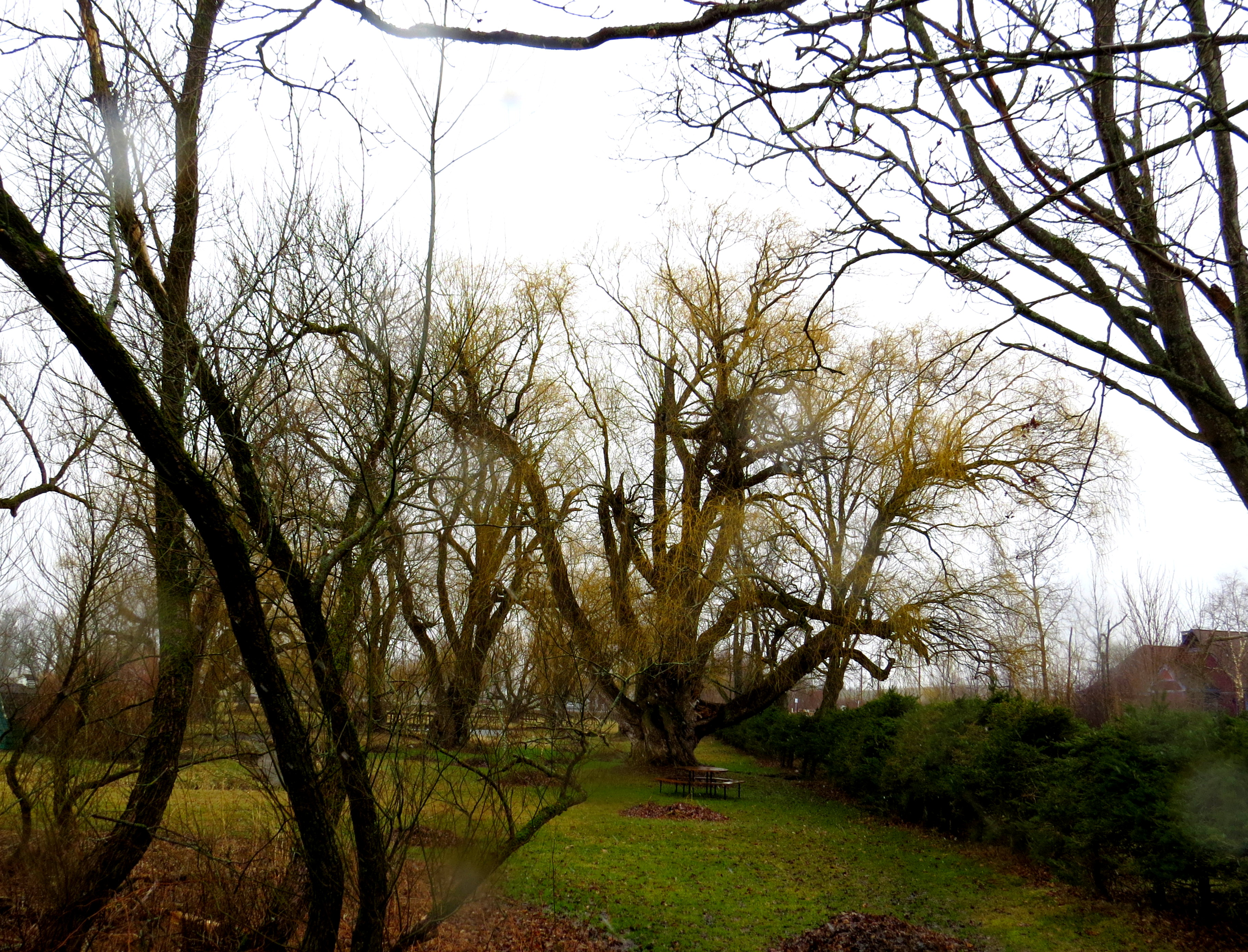
The day was not pleasant. Windy, and very wet. Nonending drizzle of snow and rain. I thought it was very appropriate for the occasion – somber, sad, cold. That’s how it must have felt for the Acadians when they were first beaten down in a surprise attack of the English. And how it must felt when ‘Evangelines’, their families were being expelled by ships from their homes.
Of course, it has a truly epic ending – tragic and glorious in Evangeline’s finding of her beloved Gabriel only to give him to the Death itself. But – to the defense of Longfellow and so many other authors of tragic love stories – love could be a bit perverted. Especially truly great love. The death of one of the lovers is followed by years, if no lifetime, of unspeakable despair and suffering. As if gods would whisper with irony – I will answer your prayer and give you great love, but be aware that the price for it is very high …
Dawno, dawno temu, za górami, za lasami (i tu należy dodać: za oceanami), żyła biedna wiejska dziewczyna, Akadyjka o imieniu Ewangelina. Akadyjczykami nazwano kolonistów francuskich w części Nowej Francji (marzenie króla Ludwika), którą właśnie tak nazwano: Akadia. Ewangelina mówiła naturalnie tylko po francusku. I zakochała się w młodym chłopaku, też Akadyjczyku, Gabrielu.
Ale zaraz po Francuzach w Akadii znaleźli się żołnierze brytyjscy. Ich król też marzył – tyle, że nie o Nowej Francji a o Wielkim Imperium, brytyjskim naturalnie. I zaczęli wzajemnie się przepędzać, strzelać do siebie. No i Anglicy nie chcieli nazywać Akadii ‘Akadią’ a nazwali Nową Szkocją. Nowa Francja, Nowa Szkocja. Strach pomyśleć, gdyby jakiś niemiecki Wiluś zapragnął też kawałka tego Nowego Świata, bo jakby on to by nazwał? Nową Germanią? Może Walkirią? Aż strach się bać, LOL. Ale było, jak było. Więc ci brytyjscy wojacy jednak przeważyli militarnie. W dużej mierze de facto nie potęgą brytyjskiego garnizonu, co wojnami w Europie (między innymi pod Sewastopolem, tak tym krymskim). Nic lub bardzo pewnie niewiele o tym wszystkim wiedzieć mogli młodzi kochankowie, Ewangelina i Gabriel.
Najpierw ich osadę w Grand Pré w Annapolis Valley zaatakował oddział żołnierzy brytyjskich i wybił wielu mieszkańców. W krótkim czasie lokalny rząd Nowej Szkocji zdecydował pozbyć się kłopotu z Akadyjczykami i podjął decyzje ich deportacji do odległej, obcej Luizjany, tysiące kilometrów na południu kontynentu. Taki los spotkał Ewangelinę i właśnie z Grand Pré ta masowa deportacja statkami się odbyła. Gabrielowi cudem jakimś deportacji udało się ominąć. Ale Ewangelina nigdy o wielkiej miłości nie zapomniała. Po latach i zapewne po heroicznej i strasznej wędrówce – wróciła do Nowej Szkocji. Z miejsca, gdzie wyladowała odbyła bardzo długą drogę pieszo lub przygodnie spotkanymi furmankami ze wschodniego wybrzeża Nowej Szkocji na zachodnie. Dotarła w końcu do Grand Pré. Jej ukochany dalej tam mieszkał. Ale radość była krótkotrwała. Gabriel był już ciężko chory, na śmiertelnym łożu. Miała jeszcze czas by złożyć na jego ustach gorący pocałunek.
Czy tą historię stworzył z własnej weny artystycznej Henry Wadsworth Longfellow, czy też spisał zasłyszane od innych wydarzenia, jakie faktycznie miały miejsce – któż dziś wiedzieć może na pewno? I czy to ma znaczenie? Nie, nie ma. Fakt jest faktem, że w przeciągu kilku krótkich generacji poemat Logfellowa zyskał olbrzymią popularność. Były to czasy wszak przed telewizją, radiem nawet i masowymi gazetami. O Facebooku nie wspomnę. Ludzie długimi wieczorami czytali książki. A w Nowej Szkocji i Nowym Brunszwiku naturalnie czytano to bodaj jak Biblię. Wszak to ich historia, ta Ewangelina i Gabriel to ich dzieci, z ich osad i miasteczek! W dodatku napisana przez takiego wielkiego i znanego poetę, jak amerykański Longfellow!
Ja trochę zawsze na przekór – historia piękna zaiste, romantyczna. Longellow był bezwzględnie znanym poetą – nigdy bym go do grona wielkich romantyków nie dodał jednak. Ponoć był pod dużym wrażeniem twórczości Adama Mickiewicza – ale Mickiewiczem ani amerykańskim ani kanadyjskim nie był w jakimkolwiek względzie. Tak, znał warsztat wersyfikacyjny dość porządnie. Więc bez wątpienia był dobrym rzemieślnikiem. Dość na ten temat.
Ja jego poemat i historię Ewangeliny znam od blisko 40 lat. Mieszkałem wówczas w Albercie, pod Calgary. Na farmie wynajmowanej przez rodziców mego męża, u podnóża pasma Kananaskis w Górach Skalistych. Siedzieliśmy bodaj na werandzie tej farmy i prowadziłem ożywioną rozmowę z uroczą damą poprzedniej epoki – ciotką Teresą. Ciotka Teresą Cormier była siostrą mamy mojej teściowej, Mimi MacDonald de domo Cormier. Obie siostry pochodziły z francuskojęzycznej wyspy Madelaine na rzece św. Wawrzyńca. I obie już tam, nim osiedliły się w Nowej Szkocji, rozczytywały się w poemacie o Ewangelinie. Ciotka Teresa była absolutnie zdeterminowana, że prześle mi poemat Longfellowa i że musze go przeczytać. Co zrobiła po powrocie do Nowej Szkocji. A kiedy widziałem ją po raz ostatni, podczas ciężkiej wizyty w Nowej Szkocji w roku 2000 ( ostanie tygodnie życia jej siostrzenicy, a mojej kochanej teściowej, Leony) obdarowała mnie jeszcze swoistym ‘białym krukiem’ – wydanym przez fotografa A. L. Hardego z Kenville w Nowej Szkocji, małym, czarno-białym albumem fotografii miejsc związanych z przypuszczalnymi miejscami w Nowej Szkocji i Nowym Brunszwiku, związanymi z Akadyjczykami i Ewangeliną z Gabrielem[i].
I ten właśnie skromny album zdjęć, w dość podniszczonej okładce, towarzyszył mi ostatniej soboty w drodze do miejsca, gdzie Ewangelina spotkała się ostatni raz ze swoim ukochanym. Sobota była dniem podłej pogody. Wietrznie, padał gesty drobny śnieg z deszczem. Wszystko było szare, smutne. Mieliśmy do tego miejsca przyjechać razem, ja i mój ‘Gabriel’ – John. Objechaliśmy razem całą Trasę Ewangeliny (Evangeline Trail). Planowaliśmy pojechać naturalnie i tam, do tego Grand Pré. I zawsze jakaś rzecz zwyczajna wypadała, że odkładaliśmy na dzień następny. Aż nadszedł czas, że już tego dnia zabrakło. Już pojechać razem nie mogliśmy. Tak, jak mimo wszystko w tych romantycznych lub antycznych historiach wielkiej miłości. Kończą się zawsze tragicznie. Im większa, im głębsza – tym ból i strata niewyobrażalne. Jakby bogowie faktycznie zazdrościli nam tego owocu, jakby szeptali uśmiechając się ironicznie: nie proś o rzeczy wielkie, bo może cię nimi obdarujemy ale za wielką cenę, która może być zbyt dla ciebie – człowieka – wygórowana …
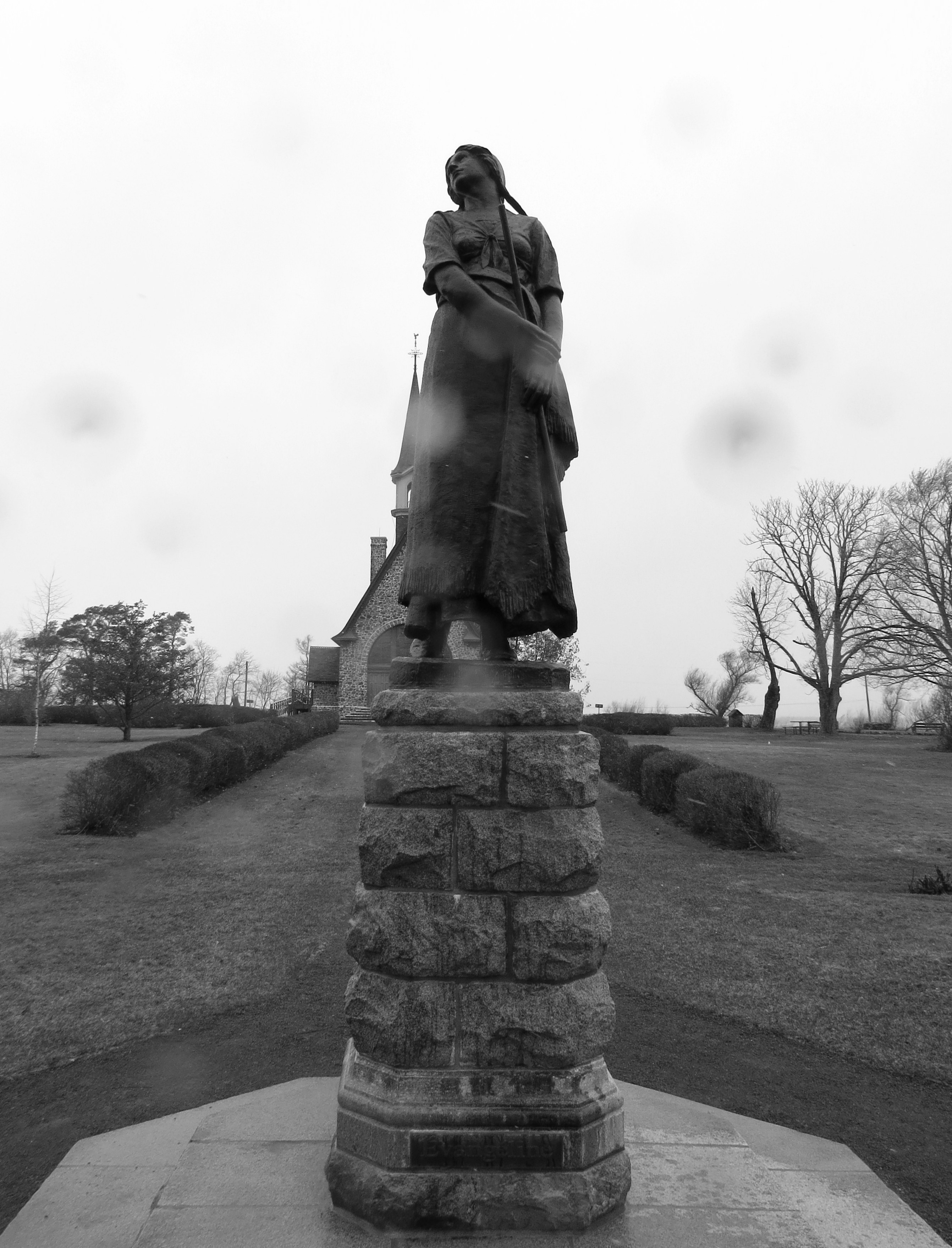
Więc byłem w tą zimną, mokrą sobotę tam. I było mi dobrze, że taka podła pogoda, że żywej duszy w parku przy tym kościółku nie spotkałem. Był tylko duży pomnik Evangeliny wypatrującej w dal. Za znajomym brzegiem? Za Gabrielem?
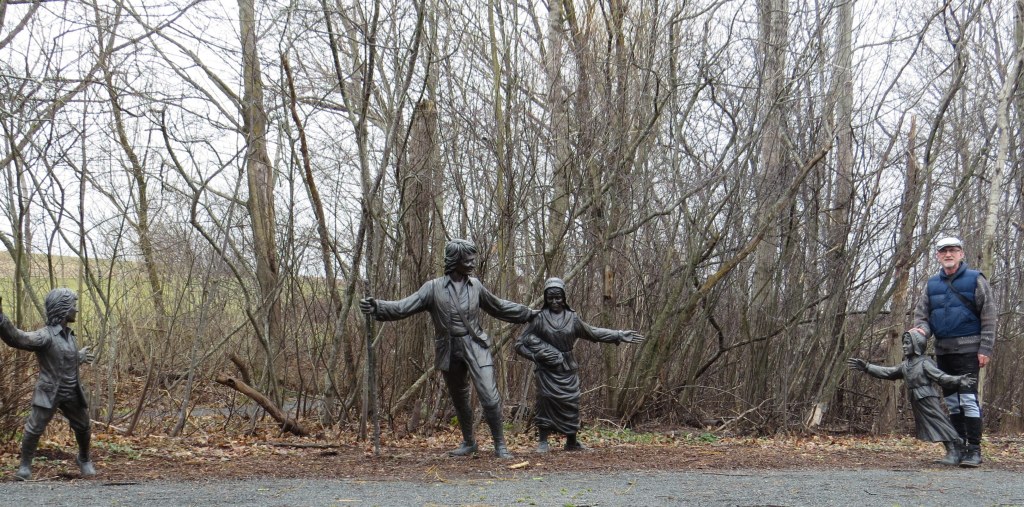
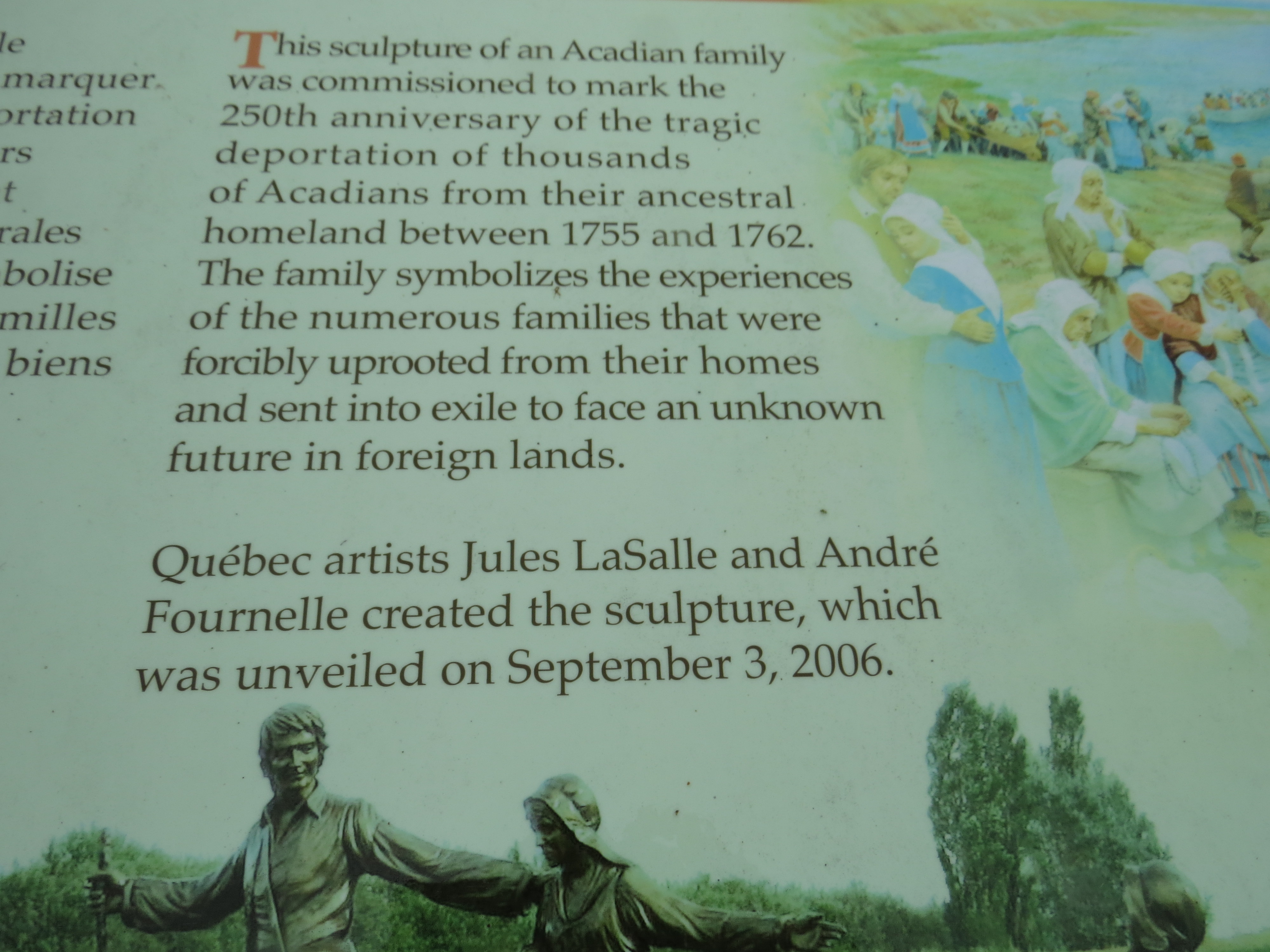
I był obok, w drugim małym parku, wiele mówiący inny pomnik: kamienna grupa, rodzina – wypędzeni ze swych domostw Akadyjczycy pospieszani do wejścia na statek, którym miał ich wywieźć w jakiś ląd odległy, nieznany … Ostatnia w grupie była mała dziewczynka, bez zastanowienia się dlaczego i po co podszedłem i położyłem rękę na jej małej kamiennej główce. Chciałem powiedzieć: nie martw się, wszystko będzie dobrze, poznasz tam inne fajne dzieci. Naturalnie, że kłamałem. Zawsze w takich sytuacjach kłamiemy, bo nie wiemy co powiedzieć. A królom i prezydentom jest to kompletnie obojętne – przecież mają cały świat na głowie, więc gdzież mieliby czas by zająć się jakąś jedną małą dziewczynką?!
[i] Hardy A.L., „The Ewangeline land made famous by the expulsion of the Acadian farmers by the British Government on account of their fidelity to their French King, and afterward immortalized by Longfellow, an American poet.; oocihm.64903 (numeracja ‘oocihm’ stosowana zanim wprowadzono system ISBN), r. ok 1899; s. 76
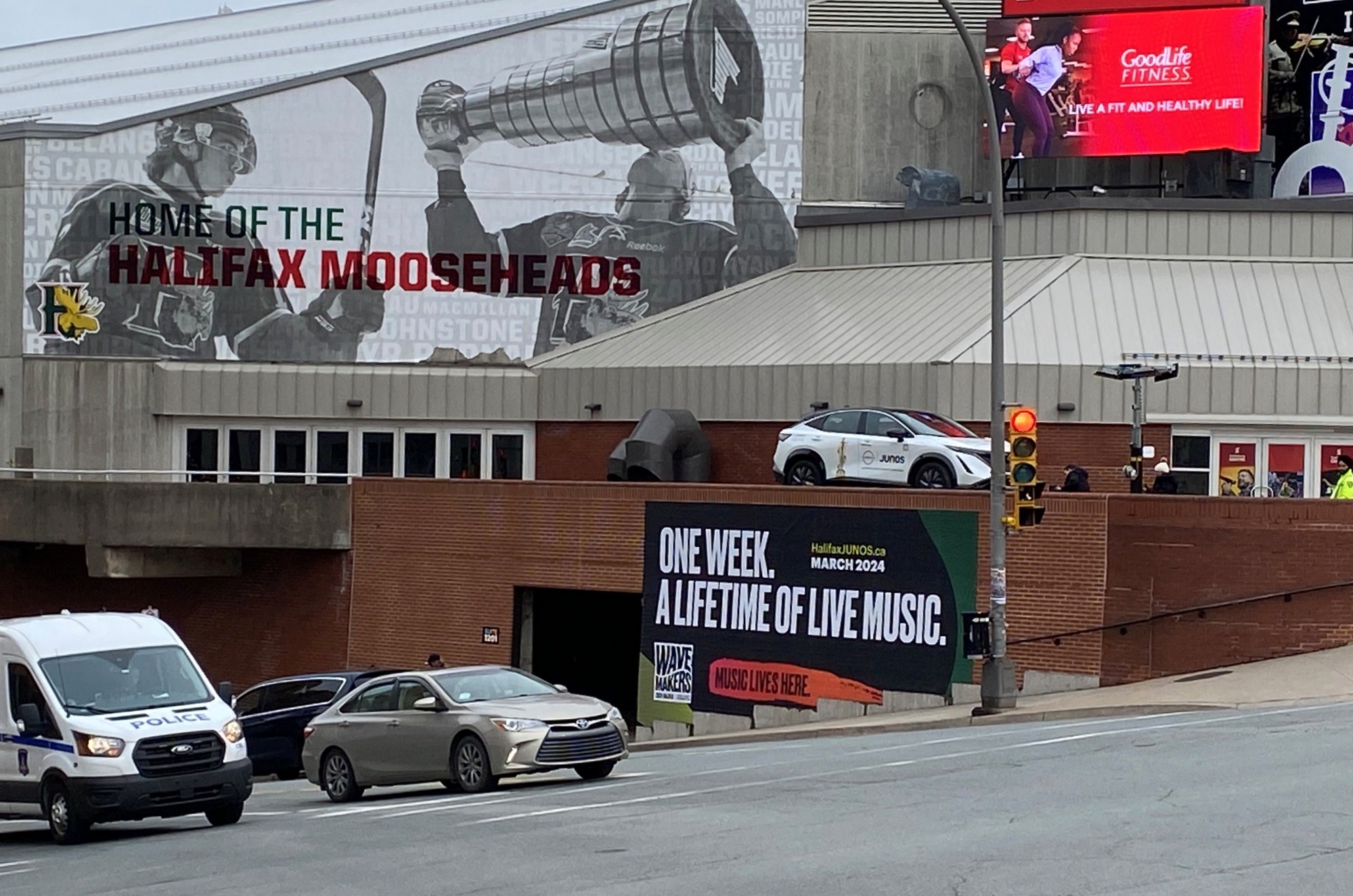
Canadian Press is abuzz with stories about the Juno Awards, the Canadian version of US Grammy Awards. Well, not only the Press – the faithful public, too. Canadians have always been very loyal to our musical groups, and our singers. My John would have been delighted with it being hosted this year in Halifax and I would quietly bought a ticket for him a long time ago in advance of the event. He truly was a huge fan of our musical performers and knew them all. He was my teacher and my encyclopedia on this subject.
I must readily admit that I could easily name the best international operatic singers of the past hundred years. Starting with Caruso, Dame Nellie Melba from Australia at the turn of the XIX and XX century, incomparable diva Maria Callas (I am sure she is the reason the term ‘diva’ is still being used in popular culture to describe certain, shall we say, overly dramatic or tragic characters. Popular in LGBTQ circles, LOL. Even someone as timid and demure as myself was called that by few …. I know, hard to believe, LOL); great Joan Sutherland, Montserrat Caballe – forever associated in my memory with her wonderful performance with Freddie Mercury in their duet “Barcelona’, of course also Pavarotti, Domingo and Carreras – the original ‘three tenors’; Polish Ada Sari and great Teresa Żylis-Gara; our own Canadian mezzo-soprano Judith Forst, and Ben Heppner. Enough of that, otherwise I will never stop. But ask me the same about pop music names – the list might not be as long. I didn’t have to remember their names – I could just ask John! He shared that affection for popular music with his brother Roger, who is a good DJ’ and had his share of playing in the clubs. The two of them could talk about current music for a long time – and they did.
But back to business at hand – the Juno Awards in Halifax. The city is abuzz about it. Who and why should win and who shouldn’t. No, I will not tell you. That is a taboo to talk about rumors like that. You will find out in a few hours. Maybe you did already.
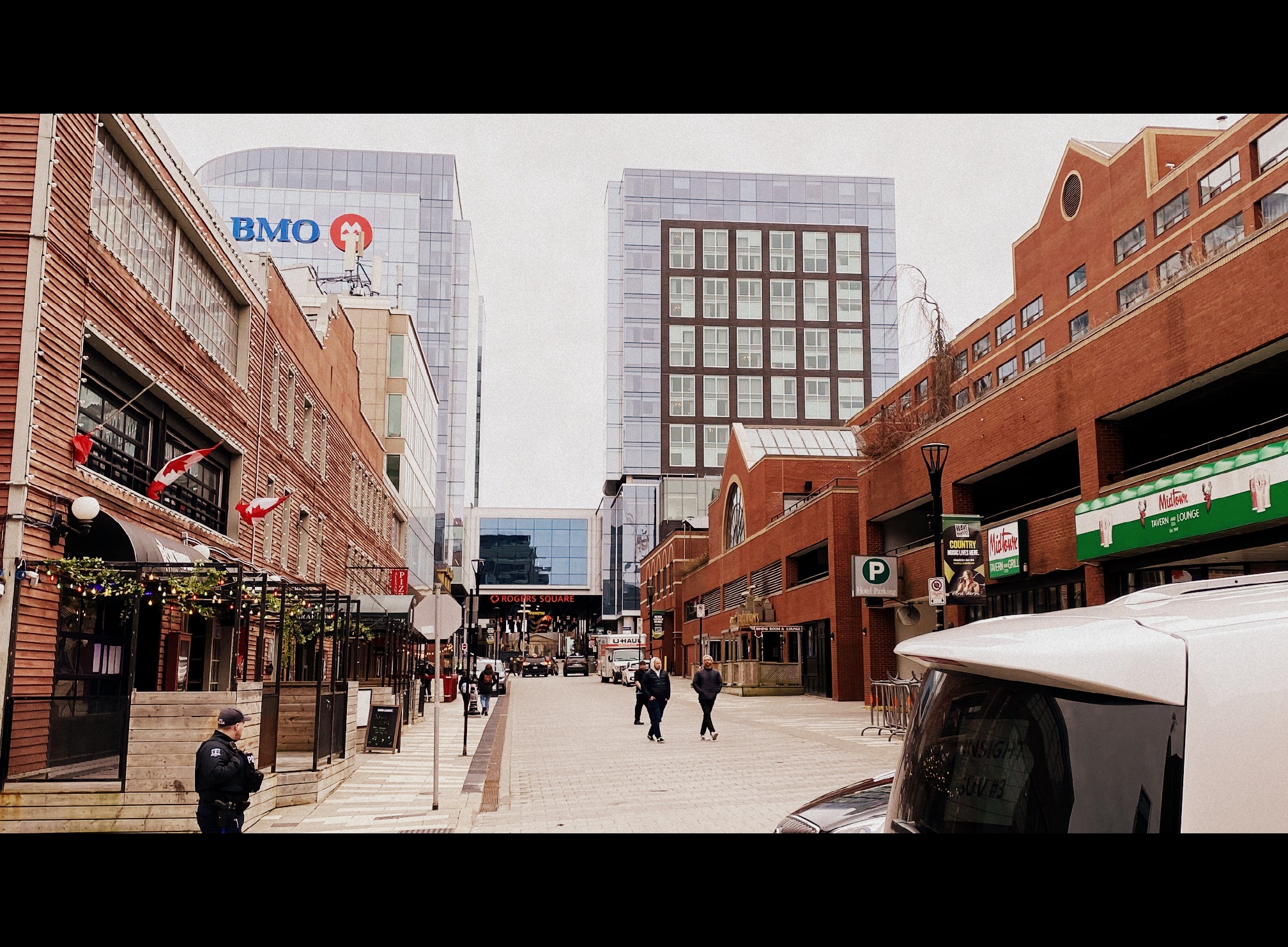
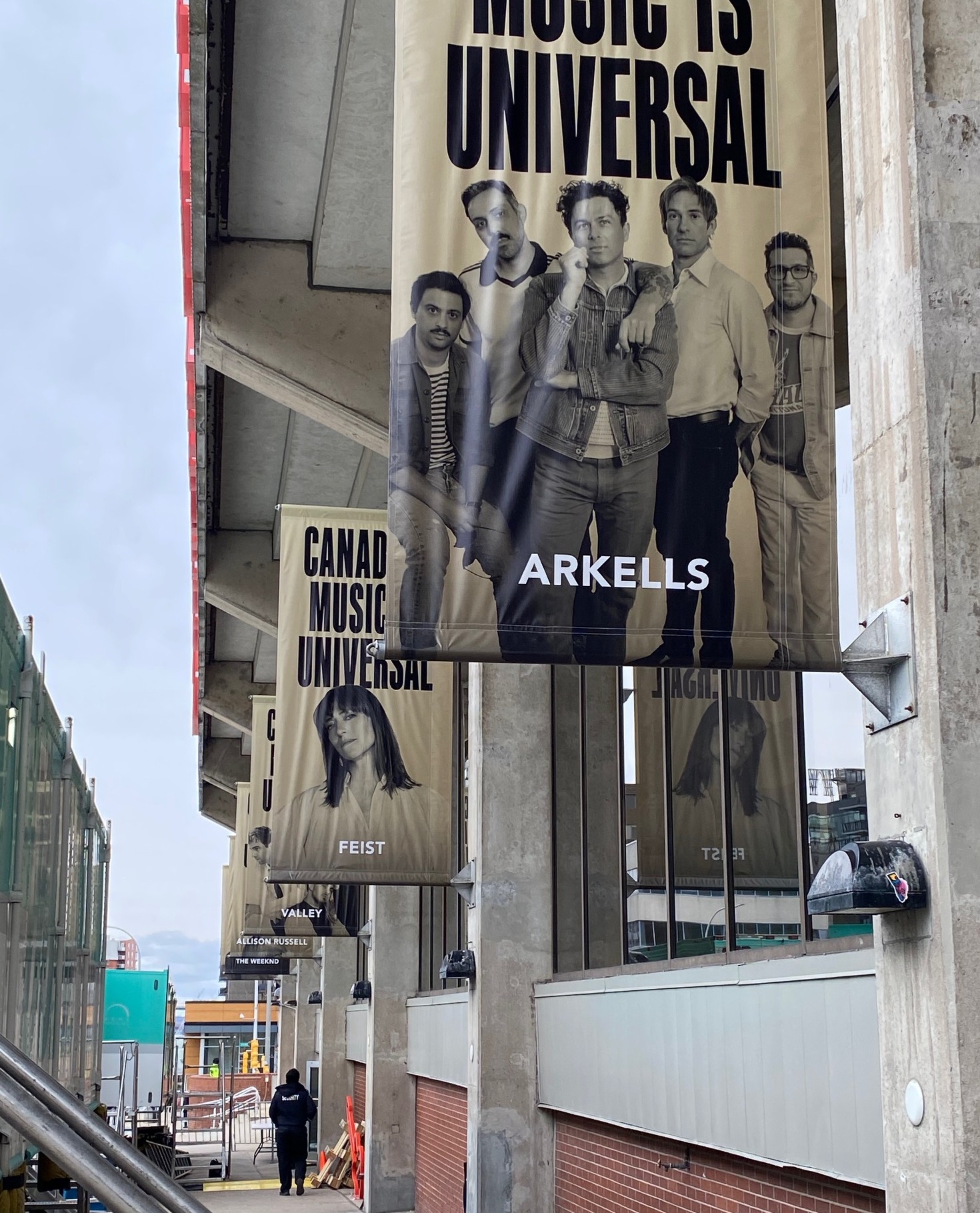
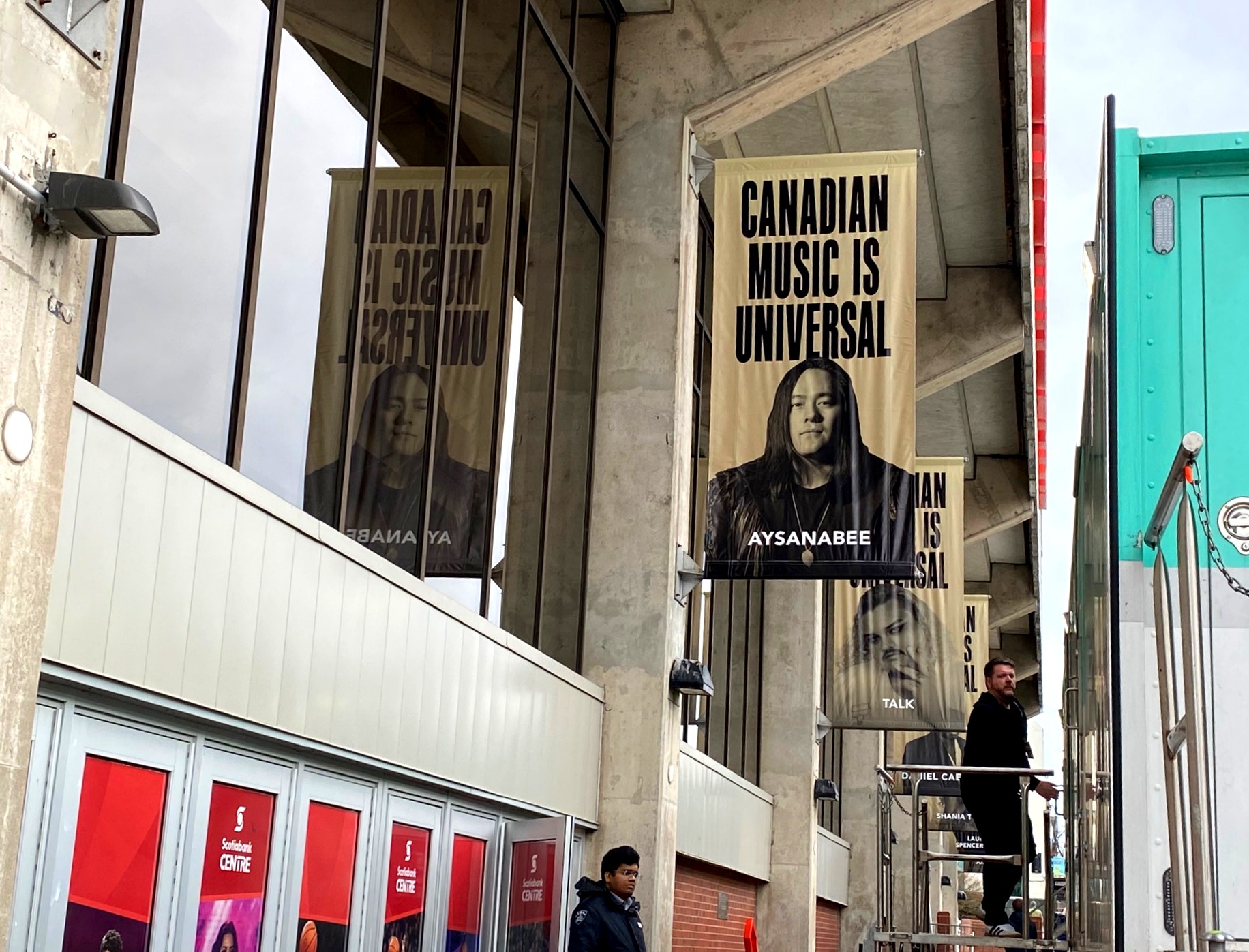
Well, the truth is … I simply have no idea, who is running this year and who should or shouldn’t. Ignoramus, tabula rasa. LOL. John is not here to educate me. But you are much better on this subject, anyway – I am certain. So – enjoy the Junos from Halifax! A few photographs on a very cold day in Halifax of the venue for the event – the Scotiabank Center.
Couldn’t get to my planned walk in Shannon’s Park in Dartmouth – a big padlock on the gate with an info “no winter maintenance’. Winter maintenance? Someone at the City Hall sleeps longer than the bears, obviously. I saw far away a gay walking with a dog and a beautiful deer hopping happily. Look around and noticed some of the fences were not too high. But there were other cars parked nearby and didn’t want to give them a bad impression – which obviously is a sign that I am getting old, LOL.
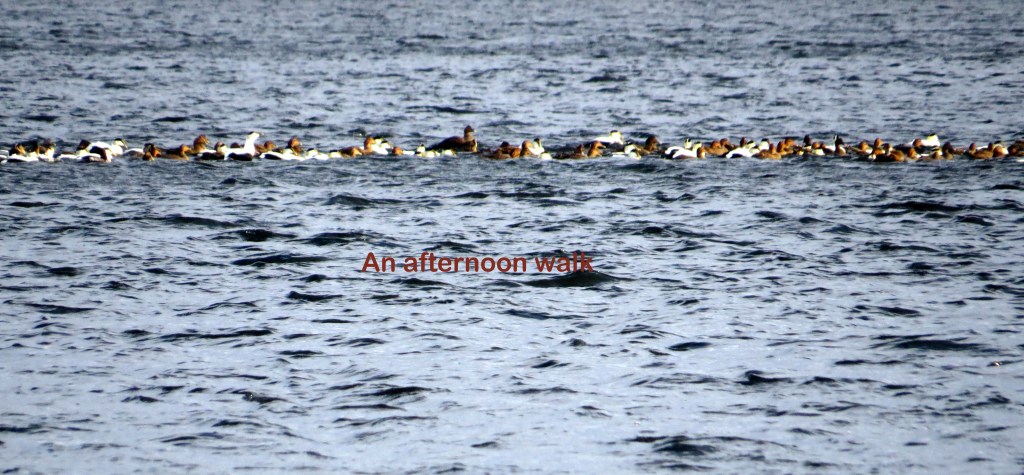
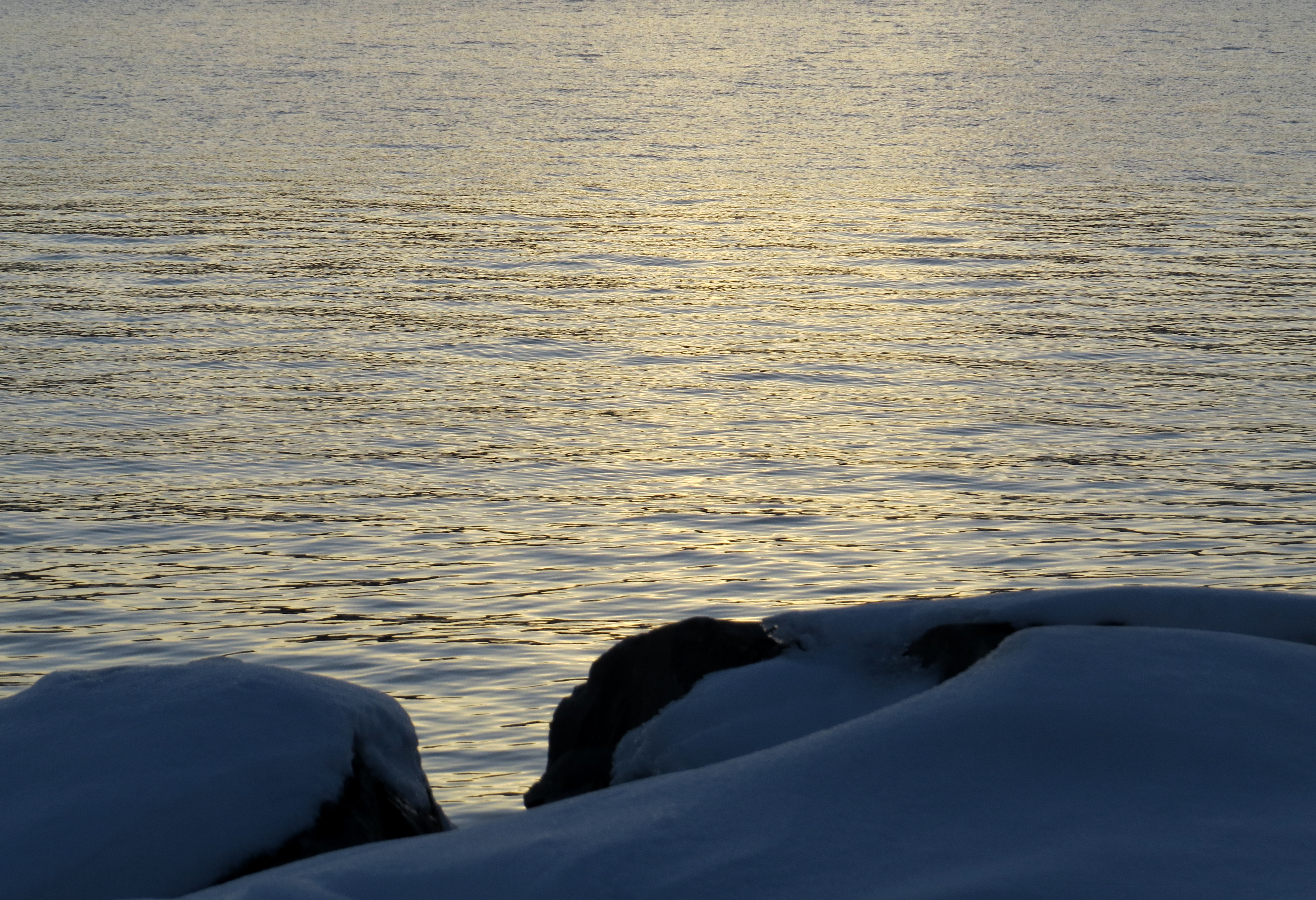
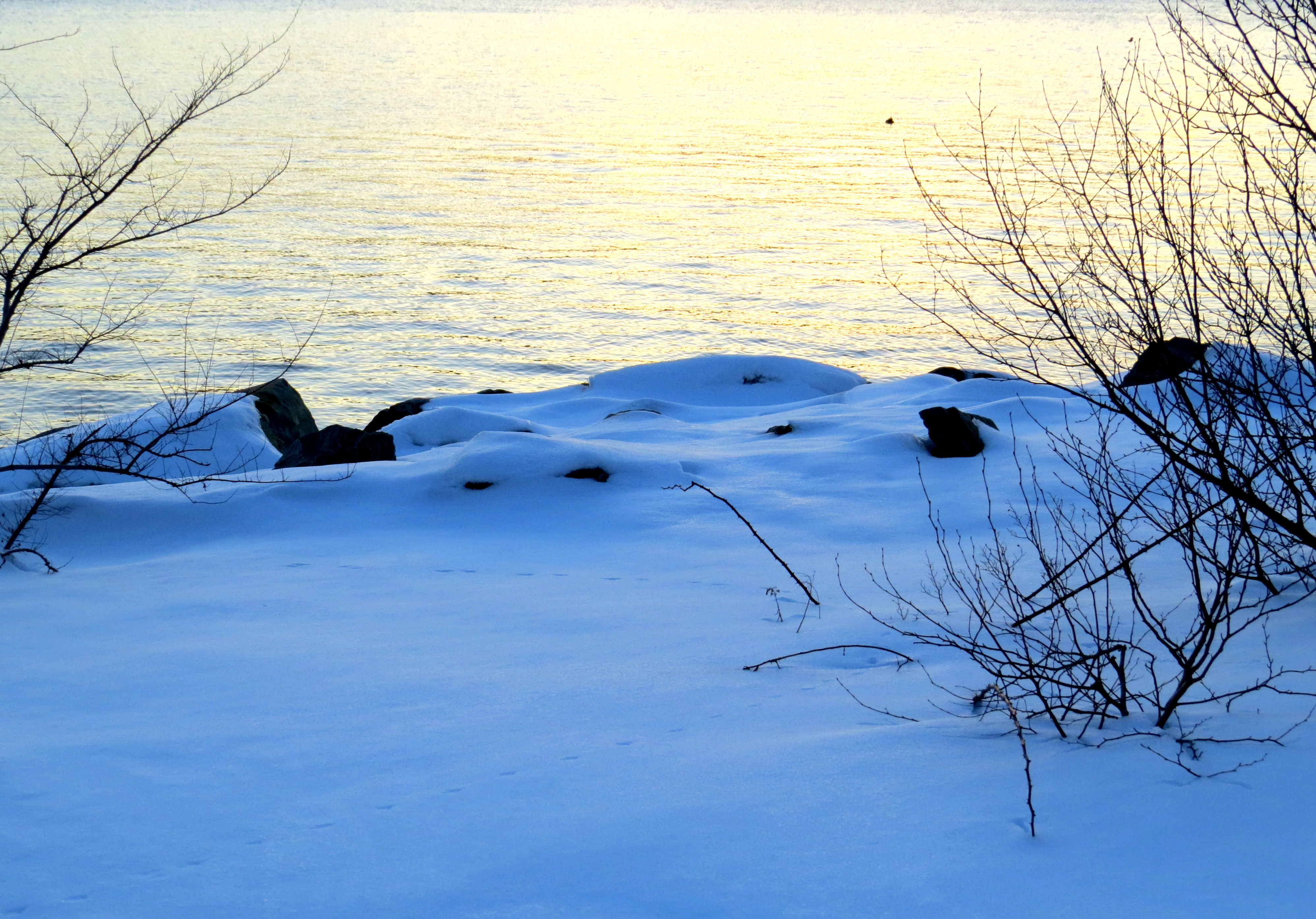
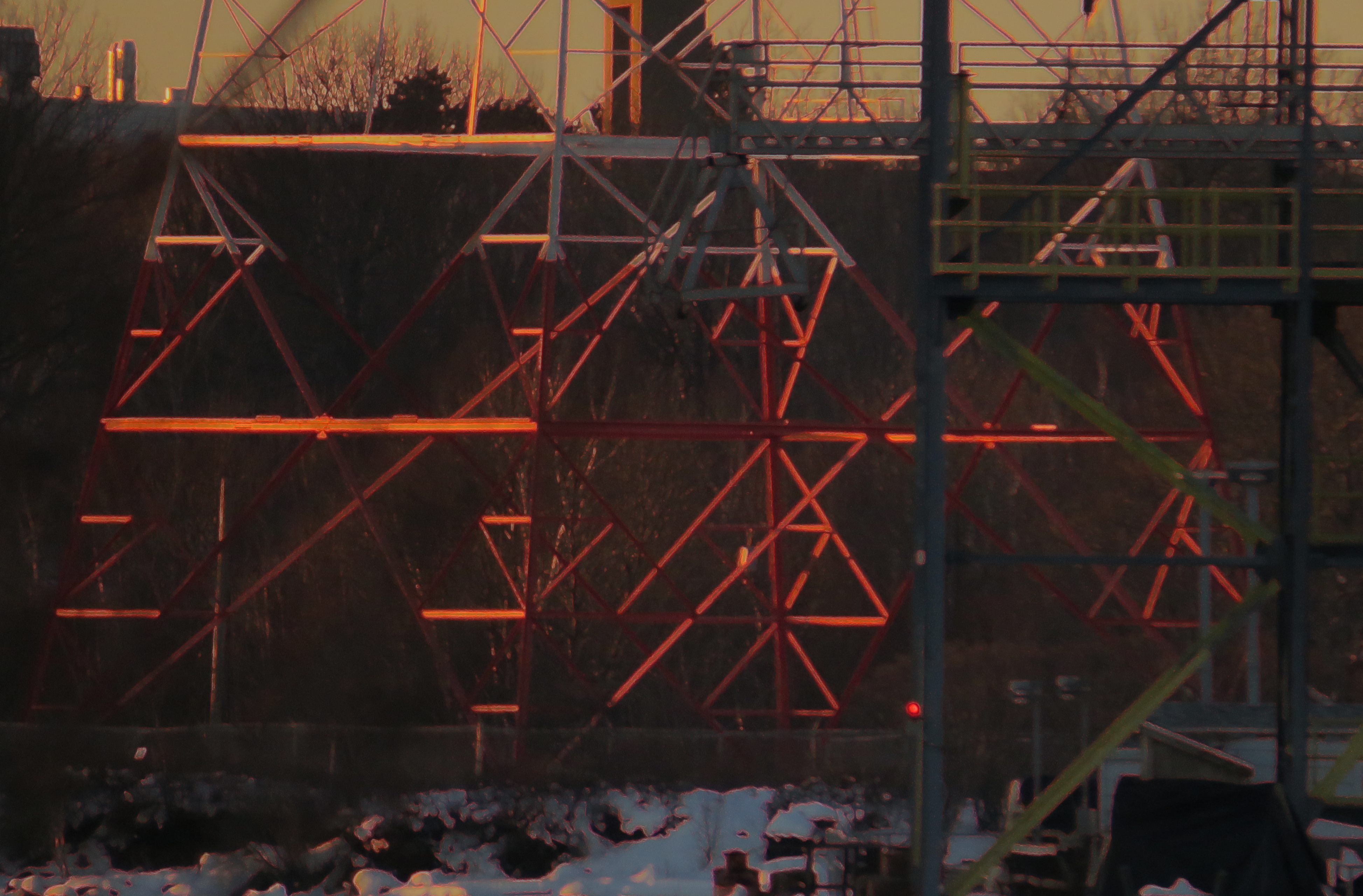
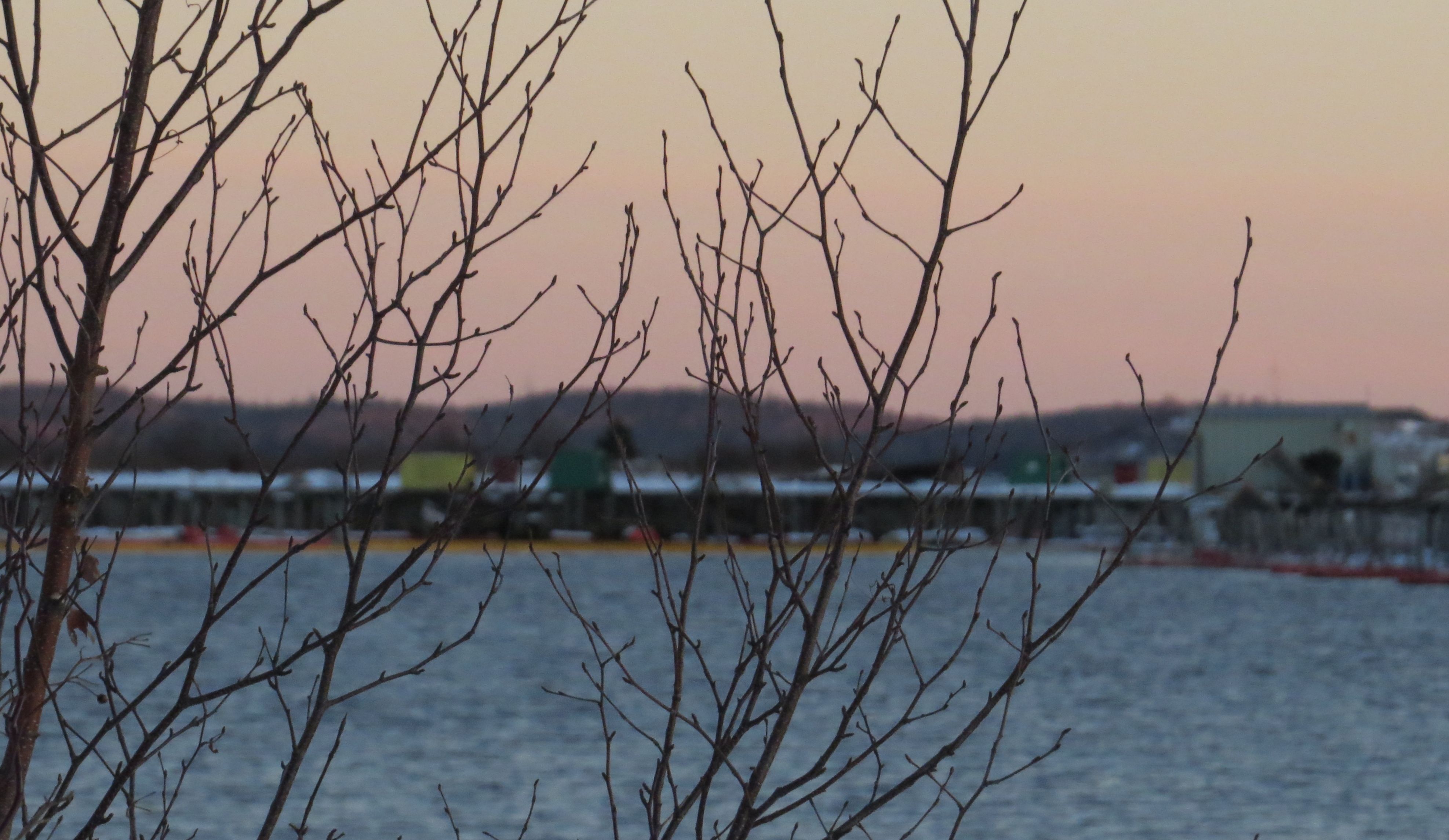
Walked around a bit and went back home. By early evening, just about as the sun started to get ready to slowly go to bed – I went on My Rocks. Thanks god no administration ever does any maintenance there – summertime or wintertime. It wasn’t a spectacular sunset. But it was very pleasant, soft. Observed a lot of waterfowl. Only once the sun get bored with his own nightshow and gave a spectacular solo. What a primadonna! LOL
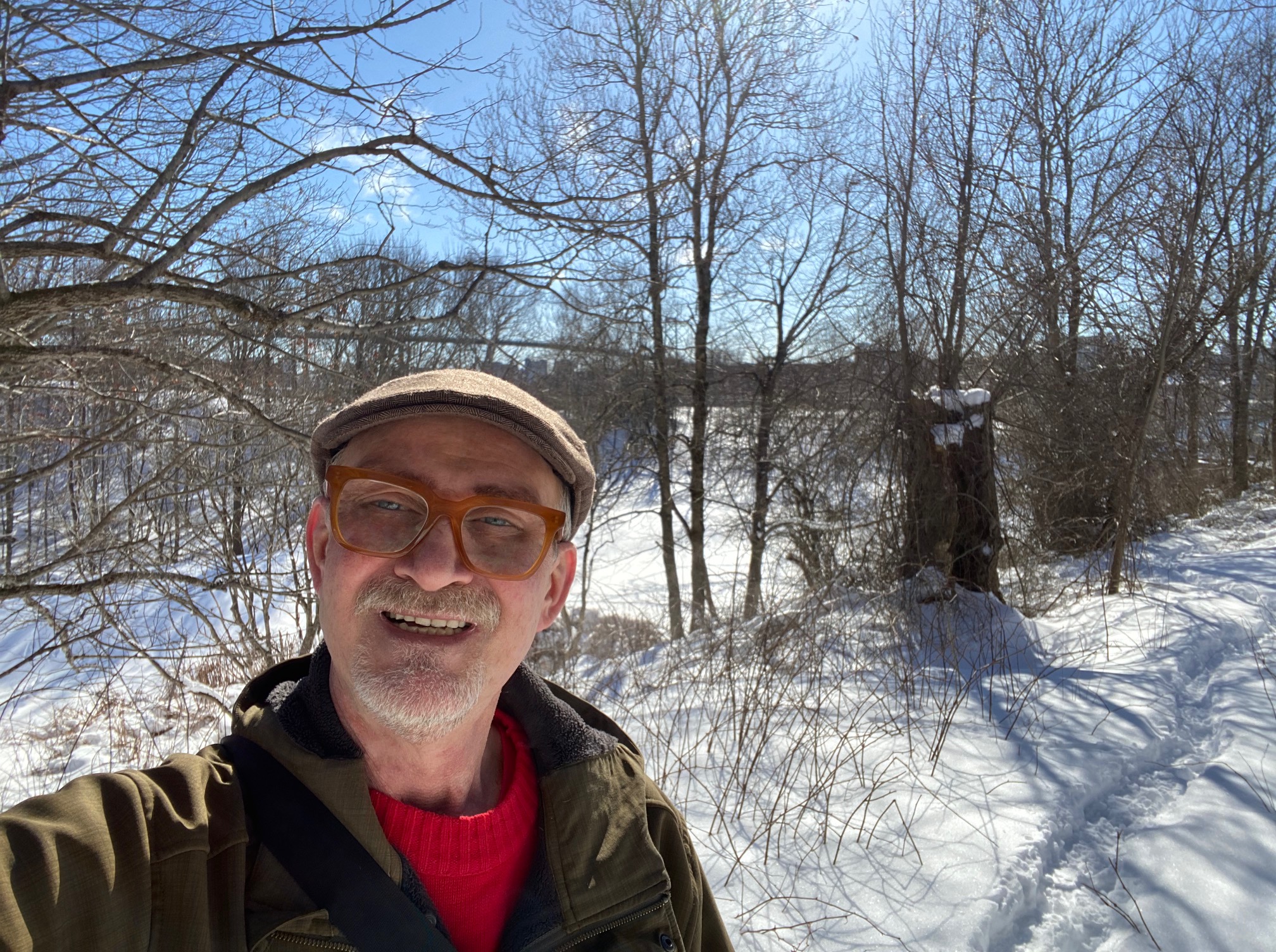
What do you do, when you can’t sleep? You go outside for a walk, in the snow and wind. At ten, then at midnight, then get a short snooze and go again at 4. It is not dark anyway, for the snow makes it all one milky, eerie light. Take another snooze and — it is morning the next day, LOL. Somehow you have a strong pain in your right temples and pain in your right ear. Stroke? You speak loudly and the words appear to be coherent and proper, go to the mirror and your eyelid and mouth don’t seem to be drooping, LOL. Then it must be just an ear infection. Dosn’t matter. What is the best for a cold? A cold excursion to the countryside! Camera in hand, a quick coffee, and off we go. Was able to catch even the Moon in full sunshine!
In the late XVIII century, following the French Jean-Jacques Rousseau’s turn to feelings and emotions – the Germans introduced us to Sturm und Drang. Of course, only the Germans and German language can come up with such a militaristic-sounding term for literature and paintings reflecting deep emotions, love, romance, and tragedy, LOL. That is exactly how I felt on the North Atlantic shore for the past few days – a non-ending storm with heavy snow and a constantly overcast sky. Not even a wink from the Sun. Nada, zilch.
Skutkiem francuskiej – naturalnie – perwersji uczuciowości Rousseau, Niemcy obdarzyły nas czasami Burzy i Naporu (Sturm und Drang) Romantyzmu. Tylko język niemiecki i niemiecka mentalność tak potrafi nazwać okres rodzenia się sztuki poświęconej miłości, romansowi, legendzie i tragedii, LOL. Napór i sztorm brzmi bardziej jak rozkaz niż, jak wyznanie. Jakże biedny Werter nie mógł nie cierpieć, jeśli takimi rozkazami wyznawał swą miłość dla Lotty?!
Tak się właśnie czułem ostatnie kilka dni na brzegach Północnego Atlantyku w czasie niekończących się wichur i śnieżnych nawałnic. Ni źbła choćby słoneczka na moment. Zero.
Więc gdy dzień pięknym, różowym wschodem dziś się ukazał, a karminem zachodził z wieczora – z kamerą poleciałem go gonić po Moich Kamieniach. Naturalnie, że przesadzam. Nie goniłem a potykałem się w zaspach powyżej kolan, wspomagając się swoim kosturkiem. A ten śnieg bieluśki, ta woda i stalowa, i srebrna, i różowa do zdjęć, jakby pozowały.
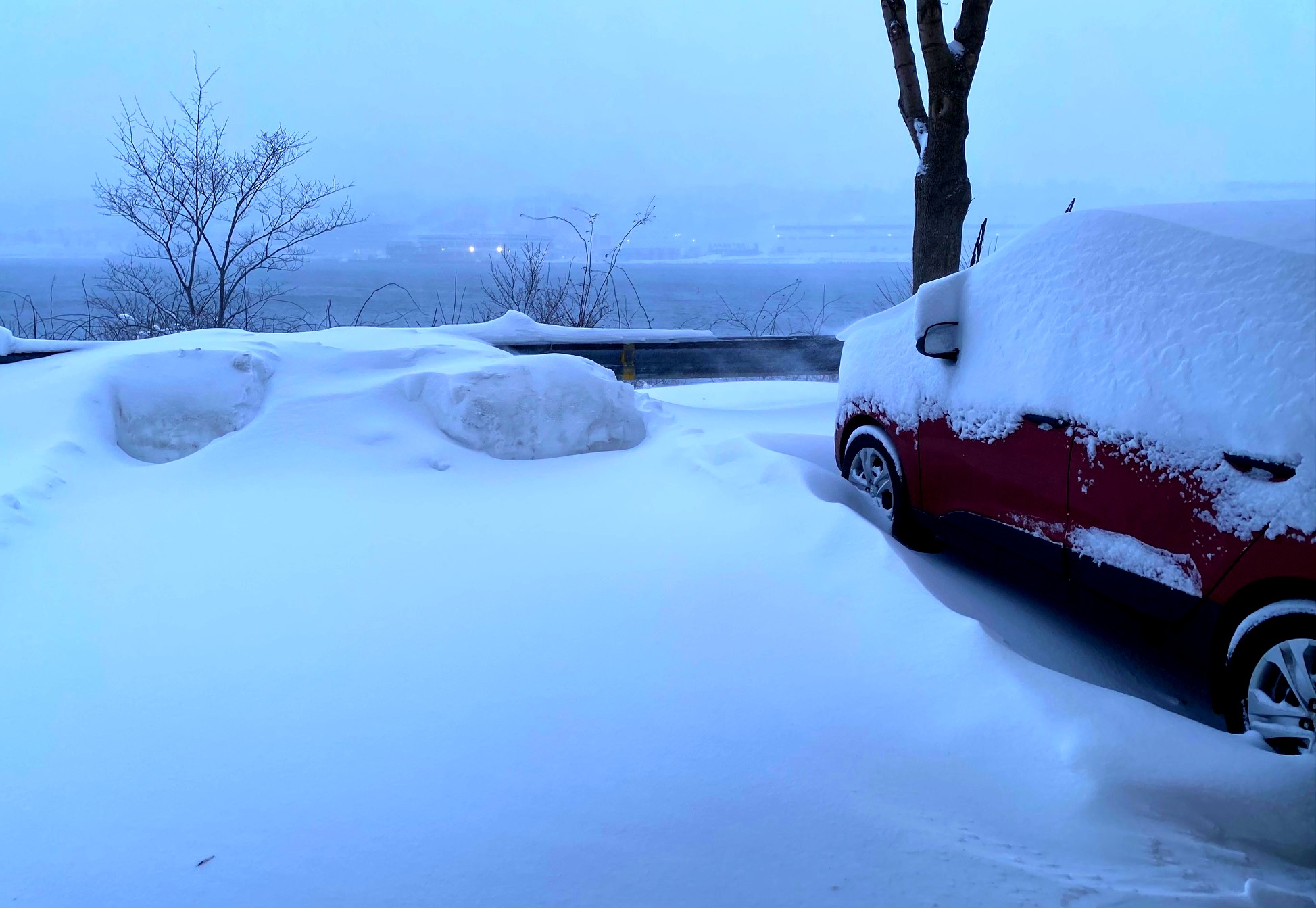
Yesterday was a lovely day. Snow abounds, beautiful, soft, and dry. Everything looked like Christmas. I dug out my carriage, drove to a few stores, and decided that the next day I would take my camera and go for some nice wintery shots on the coast or perhaps in Halifax. My carriage is a very strong vehicle and not afraid of winters.
It continued to snow the entire day, then the full night, and again the rest of the day. But the temperature went up a bit, the wind became very strong and the snow changed to very nasty tiny little granules like sand. Still drove to do short shopping but the camera would not be very good in such conditions. It would get wet in a second, walking would not be nice either. Visibility was very bad, too.
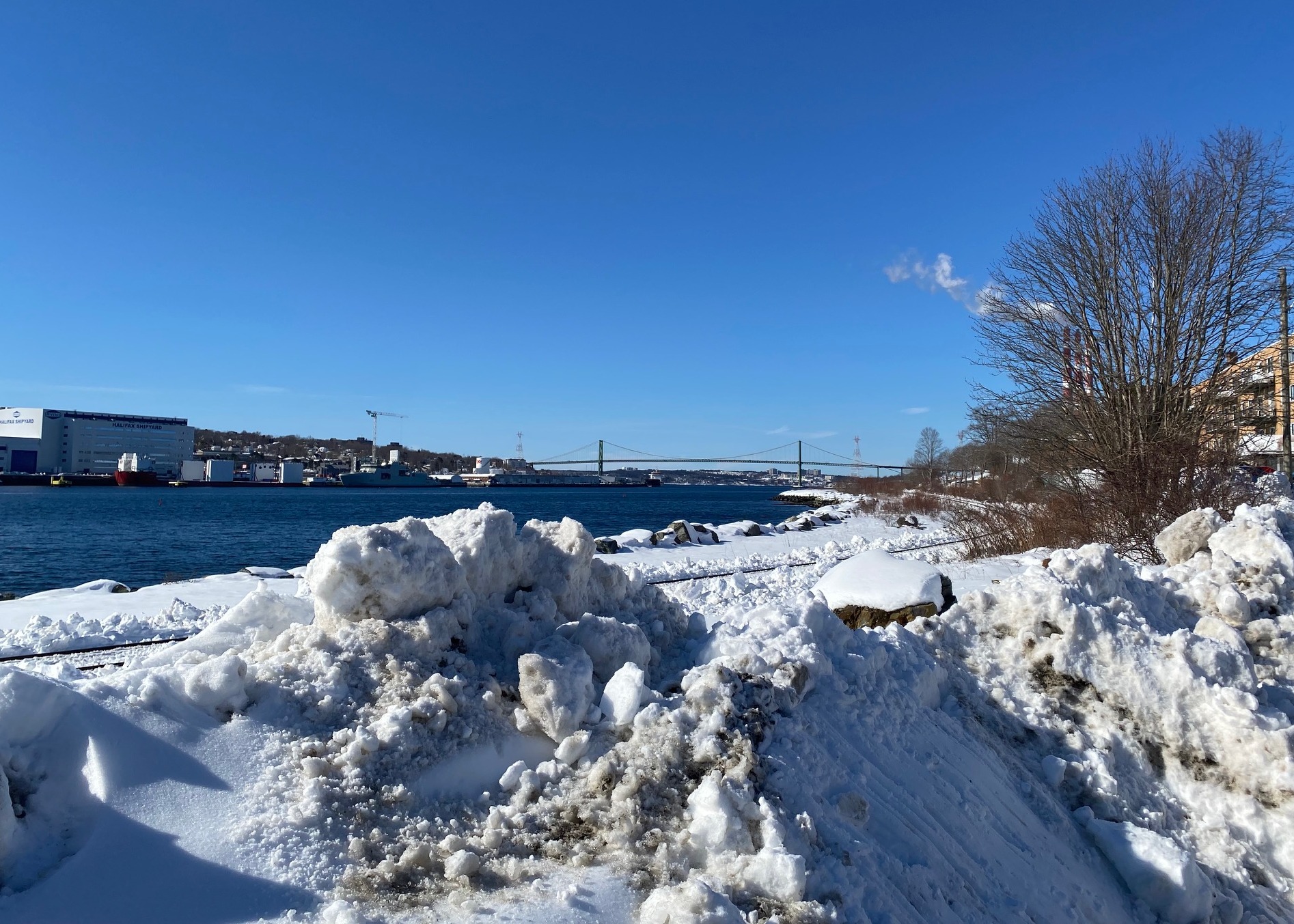
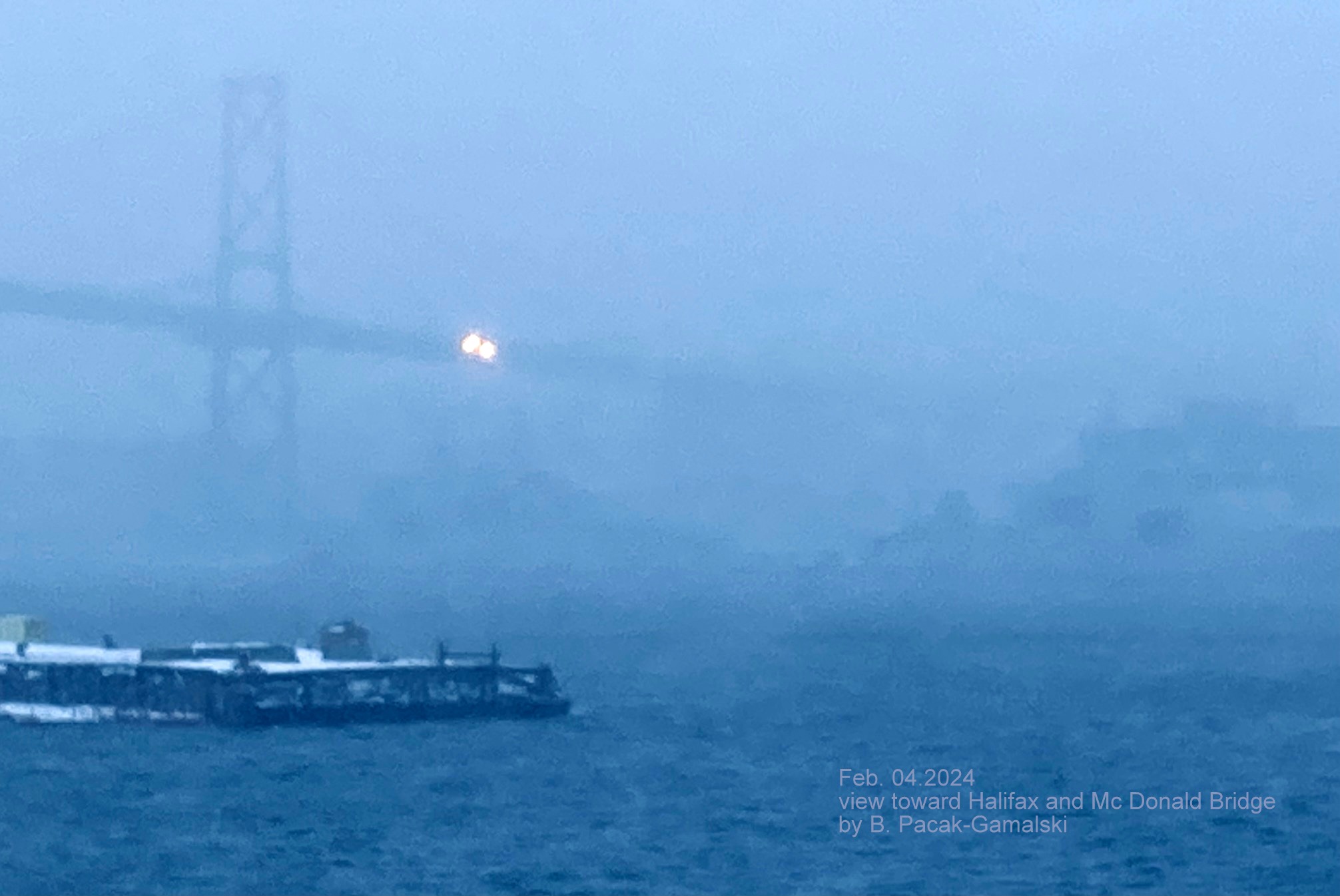
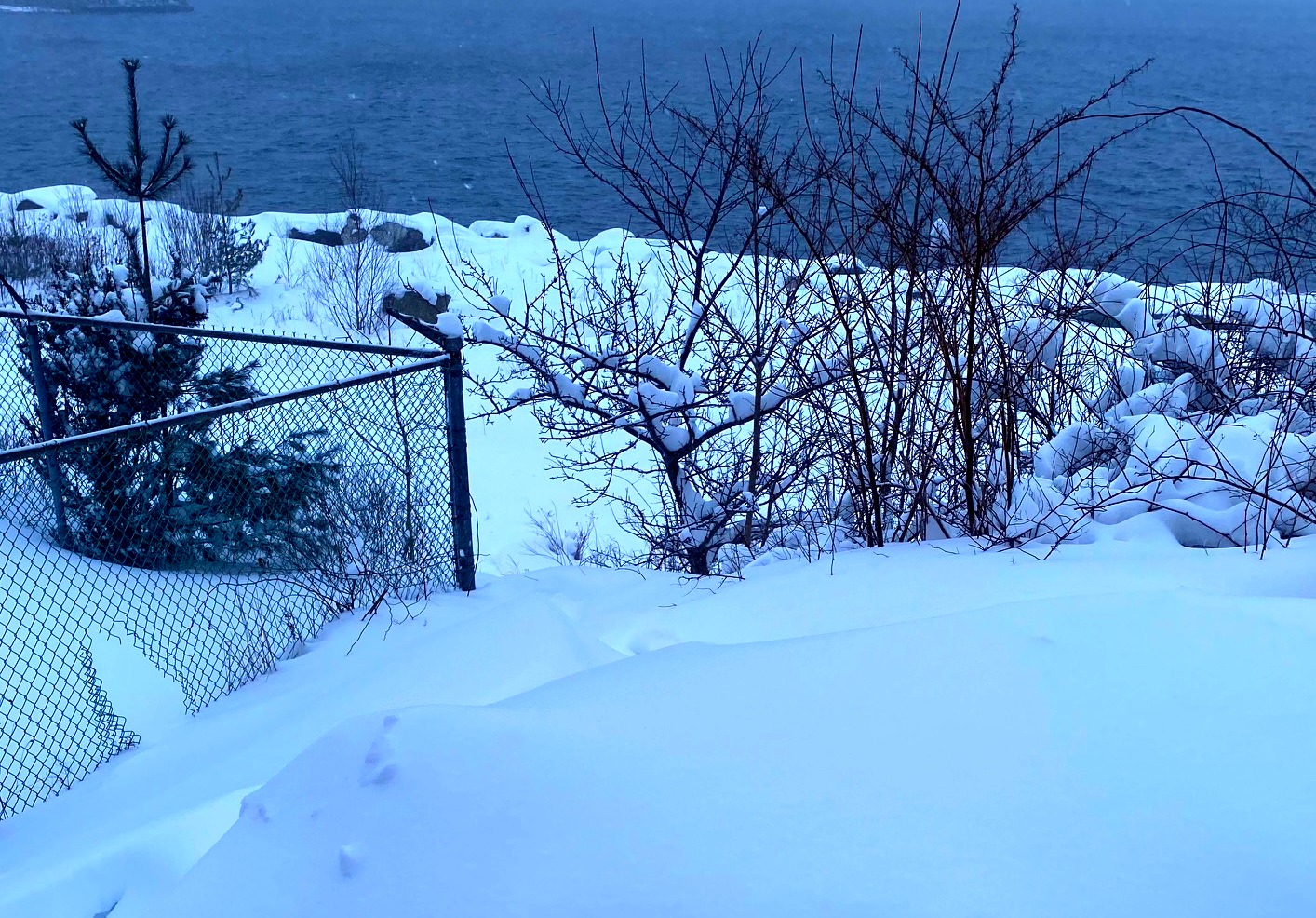
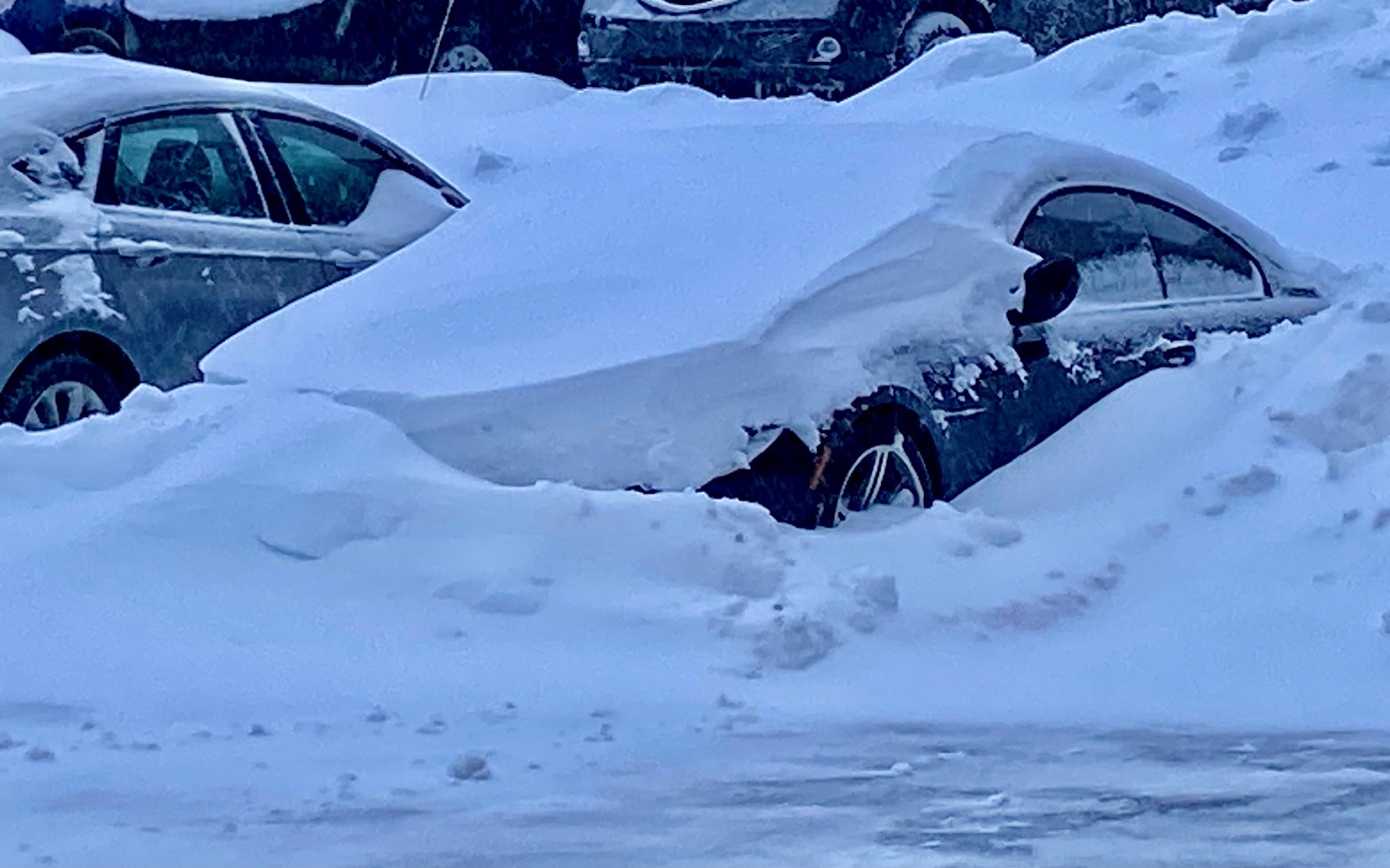
Shouldn’t complain too much, though. The Eastern and North shores were hit really badly. I think they had to proclaim a state of Emergency in Cape Breton, many roads were closed and the Government was advising everybody not to travel. But I still wanted to take some pictures, just with my I-phone and around my my home, parking lot (LOL), and of course, My Rocks.
Had to dig out my truck again, just in case I would need it, and simply didn’t want to have it covered by the white craziness totally. So here it is – the mundane, silly photo chronicle from the parking lot and the vicinities. By the way – it still snows now and should not stop tomorrow, either. If you won’t hear from me in the next few days it means that my igloo lost internet connection. So yes, to no one surprise in Nova Scotia – it does snow in Nova Scotia. As it rains in BC.
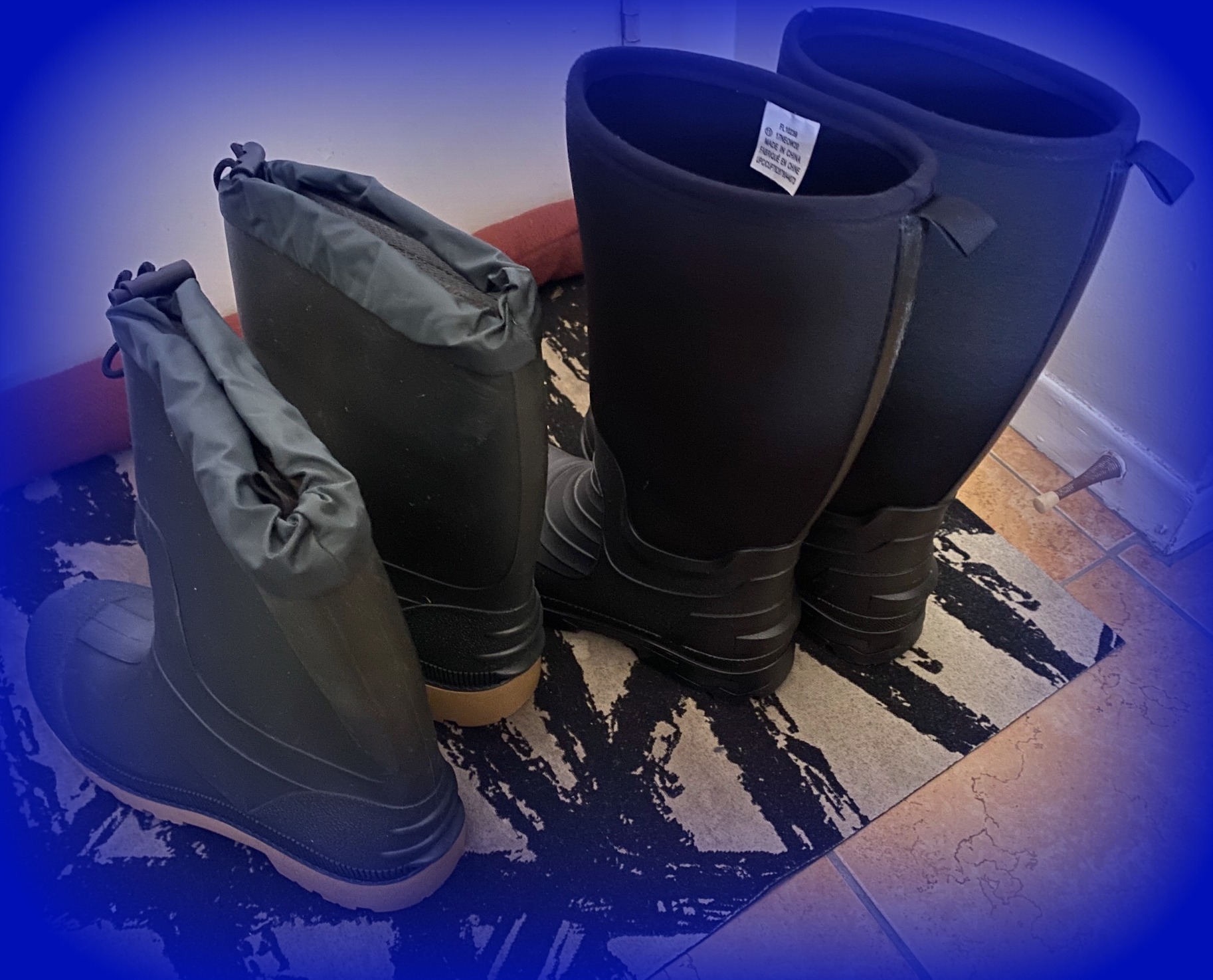
Of course – you need to have proper Sunday Church elegant shoes. As you noticed on one of my pictures I do have proper church shoes. One for Nova Scotia and one for British Columbia.
Few words of personal explanation. Of my wonderful life with my beautiful husband, lover and partner, John. Life that tragically ended with John passing a year ago. Yet life worth every moment, every second. Music, music – it has been such an important part of our life. Through music – in all forms, shapes, and styles – we understood each other deeper, fully. Like the name given by German composer Felix Mendelssohn (1809-1847) to his ‘Songs without words’. Love truly does not need words. As in any true process of creation, words – if used – are only a mere ornament, part of the mechanical structure. True creation begins and ends in a sphere of senses: sound, smell, touch, feeling. Everything else is just a noise.
Therefore, when I walked that wintery evening from Henry Street to Coburg Street and to St. Andrew Church for my normal rendezvous avec la musique – he walked there with me.
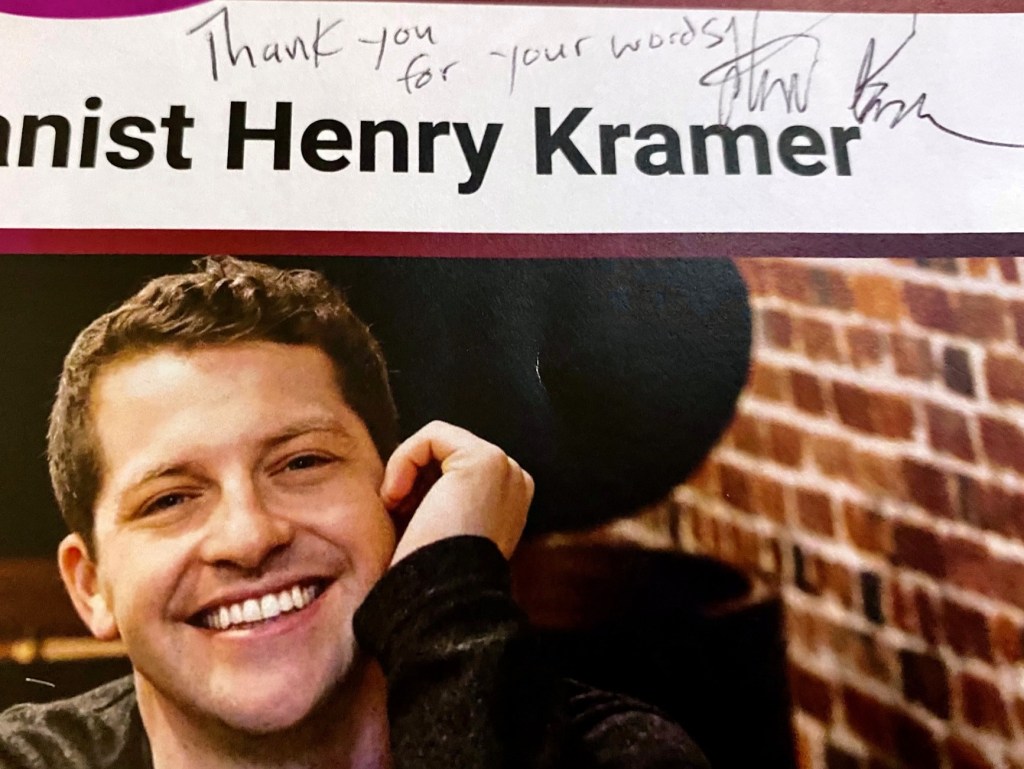
What a wonderful rendezvous it was! It was an immense pleasure to listen to the music played by the most gifted pianist, Henry Kramer. Kramer is an American musician recently being offered a teaching position in the Faculty of Music at Université de Montréal, and because of the proximity, he was able to come to Halifax and give us a taste of talent. What a treat, indeed.
One award (among many others) I have to mention is the American National Chopin Piano Competition in Miami, where he claimed the 6th spot in 2010 (the First Place automatically awards the winner a spot in the top piano competitions of the world – the Warsaw International Chopin Competition). But there was a connection to that famous Warsaw Competition: among his jurors was the former 3rd place winner of the said International Warsaw Competition, Piotr Paleczny. I was lucky enough to hear Paleczny playing many years ago during that Competition in Warsaw and to know him personally. He was, as a young fellow at that time, a very sweet guy. And truly fantastic piano player.
Henry Kramer missed that Warsaw Competition ticket – but he did not miss the 2016 prestigious and top-ranking Queen Elisabeth Competition in Brussels. And he got the Second Prize – that is a ticket to just about all concert halls in the piano world.
I was not in Miami to hear him personally there, but remember his concert in Seattle. Remember him well enough to make a note of his playing: don’t forget his name because you will hear of him.
Back to Halifax. Have a chance years later to do that. To be at his concert. How can I describe the overall feeling, reaction? I will use a term I don’t remember using before in any of my musical reviews:
Henry Kramer is a pianist of a very elegant way of playing. That it is. Elegant way of playing. You could say: bravado, astonishing, lively, emotional, technically brilliant. But after listening to him intently, paying attention to how he treats not only the music but the entire piece that makes a player, his arms and body and keyboard, pedals, and the entire massive instrument a one-piece, one symbolic union – that is the term that came to me: grace and elegance.
And what a good term, when you play music submerged in a very specific time of European chamber music of early romantics. Time of Shuberts, Mendelssonhs, and to a lesser degree even Liszts (Liszt belongs more to the next epoch – Romanticism). A time when musicians produce an extraordinary amount of compositions (almost in manufacture-like tempo) to appear in a multitude of salons of political, and Church dignitaries, aristocrats and extra-rich townsfolks. Time of Early Romantics. These were not huge concerthalls, or musical theatres (there were some in big cities – but that was a rarity, not a rule). The salon for chamber music was small, and the guests were not as plentiful. If you play the same music more than a few times – the opinion arises that you are done, finished. You emptied yourself and can’t compose anything anymore. So they did compose. A lot. Franz Schubert composed 20 sonatas (not all of them in a finished form) and a number of larger pieces: 12 (13?) symphonies; circa 10 Masses; over …. 1000 (that is one thousand, no mistake) songs with at least one instrument and many more occasional pieces in different form. No, he was not eighty years old, when died. He was … thirty-one. Show me a contemporary composer, who composed half of that volume, I dare you.
Was he a great composer? No, by any means. But he was an important composer and very talented. Had he lived decades longer, had he achieved financial independence and powerful support from powerful patrons – chances are he would have had time and space to compose a few timeless and extraordinaire pieces of music. It was also a time when music was composed in a very strict and form-fitting format. Just as poetry in classic times. The next generation started slowly to dismantle that construct. And then came Gustav Mahler, followed by Schoenberg with his Second Viennese School and music was never the same again, LOL.
The old Saint Andrew Church in Halifax was a perfect setting for Schubert’s music and for the elegant style of Henry Kramer. The main nave offers wonderful acoustic and being of Anglican (in Canadian, United Church form) type is not too ornate and void of the weight and ballast of Catholic big churches.
From the moment Kramer appeared on the stage with a short introduction to the music – he won the audience with his pleasant way of greeting and talking. There was no ‘pomp and circumstance’ – just a warm and subdued tone.
From the first keystrokes, he was very attentive to musical detail, to the phrasing. Schubert’s Piano Sonata in A Major seemed to be written for him. The Allegro Moderato at the beginning was lovely. It’s a relatively robust tempo but the two melodies and two distinctive themes lead to a lovely passage. And his brilliant way of slowing ‘things down’ in Andante is just that: have time to ponder, exclaim, and reflect. At a certain moment, a listener not familiar with this work might think – that it is, finite. Perhaps little annoyed that it happened so soon, LOL. Kramer used the intervals splendidly, they were very pronounced as the composer intended.
But forget the intervals, forget the delicacies, the sublime. Here comes the Allegro. Better check your seatbelts! This is a pianist (a good pianist) paradise: time to awe and conquer the audience. And he did. The bravura almost and brilliant style shine here with dances, and passages. The keyboard is used in its entire length and the pianist must grow two or three more fingers, LOL. But it is truly a pleasure to listen to it. Even if you are not an enthusiast of early Romantics (just like me) – I still can come and listen to the entire sonata again – just to enjoy the finale! Bravissimo for the artist!
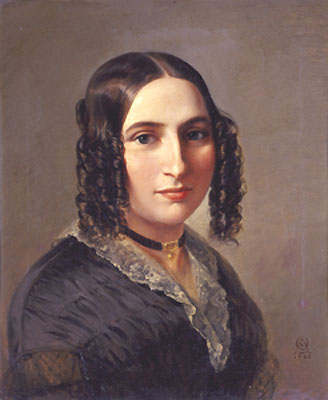
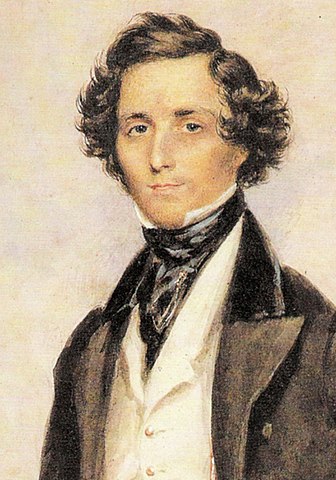
After Schubert music, Kramer opens to us the world of two siblings, contemporaries of Schubert: Fanny Mendelssohn – Hensel (1805-1847) and Felix Mendelssohn Bartholdy (1809 – 1847). Both siblings were very close to each other.
Fanny Mendelssohn
Felix was well well-known and very much accomplished composer in Berlin’s circle. His sister never (partly because of her father’s opposing views) accomplished such a fame during her lifetime but her compositions show a good measure of talent and ability. She was also very respected as a musician by her devoted brother, who often asked for her opinion and advice in his own works. As it happens from all their works the most famous ones often played even now are their songs. Or rather ‘songs without words’ (Lieder ohne Worte), as was the name Felix gave to his most famous composition. There is a story that at one-time friend of Felix offered him to write words for his ‘songs’. The composer is said to respond: “What the music I love expresses to me, is not thought too indefinite to put into words, but on the contrary, too definite.” What a lovely and indeed precise response!
Felix Mendelssohn
The pianist played Fanny’s 4 Lieder for Piano, Op. 8(no.2 Andante con espressione and No.3 Larghetto), and Felix’s Songs Without Words Op. 19 in E Major and Op. 67 in F-sharp minor. It was a pure musical pleasure. His elegant way of playing was at its best. The depth of emotions coming from the sound he was producing was truly touching. I remembered years ago when I listened to the incomparable Jan Lisiecki playing the extremely difficult and technically challenging piece of Ravel’s Gaspard de la nuit and I thought: how this very sweet and happy young man (I have known Jan Lisiecki since he was fifteen years old very sweet boy when I did my first interview with him) can evoke the atmosphere of pure horror and terror so plainly, so vividly? Talked after his play with him about my question. And his answer was as plain as it could be: it is not enough just to play – you have to feel it inside you, you have to take that symbolic journey to that place, that moment and then transfer it to the tips of your fingers. Just playing every note, in exact tempo is not always enough. And I understood that instance what he meant. Of course. It is so plain. The feeling, the emotion. Listen to famous, dramatic singers of opera! The words are almost comical often. If you just sing them – you could almost laugh, like a satire, not a tragedy. It is the emotion, the timbre of the note you play, and the spirit of the sound you produce that signifies emotions. This is exactly what Kramer achieved when he played the Songs Without Words. And I repeat: with that musical elegance.
But even the best of us must give up sometimes the comforts of elegance. When you deal with Franz Liszt’s Piano Sonata in B minor, S. 178 you really have no choice. When the Paganini of grand piano composes music that should rival Paganini’s Caprices – elegance and etiquette go away. I often compare him to Tina Turner and her singing career. Was it elegant? Heaven’s forbid, no! Was it great? Of course, it was a wonderful madness! Would Henry Kramer, that elegant musician be able to play such music, to forgo his comfort zone?
Oh, yes. He did it to my delight. That was not a summery evening stroll through the meadow. It was a full gallop! Not even of one horse – it was a herd of wild horses. What a choice for the finale and what a stamina to do it after already playing so many pieces.
Liszt’s sonata is one of his late compositions when he composed mostly for pleasure and not to gain popularity or earn money. It is in a way also a break with the established way musical forms were composed. Sonata, as a sonnet in poetry, has very strict rules. Three, sometimes four pieces. You state your musical subject in the first part, elaborate more freely on it in the middle, and finish with a recapitulation of the first statement. But Liszt decided to do away with two distinct pieces and used just one. Try writing sonnets in the form of elegies. In a way, he liberated composers from the strict and tight corset of existing musical architecture. Today everyone understands it. We have gone through modernity and postmodernity. But at that time … it received scorn from all the greatest composers. Clara Schuman (Liszt dedicated it to Robert Schuman) said it was ‘merely a blind noise’; Johannes Brahms apparently fell asleep while Liszt performed it; similar scorn was shown by Anton Rubinstein. The only exception was Richard Wagner. Yet, by the early XX century that ‘blind noise’ was recognized as the pinnacle of Liszt compositions. Times are changing.
I can’t tell how many times I heard that amazing, powerful compositions being played by many wonderful pianists. In a way, my favorite was the recording of it by Kristian Zimerman, one of the outstanding pianists of my generation in the entire world.
But the way Kramer played it was more than satisfied. I listened with full abandonment and total ecstasy of my sensory powers. No surprise that after that accomplishment the audience would not let him leave the stage. The standing ovation had no end. And fully earned. To no surprise, he had no choice but to thank the audience with two extra encores.
We finished with a nice chat and my congratulations for very well-presented program and excellent play. But I started the conversation by thanking him for transferring me that evening from Saint Andrew Church in Halifax to Carnegie Hall or to Vienna Philharmonics.
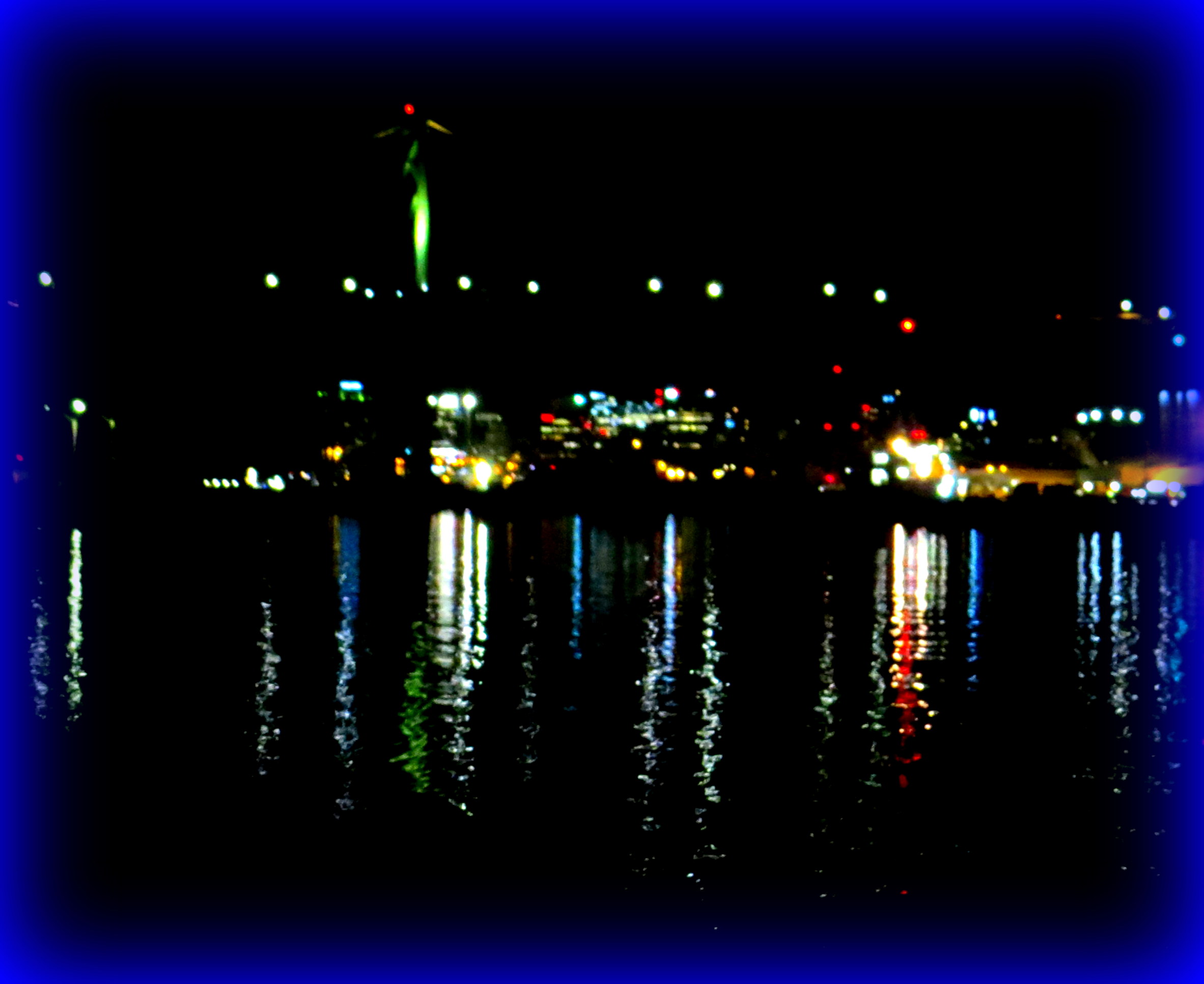
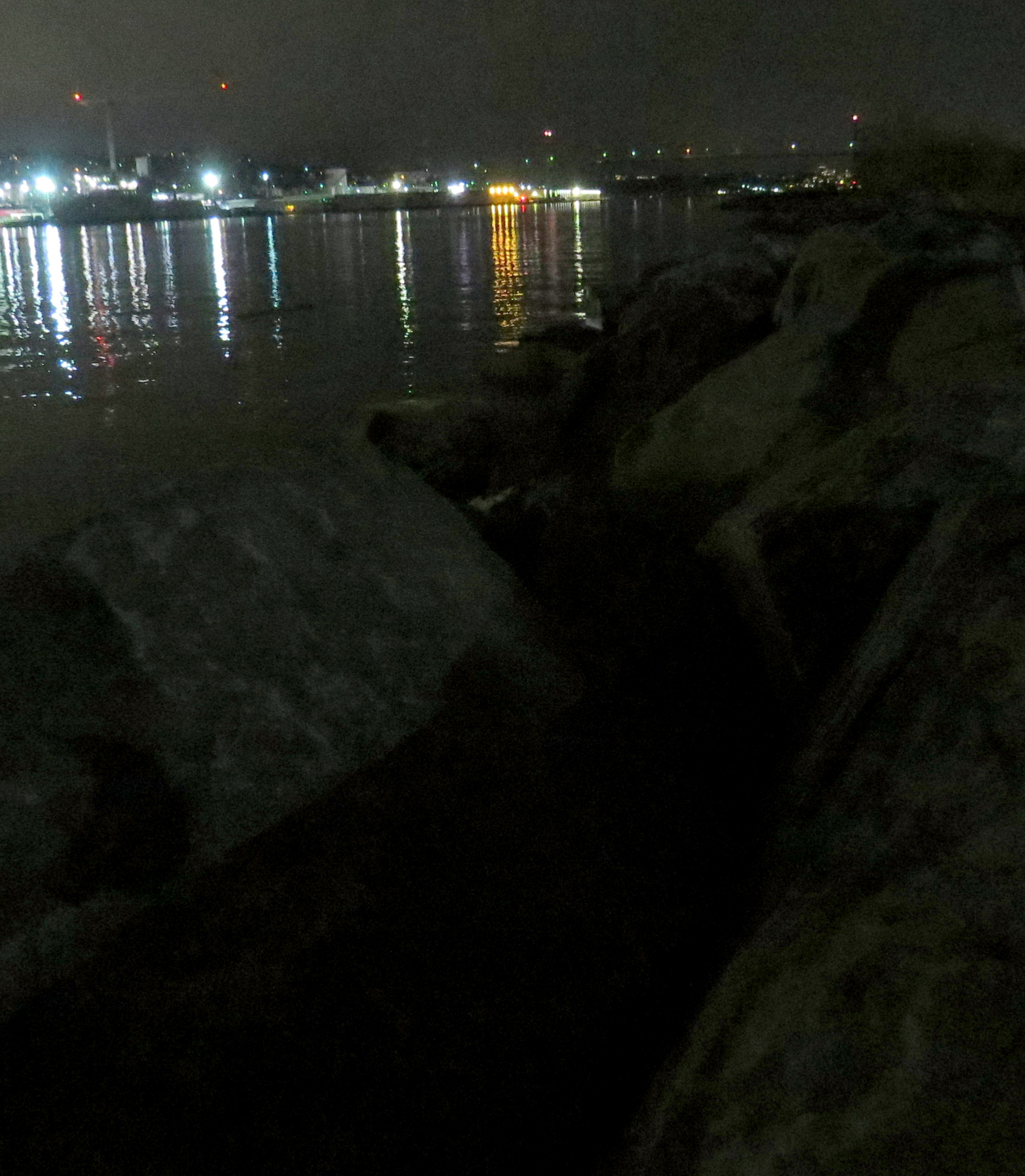
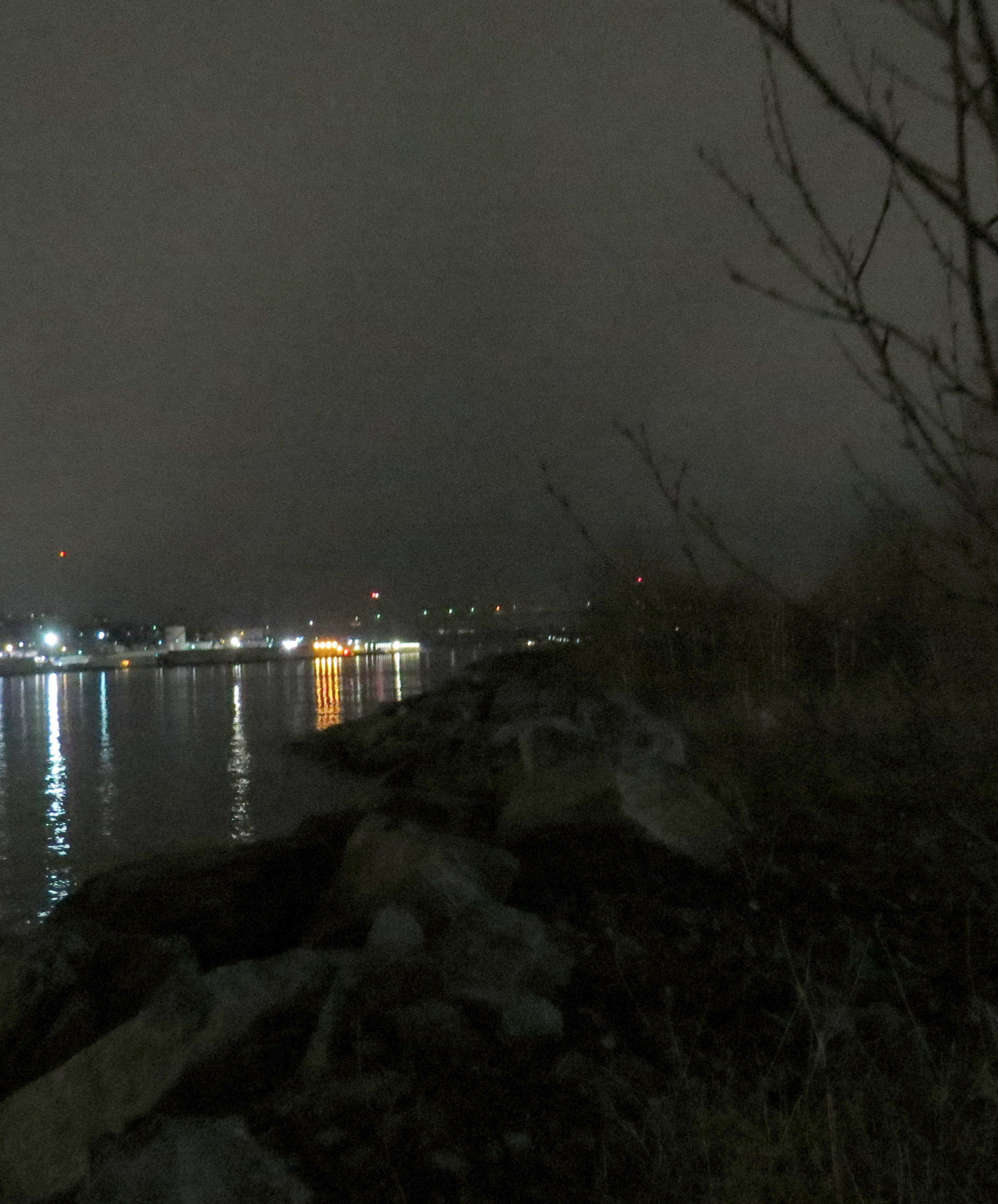
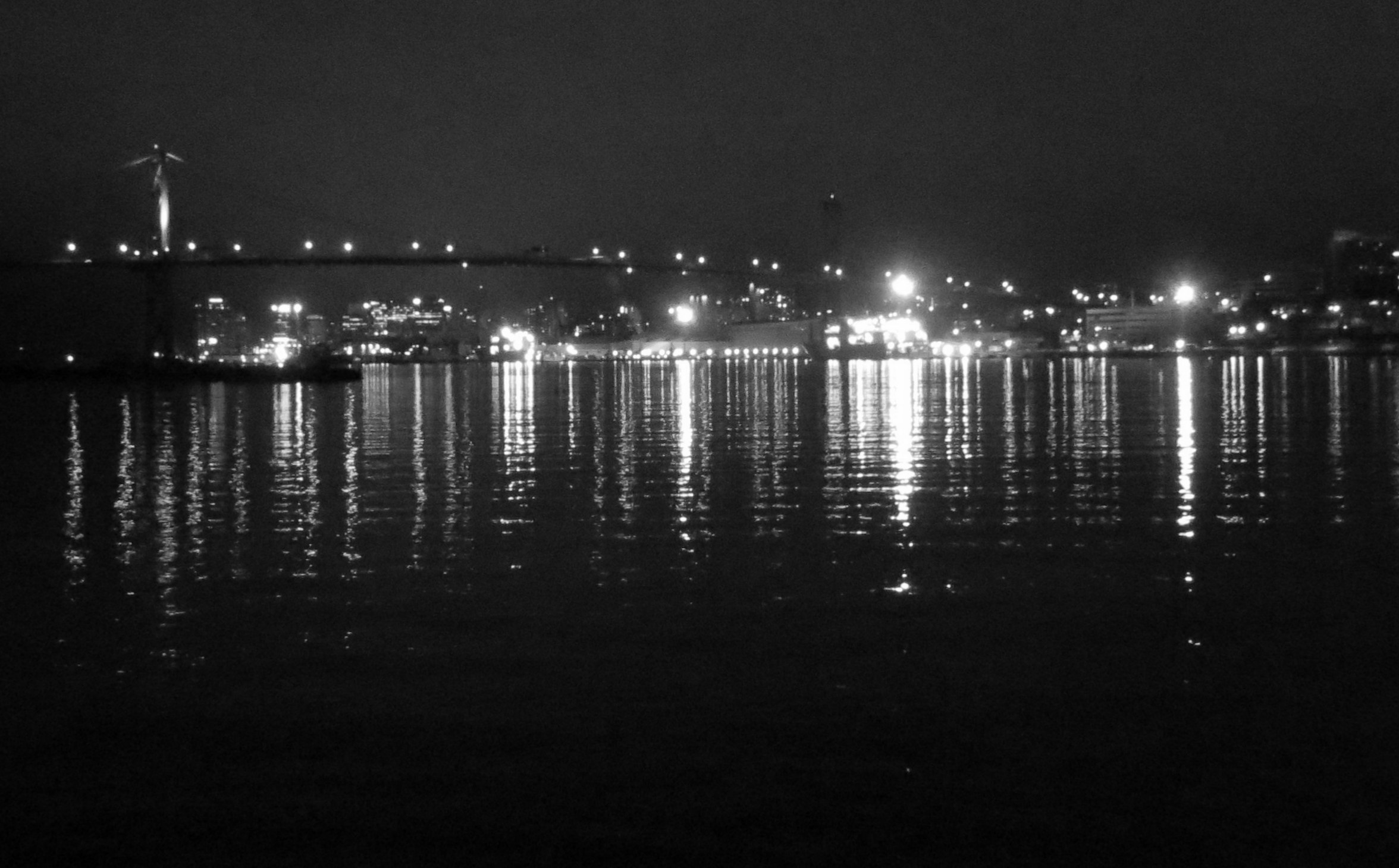
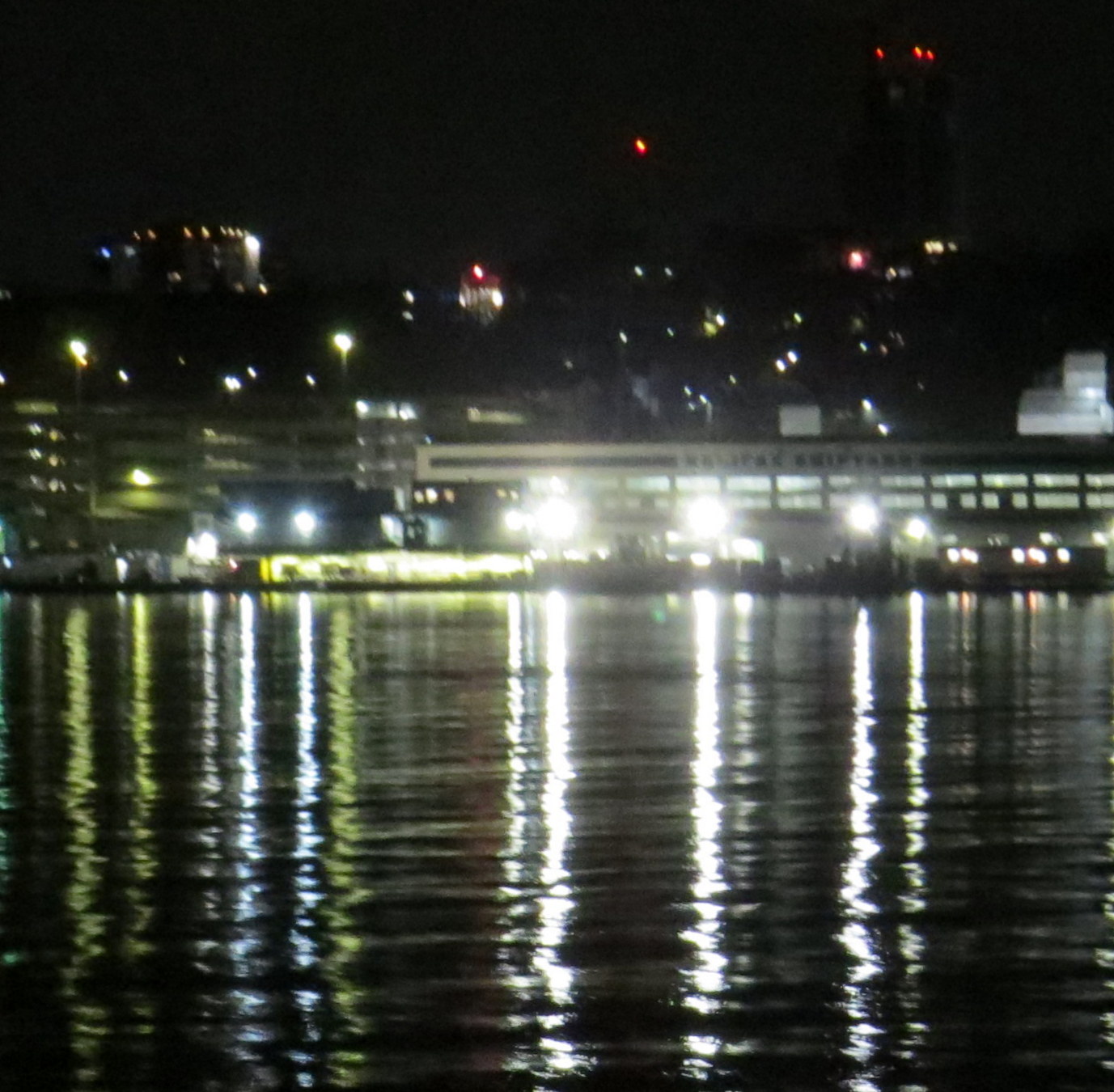
During winter it is a bit tricky and not always a pleasureable to go for a midnight stroll. The rocks are very slippery and the water below them – not very inviting, LOL. But it is also so peaceful, so empty from any distractions. And the play of night lights in the water – just a magic in itself. Here is some of the magic captured by the lense.
The same panorama captured a day or two earlier in an early evening. Like two different worlds.






























































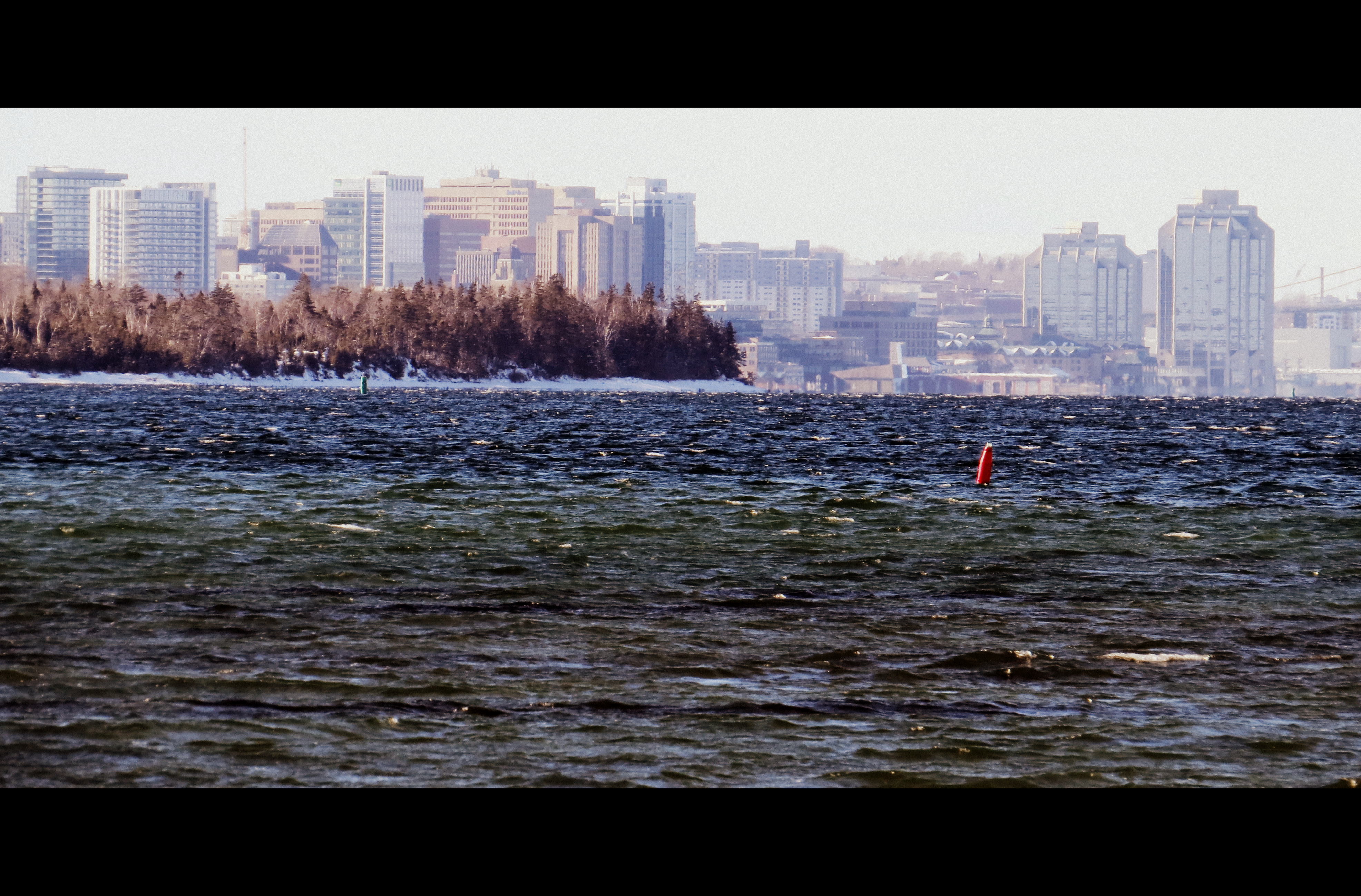



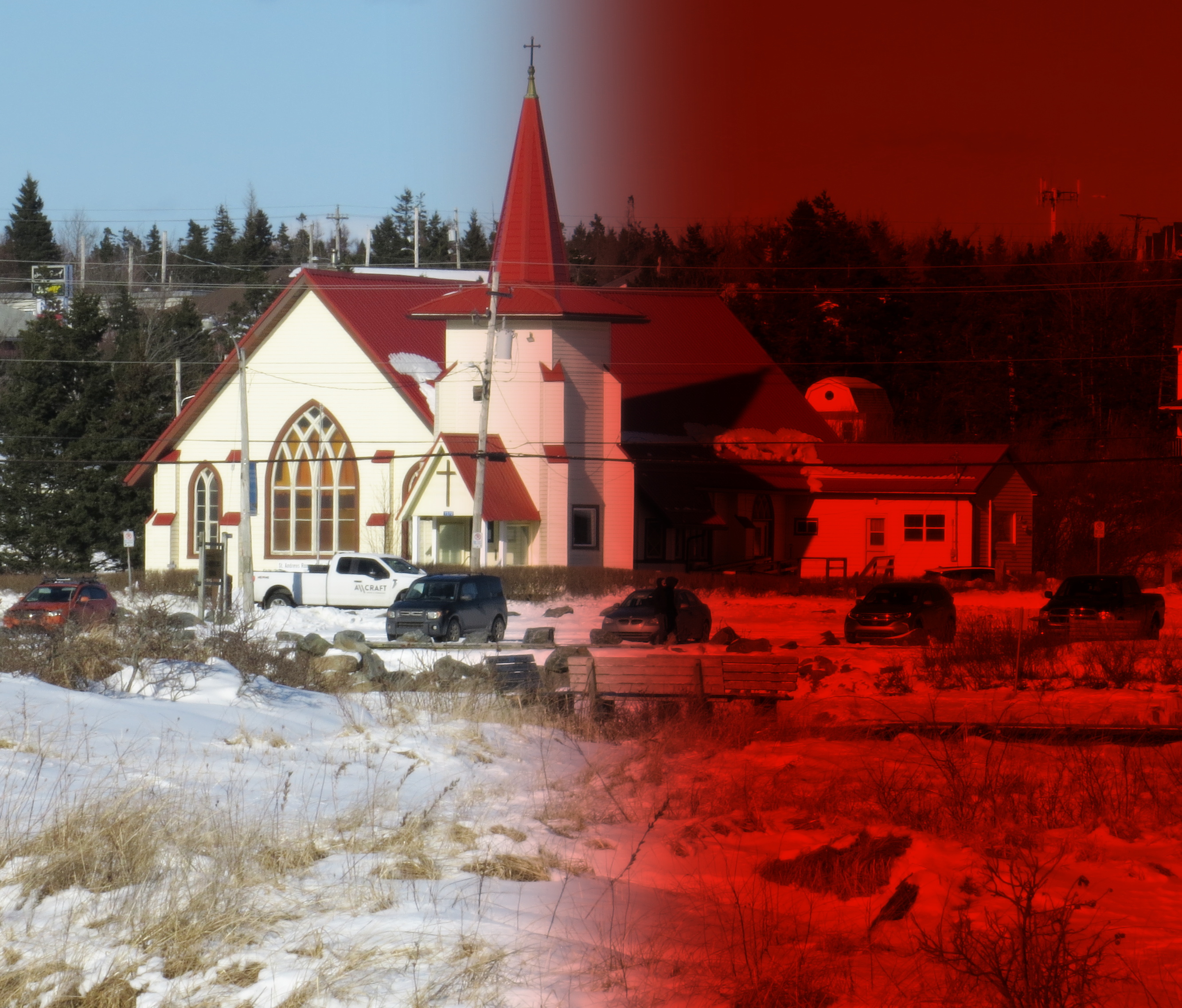







































 > > Pogwarki < <