Alice Munro i F. Scott Fitzgerald nad Atlantykiem

No więc literatura. Bardziej szczegółowo – porównywanie jej, komparatystyka (prawda, że brzmi poważnie, akademicko, LOL?).

A jak praca akademicka to trudno ją robić w domu, bo w domu tysiące zajęć, które co chwila cię od niej odrywają: a to kawę zrobić, a to obraz zdjąć ze ściany, małe pranie, większe gotowanie, odkurzaczem jakiś dywan przelecieć lub wymyć podłogi, albo dłubać w nosie oglądając telewizję. No nie sposób i koniec. 

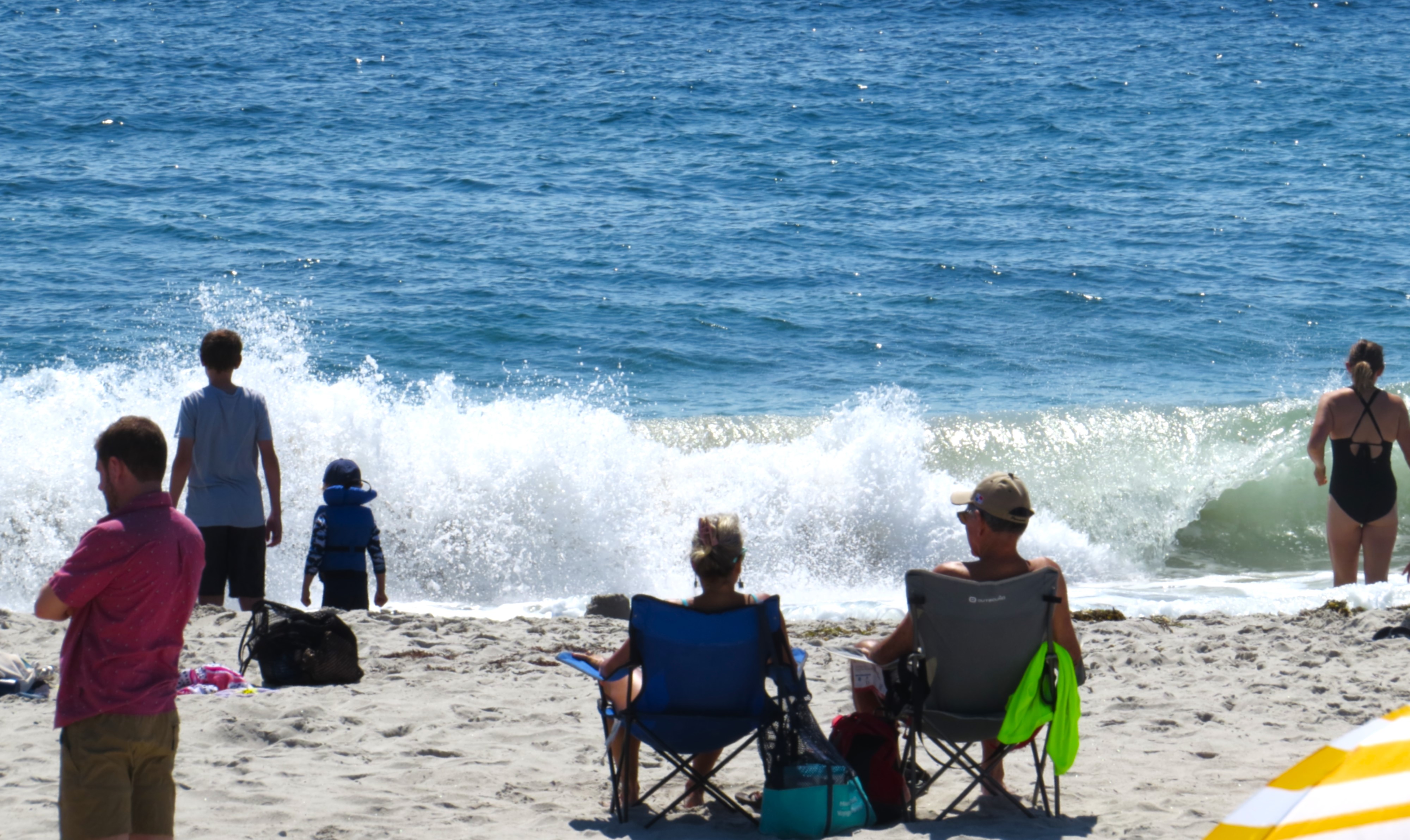
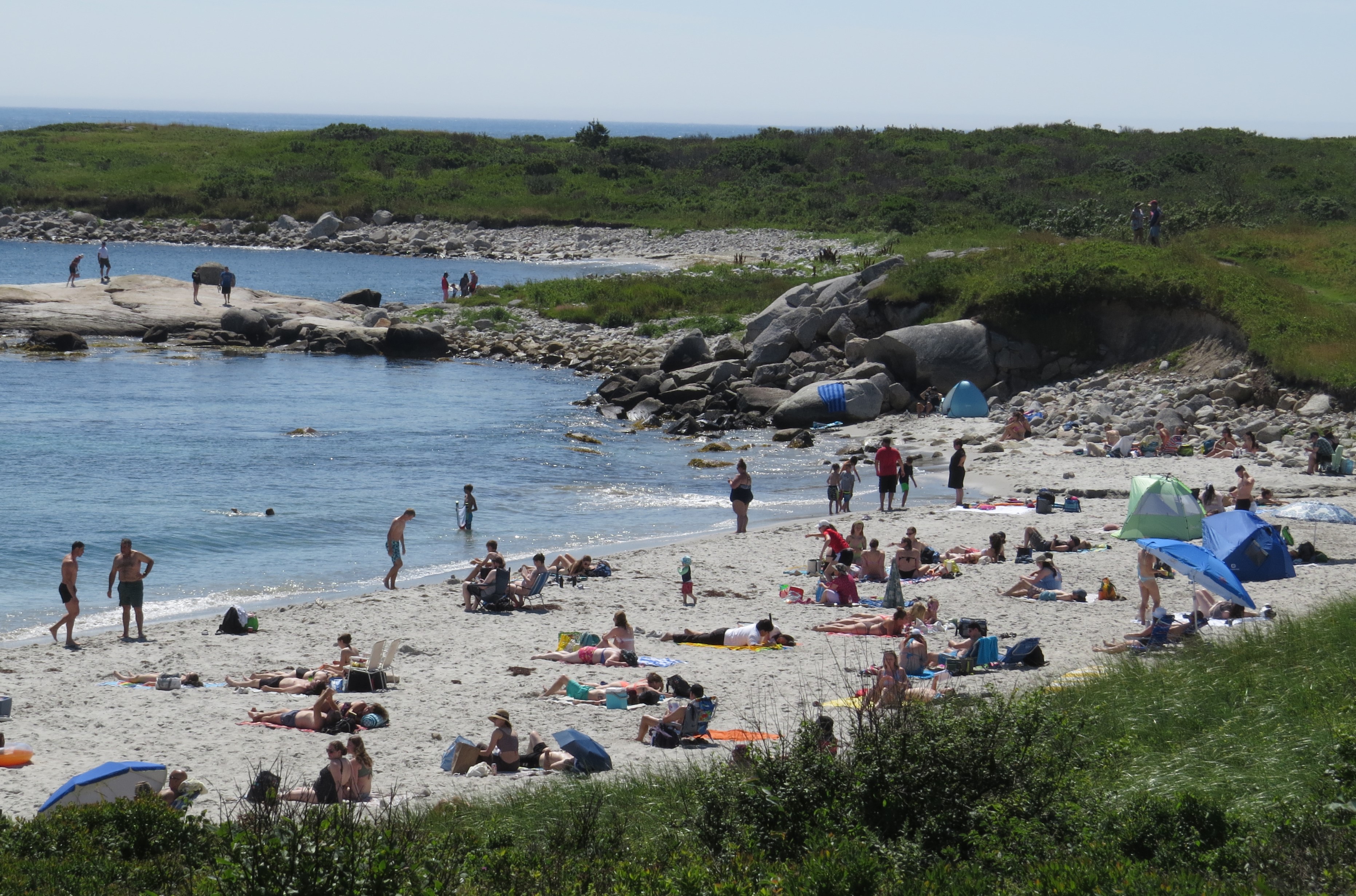
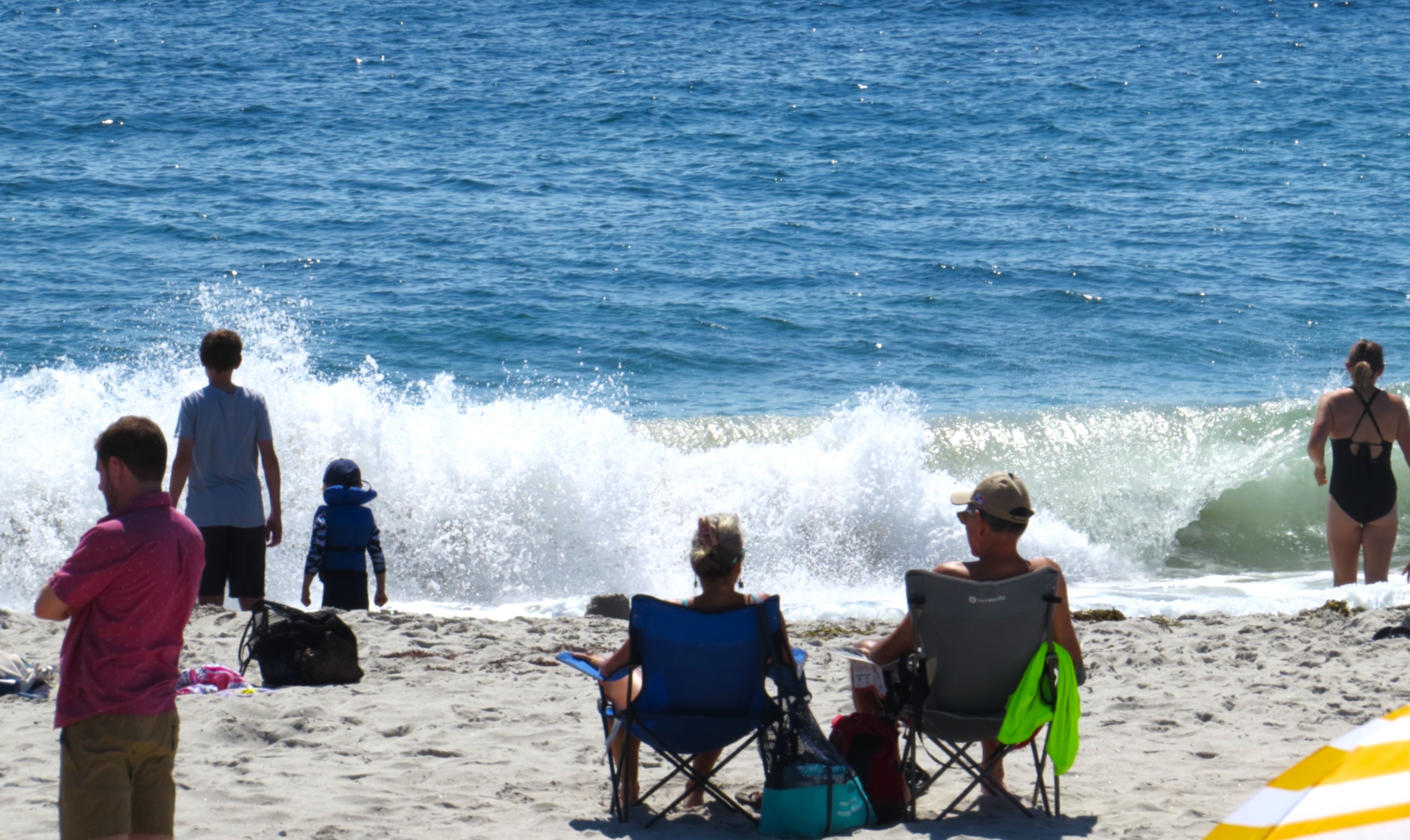
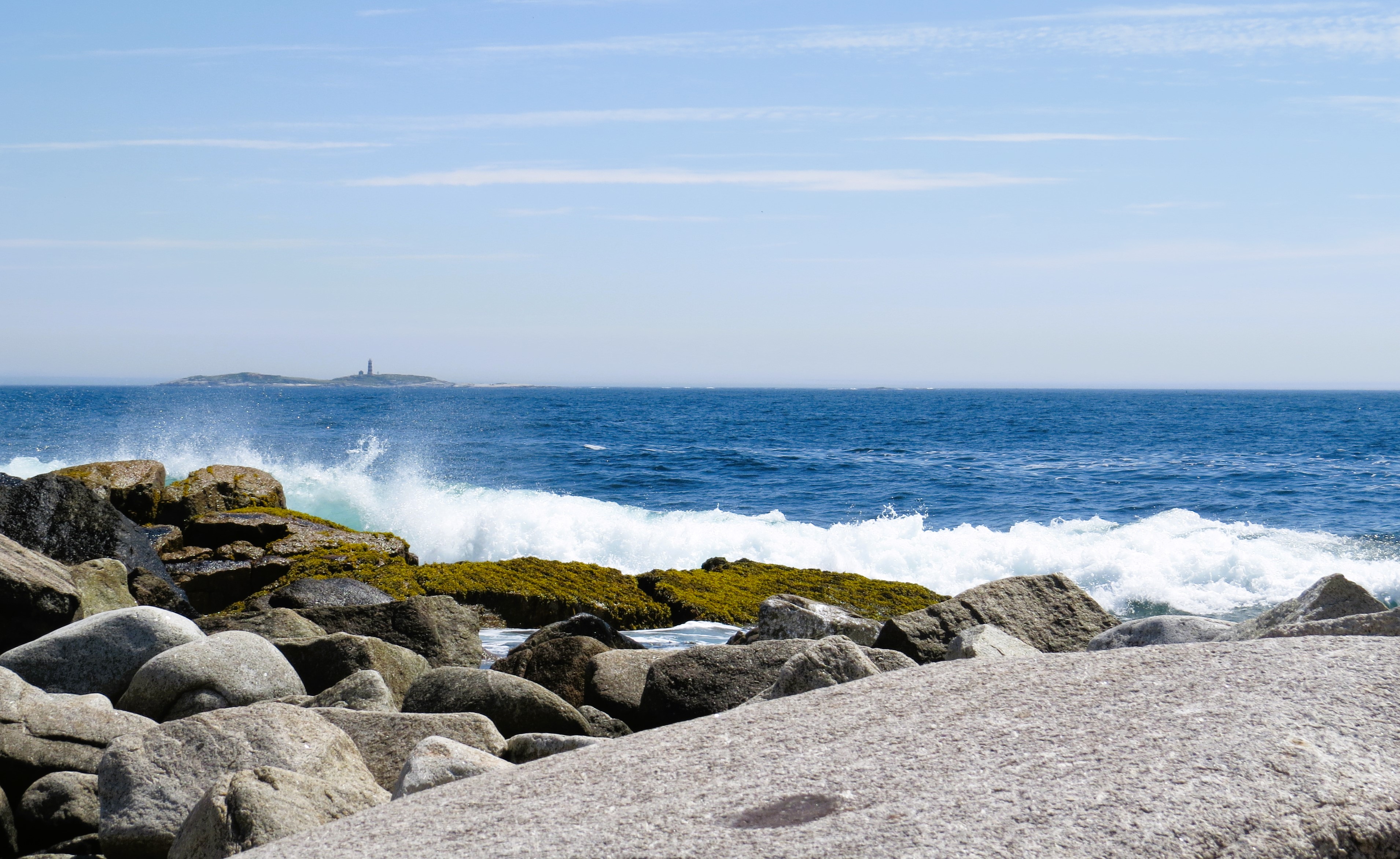
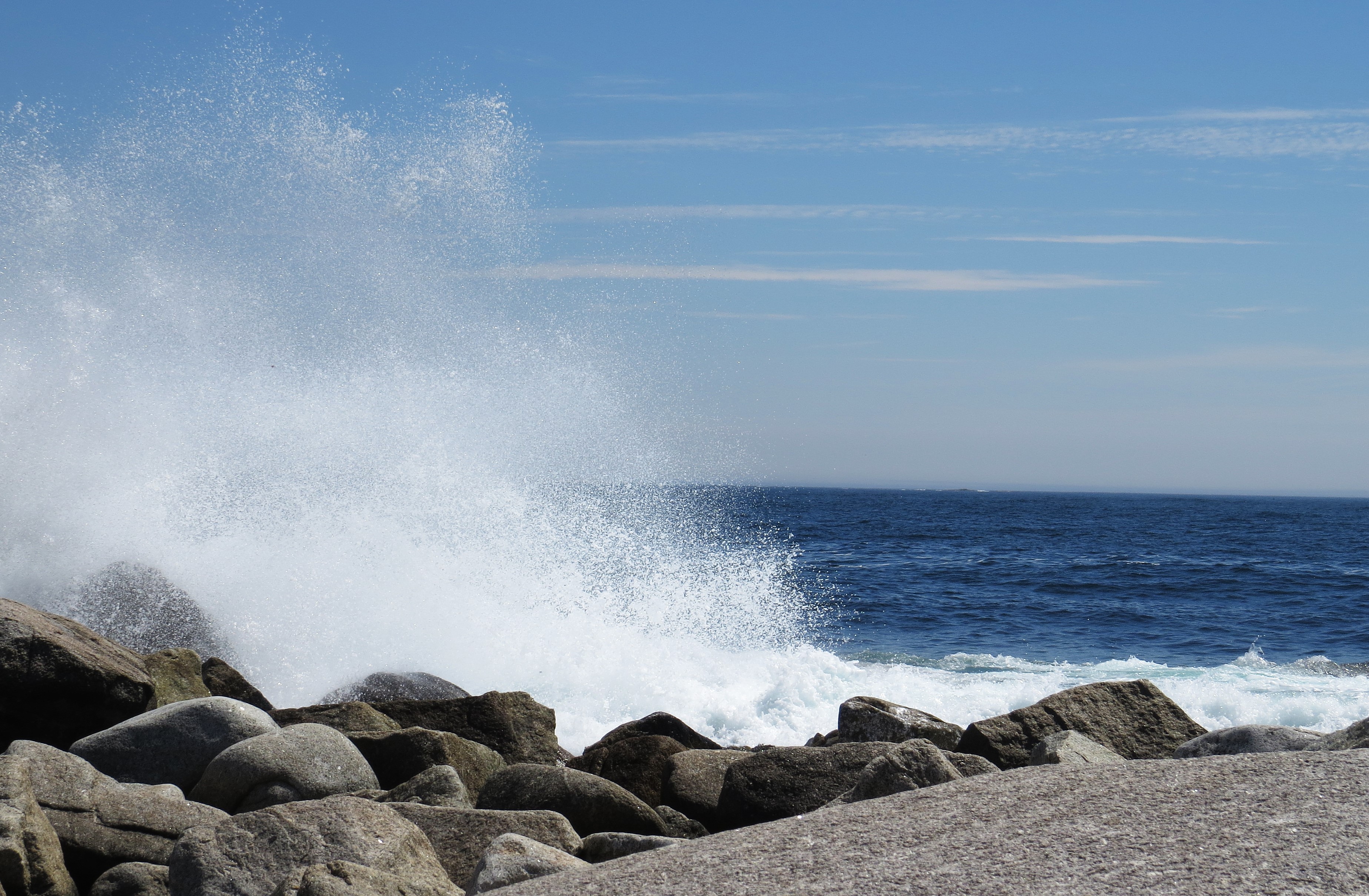
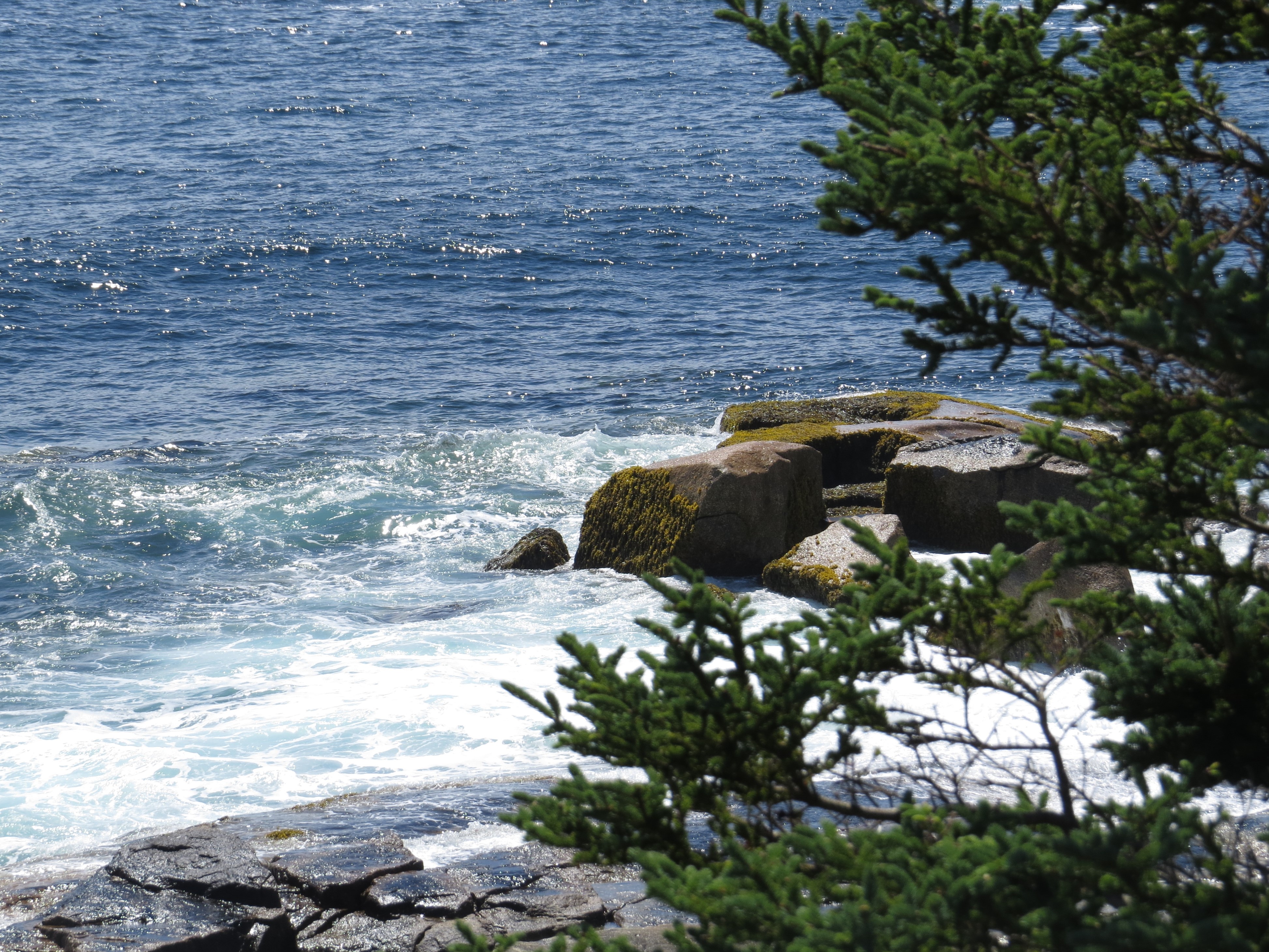
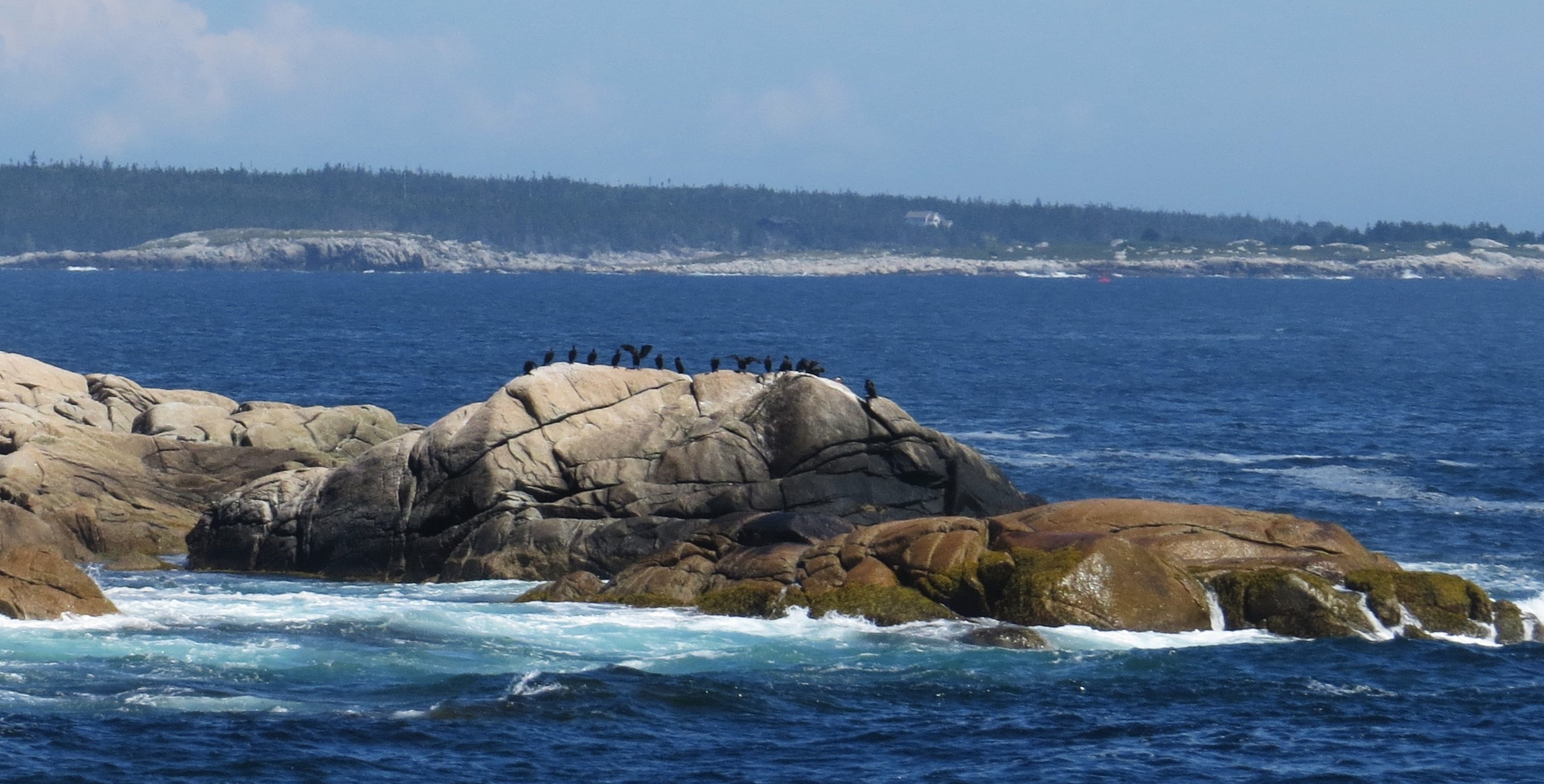
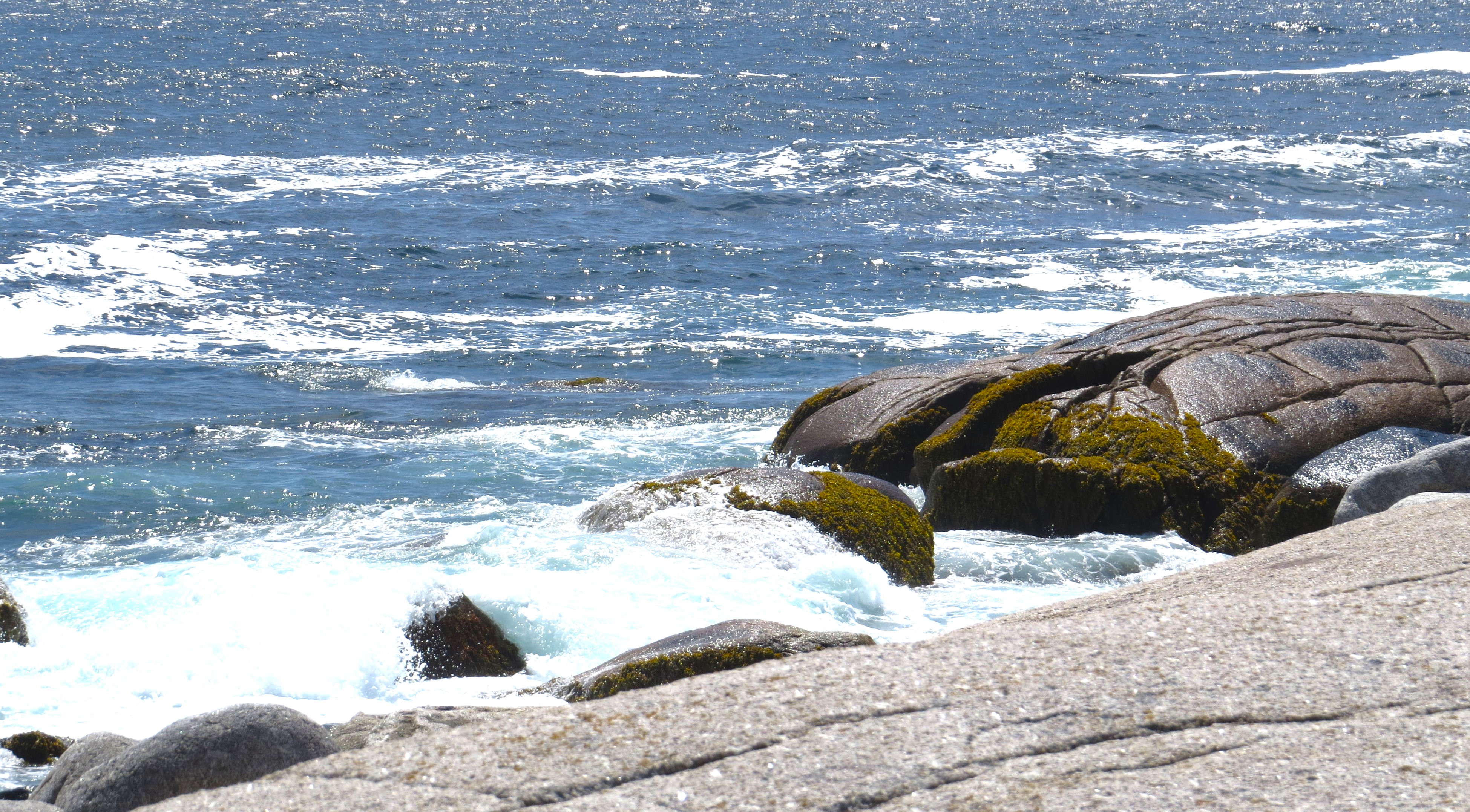
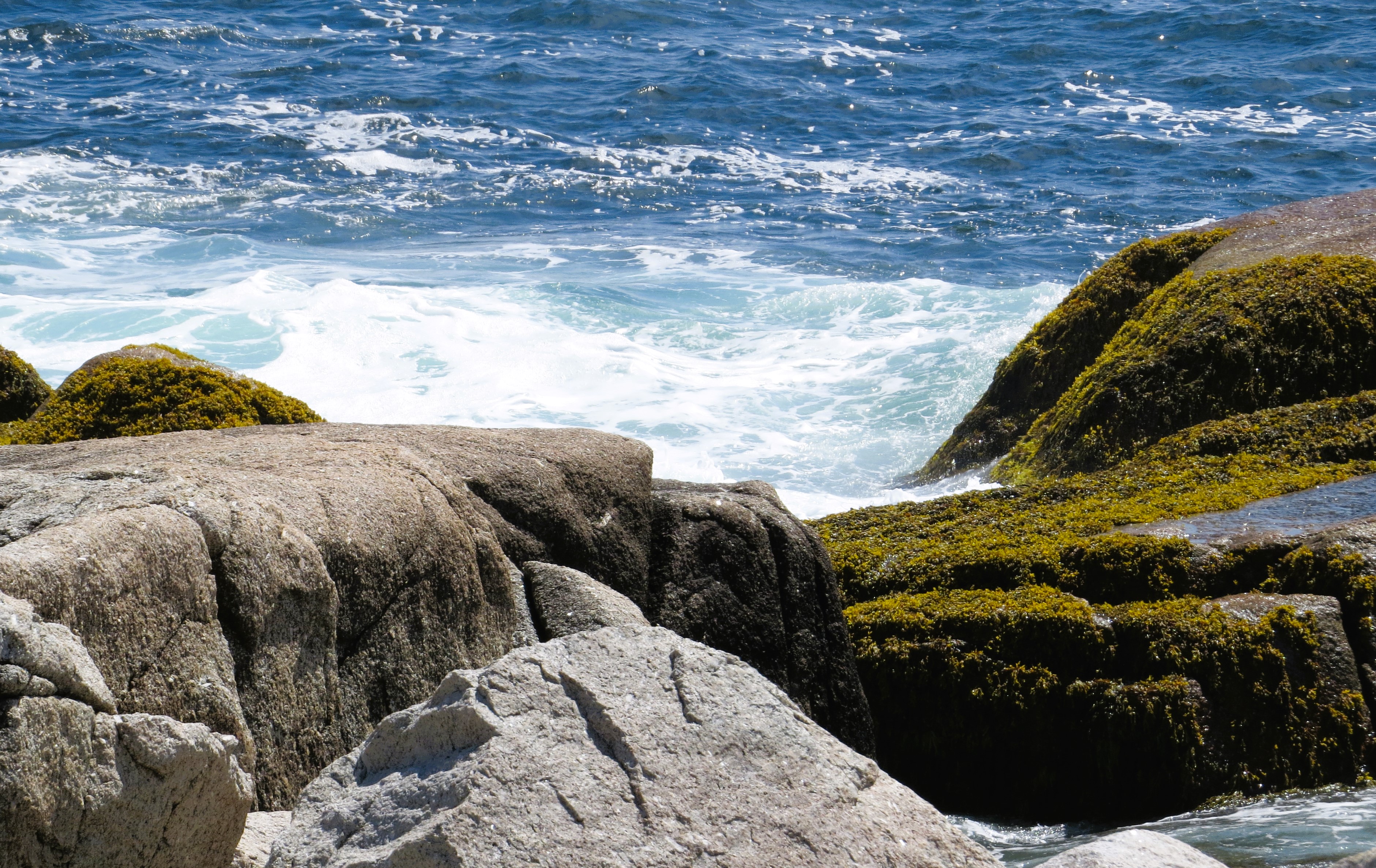
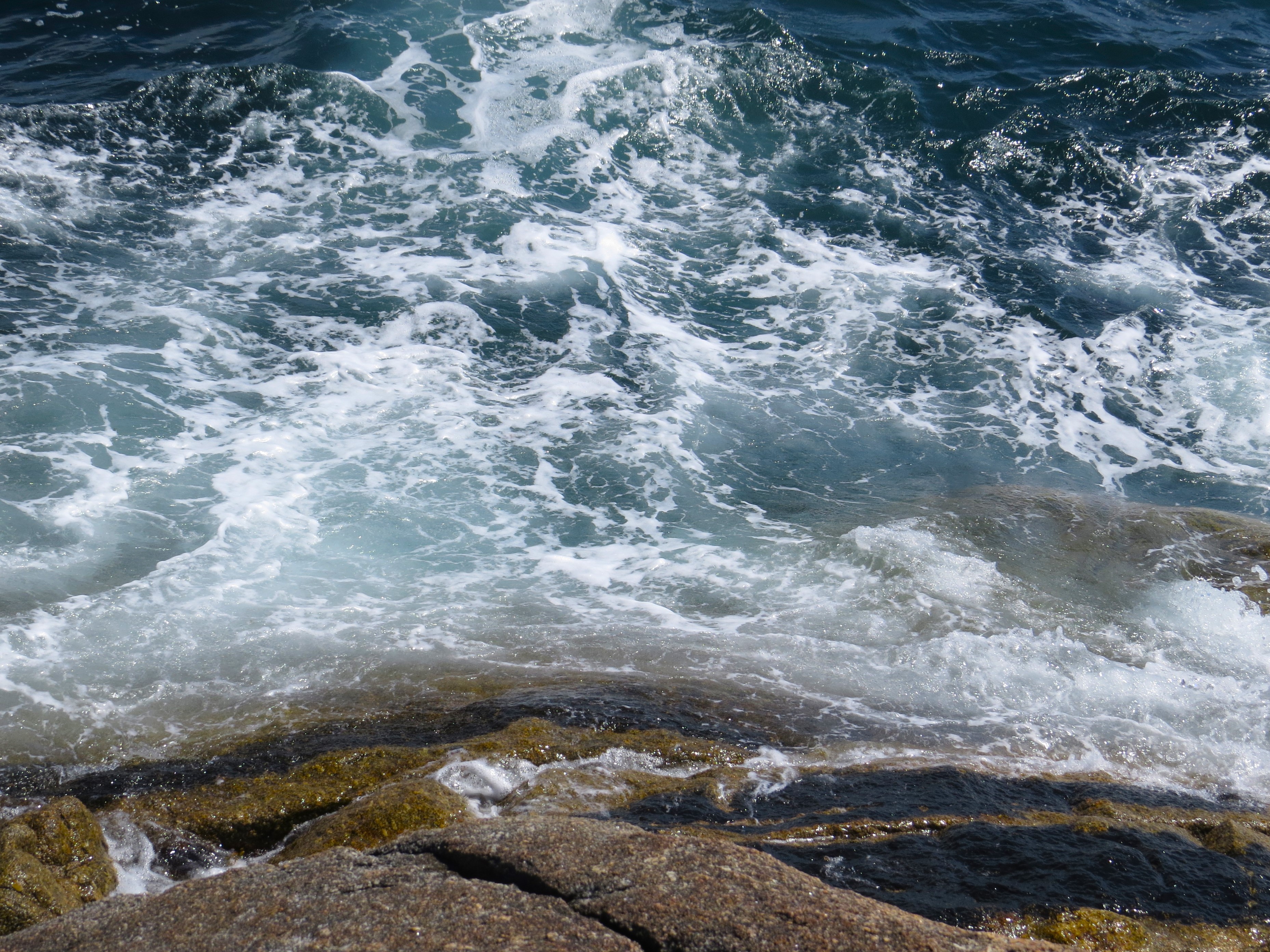
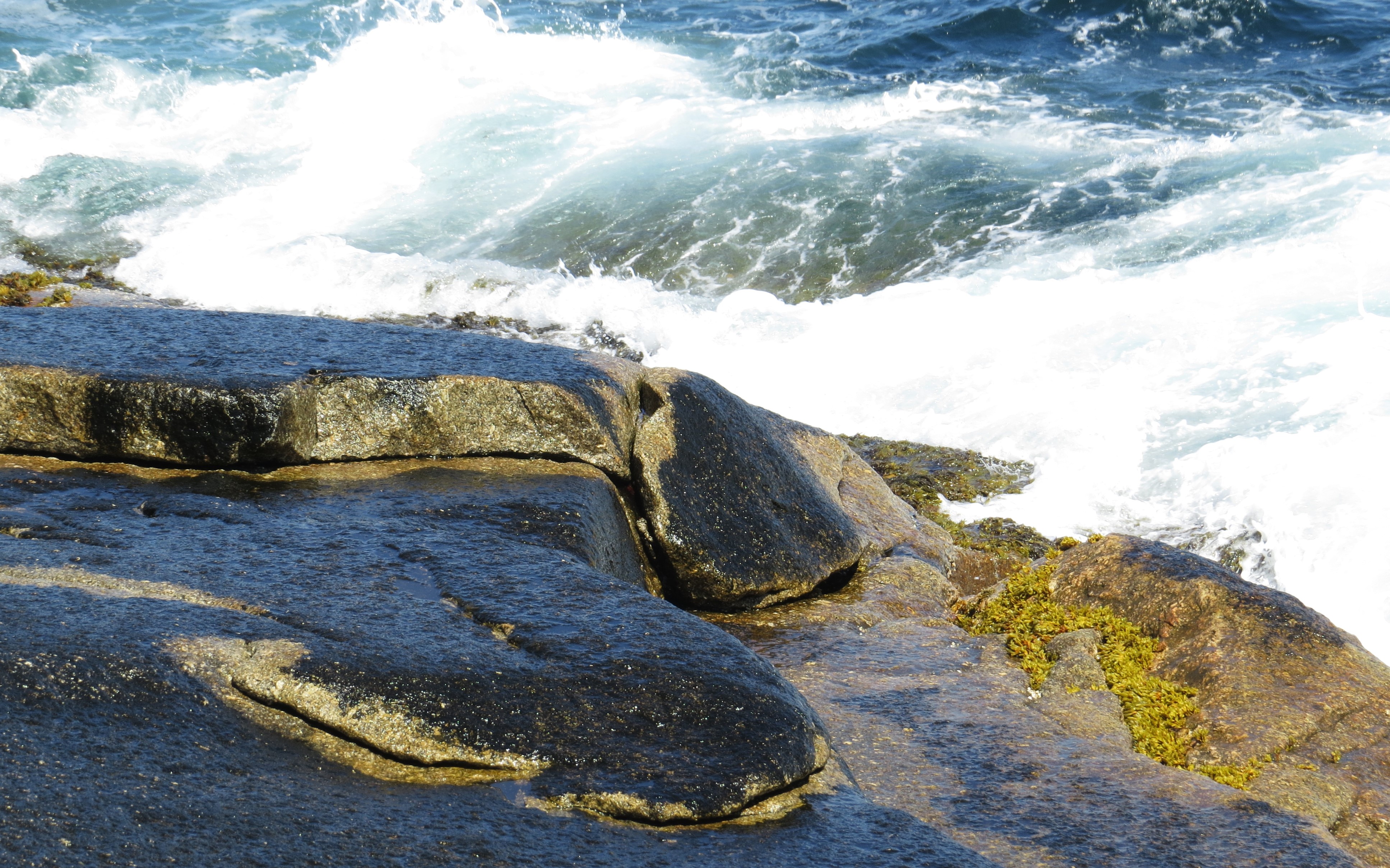
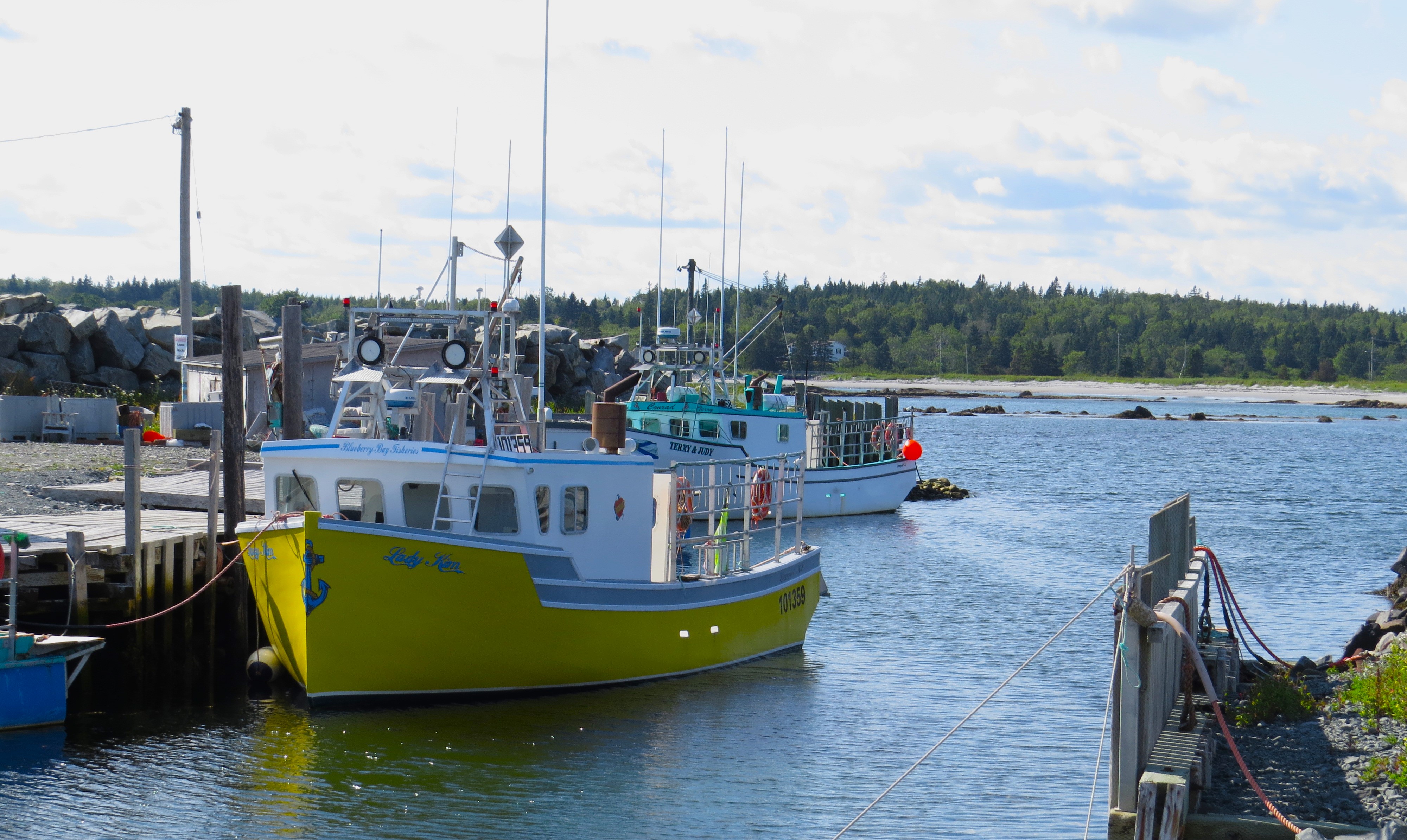
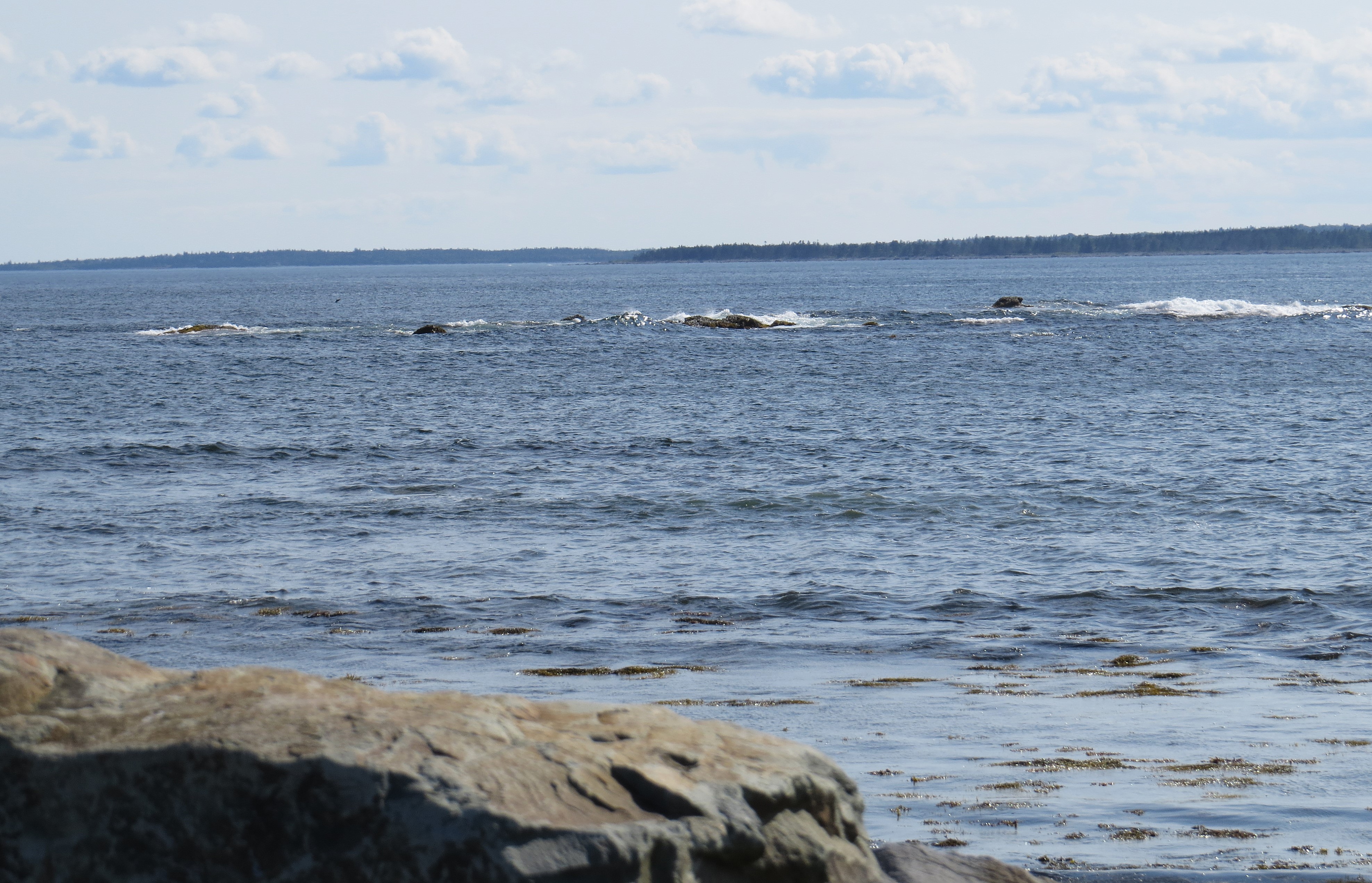
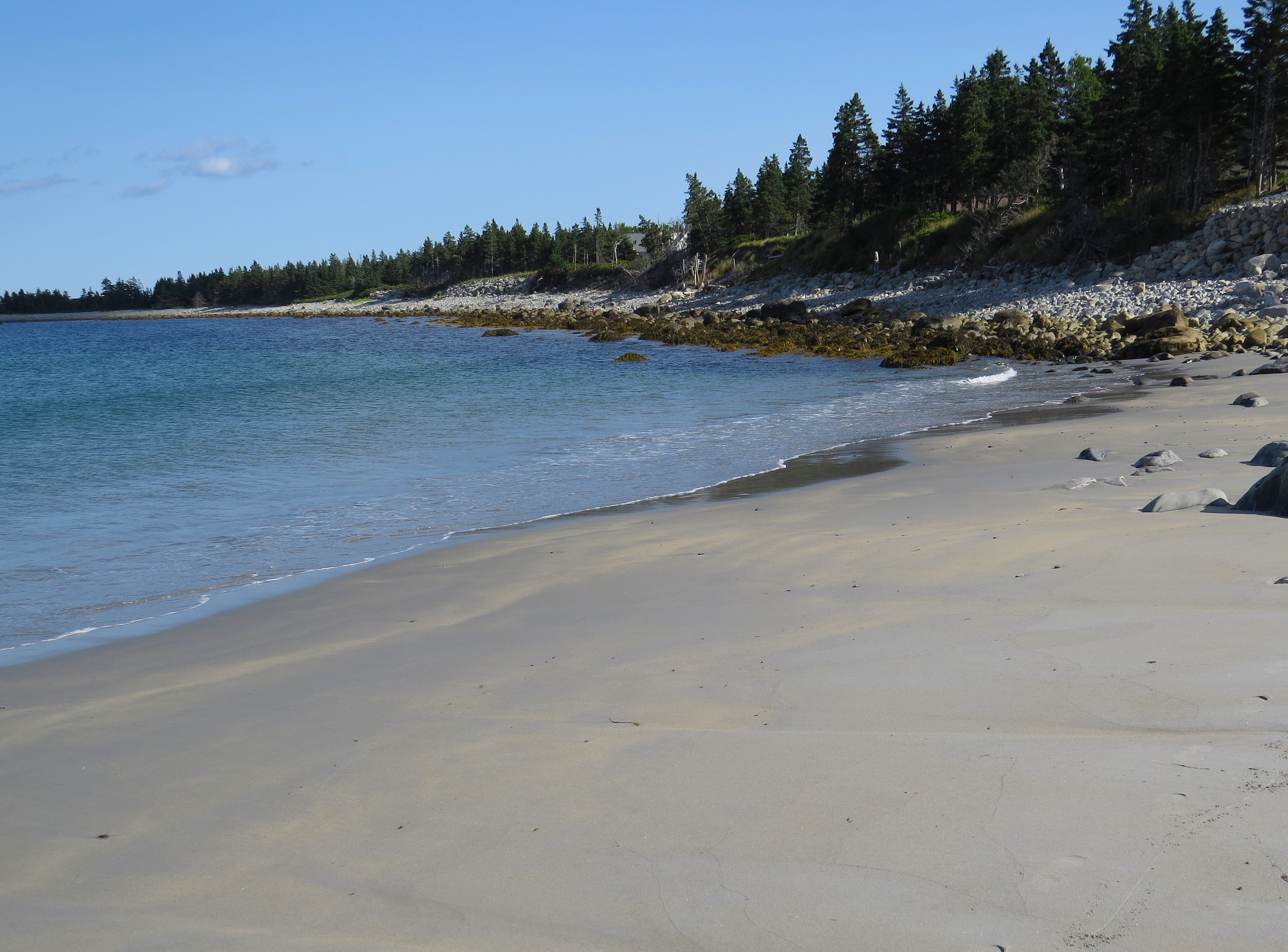
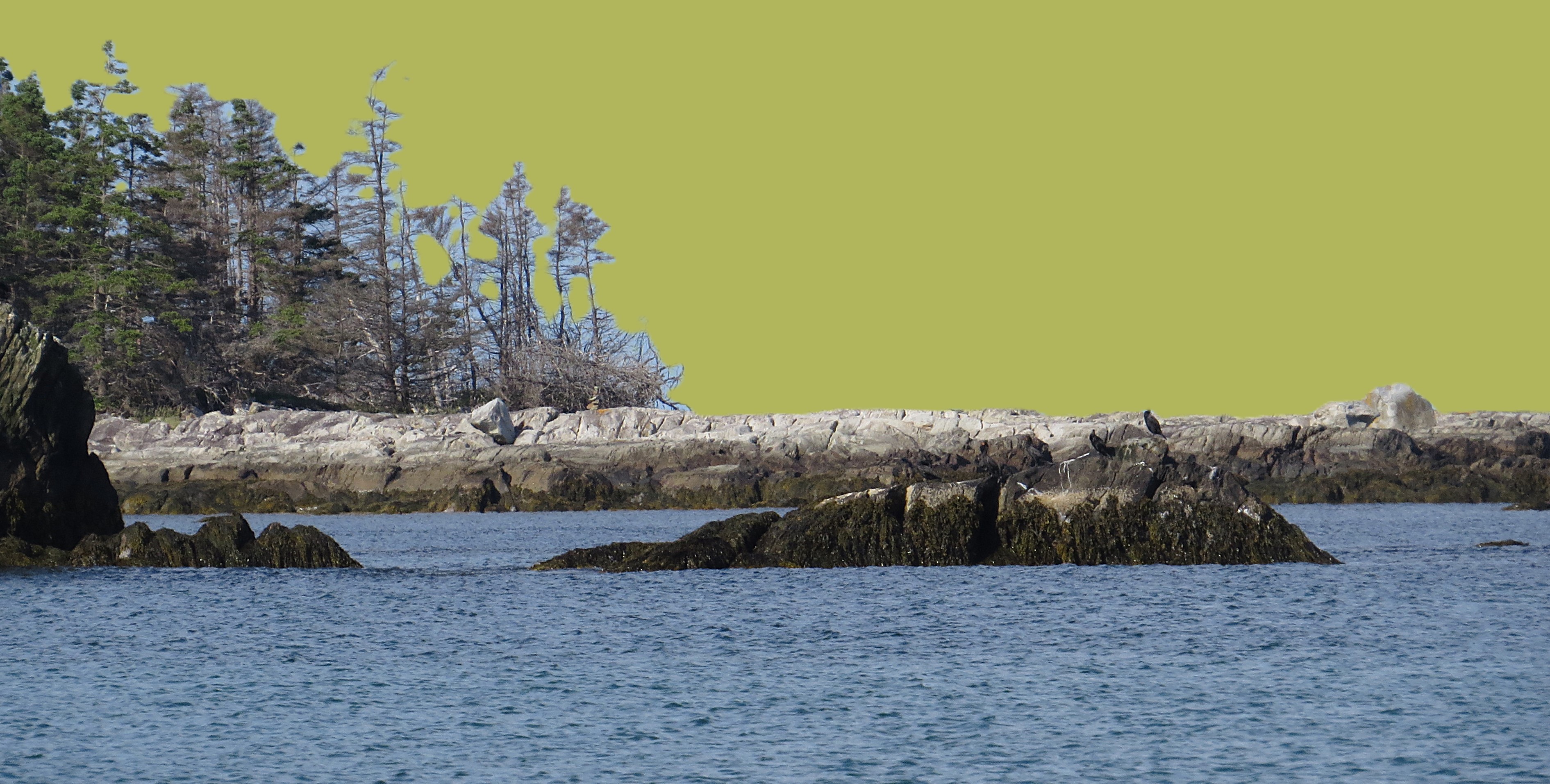
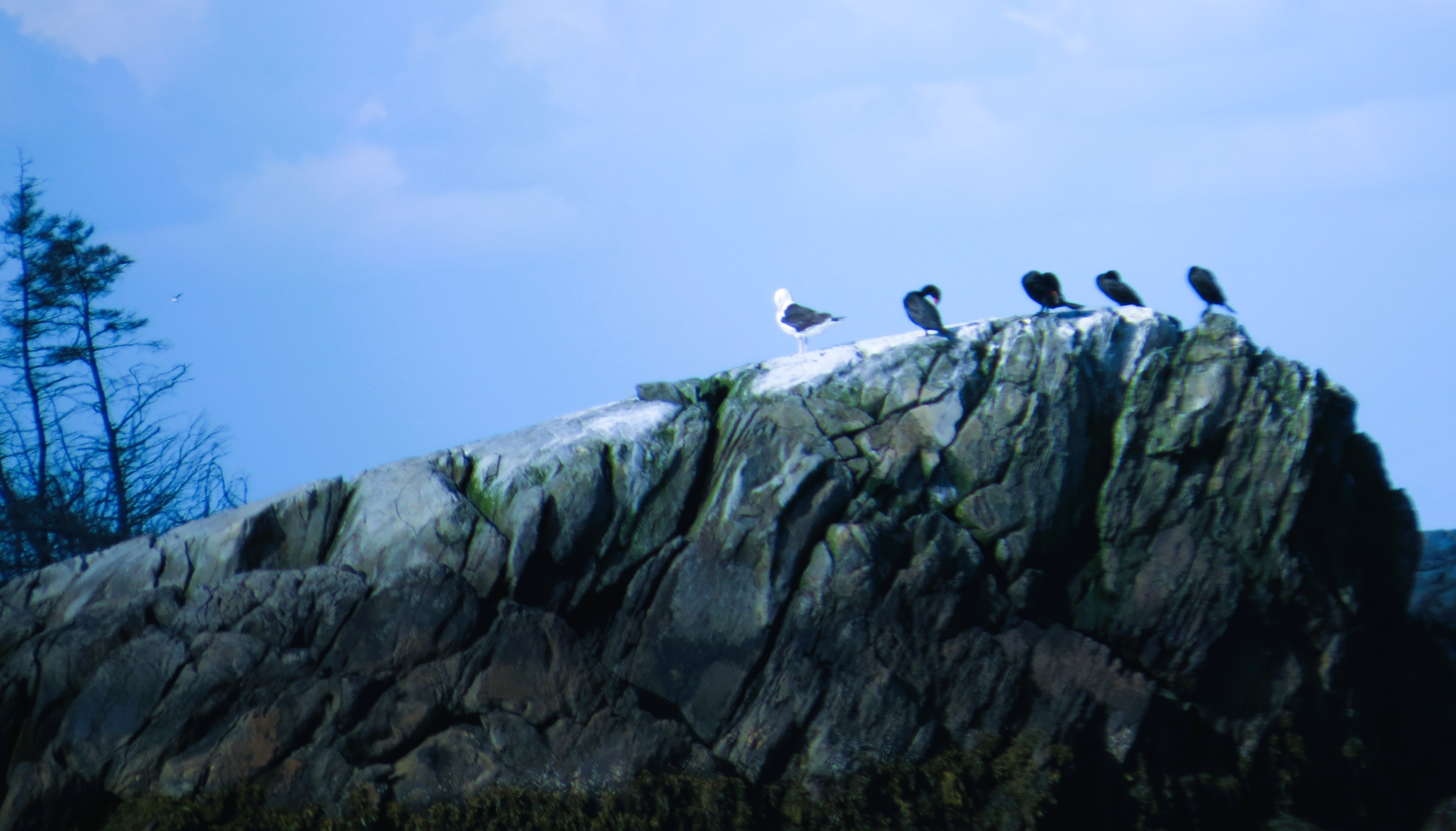
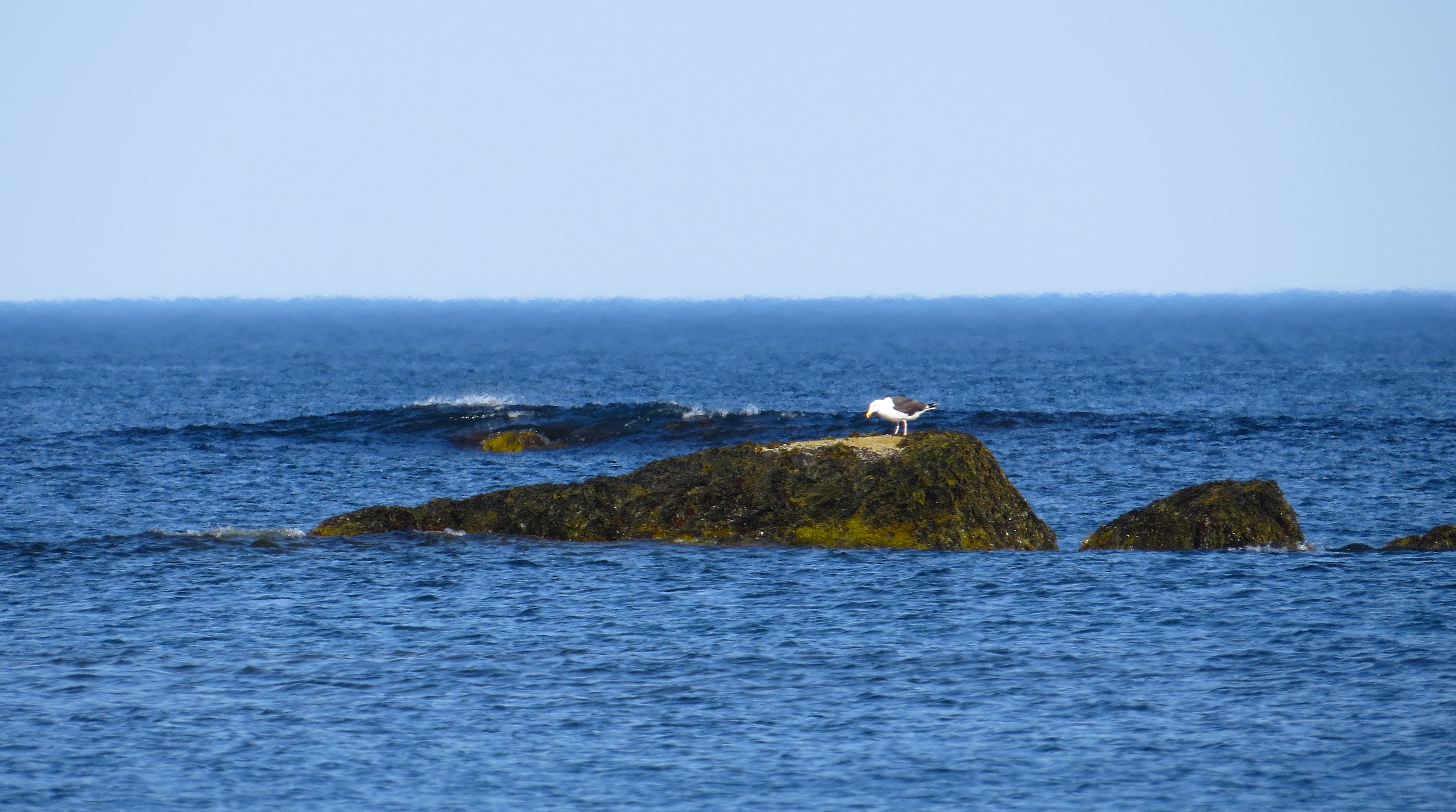
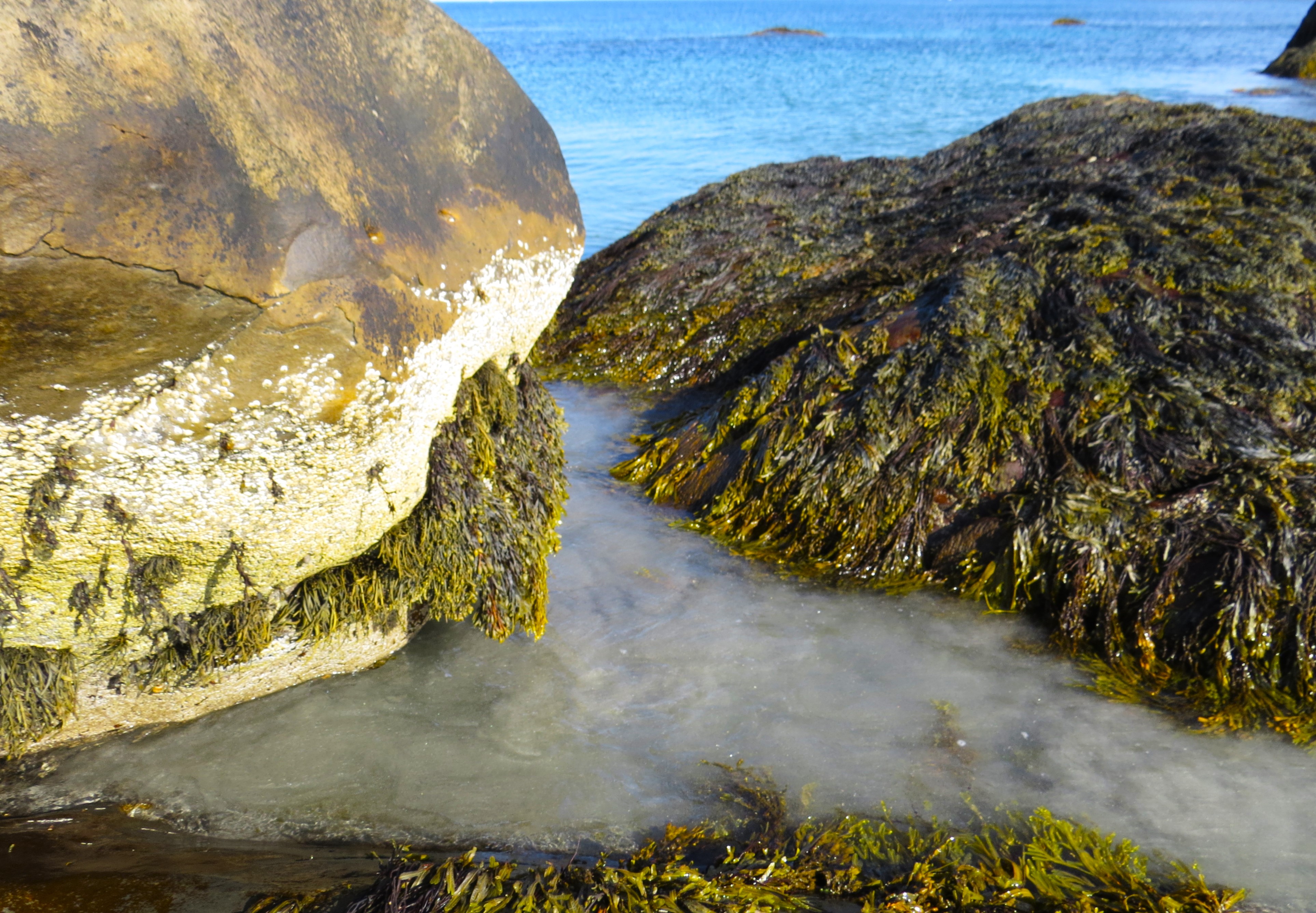
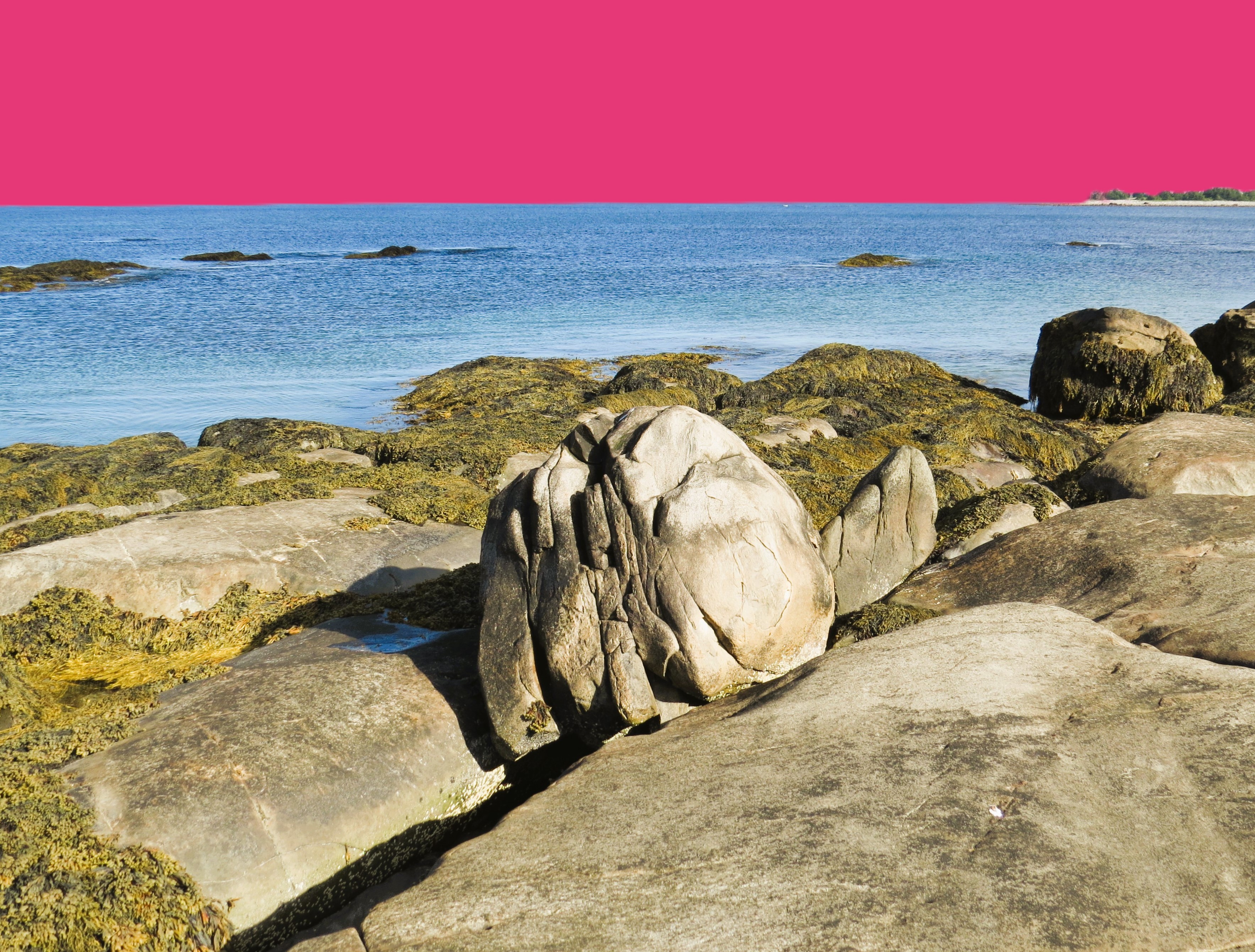
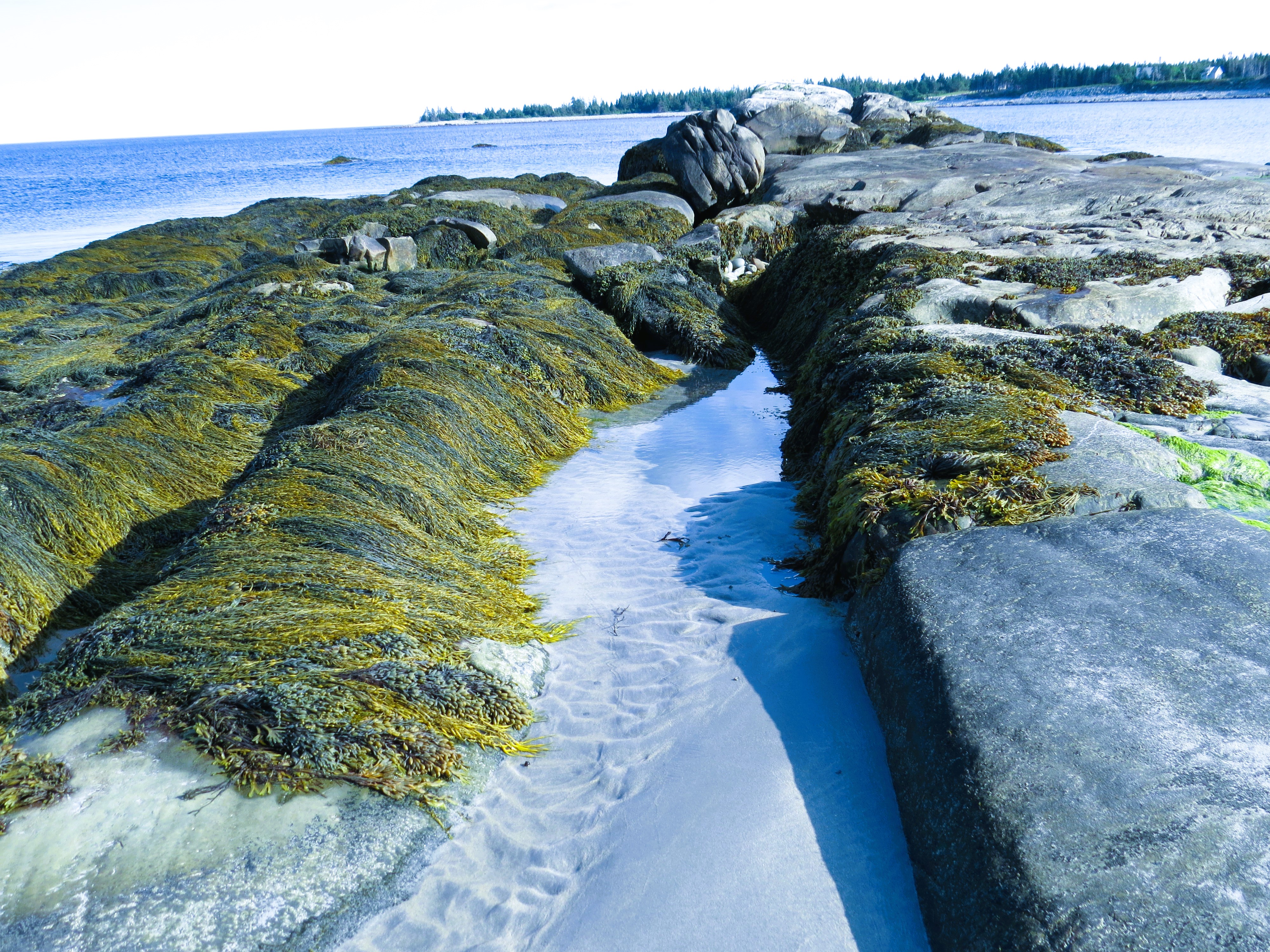
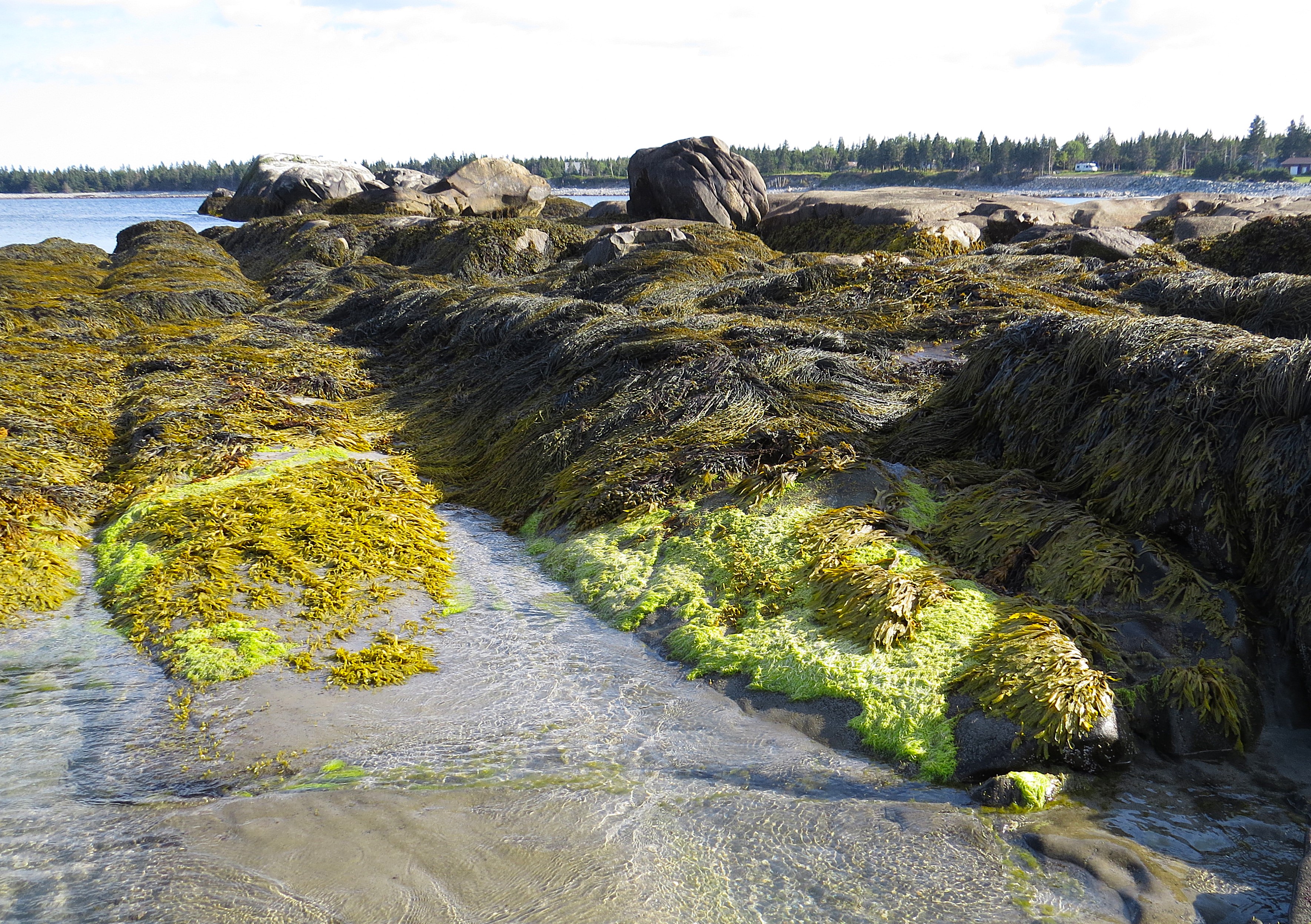
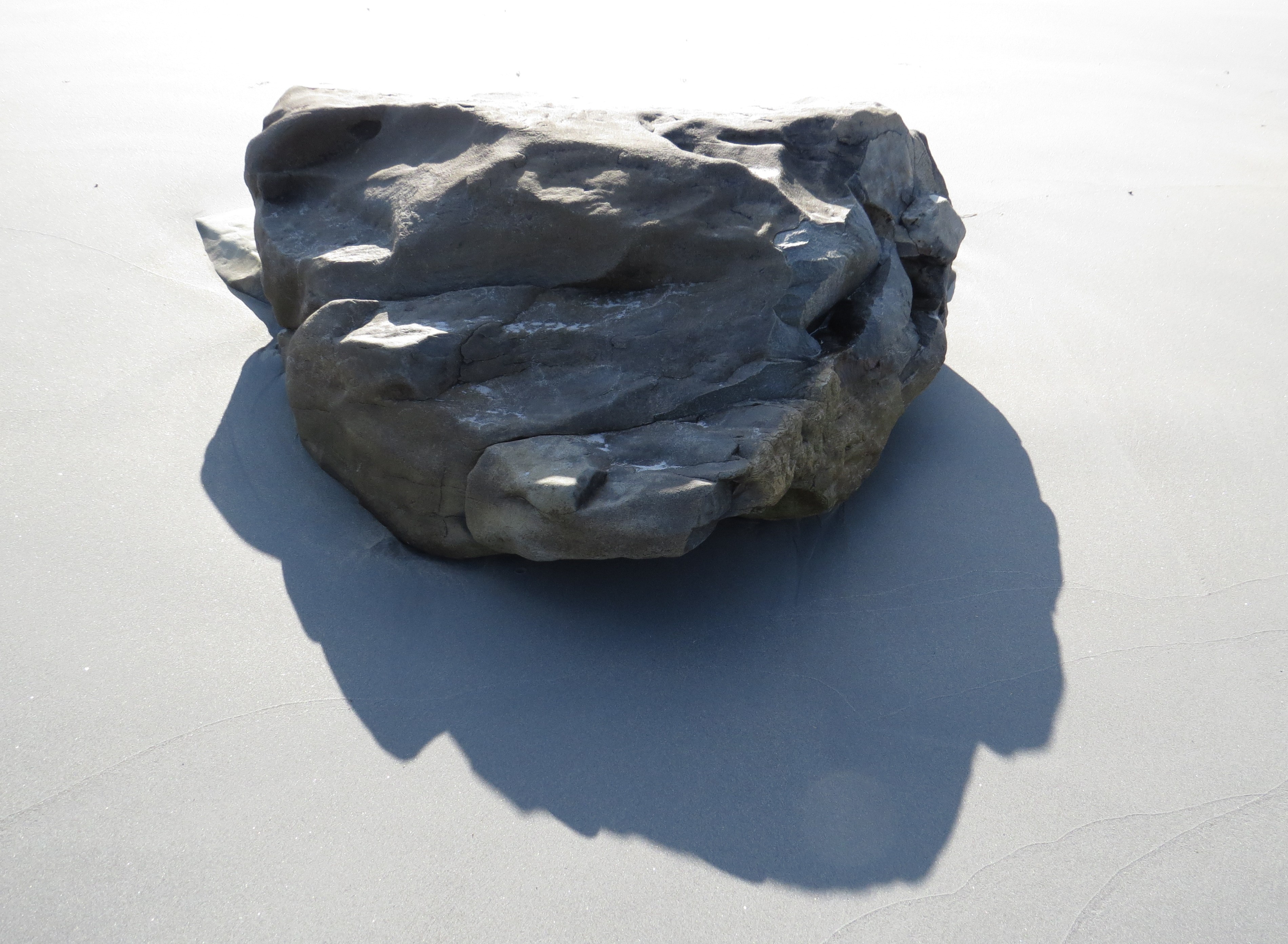
Więc trzeba znaleźć inne miejsce.Więc w samochód i naturalnie pojechać na plażę nad ocean. Tam szum fal kojący, wyciszający, pusto prawie bo plaża odległa, a o tej porze roku w Nowej Szkocji jeszcze woda lodowata i nikt (zdrowy na zmysłach) się nie kąpie.

Więc biorę plecak z napojem, ręcznikiem, kurteczką, bo zimny wiatr od morza może być (może i morze to takie dziwne dwa kompletnie co innego znaczące, a identycznie brzmiące słowa w języku polskim – to moja pierwsza komparatystyczna uwaga! dodatkowo jedno jest mianownikiem, a drugie biernikiem-niepewnikiem: może nie znaczy, że musi!) i aparat fotograficzny. Na opasłe tomiska z esejami Alice Munro i F. Scotta Fitzgeralda (bo ich opowiadania mam porównywać) i jeszcze mojego kajeciku do pisania mądrych uwag – już w plecaku miejsca nie ma, więc pakuje je do innej torby. No i wio koniku (mechaniczny).

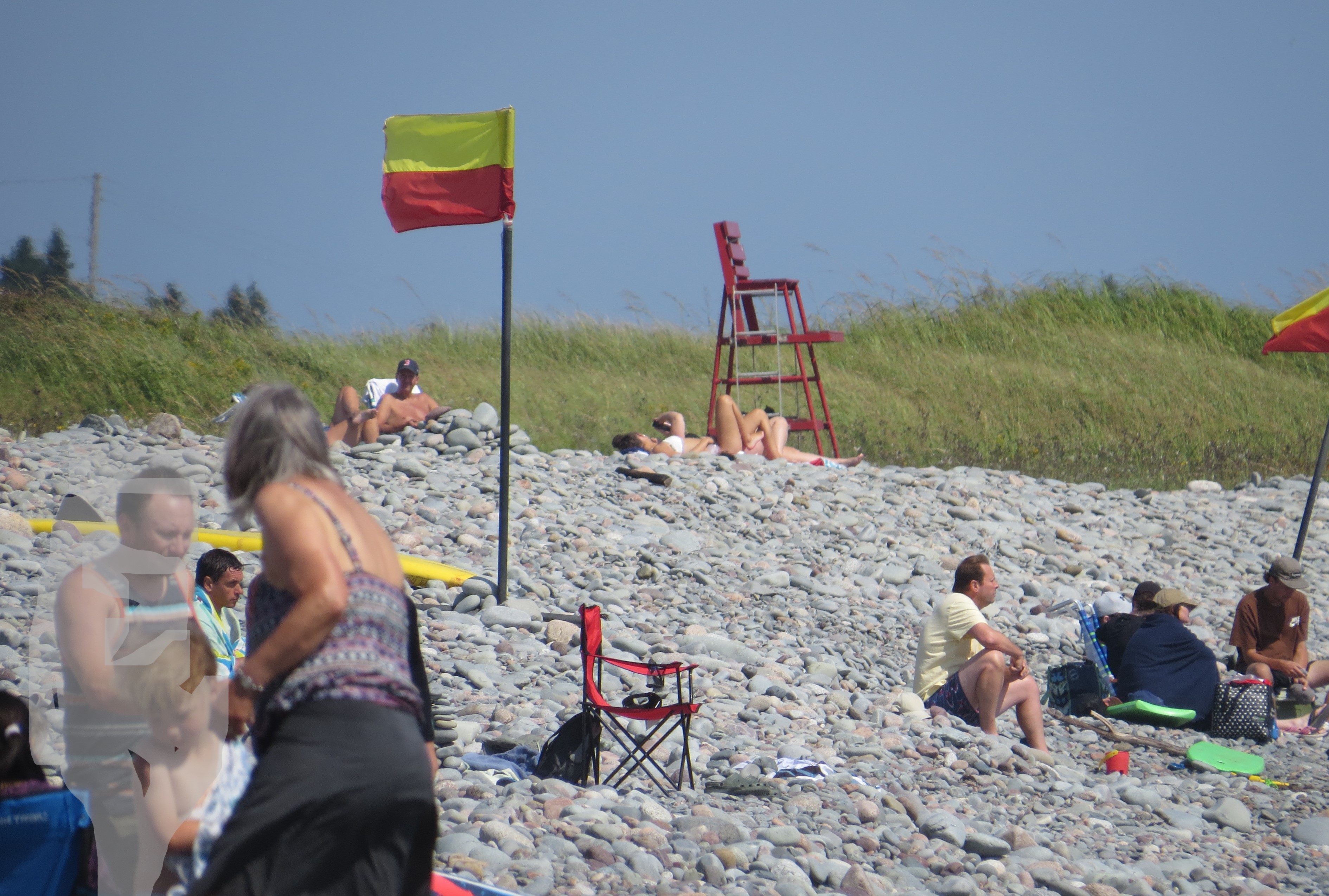
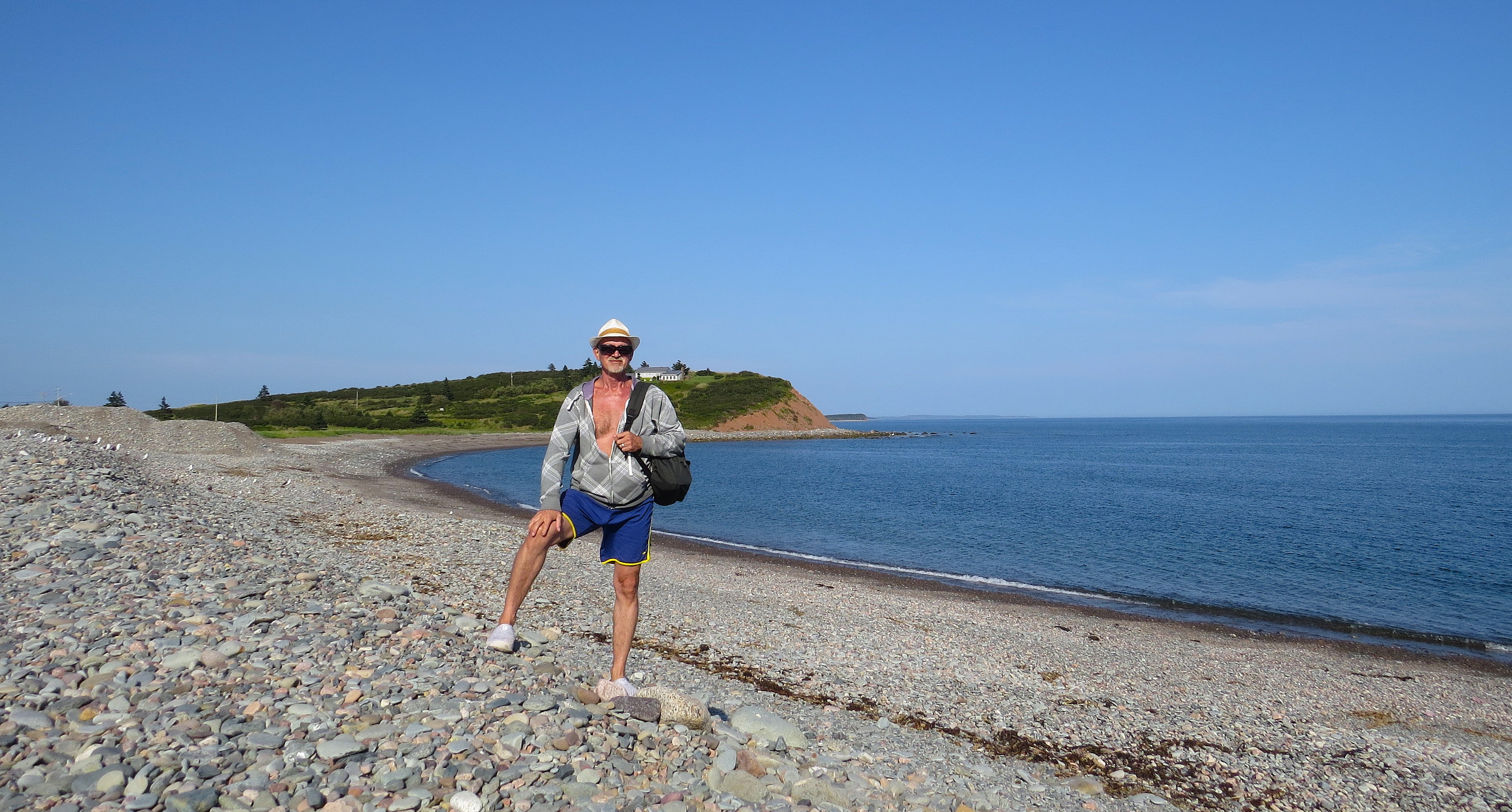
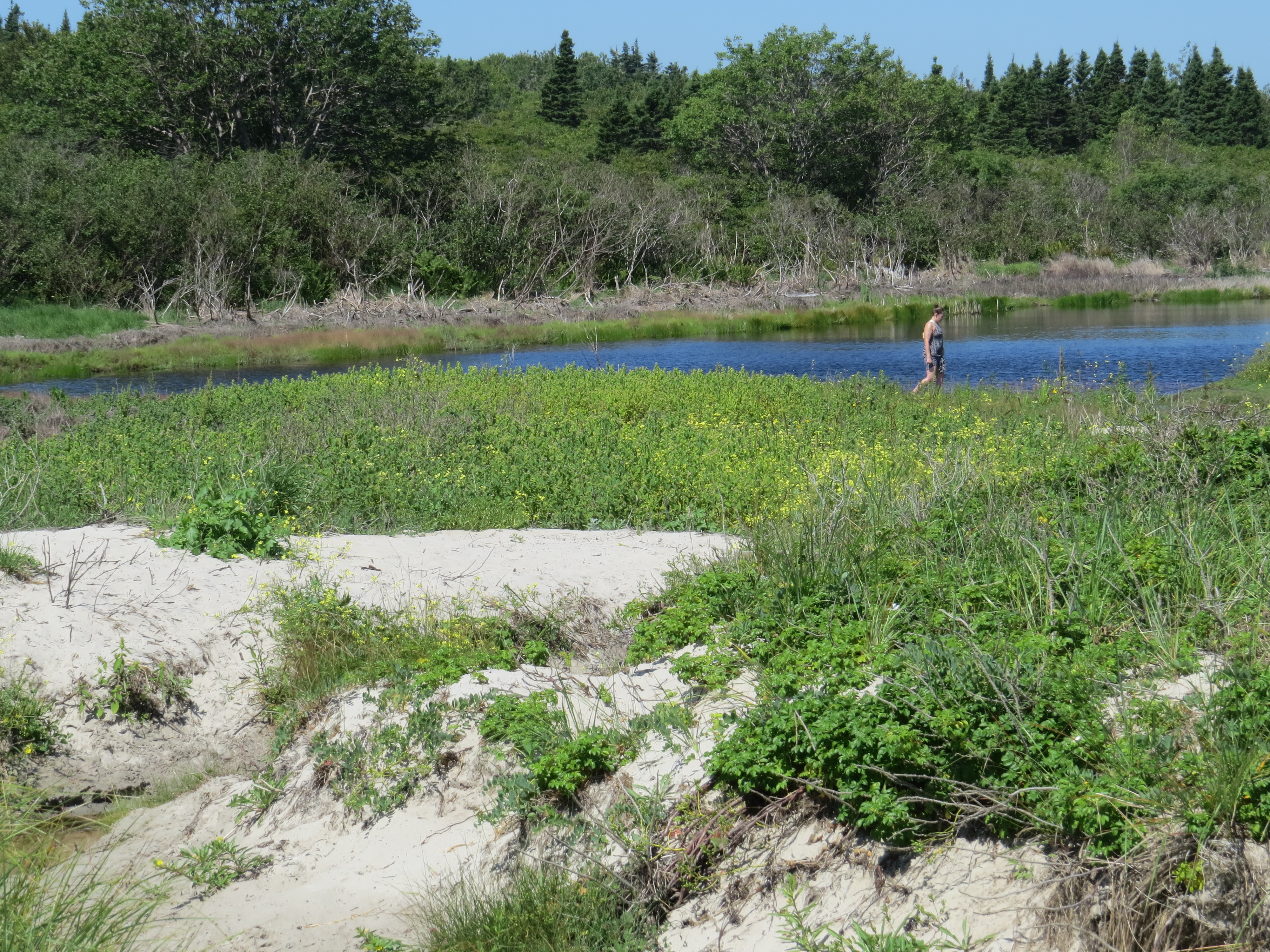
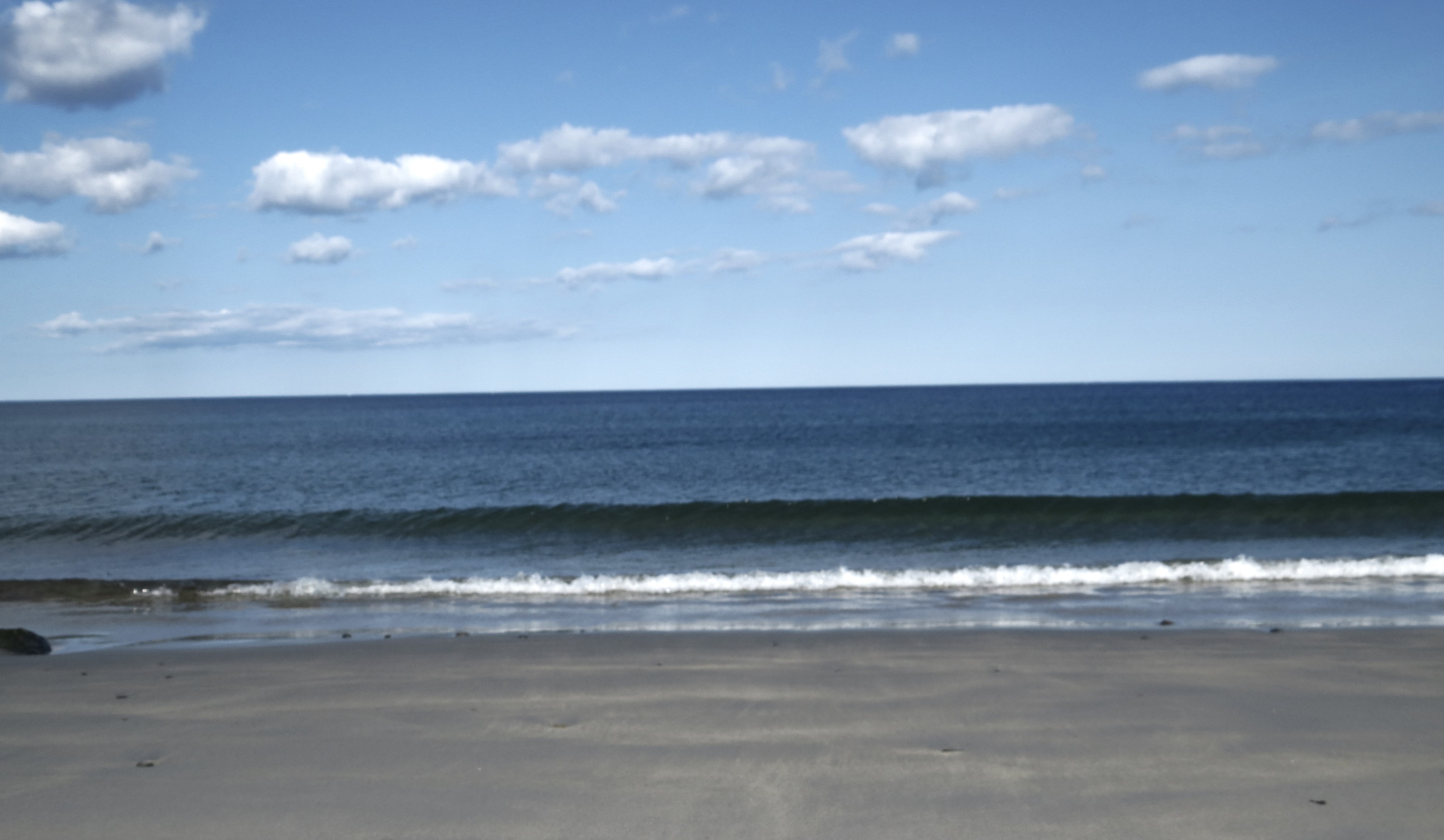
Po przejściu wydmy rozkładam swój ‘bazarek’. Muzyka oceanu bajeczna istotnie, wyciszająca domowe i osobiste niepokoje i neurastenie. I pusto prawie kompletnie na całej kilkukilometrowej długości. Rozkładam składane krzesło, zakładam kurtkę, bo wiatr jednak ciągnie. I spostrzegam, że nie przyniosłem torby z tomikami. Wracam przez piaski wydmy do samochodu i … torby nie zabrałem z domu! Cała przyczyna przyjazdu tu, w tą ciszę do jasnej Anielci!

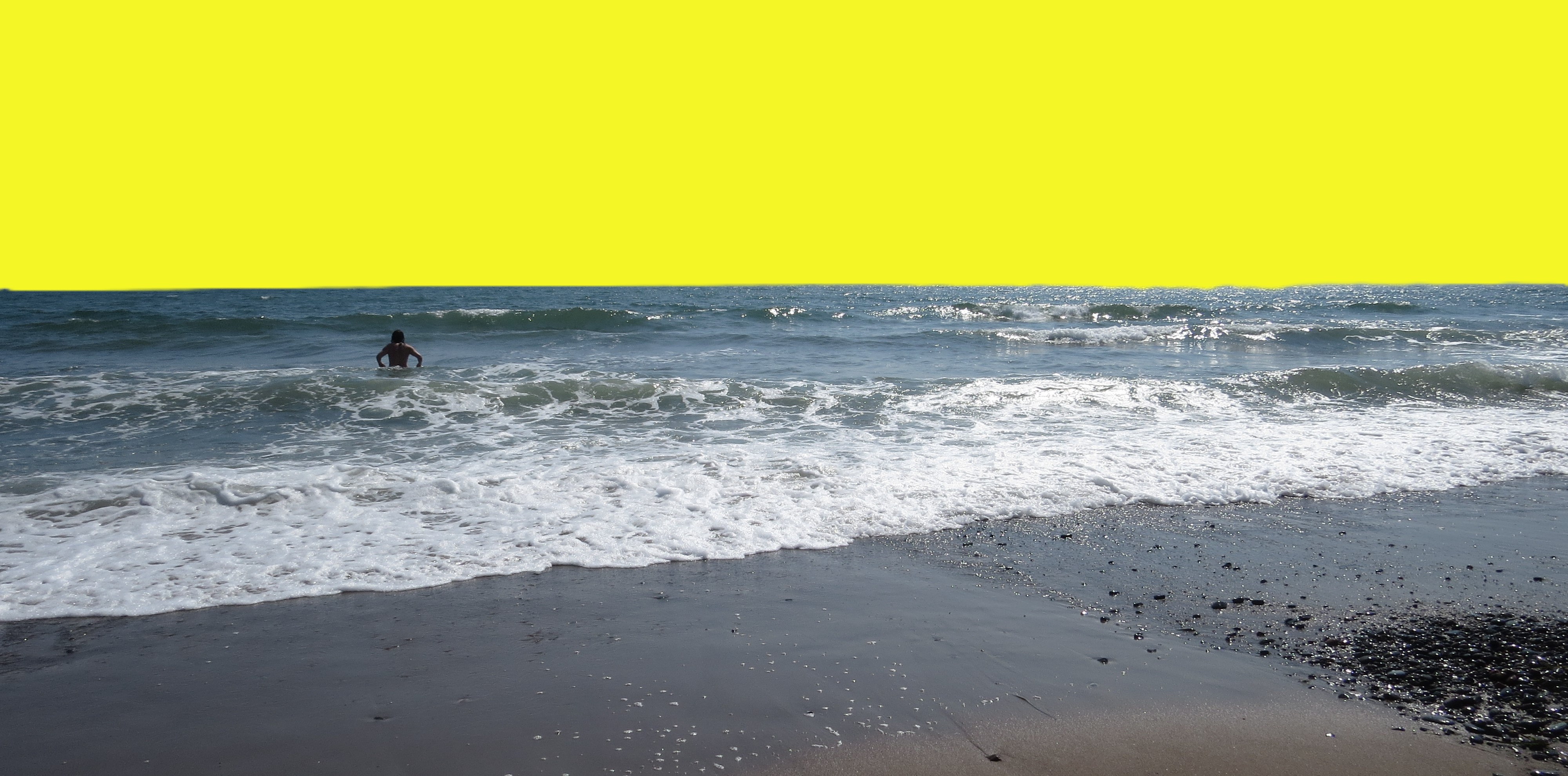
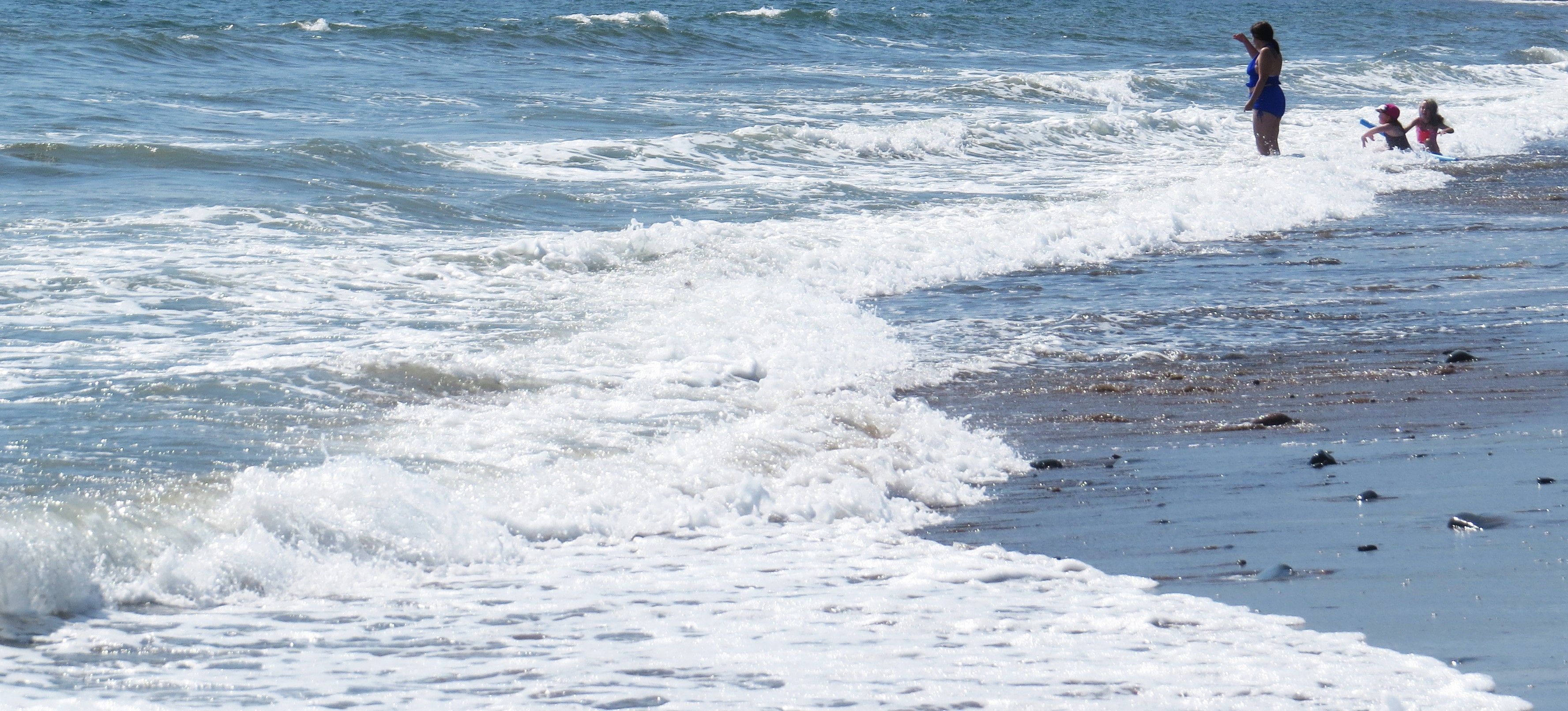
Więc decyduję, że by nie zmarnować dnia idę jednak popływać. Pierwszy raz w tym roku, bo Atlantyk ciągle lodowaty tu, niczym jak w lutym lub marcu. Ale idę. Pierwsze spotkanie z wodą jak szpilki po nogach. Ale i radość. Powoli, dalej, krok po kroku. Wiem doskonale, że w pewnym momencie i tak nie zdążę uciec, bo następna fala mnie zaleje. Naturalnie tak się właśnie dzieje i nie ma znaczenia czy zimna czy nie – zalewa i tak, a o ucieczce nie ma mowy. Więc pływam. Jedyny na tej plaży. I ciesze się tym, jak dziecko.

Więc czytajcie literaturę dziatki drogie! Pojęcia nie macie, jakie niespodzianki i przyjemności wam sprawić może – choćby kąpiel w Atlantyku! Jeszcze jedna a niespodziewana przyjemność, jaką mi Alice Munro zgotowała! Jestem pewny, że by się tym uradowała. A ktoś inny i tak mądre słowa na temat morfologii i fleksji jej języka napisze.    

Bad days. They come uninvited.

Bad days. They come uninvited.

It was a bad day. I know – just the other one, when I saw the flowers in the alleyways of our park in Dartmouth – I was singing the praises, thanking you for coaching me in ways of new life. A better life, a happier one. Go and allow yourself to enjoy it  – you said. You said, that you will be at peace knowing that I do. And I tried. And I failed. I failed you as you failed me. Yes, you did. Those last days you did. When we still had a chance to end it together. No, there was no physical chance, no miracle hiding somewhere holding the ray of hope that the outcome will be different or pushed way back into the future. There was no chance. No ray of hope on any horizon. But it meant there was no chance for me. Ever. We should not have gone to the sunny and sheltered lake beach, with shallow warm waters and no angry waves attacking the shoreline.

No. We should have gone to the angry sea, cold waters, powerful waves, strong currents, and whirlpools. I would have helped you carrying you on my back and we would have taken the last glorious swim together.  Our swim, ‘us’ being one. There is no ‘me’ anymore, where the is no ‘you’. There cannot be ever. Anywhere. I am left to wonder in constant pain, anger, in constant thirst surrendered by oceans of salt. The sea is calling me a thief, a beggar of scraps, a coward. I have no Eurydice waiting for me somewhere in non-existent Hell. I am the Hell. I am the unanswered cry of pain. I am the gatekeeper and I am the key to Hell. Orpheus can’t pay Charon a few obols to ferry him across the River of Hades. I have fired Charon and sunk the boat. No in or out. 

I went to the other beach, the ocean beach, the one we visited last time ever in 2022, and one we visited together for the very first time in 2019. Where we swam together, we laughed together.  Where we were kissing.

It was an overcast day today. The sea was grey like steel. It was cold like steel. And I didn’t go for that swim. But let me, please! Give me that nod, tell me you agree, and won’t pull me back. I’m losing my battle. 

Just don’t cry. Don’t be sad. Let me have a bad day. Let me wallow in pain and shame that I am and You are not. I was sorry for so long.  Let me hear from you this once that you are too – sorry. And I will give you your peace again. Just don’t expect the impossible from me. Don’t expect me to have joy in life. To have pleasures of days and nights. One thing I can promise you in return – those years, these decades we had, made me impossibly happy. I was. And I remember it. All I ask in return is that sometime, on some days (as today)  you will share my sorrow, my pain. And then you can have your peace again. But share in it the way we have shared everything else in our life.  It is too heavy to carry it all the time alone.

Spring Flower – Kwiat Wiosny

Spring Flower – Kwiat Wiosny

(English)

It’s Spring. It’s warm. In the parkways, I talk with you. It is a nice talk. It is a warm talk. You gave me again words of hope, of support. No one can do it as effectively and tenderly as you do. Your innate warmth and goodness are infectious and effective in an instant at the same time. You are a strange traveling monk, who effortlessly and without any heroism simply offers himself to a tired traveler. In a simple, natural way. It appears to be so ordinary, that it is even difficult to notice – as a breath of air.

But I’m still overwhelmed by the lack of your physical presence, which gave some peace to my vortex of thoughts. It arranged them in neat order, peaceful, void of instant hunger and need of life.

I can’t comprehend the mistake of fate, which took you away. You occupied such a tiny space in this world. You were almost like an invisible speck of pollen, a tiny flower on a vast meadow, a small wheel in this huge machine called World.

When I struggled with the huge wheels of History – you simply ensured that the coffee was good, and the dinner was served pleasantly. Because of this tender care that huge world could function and Wheels of Time could turn.

Without this small pinion, the Big Wheel stopped, and my important and huge world – collapsed. And I am lost.

But in the coldest moments, I am wrapping myself in the shawl of memories and it is bearable, warmer. I can function because of it.

I notice the tiny flowers under my feet and the fresh leaves on tree branches. I hear the birds singing their love songs and the buzz of bees in flowering bushes. And Your whisper to my ear: go, enjoy it. I want you to enjoy it. You must for us and for me. I can’t have peace without knowing it.

With a tear leaving a wet mark on my cheek – I go and I will. You deserve peace and no one but I have to give it to You, my Flower of Spring.

Wiosna. W alejkach parku jest ciepło i rozmawiam z Tobą. To miła pogawędka. Dawałeś mi zawsze otuchę. Nikt inny tego robić tak, jak Ty nie potrafił. Przyszły złe chwile i trudne momenty, które mi znowu pętały życie, gotowy byłem już się poddać zniechęcony tym nieustannym pojedynkiem z losem.  Ale poszedłem to tego właśnie parku, gdzie tylekroć chodziliśmy na spacery razem. Nawet w te dni przedostatnie.

I Twoje naturalne ciepło i dobroć wróciły do mnie. Jesteś jakimś dziwnym wędrującym mnichem, który bez hałasu i heroizmu po prostu rozdaje się, ofiarowuje się. Tak zwyczajnie, jak rzecz najbardziej naturalną z naturalnych. Trudno to nawet zauważyć, bo wydaje się takie zwykłe, codzienne jak oddech powietrza.

Ale brak mi okrutnie twojej fizycznej obecności. Przynosiła jakiś spokój mym pędzącym kłębom myśli. Wprowadzała ład w tym zgiełku i hałasie wokół i wewnątrz. I ciągle nie mogę zrozumieć tej okrutnej pomyłki Losu, który Cię zabrał ode mnie. Zabierałeś tak mało miejsca w świecie, byłeś prawie niezauważalnym pyłkiem, jakimś drobiazgiem na drodze, maleńkim trybikiem w olbrzymiej Machinie Dziejów.

Gdy ja zmagałem się z tymi wielkimi kołami Historii, ty po prostu dbałeś aby kawa była smaczna, a obiad ładnie podany. To dzięki tym drobiazgom ten wielki świat funkcjonował. Teraz, bez tego najmniejszego z najmniejszych trybików – Maszyna zatrzymała się. Zatrzymał się mój świat, ten Wielki i Ważny. Koło Historii stanęło w miejscu. I jestem zagubiony.

Ale w momentach najzimniejszych otulam się Toba, jak szalikiem naszych wspomnień i jest cieplej. Mogę funkcjonować. Zauważam drobne kwiatki pod nogami, świeżą delikatna zieleń na gałęziach drzew. Słyszę brzęczenie pszczół w kwitnących krzewach. I Twój szept do mojego ucha:  idź, ciesz się tym. Chcę żebyś się cieszył. Musisz – dla nas i dla mnie. Bez tego nie mogę mieć spokoju.

I ze spływającą po policzku łzą – idę. Będę. Nikt inny prócz mnie nie może dać Ci tego spokoju, a na spokój zasłużyłeś, jak rzadko kto. Ty – mój Kwiat Wiosny.

Ismael  à la mode

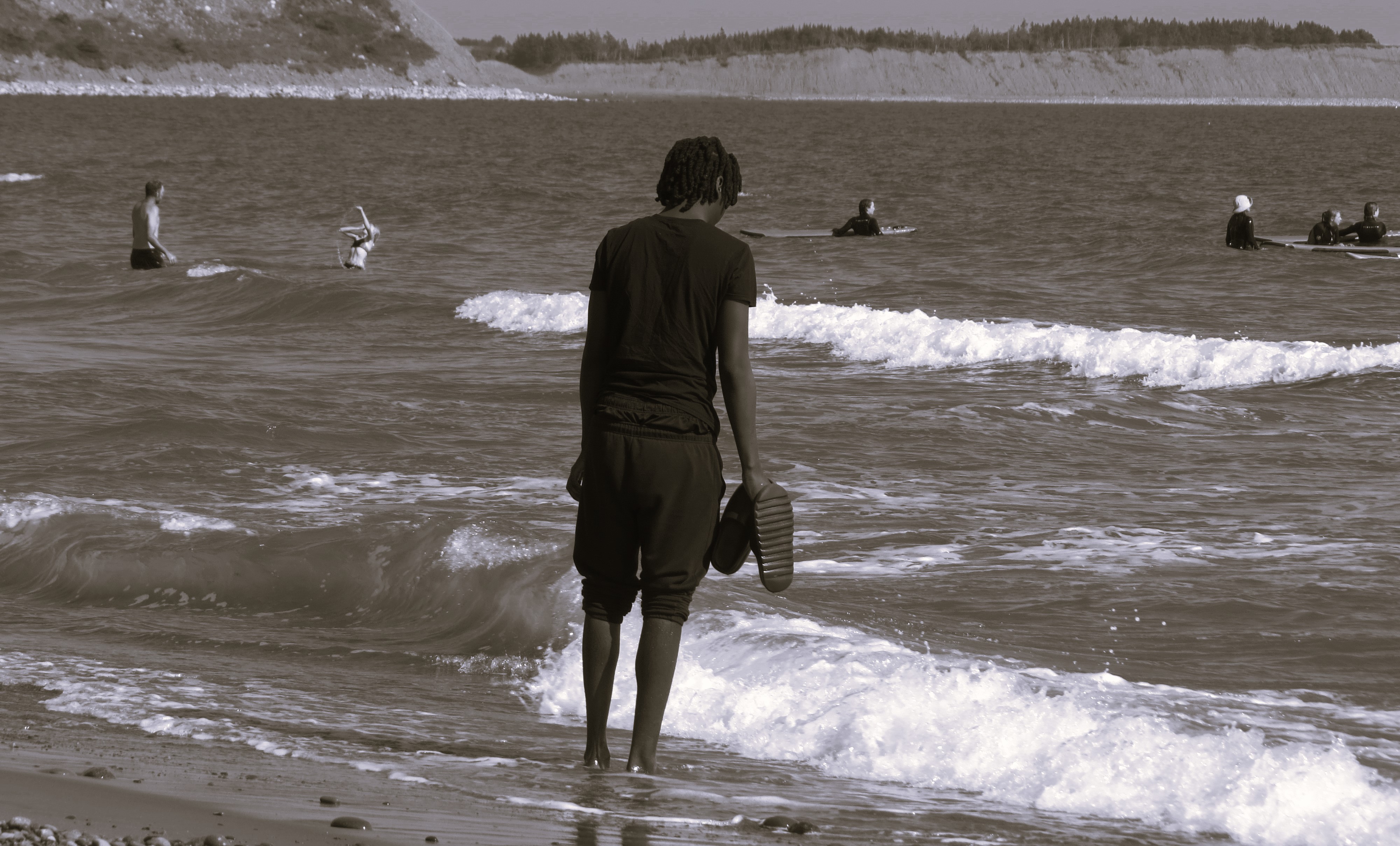
A very recent young immigrant to Canada, a handsome fellow from Ivory Coast in Africa. And striking exotic beauty. Met him and told him a bit of the history of Black people in Nova Scotia going back all the way to the first settlements in Nova Scotia, both French (New France Acadia) and the British fort of Halifax soon after that. I researched a very important part of that history a few years ago and wrote about it on this blog in a series of articles. Like most young people settling from abroad in Halifax and facing the shockingly high cost of renting he doesn’t own a car and his Nova Scotian experience is somewhat limited to Halifax proper.

The day was nice, sunny, although cold, and I took him for a ride and ‘beachcombing’ on the Eastern Shore. The most magical place in this province to meet the ocean. The same ocean (just opposite shore) he faced in his home country.  A sweet accent of it was his recent visit to … my hometown – Warsaw in Poland. I was just about his age when I left Warsaw. He was also surprisingly glamorous and a’la mode in his attire. That was such a photogenic contrast with the wild surroundings of our trek.

Therefore let me introduce the exotic features and alluring beauty of Ismael, voila!

The photographer was there, too (LOL). The entire session was done on Conrad Beach and on the high cliffs by the coffee shop near Lawrencetown.

Total Eclipse of the Sun – Fredericton, Canada, April 08.2024

Total Eclipse of the Sun – Fredericton, Canada, April 08.2024

Ewangeline and Gabriel – the price of Love / Ewangelina i Gabriel – cena Miłości

Ewangeline and Gabriel – the price of Love / Ewangelina i Gabriel – cena Miłości

Sometime during the seven years (1755-62) of mass deportation of all Acadians from Nova Scotia to Louisiana, a girl called Evangeline was deported, too. Whether her existence was a historical fact or a result of a mythical romantic story of love and death – we will never know.  But we know that many ‘Evangelines’ must have faced that tragic fate.  A story as old in the annals of literature as any tragic love story going back to times immemorial.  When young lovers are torn apart by powerful forces of kings, gods, and generals unmoved by any cries or tears.

I have written here more extensively about the story and its background years ago.  Have traveled almost the entire length of Evangeline Trail – a route she took on her way back from her exile in the marshes of Louisiana in search of her beloved. Almost the entire Trail. Yet, there was one, pivotal one, I have not visited. We planned to go there many times with my late husband but kept postponing it for various and absolutely mundane reasons.  And a time came when my story become also a story of love lost and constant searches of memories of that love…

The other day, on a cold, wet, and windy Easter Saturday I went to the last spot, the pivotal spot, where Evangeline’s story began – to the little old town of French Acadian settlement of Grand Pré in Annapolis Royal Valley, close to quaint little town of Windsor.

The story was immortalized by no one other but the supposedly great American romantic era poet Henry Longfellow, who published “Evangeline. The tale of Acadie” in 1847. Never was an admirer of Longfellow’s style of writing and his literary testament. On the contrary, I see him rather as a mediocre talent.  But the story achieved great popularity in the late XIX and the first half of the XX century. At a time of no television and relative seclusion of small towns in Main, USA and Maritime Canadian provinces of New Brunswick, Nova Scotia, and Prince Edward Island. It was read by many generations. And thus literature became a fact and a legend was born. Like in ancient Greece.

I first became aware of the story more than 30 years ago, sitting in the foothills of Kananaskis Country, in my in-law’s home in Priddis, Alberta. Thousands of kilometers from the Atlantic. A wonderful great aunt Theresa Cormier was just visiting, a dame of different epoch, sister of my mother-in-law’s mom – Mimi  McDonald de domo Cormier. Mimi and her sister Theresa came to Pictou in Nova Scotia from a French-speaking Isle de Madelaine on the St. Lawrence Waterway in Quebec.  In her youth, she loved the story of Evangeline and read it many times. We talked about the romantic-era poets and as a result, I got from her the Longfellow poem and an old print of a small album of black and white photography of places and the journey of Acadians and Evangeline’s exodus. A little old printed album called “Evangeline Land”  containing no text, but a lot of very old photographs of the entire western shore on Nova Scotia associated with the history of the Great Exodus – the military expulsion of Acadians (French-speaking and mostly loyal to their French king) from their settlements in Nova Scotia. What you would call today – an ethnic and political cleansing.

The day was not pleasant. Windy, and very wet. Nonending drizzle of snow and rain. I thought it was very appropriate for the occasion – somber, sad, cold. That’s how it must have felt for the Acadians when they were first beaten down in a surprise attack of the English. And how it must felt when ‘Evangelines’, their families were being expelled by ships from their homes.

Of course, it has a truly epic ending – tragic and glorious in Evangeline’s finding of her beloved Gabriel only to give him to the Death itself.  But – to the defense of Longfellow and so many other authors of tragic love stories – love could be a bit perverted. Especially truly great love. The death of one of the lovers is followed by years, if no lifetime, of unspeakable despair and suffering. As if gods would whisper with irony – I will answer your prayer and give you great love, but be aware that the price for it is very high …

Dawno, dawno temu, za górami, za lasami (i tu należy dodać: za oceanami), żyła biedna wiejska dziewczyna, Akadyjka o imieniu Ewangelina. Akadyjczykami nazwano kolonistów francuskich  w części Nowej Francji (marzenie króla Ludwika), którą właśnie tak nazwano: Akadia. Ewangelina mówiła naturalnie tylko po francusku. I zakochała się w młodym chłopaku, też Akadyjczyku, Gabrielu.

Ale zaraz po Francuzach w Akadii znaleźli się żołnierze brytyjscy. Ich król też marzył – tyle, że nie o Nowej Francji a o Wielkim Imperium, brytyjskim naturalnie. I zaczęli wzajemnie się przepędzać, strzelać do siebie. No i Anglicy nie chcieli nazywać Akadii ‘Akadią’ a nazwali Nową Szkocją. Nowa Francja, Nowa Szkocja. Strach pomyśleć, gdyby jakiś niemiecki Wiluś zapragnął też kawałka tego Nowego Świata, bo jakby on to by nazwał? Nową Germanią? Może Walkirią? Aż strach się bać, LOL. Ale było, jak było. Więc ci brytyjscy wojacy jednak przeważyli militarnie. W dużej mierze de facto nie potęgą brytyjskiego garnizonu, co wojnami w Europie (między innymi pod Sewastopolem, tak tym krymskim).  Nic lub bardzo pewnie niewiele o tym wszystkim wiedzieć mogli młodzi kochankowie, Ewangelina i Gabriel. 

Najpierw ich osadę w Grand Pré w Annapolis Valley zaatakował oddział żołnierzy brytyjskich i wybił wielu mieszkańców. W krótkim czasie lokalny rząd Nowej Szkocji zdecydował pozbyć się kłopotu z Akadyjczykami i podjął decyzje ich deportacji  do odległej, obcej Luizjany, tysiące kilometrów na południu kontynentu. Taki los spotkał Ewangelinę i właśnie z Grand Pré ta masowa deportacja statkami się odbyła. Gabrielowi cudem jakimś deportacji udało się ominąć. Ale Ewangelina nigdy o wielkiej miłości nie zapomniała. Po latach i zapewne po heroicznej i strasznej wędrówce – wróciła do Nowej Szkocji.  Z miejsca, gdzie wyladowała odbyła bardzo długą drogę pieszo lub przygodnie spotkanymi furmankami ze wschodniego wybrzeża Nowej Szkocji na zachodnie. Dotarła w końcu do Grand Pré.  Jej ukochany dalej tam mieszkał. Ale radość była krótkotrwała. Gabriel był już ciężko chory, na śmiertelnym łożu. Miała jeszcze czas by złożyć na jego ustach gorący pocałunek.  

Czy tą historię stworzył z własnej weny artystycznej Henry Wadsworth Longfellow, czy też spisał zasłyszane od innych wydarzenia, jakie faktycznie miały miejsce – któż dziś wiedzieć może na pewno? I czy to ma znaczenie? Nie, nie ma. Fakt jest faktem, że w przeciągu kilku krótkich generacji poemat Logfellowa zyskał olbrzymią popularność. Były to czasy wszak przed telewizją, radiem nawet i masowymi gazetami. O Facebooku nie wspomnę. Ludzie długimi wieczorami czytali książki. A w Nowej Szkocji i Nowym Brunszwiku naturalnie czytano to bodaj jak Biblię. Wszak to ich historia, ta Ewangelina i Gabriel to ich dzieci, z ich osad i miasteczek! W dodatku napisana przez takiego wielkiego i znanego poetę, jak amerykański Longfellow!

Ja trochę zawsze na przekór – historia piękna zaiste, romantyczna. Longellow był bezwzględnie znanym poetą – nigdy bym go do grona wielkich romantyków nie dodał jednak. Ponoć był pod dużym wrażeniem twórczości Adama Mickiewicza  – ale Mickiewiczem ani amerykańskim ani kanadyjskim nie był w jakimkolwiek względzie. Tak, znał warsztat wersyfikacyjny dość porządnie. Więc bez wątpienia był dobrym rzemieślnikiem. Dość na ten temat.

Ja jego poemat i historię Ewangeliny znam od blisko 40 lat. Mieszkałem wówczas w Albercie, pod Calgary. Na farmie wynajmowanej przez rodziców mego męża, u podnóża pasma Kananaskis w Górach Skalistych. Siedzieliśmy bodaj na werandzie tej farmy i prowadziłem ożywioną rozmowę z uroczą damą poprzedniej epoki – ciotką Teresą. Ciotka Teresą Cormier była siostrą mamy mojej teściowej, Mimi  MacDonald de domo Cormier.  Obie siostry pochodziły z francuskojęzycznej wyspy Madelaine na rzece św. Wawrzyńca. I obie już tam, nim osiedliły się w Nowej Szkocji, rozczytywały się w poemacie o Ewangelinie. Ciotka Teresa była absolutnie zdeterminowana, że prześle mi poemat Longfellowa i że musze go przeczytać. Co zrobiła po powrocie do Nowej Szkocji. A kiedy widziałem ją po raz ostatni, podczas ciężkiej wizyty w Nowej Szkocji w roku 2000 ( ostanie tygodnie życia jej siostrzenicy, a mojej kochanej teściowej, Leony) obdarowała mnie jeszcze swoistym ‘białym krukiem’ – wydanym przez fotografa A. L. Hardego z Kenville w Nowej Szkocji, małym, czarno-białym albumem fotografii miejsc związanych z przypuszczalnymi miejscami w Nowej Szkocji i Nowym Brunszwiku, związanymi z Akadyjczykami i Ewangeliną z Gabrielem[i].  

I ten właśnie skromny album zdjęć, w dość podniszczonej okładce, towarzyszył mi ostatniej soboty w drodze do miejsca, gdzie Ewangelina spotkała się ostatni raz ze swoim ukochanym. Sobota była dniem podłej pogody. Wietrznie, padał gesty drobny śnieg z deszczem. Wszystko było szare, smutne. Mieliśmy do tego miejsca przyjechać razem, ja i mój ‘Gabriel’ – John. Objechaliśmy razem całą Trasę Ewangeliny (Evangeline Trail). Planowaliśmy pojechać naturalnie i tam, do tego Grand Pré. I zawsze jakaś rzecz zwyczajna wypadała, że odkładaliśmy na dzień następny. Aż nadszedł czas, że już tego dnia zabrakło. Już pojechać razem nie mogliśmy. Tak, jak mimo wszystko w tych romantycznych lub antycznych historiach wielkiej miłości.  Kończą się zawsze tragicznie. Im większa, im głębsza – tym ból i strata niewyobrażalne. Jakby bogowie faktycznie zazdrościli nam tego owocu, jakby szeptali uśmiechając się ironicznie:  nie proś o rzeczy wielkie, bo może cię nimi obdarujemy ale za wielką cenę, która może być zbyt dla ciebie – człowieka – wygórowana …

Więc byłem w tą zimną, mokrą sobotę tam. I było mi dobrze, że taka podła pogoda, że żywej duszy w parku przy tym kościółku nie spotkałem. Był tylko duży pomnik Evangeliny wypatrującej w dal. Za znajomym brzegiem? Za Gabrielem? 

I był obok, w drugim małym parku, wiele mówiący inny pomnik: kamienna grupa, rodzina – wypędzeni ze swych domostw Akadyjczycy pospieszani do wejścia na statek, którym miał ich wywieźć w jakiś ląd odległy, nieznany …  Ostatnia w grupie była mała dziewczynka, bez zastanowienia się dlaczego i po co podszedłem i położyłem rękę na jej małej kamiennej główce.  Chciałem powiedzieć: nie martw się, wszystko będzie dobrze, poznasz tam inne fajne dzieci. Naturalnie, że kłamałem. Zawsze w takich sytuacjach kłamiemy, bo nie wiemy co powiedzieć.  A królom i prezydentom jest to kompletnie obojętne – przecież mają cały świat na głowie, więc gdzież mieliby czas by zająć się jakąś jedną małą dziewczynką?!


[i] Hardy A.L., „The Ewangeline land made famous by the expulsion of the Acadian farmers by the British Government on account of their fidelity to their French King, and afterward immortalized by Longfellow, an American poet.; oocihm.64903 (numeracja ‘oocihm’ stosowana zanim wprowadzono system ISBN), r. ok 1899; s. 76

2024 Juno Awards in Halifax

Canadian Press is abuzz with stories about the Juno Awards, the Canadian version of US Grammy Awards. Well, not only the Press – the faithful public, too.  Canadians have always been very loyal to our musical groups, and our singers.  My John would have been delighted with it being hosted this year in Halifax and I would quietly bought a ticket for him a long time ago in advance of the event.  He truly was a huge fan of our musical performers and knew them all. He was my teacher and my encyclopedia on this subject.

I must readily admit that I could easily name the best international operatic singers of the past hundred years.  Starting with Caruso, Dame Nellie Melba from Australia at the turn of the XIX and XX century, incomparable diva Maria Callas (I am sure she is the reason the term ‘diva’ is still being used in popular culture to describe certain, shall we say, overly dramatic or tragic characters. Popular in LGBTQ circles, LOL. Even someone as timid and demure as myself was called that by few …. I know, hard to believe, LOL); great Joan Sutherland, Montserrat Caballe – forever associated in my memory with her wonderful performance with Freddie Mercury in their duet “Barcelona’,  of course also Pavarotti, Domingo and Carreras – the original ‘three tenors’; Polish Ada Sari and great Teresa Żylis-Gara; our own Canadian mezzo-soprano Judith Forst, and Ben Heppner. Enough of that, otherwise I will never stop. But ask me the same about pop music names – the list might not be as long. I didn’t have to remember their names – I could just ask John! He shared that affection for popular music with his brother Roger, who is a good DJ’ and had his share of playing in the clubs. The two of them could talk about current music for a long time – and they did.

But back to business at hand – the Juno Awards in Halifax.  The city is abuzz about it. Who and why should win and who shouldn’t. No, I will not tell you. That is a taboo to talk about rumors like that. You will find out in a few hours. Maybe you did already.

Well, the truth is … I simply have no idea, who is running this year and who should or shouldn’t. Ignoramus, tabula rasa. LOL. John is not here to educate me. But you are much better on this subject, anyway – I am certain. So – enjoy the Junos from Halifax! A few photographs on a very cold day in Halifax of the venue for the event – the Scotiabank Center.

Just an ordinary visit to My Rocks

Couldn’t get to my planned walk in Shannon’s Park in Dartmouth – a big padlock on the gate with an info “no winter maintenance’. Winter maintenance? Someone at the City Hall sleeps longer than the bears, obviously. I saw far away a gay walking with a dog and a beautiful deer hopping happily. Look around and noticed some of the fences were not too high. But there were other cars parked nearby and didn’t want to give them a bad impression – which obviously is a sign that I am getting old, LOL.

Walked around a bit and went back home. By early evening, just about as the sun started to get ready to slowly go to bed – I went on My Rocks. Thanks god no administration ever does any maintenance there – summertime or wintertime. It wasn’t a spectacular sunset. But it was very pleasant, soft. Observed a lot of waterfowl. Only once the sun get bored with his own nightshow and gave a spectacular solo. What a primadonna! LOL

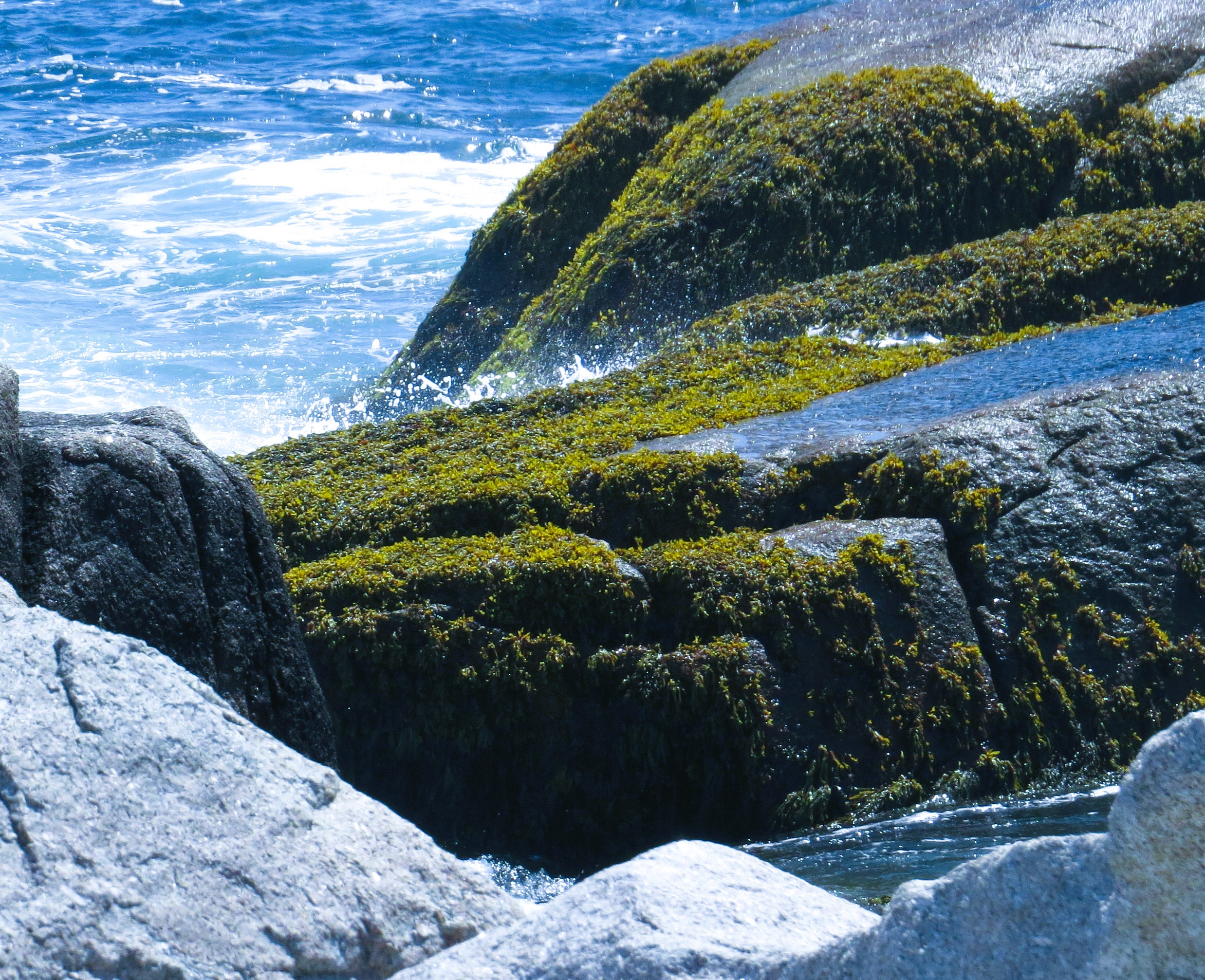
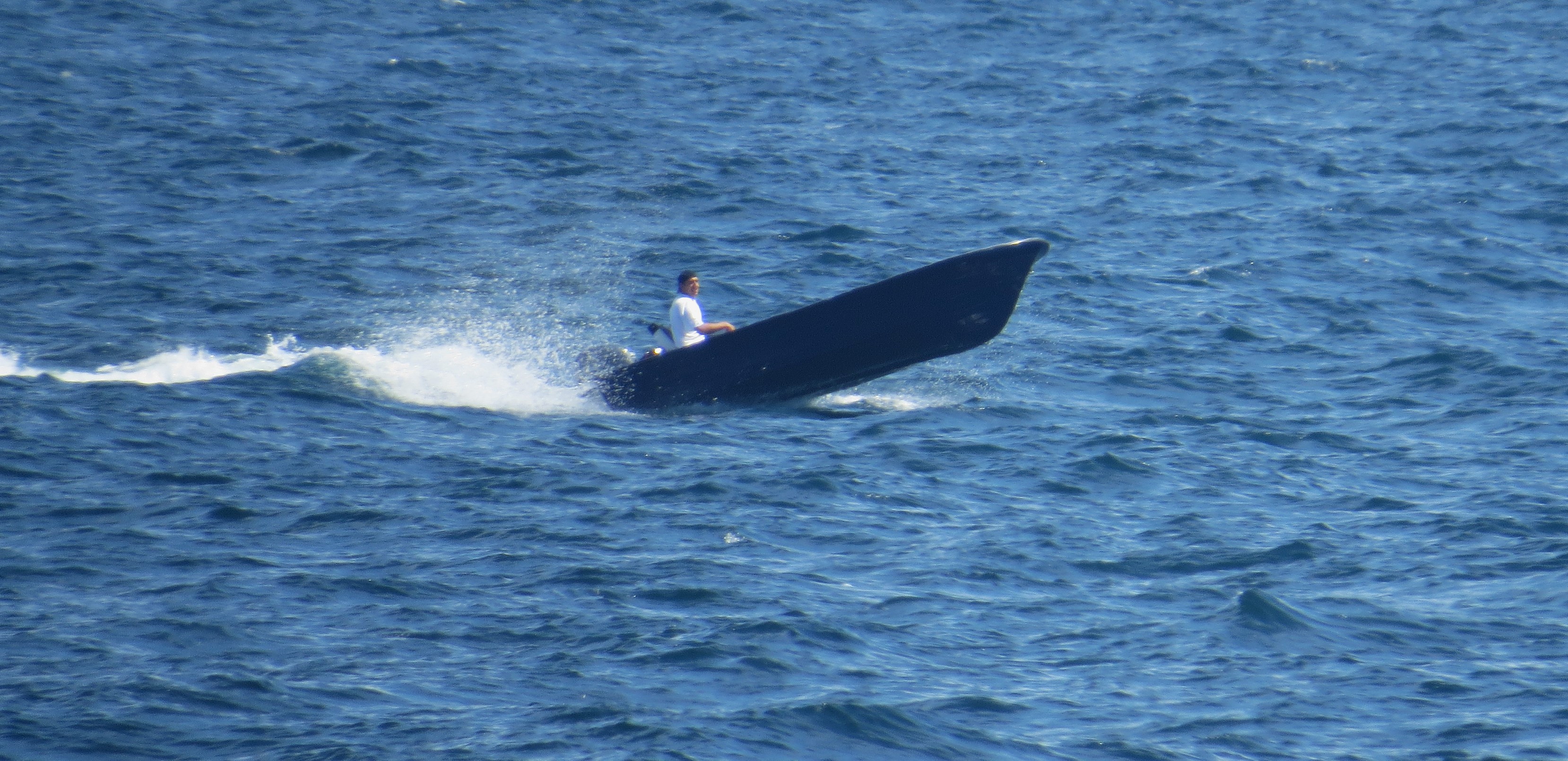
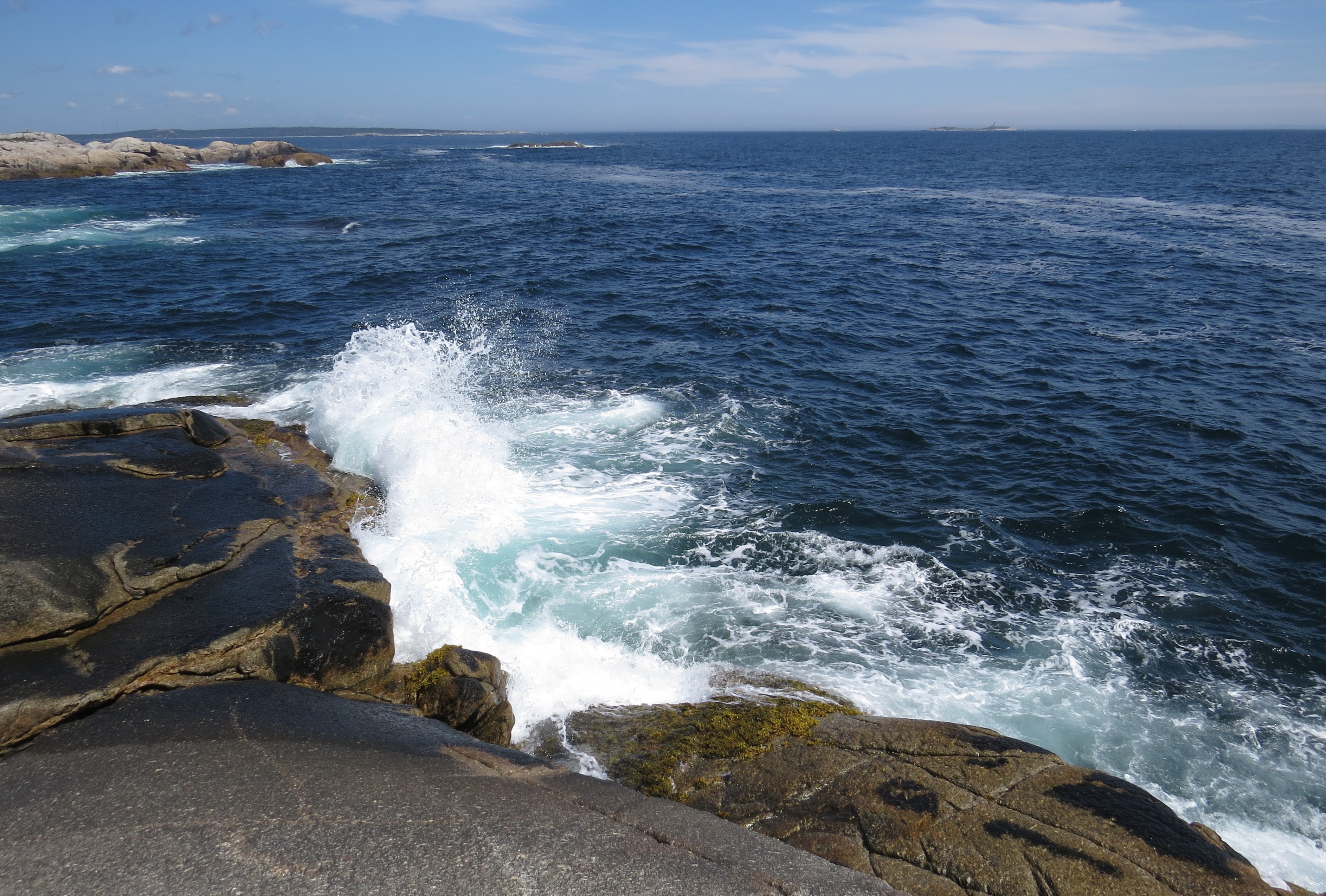
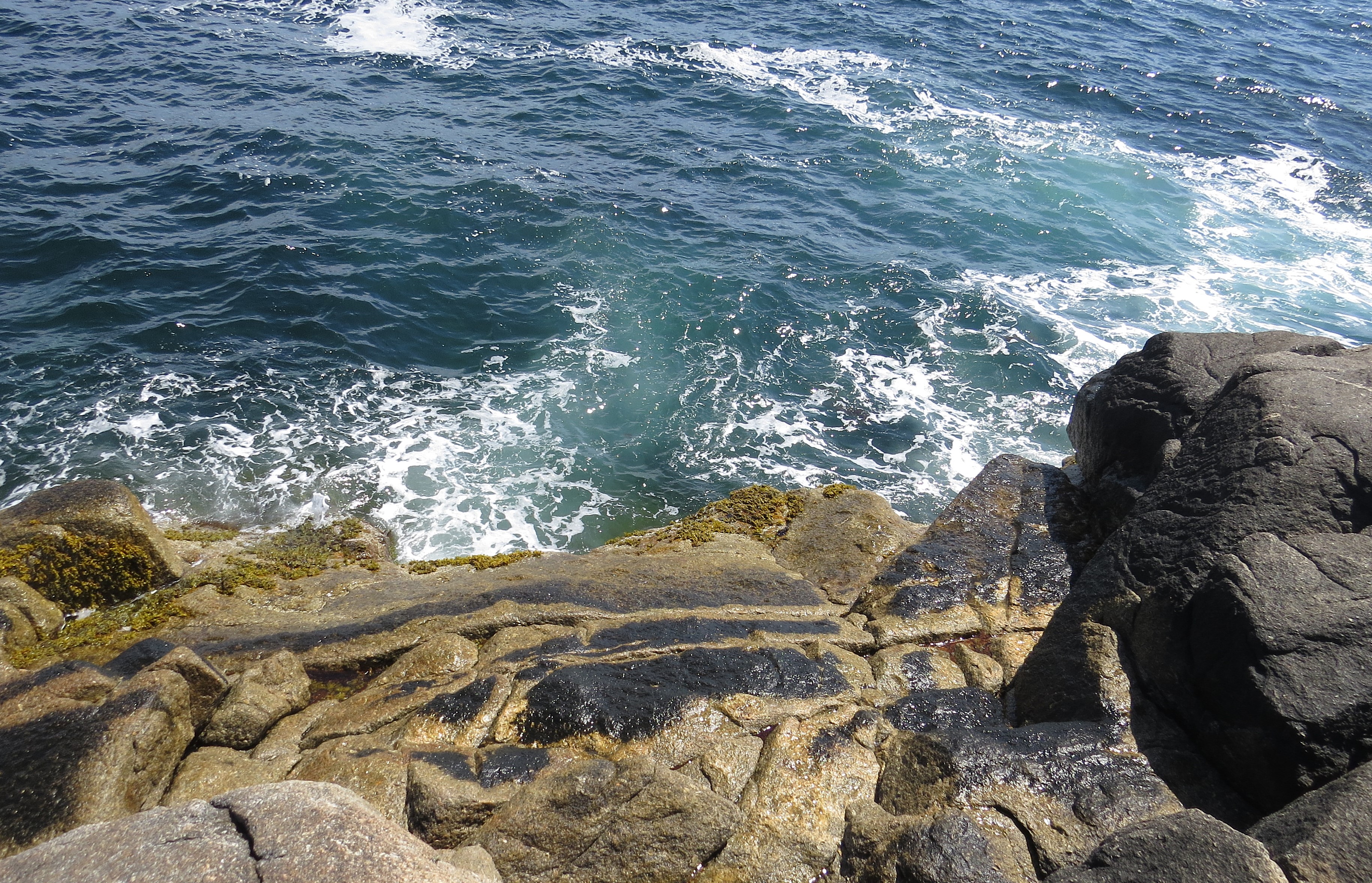
Fisherman’s Cove, the Sea and Sky

Fisherman’s Cove, the Sea and Sky

What do you do, when you can’t sleep? You go outside for a walk, in the snow and wind. At ten, then at midnight, then get a short snooze and go again at 4. It is not dark anyway, for the snow makes it all one milky, eerie light. Take another snooze and — it is morning the next day, LOL. Somehow you have a strong pain in your right temples and pain in your right ear. Stroke? You speak loudly and the words appear to be coherent and proper, go to the mirror and your eyelid and mouth don’t seem to be drooping, LOL. Then it must be just an ear infection. Dosn’t matter. What is the best for a cold? A cold excursion to the countryside! Camera in hand, a quick coffee, and off we go. Was able to catch even the Moon in full sunshine!