Imiona Rozłąki i poezja Oczekiwania

T.S. Eliot pisze w ‘Oczach które ostatnio ujrzałem w łzach”[i]:

Oczy które ostatnio ujrzałem w łzach

Przez rozłąkę

Tutaj w śmierci sennym królestwie

Złota wizja powraca

Widzę oczy i nie widzę łez

I to cierpienie moje

I to cierpienie moje

Że już nie ujrzę oczu

Oczu rozstrzygnięcia

Oczu których nie ujrzę aż

W drzwiach śmierci innego królestwa

Gdzie jak w tym

Oczy trwają mgnienie

Mgnienie trwają łzy

I wystawiają nas na szyderstwo.

Sugeruje, że wszystko więc jest nietrwałe. Nie ma nie tylko powrotu, ale i marzenie do ostatecznego, ponownego złączenia się w tym ‘innym świecie’ jest tylko szyderstwem, bajką dla dzieci. Że śmierć nie jest sprawiedliwym złączeniem kochanków jeśli w niej trwa też chwilę tylko, okamgnienie. Sugeruje poniekąd koniec światów, śmierć śmierci, a więc i nadziei. Owe ‘wystawienie na szyderstwo’ tylko, zakpienie z tej ostatniej nadziei.

Apollinaire w wierszu ‘Miłość umarła w twych ramionach’ pisze o takim właśnie oczekiwaniu powrotu miłości, o tym, że tylko szczere pragnienie wystarczy na złączenie się ponowne:

Wiosna minęła jeszcze jedna

Tyle mi dała czułych wspomnień

Zamierająca poro żegnaj

Jak dawniej czuła wrócisz do mnie[ii]

I jakkolwiek wiersz Apollinaire’a nie dotyczy rozstania ostatecznego (śmierci) a jest bardziej typowym, trochę może prozaicznym efektem rozstania – śmierci miłości a nie kochanki – wszak nadzieja na jej odżycie jest tym samym powodowana: żalem, tęsknotą, oczekiwaniem Feniksa zmartwychwstania.

W rzeczy samej pojęcie straty jest nierozłącznie związane z pojęciem pragnienia miłości, spotkania. Gdzieś musi być początek, by mógł być epilog.

W literaturze amerykańskiej pierwowzorem jest sam Walt Whitman, który nie czekając na pół-słowa i aluzje skryte za kotarą słów proklamuje wcześnie:

Proklamuję zespolenie – mówię, że winno być nieograniczone,

               Nierozdzielne,

Mówię, że znajdziesz jeszcze przyjaciela, którego wypatrywałeś.[iii]

Whitman ogłasza materialistycznej, ale bardzo tradycyjnej w normach Ameryce, że czas dozgonnej, serdecznej i cennej miłości między mężczyznami nastąpi, przybędzie.

W poezji nowożytnej archetypami Straty i Pragnienia są naturalnie „Romeo i Julia” Szekspira, „Boska Komedia” Dantego i ”Sonety do Laury” Petrarki. Nie będę tego rozwijał, bo pisałem już wcześniej tutaj rozważając znaczenie mitu wędrówki w Zaświaty w próbie odszukania oblubienicy/oblubieńca.

Zresztą czasy Petrarki i Dantego ciągle są połączone żywą poniekąd pępowiną z antykiem, a antyk wiadomo – to niekończące się wizyty, wtargnięcia w różnej nazwy Hadesy kochanków, królów, herosów i bogów. Na ogół w próbie odzyskania ukochanej, czasem władzy, powrotu na niebiańskie trony, uwolnienia porwanych za życia w ciemności nocy wiecznej. To, jakkolwiek wenie poetyckiej służy – w prawdziwej Stracie człowieka współczesnego potrafi być mitomanią irytującą.

Wiemy, że miłości są różne, więc i z różnych przyczyn Strata wytwarza inne poczucie pustki, tęsknoty. Anka Broniewska, córka poety, popełnia samobójstwo z powodu zdrady ukochanego (zdrady tym okrutniejszej, że zadanej romansem z jej matką, byłą żoną Broniewskiego), wieć to miłość romantyczna. Ale powstałe w wyniku tego wiersze Władysława Broniewskiego (porównywalne do Trenów Kochanowskiego po utracie Urszulki) są efektem miłości rodzicielskiej. Jeśli natężeniem, intensywnością dwie jakieś miłości porównać można, to właśnie miłość romantyczną i miłość rodzicielską. Być może blisko tego można też usadowić rzadkie przypadki miłości przyjacielskiej (mam tu jednak podejrzenia bardzo istotne czy prawdziwa miłość przyjacielska nie jest skrywanym pod inną nazwą uczuciem romantycznym, które z najróżniejszych przyczyn i hamulców moralno-etycznych nie ma szans na rozwinięcie skrzydeł). Broniewski lamentuje:

A ja myślę i myślę o tobie
po przebudzeniu, przed snem…
Może ja jestem coś winien tobie? –
bo ja wiem.

Na Powązkach ośnieżona mogiła,
brzozy coś mówią szelestem…
Powiedz, czyś ty naprawdę była,
bo ja jestem…[iv]

Poeta w rozpaczy po śmierci córki (wiersz pisany był ponad trzy lata po tym fakcie) wręcz przeczy rzeczywistości. Wszak niemożliwym, by Anka faktycznie zmarła – łatwiej być może śmierc upokorzyć przez sugestię, że Anki może nigdy nie było fizycznie, istniała tylko w wyobraźni ojcowskiej miłości. Jeśli tam była tylko, to jest ciągle! Śmieć zostaje upokorzona, pozbawiona swej mocy okrutnej.

Tysiące jest dróg, ścieżek wijących się, jak wąż kuszący kochanków w Edenie, które wieść mogą do starcia ze Stratą i wyzwania rzuconego śmierci. Granica między śmiercią a życiem jest podobna do linii brzegu między lądem a oceanem. Dwa światy. Ta linia może być magnesem, czymś co śpiewa cicho, zaprasza. Przecież tam jest też życie, morza nie są martwe. Trzeba tylko pójść wystarczająco daleko, wystarczająco głęboko. Przyjdzie ta chwila. Lub siąść na brzegu  … i czekać.

Waiting

once more

come back to me

I will wait for you

sitting on the yellow

sand of long beach

you will appear

from the depth

of the roaring sea

from the foam

of cascading waves

with garlands

of golden chains

weaved with seaweed

flowing down your

soft arms and your

smiles sweeter

of all other smiles

your smiles of

kissing lips and

touching hands

will come to me

on that beach

If you can

come by day

or by night

I will seat on

that beach under

sun or nightly sky

I will wait for my time

(B. Pacak-Gamalski)


[i] „Thomas Stearns Eliot. Poezje”; Wyd. Lit. Kraków, 1978, s. 127 (przek. M. Sprusiński)

[ii] tł Julia Hartwig

[iii] ‘In Walt We Trust” by John Marsh; wyd. Monthly Review Press, Nowy Jork, 2015; s.167, tł. własne

[iv] Władysław Broniewski; Wiersze i poematy, Łódź 1980, s. 350.
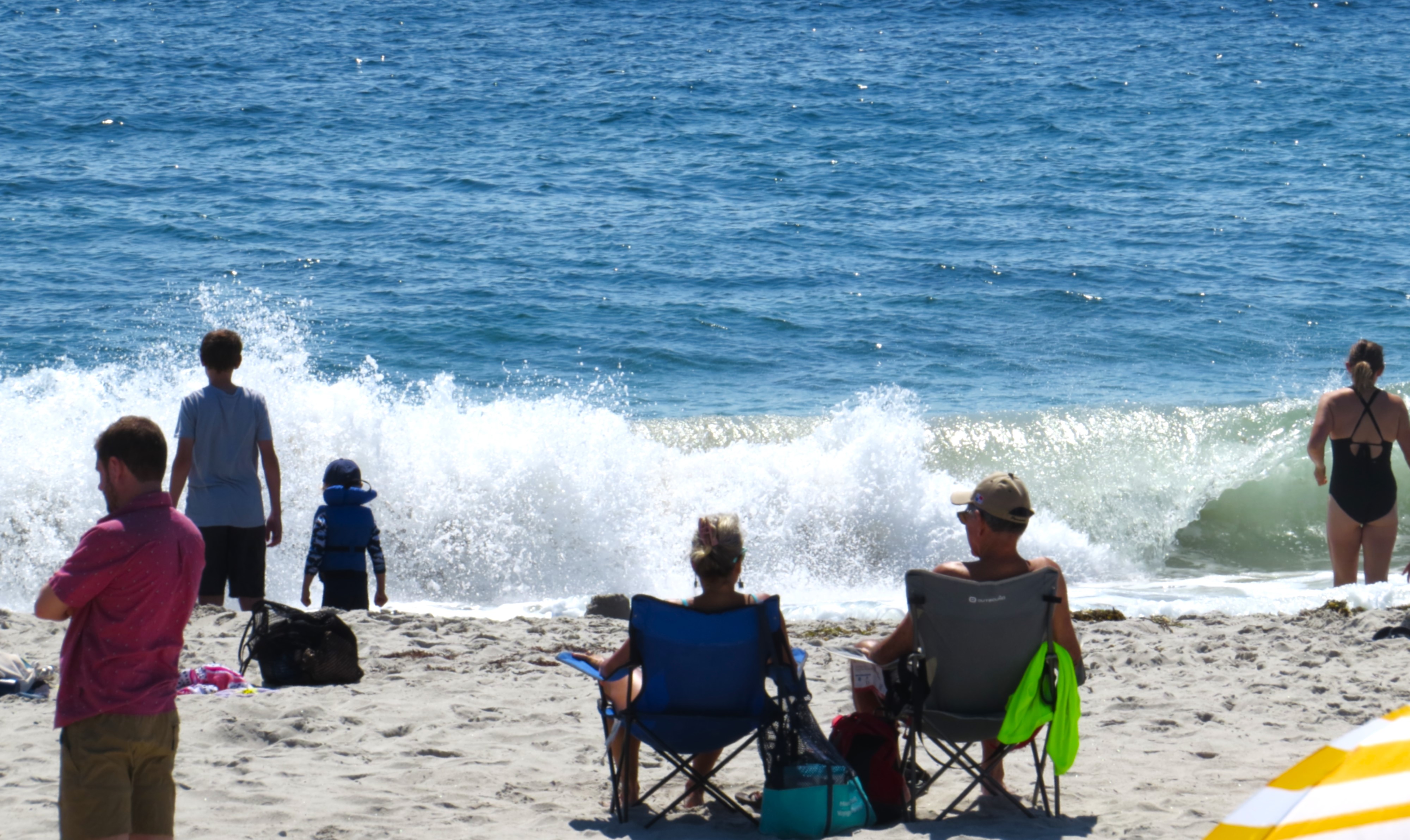
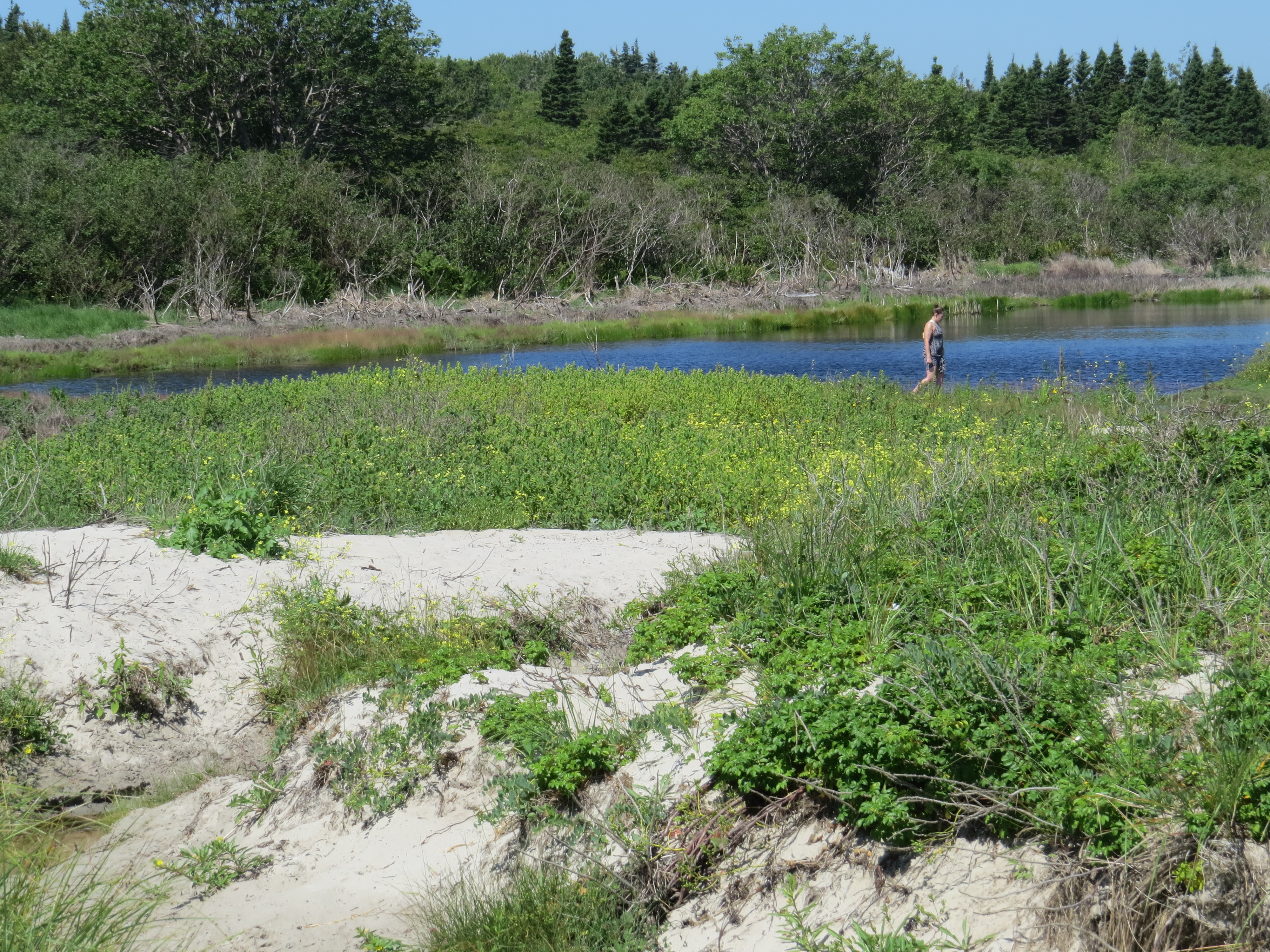
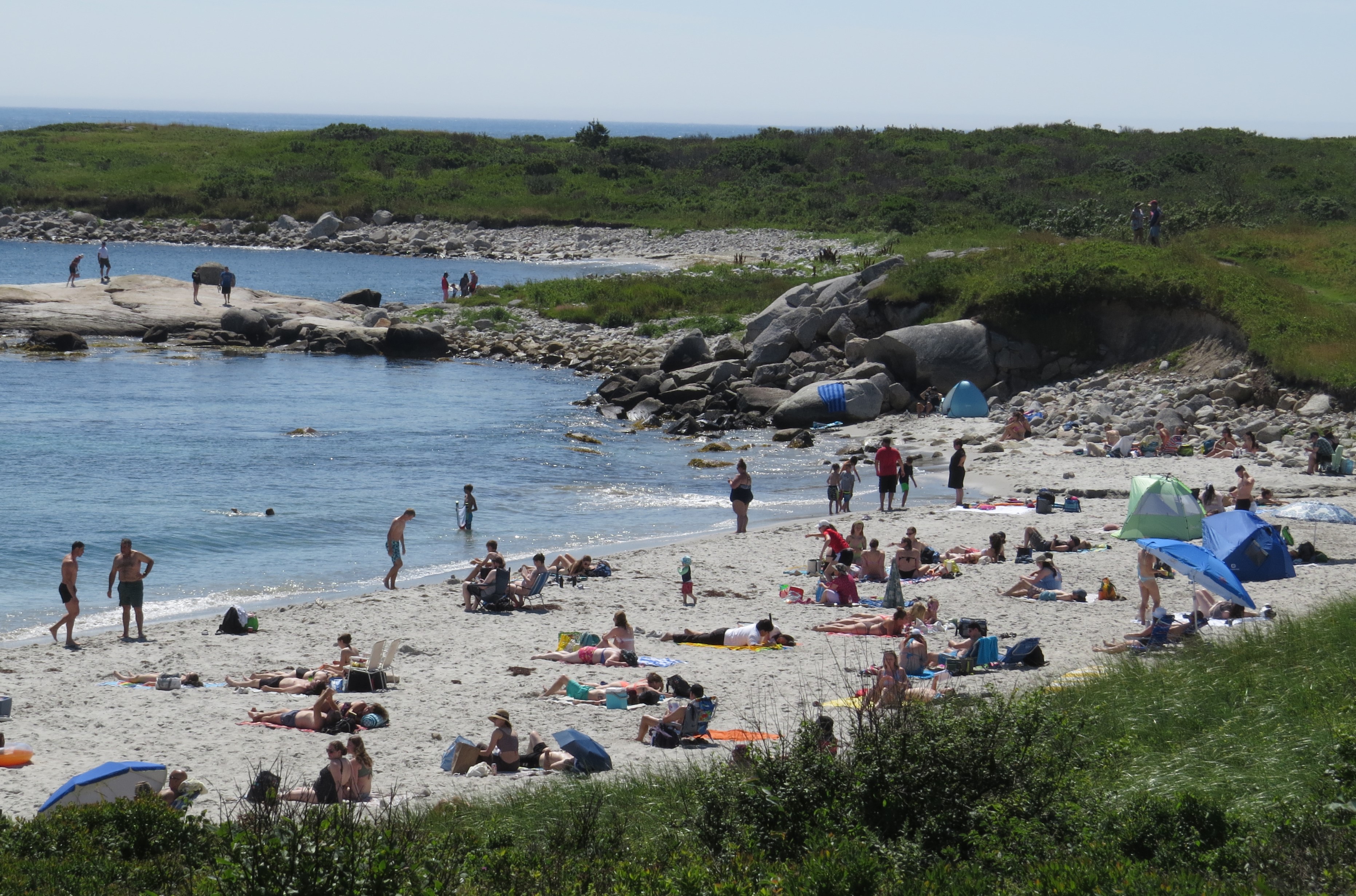
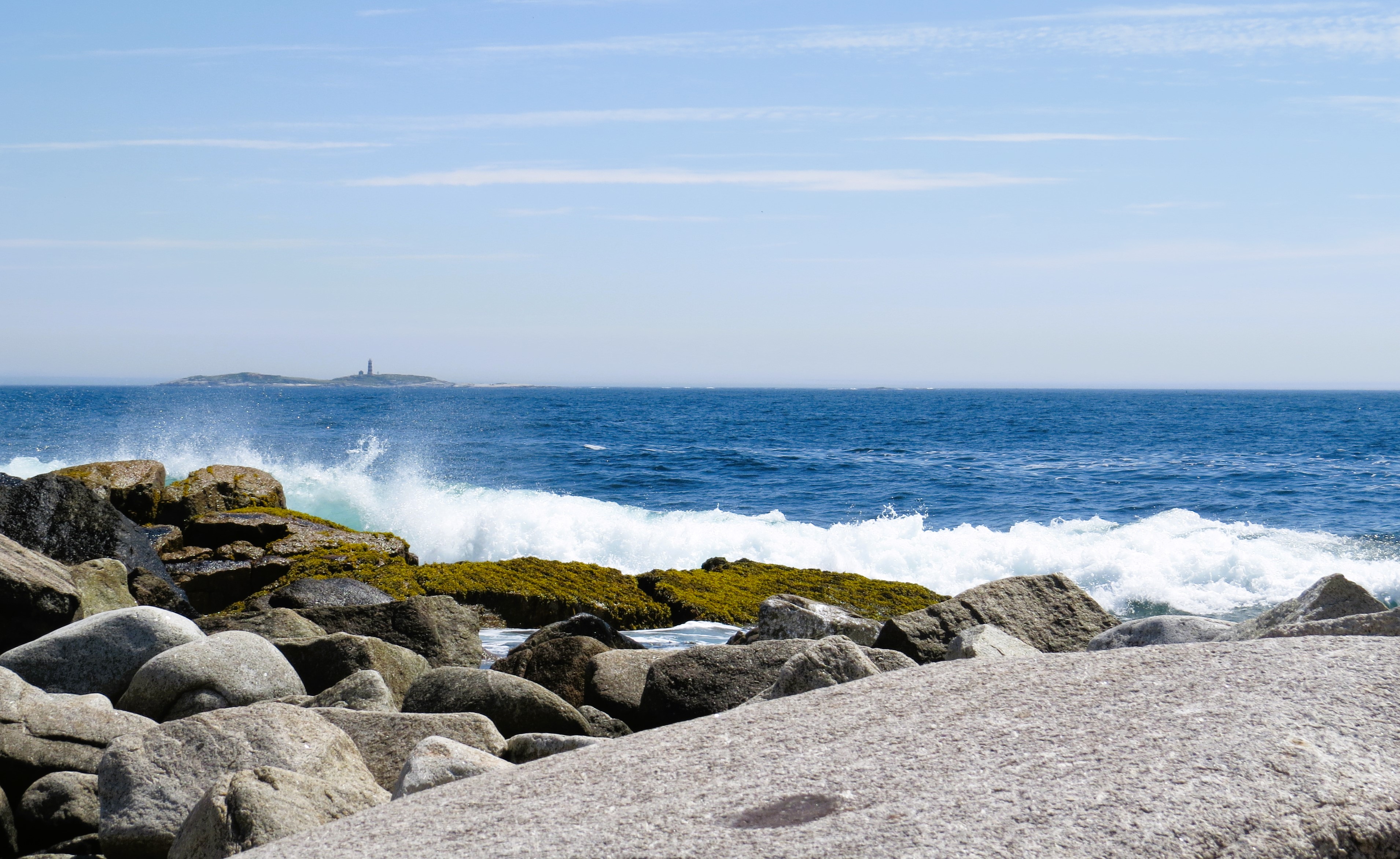
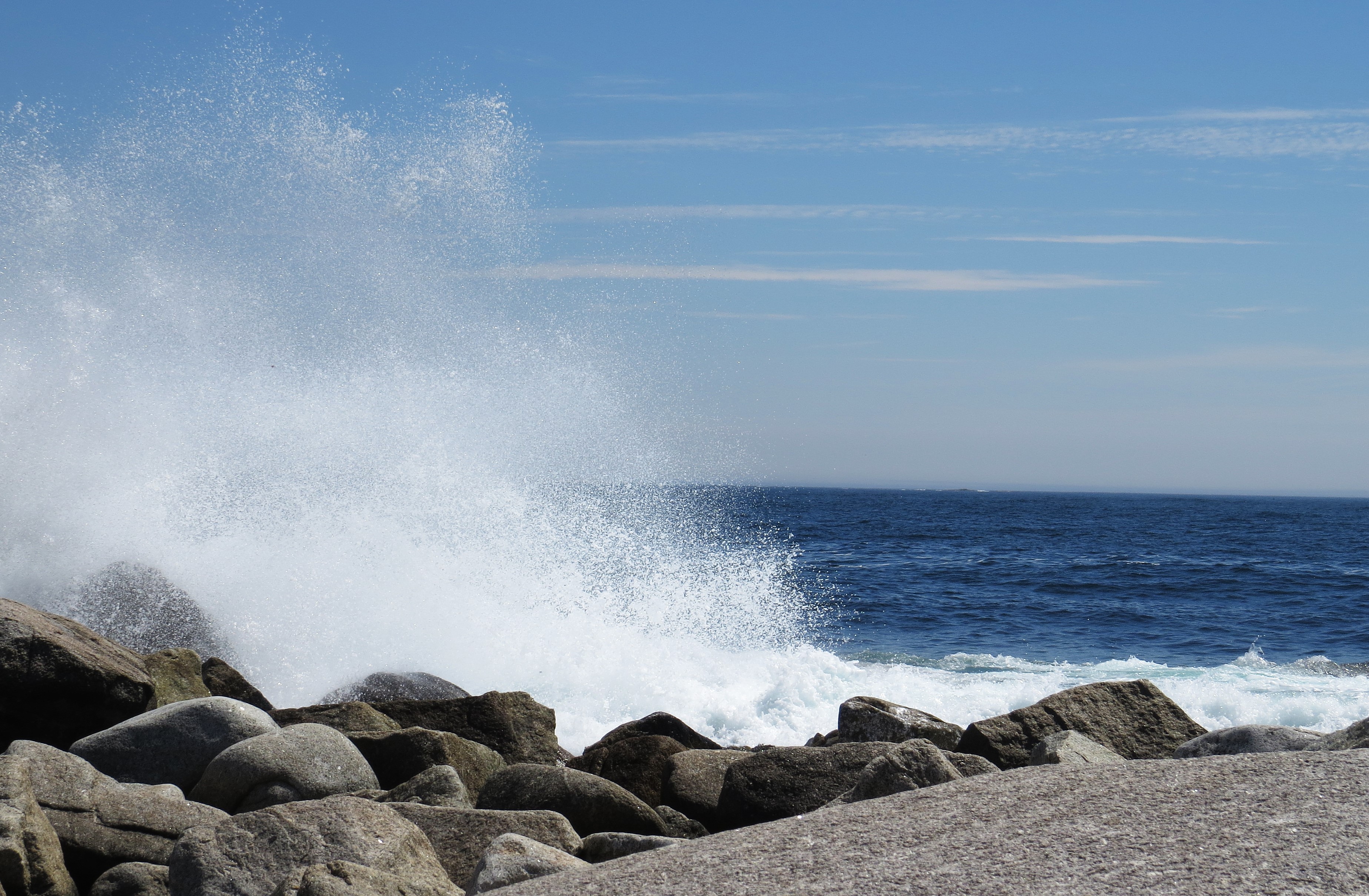
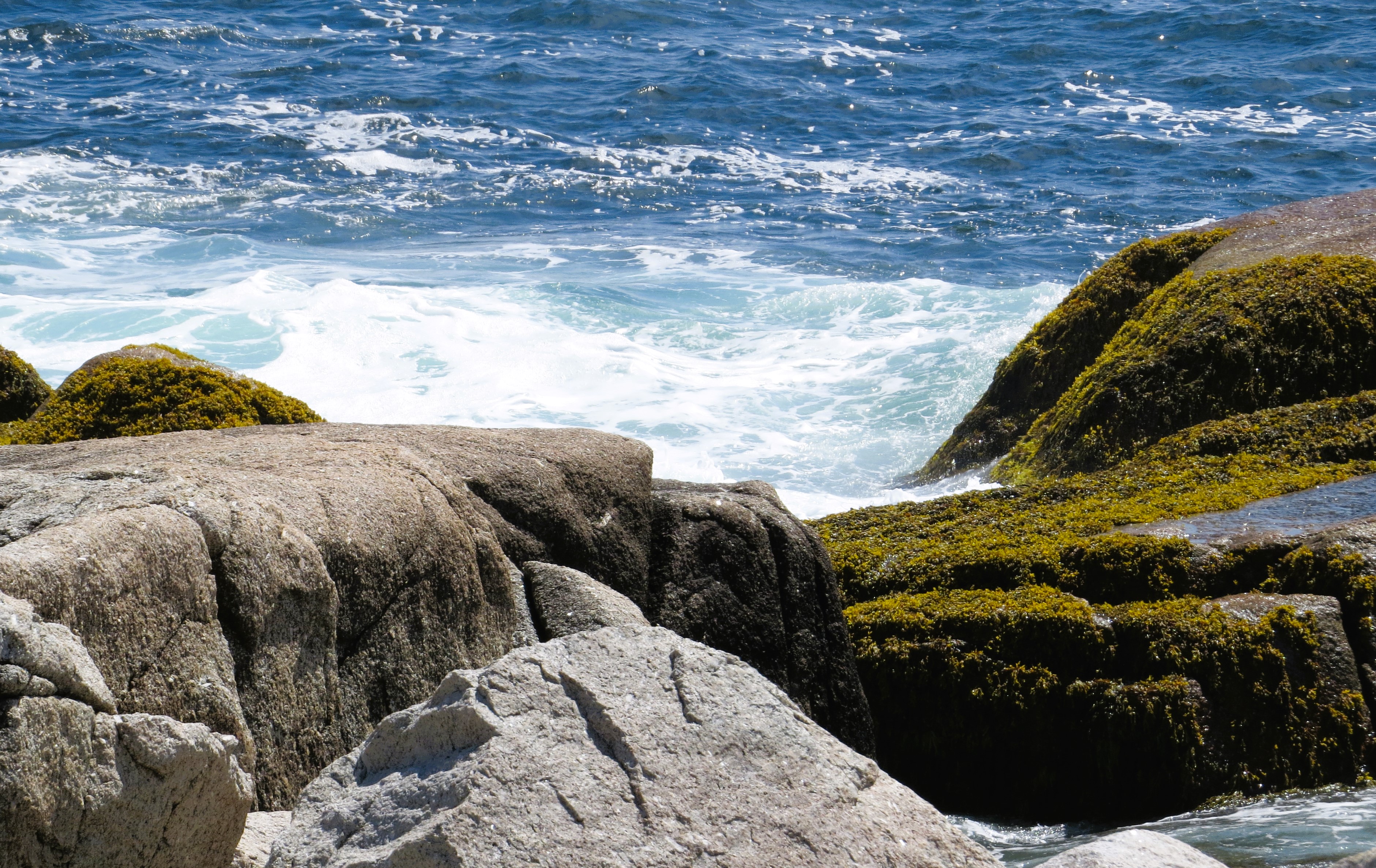
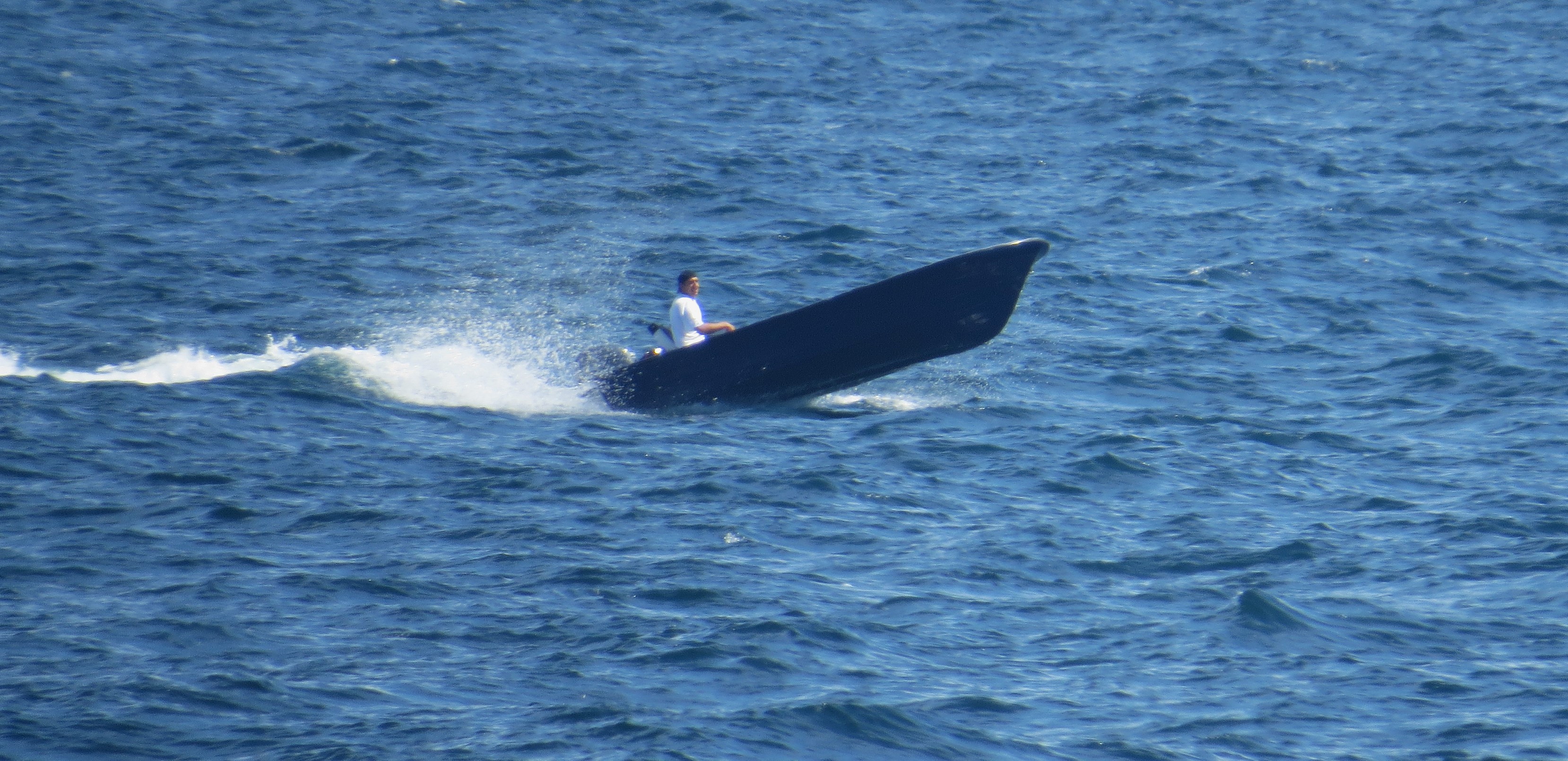
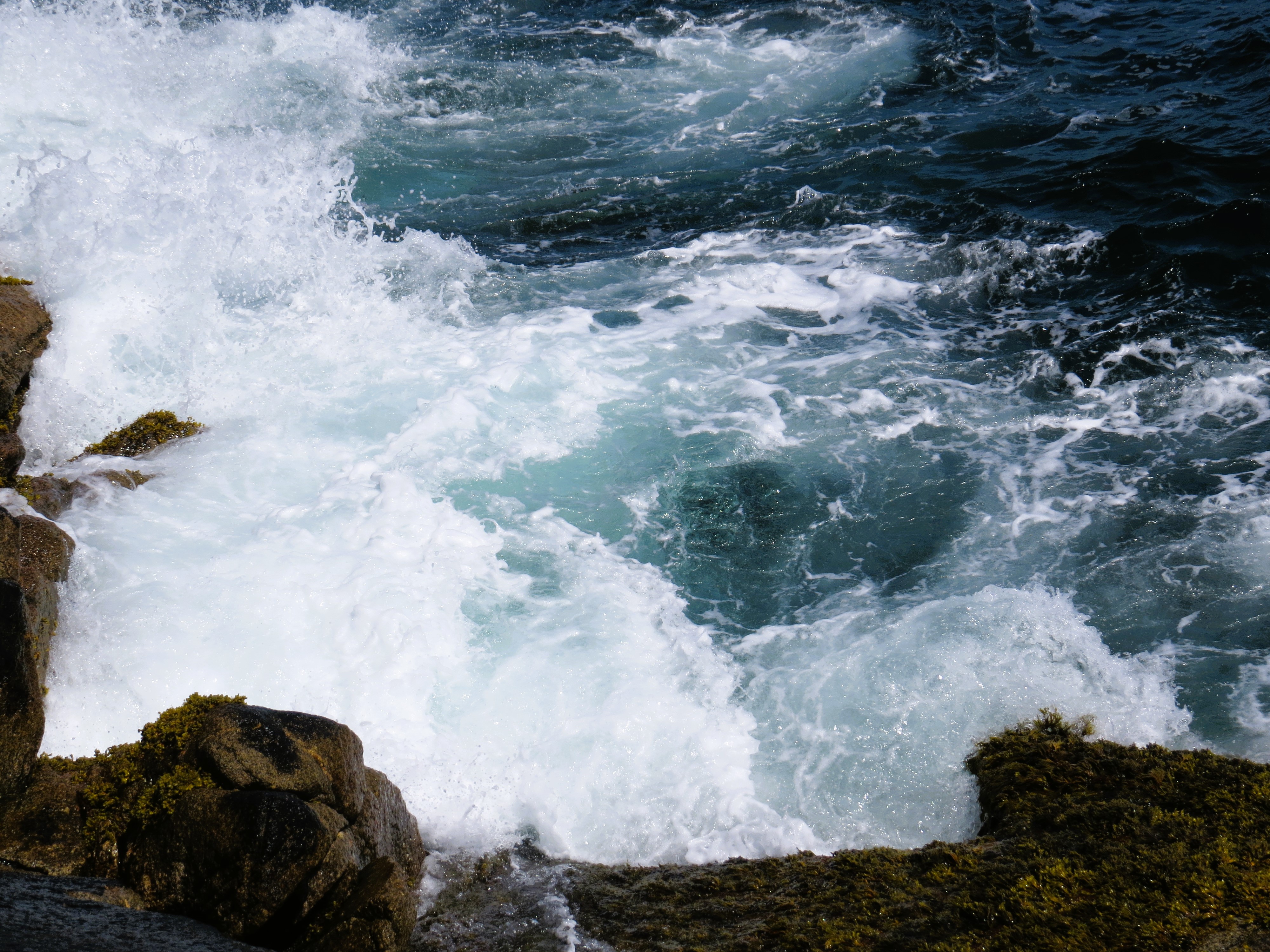
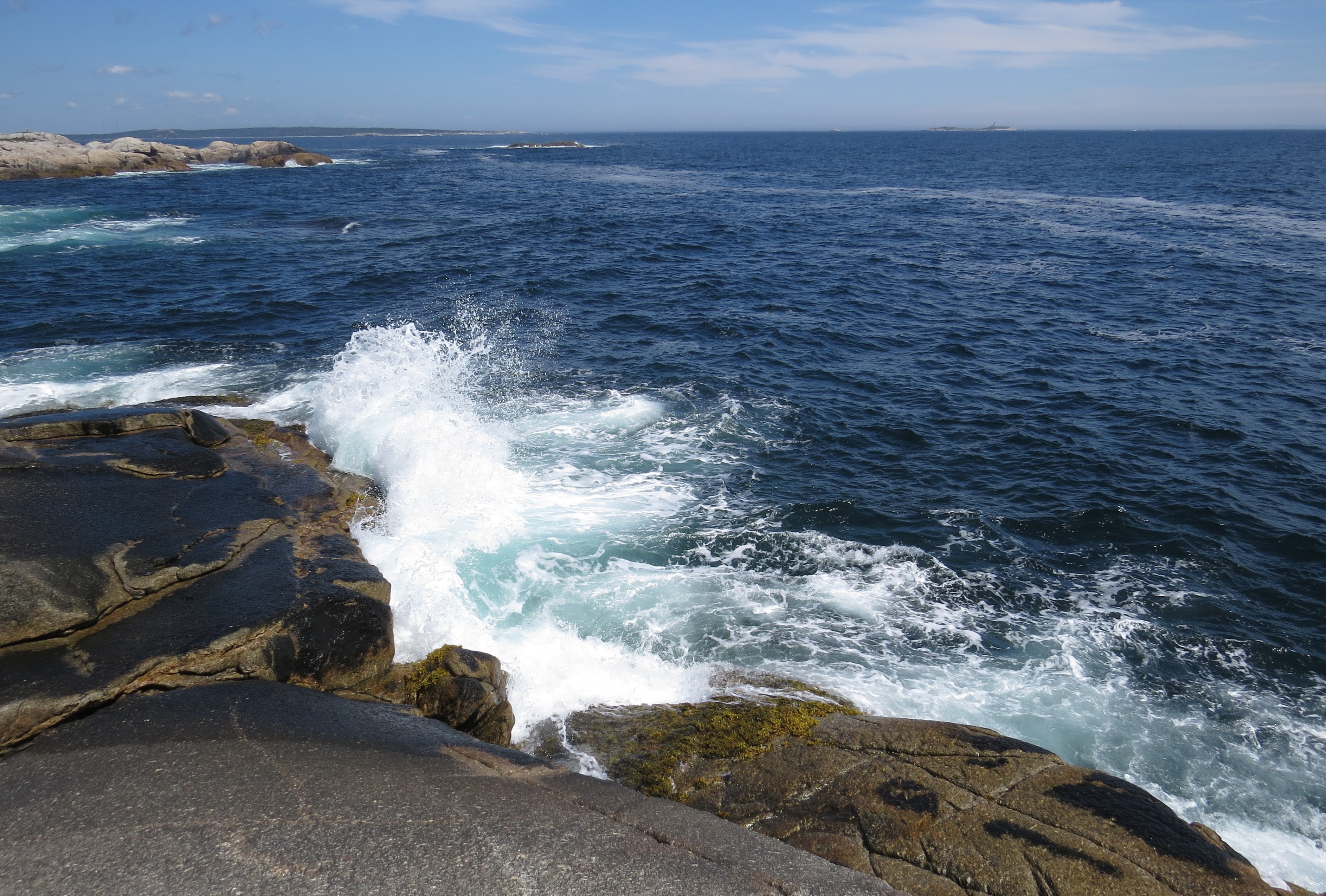
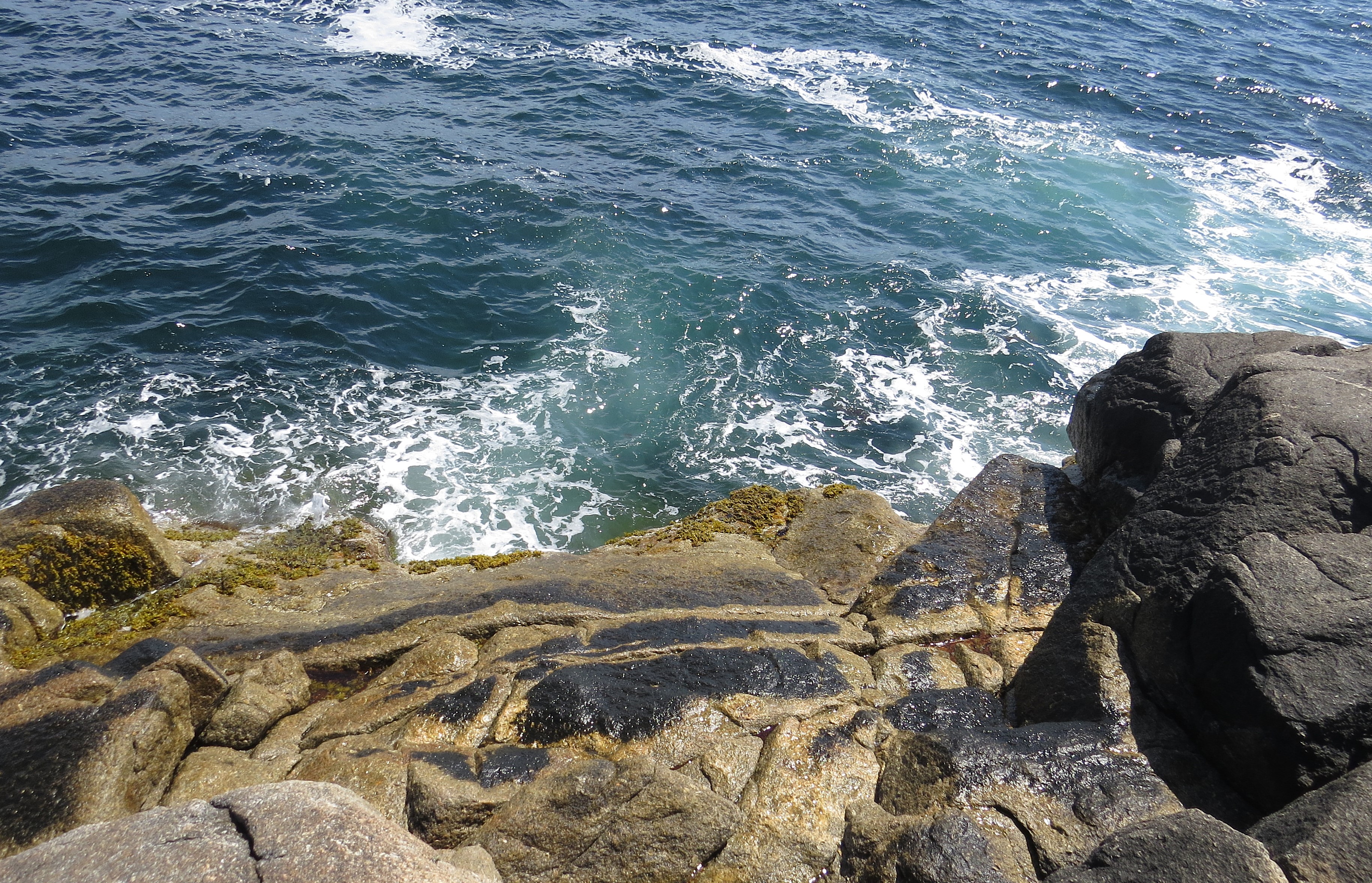
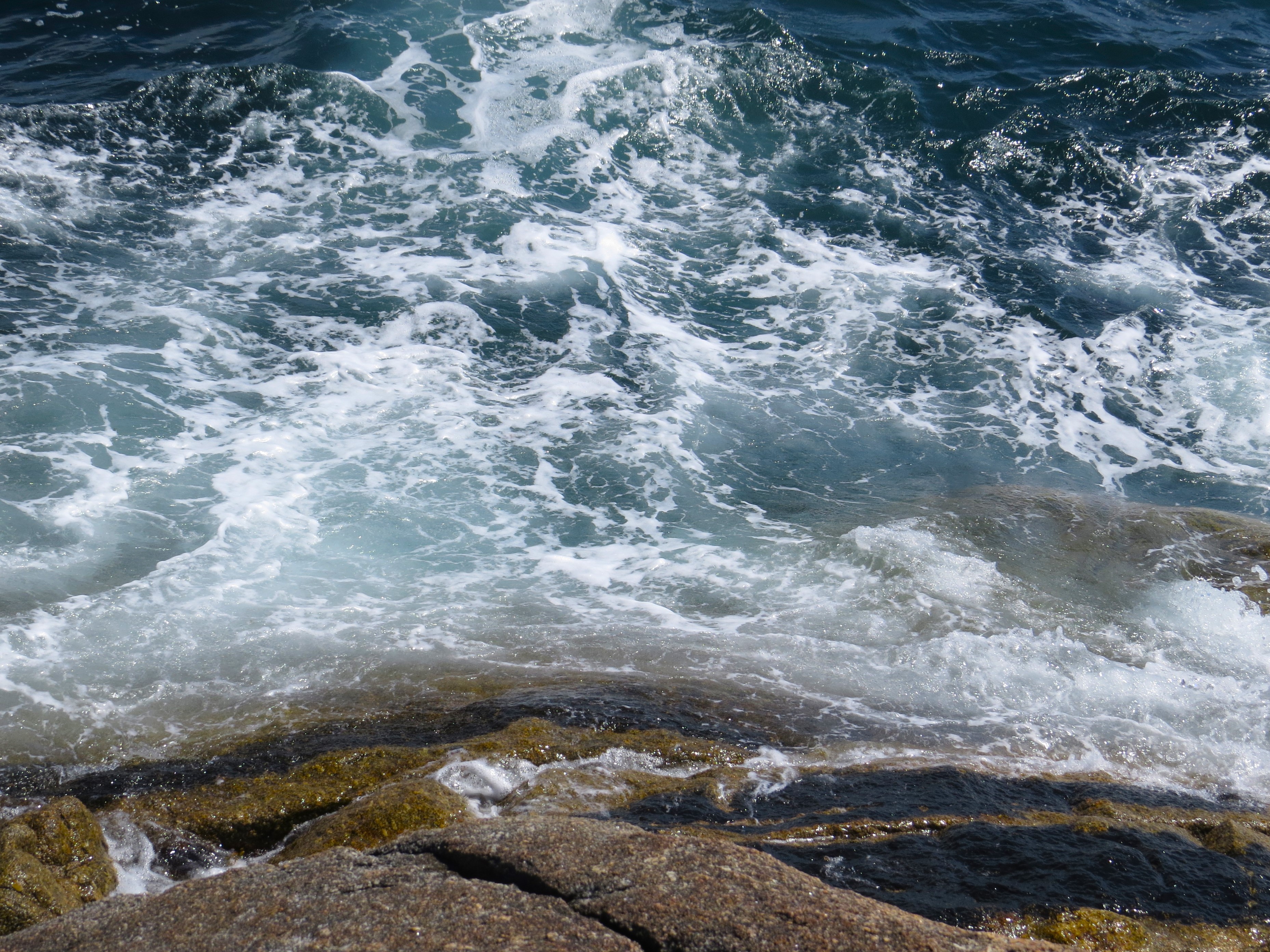
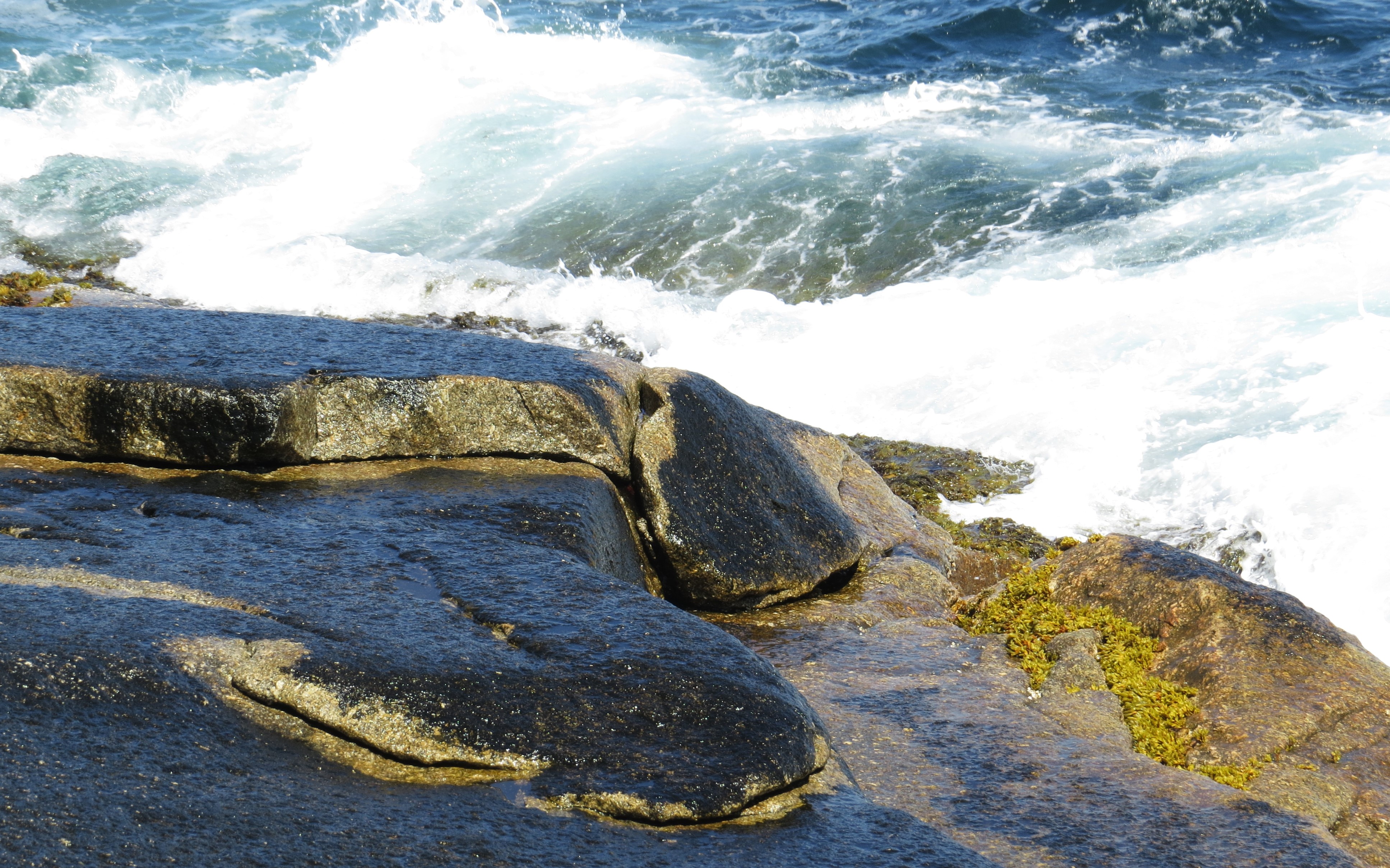
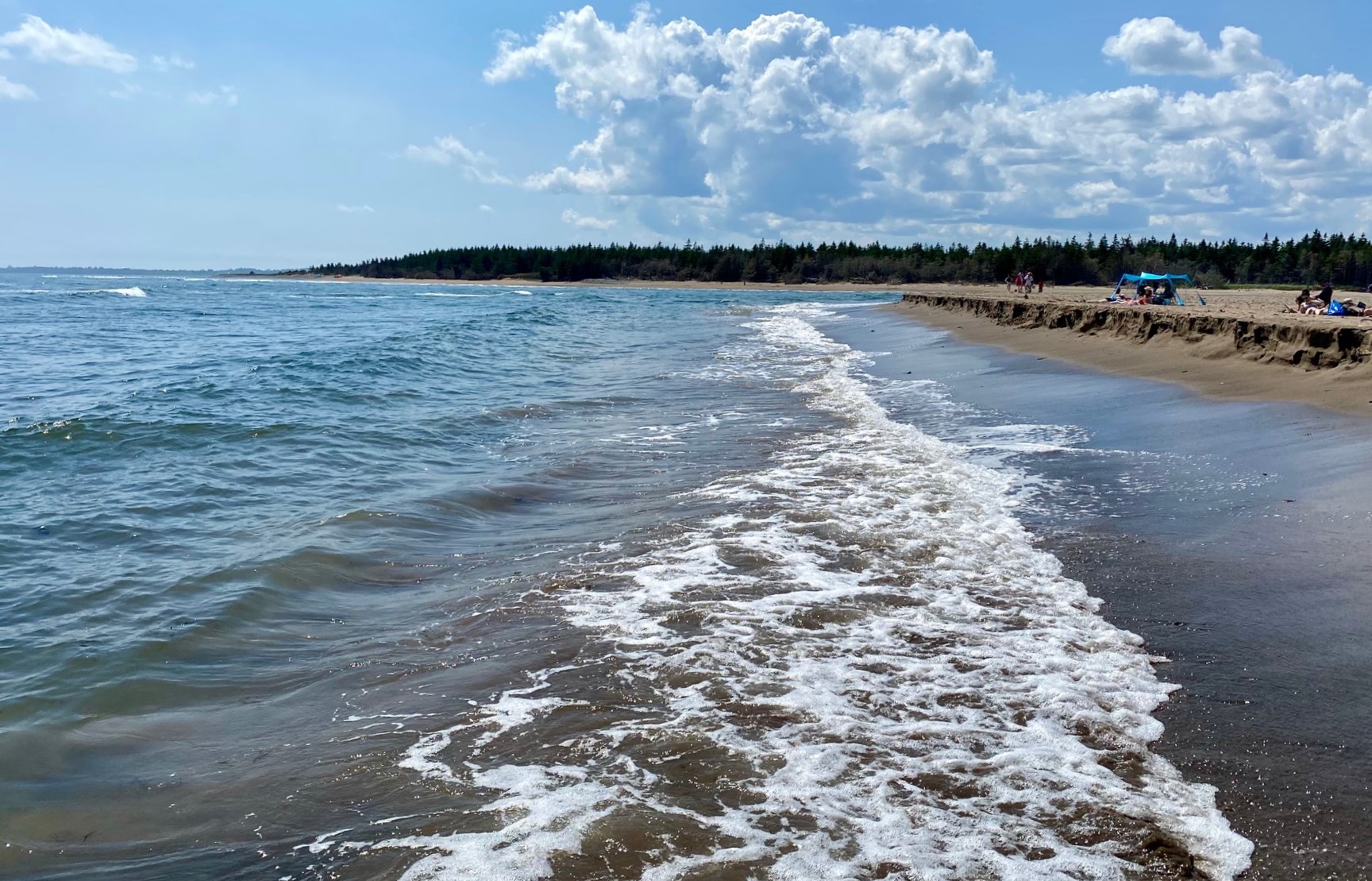
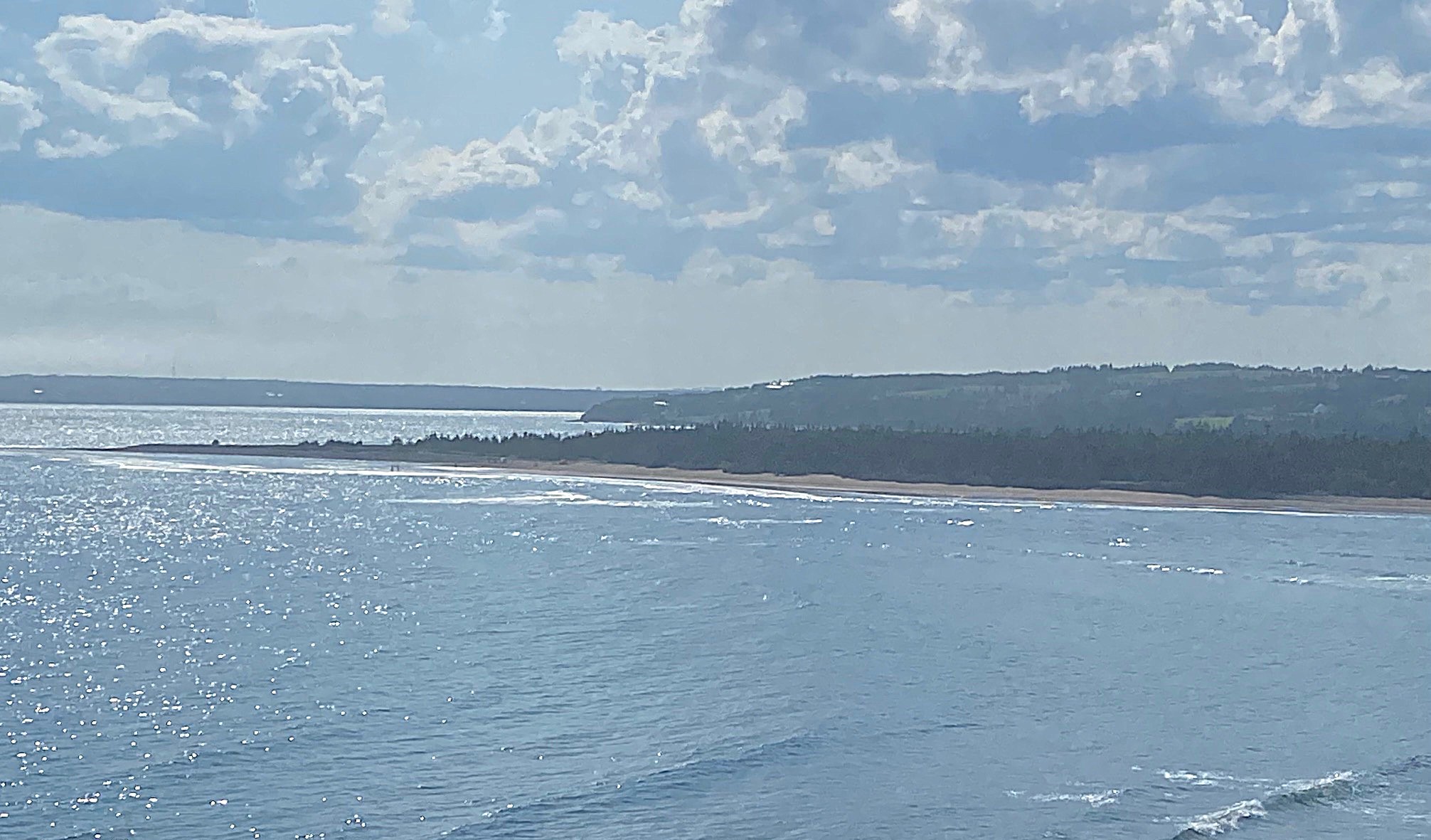
Crystal Crescent Provincial Park in Nova Scotia

Crystal Crescent Provincial Park in Nova Scotia

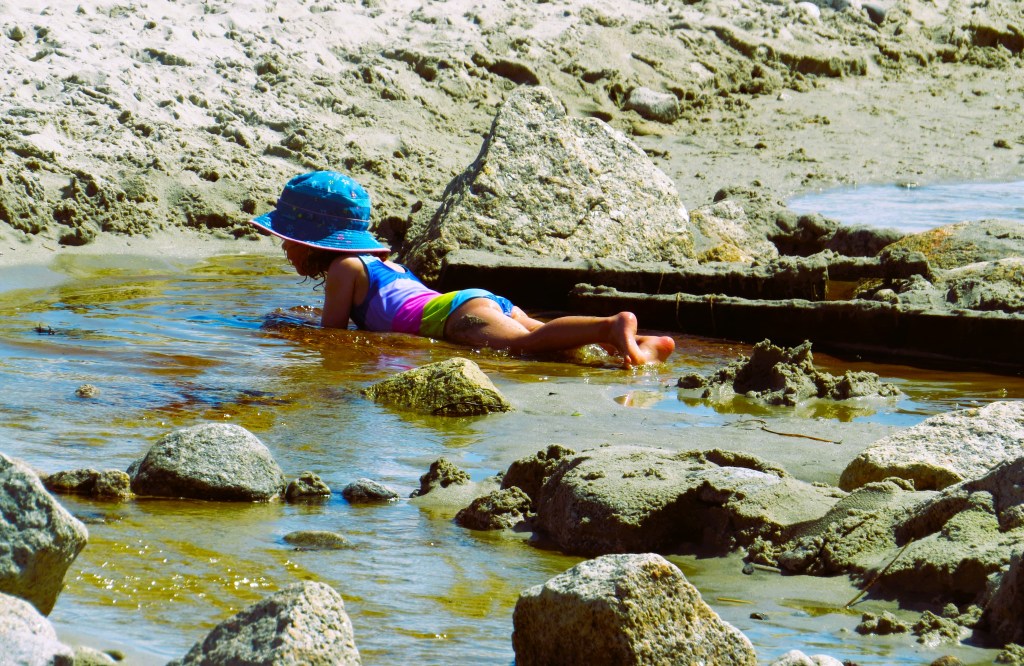
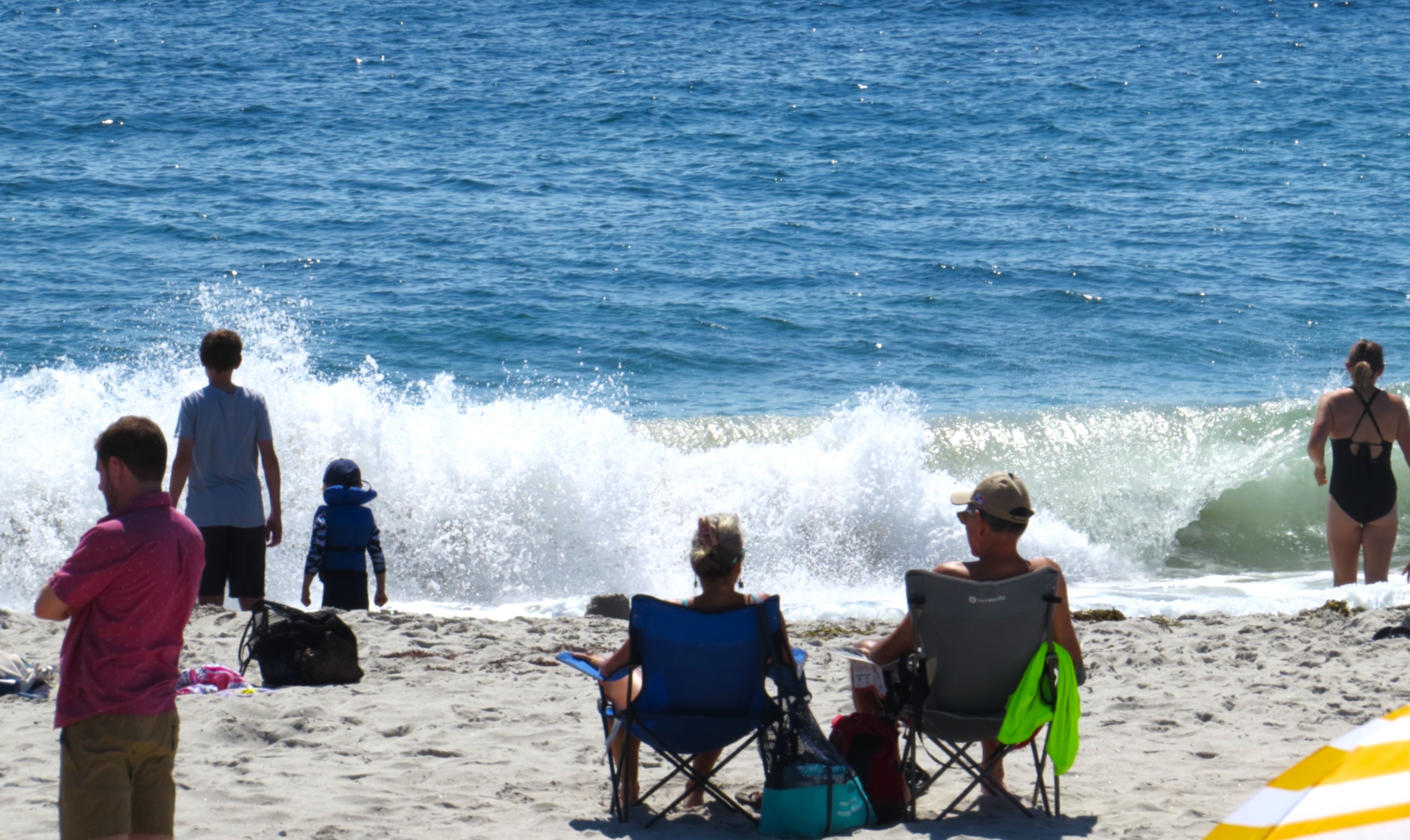
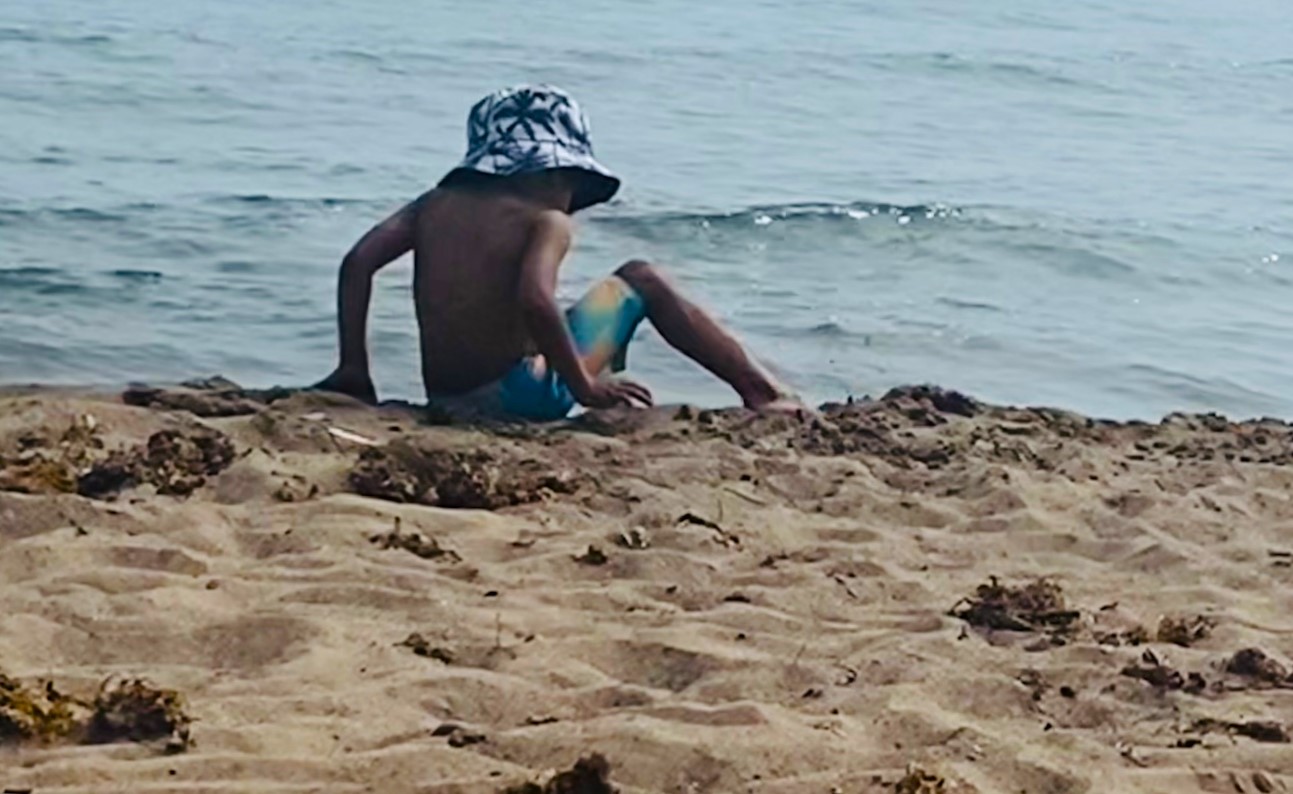
Children are amazing people! Throngs of beachgoers are squeezed next to ech other on the sandy beach – but a child knows better: what could be more magic than playing in a mud in little stream rushing toward the ocean? Child imagination dwarfs imagination of an adult.

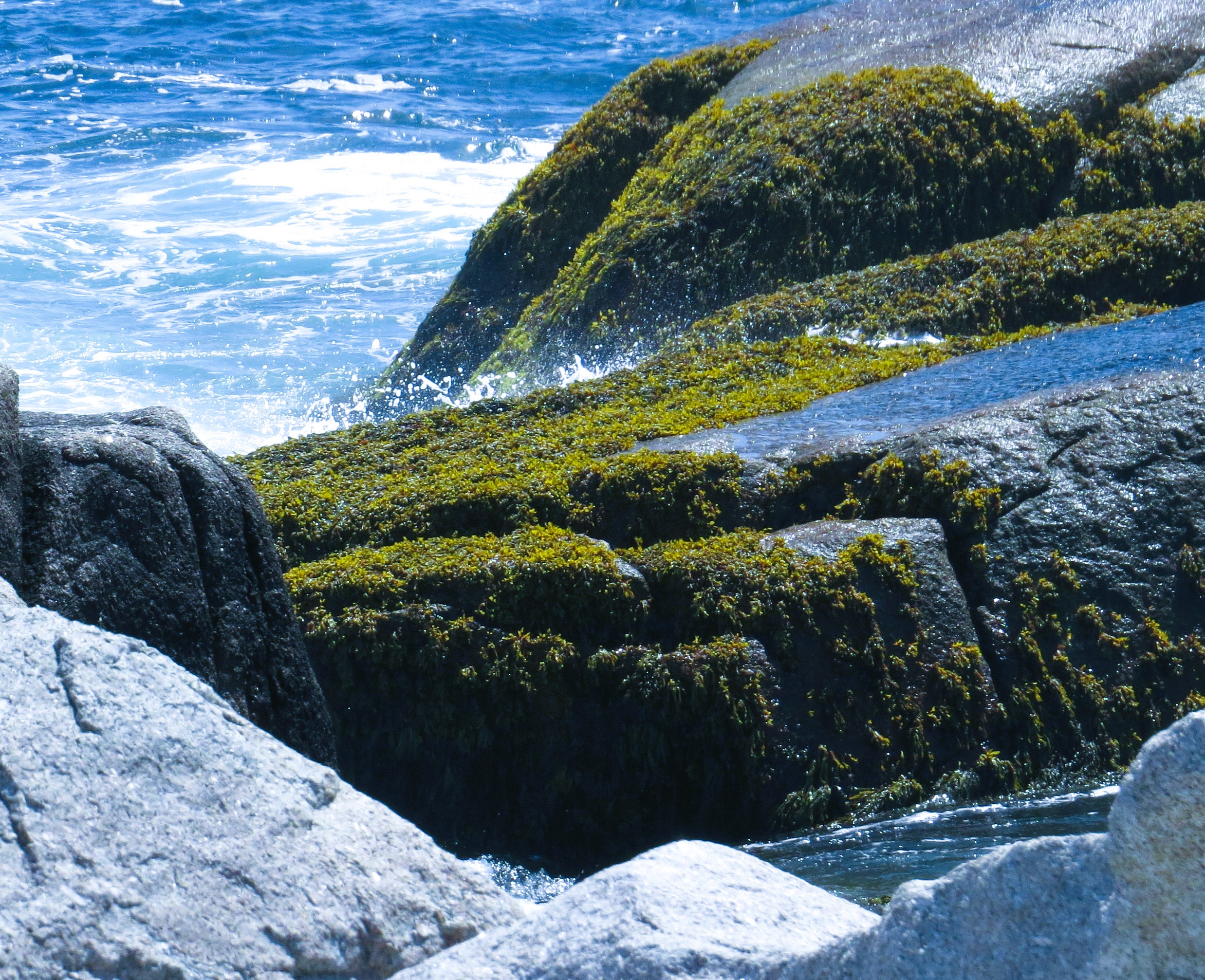
On the way to the rocky trail, pass the beaches and people I had a small secret meadow full of wild strawberries and blueberries. If it was in season I would go there and John would wait on the trail till I come back with both fists full the sweetness of the berries and empty them into his mouth. He pretended to be offended by it … but ate them, LOL. We had to make sure that there was no one approaching on the trail. Heaven’s forbid someone would see him eating fresh fruits and from someone’s hands! He like it, though. Maybe not as much the fruits (John wasn’t really an aficionado of fresh fruits) as the fact that he can make me smile and be happy. Our little idiosyncrasies. Next on the trail was a tiny nudist beach. No, I knew better – didn’t even ask him to stop and go for swim before the hike. Naked in public, beach or no beach?! That would be the end of the walk and the trail, no question asked. I knew what I can ask him of, and what I should not. Idiosyncrasies is one thing and disrespect is another. The true trail started right past that beach. Narrow and easily lost, covered with rocks and roots, often very wet and muddy from numerous tiny creeks rushing toward the ocean. Eventually you got to walkable huge slabs of rock and the amazing view of the majesty and power of the Atlantic. It truly is something to behold. We never went that far, as I venture sometimes, but far enough to absorb the atmosphere, the enormity of nature. And there, on these rocks, far enough from typical tourist or beachgoer, I would find a spot invisible to anyone, secluded … and have my way with the wild strawberries and blueberries off his lips!

Below, pictures from yesterday – poniżej zdjęcia z wczorajszej wędrówki

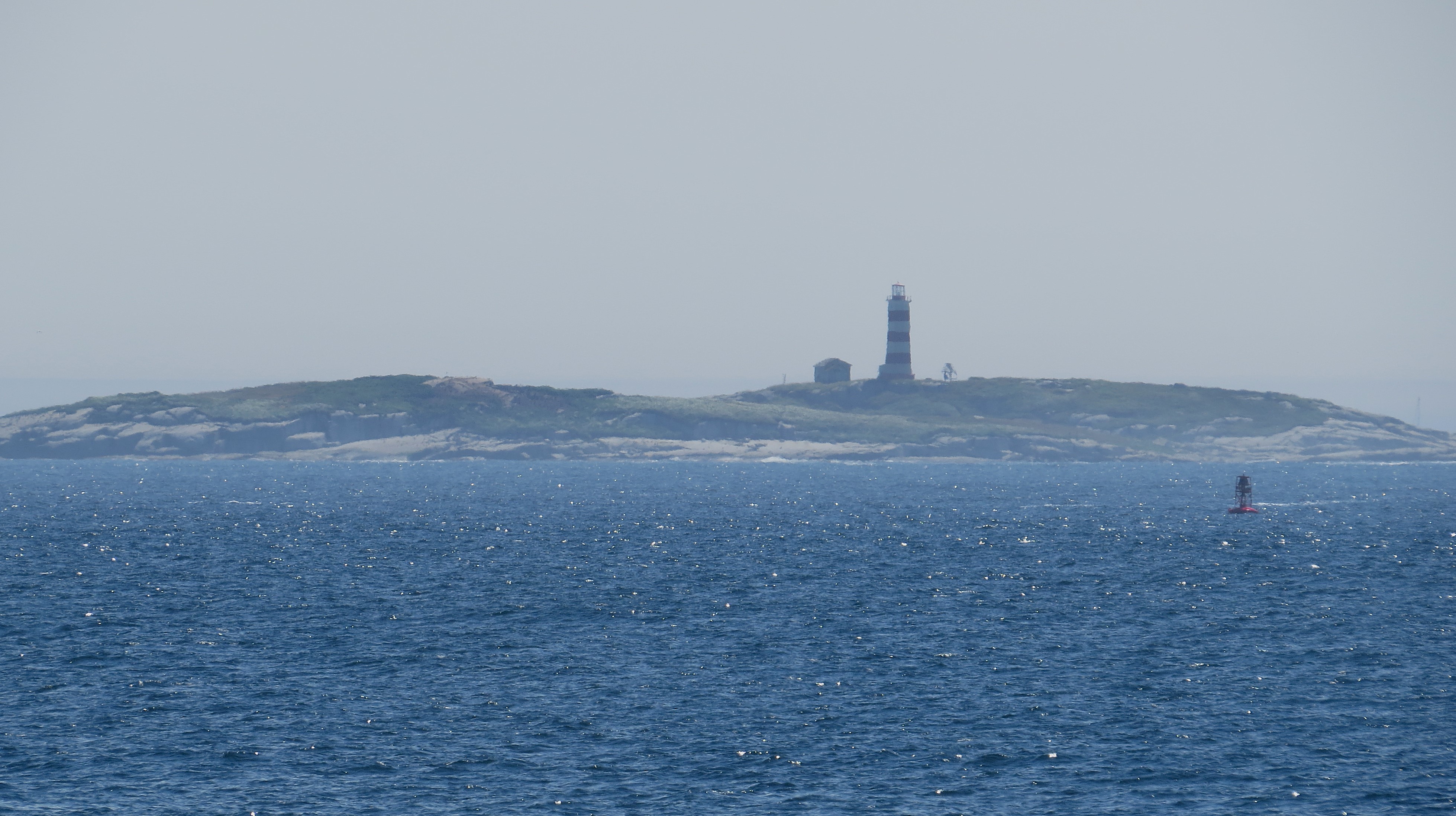
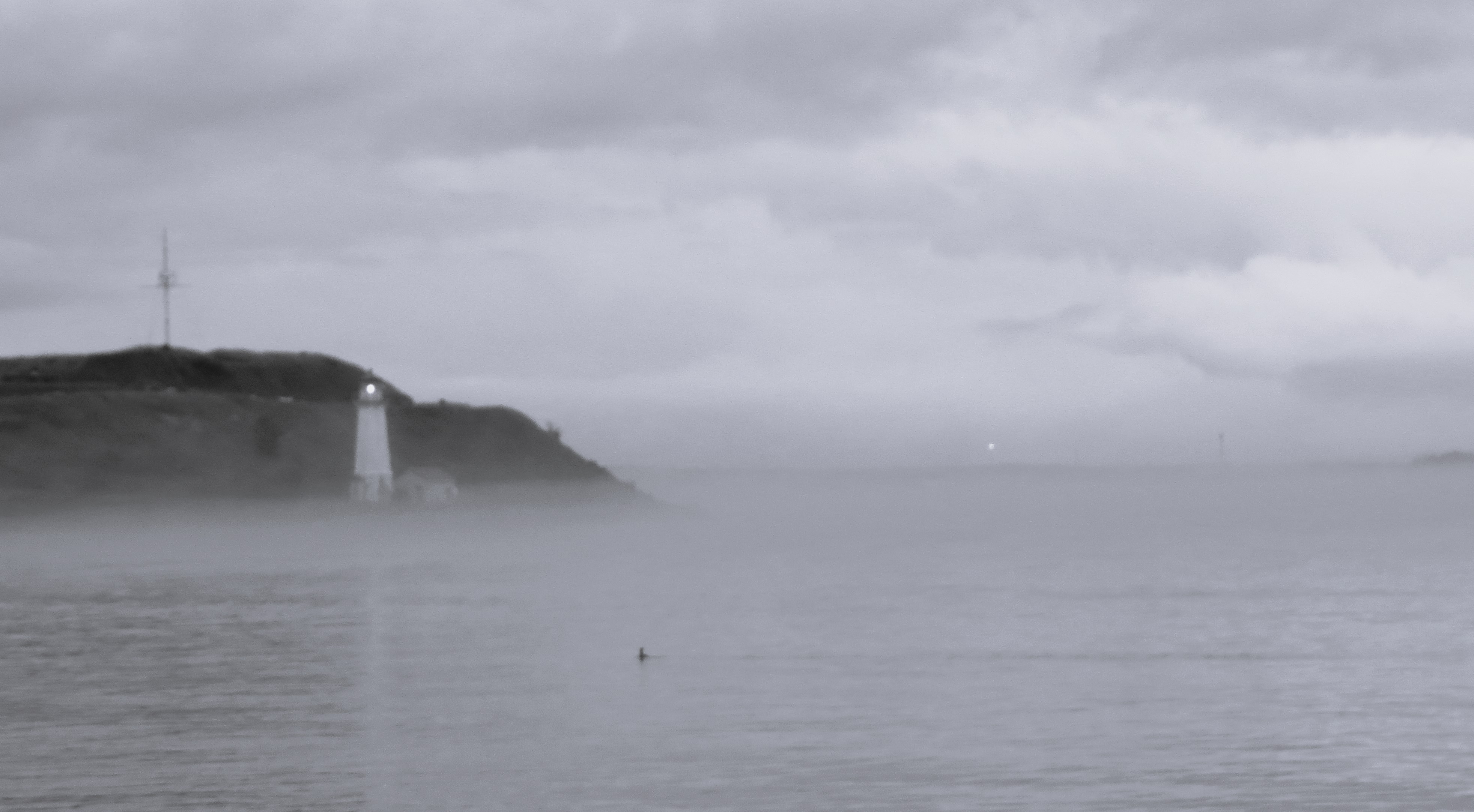
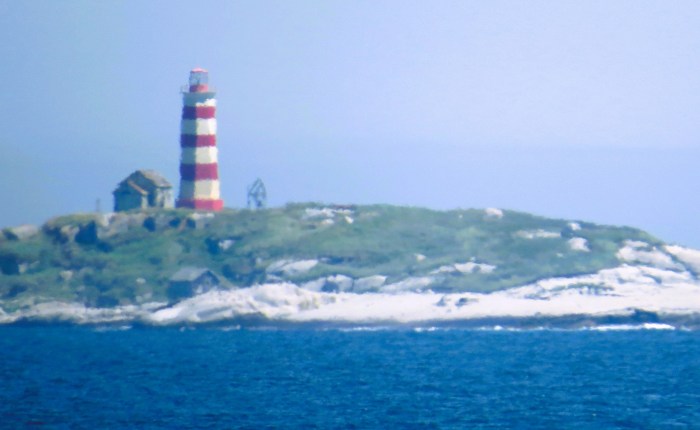
Widoczna na zdjęciu latarnia morska na wyspie Sambro, która jest ‘bramą’ to wejścia do portu Halifax jest najstarsza latarnią morską w Północnej Ameryce i do dziś operującą.

Pictures of the Sambro Island and the lighthouse remind us that it is the first lighthouse built in North Americas and it is still operational.

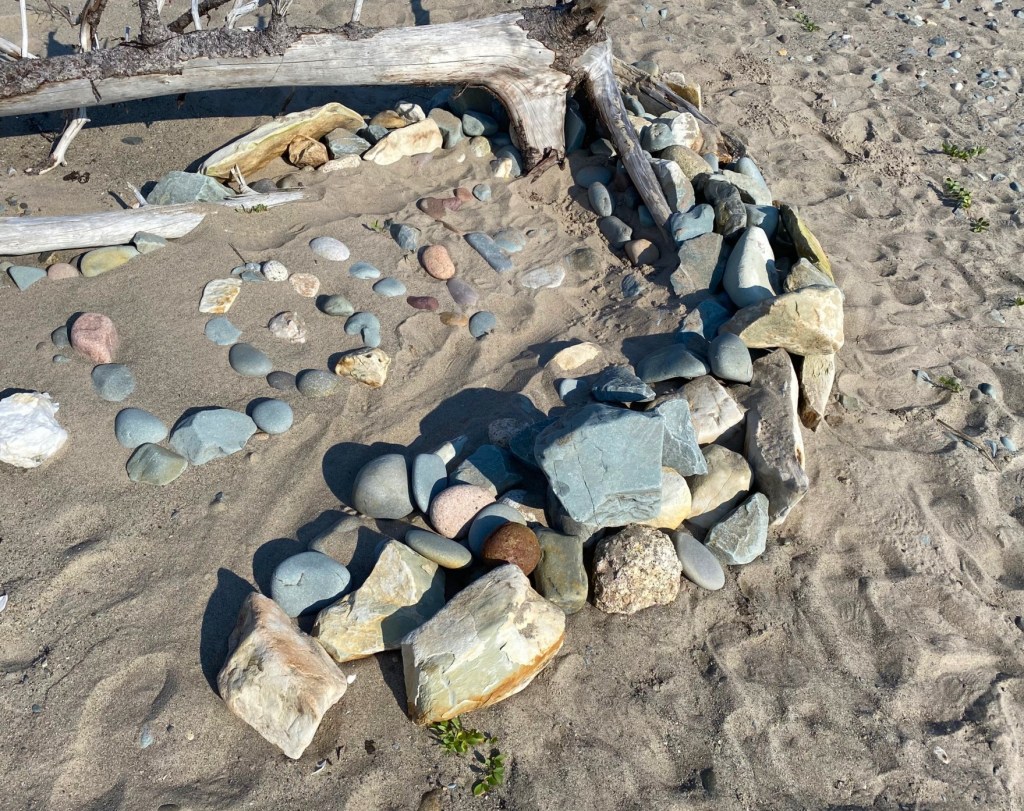
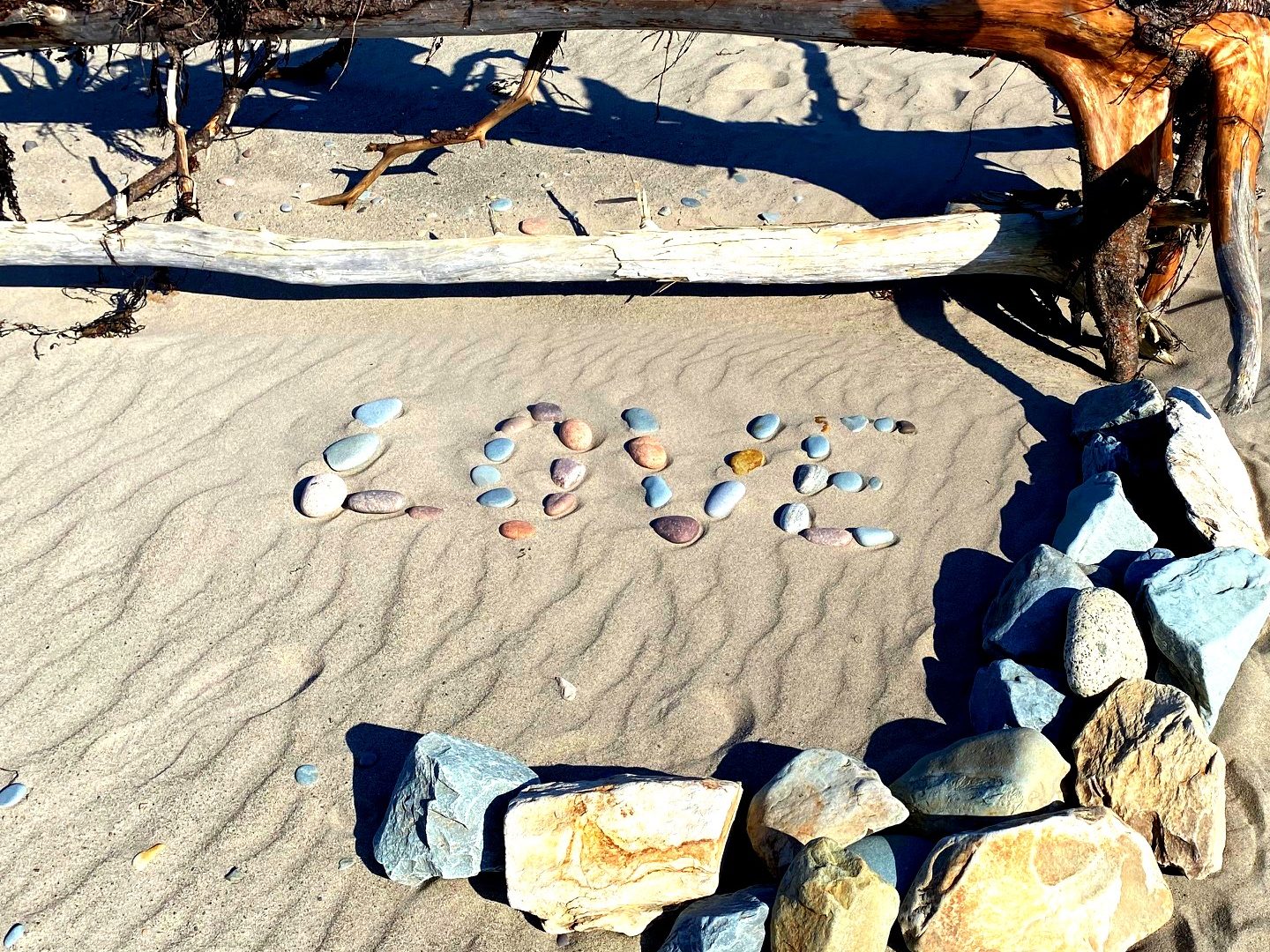
My Fort of Love, our Fort

My Fort of Love, our Fort

August 07, 24

I went there again. Maybe the last time? My time here is shrinking, time on this land perched over Atlantic, our land. Maybe in a month or so I won’t be here? Hence, I came today. To our Fort of Love, our love, our castle built on sand with solid rocks, boulders.

Yes, it still is here on this wild beach, far away from any venturing tourists. My hidden sanctuary of talking pebbles, tubal music of waves, clouds of black and white sandpipers flying in unison formations as a single body; ever present individual seagulls, pretending to be busy looking for crabs and dead clams, but observing you all the time. When I am there, I am part of that all, not a visitor but rather a feature belonging there. The flora there is very sparce and in constant struggle to survive. The dead ones are giving all their content as nourishment to the new ones. The sea and sand don’t offer much to land creatures. Occasional dead tree from far away bay or island. Not much but nothing is wasted in that austere environment. Meadows and patches of short forest on the land are separated from that spot by a big and deep saltwater lake. Sometimes, when I am tired of playing with the ocean waves, I go for a longer swim in that lake, its surface is always still like a glass. It must be incredibly deep. There is maybe three or five meters of very easy shallow water and than suddenly it just drops like from windows ledge to a dark deep water. I’m always surprised how dark and impregnable to light that water is.

The shore, where the local road ends, has a small, rocky beach. Almost always, if the weather is OK, there is a small group of locals. Three, sometimes a ‘crowd’ of ten even. They don’t come as far as where I am with my Fort. I have seen once or twice one person or a couple venturing there. You need to cross a fast-moving sea ‘river’ (natural canal connecting the lake and the open ocean) to get to my monastic desert.

But they – the locals – know that the Fort is there. It is the only man-made structure. By now they must also know me, recognize me, when I come with the same red folding chair, a stick in hand and a backpack, as I traverse the water like a hermit coming back to his cell. They see me from far away, sometimes wave to me while I gather more rocks to fix the Fort. It did survive fall, winter and spring. Many storms and big waves. But a good monk always fixes his dwelling for the glory of god – and my god is Love.

Do the locals call it a sanctuary? Maybe. Sanctuary of Love. I like it. Our love, anyone’s love. I am not at all jealous of that love. Love doesn’t belong to me. I just tend to it. She is sacred.

Maybe Venus comes here by sunrise and dances naked by the Fort? Maybe all of them, these crazy Greek gods, come: Venus, Apollo, Narcissus, Orpheus. Maybe even Helen of Troi dances with them? With whom Helen would dance? With handsome Prince of Troi or with Menelaus, her husband?  Sappho of Lesbos later explained that choice in her poem, when she argued:

Some say a host of horsemen, others of infantry and others

   of ships, is the most beautiful thing on the dark earth

   but I say, it is what you love

and few thousand years later, I agree with her wholeheartedly. But it doesn’t matter with whom they dance. Let them dance with whom they want. Let them lit the mighty sky with pyres hot of flames of passion.

August 08, 24

Hey! Yes, you Narcissus. Come here and sit by me. Don’t cry, don’t drown in unanswered selflove. Go to disco tonight. They have one in the club called Elysium. Go there, dance and let go off sorrows. Kiss someone, make love to someone, anyone for Heaven’s sake! They will appreciate you youth, vigor and looks. Me?  No, my dear boy. I have loved hundreds of times, thousands perhaps, for a day, for an hour.  Until I was confiscated, possessed, taken by Love itself. By that one special Boy. One, who become the air I breath, my blood, my waking up and falling asleep. My song and my poem.

But be aware – Love is immortal, but you are not. When The Boy (or Girl) will go (as everything temporal does) you will be broken in half. Shattered like pebbles on the beach, that are constantly thrown by huge waves until only scream remains, only cry to Heaven. But Heaven will have its gates locked by Death.

Love, dear boy, is not for timid souls. Love is only for brave or insane souls. It is Love that holds the saved obol in your outstretched hand, while pounding with your other fist at this gate. The Gates of time, of mourning, of grief. Demanding, pleading for them to be opened. With that obol as a magic key. Hoping but not knowing what is on the other side: reunion or emptiness, nothingness. Yet knowing now, when you are at these Gates, that even nothingness is better than half-living.

Love is for brave or insane souls.    

Dies irae – bez Piekła i bez potępienia

Dies irae jest jednym z najstarszych i najbardziej znanych tekstów chrześcijańskich Średniowiecza. Trudno określić z pewnością historyczną autora i dokładna datę jego powstania. Na ogół przyjmuje się okres między XII a XIII wiekiem. Są tradycje mówiące o okresie kilkuset lat starszym. Jeśli byłby to św. Grzegorz Wielki to początek wieku VI, jeśli opat Bernard z Clairvaux, to przełom X i XI. Są jeszcze inni ewentualni autorzy. Generalnie zamyka się to jednak w tej klamrze początków i połowy okresu Średniowiecznego.

Cały długi utwór zapisany jest w idealnej łacińskiej tercynie ośmiozgłoskowej i ma dziewiętnaście zwrotek. Zgodnie z panującą wówczas wszechobecną eschatologią Kościoła, ma wątek grzechu i słabości moralnej człowieka, które tkwią w jego naturze i dziedzictwie grzechu pierworodnego. Człowiek jest skazany na potępienie, a Stwórca jest surowym sędzią nie uznającym skruchy lub tłumaczeń. Niewątpliwie pochodną des irae jest ówczesna moda na pokutę i pokutnicze sekty okaleczające grzeszne ciało najróżniejszymi narzędziami tortur. Samobiczowanie do krwi było traktowane jako coś szlachetnego i pobożnego.  Eschatologiczna wizja zakładała wieczne potępienie w Piekle i finalny koniec świata. Bezpośrednio zaczerpnięto z tradycji żydowskiej element straszliwego Sądu Ostatecznego i paruzję, gdy cała ludzkość przed unicestwieniem świata poddana będzie bezwzględnej selekcji: albo strącenie w czeluści Piekła po kres czasów, albo wniebowstąpienie. Pojęcie Czyśćca w zasadzie przestaje tu funkcjonować. Ma to dotyczyć całej ludzkości od początków świata i Adama i Ewy – a więc ów Sąd będzie i nad żywymi i nad zmarłymi. W domyśle można więc przypuszczać, że wszelkie darowania win, uzyskane na łożach śmierci lub przy spowiedziach, ulegają unieważnieniu i kasacji. Bóg jest sędzia okrutnym i bezwzględnym a Sąd Najwyższy nie będzie zwracał uwagi na wyroki sądów niższych instancji.   

Przez ponad tysiąc lat Kościół stawiał ten hymn jako nieodłączny element swej regularnej mszy, a już kategorycznie mszy za zmarłych. Do czasów II Soboru Watykańskiego. Ale do dziś wolno dies irae używać we Mszy Trydenckiej (tzw. stary obrządek). Fragmenty używane też są w rycie posoborowym w okresie Święta Zmarłych (Zaduszki) a bywają dozwolone w regularnych mszach żałobnych.  

Otóż mnie się wydaje, że nastąpiło wielkie nieporozumienie. Dies irae dla mnie istnieje tylko w kategorii powrotu do Miłości. Ponownego złączenia się z ukochanymi. Śmierć jako wyzwolenie, ‘zwolnienie’ poniekąd z więzienia samotności, gdy jeden z kochanków odchodzi przedwcześnie.  Oficjalne tłumaczenie kościelne już w drugiej, bardzo ważnej zwrotce, w pierwszej linii tłumaczy z łaciny słowo ‘tremor’ na ‘płacz i łkanie’. Podczas gdy oczywiście winno być ‘drżenie’. Naturalnie, że drżymy na myśl o możliwości ponownego złączenia z kochankiem. Drżenie jest oczekiwaniem, jest niecierpliwością, a nie paniką, lękiem, przerażeniem.  I z takiego czytania dies irae wzięło się moje użycie starej tercyny ośmiozgłoskowej. Nie aż tak sztywnie w ilości zgłosek i bez zabawy w rymy. Przede wszystkim szczerość zapisu, która musi iść przed formą, co zawsze podkreślam. Koszula dla ciała a nie odwrotnie.

No i tylko czternaście zwrotek. Bo kiedy skończysz mówić coś powiedzieć miał, to sensu przedłużania gadaniny nie ma. Trzeba gdzieś kropkę postawić. I nad ‘i’ i na końcu ostatniego zdania.

Dies irae

W sali marmurowej, wielkiej

sali balowej, diamentowe

kandelabry zawieszone

pod plafonem sufitu

z błękitniejącego nieba,

z kryształowymi lustrami

w złotych ramach na ścianach –

będziemy tańczyć do taktów

modrego walca Dunaju.

Melodię fin de siècle,

muzykę końca

zmierzchu epoki przepychu

i nadmiaru pocałunków,

wpatrzeń, zauroczeń słów

pasją drżących, niczym płatki

opadającego złota ze ścian.

Będziesz wirować w moich

ramionach i moich oczach.

Cherubinki całe białe

spłyną z chmurek plafonu

na skrzydłach i grać będą na

srebrnych trąbkach Hymn Miłości –

Lacrimosa końca światów.

Nic więcej Nieba i Ziemie

oferować nam nie mogły.

I nic więcej nie chcieliśmy.

Stało się oto spełnienie

doskonałe i skończone.

Quantus tremor est futurus

Quando judex est venturus –

tak, będzie drżenie, lecz nie

z lęku a oczekiwania.

Drżenie ust i palców głodnych.

Potem spłynie szmerem czarnych

skrzydeł wielki Anioł Pański.

Wtuli nas serdecznie w pióra,

miękkie, ciepłe i najczulsze,

 opowłóczy szarym mrokiem,

gdy będziemy siebie szukać

w zagajnikach, łąkach, rzekach,

w pocałunkach i pieszczotach.

Jak być miało tak się stało.

/B. Pacak-Gamalski, lipiec 2024/

post scriptum: fragment ‘Quantus tremor est futurus. /Quando judex est venturus w moim łumaczniu brzmi: jaki lęk i drżenie będzie /gdy żyć naszych sędzia stanie

A chat with the Moon at night

A chat with the Moon at night

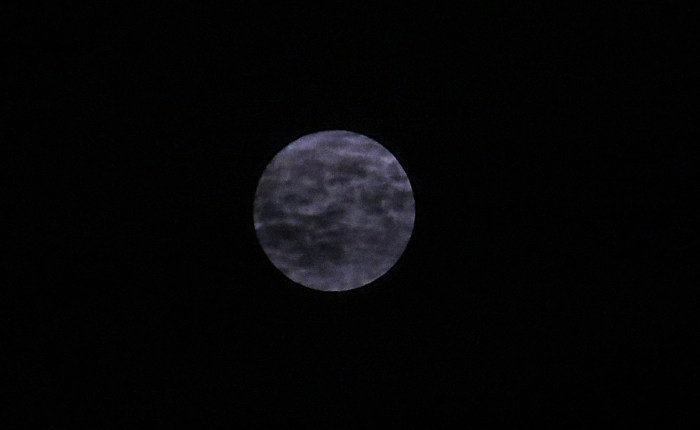
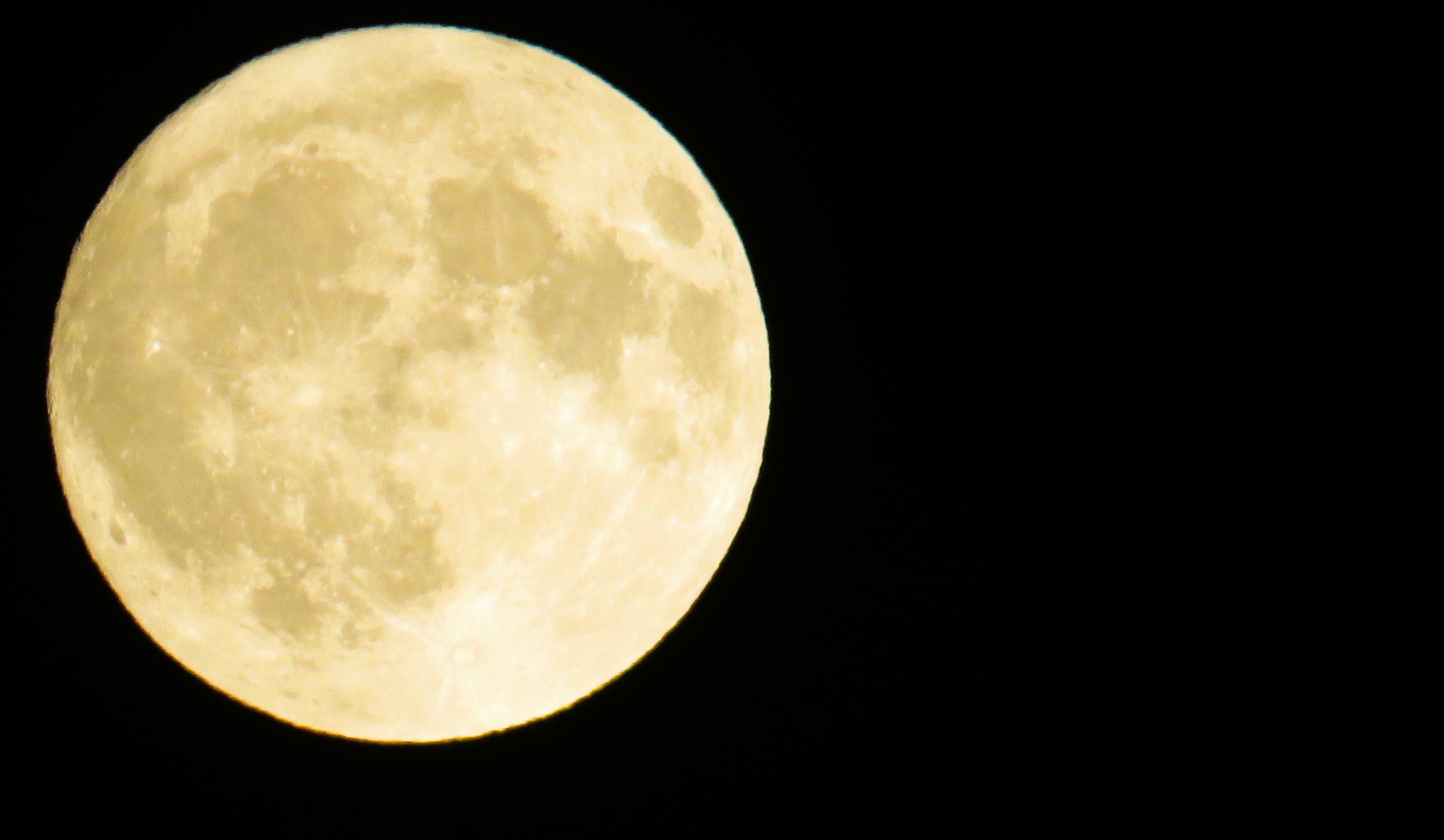
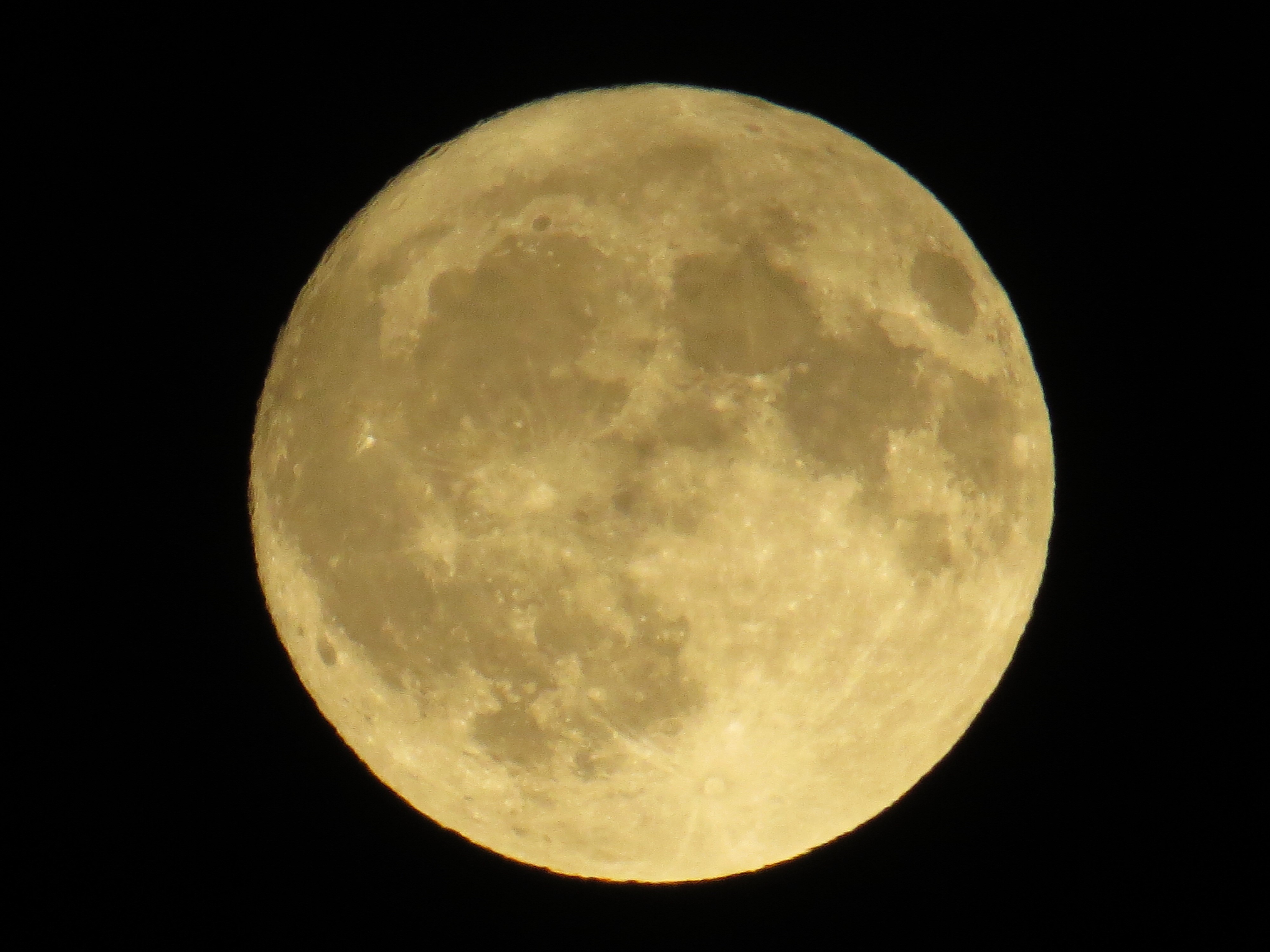
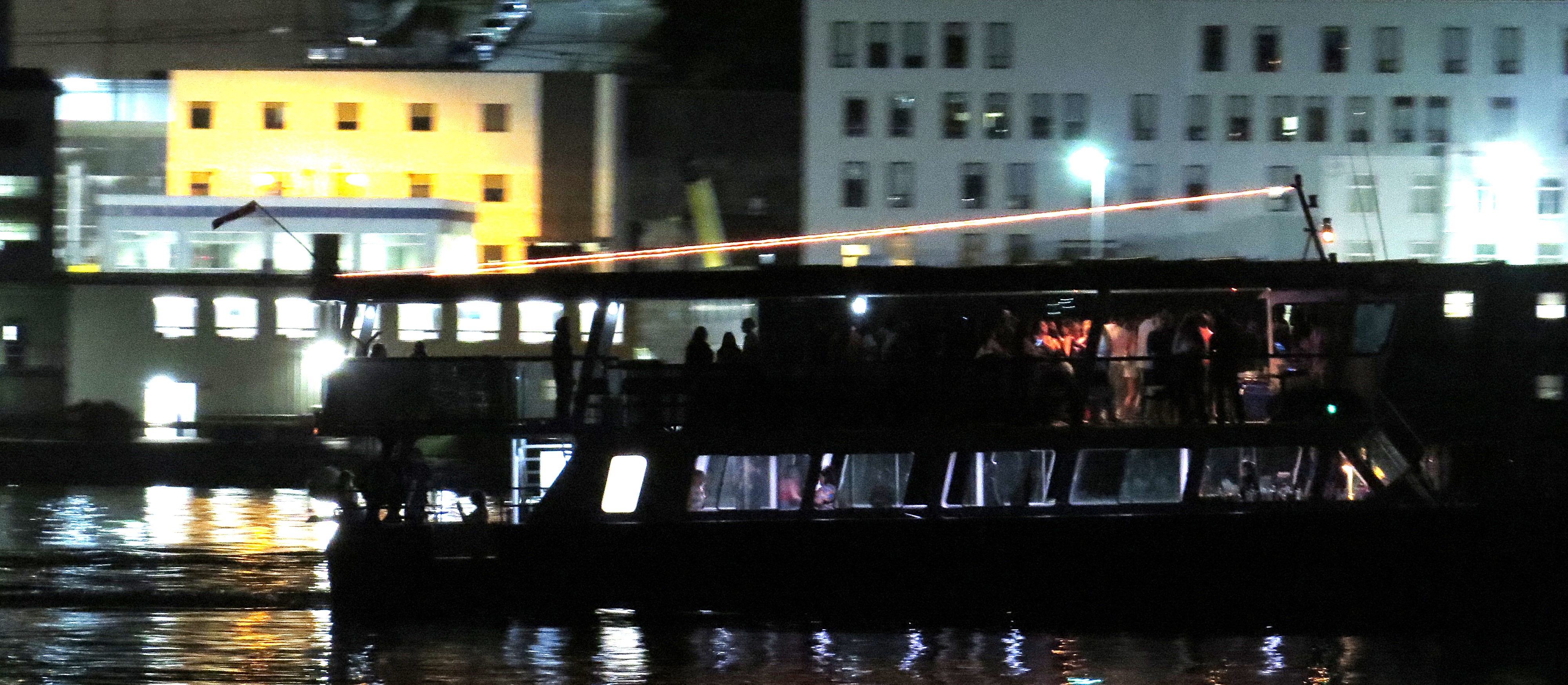
On My Rocks perched just above the ocean’s channel a night could be a magic place. Summer time especially. The city is still alive till wee hours with happy revelers, some are dancing and singing onboard small tourists boats. The lights of the city dance on the surface of the water and above it is one huge reflector of the stage – full Moon. It slowly sweeps the stage from one end to the other. And behind you, on the shore, in the shrubs and wild flowers comes the other song, the song of old time – the cicada.

Moons and Sycamore tree

One step, check the stones carefully!

They might be slippery in peach black night

and the water below is not the best for swimming.

But is it water indeed down there?

It looks strange with all the lights shining

on the surface, dancing like crazy lady

listening to an old country song from Tennessee.

The moon comes and looks down at the water.

It’s as surprised, as I am, seeing so many of it’s

faces mirrored in it. Two moons, four, six…

It screams at the water:  that’s enough!

You make me dizzy with your witchery!

No one plays banjo anymore, only the one-note

song of the cicadas: I’m here, come, give me a kiss!

Oh, I have seen many moons on summery nights,

six and twelve at once, when I was drunk with love.

I have sung the songs of night birds and early birds,

when sunrise came with another kiss again.

Now no more I sit under the Sycamore tree,

the night breeze sways in long grass,

Savanah sings its sweet longing song.

Crying song, the Moon above is cold.

/B. Pacak-Gamalski, 20.07.2024/

Sunshine and Fog – Laughter and tears … Między Nadzieją i Zwątpieniem

Sunshine and Fog – Laughter and tears … Między Nadzieją i Zwątpieniem

Synopsis in English: My travels trough Nova Scotia’s Eastern Shore brought me so much joy through last year. I should say: OUR travels, mine and John, as that what it really was. Traveling through OUR places, OUR spots. Re-visiting them. Celebrating OUR time.

On surface it might have appeared as simply photographic chronicle of the gems this Province has to offer for a traveler. Of course, in a way it was, and I’m happy if it enticed someone to visit the wonders of our beaches. As wonderous they are, indeed. But this year, in the last few months, it has become harder for me to feel only the joy, the childish almost happiness in playing in waves of Atlantic. Muscular, powerful waves, that can caress you like if you were a child – if you trust them, if you respect them. Or can hurt you if you arrogantly pretend that you can outsmart them.

This year I started loosing John’s presence on this journeys. As if he become bored with the pretense of staging reality. Him becoming a shadow, but a shadow seldom willing to be an active part in these beach plays. Back in our days in BC, there used to be a Theater Festival in Vancouver called Bard on The Beach. There was a circus-like huge tent next to gray building of Vancouver Music Conservatory and Shakespeare was performed there.

My Bard lost interest in my festival of Love. So I thought. That is how my written chronicle of these visits with Atlantic had to turn to literary word, to prose and poetry. And now He is back with me again. Helping me again to find my spot on the map. My new place for OUR love, Our time.

And I can post again happy pictures of children frolicking in the water, of couples walking on shore holding hands.

In the Polish text below I write of my search of familiar places, of my past mountain peaks, about fog and mist that obscures the vistas from my memory. But I sense their presence. I will not translate it, it is pointless. But you, dear reader, will understand why I write what I write. With poetic prose, with poetry you escape the boredom of repetitions of the same images and stories. Even if they are small parts of one large story. In a sense – Epiphany of Love.

Ogarnia mnie dziwny niepokój, rosnący każdego dnia.

Stoję na wąskiej granicy oddzielającym skrawek plaży od nadbiegającej grzywy wielkiej fali. Galopuje w pianie opadającej jej z pyska białymi płatami, jak Wielki Koń Czasu. Tratuje kopytami plażę, wyrzuca wysoko w górę ciężkie kamienie wyrwane ziemi w odległych zatokach. Bawi się nimi, jak piłeczkami ping ponga. Przynosi zapach glonów, małż i wielkich ryb łypiących okrągłymi oczami bez wyrazu.

Oddalam się od tego pola walki. Idę w przeciwną stronę – do siniejących szczytów Wielkich Gór po drugiej stronie kontynentu.

Z dna zielonych dolin kieruję się w głębokie żleby skał. Wspinam się na grań przełęczy. Wokół gołoborza szarych skał, w dole ciemnozielone ramiona sosen. Szczyt nad przełęczą ma jedna stronę płonącą w promieniach słońca, drugą otuloną chustą mgły.

Szukam zagubionej ścieżki, zarośniętego szlaku, który ma mnie zaprowadzić do zapomnianego schroniska, chatki z kamieni i omszałych pni, która ma dawać schronienie zagubionemu nocą wędrowcy.

Zza tej mgły wyłaniają się nagle znajome szczyty Gór Świata: Świnica, Rysy i Zawrat tatrzańskie; kruszące się w spiekocie stare włoskie Apeniny; groźne śnieżne olbrzymy na granicy Patagonii i Chile; Mount Temple i Castel Mountain w kanadyjskich Kordylierach, majestatyczna strażniczka Gór Skalistych – Mount Assiniboine, górująca nad nimi z oddali Mount Robson; wyrastające z wiecznych lodowców szczyty Gór św. Eliasza na Jukonie; samotny szczyt Mount Cook w Nowej Zelandii; Dwa Lwy nad Vancouverem.

Kuszą spoza tej mgły, wołają cichym gwizdem świstaków: chodź raz jeszcze z dolin do nas! Opowiemy ci nowe stare legendy. I już bym czekan chwycił, już buty silne założył … i nagle budzę się w składanym krześle na plaży atlantyckiej, która mnie uśpiła monotonną kołysanką fal. Pod nogami leży w piasku notes z jakimiś historiami o jakichś szczytach w różnych częściach świata. Od morza nadchodzi znowu mgła, robi się zimno. Czas się zbierać do domu.

The world of screams

Scream. The mind brings the memory of a vision of that famous painting by Munk. That contorted with terror face. But it is not my scream. There is no terror in my memory. Maybe when you were still sick, weakening every week? But not really. I was too busy with soaking in every second of your presence, of the smell of your skin, the sound of your voice.

Silent scream in that isolated room in the hospital, with all these probes and machines attached to your body? No. There was no time to scream. It was a time of savoring every second, every precious moment of being with you. Was there a dim hope? I suppose there was a faint longing for it. But not for a scream. The entire very dedicated team of doctors and nurses knew early on – but they did not give up. As long if that faint hope remained.

Till I will say it, when I will arrive at that moment on my own time. When I had that long talk with the two specialists (a neurologist and a doctor, whose only role seemed to be to give me support, a psychologist perhaps?) I did not feel like screaming. I knew. God knows how I didn’t want to be the truth – but it was, and I knew.

I would not scream because every second to the very last one I needed to be with you. Not with fear, not with loss. With you wholly. My last talk with you, a long one, was about our love. The beauty of her. Telling the long story of it, from the very first day. Long story. Reminding you and myself of it. And how immensely grateful and happy I was. At that time, too. Even after I did say the word, after they removed the tubes and disconnected the machine – your body still had a heartbeat for short while. Tere was no time to scream, when they asked if I want to spend some moments with you until the hearts stopped its labor. Of course, I went and caressed your face, held your hand. It wasn’t time to scream. There was time to console you, to be grateful you are no longer in those terrible throws of that terrible disease.

Later we spent so much time on my traveling with memory of you to our places, our journeys. There was no time to scream.

But, as time passed, moments of silent screams came. I didn’t want them; I ran from them.

Now? Yes, I do. I have to slowly dismantle piece by piece our last apartment. Must squeeze everything that is ours in a few suitcases, traveling bags. Most of the material items we bought and gathered over the decades – has to be given away or disposed of. I must transfer myself, my body, to different spaces, lands, countries. And I do feel like screaming at times. But I also had to stretch myself, and pack myself inside for the things not material: every day, every year, every hour of our love and life. I didn’t know I could hold so much, that I had so much space inside me. But I do. Not a single minute will be left and forgotten.

Scream

When I scream your name in pain
will you come to me?
When I cry in vain for our days and nights
will you come with touch?
When I forget my keys, my wallet and life
will you find them for me?
If I hear your scream from the abyss, 
I will run and find you.
If I hear your crying over song or poem,
I will find the music and words.
When I will know you are lonely and sad
I will reach and touch you.
I screamed your name and enormous
shadow of an Angel appeared in front.
He brought our lost Love.
And silenced the scream.

/B. P-G 07.2024/

Link to previous post that relates to these conversations

Shadows and us sharing common sphere

Shadows and us sharing common sphere

My walks with John are changing, far from any routine. I like it because we have not become an odd pair of aging gentlemen. Far from it. Not that people would really notice since they can’t see John, of course. They would just look at me, perhaps with a shake of their heads. Which really wouldn’t bother me at all. Not out of my arrogance and dismissiveness of their opinion. Honestly not. People see what they want to see, hear what they want to hear and they do have a right to their opinions. God knows I have mine.

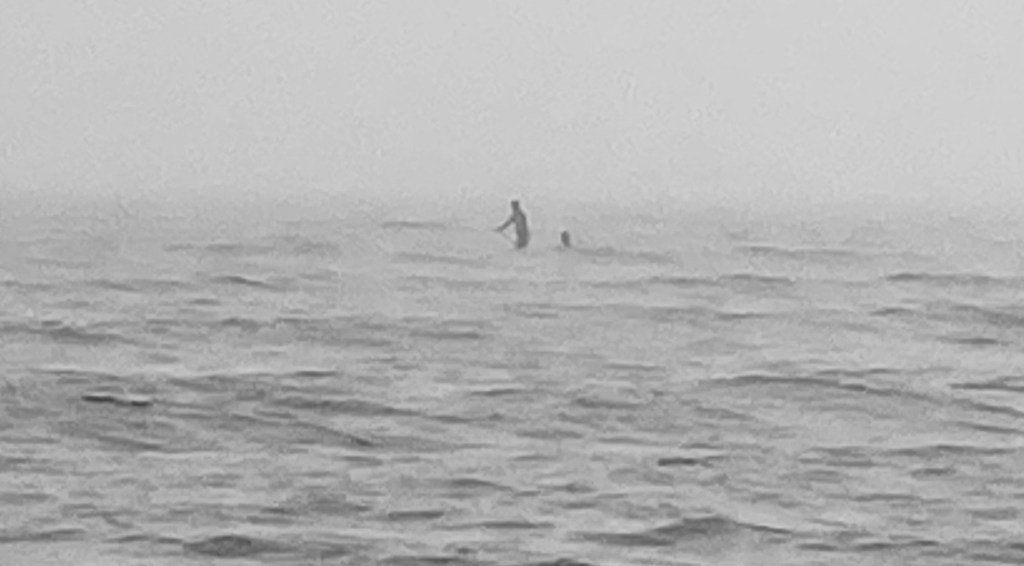
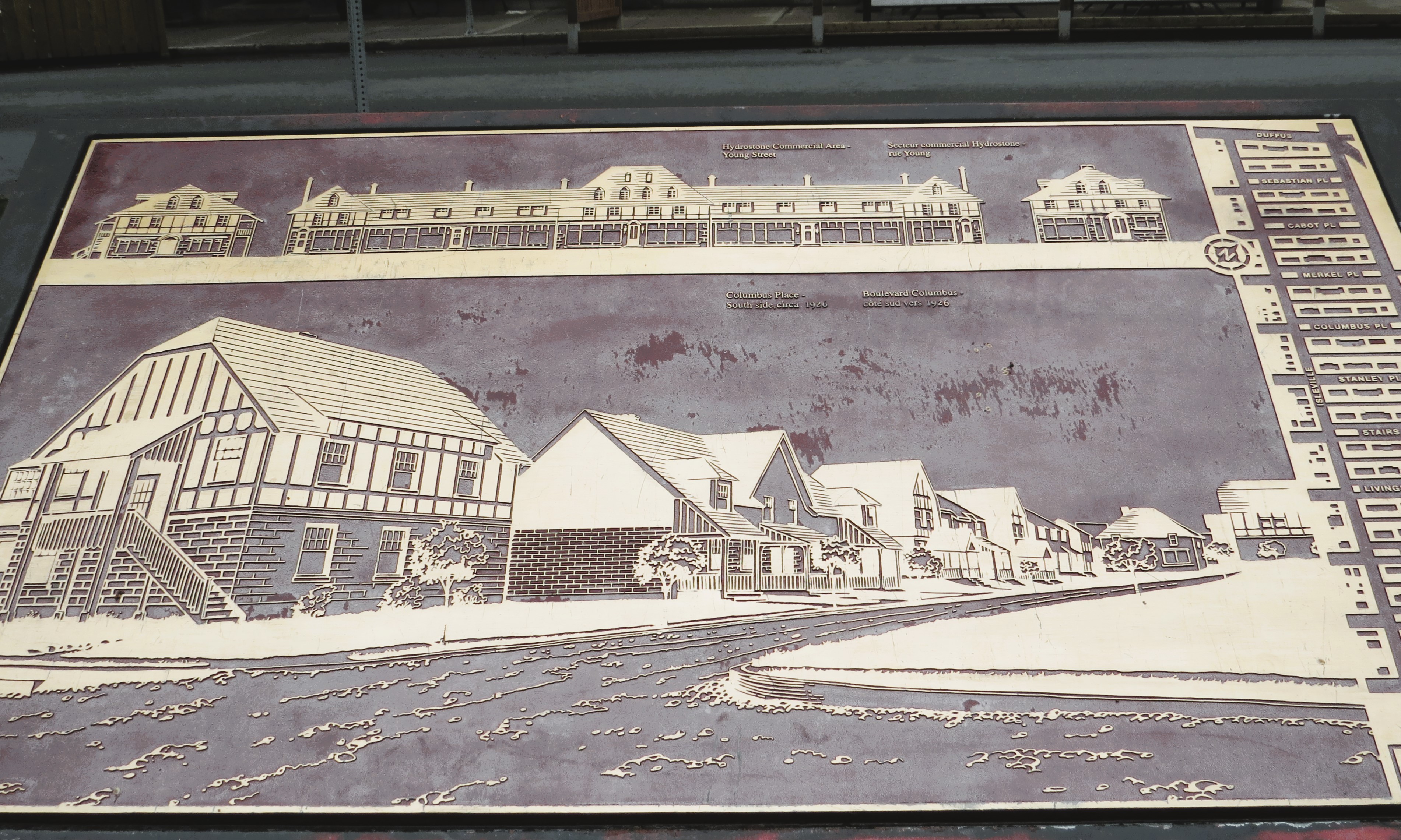
So I was walking on Canada Day with John in Halifax through spots we liked to visit together. Like the little square on Novalea, just before the Hydrostone district. And I started to write some stanzas about these walks with him. Later I went to the Waterfront. It was sunny day but with a heavy fog and mist covering the Channel. It really was coming right out of my unfinished poem.

The world of shadows


The shadows are everywhere:
the silhouette of your body,
the taste of your lips,
the gaze of your eyes,
the touch of your arms.

On the corners of the streets,
on benches in the squares,
trails in parks, and in hills.
They are lurking behind trees,
passing us on the walkways.

Every time a green car
of certain make that you drove
passes me by,
I stop
and follow it
with my stare:
do I see your shadow behind the wheel?

The world has become bi-dimensional:
real physical presence of shapes,
and shapes of shadows
mingling between us –
invisible to some,
real to others.

Our talks in the crowds
of these shadows,
your invisible hand
reaches out to touch
my arm.
I can’t see your hand –
yet, I feel it
when it touches my skin.

I feel the other shadows,
when they pass me by
on the streets.

Some walk painfully bearing
heavy bag of sorrow,
others are light, they float
in the air
without care or foreboding.

We don’t know their stories,
so, I just accept their behavior
as it is, without question.
They too have a right
to be joyful, and your insistence
that the shadows should be sad
is just an arrogance
born of our ignorance.


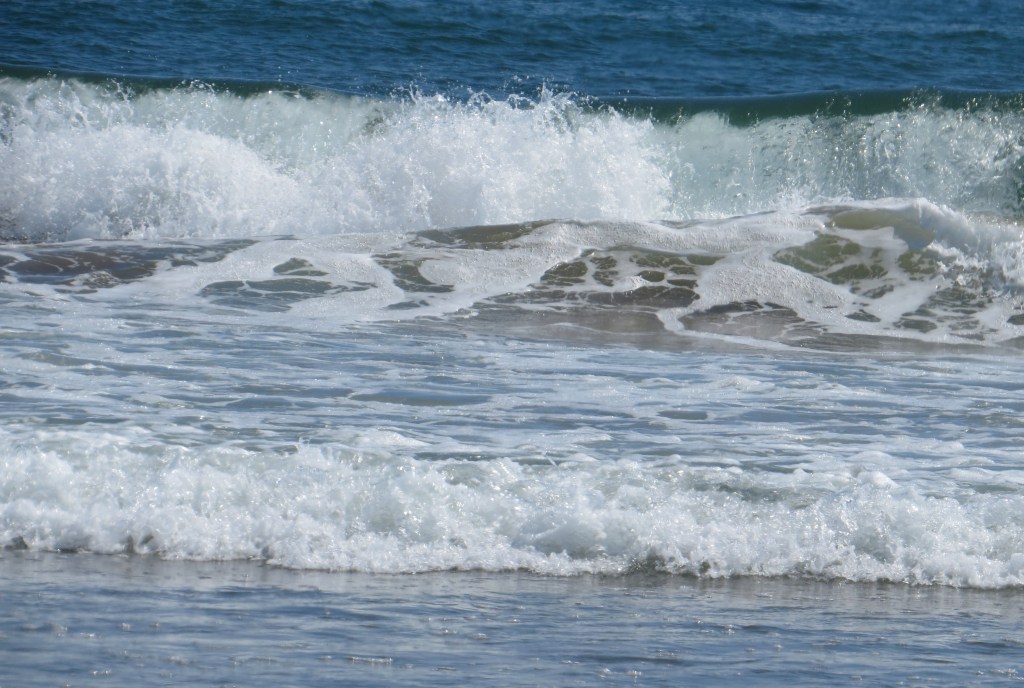
Today I went to the beach to finish the poem. Well, I have no idea if I did really finished it. I might actually add later another section to it for the idea of the ‘shadows’ among us (you can read to it whatever you want but my personal perspective does not come from religious point of view, but I always promoted the idea that a poem belongs to the author only as long as it has not been read by any other person. The moment it finds another reader – the poet no longer has any control of it, it belongs to that reader). But for now it is what it is. There was no fog on the beach, au contraire – it was sunny. But the crushing waves created beautiful mist on the edges of the beach, just where it meets the ocean. I liked it.

There is a lake I had to say goodbye to

There is a lake I had to say goodbye to

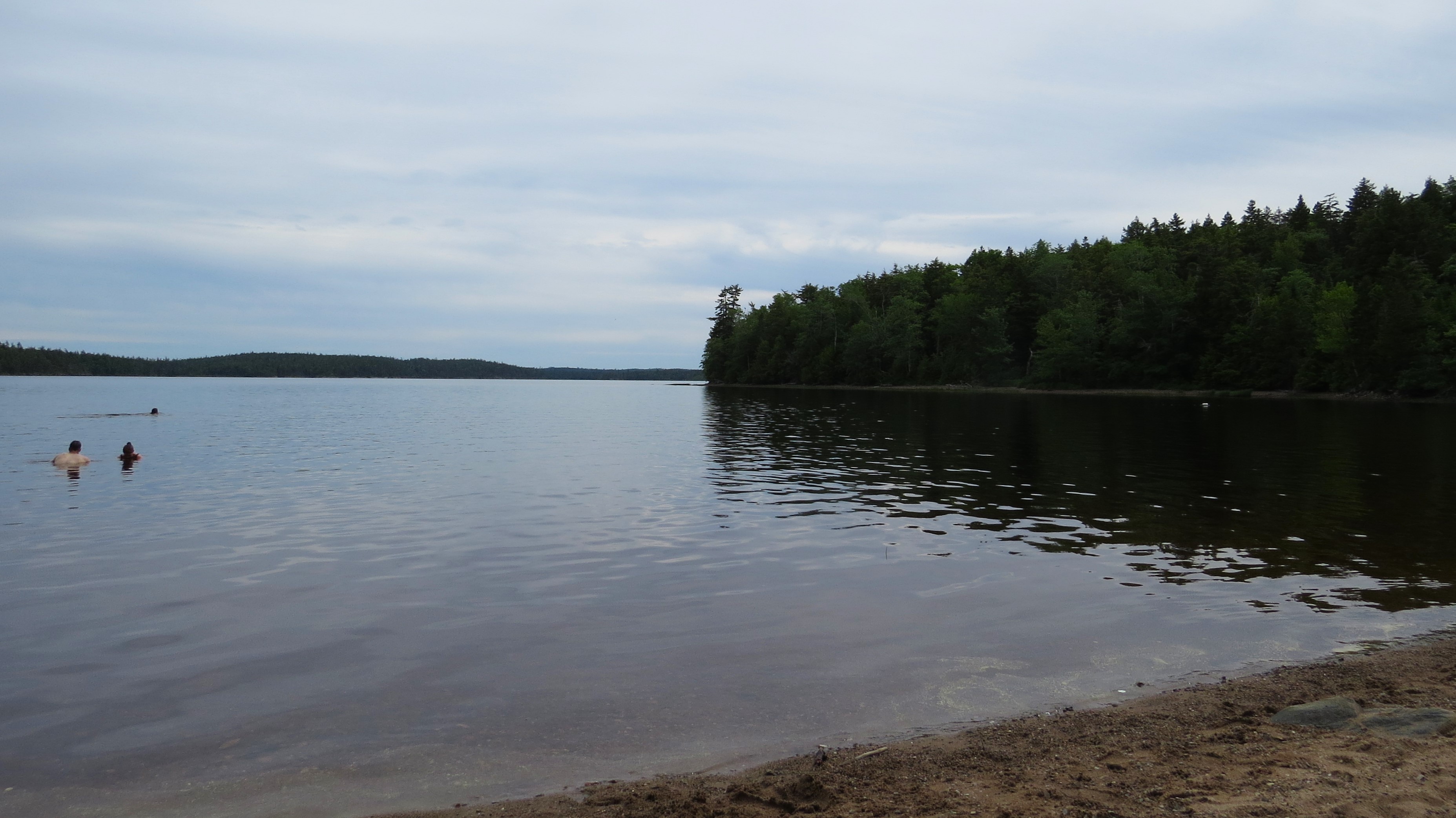
Went yesterday to that lake. Our lake. Went there third time. Went there, on my pilgrimage of saying goodbye, saying that to many places we went together to. Roads, towns, parks, streets and beaches. Our journey through this province. Our last stop of our big lifelong journey.

There will be no more stops for us, no more places we will visit together, no more view we would enjoy together.

I know that you are part of me, wherever I go that part will go too. But it is not the same, you know it and I know it. Where I will end up there will be very few spots that we briefly visited during a cold and wet November 1990. Poland. Time was very turbulent in 1990 in Poland. I had such little time for us, the country was ravaged beyond description by the past 45 years of Soviet domination.
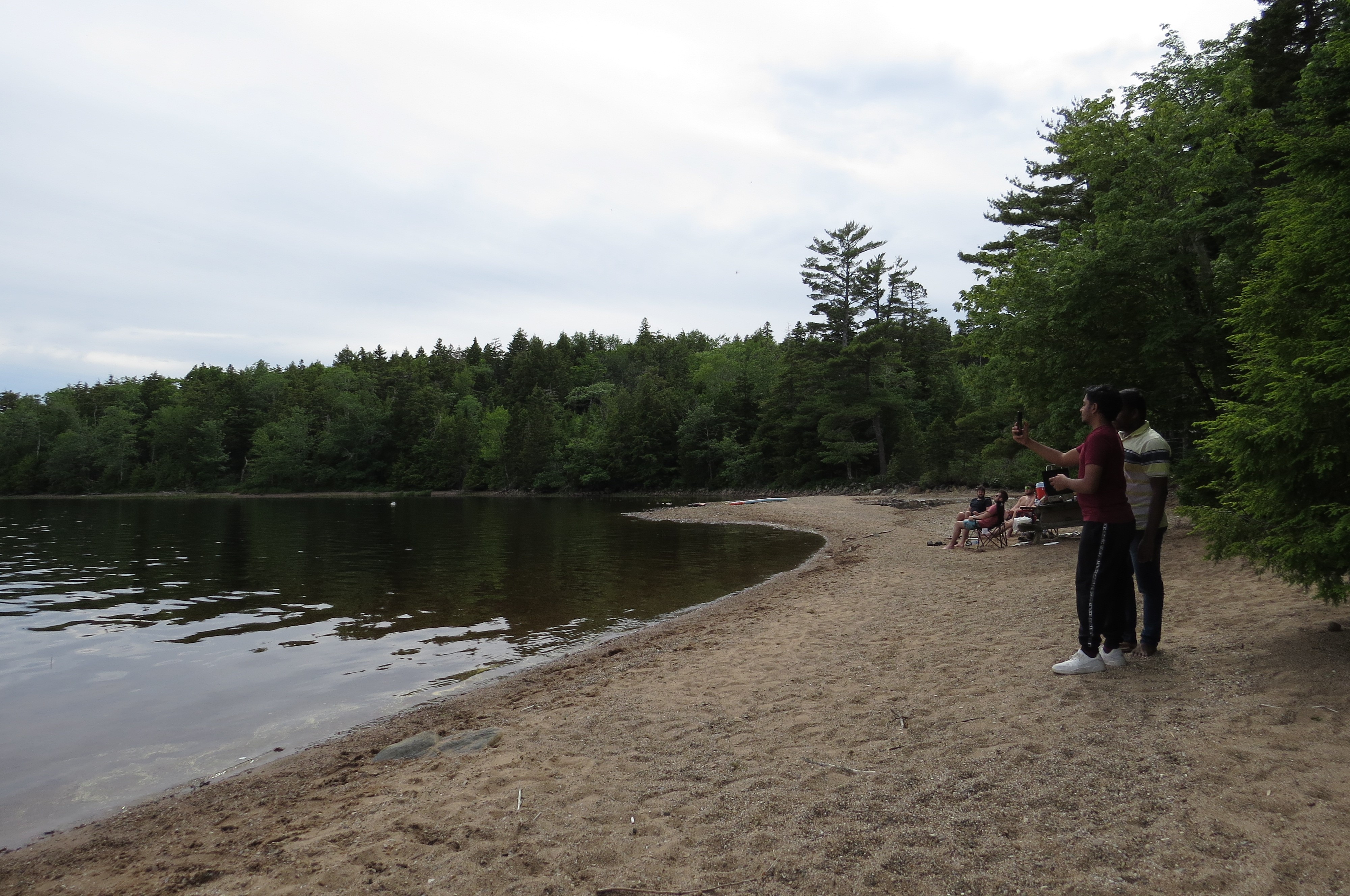
Our life journey was Canada, she was our country. She brought us together. And she did bring us to that lake in 2022. Our last longer ride outside of the city.  I know you did it only for me, you knew better than I did, that time was already very short. In a way it was borrowed time. But you agreed to give me that last longer car ride, a ride to a small beach, lake, forest. Went there again in September 2023. It was really, really hard. At that time that lake was almost totally empty. Just me and memories of you there. On that bench were you were waiting for me in 2022 – I still saw your shadow, I thought I saw that tiny smile and that twinkle in your eye. And the goodness that emanated from you. The one that made you so special to so many people.

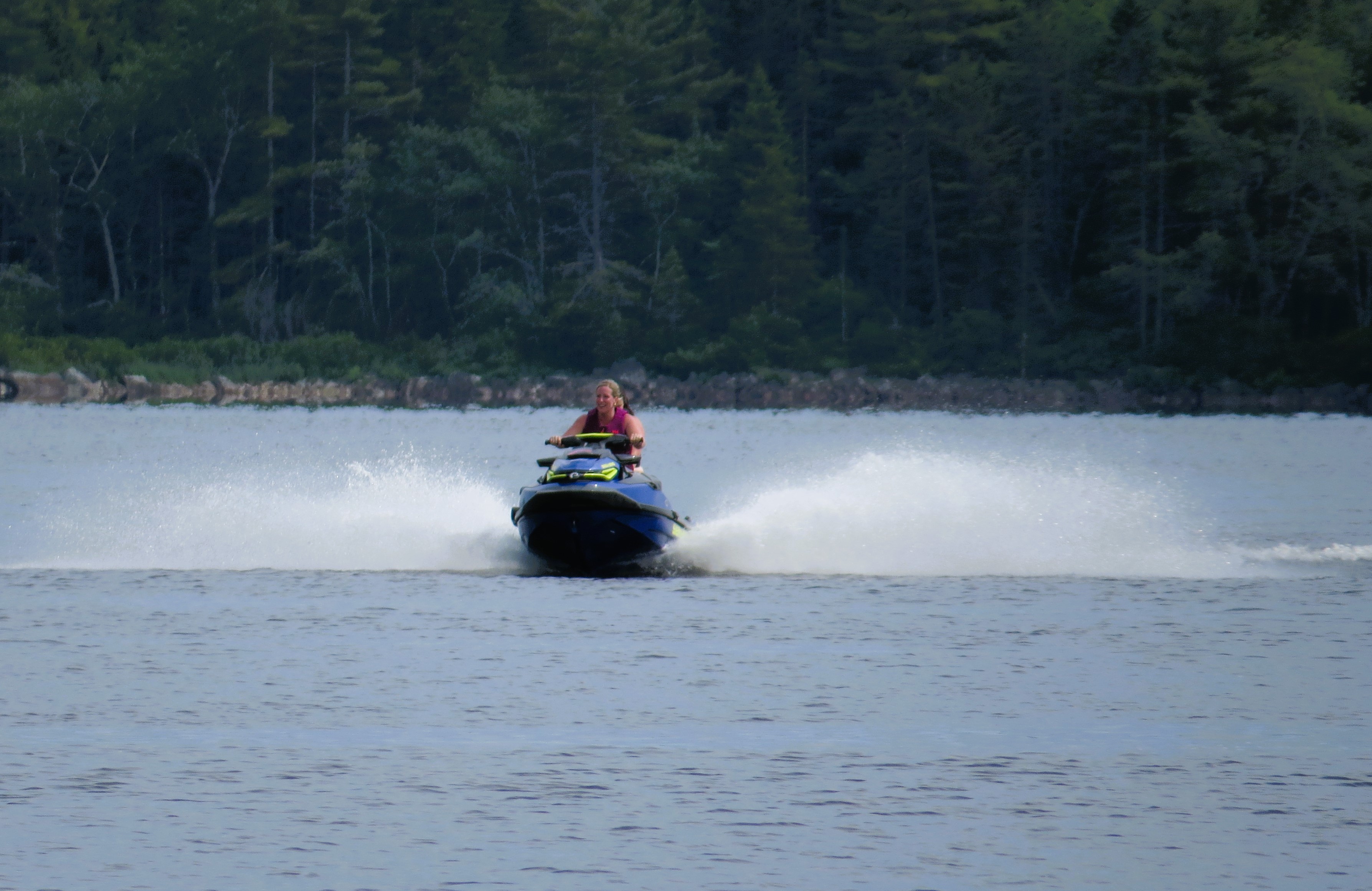
Today it was full of beachgoers, loud with laughter and yelling, with people setting their barbecues for hotdogs and burgers, there were boats and kayaks. Went a few times for a swim. The water was very warm and soft, as lake waters are. But could not see you anywhere in this noise, could not her you voice.

I did say goodbye to that place. Not to you, to the place that for a short while was ours.  Probably will never see it again except in my sleep, my dreams. Goodbye, lake.

June 2024


LAKE

1.

I came here again

to our love

I came crying for you

our half

I swam and searched

could not see

Could not hear your voice

Only broken me

Children swam, too

they shouted joy

Mothers yelled laughingly

throwing them a toy

I did not belong here

anymore

Our presence, our laughter

silenced

Even the verse I wrote down

is wanting

The grief will be gone

one day  

And there will be nothing

left

Just total emptiness, full

void

My shadow will look

at me

Will ask like a judge

in court:

what more, I ask, would you

want

You are but a scribe

not more

2.

post scriptum

          The air is still, is warm, rather moist

          The water is dark like lukewarm tea

          I recognize the little green island

          Recognize the broken bench, the rock

          Guys with brown faces, black hair, big eyes

          Smiling at me and asking a question:

          Can you take picture of us sir, please

          I do but say – look at yourself, not me

          I want to add – look at yourself and you

          Will see the whole world, the sun and the stars

          Yet I don’t just smile approvingly

          For I know that way down from stars is long