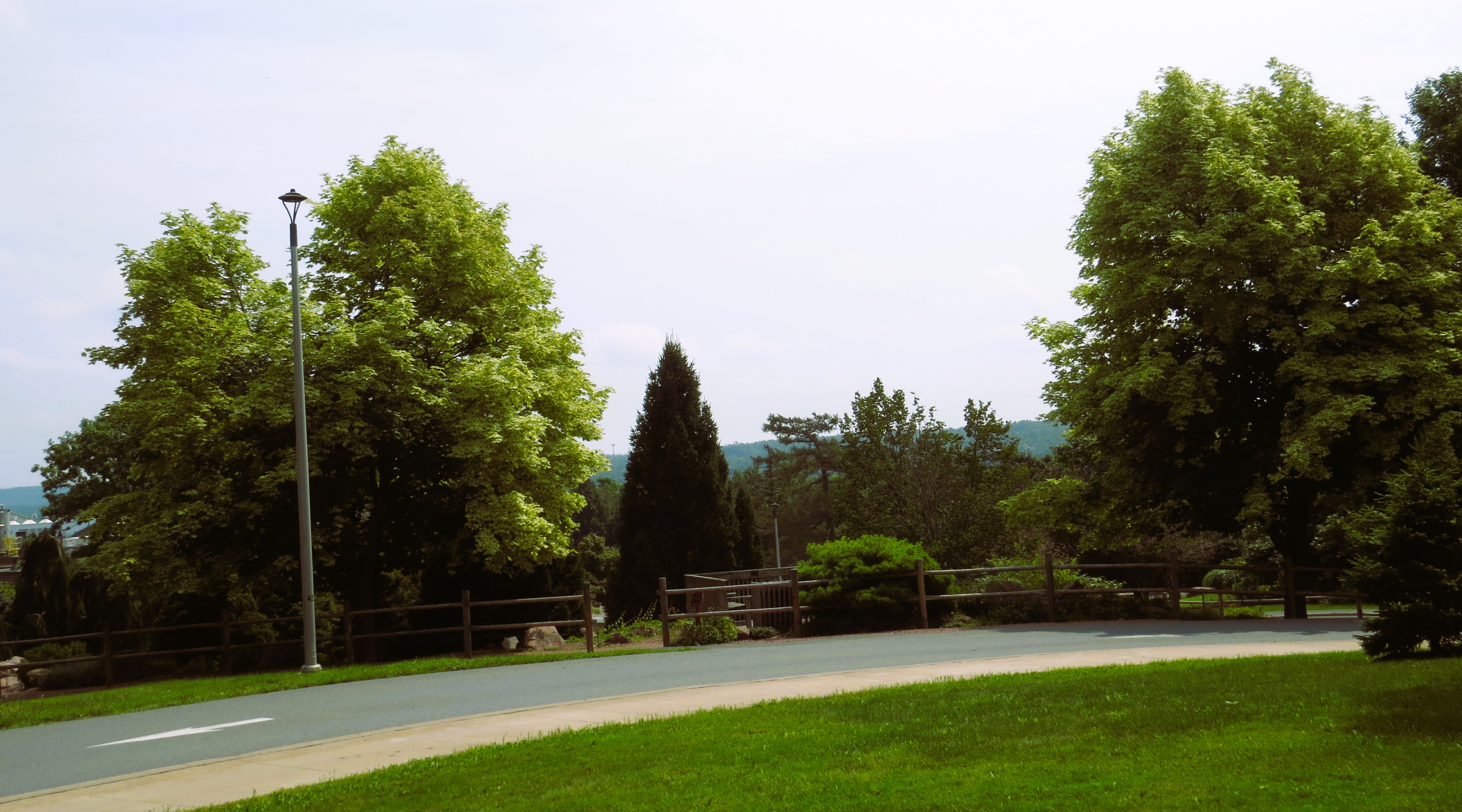
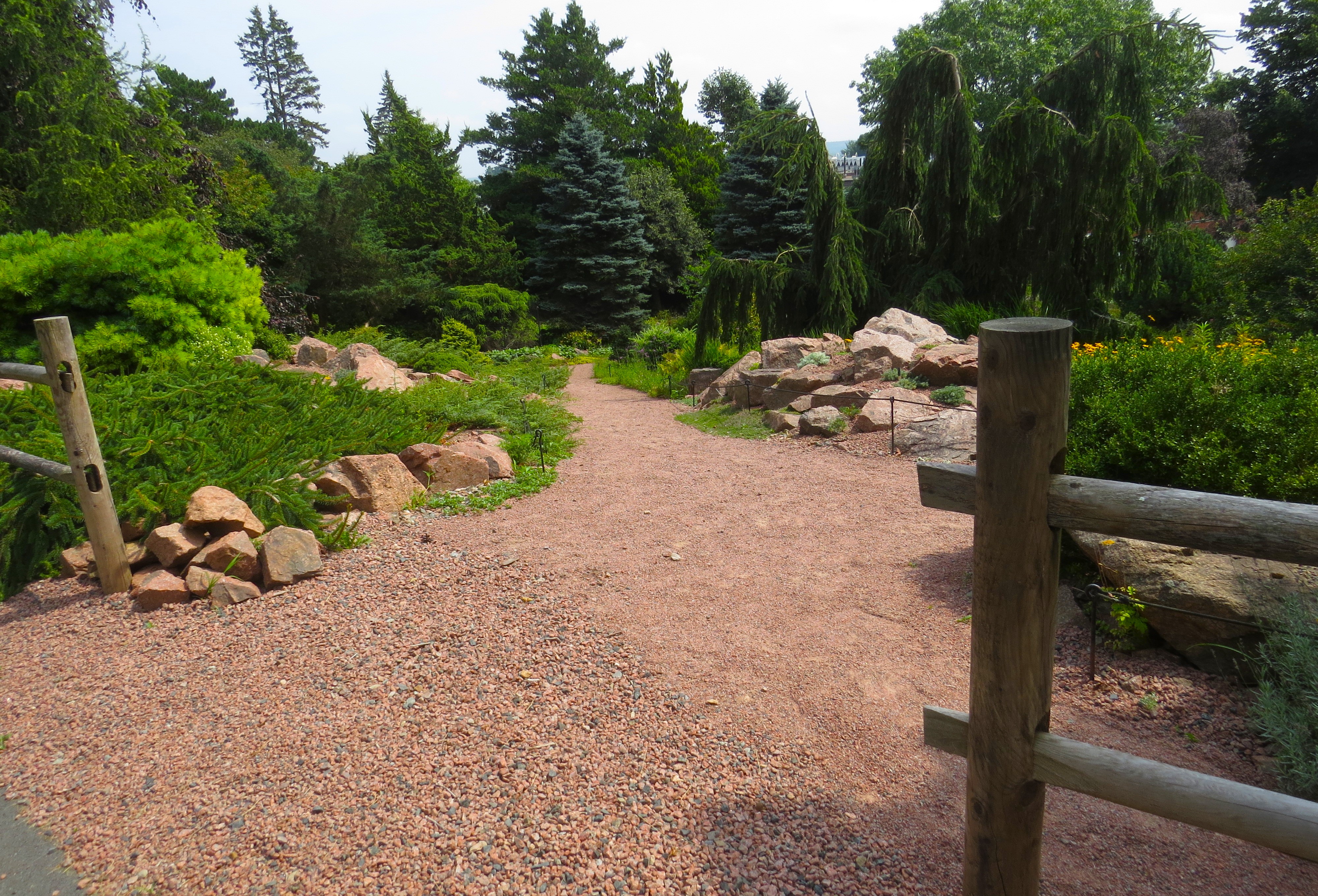
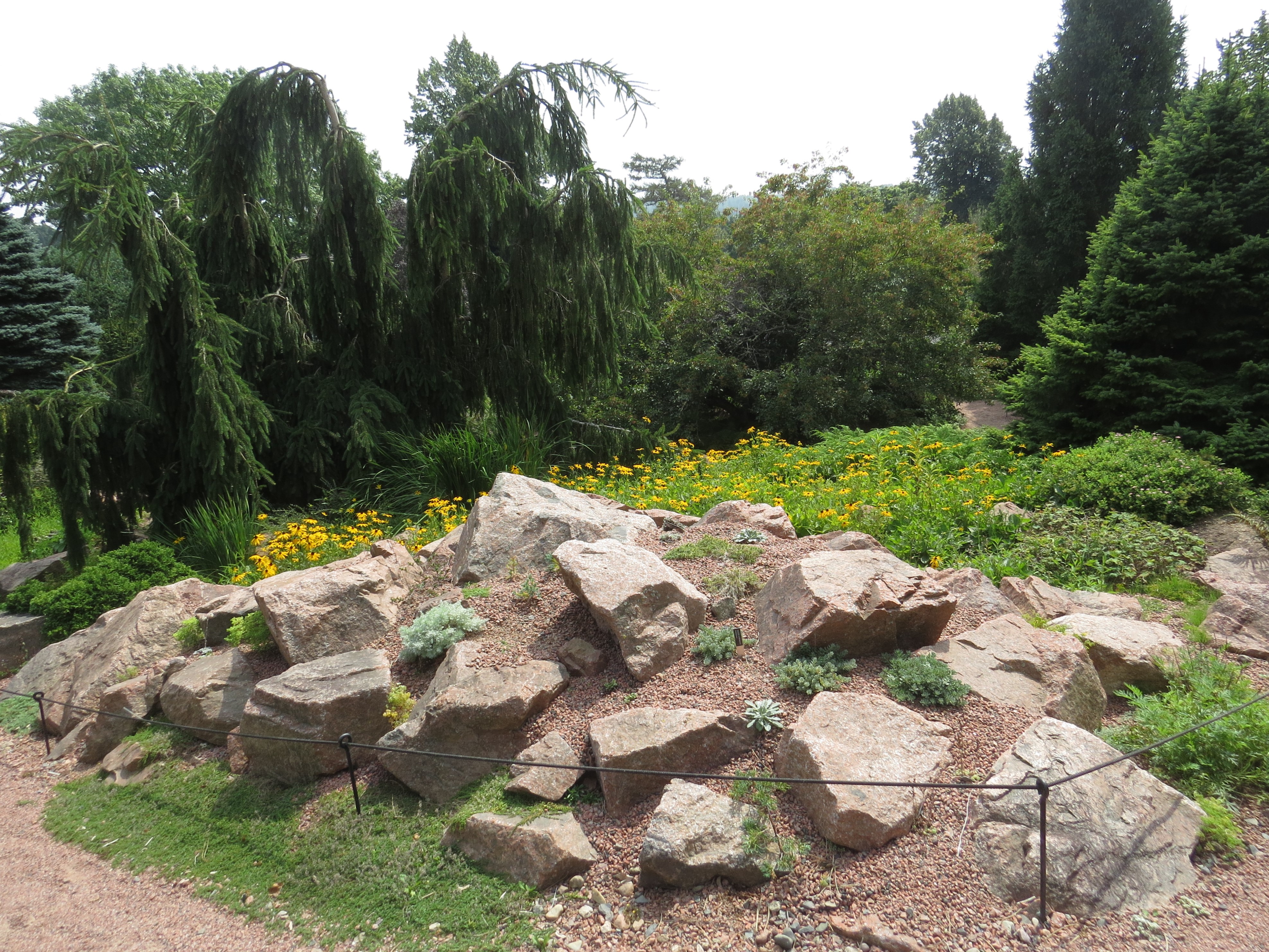
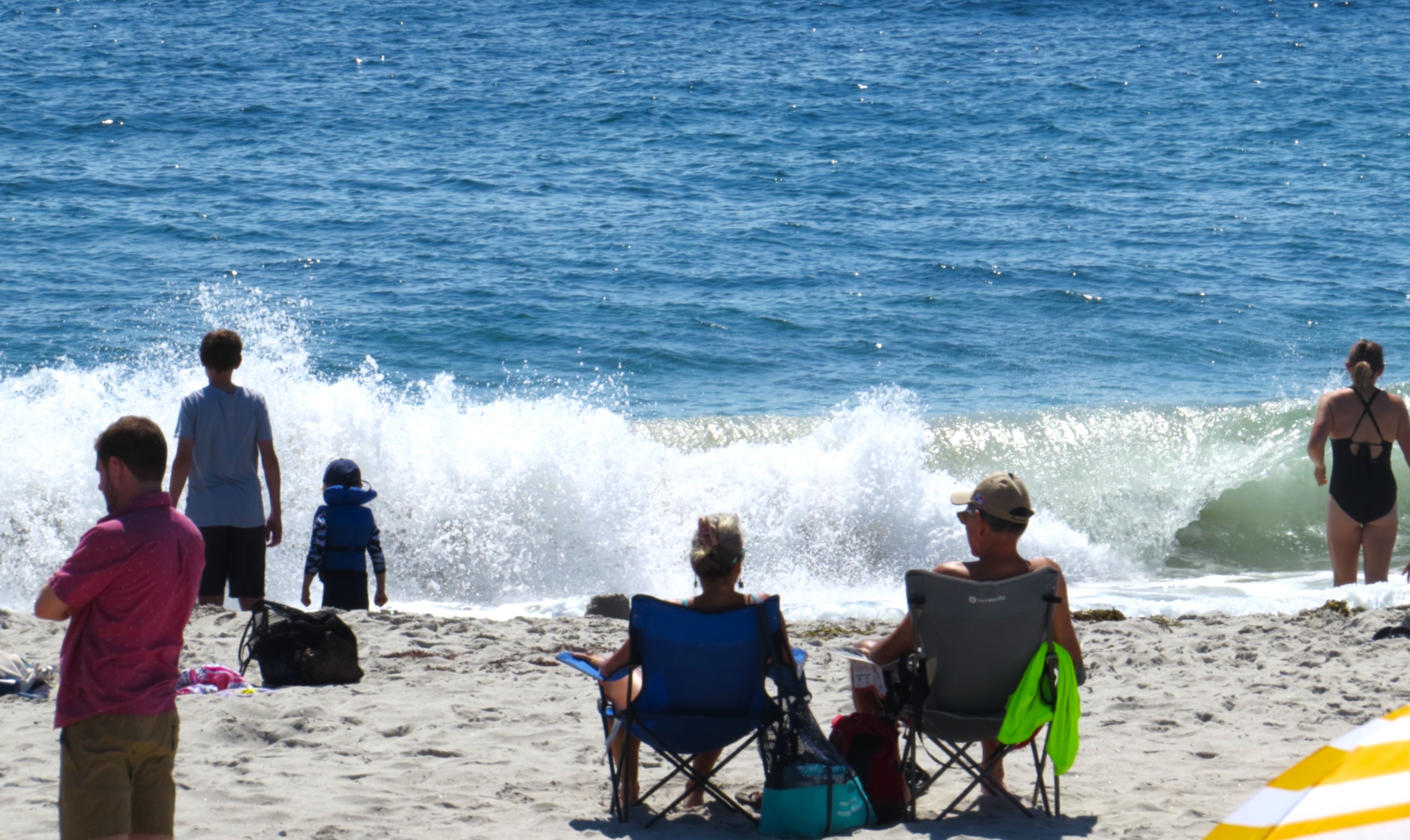
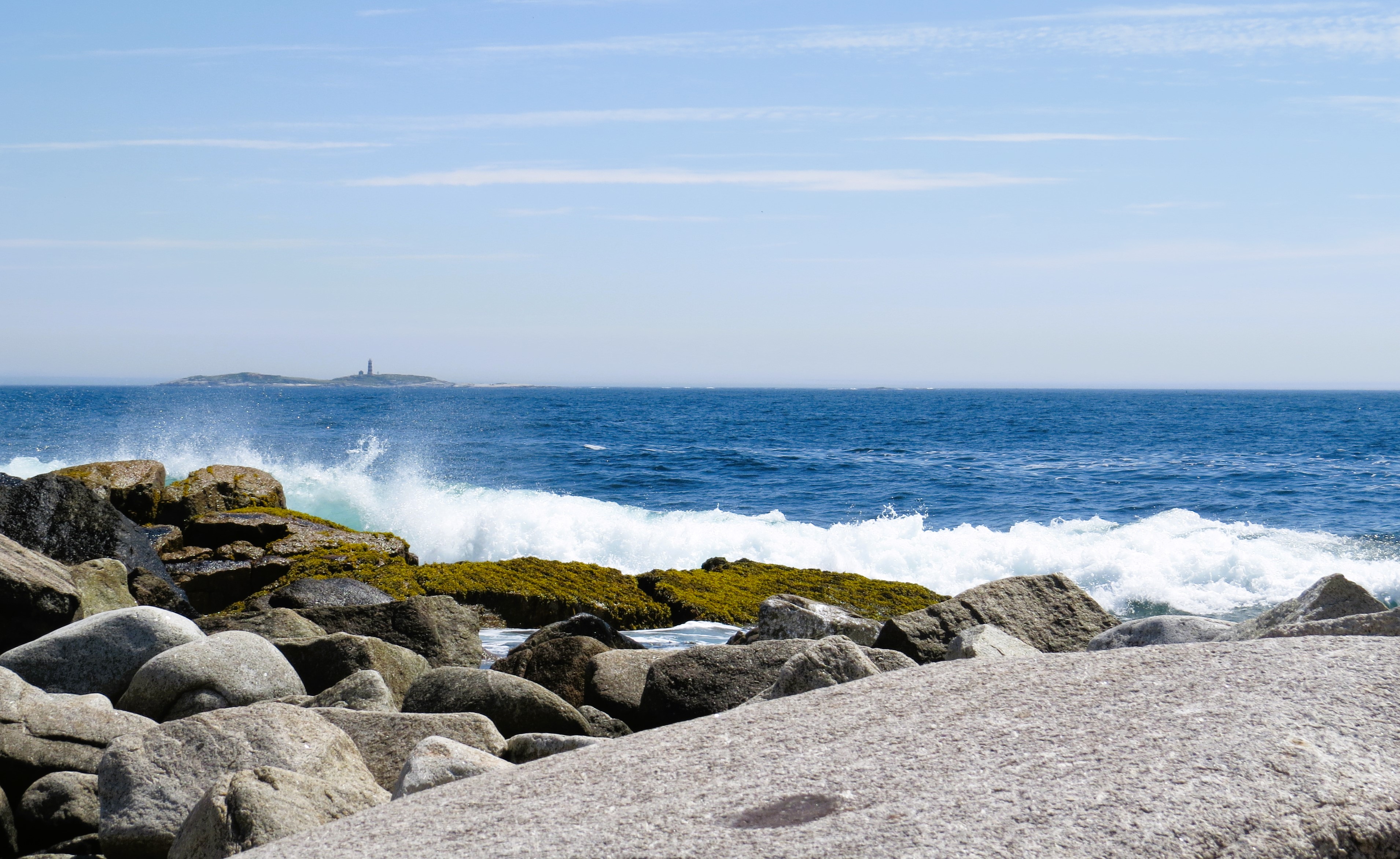
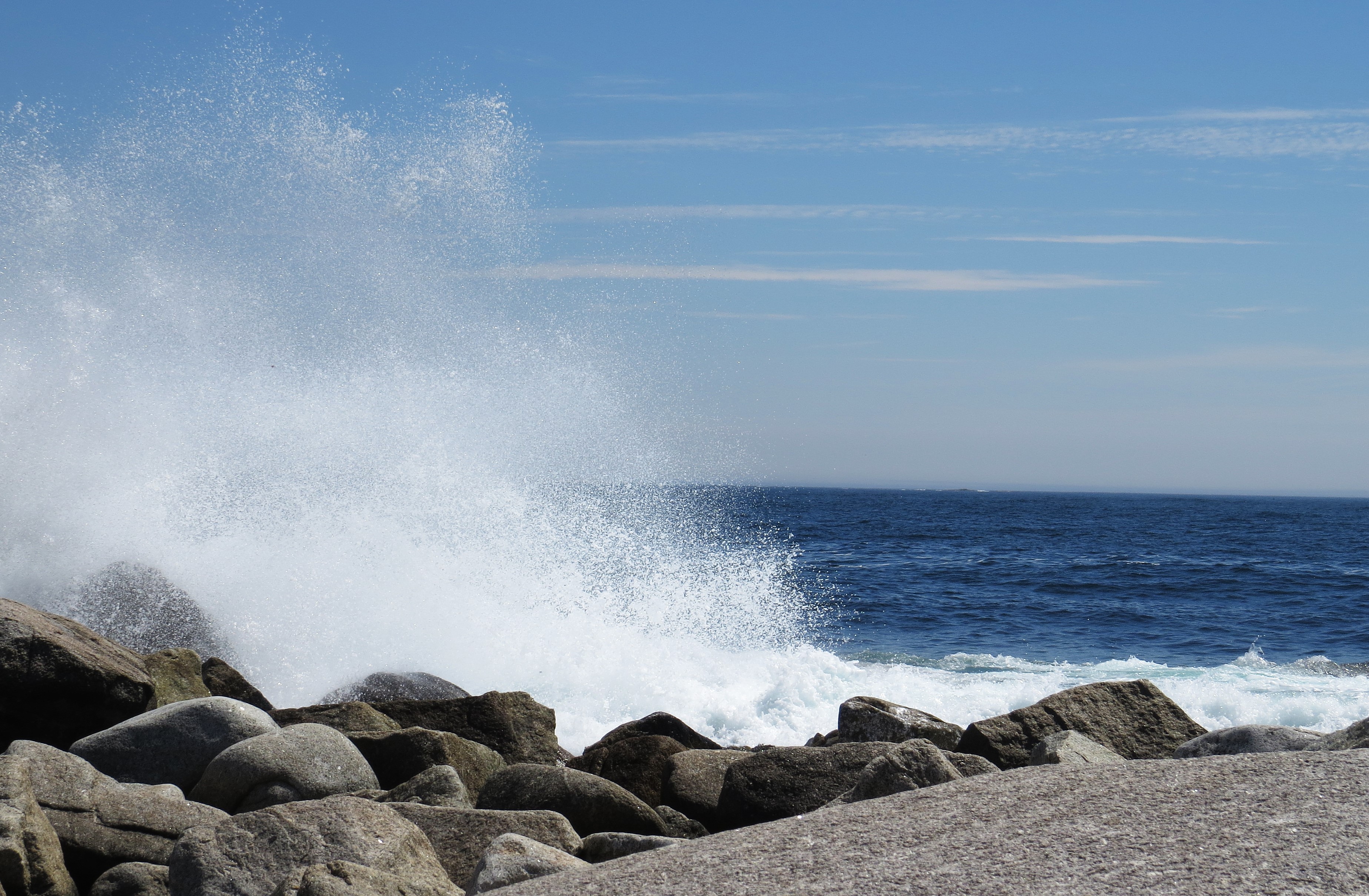
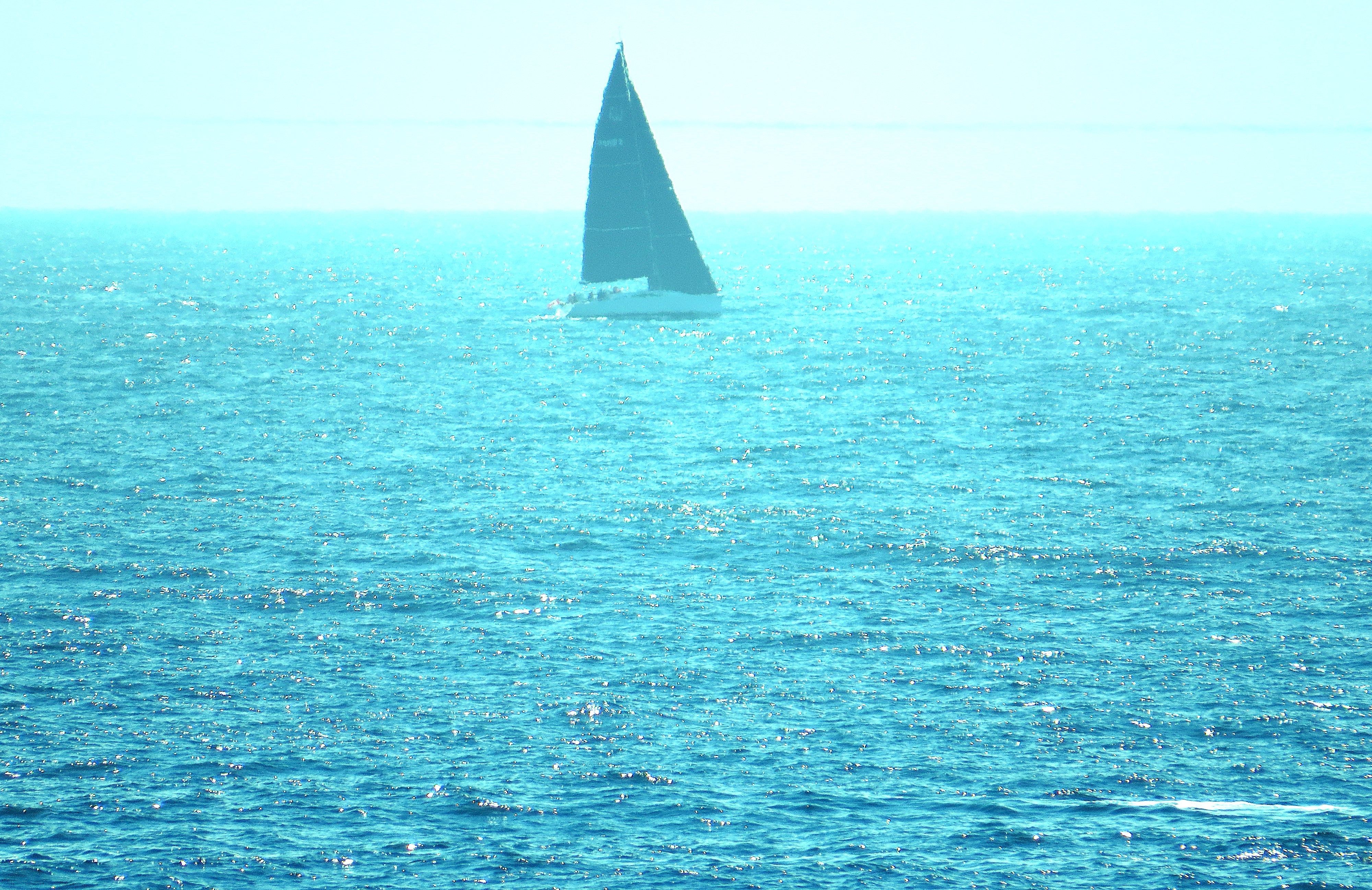
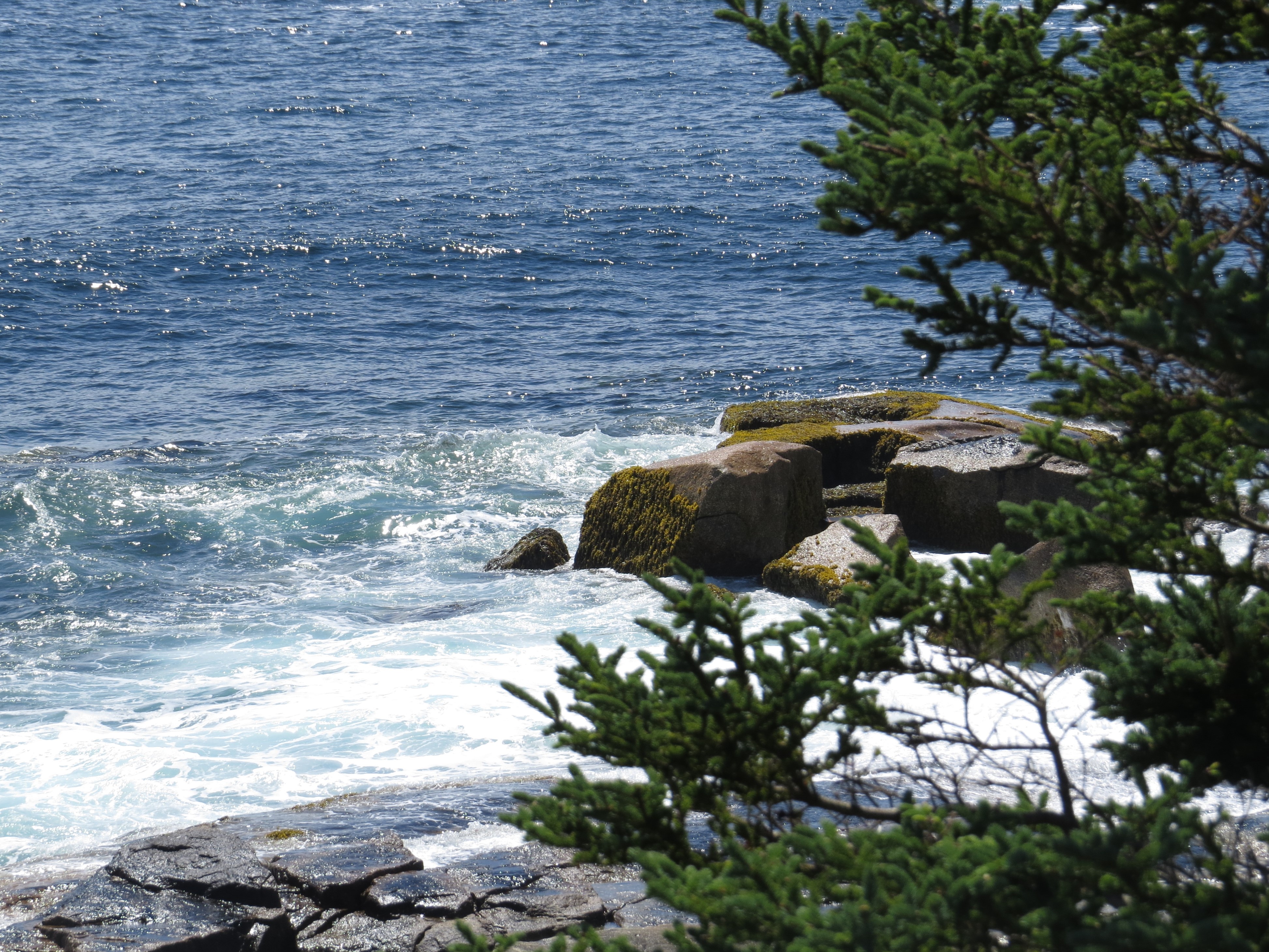
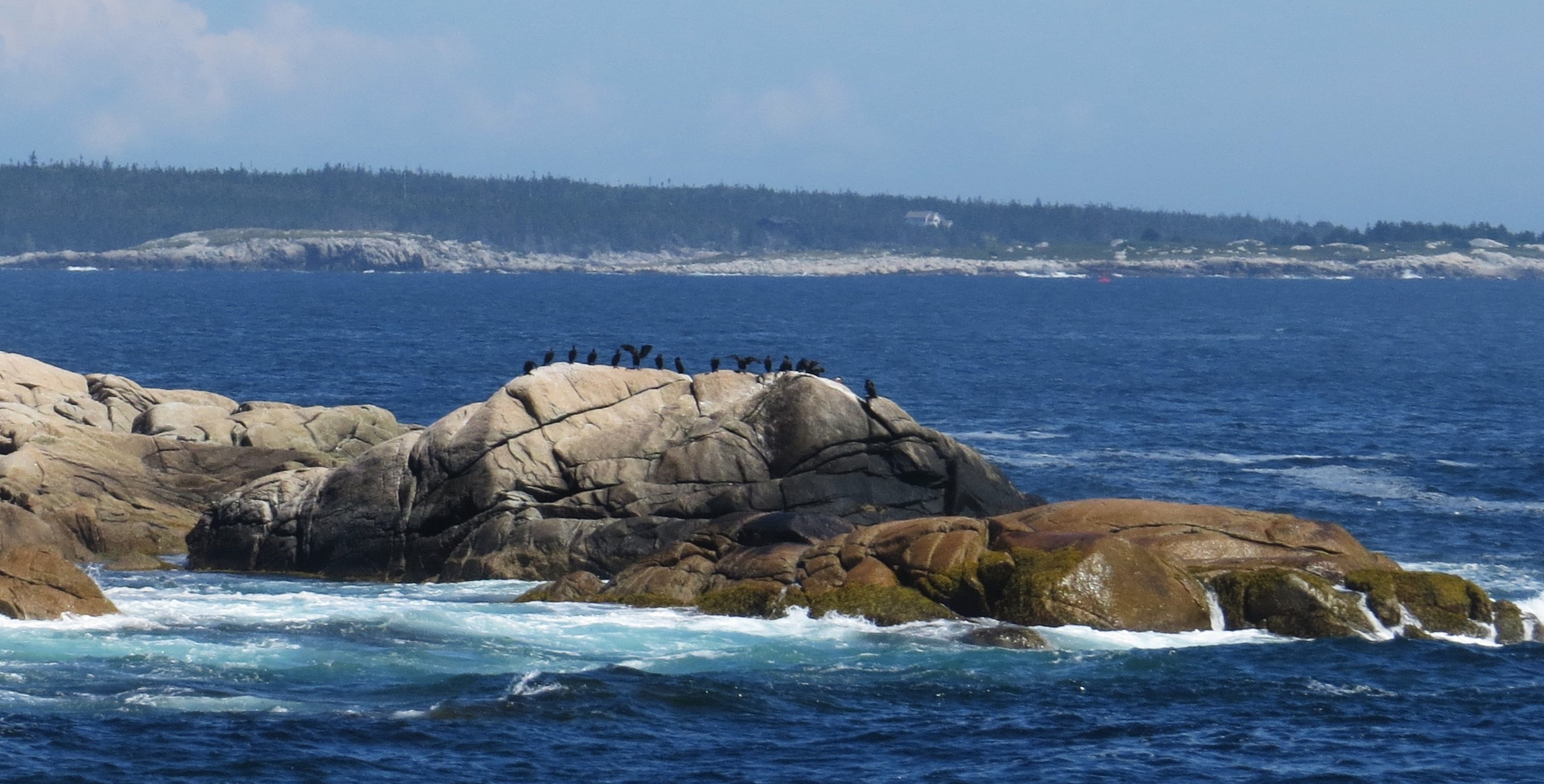
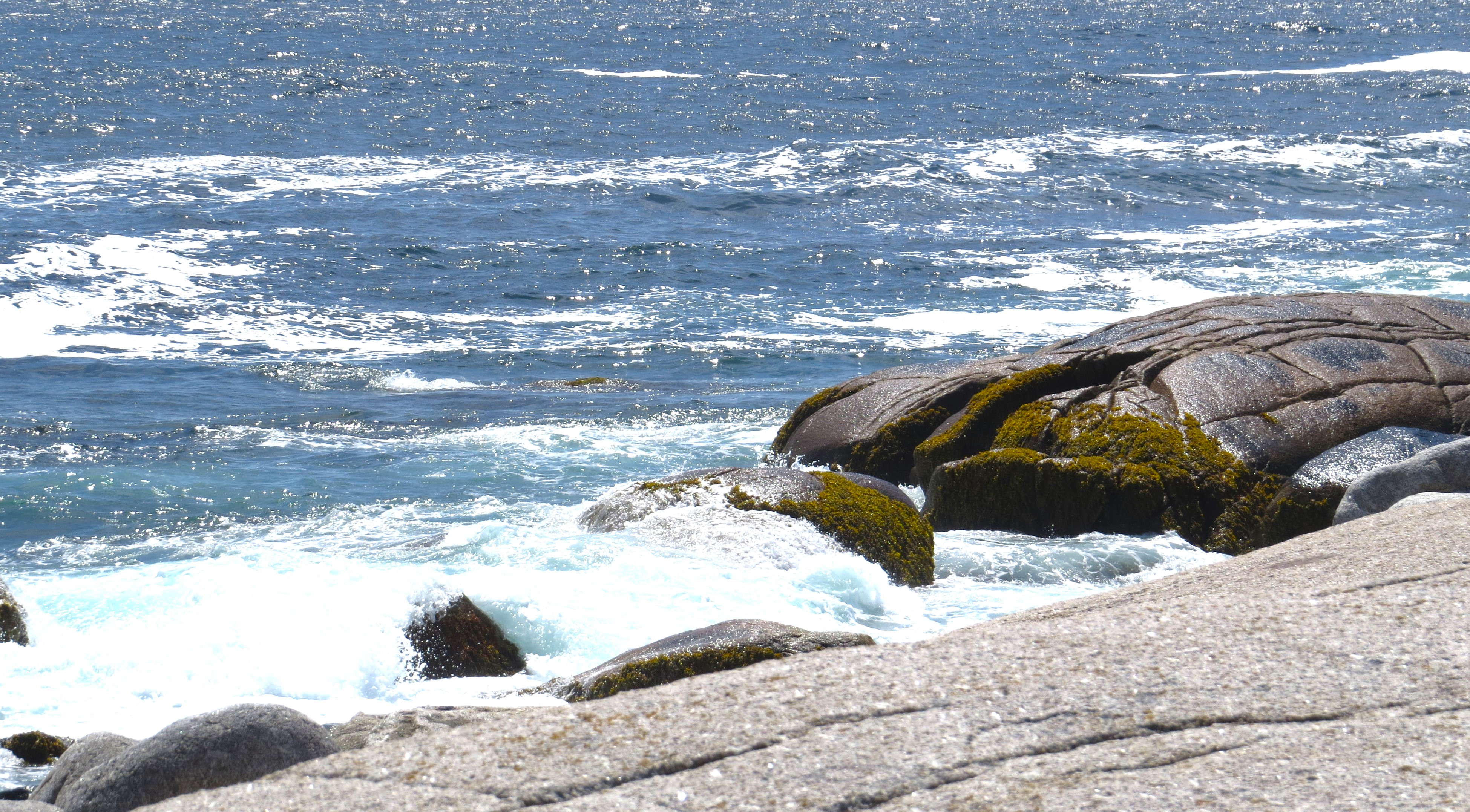
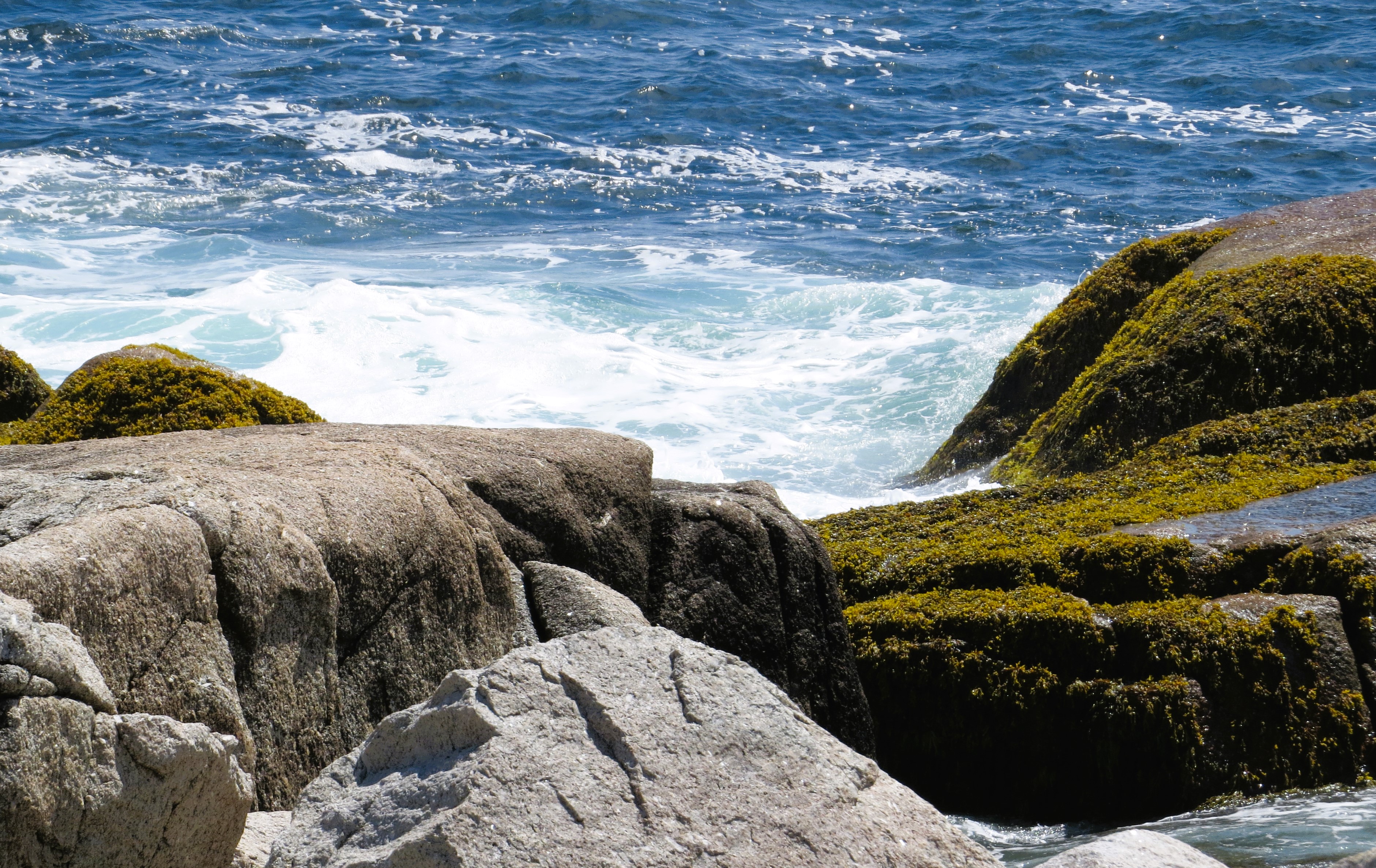
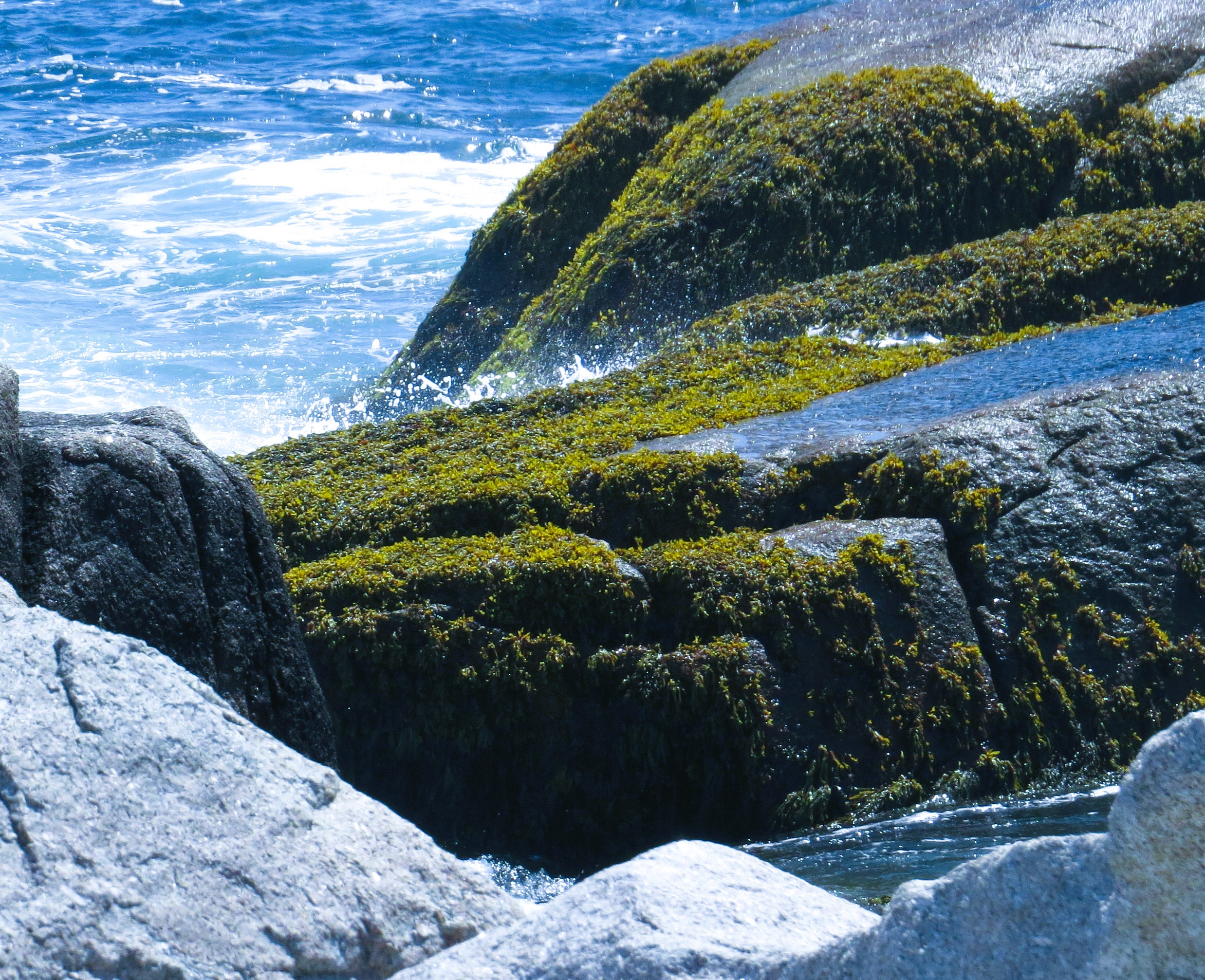
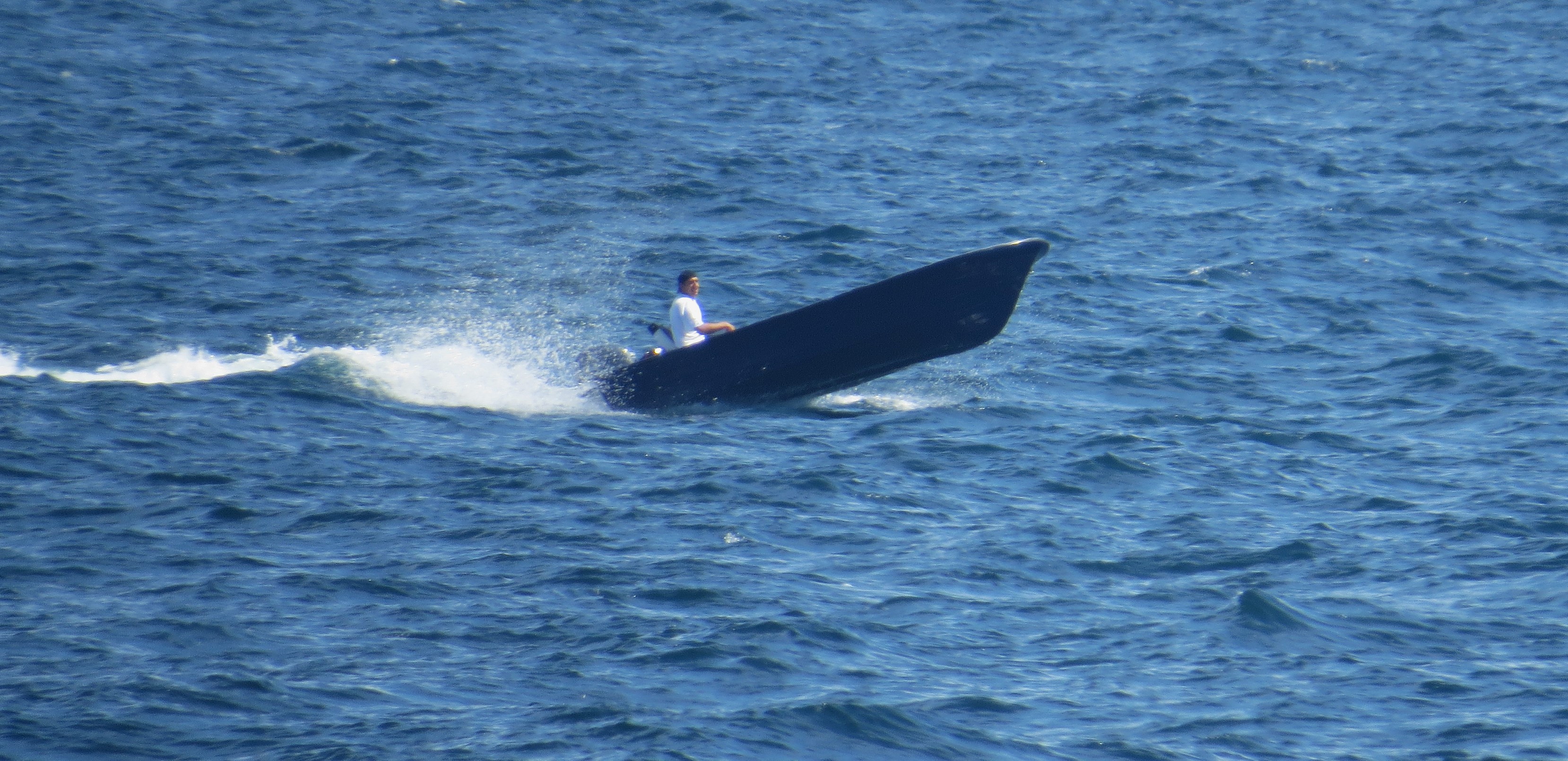
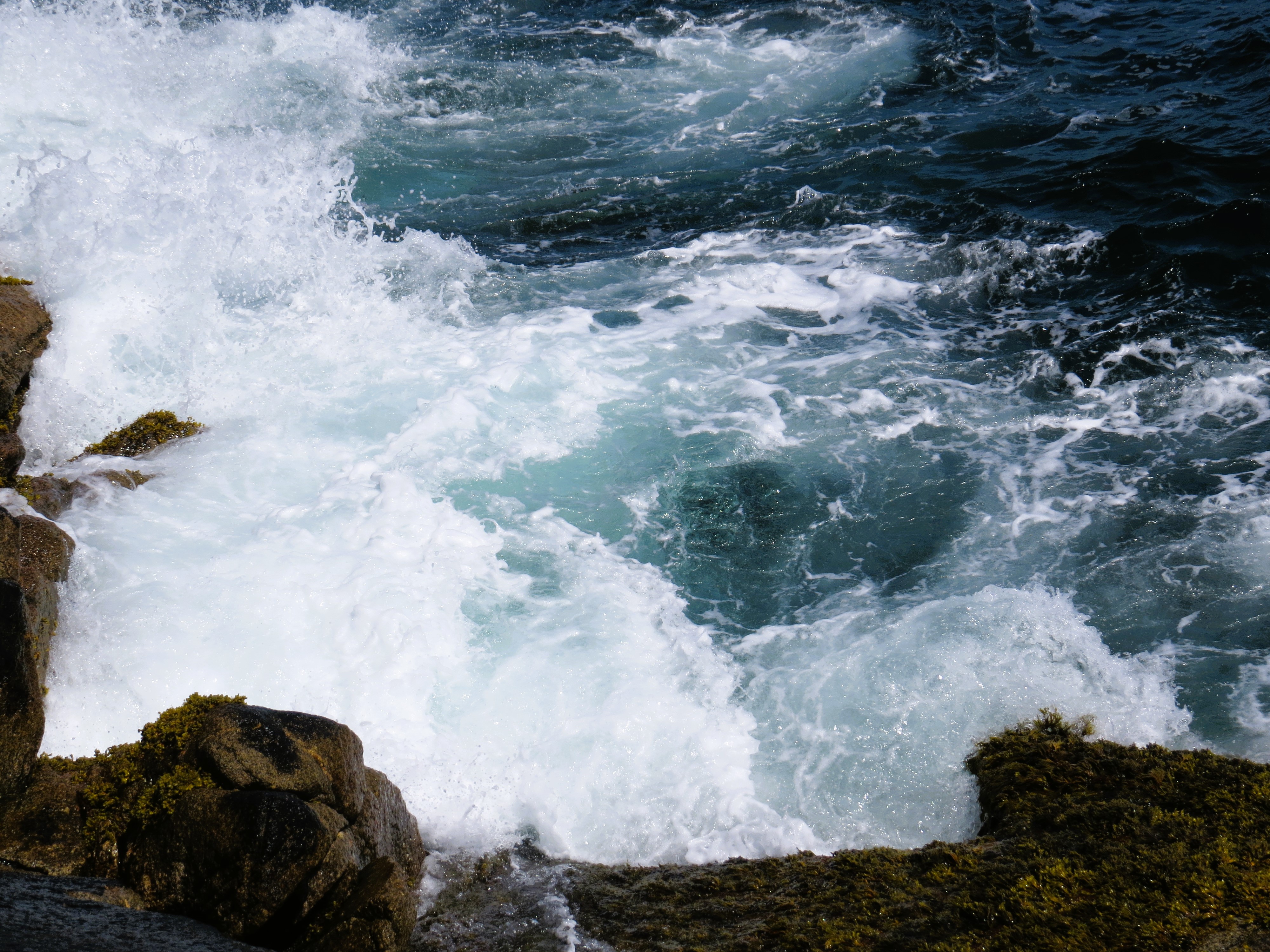
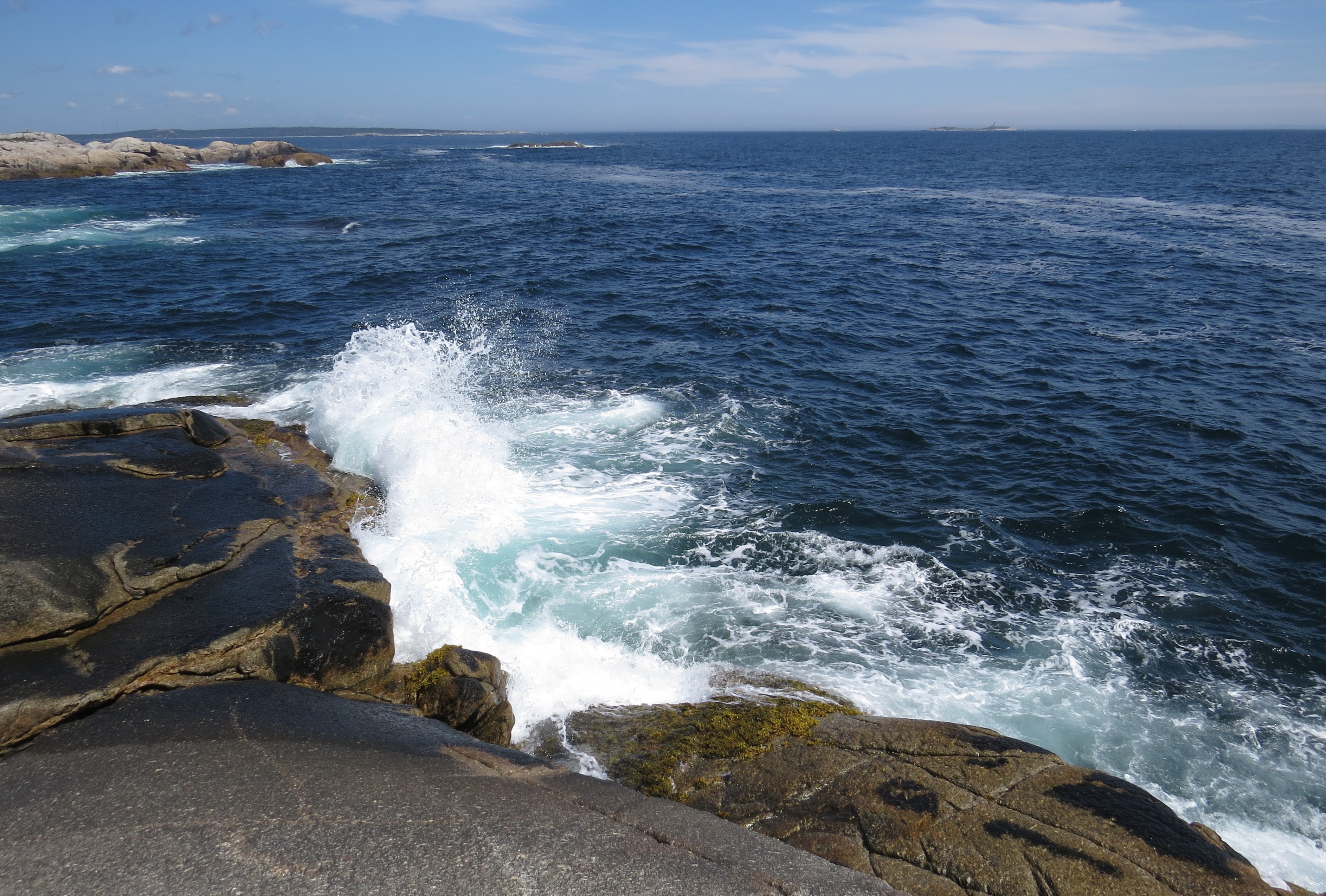
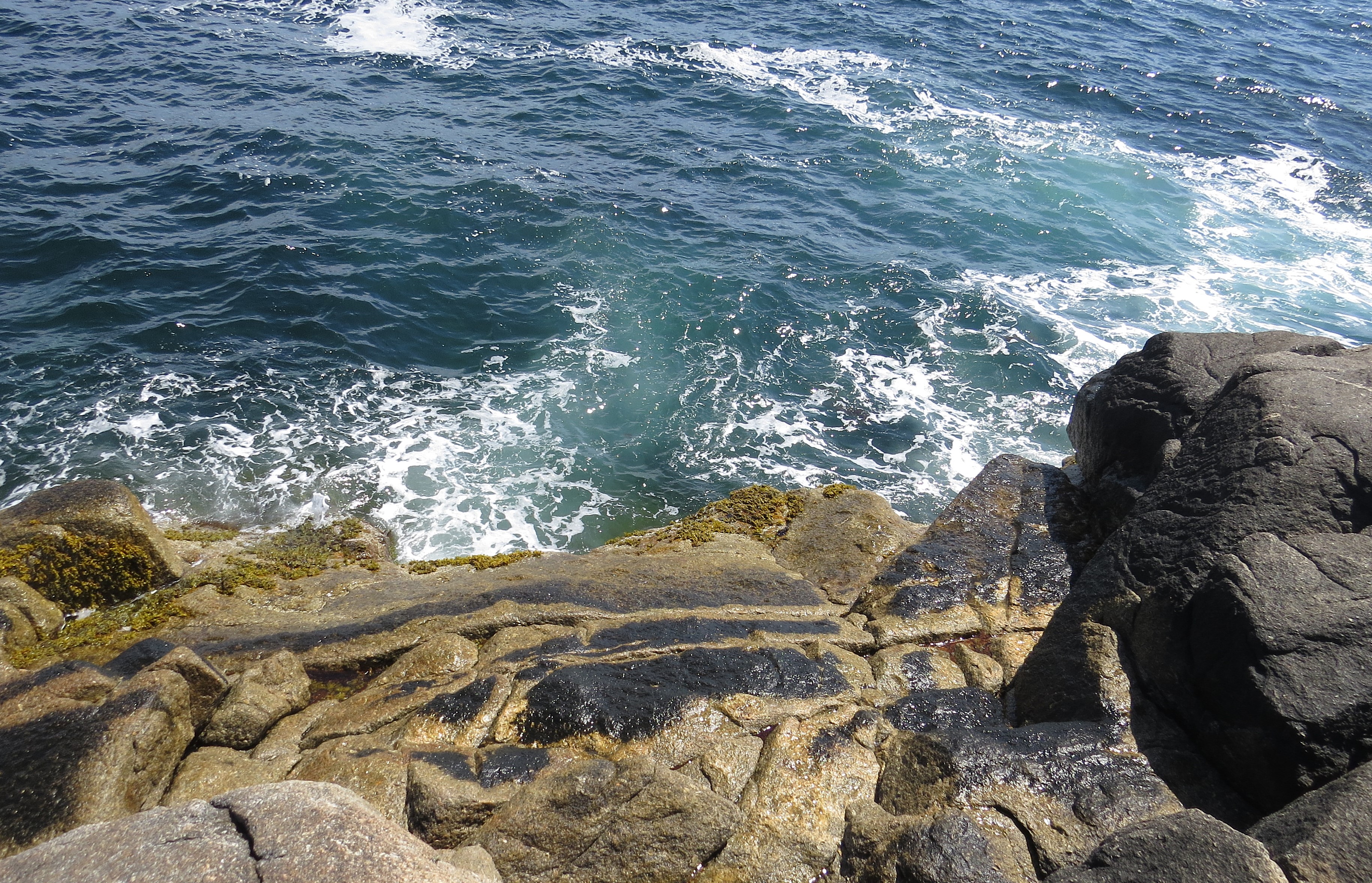
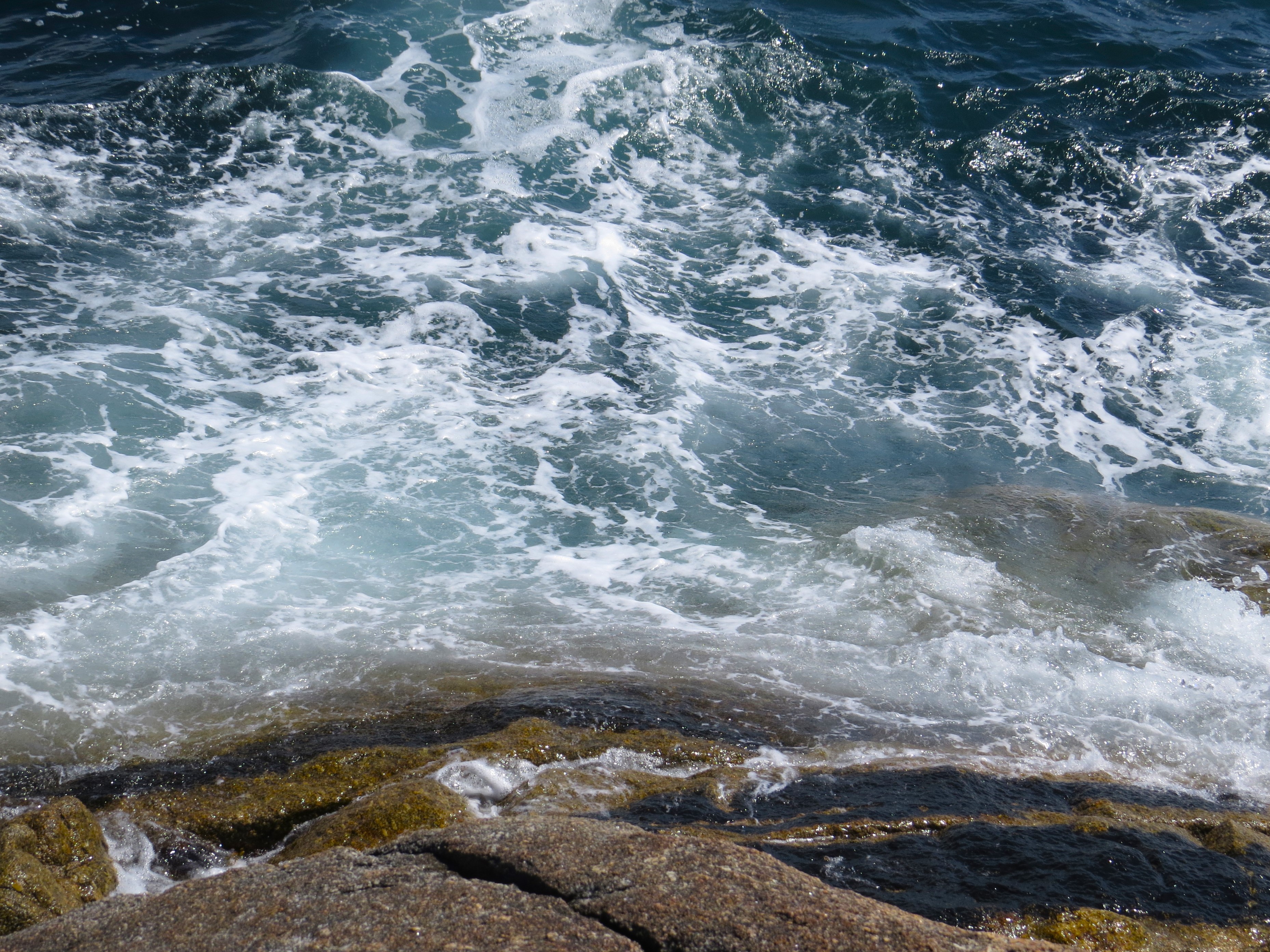
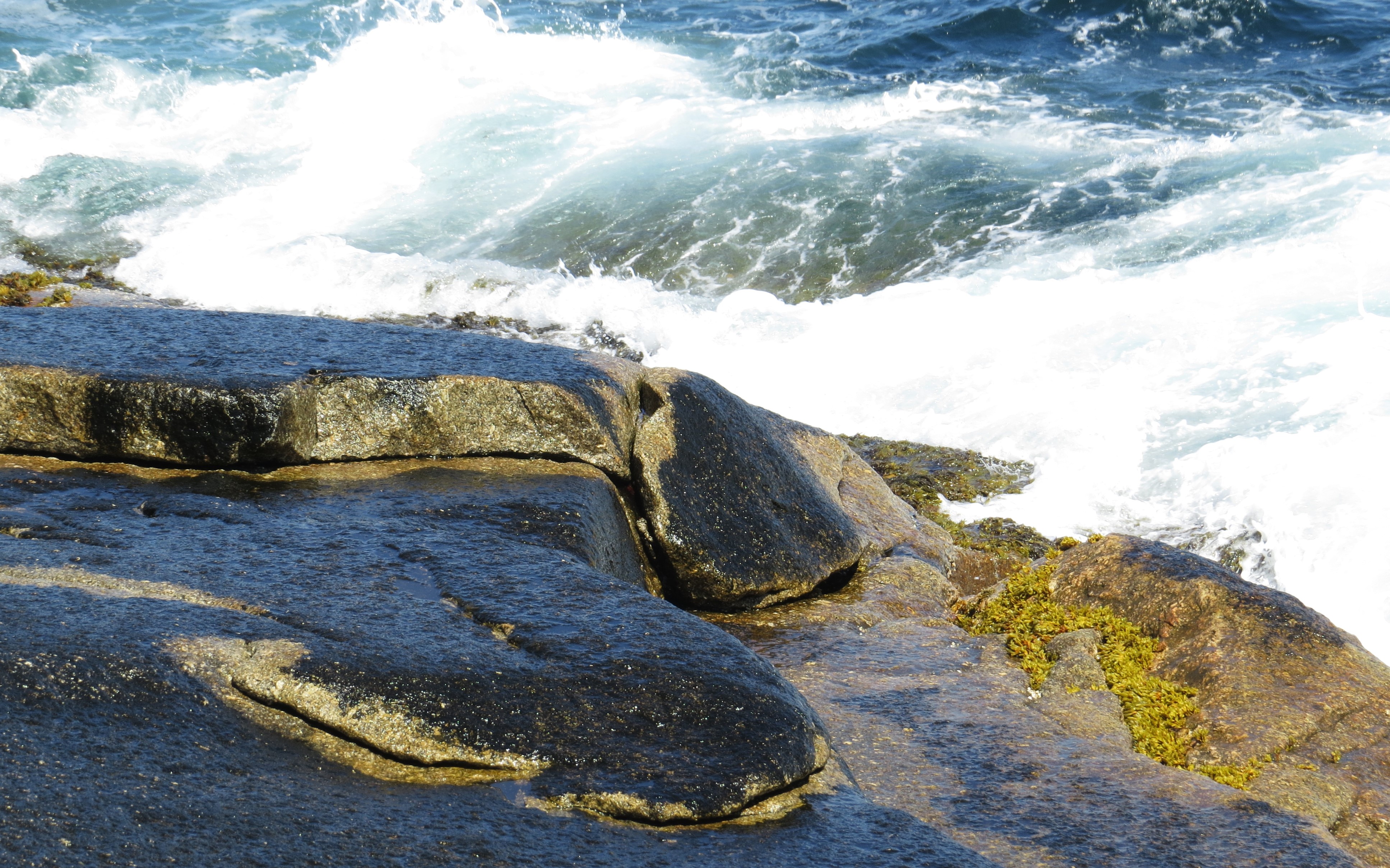
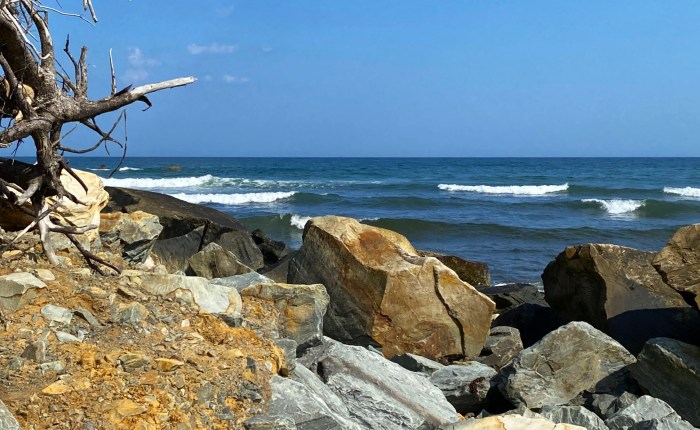
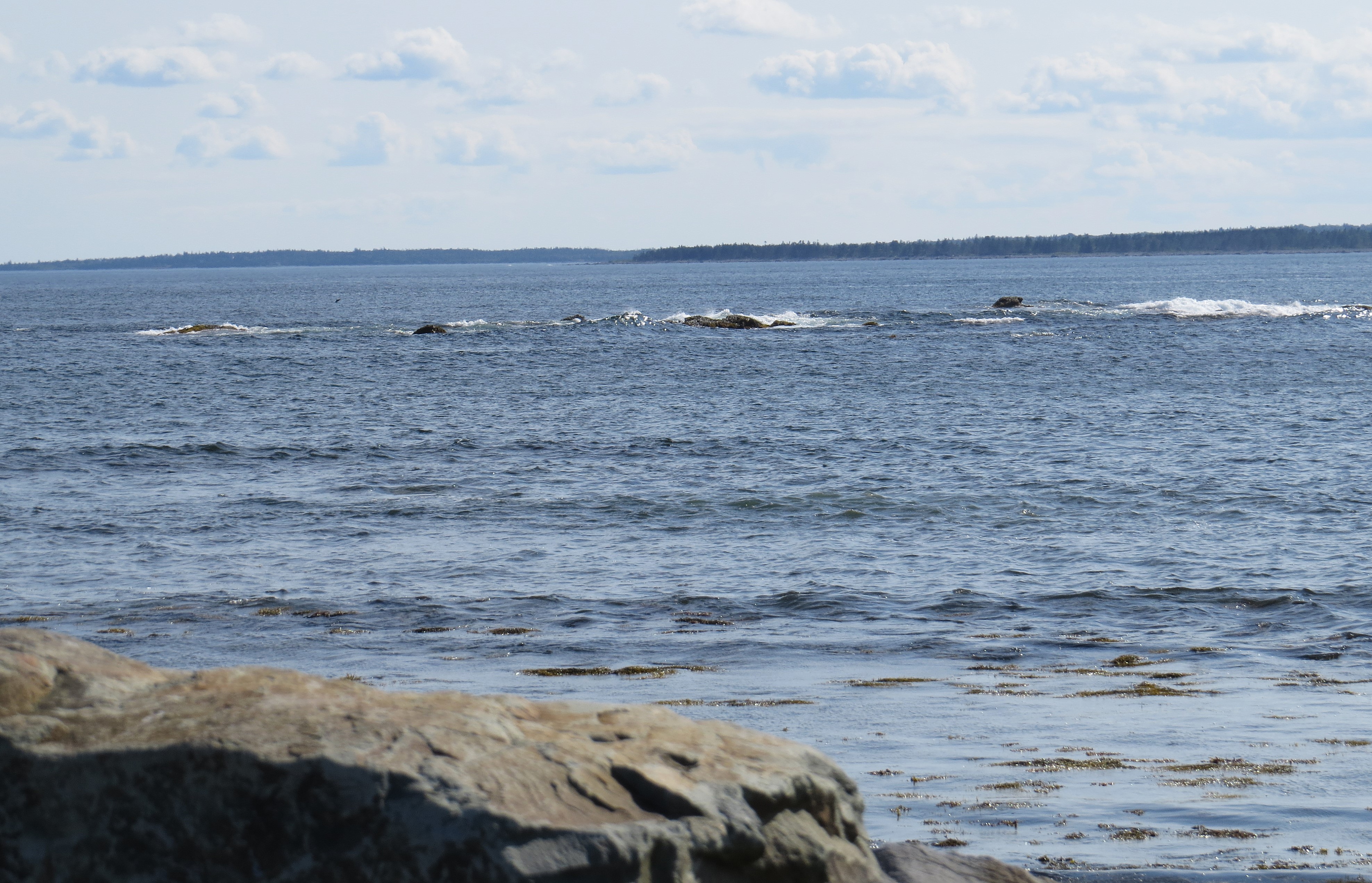
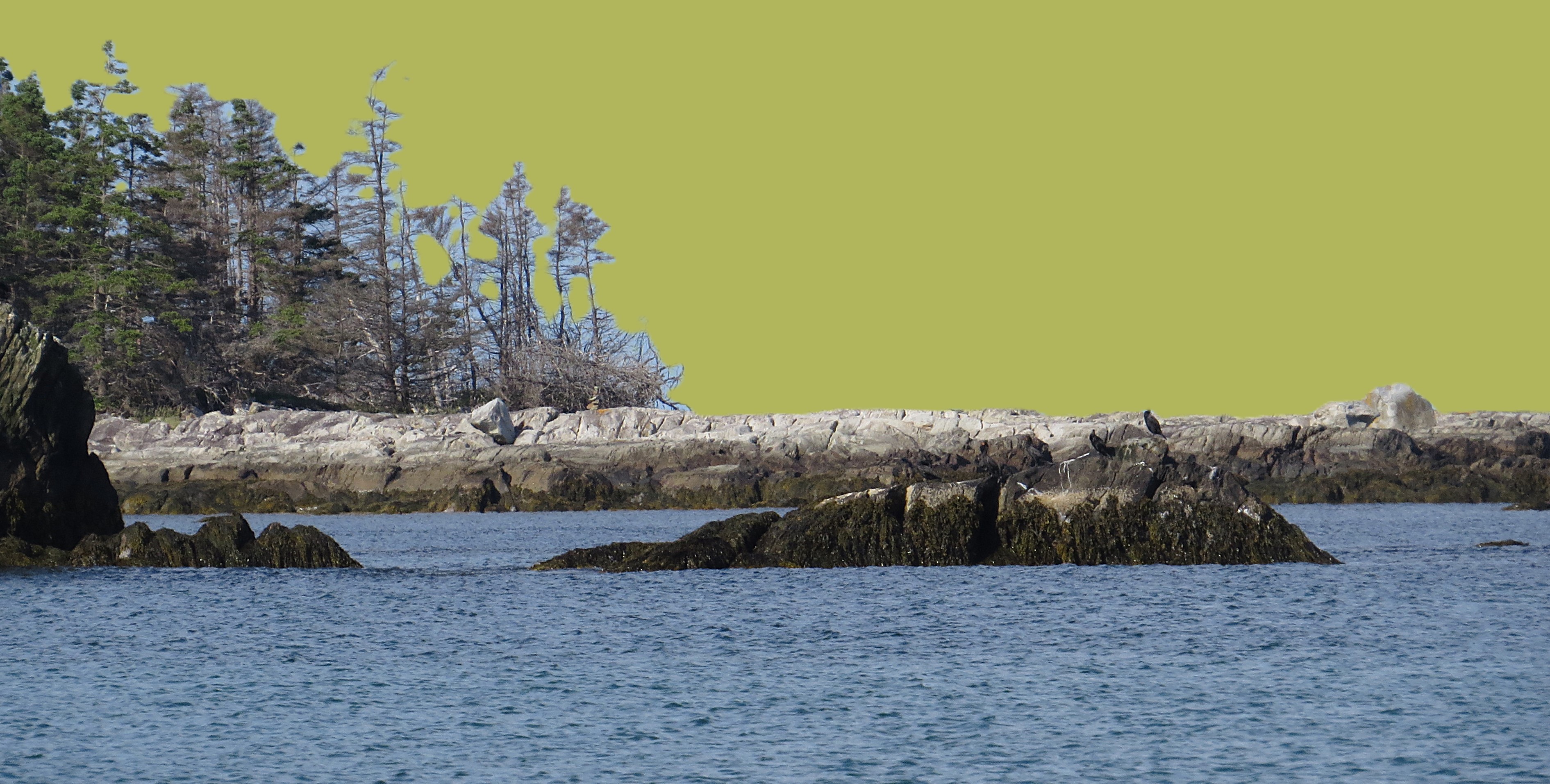
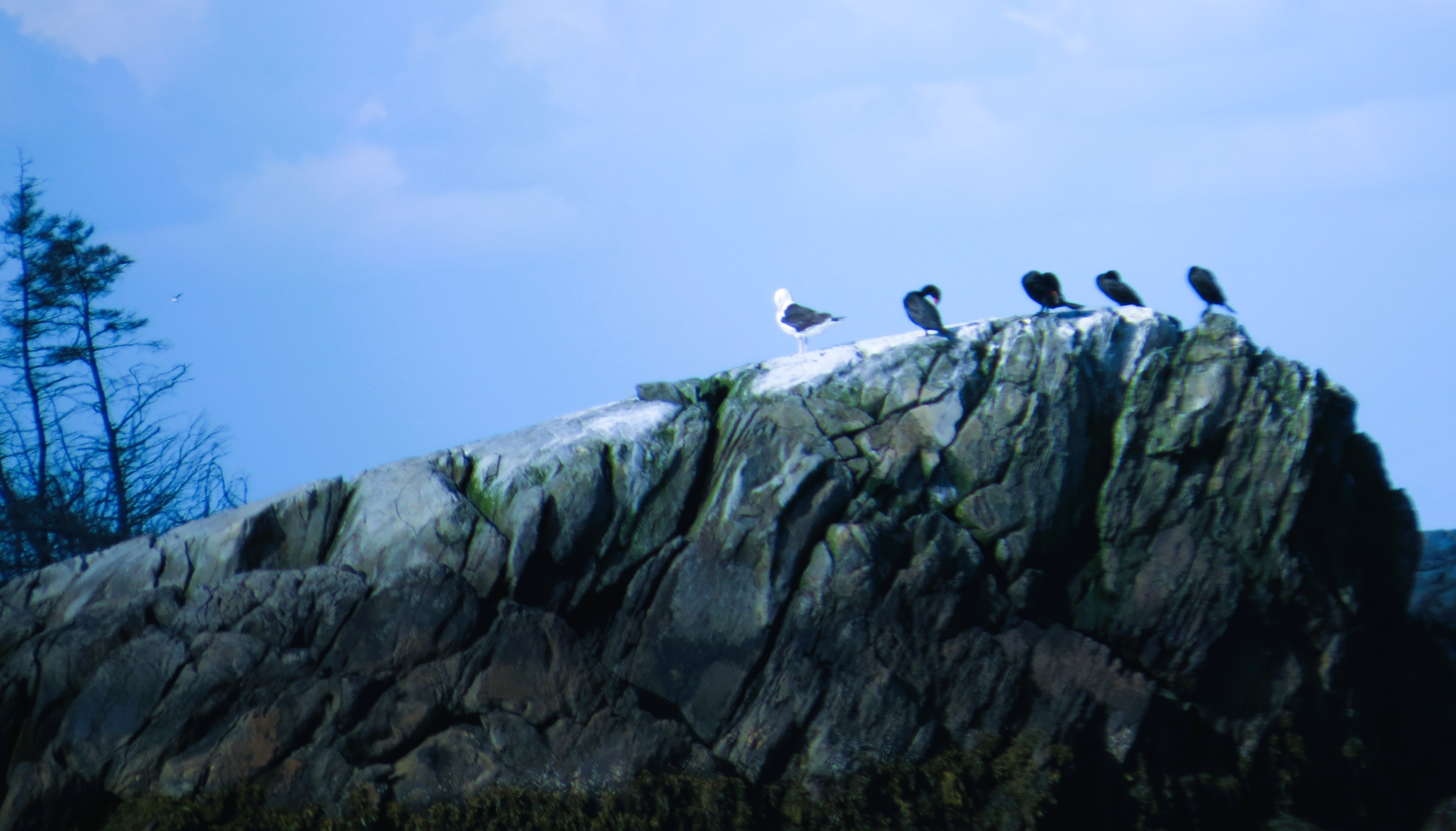
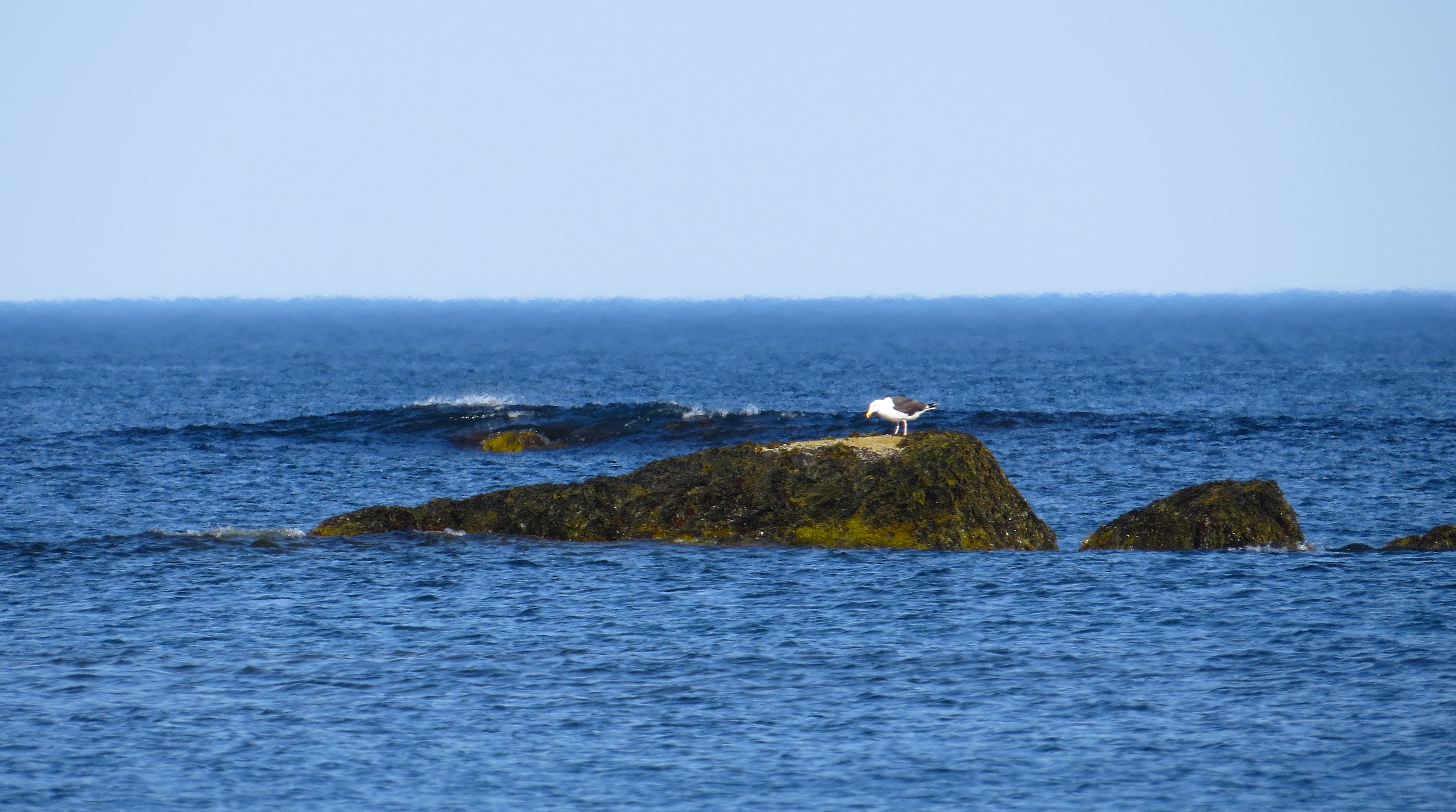
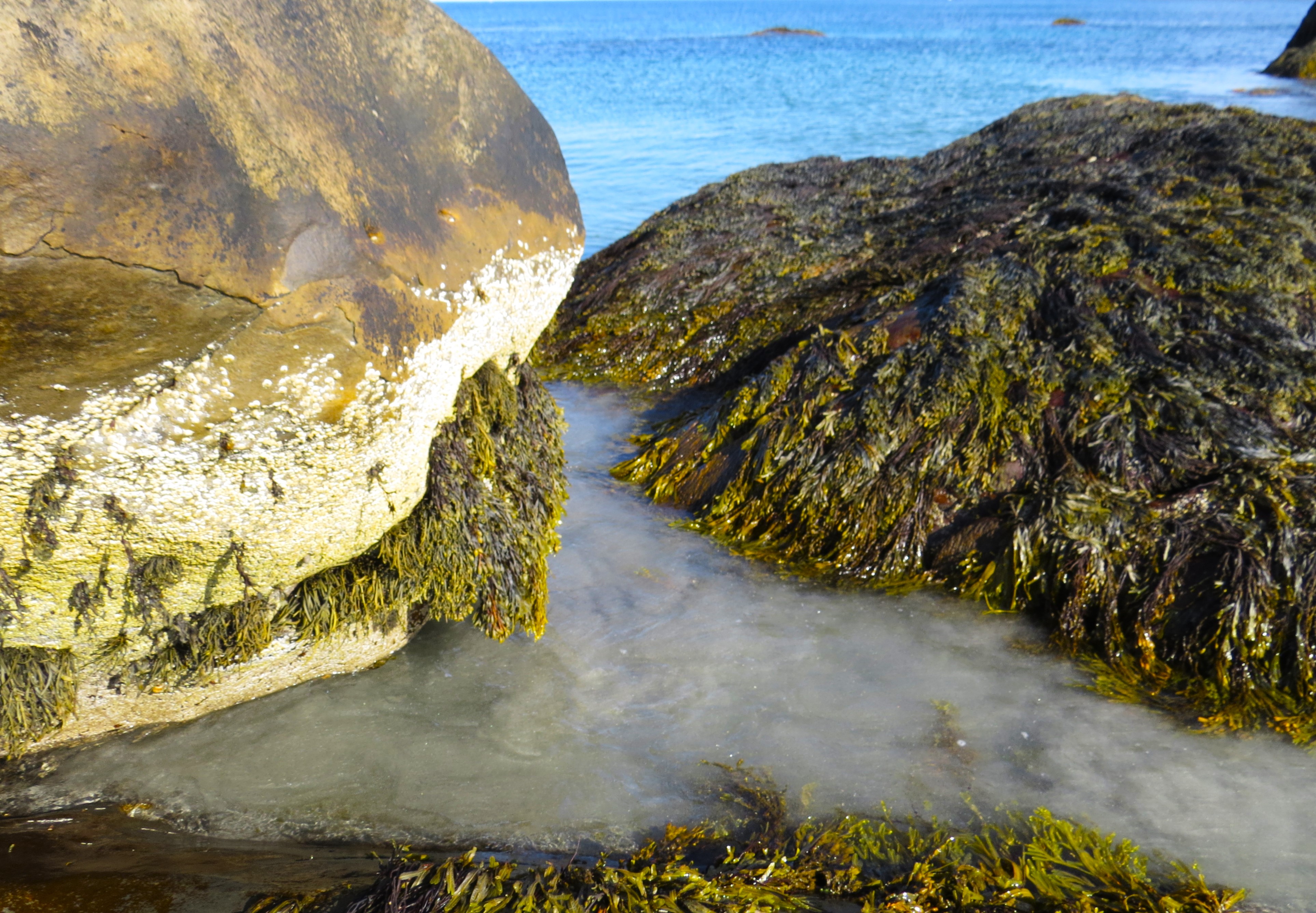
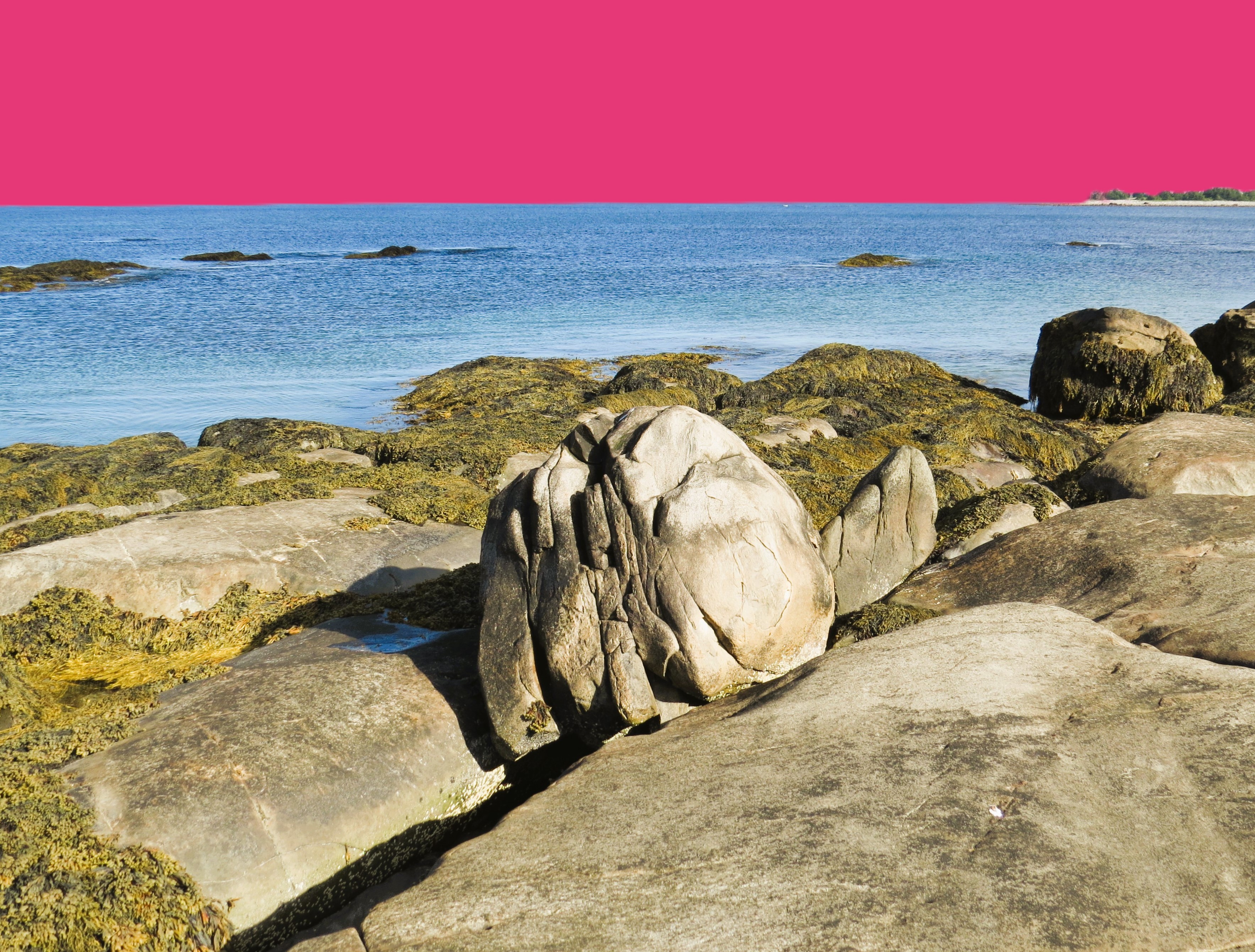
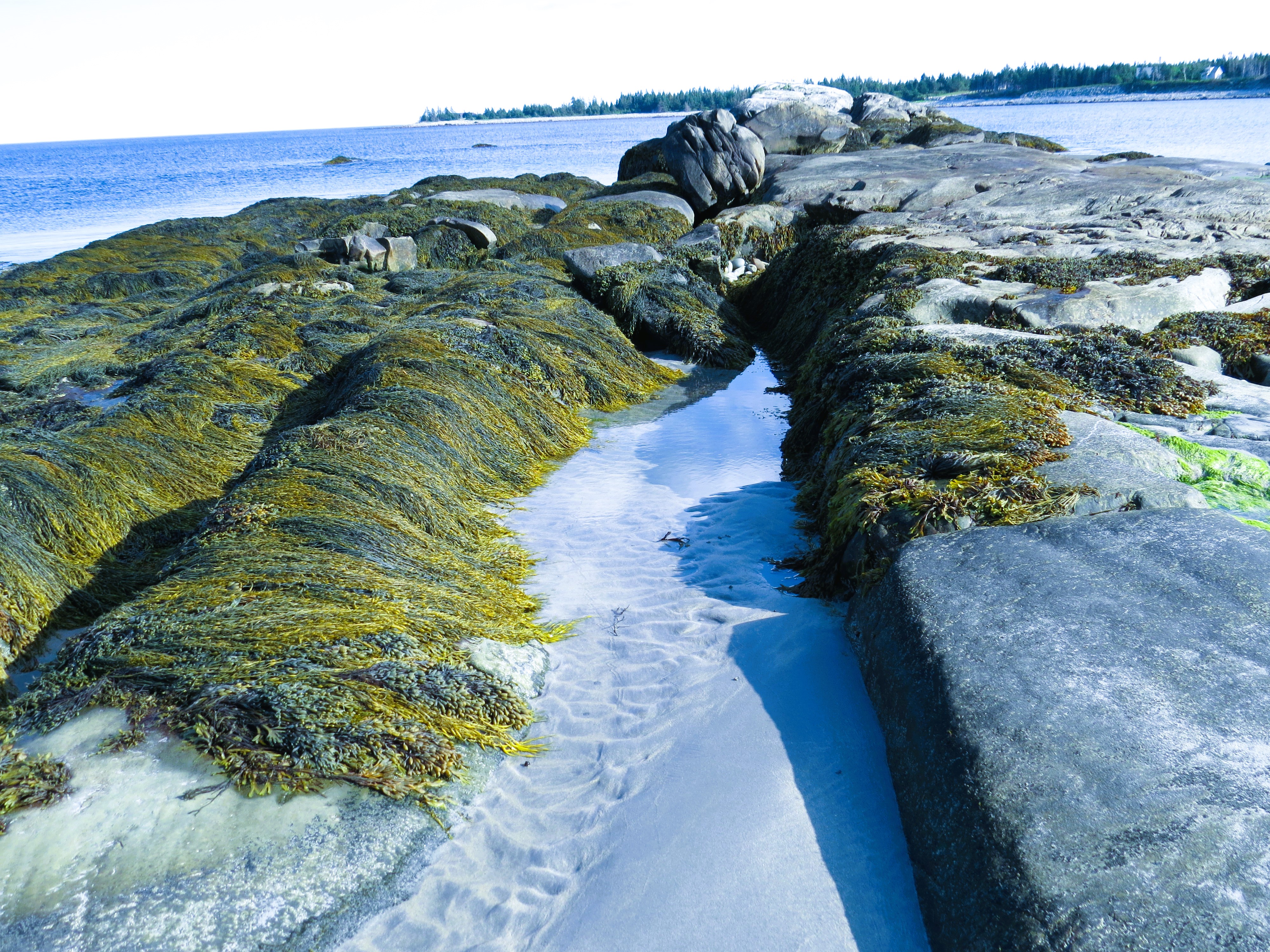
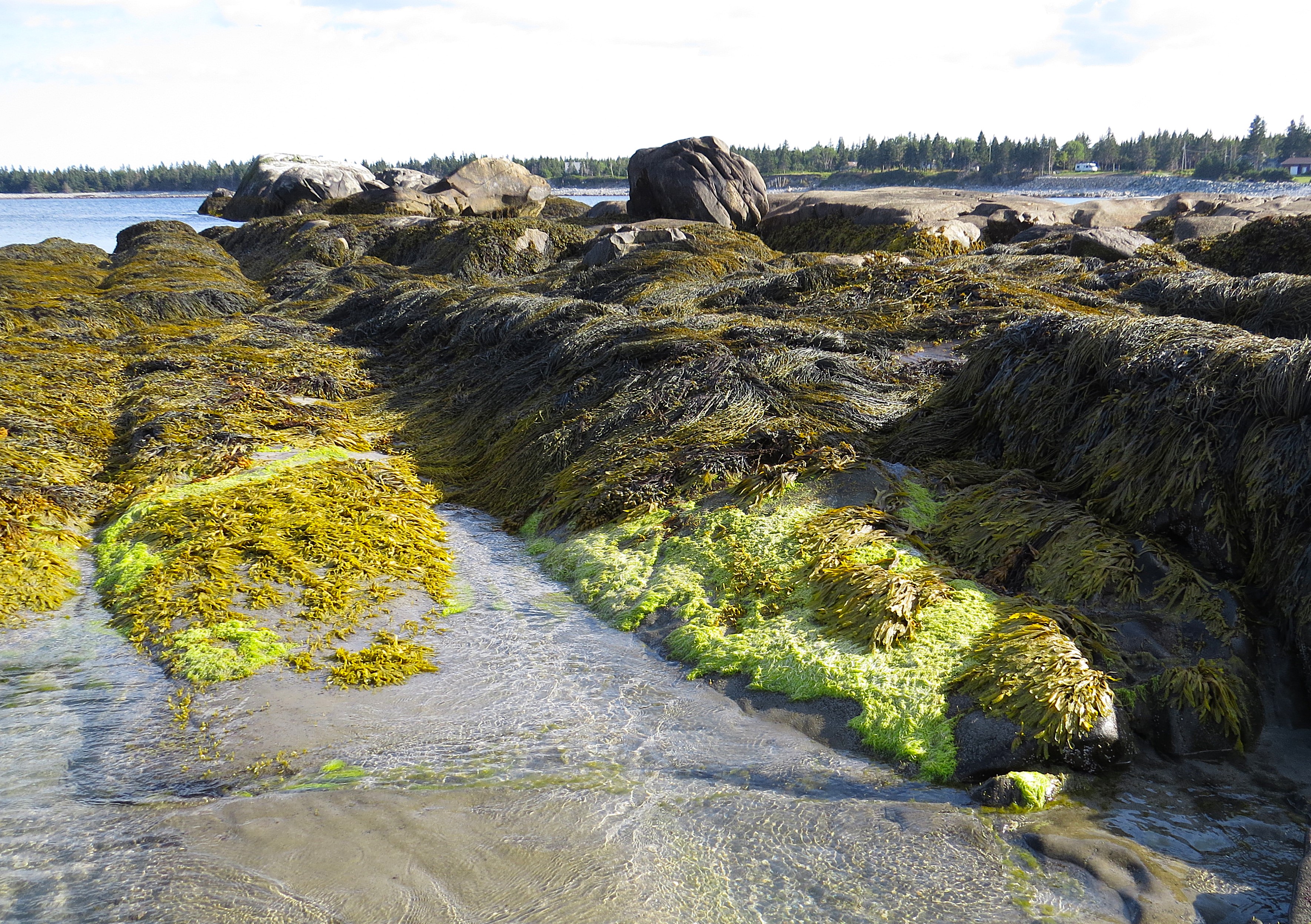
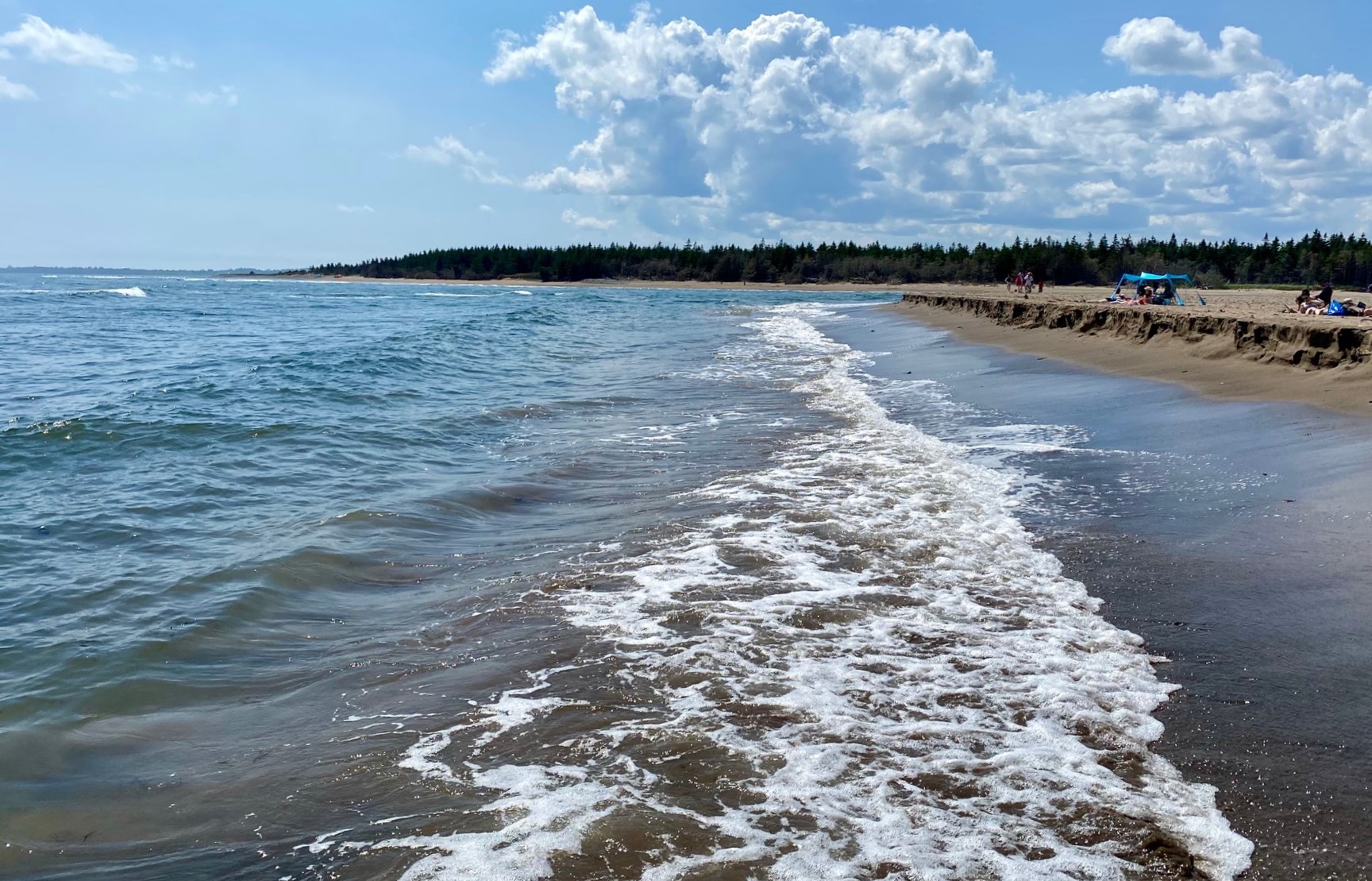
Crystal Crescent Provincial Park in Nova Scotia

Crystal Crescent Provincial Park in Nova Scotia

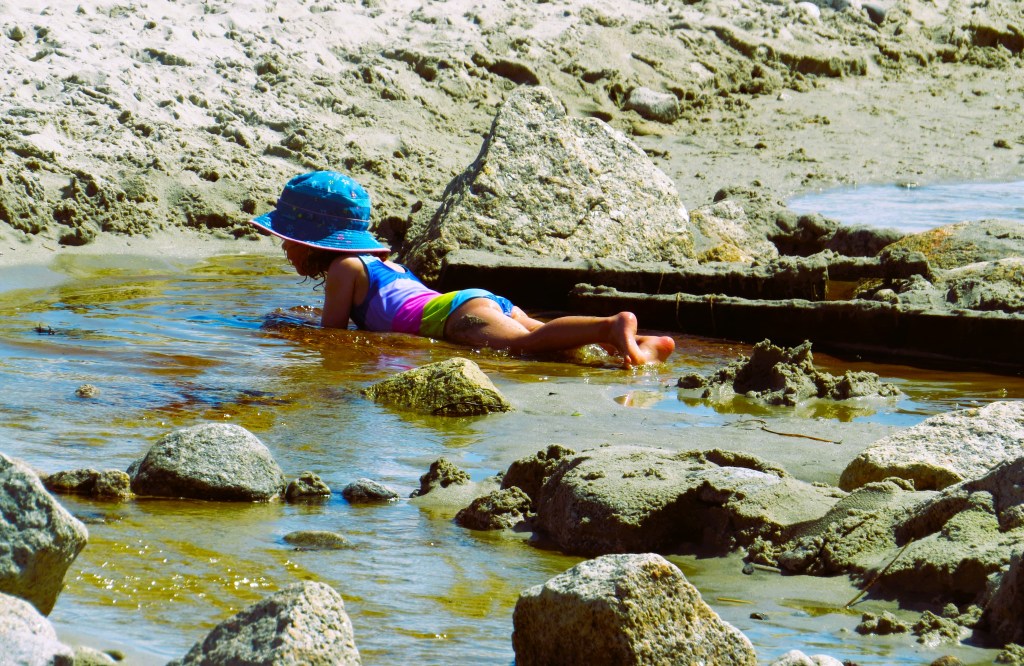
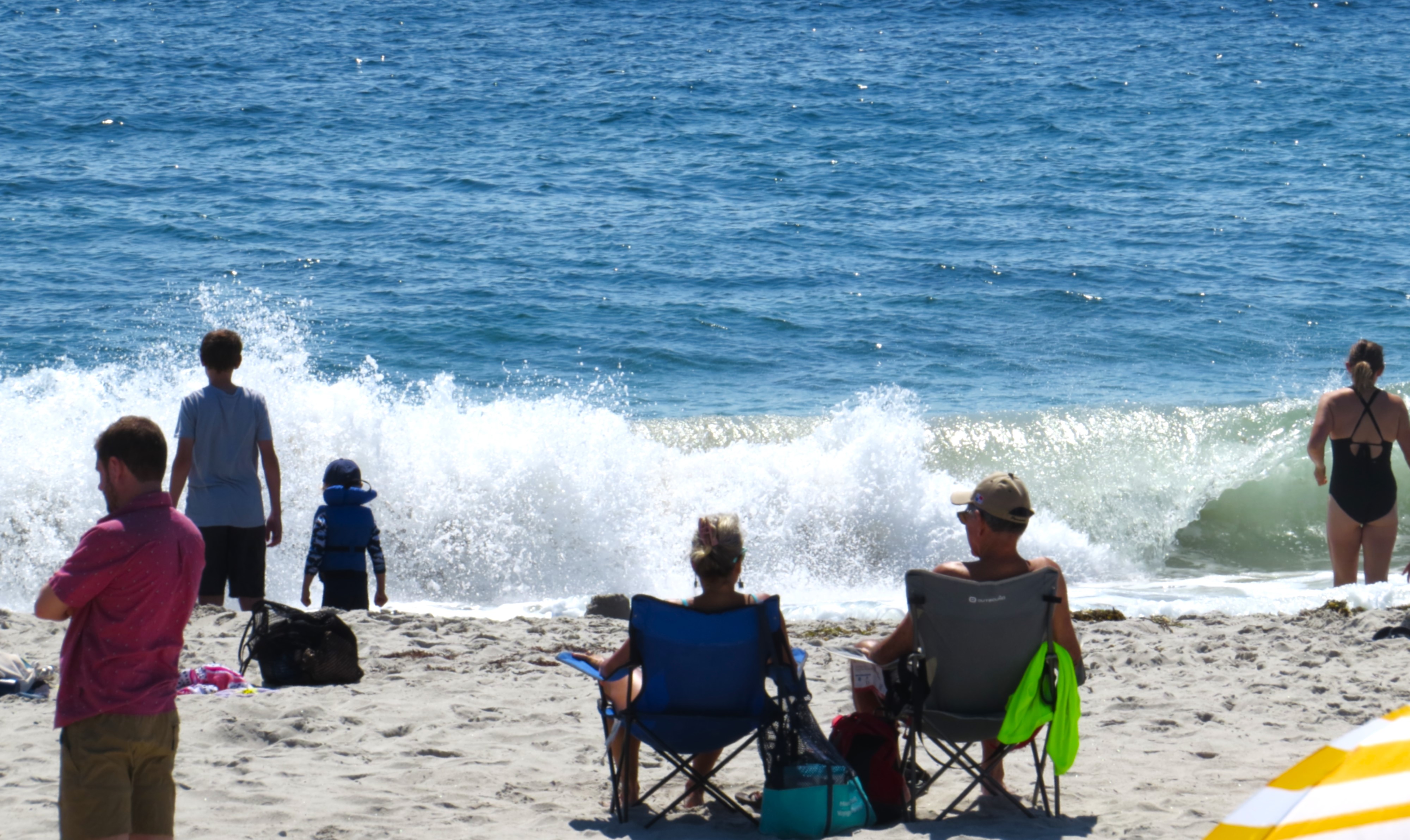
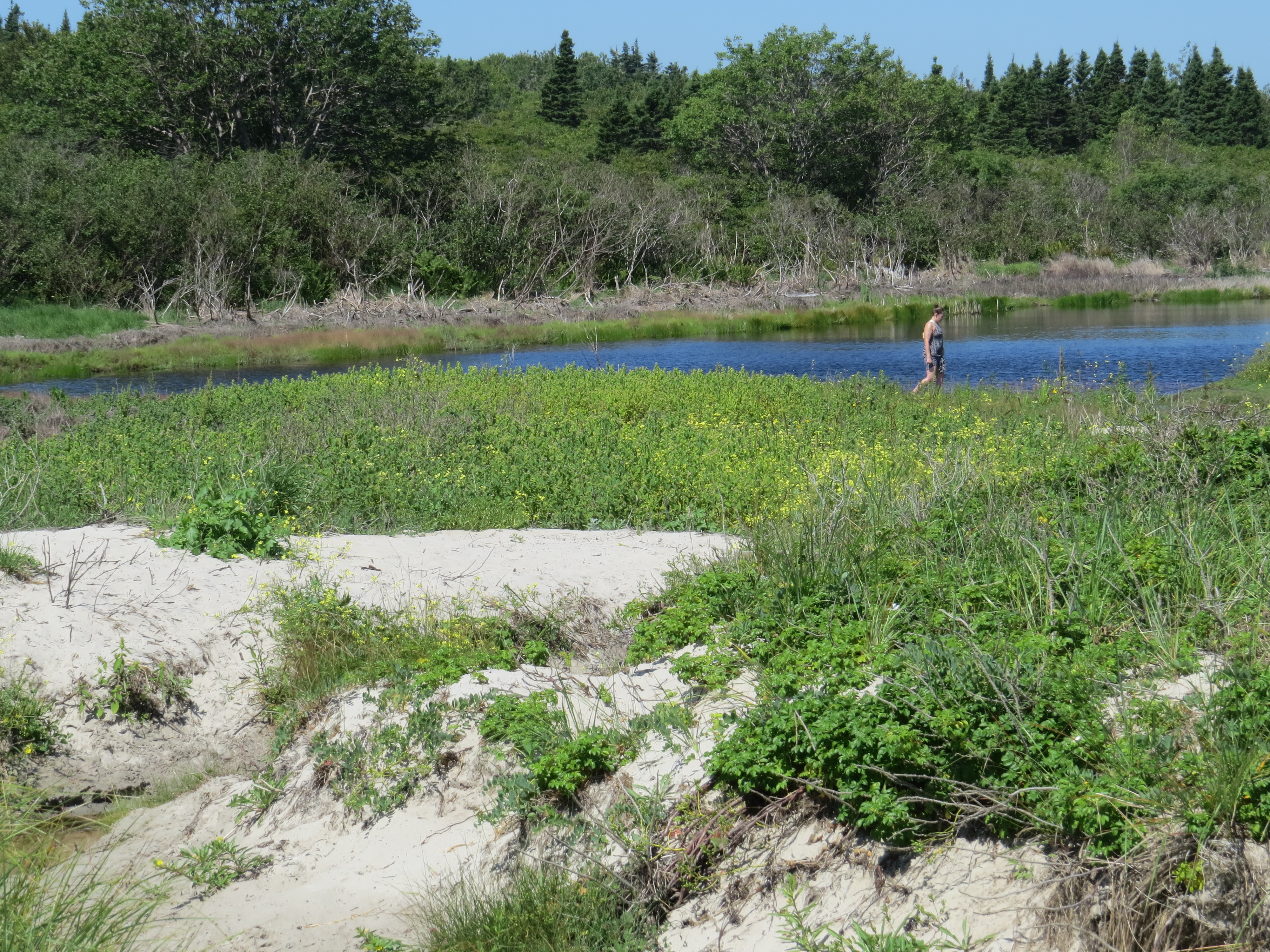
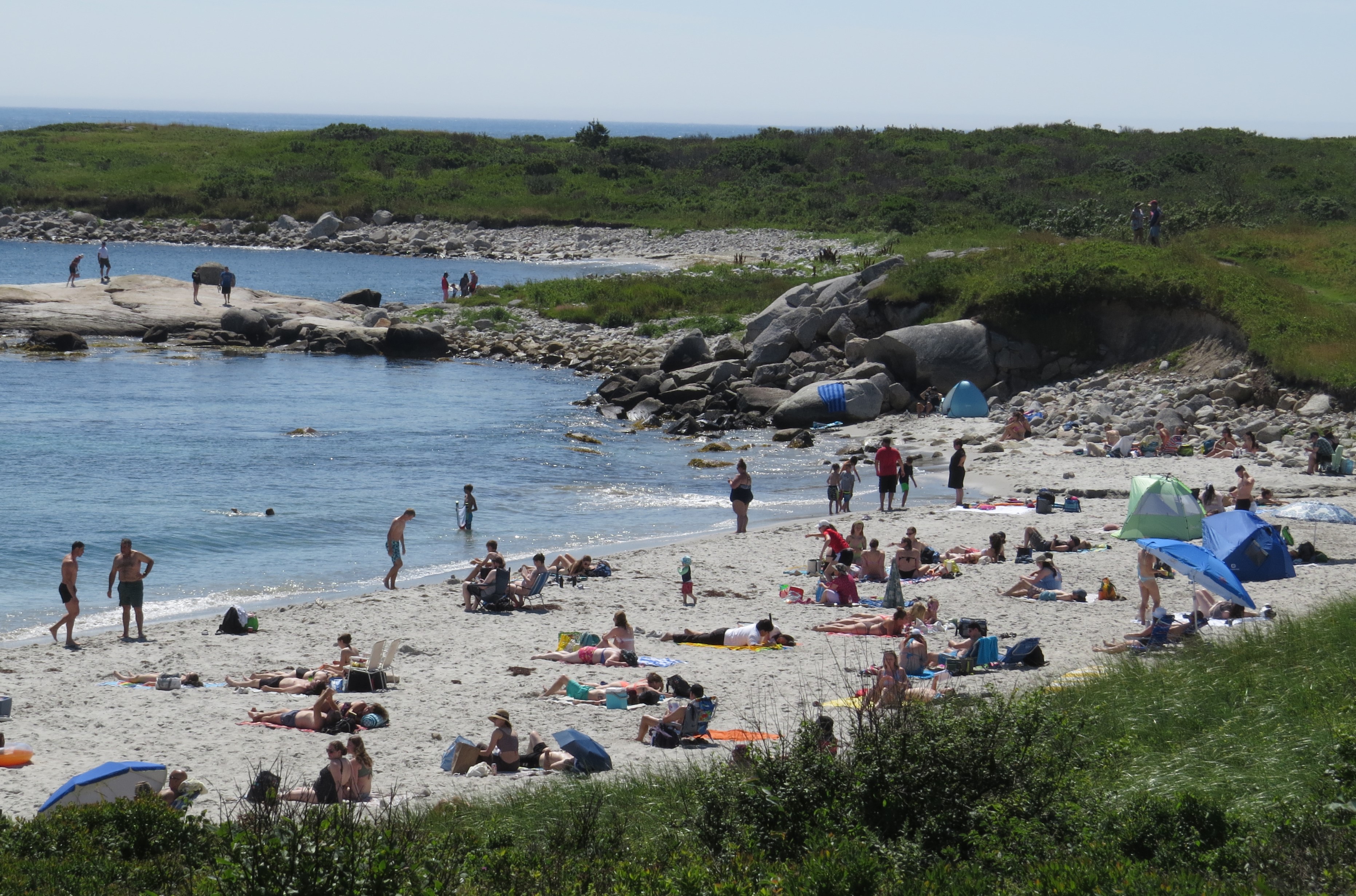
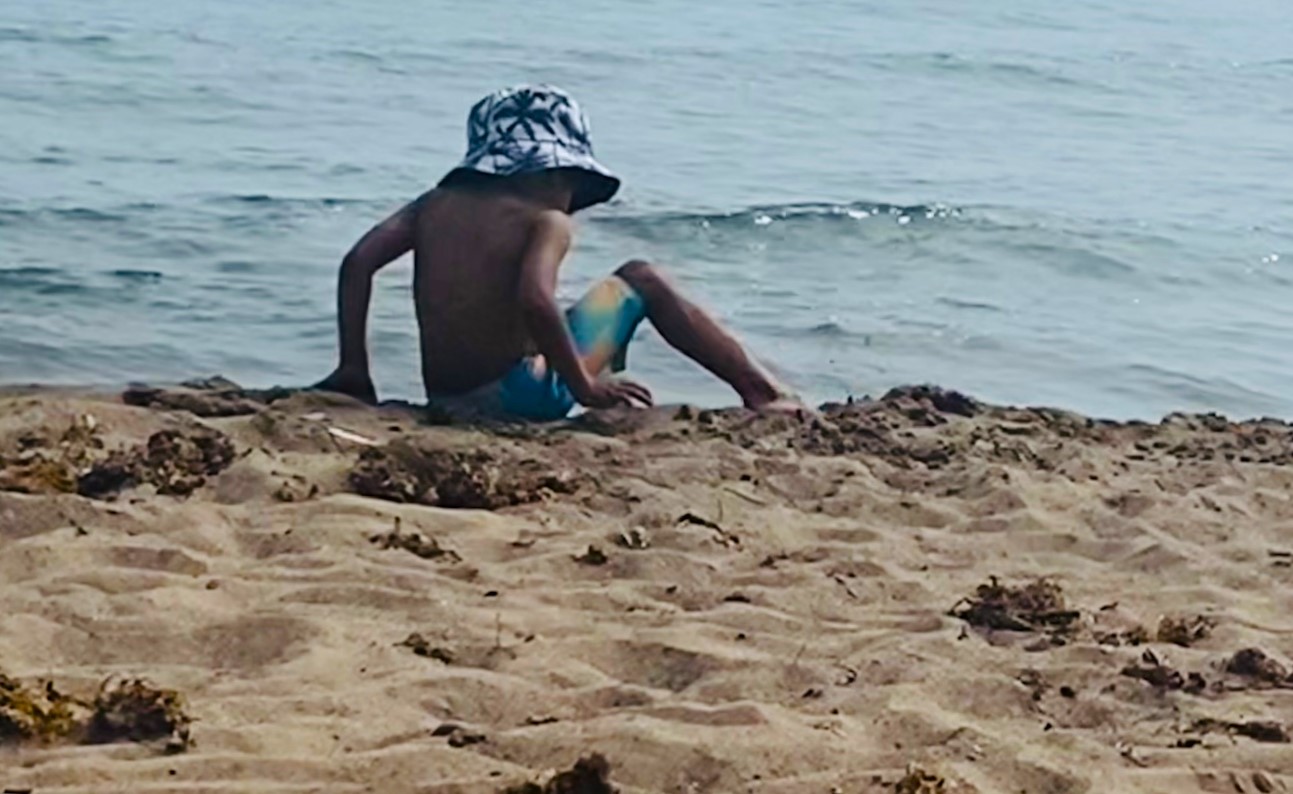
Children are amazing people! Throngs of beachgoers are squeezed next to ech other on the sandy beach – but a child knows better: what could be more magic than playing in a mud in little stream rushing toward the ocean? Child imagination dwarfs imagination of an adult.

On the way to the rocky trail, pass the beaches and people I had a small secret meadow full of wild strawberries and blueberries. If it was in season I would go there and John would wait on the trail till I come back with both fists full the sweetness of the berries and empty them into his mouth. He pretended to be offended by it … but ate them, LOL. We had to make sure that there was no one approaching on the trail. Heaven’s forbid someone would see him eating fresh fruits and from someone’s hands! He like it, though. Maybe not as much the fruits (John wasn’t really an aficionado of fresh fruits) as the fact that he can make me smile and be happy. Our little idiosyncrasies. Next on the trail was a tiny nudist beach. No, I knew better – didn’t even ask him to stop and go for swim before the hike. Naked in public, beach or no beach?! That would be the end of the walk and the trail, no question asked. I knew what I can ask him of, and what I should not. Idiosyncrasies is one thing and disrespect is another. The true trail started right past that beach. Narrow and easily lost, covered with rocks and roots, often very wet and muddy from numerous tiny creeks rushing toward the ocean. Eventually you got to walkable huge slabs of rock and the amazing view of the majesty and power of the Atlantic. It truly is something to behold. We never went that far, as I venture sometimes, but far enough to absorb the atmosphere, the enormity of nature. And there, on these rocks, far enough from typical tourist or beachgoer, I would find a spot invisible to anyone, secluded … and have my way with the wild strawberries and blueberries off his lips!

Below, pictures from yesterday – poniżej zdjęcia z wczorajszej wędrówki

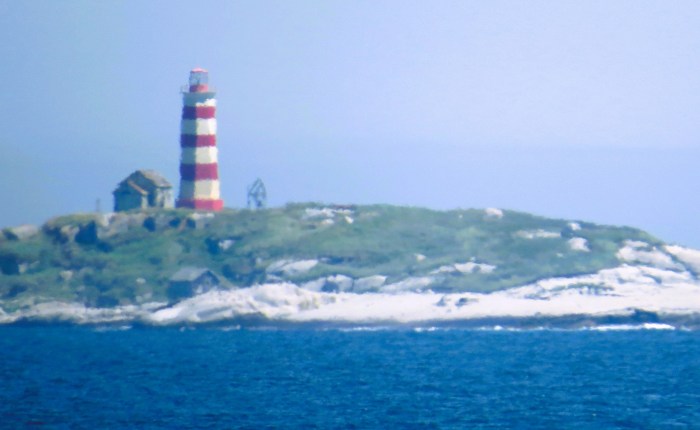
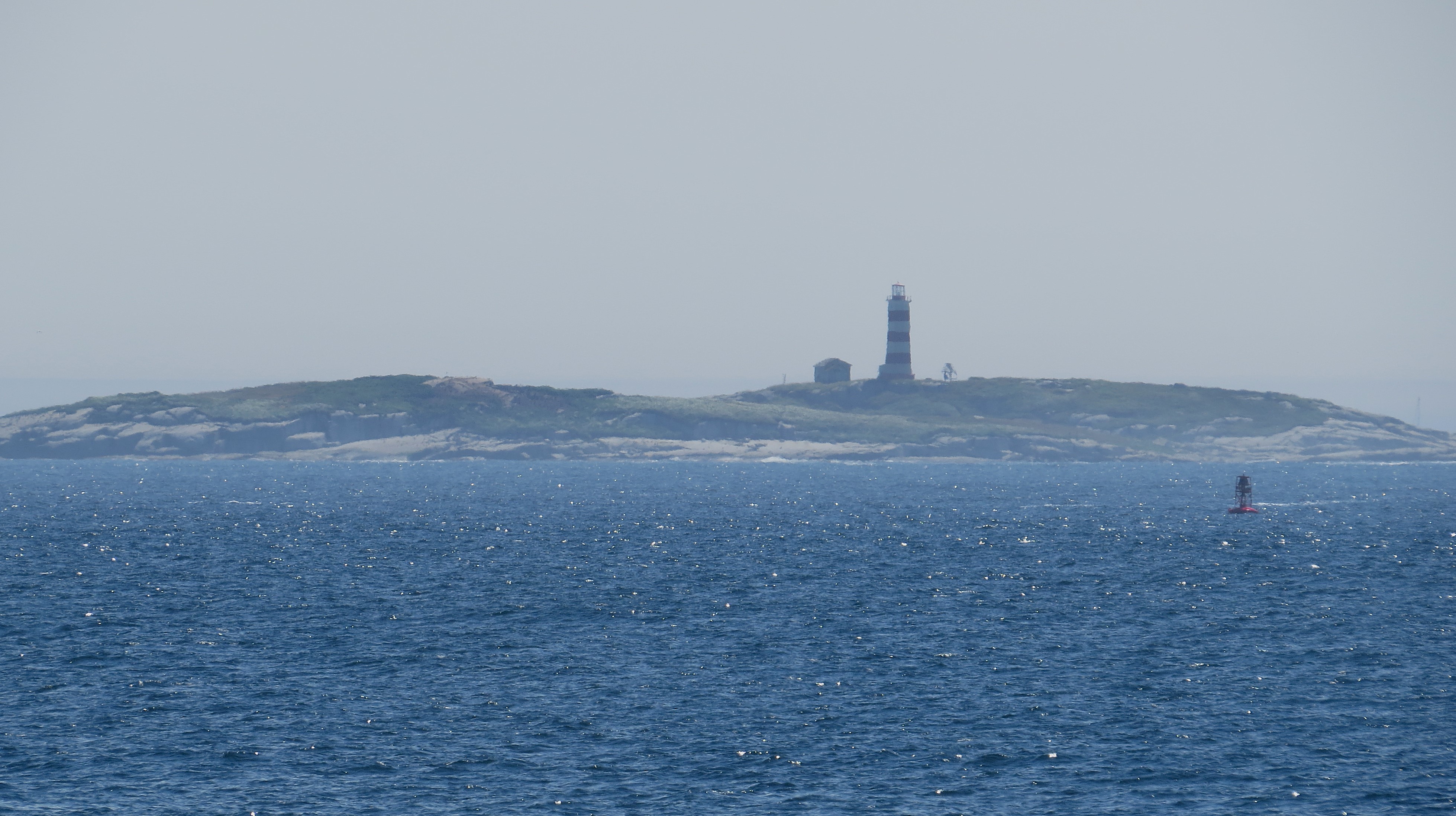
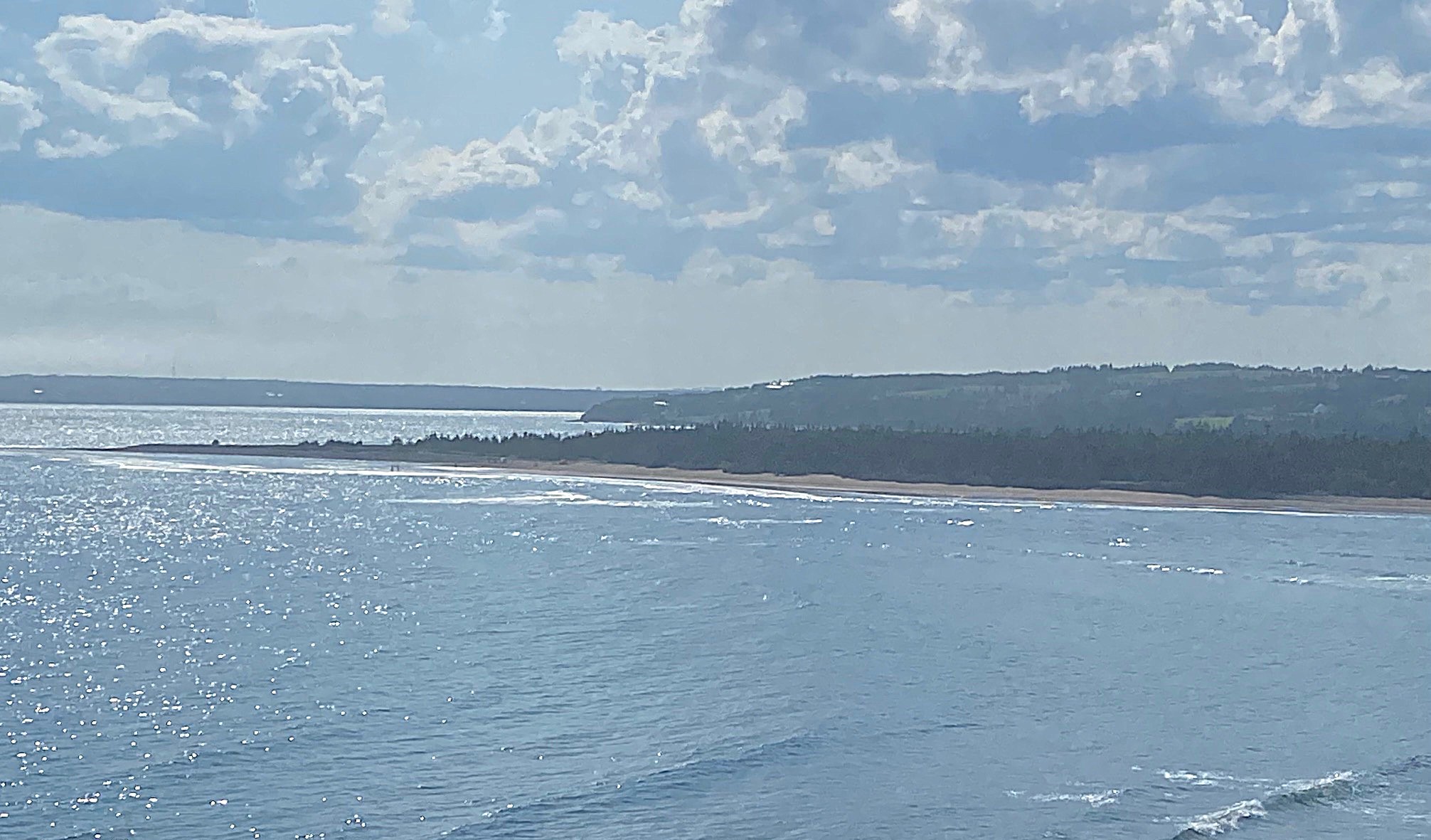
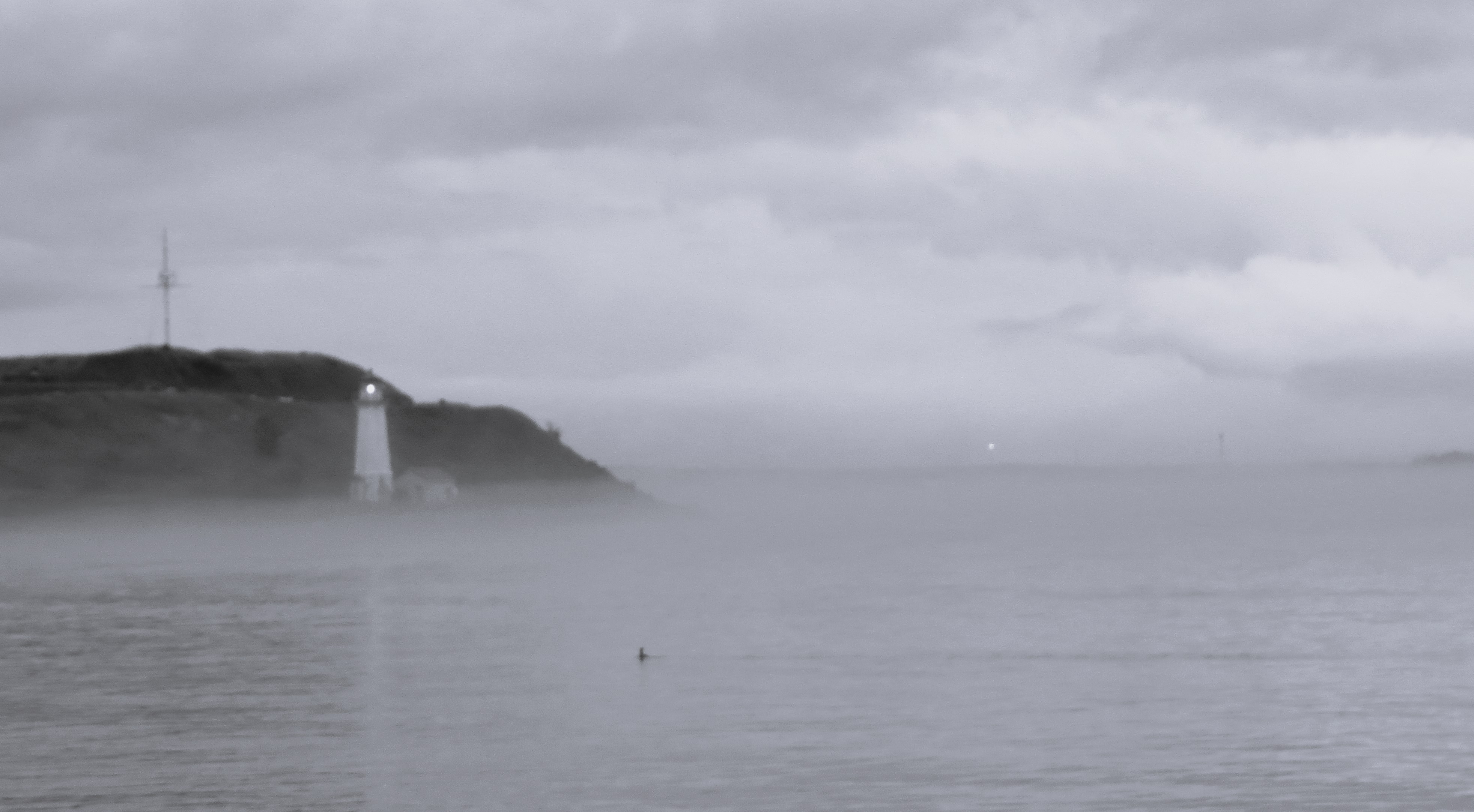
Widoczna na zdjęciu latarnia morska na wyspie Sambro, która jest ‘bramą’ to wejścia do portu Halifax jest najstarsza latarnią morską w Północnej Ameryce i do dziś operującą.

Pictures of the Sambro Island and the lighthouse remind us that it is the first lighthouse built in North Americas and it is still operational.

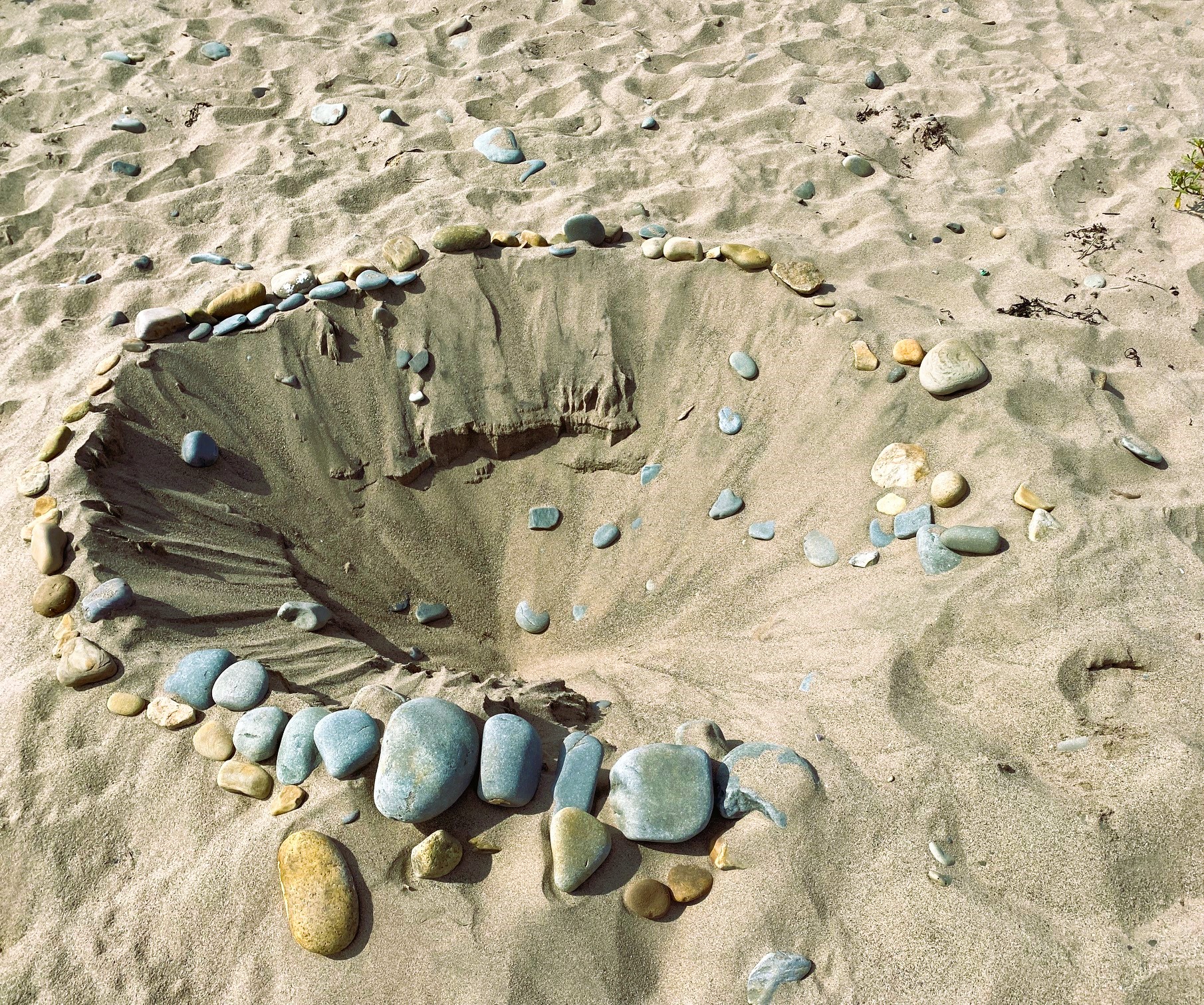
My Fort of Love, our Fort

My Fort of Love, our Fort

August 07, 24

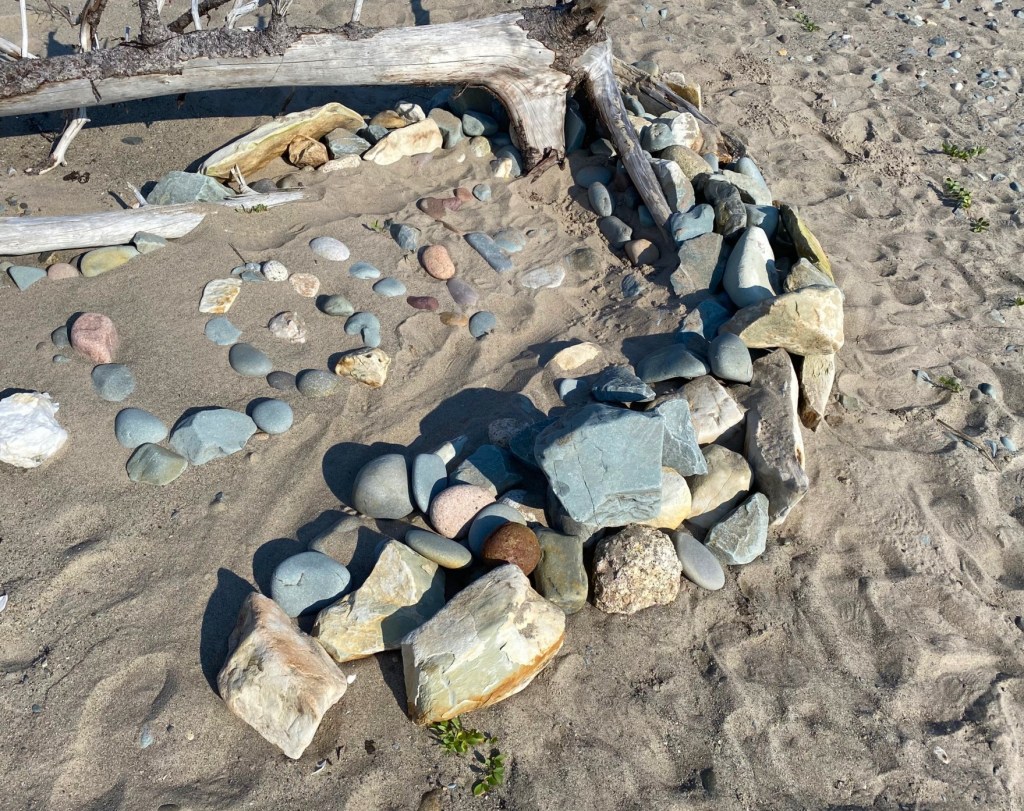
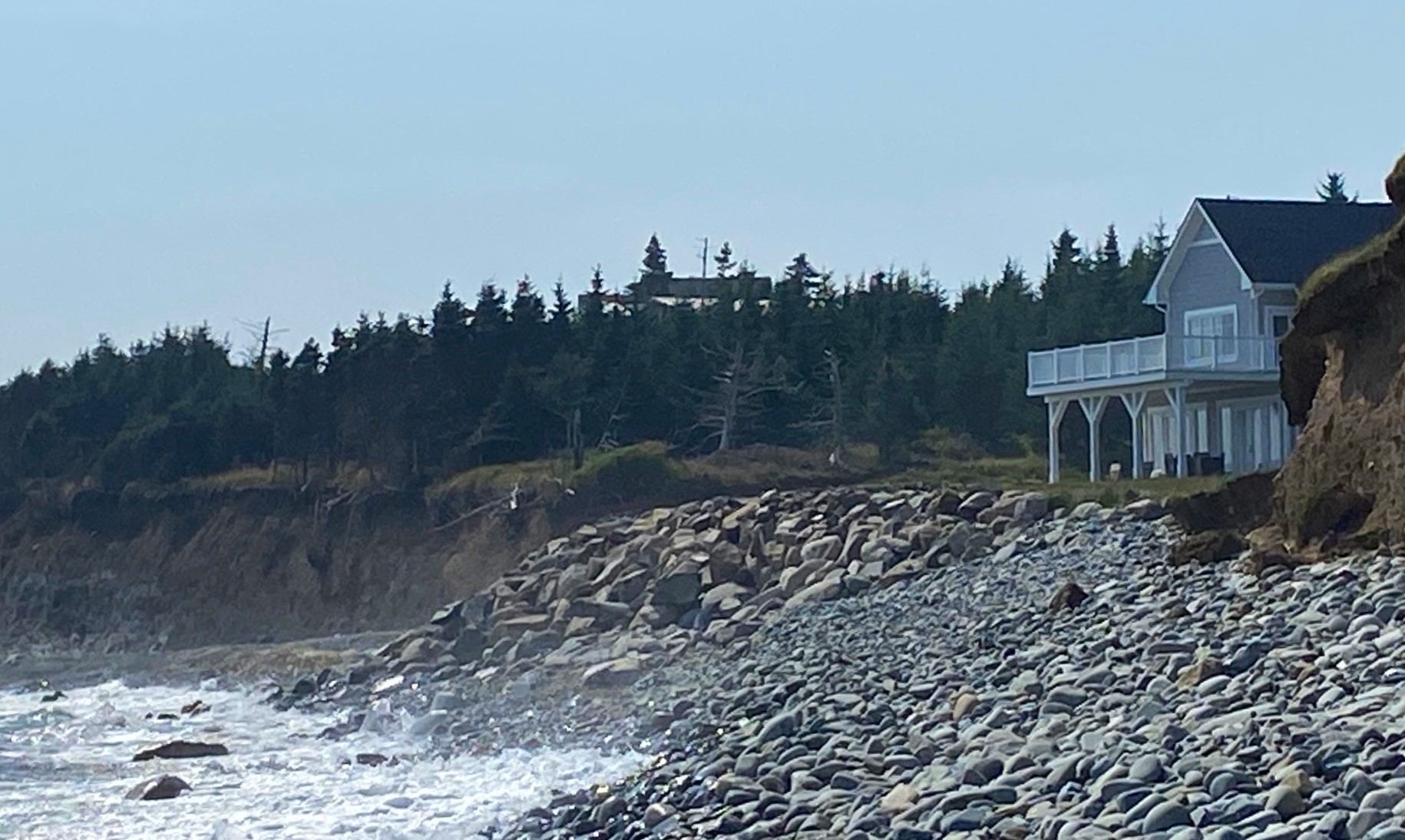
I went there again. Maybe the last time? My time here is shrinking, time on this land perched over Atlantic, our land. Maybe in a month or so I won’t be here? Hence, I came today. To our Fort of Love, our love, our castle built on sand with solid rocks, boulders.

Yes, it still is here on this wild beach, far away from any venturing tourists. My hidden sanctuary of talking pebbles, tubal music of waves, clouds of black and white sandpipers flying in unison formations as a single body; ever present individual seagulls, pretending to be busy looking for crabs and dead clams, but observing you all the time. When I am there, I am part of that all, not a visitor but rather a feature belonging there. The flora there is very sparce and in constant struggle to survive. The dead ones are giving all their content as nourishment to the new ones. The sea and sand don’t offer much to land creatures. Occasional dead tree from far away bay or island. Not much but nothing is wasted in that austere environment. Meadows and patches of short forest on the land are separated from that spot by a big and deep saltwater lake. Sometimes, when I am tired of playing with the ocean waves, I go for a longer swim in that lake, its surface is always still like a glass. It must be incredibly deep. There is maybe three or five meters of very easy shallow water and than suddenly it just drops like from windows ledge to a dark deep water. I’m always surprised how dark and impregnable to light that water is.

The shore, where the local road ends, has a small, rocky beach. Almost always, if the weather is OK, there is a small group of locals. Three, sometimes a ‘crowd’ of ten even. They don’t come as far as where I am with my Fort. I have seen once or twice one person or a couple venturing there. You need to cross a fast-moving sea ‘river’ (natural canal connecting the lake and the open ocean) to get to my monastic desert.

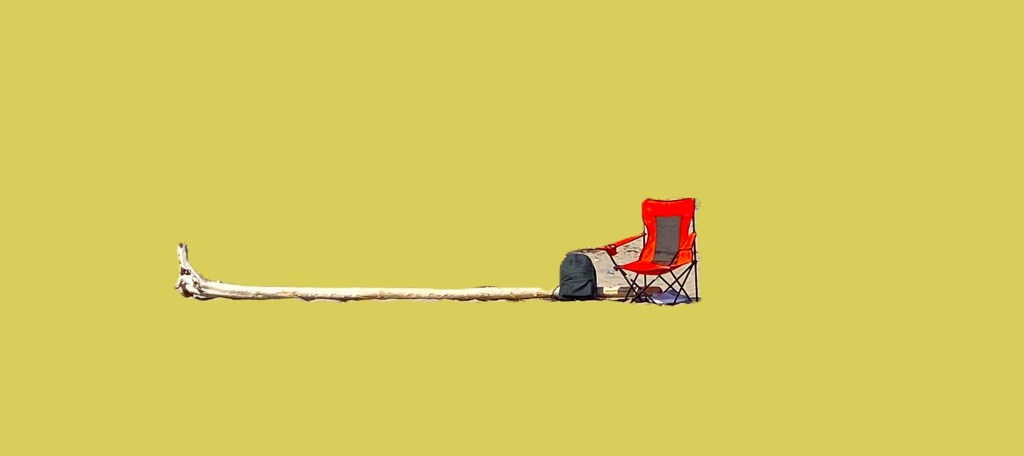
But they – the locals – know that the Fort is there. It is the only man-made structure. By now they must also know me, recognize me, when I come with the same red folding chair, a stick in hand and a backpack, as I traverse the water like a hermit coming back to his cell. They see me from far away, sometimes wave to me while I gather more rocks to fix the Fort. It did survive fall, winter and spring. Many storms and big waves. But a good monk always fixes his dwelling for the glory of god – and my god is Love.

Do the locals call it a sanctuary? Maybe. Sanctuary of Love. I like it. Our love, anyone’s love. I am not at all jealous of that love. Love doesn’t belong to me. I just tend to it. She is sacred.

Maybe Venus comes here by sunrise and dances naked by the Fort? Maybe all of them, these crazy Greek gods, come: Venus, Apollo, Narcissus, Orpheus. Maybe even Helen of Troi dances with them? With whom Helen would dance? With handsome Prince of Troi or with Menelaus, her husband?  Sappho of Lesbos later explained that choice in her poem, when she argued:

Some say a host of horsemen, others of infantry and others

   of ships, is the most beautiful thing on the dark earth

   but I say, it is what you love

and few thousand years later, I agree with her wholeheartedly. But it doesn’t matter with whom they dance. Let them dance with whom they want. Let them lit the mighty sky with pyres hot of flames of passion.

August 08, 24

Hey! Yes, you Narcissus. Come here and sit by me. Don’t cry, don’t drown in unanswered selflove. Go to disco tonight. They have one in the club called Elysium. Go there, dance and let go off sorrows. Kiss someone, make love to someone, anyone for Heaven’s sake! They will appreciate you youth, vigor and looks. Me?  No, my dear boy. I have loved hundreds of times, thousands perhaps, for a day, for an hour.  Until I was confiscated, possessed, taken by Love itself. By that one special Boy. One, who become the air I breath, my blood, my waking up and falling asleep. My song and my poem.

But be aware – Love is immortal, but you are not. When The Boy (or Girl) will go (as everything temporal does) you will be broken in half. Shattered like pebbles on the beach, that are constantly thrown by huge waves until only scream remains, only cry to Heaven. But Heaven will have its gates locked by Death.

Love, dear boy, is not for timid souls. Love is only for brave or insane souls. It is Love that holds the saved obol in your outstretched hand, while pounding with your other fist at this gate. The Gates of time, of mourning, of grief. Demanding, pleading for them to be opened. With that obol as a magic key. Hoping but not knowing what is on the other side: reunion or emptiness, nothingness. Yet knowing now, when you are at these Gates, that even nothingness is better than half-living.

Love is for brave or insane souls.    

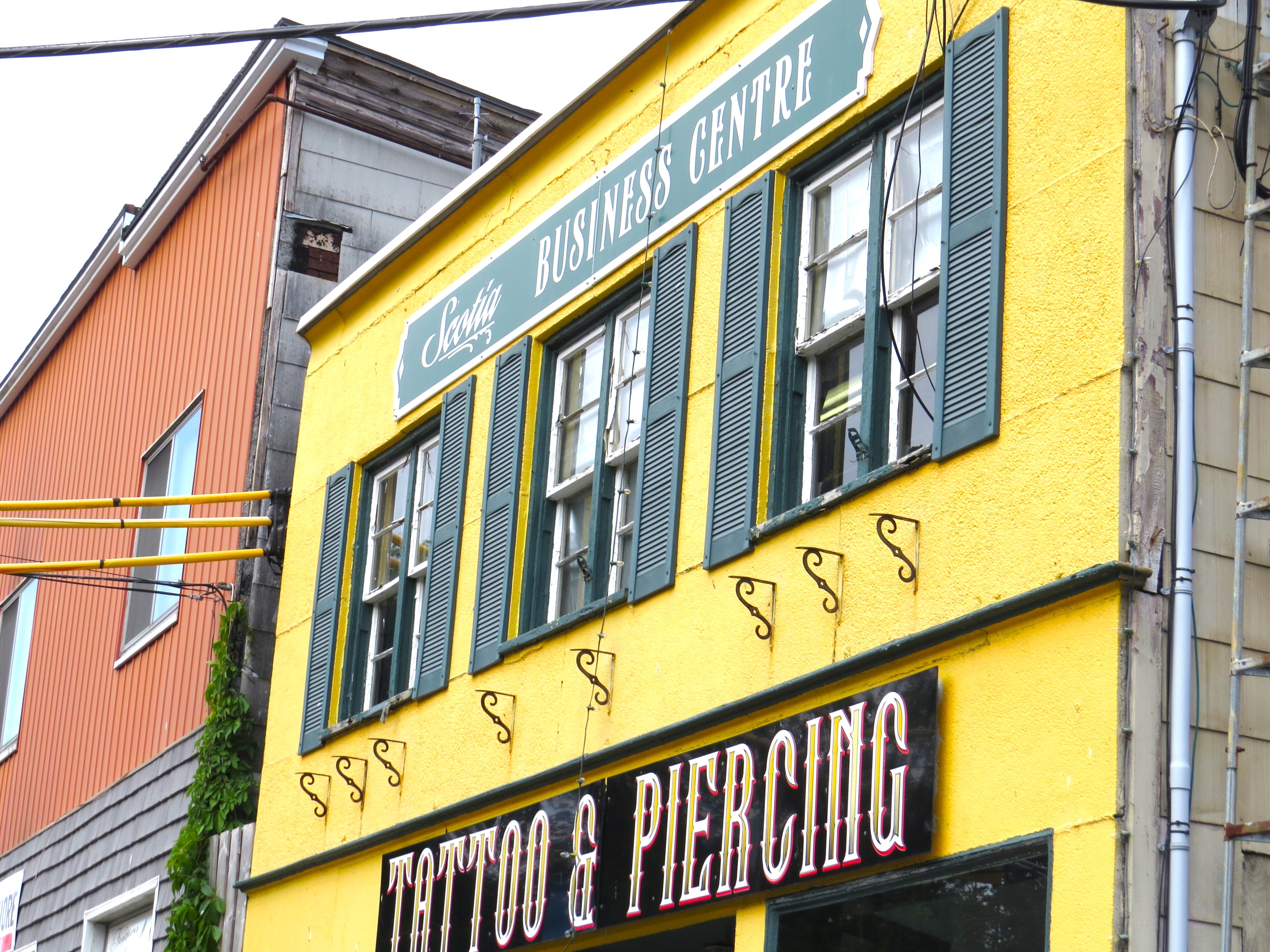
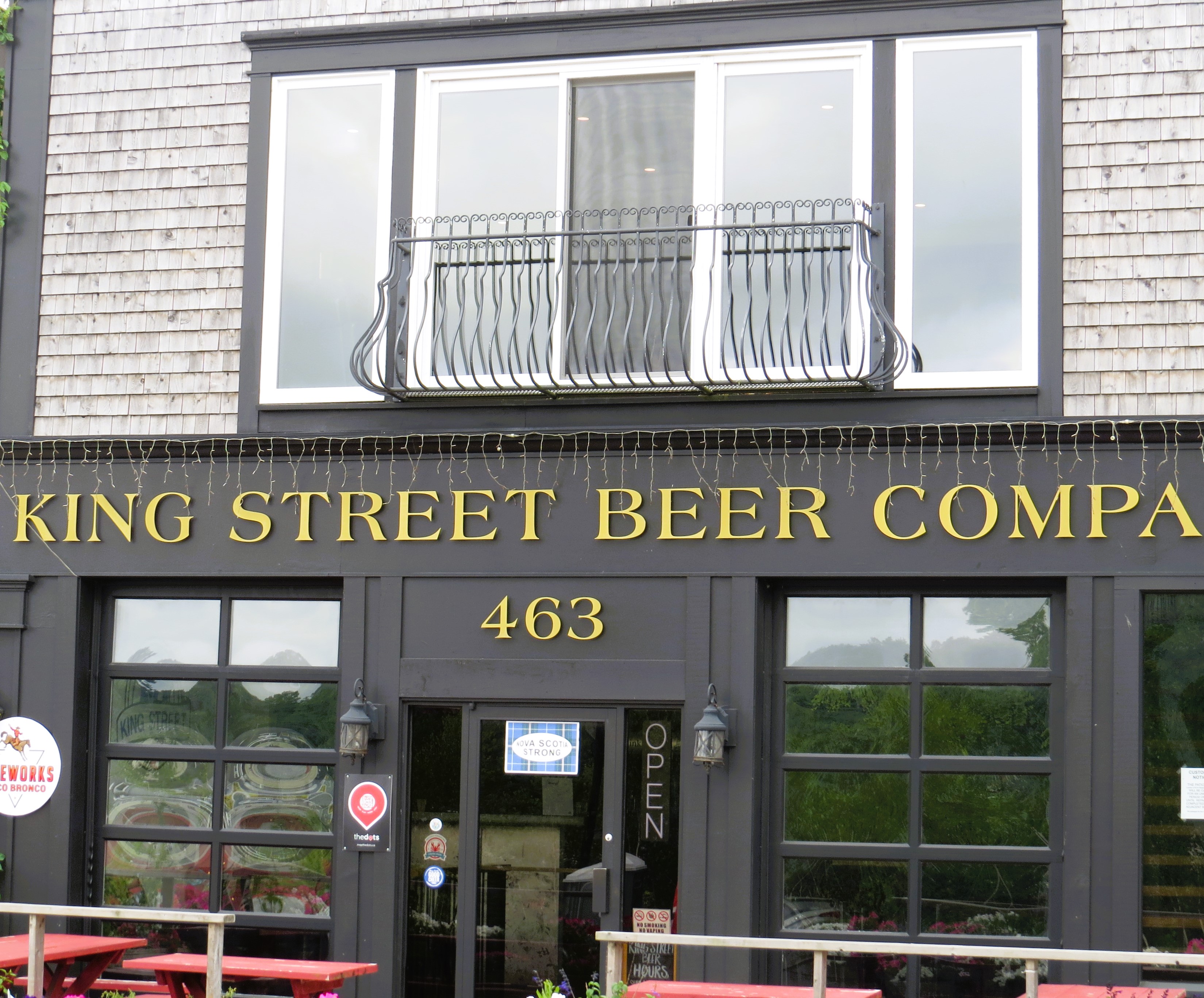
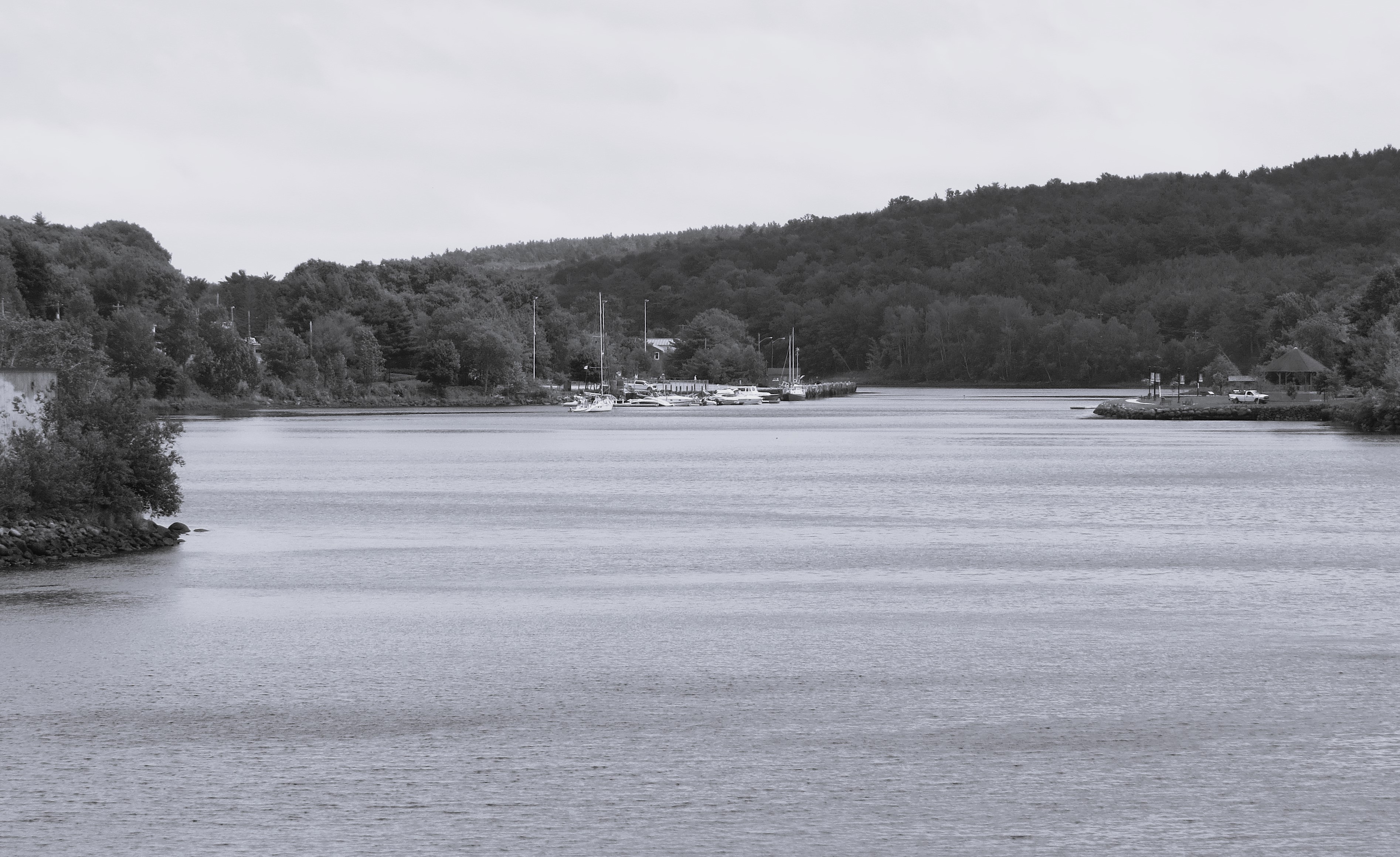
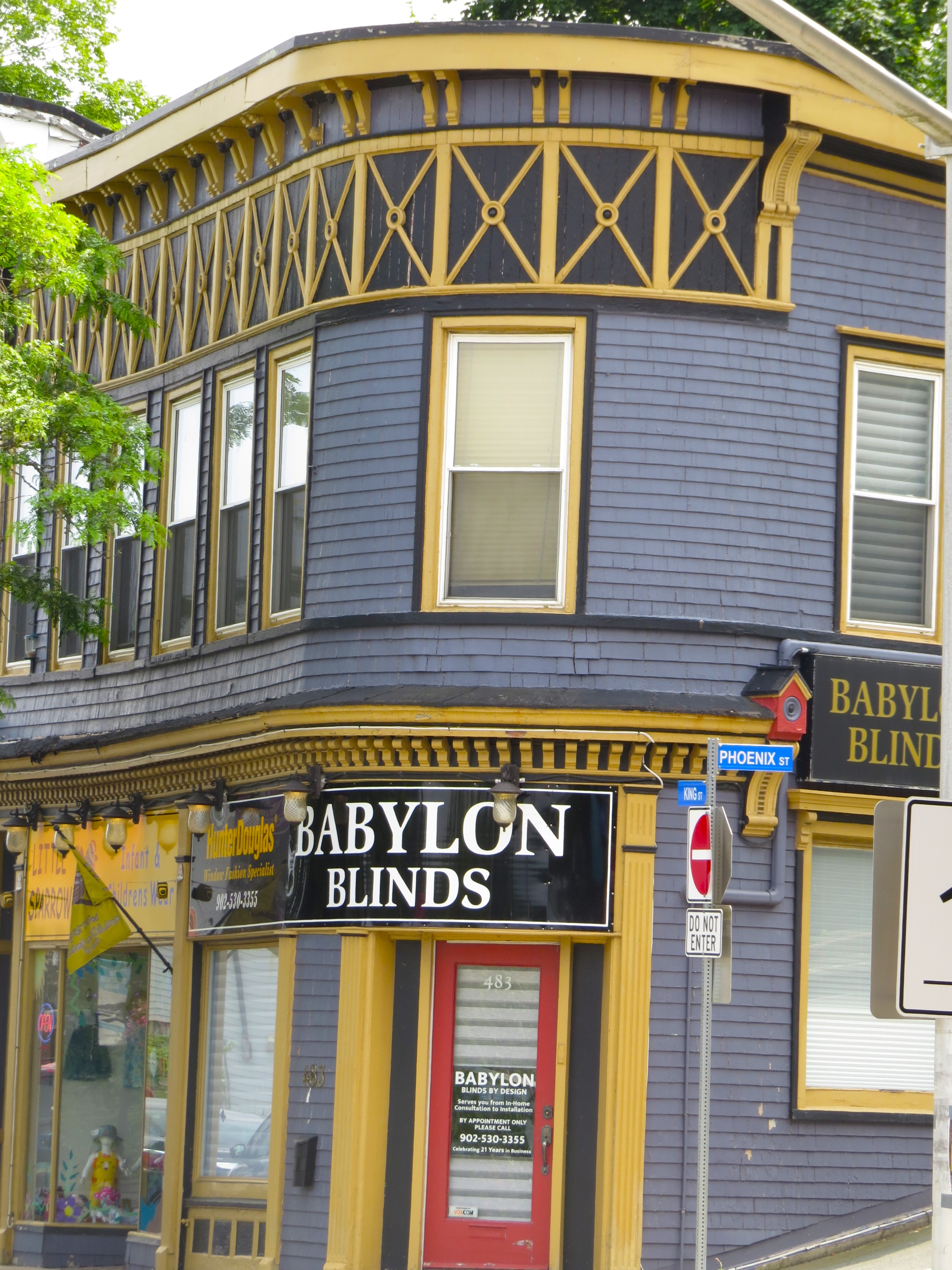
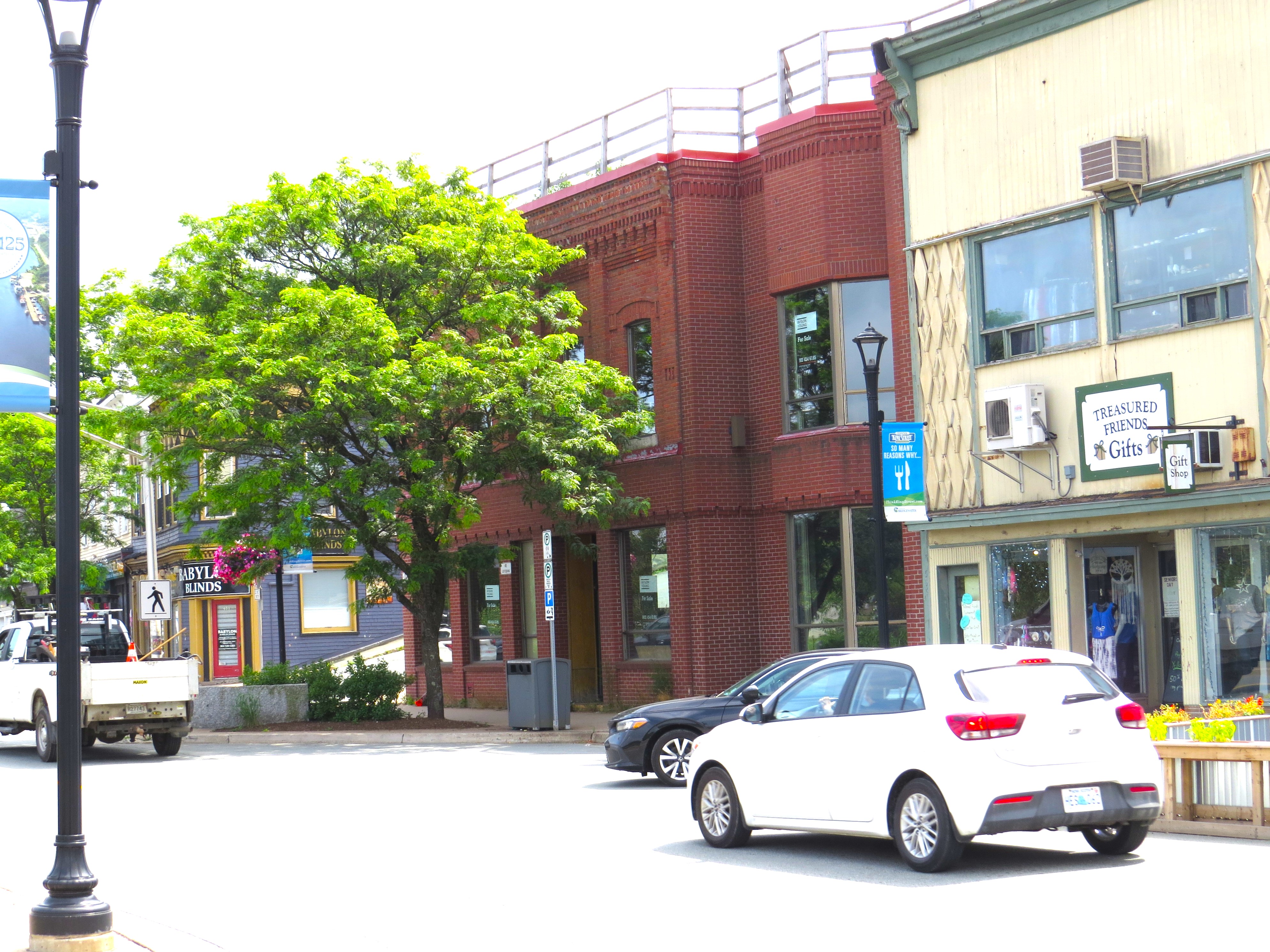
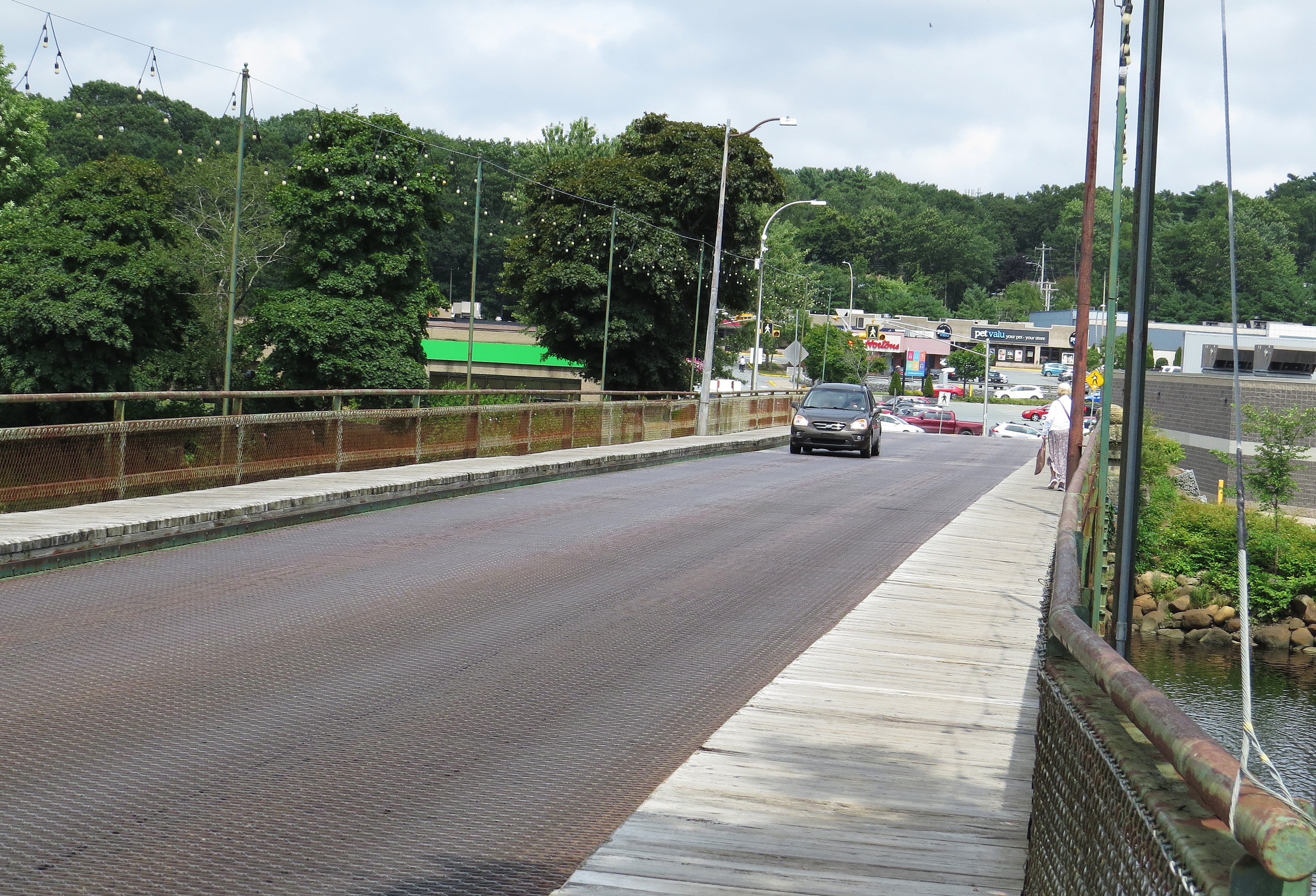
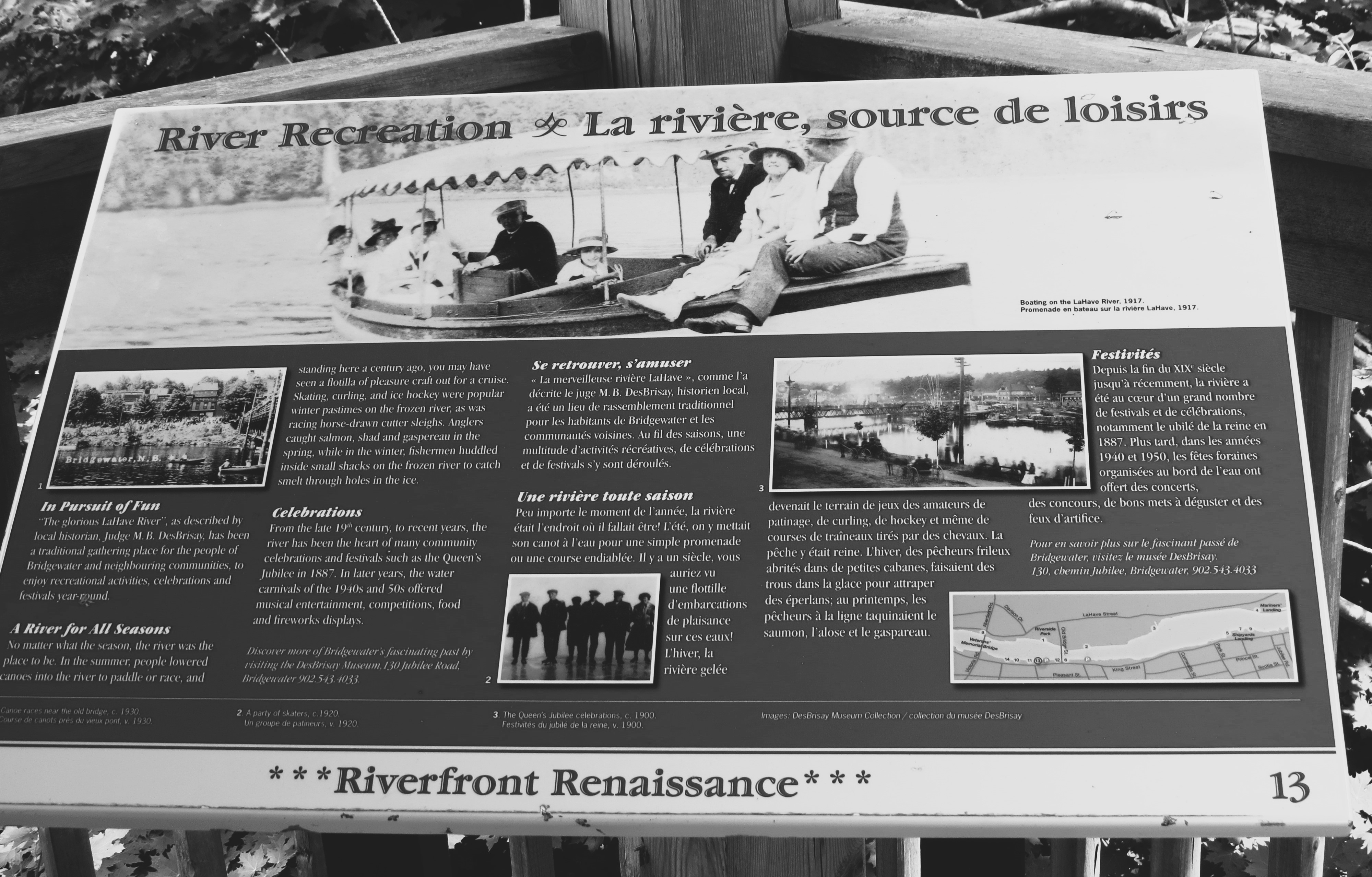
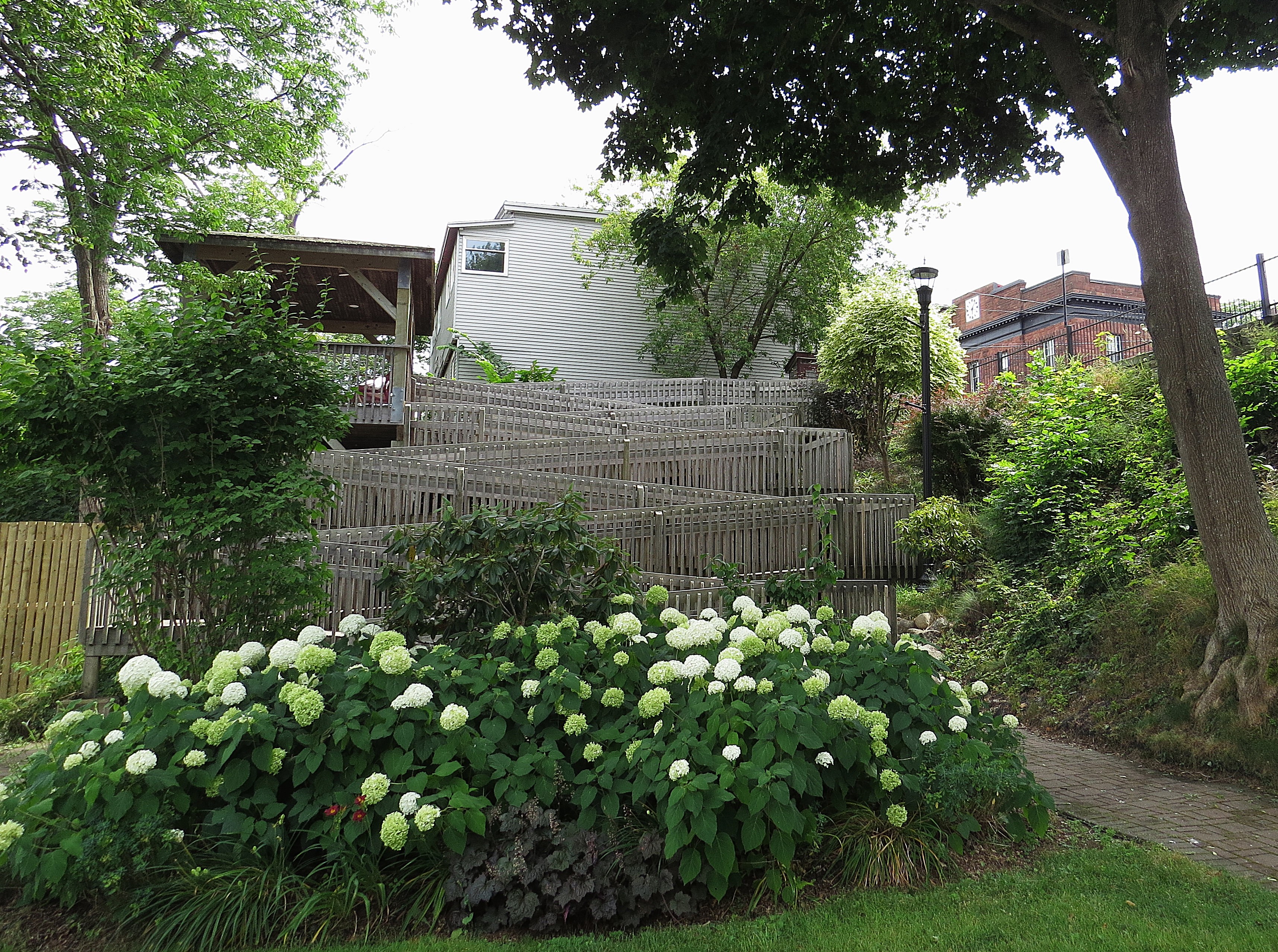
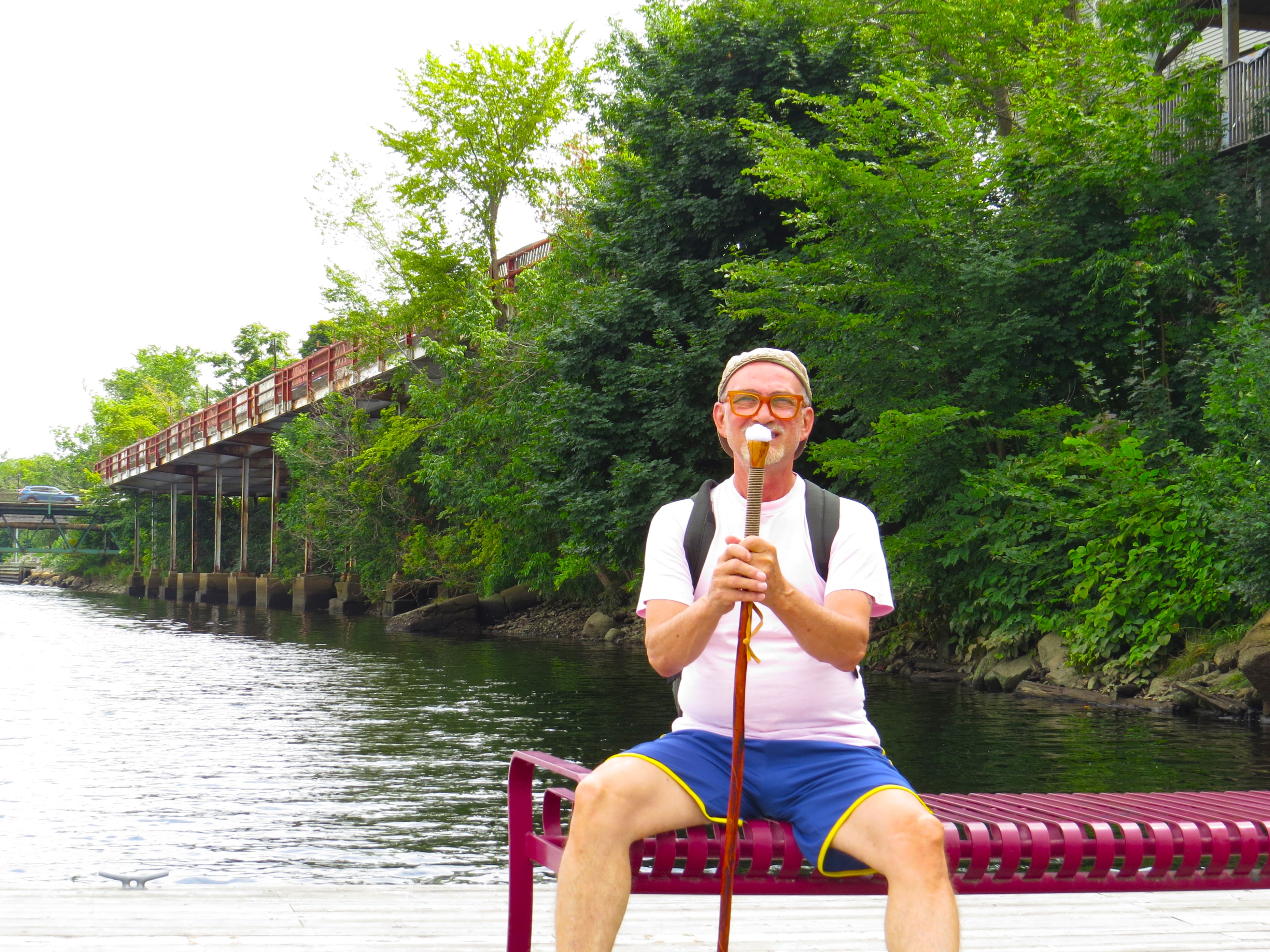
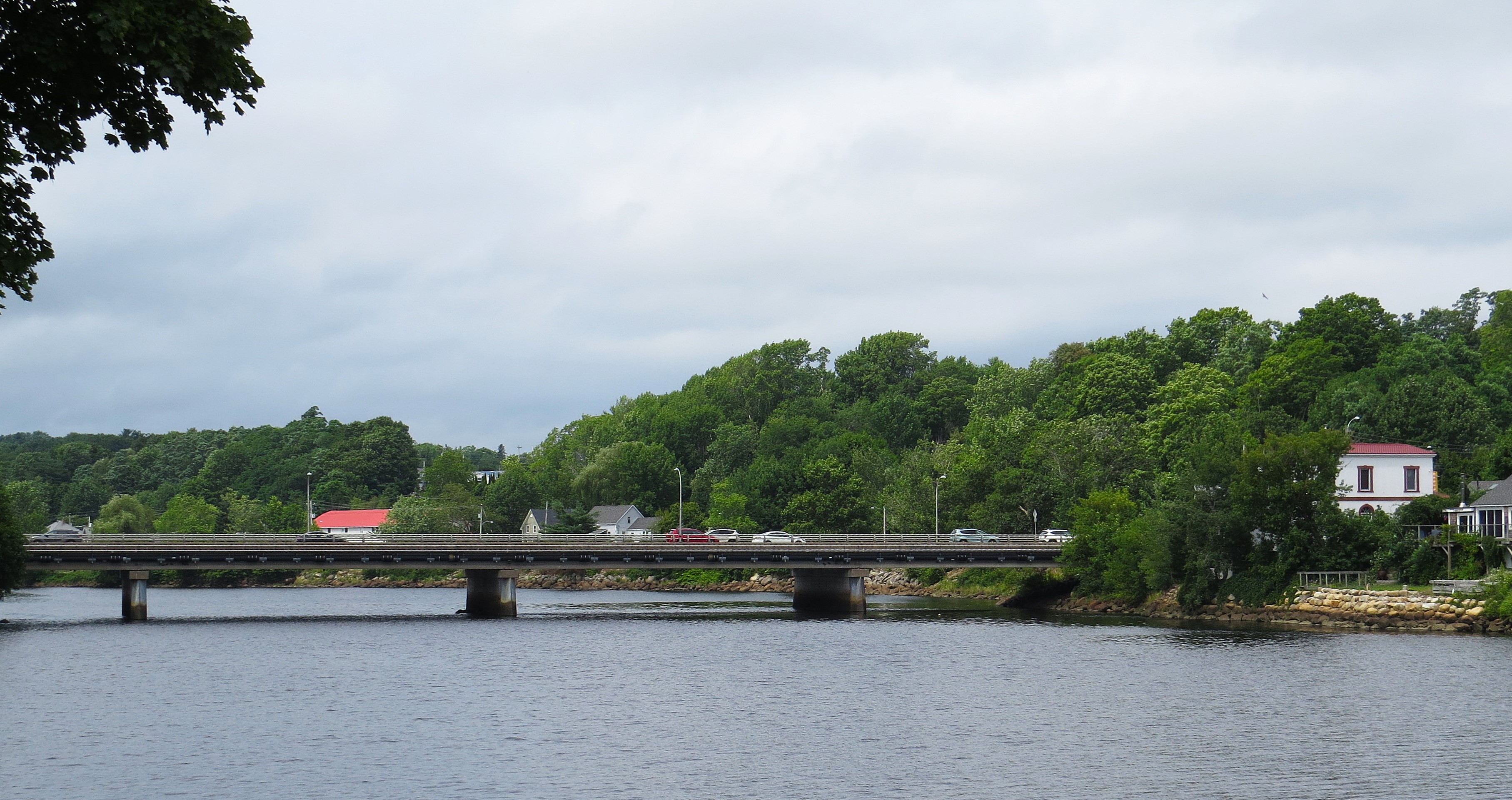
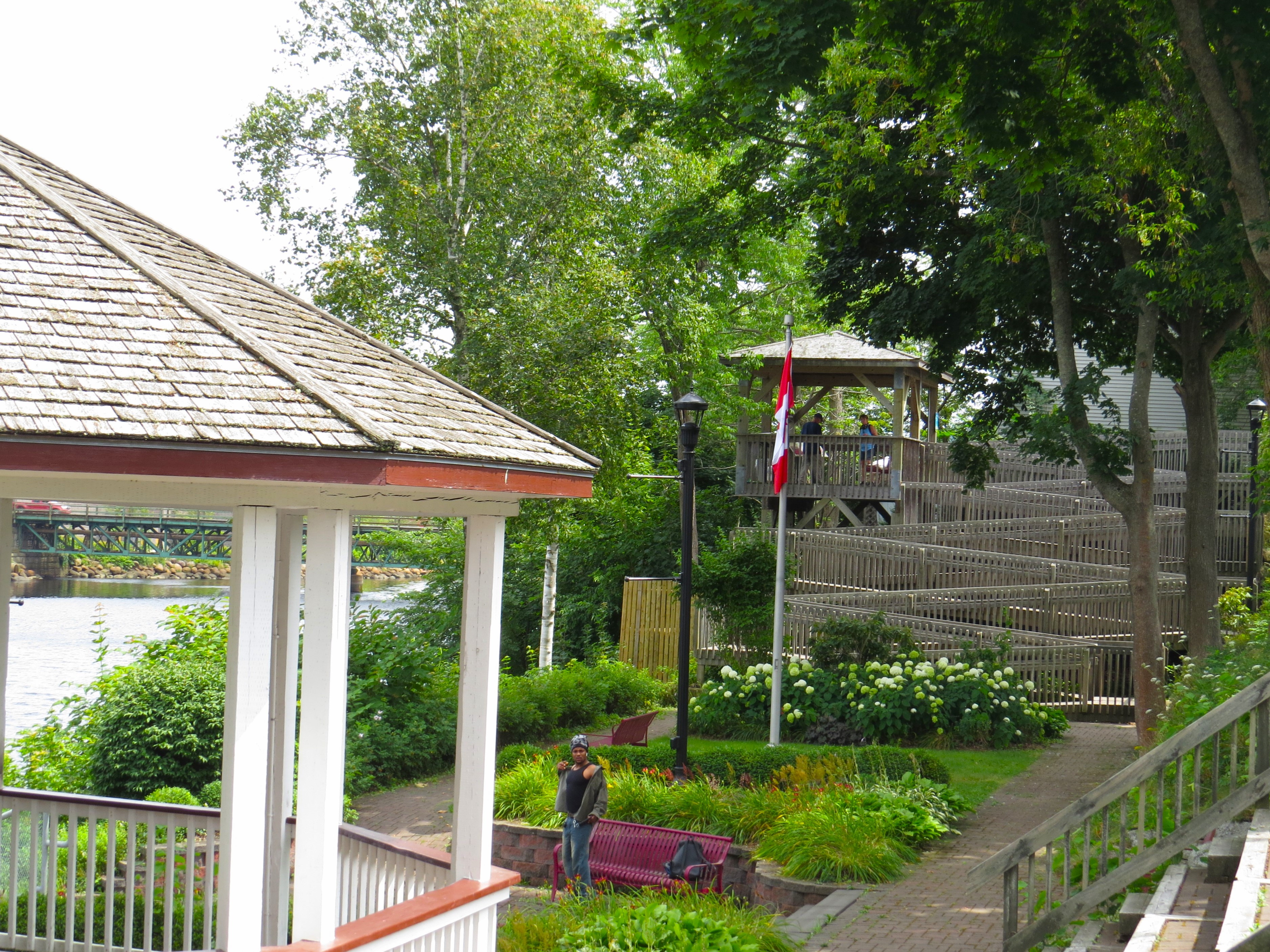
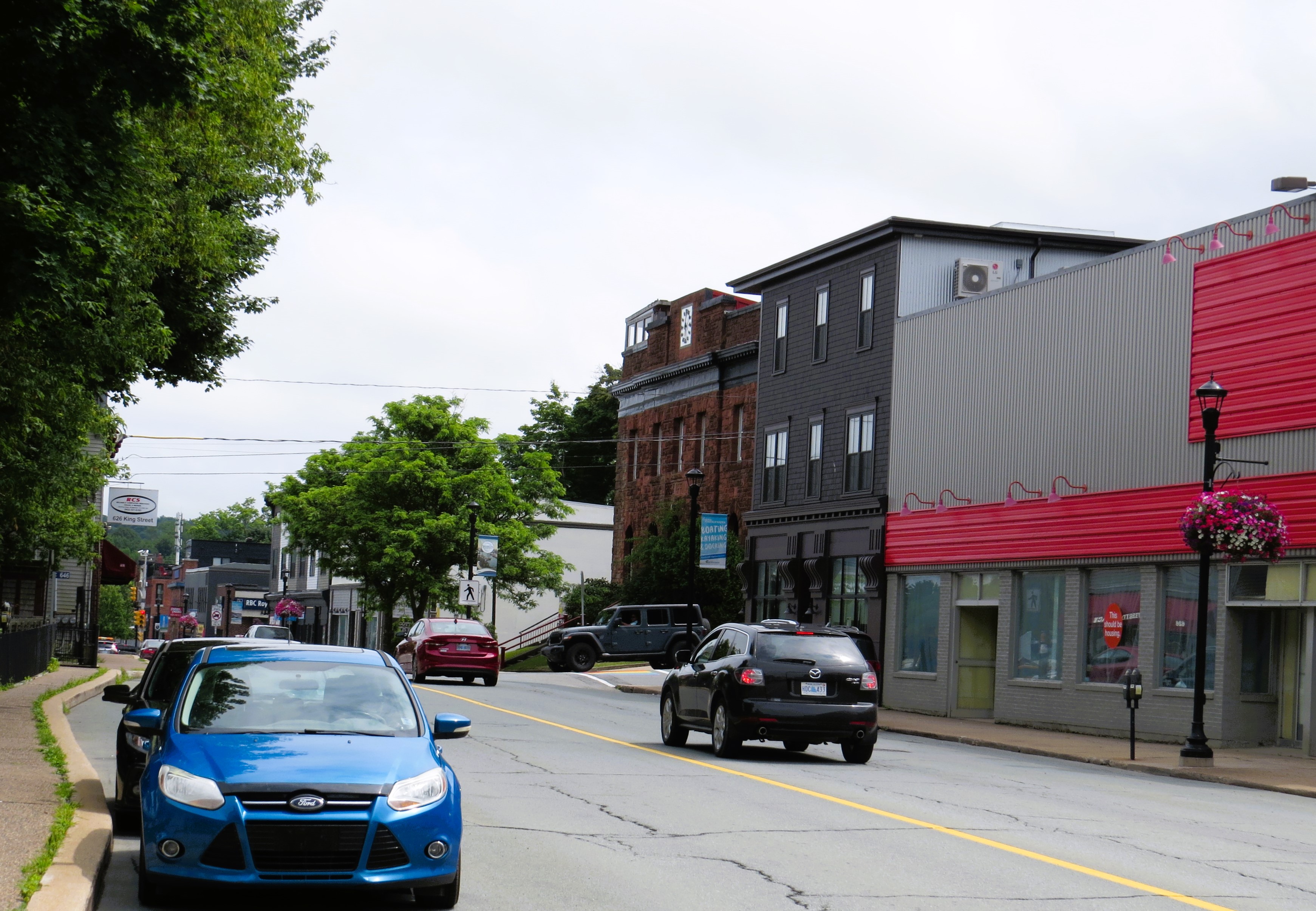
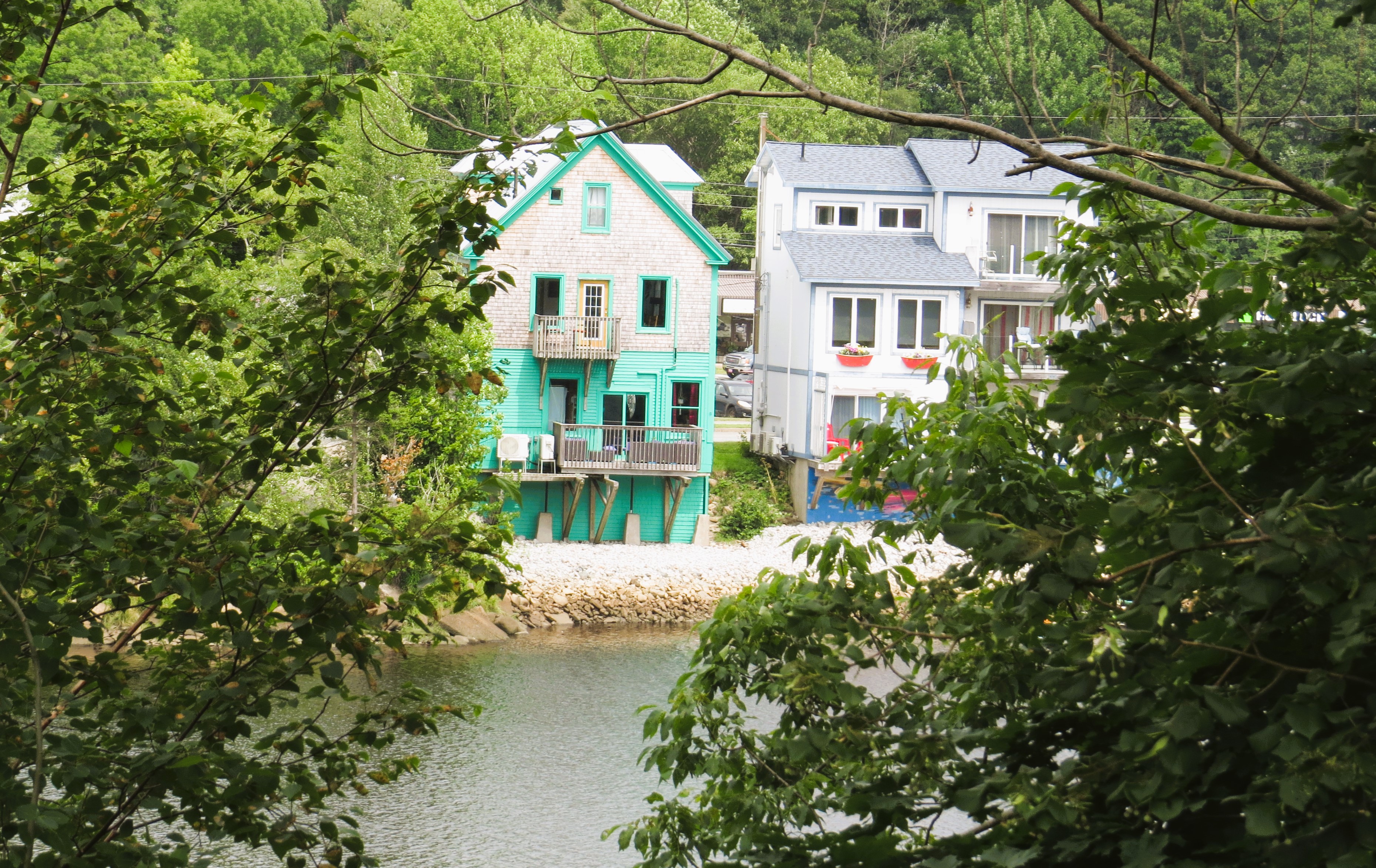
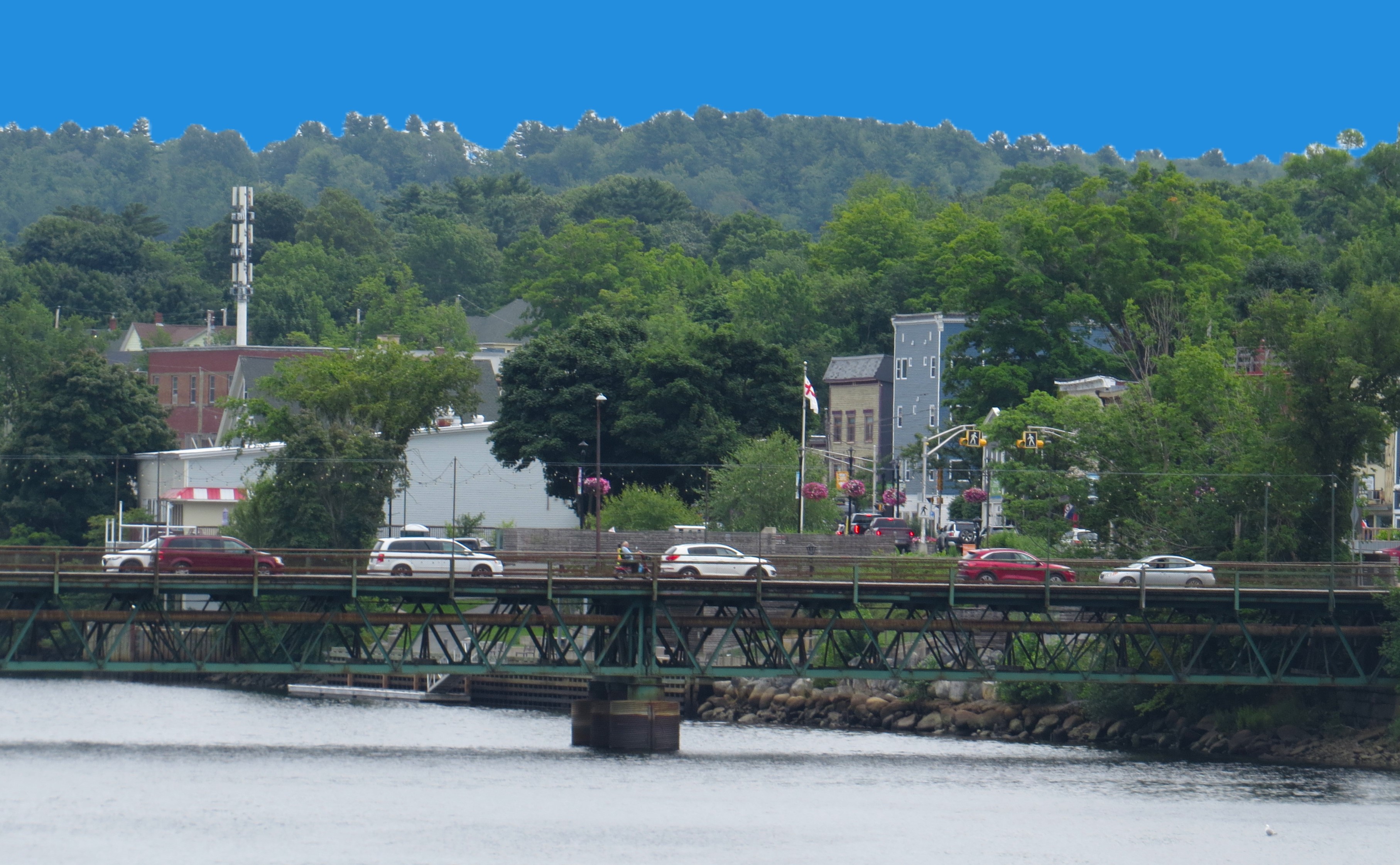
Bridgewater – the city and the river

Bridgewater – the city and the river

But before the British settled there, and before it become known by the name ‘Bridgewater’ it was an ancient large settlement of Mi’kmaq tribe for thousands of years. There is a rich collection of archeological artefacts attesting to their settlement at  the mouth of the large LaHav River.

In 1604 the French Governor of New France Pierre Dugua de Mons visited these lands and by the mid-1600 there was first small French settlement there.  In 1825 the first bridge was built and by 1850 the population grew to 300. At the end of XIX century the town had two railway connections – across the valley to Middletown and trains to Halifax. Easy access through the large and navigable river gave beginning of many industries, among which shipbuilding was a major force. It is probably a surprise to many, but the very first ship’s two-stroke engines were manufactured here and exported worldwide. It closed its operations in 1970.

Since the origins of the town, the western bank of the river was the heart and center of the city and so it remains. Most modern developments, shopping malls, concentrate on the east or left part of the city.

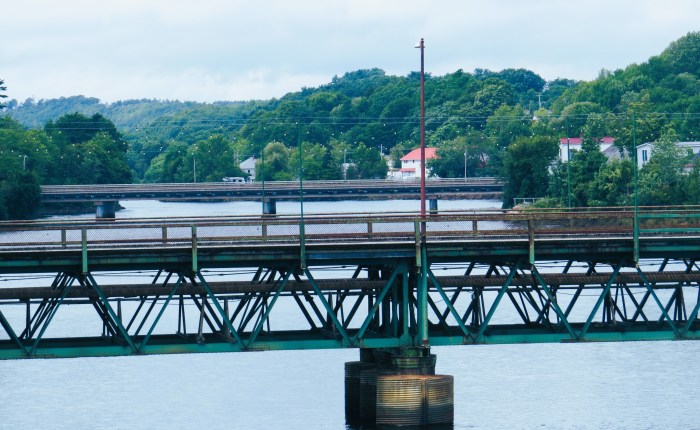
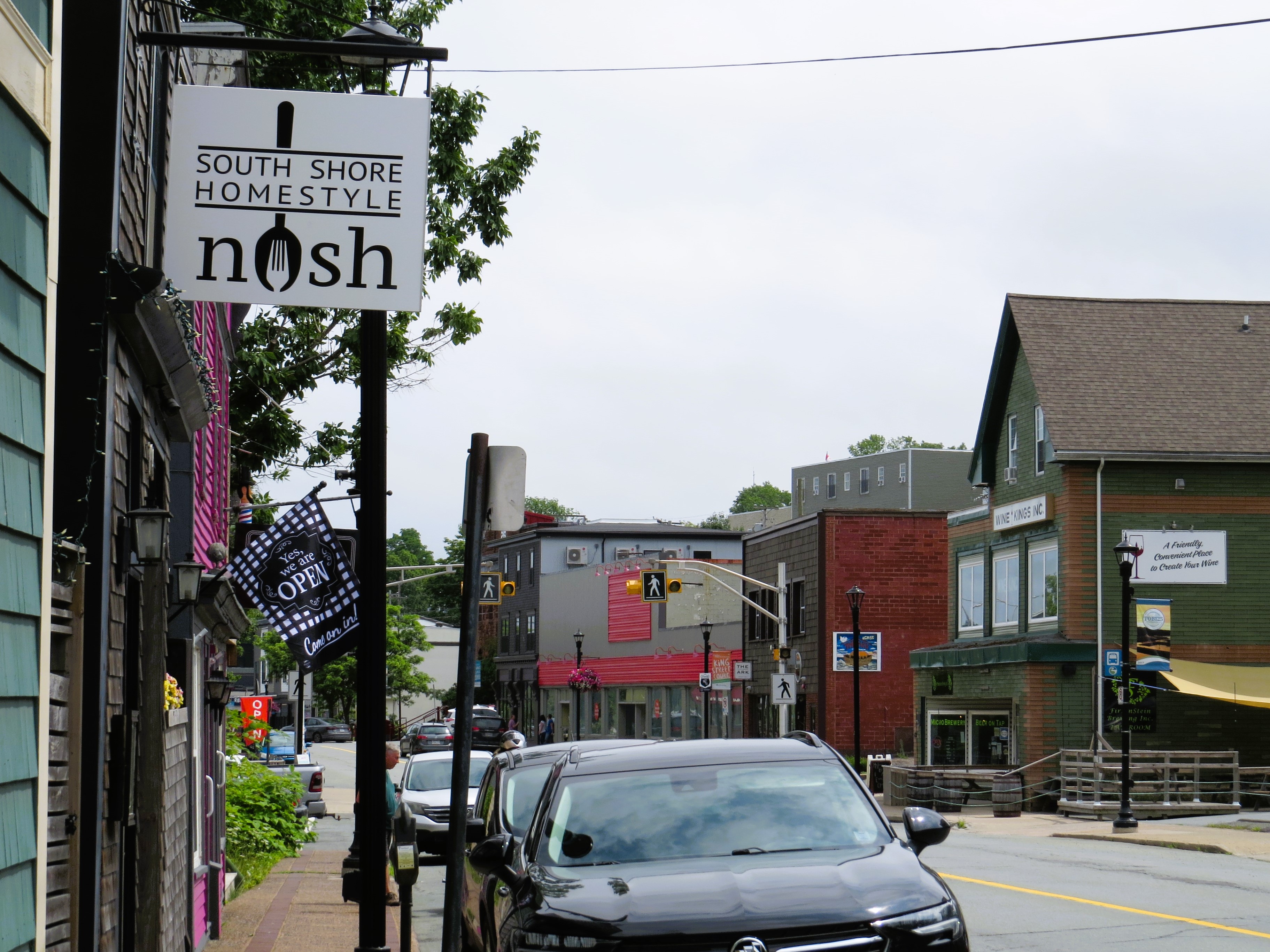
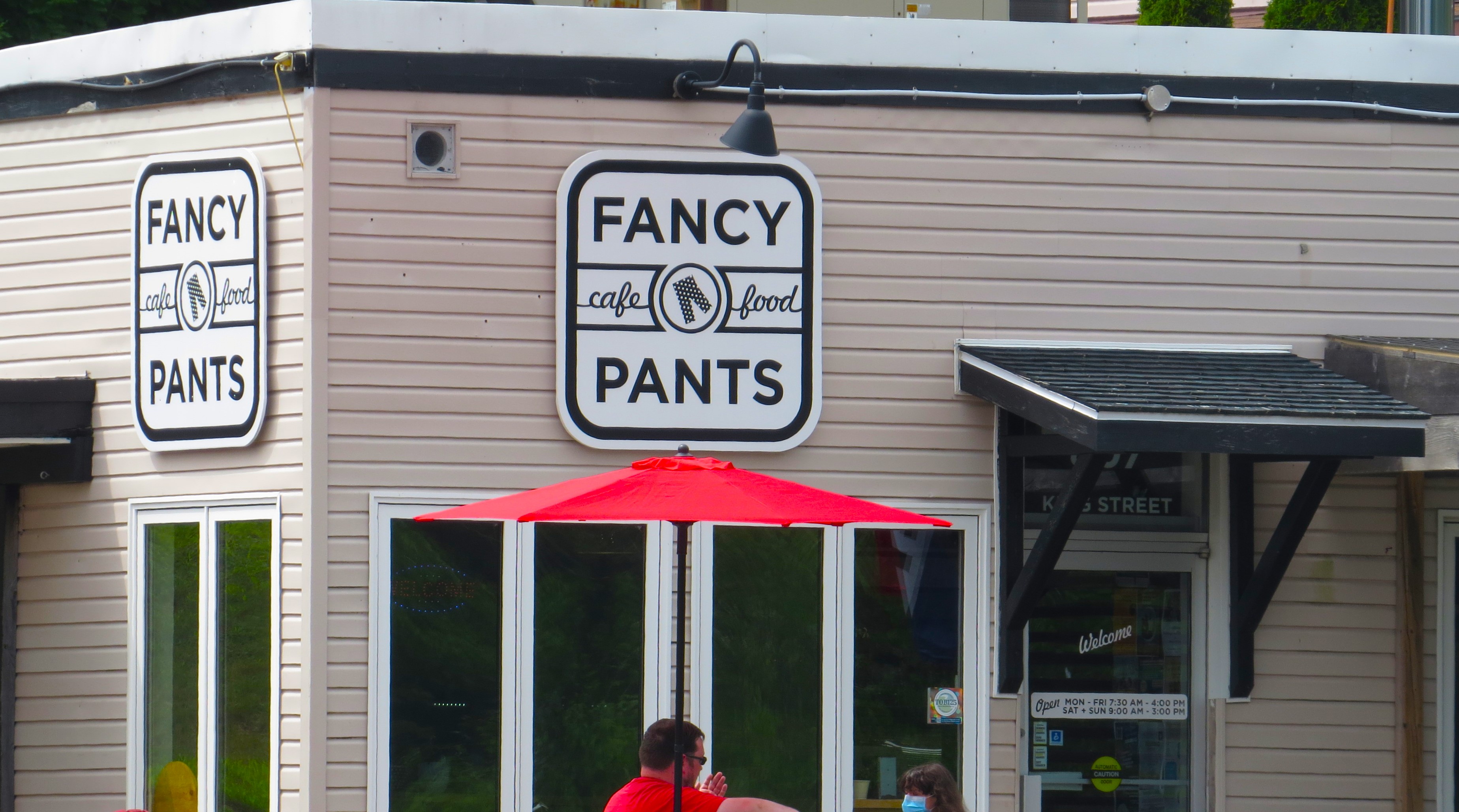
The historic town, its calling card, is the main King Street right along the banks of it’s beautiful river. It is connected by two bridges to the other side. Especially the old iron bridge is such a gem.

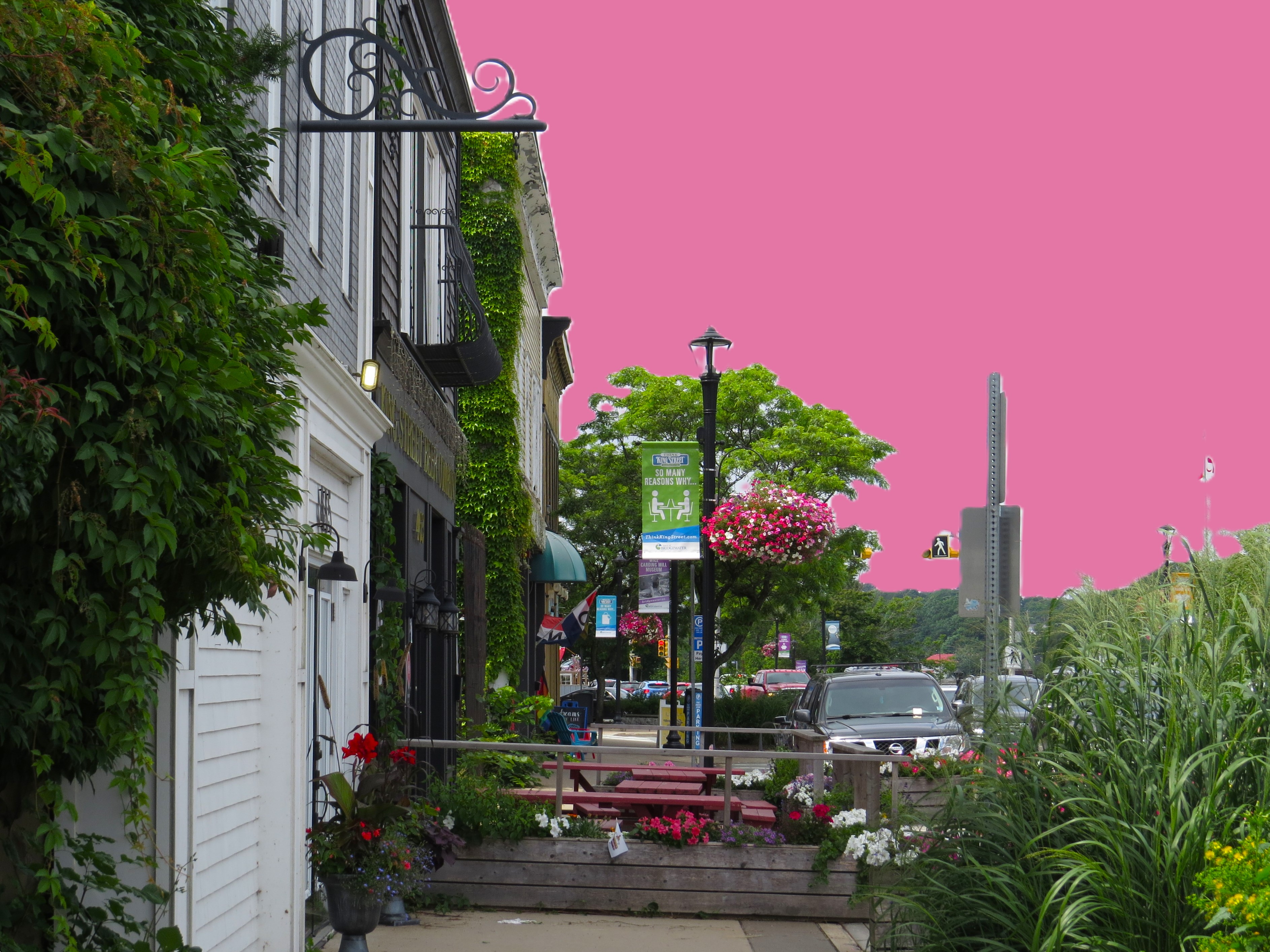
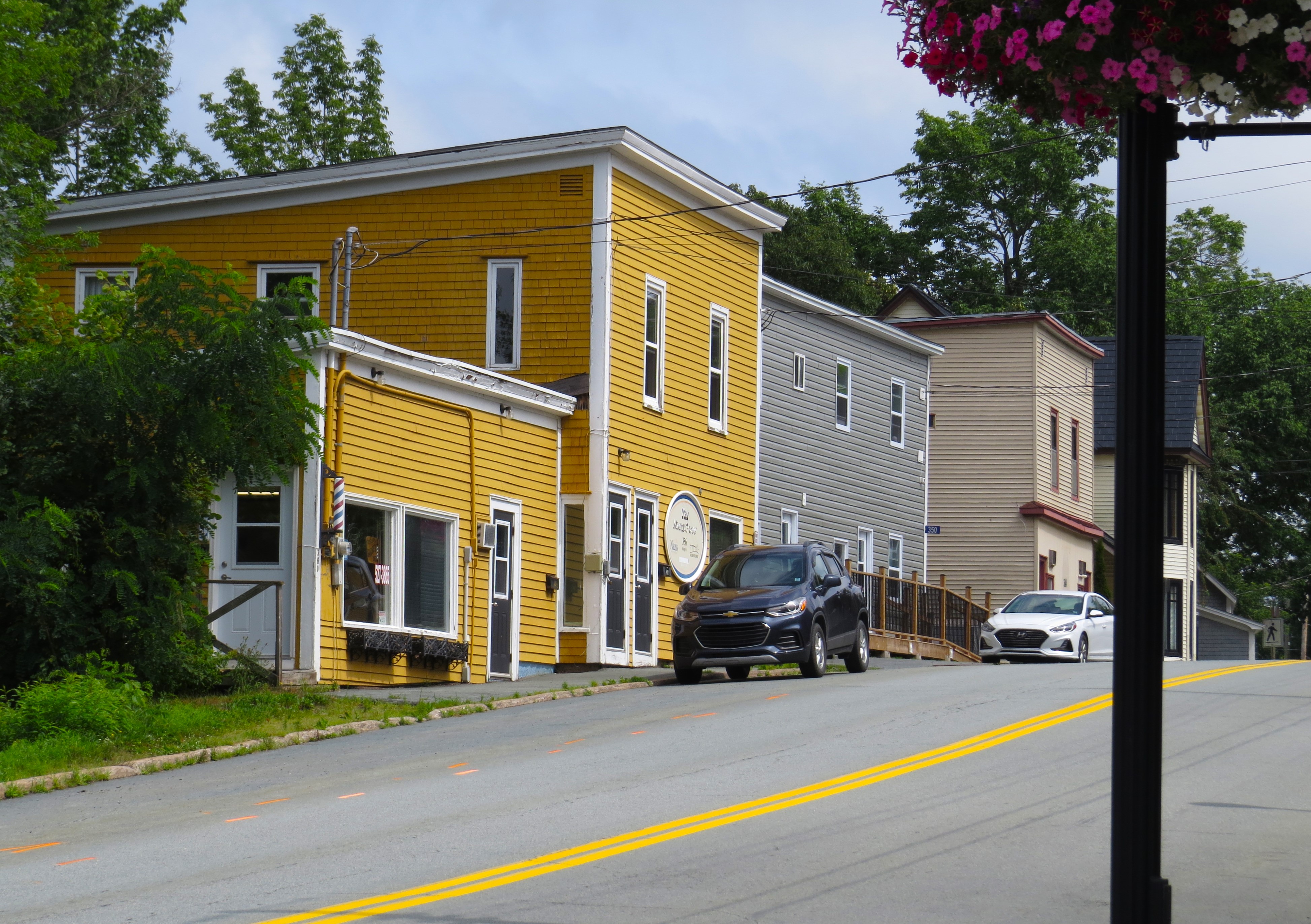
A walk on that long street is such a pleasure. It is like you are traveling back in time to a space where that time doesn’t travel so fast, doesn’t run in a hurry. Neither should you, if you ever visit.  

As an interesting tidbit – did you know that famous Hollywood and Canadian actor Donald Sutherland spent his formative teenage years and graduated from High School in Bridgewater?  

If I was going to stay permanently in Nova Scotia – I would love to move there. But I do suggest to Dear Reader – if you are visiting Nova Scotia, you absolutely must visit Bridgewater. You won’t regret it.

Odjazdy i powroty są trudne. Może nie są możliwe …

Odjazdy i powroty są trudne. Może nie są możliwe …

Nie wyjeżdżamy w pełni, w całości – coś zostawiamy, czegoś nam ubywa. Potem lepimy przez lata siebie na nowo. Rodzi się nowa całość. Nie inna, zlepek wczoraj i dziś. Czasem żal nam po latach tamtego siebie, chcielibyśmy może do niego wrócić. To bywa jeszcze trudniejsze. Bo to teraz i tutaj jest jednak bliższe, jest swojsze. Ja – jestem ja. Szczególnie wtedy, gdy ‘ja’ zamieniło się w ‘my’. Zostają tu i tam zlepy form, jakieś może hieroglify dziś już nieodczytywalne, jakieś drzewo zawieszone nad przepaścią.

I dzika fala wyszarpująca ląd spod stóp …

Cień

Chciałbym już być, gdzie jeszcze mnie nie ma,

bo być gdzieś powinienem już przecież.

Lecz gdy tam przybędę – to czy będę,

jeśli nie ma mnie teraz, gdzie jestem?

Czy znajdę dom, który już spłonął raz?

Czy wiatr rozwiał zgliszcza i wspomnienia

i jestem tylko na fotografiach,

jak w ruinie, której fundamenty

tylko pozostały, okna bez szyb?

Stare pałace arystokratów,

które rewolucja zamieniła

w kurniki, chlewy i magazyny.

Ich właścicieli wyprowadzono

w zakrwawionych kalesonach, boso,

do zarośniętych ogrodów, nad staw,

gdzie jeden strzał w potylicę tworzył

nową historię, zamykał starą.

Widziałem takie puste pałace

w dzieciństwie, widziałem cienie ludzi,

którzy kiedyś w nich żyli, tańczyli.

Gdy tam pojadę, gdy wrócę do

tych miejsc – czy będę takim cieniem

w pustej ramie okna patrzącego

na zarośnięty ogród ze stawem?  

/B. Pacak-Gamalski, 07.2024/

Kąpiel na plaży we Wschodnim Berlinie. Swimming in the ocean on East Berlin Beach.

Kąpiel na plaży we Wschodnim Berlinie. Swimming in the ocean on East Berlin Beach.

My travels through Nova Scotia most of the time takes me to Eastern Shore or to the north. It is my magic place – the wilderness, certain sense of rustic and old adds charm to it. Of course, the other attraction is my craziness about beaches – Eastern Shore is one big beach! Every turn of the highway there is one. Some small, other vast and long. And huge, massive ocean bays make it a long drive and always offers new experiences.

Halifax is the hub of the entire peninsula. The world to the east is different from the world to the west and south.

The shore is different, the beaches are different. Even the towns and cities are different.

I think that huge St. Margarets Bay is in a way a symbolic point where the shore and the communities change: to the east of it – the rustic and a bit culturally different character but with one of the best beaches in the world; to the west the charm is more subtle, more refined, communities seem to be more affluent. Shall I say – more continental? But the beaches are nowhere near the beauty of Eastern shore. I guess, there must be balance, LOL.

Moje podróże po Nowej Szkocji w tym roku są jednocześnie moimi pożegnaniami z tą prowincją. Pożegnaniami miejsc znanych i wielokroć odwiedzanych. Ot, choćby ulubione plaże wielkich zatok wzdłuż Wschodniego Wybrzeża. Z szalejącymi wielkimi falami Atlantyku, z wijącą się, jak wąż w trawach wydm, czarną nitką szosy nr 207 i 107 – po jednej stronie błękitna stal Atlantyku, z drugiej gęste, ale niskopienne i rachityczne lasy. Uwielbiam te plaże i grzywacze, na grzbietach których daję się nieść niczym drobny liść.

Zachodnie wybrzeże jest inne. Ta inność zauważalna jest od olbrzymiej St. Margarets Bay: na północny-wschód owa rachityczność lasów i rachityczne też, zapomniane niekiedy miejscowości i osady; na południowy zachód lasy bardzo gęste, rosłe i potężne, a miejscowości zadbane, kolorowe. Odnosi się wrażenie, że zamożniejsze. Bez wątpienia (znając już tą prowincję dobrze) widać pewne różnice kulturowe. I faktycznie tak jest. Północo-wschodnia Nowa Szkocja zamieszkana jest tradycyjnie przez ludność pochodzenia szkockiego, więcej – ludność tzw. Scottish Highlands. Byli to najbardziej (do dziś są w pewnym stopniu) ubodzy i najmniej wykształceni Szkoci. Odcięci od świata i mieszkający w odległych i ubogich kresach oraz na Hybrydach i Orkadach. Południowo-zachodnia Nowa Szkocja to w dużej mierze osadnictwo kontynentalnej Europy i Anglosasi środkowej i dolnej części wysp brytyjskich.

So far, I have never travelled past Mahone Bay and Lunenberg. My late husband did in 2018 with his two brothers and niece, while I was for few months in Europe. The beautiful highway 103 makes the travel very pleasurable and fast. I did stop in these two most picturesque cities in the entire province. One famous for very ‘artistic’ entrance – the moment you come out of wooded highway the panorama across the bay shows you a view like a massive painting of a magic town: colorful, with yachts, and three tall steeples of three magical churches (all different Christian denomination) standing next to each other. Little bit further in the bay a famous Oak Island, where people still dig to find a legendary heist of  Spanish gold taken from the Spanish galleon by pirates and hiding it supposedly thousands of miles from Caribbean seas on that island. A short drive from Mahone Bay lays on massive hill Lunenberg – home to famous schooner ‘Bluenose’. Famous for mercilessly beating the Yankees in yearly regattas a hundred years ago. I stopped in these towns mainly to re-visit them, say goodbye and walk the steps full of sentiment and memories of times we walked there together. John and me. Memories of our happy days. But it wasn’t the planned purpose, the aim of my drive. The aim was to drive to the very end, the southern most tip of the province.

To say it shortly and precisely: to go to West Berlin and East Berlin. Why not. Been to Berlin many times, like the city a lot, its vibrancy, its rich history. Walked in western part of it and eastern part of it. Usually, I would take a flight there, didn’t know that I could just drive there! LOL.

Szeroka i w dużej części czteropasmowa szosa 103 prowadzi do południowo-zachodniej granicy półwyspu. Stamtąd już tylko skok przez wodę i Ameryka. Ale po drodze są dwa najbardziej urocze miasta Nowej Szkocji: Mahone Bay i Lunenburg. Malownicze, jakby z ram obrazów romantycznych pejzażystów. Do miasteczek można jechać przepiękną boczną drogą (szosa nr 333 od Halifaksu, potem nr 3) nad samym wybrzeżem – ale to wydłuża jazdę kilkakrotnie i bez noclegu o osiągnięciu celu mowy być nie może. Zatrzymałem się w tych miasteczkach-perełkach ze względu na sentyment głównie, moje liczne wspomnienia ze wspólnych wycieczek tam z Johnem. Potem, po wyniszczającej chorobie, która go mi zabrała, byłem tam jeszcze z rodziną z Europy: z siostrzeńcem z Warszawy, który przejechał do mnie po pogrzebie Johna i siostrzenicą z Hamburga, która przyjechała z rodziną latem tamtego smutnego roku.  Tym razem już sam i chyba ostatni raz.

Ale cel wyprawy był inny. Zdecydowałem tego dnia wykapać się na plaży w Berlinie. Konkretnie we Wschodnim Berlinie. No to wsiadłem w samochód i pojechałem do Berlina. Jak można samochodem z Nowej Szkocji pojechać do Berlina? Bardzo prosto – jechać tak daleko, aż dalej nie można. Do końca świata. Tego nowoszkockiego świata, gdzie ląd się kończy i zaczyna Atlantyk a w oddali widać brzegi stanu Maine.

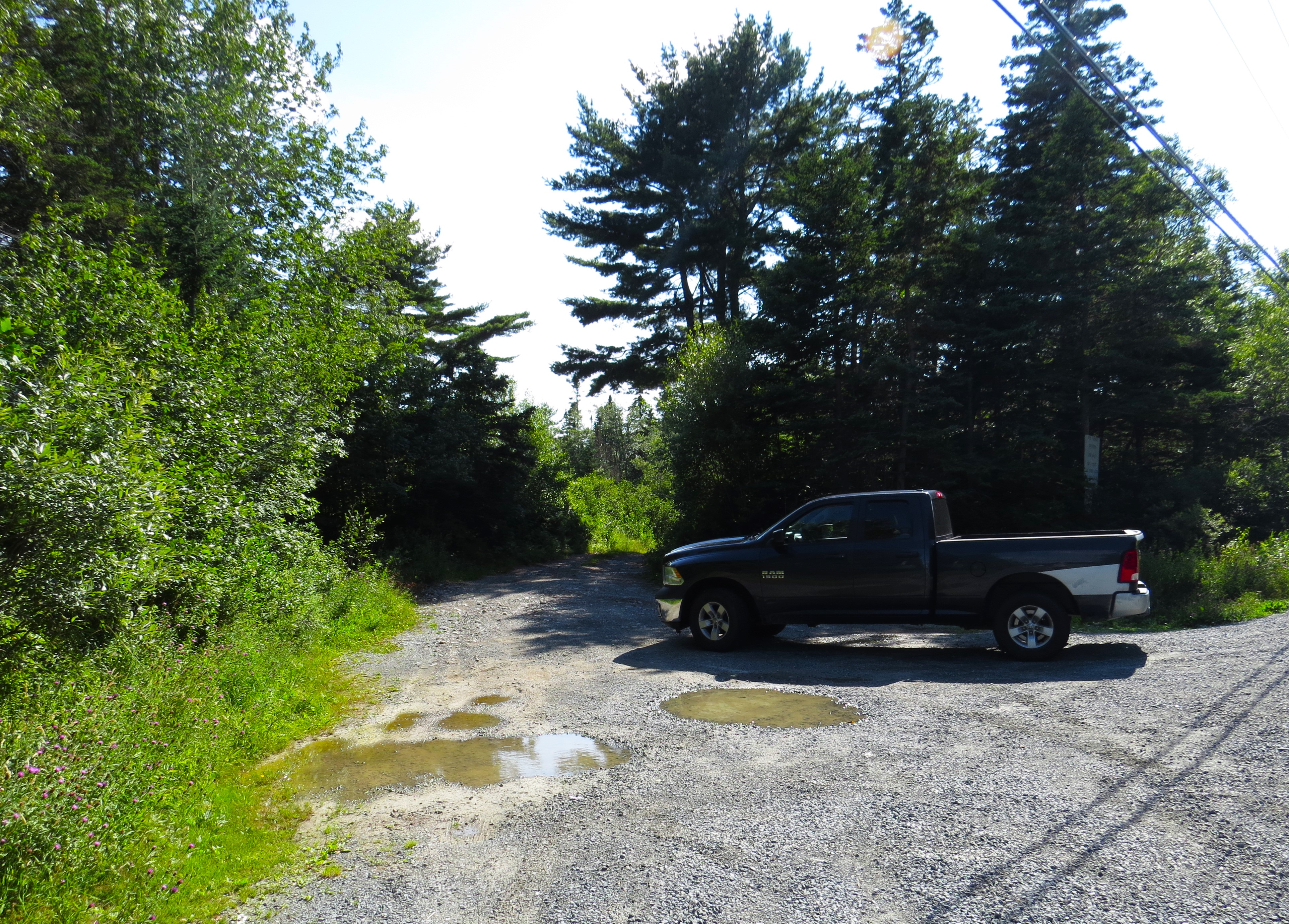
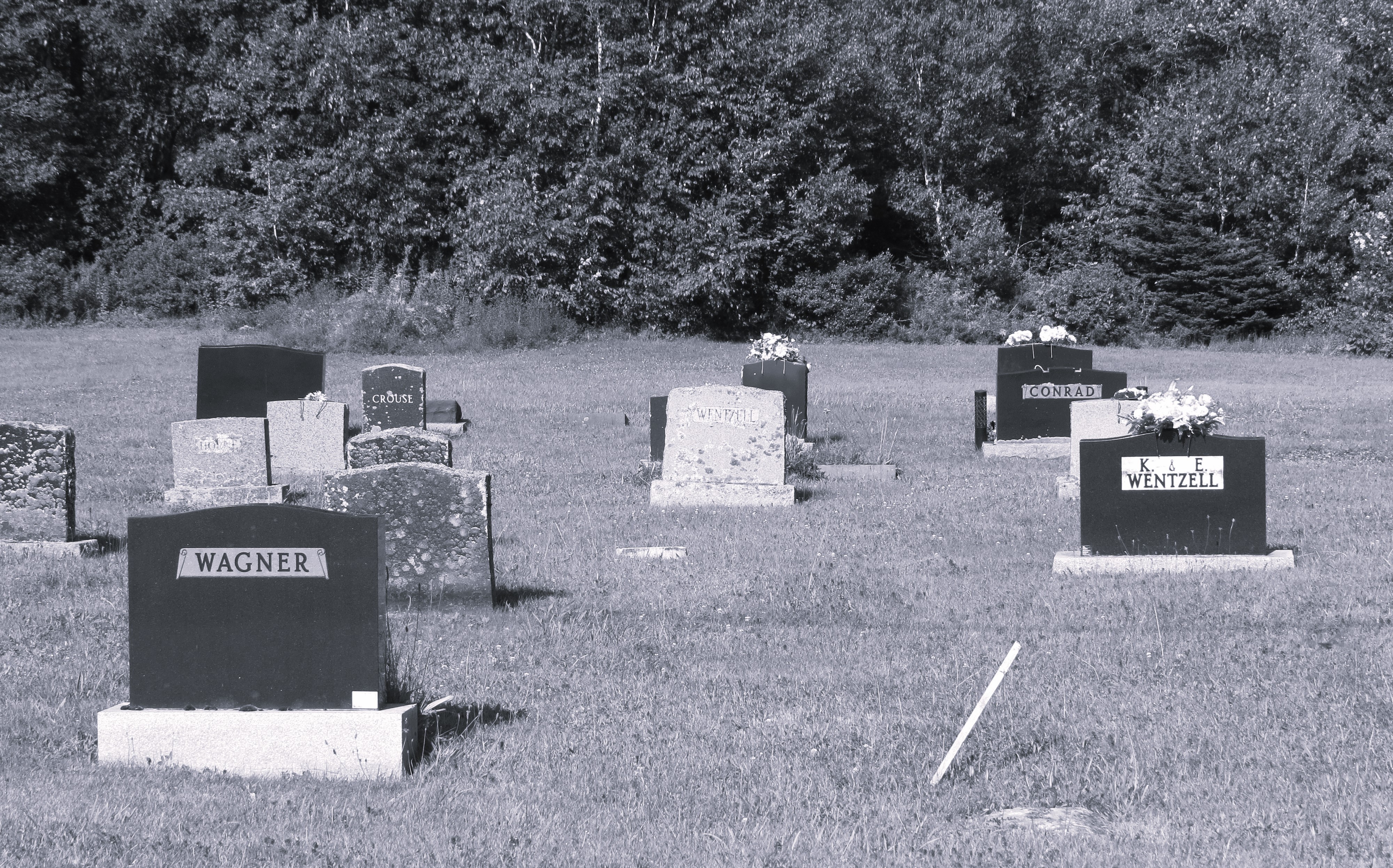
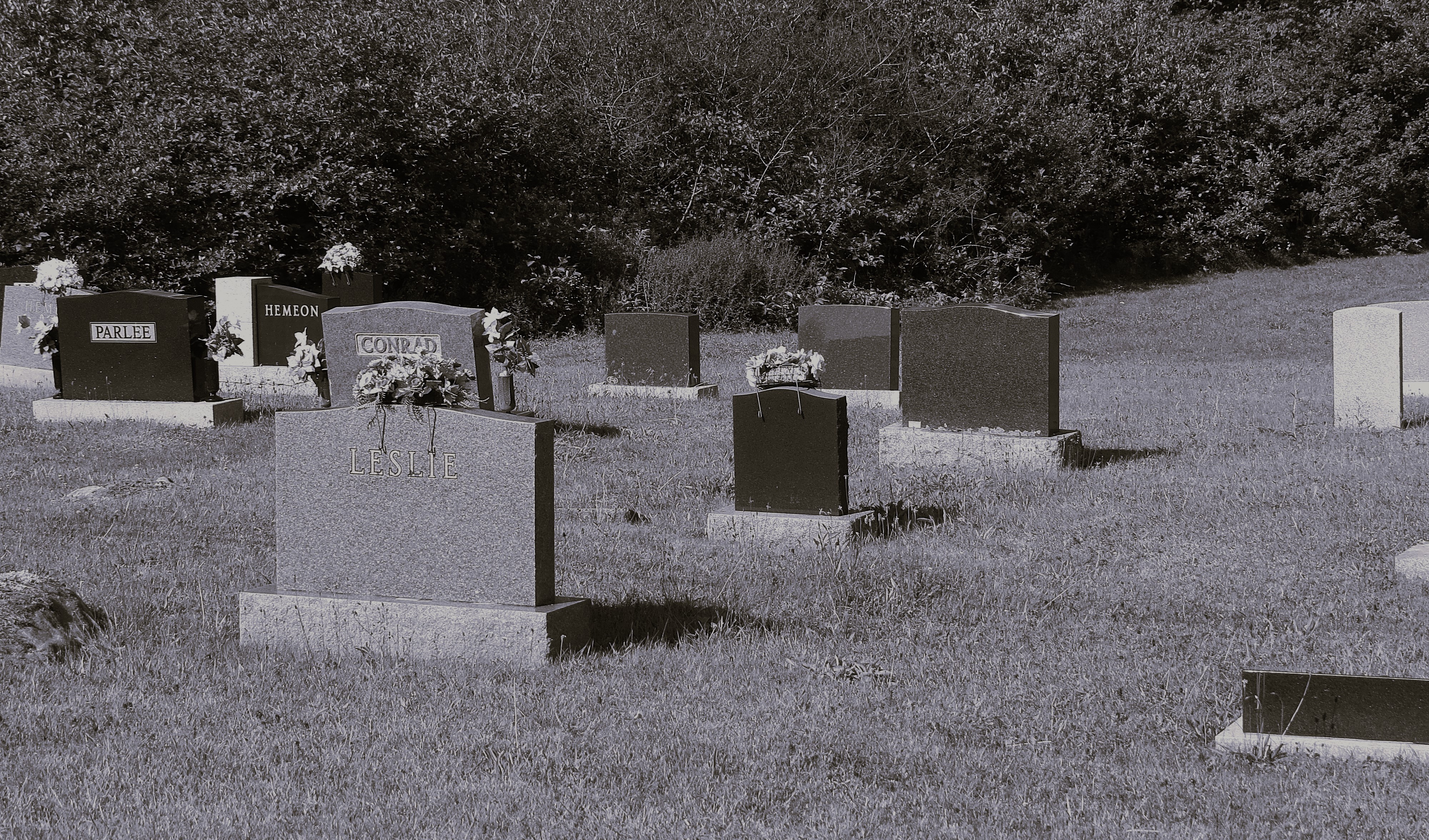
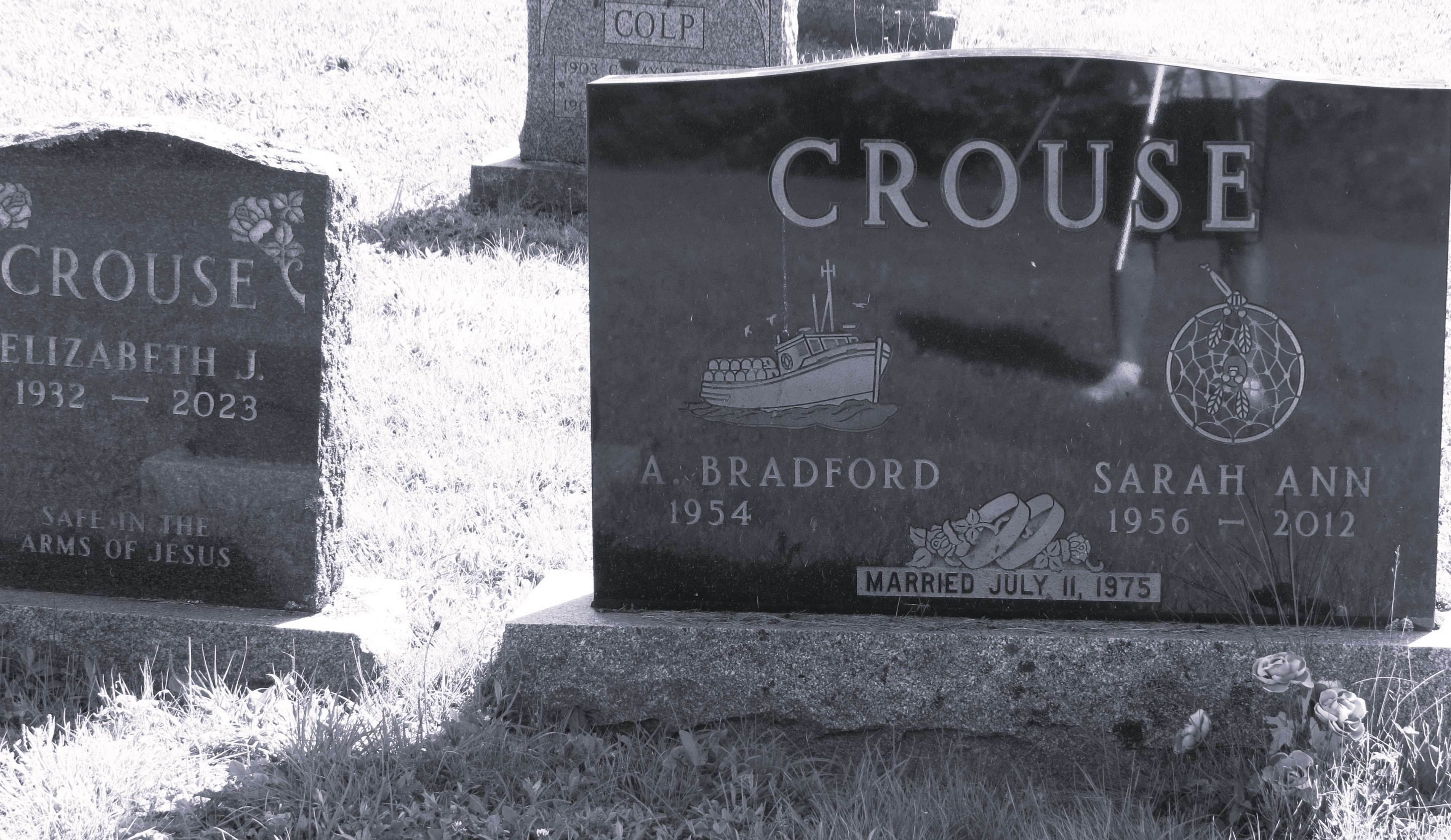
Najpierw jedzie się szosą 103 do rzeki Medwey i zaraz po jej przejechaniu skręcić w lewo w Port Medwey Road, dojechać do krzyżówki z Eastern Shore Road i skręcić w nią w prawo (od zjazdu z szosy 103 droga prowadzi prawie bez przerwy przez lasy i nie ma tam w zasadzie osad jakichkolwiek). W pewnym momencie, blisko kilku dobrze zagospodarowanych domów, po lewej stronie drogi jest mały cmentarzyk Zachodniego Berlina.

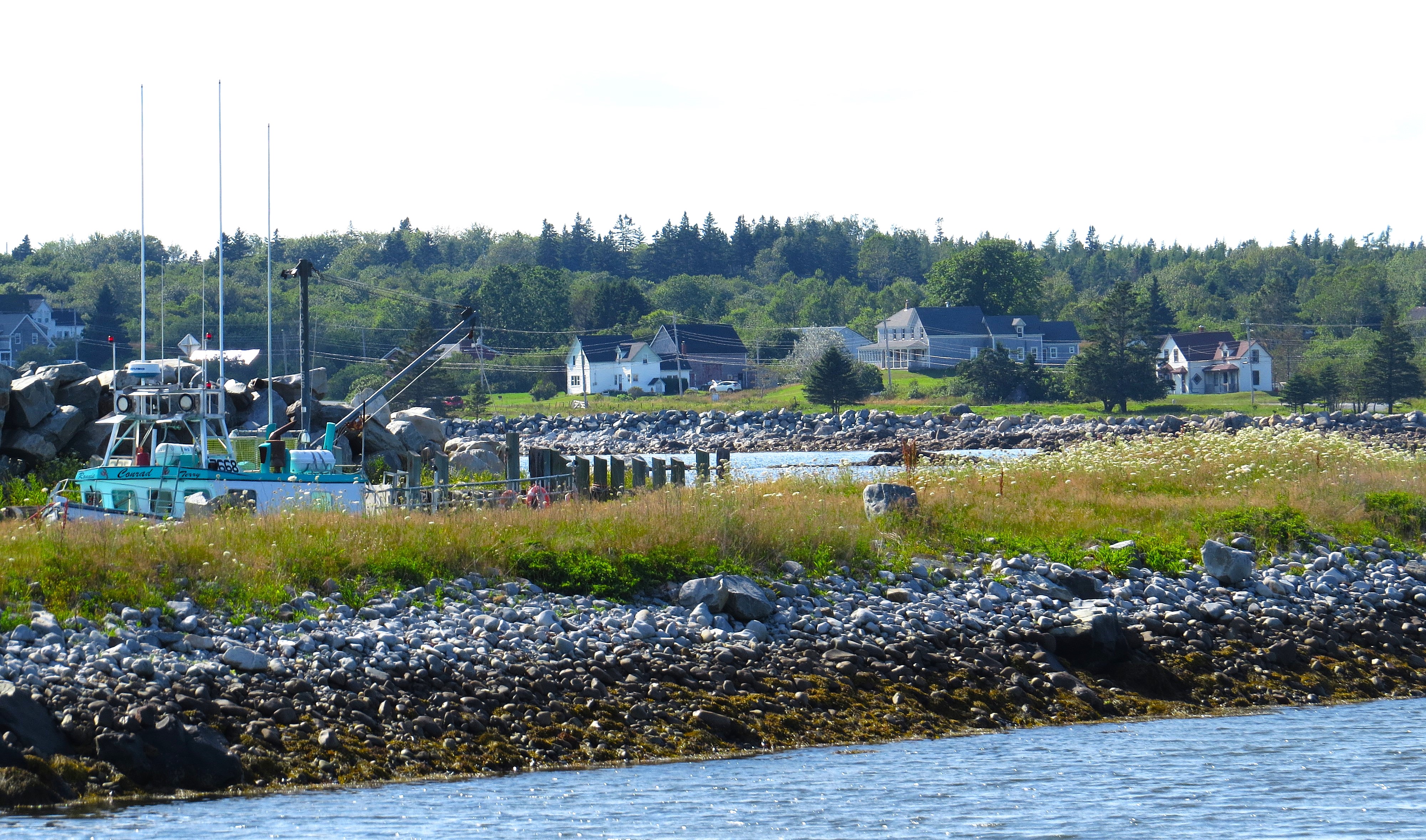
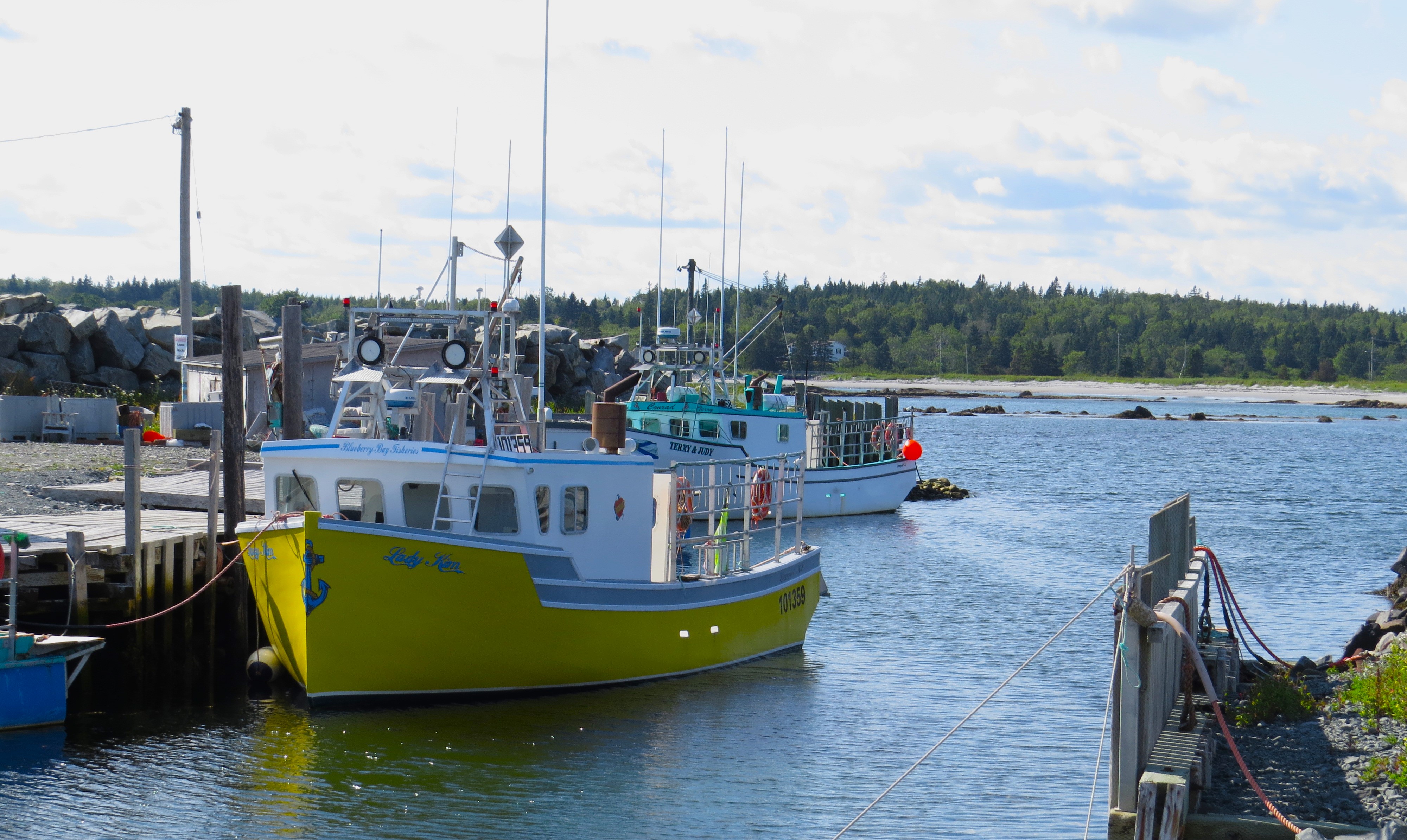
Close to the end of our destination, off the small Eastern Shore Road begins the sparsely populated community of West Berlin. There is a local cemetery with the date of first burial being 1959. Therefore it is clear that the community begun either after the 2 world war or shortly before or during the war. There is nowhere any other close by settlement where people could be buried. The road ends at intersection with East Berlin Road, turn left here into it. From here the asphalt road end and the rest is gravel. After a very short distance there is a smal West Berlin Road to the right leading to small fishermen Warf. It is a very short detour but worth visiting as that is exactly where you can see the coast of USA.

From there you cant get lost. Just continue to end of the East Berlin Road until you can’t go any further. The sandy beach is on your left side. Long, beautiful and likely empty.

Na końcu dojeżdża się do bitej drogi East Berlin Road, która zaprowadzi nas na sama plaże. Nie miniesz plaży, bo droga przy niej się kończy. Czemu droga bita i z dużymi dziurami, a nie asfaltowa? No, proszę państwa – ostatecznie jesteśmy już teraz we Wschodnim Berlinie. A we Wschodnim za moich czasów to się nie przelewało.

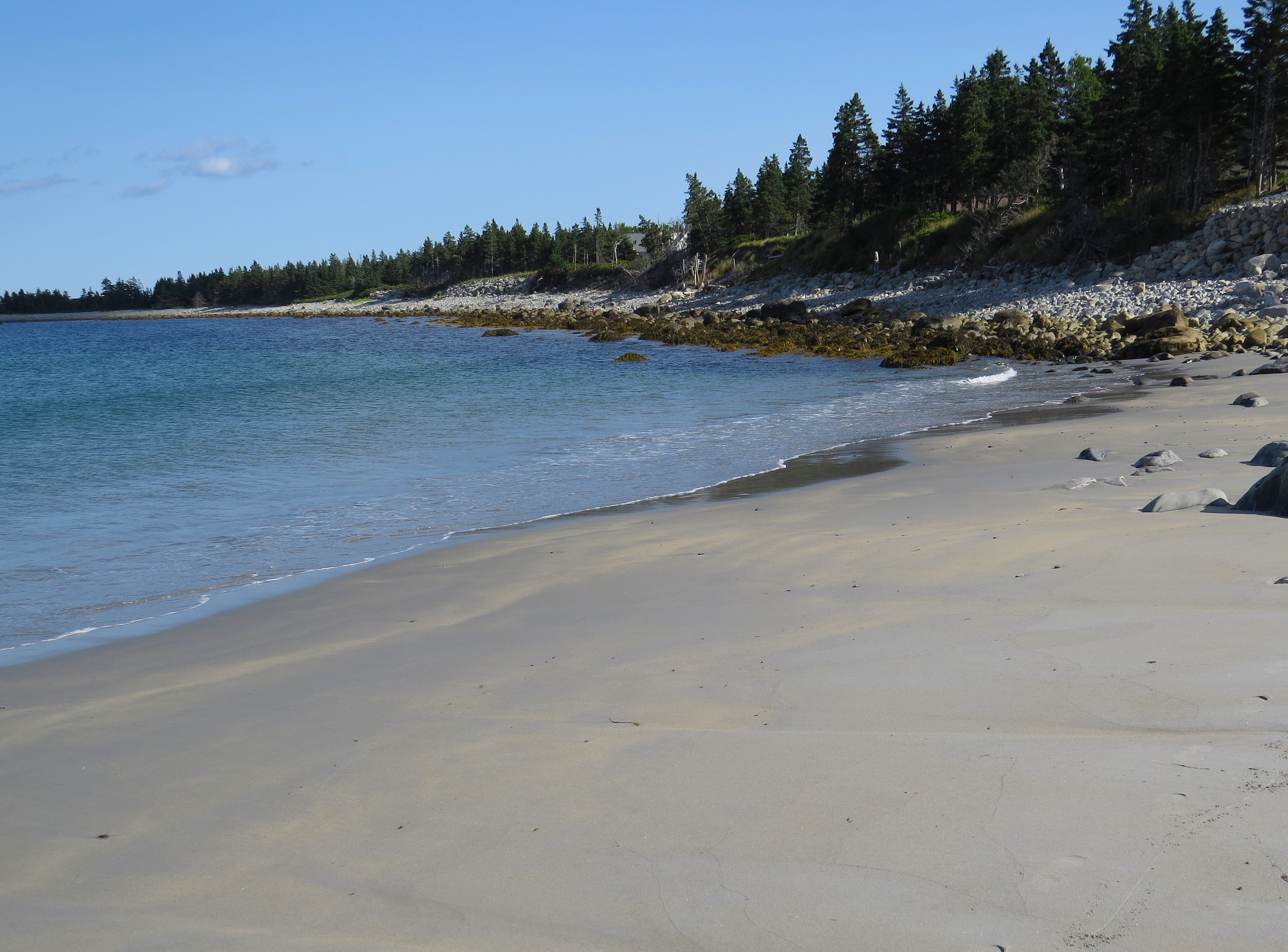
A plaża? Ponad kilometrowa, z bajecznym białym piaskiem, zejście do oceanu łagodne i stopniowe. I ani żywej duszy. Może czasem jakiś jeden lub dwóch lokalnych mieszkańców tu i zajdzie, ale turysta tu żaden nie trafi. A plaż łatwo dostępnych w Nowej Szkocji nie brakuje.

Sunshine and Fog – Laughter and tears … Między Nadzieją i Zwątpieniem

Sunshine and Fog – Laughter and tears … Między Nadzieją i Zwątpieniem

Synopsis in English: My travels trough Nova Scotia’s Eastern Shore brought me so much joy through last year. I should say: OUR travels, mine and John, as that what it really was. Traveling through OUR places, OUR spots. Re-visiting them. Celebrating OUR time.

On surface it might have appeared as simply photographic chronicle of the gems this Province has to offer for a traveler. Of course, in a way it was, and I’m happy if it enticed someone to visit the wonders of our beaches. As wonderous they are, indeed. But this year, in the last few months, it has become harder for me to feel only the joy, the childish almost happiness in playing in waves of Atlantic. Muscular, powerful waves, that can caress you like if you were a child – if you trust them, if you respect them. Or can hurt you if you arrogantly pretend that you can outsmart them.

This year I started loosing John’s presence on this journeys. As if he become bored with the pretense of staging reality. Him becoming a shadow, but a shadow seldom willing to be an active part in these beach plays. Back in our days in BC, there used to be a Theater Festival in Vancouver called Bard on The Beach. There was a circus-like huge tent next to gray building of Vancouver Music Conservatory and Shakespeare was performed there.

My Bard lost interest in my festival of Love. So I thought. That is how my written chronicle of these visits with Atlantic had to turn to literary word, to prose and poetry. And now He is back with me again. Helping me again to find my spot on the map. My new place for OUR love, Our time.

And I can post again happy pictures of children frolicking in the water, of couples walking on shore holding hands.

In the Polish text below I write of my search of familiar places, of my past mountain peaks, about fog and mist that obscures the vistas from my memory. But I sense their presence. I will not translate it, it is pointless. But you, dear reader, will understand why I write what I write. With poetic prose, with poetry you escape the boredom of repetitions of the same images and stories. Even if they are small parts of one large story. In a sense – Epiphany of Love.

Ogarnia mnie dziwny niepokój, rosnący każdego dnia.

Stoję na wąskiej granicy oddzielającym skrawek plaży od nadbiegającej grzywy wielkiej fali. Galopuje w pianie opadającej jej z pyska białymi płatami, jak Wielki Koń Czasu. Tratuje kopytami plażę, wyrzuca wysoko w górę ciężkie kamienie wyrwane ziemi w odległych zatokach. Bawi się nimi, jak piłeczkami ping ponga. Przynosi zapach glonów, małż i wielkich ryb łypiących okrągłymi oczami bez wyrazu.

Oddalam się od tego pola walki. Idę w przeciwną stronę – do siniejących szczytów Wielkich Gór po drugiej stronie kontynentu.

Z dna zielonych dolin kieruję się w głębokie żleby skał. Wspinam się na grań przełęczy. Wokół gołoborza szarych skał, w dole ciemnozielone ramiona sosen. Szczyt nad przełęczą ma jedna stronę płonącą w promieniach słońca, drugą otuloną chustą mgły.

Szukam zagubionej ścieżki, zarośniętego szlaku, który ma mnie zaprowadzić do zapomnianego schroniska, chatki z kamieni i omszałych pni, która ma dawać schronienie zagubionemu nocą wędrowcy.

Zza tej mgły wyłaniają się nagle znajome szczyty Gór Świata: Świnica, Rysy i Zawrat tatrzańskie; kruszące się w spiekocie stare włoskie Apeniny; groźne śnieżne olbrzymy na granicy Patagonii i Chile; Mount Temple i Castel Mountain w kanadyjskich Kordylierach, majestatyczna strażniczka Gór Skalistych – Mount Assiniboine, górująca nad nimi z oddali Mount Robson; wyrastające z wiecznych lodowców szczyty Gór św. Eliasza na Jukonie; samotny szczyt Mount Cook w Nowej Zelandii; Dwa Lwy nad Vancouverem.

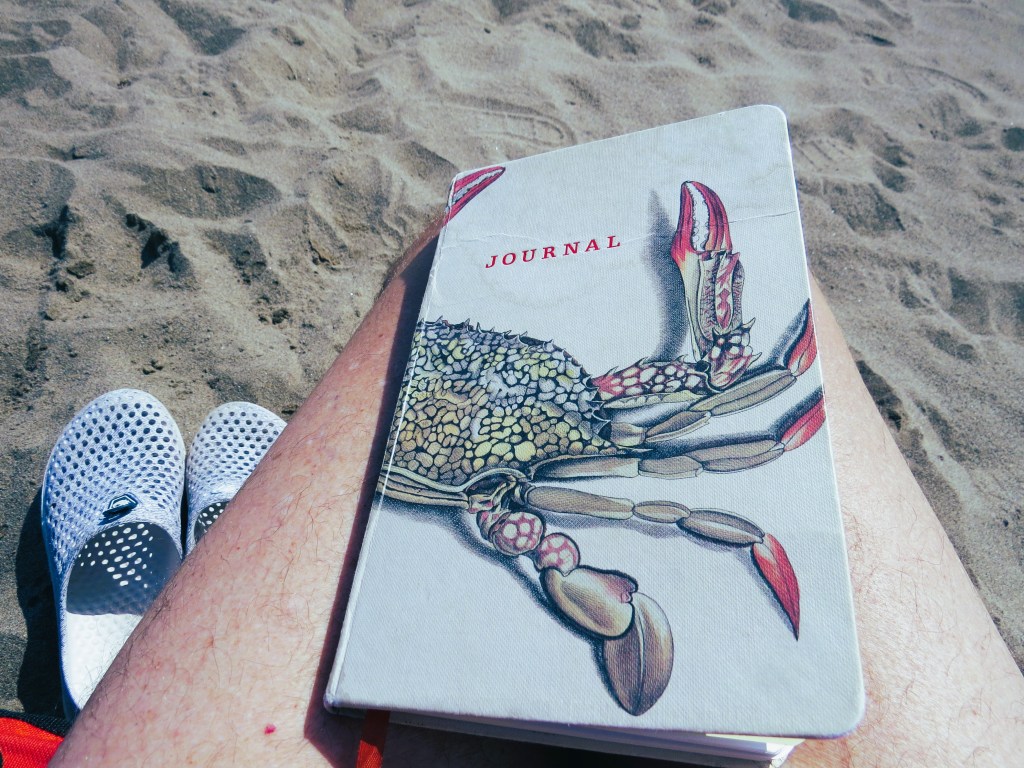
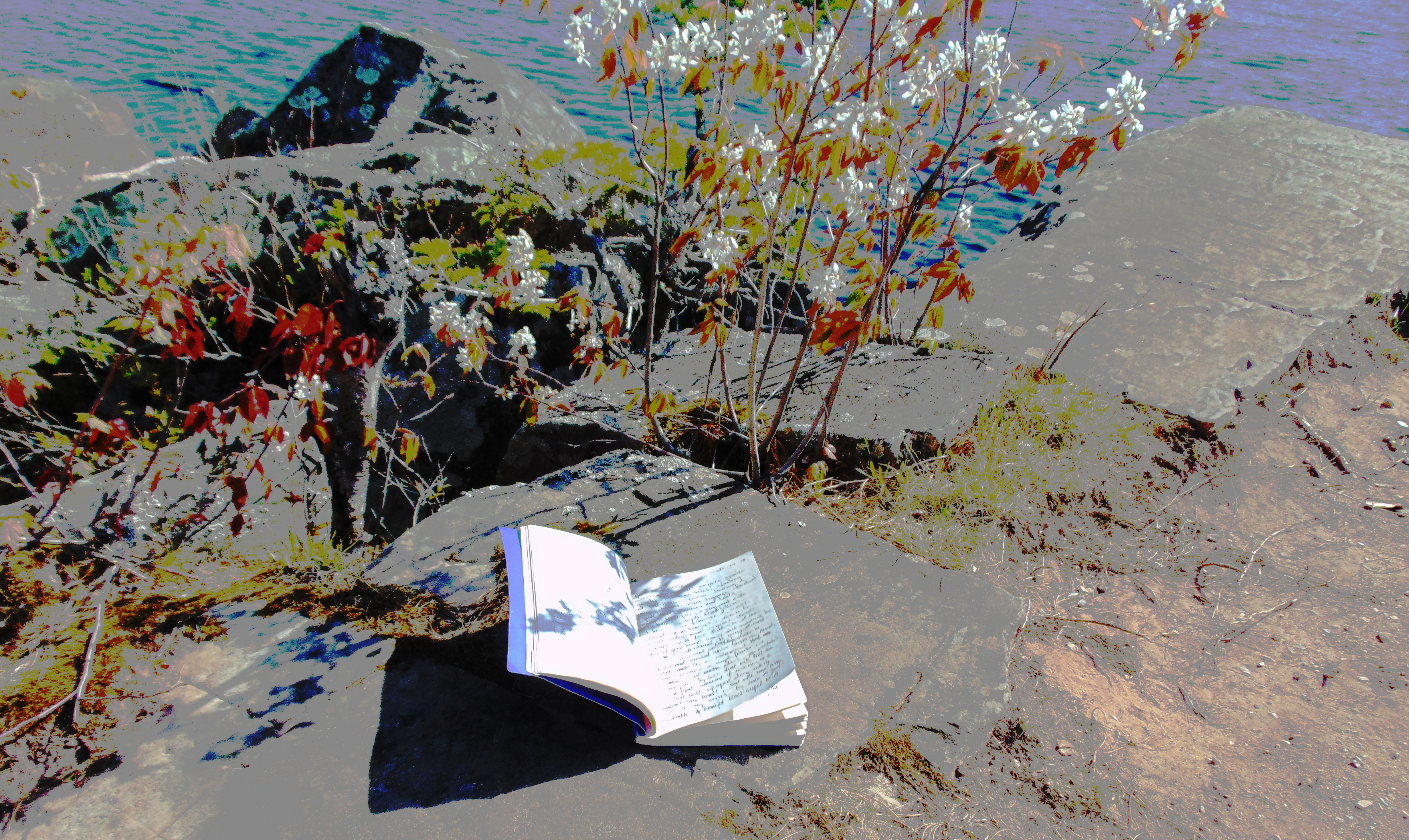
Kuszą spoza tej mgły, wołają cichym gwizdem świstaków: chodź raz jeszcze z dolin do nas! Opowiemy ci nowe stare legendy. I już bym czekan chwycił, już buty silne założył … i nagle budzę się w składanym krześle na plaży atlantyckiej, która mnie uśpiła monotonną kołysanką fal. Pod nogami leży w piasku notes z jakimiś historiami o jakichś szczytach w różnych częściach świata. Od morza nadchodzi znowu mgła, robi się zimno. Czas się zbierać do domu.

Shadows and us sharing common sphere

Shadows and us sharing common sphere

My walks with John are changing, far from any routine. I like it because we have not become an odd pair of aging gentlemen. Far from it. Not that people would really notice since they can’t see John, of course. They would just look at me, perhaps with a shake of their heads. Which really wouldn’t bother me at all. Not out of my arrogance and dismissiveness of their opinion. Honestly not. People see what they want to see, hear what they want to hear and they do have a right to their opinions. God knows I have mine.

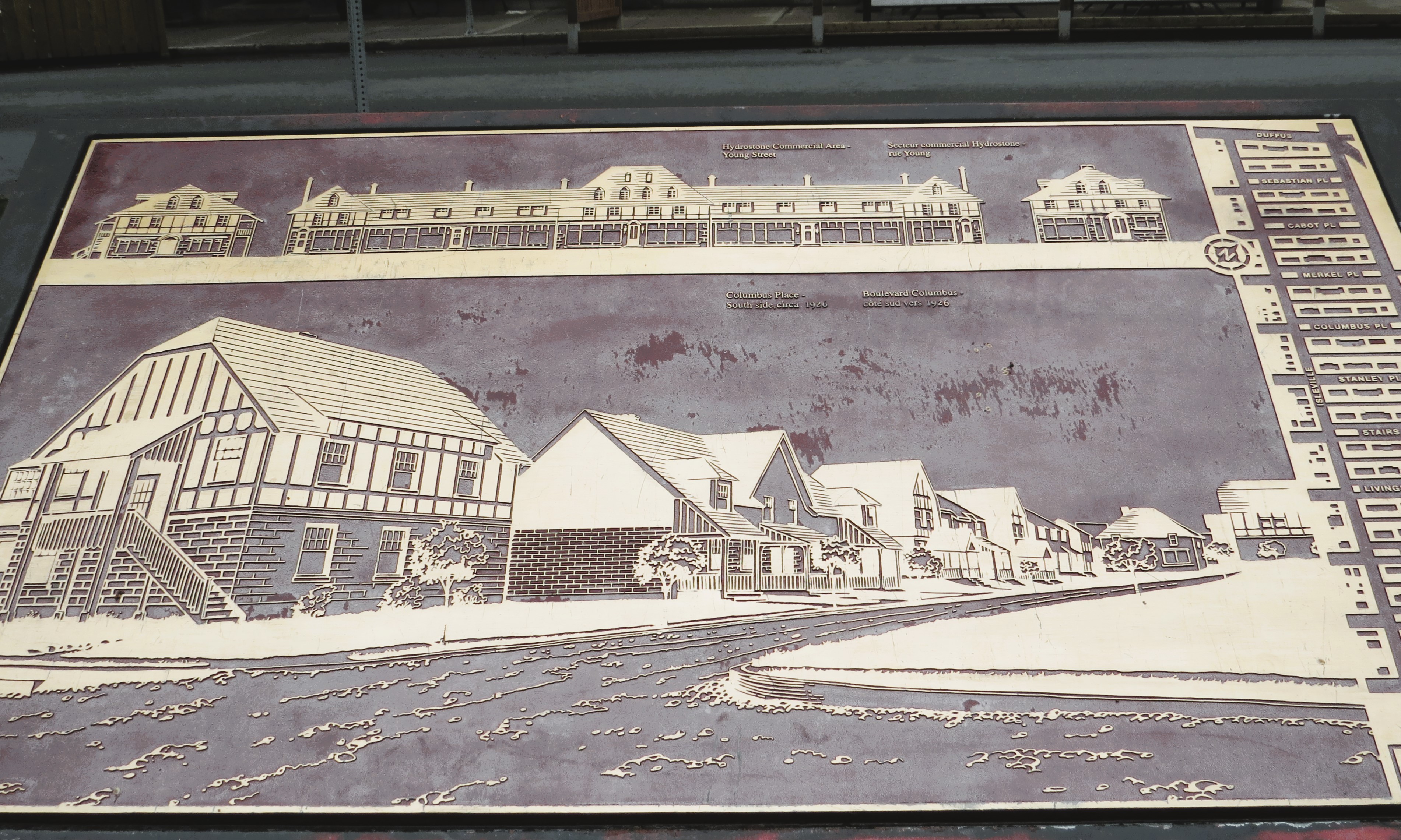
So I was walking on Canada Day with John in Halifax through spots we liked to visit together. Like the little square on Novalea, just before the Hydrostone district. And I started to write some stanzas about these walks with him. Later I went to the Waterfront. It was sunny day but with a heavy fog and mist covering the Channel. It really was coming right out of my unfinished poem.

The world of shadows


The shadows are everywhere:
the silhouette of your body,
the taste of your lips,
the gaze of your eyes,
the touch of your arms.

On the corners of the streets,
on benches in the squares,
trails in parks, and in hills.
They are lurking behind trees,
passing us on the walkways.

Every time a green car
of certain make that you drove
passes me by,
I stop
and follow it
with my stare:
do I see your shadow behind the wheel?

The world has become bi-dimensional:
real physical presence of shapes,
and shapes of shadows
mingling between us –
invisible to some,
real to others.

Our talks in the crowds
of these shadows,
your invisible hand
reaches out to touch
my arm.
I can’t see your hand –
yet, I feel it
when it touches my skin.

I feel the other shadows,
when they pass me by
on the streets.

Some walk painfully bearing
heavy bag of sorrow,
others are light, they float
in the air
without care or foreboding.

We don’t know their stories,
so, I just accept their behavior
as it is, without question.
They too have a right
to be joyful, and your insistence
that the shadows should be sad
is just an arrogance
born of our ignorance.


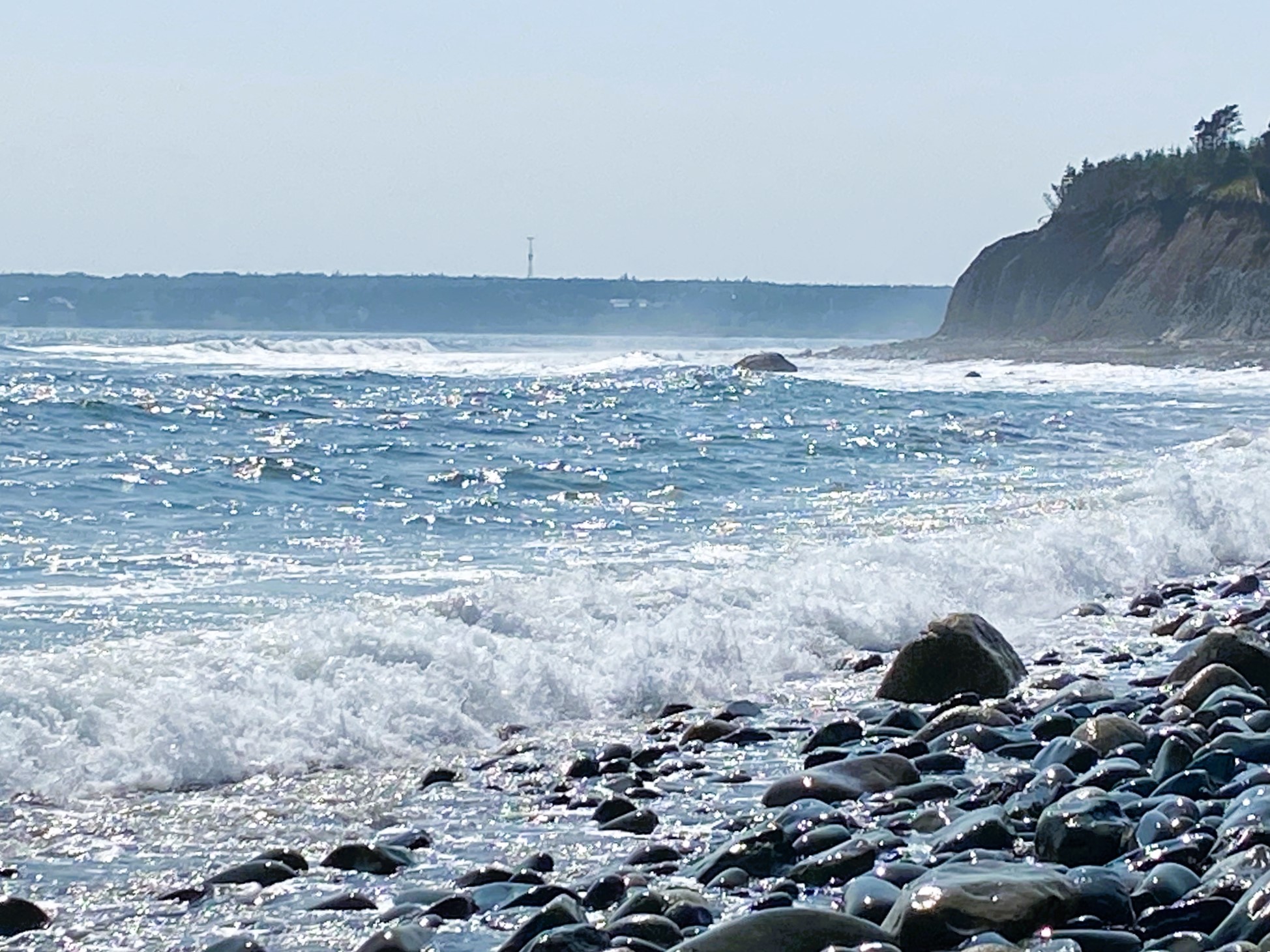
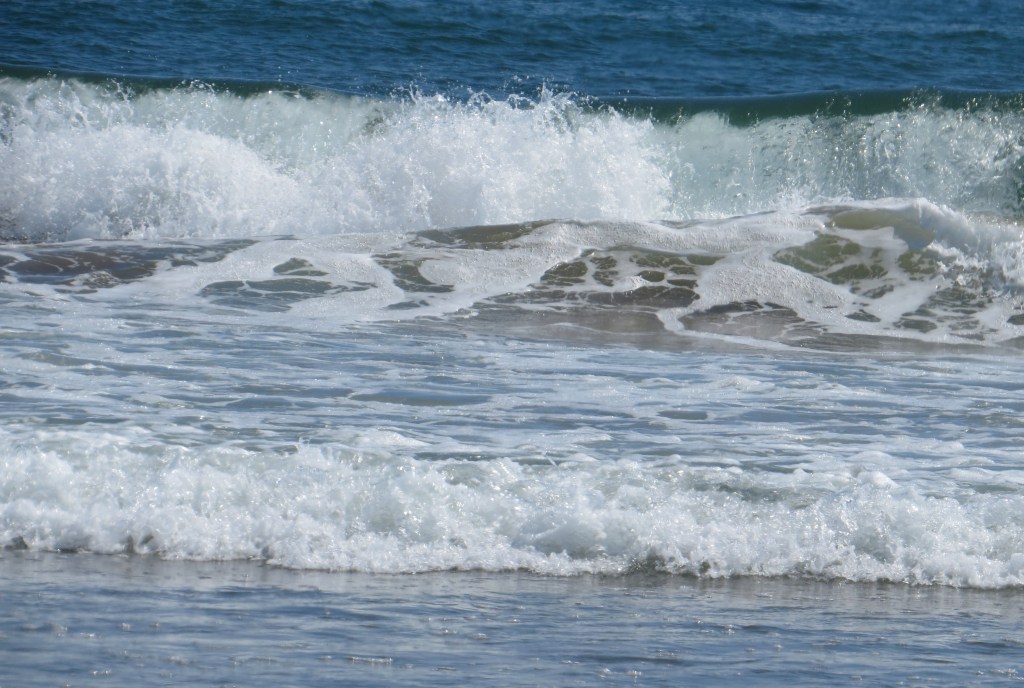
Today I went to the beach to finish the poem. Well, I have no idea if I did really finished it. I might actually add later another section to it for the idea of the ‘shadows’ among us (you can read to it whatever you want but my personal perspective does not come from religious point of view, but I always promoted the idea that a poem belongs to the author only as long as it has not been read by any other person. The moment it finds another reader – the poet no longer has any control of it, it belongs to that reader). But for now it is what it is. There was no fog on the beach, au contraire – it was sunny. But the crushing waves created beautiful mist on the edges of the beach, just where it meets the ocean. I liked it.

There is a lake I had to say goodbye to

There is a lake I had to say goodbye to

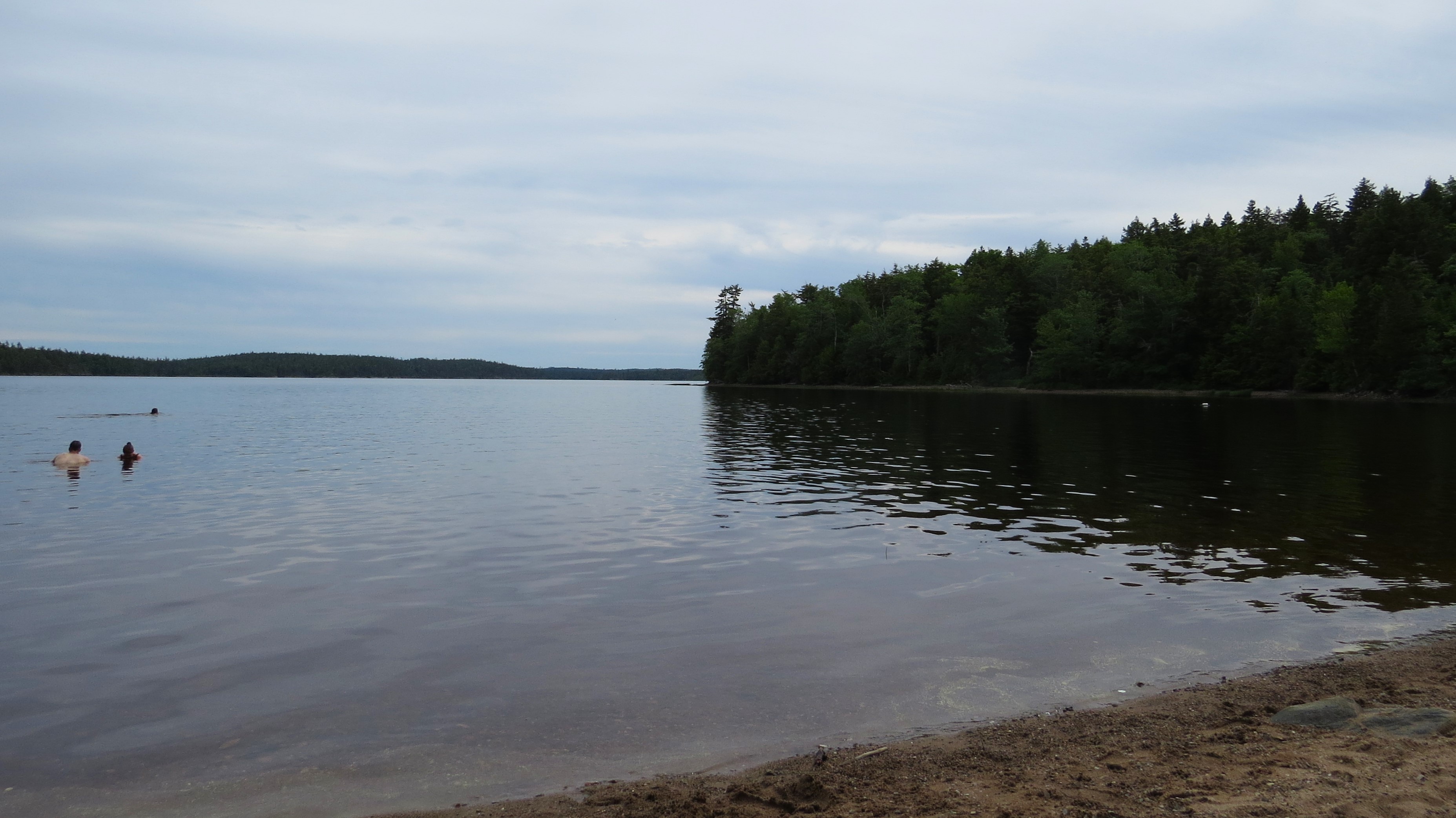
Went yesterday to that lake. Our lake. Went there third time. Went there, on my pilgrimage of saying goodbye, saying that to many places we went together to. Roads, towns, parks, streets and beaches. Our journey through this province. Our last stop of our big lifelong journey.

There will be no more stops for us, no more places we will visit together, no more view we would enjoy together.

I know that you are part of me, wherever I go that part will go too. But it is not the same, you know it and I know it. Where I will end up there will be very few spots that we briefly visited during a cold and wet November 1990. Poland. Time was very turbulent in 1990 in Poland. I had such little time for us, the country was ravaged beyond description by the past 45 years of Soviet domination.

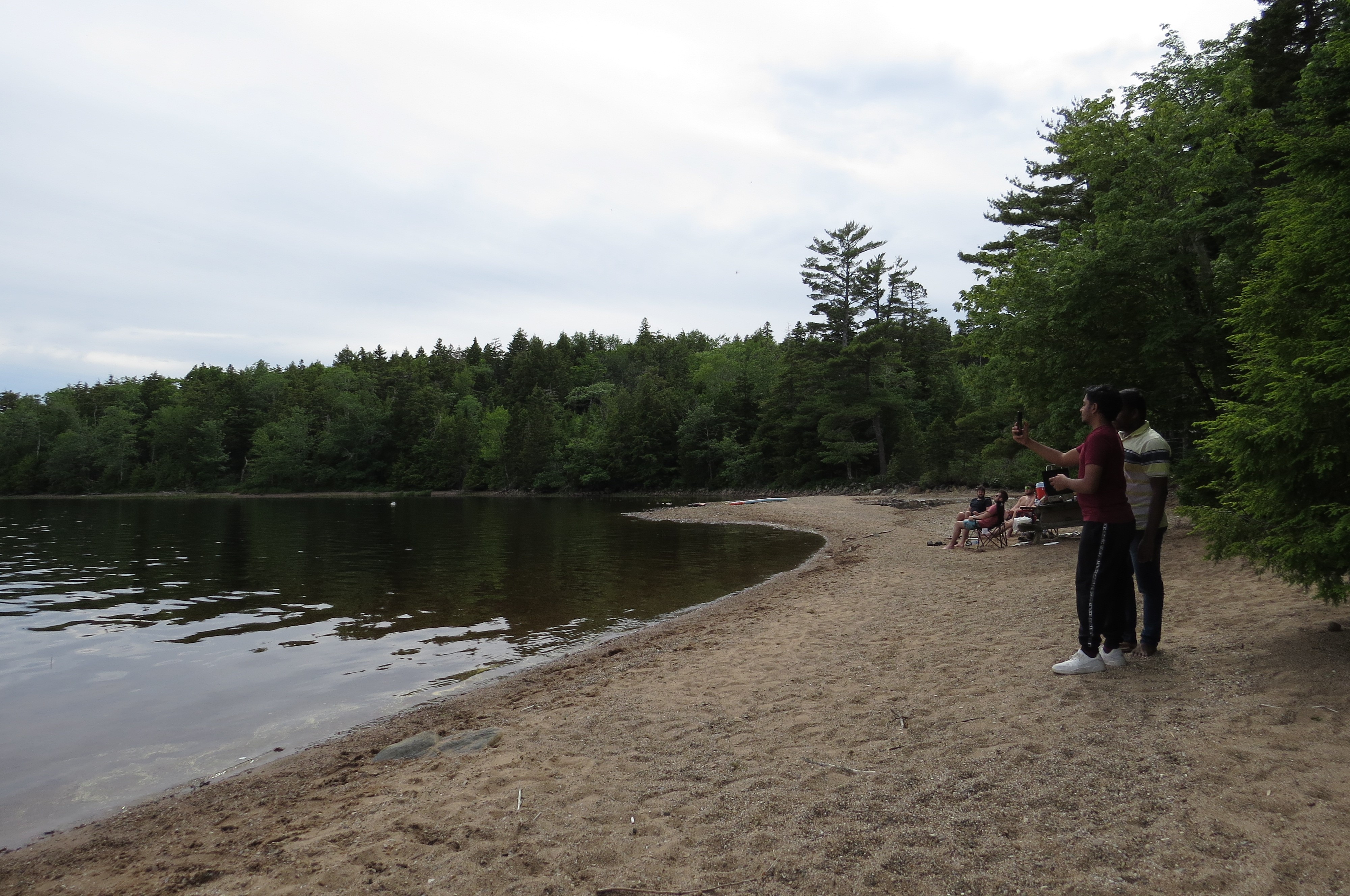
Our life journey was Canada, she was our country. She brought us together. And she did bring us to that lake in 2022. Our last longer ride outside of the city.  I know you did it only for me, you knew better than I did, that time was already very short. In a way it was borrowed time. But you agreed to give me that last longer car ride, a ride to a small beach, lake, forest. Went there again in September 2023. It was really, really hard. At that time that lake was almost totally empty. Just me and memories of you there. On that bench were you were waiting for me in 2022 – I still saw your shadow, I thought I saw that tiny smile and that twinkle in your eye. And the goodness that emanated from you. The one that made you so special to so many people.

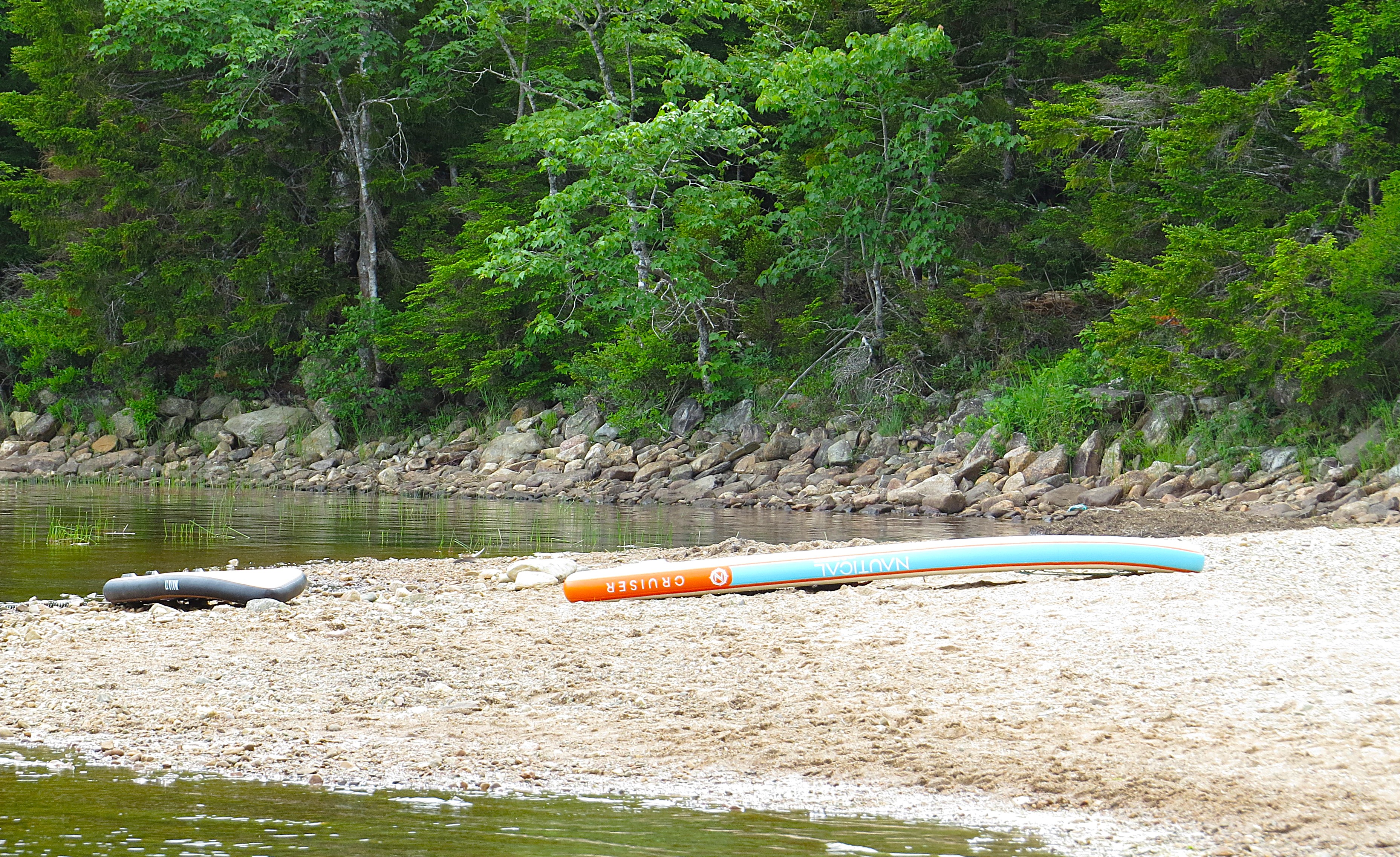
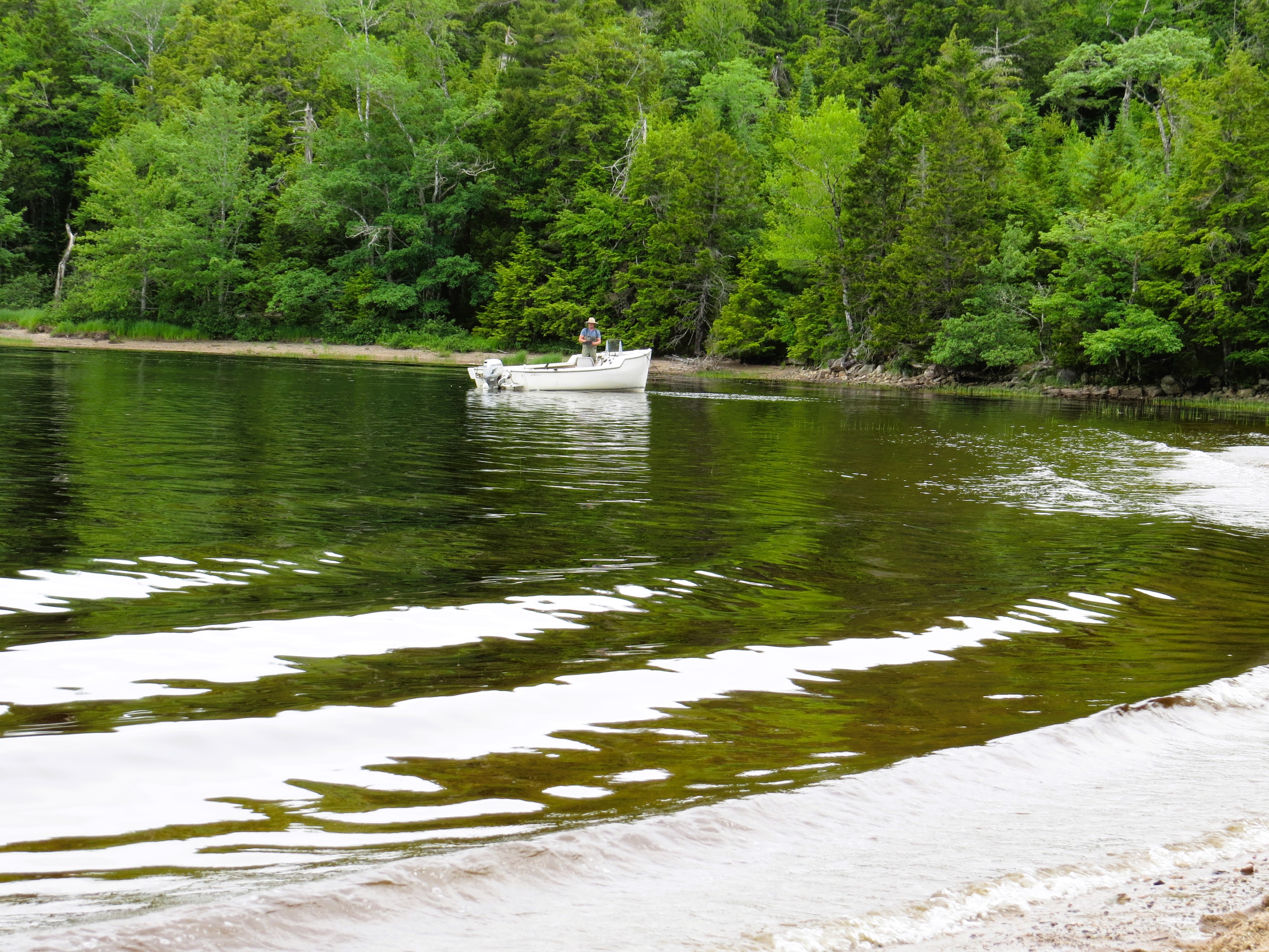
Today it was full of beachgoers, loud with laughter and yelling, with people setting their barbecues for hotdogs and burgers, there were boats and kayaks. Went a few times for a swim. The water was very warm and soft, as lake waters are. But could not see you anywhere in this noise, could not her you voice.

I did say goodbye to that place. Not to you, to the place that for a short while was ours.  Probably will never see it again except in my sleep, my dreams. Goodbye, lake.

June 2024


LAKE

1.

I came here again

to our love

I came crying for you

our half

I swam and searched

could not see

Could not hear your voice

Only broken me

Children swam, too

they shouted joy

Mothers yelled laughingly

throwing them a toy

I did not belong here

anymore

Our presence, our laughter

silenced

Even the verse I wrote down

is wanting

The grief will be gone

one day  

And there will be nothing

left

Just total emptiness, full

void

My shadow will look

at me

Will ask like a judge

in court:

what more, I ask, would you

want

You are but a scribe

not more

2.

post scriptum

          The air is still, is warm, rather moist

          The water is dark like lukewarm tea

          I recognize the little green island

          Recognize the broken bench, the rock

          Guys with brown faces, black hair, big eyes

          Smiling at me and asking a question:

          Can you take picture of us sir, please

          I do but say – look at yourself, not me

          I want to add – look at yourself and you

          Will see the whole world, the sun and the stars

          Yet I don’t just smile approvingly

          For I know that way down from stars is long

Clam Bay Beach – north of Jedorre – na Wschodnim Wybrzeżu Nowej Szkocji

Clam Bay Beach – north of Jedorre – na Wschodnim Wybrzeżu Nowej Szkocji

Dziś trochę dalej samochodem szosą nr.7, z Halifaksu aż za Martinique Beach – w kierunku rzeki Tangier. Kiedyś już wspominałem, że tych nazw prawie tropikalnych tu sporo. Co latem nie dziwi. Tylko latem, naturalnie.

Ale dziś do plaży, na której nigdy nie byłem – a wydawałoby się, że byłem tu na każdej przez te sześć lat. Ta jednak z bardzo długim i skomplikowanym dojazdem bocznymi drogami. Jeśli już mijałem Musquoboit Harbour – to po prostu prałem dalej, do końca prawie, na ukochaną plażę Taylors Head Beach tuż za Spry Bay.

Więc tym razem zdecydowałem tą jednak poznać. Głównie dlatego, że mimo tych wielokilometrowych wąskich nitek szos w dół, do oceanu – to i tak o ponad połowę bliżej niż Taylors Head.

Jak ją opisać? Po prostu, prawdziwie. To Północna Polinezja. Te dwa słowa wydają mi się oddawać najlepiej charakter tej mało znanej plaży. Te dwa, lub może nawet tylko jedno: bajka.

Już końcowy dojazd wąską, krętą drogą wśród lasów i rozsianych rzadko malowniczych gospodarstw, nadaje tej wycieczce charakter bukoliczny.  

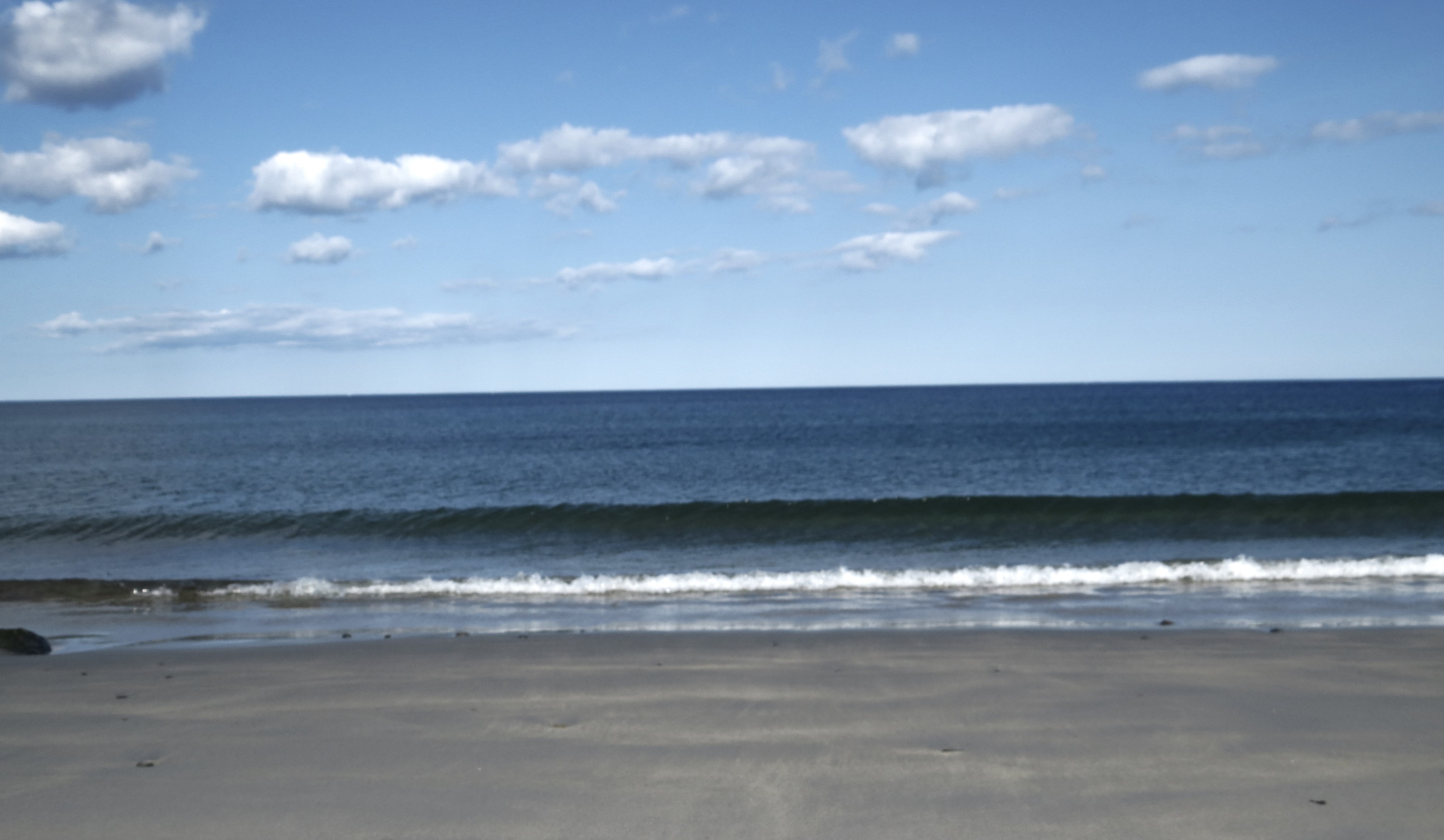
Plaża z cudownym szerokim i wielokilometrowym pasem drobnego, jak mąka piasku przypomina nieco właśnie tą w Taylor Park. Tylko przez fakt, że jest bardzo szeroką zatoką i całkowicie otwartą na ocean – ma duże fale nieustannie podpływające na brzeg. Co mnie naturalnie od razu ucieszyło. Pływanie w falach raduje mnie najbardziej. W przeciwieństwie do większości plaż, zejście z wody płytkiej do głębokie jest bardzo łagodne i bardzo długie. W zasadzie jest to sam w sobie niezły spacer i daje czas ciału na oswojenie się z szokiem temperatury (o ciele to jeszcze trochę potem powiem, LOL). Gdy jednak dojdziesz gdzieś do pół-pasa, to jużeś przepadł, już nie uciekniesz. Jeśli nie pierwsza, to na pewno druga fala cię zimnymi ramionami obejmie całego! Wtedy to już lepiej pływać z tymi falami niż być targany nimi w tę i we wtę.

Pierwszy dzień lata kalendarzowego i słonce sprezentowało temperaturę sierpniową. W Europie na takiej plaży byłoby tysiące ludzi. Tu dziś naliczyłem, ok.  … trzydziestu. Pewnie byłem jedynym nie lokalnym. No i ta temperatura iście sierpniowa była na plaży, na lądzie. Królestwo Posejdona ciągle zimne i mroziło stawy nóg. Ciało ludzkie jest jakieś dziwne, a że mężczyzna też czasem bywa człowiekiem, więc i moje jak rozkapryszona kobieta. Najpierw wrzeszczy, gdy zanurzam się po szyję: szaleju się idioto obżarłeś?! Wracaj mi zaraz na plażę z tej lodówki albo nogi zabiorę i razem na plażę uciekniemy, a ciebie niech te fale gdzieś w głębiny pociągną. I nie wiem czy żarty to, czy groźby prawdziwe, więc na wszelki wypadek wracam i siadam w słońcu na składanym krzesełku. Słońce grzeje. Nieźle. To ciało zaraz odwrotną litanie śle: czy ty myślisz, że ja to jakaś krewetka, którą w oleju na tej plażowej patelni będziesz smażył?! Wracaj mi zaraz do wody lub udarem cię draniu zabiję!  No tak – rozkapryszona kobieta, której nie sposób dogodzić. Więc kończę pisać i wracam do fal.