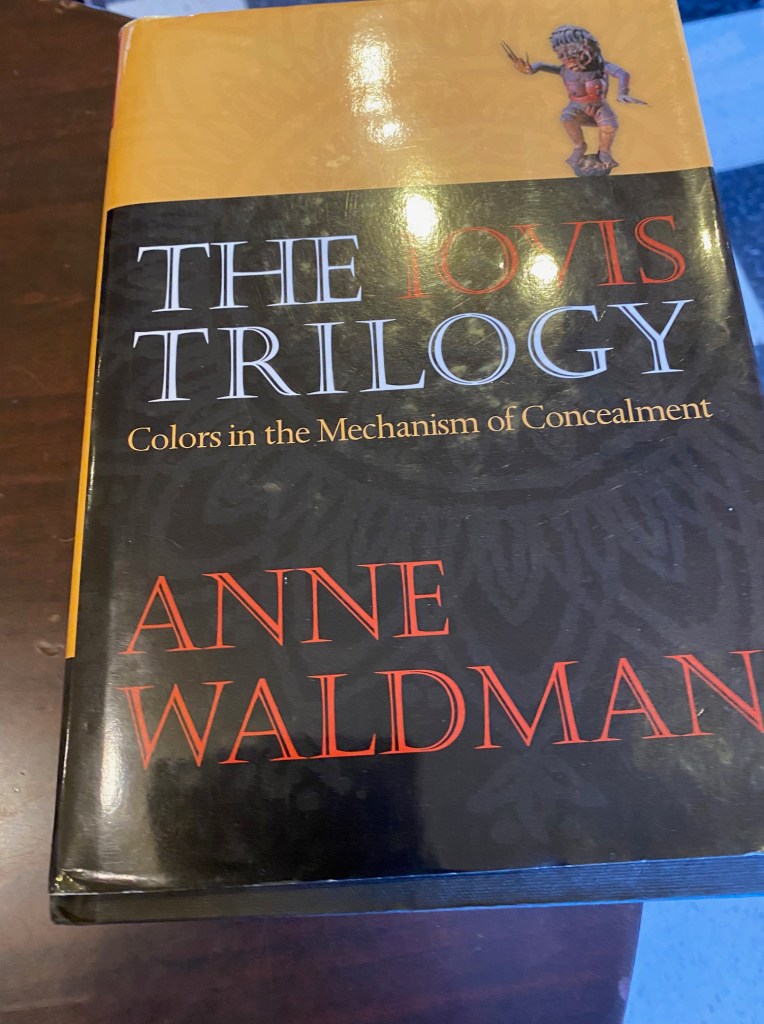
A case for (very) long poem – ‘The Iovis Trilogy’

What do you think of poets? Ephemeral creatures? A poet must be someone, who lacks persistence and discipline to write a solid novel? Let’s say five hundred pages long?  Yes, you have seen, perhaps have one on your shelf big book by some poet you like. It is hundreds of pages long.  Good. But such a book most often is an editor’s work of compiling, in some sort of order, hundreds of separate poems written throughout a lifetime. Generally speaking, a poet publishes a book  (in modern times) that would be 20, 30, or maybe 50 pages long.

The times of huge volumes of Goethe, Mickiewicz, Byron, Pushkin or Chaucer are gone. Their work is generally called by a broad definition a ‘long poem’.  They are still being composed by some – but hardly to the extent of times gone.  Imagine one of the oldest known long poem by Abul-Qâsem Ferdowsi Tusi, a Persian poet in the X century, who wrote “ Shahnameh” – a poem of 50,000 couplets (two-lined rhymed meter).  It is the longest ever written by a single poet in recorded history.

It is not only a strong talent but also a sign of unusual perseverance. Not very common in the XX and XXI centuries.

But – what is difficult for a mere man-poet doesn’t have to be too difficult a task for a woman-poet (women are generally much better in keeping their focus on goal than menfolk, LOL).

On a recent visit to a favored literary café in Halifax, I came across a huge volume of such long poem. The medium is mixed: regular-versed poetry and poetic prose verse. But all in the context of the same subject and telling the same epic (if ‘epic’ is the right term for such a subject) story.  It is merely a booklet of … 1009 pages (one thousand nine).  And the poetess devotes her talent to tell the story of … man.

I am talking of Anne Waldman. Waldman was (with Allen Ginsberg) a pivotal author and activist of the Beatniks movement in culture and counterculture of the 60. and 70s. In a way – a child of the Greenwich Village community of New York at a time of pivotal struggle with the Establishment.  How many times have I longed to be there at that time! But a generational difference made it impossible.

Poets and artists who devote their talent to a cause that is larger than life give me wings to fly. I feel sorry for poets of ‘ivory towers’ or Parnassus’ peak.  Their own glory and fear of missing the bus to immortality make me laugh.

Back to Waldman long poem, though. To “The Iovis Trilogy. Colours in Mechanism of Concealment”[i]. She spent twenty-five years writing it. That is perseverance, I must say.

Iovis is of course the epitome of Man. He is, formally speaking, an early Roman central god, an equivalent to Greek Zeus. The one, who looks after the order of humans. And the world of humans is the world of man. Period.  Even lesser goddesses do not change that paradigm, that foundation.

Waldman does not detest men, a man is not her mortal enemy. She tries to show him that she sees his ways of trapping her-woman, of claiming her as his. A thing on the mantel. Necessary, needed. But never fully equal. Iovis is so set in his ways, that he might not even realize it anymore, he might not see the ways, the channels, roads that he built over thousands of years. They just are, aren’t they? A natural order of things:  as trees, streams, mountains, and plains.

Right at the very beginning, she addresses him directly:

Dear Iovis:

Thinking about you: other in you & the way

You are sprawling male world today

You are also the crisp light another day

You are the plan, which will become clearer with a

                strong border as you are the guest, the student

You are the target

You are the border you are sometimes the map

You are in the car of love

You are never the enemy dull & flat, dissolving in the sea

Illusion lay it snare, you resort to bait, to tackle me

Our day is gone[ii]

Waldman states her case right at the beginning: I have a clear picture of you and your tribe – meaning the whole tribe of men – ‘you are in the car of love’.  He lays bait and snare to make her-women his. To make her love him. It doesn’t change a bit any of these ancient roles, a fact that he too loves her truly. But it is her, that will become his – not the other way around. And she says flatly: our day is gone.

She admits the history of them, the ancient times going back to Sanscrit writings and dwellings:

As I say this to you, the furniture is rearranged in a sacred text

The room is now long, the room is tall, the room is male[iii]

It isn’t only the imagery of the past going to the beginnings of recorded history – the poet brings a throng of marching dead lovers, the ones that show themselves on ‘All Hallows Eve’.

It is a monumental poetic work.  And, at the same time – it is very contemporary poetry. This comes as a surprise since the author submerges the reader in a tremendous history of humankind and human relations. Especially the love-friendship relations of men and women. She goes back to the origins of patriarchate, and uses Buddhist teachings to explain it, to uncover the lost or true meaning of that history. But it is a result of her actual time. Her time in that particular moment in Greenwich Village in New York and all that was going on at that time. Therefore the poem is also a political call ‘to arms’. To rearrange the furniture, if you will, of contemporary discourse and intersex relations.  The man is not portrayed all the time as ‘an enemy’, ‘enslaver’. He too is being enslaved by his own actions. By the world of misogyny. Her long poem is sometimes compared to Ezra Pound or even to Dante’s immortal ‘Divine Comedy’ and William Blake prophetic books. I certainly would never go as far. Dante’s work is by any account a work of true genius and incomparable to her work. But, on the other hand, I have found her poem much better written and arranged than Blake’s strange and difficult-to-follow volumes.  It is not an example of a literary ‘testament of time’.  Indeed, it is very contemporary. Interesting to read – but I doubt very seriously that it will be red 50 years later or centuries later (as is still the case of “Divine Comedy”).

In the middle of her work, Waldman admits certain resignation, the impossibility of escaping raw emotions, raw needs, and desires:

                and the point along heart meridian

dissolves further down

legs already given out

je suis fatigue

Auto da Fé[iv]

Conflict, fighting for change is tiring, perhaps exhausting (je sui fatigue).   The moment she does it – she performs a spiritual act of auto da fe, as Voltaire’s Candid. And an act of faith paid by violent death in the flames. Iovis explains that such an act is a:

trance- fire

Came trough

trance Atlantic

to breath the l’air prehistorique[v]

It is important to notice the play of the words ‘trance Atlantic’ versus ‘trans Atlantic’. I will state again that in her poem, in the interconnectivity of her-woman with Iovis – everything is in a trance. Should I try to remind you of the contemporary context again? Who was not in some sort of trance in Greenwich Village by the end of the sixties? Certainly not many people among the artistic crowd.

I must say that I found the entire long poem amusing and interesting to read. Both by her poetic skill but mainly as a testament to the time of cultural counterrevolution in America. But my interest vanned somewhat halfway through the book. By page 350 I couldn’t go anymore. Went straight to the last chapter (which was very personal and interesting). If you have the time – I would happily suggest reaching for that volume. It is a good temporary poetry and an excellent example of that particular time in American literature.

And I do hope that Iovis has learned a good lesson and is a better man now. As a partner of her-woman. Not his-woman.


[i] Coffee House Press, 2011. Minneapolis; ISBN 9781566892551

[ii] ibid; p.17

[iii] ibid

[iv] ibid; p.257

[v] ibid; p.258

Ze spaceru w przedwiośniu

Ze spaceru w przedwiośniu

Zapomniani lub mniej znani poeci polscy z Kolumbii Brytyjskiej w Kanadzie

Onegdaj publikowałem tu cykl o poetach mojej młodości więc sięgało to do poetów i poezji lat sprzed 1939, którzy jeszcze w latach 60., 70., a nawet 80. mieli znaczenie, żyli w świadomości młodego czytelnika. Znalazło się tam też kilku poetów polskich z mojego pierwszego emigracyjnego doświadczenia[i] i dwoje z Kanady – Wacław Iwaniuk i Barbara Czaplicka. Wspomniałem też o dwóch wybitnych poetach emigracyjnych: Bogdanie Czaykowskim i Andrzeju Buszy, z którymi miałem przyjemności mieć bliską znajomość i współpracowałem z nimi w Vancouverze. Ale wymieniłem ich tylko z nazwiska, nic o ich twórczości nie pisząc, bo kiedy z nimi pracowałem nie byłem już ‘człowiekiem młodości’ i w temacie się to nie mieściło.

Dziś odnalazłem kilka brulionów poetyckich mniej znanych, a bardzo ciekawych poetów z Kolumbii Brytyjskiej. W większości dziś zapomnianych, ze szkodą dla literatury polskiej. Ich twórczość przypadała na lata przed połączeniem polskiej poezji i literatury z polska twórczością emigracyjną.

1.

Zacznę ten tekst od Anny Galon. Była jedną z najstarszych poetek i tłumaczką literatury, z którą współpracowałem. Córka znanego oficera piłsudczyka pułkownika Zbigniewa Brochwicz-Lewińskiego. Jej życiorys był dość skomplikowany i trudny. Dzieciństwo i bardzo wczesna młodość w Polsce przerwane wojną, ucieczka przez Rumunię z rodziną, znalazła się potem we Francji, gdzie zaczęła szkołę średnią. Kapitulacja Francji i wyjazd z ojcem z wojskiem polskim do Szkocji, gdzie studiowała po wojnie. Za namową męża (muzyka-pianisty) wrócili do nowej Polski. Po wielu latach i różnymi drogami znalazła się w Ottawie w 1984, a w 1998 przeniosła się do Victorii. Mimo różnicy całego pokolenia byłem więc sam ‘emigracyjnym seniorem’ wobec niej. Prowadziliśmy liczne rozmowy na tematy literackie i imponowała erudycją w tym temacie. Na moją prośbę przetłumaczyła bardzo dobrze szereg wierszy znanej poetki kanadyjskiej P. K. Page, których część opublikowałem w roczniku „Strumień”. Była bardzo aktywna (mimo poważnych schorzeń, które ograniczały jej mobilność) w kanadyjskim świecie muzyczno-literackim w Victorii. Zmarła w Victorii w 2013.

Z łam „Strumienia” przytoczę dwa jej dość charakterystyczne wiersze:

KSZTAŁT

Chciałabym cała rozsypać się

                w słowa

a potem od nowa się poskładać

sama siebie dobierać

                z namysłem, celowo

ułożyć w kształt przemawiający

                pełny

                                sensu i treści

a cały prześwietlony i

                przekazujący

                                światło[ii]

Z BUTAMI – WARA!

Buty skarpetki zdejmuję

szoruje nogi i ręce

dłonie namaszczam odpowiednim kremem

                by nadać im miękkość dotyku

                                wrażliwość czucia

Cała spłukuję się pod czystą wodą

wewnątrz ogień rozniecam

I tak dopiero

pokorna i drżąca

otwieram

zasuwy twojej duszy[iii]

W 2004 wydała własnym nakładem tłumaczenia swoich wierszy na język angielski w skromnym tomiku “Stashing for a rainy day”. Niestety, nie był asygnowany jakimkolwiek krajowym lub międzynarodowym oznaczeniem katalogowym.

2.

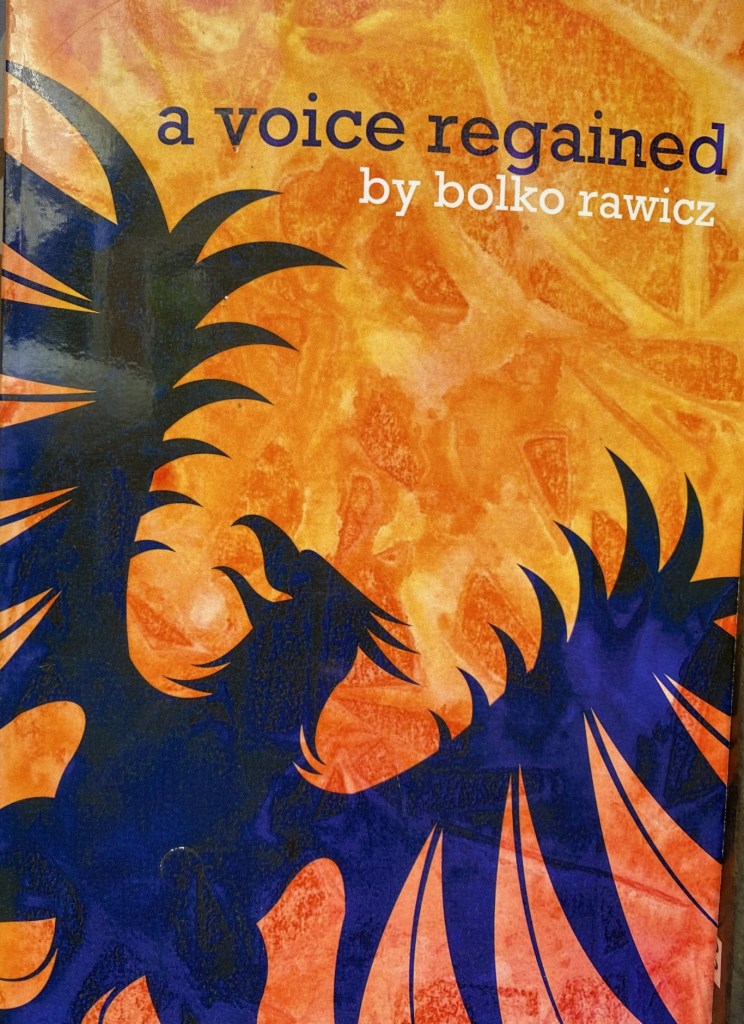
Ciekawym młodym poetą, którego też publikowałem w ‘Strumieniu[iv] jest Bolko Rawicz. Poeta do którego raczej nie można dodać przymiotnika ‘polski’ ze względu na język, w którym tworzył.  Kanadyjczyk polskiego pochodzenia, wyjechał z Polski z rodziną w wieku 10 lat, którego wierszy nigdy bym pewnie nie poznał, gdyby nie jego dziadek, który zwrócił mi na poezje ukochanego wnuka uwagę. Tworzy w języku angielskim. Wnuk jak i dziadek byli matematykami, specjalistami tej całej magii matematyczno-komputerowej. A tu poezja. I dobra. Pisze do dziś i publikuje, uczestnicząc w Vancouver ‘s Poetry Slam od tamtych lat do obecnych. Z moich badań wynika, że wydał dwa tomiki poezji : ‘A voice regained”[v] i „Something to believe in” [vi]. To spotkanie z inną, bardzo współczesną i zdecydowanie pobawioną wszelkich parnasistowskich ciągotek poezją.  Czasami jest to wręcz poetycka publicystyka społeczno-polityczna, komentarz socjalny, społecznościowy napisany wierszem. I taki wiersz na ważne tematy socjalne przeczytać pewnie wygodniej i łatwiej innemu zaangażowanemu młodemu Kanadyjczykowi niż długie wywody nudnych dziennikarzy. Tu – w poezji – w jednym słowie można zamknąć cały skomplikowany wywód.

Choroba dotknęła go stałą szkodą ciała, co z wiekiem, dojrzewaniem zaprowadziło go do wierszy innych, refleksyjnych, introwersyjnych.  W wieku młodym tego typu schorzenia mogą kłaść się wielkim cieniem na człowieka.  Przytoczę więc przykład właśnie tych dwóch, odmiennych poetyk.  W tym drugim, refleksyjnym i głębokim, następuje też pewna metamorfoza wyzwolenia przez akceptację miłości – Feniks wzlatujący w przestworza. Ten wiersz mnie zawsze wzruszał, budząc nadzieję, że uczucie wielkie niezmiennie wyzwala.

Wiersz pierwszy ze stron „Strumienia” w 2011.

Whale song

You were just sitting

on the sandy beach,

when suddenly appeared

a whale who made speech

‘we had to break the silence,

to talk about the violence

to the land and to the sea,

and to blow our cover

we had to all agree.

and we waited long to see

if humanity would be

wiser before we

told of our technology

for some different energy,

but we did begin to see

more of you the light to see

and you would understand

our philosophy,

but we are running out of time

and we’ve got to end the rime,

because we can’t resist

fearing soon we won’t exist

if we let this destruction persist,

but we are coming to you in peace

and want you to decrease

the use of gasoline

and ask you to police

the oilmen in the three-piece

suits not to exceed

in all their greed,

and with the whalers plead

to not make us so bleed.” (Rocznik “Strumień” , Nr.7, 2011, s. 17)

From a-dark brightly

A time faraway of past

love had left me

bitter and afraid

my spirit darkening,

and descending,

into a realm betwixt

wakefulness and sleep,

like a sunken flower

once touched

by a glimpse of sun,

long since un-searching

of light.

Many of years hence,

like a bird forsaking

the shelter of its tree

to seek the world without,

alas only

to stumble and fall,

its wings having forgotten

the memory of flight,

my spirit stirred

with the yearning

to be free,

but unaccustomed to the bright,

returned again imprisoned

as it once more was struck

by the blinding light of love.

But this very soul,

the luminance she bestowed

proved eminently more kind,

attuning her strength

of energy to heal,

awakening my spirit

to inspire it to rise,

on its way to soar.

Nonce friendship has led me

onto a better path. (z tomiku “a voice regained”, s.18)

Zawsze fascynowała mnie jego swoboda używania języka, tak charakterystyczna dla poezji mówionych improwizacji. I bez wątpienia miała na to wpływ tradycja  owych Poetry slams w Vancouverze.

3.

Jedną jeszcze, dziś zapomnianą a wartą przypomnienia, poetkę musze przypomnieć – Halinę Gur-Jazłowiecką z Victorii w Kolumbii Brytyjskiej. Przykład – w jej wypadku par excellence – poetki emigracyjnej. I biograficznie i w używanej poetyce, stylu. Dziś zdaje się kompletnie zapomniana. Urodzona w Warszawie w 1923, w latach okupacji studiowała na tajnych kompletach w Wyższej Szkole Dziennikarskiej.  Żołnierka Służby Kobiet AK w Powstaniu Warszawskim. Później więzień  obozów jenieckich w Fallingbostel, Bergen, Oberlagen i Niderladen, gdzie poznała męża. Po wojnie znalazła się w Anglii, skąd wyemigrowała do Kanady i zamieszkała w Victorii. Publikowała w prasie emigracyjnej kanadyjskiej, amerykańskiej i francuskiej. Nie mam jednak żadnych śladów kiedy, gdzie i co dokładnie. Były to lata, gdy wydawnictwa powstawały i upadały później na długo przed cyfryzacją zbiorów, a wszelkie archiwa były też bardzo nietrwałe. Nie mam też informacji kiedy i gdzie zmarła. W rodzaju poetyki i losach ‘niepamięci archiwalnej’ przypomina bardzo Barbarę Czaplicką, o której pisałem we wspomnianym już tu eseju „Poeci mojej młodości”. Jako iż życie i losy nasze indywidualne są właśnie nietrwałe, a sam jestem w takim punkcie ‘nietrwałości’ i wielkiej burzy zmian – nie mogę być pewny czy wszystkie moje dokumenty prywatnego archiwum te moje burze przetrwają i dotrą ze mną tam, gdzie na końcu tej drogi się znajdę. Spieszę więc  spisać te nazwiska, które bez najmniejszej wątpliwości powinny przetrwać. Naszego polskiego wędrownictwa po 1939 – aż do czasów emigracji doby „Solidarności’. Im bliżej tego roku 1980 – tym więcej wiedzy, trwałego zapisu archiwalnego mamy. W dekadach wcześniejszych różnie z tym bywało.


Bodaj najbardziej charakterystycznym wierszem Gur-Jazłowieckiej był uroczy, z dużym cieniem goryczy, napisany w Edmonton w Kanadzie:


Na krawędzi

Mój adres?

Kochani Moi – nie adresujcie inaczej

jak tylko: Koniec Świata

Tuż Nad Krawędzią Rozpaczy!

Co robię?

Niby ślimak, wyrwawszy się

z ukrycia

pełznę niknącym śladem

na marginesie życia.

Czy wrócę?

O, Kochani! Wracać mi już

nie pora.

I tak wciąż jestem z Wami

w Wieczystym Wczoraj! [vii] 

Tym więc zapisem składam im swój ukłon i podziękowanie za jakże często gorzką pracę na łanie ukochanej polszczyzny.

Rzeczywistość  epoki emigracyjnej od lat 40. poczynając aż prawie do lat 80. była zupełnie inna od epoki Międzywojnia z jednej strony a epoki post-solidarnościowej z drugiej.  Ci, którzy publikowali i byli trochę znani przed 1945 mieli szanse dużo wieksze na przetrwanie i na kontynuacje twórczości. Celowo piszę ‘przed 1945’ a nie ‘przed 1939’ jak się stosuje najczęściej i jest to poważnym błędem historii literatury polskiej. W tym wypadku cezura 1939 jest mylna, bo aż do 1945 istniały instytucje Państwa Polskiego w Londynie i jego przedstawicielstwa poza Anglią i istniały fundusze i wydawnictwa i środki finansowe Państwa Polskiego, które mogły i były używane na cele wydawnictw literackich, kulturowych. Więc w zakresie literatury i kultury polskiej istniała pewna ciągłość, mecenat i nawet skupiony rynek czytelniczy z państwem, tradycją i możliwościami Państwa sprzed 1 września 1939. Poza – naturalnie – terytorium tego państwa. Ta rzeczywistość i pewien mecenat  quasi-państwowy uległy bardzo szybko zanikowi, ale w okresie przejściowym był niezwykle ważny. Pozostały pewne ośrodki centralne, które dzięki temu kapitałowi oryginalnemu potrafiły kontynuować wydawnictwa i namiastkę życia literackiego. Niezbędne było też  posiadania odpowiedniego licznego zaplecza czytelników lokalnych. Londyn, Edynburg, Paryż i kilka jeszcze mniejszych ale silnych wystarczająco miast w Europie; Nowy Jork w USA, Toronto i Montreal w Kanadzie. Wszystko inne to była … prowincja i pustynia czytelnicza. To nie były czasy social networks, social media, czy nawet czegoś tak archaicznego, jak poczta elektroniczna.

Stąd ci, którzy tą kulturę polską rozwijali, pisali i wydawali poza tymi kulturowymi centrami – istnieli głównie tylko lokalnie. Tak, były nawet lokalne polskie gazetki, były spotkania w jakichś klubach, salkach parafialnych. Można było na maszynie do pisania i powielaczu, ręcznej drukarce wydać nawet mały tomik dla 30, 50, może nawet 100 sób – i to wszystko. Ta pierwsza fala emigracyjna i chyba większość aż do lat 70. zrobiła też jeden kardynalny błąd – nie potrafiła i nie umiała przekazać tego bakcyla polskości i wyższej kultury polskiej pokoleniu swoim tu urodzonych dzieciom i wnukom. Widziałem to wszędzie i każdy mi to mówił.  Co najmniej jedno pokolenie tu urodzonych, wychowanych i wykształconych Kanadyjczyków polskiego pochodzenia utracono na amen. Jednostki nieliczne, które z tej reguły potrafiły się wyłamać były tym właśnie – jednostkami a nie regułą. W takiej atmosferze, bezwzględnie przygnębiającej dla  lokalnego twórcy polskiego, niektórzy zmagali się i dalej pisali, lokalnie publikowali. Aż odeszli. Mam na myśli te faktyczne, biologiczne odejście.  Odeszli przed zrozumieniem wagi ich pracy, przed powstaniem możliwości cyfryzacyjnych. Czyli w świat niebytu. Znikały nawet tu i ówdzie zakładane małe ale jednak archiwa. Ktoś umierał i ktoś następny wyrzucał archiwum na śmieci. Można ironicznie ale i dość rzetelnie powiedzieć, że o szansie przetrwania w pamięci historycznej decydował nie zawsze tylko talent – decydowało też miejsce zamieszkania. Adres.

Inne czasy, mili moi. Tak, były kiedyś takie. I to wcale nie w dobie dinozaurów ani księcia Popiela na wyspie goplańskiej.


[i] https://kanadyjskimonitor.blog/2023/12/28/spacer-z-poezja-i-poetami-mlodosci-cz-3-emigracyjna/

[ii] Rocznik „Strumień”; nr. 2, 2000, s. 4

[iii] ibid

[iv] ibid; nr. 7, 03/2011, s.17

[v] „A voice Regained” , B. Rawicz, ISBN 978 0 557 29966 9, s.26; 2009

[vi] „Something to believe in”, B. Rawicz, s.54; 2017

[vii] Rocznik „Strumień”; nr. 2, 2000, s.13

Walk with my Eurydice

Walk with my Eurydice

Every day starts with waking, and getting up from bed. Doesn’t matter if it is noon or 5 in the morning. Time is a very subjective thing. On days I don’t have to go to work (most of the time, since I officially stopped working for any company more than six years ago) and don’t have any appointments – I don’t look at watches or clocks. I do things when it is time to do these things, without assigning any number to that time.

Besides, time has stopped for me in November 2022. On the first night (was it night?) I fell asleep after You were gone. I wish I had not woken up. Waking up after that very first sleep is a daily routine of terror. The few seconds before you are certain that it is reality, that you are awake. When I am forced again to know that You are gone. Not to the kitchen to make us a fresh morning coffee, which you did every morning religiously for more than three decades. No – You are GONE. I have to go through that terror every single day while getting up. For 467 days, as of today.

Sometimes, just before I finally drift off to sleep, I wish, I pray, that it is the last time. That I don’t have to wake up again.

When I sleep I often meet You and talk to You. I think, sometimes I make love to You. That we are watching TV or go for a drive in the countryside.

You are my Eurydice, for whom I went to Hades to plead, to argue with the God of the Underworld, that he made a mistake. I beg him, I threaten him. I offer him love and hatred, devotion and disdain. To no avail – he is unmoved. In my dream, I write a poem to You in Italian. When I get up from my sleep I remember that poem and copy it, surprised that I retained more of my old Italian than I thought.

Dove sei, Euridice?

Dove sei, Amore mio?

Mostrati e parlami d’amore.

Ricordare! Non fermata

e non guardare indietro.

Ricorda, mio caro …

ricorda, ricor… , ri…

e piango, perché so

che ti volterai.

Ogni volta.

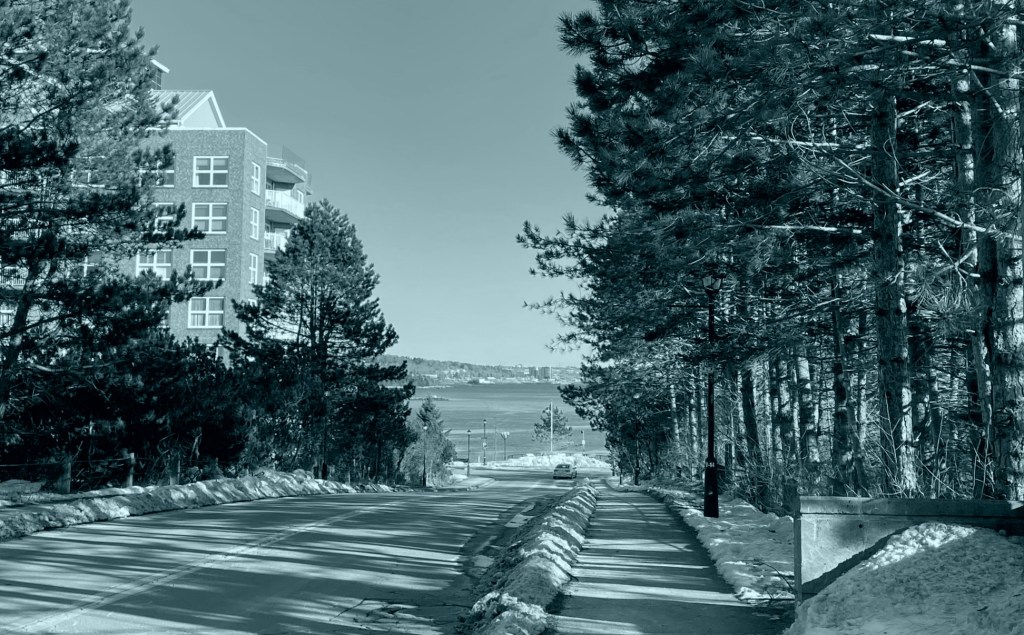
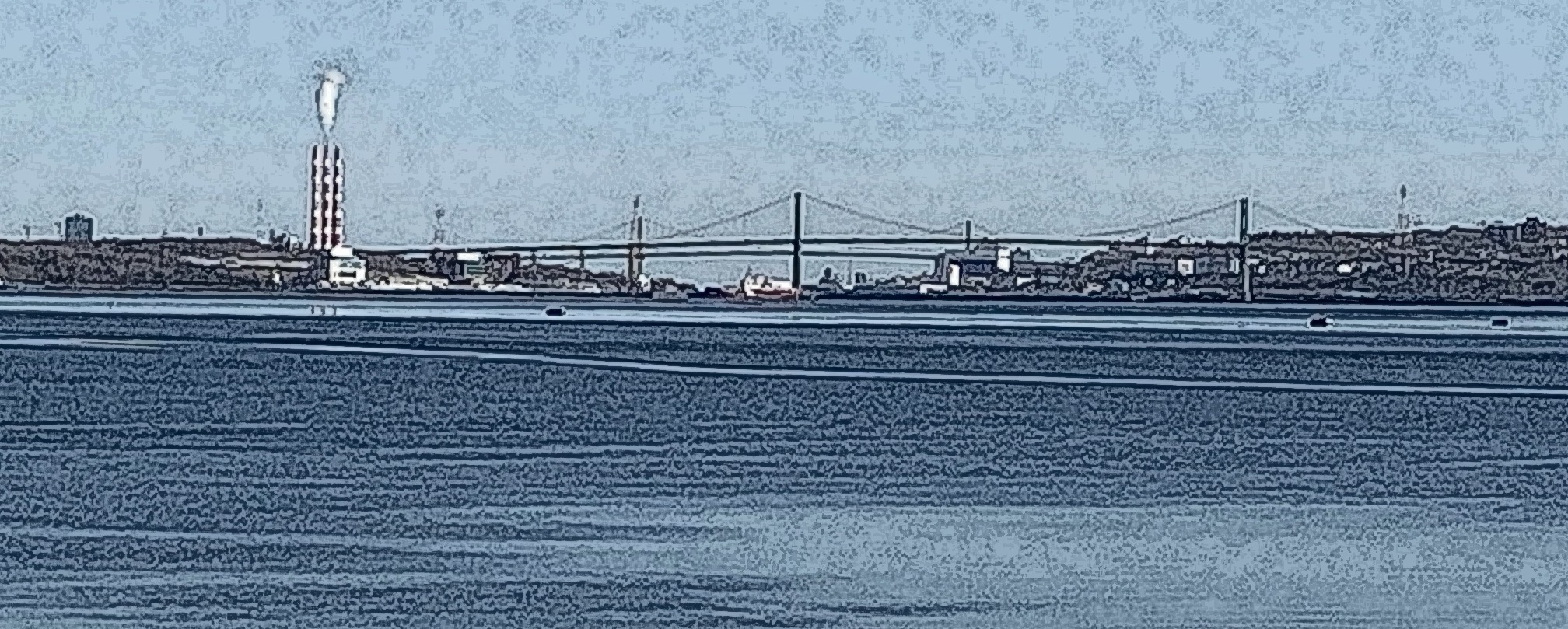
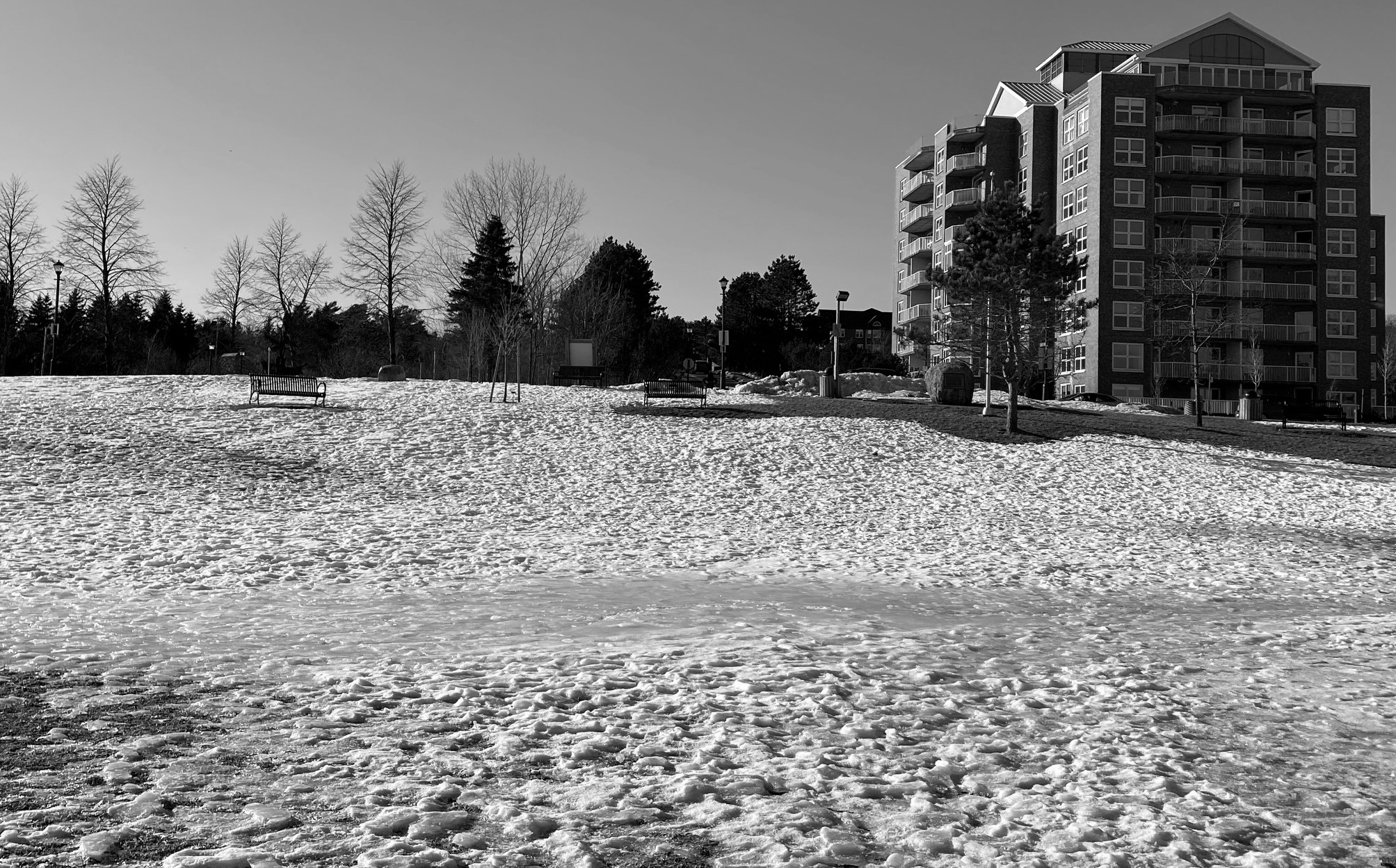
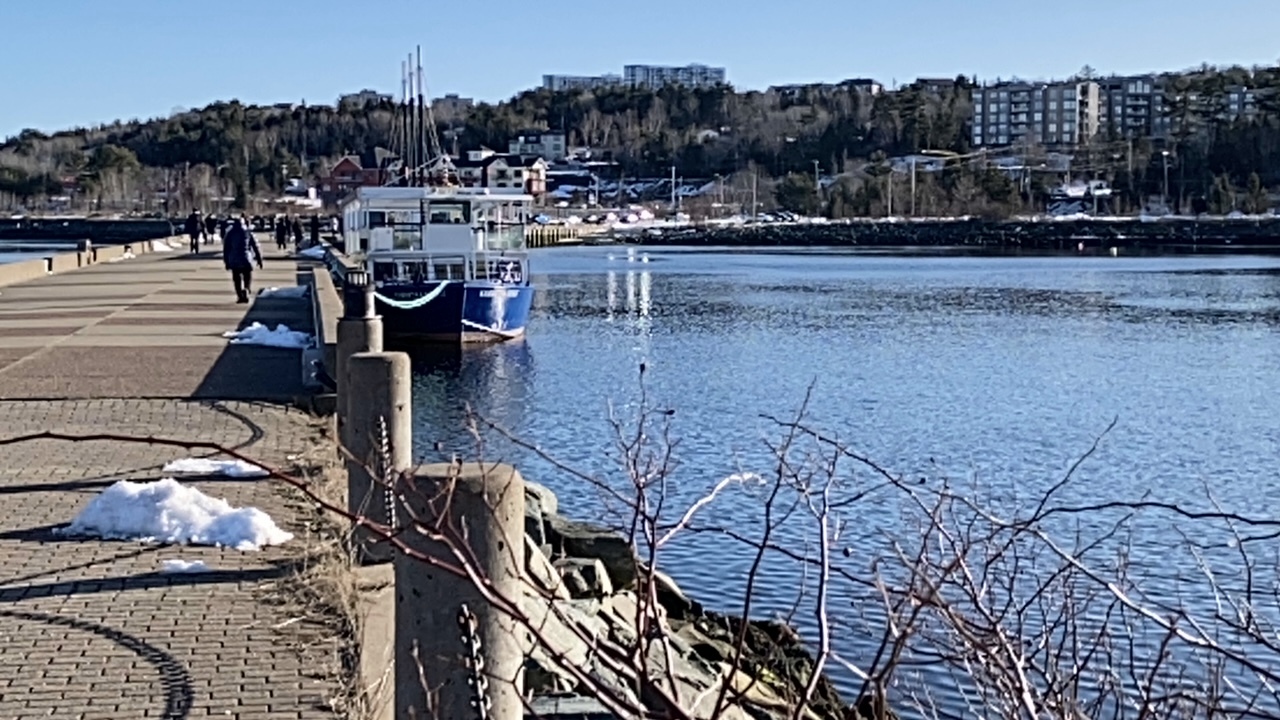
Today I stopped in a little park De Volf in Bedford. We used to go there many times and both liked it. It is a small park but there is something sweet and romantic about it. It offers a nice view of Halifax, our bridges, and Dartmouth.  Next to it is a big building of the company that you worked for – The Berkeley. You didn’t even have that much time to work for them, yet You did leave a special mark on the senior residents of that building and all the staff. Your innate goodness emanated from you as everywhere you worked before. I will never forget and still am moved to tears how they organized a special memory meeting for the residents and staff in their main hall. It was full of people. Wonderful people, who came to share their memories, and their sorrow and offer their support to me and Your siblings, who came for Your final journey.

It was a cold but amazingly sunny day. I really enjoyed the walk and reminiscing about our strolls there. For a short while You – my Eurydice – walked with me. You didn’t turn back, didn’t look back. You walked with me. Maybe I even felt Your hand in my hand.

I know that the terror of getting up will come back tomorrow. Then again, and again for the rest of my days. But the walk today was good. Thank You, Babcycake. Gracie, mia Euridice.

Anguish, the price of Love

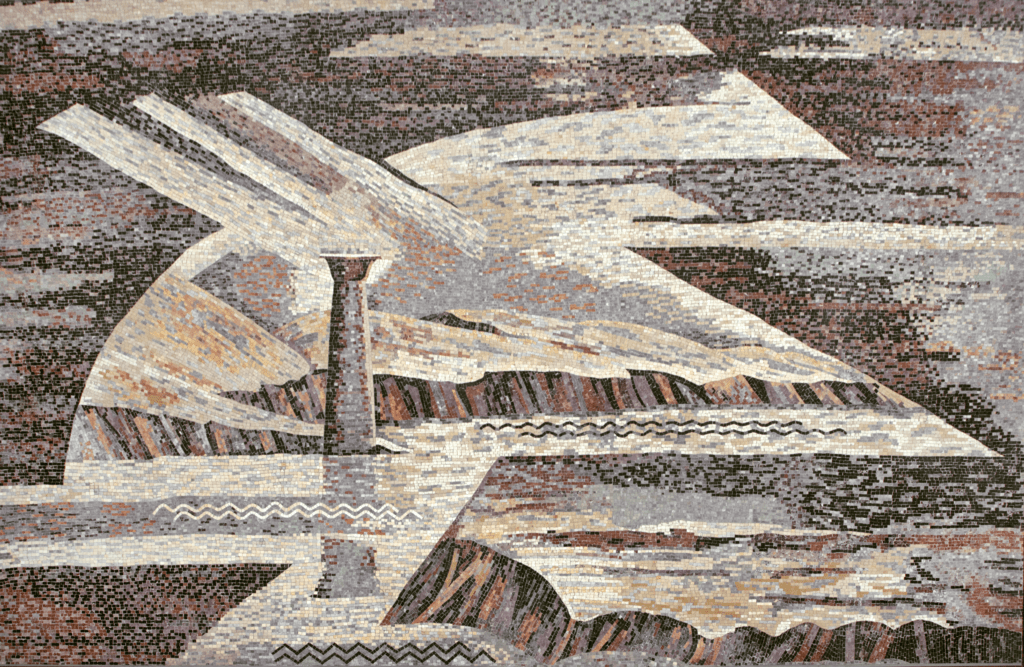
The first panel of marble triptych by Hildreth Meiere representing The Pillars of Herakles (Centre for Hellenic Studies in Washington, DC)

Love is a strange thing, and the price you pay for it is enormous. But you pay. For a dream that is priceless. The higher is the heaven, the bliss of it – the higher is the cost. Have you known – would you have asked for it?

Let me tell you a story. There was a young man, who wandered the world from the high peaks to the deep valleys, and even deeper than the valleys. He went to the abyss of the underworld, the dark caves full of desires, hunger, and thirst. Long hands and longing eyes followed him there in the caves. The caves were like a labyrinth, one leading to the other. There, he saw a silhouette of a boy crying for love not found, for a dream not fulfilled yet. That silhouette, the shadow was – he knew it instantly – his own dream. A dream that did not want to be a dream anymore. It wanted to be born. To live. The young man heard the plea of this boy and the plea of his dream. He ran after the boy, grabbed his arm, and didn’t let go.  It is a long story re-told many a time. It was said that they lived happily ever after for a long time.

Like any long story, sometimes they are too long. People heard of the ending from others and never bothered to read it to the end themselves. But re-told stories change, and people soon forget where or from whom they heard it. They stopped reading it altogether, relying on the version they had heard from others. As the others relied on those, who told them. Over time the story changed, becoming a different one.

No one truly knew what happened to the young man, when he was not young anymore or what happened to the boy rescued from the cave.

I will tell you the story of the old man, who used to be that young man.

He doesn’t go to the caves, deep valleys, or mountaintops anymore.

The boy became his. He has answered his dream and the dream of the boy. They built a house on a treetop and watched the mountains weaving long shawls of rainbows flowing slowly to the valleys. Sometimes they would climb down from the treehouse and wander in the meadows below, drinking from streams, and singing with birds.

One day, after many years of happiness, the boy went further exploring the valley. The man followed him. They came upon a place where the stream enters a big river. The boy – a man by now himself – said: I will go for a swim in this river and jumped into it. He disappeared under the water and was not coming back to the surface. The man – an old man by now – jumped after him. He has found him ensnared in the long roots of the nenufars. He frantically ripped the snarls and brought the lifeless body to the surface. He tried for a very long time to push the boy’s life back into his lungs, and he screamed to the birds to help him. They came and tried with their wings and beaks to revive the boy. But, as the old man, they couldn’t. The boy was no longer.

From then on, the old man left the valley and wandered for eternity the earth. Looking for the boy, hoping that he appears somewhere. If, by miracle, he has found himself in the caves, why wouldn’t it be possible that he will find him again? His anguish was unbearable. Even the birds couldn’t sing when they flew by him. He came to the Edge of the World and asked the Big Water: why? The Big Water thought for a while and answered him with its own question: your sorrow has moved me, old man. I am Everything, the Past, and the Future. The Present has engulfed you in anguish beyond your strength. If the price of your past is too high to carry, I can grant you a gift seldom given to anyone.

The old man raised his eyes and trembling with timid hope, asked: O, Big Water, would you return my boy to me?

The Big Water answered: there is no return from not being. But I can change the Past, I can change the event that led you to the meeting of the boy. Ever. Thus the cause of the anguish will be gone. You can’t grieve something you have never had or known. That is the price.

The old man looked in horror and screamed at the Big Water: Would you, Everything, ever accept a deal to become Nothing? Your price is too high to pay. I will keep my sorrow and will walk with it till the end of my journey.      

I saw the old man when he turned away from Everything and started walking along the shores of The Edge of The World. With time he slowed down, yet he kept going. At a certain junction, the Edge of The World separated from the Big Water and became the Edge of Non-ending Abyss. There, the cliffs of the Edge were vertical like the Pillars of Heracles.  He knew that he reached the end of his journey. The old man sat and rested a bit looking down the massive cliffs where below a thick cover of white clouds was the invisible Abyss. His arms raised a bit with a sight and he slowly got up making a step toward the Edge. Then he froze for a moment, turned his head, and looked. He saw, far from the Edge, mountain peaks towering above deep green valleys and a forest with tall trees. He thought that he could hear the song of birds flying in the forest. A happy tear rolled down his cheek and a broad smile appeared on his face. And the old man was sure that for a moment he saw a boy waving toward him from one of the tree tops. The boy was singing the song of the birds and smiling at him. He called to the old man: don’t be afraid, come to me, I’ll wait for you!  

Did the old man jump the cliffs, you asked? I do not know. But he anguished no more.   

Zimowy Syriusz i Wielka Niedźwiedzica

Czemu wołasz mnie Syriuszu, lampo nocnego nieboskłonu? Czemu żądasz: pisz o mnie Pieśń Pochwalną?

Ja już pisać nie potrafię, a ty nie masz prawa wymagać ode mnie peanów na cześć twej świetności i świetlności pozaziemskiej. Lubię cię oglądać na zimowym nieboskłonie, gdy mija cię Księżyc popędzany batem rydwanu Wielkiej Niedźwiedzicy. Ale nie, nie jestem twoim oblubieńcem ani ty moim. Lubić spoglądać a kochać – to nie to samo miły, choć nieco zadufany w sobie Syriuszu. Ale, aby przyjemność ci zrobić, pomyślałem, że jeśli nie pean, to chociaż fotograficzny portret ci wymaluję nocą.

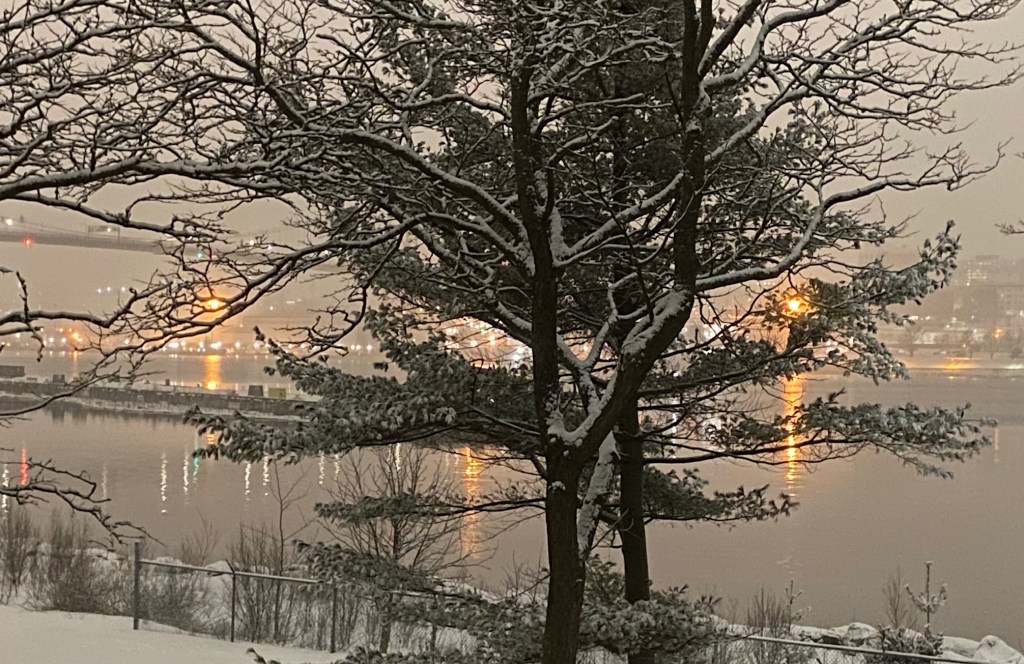
Ubrałem się koło północy w ciepłą kurtkę, buty z cholewami na głęboki śnieg i zszedłem nad wodę. Woda, sama zazdrosna, zgotowała pokaz bardziej kolorowy, świetlisty niż nieba ponad nią. Odbijała światła portów, mostów, latarń. Tak, jakby jakiś francuski impresjonista sam ją malował. Powiedzmy Bal w Le Moulin de la Galette pana Renoir’a. Lub coś w tym rodzaju. Ale to wodne odbicia, naturalne i lokalno-ziemskie. Jasno było, bo te światła i od wody i śnieg wokół bialutki. Już trójnóg kamery ustawiałem i spojrzałem w niebo. A tu ic. Zaciągnęło grubą kotarę nisko nad horyzontem. Śladu nieba i gwiazd jakiegokolwiek.

Więc zadrwiłeś sobie ze mnie drogi Syriuszu. Niech ci będzie. Nie będę się dąsał. Ale pieśni ci nie napiszę i tak, ani peanu z wersetami, ustrojonymi niczym falbanki halek moich babek i prababek. Nie dąsaj się i ty, nie do twarzy ci z grymasami. A twarz masz piękną, świetlistą. I będziesz wiecznie, nie jak ja. Ponoć masz jeszcze ponad 190 tysięcy lat. Nie, nawet nie ziemskich ale kosmicznych, a kosmiczne lata są tysiące dłuższe niż nasze. Nie będzie już Wenus, którą o świcie czasem podglądam. Pewnie i Ziemi też. Po mnie już śladu najmniejszego, nawet mikroskopijnej cząstki promieniowania węgla lub wodoru, które są moim budulcem zasadniczym.

Rozpływam się zresztą już teraz w czasie ziemskim, praktycznym. Jest mnie mniej każdego dnia. Więc kurczy się też moje pisanie. Wszak nie wypada stale pisać o przeszłości. A przyszłość przede mną nikła zaiste. Nawet ziemskim czasem odmierzana. Uśmiecham się jeszcze do gwiazd i gwiazdeczek ale już skromnie i bez głodu. Nie będę pił w kryształowym pucharze ambrozji gwiazd zmieszanych z winem leżakowanym latami doświadczenia. Nic nie mam do zaoferowania: ani sonetu, ani sonaty. Epos? Jeśli, to nie epiczny i bardzo prozaiczny.


ODBICIE
Patrzę w lustro
dotykam dłonią
zimnej płaszczyzny
która odbija moją twarz
jej rysy rozpływają się
w falującej wodzie szkła
z każdym dniem
jest mnie mniej
staje się niewyraźny
nie podobny do siebie

Nadejdzie moment
gdy nie poznam tej twarzy
patrzącej na mnie z lustra
nie będę wiedział
która z nich będzie mną
ta odbita w lustrze
czy ta patrzące w nie

(16 luty, 2024, B. P-G)

Thy Kingdom comes,o Love

January in 2024. First time this year I have come to see your ‘home in Pictou’s cemetery, at Stella Maris.

I know you are not there –it is just a place, just a stone with your name on it. Like the stone tablets of Sumerians, and Acadians, like the stone tablet given to Moses a few thousand years later. These letters, and symbols left on them by the Old Ones are not alive anymore. No ancient gods lay claim to them, not from Ur, not from Babylon, not from Sinai. What’s left in these letters are hidden stories of love, of passion.

Under these letters, under your stone is a small container with some ashes. Gray powder in a box, nothing else. But I can’t stop coming here where I can submerge myself in my despair, wallow in my grief. Here it doesn’t bother anyone. The dead ones are dead. Silent. Sometimes a black bird looks at me from a tree branch and says something in its characteristic low and screechy voice.

It sounds like a song of the Underworld. A poem of decayed generations. Only the bird, the guardian of the cemetery knows that ancient language.

There are no other visitors here, especially this time of the year. Unless it is a funeral. Another wooden box full of bones, or smaller one with ashes, goes to the ground.

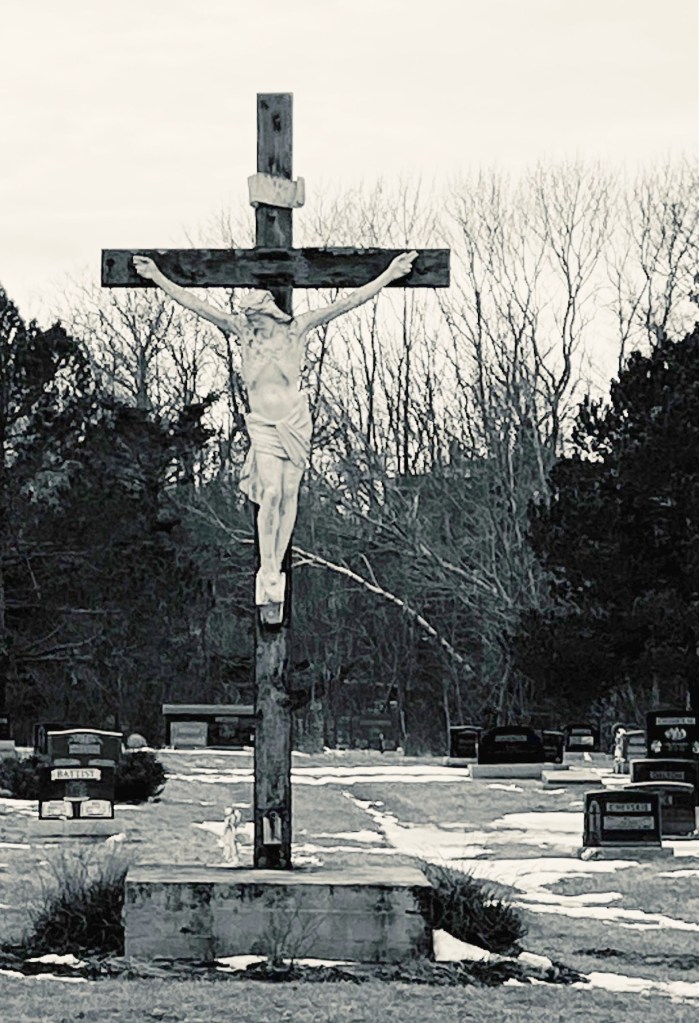
Old wooden cross with a white figure of Jesus of Joseph and Mary, who attested to prophesies of Isaiah of Kingdom coming. That cross, darkened by weather and age is strong. He does not attest to anything anymore. He is profoundly sad. Painfully sad. Sorrow emanates from his eyes and from that terrible tool of his death. Still asking: Why? Why did you lead me to this terrible, painful death, o father? What did I do to deserve such cruel punishment? Why did you forsake me, condemn me to this brutal death?

I want to talk to him, help him to quell his anguish. He was still a very young man, and did not understand. I want to tell him – don’t cry anymore. To tell him if he truly found love in Mary Magdalen or any other lovers he pursued, if he was loved and loved – it never died. Not on that cross, nor in this cemetery. That his father, his false friend Judas – they could not stop that Love, they could not erase it. It soared like an eagle, like an Angel through the Cosmos. That love, young man – if you truly were loved and loved – sang songs of Love. Eternal.

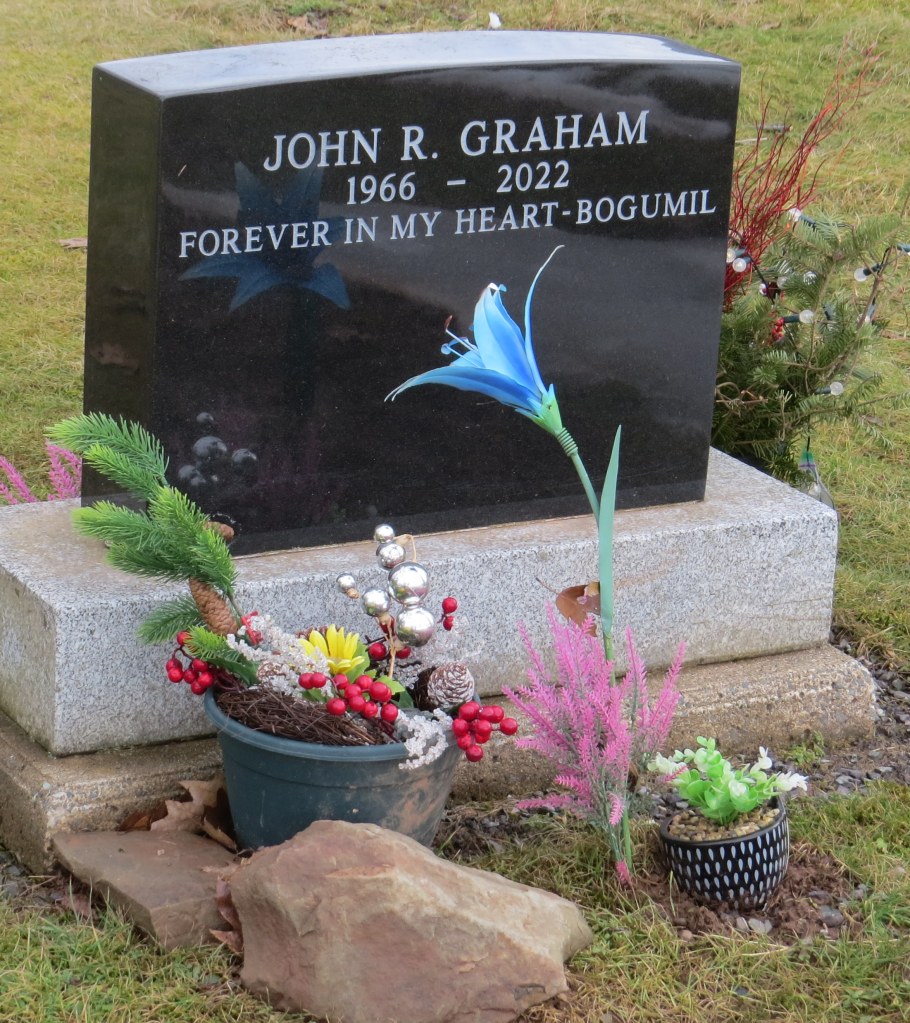
The wintery Sun came over the desolate, little cemetery. It flickered in the mud holes of the walkways, it caressed and made bright little plastic flowery arrangements on some gravestones.  Looked at your grave with my inscription: forever in my heart and smiled, too. That’s just for some passerby, maybe long after any memory of both of us would linger in anyone’s life. So he or she would have known that you were loved. And would recognize that love does conquer death. Nothing else. But She does.

Of course, you are not there, under the stone. You are in my heart, with me. All the time, everywhere. Just on that cemetery, on any cemetery, there is a special stillness of air that allows you to have these talks, these thoughts. That’s why I keep coming here. When I was very young I used to visit some special coffee shops in Warsaw, where I would write my poems on white, square, and very small paper tissues.  Now, when I am much older, I like to come to this cemetery or visit my special wild beaches I have conquered in your name and have these talks with you, and still write poems. I like it.

Before I left, went and looked at that man outstretched on this horrible cross.  I thought he wasn’t as sad as before. I hope. I hope that he got it, he understood it. That death is just that – all matter decays and dies with time. But love survives, and overcomes.  The Kingdom came through love.

Pictou