Co to znaczy: dom?

fot. by B. Pacak-Gamalski

“Polska to nasz dom” – mówi wiele osób. A dom, jak to dom, kojarzy się zazwyczaj z bezpieczeństwem, rodziną i dobrymi wspomnieniami. Z czym tobie kojarzy się Polska? Dla mnie to jest trudne pytanie. Zamiast prostej odpowiedzi  (czy taka istnieje?) opowiem ci moją historię.

Urodziłem się w  Malmo w Szwecji, w domu polskich emigrantów. Gdy miałem siedem lat wróciłem z moją mamą do Lublina. Nie był to łatwy dla nas czas. Mama dawała radę na tyle, na ile mogła – jak wiele innych samotnie wychowujących dzieci w Polsce. Mijały kolejne lata, kolejne wigilie i urodziny, pierwsza komunia i inne rodzinne spotkania – przy każdej okazji byłem wypytywany przez wujków i ciotki o to, gdzie wolałbym mieszkać – w Polsce czy w Szwecji? W Polsce! – odpowiadałem, stając na baczność, i bez chwili zastanowienia. Rzeczywistość zrewidowała moje poglądy, gdy w wieku 16 lat postanowiłem wrócić do ojca, do Szwecji.

Dzisiaj patrzę na ten okres z uśmiechem. Coś co wykluło się z młodzieńczego buntu, przetworzyło się na doświadczenie emigranta, który musiał odnaleźć się w zupełnie innym, zróżnicowanym kulturowo Malmo. To nie jest czas, abym rozwijał setki opowieści i wspaniałych osób z różnych zakątków świata, które tam poznałem. Wiem jednak, że ten okres pozostawił we mnie otwartość na “inność”. Razem z innymi imigrantami trzymałem się w paczce, chodziłem z nimi na wagary, śmiałem się, płakałem, zakochiwałem się. A swoją “inność” odkryłem dopiero po powrocie do Polski. 

Ale wróćmy do teraźniejszości – ostatnie 8 lat rządów PiSu było dla mnie kolejny testem. Mogłem znowu wyemigrować, zostawić to wszystko, żyć gdziekolwiek i jakkolwiek. Ale nie chciałem gdziekolwiek i jakkolwiek. Widać mój wewnętrzny bunt jeszcze się we mnie tli, mimo iż mam już 33 lata. Skłamałbym, gdybym powiedział, że nie jestem zadziorny – oczywiście, że jestem zadziorny, pewny siebie, czasami głupio coś powiem i zdecydowanie za mało czytam. Ale te moje wado-zalety pozwoliły mi jakoś przetrwać najgorsze czasy i działać, kiedy tylko było to możliwe. Pozwalały mi wyjść ze swojej strefy komfortu.

Poprowadziłem pierwszy marsz równości w Lublinie. Pamiętam to jakby to było wczoraj. Rok 2018, Plac Litewski, olbrzymi stres. Wokół mnie mnóstwo policji i jeszcze więcej kontr manifestujących. Obok nas nagle wybucha granat dymny. Myślę, że już po wszystkim. Ale nie poddajemy się. Włączamy Abbę i idziemy przed siebie. Przeszliśmy, przeżyliśmy. W kroplach pary po policyjnych armatkach wodnych pojawiła się wspaniała, wielka tęcza. Razem znowu udało nam się przeżyć kolejny dzień w tym kraju i nawet zrobić coś dobrego dla innych. Tego dnia Lublin był mój..

Równo dwa lata temu, w Dzień Niepodległości byłem z Grupą ‘Granica’ w lesie przy polsko-białoruskiej granicy. Trwał kryzys uchodźczy. Pojechałem tam, aby nagrać film, który miał się ukazać w mediach społecznościowych aktywistów. W środku nocy budzi mnie telefon: Bartek, jest akcja, wstawaj, jedziemy. Okropna mgła, policyjne kontrole, potem. wchodzimy w las, powoli przesuwamy się do przodu. Raz, drugi, trzeci dostaję gałęzią po twarzy. Nogi grzęzną mi w błocie. Weszliśmy na pole, czyli nas widać, więc trzeba uciekać. Wracamy w krzaki. Zapalamy czerwone światełka – bo te ponoć są trudniej zauważalne przez mundurowych. I nagle… jest, cała rodzina! Przy nich już inni wolontariusze – medycy, którzy udzielają im pomocy, jakieś osoby z kocami. Jest niewyobrażalnie ciemno. Trzęsę się z zimna a jednocześnie jestem przepocony, trudno mi się doliczyć, ile jest tam osób. Matka, ojciec, kilkoro dzieci. Wszyscy bez rękawiczek, szalika, czegokolwiek ciepłego. Help, help! – mówi do mnie jedna z kobiet. Opuszczam kamerę, i próbuję rozmawiać. Aktywiści dzięki pomocy telefonicznego-tłumacza dogadują się z uchodźcami. To Kurdowie, uciekają z Syrii. ISIS zabija takich jak oni. Wypełniamy wnioski azylowe, żegnamy się. To wszystko co możemy zrobić. Zimne uściski dłoń, szybkie przerażone spojrzenia, znikamy w lesie. Wychodzimy z krzaków, wchodzimy na drogę. Jest nam już wszystko jedno. Mijamy ciepłe, zadbane domy, duży, ładny kościół. Dochodzimy do naszego hotelu. Rano dostaję ataku kolki nerkowej i ląduję w szpitalu. Zwijam się, płaczę z bólu i wyję. Dostaje lek, które zaczynają powoli działać. Wiem, że ta wizyta to przywilej. Rozmawiam z pielęgniarkami o tym, co się dzieje w lesie kilka kilometrów dalej. Potem, w ciepłym domu zaczynają dopadać mnie wyrzuty sumienia – mogłem im zostawić swoją czapkę, rękawiczki, cokolwiek. Nie dałem nic. Nie pomyślałem.

Następnego dnia wracamy do Warszawy, do domu. Na niektórych budynkach powiewają jeszcze biało-czerwonych flagi. Po drodze duży ledowy ekran pokazuje datę “12.11” i miga na zmianę z “temp. 8 st.C”. Zimno. Wiem, że przy takiej temperaturze ludzie będą umierać w lesie. W Warszawie powiedziałem sobie, że już tam nie wrócę. W moim systemie wartości nie godzi się, aby kogokolwiek zostawiać na mrozie na śmierć. Zostawiłem raz, drugi raz bym nie umiał. W następnych dniach wolontariusze wrócili z dobrymi nowinami do lasu, gdzie 11.11 spotkaliśmy zmarzniętą rodzinę. Ale po rodzinie została tylko zbita kulka ze złotych, ratunkowych kocy pośród drzew. Zostali wypchnięci za drut kolczasty, na białoruską stronę.

Ty, ja, każdy z nas ma jakąś swoją historię. Czasem piszecie do mnie wiadomości, dzieląc się ze mną swoimi, często trudnymi, życiowymi doświadczeniami. Razem dzielimy samotność, poczucie wyobcowania, bycia poza systemem. Jakby świat o nas zapomniał.

Mimo to czasami decydujemy się na jakieś bezinteresowny akt troski o innych, nie oczekując niczego w zamian – albo sami ich doświadczamy. To jest właśnie moja definicja patriotyzmu. Dzielę się z Tobą kilkoma moimi historiami, które stały się dla mnie ważne. Pomagają mi zrozumieć, jakiej chcę Polski. Chcę Polski będącej domem, fajnym, ciepłym miejscem do życia dla Ciebie, dla mnie, dla sąsiada PiSowca, koleżanki weganki czy Ibrahima z sąsiedniej ulicy. Tak długo jak chcemy razem budować ten dom, mając w pamięci naszych braci i siostry, tak długo jest dla nas jako Polek i Polaków szansa. Patrzymy w przyszłość, razem budując teraźniejszość i wyciągając wnioski z przeszłości. Tego i Tobie życzę w Święto Niepodległości.
Fundacja BASTA

Old Poland – building blocks of modern Europe

text by B Pacak-Gamalski; photographs of Jola Drozdzenska and B. Pacak-Gamalski

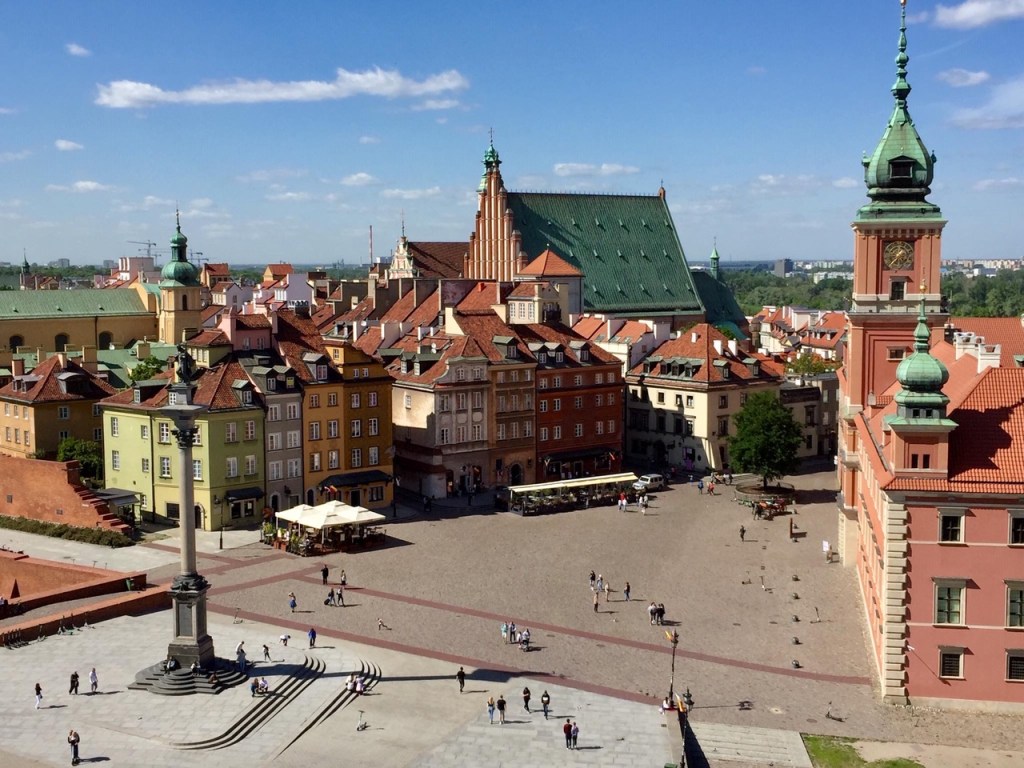
  • Warsaw, J. Drozdzenska, 2020;
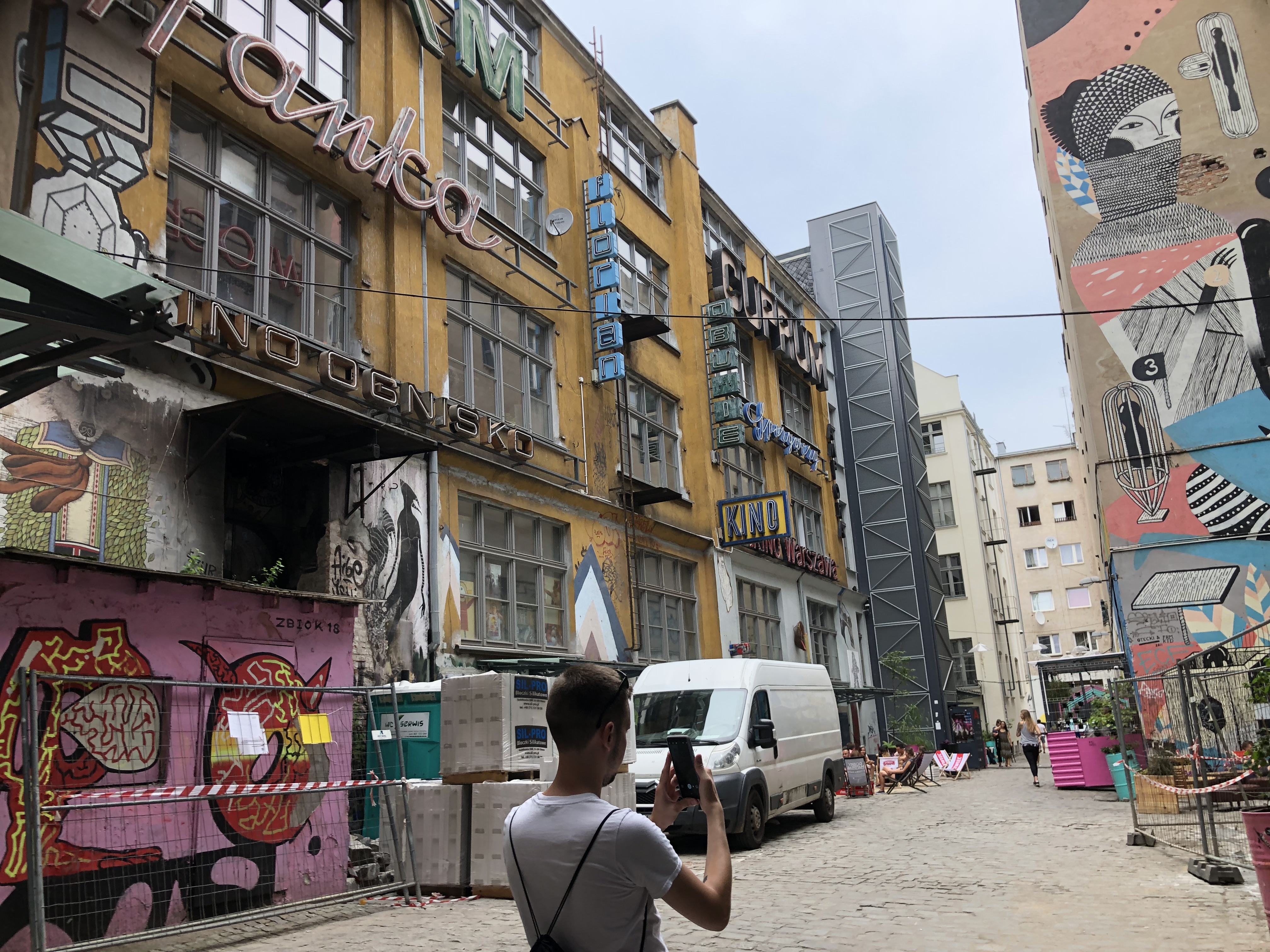
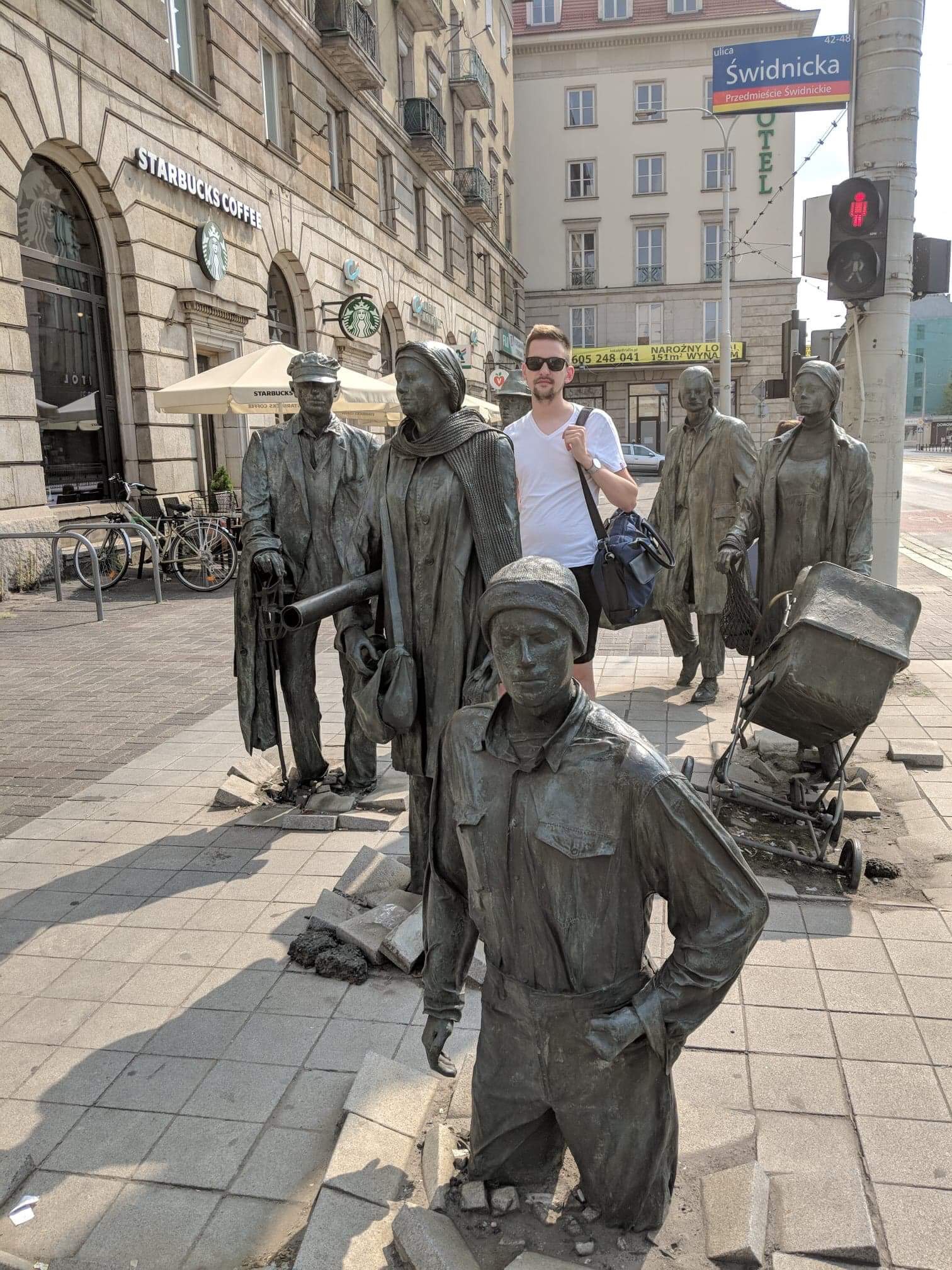
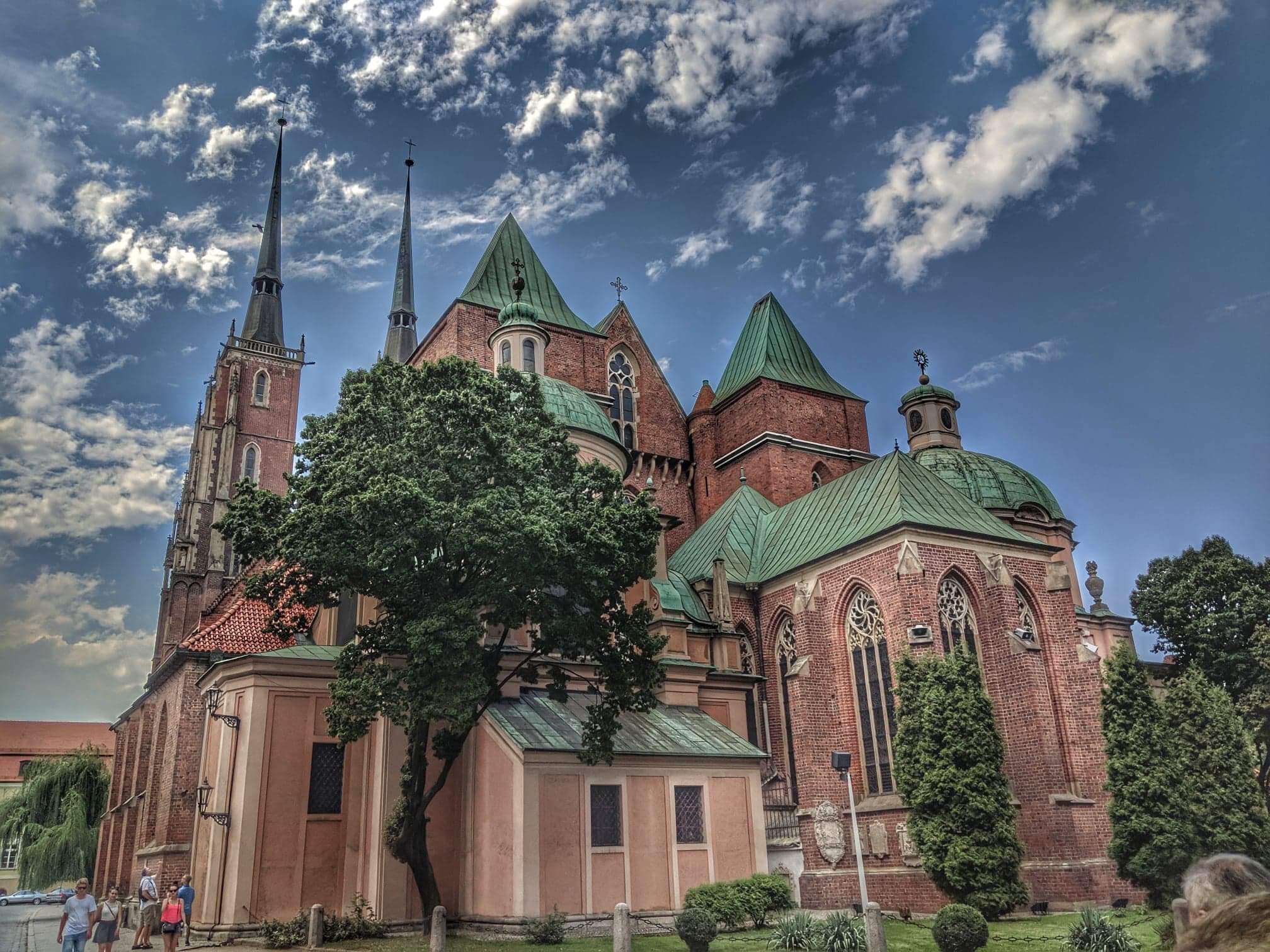
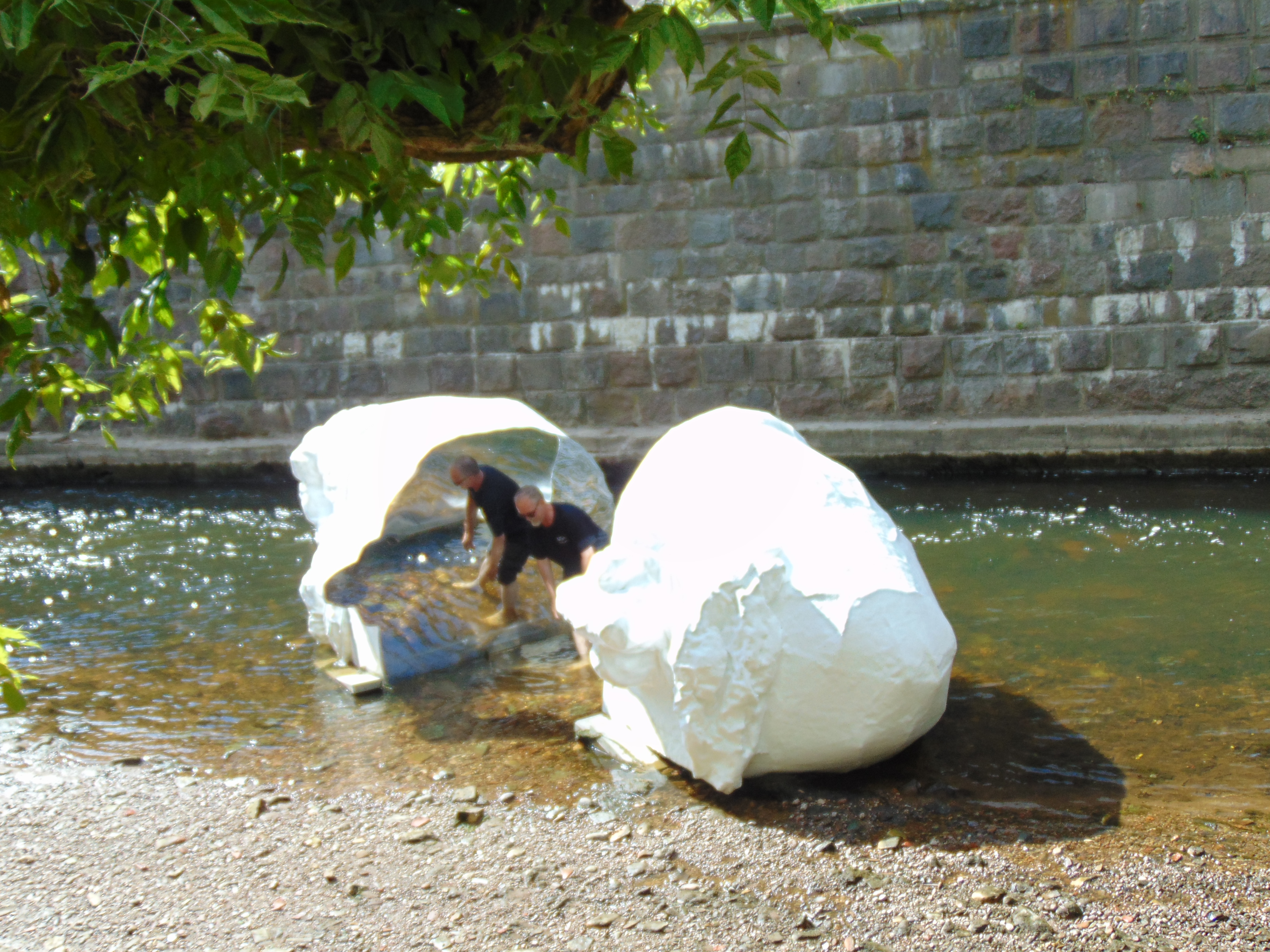
  • Wroclaw, B. Pacak-Gamalski, 2018
  • Lublin, J. Drozdzenska, 2020
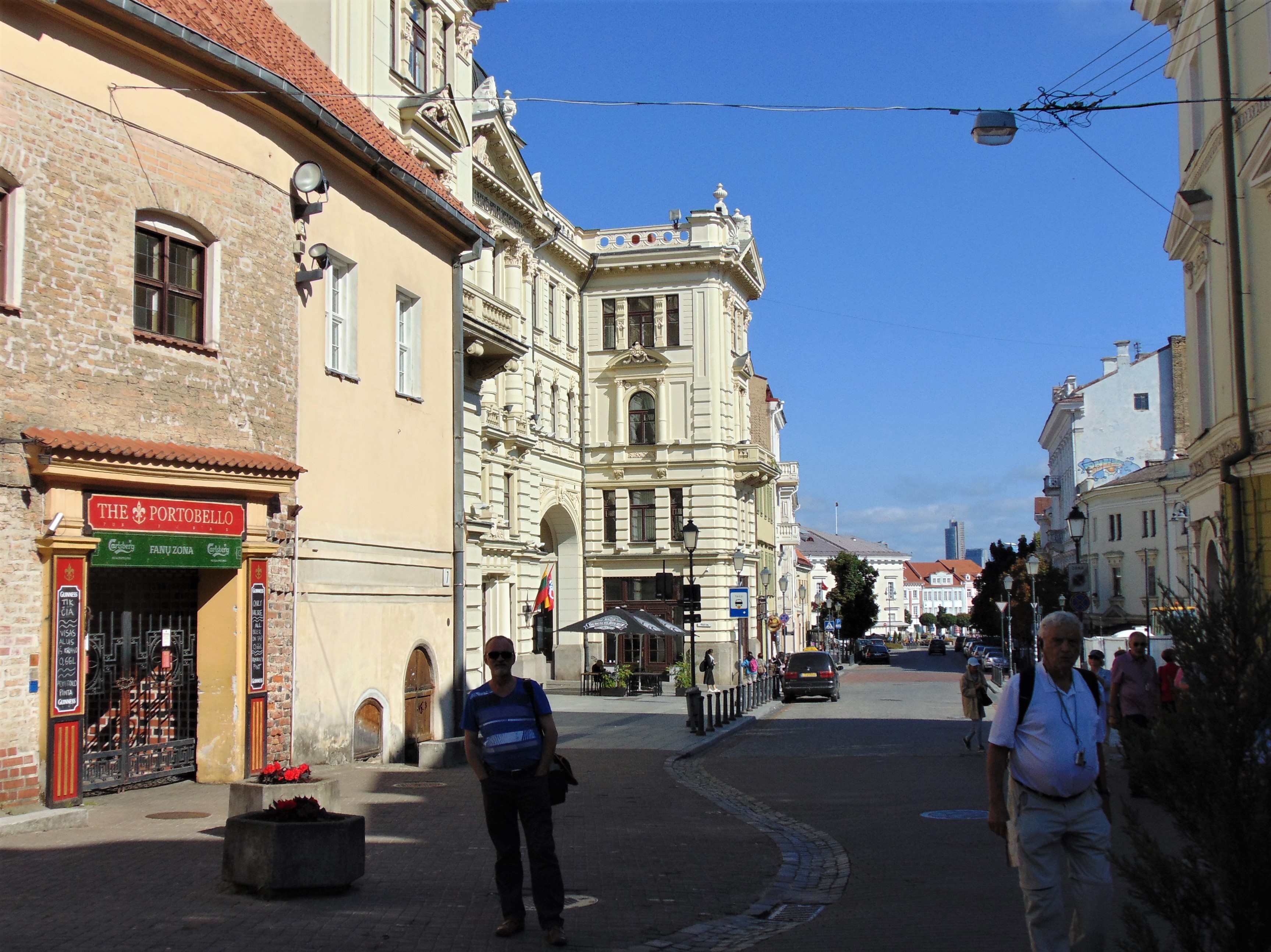
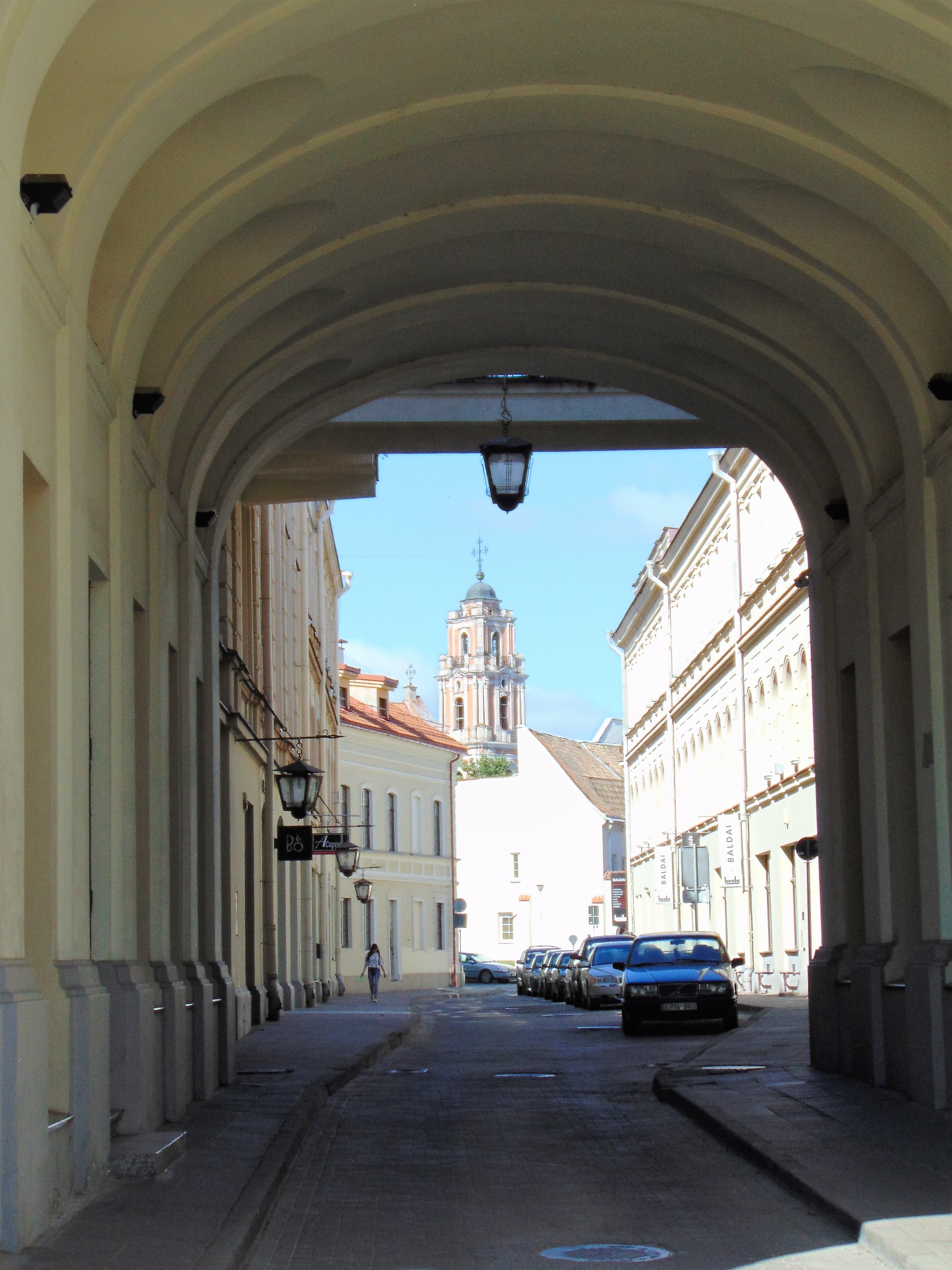
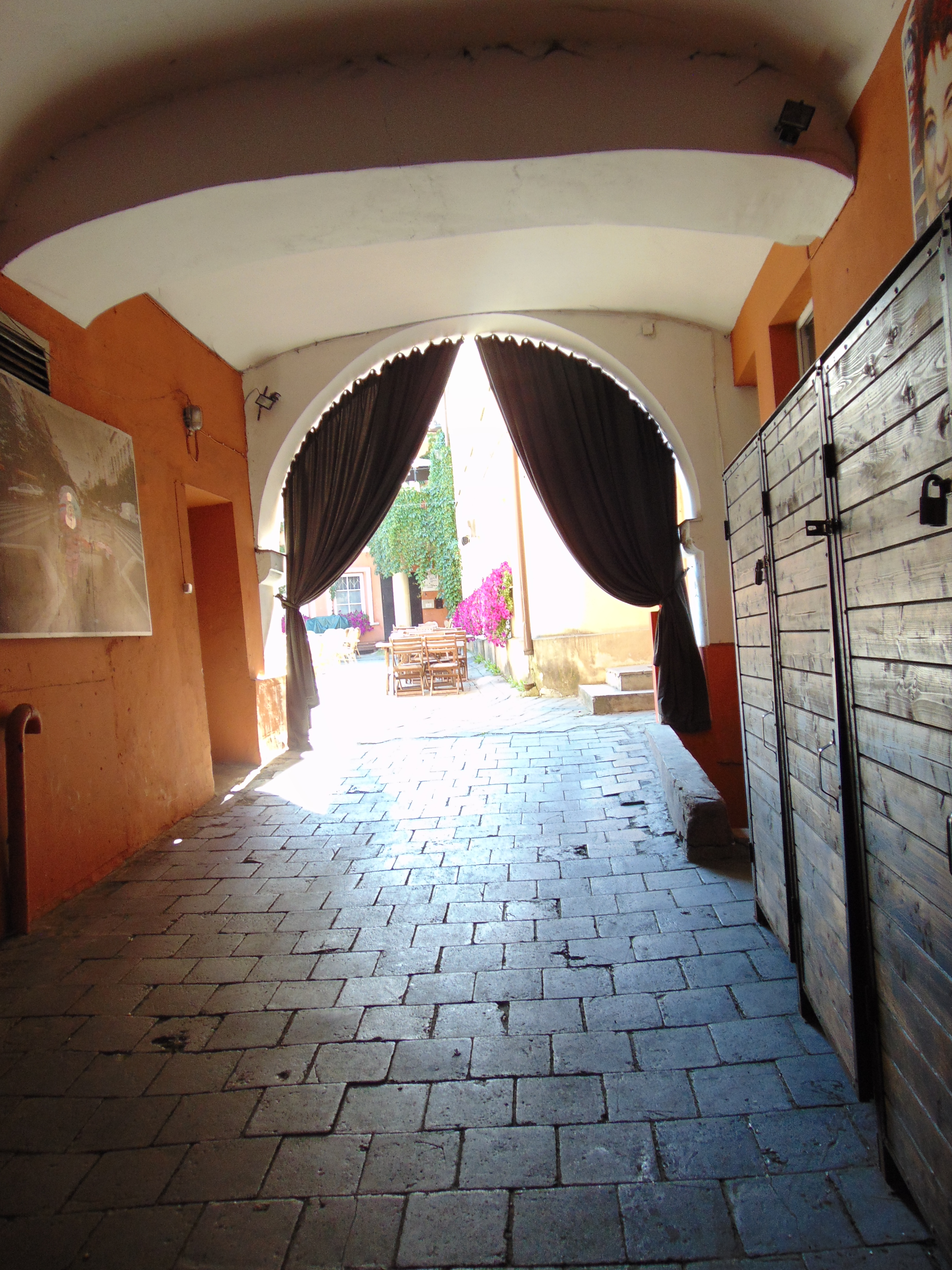
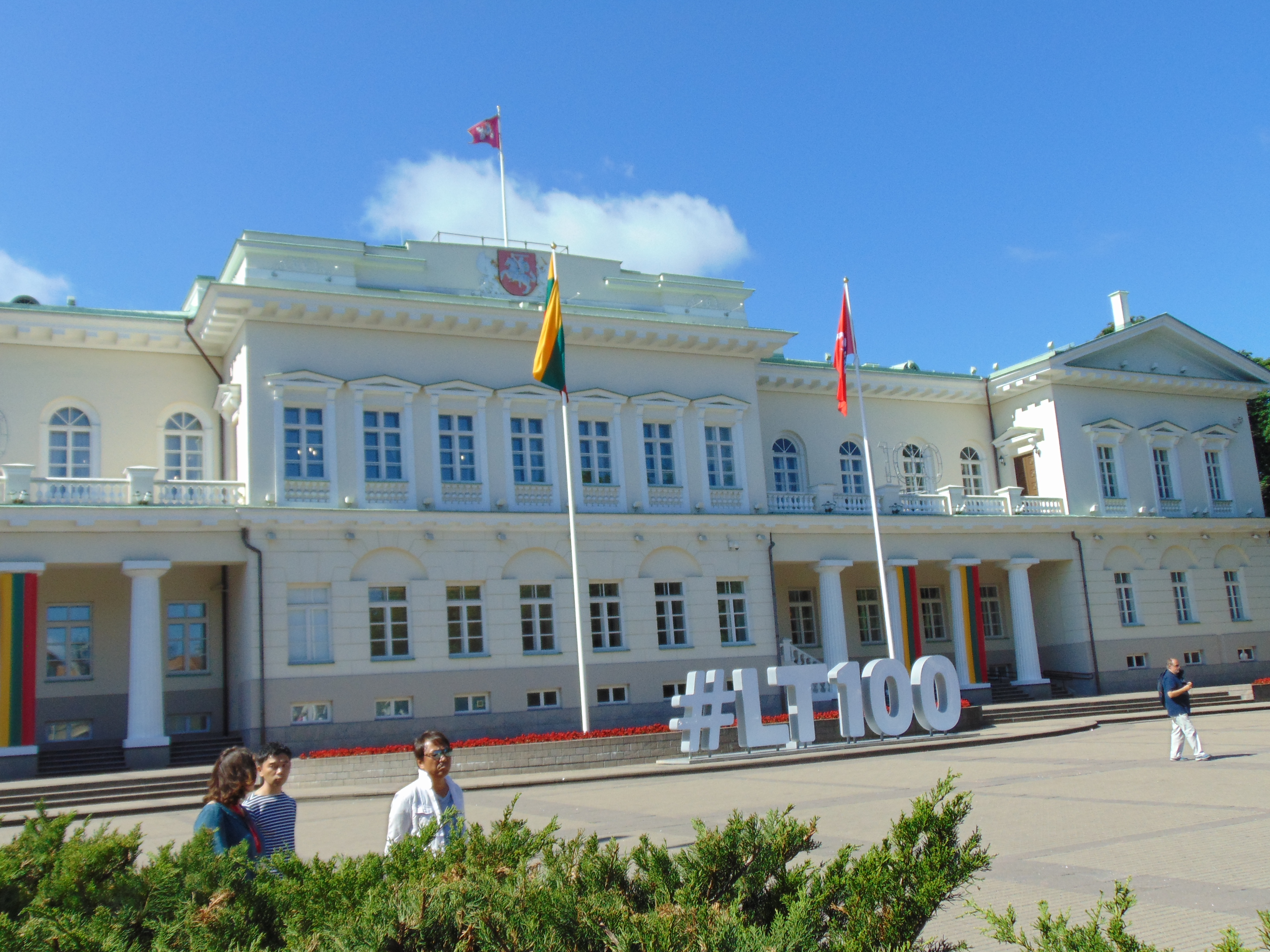
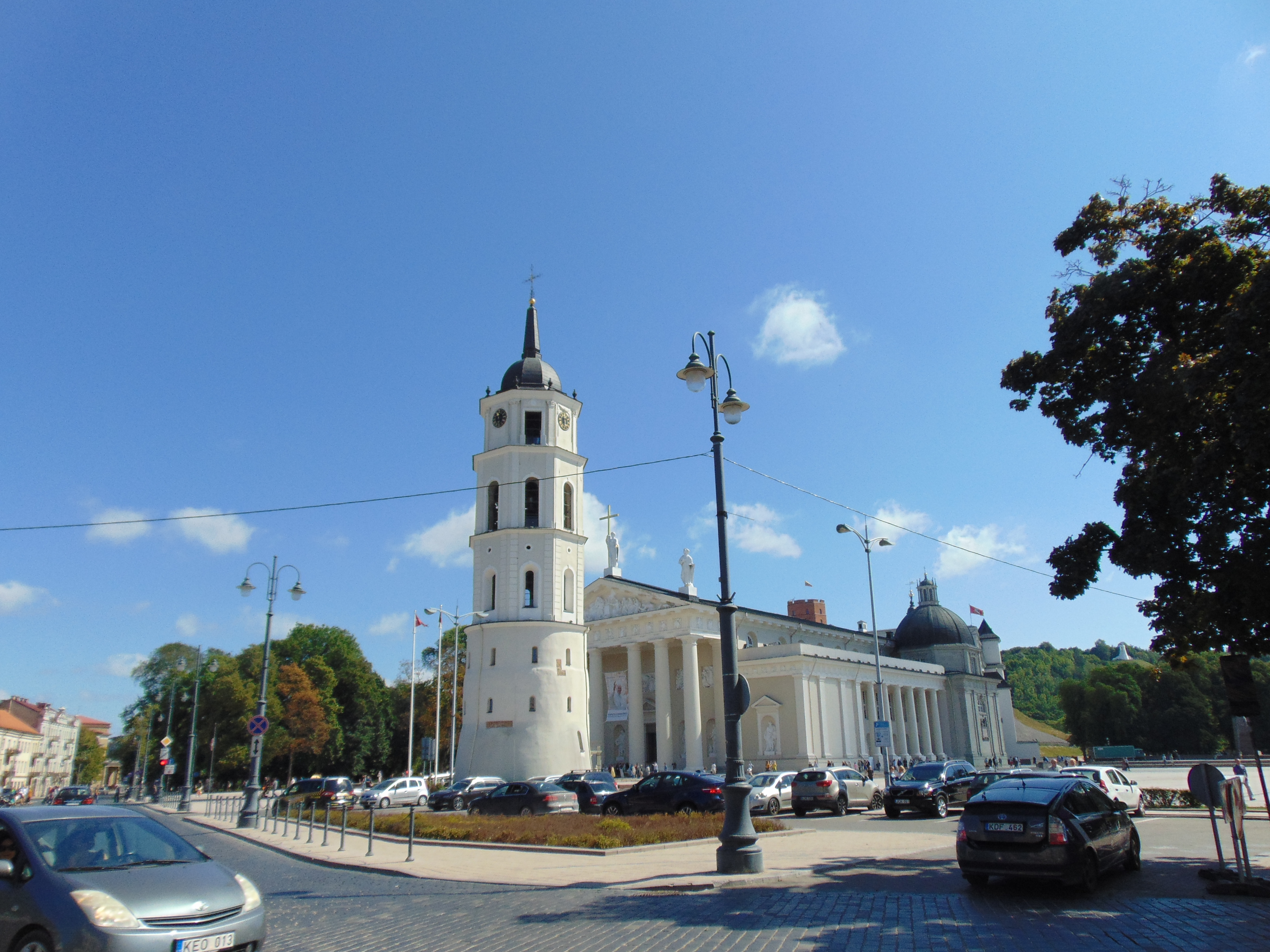
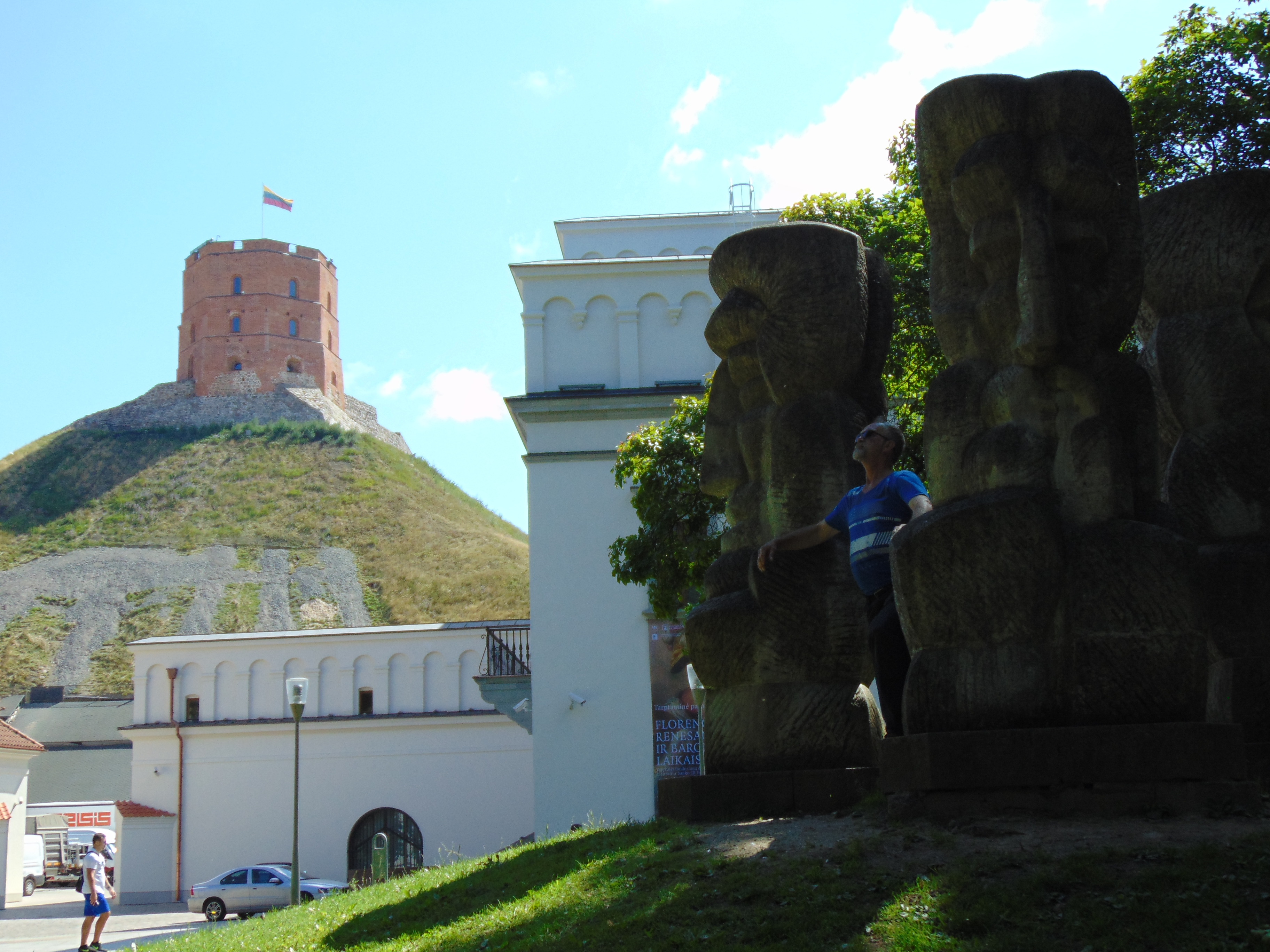
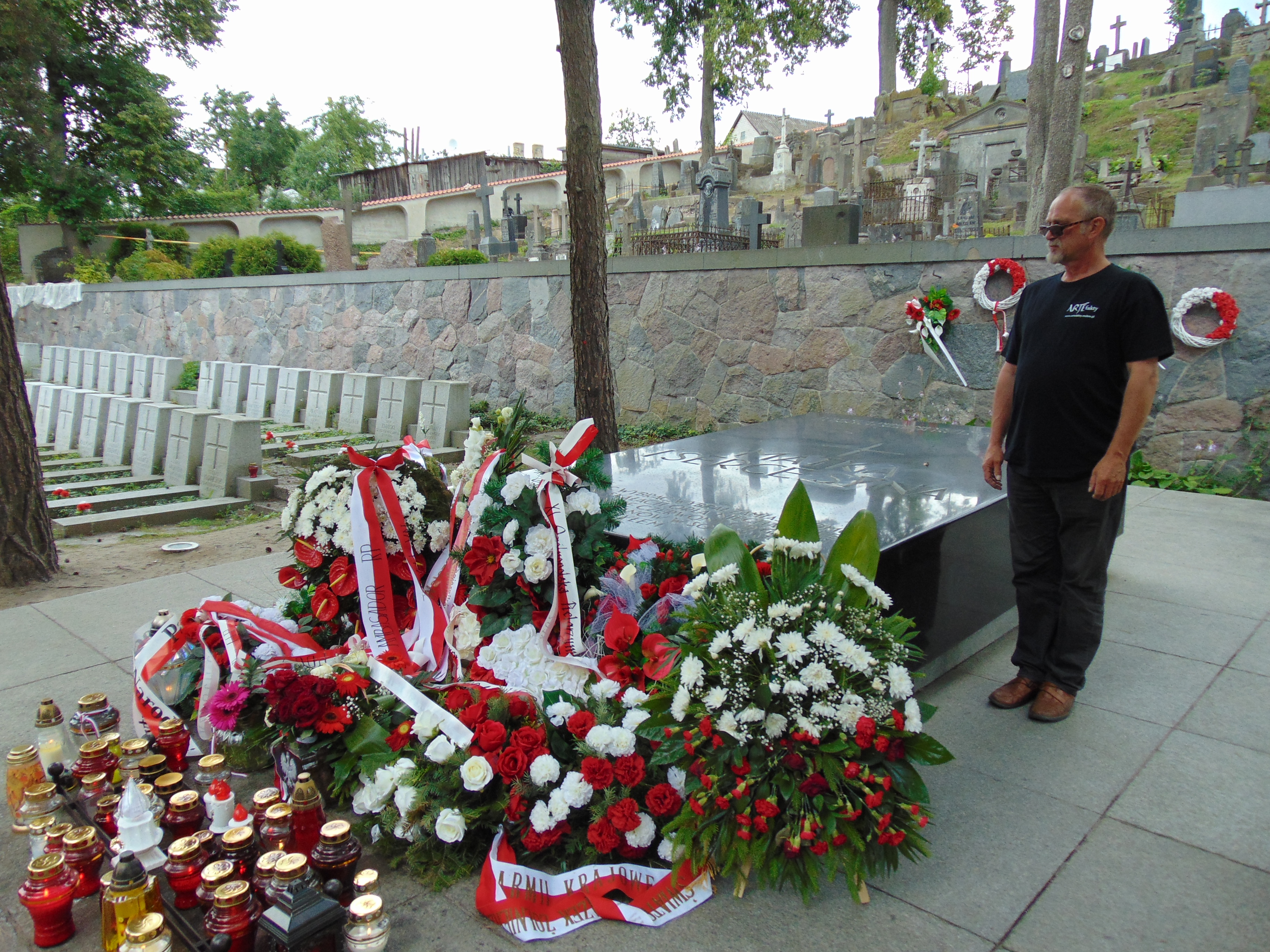
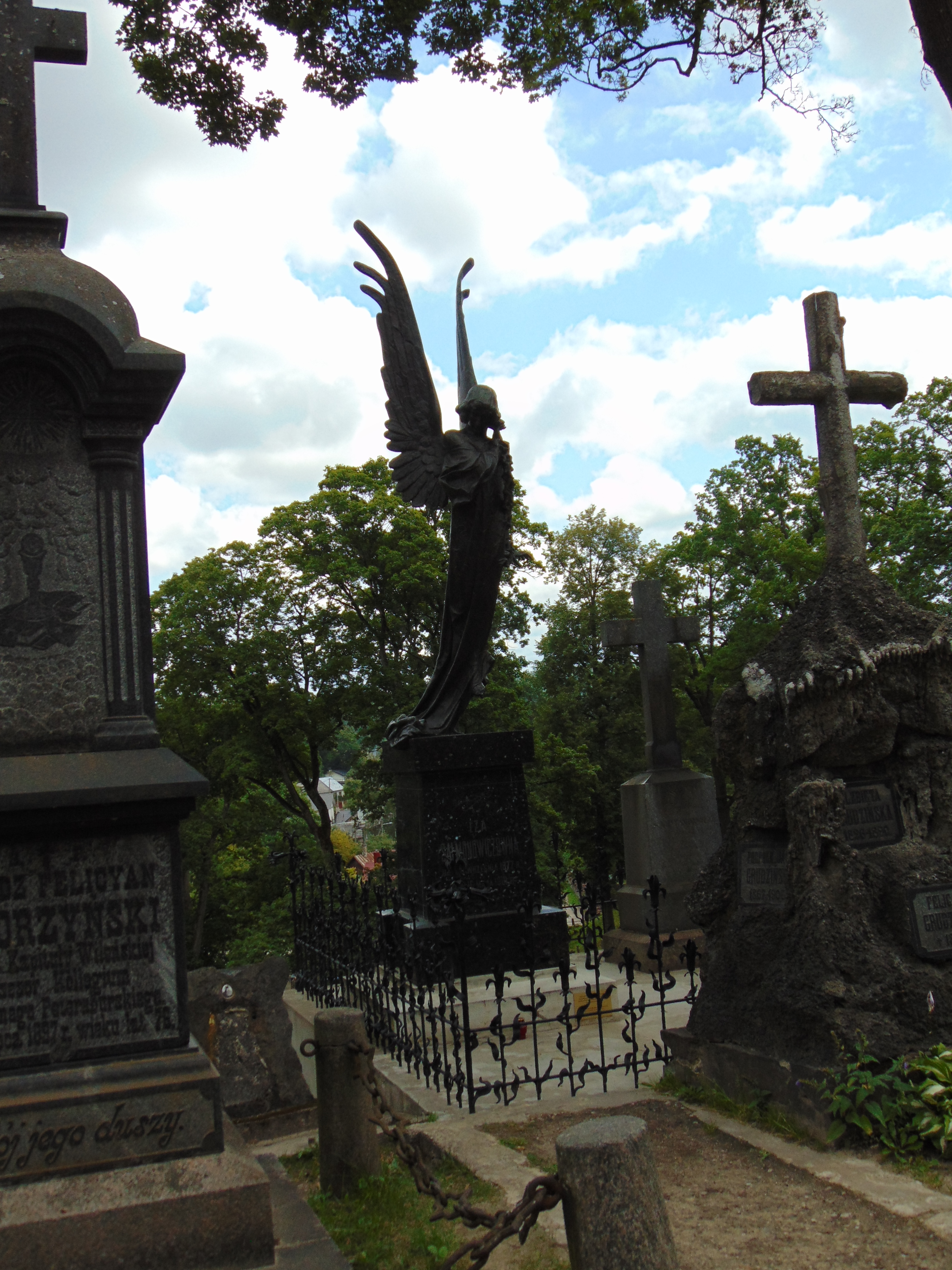
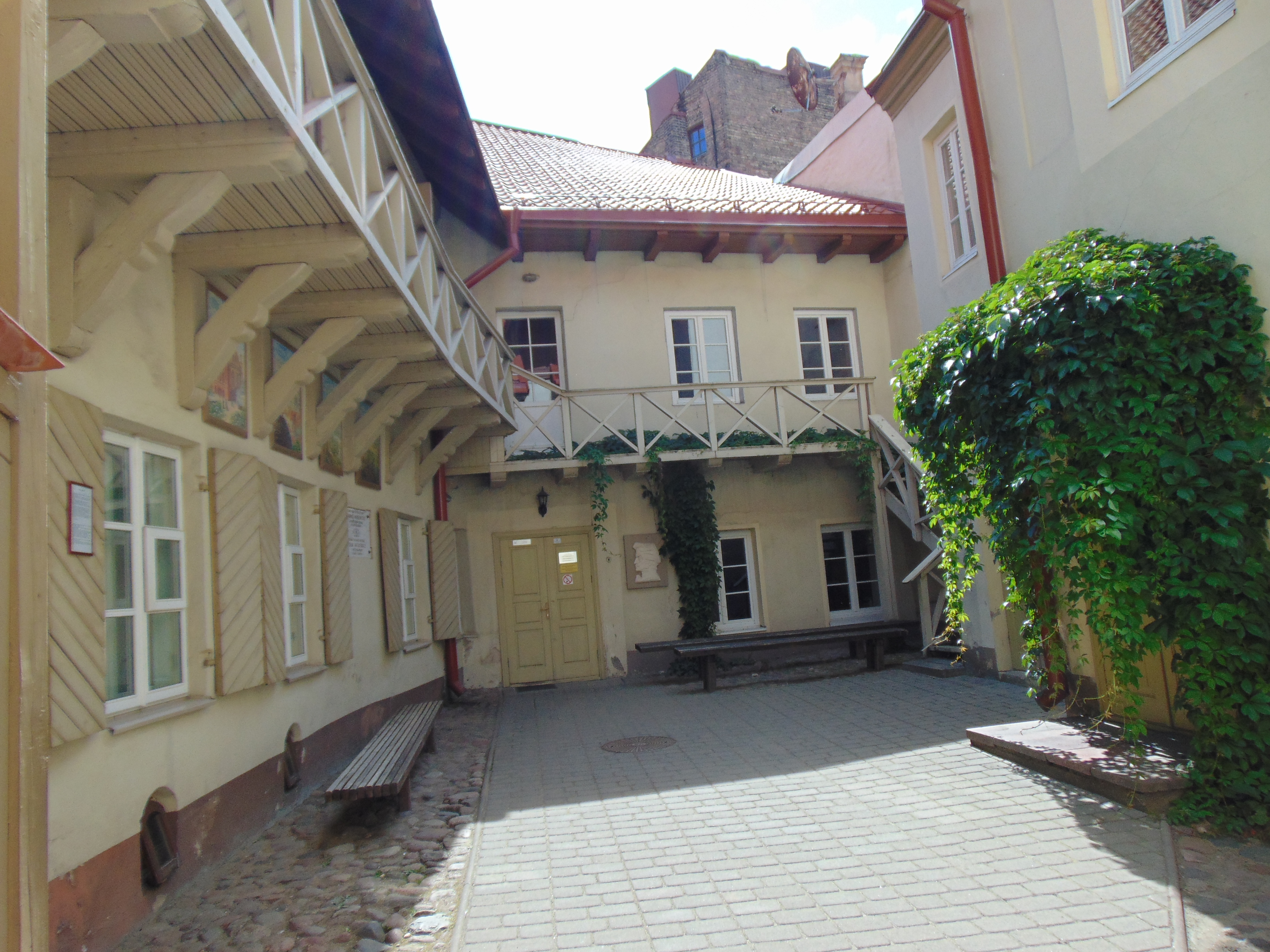
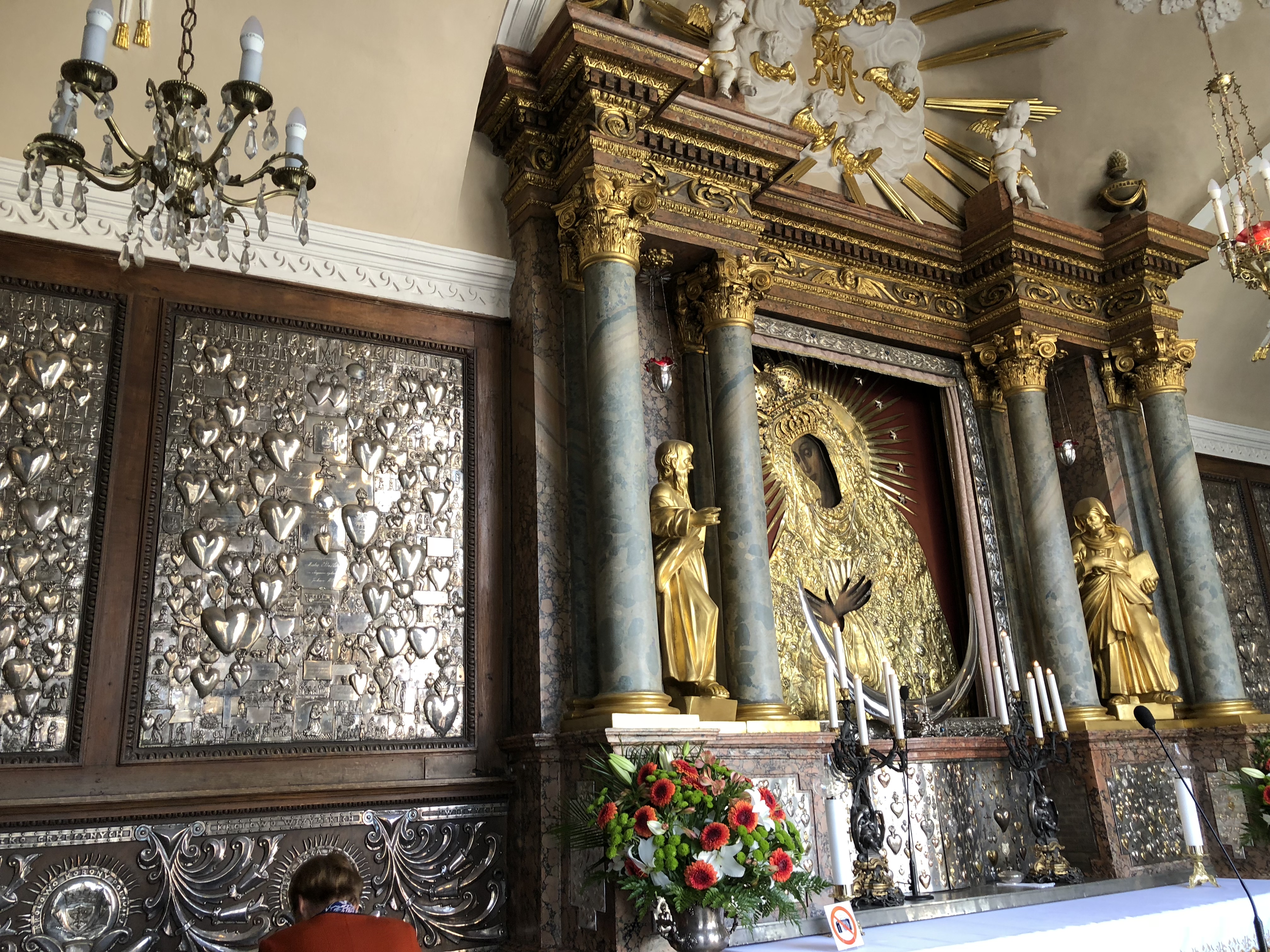
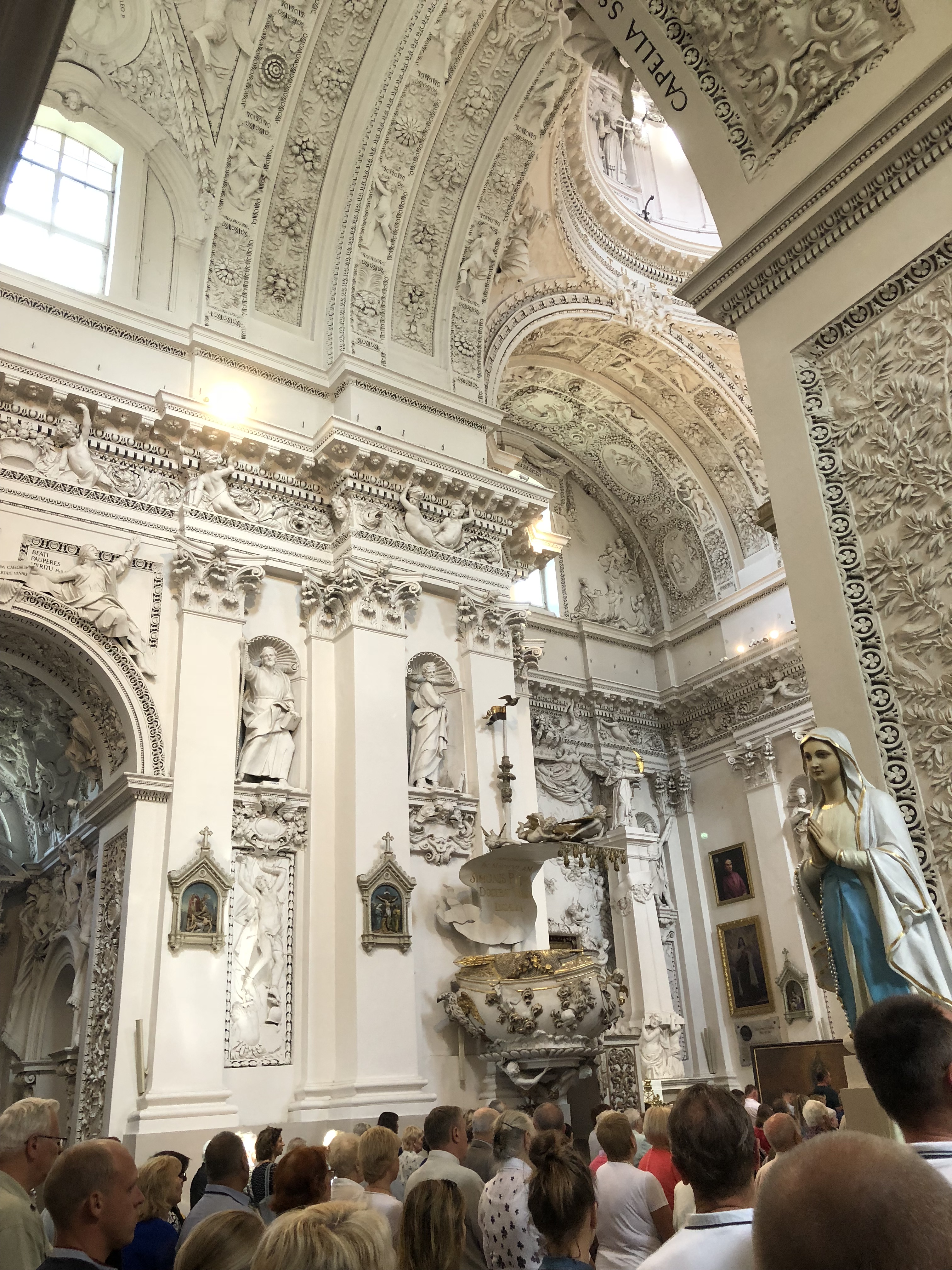
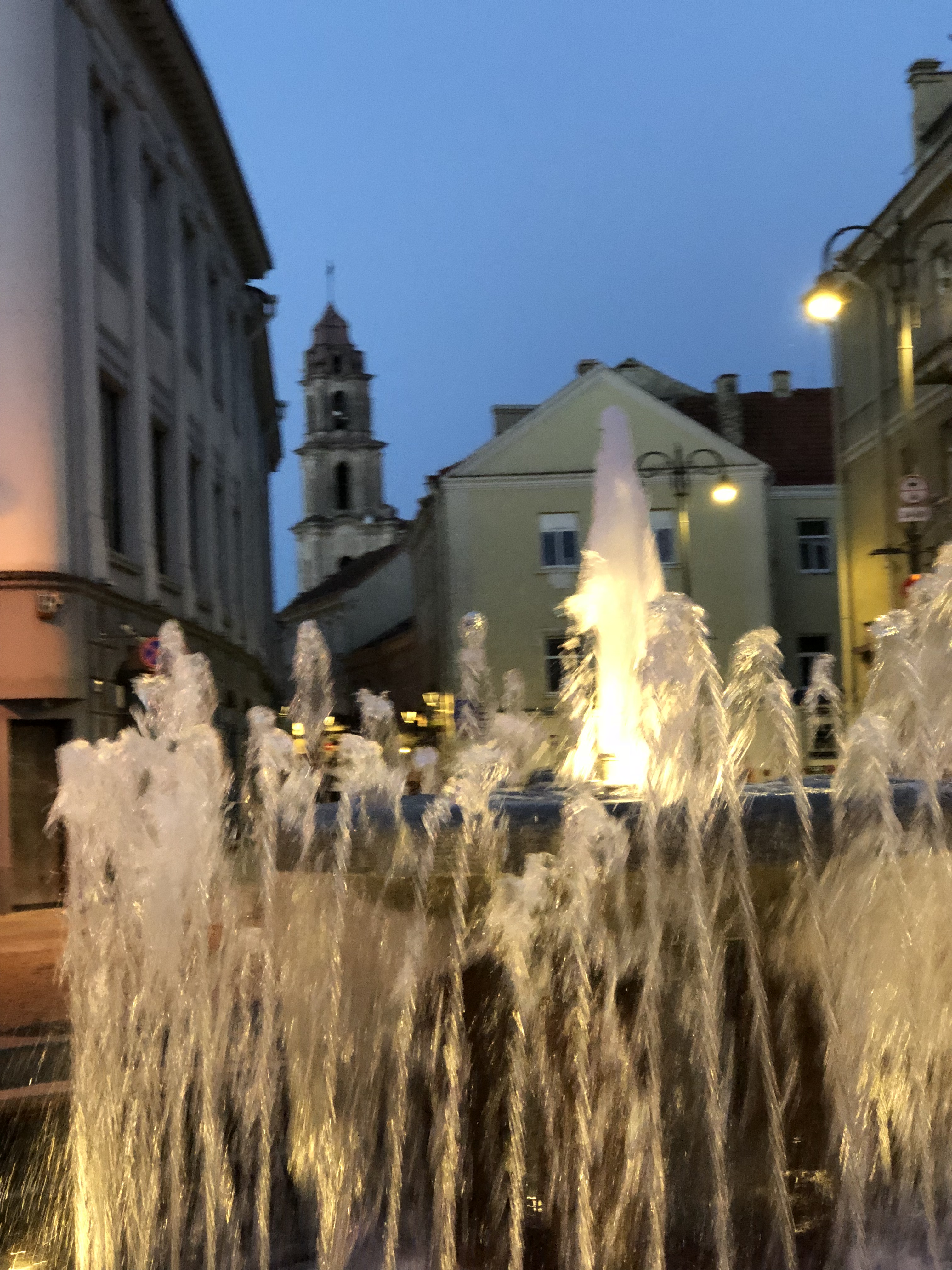
  • Wilno, B. Pacak-Gamalski, 2018

Henrik Ibsen, great Scandinavian play writer, said “A thousand words leave not the same deep impression as does a single deed”. In ensuing years, the sentence become known as “a picture is worth thousand words’.  Perhaps not always true or oversimplified (as any popular sayings) – it does hold popularity and often serves its purpose.

Many of you have become familiar with my own likes of using camera to build an image of place, happening or even a feeling of familiarity, something that touches our common memory or imagination.

So let me take you on a journey of four cities in present or former Poland, which have a tremendous effect on shape of Central and Eastern Europe in the past one thousand years.

First Warsaw (Warszawa in Polish), capital of Poland since XVI century, when moved there from Cracow, the old capital. Then Lublin – very old  and definitely not large city, in the last 300 years slightly forgotten and not as prominent as before. Wroclaw – very old and powerful city in Lower Silesia of early Poland, than equally powerful city of kingdoms and empires of Bohemia, Hungary, Austria and Germany. It returned to Poland in 1945. Wilno (Vilnius in Lithuanian) – originally an old capital of Duchy of Lithuania, than Polish major city for hundreds of years in northeastern part of the Kingdom.  Since 1945 become again capital of modern independent Lithuania.

These cities, perhaps (apart from the medieval city and first Polish capital of Cracow) more than any other, shaped or witnessed for hundreds of years the type and extend of borders and policies of major powers of Europe until the end of XVIII century.

Once Christianity and Papacy become the force that created what is known today as Europe, a new era begun on this continent. It lasted for hundreds of years. And is still visible and recognizable in today’s European states and alliances. After all, the EU (European Union) is nothing more than re-emergence of old goals of early Western Christianity Europe of Holy Empires, popes, Christian dukes and kings. No, it no longer adheres to Papacy and it’s moral or political authority, to a large extend it doesn’t adhere at all to any religious order or vision. It is modern, cosmopolitan and based on equality of rights of its citizen’s, who can pray to any god they wish to or not pray at all. It is secular to the core.  The unity it aspires to project is of cultural, not simply religious, heritage. Cultural and civilizational. But the Europe of first modern states after the collapse of earlier pagan Roman Empire, lasted for more than thirteen hundred years ( approx. until XVIII century). It wasn’t Europe of Italian, French, Spanish, German or  Polish nation states. It wasn’t Europe of nations at all. It was Europe of dynasties, of Crowns. Yes, it is true that most of these dynasties started somewhere, in some very small and concrete territory, were locals spoke one dialect.  But just a stone throw away people were speaking different dialect.  It took hundreds of years for national languages and national mythology to emerge. Of what is Britain today, what is France or Germany, or Poland  was decided by chances lost and won by the dukes and kings. From very few families. Local population had little sway or interest for these families.  Land and opportunity to expand it and keep secured was the major interest. The most decisive years were these between XII and XV century. They shaped or paved the way for today’s states. The monumental three hundred years saw the decline of small, local feudal dukes (France, England and Scotland, Poland) and emergence of powerful Houses:  of France, Spain, England, Scotland, Poland, Germany and Hungary ( for a shorter, earlier period until year 1200 – Bohemia, todays lands of Moravia, Czech and Slovakia and Silesia). In Poland, which was the most powerful kingdom and major driving political force east of Oder and Carpathian Mountains, ruled the House of Jagiellonian kings. Comparable in strength and influence to the Habsburgs, the House of Anjou and Valois, the Bourbons on the continental side and Tudors and Stuarts on the Island.  More or less  all of them intermarried at some time with each other and to a large extend the remaining Royal Houses of Europe (including the –  German in origin – Windsor House of our Queen) comes from a mix of these medieval royal families of France, Germany, Poland and Spain.

But enough of history.  I stop before the ‘thousand words”. Only eight hundred so far.

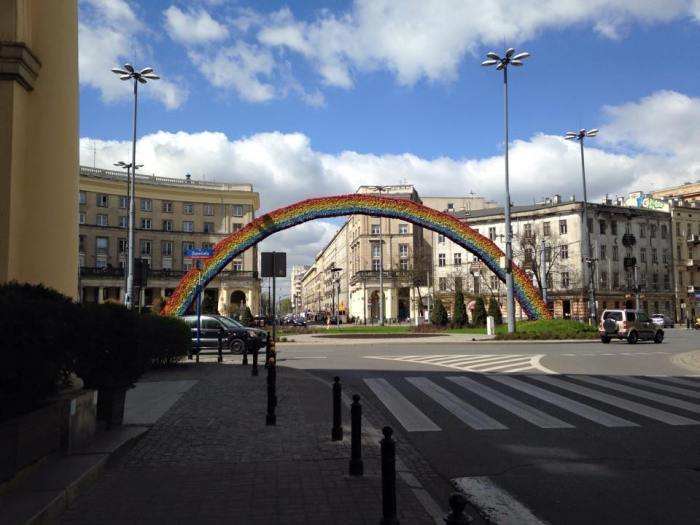
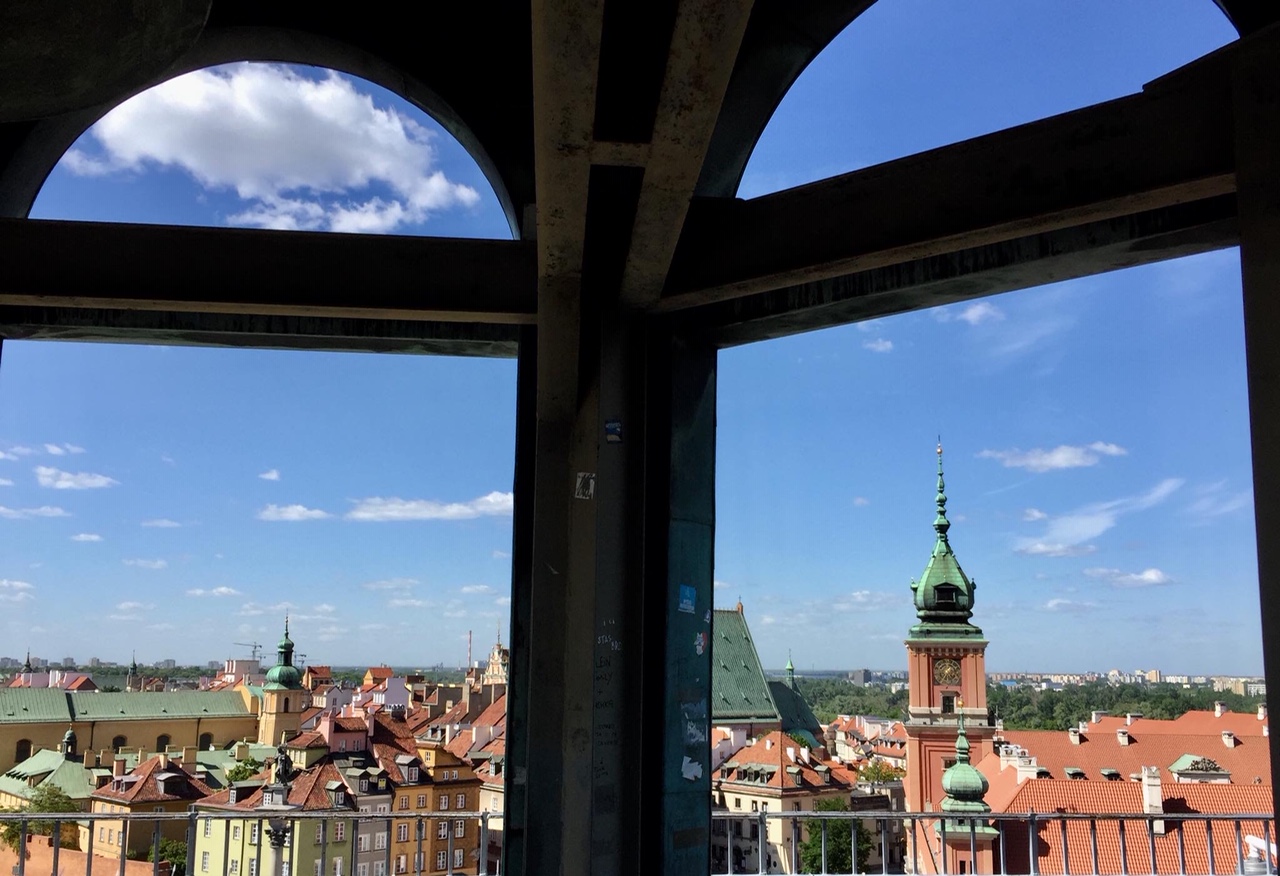
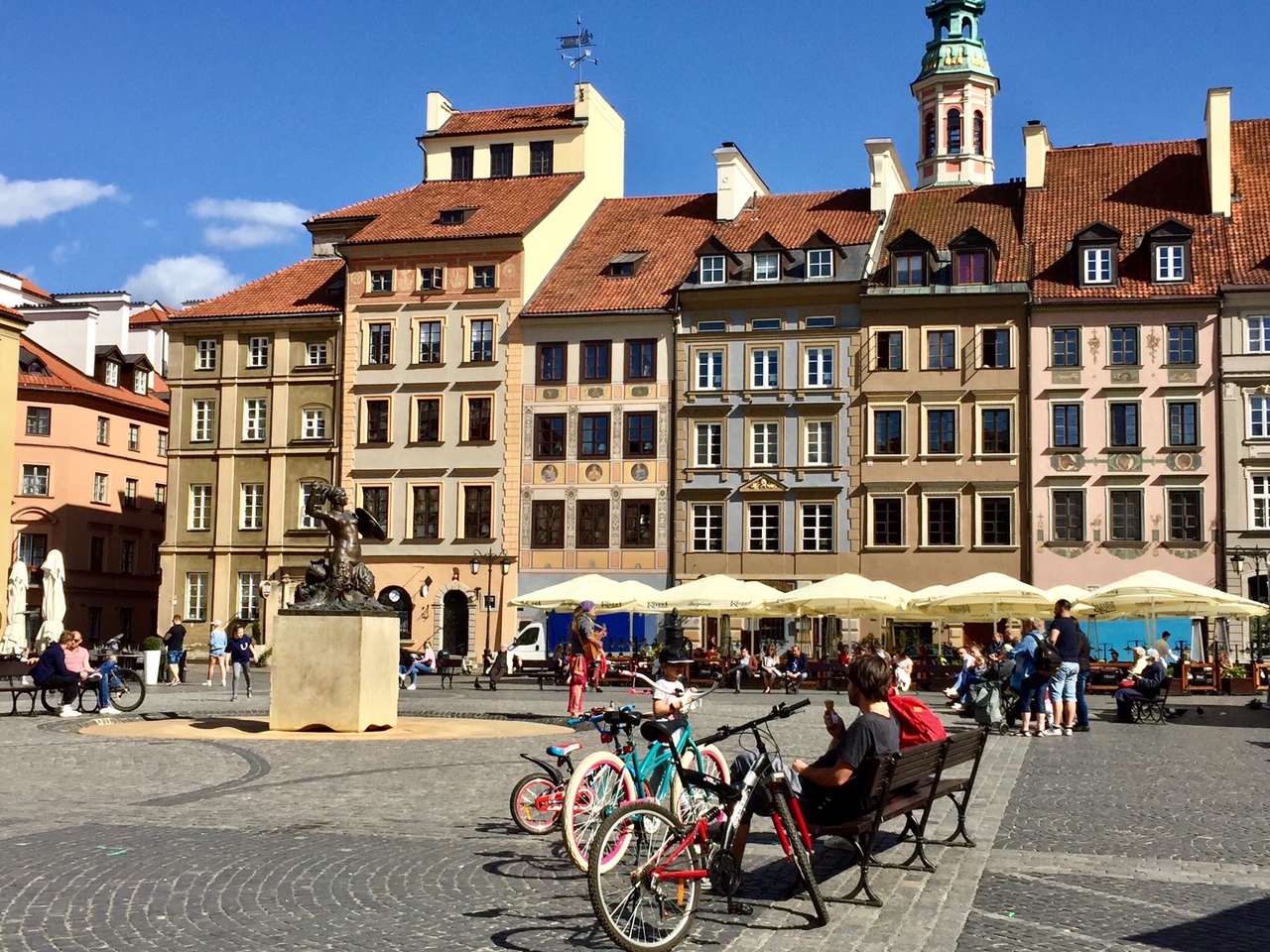
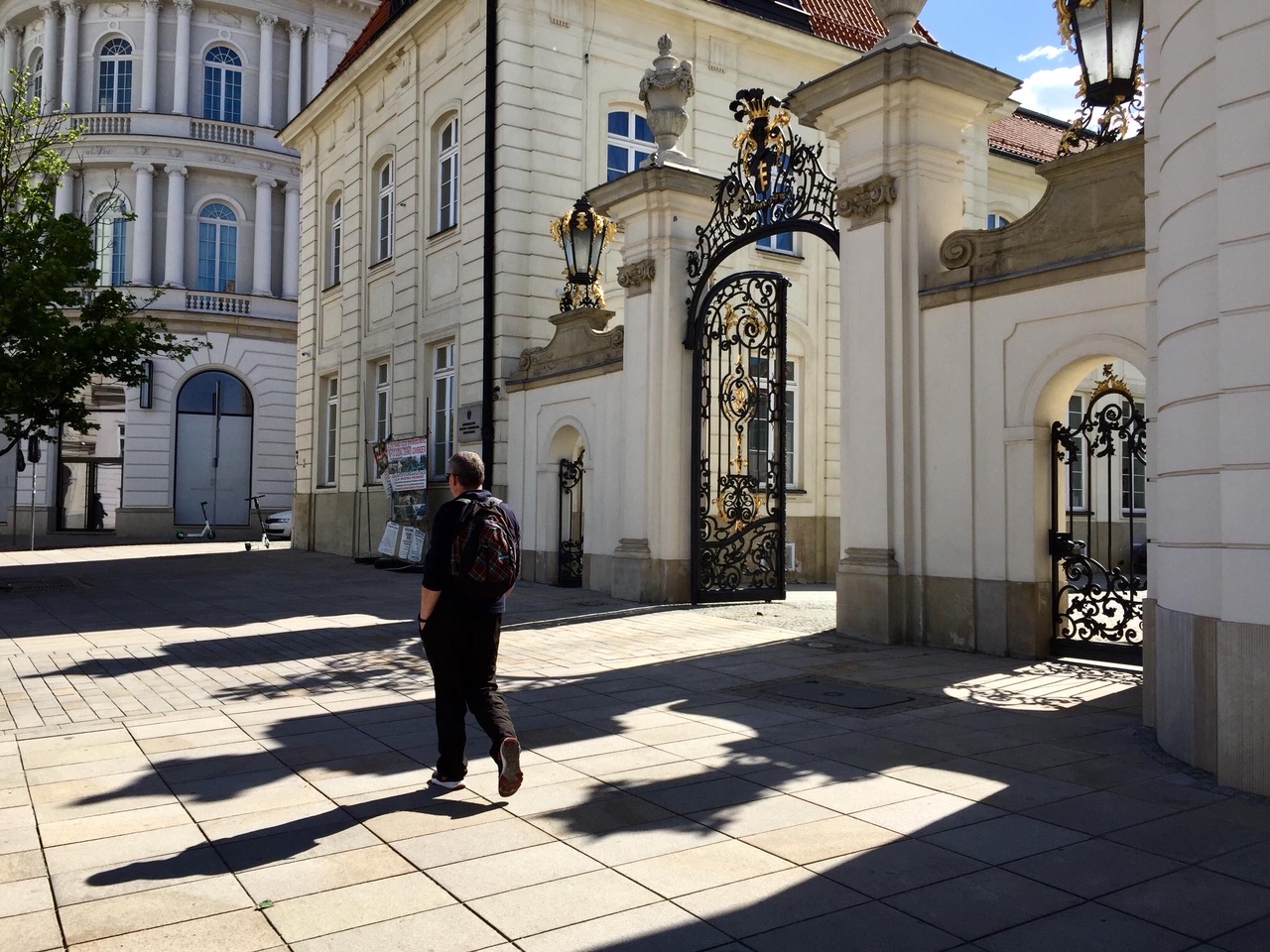
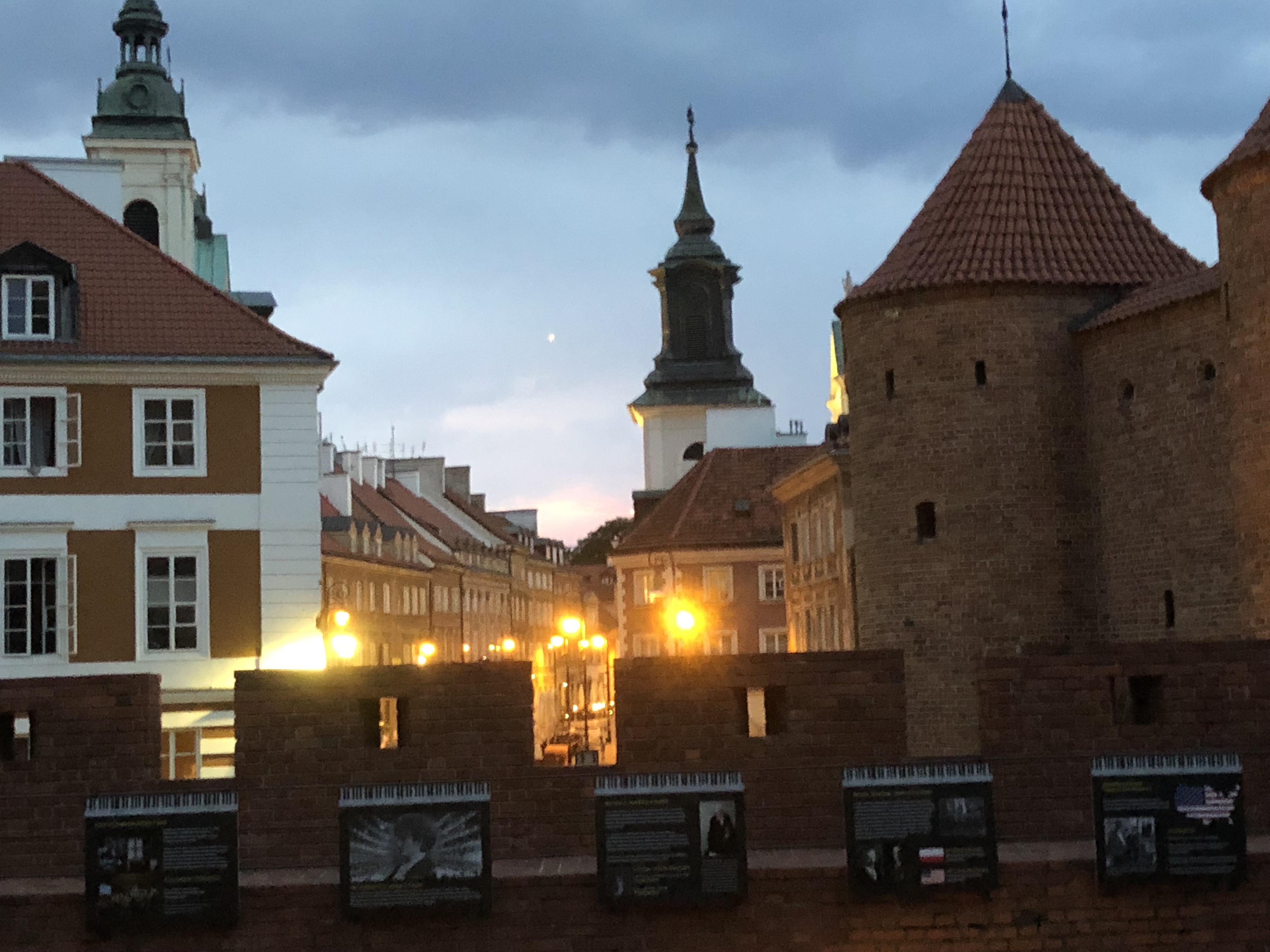
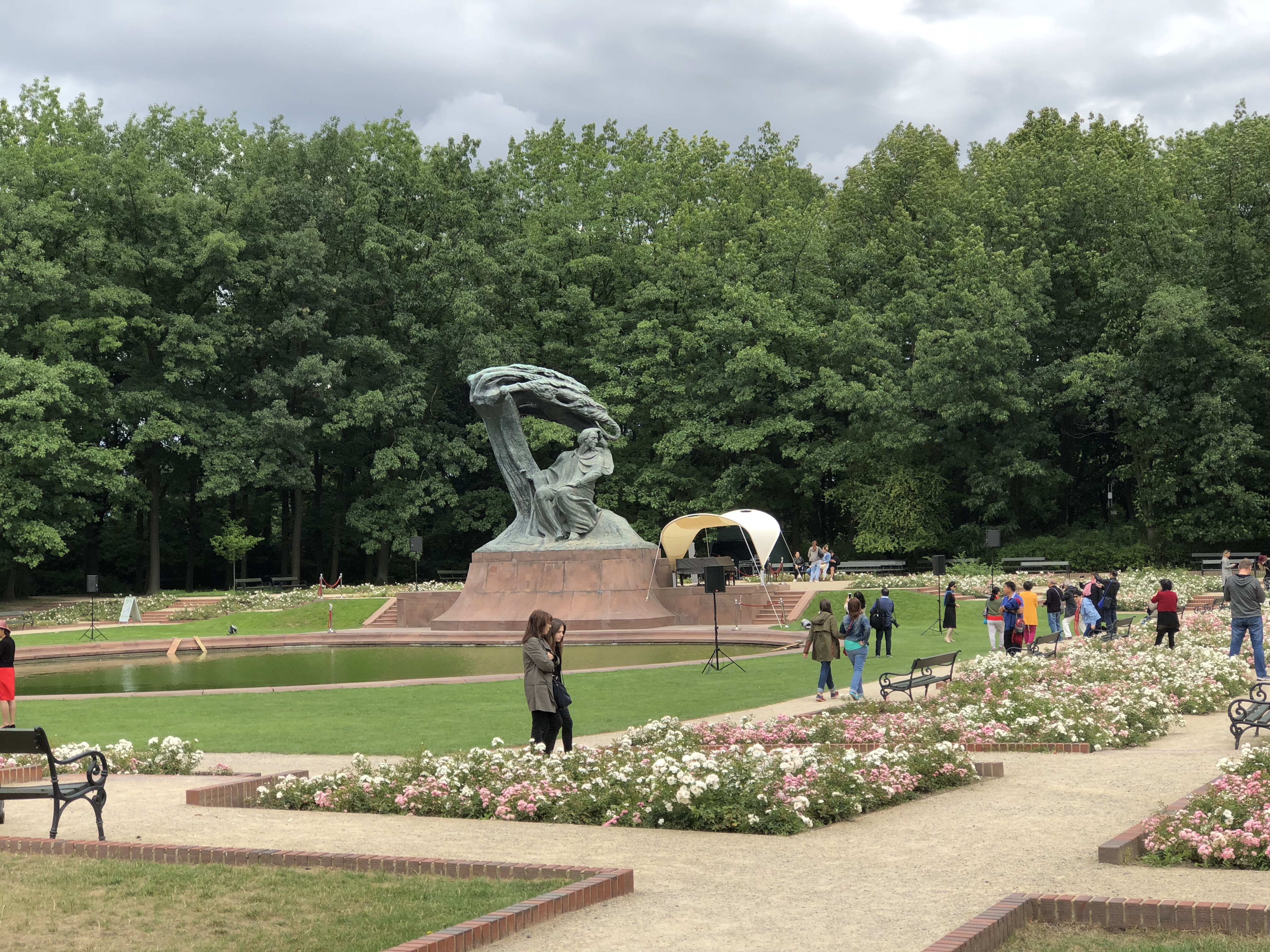
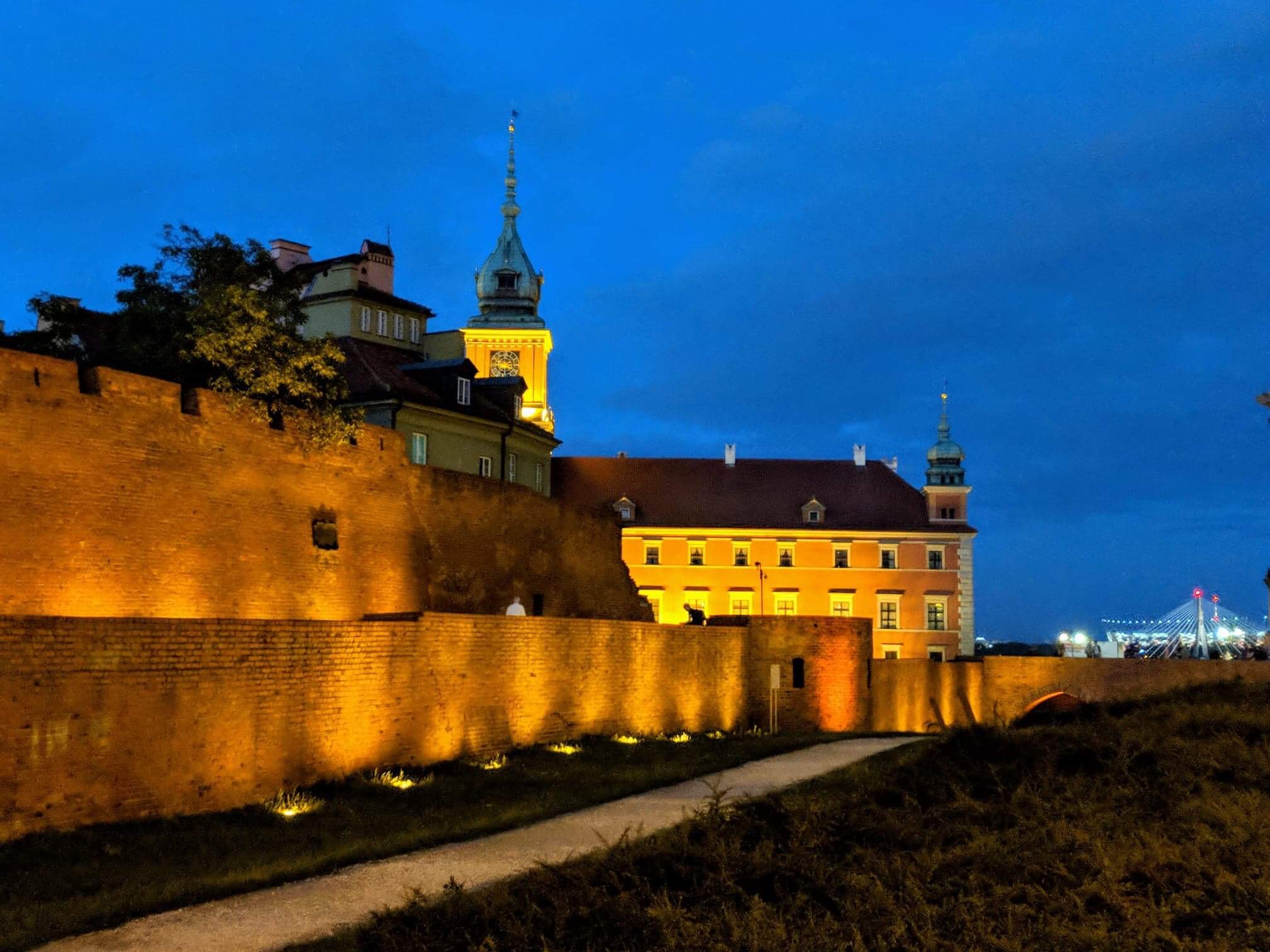
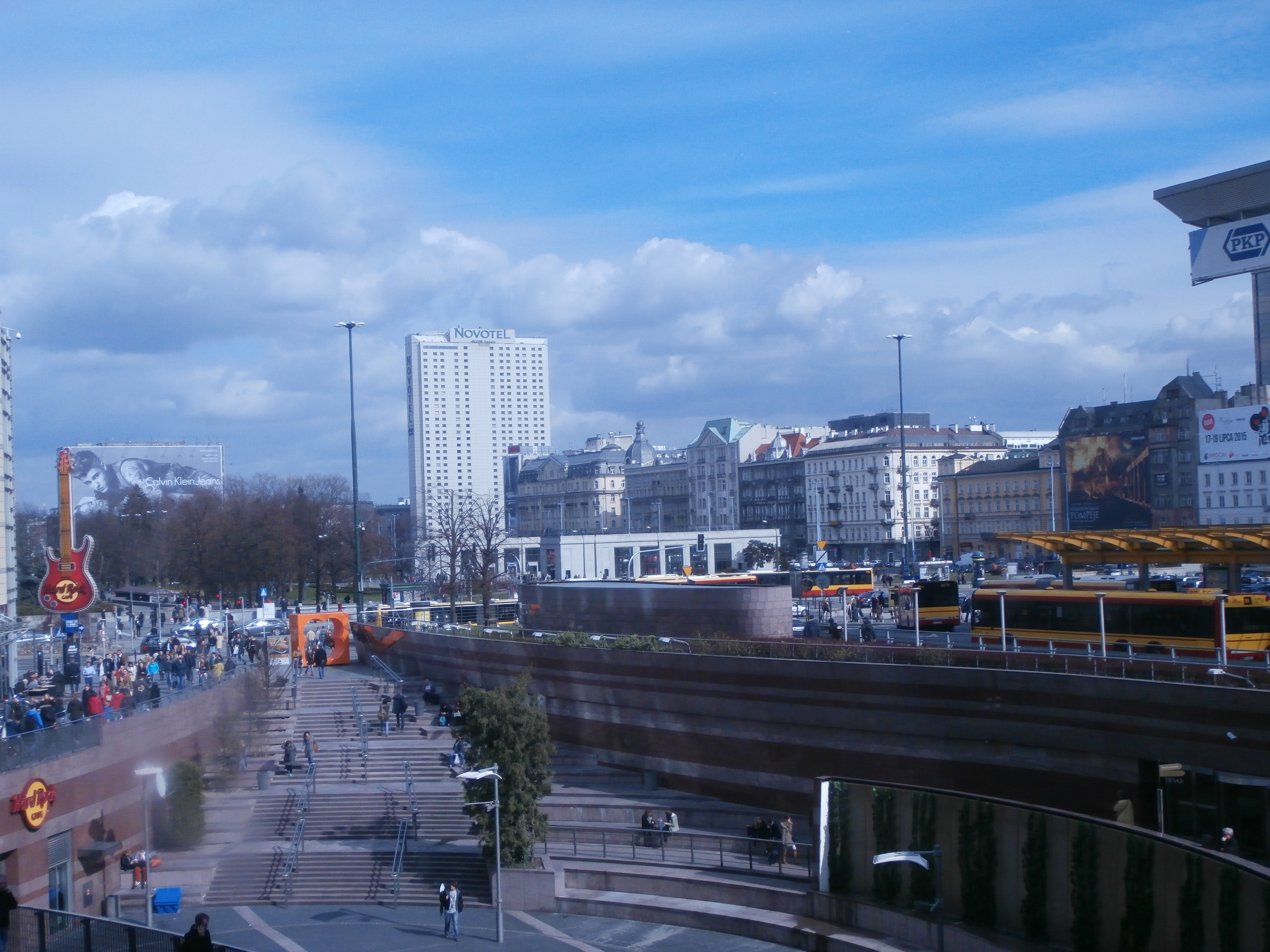
Warsaw, (Warszawa in Polish) – a city that lies in the middle of Poland, on both sides of main Polish river, Vistula (Wisla in Polish), since 1596 capital of Poland. Frist gallery is the most recent, photographed in last days by North Vancouver’s photographer, Jola Drożdżeńska. Second, from 2018 by the author.

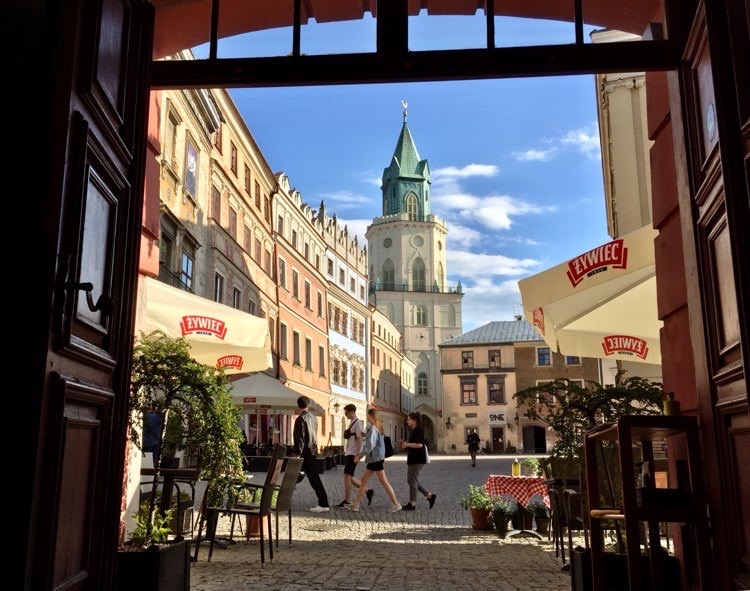
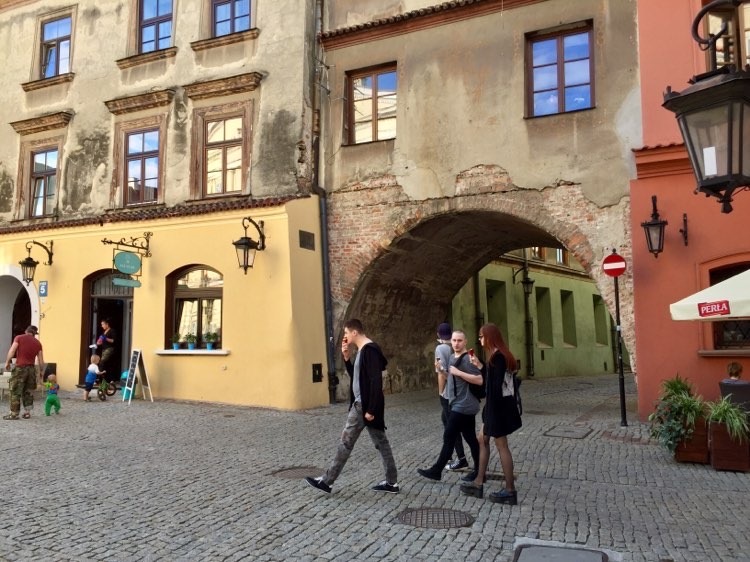
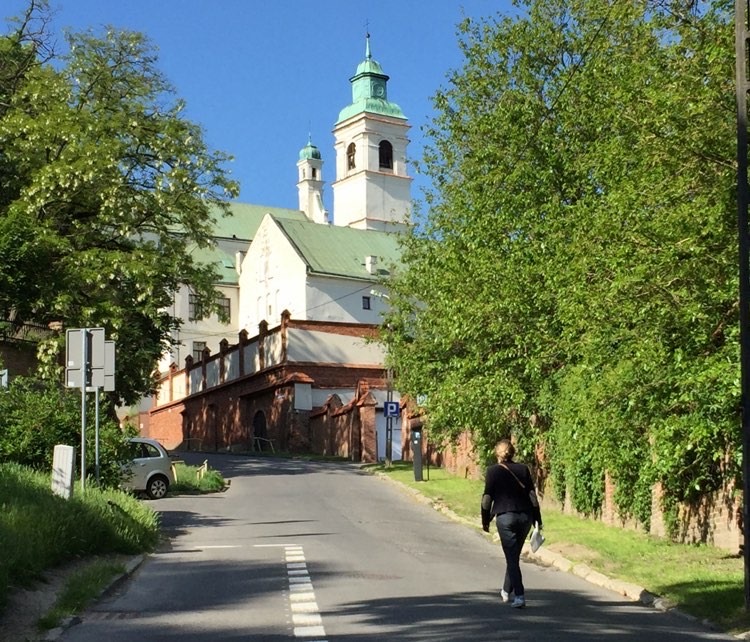
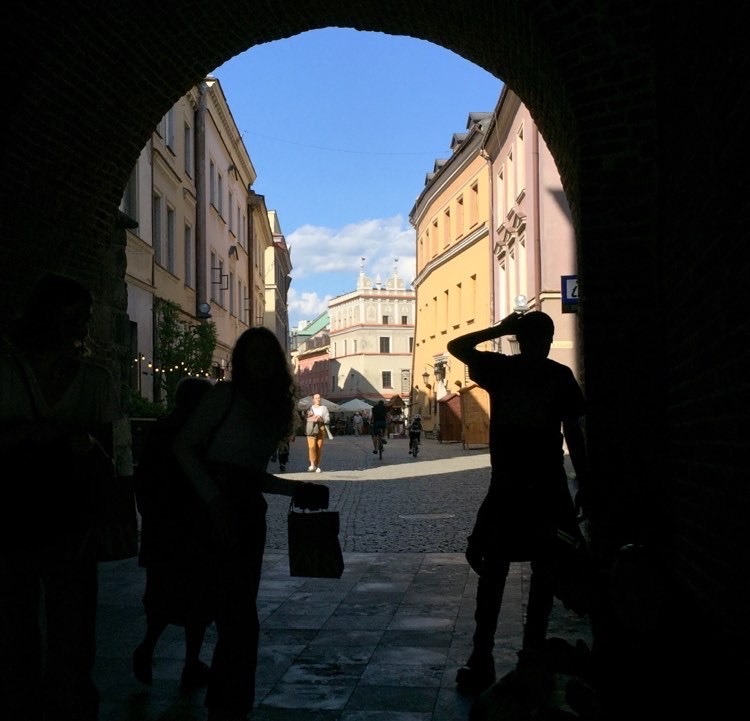
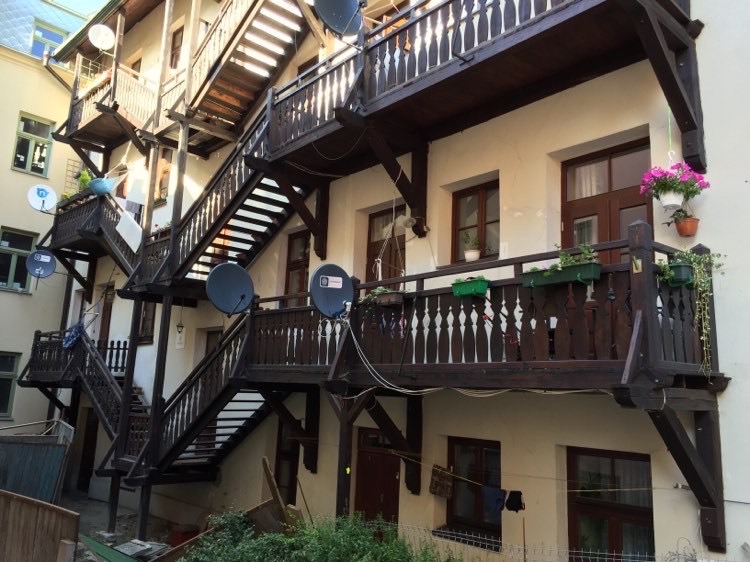
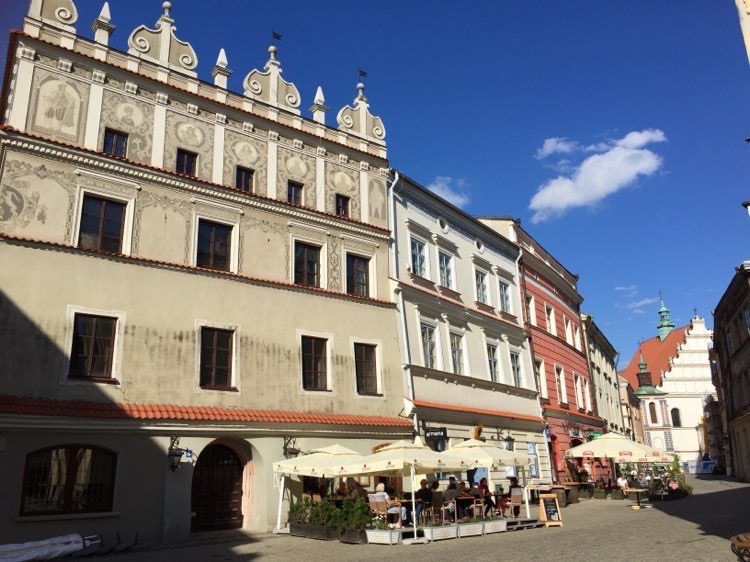
Lublin – old and not a very significant nowadays, but prominent Polish city by the end of medieval period, often Seat of the Sejm (Polish Kingdom House of Commons). In 1413 was a place were the most important (apart from accepting Christianity by early Polish Dukes in 966) political moment of Polish history happened: the Union of two powerful states: Kingdom of Poland and Grand Dutchy of Lithuania. It gave rise to huge imperium stretching at times from Baltic Sea to Black Sea, that lasted until it’s collapse in 1795. (all photos by J. Drożdżeńska, 2020)

Wroclaw (Breslau in German, Vratislav in Czech) – very prominent and old city in Silesia. Originally established and govern by early Polish dukedoms of the Piast dynasty and Bohemian king Vratislaw (hence the name). But from the onset it often changed hands between Polish and Bohemian states.  Since XIV century the city often fell under German Emperors and Dukes; at times even under the rule of Hungarian kings. It was perhaps the most multicultural and multiethnic city in this part of Europe, including an early medieval settlement of Wallons from Belgium.  By the end of XIV century the Polish Kingdom lost practical and even legal control of the city and it became part of Hapsburg’s Empire, followed much later by Prussian rule. Since 1945 it is part of Poland again. No other city in Poland (perhaps with the exception of Gdansk on the Baltic Sea) symbolizes the early European mix of cultures, feudal interests and intersections of major political cooperation and wars, as Wroclaw. (photos by B. Pacak-Gamalski, 2018)

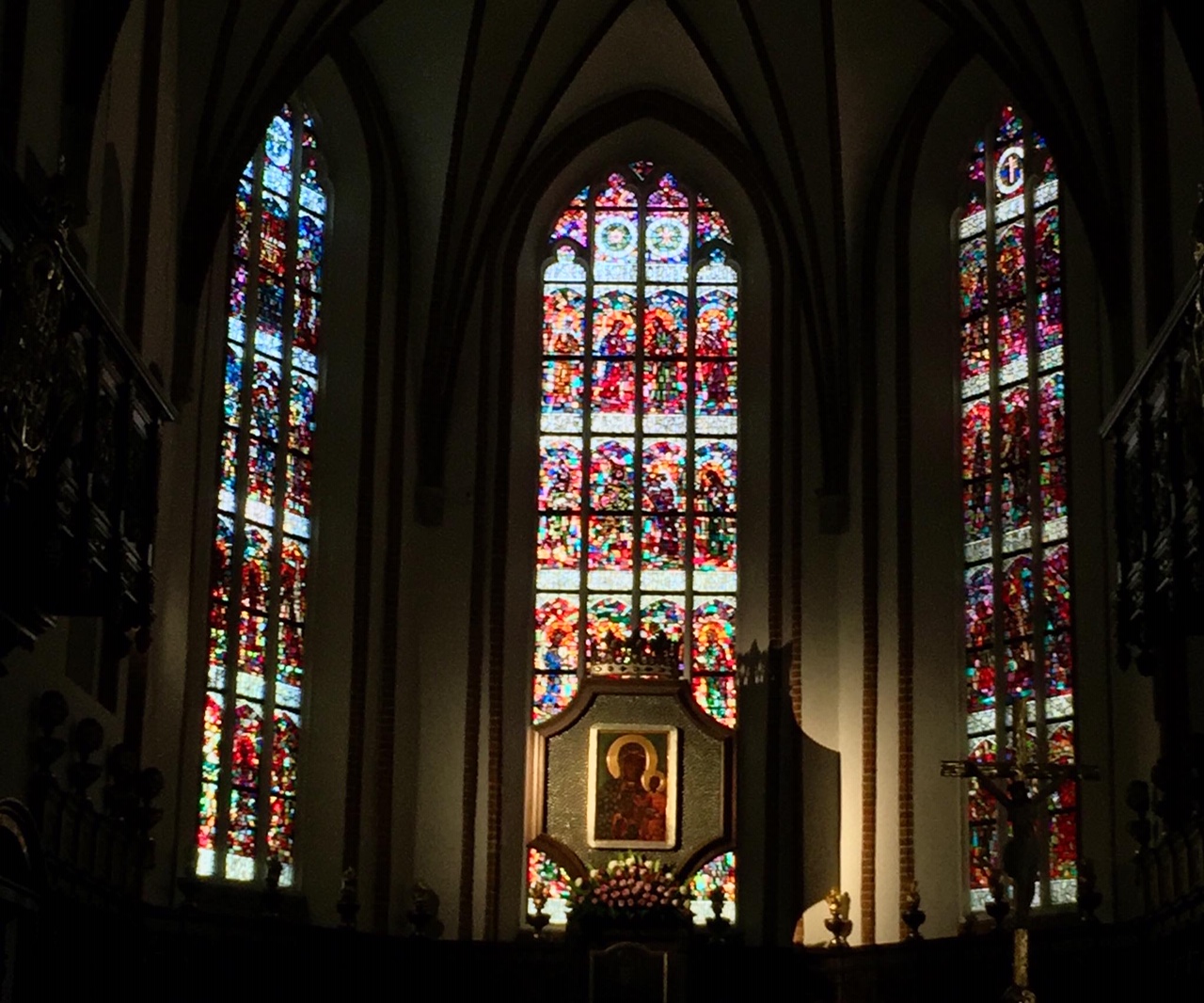
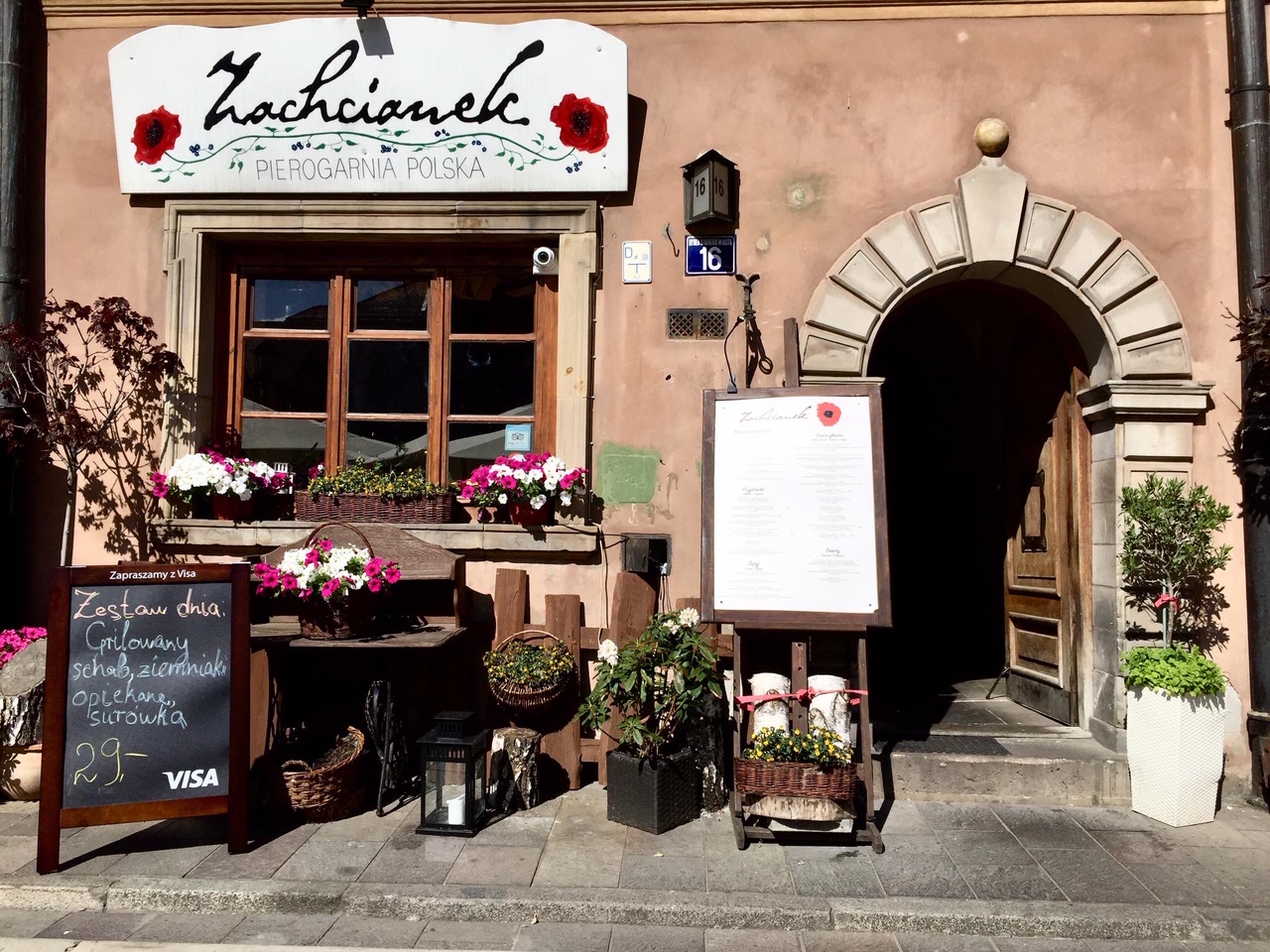
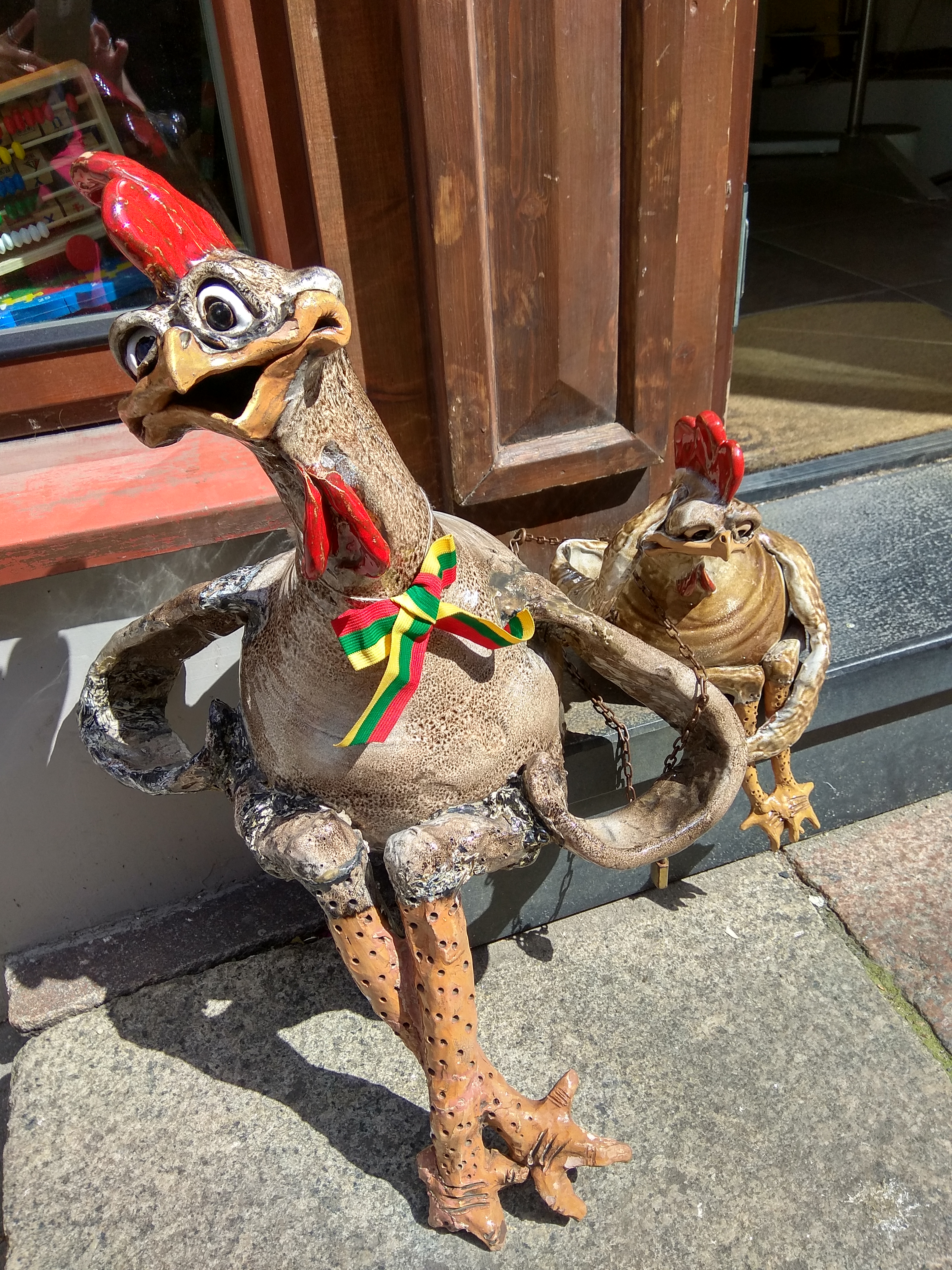
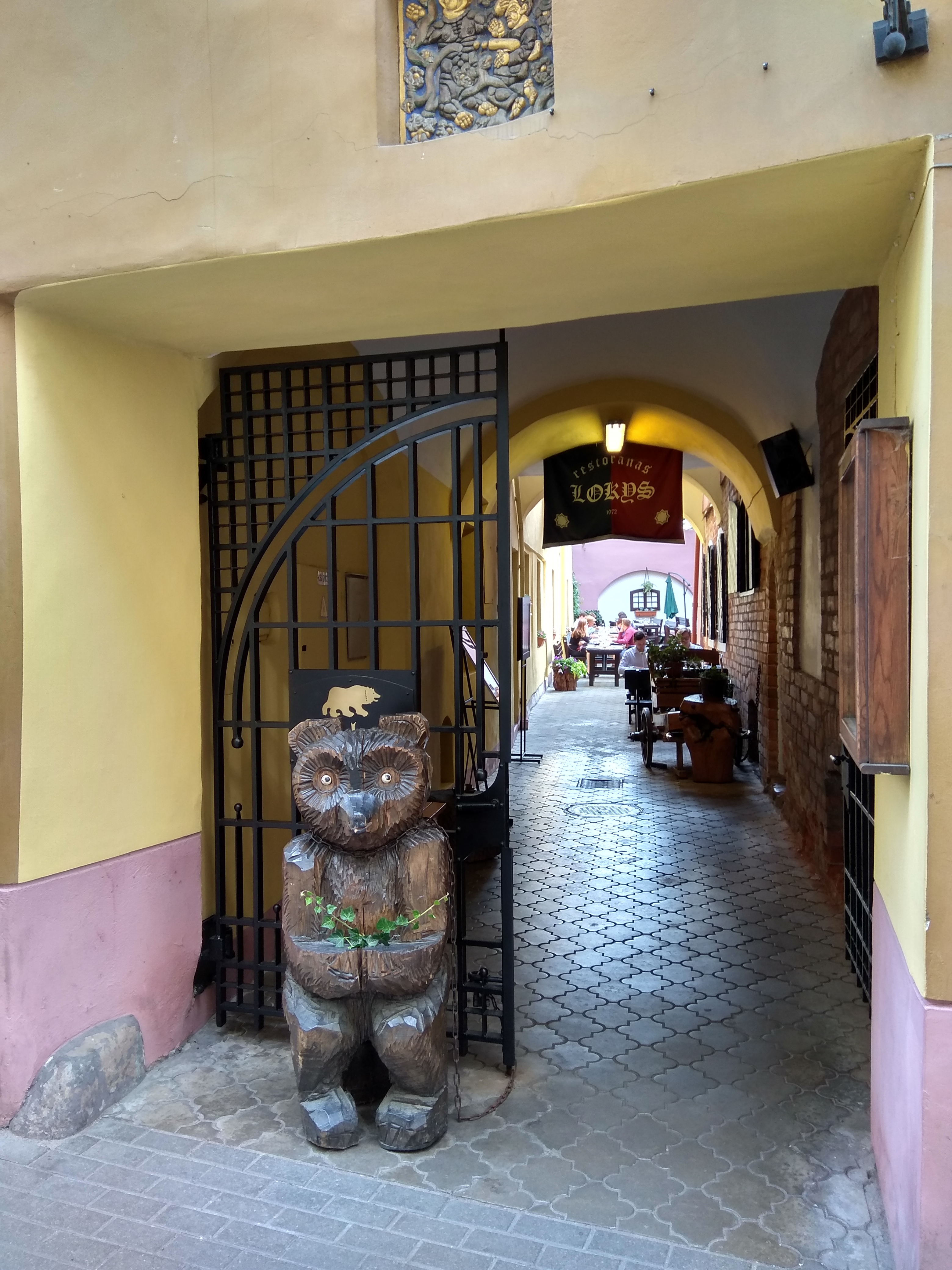
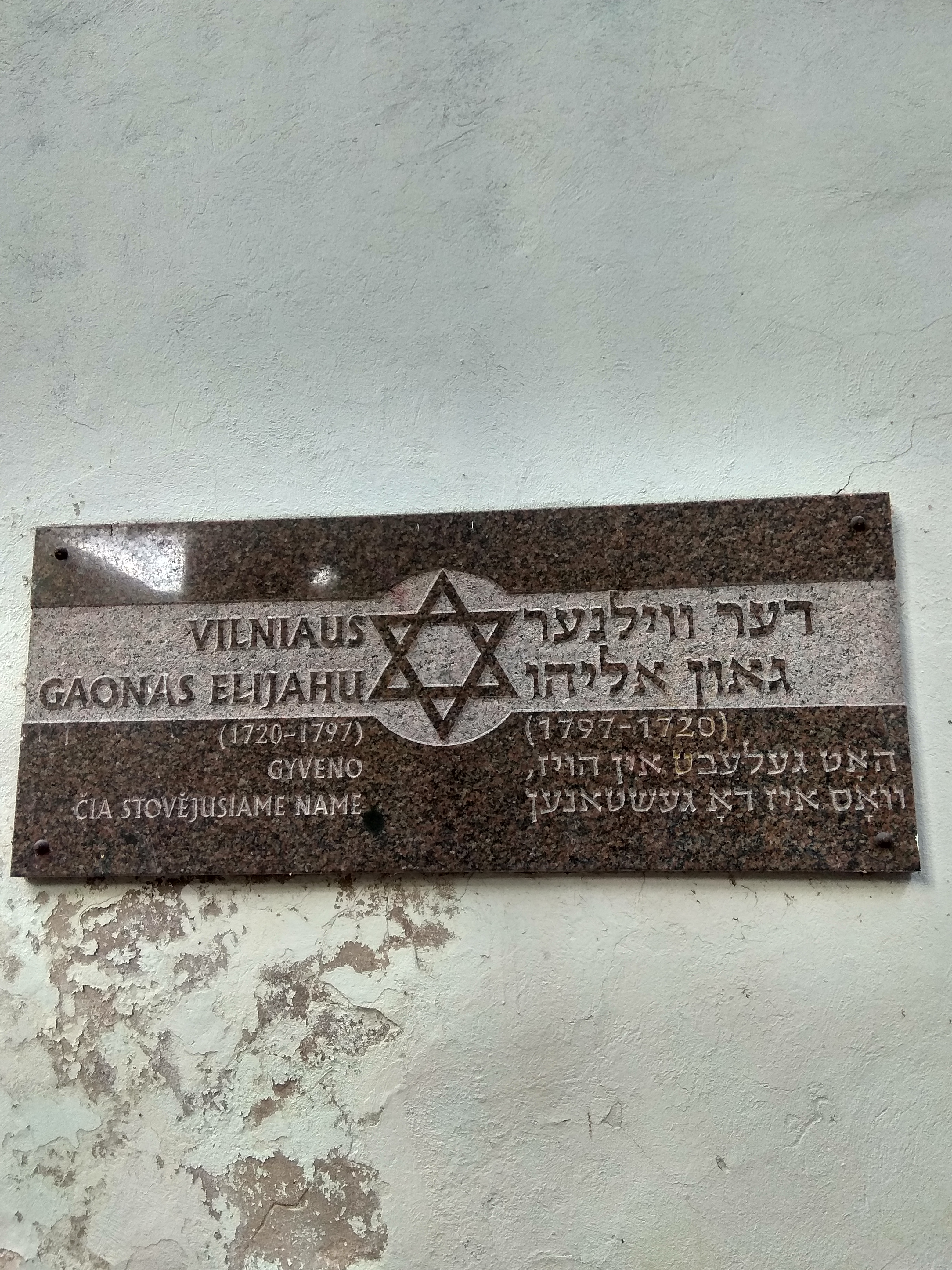
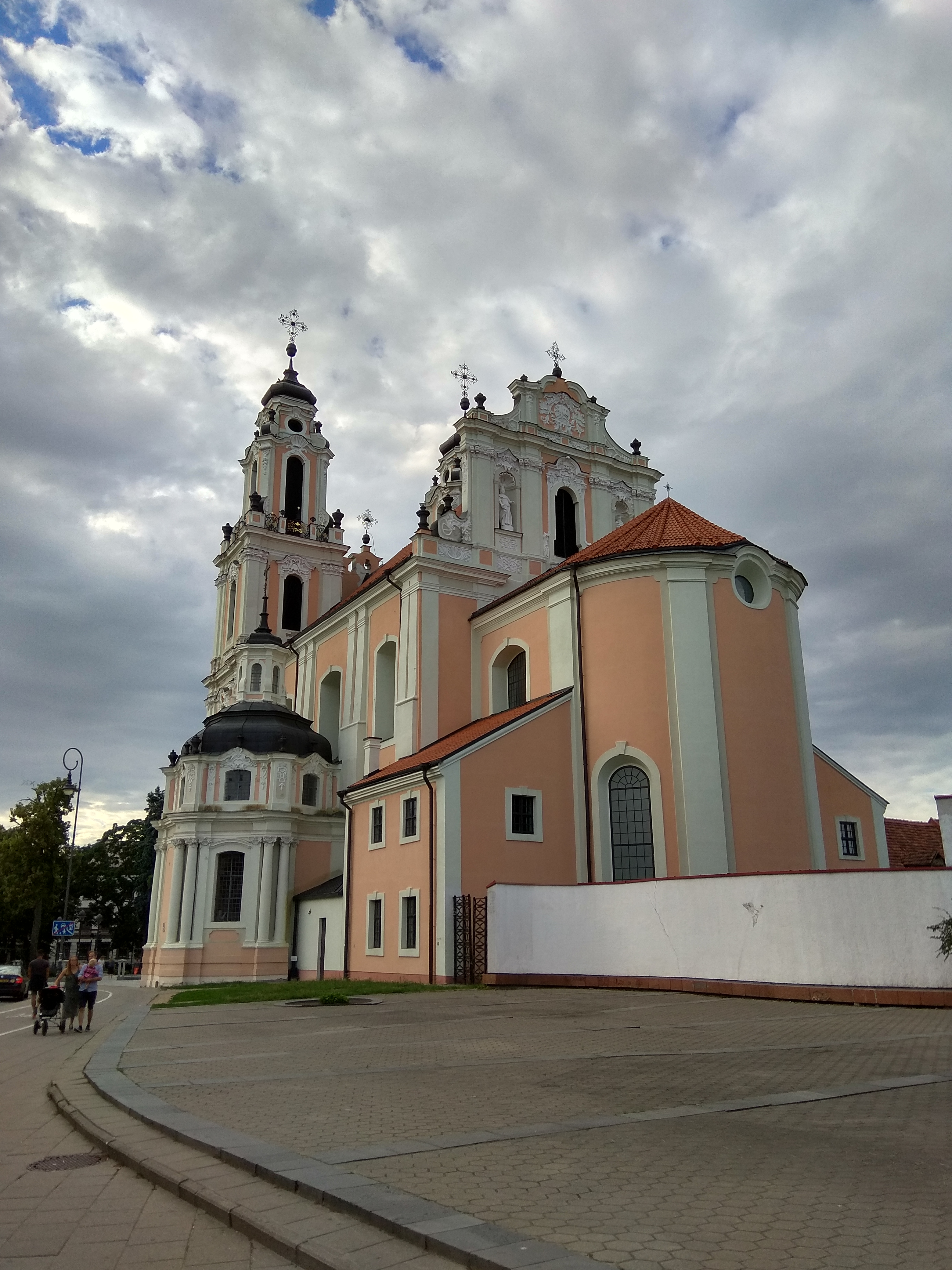
Wilno (Vilnius in Lithuanian) – the only city in this story that is not a part of Poland today, but returned , as its capital, to independent Lithuania in 1945. It’s here because one can’t even begin to talk about Polish Kingdom by the end of medieval epoch and the great dynasty of the House of Jagiellons without that city. It is, after all, from here that the great European dynasty of Jagiellonans emerged after signing first a personal union (1385), and then full union of two states unification: Polish Crown and Lithuanians Grand Dutchy. And, as Wrocław far to southwest border of Poland, Wilno was, through most of its days in the Polish Commonwealth and the Second Polish Republic (1918-1945), an amazing mixture of cultures, religions, even civilizations (starting with two very different types of early division of Christianity – Orthodox (Constantinople Eastern Roman Empire) and Roman Catholic (Western Holy Roman Empire).  In times it became important centre of Jewish faith and studies;  protestant Christianity (mainly Calvinism), there were pockets of Tatars and Muslim faith. You name it – it was European Toronto of late Middle Ages.  (photos by B. Pacak-Gamalski, 2018) 

By the XIX century the old Europe of multinational dynasties, for all practical reasons, was gone, replaced by national, ethnic states. The final ‘nail to the coffin’ of the old Europe, was the I world war. But the shape of these states, the language and mythology of these national states was formed by these dynasties and the old Europe.