Bogumił Pacak-Gamalski

NOTE: The story will be in both, Polish and English. Some details might vary as I don’t translate any of my writings. And when I write in Polish – I think of the story in Polish and all my ‘Polish’ experiences both literary and personal take precedence. When I write in English – the same happens.
Relacja będzie po polsku i po angielsku. Nie tłumaczę moich tekstów. Gdy piszę po angielsku to, co piszę jest efektem moich doświadczeń literackich i personalnych w tym, anglojęzycznym kosmosie. Gdy piszę po polsku dzieje się to samo, ale polskie tradycje i doświadczenia są decydujące na widzenie otaczającej rzeczywistości.
My travels through Nova Scotia most of the time takes me to Eastern Shore or to the north. It is my magic place – the wilderness, certain sense of rustic and old adds charm to it. Of course, the other attraction is my craziness about beaches – Eastern Shore is one big beach! Every turn of the highway there is one. Some small, other vast and long. And huge, massive ocean bays make it a long drive and always offers new experiences.
Halifax is the hub of the entire peninsula. The world to the east is different from the world to the west and south.
The shore is different, the beaches are different. Even the towns and cities are different.
I think that huge St. Margarets Bay is in a way a symbolic point where the shore and the communities change: to the east of it – the rustic and a bit culturally different character but with one of the best beaches in the world; to the west the charm is more subtle, more refined, communities seem to be more affluent. Shall I say – more continental? But the beaches are nowhere near the beauty of Eastern shore. I guess, there must be balance, LOL.
Moje podróże po Nowej Szkocji w tym roku są jednocześnie moimi pożegnaniami z tą prowincją. Pożegnaniami miejsc znanych i wielokroć odwiedzanych. Ot, choćby ulubione plaże wielkich zatok wzdłuż Wschodniego Wybrzeża. Z szalejącymi wielkimi falami Atlantyku, z wijącą się, jak wąż w trawach wydm, czarną nitką szosy nr 207 i 107 – po jednej stronie błękitna stal Atlantyku, z drugiej gęste, ale niskopienne i rachityczne lasy. Uwielbiam te plaże i grzywacze, na grzbietach których daję się nieść niczym drobny liść.
Zachodnie wybrzeże jest inne. Ta inność zauważalna jest od olbrzymiej St. Margarets Bay: na północny-wschód owa rachityczność lasów i rachityczne też, zapomniane niekiedy miejscowości i osady; na południowy zachód lasy bardzo gęste, rosłe i potężne, a miejscowości zadbane, kolorowe. Odnosi się wrażenie, że zamożniejsze. Bez wątpienia (znając już tą prowincję dobrze) widać pewne różnice kulturowe. I faktycznie tak jest. Północo-wschodnia Nowa Szkocja zamieszkana jest tradycyjnie przez ludność pochodzenia szkockiego, więcej – ludność tzw. Scottish Highlands. Byli to najbardziej (do dziś są w pewnym stopniu) ubodzy i najmniej wykształceni Szkoci. Odcięci od świata i mieszkający w odległych i ubogich kresach oraz na Hybrydach i Orkadach. Południowo-zachodnia Nowa Szkocja to w dużej mierze osadnictwo kontynentalnej Europy i Anglosasi środkowej i dolnej części wysp brytyjskich.
So far, I have never travelled past Mahone Bay and Lunenberg. My late husband did in 2018 with his two brothers and niece, while I was for few months in Europe. The beautiful highway 103 makes the travel very pleasurable and fast. I did stop in these two most picturesque cities in the entire province. One famous for very ‘artistic’ entrance – the moment you come out of wooded highway the panorama across the bay shows you a view like a massive painting of a magic town: colorful, with yachts, and three tall steeples of three magical churches (all different Christian denomination) standing next to each other. Little bit further in the bay a famous Oak Island, where people still dig to find a legendary heist of Spanish gold taken from the Spanish galleon by pirates and hiding it supposedly thousands of miles from Caribbean seas on that island. A short drive from Mahone Bay lays on massive hill Lunenberg – home to famous schooner ‘Bluenose’. Famous for mercilessly beating the Yankees in yearly regattas a hundred years ago. I stopped in these towns mainly to re-visit them, say goodbye and walk the steps full of sentiment and memories of times we walked there together. John and me. Memories of our happy days. But it wasn’t the planned purpose, the aim of my drive. The aim was to drive to the very end, the southern most tip of the province.
To say it shortly and precisely: to go to West Berlin and East Berlin. Why not. Been to Berlin many times, like the city a lot, its vibrancy, its rich history. Walked in western part of it and eastern part of it. Usually, I would take a flight there, didn’t know that I could just drive there! LOL.
Szeroka i w dużej części czteropasmowa szosa 103 prowadzi do południowo-zachodniej granicy półwyspu. Stamtąd już tylko skok przez wodę i Ameryka. Ale po drodze są dwa najbardziej urocze miasta Nowej Szkocji: Mahone Bay i Lunenburg. Malownicze, jakby z ram obrazów romantycznych pejzażystów. Do miasteczek można jechać przepiękną boczną drogą (szosa nr 333 od Halifaksu, potem nr 3) nad samym wybrzeżem – ale to wydłuża jazdę kilkakrotnie i bez noclegu o osiągnięciu celu mowy być nie może. Zatrzymałem się w tych miasteczkach-perełkach ze względu na sentyment głównie, moje liczne wspomnienia ze wspólnych wycieczek tam z Johnem. Potem, po wyniszczającej chorobie, która go mi zabrała, byłem tam jeszcze z rodziną z Europy: z siostrzeńcem z Warszawy, który przejechał do mnie po pogrzebie Johna i siostrzenicą z Hamburga, która przyjechała z rodziną latem tamtego smutnego roku. Tym razem już sam i chyba ostatni raz.
Ale cel wyprawy był inny. Zdecydowałem tego dnia wykapać się na plaży w Berlinie. Konkretnie we Wschodnim Berlinie. No to wsiadłem w samochód i pojechałem do Berlina. Jak można samochodem z Nowej Szkocji pojechać do Berlina? Bardzo prosto – jechać tak daleko, aż dalej nie można. Do końca świata. Tego nowoszkockiego świata, gdzie ląd się kończy i zaczyna Atlantyk a w oddali widać brzegi stanu Maine.
Najpierw jedzie się szosą 103 do rzeki Medwey i zaraz po jej przejechaniu skręcić w lewo w Port Medwey Road, dojechać do krzyżówki z Eastern Shore Road i skręcić w nią w prawo (od zjazdu z szosy 103 droga prowadzi prawie bez przerwy przez lasy i nie ma tam w zasadzie osad jakichkolwiek). W pewnym momencie, blisko kilku dobrze zagospodarowanych domów, po lewej stronie drogi jest mały cmentarzyk Zachodniego Berlina.
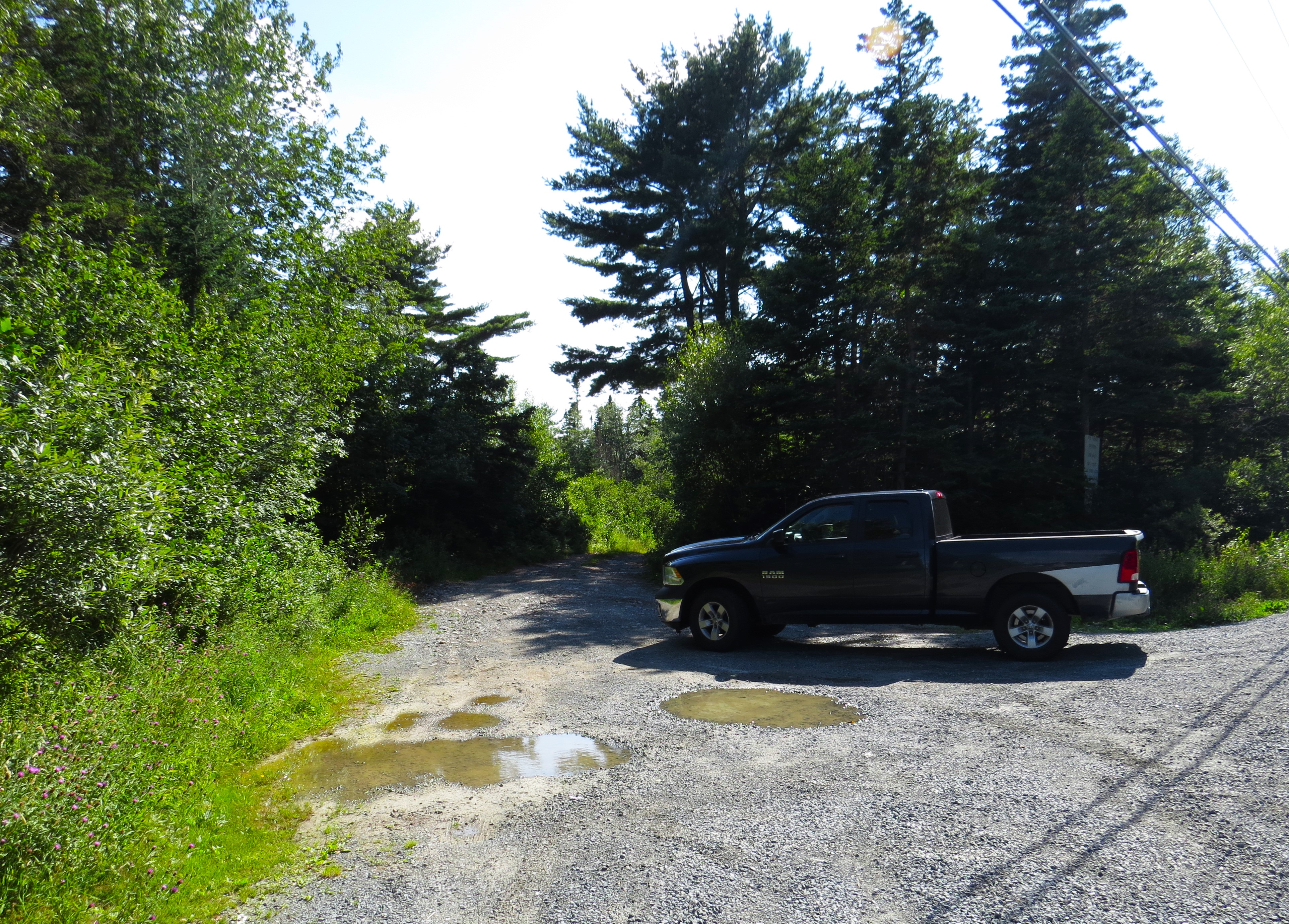
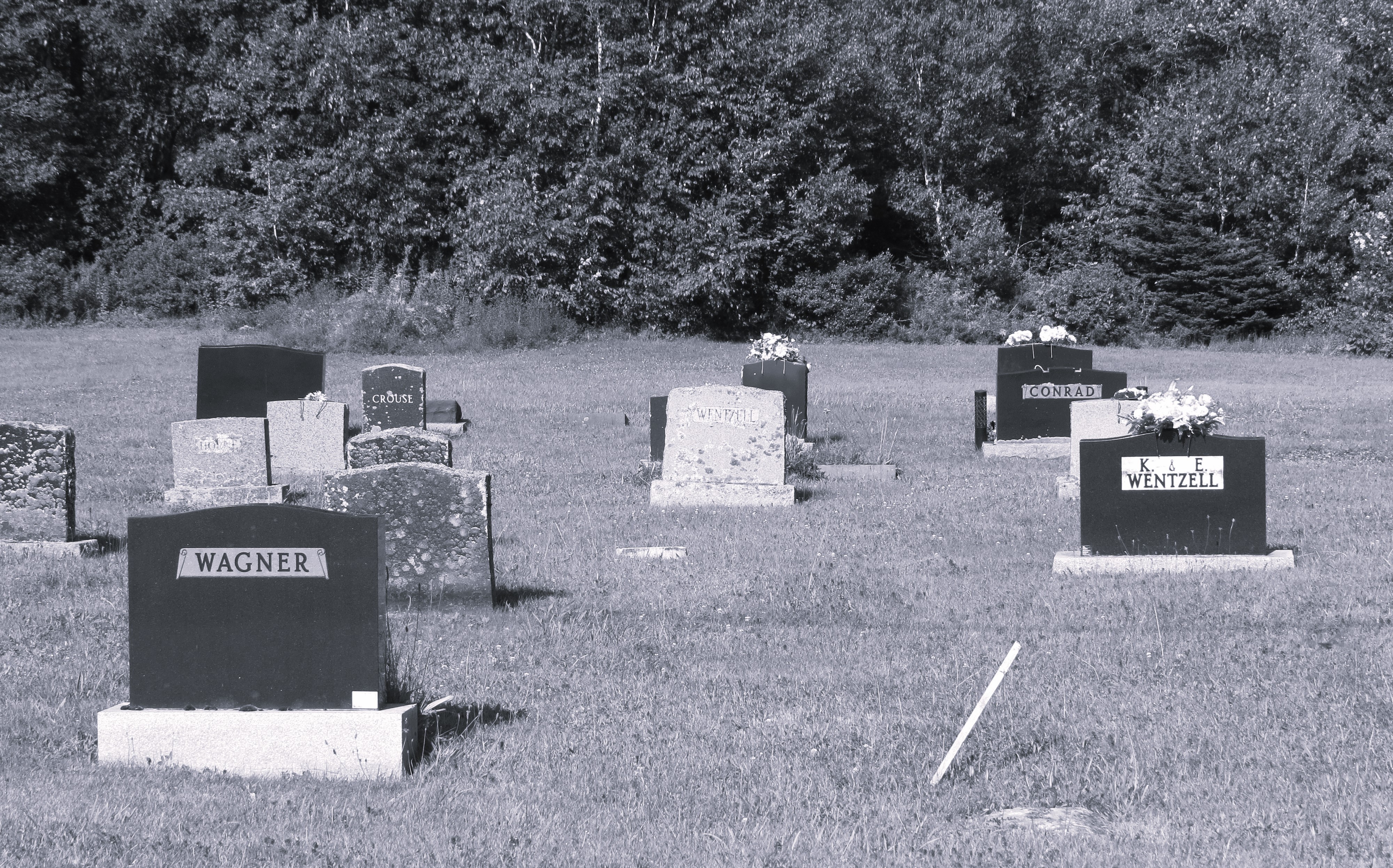
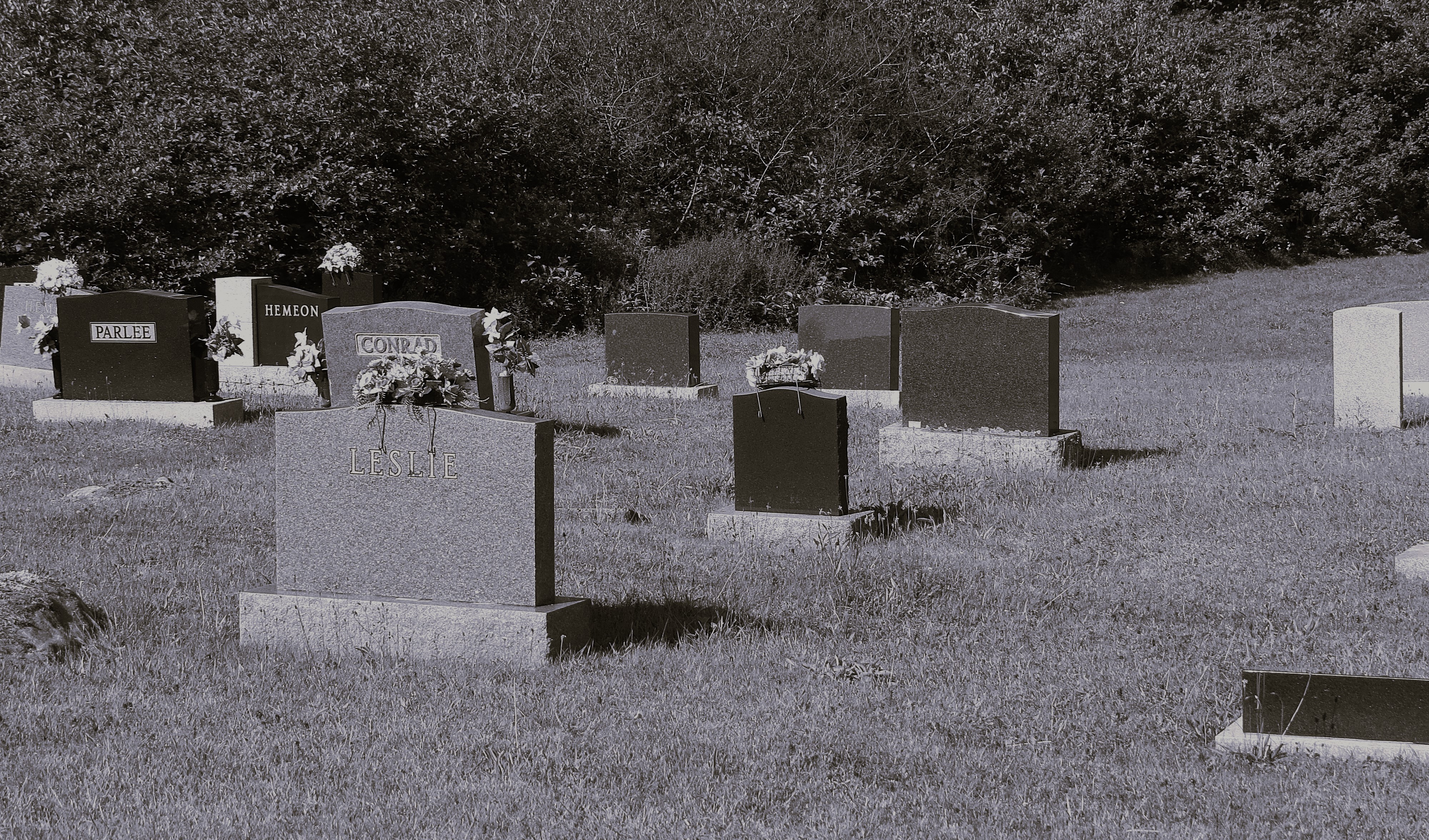

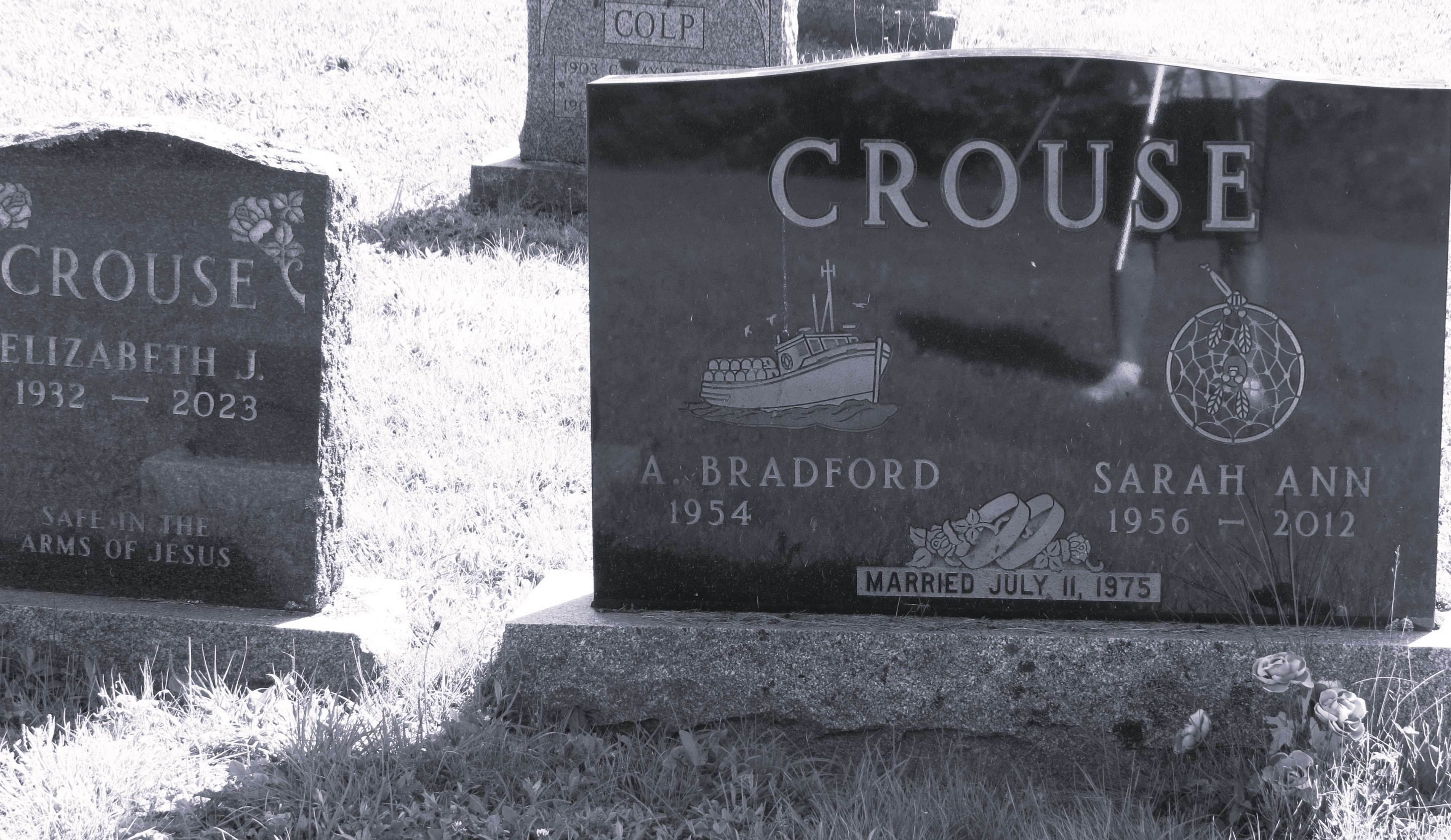
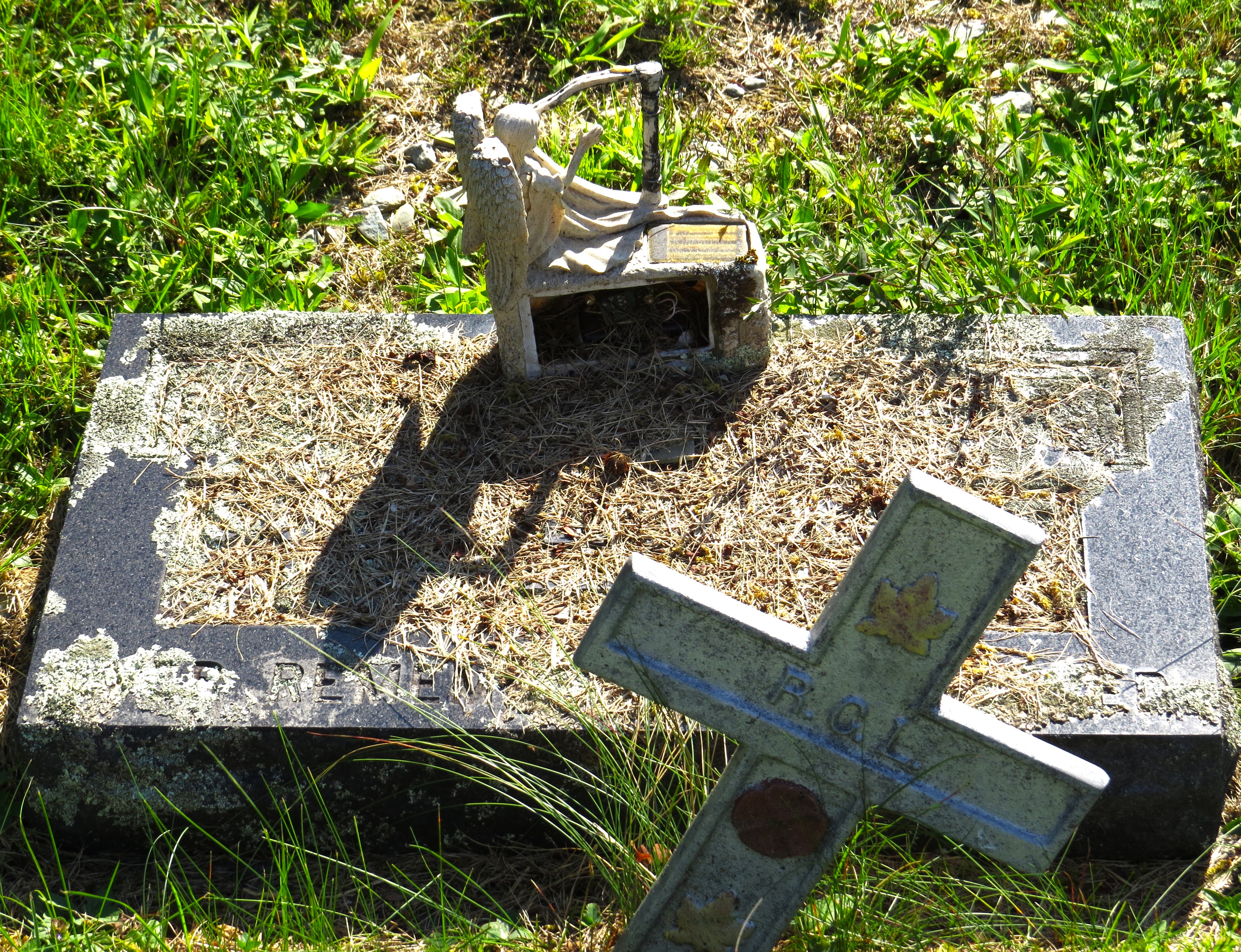
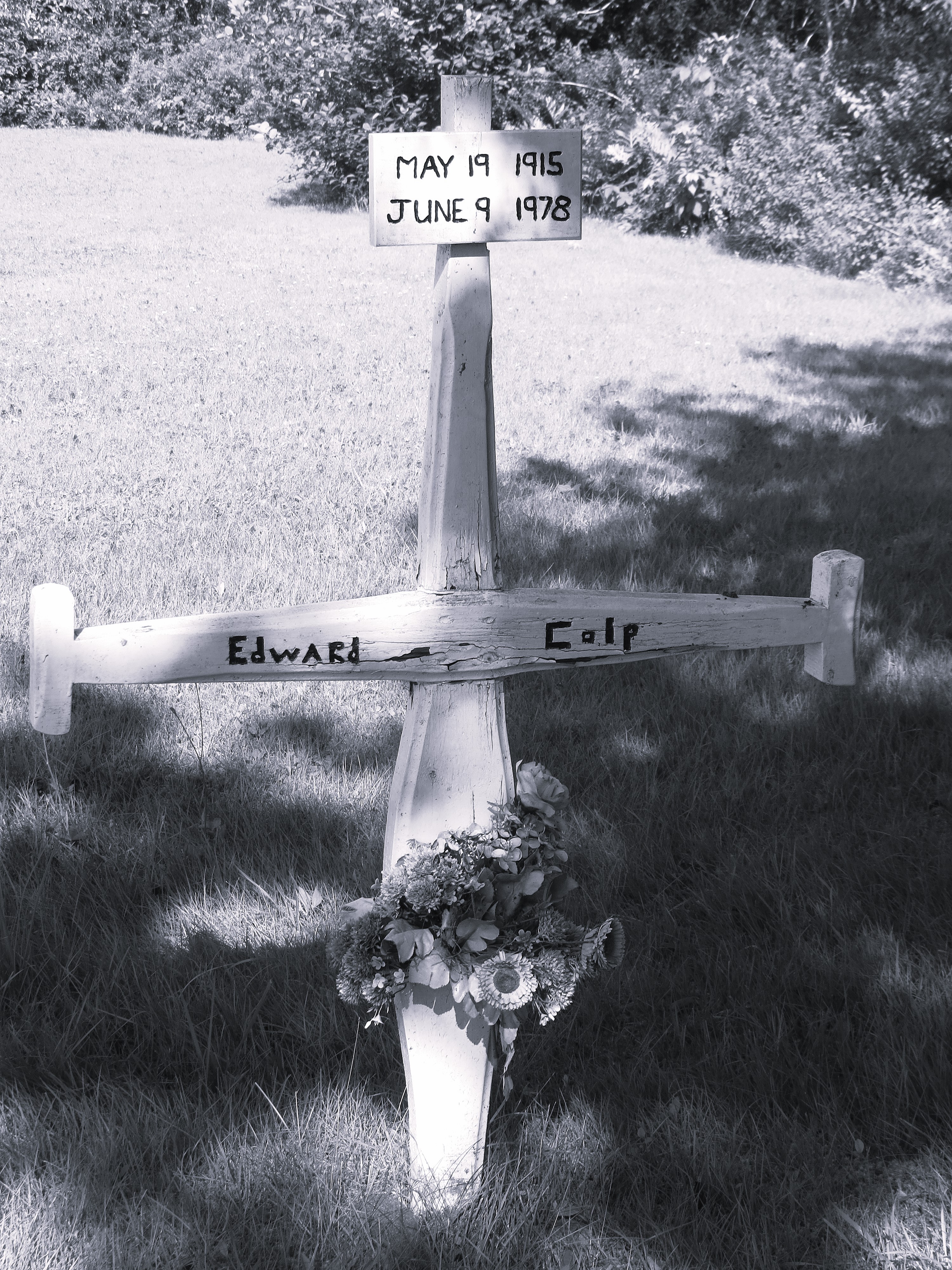
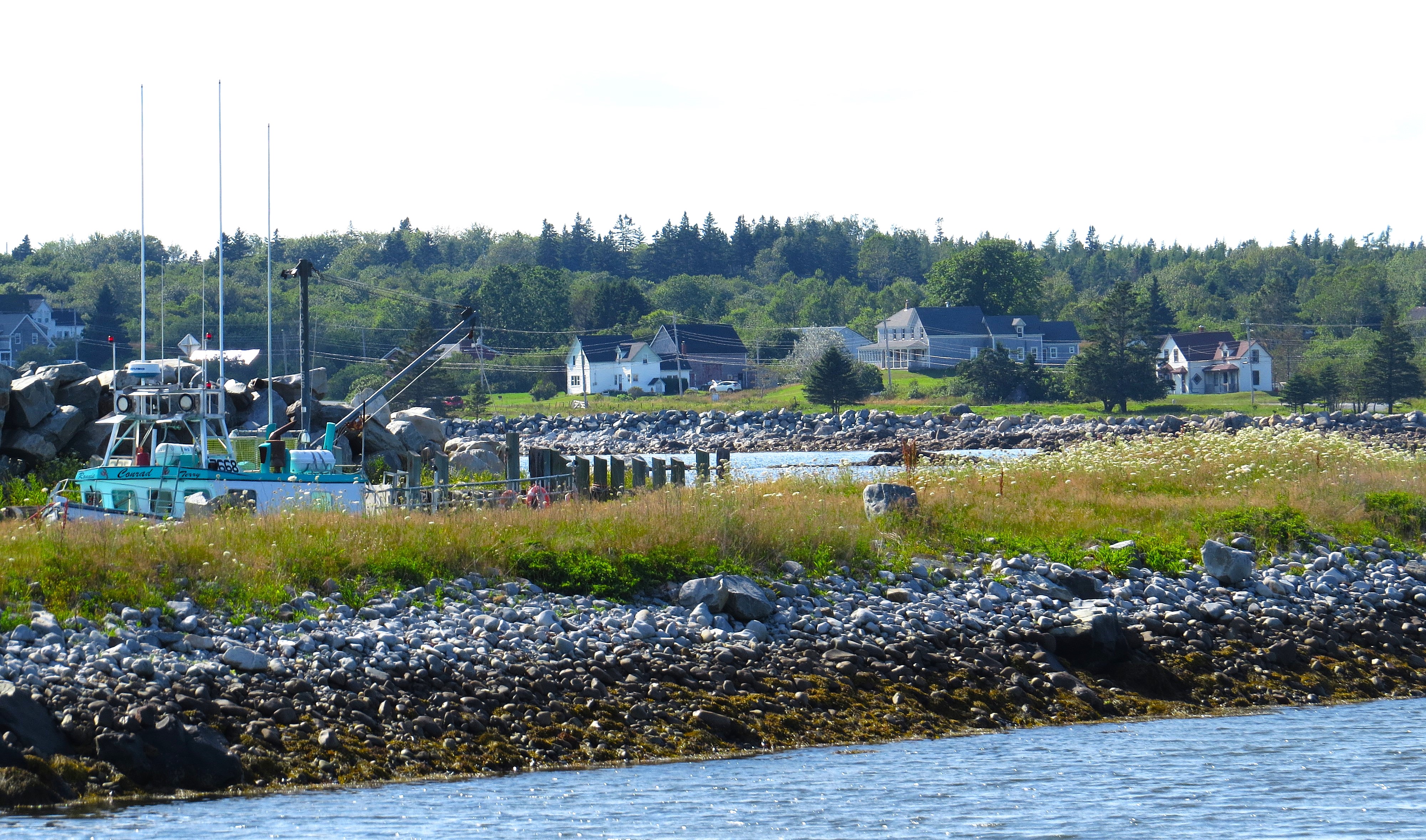
Close to the end of our destination, off the small Eastern Shore Road begins the sparsely populated community of West Berlin. There is a local cemetery with the date of first burial being 1959. Therefore it is clear that the community begun either after the 2 world war or shortly before or during the war. There is nowhere any other close by settlement where people could be buried. The road ends at intersection with East Berlin Road, turn left here into it. From here the asphalt road end and the rest is gravel. After a very short distance there is a smal West Berlin Road to the right leading to small fishermen Warf. It is a very short detour but worth visiting as that is exactly where you can see the coast of USA.

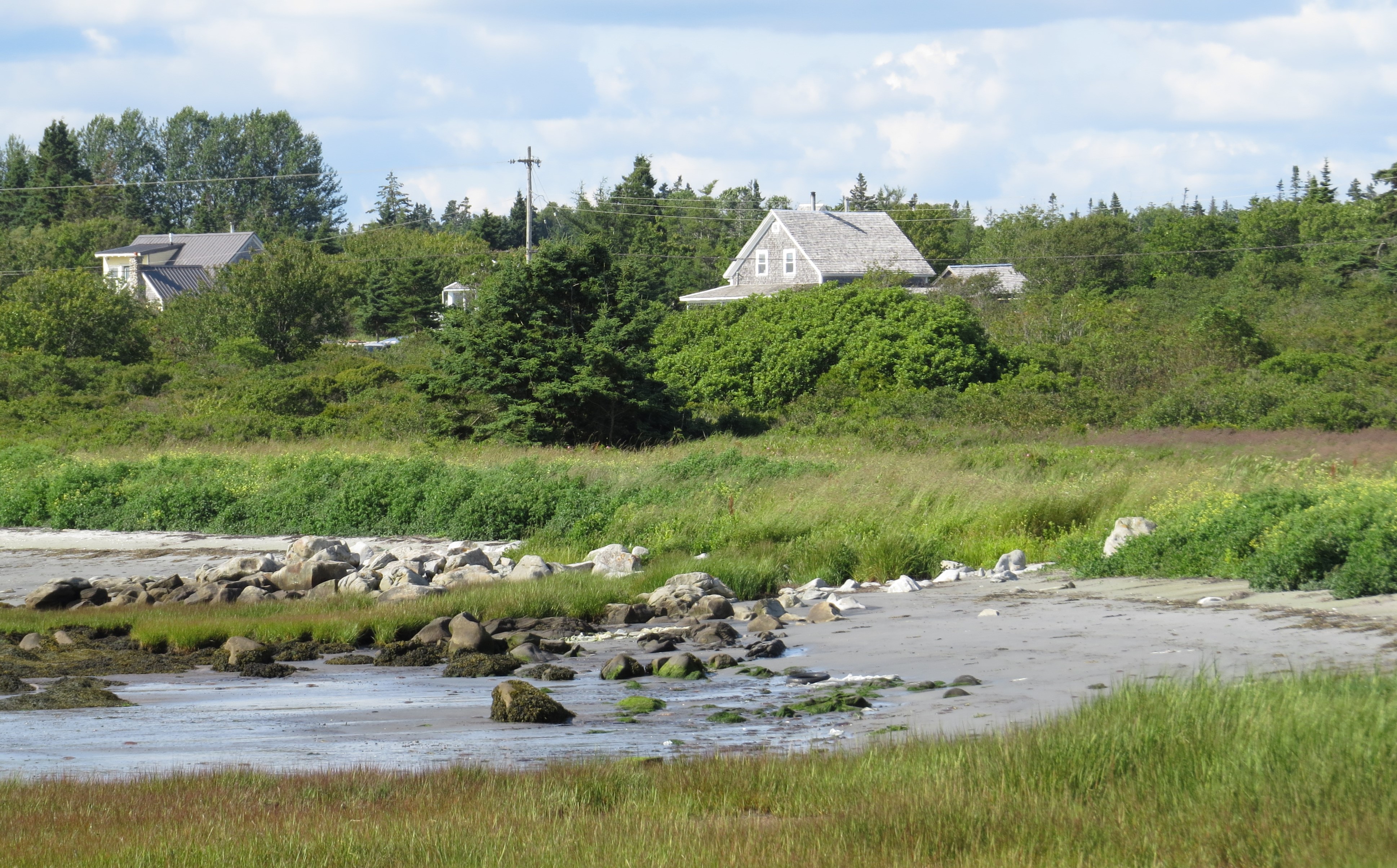


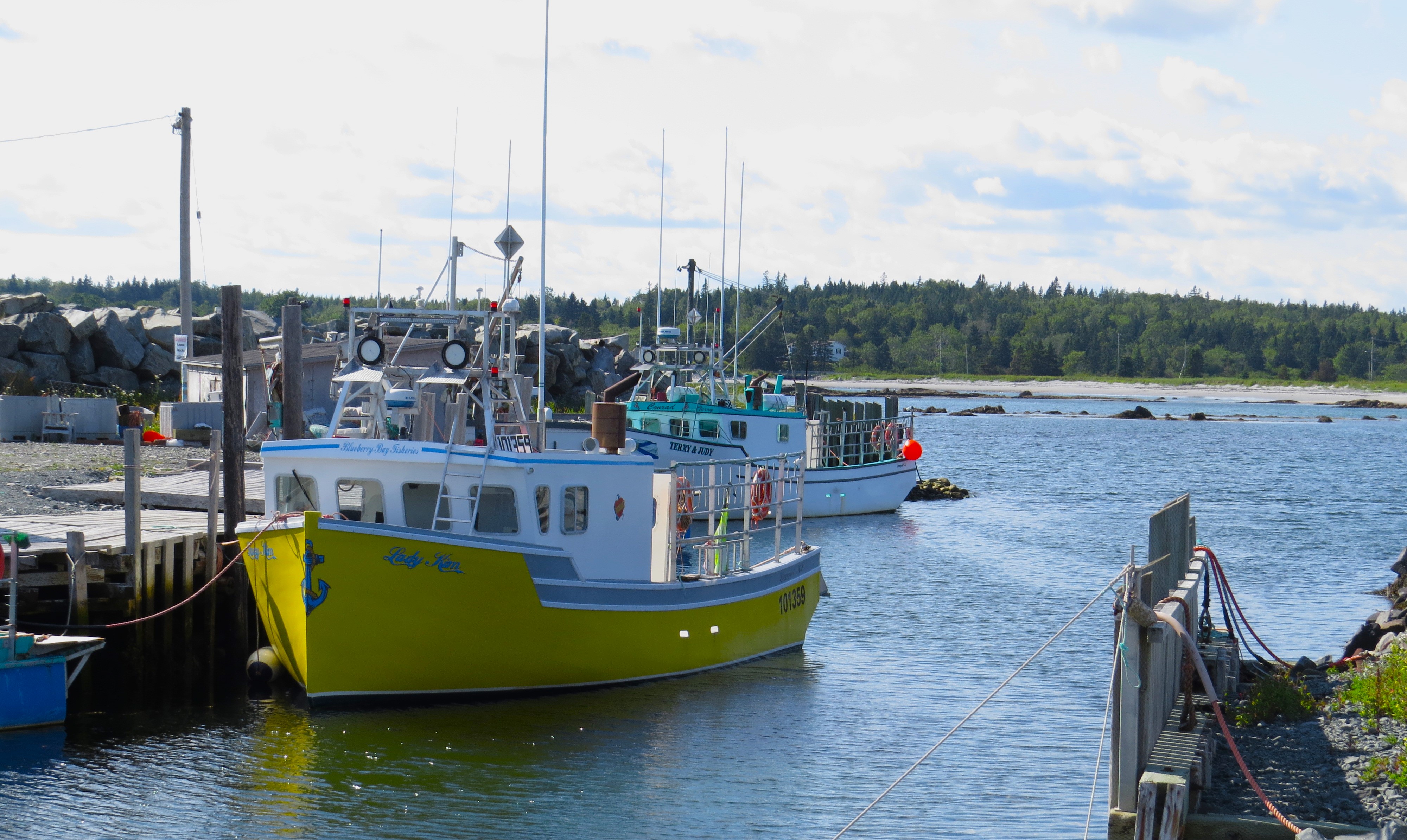


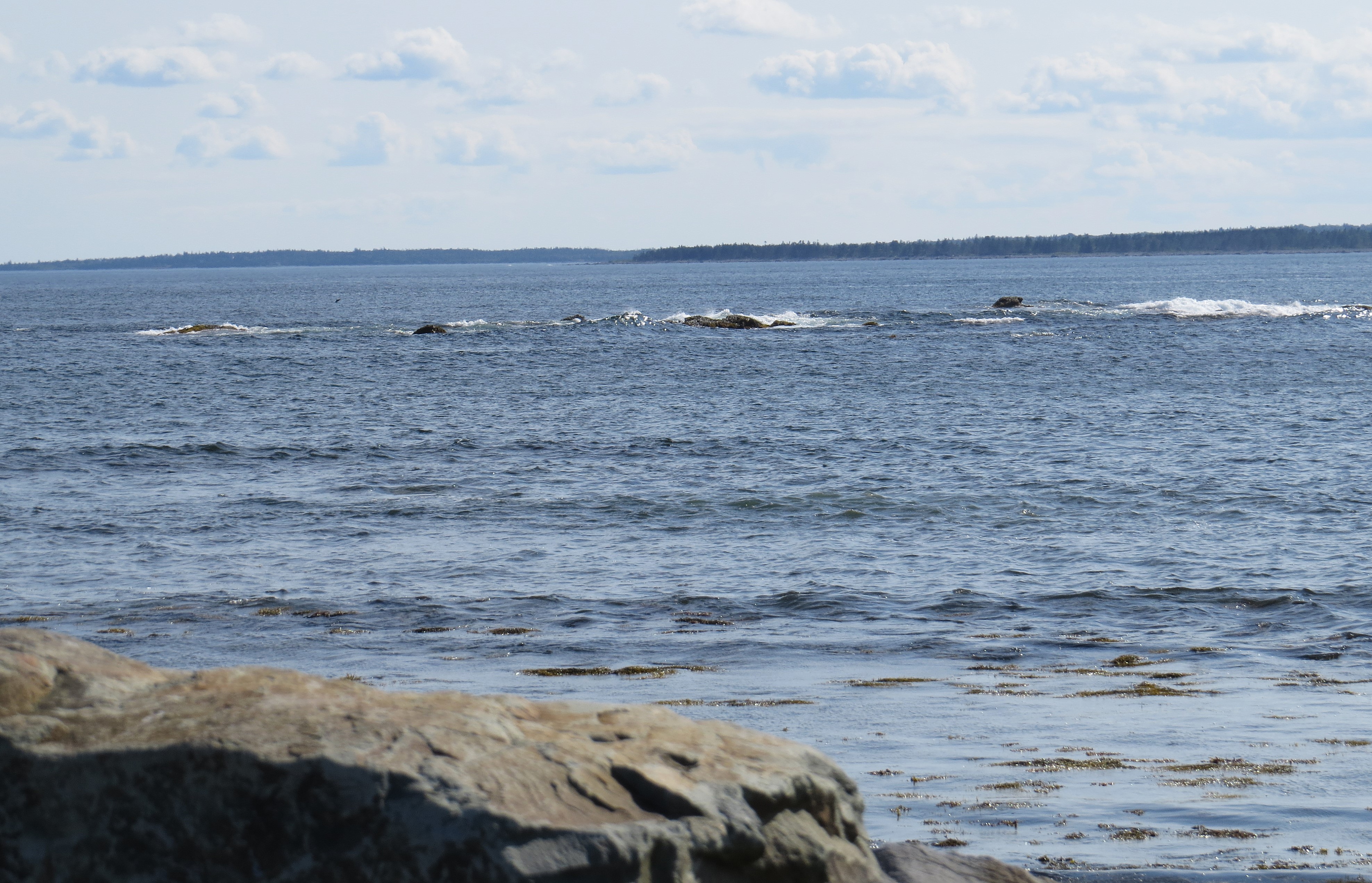
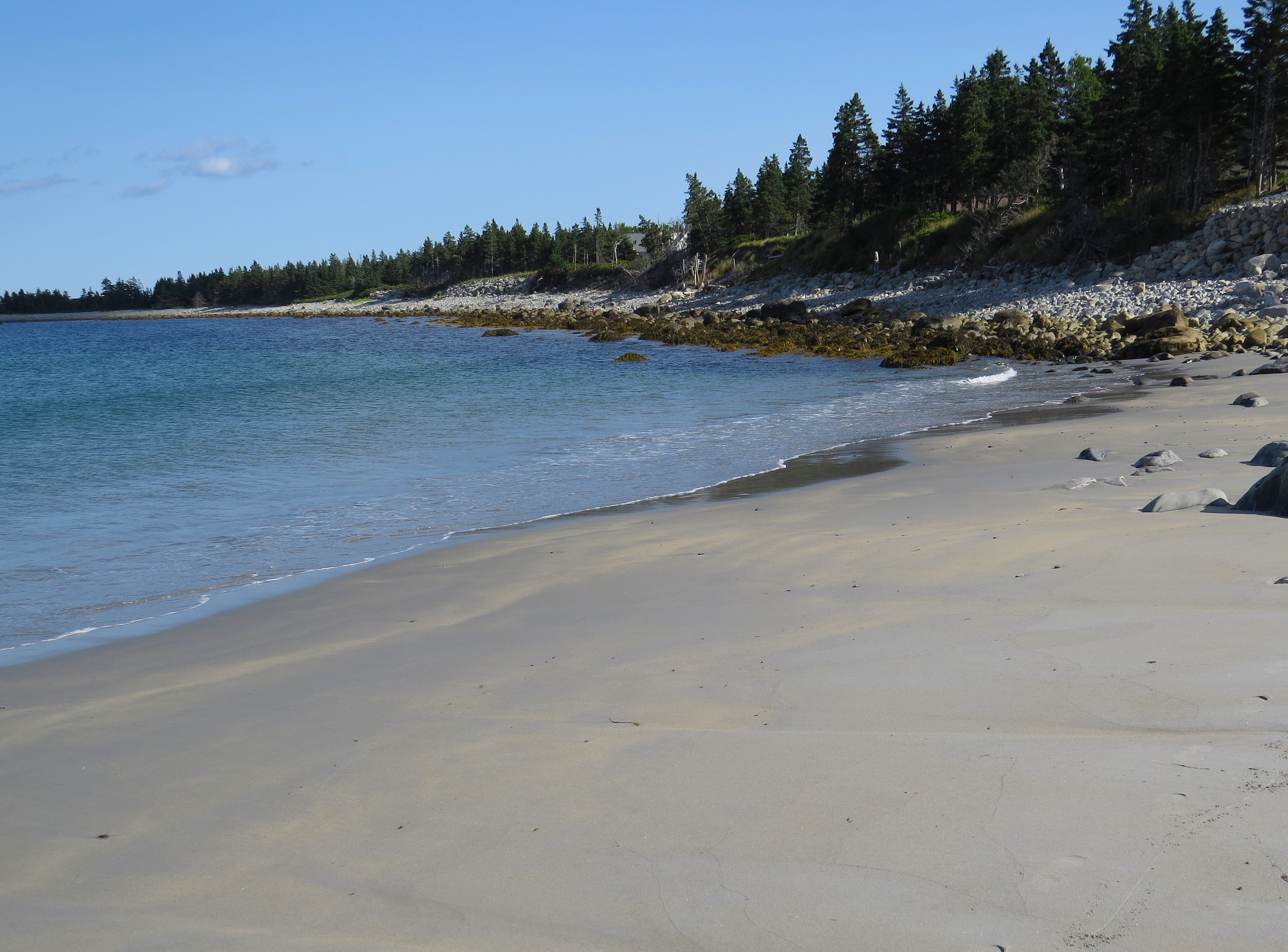
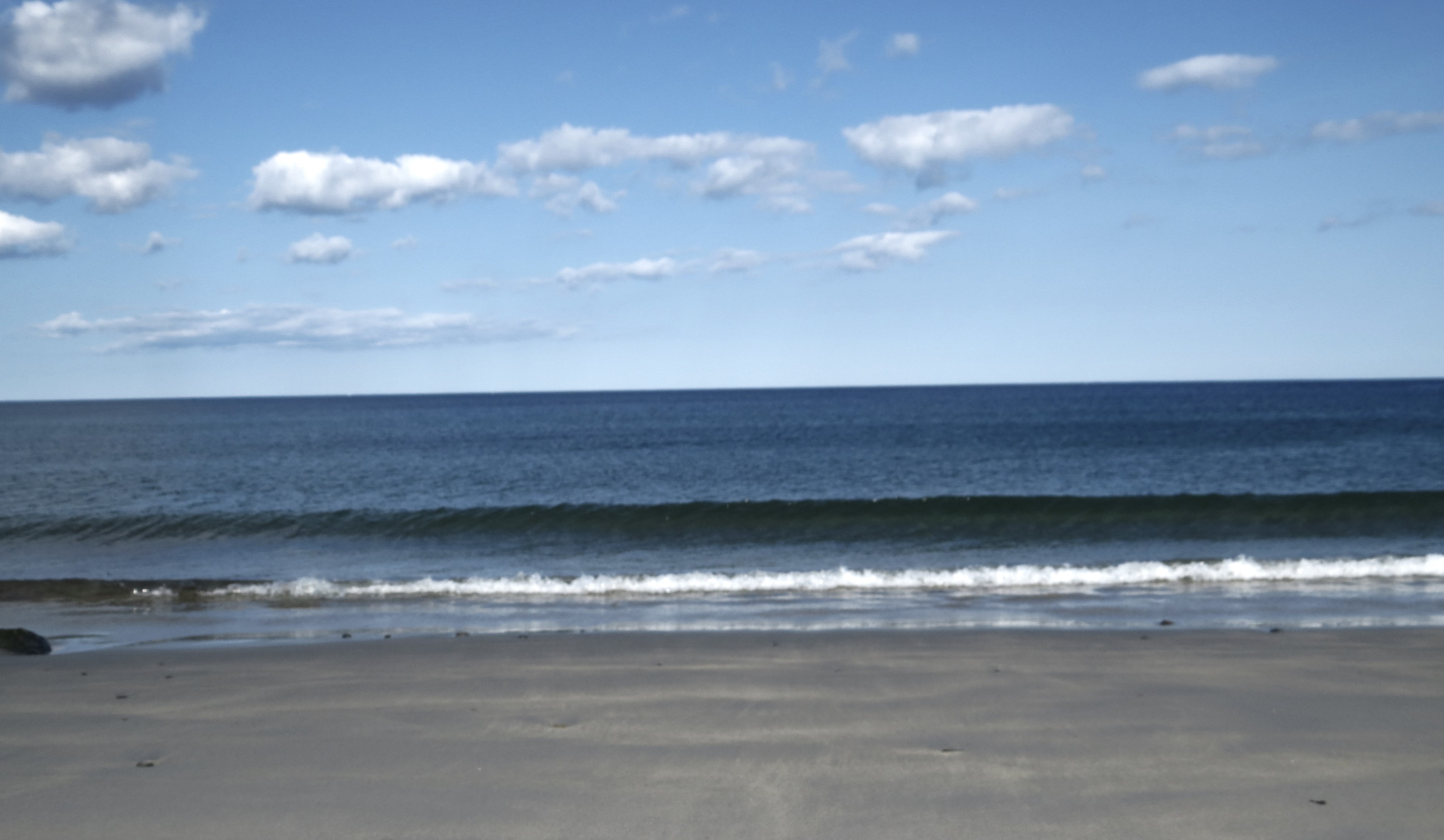
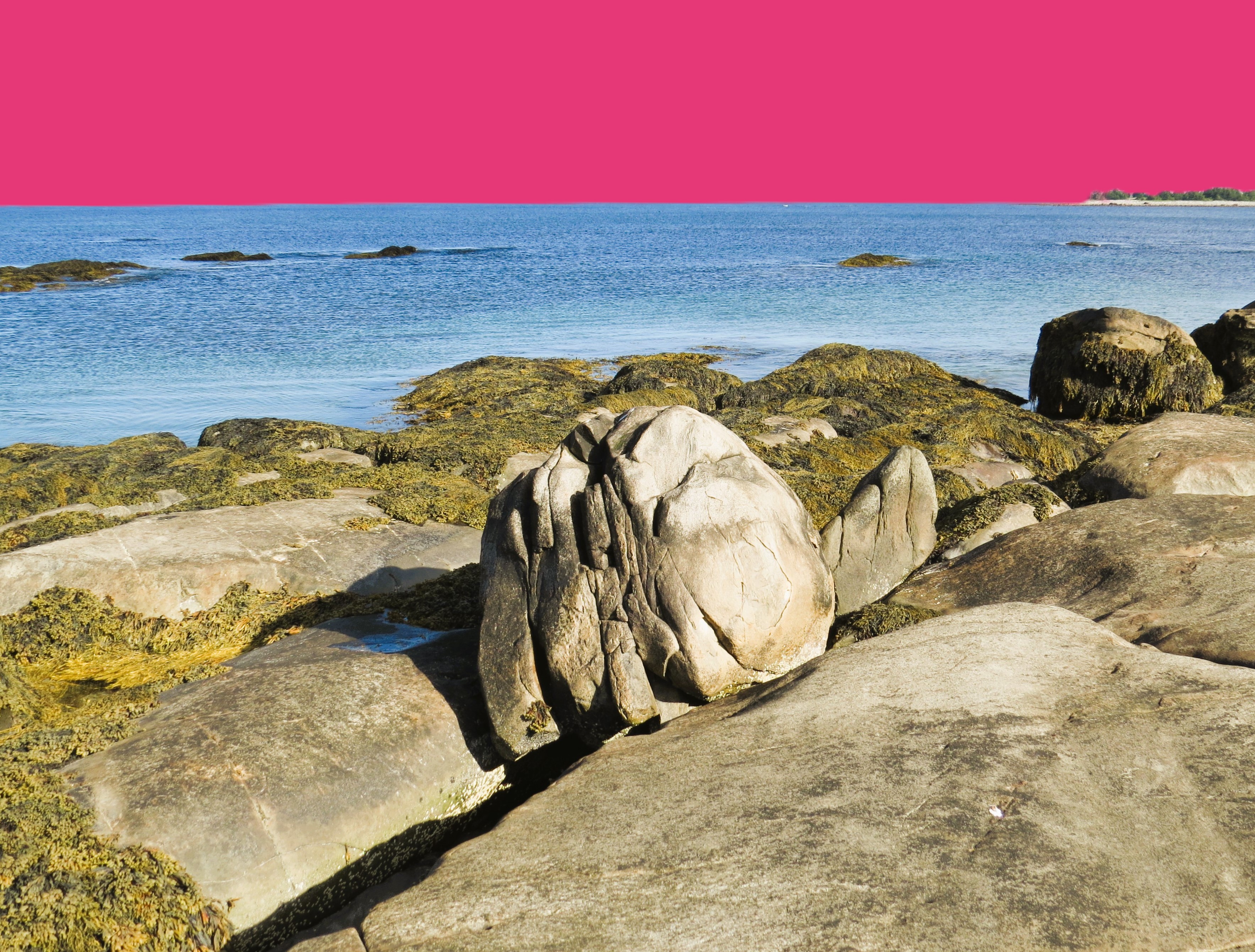
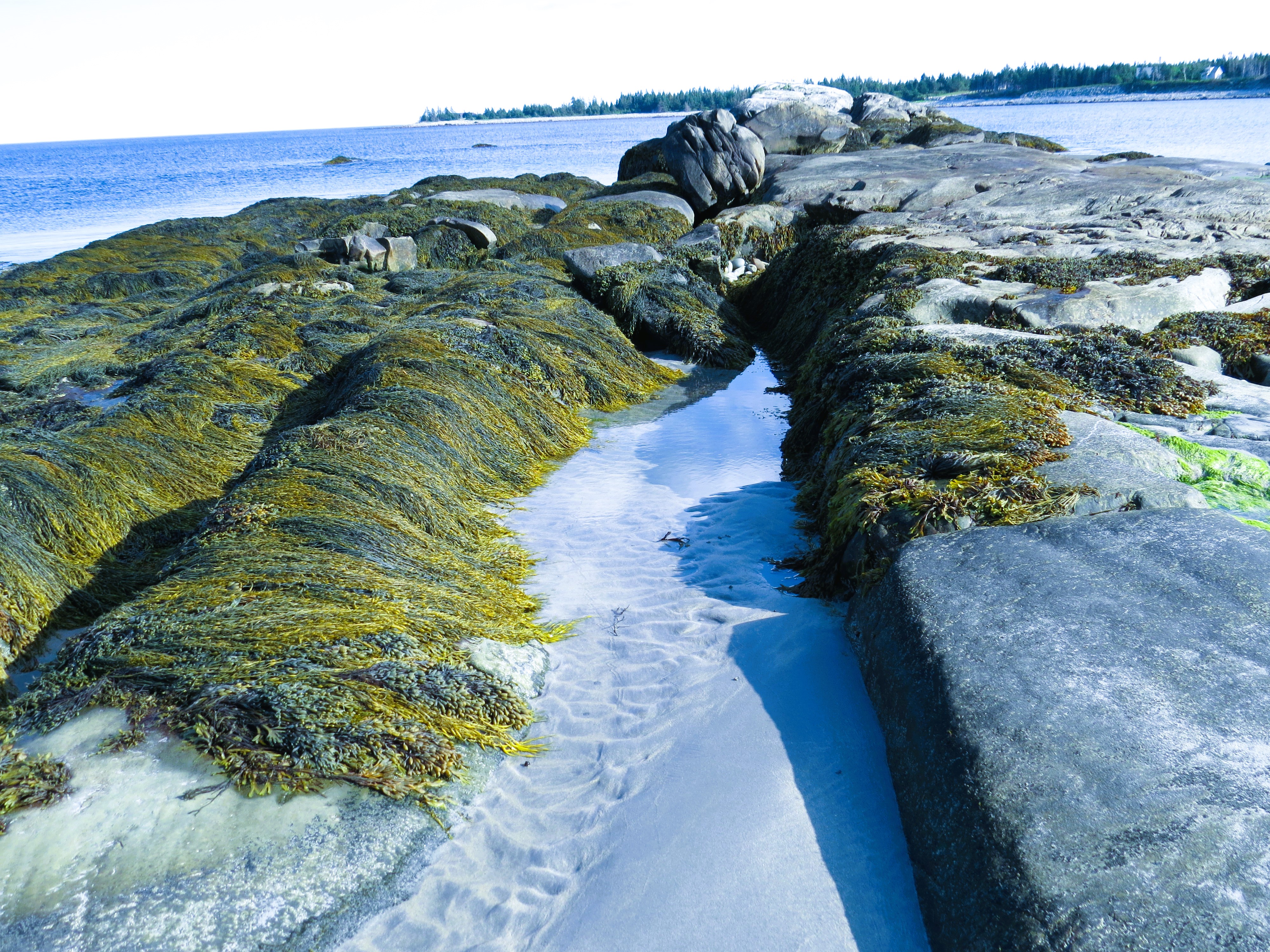
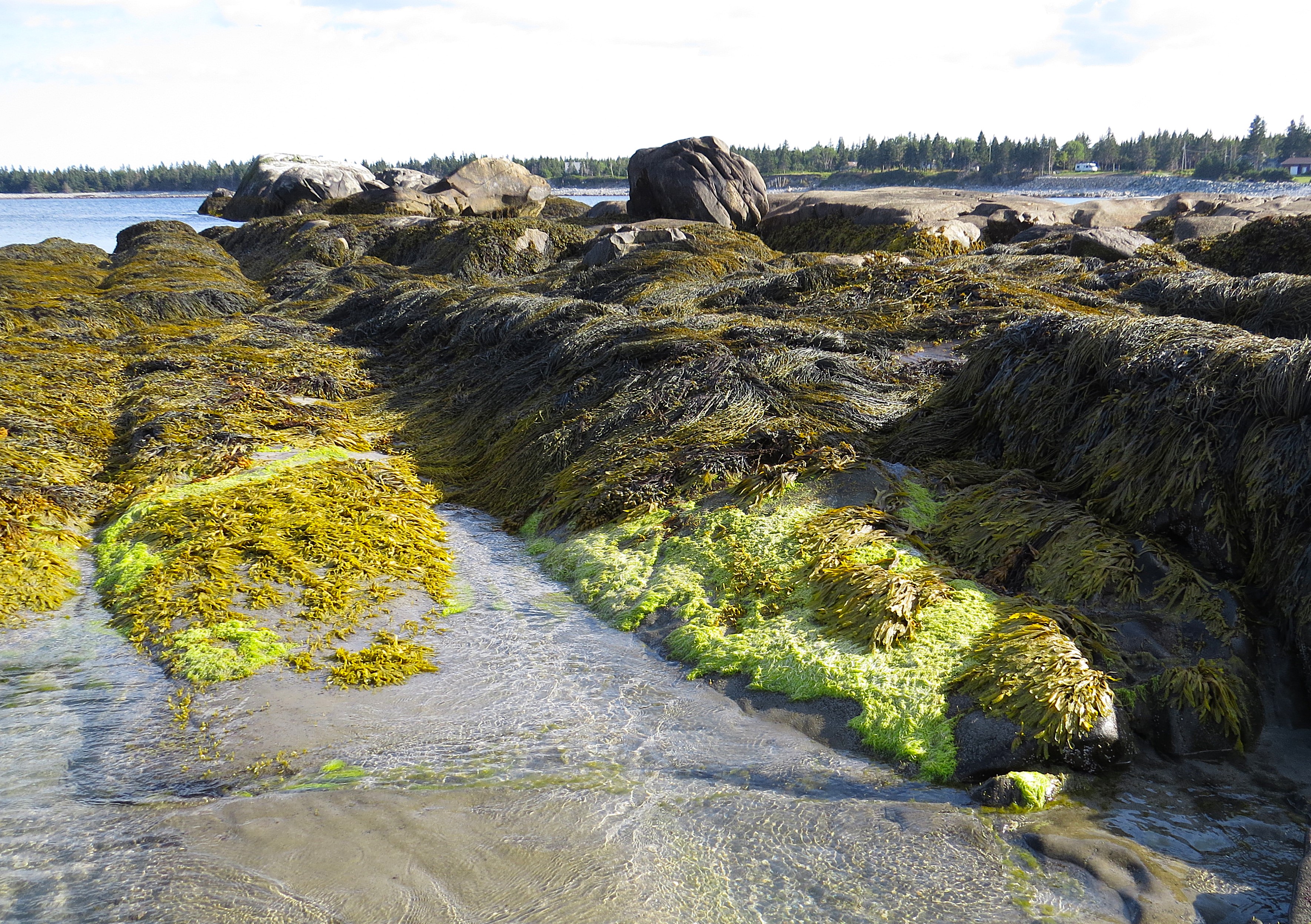
From there you cant get lost. Just continue to end of the East Berlin Road until you can’t go any further. The sandy beach is on your left side. Long, beautiful and likely empty.
Na końcu dojeżdża się do bitej drogi East Berlin Road, która zaprowadzi nas na sama plaże. Nie miniesz plaży, bo droga przy niej się kończy. Czemu droga bita i z dużymi dziurami, a nie asfaltowa? No, proszę państwa – ostatecznie jesteśmy już teraz we Wschodnim Berlinie. A we Wschodnim za moich czasów to się nie przelewało.
A plaża? Ponad kilometrowa, z bajecznym białym piaskiem, zejście do oceanu łagodne i stopniowe. I ani żywej duszy. Może czasem jakiś jeden lub dwóch lokalnych mieszkańców tu i zajdzie, ale turysta tu żaden nie trafi. A plaż łatwo dostępnych w Nowej Szkocji nie brakuje.












 > > Pogwarki < <