Everything good must come to an end. Summer is receding from the trails and beaches of Nova Scotia. So is my presence in that province of Canada. Time to pack my beach chair … and pack my belongings after six years. For a small province that’s a long time to travel to places known and places less travelled. By now, my Dear Reader you probably know much more about this land from where the entire hemisphere sprang to life under new overlord – the Europeans. But people come and go – the land remains. And the old inhabitants from ancien time remain too – the Lnu People, of which novascotian native Mi’kmaq people are part.
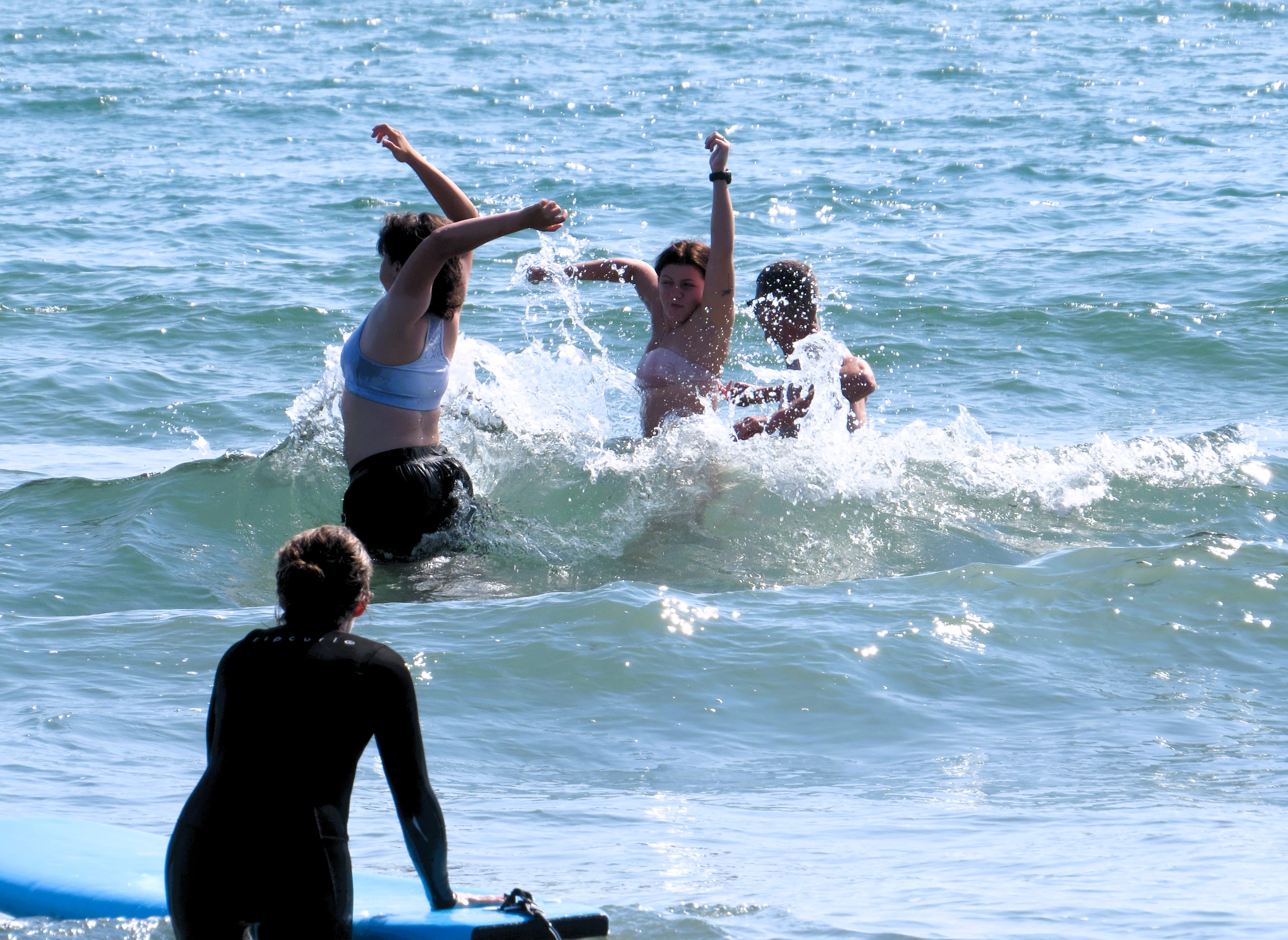
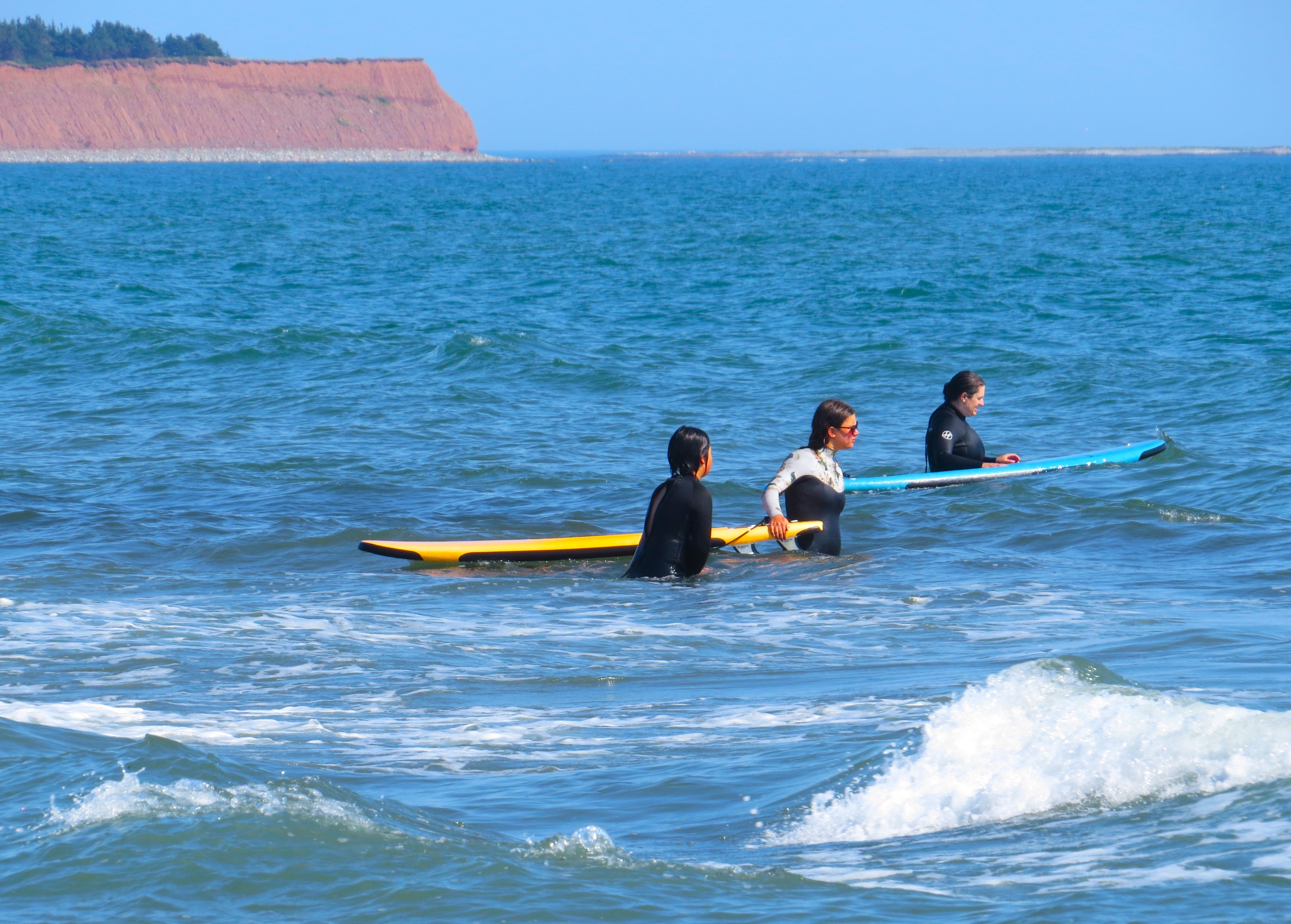
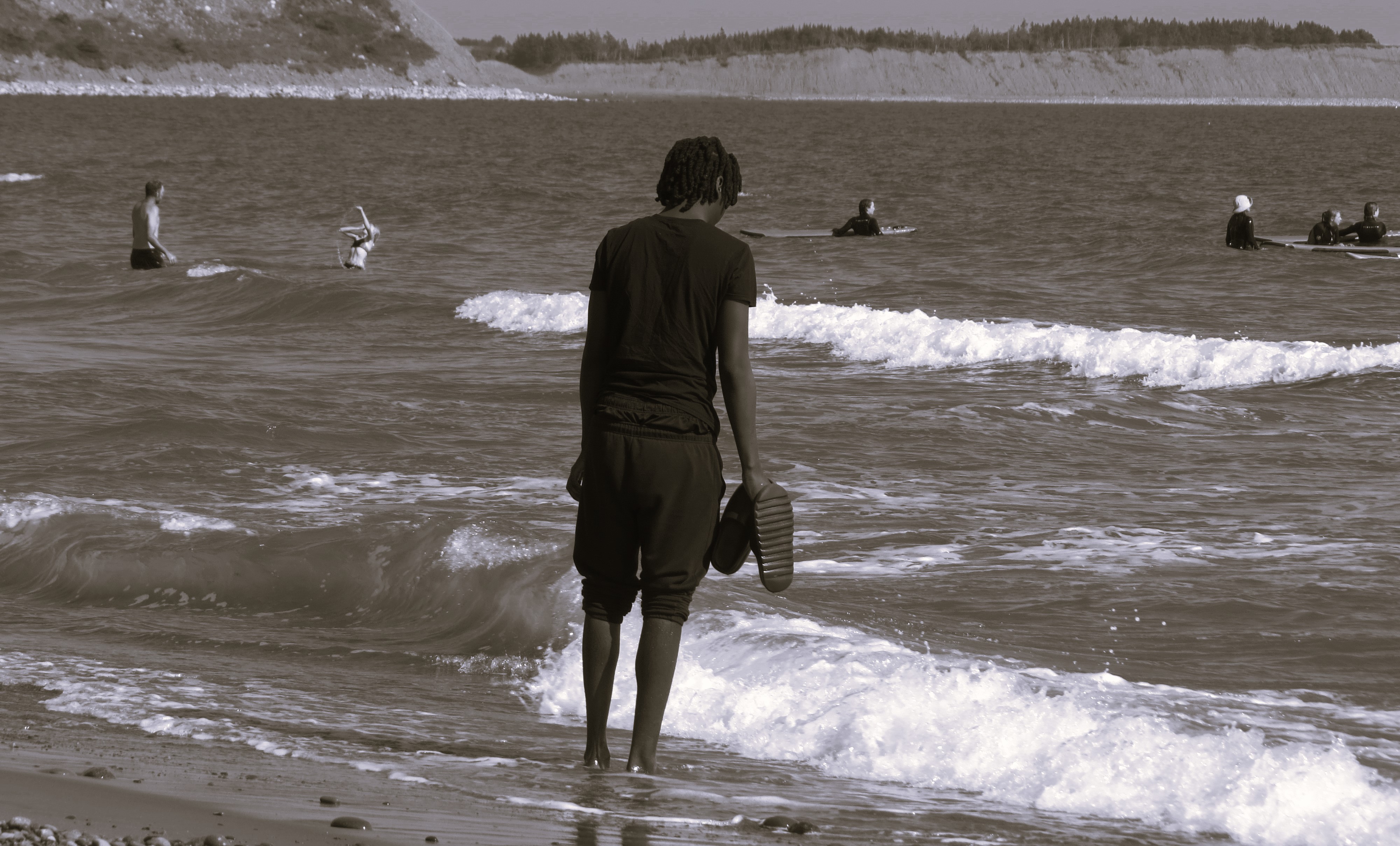
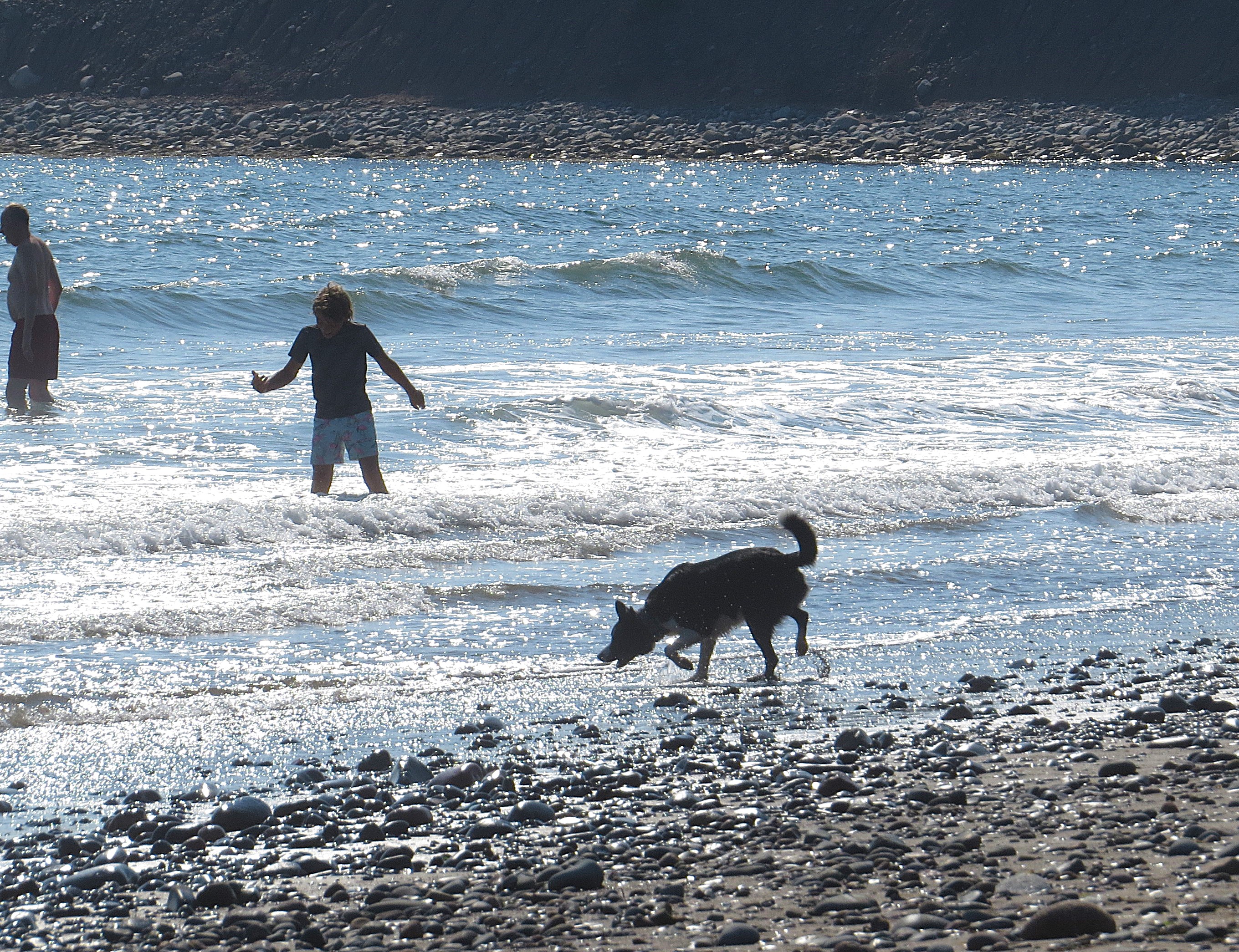
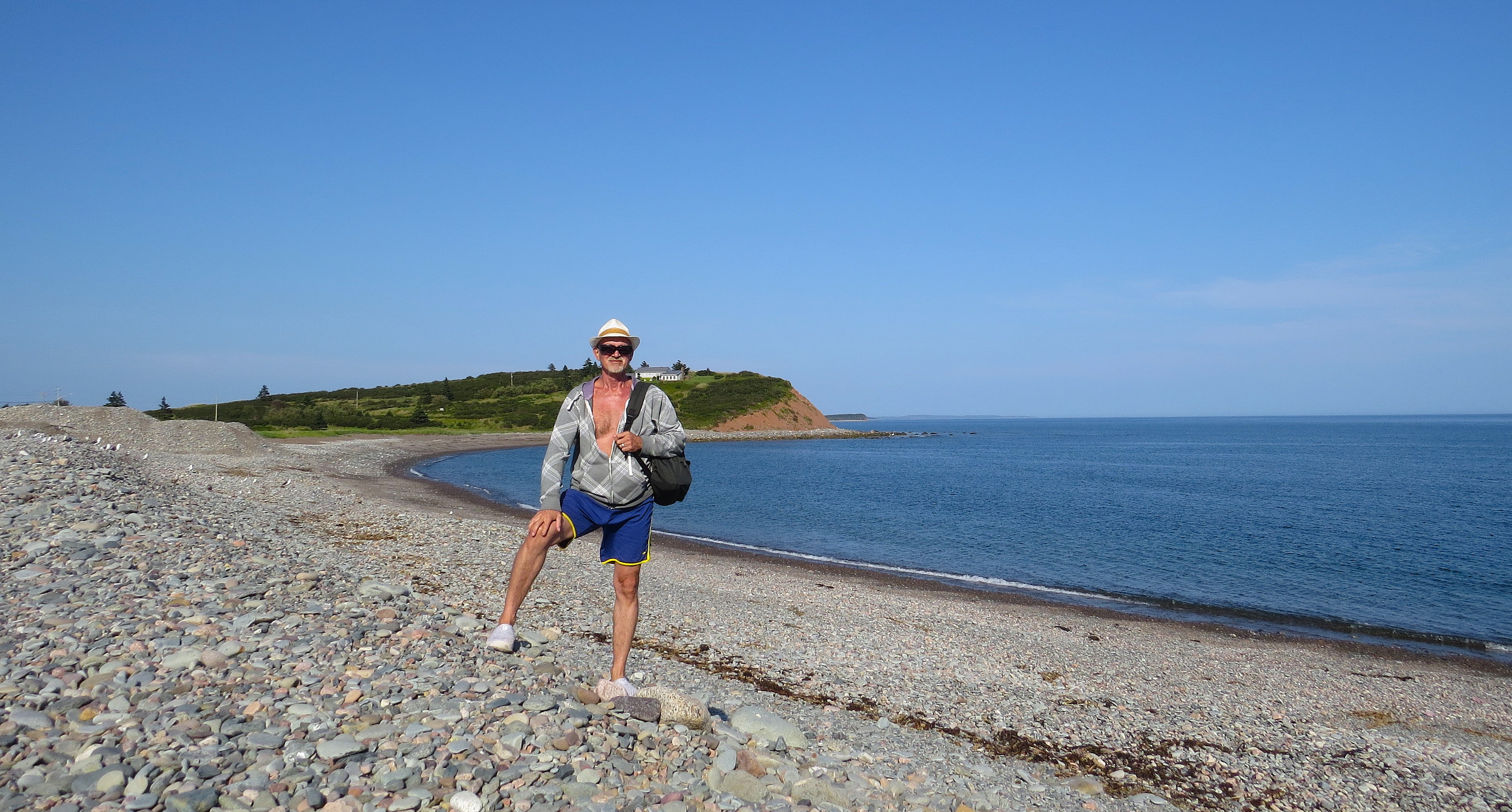
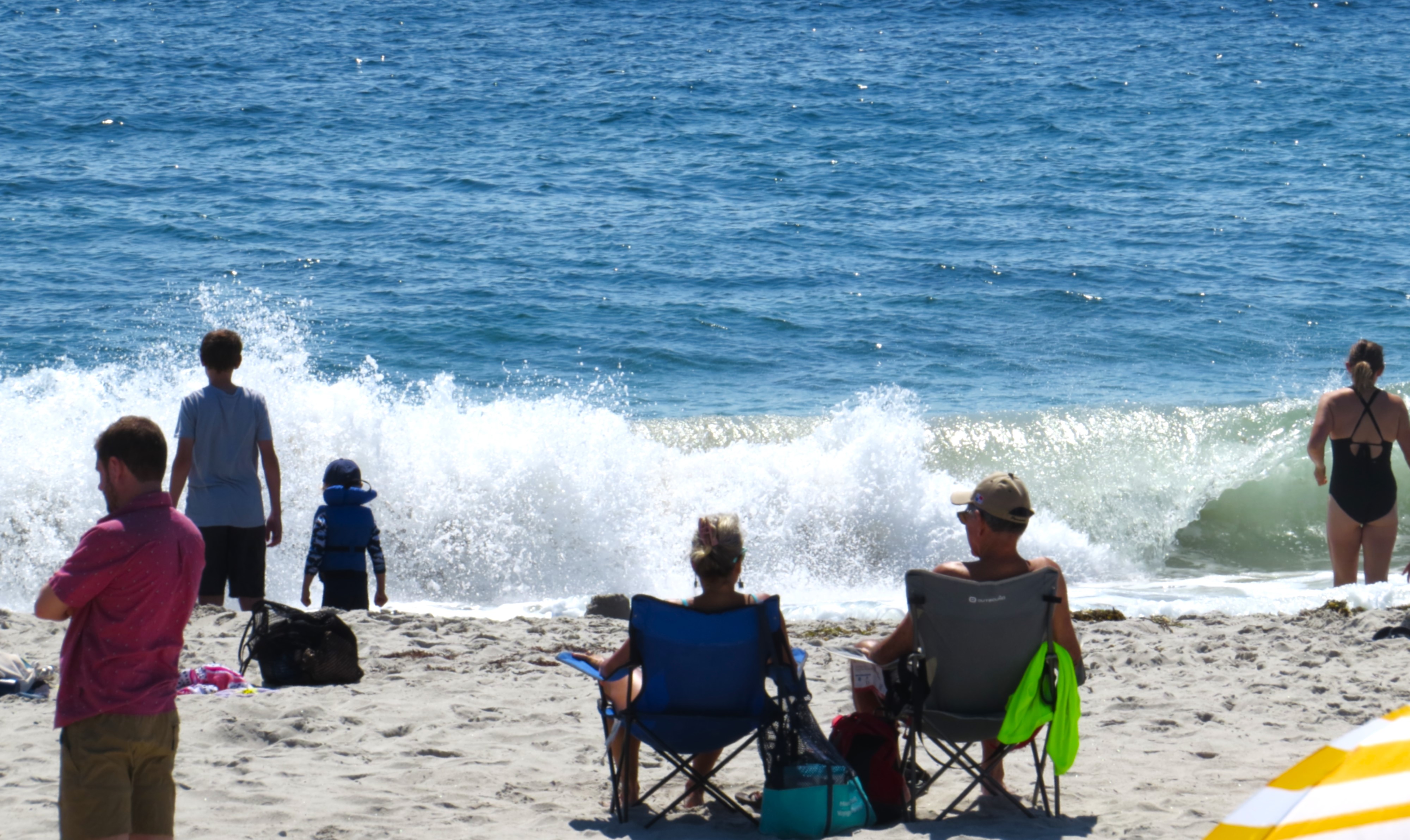
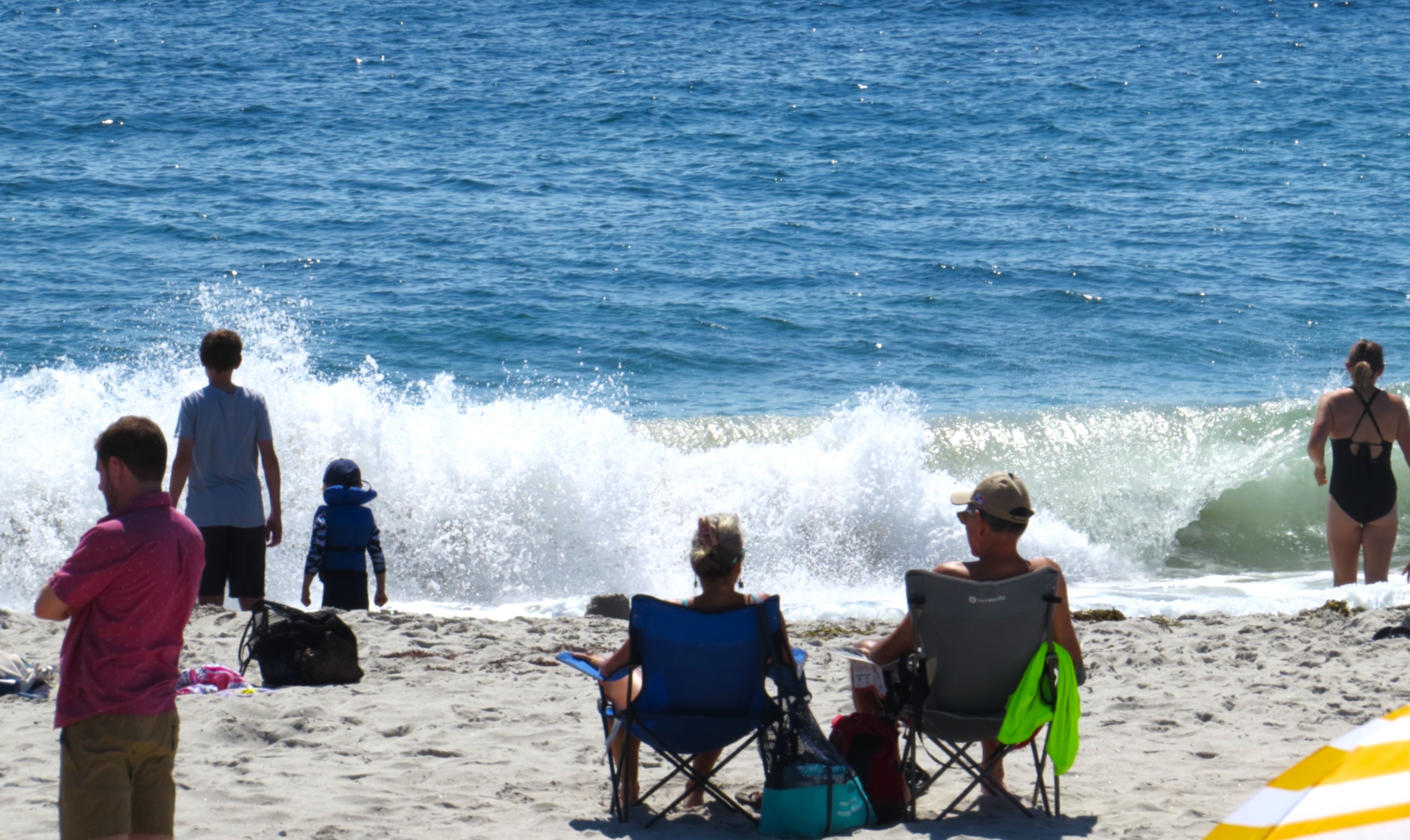
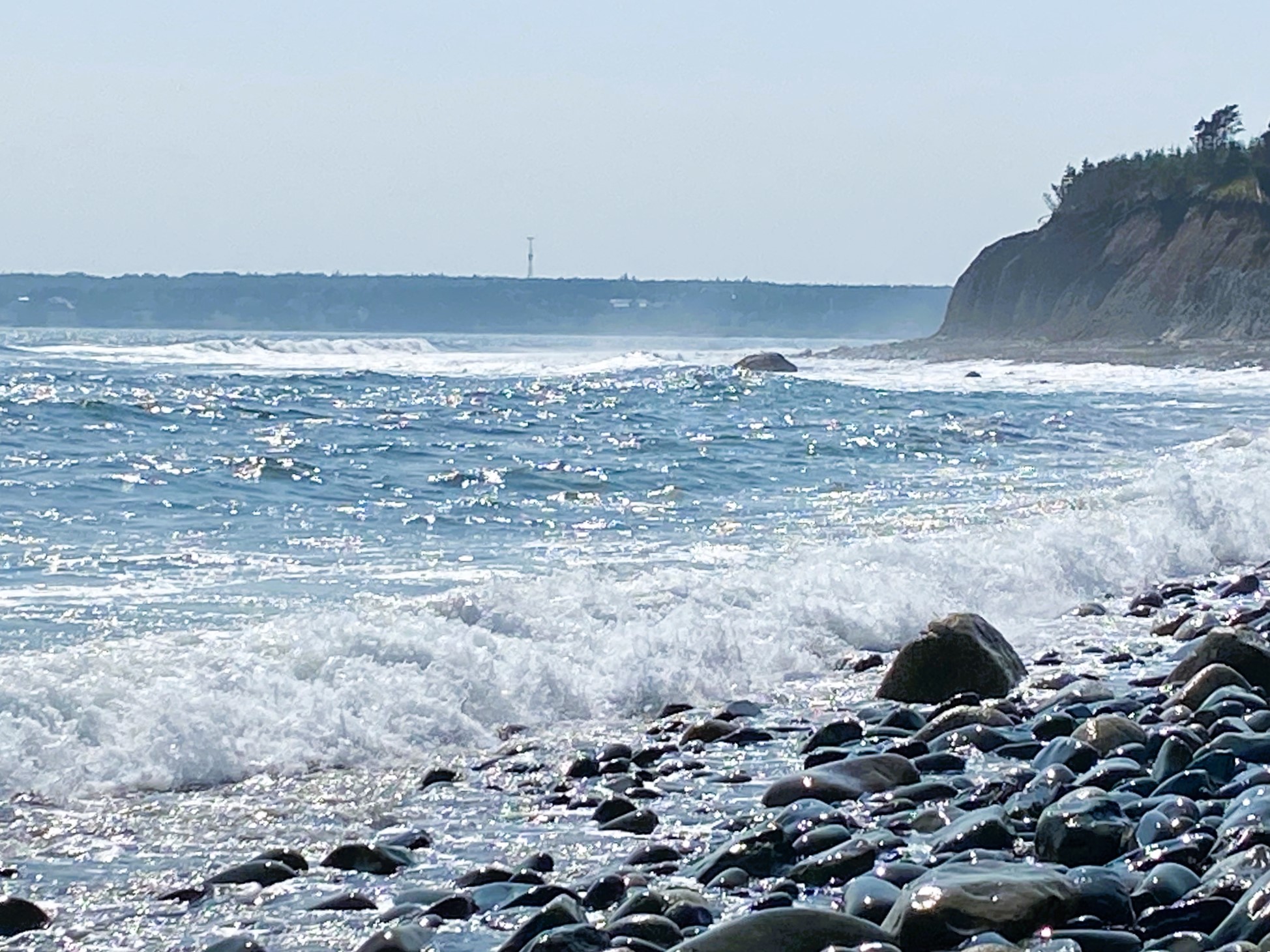
My last hot and sunny day playing among the waves of North Atlantic was on Lawrencetown beach. Place I have visited over the years more than I can remember. After that I went for one more quick swim at Canada’s Ocean Playground beach by Gaetz Lake. And lovely walk to a Wildlife Sanctuary that shows tremendous affection to all kind of native creatures, who suffered some serious problems and can’t survived on it’s own. Such a tranquil place. In a few days time I will be driving through the entire continent, traversing the same route and highways me and my John took six years ago. Back to where we begun that journey – to British Columbia. Although He can’t be with me physically – His love and spirit will. We will have lots of time to reminiscence the almost forty years of an amazing life journey. The most beautiful Journey of my life.
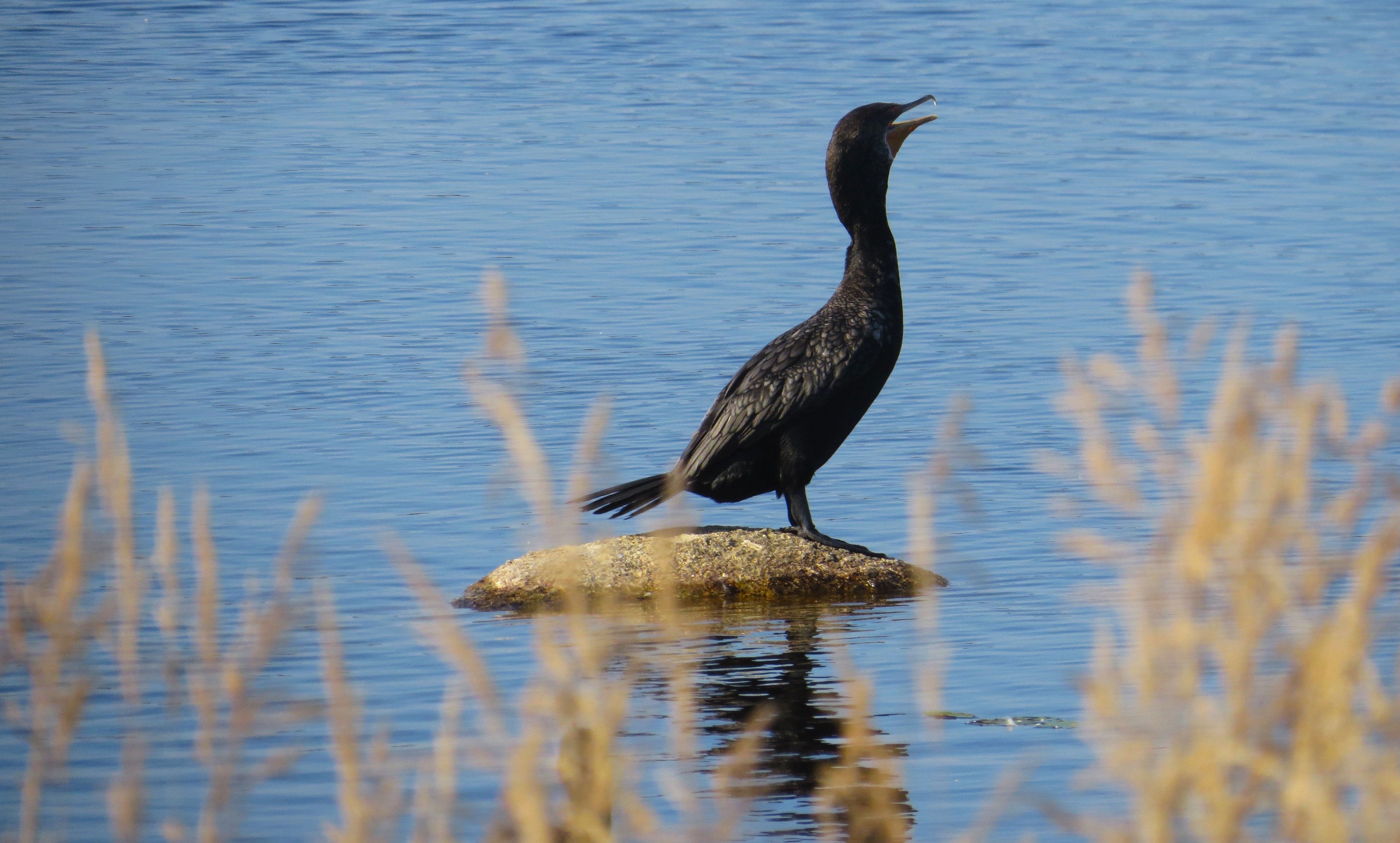
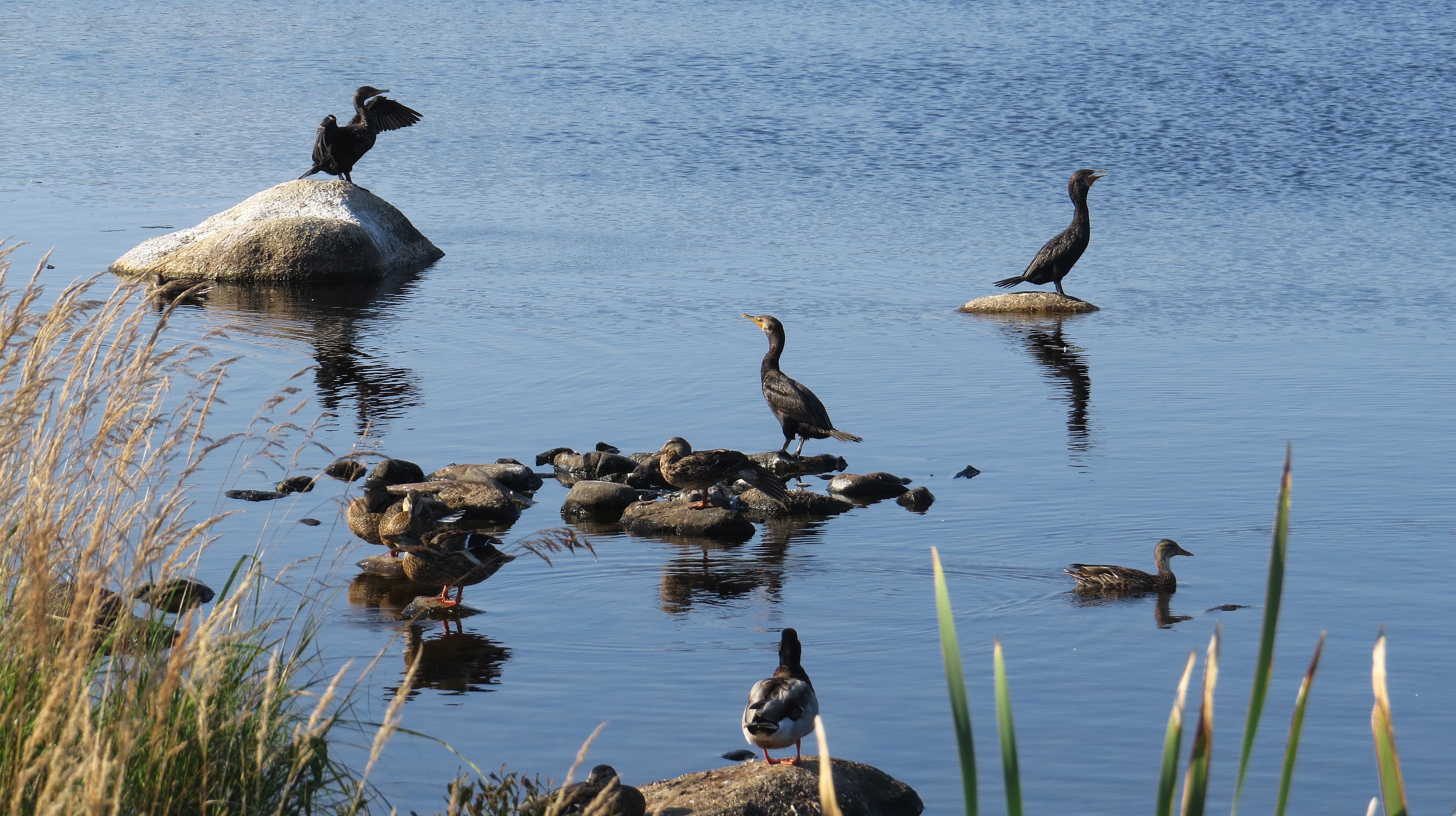
Next pictures from Canada’s Ocean Playground and Wildlife Sanctuary.
Canadian Prime Minister Justin Trudeau has been known to be a friend and ally of LGBTQ+ community in Canada. In general, his personal and to a large extend political stance is in favor of inclusion and full participation in all aspects of private and public life of all segments of society. Long gone are old, somewhat paternalistic attitudes of tolerance. They have been rightfully relegated to history. The LGBTQ+ community does not need to be ‘tolerated’. We need and are fully equal parts of all spheres of public life. It is those, who hold the disgusting attitude of homophobia that have finally become the true fringes of society in Canada.
But knowing very well our own, very long struggle against ostracism, against hatred and indeed physical violence, we (LGBTQ+ community) often sympathize with those, who face that hatred, scorn and ostracism for who they are. For many different reasons. None is more for the past months than Palestinian people, their children, the elderly being denied the most basic right – a right to their own country, on land they lived from time immemorial.
They are being slaughter right now, they have become a part of insidious and murderous way of shooting game: the Israelis tell them to move from one spot to the other and as they – terrified – try, the Israeli bombs are being dropped on their heads. As of now the number of massacred Palestinians stands at 40 000. They have no homes anymore, no hospitals, no shops to buy food, no schools. The other day an Israeli Jew (not even a military or police – no, private bandit) just came to a Palestinian home (far away from the Gaza executions of Palestinians) and shot dead the Palestinian owner of the home and declared it to be his now.
So there is no surprise that the LGBTQ+ community feels often and by large, as an ally for the Palestinians. They know the suffering, the persecution. That does not make as an ally of Hamas or advocating violence against Jews. But we will stand with the oppressed, the hunted, the ones, who are subject to the terror of state organized genocide.
This is not antisemitism. It is not hatred of Jews. This is pro-life, pro basic human rights, basic political rights. This is against creation of new Cambodian killing fields of Khmer Rouge. I personally, a Canadian and a Pole, who is still traumatized of the history of Polish Jews during the second world war cannot fathom that their children, grand and great grandchildren, can do toward others the things that – at times – resembled, what was done to their forefathers during 2 world war. Maybe that comparison goes too far, probably it does. But emotions are hard to control, when you watch the news, see the terrified mothers trying to shelter their children, bodies of babies, people lining up to get some scraps of food.
When I read the article in todays ‘National Post’ about Justin Trudeau and his government refusing to take part in Ottawa’s Pride Parade because the Parade organizers have a message of support for Palestinians in Gaza and that he did it because of pressure from Jewish organizations in Ottawa – it makes me mad as hell. I don’t want MY prime minister to be an agent of Israel’s lobby. I want MY prime minister to be on the side of empathy, supporting the oppressed, the ones being slaughtered in thousands. The Justin Trudeau I remember and knew. Justin Trudeau the world fell in love with years ago for being such staunch supporter of the weak ones, the oppressed, persecuted.
And no, Prime Minister you have no right to co-organize another Pride Parade somewhere else in Ottawa by Israeli agents. The Pride Parade is organized by the organizers chosen by LGBTQ+ community in Ottawa. One parade. You are welcome as guest to that parade. You don’t have to come. You can even issue a statement why. But don’t dare to be the emperor, who will divide our community.
I will quote Liberal Party statement of that situation: “In light of recent decisions by the Capital Pride board, the Liberal Party has decided not to participate in Capital Pride events this year, and instead will host our own event to celebrate Ottawa’s 2SLGBTQI+ communities,” by Liberal party spokesperson Peter Lund.
Ottawa LGBTQI+ community organizes and hosts Pride event in Ottawa. One, done by us – not by the government and some Jewish activists in Ottawa. Period.
Some time, on this pages, I have published a piece about the history of the oldest University in North America, Kings College in Halifax. Kings College eventually become part of one of the largest university in Canada, the grandiose Dalhousie University of Nova Scotia. I have eventually, on this blog, published a photo series of the university.
The massive complex of Dalhousie stretches through many blocks of the city. It brings life and vibrancy to the city’s core and creates many mini-communities of students and faculty. Encompasses the past and the future. Is integral part of it’s life, atmosphere and pulse. Gave me many pleasurable strolls, moments of reading an interesting book of poetry or novel, writing in my own notebooks my poems or musings on many subjects. University campuses do that to you, LOL. And I love it.
But I have always heard of a special, far away campus of Dalhousie. The entire Faculty of Agriculture. It sits somewhere in a community called Bible Hill, part of larger city of Truro. I have past Truro countless amount of times. It sits right on both sides of meeting of two major highways connecting Nova Scotia to the West of Canada and to the South on Nova Scotia. But what you see, when you are passing the city on highways is hardly and appealing site. The ugly big magazines, some big malls. Sort of ugly site of North America with ever sprawling ugly malls without any character or architectural originality.
Yet, I have heard many times of that Bible Hill campus. As I will be soon leaving this province, I had to visit it. Additional emotional reason was also the fact, that a dear friend of my husband and through him mine – was borne in that city, went to school there. But left it many years ago moving to the West (Calgary and Vancouver) and never seen the campus that was built little way out of the main city. So I did and hope that she will appreciate it.
It is a site to behold. Many red brick old university buildings, spread through a large swath of land. No wonder – it’s laboratories are in the fields, in the valley. We are talking of agriculture and botany. Living university. I am so glad that I did.
In no particular order here is the view of this wonderful campus.
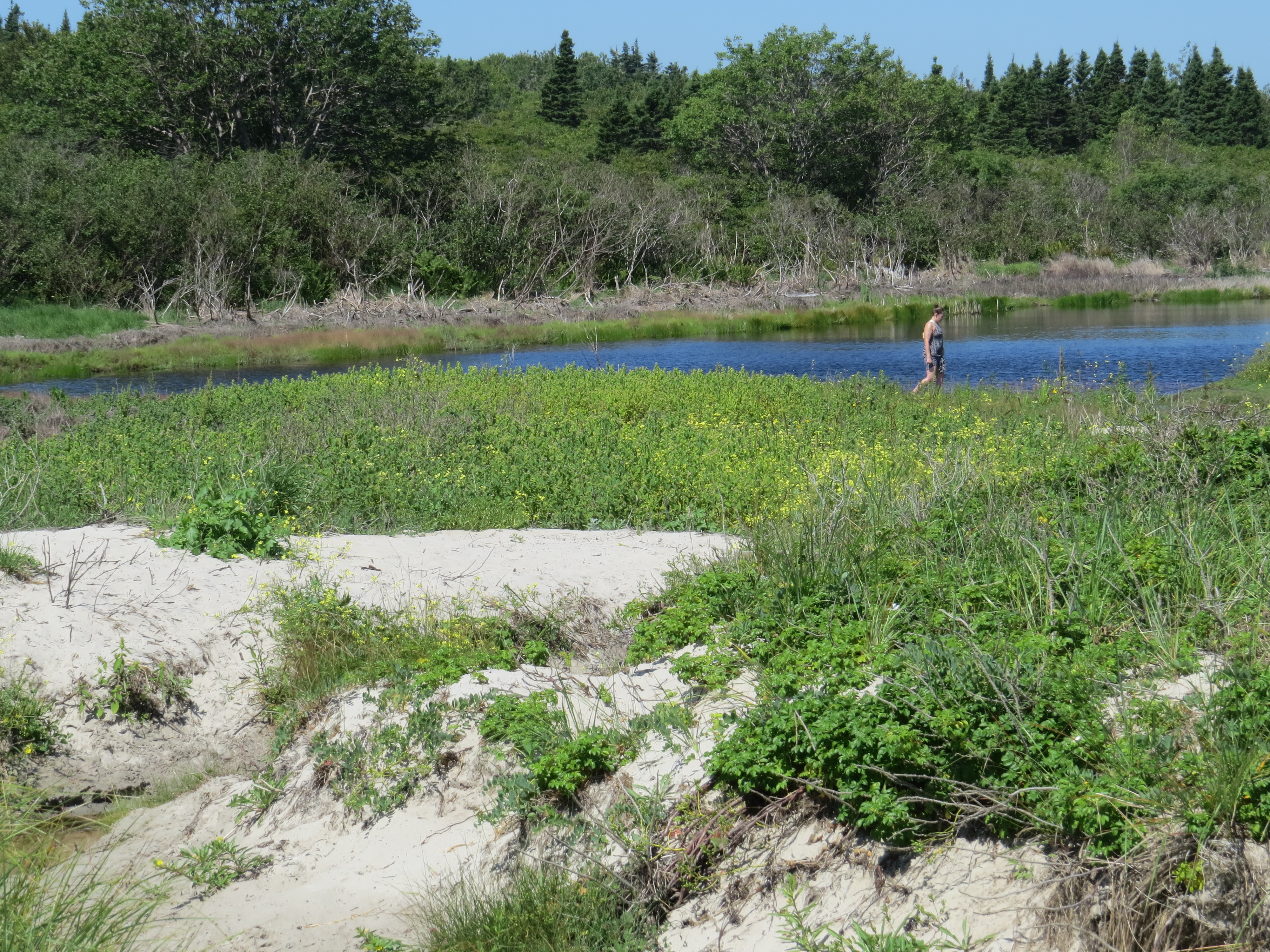
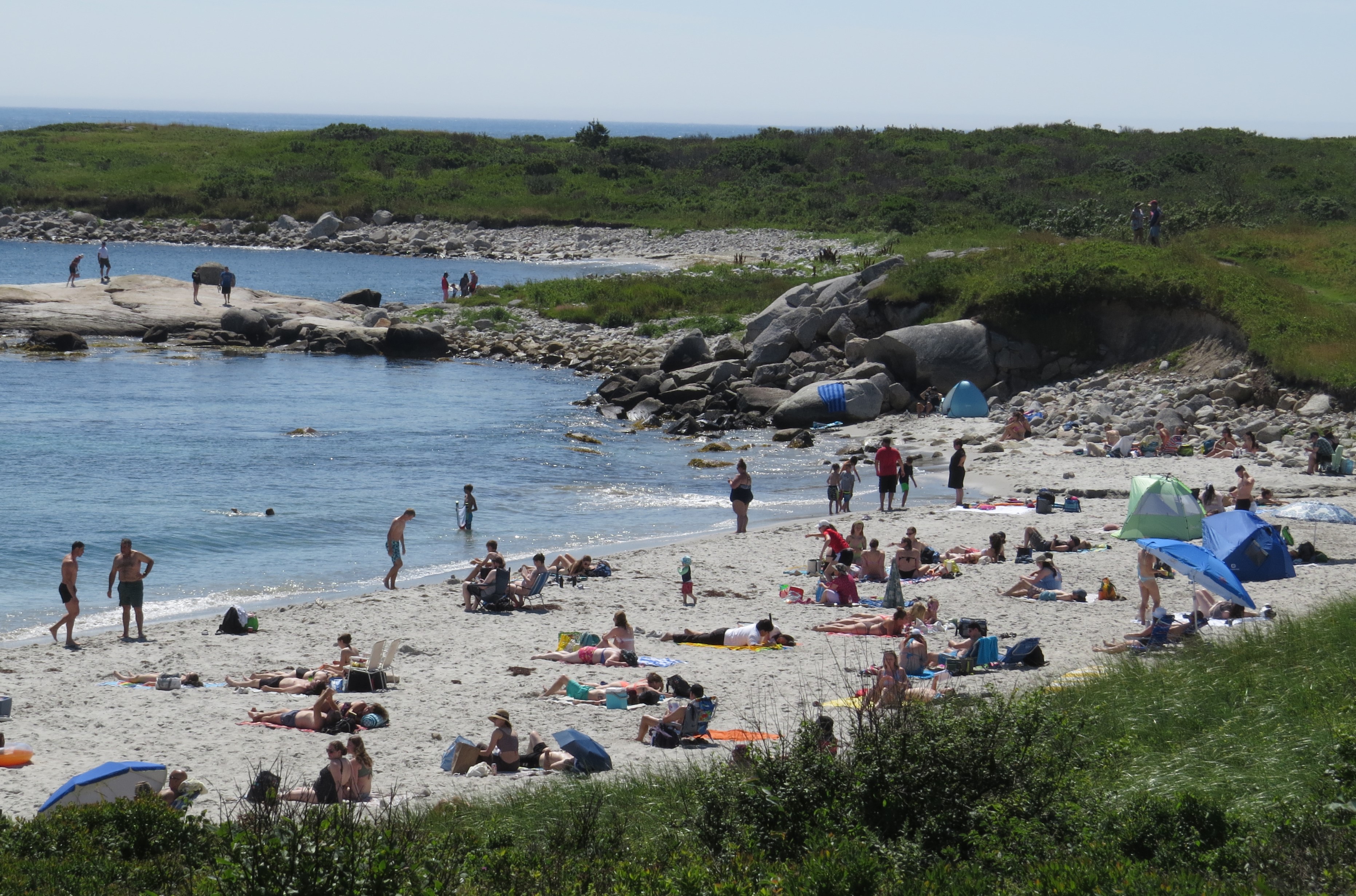
Children are amazing people! Throngs of beachgoers are squeezed next to ech other on the sandy beach – but a child knows better: what could be more magic than playing in a mud in little stream rushing toward the ocean? Child imagination dwarfs imagination of an adult.
Dzieci są niesamowite! Tłumy plażowiczów ściśnięte na słonecznej plaży niby złote sardynki w puszce z olejem. Ale wyobraźnia dziecka pracuje inaczej – cóż może być wspanialszego niż położyć się w ciepłym błotku strumienia spływającego wartkim nurtem do oceanu? Tam dopiero cuda można sobie wyobrażać.
Kolejny przystanek mojej podróży pożegnań z Nową Szkocją. Tym razem do miejsca wyjątkowego. Ostatni raz byłem tu chyba około trzy lata temu. A jeździłem często i John ze mną jeździł póki zaczął unikać i szukać wymówek lub namawiać mnie bym pojechał w taki dzień, gdy on pracował. Wtedy jeszcze nie wiedziałem, że większe wędrówki zaczynają mu już sprawiać bariery niemożliwe do pokonania.
Na szlaku od plaż ku skałom miałem takie ‘prywatne małe poletko skalne zawieszone ponad ścieżką. Na tym poletku, o odpowiedniej porze roku, rosły poziomki i jagody. I znosiłem mu cierpliwie czekającemu pełne garstki tych cudowności. Oponował naturalnie niby oburzony, gdy mu kazałem otworzyć usta i sypałem do nich z mojej dłoni słodkości. Oponował – ale zjadał, LOL. Wiedział, że robi mi tym przyjemność. Takie nasze idiosyncrasies urocze. Tylko pilnował by nikt, broń Boże, akurat nie przechodził i nie było świadka, że je świeże, niemyte owoce i to prosto z mojej ręki! Potem dochodziliśmy do małej plaży nudystów (tu już nawet nie sugerowałem by się rozłożyć i popływać przed skalna wspinaczką. Ostatecznie zbyt dobrze się znaliśmy – to by był koniec wycieczki i basta, LOL). Tyle lat w Vancouverze i plaże tam (w tym dwie nudystów, jedna popularna koło Uniwersytetu) – ale mowy nie było by nago w biały dzień się pokazał. Wracając do Nowej Szkocji – za tą plażą zaczynała się wspinaczka przez wąskie ścieżki kosodrzewiny i przez potężne, zawieszone nad szalejącym Atlantykiem skały i głazy. Nigdy nie szliśmy razem aż tak daleko, jak ja samotnie. Ale nie potrzebowaliśmy. Piękno widoków i krajobrazu mógł docenić i zachwycić się nim na tym odcinku, jaki robiliśmy. Chodziło o to, by to była dla nas radość i satysfakcja, a nie coś wymuszonego. I tak szliśmy daleko, dalej niż większość turystów i miejsc kompletnej prywatności nie brakowało bym i ja mógł smakować te jagody i poziomki z jego ust …
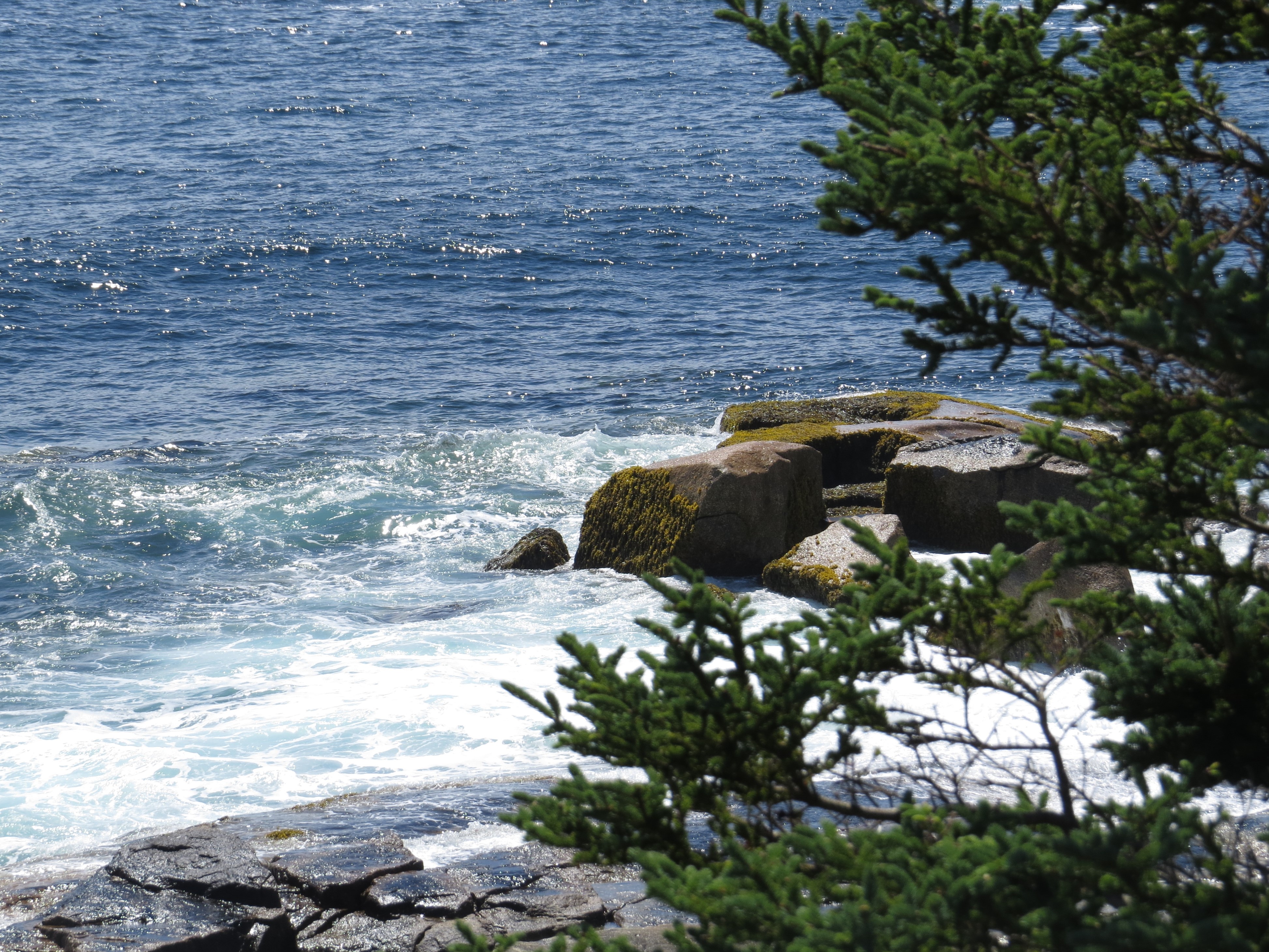
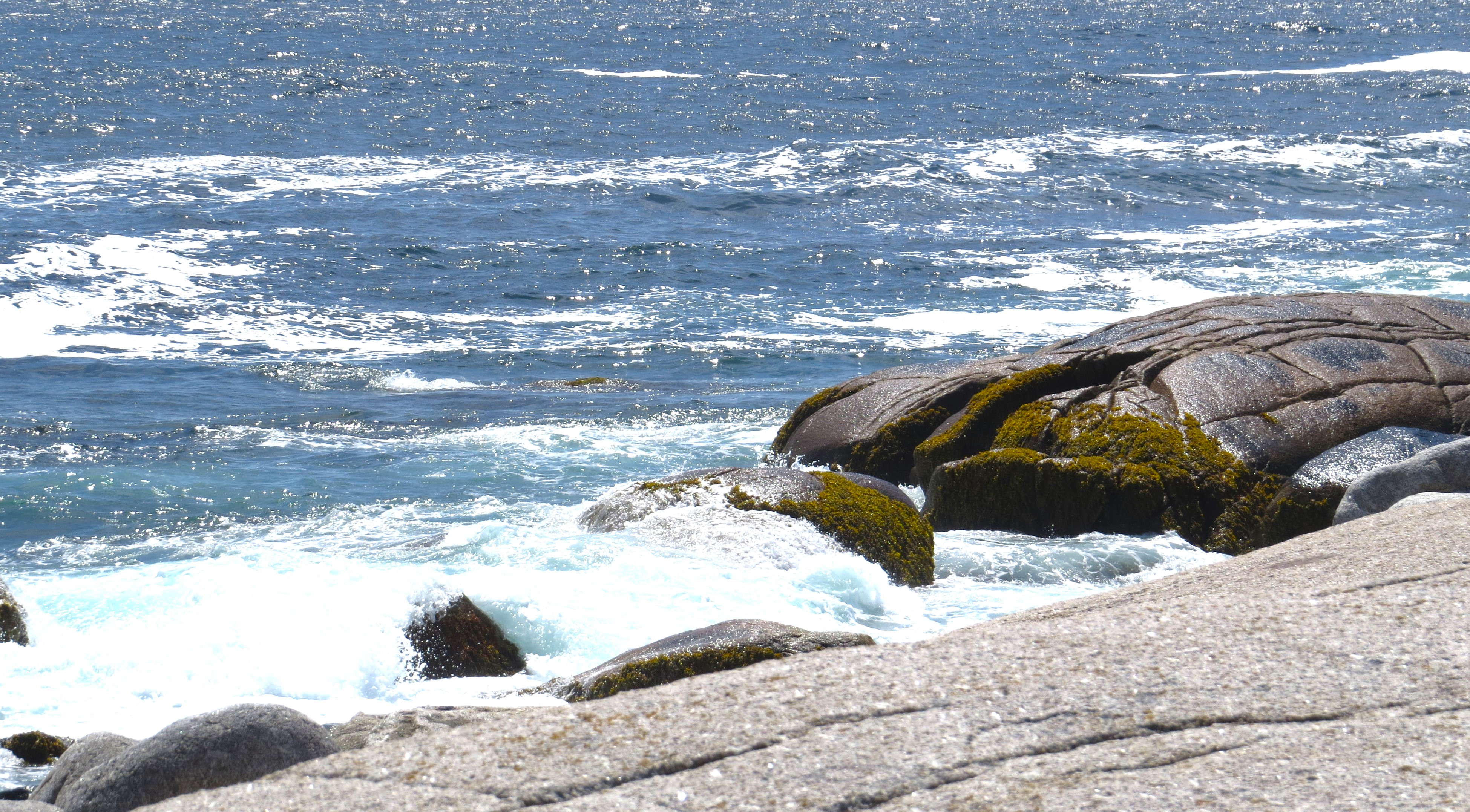
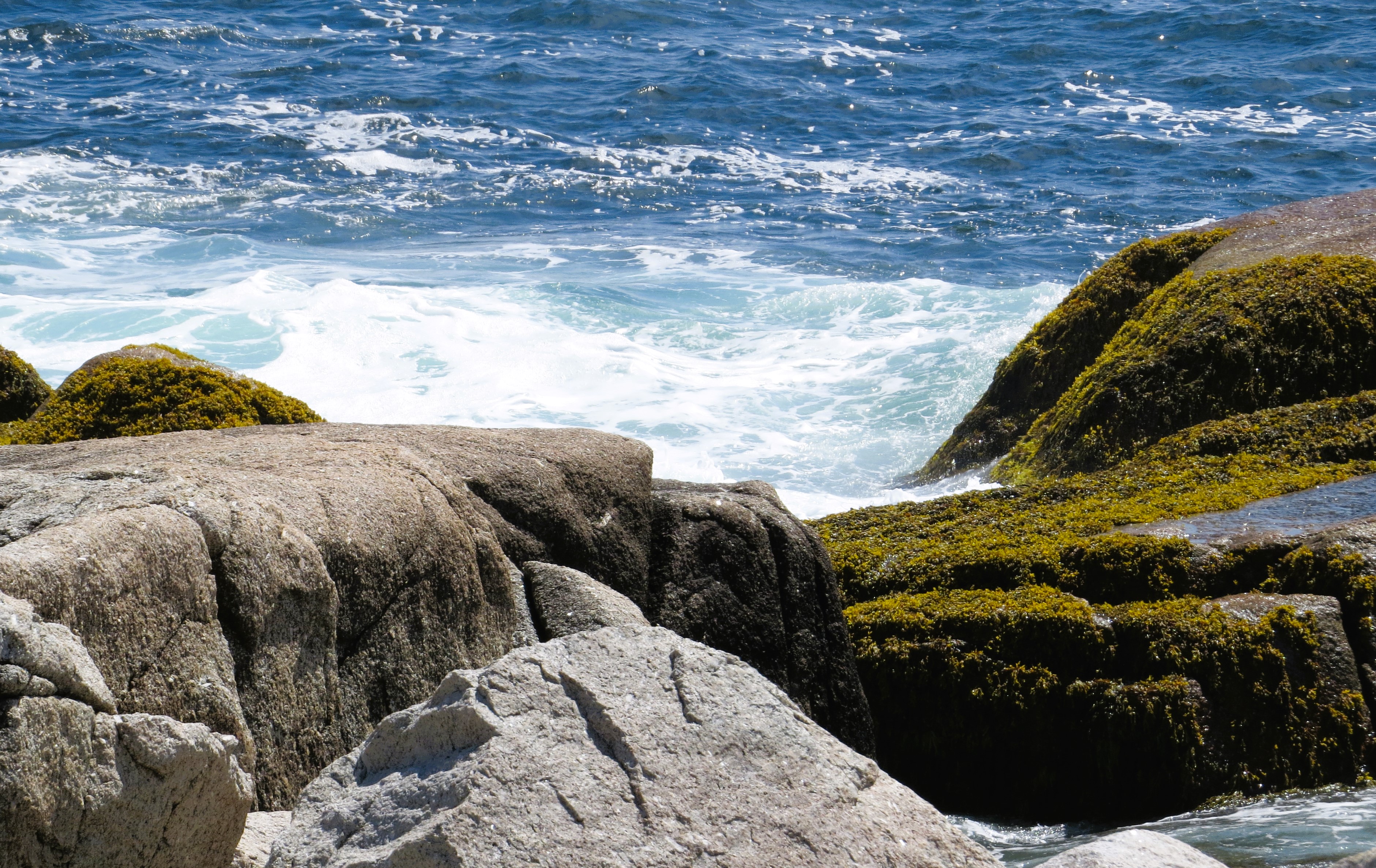
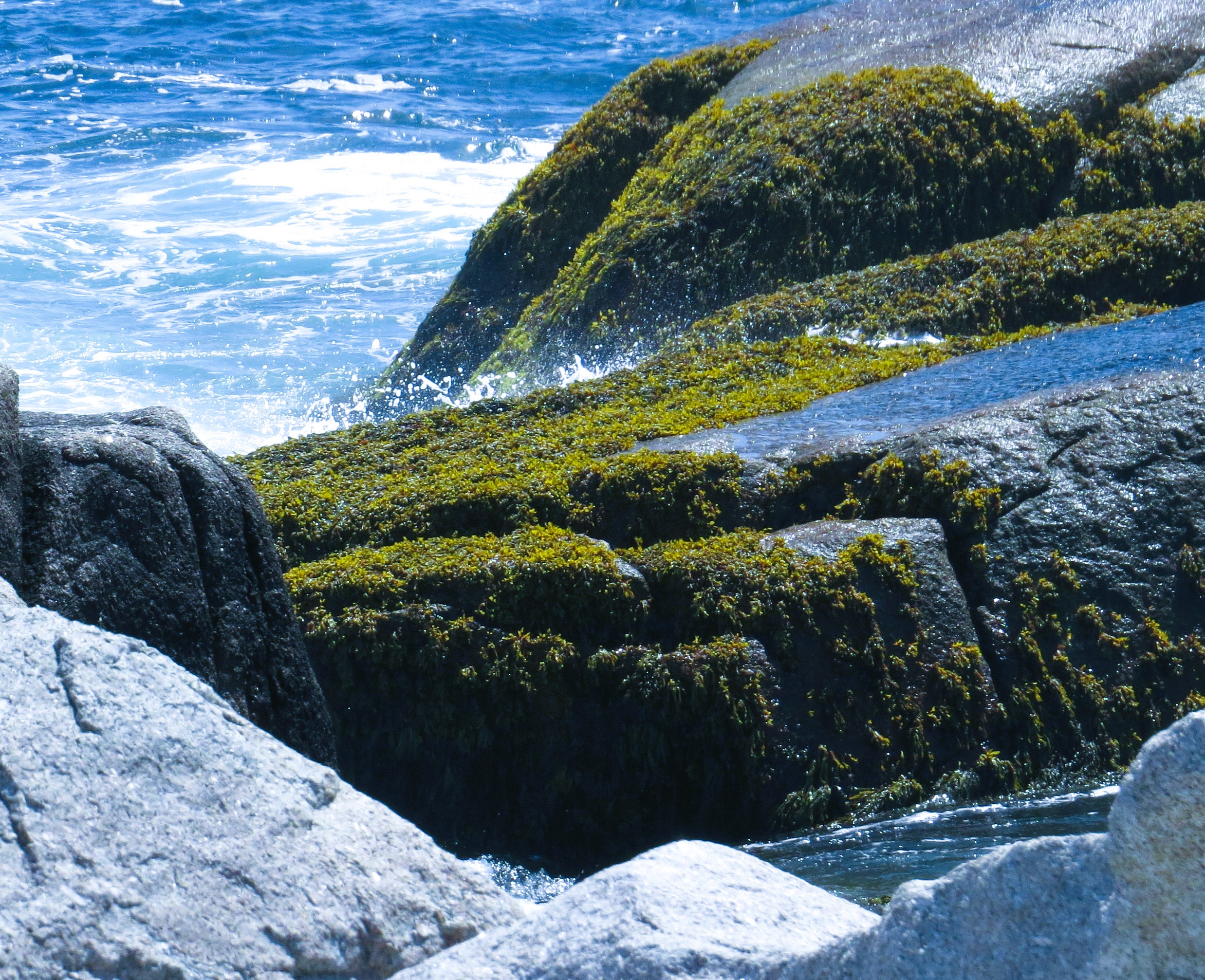
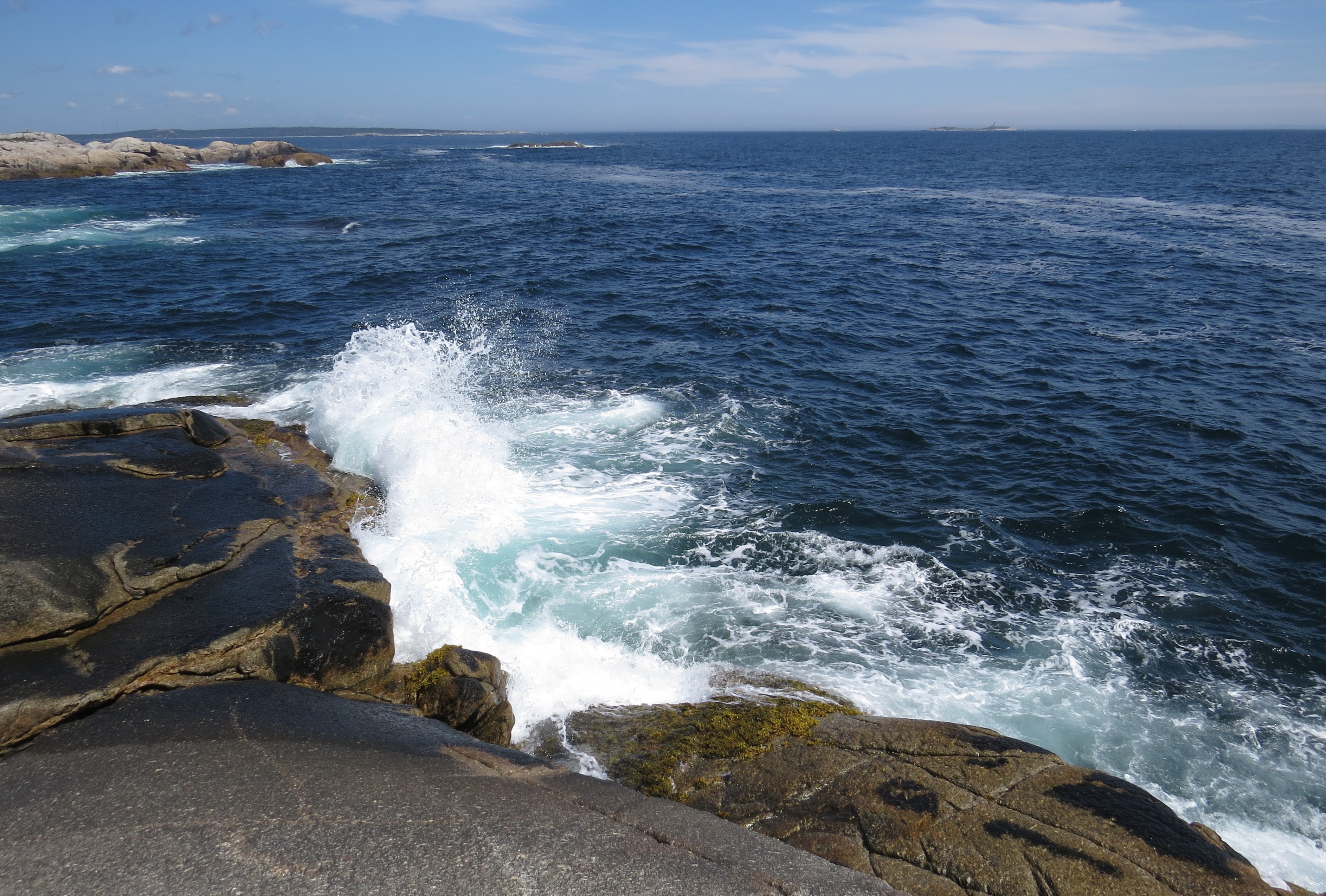
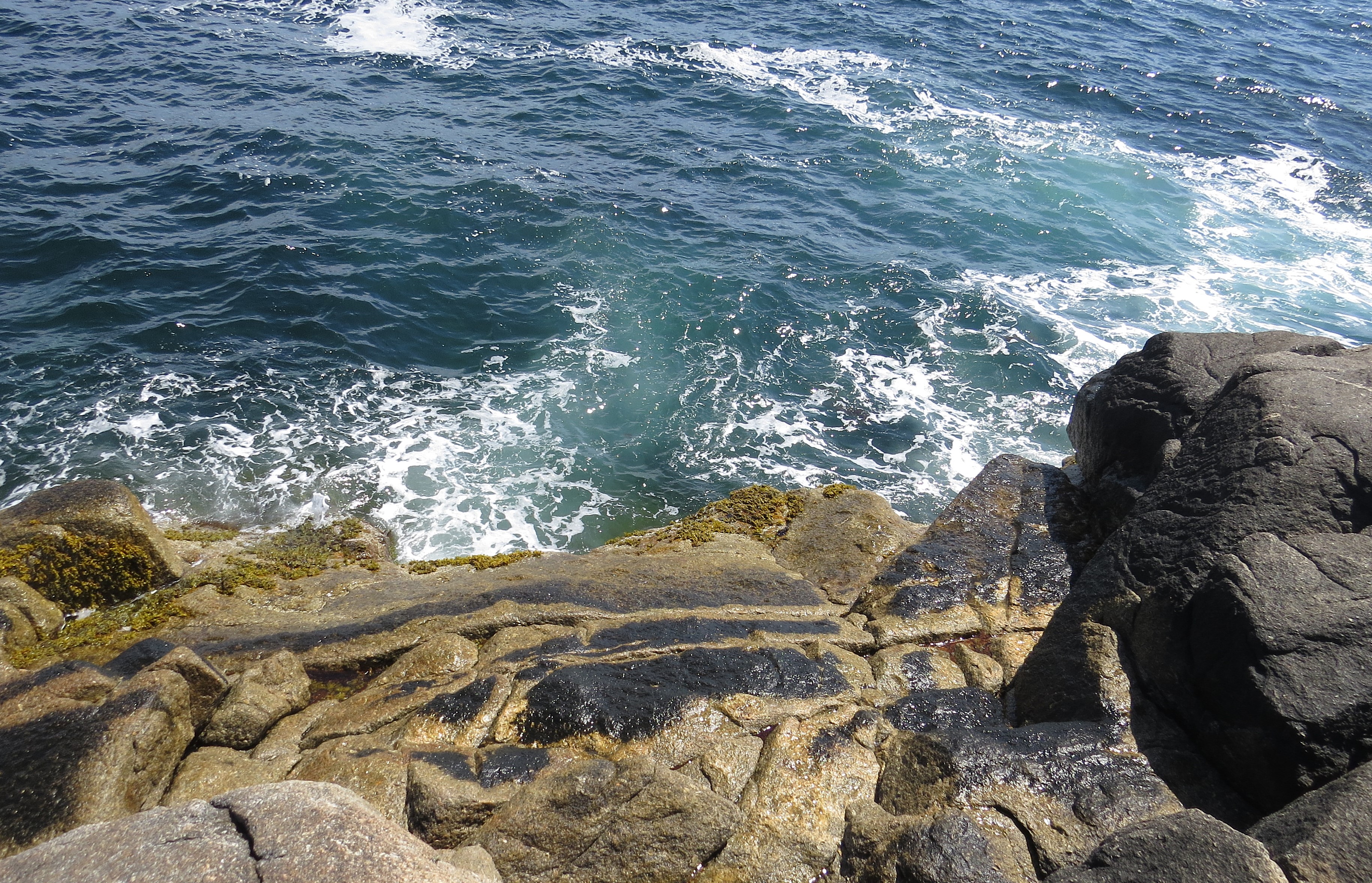
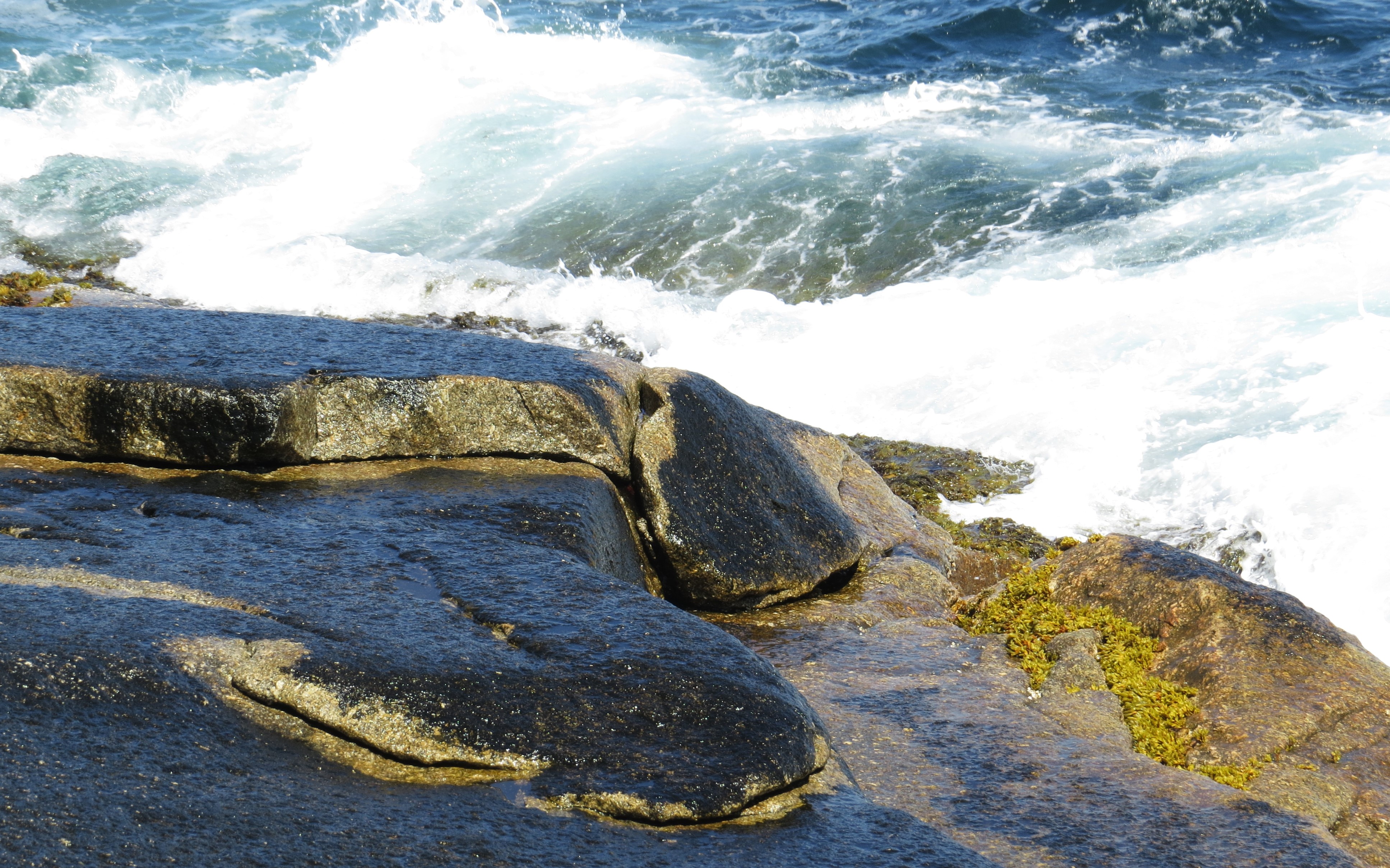
My next stop on the journey of saying ‘goodbye’ to Nova Scotia, our Nova Scotia. Mine and John’s. The last time I was here, I think, was about three years ago. I love that spot. The only beach and long hiking trail on western side of Halifax. We used to go there together, whenever it was possible and when it was possible. Our hike was usually shorter than my solitary were – but long enough to fully appreciate the wild beauty and majesty of massive rocks and boulders and the unrelenting power of the ocean below.
On the way to the rocky trail, pass the beaches and people I had a small secret meadow full of wild strawberries and blueberries. If it was in season I would go there and John would wait on the trail till I come back with both fists full the sweetness of the berries and empty them into his mouth. He pretended to be offended by it … but ate them, LOL. We had to make sure that there was no one approaching on the trail. Heaven’s forbid someone would see him eating fresh fruits and from someone’s hands! He like it, though. Maybe not as much the fruits (John wasn’t really an aficionado of fresh fruits) as the fact that he can make me smile and be happy. Our little idiosyncrasies. Next on the trail was a tiny nudist beach. No, I knew better – didn’t even ask him to stop and go for swim before the hike. Naked in public, beach or no beach?! That would be the end of the walk and the trail, no question asked. I knew what I can ask him of, and what I should not. Idiosyncrasies is one thing and disrespect is another. The true trail started right past that beach. Narrow and easily lost, covered with rocks and roots, often very wet and muddy from numerous tiny creeks rushing toward the ocean. Eventually you got to walkable huge slabs of rock and the amazing view of the majesty and power of the Atlantic. It truly is something to behold. We never went that far, as I venture sometimes, but far enough to absorb the atmosphere, the enormity of nature. And there, on these rocks, far enough from typical tourist or beachgoer, I would find a spot invisible to anyone, secluded … and have my way with the wild strawberries and blueberries off his lips!
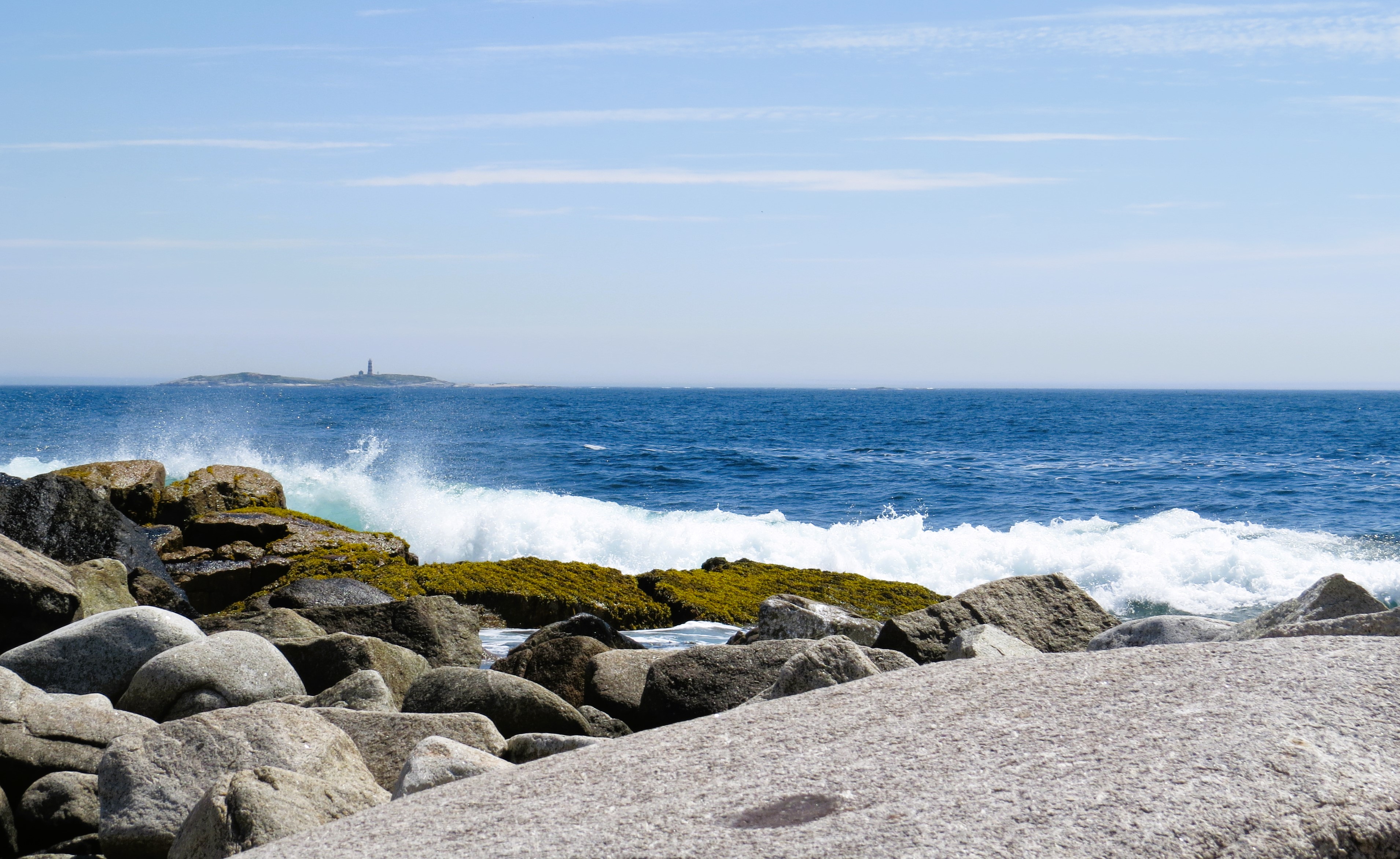
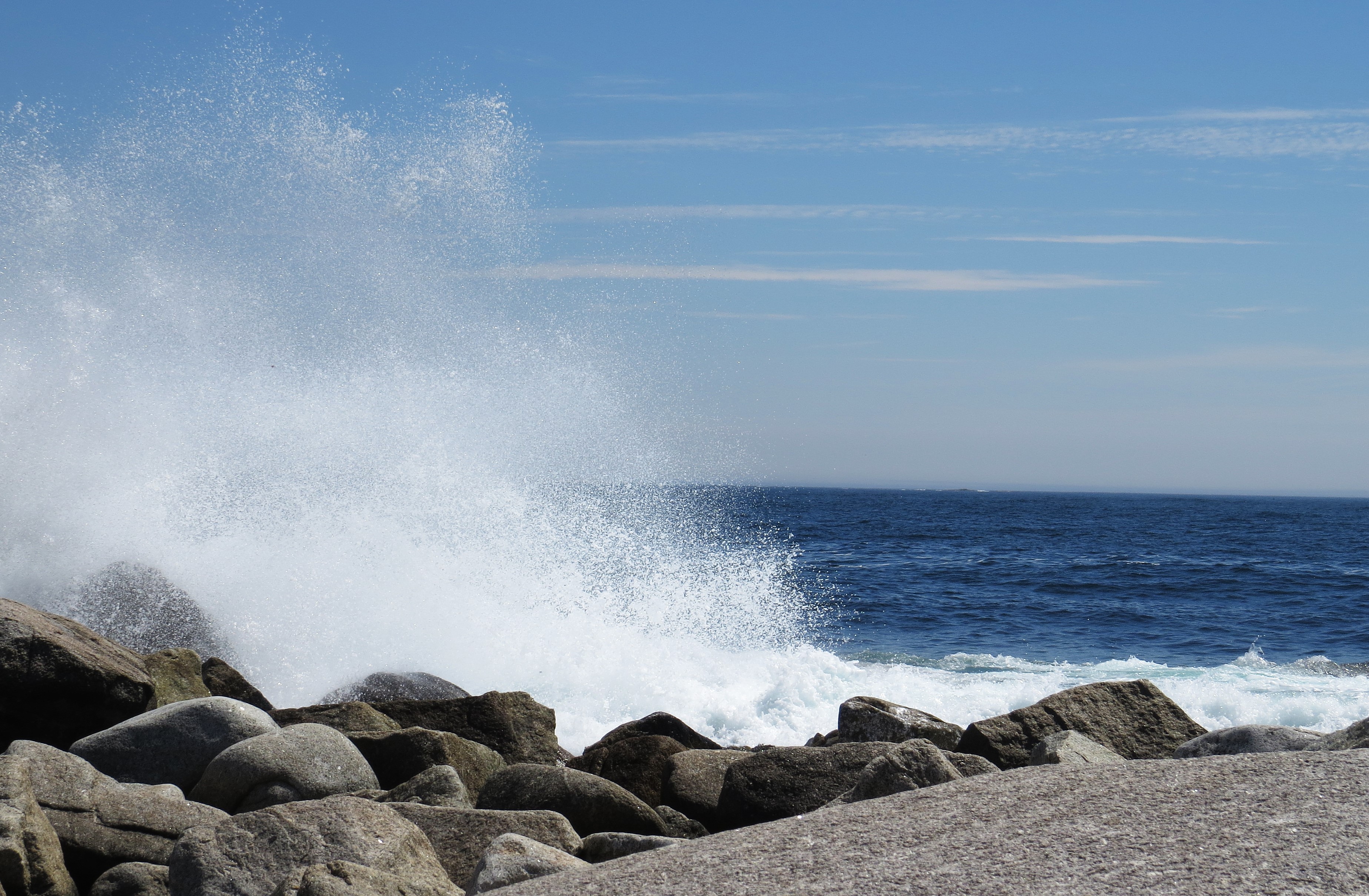
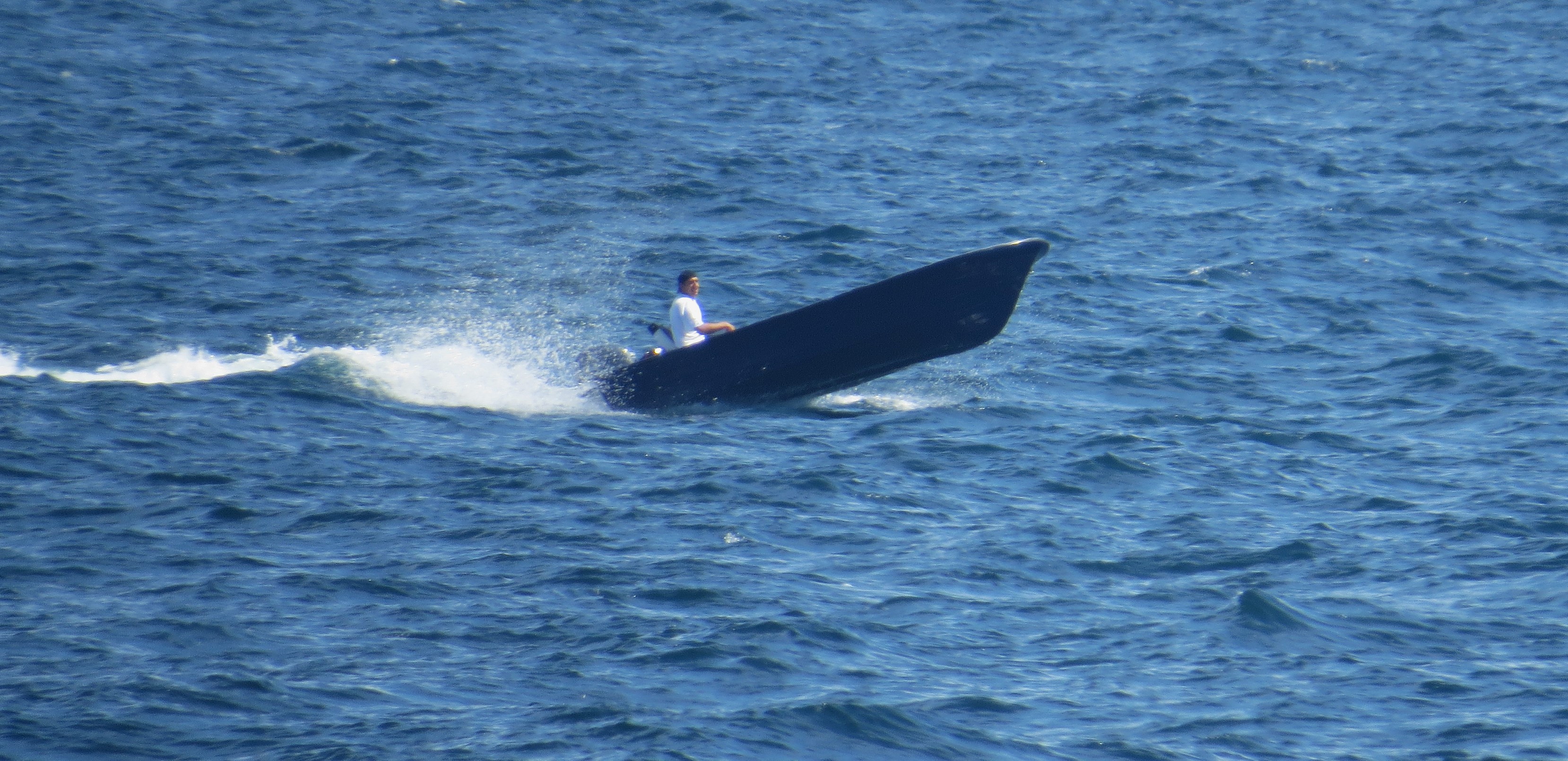
Below, pictures from yesterday – poniżej zdjęcia z wczorajszej wędrówki
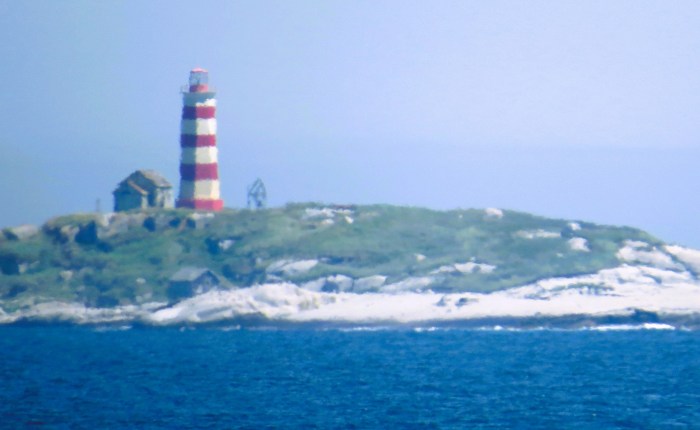
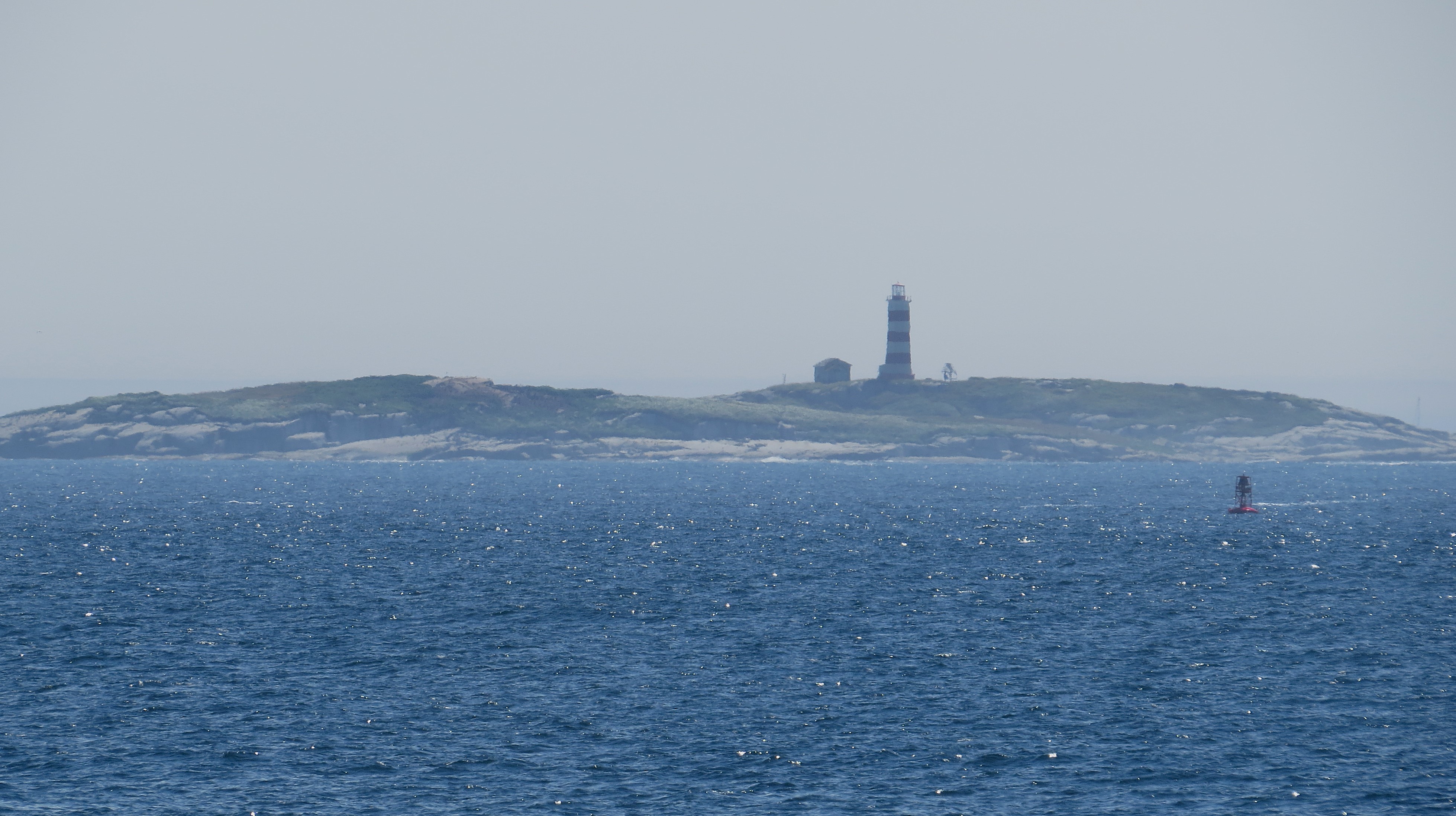
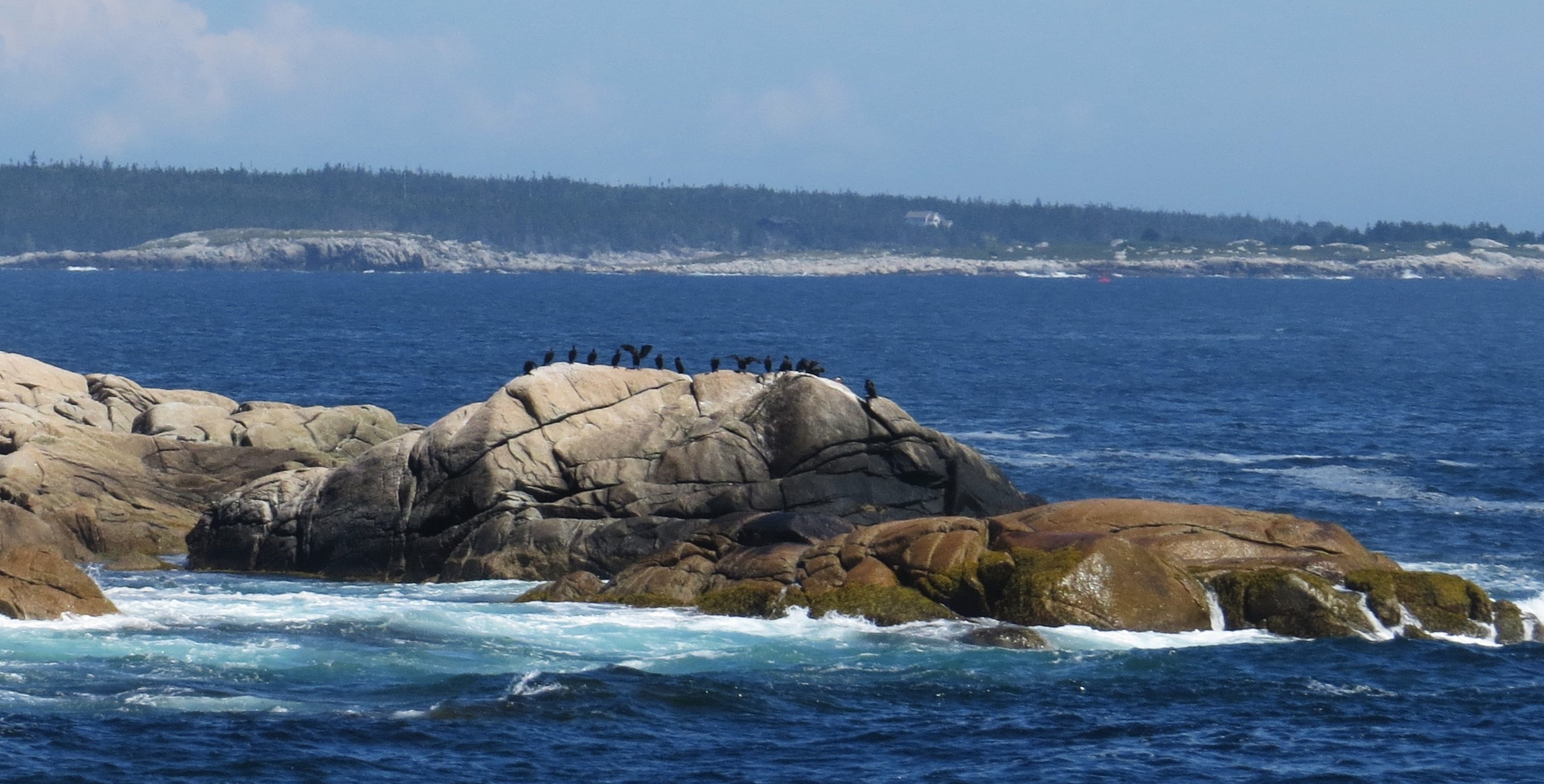
Widoczna na zdjęciu latarnia morska na wyspie Sambro, która jest ‘bramą’ to wejścia do portu Halifax jest najstarsza latarnią morską w Północnej Ameryce i do dziś operującą.
Pictures of the Sambro Island and the lighthouse remind us that it is the first lighthouse built in North Americas and it is still operational.
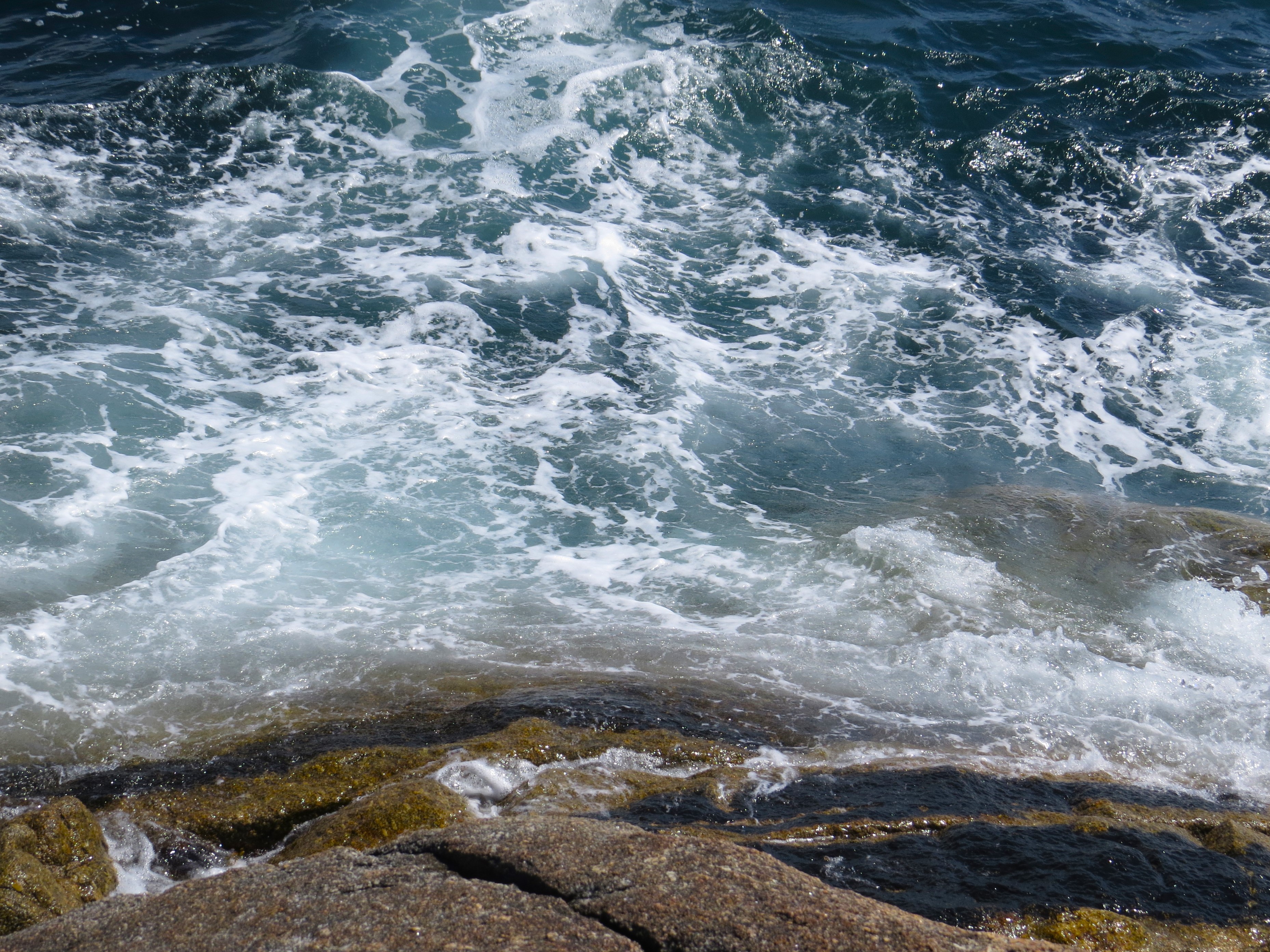
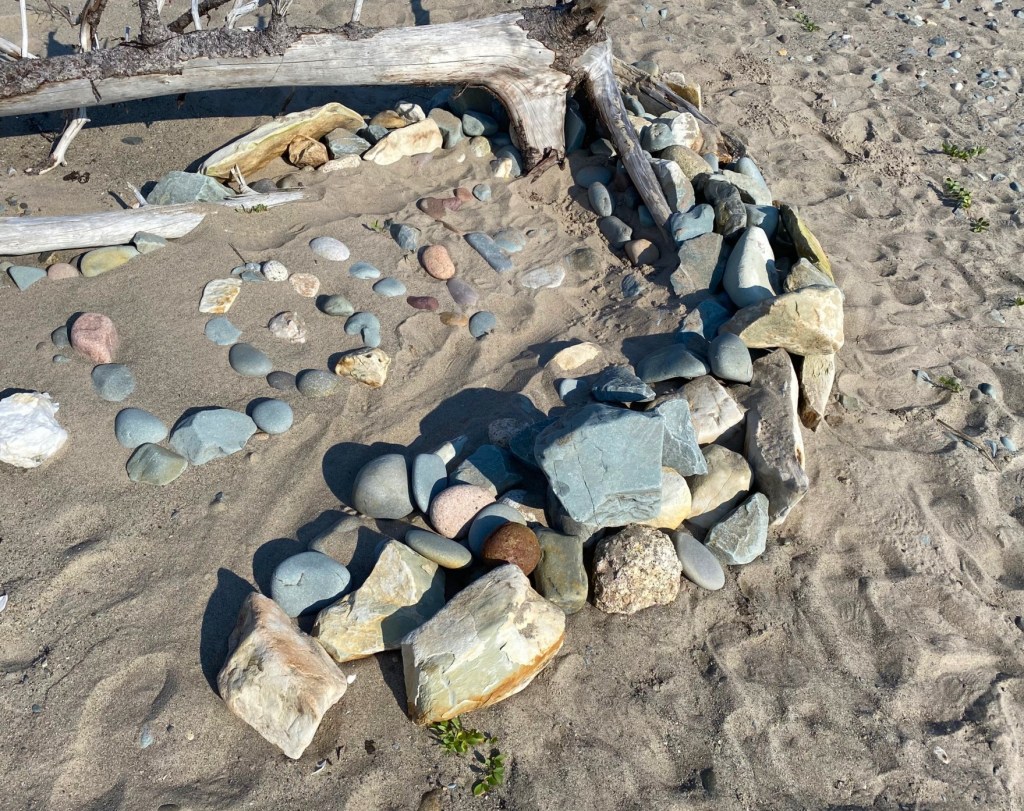
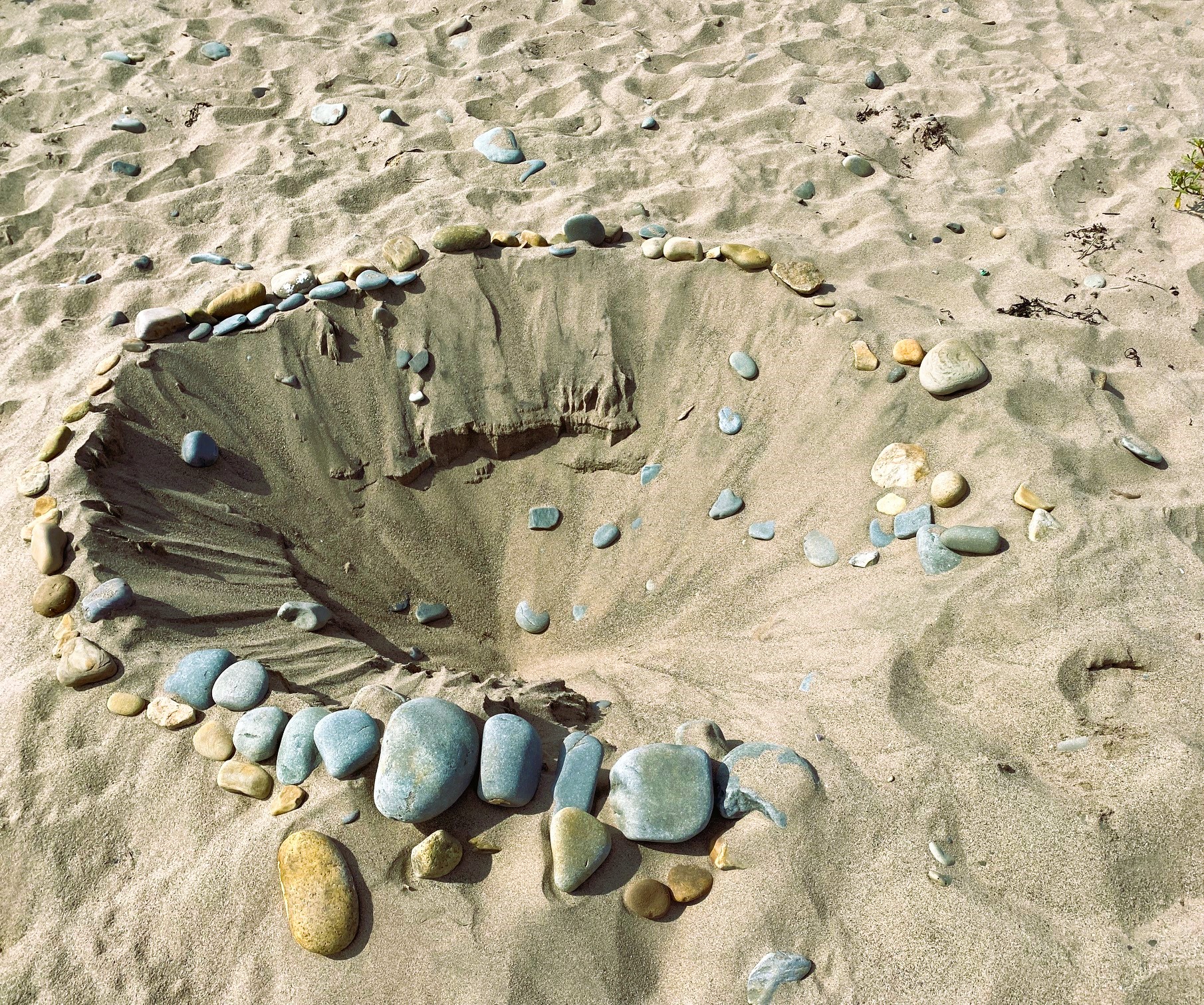
I went there again. Maybe the last time? My time here is shrinking, time on this land perched over Atlantic, our land. Maybe in a month or so I won’t be here? Hence, I came today. To our Fort of Love, our love, our castle built on sand with solid rocks, boulders.
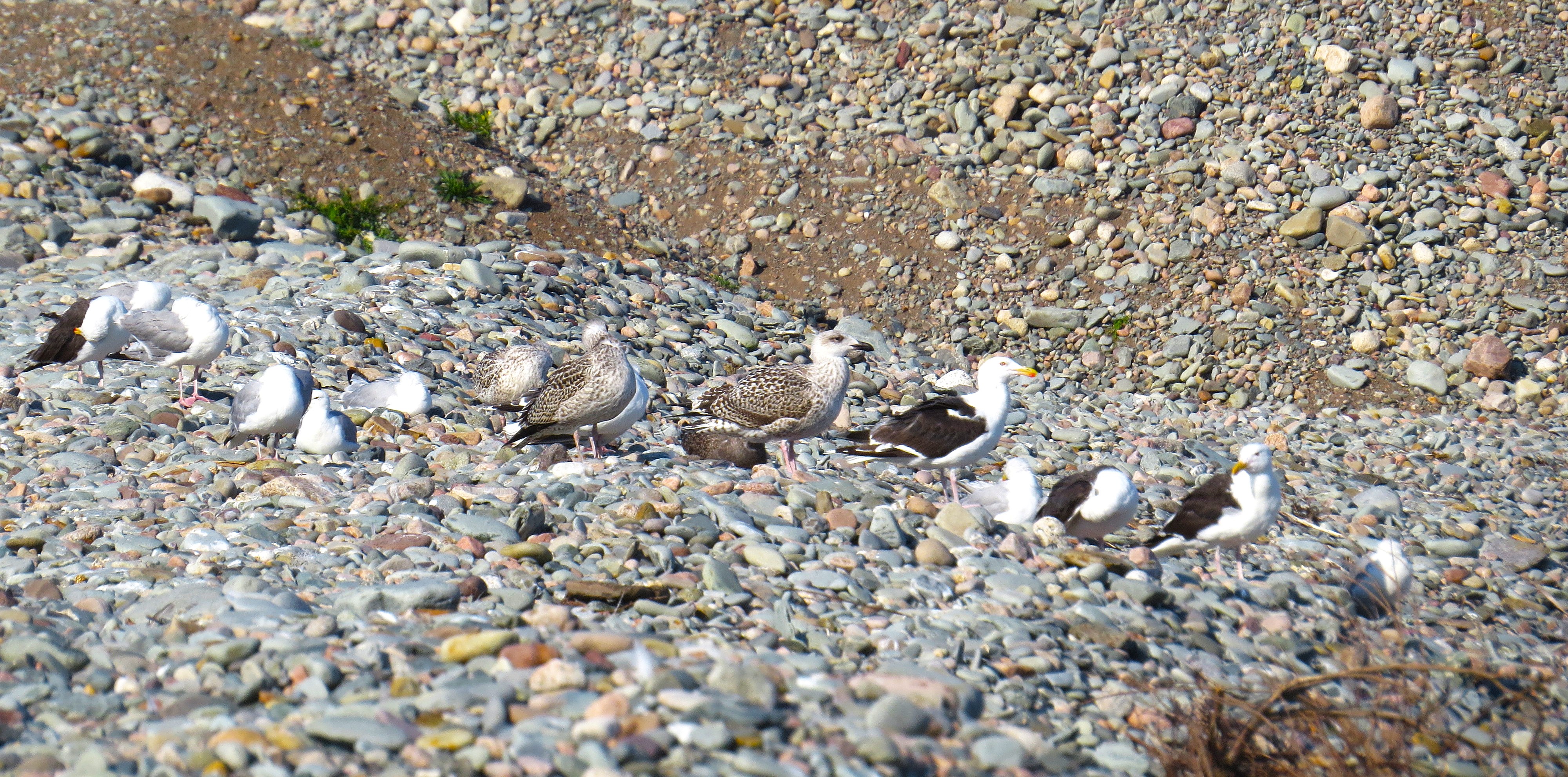
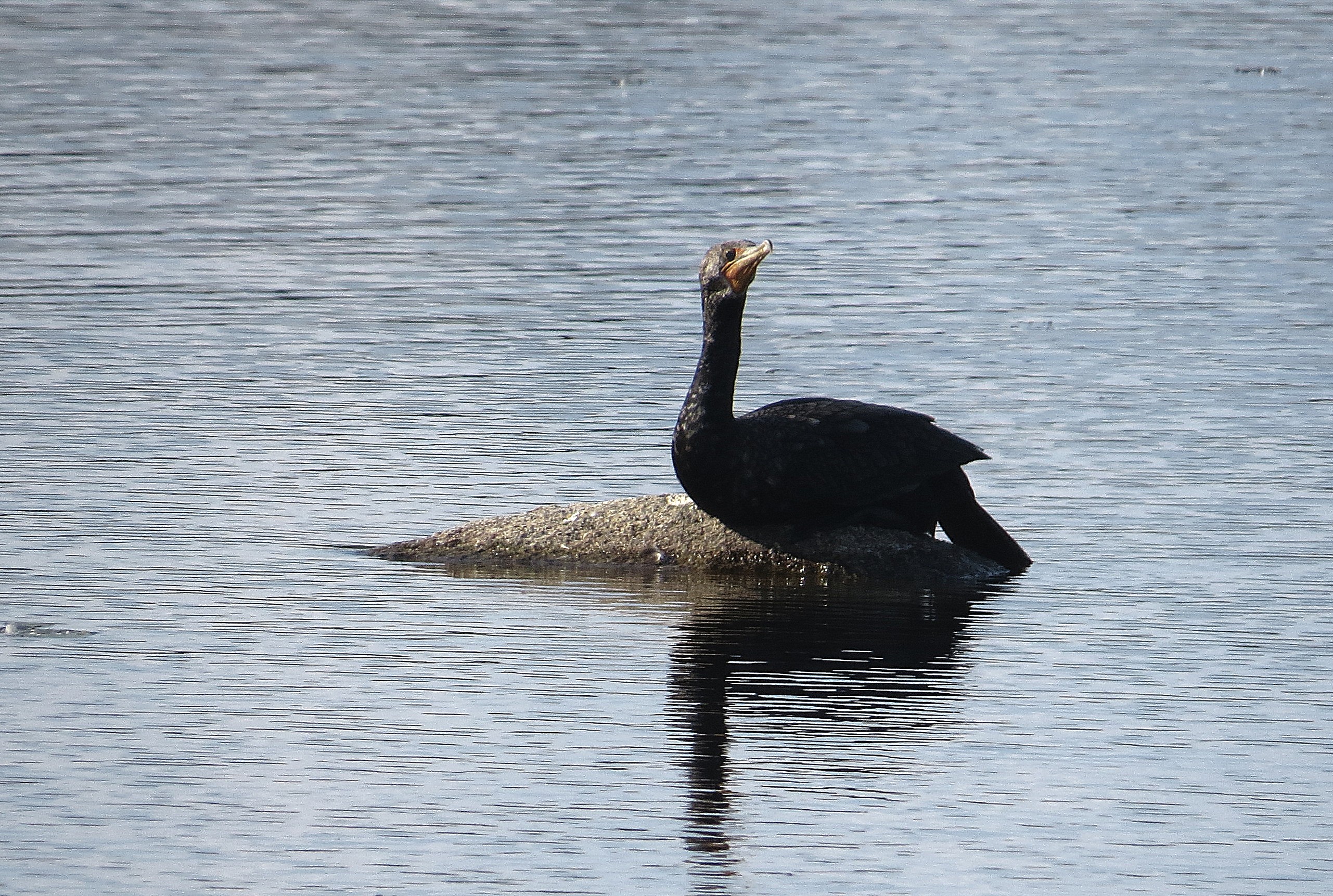
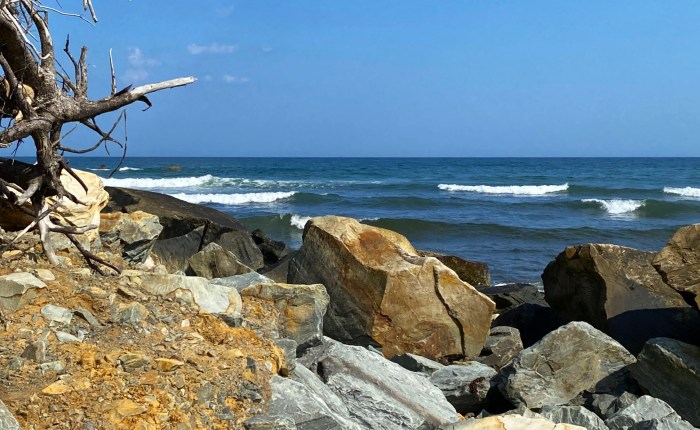
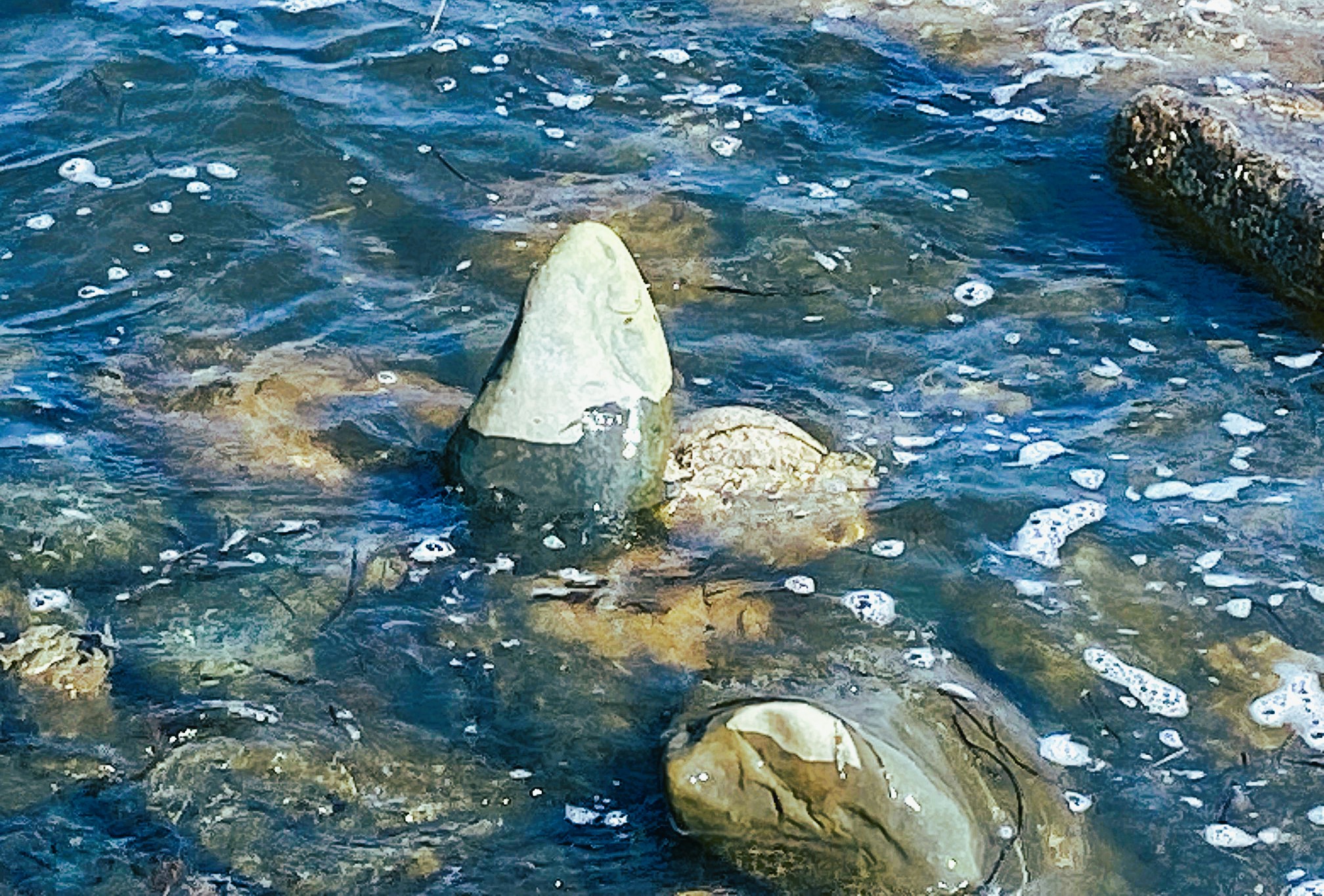
Yes, it still is here on this wild beach, far away from any venturing tourists. My hidden sanctuary of talking pebbles, tubal music of waves, clouds of black and white sandpipers flying in unison formations as a single body; ever present individual seagulls, pretending to be busy looking for crabs and dead clams, but observing you all the time. When I am there, I am part of that all, not a visitor but rather a feature belonging there. The flora there is very sparce and in constant struggle to survive. The dead ones are giving all their content as nourishment to the new ones. The sea and sand don’t offer much to land creatures. Occasional dead tree from far away bay or island. Not much but nothing is wasted in that austere environment. Meadows and patches of short forest on the land are separated from that spot by a big and deep saltwater lake. Sometimes, when I am tired of playing with the ocean waves, I go for a longer swim in that lake, its surface is always still like a glass. It must be incredibly deep. There is maybe three or five meters of very easy shallow water and than suddenly it just drops like from windows ledge to a dark deep water. I’m always surprised how dark and impregnable to light that water is.
The shore, where the local road ends, has a small, rocky beach. Almost always, if the weather is OK, there is a small group of locals. Three, sometimes a ‘crowd’ of ten even. They don’t come as far as where I am with my Fort. I have seen once or twice one person or a couple venturing there. You need to cross a fast-moving sea ‘river’ (natural canal connecting the lake and the open ocean) to get to my monastic desert.
But they – the locals – know that the Fort is there. It is the only man-made structure. By now they must also know me, recognize me, when I come with the same red folding chair, a stick in hand and a backpack, as I traverse the water like a hermit coming back to his cell. They see me from far away, sometimes wave to me while I gather more rocks to fix the Fort. It did survive fall, winter and spring. Many storms and big waves. But a good monk always fixes his dwelling for the glory of god – and my god is Love.
Do the locals call it a sanctuary? Maybe. Sanctuary of Love. I like it. Our love, anyone’s love. I am not at all jealous of that love. Love doesn’t belong to me. I just tend to it. She is sacred.
Maybe Venus comes here by sunrise and dances naked by the Fort? Maybe all of them, these crazy Greek gods, come: Venus, Apollo, Narcissus, Orpheus. Maybe even Helen of Troi dances with them? With whom Helen would dance? With handsome Prince of Troi or with Menelaus, her husband? Sappho of Lesbos later explained that choice in her poem, when she argued:
Some say a host of horsemen, others of infantry and others
of ships, is the most beautiful thing on the dark earth
but I say, it is what you love
and few thousand years later, I agree with her wholeheartedly. But it doesn’t matter with whom they dance. Let them dance with whom they want. Let them lit the mighty sky with pyres hot of flames of passion.
August 08, 24
Hey! Yes, you Narcissus. Come here and sit by me. Don’t cry, don’t drown in unanswered selflove. Go to disco tonight. They have one in the club called Elysium. Go there, dance and let go off sorrows. Kiss someone, make love to someone, anyone for Heaven’s sake! They will appreciate you youth, vigor and looks. Me? No, my dear boy. I have loved hundreds of times, thousands perhaps, for a day, for an hour. Until I was confiscated, possessed, taken by Love itself. By that one special Boy. One, who become the air I breath, my blood, my waking up and falling asleep. My song and my poem.
But be aware – Love is immortal, but you are not. When The Boy (or Girl) will go (as everything temporal does) you will be broken in half. Shattered like pebbles on the beach, that are constantly thrown by huge waves until only scream remains, only cry to Heaven. But Heaven will have its gates locked by Death.
Love, dear boy, is not for timid souls. Love is only for brave or insane souls. It is Love that holds the saved obol in your outstretched hand, while pounding with your other fist at this gate. The Gates of time, of mourning, of grief. Demanding, pleading for them to be opened. With that obol as a magic key. Hoping but not knowing what is on the other side: reunion or emptiness, nothingness. Yet knowing now, when you are at these Gates, that even nothingness is better than half-living.
Ostatni tekst wiązał się bezpośrednio z literaturą. Literaturą przez duże L, bom pisał był o Gombrowiczu i Jeleńskim. Jednocześnie przypominałem mój cykl o literaturze tzw. emigracyjnej lat PRL-u.
W cyklu tym pominąłem jednego poetę i tłumacza poezji, z którym we wczesnych latach 90. nawiązałem kontakt, Tomasza Michalaka. Opublikowałem w numerze drugim Rocznika Twórczości ‘Strumień’ kilka wierszy Michalaka, a że kontakt nam się w jakiś sposób potem urwał (nie sądzę by były ku temu jakiekolwiek ważne przyczyny, raczej zwykłe i prozaiczne towarzyskie – w tamtym okresie moje życie było ponad miarę wypełnione zajęciami, które pochłaniały więcej czasu niż oferowała go doba). Spotkałem go chyba w Simon Fraser University w Burnaby, gdzie wówczas studiował. Dziś zdaje się dalej tam jest, naturalnie jako wykładowca tym razem.
Opublikowałem wtedy pięć jego wierszy[i]. I wszystkie mi się podobały, podobał mi się sposób w jaki używał języka gramatyki.
Słowo ‘podobały’ nie jest określeniem używanym w krytyce literackiej – a przecież jest to najistotniejsza część łączności z czytelnikiem. Krytyk, badacz musi czytać wiersze, by je oceniać, recenzować. Czytelnik nie musi i nie potrzebuje. Czytelnik czyta te, które lubi, które mu się podobają.
Gramatyczna kolejność i funkcyjność tej kolejności części mowy. Jeśli poeta trzyma się jej zbyt uparcie i sztywno – wiersz staje się klepanką, ogłoszeniem i traci wyraz poetycki. Nie będę wyliczał poetów, którzy to robią, bo zbyt długi ten tekst by być musiał. Im bardziej kodyfikujemy język, im bardziej sztywny gorset na niego nakładamy – tym bardziej staje się on językiem urzędowego obwieszczenia. W wierszu Michalaka „Rzeczy które wydarzyły się komuś” druga linijka brzmi tak: ze śmiechem kartki przewracają się papieru – naturalnie poprawnie brzmieć to winno: kartki papieru przewracają się ze śmiechu, tyle, że traci wtedy to zupełnie muzyczność frazy, staje się banalnym stwierdzeniem faktu. A przecież nie o to w poezji chodzi. Fakt jako taki jest w swej zasadzie kamieniem u szyi poety. Oczywistość oczywistości to jej śmierć.
Co tu chcę, w znanej mi spuściźnie Michalaka, przypomnieć, to jego praca tłumacza poezji anglojęzycznej. Mówię konkretnie o poezji billa bissetta (oficjalnie to Bill Bissett, forma której poeta w zasadzie nie używa, odrzucając, jak w swej poezji, wiele zastanych norm gramatyczno-ortograficznych). Jeden z najbardziej trwałych i tragicznych elementów kanadyjskiej poezji ostatnich siedemdziesięciu lat. Od dekad prześladowań rządowo-policyjnych, po międzynarodowe i krajowe akolady, nagrody, ordery. Od cel aresztów policyjnych, po salony Sztuki i ordery państwowe[ii].
Tomasz Michalak podjął się trudnego zadania przetłumaczenia tomiku wierszy Bissetta „żeczy ń pojęte”[iii]
Tłumaczenie poezji pisanej w dużej mierze w formie fonetycznej, języka mówionego, a nie pisanego, musi nakładać na tłumacza dodatkowy problem, gdzie sama znajomość języka oryginału i języka tłumaczenia to za mało. Trzeba poniekąd wgryźć się w sposób mówienia i dźwięku słowa. W skodyfikowanym języku można to porównać do czytania nut. Proszę sobie wyobrazić koncert, gdzie nie ma żadnego muzyka ani instrumentu, miast tego jest lektor. Staje przed widownią i czyta utwór z kartki: tempo presto – crescendo, dwa bemole, 3 szesnastki na trzeciej linii, dwie połówki na czwartej, trzy półnuty w oktawie wyżej …. Ciekawym bym był, ile osób by na takie koncerty chodziło …
Trudno bardzo ocenić poziom tłumaczenia tego typu poezji i nie mam zamiaru tego tu robić. Zupełnie prywatnie musze powiedzieć, że Michalak bardzo przybliżył mi poezje bissetta, a sam bisset autoryzował te tłumaczenie. Co też trudno ocenić, gdyż bissett języka polskiego nie zna. Ale to są już dywagacje mało znaczące. Z punktu widzenia językowego jest to praca dobra i warto by było, gdyby jakieś wydawnictwo w Kraju to opublikowało. Może ktoś kiedyś to zrobił, nie mam pojęcia, bo badań jakichkolwiek nie robiłem w tej mierze.
Tłumaczenie Michalaka przypomina mi bardzo formę walki futurystycznej z kodyfikacją języka prowadzoną przez Bruno Jasieńskiego i poetycką prozą Brunona Schulza – inność. Inność używania języka, jako formy, która ma służyć twórcy a nie kajdan, które mają go ograniczać. Do takiego ‘braku szacunku’ wobec formalnej kodyfikacji ortograficzno-gramatycznej nawiązywała też współcześnie Olga Tokarczuk podczas spotkania na 70-lecie Wydawnictwa Literackiego w Krakowie. Podkreślała, jak język ma być narzędziem giętkim w ręku pisarza a nie kajdanami sztywnej formy.
Więc wracając do tłumaczenia Michalaka wierszy bissetta przytoczę pierwszy z tego zeszytu poetyckiego. Bardzo zresztą oddający – abstrahując od sposobu zapisania – charakter poezji bissetta.
Ot, ciekawostka poetycka. Jedynej rzeczy, której sensu pojąć nie potrafię to właśnie tego niby-konstruktywizmem pachnącego układu graficznego strof i wersów. Chyba, że założeniem był jednak chaos. Tutaj tłumacz jest jednak bezbronny, ten układ stroficzny jest dokładnie taki w oryginale. Co w niczym mi w rozumieniu tegoż nie pomaga. Naturalnie – chaos zrozumiany być nie może i z tym się zgadzam.
I tyleż na dziś.
[i] Rocznik Twórczy „Strumień”, nr 2; s. 31; Surrey, Kanada; rok 2000; ISSN 1488 8513
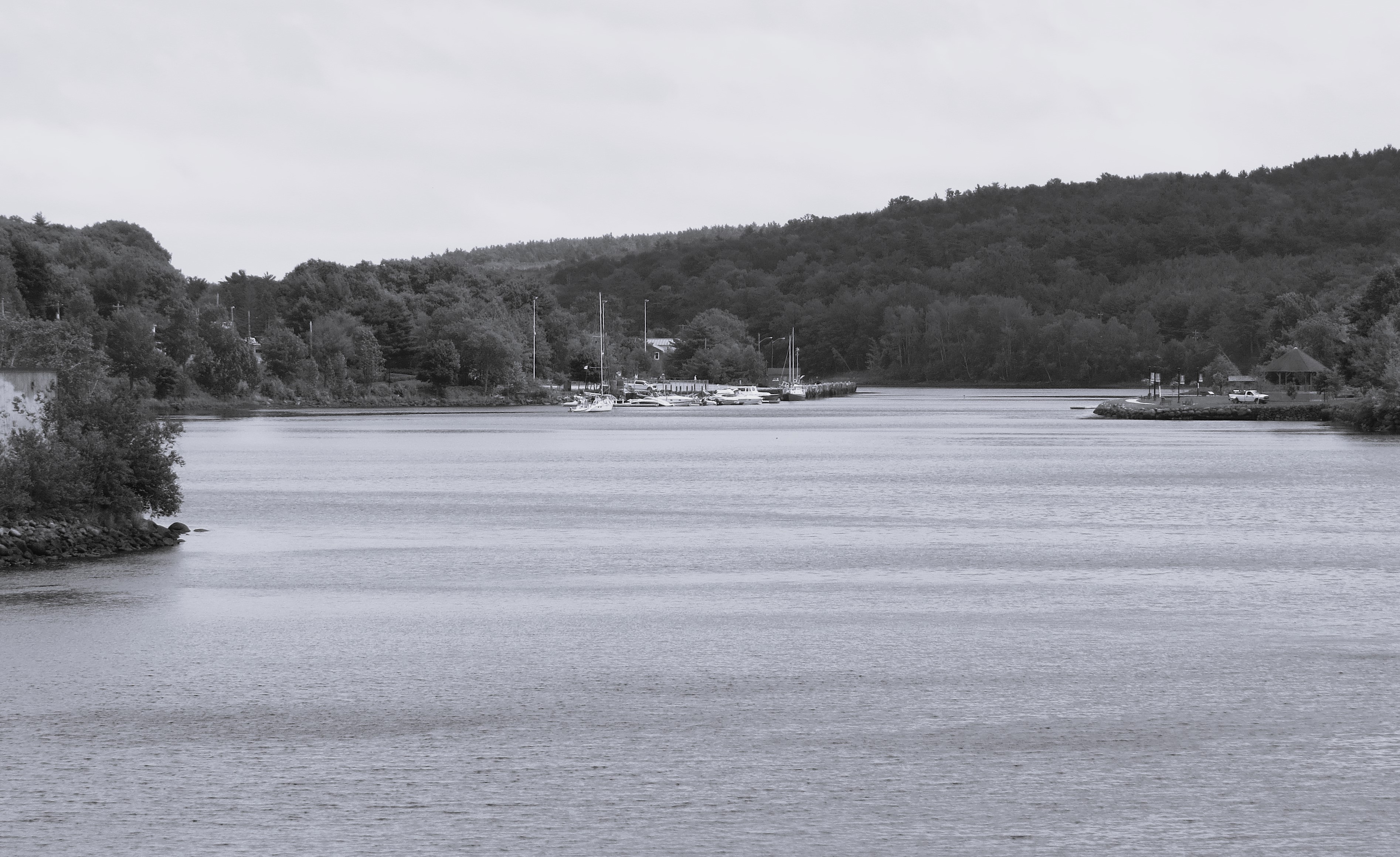
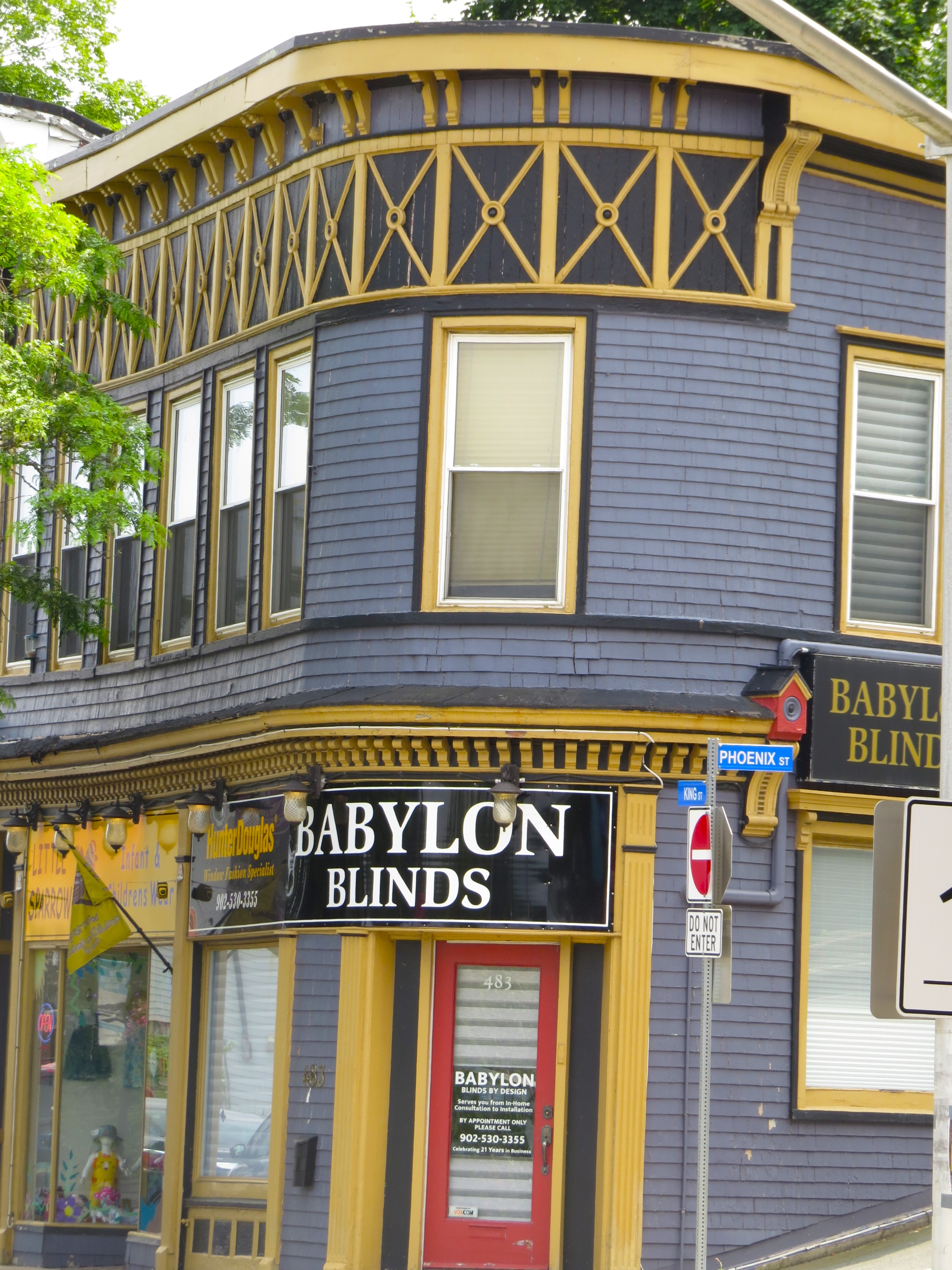
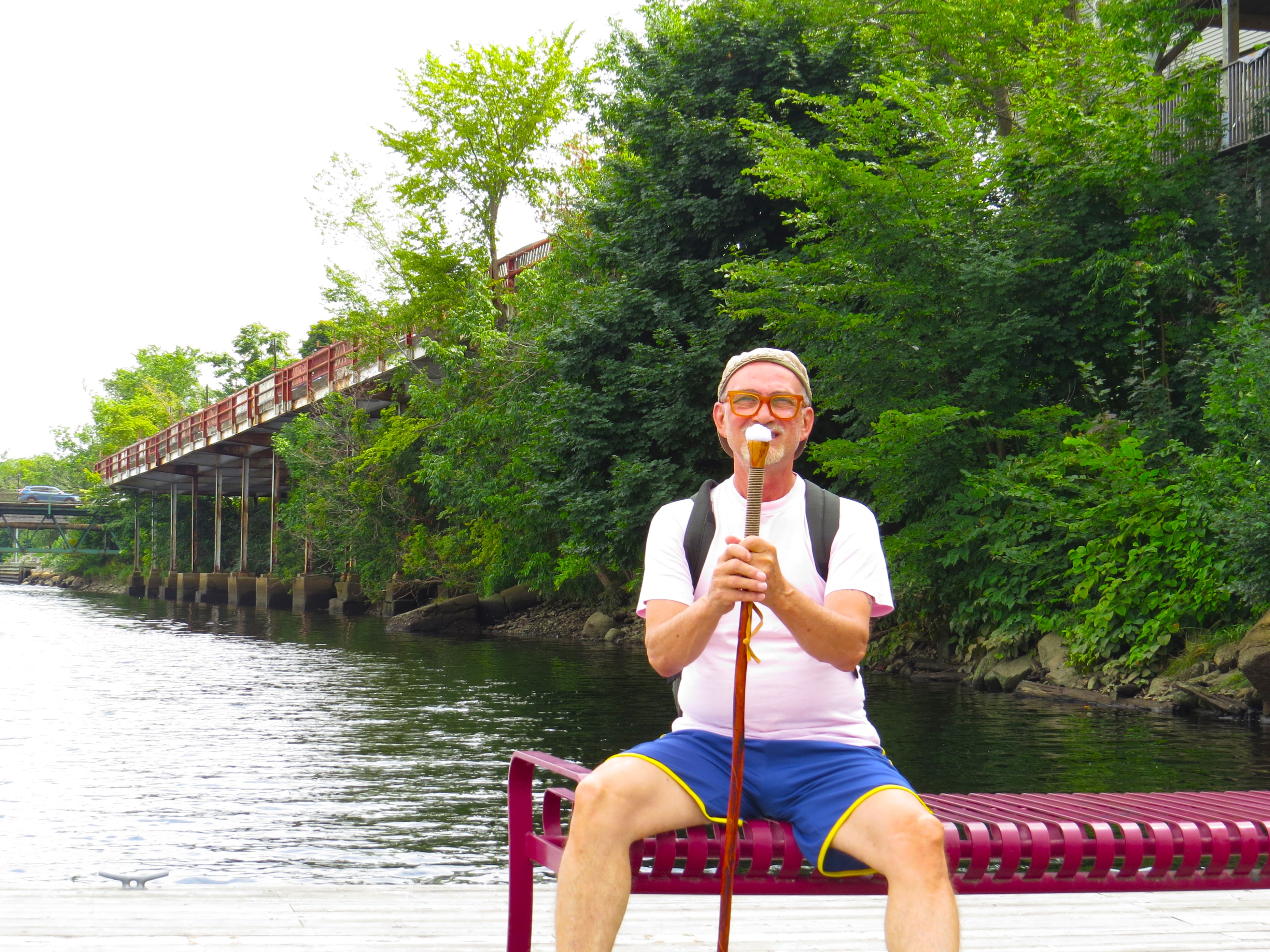
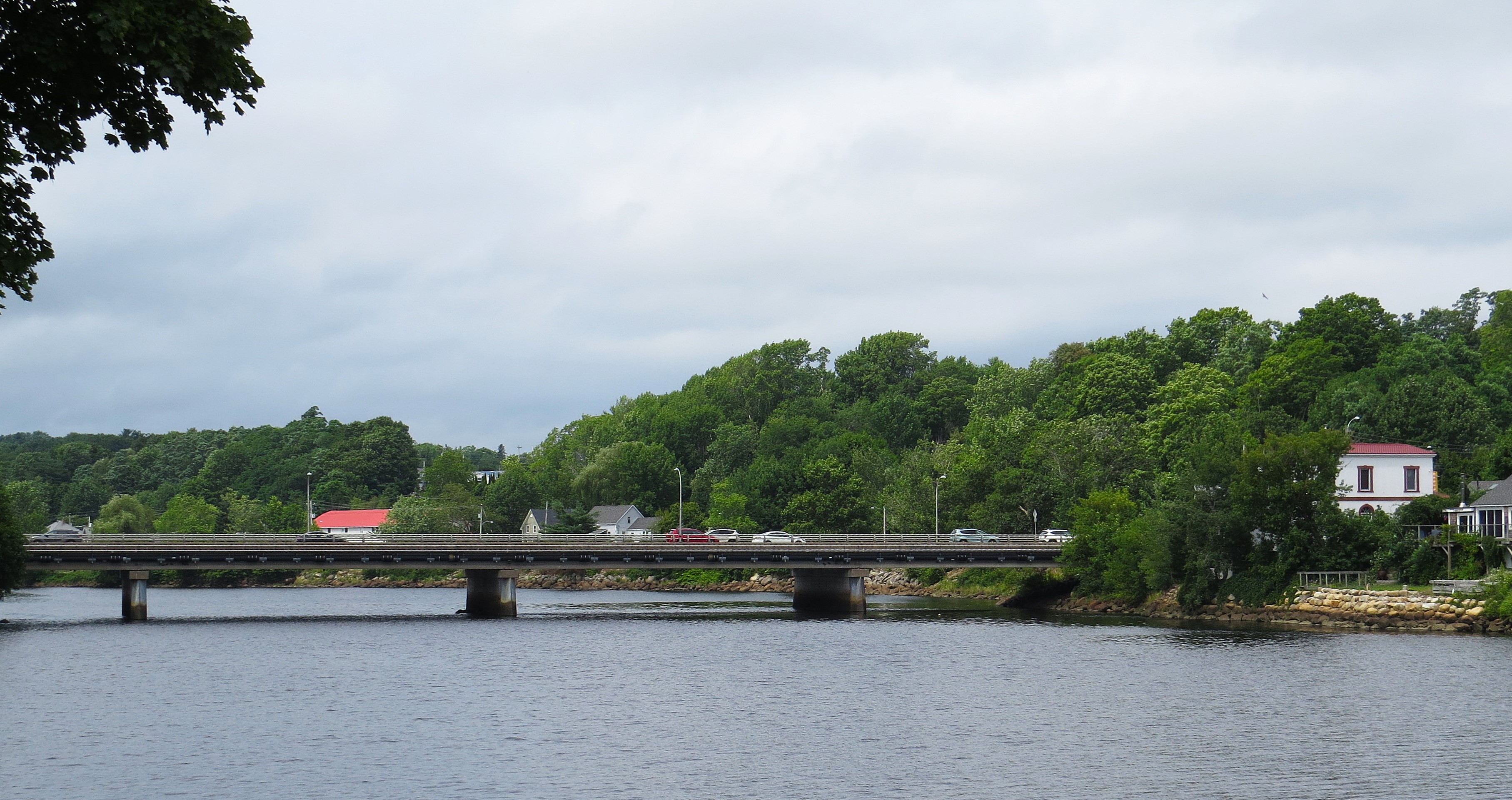
But before the British settled there, and before it become known by the name ‘Bridgewater’ it was an ancient large settlement of Mi’kmaq tribe for thousands of years. There is a rich collection of archeological artefacts attesting to their settlement at the mouth of the large LaHav River.
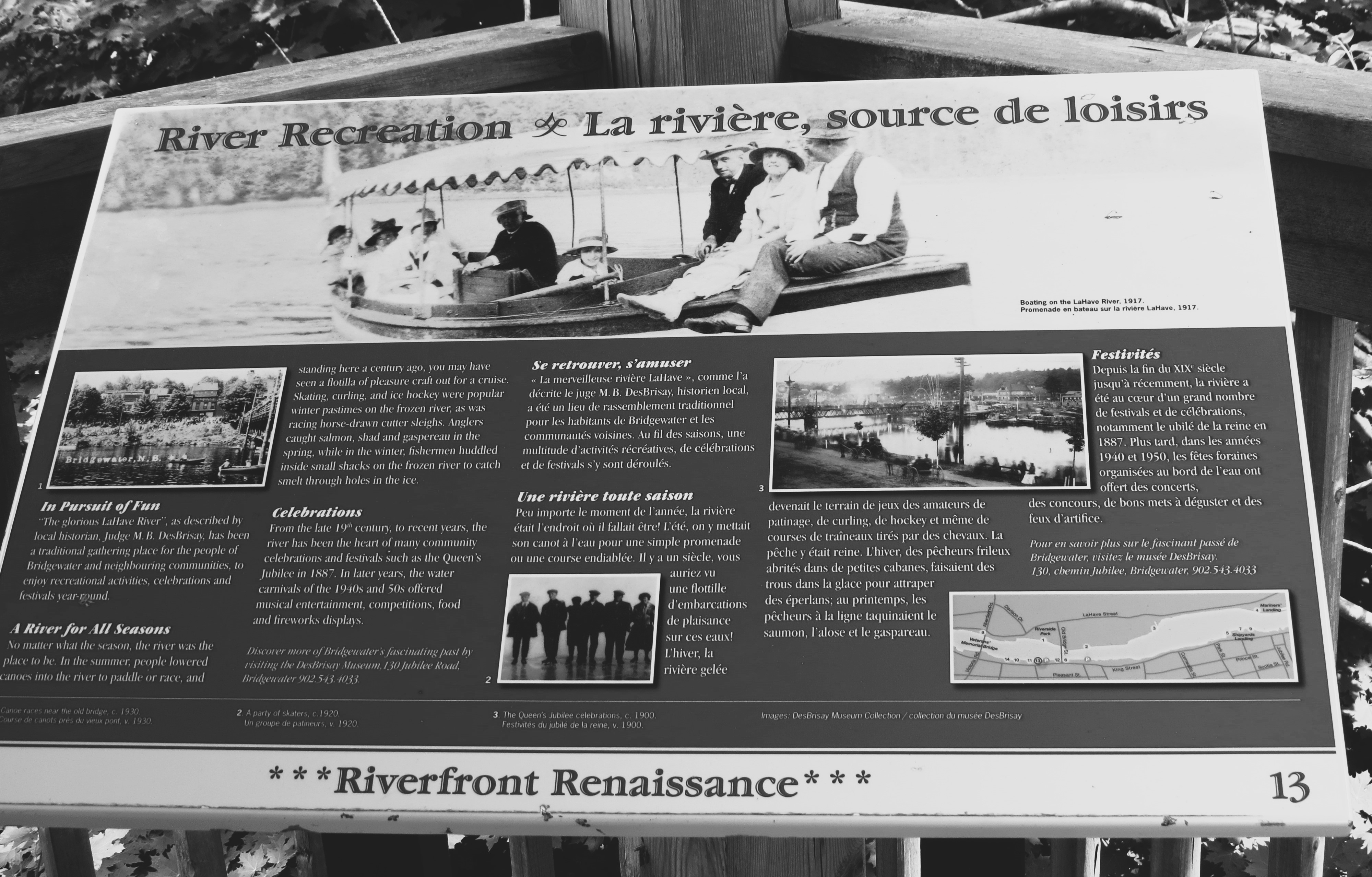
In 1604 the French Governor of New France Pierre Dugua de Mons visited these lands and by the mid-1600 there was first small French settlement there. In 1825 the first bridge was built and by 1850 the population grew to 300. At the end of XIX century the town had two railway connections – across the valley to Middletown and trains to Halifax. Easy access through the large and navigable river gave beginning of many industries, among which shipbuilding was a major force. It is probably a surprise to many, but the very first ship’s two-stroke engines were manufactured here and exported worldwide. It closed its operations in 1970.
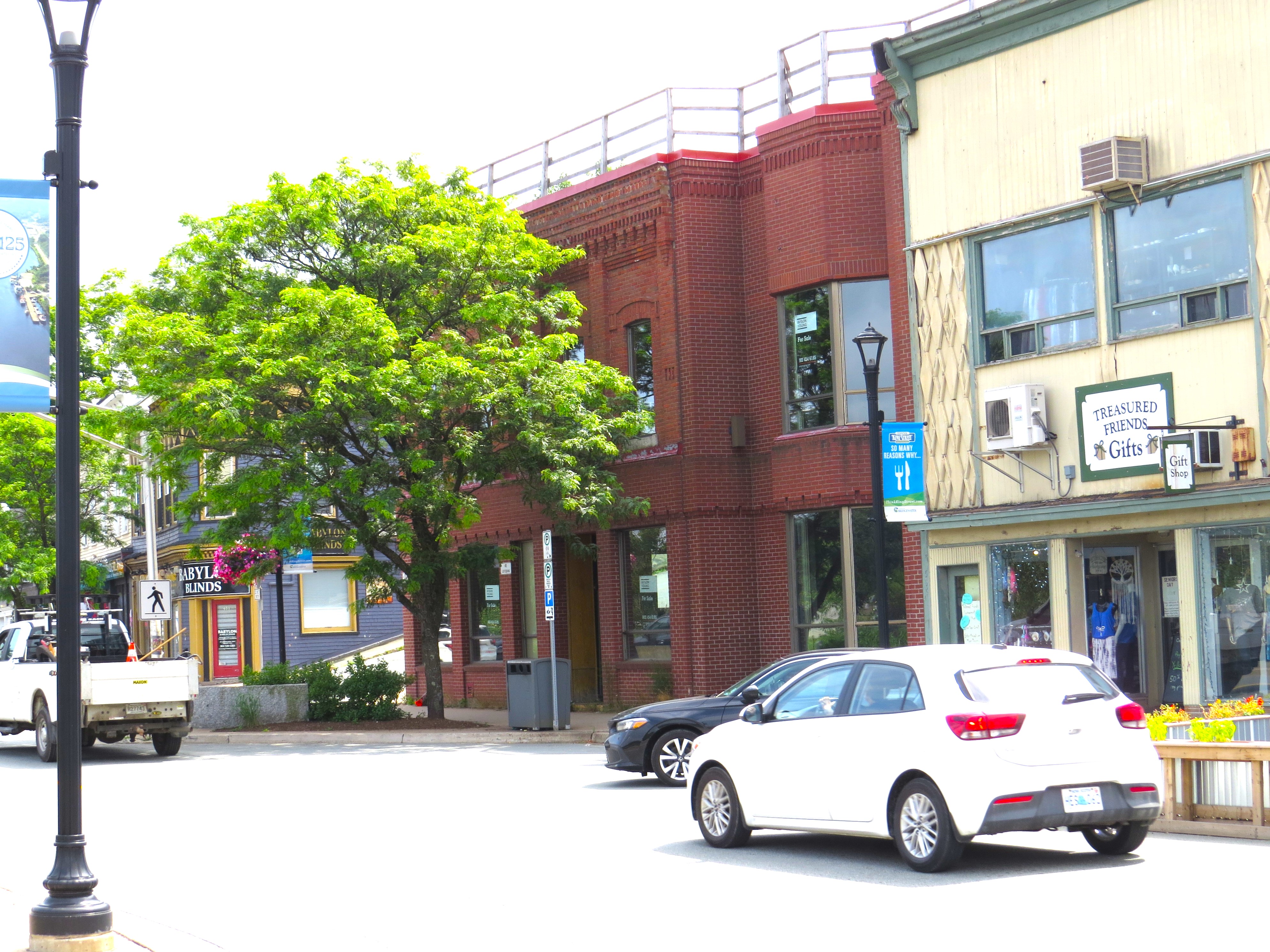
Since the origins of the town, the western bank of the river was the heart and center of the city and so it remains. Most modern developments, shopping malls, concentrate on the east or left part of the city.
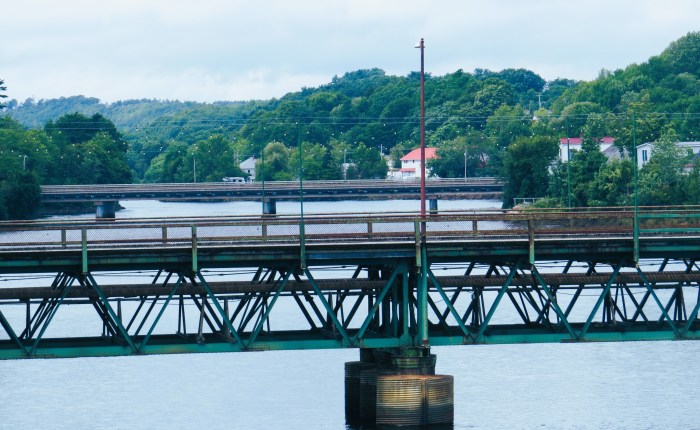
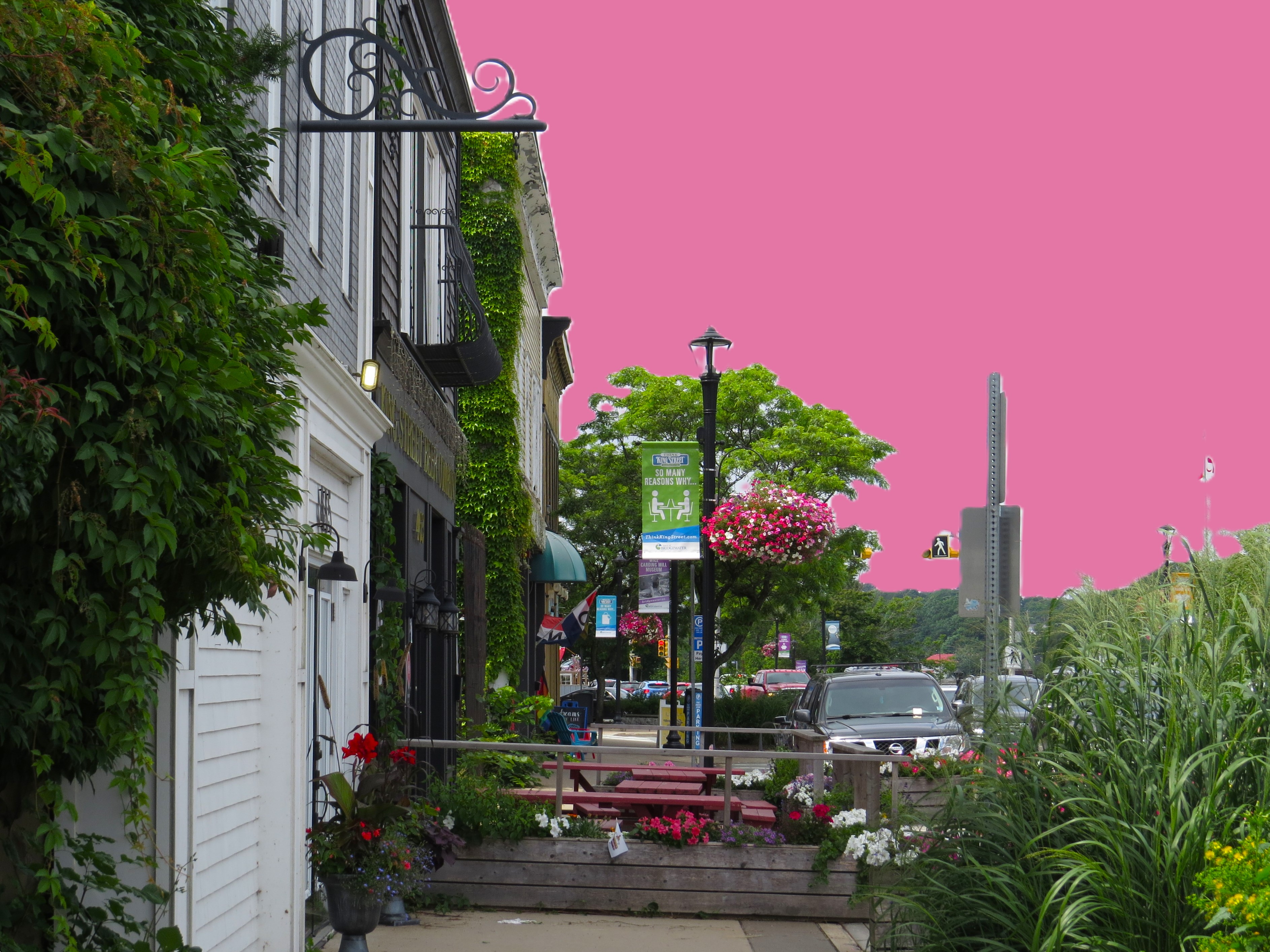
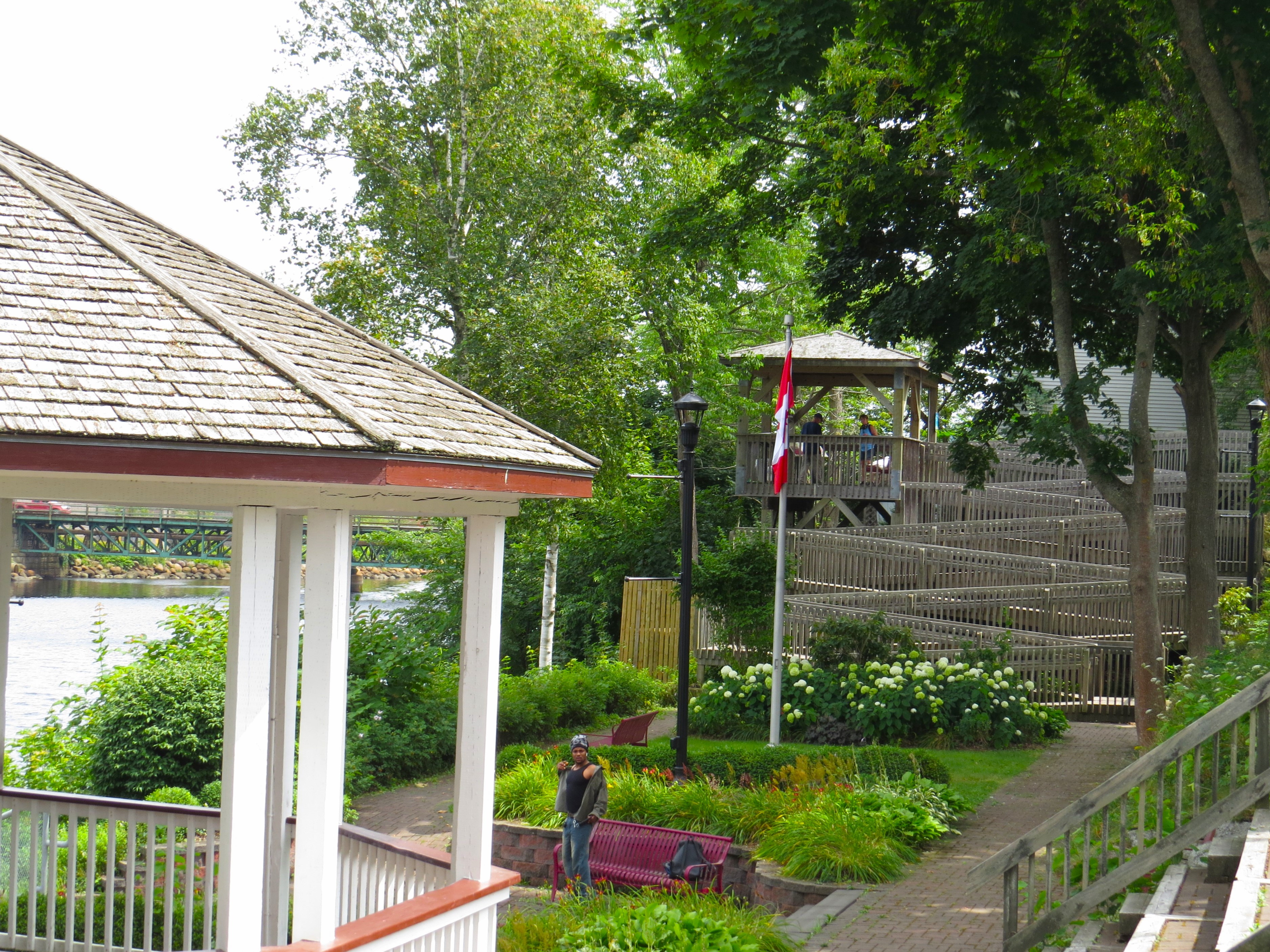
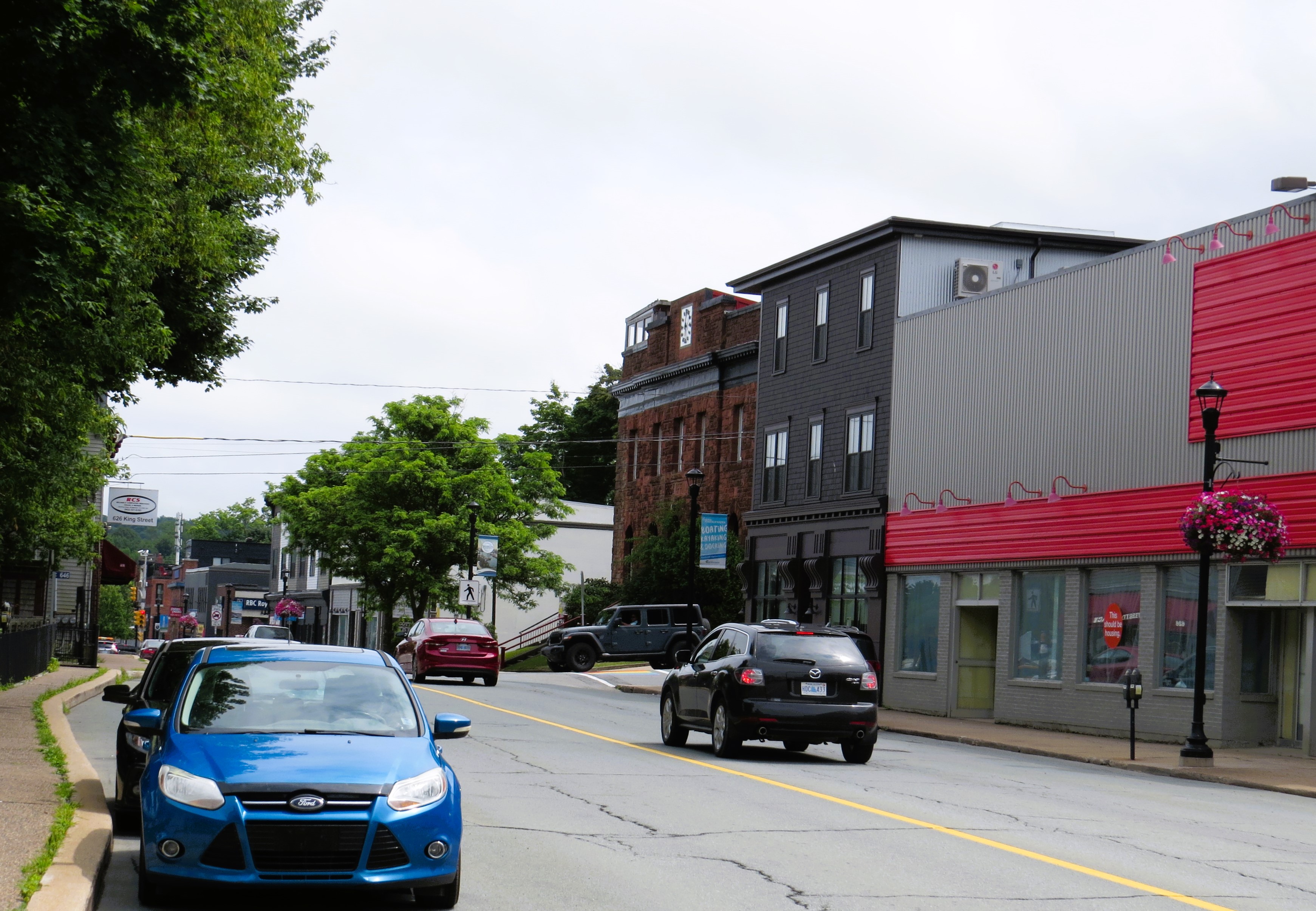
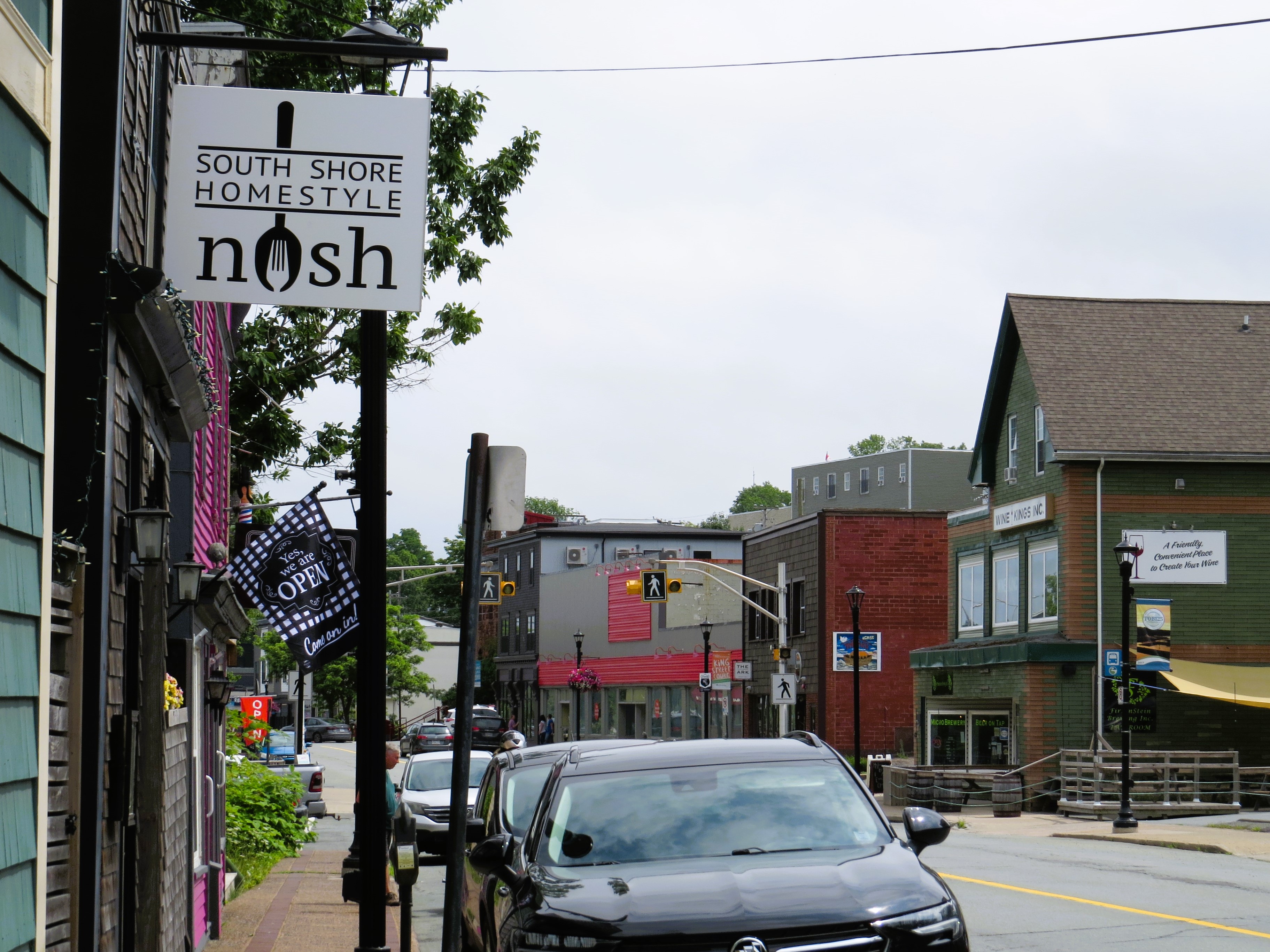
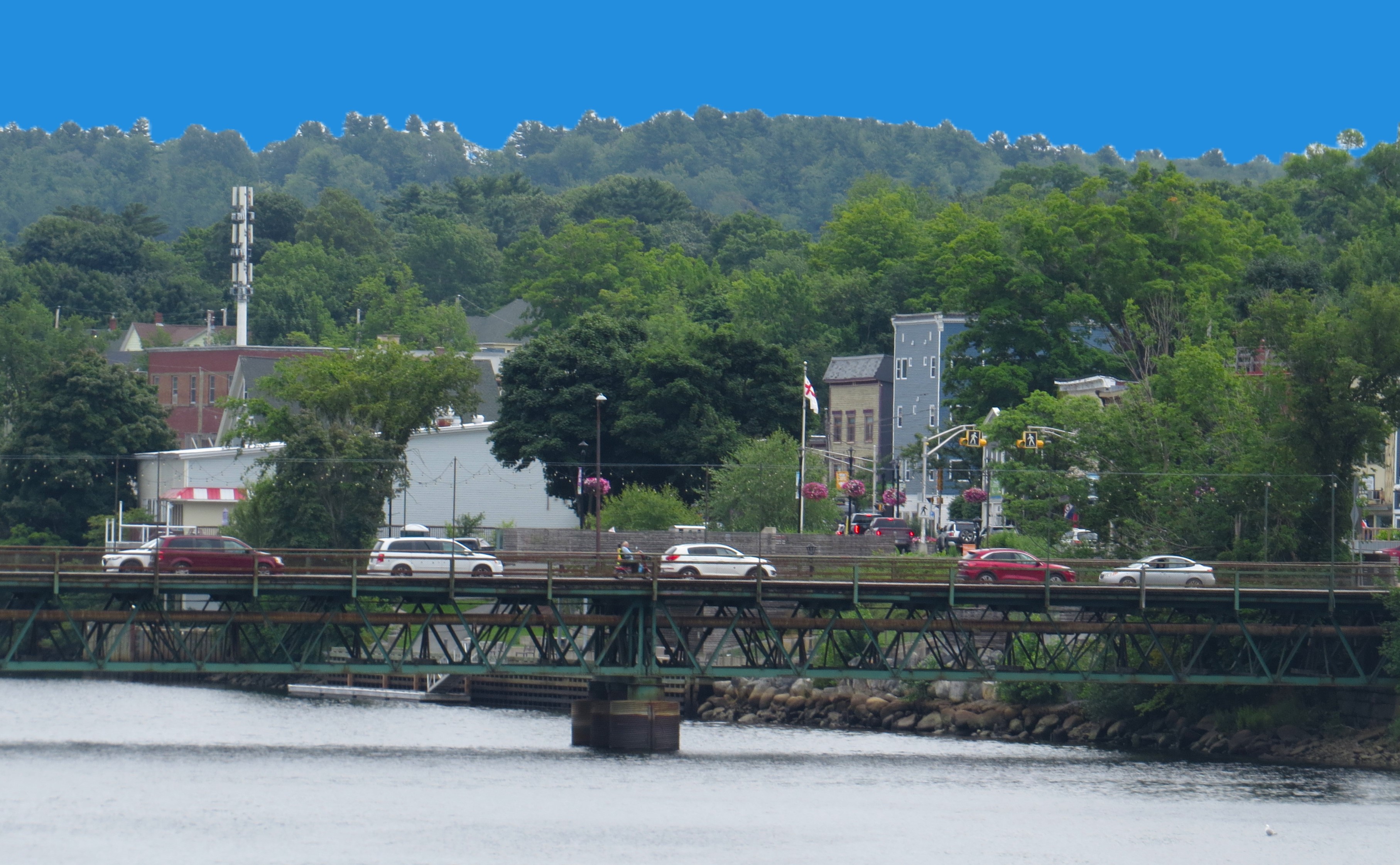
The historic town, its calling card, is the main King Street right along the banks of it’s beautiful river. It is connected by two bridges to the other side. Especially the old iron bridge is such a gem.
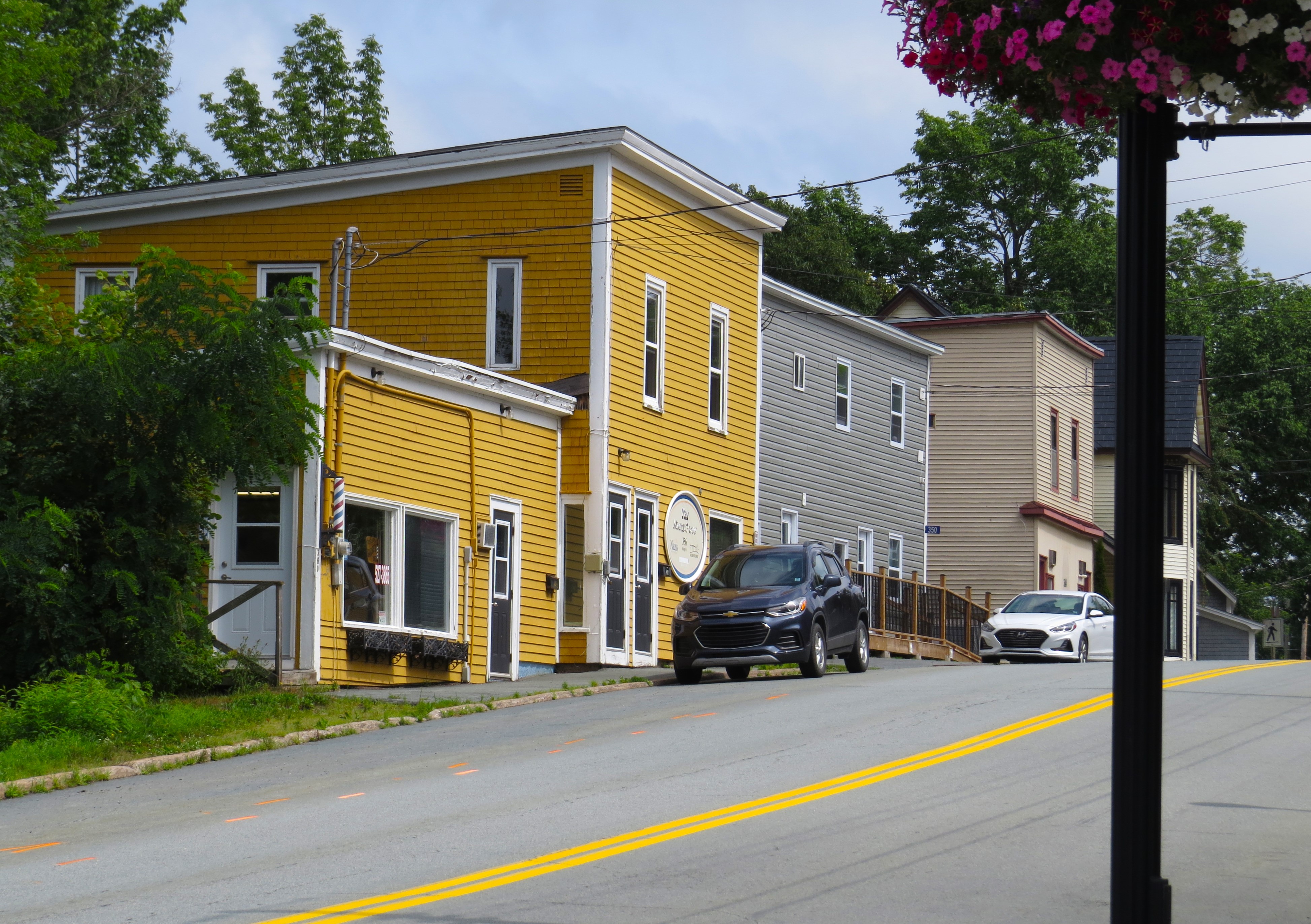
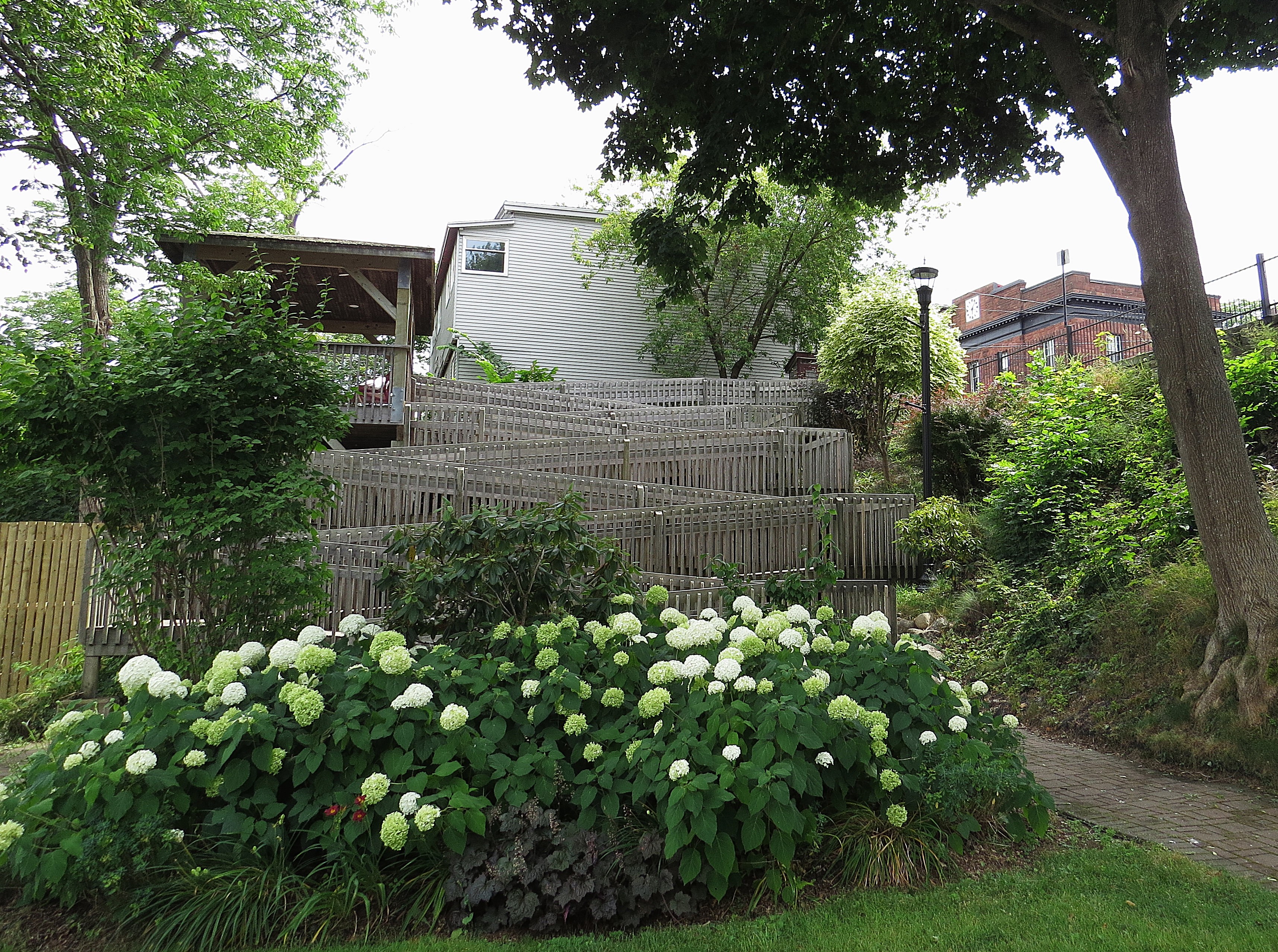
A walk on that long street is such a pleasure. It is like you are traveling back in time to a space where that time doesn’t travel so fast, doesn’t run in a hurry. Neither should you, if you ever visit.
As an interesting tidbit – did you know that famous Hollywood and Canadian actor Donald Sutherland spent his formative teenage years and graduated from High School in Bridgewater?
If I was going to stay permanently in Nova Scotia – I would love to move there. But I do suggest to Dear Reader – if you are visiting Nova Scotia, you absolutely must visit Bridgewater. You won’t regret it.
Nie wyjeżdżamy w pełni, w całości – coś zostawiamy, czegoś nam ubywa. Potem lepimy przez lata siebie na nowo. Rodzi się nowa całość. Nie inna, zlepek wczoraj i dziś. Czasem żal nam po latach tamtego siebie, chcielibyśmy może do niego wrócić. To bywa jeszcze trudniejsze. Bo to teraz i tutaj jest jednak bliższe, jest swojsze. Ja – jestem ja. Szczególnie wtedy, gdy ‘ja’ zamieniło się w ‘my’. Zostają tu i tam zlepy form, jakieś może hieroglify dziś już nieodczytywalne, jakieś drzewo zawieszone nad przepaścią.
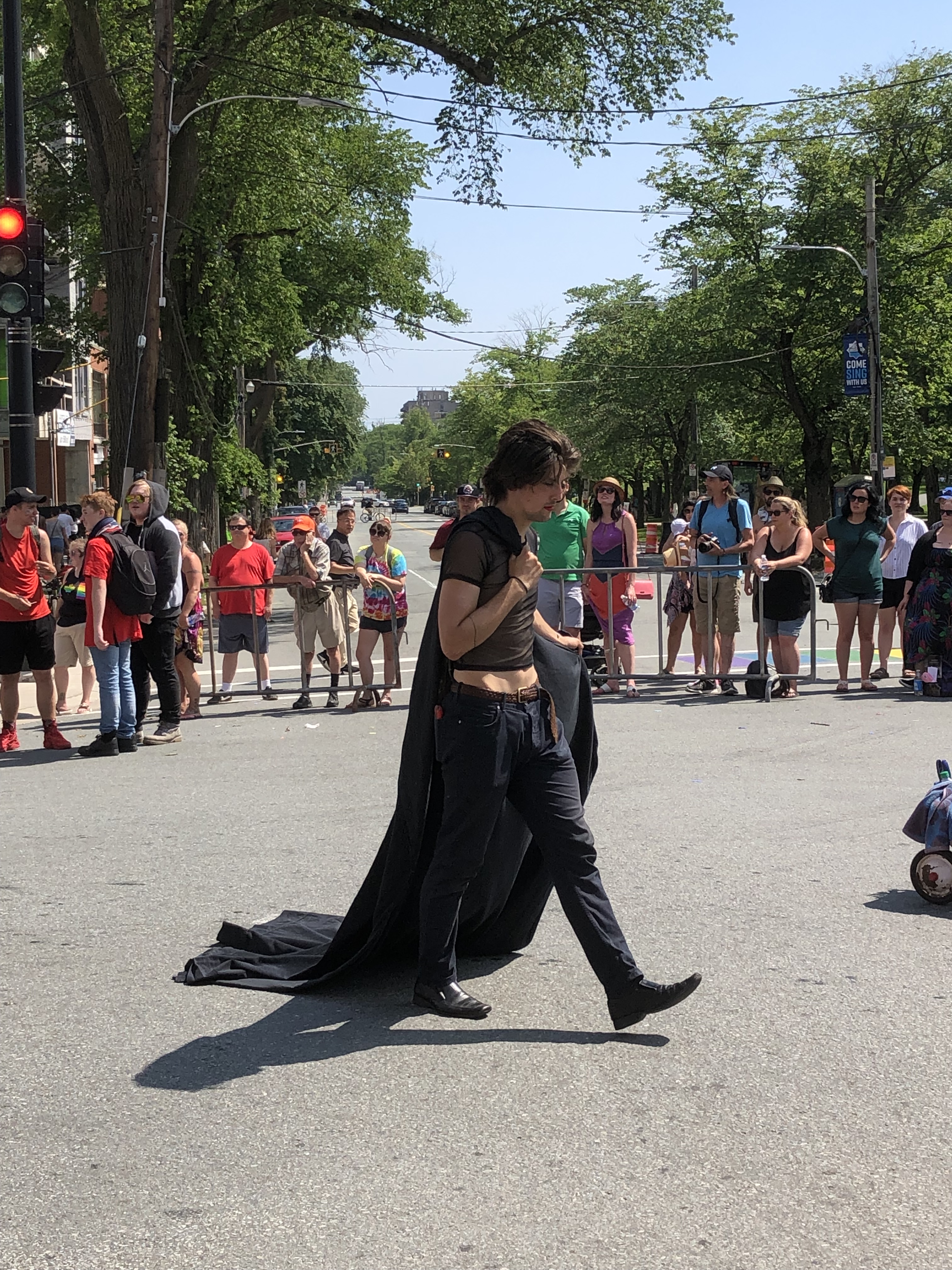
Everybody knows, took part in, watched or heard of the big Pride Marches: Montreal, Toronto, Vancouver in Canada; London in England, of course Amsterdam, Berlin, Sydney in Australia, New York with it’s Stonewall history, San Francisco, Warsaw in Poland. At the very beginning, before human rights prevailed, these Prides were simply a protest marches, a call: we are here and we are not going anywhere.
Hard to believe, but even among advanced democracies in the middle of Europe, there are stil protest marches. Case in point is my own city, Warsaw in Poland. Country that still denies the basic citizen’s rights of living in a state-recognized unions, couples of other than heterosexual orientation. Specially the incomprehensibly denial to raise children, to be legal parents as a couple. In 2024. Shame on the coalition of Donald Tusk governing coalition. Specifically the Polish Peasant Party and their disgusting leader Władysław Kosiniak-Kamysz. The same party that still denies Polish women any abortion rights. Again – in 2024! Mr. Kosinaik-Kamysz – there is no longer any peasants in Poland. It is 21 century, not a year 1921. The girls, who live in villages in Poland today are having abortions, too. These girls are not peasants, either. They just need to go across the border to any European neighbor state. And you Mr. Kosiniak live in a fantasy land, together with Polish catholic bishops.
I remember my first Pride March (although I can’t remember if it already was called ‘Pride March’, I don’t thing so – we still had a way to go for many rights). Must have been 1983 or 1984, in Calgary. It started on 7 Avenue Mall by the old City Hall and (at that time) Central Library. We were going to march through the entire most popular and busy Seventh Mall Avenue almost all the way to the next bridge on the 14 Street. To our surprise, there was a Police blocking further access to the Mall Avenue (most popular and always full of people) and redirecting as via Central Street to the Sixth Avenue, not as busy with onlookers and not very prominent (again – at that time).
How things have changed since, unbelievable. The world have changed and people changed. True – there are still homophobes. But that’s OK. Nature is strange. The cockroaches didn’t change over the millenia, either.
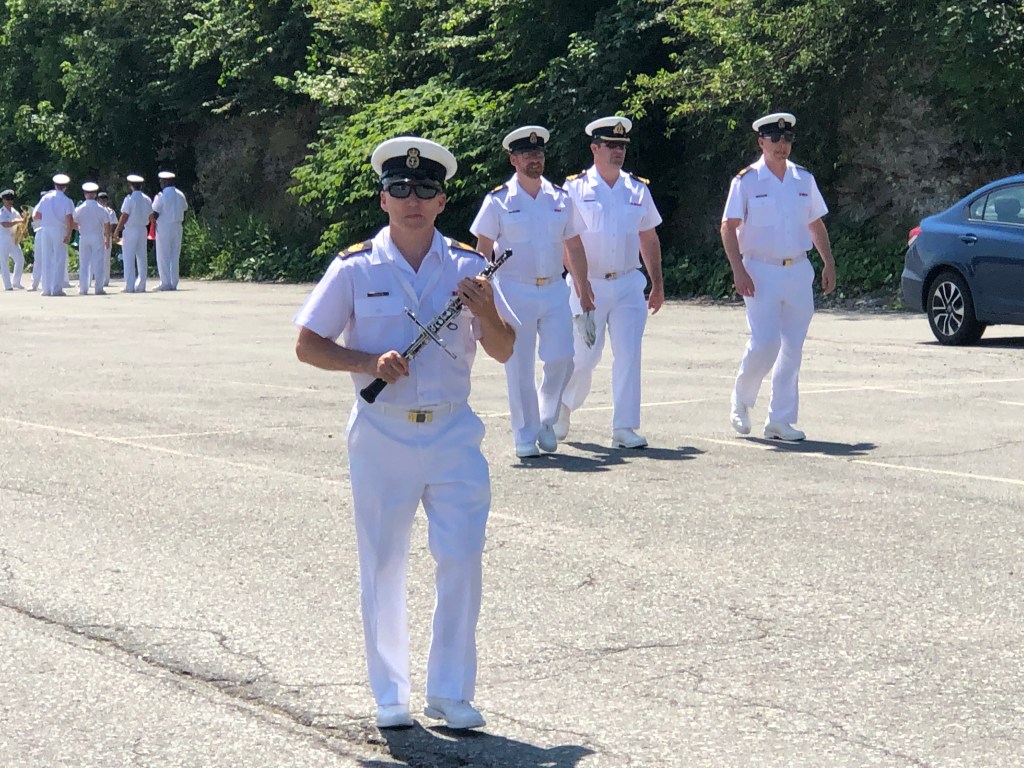
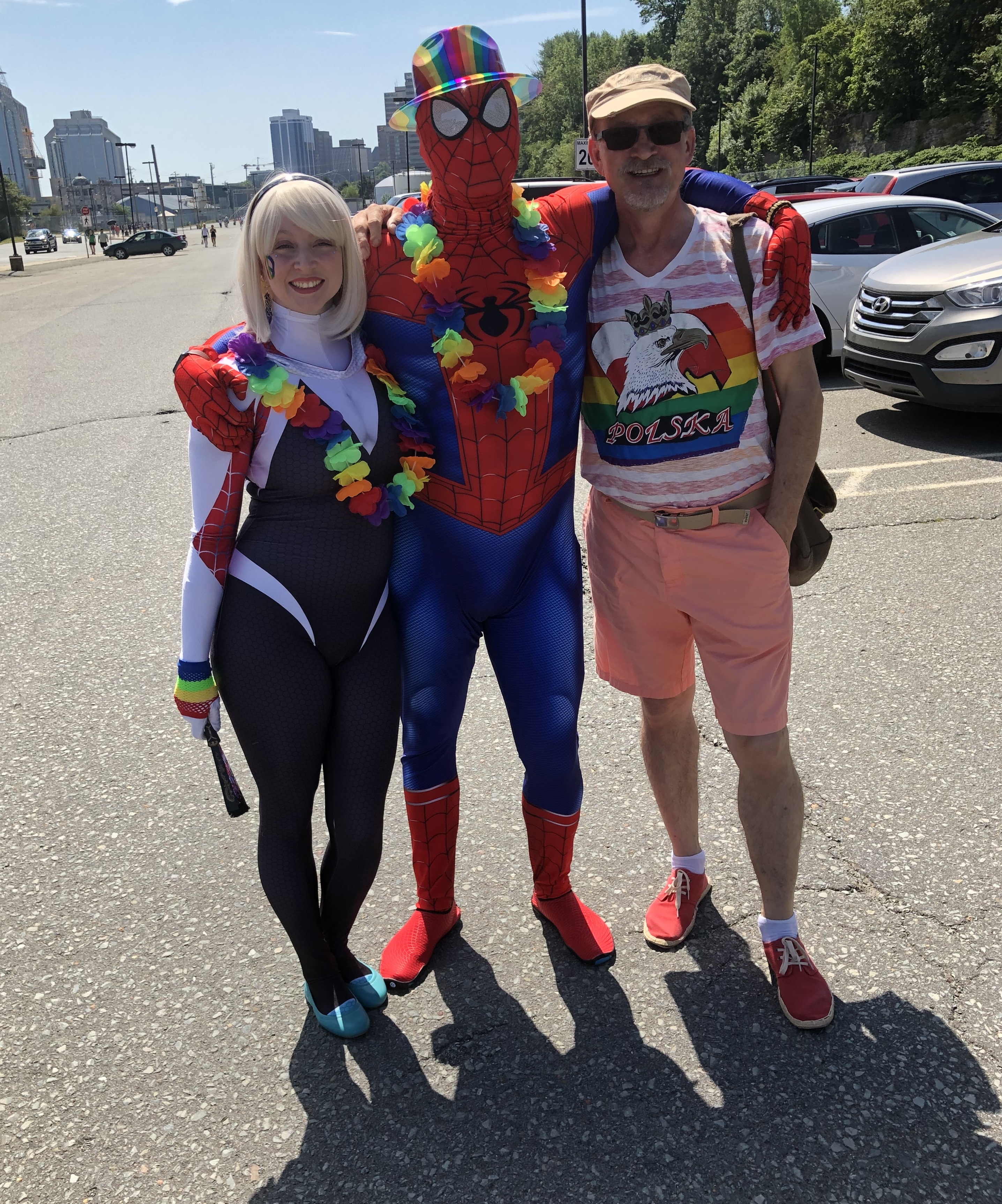
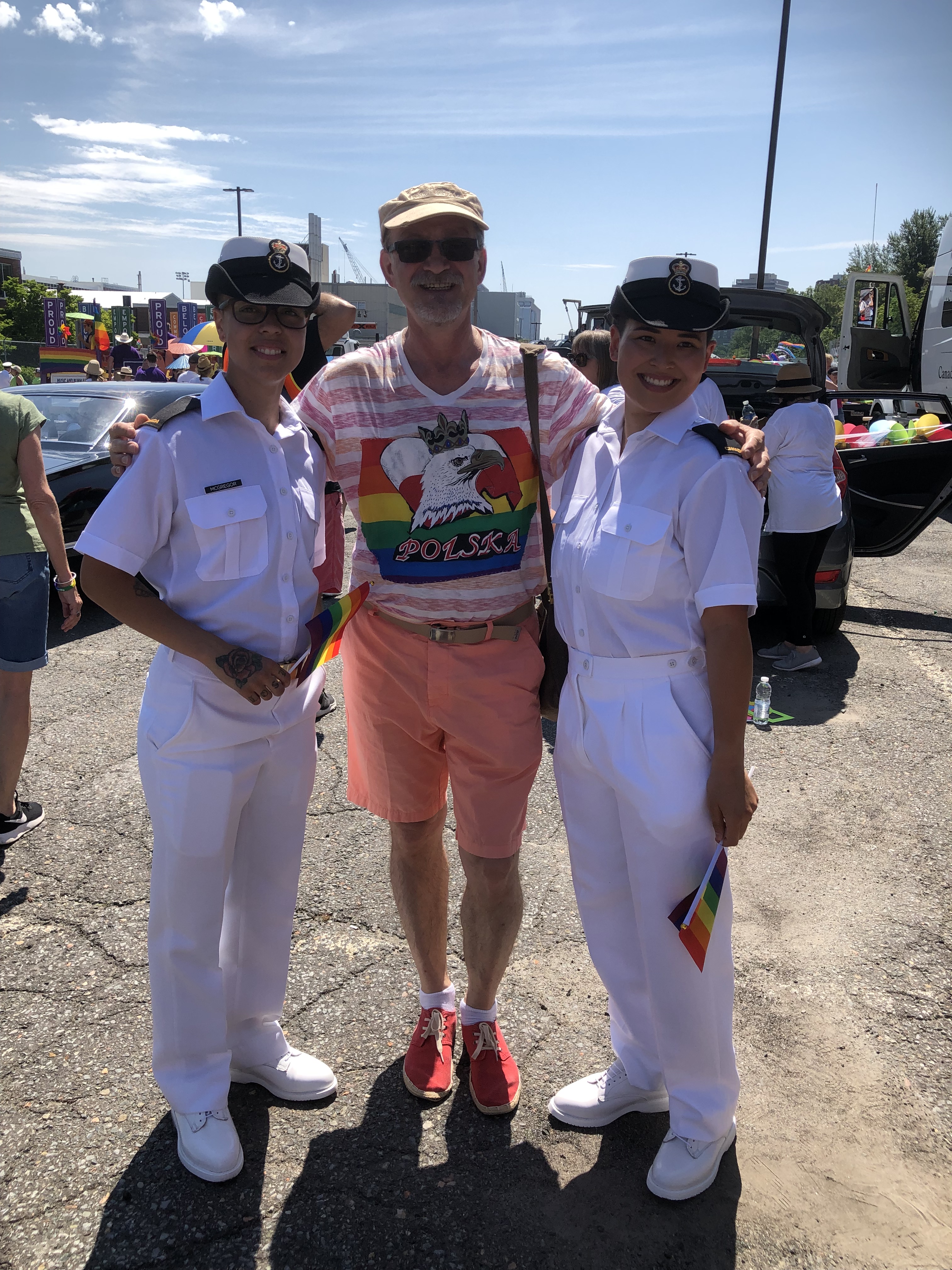
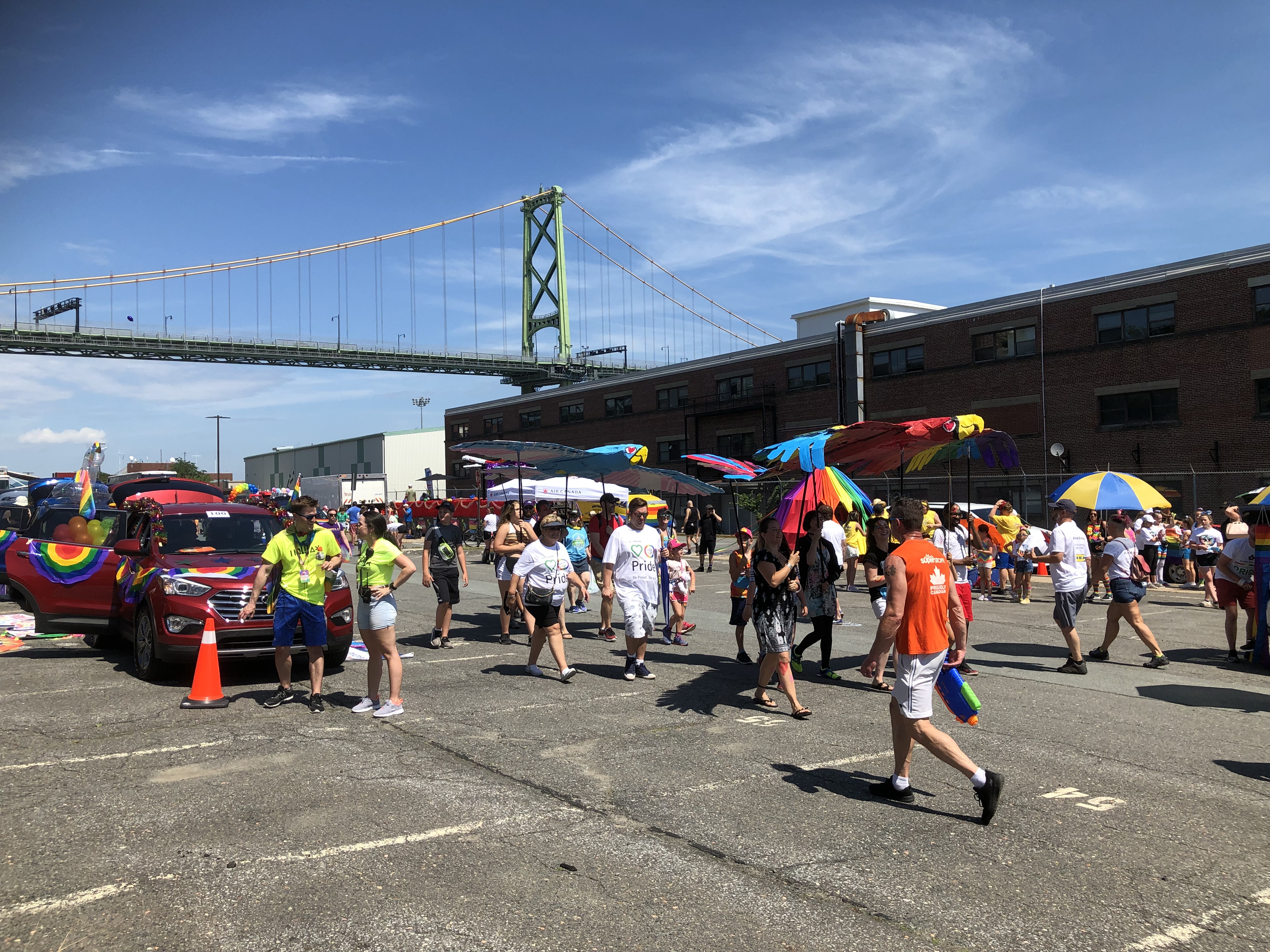
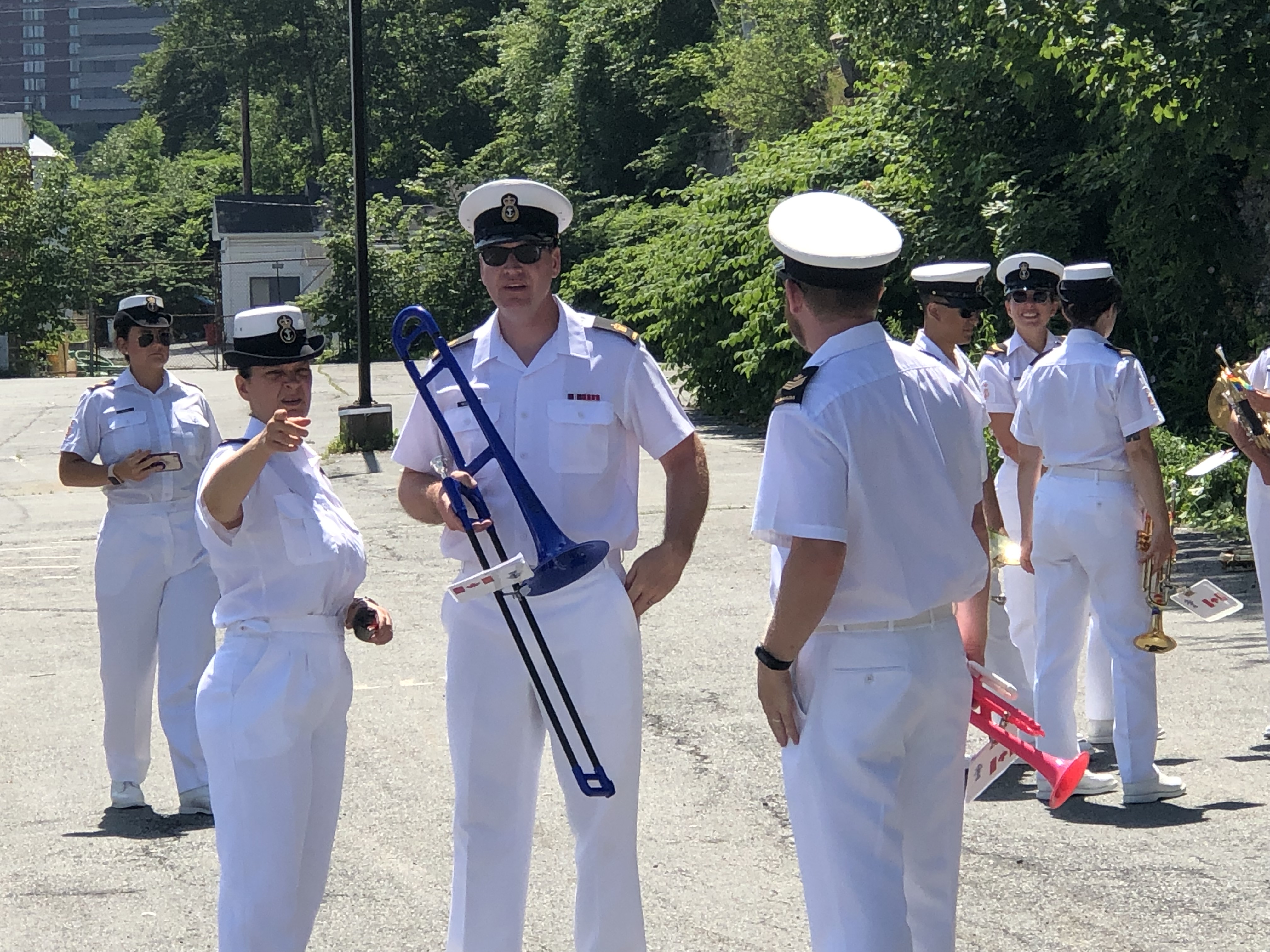
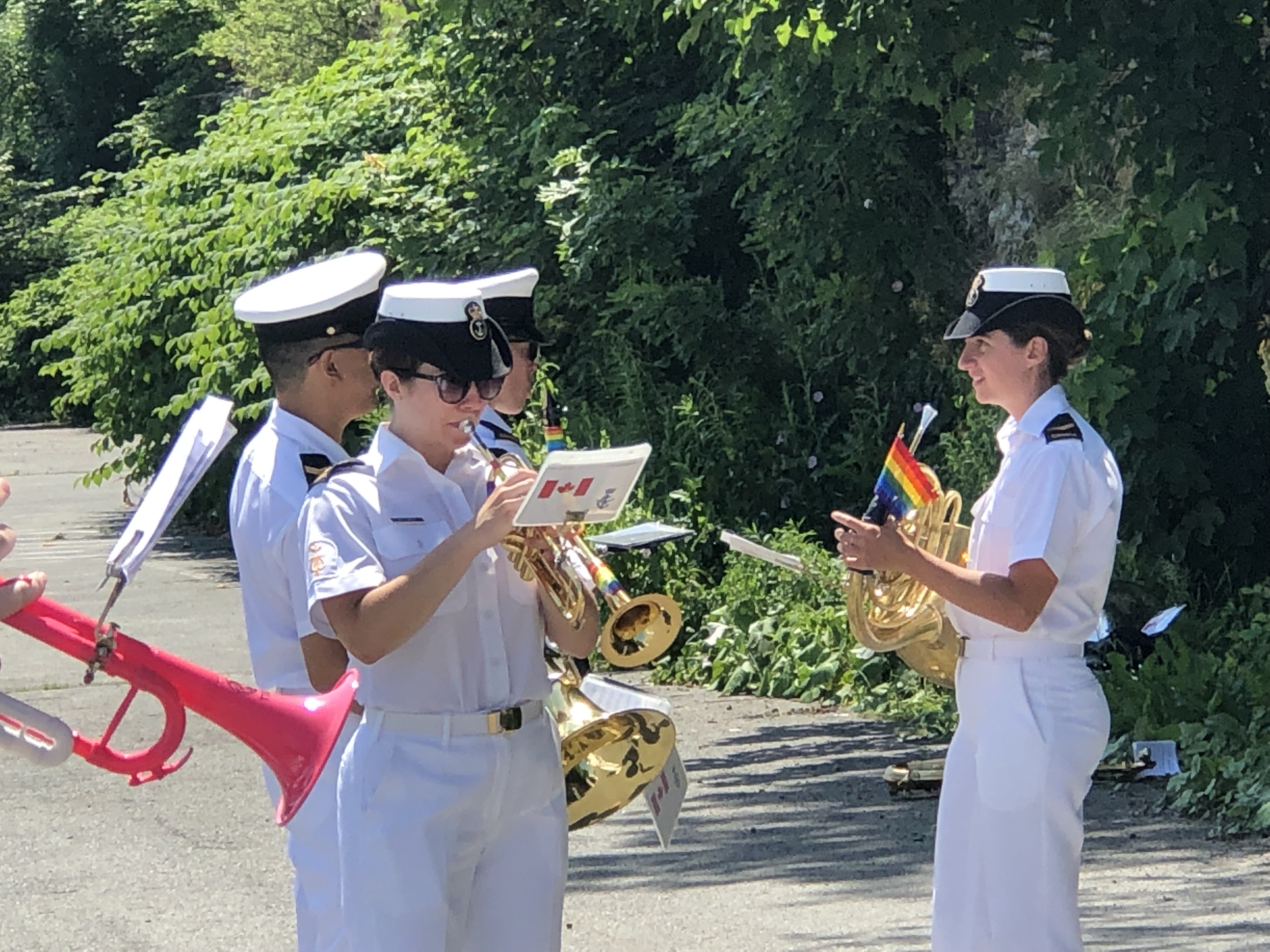
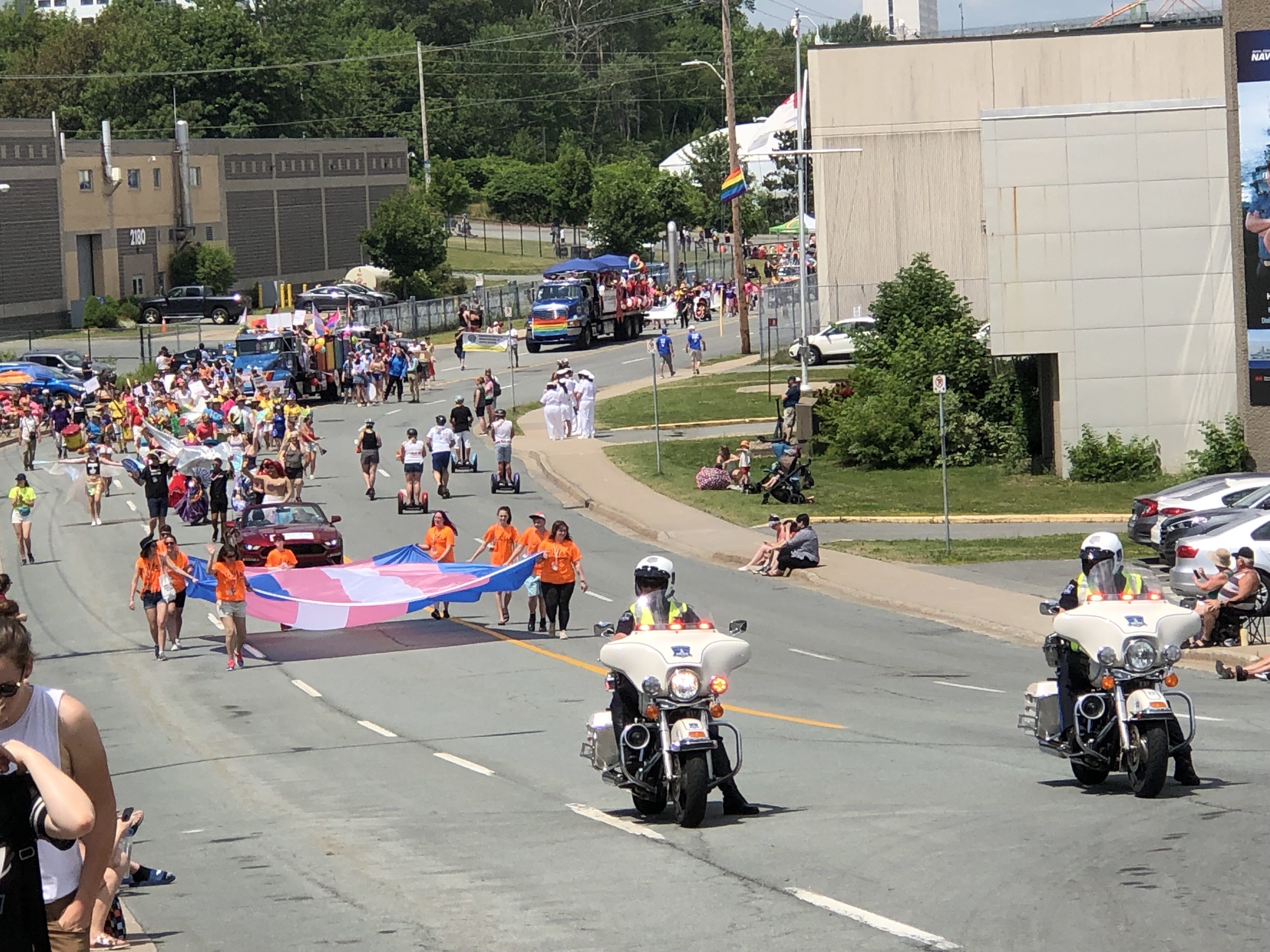
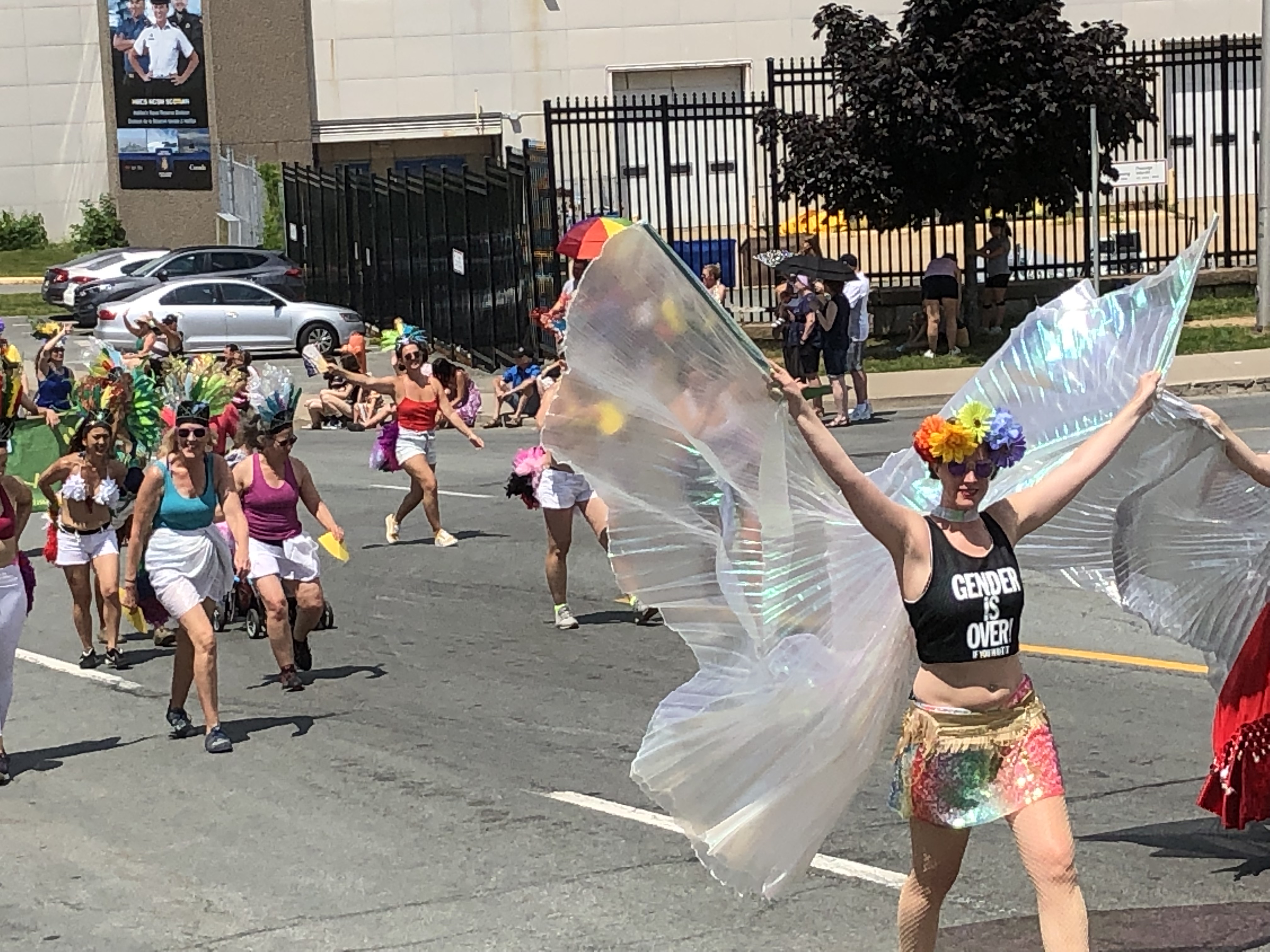
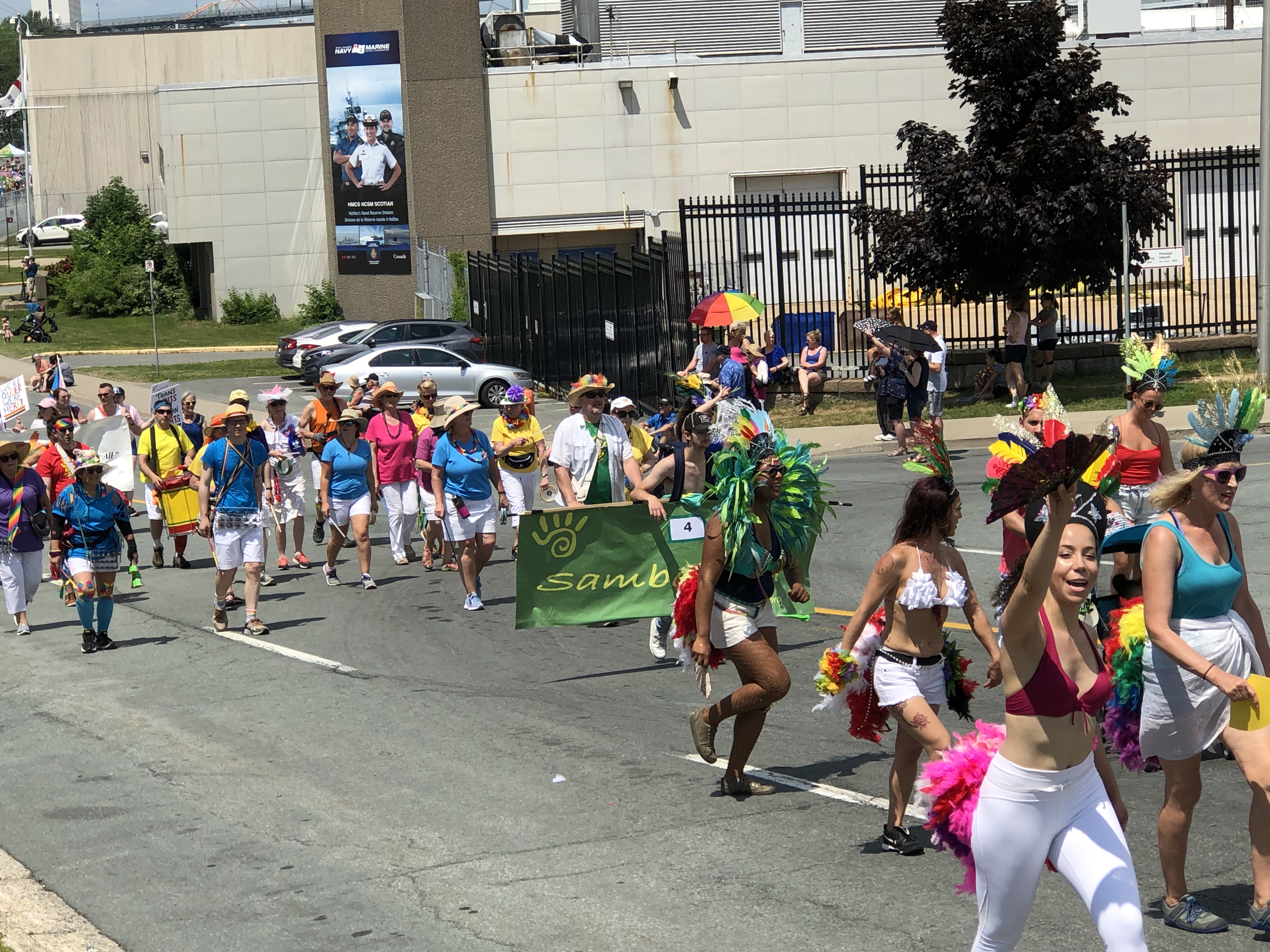
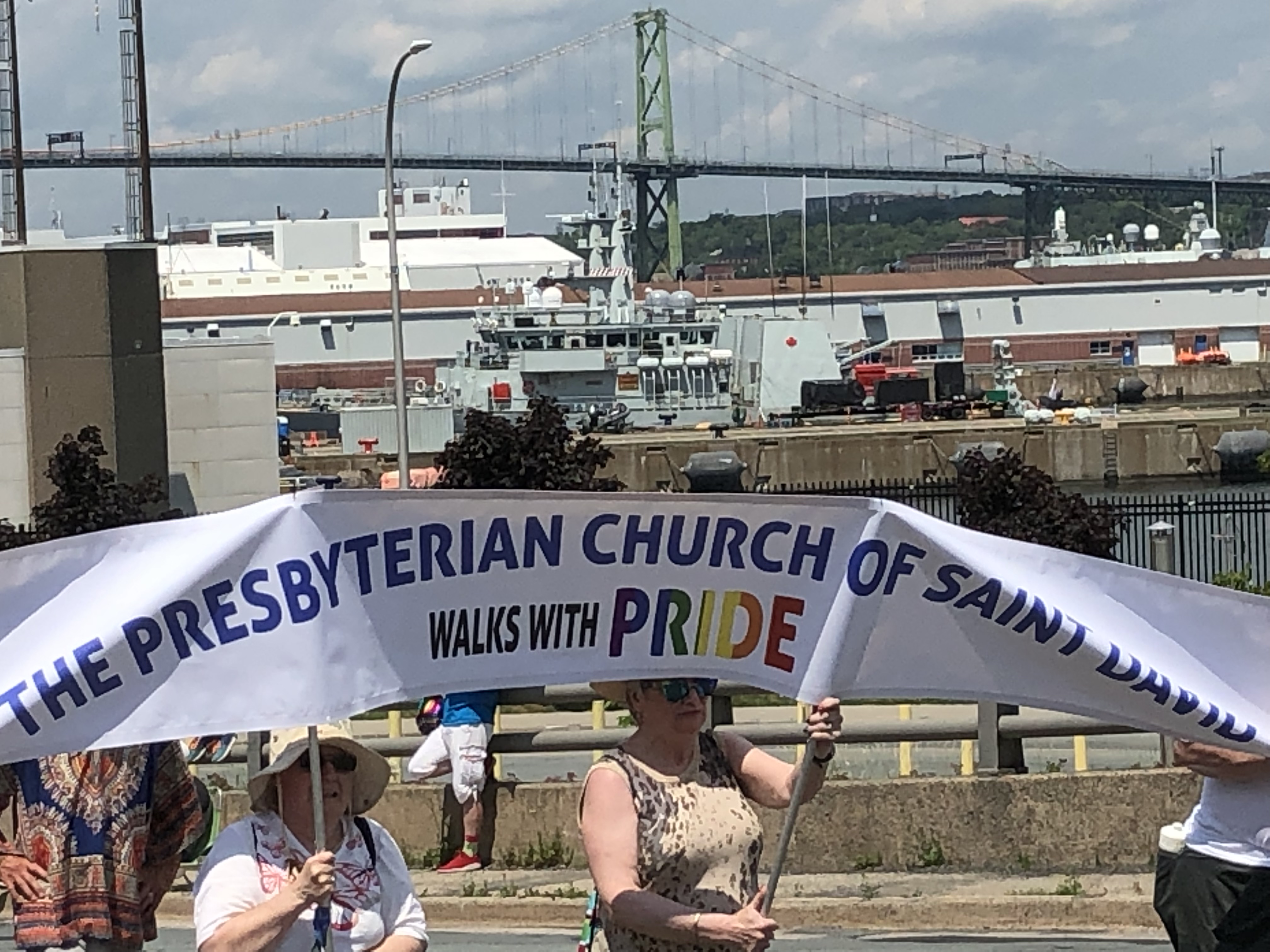
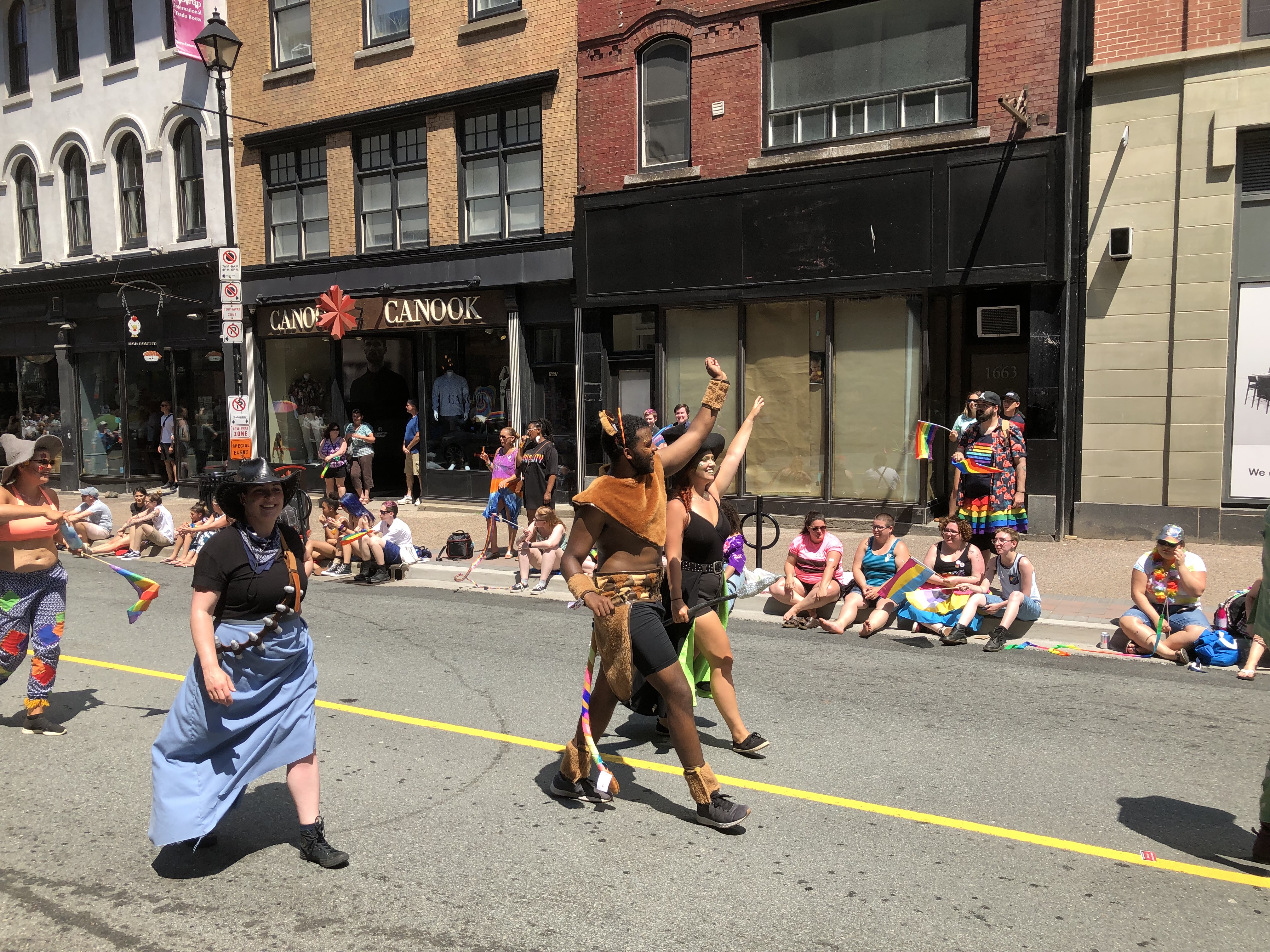
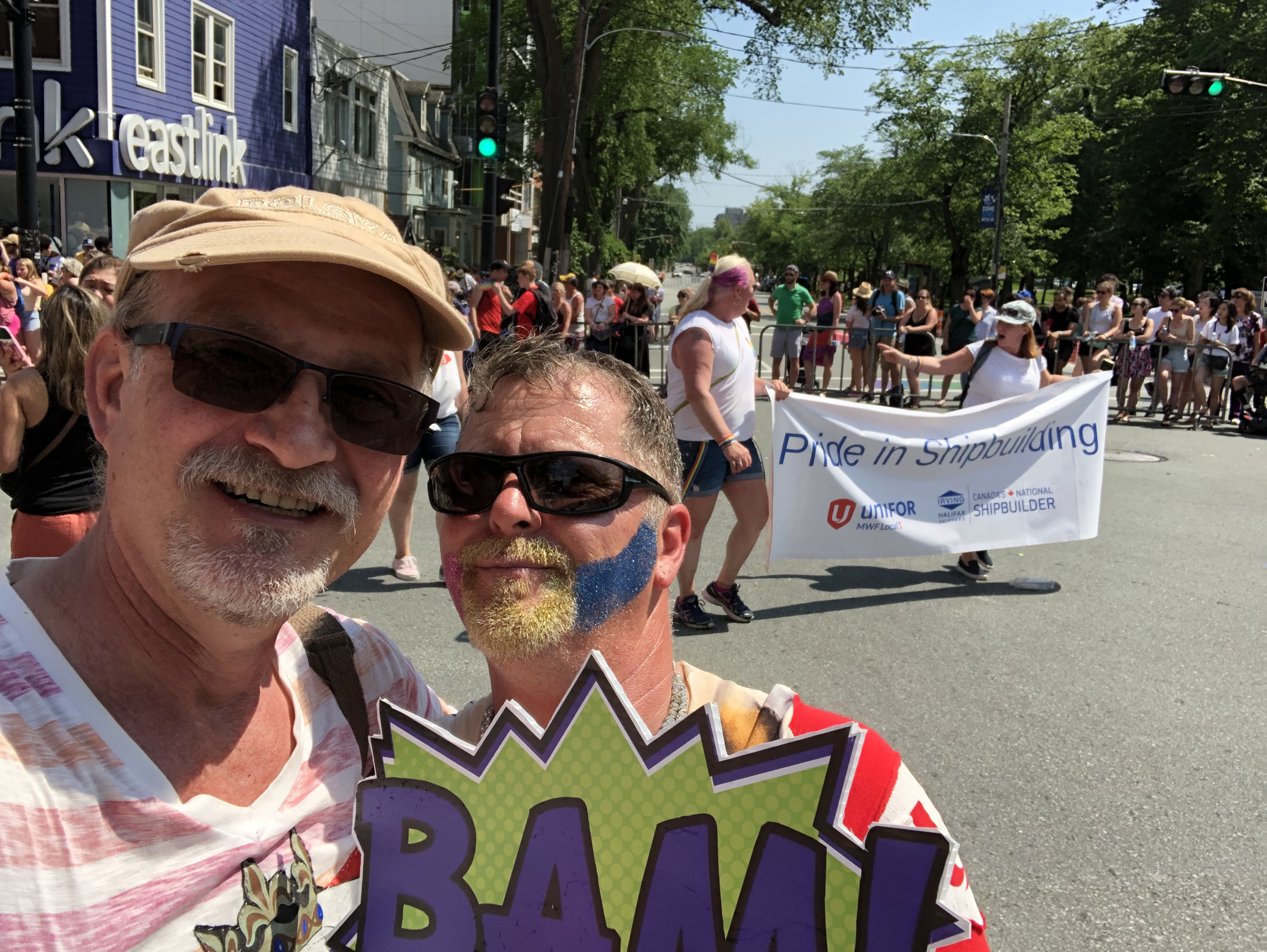
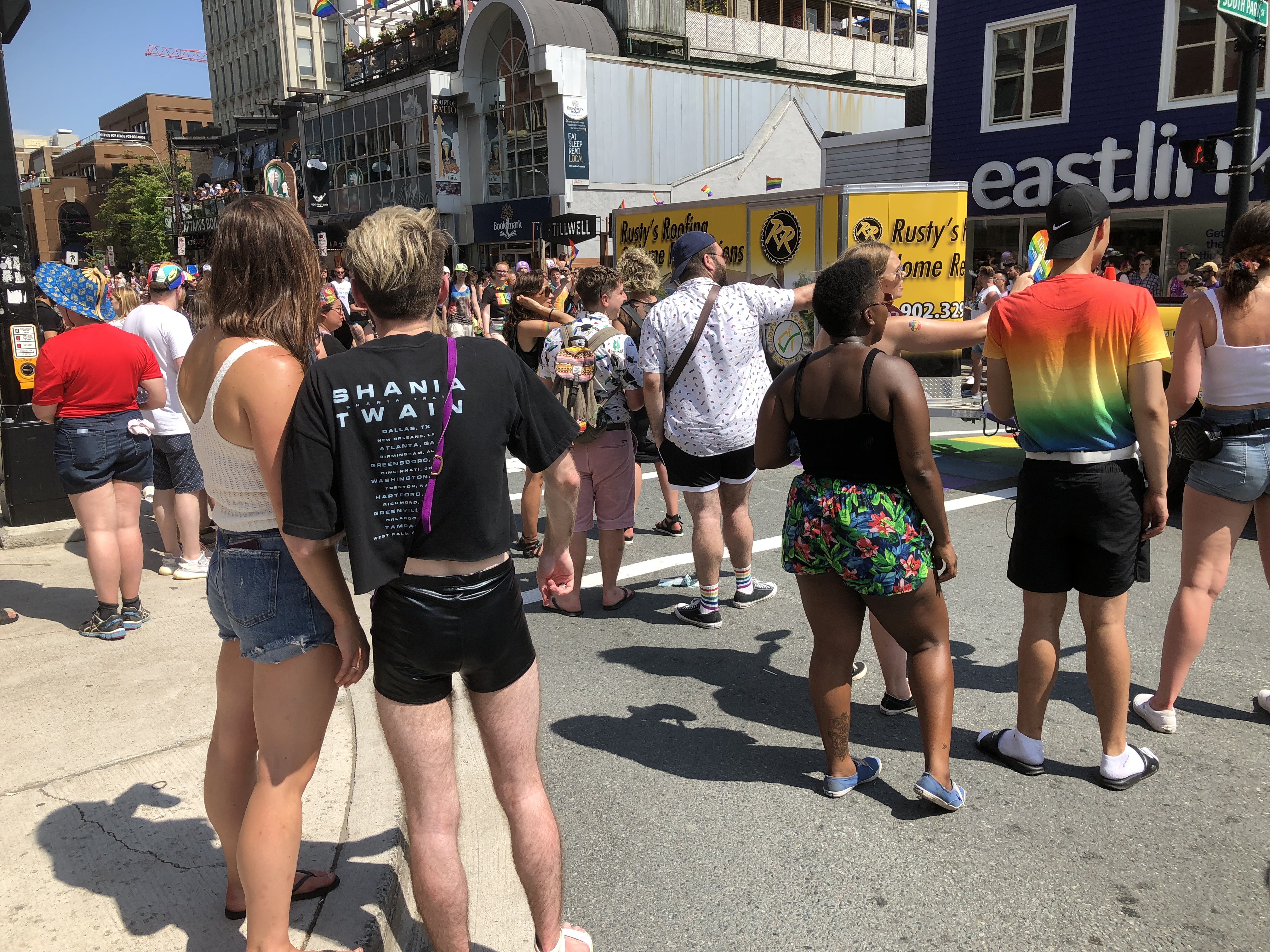
Since than I took part in many big truly Pride Marches. As onlooker and as a participant. Almost all (if not all) Vancouver’s wonderful marches. With my husband John, with my Mom, with friends. The last one I took part in was the 2019 huge Parade in Halifax. It was the first time that there was (from my experience, anyway) such a prominent presence of Canadian Armed Forces (specifically the huge contingent of Canadian Navy. I had a very pleasant and long chat with the Commodore of North Atlantic Fleet.) and very visible presence of, I think, all Christian Churches with their priests and deacons. That was very heartwarming.
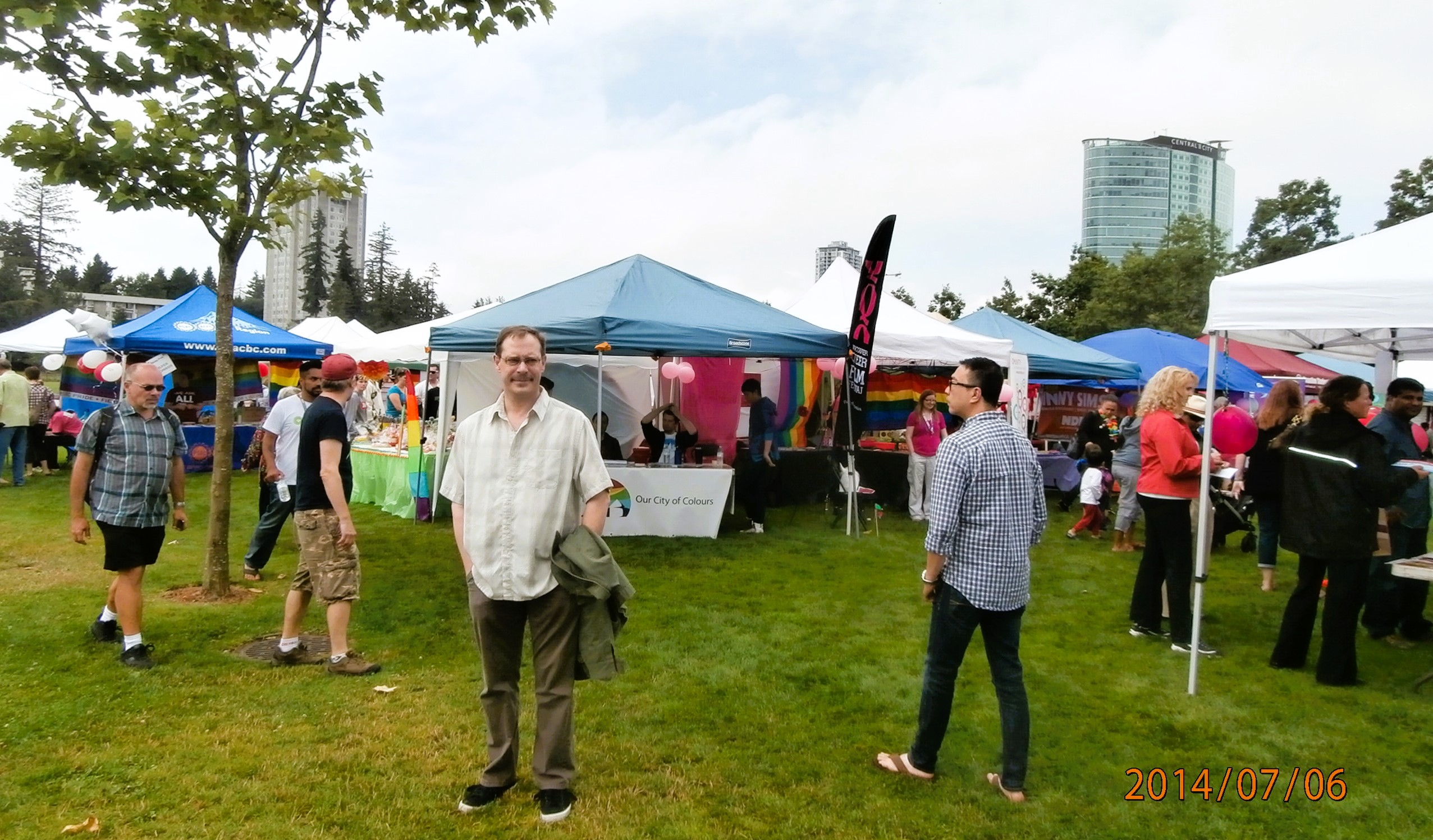
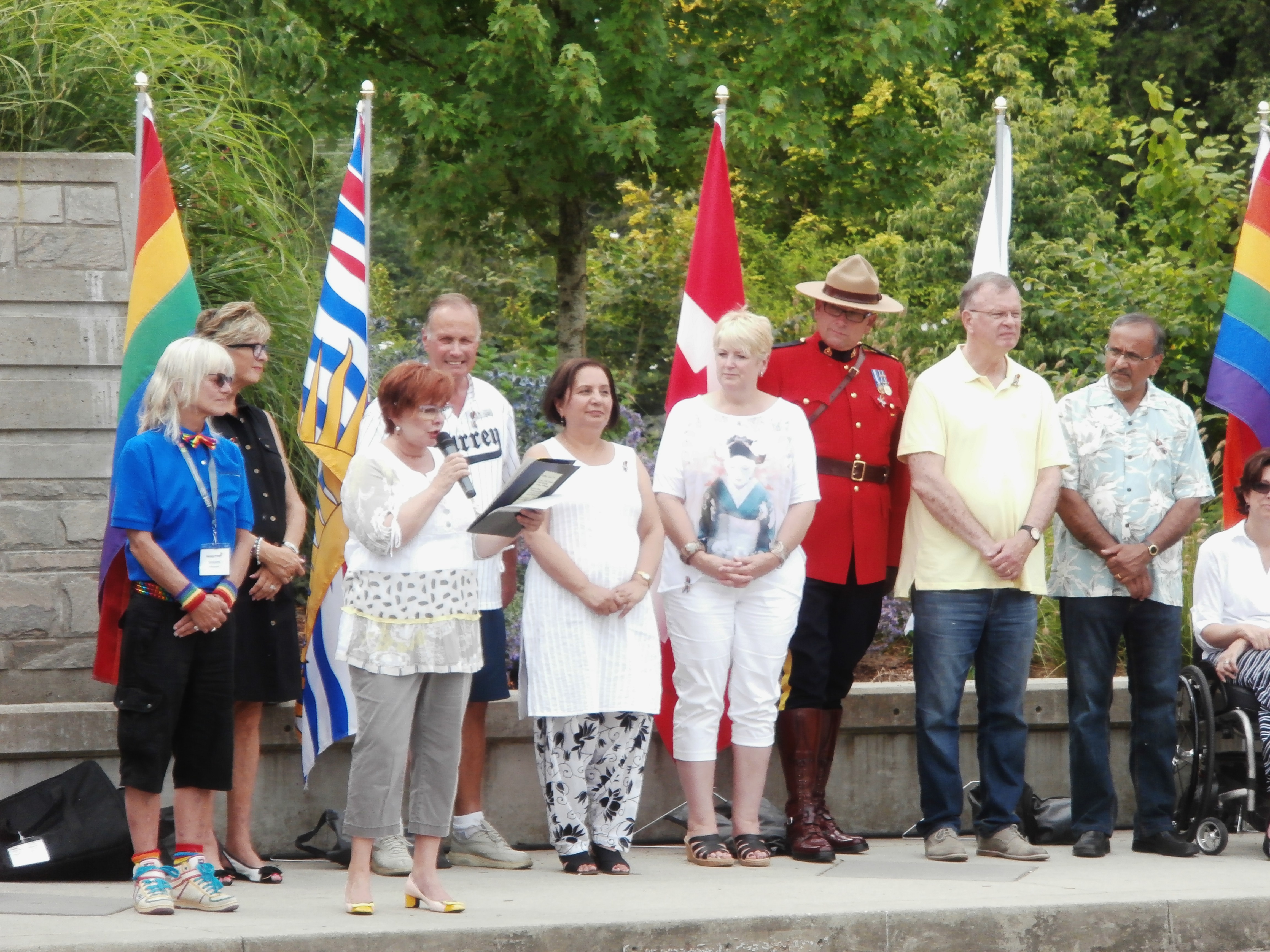
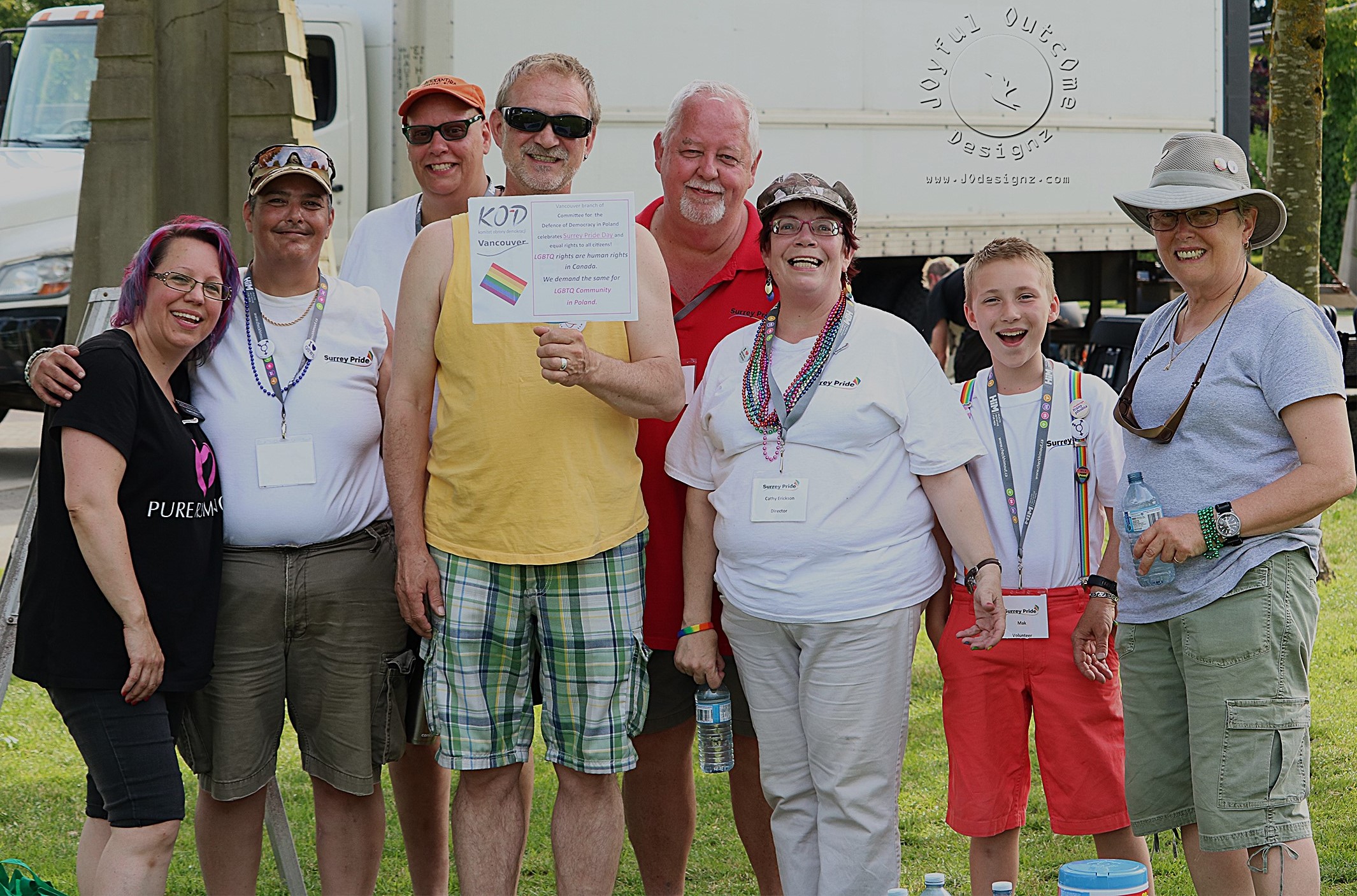
But apart from the big cities and big Marches there were the little ones: in Surrey, BC (in Holland Park), in New Westminster along the Columbia Avenue. And in so many towns and smaller cities across our vast country. Here are some from Surrey. To the left with me is one of the leading organizer of Pride Day events in New West, Jeremy Perry.
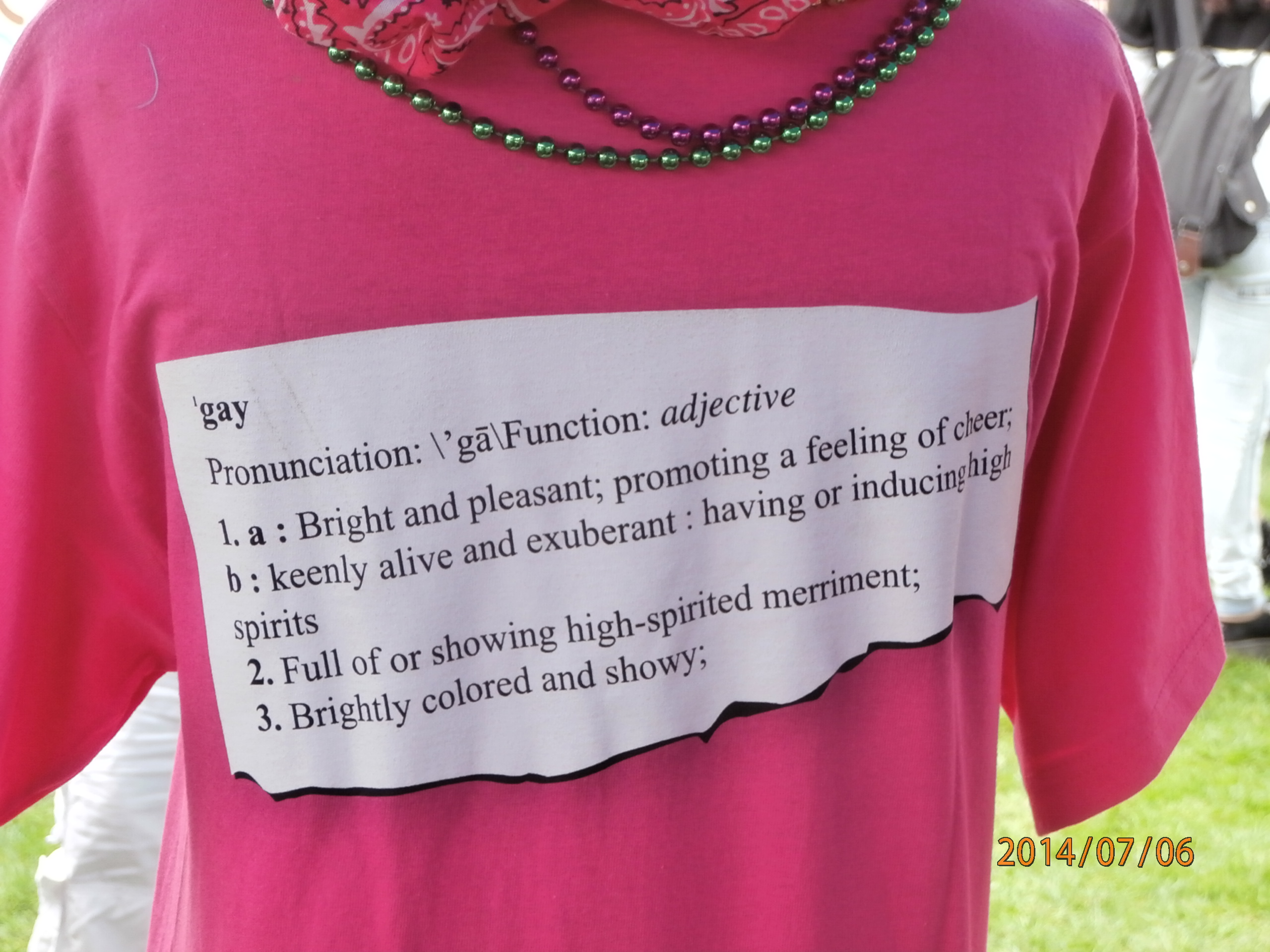
The Holland Park activities in Surrey were more like a big family festyn then traditional March. A tradition was always to have some concert of singers, dancing groups on a big stage in front of the main waterfall. And definitely a good food choices. Atmosphere was just to be happy. Liked them a lot. Below are some pictures from 2014, 15 and 17.
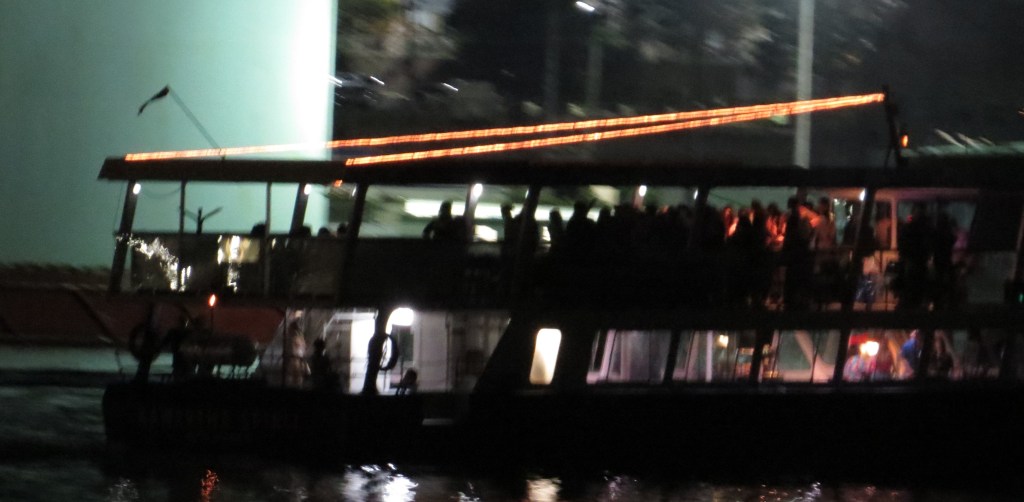
Last picture is from this year Pride in Halifax. A dancing and singing boat of night revelers of Pride.






























































































































 > > Pogwarki < <