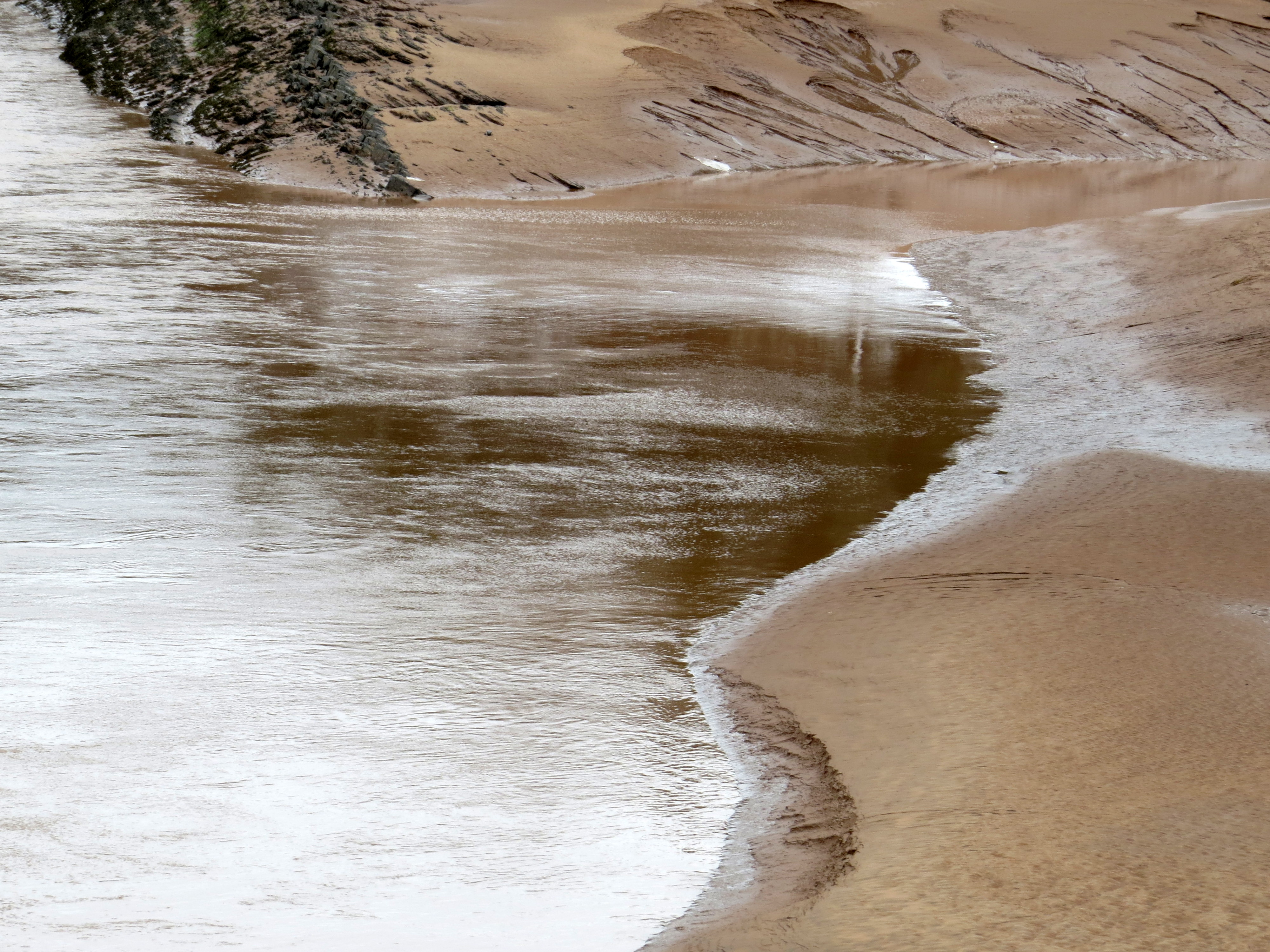
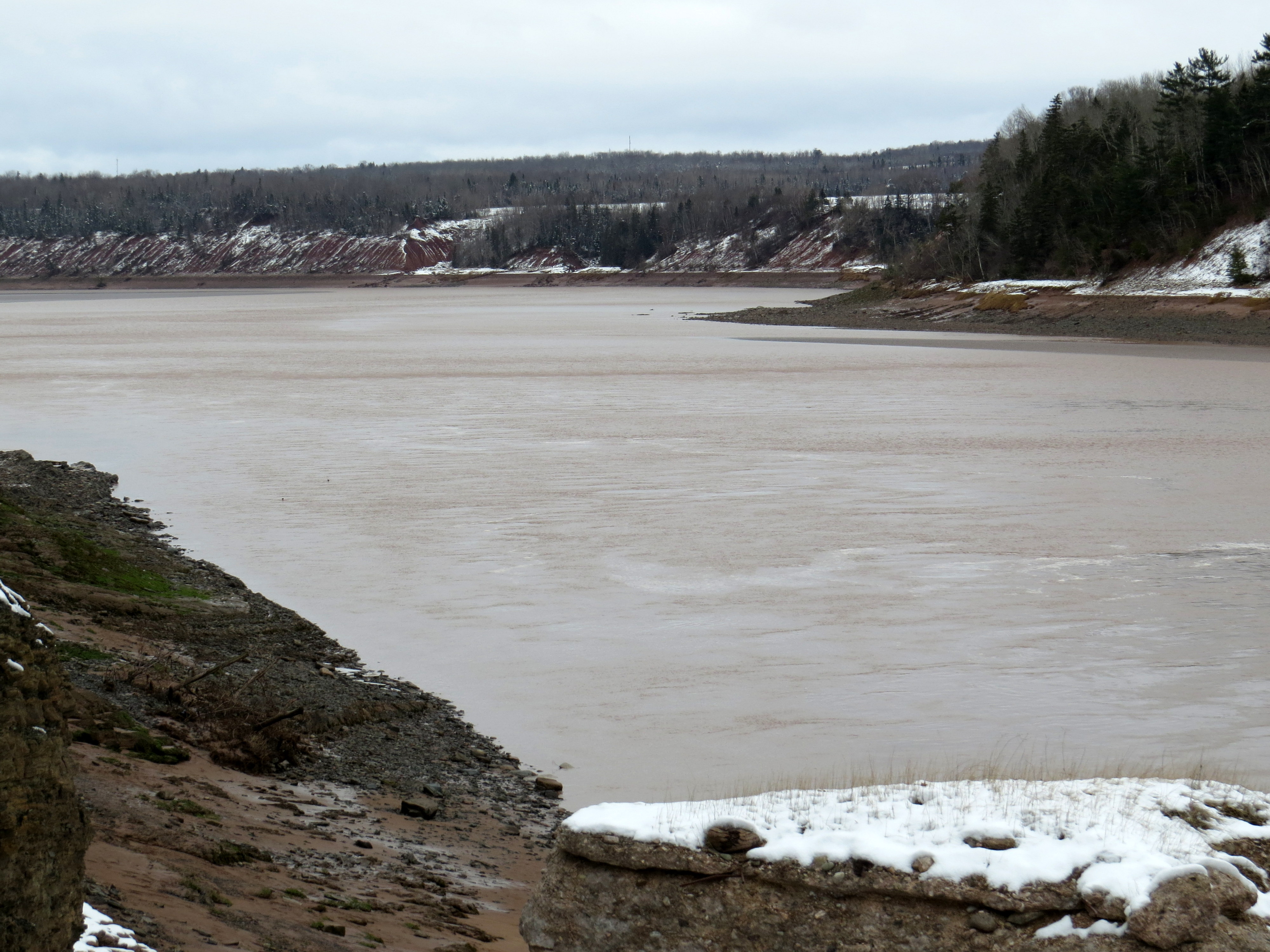
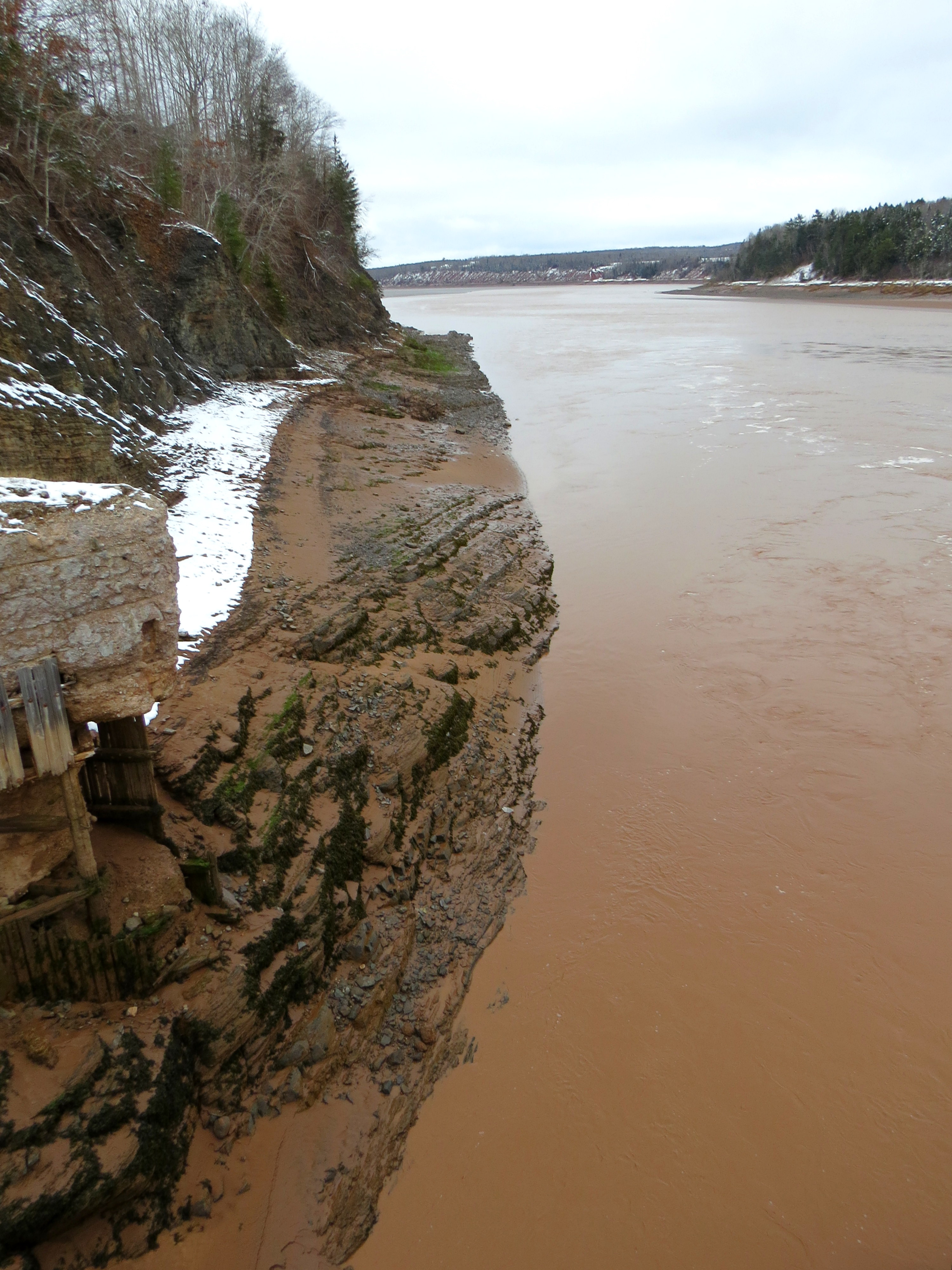
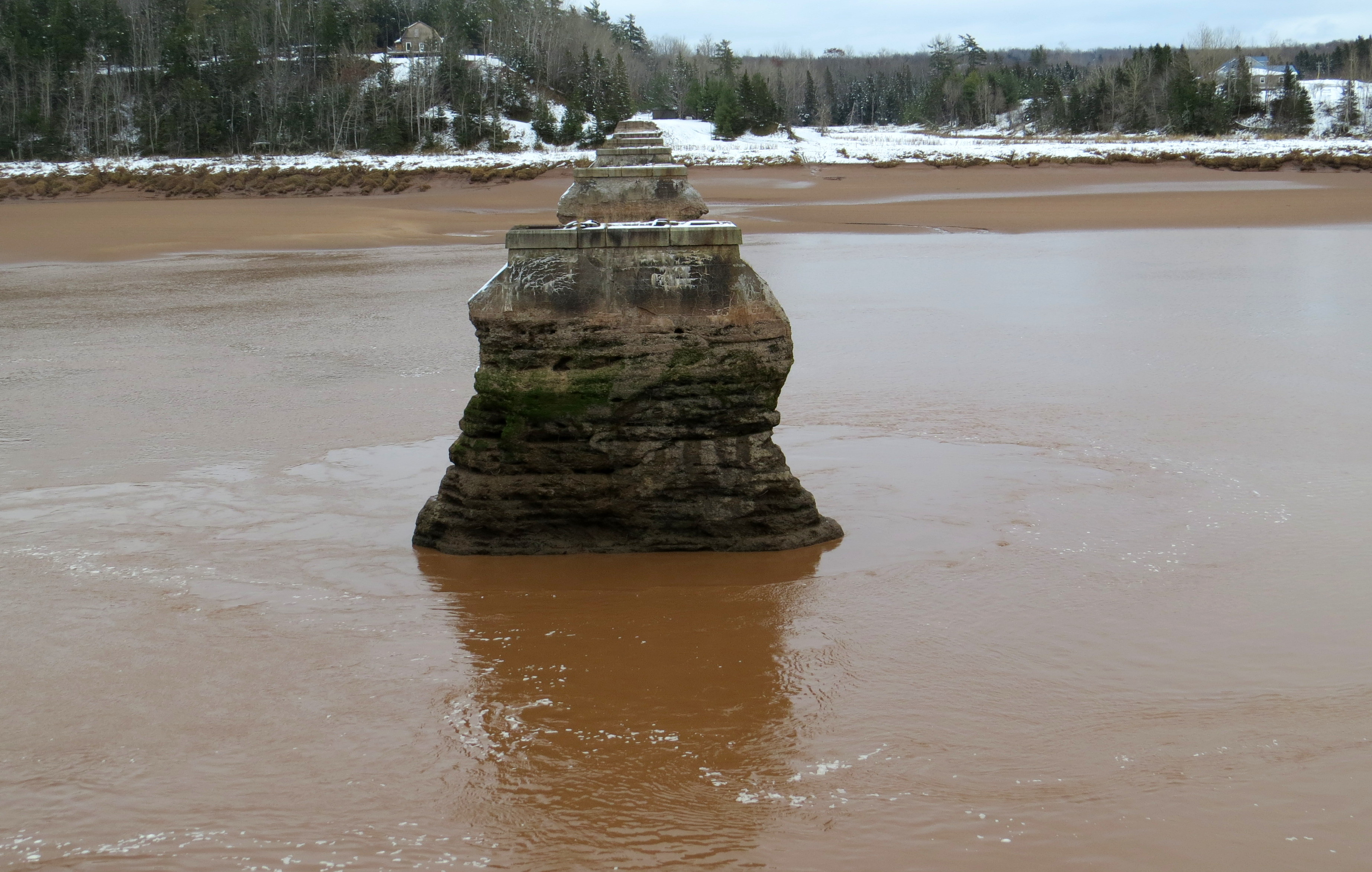
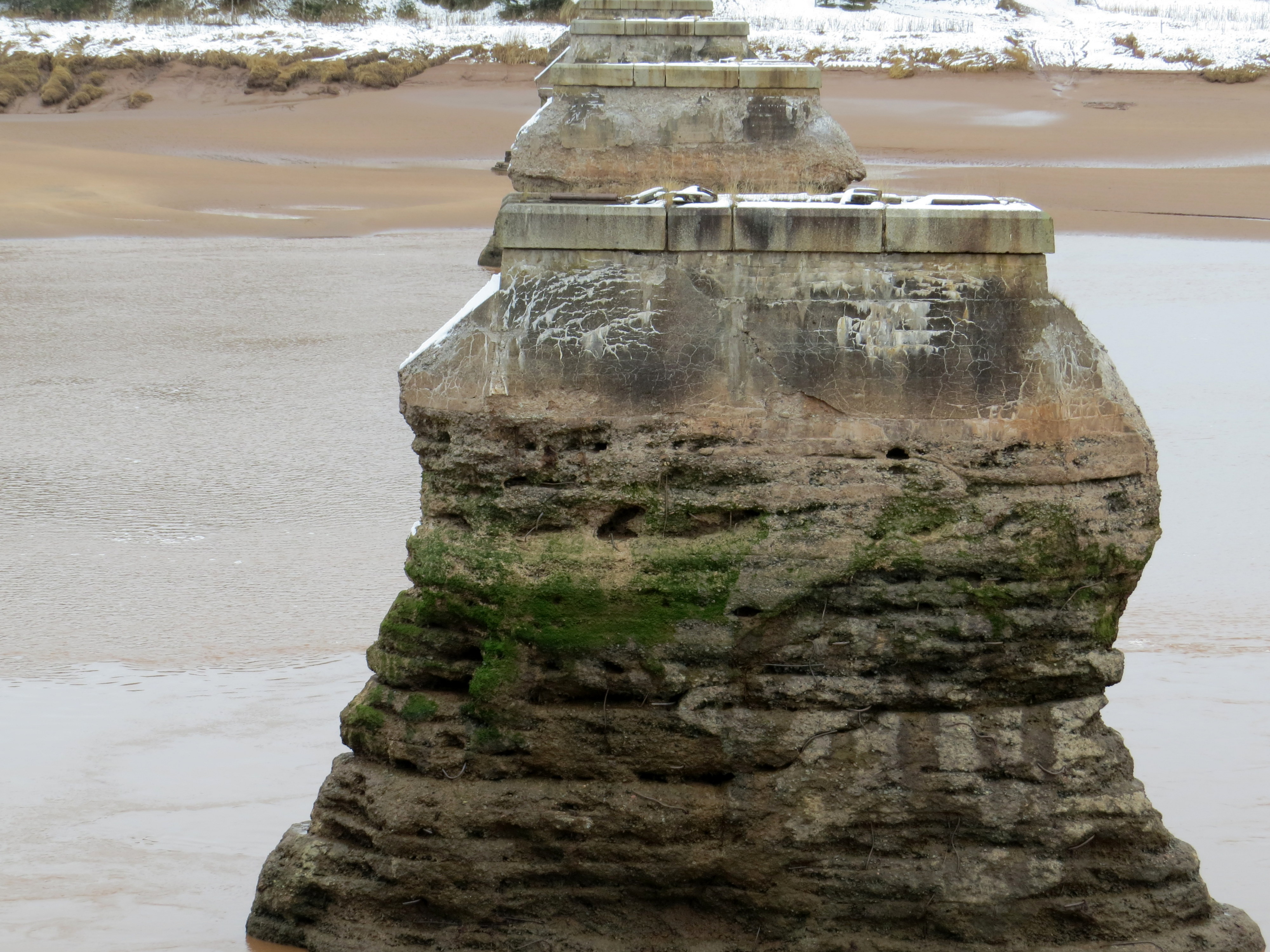
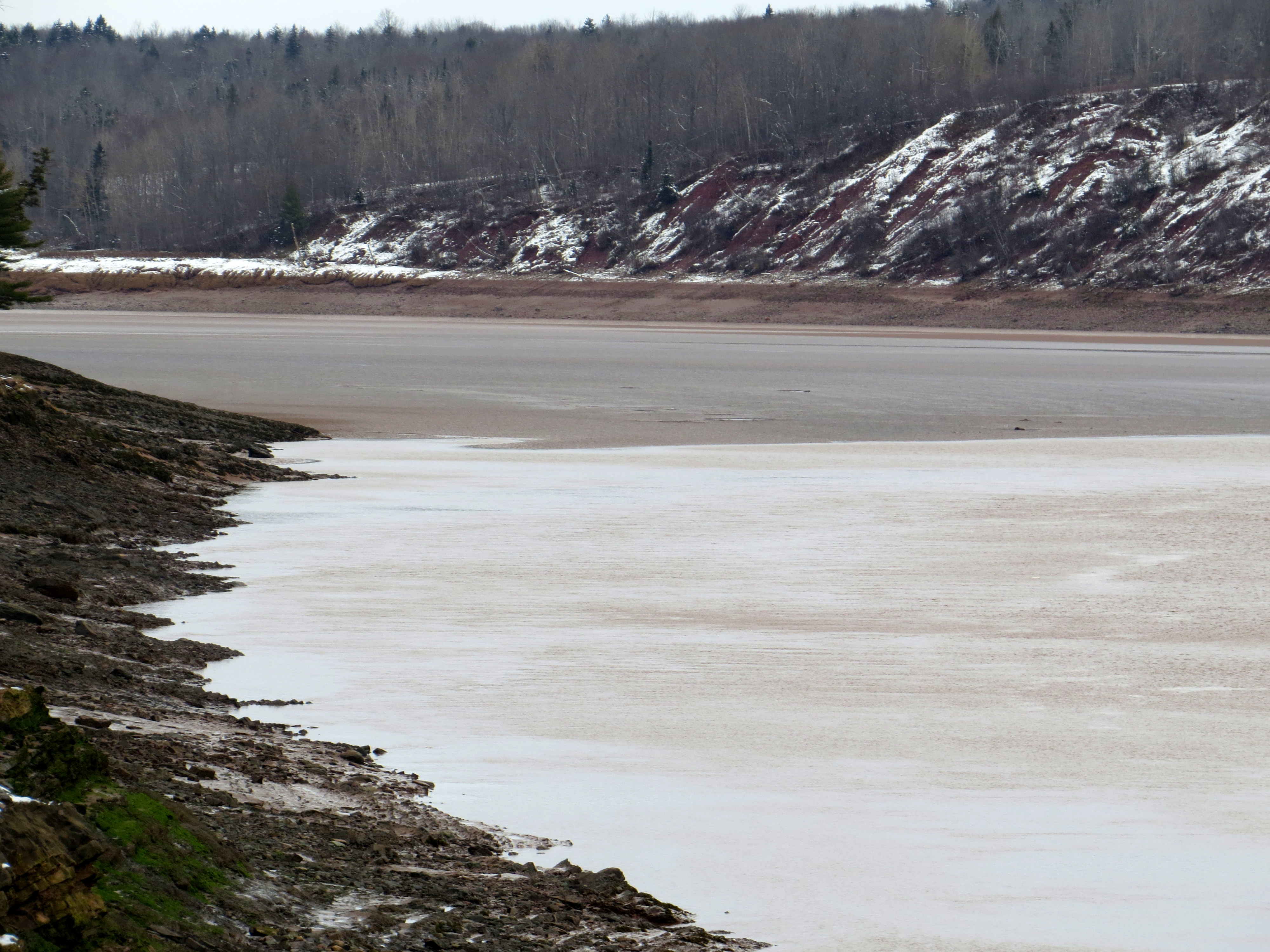
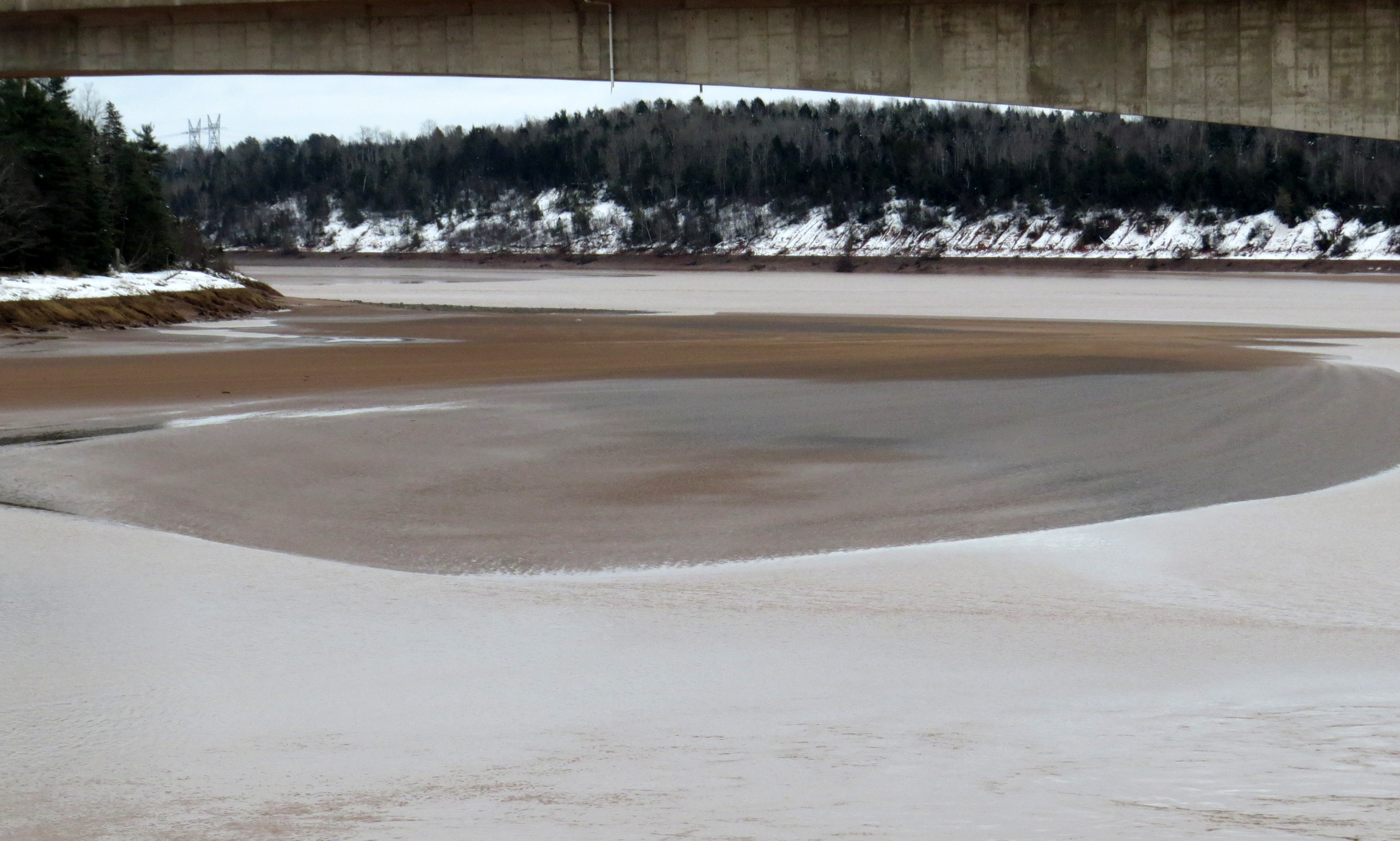
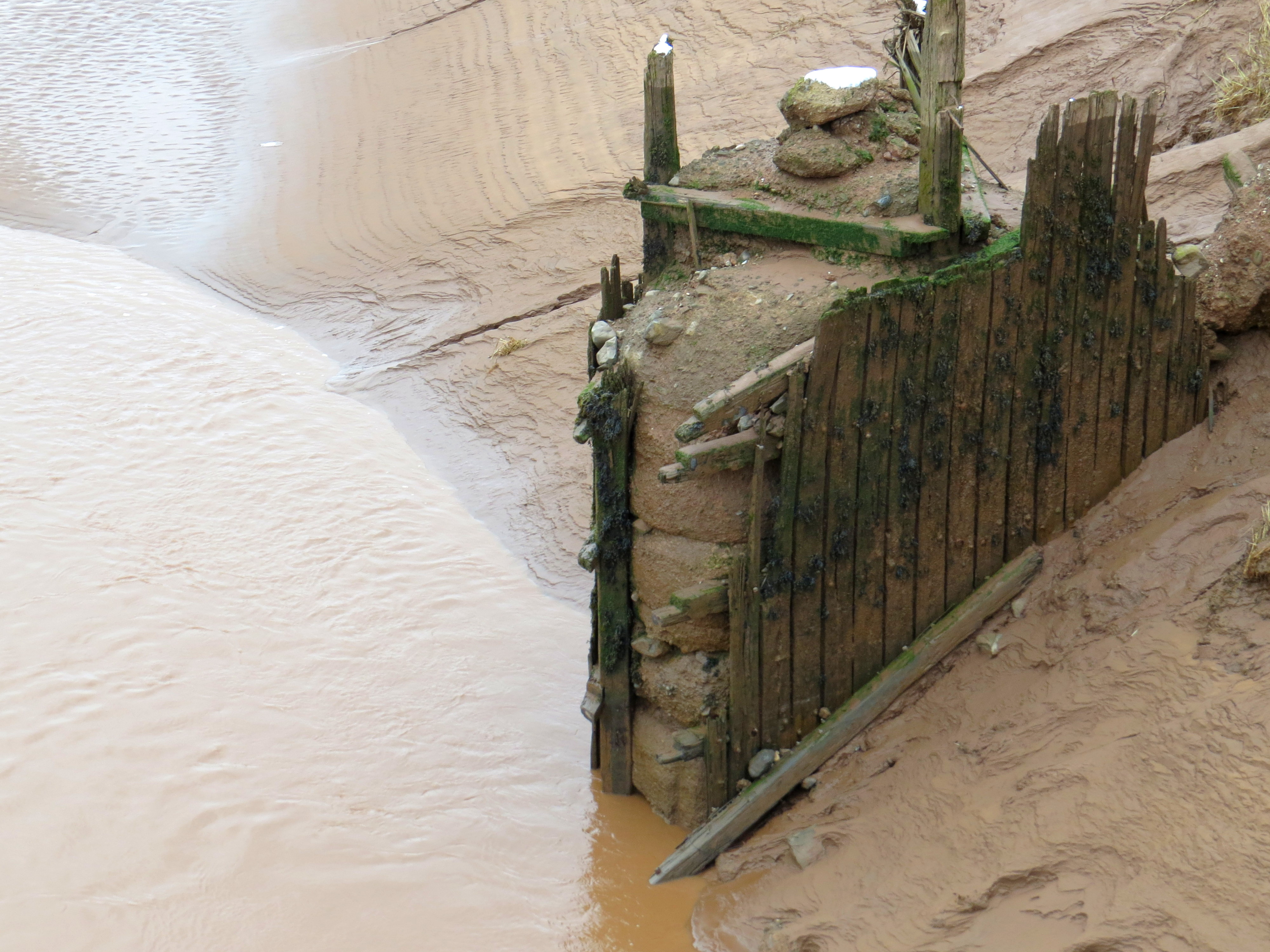
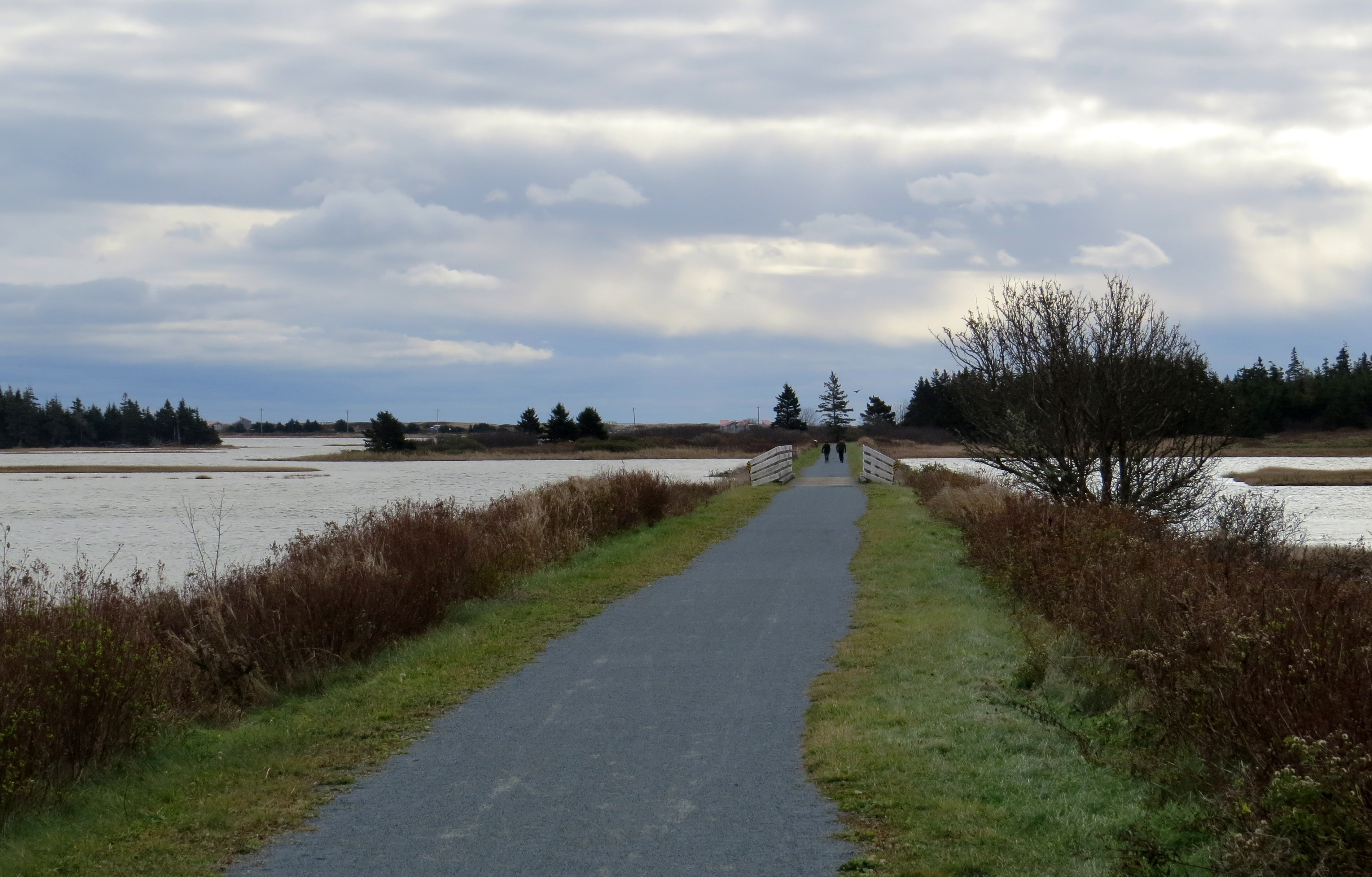
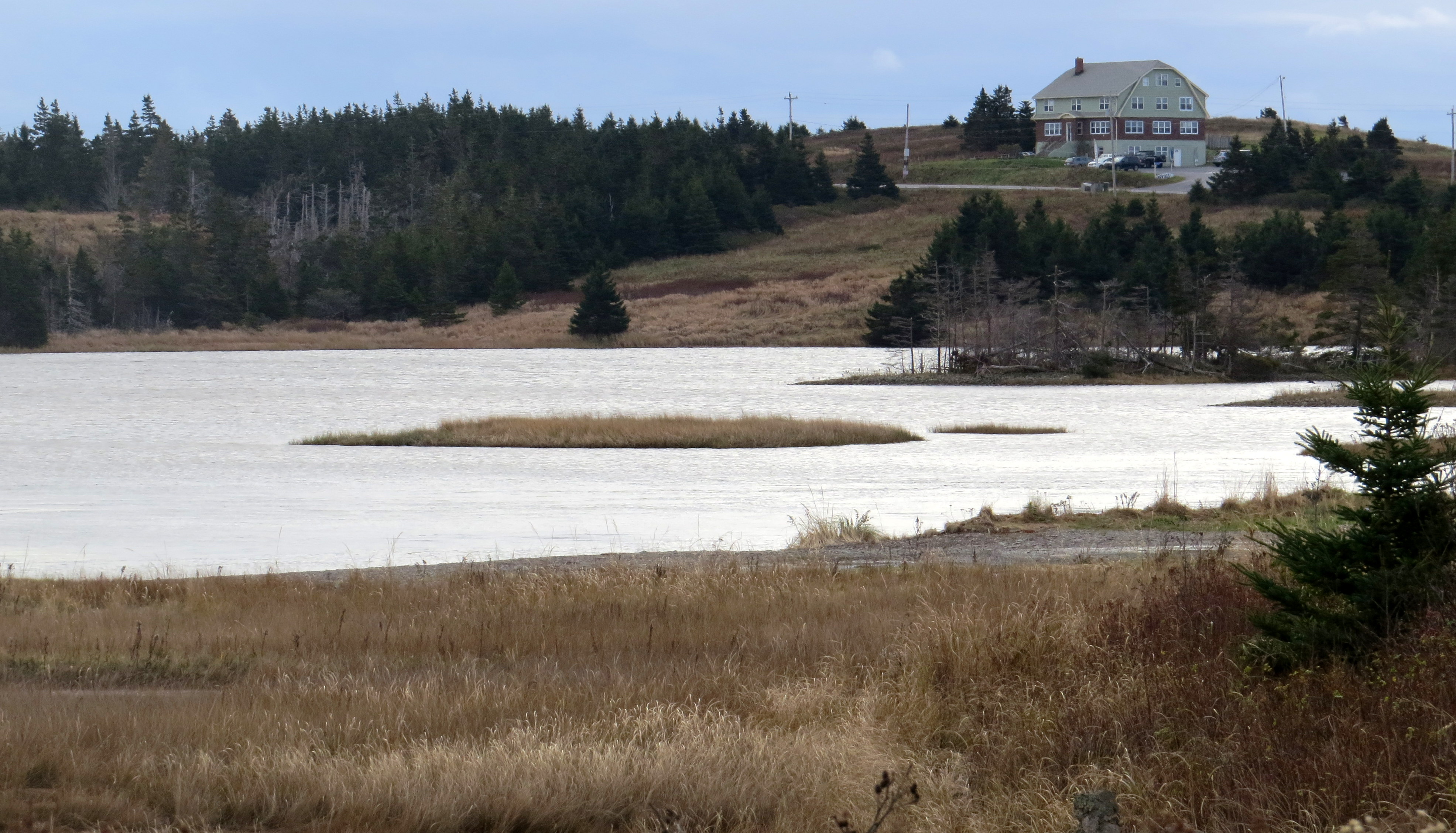
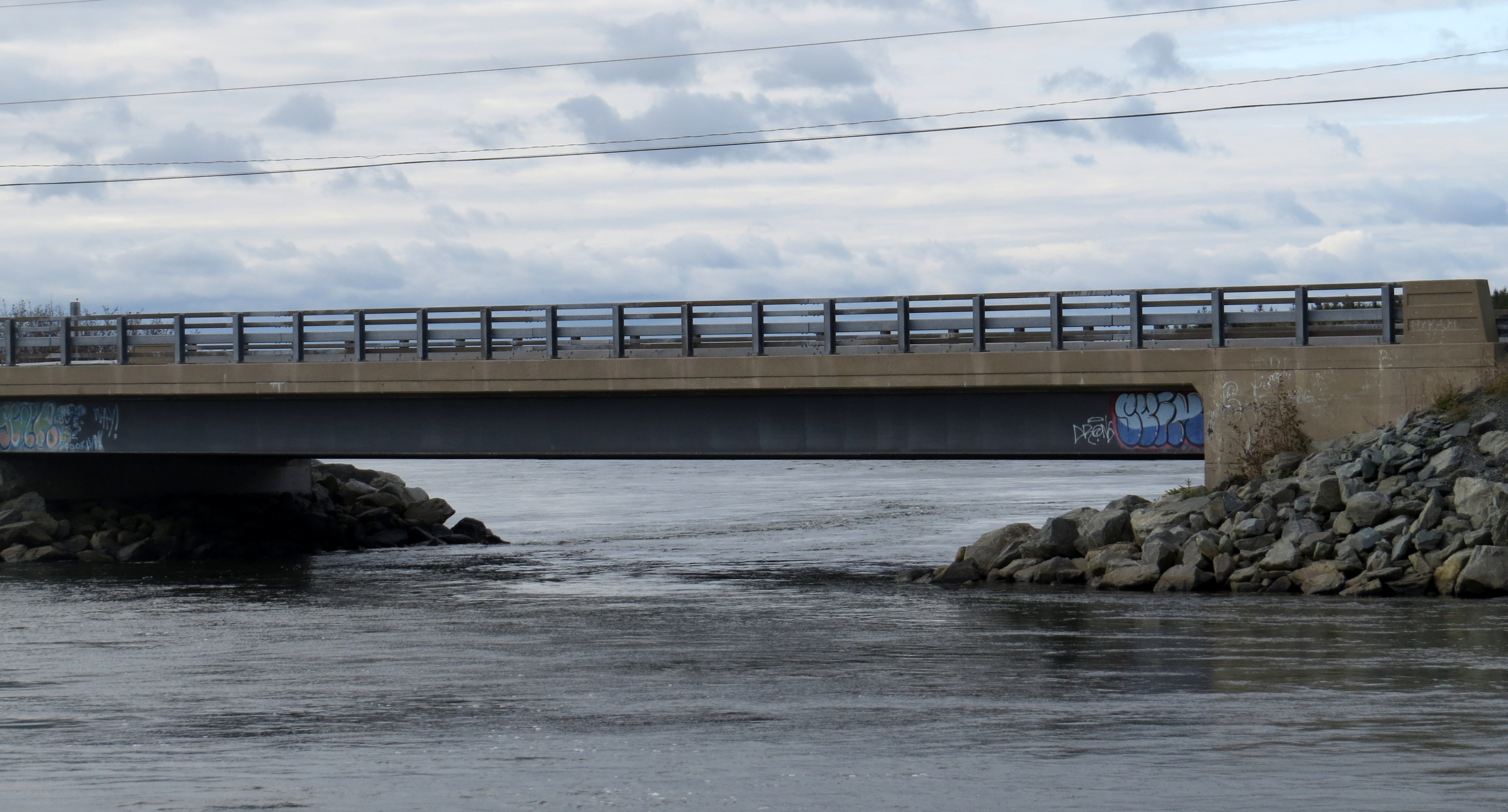
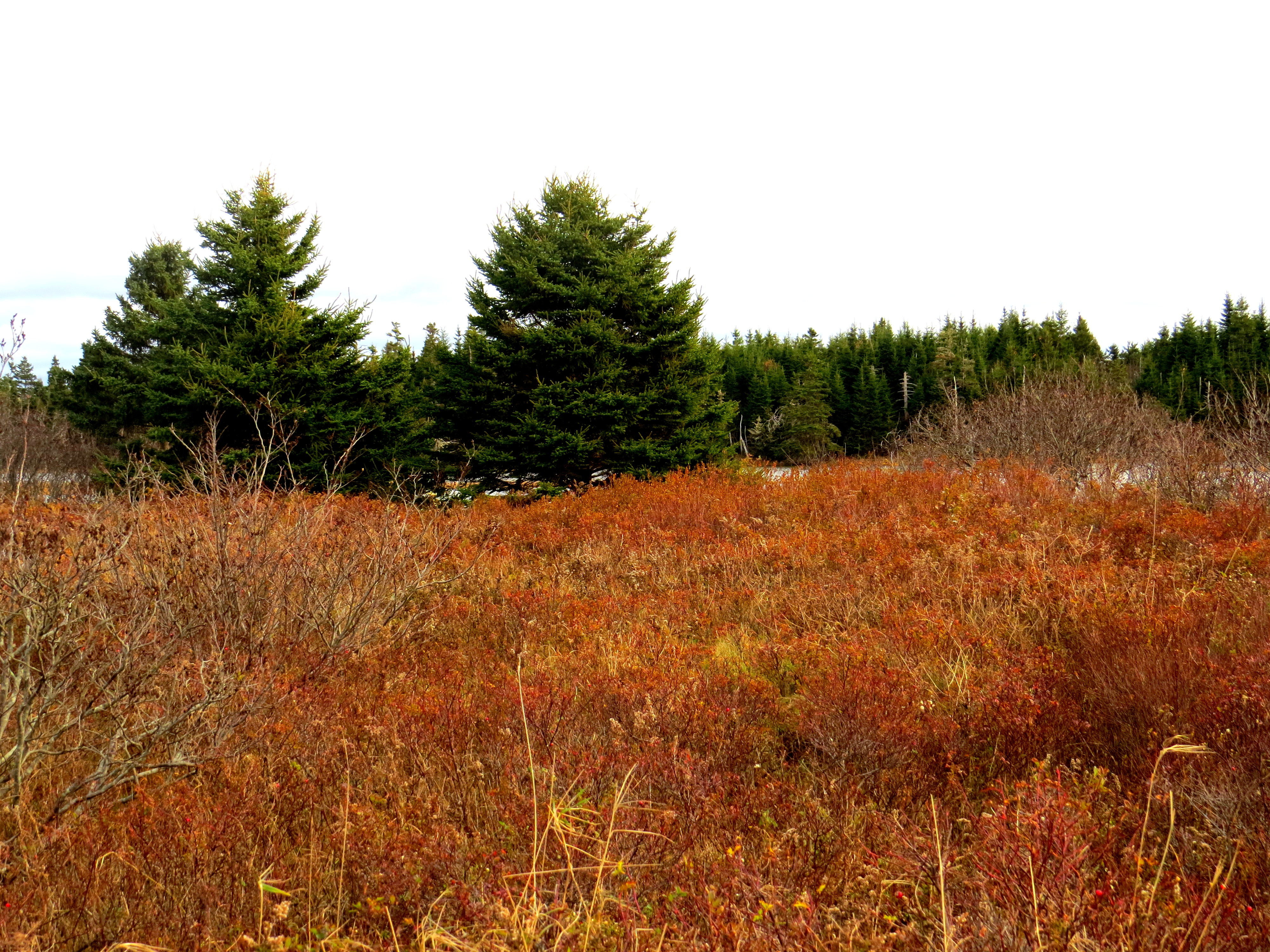
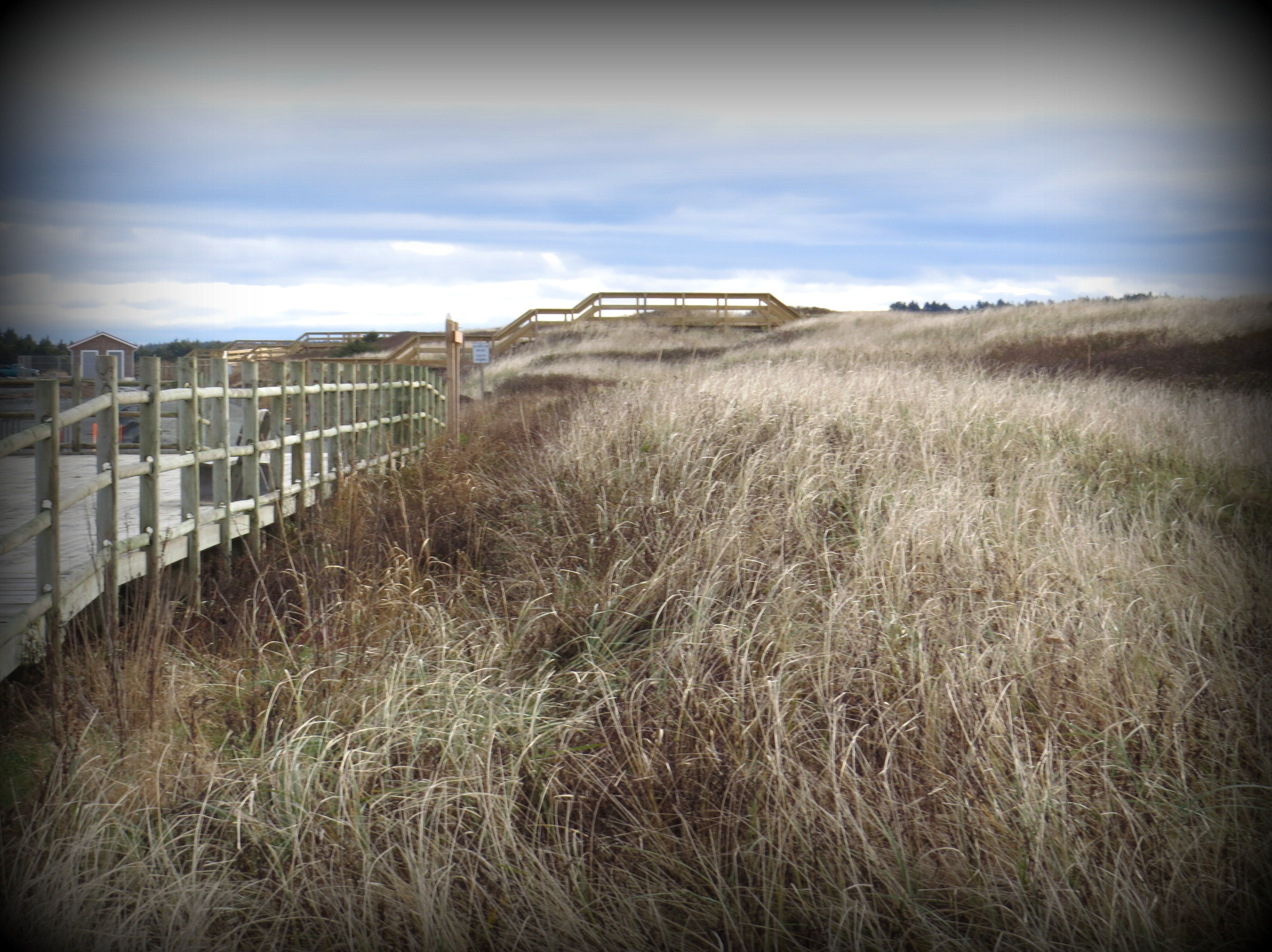
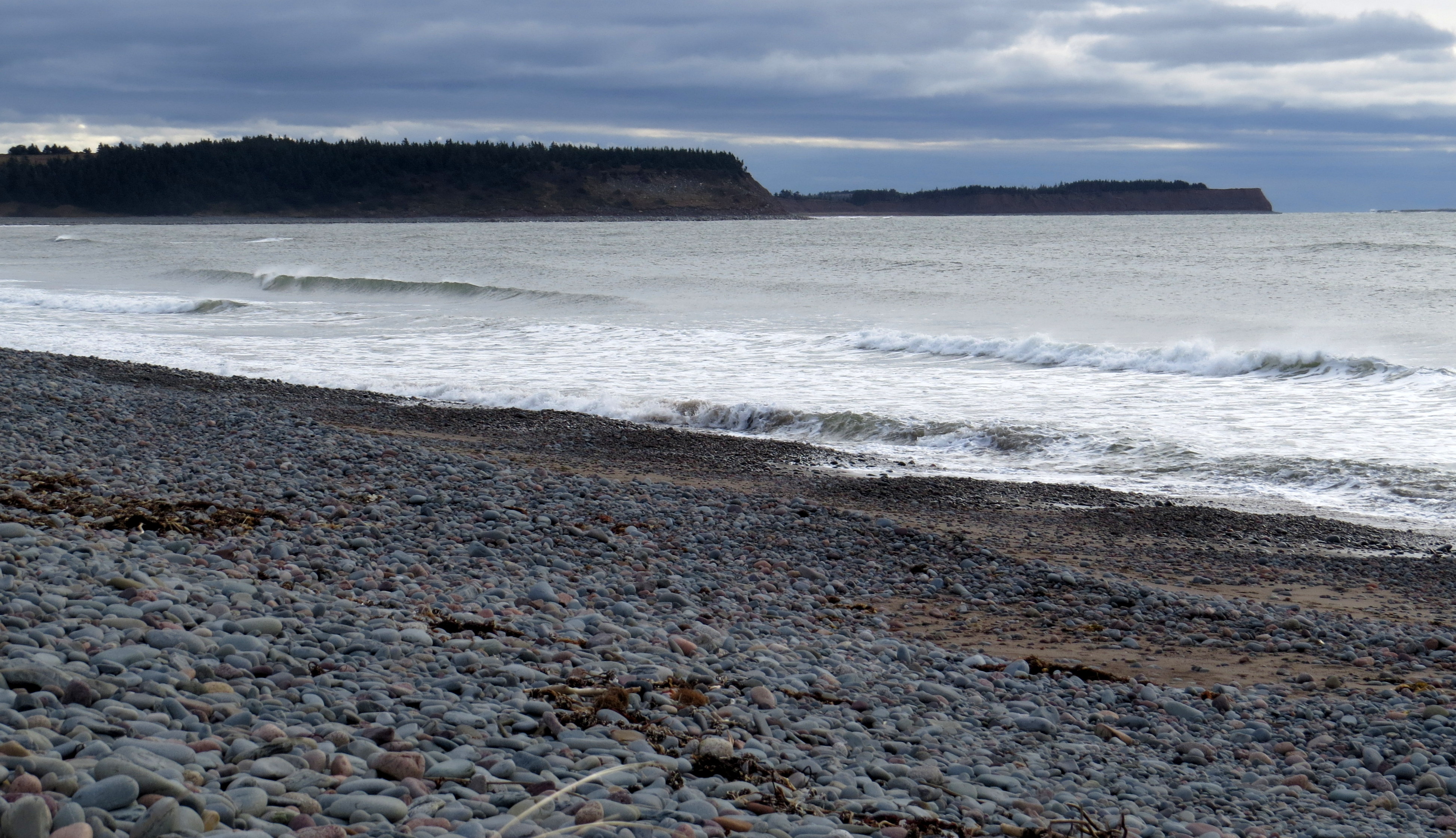
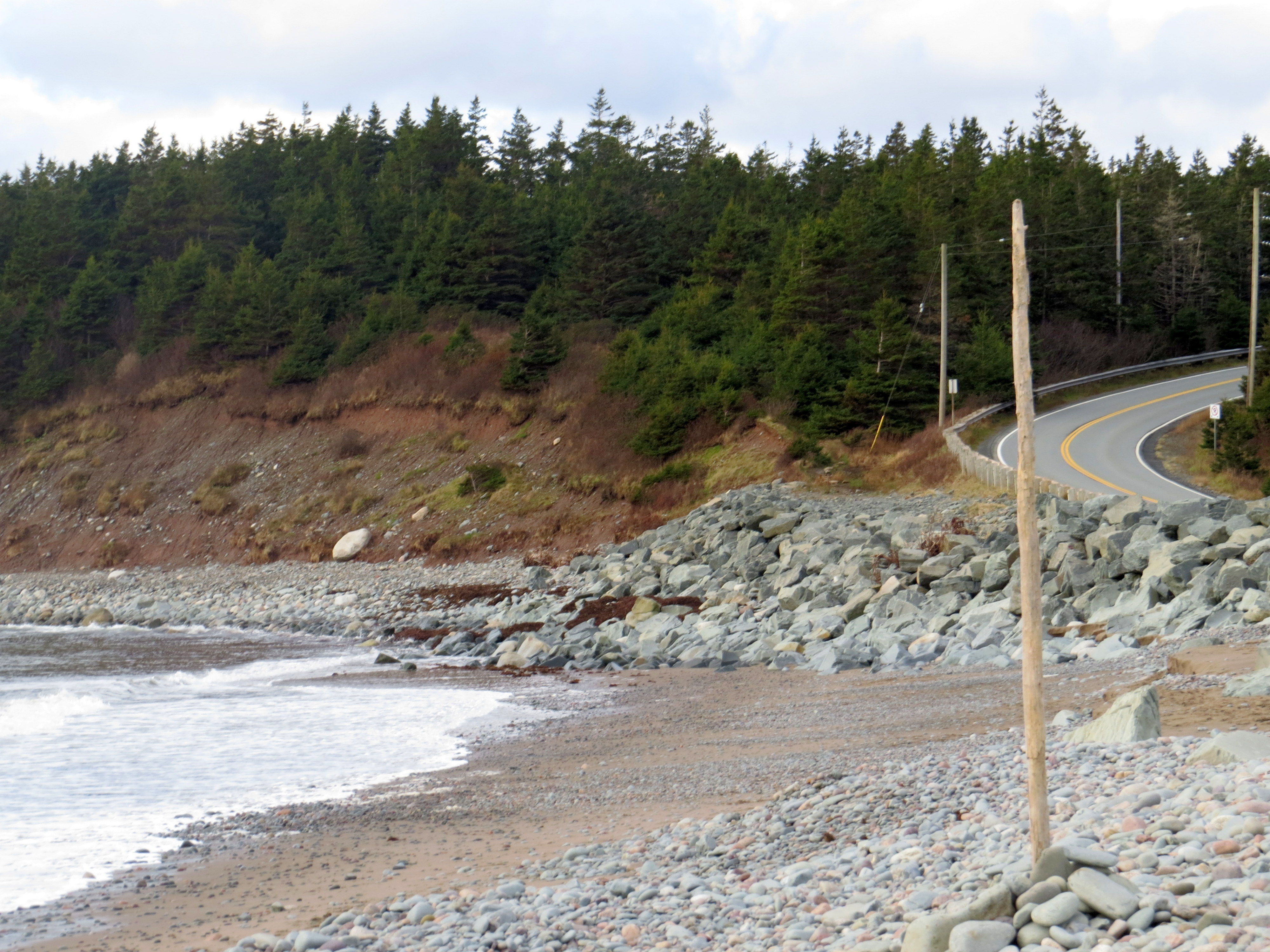
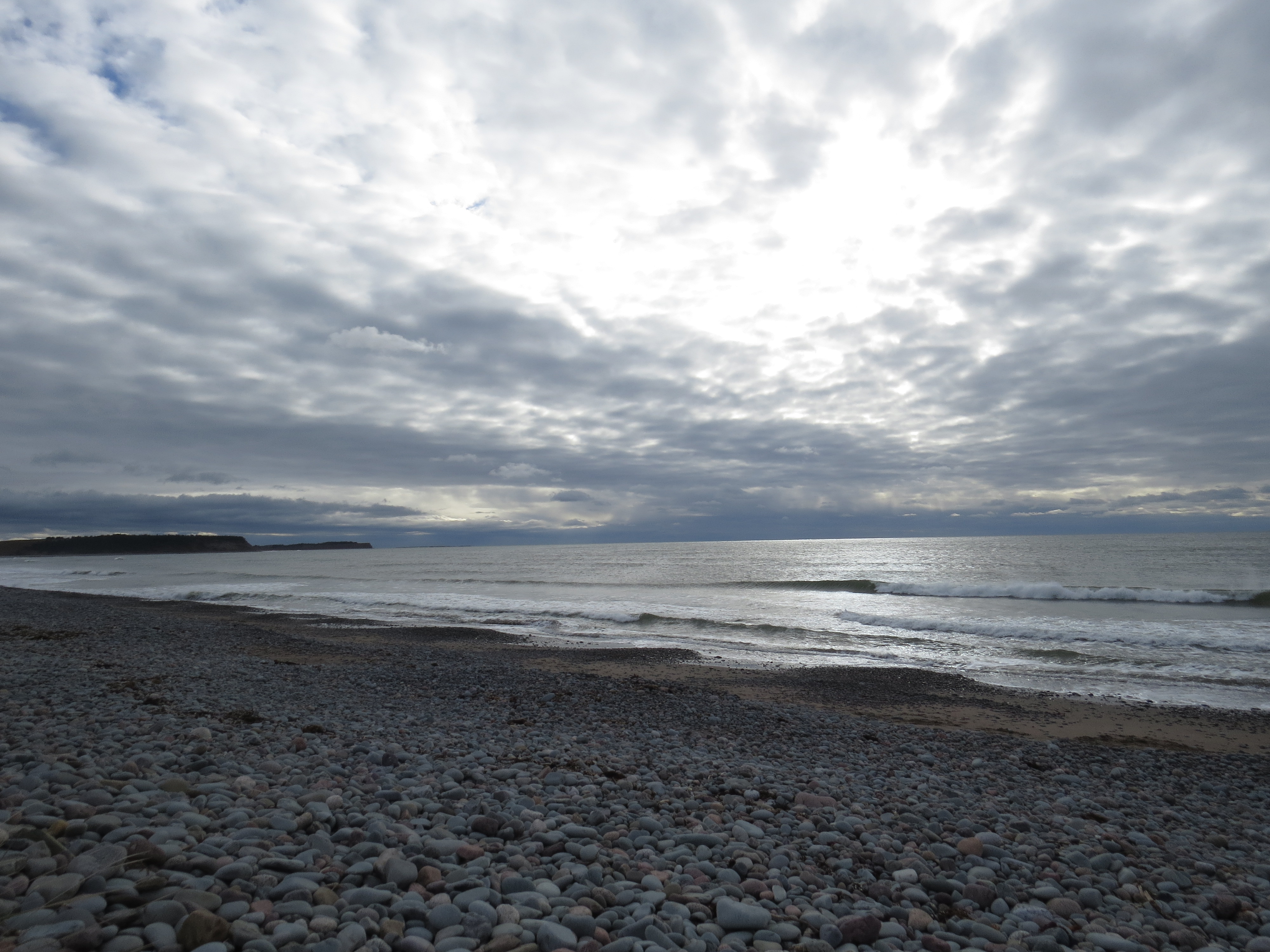
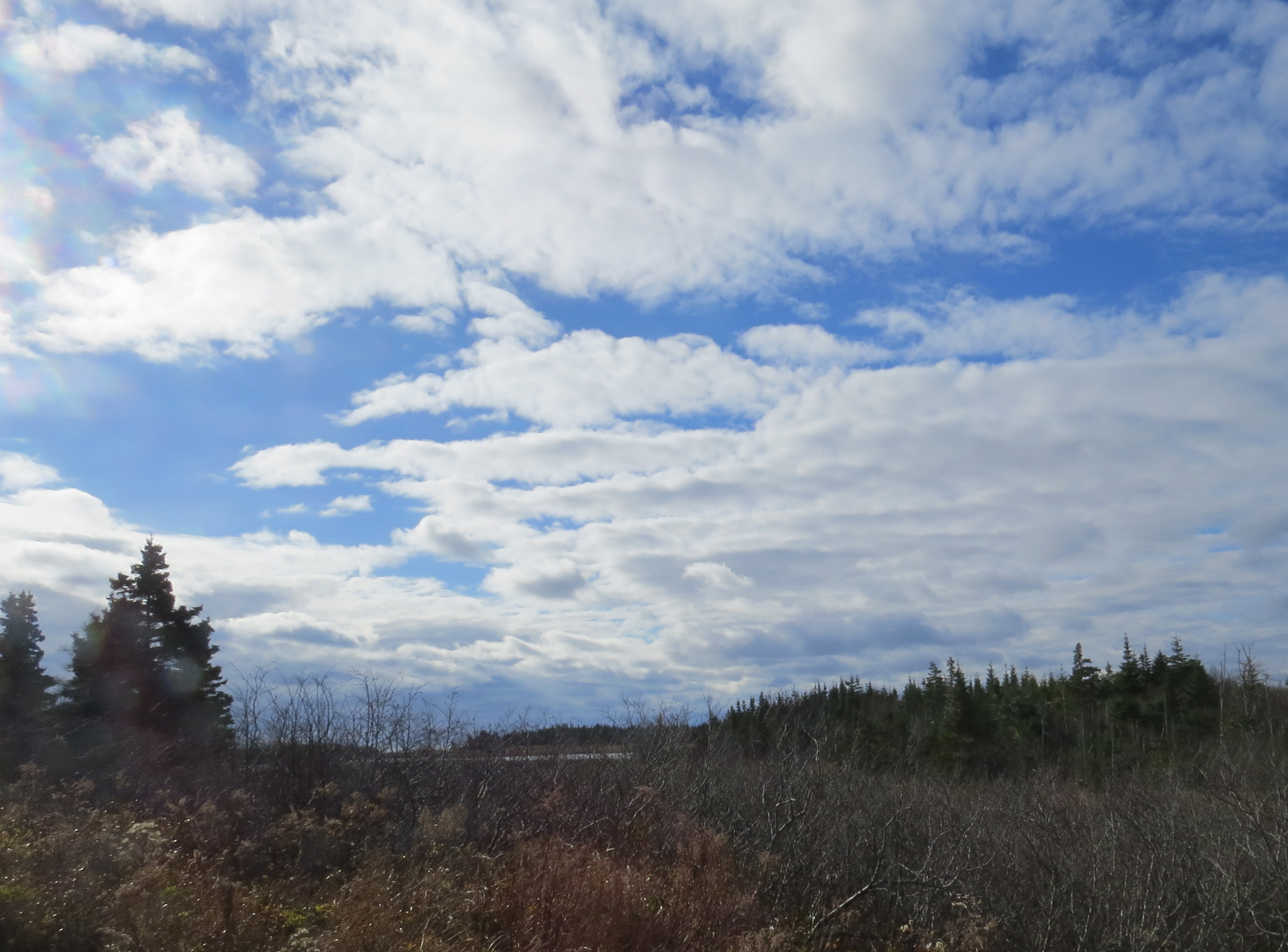
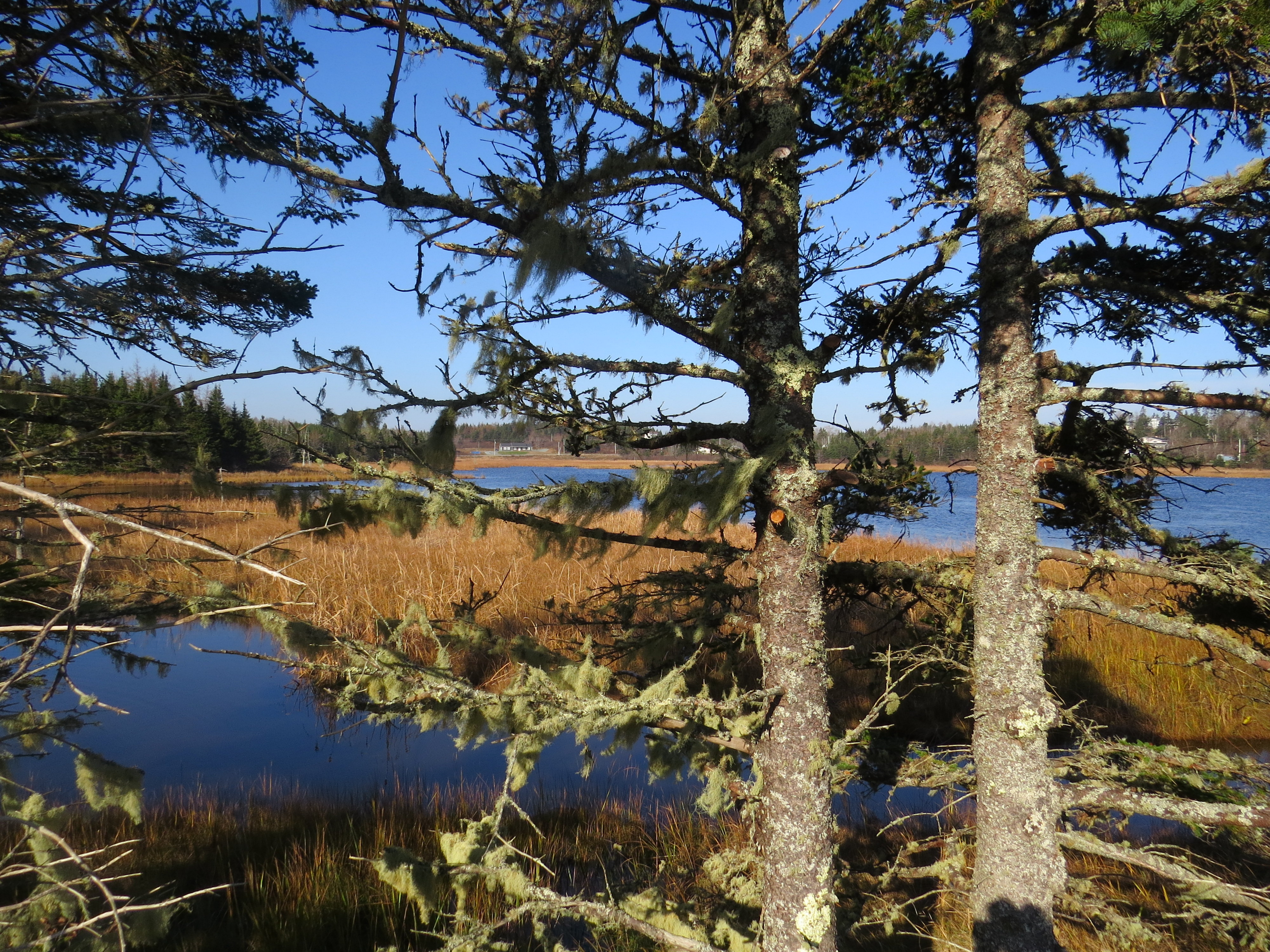
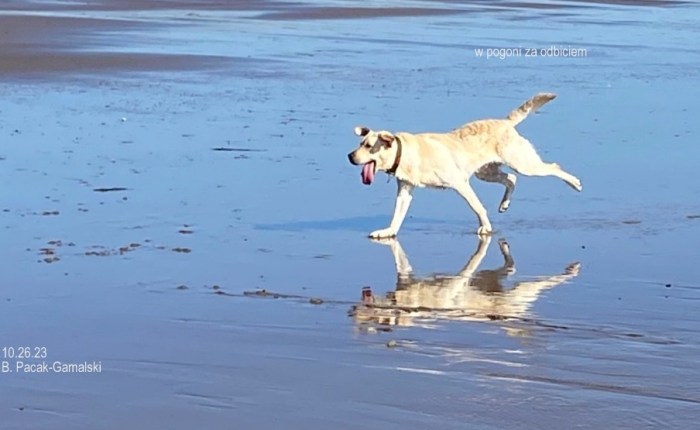
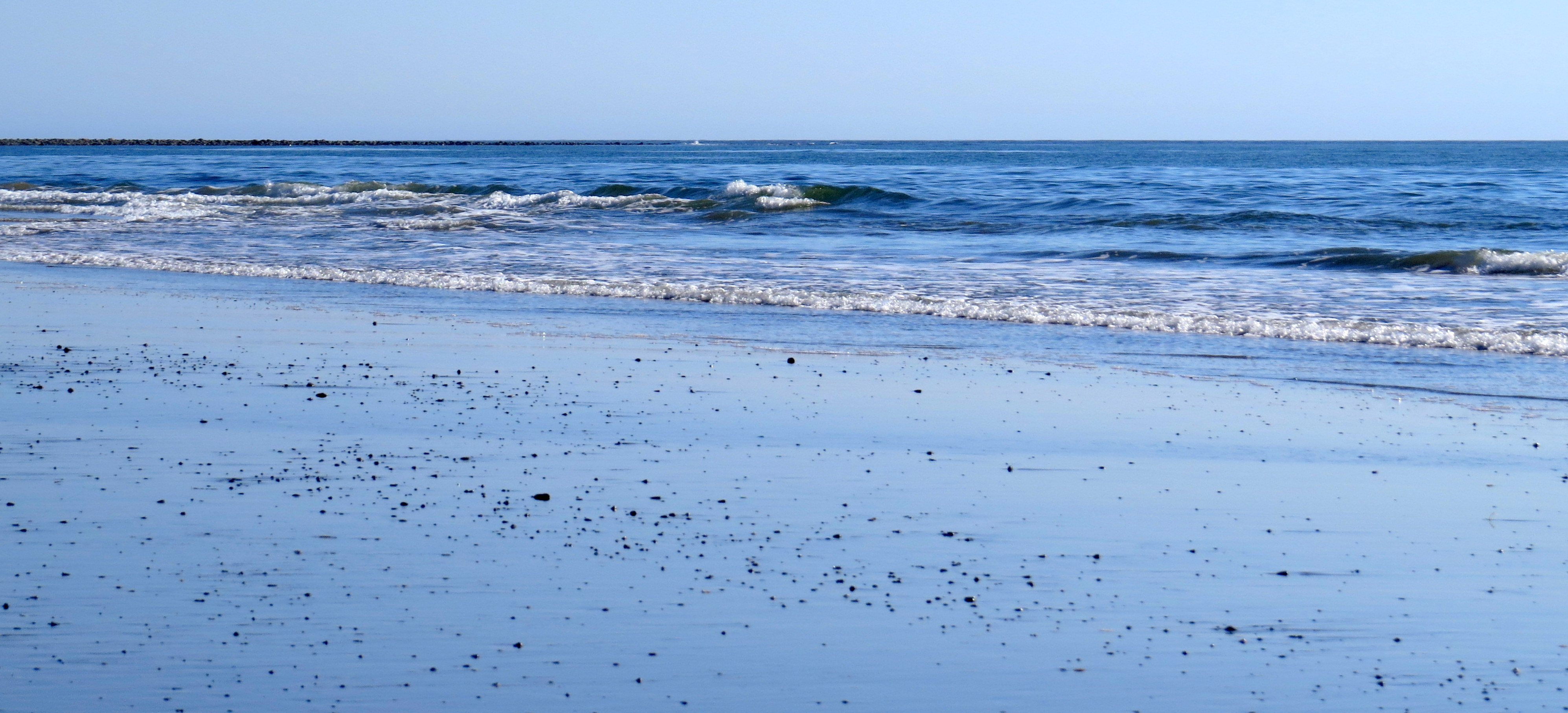
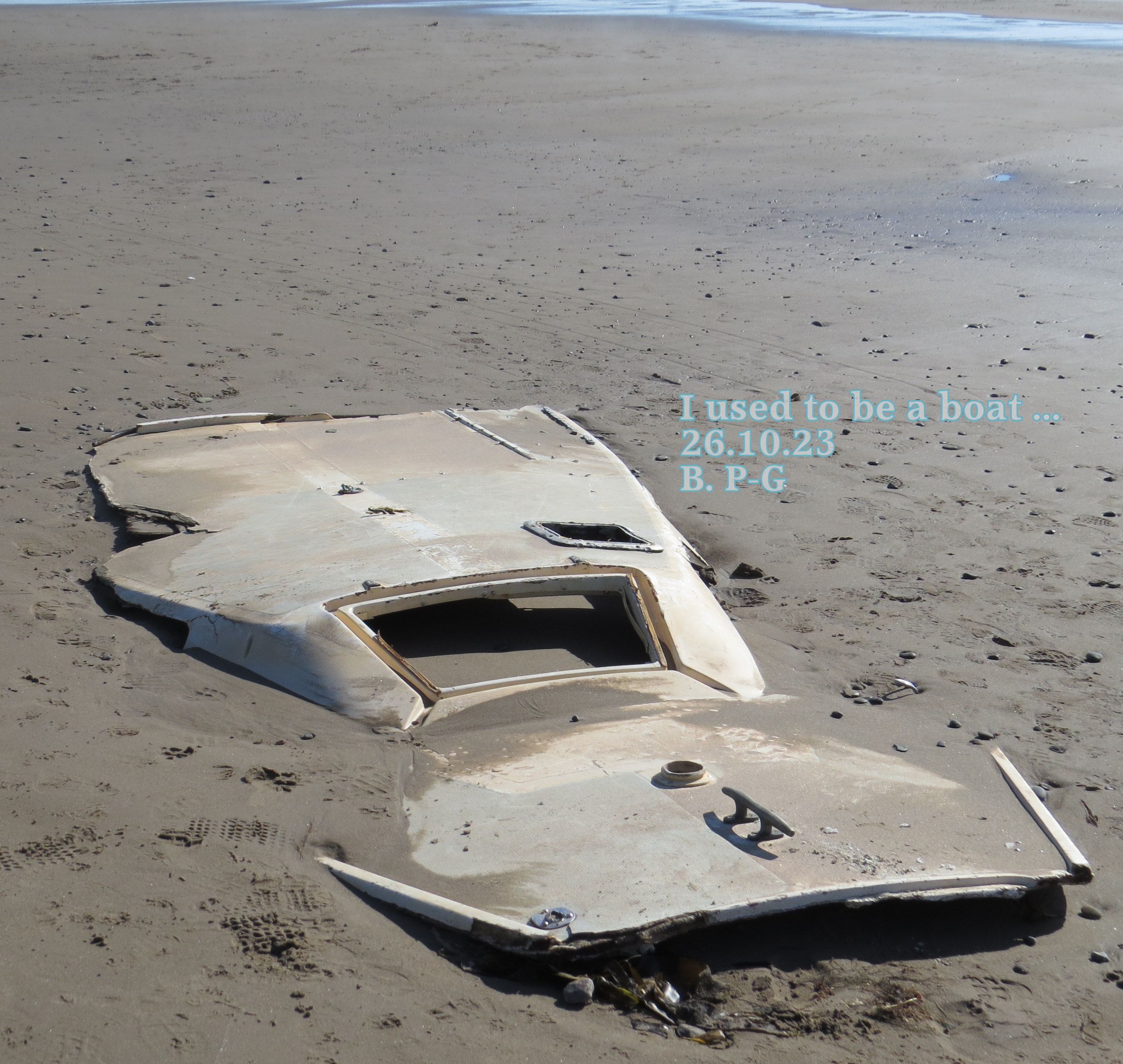
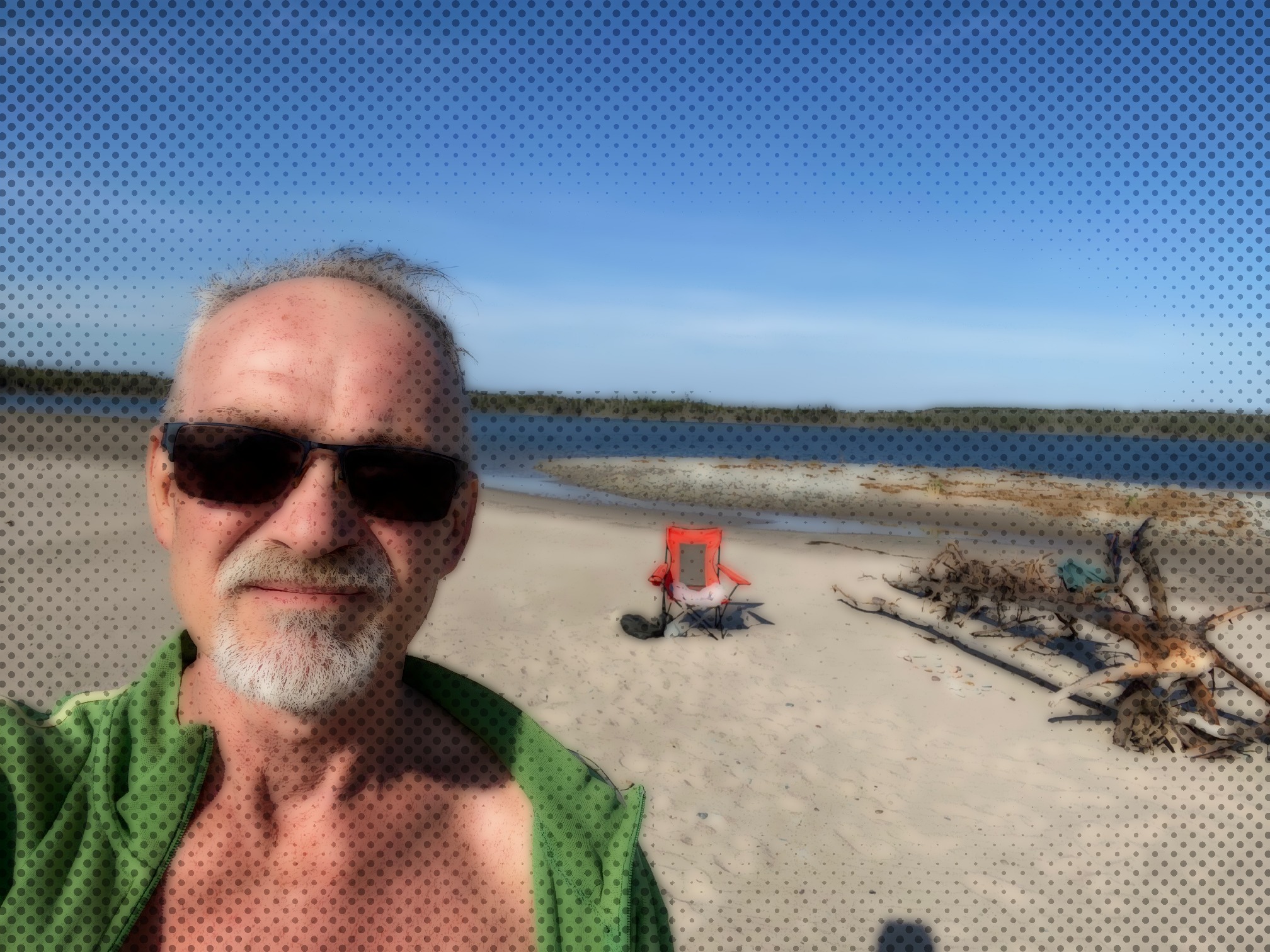
Tidal Bore of Fundy Bay. Bor przypływu z zatoki Fundy. (part 2/część 2.)

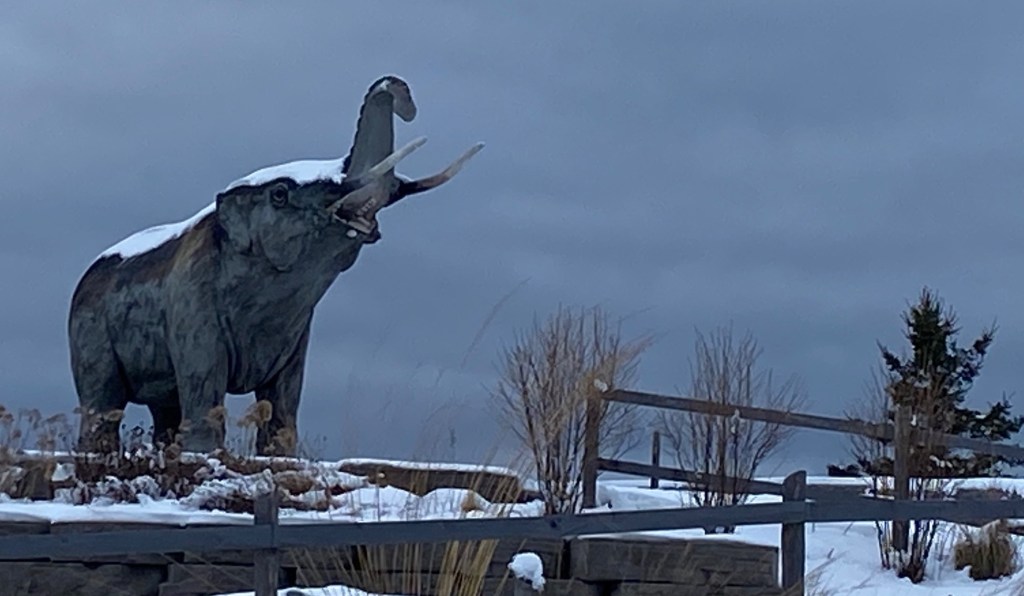
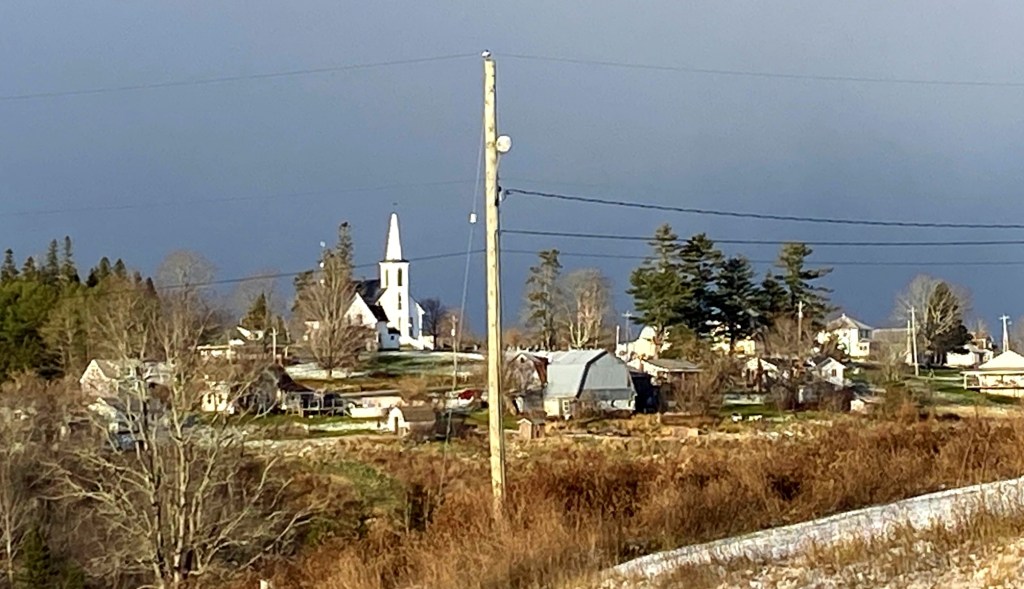
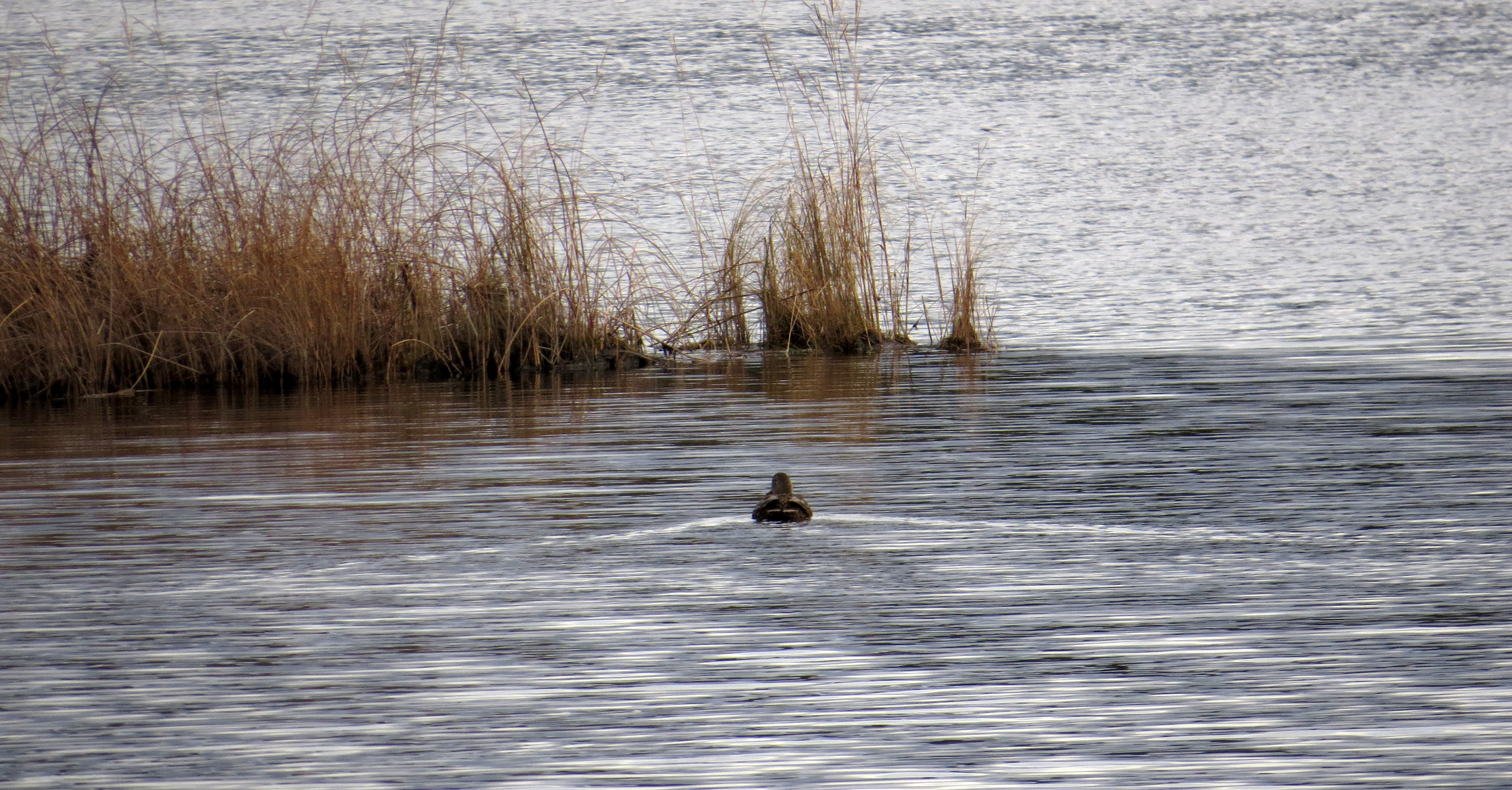
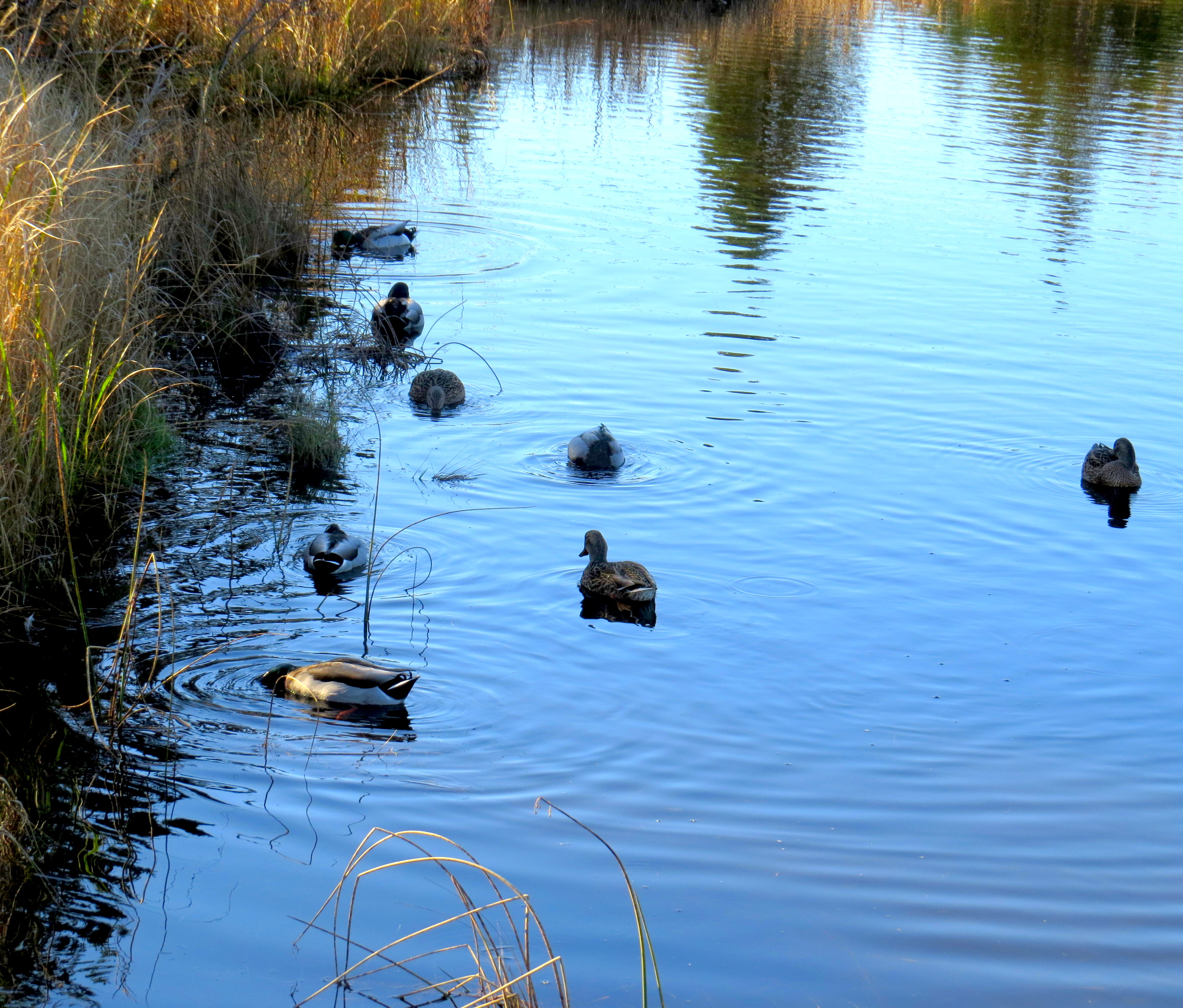
At the end of my journey, this fellow met me in Stewiacke

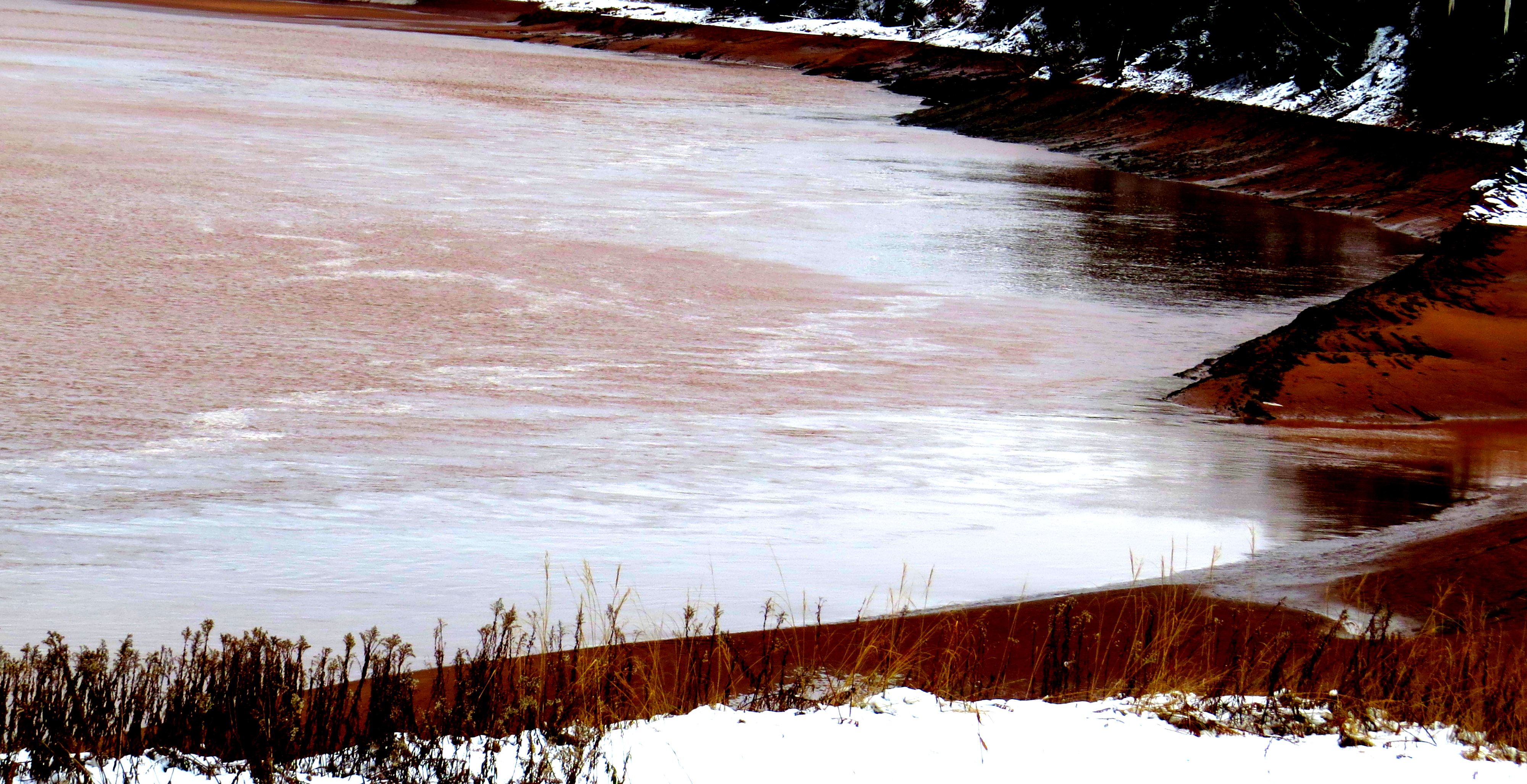
Pamiętacie poprzednią próbę wycieczki śladami potężnego wiertła oceanu, które boruje sobie kanały wzdłuż Nowej Szkocji? Tak po prostu. Włazi sobie w ląd, wyrywa pewnie miliony metrów sześciennych ziemi, boruje kanały i wlewa się swoim żółto-brunatnym mułem. Pamięta skubany, że kiedyś mógł tu skutecznie łączyć się z cieśninami North Cumberland i św. Wawrzyńca i nie był żadną ‘zatoką’ a też cieśniną, nie był zamulony a czysty, jak świeża woda. Nagle wody opadły i Nowa Szkocja z wyspy stała się półwyspem zamykając swobodną wędrówkę wody oceanicznej. No to ta Fundy Bay, która ‘bay’ nie chciała być, pcha się w ten ląd swoją starą drogą. Boruje.  Zaczyna to się w okolicach miejscowości Maintland i drąży ziemię.  Raczej wiadomo, że wydrąży. Woda , panie dobrodzieju, zawsze była silniejsza od najtwardszych skał. Uparta, ot co. Skała to taka trochę zarozumiała jest. No bo silna, twarda, niewzruszona. Więc siedzi tak sobie nieruchomo pewna swej mocy. A woda to żywa, jak rtęć. Smyk, smyk i już miejsce znajdzie. I zacznie drążyć aż tak wydrąży na około twardej skały, że skała sama się zawali w proszek.  

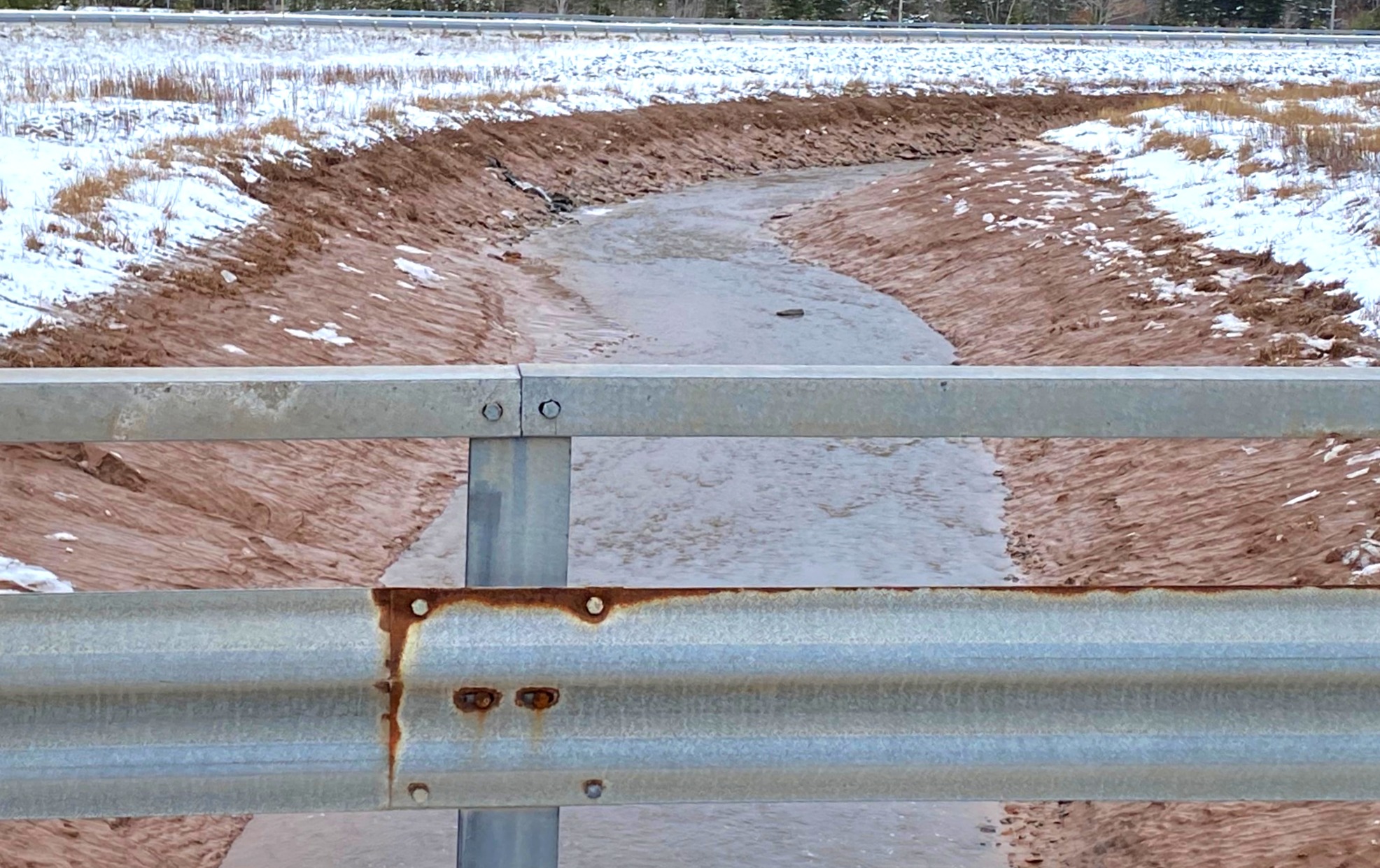
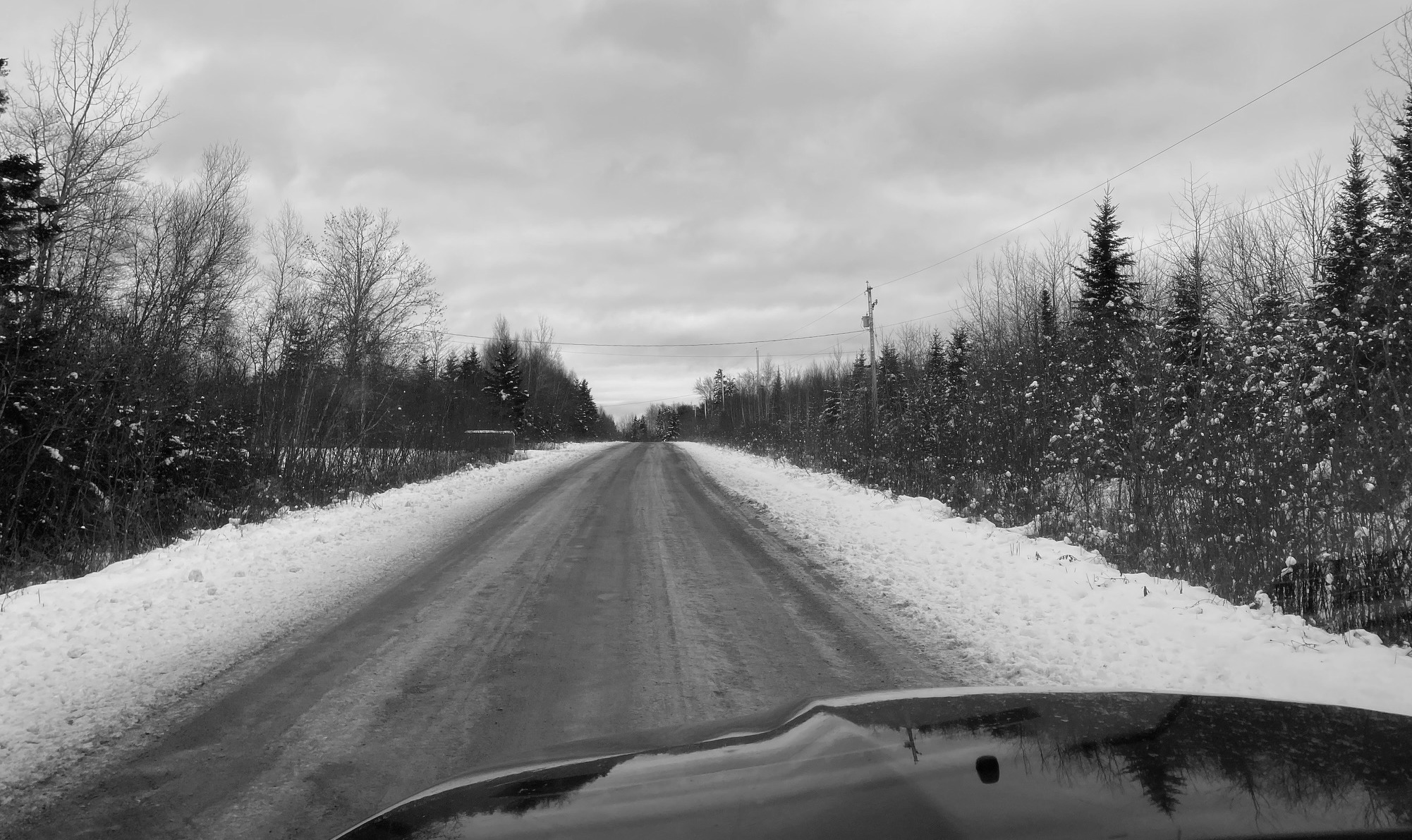
Tamta wycieczka częściowo się tylko udała, bo zachciało mi się ‘bocznych wycieczek’, gdzie w jakiś ostępach leśnych mało nie zniszczyłem swego traka.Wiec dziś pojechałem z surowym sobie danym nakazem: od A do B i wtedy do C. Żadnych bocznych atrakcji.  Co prawda, tak zupełnie posłuszny i skoncentrowany na jeździe utartymi szlakami nie byłem i właziłem tam, gdzie były napisy: Halt! Verbotten! No, ale co to płotek niby metalowy, ale nie wyższy niż do klatki piersiowej? Bo niby zima wszystko nieczynne. A co ja niedźwiedź jaki, że zimą mam spać w norze?! Albo dróżka boczna przez las i wzgórza, niby żwirowa a nie asfaltowa ale porządna.  No tak, był duży napis, że roboty i stała wielka kobieta w walonkach i żółtym skafandrze z dużym znakiem ‘stop’.  Podchodzi do mnie i mówi: reperują most dalej, tylko dla ruchu lokalnego, wracaj do szosy i szosa do głównej trasy. A przecież ja też miałem walonki na sobie, jadę trakiem, jak farmer, więc mówię: ale ja lokalny. No to ona: a,  to OK, jedź. Tylko powoli i uważaj na ciężarówy ze żwirem. I pojechałem. Za mostkiem już robót nie było i droga była dobra.

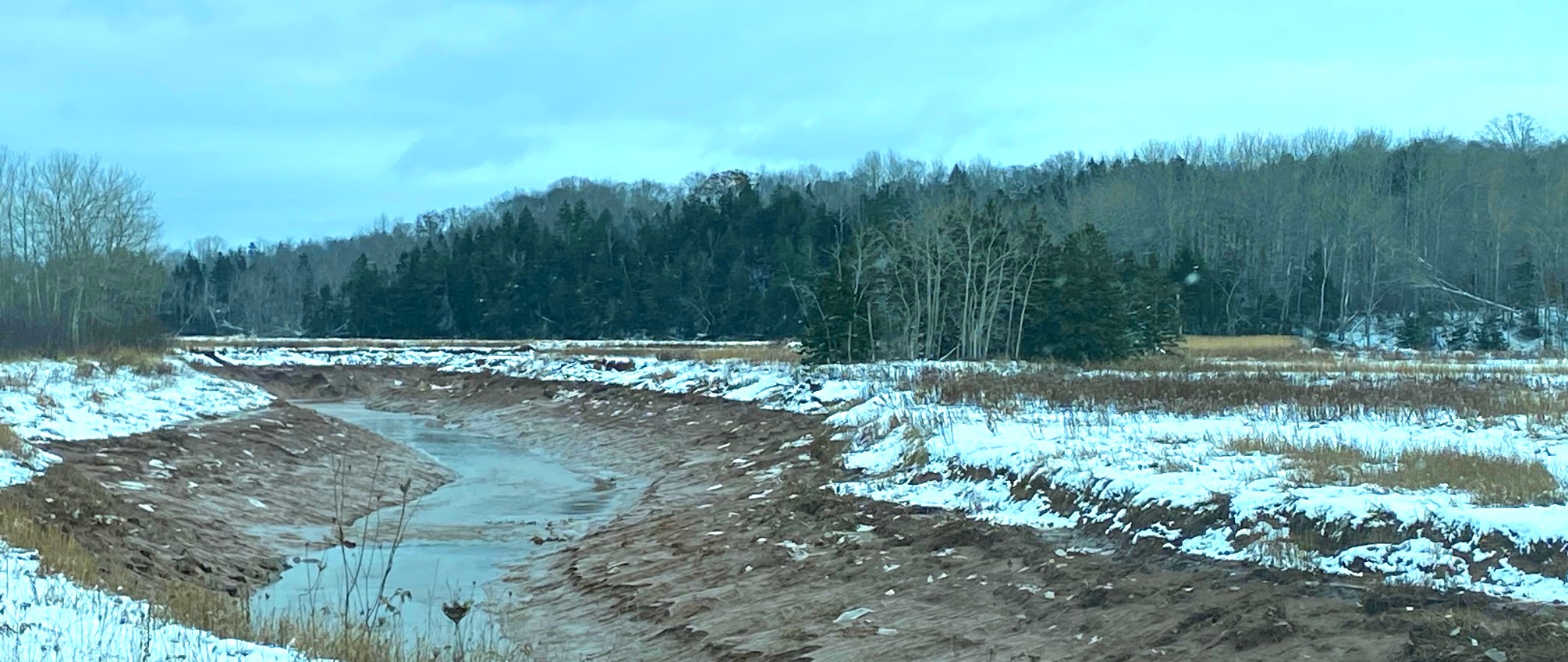
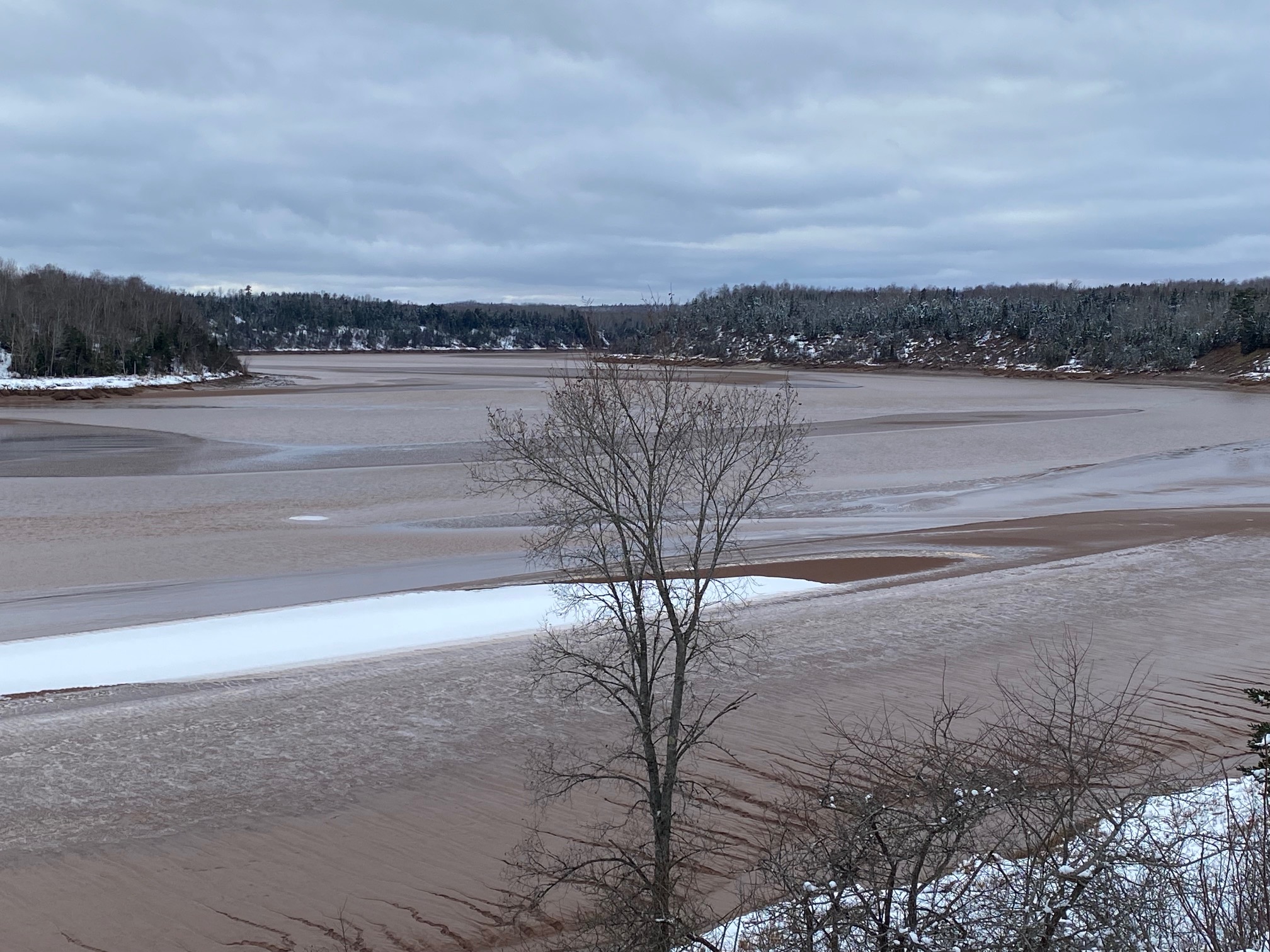
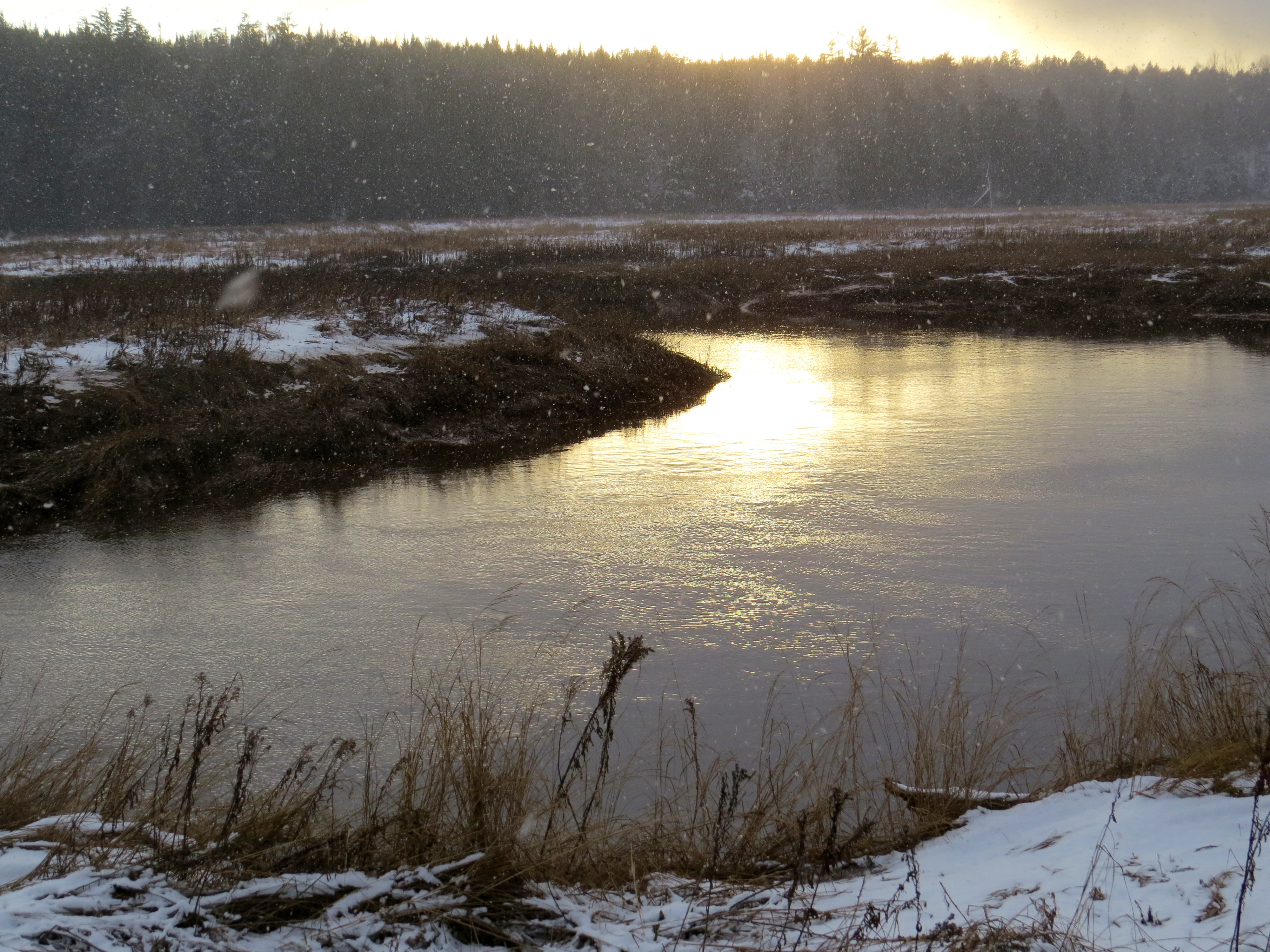
I cała drogę tej wielkiej rzeki-mułu przejechałem, zaglądałem do niej, podziwiałem potęgę natury. Spotkałem orły, choć zdjęć zrobić nie zdążyłem. Zanim kamerę ustawiłem, odleciały za drzewa. Ale wiecie, jak orły wyglądają. Klucze dzikich gęsi za to po niebie szybujące dały się, niby pięciolinie, w obiektywie złapać.

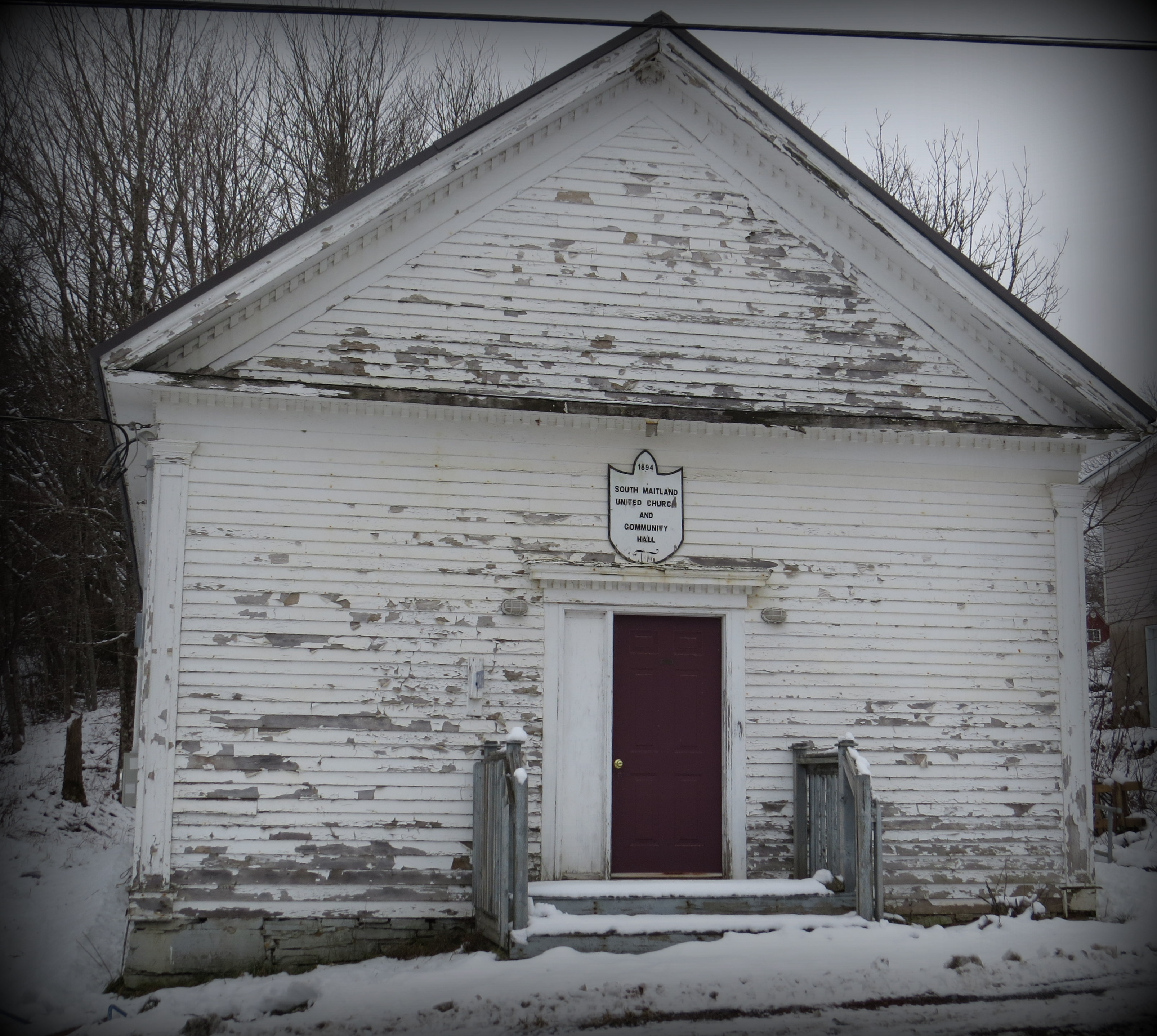
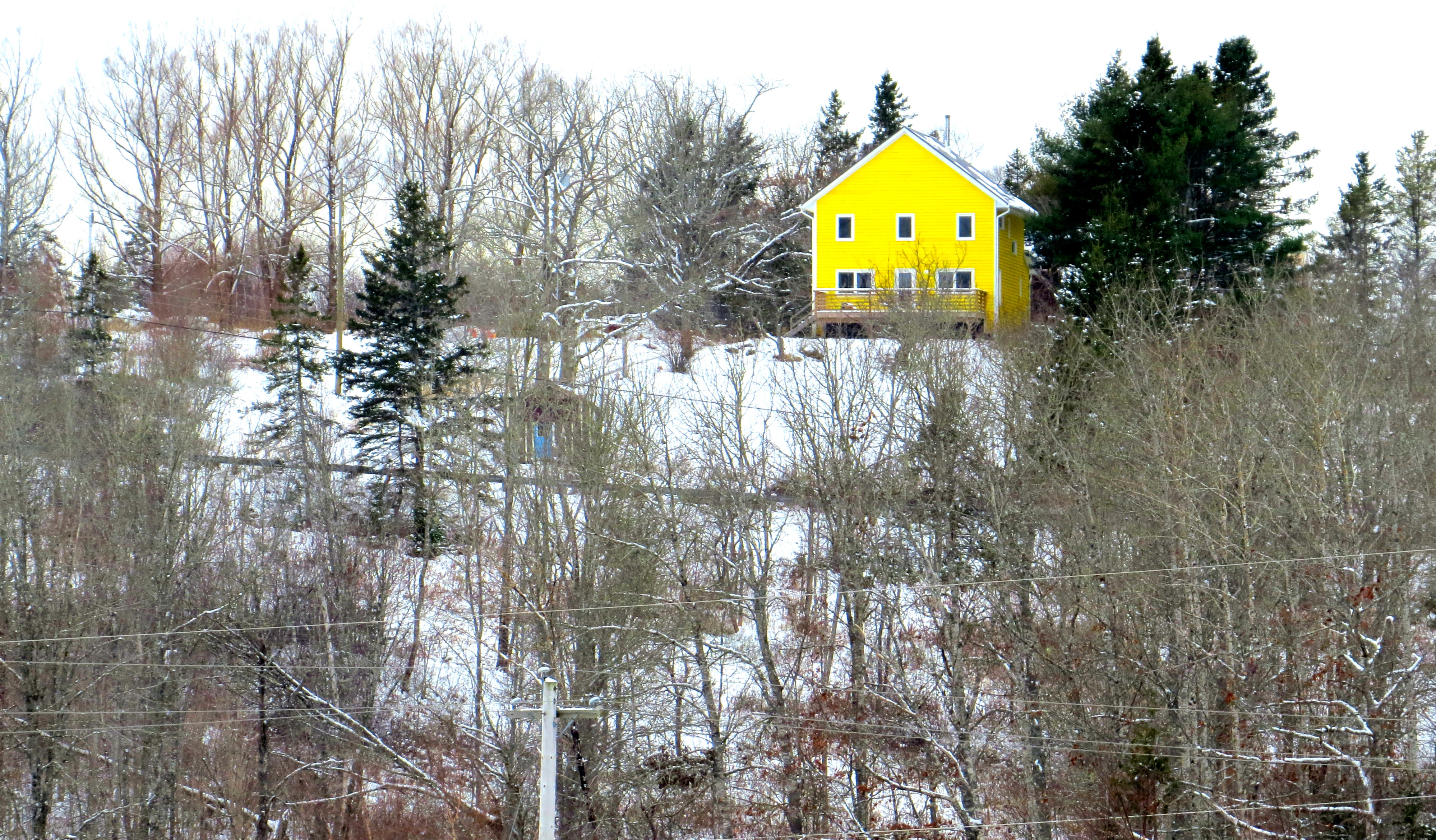
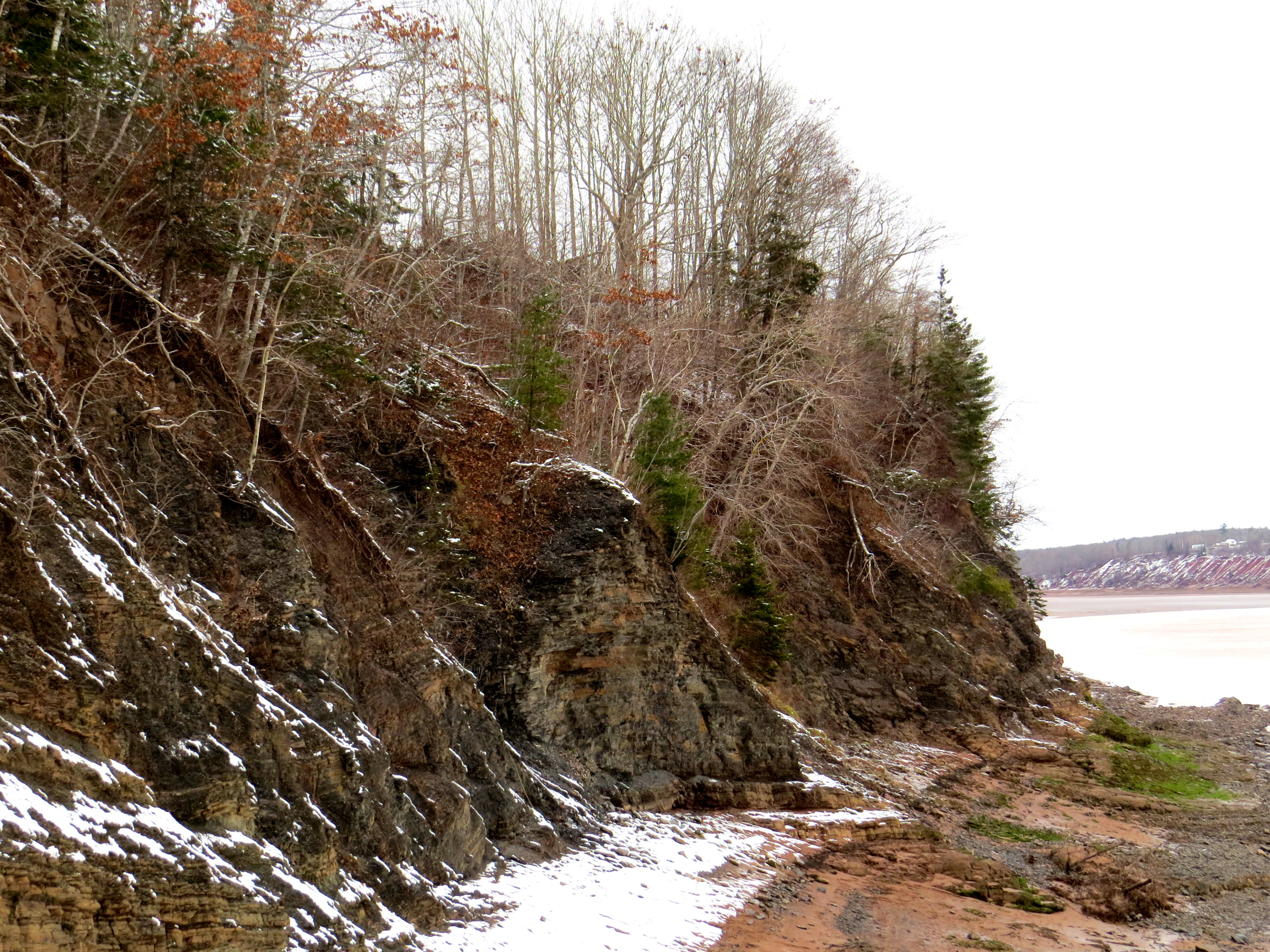
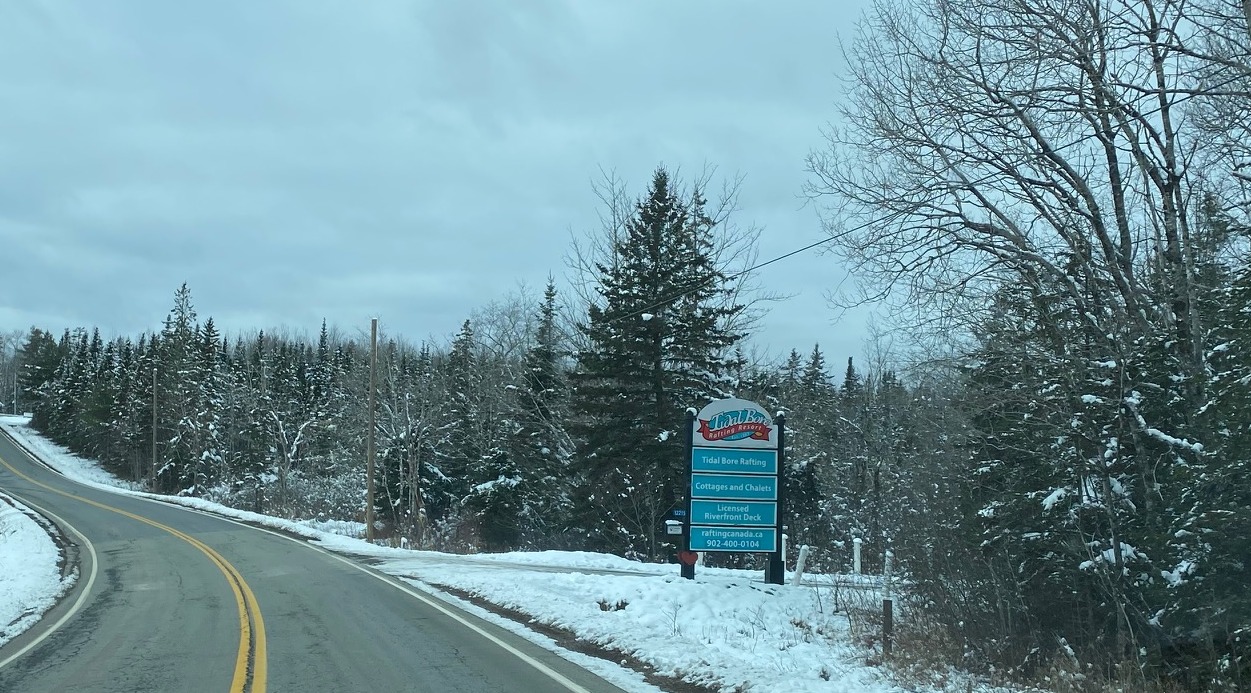
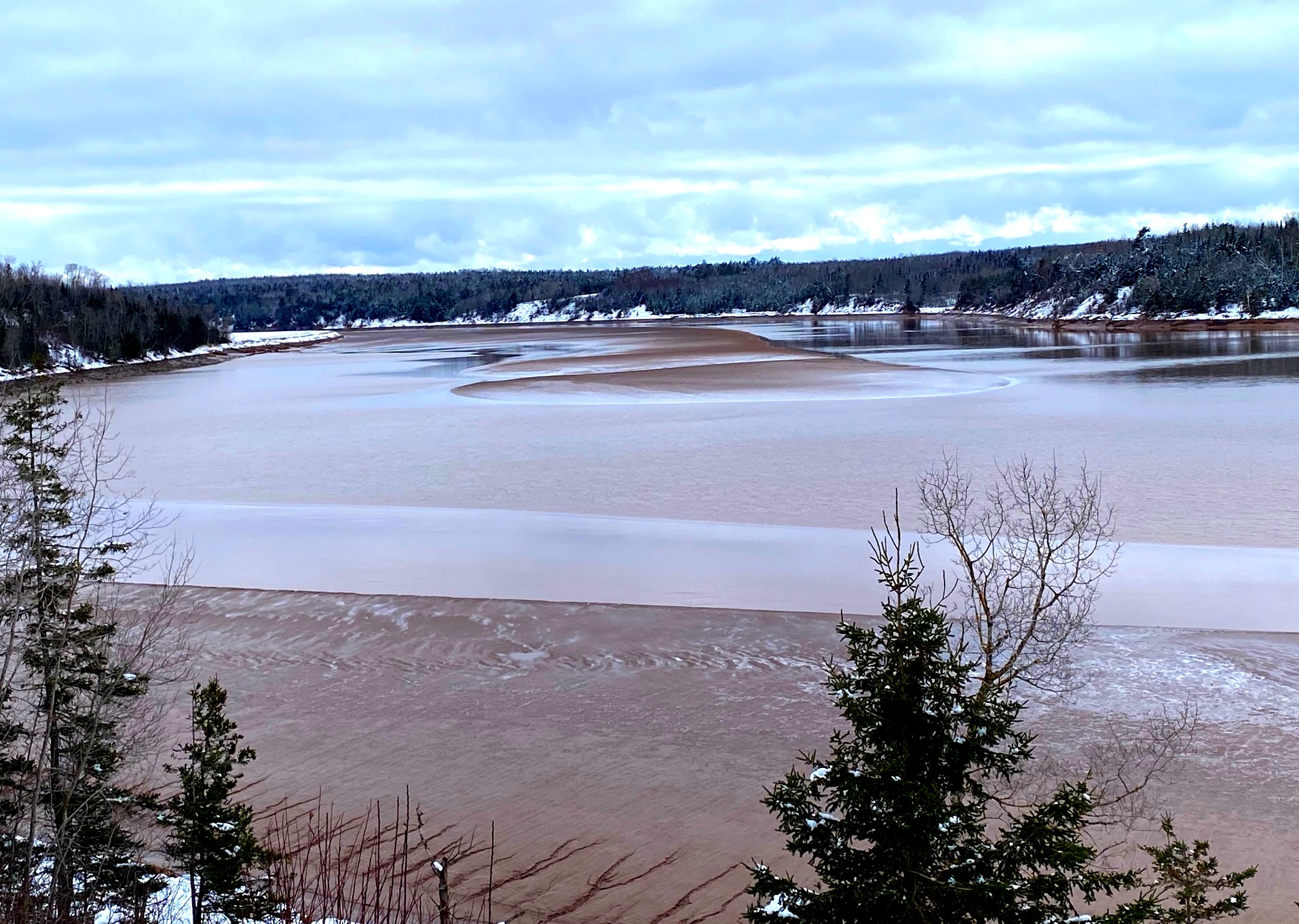
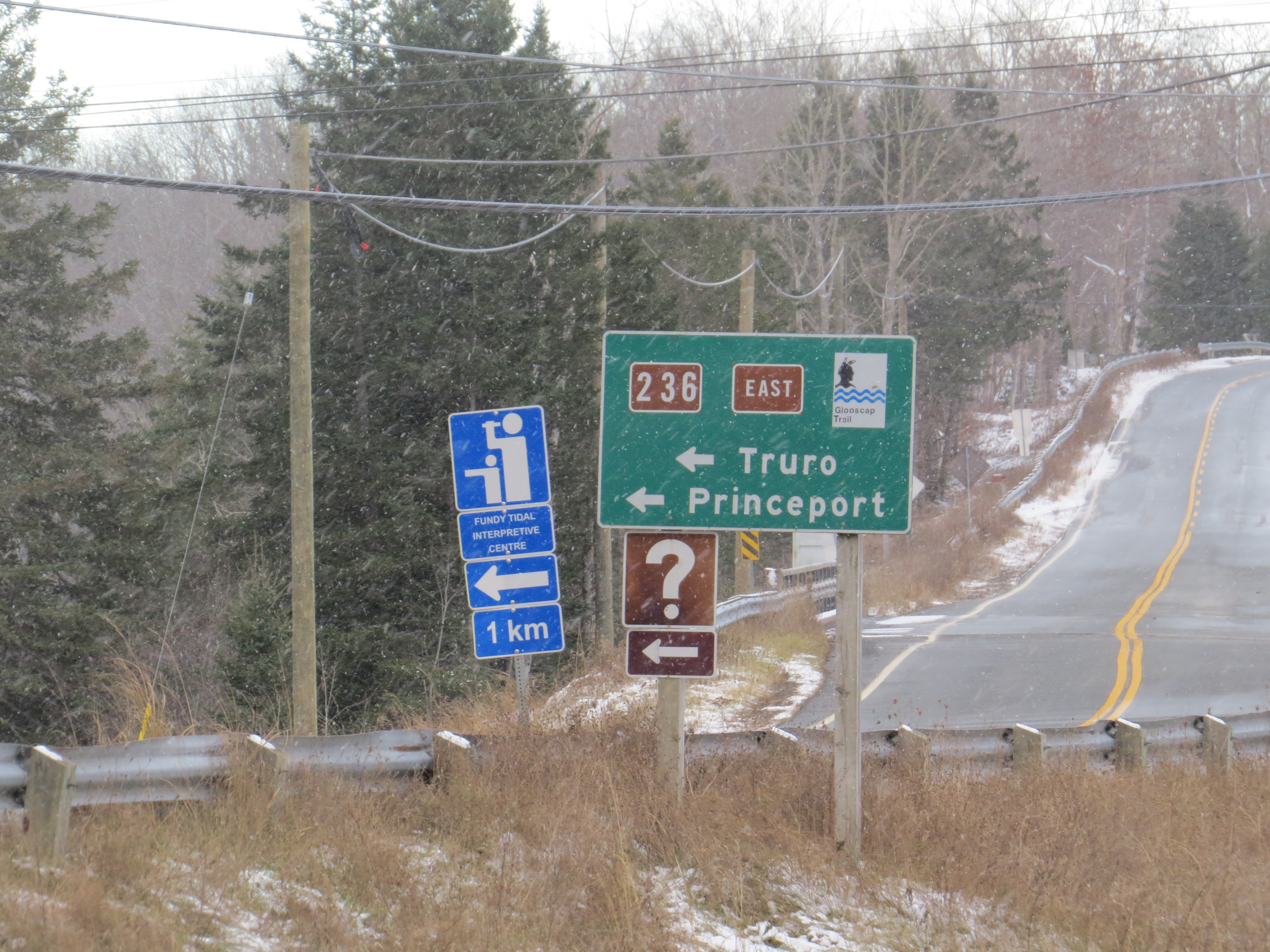
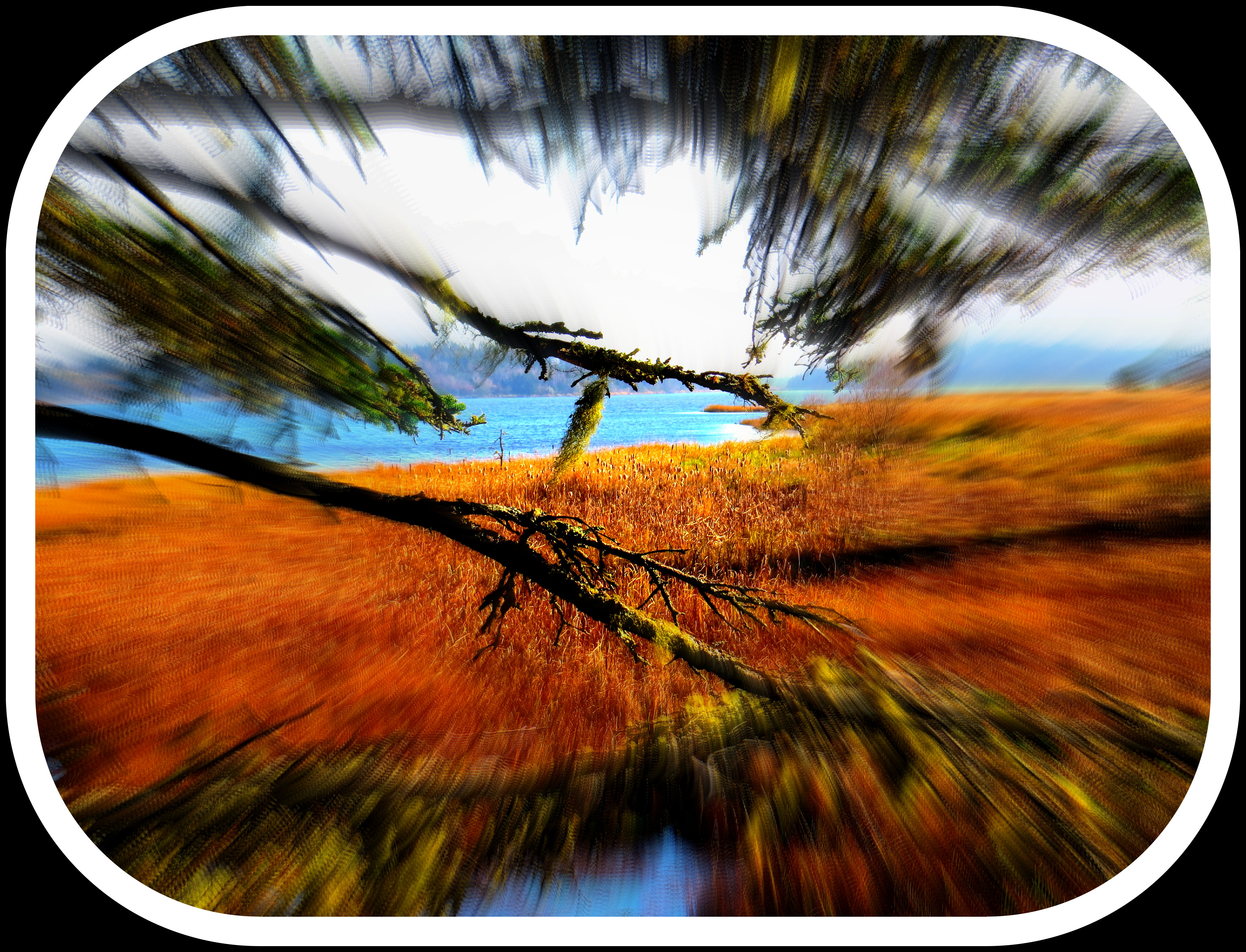
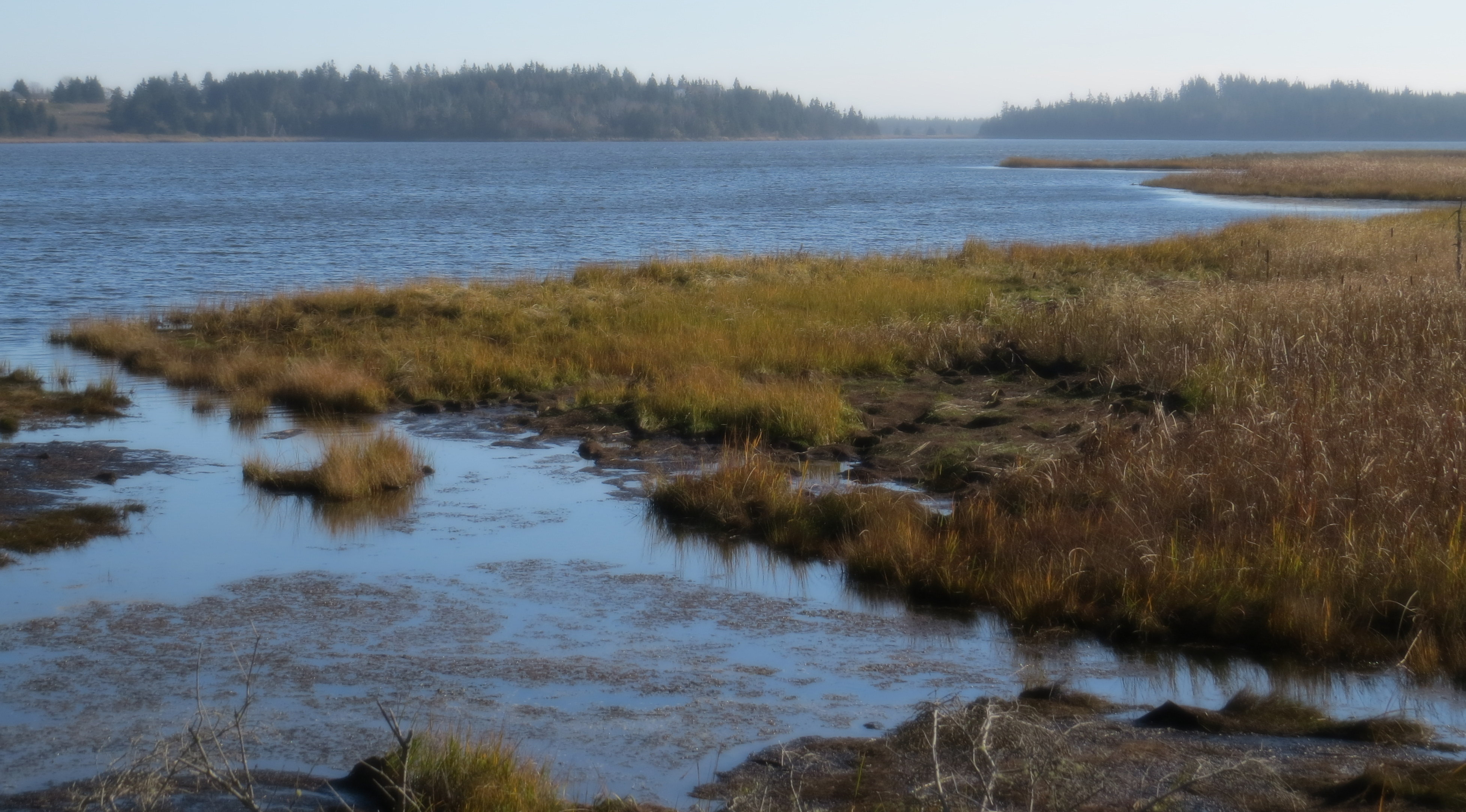
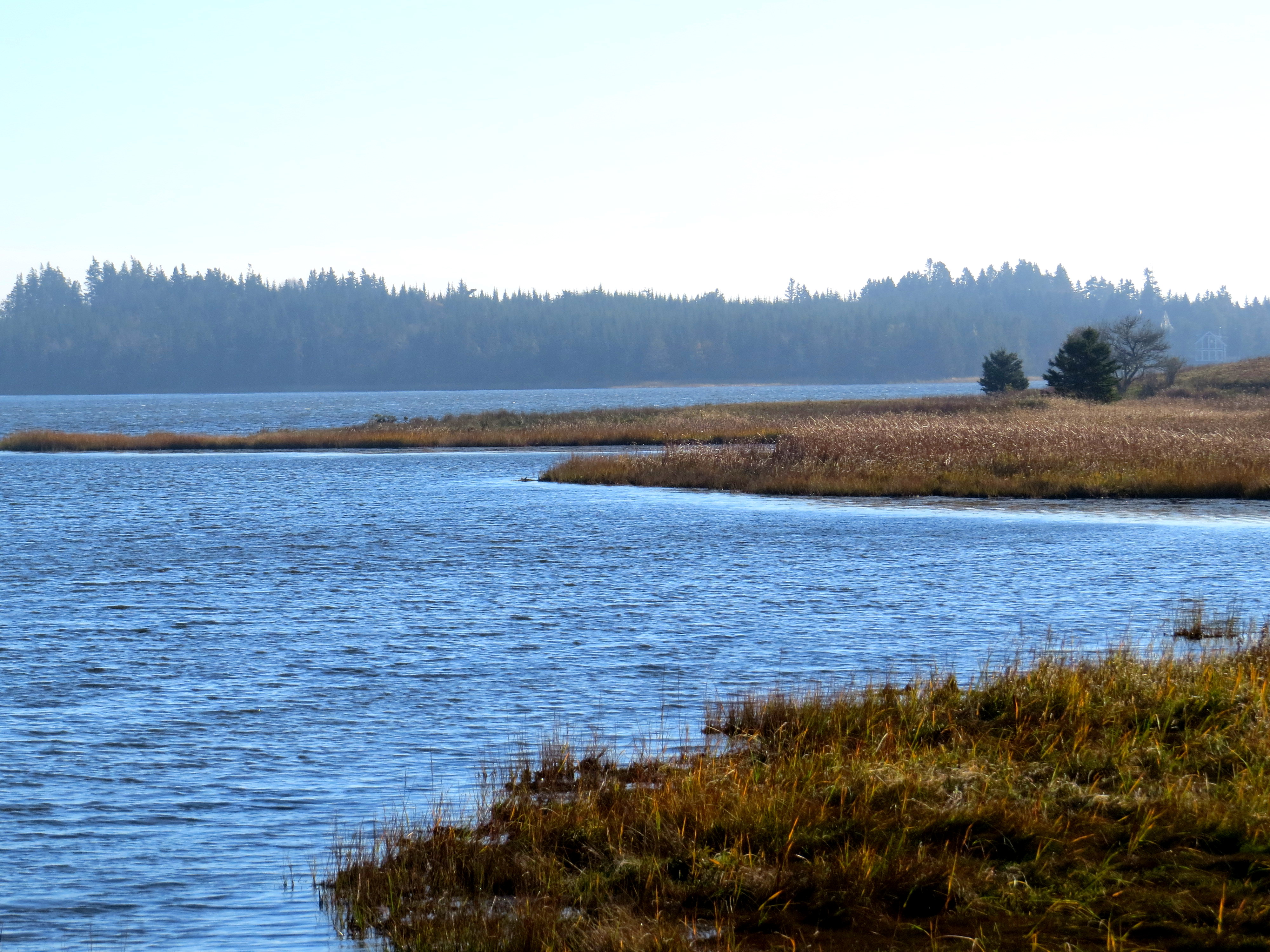
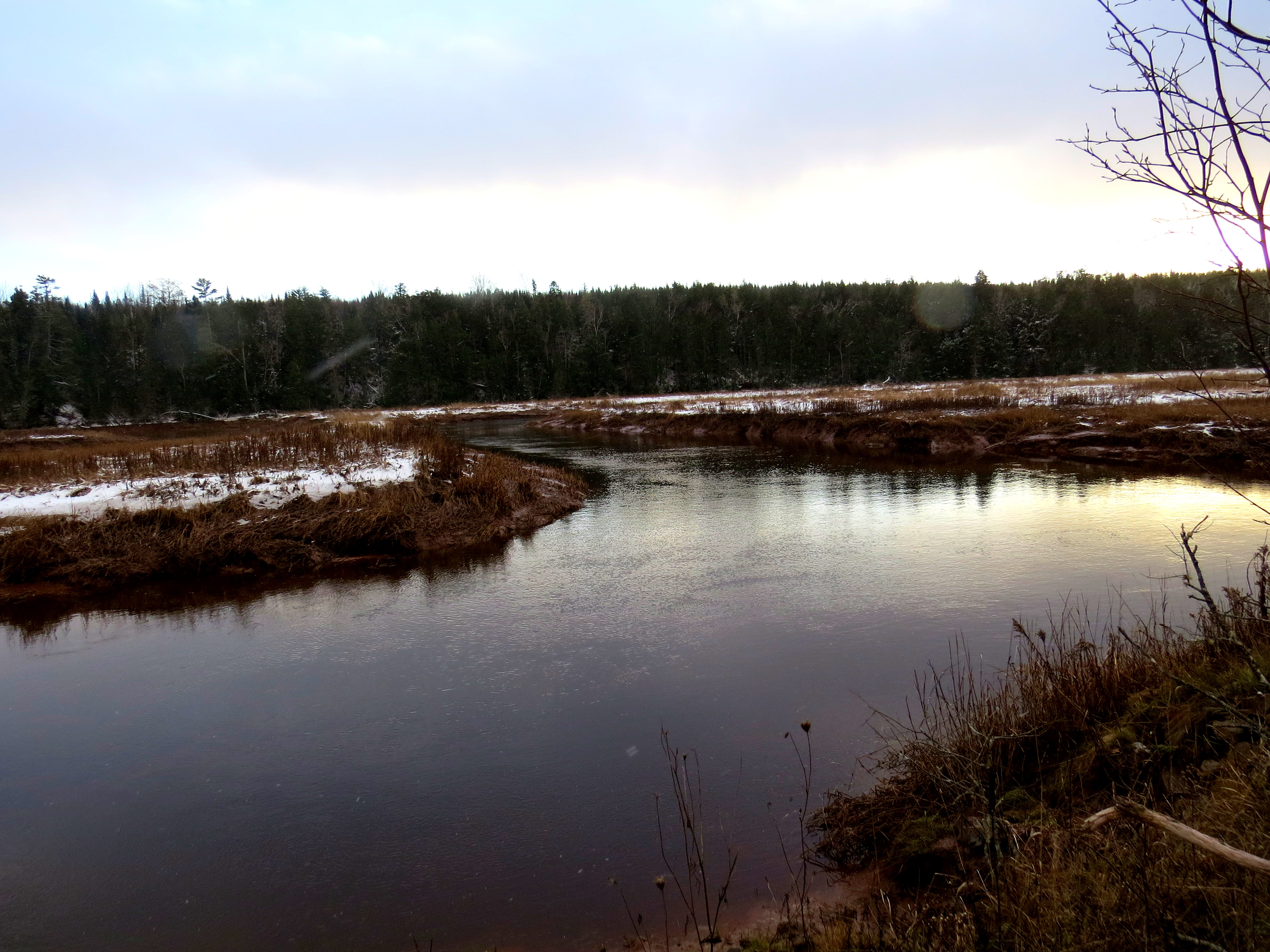
On the last day of November as you remember, I went to view the immense power of the tidal bore that starts from Minas Basin around Maitland. At that time my unfortunate side trips took so much time, that when I eventually arrived to view the brown mud-river – it was too late to properly explore it. A few days later, still not fully recovered from my bad flu, I went again. This time I took a shorter route and no ‘side trips’. Winter offers totally different views. And lack of tourists. Zero. None. Yes, some spots were gated and closed. But the gates were not really that tall and maybe I didn’t see the sign ‘closed for the season’? Who knows. I was there and the river was there and we had to meet somehow. So we did. The rest is history. The Tidal Bore is an absolute must to see. Such immense power of the ocean tides and the constant struggle of the land against it. A struggle the land will eventually lose. But observing it is something to admire. Nature has so much majesty. I took this time Highway 102 to Shubenacadie and #215 to Maintland. Came back by scenic Riverside Road that follows the flow of the Channel (called also Subenacadie River).  

Gdzie pies z kulawą nogą …where the devil won’t …

… nie pójdzie, to polazę. … there I will go.

The other day, on the last day of November I decided to go and explore parts of Nova Scotia hinterland I have not traveled through. It wasn’t the smartest choice but – what the heck, not the first and certainly not the last time I did things I maybe shouldn’t, and a bit too late, as it was already 1 PM.  Took the #101 west to Lower Sackville and turned into #354 north toward Beaver Bank. Between the little and tremendously loooong towns of Beaver Bank and Middle Beaver Bank, the traffic and road repairs stretched my patience to the limit. I was just about to turn around and go home. But past the Upper Beaver Bank the highway climbed higher and higher, the sky became bluer and bluer and the new snow was so white on passing tree branches and endless fields. I was in heaven. Around the small community of Upper Rawdon the highway reached its peak and you could enjoy endless view in front while driving. And there was almost no one else driving. Such a peace. And peace is what I went for in my driving that day.

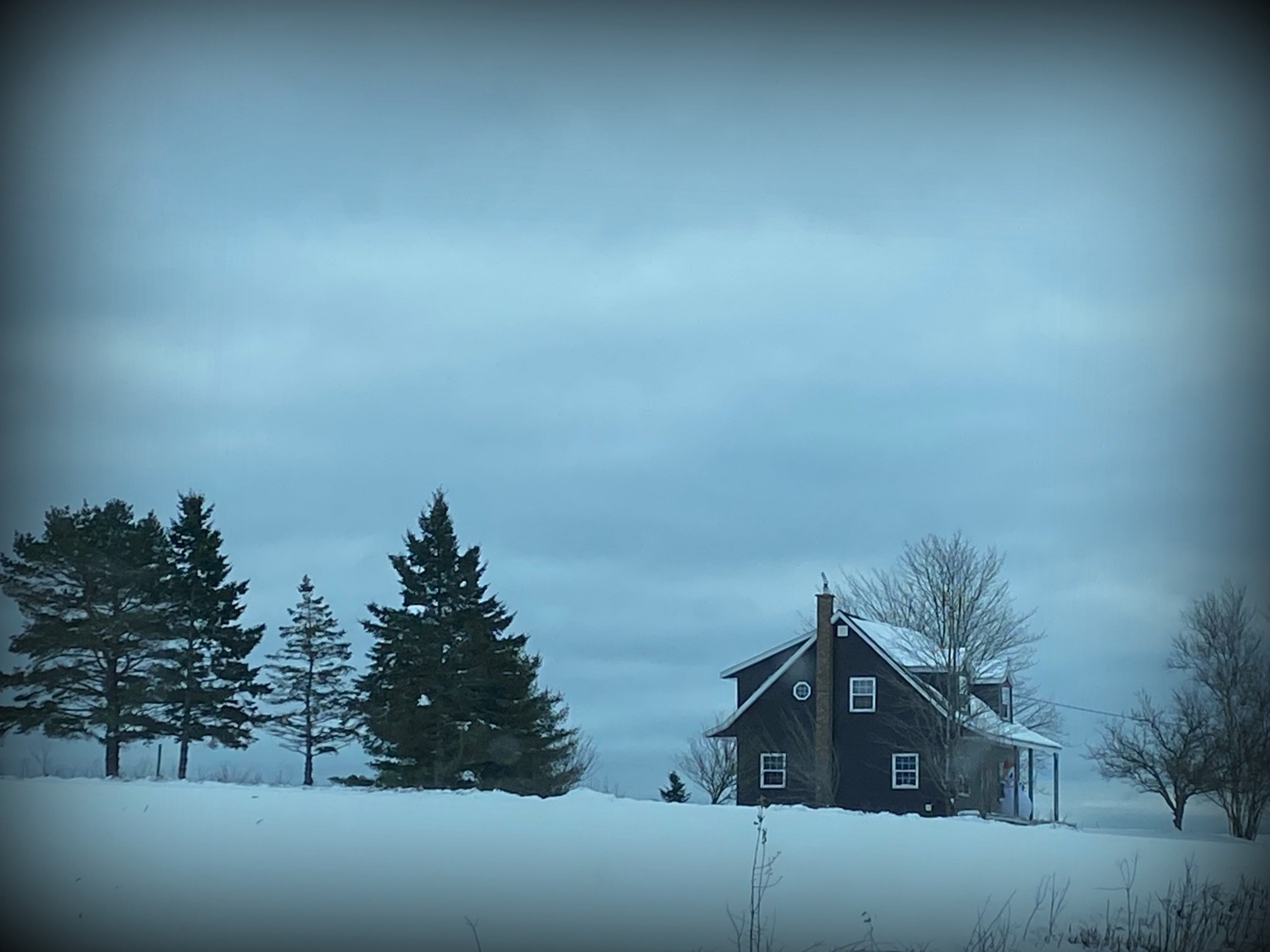
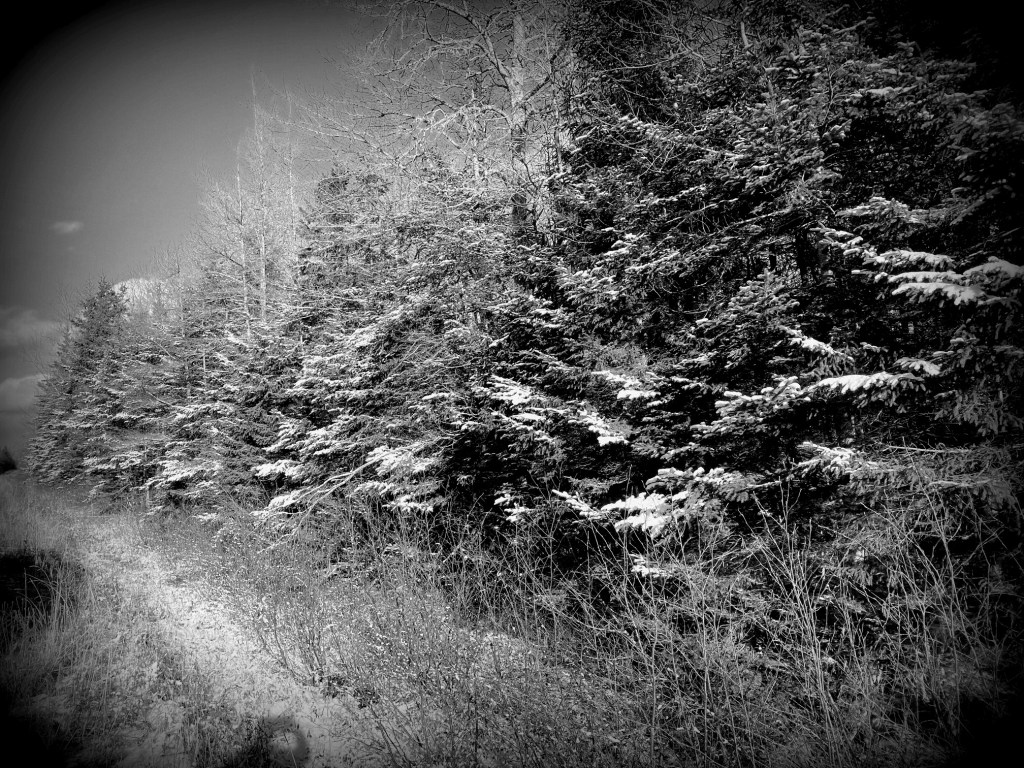
I was aiming to go to Maitland to view the power of the Tidal bore of Minas Basin as it rips the land and goes toward Truro on one end and all the way to Shubenacadie on the other end. There is no escape – that bore and power of the Fundy Bay will in not so distant future finish its job and separate once again Nova Scotia from the mainland and we will become an island again. Little chance I will see it (although rising sea levels might accelerate even faster …) but people in their twenties most likely will. I was aiming to…. My famous words, LOL. At the footsteps of the lovely town of Kennetcook I took a sharp turn to the west. Let’s explore some more of the hinterland. Sure, why not?  Especially that it started snowing and daylight became a bit greyish …  It was the last day of November, after all.  Around small Tom Barron Road, I thought that I should start heading back to my original destination. Turned right into the road, passed two or three ancient homes, lost my internet connection. But west is west and east is east with or without internet.  The gravel and mud road instantly becomes narrow. Have a big truck, so what? Just drive to the end and turn on the first road toward the east. What’s the problem?. Passed a very small enclosure in the thick forest with one solitary bull there.  Waved to him and very slowly moved further. Slowly because the road stopped being a road. It became very narrow, with deep holes tunnel. Suddenly for a moment my wifi came back and said: continue for six kilometres and turn left. I tried. But there was no chance. One could hardly walk there and no car (maybe a tank, but I doubt it) can possibly drive through that tunnel. Turning around was impossible. The only choice was driving in reverse trying not to get stuck. Took me forever, meter by meter, back and forth. Branches scratched my poor truck seriously. But I had to get out. The phone was dead again. Finally, I got back to the enclosure with the bull, and used the small clearing around it, turned around and headed back. That was interesting, LOL.

The rest was easy. Back to Kennetcook, down to Maitland. And to the power of the yellowish bore of Minas Basin. It was getting too late already to explore the view of the ‘river of mud’. Took a few pictures and took Highway 215 to Shubenacadie by #102 and back to Dartmouth.  Very soon, I will have to take that drive again to observe the tidal waters coming through the land. But will not engage in doing ‘side trips to nowhere’.

Ostatniego dnia listopadowego nie mogłem więcej wytrwać w domu. Mimo ciągle męczącego kaszlu i myśli zwróconej w kierunku strasznej rocznicy – zdecydowałem pojechać w tereny nieznane jeszcze, na północ przez wzgórza, ku dolinie którą zamieniła w rwącą, żółtą rzekę potęga fali przypływu z Fundy Bay. To nie jest rzeka słodkowodna. To morska fala, potęga oceanu, który rozerwał tą dolinę, jak pługiem. Wyborował sobie drogę. Dawniej, tysiące lat temu Zatoka Fundy była po prostu cieśniną, która oddzielała Nową Szkocje od lądu stałego.  Teraz, podnoszący się stale poziom morzą związany ze zmianami klimatycznymi wraca w swoje dawne koryta. Za pięćdziesiąt lat spodziewamy się, że Fundy Bay znowu będzie cieśniną i połączy się z Zatoką św. Wawrzyńca czyniąc Nową Szkocję wyspą ponownie. Być może nastąpi to szybciej.  Więc pojechałem w kierunku Maitland przez rozległy płaskowyż zobaczyć gdzie ten potężny bor przypływu wyżłobił tą słoną, mulistą rzekę, której jedno ramię delty prowadzi do Truro, a drugie na południe, do Shubenacadie.

Ale, zwyczajem swoim, miast jechać wytyczoną trasa do celu, w okolicach uroczego miasteczka Kennetcook, skręciłem nie w prawo do Maintland, a w lewo. Troszkę wiejsko-sielankowego uroku tej zachodniej części Nowej Szkocji zasmakować. To trochę taka dzielnica zapomniana, nie na głównym szlaku. Zaczynało się robić lekko późno, śnieg prószył już nieźle. Po parudziesięciu kilometrach dojechałem do małej wioski przy drodze Toma Barrona. Pomyślałem, że czas wracać w kierunku Kennetcook i na trasę zaplanowaną. Nova Szkocja obszarem to nie Kolumbia Brytyjska czy Ontario. Wszędzie tu blisko, więc po co wracać ta sama drogą? Przejadę przez tą wioskę i z drugiej strony lasku w pierwszą napotkana drogę w prawo. Co za problem? Droga tylko bita, wąska, ale mam przecież trucka a nie fiacika. Wioska była malutka, osada w zasadzie , może trzy-cztery domki. Zaraz za domostwami zaczął się lasek. Potem gęstszy, droga węższa. Straciłem wifi i googla. Jechałem już wolno. W pewnym momencie była małe obejście otoczone palisadą wewnątrz którego stał samotny byk. Pomachałem ręką. Śnieg prószył bardziej i widoczność zmalała. Zaraz za obejściem droga stała się drużką, tunelem w zasadzie z głębokimi koleinami. W pewnym momencie mój gogle się odezwał! Dalej mnie prowadził mówiąc wyraźnie – za sześć kilometrów skręć w prawo i kontynuuj do szosy 236. Zawahałem się ale nie było jakiejkolwiek możliwości zawrócenia, mój truck ledwie się mieścił między drzewami. Może za kilkadziesiąt metrów ta dróżka się powiększy? Nie powiększyła się. W pewnym momencie zwężała się na dróżka dla jednego-dwóch piechurów. Nie było wyjścia. Wifi też przestał działać ponownie. Musiałem cofać się metr po metrze pilnując by nie wpaść w koleiny i nie zabuksować się lub nie uszkodzić zawieszenia kół. Na gałęzie szorujące bogi samochodu uwagi nie już nie zwracałem.  W zasadzie smiac mi się chciało. W najgorszym wypadku będziesz tu w tej dzikiej gęstwinie nocować, benzyny masz sporo to będziesz mógł się ogrzewać., LOL. Ale metr po metrze jakoś udało mi się wycofać do miejsca tego zagrodzenia z bykiem. Przy zagrodzeniu była mała wycinka, gdzie udało mi się samochód przekręcić. Byłem więc ‘w domu’. Pogadałem chwilę z bykiem, który patrzył się na mnie z politowaniem.

Wróciłem do trasy i przez Kennetcook pojechałem szosą 236 do Maintland. Zaczynała się  niezła szarówka, śnieg ciągle padał.  Obejrzałem tylko mały fragment tej ‘żółtej rzeki’. Jej ciekawsze fragmenty były blisko ale wymagałby zjechania w inną szosę a widoki z minuty na minutę były gorsze. Obiecałem sobie tu jeszcze wrócić (bez bocznych ‘objazdów’).  Szosa 215 pojechałem do głównej trasy 102 i stamtąd do Dartmouth, do domu. Było już czarno. Ale wycieczka mimo to udana.
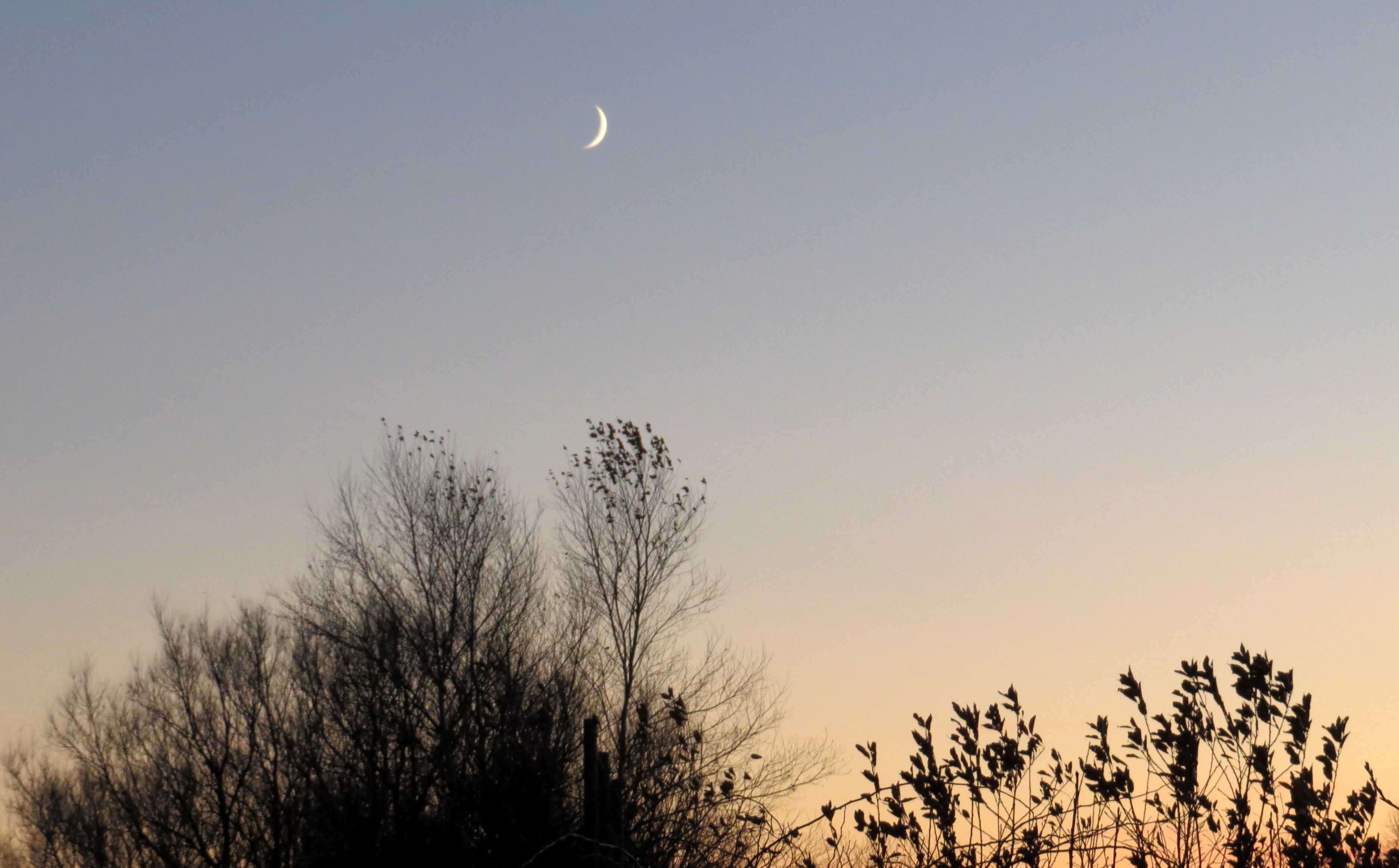
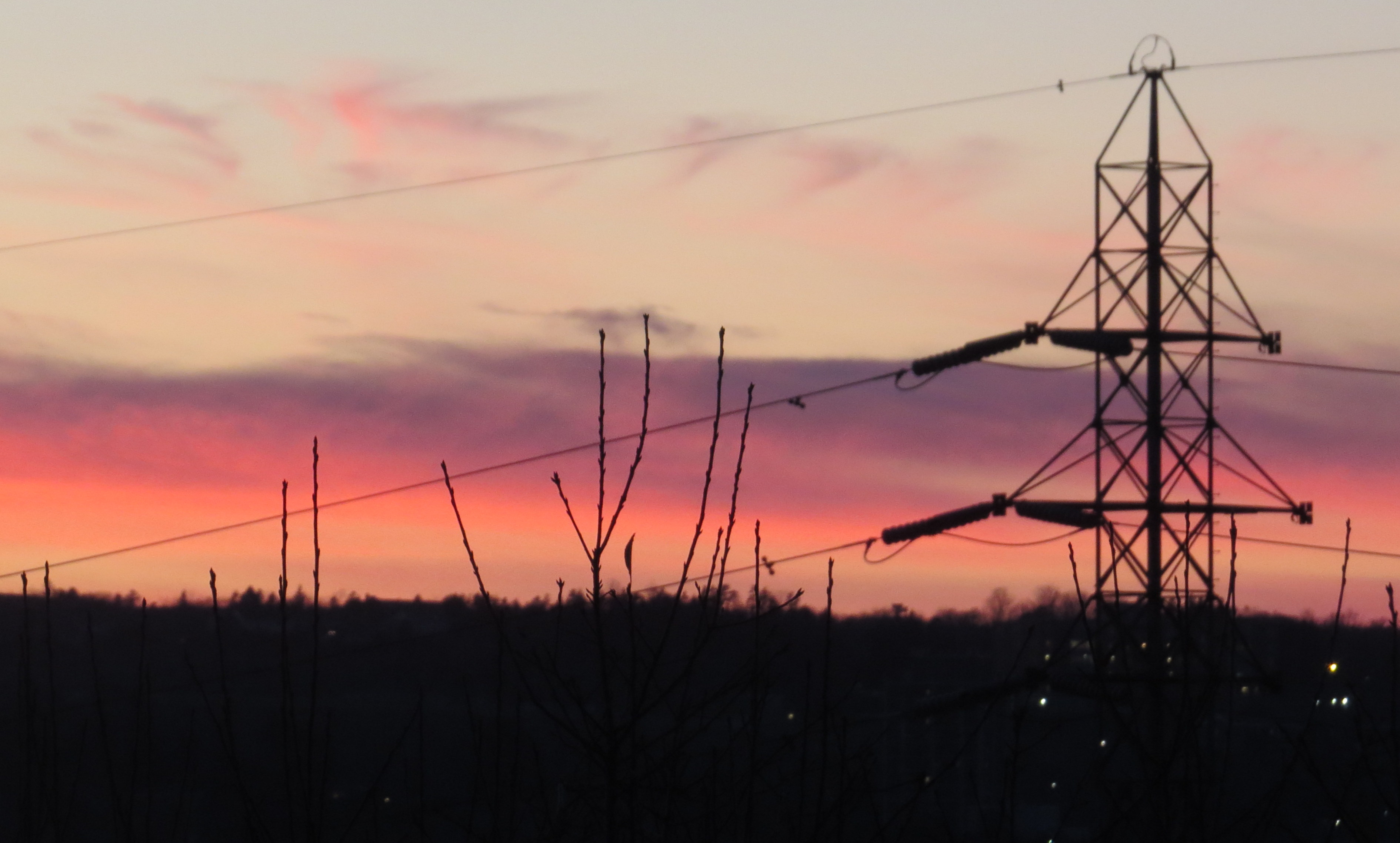
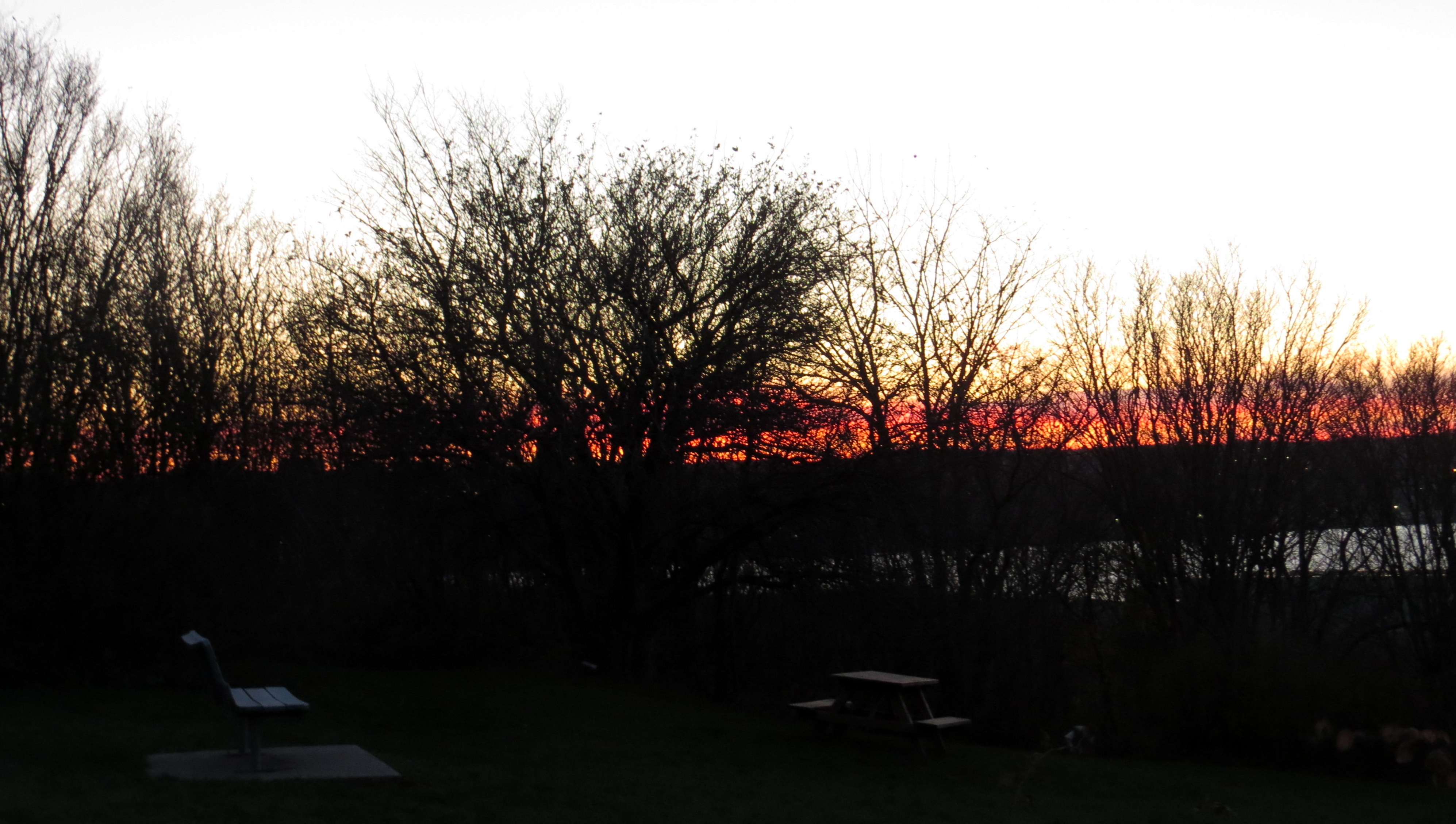
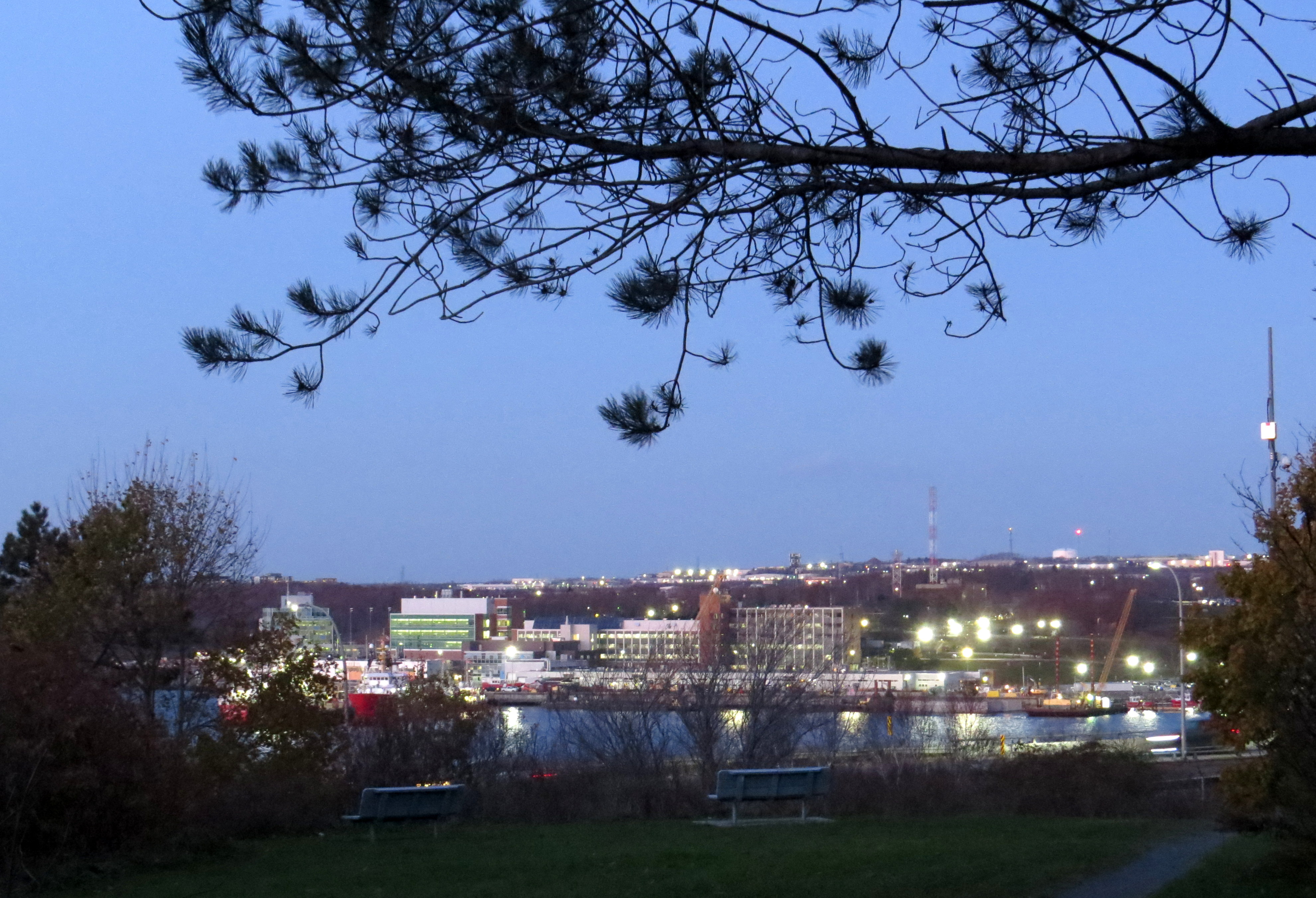
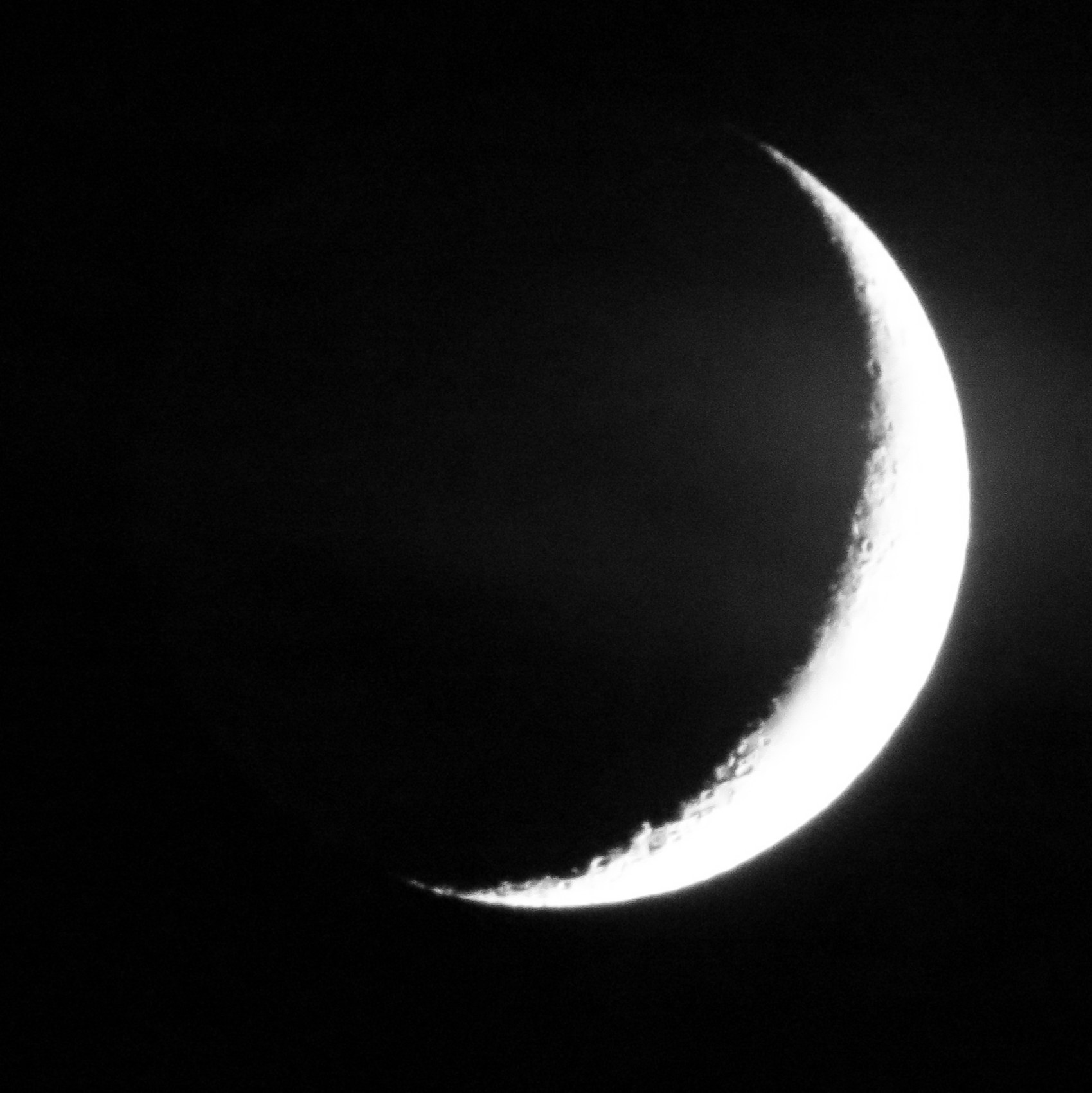
W pogoni za gasnącym słońcem i wschodącym księżycem. In search of hiding sun and waking up moon.

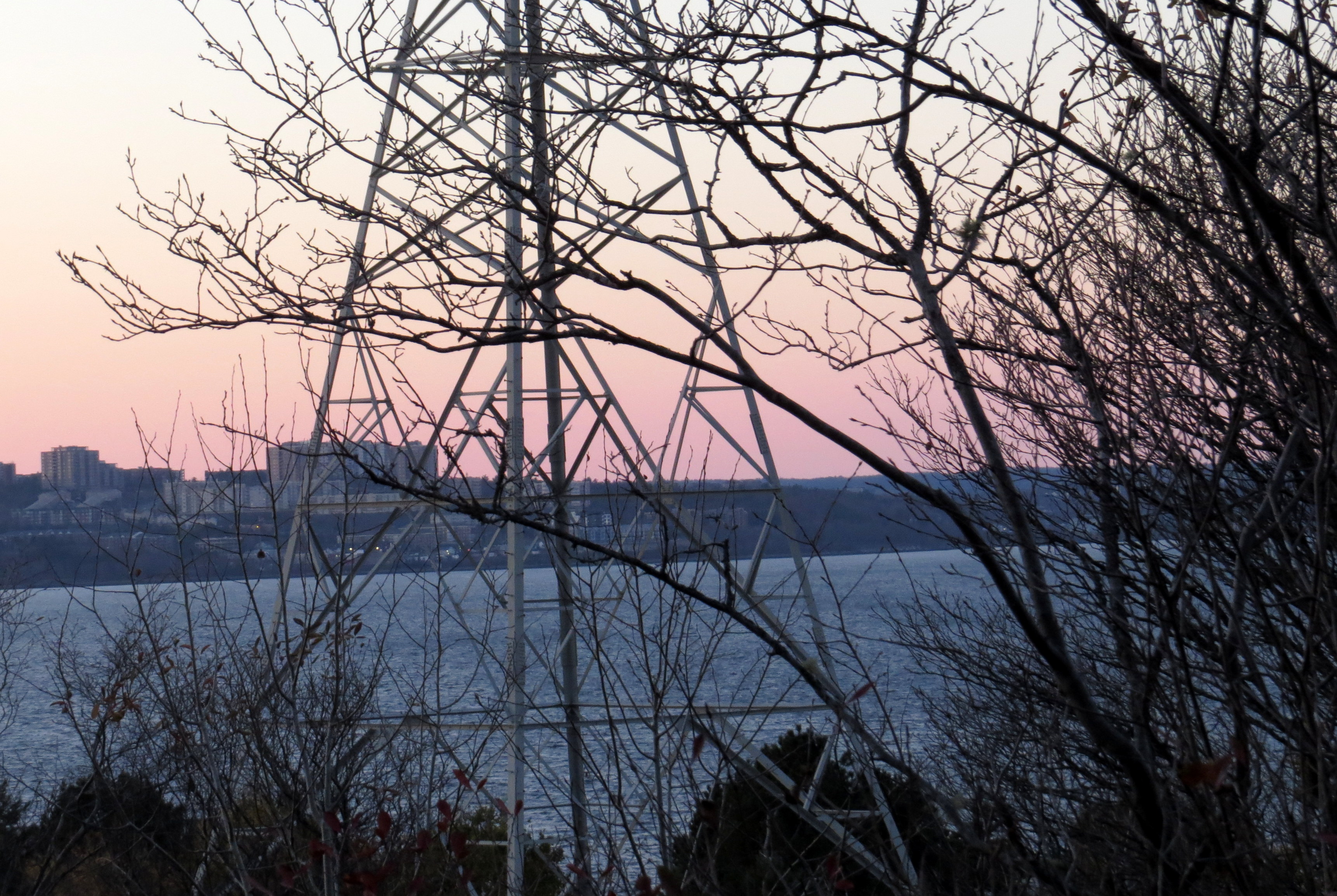
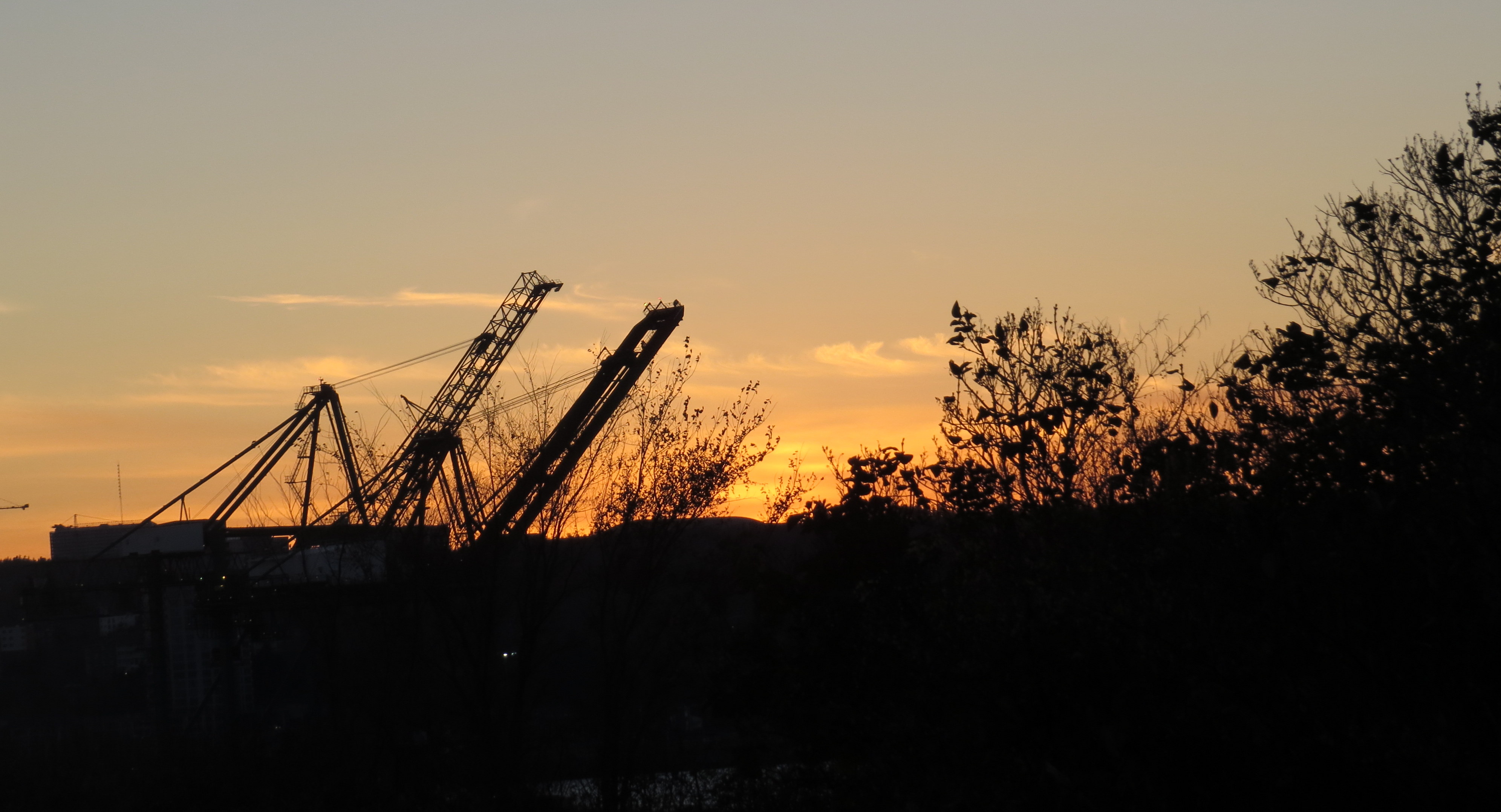
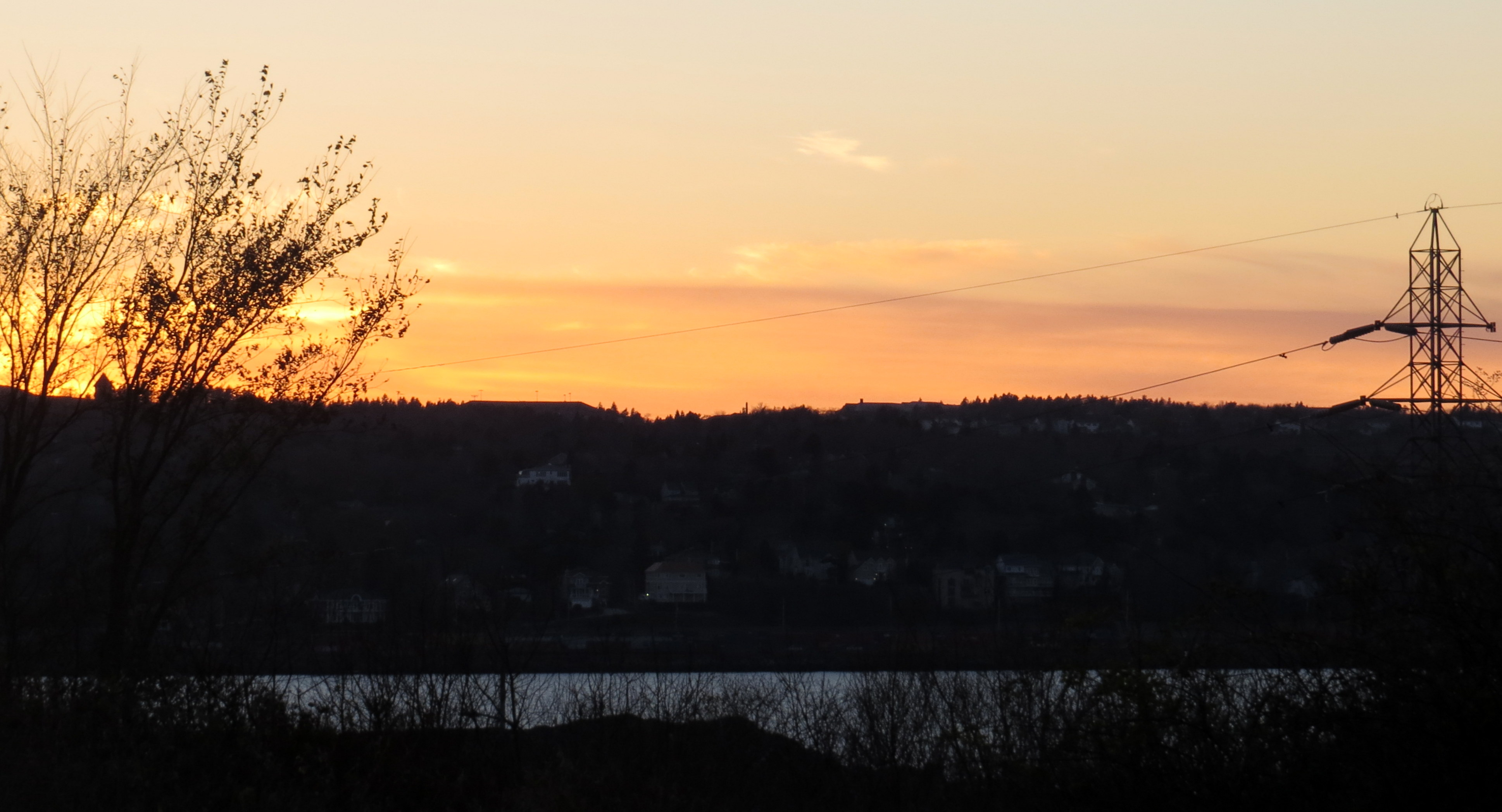
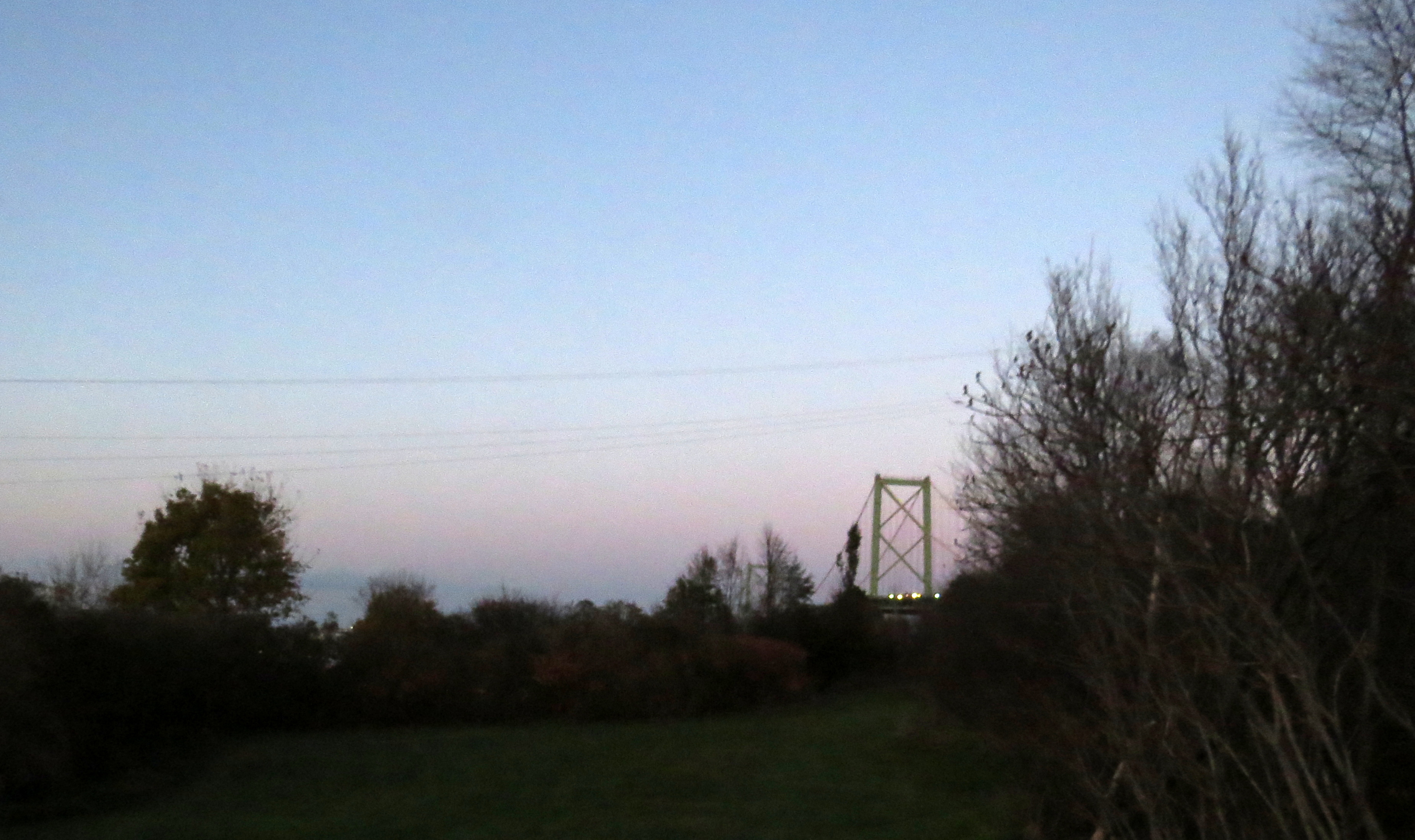
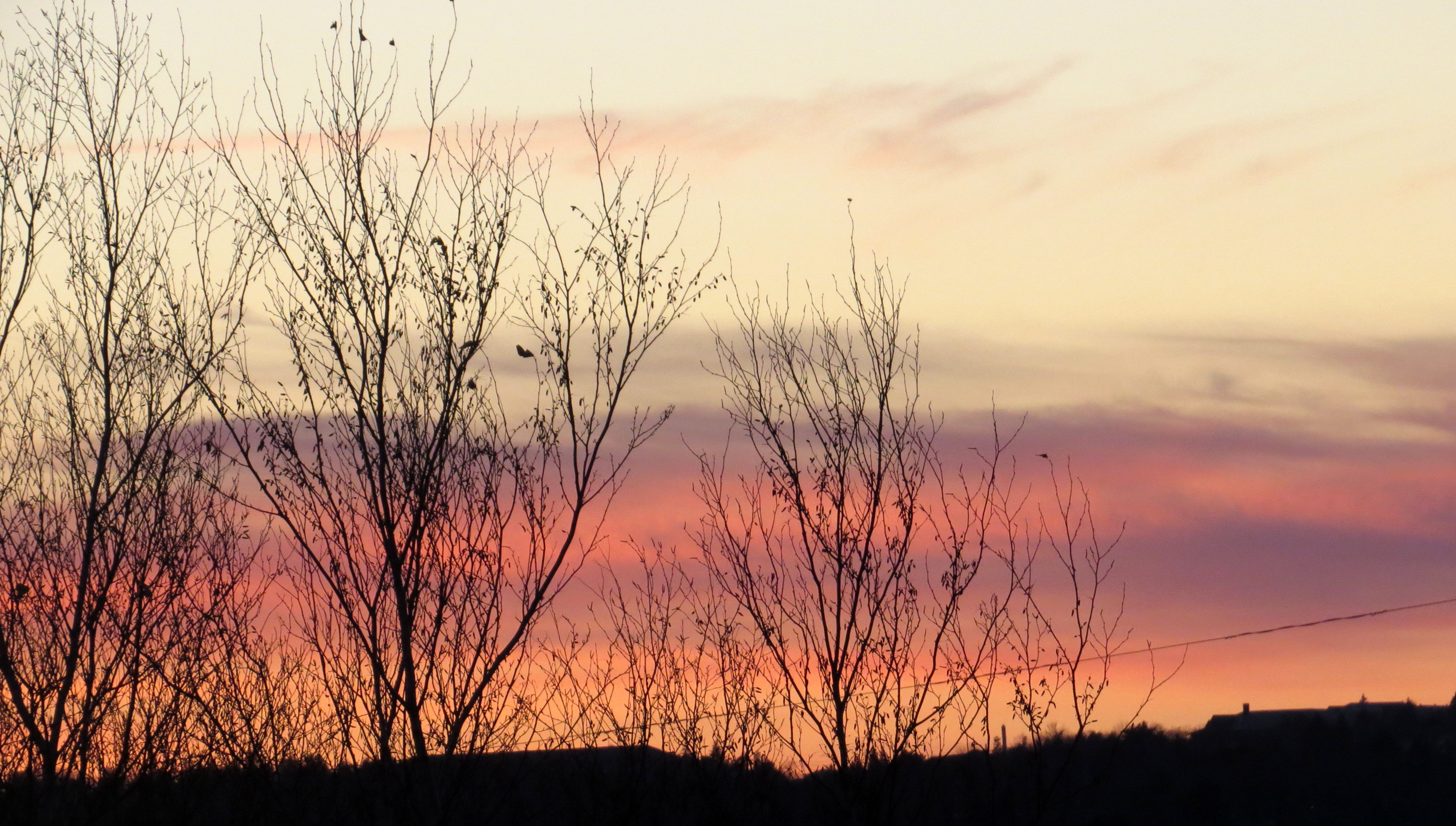
The last two days in Halifax – just before the incoming storm of a dying hurricane – were gorgeous. More like late September than the end of November. I had such plans for them! Two days of ‘Indian summer’ during my days off! Lucky me, I thought. But not so much. Having avoided probably close to three years any cold or flu – I got it now. With chills, and fever. Everybody knows that for a man a flu or cold is worse than any other plaque known to humanity. The bottomless pot of self-pity, LOL. But despite that, I gathered all the remnants of my heroism and packed my camera, and small bottle of Advil and went to a small but wonderful and little-known park between the end of Halifax and the beginning of Bedford – the Sea View Park, just above Africville. Enjoy the views.

Druga połowa listopada, tuż przed nadchodzącymi z Florydy resztkami tropikalnego huraganu, przyniosła nagle cudowne dwa dni ‘babiego lata’. Dni, które miałem wolne! Ba, fatum złośliwe powaliło mnie z nóg. Spotkała mnie straszna dla każdego szanującego się bohaterskiego mężczyzny biblijna plaga przeziębienia lub grypy. Mimo to, nadludzkim wysiłkiem podobnym do dzieł greckich herosów, popołudniem zebrałem w torbę kamerę, buteleczkę aspiryny, wsiadłem na mojego czarnego uskrzydlonego pegaza i popędziłem do mało znanego zakątku w pogonii za zachodzącym słońcem i w powitaniu nadchodzącego księżyca. W małym parku na granicy między Halifaksem a Bedford.

Bike ride #2. Trasa rowerowa nr 2

Bike ride #2. Trasa rowerowa nr 2

That was a very strange night. I watched some TV, and couldn’t watch any more news, as the stories from Gaza were just so depressing. Watched some Netflix movie about some Argentinian young fashion megastar. It was tiring just by the speed of the movie-documentary, him being like high on something nonstop, all the time.  Somehow I started talking to You. Was sad and happy at the same time. Sad for obvious reasons, happy because we talked. Told you that life is like that now, like this movie on speed. I rush to do things, and have to be busy all the time. Just to avoid life. The reality. Sort of: not now, please. I’m busy. Will talk about it later. I have to finish this, that; have to run, have to drive somewhere.

Avoiding.  Not being irrational but not willing to deal with reality, either.

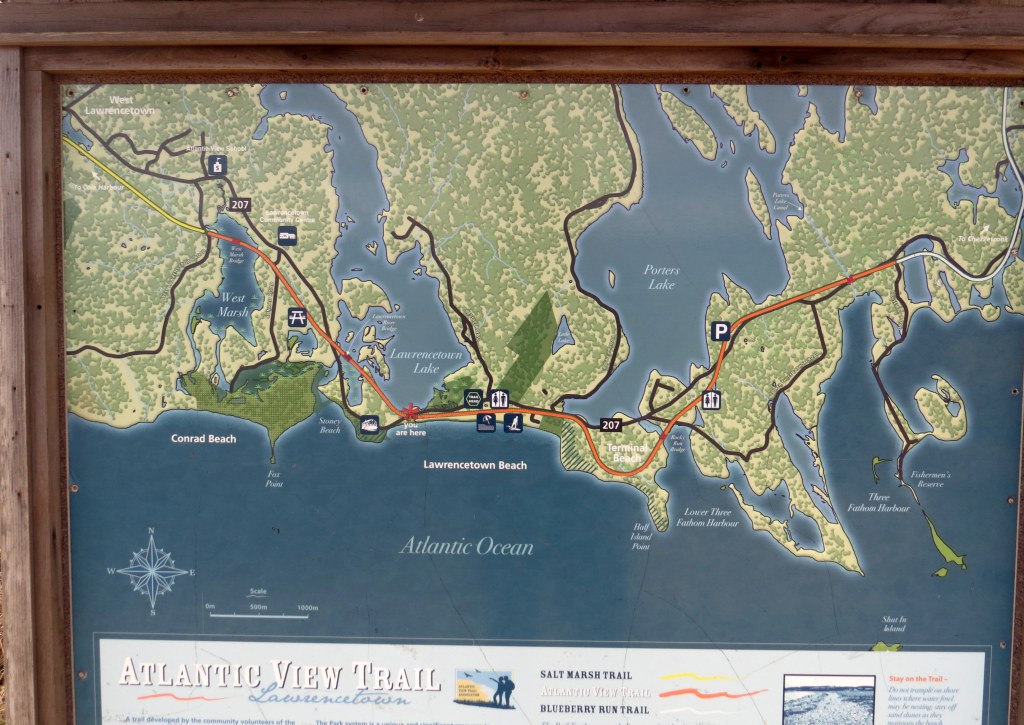
Went to bed about midnight saying that I had to get up about 5 am to drive to a bike trail in the middle of a forest near West Lawrencetown to catch with my camera the sunrise over the ocean. But the night was strangely hot, couldn’t fall asleep even with a wide-open window. Then a train started going back and forth near my building with a terrible noise of the train breaking and smashing of the train cars as they moved and stopped.  Went back to the living room, switched the TV back on, and watched some more of something. You were nowhere to be seen or heard and couldn’t continue our conversation. Made a decision to drive to that spot in the forest about 6 AM. Finally felt tired and sleepy. Before I knew I was asleep. And didn’t get up till 8 AM! Sunrise was gone an hour earlier. But did go for the bike ride anyway. Remembering the night I dressed warmly but very lightly. Took even a towel and an extra pair of underwear in case I decided to take a swim. Started biking at about 10 AM. And instantly knew that I wasn’t dressed as I should. It was freezing! And icy wind that went through my clothing. Swimming in the waves was out of the question when  I got to the beach. If I drove by car I probably would – and warm in the car after swimming. But getting on the bike and biking back easily 10-15 km to where I parked would probably turn me into an icicle, LOL.

Rozmawiałem z Tobą cały wieczór i potem pół nocy chyba. A miałem plany wycieczki rowerowej wzdłuż jezior i brzegu oceanu wczesnym rankiem by uchwycić wschodzące słońce nad Atlantykiem. Ze wschodu wyszły nici. Gdy w końcu dwu lub trzygodzinną drzemkę złapałem – obudziłem się już o ósmej rano. Dawno po wschodzie. Mimo to pojechałem w las, do tej trasy. Noc była nadzwyczajnie ciepłą, jak na tę porę roku. Ale dzień odwrotnie – więc ubrałem się bardzo nie odpowiednio, zbyt lekko. Mimo marznięcia – trasę rowerowa, tak jak zaplanowałem, tak przejechałem. Widoki piękne, surowe, zimowe już (choć bez śniegu) mają też swój specyficzny urok surowego piękna. Lato to barok natury, a zima to styl romański północnej Europy.

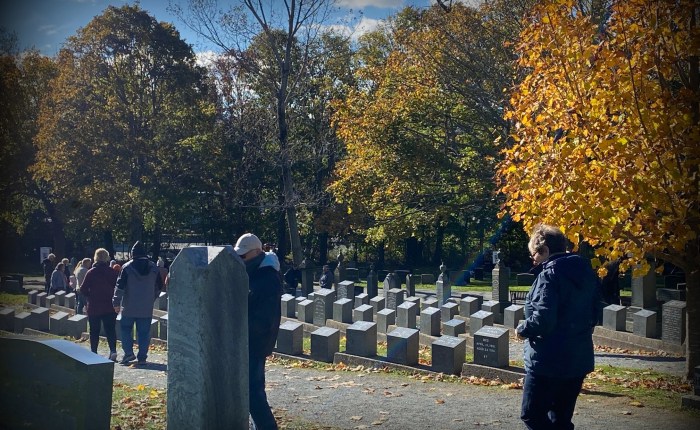
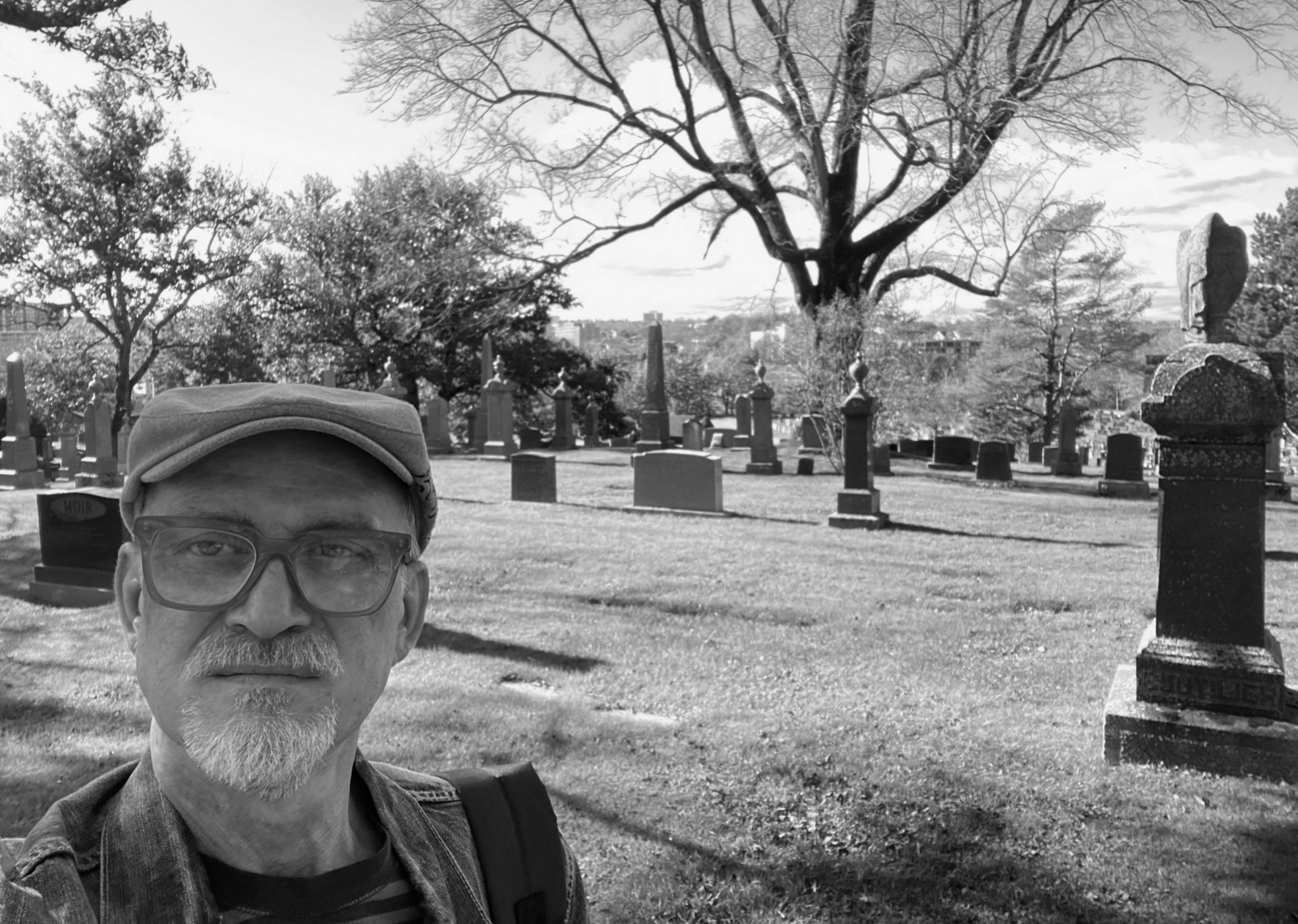
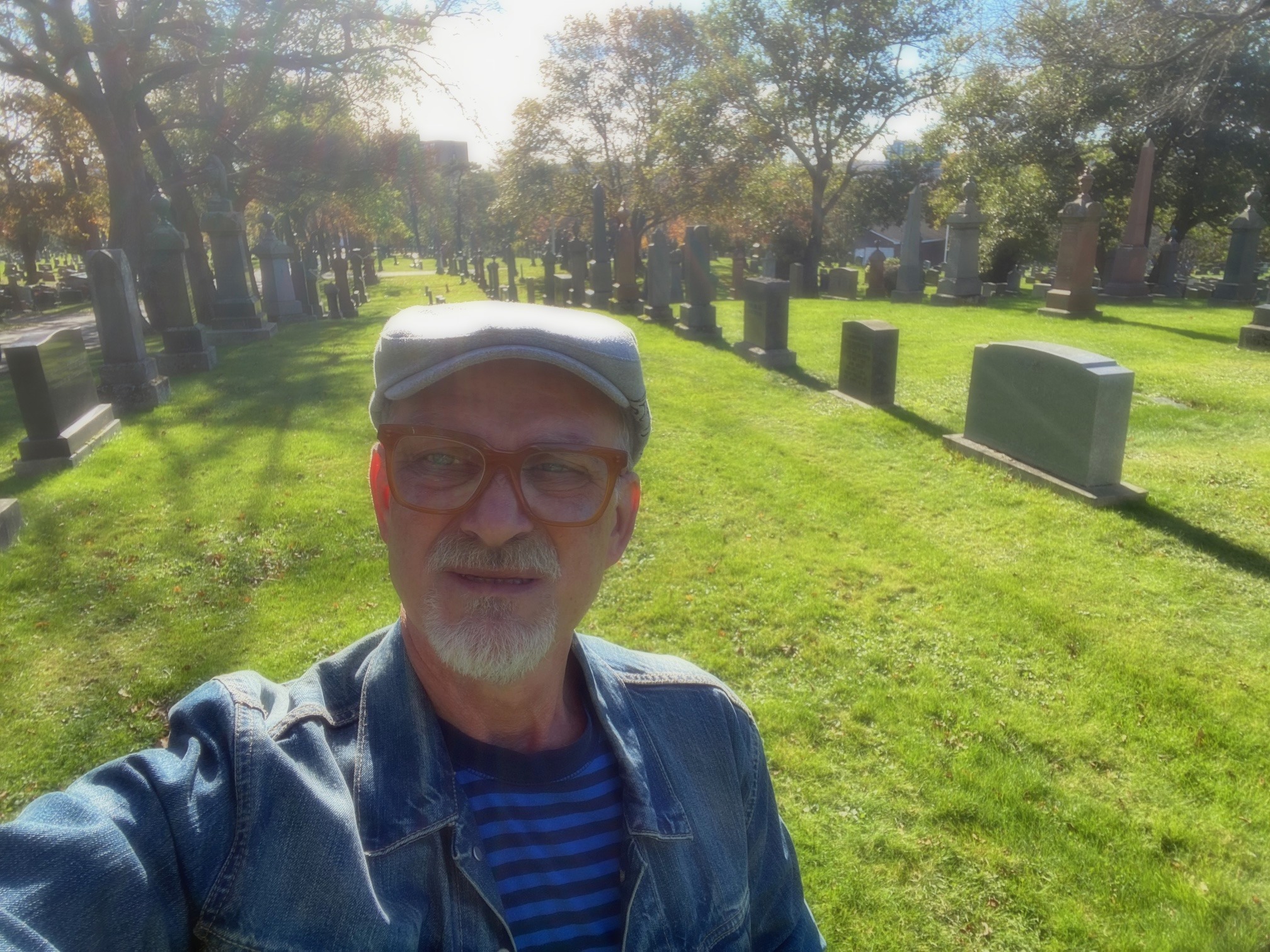
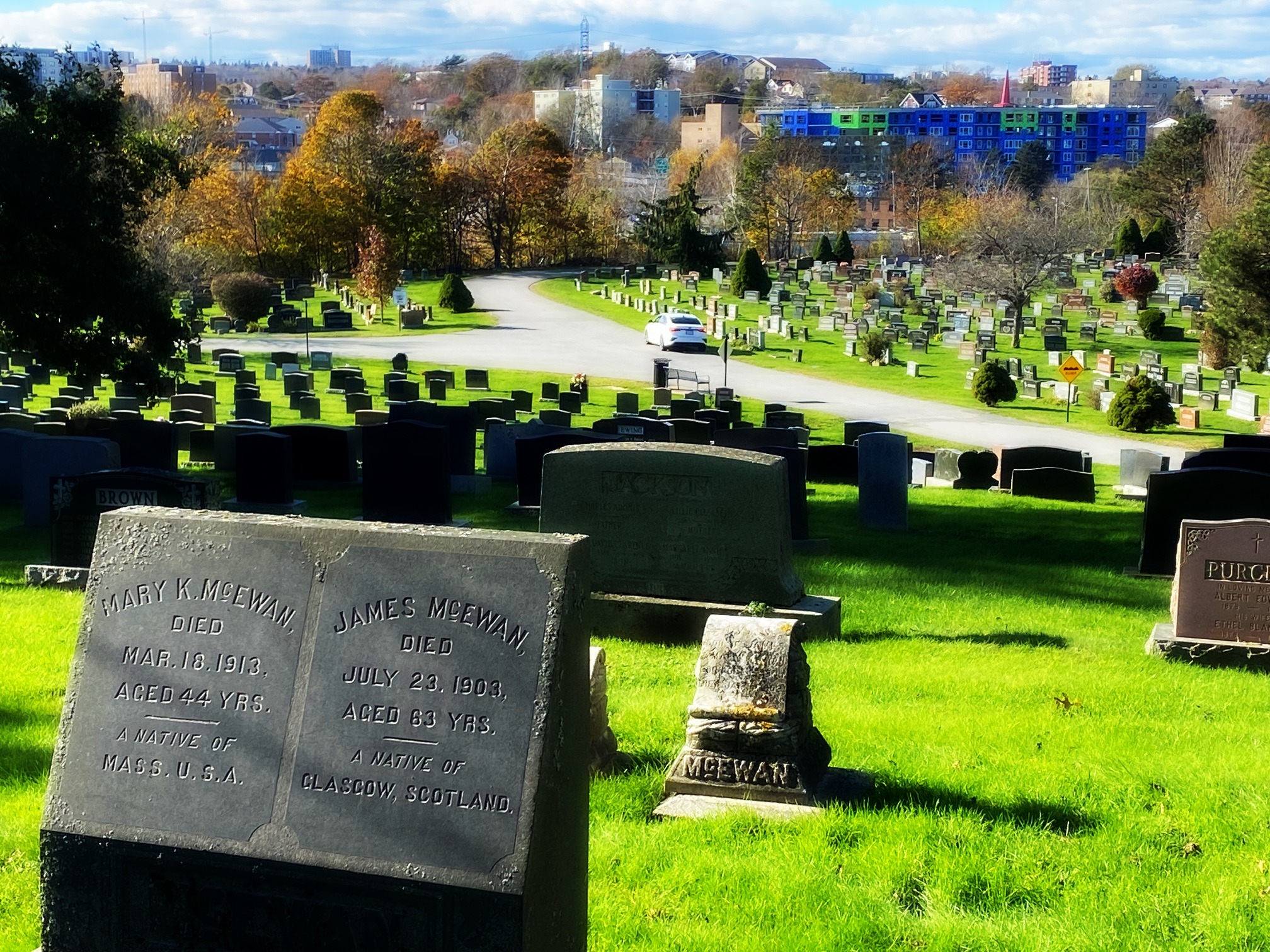
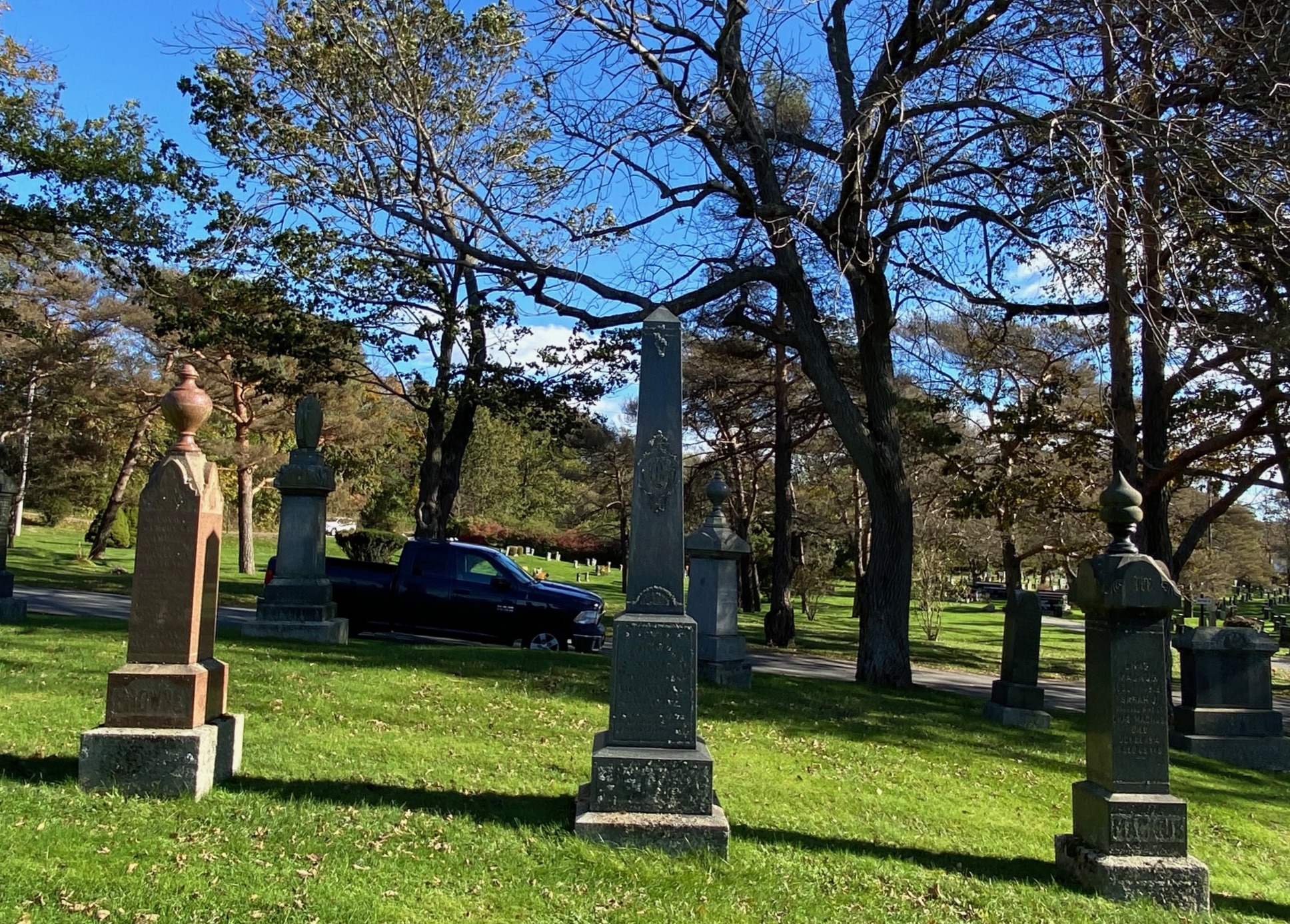
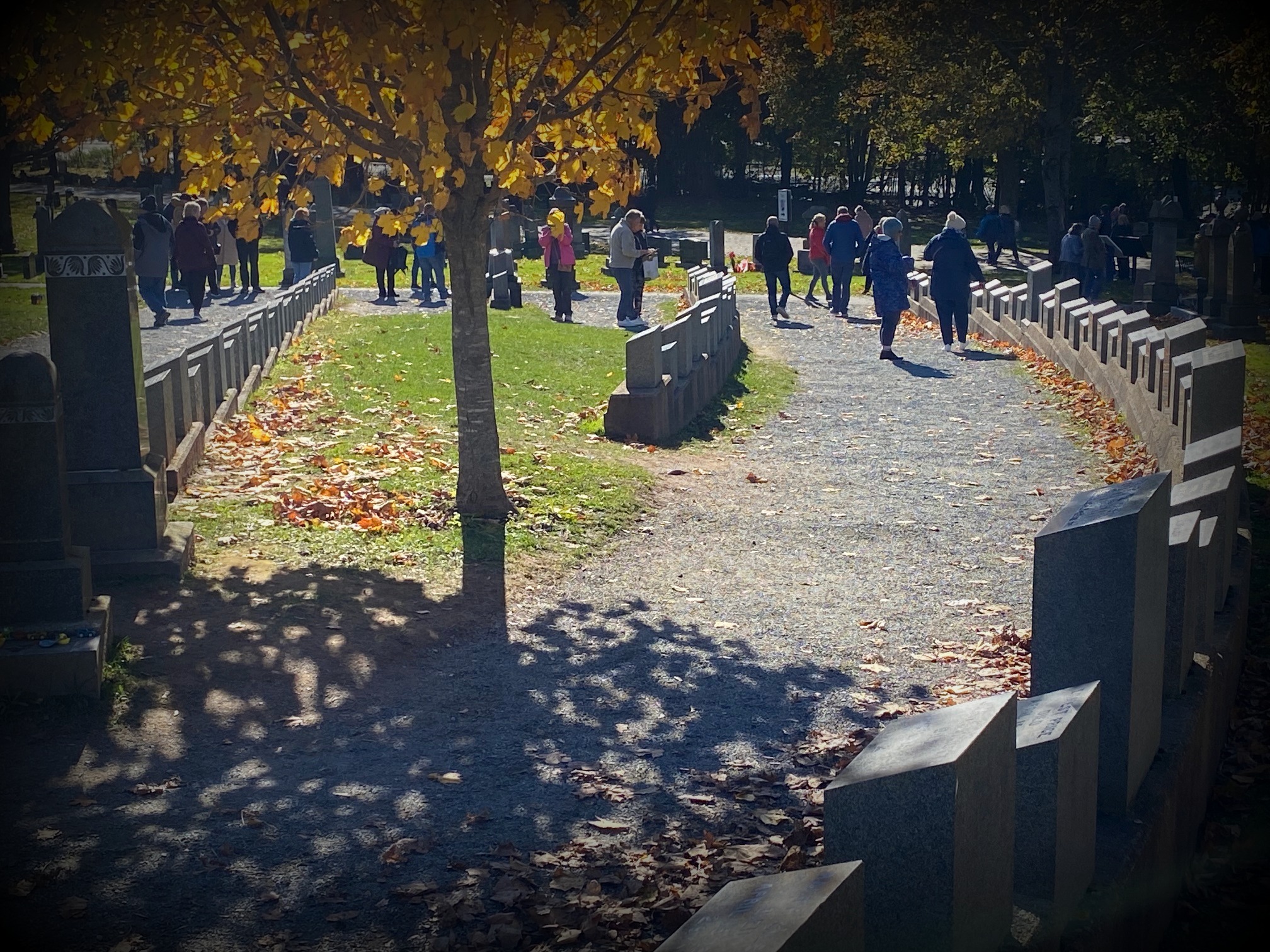
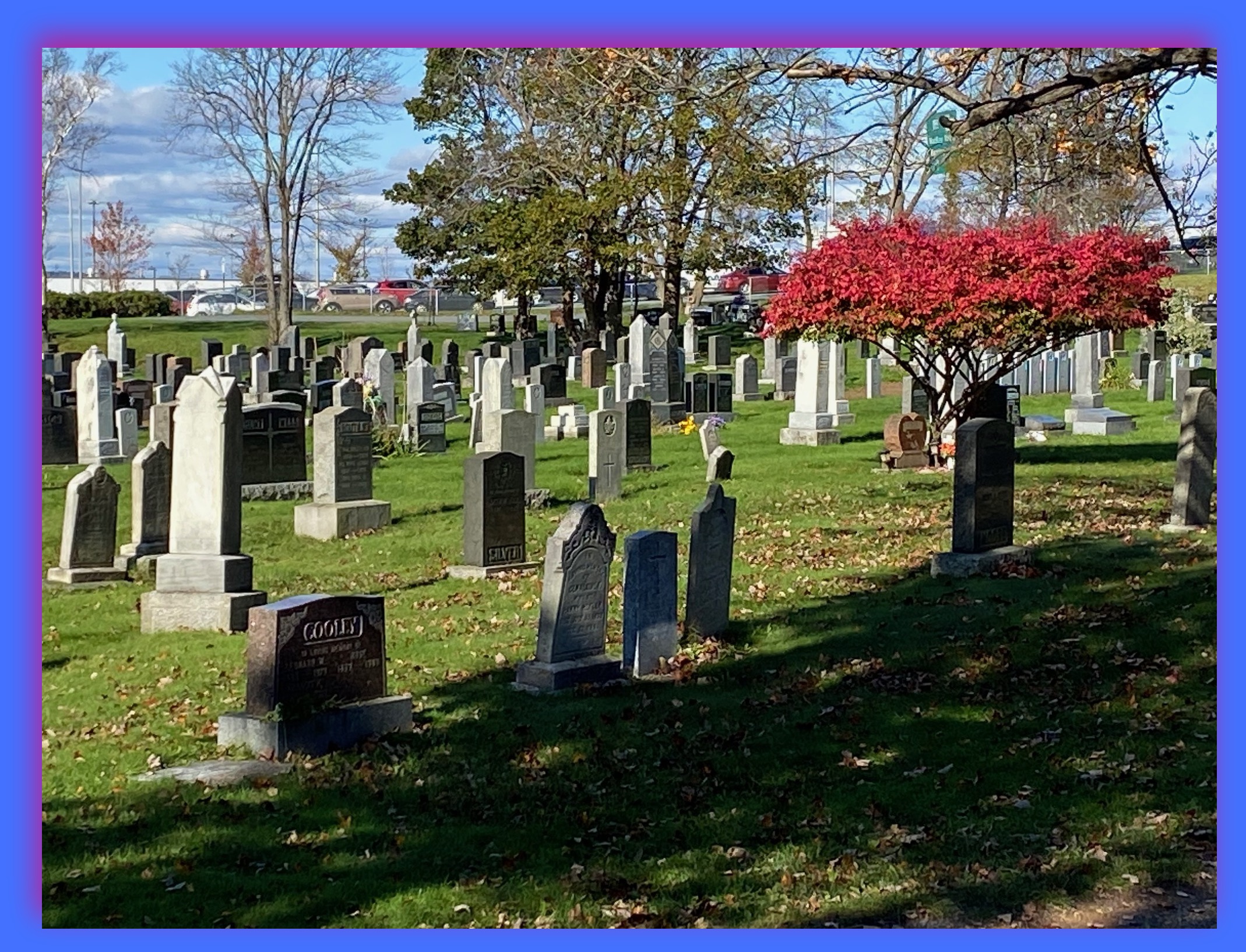
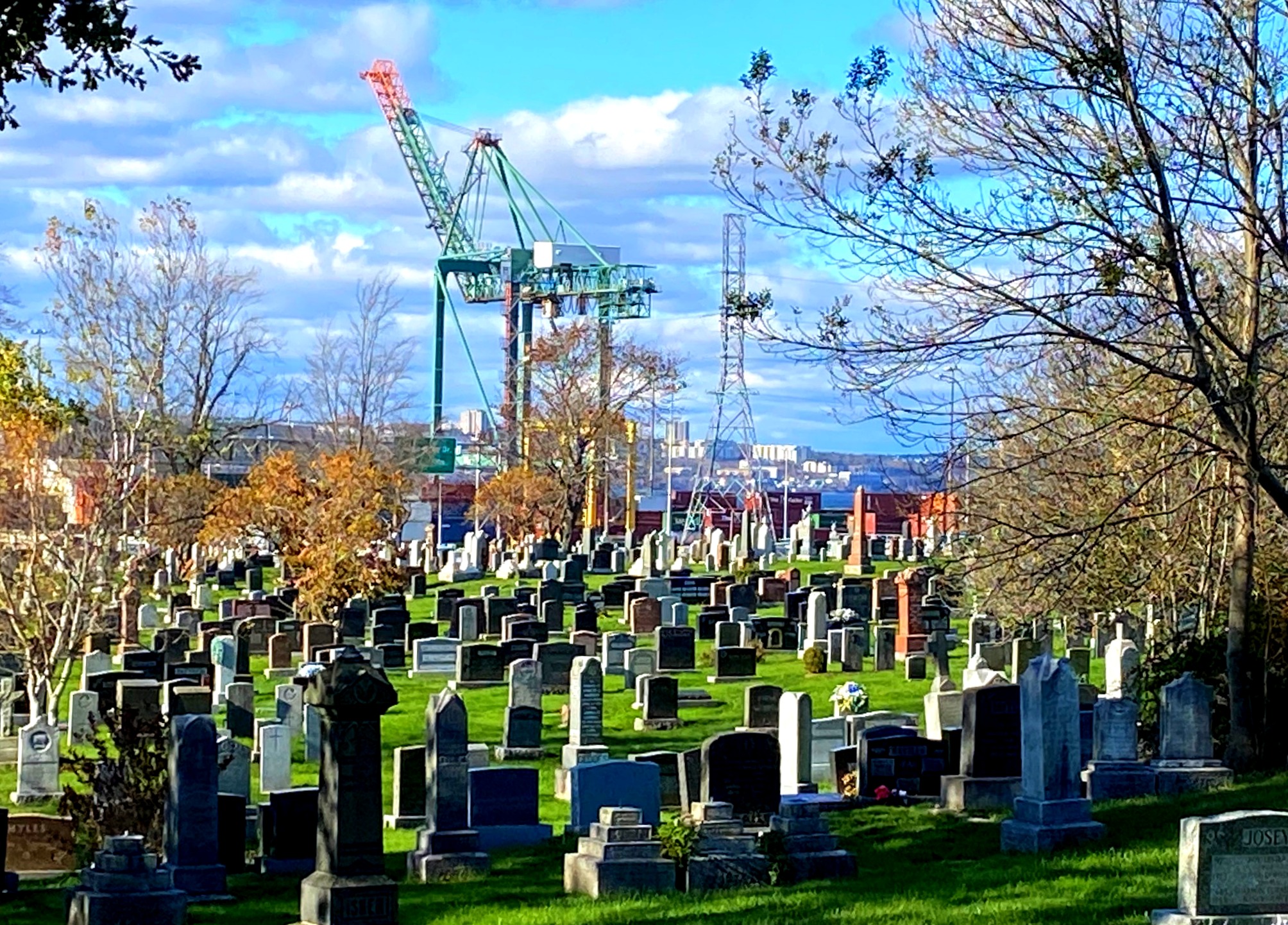
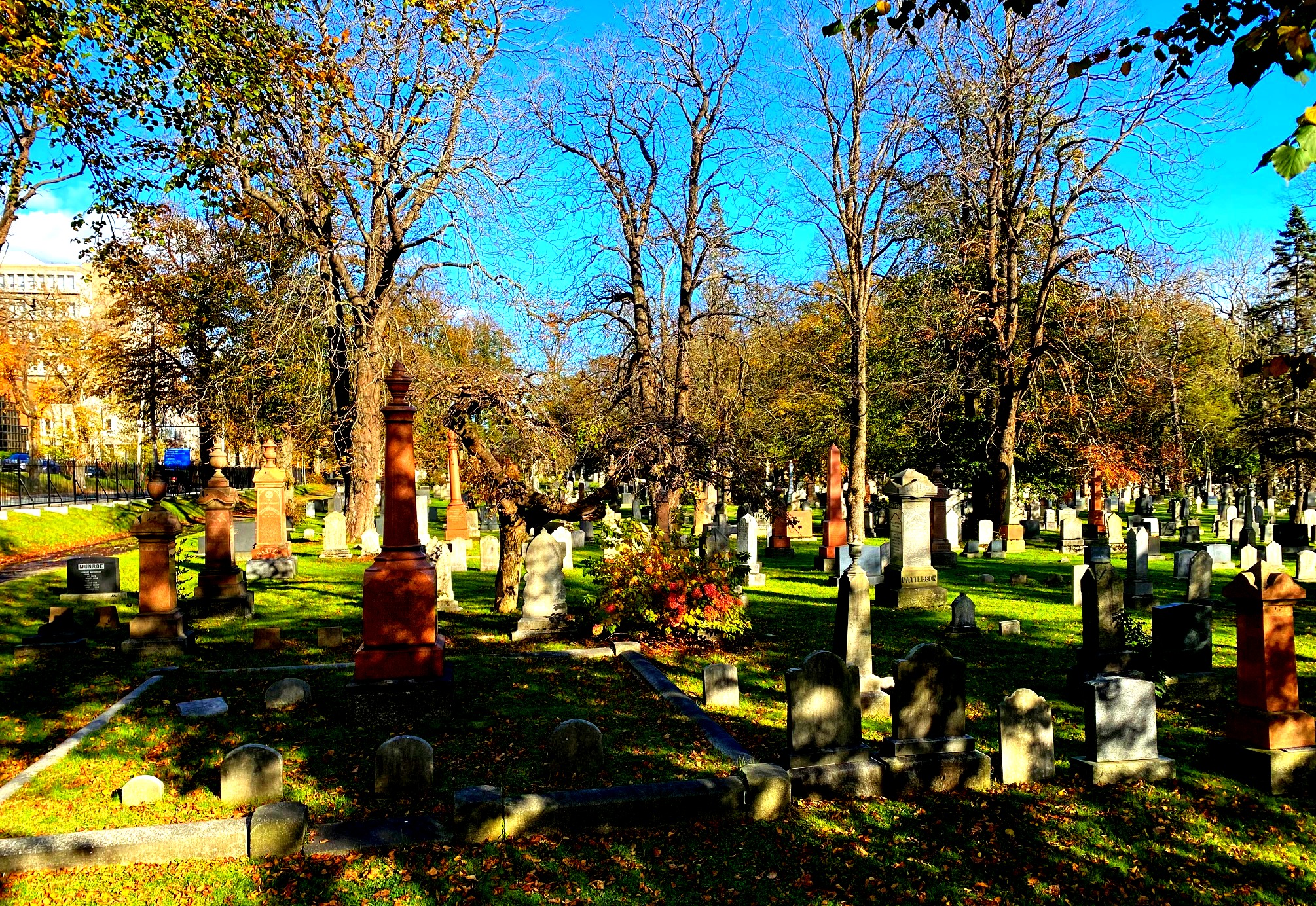
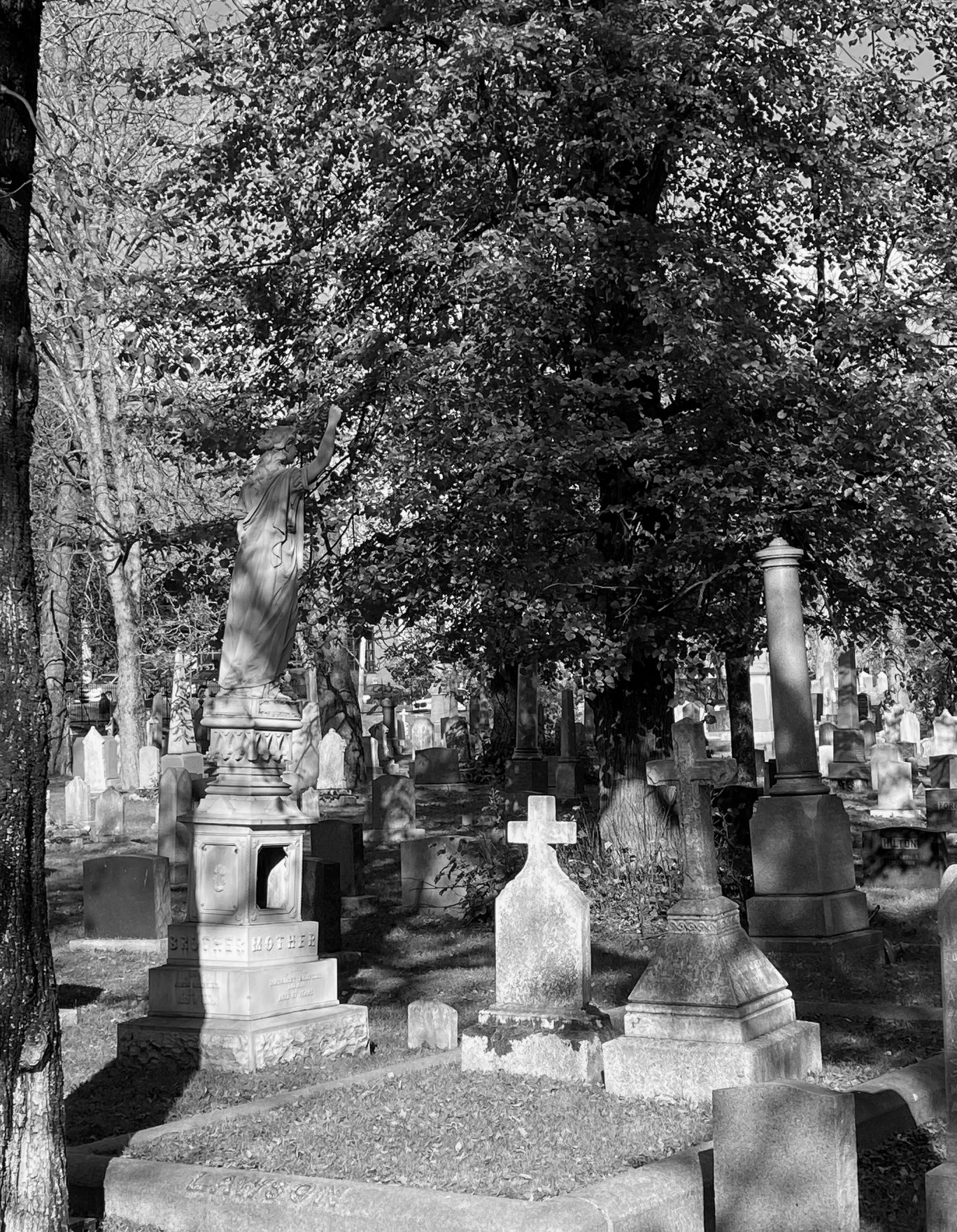
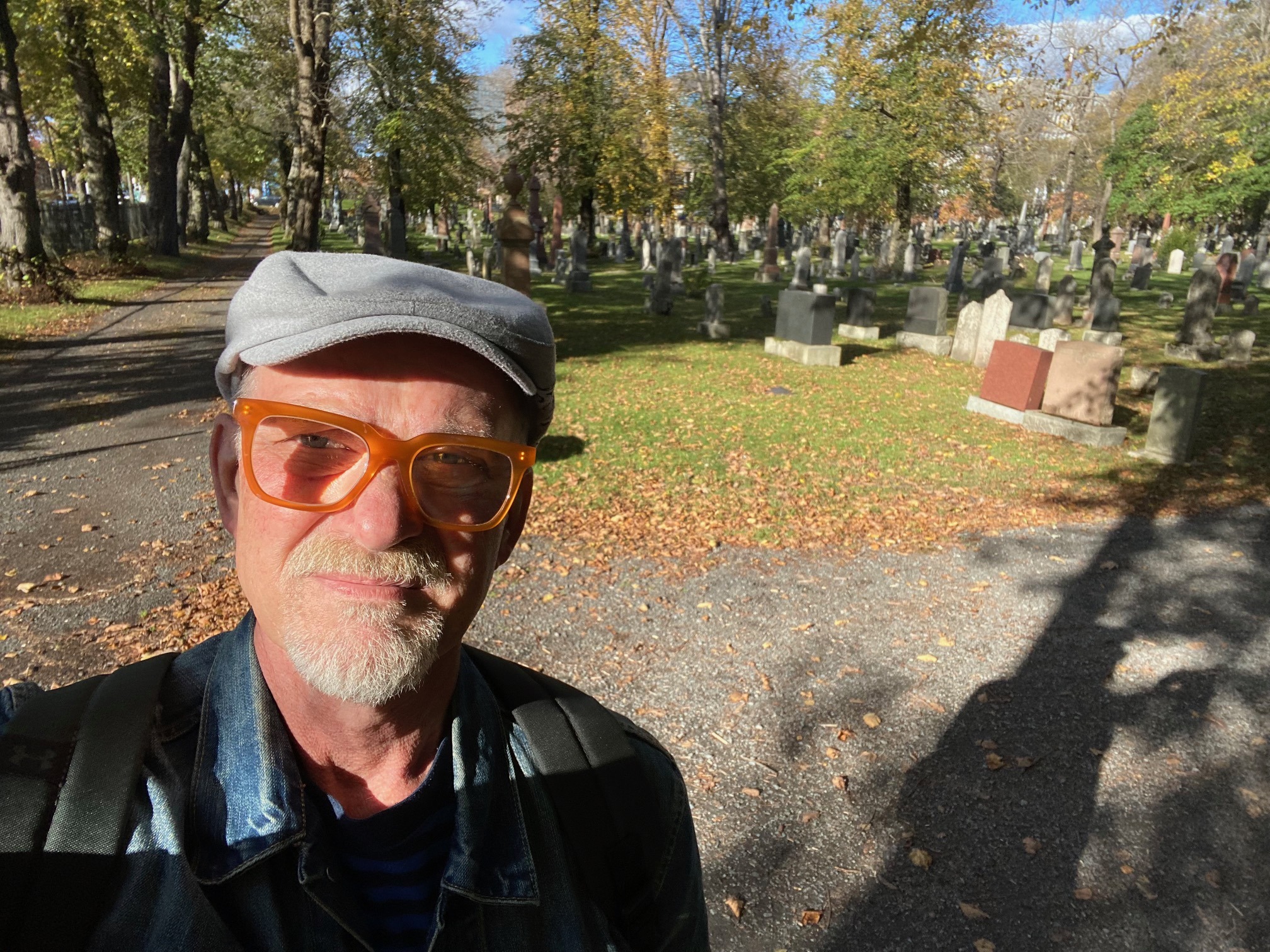
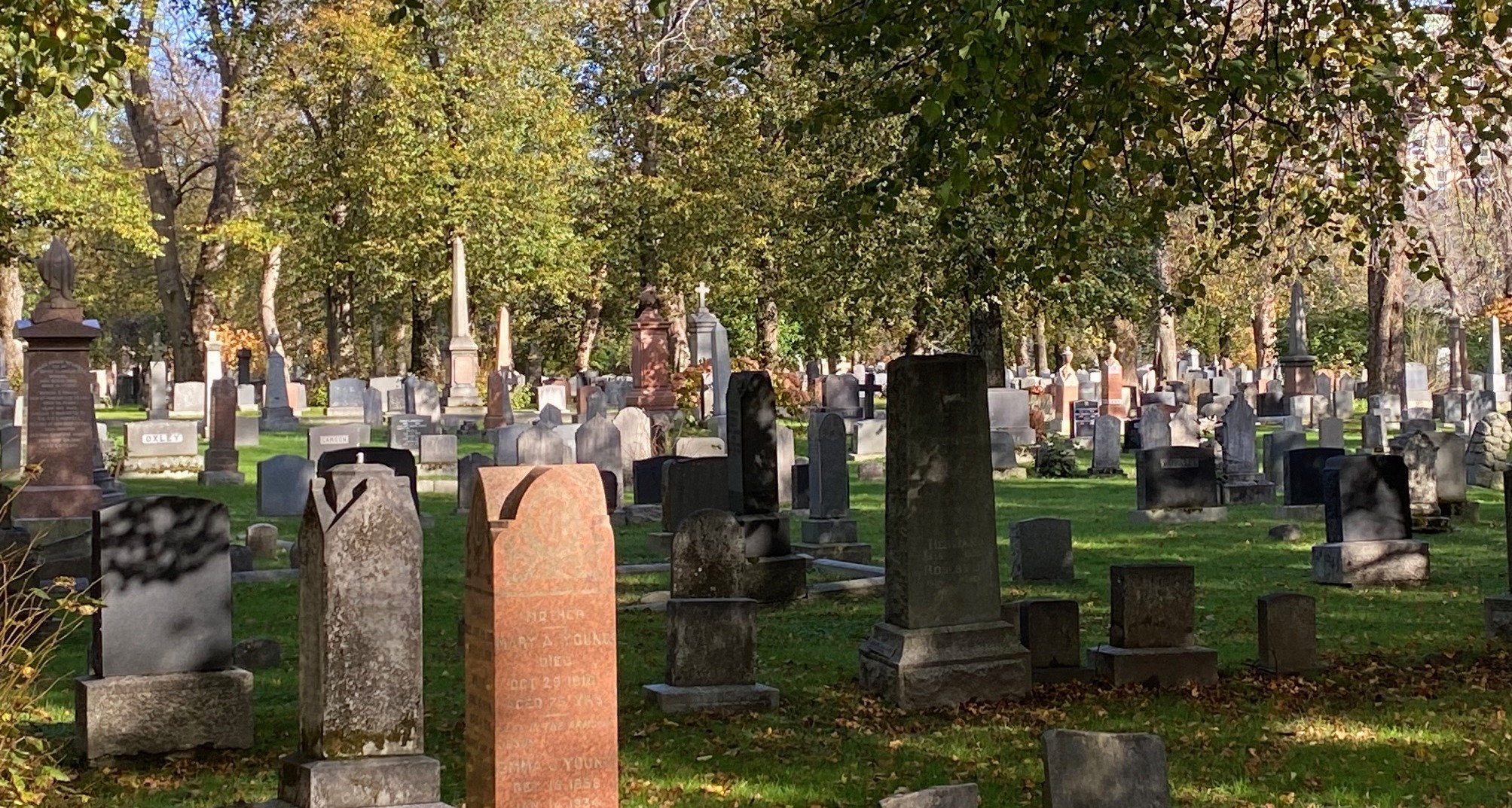
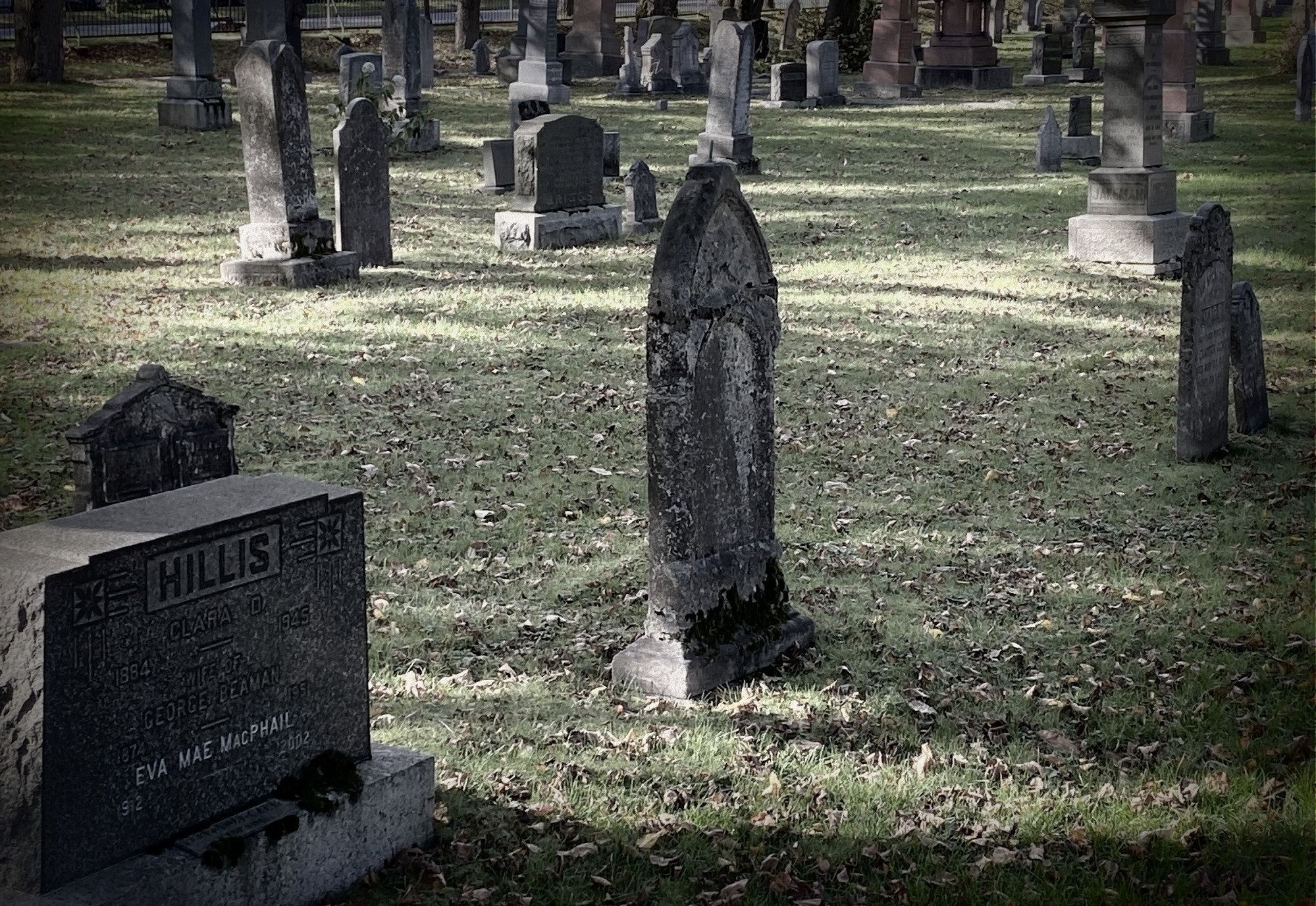
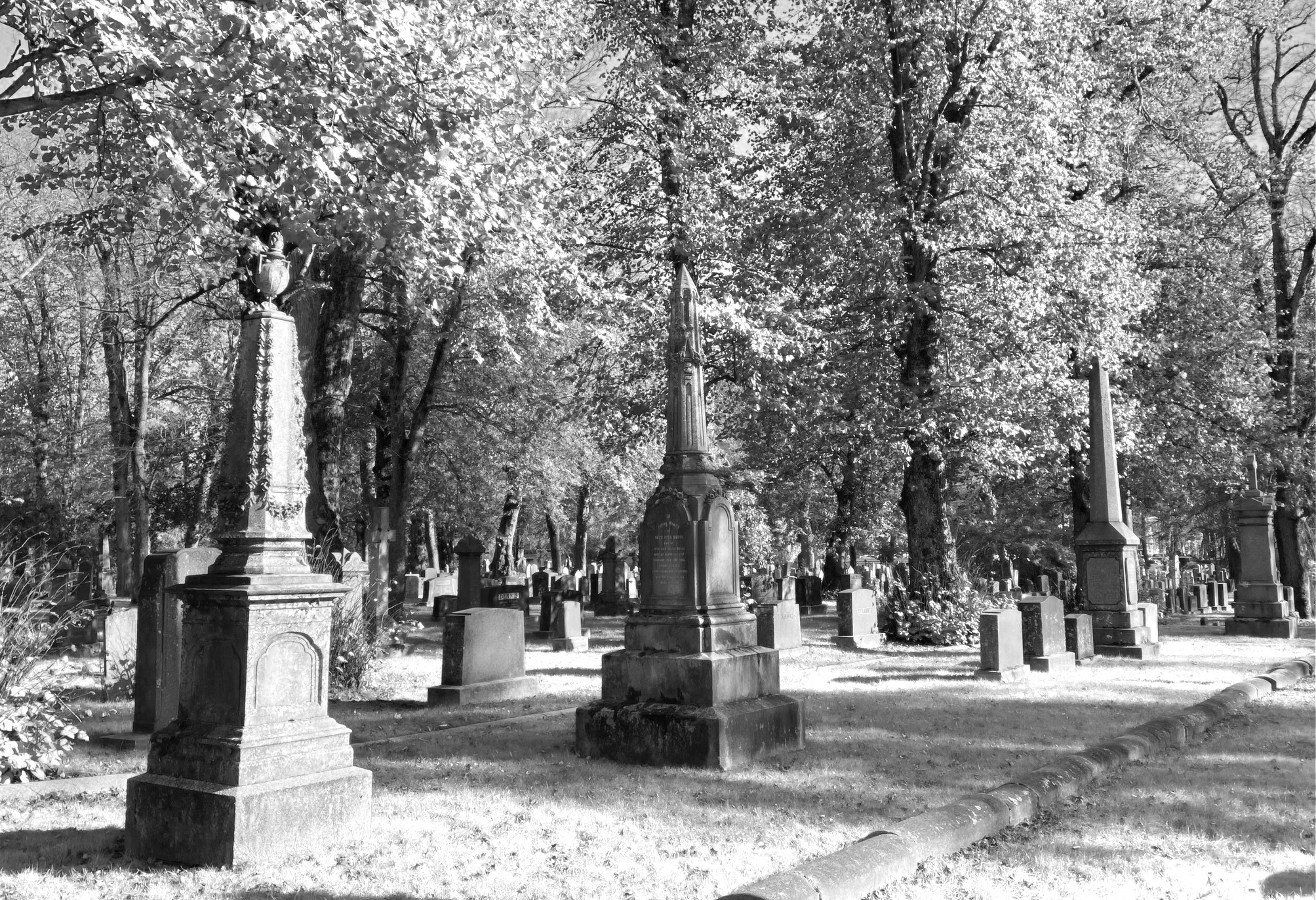
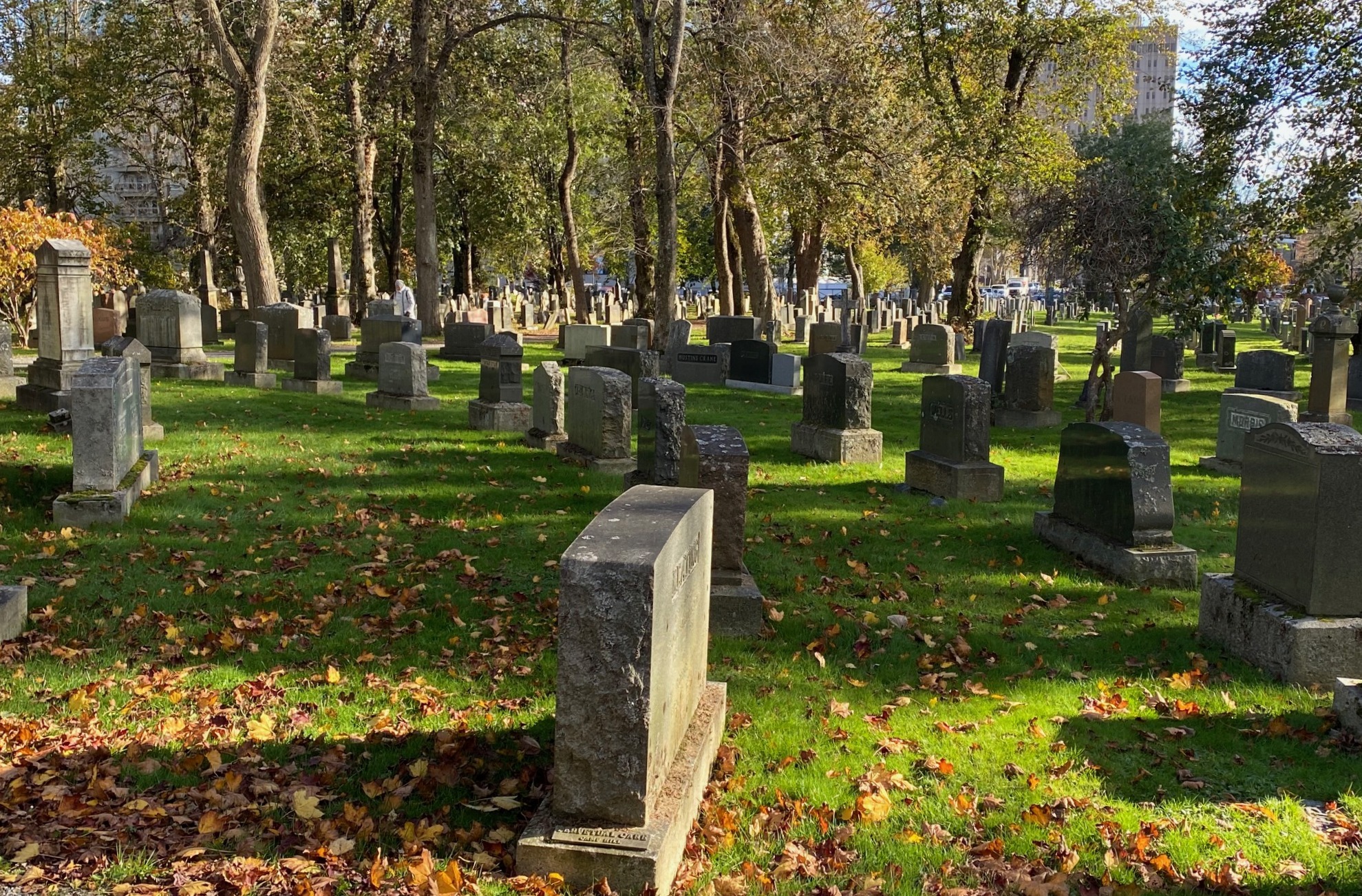
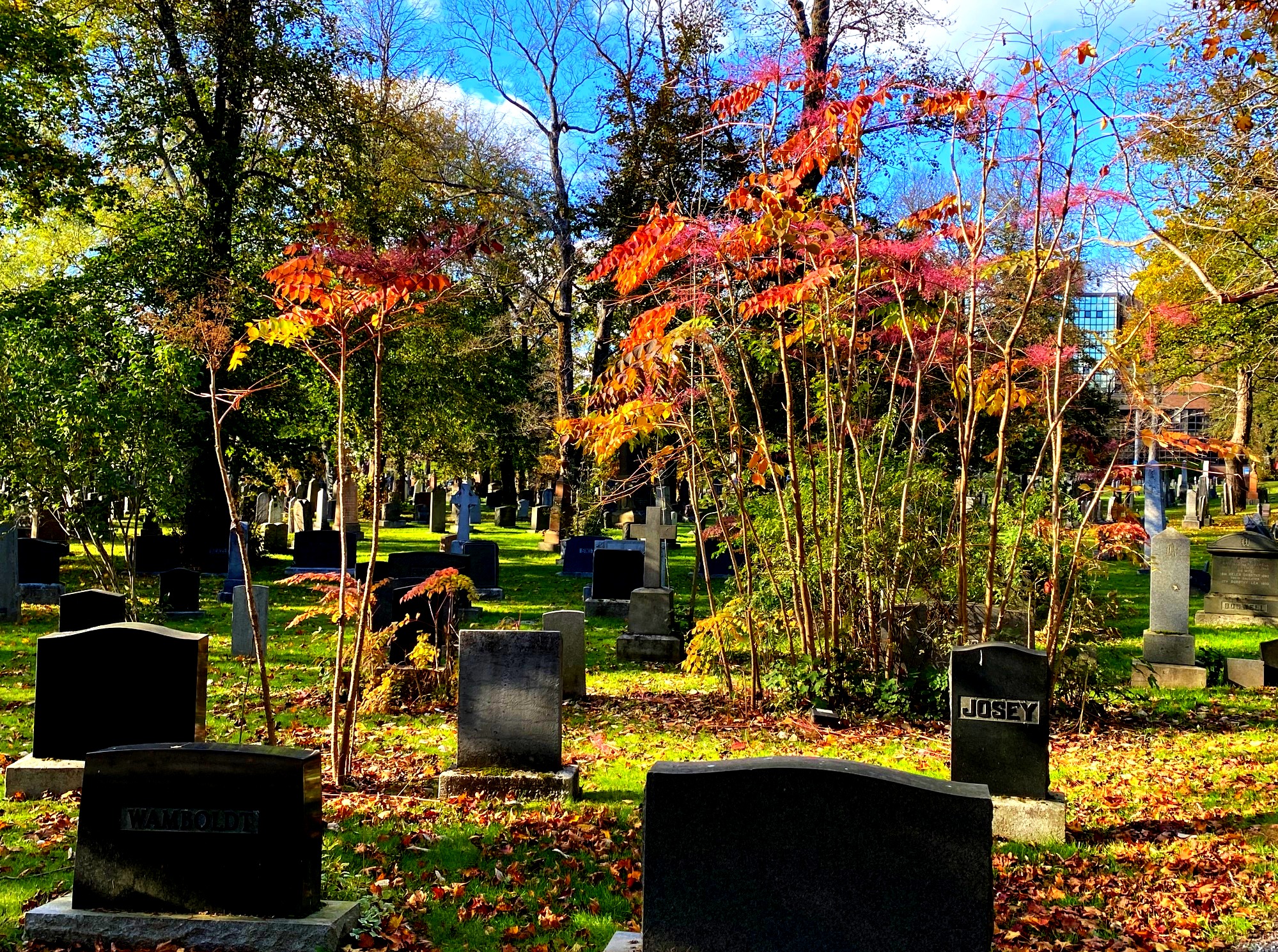
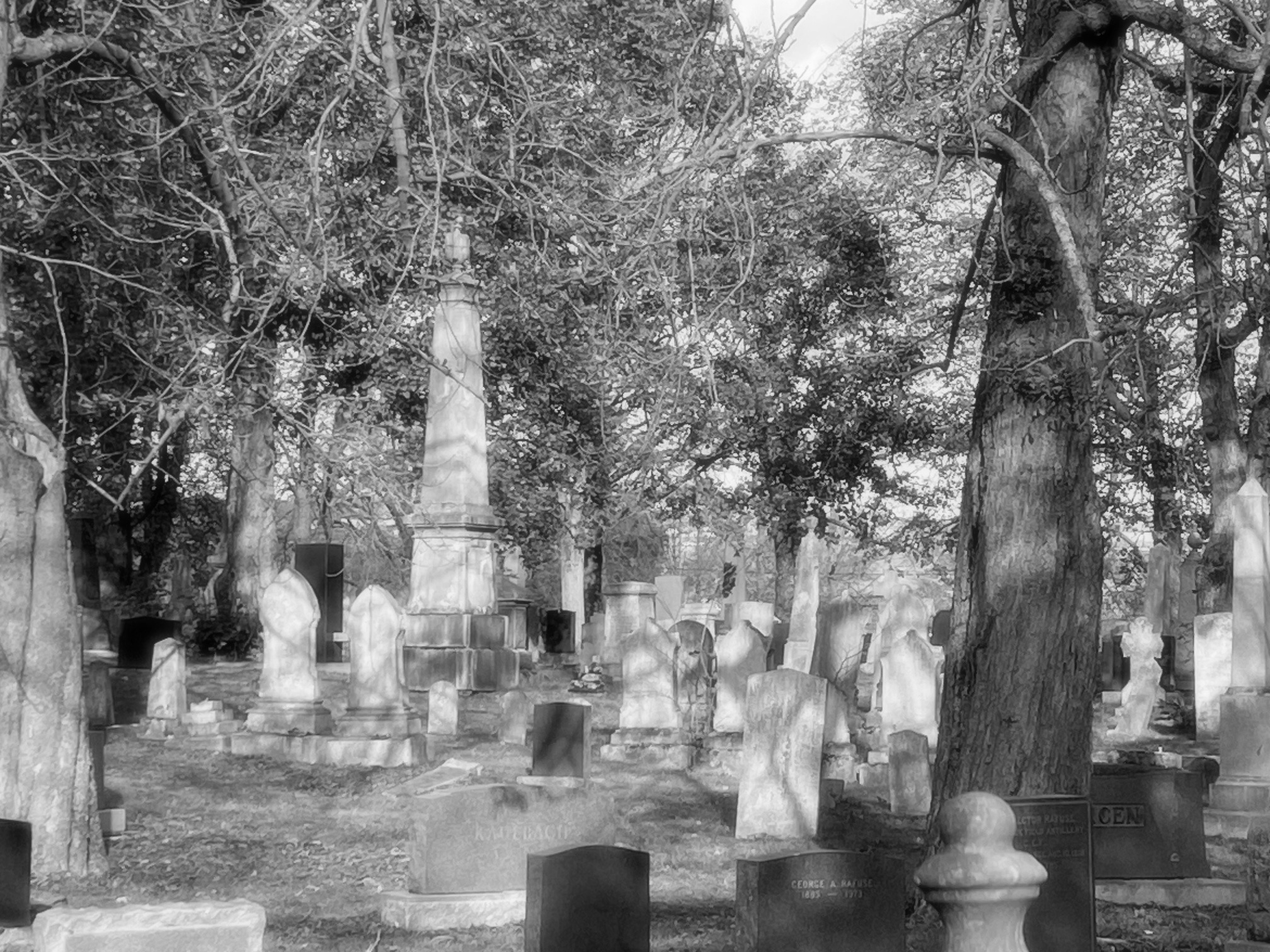
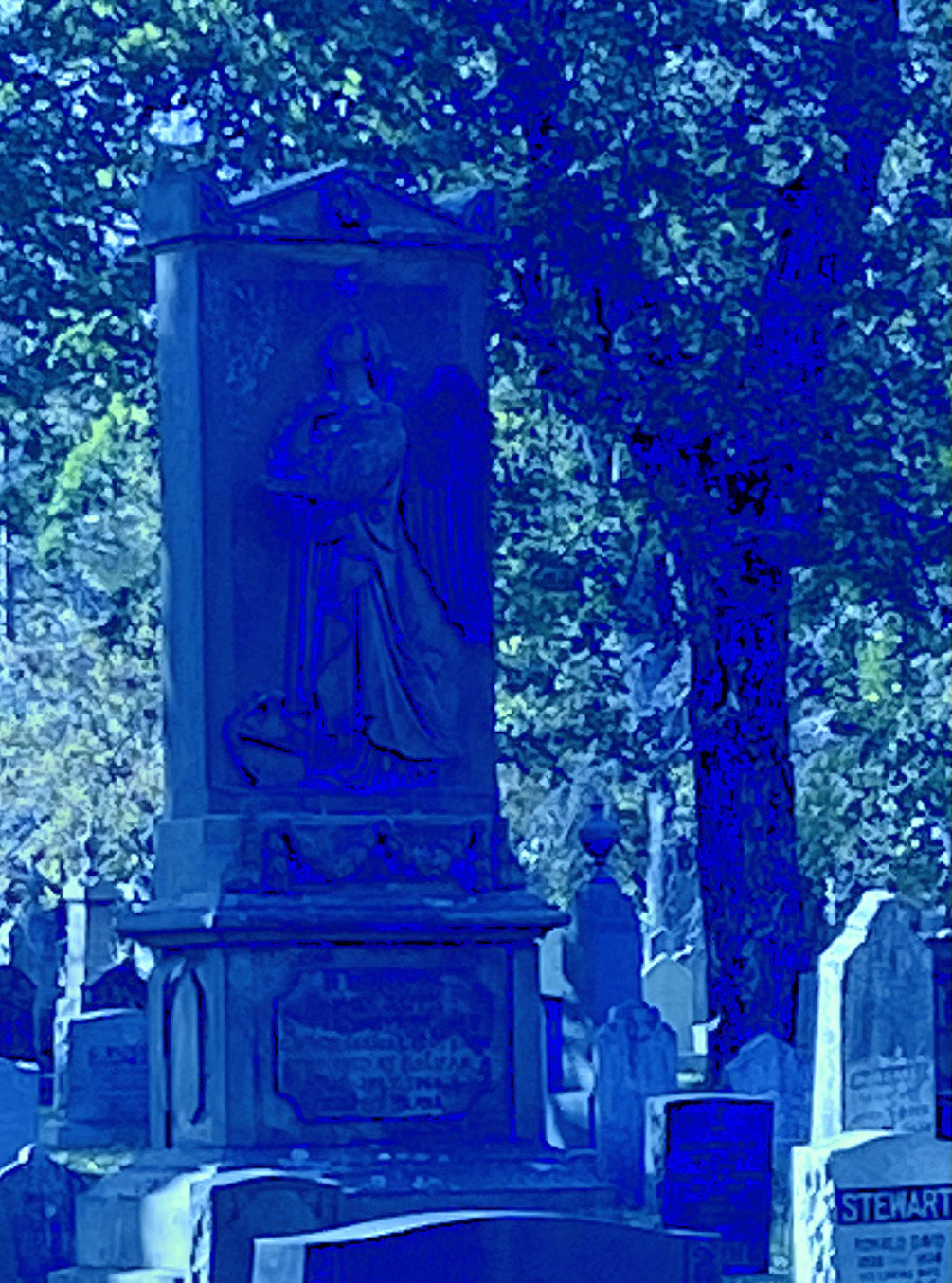
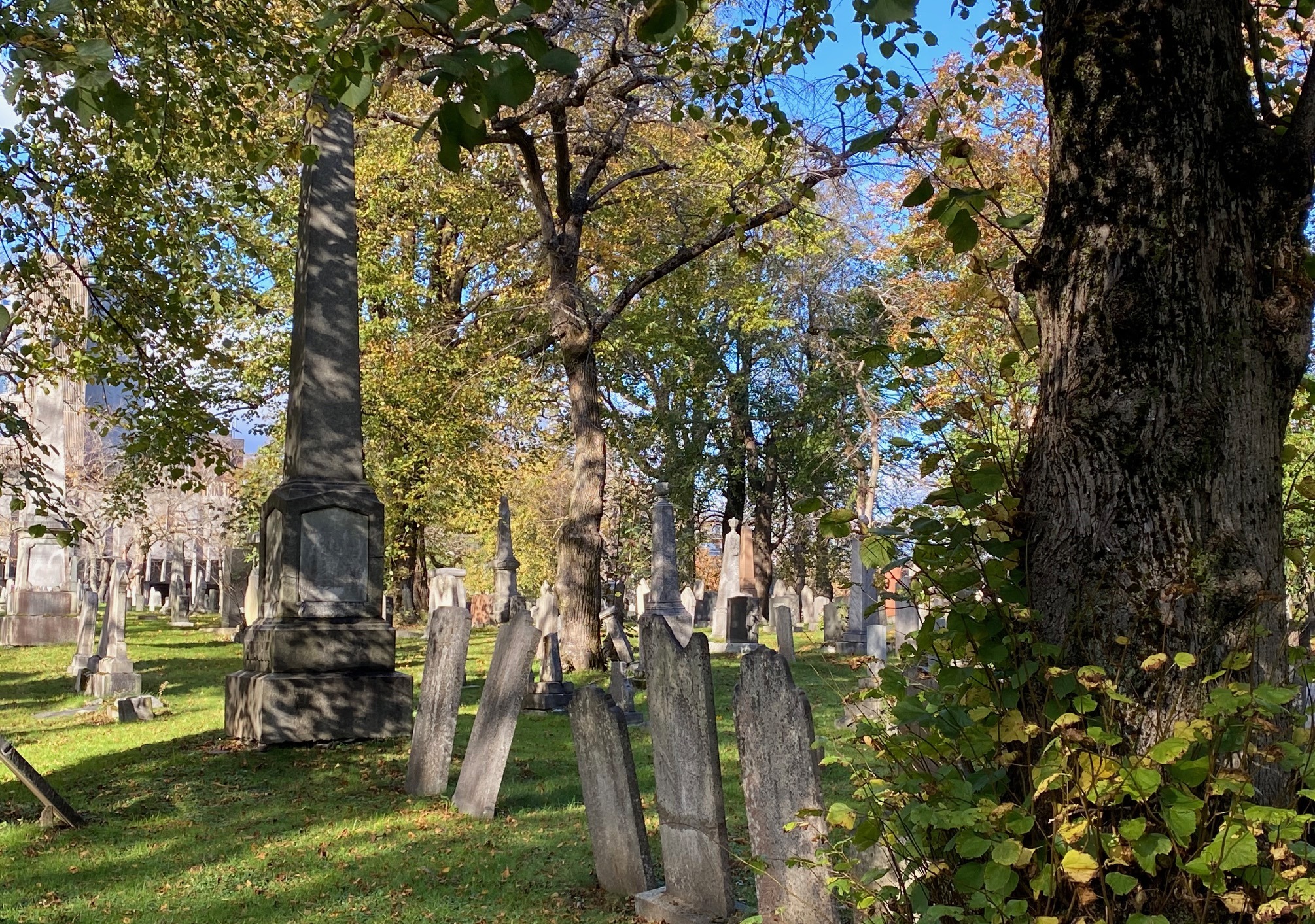
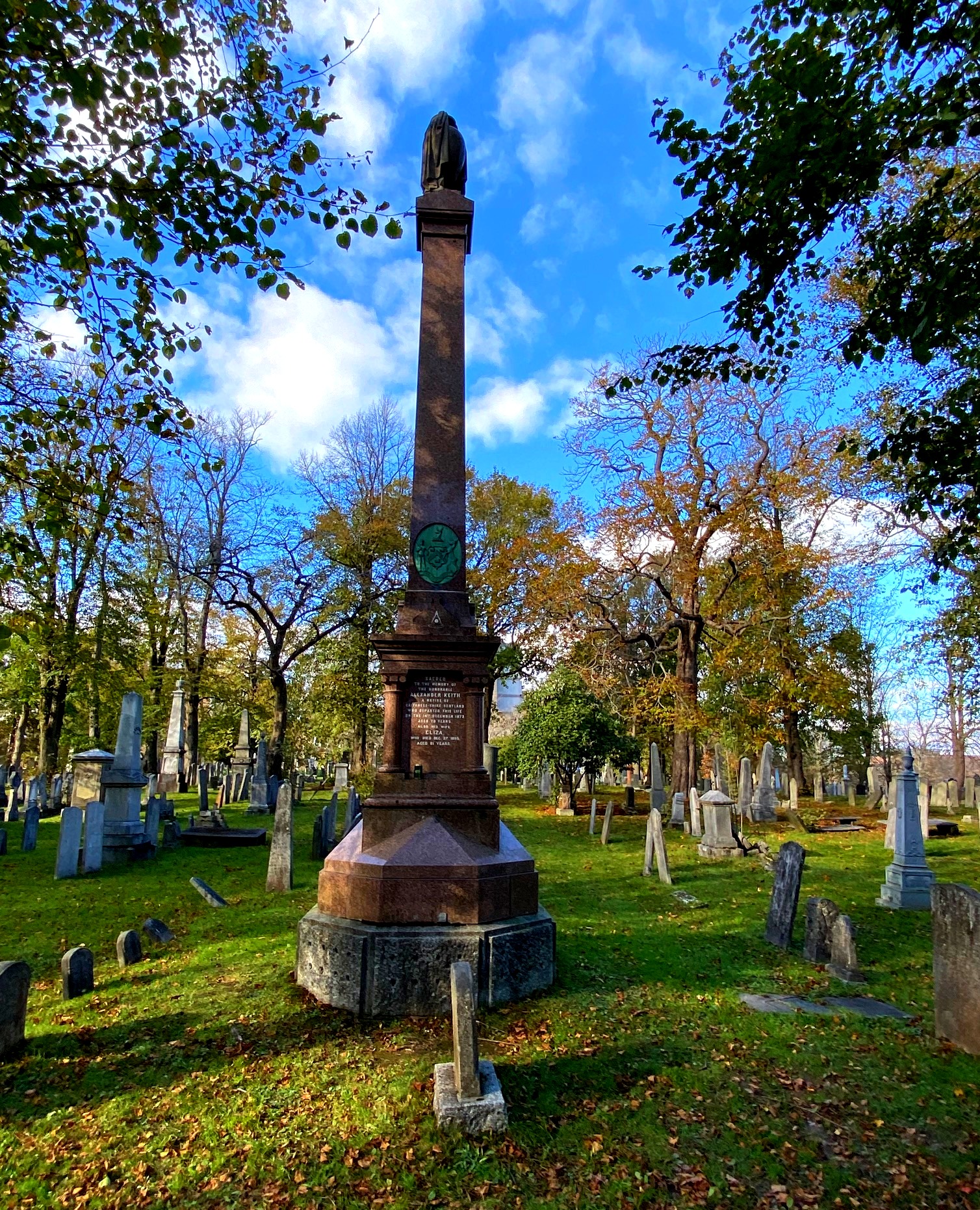
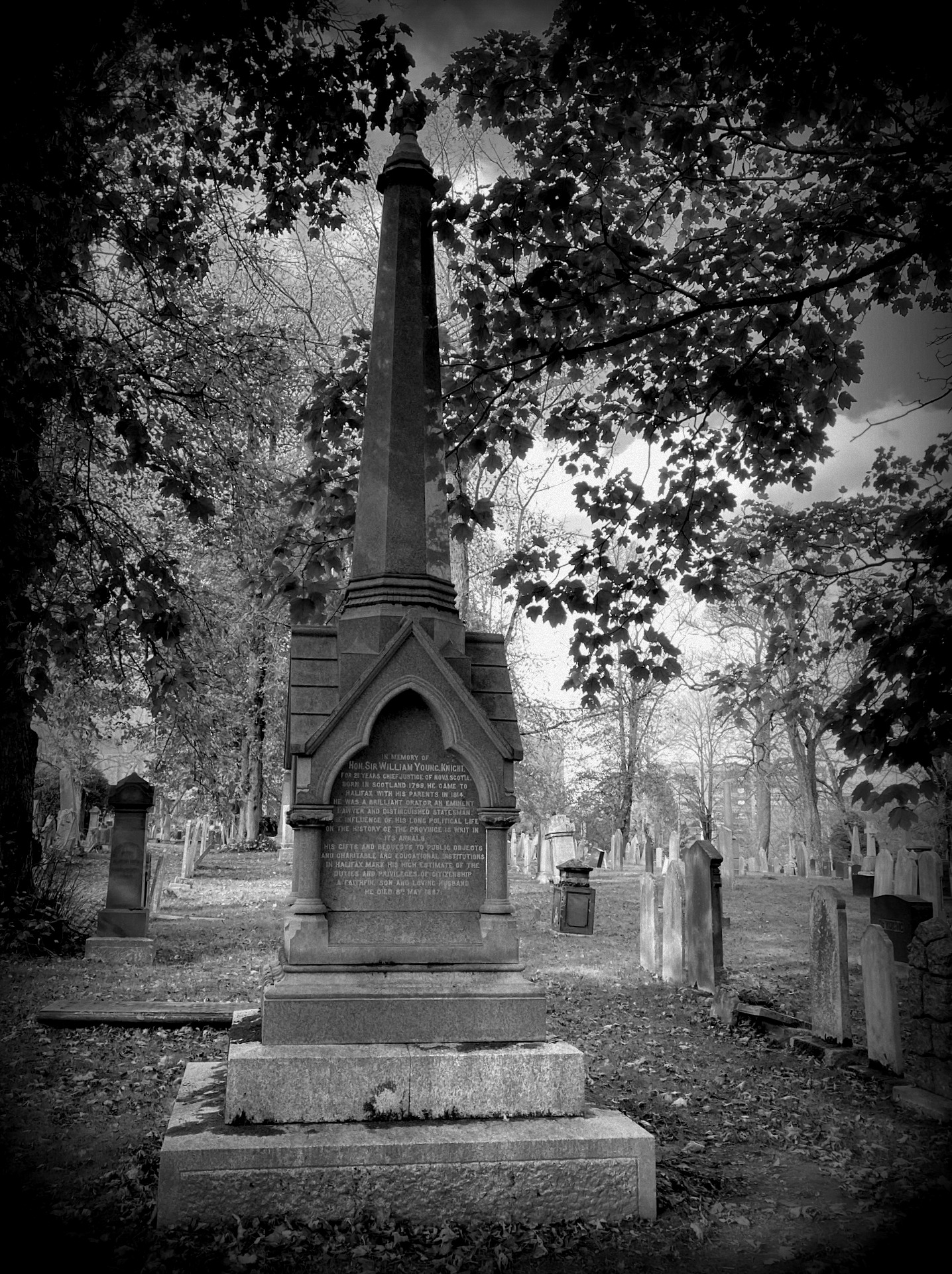
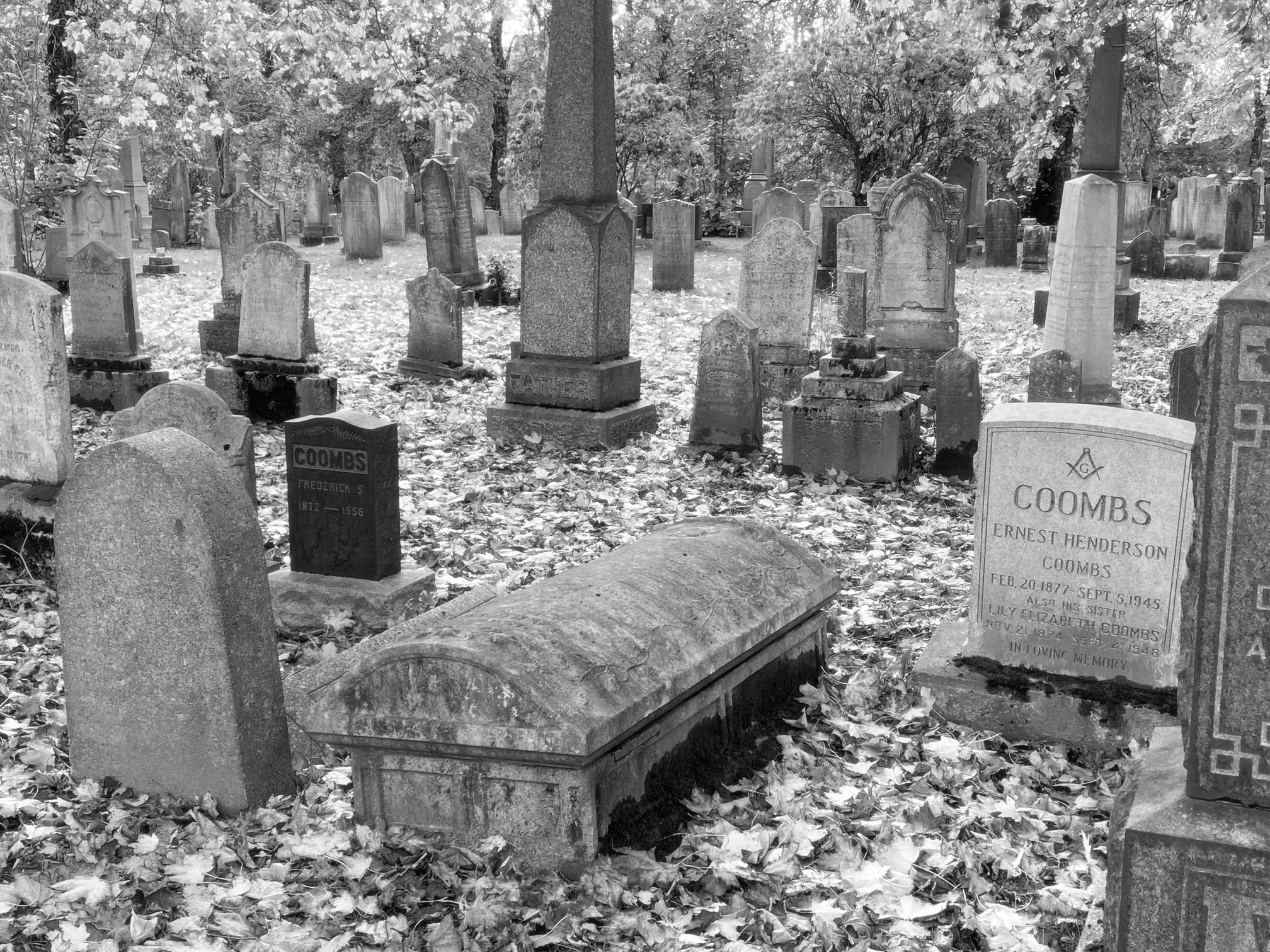
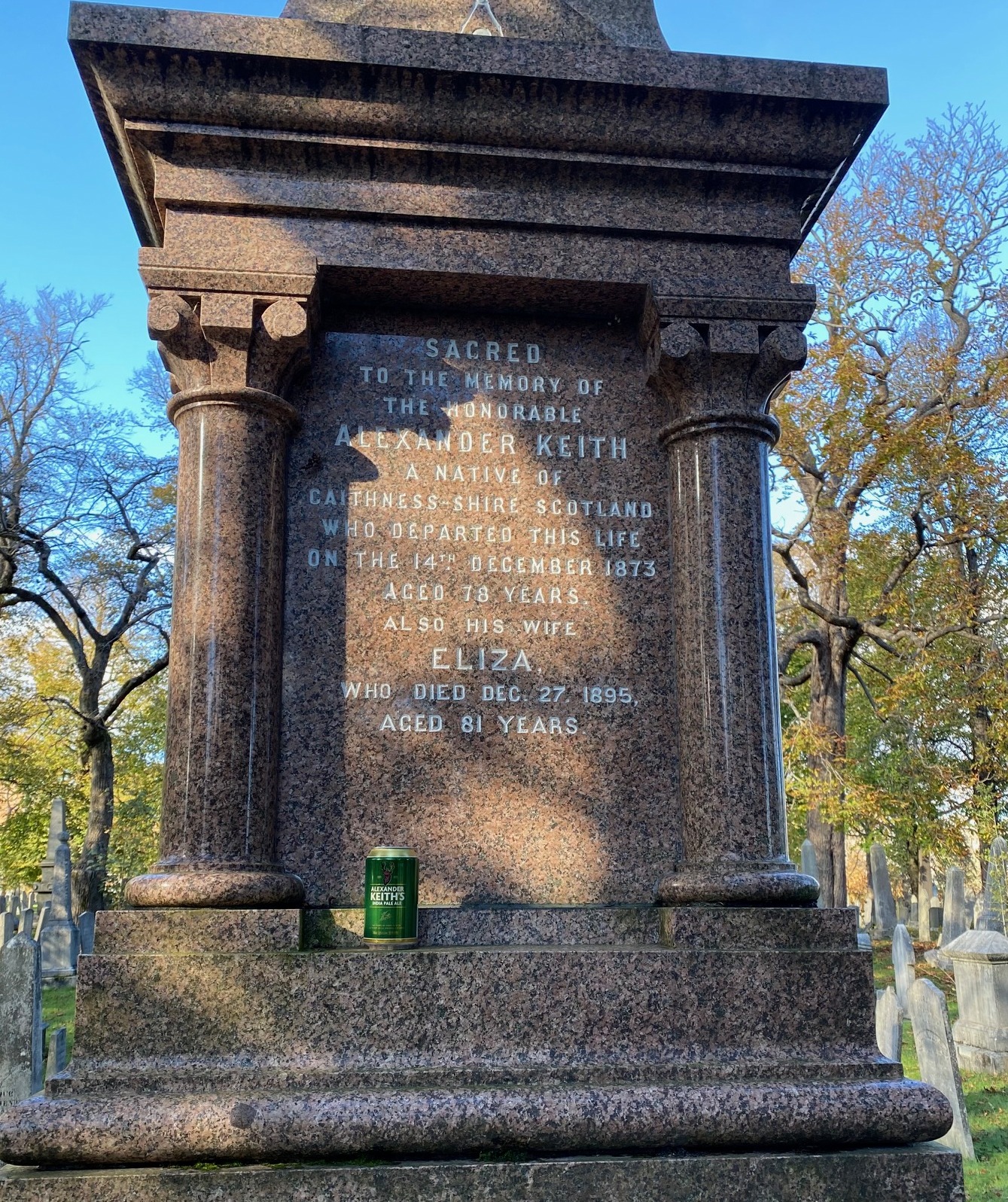
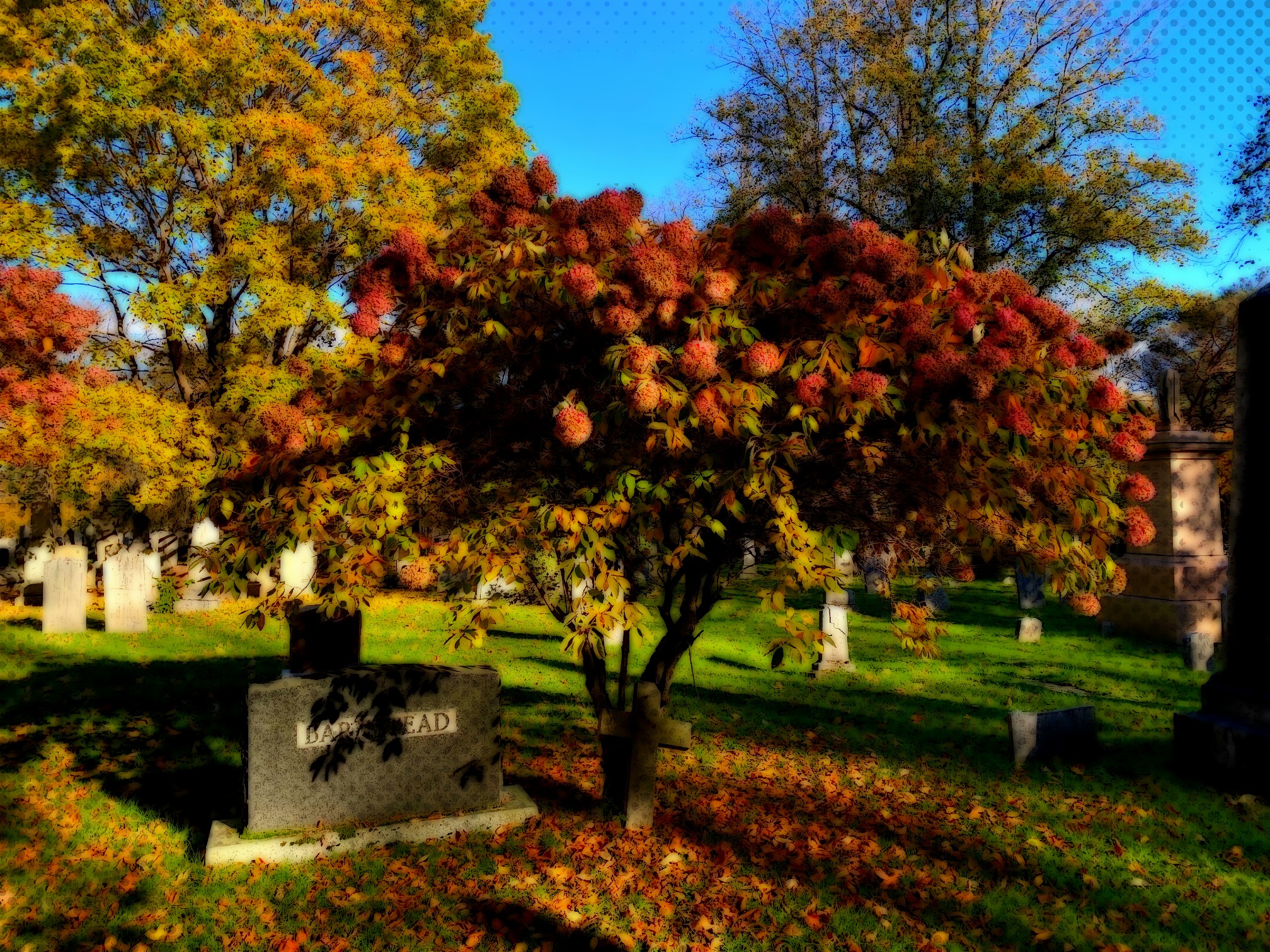
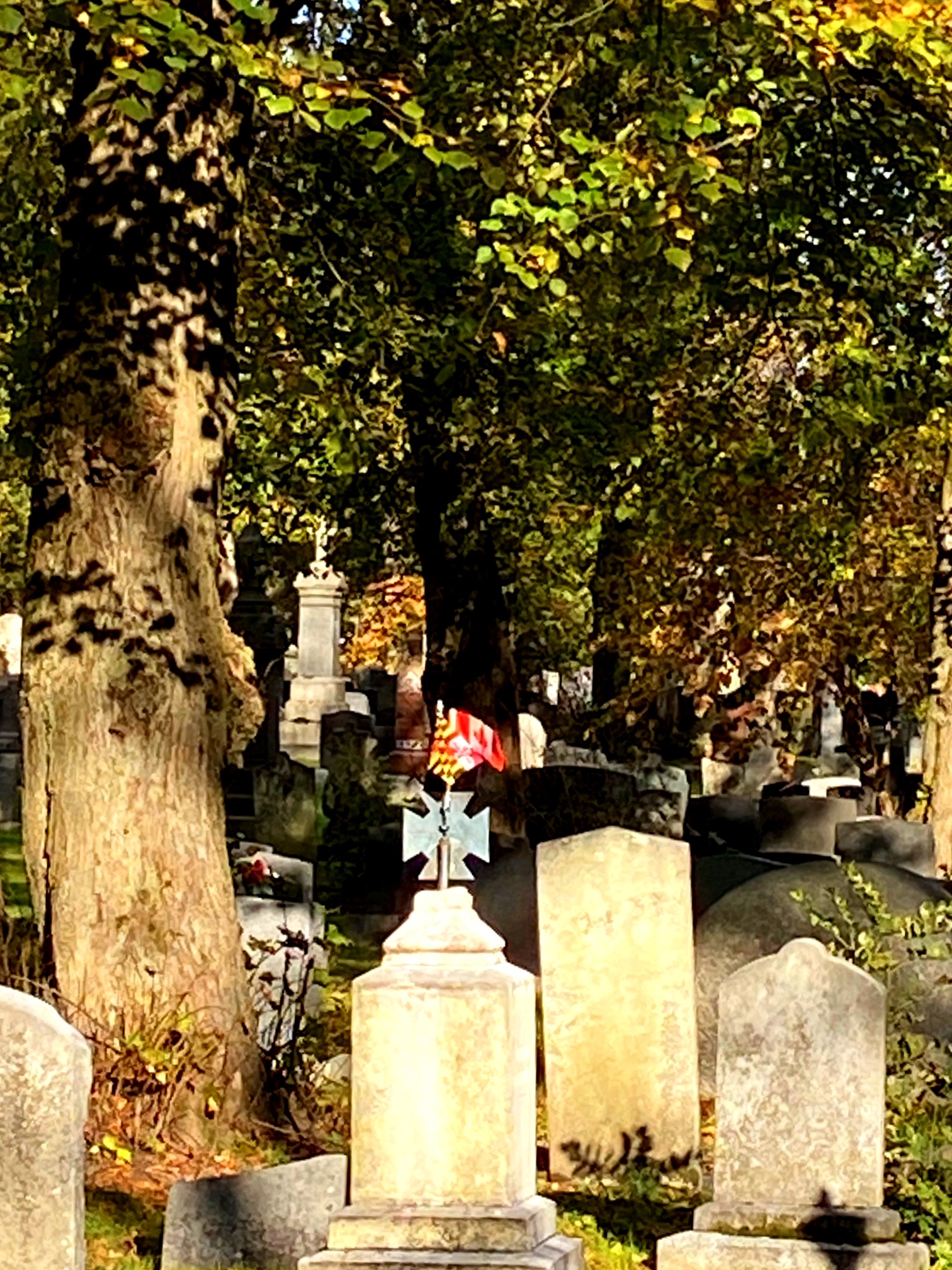
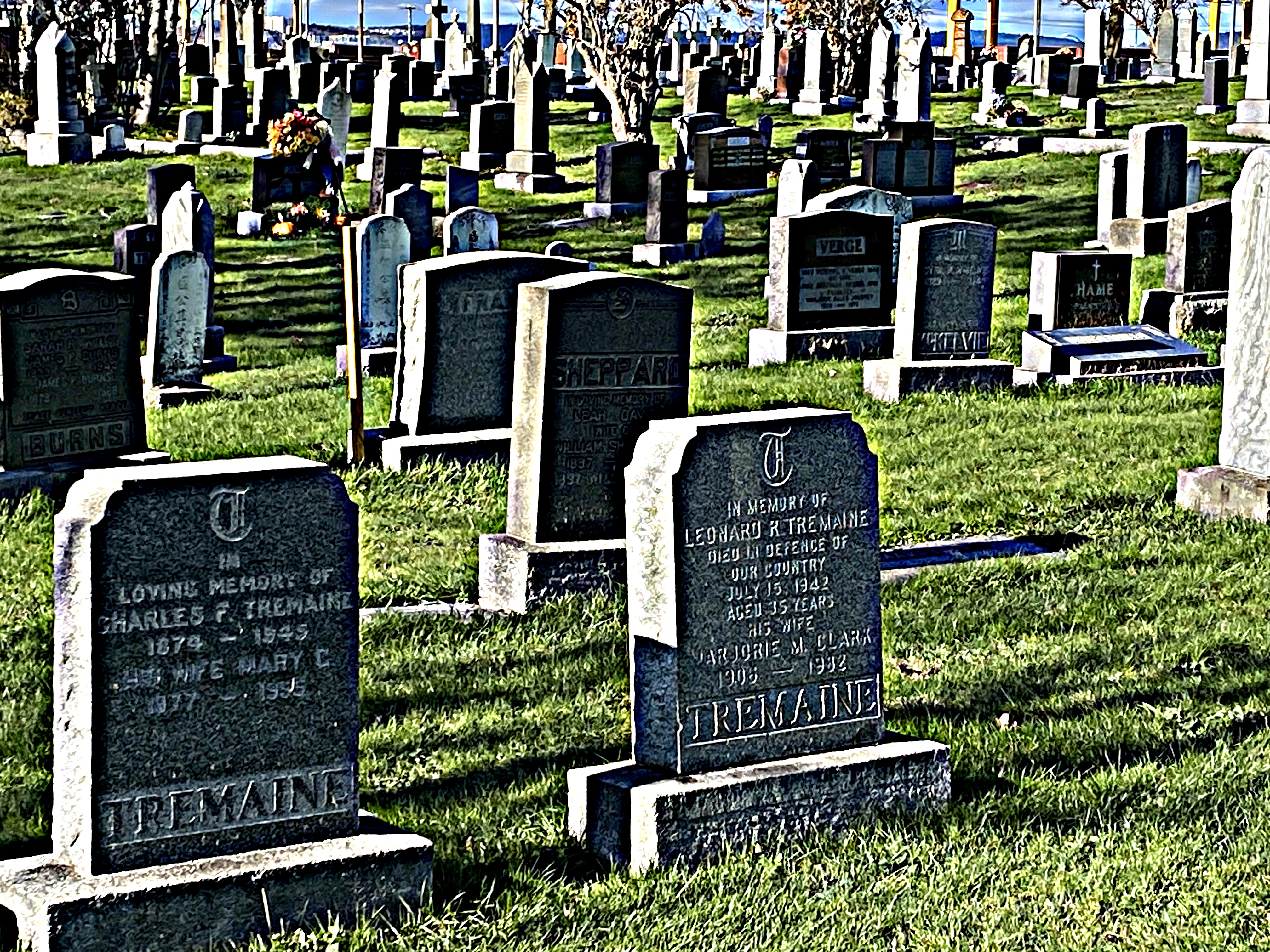
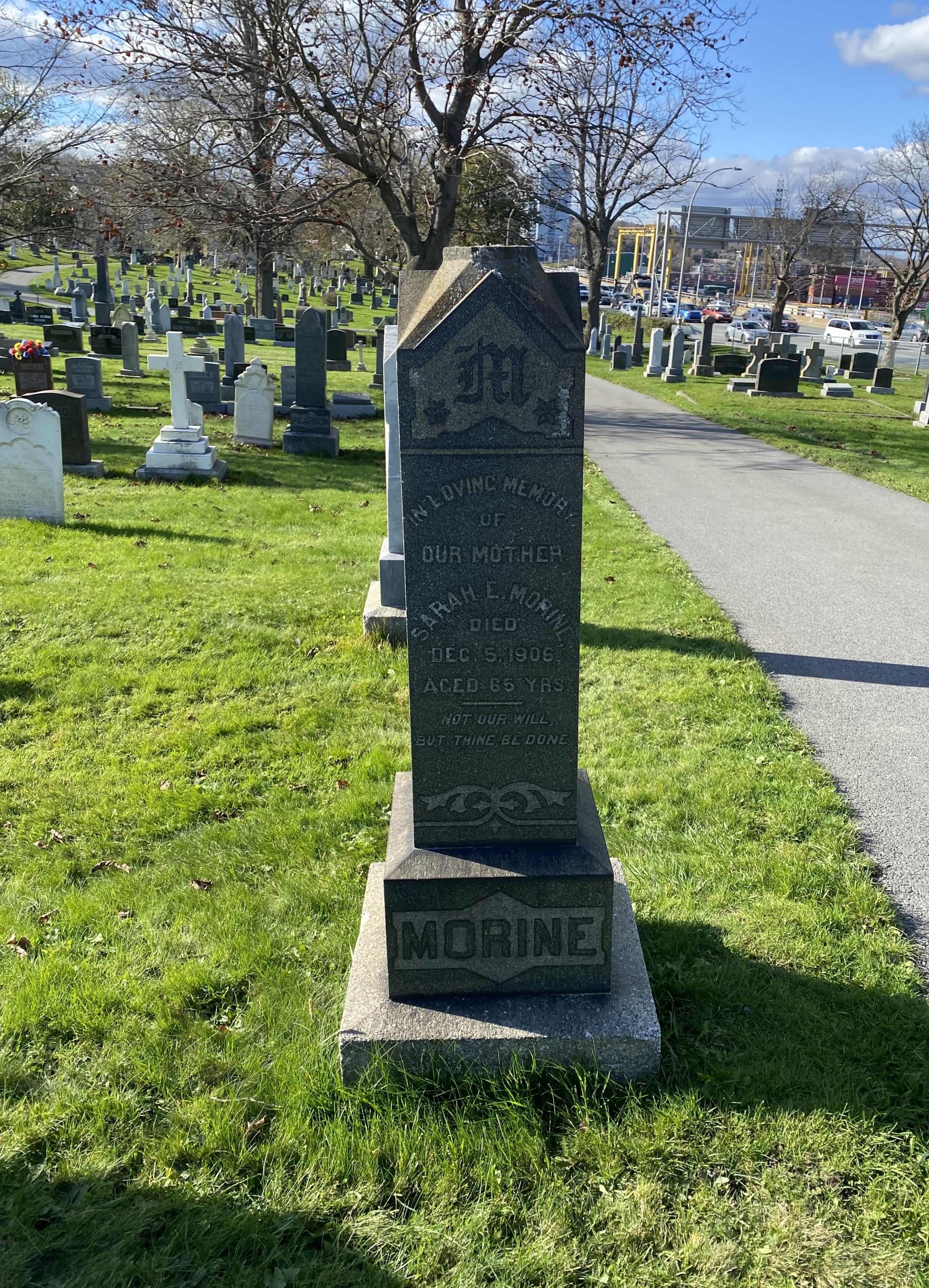
Walk through cemeteries in Halifax. Remembering and reflections.

Walk through cemeteries in Halifax. Remembering and reflections.

About the year 741, Pope Gregory III decided that the 1st of November would be the day of special prayer and observance of all good Christians, who died and were admitted to Heaven. It is the Day of All Saints. Earlier that ritual was observed around the Good Friday prayers. The ancient and still existing Chaldean Church still does it at that time. 

In Poland, over the centuries this observance became a very important and popular movement. Still is. I remember it very well and rather fondly when as a child I would accompany my parents on these pilgrimages to cemeteries, where anyone from our family was buried. The cemeteries at these two days (2 of November is actually the day to remember all good Christians, who – after death – were admitted to heaven. The first of November is reserved only for the remembrance of the Saints of the Church) are still as busy as sports stadiums during important events. There are special buses and extra trains to take thousands of people to the gates of the cemetery. Going by car could be risky as nobody knows where you will find a spot to park. It is also a huge business. Visitors have to buy flower arrangements,  special candles, and other paraphernalia appropriate for that occasion.

I have never known that it is actually only for dead Christians. Would not be surprised if most Poles did not know that. It became a part of our national folklore.  I always remember that day even in Canada. For more than forty years. Always at least a moment of somber thought, of remembering. With age – I too have lost people in Canada, who were close: friends, with time family members.  Since we came to Nova Scotia I used to go every November 1st to Pictou, to light a candle and lay some flowers at the grave of my parents-in-law, Leona and Doug.  I left the Church a long time ago but that observance is still important to me. It is paying respect to those you have loved or respected. In one form or another Fall was always part of such remembering for many nations and people well before Christianization. It is somehow part of our humanity. From time immemorial.

Will not be able to go tomorrow, as I work (in Poland it is a National Holiday, after all, you could have more than one cemetery to visit, often in different cities) but I will be going there at least once in the last week of November. Within one year I have buried there, on my parents-in-low plot, two people. First, something I still have not come to terms with – I laid to rest the ashes of my Love, my Life, my Air to breathe, my dear husband, John. At the grave site, I stood with his siblings: a sister and two brothers, who came from Calgary. Now, almost a year later I stood there again, next to my sister-in-law and only one brother-in-law. The other one we were saying our last goodbye to. The sadness is hard to describe.

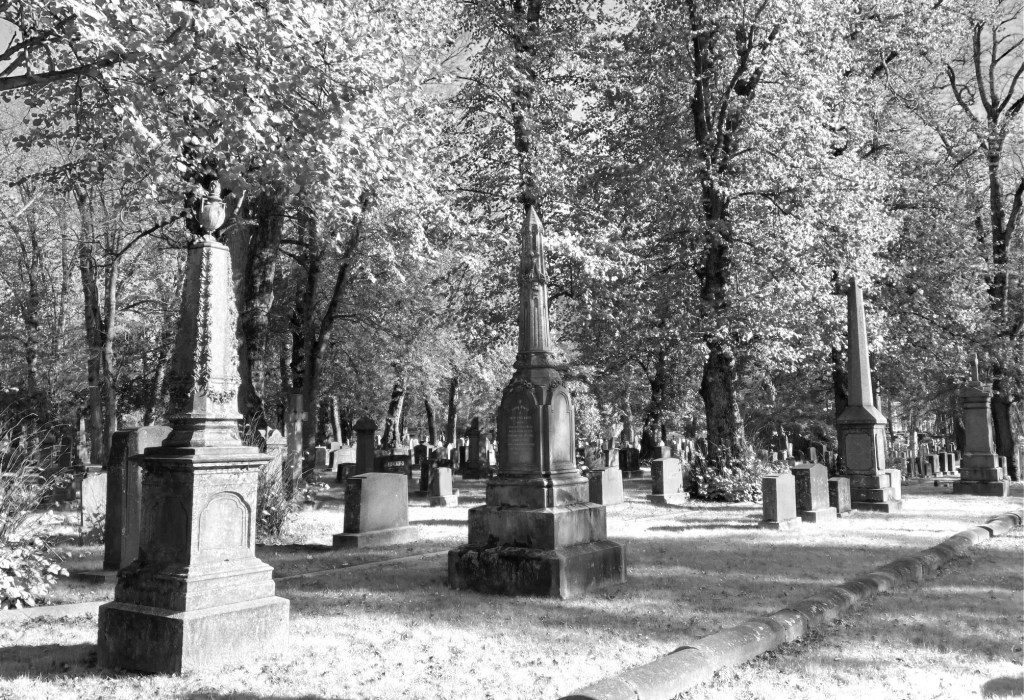
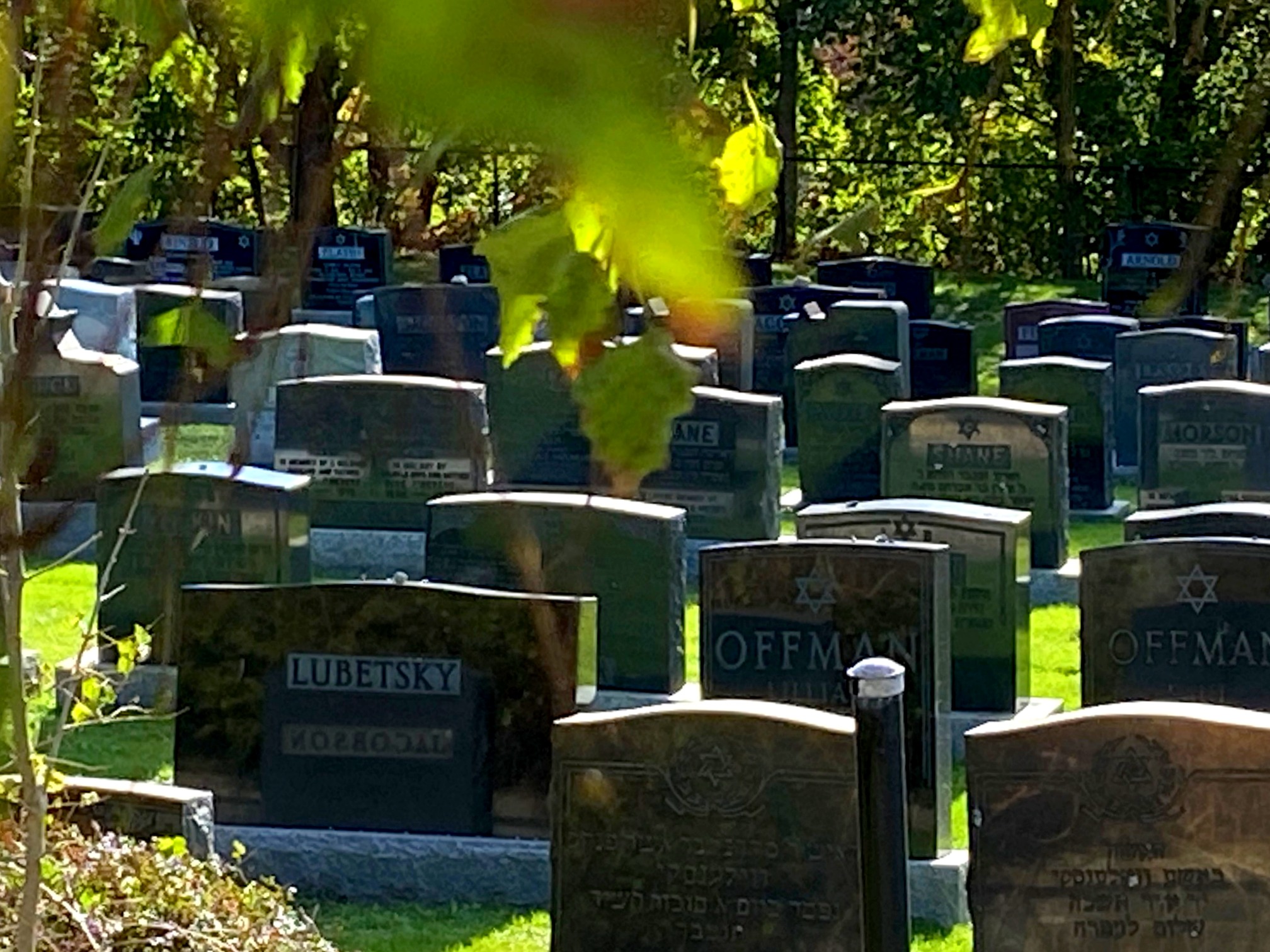
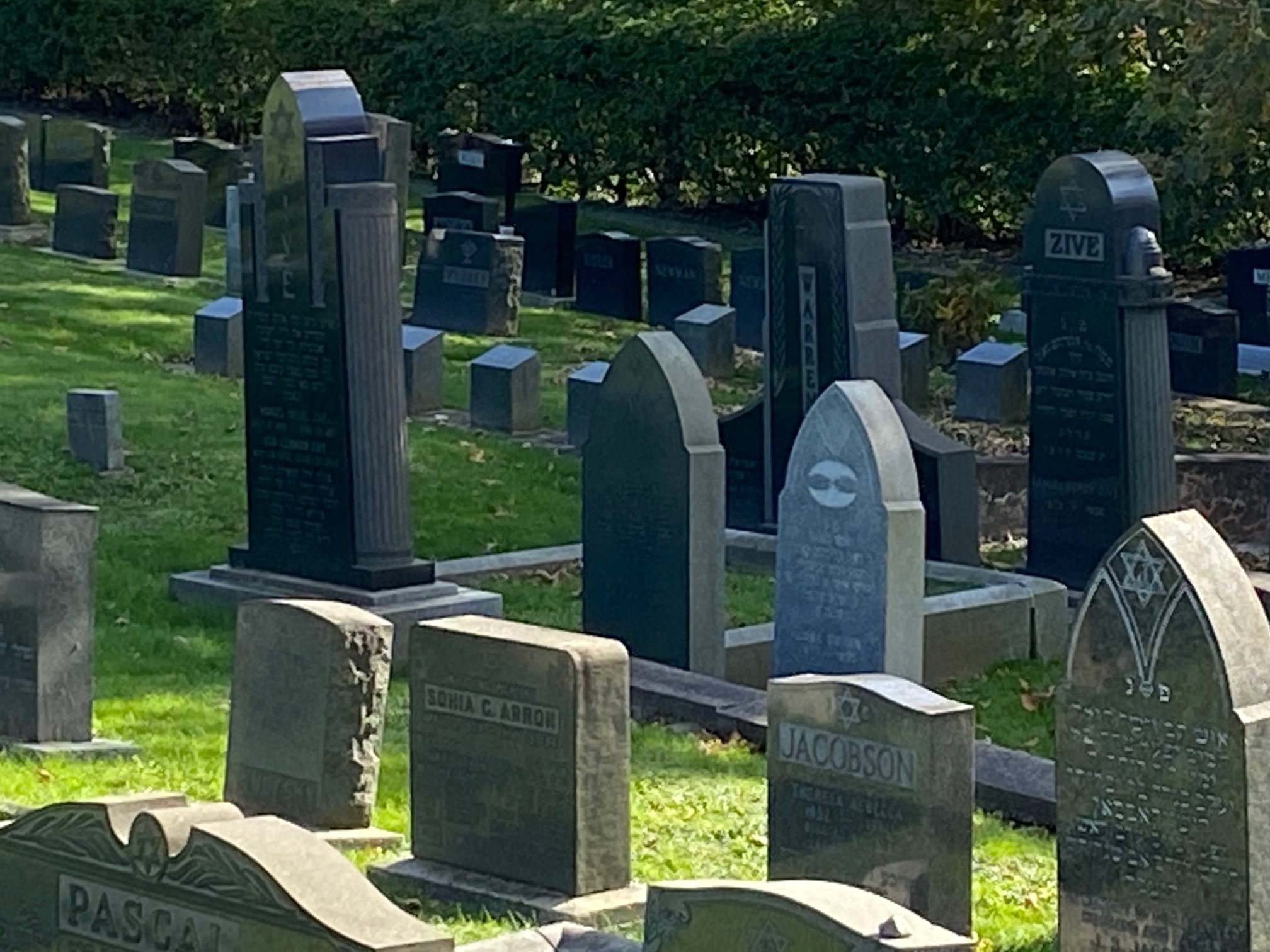
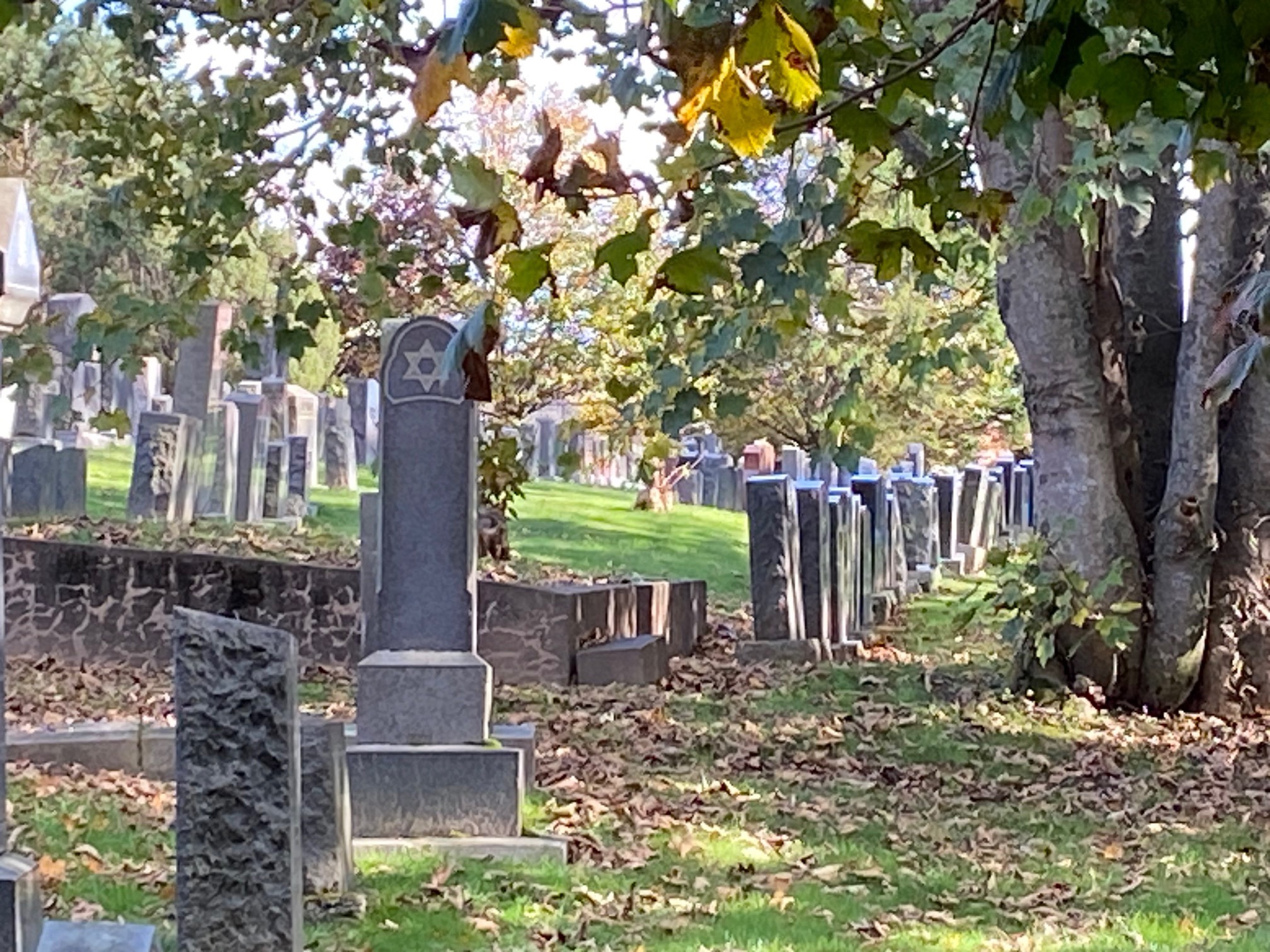
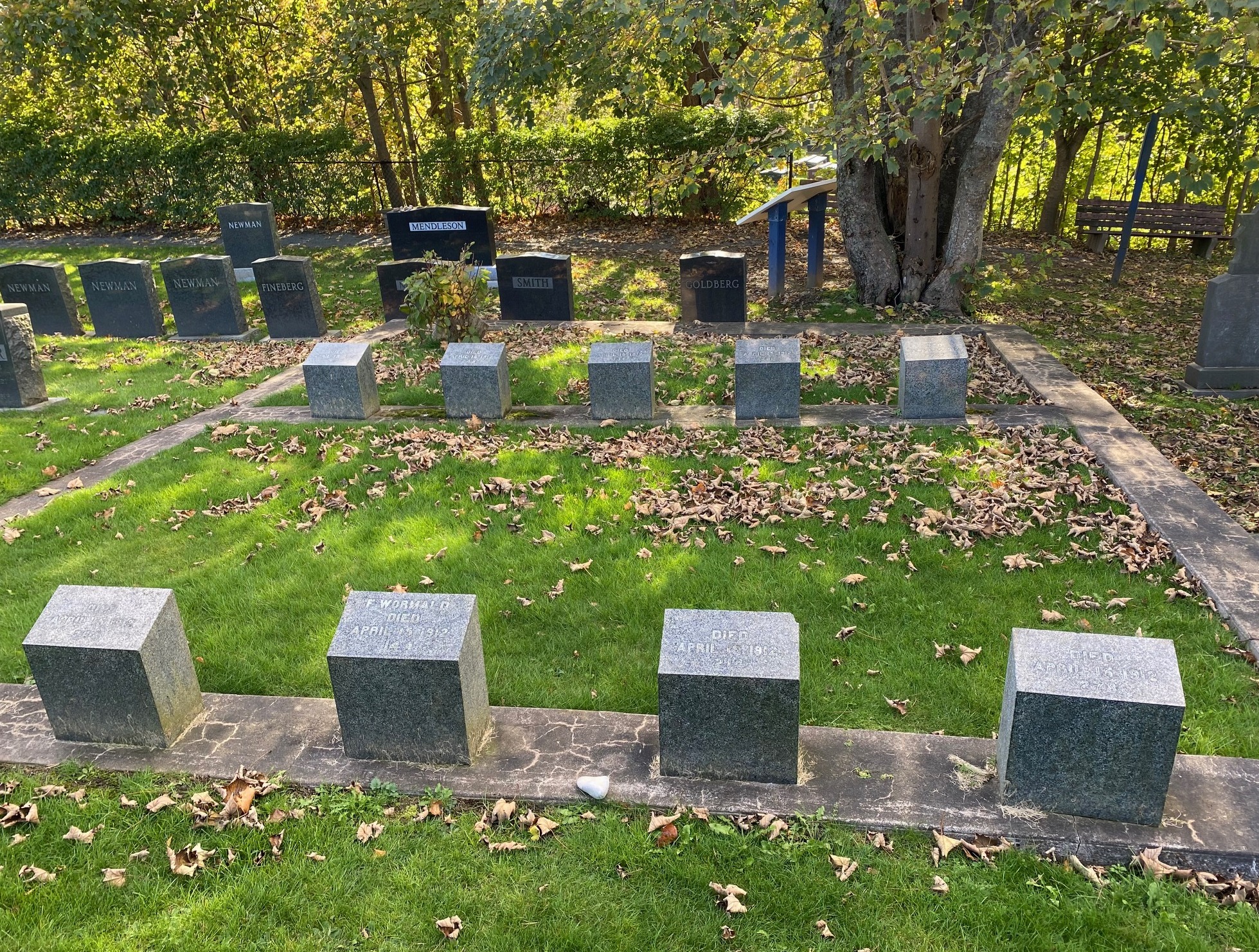
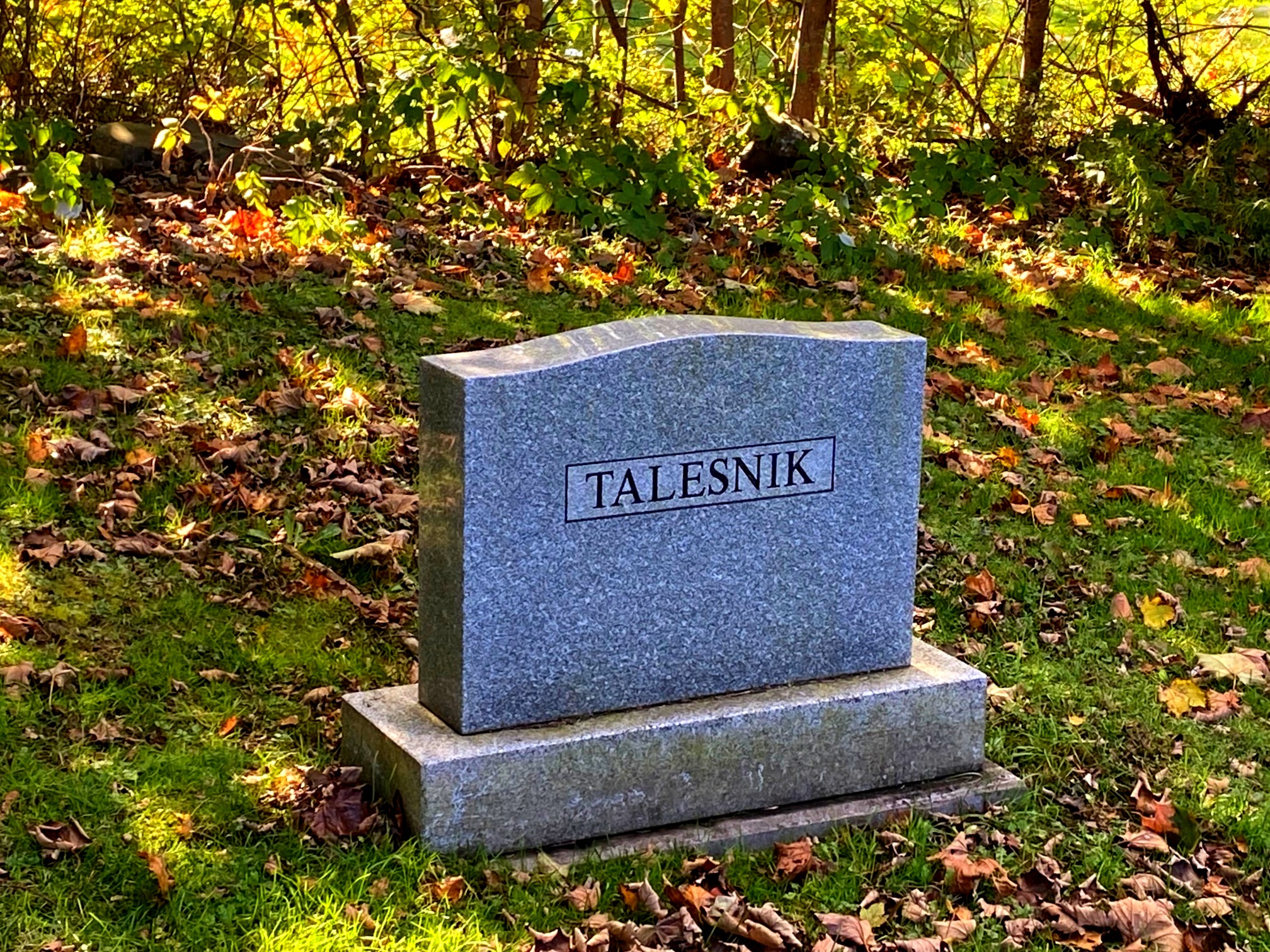
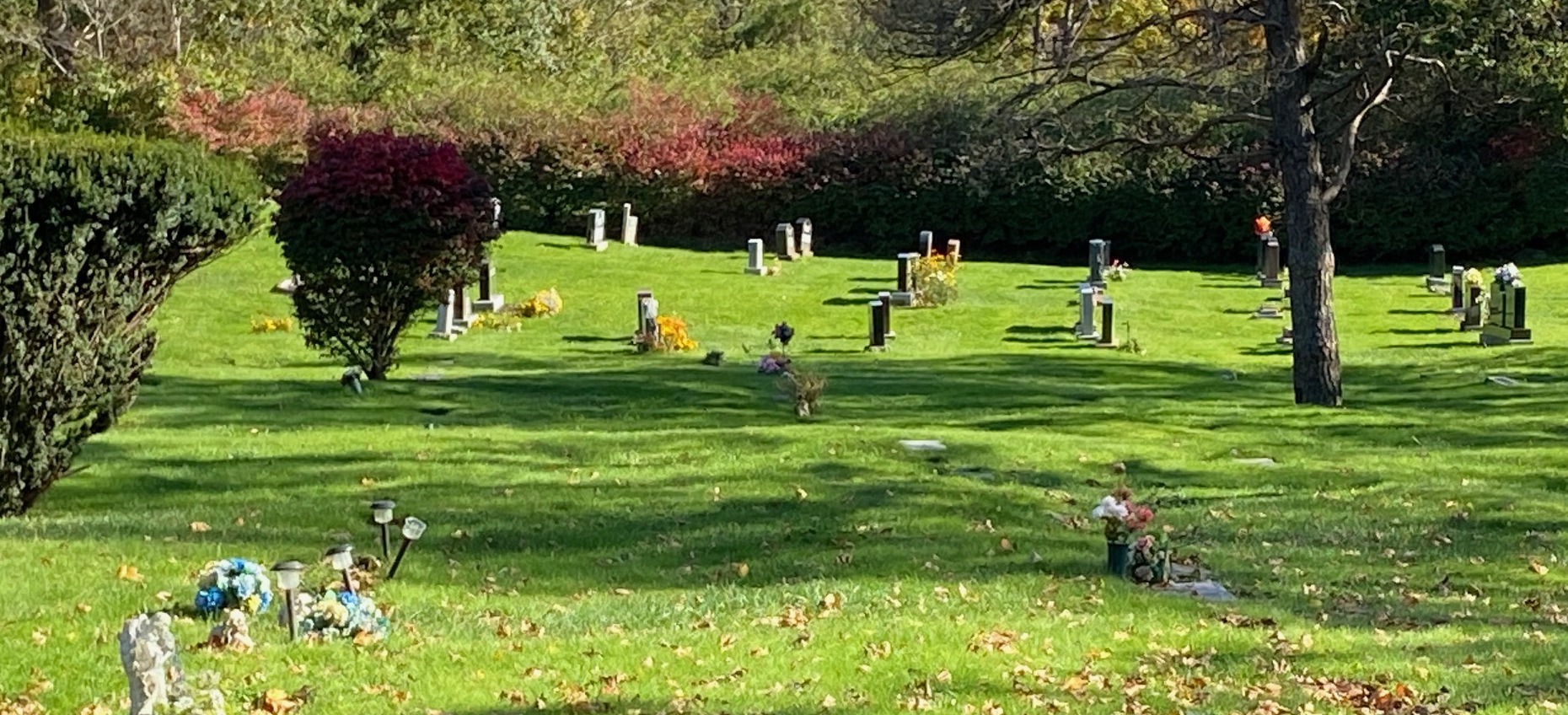
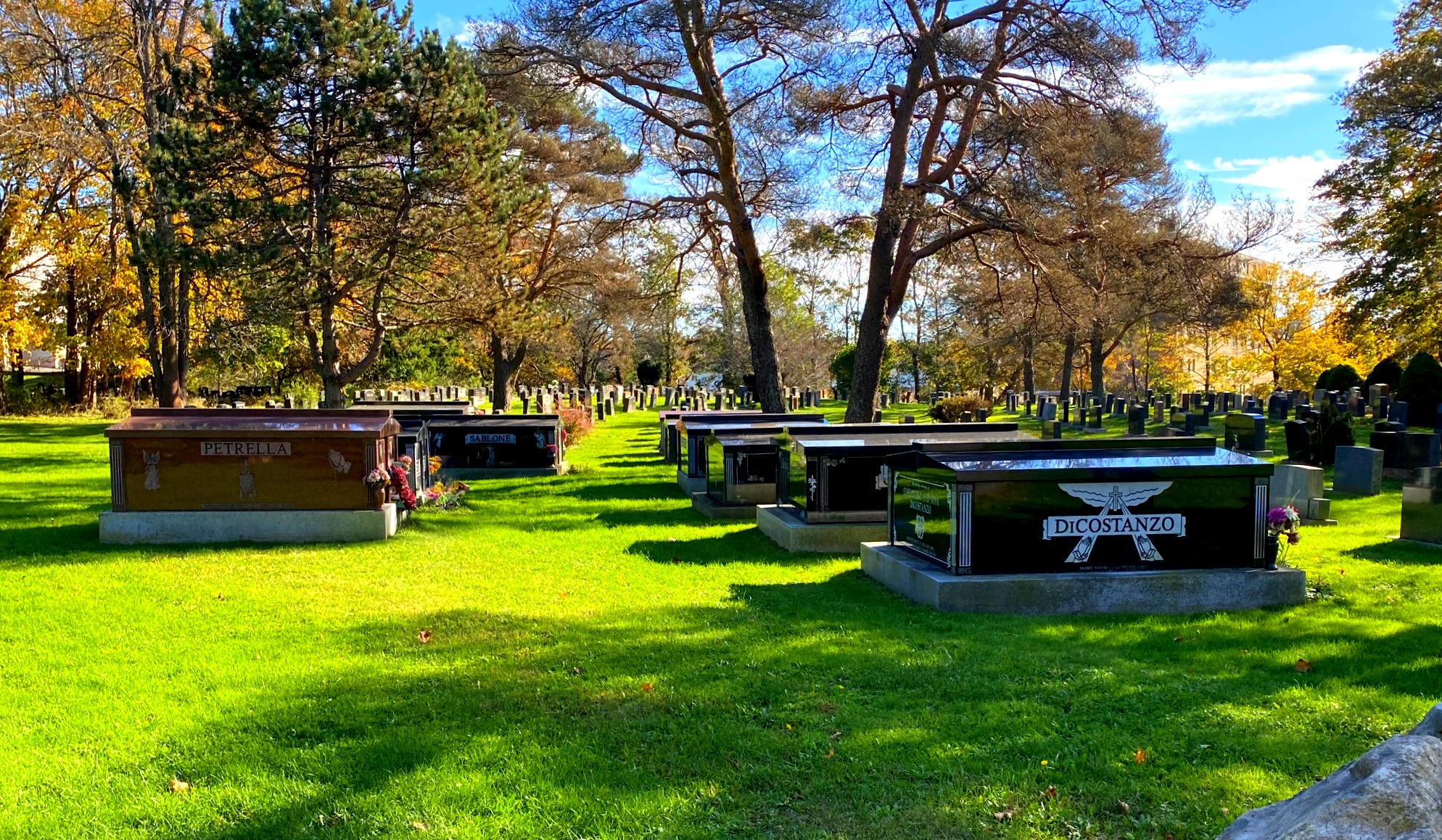
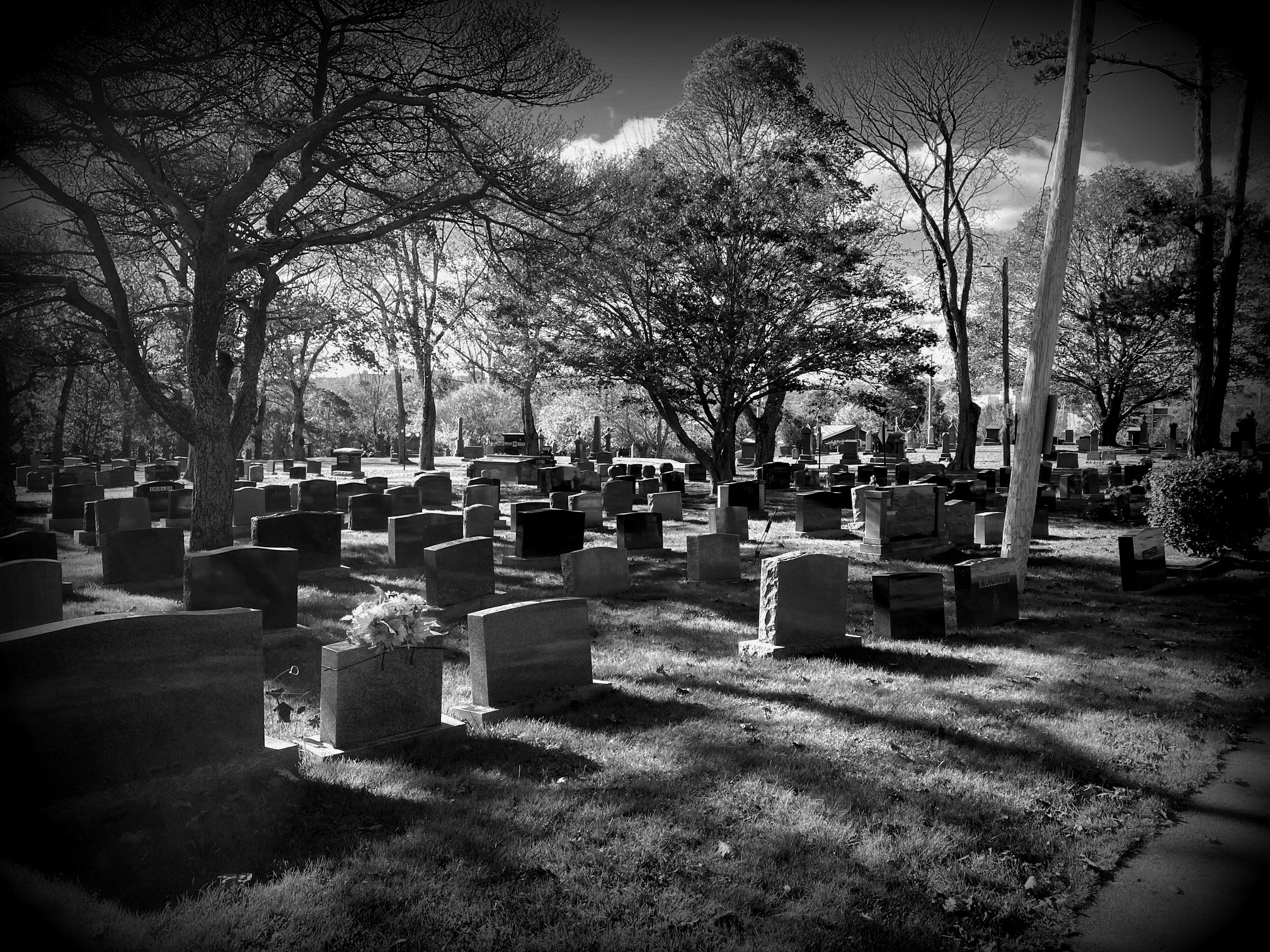
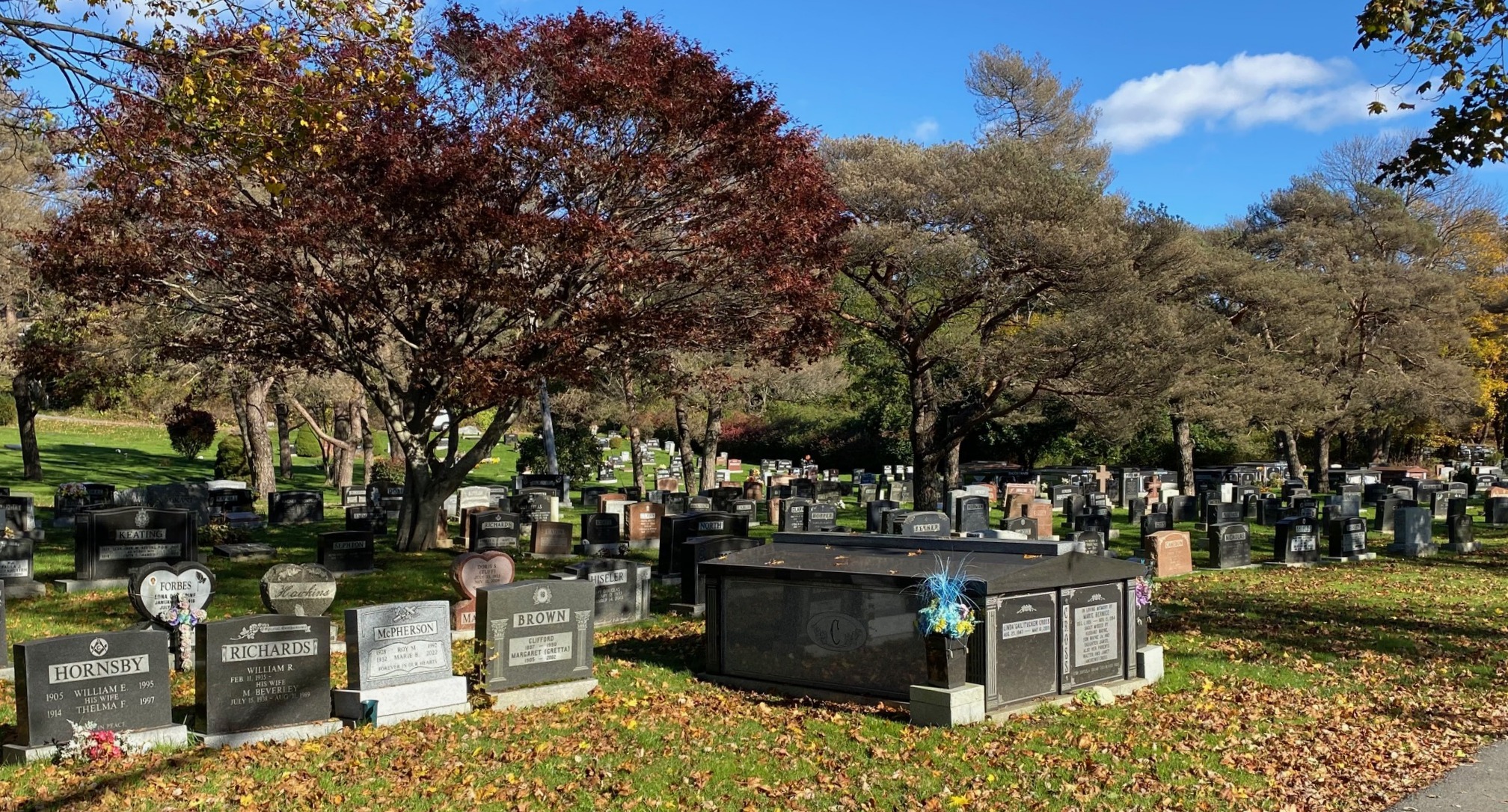
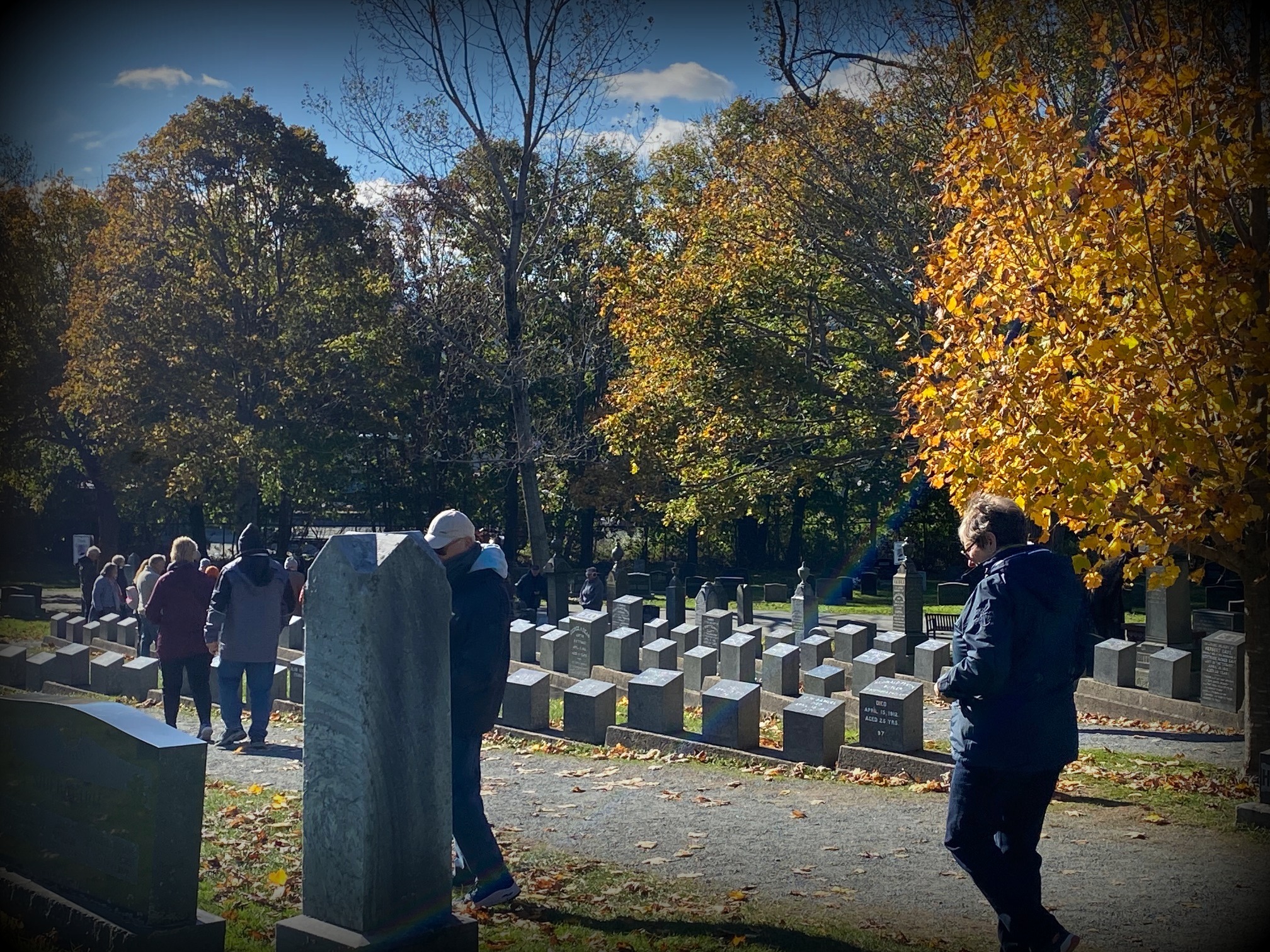
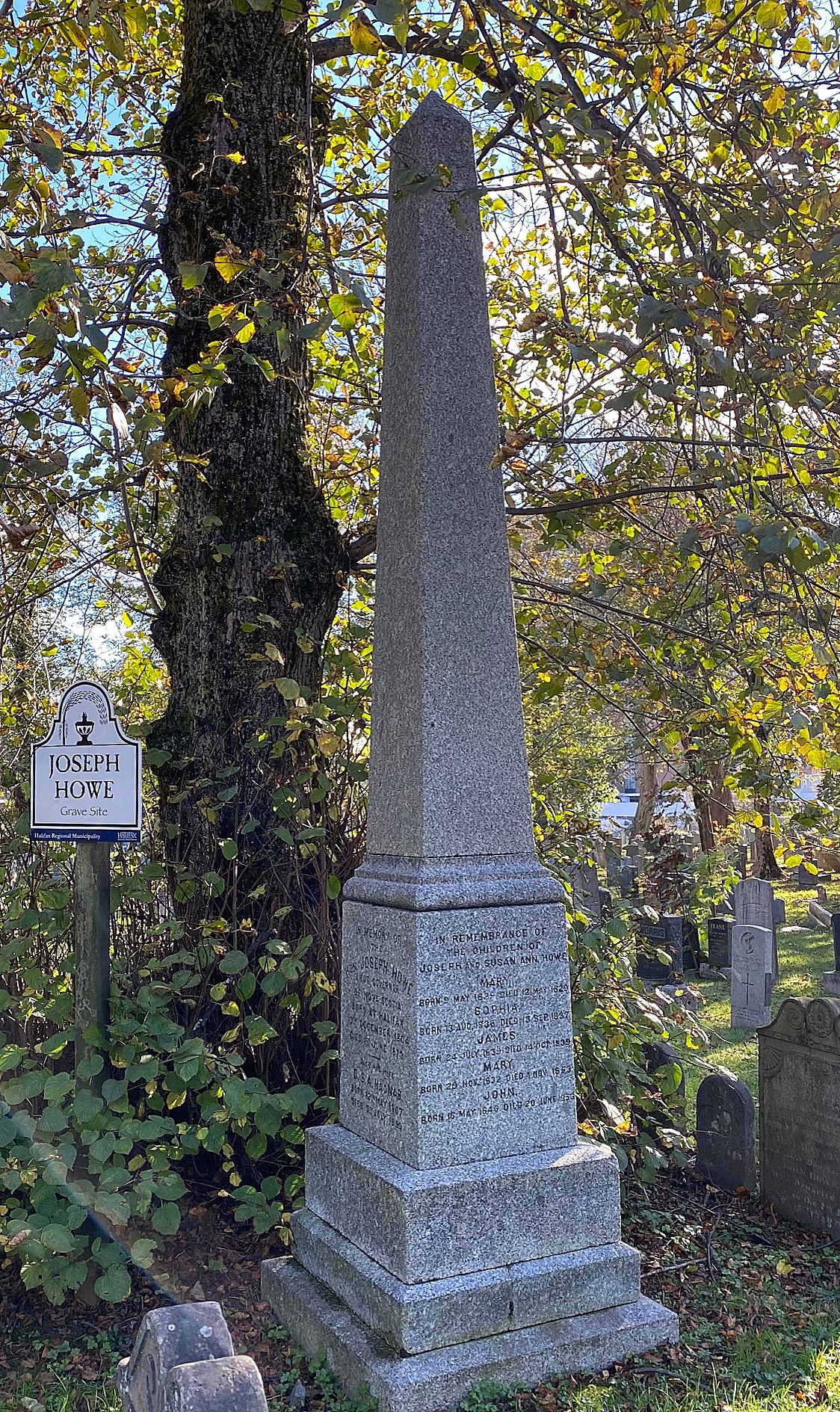
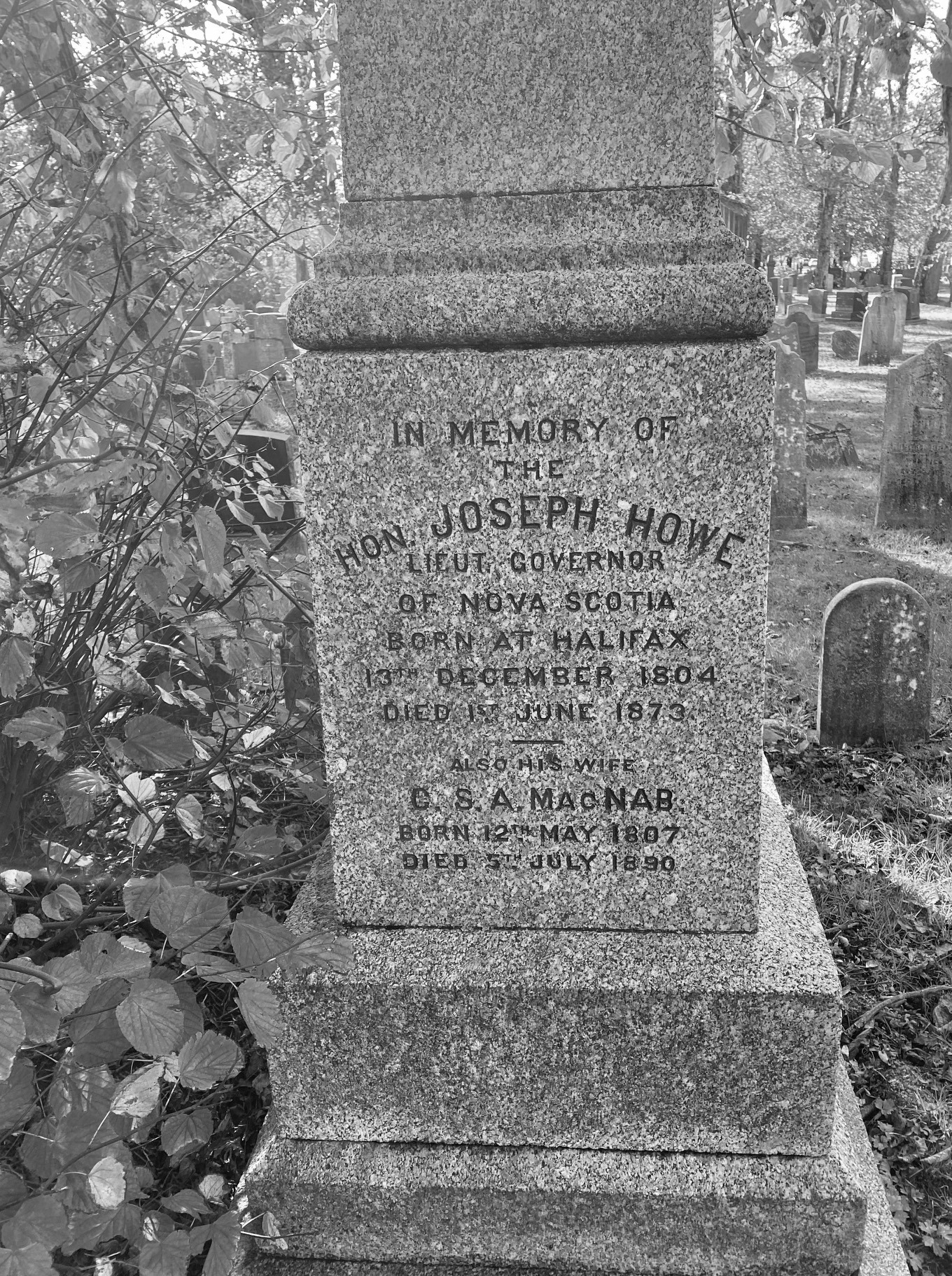
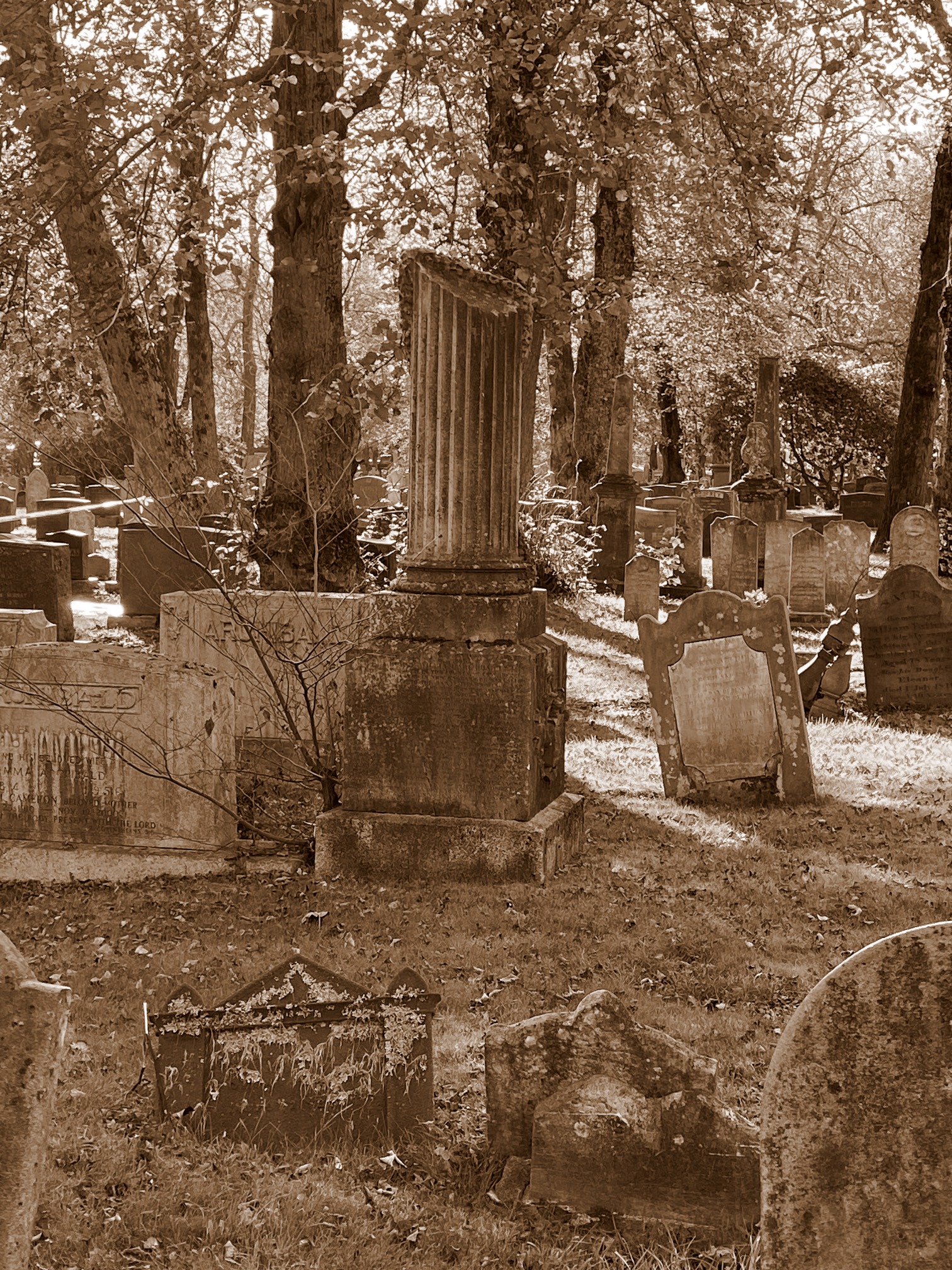
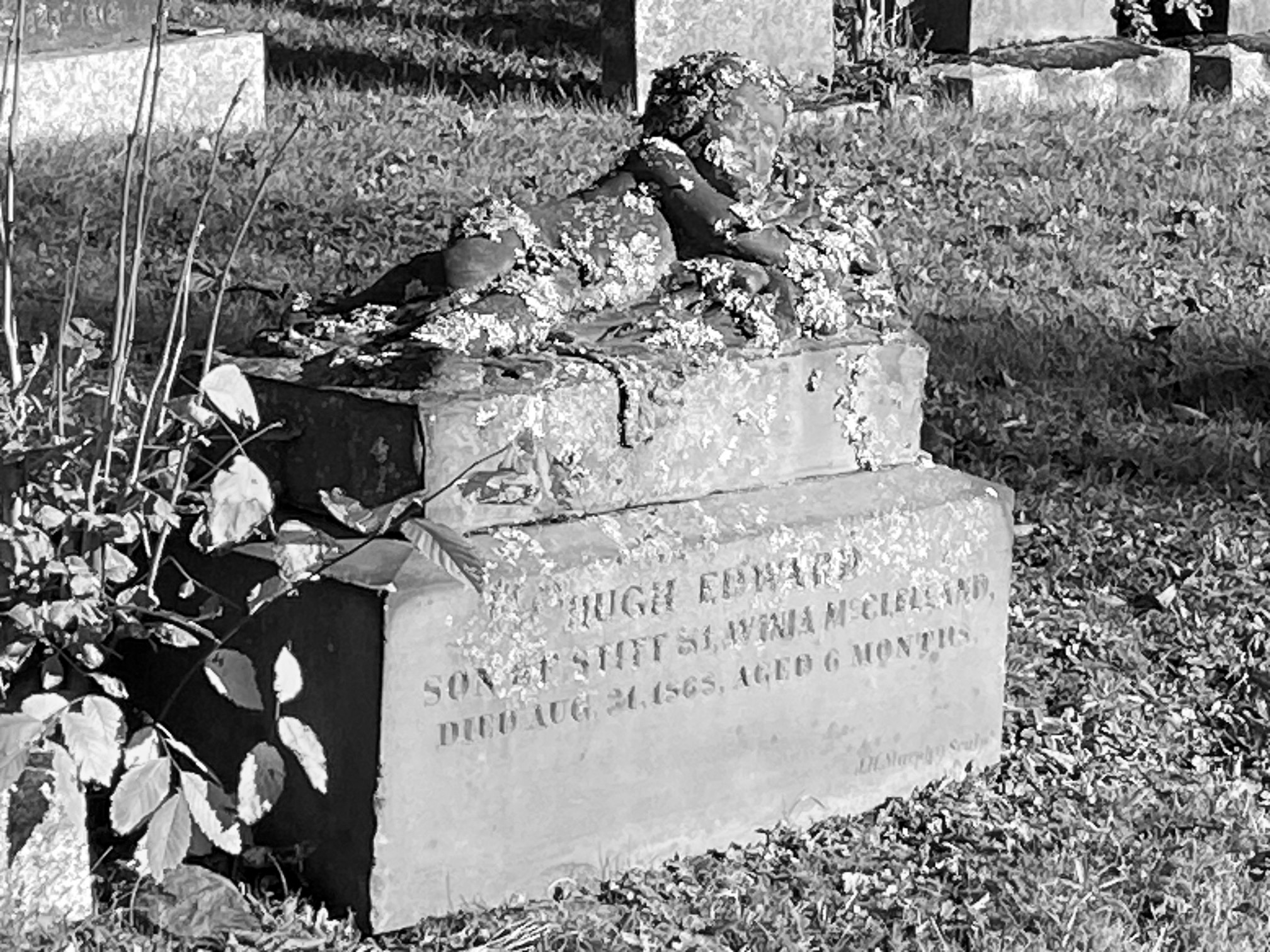
Today in Halifax was a nice day. Rather cold but sunny weather.  Decided to visit special places in this city. Places full of someone’s memories, full of sad but often beautiful memories, of love that was, friendship that flourished. Very important people, perhaps national heroes, maybe well-known personalities, and a lot of ordinary people, some gone a long time ago, some with no family left, who would visit them. Our cemeteries. Went to the famous one with Titanic’s small graves (Fairview Lawn Cemetery) and the huge cemetery downtown, next to the Public Gardens (Camp Hill Cemetery).
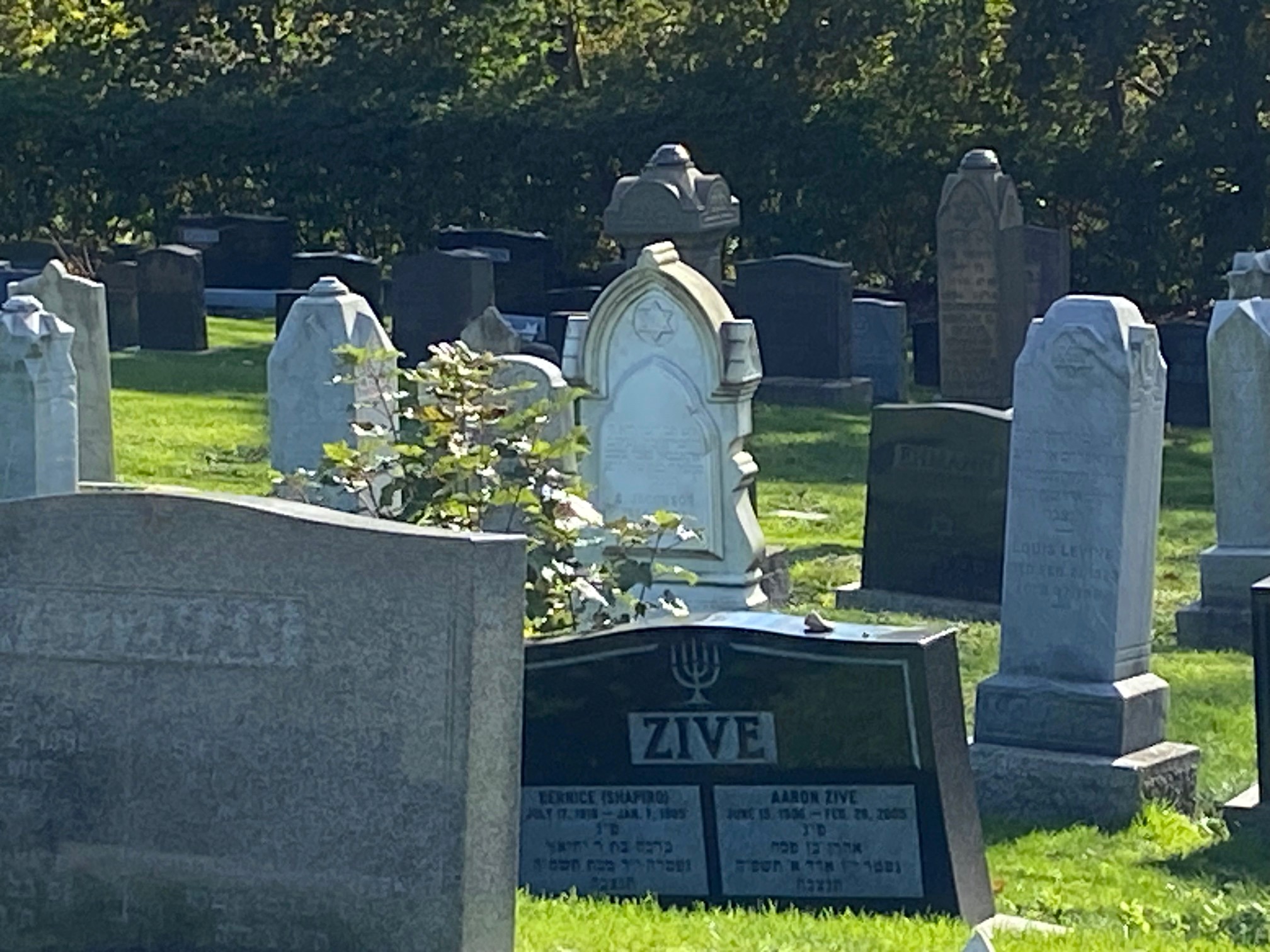
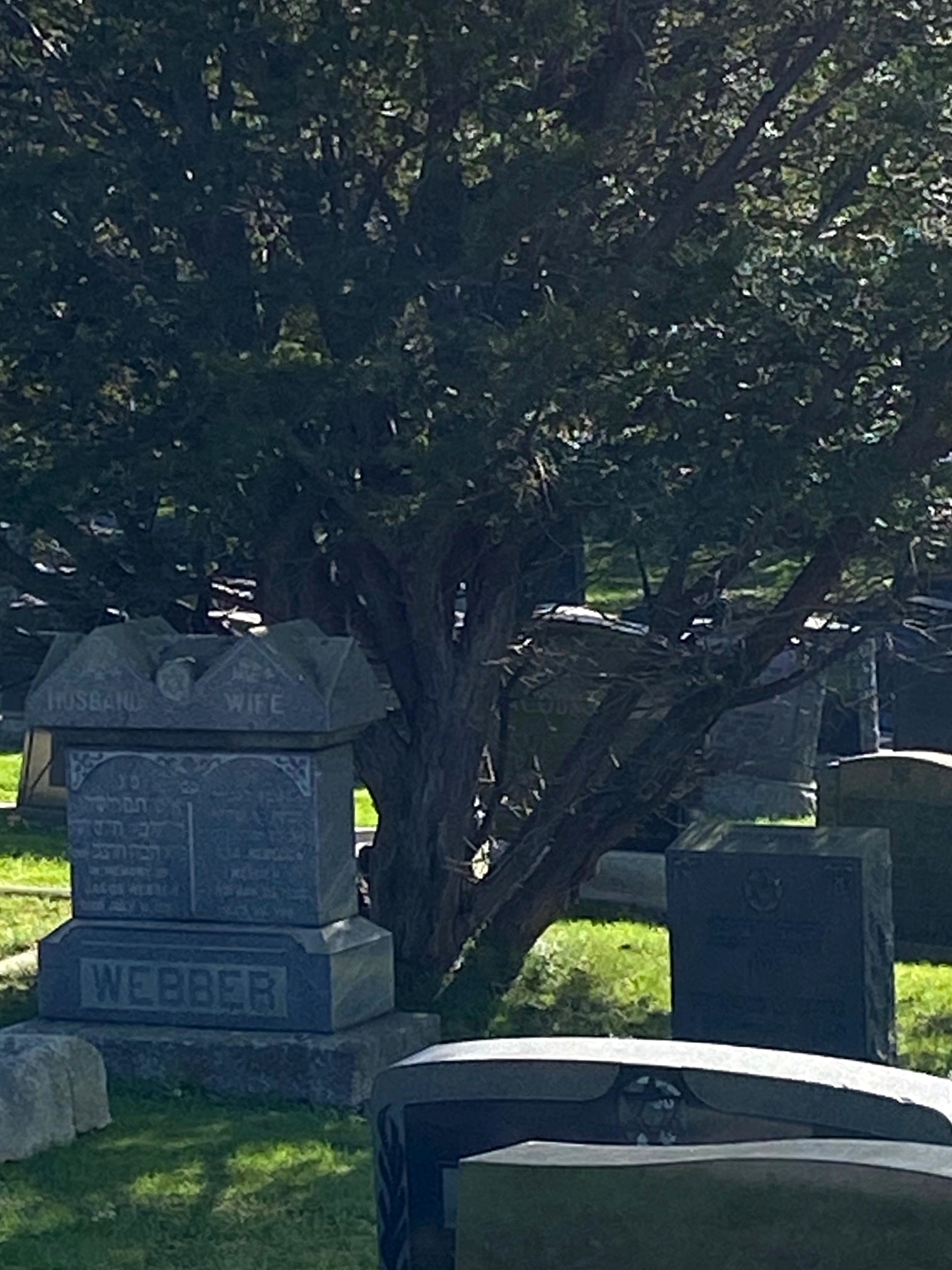
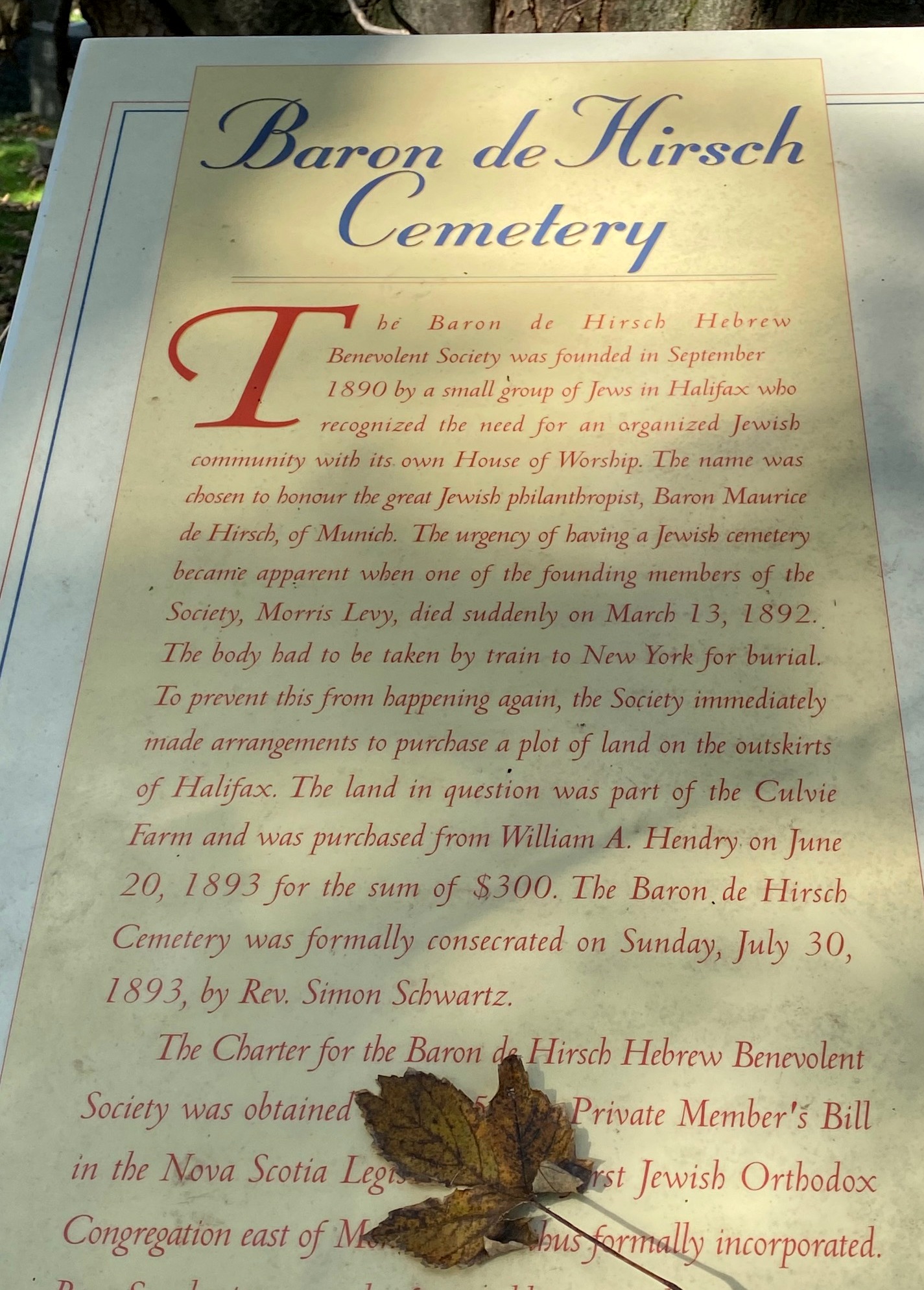
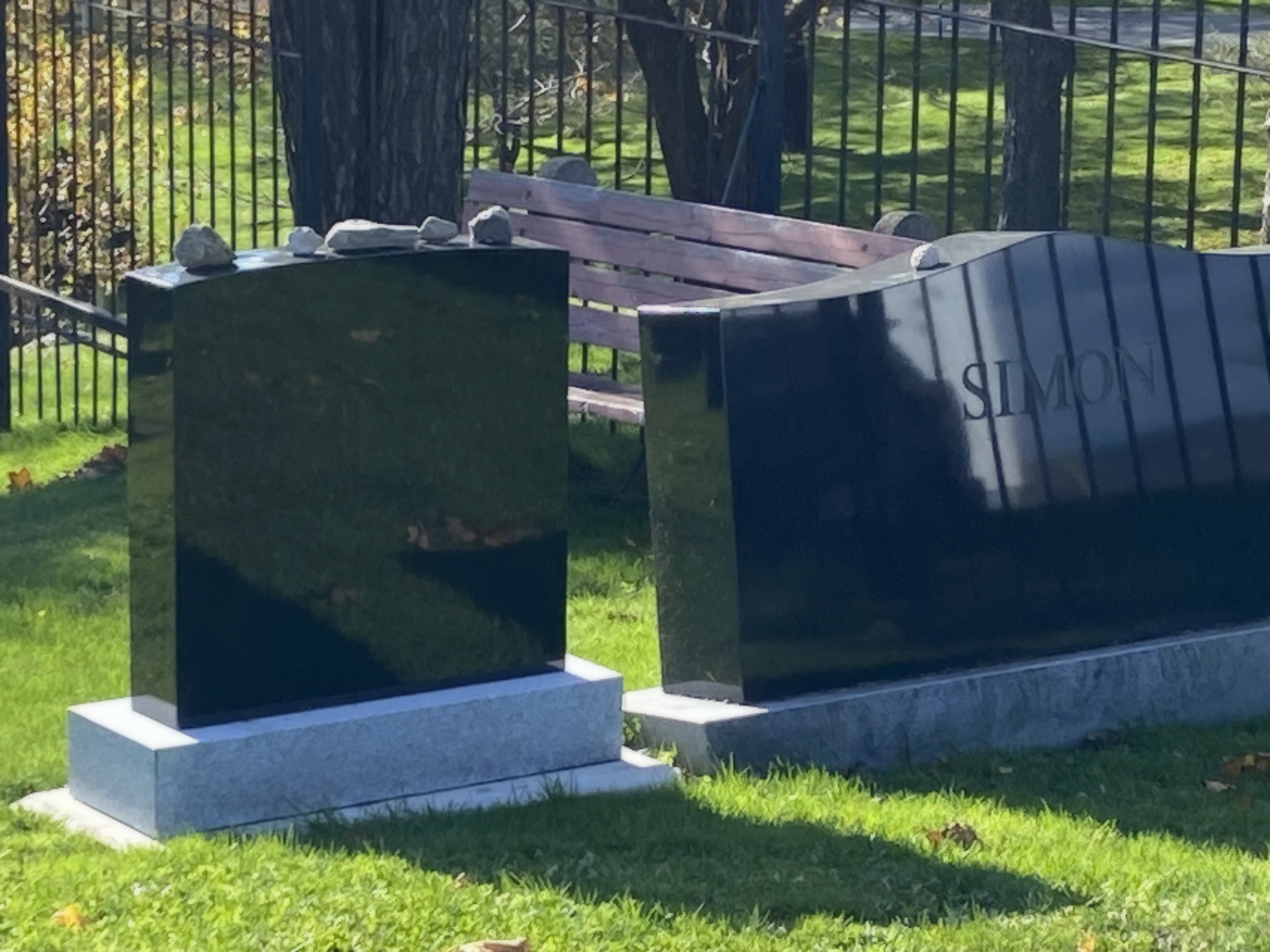
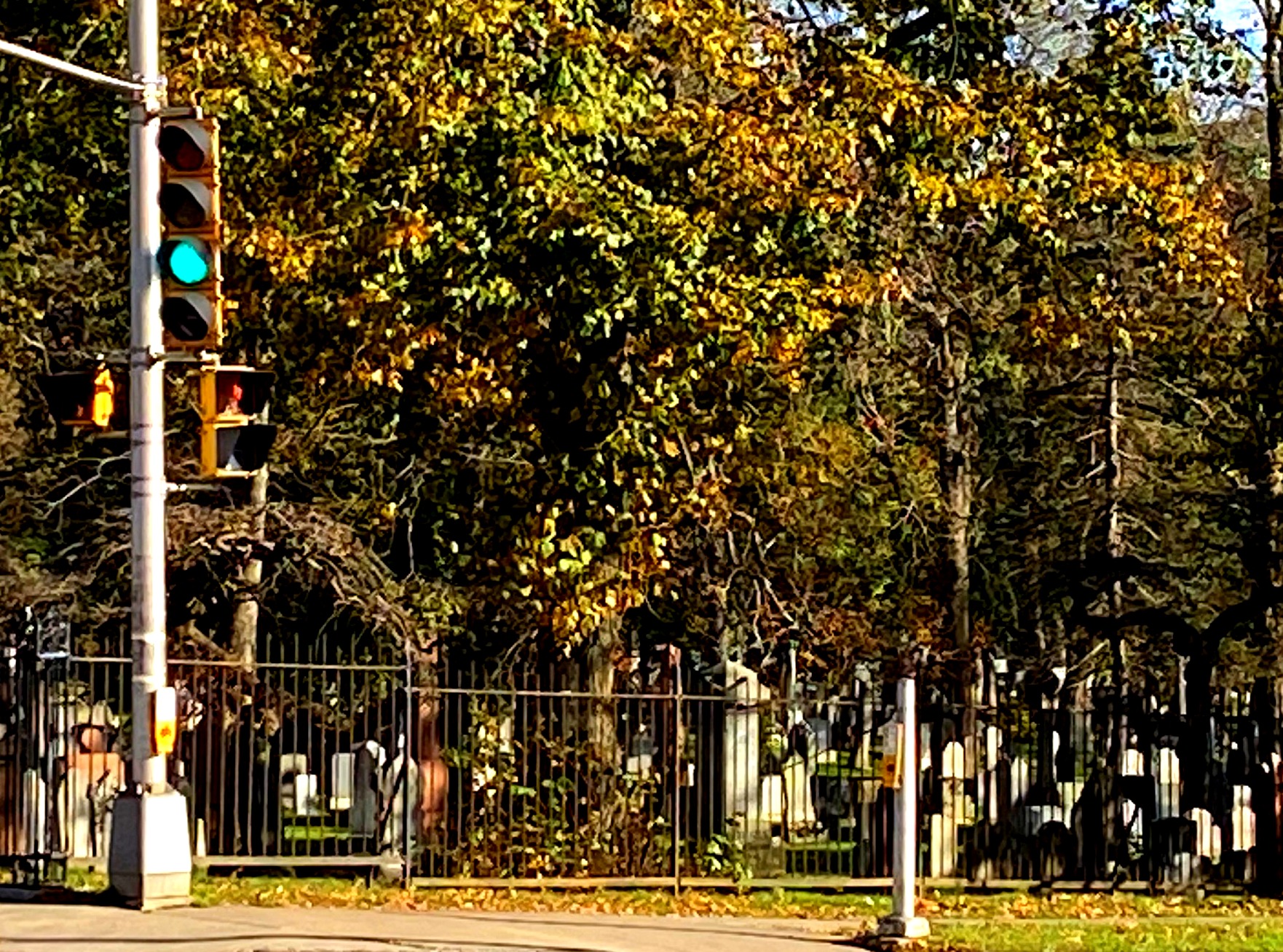
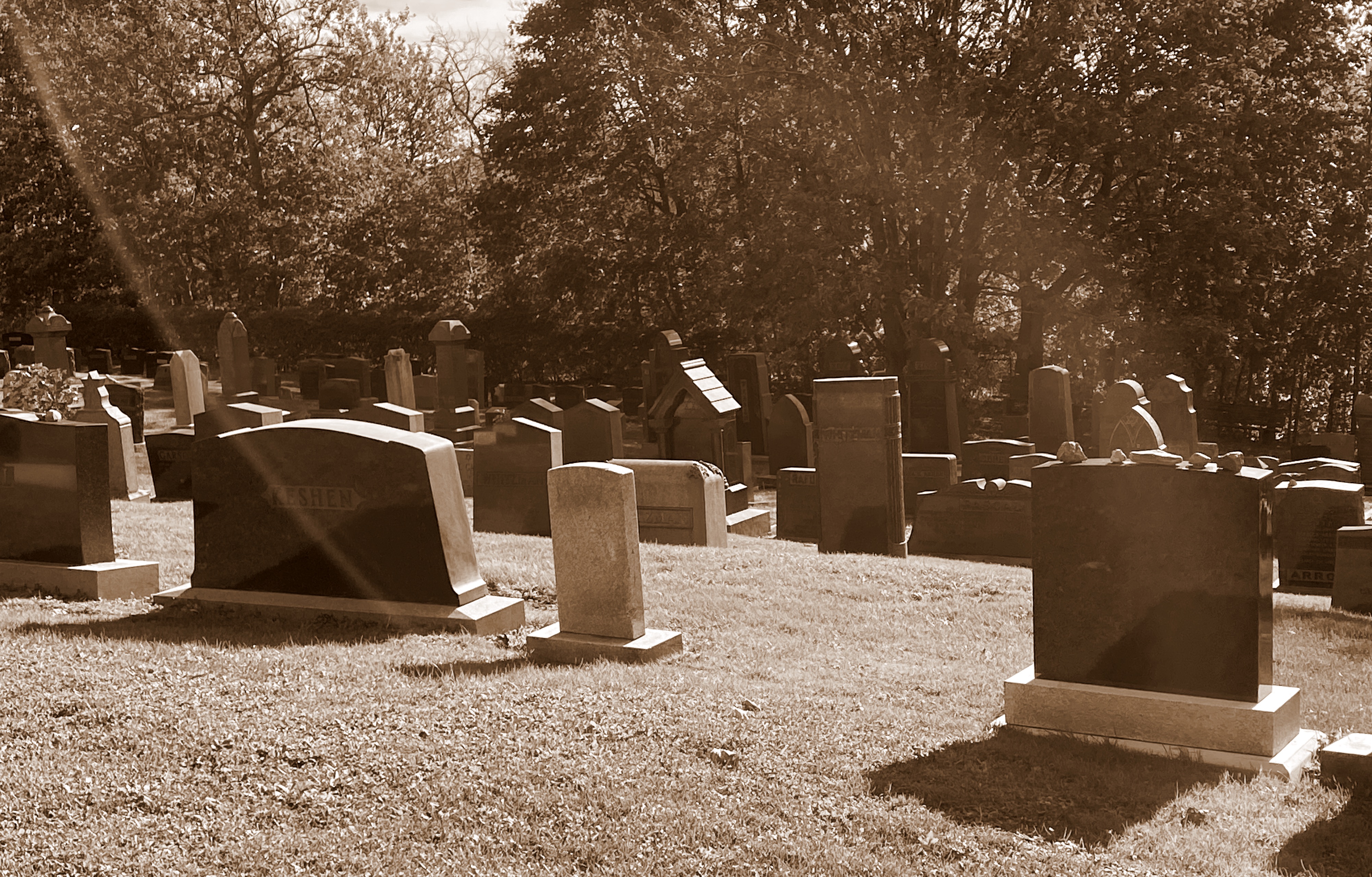
And one more cemetery, a special one for me. In my Old Country, there are a lot of empty old cemeteries. There are full of old graves, some with strange lettering on tombstones. But almost never any people walking, visiting. You see, for about seven hundred years Poland was home to the largest Jewish community in all of Europe. They escaped persecution in other European countries and settled in the old Polish Kingdom. For seven hundred years. That’s a long time. Until the 2nd world war and Hitler. And they disappear. The living ones – the cemeteries remained. On my numerous visits from Canada to Poland, I always liked to go to these cemeteries. There was such a sad silence in them. But that silence spoke to me loudly. That silence begged to remember. Reminded me of the powerful ‘Never again” wish that humanity had after that war. I remembered that next to Fairview Cemetery there was a small old Jewish cemetery. Still is. Fenced and the gate closed. And empty like the ones in Poland. No one visiting. I went there. Found a spot on the embankment where the fence was missing and went there.

Somehow it felt familiar, it felt good to be there. The same Hebrew alphabet on, familiar names (in Latin). The familiar way of putting stones on the top of the grave (I don’t know the origins or meaning of it, but they do it the same way as we put flowers on our graves).  I am glad I did.

But the ‘never again’ did not last, sadly. Wars and killings, even massacres continue. Even as I write these words. Humans are such strange creatures. Capable of goodness and sacrifice beyond belief, of love great and soaring. Capable of evil incarnate and hate incomprehensible.

Here is a story of Halifax, the story of Nova Scotia, and a story of Canada that is written on these cemeteries. As you read the names (although in the old cemeteries in Nova Scotia majority is of Scottish descent) precisely because it is Canada – the story of the world.

One more day before winter. Jeszcze jeden dzień przed śniegiem.

One more day before winter. Jeszcze jeden dzień przed śniegiem.

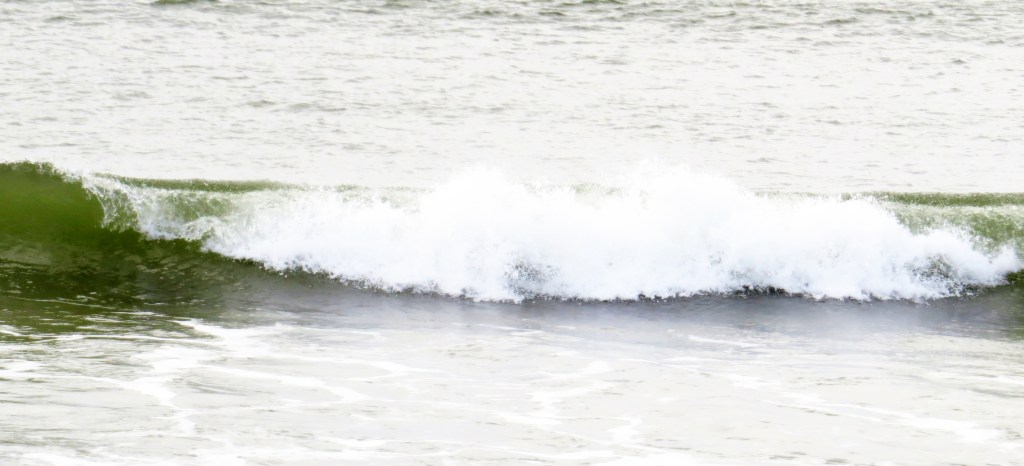
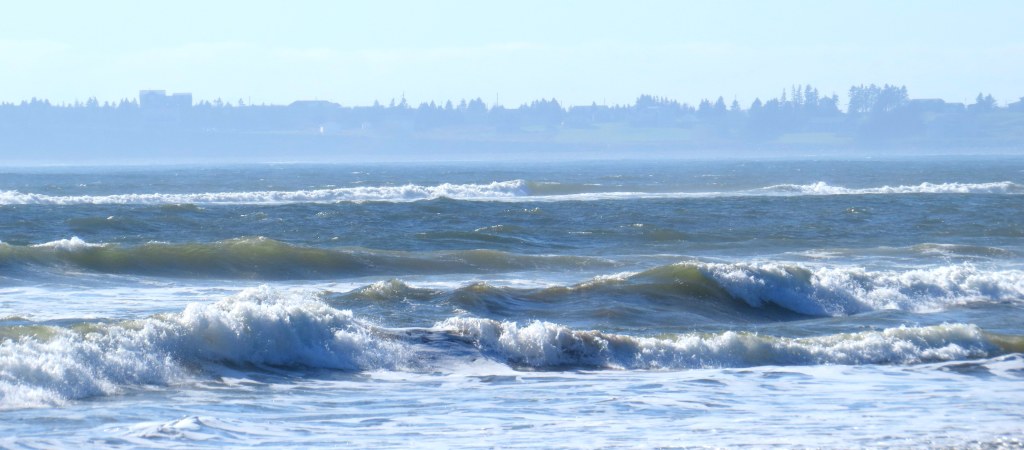
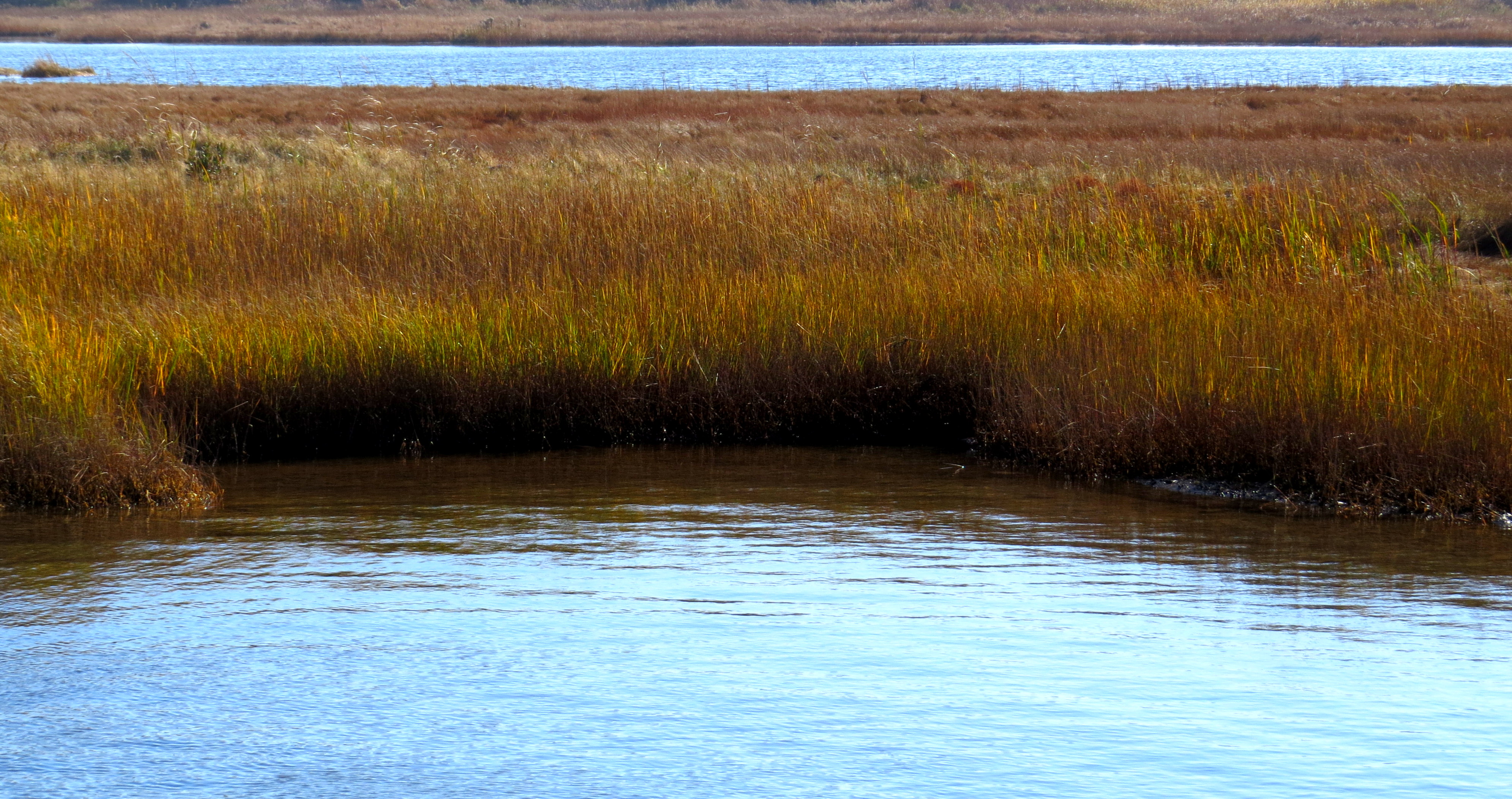
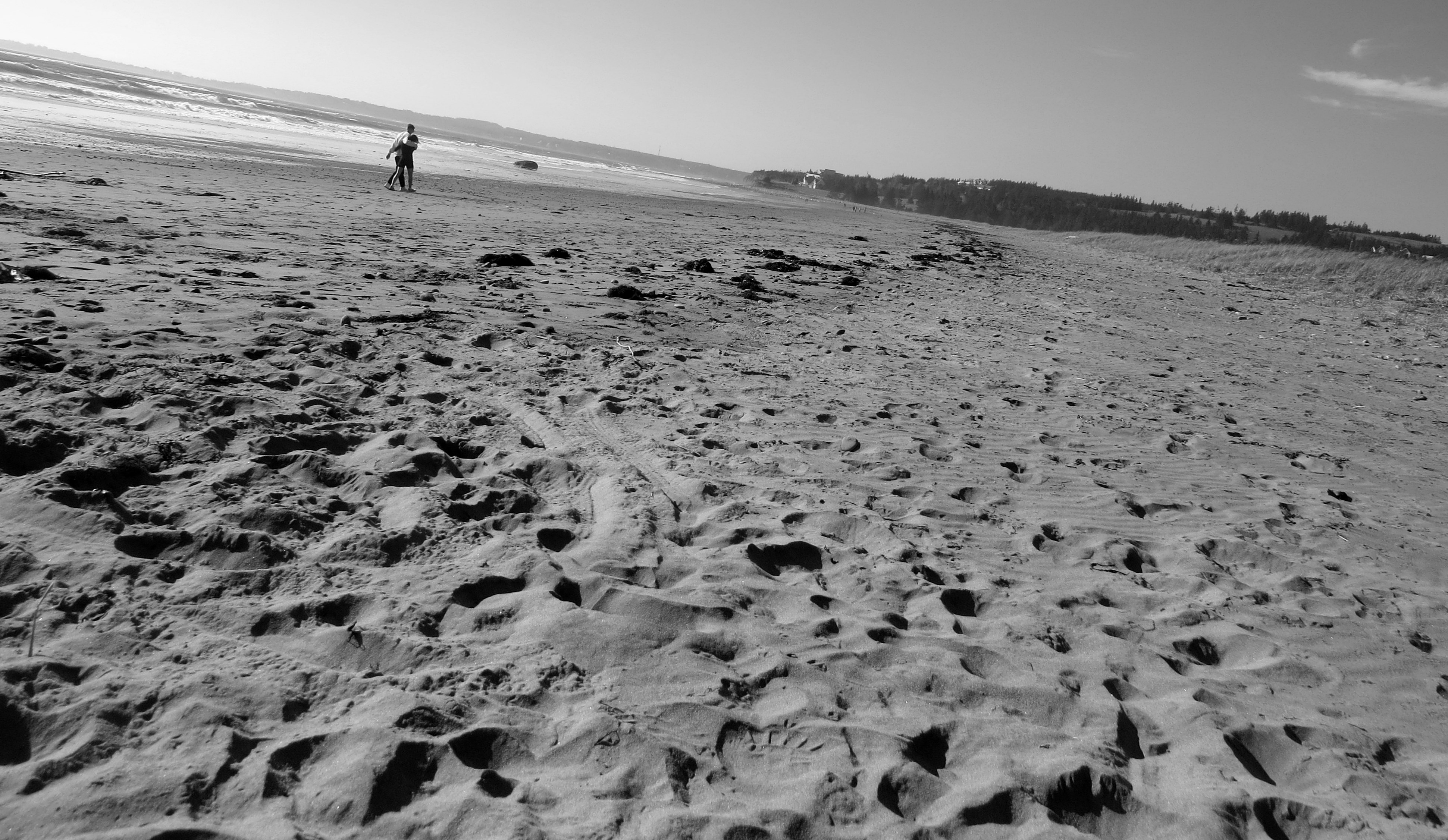
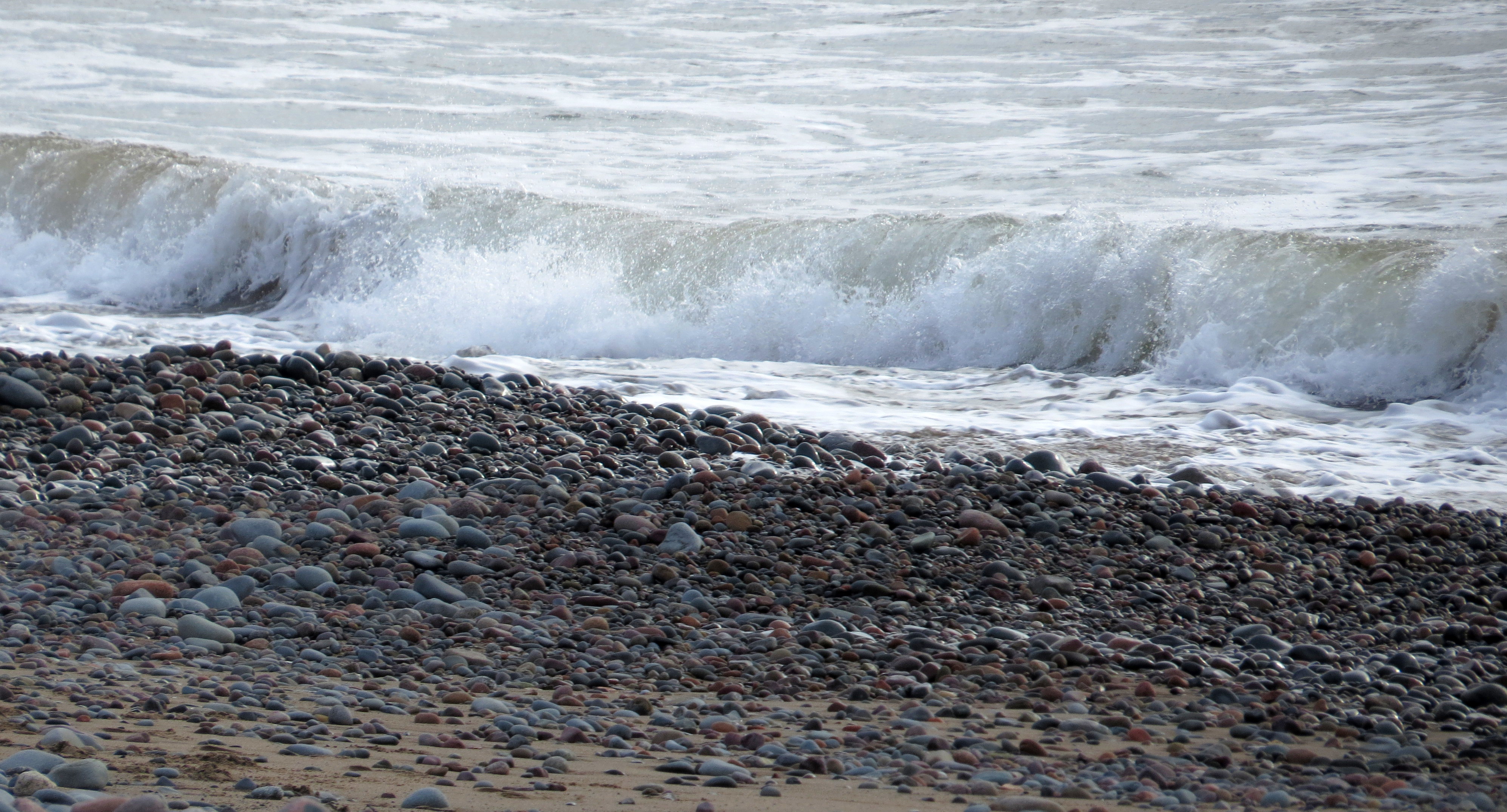
Couldn’t help myself. The wind is already rather cold – but the sunshine in full splendor. Camera and a folding chair in hand and off we go to Conrad Beach. Few people thought the same, fact that it was Saturday helped them to avail themselves of the orgy of colours, light, sea, and sky. Don’t forget the smells so different away from the city! None of them indeed ventured for a swim as the waves were wilder today and the wind almost chilling. But try to take me to a beach on a sunny day and tell me I can’t either! No chance, LOL. Actually, I think that exactly because the air was chilly – the water didn’t feel like a shock to the body. The crushing waves did not charge any extra fee for a wonderful back and chest massage! It truly was invirogating. On the way back a short trip to meadows and glory of fall.

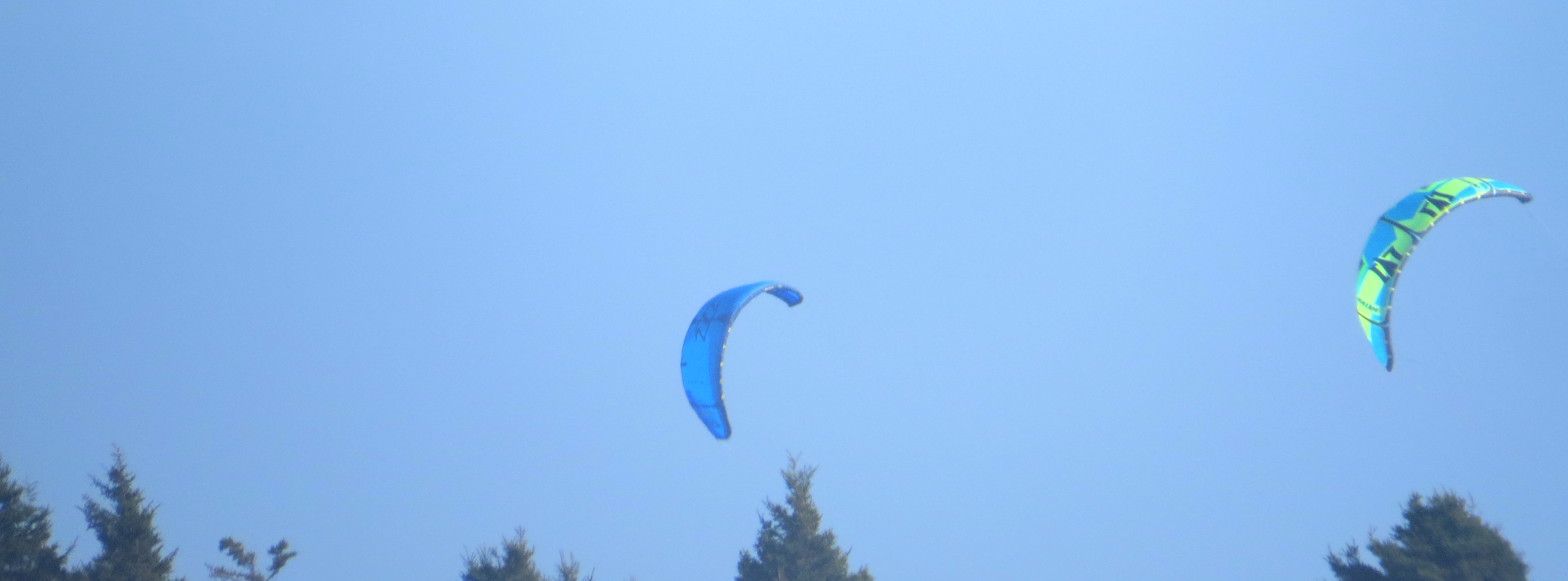
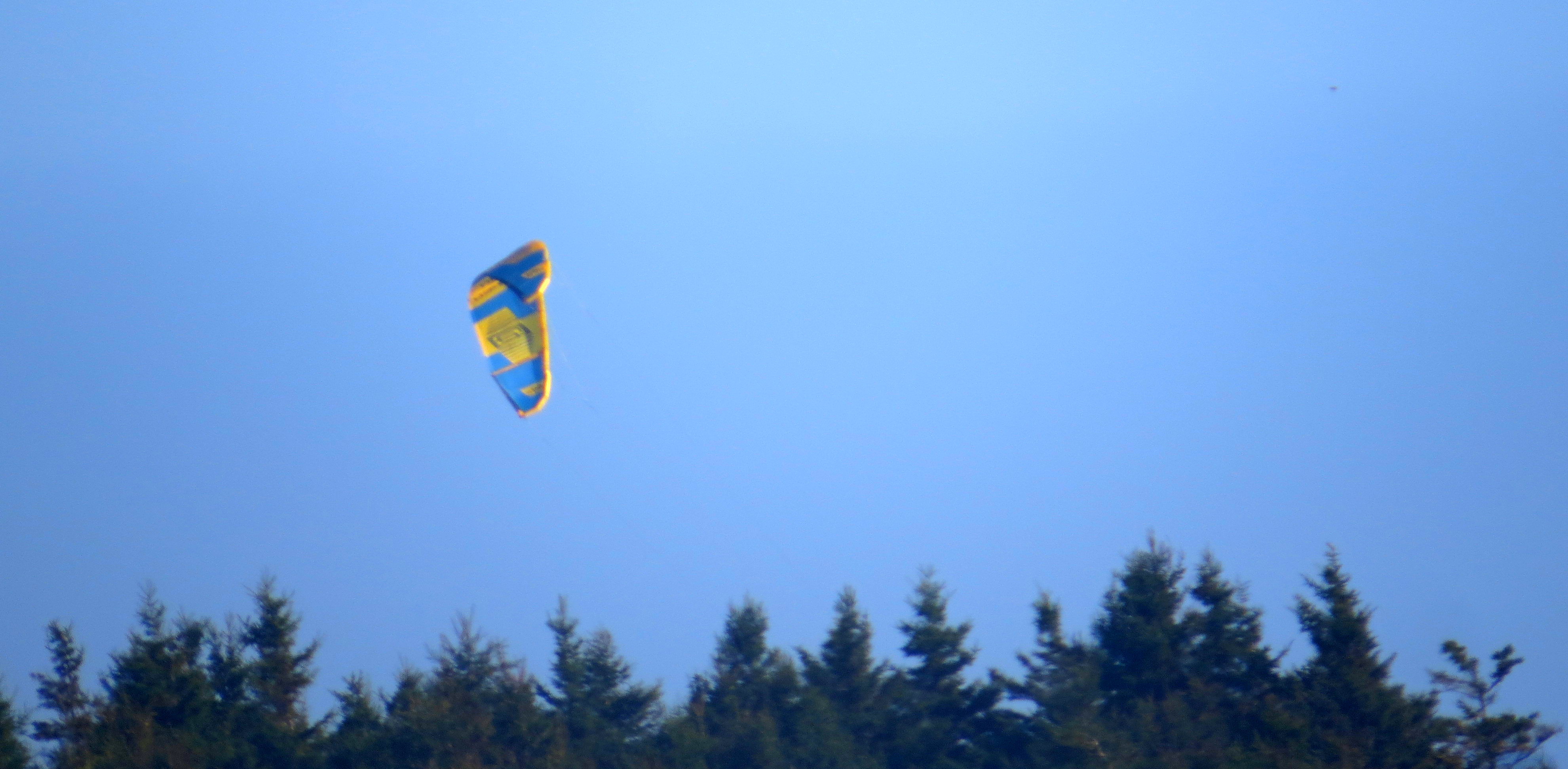
Kiedy już wydawało się, że moje plażowanie tegoroczne się zakończyło – jeszcze jeden prezent od jesiennego słońca i kolejna wycieczka na plażę. Słońce, woda, piasek pod nogami, huk rozbijajaczych się bałwanów morskich, w dali za naturalnym skalistym falochronem, kolorowe żagle surferów. Jak nie pobiec w ten żywioł, nie pływać w tych grzywaczach? Niby nikt inny tego nie robił, ale też nikt palcem mnie nie wytykał i w czoło się nie stukał, LOL. Ostatecznie – wolny kraj, LOL. Spotkałem też konkurenta fotografowania tych cudów Natury. Jak na porządnego zawodowca przystało był porządnie ubrany w buty z cholewami, długie spodnie i ciepłą kurtkę. Ubogiego amatora jak mnie, na takie luksusy nie stać.

The Weather folks say it will snow in two day’s time. I like white beaches. But I do mean white sand beaches, snow I prefer on skiing slopes.

Before winter – a day of summer. Przed zimą – jeden dzień lata.

Before winter – a day of summer. Przed zimą – jeden dzień lata.

Od szeregu już dni zmagam się z napisaniem tekstu na zupełnie inny temat. Nie, nie mam trudności ze znalezieniem słów, ze świadomością, co chcę napisać. Po prostu wolałbym na ten temat, w tym konkretnie czasie nic nie pisać. Byłoby wygodniej milczeć. I tak tym tekstem od którego się wzbraniam wypadków nie zmienię. Wielu cenionych znajomych może oburzę lub zasmucę; innych może skłonię do emocji i zadowolenia, które w tym temacie nie powinny nami kierować. Cóz, na trudniejsze już tematy i równie emocjonalne dla wielu, pisałem od tylu już lat więc i tego, ze względów własnej wygody, pominąc nie mogę. Nie mogę nie tylko, jako osoba pisząca, ale przede wszystkim, jako człowiek. Cóż dla człowieka może być ważniejsze niż Człowieczeństwo?

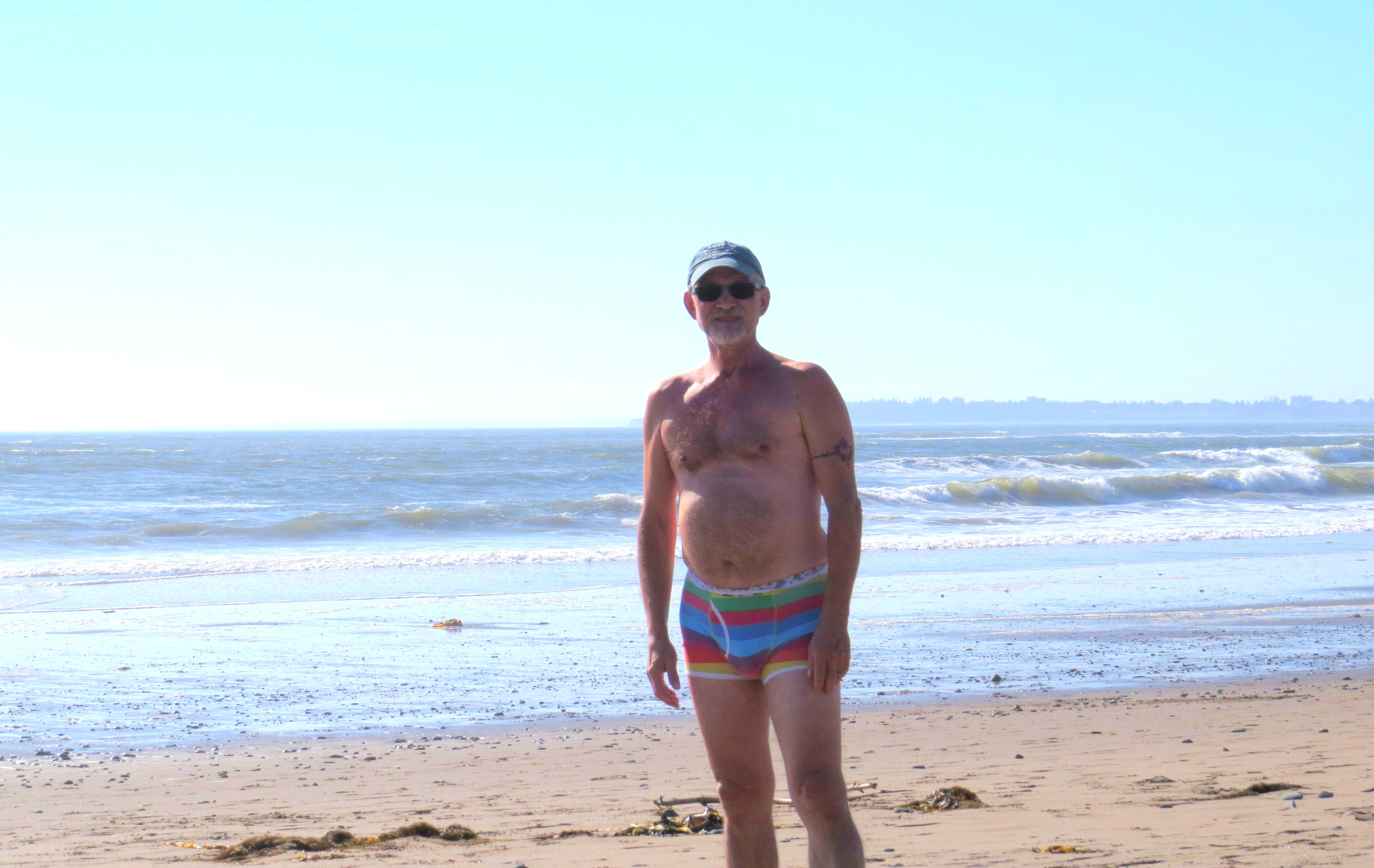
Póki siądę do tego trudnego tekstu, wykorzystałem nagły, jednodniowy powrót ‘babiego lata’ na moich kochanych plażach Nowej Szkocji. Chwyciłem kamerę, ręcznik, notes – i w trasę. Na Conrad Beach. Z bliskich w odległości – moją ulubioną. Jakkolwiek nikt z dość licznych spacerowiczów nie kwapił się do kąpieli – ja z radością pływałem w tej cudownej wodzie Atlantyku. Wydawała się zimna, jakby prosto z lodówki. Ale to tylko pierwszy moment. Pływało się z wielką radością – a potem na piasek i ręcznik, gdzie słońce robiło masaż odmrażający zesztywniałych z zimna stawów.

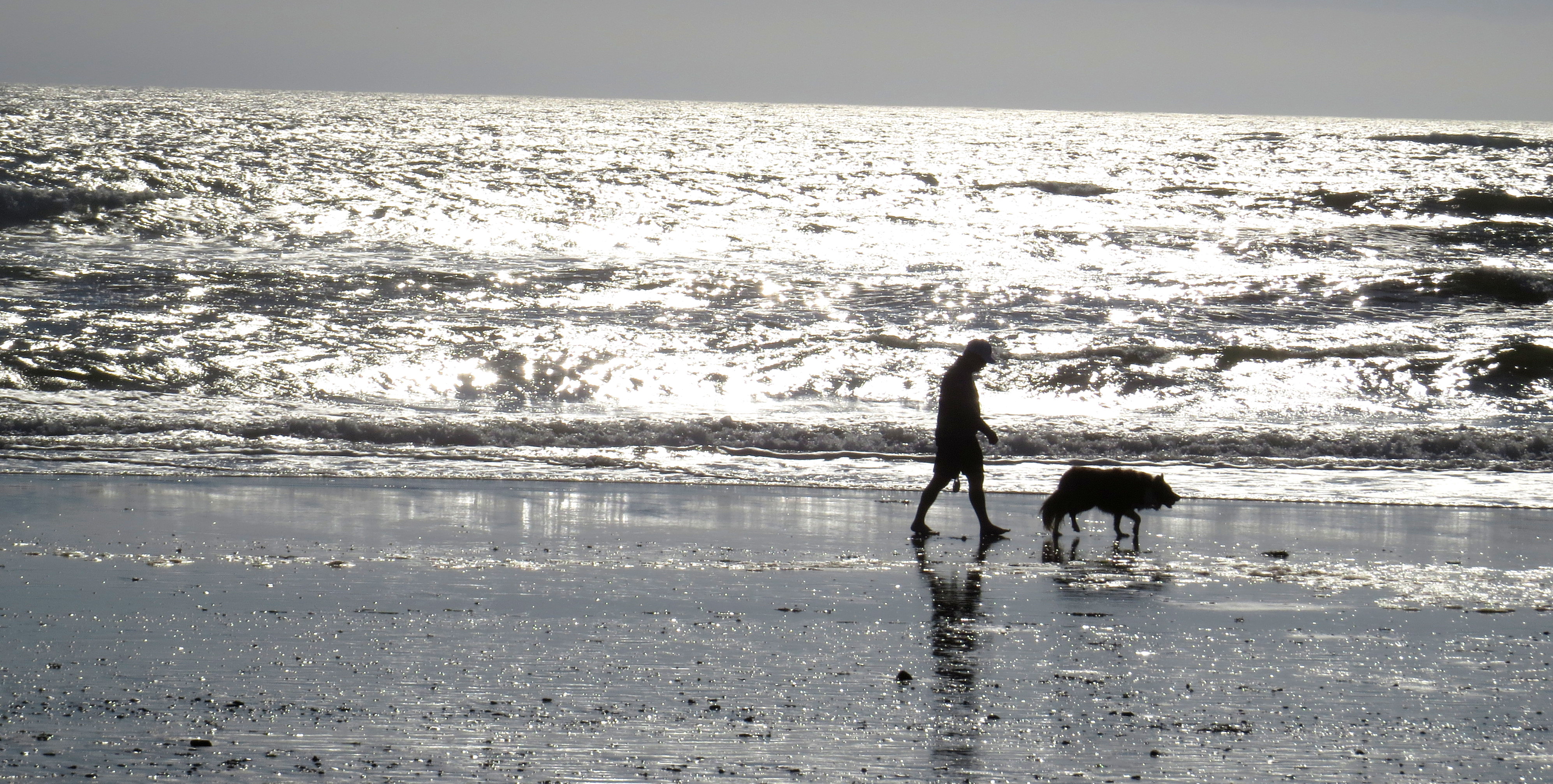
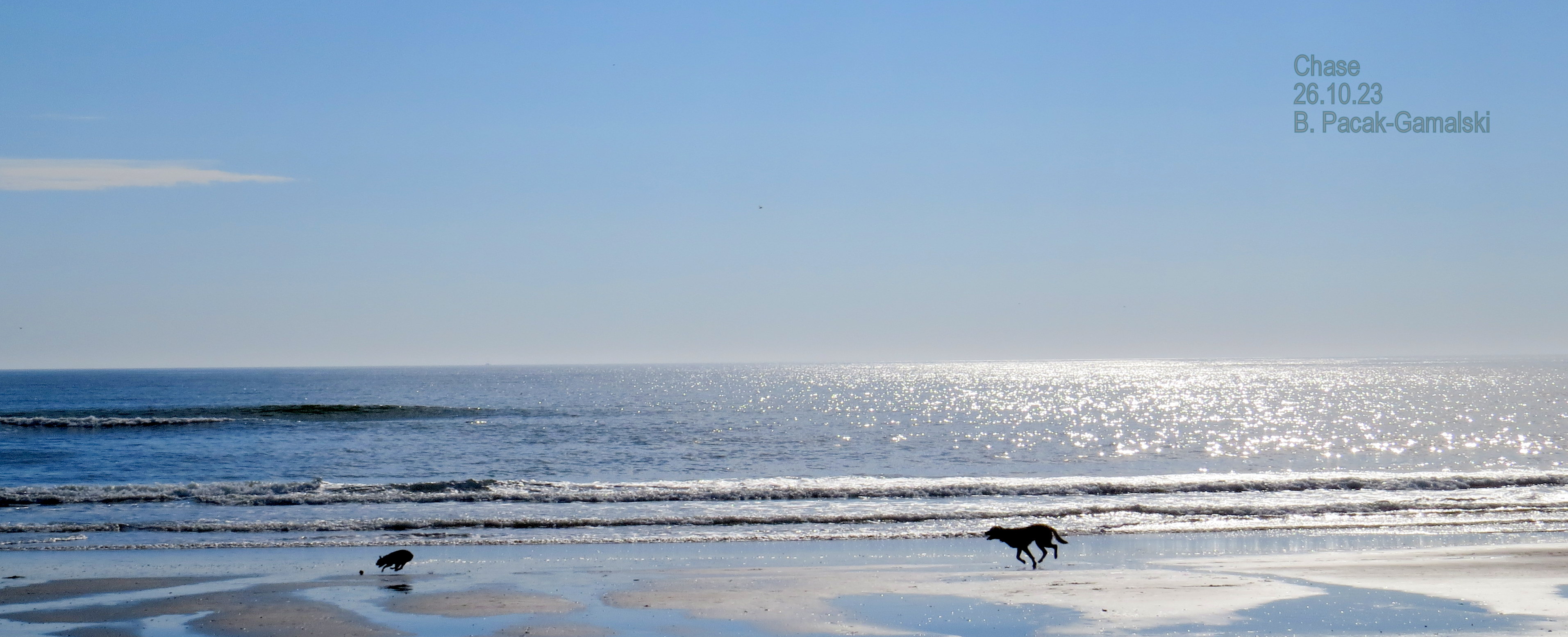
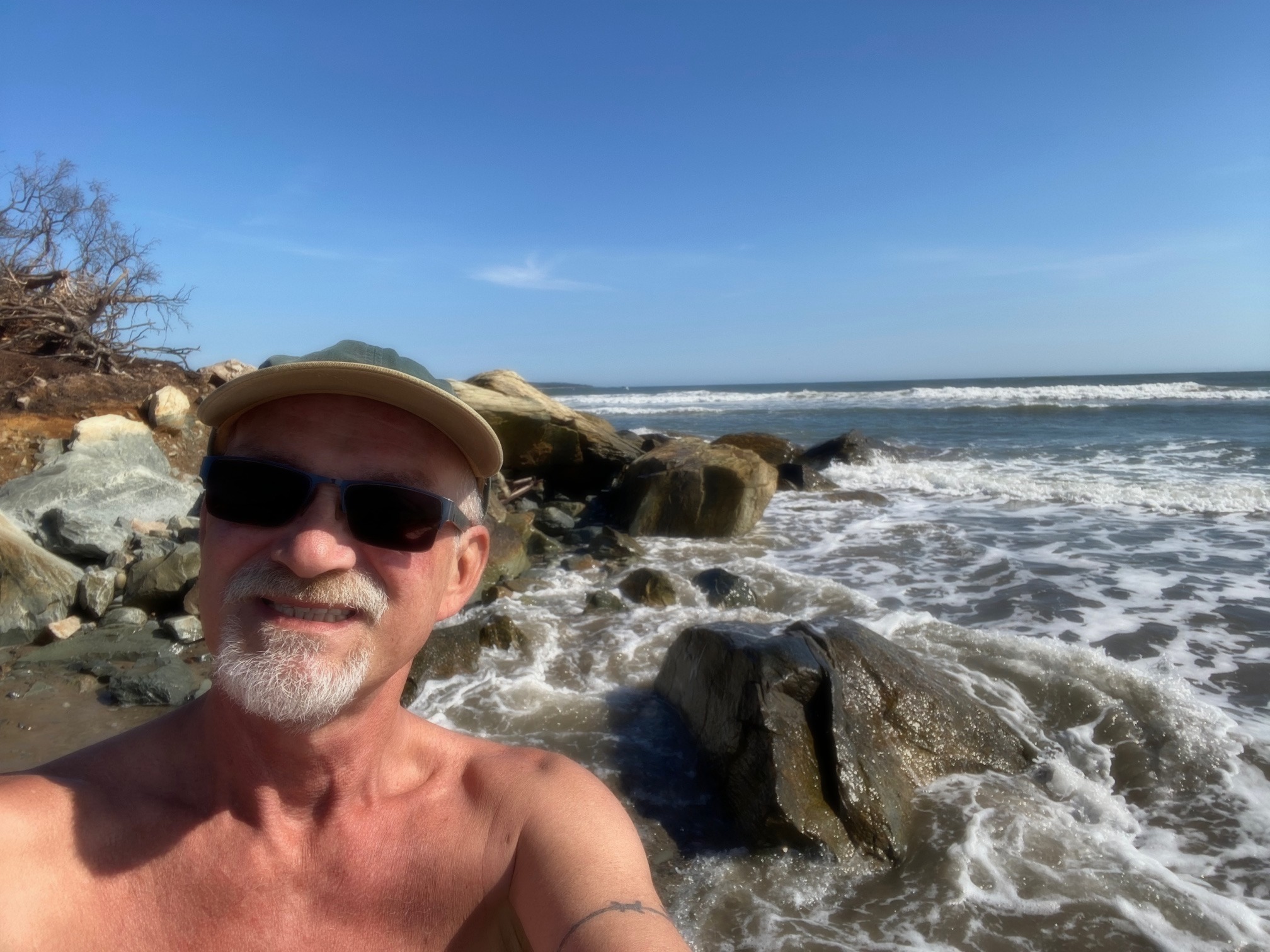
Trying to avoid another, difficult subject – I went to Conrad Beach for a glorious sunny day on the beach and in the water. The cold water was balanced by the very warm sunshine on the beach. Went swimming a few times. Not the very first time was surprised that no one else swam. People walked alone, in pairs, with dogs, even in the shallow water – but none went swimming. But obviously, they enjoyed themselves. I did very much so. As for the other subject? Can’t avoid it forever. Probably will write something tonight. It is a very important subject. The subject of humanity. We are humans, aren’t we?

But here we go – a view of my day on the beach. Fotograficzne echa mojego dnia na plaży.

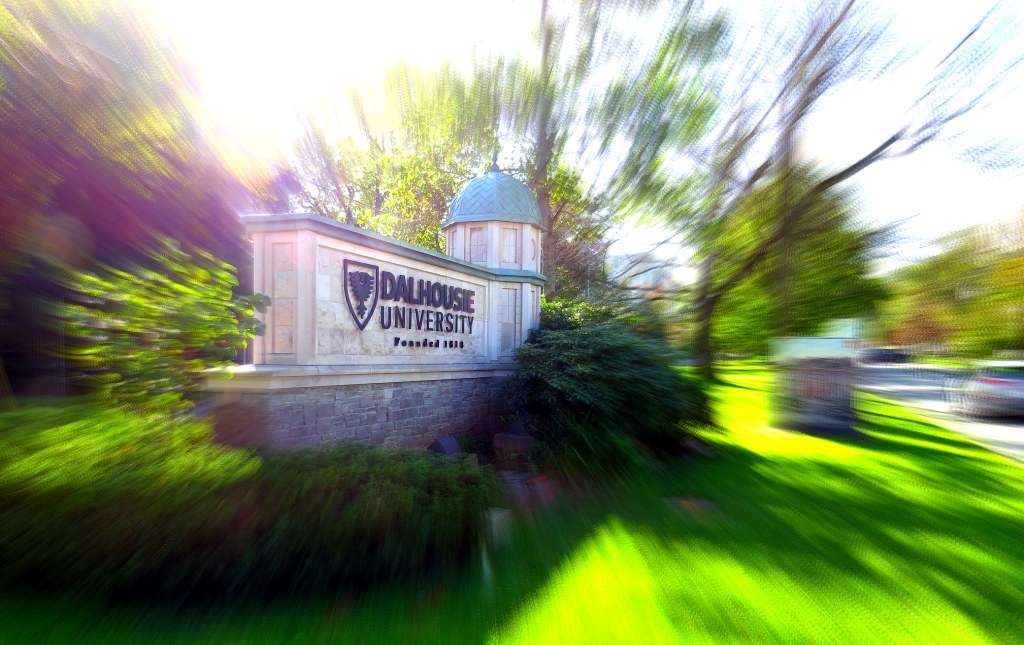
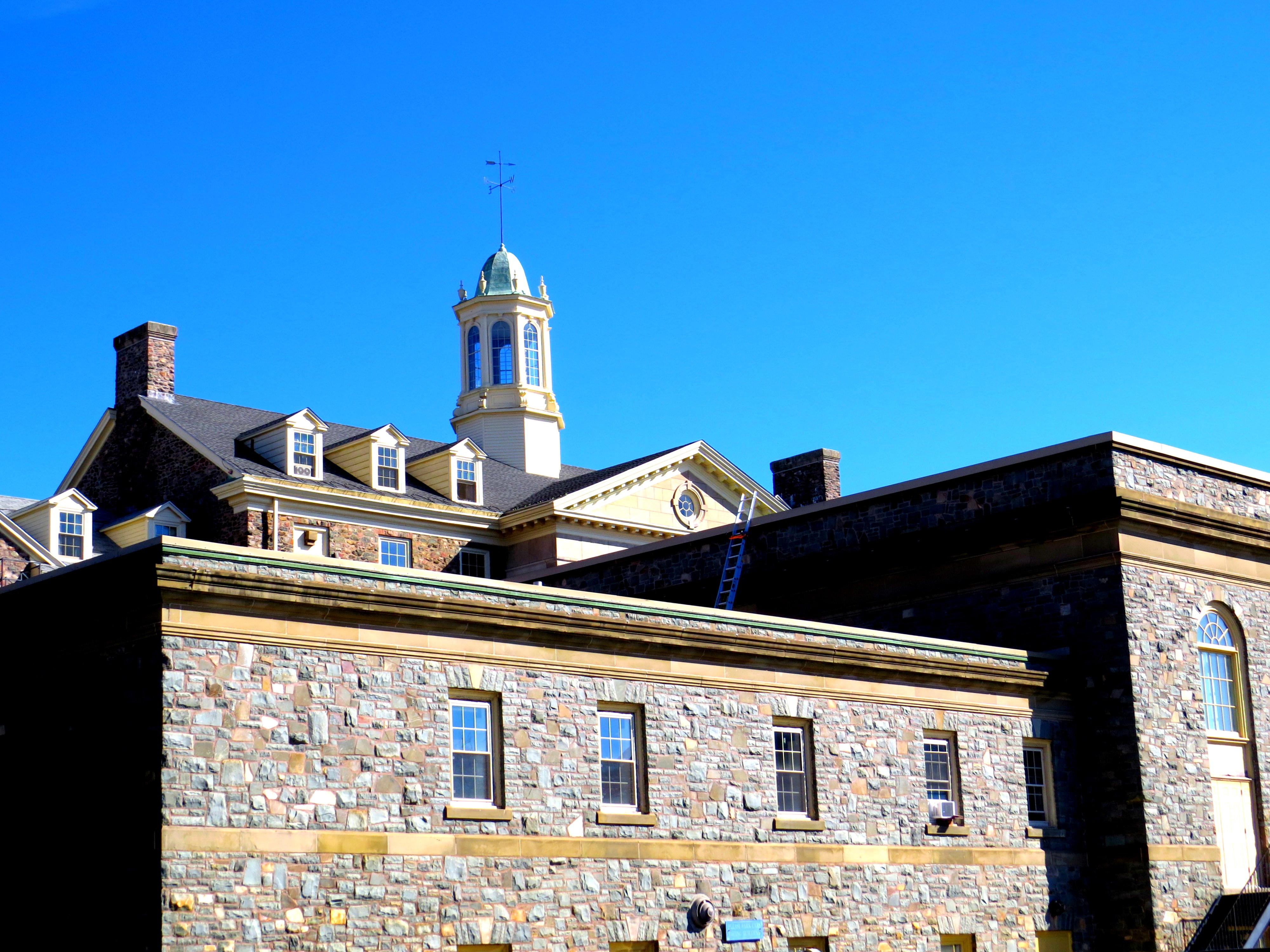
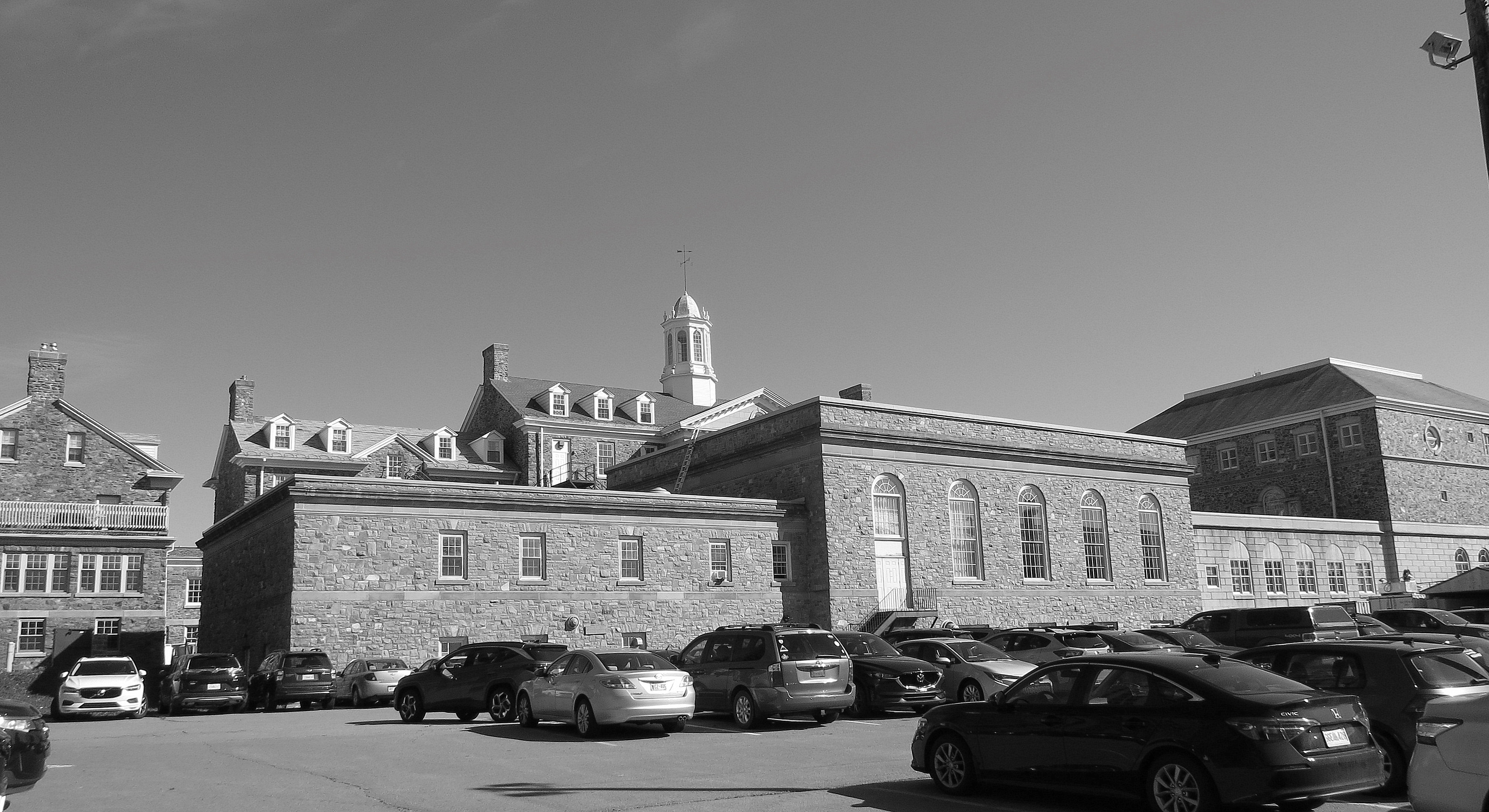
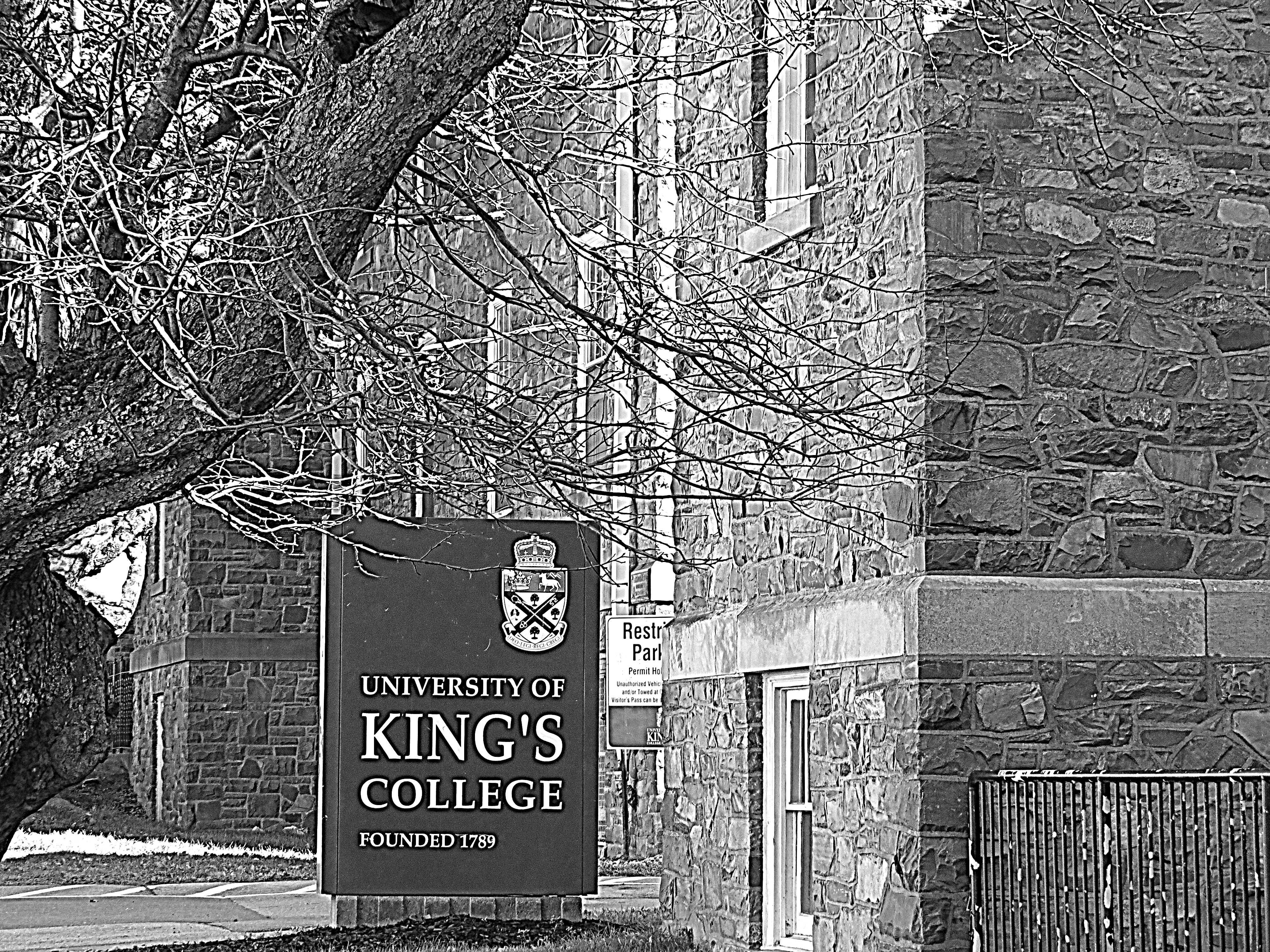
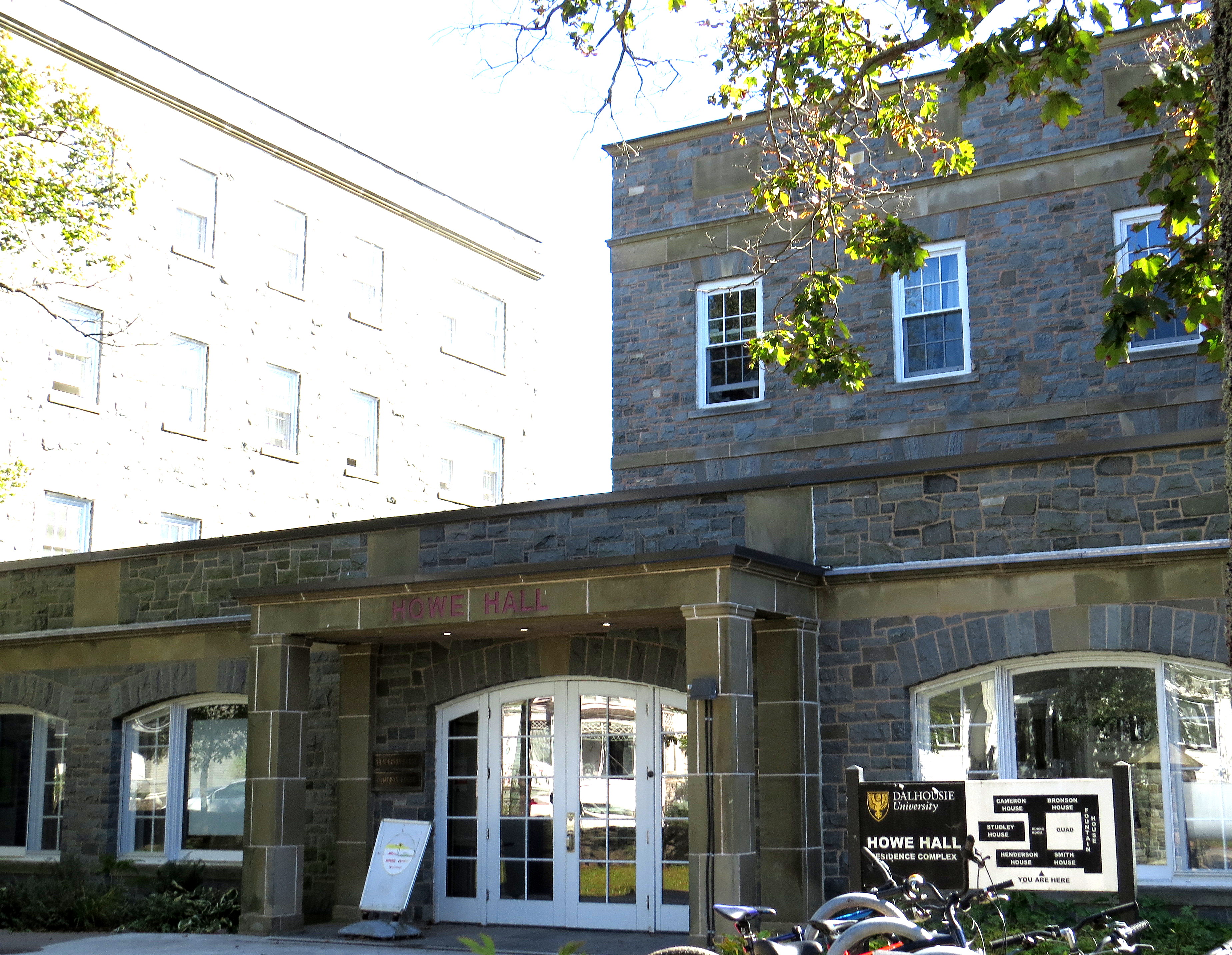
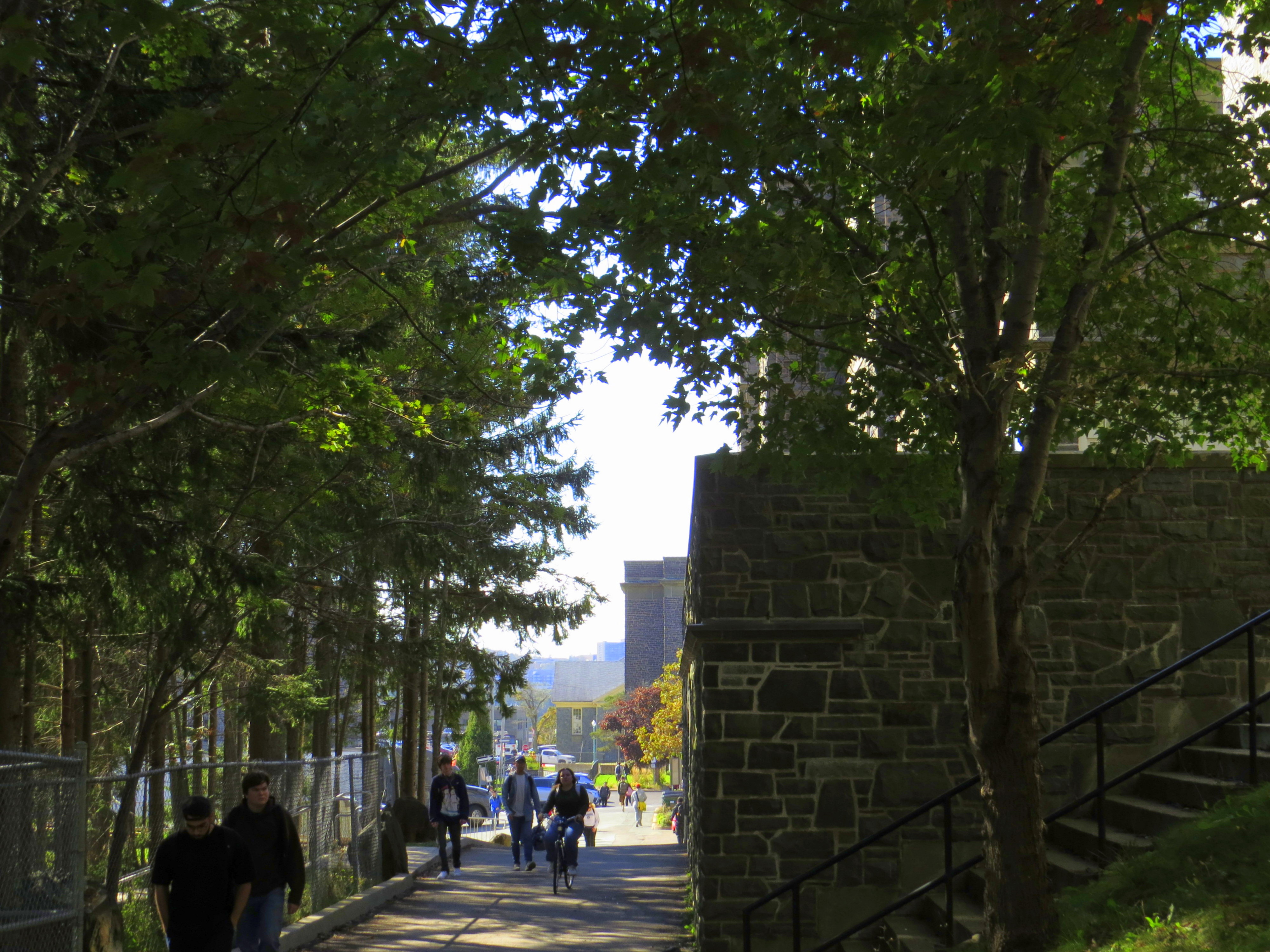
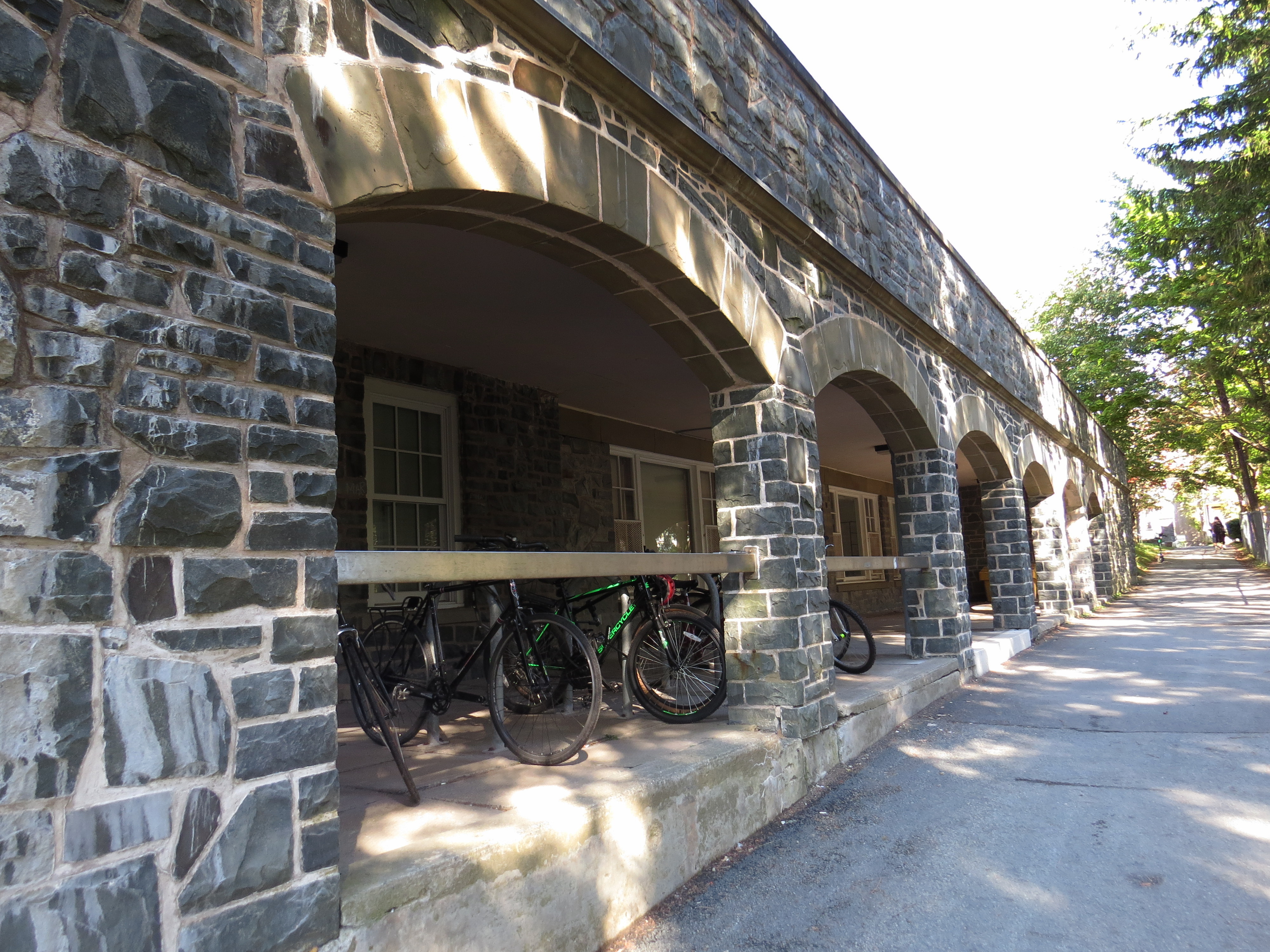
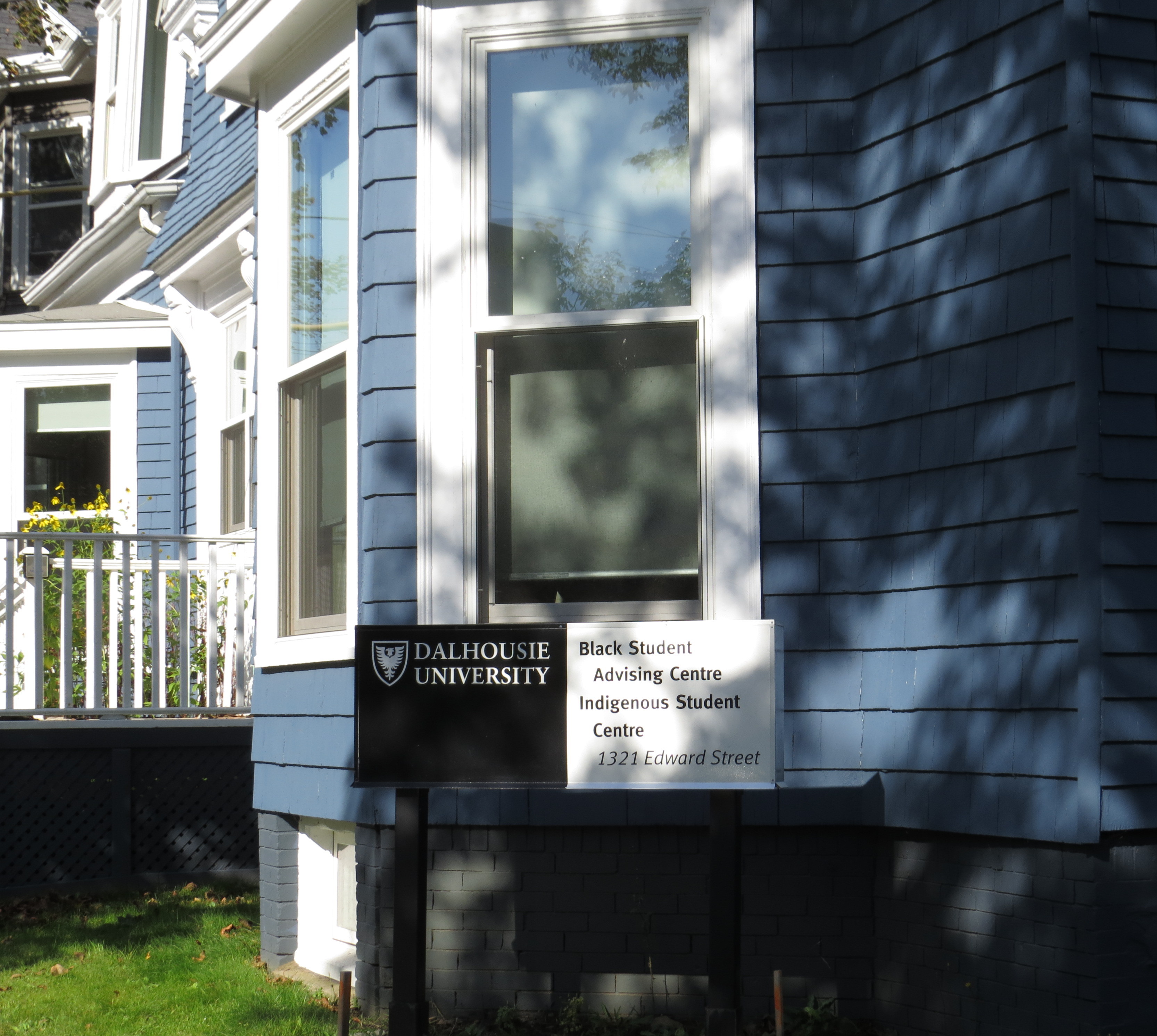
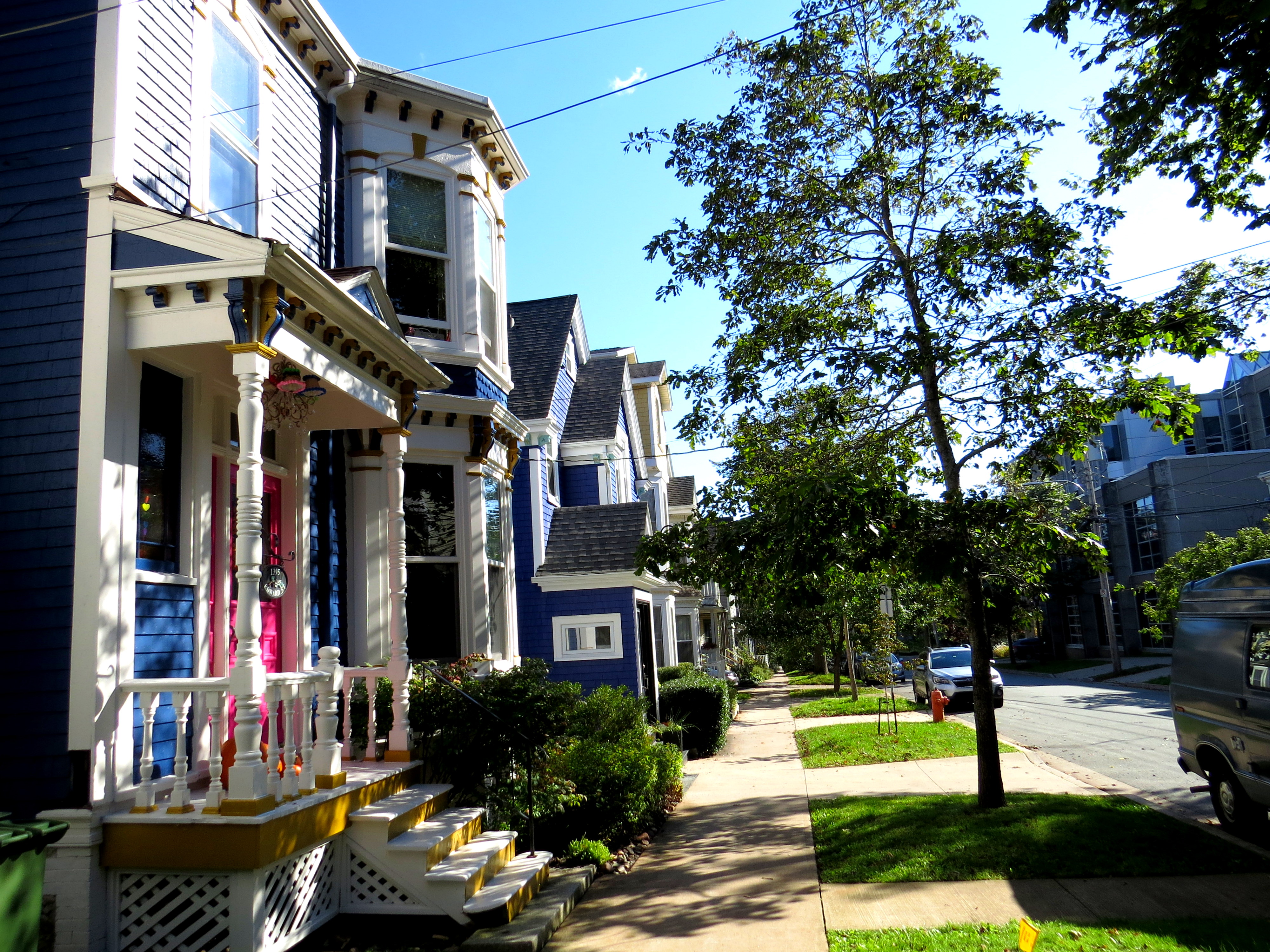
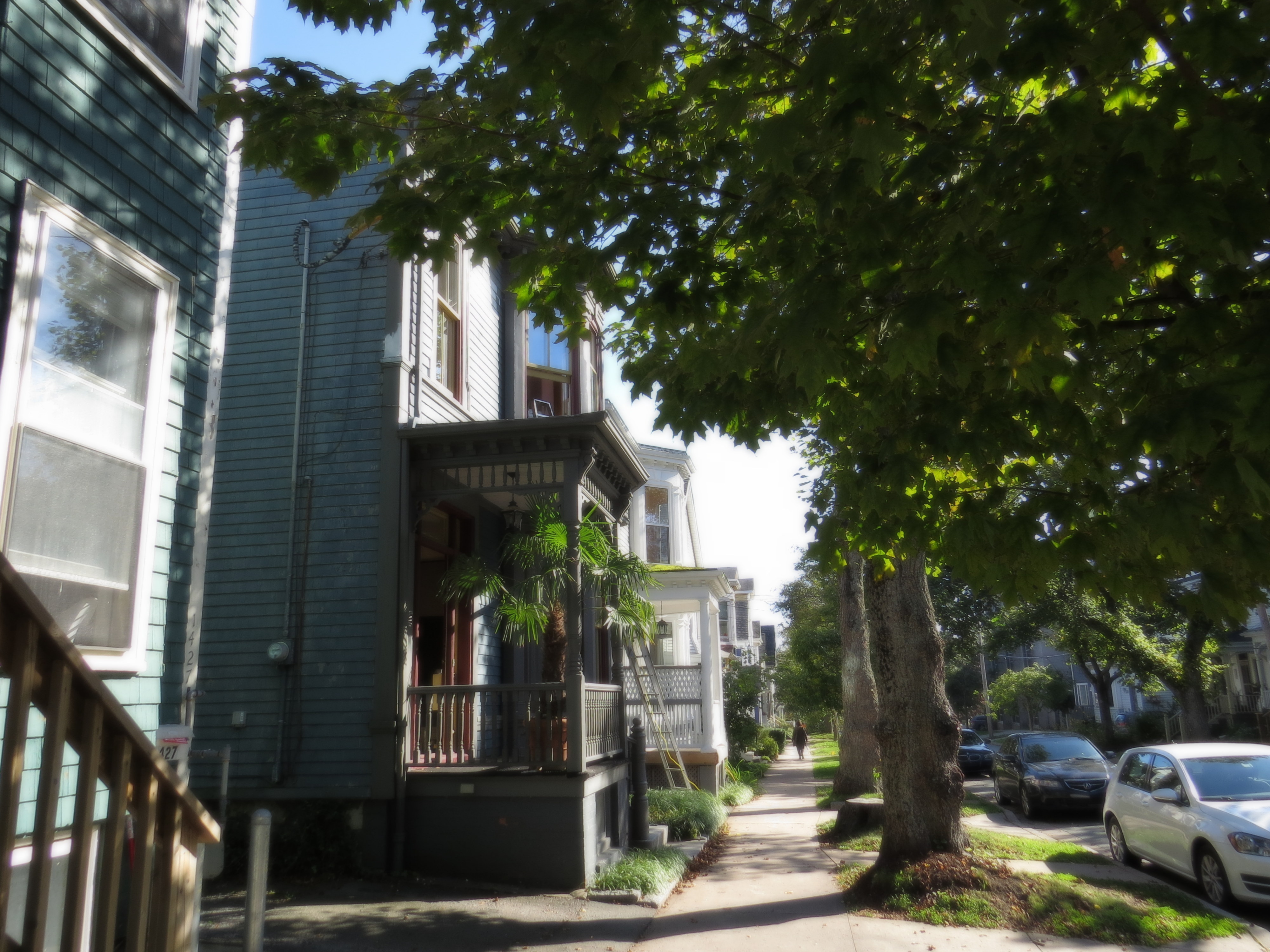
A history and future, youth and tradition – Dalhousie University in Halifax

A history and future, youth and tradition – Dalhousie University in Halifax

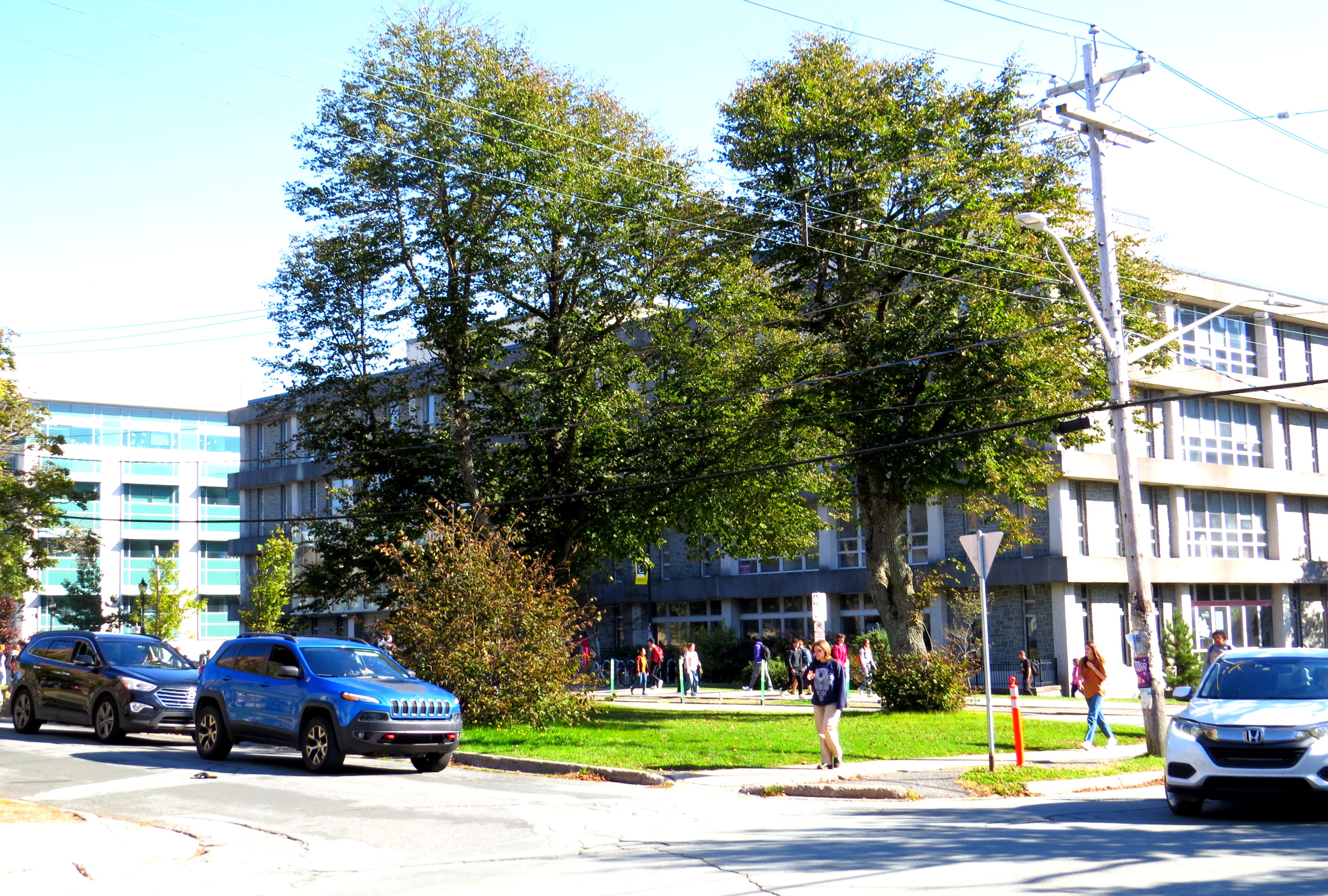
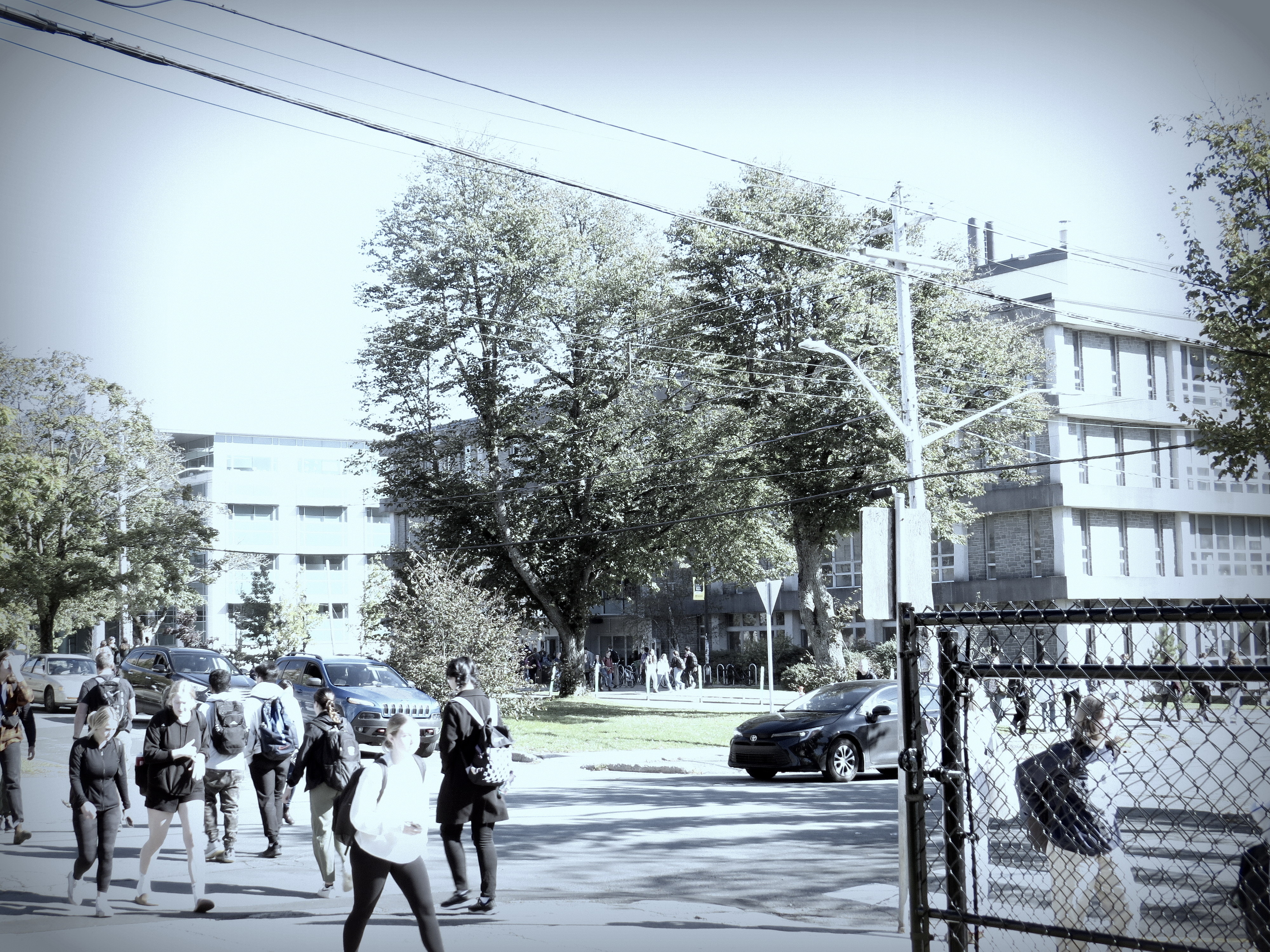
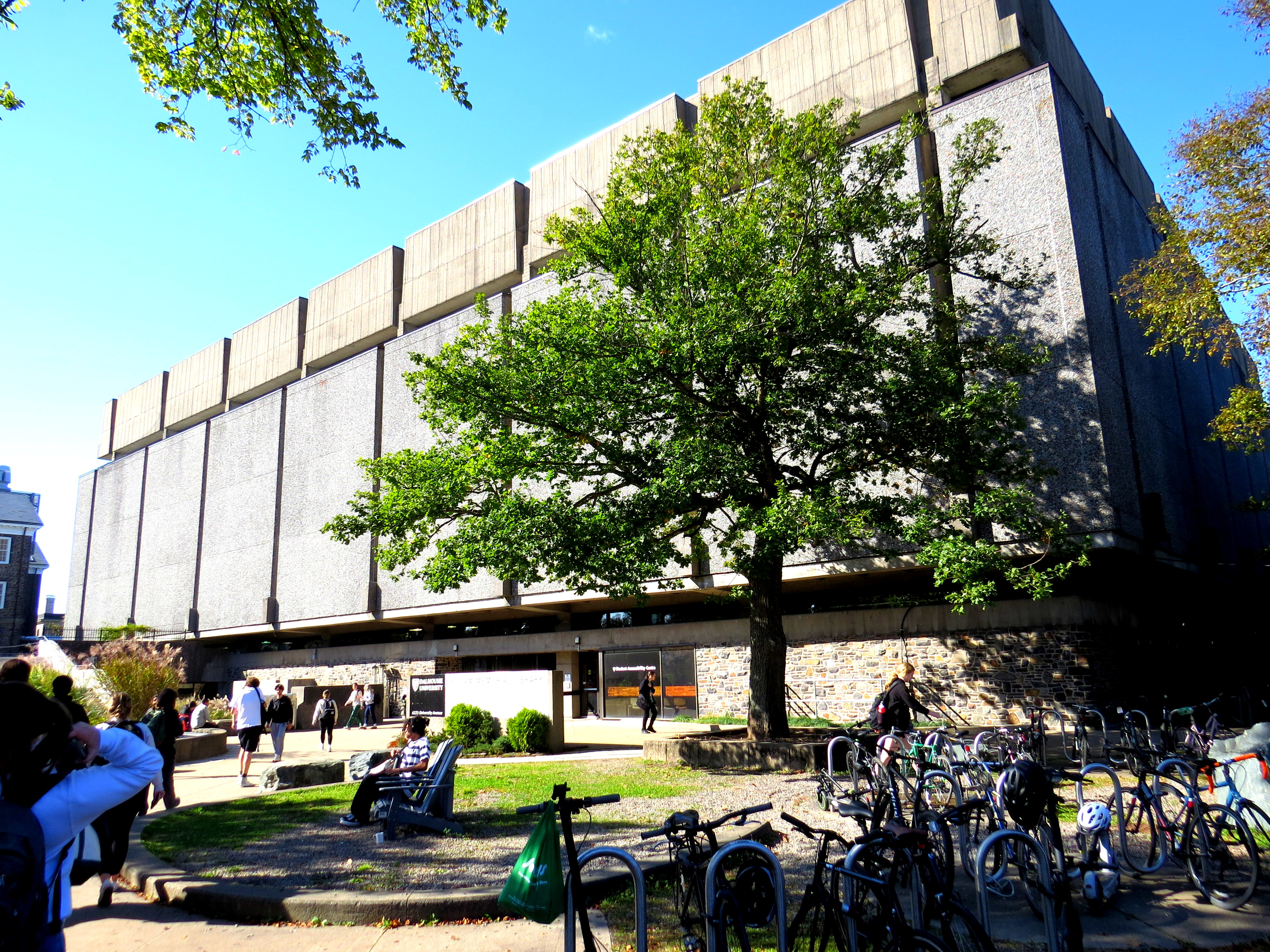
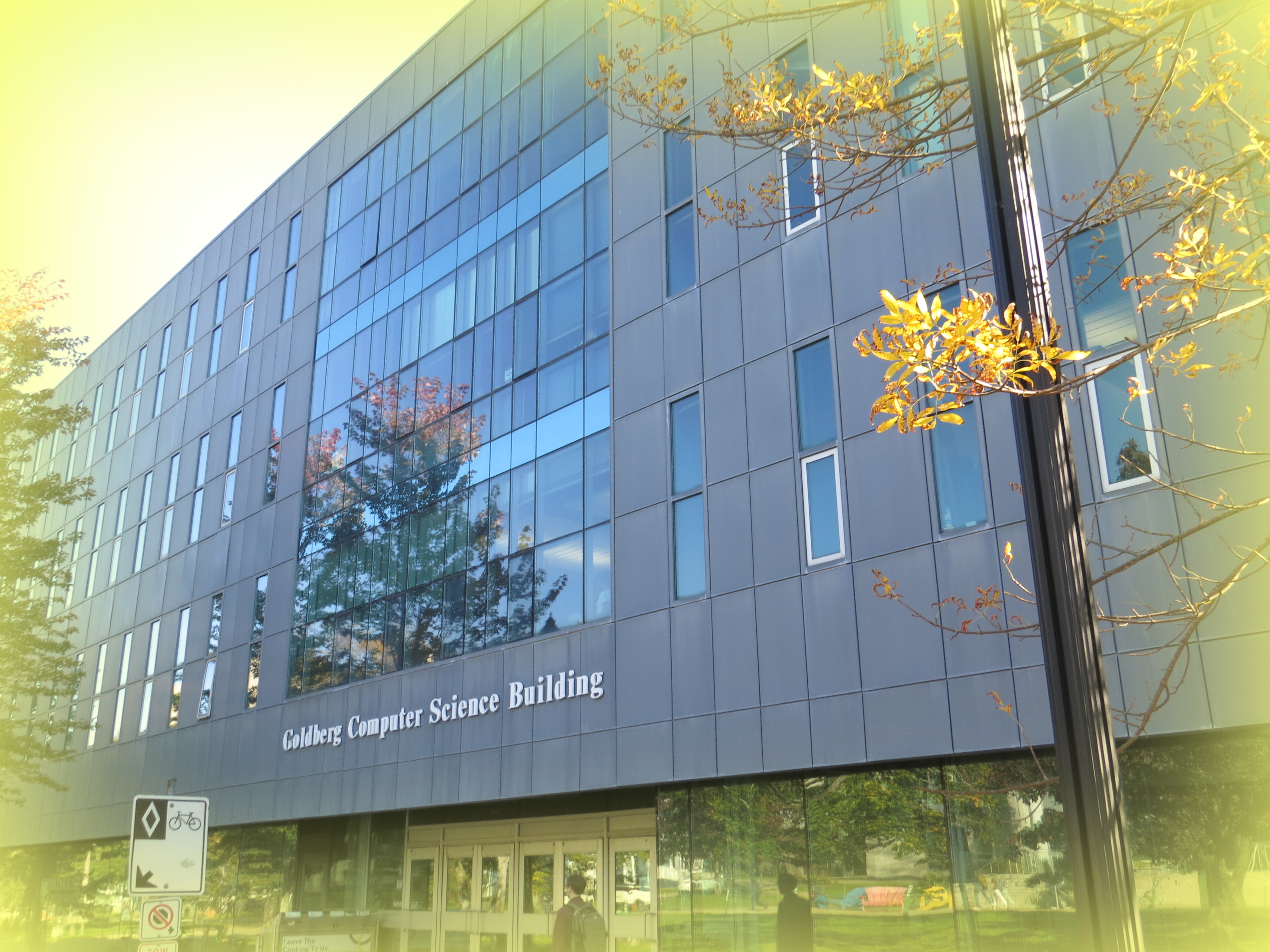
I have written here ( https://kanadyjskimonitor.blog/2023/07/28/dalhousie-university-in-halifax-an-overlooked-tourist-destination) once before about Dalhousie University. But it wasn’t until today that I really went for a long stroll through the sprawling campus of it. Immerse myself in its atmosphere, history, and future. And the vibrant feeling of youth among the throngs of young people laughing, running, walking. Some very serious in that almost funny seriousness of young age that is impertinent, arrogant, furious, determined. Others – worry-free. Glorious age. Hmm …. At times, I almost forgotten myself and felt like them for a moment. Not long enough to make a fool of myself, LOL. Age has its advantages that I always remember: aloofness and stiff upper lip. Like Lady Dowager Grantham from Dawnton Abbey – shrug your arms and march on.

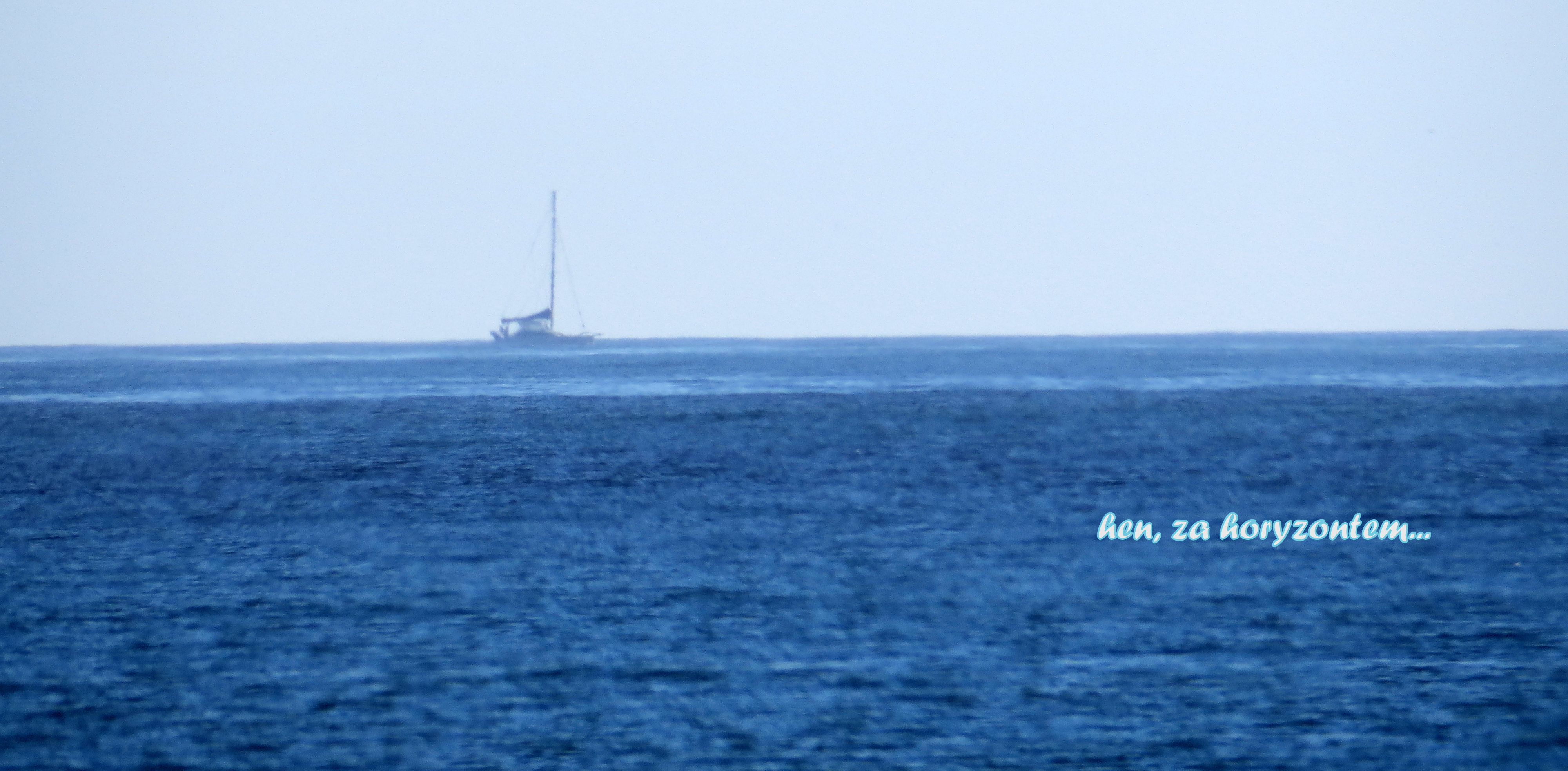
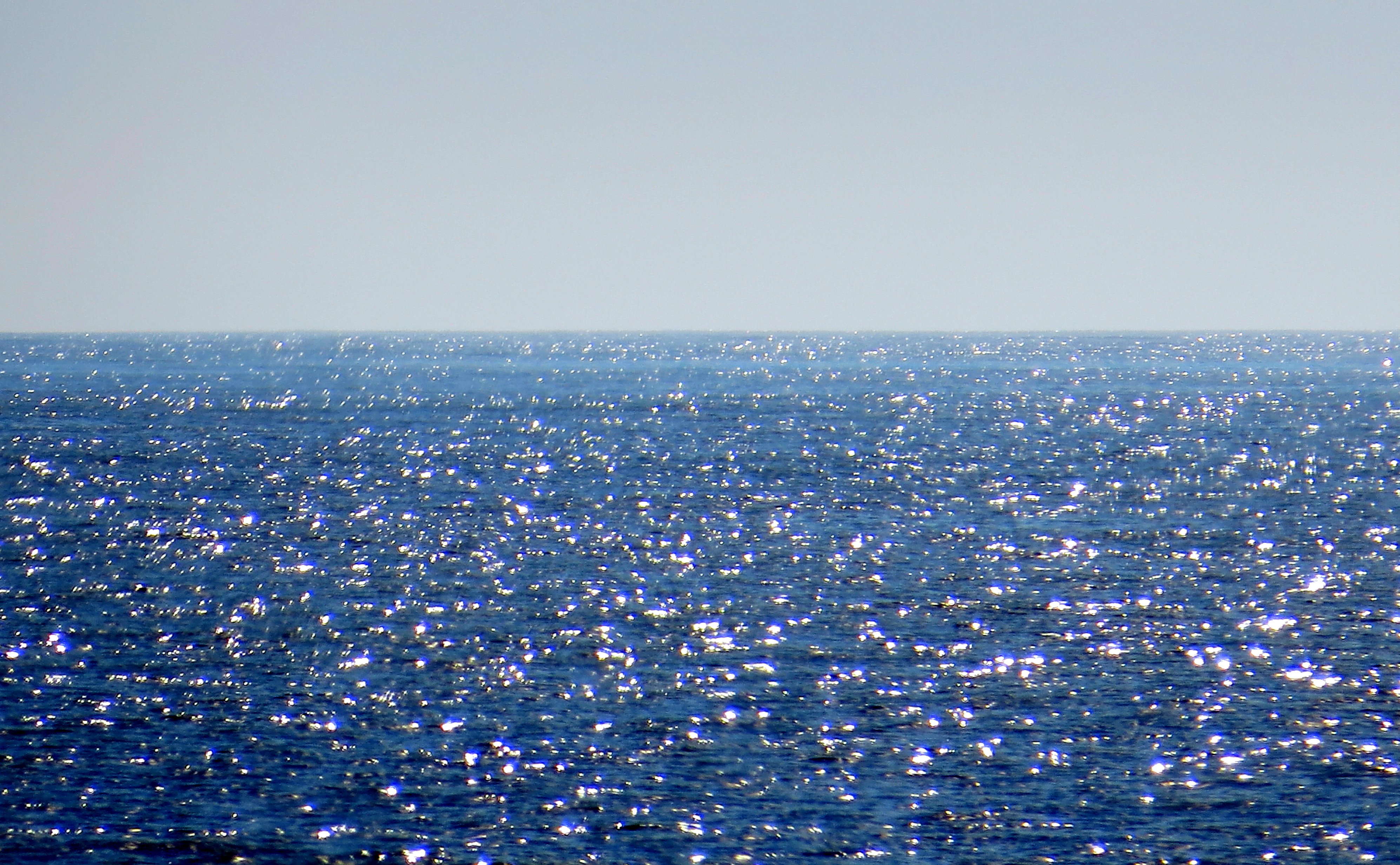
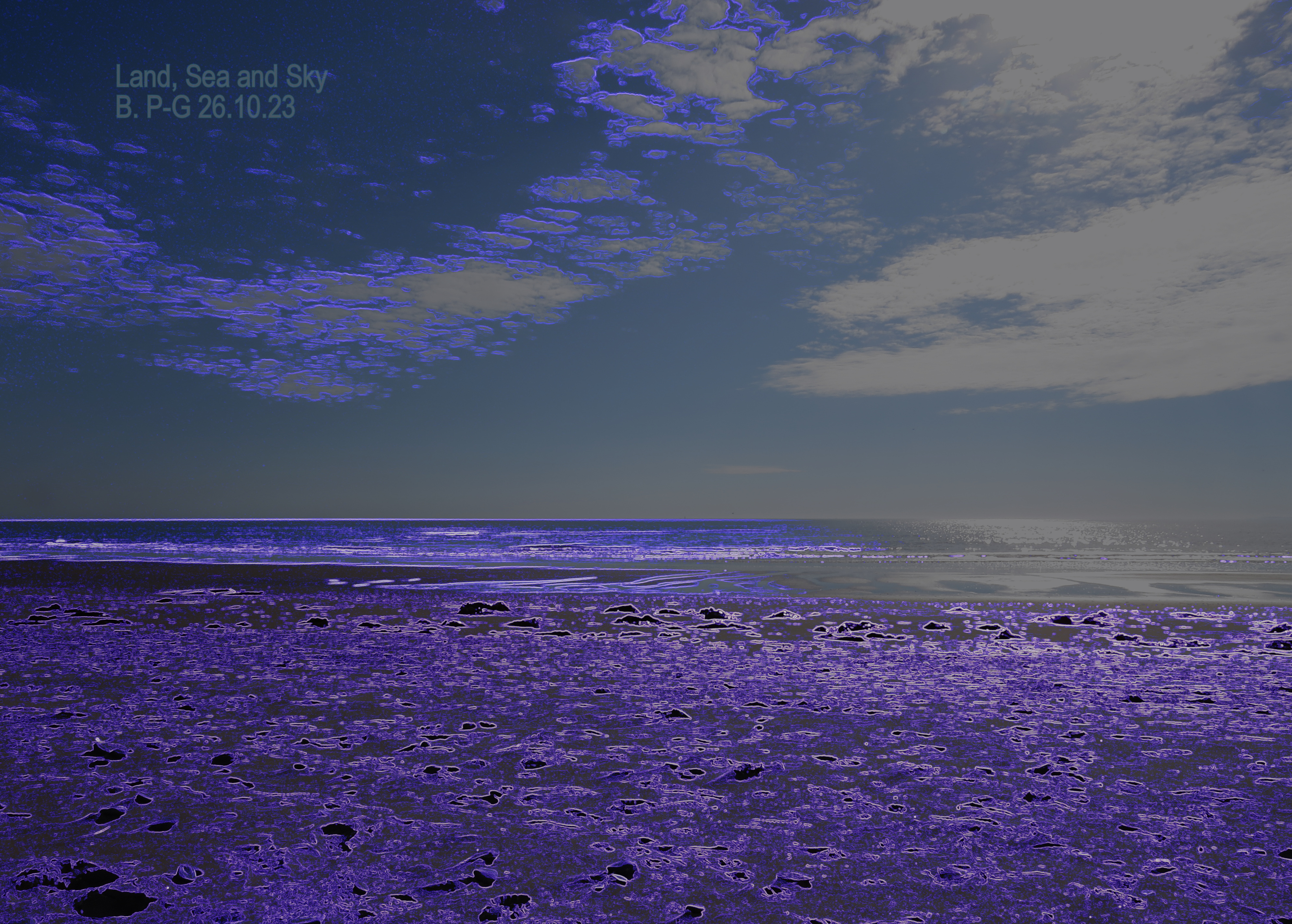
October on less known and traveled beaches. Eastern Coast hidden gem in East Chezzetcook.

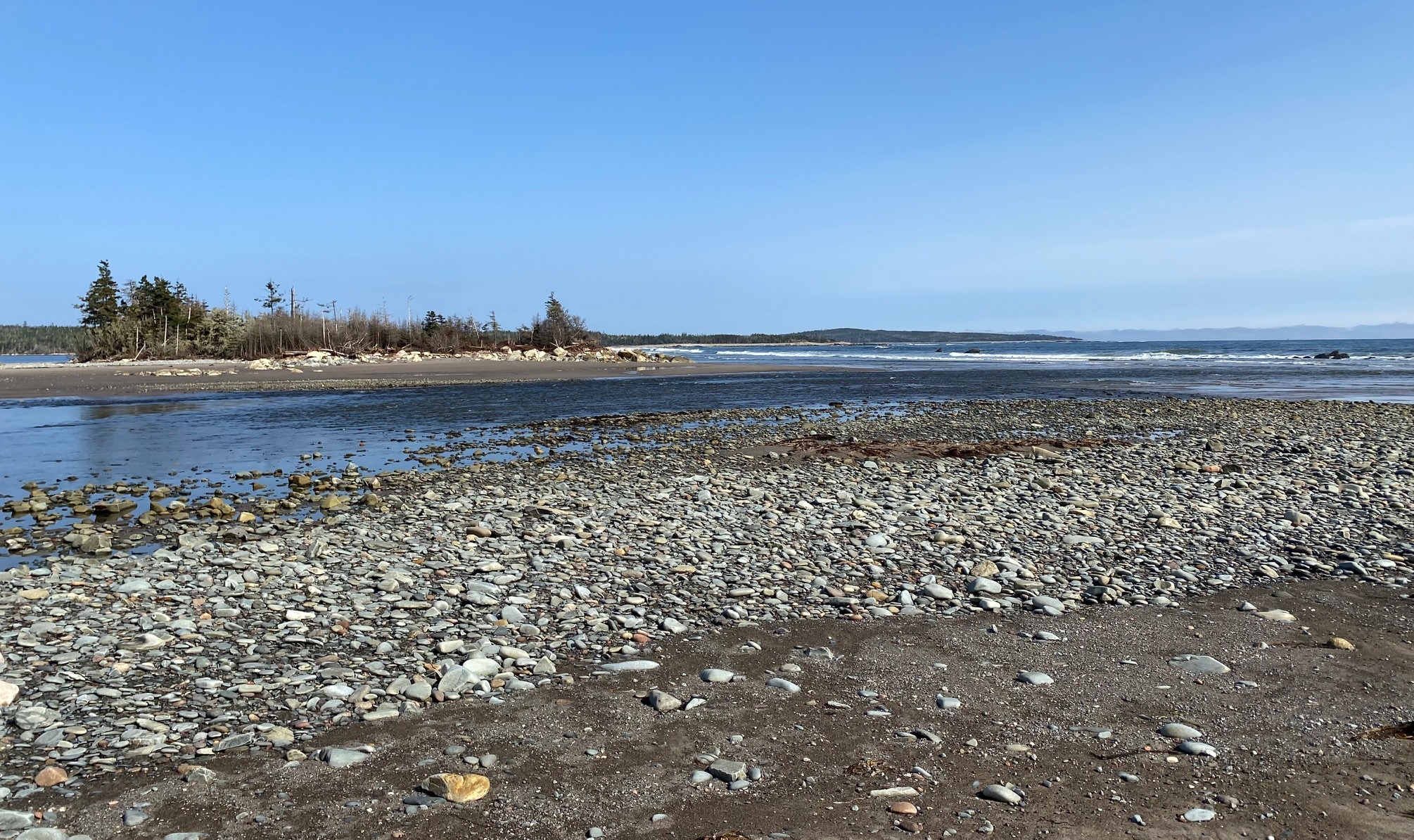
Just driving there is a pleasure. Taking Main Street, it becomes later Highway 107. It is such a nice drive, very picturesque alongside the huge Porters Lake. Just open your window, turn the music up to your favorite gigs and voila, enjoy! Pay attention to exit signs. You want the one to East Chezzetcook. Such a lovely community spread alongside the well-maintained road. Just don’t speed there please – people do live in these lovely houses. Almost none too ostentatious but nicely maintained. It takes a while, but don’t worry. Just take the road to the very end. When you can’t drive anymore – you have arrived. Only one big warning – do not take your map signs as a Bible and do not turn to something called “Conrod Beach”. It is not a beach – it is hell. Plain and simple. No joking. Don’t stray, stay on the road to the end. Depending on the time of day and the tide, I suggest you go as far as you can past the main stretch of beach and explore the long strip of sandy dune. You will need to go across a fast-moving water to get there. But it is worth the effort.