Zeitgeist


The term ‘zeitgeist’ is not fully clear. It came to be prominently used by the end of the XIX century and early XX century in Europe, especially in Germany, and comes from the unclear land between philosophy and psychology, from where it leaked into literature and historiozophy ( philosophy of history).

Generally speaking, it describes a certain time in history, an epoch, when non-ethical behavior was permissible or even expected. Morality was stretched beyond its meaning or got a new meaning. New leaders are rising to power as a result of new social acceptance. Strong chauvinism and nationalism trump other norms. The world becomes dual-colored: Them or Us or Us contra Them

In 2020 there were some events concentrated on the most abhorrent and evil time and place in modern history: Auschwitz. The German concentration camp in the town of Oświecim in Poland. Treblinka was an extension of that ‘Factory of Death’.  That’s when I constructed a literary piece called ‘Zeitgeist’.  For people to build such a place, for leaders to want it to be built – it must be a zeitgeist: time and place for it.

In the last decade, I see a powerful wave of xenophobia raising its head all over the world. Growing trend of populism. And I do call it a new zeitgeist.  Trump in US; new type of angry, populist conservative leaders in Canada’s politics (Poilievre in federal politics; Scott Moe in Saskatchewan; Danielle Smith in Alberta – to name a few most dangerous ones). It is not only xenophobia – with it homophobia is rising, racism (often covertly), and islamophobia, to name a few.


There is a group of people, who suffered in the last hundred years tremendously. People, who were stateless, become through centuries settlers, and nomads settling other states, mixing with their populace. But maintained to a large degree their difference. Mainly because of religious devotion and cardinal religious schism between the old one (Judaism) and the new one (Christianity). It wasn’t the language (most of them over time could not communicate in their old Hebraic language) or looks, but precisely the religious schism that laid the foundation of antisemitism, that created pogroms.

I have always had a special affinity and sentiment toward Jews. After all – Poland for centuries was a safe refuge for them compared to other countries in Europe. I was sad that being born after the 2 world war – I was robbed of their distinct presence in Polish towns, and cities. A presence that was still felt very much, was talked about by your parents, and grandparents, and was filled in entire Polish literature, and art. Detested angrily the act of violence perpetrated against them (the very few who survived) in new Poland after the fall of Hitler.

And something happened that forced me to see a different Jew. An Israeli Jew. A settler. October 7,  2023.

 Hamas–led terrorist attack on Israeli kibbutzes on occupied Palestinian land resulted in the brutal murder of about 1200 Israelis and some foreign nationals. They also took about 240 (according to Israeli count) hostages back to Gaza. Everyone was shocked. Not by that attack itself – after all Palestinians have a right to fight for at least an internationally recognized part of old Palestine. The part that was internationally reserved for a Palestinian state. Every nation on Earth has a right to self-determination and a right to fight for it. What was shocking was the brutality of it, the massive failure of the Israeli army and police (one of the best-equipped army in the world) to protect the civilian Jewish population. The assault was a ghastly way of murdering civilians. Many states (unanimously in Europe and North America) condemned the attackers.

But what followed in a wake of Israel’s military response – shocked everyone even more. And harshly polarized the opinion of the majority of the world, even within one state. In a short few weeks a non-stop air, artillery, and missile attacks on the entire population and infrastructure of Gaza left Gaza City, it’s services (medical, sanitary, and everything else) were reduced to ruins. The civilian population was not spared the onslaught of bombs. Quickly, the deaths counted in thousands. Approximately 7000 kids were slaughtered.  All border crossings (controlled by Israel) were shut down. Nowhere to escape. Nowhere to search for food, nowhere to ask for medical help for thousands more wounded, nowhere to search for water to drink.

And I saw the shadow of enormous Zeitgeist hovering over the entire Middle East.  Black, angry, spewing ashes and flames.


above – Left panel: a kid in Warsaw in 1945; right panel: a kid in Gaza in 2023

What is a year in heartbeats calendar?

One year. Entire year. twelve months, three hundred sixty-six days. It is hard as hell,  no point in being poetic in choosing words.

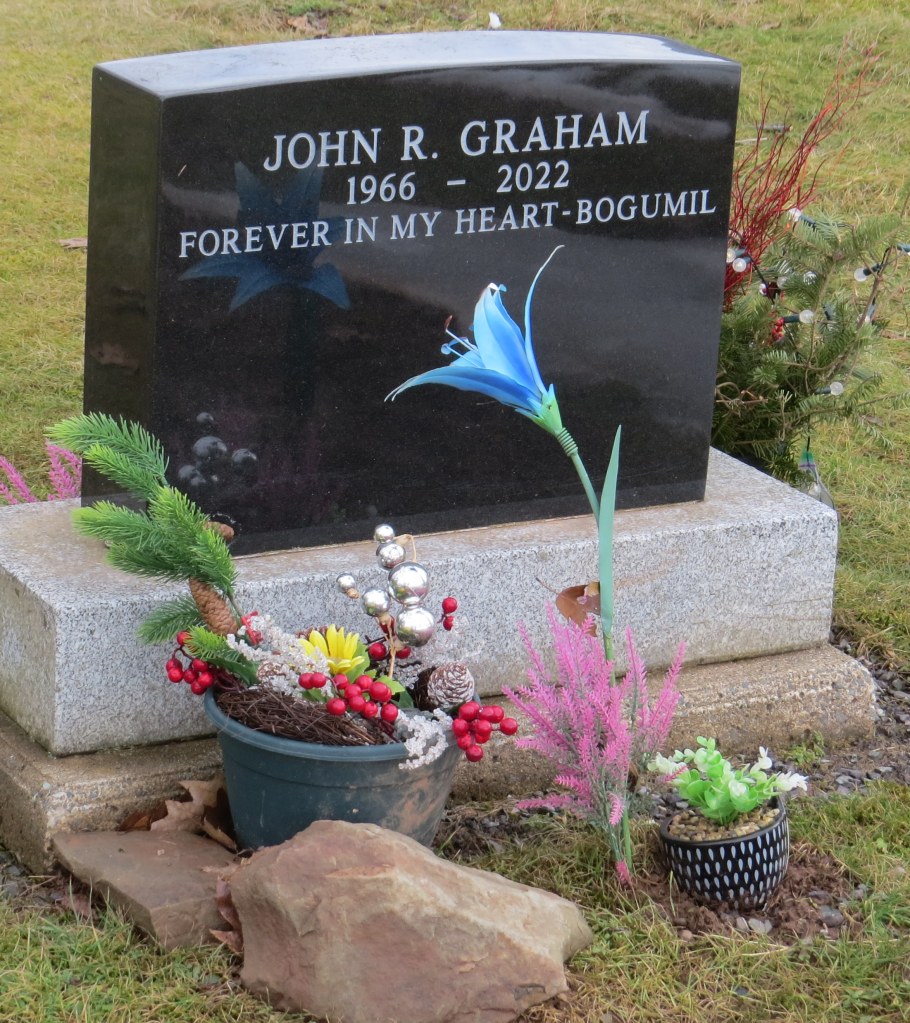
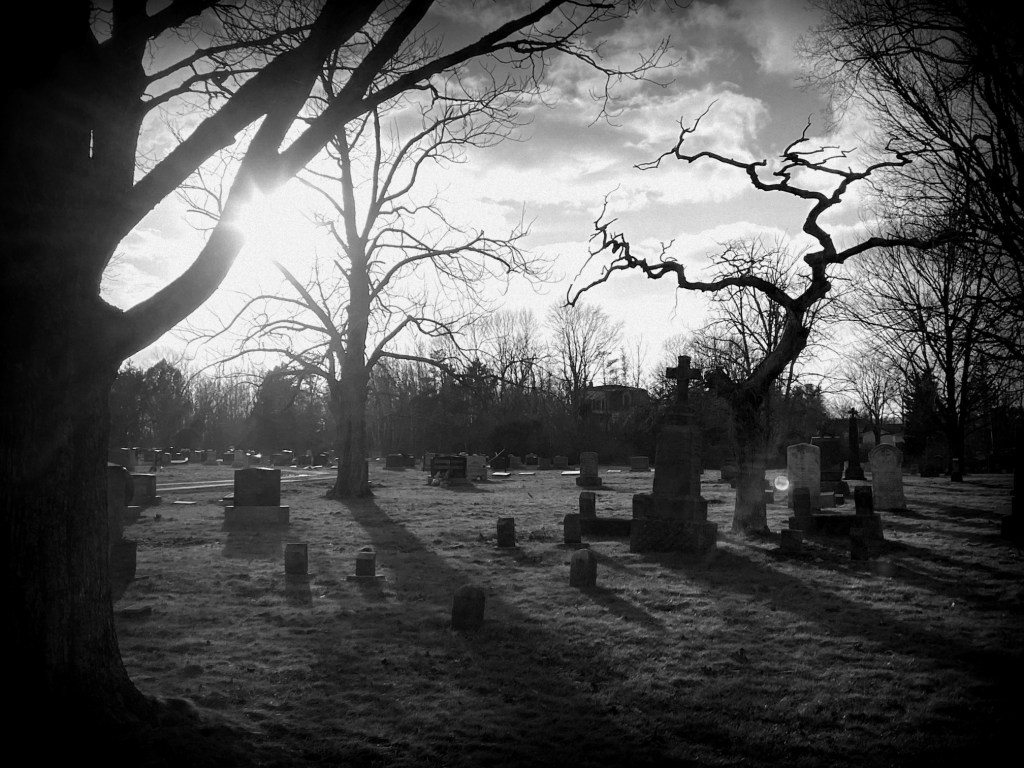
Came to Pictou today to spend time in the cemetery where we interned your ashes. Windy, very cold, and wet. Very desolate, not a single person, or visitor there. I know, it is only a stone, a typical cemetery tablet with a name, dates, sometimes a short description.  Your name. Yours, your parents, your baby brother you never had a chance to know. And now also Fraser, your oldest brother, who was laid down here just a few months ago. The coldness, emptiness, the wind made a bit of a mess around the gravesite.  The old flowers still from the time of the funeral, wilted, blackened,  scattered around.  Cleaned it all a bit, and gathered some rocks to hold the new ones and the old ones that were good. Some still from my first visits there, when it was only a place of Leona and Doug, your parents. I haven’t come here since Fraser’s funeral. Didn’t’ want to.  I preferred going every opportunity I had to my wild beaches, in some secluded spots. Remember? We had so many long talks on these beaches. So many tears. Some laughter. I preferred these meetings and visits to visits to cold gravesites.

But I am glad I came today. It is no longer as desolate and as unkempt for the winter, for Christmas.  For Christmas? Do the dead celebrate Christmas? I know the legend and stories of cemeteries and dead folks around November 1, the Old Souls Day. But Christmas? Never thought of that. But just in case, the stuff I brought is sort of wintery-Christmassy appropriate. You know – green branches and so on.  You know that I don’t like when things like that are not taken care of. It is just the oddity how some things are done (or not done properly) on tiny local cemeteries, I suppose.  So I came and fixed what I could.

Fix things? How to ‘fix things’? Nothing can be fixed when everything is broken. Yes, I know You are not there, not under this ground. You are with me. Forever. I have engraved some words on the stone that and thought it said that You are forever in my memory.  And I smiled. In my memory? Really?  That is all that is left, that came to be of our life? Our love?  Just to remember?  How silly words could be to describe emotions, feelings…. You are just part of my soul, part of me. I don’t remember fully, who I was before I met You. I think I was just in a state of waiting. Waiting and searching for You. And I have found You. No, these words were not meant for You or to remind me. They are to the strange passerby to know that You were loved by someone. To passerby, who will not know, who you were or I was. But will know that You were loved. That’s when I noticed that I wrote them correctly on the stone: in ‘my heart’, not ‘in my memory’.

In one of my previous ‘Talks with You’ I published a poem describing how difficult it is to … describe love in words. How she escapes dictionaries and vocabularies. I will repeat the last part of the poem. Just in case You forgot it. And later, some other day we will talk again.

Even when she sleeps –

Her breathing is

expecting you.

That is why when I call you –

I scream or I cry.

And most often when I call you –

I am silent.


John coming back from Poland in 1990

Nagba. Scenes of history.

Idea of this article came to me around November 11, Remembrance Day. I was going to write about places and people I knew, who took part in both the I and II world wars. I was lucky enough to know veterans of both wars. Either as family members or personal friends. Now they are all gone. Although I see their faces still etched in my memory. But, as I started writing, the text changed. Wars change inevitably to exoduses, expatritions, expulsions. The suffering of civilians. The Nagbases. Therefore I decided to write a series of scenes depicting the most important ones. Like in a theatre dramats. As I was writing I noticed how things often change, how oppressors become victims and vice versa.

Scene #1

It is 1914 in Galicia,  on a train at railway station in Kiev, in Ukraine. Front line of Austro-Hungarian Empire and Russian Empire. Young nurse is tending to wounded and bloodied soldiers on that train. Zofia Lejmbach is that nurse. One of my great aunts. She learnt how to be a nurse in a Polish military organization called Rifle Groups  (Drużyny Strzeleckie) organized by Polish independence movement few years prior to that war. Those wounded soldiers were not Polish soldiers, Poland did not exist as independent nation yet.  Not until exactly 11 of November 1918. But it doesn’t matter for her what nationality are these soldiers – they needed help, that was all that matter. Later she will become one of the leading Polish pediatricians, professor and v-ce Rector of Warsaw Medical Academy. That was many years later, though. After 1945.

Scene #2

It is thirty years after her experience as a nurse in Kiev. It is 1944. Different world war,  #2. August in  German occupied Warsaw.  Soviet armies are marching west through Poland, battling the German Nazi Empire of Evil. Polish Underground Home Army (AK) starts the tragic Warsaw Uprising, trying to liberate Warsaw from Germans before the Soviet Army enters the city.  Young doctor Zofia Lejmbach is the Chief of the Underground Army Sanitary Department for the entire Warsaw District. Organizes make-shift hospitals for wounded partisans of Warsaw.  The Polish Underground Home Army (AK) represents Polish Republic  Government In- exile in London. The Soviets don’t want them to liberate Warsaw in the name of that democratic government. They stop their advance and allowed the Germans to smash the Uprising. And Germans did. In atrocious and merciless way.  Doctor Zofia Lejmbach and her medical teams did what they could, in indescribable circumstances. In Wola district was a hospital full of wounded Polish fighters. Zofia Lejmbach was wounded herself but not seriously and turns all her attention to treating the boys of the Uprising. She got a news that Nazi units just massacred another hospital killing all medical staff and patients. Somehow was able to commandeer a large horse drawn carriage and filled it with her patients and escaped the inevitable death taking them through the ruins to her father estate outside of Warsaw, in Skorosie.  By the time they have settled in that estate – the Uprising was over. The Germans ordered the rest of the entire population of Warsaw to live their burning city and long columns of of Warsovians march toward small city of Pruszkow, where the occupiers told them to settle. They could take with them only what they could carry. Behind them was burning Warsaw. When the smoked cleared somewhat – almost nothing was left of the city. Germans burnt and detonated it street by street, house by house.

Scene #3

                Nakgba. Year is 1948. Nakba means in Arabic a catastrophe –  to be expelled, evicted with no right of return[i]. One of the most pivotal word in describing Palestinian people situation in Palestine. It precedes any other explanations, political and military context. It seats at the very centre, at the core of this tragedy. To be precise is started in 1920 in Haifa, when the British seized Palestinian Arabs houses and property and gave it to Jewish settlers brought by them. The Arabic Palestinians did not even receive any compensation. That process continued through the 1930. But 1948, with the creation of Israel it become massive and on unprecedented scale. It wasn’t just houses, private property – it meant territory.  Old Palestine as a huge territory that was home to many groups of people (majority were Palestinians but by 1948 the Jews formed the second largest group) ceased to exist. One of the most prominent symbol of Nakba is a key. Regular, ordinary old type of iron key to an old house. A key that countless of Palestinian families took with them in their long exodus. I remember meeting Palestinian refugees (the original old ones with their children and grandchildren, who were born outside of Palestine) living in Canada, who were showing me their old, rusted key to their lost house in Jerusalem.

Scene #4

                Warsaw. The year is 1942. For more than a year all Jews from Warsaw and smaller towns and villages near-by are moved by German authorities to big space in central Warsaw. The infamous Warsaw Ghetto. At its height the Ghetto housed closed to 0.5 million Warsaw’s  Jews. It was separated by walls and gates from the rest of Warsaw (so called ‘Aryan side’). The time comes for Germans to start in earnest their satanic ‘Final Solution’.  Who didn’t die of hunger or wasn’t shot by Hitler’s henchmen at the slightest opportunity – was going to be deported to Treblinka near Auschwitz. To gas chambers. Long lines of tired and sick people formed columns and march to train station under the watchful eye of the oppressors. Those, who were too weak to march or have fallen down while marching are dealt by German soldiers and Jewish Judenrat (Jewish local administration and police formation organized forcefully by German authorities) – by a blow to the head or single shot. The end of Jewish existence in Warsaw – existence spanning hundreds of years.

Scene #5

                Year is 1945. Soviet Union is in full control of huge territories of Eastern Poland (parts of today Lithuania, Belarus and Ukraine). The Yalta Conference of Roosevelt, Churchill and Stalin decided to change the borders on Central and Eastern Europe on a massive scale. None of the countries involved were consulted and none of the millions of people were asked their opinion. It was truly a march of nations. Since the end of Middle Ages Kingdom of Poland had its borders expanded through treaties, dynastical agreements and wars eastward. The new Polish Republic from 1918 to 1945 did not hold as massive eastern territories as did the Kingdom. But territories were Polish element was in majority or very close to it – were still part of Poland. The Vilnius District, western Belarus and Western Ukraine were considered as the centres of Polish science, art and culture (especially Lvov and Vilnius with its highly regarded universities). Now the old world collapsed. Millions of Poles were expatriated from lands and homes they lived in for generations.  The entire immediate and extended family on my father side pack what they could, left their houses and cemeteries where generations of their grandfathers were buried. I remember them all very well. They – as the old Palestinians from Jerusalem – never forget their cities: Vilnius, Lvov, Sluck, Luck …  Big part of my heart is in Vilnius, too.

Scenie #6

                Year is 2023. Now. Gaza in tiny scrap of land of new Palestine. Very narrow bridgehead strip squeezed between Meditearrean Sea and Israel . One of the most populated piece of land in the world. Separated by Israel from larger piece of land govern by Palestinian Authority in Ramallah in West Bank. That separation made it practically impossible by the Authority to exercise control of Gaza (internationally the Palestinian Authority is recognized as representative political and administrative body of all Palestinian territory: West Bank and Gaza) and allowed for much more aggressive movement of Hamas to take control of Gaza. Hamas political arm become radicalized and it’s armed forces are closer today to jihadist ideas than to original goals of Palestinians struggle for independence.

On the 7 of October Hams launched an attack on Israeli town near Gaza killing hundreds of people (the number of executed Israelis in in the vicinity was 1200 victims) and taking hundreds more  back to Gaza. The atrocity and extremely brutal way of conducting the operation stunned the world.  It’s incomprehensible to understand how such an operation was possible to succeed given the military prowess of Israelis armed forces and once that attacked commenced that it was allowed to continue for hour on end.  Basically speaking the government of Israel was totally missing in action and failed to protect its land and citizens. Once the attackers returned to Gaza, Israel Forces begun full military operation. For weeks Gaza was subject to non-stop bombardment of air forces, artillery and missiles. It was immediately clear that civilian casualties will be very high. Israel cut off all contact of Gaza with external world, cut off food, water, fuel and medicine supplies. People who were trying to leave in this tiny strip of land from north to south were subjected to air attacks. The civilian casualties were growing day by day.  First by hundreds, than by thousands.  Women and children. Old and sick. Non ending groups of people trying to escape bombardment  and death, with meagre belongings hauled first by cars (until fuel run out), on foot, with crying children, with elderly. In search of food, fresh water. On a journey to nowhere. No escape. Some tried to look for safety in hospitals. To no avail – the hospitals become target of constant attacks. Foreign doctors from UN, Red Cross and Doctors Without Borders become victims themselves, some were murdered by Israeli strikes. Hospitals started running out of basic medicine, finally the fuel run out. Some doctors described how they were being shot by Israeli snipers. Scenes like from Dante’s Inferno .  The world watches still in disbelieve. Thousands of children were being murdered and their bodies are being placed in shallow mass graves. As the world watches. Every possible law of war is broken. Crimes against civilians, hospitals and humanity are being committed daily. And the world watches. One of Netanyahu cabinet ministers publicly demanded that an atomic bomb be dropped on Gaza. I thought that the world went crazy, no stop. And that minister is still a minister in Israel’s government.  More or less the Palestinians in Gaza were dehumanized the way Jews were dehumanized by Hitler’s Germany eighty years ago.

Final reflection: how strangely and sad it is that depending on circumstances a yesterday’s victor becomes an oppressor and oppressor becomes a victim.


[i] United Nation document: https://www.un.org/unispal/about-the-nakba/#:~:text=The%20Nakba%2C%20which%20means%20%E2%80%9Ccatastrophe,the%201948%20Arab%2DIsraeli%20war.

The power of the ocean and the lure of a wintery sunset

The power of the ocean and the lure of a wintery sunset

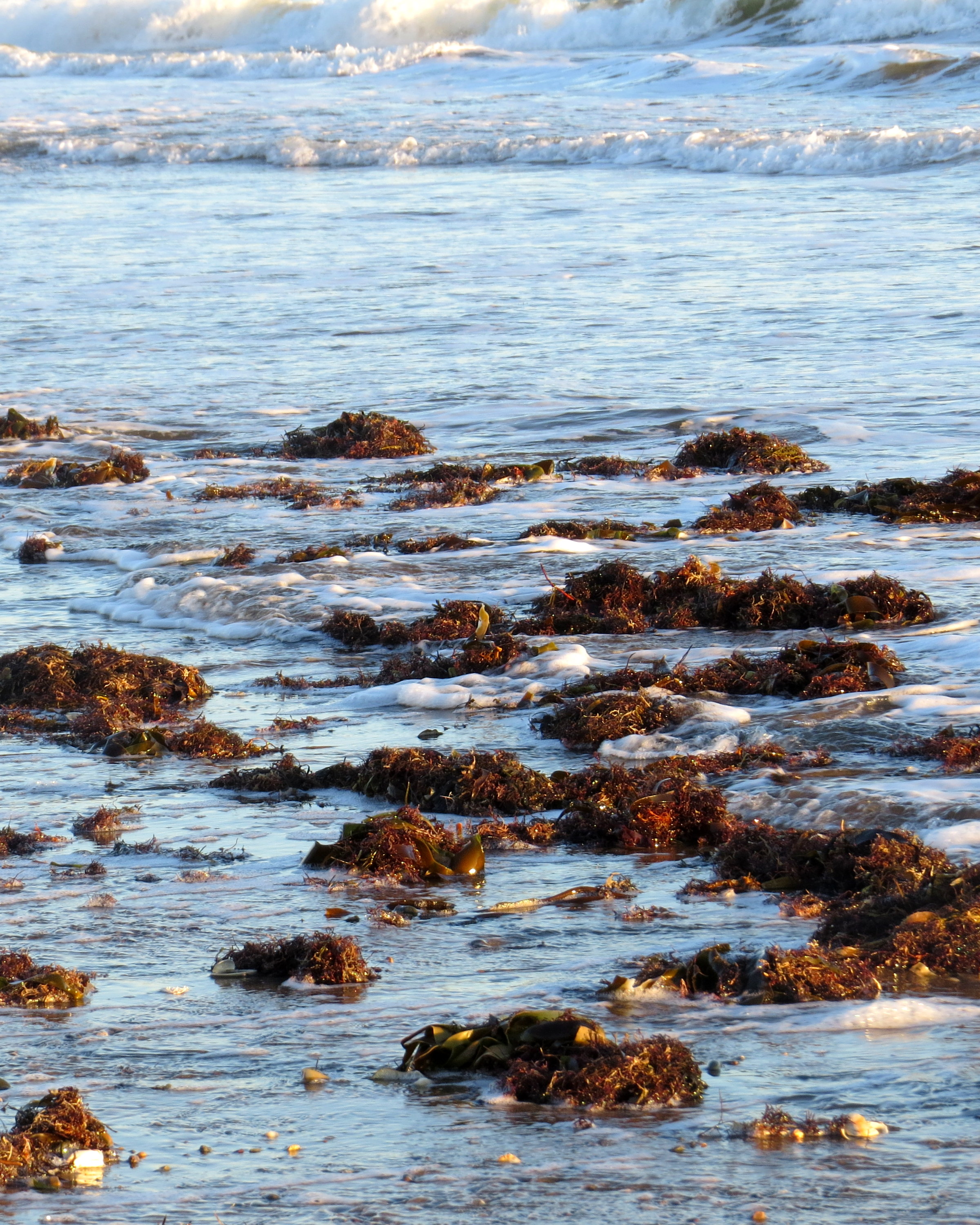
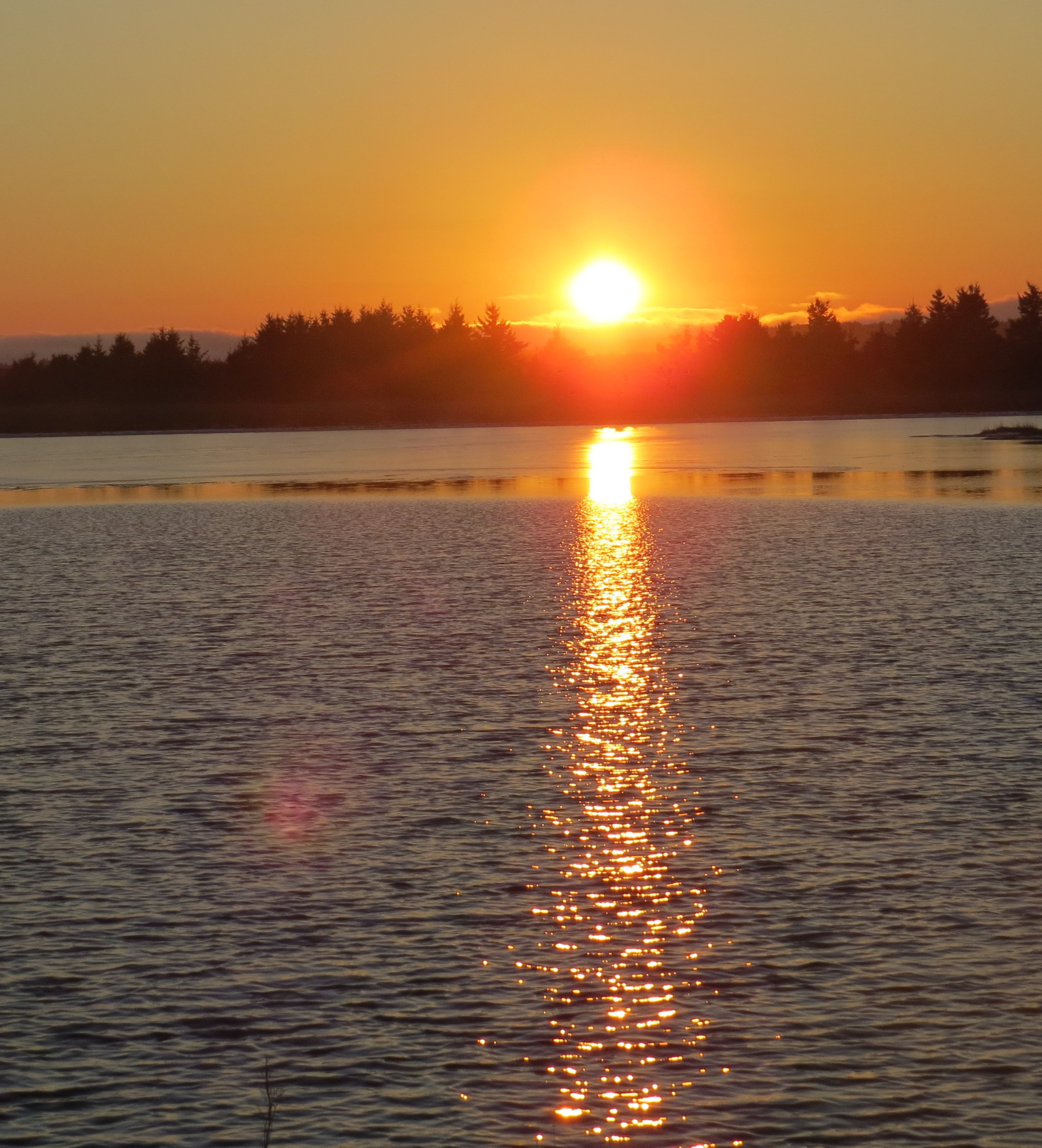
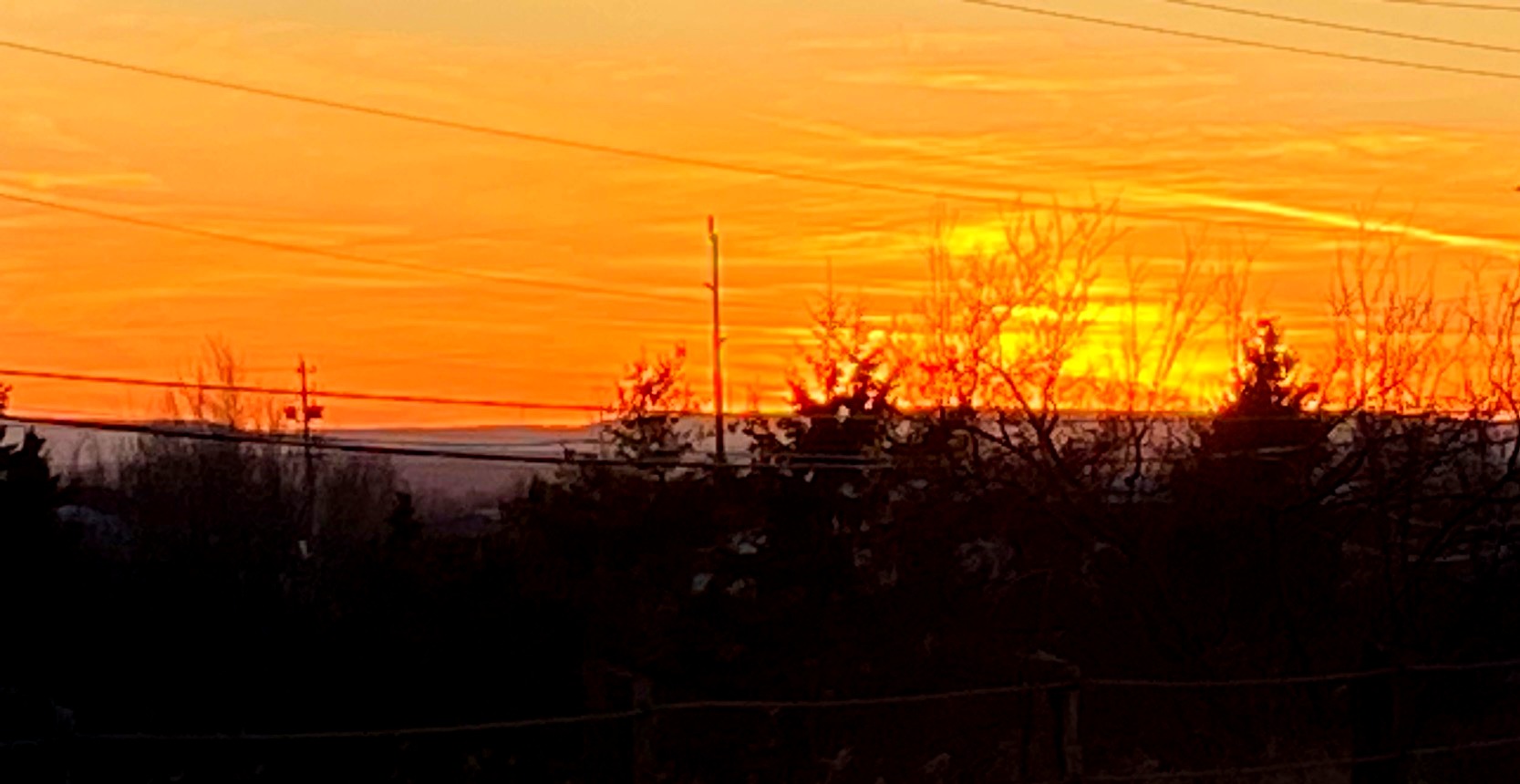
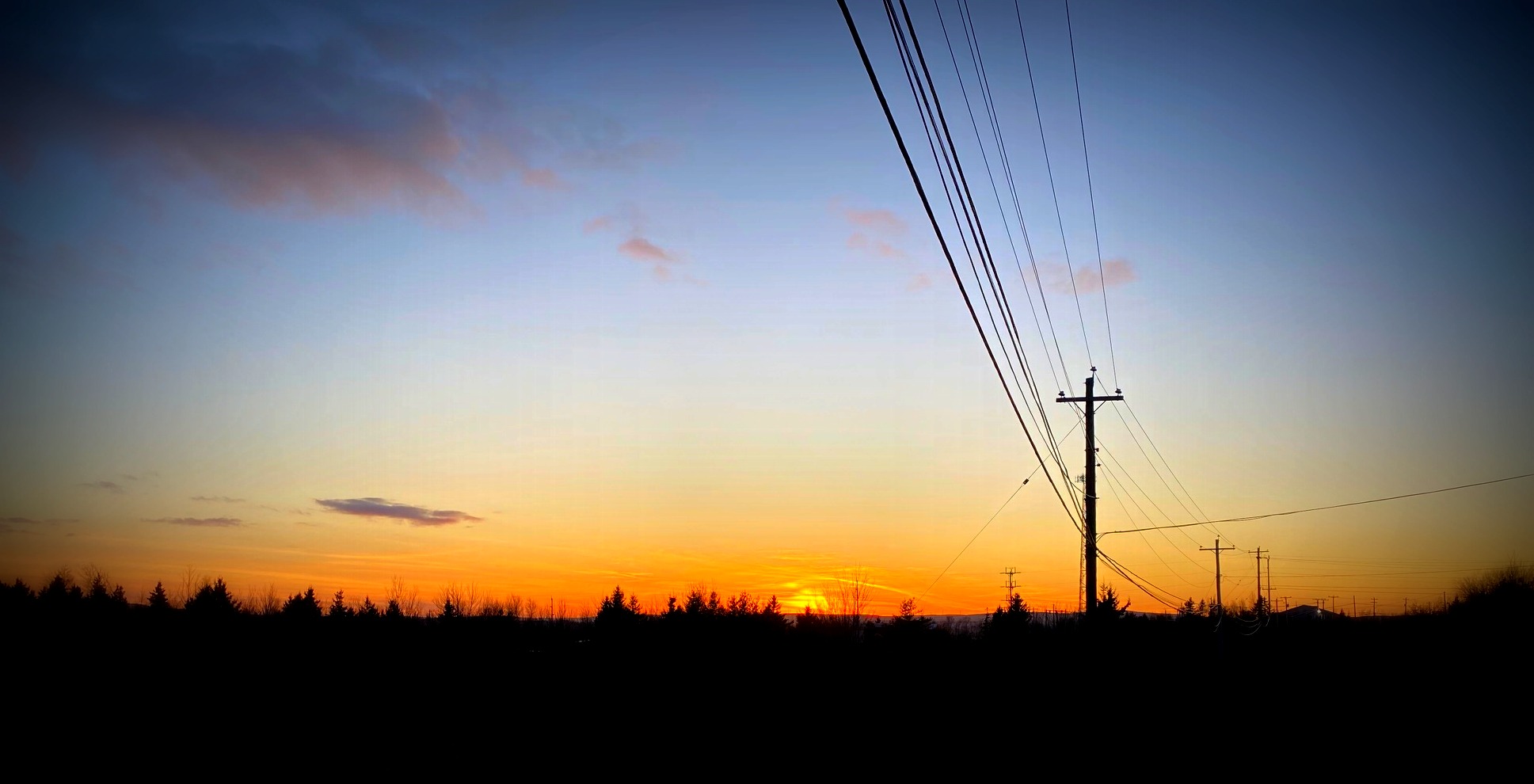
For the past few days, I have been struggling with bad flu. You know the story, don’t you? A man and the flu do not mix well. Women over the centuries have learned that flu is but a nuisance yet the homework still needs to be done. Men on the other hand view it as a biblical plaque. They thought that it is the end of the world. I am somewhat a modern man and I do live alone – so the chores reluctantly were done. But venturing beyond home was for most of the time beyond my strength. Today was a first day much better. On the mend, so to speak. Cold but absolutely, stunningly beautiful. I knew the sunset is going to be spectacular and I ached to go and see my sea. Not only the Channel in front of my home, but the actual open ocean: to hear its song, to marvel at its might.

In 2020 I wrote poem to the Ocean. At the end of it, the ocean invites me and says:

I will offer you a lazurite scale armor,
a long shawl in dark green,
as my wedding gift. 

Went to the very end of the road past Fisherman’s Cove, right in front off the aptly named Devil’s Island. There is nowhere to go from there but to marvel. Last time I went there was sometime in December last year with my Damian, who came from Poland to stay with me after John’s passing. I don’t remember much about that December. If not for this good soul, who came to look after me … well, I have no idea how I would have survived. But one cold, wintery day I took him there, to that spot. We watched the furry of the ocean that tossed huge rocks like pebbles on the road.

Today was the orgy of red, orange fires between the sea and the sky. Almost kitsch, almost vulgar. Almost – but Nature never cared much about our delicate bourgeois sensibilities.

Dni straszne nadchodzą. Dni zderzenia się z ciągle odrzucaną rzeczywistością odejścia, rozłąki. Niebytu. Ciebie. Mnie bez Ciebie. Czasu, który na zawsze rozdzielił moje życie na przed i po. Pojechałem tam, gdzie byłem w tych dniach niemożliwych do zrozumienia z Damianem, który przyjechał z Polski ze mną być. Młody człowiek, któremu ja miałem być opoką niewzruszoną, który nie mógł wiedzieć, co w chwilach takich robić należy. Ale był. A nikt nie wie. Ani młody, ani stary. Wiedzą tylko poeci i wariaci. Nikt wtedy też poetów nie czyta, a wariatów nie słucha. Tak nas uczono przez setki lat. Zagryź wargę i idź. Idź gdzie? Wszystkie drogi prowadzą wówczas do nikąd.

Więc pojechałem tą samą drogą, tym samym samochodem, jak tamtego dnia z moim chłopcem z Polski, w dokładnie to samo miejsce. Patrzeć na ocean. Słuchać oceanu. Przy brzegu Diabelskiej Wyspy. Ocean rozumie. Jest wszechpotężny. Wycisza wszystko. Jak w w moim wierszu napisanym wiele lat wcześniej, w 2020. Bardzo mi to dziś pomogło.

Ocean
Patrzę na ciebie, żywa wodo nasza
w wiecznym ruchu, nigdy nie uśpiona.
I tak czasem bywa, że ty, jak tafla
jesteś, jak wielka szyba okna Ziemi.
Jak śpiąca Afrodyta rozmarzona.

Ale ty nawet wówczas drżysz, wznosisz się,
twój oddech jest wilgotny, gdy tuli brzeg.
Gdy budzisz się w czas, muskularna, naga,
grzywacze w rydwanie gnasz przez zatoki,
cieśniny, zdobywasz fiordy, usta rzek.

Mierzysz się z czasem, chcesz go cofnąć, wrócić,
pokryć ciężkim, lepkim płaszczem doliny, góry,
które były pałacem pełnym krużganków,
obszernych komnat z tańcami, muzyką głębi,
odbijających słońce, gwiazdy, księżyc, chmury.

Zawsze gdy wchodzę w twe podwoje, zanurzam się
w tym życiodajnym płynie macierzyńskiego łona.
Otulasz mnie czule, mruczysz bezsłownie: wnijdź,
nie bój się, mam tyle przestrzeni wolnej, twojej.

Podaruję ci płaszcz z łuski niebieskiej,
utkam długi szal zielony,
jak welon weselny.

W pogoni za gasnącym słońcem i wschodącym księżycem. In search of hiding sun and waking up moon.

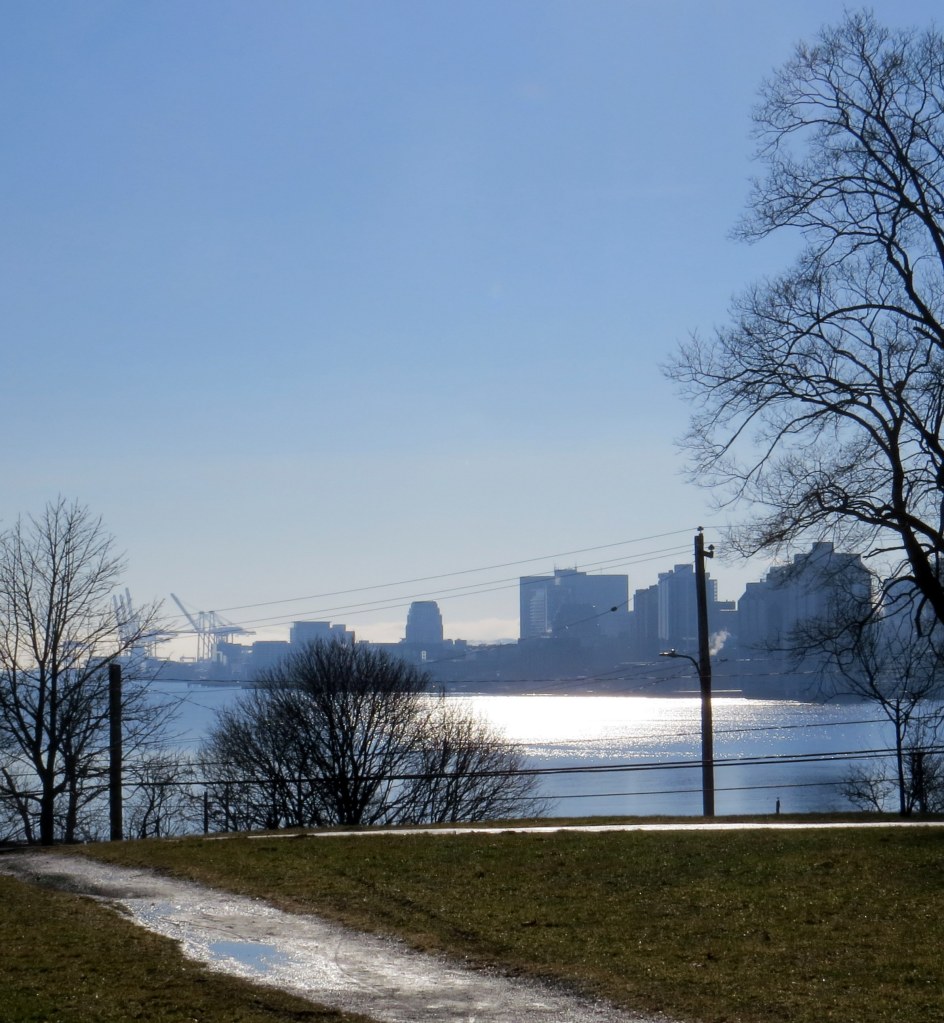
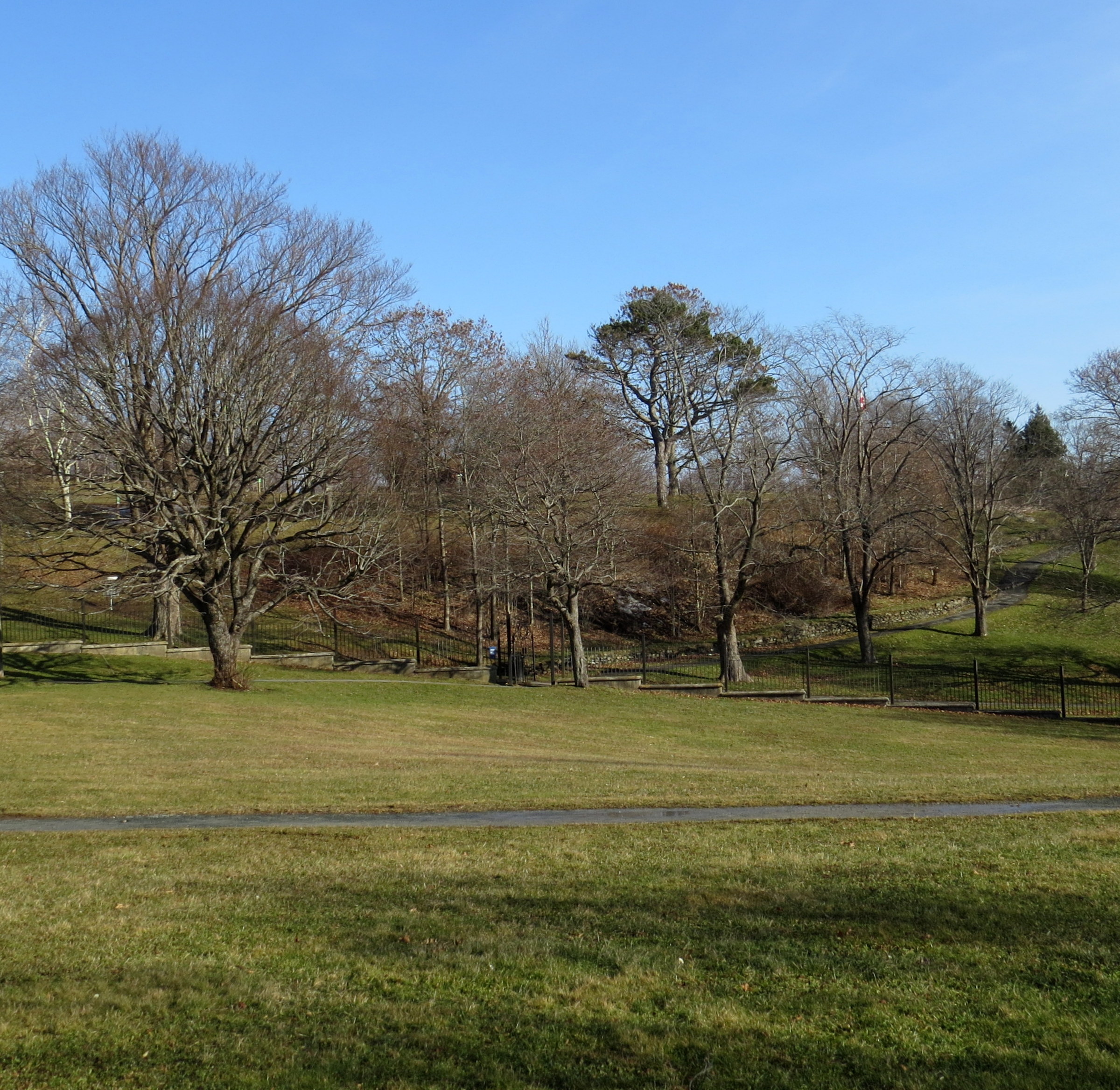
The last two days in Halifax – just before the incoming storm of a dying hurricane – were gorgeous. More like late September than the end of November. I had such plans for them! Two days of ‘Indian summer’ during my days off! Lucky me, I thought. But not so much. Having avoided probably close to three years any cold or flu – I got it now. With chills, and fever. Everybody knows that for a man a flu or cold is worse than any other plaque known to humanity. The bottomless pot of self-pity, LOL. But despite that, I gathered all the remnants of my heroism and packed my camera, and small bottle of Advil and went to a small but wonderful and little-known park between the end of Halifax and the beginning of Bedford – the Sea View Park, just above Africville. Enjoy the views.

Druga połowa listopada, tuż przed nadchodzącymi z Florydy resztkami tropikalnego huraganu, przyniosła nagle cudowne dwa dni ‘babiego lata’. Dni, które miałem wolne! Ba, fatum złośliwe powaliło mnie z nóg. Spotkała mnie straszna dla każdego szanującego się bohaterskiego mężczyzny biblijna plaga przeziębienia lub grypy. Mimo to, nadludzkim wysiłkiem podobnym do dzieł greckich herosów, popołudniem zebrałem w torbę kamerę, buteleczkę aspiryny, wsiadłem na mojego czarnego uskrzydlonego pegaza i popędziłem do mało znanego zakątku w pogonii za zachodzącym słońcem i w powitaniu nadchodzącego księżyca. W małym parku na granicy między Halifaksem a Bedford.

Bike ride #2. Trasa rowerowa nr 2

Bike ride #2. Trasa rowerowa nr 2

That was a very strange night. I watched some TV, and couldn’t watch any more news, as the stories from Gaza were just so depressing. Watched some Netflix movie about some Argentinian young fashion megastar. It was tiring just by the speed of the movie-documentary, him being like high on something nonstop, all the time.  Somehow I started talking to You. Was sad and happy at the same time. Sad for obvious reasons, happy because we talked. Told you that life is like that now, like this movie on speed. I rush to do things, and have to be busy all the time. Just to avoid life. The reality. Sort of: not now, please. I’m busy. Will talk about it later. I have to finish this, that; have to run, have to drive somewhere.

Avoiding.  Not being irrational but not willing to deal with reality, either.

Went to bed about midnight saying that I had to get up about 5 am to drive to a bike trail in the middle of a forest near West Lawrencetown to catch with my camera the sunrise over the ocean. But the night was strangely hot, couldn’t fall asleep even with a wide-open window. Then a train started going back and forth near my building with a terrible noise of the train breaking and smashing of the train cars as they moved and stopped.  Went back to the living room, switched the TV back on, and watched some more of something. You were nowhere to be seen or heard and couldn’t continue our conversation. Made a decision to drive to that spot in the forest about 6 AM. Finally felt tired and sleepy. Before I knew I was asleep. And didn’t get up till 8 AM! Sunrise was gone an hour earlier. But did go for the bike ride anyway. Remembering the night I dressed warmly but very lightly. Took even a towel and an extra pair of underwear in case I decided to take a swim. Started biking at about 10 AM. And instantly knew that I wasn’t dressed as I should. It was freezing! And icy wind that went through my clothing. Swimming in the waves was out of the question when  I got to the beach. If I drove by car I probably would – and warm in the car after swimming. But getting on the bike and biking back easily 10-15 km to where I parked would probably turn me into an icicle, LOL.
Rozmawiałem z Tobą cały wieczór i potem pół nocy chyba. A miałem plany wycieczki rowerowej wzdłuż jezior i brzegu oceanu wczesnym rankiem by uchwycić wschodzące słońce nad Atlantykiem. Ze wschodu wyszły nici. Gdy w końcu dwu lub trzygodzinną drzemkę złapałem – obudziłem się już o ósmej rano. Dawno po wschodzie. Mimo to pojechałem w las, do tej trasy. Noc była nadzwyczajnie ciepłą, jak na tę porę roku. Ale dzień odwrotnie – więc ubrałem się bardzo nie odpowiednio, zbyt lekko. Mimo marznięcia – trasę rowerowa, tak jak zaplanowałem, tak przejechałem. Widoki piękne, surowe, zimowe już (choć bez śniegu) mają też swój specyficzny urok surowego piękna. Lato to barok natury, a zima to styl romański północnej Europy.

Bike ride on salt marshes from Cole Harbour to Lawrencetown

Bike ride on salt marshes from Cole Harbour to Lawrencetown

Pojechałem do Ciebie, do nas – na nasz ostatni przystanek ostatniej wycieczki za miasto. Do słonych bagnisk Cole Harbour. Widzę Twoją twarz, Twój zmęczony uśmiech. Twój skrywany żal. Bo Ty już wiedziałeś lepiej niż ja, jak krótki czas przed nami. Wszystko bym dał, życie z radością, by jeszcze dotknąć Twojej twarzy, jeszcze palce we włosy Twoje włożyć, przytulić na moment. Ten moment byłby warty wszystko właśnie, każdy dzień kolejny i każdy rok samotności.

The words of love

are difficult

they escape description

of dictionaries

of synonyms

of thesauruses

Her language

are smells,

touches, syllables.

They are screams

of grief,

they are exclamations

of tears.

They avoid punctuation marks,

because they lack

a moment to stop,

to rest.

Love is a movement,

a hurried run.

She is aggressive,

demanding,

or submissive impatiently.

Even when she sleeps –

Her breathing is

expecting you.

That is why when I call you –

I scream or I cry.

And most often when I call you –

I am silent.

Tak i dzisiejsza, późnym popołudniem w dzień pochmurny, wycieczka rowerowa, zabrała mnie na trasę groblą przez te bagniska hen, aż do Lawrencetown. Miałem czas na nasze bezsłowne rozmowy. Na fotograficzny zapis tych urokliwych jakimś smutnym urokiem, miejsc. Rozlewiska słonej wody oceanu mają inną florę i faunę niż jeziora słodkowodne. Mają zdecydowanie inny zapach.

I went today to meet you at our last drive outside the city boundaries. I saw your face again, your sad smile. I recognized your attempt to cover from me your sorrow. Your sorrow because you knew already better than me the shortness of time remained for us. And I screamed in silence, I cried. Wanted to touch your face, feel your hair between my fingers, caress you…. Nothing, nothing ever can be truly joyful and fully happy in my life.  My future seems to be like a life wasted, effort unnecessary.

And today’s bike ride on the dyke, through the marshes to Lawrencetown was somehow close to my thoughts. The colours, smells, even the fauna and flora of salt marshes are very different from those of fresh water lakes. Everything is dimmed somehow, austere. So was the time of day – late afternoon, greyish, cool weather.

Walk through cemeteries in Halifax. Remembering and reflections.

Walk through cemeteries in Halifax. Remembering and reflections.

About the year 741, Pope Gregory III decided that the 1st of November would be the day of special prayer and observance of all good Christians, who died and were admitted to Heaven. It is the Day of All Saints. Earlier that ritual was observed around the Good Friday prayers. The ancient and still existing Chaldean Church still does it at that time. 

In Poland, over the centuries this observance became a very important and popular movement. Still is. I remember it very well and rather fondly when as a child I would accompany my parents on these pilgrimages to cemeteries, where anyone from our family was buried. The cemeteries at these two days (2 of November is actually the day to remember all good Christians, who – after death – were admitted to heaven. The first of November is reserved only for the remembrance of the Saints of the Church) are still as busy as sports stadiums during important events. There are special buses and extra trains to take thousands of people to the gates of the cemetery. Going by car could be risky as nobody knows where you will find a spot to park. It is also a huge business. Visitors have to buy flower arrangements,  special candles, and other paraphernalia appropriate for that occasion.

I have never known that it is actually only for dead Christians. Would not be surprised if most Poles did not know that. It became a part of our national folklore.  I always remember that day even in Canada. For more than forty years. Always at least a moment of somber thought, of remembering. With age – I too have lost people in Canada, who were close: friends, with time family members.  Since we came to Nova Scotia I used to go every November 1st to Pictou, to light a candle and lay some flowers at the grave of my parents-in-law, Leona and Doug.  I left the Church a long time ago but that observance is still important to me. It is paying respect to those you have loved or respected. In one form or another Fall was always part of such remembering for many nations and people well before Christianization. It is somehow part of our humanity. From time immemorial.

Will not be able to go tomorrow, as I work (in Poland it is a National Holiday, after all, you could have more than one cemetery to visit, often in different cities) but I will be going there at least once in the last week of November. Within one year I have buried there, on my parents-in-low plot, two people. First, something I still have not come to terms with – I laid to rest the ashes of my Love, my Life, my Air to breathe, my dear husband, John. At the grave site, I stood with his siblings: a sister and two brothers, who came from Calgary. Now, almost a year later I stood there again, next to my sister-in-law and only one brother-in-law. The other one we were saying our last goodbye to. The sadness is hard to describe.

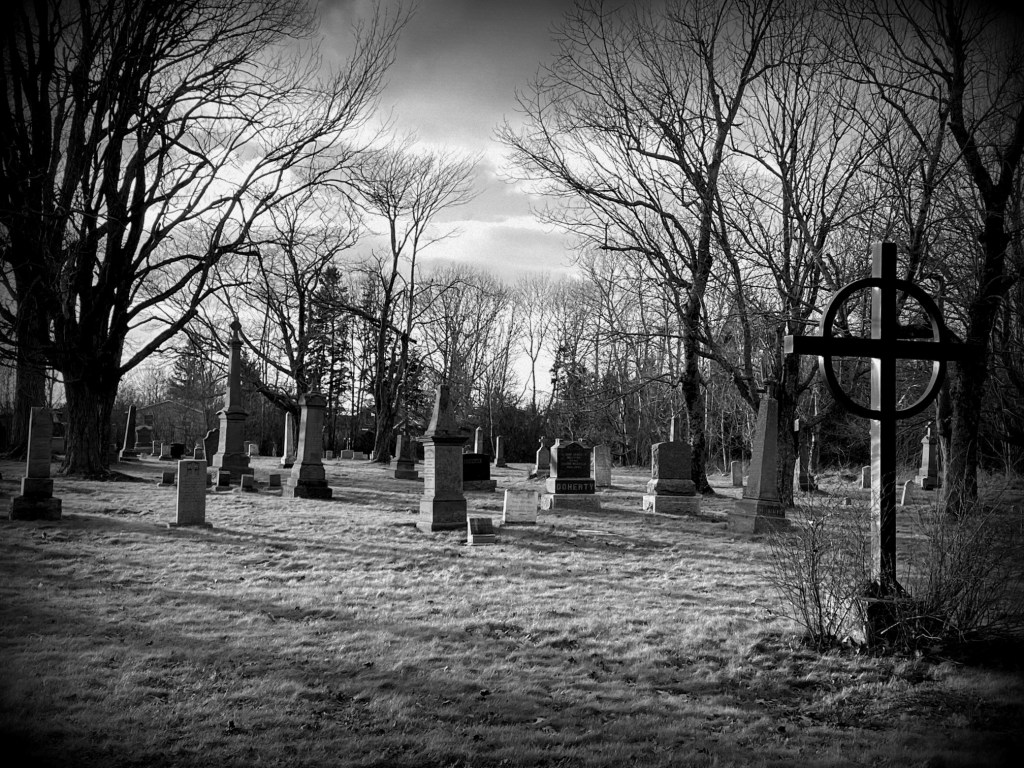
Today in Halifax was a nice day. Rather cold but sunny weather.  Decided to visit special places in this city. Places full of someone’s memories, full of sad but often beautiful memories, of love that was, friendship that flourished. Very important people, perhaps national heroes, maybe well-known personalities, and a lot of ordinary people, some gone a long time ago, some with no family left, who would visit them. Our cemeteries. Went to the famous one with Titanic’s small graves (Fairview Lawn Cemetery) and the huge cemetery downtown, next to the Public Gardens (Camp Hill Cemetery).

And one more cemetery, a special one for me. In my Old Country, there are a lot of empty old cemeteries. There are full of old graves, some with strange lettering on tombstones. But almost never any people walking, visiting. You see, for about seven hundred years Poland was home to the largest Jewish community in all of Europe. They escaped persecution in other European countries and settled in the old Polish Kingdom. For seven hundred years. That’s a long time. Until the 2nd world war and Hitler. And they disappear. The living ones – the cemeteries remained. On my numerous visits from Canada to Poland, I always liked to go to these cemeteries. There was such a sad silence in them. But that silence spoke to me loudly. That silence begged to remember. Reminded me of the powerful ‘Never again” wish that humanity had after that war. I remembered that next to Fairview Cemetery there was a small old Jewish cemetery. Still is. Fenced and the gate closed. And empty like the ones in Poland. No one visiting. I went there. Found a spot on the embankment where the fence was missing and went there.

Somehow it felt familiar, it felt good to be there. The same Hebrew alphabet on, familiar names (in Latin). The familiar way of putting stones on the top of the grave (I don’t know the origins or meaning of it, but they do it the same way as we put flowers on our graves).  I am glad I did.

But the ‘never again’ did not last, sadly. Wars and killings, even massacres continue. Even as I write these words. Humans are such strange creatures. Capable of goodness and sacrifice beyond belief, of love great and soaring. Capable of evil incarnate and hate incomprehensible.

Here is a story of Halifax, the story of Nova Scotia, and a story of Canada that is written on these cemeteries. As you read the names (although in the old cemeteries in Nova Scotia majority is of Scottish descent) precisely because it is Canada – the story of the world.

One more day before winter. Jeszcze jeden dzień przed śniegiem.

One more day before winter. Jeszcze jeden dzień przed śniegiem.

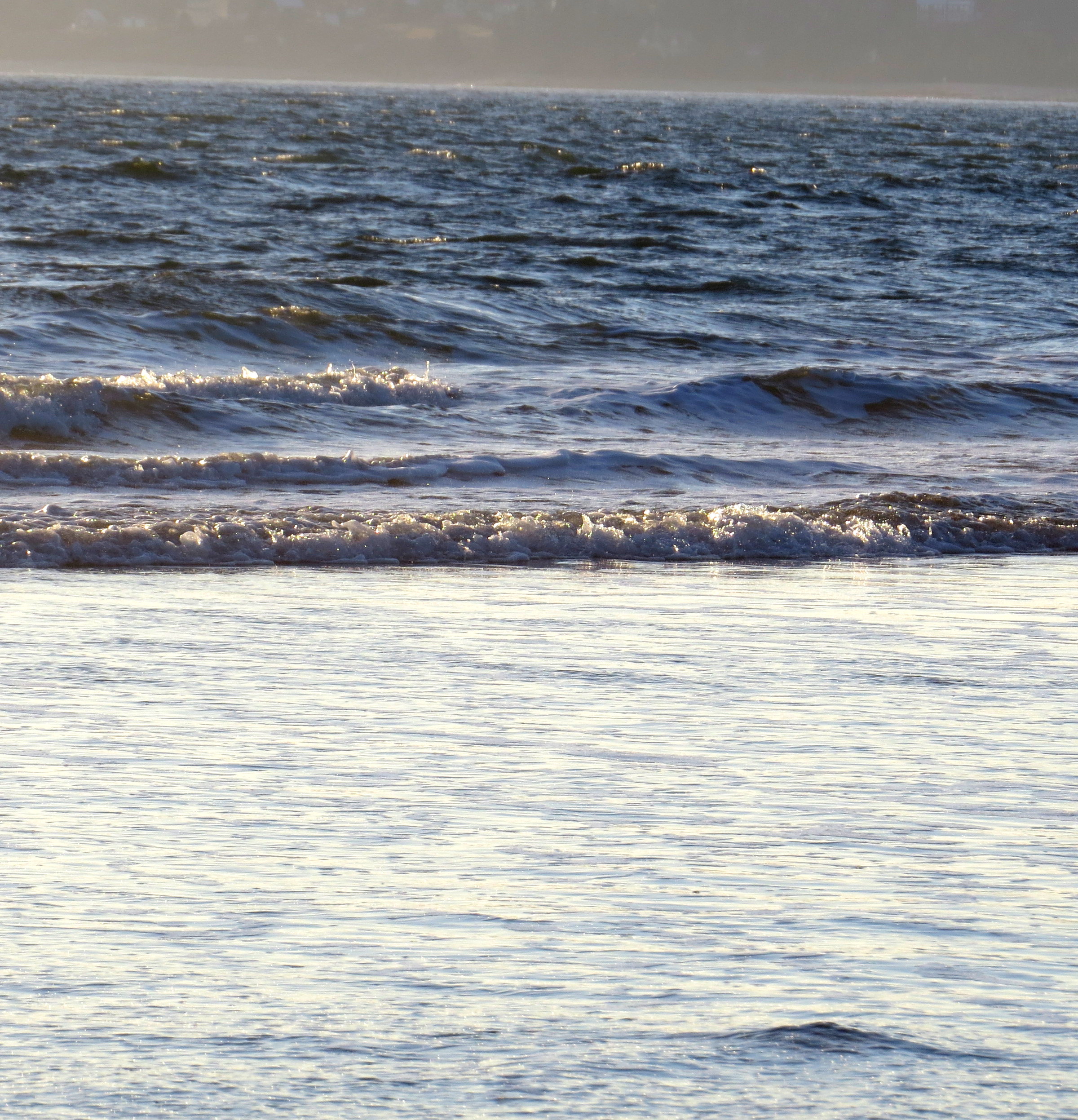
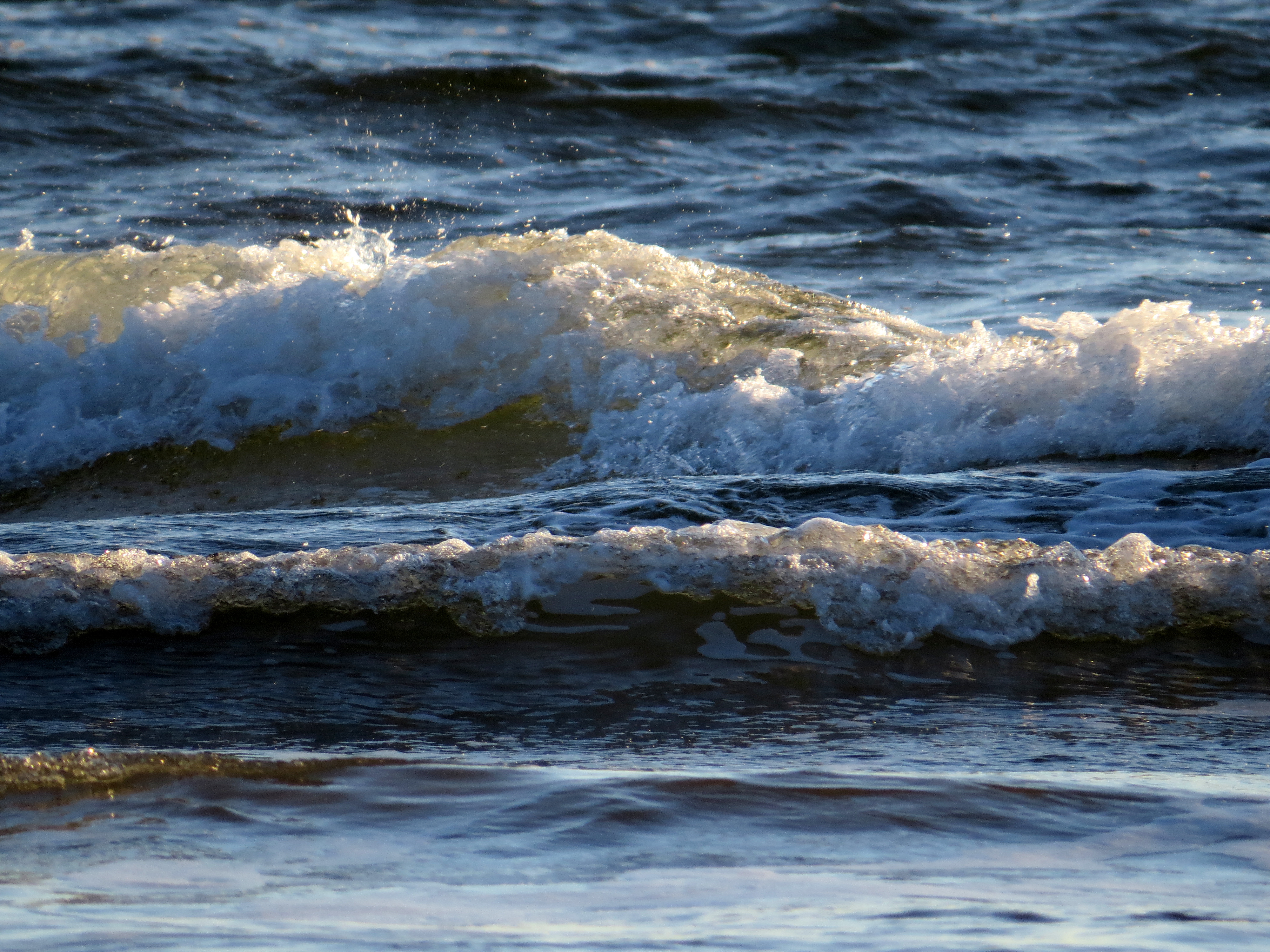
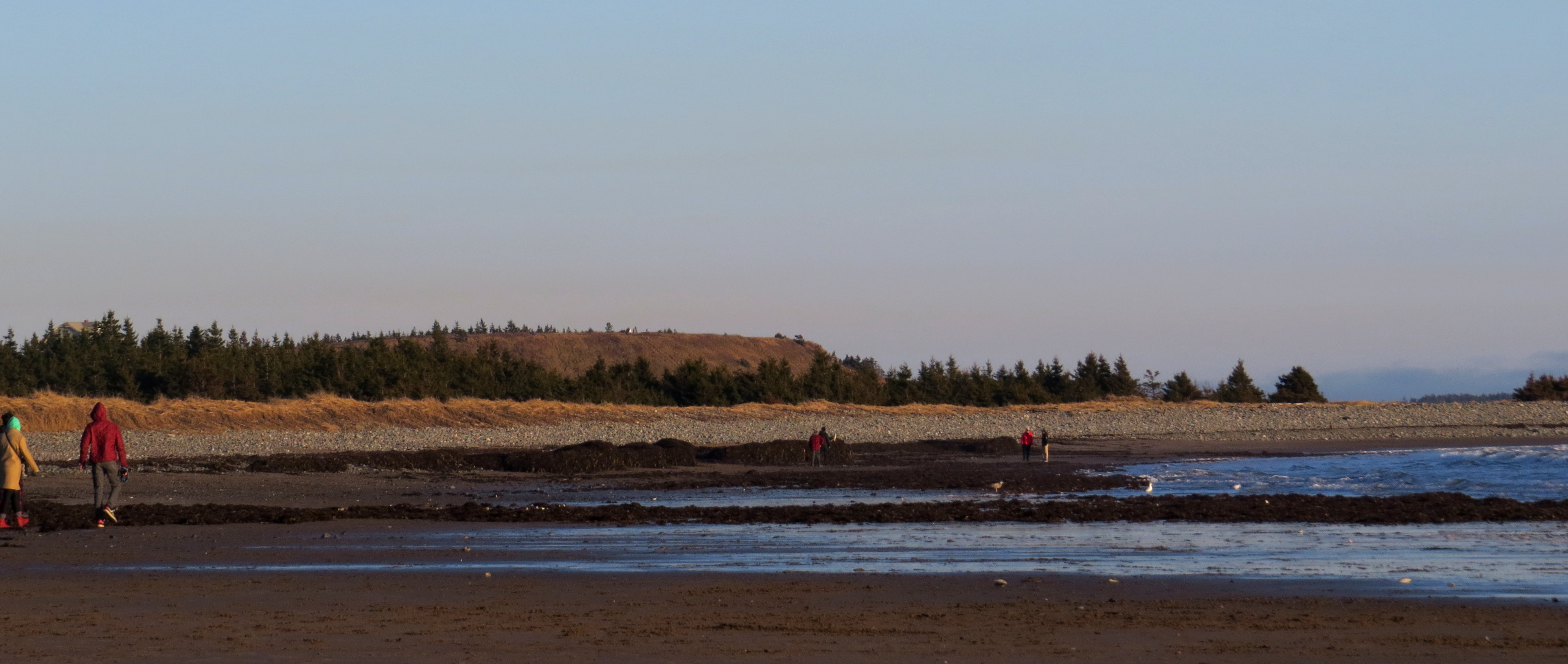
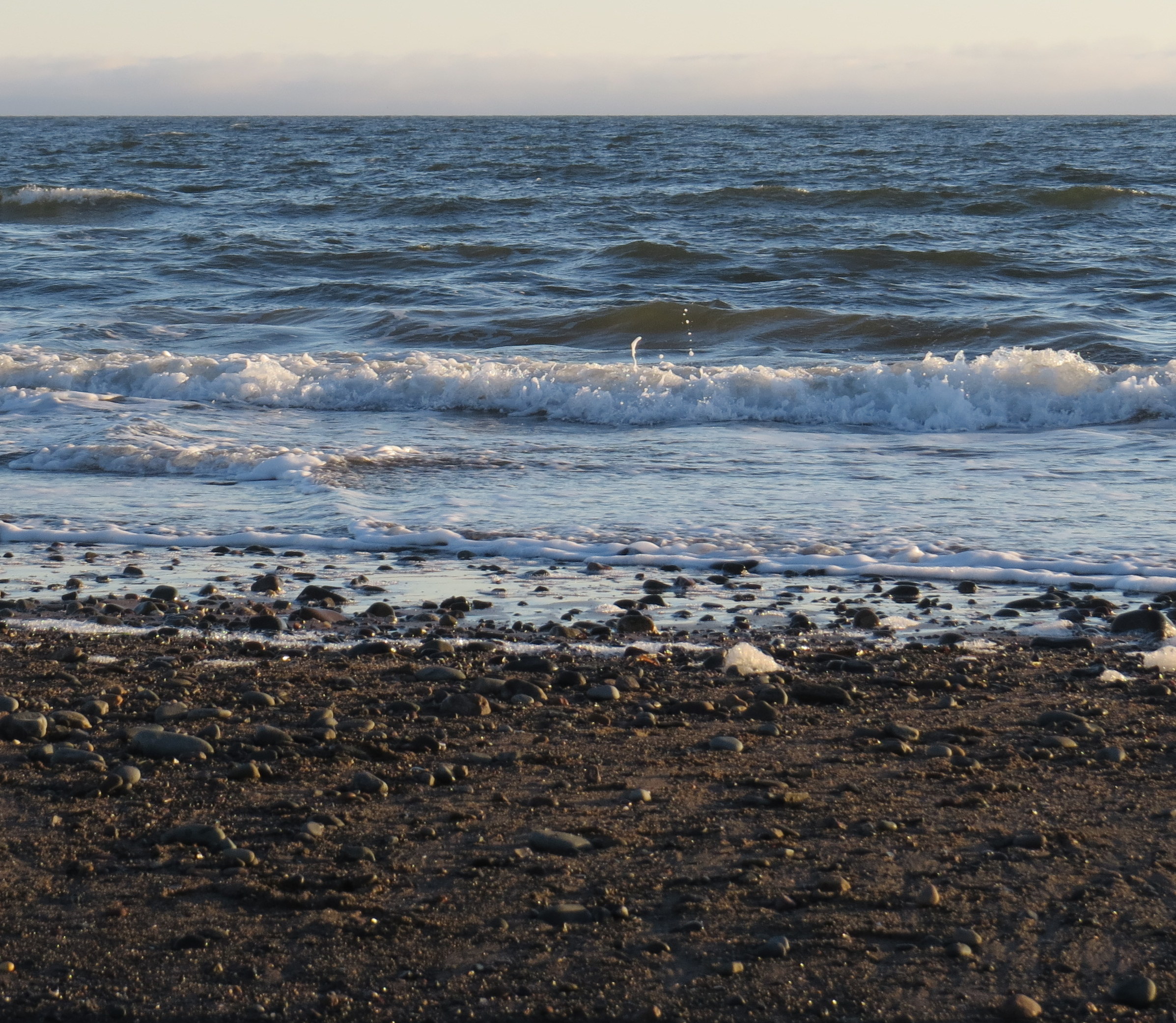
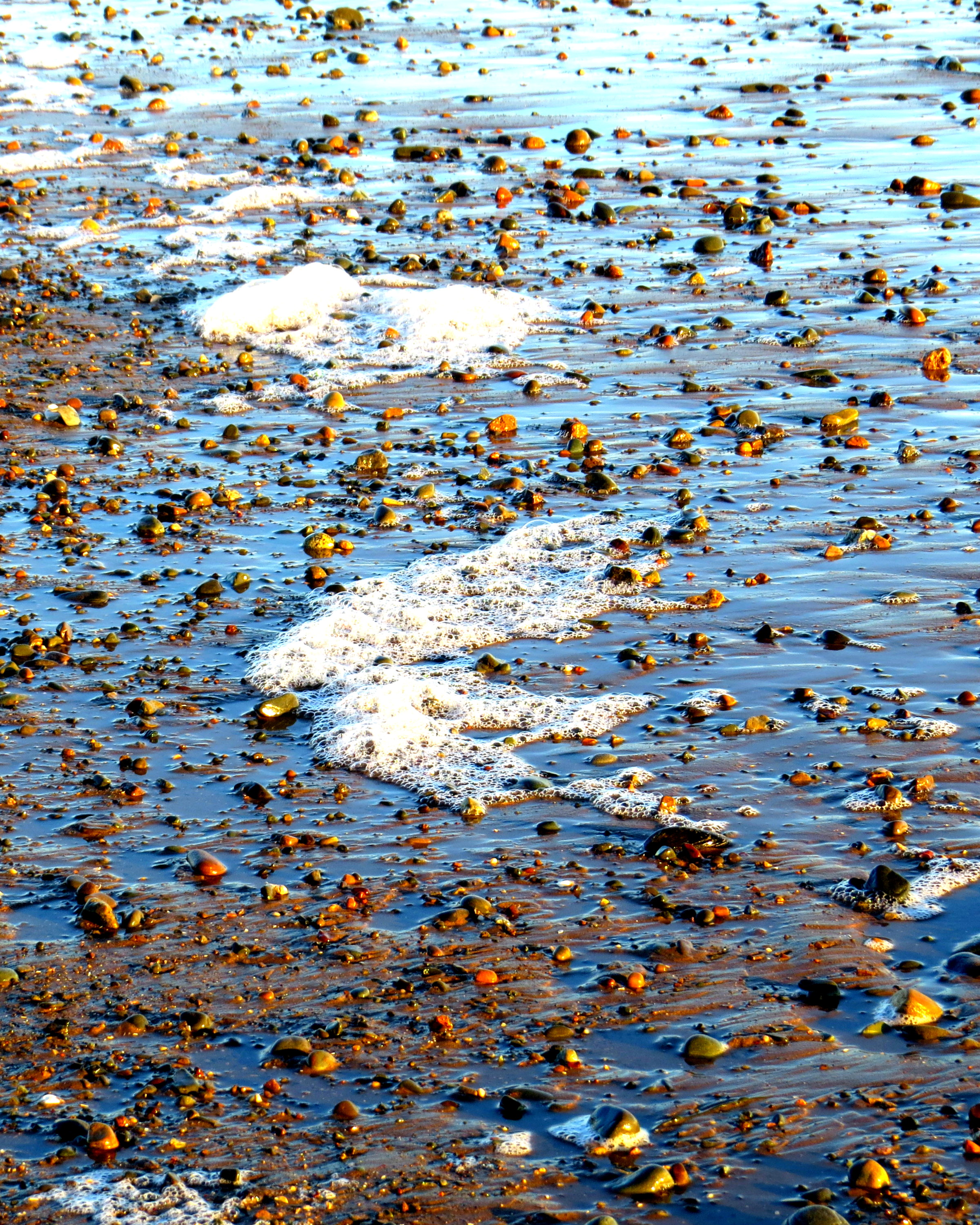
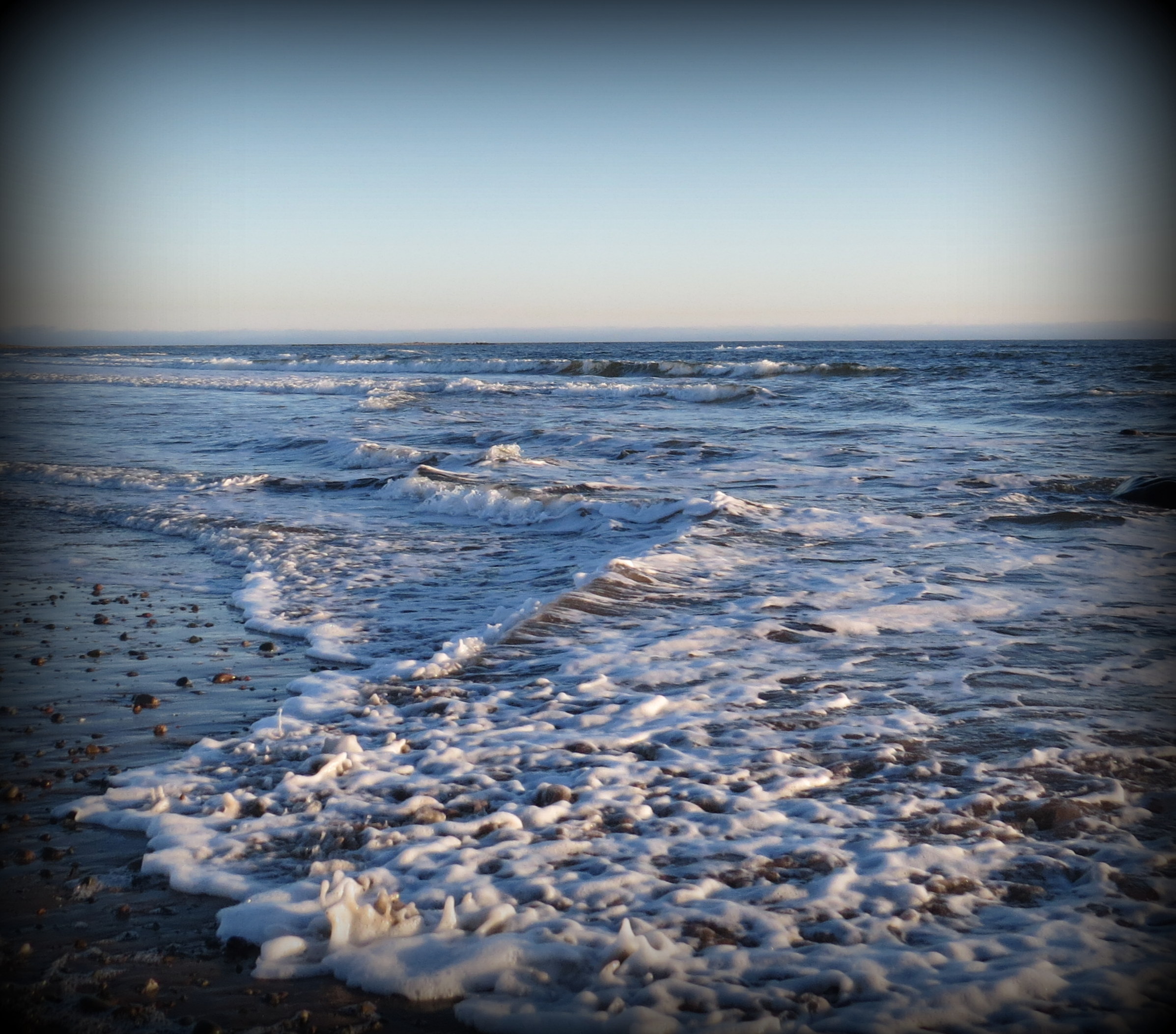
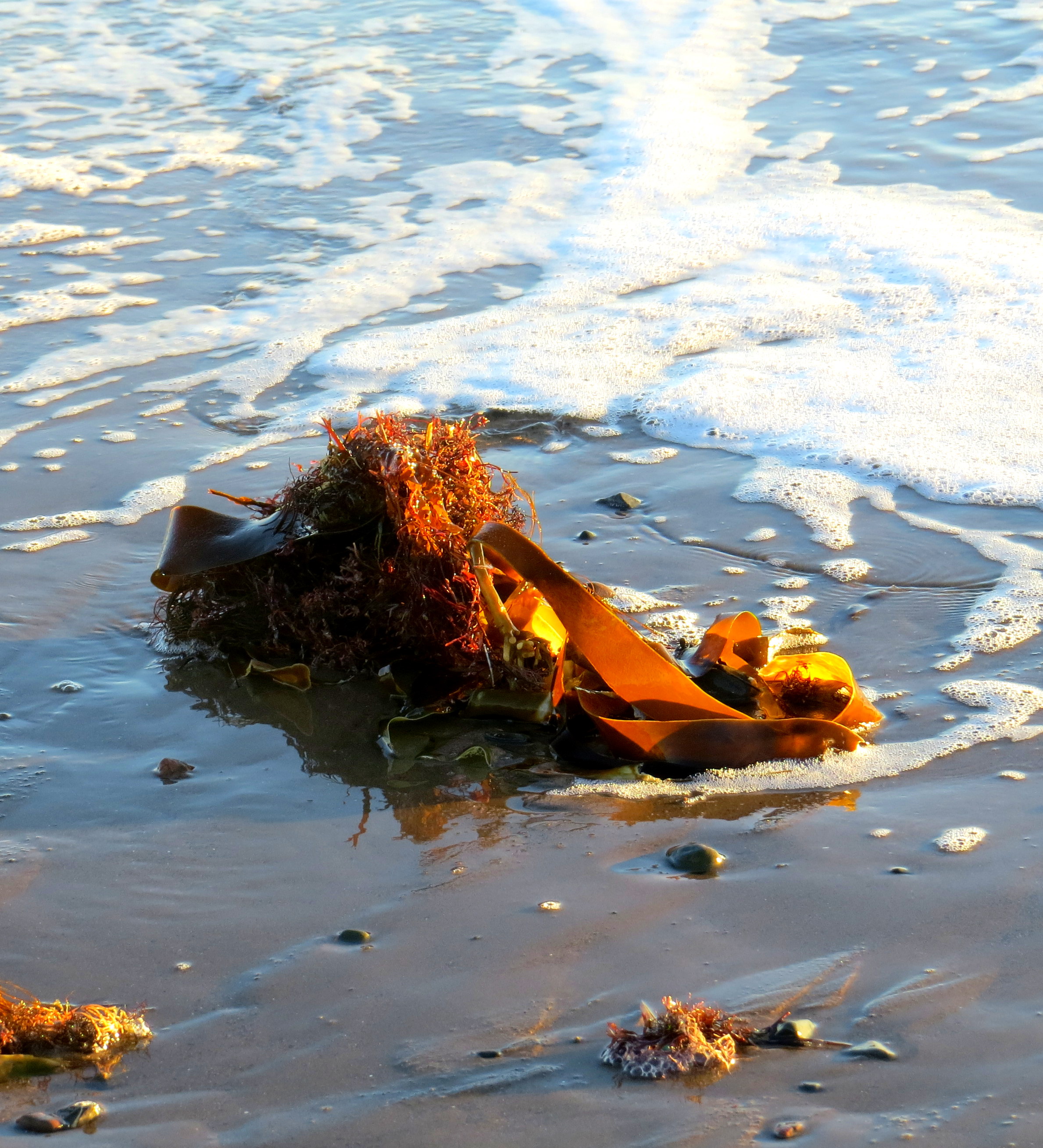
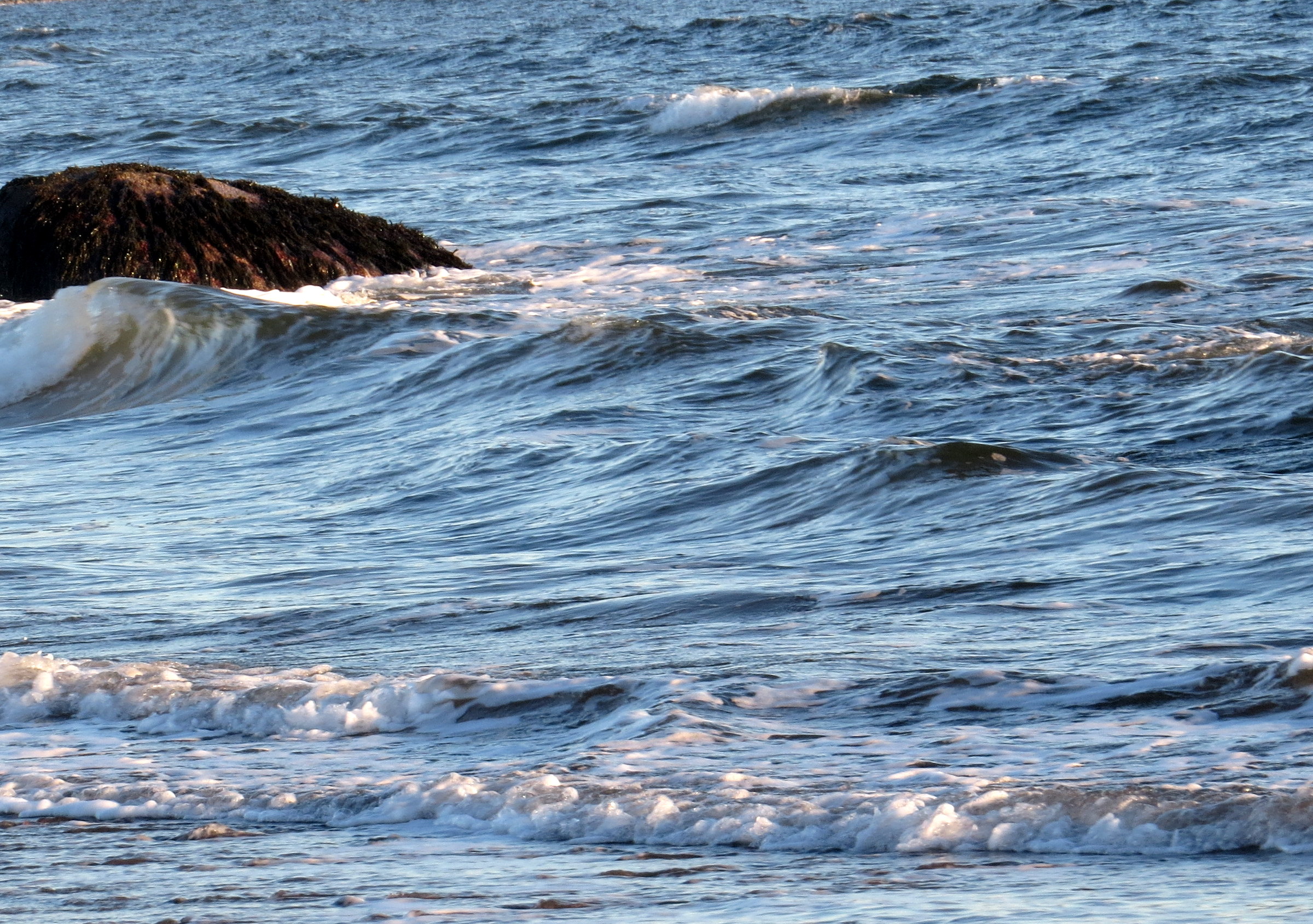
Couldn’t help myself. The wind is already rather cold – but the sunshine in full splendor. Camera and a folding chair in hand and off we go to Conrad Beach. Few people thought the same, fact that it was Saturday helped them to avail themselves of the orgy of colours, light, sea, and sky. Don’t forget the smells so different away from the city! None of them indeed ventured for a swim as the waves were wilder today and the wind almost chilling. But try to take me to a beach on a sunny day and tell me I can’t either! No chance, LOL. Actually, I think that exactly because the air was chilly – the water didn’t feel like a shock to the body. The crushing waves did not charge any extra fee for a wonderful back and chest massage! It truly was invirogating. On the way back a short trip to meadows and glory of fall.

Kiedy już wydawało się, że moje plażowanie tegoroczne się zakończyło – jeszcze jeden prezent od jesiennego słońca i kolejna wycieczka na plażę. Słońce, woda, piasek pod nogami, huk rozbijajaczych się bałwanów morskich, w dali za naturalnym skalistym falochronem, kolorowe żagle surferów. Jak nie pobiec w ten żywioł, nie pływać w tych grzywaczach? Niby nikt inny tego nie robił, ale też nikt palcem mnie nie wytykał i w czoło się nie stukał, LOL. Ostatecznie – wolny kraj, LOL. Spotkałem też konkurenta fotografowania tych cudów Natury. Jak na porządnego zawodowca przystało był porządnie ubrany w buty z cholewami, długie spodnie i ciepłą kurtkę. Ubogiego amatora jak mnie, na takie luksusy nie stać.
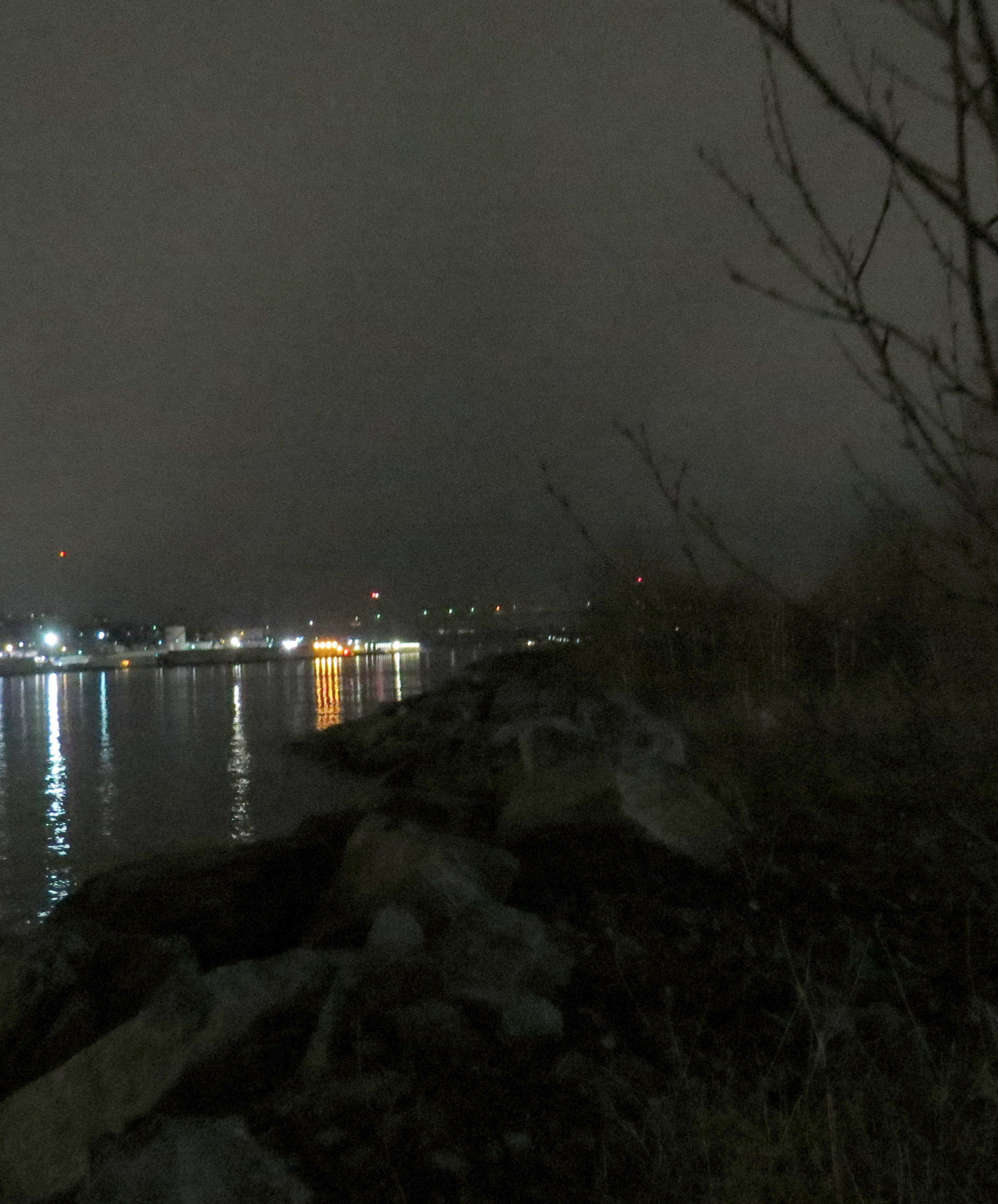
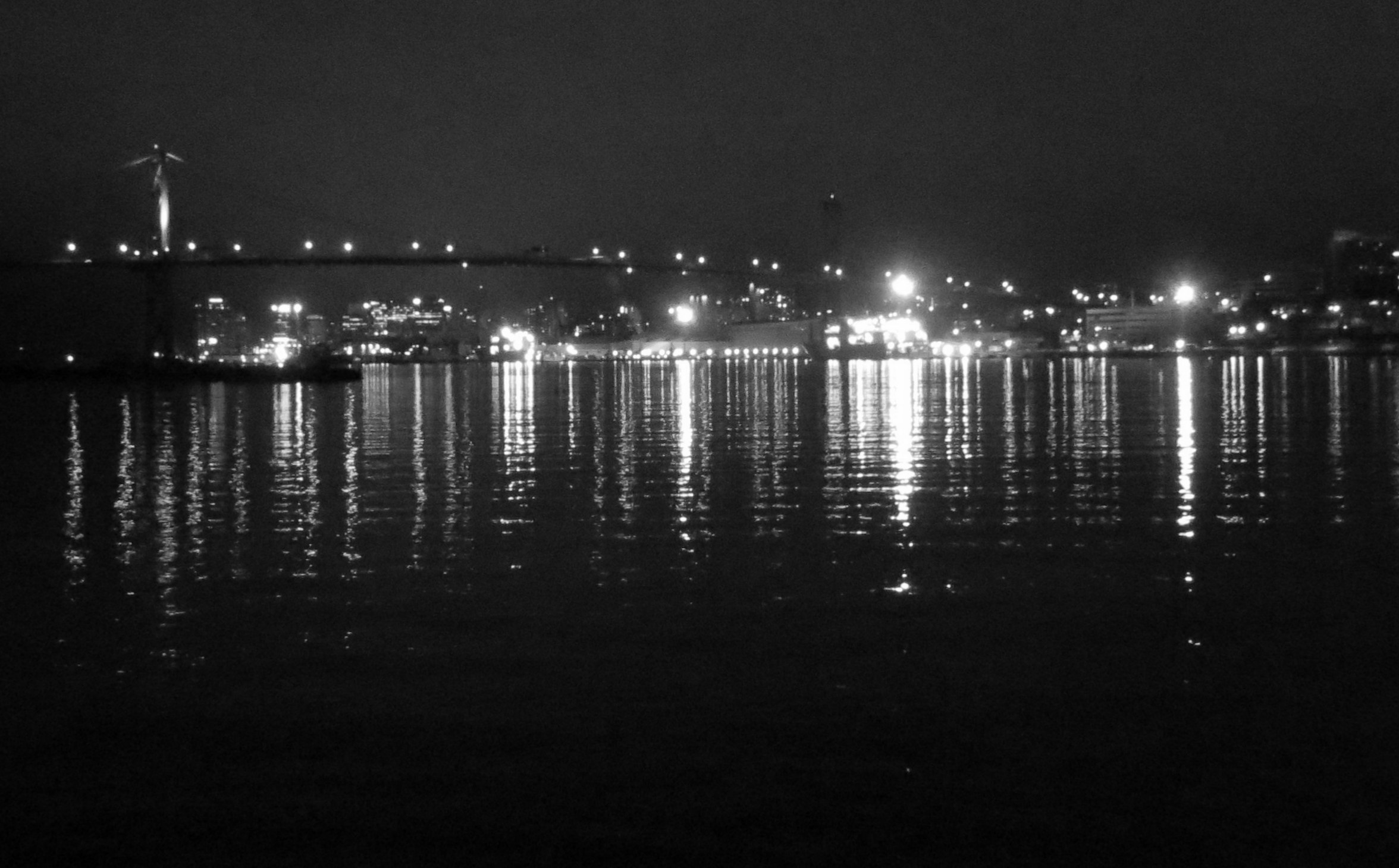
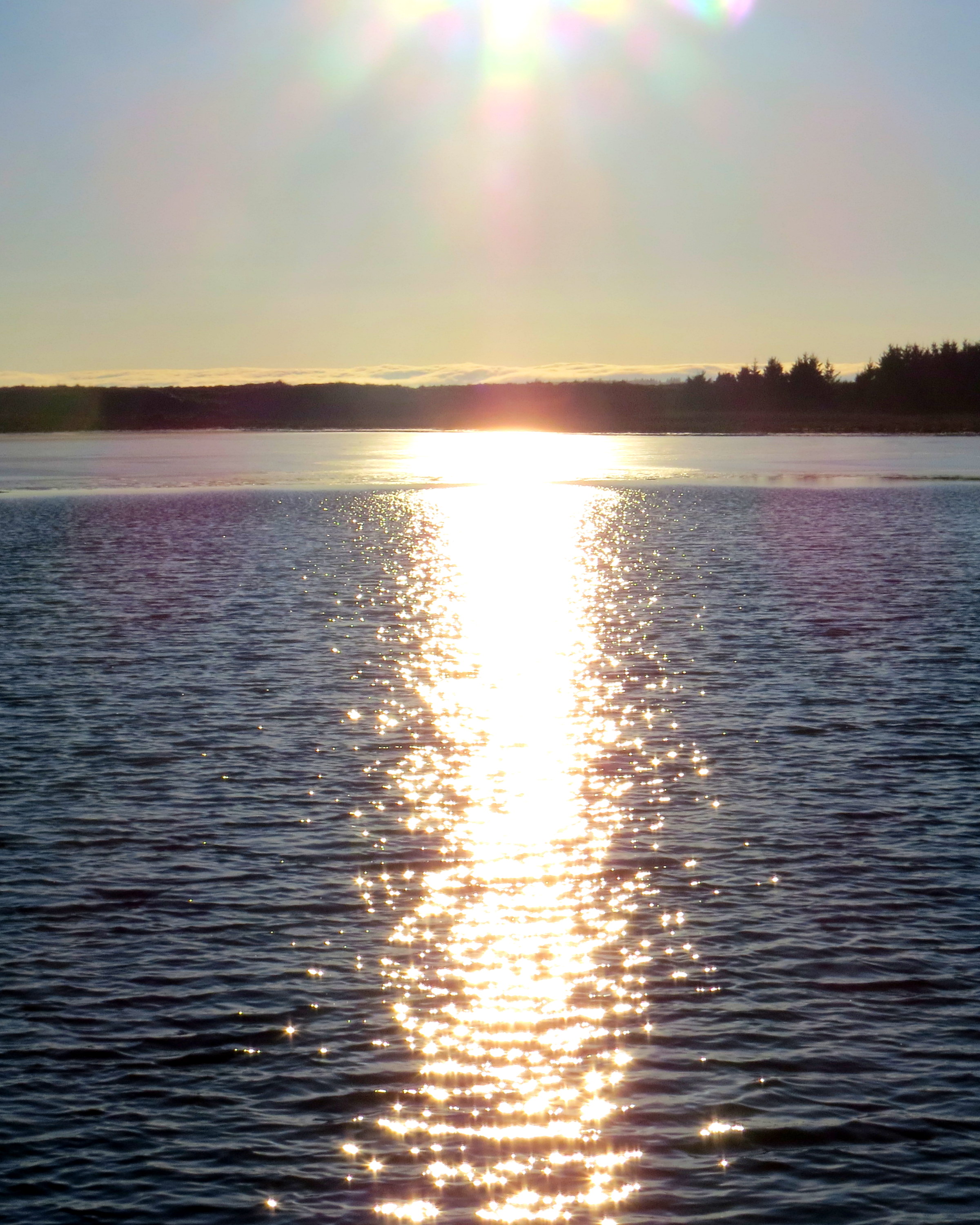
The Weather folks say it will snow in two day’s time. I like white beaches. But I do mean white sand beaches, snow I prefer on skiing slopes.