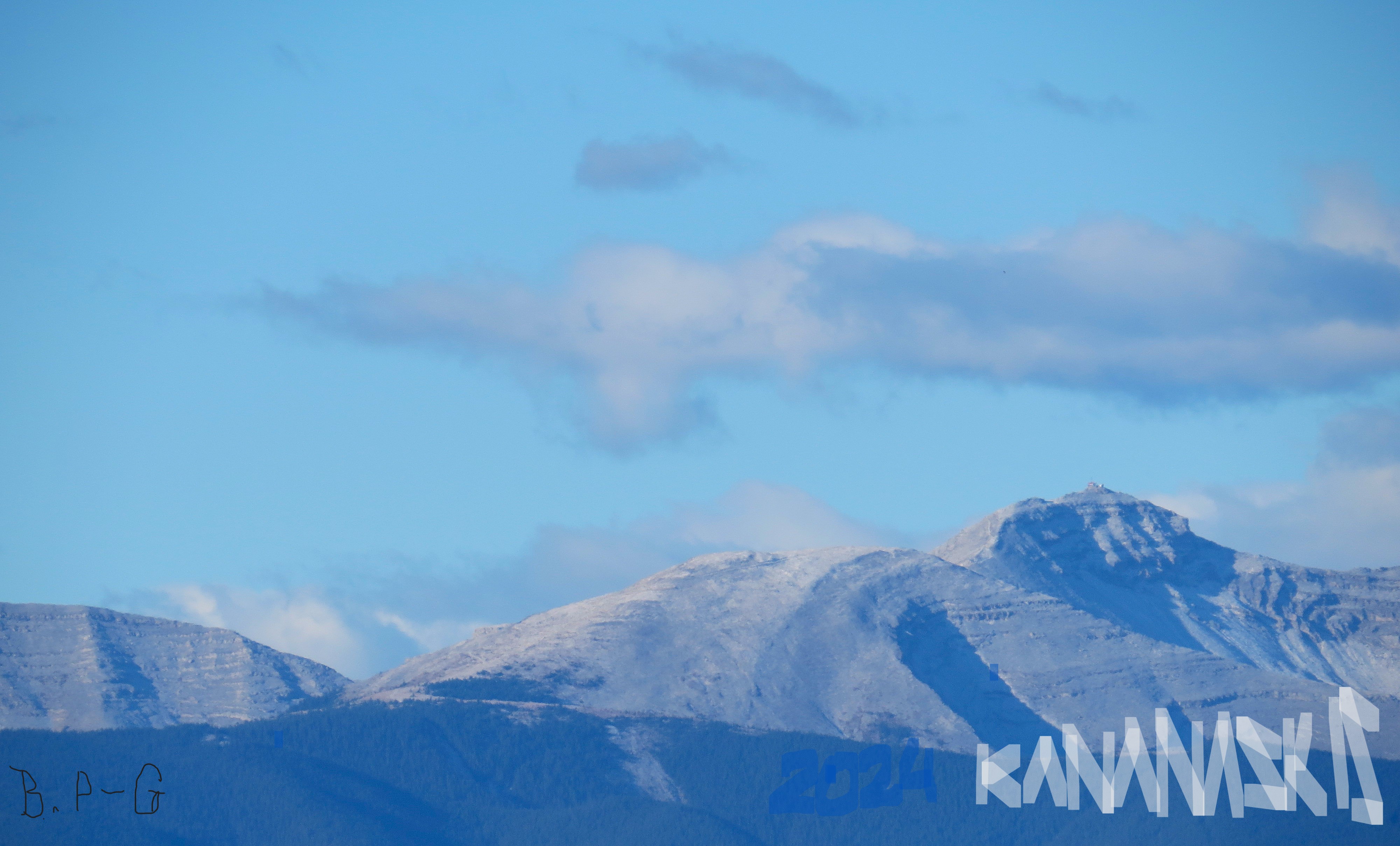
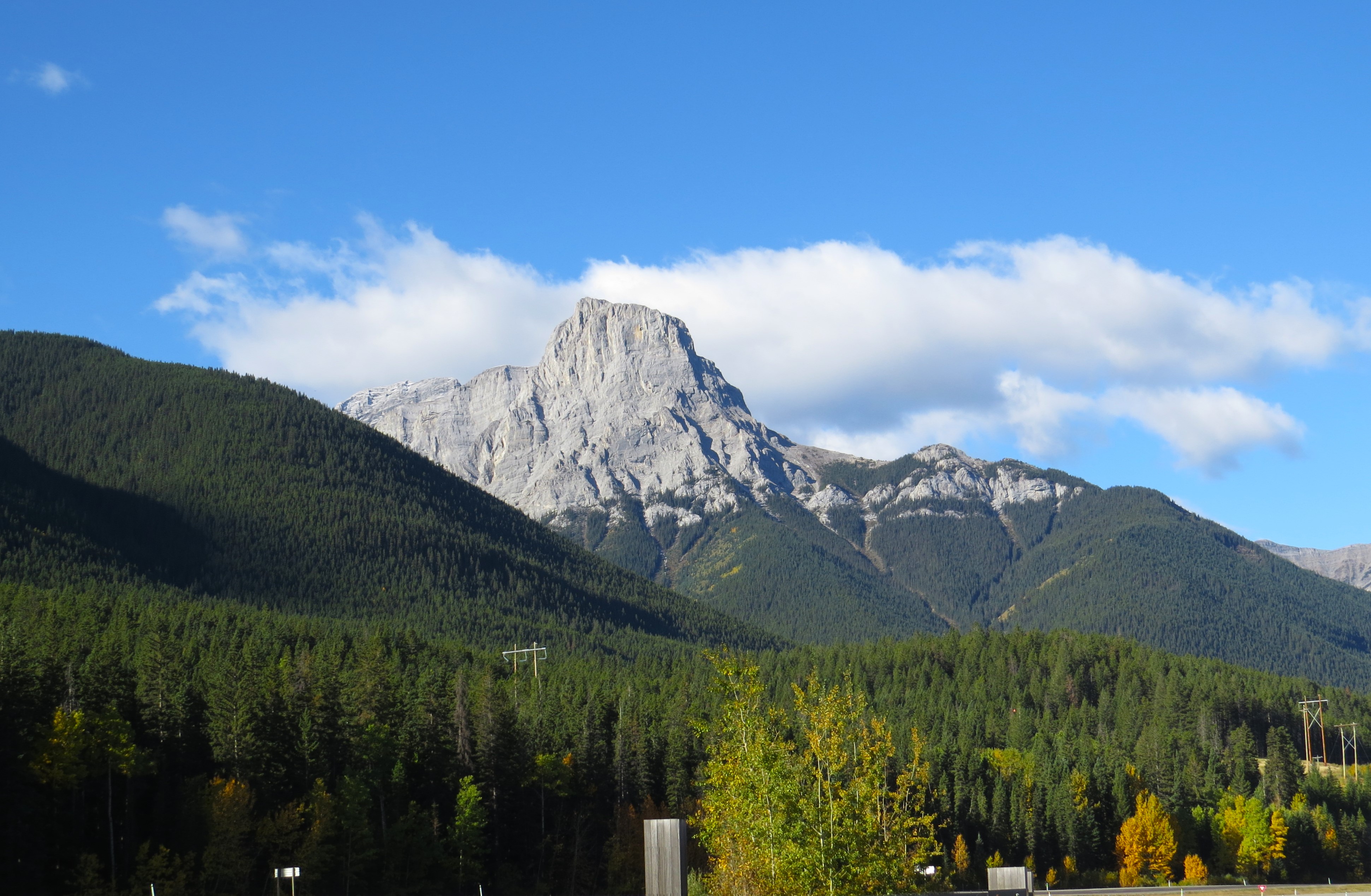
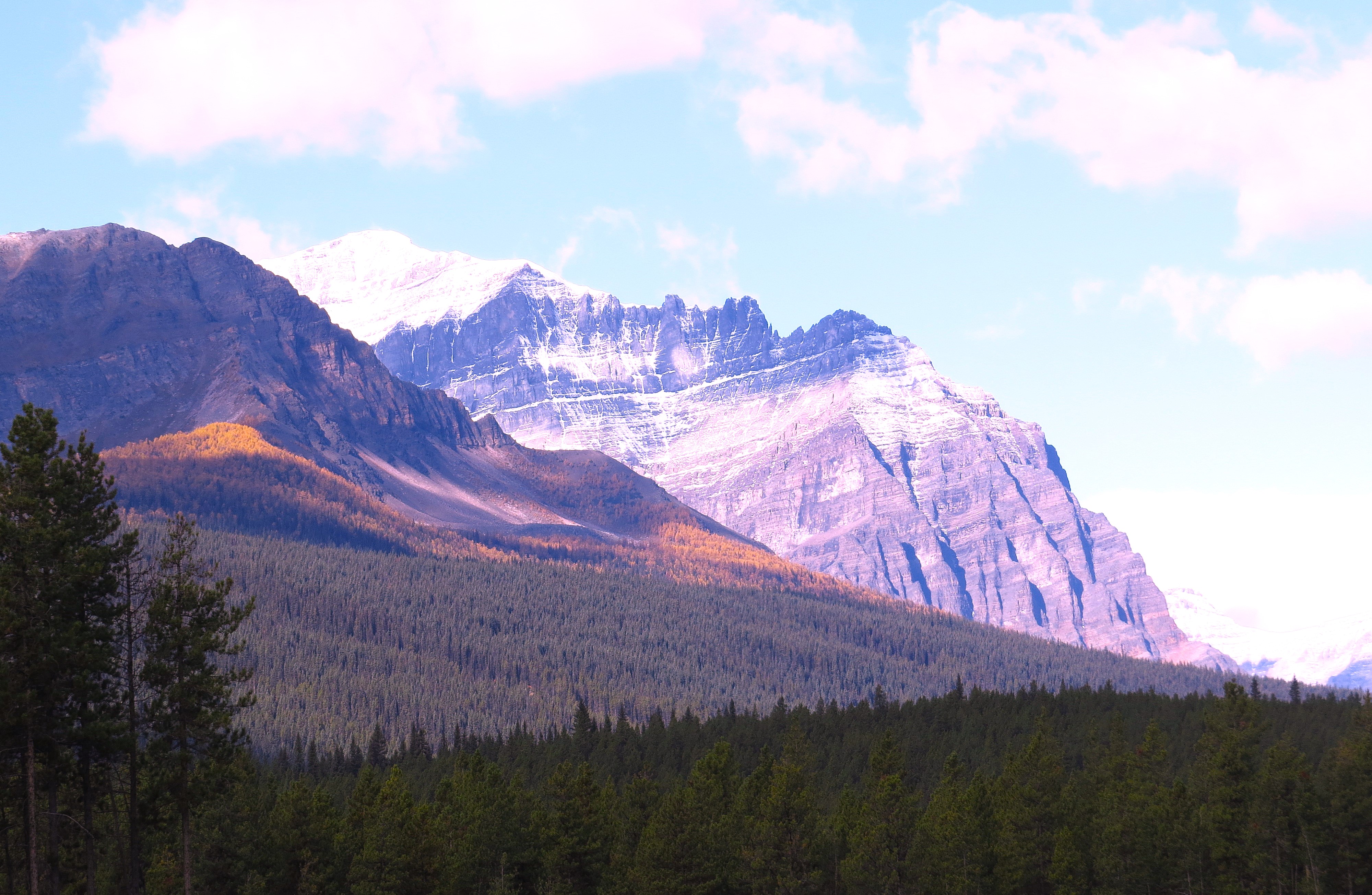
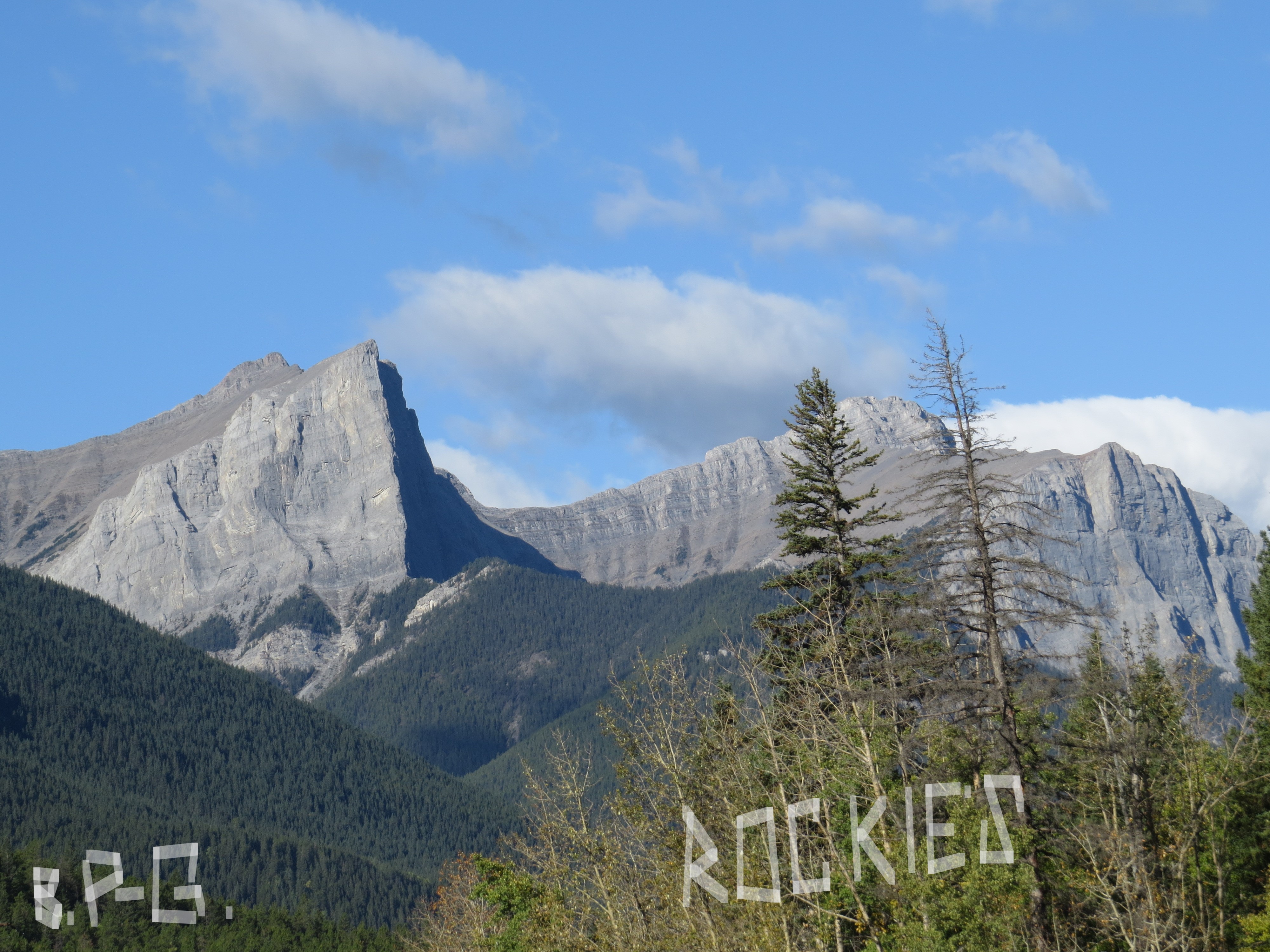
Journey across Canada – Wielka podróż kontynentalna

Journey across Canada – Wielka podróż kontynentalna
Edmundston, New Brunswick

Another big journey. Fitting in as it was, as it allows me to say slowly a goodbye to my country – Canada. Would have been most likely My Country to the very end, but Fates wanted otherwise. I will be eventually going to the country of my childhood and youth.  That is another story though, and a reader who follows my Blog – knows it.

The Story today is Canada, it’s nature and huge expanse. It started by driving from Halifax in Nova Scotia, through New Brunswick, and finally to grand old Montreal. A city built at the mouth of powerful St. Lawrence, surrounded by smaller rivers and water channels. The proper old Montreal was itself an island of land (not a very large one) constricted from all sides by flowing faster or slower water. Hence the grand city is very dense, streets are narrow. It reminds me a bit of an old Paris, an island around Notre Dame, and on the other side closed by the old medieval Royal Seat of Louvre as it was, long before becoming one of the most famous museum and gallery.

From Montreal the highway took me through the capital, Ottawa. It has changed tremendously since I have been here about seven years ago. Not that long ago – but it did. A maze of new skyscrapers.

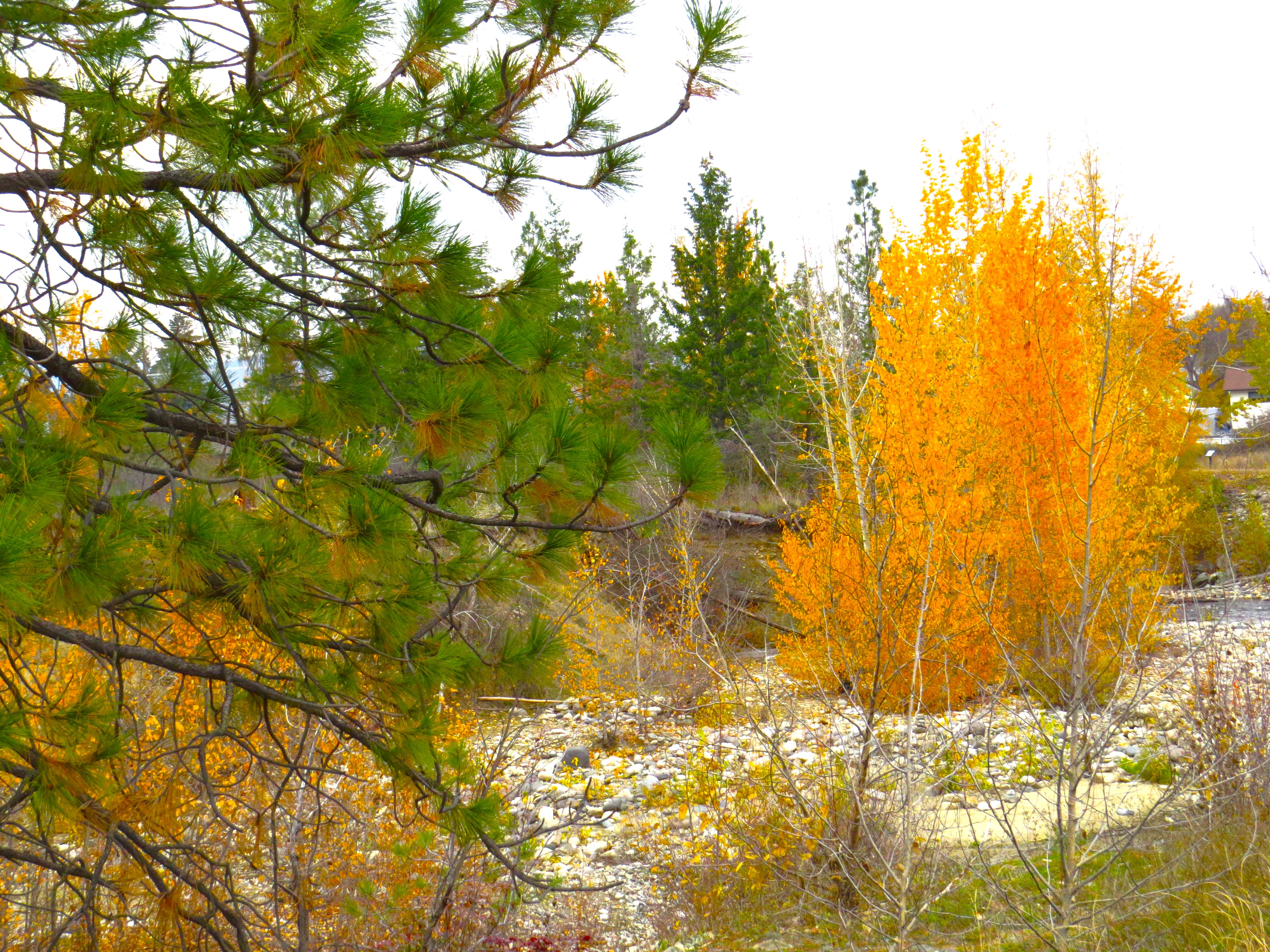
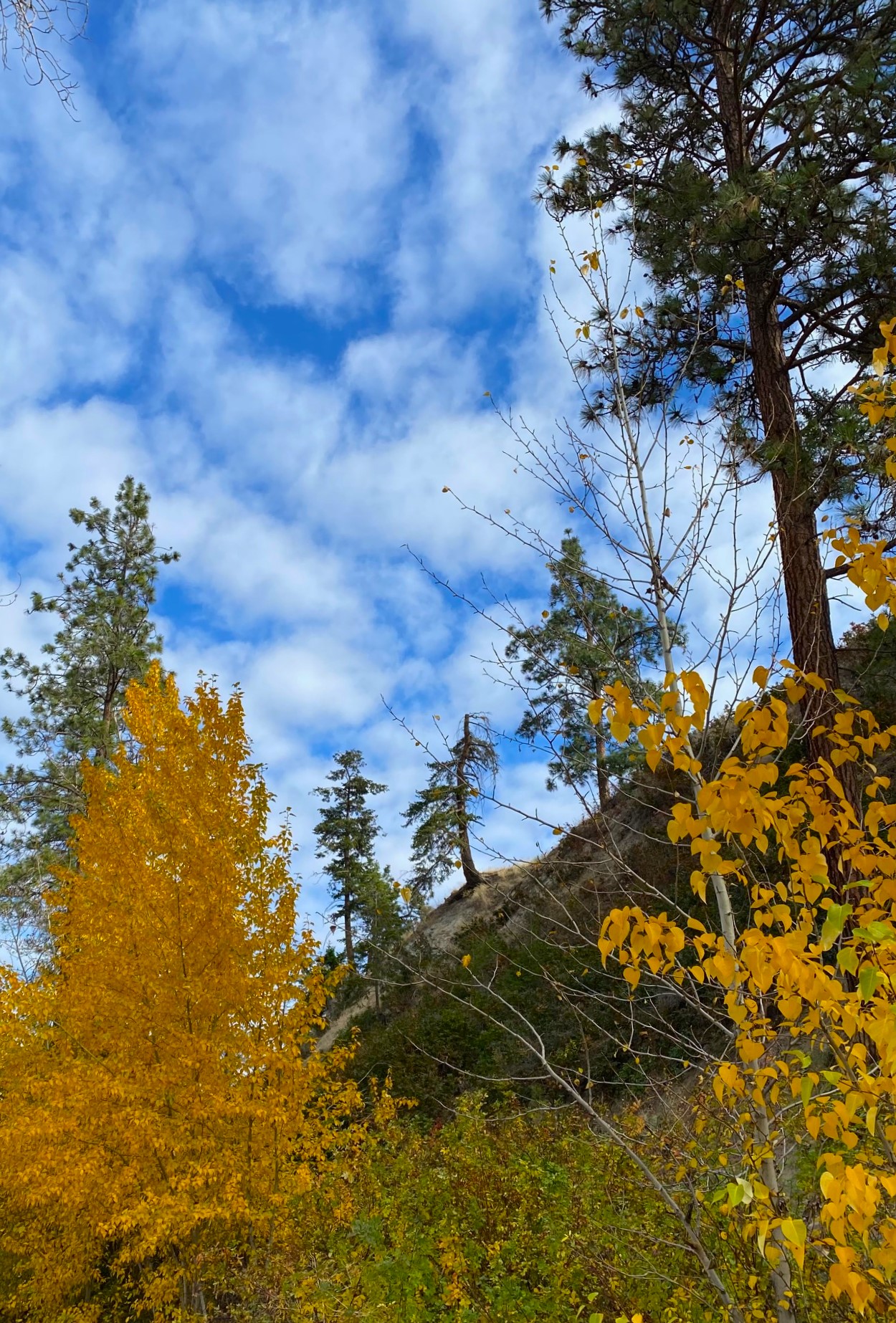
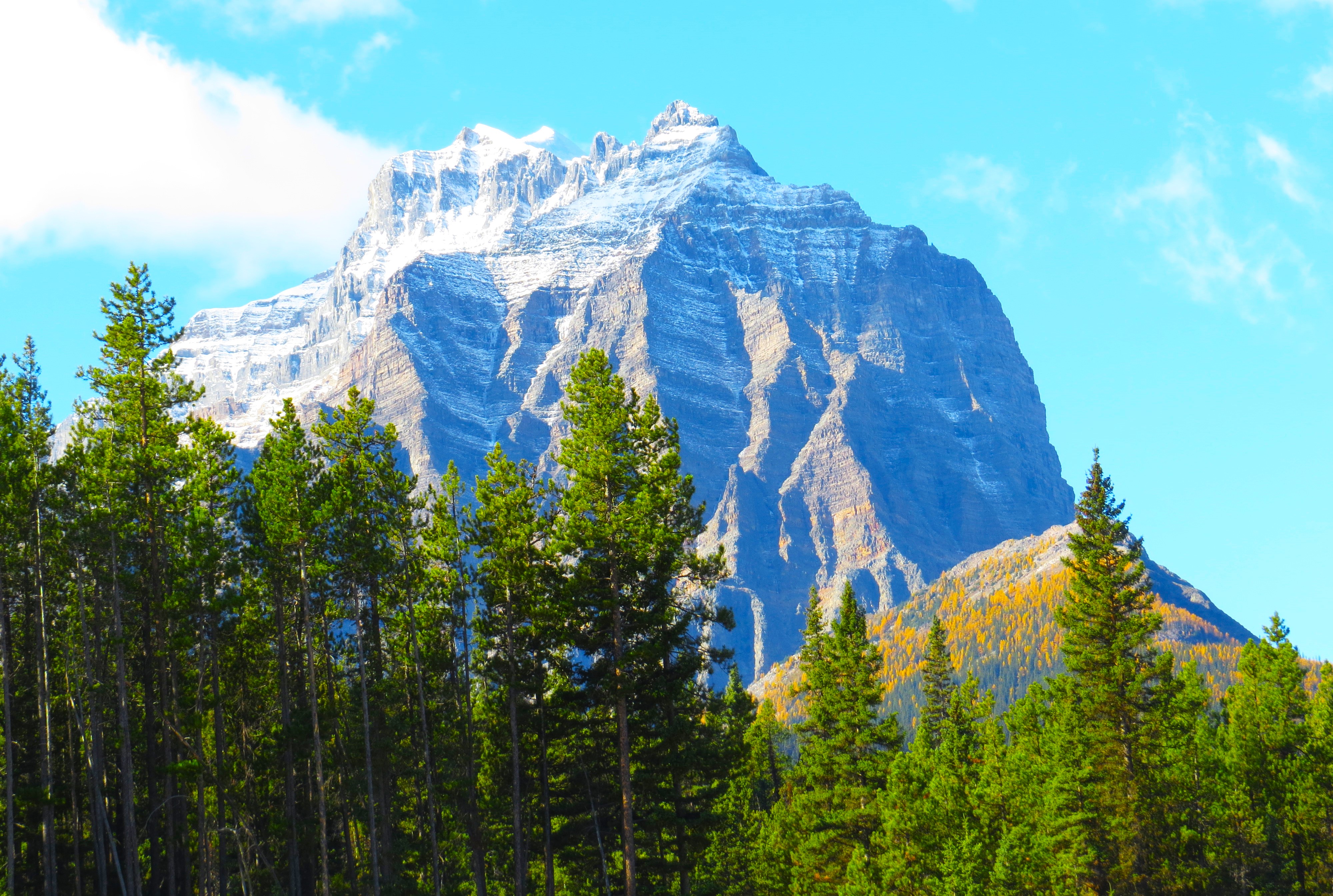
Pass Ottawa and Petawawa (a city of storied military history) the highway takes us through Ontario’s Cottage Country and numerous small towns and settlements. A glorious Fall colours od forest and Laurential Mountains.

But nature’s through splendor awaits us a bit further, the road will lead us through enormous in size Northern Ontario, alongside the shores of enormous Lake Superior. And a visit to an old Polish settlement of Wawa – in shortened version it simply means ‘Warszawa’ – the capital of Poland. We will finish in the prairies of Manitoba and Saskatchewan.

(in Polish / po polsku)

Gdy ma się dwie ojczyzny, dwa domy rodzinne, odjazdy z jednego z nich z nich bywają trudne, bolesne. Zwłaszcza, gdy oddzielone są olbrzymią przestrzenią oceanów i pasm górskich.

Tym razem wracam do tej pierwszej ojczyzny dzieciństwa i młodości. Za mną zostaje całe dorosłe – długie już – życie w tej drugiej, w Kanadzie. Więc i pożegnalna wielka podróż przez Kanadę. A podróż przez ten wielki kraj, to podróż kontynentalna dosłownie: od jednego oceanu do drugiego; przez pasma wielkich i mniejszych masywów górskich; olbrzymie rzeki, wzdłuż jezior, które łatwo by nazwać bez zbytniej przesady morzami; przez puszcze niekończące się, prerie wielkich łanów pszenicy, kukurydzy. I prerie białe od potasu i odkrywkowych kopalń. Naturalnie nie sposób takiej podróży odbyć w dwa lub trzy dni. Jest wielodniowa, a powinna być wielotygodniowa. Drugi raz taką tu odbywam. Od Halifaksu do Vancouveru.

Zdjęcia załączone obejmują trasę od Halifaksu, przez Nowy Brunszwik, Montreal i Quebec, rejon Ottawy, Północne Ontario, trasę wzdłuż wybrzeży jeziora Superior, założone w XIX wieku przez polskich osadników urocze miasteczko … Wawa. Tak, Wawa od Warszawy. Z Wawy zjazd w dół kręta szosą wśród skał i niekończących się małych jeziorek (słowo ‘małych’ w kontekście Kanady jest właściwe, ale małymi de facto nie są) aż do Kenory. A potem Manitobą i w Sakatchewan – otwarta, płaska niekończąca się preryjna przestrzeń. I wiatrach (częstych) te morza pól wzbijają tumany kurzu i tumany białej soli potasowej. Inny świat.

Montreal

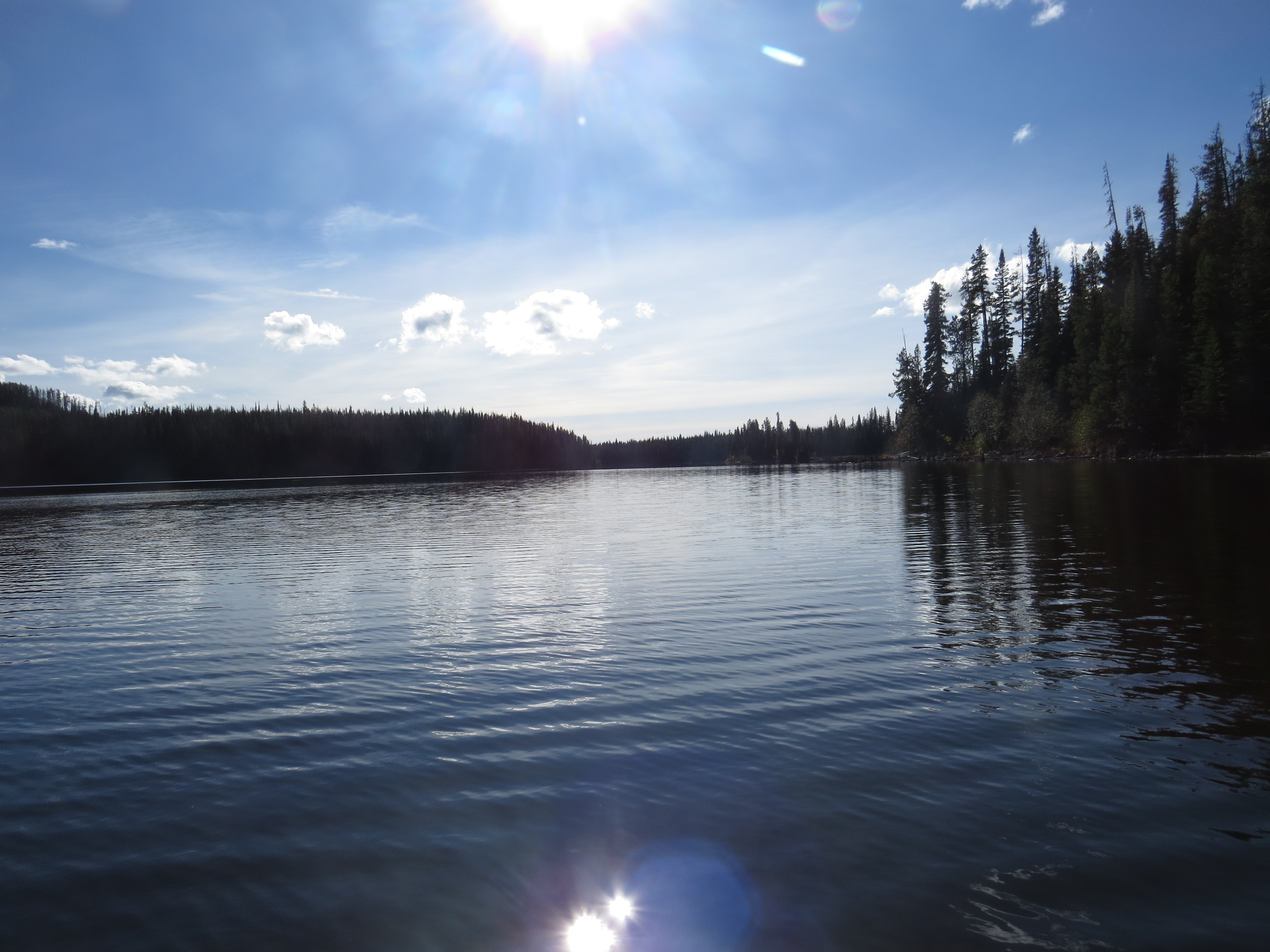
Northern Ontario, Wawa and Lake Superior

Prairies / Prerie

Moon – once more

Moon – once more

I know I have said in previous post my goodbye to the Moon in Halifax. But today, while sitting at night time on My Rocks, the Moon yelled at me: hey! I have seen your post the other day. If you are saying ‘goodbye’ than might as well take my full portrait, not just part of my face. And he did smiled broadly and showed me his round full face. Wont be any closer soon, so here we go once more and few pics of Halifax’s waterfront as seen from Dartmouth.

Fort Needham – a tribute

Bell Tower on the hill

Fort Needham

It sits upon a hill.

Peacefully, pleasantly

offering a nice view

of Bedford Basin to the left,

and the Narrows to the right.

Time is dangerous –

First world war raging somewhere in

mud of France and Belgium.

Canadian boys are gassed

to death as they jump

from their trenches

in an effort to gain

few feet of that foreign soil.

If the gas is not used,

they are cut in half by

Mauser machine guns.

Time is prosperous In Halifax:

The Harbour bustling with

sea and train traffic from

all over North America.

Shops are full of local

and foreign sailors,

merchants and buyers,

fishermen sale their

daily fresh catch straight

from their wooden boats.

Powerful artillery guns

protect the entrance

to Halifax Harbour

from any attempt by

Emperor Wilhelm Imperial Navy

to conquer the entrance

to entire North America.

The Fortress of Halifax

safeguards Boston and

the rest of United States.

It is not a bad day

in the Harbour

on December 6, 1917.

The Norwegian ship ‘Elmo’

filled with fresh relief supplies

for the war-torn Belgians in Europe

slowly begins its voyage

from Bedford Basin, enters

the tight waters of the Narrows.

But the war in Europe needs

more than bread and flower.

It needs also munitions, gun powder,

chemicals to make bombs.

Comes another vessel,

the French war supply ship,

– ‘Mont-Blanc’.  

Like the snow-covered

peak in the French Alps.

It is sailing from Halifax

to Bedford Basin.

People gather on the Richmond Hill,

on the slopes of Fort Needham

to watch the passing foreign ships.

Fathers hold their children

by hand and explain to them

the colours of the flags,

the foreign ensigns.

Boys are particularly exited.

Scared, but excited even more

when the two ships collide.

As boys all over the world do,

when they see an accident happening.

The ‘Mont-Blanc’ burned for half an hour.

Then the world collapsed.

Upon the ships,

upon the boys on hill

and boys playing in their homes,

in their backyards,

seating on their grandmas laps.

It collapsed on the grandmas

 and grandpas, too.

It collapsed on their city.

It is late summer, 2024.

I walk the slope of Port Needham

to it’s flat top.

In the middle seats a large structure

of modern bell tower.

I see the Tower from my window

on the other side of the Narrows.

It’s 2 o’clock.

Time for the Bells to sing,

to cry and to remember.

Every day and every boy,

who perished than.

Every girl and uncle,

and mum an pop.

Even the lonely

older chap, whose name

no one knew and no one will.

All one thousand

nine hundred

forty six.

The largest explosion

Prior to Hiroshima

and Nagasaki.

A poet remembers, too.

(Bogumil Pacak-Gamalski, 09.09. 2024)

Miejsca. Places.

(in Polish)

Miejsca. Miejsca … to taka specjalna przestrzeń geograficzna i emocjonalna. To tam, gdzie kiedyś ludzie kładli kamienie, budowali kapliczki lub kopce. By odnaleźć potem samemu lub zostawić ślad, drogowskaz dla następnych. Drogowskazy, że tędy droga.

Moje pożegnania z naszym ostatnim domem w Nowej Szkocji od miesięcy wielu do takich miejsc zawsze prowadzą. I zawsze jakiś kamyk tam kładę, jakieś wspomnienie zapisane w notesie, jakiś wiersz. Te literki i słowa to moje kamyki – byliśmy.

Dziś na plaży Conrada, ostatnie chyba moje pożegnanie, ostatnia kąpiel w falach grzywiastych w tej prowincji. Ostatni nasz spacer tam.

Fala

I cóż falo
ostatnia na tej plaży?
Mojej wizyty
też po raz ostatni.
Czy zmyłaś
ze zmarszczek dni klęski
i dni zwycięstw?
Pocałunki i łzy,
czułe westchnienia
i przekleństwo bezsilności?

Pieścisz mnie jeszcze
białą pianą pasji
niespełnionych do końca,
a potem odpływasz
w swe głębie
znudzona romansem
nie zaczętym,
nie skończonym.

(Conrad Beach, 01.09.24)

(po angielsku)

Places. Places are special geographical and emotional spaces. It is where people, lovers, parents with children left stones on the hills, build mounds, erected structures or symbols of their gods in their marches through millennia. So others can follow or so they would find their way back.

My goodbyes with our last home in Nova Scotia took me a long time. Time to trace them back, find my way. But I did it. I have found them for the last time. I have left my ‘stones’ on the shores an on the white pages of my notebook. The ‘stones’ are my letters and sentences written down on the white pages of my notebook.

Today was probably the last one. I went to Conrad Beach for last swim in foamy waves of Atlantic. Our last walk there.

Time of snuggle

Come to the crescent of my arm,

I will place my hand on your shoulder

and we will walk on the shore.

On that line separating

land and water,

the sky and the mountains,

the Moon and the stars,

death and life.

Come. It’s time.

The time stolen from us –

I have found it.

Come, it’s time.

(Conrad Beach, 01.09.24)

Summer, summer … it’s time to slowly close the season of fun on the Eastern Coast of Nova Scotia

Summer, summer … it’s time to slowly close the season of fun on the Eastern Coast of Nova Scotia

Everything good must come to an end. Summer is receding from the trails and beaches of Nova Scotia. So is my presence in that province of Canada. Time to pack my beach chair … and pack my belongings after six years. For a small province that’s a long time to travel to places known and places less travelled. By now, my Dear Reader you probably know much more about this land from where the entire hemisphere sprang to life under new overlord – the Europeans. But people come and go – the land remains. And the old inhabitants from ancien time remain too – the Lnu People, of which novascotian native Mi’kmaq people are part.

My last hot and sunny day playing among the waves of North Atlantic was on Lawrencetown beach. Place I have visited over the years more than I can remember. After that I went for one more quick swim at Canada’s Ocean Playground beach by Gaetz Lake. And lovely walk to a Wildlife Sanctuary that shows tremendous affection to all kind of native creatures, who suffered some serious problems and can’t survived on it’s own. Such a tranquil place.
In a few days time I will be driving through the entire continent, traversing the same route and highways me and my John took six years ago. Back to where we begun that journey – to British Columbia. Although He can’t be with me physically – His love and spirit will. We will have lots of time to reminiscence the almost forty years of an amazing life journey. The most beautiful Journey of my life.

Next pictures from Canada’s Ocean Playground and Wildlife Sanctuary.

Imiona Rozłąki i poezja Oczekiwania

T.S. Eliot pisze w ‘Oczach które ostatnio ujrzałem w łzach”[i]:

Oczy które ostatnio ujrzałem w łzach

Przez rozłąkę

Tutaj w śmierci sennym królestwie

Złota wizja powraca

Widzę oczy i nie widzę łez

I to cierpienie moje

I to cierpienie moje

Że już nie ujrzę oczu

Oczu rozstrzygnięcia

Oczu których nie ujrzę aż

W drzwiach śmierci innego królestwa

Gdzie jak w tym

Oczy trwają mgnienie

Mgnienie trwają łzy

I wystawiają nas na szyderstwo.

Sugeruje, że wszystko więc jest nietrwałe. Nie ma nie tylko powrotu, ale i marzenie do ostatecznego, ponownego złączenia się w tym ‘innym świecie’ jest tylko szyderstwem, bajką dla dzieci. Że śmierć nie jest sprawiedliwym złączeniem kochanków jeśli w niej trwa też chwilę tylko, okamgnienie. Sugeruje poniekąd koniec światów, śmierć śmierci, a więc i nadziei. Owe ‘wystawienie na szyderstwo’ tylko, zakpienie z tej ostatniej nadziei.

Apollinaire w wierszu ‘Miłość umarła w twych ramionach’ pisze o takim właśnie oczekiwaniu powrotu miłości, o tym, że tylko szczere pragnienie wystarczy na złączenie się ponowne:

Wiosna minęła jeszcze jedna

Tyle mi dała czułych wspomnień

Zamierająca poro żegnaj

Jak dawniej czuła wrócisz do mnie[ii]

I jakkolwiek wiersz Apollinaire’a nie dotyczy rozstania ostatecznego (śmierci) a jest bardziej typowym, trochę może prozaicznym efektem rozstania – śmierci miłości a nie kochanki – wszak nadzieja na jej odżycie jest tym samym powodowana: żalem, tęsknotą, oczekiwaniem Feniksa zmartwychwstania.

W rzeczy samej pojęcie straty jest nierozłącznie związane z pojęciem pragnienia miłości, spotkania. Gdzieś musi być początek, by mógł być epilog.

W literaturze amerykańskiej pierwowzorem jest sam Walt Whitman, który nie czekając na pół-słowa i aluzje skryte za kotarą słów proklamuje wcześnie:

Proklamuję zespolenie – mówię, że winno być nieograniczone,

               Nierozdzielne,

Mówię, że znajdziesz jeszcze przyjaciela, którego wypatrywałeś.[iii]

Whitman ogłasza materialistycznej, ale bardzo tradycyjnej w normach Ameryce, że czas dozgonnej, serdecznej i cennej miłości między mężczyznami nastąpi, przybędzie.

W poezji nowożytnej archetypami Straty i Pragnienia są naturalnie „Romeo i Julia” Szekspira, „Boska Komedia” Dantego i ”Sonety do Laury” Petrarki. Nie będę tego rozwijał, bo pisałem już wcześniej tutaj rozważając znaczenie mitu wędrówki w Zaświaty w próbie odszukania oblubienicy/oblubieńca.

Zresztą czasy Petrarki i Dantego ciągle są połączone żywą poniekąd pępowiną z antykiem, a antyk wiadomo – to niekończące się wizyty, wtargnięcia w różnej nazwy Hadesy kochanków, królów, herosów i bogów. Na ogół w próbie odzyskania ukochanej, czasem władzy, powrotu na niebiańskie trony, uwolnienia porwanych za życia w ciemności nocy wiecznej. To, jakkolwiek wenie poetyckiej służy – w prawdziwej Stracie człowieka współczesnego potrafi być mitomanią irytującą.

Wiemy, że miłości są różne, więc i z różnych przyczyn Strata wytwarza inne poczucie pustki, tęsknoty. Anka Broniewska, córka poety, popełnia samobójstwo z powodu zdrady ukochanego (zdrady tym okrutniejszej, że zadanej romansem z jej matką, byłą żoną Broniewskiego), wieć to miłość romantyczna. Ale powstałe w wyniku tego wiersze Władysława Broniewskiego (porównywalne do Trenów Kochanowskiego po utracie Urszulki) są efektem miłości rodzicielskiej. Jeśli natężeniem, intensywnością dwie jakieś miłości porównać można, to właśnie miłość romantyczną i miłość rodzicielską. Być może blisko tego można też usadowić rzadkie przypadki miłości przyjacielskiej (mam tu jednak podejrzenia bardzo istotne czy prawdziwa miłość przyjacielska nie jest skrywanym pod inną nazwą uczuciem romantycznym, które z najróżniejszych przyczyn i hamulców moralno-etycznych nie ma szans na rozwinięcie skrzydeł). Broniewski lamentuje:

A ja myślę i myślę o tobie
po przebudzeniu, przed snem…
Może ja jestem coś winien tobie? –
bo ja wiem.

Na Powązkach ośnieżona mogiła,
brzozy coś mówią szelestem…
Powiedz, czyś ty naprawdę była,
bo ja jestem…[iv]

Poeta w rozpaczy po śmierci córki (wiersz pisany był ponad trzy lata po tym fakcie) wręcz przeczy rzeczywistości. Wszak niemożliwym, by Anka faktycznie zmarła – łatwiej być może śmierc upokorzyć przez sugestię, że Anki może nigdy nie było fizycznie, istniała tylko w wyobraźni ojcowskiej miłości. Jeśli tam była tylko, to jest ciągle! Śmieć zostaje upokorzona, pozbawiona swej mocy okrutnej.

Tysiące jest dróg, ścieżek wijących się, jak wąż kuszący kochanków w Edenie, które wieść mogą do starcia ze Stratą i wyzwania rzuconego śmierci. Granica między śmiercią a życiem jest podobna do linii brzegu między lądem a oceanem. Dwa światy. Ta linia może być magnesem, czymś co śpiewa cicho, zaprasza. Przecież tam jest też życie, morza nie są martwe. Trzeba tylko pójść wystarczająco daleko, wystarczająco głęboko. Przyjdzie ta chwila. Lub siąść na brzegu  … i czekać.

Waiting

once more

come back to me

I will wait for you

sitting on the yellow

sand of long beach

you will appear

from the depth

of the roaring sea

from the foam

of cascading waves

with garlands

of golden chains

weaved with seaweed

flowing down your

soft arms and your

smiles sweeter

of all other smiles

your smiles of

kissing lips and

touching hands

will come to me

on that beach

If you can

come by day

or by night

I will seat on

that beach under

sun or nightly sky

I will wait for my time

(B. Pacak-Gamalski)


[i] „Thomas Stearns Eliot. Poezje”; Wyd. Lit. Kraków, 1978, s. 127 (przek. M. Sprusiński)

[ii] tł Julia Hartwig

[iii] ‘In Walt We Trust” by John Marsh; wyd. Monthly Review Press, Nowy Jork, 2015; s.167, tł. własne

[iv] Władysław Broniewski; Wiersze i poematy, Łódź 1980, s. 350.

Pride Parade in Ottawa

Pride Parade in Ottawa

Canadian Prime Minister Justin Trudeau has been known to be a friend and ally of LGBTQ+ community in Canada. In general, his personal and to a large extend political stance is in favor of inclusion and full participation in all aspects of private and public life of all segments of society. Long gone are old, somewhat paternalistic attitudes of tolerance. They have been rightfully relegated to history. The LGBTQ+ community does not need to be ‘tolerated’.  We need and are fully equal parts of all spheres of public life. It is those, who hold the disgusting attitude of homophobia that have finally become the true fringes of society in Canada.

But knowing very well our own, very long struggle against ostracism, against hatred and indeed physical violence, we (LGBTQ+ community) often sympathize with those, who face that hatred, scorn and ostracism for who they are. For many different reasons. None is more for the past months than Palestinian people, their children, the elderly being denied the most basic right – a right to their own country, on land they lived from time immemorial.

They are being slaughter right now, they have become a part of insidious and murderous way of shooting game: the Israelis tell them to move from one spot to the other and as they – terrified – try, the Israeli bombs are being dropped on their heads. As of now the number of massacred Palestinians stands at 40 000. They have no homes anymore, no hospitals, no shops to buy food, no schools. The other day an Israeli Jew (not even a military or police – no, private bandit) just came to a Palestinian home (far away from the Gaza executions of Palestinians) and shot dead the Palestinian owner of the home and declared it to be his now.

So there is no surprise that the LGBTQ+ community feels often and by large, as an ally for the Palestinians. They know the suffering, the persecution. That does not make as an ally of Hamas or advocating violence against Jews. But we will stand with the oppressed, the hunted, the ones, who are subject to the terror of state organized genocide.

This is not antisemitism. It is not hatred of Jews. This is pro-life, pro basic human rights, basic political rights. This is against creation of new Cambodian killing fields of Khmer Rouge.  I personally, a Canadian and a Pole, who is still traumatized of the history of Polish Jews during the second world war cannot fathom that their children, grand and great grandchildren, can do toward others the things that – at times – resembled, what was done to their forefathers during 2 world war. Maybe that comparison goes too far, probably it does. But emotions are hard to control, when you watch the news, see the terrified mothers trying to shelter their children, bodies of babies, people lining up to get some scraps of food.  

When I read the article in todays ‘National Post’ about Justin Trudeau and his government refusing to take part in Ottawa’s Pride Parade because the Parade organizers have a message of support for Palestinians in Gaza and that he did it because of pressure from Jewish organizations in Ottawa – it makes me mad as hell.  I don’t want MY prime minister to be an agent of Israel’s lobby. I want MY prime minister to be on the side of empathy, supporting the oppressed, the ones being slaughtered in thousands. The Justin Trudeau I remember and knew. Justin Trudeau the world fell in love with years ago for being such staunch supporter of the weak ones, the oppressed, persecuted.

And no, Prime Minister you have no right to co-organize another Pride Parade somewhere else in Ottawa by Israeli agents. The Pride Parade is organized by the organizers chosen by LGBTQ+ community in Ottawa. One parade. You are welcome as guest to that parade. You don’t have to come. You can even issue a statement why. But don’t dare to be the emperor, who will divide our community.

I will quote Liberal Party statement of that situation: “In light of recent decisions by the Capital Pride board, the Liberal Party has decided not to participate in Capital Pride events this year, and instead will host our own event to celebrate Ottawa’s 2SLGBTQI+ communities,” by Liberal party spokesperson Peter Lund.

Ottawa LGBTQI+ community organizes and hosts Pride event in Ottawa. One, done by us – not by the government and some Jewish activists in Ottawa. Period.

Natural Gardens in Truro’s Bible Hill, Nova Scotia – Dalhousie University

Natural Gardens in Truro’s Bible Hill, Nova Scotia – Dalhousie University

Some time, on this pages, I have published a piece about the history of the oldest University in North America, Kings College in Halifax. Kings College eventually become part of one of the largest university in Canada, the grandiose Dalhousie University of Nova Scotia. I have eventually, on this blog, published a photo series of the university.

The massive complex of Dalhousie stretches through many blocks of the city. It brings life and vibrancy to the city’s core and creates many mini-communities of students and faculty. Encompasses the past and the future. Is integral part of it’s life, atmosphere and pulse. Gave me many pleasurable strolls, moments of reading an interesting book of poetry or novel, writing in my own notebooks my poems or musings on many subjects. University campuses do that to you, LOL. And I love it.

But I have always heard of a special, far away campus of Dalhousie. The entire Faculty of Agriculture. It sits somewhere in a community called Bible Hill, part of larger city of Truro. I have past Truro countless amount of times. It sits right on both sides of meeting of two major highways connecting Nova Scotia to the West of Canada and to the South on Nova Scotia. But what you see, when you are passing the city on highways is hardly and appealing site. The ugly big magazines, some big malls. Sort of ugly site of North America with ever sprawling ugly malls without any character or architectural originality.

Yet, I have heard many times of that Bible Hill campus. As I will be soon leaving this province, I had to visit it. Additional emotional reason was also the fact, that a dear friend of my husband and through him mine – was borne in that city, went to school there. But left it many years ago moving to the West (Calgary and Vancouver) and never seen the campus that was built little way out of the main city. So I did and hope that she will appreciate it.
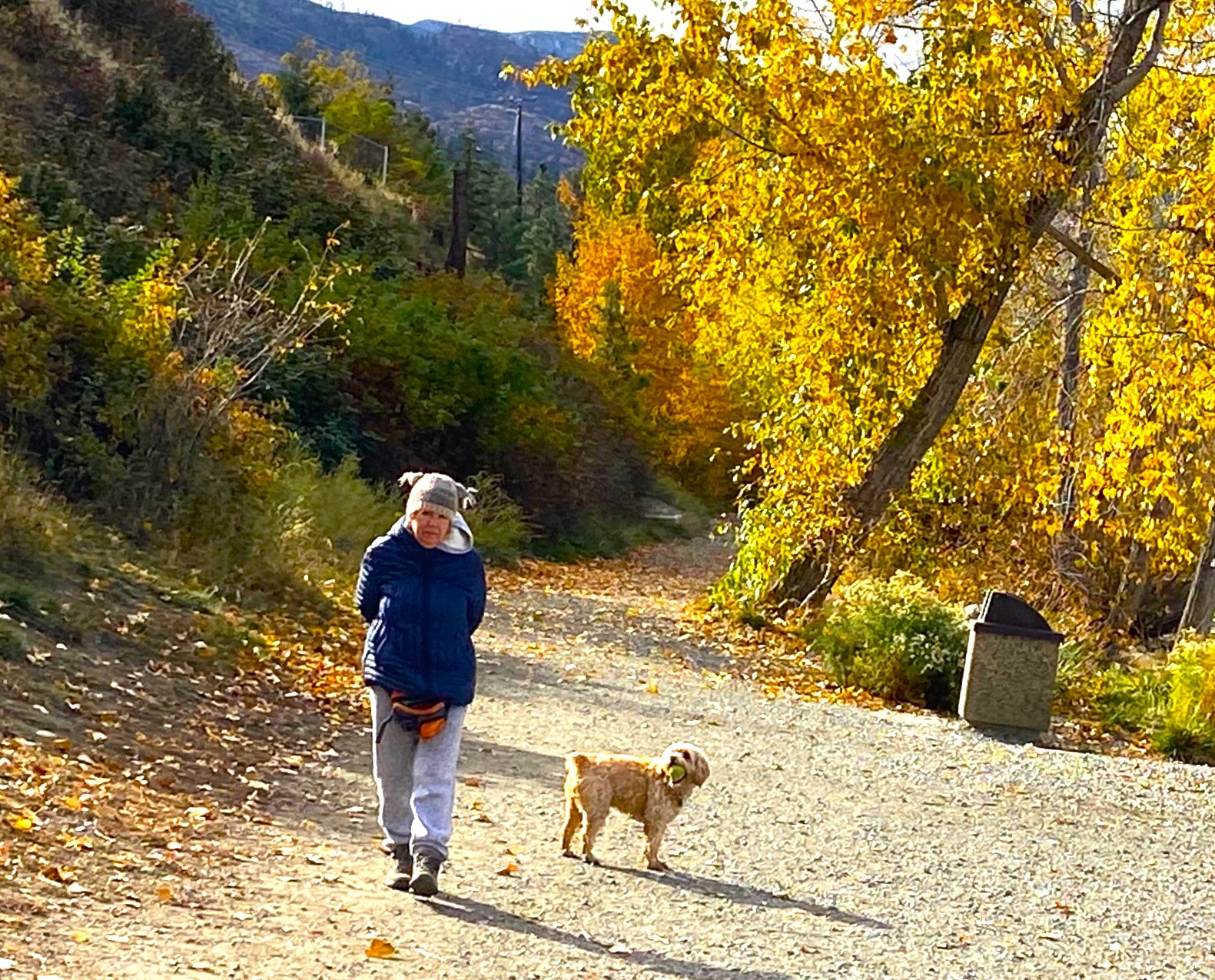
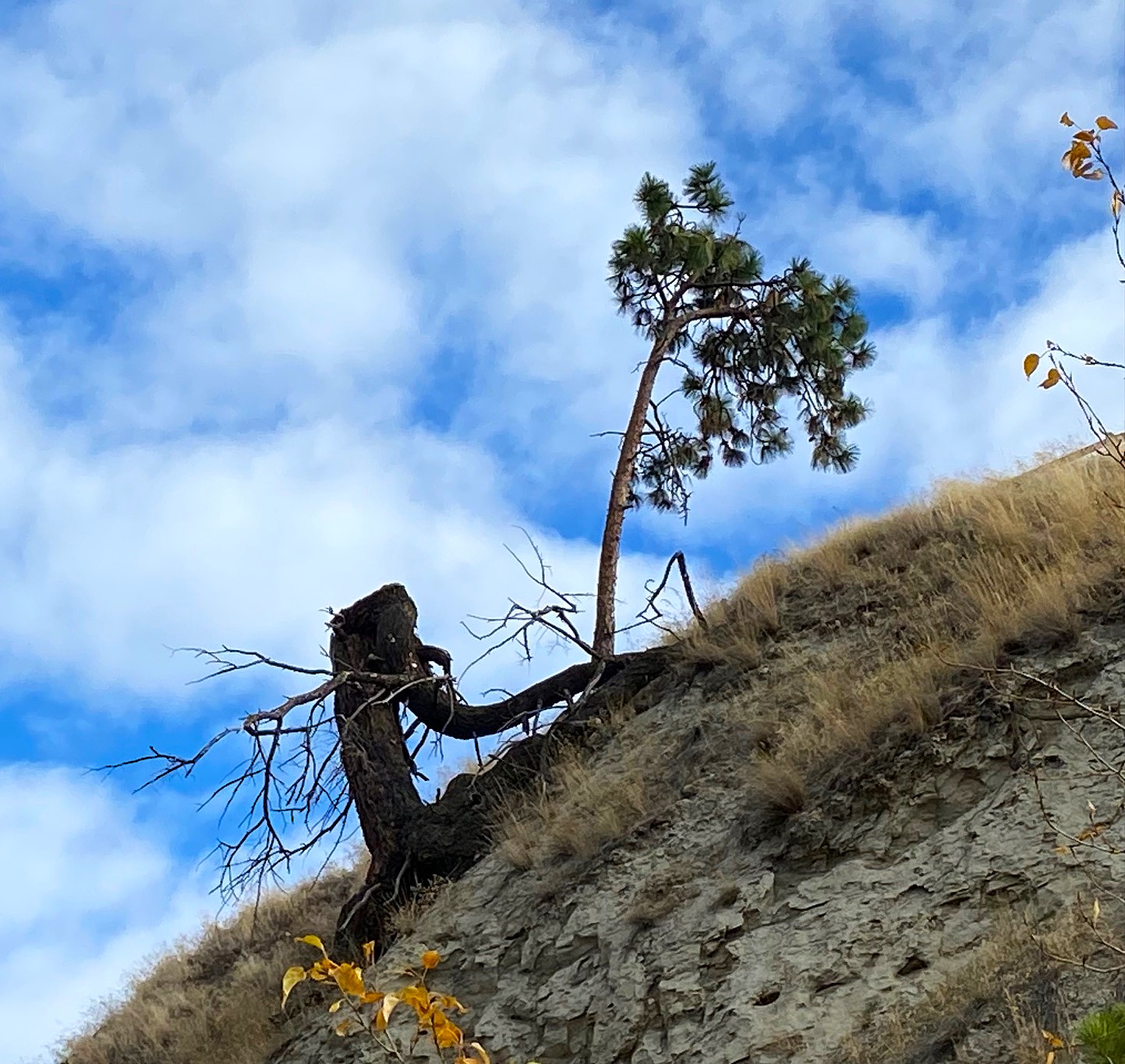
It is a site to behold. Many red brick old university buildings, spread through a large swath of land. No wonder – it’s laboratories are in the fields, in the valley. We are talking of agriculture and botany. Living university. I am so glad that I did.

In no particular order here is the view of this wonderful campus.

Link to a post abut the Dalhousie University main campus in Halifax, click below on it: https://kanadyjskimonitor.blog/2023/10/13/a-history-and-future-youth-and-tradition-dalhousie-university-in-halifax/

Crystal Crescent Provincial Park in Nova Scotia

Crystal Crescent Provincial Park in Nova Scotia

Children are amazing people! Throngs of beachgoers are squeezed next to ech other on the sandy beach – but a child knows better: what could be more magic than playing in a mud in little stream rushing toward the ocean? Child imagination dwarfs imagination of an adult.

On the way to the rocky trail, pass the beaches and people I had a small secret meadow full of wild strawberries and blueberries. If it was in season I would go there and John would wait on the trail till I come back with both fists full the sweetness of the berries and empty them into his mouth. He pretended to be offended by it … but ate them, LOL. We had to make sure that there was no one approaching on the trail. Heaven’s forbid someone would see him eating fresh fruits and from someone’s hands! He like it, though. Maybe not as much the fruits (John wasn’t really an aficionado of fresh fruits) as the fact that he can make me smile and be happy. Our little idiosyncrasies. Next on the trail was a tiny nudist beach. No, I knew better – didn’t even ask him to stop and go for swim before the hike. Naked in public, beach or no beach?! That would be the end of the walk and the trail, no question asked. I knew what I can ask him of, and what I should not. Idiosyncrasies is one thing and disrespect is another. The true trail started right past that beach. Narrow and easily lost, covered with rocks and roots, often very wet and muddy from numerous tiny creeks rushing toward the ocean. Eventually you got to walkable huge slabs of rock and the amazing view of the majesty and power of the Atlantic. It truly is something to behold. We never went that far, as I venture sometimes, but far enough to absorb the atmosphere, the enormity of nature. And there, on these rocks, far enough from typical tourist or beachgoer, I would find a spot invisible to anyone, secluded … and have my way with the wild strawberries and blueberries off his lips!
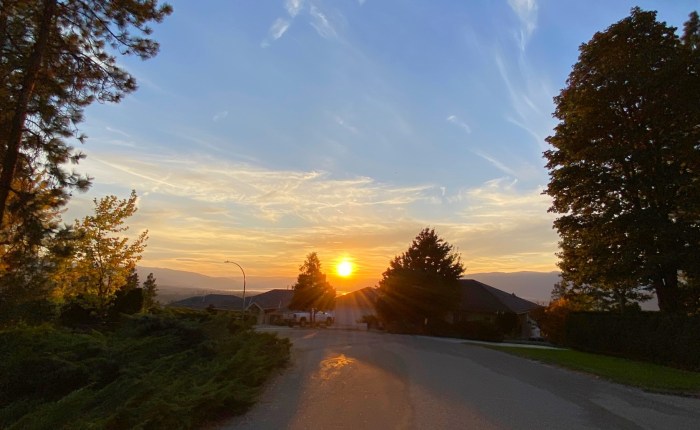
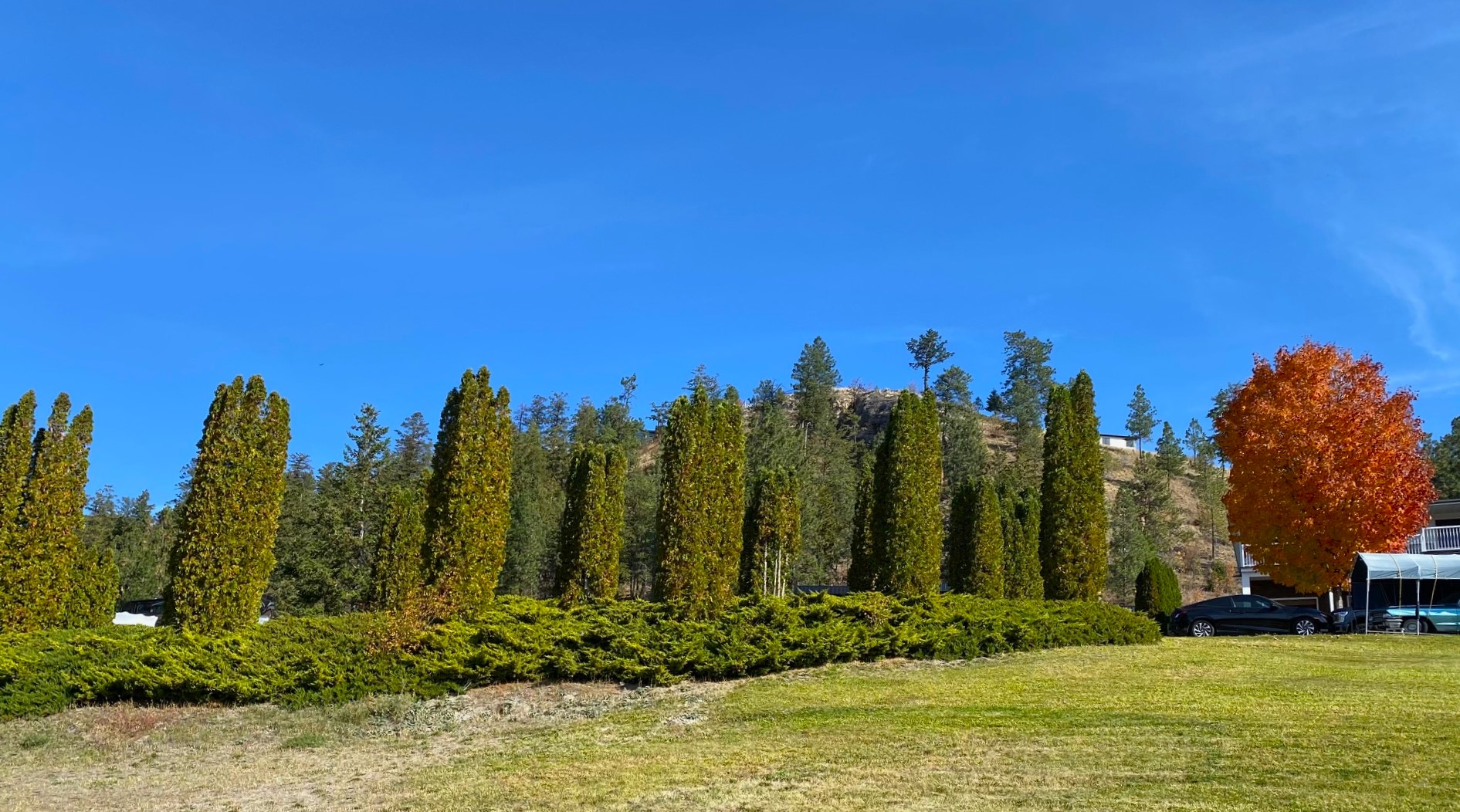
Below, pictures from yesterday – poniżej zdjęcia z wczorajszej wędrówki

Widoczna na zdjęciu latarnia morska na wyspie Sambro, która jest ‘bramą’ to wejścia do portu Halifax jest najstarsza latarnią morską w Północnej Ameryce i do dziś operującą.

Pictures of the Sambro Island and the lighthouse remind us that it is the first lighthouse built in North Americas and it is still operational.