Bogumił Pacak-Gamalski
Otworzyłem okna przeszłości. Ileż tam tego się nazbierało. Wyłażą ze stron notesów różne twarze, miejsca, uczucia wielkie i małe. Ale miejsca, miejsca są właśnie niesłychanie ważne – to te kamienie milowe ustawione na rozdrożach dróg, które nie pozwalają pobłądzić. Ach, ta ulica na której spotkałem … itd. itd. itd.
Dzięki pamięci miejsc pamiętasz twarze z tymi miejscami związane. Ba! Wracają uczucia, które tobą wówczas szargały lub otulały ciepłem.
Możesz nawet porównać te miejsca i tamte daty z datami z wczoraj i dostrzegasz nić je łączącą. Nic nie dziej się bez przyczyny? Nie wiem, czy aż tak można definitywnie to nazwać, ale większość zdarzeń przyczynę ma, nawet, jeśli zapomnianą, oddaloną w przestrzeni czasu i miejsc.
Wczorajsze i przedwczorajsze wędrówki po Surrey i New Westminster, po White Rock wymieszały mi te czasy w jednej torbie przez ramię zarzuconej. Ileż tam tego się pomieściło! Dziesięciolecia prawie. Twarze pokazały się w tym otworze czasu, wrażenia wówczas z czegoś, jakbym to wczoraj widział. Sceny nieistniejących komedii i tragedii w nieistniejącym już fizycznie teatrze. A były. I był teatr, aktorzy, publiczność.
Zaczętą opowiastkę ze zdarzenia połączyć mogę z jej kontynuacją dziś. Choć nie ma tego fortepianu w tym ciągle istniejącym hotelowym barze, pewnie postarzali się chłopcy-bogowie z dżungli Kiplinga, którzy w wówczas w tym barze na wysokich stołkach siedzieli pewni swej nieśmiertelności (a nie wiedzieli, że są chłopcami z kart powieści Kiplinga). Ani, że ja byłem wężem-przyjacielem, nie kusicielem.
(wpis z 26 kwietnia, 2015, Surrey)
Siedzisz wszędzie obok, na dotkniecie palcem, prawie na położenie dłoni na kolanie, na udzie.
Uda masz potężne, jak jakieś wielkie gładkie pnie z opowieści Kiplinga. Indyjskie, więc najsmuklejsze. Bo to jeszcze z czasów przed Nehru, przed Gandhim, przedwieczne.
Mówią, że nie strzyżesz włosów, bo tak nakazuje wiara. Ale brodę i wąsy masz starannie przystrzyżone lub ułożone tak, by podkreślały, uwypuklały mięsistość warg, prowadzących jakimś szlachetnym łukiem współ-praojców ku olbrzymim stawom twoich oczu. Gdyby nie zakrywały ich długie, jak palmowe liście rzęsy – można by skoczyć i pływać w nich godzinami.
Jesteś młodym bogiem, który jeszcze nie wie, że nawet bogowie się starzeją, że nadejdzie ich zmierzch. Że kochankowie słów – poeci, więlokroć krzyczeli z pasją bólu lub pasją radości: zmierzch bogów, śmierć bogów!
Cóż to cię może zresztą obchodzić teraz? Wzruszasz nonszalancko potężnymi i delikatnymi jednocześnie ramionami. Ramionami, które mogą jednako zabić jednym gwałtownym ruchem, jak być źródłem boskiej pieszczoty.
(zapis z 7 lutego, 2025 w Surrey)
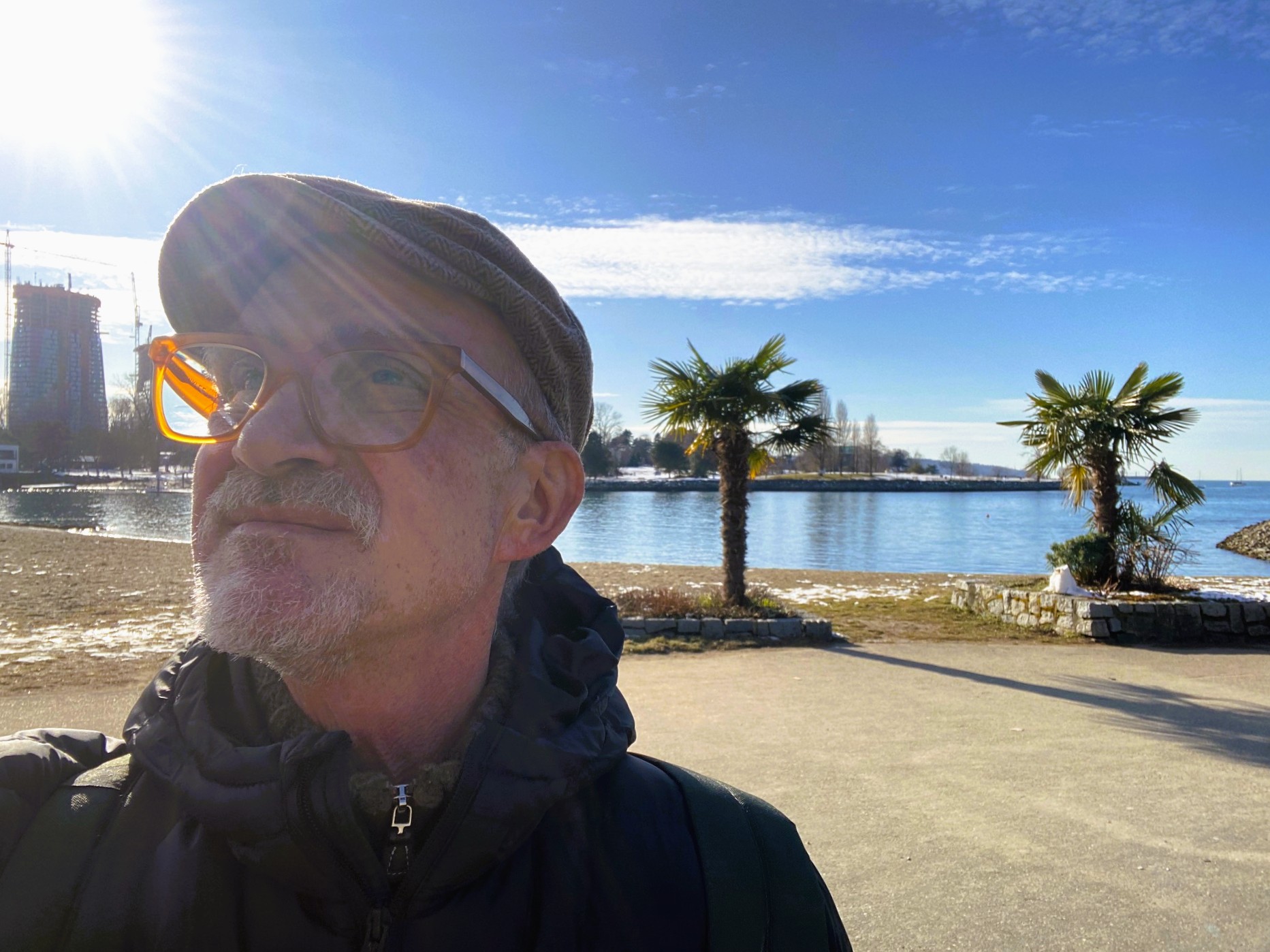
Więc wróciłem drugi raz łyknąć tego powietrza, spić te widoki, jak szklankę słodkiego calvadosu. W lutym, ze śniegiem, z mrozem. A było, jak wiosną pachnącą zbudzonymi przez ptaki łąkami. Zapachami miłości, kiściami winnej latorośli, jantarami wielkich brązowych oczu za zasłoną firanek długich rzęs.
Jak wtedy, w 2015. W tym samym miejscu. Kiplingowe prastare Indie w Kanadzie, między Surrey i Deltą. Miedziana skóra pachnąca ziołami dżungli Edenu. Dwóch młodych chłopców siedzi przy długim blacie hotelowej restauracji. Młody pianista gra na fortepianie melodie, które wie, że znam i lubię. Uśmiecha się do mnie i szepcze – wiem, że to lubisz, pamiętam. Dawno cię tu nie było.
Chłopcy zamieniają się w gibkie pantery, chodzą powoli między stolikami z ogonami zadartymi sztywno do góry, ślepia utkwione we mnie. Siadają po obu stronach krzesła, na którym siedzę. Wiem, że powinienem być przerażony, ale nie jestem. Jestem zachwycony ich widokiem, drżący w oczekiwaniu. Na co? Nie wiem. Ale te oczekiwanie jest elektryzujące. Będę ich ofiarą czy starzejącym się guru uczącym życia, miłości i śmierci? A wise man of the jungle.
Chłopcy-pantery są naturalnie młodymi bogami i ciągle wierzą w legendy o nieśmiertelności bogów. Ale ja jestem starym wężem, który widział już wszystko. Widziałem śmierć, trzymałem ją za rękę i za gardło. Widziałem młodych bogów, którzy umierali. Oni są zaślepieni swoją omnipotencją, swym pięknem. Nie widzieli starych bogów, którzy umarli. Sądzą, że przed nimi innych bogów nie było. Ich miedzianozłoty blask pokrył ich źrenice kotarą zasłaniającą im czytanie ze źródła okrutnej prawdy życia. Prawdy jego nietrwałości. Nic nie jest trwałe.
Mimo to, lub na przekór tej prawdy, tej okowy życia … kaskady pasji nie wysychają, nie zamieniają się w pustynny piasek niespełnionego marzenia. Sny nie zasypiają, są czujne. Nawet czułe czasem.
Podpełznę może do tych nieśmiertelnych śmiertelnych bogów i syknę im ostrzeżenie, zachwieję ich pychę i zarozumiałość.
Nie, nie trzeba. Pewnego dnia, który jest zawsze bliżej niż nam się wydaje, sami to zaczną postrzegać. I pewnie – jak tylu bogów przed nimi – przyjmą to ze stoickim spokojem. Wówczas, w tym momencie zrozumieją nawet oni – bogowie. Zrozumieją nieskończoną trwałość nietrwałości. Im kruchsza, tym trwalsza.
***
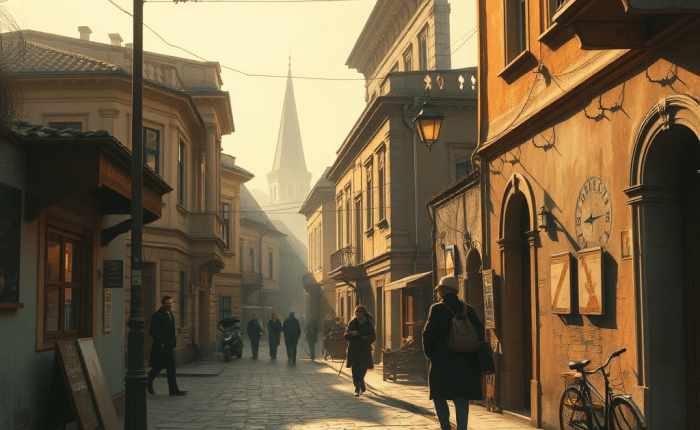
Choć Kartezjuszu kochany, podaj mi ramię. Połazimy uliczkami Amsterdamu. Napijemy się calvadosu. Nie, nie potwierdzaj, dlaczego jesteś ani czemu myślisz. Nie myśl aż tyle. Po prostu bądź. Zachwyć się jeszcze czymkolwiek. Beztrosko. Mimo podejrzeń współczesnych ty upierałeś się, że wierzysz w jednego boga. Rene! Przecież nawet ten twój jedyny bóg miał aż trzy postacie, daj spokój. Wypij jeszcze jedną szklanicę, a co tam. Zaręczam ci szczerze, że nawet, jeśli przestaniesz myśleć na moment, to nie przestaniesz istnieć. Po prostu chwilowo będziesz bezmyślny. Wierz staremu mądremu wężowi, który tyle już widział.
Ale poczekaj, coś jeszcze w szpargałach znalazłem. Z Londynu w 2015. Czekałem tam na kogoś ważnego. Ważnego w moim świecie.
***
(zapis z Londynu, 2015)
Za chwile już tu wejdziesz, pokażesz się z twoim uśmiechem, twoją młodością pełną beztroski, wzbudzającą zachwyt w tym nierealnym nie zwracaniu uwagi na rzeczywistość. Ale ty nie możesz być inny. Nie wiesz, nie powinieneś wiedzieć więcej. To na razie wystarczy. Ja też taki byłem. Dzięki temu mogłem marzyć, mogłem sobie pozwolić z rozrzutnością bogacza na nadzieję. Dopiero później, dużo później drzwi i okna szczelnie się zamknęły. I nie na wiele ta ostrożność się zdała po prawdzie. Wystarczyło, że pewnego dnia pojawiłeś się nagle, po raz wtóry w moim życiu. Okna i drzwi wyleciały z hukiem pękających ram i framug. W mieszkaniu stało się na nowo jasno, wiatr wywiał wszystkie trucizny, cykuty z mojej duszy. Zacząłem znowu oddychać. I potem równie nagle wyjechałeś. Wiedziałem, że wyjedziesz, myślałem, że to rozumiem, że jestem silny, że przetrwam. Nie byłem. Pękłem jak stary wazon wypełniony łzami. I teraz pocerowany, dziurawy, zlepiony z nierównych skorupek przyjechałem na drugi koniec świata, by cię spotkać. Do miasta, które zamieniło kiedyś mnie z chłopca w mężczyznę. Mężczyznę, jak ty silnego, wierzącego, pełnego nadziei. Ale to już było. Żadne miasto nie daje tego daru nikomu dwukrotnie.
Więc jakże cię powitam, mój aniele życia i śmierci? Czy jest niezbędnym w okrutnej szczerości żegnać się na powitanie? A wszak żegnać się przyjechałem. Dotknąć cię jeszcze, pośmiać się razem, upewnić, że masz szansę na życie, na szczęście. Że coś z moich nauk troskliwych, z lekkiego uchylania rąbka tajemnicy bez wyjawianie jej całkowicie zostało. Bo starałem się to tylko robić, gdyś przyjechał z wielkim pytaniem, jak teraz twoje życie będzie wyglądać. A jedną radę tylko dać ci mogłem: ceń siebie. To warto. Dbaj o to dziecko, którym kiedyś byłeś. I dbaj już teraz o tego mężczyznę, którym będziesz. O co jeszcze? Bo ja wiem? Dbaj też o przetrwanie. Bo jednak przetrwać warto. I biec w międzyczasie, pędzić na złamanie karku. Kochać się, zachłystywać szczęściem. I potem płakać, przeklinać, żałować też warto. Dzięki temu potem można kochać ponownie.
Więc nie będę się z tobą żegnał na tej płycie londyńskiego lotniska. Niech po prostu te dni będą nam jeszcze dane. Niech będą, póki się przed majem same nie zamkną, nie wyjadą gdzieś. Niech będą po raz ostatni i niech ja sam w nie uwierzę. Bo to, że byłem dobrym nauczycielem wcale nie oznacza, że sam lekcję umiałem, rozumiałem do końca. Więc żegnać się nie będę, choć spotkanie ostatnie. Tacy już nigdy razem nie będziemy. Ani nad Wisłą, ani nad Tamizą, ani nad Fraser River.
***
Cóż więcej mogę jeszcze powiedzieć? Co ze szpargałów stron i notesów przypomnieć? Kim byłem, kim jestem?
Kochankiem? Mądrym wężem? Obojętnym obserwatorem? Dobrze sobie przypomnieć to wszystko, by pamiętać, kim się jest. Tyle tych person przez lata się na siebie nakładało. Wielką cezurą było przejście Wielkiej Straty w 2022. To chyba jedyne, które autentycznie mnie zmieniło w inną personę. Jestem tamten w tej personie, znam wszystkie czucia i uczucia tamtego mnie, ale całość jest już nie ta sama. Tamten i ten obecny ciągle się dopasowują. I wdzięczny jestem tym szpargałom zapisanym literkami składanymi kiedyś, bo pomagają tego złamanego na dwie części człowieka złożyć w jedną, nowa całość.
I widać tego czasu, tego momentu się spodziewałem? Z innych zupełnie przyczyn, ale już odnajdującego człowieka, który będąc częścią zbiorowości – stoi nieco z boku, poza kręgiem. Oczywiście te króciutkie opowiadanko jest fikcją literacką. Ale fikcja nie jest kłamstwem. Jest wizją, przeczuciem, przesłaniem może? Może stoję na opustoszałym peronie w Aleksandrowie Kujawskim, skąd kiedyś, osobną pojedynczą linią kolejową jeździły ongiś małe pociągi do Ciechocinka oddalonego ledwie kilkanaście kilometrów od Aleksandrowa?
***
(zapis z lutego, 2014 w Polsce)
Stał na krótkim peronie stacji kolejowej. Kiedyś były tu świeżo malowane drewniane ławki; przy przejściu przez tory z peronu do budynku dworcowego duży klomb w cementowej podsadzie z czerwonymi pelargoniami. Dziś po klombie została tylko kupka rozsypanego gruzu, a połamane ławki miały charakterystyczny dla kolejowych cmentarzysk kolor rdzy. Pod dachem dworca ciągle widoczny był lekko skrzywiony napis „Miasto”, ale okna i drzwi budynku od lat nie były otwierane.
Mężczyzna chodził po peronie spokojnym, równomiernym krokiem. Ilekroć dochodził do końca peronu zatrzymywał się i spoglądał na zegarek, a po chwili zwracał wzrok w dal, ku zanikającej za zakrętem ciemnej linii toru kolejowego.
Robił to systematycznie, może nawet z pewną dozą rytualnej celebracji. Jednak bez zbędnej teatralności. Mimo wszystko, mimo pewnego dziwactwa, z którym sam się pogodził – nie lubił i nie uznawał nadmiernego ekscentryzmu i celowo wywoływanego zwracania na siebie uwagi innych. Był, kim był i mało go zaiste interesowało, co inni o tym myślą. Nie zależało mu na ich opinii czy aprobacie. W równej jednak mierze nie miał ochoty konfrontowania ich bezmyślnych zwyczajów, powtarzania obiegowych frazesów i kwadratowej moralności. Od długiego czasu nie miało to dla niego najmniejszego znaczenia. Nie zastanawiał się nawet nad tym więcej. W przypływie wyjątkowej aktywności wzruszał zwyczajnie ramionami. Nie stali się dla niego obcy, wrodzy. Stali się po prostu przybyszami z innej planety. Mówili ciągle tym samym językiem, ale symbolika i znaczenia słów ulegały powolnym zmianom, aż do momentu całkowitej przemiany.
Ich leksykon używał ‘jest’, jego zatrzymywał się na ‘możliwe’. Pociągi przejeżdżały jeszcze przez stację zwalniając nieco biegu, nie zatrzymywały się jednak więcej. Czasem ktoś pomachał z otwartego okna chusteczką, uchylał wówczas kapelusza w geście ukłonu i pozdrowienia. Lubił nimi jeździć, wsiadać do tych przedziałów, kiedy się jeszcze na tej stacji zatrzymywały. Słuchał opowieści towarzyszy podróży o miastach, z których jechali i miastach, do których zmierzali. Wracając do domu wyciągał z półek książki i atlasy o tych miastach. Uczył się ich ulic, parków, kawiarni, kościołów i galerii sztuk.
Gdy zasypiał spotykał się na romantycznej randce w jednym z tych parków z piękną kobietą, która nawiązywała z nim uroczy flirt. Potem szedł na ławkę pod znaną galerią obrazów, gdzie czekał na niego serdeczny przyjaciel. Ten brał go pod ramię i szli nadrzecznym bulwarem dyskutując o Spinozie i Kartezjuszu. Jakież to były wspaniałe rozmowy!
Następnego dnia wstawał wypoczęty, uśmiechnięty, zakładał świeży krawat, szedł do jedynej kawiarenki w rynku tego miasteczka, wypijał kawę, zostawiał pieniążki na blacie i wychodził kłaniając się kelnerce. Ta zwyczajowo pytała: już pan wychodzi? Tak – odpowiadał – śpieszę się na pociąg.
Drogi Rene de Carte, Kartezjuszku kochany – tym razem to już koniec zapisków, opowieści. I naszego spotkania, naszej pogawędki. Ot, szklaneczka też pusta się stała. Czym coś ci wyjaśnił, pojęcia nie mam? Ty myślisz, więc jesteś. Ja myślę, więc piszę.

































 > > Pogwarki < <