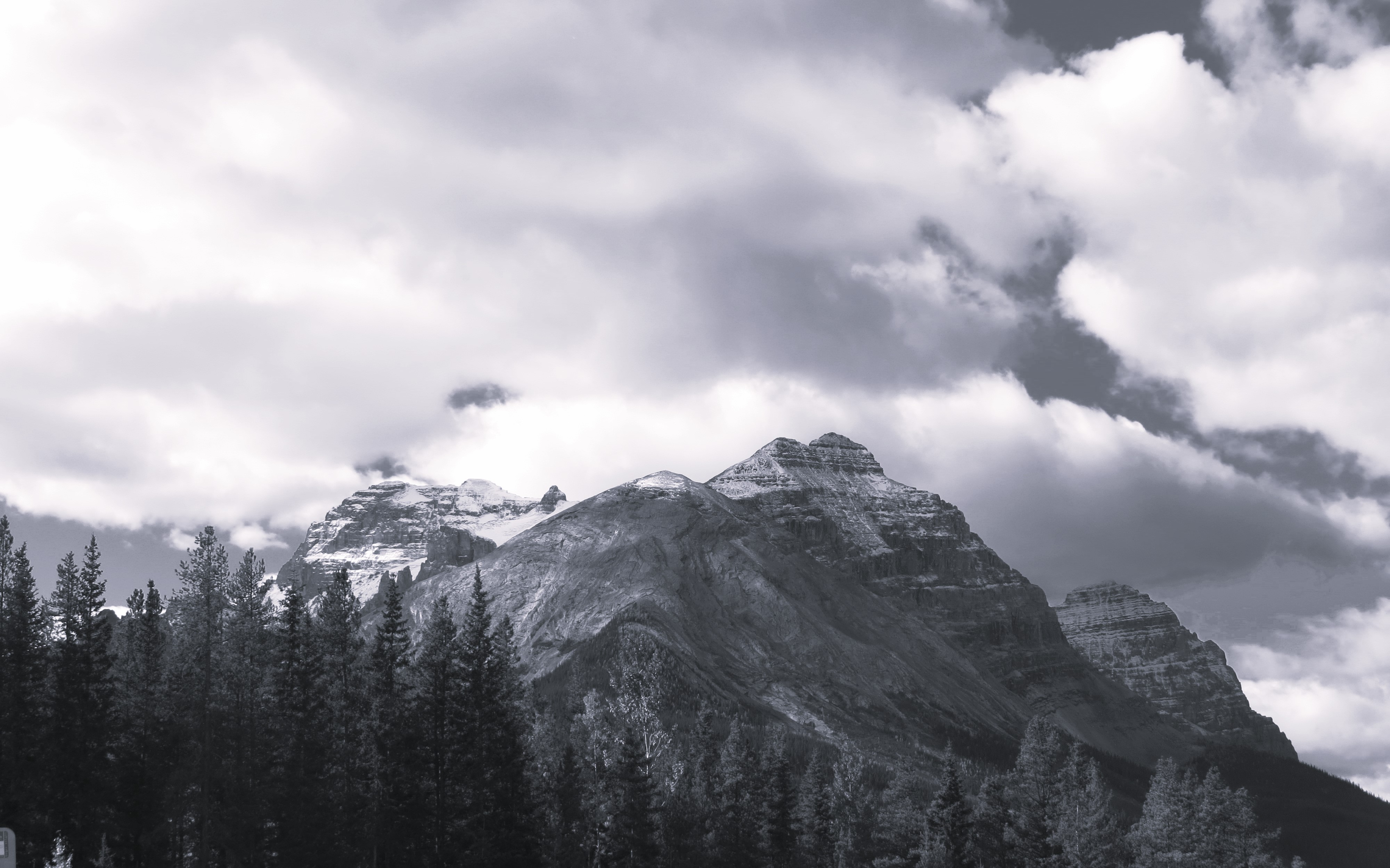
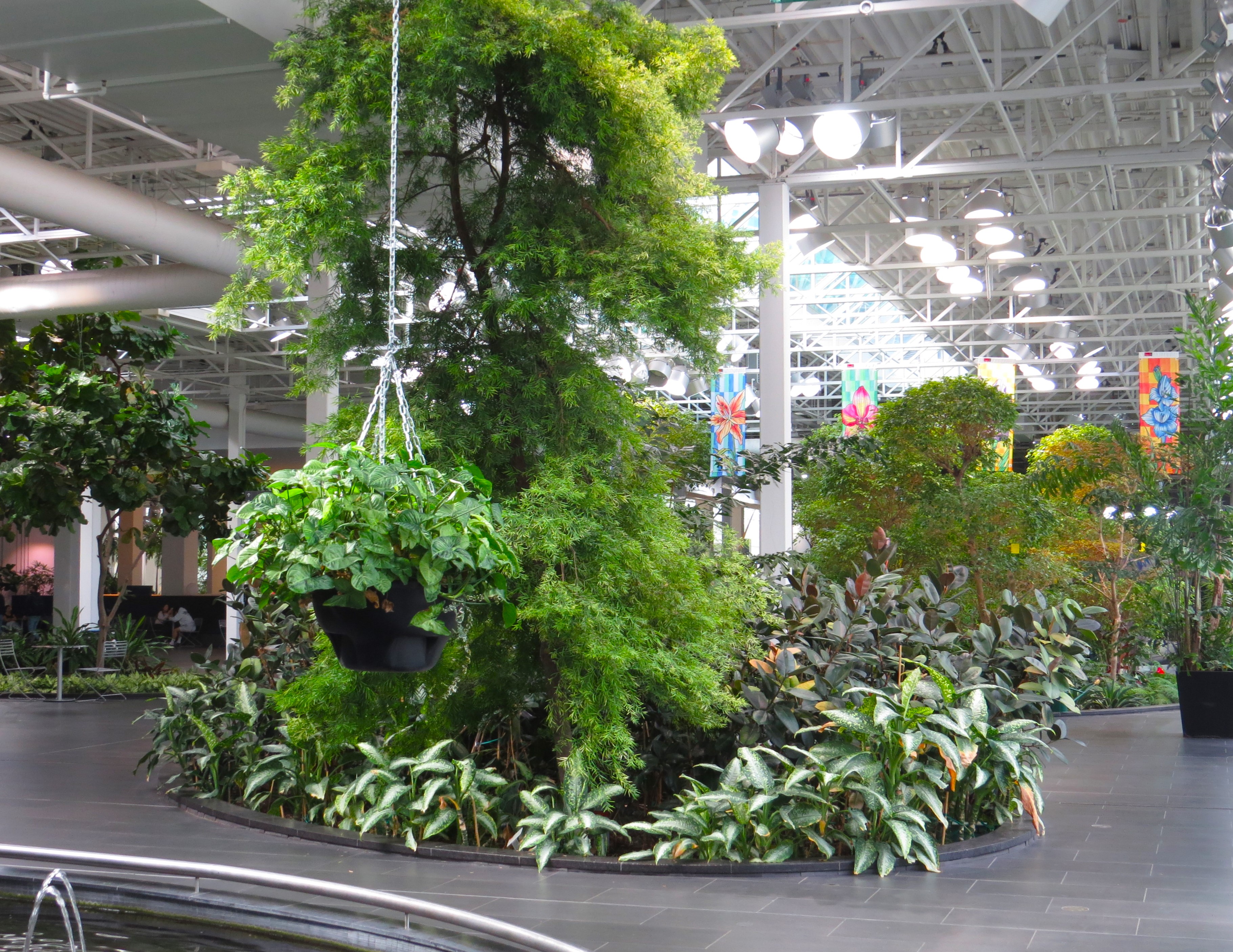
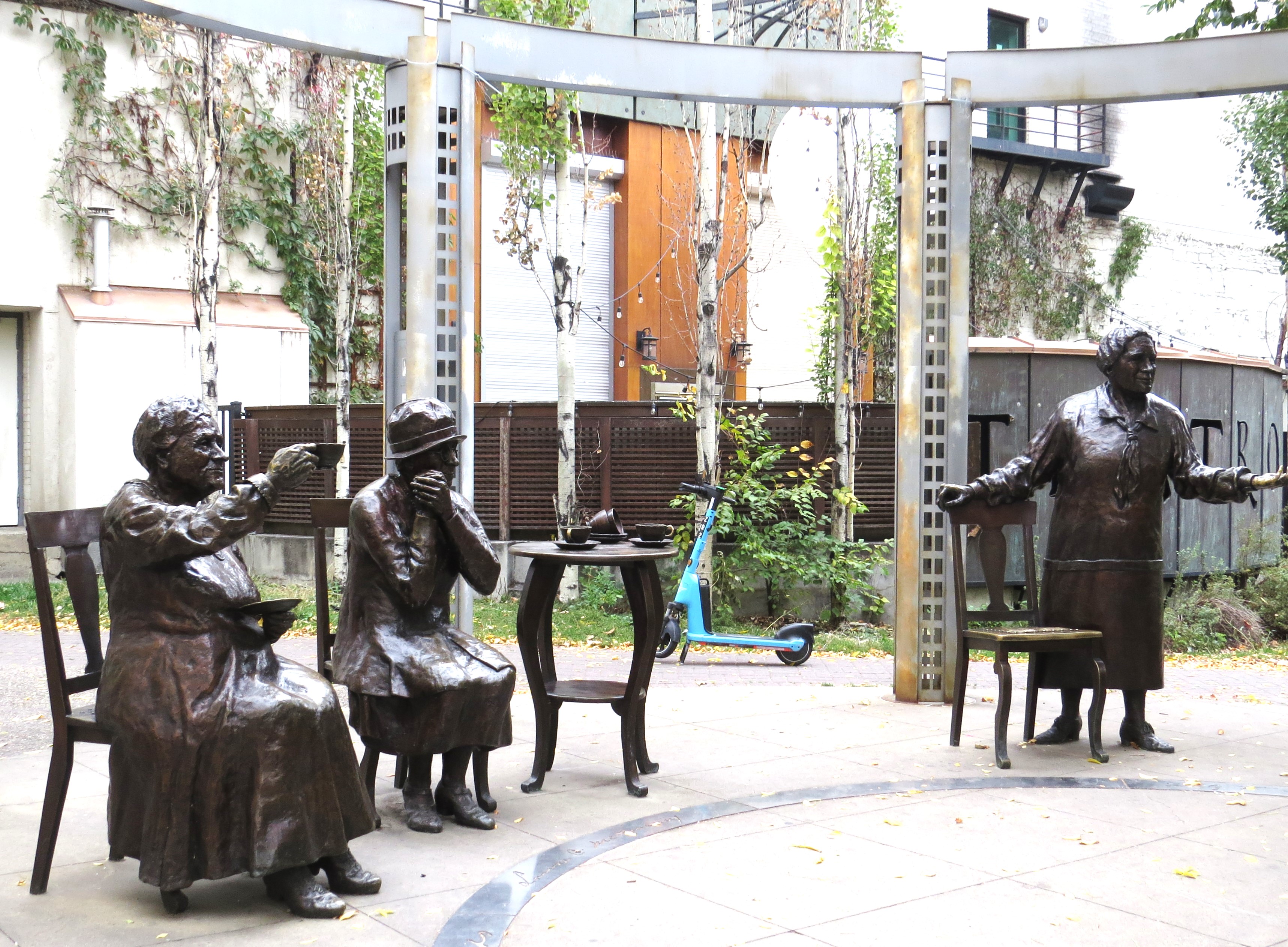
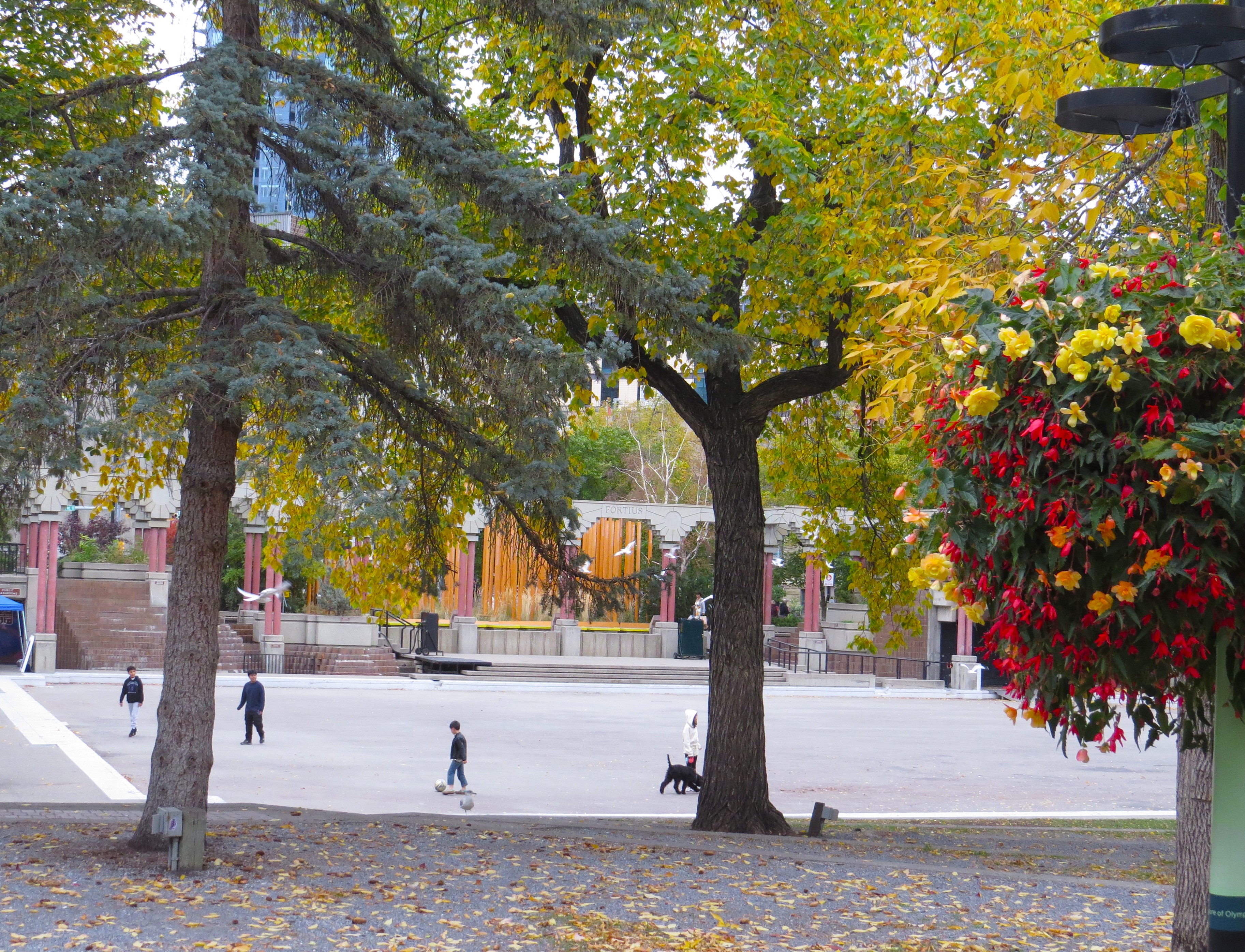
In local Native tribes they call it: a place where the rivers meet. Or shortly – Calgary

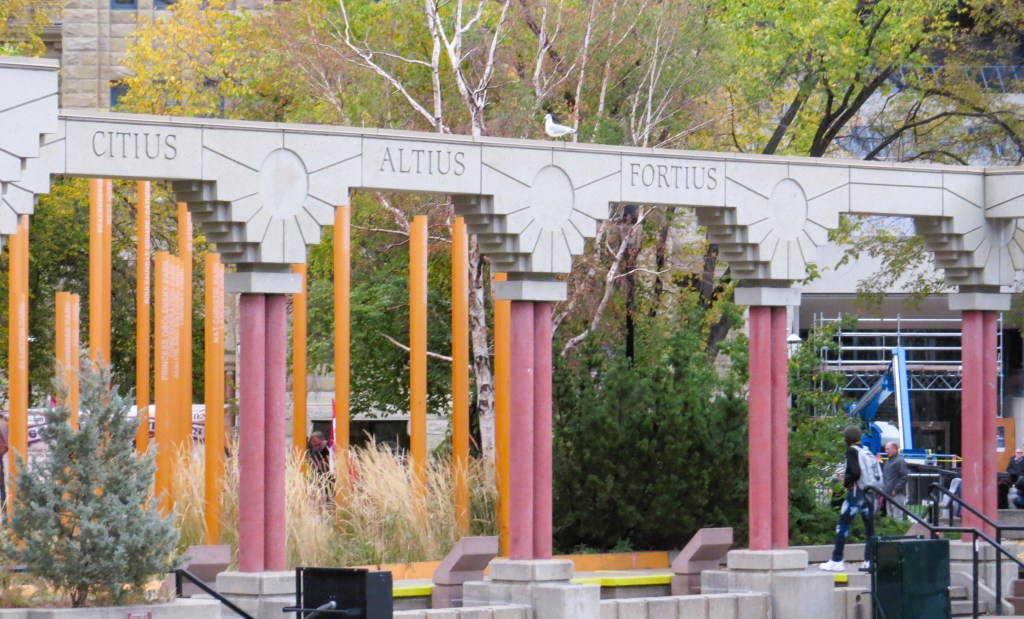
Olympic Plazza in Calgary

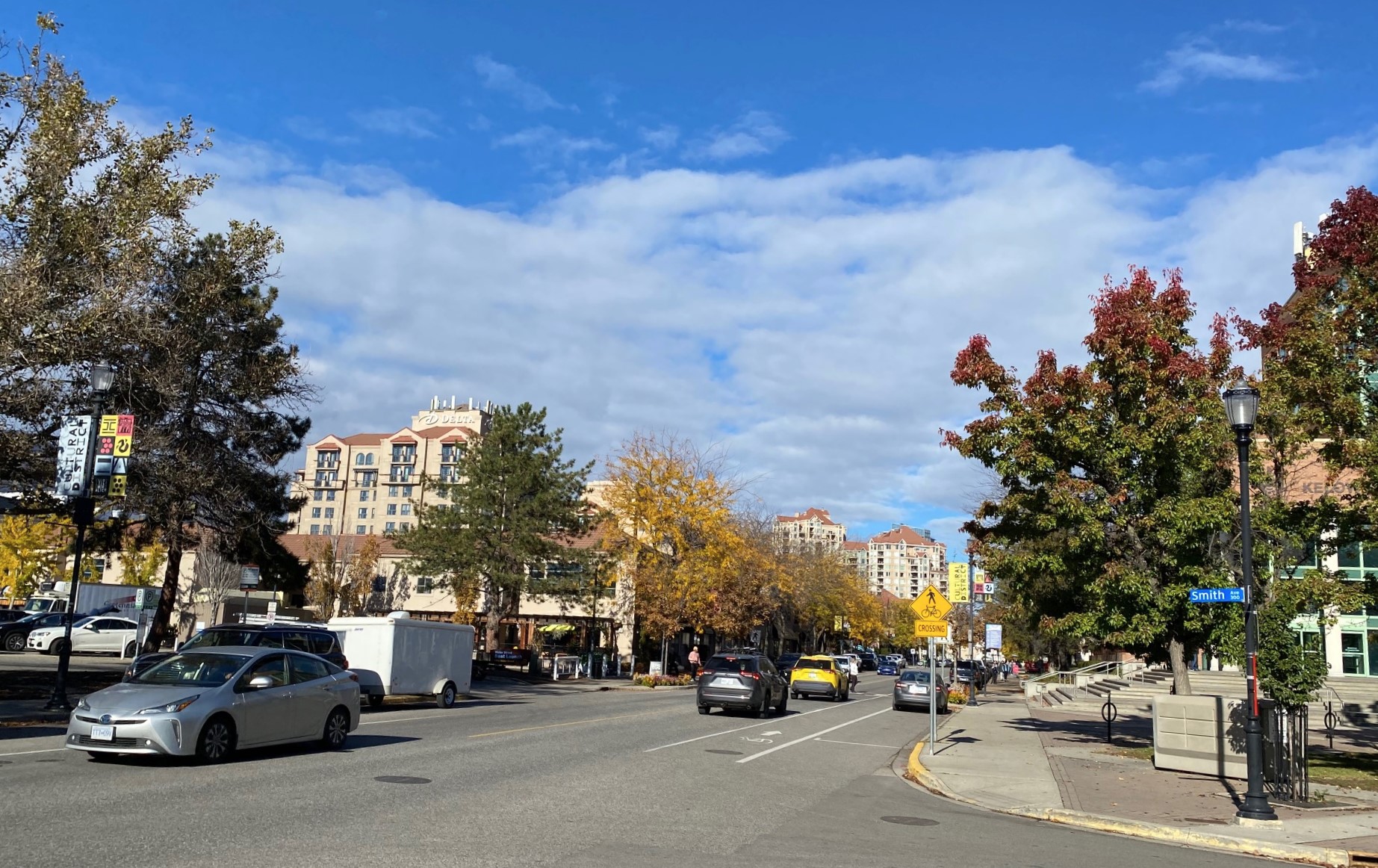
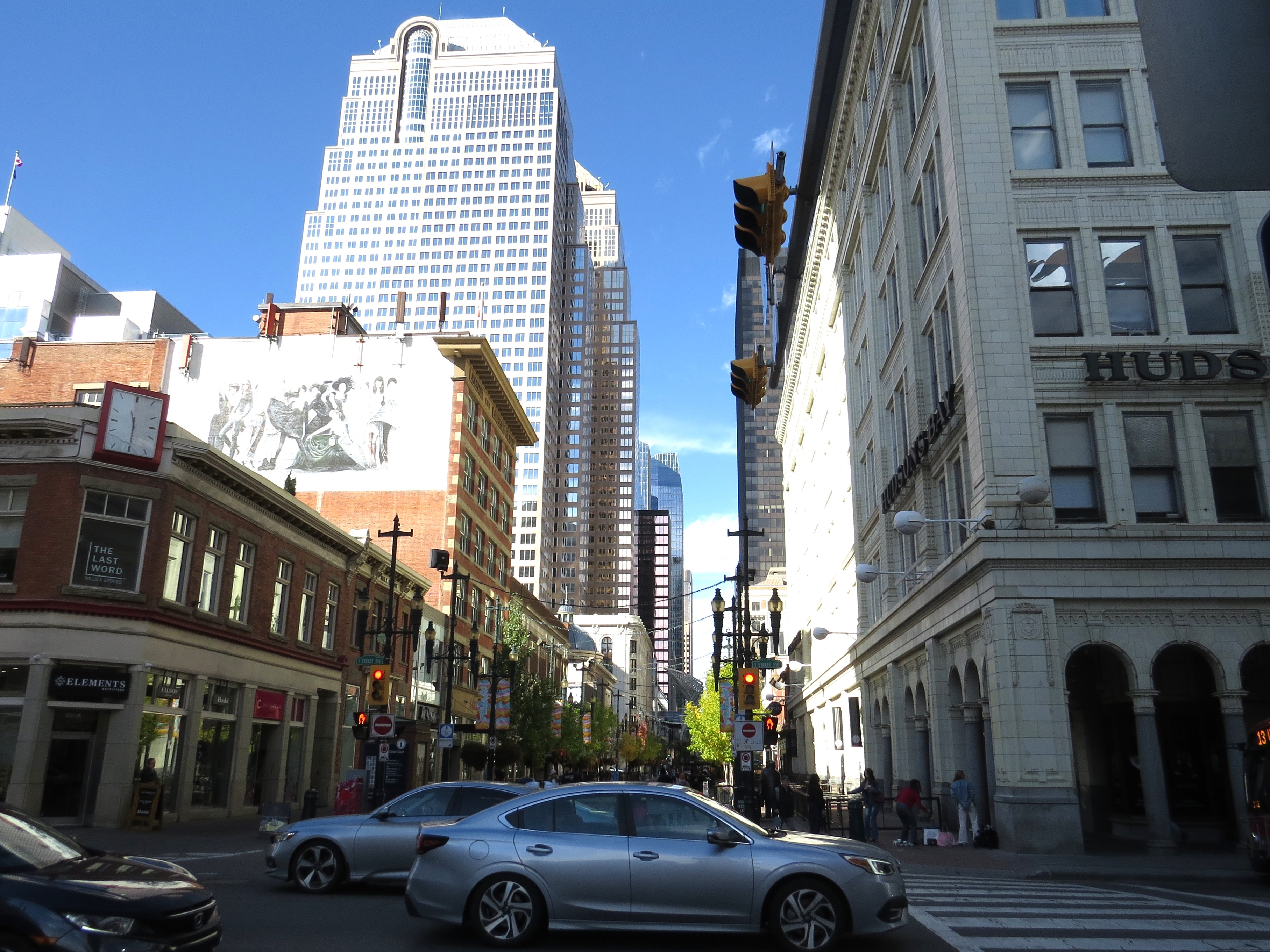
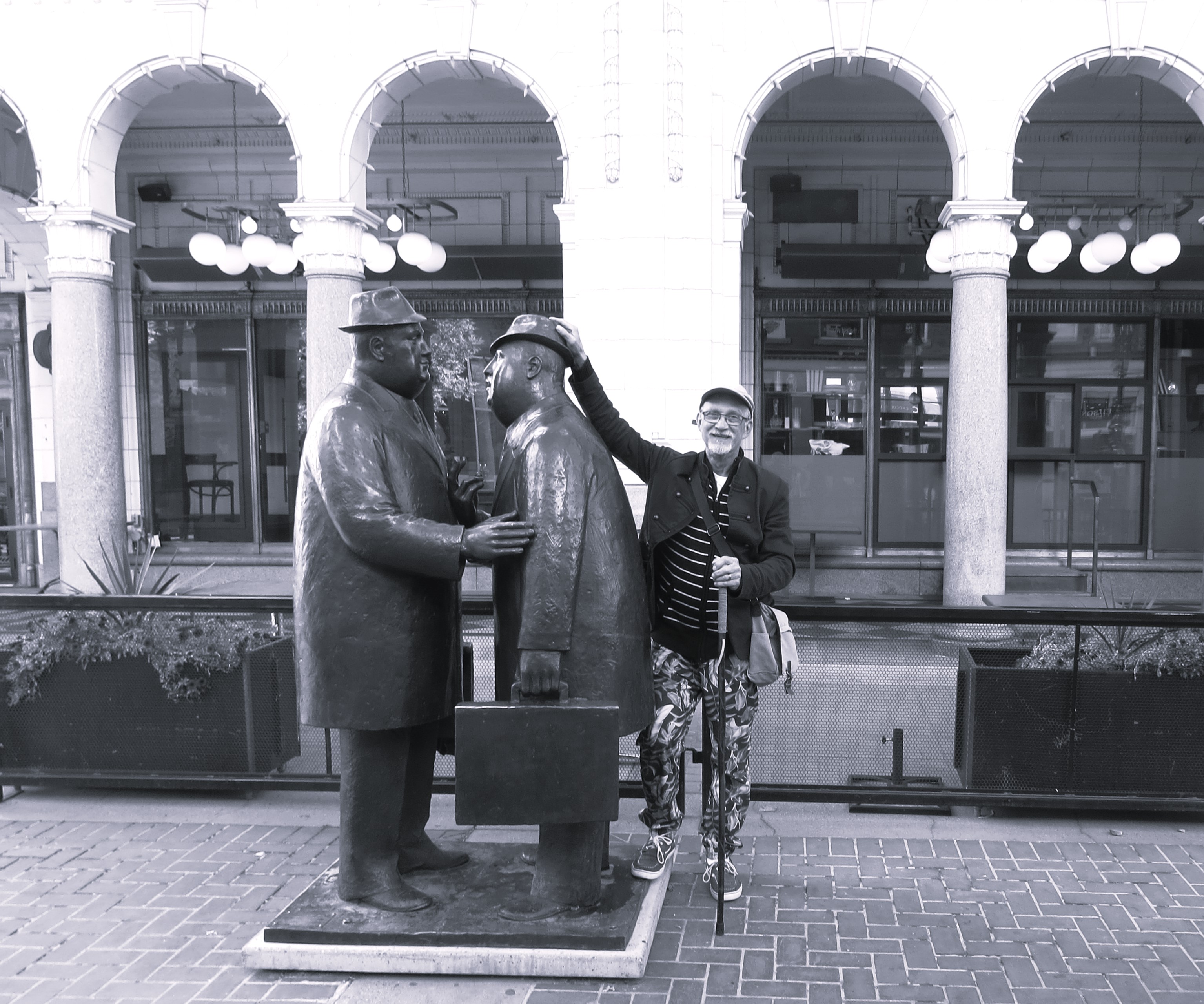
Of all the cities of Canadian prerie provinces (Manitoba, Saskatchewan and Alberta) – Calgary is the best known and in many ways perhaps the most influential way (in both: good and bad ways). Many eons ago it used be my first Canadian home for almost a decade. And Calgary’s main walking and social promenade was Stephen Avenue Mall. Roughly speaking a district in the middle of the city, between City Hall and 6 Street S.W. Entertainment and commercial heart of Calgary. Not the only one (17 Avenue SW is also important ) but historically speaking the main one.

Hence my walk ‘down the memory lane’ with a dear friend. Apart from everything else it is a pivotal part of my entire life. Not only my Canadian life – but my whole life. It is where I met the love of my life, my soulmate.

That personal aspect will be explored in a more poetic language in my next post. Now, that walk through the Mall in September 2024.

Summer, summer … it’s time to slowly close the season of fun on the Eastern Coast of Nova Scotia

Summer, summer … it’s time to slowly close the season of fun on the Eastern Coast of Nova Scotia

Everything good must come to an end. Summer is receding from the trails and beaches of Nova Scotia. So is my presence in that province of Canada. Time to pack my beach chair … and pack my belongings after six years. For a small province that’s a long time to travel to places known and places less travelled. By now, my Dear Reader you probably know much more about this land from where the entire hemisphere sprang to life under new overlord – the Europeans. But people come and go – the land remains. And the old inhabitants from ancien time remain too – the Lnu People, of which novascotian native Mi’kmaq people are part.

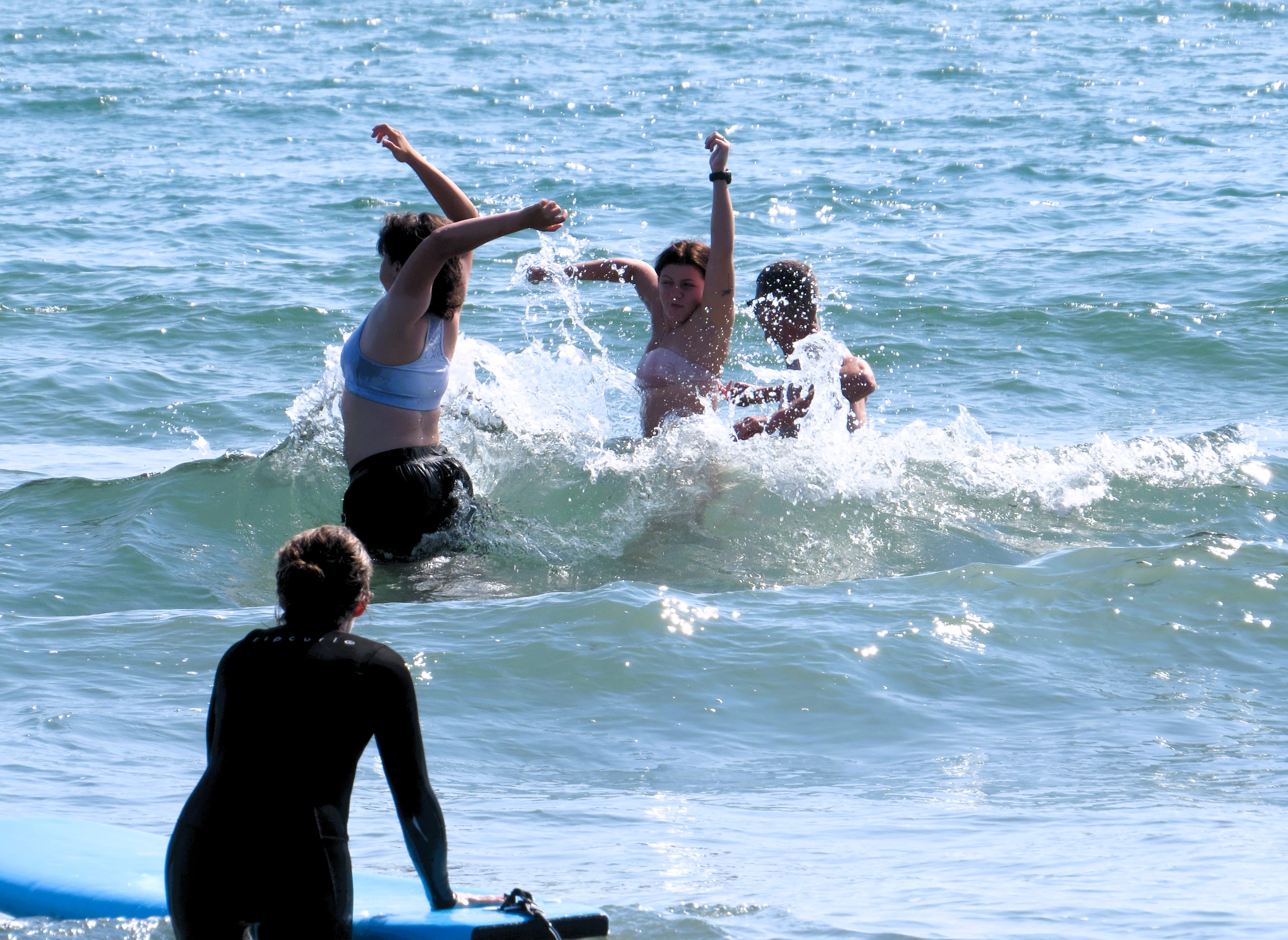
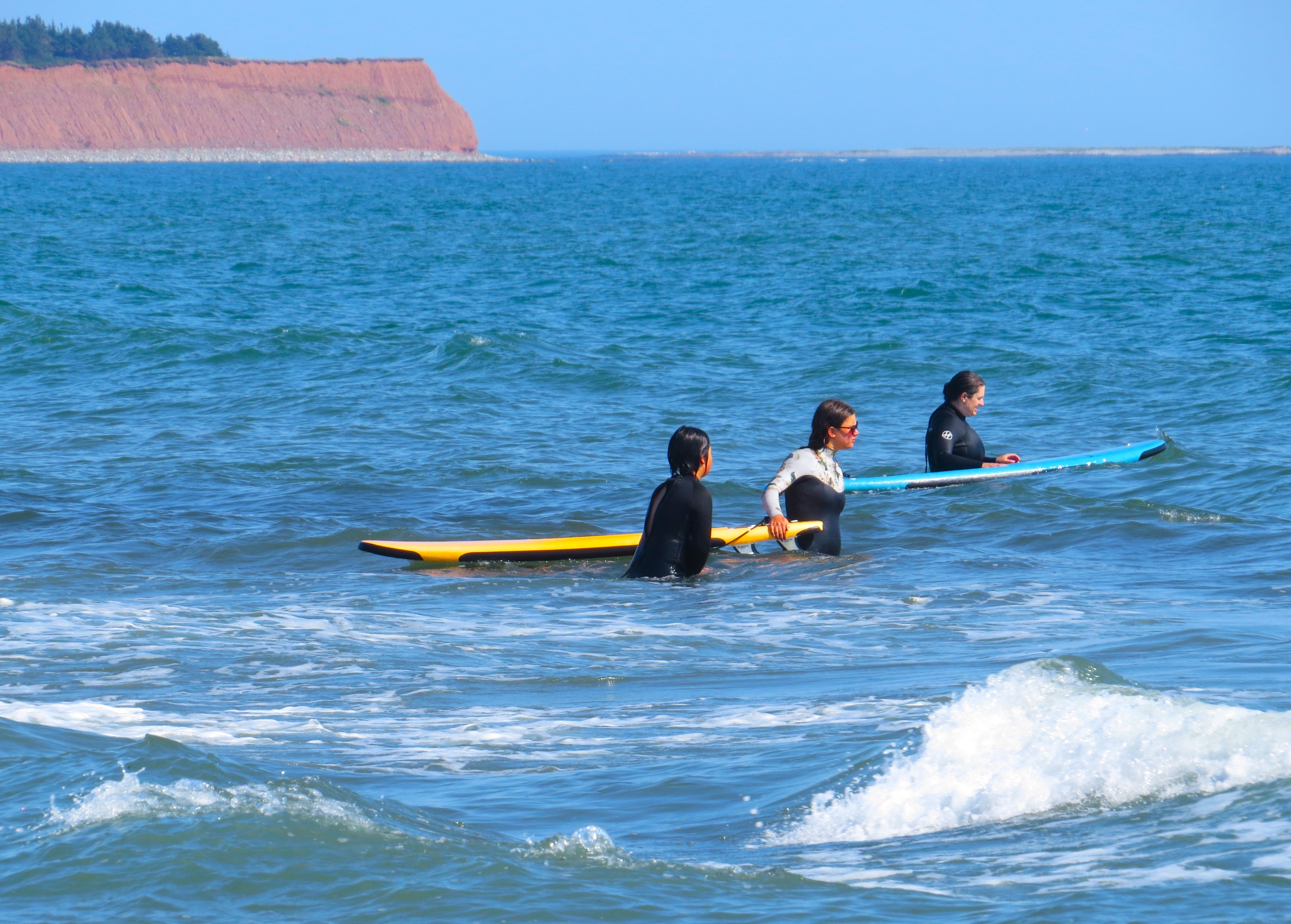
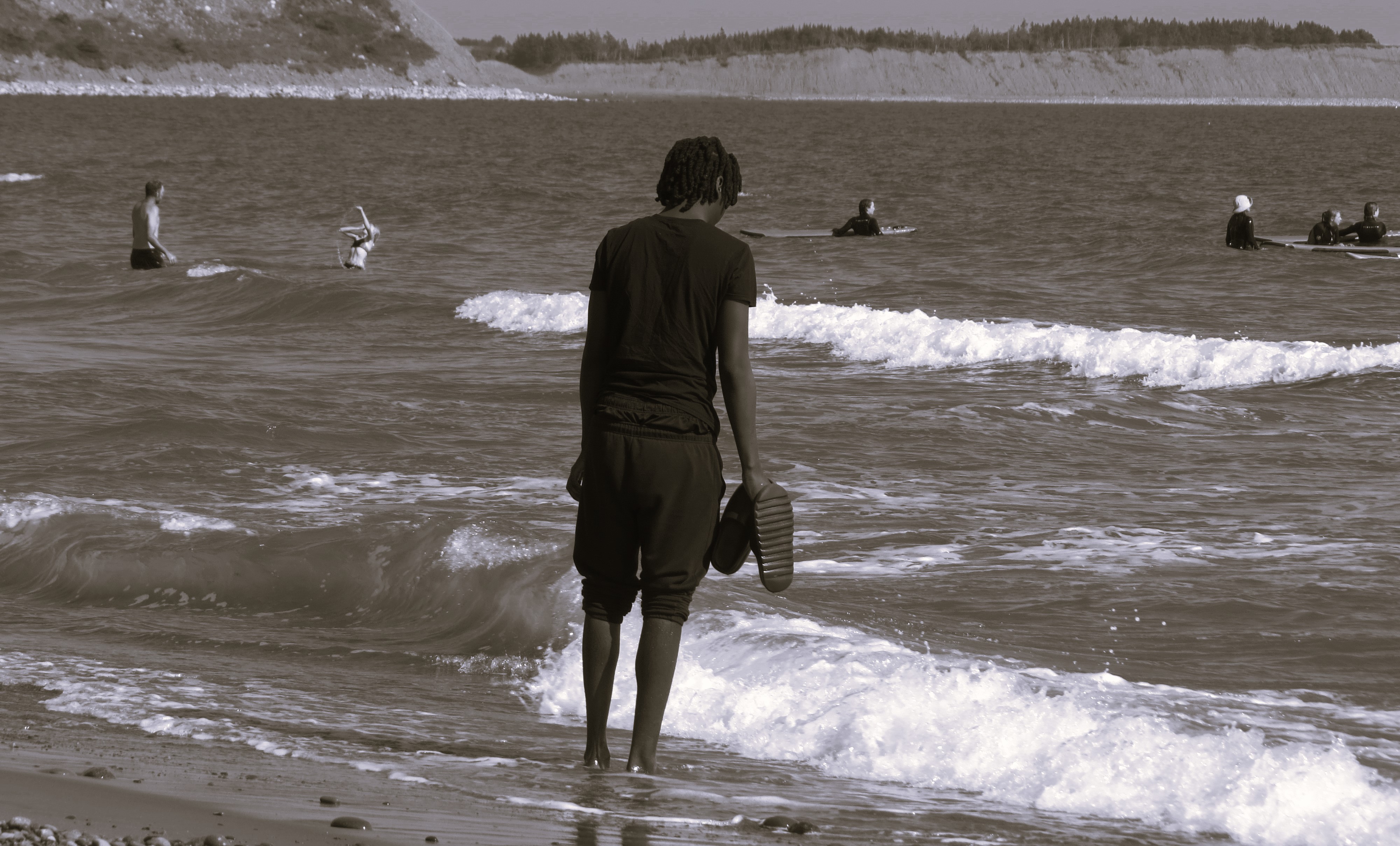
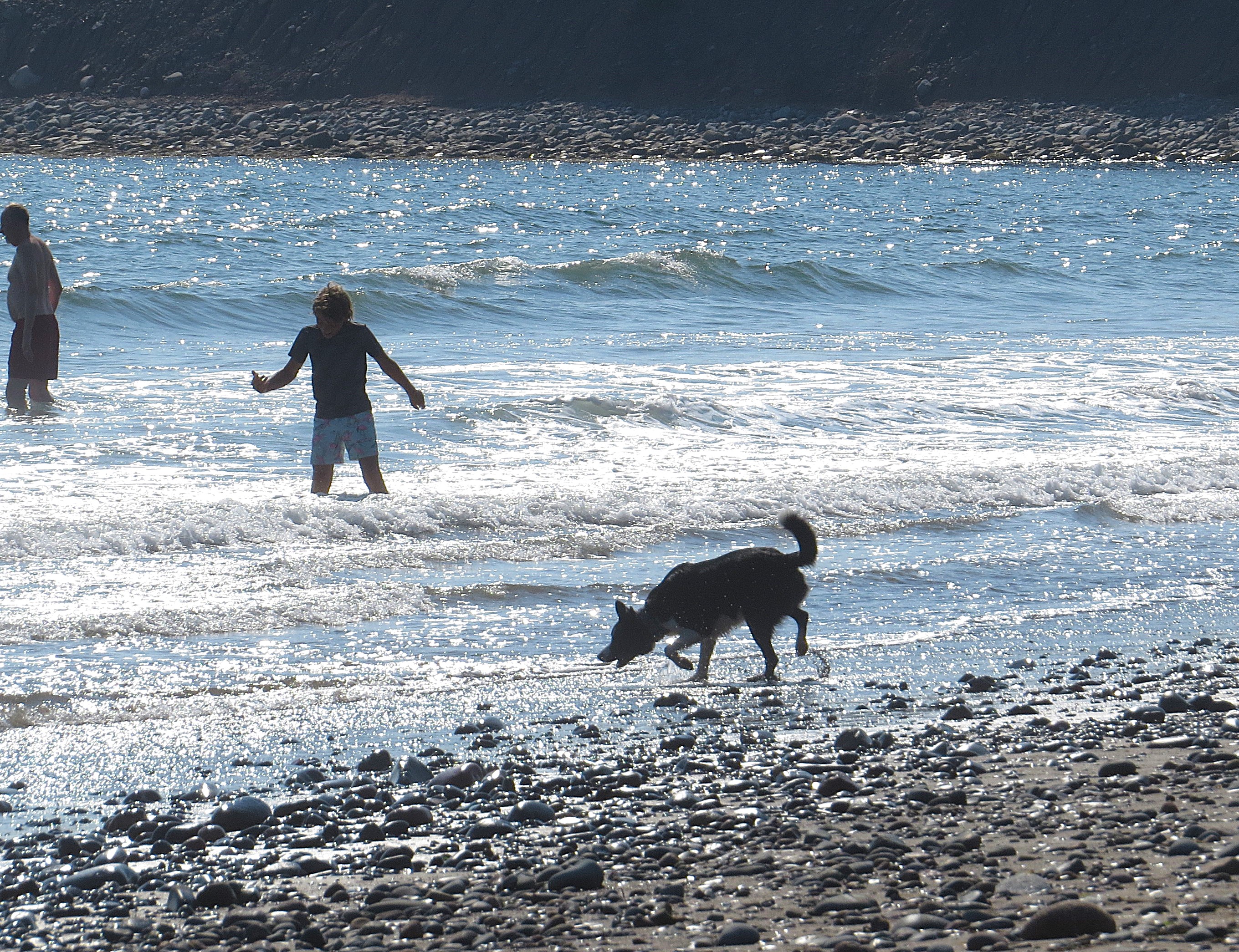
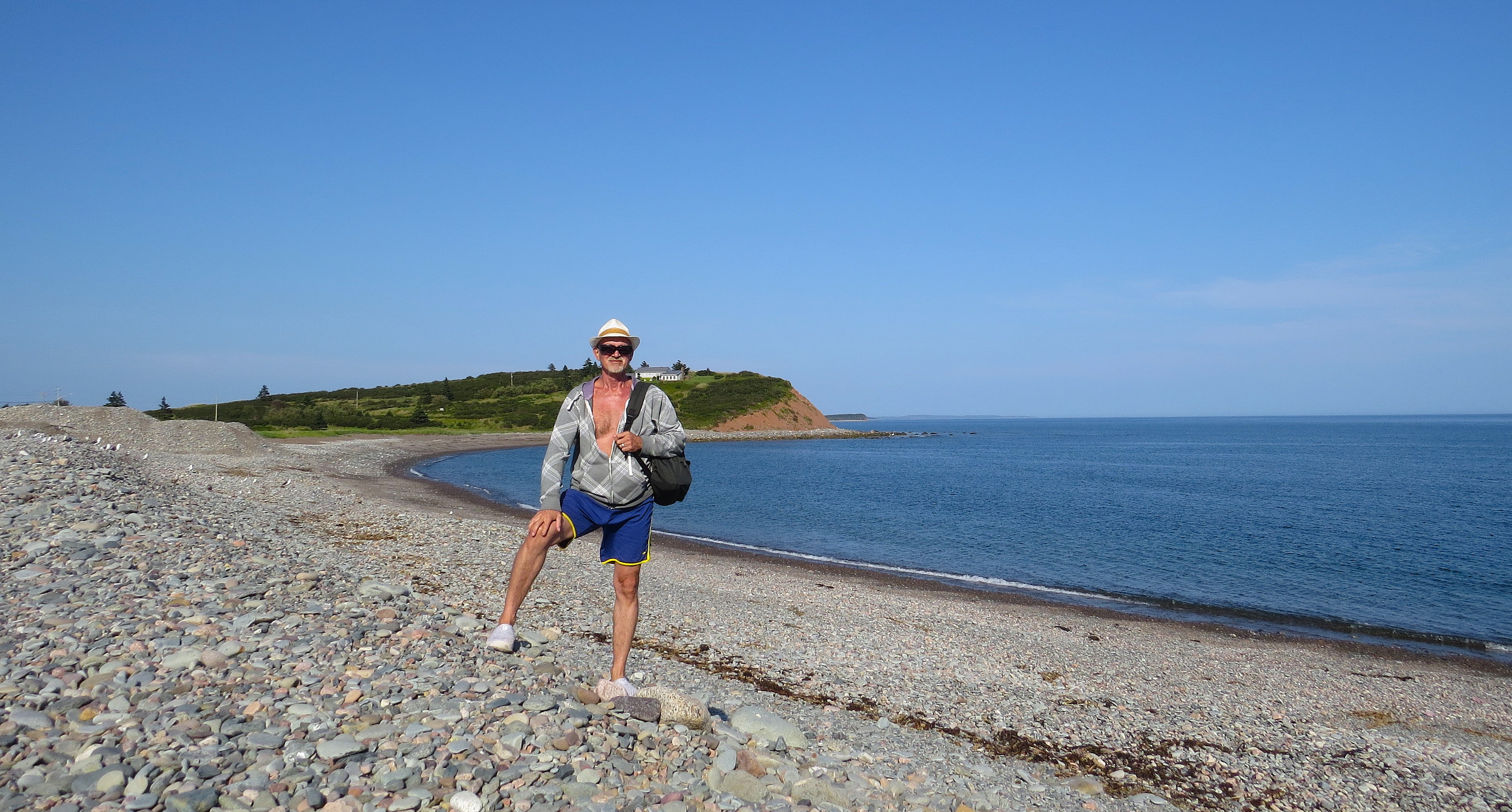
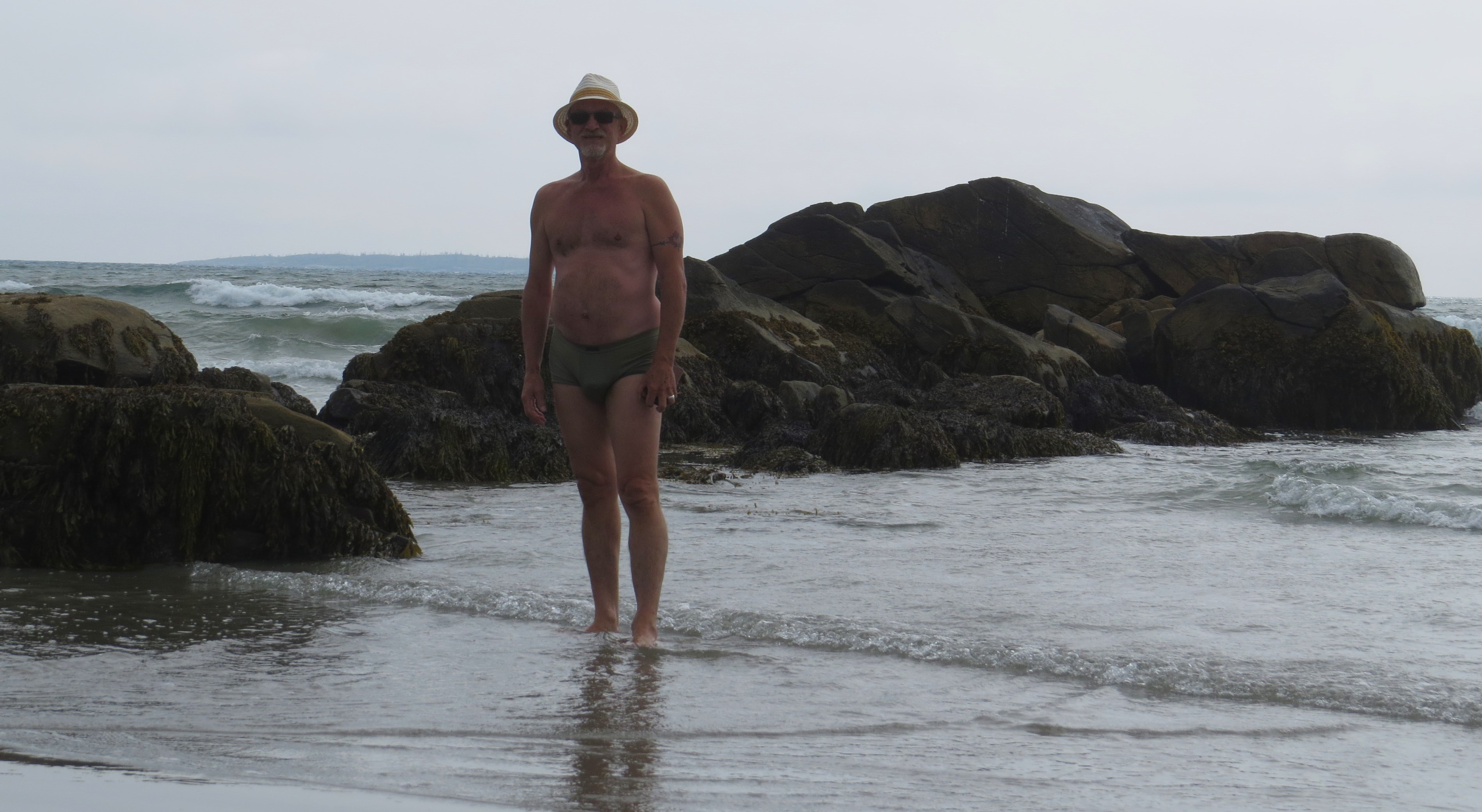
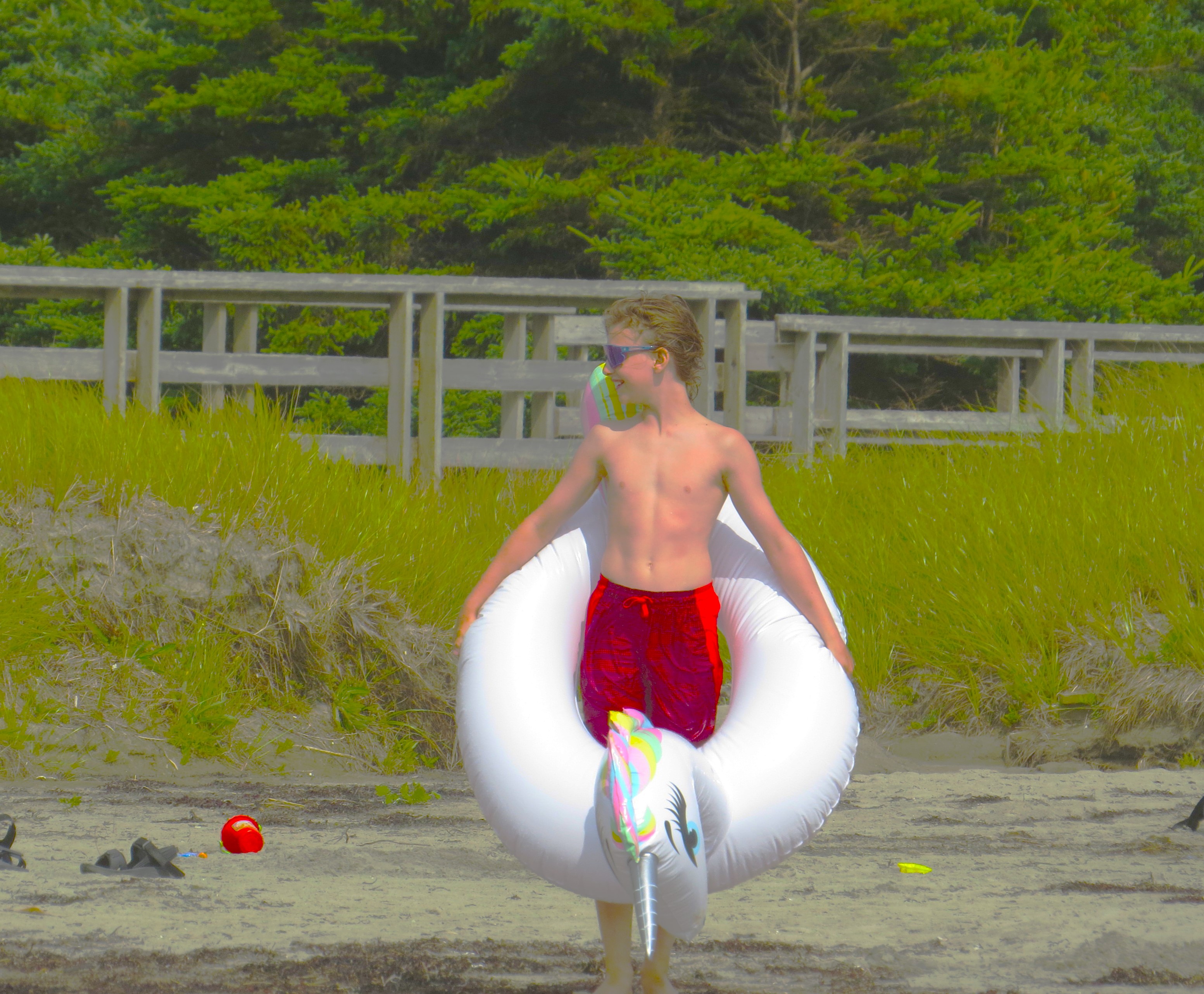
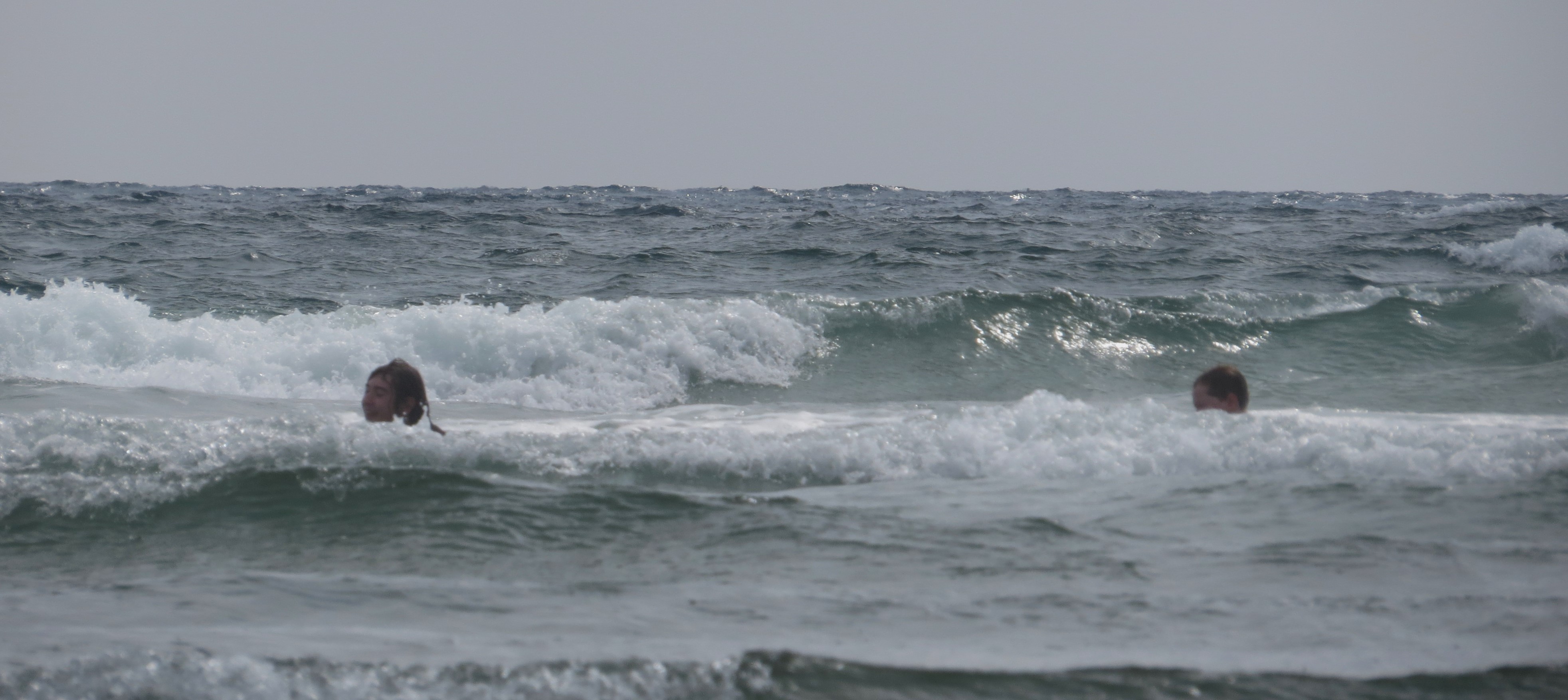
My last hot and sunny day playing among the waves of North Atlantic was on Lawrencetown beach. Place I have visited over the years more than I can remember. After that I went for one more quick swim at Canada’s Ocean Playground beach by Gaetz Lake. And lovely walk to a Wildlife Sanctuary that shows tremendous affection to all kind of native creatures, who suffered some serious problems and can’t survived on it’s own. Such a tranquil place.
In a few days time I will be driving through the entire continent, traversing the same route and highways me and my John took six years ago. Back to where we begun that journey – to British Columbia. Although He can’t be with me physically – His love and spirit will. We will have lots of time to reminiscence the almost forty years of an amazing life journey. The most beautiful Journey of my life.

Next pictures from Canada’s Ocean Playground and Wildlife Sanctuary.

Clam Bay Beach (cz.2)

Clam Bay Beach (cz.2)

Około dwa miesiące temu[i] opisywałem tu wspaniałą plażę na wschodnim wybrzeżu Nowej Szkocji. Plaża Zatoki Muszli. Zwłaszcza dwóch charakterystycznych rodzajów: popularnej omułki i rogowca. Omułka to naturalnie małż, a rogowiec to właśnie muszla clam. Omułki są podłużne, wewnątrz perłowo-niebieskie, mieniące się, zaś clam bardziej okrągły, w odcieniach szaro-białych.

Woda wówczas była lodowato zimna i bajecznie piękna, szeroka piaskowa plaża świeciła pustkami.  Prócz mnie żywy duch się na kąpiel nie odważył. Myślałem, że nie tyle temperatura wody (bo dzień był jednak słoneczny i ciepły) ile odległość plaży od większych miast i dość skomplikowany i długi dojazd bocznymi drogami odbijającymi w dół od głównej szosy był tą przyczyną pustki.

Kilka dni temu pojechałem tam ponownie sierpniową porą. A w sierpniu wody Atlantyku przy Nowej Szkocji są cieple przez silne prądy po-huraganowe na Karaibach. I jednak widać ta temperartura wody chyba zadecydowała. No i szkolne wakacje. Na szerokim polu parkingowym ledwie miejsce znaleźć mogłem. A na plaży – ludzi jak mrówków, LOL. Ale plaża kilometrowa, bez końca. Miejsca i na piasku i wodzie nie zabrakło.

I jedno jeszcze spostrzeżenie bardzo miłe: naturalnie jestem teraz sam i moje wycieczki od dwóch lat są też wycieczkami samotnymi. Zabieram zawsze plecak, składane krzesło plażowe i drogą kamerę z dużym stojakiem. Jedyne co zostawiam w samochodzie to dokumenty. Nie wiem czemu z przyzwyczajenia biorę ze sobą też swój Iphone. Pływać z plecakiem i kamerą trudno (z telephonem też). Więc wszystko tak zostaje na tym krześle, a oparte o nie stoi ta kamera na trójnogu. Czasem te pływanie jest długie, bo uwielbiam targać się z tymi grzywaczami wodnymi.  Nie wiem, czasu nie liczę, ale też nigdy się nie śpieszę. I nigdy się mi nie zdarzyło ani na plaży zapełnionej ani pustawej, by mi cokolwiek zginęło. Nie tylko tej, na wszystkich plażach. Ot, taka sympatyczna ciekawostka tutejszych plaż.

A teraz kilka zdjęć z tej właśnie Clam Bay Beach późnym latem. Już nie pustej.


[i] Clam Bay Beach – north of Jedorre – na Wschodnim Wybrzeżu Nowej Szkocji – Pogwarki (kanadyjskimonitor.blog)
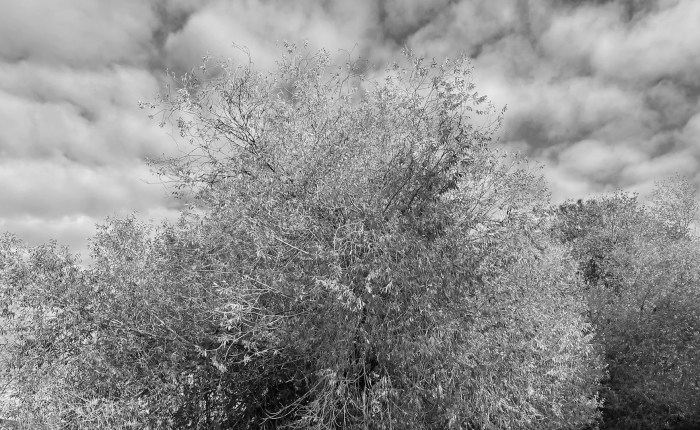
Natural Gardens in Truro’s Bible Hill, Nova Scotia – Dalhousie University

Natural Gardens in Truro’s Bible Hill, Nova Scotia – Dalhousie University

Some time, on this pages, I have published a piece about the history of the oldest University in North America, Kings College in Halifax. Kings College eventually become part of one of the largest university in Canada, the grandiose Dalhousie University of Nova Scotia. I have eventually, on this blog, published a photo series of the university.

The massive complex of Dalhousie stretches through many blocks of the city. It brings life and vibrancy to the city’s core and creates many mini-communities of students and faculty. Encompasses the past and the future. Is integral part of it’s life, atmosphere and pulse. Gave me many pleasurable strolls, moments of reading an interesting book of poetry or novel, writing in my own notebooks my poems or musings on many subjects. University campuses do that to you, LOL. And I love it.

But I have always heard of a special, far away campus of Dalhousie. The entire Faculty of Agriculture. It sits somewhere in a community called Bible Hill, part of larger city of Truro. I have past Truro countless amount of times. It sits right on both sides of meeting of two major highways connecting Nova Scotia to the West of Canada and to the South on Nova Scotia. But what you see, when you are passing the city on highways is hardly and appealing site. The ugly big magazines, some big malls. Sort of ugly site of North America with ever sprawling ugly malls without any character or architectural originality.

Yet, I have heard many times of that Bible Hill campus. As I will be soon leaving this province, I had to visit it. Additional emotional reason was also the fact, that a dear friend of my husband and through him mine – was borne in that city, went to school there. But left it many years ago moving to the West (Calgary and Vancouver) and never seen the campus that was built little way out of the main city. So I did and hope that she will appreciate it.
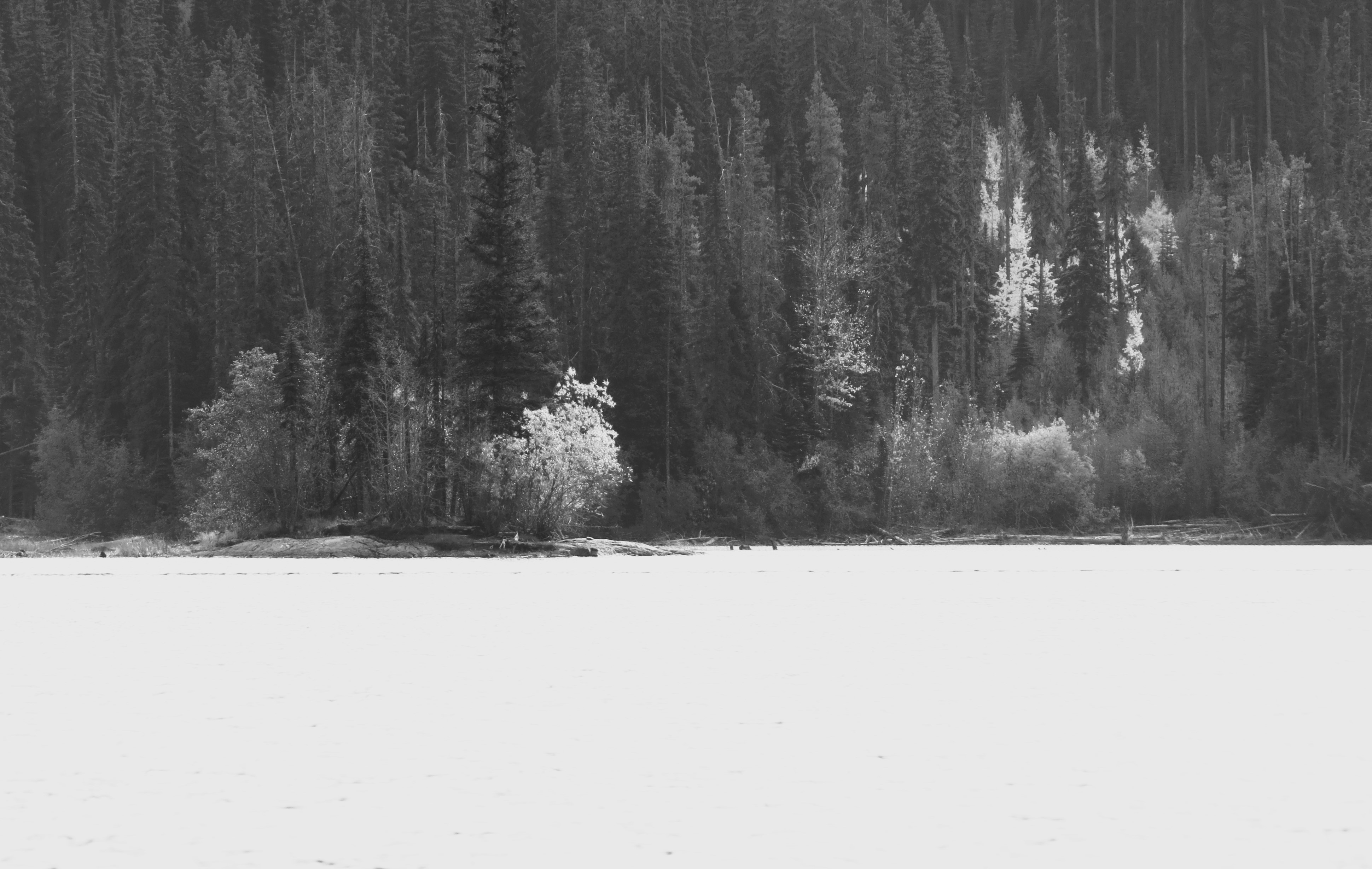
It is a site to behold. Many red brick old university buildings, spread through a large swath of land. No wonder – it’s laboratories are in the fields, in the valley. We are talking of agriculture and botany. Living university. I am so glad that I did.

In no particular order here is the view of this wonderful campus.

Link to a post abut the Dalhousie University main campus in Halifax, click below on it: https://kanadyjskimonitor.blog/2023/10/13/a-history-and-future-youth-and-tradition-dalhousie-university-in-halifax/

Bridgewater – the city and the river

Bridgewater – the city and the river

But before the British settled there, and before it become known by the name ‘Bridgewater’ it was an ancient large settlement of Mi’kmaq tribe for thousands of years. There is a rich collection of archeological artefacts attesting to their settlement at  the mouth of the large LaHav River.

In 1604 the French Governor of New France Pierre Dugua de Mons visited these lands and by the mid-1600 there was first small French settlement there.  In 1825 the first bridge was built and by 1850 the population grew to 300. At the end of XIX century the town had two railway connections – across the valley to Middletown and trains to Halifax. Easy access through the large and navigable river gave beginning of many industries, among which shipbuilding was a major force. It is probably a surprise to many, but the very first ship’s two-stroke engines were manufactured here and exported worldwide. It closed its operations in 1970.

Since the origins of the town, the western bank of the river was the heart and center of the city and so it remains. Most modern developments, shopping malls, concentrate on the east or left part of the city.

The historic town, its calling card, is the main King Street right along the banks of it’s beautiful river. It is connected by two bridges to the other side. Especially the old iron bridge is such a gem.

A walk on that long street is such a pleasure. It is like you are traveling back in time to a space where that time doesn’t travel so fast, doesn’t run in a hurry. Neither should you, if you ever visit.  

As an interesting tidbit – did you know that famous Hollywood and Canadian actor Donald Sutherland spent his formative teenage years and graduated from High School in Bridgewater?  

If I was going to stay permanently in Nova Scotia – I would love to move there. But I do suggest to Dear Reader – if you are visiting Nova Scotia, you absolutely must visit Bridgewater. You won’t regret it.

Clam Bay Beach – north of Jedorre – na Wschodnim Wybrzeżu Nowej Szkocji

Clam Bay Beach – north of Jedorre – na Wschodnim Wybrzeżu Nowej Szkocji

Dziś trochę dalej samochodem szosą nr.7, z Halifaksu aż za Martinique Beach – w kierunku rzeki Tangier. Kiedyś już wspominałem, że tych nazw prawie tropikalnych tu sporo. Co latem nie dziwi. Tylko latem, naturalnie.

Ale dziś do plaży, na której nigdy nie byłem – a wydawałoby się, że byłem tu na każdej przez te sześć lat. Ta jednak z bardzo długim i skomplikowanym dojazdem bocznymi drogami. Jeśli już mijałem Musquoboit Harbour – to po prostu prałem dalej, do końca prawie, na ukochaną plażę Taylors Head Beach tuż za Spry Bay.

Więc tym razem zdecydowałem tą jednak poznać. Głównie dlatego, że mimo tych wielokilometrowych wąskich nitek szos w dół, do oceanu – to i tak o ponad połowę bliżej niż Taylors Head.

Jak ją opisać? Po prostu, prawdziwie. To Północna Polinezja. Te dwa słowa wydają mi się oddawać najlepiej charakter tej mało znanej plaży. Te dwa, lub może nawet tylko jedno: bajka.

Już końcowy dojazd wąską, krętą drogą wśród lasów i rozsianych rzadko malowniczych gospodarstw, nadaje tej wycieczce charakter bukoliczny.  

Plaża z cudownym szerokim i wielokilometrowym pasem drobnego, jak mąka piasku przypomina nieco właśnie tą w Taylor Park. Tylko przez fakt, że jest bardzo szeroką zatoką i całkowicie otwartą na ocean – ma duże fale nieustannie podpływające na brzeg. Co mnie naturalnie od razu ucieszyło. Pływanie w falach raduje mnie najbardziej. W przeciwieństwie do większości plaż, zejście z wody płytkiej do głębokie jest bardzo łagodne i bardzo długie. W zasadzie jest to sam w sobie niezły spacer i daje czas ciału na oswojenie się z szokiem temperatury (o ciele to jeszcze trochę potem powiem, LOL). Gdy jednak dojdziesz gdzieś do pół-pasa, to jużeś przepadł, już nie uciekniesz. Jeśli nie pierwsza, to na pewno druga fala cię zimnymi ramionami obejmie całego! Wtedy to już lepiej pływać z tymi falami niż być targany nimi w tę i we wtę.

Pierwszy dzień lata kalendarzowego i słonce sprezentowało temperaturę sierpniową. W Europie na takiej plaży byłoby tysiące ludzi. Tu dziś naliczyłem, ok.  … trzydziestu. Pewnie byłem jedynym nie lokalnym. No i ta temperatura iście sierpniowa była na plaży, na lądzie. Królestwo Posejdona ciągle zimne i mroziło stawy nóg. Ciało ludzkie jest jakieś dziwne, a że mężczyzna też czasem bywa człowiekiem, więc i moje jak rozkapryszona kobieta. Najpierw wrzeszczy, gdy zanurzam się po szyję: szaleju się idioto obżarłeś?! Wracaj mi zaraz na plażę z tej lodówki albo nogi zabiorę i razem na plażę uciekniemy, a ciebie niech te fale gdzieś w głębiny pociągną. I nie wiem czy żarty to, czy groźby prawdziwe, więc na wszelki wypadek wracam i siadam w słońcu na składanym krzesełku. Słońce grzeje. Nieźle. To ciało zaraz odwrotną litanie śle: czy ty myślisz, że ja to jakaś krewetka, którą w oleju na tej plażowej patelni będziesz smażył?! Wracaj mi zaraz do wody lub udarem cię draniu zabiję!  No tak – rozkapryszona kobieta, której nie sposób dogodzić. Więc kończę pisać i wracam do fal.

The Chain Lakes bike trail in Halifax, NS

The southern end of Halifax offers very different bike trails – city trail that meanders as an elegant path for city dwellers. It is not necessarily my type of cake but yesterday was the day of my sweet tooth call. I have answered and voila: The Chain of Lakes Trail.

It passes so many industrial and commerce sites, crosses so many highway so many highways, that you would think that is a typical big city bike trail that has nothing to do with actual nature. That it is a manicured trail that gives a city folk the theatrical gimmicks of feeling that he is in wild nature. Which – of course – is not true, it is just orchestrated effort to mee that desire.

To my happy surprise, it truly is not the case with this particular trail. Yes, it is without any doubt a city trail. You will find there many walkers, bikers and families that you would not normally find in a forest, on the shores of wild lakes or a totally wild ocean. But it is also a trail that very quickly you forget about it. That you just immerse yourself in the astonishing beauty of passing little streams, meadows and an array of wildlife. Did I mention the lakes that give it its name?  Yes – the amazing Chain Lakes (there is two of them, hence the name ‘chain’).

I started it from a little small park off the St. Margaret Bay Road via Crown Drive. It takes you pass the First and Second Chain Lakes, after double crossing of two streets with special lights and stop signs for bikers and walkers, it follows you through more industrial neighborhood, yet again – if you don’t rise your head too high, you might not even notice as you are biking alongside the lakes Bayers and Lovett.

I meant to bike it many years ago, when we came with John to Nova Scotia. Never did. The time has come to fulfill that promise. I did and I’m glad.

Somehow, it felt that he is biking right beside me. That he kept glancing at me and smiling. But that is entirely different story to write.

This particular image (part of the industrial site close to the Lovett Lake) for some reason took me right away back to the 1980′ in Southern Alberta: there was a time when I was travelling often to the University of Lethbridge. Just before you see the city of Lethbridge – you see the old train trestle bridges that used to connect Alberta and the States on one end, and the Okanagan Valley on the other end. This structure is just a metal box that will eventually become some sort of warehouse. But that was the very first impression I had, when I noticed it. Funny how visual memory works independently in you brain. Of course that is not a valid argument that one has a brain. But a hope, nonetheless.

Camera walk from Conrad’s Beach to Stoney Beach in Lawrencetown

Camera walk from Conrad’s Beach to Stoney Beach in Lawrencetown

My favored beach outside of city reach, but very close. Parking could be a problem in summertime. Practically speaking you have to park on the curbside of the road and it could be a long way to walk, but the is no through traffic as the road ends there. The way to the beach is via very long wooden walkway, an it is very picturesque, I have always enjoyed it. Beach is very pleasant with a lot of good sand. For restless souls – a perfect place for nature walks. The sand dunes separate the beach from very interesting narrow walkways through grass and low growth patches of forest alongside the protected lakes-like marches.

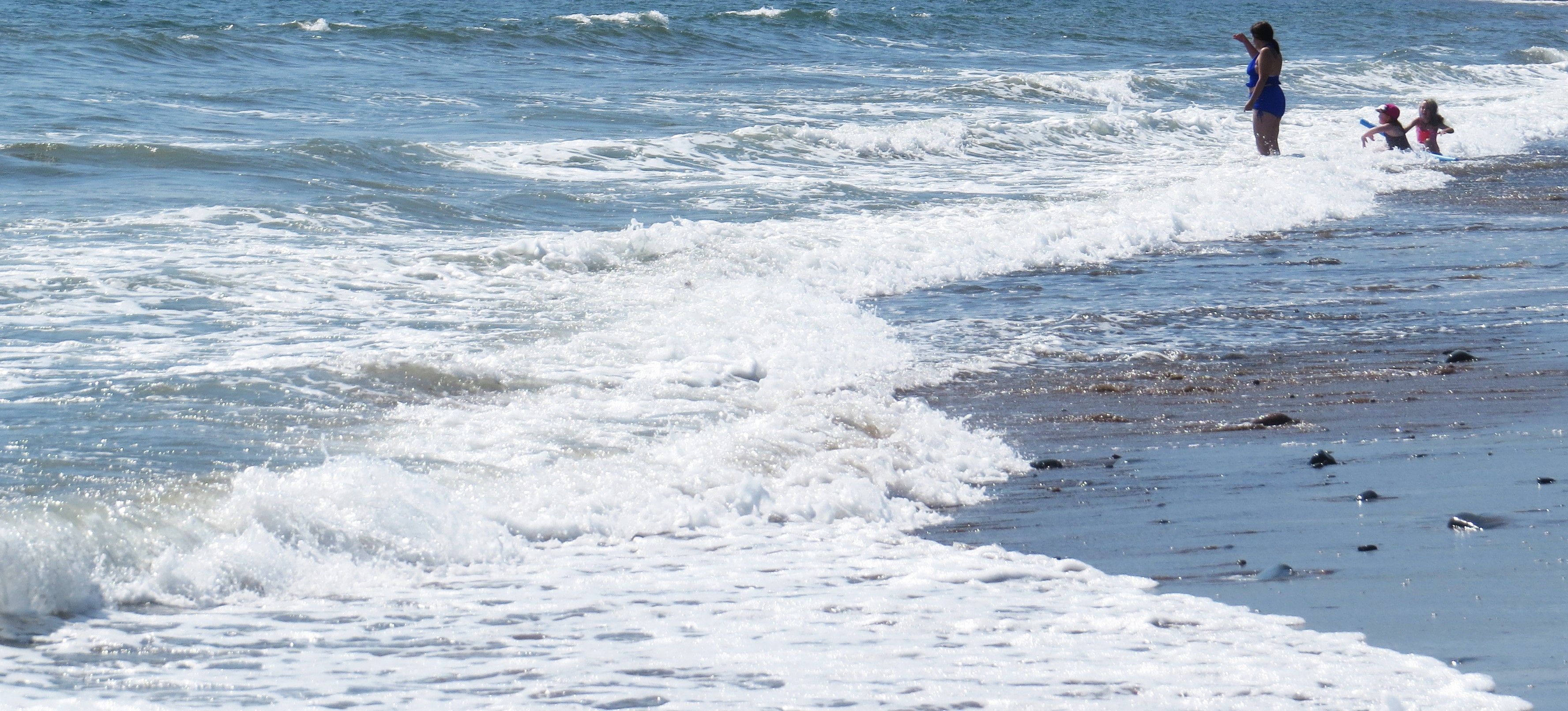
I have been there so many times, can’t even remember how many. Swimming is fabulous but not for everyone at this time of the year, as the water is still very cold. But from middle of July to early November – it is a small paradise for swimmers. However – you can try even now. Cold, but manageable. I did.

Enjoyed the walks in that little forest and the sand dunes (there is a few narrow trails and please do use the trails – the ecosystem here is delicate and easily disturbed). The flora and fauna is beautiful. Small and larger birds, occasional deer, flowers, butterflies.

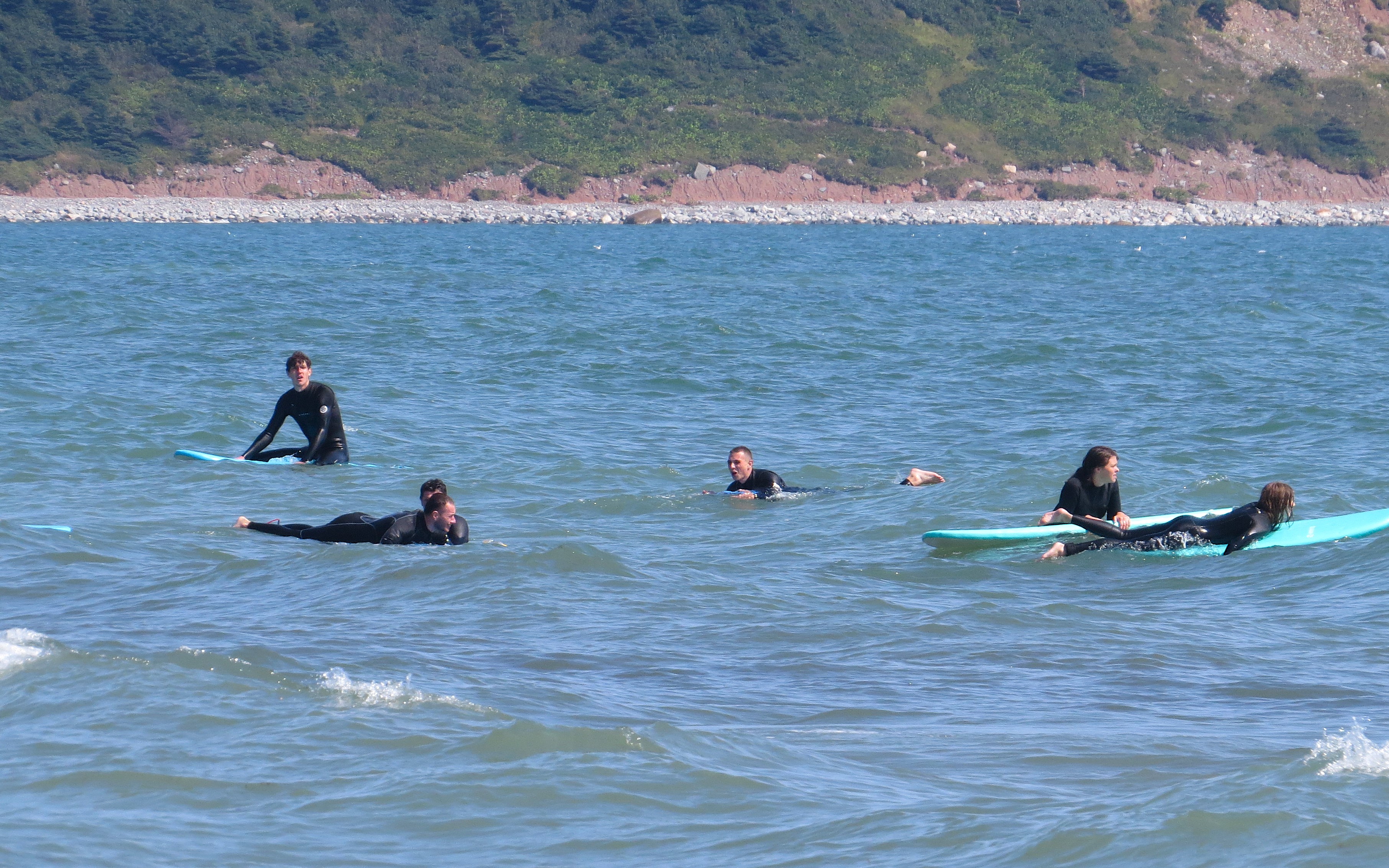
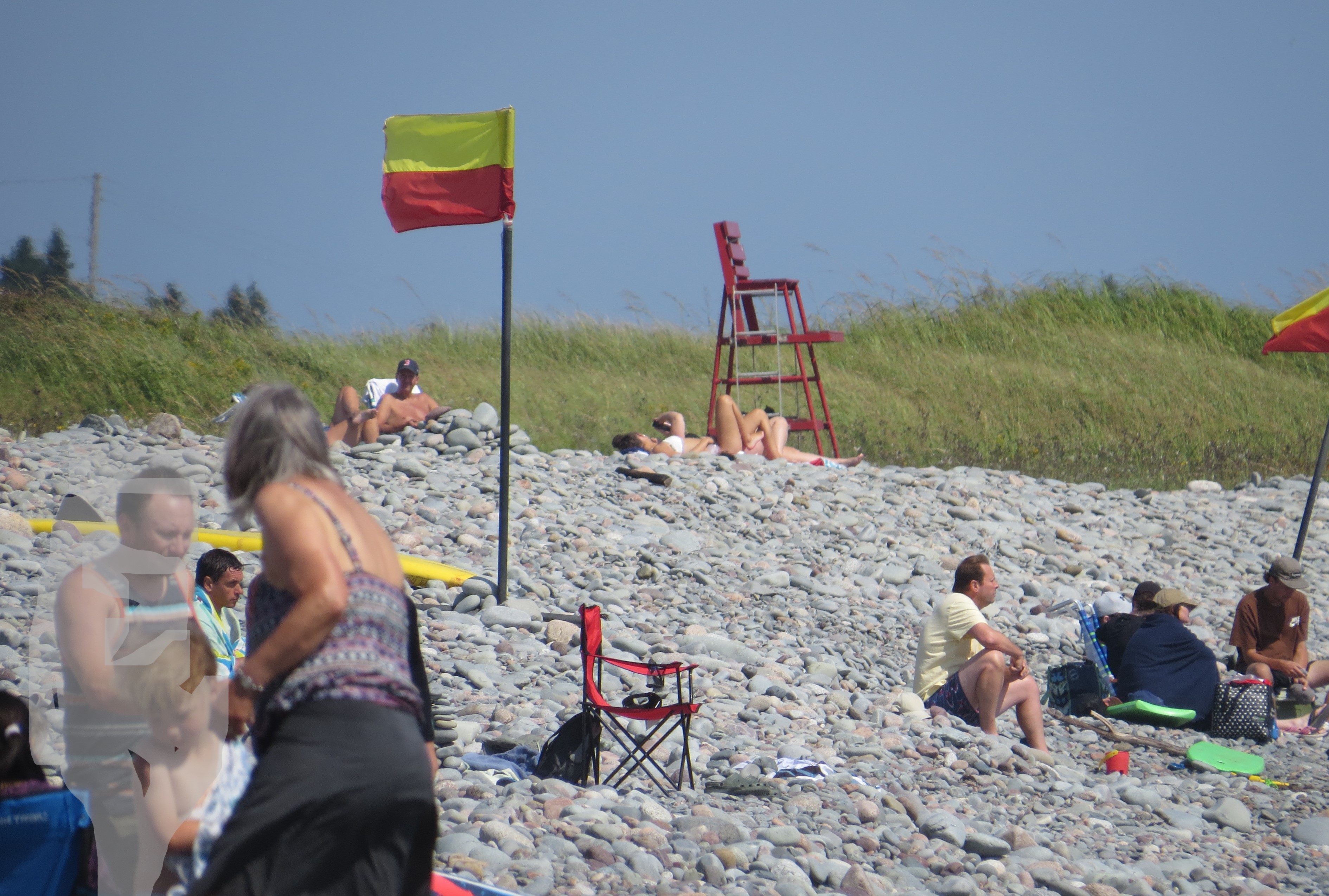
Today I did first time the entire trail, all the way past Conrad’s Beach and Tanner’s Sandy Point to the Stony Beach of Lawrencetown. The Stony Beach is a favored spot for Kitesurfing. Often, when you are on Conrad’s Beach you will see on the horizon to the east colourful kites gliding through the sky – these are the surfers from the Stoney Beach.

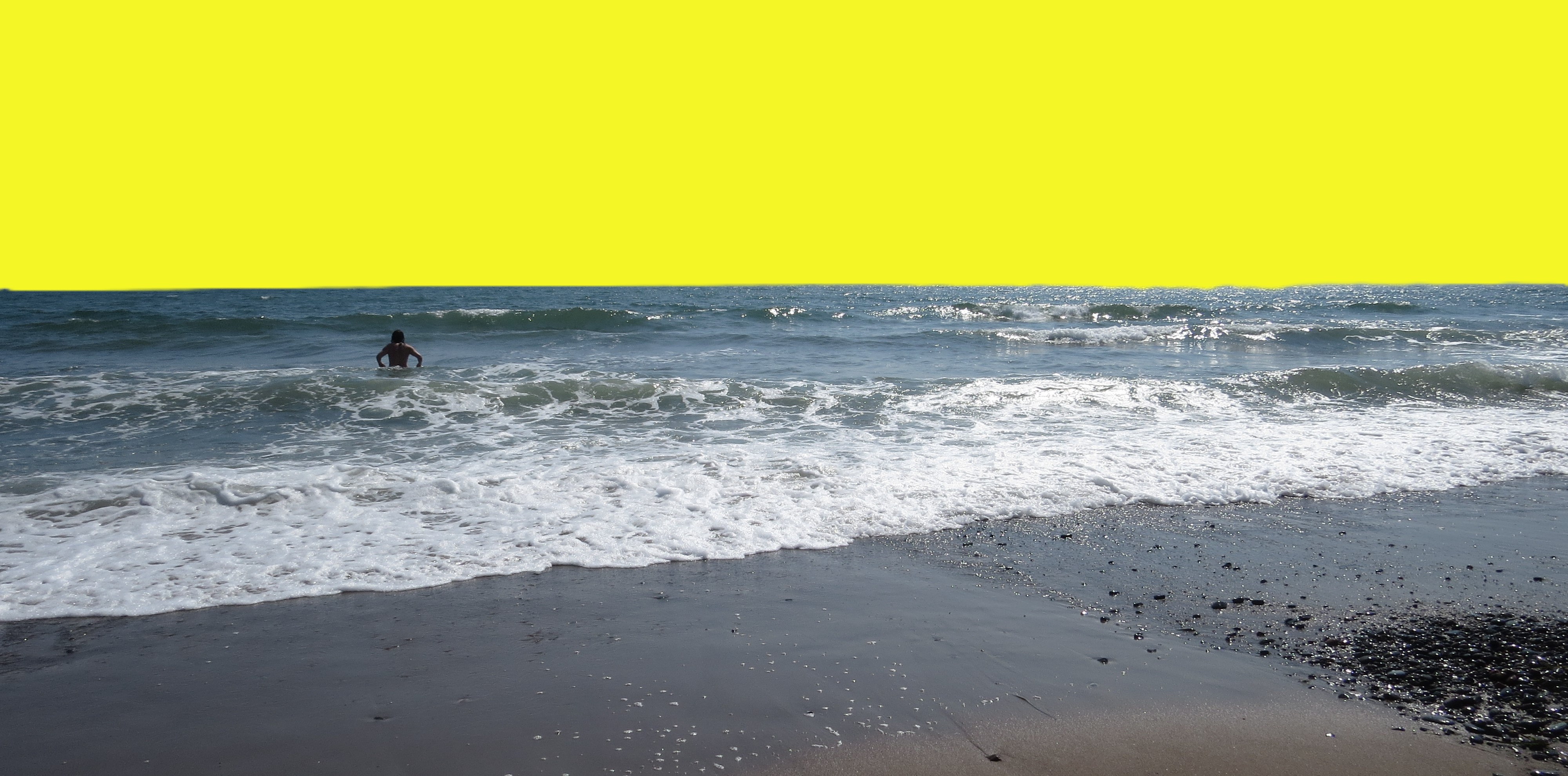
The sea has it’s own rules, not everything is manicured and ‘the grass’ is not always cut… . On my way back, by the Tanner’s Sandy Point I have found a relatively fresh dead body of a seal. That point is always very windy and waves are always high and dangerous. She must have been too tired to overcome the waves because otherwise there was no visible signs of any wounds of bites to her body. But to keep things in balance of sad and happy, maybe half an hour earlier, close by, I almost touch a very much alive and startled young deer. I was just walking through a narrow path in the dense forested part and startled suddenly the beautiful creature. She froze for a split second and quickly jumped back to the wood before I had a chance to raise my camera.