Powrót do domu – do Ciebie, do nas

Powrót do domu – do Ciebie, do nas
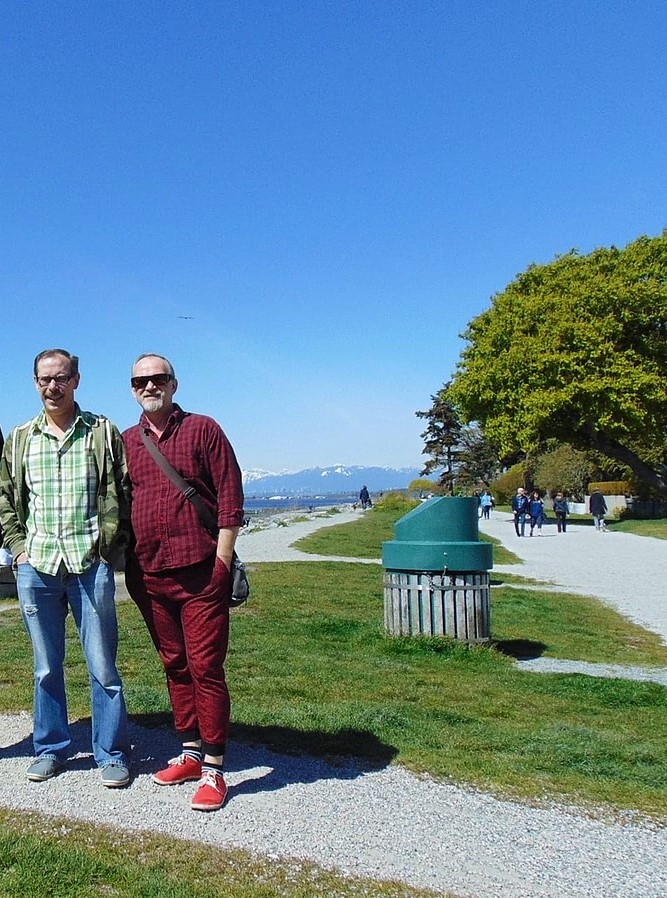
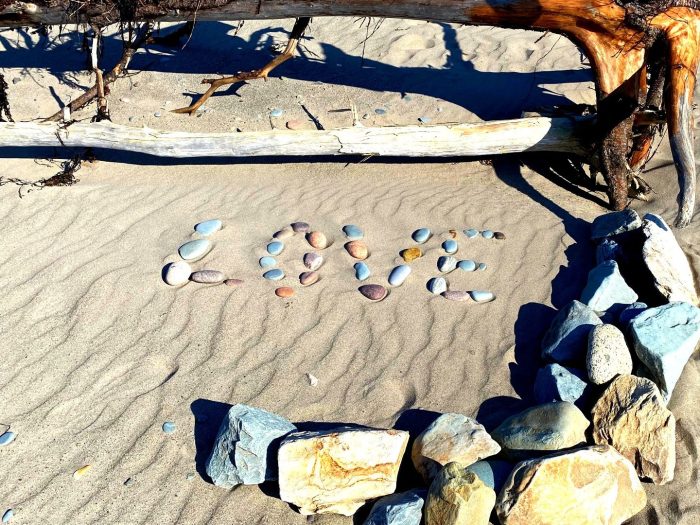
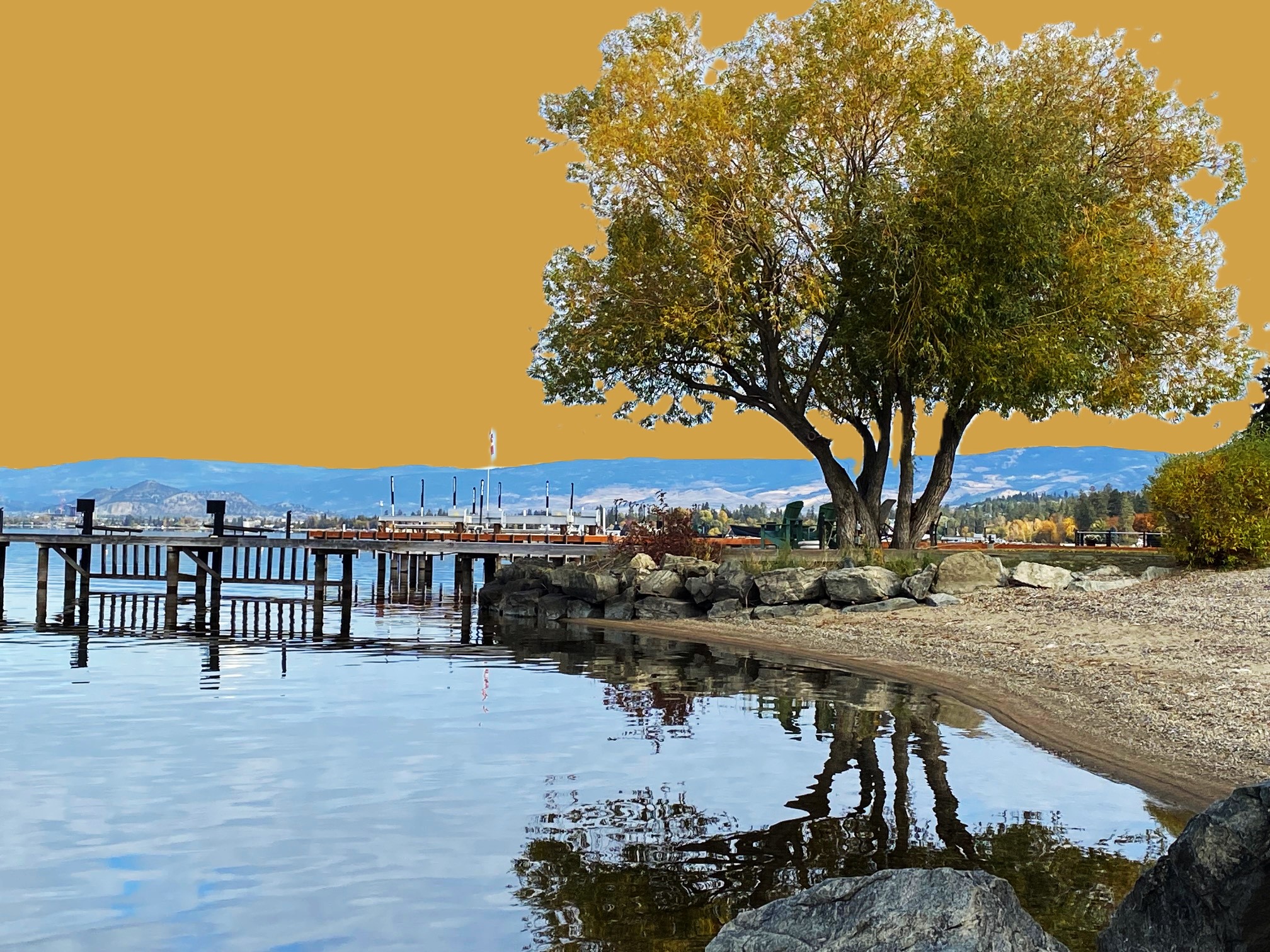
Crescent Beach, South Surrey

Podróż powrotna

Czarne sosny

w żlebach, na stokach

zwieńczone białymi szczytami.

Znałem wasze imiona,

znałem strumienie, które

z hukiem spływają w dół.

Ostatni raz jechałem tą szosą siedem lat temu. W przeciwną stronę, na drugi brzeg tego kontynentu.

Szukaliśmy portu przyjaznego.

W dolinkach i w zatokach

drugiego oceanu,

gdzie lasy rachityczne,

gleba czerwona,

fale wspaniale muskularne.

Szukaliśmy nowego życia.

Nie znaleźliśmy.

Zgubiliśmy Twoje.

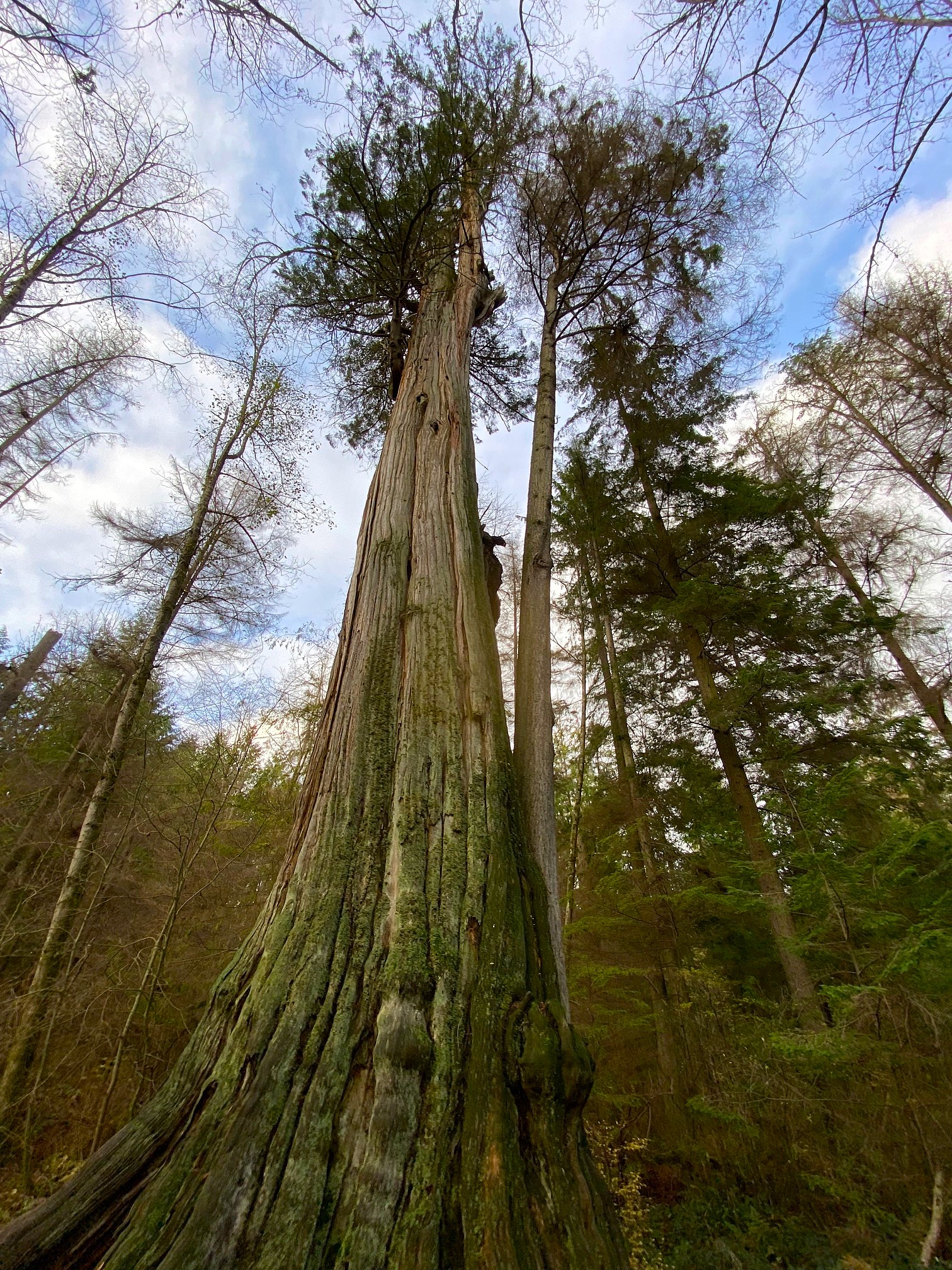
A przecież to tu, nad tym oceanem opartym o potężne, wysokie jedlice Douglasa w wilgotnych puszczach – tu był nasz dom. I tam jadę tą szosą z powrotem. Sam, bez Ciebie. Szukać Twoich śladów.

Górskie mgły, niczym

firanki nieba,

wałęsają się między

koronami drzew,

opadają jak woalki

na skalne ściany.

Zaraz dojadę do Hope. Do Hope, do Nadziei – małego, starego miasteczka, które otwiera bramę do wielkiej doliny rzeki Fraser prowadzącej do Vancouveru.

Spinam ostatnią klamrę naszej epopei. Nagle, właśnie nad tym Hope ukazuje się mała pochodnia słońca. Rozchyliła kotary chmur i uśmiechnęła się do wracającego tułacza. Syna marnotrawnego, czy męża owdowiałego? Wierszoklety, któremu poza słowami nie pozostało już nic.

Jestem w domu bezdomny.

Przyjechałem do nas,

A nas nie ma.

Mimo to jestem,

dotykam naszych drzwi,

patrzę na nasze krajobrazy,

pukam w okna naszych mieszkań.

I nagle, niespodziewanie bierzesz w swoją dłoń moją rękę. Uśmiechasz się. Po prostu zwyczajnie idziemy razem naszymi ulicami trzymając się za ręce. Jak gdyby nic się nie zmieniło, nic się nie stało. Jakby nie było odjazdów i powrotów. Jakbyś żył.

Więc nie wydawało się, nie był to wybryk zmęczonej wyobraźni, splątany kłębek bólu, smutku, majaków. Nie – jesteś ze mną faktycznie. Może nikt inny Cię nie widzi, ale to jest bez znaczenia. Ważne, że my się widzimy, poznajemy.

Pójdziemy naszą ścieżką

przez Stanley Park,

od laguny do mostu.

Ogrody Różane nie

kwitną o tej porze,

ale my je zakwiecimy,

rozlejemy opary słodkich

zapachów różanych

i siądziemy na ławeczce

obok, trzymając się za ręce.

Będziemy. Ja i TY.

Spacer ścieżką pamięci przy naszych domach i mieszkaniach w Surrey, ranny spacer w Sapperton w New West, ścieżkami Stanley Park w Vancouverze.

Prosecutor of ICC issues arrest warrants in case against PM of Israel and it’s Defense Minister for war crimes against humanity.

Today, on 21 November 2024, Pre-Trial Chamber I of the International Criminal Court (‘Court’), in its composition for the Situation in the State of Palestine,unanimously issued two decisions rejecting challenges by the State of Israel (‘Israel’) brought under articles 18 and 19 of the Rome Statute (the ‘Statute’). It also issued warrants of arrest for Mr Benjamin Netanyahu and Mr Yoav Gallant.

Decisions on requests by the State of Israel

The Chamber ruled on two requests submitted by the Israel on 26 September 2024. In the first request, Israel challenged the Court’s jurisdiction over the Situation in the State of Palestine in general, and over Israeli nationals more specifically, on the basis of article 19(2) of the Statute. In the second request, Israel requested that the Chamber order the Prosecution to provide a new notification of the initiation of an investigation to its authorities under article 18(1) of the Statute. Israel also requested the Chamber to halt any proceedings before the Court in the relevant situation, including the consideration of the applications for warrants of arrest for Mr Benjamin Netanyahu and Mr Yoav Gallant, submitted by the Prosecution on 20 May 2024.

As to the first challenge, the Chamber noted that the acceptance by Israel of the Court’s jurisdiction is not required, as the Court can exercise its jurisdiction on the basis of territorial jurisdiction of Palestine, as determined by Pre-Trial Chamber I in a previous composition. Furthermore, the Chamber considered that pursuant to article 19(1) of the Statute, States are not entitled to challenge the Court’s jurisdiction under article 19(2) prior to the issuance of a warrant of arrest. Thus Israel’s challenge is premature. This is without prejudice to any future possible challenges to the Court’s jurisdiction and/or admissibility of any particular case.

Decision on Israel’s challenge to the jurisdiction of the Court pursuant to article 19(2) of the Rome Statute

The Chamber also rejected Israel’s request under article 18(1) of the Statute. The Chamber recalled that the Prosecution notified Israel of the initiation of an investigation in 2021. At that time, despite a clarification request by the Prosecution, Israel elected not to pursue any request for deferral of the investigation. Further, the Chamber considered that the parameters of the investigation in the situation have remained the same and, as a consequence, no new notification to the State of Israel was required. In light of this, the judges found that there was no reason to halt the consideration of the applications for warrants of arrest.

Decision on Israel’s request for an order to the Prosecution to give an Article 18(1) notice

Warrants of arrest

The Chamber issued warrants of arrest for two individuals, Mr Benjamin Netanyahu and Mr Yoav Gallant, for crimes against humanity and war crimes committed from at least 8 October 2023 until at least 20 May 2024, the day the Prosecution filed the applications for warrants of arrest.

The arrest warrants are classified as ‘secret’, in order to protect witnesses and to safeguard the conduct of the investigations. However, the Chamber decided to release the information below since conduct similar to that addressed in the warrant of arrest appears to be ongoing. Moreover, the Chamber considers it to be in the interest of victims and their families that they are made aware of the warrants’ existence.

At the outset, the Chamber considered that the alleged conduct of Mr Netanyahu and Mr Gallant falls within the jurisdiction of the Court. The Chamber recalled that, in a previous composition, it already decided that the Court’s jurisdiction in the situation extended to Gaza and the West Bank, including East Jerusalem. Furthermore, the Chamber declined to use its discretionary proprio motu powers to determine the admissibility of the two cases at this stage. This is without prejudice to any determination as to the jurisdiction and admissibility of the cases at a later stage.

With regard to the crimes, the Chamber found reasonable grounds to believe that Mr Netanyahu, born on 21 October 1949, Prime Minister of Israel at the time of the relevant conduct, and Mr Gallant, born on 8 November 1958, Minister of Defence of Israel at the time of the alleged conduct, each bear criminal responsibility for the following crimes as co-perpetrators for committing the acts jointly with others: the war crime of starvation as a method of warfare; and the crimes against humanity of murder, persecution, and other inhumane acts.

The Chamber also found reasonable grounds to believe that Mr Netanyahu and Mr Gallant each bear criminal responsibility as civilian superiors for the war crime of intentionally directing an attack against the civilian population.

Alleged crimes

The Chamber found reasonable grounds to believe that during the relevant time, international humanitarian law related to international armed conflict between Israel and Palestine applied. This is because they are two High Contracting Parties to the 1949 Geneva Conventions and because Israel occupies at least parts of Palestine. The Chamber also found that the law related to non-international armed conflict applied to the fighting between Israel and Hamas. The Chamber found that the alleged conduct of Mr Netanyahu and Mr Gallant concerned the activities of Israeli government bodies and the armed forces against the civilian population in Palestine, more specifically civilians in Gaza. It therefore concerned the relationship between two parties to an international armed conflict, as well as the relationship between an occupying power and the population in occupied territory. For these reasons, with regards to war crimes, the Chamber found it appropriate to issue the arrest warrants pursuant to the law of international armed conflict. The Chamber also found that the alleged crimes against humanity were part of a widespread and systematic attack against the civilian population of Gaza.

The Chamber considered that there are reasonable grounds to believe that both individuals intentionally and knowingly deprived the civilian population in Gaza of objects indispensable to their survival, including food, water, and medicine and medical supplies, as well as fuel and electricity, from at least 8 October 2023 to 20 May 2024. This finding is based on the role of Mr Netanyahu and Mr Gallant in impeding humanitarian aid in violation of international humanitarian law and their failure to facilitate relief by all means at its disposal. The Chamber found that their conduct led to the disruption of the ability of humanitarian organisations to provide food and other essential goods to the population in need in Gaza. The aforementioned restrictions together with cutting off electricity and reducing fuel supply also had a severe impact on the availability of water in Gaza and the ability of hospitals to provide medical care.

The Chamber also noted that decisions allowing or increasing humanitarian assistance into Gaza were often conditional. They were not made to fulfil Israel’s obligations under international humanitarian law or to ensure that the civilian population in Gaza would be adequately supplied with goods in need. In fact, they were a response to the pressure of the international community or requests by the United States of America. In any event, the increases in humanitarian assistance were not sufficient to improve the population’s access to essential goods.

Furthermore, the Chamber found reasonable grounds to believe that no clear military need or other justification under international humanitarian law could be identified for the restrictions placed on access for humanitarian relief operations. Despite warnings and appeals made by, inter alia, the UN Security Council, UN Secretary General, States, and governmental and civil society organisations about the humanitarian situation in Gaza, only minimal humanitarian assistance was authorised. In this regard, the Chamber considered the prolonged period of deprivation and Mr Netanyahu’s statement connecting the halt in the essential goods and humanitarian aid with the goals of war.

The Chamber therefore found reasonable grounds to believe that Mr Netanyahu and Mr Gallant bear criminal responsibility for the war crime of starvation as a method of warfare.

The Chamber found that there are reasonable grounds to believe that the lack of food, water, electricity and fuel, and specific medical supplies, created conditions of life calculated to bring about the destruction of part of the civilian population in Gaza, which resulted in the death of civilians, including children due to malnutrition and dehydration. On the basis of material presented by the Prosecution covering the period until 20 May 2024, the Chamber could not determine that all elements of the crime against humanity of extermination were met. However, the Chamber did find that there are reasonable grounds to believe that the crime against humanity of murder was committed in relation to these victims.

In addition, by intentionally limiting or preventing medical supplies and medicine from getting into Gaza, in particular anaesthetics and anaesthesia machines, the two individuals are also responsible for inflicting great suffering by means of inhumane acts on persons in need of treatment. Doctors were forced to operate on wounded persons and carry out amputations, including on children, without anaesthetics, and/or were forced to use inadequate and unsafe means to sedate patients, causing these persons extreme pain and suffering. This amounts to the crime against humanity of other inhumane acts.

The Chamber also found reasonable grounds to believe that the abovementioned conduct deprived a significant portion of the civilian population in Gaza of their fundamental rights, including the rights to life and health, and that the population was targeted based on political and/or national grounds. It therefore found that the crime against humanity of persecution was committed.

Finally, the Chamber assessed that there are reasonable grounds to believe that Mr Netanyahu and Mr Gallant bear criminal responsibility as civilian superiors for the war crime of intentionally directing attacks against the civilian population of Gaza. In this regard, the Chamber found that the material provided by the Prosecution only allowed it to make findings on two incidents that qualified as attacks that were intentionally directed against civilians. Reasonable grounds to believe exist that Mr Netanyahu and Mr Gallant, despite having measures available to them to prevent or repress the commission of crimes or ensure the submittal of the matter to the competent authorities, failed to do so.

Background

On 1 January 2015, The State of Palestine lodged a declaration under article 12(3) of the Rome Statute accepting jurisdiction of the Court since 13 June 2014.

On 2 January 2015, The State of Palestine acceded to the Rome Statute by depositing its instrument of accession with the UN Secretary-General. The Rome Statute entered into force for The State of Palestine on 1 April 2015.

On 22 May 2018, pursuant to articles 13(a) and 14 of the Rome Statute, The State of Palestine referred to the Prosecutor the Situation since 13 June 2014, with no end date. 

On 3 March 2021, the Prosecutor announced the opening of the investigation into the Situation in the State of Palestine. This followed Pre-Trial Chamber I’s decision on 5 February 2021 that the Court could exercise its criminal jurisdiction in the Situation and, by majority, that the territorial scope of this jurisdiction extends to Gaza and the West Bank, including East Jerusalem. 

On 17 November 2023, the Office of the Prosecutor received a further referral of the Situation in the State of Palestine, from South Africa, Bangladesh, Bolivia, Comoros, and Djibouti, and on 18 January 2024, the Republic of Chile and the United Mexican State additionally submitted a referral to the Prosecutor with respect to the situation in The State of Palestine.

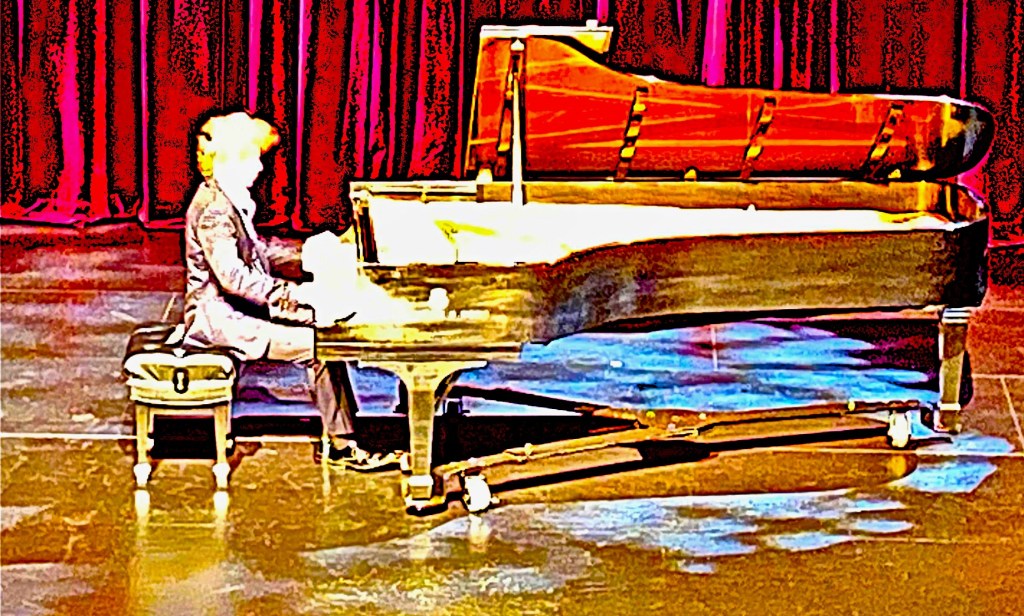
Nikolay Khozyainov in Kelowna – Beethoven Monument

Nikolay Khozyainov in Kelowna – Beethoven Monument

This was one opportunity I didn’t want to miss. Last night piano concert of Nikolay Khozyainov in Kelowna, British Columbia. Have heard of this young pianist few times and his fame proceeded him.  Was wary, though. Big fame and being a child prodigy (he started playing in  … Siberia – in all of forbidden places – at an early age of six and as a child already performed in Russian cities, including Moscow, a city with earned reputation of being very strict in offering the stage to no one but the best as far as music is concerned) can be misleading and sometimes such career is cut short and musician falls into obscurity.

But Nikolay is no longer a child, and no longer a prodigy of anyone but his own talent and hard work. Bought the tickets well in advance while I was still in Halifax so as not to risk missing the concert.

A fact that he was a finalist in 2015 famous Warsaw’s International Chopin Piano Competition certainly cemented his statue as a pianist, and opened the doors of many international stages to him.

The auditorium in Kelowna’s Waterfront Art Centre is an elegant venue but not a very large one. But the seats are well arranged, and it looked like you could see the stage from every row and corner. In a small venue like that I usually choose either an isle seat or a seat at the very back (best for making quick notes without disturbing anyone).

Day was cold and being next to the huge lake added to that unpleasant coldness of late November. But inside the atmosphere was pleasant. My surprise was that there was not a printed program. In a concert where many pieces of many composers will be played it is helpful to have one. That was a serious minus on the side of the venue administrators. That was not the end of surprises, though. LOL.

When the virtuoso appeared on the stage I was – to say it elegantly – amused. Long gone are the days when longtails were the only accepted attire. Slowly they were replaced by afternoon elegant jacket, even black sweaters (Oh, Mon Dieu!). But pants remained elegant, sharply pressed. And shoes. Ah, the shoes –  they are actually important, as they play, too  – alongside hand and fingers. Something has to touch the pedals, LOL. Therefore shoes were elegant leather, shiny.

When Maestro Khozyainov entered the stage – he wore non of it. Pardon, except the light but elegant jacked. No, no. He wasn’t half naked! Just the rest of the attire really does not belong on a stage in a concert hall. Even in Kelowna. I was wondering how his cozy and warm winter shoes will feel the pedals …

I know, a bit long introduction – but I was truly amused by all of it.

Alas, back to music. Khozyainov begun with Chopin’s Nocturn D Flat Major, Op. 27. I thought it was a bit rough at times. The beautiful melodies few times were missing a note, or a note fell off the order. Which was sad since that Nocturne is one of the most beautiful nocturnes of Chopin. And yes, the pedals were not used as smoothly and as consistently as they should have.

Next was fantastic Prelude Op.45. Chopin himself said it was best prelude. I think the pianist did very good job in showing the elegant nature of this composition. Following with Ballade No. 4 in F minor, Op. 55  he brought peace to musical order. It is such a beautiful, poetic music. Khozainov fully regained his mastery of the instrument. I enjoyed it very much. It takes you for such a nice walk, memories of romance, of youth, of longing. Could be almost sentimental but still retains the deep feelings, the poetry of the soul. It remained me at times of the way incomparable Kristian Zimerman plays it. Use your inner feeling but stay close to the score seem to be the magic and don’t rush, allow the music to sink in.

After the Ballade, there was a short intermission and suddenly I felt like being back in Carnegie Hall or on Jasna Street in Warsaw’s Philharmonic. Back to great concerthalls of the world. Khozainov appeared in beautiful attire (with very shiny and elegant shoes, LOL) and things seemed all in place. Just waiting for the music to do the rest. It did.

Liszt and his delicate Impromptu Valse set the stage for musical fluidity, elegance. Following different feelings and pictures was Liszt Spanish Raphsody S.254. The Hungarian musical genius composed it in 1858, shortly after his visit to Spain. It has cascade of full octaves, rapid cords. A time to shine and awe,  as Khozainov did. I wouldn’t have been surprised if suddenly a solo ballet dancer would appear and did some pirouettes to the music. It didn’t, but it felt like it could. That was certainly a grand finale to the first part.

During the short break I had a nice chat with a fellow, who sat right in front of me, and we exchanged few impressions. It was pleasant conversation to fill the free time (and not missing any equally pleasant innuendos, LOL). Music and romance? That never happens! Or was it just me, who forgot that it does indeed?

However – the time for truly great romance awaited us back in the hall. Ludwig van Beethoven – the towering giant of classical music.

Nikolay played masterly transcribed by Liszt Allegretto from Beethoven’s Seventh.

For a triumphant finale he played probably the most difficult and unusual piano music of the great composer – his Sonata No.23 Op. 57 known as Appassionata. I could easily see it more as a full Piano Concert with orchestra. It is long piece (it is a sonata after all, therefore not too long) but the difficulty lays in its structure, abrupt changes of tempo, emotion, almost loosing melodic motifs. In a way, the Appassionata should habe been composed fifty or seventy years later. It is very much not a mirror of tastes and styles in Herr Ludwig times. But Herr Ludwig was not a man of a’la mode – Beethoven was a man of musical genius. Timeless. I suppose, it must be very difficult and not easy to memorize it to play without the aid of printed score. Because the Appassionata has distinctive long intervals it is very wise for the pianist to remain in full control as some people would not start to clap, thinking it was the finale. Khozainov had it all in check.

I am not surprised that (although not part of this concert repertoire) that he has played and recorded the arch-difficult Gaspar de la nuit by Ravel.

Of course, every musician is prepared for a a short bis after a concert. Nikolay was too. However – none were prepared for almost an entire third part of the concert! It was a sheer bravado which ended in an amusing and happy cavalcade on the keyboard.

Scriabin, Chopin, Rachmaninov, you name it! All the virtuosic pieces that shine and wants the audience to stand up and dance to it. We almost did. Applause did not stop. Just when we thought it is over, done, when we thought that it is almost impolite to demand more … Nikolay played his own impromptu fantasy. And everyone went crazy. What a bravado, gusto with a touch of showmanship. A pure joy of the music. I loved it.

In a chat afterwards we used simultaneously three languages, as both of us knew them: Russian, Polish and English. And he signed my notebook with name I have not seen in a very long time – with ‘otchestvo’ – a Russian peculiarity of using one’s name and the name of one’s father. Because I have the same name , as my father – it is of course: Bogumil Bogumilowitz, LOL. I like it.

Pomarańczowy pajac – lub po prostu … Trump

Wybory prezydenckie w USA były szokiem dla wszystkich. Poza Amerykanami, naturalnie. Bo gdyby były dla nich szokiem – znaczyłoby, że kompletnie nie znają swojego własnego kraju. Tak, my w reszcie świata byliśmy, jak by to powiedzieć – zamurowani? zdumieni?  Tylko czy powinniśmy? Chyba nie. Zawsze staramy się Amerykę (zwłaszcza w Polsce, no bo i prezydent Wilson, i Kennedy, i Reagan i ogólnie trauma pokoleń post peerelowskich) w Europie widzieć z wielką sympatią. Ta Statua Wolności, ta pełna demokracja, hippisi. I temu podobne polne kwiatki. Taaa… a juści. Figa z makiem i tyle. Statua to prezent z Francji; hippisów i tych z Flower Generation amerykańska policja tłukła pałami, że aż furczało. Tak, jak porządni Amerykanie po uwolnieniu biednych niewolników z plantacji – zatrudnili ich jako gosposie, sprzątaczki, szoferów, pucybutów, śmieciarzy. Tak, tak, nie musieli mieć własnych samochodów, przecież wolno im było używać komunikację miejską. Oczywiście w odpowiednich miejscach z odpowiednimi napisami Nur für Schwarze (po angielsku naturalnie, bo porządne amerykańskie chłopy i baby języki obce niespecjalnie znają …).

Złośliwy trochę jestem? Nieee, gdzie tam. Tyle, że unikam być naiwnym. Zawsze chciałem ich lubić i szanować. I zawsze w łeb jakąś pałą symboliczną dostałem za taką ochotę (choć i zimną lufę rewolweru policjanta amerykańskiego na karku kiedyś na Florydzie poczułem). Ameryka to nie Njujork, ani Sanfrancisko, ani Losandżeles, proszę szanownej niezbyt rozgarniętej publiki. Proszę mi uwagi na literowanie nie zwracać. Piszę po polsku, nie po angielsku, więc muszę wam pisać po ludzku, byśta zrozumieli. Wiadomo, Polacy to Europejczycy, więc niezbyt rozgarnięci. Trzeba kawę na ławę. Nie to, co w pępku świata – czyli wspaniałej Hameryce.

Więc ta wspaniała Ameryka poszła do urn wyborczych i wybrała swojego chłopa. Niby on sam z Nowego Jorku oryginalnie – ale mówi ich językiem i mówi, że jest taki jak oni. Ci z Florydy, z Georgii, z Arkansas, z Minnesoty, z Utah. Z tych wszystkich miasteczek i gmin, gdzie durny sklepikarz, sprzątacz w lokalnym Wallmarcie, i ‘hamburger flipper’ w MacDonaldzie wie, że jest obywatelem najwspanialszego i najmądrzejszego narodu na świecie. Bo Amerykanie to naród, głęboko w to wierzą i jakiekolwiek banialuki o etnicznym rodowodzie narodów, to gadanie, jak woda po deszczu. Chlup, chlup i guzik z tego chlupania.

Ameryka to naturalnie też NASA, to kilka jednych z najlepszych na świecie wielkich uniwersytetów. A dalej … dalej to setki uczelni, które są na niewiele lepszym poziomie niż dobra szkoła średnia w Europie. To też rzeczywistość. Taka bardzo rzeczywista, namacalna, widzialna, słyszalna.

O wyborze prezydenta w USA (to dość adekwatne do innych krajów i ich lokalnych wyborów – w Polsce też) nie decydują absolwenci Uniwersytetu Massachusetts ani Harvard. Decydują miliony Amerykanów, którzy nie mają pojęcia, gdzie jest Malta, jak nazywa się stolica Rumunii lub Bangladeszu, gdzie jest wielka Turcja, jak nazywa się stolica Ukrainy lub Szwecji.

Więc wybrali Pomarańczowego Pajaca. Tyle, że to pajac nie z wesołego objazdowego cyrku. To pajac z hollywoodzkiego niebezpiecznego horroru. Złośliwy maniak-psychopata.  Donald Trump.

Udawał ze swojej milionerskiej posiadłości w Mar-a-Lago, że jest jednym z nich: zwykłych, przeciętnych Amerykanów z karabinem maszynowym przewieszonym przez ramie, jak jakiś łuk Robin Hooda. Amerykanów, którzy wychowani są w micie nienawiści do podatków i ograniczania jakiegokolwiek ich wolności. Pamiętają skąd się wzięli (historycznie, nie etnicznie),  właśnie jako protest wobec podatków narzuconych im przez jakiegoś króla brytyjskiego. Było to za czasów panowania w Londynie dwóch kolejnych Jurków hanowerskich (Jerzego III i IV – dziadka i ojca Victorii). Więc wiedzę jak i dlaczego Ameryka powstała generalnie mają. Nie jest to wiedza zbyt detaliczna i zdecydowanie nie jest krytyczna. Tu trochę ukłon wobec moich rodaków nad Wisłą: tak, mamy podobieństwa do mentalności amerykańskiej. Nie osądzam, czy są to podobieństwa chwalebne i szlachetne – ale są. Patriotyzm obu narodów jest podobny też: gorący i chłodzący się z tej gorączki w dość płytkich wodach przybrzeżnych. Ktoś by powiedział – paplania się w błotku. Nie, nie ja bynajmniej, ale ktoś by może tak powiedział, LOL.

I z tej mgły błot historyczno-mitycznych wyłania się postać Donalda Pomarańczowego. Macha sztandarem, krzyczy, straszy, grozi, rzuca tanimi i dość plugawymi żartami … i wygrywa wybory. No, bo kto takiego równego swojaka by nie polubił?

Można się pośmiać, wymieniać kolejne dowcipy polityczne. Tylko, że ten Pomarańczowy Pajac ma jedną wadę i to zasadniczą – jest dyktatorkiem, który wiele może. Mniej niż mu się wydaje, ale ciągle bardzo dużo. To mimo wszystko przywódca najsilniejszego mocarstwa świata, a już bezwzględnie jednego z dwóch-trzech takich mocarstw.

Bez sensu wyliczać wszystkie konflikty, zaostrzenia, spory na świecie, gdzie Trump może mieć silny wpływ na ich rozwiązanie lub zaognienie. Nas tu interesują głównie sprawy najgorętsze teraz: Ukraina, Izrael-Palestyna i naturalnie Polska.

Ukraina ze względów niewymagających tłumaczenia i przypominania, ma dla Polski, jej bezpieczeństwa i pozycji międzynarodowej (zwłaszcza w Europie) zasadnicze, omal egzystencjalne znaczenie.

Jedną z zasadniczych obietnic Trumpa jest doprowadzenie w krótkim czasie do zakończenia wojny rosyjsko-ukraińskiej. Zakończenia nie przez traktat pokojowy, a przez wymuszenie rozejmu i zaprzestania tzw. gorącej wojny. Oznacza to wymuszenie na obu stronach zamrożenie obecnej linii frontu i zakaz dalszych działań powiększania zdobytego lub odzyskanego terytorium. Wiązać się to musi automatycznie z rezygnacją Ukrainy z olbrzymich terenów już przez Rosje zajętych, a jednocześnie jest absolutnie nie do pomyślenia, by Putin zgodził się na pozostawienie w rękach ukraińskich Obwodu Kurskiego. Jeśli Trump myśli, że wymusi taki warunek na Putinie – byłby to dowód jego kompletnej ignorancji politycznej.

Jednym słowem powstanie Linia Demarkacyjna. Przypomniało mu się widać z czasów poprzedniej Prezydentury, kiedy z tyrana Północnej Korei chciał zrobić przyjaciela i gołąbka pokoju, że coś takiego, taki pas ziemi niczyjej istnieje między Koreą Południową i Północną. Miał być, co prawda chwilową linią rozejmu – a istnieje już siedemdziesiąt lat. Ma długość kilkudziesięciu kilometrów. W Ukrainie musiałby mieć – bagatela – setki. Oczywiście każda linia demarkacyjna musi mieć jakichś strażników, obrońców (nie mogą to być z równie oczywistych powodów żołnierze stron konfliktu). Wedle najbliższych współpracowników kampanii Pomarańczowego Pajaca takimi żołnierzami winni być wojskowi Polski, Francji, Niemiec i Wlk. Brytanii.

Nie mam wątpliwości, że Szef Sztabu Generalnego już przygotowuje w Polsce lotną Brygadę Kawalerii Lekkiej, czyli tzw. zagończyków. Zagończycy jak wiemy, mają w kampaniach na stepach ukraińskich duże doświadczenie. Anglicy słabe, więc nie wiem, co będą robić. Stać na widecie? Bo Francuzi pewnie na bidecie. Niemcy zaś przygalopują z Królewca Czarnym Pułkiem Huzarów, dumie cesarza Wilusia.  Skąd takie dumki snuję?

1) Bo nie wyobrażam sobie innej reakcji rządów i dowódców armii tych krajów na tą absurdalną propozycję-wyzwanie.

2) Bo jeśli tak by się stało, to po co w ogóle do siebie strzelać czy z łuków czy z czołgów? Bez sensu kompletnie. Lepiej od razu odgrzać pewne sugestie, ponoć sugerowane lata temu przez imperatora Putina (miało to dotyczyć Ziemi Lwowskiej wówczas), i zwyczajnie zaproponować (jeśli o ziemie ukraińskie chodzi) granice Traktatu Ryskiego. Nie trzeba się kłócić o rzeczki, zagrody i miasteczka. Przekalkować linię graniczną ze starszych map i to wszystko. Po stronie polskiej ustanowić daleko idącą autonomię dla tych ziem (językową, samorządową we wszystkich szczeblach, szkolnictwo podstawowe i średnie, szczegóły szkolnictwa wyższego ustalić na wspólnej specjalnej komisji) i zagwarantować traktatowo pełne referendum w kwestii kontynuowania lub zakończenia tej unii. Referendum takie przeprowadzić jednocześnie, ale osobno na terenach polskich i na terenach ukraińskich – by Unia mogła być kontynuowana oba referenda musiałyby za tym głosować; jeśli jedna ze stron by nie chciała kontynuacji, Unia by się automatycznie rozpadła. Bajka? Nie. Zdaniem moim dość rozsądne wyjście, zdecydowanie lepsze dla Ukrainy (gdyby alternatywą była utrata olbrzymich terenów na rzecz Rosji na wschodzie i południowym wschodzie). Taka Ukraina sfederalizowana z Polską automatycznie by była częścią i NATO i Unii Europejskiej (pewnie jakieś drobne, specyficzne dla ziem ukraińskich regulacje przejściowe byłyby niezbędne).

Dla Polski taka unia zbyt atrakcyjnym rozwiązaniem by nie była z wielu powodów. Poza jednym – gdyby zabezpieczyło to na dziesięciolecia granice Polski i Europy przed otwartą wojną z Rosją Putina. A po dziesięciu latach blask samodzierżawcy cara Putina albo by już zgasł lub poważnie zbladł.

Ot, takie tam dumanie. W polityce sprawy najprostsze są zawsze najbardziej skomplikowane. Mity i legendy-koszmary przeszłości kłębią się z olbrzymim ego polityków i przywódców.

Pan Zełenski? Myśl, że bardzo już znużył wszystkich na świecie, łącznie z masą Ukraińców w Ukrainie i milionami poza Ukrainą. W olbrzymiej części w Polsce. Gdyby było inaczej – brygady, pułki i bataliony wojsk ukraińskich nie byłyby tak przerzedzone, wyczerpane na linii frontu bez szansy na wymianę. I tak są przeładowane żołnierzem w średniej sile wieku, bez najlepszego materiału bojowego, jakim są młodzi żołnierze.

To trochę żałosne już dziś i irytujące, gdy staje przed prezydentami i premierami państw, które zaopatrują armie ukraińskie w sprzęt, trening, amunicję i olbrzymie, miliardowe pożyczki, z czapką w jednej dłoni, a drugą grozi im palcem i poucza, jak mają postępować.

– c’est fini


Izraelskie ludobójstwo i masakra Palestyńczyków już nie tylko w samej Strefie Gazy, ale we wszystkich enklawach palestyńskich leżących poza stricte sensu Strefą Gazy. Administracja Joe Bidena i jego misja nie tylko trwałego rozejmu, ale nawet domaganie się utworzenia w końcu suwerennej, niepodległej Palestyny – zawiodła, te plany i hasła sczezły wszystkie na niczym. Kompletne fiasko w każdym aspekcie. Biden uwiązany był i jest bardzo skomplikowanymi węzłami gwarantora istnienia Izraela i bezpieczeństwa pod wpływem przemożnego (liczebnie, finansowo i PR-owego) lobby. Napominanie Izraela, grożenie palcem miało takie same znaczenie i konsekwencje, jak burza w szklance wody. Byłoby śmieszne, gdyby nie było okrutne w wymiarze praktycznym.

Zbrodniarz wojenny, którym Netanjahu bez wątpienia jest, znajdzie teraz pełne poparcie u Trumpa. I nie dlatego, że są te tradycyjne gwarancje amerykańskie wobec Izraela, i nie dlatego, że Trump jest zwolennikiem i przyjacielem Żydów i Izraela. Trump jest rasistą czystej krwi, a Palestyńczyk to dla Trumpas po prostu Arab. Brudny Arab naturalnie. Tak, jak Meksykanie.

A Bibi? A Bibi ma alibi – jest dyktatorkiem czystej krwi. Trump, to prócz tych innych cech charakterologicznych już po części wymienionych – też klasyczny oportunista. Jeśli by bardziej mu się opłacało poprzeć Palestyńczyków – odstawiłby Netanjahu ‘na odstrzał’. Bez wahania. Więc mniej Panie w opiece tych, których Trump określa mianem sojuszników i partnerów. Łaska pańska na pstrym koniu jeździ.

I to by było tyle na razie. Zbyt skomplikowane analizy tego Pomarańczowego Pajaca są kompletną stratą czasu. Bo aby analizować charakter męża stanu trzeba:

a) badać męża stanu;

b) badany musi mieć charakter.          

– c’est fini

Gdybyśmy byli ostrożniejsi …

Lucas Cranach Starszy (1472-1553)

Ewa i Adam w metropolii XXI wieku

ratują Eden

Pan idzie chodnikiem,

taki we mgle, jakby go nie było.

Jakby nie szedł prawie,

a po prostu mijał:

ludzi, życie i świat cały wokół.

Wszedł do sklepu

kupić jabłko.

Tylko jedno?

Spytała zaskoczona ekspedientka.

Jestem sam, wiec co miałbym

zrobić z drugim jabłkiem?– odpowiedział.

Espedientka nie poddawała się:

drugie może pan zanieść do domu.

Ależ proszę Pani, przecież powiedziałem,

że jestem sam.

Tak w domu i tak samo na ulicy

– nie ma mnie dwóch.

Jak Pani widzi, kupno dwóch jabłek

jest pozbawione sensu

i wprowadziłoby zbyt duży

zamęt w moim życiu.

Chodzę na spacer każdego popołudnia

i kupuję jeden owoc w tym sklepie.

Gdybym wracał do domu z jednym

dodatkowym, nie miałbym potrzeby

wyjść na spacer następnego dnia.

Cóż miałbym począć z jednym

dniem ponad ustaloną ich liczbę?

To mogłoby spowodować

przedłużenie dni tygodnia,

i zabrakłoby miesięcy w roku.

Sama Pani widzi, że konsekwencje

jednej – z Pani punktu widzenia –

drobnej zmiany, mogłyby być

nieprzewidywalne, potencjalnie groźne.

Rzeczy są tak ustalone, jak być winny.

Wprowadzanie rewolucyjnych zmian

może być zapowiedzią katastrofy

o skali kosmicznej.

Proszę więc o jedno jabłko.

Na dzisiaj.

Jutro spotkamy się ponownie

i kupię od Pani jedno jabłko,

gdyż nie wydarzy się żaden

kataklizm dzięki mojej

odmowie Pani propozycji.

Do zobaczenia więc.

(B. Pacak-Gamalski)

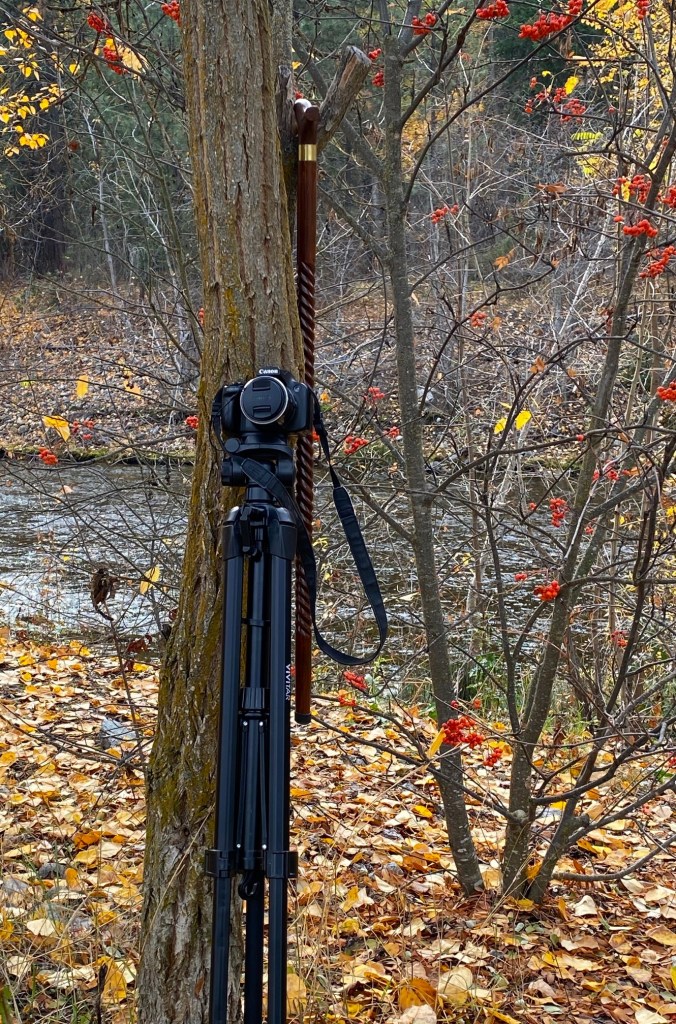
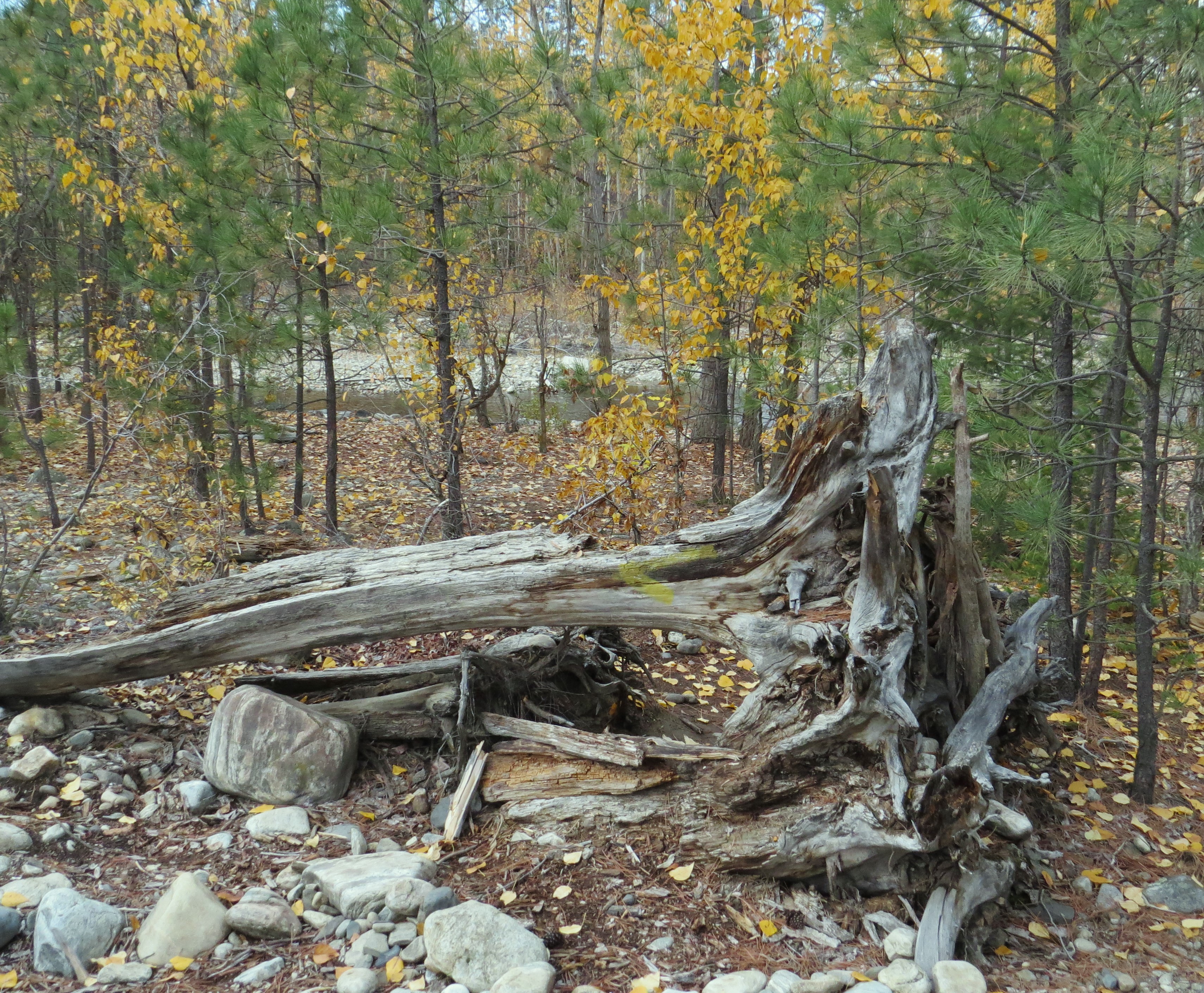
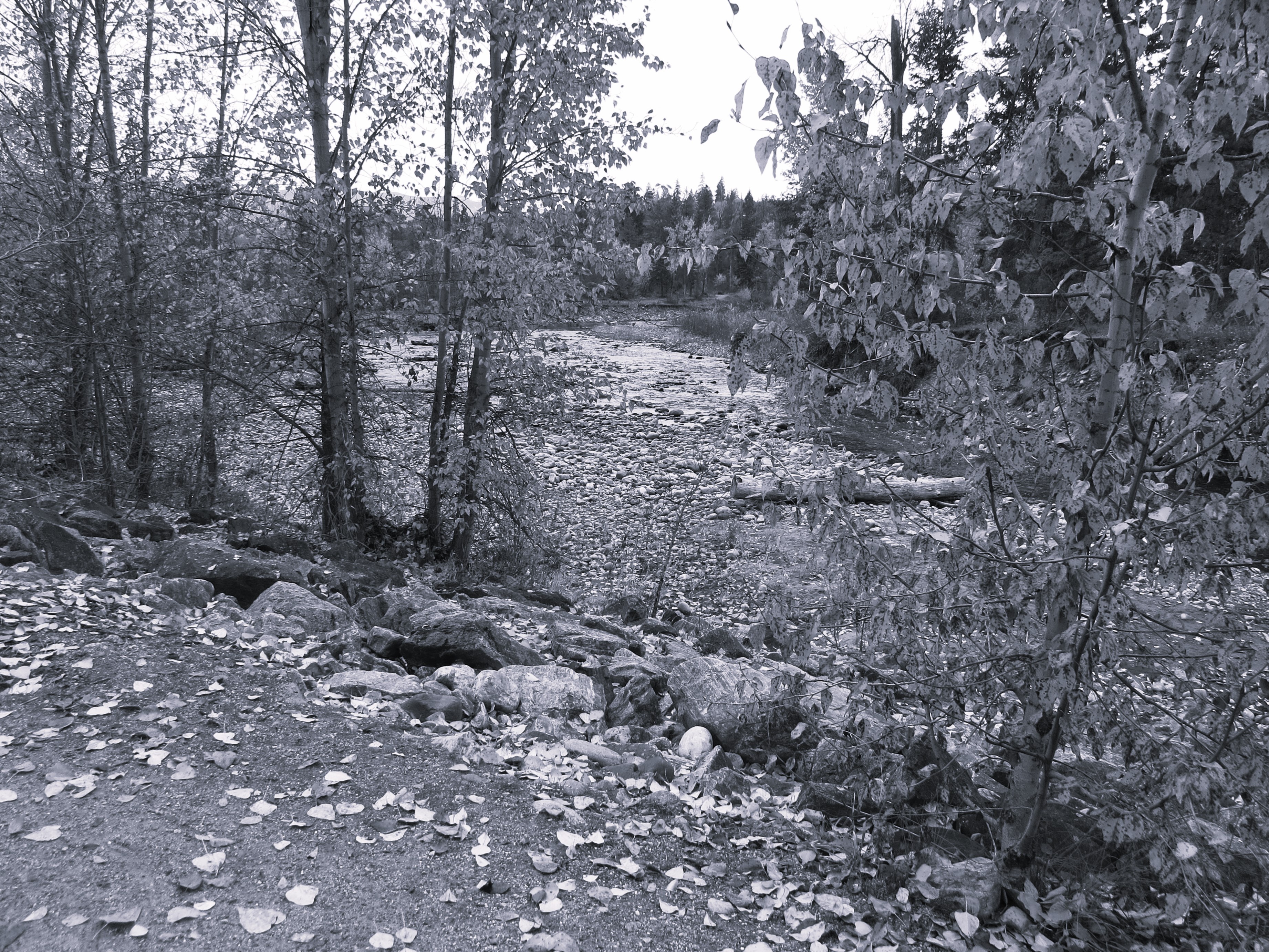
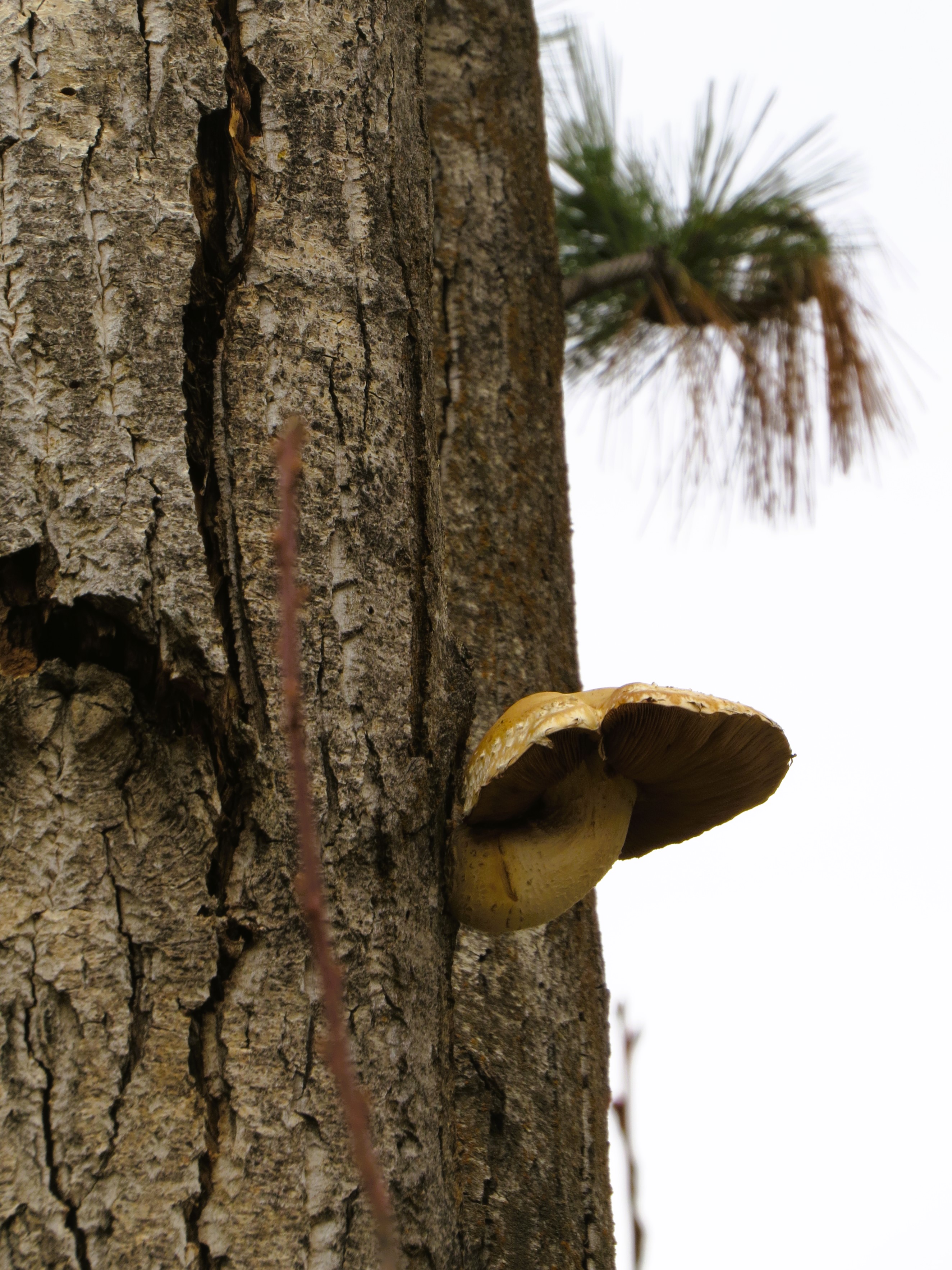
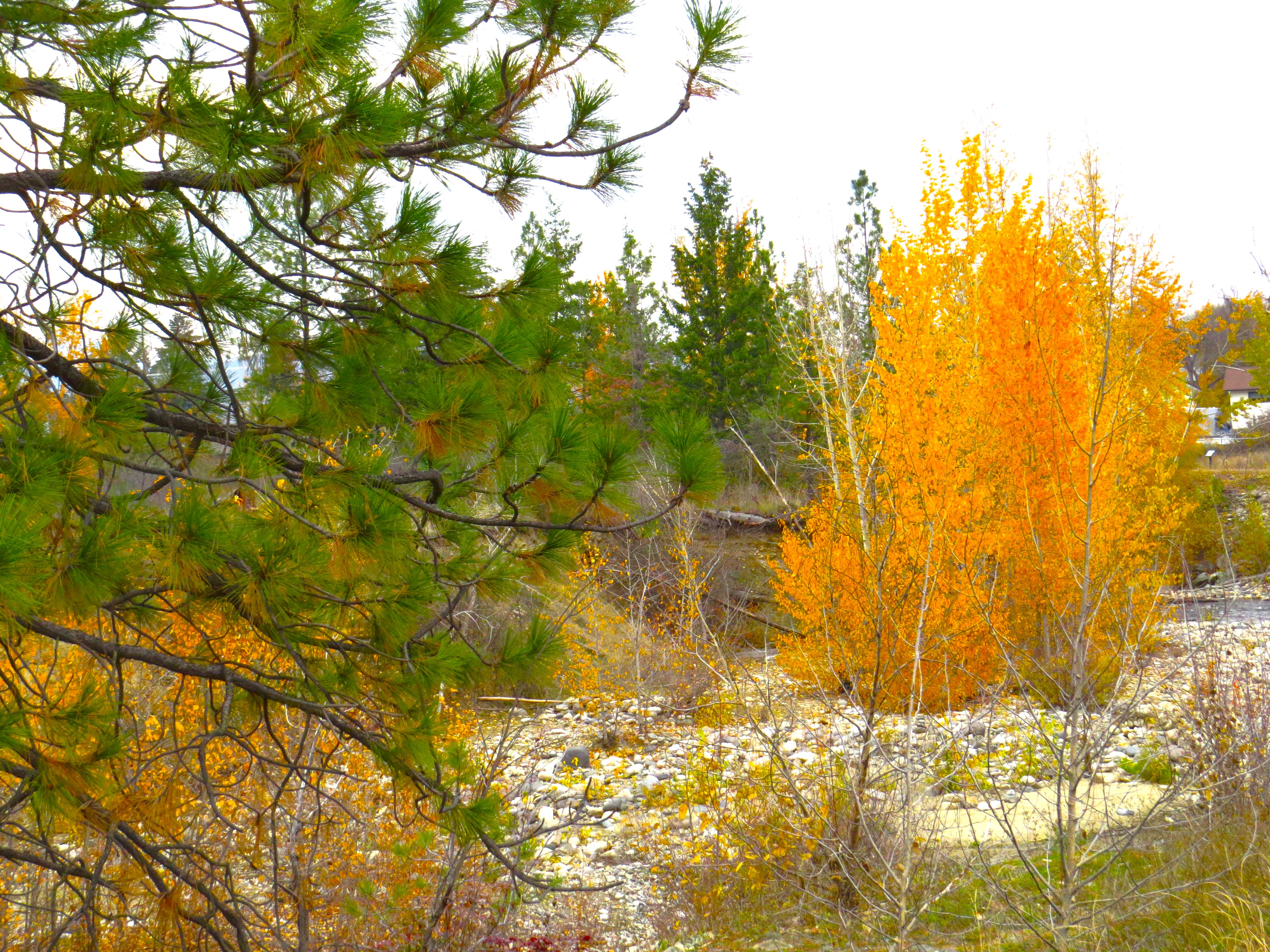
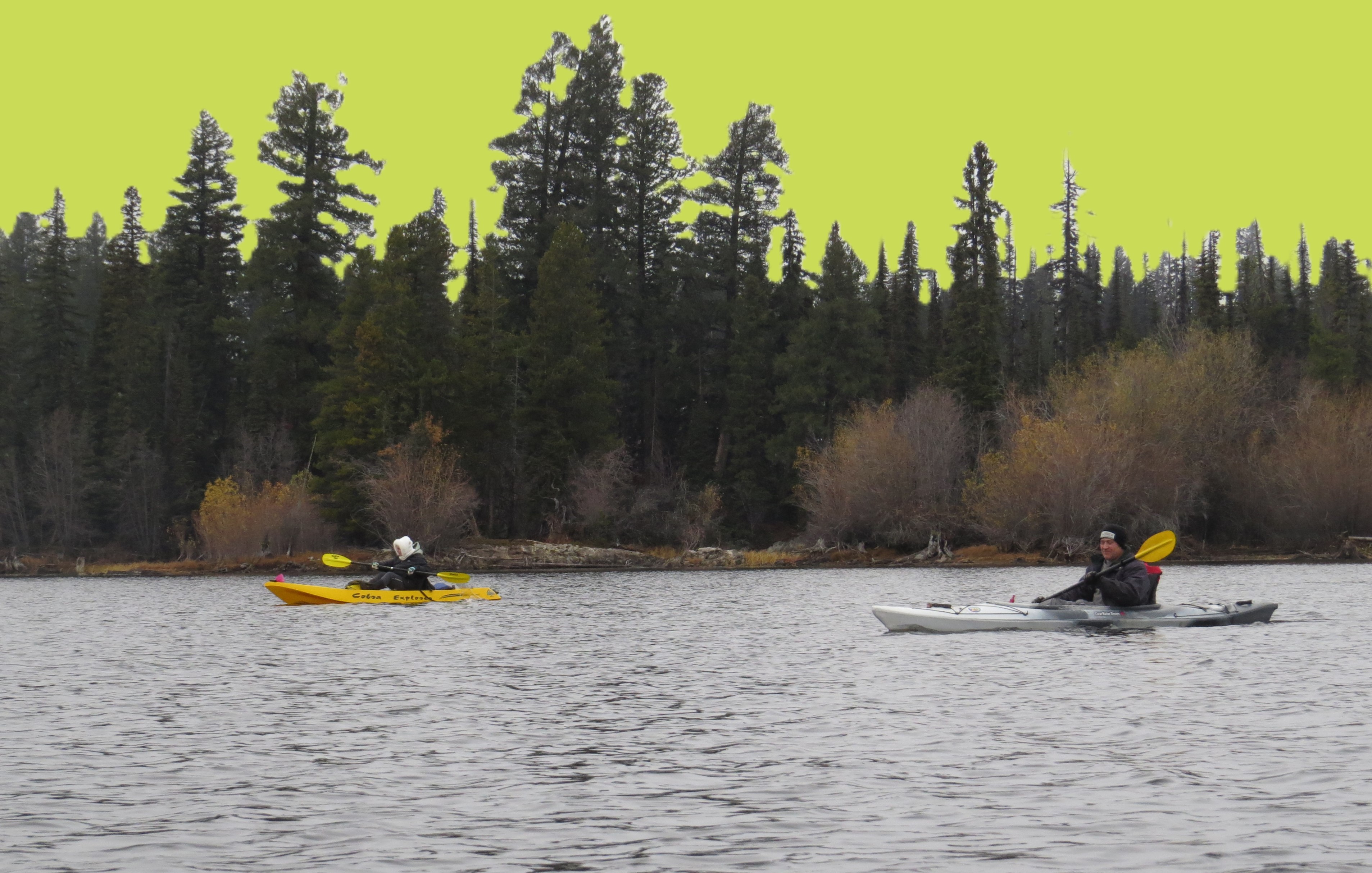
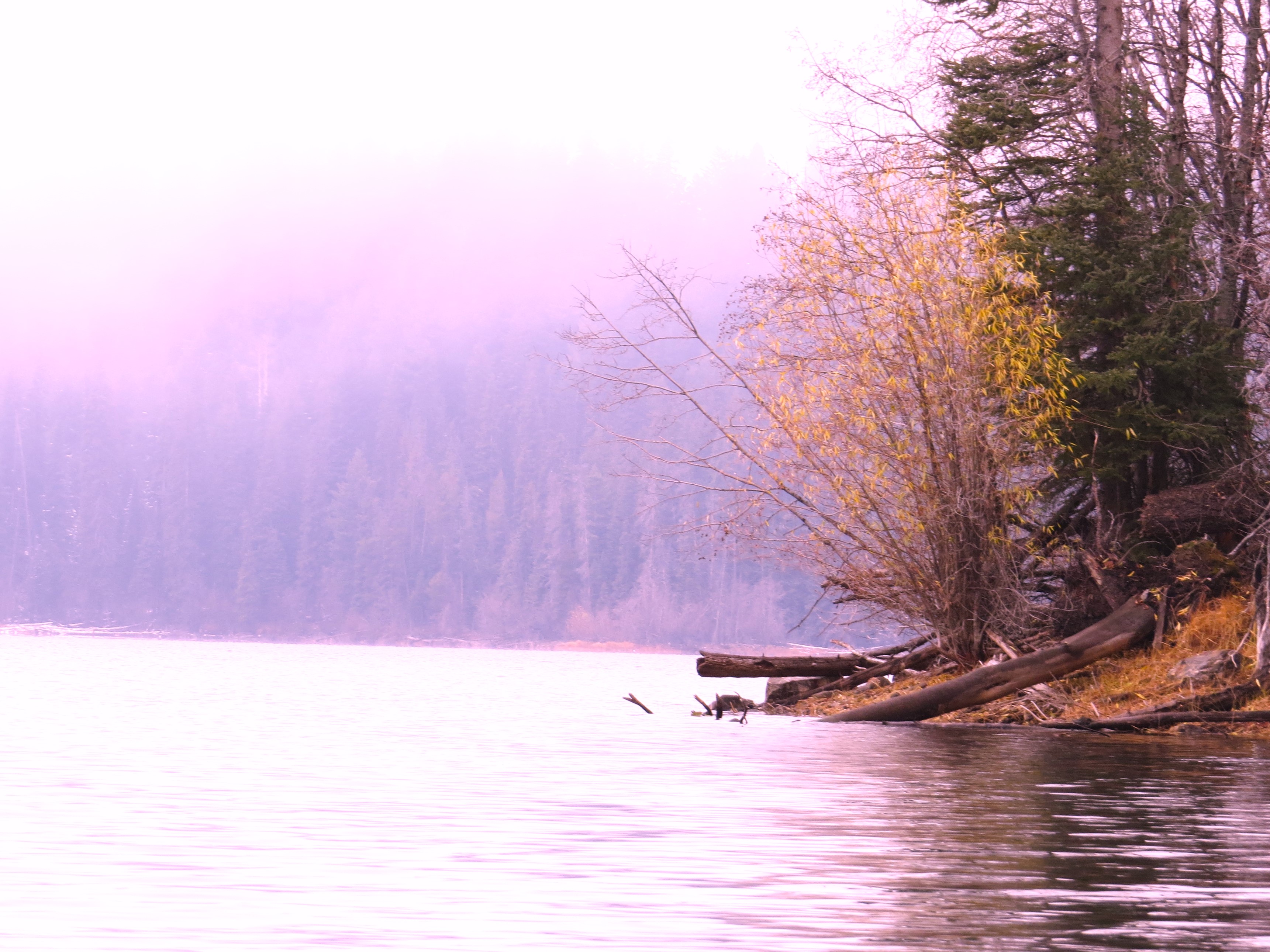
Urban Mission Creek Park and a lake on high mountain in wilderness of Okanagan, BC.

Urban Mission Creek Park and a lake on high mountain in wilderness of Okanagan, BC.

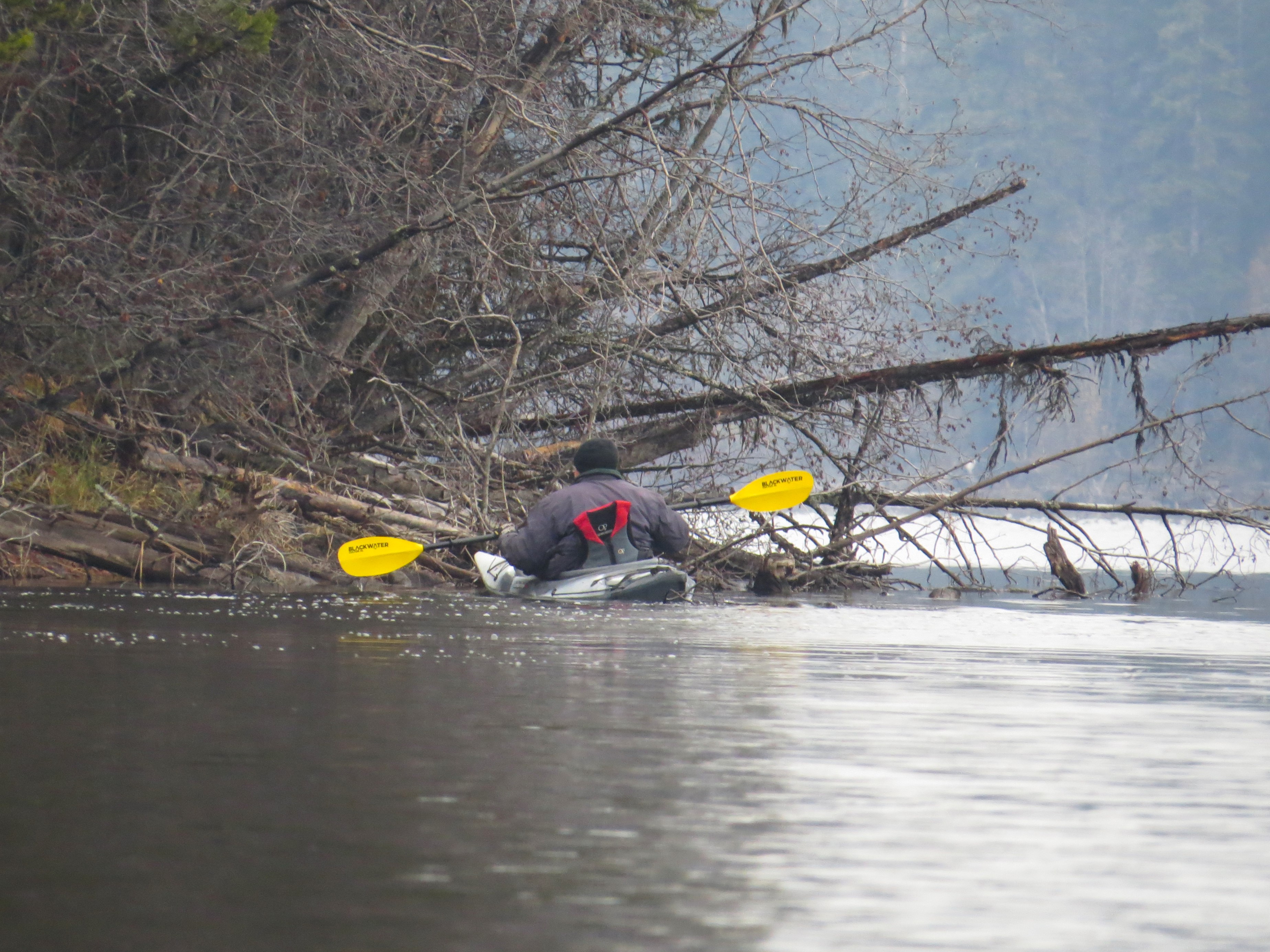
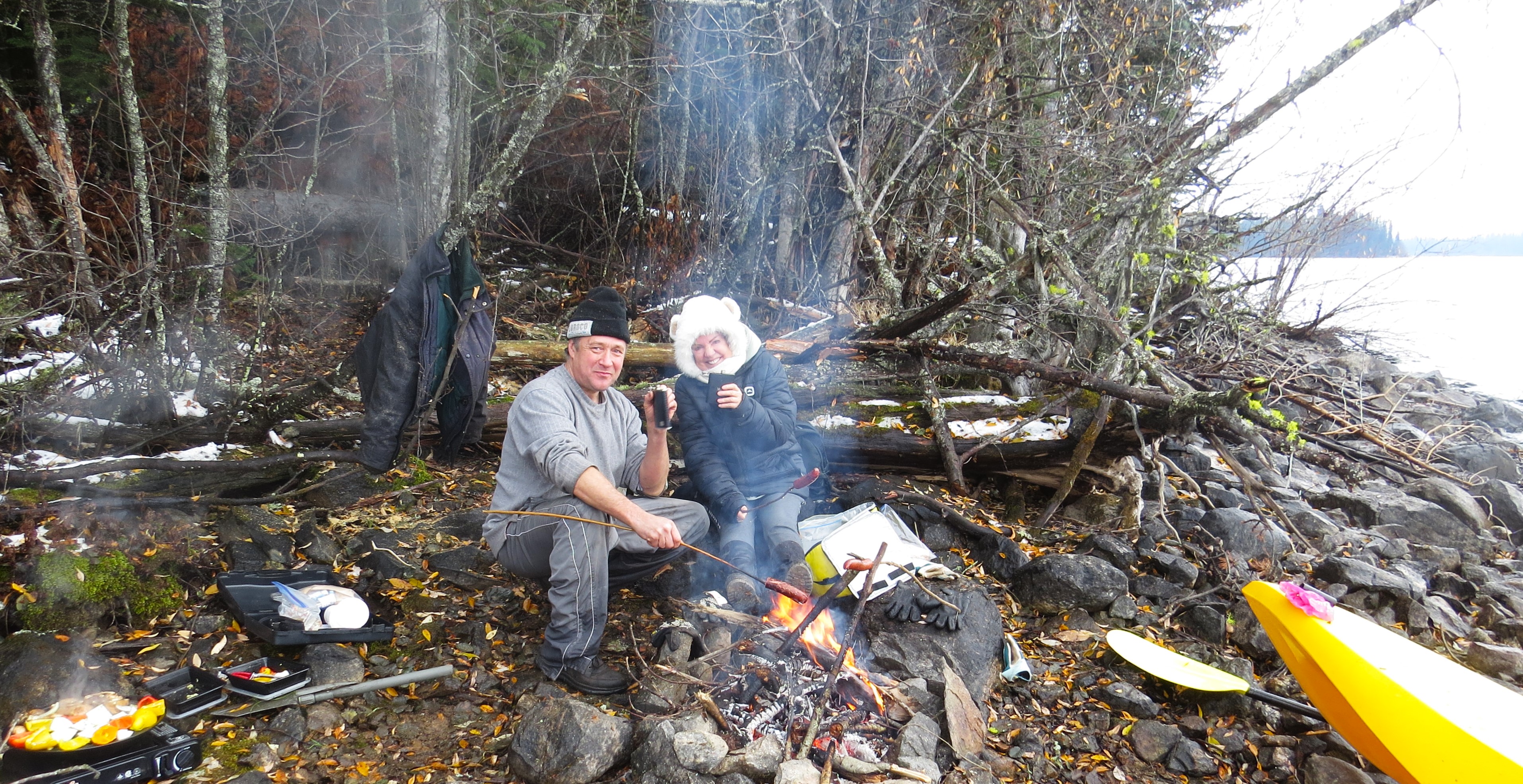
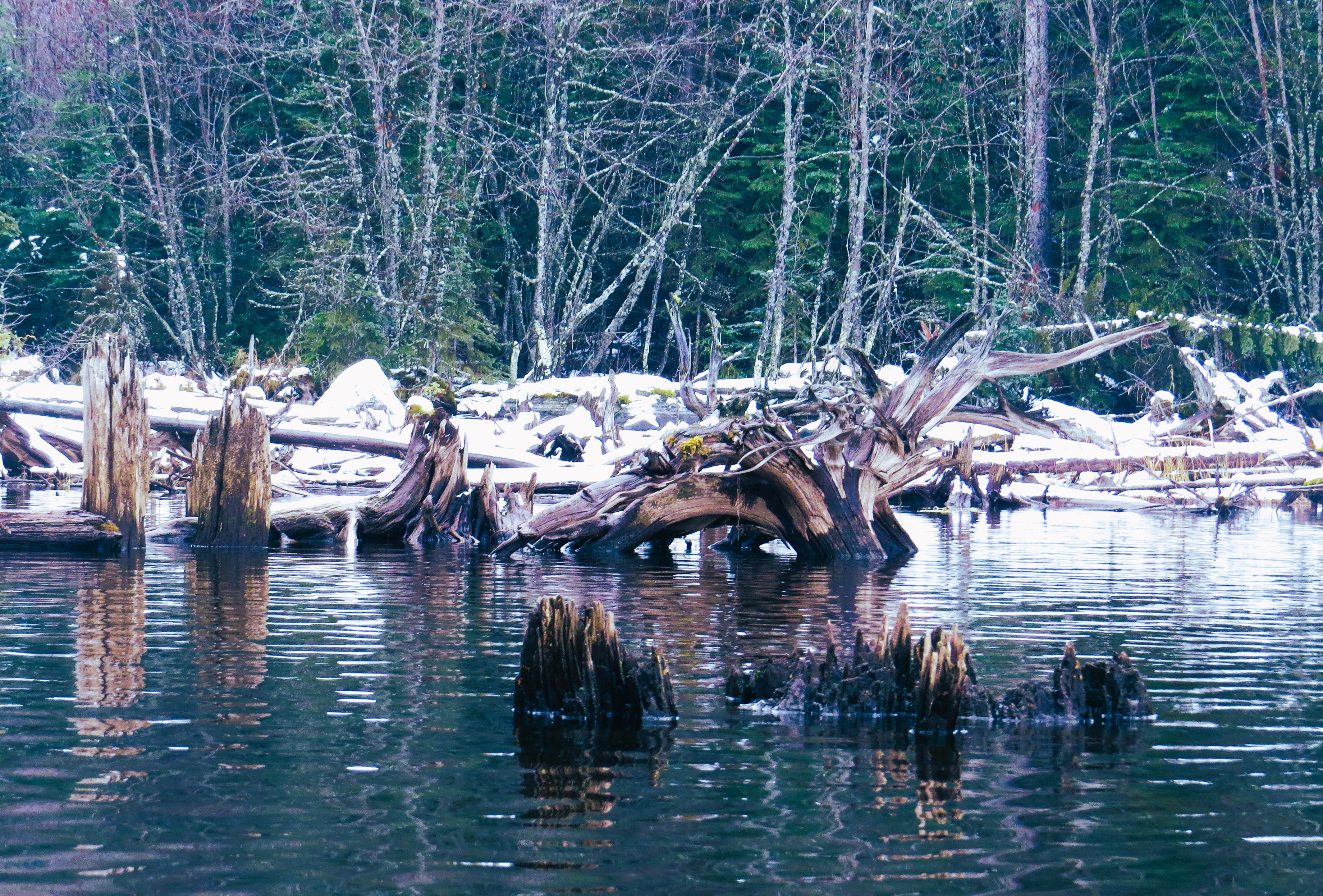
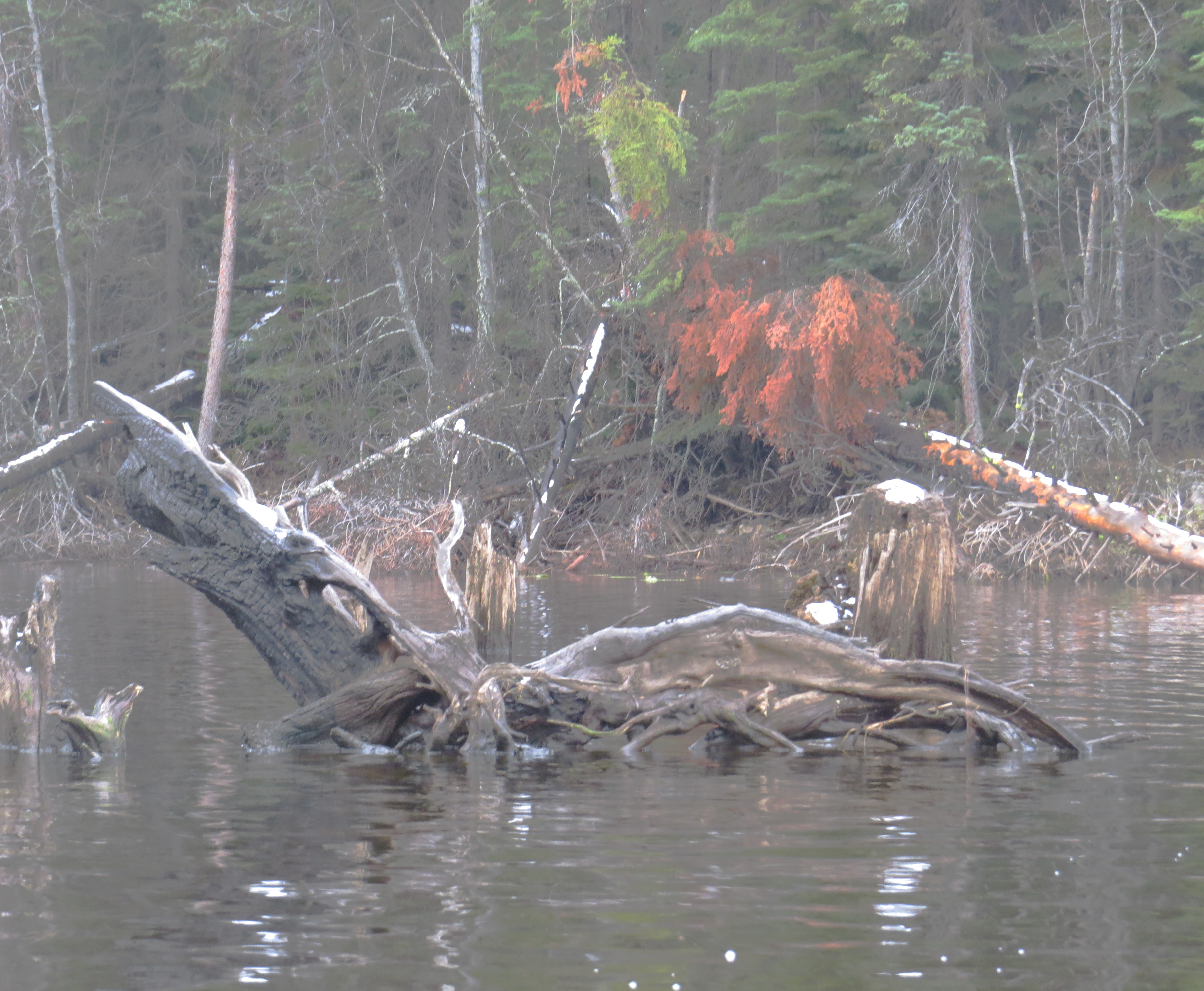
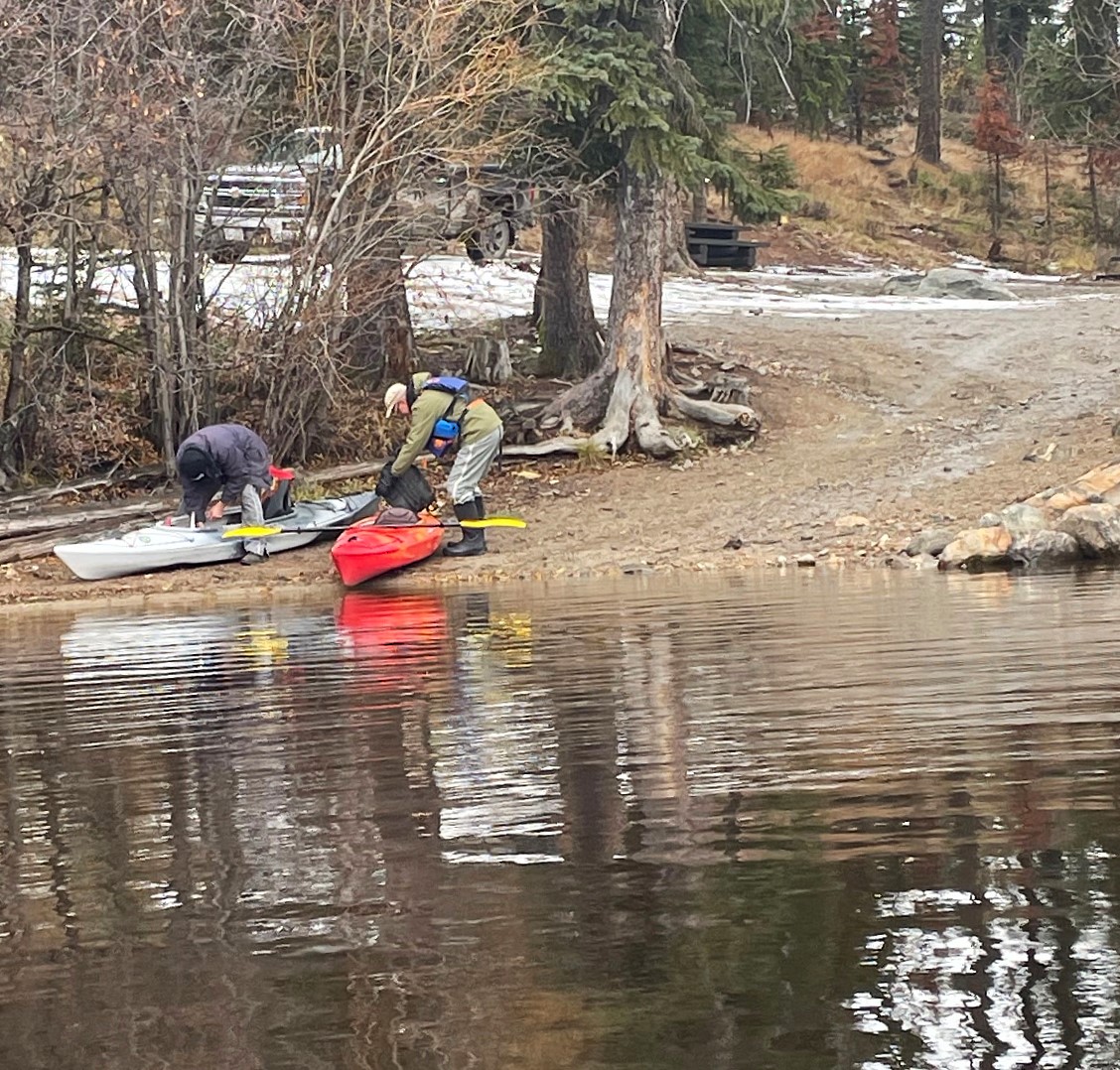
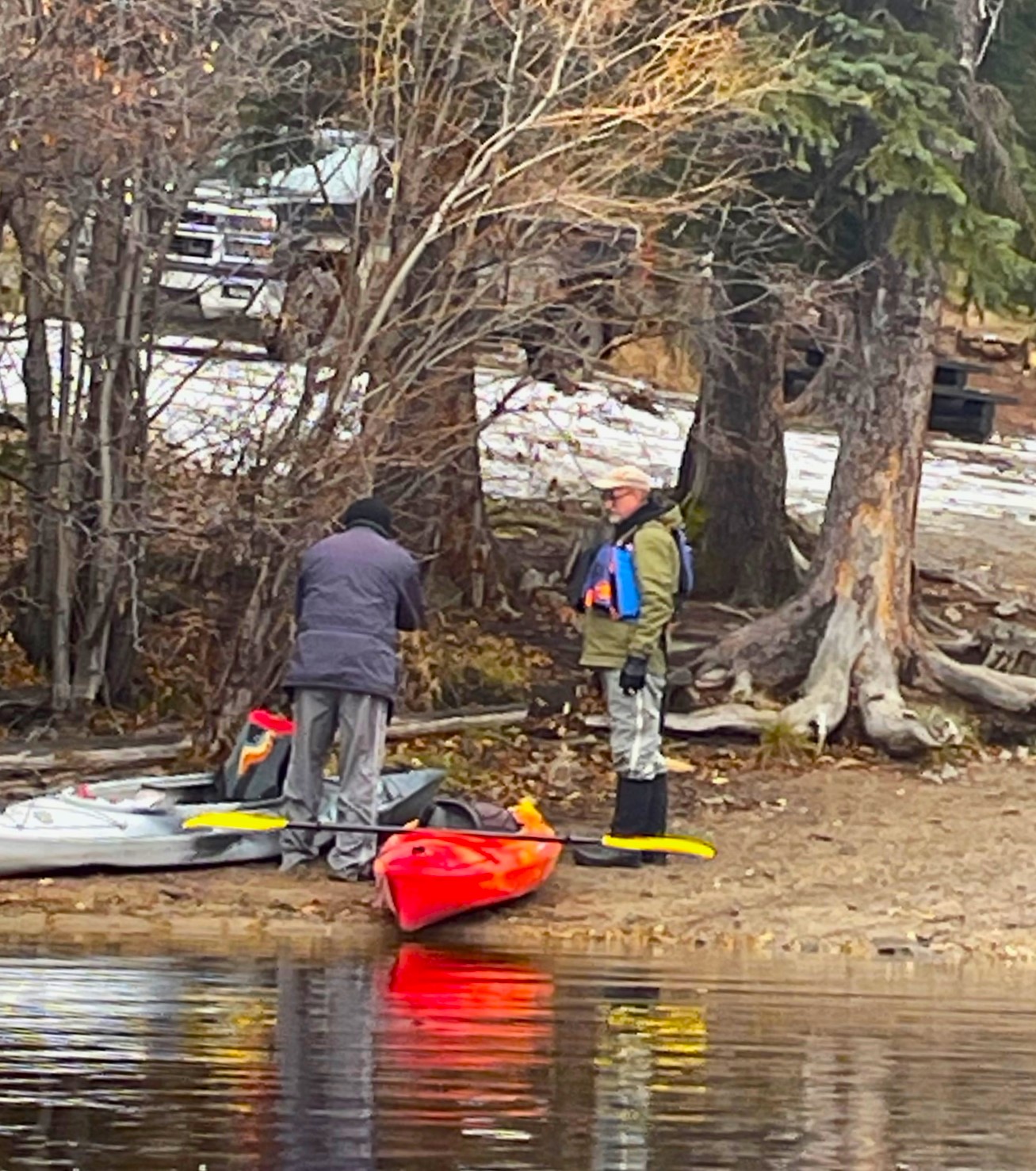
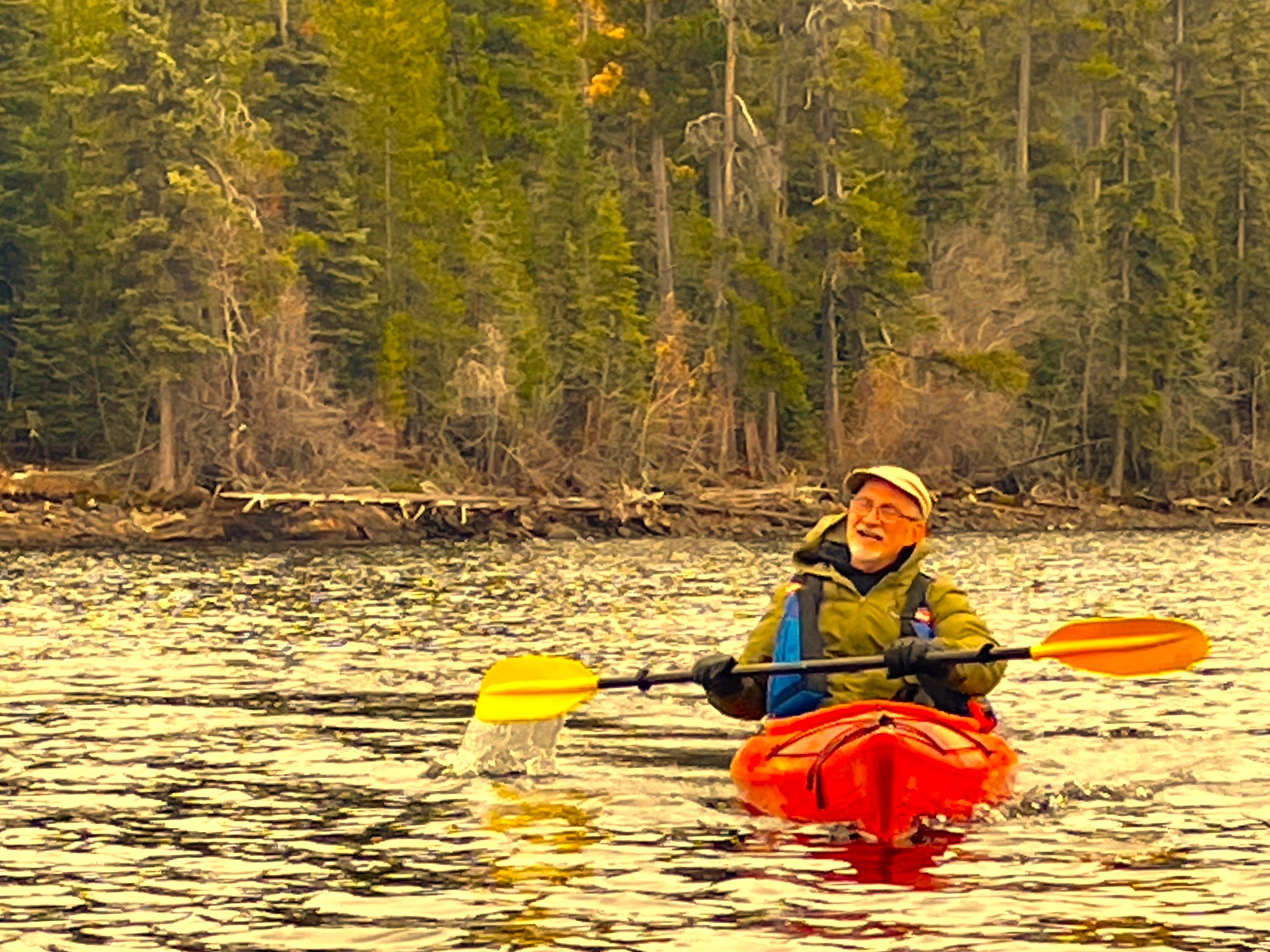
Last two days two nice and very different treks. By land and by water. Friday by land, twelve kilometers through amazing Fall colours of Mission Creek Park following the shoreline of meandering and fast-moving creek, and on Saturday a drive Oyama through the snow- and ice-covered mountain to Oyama Lake. The temperature was still too high for the lake to freeze, there was hardly any wind, and kayaking was a nice adventure.

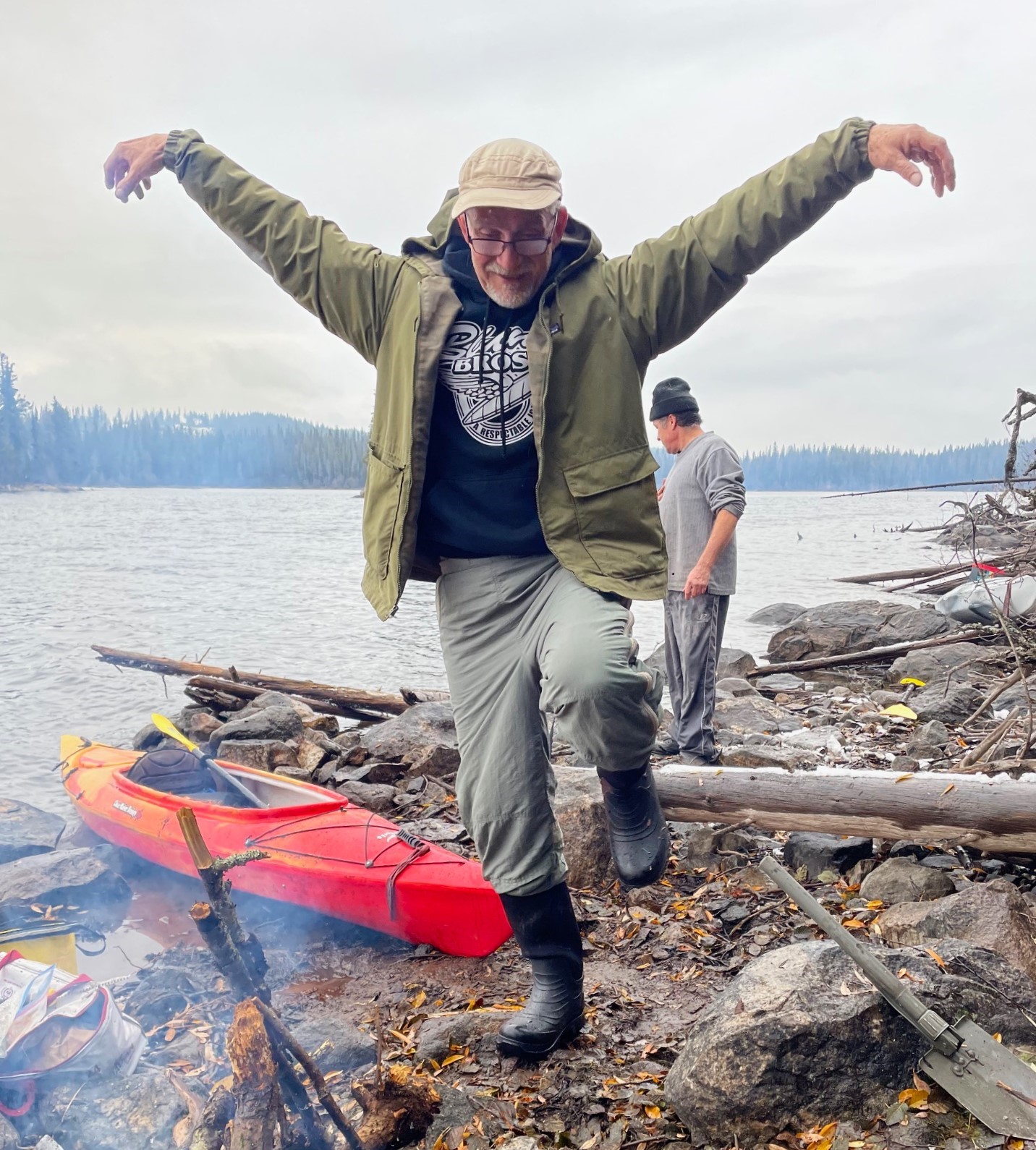
My perfect companions in Okanagan of kayaking – my cousin Lula and her friend Mike – made it a happy outing. For a lunch we ‘invaded’ a large, secluded and totally wild island, without any traces of human visits, made a little bit of clearing on the shore, gathered some dead wood, big rocks from the shoreline to construct a fireplace and had a lunch that tasted better than dinner in Maxime in Paris.

They will most likely return there during summer, so we spent some time arranging the rocks in the water to make a perfect natural harbor for two kayaks. Just a sleeping bag and voila – your private island in wilderness under the ceiling of bright stars!

Genealogia Krzyku

ECHA KRZYKU

Po schodach wierszy

idę do Ciebie

każdego dnia

i każdej nocy.

Spotykam na nich

słowa siedzące

na stopniach – samotne,

milczące. Smutne.

Bezdomni przechodnie.

Tylko okrzyk się wyrywa

z piersi, z lędźwi, z serca:

Wróć!

B. P-G, 10.2024


Czas nie jest łaskawy, jest okrutny w tej wspinaczce po krętych schodach. Poręcz pogięta, nierówna, spękana. Zadzieram głowę patrząc w górę i widzę niekończący się tunel, jak szyb w głębokiej kopalni. W półmroku migocą żółte żarówki ze zbitych abażurów. Idę. Które to już piętro? Zamknięte szare drzwi na klatkach schodowych nie mają numerów ani nazwisk. Tracę orientację czy to dopiero trzecie, czy już dziesiąte? Ile jeszcze pozostało, by dojść do ostatniego?

Szyb wydaje się teraz bardzo wysoki, bardzo głęboki. Wystarczy bardziej pochylić się przez tą kruchą balustradę, by skończyć tą wędrówkę do nikąd.


Halina Poświatowska pyta w wierszu:

czy świat umrze trochę

kiedy ja umrę

i odpowiada z charakterystyczną dla jej poezji pozytywnością:

a jednak

miło jest pomyśleć

że świat umrze trochę

kiedy ja umrę[i]

Nie podzielam jej optymizmu. Świat to jest wszystko, więc śmierć jest jego naturalną częścią. Jak liście,  które opadają jesienią, by wiosną nowe mogły się wykluć.

Może świat się cieszy na myśl, że nowe jasną zielenią się ukażą? Może patrzy z niechęcią na te stare listopadowe, podkurczone, zwiędłe ruloniki o brudnym, szaro-brunatnym kolorze? Może te płonące jeszcze złotem późnego września były urocze – ale te w listopadzie już świat znużyły. I szybko opadały szeleszcząc suchymi westchnieniami pod kopytkami saren i butami człowieka.


Kazimierz Wierzyński w wierszu „Okna”[ii] pisze:

Ciągną ich okna.

Skaczą.

(….)

Dlaczego nie pochwyciliśmy ich w locie,

Dlaczego nie rozpięliśmy w dole prześcieradła,

(,,,,)

Nie słuchają.

Stają na parapecie.

Skaczą.

Puste, otwarte okno

Przerażenia.

Puste mieszkanie

Otwarte na przestrzał.

Trwoga istnienia.

Bez wątpienia Wierzyńskim targało uczucie bezsiły, może nawet wstydu, że nie potrafili tego ‘prześcieradła’ pod spadającym z górnego piętra Lechoniem rozłożyć? Ale skoczył. Z lęku? Z mocy? Z rozczarowania?

Czy po prostu cały ten świat przestał być już jego światem … Nie wiem.  I nie wiem czy bym potrafił i czy bym chciał dać mu lepszą radę. Czy istnieje lepsza rada? Był słaby? A może był mocny? Świat, jako taki był obojętny, że jeszcze jeden liść spadł. A wy, którzy go opłakiwaliście? Przecież nikt inny, tylko wy stworzyliście tą człowieczą wersję świata, który wpędził go w neurastenię, w kompletne odizolowanie, życie pod dwoma osobami.  Świat nie jest okrutny. Świat, jako taki jest po prostu okrutnie obojętny. Tylko ludzie bywają okrutni.


Nadspodziewanie inne zupełnie, nieco zabarwione cieniem dekadentyzmu, a nawet Przybyszewszczyzny, i paradoksalnie żywiołowej tężyzny są wiersze wyjątkowej poetyki Paavo J. Haavikko[iii] – poety fińskiego, dziecka europejskiego modernizmu, już skażonego podmuchem postmodernizmu: ambiwalencji, pewnej ironii wobec surowych i trwałych elementów tradycji i kontynentalnej i rosyjskiej (kultura fińska targała się między tymi dwoma molochami światopoglądowymi, omal metafizycznymi). Jest ‘fińska’ w swej surowości, oszczędności. A przecież pobudzona duchem Sibeliusa i jego artystycznym wywodem muzycznym z wyraźnym elementem lokalnego patriotyzmu. Ma więc  paradoksalnie elementy późno-romantyczne, więc oparte na innych strukturach zapisu (muzycznego, słownego, malarskiego, generalnie: narzędzi twórczości artystycznej jakiejkolwiek).  W jego przypadku przymiotnik ‘fiński’ ma kolosalne znaczenie. Jest zakorzeniony po szyję w geografii i surowym klimacie Finlandii. Jest wręcz fińskim naturalistą i niemalże otoczony mgłą skandynawskiego pesymizmu. Przestrzega przed wspominaniem.

Nie wspominaj

Umarli

wspominają umarłe,

kwiaty jesieni

wspominają ośnieżone

kwiaty wiosny[iv]

Oskarżenie? Przestroga? Normalna kolejność pór życia. Mimo to mówi: nie patrz wstecz.  Prawie to Asnykowskie: trzeba z żywymi naprzód iść[v], tyle, że w surowej topografii fińskiej. U Havvikko znajdowałem zawsze konsekwentną egzotykę zimy i jednocześnie witalizmu męskiego. Jakby krzyczał: trzeba płodzić żeby rodzić! I jest bardzo – jakbyśmy dziś powiedzieli – mizoginistyczny. Dzisiejsza wrażliwa empatia aż się wzdryga przed takim, mechanicznym omal, postrzeganiem kobiet. Nasienie jest pierwsze, a jajo to tylko wygodny transport Życia, przetrwanie. Autobus lub pociąg, do którego się wsiada by dojechać od A do B.

Ten aspekt jego poezji nie podoba mi się dziś, w XXI wieku.  Ale – poeta to nie filozof, to nie psycholog.  Nie pisze po to by się podobać, ale dlatego, że ma coś do powiedzenia. Coś nadzwyczaj intymnego. Jeśli pisze, by się podobać – powinien zająć się czymś praktyczniejszym.  To zupełnie poboczne jednak uwagi. Nie interesuje mnie w tym tekście ‘sympatyczność’ poetów. Interesuje mnie ich poezja w opisie Straty, Krzyku, śmierci sensu życia.


Nie wiem czym jest mój nieustanny, nieprzerwany krzyk. Głuchy. Ale powoli rozrywający membrany moich uszu. Żyję by pamiętać – pamiętam, bo żyję. Dnie i noce na brzegach: morza, jeziora, śmierci i życia.

Każdego dnia, jak w tych dniach ostatnich, wywożę cię na spacer. Choćby tylko po to, by wysiąść z samochodu i przejść kilka metrów. Byś żył, widział, oddychał, patrzył na kwiaty, na ocean. Nie chce cię zamknąć, jak w sarkofagu, w naszym mieszkaniu.

Wyrywałem cię Śmierci każdy dzień, który mógł być ostatnim. Potem każdą godzinę. Przy minucie, gdy nadeszła – przegrałem. Śmierć, wydaje mi się, była też zmęczona tą szarpaniną i powiedziała: dosyć. I zrobiła, jak powiedziała.

Mimo to, zdążyłem raz jeszcze ją oszukać na moment. Może po prostu machnęła ręką znużona moim uporem. A ja wyszeptałem ci wtedy, na tym metalowym łóżku szpitalnym, które stało się w tym momencie naszym pięknym i ciepłym łóżkiem – wszystkie nasze dni szczęścia, które mieliśmy, każdy kolor mojej miłości do ciebie, każdy smak Naszej miłości.

               I zostałem sam. Bo w smutku, w Stracie musisz być sam. Jak powiedział mój szalenie ważny poeta, bard mojej i wcześniejszej o dekadę tylko generacji, generacji epoki AiDSA,  Paul Monette[vi]:

(…)

ból nie jest kwiatem ból jest korzeniem

jego żywiołem jest ziemia gdzie rozkład

pozbawia kości wszystkich naszych radości

owianych deszczem i nic nie rośnie

 miłość życia wzdycha by kwitnąć ogrodem

przymuszona leżeć jak sekret kwaśnej cebuli

w kopalni  bólu ruda pulsuje nabrzmiałymi żyłami

(tł. własne, B. P-G)

Pamiętam ich umierających, jak kwiaty więdnące nie w sierpniu, a w maju. I ten głuchy krzyk bólu i bezsilnej rozpaczy ich kochanków. Nie mogłem jeszcze wtedy tego zrozumieć, byłem za młody chyba? Śmierć traktowałem w romantycznym wymiarze, dobrego Czarnego Anioła, który otula nas wielkim, puszystym czarnym skrzydłem, odsuwa ból i cierpienie, daje spokój. Widziałem umierających a nie widziałem tych, co pozostawali. Nad nimi żaden anioł nie rozpostarł skrzydła ukojenia i ciszy.  Pozostał im głuchy Krzyk Bólu.

Herbert inne szlachetne wygnanie miał na myśli pisząc w „Potędze smaku”: Nasze oczy i uszy odmówiły posłuchu / książęta naszych zmysłów wybrały dumne wygnanie”[vii] , ale jakże pasuje do definicji Krzyku Straty – książęta moich zmysłów wybrały wygnanie. Celowo pomijam ‘dumne’. Nie ma w tym nic z zarozumiałej dumy, wyższości ‘uduchowionej osobowości’. Nie. Wewnętrzne wygnanie, stworzenie pewnej cichej bariery od świata zewnętrznego jest jedyną rzeczywistością w jakiej mogę funkcjonować.

Dzięki tej rzeczywistości mam możliwość uśmiechania się, uchylania kapelusza, nawet beztroskiego żartu z rzeczywistościa zewnętrzną.


Koło mostku nad Szprewą, w centrum Berlina,

stoi wielka, przygnębiająca czarna Katedra

królów pruskich. 

Na mostku, naprzeciw mnie stoi mały chłopczyk.

Gra na skrzypkach. Chyba Schuberta. Hałas uliczny

samocodów i ludzi.

Nie mogę skupić się na dżwiękach by być pewnym,

czy to Schubert czy Brahms lub Schuman.

Głuchy Beetoven

nie słyszy nic. On słyszy tylko Bacha, ludzki

hałas na mostku i na pruskiej promenadzie

nie interesuje go.

Stukając pantofelkami, z laseczką idzie

do Ogrodów Tiergarten prosto na postument,

siada z Mozartem i Haydnem.

Odgrodzili się od świata ulic i zgiełku

za drzewami parku. Od świata rzeczy zwykłych.

Ptaki robią im koncert.

Wieczorami idą na piwo do bier stube

na Potsdamer Platz. W perukach, pończochach, pudrze.

Nikogo to nie dziwi.

Zwyczajna trójka transdżenderów szukająca

przygód w popularnym na schadzki zakątku parku.

Uciekli rzeczywistości.

Oni też.

(B. P-G, 10.2024)


[i] Antologia „Po schodach wierszy”, wyd. LSW, Warszawa, 1993; s.194

[ii] ibid. s. 272

[iii] „Białe Kamienie”, Paavo J. Haavikko; PIW, Warszawa, 1978

[iv] ibid. s. 27

[v] Adam Asnyk, „Daremne żale”

[vi] „West of Yesterday, East of Summer”, Paul Monette; St. Martin Press, New York, 1994; s. 31

[vii] „The Collected Poems, 1956-1998”, New York, Ecco; 2007; s. 409
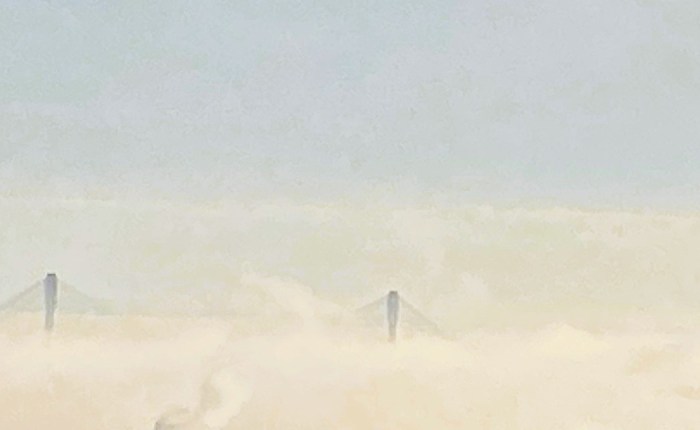
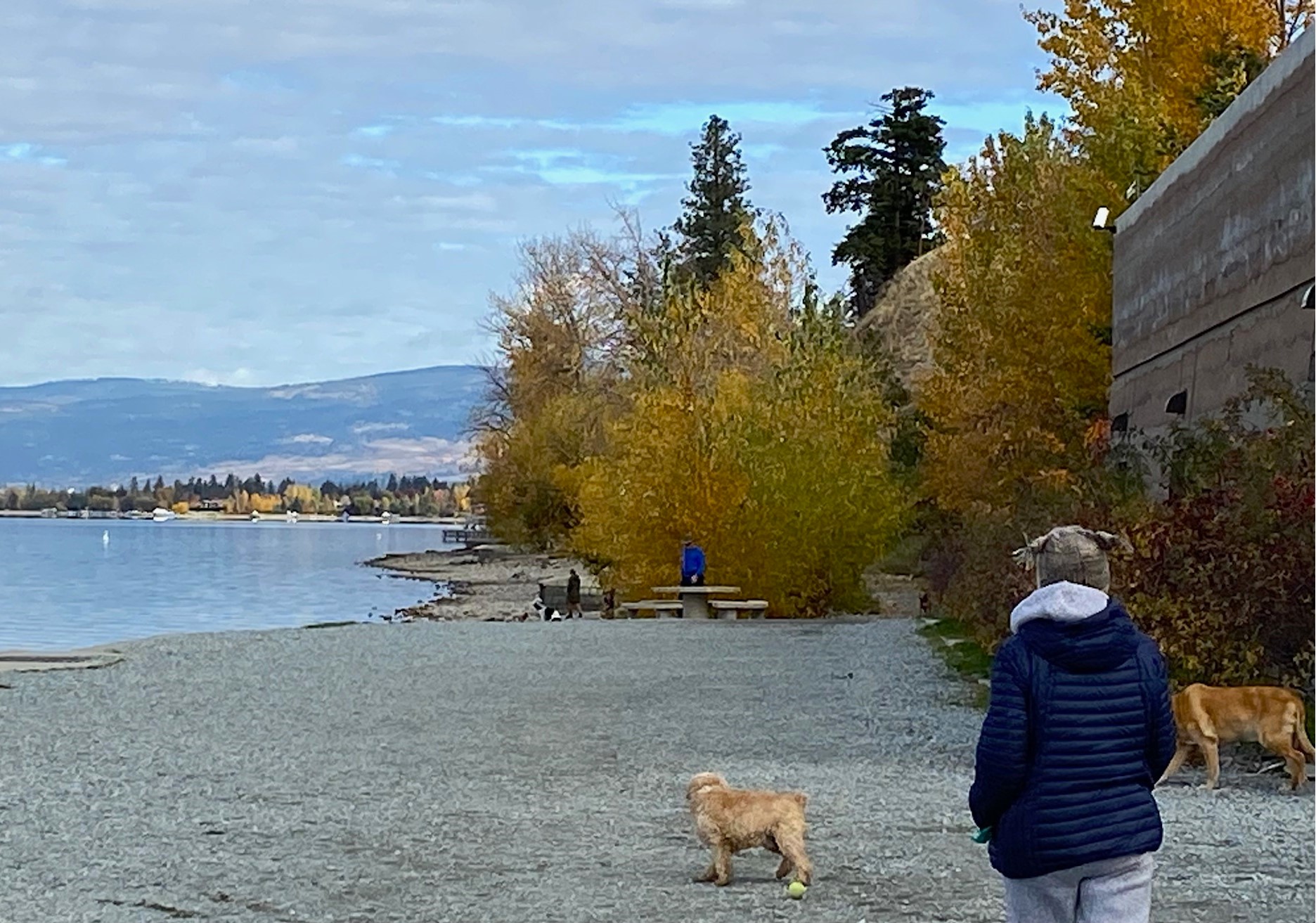
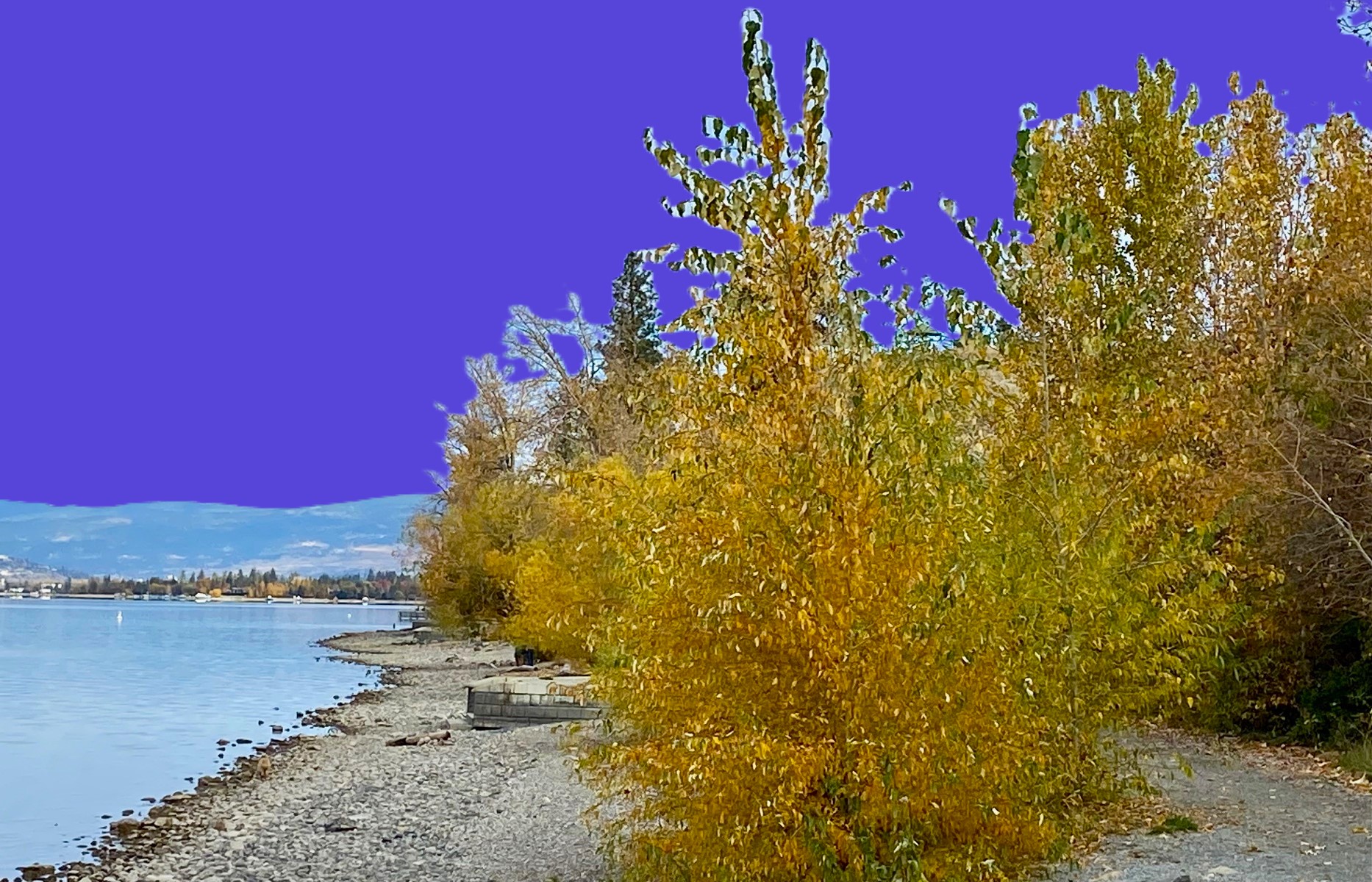
Mission in Okanagan Valley – trees, sky and shoreline. – Gloria jesienna w Mission nad brzegiem jeziora Okanagan

Mission in Okanagan Valley – trees, sky and shoreline. – Gloria jesienna w Mission nad brzegiem jeziora Okanagan

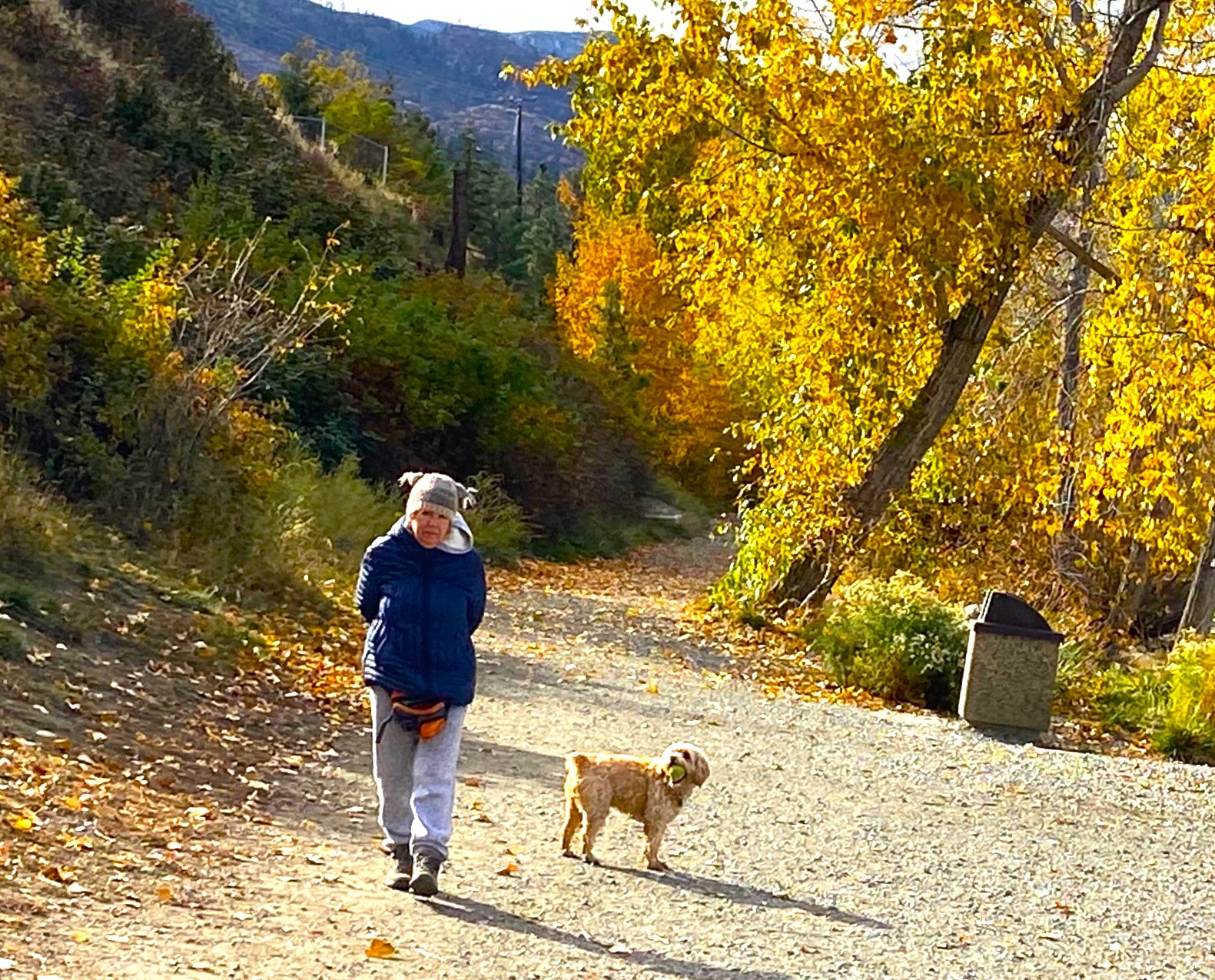
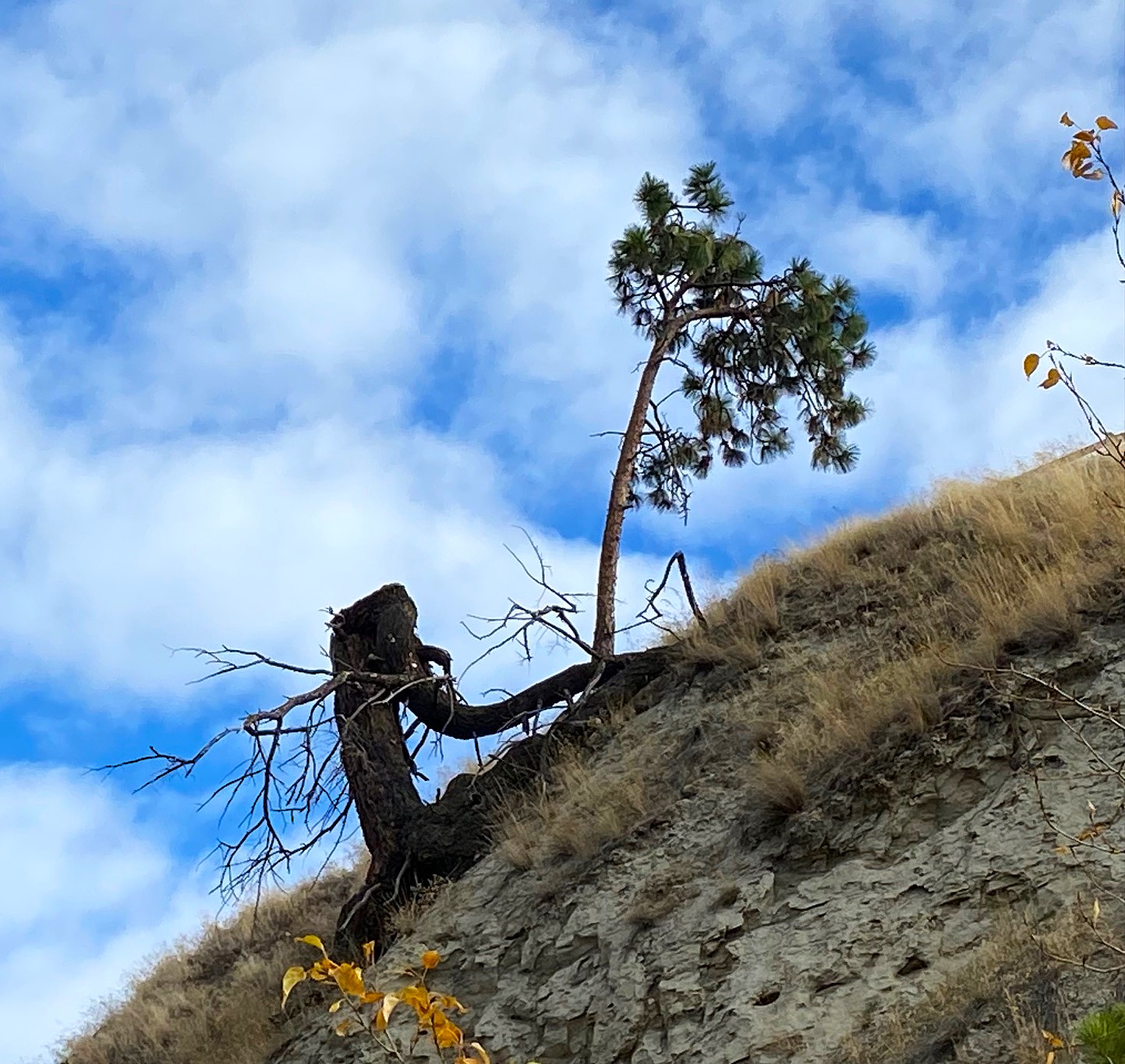
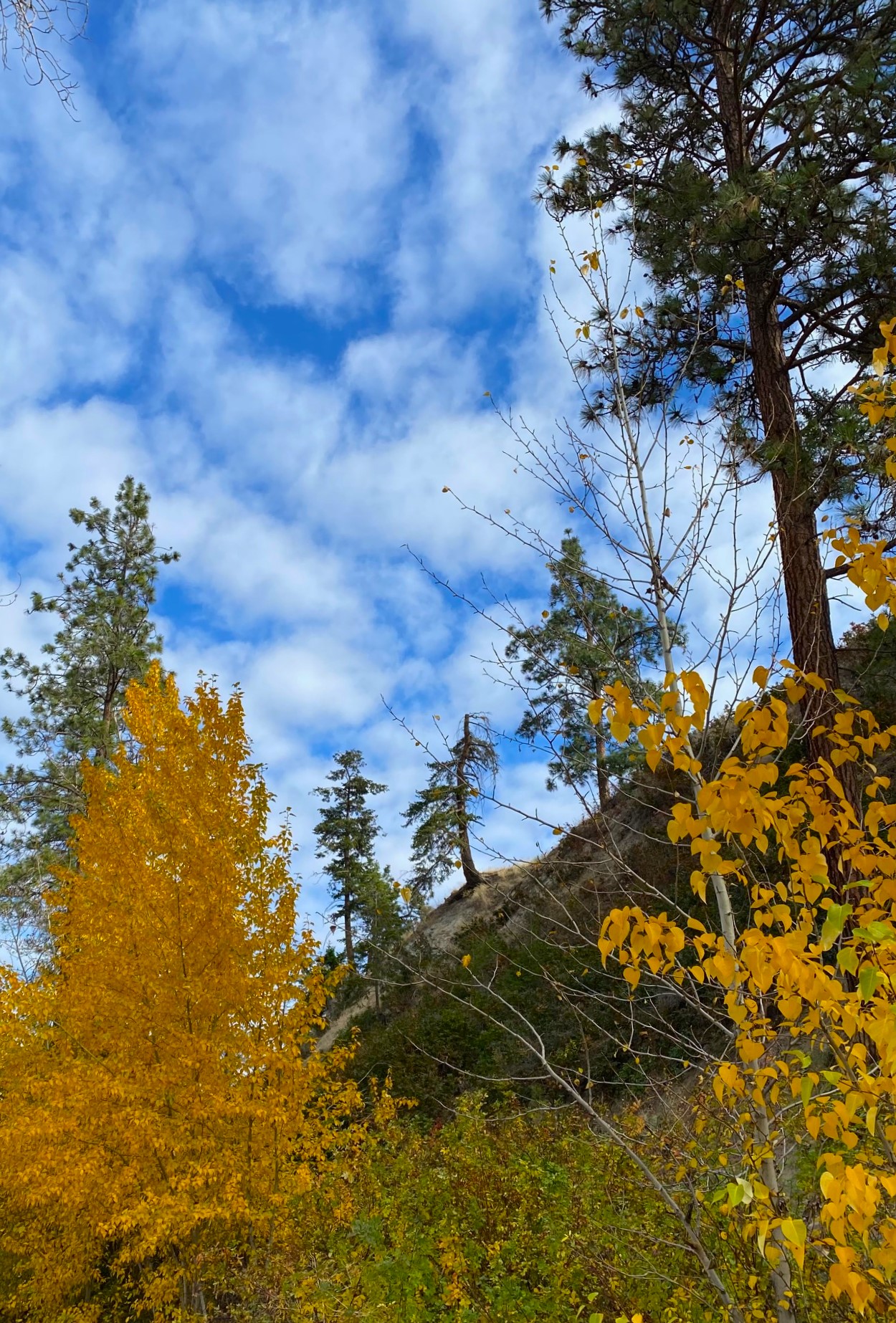
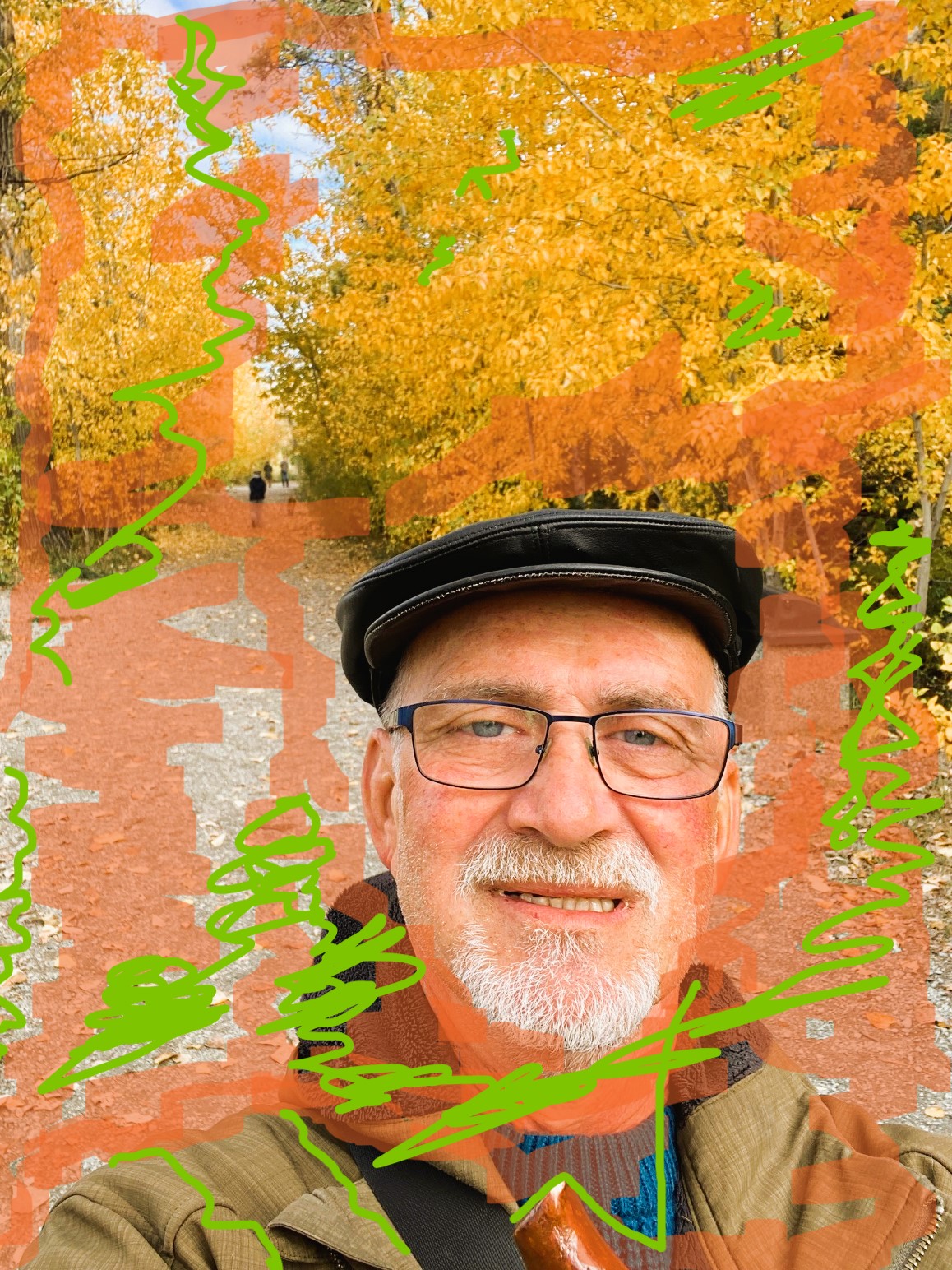
Każdy dzień w tej zaczarowanej dolinie, każdy spacer, wschody i zachody słońca oszałamia furią kolorów i kształtów. A jesień to wulkan i lawa widoków zalewająca wzrok. Słów szkoda, bo i tak zbyt ubogie na opis. Więc zdjęcia pozostają tylko.