Chopin, słowa, płatki i liście tańczące

Chopin, słowa, płatki i liście tańczące

Walce i liście

Wszystko śpiewa. Jak muzyka Chopina.

A czym śpiewa muzyka Fryderyka?

Jego muzyka śpiewa miłością,

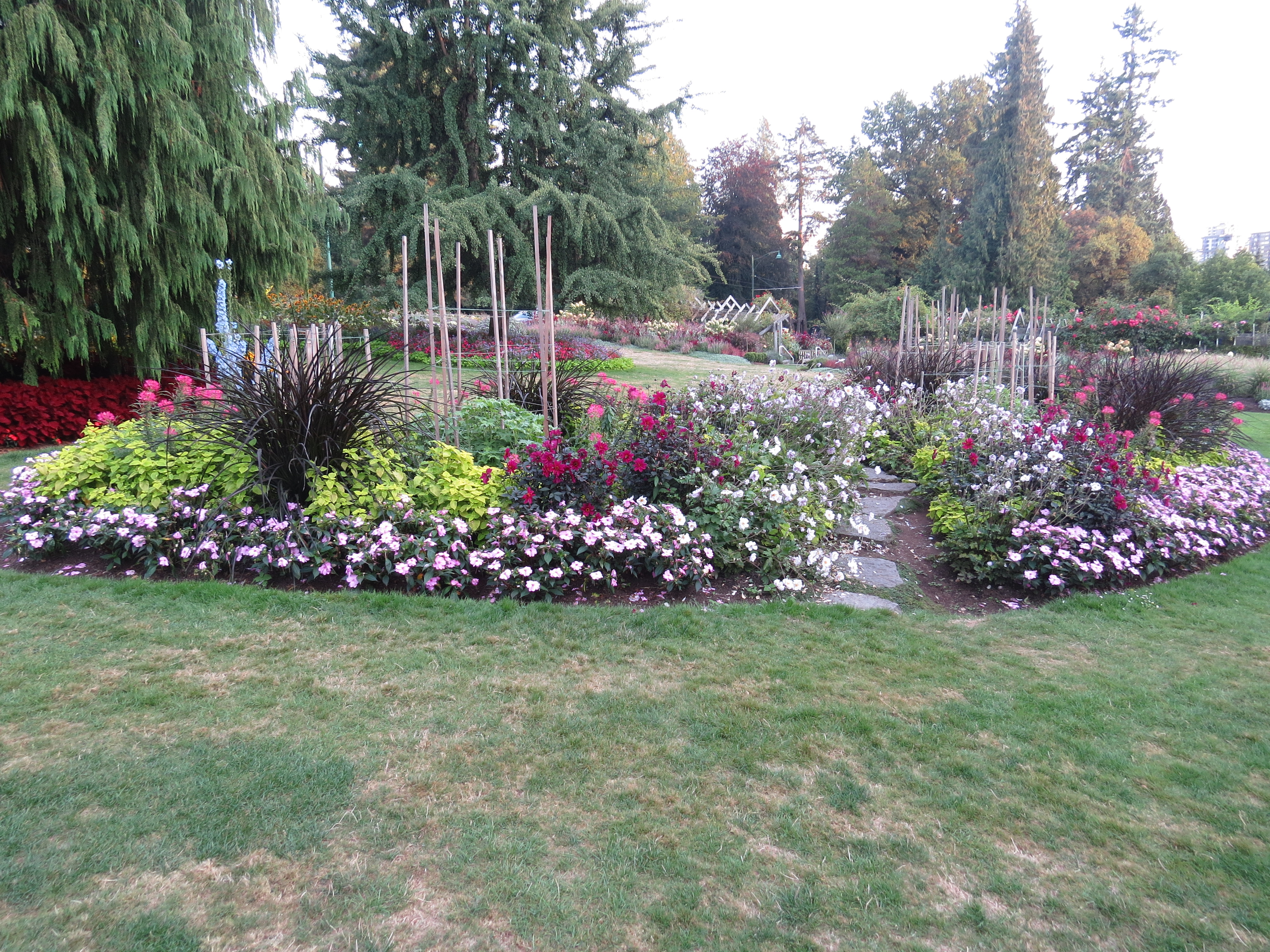
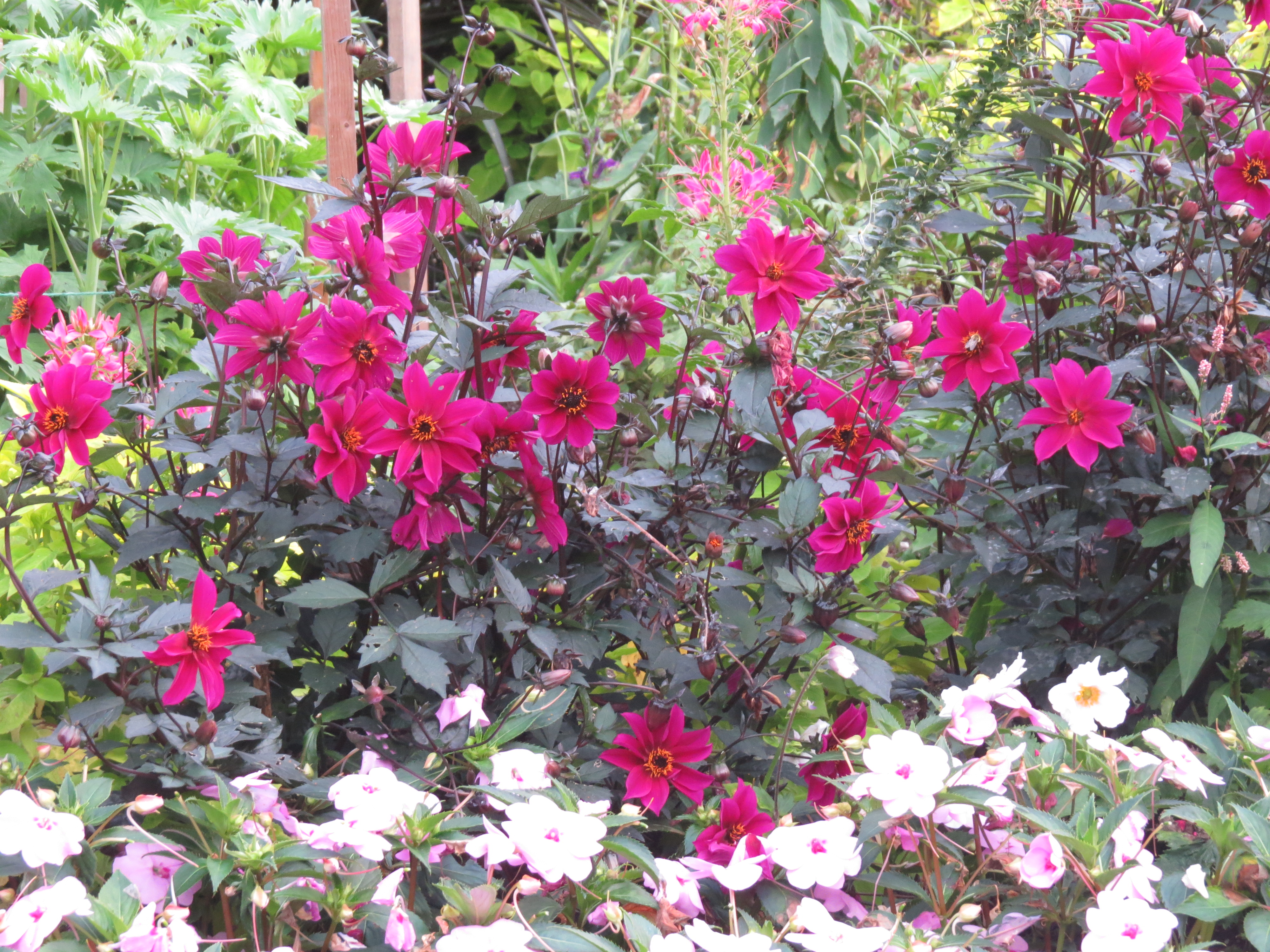
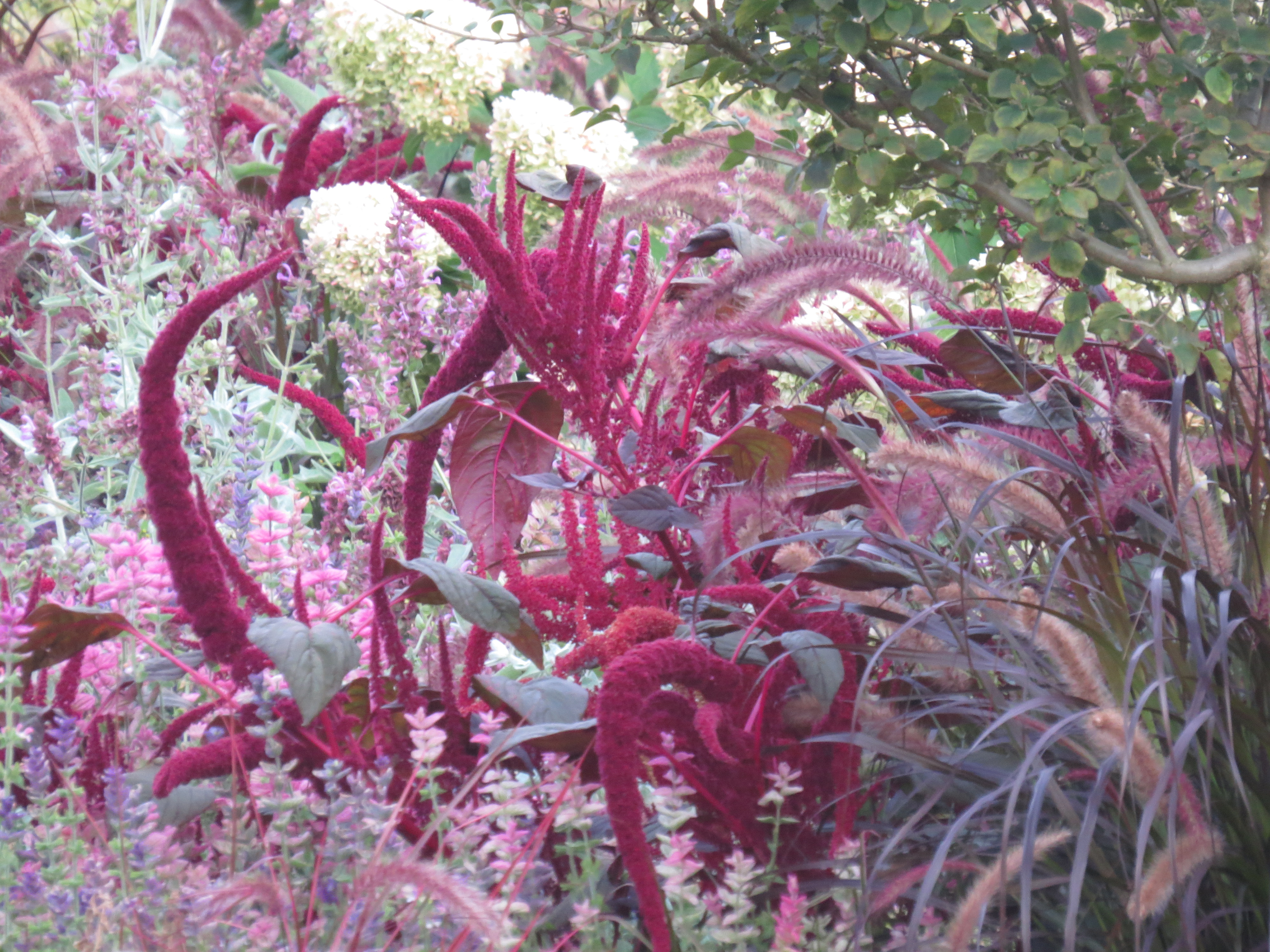
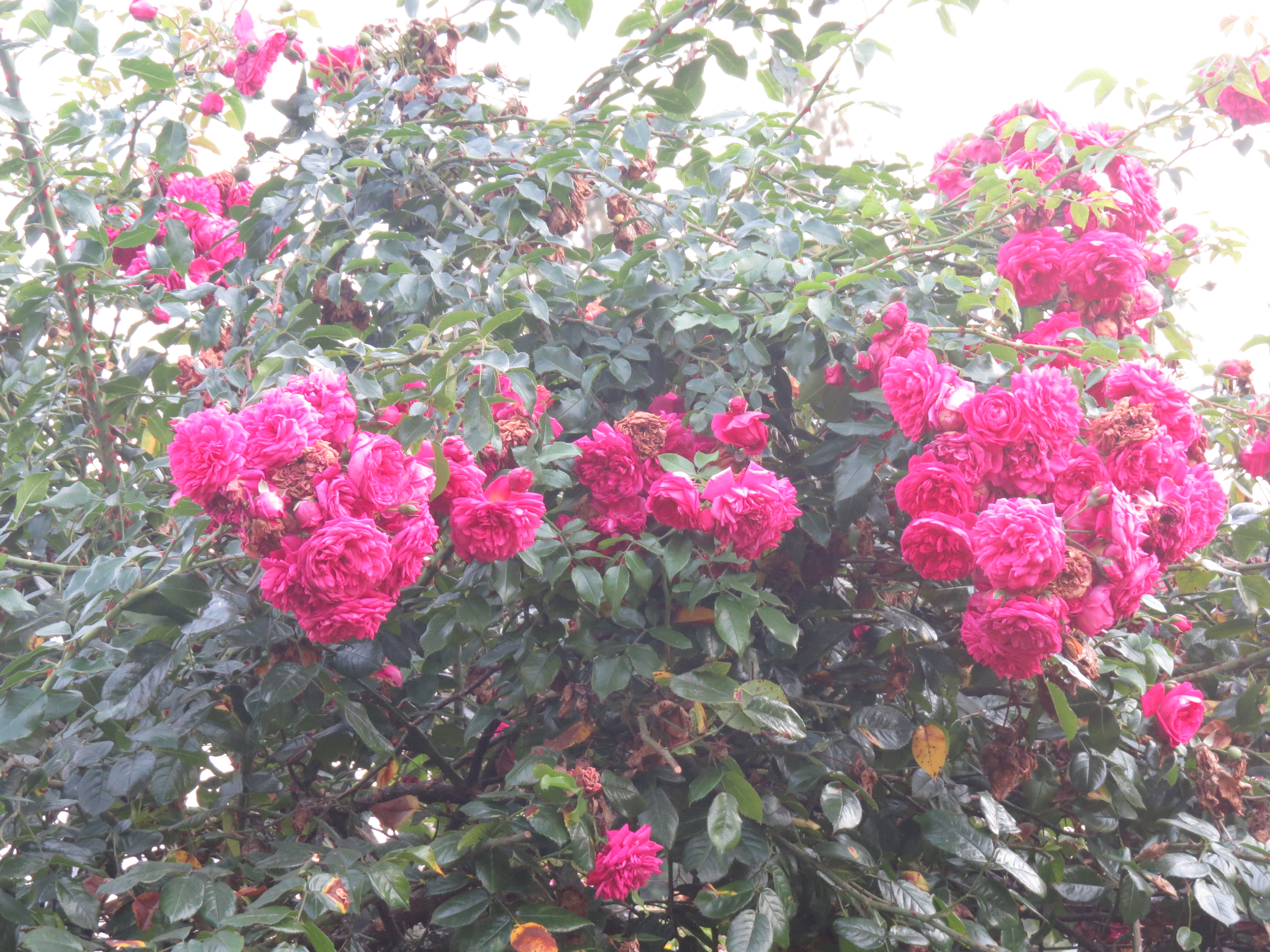
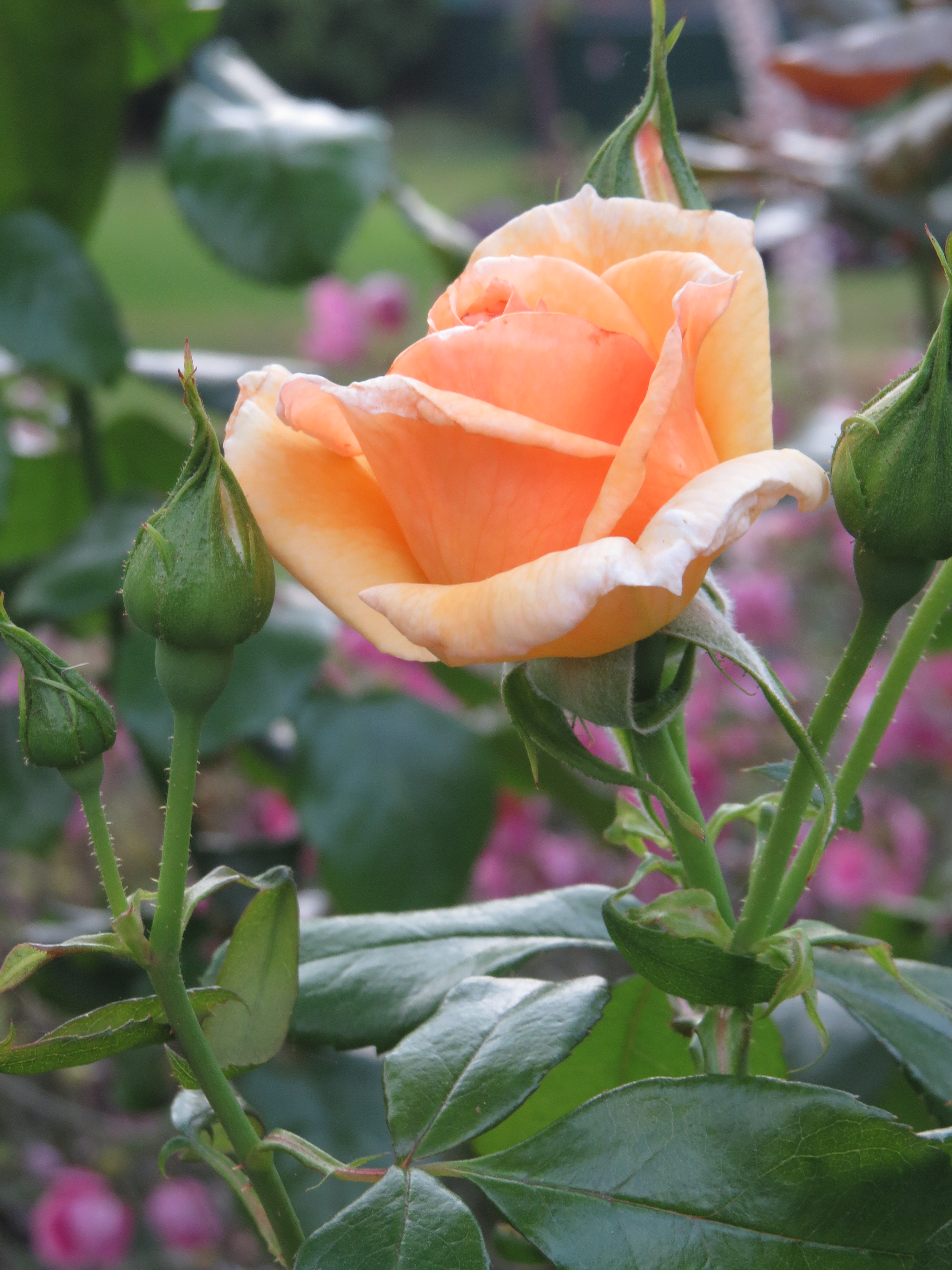
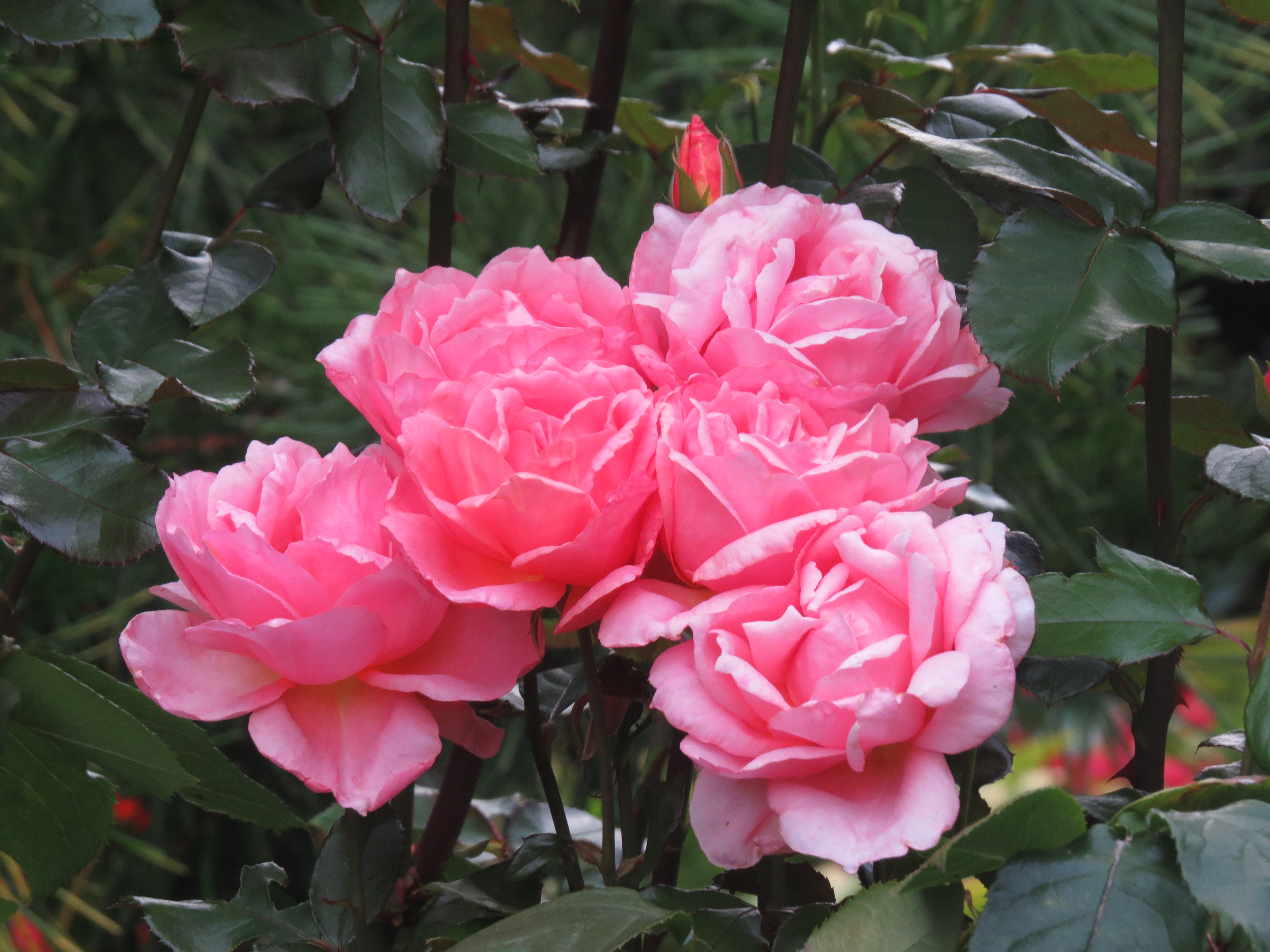
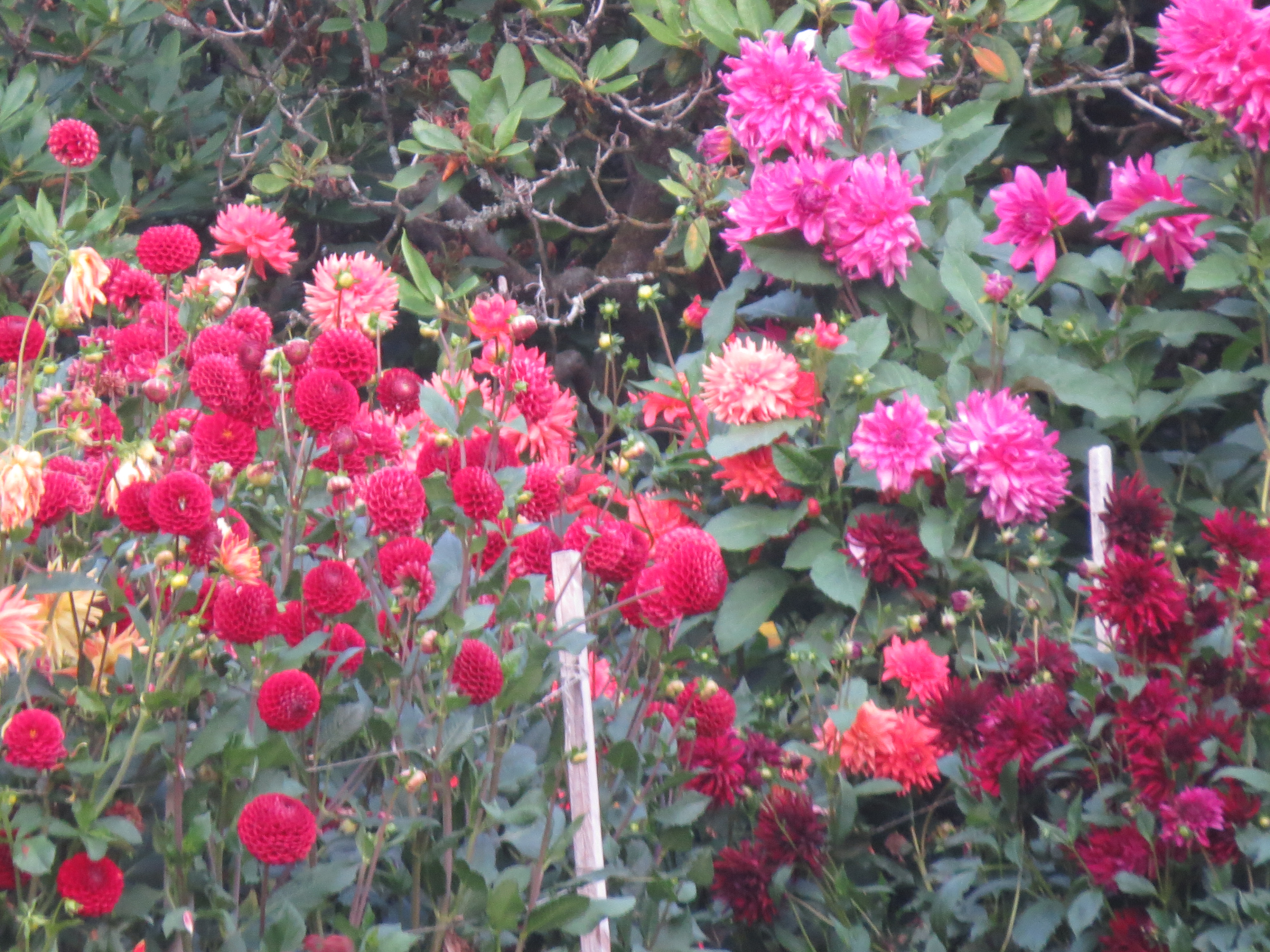
śpiewa płatkami kwiatów,

wirujących piruetów w powietrzu.

Śpiewa o Tobie, o naszej Miłości,

śpiewa o nich i ich miłości.

Kim są? Parą zakochanych.

Parą chłopców, parą dziewczyn,

parą pani i pana o zmierzchu, z rana.

Skąd? To doprawdy zupełnie nieistotne!

Może z Lasku Bulońskiego w Paryżu?

Może z chatki koło Szafar na Kujawach?

Z Central Parku w Nowym Jorku,

lub z Hyde Parku londyńskiego?

Ach, z warszawskich Łazienek przecież!

Może stamtąd, może stąd.

Lecz na pewno są z drzew

 i kwiatów, z chmur i ptaków.

Tańczą pasażami na klawiszach

forte mocne i ciche piano.

Klawisze czarno-białe, niczym

surdut i koszula z mankietami

z brabanckiej, misternej koronki.

Czarno-białe schody pnące się

do komnat pełnych lędźwi i westchnień.

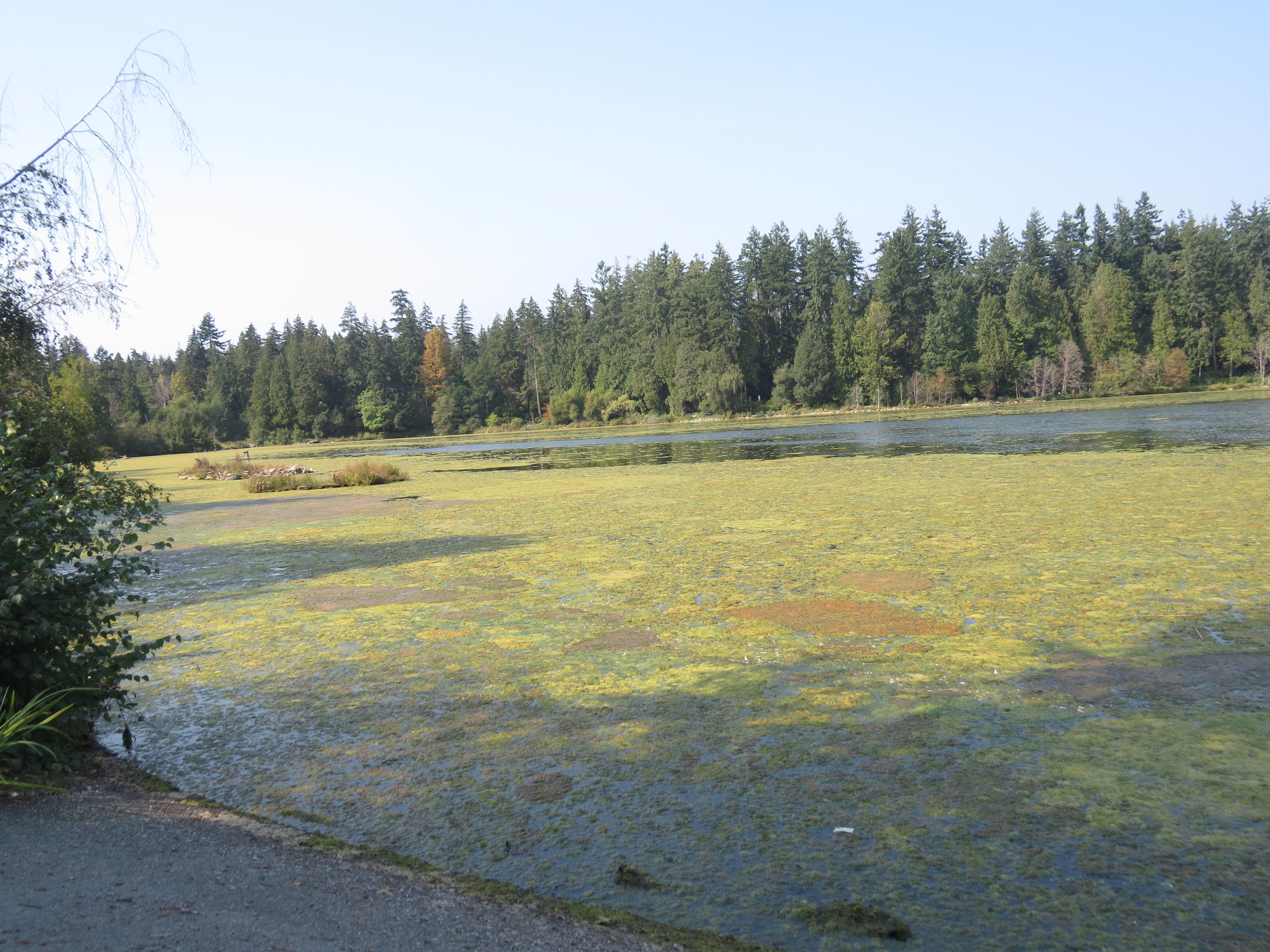
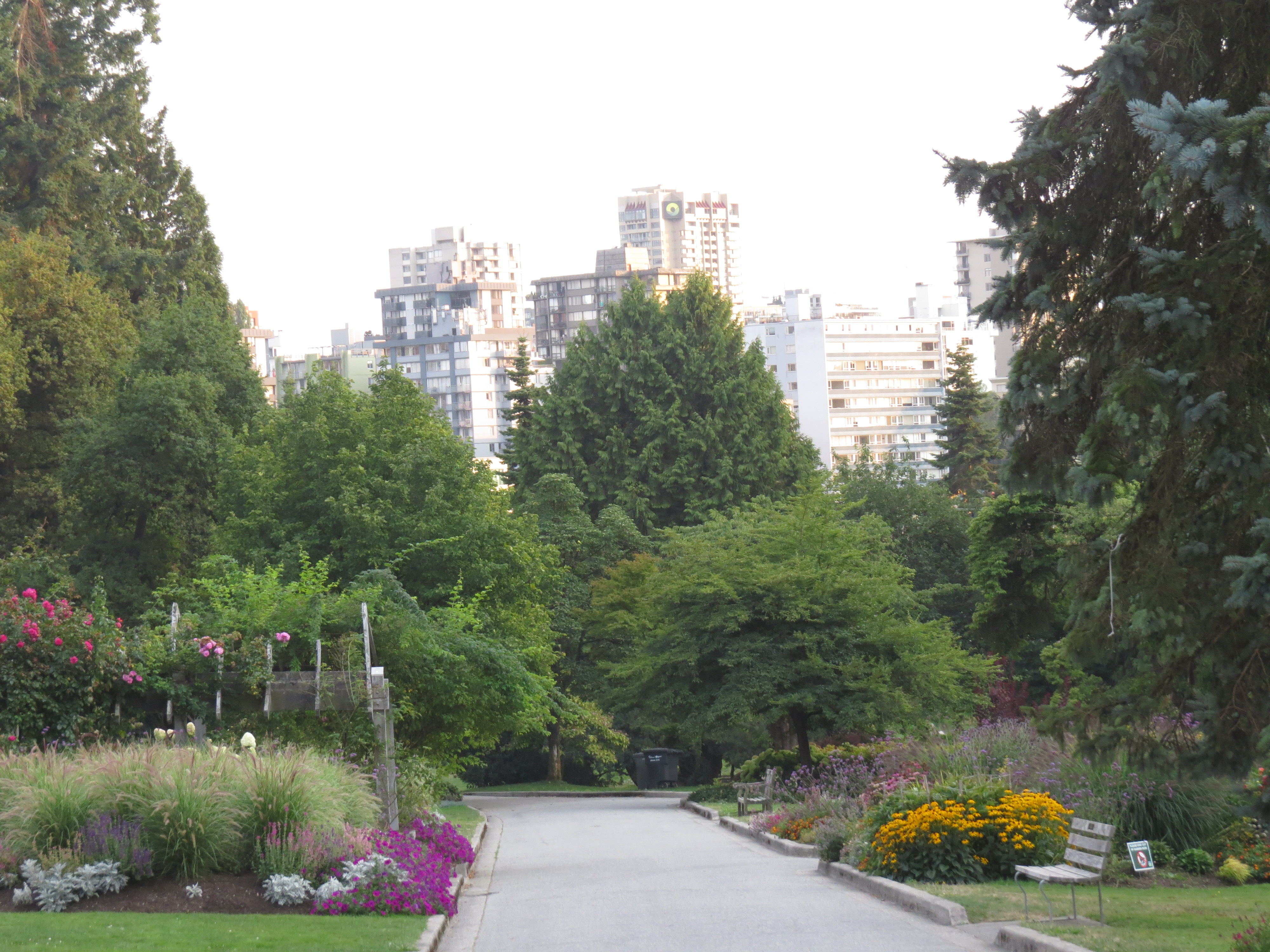
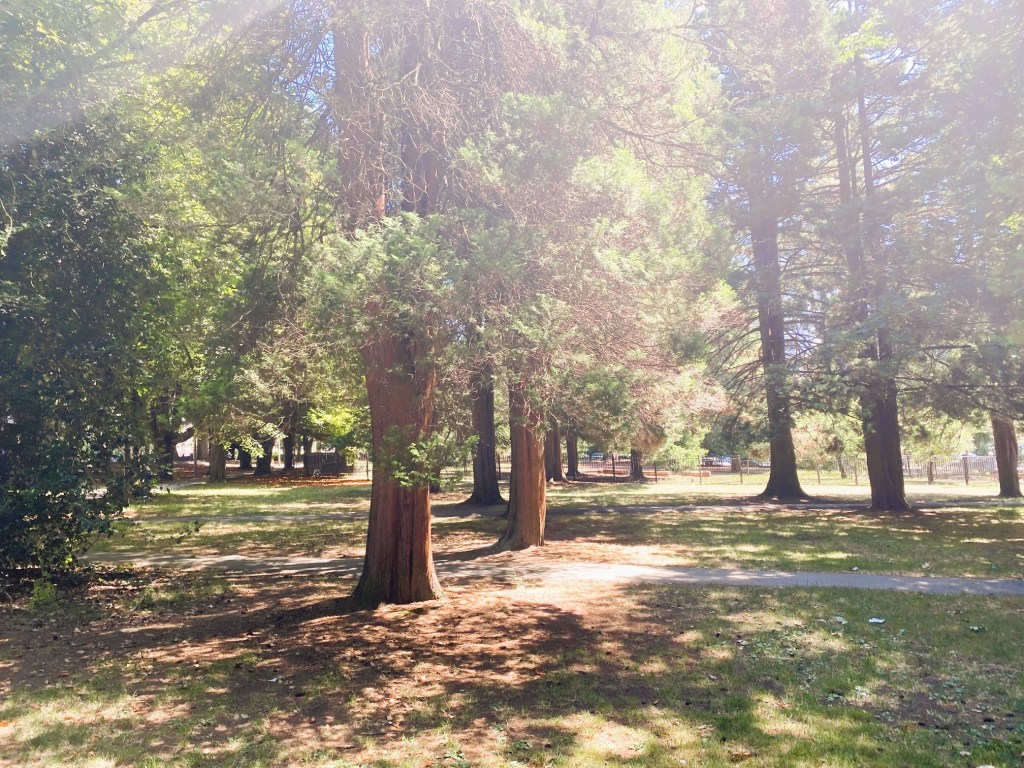
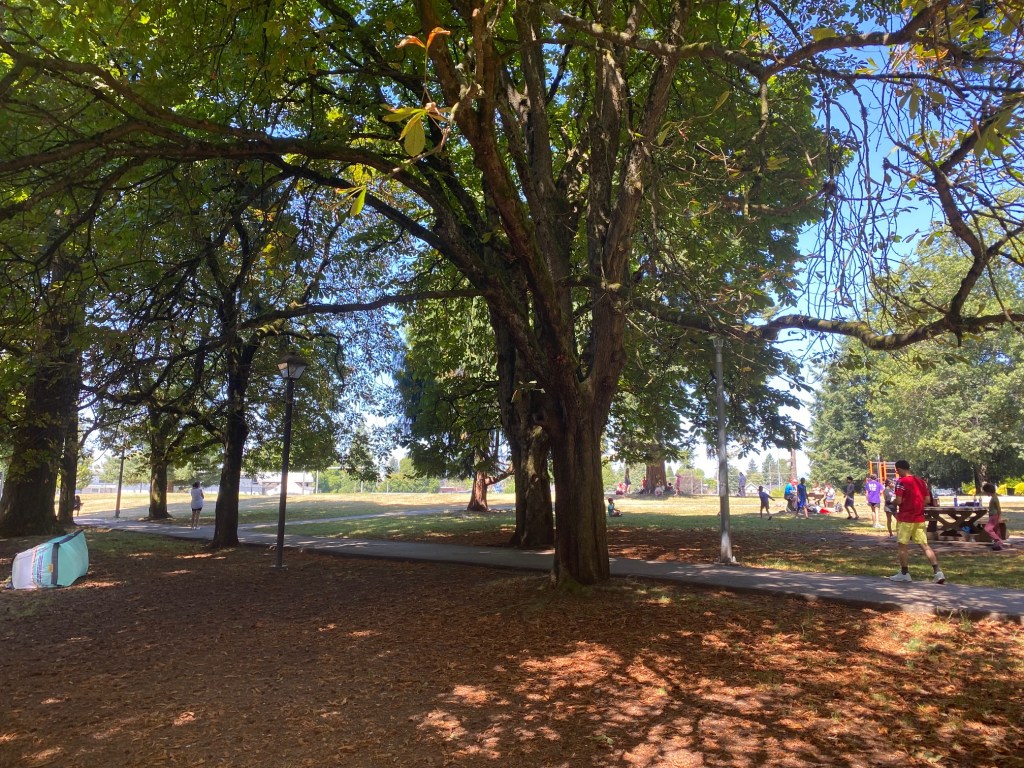
A ja siedzę tu, w Parku Królowej

 w Nowym Westminsterze.

Po drugiej stronie Wielkiej Wody,

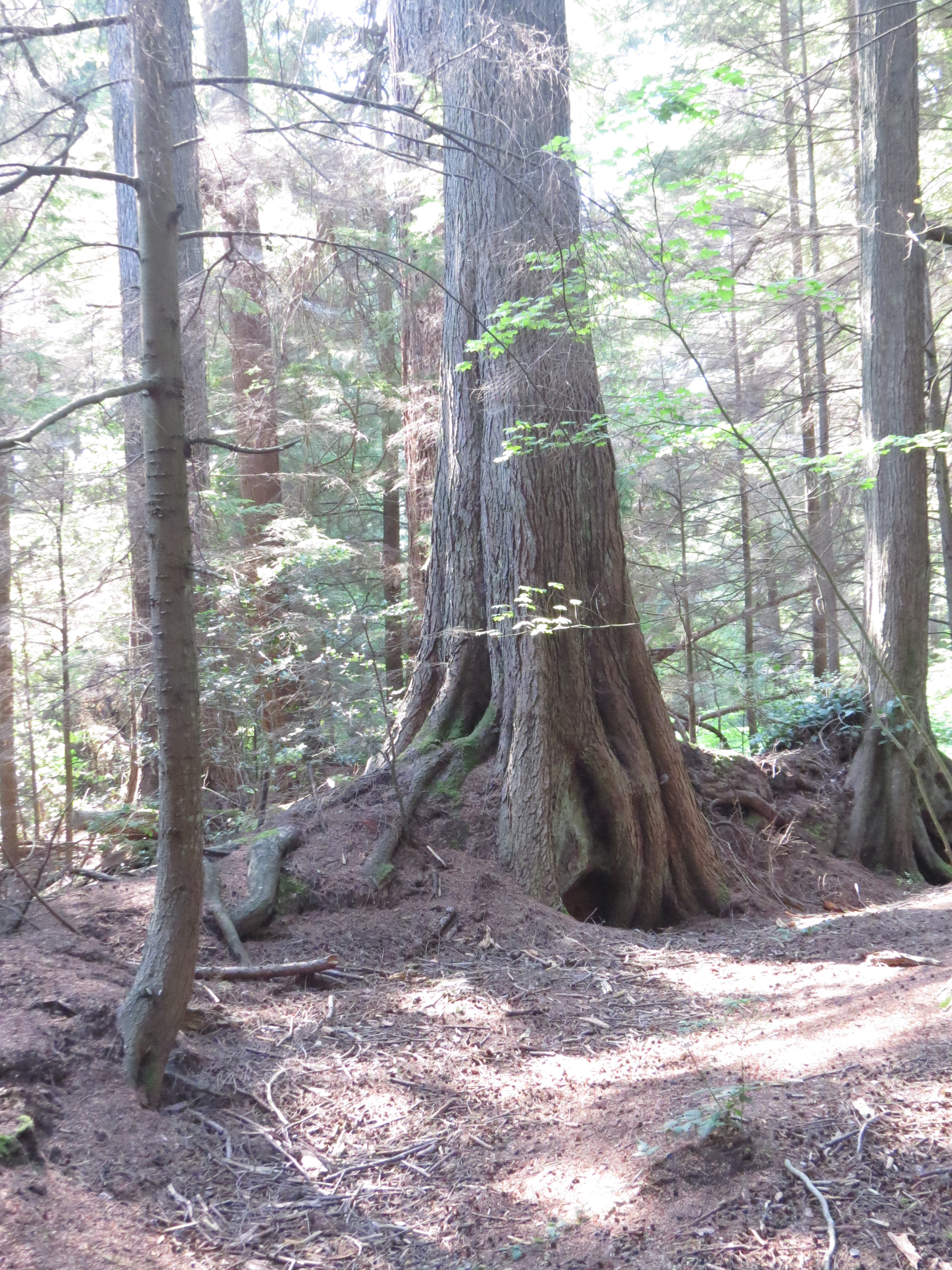
 gdzie wielkie cedry pną się.

Wrony chodzą obok zamyślone,

dostojne i wiewióry biegają,

jak dzieci goniące się po trawie.

Jakaś para rozłożyła chustę i koszyk

pod tują, jejmością przysadzistą.

Jedzą kanapki i owoce. Kto wie,

może to ci, którzy spóźnili się

na śniadanie na trawie Maneta?

Wieczór się zbliża lipcowy, ciepły.

Myśli odjeżdżają na bujanych konikach drewnianych,

na grzbietach książek jeszcze nie napisanych.

Wiersz oparł się o drzewo plecami, patrzy w dal.

Zamyślony głęboko? A skądże!

Gwiżdże sobie wesoło, jak Sowizdrzał.

I tylko dźwięki twego walca Fryderyku,

niesionego opuszkami palców letniego Zefirka:

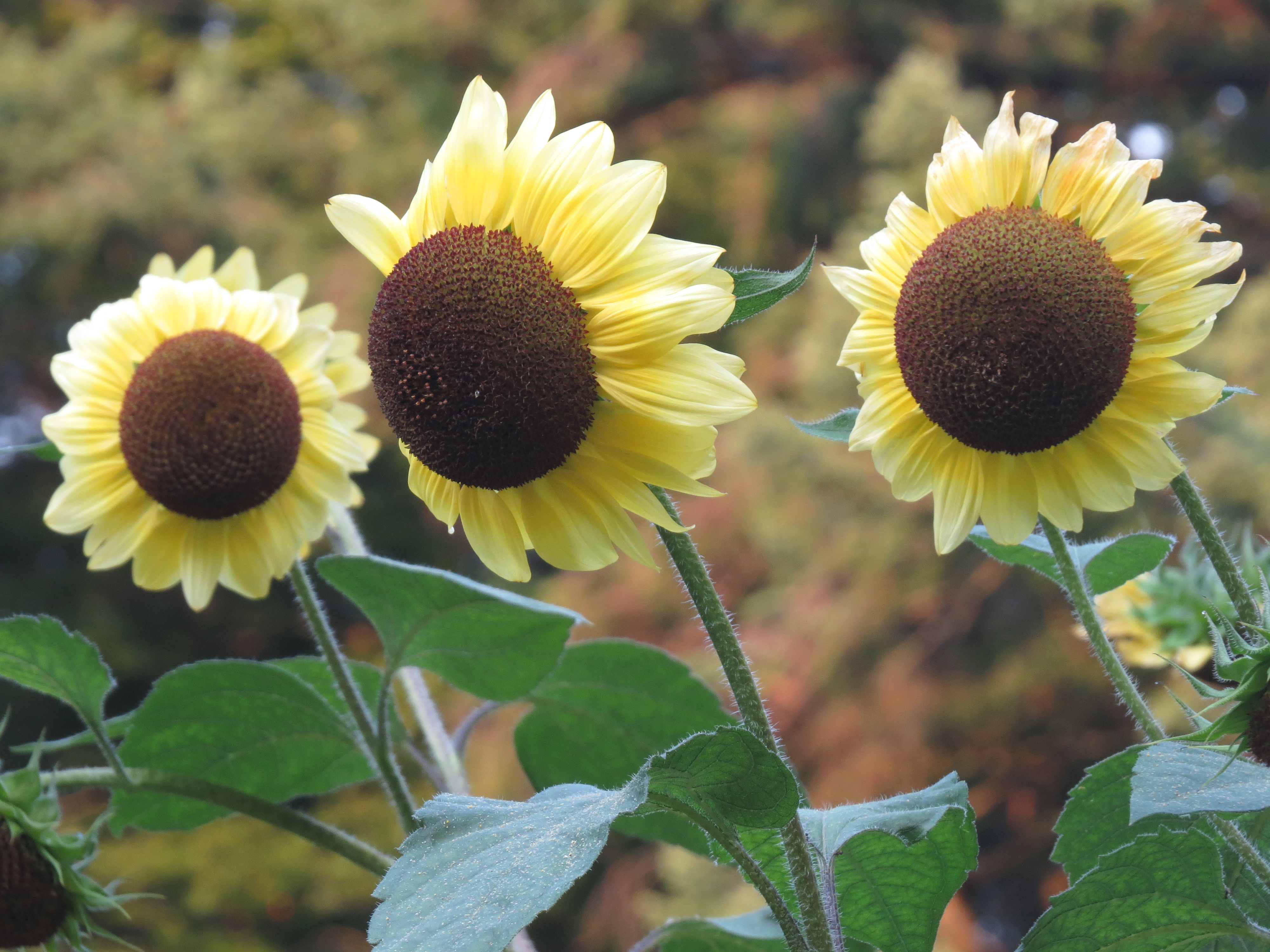
jak słodkie płatki róż, jak szabelki żółtych

fryzur słoneczników i drewnianych żołnierzyków.

W kościółku wiejskim na Podniesienie

grają dzwonkami leśnych konwalii,

ministranci z różowymi policzkami tańczą,

jak łabędzie: jeden czarny, drugi biały.

Zamknę notes, pisać więcej nie trzeba.

Pójdę echem tych dźwięków do walca,

by wirować ze światem płatków kwiatów.

/B. Pacak-Gamalski, 17.07.25, Canada/

Pożegnanie wędrówek sentymentalnych w Vancouverze

Pożegnanie wędrówek sentymentalnych w Vancouverze

I tak dobiegają końca moje spacery cieniami spacerów sprzed lat w tym mieście. Nie, nie wyjeżdżam jeszcze, ale nie mogę żyć tylko przeszłością. I tak masę się jej nazbierało. Czas wrócić do dnia dzisiejszego, do teraźniejszości.

Dalej chodzić będę w miejscach, gdzie chodziłem z Mamą, z Johnem. Nie sposób inaczej – miasto, choć duże, aż tak zmienić się nie mogło! Zasadnicze jego kształty, miejsca pozostały te same. Stare, piękne parki są tam, gdzie były. Katedry, filharmonie, nawet niektóre restauracje – te same. Przybyło więcej domów, zwłaszcza tych niebotycznie wysokich, ale postawiono je na tych samych ulicach; te same plaże nad Pacyfikiem, nawet znajomi i przyjaciele – jak ja też starsi oczywiście – ci sami wciąż są tu. Gdy ich spotykać będę, będę z nimi rozmawiać teraz, w 2025, a nie z cieniami przeszłości. Spacery w Stanley Parku czy po Queen Elizabeth lub Central Park będą teraz. Tak, jak teraz fizycznie i emocjonalnie ja tu jestem. W tym wieku, w jakim jestem.

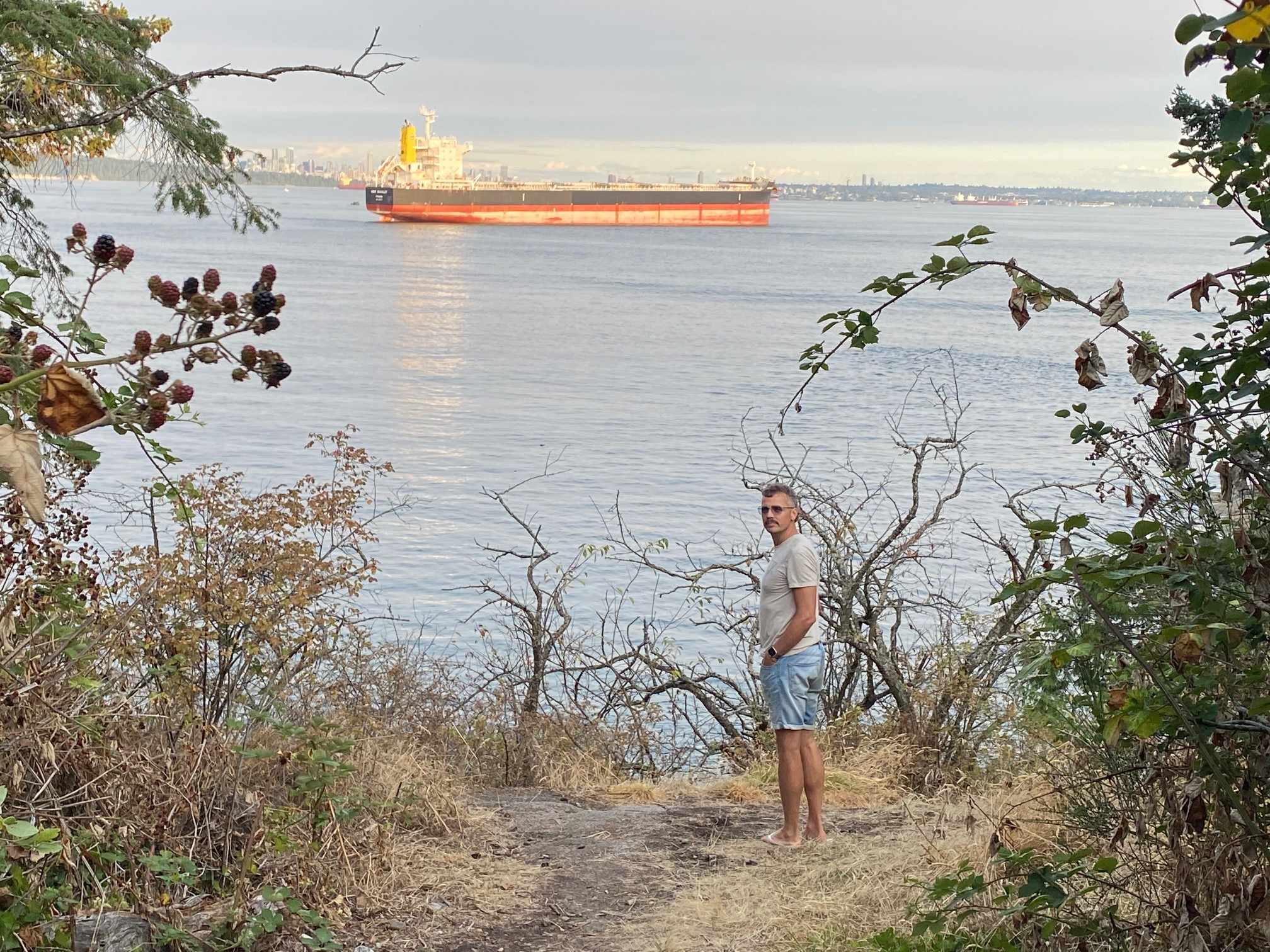
Ostatni taki sentymentalny spacer był ledwie wczoraj. W Surrey, w okolicach mieszkania na 138 Ulicy. Wybrałem się na jeżyny. Tam, gdzie chodziłem przez lata z Mamą. Dzika długa ścieżka idąca pod trakcja linii wysokiego napięcia, gdzie domów stawiać nie można było. I tak uratowała swoja dzikość. Była też świetną trasa rowerową, która bardzo lubiłem. A dalej nieco, w kierunku na wschód też doczłapałem się mimo upału – do Green Timbers Forest i uroczego parku z jeziorkiem. Jeziorkiem, gdzie jak Mama mawiała ‘chodziła ,na kaczuchy’, chodziła tam jeszcze z naszego domku w Guildford, z małą dziewczynką, którą się opiekowała, wnuczką byłej redaktor i wydawcy “Gazety”, Elżbiety Kozar. Elżbieta dalej mieszka w Surrey, w tym samym mieszkaniu, w którym mieszkała ze swoim partnerem, cenionym i lubianym kompozytorem, pianistą, wodzirejem towarzystwa i sceny, Ryszardem Wrzaskałą.

Ale ja na te jeżyny, z laską i dwoma pojemniczkami. Pamiętałm, że zawsze te moje zbieranie jeżyn kończyło się poharatanymi nogami i ramionami, bo wysokie ponad głowę szpalery jeżyn maja kolec przy kolcu, jak haczyki na wędce. I zawsze mnie na ta wędkę złapały. Mama była dużo ostrożniejsza. Więc ja teraz też byłem ostrożniejszy. Jakże by to wyglądało aby facet w moim wieku chodził podziergany, jak nastolatek na narkotykach, LOL?

Jedno jeszcze, specjalne zdjęcie. Zdjęcie z miejsca, którego już nie ma, a które wyjątkowe znaczenie miało dla mnie i dla wielu. Ludzi kochających jazz, kameralną muzykę klasyczną, stary dobry pop w różnych odmianach, a w salce na półpiętrze – tygodniowe spotkania osób LBTTQ i własne nasze występy queer queens.

Na tym zdjęciu mojej Mamy urodziny tam 75-te, w 2013. Mało z nami siedziała przy stoliku, w zasadzie była królową parkietu. Gdzie – w ‘Heritage Grill’, vis-à-vis Royal Navy (też już nie istniejącego ciągu sklepowego – ale budynek wykorzystywany bardzo mądrze i praktycznie dla młodzieży).

Mama z Johnem

A teraz – droga na jeżyny. Z ostatniej wędrówki śladami przeszłości.

Cała ta okolica zachowała (dzieki tej trakcji chyba elektrycznej) swój stary charakter, te same stare i nowsze domki – dwa kroki dalej i już wieżowce. Stary, wymagający od czasów, gdy tam mieszkałem niezłego remontu tu domek ze starymi drzewkami papierówek. Nikt ich już wtedy nie zbierał, prócz mnie chyba. To i teraz zerwałem dwie – choć jeszcze kwaśne bardzo i twarde. Ale żadne jabłka tak nie smakują, jak te z szabru LOL!

Na rogu 140 Ulicy i 100 Alei smutny, stary domek, też w rozsypce. Smutny, bo to domek po koledze, młodym człowieku, przystojnym, mającym bardzo dobrze płatną pracę w BC Ferry na funkcji supervisora już na kilka lat zanim ja taką mogłem otrzymać ( BC Ferries były bardzo silnie zorganizowane i oparte na długości stażu pracy, jako zasadniczym probierzem awansu – oczywiście poza oczywistym profesjonalizmem i znajomością masy przepisów i regulacji – on zas w tej firmie pracował szereg lat dłużej). Czasami razem robiliśmy car-share do pracy, ale zrezygnowałem, bo męczyły mnie trochę jego dziwactwa i nie lubiłem jeździć do pracy starym samochodem policyjnym, jeszcze ze starymi reflektorami na dachu i znakowaniami policyjnymi. To były jego hobby, miał ich kilka zaparkowanych na podwórku. Wpadł w depresję i zmarł śmiercią prawdopodobnie samobójczą. Młody człowiek, naprawdę przystojny, z dobrą pracą, własnym, spłaconym domem, bez nałogów. A mnie wydaje się, że zmarł skutkiem … silnej homofobii. Zapominamy często o tym, że prawdziwy homophobe to osoba sama o orientacji homoseksualnej nienawidząca się przez to i wrogo nastawiona wobec innych, którzy tą orientację akceptują. Czy mam pewność i dlaczego tym w ogóle piszę?

Primo – jestem starej daty gejem i za moich czasów Pani Natura oficjalnie ofiarowywała nam urządzenie zwane ‘gejdarem’ (radar na rozpoznawanie innych gejów) byśmy łatwo mogli innych rozpoznawać w tłumie. Działał raczej niezawodnie. Z tego, co wiem nigdy mi się nie zepsuł i złych danych nie przekazywał.

Secundo – upłynęło wiele lat od tej smutnej śmierci. Nikt już prawie w BC Ferries z tamtego okresu nie pracuje. Emerytury, odejścia. Po prostu czas. A lekcja strasznie ważna i cenna dla ludzi młodych. Czasy są oczywiście inne, łagodniejsze, lepsze – ale czasy i wówczas w Kanadzie, a już zwłaszcza w BC Ferries , były tolerancyjne, akceptujące, dobre. a byłem z Johnem zatrudniony tam na wiele, wiele lat przed jakakolwiek instytucją małżeństwa – i od pierwszego dnia zrejestrowani byliśmy, jako para, odpowiednik konkubinatu. Najważniejsza przyczyna jednak jest inna: homofobia to ciężkie, trudne i niebezpieczne schorzenie psychiatryczne. Mówię nie o głupiej, wulgarnej ‘homofobii prostaków’ a o tej medycznie rozpoznawalnej chorobie. Która jest uleczalna. Jeśli sam, lub ktoś kogo znasz jest ofiarą tej choroby – powiedz mu, poradź wizytę u lekarza. Może komuś uratujesz tym życie. Bo homophobe jest pierwszą ofiarą tej choroby.

Alone – state of being

Alone – state of being

You did talk to me last night, first time in a while. Yes, it was a strange night, followed by strange day. Or was it the other way around?  When you are alone, without a set schedule or watch, things do get mixed up easily. Dates especially: Mondays become Fridays, Fridays Tuesdays. So what happened to Wednesday, you ask? Who cares what happened to Wedneday, perhaps I left it on a beach, or on a bench in some park? Maybe it is still in the shower when I saw it last time I was taking a shower? What? Do I not take a shower every day? Maybe not, maybe sometime I take a bath, who cares? You really are asking way too many questions and it is my story anyway. Be quite, just listen.

No, not you, Babycake – I’m talking to my alter ego. You wouldn’t ask such stupid, mundane questions.

But the day or the night when I was still in bed, when I was sleeping, I dreamt of you, I talked to you. Have not done it in a while. I thought that you just let it go, these talks of ours across the boundaries of life and death. Thought maybe there is some allotted time that you can do that and maybe you have used it up. I don’t know. Remember? I am the one still left alive, never been consciously to the other side.

None of it is important really, anyway. I have dreamt of you in my sleep. It woke me up and there you were, next to me. No, I couldn’t see you, but you were there talking to me, you were saying something important.  You said that I have to understand that I am alone. That adjective ‘alone’ stood up as a mountain, a wall impregnable, forest too dense to walk out of it. I was getting used to be ‘alone’ in an adverb form.

Since I came back to our home, our former life here, in this city, this province, I have become very busy in many aspects: walks, friends, beaches, concerts, plans. It was just hard to go back to our home, our street. So I did it very seldom, hoping that it will allow me to function as normal as possible. And it did. Had evenings in bars, laughter, maybe a flirt or two. It seemed normal, I was spared any regrets. It was almost as I would finally get across that invisible line of Doctor Time, who heals old wounds; whose grief becomes first bearable, then transforms itself into a memory. Memory that is sad, but also happy that we did have our time, we found each other among the millions of people. As I was told many times, that it will get easier.

You think that was an expectation too easy, perhaps? I am not, after all, just a single guy ready for the picking and ready for harvesting. Is there anything wrong with it, isn’t it logical, practical?

I have reached to my writings of the early days after you were gone, to the first winter after you were gone and my constant visits to the gravesite in Pictou. Yes, that old ancestral town, where we were going to build our home, and spent the rest of our lives in that home.  We did not.

(notes from my writings after John’s passing by the end of November 2022)

               One year. It is hard as hell. Came to Pictou to spent time on the cemetery where we put your ashes. It’s windy, very cold. Desolate place. There was no one else there, on the cemetery. I know – it is only a stone with your name on it. Yours, your parents, and your baby brother you never had a chance to know. And now, there is also your oldest brother Fraser, who was laid there just few months ago.

Cleaned around a bit, threw away old winter flowers, and fixed things. Fixed things? How to ‘fix things’? Nothing can be fixed, when everything is broken.

Yes, I know that you are not there, not under the ground. You are with me. Forever. I have engraved on that stone myself that you are forever in my memory. I looked at the letters and smiled. In my memory, really? That’s what it all came to? Our Love, our life: to be remembered? How silly words could be, when they try to describe emotions, feelings. But still hoped that many years from now, when all of us, who knew you and me, would be gone – a stranger would wonder to that gravesite and he would think, that the guy who is buried there was indeed ‘non omnis moriar’, that part of him lived in that other guy’s heart. Nice thought.

You and that Love of ours are engraved not on the stone, but in my soul.

Me? I don’t remember who I was before I met you. I was just waiting. Waiting and searching for you – and I have found you.

               Now, now it is almost three years later. I am here, back to our good life on the shores of the other ocean.  Were we had home, a nest, were we had dozens of friends, people we cherished and who cherished us. Some were common, ours; others were exclusively yours or mine.  The two halves of Us were surprisingly very independent and strong, if only by the constant knowledge that the other half is there to make it whole.

I don’t have that knowledge anymore. The other half is gone, it is just me left. The many people I have known, and who sought my presence are still here. Not all of them, granted. Some have left either this life (as you), or this city. But some are still here. None seem to really need me. I am not sure I need them. Of course there is some curiosity, some friendly waving of a hand: how nice to see you again, you are looking good … and so on. I thought that I would need to search for them myself, that I would want it very much. But if I’m always finding excuses and ‘important things’ that prevent me from doing it – am I really?

I have one important friend and strangely enough one with the shortest amount of time we spent in this city before we left for Nova Scotia.  Less than a year, I think. After my dearest nephew had to go back to Poland, but still this young and very mature nephew was my angel in the first month after John was gone. Then my niece with her husband and son came to stay with me. But he, that younger friend of mine from Vancouver somehow helped me in the dark months after I was left alone in Halifax. The rest seemed like eternity. An eternity of being in hell, or waiting for the hell’s gates to be open to swallow my world. At these dark times that younger friend kept me connected to the world and people by phone. Our long conversations were instrumental of me getting the skeleton of myself back into me.
So I did return. To the place of Our home, our happiness. The places somehow were the strongest magnet for me. I submerged myself in going alone, for days on end, on long walks through parks, streets,  squares, building  were we lived, were my mom lived, were I was with my sisters, my nephew and niece. Places were calling me. Yes, places, much more than people.

I think that we all have these special places, sometime in many countries, on different continents. Special places that act as an anchor of ship of life. Where we can drop that anchor and stay safely in some magical Bay of Memories.

It is also a time to untie that line across the sides of our two separate boats: mine and the one belonging to my younger dear friend. He has journeys to make across the sea himself. His journey, not ours. That is also a part of me being alone. My boat is rusted a bit, engines are old. It will still make it though, the last long sailing, perhaps passing the Cape of Hope (not the Cape of Horn), back to original shipyard of its maiden voyage. Then I will rest.

After that rest, I will go alone on many walks to many places (some might not exist materially anymore, but will in my world) that will call me. Solitary walks. It will be like existing in two different dimensions.

One day, No, not in my sleep, perhaps suddenly, out of the blue I will see you taking the same trail or road and walking toward me, and I will stop being alone. I do hope so. Even in a faint split second before the big Nothingness.   

The sea and the city

The sea and the city

The beauty and the beast? Not necessarily, the two very different solitudes offer both: the mundane and the beautiful.

The other day an escape by dusk to Crescent Beach in South Surrey. Not the first one this year, and hopefully not the last one. The clothed and clothed optional beaches there are a think to admire and very different at different times of the day – low or high tide. Seems like a wilderness, but very rocky and a train track right above the stretch of waterfront makes it perhaps not tranquil to all. But there is also a true beauty in the view of beauty of naked human body. No, not only the very young, muscular and shapely. Human body is beautiful in all fragile forms – from very young to truly old. Without the foreign coverings of clothing – it shines in own natural radiance of vulnerability.

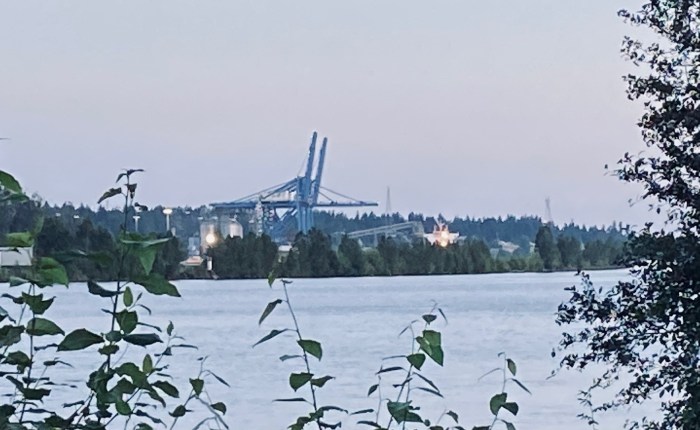
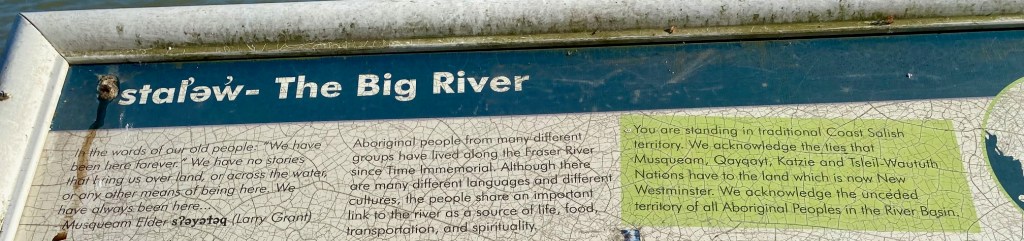
… and then, there is a city. New Westminster pier along the Fraser River. A living organism, too. Like sea and human body could be old or shiny new; opulent and crumbling old; showing the tooth of time and vision of tomorrow. Which one is better or more true to it’s own destiny? We don’t know. For we are only judges of our own time and epoch.

My Canada – A Tribute

My Canada – A Tribute

VANCOUVER

My Canada from ocean to an ocean, from the shores of Atlantic to the shores of Pacific, from Halifax to Vancouver. My Canada intrinsically tied to my John, our Love; his gift to me. Through our meeting and romantic story straight form the pages of Petrarka ‘Beatrice”, from the ancient lovers of Greeks and Macedonians, of Mesopotamians, of Sumerians.

Would I have loved thee if I never met John? Likely, for what there is not to love about thee, Canada? But it would have never consumed me as much, would have never made me such a fervent and ardent lover of this country. My personal private love of John’s Canada for ever etched in my soul and mind.

Halifax Atlantic Fleet

Let’s start with were it all begin in earnest, from our first own home belonging only to us. We met and fell in love almost on the slopes of towering peaks of Rocky Mountain. But it wasn’t till 1994 when we came here, to Greater Vancouver to start a new life in our first own apartment – our Home. On Capitol Hill in North Burnaby. But truly – for us here it is just one big Vancouver. A galery past and recent pictures of that amazing city on the shores of Pacific.

I just noticed that most of the pictures are of people much more than places … . But it is true – it is the people dear or important to you that makes a place – Home. A true home. Where you ar not a tourist, you belo g there, you are IT. My family, dear friends from work and my art promotor activities with poets, actors, musicians from Canada and Poland.

and Atlantic with Halifax – where it all begun for Canada, for entire North America de facto.

Thus end my own journey across the continent, from West to East, and back to West. My Journey of Love, love gifted to me by my own personal love, John. He was, still is in some way, my love to Canada, love of Canada. It begun some odd forty years ago. It didn’t change, it grew stronger perhaps. In a world of growing tensions, being ripped apart, sold to the highest bidder by two megalomaniacs, one from New York and Florida, other from murderous shadows of Kremlin – this country remained true to it’s Canadian core: polite, smiling, carrying. My Canada – a gift that I received from John. Gift of love to good, country, good people. Caring – as he was.

Vancouver Chopin Society concert at VSO School for Young Musicians

Vancouver Chopin Society concert at VSO School for Young Musicians

What an interesting concert it was. Not often do I go listening to very young (I mean – kids, not even late teens) pupils of a musical school. Sometime maybe to very young prodigy – such was the case of Jan Lisiecki[i] (Jas – as I still call him, despite his international stardom), but not to entire group of really young kids. Remember going to recitals in an old Warsaw Conservatory of Music on Oczko Street or Vancouver Conservatory of Music – but they were young students in their late teens or early twenties, not kids by any means.

Truth being told, I was looking mostly to the second part with Zbigniew Raubo, whom I didn’t listen to for a long time. I mean in person, on stage, not from electronic recording.

But it was a very nice and happy surprise. They all sort of knew what they were doing by the keyboard, LOL. I’m sure they had to overcome a huge anxiety being in front of relatively big audience full of their teachers, parents, and some famous piano players. Part of their studies is certainly guidance for avoiding stage fright, but still – stage fright is a powerful foe.

The School concert hall (on the back of the proper VSO “Orpheum” building) is very nicely designed. It is more long then wide and instead of acoustic paneling it plays on the original shape of the room. To assist the travelling of the sound and avoid echo (horror!) large wooden beams on the old masonry walls were attached aiding not only the harmony of sound, but also a pleasant visual effect. I would think of modest seating capacity circa 150 seats, maybe with added rows of chairs up to 200.

Of course it would be wrong to write a typical review and trying to be smart by pointing to minor mistakes, imperfections of the young students playing, especially if all of them were well prepared. Therefore these are just going to be general notes of what they played and overall impression how they did it. After all, music is just another way of writing a story. It just uses different alphabet, instead of letters it writes in notes; instead of grammar rules and signs, it uses its own grammar: crescenda, flats (skewed letter of ‘b’ ha ha), sharps (#), and on top of that there is different annotating for major and minor scale. Not to mention that composers sometime make their own personal written advice how a piece should be played. But enough of that, It is not a beginners course of music.

Sophie Meng was very first to perform, a diminutive frame of very young girl, perhaps the youngest of them all. The huge Steinway piano looked like a black mountain in front of her light figure – impenetrable and towering. I observed her hands as their traversed the keyboard and was wondering how much she has to stretched them to cover an octave! That observation leads to another: small-frame pianists play with their hands on the keyboard, full-sized (what a terrible description, LOL) use their fingers, which must be less exhausting and tiring. In more grueling concerts you will sometime find pianist submerging their swollen hands in icy water to remedy their muscle and joint stress.

She played very pleasant a Mazurka in C Major, Op.24. I let myself follow her play into the dream: like she was not playing – she was running on some green field with young Frycek (diminutive of Frederic).  That was a nice vision a young Chopin would certainly approve of. What was particularly worth noticing, was the way she kept a perfect harmony by keeping the main musical theme of the composition always in the background, always present. Even if not played at that moment – it still lingered in your memory.

Charlotte Deng played Scherzo in B-flat minor, Op. 31. Herself looking like a cherub, she easily displayed a maturity that surprised me, perhaps a dose of self confidence? These could be uplifting or dangerous emotions for a very young player.

Her physical control of the instrument was visible, as was her aura of confidence. At times maybe the music came a tiny bit too strong, too forte? I smiled – an ‘old hand’ in a body of a youngster. Her posture at the piano, the way she used physically her arms and hands on th keyboard again emanated maturity. Just that the ‘maturity/ was perhaps more a stage performance, not an inner feeling since at moments the music was overplayed on forte. Naturally the true poetic soul[ii] of the music returned fully with the arpeggios. The finale naturally goes back to first section, and was played very well with an elegant coda.

Stephanie Yueyou Liu presented the audience with Waltz in A-flat Major, Op. 34. Her keyboard skills were excellent. At times I thought I am loosing the smoothness of the waltz melody though, as the keyboard skill muted a bit the soul, yet – she re-paid in a very wonderful finale.

Brain Sun played Ballade in G minor, Op. 23.  I felt that he thought very deeply of the structure and meaning of the music he was going to play. Would like to listen to his interpretation once more, as for some reasons his intervals and use of pedals seemed a bit odd – and the full impression escaped me. Fackt that I nonetheless wanted to hear  him again simply meant that I liked it, That’s  easy – and at the very end that is all that matters.

Joshua Kwan played Barcarolle in F-sharp Major, Op.60. His play quickly established very strict control of the instrument, of timing. No rushing, no ‘elongation’ of notes. Smiling to myself, I thought that this guy does not need a metronome on the piano.

Brian Lee in Etude A minor, Op.25.  He would let his right hand in quick passages to overtake, or silenced his left hand leading the subject and tempo. It is a difficult composition for a young player. It provokes almost to fly too high, to shine in it’s sounds. Perhaps in its bravado-like finale it is hard to stress the last notes, as you mind is still overflowing with melodies of previous section. He played with full bravado. I must say that one must admire the guts of very young player (or teacher, who tells him to play it, LOL) choosing it. It is just about the most difficult technically etude Chopin composed. Frederic contemporaries in Paris didn’t like it that much exactly for that reason – for being technically challenging to play.

Thus ended the student’s part. After the intermission we were served full musical dinner with three very different and very popular dishes. Maestro Zbigniew Raubo, s’il vous plait.

               Zbigniew Raubo, although dedicated very much to his teaching of music, is an accomplished concert pianist himself, known to many of the best stages of the world both as a pianist and with an orchestras. He finished Katowice’s[iii] Karol Szymanowski’s Academy of Music, where he later become a pedagogue himself. During his career he took part and received top prizes and distinctions in many European music festivals.

Currently he teaches at the Vancouver Chopin Society associated with VSO School of Music. His partner in the teaching staff there is another great acclaimed Polish pianist Wojciech Świtała and last but not least by any means – young Polish-Swedish[iv] pianist, Carl Petersson.

I will not write a typical review of maestro Raubo concert in 2nd part of that evening. Would be unfair to the young participants – his and his colleagues’ pupils – to even try to draw any comparisons. That was an evening for the young ones. The ‘master class’ of Zbigniew Raubo was a glass of champagne to the audience for showing up to celebrate his students achievements.  Just a list of Chopin’s compositions he presented: Polonaise C-sharp minor, Op.26; Mazurka A-flat Major, Op. 50; Mazurka  C-sharp minor, Op. 50; Nocturne D-flat Major, Op. 27; Waltz A-flat Major, Op. 34, and Polonaise A-flat Major, Op. 53.

Yet, one distinction I must make. Chopin’s music and perhaps hundreds of concerts of his music I have listened to is in a way almost like some familiar songs you sing sometimes to yourself without even noticing it. It become sort of part of your nature, grows on you. Especially if it was a normal part of your very early childhood, when you don’t treat it with reverence, but as something normal, part of the routine. The reverence and deeper understanding of it comes later, as you grow up. It makes it a bit like a emotional but also intellectual luggage, not always very convenient. There are (very rare indeed, thank god) concerts you wish you didn’t buy the tickets for. There are (even more rare, phew!) concerts you just wait for the intermission to … leave and go home such is the disappointment. Because you know so many of the compositions, you heard them so many times. But I still find (not as often as many years ago) musician, who just takes my breath away. It has nothing to do with brilliant playing born out of amazing skills. On some level you expect it, too. No, it is the other part, one beyond the skill of playing. It is capturing the essence of the poetry of particular composition, the emotional part of it. The soul (yes, maybe not all humans have souls – but true art always does, without exemption).

Zbigniew Raubo did it to me with his interpretation of Chopin’s Nocturn in D-flat Major. I can’t remember when, was the last time I was touched by that composition so strongly. Music, like a poem, has a story to tell. At times it is not even the story the composer intended or thought of. No, it is your story, story getting life form as you listen to that music. I heard it that evening, intertwined between notes, phrases, and letters and words. Can’t remember the exact text of the story –  but remember hearing very clearly, as the music was played. Thank you, Zbigniew Raubo.

from top left:

pic. 04 -Patrick May one of the top organizer of Van. Chopin Society; pic. 06 – prof. Wojciech Świtała, famous Polish pianist; last picture – Board of Directors of Van. Chopin Society and from left: W. Świtała, Zbigniew Raubo and last Polish-Swedish pianist Carl Petersson.


[i] Jan Lisiecki – Classical Pianist

[ii] Robert Schumann compared it to ‘Byronic poem’

[iii] the capital of Silesia region in Poland

[iv] born In Lund, Sweden – his parents are Swedish (father) and Polish (mother). Graduated from Danish Royal Academy of Music.