Dwa Domy

30 kwietnia, w New Westminster. Jestem za barem. Sam, ale z kufelkiem piwa ale. Dawno sam nie zaprosiłem siebie na piwko. Jedno wystarczy – i tak mam niezłe zawroty głowy po wypadku i bez pomocy piwa.  To jedno wszak smakuje wybornie, a bar praktycznie po drugiej strony ulicy. Wieczór ciepły, bywalcy chyba starsi ode mnie ode mnie próbują swoich sił przed mikrofonem. Z rezultatem podobnym do opery sprzed kilku dni: jedni świetni w country songs, drudzy głosu może nie stracili, ale muzykalność zdecydowanie, a jako że muzykalność trudno stracić, to pewnie nigdy jej jednak nie mieli. Co jest zupełnie OK – można muzykę lubić bez zdolności muzykalnych.

Ktoś gra bardzo ładnie na harmonijce, a to instrument wdzięczny, choć bardzo rzadko spotykany na koncertach muzyki poważnej. Letni wieczór w popularnym barze. Bywałem tu kilkanaście lat temu, bywam i teraz. Miło być na swoich kątach.

Rekuperacja powypadkowa nie idzie ani do przodu ani do tyłu. System zdrowotny przestał działać lub działa na zasadzie łutu szczęścia i przypadku. Trochę lepiej dla tych, którzy mają własnego lekarza domowego. Ja nie mam. Zabawne jest, że kilka tygodni temu dostałem pismo z Nowej Szkocji, że jestem teraz stałym pacjentem doktora X … rok po przeprowadzce z Nowej Szkocji nad brzeg drugiego oceanu, z drugiego końca kontynentu. Może jak wjadę do Polski za rok-dwa, to dostane pismo, że mam stałego lekarza w Vancouverze. Wizyty będą darmowe, ale dojazdy koszmarnie drogie, LOL.

          Ale mimo wszystko to autentycznie piękny kraj. Kocham jego oszałamiającą naturę i jego etnicznych wachlarz z całego globu. Spacery ulicą są spacerami, jak w galerii kolorów, odcieni, akcentów. I mimo zadrażnień, ta mozaika pracuje, funkcjonuje zgodnie i pogodnie.

W zasadzie mógłbym bez problemu mieszkać w jakimkolwiek kraju, gdzie panuje demokracja (to warunek sine qua non), ale Domy mam tylko dwa: Kanadę i Polskę. Przyznaje, że bardzo różne, ale to już efekty historii. Oba są piękne na swój specyficzny sposób.

Często wszak zapominamy jak bardzo Polska i Kanada są inne niż były w swoich dawnych wcieleniach. Historia – dłuższa o setki lat w przypadku Polski – bardzo ich oryginalny kształt demograficzny zmieniła. Jeszcze ciekawszy jest fakt, że w kompletnie odwrotnych kierunkach.

To Kanada w początkowym kształcie etniczno-językowym była prawie jednorodna: anglo-szkockim w jednej połowie i francuskim w drugiej. De iure oficjalnie tak zostało do dziś, co potwierdza zapis konstytucyjny – de facto jest to jednak bardzo ciekawa językowa wieża Babel.

Rzeczypospolita od późnych Piastów była przynajmniej trójjęzyczna. Dziś (naturalnie generalizuję, bo jest kwestia Kaszubów i Ślązaków ale i te mniejszości językowe na co dzień dość powszechnie używają języka polskiego)  jest zdecydowanie językowo jednolita. Co raz trudniej spotkać nawet tak miłe dla ucha dźwięczne akcenty i gwary regionalne.

Gdzie jesteś Itako?

Jaki masz kształt portu

i skały przybrzeżnej?

Wskaż kurs moim ptakom.

Znużony jestem już

cudami światów, hen.

Gwiazdami nad żaglem

i hukiem morskich burz.

Żagiel chcę swój zwinąć

i rzucić kotwicę.

Iona Island by the airport, sea and the Watchman of the Black Order

Iona Island by the airport, sea and the Watchman of the Black Order

I used to see it from the other shore, from the hidden and secretive trails at the bottom of Marine Drive or from the top, from the air, when flying anywhere from Vancouver Airport. I am not even sure if I truly went there physically for a walk. If I did it was really many, many years ago, maybe in 1990ties? Because everywhere you look from Iona jetty you see familiar and dear shapes of shoreline and sea – it feels that you were. But did you?

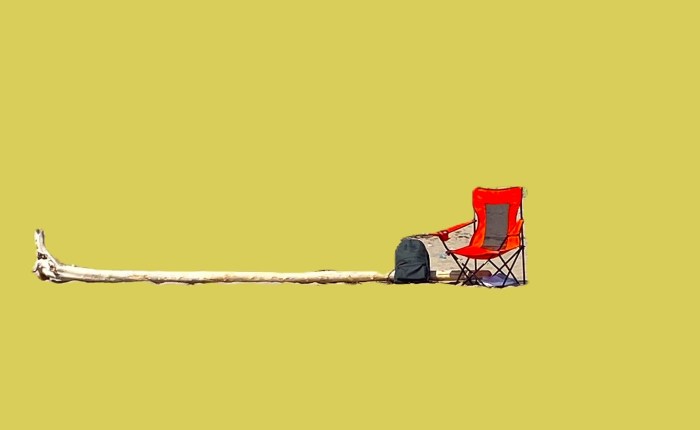
At least last Tuesday was memorable and I will remember this time. Sun was gorgeous, sand soft, almost muddy, the shapes of fallen white huge trees, their trunks and strange crowns of roots brought by an ocean from forests far away, the piercing sunrays from blue skies – all created eerie atmosphere of Cocteau theater stage or Hasior’s artistic installations.

Younger friend bringing the whiff of youthful air and contemporary world and a Black Watchman of yesteryear. Of an ancient Black Order.

Theatrical? But of course! It truly was a massive stage, with huge steel pterodactyls flying from the airport right there above our heads.


Links:

https://en.wikipedia.org/wiki/Jean_Cocteau

https://culture.pl/en/artist/wladyslaw-hasior

Cathedrals, Operas, Magic Houses and Beaches

Cathedrals, Operas, Magic Houses and Beaches

I have few passions in my life. No, I will not write fifty pages blog post, don’t panic, LOL. But generally speaking I wear my emotions on my sleeve and if I like something and enjoy it – I usually use terms ‘I loved it’ instead of ‘I liked it’. Be it a dance, or a kiss, a poem or an operatic aria. Yet, also a … long walk on a beach, in the forest, through bustling streets of big cities.

I do the walks much more often the operas – it is much more affordable. The trails and streets do not need to be re-done completely with new sidewalks, shops, and cafes.  In opera – they do. A piano concert very often does not need even an orchestra – just one instrument and one player. In an opera, whoa! A lot: en entire orchestra, most of the time a choir, many actors-singers, and sometime even ballet parts; new set for the stage. None of it comes cheap. So, you pay for the tickets.

But I go to operas much less than to other musical events. There is also a much larger chance that it might be disappointing. Not because a composer was bad, but it could (and often is) that the singers are very un-even in their talent and ability. It could drive you crazy listening to beautiful aria being murdered- I prefer when the dying are the operatic characters, not the delivery of a song LOL.

In the past two days I did both – long walks and an opera. It started with a long and tiring walk in Downtown Vancouver. I enjoyed it – but still suffering (when will it end, brrrr?) from an bad accident a month ago, it was a challenge. By the time I got the Queen Elizabeth Theater[i] I was already a bit exhausted, especially if you add to it a visit to the Holy Rosary Cathedral for a beautiful Latin Mass for late Pope Francis. It wasn’t the Old Rite Latin Mass, just the language of the Liturgy and songs by the choir were in Latin. I thought very appropriately. The pews were full.

From there, a walk to the theater. And my seat was in the second last row of the balcony. I almost compared it to the religious experience from the church and thought of (how inappropriately, LOL!) – Calvary. I sat on the, edge (for that I’m grateful), right by the stairs. Never noticed that the seats are so small and leg space is almost non-existent! I’m sure my neighbor didn’t appreciated my constant attempts to shift my body and relive my screaming left leg.

Madama Butterfly offers one of the most enduring and sad arias for soprano sung by the greatest: Montserat Caballe[ii], Maria Callas and many other great divas. I must say truly that the soprano at this performance was superb. Yasko Sato was extraordinary in her rendition of both the joy (first part) and incomprehensible sadness in the second part of the opera. Actually, the entire ensemble was very good … except the tenor singing the part of Butterfly husband – Pinkerton. Sad. Why doesn’t he seek engagement in the choir perhaps, or some local pubs offering pop songs for jolly clientele? Just about every other male voice in that ensemble was better than his. Ej wej… I will not mention his name. No need. Orchestra performed very well, thank you Maestro Lacombe.

Very poignant and interesting change was the historical setting of the opera – the director moved it to Nagasaki in … 1945. I thought that it has added some deeper sense of tragedy to the story.

               Alas, the next day came. The other passion, emotions: the walks. And what could be better on a nice walk if not the company of dear friend? Nothing, indeed. Wawa and I went to very dear for me paths of Crescent Beach in South Surrey[iii].  So many dear memories: with John, with my Mom, who loved it here, with my Damian. The days I was truly happy.  Not much has changed there, thanks heavens. As they say: if it ain’t broken – don’t fix it. Although the local business owners (same business, as in my times) were telling us with horror of some plans by local city politicians of idiotic plans for new parking restrictions. That might kill these businesses right out.

I even took my socks off and it was such a wonderful sensation to feel the rocks under my soles, the broken shells, and water! You have no idea how beautiful sensation it gives you, unless like me you were denied that for long weeks now because of the accident. I felt as free as being on Wreck Beach almost, LOL[iv]. Simply by … removing socks, ha ha ha.

Wawa, that old soul wonderful guy, was a company par excellence. There was not a single word uttered, that was forced, or unnecessary; likewise there was not a single moment of silence that felt uncomfortable. Yet, a lot of words were said and there were moments of silence.

We looked at Point Roberts, at Tsawwassen and its Centennial Beach. I was telling him what it was then; he told me what has changed.

What has changed? I don’t know. The colour of your dress, of his pants, oh her hair, of their car? Maybe. But if they were your friends – nothing really changed. They didn’t, you didn’t, and we stayed true to ourselves. Remember – that’s what made us friends at the beginning.

Yeah – it was a nice walk. Earlier, before Crescent Beach, I went for breakfast to Wawa’s magic house – all the overgrown greenery, the abundance of spring lowers, petals on the trail, on the porch, the friendly parrot. Later to peaceful Ocean View Cemetery in Sapperton and there rows upon rows of flowering cherry trees. His friend was just waking her lovely and friendly blind dog there. We had nice chat.

Yeah – it was a nice walk with a friend.


[i] Queen Elizabeth Theatre – Vancouver Civic Theatres – Vancouver Civic Theatres

[ii] Madama Butterfly (1995 Remastered Version): Un bel dì vedremo (Act II) – YouTube Music

[iii] Crescent Beach | City of Surrey

[iv] Wreck Beach is a famous Vancouver’s nudist beach

Krople słów

Krople słów

Perhaps two words in English first: I just noticed myself that my post recently are all (or predominantly) in Polish. Have no idea why. Usually I use Polish when the subject matter is specifically about Poland or Polish people. The truth is I really don’t make a conscious choice about the language I’m using – when I think about it in Polish – I write in Polish; when I think about the subject in English, I write in English. So I have I become more Polish than Canadian suddenly, LOL? I don’t think it is possible. Maybe because of my recent accident I have become by necessity bound to the space of my apartment and most things in it are ‘Polish’: books on shelfs, paintings and photographs on the wall? For some reasons I was also listening to old Polish pop music from the (sic!). Does it mean that when I will go to Poland most of my sentimental stuff of walls and shelfs will be Canadian-English? Perhaps. After all- Canadian English was my language for a big majority of my life, entire adulthood.

But, be it what it is – next post is in Polish, too. For no other reasons but the fact that I thought of it in … Polish, LOL.

Gdy wstajesz tuż przed świtem, świat ledwie budzący się z tobą jest inny. Mów językiem poezji, zapomina o potocznym języku świata praktycznego. Wychodzisz na balkon i gapisz się w ten półsenny budzący się świat. Moment krótki to trwa tylko, ale w tym momencie gadasz, jak ten półsenny wróżbita jakieś wiersze pozbawione formy lub tą formę odrzuciwszy kompletnie. No, bo w takim świecie akcenty, sylaby, podział wersyfikacyjny – jest kompletnie bezużyteczny, nie pasuje w tym świecie półsennym. Świecie przed pierwszą ranną kawą.

Przedświt

Słowa, słowa, słowa;

zdania, jak pytania

kryją się za oknem

w mokrej deszczu mgle.

A ja jeszcze, jeszcze, jeszcze

szukam odpowiedzi na nie.

Znależć chcę te zdanie,

co odpowie na pytanie,

którego nie znam ciągle.

Tylko deszcze, tylko mgły.

słowa, jak ptaki wirujące

w tunelach strumieni kropli

wody, kropli słów niepewnych

świata, siebie wystraszonych.

A ja jeszcze, jeszcze, jeszcze

stoję w oknie mokrym

za firanką mgły, zapłakaną

szybą słów szukających domu.

Słowa bezdomne,

domy milczące,

deszcze zapłakane.

A ja jestem jeszcze

w drodze na łąki,

brzegiem biegu rzek

i ścieżkami strumieni.

Jeszcze tańczę wokół dębu,

jak kapłan Peruna,

jak wróżbita z Wolina

w świątyni Światowida.

Jestem jeszcze.

Jeszcze, jeszcze.

/B. Pacak-Gamalski, 26.04.25/

Swing

Swing

Słucham urywanej rozmowy siedzącego obok mojego stolika (stąd ‘urywanej’ a nie całą, bo słyszę mimo woli, ale nie podsłuchuję, LOL) młodego poety i dramaturga o swojej twórczości.

Mała dziupelka kawiarni o filuternej nazwie „Mood Swing”[i]. Czasami wolę by nazywała się po prostu „Swing”. Przyjść i zwyczajnie tańczyć. Ot, taki swing poety, który już dawno przestał być młody. Dziś tańczyłbym z laską, jak kiedyś Sempoliński w Warszawie (ci co mają około setki lat pamiętają Mistrza Sempolińskiego!) i nic by mi to nie przeszkadzało – tańczyłem z laseczką, kiedy nie musiałem, to bym i zatańczył teraz, kiedy muszę.

Wracajmy do tego młodego poety ze stolika obok i  jego wywodów; mówi, że chce mieć wieczór poetycki tu, a dodatek muzyki by to wzbogacił. Dodaje: i może nawet sparkles?

Ach! Już to widzę sam jego oczami: oczarowany tłum kołysze się, jak na wielkim koncercie, a w podniesionych ramionach, jak rozedrgana fala światła, błyszczą sparkles! No, ale rzeczywistość dmucha w tą wizję-bańkę i bańka pęka bezgłośnie.  

Tutaj, w tej dziupelce-kawiarence muzyka raczej tylko w formie dyskietki CD, może jedynie gitarzysta? No, niechby ze skrzypkiem lub wiolonczelistą, lub kontrabas z violą właśnie. Tak, kontrabas koniecznie i żaden alt. A już absolutnie verbotten kontralt. Chyba, że sam Cherubin: młodziutki, niewinny i nagi, ale ze skrzydełkami. Koniecznie te skrzydełka by nimi jakoś tą nagość zakryć, bo nagość to pełna szczerość, a szczerość tak przecież utrudnia poezję. Wyobraźcie sobie nagi sonet! Nonsens.

Młody poeta prowadzi dyskurs z młodą, bardzo rozmowną dziewczyną.  Z tej rozmowy mogę się domyśleć, że jest kimś w rodzaju agenta, impresario, organizatorki eventów. Pewnie dlatego mówi tak dużo. Stara się prędkimi nożyczkami słów ukrócić długie falbany wyobraźni młodego poety i jego oczekiwań. Chyba zbytecznie, zaprawdę – życie zrobi to o wiele skuteczniej.
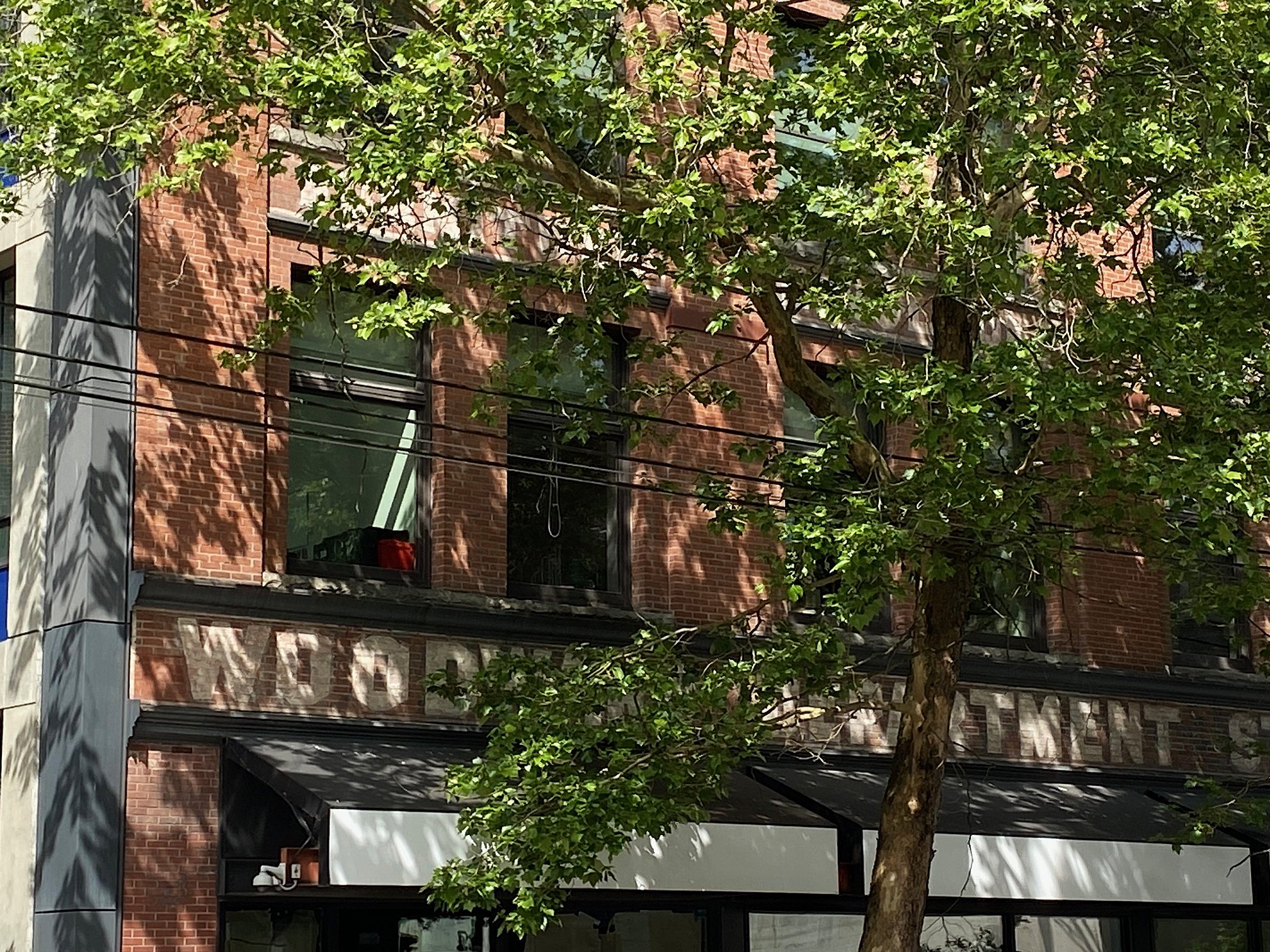
Nagle on, widocznie zniechęcony jej kubkiem zimnej wody, zmienia temat i mówi, że jest zafascynowany serialem „Twin Peaks”[ii].  Jestem autentycznie zamurowany! To był serial sprzed wielu laty. Jego najlepszy opis to : dziwny. Oglądałem, bo mój John pasjami uwielbiał. Jeśli odcinka nie mógł obejrzeć ze względu na prace, koniecznie ustawiał VCR i nagrywał na taśmie (dla młodszych o parędziesiąt lat – VCR to po prostu urządzenie do nagrywania taśm video-dżwiękowych). A ten młody poeta nie mógłby wówczas być starszy niż 5-10 lat, myślę sobie. Więc pytam. Okazuje się, że znalazł na jakimś systemie on-line. Ponoć znowu bardzo popularne. Przyznaję, że zabrakło mi trochę czasu wówczas, by to szczerze polubić i zrozumieć na tyle na ile tą fabułę można zrozumieć, LOL.
               Widać nie byłem tak dobrym poetą, jak ten młody ze stolika obok…  A mój John? Przecież on poetą nie był w ogóle.  Tak, ale John był za to mądrym chłopakiem. Czego nie można powiedzieć o wszystkich poetach, najwyraźniej…


[i] Moodswing Coffee + Bar

[ii] Twin Peaks (TV Series 1990–1991) – IMDb

Klasa i elegancja bycia

Co się stało z naszą klasą? pytał w popularnej balladzie przed laty lubiany piosenkarz. Ale nie o tej szkolnej klasie chcę pisać. Co się stało z klasą zwykłej umiejętności bycia, chodzenia, rozmawiania, postrzegania ludzi? Rozmawiania właśnie wyłącznie o sprawach z twoim interesem niemających nic wspólnego. Taki sposób bycia, taka klasa przynosi dywidendy nieporównywalnie bogatsze od wszelkich ‘interesów’. Wzbogaca ciebie, jako człowieka. Nie jako inżyniera, lekarza, dyrektora, ekonomistę – klasa człowieka, który od świtu do zmierzchu nie nosi bez przerwy munduru.

Stolik kawiarniany, ławka w parku lub na skwerze nie powinny być amboną do kazań, nauk i ocen. Tak mało wiemy o tych, którzy nas mijają lub siedzą na ławce obok. Zakładajmy więc, że są dobrymi ludźmi, sympatycznymi, z empatią sercu. Szansa, że są faktycznie jest o wiele większa niż, że nie są. Inaczej życie byłoby niekończącym się i nieznośnym ciągiem rozczarowań i zawodów.

To też nie prawda, że klasa bycia jest klasą socjalną wyznaczoną przez poziom materialny. Klasę bycia wypracowuje się i kształtuje przez lata. To prawda, że środowisko ma na to wpływ (tu ten element ‘klasy socjalnej’ występuje) – ale jest fałszem twierdzić, że z jednego środowiska wyjdą tylko ludzie z tą klasą, a z drugiego ci bez klasy życia.

Nawet wielcy i potężni politycy, biznesmeni, znane osobistości mogą tą klasę reprezentować. Niewątpliwie miał ją prezydent potężnego mocarstwa Jimmy Carter; miał ją, zdaniem moim, papież Franciszek, miał ją polski działacz i dyplomata Władysław Bartoszewski ze swoim słynnym motto życiowym: warto być człowiekiem uczciwym.

               My sami spotykamy ją wszak codziennie w setkach, tysiącach ludzi nas mijających. Mijających niezauważalnie – a to też klasa. Ale mijający anonimowo, nie oznacza, że są inni. Jak kiedyś napisała w uroczym wierszu Wisława Szymborska:

Uśmiechnięci, współobjęci
spróbujemy szukać zgody,
choć różnimy się od siebie
jak dwie krople czystej wody
.

Szymborska też miała klasę bycia.

https://music.youtube.com/watch?v=VqhCQZaH4Vs

Link powyżej to naturalnie potwierdzenie mej tezy – wspaniały Luis Armstrong z What a wonderful world it is

The Pope

As Kevin Farell, the Cardinal Camerlengo of the Vatican, announced on Monday the death of Jorge Mario Bergoglio, the 266 Pope of Vatican and Catholic world – His Holiness Francis – I had to look back at His record as a Pontiff.

Who was that man, what he meant to his followers, his flock; what he meant to the world as a whole?

Perhaps the best answer lies in his own memories of that day in Sistine Chapel in 2013, when his fellow cardinals from around the world choose him as a new Vicar of Christ – the pope.

He recalled his conversation on that day, at that moment with his friend, Cardinal Claudio Hummes. Hummes kissed him and congratulated and then said quietly word: the poor. Don’t forget the poor. Cardinal Bergoglio, the new pope, was struck by it and right away thought of St. Francis of Assisi, the patron of the poor, friend of the natural flora and fauna. That’s it – it was clear for him without hesitation – the new pope from far away Argentine will be Francis. And so he was on many occasions, through long, fourteen years of papacy: a friend of the underprivileged, the hungry, and the immigrants hoping for better life, refugees, and victims of wars all over the entire globe. He truly was not a politician, diplomat – he was a shepherd looking after the flock of humanity. Very often beyond that – in his support of ecosystem, for environment, also for his ecumenical work.

He wasn’t John, Paul, Benedict, Pius, Leo – names of great apostles and famous saints of the Church. Just Francis, after a poor young man from Toscany.

After the great scandals of sexual transgressions (in many cases rapes of young boys and girls) during the later days of John Paul II, and during the reign of Benedict, it followed Francis as a dark cloud. Another difficult times was his struggles and fights with the powerful group of conservative cardinals, who rejected the 2 Vatican Synod. Yet, Francis persevered. He understood that the Church to survive it must move from XIX century way of thinking into the XXI century. That if the world changes, so must the Church, without missing or altering the basic tenets of faith. There was always a theological and scholastic doctrine that there is the Church as an embodiment of Christ and there is the Church as an institution, administration, and that second role must move forward with the faithful in the world.

Yet, he wasn’t a ‘revolutionary’ pope by any means. He was just practical and educated. After all, he was a Jesuit, and for a very long time it was widely believed that a Jesuit should never become a pope. ‘Civilian’ clergy (not belonging to any order and the most common) didn’t trust them and were afraid of them. Other, mostly older orders, disliked them too, believing that they were to educated in scientific pursuits instead of proper monastic hymns and payers to God and saints.

Very important in Canada, especially among the First Nations, was the pope visit here and offering an unconditional apology for the role of Catholic Church in the tragedy of running the Residential Schools.

He was also unapologetically critical of Israel’s genocide of Palestinian civilians in their total war with Hamas.

In conclusion it could be said that Francis I came to Rome and changed it in profound way, much more substantial than not wearing the triple crown on the official enthronization or not using all the ‘imperial’ insignia of the Office.  

The new pope will not be able to return to the old ways and will have a hard time to fill his shoes.

On my part the only serious disappointment was his inability to full accept the women role in Church. As the Church couldn’t and will not survive without women, both from religious Orders and laity.

Central Park w Burnaby

Central Park w Burnaby

Urokliwe miejsce. Rozległa, z szerokimi alejkami, wąskimi ścieżkami w ramionach dwóch ruchliwych arterii ( Boundary i Kingsway), przestrzeń szerokiego oddechu, ucieczki. Odpowiednik słynnego Stanley Parku w Vancouverze u brzegów Pacyfiku. Sosny i tuje równie potężne, jak w Stanley. I masa kwitnących krzewów czarnych i czerwonych jeżyn (salmon berries), które czepiają się nogawek i rękawów, gdy wejdziesz w zarośla. Zdarza się ponoć i niedźwiedź, ale nigdy takiego tu nie spotkałem choć ostrzegające tablice były i wtedy i teraz widziałem.

Więc pojechałem wystukiwać laską echa starych spacerów…

Central Park

P-A Renoire

Pozostałeś ten sam, niezmieniony.

To ja się postrzałem, zwolniłem bieg,

nie ty Parku cudowny, stary, młody,

z legendą, wysokimi drzewami otoczony.

Nocą parną od spotkań pasji,

za dnia, jak w Lasku Bulońskim

na polankach zielonych z Renoira,

karminowe wino pragnienia gasi.

Młody mężczyzna przechodzi obok,

uśmiecha się oczami, wargami,

tańczącymi, jak gałęzie wierzb biodrami.

Bezgłośne szepty, spojrzenia, mowa bez słów –

Zmrok za chwilę cicho nadejdzie,

pochylą się, jak szyja Ledy, zielone gałęzie …    


Róża Wiatrów – The Compass Rose

Róża Wiatrów – The Compass Rose

Since I moved back home to Vancouver a flurry of meetings, talks and just walks trough that amazingly beautiful city took me away from my grief and my feelings of end of times. My times, of course.

But very recent accident made me hardly movable and confined to home and limited short walks in the vicinity. In the wee hour between sleep and being awake talks with those, who are gone: John, my parents, friends … And than, just a few seconds later, when you are fully returned to reality – the painful knowledge that they are just ghosts, workings of different parts of your brain. That ‘return to reality’ hurts. It is just like for brief moment you have to re-live it all again.

But it is a good reminder. You are always alone with your grief. New connections do not replace broken ones.

In the ancient times there was a concept of Compass Rose – a drawing representing major winds. In the Old Testament the winds refer to land of Elam habituated by people of the brother of Jacob. In ancient Greece that concept was known and used as an aid to safe sailings and returns in navigation and was described from Homer and later historians.

My Rose of Winds, my Compass takes me back to my shores of pain and Loss.

Róża Wiatrów, antyczna od czasów Homera i biblijnego proroka kraina Elamu, do którego wypędzeni z niej zawsze znajdą drogę powrotną.

Tak i ja znajduję po wczesnym zagubieniu, zauroczeniu, zachwycie moim ukochanym Vancouverem. Naszym ukochanym gniazdem miłości i szczęścia. Moim i Johna. Ale Johna nie ma już. Jestem ja i moja Strata, mój Ból. Niedawny wypadek bardzo ograniczył moją mobilność do powierzchni mojego mieszkania i najbliższego sąsiedztwa. Obudziło mnie to też z naiwnego snu nowych przyjaźni, odnowionych koleżeństw i związków. Spotykałem w ostatnich ‘szarych godzinkach’, kiedy już nie spisz a jeszcze nie jesteś przebudzony, twarze wszystkich tych, którzy z mego życia odeszli na stałe. I w tych momentach, sekundach tej realizacji – przeżywałem ten ból na nowo. To było bardzo trudne. I może potrzebne. By zrozumieć, że mój czas się kończy, a nie zaczyna. Że nowe znajomości, może nawet przyjaźnie nie są zastępstwem tych, które odeszły na zawsze. Czas wracać do Elamu.

Gérard Dicks Pellerin

Old tree

I’m watching the dark grey waters

of mighty Fraser River on the approaches

 in its muddy delta to North Pacific.

Noon hour, sunny and warm, circles

silvery, light filled stories on its moving

surface like on a back of huge, arched

spines of ancient fish, that remembers

ancient times before the end of times.

Light green leaves of trees lining the shores

dance in the breeze of the spring air.

They hum: we are back, we are back

from a long sleep of the winter.

We are re-born again, and not stopping

the humming, they ask me: are you?

But my green in no longer of light hue;

my roots got stuck in the autumn,

my branches are heavy of thought

and of past springs, summers and winters.

I mourn the birds that used to build nest

on my arms, sing songs of love.

One season they did not came back

and I have not seen them ever again.

I missed them, sighs the old tree.

I sigh, too.

Where are they gone, the birds of my spring?

The time comes when old trees are like old people,

alone in their solitude.

One day, they know, the mighty river will float

the fallen trunks to the edge of time,

to the ocean of primordial waters.

(B. Pacak-Gamalski, 13.04.25, New Westminster)

Róża Wiatrów

Oto jestem sam,

jak wyspa otoczona

Wszechświatem

obcych gwiazd

i konstelacji,

Galaktyk

uczuć, miłości

i tęsknoty

Róży Czterech Wiatrów.

Moje Elam,

mój dom obiecany

tęsknotą Róży,

rozebrano na cegły,

skruszone czasem

wygnań i powrotów

drewniane bele

libańskich cedrów.

Oto jestem sam.

Z twarzami umarłych

w przegrodach głębokich

podróżnych torb,

stukam laską

w kamienne posadzki

peronów historii.

Słucham pieśni płaczek

nad trumnami kochanków.

(B. Pacak-Gamalski, 13.o4.25, New Westminster)