the text is both:in English and Polish. But it is not a translation – both texts are different and independent of each other part of one story. It is often that I write my ‘talks with John’ in either of languages: Enlish or Polish. Sometime in one story, as it is this case. And I don’t want to translate either parts. It just has to be as it is.
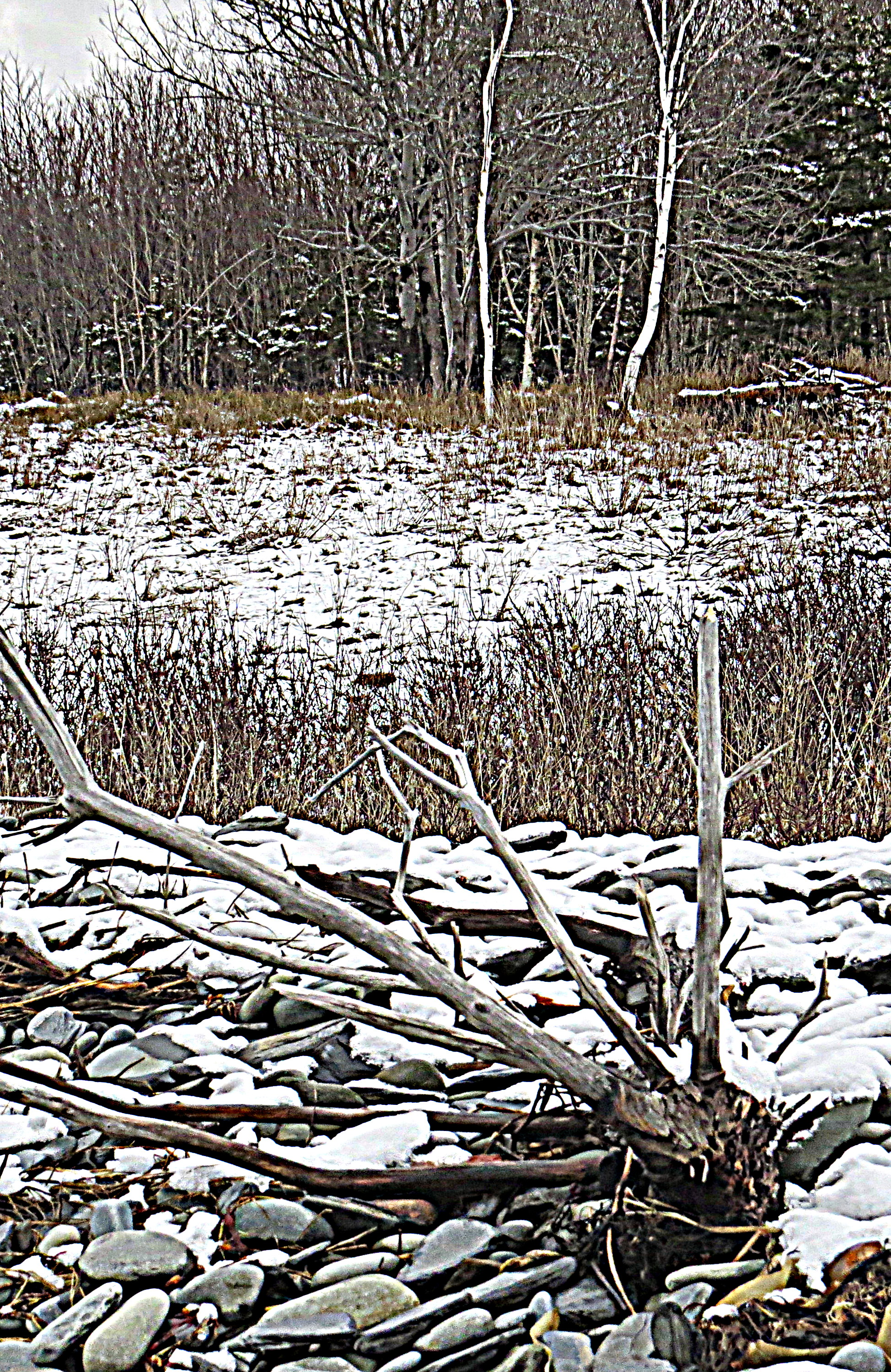
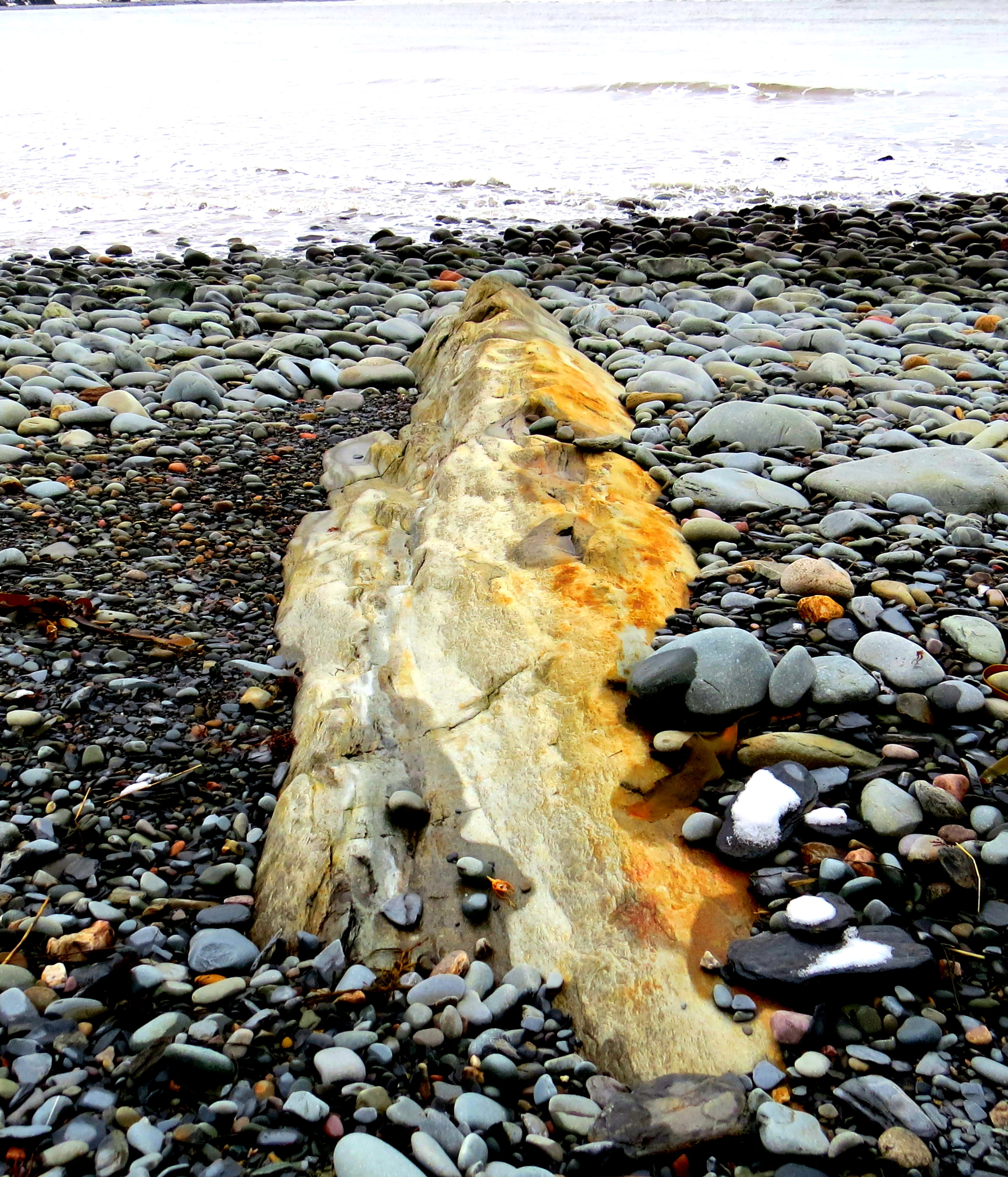
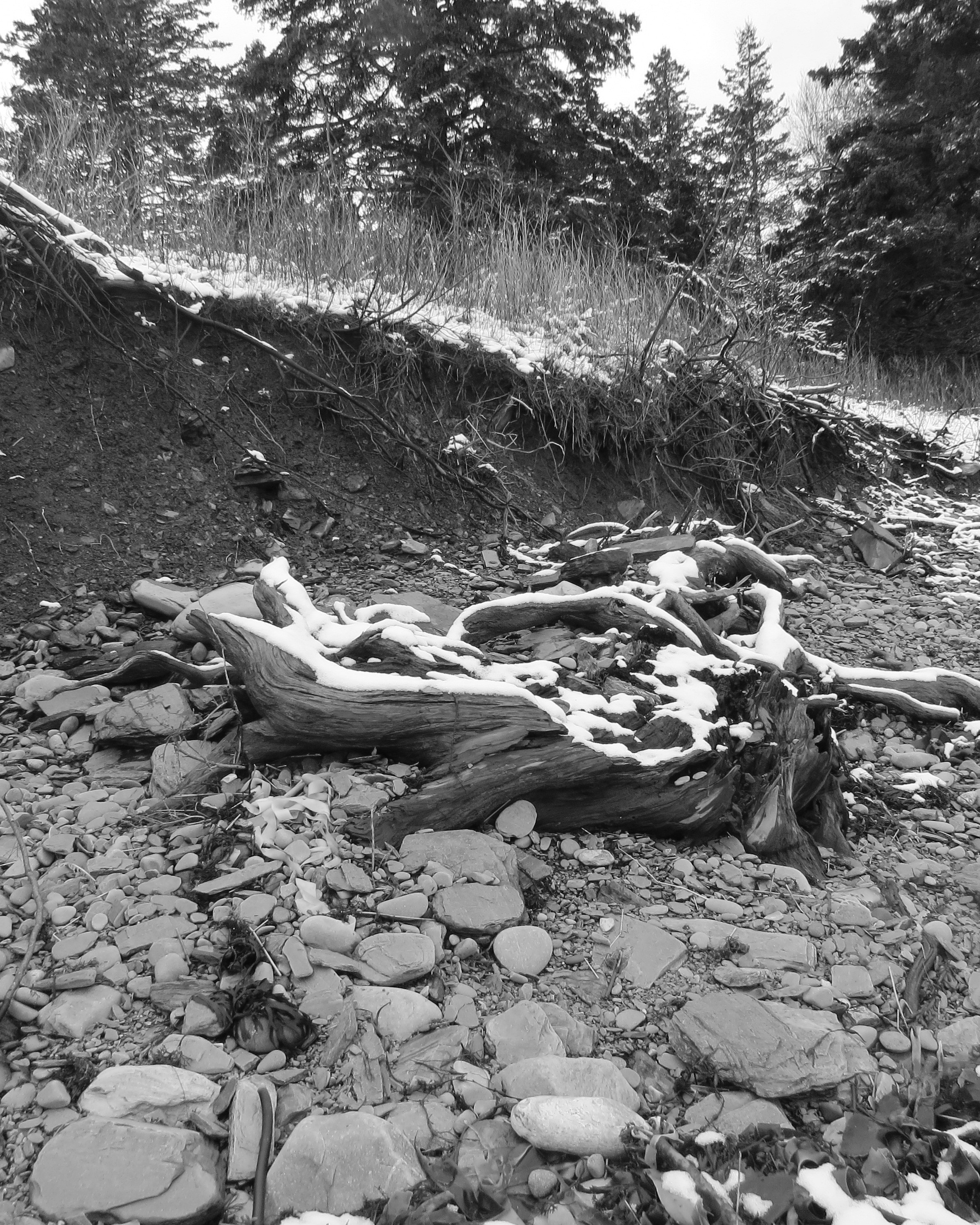
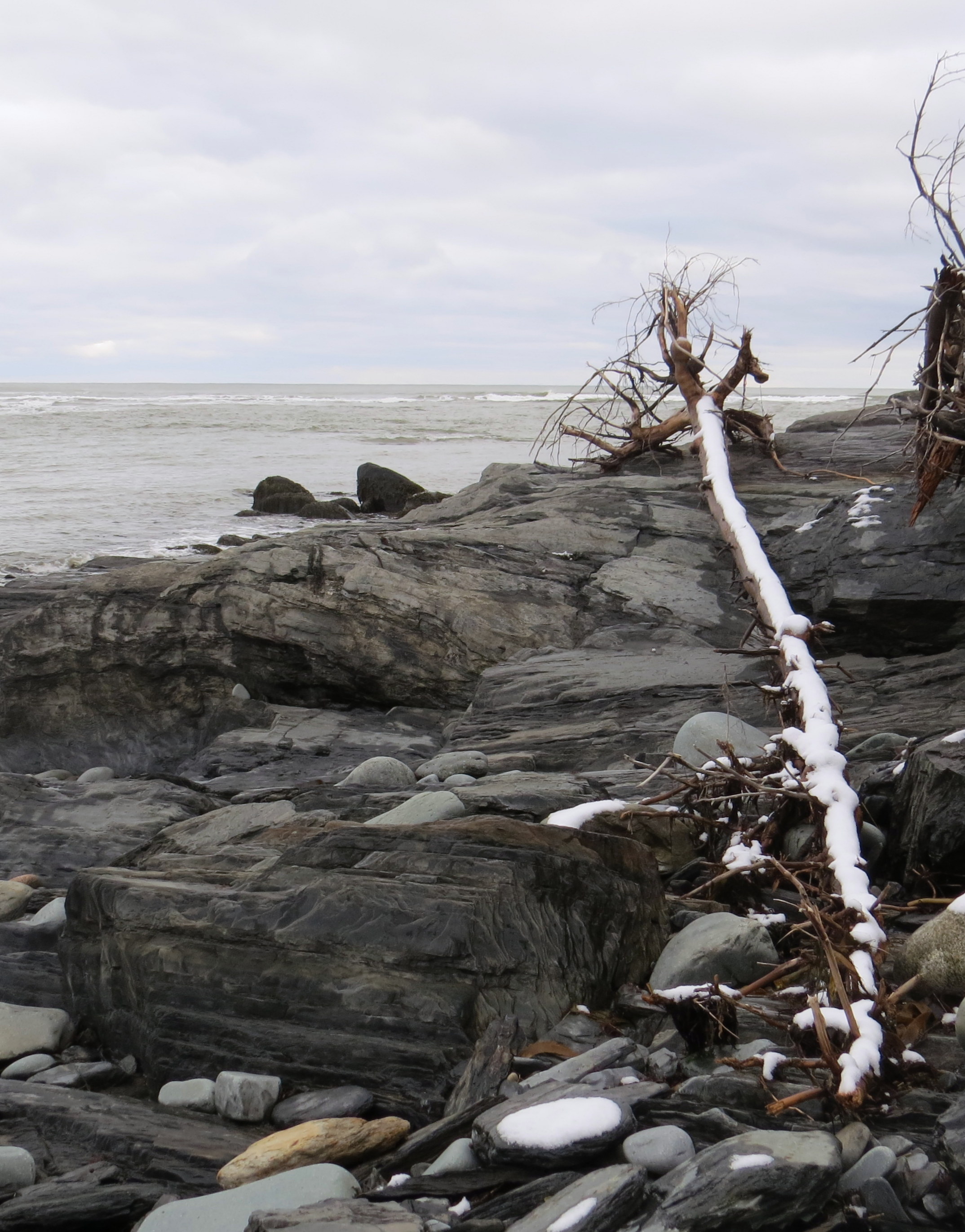
Pojechałem dziś do ciebie. Nie wiem nawet, nie pamiętam czy pierwszy raz w tym roku? Kartki z kalendarza pogubiłem już dawno. Nie wiem nawet gdzie, czy na plaży jakiejś, do których uciekałem cały rok szukając cię? Może w tym forcie w Lower East Chezzetcook, forcie który z uporem budowałem odgradzając go kamieniami od fal i odgrodzonym małą zatoką z silnymi prądami wody od głównej plaży. Nikt tam prawie nie docierał nigdy, bo przypływ nagły mógł powrót uczynić bardzo karkołomnym. Więc była to jakby moja pustelnia, moje królestwo, gdzie spędzałem godziny. Czasem mogłem wrócić idąc, czasem musiałem wracać płynąc, jedną ręką trzymając w górze plecak z kamerą i zeszytem w którym spisywałem nasze rozmowy.
Straciłem dom, straciłem przystań, zgubiłem kotwicę. Moja łódź błąka się rzucana w różne strony świata falami dwóch oceanów: Wielkiego, zwanego ironicznie ‘Spokojnym’ i zimnego Północnego Atlantyku. Szukam wyspy, którą mógłbym nazwać ‘Nasza’. Nasza Wyspa nie jest wielka, raczej mała. Jak ta z przygód Robinsona Cruzoe i Piętaszka ma tylko dwóch mieszkańców. Wieczorami spotykam cię siedzącego na skałach ze wzrokiem zanurzonym w głębinach oceanu. Podchodzę i kładę rękę na twoim ramieniu. Odwracasz powoli swoją twarz ku mojej. Masz w oczach i na ustach spokojny, słodki uśmiech zadowolenia. Podaje ci rękę i pomagam zejść z kamieni. Kładziemy się na ciepłym piasku dzikiej plaży i patrzymy w niebo. Leżymy tak długo, aż nadejdzie noc i niebo zapala nad nami lampy gwiazd. Wskazujesz palcem najjaśniejszą i pytasz: Widzisz? To nasz gwiazda. Nazywa się Miłość. I zawsze będzie nam świecić, do końca wszystkich dni, do czasu gdy wyparujemy atomami kosmicznego pyłu i popędzimy obracać się po jej orbicie. Czy to nie piękne?
Biorę w swoją dłoń twoją i całuję ją długo. Odpowiadam: tak, to jest piękne. I odpływam w sen czekając na ten moment. Moment odlotu z Naszej Wyspy do Naszej Gwiazdy. Do domu.
Comes the day next. It is almost as if it was yesterday, yesteryear, forever. Our stars, our Cosmos came home to the dancing light of the sun in the waters of our ocean, right at the doorway of our home. And I walk to My Rocks on the shores and see them: the light of the dark sky of night, and the stars diving to the bottom of the sea with the dawn of day.
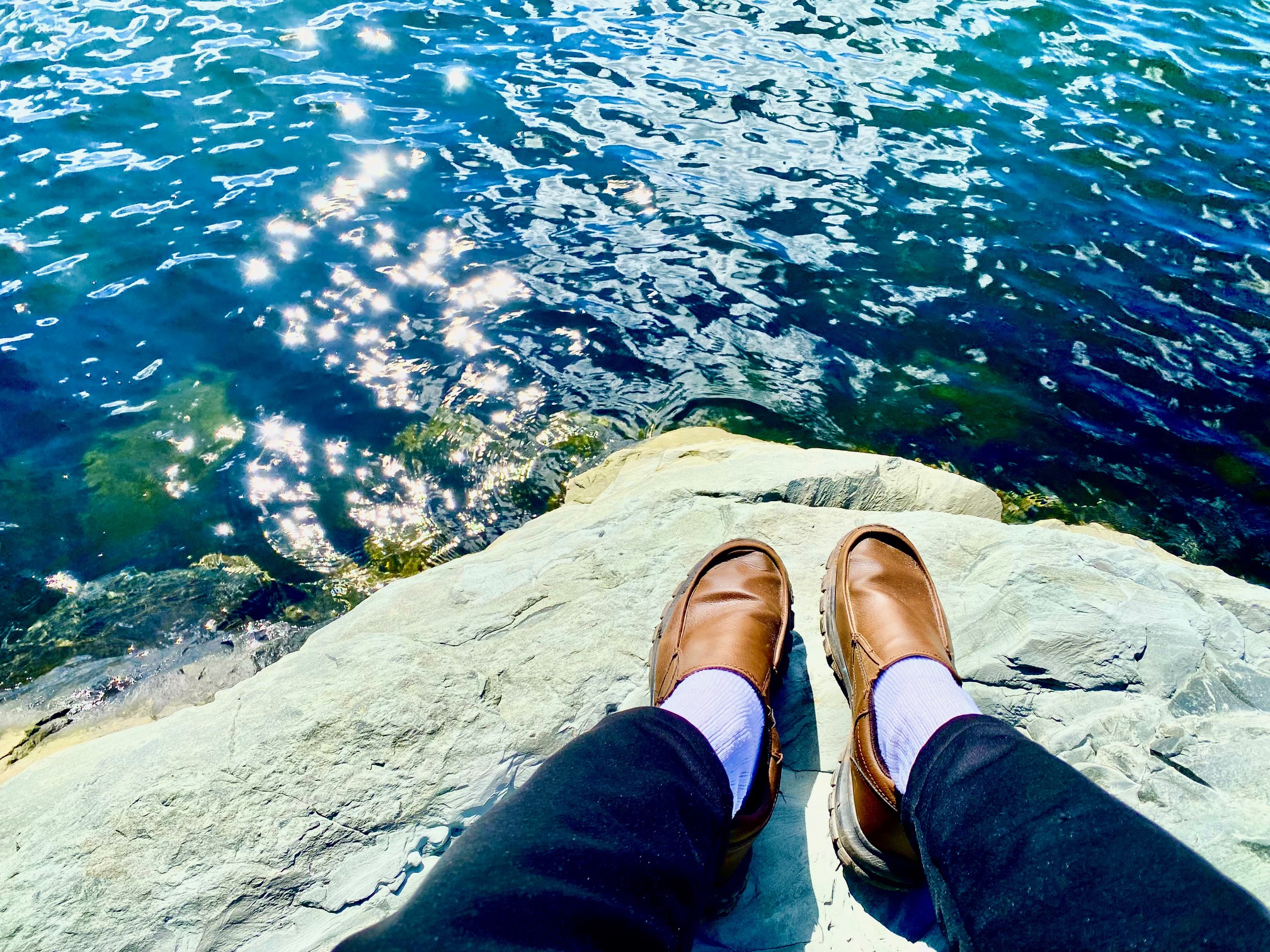
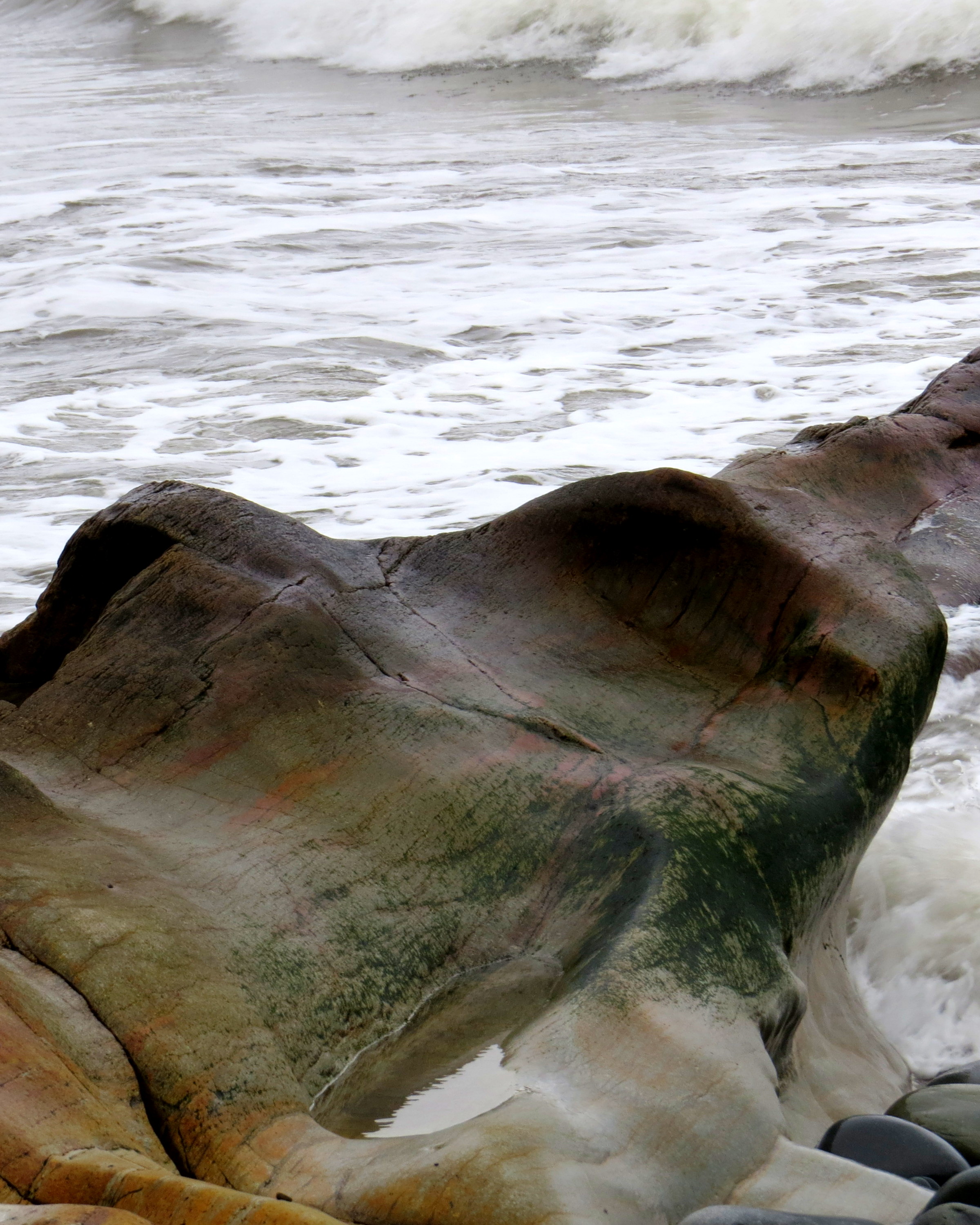
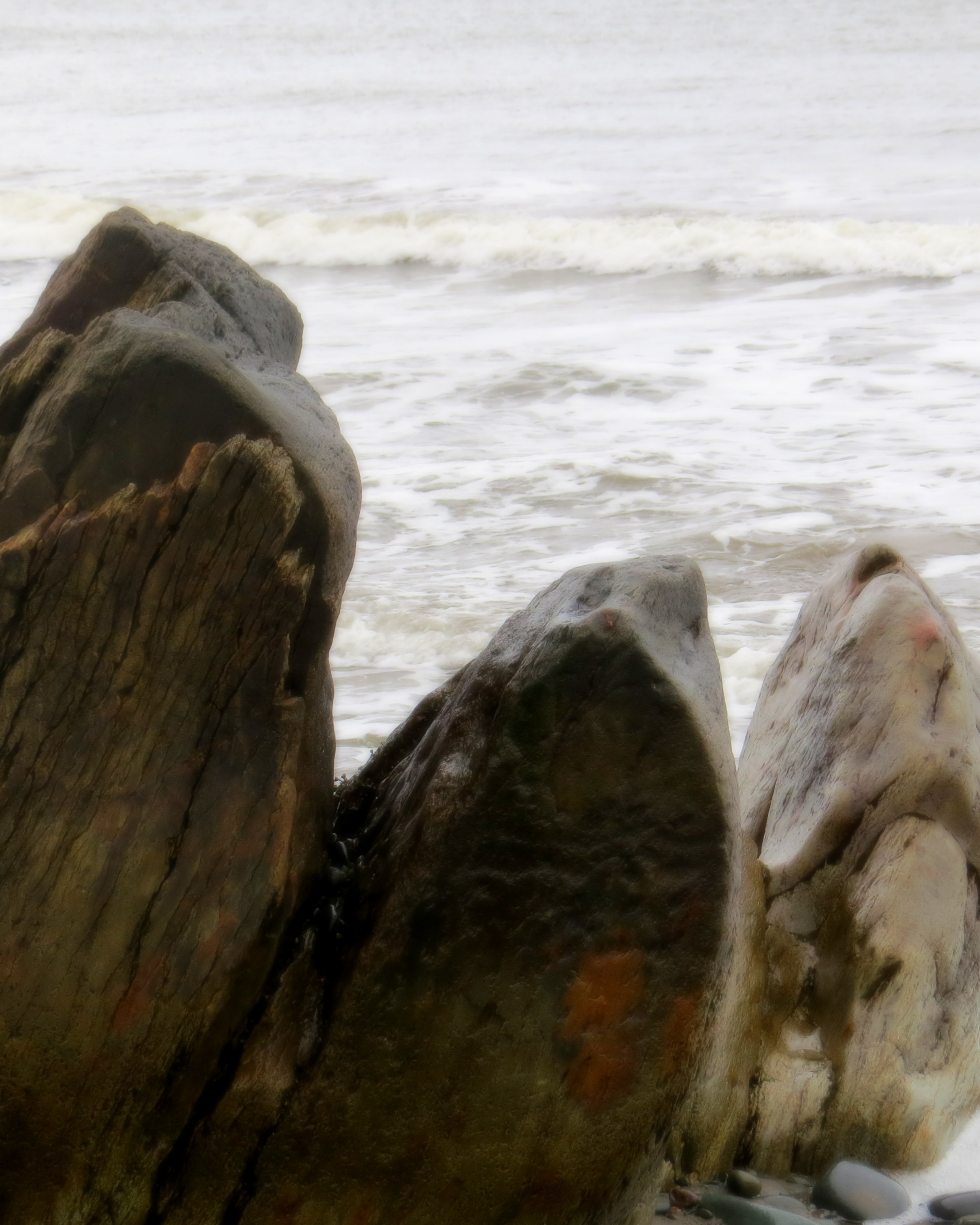
Seating on Our Rocks, on the edge of the water, I can see them sending shots of light from the dark bottom to the surface. They are there, singing our song with the sirens. They are tending to the Gardens of Coral, of swarms of dancing little fish, of translucent figurines of ancient sea creatures: the squids, the funny shrimps, and seahorses. All following the long pathway of Eurydice and Orpheus.
Our star, our island is there, too. The sky and the ocean are the same: the stardust of nebulas.
And suddenly I know it all. I’m certain that if I get up from My Rocks now and go home – you will be there as always: sitting on the sofa. You will look at me opening the door and you will say: finally you are back from your silly stars and ocean’s bottom. Sit here, next to me, and I will make us a cup of good coffee. We will watch that movie you wanted us to see.
I’m sure that’s what will happen when I go back home. I’m certain of it but also frozen in fear that I might be wrong. That you might not be there. But I will. I will go, open the door, sit on the sofa, and wait for the cup of good coffee. No one makes such a perfect cup of coffee, as you do.
Every day starts with waking, and getting up from bed. Doesn’t matter if it is noon or 5 in the morning. Time is a very subjective thing. On days I don’t have to go to work (most of the time, since I officially stopped working for any company more than six years ago) and don’t have any appointments – I don’t look at watches or clocks. I do things when it is time to do these things, without assigning any number to that time.
Besides, time has stopped for me in November 2022. On the first night (was it night?) I fell asleep after You were gone. I wish I had not woken up. Waking up after that very first sleep is a daily routine of terror. The few seconds before you are certain that it is reality, that you are awake. When I am forced again to know that You are gone. Not to the kitchen to make us a fresh morning coffee, which you did every morning religiously for more than three decades. No – You are GONE. I have to go through that terror every single day while getting up. For 467 days, as of today.
Sometimes, just before I finally drift off to sleep, I wish, I pray, that it is the last time. That I don’t have to wake up again.
When I sleep I often meet You and talk to You. I think, sometimes I make love to You. That we are watching TV or go for a drive in the countryside.
You are my Eurydice, for whom I went to Hades to plead, to argue with the God of the Underworld, that he made a mistake. I beg him, I threaten him. I offer him love and hatred, devotion and disdain. To no avail – he is unmoved. In my dream, I write a poem to You in Italian. When I get up from my sleep I remember that poem and copy it, surprised that I retained more of my old Italian than I thought.
Dove sei, Euridice?
Dove sei, Amore mio?
Mostrati e parlami d’amore.
Ricordare! Non fermata
e non guardare indietro.
Ricorda, mio caro …
ricorda, ricor… , ri…
e piango, perché so
che ti volterai.
Ogni volta.
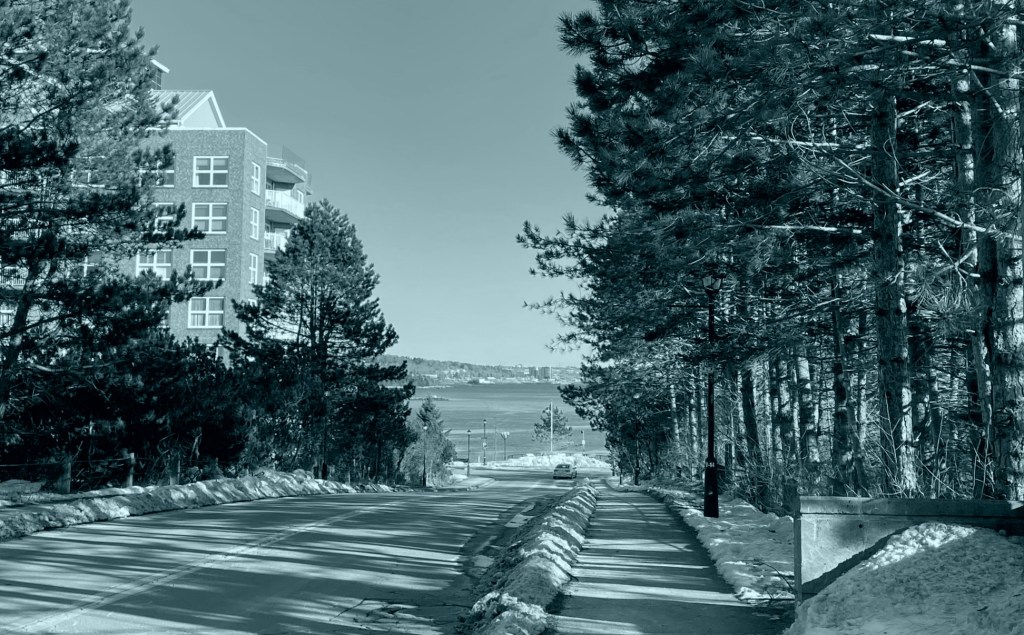
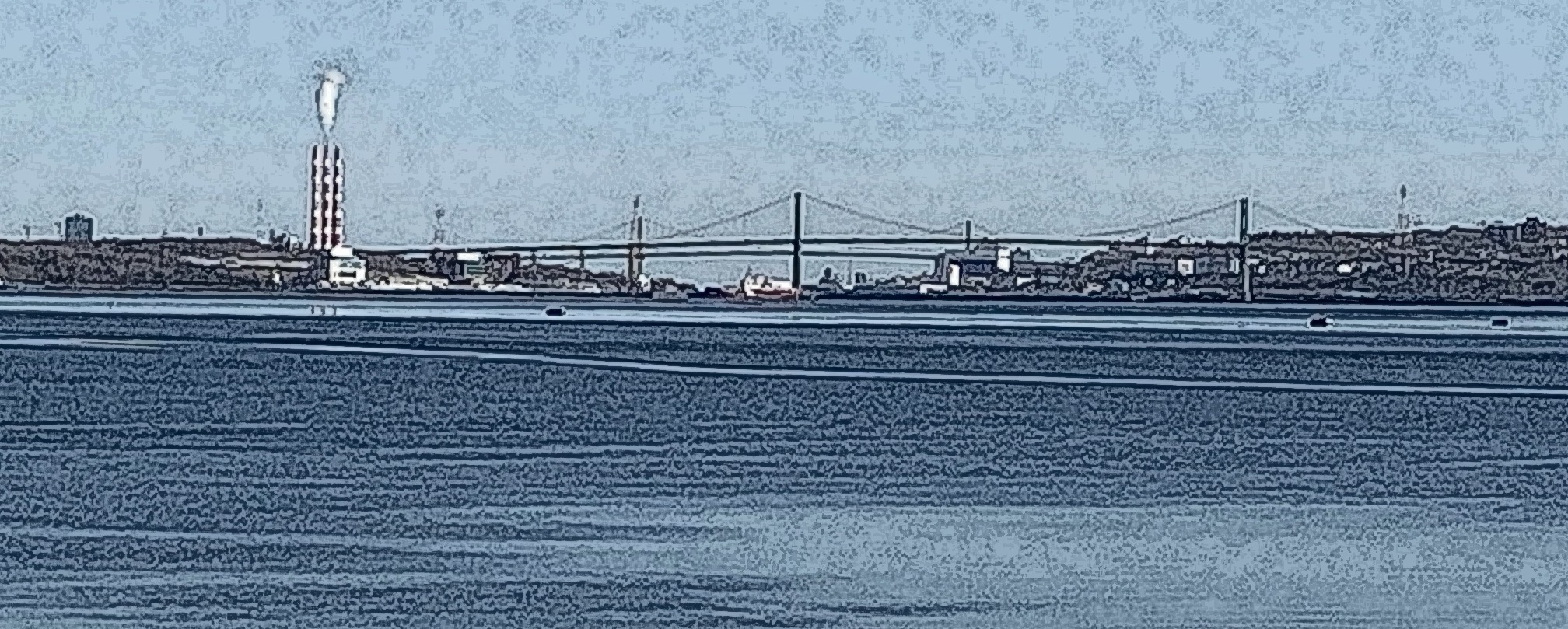
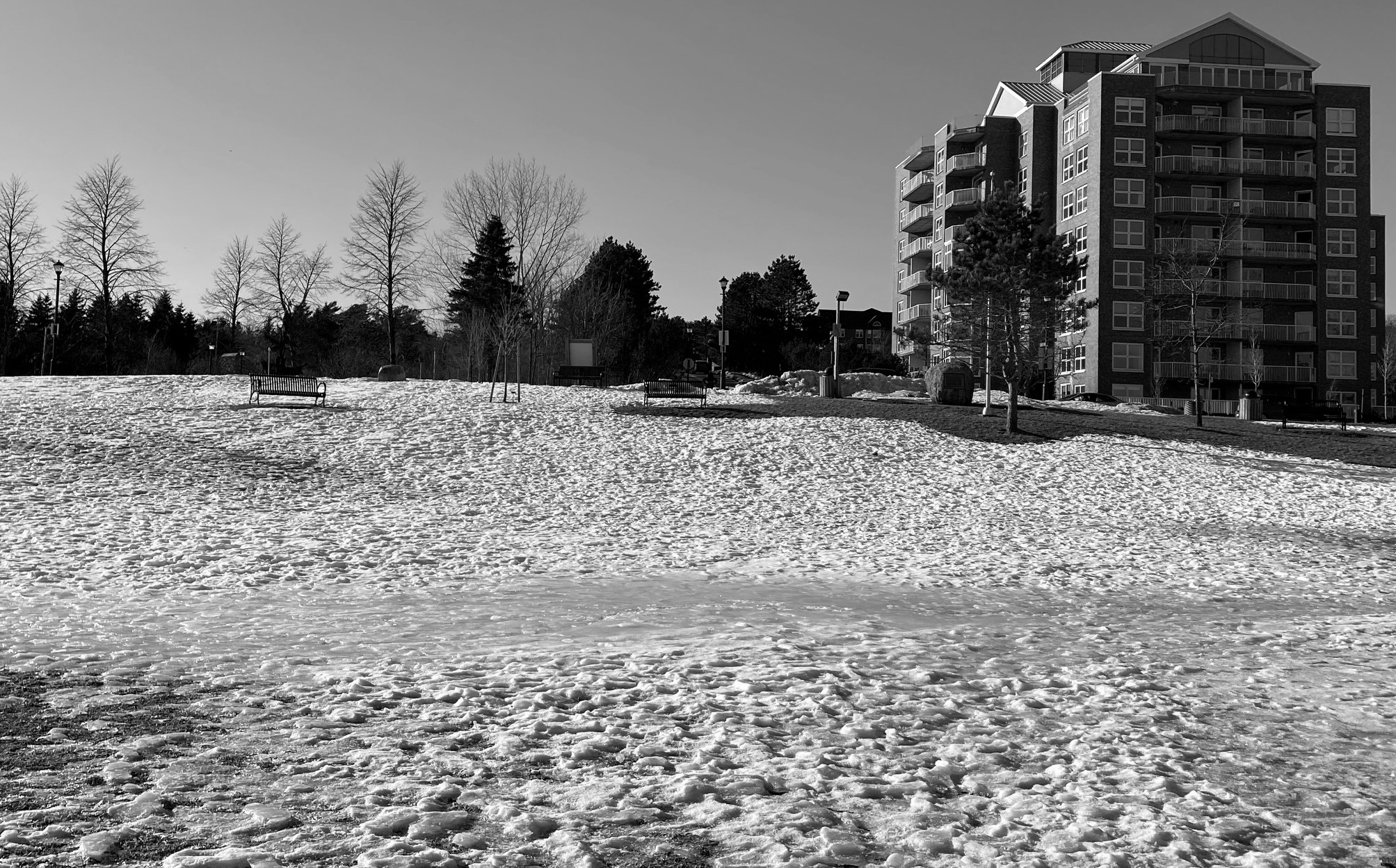
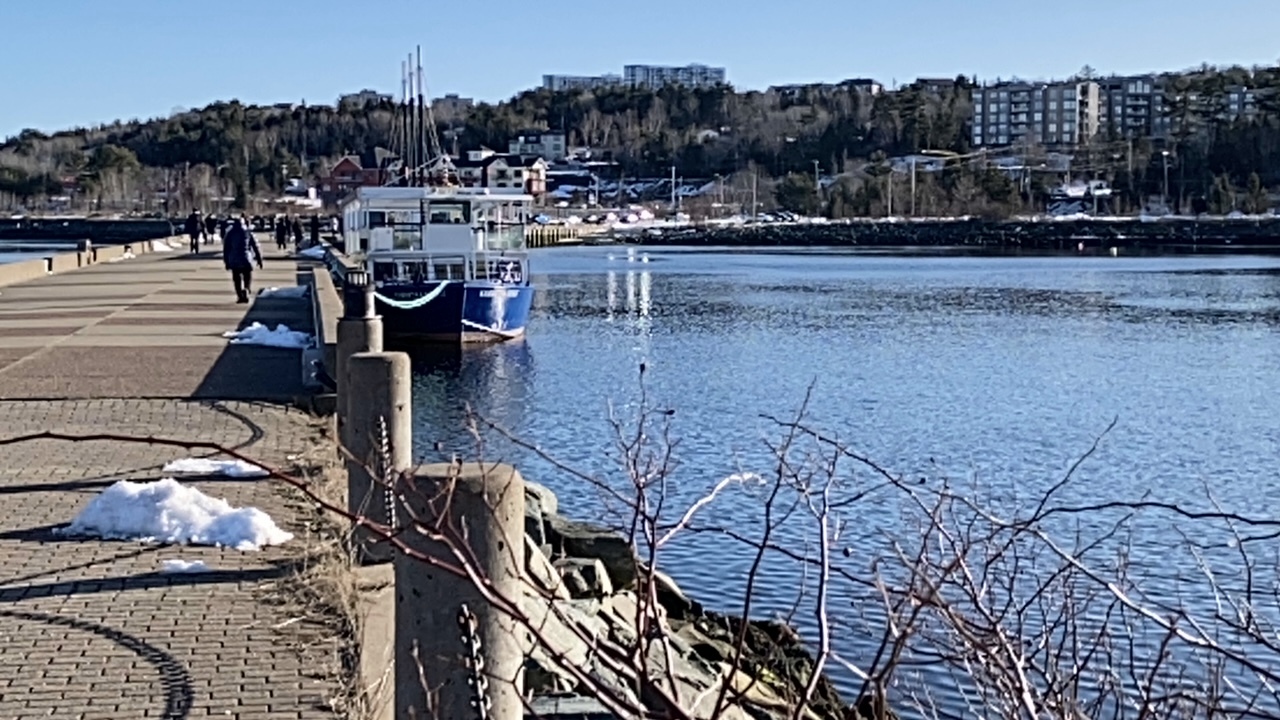
Today I stopped in a little park De Volf in Bedford. We used to go there many times and both liked it. It is a small park but there is something sweet and romantic about it. It offers a nice view of Halifax, our bridges, and Dartmouth. Next to it is a big building of the company that you worked for – The Berkeley. You didn’t even have that much time to work for them, yet You did leave a special mark on the senior residents of that building and all the staff. Your innate goodness emanated from you as everywhere you worked before. I will never forget and still am moved to tears how they organized a special memory meeting for the residents and staff in their main hall. It was full of people. Wonderful people, who came to share their memories, and their sorrow and offer their support to me and Your siblings, who came for Your final journey.
It was a cold but amazingly sunny day. I really enjoyed the walk and reminiscing about our strolls there. For a short while You – my Eurydice – walked with me. You didn’t turn back, didn’t look back. You walked with me. Maybe I even felt Your hand in my hand.
I know that the terror of getting up will come back tomorrow. Then again, and again for the rest of my days. But the walk today was good. Thank You, Babcycake. Gracie, mia Euridice.
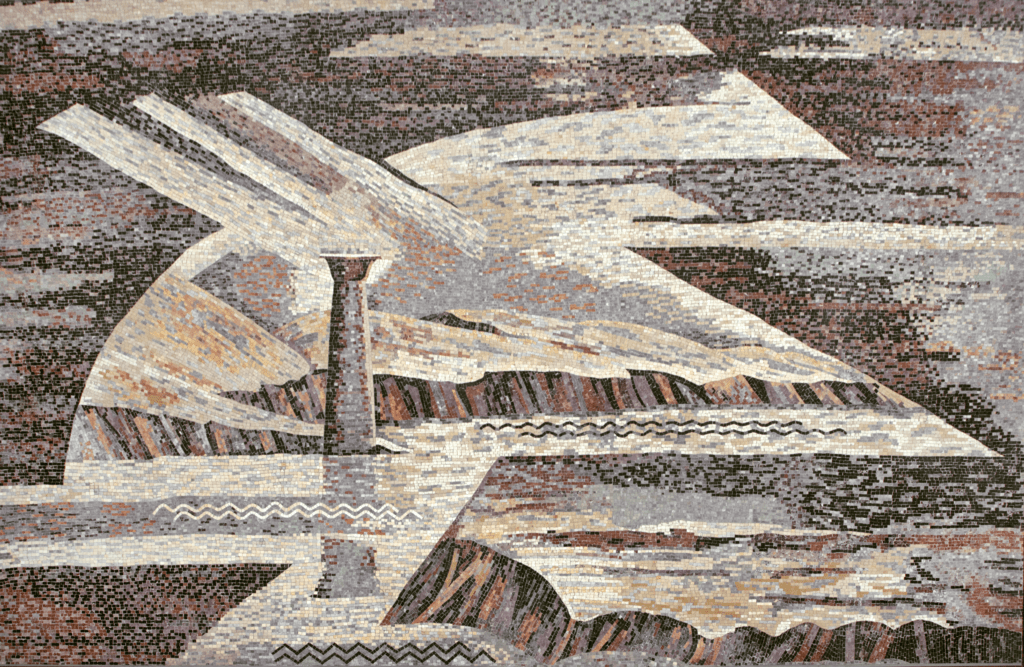
The first panel of marble triptych by Hildreth Meiere representing The Pillars of Herakles (Centre for Hellenic Studies in Washington, DC)
Love is a strange thing, and the price you pay for it is enormous. But you pay. For a dream that is priceless. The higher is the heaven, the bliss of it – the higher is the cost. Have you known – would you have asked for it?
Let me tell you a story. There was a young man, who wandered the world from the high peaks to the deep valleys, and even deeper than the valleys. He went to the abyss of the underworld, the dark caves full of desires, hunger, and thirst. Long hands and longing eyes followed him there in the caves. The caves were like a labyrinth, one leading to the other. There, he saw a silhouette of a boy crying for love not found, for a dream not fulfilled yet. That silhouette, the shadow was – he knew it instantly – his own dream. A dream that did not want to be a dream anymore. It wanted to be born. To live. The young man heard the plea of this boy and the plea of his dream. He ran after the boy, grabbed his arm, and didn’t let go. It is a long story re-told many a time. It was said that they lived happily ever after for a long time.
Like any long story, sometimes they are too long. People heard of the ending from others and never bothered to read it to the end themselves. But re-told stories change, and people soon forget where or from whom they heard it. They stopped reading it altogether, relying on the version they had heard from others. As the others relied on those, who told them. Over time the story changed, becoming a different one.
No one truly knew what happened to the young man, when he was not young anymore or what happened to the boy rescued from the cave.
I will tell you the story of the old man, who used to be that young man.
He doesn’t go to the caves, deep valleys, or mountaintops anymore.
The boy became his. He has answered his dream and the dream of the boy. They built a house on a treetop and watched the mountains weaving long shawls of rainbows flowing slowly to the valleys. Sometimes they would climb down from the treehouse and wander in the meadows below, drinking from streams, and singing with birds.
One day, after many years of happiness, the boy went further exploring the valley. The man followed him. They came upon a place where the stream enters a big river. The boy – a man by now himself – said: I will go for a swim in this river and jumped into it. He disappeared under the water and was not coming back to the surface. The man – an old man by now – jumped after him. He has found him ensnared in the long roots of the nenufars. He frantically ripped the snarls and brought the lifeless body to the surface. He tried for a very long time to push the boy’s life back into his lungs, and he screamed to the birds to help him. They came and tried with their wings and beaks to revive the boy. But, as the old man, they couldn’t. The boy was no longer.
From then on, the old man left the valley and wandered for eternity the earth. Looking for the boy, hoping that he appears somewhere. If, by miracle, he has found himself in the caves, why wouldn’t it be possible that he will find him again? His anguish was unbearable. Even the birds couldn’t sing when they flew by him. He came to the Edge of the World and asked the Big Water: why? The Big Water thought for a while and answered him with its own question: your sorrow has moved me, old man. I am Everything, the Past, and the Future. The Present has engulfed you in anguish beyond your strength. If the price of your past is too high to carry, I can grant you a gift seldom given to anyone.
The old man raised his eyes and trembling with timid hope, asked: O, Big Water, would you return my boy to me?
The Big Water answered: there is no return from not being. But I can change the Past, I can change the event that led you to the meeting of the boy. Ever. Thus the cause of the anguish will be gone. You can’t grieve something you have never had or known. That is the price.
The old man looked in horror and screamed at the Big Water: Would you, Everything, ever accept a deal to become Nothing? Your price is too high to pay. I will keep my sorrow and will walk with it till the end of my journey.
I saw the old man when he turned away from Everything and started walking along the shores of The Edge of The World. With time he slowed down, yet he kept going. At a certain junction, the Edge of The World separated from the Big Water and became the Edge of Non-ending Abyss. There, the cliffs of the Edge were vertical like the Pillars of Heracles. He knew that he reached the end of his journey. The old man sat and rested a bit looking down the massive cliffs where below a thick cover of white clouds was the invisible Abyss. His arms raised a bit with a sight and he slowly got up making a step toward the Edge. Then he froze for a moment, turned his head, and looked. He saw, far from the Edge, mountain peaks towering above deep green valleys and a forest with tall trees. He thought that he could hear the song of birds flying in the forest. A happy tear rolled down his cheek and a broad smile appeared on his face. And the old man was sure that for a moment he saw a boy waving toward him from one of the tree tops. The boy was singing the song of the birds and smiling at him. He called to the old man: don’t be afraid, come to me, I’ll wait for you!
Did the old man jump the cliffs, you asked? I do not know. But he anguished no more.
There are bad days. They come. I didn’t know that my emotional construction was still so fragile. Someone said something or wrote something to me, possibly in good intention – and everything fell down as a house of old rocks tumbling down in a cloud of dust. Cloud of dust and insecurities, despair. Everything I tried so hard to put together on my ocean beaches last summer – was taken away by a wave that came and washed it to the bottom of that ocean.
One of the very first lines I wrote after You were gone, after I tried to find traces of You, of us, on some trail we used to walk together – and I couldn’t find You anymore – felt like that exactly: insecurity, lost. Maybe even angry – why am I here if you are not?
I have simply called these short lines: ‘Woods’. The woods I ventured in and got lost. Couldn’t find my way back. Last night and today it felt like that – to be back in these woods.
The Woods
I’m in the woods, surrounded by trees. The sun filters through the leaves, creating a dance of light and shadow. The breeze caresses the branches, making them sway gently. The air is fresh and warm, but not too hot. It’s a perfect day for a walk.
But I’m not here to enjoy the scenery. I’m here to find you. You ran away from me, and I don’t know why. You didn’t say a word, just took off into the forest. I followed you as fast as I could, but you were always ahead of me. I called your name, but you didn’t answer. You didn’t even look back.
The terrain is rough and uneven. The ground is covered with dead wood, roots, and rocks. I’m not as agile as I used to be. I’m not a young buck anymore, confident in my strength and speed. I stumble and fall, scraping my hands and knees. I get up and keep going, hoping to catch a glimpse of you.
But you are nowhere to be seen. You are hiding from me, or you have already gone too far. You are out of my sight and out of my reach. I don’t know where you are, or if you are safe. I don’t know what you are thinking, or what you are feeling. I don’t know if you still love me, or if you ever did.
Maybe it wasn’t even an actual walk in the woods? Can’t remember anymore. Maybe it was a written record of one of my many nightmares, being half awake and half-asleep? Don’t know – there are days from these early times that are gone from my memory altogether, weeks like that. I know that they were, that I was there, too. Remember every detail, every second of You collapsing in my arms, the ambulances rushing to our home, every day and night in the hospital – and not much more after that. Just pieces of existence like a broken string of pearls rolling on the floor.
That’s that dark place I crumbled to last night and this morning. And You were not lost and gone, not hiding from me. You were right here and You guided me to a memory. The memory of a trip we took in 2016 to Alberta, our last trip to Alberta (apart from the huge trip across the continent to the shores of the Atlantic). We took a different route, a longer one, the one leading up North toward Valemount and through Highway 16 toward Jasper. But first, before reaching Jasper, one has to drive with the view of the massive, majestic Mount Robson. The highest mountain in the Canadian Rockies. Many, many years earlier I did a little climbing on this giant. Never reached the top, nor did I attempt to. Just wanted to do a bit of climbing on it and remember reaching some shelf-ledge on its steep wall, sitting on that ledge, and be amazed by the panoramic view in front. In 2016 we reversed the roles, we were the ones at the bottom in some valley, and the huge giant was looking at us from high above. It was amazing, the day was sunny, and practically there was no traffic. Remember embracing John and we both just admired the view. It felt good. We both liked going back on many visits to Alberta, especially John. After all, it was his home, where he grew up, where he went to school, his adolescence … and us at the end. We met there, and fell in love. That memory of that trip lifted me from that awful pit I fell into again.
I have watched two movies recently. Very different and very powerful on a very personal level. Stirring emotions, and memories. The Spanish “Society of the Snow” produced by Netflix and directed by J. A. Bayona, and the Canadian production of “Good Grief” directed, produced, and written by Dan Levy. Dan Levy also played the main character, Marc.
The “Society of the snow” – let me take you on a journey in time. At the time of the catastrophe, I was 14 years old. A year later a book by British writer Clay Blair “Survive” appeared. A well-known Polish writer or essayist wrote in a Polish literary weekly “Literatura” a piece about it. It might have been Jerzy Andrzejewski, an excellent writer whose weekly column I have always read – but truly I can’t recall now. Yet the story and especially the dilemma of cannibalism versus survival made me write a short piece about it. By that, I was fifteen and of course, as any fifteen-year-old ‘writer’ had a lot to say about the issues of life and death. I sent it off to the editorial desk of Jerzy Putrament, a Polish writer, who was the editor-in-chief of the weekly ‘Literatura”, a major literary and art publication. And he published it. As it was my second publication in a major Polish magazine (the first one was in “Perspektywy”) it cemented my ‘fame and prestige’ among my teachers in my school, but not as much among my classmates, LOL.
I don’t recall if I have read the book by Clay Blair. Not sure if it was translated into Polish. Most likely I never did. But I have seen years later the first movie about it based on that novel. And I wasn’t impressed. Yet the Spanish “Society of the Snow” impressed me very much. The screen-writers (Bayona, Vilaplana, and Marques), the director, and the actors were superb in their austerity of dramatization. Everything was left to the minimum: air, food, movement, and words. Years later, while visiting Mendoza in Patagonia (the ill-fated plane took off from Mendoza on its last tragic leg of the flight to Chile), I took a special bus tour to the Andes and was able to do some hiking at the base of Aconcagua (almost 7000 meters, one of the titans of the world). The outmost desolation of that place there is amazing and overpowering. As far as you can see is a frozen horizon of white peaks and valleys. Can’t imagine surviving there with hardly any provisions for longer than a few days. I felt that the movie captured that feeling very well.
“Good Grief” by Dan Levy. Who doesn’t remember and didn’t love that sweet, funny, and almost useless in practical skills young gay guy in the now iconic CBC series “Schitt’s Creek”, with his father, great Canadian actor Eugene Levy, and fantastic Catherine O’Hara? But Dan Levy playing a grief-strickened, middle-age man in serious drama, tragedy actually? Can he carry it? He did.
I shouldn’t have watch it. But I did. I had to. As I watched his grief, as I travelled with him in his yearly journey of that grief of losing the love of his life – I went through mine. Every silent moment. Every object in his and mine apartment, photographs, furniture. At times I didn’t know if it was Dan Levy or me on that screen. If it was a movie or my memories of last year. No, I didn’t go to Paris and there was no surprise in finding ‘the other lover’. But these are just details, unimportant almost didaskalia of the drama. The differences between the lives of me and John and that of Mark and Luke are just a different shade of the same colour.
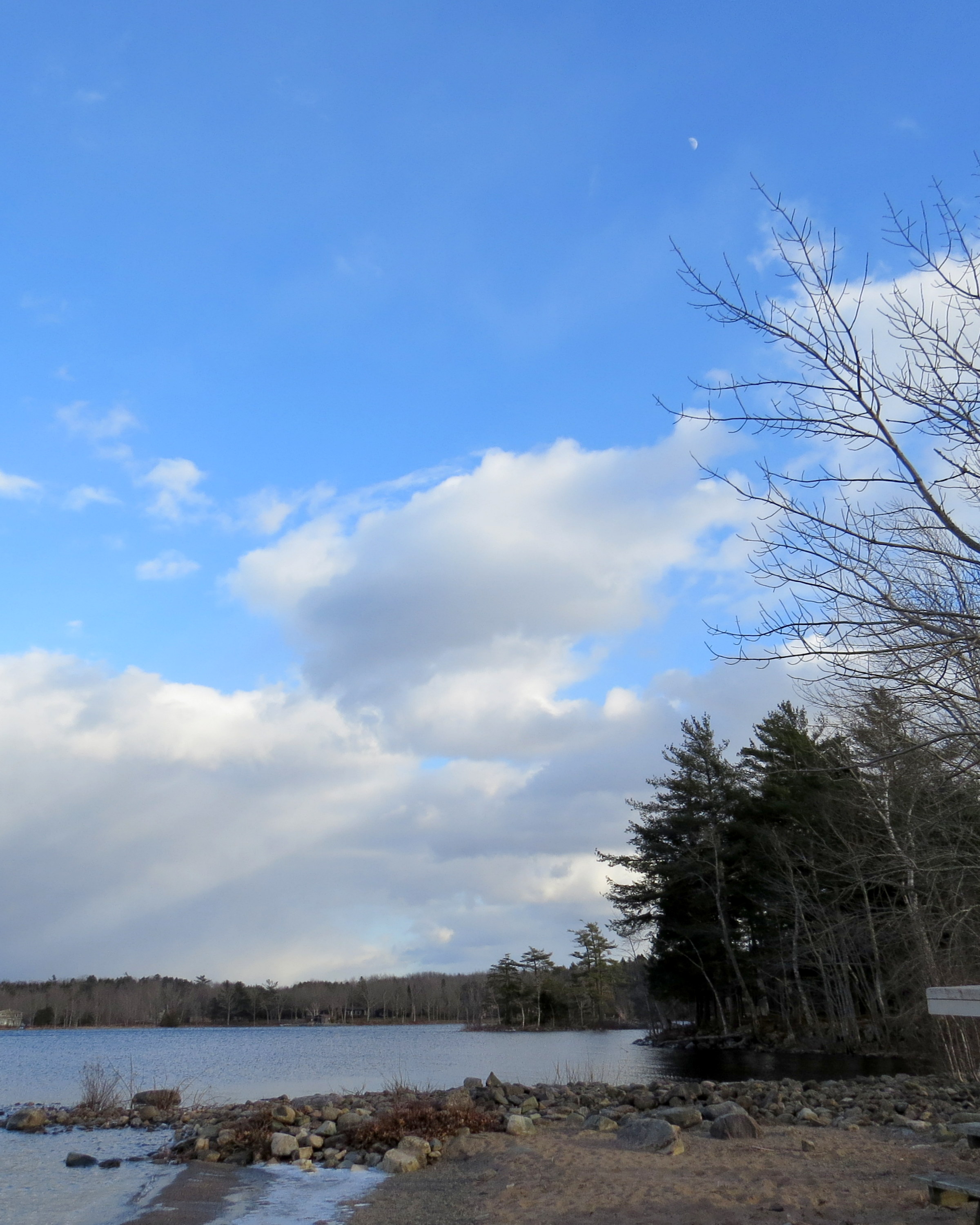
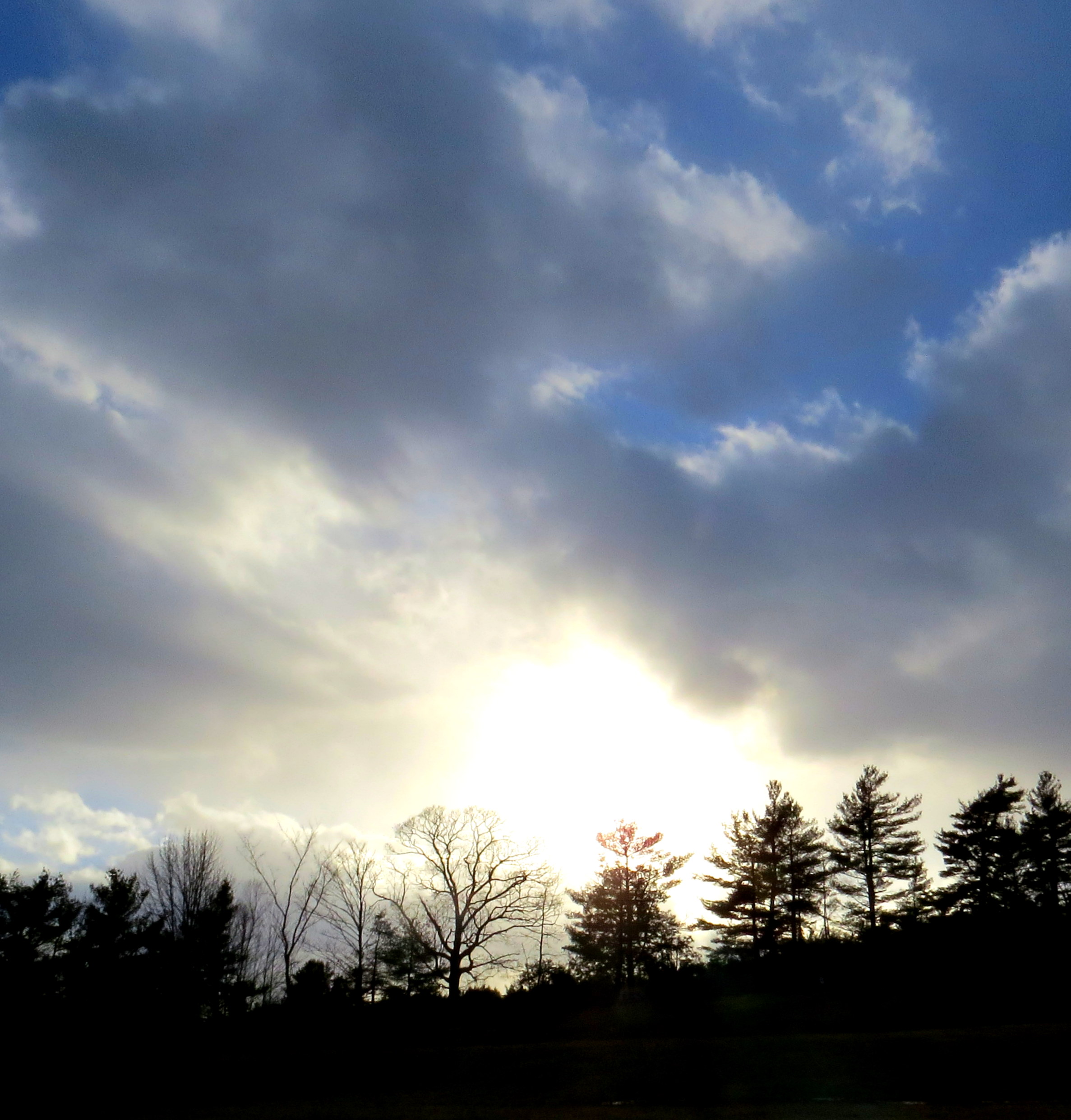
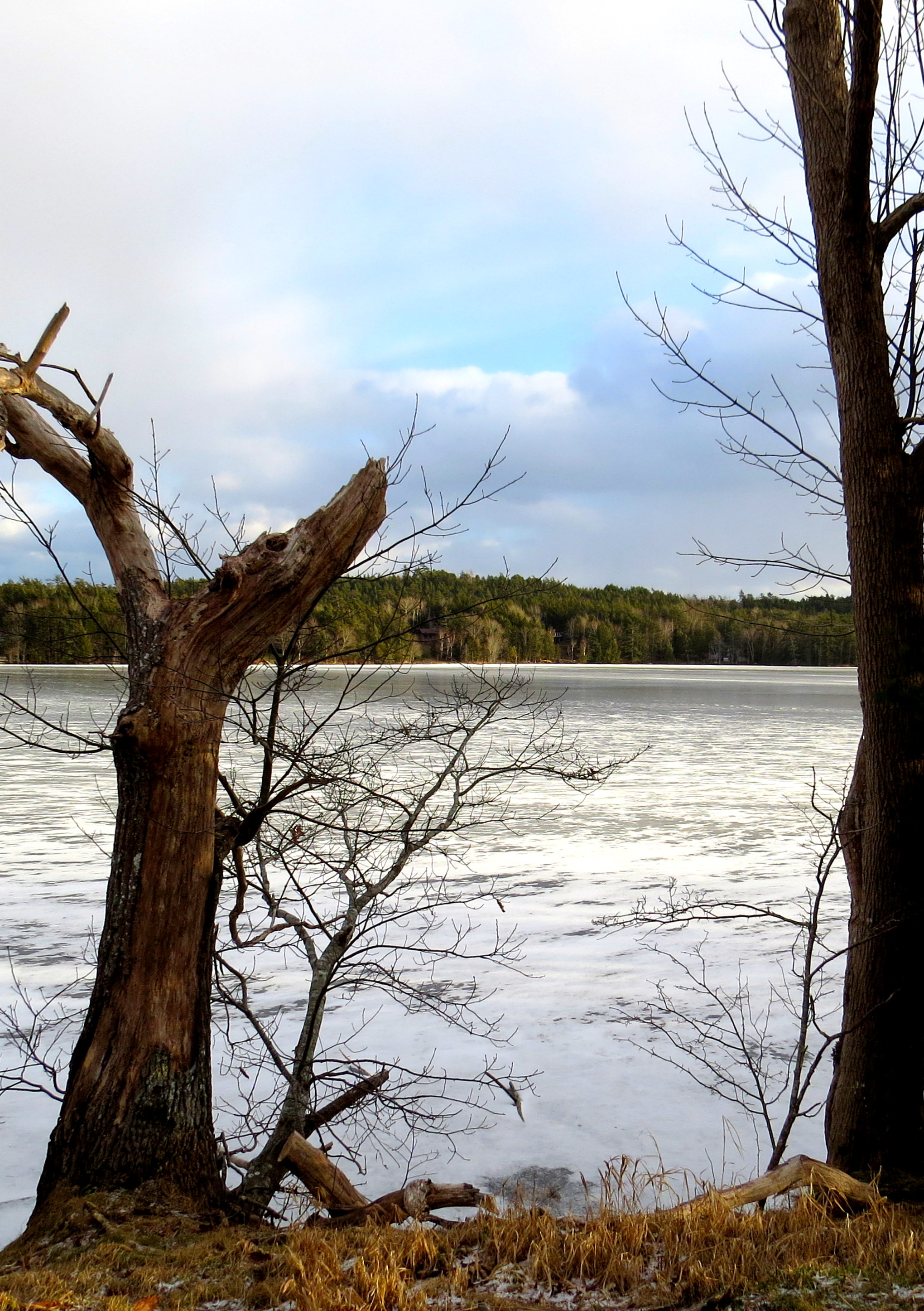
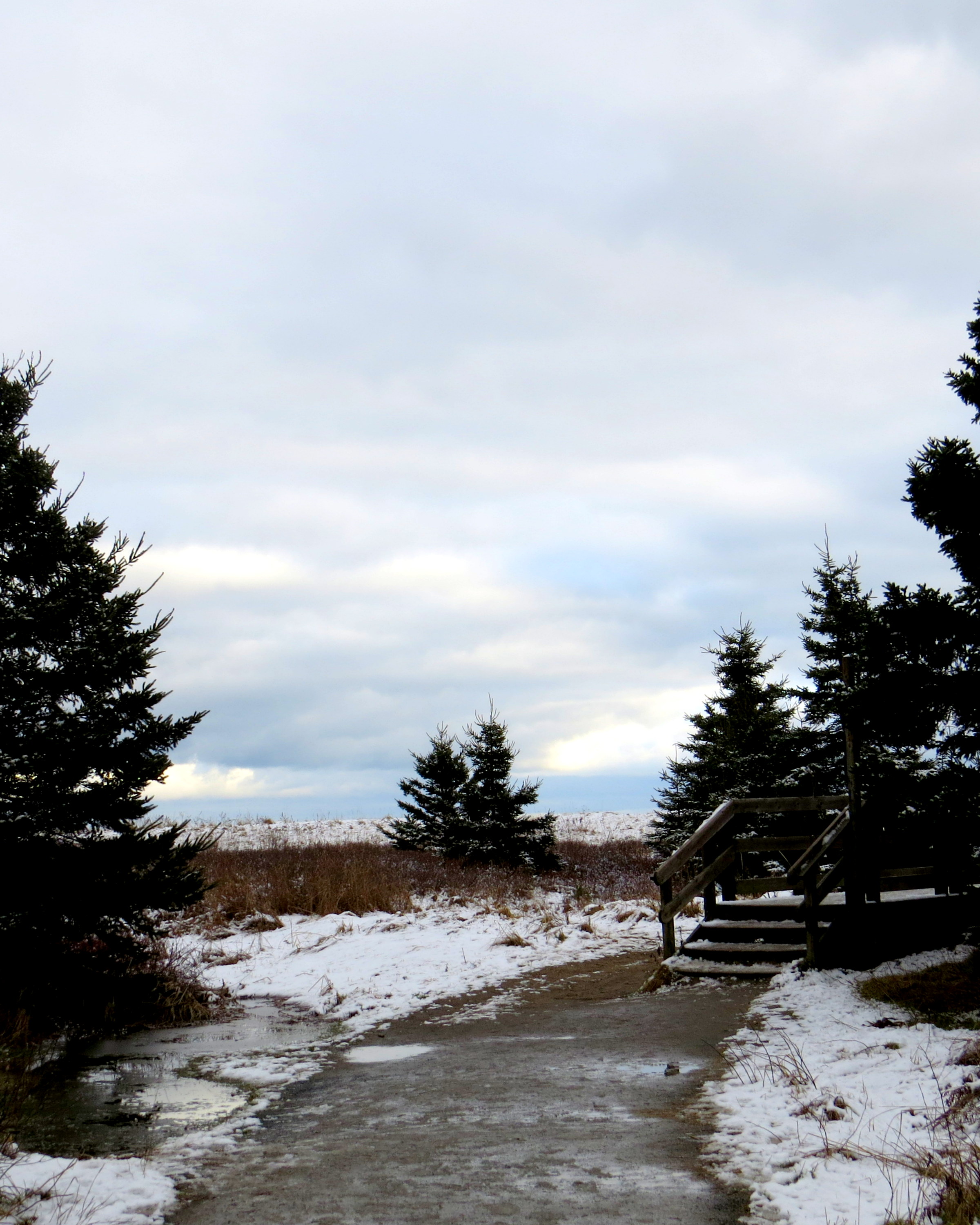
As I watched that movie sitting on my (on our) sofa I felt John taking my hand into his and squeezing it gently. I heard him saying I’m sorry, and I wanted to grab his hand, to cover it with kisses. But I didn’t, I knew the hand, his voice would dissipate into the air. So I just sat quietly, didn’t even turn my head, and continued watching the movie. With him undisturbed sitting next to me. As he always did. It felt good. Sad but good. The next morning I went for a drive to a little town called Fall River. I took him there in 2019 to a little Provincial Park, with a forest, by a long, wonderful lake. This time it was wintertime, windy and cold. The gate to the park was closed for the season. I left my car and walked the long trail on foot. The sky was splendid with clouds and sun in crispy air. It was my trip ‘to Paris’. Thank you, Dan Levy, for letting me submerge myself in that grief again. Grief is hard, is sad. But it also is beautiful, because the seed of grief is love.
After

I couldn’t sleep.

Didn’t know how to

console You.

How to tell You –

it’s all right, Babycake.

I have survived.

No, it wasn’t Your

fault.

You tried,

You tried so hard.


Do I lie, when I say:

‘it’s all right’?

Yes, I do.

It was

so fucking hard.

I knew it would be

if and when,

but had no clue

how hard it is.

Didn’t know

that grief

could be like

hot lead

slowly injected

into your veins.

Like the disappearing

bubbles of air

you have tried

to squeeze into your lungs

nailed to the heavy

cross of impossibility.

As I watched with terror.

So what was

really the weight

of my grief

compared to that?

How do you compare

the pain of life

to pain of death?

How do you?

What’s the balance ratio

of life in grief

in one hand,

and no life

in the other?

Does a man know?

Does God?
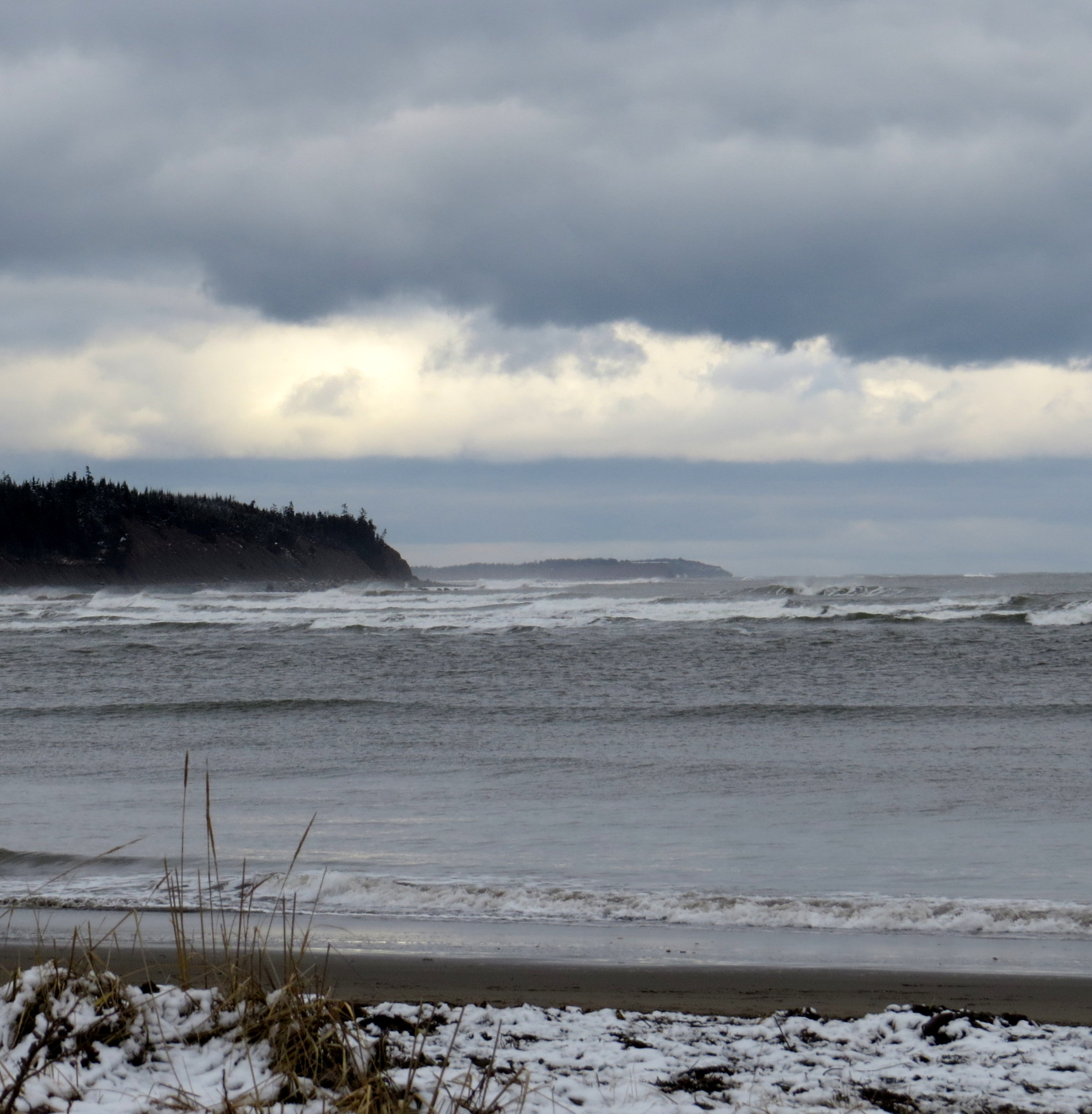
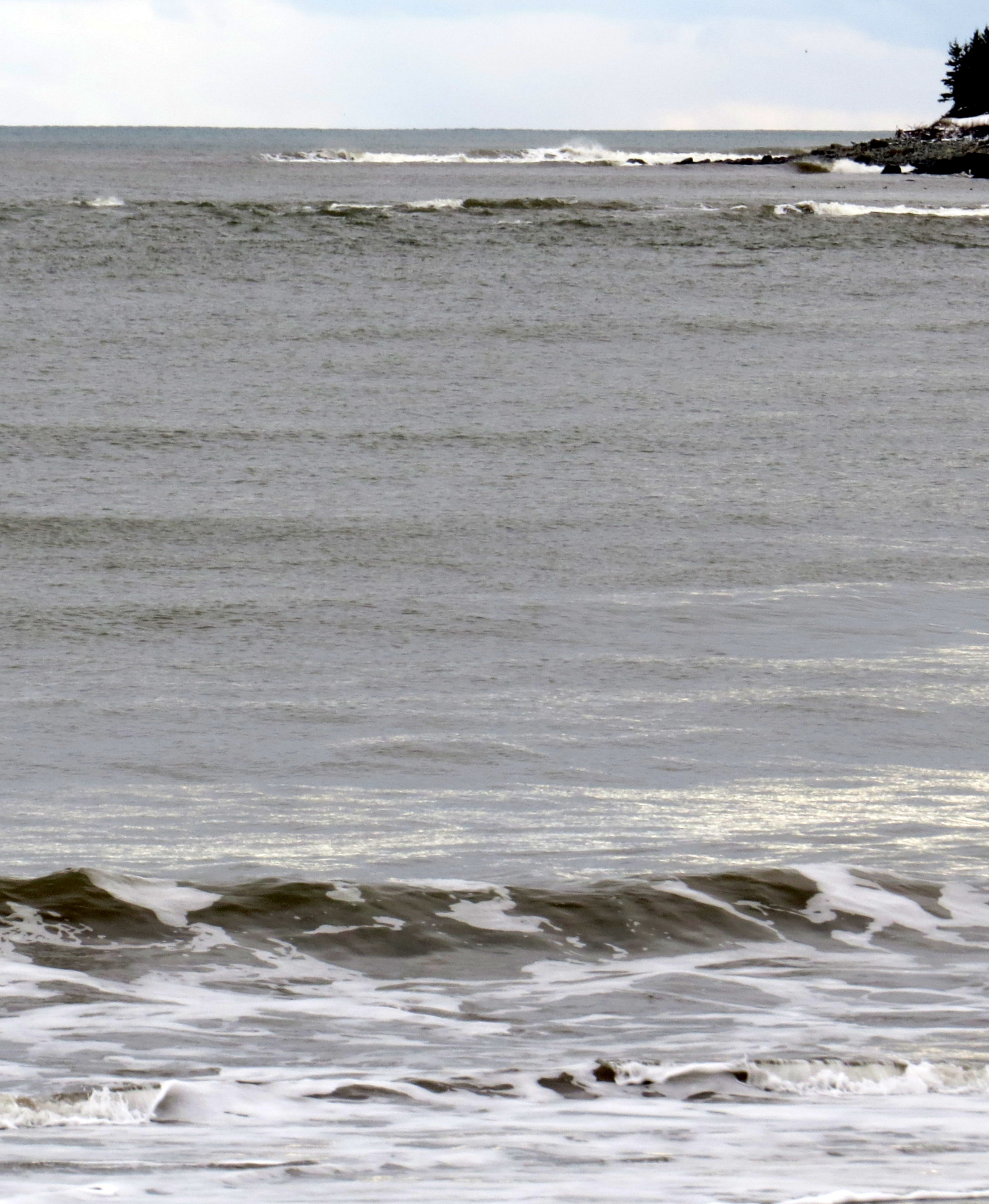
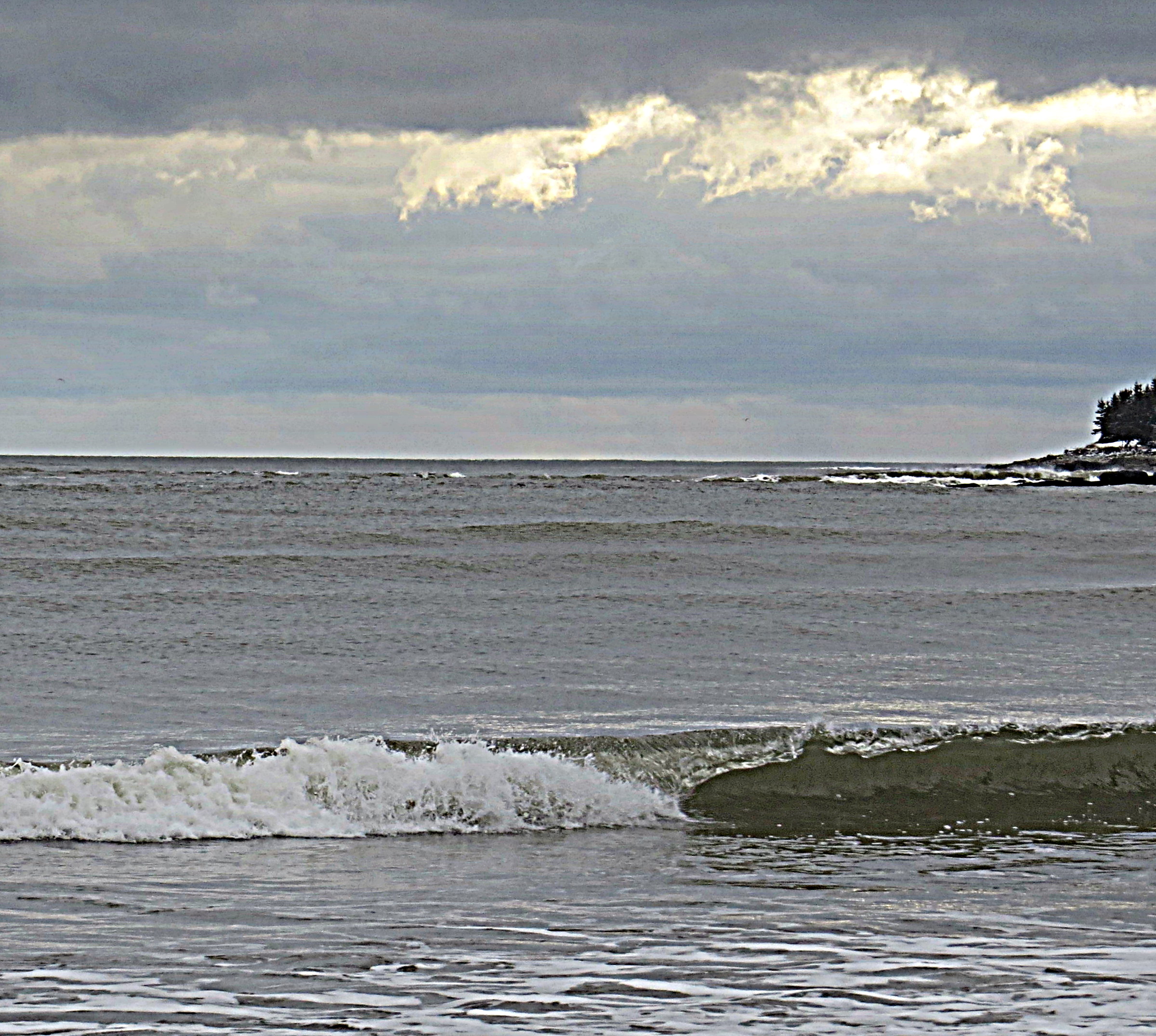
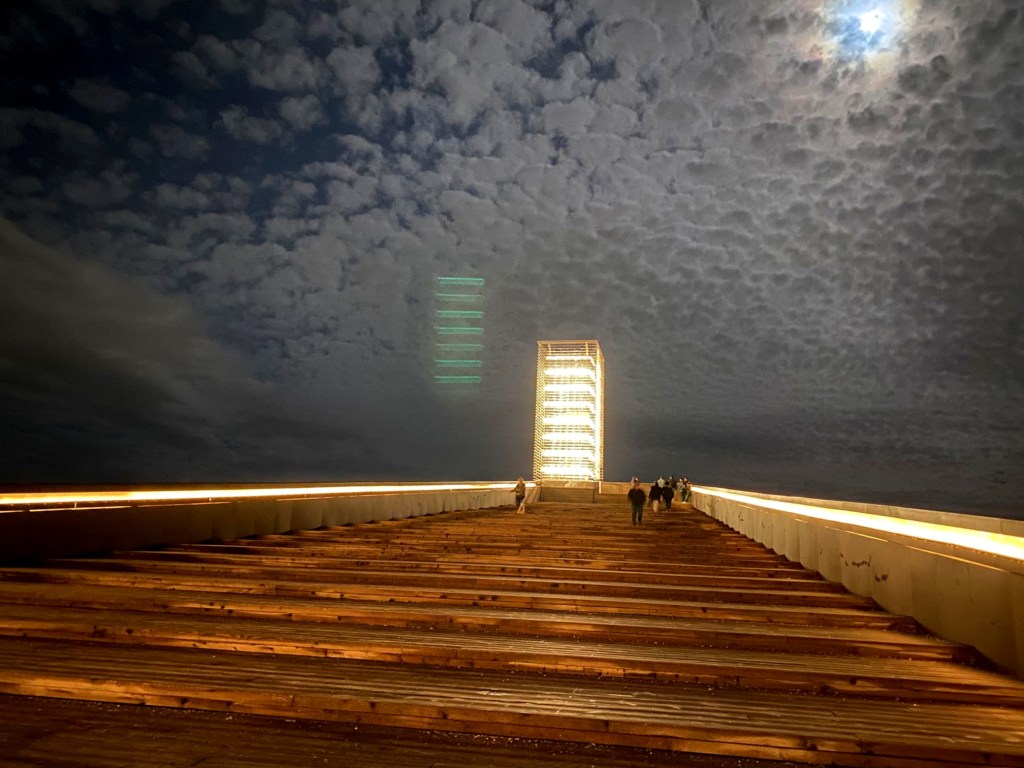
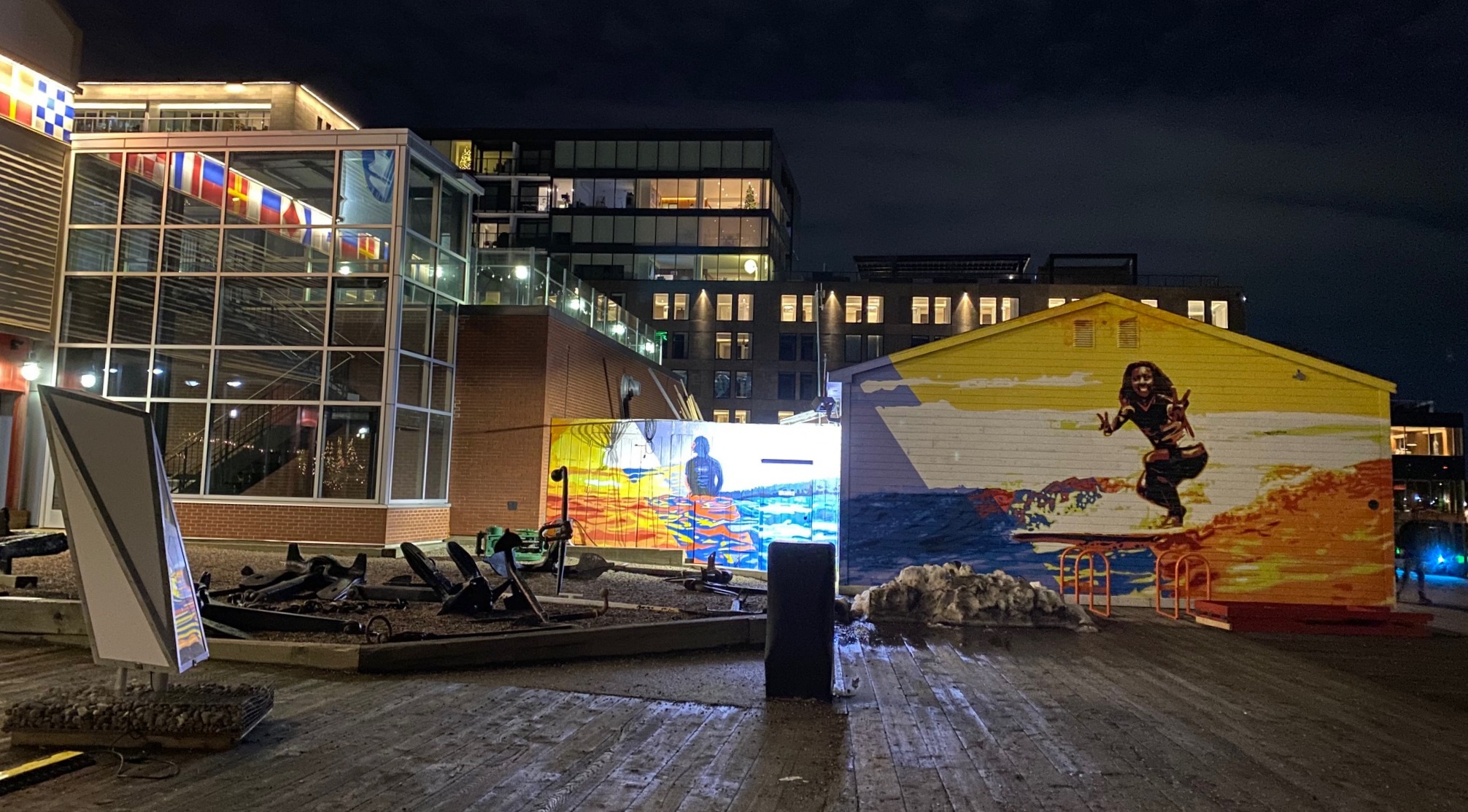
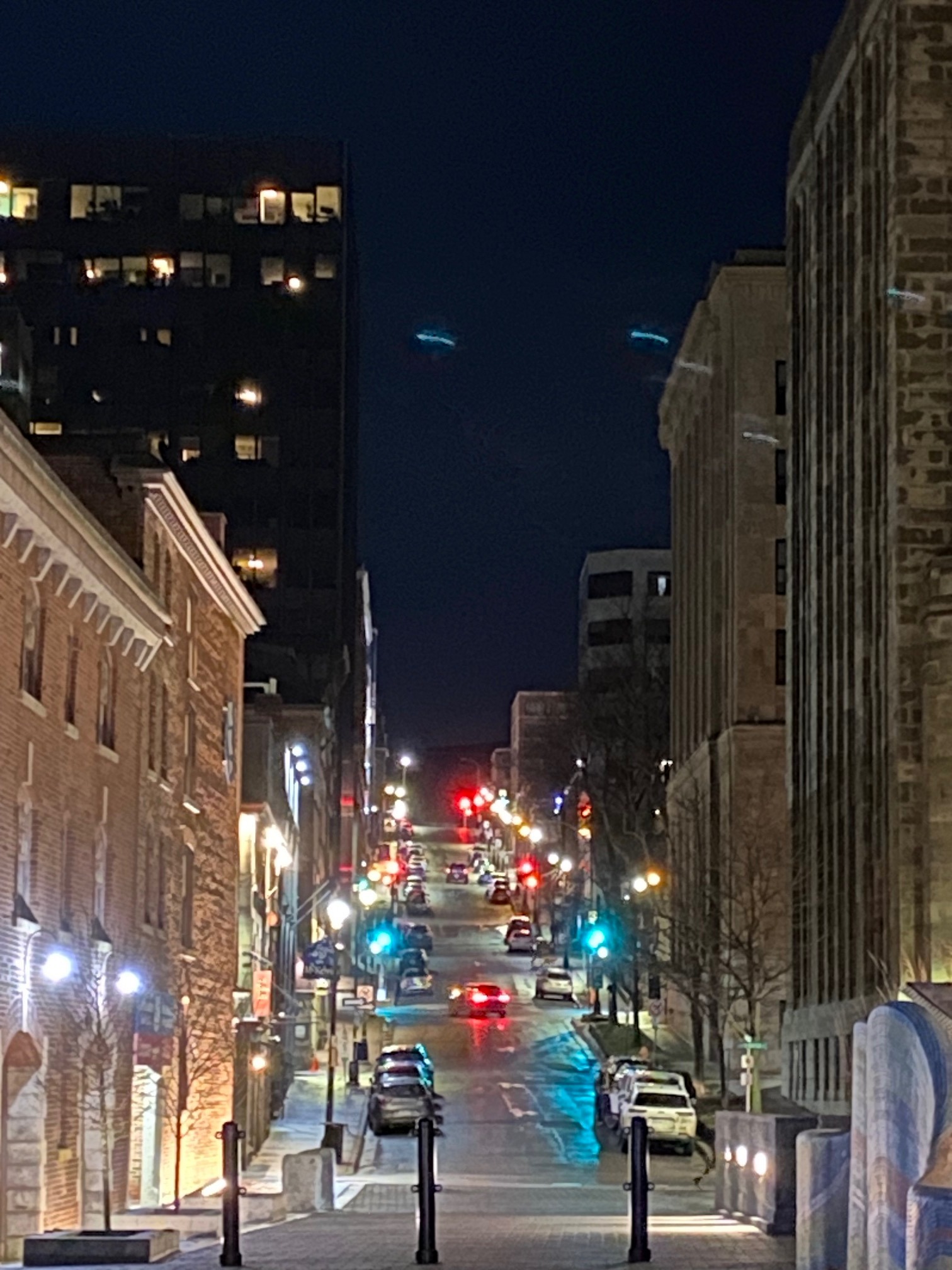
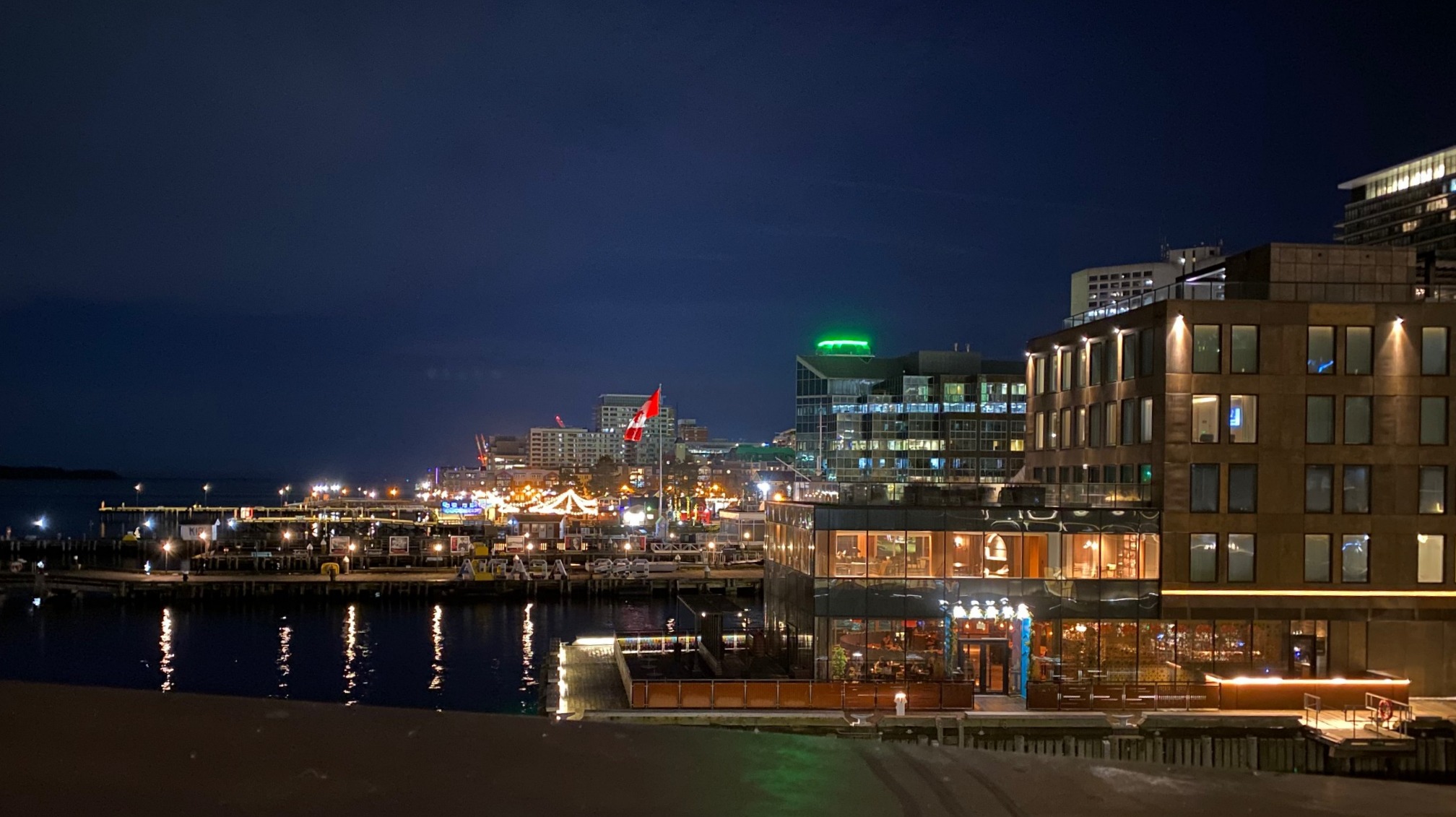
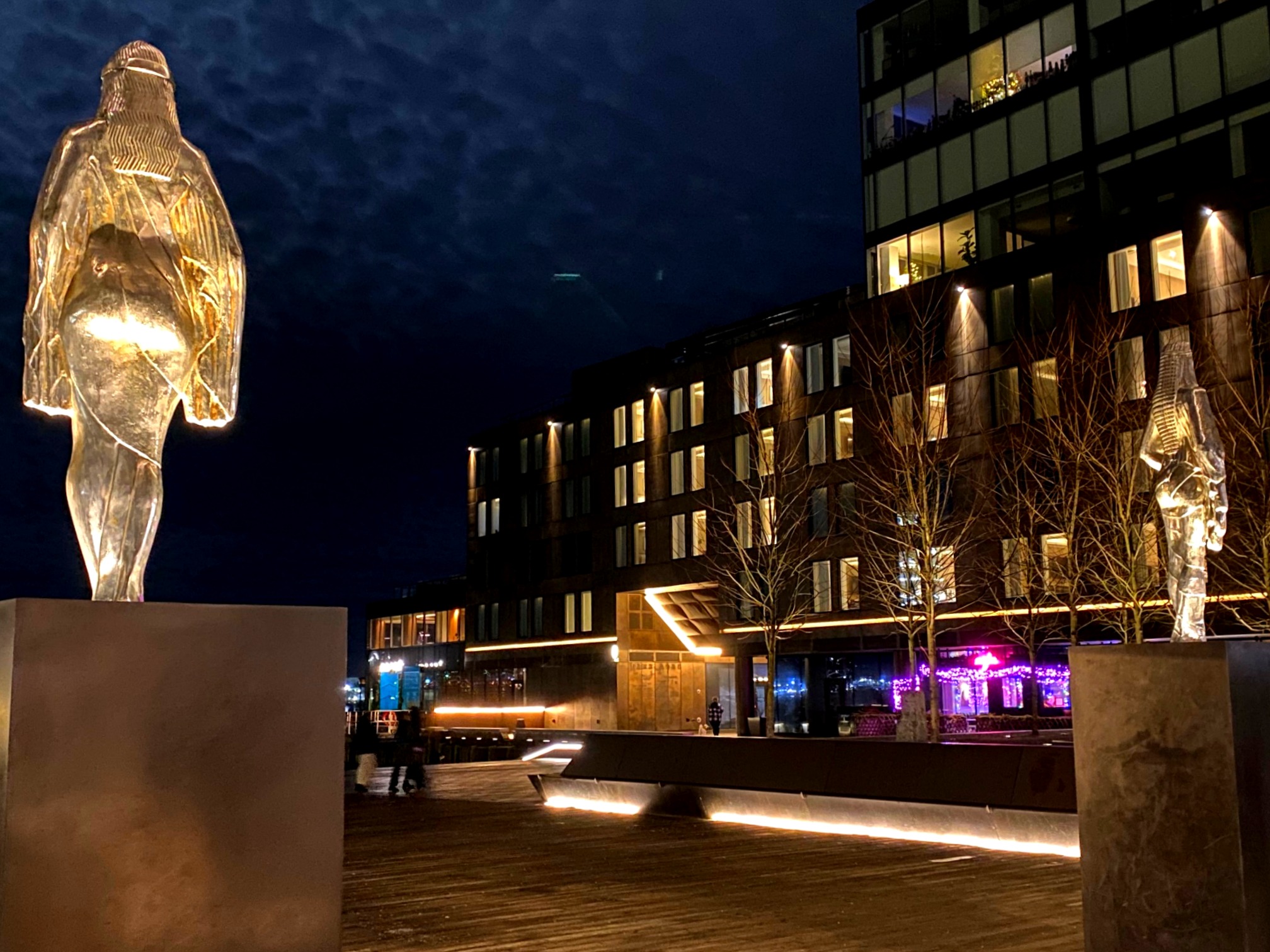
Yule is an old Solitice holiday in Norse and Anglo-Saxon tradition. I was going to visit my husband burial place today. But been there a short time ago. Dont really like going there, especially this time of the year, when it is wet, gray, desolate and sad. Entire summer and autumn I spent almost entirely on wild beaches, secluded spots, where I could be just with him. Talked to him, built forts of stones and sticks to our love and passion. wrote poems to him. And I said today – no more cemeteries. You are here with me, and we are going to do some damage at night time in Halifax. And we went and did.
Yule in Halifax
Do you still notice the odd things
and the normal things, expected?
Did you hear the song of the waves
yesterday – when it came to our feet,
caressing, enveloping them in a soft
foamy embrace like a kiss?
Do you still follow me on these walks,
my walks of our talks, our love and pain?
Forlorn shores of foreign land that
separated us. But it failed, it failed, I say.
I scream – it failed!
The land on the edge of Canada,
precipitously looking at the abyss
of cold North Atlantic waters.
But we walked on these edges
holding hands, touching limbs and lips.
I still pull you, like a fisherman dragging his net
John, mój mąż, zmarł w końcu listopada 2022 roku. Jedyną szansę przetrwania tego bólu, tej Straty, odnalazłem w podróżach do miejsc naszych wycieczek, w dzikie ustronia i w podróżach pamięci miejsc nam specjalnie bliskich. Podróżach, w których moim nieodstępnym towarzyszem był notes, aparat fotograficzny i poezja. Był to czas, gdzie bardziej niż w naszym domy – byliśmy ponownie razem, był obok mnie. Rozmawialiśmy. W jakiś sposób petyckie zapiski wędrowania umożliwiły mi przetrwanie tej niewyobrażalnej i kompletnej pustki. Pierwsza taka wycieczka i pierwsze refleksje, wiersze z niej, powstały 26 lutego, 2023. Ten zapis będący collage’m wspomnień moich i moich ciotek, babek, wspomnień kulturowych i rodzinnych, poetyckich kończyłem tryptykiem pt. “Idę sobie” w tórym te kolaże historyczno-literackie z przeszłości łączę z Johnem, który przez to staje się ich częścią, tamta historia staje się Jego pamiecią. Tak, jak zdarza się, że serdecznie ‘zawłaszczamy’ pamięć kulturowo-historyczna naszych najbliższych i staje się przez to też pamięcią naszą. Tak mój kanadyjski z dziada-pradziada mąż – został moim stepowym sokołem, moim ukraińskim Wernyhorą. W cyklu napisanym w ostatnich bodaj dwóch tygodniach w stylu biograficznej opowieści poetyckiej ten tryptyk powrócił w pewnym momencie i tam się znalazł ponownie. Ta opowieść – chwilami ciepła, urocza być może ale i brutalnie wręcz bolesna – jest zapisem naszych podróży. Tych faktycznych, rzeczywistych i podróży psychologicznych, podróży emocji. Kolejne rozdziały zamykane i otwierana są wierszem wolnym, najczęściej przez ze mnie używanym. Być może będzie to zamknięcie mojego długiego czasowo i objetościowego cyklu tych wierszy “Rozmów z Johnem”
Strawberry Fields w Hyde Parku w Nowym Jorku – z naszej podróży w 2012
Wszystko wydaje się zgiełkiem,
hałasem słów, tupotem zdań.
Gasną, jak smugi zachodu
ukradkowe i nieśmiałe
spojrzenia dziewczyn i chłopców;
muśnięcia warg czerwonych
rzucane wzrokiem ponad
głowami przechodzących
obojętnie szpalerów
budzących się ciżb wieczoru.
Idę z Tobą brzegiem długiej plaży, gdzieś pod Tofino na Wyspie Vancouver. Mogłoby być Portofino, słoneczne, bliskie Lazurowego Wybrzeża, może żaglówką wycieczkę na Korsykę lub Sardynię? Czy pod południowym słońcem bardziej bym Cię kochał, goręcej? Całował natarczywiej, uporczywiej, nieustannie?
Tu, nad Północnym Pacyfikiem jest jednak ciszej z wieczora. I tak wolę. Możemy patrzeć na wschodzący księżyc, zapalające się, jak fruwające świetliki, gwiazdy. I iść na długi, kilometrami bez końca, spacer po tej plaży. Gdzieś z półmroku, wynurza się inna para spacerująca też. Ona z nim i ja z Tobą. Skinamy głowy ku sobie znakiem pozdrowienia. Jest miło. Jest dobrze. Jesteś obok. Tuż przed nocą głęboką pójdziemy posiedzieć w dymiącym od pary małym jacuzzi otoczonym szpalerem zielonych choinek.
Rano właściciele tego Bed&Breakfast, para przystojnych mężczyzn w naszym mniej więcej wieku, zastuka do drzwi sypialni i nie otwierając ich zaanonsuje, że jadą do pracy do Tofino, ale zostawili dla nas w saloniku gotowe śniadanie i jeśli czegoś potrzebujemy to możemy do nich zadzwonić.
Kilka lat później, gdzieś w środku głębokich lasów, pięknych jezior i rzek Montany zatrzymujemy się w jakimś hoteliku w uroczym miasteczku Kalispell nad rzeką Flathead. Tak pysznych wypieków lokalnych kawiarenek i cukierenek dawno nie jadłem. Śmiejesz się, że muszę czuć się, jak w siódmym niebie. A przecież Ty byłeś moim ‘Siódmym Niebem”, nie musiałem go nigdzie szukać w świecie. Mimo, że sam nie byłeś amatorem słodyczy – piekłeś w domu stale jakieś rarytasy dla mnie. A piekarzem byłeś wyśmienitym, co bez wątpienia odziedziczyłeś po mojej teściowej – Twojej mamie.
Wszystko dziś zdarzyć się może.
Dotykasz palcem nuty na
pięciolinii dźwięków nazw
miłości – nuta szybuje w
wysoki ton górnego C.
Przebija błony uszu i
pędzi drożynkami puszczy
mózgu, ścieżkami łąk płuc,
niżej, przez wzgórki podbrzusza –
ku lędźwiom napiętym jak łuk.
Jedziemy niekończącą się szosą przez niekończące się wielkie pasma gór, płaskie jak kartka papieru prerie, przez puszcze porastające olbrzymie jeziora. Ciągniemy w dwóch samochodach, niczym w karawanie przez pustynię, dobytek naszego życia. Od fal Pacyfiku, ku falom Atlantyku, spięci tymi oceanami niczym okładką wielkiej księgi. Wielkiej Księgi Miłości. Dojeżdżamy wśród tych puszcz i jezior do sympatycznego miasteczka Wawa nad jeziorem Superior. Warszawa w puszczy kanadyjskiej. U wjazdu w opłotki wita nas wielki pomnik kanadyjskiej gęsi. Jest karykaturalnie olbrzymi i brzydki. Typowa tandeta sztuki małomiasteczkowej. Mimo to – nie razi. Nieco dalej duży sklep kolonialny, przed wejściem stoi wielka drewniana beka kiszonych ogórków pachnących koprem. Blisko sklepu duży biały budynek ‘Polish Community Hall’. Szyld z Białym Orłem w koronie opadł ze ściany i leży oparty o mur budynku. Nikt tu już prawie po polsku nie mówi ale wielu ma polskie korzenie i są z tego dumni. Potomkowie XIX-wiecznej fali emigracyjnej. Idziemy na obiad na jakiegoś wielkiego schaboszczaka z surówką z kapusty kiszonej.
Najprostsze słowa są trudne.
Ot, choćby: wniebowzięcie lub
uniesienie, rozkosz, pasja.
Brzmią, jak organy w barokowym
kościele pod plafonem
fruwających aniołków
z różowymi ustami,
i loczkami włosów na
korpulentnych ramionach,
skrzydełkach, błękitnych kapach.
Od Montrealu jedziemy wzdłuż potężnej rzeki św. Wawrzyńca. Nieustannie w dół, z szerokim widokiem na cały otwierający się niczym długa rola dywanu rozwijającego zielony Nowy Brunszwik. Tu, w szpitalu we Fredericton, urodziłeś się. Oczywiście, że tego nie pamiętasz. Ani żadnych widoków ni wspomnień z atlantyckiej Kanady nie masz z tamtego czasu. Jedziemy z drugiego końca świata, jak pierwsi przybysze ze Szkocji, z Anglii, z Francji. Osadnicy na ziemiach nieznanych.
Ale znowu omijam, udaje, że nie pamiętam ‘tamten czas’. Czas zły. Czas, który zmienił Twoje życie, a przez to zmienił i moje. Czas za który zapłaciłeś wówczas – po powrocie do domu nad Pacyfikiem – prawie swoim życiem. Czas Twojej pierwszej pamięci Nowej Szkocji, pamięci niezatartej. Nie chciałeś do tej pamięci wracać. I mojej pamięci tego czasu i małego miasteczka Pictou, nieco większego New Glasgow. I tej długiej, zielonej szosy od lotniska, która tam prowadziła. Czasu roku 2000. Roku odejścia Leony, Twojej matki. Przyleciałem wtedy być z Tobą choć trochę, być z Leoną. Bałem się o Ciebie. Musiałem zostawić w domu nad Pacyfikiem moją matkę, która ledwie kilka miesięcy wcześniej przyleciała zamieszkać z nami na stałe. Tak złożyło się niespodziewanie, że nastąpiła wówczas poprawa stanu Leony, odzyskała przytomność, nawet ograniczoną mobilność, z trudem ale mogła się z nami porozumiewać. Wróciła do domu ze szpitala. Tobie jakby też wróciło życie. Swoim uporem udało mi się i Ciebie wyrwać chwilami od tej okrutnej rzeczywistości. Pokazywałeś mi wtedy Pictou. Potem musiałem wracać. Odwiozłeś mnie na lotnisko. A nieubłagany wyrok losu wkrótce się ziścił. Twoja matka odeszła. Ale było już tam Twoje rodzeństwo, masa bliskich i znajomych z okolic. Ja kolejnego urlopu z pracy dostać nie mogłem. W niczym też bym już pomóc Ci nie mógł. Po pogrzebie wróciłeś do domu, do nas. Początkowo ani Ty ani ja nie wiedzieliśmy, nie poznawaliśmy objawów tej rozpaczy, tej choroby, która już zaczynała Cię drążyć. Trwało to wiele miesięcy. Dni i nocy. Nieprzespanych, zarwanych, nieprzytomnych. Były dni, gdy czułem się bezbronny, bezużyteczny. Osaczony zewsząd nieporównywalnymi przeszkodami. Walczyłem, jak oślepiony wilk o Twoje życie. Nic innego nie miało znaczenia. Na kilka miesięcy musiałem wysłać swoja matkę do Polski. Chciała, starała się pomóc Tobie i mnie ale to przekraczało jej możliwości i siły. Było przeszkodą w moim kompletnym poświęceniu wszystkiego Tobie. Bo wiedziałem, że giniesz. I ta walka była gigantyczna, jak walka żywiołów życia i śmierci. Wszystko materialne prawie wówczas straciliśmy: dom, oszczędności, zasoby. Ale wygraliśmy. Ty wygrałeś. Wygrałeś chyba wtedy, gdy wyczułeś – zanim ja to spostrzegłem – że ja tracę wiarę i resztki sił. I dla mnie, dla ratowania mnie – sam tą walkę podjąłeś. Wtedy wiedziałem, że walkę wygramy. I wygraliśmy. Wtedy chyba tak w pełni zrozumiałem, co to jest miłość. Ta najczystsza, najwspanialsza. Potężna, walcząca gdy życie samo nie starcza, poddaje się.
Od tamtej walki, którą wygraliśmy, którą niespodziewanie wygrałeś Ty – stałeś się moja opoką, moją przystanią, moim spokojem. Moją twierdzą, która broniła naszej miłości. Do ostatnich dni. Choć przyszły też tak strasznie za wcześnie i tak nieoczekiwanie – ale dwukrotnie ze Śmiercią targu prowadzić nie można. Raz uległa prośbie Miłości. Dostaliśmy prezent ponad dekady szczęścia ponownie, gdy wszystko wydało się leżeć w ruinie. Nie zmarnowaliśmy go. Użyliśmy każdy dzień, każdą minutę.
I teraz już na zawsze jesteś ze mną, bo już nie ma ‘mnie’ i ‘ciebie’. Jesteśmy ‘my’. Póki wiatr nie rozwieje mojego życia w pyle, który po sekundzie opadnie gdzieś w trawy, w nurty jakiejś rzeki lub morza. Jeśli będę miał czas, to uśmiechnę się wówczas do Ciebie.
IDĘ SOBIE
1.
Śnieg cichy, sypki, lekki,
jak twój łagodny wzrok,
którym obejmowałeś
moją twarz, moje oczy.
Pamiętam spacery po
zaśnieżonym Holland Park,
wysokich brzegach górskich
potoków w Kananaskis.
2.
Cicho wokół. Tylko dźwięk
wody kamiennych progów
Dniestru. I nagle strzały.
Cisza umiera. I ty.
Mój kanadyjski sokole,
moje sny stepowe na
kanadyjskiej prerii – Ty,
mój Wernyhoro. Milczysz.
3.
Ale idę dalej cichą
nocą po cichym śniegu
wzdłuż brzegu Atlantyku
na drugim końcu świata.
Twoja dłoń w mojej dłoni
już na zawsze. Idziemy.
Do falujących stepów.
I sokołów nad nimi.
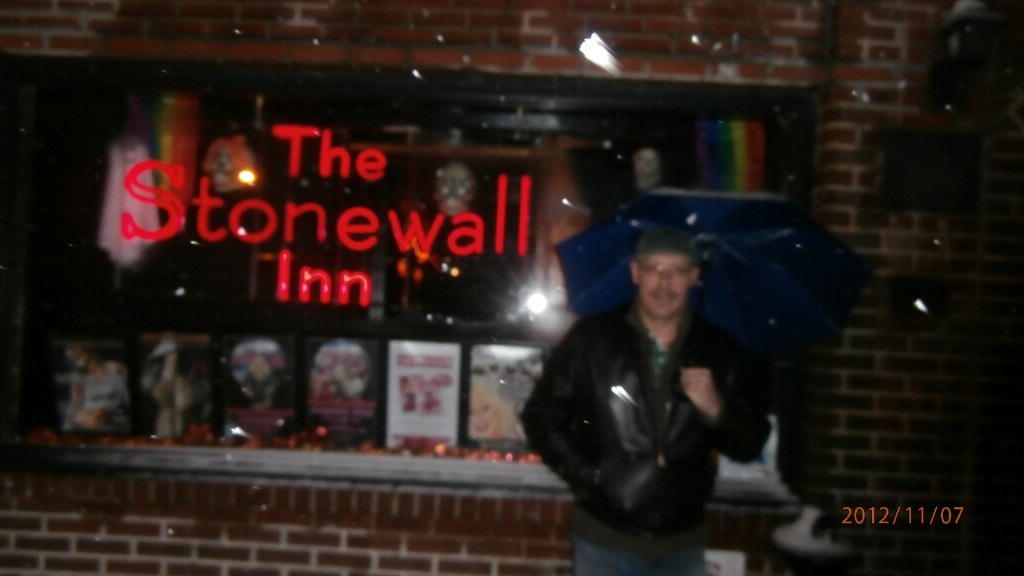
Greenwich, The Stonewall Inn
Jeszcze jedna dla nas podróż ważna. Jedne jeszcze ścieżki wydeptane w betonowym lesie- dżungli Manhattanu nowojorskiego. Listopad 2012. Potrzebowaliśmy tam pojechać. Lecieliśmy z naszego ulubionego miasta w USA, z Seattle. Planowałem jeszcze jedną podróż. Samochodem z Vancouveru przez piękne wybrzeże Oregonu – do San Francisco. Niestety odkładaliśmy ją i nagle już nie było czasu. Zresztą wiedziałem, że starego San Francisco, tego które znałem z młodości przed poznaniem Ciebie – już nie znajdę. Ale chciałem byśmy trochę pochodzili śladami De-De, Mary Ann, Anny Madrigal, Mouse i oczywiście… Babycake z trylogii Maupina ‘Tales of the City’. Nie udało się. Tego żałuję. Ale od tamtego czasu nazywałem Cię Babycake. I lubiłeś to.
Ale Nowy Jork się udał. Długi spacer w jakiejś strasznej wichurze i śnieżycy noreastera (słynne wichury o kierunku północno-wschodnim, który w tunelach wieżowców Nowego Jorku łamie wszystkie parasolki i porywa kapelusze zaskoczonym turystom) z górnego Manhattanu do Greenwich i do matecznika ‘naszego szczepu LGBTQ’ – do Stonewall Inn. To tam w 1969 wspaniałe queer queens w wysokich obcasach dały popalić nowojorskim ‘bohaterom’ policyjnym. W 1969 chyba jeszcze nie wiedziałem, że byłem gejem. Komiczne, co? W Polsce w 1969, w tym wieku nikt nie wiedział, że jest gejem. Świat był inny. Nikt nie znał tego słowa. Nie w tym znaczeniu, jakie ma dziś. Już kilka ledwie lat później wiedziałem, że lubię chłopców bardziej niż dziewczynki – ale słowa ‘gay’ dalej nie znałem, LOL.
W Nowym Jorku ważne też dla nas było pójść na ten mały skwerek Hyde Parku przed dużym budynkiem Dakota, gdzie mieszkał John Lennon. 8 grudnia 1980, przy wejściu do tego budynku Lennona zastrzelono. Na tym skwerze, znanym jako Pole Truskawkowe, jest specjalne upamiętnienie Lennona – duża rozeta z napisem w centrum: Imagine. To już były moje czasy. Pokolenia, które uchwyciło się słów tej piosenki, jak nowej Ewangelii.
Imagine there’s no countries
It isn’t hard to do
Nothing to kill or die for
And no religion too
Imagine all the people
Living life in peace
You
Ty też wierzyłeś w te słowa “Imagine”. To była też Twoja Ewangelia. Ja ciągle w nią wierzę. Jedyna Ewangelia w jaką wierzę. Jaką potrafię sobie wyobrazić.
Jutro pójdziemy znowu na
spacer. Nie ja ani nie ty.
Jesteśmy tylko my – razem.
Nie ma ciebie – jesteś we mnie.
Palce będą się splatać
w czwórdłoniach, usta całować
w czwórwargach, wzrok obejmować
w czwóroczach czułych, widzących.
Popędzimy kwadrygą na
grzywach fal w smugę zachodu.
Póki wiatr nie rozsypie mojego życia w pyle … . …uśmiechnę się wówczas do Ciebie. I wreszcie uśmiechnę się do siebie też.
Nota od Redaktora blogu: Bart Staszewski jest działaczem środowisk LGBTQ+, działaczem środowisk demokratycznych i współzałożycielem Fundacji Basta w Polsce działającej na rzecz równoprawności osób o innej tozszamości psychoseksulanej i płciowej; działalności na rzecz osób niepełnospeawnych, równouprawnienia kobiet i meżczyzn oraz innych zagadnien związanych z prawami człowieka i równości wobec prawa. Tekst poniższy powstał w związku z obchodami Dnia Niepodległości w Polsce w listopadzie 2023 roku.
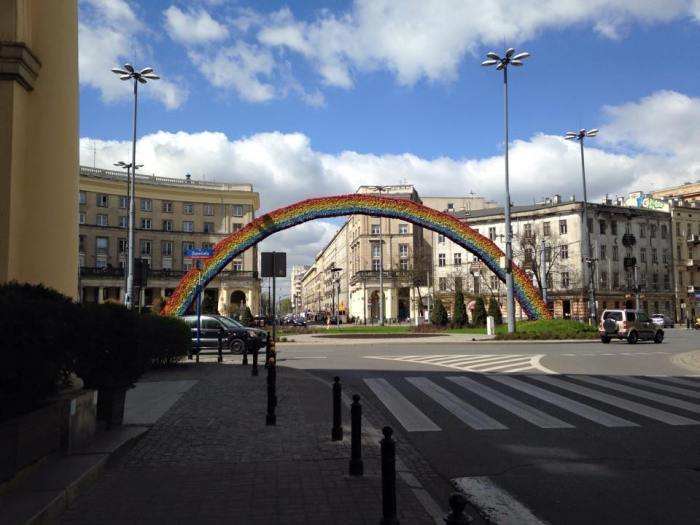
fot. by B. Pacak-Gamalski
“Polska to nasz dom” – mówi wiele osób. A dom, jak to dom, kojarzy się zazwyczaj z bezpieczeństwem, rodziną i dobrymi wspomnieniami. Z czym tobie kojarzy się Polska? Dla mnie to jest trudne pytanie. Zamiast prostej odpowiedzi (czy taka istnieje?) opowiem ci moją historię.
Urodziłem się w Malmo w Szwecji, w domu polskich emigrantów. Gdy miałem siedem lat wróciłem z moją mamą do Lublina. Nie był to łatwy dla nas czas. Mama dawała radę na tyle, na ile mogła – jak wiele innych samotnie wychowujących dzieci w Polsce. Mijały kolejne lata, kolejne wigilie i urodziny, pierwsza komunia i inne rodzinne spotkania – przy każdej okazji byłem wypytywany przez wujków i ciotki o to, gdzie wolałbym mieszkać – w Polsce czy w Szwecji? W Polsce! – odpowiadałem, stając na baczność, i bez chwili zastanowienia. Rzeczywistość zrewidowała moje poglądy, gdy w wieku 16 lat postanowiłem wrócić do ojca, do Szwecji.
Dzisiaj patrzę na ten okres z uśmiechem. Coś co wykluło się z młodzieńczego buntu, przetworzyło się na doświadczenie emigranta, który musiał odnaleźć się w zupełnie innym, zróżnicowanym kulturowo Malmo. To nie jest czas, abym rozwijał setki opowieści i wspaniałych osób z różnych zakątków świata, które tam poznałem. Wiem jednak, że ten okres pozostawił we mnie otwartość na “inność”. Razem z innymi imigrantami trzymałem się w paczce, chodziłem z nimi na wagary, śmiałem się, płakałem, zakochiwałem się. A swoją “inność” odkryłem dopiero po powrocie do Polski.
Ale wróćmy do teraźniejszości – ostatnie 8 lat rządów PiSu było dla mnie kolejny testem. Mogłem znowu wyemigrować, zostawić to wszystko, żyć gdziekolwiek i jakkolwiek. Ale nie chciałem gdziekolwiek i jakkolwiek. Widać mój wewnętrzny bunt jeszcze się we mnie tli, mimo iż mam już 33 lata. Skłamałbym, gdybym powiedział, że nie jestem zadziorny – oczywiście, że jestem zadziorny, pewny siebie, czasami głupio coś powiem i zdecydowanie za mało czytam. Ale te moje wado-zalety pozwoliły mi jakoś przetrwać najgorsze czasy i działać, kiedy tylko było to możliwe. Pozwalały mi wyjść ze swojej strefy komfortu.
Poprowadziłem pierwszy marsz równości w Lublinie. Pamiętam to jakby to było wczoraj. Rok 2018, Plac Litewski, olbrzymi stres. Wokół mnie mnóstwo policji i jeszcze więcej kontr manifestujących. Obok nas nagle wybucha granat dymny. Myślę, że już po wszystkim. Ale nie poddajemy się. Włączamy Abbę i idziemy przed siebie. Przeszliśmy, przeżyliśmy. W kroplach pary po policyjnych armatkach wodnych pojawiła się wspaniała, wielka tęcza. Razem znowu udało nam się przeżyć kolejny dzień w tym kraju i nawet zrobić coś dobrego dla innych. Tego dnia Lublin był mój..
Równo dwa lata temu, w Dzień Niepodległości byłem z Grupą ‘Granica’ w lesie przy polsko-białoruskiej granicy. Trwał kryzys uchodźczy. Pojechałem tam, aby nagrać film, który miał się ukazać w mediach społecznościowych aktywistów. W środku nocy budzi mnie telefon: Bartek, jest akcja, wstawaj, jedziemy. Okropna mgła, policyjne kontrole, potem. wchodzimy w las, powoli przesuwamy się do przodu. Raz, drugi, trzeci dostaję gałęzią po twarzy. Nogi grzęzną mi w błocie. Weszliśmy na pole, czyli nas widać, więc trzeba uciekać. Wracamy w krzaki. Zapalamy czerwone światełka – bo te ponoć są trudniej zauważalne przez mundurowych. I nagle… jest, cała rodzina! Przy nich już inni wolontariusze – medycy, którzy udzielają im pomocy, jakieś osoby z kocami. Jest niewyobrażalnie ciemno. Trzęsę się z zimna a jednocześnie jestem przepocony, trudno mi się doliczyć, ile jest tam osób. Matka, ojciec, kilkoro dzieci. Wszyscy bez rękawiczek, szalika, czegokolwiek ciepłego. Help, help! – mówi do mnie jedna z kobiet. Opuszczam kamerę, i próbuję rozmawiać. Aktywiści dzięki pomocy telefonicznego-tłumacza dogadują się z uchodźcami. To Kurdowie, uciekają z Syrii. ISIS zabija takich jak oni. Wypełniamy wnioski azylowe, żegnamy się. To wszystko co możemy zrobić. Zimne uściski dłoń, szybkie przerażone spojrzenia, znikamy w lesie. Wychodzimy z krzaków, wchodzimy na drogę. Jest nam już wszystko jedno. Mijamy ciepłe, zadbane domy, duży, ładny kościół. Dochodzimy do naszego hotelu. Rano dostaję ataku kolki nerkowej i ląduję w szpitalu. Zwijam się, płaczę z bólu i wyję. Dostaje lek, które zaczynają powoli działać. Wiem, że ta wizyta to przywilej. Rozmawiam z pielęgniarkami o tym, co się dzieje w lesie kilka kilometrów dalej. Potem, w ciepłym domu zaczynają dopadać mnie wyrzuty sumienia – mogłem im zostawić swoją czapkę, rękawiczki, cokolwiek. Nie dałem nic. Nie pomyślałem.
Następnego dnia wracamy do Warszawy, do domu. Na niektórych budynkach powiewają jeszcze biało-czerwonych flagi. Po drodze duży ledowy ekran pokazuje datę “12.11” i miga na zmianę z “temp. 8 st.C”. Zimno. Wiem, że przy takiej temperaturze ludzie będą umierać w lesie. W Warszawie powiedziałem sobie, że już tam nie wrócę. W moim systemie wartości nie godzi się, aby kogokolwiek zostawiać na mrozie na śmierć. Zostawiłem raz, drugi raz bym nie umiał. W następnych dniach wolontariusze wrócili z dobrymi nowinami do lasu, gdzie 11.11 spotkaliśmy zmarzniętą rodzinę. Ale po rodzinie została tylko zbita kulka ze złotych, ratunkowych kocy pośród drzew. Zostali wypchnięci za drut kolczasty, na białoruską stronę.
Ty, ja, każdy z nas ma jakąś swoją historię. Czasem piszecie do mnie wiadomości, dzieląc się ze mną swoimi, często trudnymi, życiowymi doświadczeniami. Razem dzielimy samotność, poczucie wyobcowania, bycia poza systemem. Jakby świat o nas zapomniał.
Mimo to czasami decydujemy się na jakieś bezinteresowny akt troski o innych, nie oczekując niczego w zamian – albo sami ich doświadczamy. To jest właśnie moja definicja patriotyzmu. Dzielę się z Tobą kilkoma moimi historiami, które stały się dla mnie ważne. Pomagają mi zrozumieć, jakiej chcę Polski. Chcę Polski będącej domem, fajnym, ciepłym miejscem do życia dla Ciebie, dla mnie, dla sąsiada PiSowca, koleżanki weganki czy Ibrahima z sąsiedniej ulicy. Tak długo jak chcemy razem budować ten dom, mając w pamięci naszych braci i siostry, tak długo jest dla nas jako Polek i Polaków szansa. Patrzymy w przyszłość, razem budując teraźniejszość i wyciągając wnioski z przeszłości. Tego i Tobie życzę w Święto Niepodległości.





















































 > > Pogwarki < <